10  Sensitivity tests

Ce document fournit les différents tests de robustesse utilisés dans l’analyse. Cette étape est un aspect crucial pour garantir la fiabilité et de la validation de notre méthodologie.

10.1 Test de sensibilité aux tailles de buffer

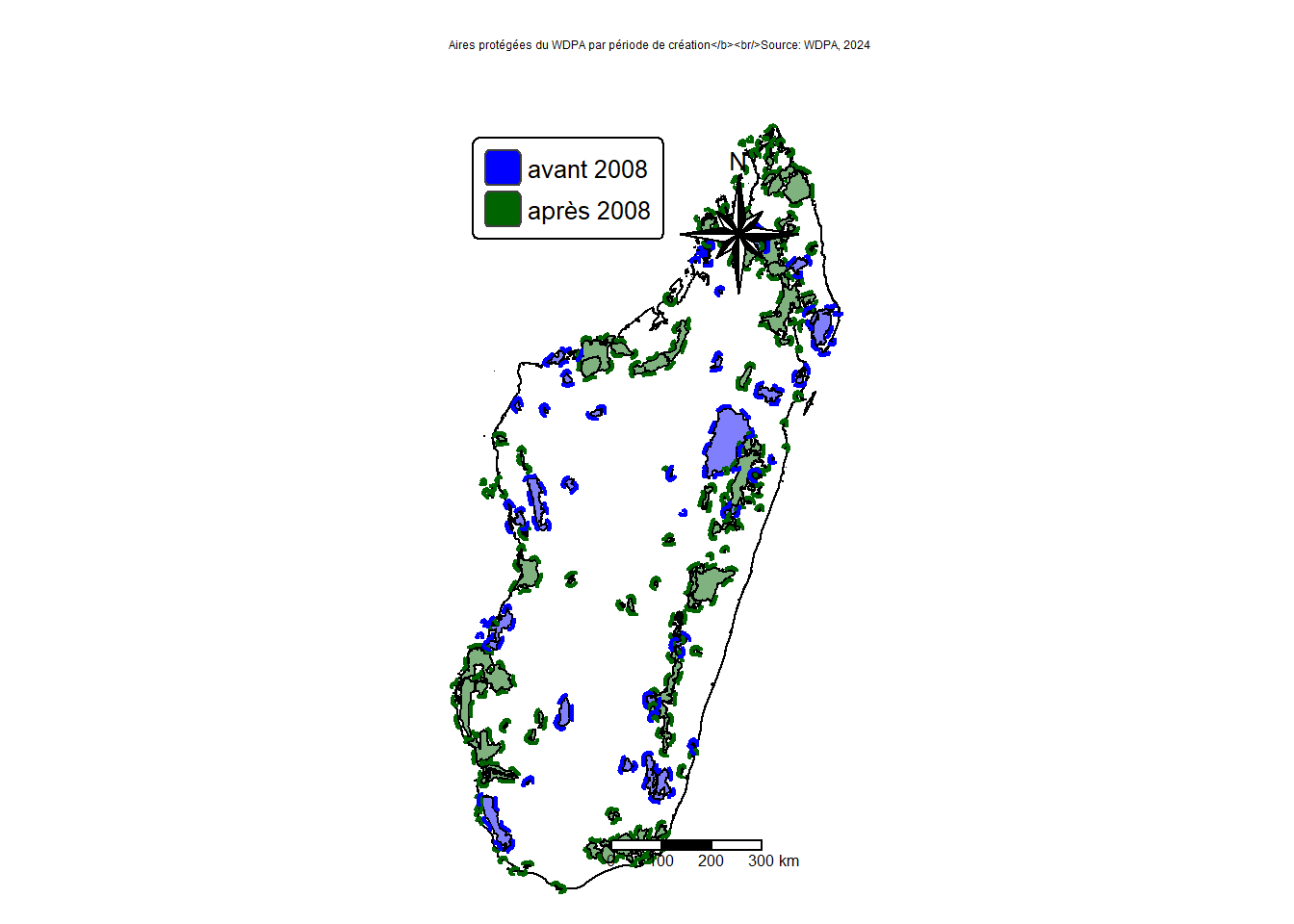
Cette partie vérifie la robustesse des conclusions des estimations effectuées auparavant en retenant des distances de 5 km et de 15 km.

10.1.1 Test pour une distance de 5 km

10.1.1.1 Assignation des traitements

Code
# Library
library(tidyverse) 
library(haven) 
library(sf) 
library(tmap) 
library(gt)  
library(geodata) 
library(writexl)
library(units) 
library(leaflet) 
library(readxl) 
library(glue)


# Systèmes de coordonnées de référence 
standard_crs <- 4326
mdg_crs <- 29702 

# On charge les données gps 
gps_1997_initial <- st_read("data/raw/dhs/DHS_1997/MDGE32FL/MDGE32FL.shp")
Reading layer `MDGE32FL' from data source 
  `C:\Users\irian\Documents\Analyse de données\PA-livelihood-impact-dhs\data\raw\dhs\DHS_1997\MDGE32FL\MDGE32FL.shp' 
  using driver `ESRI Shapefile'
Simple feature collection with 269 features and 20 fields
Geometry type: POINT
Dimension:     XY
Bounding box:  xmin: 6.661338e-16 ymin: -25.28438 xmax: 50.45773 ymax: 0
Geodetic CRS:  WGS 84
Code
gps_2008_initial <- st_read("data/raw/dhs/DHS_2008/MDGE53FL/MDGE53FL.shp")
Reading layer `MDGE53FL' from data source 
  `C:\Users\irian\Documents\Analyse de données\PA-livelihood-impact-dhs\data\raw\dhs\DHS_2008\MDGE53FL\MDGE53FL.shp' 
  using driver `ESRI Shapefile'
Simple feature collection with 594 features and 20 fields
Geometry type: POINT
Dimension:     XY
Bounding box:  xmin: 0 ymin: -25.52226 xmax: 50.29224 ymax: 0
Geodetic CRS:  WGS 84
Code
gps_2011_initial <- st_read("data/raw/dhs/DHS_2011/MDGE61FL/MDGE61FL.shp")
Reading layer `MDGE61FL' from data source 
  `C:\Users\irian\Documents\Analyse de données\PA-livelihood-impact-dhs\data\raw\dhs\DHS_2011\MDGE61FL\MDGE61FL.shp' 
  using driver `ESRI Shapefile'
Simple feature collection with 267 features and 20 fields
Geometry type: POINT
Dimension:     XY
Bounding box:  xmin: 0 ymin: -25.55782 xmax: 50.27262 ymax: 0
Geodetic CRS:  WGS 84
Code
gps_2013_initial <- st_read("data/raw/dhs/DHS_2013/MDGE6AFL/MDGE6AFL.shp")
Reading layer `MDGE6AFL' from data source 
  `C:\Users\irian\Documents\Analyse de données\PA-livelihood-impact-dhs\data\raw\dhs\DHS_2013\MDGE6AFL\MDGE6AFL.shp' 
  using driver `ESRI Shapefile'
Simple feature collection with 274 features and 20 fields
Geometry type: POINT
Dimension:     XY
Bounding box:  xmin: 43.55216 ymin: -25.55638 xmax: 50.26784 ymax: -12.13444
Geodetic CRS:  WGS 84
Code
gps_2016_initial <- st_read("data/raw/dhs/DHS_2016/MDGE71FL/MDGE71FL.shp")
Reading layer `MDGE71FL' from data source 
  `C:\Users\irian\Documents\Analyse de données\PA-livelihood-impact-dhs\data\raw\dhs\DHS_2016\MDGE71FL\MDGE71FL.shp' 
  using driver `ESRI Shapefile'
Simple feature collection with 358 features and 20 fields
Geometry type: POINT
Dimension:     XY
Bounding box:  xmin: 43.64903 ymin: -25.47617 xmax: 50.31325 ymax: -12.27554
Geodetic CRS:  WGS 84
Code
gps_2021_initial <- st_read("data/raw/dhs/DHS_2021/MDGE81FL/MDGE81FL.shp")
Reading layer `MDGE81FL' from data source 
  `C:\Users\irian\Documents\Analyse de données\PA-livelihood-impact-dhs\data\raw\dhs\DHS_2021\MDGE81FL\MDGE81FL.shp' 
  using driver `ESRI Shapefile'
Simple feature collection with 650 features and 20 fields
Geometry type: POINT
Dimension:     XY
Bounding box:  xmin: 43.3746 ymin: -25.5548 xmax: 50.36067 ymax: -11.99102
Geodetic CRS:  WGS 84
Code
# Fonction qui vérifie que les coordonnées ne sont pas nulles
check_coordinates <- function(dhs_gps, country_polygon, negate = FALSE) {
  dhs_gps %>%
    filter(LONGNUM != 0 | LATNUM != 0)
}

gps_1997 <- check_coordinates(gps_1997_initial, contour_mada)
gps_2008 <- check_coordinates(gps_2008_initial, contour_mada)
gps_2011 <- check_coordinates(gps_2011_initial, contour_mada)
gps_2013 <- check_coordinates(gps_2013_initial, contour_mada)
gps_2016 <- check_coordinates(gps_2016_initial, contour_mada)
gps_2021 <- check_coordinates(gps_2021_initial, contour_mada)

# Load boundary 
contour_mada <- gadm(country = "Madagascar", level = 0, path = "data") %>%
  st_as_sf() %>%
  st_set_crs(standard_crs)

# On charge les données des AP
wdpa_terrestre_mod <- st_read("data/derived/wdpa_terrestre_mod.shp") %>%
  rename(
    WDPA_PID = WDPA_PI,
    ORIG_NAME = ORIG_NA,
    DESIG_ENG = DESIG_E,
    DESIG_TYPE = DESIG_T,
    IUCN_CAT = IUCN_CA,   
    INT_CRIT = INT_CRI,
    REP_M_AREA = REP_M_A,
    REP_AREA = REP_ARE,
    NO_TK_AREA = NO_TK_A,
    STATUS_YR = STATUS_,
    GEOMETRY_TYPE = GEOMETR,
    AREA_KM2 = AREA_KM,
    area_km2 = are_km2
  ) %>% 
  st_make_valid() %>%
  st_transform(standard_crs)
Reading layer `wdpa_terrestre_mod' from data source 
  `C:\Users\irian\Documents\Analyse de données\PA-livelihood-impact-dhs\data\derived\wdpa_terrestre_mod.shp' 
  using driver `ESRI Shapefile'
Simple feature collection with 137 features and 35 fields
Geometry type: MULTIPOLYGON
Dimension:     XY
Bounding box:  xmin: 43.18819 ymin: -25.606 xmax: 50.47733 ymax: -11.98403
Geodetic CRS:  WGS 84
Code
# Intersection des AP de WDPA avec la limite de Madagascar
wdpa_terrestre <- wdpa_terrestre_mod %>%
  st_make_valid() %>%
  filter(rowSums(st_intersects(., contour_mada, sparse = FALSE)) > 0) %>%
  st_transform(mdg_crs) %>%
  mutate(
    area_m2  = as.numeric(st_area(.)),
    area_ha  = area_m2 / 1e4,
    area_km2 = area_m2 / 1e6
  ) %>%
  st_transform(standard_crs)

# Buffer de 5 km
buffer_dist <- 5000

# Spécification des AP avant-après 2008--------
wdpa_before_2008 <- wdpa_terrestre_mod %>%
  filter(STATUS_YR < 2008)
wdpa_from_2008 <- wdpa_terrestre_mod %>%
  filter(STATUS_YR >= 2008)

# Créer des buffers de 5 km autour des AP
buffer_5km_before_2008 <- 
  wdpa_before_2008 %>%
  st_transform(mdg_crs) %>%
  st_buffer(dist = buffer_dist) %>%
  st_make_valid() %>%
  st_union() %>%
  st_as_sf() %>%
  st_make_valid() %>%
  st_transform(standard_crs)


buffer_5km_from_2008 <- wdpa_from_2008  %>%
  st_transform(mdg_crs) %>%
  st_buffer(dist = buffer_dist) %>%
  st_make_valid() %>%
  st_union() %>%
  st_as_sf() %>%
  st_make_valid() %>%
  st_transform(standard_crs)

# Visualisation des cartes---------------------
tmap_mode("plot")

tm_shape(contour_mada) + 
  tm_borders(col = "black", lwd = 1) +
  
  tm_shape(wdpa_before_2008) +
  tm_polygons(fill = "blue", 
              col =  "black", 
              fill_alpha = 0.5,
              id = "ORIG_NAME", 
              popup.vars = c("Année de création" = "STATUS_YR")) +
  
  tm_shape(wdpa_from_2008) +
  tm_polygons(fill = "darkgreen", 
              col = "black", 
              fill_alpha = 0.5,
              id = "ORIG_NAME", 
              popup.vars = c("Année de création" = "STATUS_YR")) + 
  
tm_shape(buffer_5km_from_2008) +
tm_borders(col = "darkgreen", lwd = 2, lty = "dashed", fill.legend = tm_legend_hide()) +
  
tm_shape(buffer_5km_before_2008) +
tm_borders(col = "blue", lwd = 2, lty = "dashed", fill.legend = tm_legend_hide()) +
tm_add_legend(
  type = "polygons", 
  fill = c("blue", "darkgreen"), 
  labels = c("avant 2008", "après 2008")) +
  tm_title("Aires protégées du WDPA par période de création</b><br/>Source: WDPA, 2024") +
  tm_layout(
    legend.outside = TRUE, 
    legend.position = c("left", "top"),
    frame = FALSE,
    legend.title.size = 1.2,
    legend.text.size = 0.8
  ) +
  tm_compass(type = "8star", position = c("right", "top")) +
  tm_scalebar(position = c("right", "bottom"))

Code
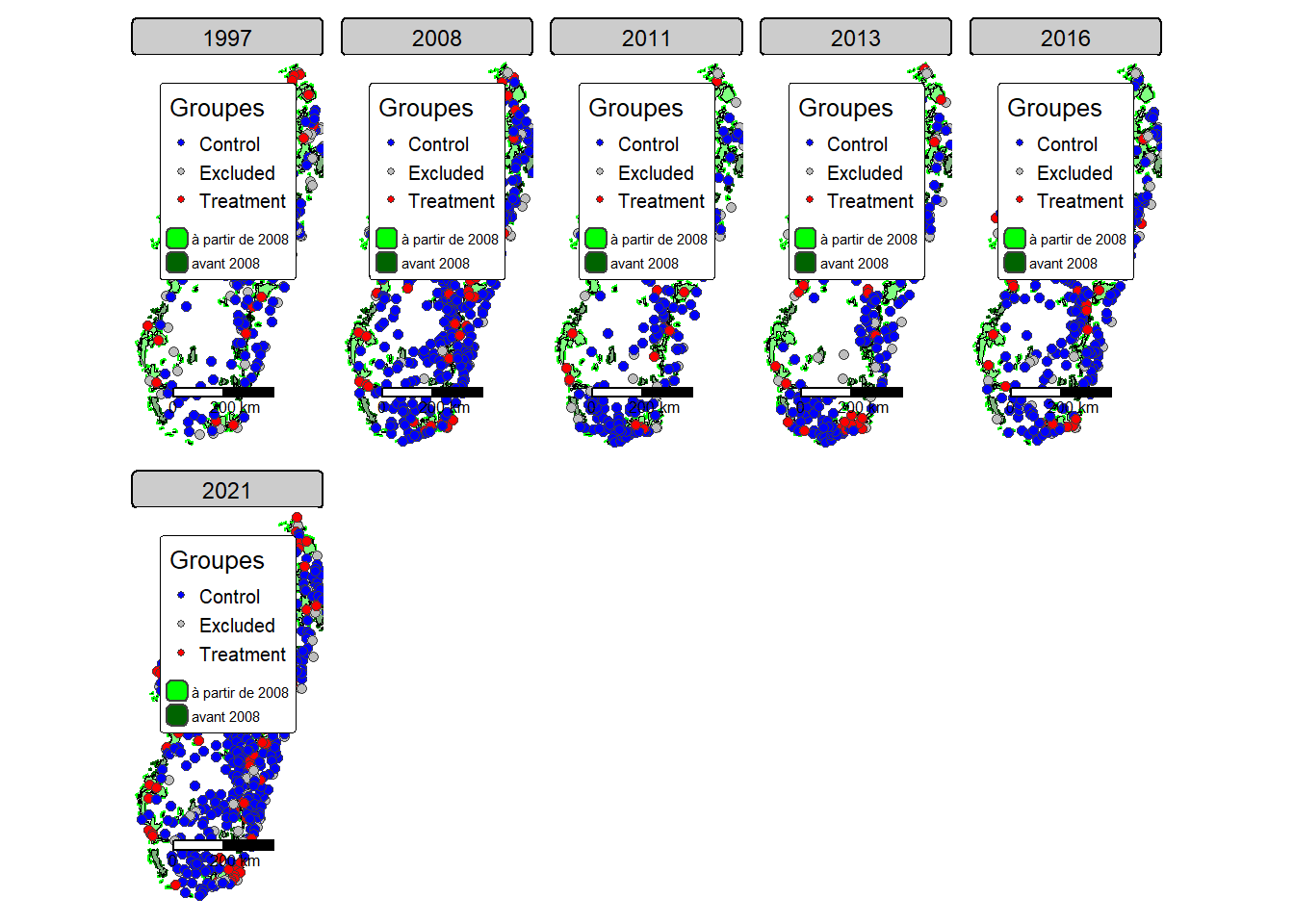
# Classification des clusters---------------------------------------------------------
#| fig-cap: "Grappes d'enquêtes DHS par rapport aux aires protégées existantes"


classify_clusters_with_pa <- function(cluster_gps,
                                      buffer_before,   # union of <2008
                                      wdpa_after,      # polygons >=2008 (no union)
                                      buffer_dist = 5000,
                                      label_treat = "Treatment",
                                      label_excl  = "Excluded",
                                      label_ctrl  = "Control") {

  # per-PA buffers (keep attrs)
  wdpa_after_buf <- wdpa_after %>%
    st_transform(mdg_crs) %>%
    mutate(geometry = st_buffer(geometry, buffer_dist)) %>%
    st_transform(standard_crs)

  # flags
  in_after  <- st_within(cluster_gps, st_union(wdpa_after_buf),  sparse = FALSE)[,1]
  in_before <- st_within(cluster_gps, buffer_before,            sparse = FALSE)[,1]

  base <- cluster_gps %>%
    mutate(groupe = case_when(
      in_after & !in_before & URBAN_RURA == "R" ~ label_treat,
      in_before | URBAN_RURA == "U"            ~ label_excl,
      TRUE                                     ~ label_ctrl
    ))

  # enrich treated with oldest+nearest PA
  treated_pts <- base %>% filter(groupe == label_treat)

  if (nrow(treated_pts) == 0) return(base)

  cand <- st_join(treated_pts, wdpa_after_buf, join = st_within, left = FALSE) %>%
  mutate(
    .idx = match(WDPAID, wdpa_after$WDPAID),
    dist_km = as.numeric(
      st_distance(
        geometry,
        wdpa_after$geometry[.idx],
        by_element = TRUE
      )
    ) / 1000
  ) %>%
  dplyr::select(-.idx)

  best <- cand %>%
    group_by(DHSCLUST) %>%
    slice_min(STATUS_YR, with_ties = TRUE) %>%
    slice_min(dist_km,   with_ties = FALSE) %>%
    ungroup() %>%
    st_drop_geometry() %>%
    select(DHSYEAR, DHSCLUST, WDPAID, STATUS_YR, IUCN_CAT, dist_km)

  base %>% left_join(best, by = c("DHSYEAR","DHSCLUST"))
}

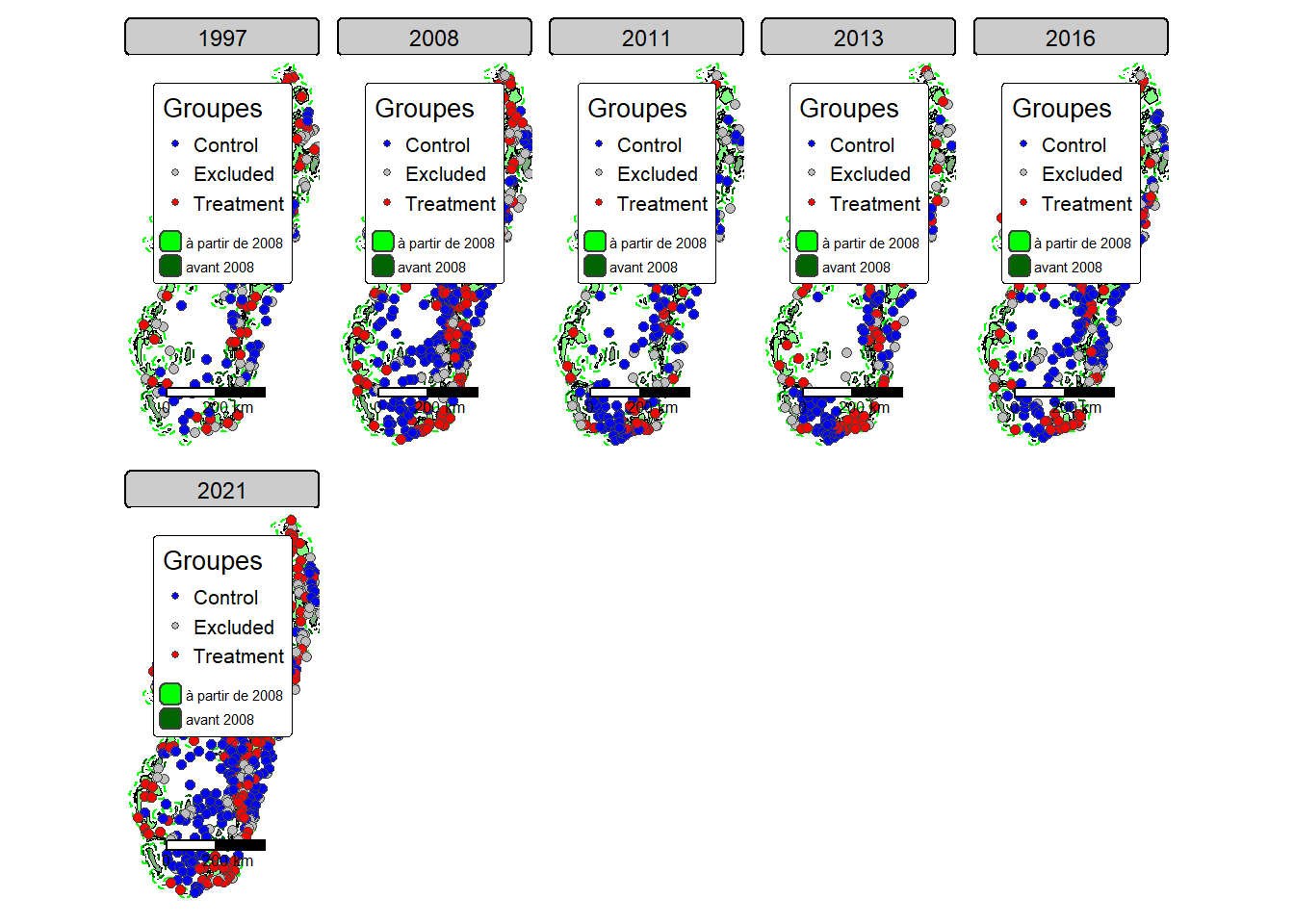
gps_1997_class <- classify_clusters_with_pa(gps_1997, buffer_5km_before_2008, 
                                            wdpa_from_2008)
gps_2008_class <- classify_clusters_with_pa(gps_2008, buffer_5km_before_2008, 
                                            wdpa_from_2008)
gps_2011_class <- classify_clusters_with_pa(gps_2011, buffer_5km_before_2008, 
                                            wdpa_from_2008)
gps_2013_class <- classify_clusters_with_pa(gps_2013, buffer_5km_before_2008,
                                            wdpa_from_2008)
gps_2016_class <- classify_clusters_with_pa(gps_2016, buffer_5km_before_2008,
                                            wdpa_from_2008)
gps_2021_class <- classify_clusters_with_pa(gps_2021, buffer_5km_before_2008,
                                            wdpa_from_2008)


gps_all_class_5km <- bind_rows(
  gps_1997_class,
  gps_2008_class,
  gps_2011_class,
  gps_2013_class,
  gps_2016_class,
  gps_2021_class
)

# Créer un plot pour visualiser la carte des AP avec les clusters----------------------
tm_shape(buffer_5km_from_2008) +
  tm_borders("green", 
             lwd = 2, 
             lty = "dashed", 
             fill.legend = tm_legend_hide()) +  
  tm_shape(buffer_5km_before_2008) +
  tm_borders("darkgreen", 
             lwd = 2, 
             lty = "dashed", 
             fill.legend = tm_legend_hide()) +
  tm_shape(wdpa_from_2008) +
  tm_polygons(fill = "green", 
              fill_alpha = 0.5,
              col = "black", 
              fill.legend = tm_legend(title = "à partir de 2008", position = tm_pos_in("right", "top"))) +
  tm_shape(wdpa_before_2008) +
  tm_polygons(fill = "darkgreen", 
              fill_alpha = 0.5, 
              col =  "black", 
              fill.legend = tm_legend(title = "avant 2008", position = tm_pos_in("right", "top"))) +
  tm_shape(gps_all_class_5km) +
  tm_symbols(
    fill = "groupe", 
    fill.legend = tm_legend(title = "Groupes"),
    fill.scale = tm_scale(values = c("Treatment" = "red", "Control" = "blue", "Excluded" = "gray")),
     size = 0.5,
    shape = 21
  ) +
  tm_facets("DHSYEAR") +
  tm_add_legend(type = "polygons", 
                fill = c("green", "darkgreen"), 
                labels = c("à partir de 2008", "avant 2008")) +
  tm_layout(
    legend.outside = TRUE, 
    legend.position = c("left", "top"),
    frame = FALSE
  ) +
  tm_scalebar(position = c("left", "bottom"))

Code
# Tableau récapitulatif du nombre de grappes d'enquête classées dans chaque groupe-----
treated_sub_clusters <- gps_all_class_5km %>%
  st_drop_geometry() %>%
  filter(groupe == "Treatment") %>%
  mutate(subcat = case_when(
    !is.na(STATUS_YR) & DHSYEAR <  STATUS_YR ~ "Avant traitement",
    !is.na(STATUS_YR) & DHSYEAR >= STATUS_YR ~ "Déjà traités",
    TRUE ~ NA_character_
  )) %>%
  count(DHSYEAR, subcat, name = "n_clusters") %>%
  pivot_wider(names_from = subcat, values_from = n_clusters, values_fill = 0)

# Ligne "Ensemble" (tous les traités, quel que soit le statut)
treated_all_clusters <- gps_all_class_5km %>%
  st_drop_geometry() %>%
  filter(groupe == "Treatment") %>%
  count(DHSYEAR, name = "Ensemble")

# Colonnes Contrôles / Exclus
ctrl_excl_clusters <- gps_all_class_5km %>%
  st_drop_geometry() %>%
  filter(groupe %in% c("Control", "Excluded")) %>%
  mutate(Groupe = recode(groupe, Control = "Contrôles", Excluded = "Exclus")) %>%
  count(DHSYEAR, Groupe, name = "n") %>%
  pivot_wider(names_from = Groupe, values_from = n, values_fill = 0)

# Assemblage large (années en lignes)
tab_wide_clusters <- list(treated_sub_clusters, treated_all_clusters, 
                          ctrl_excl_clusters) %>%
  Reduce(function(x, y) full_join(x, y, by = "DHSYEAR"), .) %>%
  arrange(DHSYEAR) %>%
  mutate(across(-DHSYEAR, ~replace_na(.x, 0L)))

# Tableau gt : spanner "Traitement" + colonnes Contrôles / Exclus
gt_table_clusters <- tab_wide_clusters %>%
  rename(Année = DHSYEAR) %>%
  gt() %>%
  tab_header(title = "Nombre de grappes par année d'enquête et par groupe") %>%
  cols_label(
    `Avant traitement` = "Avant traitement",
    `Déjà traités`     = "Déjà traités",
    Ensemble           = "Ensemble",
    `Contrôles`        = "Contrôles",
    `Exclus`           = "Exclus"
  ) %>%
  tab_spanner(
    label = "Traitement",
    columns = c(`Avant traitement`, `Déjà traités`, Ensemble)
  ) %>%
  fmt_number(
    columns = c(`Avant traitement`, `Déjà traités`, Ensemble, `Contrôles`, `Exclus`),
    decimals = 0,
    use_seps = TRUE
  ) %>%
  cols_align(align = "center", columns = everything()) %>%
  tab_footnote(
    footnote = md("**Avant traitement** : DHSYEAR < STATUS_YR (AP pas encore créée). **Déjà traités** : DHSYEAR ≥ STATUS_YR. **Ensemble** : total des grappes *Traitement*."),
    locations = cells_title(groups = "title")
  )

gt_table_clusters
Nombre de grappes par année d'enquête et par groupe1
Année
Traitement
Contrôles Exclus
Avant traitement Déjà traités Ensemble
1997 21 0 21 128 119
2008 42 0 42 374 169
2011 16 1 17 168 81
2013 25 3 28 163 83
2016 0 27 27 252 79
2021 0 58 58 394 198
1 Avant traitement : DHSYEAR < STATUS_YR (AP pas encore créée). Déjà traités : DHSYEAR ≥ STATUS_YR. Ensemble : total des grappes Traitement.
Code
# Tableau récapitulatif du nombre de ménages d'enquête classées dans chaque groupe-----
load_dhs_data <- function(dhs_folder, year, identifier) {
  folder_pattern <- paste0(".*", year, ".*", identifier)
  
  matching_folder <- list.dirs(dhs_folder, full.names = TRUE, recursive = TRUE) %>%
    keep(~ str_detect(.x, folder_pattern))
  
  if (length(matching_folder) == 0) {
    stop("No folder found for the specified year and identifier.")
  }
  
  if (identifier == "GE") {
    file_pattern <- "\\.shp$"
    data_loader <- function(file) st_read(file, quiet = TRUE)
  } else {
    file_pattern <- "\\.[Dd][Tt][Aa]$"
    data_loader <- read_dta
  }
  
  target_file <- list.files(matching_folder, pattern = file_pattern, full.names = TRUE)
  
  if (length(target_file) == 0) {
    stop("No valid file found in the folder.")
  }
  
  data <- data_loader(target_file)
  
  return(data)
}

dhs_folder <- "data/raw/dhs"


# Années disponibles
years_all <- sort(unique(gps_all_class_5km$DHSYEAR))

# Compte ménages (toutes observations) 
households_counts_all <- map_dfr(years_all, function(y) {
  # HR de l'année
  hr <- load_dhs_data(dhs_folder, y, "HR") %>%
    mutate(DHSYEAR = y)  # pour la jointure avec la classification

  # Classification des grappes de l'année
  cl_y <- gps_all_class_5km %>%
    st_drop_geometry() %>%
    filter(DHSYEAR == y) %>%
    select(DHSYEAR, DHSCLUST, groupe, STATUS_YR)

  # Jointure ménages <- classification (par cluster hv001)
  hr_cl <- hr %>%
    select(DHSYEAR, hv001) %>%
    left_join(cl_y, by = c("DHSYEAR" = "DHSYEAR", "hv001" = "DHSCLUST"))

  # Comptes par sous-catégories du traitement (DHSYEAR vs STATUS_YR)
  avant  <- hr_cl %>% filter(groupe == "Treatment", !is.na(STATUS_YR), DHSYEAR <  STATUS_YR) %>% nrow()
  deja   <- hr_cl %>% filter(groupe == "Treatment", !is.na(STATUS_YR), DHSYEAR >= STATUS_YR) %>% nrow()
  ens    <- hr_cl %>% filter(groupe == "Treatment") %>% nrow()
  ctrl   <- hr_cl %>% filter(groupe == "Control")   %>% nrow()
  excl   <- hr_cl %>% filter(groupe == "Excluded")  %>% nrow()

  tibble(
    DHSYEAR = y,
    `Avant traitement` = avant,
    `Déjà traités`     = deja,
    Ensemble           = ens,
    `Contrôles`        = ctrl,
    `Exclus`           = excl
  )
})

# Tableau gt (ménages, toutes observations)
gt_table_menages_all <- households_counts_all %>%
  rename(Année = DHSYEAR) %>%
  gt() %>%
  tab_header(title = "Nombre de ménages par année d'enquête et par groupe") %>%
  cols_label(
    `Avant traitement` = "Avant traitement",
    `Déjà traités`     = "Déjà traités",
    Ensemble           = "Ensemble",
    `Contrôles`        = "Contrôles",
    `Exclus`           = "Exclus"
  ) %>%
  tab_spanner(
    label = "Traitement",
    columns = c(`Avant traitement`, `Déjà traités`, Ensemble)
  ) %>%
  fmt_number(
    columns = c(`Avant traitement`, `Déjà traités`, Ensemble, `Contrôles`, `Exclus`),
    decimals = 0, use_seps = TRUE
  ) %>%
  cols_align(align = "center", columns = everything()) %>%
  tab_footnote(
    footnote = md("**Avant traitement** : DHSYEAR < STATUS_YR (AP pas encore créée). **Déjà traités** : DHSYEAR ≥ STATUS_YR. **Ensemble** : total des ménages du groupe *Traitement*."), locations = cells_title(groups = "title"))

gt_table_menages_all   
Nombre de ménages par année d'enquête et par groupe1
Année
Traitement
Contrôles Exclus
Avant traitement Déjà traités Ensemble
1997 624 0 624 4,141 2,391
2008 1,266 0 1,266 11,221 5,091
2011 496 32 528 5,076 2,462
2013 778 96 874 5,092 2,608
2016 0 863 863 7,933 2,488
2021 0 1,806 1,806 12,487 6,217
1 Avant traitement : DHSYEAR < STATUS_YR (AP pas encore créée). Déjà traités : DHSYEAR ≥ STATUS_YR. Ensemble : total des ménages du groupe Traitement.
Code
# Sauvegarde des classifications des clusters 
all_class_5km <- gps_all_class_5km %>%
  select(DHSYEAR, DHSCLUST, GROUP = groupe, WDPAID, STATUS_YR, IUCN_CAT, dist_km)

write_csv(all_class_5km, "data/derived/cluster_treatment_classification_staggered_5km.csv")

write_csv(wdpa_before_2008, "data/derived/wdpa_before_2008_5km.csv")
write_csv(wdpa_from_2008, "data/derived/wdpa_from_2008_5km.csv")

# Classification des clusters avec les données HR des ménages--------------------------- 
for(year in years_all) {
  hr_data <- load_dhs_data(dhs_folder, year, "HR") %>%
    mutate(DHSYEAR = year)
  
  cluster_class <- gps_all_class_5km %>%
    st_drop_geometry() %>%
    filter(DHSYEAR == year) %>%
    select(DHSYEAR, DHSCLUST, groupe, STATUS_YR)
  
  hr_final_5km <- hr_data %>%
    rename(DHSCLUST = hv001) %>%
    left_join(cluster_class, by = c("DHSYEAR", "DHSCLUST")) %>%
    
    mutate(treatment = if_else(groupe == "Treatment", 1L, 0L),
           control = if_else(groupe == "Control", 1L, 0L))
  
  saveRDS(hr_final_5km, glue("data/derived/hr_{year}_final_5km.rds"))
    
}

10.1.1.2 Covariates Calculation

Nous chargeons les covariables à partir du package mapme.biodiversity.

Code
library(labelled) # Manipulation des labels
library(mapme.biodiversity)
library(progressr) # Pour avoir des barres de progression
library(tictoc) # Pour minuter le temps d'exécution
library(future) # Pour permettre du calcul parallèle

# Load data
buffer_all_5km <- gps_all_class_5km %>%
  st_transform(mdg_crs) %>%
  st_buffer(dist = 5000) %>%
  st_transform(standard_crs)

# Chargement des données géophysiques des ménages--------------------------------
# Définir le chemin relatif pour ton répertoire local

outdir <- "data/raw/mapme"
dir.create(outdir, recursive = TRUE, showWarnings = FALSE)
mapme_options(outdir = outdir, verbose = TRUE)


# Couvert forestier
tic()
with_progress({
  buffer_all_5km <- buffer_all_5km  %>% 
    get_resources(get_gfw_treecover())
})
toc() # 1.25 sec elapsed 
1.65 sec elapsed
Code
# Perte de couvert
tic()
with_progress({
  buffer_all_5km <- buffer_all_5km %>% 
  get_resources(get_gfw_lossyear()) 
})
toc() # 1.15 sec elapsed 
1.48 sec elapsed
Code
# NASA SRTM
tic()
with_progress({
  buffer_all_5km <- buffer_all_5km %>% 
  get_resources(get_nasa_srtm()) 
})
toc() # 5.22 sec elapsed 
6.55 sec elapsed
Code
# Worldpop 2000
tic()
with_progress({
  buffer_all_5km <- buffer_all_5km %>%
    get_resources(get_worldpop(years = 2000))
})
toc() # 0.22 sec elapsed 
0.3 sec elapsed
Code
# Accesibility
tic()
with_progress({
  buffer_all_5km <- buffer_all_5km %>% 
  get_resources(get_accessibility_2000()) 
})
toc() # 0.28 sec elapsed 
0.27 sec elapsed
Code
# Maximum temperatures
tic()
with_progress({
  buffer_all_5km <- buffer_all_5km %>% get_resources(
    get_worldclim_max_temperature(years = 1980:2021, resolution = "2.5m")
  )
})
toc() # 28.74 sec elapsed 
23.01 sec elapsed
Code
# Minimum temperatures
tic()
with_progress({
  buffer_all_5km <- buffer_all_5km %>% get_resources(
    get_worldclim_min_temperature(years = 1980:2021, resolution = "2.5m")
  )
})
toc() # 28.23 sec elapsed 
24.39 sec elapsed
Code
# Precipitations
tic()
with_progress({
  buffer_all_5km <- buffer_all_5km %>% get_resources(
    get_worldclim_precipitation(years = 1980:2021, resolution = "2.5m")
  )
})
toc() # 275.08 sec elapsed
15.78 sec elapsed

Après chargement et extraction des données sur les données géophysiques des ménages, nous allons calculer les indicateurs des variables environnementales dans un rayon de 5 km autour de chaque grappe d’enquête.

Code
# Calcul des indicateurs------------------------------------------------------- 
if(file.exists("data/derived/spatial_covars_staggered_5km.rds")) {cat("Le fichier spatial_covars_staggered_5km.rds existe déjà")
} else {
    cat("Fichier introuvable, début du traitement... \n")
  
  # Créer un plan pour paralléliser les calculs
  plan(sequential)
  plan(multisession, workers = 4)
  
  # Maximum temperatures
  tic()
  with_progress({
    buffer_all_5km <- buffer_all_5km %>%
      calc_indicators(
        calc_temperature_max_wc(engine = "extract", stats = "mean")
      )
  })
  toc() # 34502.12 sec elapsed
  
  write_rds(buffer_all_5km, "data/derived/spatial_covars_partial_max_temp.rds", compress = "gz")
  
  
  # Minimum temperatures
  tic()
  with_progress({
    buffer_all_5km <- buffer_all_5km %>%
      calc_indicators(
         calc_temperature_min_wc( engine = "extract", stats = "mean")
      )
  })
  toc() # 24445.67 sec elapsed 
  
  write_rds(buffer_all_5km, "data/derived/spatial_covars_partial_min_temp.rds", compress = "gz")
  
  
  # Precipitations
  tic()
  with_progress({
    buffer_all_5km <- buffer_all_5km %>%
      calc_indicators(
        calc_precipitation_wc(engine = "extract", stats = "mean")
      )
  })
  toc() # # 21007.7 sec elapsed 
 
  write_rds(buffer_all_5km, "data/derived/spatial_covars_partial_precip.rds", compress = "gz") 
  
  
  # Forest cover rate in 2000
  tic()
  with_progress({
    buffer_all_5km <- buffer_all_5km %>%
      calc_indicators(
        calc_treecover_area(years = 2000, min_size = 1, min_cover = 10)
      )
  })
  toc()   # 2392.16 sec elapsed
 
  write_rds(buffer_all_5km, "data/derived/spatial_covars_partial_treecover.rds", compress = "gz")
  
  
  # slope 
  tic()
  with_progress({
    buffer_all_5km <- buffer_all_5km %>%
      calc_indicators(
        calc_slope(engine = "extract", stats = "mean")
      )
  })
  toc() # 5995.94 sec elapsed  
  
  write_rds(buffer_all_5km, "data/derived/spatial_covars_partial_slope.rds", compress = "gz")
  
  
  # Elevation
  tic()
  with_progress({
    buffer_all_5km <- buffer_all_5km %>%
      calc_indicators(
        calc_elevation(engine = "extract", stats = "mean")
      )
  })
  toc() # 2163.28 sec elapsed 
  
  write_rds(buffer_all_5km, "data/derived/spatial_covars_partial_elevation.rds", compress = "gz")
  
  
  # Population density
  tic()
  with_progress({
    buffer_all_5km <- buffer_all_5km %>%
      calc_indicators(
        calc_population_count(engine = "extract", stats = "mean")
      )
  })
  toc() # 2134.34 sec elapsed
  
  write_rds(buffer_all_5km, "data/derived/spatial_covars_partial_pop_density.rds", compress = "gz")
  
  
  # Accessibility
  tic()
  with_progress({
    buffer_all_5km <- buffer_all_5km %>%
      calc_indicators(
        calc_traveltime_2000(engine = "extract", stats = "mean")
      )
  })
  toc() # 2162.22 sec elapsed  
  
  write_rds(buffer_all_5km, "data/derived/spatial_covars_partial_accessibility.rds", compress = "gz")
  
  # Enregistrement final des données 
  write_rds(buffer_all_5km, "data/derived/spatial_covars_staggered_5km.rds")
 }
Le fichier spatial_covars_staggered_5km.rds existe déjà

10.1.1.3 Spei calculation

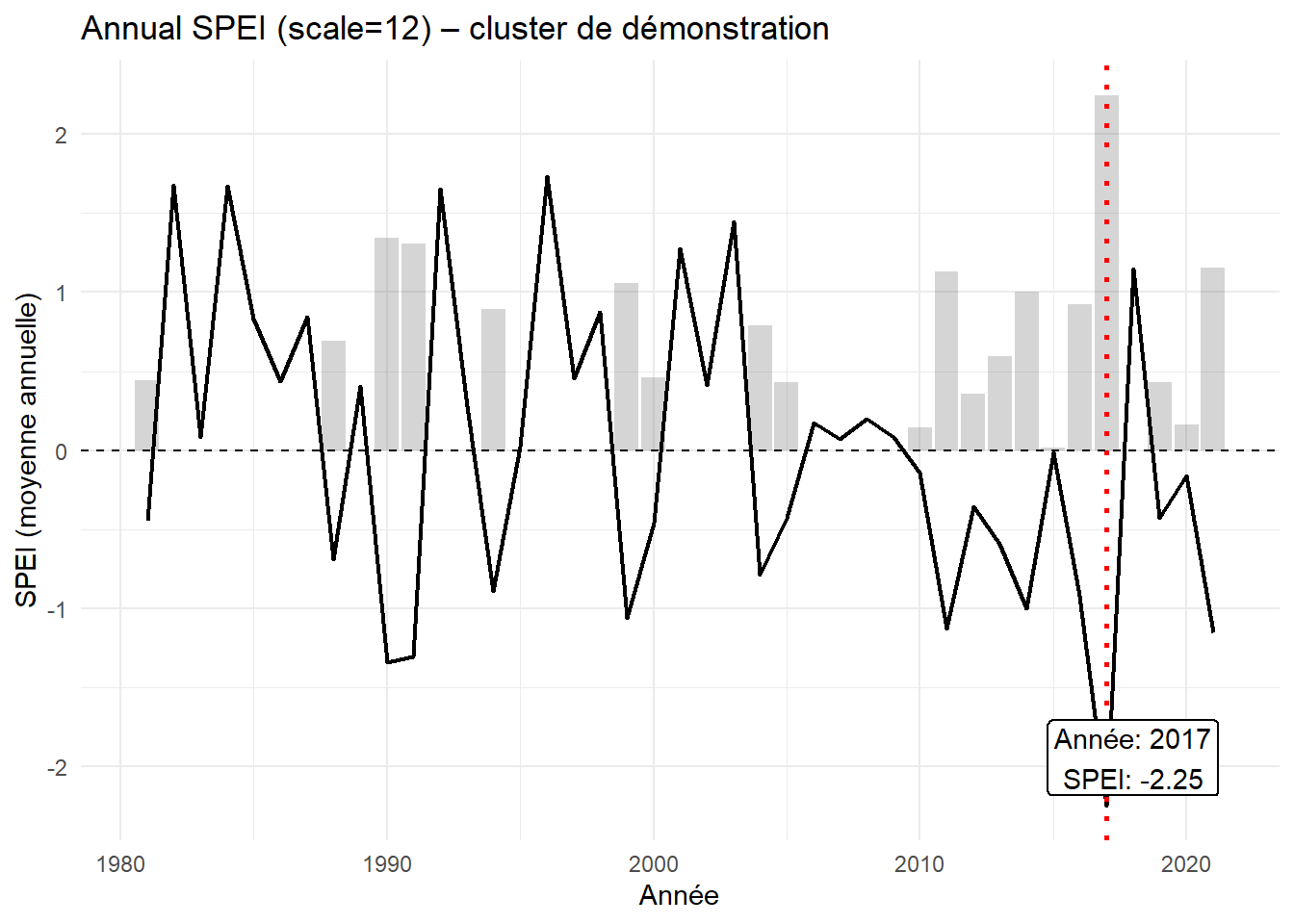
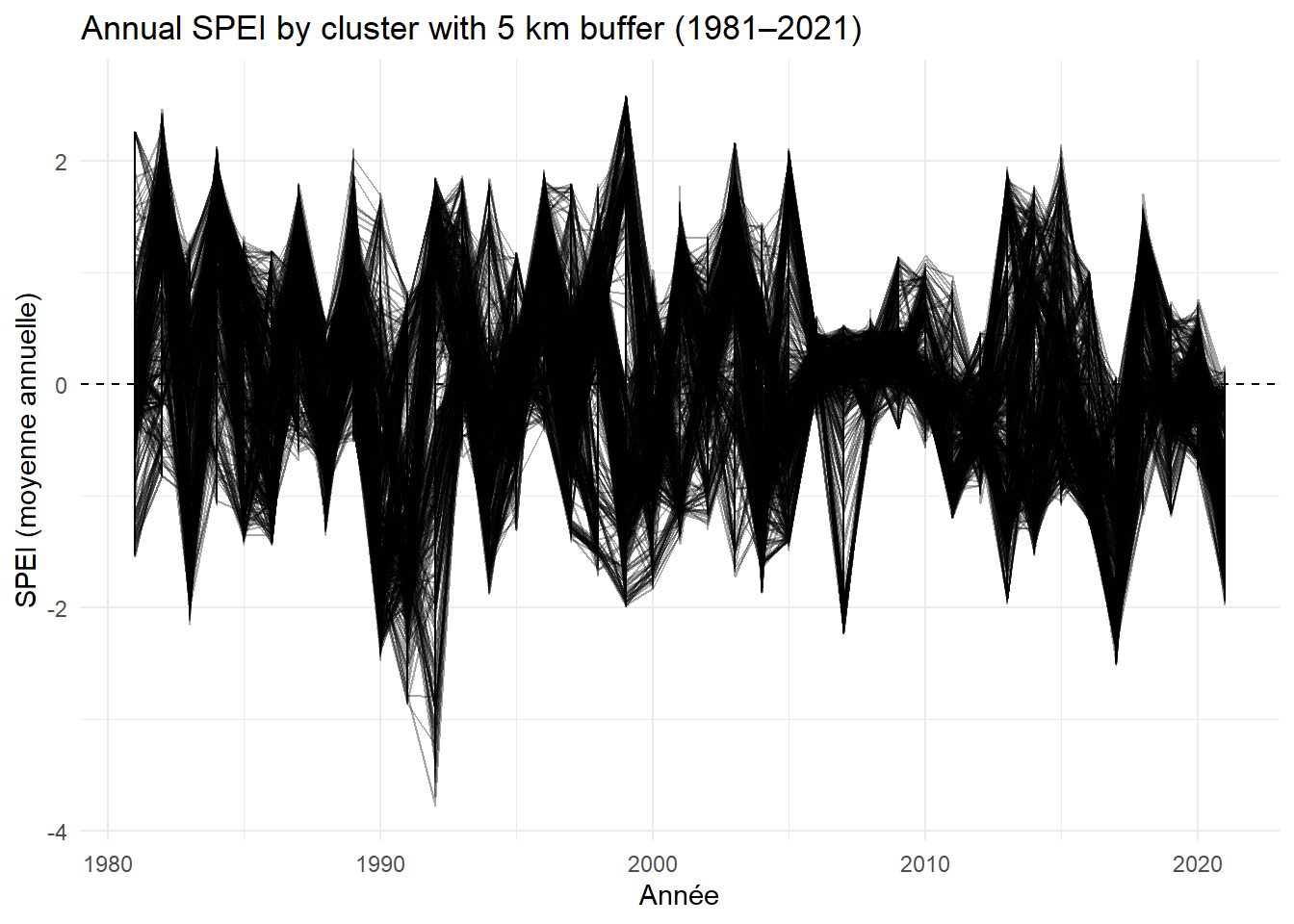
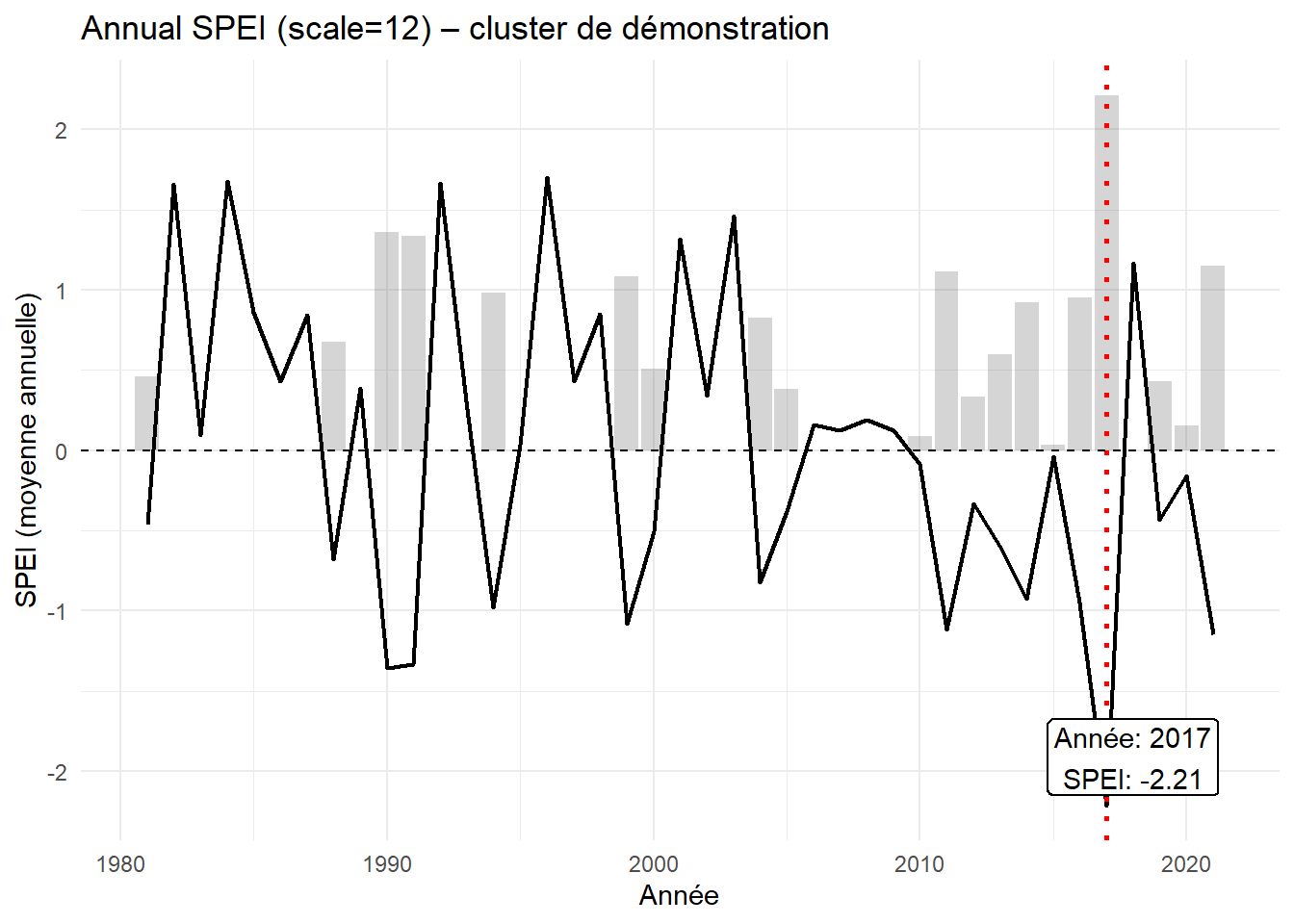
Nous calculons ici l’évolution annuelle du SPEI, à l’échelle de 12 mois, pour un cluster pour la période de 1980 - 2021.

Code
library(SPEI) # Calcul de l'indice SPEI
library(labelled) # Manipulation des labels
library(tibbletime) # Manipulation des données temporelles 
library(zoo) # Manipulation des données temporelles 
library(readr) # Lecture des données de texte rectangulaires
library(ggplot2) # visualisation

# Load data 
spatial_covars_5km <- read_rds("data/derived/spatial_covars_staggered_5km.rds")

# Function to compute SPEI
compute_spei_annual <- function(tmin_tbl, tmax_tbl, prec_tbl, lat_deg) {
  # tmin_tbl/tmax_tbl/prec_tbl: tibbles avec colonnes `datetime` (Date) et `value` (num)
  d_tmin <- tibble(date = tmin_tbl$datetime, tmin = tmin_tbl$value)
  d_tmax <- tibble(date = tmax_tbl$datetime, tmax = tmax_tbl$value)
  d_prec <- tibble(date = prec_tbl$datetime, prec = prec_tbl$value)

  d_merged <- reduce(list(d_tmin, d_tmax, d_prec), left_join, by = "date") %>%
    arrange(date)

  d_clean <- drop_na(d_merged)  # supprime lignes avec NA

  # Si séries trop courtes, renvoyer squelette 1981:2021 en NA
  if (nrow(d_clean) < 12) {
    return(tibble(year = 1981:2021, spei_mean = NA_real_))
  }

  # PET (Hargreaves), bilan hydrique et SPEI mensuel
  pet <- hargreaves(Tmin = d_clean$tmin,
                    Tmax = d_clean$tmax,
                    Pre  = d_clean$prec,
                    lat  = lat_deg)

  wb <- d_clean$prec - pet

  wb_ts <- ts(wb,
              start = c(year(min(d_clean$date)), month(min(d_clean$date))),
              frequency = 12)

  spei_obj <- spei(wb_ts,
                   scale = 12,
                   ref.start = c(1981, 1),
                   ref.end   = c(2021, 12))

  tibble(datetime = d_clean$date,
         spei      = as.numeric(spei_obj$fitted)) %>%
    filter(datetime >= as.Date("1981-01-01"),
           datetime <= as.Date("2021-12-31")) %>%
    mutate(year = year(datetime)) %>%
    group_by(year) %>%
    summarise(spei_mean = mean(spei, na.rm = TRUE), .groups = "drop") %>%
    complete(year = 1981:2021, fill = list(spei_mean = NA_real_))
}

# Latitude géodésique depuis la géométrie (centroïde)
spatial_covars_spei_5km <- spatial_covars_5km %>%
  mutate(lat = st_coordinates(st_centroid(geometry))[, 2])

row1 <- spatial_covars_spei_5km[1, ]

spei_tbl_one <- compute_spei_annual(
  tmin_tbl = row1$temperature_min_wc[[1]],
  tmax_tbl = row1$temperature_max_wc[[1]],
  prec_tbl = row1$precipitation_wc[[1]],
  lat_deg  = row1$lat
)
[1] "Calculating reference evapotranspiration using the Hargreaves method. Using latitude (`lat`) to estimate extraterrestrial radiation. Using precipitation data, following Droogers and Allen (2002). Checking for missing values (`NA`): all the data must be complete. Input type is vector. Assuming the data are monthly time series starting in January, all regular (non-leap) years."
[1] "Calculating the Standardized Precipitation Evapotranspiration Index (SPEI) at a time scale of 12. Using kernel type 'rectangular', with 0 shift. Fitting the data to a log-Logistic distribution. Using the ub-pwm parameter fitting method. Checking for missing values (`NA`): all the data must be complete. Using a user-specified reference period. Input type is tsvector. Time series spanning janv. 1980 to nov. 2021, with frequency = 12."
Code
# Graphique 
spei_2017 <- spei_tbl_one %>% 
  filter(year == 2017)

ggplot(spei_tbl_one, aes(x = year, y = spei_mean)) +
  geom_col(aes(y = pmax(0, -spei_mean)), alpha = 0.25) +  # barres pour sécheresse (optionnel)
  geom_line(linewidth = 0.8) +
  geom_vline(xintercept = 2017, color = "red", linetype = "dotted", linewidth = 1) +
  geom_hline(yintercept = 0, linetype = "dashed") +
  geom_label(
    data = spei_2017, 
    aes(x = 2017, y = spei_mean, 
        label = paste0("Année: 2017\nSPEI: ", round(spei_mean, 2))),
    nudge_x = 1, 
    nudge_y = 0.3,
    fill = "white",
    color = "black",
    linewidth = 0.4, 
    label.padding = unit(0.2, "lines")
  ) +
  
  geom_hline(yintercept = 0, linetype = "dashed") +
  labs(title = "Annual SPEI (scale=12) – cluster de démonstration",
       x = "Année", y = "SPEI (moyenne annuelle)") +
  theme_minimal()

Code
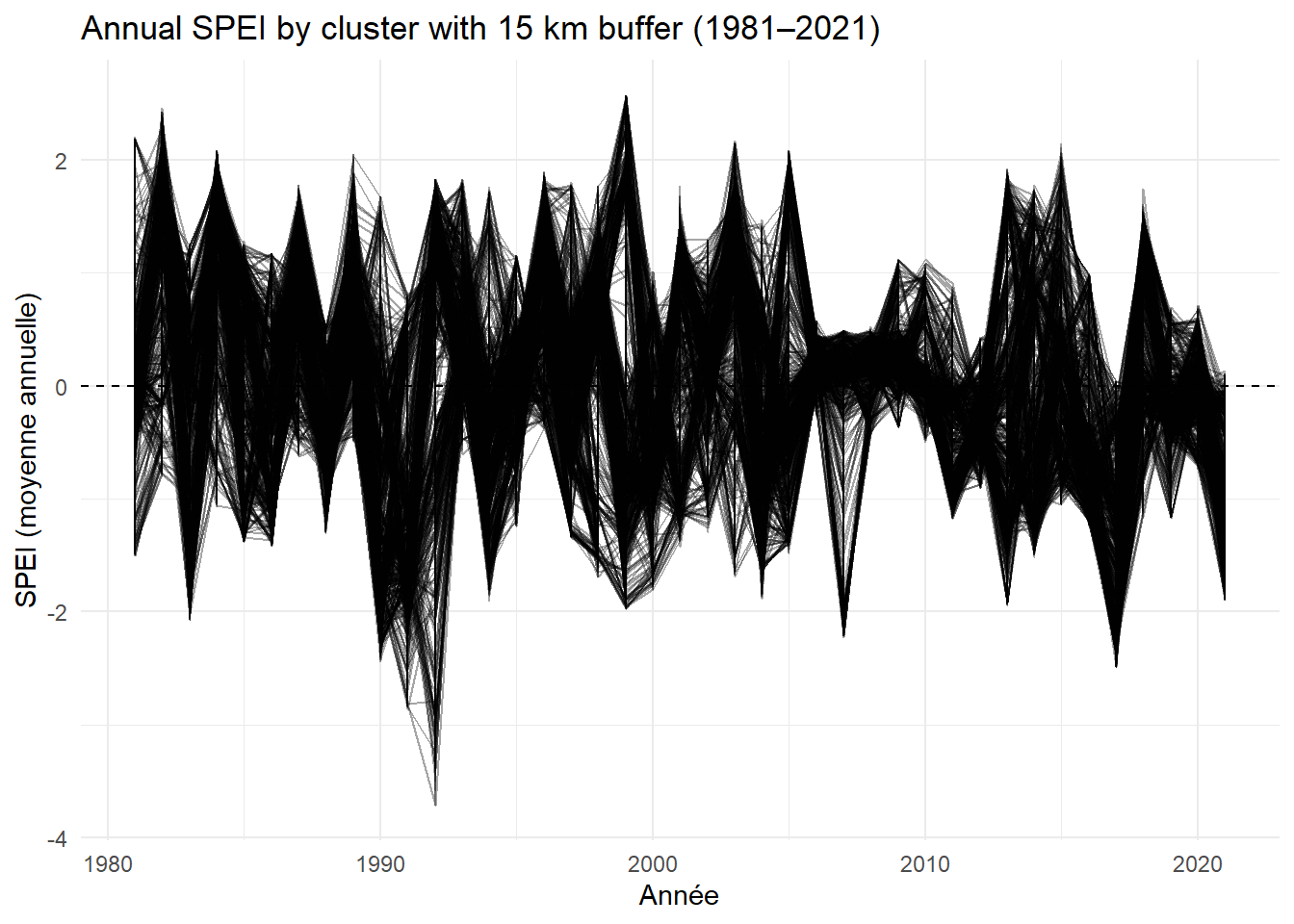
# SPEI for all clusters 
spatial_covars_spei_5km <- spatial_covars_spei_5km %>%
  mutate(
    spei_wc = pmap(
      list(temperature_min_wc, temperature_max_wc, precipitation_wc, lat),
      ~ compute_spei_annual(..1, ..2, ..3, ..4)
    )
  )
[1] "Calculating reference evapotranspiration using the Hargreaves method. Using latitude (`lat`) to estimate extraterrestrial radiation. Using precipitation data, following Droogers and Allen (2002). Checking for missing values (`NA`): all the data must be complete. Input type is vector. Assuming the data are monthly time series starting in January, all regular (non-leap) years."
[1] "Calculating the Standardized Precipitation Evapotranspiration Index (SPEI) at a time scale of 12. Using kernel type 'rectangular', with 0 shift. Fitting the data to a log-Logistic distribution. Using the ub-pwm parameter fitting method. Checking for missing values (`NA`): all the data must be complete. Using a user-specified reference period. Input type is tsvector. Time series spanning janv. 1980 to nov. 2021, with frequency = 12."
[1] "Calculating reference evapotranspiration using the Hargreaves method. Using latitude (`lat`) to estimate extraterrestrial radiation. Using precipitation data, following Droogers and Allen (2002). Checking for missing values (`NA`): all the data must be complete. Input type is vector. Assuming the data are monthly time series starting in January, all regular (non-leap) years."
[1] "Calculating the Standardized Precipitation Evapotranspiration Index (SPEI) at a time scale of 12. Using kernel type 'rectangular', with 0 shift. Fitting the data to a log-Logistic distribution. Using the ub-pwm parameter fitting method. Checking for missing values (`NA`): all the data must be complete. Using a user-specified reference period. Input type is tsvector. Time series spanning janv. 1980 to nov. 2021, with frequency = 12."
[1] "Calculating reference evapotranspiration using the Hargreaves method. Using latitude (`lat`) to estimate extraterrestrial radiation. Using precipitation data, following Droogers and Allen (2002). Checking for missing values (`NA`): all the data must be complete. Input type is vector. Assuming the data are monthly time series starting in January, all regular (non-leap) years."
[1] "Calculating the Standardized Precipitation Evapotranspiration Index (SPEI) at a time scale of 12. Using kernel type 'rectangular', with 0 shift. Fitting the data to a log-Logistic distribution. Using the ub-pwm parameter fitting method. Checking for missing values (`NA`): all the data must be complete. Using a user-specified reference period. Input type is tsvector. Time series spanning janv. 1980 to nov. 2021, with frequency = 12."
[1] "Calculating reference evapotranspiration using the Hargreaves method. Using latitude (`lat`) to estimate extraterrestrial radiation. Using precipitation data, following Droogers and Allen (2002). Checking for missing values (`NA`): all the data must be complete. Input type is vector. Assuming the data are monthly time series starting in January, all regular (non-leap) years."
[1] "Calculating the Standardized Precipitation Evapotranspiration Index (SPEI) at a time scale of 12. Using kernel type 'rectangular', with 0 shift. Fitting the data to a log-Logistic distribution. Using the ub-pwm parameter fitting method. Checking for missing values (`NA`): all the data must be complete. Using a user-specified reference period. Input type is tsvector. Time series spanning janv. 1980 to nov. 2021, with frequency = 12."
[1] "Calculating reference evapotranspiration using the Hargreaves method. Using latitude (`lat`) to estimate extraterrestrial radiation. Using precipitation data, following Droogers and Allen (2002). Checking for missing values (`NA`): all the data must be complete. Input type is vector. Assuming the data are monthly time series starting in January, all regular (non-leap) years."
[1] "Calculating the Standardized Precipitation Evapotranspiration Index (SPEI) at a time scale of 12. Using kernel type 'rectangular', with 0 shift. Fitting the data to a log-Logistic distribution. Using the ub-pwm parameter fitting method. Checking for missing values (`NA`): all the data must be complete. Using a user-specified reference period. Input type is tsvector. Time series spanning janv. 1980 to nov. 2021, with frequency = 12."
[1] "Calculating reference evapotranspiration using the Hargreaves method. Using latitude (`lat`) to estimate extraterrestrial radiation. Using precipitation data, following Droogers and Allen (2002). Checking for missing values (`NA`): all the data must be complete. Input type is vector. Assuming the data are monthly time series starting in January, all regular (non-leap) years."
[1] "Calculating the Standardized Precipitation Evapotranspiration Index (SPEI) at a time scale of 12. Using kernel type 'rectangular', with 0 shift. Fitting the data to a log-Logistic distribution. Using the ub-pwm parameter fitting method. Checking for missing values (`NA`): all the data must be complete. Using a user-specified reference period. Input type is tsvector. Time series spanning janv. 1980 to nov. 2021, with frequency = 12."
[1] "Calculating reference evapotranspiration using the Hargreaves method. Using latitude (`lat`) to estimate extraterrestrial radiation. Using precipitation data, following Droogers and Allen (2002). Checking for missing values (`NA`): all the data must be complete. Input type is vector. Assuming the data are monthly time series starting in January, all regular (non-leap) years."
[1] "Calculating the Standardized Precipitation Evapotranspiration Index (SPEI) at a time scale of 12. Using kernel type 'rectangular', with 0 shift. Fitting the data to a log-Logistic distribution. Using the ub-pwm parameter fitting method. Checking for missing values (`NA`): all the data must be complete. Using a user-specified reference period. Input type is tsvector. Time series spanning janv. 1980 to nov. 2021, with frequency = 12."
[1] "Calculating reference evapotranspiration using the Hargreaves method. Using latitude (`lat`) to estimate extraterrestrial radiation. Using precipitation data, following Droogers and Allen (2002). Checking for missing values (`NA`): all the data must be complete. Input type is vector. Assuming the data are monthly time series starting in January, all regular (non-leap) years."
[1] "Calculating the Standardized Precipitation Evapotranspiration Index (SPEI) at a time scale of 12. Using kernel type 'rectangular', with 0 shift. Fitting the data to a log-Logistic distribution. Using the ub-pwm parameter fitting method. Checking for missing values (`NA`): all the data must be complete. Using a user-specified reference period. Input type is tsvector. Time series spanning janv. 1980 to nov. 2021, with frequency = 12."
[1] "Calculating reference evapotranspiration using the Hargreaves method. Using latitude (`lat`) to estimate extraterrestrial radiation. Using precipitation data, following Droogers and Allen (2002). Checking for missing values (`NA`): all the data must be complete. Input type is vector. Assuming the data are monthly time series starting in January, all regular (non-leap) years."
[1] "Calculating the Standardized Precipitation Evapotranspiration Index (SPEI) at a time scale of 12. Using kernel type 'rectangular', with 0 shift. Fitting the data to a log-Logistic distribution. Using the ub-pwm parameter fitting method. Checking for missing values (`NA`): all the data must be complete. Using a user-specified reference period. Input type is tsvector. Time series spanning janv. 1980 to nov. 2021, with frequency = 12."
[1] "Calculating reference evapotranspiration using the Hargreaves method. Using latitude (`lat`) to estimate extraterrestrial radiation. Using precipitation data, following Droogers and Allen (2002). Checking for missing values (`NA`): all the data must be complete. Input type is vector. Assuming the data are monthly time series starting in January, all regular (non-leap) years."
[1] "Calculating the Standardized Precipitation Evapotranspiration Index (SPEI) at a time scale of 12. Using kernel type 'rectangular', with 0 shift. Fitting the data to a log-Logistic distribution. Using the ub-pwm parameter fitting method. Checking for missing values (`NA`): all the data must be complete. Using a user-specified reference period. Input type is tsvector. Time series spanning janv. 1980 to nov. 2021, with frequency = 12."
[1] "Calculating reference evapotranspiration using the Hargreaves method. Using latitude (`lat`) to estimate extraterrestrial radiation. Using precipitation data, following Droogers and Allen (2002). Checking for missing values (`NA`): all the data must be complete. Input type is vector. Assuming the data are monthly time series starting in January, all regular (non-leap) years."
[1] "Calculating the Standardized Precipitation Evapotranspiration Index (SPEI) at a time scale of 12. Using kernel type 'rectangular', with 0 shift. Fitting the data to a log-Logistic distribution. Using the ub-pwm parameter fitting method. Checking for missing values (`NA`): all the data must be complete. Using a user-specified reference period. Input type is tsvector. Time series spanning janv. 1980 to nov. 2021, with frequency = 12."
[1] "Calculating reference evapotranspiration using the Hargreaves method. Using latitude (`lat`) to estimate extraterrestrial radiation. Using precipitation data, following Droogers and Allen (2002). Checking for missing values (`NA`): all the data must be complete. Input type is vector. Assuming the data are monthly time series starting in January, all regular (non-leap) years."
[1] "Calculating the Standardized Precipitation Evapotranspiration Index (SPEI) at a time scale of 12. Using kernel type 'rectangular', with 0 shift. Fitting the data to a log-Logistic distribution. Using the ub-pwm parameter fitting method. Checking for missing values (`NA`): all the data must be complete. Using a user-specified reference period. Input type is tsvector. Time series spanning janv. 1980 to nov. 2021, with frequency = 12."
[1] "Calculating reference evapotranspiration using the Hargreaves method. Using latitude (`lat`) to estimate extraterrestrial radiation. Using precipitation data, following Droogers and Allen (2002). Checking for missing values (`NA`): all the data must be complete. Input type is vector. Assuming the data are monthly time series starting in January, all regular (non-leap) years."
[1] "Calculating the Standardized Precipitation Evapotranspiration Index (SPEI) at a time scale of 12. Using kernel type 'rectangular', with 0 shift. Fitting the data to a log-Logistic distribution. Using the ub-pwm parameter fitting method. Checking for missing values (`NA`): all the data must be complete. Using a user-specified reference period. Input type is tsvector. Time series spanning janv. 1980 to nov. 2021, with frequency = 12."
[1] "Calculating reference evapotranspiration using the Hargreaves method. Using latitude (`lat`) to estimate extraterrestrial radiation. Using precipitation data, following Droogers and Allen (2002). Checking for missing values (`NA`): all the data must be complete. Input type is vector. Assuming the data are monthly time series starting in January, all regular (non-leap) years."
[1] "Calculating the Standardized Precipitation Evapotranspiration Index (SPEI) at a time scale of 12. Using kernel type 'rectangular', with 0 shift. Fitting the data to a log-Logistic distribution. Using the ub-pwm parameter fitting method. Checking for missing values (`NA`): all the data must be complete. Using a user-specified reference period. Input type is tsvector. Time series spanning janv. 1980 to nov. 2021, with frequency = 12."
[1] "Calculating reference evapotranspiration using the Hargreaves method. Using latitude (`lat`) to estimate extraterrestrial radiation. Using precipitation data, following Droogers and Allen (2002). Checking for missing values (`NA`): all the data must be complete. Input type is vector. Assuming the data are monthly time series starting in January, all regular (non-leap) years."
[1] "Calculating the Standardized Precipitation Evapotranspiration Index (SPEI) at a time scale of 12. Using kernel type 'rectangular', with 0 shift. Fitting the data to a log-Logistic distribution. Using the ub-pwm parameter fitting method. Checking for missing values (`NA`): all the data must be complete. Using a user-specified reference period. Input type is tsvector. Time series spanning janv. 1980 to nov. 2021, with frequency = 12."
[1] "Calculating reference evapotranspiration using the Hargreaves method. Using latitude (`lat`) to estimate extraterrestrial radiation. Using precipitation data, following Droogers and Allen (2002). Checking for missing values (`NA`): all the data must be complete. Input type is vector. Assuming the data are monthly time series starting in January, all regular (non-leap) years."
[1] "Calculating the Standardized Precipitation Evapotranspiration Index (SPEI) at a time scale of 12. Using kernel type 'rectangular', with 0 shift. Fitting the data to a log-Logistic distribution. Using the ub-pwm parameter fitting method. Checking for missing values (`NA`): all the data must be complete. Using a user-specified reference period. Input type is tsvector. Time series spanning janv. 1980 to nov. 2021, with frequency = 12."
[1] "Calculating reference evapotranspiration using the Hargreaves method. Using latitude (`lat`) to estimate extraterrestrial radiation. Using precipitation data, following Droogers and Allen (2002). Checking for missing values (`NA`): all the data must be complete. Input type is vector. Assuming the data are monthly time series starting in January, all regular (non-leap) years."
[1] "Calculating the Standardized Precipitation Evapotranspiration Index (SPEI) at a time scale of 12. Using kernel type 'rectangular', with 0 shift. Fitting the data to a log-Logistic distribution. Using the ub-pwm parameter fitting method. Checking for missing values (`NA`): all the data must be complete. Using a user-specified reference period. Input type is tsvector. Time series spanning janv. 1980 to nov. 2021, with frequency = 12."
[1] "Calculating reference evapotranspiration using the Hargreaves method. Using latitude (`lat`) to estimate extraterrestrial radiation. Using precipitation data, following Droogers and Allen (2002). Checking for missing values (`NA`): all the data must be complete. Input type is vector. Assuming the data are monthly time series starting in January, all regular (non-leap) years."
[1] "Calculating the Standardized Precipitation Evapotranspiration Index (SPEI) at a time scale of 12. Using kernel type 'rectangular', with 0 shift. Fitting the data to a log-Logistic distribution. Using the ub-pwm parameter fitting method. Checking for missing values (`NA`): all the data must be complete. Using a user-specified reference period. Input type is tsvector. Time series spanning janv. 1980 to nov. 2021, with frequency = 12."
[1] "Calculating reference evapotranspiration using the Hargreaves method. Using latitude (`lat`) to estimate extraterrestrial radiation. Using precipitation data, following Droogers and Allen (2002). Checking for missing values (`NA`): all the data must be complete. Input type is vector. Assuming the data are monthly time series starting in January, all regular (non-leap) years."
[1] "Calculating the Standardized Precipitation Evapotranspiration Index (SPEI) at a time scale of 12. Using kernel type 'rectangular', with 0 shift. Fitting the data to a log-Logistic distribution. Using the ub-pwm parameter fitting method. Checking for missing values (`NA`): all the data must be complete. Using a user-specified reference period. Input type is tsvector. Time series spanning janv. 1980 to nov. 2021, with frequency = 12."
[1] "Calculating reference evapotranspiration using the Hargreaves method. Using latitude (`lat`) to estimate extraterrestrial radiation. Using precipitation data, following Droogers and Allen (2002). Checking for missing values (`NA`): all the data must be complete. Input type is vector. Assuming the data are monthly time series starting in January, all regular (non-leap) years."
[1] "Calculating the Standardized Precipitation Evapotranspiration Index (SPEI) at a time scale of 12. Using kernel type 'rectangular', with 0 shift. Fitting the data to a log-Logistic distribution. Using the ub-pwm parameter fitting method. Checking for missing values (`NA`): all the data must be complete. Using a user-specified reference period. Input type is tsvector. Time series spanning janv. 1980 to nov. 2021, with frequency = 12."
[1] "Calculating reference evapotranspiration using the Hargreaves method. Using latitude (`lat`) to estimate extraterrestrial radiation. Using precipitation data, following Droogers and Allen (2002). Checking for missing values (`NA`): all the data must be complete. Input type is vector. Assuming the data are monthly time series starting in January, all regular (non-leap) years."
[1] "Calculating the Standardized Precipitation Evapotranspiration Index (SPEI) at a time scale of 12. Using kernel type 'rectangular', with 0 shift. Fitting the data to a log-Logistic distribution. Using the ub-pwm parameter fitting method. Checking for missing values (`NA`): all the data must be complete. Using a user-specified reference period. Input type is tsvector. Time series spanning janv. 1980 to nov. 2021, with frequency = 12."
[1] "Calculating reference evapotranspiration using the Hargreaves method. Using latitude (`lat`) to estimate extraterrestrial radiation. Using precipitation data, following Droogers and Allen (2002). Checking for missing values (`NA`): all the data must be complete. Input type is vector. Assuming the data are monthly time series starting in January, all regular (non-leap) years."
[1] "Calculating the Standardized Precipitation Evapotranspiration Index (SPEI) at a time scale of 12. Using kernel type 'rectangular', with 0 shift. Fitting the data to a log-Logistic distribution. Using the ub-pwm parameter fitting method. Checking for missing values (`NA`): all the data must be complete. Using a user-specified reference period. Input type is tsvector. Time series spanning janv. 1980 to nov. 2021, with frequency = 12."
[1] "Calculating reference evapotranspiration using the Hargreaves method. Using latitude (`lat`) to estimate extraterrestrial radiation. Using precipitation data, following Droogers and Allen (2002). Checking for missing values (`NA`): all the data must be complete. Input type is vector. Assuming the data are monthly time series starting in January, all regular (non-leap) years."
[1] "Calculating the Standardized Precipitation Evapotranspiration Index (SPEI) at a time scale of 12. Using kernel type 'rectangular', with 0 shift. Fitting the data to a log-Logistic distribution. Using the ub-pwm parameter fitting method. Checking for missing values (`NA`): all the data must be complete. Using a user-specified reference period. Input type is tsvector. Time series spanning janv. 1980 to nov. 2021, with frequency = 12."
[1] "Calculating reference evapotranspiration using the Hargreaves method. Using latitude (`lat`) to estimate extraterrestrial radiation. Using precipitation data, following Droogers and Allen (2002). Checking for missing values (`NA`): all the data must be complete. Input type is vector. Assuming the data are monthly time series starting in January, all regular (non-leap) years."
[1] "Calculating the Standardized Precipitation Evapotranspiration Index (SPEI) at a time scale of 12. Using kernel type 'rectangular', with 0 shift. Fitting the data to a log-Logistic distribution. Using the ub-pwm parameter fitting method. Checking for missing values (`NA`): all the data must be complete. Using a user-specified reference period. Input type is tsvector. Time series spanning janv. 1980 to nov. 2021, with frequency = 12."
[1] "Calculating reference evapotranspiration using the Hargreaves method. Using latitude (`lat`) to estimate extraterrestrial radiation. Using precipitation data, following Droogers and Allen (2002). Checking for missing values (`NA`): all the data must be complete. Input type is vector. Assuming the data are monthly time series starting in January, all regular (non-leap) years."
[1] "Calculating the Standardized Precipitation Evapotranspiration Index (SPEI) at a time scale of 12. Using kernel type 'rectangular', with 0 shift. Fitting the data to a log-Logistic distribution. Using the ub-pwm parameter fitting method. Checking for missing values (`NA`): all the data must be complete. Using a user-specified reference period. Input type is tsvector. Time series spanning janv. 1980 to nov. 2021, with frequency = 12."
[1] "Calculating reference evapotranspiration using the Hargreaves method. Using latitude (`lat`) to estimate extraterrestrial radiation. Using precipitation data, following Droogers and Allen (2002). Checking for missing values (`NA`): all the data must be complete. Input type is vector. Assuming the data are monthly time series starting in January, all regular (non-leap) years."
[1] "Calculating the Standardized Precipitation Evapotranspiration Index (SPEI) at a time scale of 12. Using kernel type 'rectangular', with 0 shift. Fitting the data to a log-Logistic distribution. Using the ub-pwm parameter fitting method. Checking for missing values (`NA`): all the data must be complete. Using a user-specified reference period. Input type is tsvector. Time series spanning janv. 1980 to nov. 2021, with frequency = 12."
[1] "Calculating reference evapotranspiration using the Hargreaves method. Using latitude (`lat`) to estimate extraterrestrial radiation. Using precipitation data, following Droogers and Allen (2002). Checking for missing values (`NA`): all the data must be complete. Input type is vector. Assuming the data are monthly time series starting in January, all regular (non-leap) years."
[1] "Calculating the Standardized Precipitation Evapotranspiration Index (SPEI) at a time scale of 12. Using kernel type 'rectangular', with 0 shift. Fitting the data to a log-Logistic distribution. Using the ub-pwm parameter fitting method. Checking for missing values (`NA`): all the data must be complete. Using a user-specified reference period. Input type is tsvector. Time series spanning janv. 1980 to nov. 2021, with frequency = 12."
[1] "Calculating reference evapotranspiration using the Hargreaves method. Using latitude (`lat`) to estimate extraterrestrial radiation. Using precipitation data, following Droogers and Allen (2002). Checking for missing values (`NA`): all the data must be complete. Input type is vector. Assuming the data are monthly time series starting in January, all regular (non-leap) years."
[1] "Calculating the Standardized Precipitation Evapotranspiration Index (SPEI) at a time scale of 12. Using kernel type 'rectangular', with 0 shift. Fitting the data to a log-Logistic distribution. Using the ub-pwm parameter fitting method. Checking for missing values (`NA`): all the data must be complete. Using a user-specified reference period. Input type is tsvector. Time series spanning janv. 1980 to nov. 2021, with frequency = 12."
[1] "Calculating reference evapotranspiration using the Hargreaves method. Using latitude (`lat`) to estimate extraterrestrial radiation. Using precipitation data, following Droogers and Allen (2002). Checking for missing values (`NA`): all the data must be complete. Input type is vector. Assuming the data are monthly time series starting in January, all regular (non-leap) years."
[1] "Calculating the Standardized Precipitation Evapotranspiration Index (SPEI) at a time scale of 12. Using kernel type 'rectangular', with 0 shift. Fitting the data to a log-Logistic distribution. Using the ub-pwm parameter fitting method. Checking for missing values (`NA`): all the data must be complete. Using a user-specified reference period. Input type is tsvector. Time series spanning janv. 1980 to nov. 2021, with frequency = 12."
[1] "Calculating reference evapotranspiration using the Hargreaves method. Using latitude (`lat`) to estimate extraterrestrial radiation. Using precipitation data, following Droogers and Allen (2002). Checking for missing values (`NA`): all the data must be complete. Input type is vector. Assuming the data are monthly time series starting in January, all regular (non-leap) years."
[1] "Calculating the Standardized Precipitation Evapotranspiration Index (SPEI) at a time scale of 12. Using kernel type 'rectangular', with 0 shift. Fitting the data to a log-Logistic distribution. Using the ub-pwm parameter fitting method. Checking for missing values (`NA`): all the data must be complete. Using a user-specified reference period. Input type is tsvector. Time series spanning janv. 1980 to nov. 2021, with frequency = 12."
[1] "Calculating reference evapotranspiration using the Hargreaves method. Using latitude (`lat`) to estimate extraterrestrial radiation. Using precipitation data, following Droogers and Allen (2002). Checking for missing values (`NA`): all the data must be complete. Input type is vector. Assuming the data are monthly time series starting in January, all regular (non-leap) years."
[1] "Calculating the Standardized Precipitation Evapotranspiration Index (SPEI) at a time scale of 12. Using kernel type 'rectangular', with 0 shift. Fitting the data to a log-Logistic distribution. Using the ub-pwm parameter fitting method. Checking for missing values (`NA`): all the data must be complete. Using a user-specified reference period. Input type is tsvector. Time series spanning janv. 1980 to nov. 2021, with frequency = 12."
[1] "Calculating reference evapotranspiration using the Hargreaves method. Using latitude (`lat`) to estimate extraterrestrial radiation. Using precipitation data, following Droogers and Allen (2002). Checking for missing values (`NA`): all the data must be complete. Input type is vector. Assuming the data are monthly time series starting in January, all regular (non-leap) years."
[1] "Calculating the Standardized Precipitation Evapotranspiration Index (SPEI) at a time scale of 12. Using kernel type 'rectangular', with 0 shift. Fitting the data to a log-Logistic distribution. Using the ub-pwm parameter fitting method. Checking for missing values (`NA`): all the data must be complete. Using a user-specified reference period. Input type is tsvector. Time series spanning janv. 1980 to nov. 2021, with frequency = 12."
[1] "Calculating reference evapotranspiration using the Hargreaves method. Using latitude (`lat`) to estimate extraterrestrial radiation. Using precipitation data, following Droogers and Allen (2002). Checking for missing values (`NA`): all the data must be complete. Input type is vector. Assuming the data are monthly time series starting in January, all regular (non-leap) years."
[1] "Calculating the Standardized Precipitation Evapotranspiration Index (SPEI) at a time scale of 12. Using kernel type 'rectangular', with 0 shift. Fitting the data to a log-Logistic distribution. Using the ub-pwm parameter fitting method. Checking for missing values (`NA`): all the data must be complete. Using a user-specified reference period. Input type is tsvector. Time series spanning janv. 1980 to nov. 2021, with frequency = 12."
[1] "Calculating reference evapotranspiration using the Hargreaves method. Using latitude (`lat`) to estimate extraterrestrial radiation. Using precipitation data, following Droogers and Allen (2002). Checking for missing values (`NA`): all the data must be complete. Input type is vector. Assuming the data are monthly time series starting in January, all regular (non-leap) years."
[1] "Calculating the Standardized Precipitation Evapotranspiration Index (SPEI) at a time scale of 12. Using kernel type 'rectangular', with 0 shift. Fitting the data to a log-Logistic distribution. Using the ub-pwm parameter fitting method. Checking for missing values (`NA`): all the data must be complete. Using a user-specified reference period. Input type is tsvector. Time series spanning janv. 1980 to nov. 2021, with frequency = 12."
[1] "Calculating reference evapotranspiration using the Hargreaves method. Using latitude (`lat`) to estimate extraterrestrial radiation. Using precipitation data, following Droogers and Allen (2002). Checking for missing values (`NA`): all the data must be complete. Input type is vector. Assuming the data are monthly time series starting in January, all regular (non-leap) years."
[1] "Calculating the Standardized Precipitation Evapotranspiration Index (SPEI) at a time scale of 12. Using kernel type 'rectangular', with 0 shift. Fitting the data to a log-Logistic distribution. Using the ub-pwm parameter fitting method. Checking for missing values (`NA`): all the data must be complete. Using a user-specified reference period. Input type is tsvector. Time series spanning janv. 1980 to nov. 2021, with frequency = 12."
[1] "Calculating reference evapotranspiration using the Hargreaves method. Using latitude (`lat`) to estimate extraterrestrial radiation. Using precipitation data, following Droogers and Allen (2002). Checking for missing values (`NA`): all the data must be complete. Input type is vector. Assuming the data are monthly time series starting in January, all regular (non-leap) years."
[1] "Calculating the Standardized Precipitation Evapotranspiration Index (SPEI) at a time scale of 12. Using kernel type 'rectangular', with 0 shift. Fitting the data to a log-Logistic distribution. Using the ub-pwm parameter fitting method. Checking for missing values (`NA`): all the data must be complete. Using a user-specified reference period. Input type is tsvector. Time series spanning janv. 1980 to nov. 2021, with frequency = 12."
[1] "Calculating reference evapotranspiration using the Hargreaves method. Using latitude (`lat`) to estimate extraterrestrial radiation. Using precipitation data, following Droogers and Allen (2002). Checking for missing values (`NA`): all the data must be complete. Input type is vector. Assuming the data are monthly time series starting in January, all regular (non-leap) years."
[1] "Calculating the Standardized Precipitation Evapotranspiration Index (SPEI) at a time scale of 12. Using kernel type 'rectangular', with 0 shift. Fitting the data to a log-Logistic distribution. Using the ub-pwm parameter fitting method. Checking for missing values (`NA`): all the data must be complete. Using a user-specified reference period. Input type is tsvector. Time series spanning janv. 1980 to nov. 2021, with frequency = 12."
[1] "Calculating reference evapotranspiration using the Hargreaves method. Using latitude (`lat`) to estimate extraterrestrial radiation. Using precipitation data, following Droogers and Allen (2002). Checking for missing values (`NA`): all the data must be complete. Input type is vector. Assuming the data are monthly time series starting in January, all regular (non-leap) years."
[1] "Calculating the Standardized Precipitation Evapotranspiration Index (SPEI) at a time scale of 12. Using kernel type 'rectangular', with 0 shift. Fitting the data to a log-Logistic distribution. Using the ub-pwm parameter fitting method. Checking for missing values (`NA`): all the data must be complete. Using a user-specified reference period. Input type is tsvector. Time series spanning janv. 1980 to nov. 2021, with frequency = 12."
[1] "Calculating reference evapotranspiration using the Hargreaves method. Using latitude (`lat`) to estimate extraterrestrial radiation. Using precipitation data, following Droogers and Allen (2002). Checking for missing values (`NA`): all the data must be complete. Input type is vector. Assuming the data are monthly time series starting in January, all regular (non-leap) years."
[1] "Calculating the Standardized Precipitation Evapotranspiration Index (SPEI) at a time scale of 12. Using kernel type 'rectangular', with 0 shift. Fitting the data to a log-Logistic distribution. Using the ub-pwm parameter fitting method. Checking for missing values (`NA`): all the data must be complete. Using a user-specified reference period. Input type is tsvector. Time series spanning janv. 1980 to nov. 2021, with frequency = 12."
[1] "Calculating reference evapotranspiration using the Hargreaves method. Using latitude (`lat`) to estimate extraterrestrial radiation. Using precipitation data, following Droogers and Allen (2002). Checking for missing values (`NA`): all the data must be complete. Input type is vector. Assuming the data are monthly time series starting in January, all regular (non-leap) years."
[1] "Calculating the Standardized Precipitation Evapotranspiration Index (SPEI) at a time scale of 12. Using kernel type 'rectangular', with 0 shift. Fitting the data to a log-Logistic distribution. Using the ub-pwm parameter fitting method. Checking for missing values (`NA`): all the data must be complete. Using a user-specified reference period. Input type is tsvector. Time series spanning janv. 1980 to nov. 2021, with frequency = 12."
[1] "Calculating reference evapotranspiration using the Hargreaves method. Using latitude (`lat`) to estimate extraterrestrial radiation. Using precipitation data, following Droogers and Allen (2002). Checking for missing values (`NA`): all the data must be complete. Input type is vector. Assuming the data are monthly time series starting in January, all regular (non-leap) years."
[1] "Calculating the Standardized Precipitation Evapotranspiration Index (SPEI) at a time scale of 12. Using kernel type 'rectangular', with 0 shift. Fitting the data to a log-Logistic distribution. Using the ub-pwm parameter fitting method. Checking for missing values (`NA`): all the data must be complete. Using a user-specified reference period. Input type is tsvector. Time series spanning janv. 1980 to nov. 2021, with frequency = 12."
[1] "Calculating reference evapotranspiration using the Hargreaves method. Using latitude (`lat`) to estimate extraterrestrial radiation. Using precipitation data, following Droogers and Allen (2002). Checking for missing values (`NA`): all the data must be complete. Input type is vector. Assuming the data are monthly time series starting in January, all regular (non-leap) years."
[1] "Calculating the Standardized Precipitation Evapotranspiration Index (SPEI) at a time scale of 12. Using kernel type 'rectangular', with 0 shift. Fitting the data to a log-Logistic distribution. Using the ub-pwm parameter fitting method. Checking for missing values (`NA`): all the data must be complete. Using a user-specified reference period. Input type is tsvector. Time series spanning janv. 1980 to nov. 2021, with frequency = 12."
[1] "Calculating reference evapotranspiration using the Hargreaves method. Using latitude (`lat`) to estimate extraterrestrial radiation. Using precipitation data, following Droogers and Allen (2002). Checking for missing values (`NA`): all the data must be complete. Input type is vector. Assuming the data are monthly time series starting in January, all regular (non-leap) years."
[1] "Calculating the Standardized Precipitation Evapotranspiration Index (SPEI) at a time scale of 12. Using kernel type 'rectangular', with 0 shift. Fitting the data to a log-Logistic distribution. Using the ub-pwm parameter fitting method. Checking for missing values (`NA`): all the data must be complete. Using a user-specified reference period. Input type is tsvector. Time series spanning janv. 1980 to nov. 2021, with frequency = 12."
[1] "Calculating reference evapotranspiration using the Hargreaves method. Using latitude (`lat`) to estimate extraterrestrial radiation. Using precipitation data, following Droogers and Allen (2002). Checking for missing values (`NA`): all the data must be complete. Input type is vector. Assuming the data are monthly time series starting in January, all regular (non-leap) years."
[1] "Calculating the Standardized Precipitation Evapotranspiration Index (SPEI) at a time scale of 12. Using kernel type 'rectangular', with 0 shift. Fitting the data to a log-Logistic distribution. Using the ub-pwm parameter fitting method. Checking for missing values (`NA`): all the data must be complete. Using a user-specified reference period. Input type is tsvector. Time series spanning janv. 1980 to nov. 2021, with frequency = 12."
[1] "Calculating reference evapotranspiration using the Hargreaves method. Using latitude (`lat`) to estimate extraterrestrial radiation. Using precipitation data, following Droogers and Allen (2002). Checking for missing values (`NA`): all the data must be complete. Input type is vector. Assuming the data are monthly time series starting in January, all regular (non-leap) years."
[1] "Calculating the Standardized Precipitation Evapotranspiration Index (SPEI) at a time scale of 12. Using kernel type 'rectangular', with 0 shift. Fitting the data to a log-Logistic distribution. Using the ub-pwm parameter fitting method. Checking for missing values (`NA`): all the data must be complete. Using a user-specified reference period. Input type is tsvector. Time series spanning janv. 1980 to nov. 2021, with frequency = 12."
[1] "Calculating reference evapotranspiration using the Hargreaves method. Using latitude (`lat`) to estimate extraterrestrial radiation. Using precipitation data, following Droogers and Allen (2002). Checking for missing values (`NA`): all the data must be complete. Input type is vector. Assuming the data are monthly time series starting in January, all regular (non-leap) years."
[1] "Calculating the Standardized Precipitation Evapotranspiration Index (SPEI) at a time scale of 12. Using kernel type 'rectangular', with 0 shift. Fitting the data to a log-Logistic distribution. Using the ub-pwm parameter fitting method. Checking for missing values (`NA`): all the data must be complete. Using a user-specified reference period. Input type is tsvector. Time series spanning janv. 1980 to nov. 2021, with frequency = 12."
[1] "Calculating reference evapotranspiration using the Hargreaves method. Using latitude (`lat`) to estimate extraterrestrial radiation. Using precipitation data, following Droogers and Allen (2002). Checking for missing values (`NA`): all the data must be complete. Input type is vector. Assuming the data are monthly time series starting in January, all regular (non-leap) years."
[1] "Calculating the Standardized Precipitation Evapotranspiration Index (SPEI) at a time scale of 12. Using kernel type 'rectangular', with 0 shift. Fitting the data to a log-Logistic distribution. Using the ub-pwm parameter fitting method. Checking for missing values (`NA`): all the data must be complete. Using a user-specified reference period. Input type is tsvector. Time series spanning janv. 1980 to nov. 2021, with frequency = 12."
[1] "Calculating reference evapotranspiration using the Hargreaves method. Using latitude (`lat`) to estimate extraterrestrial radiation. Using precipitation data, following Droogers and Allen (2002). Checking for missing values (`NA`): all the data must be complete. Input type is vector. Assuming the data are monthly time series starting in January, all regular (non-leap) years."
[1] "Calculating the Standardized Precipitation Evapotranspiration Index (SPEI) at a time scale of 12. Using kernel type 'rectangular', with 0 shift. Fitting the data to a log-Logistic distribution. Using the ub-pwm parameter fitting method. Checking for missing values (`NA`): all the data must be complete. Using a user-specified reference period. Input type is tsvector. Time series spanning janv. 1980 to nov. 2021, with frequency = 12."
[1] "Calculating reference evapotranspiration using the Hargreaves method. Using latitude (`lat`) to estimate extraterrestrial radiation. Using precipitation data, following Droogers and Allen (2002). Checking for missing values (`NA`): all the data must be complete. Input type is vector. Assuming the data are monthly time series starting in January, all regular (non-leap) years."
[1] "Calculating the Standardized Precipitation Evapotranspiration Index (SPEI) at a time scale of 12. Using kernel type 'rectangular', with 0 shift. Fitting the data to a log-Logistic distribution. Using the ub-pwm parameter fitting method. Checking for missing values (`NA`): all the data must be complete. Using a user-specified reference period. Input type is tsvector. Time series spanning janv. 1980 to nov. 2021, with frequency = 12."
[1] "Calculating reference evapotranspiration using the Hargreaves method. Using latitude (`lat`) to estimate extraterrestrial radiation. Using precipitation data, following Droogers and Allen (2002). Checking for missing values (`NA`): all the data must be complete. Input type is vector. Assuming the data are monthly time series starting in January, all regular (non-leap) years."
[1] "Calculating the Standardized Precipitation Evapotranspiration Index (SPEI) at a time scale of 12. Using kernel type 'rectangular', with 0 shift. Fitting the data to a log-Logistic distribution. Using the ub-pwm parameter fitting method. Checking for missing values (`NA`): all the data must be complete. Using a user-specified reference period. Input type is tsvector. Time series spanning janv. 1980 to nov. 2021, with frequency = 12."
[1] "Calculating reference evapotranspiration using the Hargreaves method. Using latitude (`lat`) to estimate extraterrestrial radiation. Using precipitation data, following Droogers and Allen (2002). Checking for missing values (`NA`): all the data must be complete. Input type is vector. Assuming the data are monthly time series starting in January, all regular (non-leap) years."
[1] "Calculating the Standardized Precipitation Evapotranspiration Index (SPEI) at a time scale of 12. Using kernel type 'rectangular', with 0 shift. Fitting the data to a log-Logistic distribution. Using the ub-pwm parameter fitting method. Checking for missing values (`NA`): all the data must be complete. Using a user-specified reference period. Input type is tsvector. Time series spanning janv. 1980 to nov. 2021, with frequency = 12."
[1] "Calculating reference evapotranspiration using the Hargreaves method. Using latitude (`lat`) to estimate extraterrestrial radiation. Using precipitation data, following Droogers and Allen (2002). Checking for missing values (`NA`): all the data must be complete. Input type is vector. Assuming the data are monthly time series starting in January, all regular (non-leap) years."
[1] "Calculating the Standardized Precipitation Evapotranspiration Index (SPEI) at a time scale of 12. Using kernel type 'rectangular', with 0 shift. Fitting the data to a log-Logistic distribution. Using the ub-pwm parameter fitting method. Checking for missing values (`NA`): all the data must be complete. Using a user-specified reference period. Input type is tsvector. Time series spanning janv. 1980 to nov. 2021, with frequency = 12."
[1] "Calculating reference evapotranspiration using the Hargreaves method. Using latitude (`lat`) to estimate extraterrestrial radiation. Using precipitation data, following Droogers and Allen (2002). Checking for missing values (`NA`): all the data must be complete. Input type is vector. Assuming the data are monthly time series starting in January, all regular (non-leap) years."
[1] "Calculating the Standardized Precipitation Evapotranspiration Index (SPEI) at a time scale of 12. Using kernel type 'rectangular', with 0 shift. Fitting the data to a log-Logistic distribution. Using the ub-pwm parameter fitting method. Checking for missing values (`NA`): all the data must be complete. Using a user-specified reference period. Input type is tsvector. Time series spanning janv. 1980 to nov. 2021, with frequency = 12."
[1] "Calculating reference evapotranspiration using the Hargreaves method. Using latitude (`lat`) to estimate extraterrestrial radiation. Using precipitation data, following Droogers and Allen (2002). Checking for missing values (`NA`): all the data must be complete. Input type is vector. Assuming the data are monthly time series starting in January, all regular (non-leap) years."
[1] "Calculating the Standardized Precipitation Evapotranspiration Index (SPEI) at a time scale of 12. Using kernel type 'rectangular', with 0 shift. Fitting the data to a log-Logistic distribution. Using the ub-pwm parameter fitting method. Checking for missing values (`NA`): all the data must be complete. Using a user-specified reference period. Input type is tsvector. Time series spanning janv. 1980 to nov. 2021, with frequency = 12."
[1] "Calculating reference evapotranspiration using the Hargreaves method. Using latitude (`lat`) to estimate extraterrestrial radiation. Using precipitation data, following Droogers and Allen (2002). Checking for missing values (`NA`): all the data must be complete. Input type is vector. Assuming the data are monthly time series starting in January, all regular (non-leap) years."
[1] "Calculating the Standardized Precipitation Evapotranspiration Index (SPEI) at a time scale of 12. Using kernel type 'rectangular', with 0 shift. Fitting the data to a log-Logistic distribution. Using the ub-pwm parameter fitting method. Checking for missing values (`NA`): all the data must be complete. Using a user-specified reference period. Input type is tsvector. Time series spanning janv. 1980 to nov. 2021, with frequency = 12."
[1] "Calculating reference evapotranspiration using the Hargreaves method. Using latitude (`lat`) to estimate extraterrestrial radiation. Using precipitation data, following Droogers and Allen (2002). Checking for missing values (`NA`): all the data must be complete. Input type is vector. Assuming the data are monthly time series starting in January, all regular (non-leap) years."
[1] "Calculating the Standardized Precipitation Evapotranspiration Index (SPEI) at a time scale of 12. Using kernel type 'rectangular', with 0 shift. Fitting the data to a log-Logistic distribution. Using the ub-pwm parameter fitting method. Checking for missing values (`NA`): all the data must be complete. Using a user-specified reference period. Input type is tsvector. Time series spanning janv. 1980 to nov. 2021, with frequency = 12."
[1] "Calculating reference evapotranspiration using the Hargreaves method. Using latitude (`lat`) to estimate extraterrestrial radiation. Using precipitation data, following Droogers and Allen (2002). Checking for missing values (`NA`): all the data must be complete. Input type is vector. Assuming the data are monthly time series starting in January, all regular (non-leap) years."
[1] "Calculating the Standardized Precipitation Evapotranspiration Index (SPEI) at a time scale of 12. Using kernel type 'rectangular', with 0 shift. Fitting the data to a log-Logistic distribution. Using the ub-pwm parameter fitting method. Checking for missing values (`NA`): all the data must be complete. Using a user-specified reference period. Input type is tsvector. Time series spanning janv. 1980 to nov. 2021, with frequency = 12."
[1] "Calculating reference evapotranspiration using the Hargreaves method. Using latitude (`lat`) to estimate extraterrestrial radiation. Using precipitation data, following Droogers and Allen (2002). Checking for missing values (`NA`): all the data must be complete. Input type is vector. Assuming the data are monthly time series starting in January, all regular (non-leap) years."
[1] "Calculating the Standardized Precipitation Evapotranspiration Index (SPEI) at a time scale of 12. Using kernel type 'rectangular', with 0 shift. Fitting the data to a log-Logistic distribution. Using the ub-pwm parameter fitting method. Checking for missing values (`NA`): all the data must be complete. Using a user-specified reference period. Input type is tsvector. Time series spanning janv. 1980 to nov. 2021, with frequency = 12."
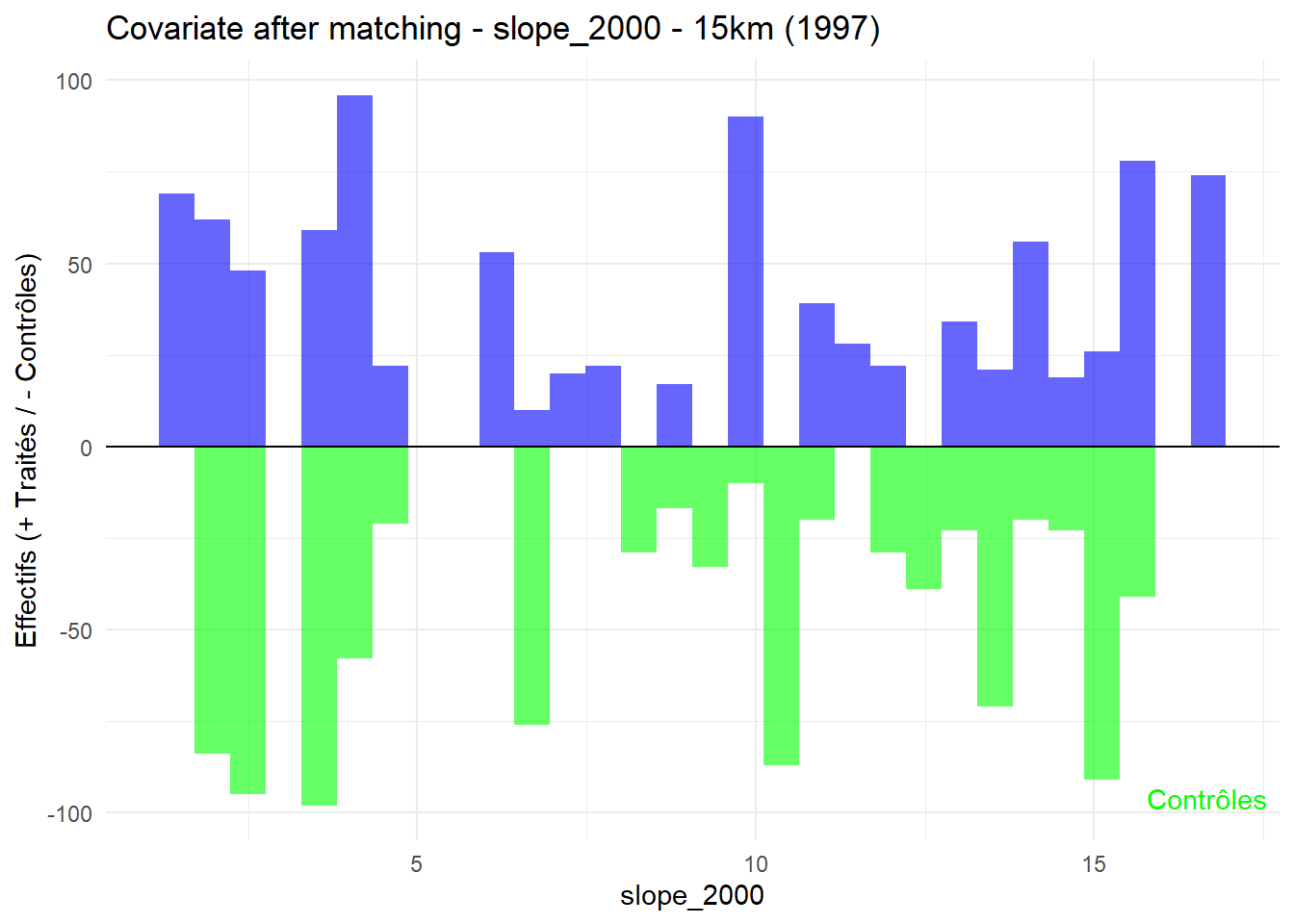
[1] "Calculating reference evapotranspiration using the Hargreaves method. Using latitude (`lat`) to estimate extraterrestrial radiation. Using precipitation data, following Droogers and Allen (2002). Checking for missing values (`NA`): all the data must be complete. Input type is vector. Assuming the data are monthly time series starting in January, all regular (non-leap) years."
[1] "Calculating the Standardized Precipitation Evapotranspiration Index (SPEI) at a time scale of 12. Using kernel type 'rectangular', with 0 shift. Fitting the data to a log-Logistic distribution. Using the ub-pwm parameter fitting method. Checking for missing values (`NA`): all the data must be complete. Using a user-specified reference period. Input type is tsvector. Time series spanning janv. 1980 to nov. 2021, with frequency = 12."
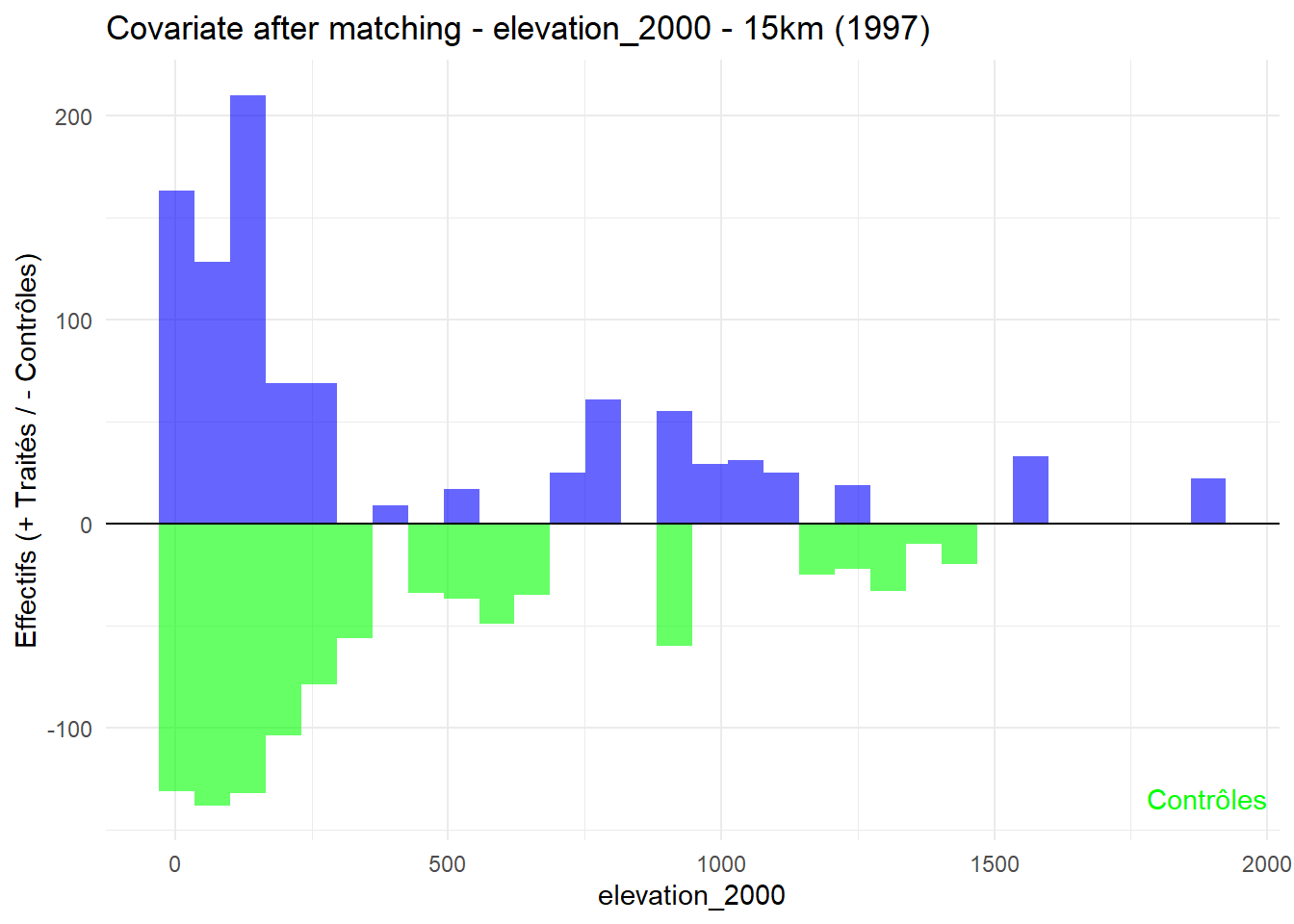
[1] "Calculating reference evapotranspiration using the Hargreaves method. Using latitude (`lat`) to estimate extraterrestrial radiation. Using precipitation data, following Droogers and Allen (2002). Checking for missing values (`NA`): all the data must be complete. Input type is vector. Assuming the data are monthly time series starting in January, all regular (non-leap) years."
[1] "Calculating the Standardized Precipitation Evapotranspiration Index (SPEI) at a time scale of 12. Using kernel type 'rectangular', with 0 shift. Fitting the data to a log-Logistic distribution. Using the ub-pwm parameter fitting method. Checking for missing values (`NA`): all the data must be complete. Using a user-specified reference period. Input type is tsvector. Time series spanning janv. 1980 to nov. 2021, with frequency = 12."
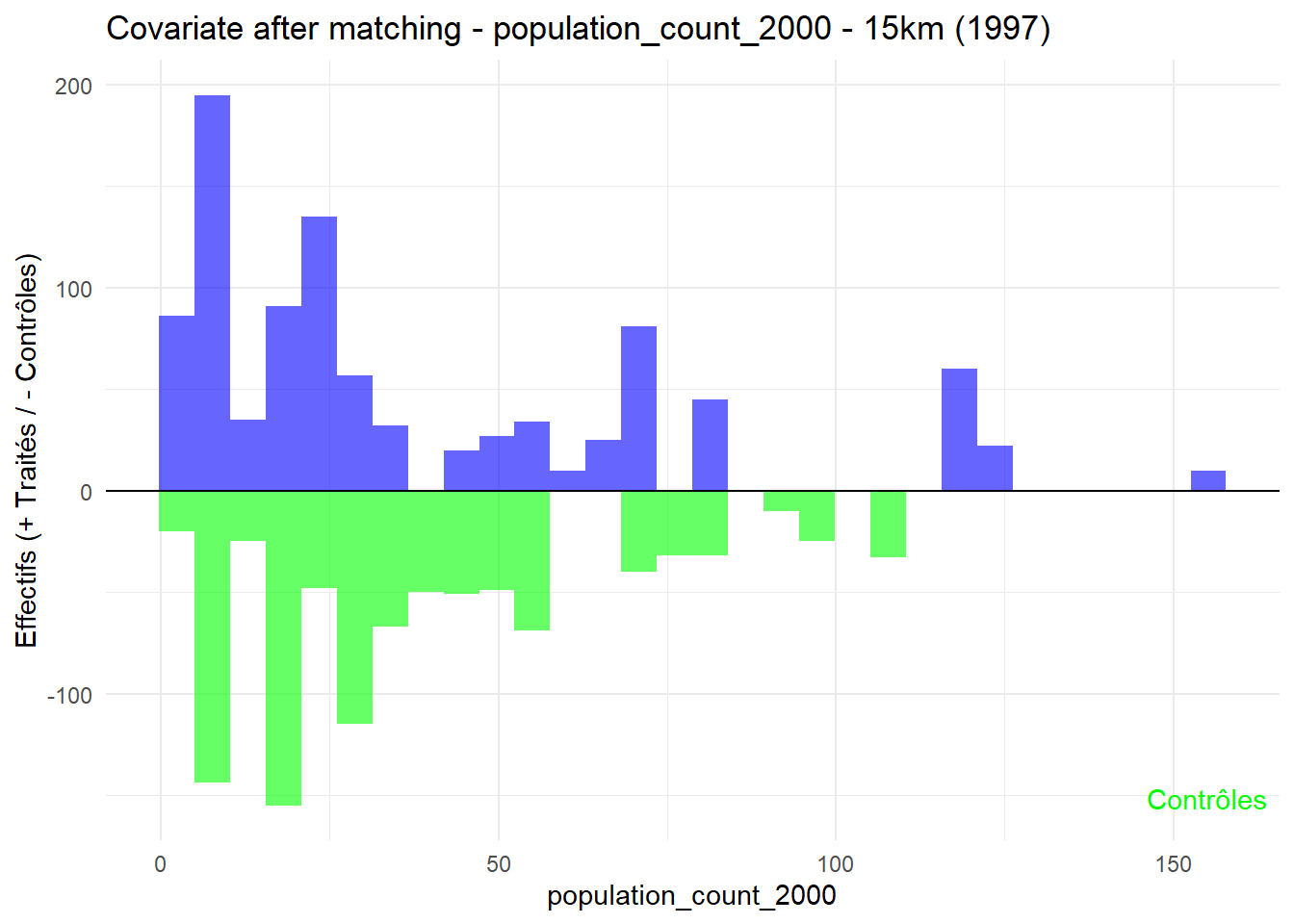
[1] "Calculating reference evapotranspiration using the Hargreaves method. Using latitude (`lat`) to estimate extraterrestrial radiation. Using precipitation data, following Droogers and Allen (2002). Checking for missing values (`NA`): all the data must be complete. Input type is vector. Assuming the data are monthly time series starting in January, all regular (non-leap) years."
[1] "Calculating the Standardized Precipitation Evapotranspiration Index (SPEI) at a time scale of 12. Using kernel type 'rectangular', with 0 shift. Fitting the data to a log-Logistic distribution. Using the ub-pwm parameter fitting method. Checking for missing values (`NA`): all the data must be complete. Using a user-specified reference period. Input type is tsvector. Time series spanning janv. 1980 to nov. 2021, with frequency = 12."
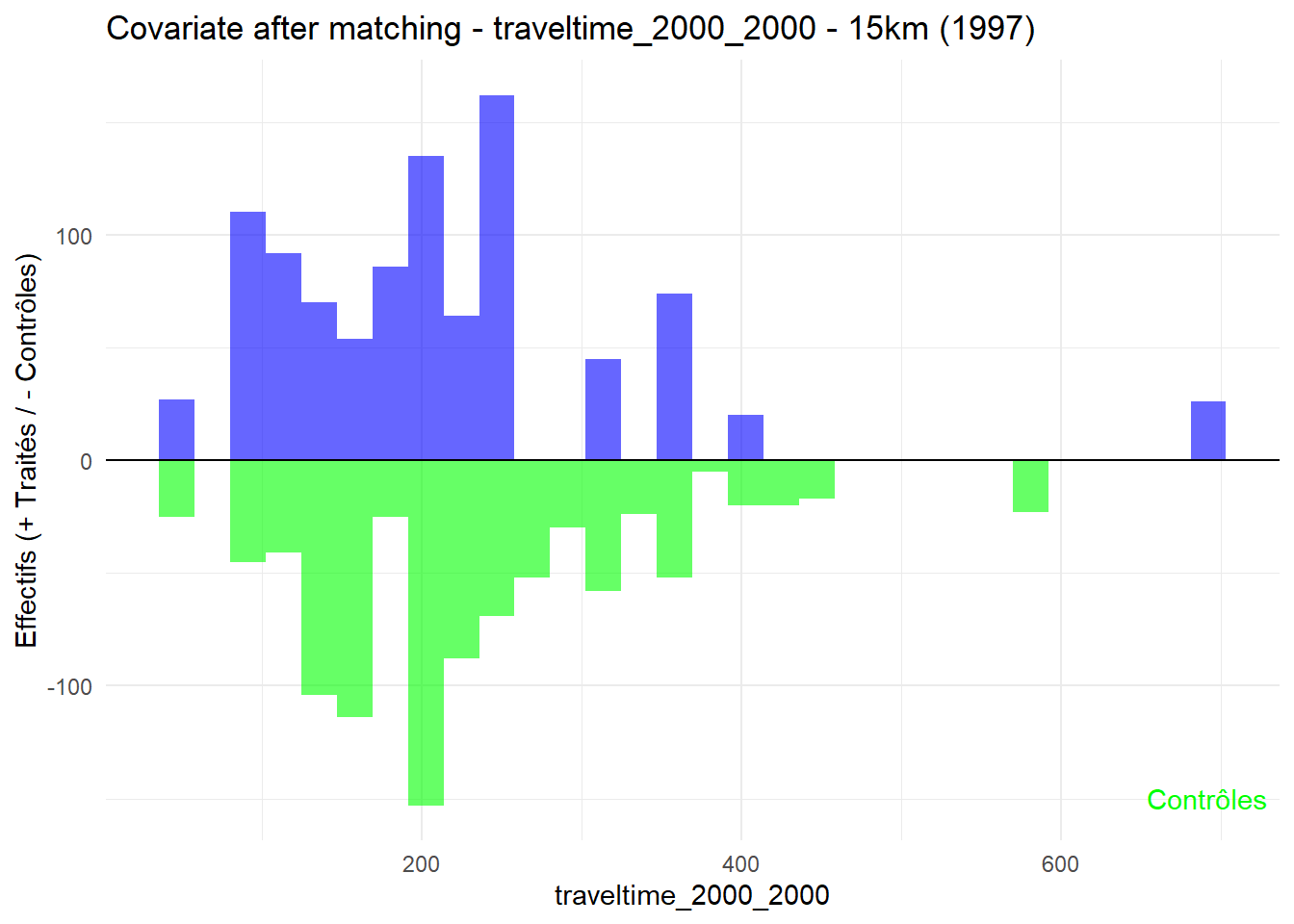
[1] "Calculating reference evapotranspiration using the Hargreaves method. Using latitude (`lat`) to estimate extraterrestrial radiation. Using precipitation data, following Droogers and Allen (2002). Checking for missing values (`NA`): all the data must be complete. Input type is vector. Assuming the data are monthly time series starting in January, all regular (non-leap) years."
[1] "Calculating the Standardized Precipitation Evapotranspiration Index (SPEI) at a time scale of 12. Using kernel type 'rectangular', with 0 shift. Fitting the data to a log-Logistic distribution. Using the ub-pwm parameter fitting method. Checking for missing values (`NA`): all the data must be complete. Using a user-specified reference period. Input type is tsvector. Time series spanning janv. 1980 to nov. 2021, with frequency = 12."
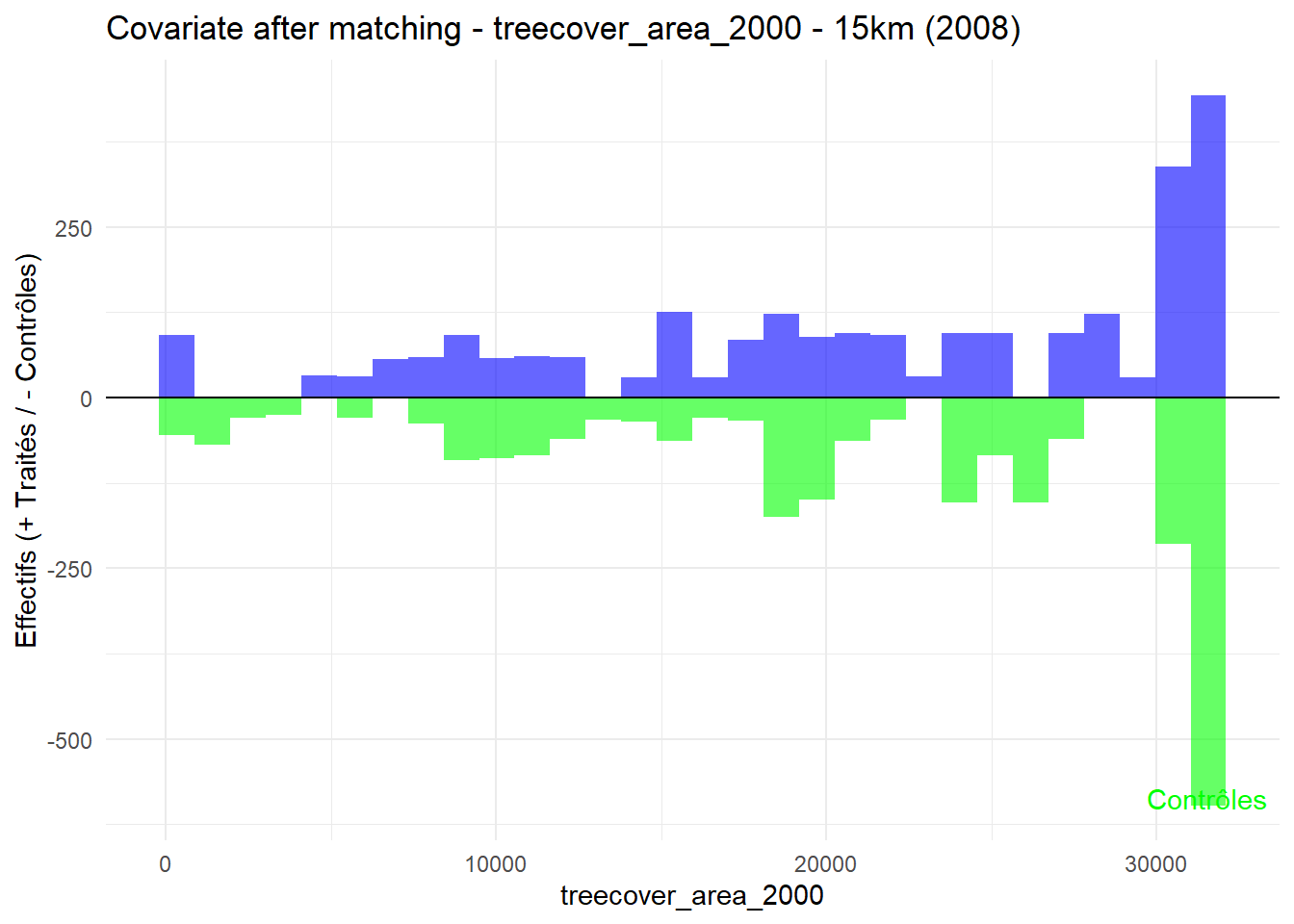
[1] "Calculating reference evapotranspiration using the Hargreaves method. Using latitude (`lat`) to estimate extraterrestrial radiation. Using precipitation data, following Droogers and Allen (2002). Checking for missing values (`NA`): all the data must be complete. Input type is vector. Assuming the data are monthly time series starting in January, all regular (non-leap) years."
[1] "Calculating the Standardized Precipitation Evapotranspiration Index (SPEI) at a time scale of 12. Using kernel type 'rectangular', with 0 shift. Fitting the data to a log-Logistic distribution. Using the ub-pwm parameter fitting method. Checking for missing values (`NA`): all the data must be complete. Using a user-specified reference period. Input type is tsvector. Time series spanning janv. 1980 to nov. 2021, with frequency = 12."
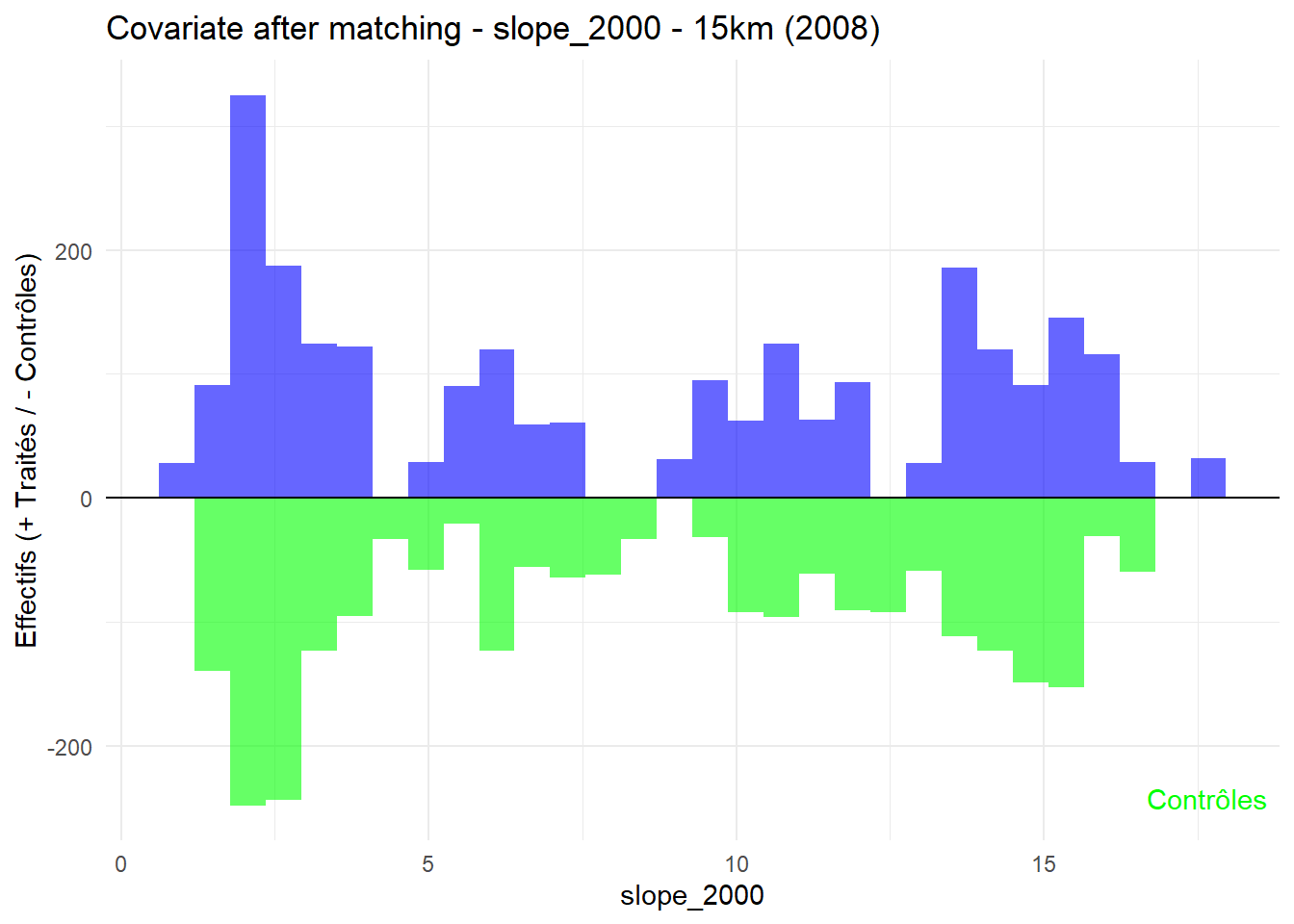
[1] "Calculating reference evapotranspiration using the Hargreaves method. Using latitude (`lat`) to estimate extraterrestrial radiation. Using precipitation data, following Droogers and Allen (2002). Checking for missing values (`NA`): all the data must be complete. Input type is vector. Assuming the data are monthly time series starting in January, all regular (non-leap) years."
[1] "Calculating the Standardized Precipitation Evapotranspiration Index (SPEI) at a time scale of 12. Using kernel type 'rectangular', with 0 shift. Fitting the data to a log-Logistic distribution. Using the ub-pwm parameter fitting method. Checking for missing values (`NA`): all the data must be complete. Using a user-specified reference period. Input type is tsvector. Time series spanning janv. 1980 to nov. 2021, with frequency = 12."
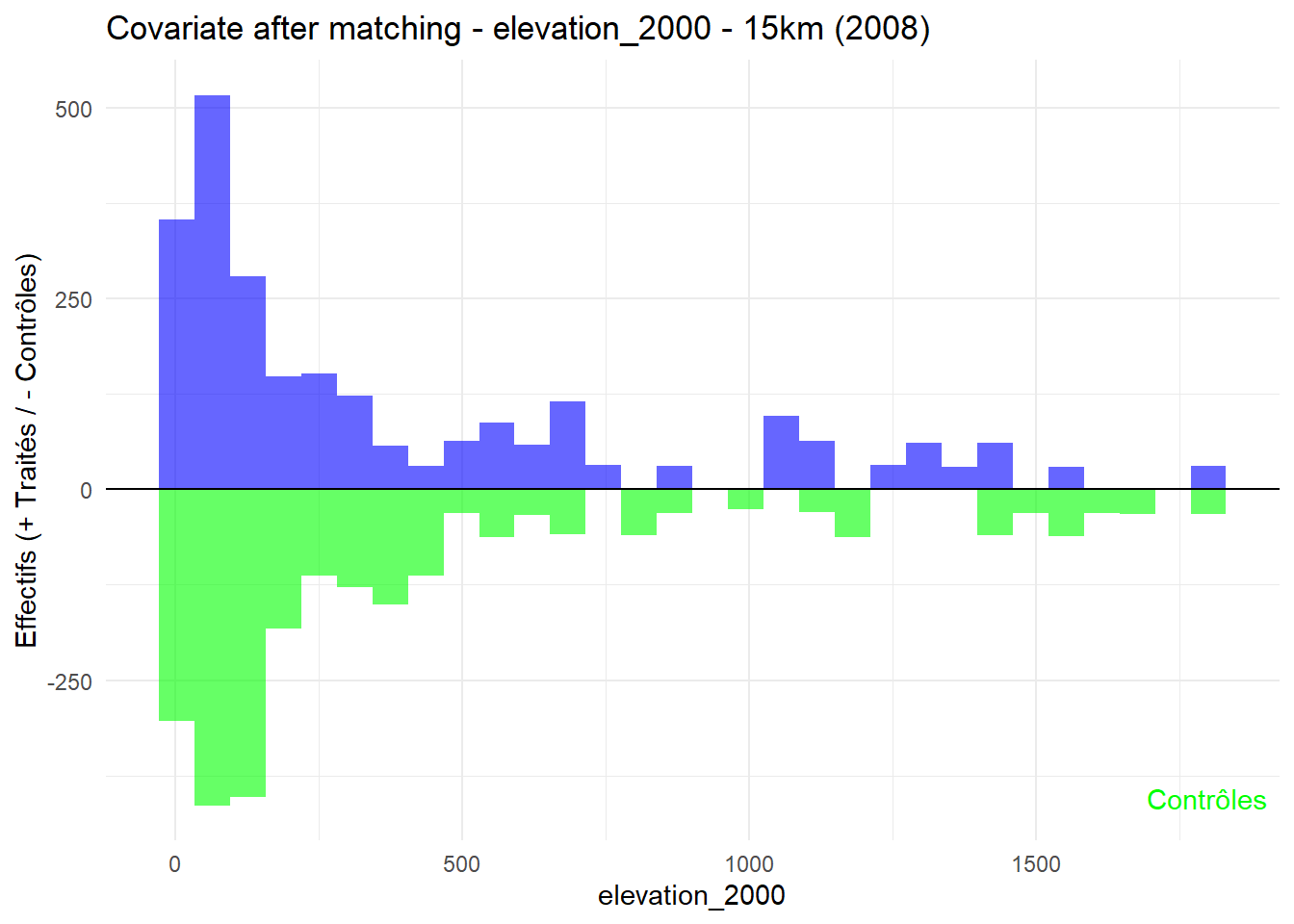
[1] "Calculating reference evapotranspiration using the Hargreaves method. Using latitude (`lat`) to estimate extraterrestrial radiation. Using precipitation data, following Droogers and Allen (2002). Checking for missing values (`NA`): all the data must be complete. Input type is vector. Assuming the data are monthly time series starting in January, all regular (non-leap) years."
[1] "Calculating the Standardized Precipitation Evapotranspiration Index (SPEI) at a time scale of 12. Using kernel type 'rectangular', with 0 shift. Fitting the data to a log-Logistic distribution. Using the ub-pwm parameter fitting method. Checking for missing values (`NA`): all the data must be complete. Using a user-specified reference period. Input type is tsvector. Time series spanning janv. 1980 to nov. 2021, with frequency = 12."
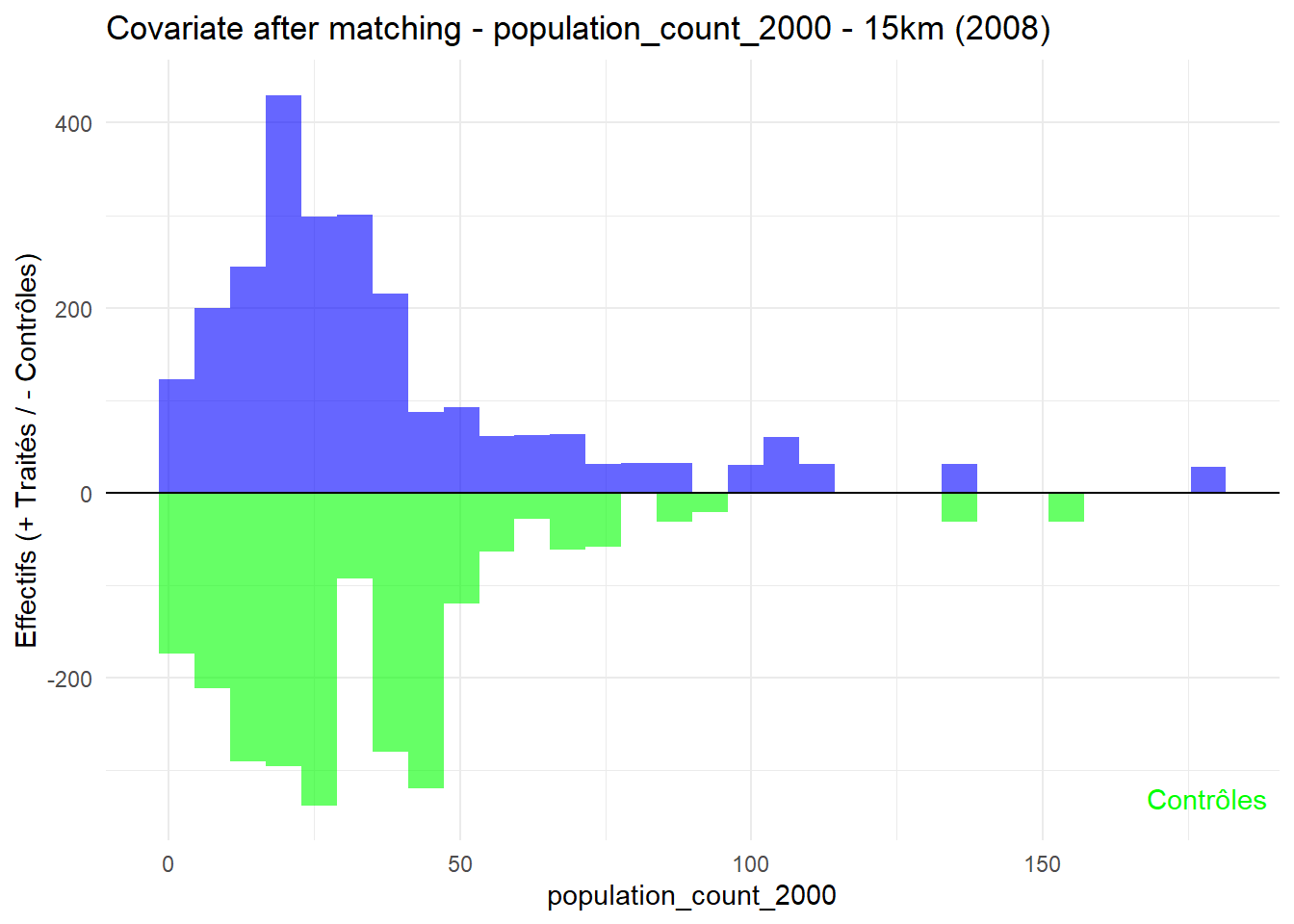
[1] "Calculating reference evapotranspiration using the Hargreaves method. Using latitude (`lat`) to estimate extraterrestrial radiation. Using precipitation data, following Droogers and Allen (2002). Checking for missing values (`NA`): all the data must be complete. Input type is vector. Assuming the data are monthly time series starting in January, all regular (non-leap) years."
[1] "Calculating the Standardized Precipitation Evapotranspiration Index (SPEI) at a time scale of 12. Using kernel type 'rectangular', with 0 shift. Fitting the data to a log-Logistic distribution. Using the ub-pwm parameter fitting method. Checking for missing values (`NA`): all the data must be complete. Using a user-specified reference period. Input type is tsvector. Time series spanning janv. 1980 to nov. 2021, with frequency = 12."
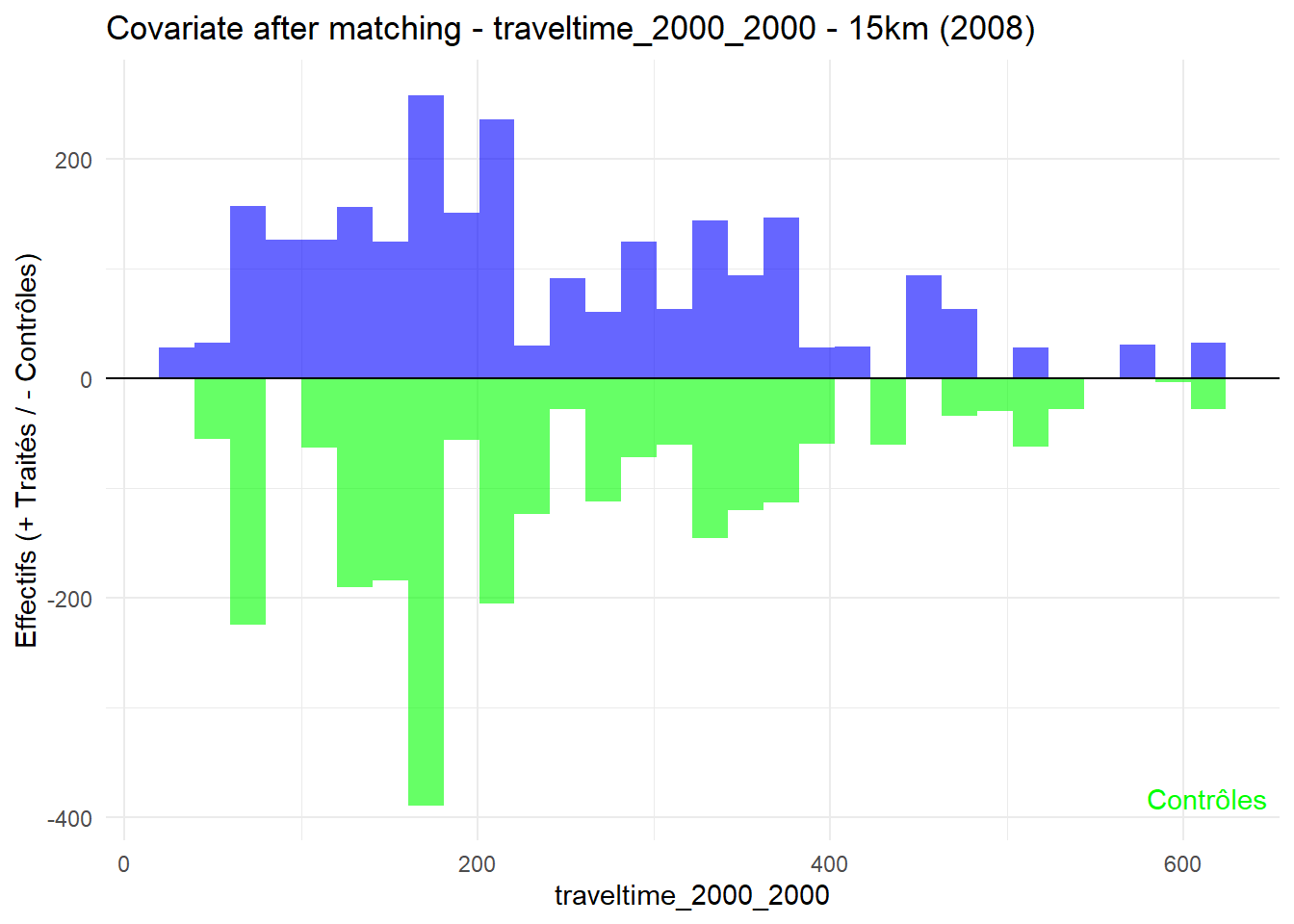
[1] "Calculating reference evapotranspiration using the Hargreaves method. Using latitude (`lat`) to estimate extraterrestrial radiation. Using precipitation data, following Droogers and Allen (2002). Checking for missing values (`NA`): all the data must be complete. Input type is vector. Assuming the data are monthly time series starting in January, all regular (non-leap) years."
[1] "Calculating the Standardized Precipitation Evapotranspiration Index (SPEI) at a time scale of 12. Using kernel type 'rectangular', with 0 shift. Fitting the data to a log-Logistic distribution. Using the ub-pwm parameter fitting method. Checking for missing values (`NA`): all the data must be complete. Using a user-specified reference period. Input type is tsvector. Time series spanning janv. 1980 to nov. 2021, with frequency = 12."
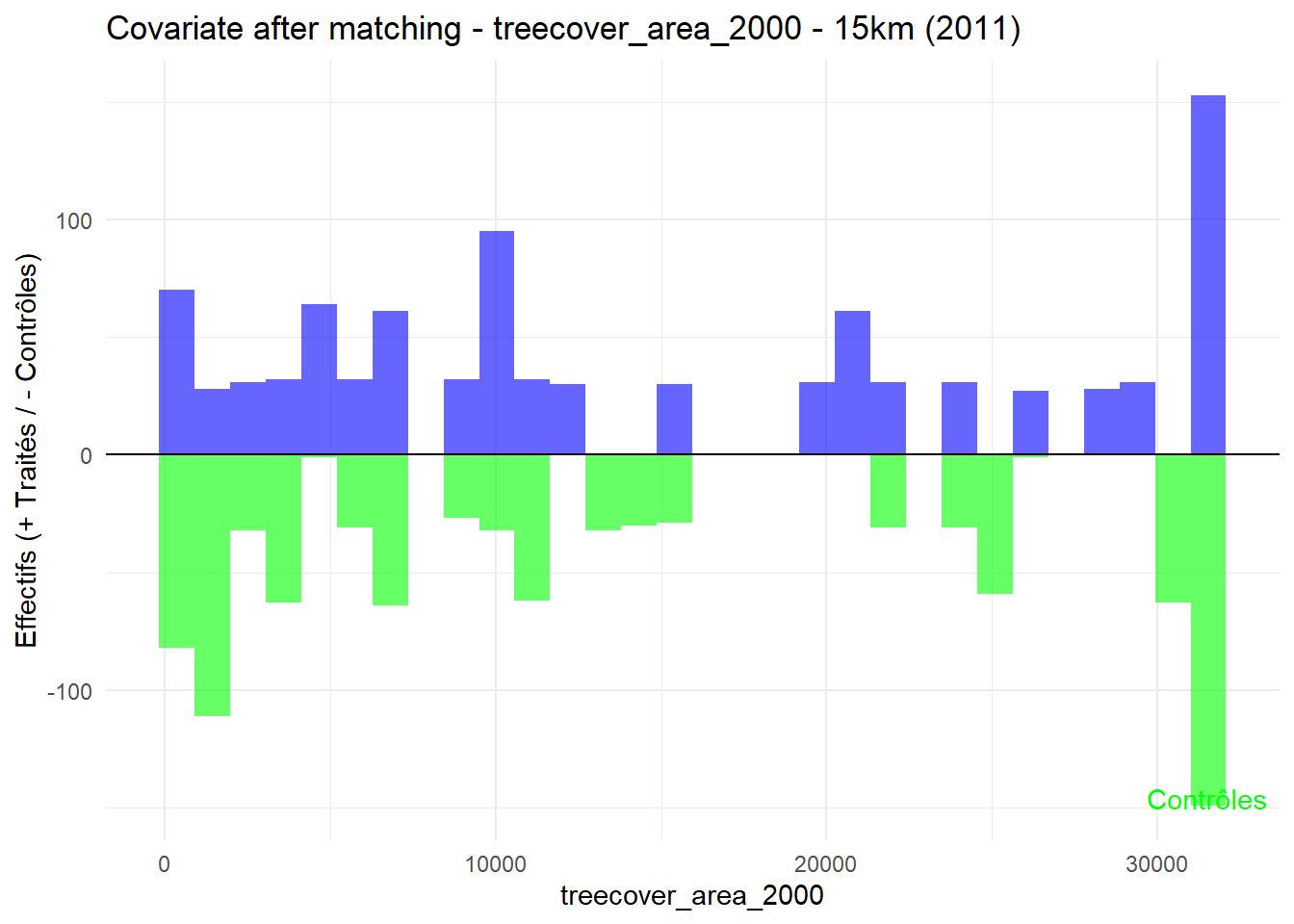
[1] "Calculating reference evapotranspiration using the Hargreaves method. Using latitude (`lat`) to estimate extraterrestrial radiation. Using precipitation data, following Droogers and Allen (2002). Checking for missing values (`NA`): all the data must be complete. Input type is vector. Assuming the data are monthly time series starting in January, all regular (non-leap) years."
[1] "Calculating the Standardized Precipitation Evapotranspiration Index (SPEI) at a time scale of 12. Using kernel type 'rectangular', with 0 shift. Fitting the data to a log-Logistic distribution. Using the ub-pwm parameter fitting method. Checking for missing values (`NA`): all the data must be complete. Using a user-specified reference period. Input type is tsvector. Time series spanning janv. 1980 to nov. 2021, with frequency = 12."
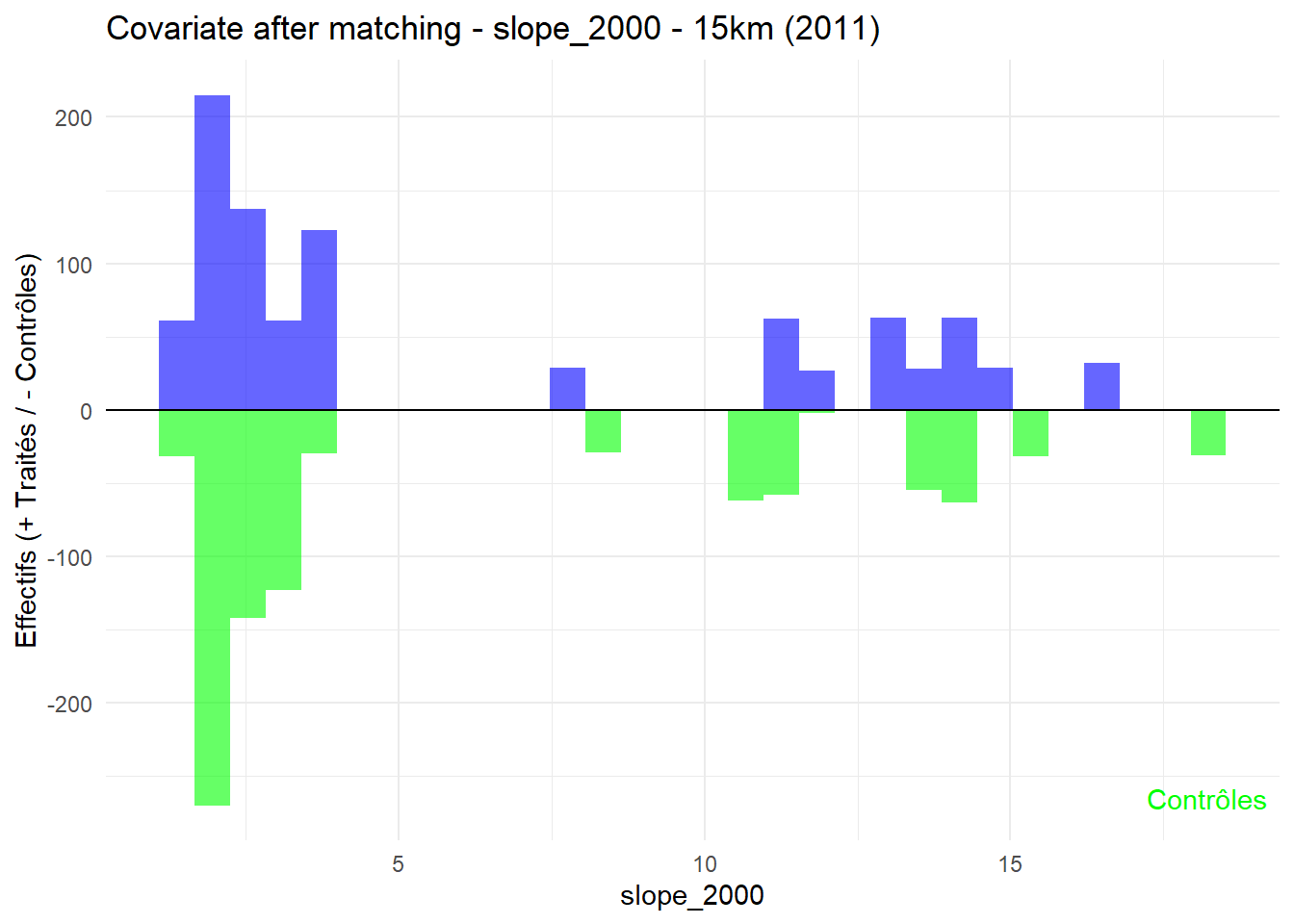
[1] "Calculating reference evapotranspiration using the Hargreaves method. Using latitude (`lat`) to estimate extraterrestrial radiation. Using precipitation data, following Droogers and Allen (2002). Checking for missing values (`NA`): all the data must be complete. Input type is vector. Assuming the data are monthly time series starting in January, all regular (non-leap) years."
[1] "Calculating the Standardized Precipitation Evapotranspiration Index (SPEI) at a time scale of 12. Using kernel type 'rectangular', with 0 shift. Fitting the data to a log-Logistic distribution. Using the ub-pwm parameter fitting method. Checking for missing values (`NA`): all the data must be complete. Using a user-specified reference period. Input type is tsvector. Time series spanning janv. 1980 to nov. 2021, with frequency = 12."
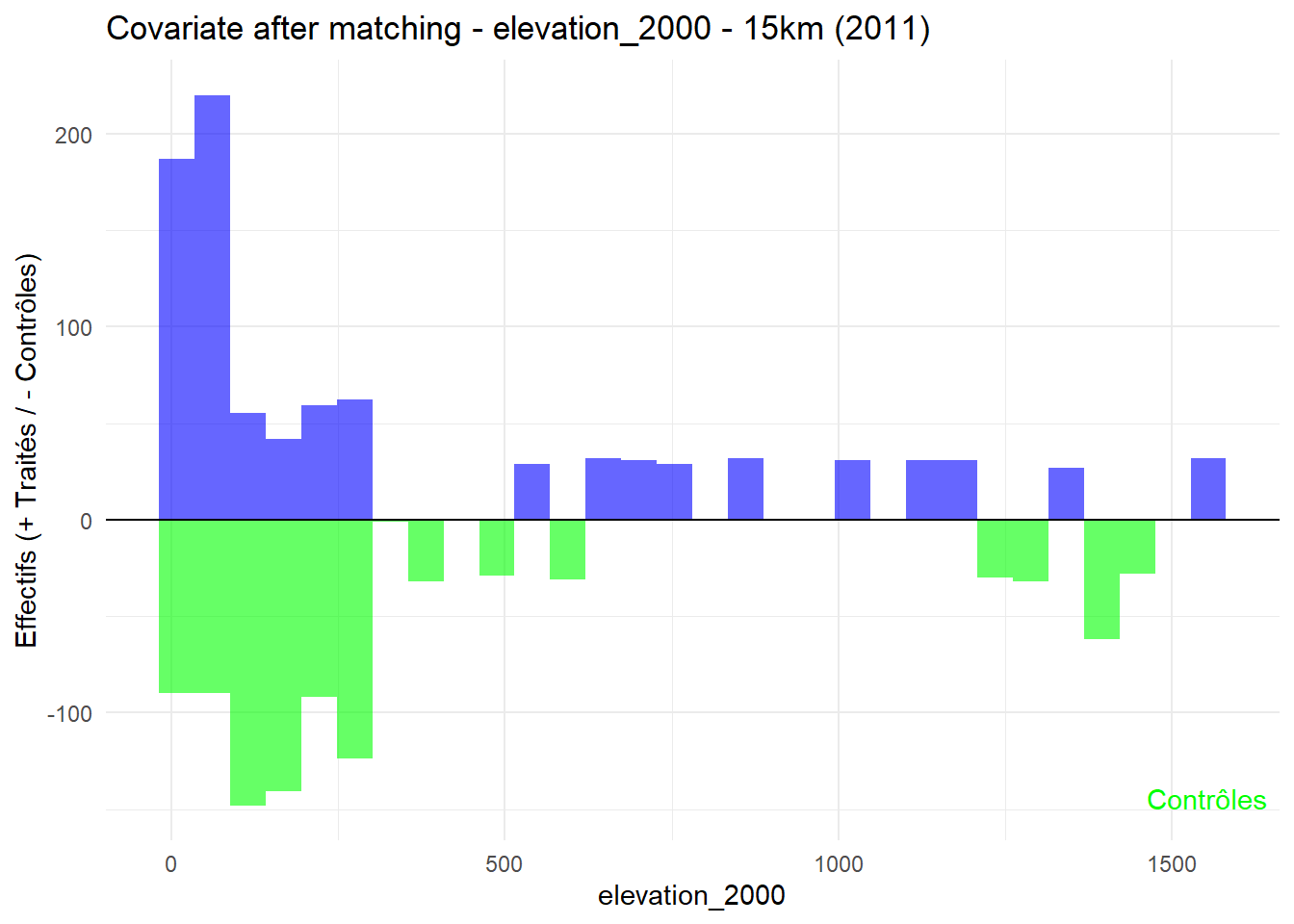
[1] "Calculating reference evapotranspiration using the Hargreaves method. Using latitude (`lat`) to estimate extraterrestrial radiation. Using precipitation data, following Droogers and Allen (2002). Checking for missing values (`NA`): all the data must be complete. Input type is vector. Assuming the data are monthly time series starting in January, all regular (non-leap) years."
[1] "Calculating the Standardized Precipitation Evapotranspiration Index (SPEI) at a time scale of 12. Using kernel type 'rectangular', with 0 shift. Fitting the data to a log-Logistic distribution. Using the ub-pwm parameter fitting method. Checking for missing values (`NA`): all the data must be complete. Using a user-specified reference period. Input type is tsvector. Time series spanning janv. 1980 to nov. 2021, with frequency = 12."
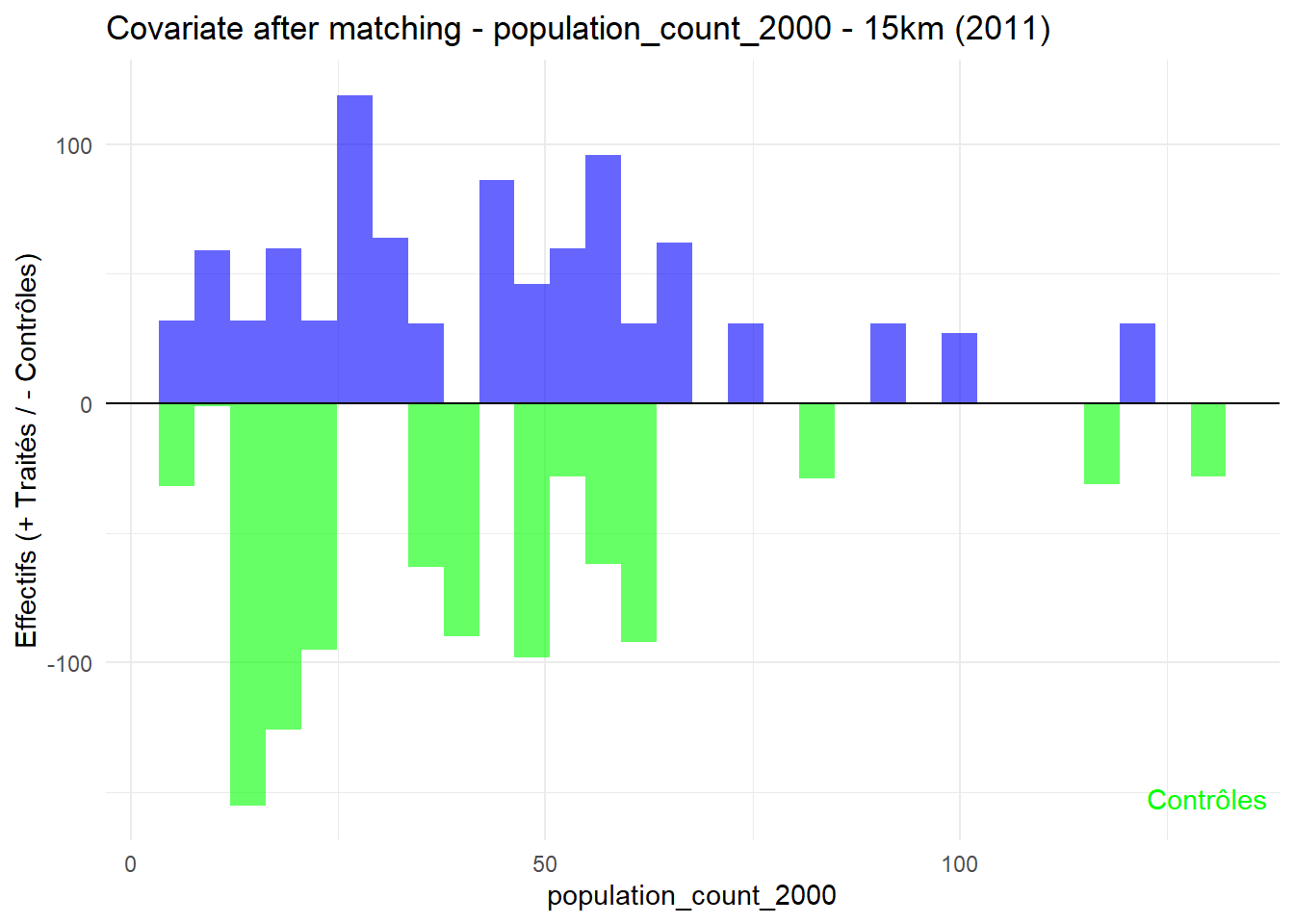
[1] "Calculating reference evapotranspiration using the Hargreaves method. Using latitude (`lat`) to estimate extraterrestrial radiation. Using precipitation data, following Droogers and Allen (2002). Checking for missing values (`NA`): all the data must be complete. Input type is vector. Assuming the data are monthly time series starting in January, all regular (non-leap) years."
[1] "Calculating the Standardized Precipitation Evapotranspiration Index (SPEI) at a time scale of 12. Using kernel type 'rectangular', with 0 shift. Fitting the data to a log-Logistic distribution. Using the ub-pwm parameter fitting method. Checking for missing values (`NA`): all the data must be complete. Using a user-specified reference period. Input type is tsvector. Time series spanning janv. 1980 to nov. 2021, with frequency = 12."
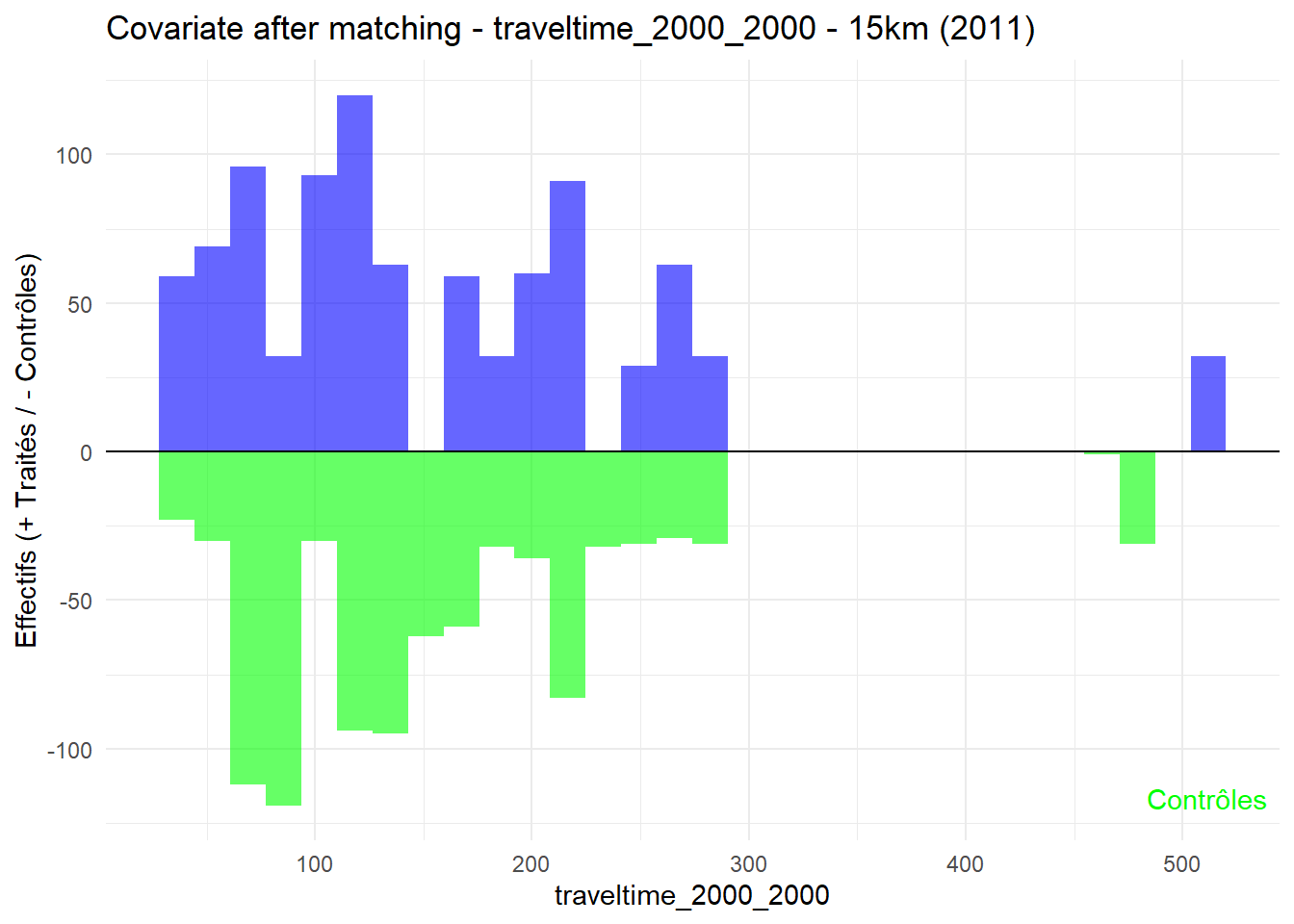
[1] "Calculating reference evapotranspiration using the Hargreaves method. Using latitude (`lat`) to estimate extraterrestrial radiation. Using precipitation data, following Droogers and Allen (2002). Checking for missing values (`NA`): all the data must be complete. Input type is vector. Assuming the data are monthly time series starting in January, all regular (non-leap) years."
[1] "Calculating the Standardized Precipitation Evapotranspiration Index (SPEI) at a time scale of 12. Using kernel type 'rectangular', with 0 shift. Fitting the data to a log-Logistic distribution. Using the ub-pwm parameter fitting method. Checking for missing values (`NA`): all the data must be complete. Using a user-specified reference period. Input type is tsvector. Time series spanning janv. 1980 to nov. 2021, with frequency = 12."
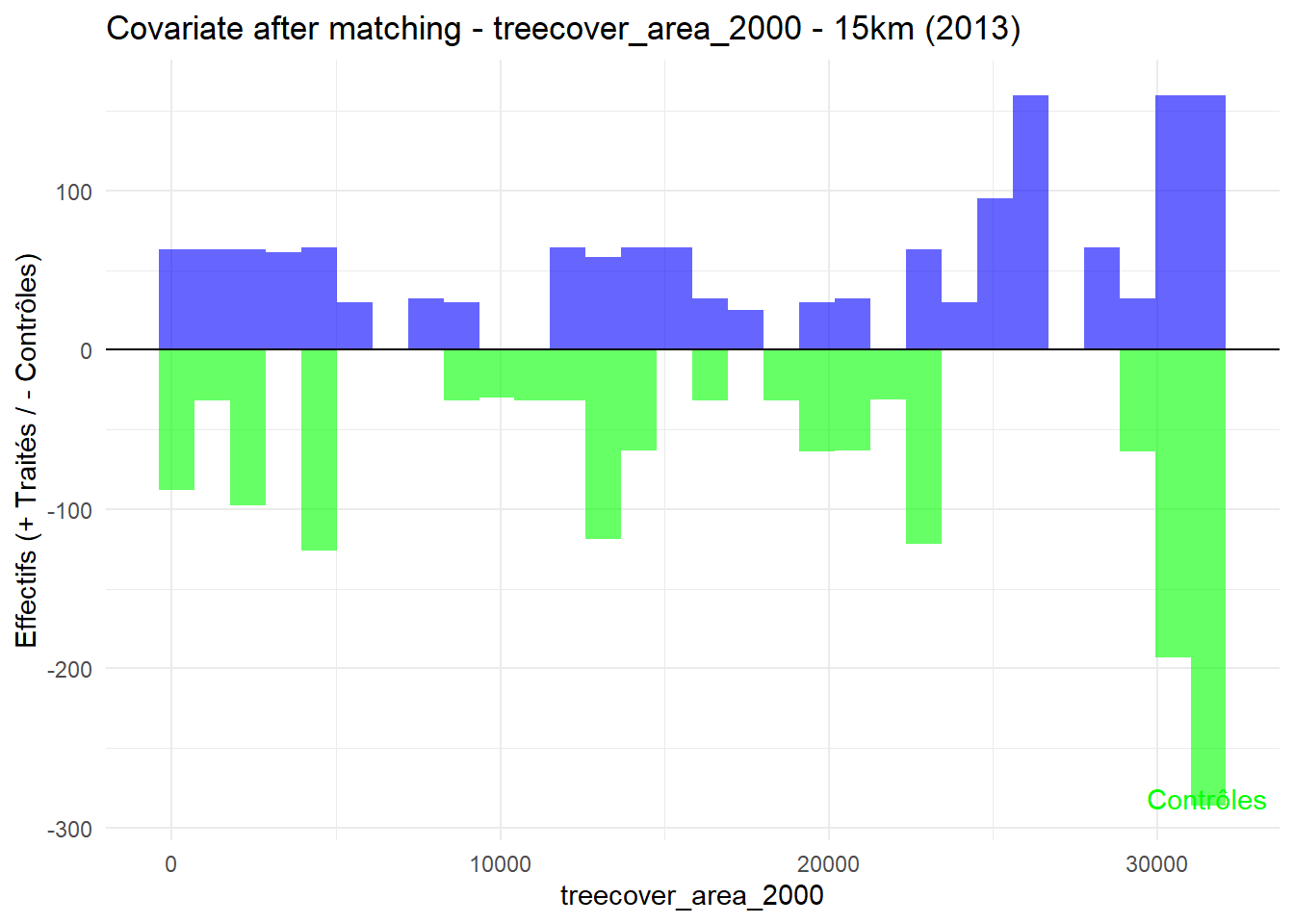
[1] "Calculating reference evapotranspiration using the Hargreaves method. Using latitude (`lat`) to estimate extraterrestrial radiation. Using precipitation data, following Droogers and Allen (2002). Checking for missing values (`NA`): all the data must be complete. Input type is vector. Assuming the data are monthly time series starting in January, all regular (non-leap) years."
[1] "Calculating the Standardized Precipitation Evapotranspiration Index (SPEI) at a time scale of 12. Using kernel type 'rectangular', with 0 shift. Fitting the data to a log-Logistic distribution. Using the ub-pwm parameter fitting method. Checking for missing values (`NA`): all the data must be complete. Using a user-specified reference period. Input type is tsvector. Time series spanning janv. 1980 to nov. 2021, with frequency = 12."
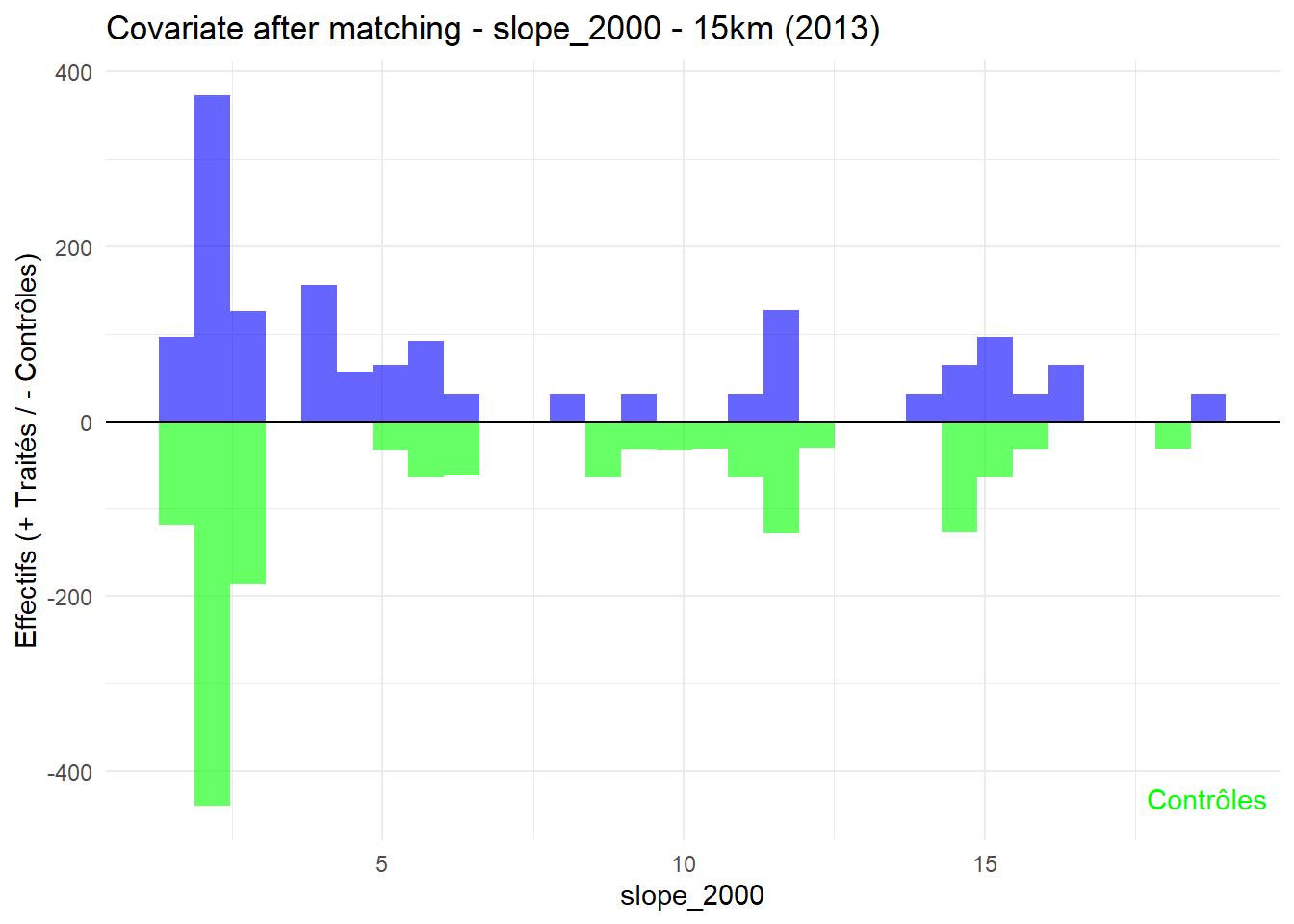
[1] "Calculating reference evapotranspiration using the Hargreaves method. Using latitude (`lat`) to estimate extraterrestrial radiation. Using precipitation data, following Droogers and Allen (2002). Checking for missing values (`NA`): all the data must be complete. Input type is vector. Assuming the data are monthly time series starting in January, all regular (non-leap) years."
[1] "Calculating the Standardized Precipitation Evapotranspiration Index (SPEI) at a time scale of 12. Using kernel type 'rectangular', with 0 shift. Fitting the data to a log-Logistic distribution. Using the ub-pwm parameter fitting method. Checking for missing values (`NA`): all the data must be complete. Using a user-specified reference period. Input type is tsvector. Time series spanning janv. 1980 to nov. 2021, with frequency = 12."
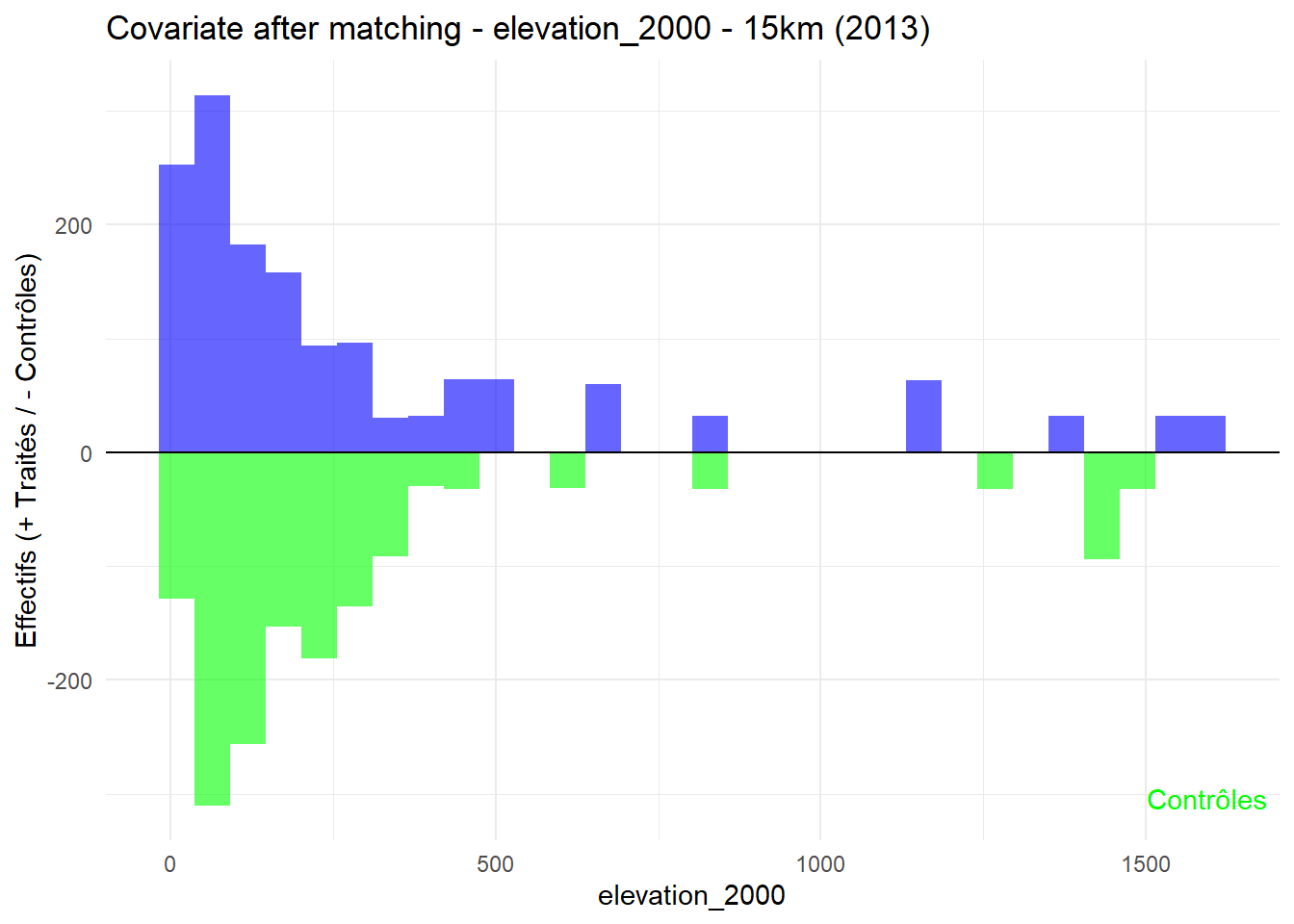
[1] "Calculating reference evapotranspiration using the Hargreaves method. Using latitude (`lat`) to estimate extraterrestrial radiation. Using precipitation data, following Droogers and Allen (2002). Checking for missing values (`NA`): all the data must be complete. Input type is vector. Assuming the data are monthly time series starting in January, all regular (non-leap) years."
[1] "Calculating the Standardized Precipitation Evapotranspiration Index (SPEI) at a time scale of 12. Using kernel type 'rectangular', with 0 shift. Fitting the data to a log-Logistic distribution. Using the ub-pwm parameter fitting method. Checking for missing values (`NA`): all the data must be complete. Using a user-specified reference period. Input type is tsvector. Time series spanning janv. 1980 to nov. 2021, with frequency = 12."
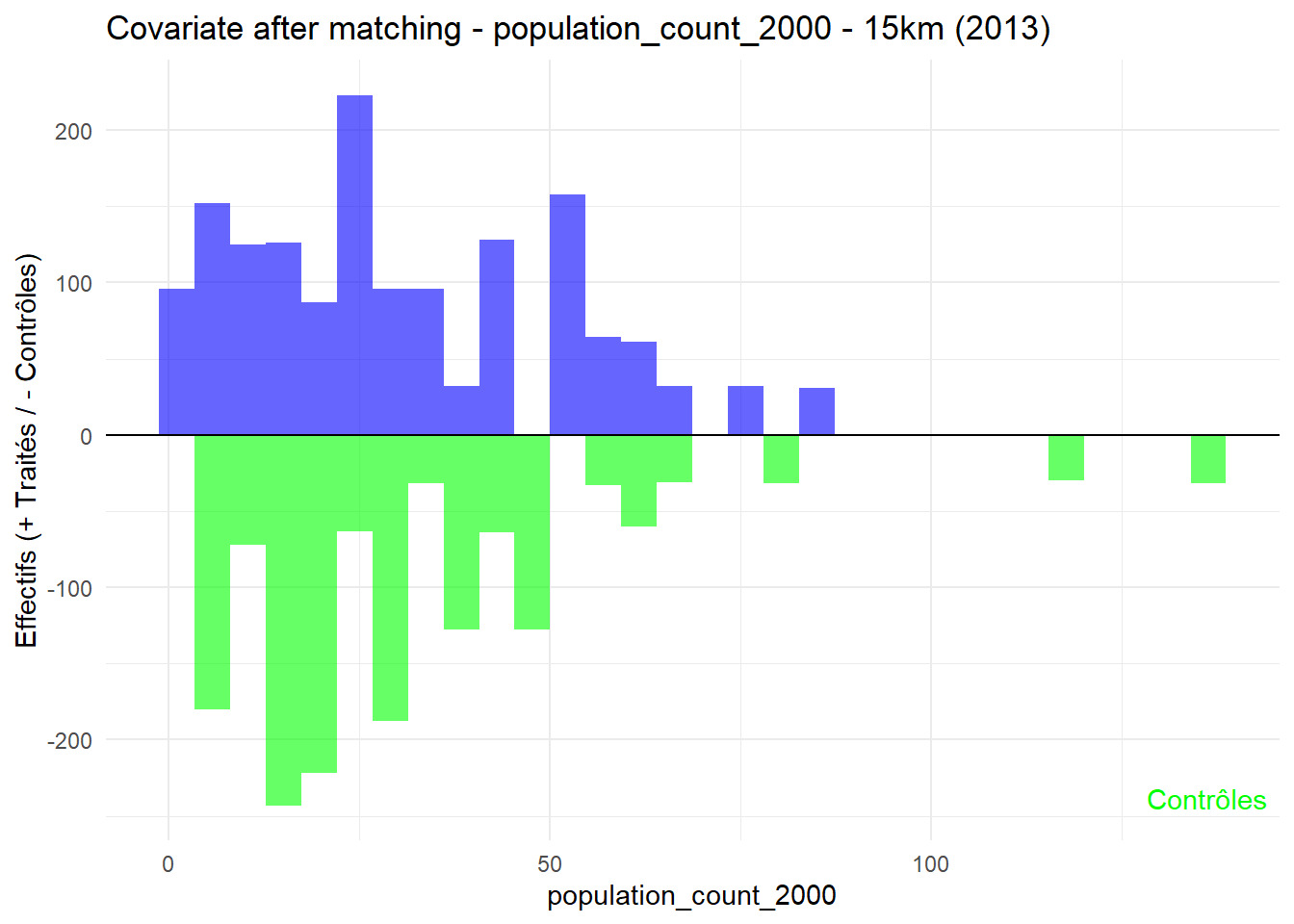
[1] "Calculating reference evapotranspiration using the Hargreaves method. Using latitude (`lat`) to estimate extraterrestrial radiation. Using precipitation data, following Droogers and Allen (2002). Checking for missing values (`NA`): all the data must be complete. Input type is vector. Assuming the data are monthly time series starting in January, all regular (non-leap) years."
[1] "Calculating the Standardized Precipitation Evapotranspiration Index (SPEI) at a time scale of 12. Using kernel type 'rectangular', with 0 shift. Fitting the data to a log-Logistic distribution. Using the ub-pwm parameter fitting method. Checking for missing values (`NA`): all the data must be complete. Using a user-specified reference period. Input type is tsvector. Time series spanning janv. 1980 to nov. 2021, with frequency = 12."
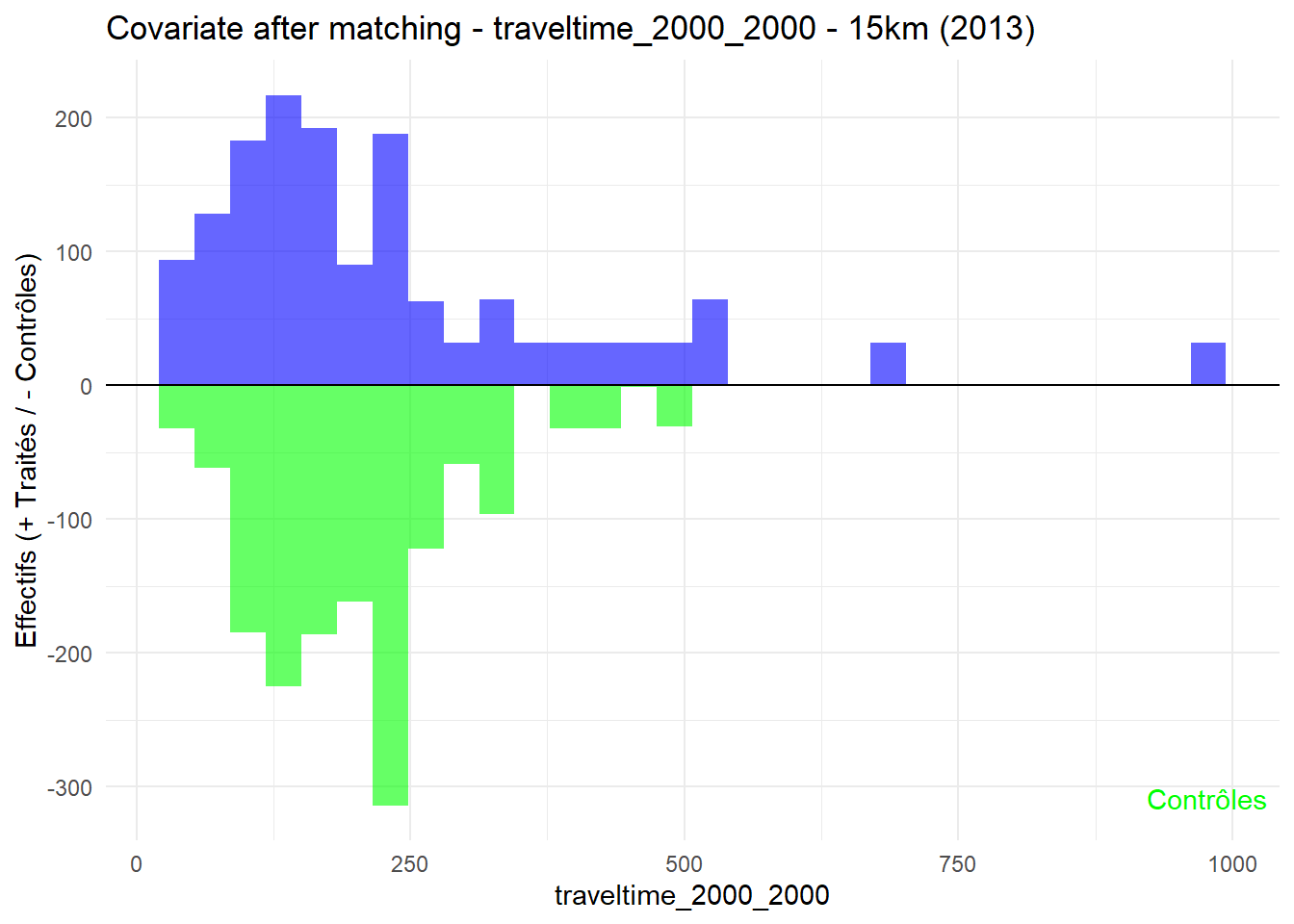
[1] "Calculating reference evapotranspiration using the Hargreaves method. Using latitude (`lat`) to estimate extraterrestrial radiation. Using precipitation data, following Droogers and Allen (2002). Checking for missing values (`NA`): all the data must be complete. Input type is vector. Assuming the data are monthly time series starting in January, all regular (non-leap) years."
[1] "Calculating the Standardized Precipitation Evapotranspiration Index (SPEI) at a time scale of 12. Using kernel type 'rectangular', with 0 shift. Fitting the data to a log-Logistic distribution. Using the ub-pwm parameter fitting method. Checking for missing values (`NA`): all the data must be complete. Using a user-specified reference period. Input type is tsvector. Time series spanning janv. 1980 to nov. 2021, with frequency = 12."
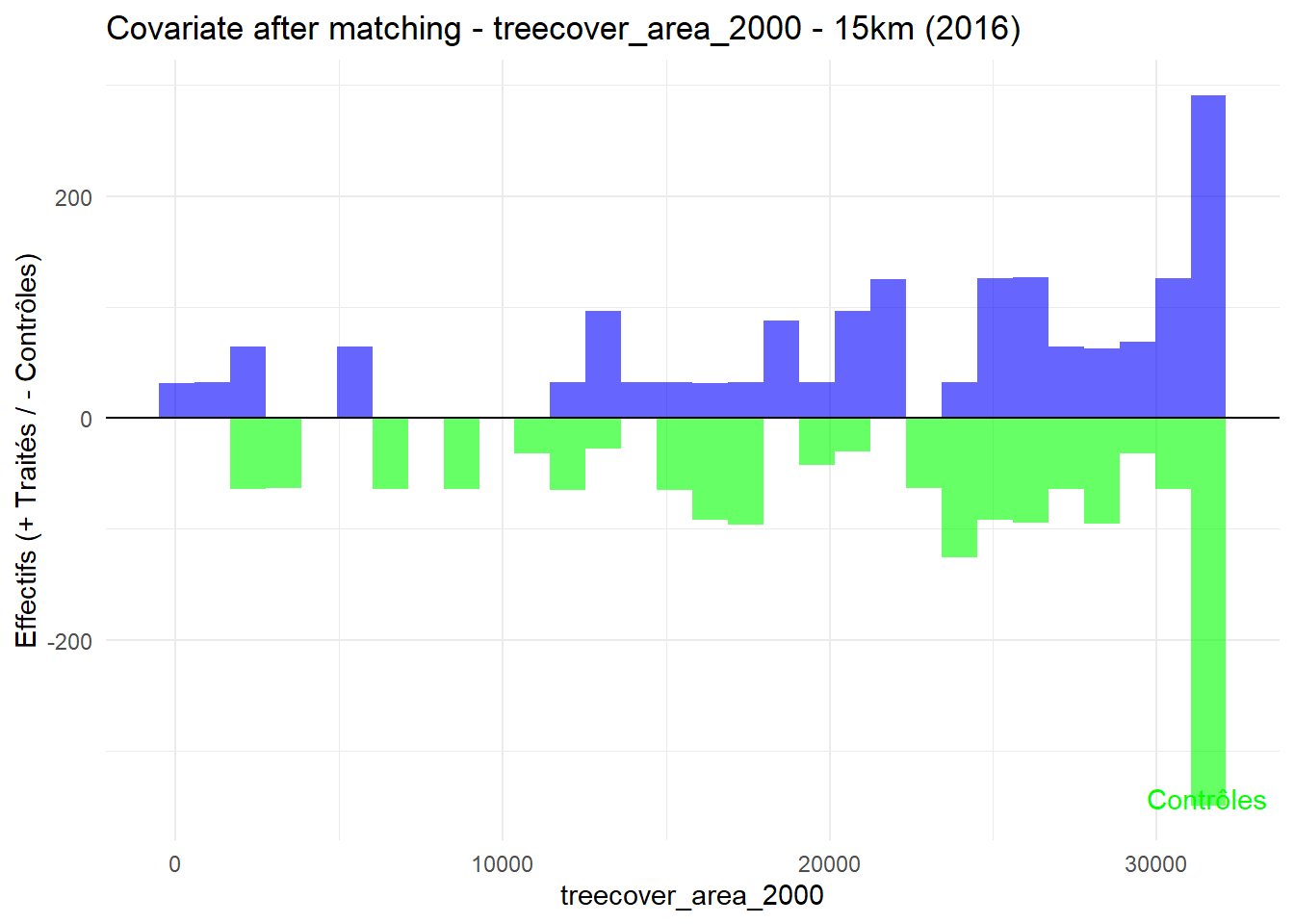
[1] "Calculating reference evapotranspiration using the Hargreaves method. Using latitude (`lat`) to estimate extraterrestrial radiation. Using precipitation data, following Droogers and Allen (2002). Checking for missing values (`NA`): all the data must be complete. Input type is vector. Assuming the data are monthly time series starting in January, all regular (non-leap) years."
[1] "Calculating the Standardized Precipitation Evapotranspiration Index (SPEI) at a time scale of 12. Using kernel type 'rectangular', with 0 shift. Fitting the data to a log-Logistic distribution. Using the ub-pwm parameter fitting method. Checking for missing values (`NA`): all the data must be complete. Using a user-specified reference period. Input type is tsvector. Time series spanning janv. 1980 to nov. 2021, with frequency = 12."
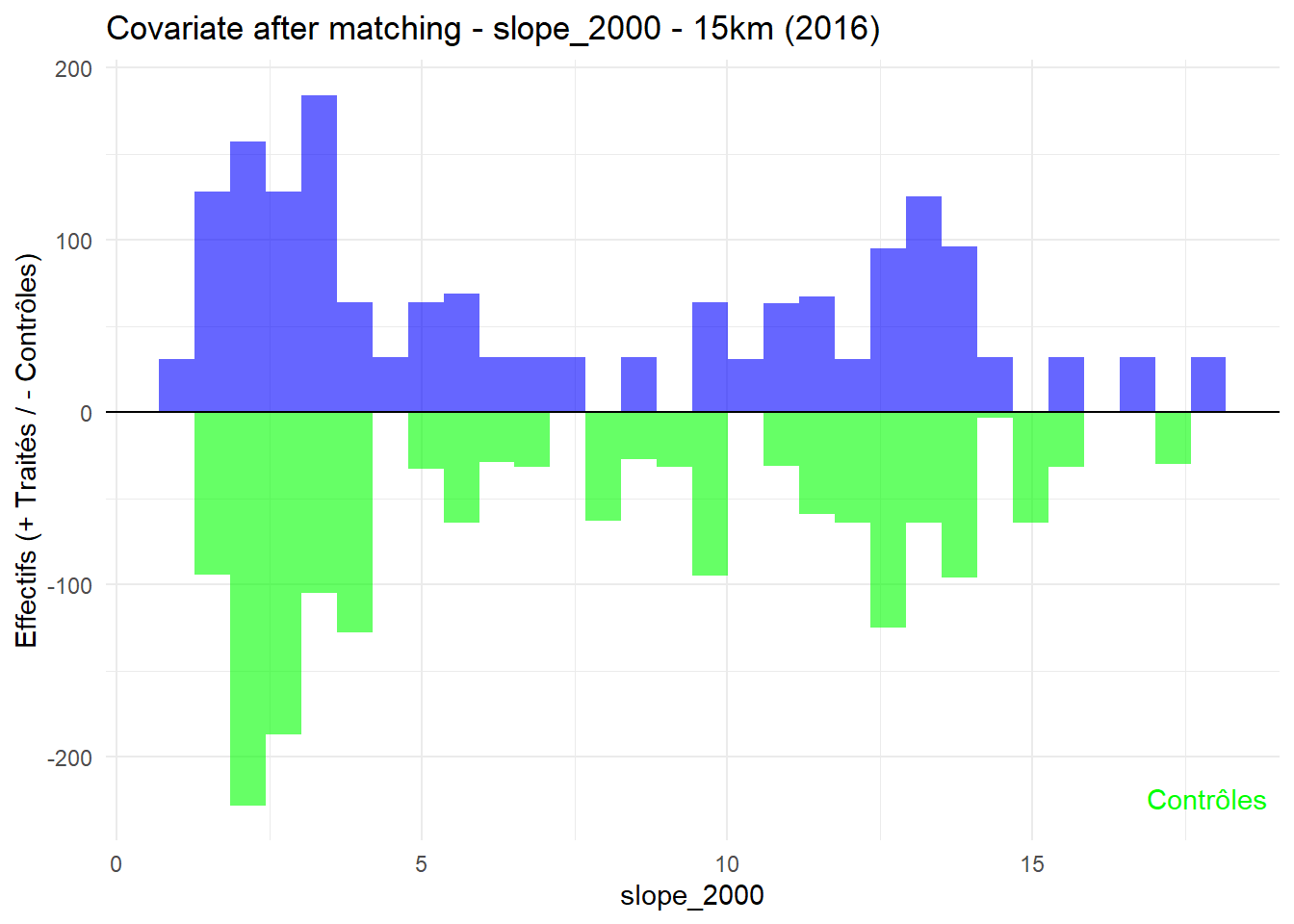
[1] "Calculating reference evapotranspiration using the Hargreaves method. Using latitude (`lat`) to estimate extraterrestrial radiation. Using precipitation data, following Droogers and Allen (2002). Checking for missing values (`NA`): all the data must be complete. Input type is vector. Assuming the data are monthly time series starting in January, all regular (non-leap) years."
[1] "Calculating the Standardized Precipitation Evapotranspiration Index (SPEI) at a time scale of 12. Using kernel type 'rectangular', with 0 shift. Fitting the data to a log-Logistic distribution. Using the ub-pwm parameter fitting method. Checking for missing values (`NA`): all the data must be complete. Using a user-specified reference period. Input type is tsvector. Time series spanning janv. 1980 to nov. 2021, with frequency = 12."
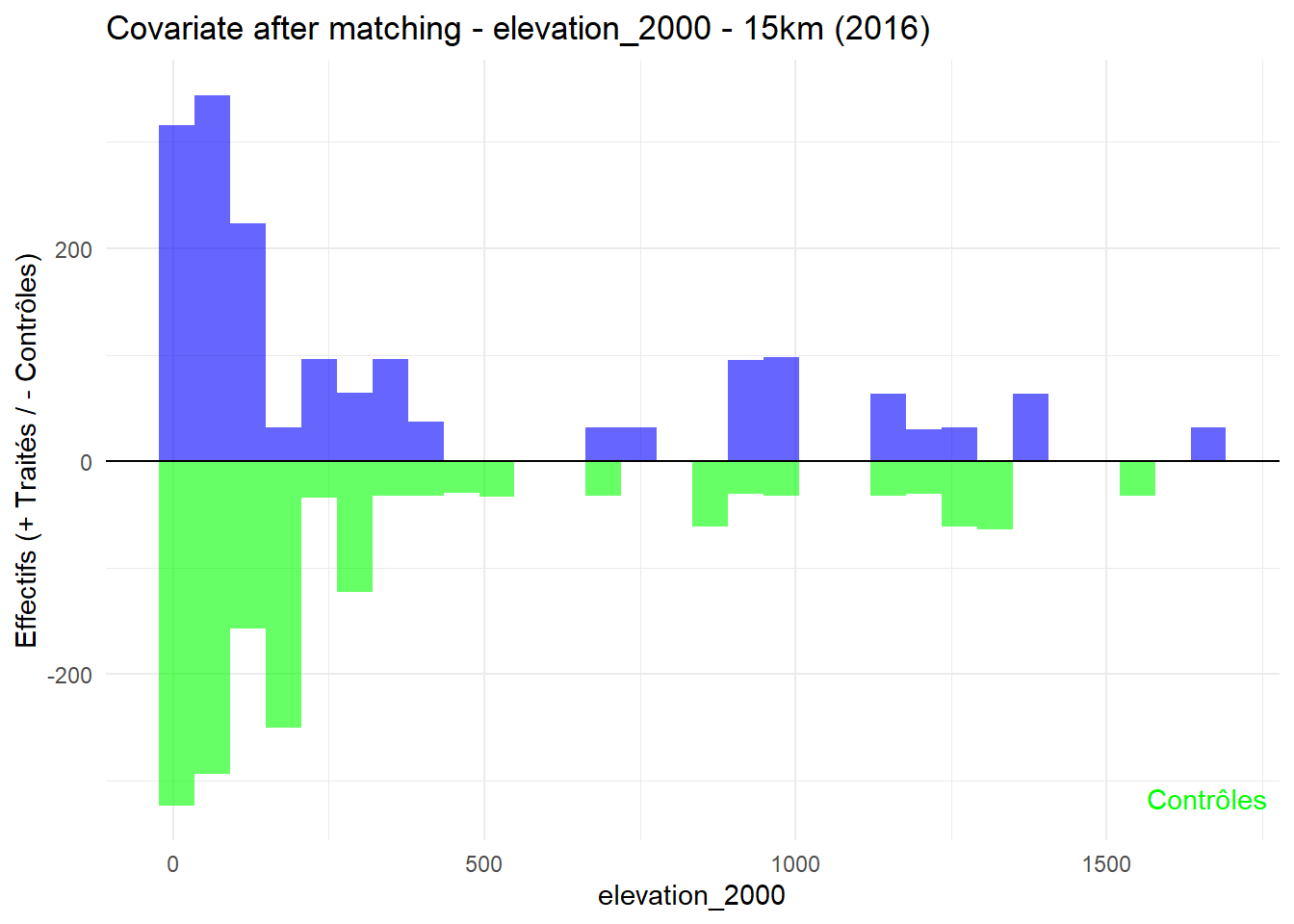
[1] "Calculating reference evapotranspiration using the Hargreaves method. Using latitude (`lat`) to estimate extraterrestrial radiation. Using precipitation data, following Droogers and Allen (2002). Checking for missing values (`NA`): all the data must be complete. Input type is vector. Assuming the data are monthly time series starting in January, all regular (non-leap) years."
[1] "Calculating the Standardized Precipitation Evapotranspiration Index (SPEI) at a time scale of 12. Using kernel type 'rectangular', with 0 shift. Fitting the data to a log-Logistic distribution. Using the ub-pwm parameter fitting method. Checking for missing values (`NA`): all the data must be complete. Using a user-specified reference period. Input type is tsvector. Time series spanning janv. 1980 to nov. 2021, with frequency = 12."
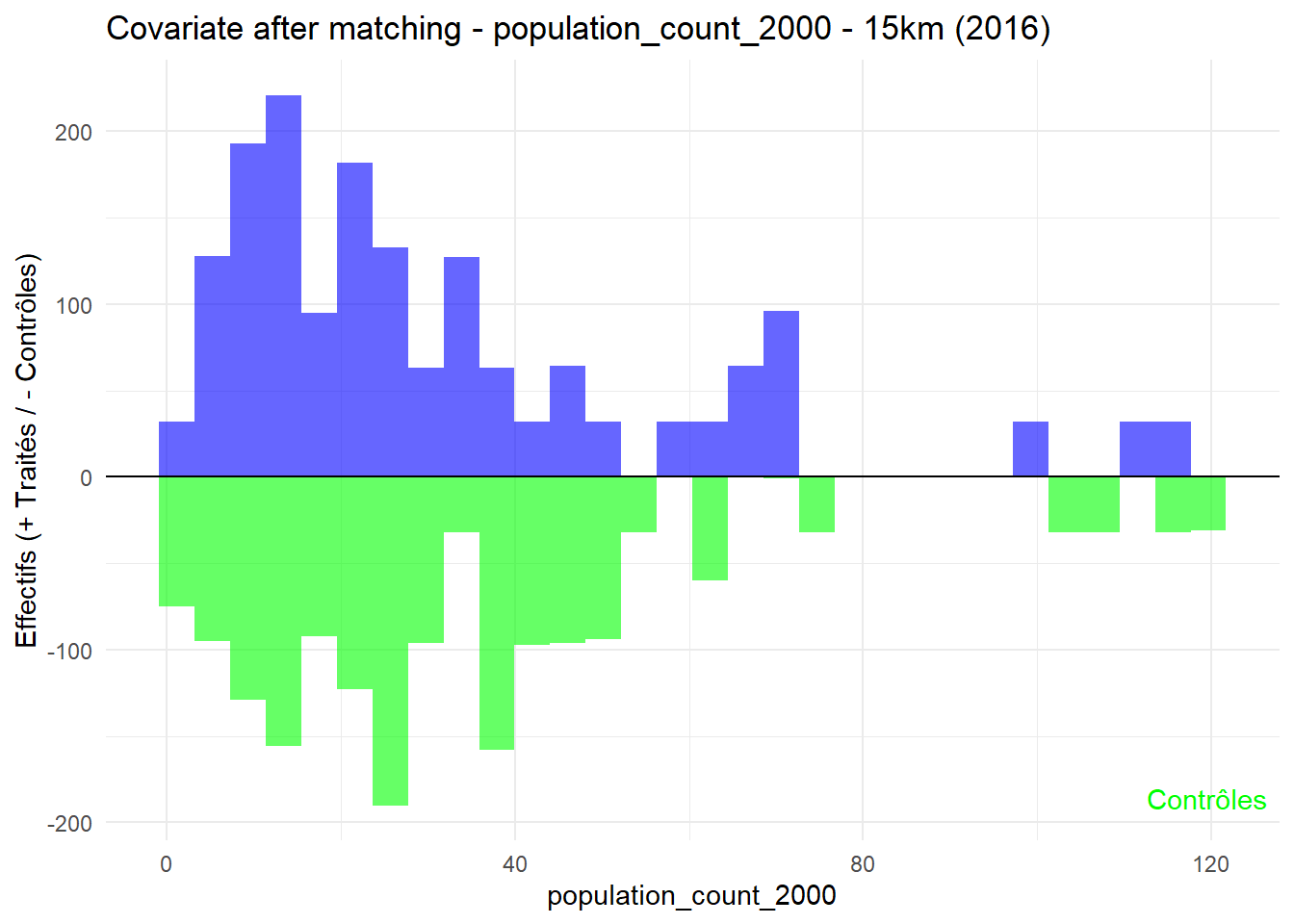
[1] "Calculating reference evapotranspiration using the Hargreaves method. Using latitude (`lat`) to estimate extraterrestrial radiation. Using precipitation data, following Droogers and Allen (2002). Checking for missing values (`NA`): all the data must be complete. Input type is vector. Assuming the data are monthly time series starting in January, all regular (non-leap) years."
[1] "Calculating the Standardized Precipitation Evapotranspiration Index (SPEI) at a time scale of 12. Using kernel type 'rectangular', with 0 shift. Fitting the data to a log-Logistic distribution. Using the ub-pwm parameter fitting method. Checking for missing values (`NA`): all the data must be complete. Using a user-specified reference period. Input type is tsvector. Time series spanning janv. 1980 to nov. 2021, with frequency = 12."
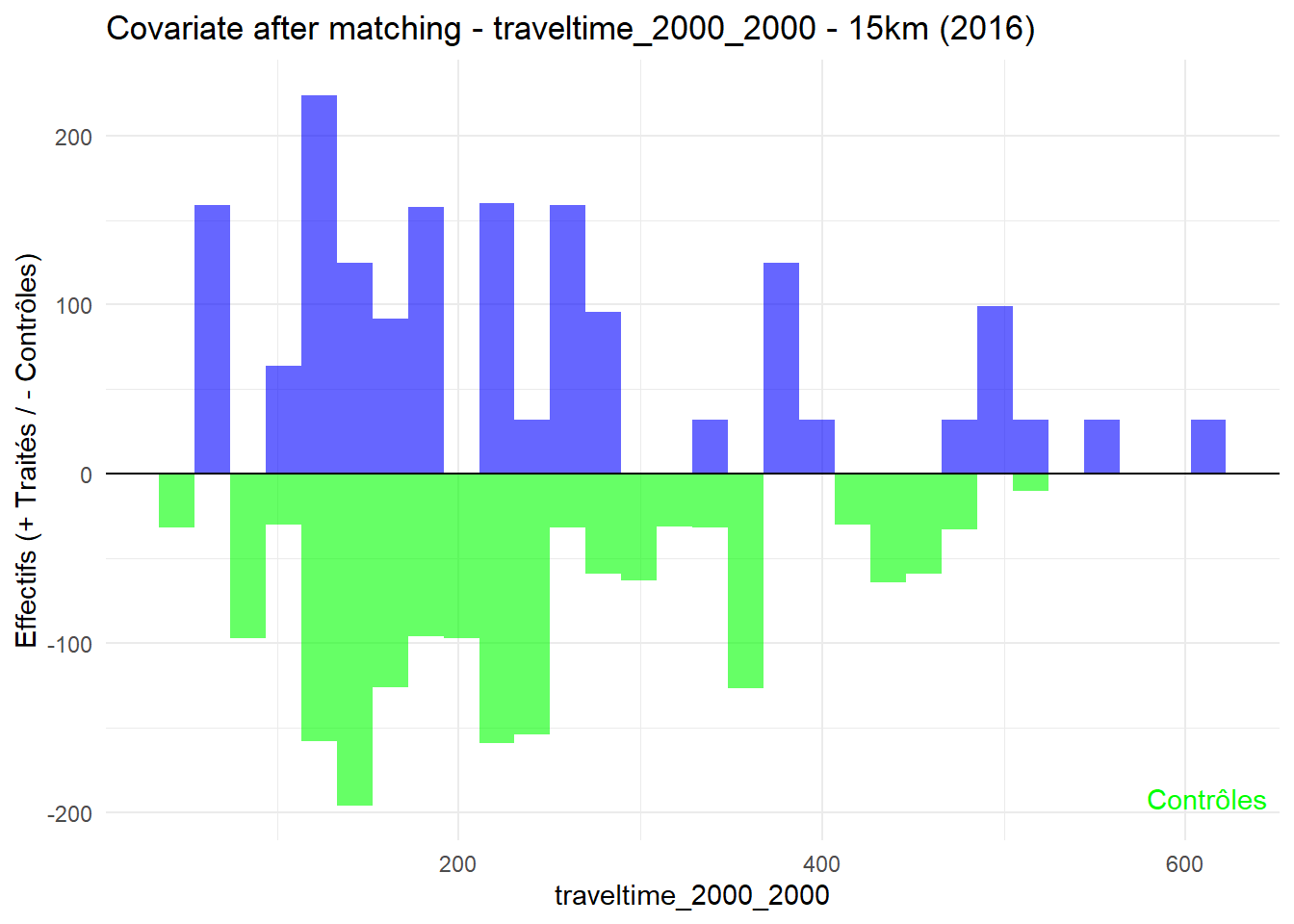
[1] "Calculating reference evapotranspiration using the Hargreaves method. Using latitude (`lat`) to estimate extraterrestrial radiation. Using precipitation data, following Droogers and Allen (2002). Checking for missing values (`NA`): all the data must be complete. Input type is vector. Assuming the data are monthly time series starting in January, all regular (non-leap) years."
[1] "Calculating the Standardized Precipitation Evapotranspiration Index (SPEI) at a time scale of 12. Using kernel type 'rectangular', with 0 shift. Fitting the data to a log-Logistic distribution. Using the ub-pwm parameter fitting method. Checking for missing values (`NA`): all the data must be complete. Using a user-specified reference period. Input type is tsvector. Time series spanning janv. 1980 to nov. 2021, with frequency = 12."
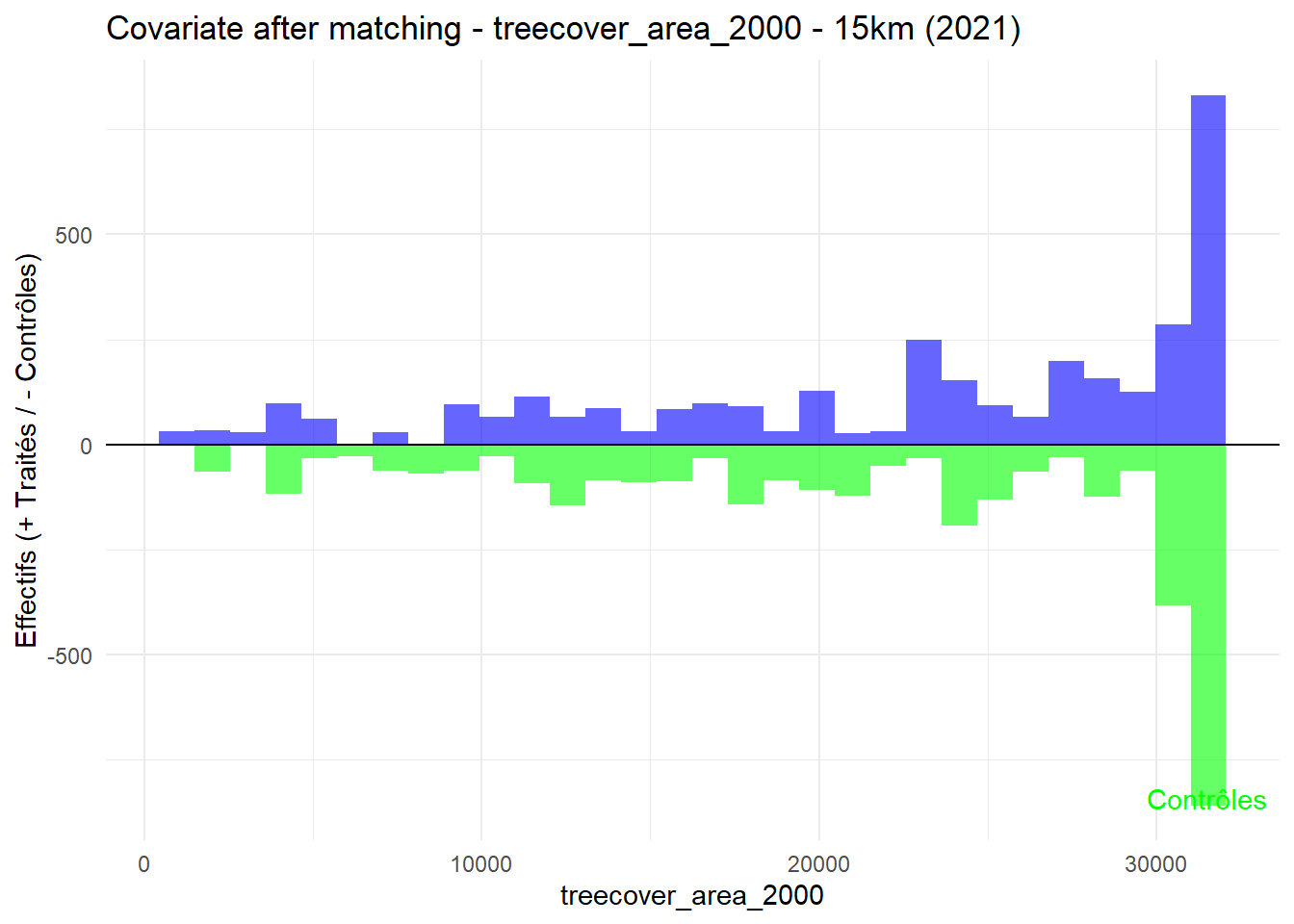
[1] "Calculating reference evapotranspiration using the Hargreaves method. Using latitude (`lat`) to estimate extraterrestrial radiation. Using precipitation data, following Droogers and Allen (2002). Checking for missing values (`NA`): all the data must be complete. Input type is vector. Assuming the data are monthly time series starting in January, all regular (non-leap) years."
[1] "Calculating the Standardized Precipitation Evapotranspiration Index (SPEI) at a time scale of 12. Using kernel type 'rectangular', with 0 shift. Fitting the data to a log-Logistic distribution. Using the ub-pwm parameter fitting method. Checking for missing values (`NA`): all the data must be complete. Using a user-specified reference period. Input type is tsvector. Time series spanning janv. 1980 to nov. 2021, with frequency = 12."
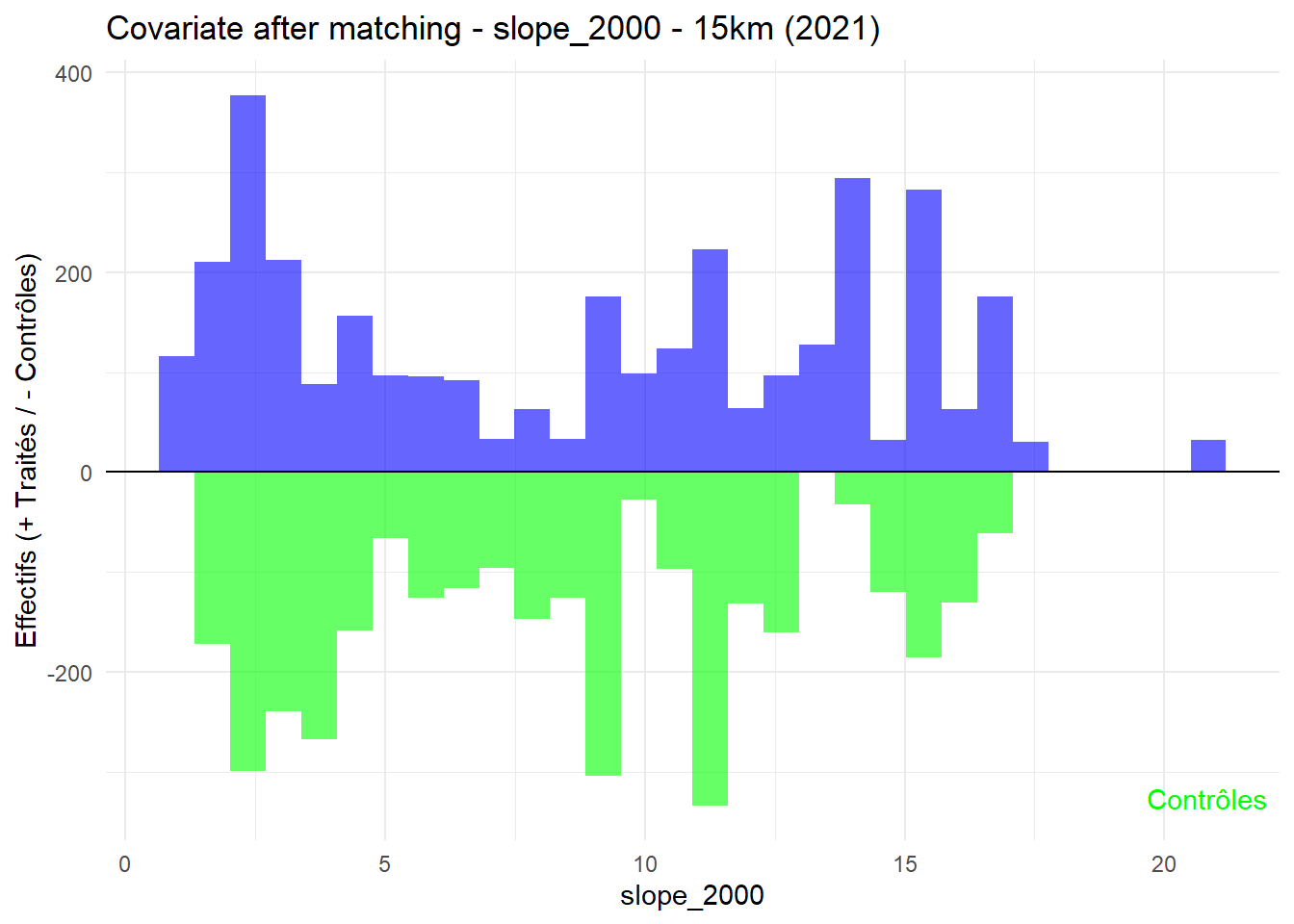
[1] "Calculating reference evapotranspiration using the Hargreaves method. Using latitude (`lat`) to estimate extraterrestrial radiation. Using precipitation data, following Droogers and Allen (2002). Checking for missing values (`NA`): all the data must be complete. Input type is vector. Assuming the data are monthly time series starting in January, all regular (non-leap) years."
[1] "Calculating the Standardized Precipitation Evapotranspiration Index (SPEI) at a time scale of 12. Using kernel type 'rectangular', with 0 shift. Fitting the data to a log-Logistic distribution. Using the ub-pwm parameter fitting method. Checking for missing values (`NA`): all the data must be complete. Using a user-specified reference period. Input type is tsvector. Time series spanning janv. 1980 to nov. 2021, with frequency = 12."
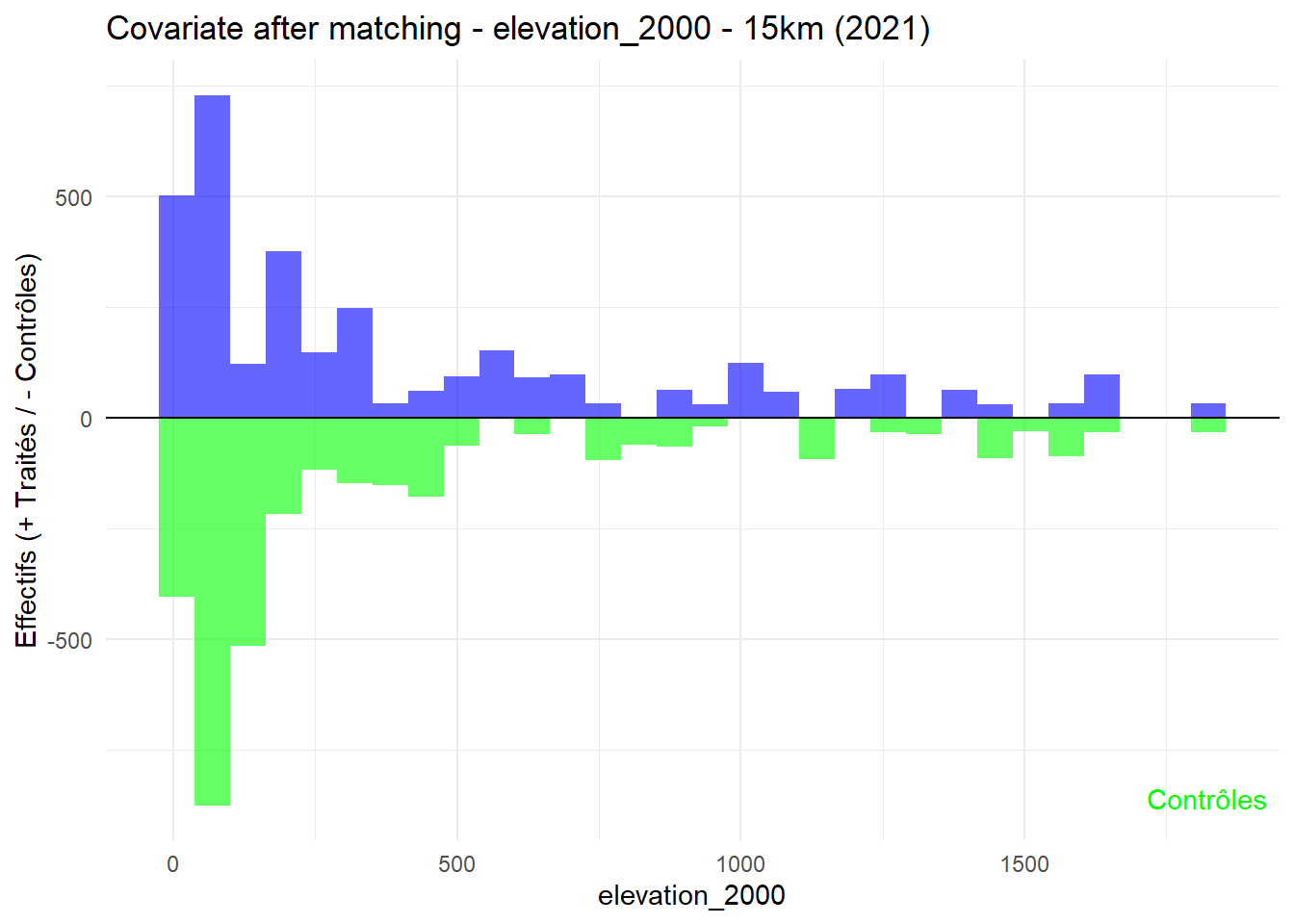
[1] "Calculating reference evapotranspiration using the Hargreaves method. Using latitude (`lat`) to estimate extraterrestrial radiation. Using precipitation data, following Droogers and Allen (2002). Checking for missing values (`NA`): all the data must be complete. Input type is vector. Assuming the data are monthly time series starting in January, all regular (non-leap) years."
[1] "Calculating the Standardized Precipitation Evapotranspiration Index (SPEI) at a time scale of 12. Using kernel type 'rectangular', with 0 shift. Fitting the data to a log-Logistic distribution. Using the ub-pwm parameter fitting method. Checking for missing values (`NA`): all the data must be complete. Using a user-specified reference period. Input type is tsvector. Time series spanning janv. 1980 to nov. 2021, with frequency = 12."
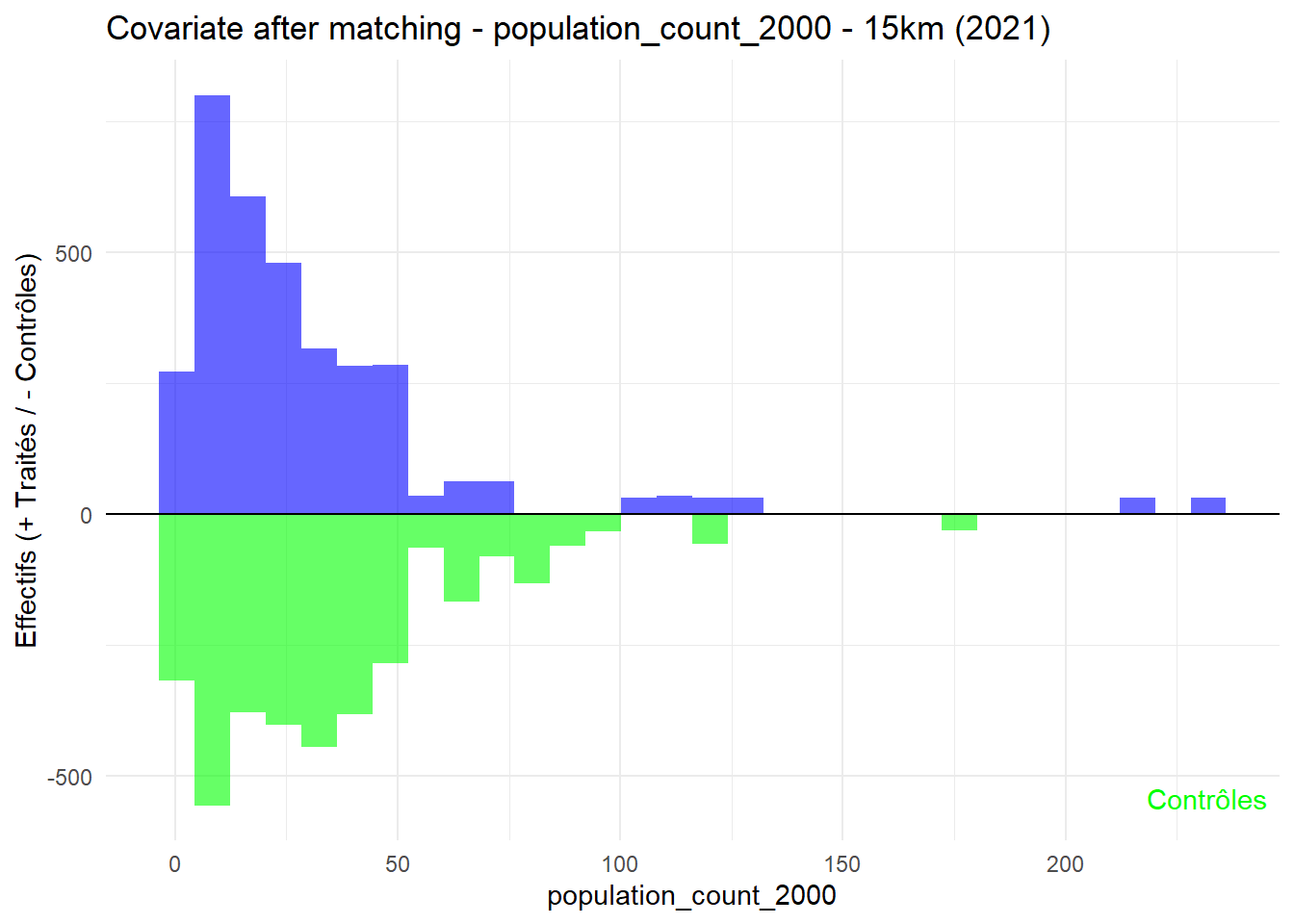
[1] "Calculating reference evapotranspiration using the Hargreaves method. Using latitude (`lat`) to estimate extraterrestrial radiation. Using precipitation data, following Droogers and Allen (2002). Checking for missing values (`NA`): all the data must be complete. Input type is vector. Assuming the data are monthly time series starting in January, all regular (non-leap) years."
[1] "Calculating the Standardized Precipitation Evapotranspiration Index (SPEI) at a time scale of 12. Using kernel type 'rectangular', with 0 shift. Fitting the data to a log-Logistic distribution. Using the ub-pwm parameter fitting method. Checking for missing values (`NA`): all the data must be complete. Using a user-specified reference period. Input type is tsvector. Time series spanning janv. 1980 to nov. 2021, with frequency = 12."
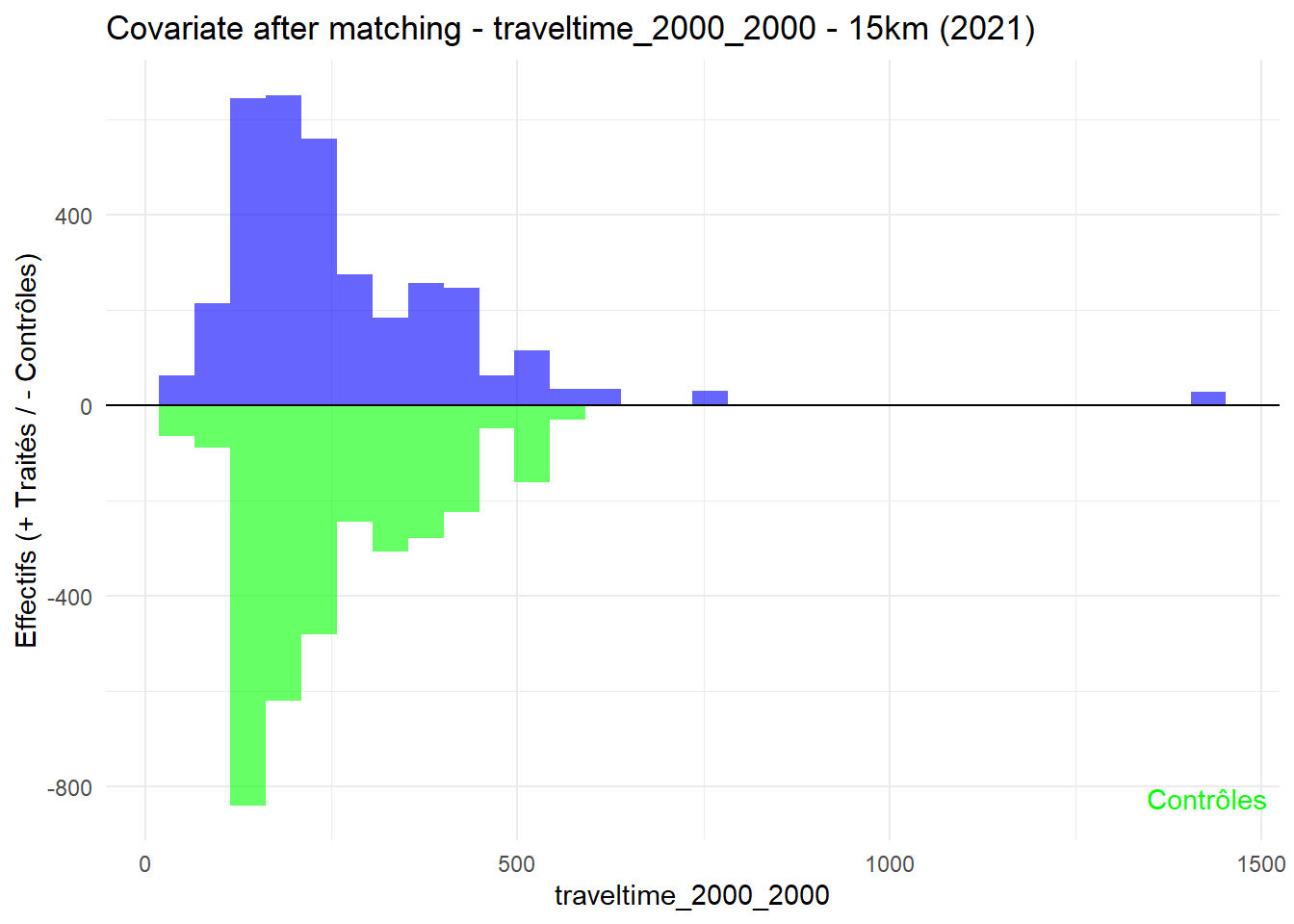
[1] "Calculating reference evapotranspiration using the Hargreaves method. Using latitude (`lat`) to estimate extraterrestrial radiation. Using precipitation data, following Droogers and Allen (2002). Checking for missing values (`NA`): all the data must be complete. Input type is vector. Assuming the data are monthly time series starting in January, all regular (non-leap) years."
[1] "Calculating the Standardized Precipitation Evapotranspiration Index (SPEI) at a time scale of 12. Using kernel type 'rectangular', with 0 shift. Fitting the data to a log-Logistic distribution. Using the ub-pwm parameter fitting method. Checking for missing values (`NA`): all the data must be complete. Using a user-specified reference period. Input type is tsvector. Time series spanning janv. 1980 to nov. 2021, with frequency = 12."
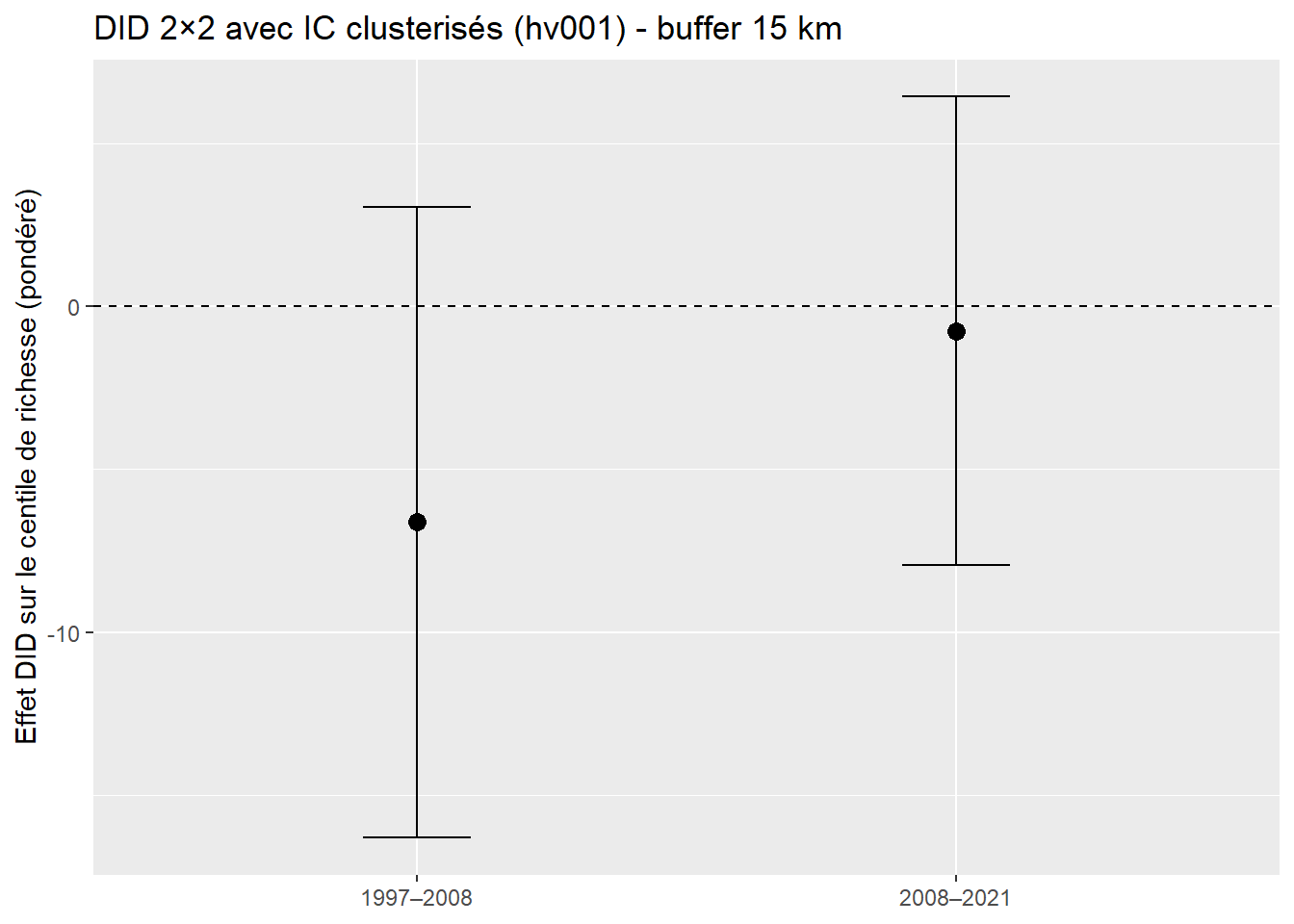
[1] "Calculating reference evapotranspiration using the Hargreaves method. Using latitude (`lat`) to estimate extraterrestrial radiation. Using precipitation data, following Droogers and Allen (2002). Checking for missing values (`NA`): all the data must be complete. Input type is vector. Assuming the data are monthly time series starting in January, all regular (non-leap) years."
[1] "Calculating the Standardized Precipitation Evapotranspiration Index (SPEI) at a time scale of 12. Using kernel type 'rectangular', with 0 shift. Fitting the data to a log-Logistic distribution. Using the ub-pwm parameter fitting method. Checking for missing values (`NA`): all the data must be complete. Using a user-specified reference period. Input type is tsvector. Time series spanning janv. 1980 to nov. 2021, with frequency = 12."
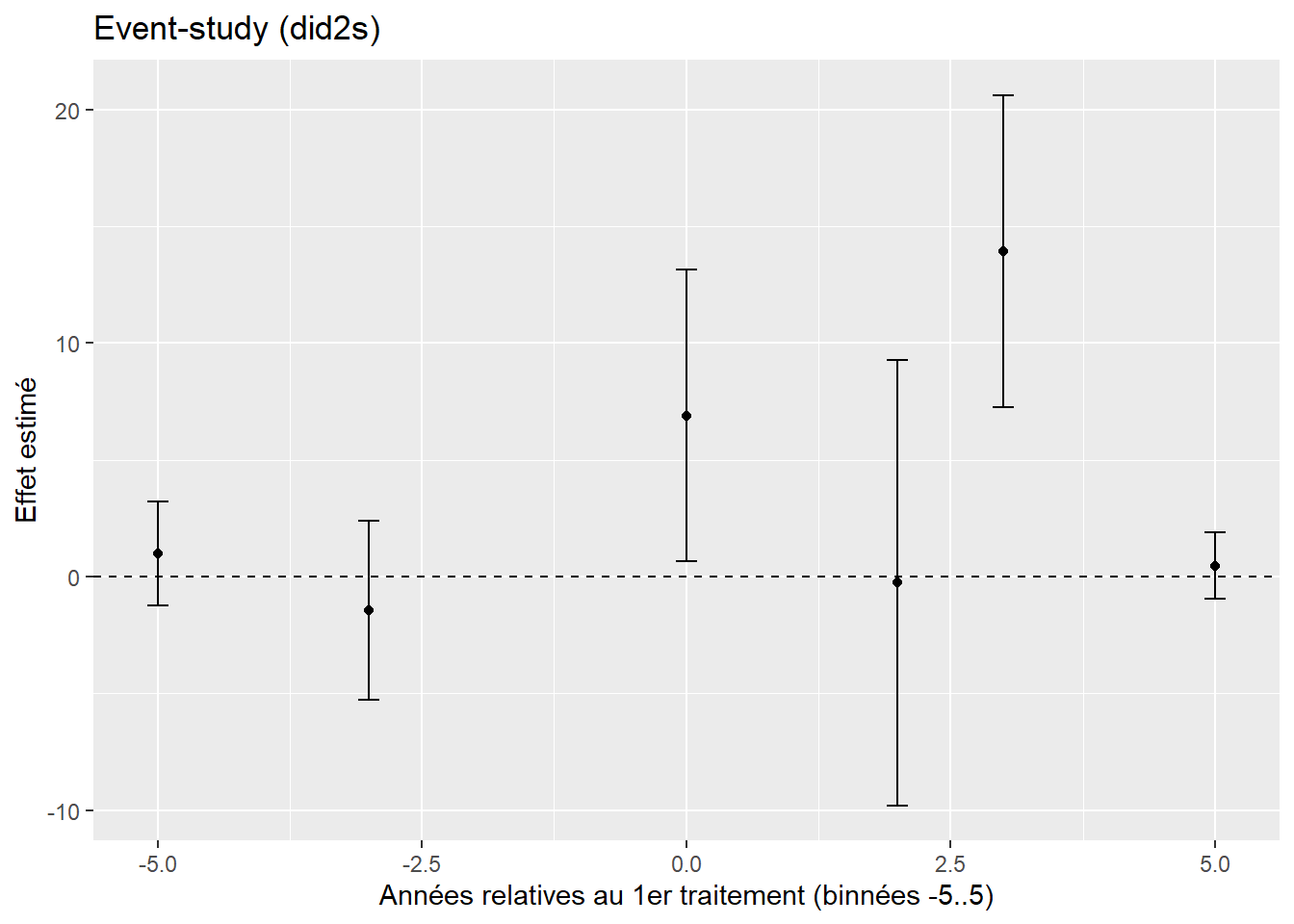
[1] "Calculating reference evapotranspiration using the Hargreaves method. Using latitude (`lat`) to estimate extraterrestrial radiation. Using precipitation data, following Droogers and Allen (2002). Checking for missing values (`NA`): all the data must be complete. Input type is vector. Assuming the data are monthly time series starting in January, all regular (non-leap) years."
[1] "Calculating the Standardized Precipitation Evapotranspiration Index (SPEI) at a time scale of 12. Using kernel type 'rectangular', with 0 shift. Fitting the data to a log-Logistic distribution. Using the ub-pwm parameter fitting method. Checking for missing values (`NA`): all the data must be complete. Using a user-specified reference period. Input type is tsvector. Time series spanning janv. 1980 to nov. 2021, with frequency = 12."
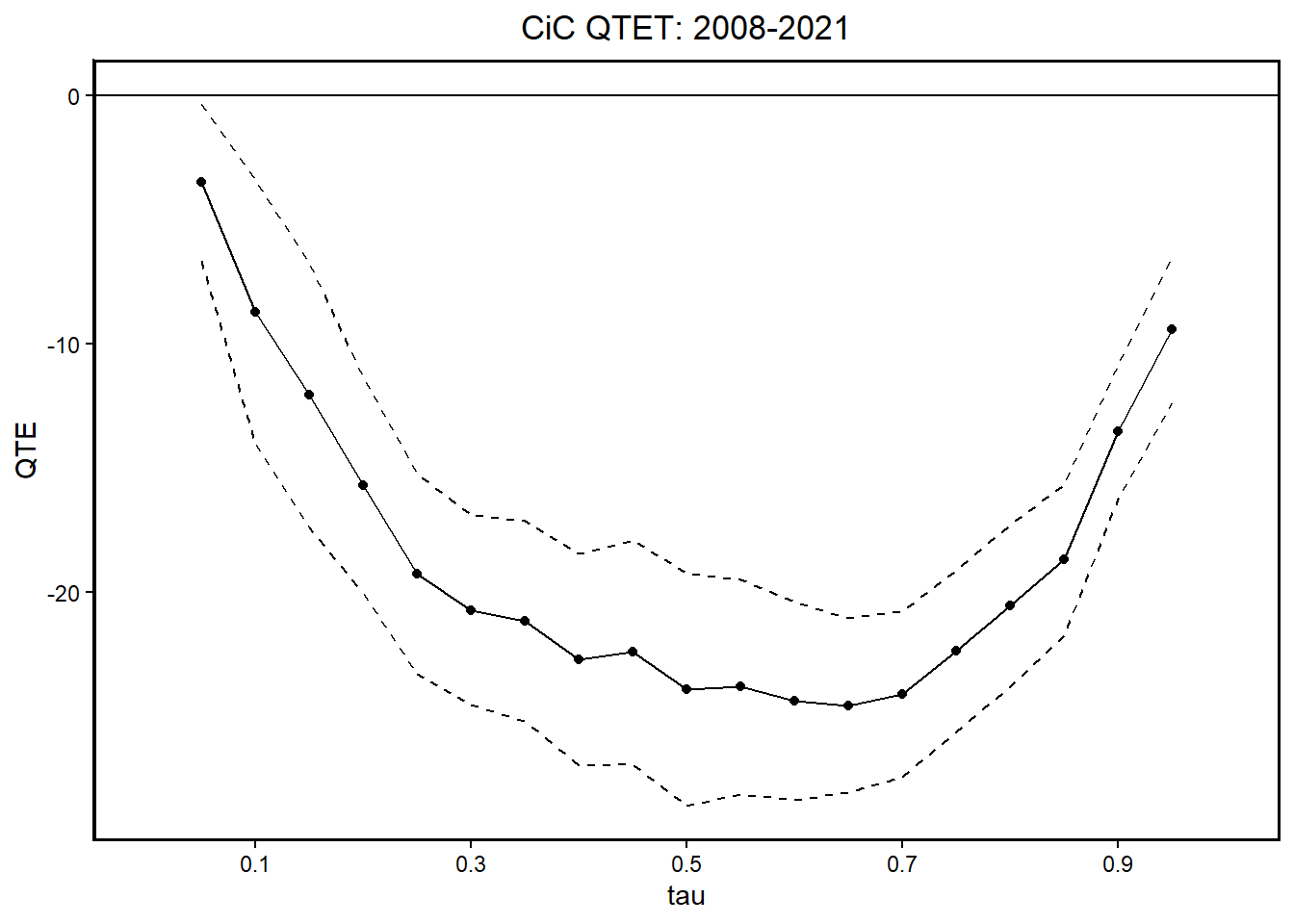
[1] "Calculating reference evapotranspiration using the Hargreaves method. Using latitude (`lat`) to estimate extraterrestrial radiation. Using precipitation data, following Droogers and Allen (2002). Checking for missing values (`NA`): all the data must be complete. Input type is vector. Assuming the data are monthly time series starting in January, all regular (non-leap) years."
[1] "Calculating the Standardized Precipitation Evapotranspiration Index (SPEI) at a time scale of 12. Using kernel type 'rectangular', with 0 shift. Fitting the data to a log-Logistic distribution. Using the ub-pwm parameter fitting method. Checking for missing values (`NA`): all the data must be complete. Using a user-specified reference period. Input type is tsvector. Time series spanning janv. 1980 to nov. 2021, with frequency = 12."
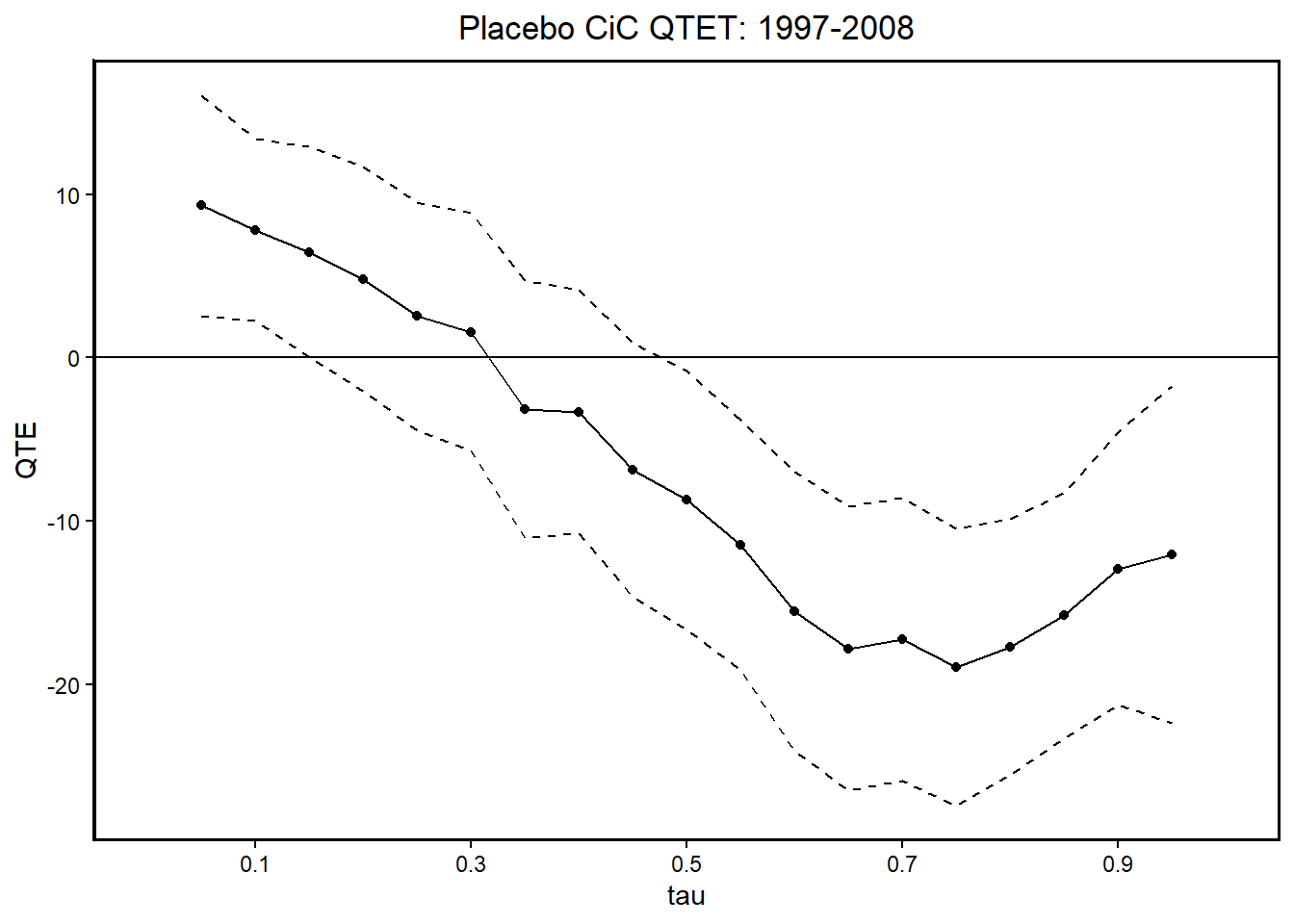
[1] "Calculating reference evapotranspiration using the Hargreaves method. Using latitude (`lat`) to estimate extraterrestrial radiation. Using precipitation data, following Droogers and Allen (2002). Checking for missing values (`NA`): all the data must be complete. Input type is vector. Assuming the data are monthly time series starting in January, all regular (non-leap) years."
[1] "Calculating the Standardized Precipitation Evapotranspiration Index (SPEI) at a time scale of 12. Using kernel type 'rectangular', with 0 shift. Fitting the data to a log-Logistic distribution. Using the ub-pwm parameter fitting method. Checking for missing values (`NA`): all the data must be complete. Using a user-specified reference period. Input type is tsvector. Time series spanning janv. 1980 to nov. 2021, with frequency = 12."
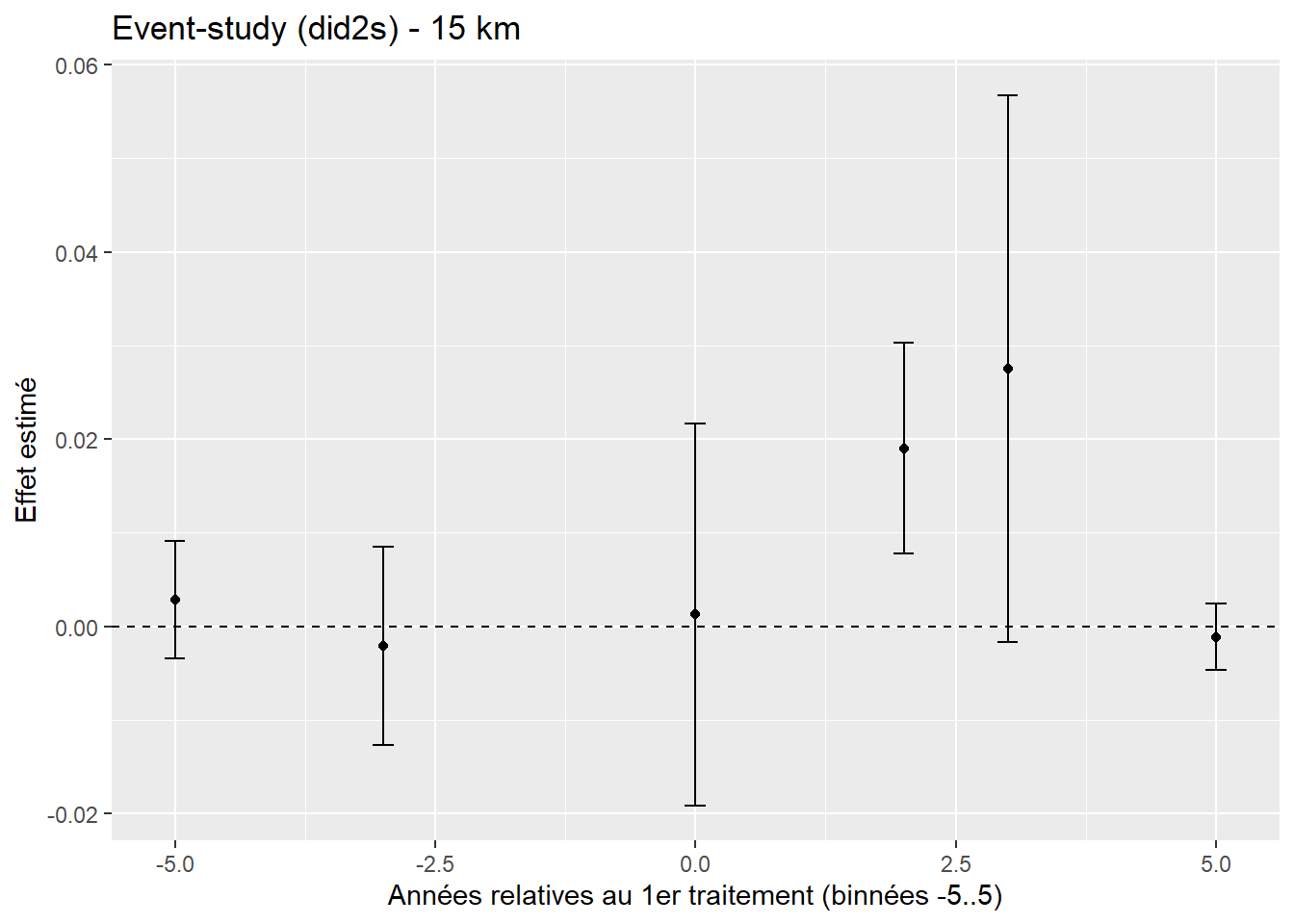
[1] "Calculating reference evapotranspiration using the Hargreaves method. Using latitude (`lat`) to estimate extraterrestrial radiation. Using precipitation data, following Droogers and Allen (2002). Checking for missing values (`NA`): all the data must be complete. Input type is vector. Assuming the data are monthly time series starting in January, all regular (non-leap) years."
[1] "Calculating the Standardized Precipitation Evapotranspiration Index (SPEI) at a time scale of 12. Using kernel type 'rectangular', with 0 shift. Fitting the data to a log-Logistic distribution. Using the ub-pwm parameter fitting method. Checking for missing values (`NA`): all the data must be complete. Using a user-specified reference period. Input type is tsvector. Time series spanning janv. 1980 to nov. 2021, with frequency = 12."
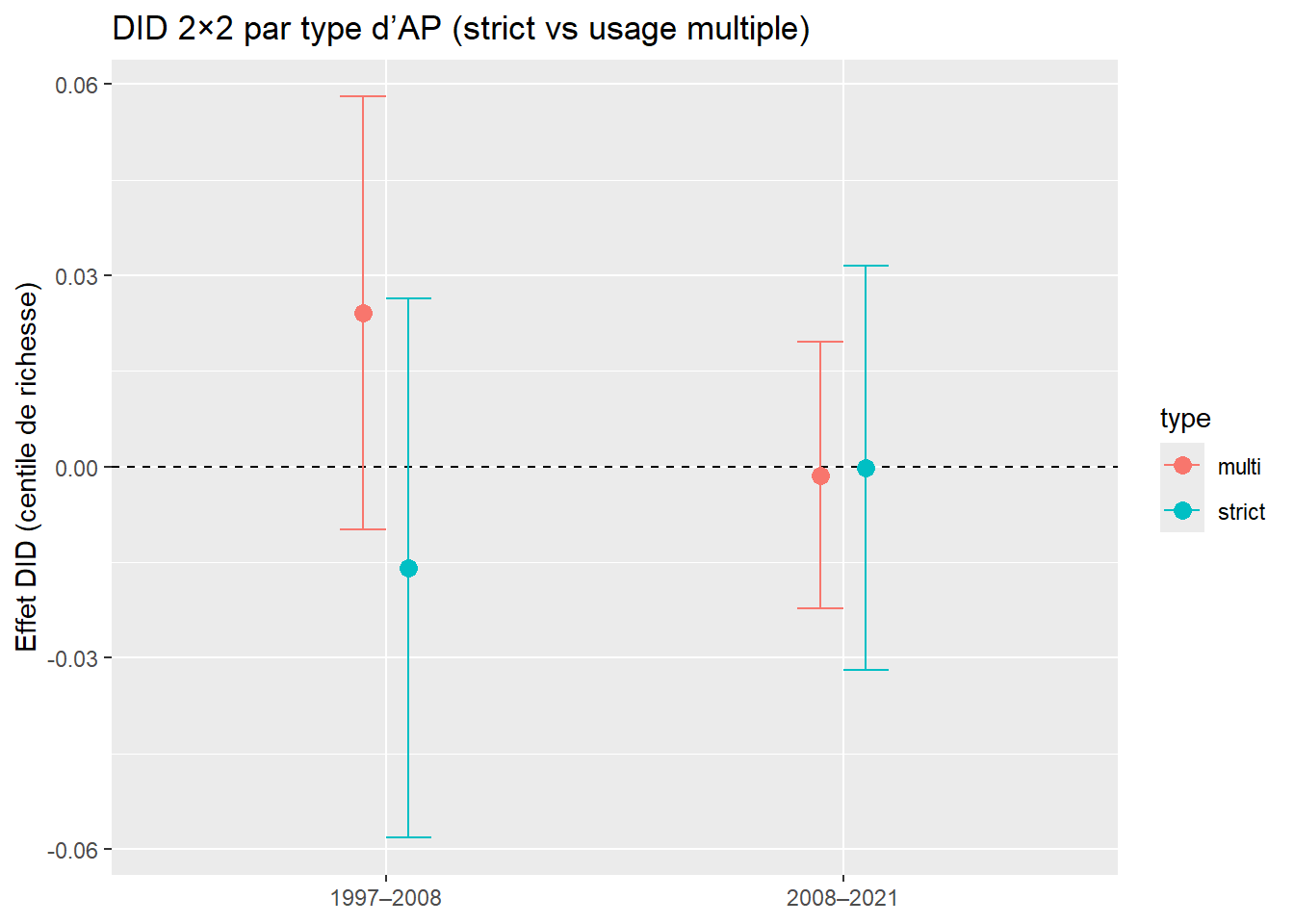
[1] "Calculating reference evapotranspiration using the Hargreaves method. Using latitude (`lat`) to estimate extraterrestrial radiation. Using precipitation data, following Droogers and Allen (2002). Checking for missing values (`NA`): all the data must be complete. Input type is vector. Assuming the data are monthly time series starting in January, all regular (non-leap) years."
[1] "Calculating the Standardized Precipitation Evapotranspiration Index (SPEI) at a time scale of 12. Using kernel type 'rectangular', with 0 shift. Fitting the data to a log-Logistic distribution. Using the ub-pwm parameter fitting method. Checking for missing values (`NA`): all the data must be complete. Using a user-specified reference period. Input type is tsvector. Time series spanning janv. 1980 to nov. 2021, with frequency = 12."
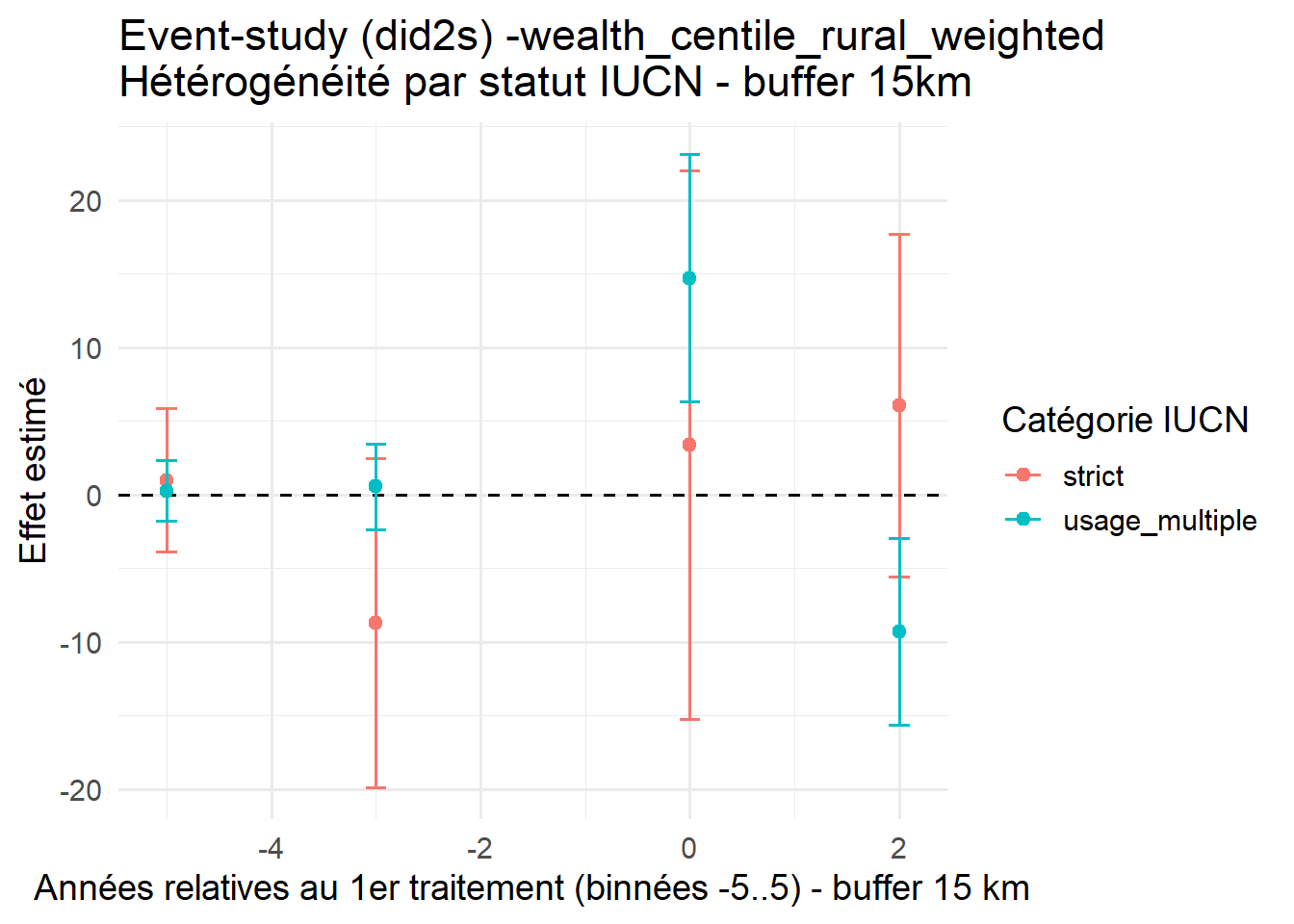
[1] "Calculating reference evapotranspiration using the Hargreaves method. Using latitude (`lat`) to estimate extraterrestrial radiation. Using precipitation data, following Droogers and Allen (2002). Checking for missing values (`NA`): all the data must be complete. Input type is vector. Assuming the data are monthly time series starting in January, all regular (non-leap) years."
[1] "Calculating the Standardized Precipitation Evapotranspiration Index (SPEI) at a time scale of 12. Using kernel type 'rectangular', with 0 shift. Fitting the data to a log-Logistic distribution. Using the ub-pwm parameter fitting method. Checking for missing values (`NA`): all the data must be complete. Using a user-specified reference period. Input type is tsvector. Time series spanning janv. 1980 to nov. 2021, with frequency = 12."
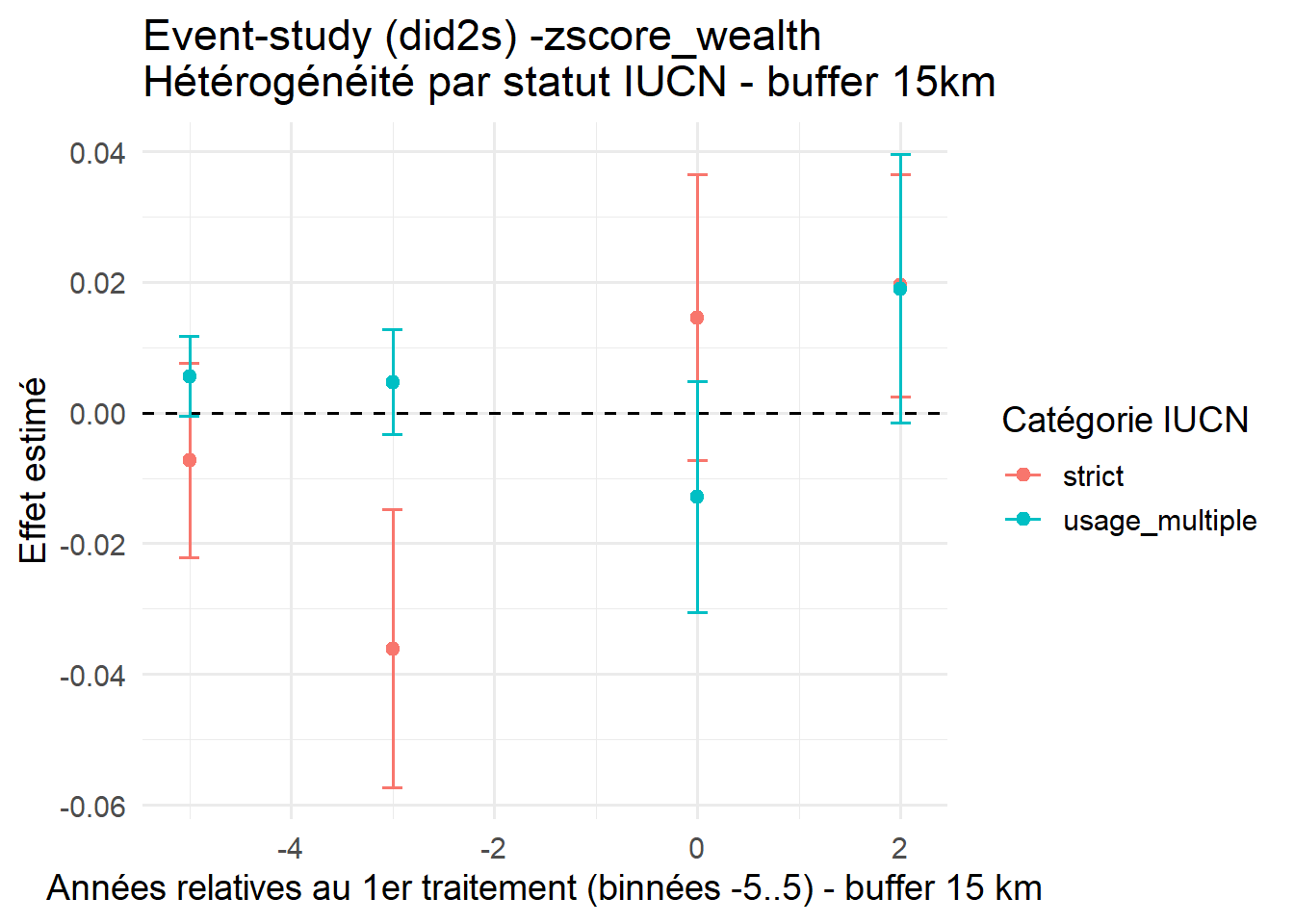
[1] "Calculating reference evapotranspiration using the Hargreaves method. Using latitude (`lat`) to estimate extraterrestrial radiation. Using precipitation data, following Droogers and Allen (2002). Checking for missing values (`NA`): all the data must be complete. Input type is vector. Assuming the data are monthly time series starting in January, all regular (non-leap) years."
[1] "Calculating the Standardized Precipitation Evapotranspiration Index (SPEI) at a time scale of 12. Using kernel type 'rectangular', with 0 shift. Fitting the data to a log-Logistic distribution. Using the ub-pwm parameter fitting method. Checking for missing values (`NA`): all the data must be complete. Using a user-specified reference period. Input type is tsvector. Time series spanning janv. 1980 to nov. 2021, with frequency = 12."
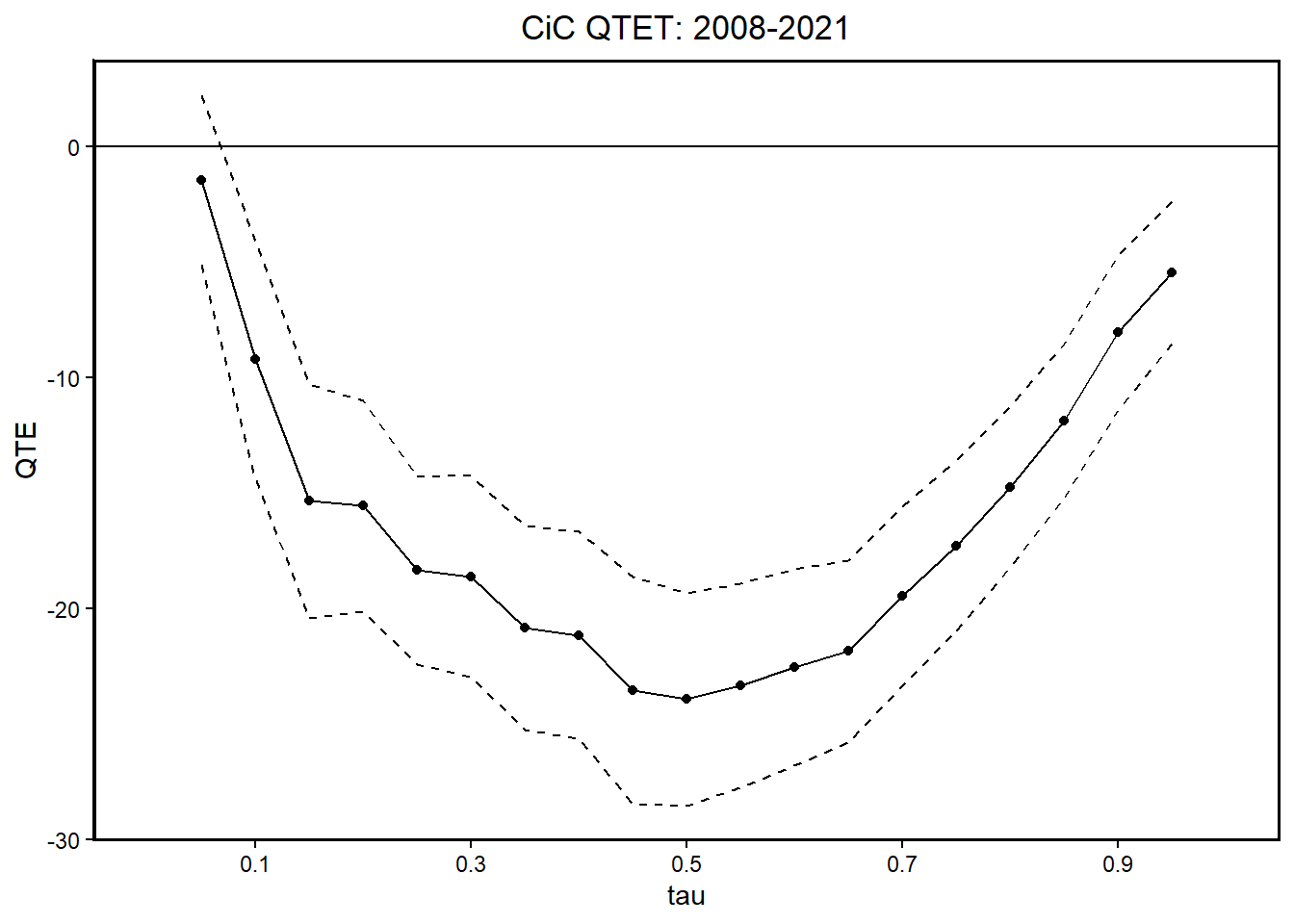
[1] "Calculating reference evapotranspiration using the Hargreaves method. Using latitude (`lat`) to estimate extraterrestrial radiation. Using precipitation data, following Droogers and Allen (2002). Checking for missing values (`NA`): all the data must be complete. Input type is vector. Assuming the data are monthly time series starting in January, all regular (non-leap) years."
[1] "Calculating the Standardized Precipitation Evapotranspiration Index (SPEI) at a time scale of 12. Using kernel type 'rectangular', with 0 shift. Fitting the data to a log-Logistic distribution. Using the ub-pwm parameter fitting method. Checking for missing values (`NA`): all the data must be complete. Using a user-specified reference period. Input type is tsvector. Time series spanning janv. 1980 to nov. 2021, with frequency = 12."
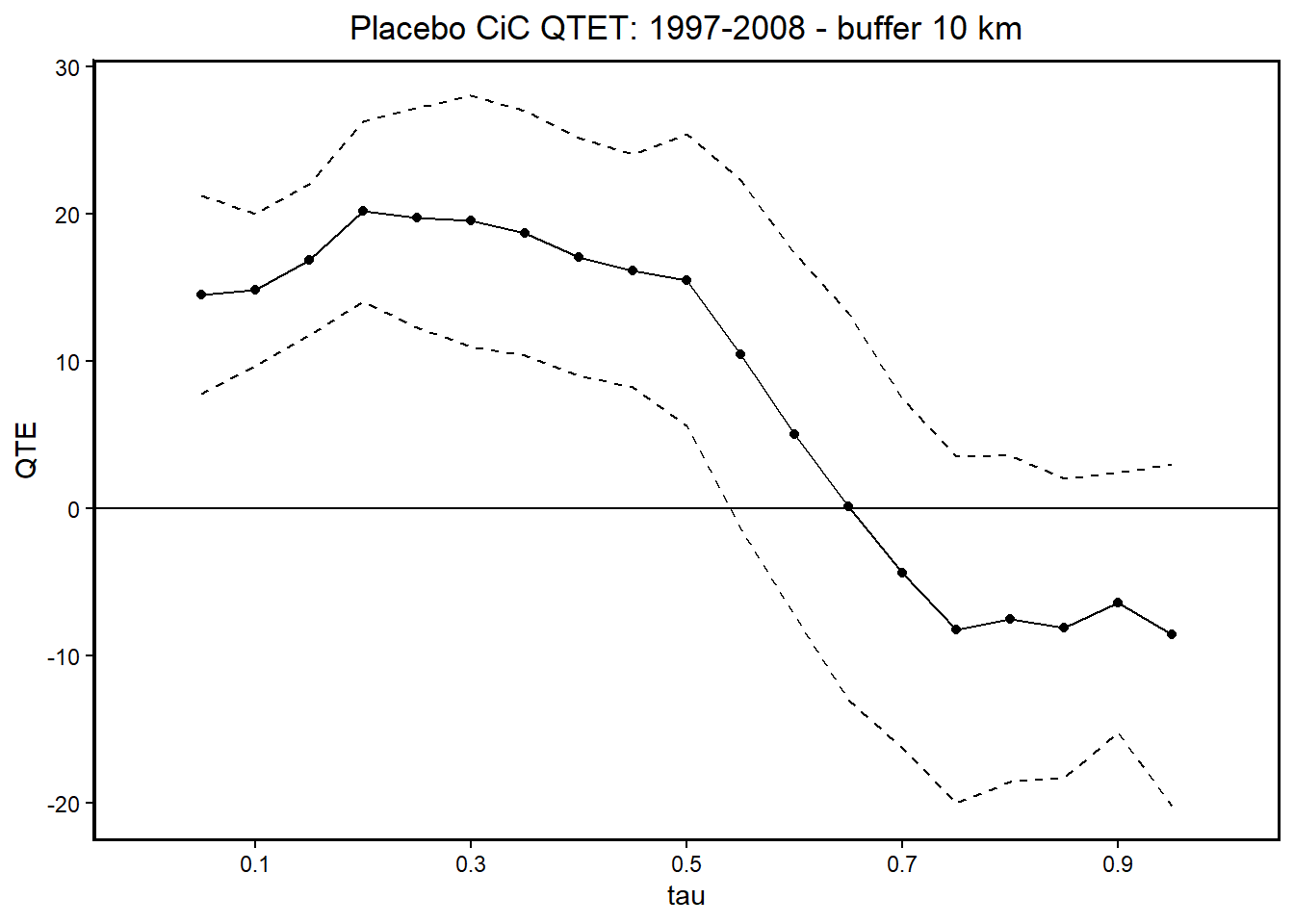
[1] "Calculating reference evapotranspiration using the Hargreaves method. Using latitude (`lat`) to estimate extraterrestrial radiation. Using precipitation data, following Droogers and Allen (2002). Checking for missing values (`NA`): all the data must be complete. Input type is vector. Assuming the data are monthly time series starting in January, all regular (non-leap) years."
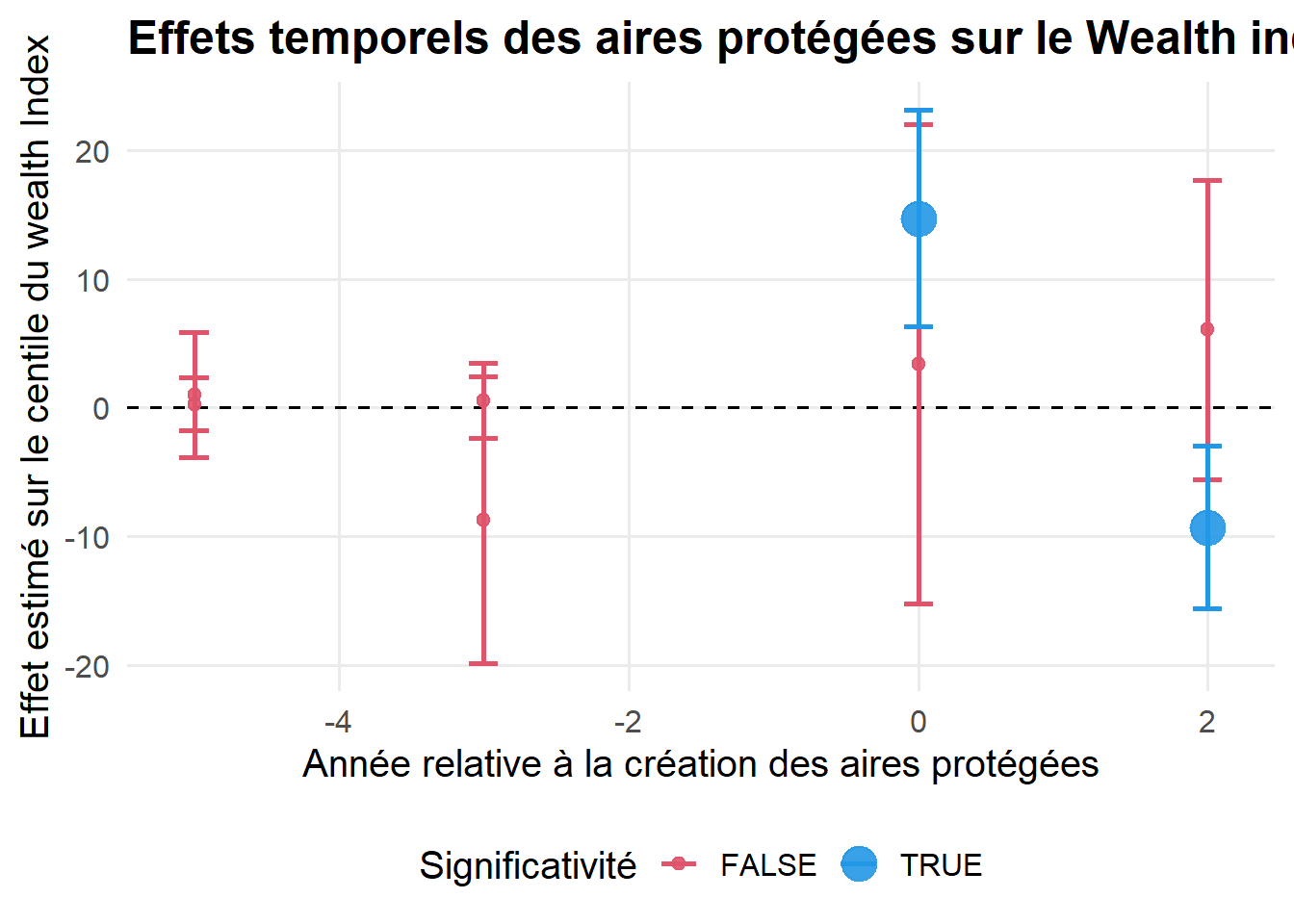
[1] "Calculating the Standardized Precipitation Evapotranspiration Index (SPEI) at a time scale of 12. Using kernel type 'rectangular', with 0 shift. Fitting the data to a log-Logistic distribution. Using the ub-pwm parameter fitting method. Checking for missing values (`NA`): all the data must be complete. Using a user-specified reference period. Input type is tsvector. Time series spanning janv. 1980 to nov. 2021, with frequency = 12."
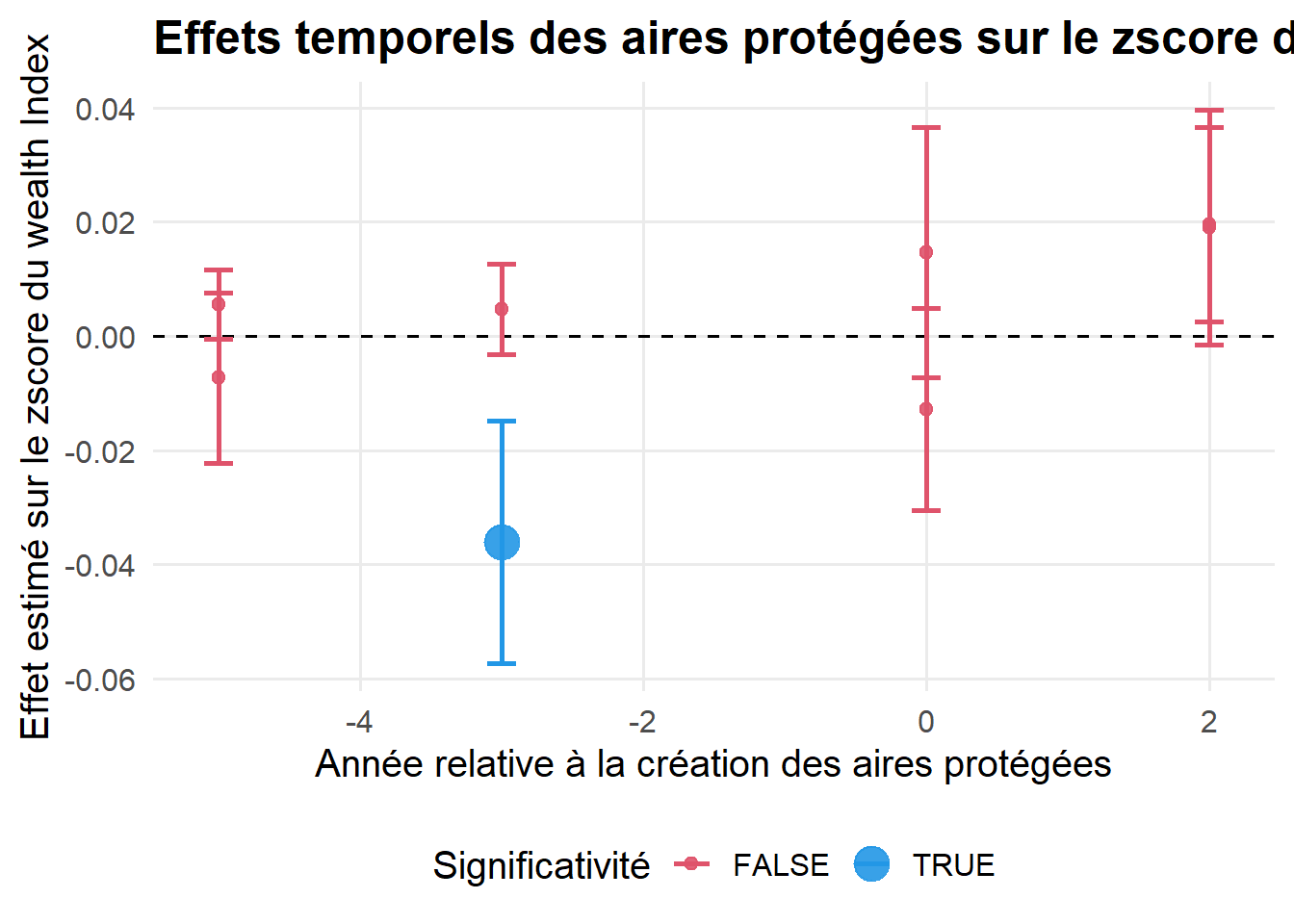
[1] "Calculating reference evapotranspiration using the Hargreaves method. Using latitude (`lat`) to estimate extraterrestrial radiation. Using precipitation data, following Droogers and Allen (2002). Checking for missing values (`NA`): all the data must be complete. Input type is vector. Assuming the data are monthly time series starting in January, all regular (non-leap) years."
[1] "Calculating the Standardized Precipitation Evapotranspiration Index (SPEI) at a time scale of 12. Using kernel type 'rectangular', with 0 shift. Fitting the data to a log-Logistic distribution. Using the ub-pwm parameter fitting method. Checking for missing values (`NA`): all the data must be complete. Using a user-specified reference period. Input type is tsvector. Time series spanning janv. 1980 to nov. 2021, with frequency = 12."
[1] "Calculating reference evapotranspiration using the Hargreaves method. Using latitude (`lat`) to estimate extraterrestrial radiation. Using precipitation data, following Droogers and Allen (2002). Checking for missing values (`NA`): all the data must be complete. Input type is vector. Assuming the data are monthly time series starting in January, all regular (non-leap) years."
[1] "Calculating the Standardized Precipitation Evapotranspiration Index (SPEI) at a time scale of 12. Using kernel type 'rectangular', with 0 shift. Fitting the data to a log-Logistic distribution. Using the ub-pwm parameter fitting method. Checking for missing values (`NA`): all the data must be complete. Using a user-specified reference period. Input type is tsvector. Time series spanning janv. 1980 to nov. 2021, with frequency = 12."
[1] "Calculating reference evapotranspiration using the Hargreaves method. Using latitude (`lat`) to estimate extraterrestrial radiation. Using precipitation data, following Droogers and Allen (2002). Checking for missing values (`NA`): all the data must be complete. Input type is vector. Assuming the data are monthly time series starting in January, all regular (non-leap) years."
[1] "Calculating the Standardized Precipitation Evapotranspiration Index (SPEI) at a time scale of 12. Using kernel type 'rectangular', with 0 shift. Fitting the data to a log-Logistic distribution. Using the ub-pwm parameter fitting method. Checking for missing values (`NA`): all the data must be complete. Using a user-specified reference period. Input type is tsvector. Time series spanning janv. 1980 to nov. 2021, with frequency = 12."
[1] "Calculating reference evapotranspiration using the Hargreaves method. Using latitude (`lat`) to estimate extraterrestrial radiation. Using precipitation data, following Droogers and Allen (2002). Checking for missing values (`NA`): all the data must be complete. Input type is vector. Assuming the data are monthly time series starting in January, all regular (non-leap) years."
[1] "Calculating the Standardized Precipitation Evapotranspiration Index (SPEI) at a time scale of 12. Using kernel type 'rectangular', with 0 shift. Fitting the data to a log-Logistic distribution. Using the ub-pwm parameter fitting method. Checking for missing values (`NA`): all the data must be complete. Using a user-specified reference period. Input type is tsvector. Time series spanning janv. 1980 to nov. 2021, with frequency = 12."
[1] "Calculating reference evapotranspiration using the Hargreaves method. Using latitude (`lat`) to estimate extraterrestrial radiation. Using precipitation data, following Droogers and Allen (2002). Checking for missing values (`NA`): all the data must be complete. Input type is vector. Assuming the data are monthly time series starting in January, all regular (non-leap) years."
[1] "Calculating the Standardized Precipitation Evapotranspiration Index (SPEI) at a time scale of 12. Using kernel type 'rectangular', with 0 shift. Fitting the data to a log-Logistic distribution. Using the ub-pwm parameter fitting method. Checking for missing values (`NA`): all the data must be complete. Using a user-specified reference period. Input type is tsvector. Time series spanning janv. 1980 to nov. 2021, with frequency = 12."
[1] "Calculating reference evapotranspiration using the Hargreaves method. Using latitude (`lat`) to estimate extraterrestrial radiation. Using precipitation data, following Droogers and Allen (2002). Checking for missing values (`NA`): all the data must be complete. Input type is vector. Assuming the data are monthly time series starting in January, all regular (non-leap) years."
[1] "Calculating the Standardized Precipitation Evapotranspiration Index (SPEI) at a time scale of 12. Using kernel type 'rectangular', with 0 shift. Fitting the data to a log-Logistic distribution. Using the ub-pwm parameter fitting method. Checking for missing values (`NA`): all the data must be complete. Using a user-specified reference period. Input type is tsvector. Time series spanning janv. 1980 to nov. 2021, with frequency = 12."
[1] "Calculating reference evapotranspiration using the Hargreaves method. Using latitude (`lat`) to estimate extraterrestrial radiation. Using precipitation data, following Droogers and Allen (2002). Checking for missing values (`NA`): all the data must be complete. Input type is vector. Assuming the data are monthly time series starting in January, all regular (non-leap) years."
[1] "Calculating the Standardized Precipitation Evapotranspiration Index (SPEI) at a time scale of 12. Using kernel type 'rectangular', with 0 shift. Fitting the data to a log-Logistic distribution. Using the ub-pwm parameter fitting method. Checking for missing values (`NA`): all the data must be complete. Using a user-specified reference period. Input type is tsvector. Time series spanning janv. 1980 to nov. 2021, with frequency = 12."
[1] "Calculating reference evapotranspiration using the Hargreaves method. Using latitude (`lat`) to estimate extraterrestrial radiation. Using precipitation data, following Droogers and Allen (2002). Checking for missing values (`NA`): all the data must be complete. Input type is vector. Assuming the data are monthly time series starting in January, all regular (non-leap) years."
[1] "Calculating the Standardized Precipitation Evapotranspiration Index (SPEI) at a time scale of 12. Using kernel type 'rectangular', with 0 shift. Fitting the data to a log-Logistic distribution. Using the ub-pwm parameter fitting method. Checking for missing values (`NA`): all the data must be complete. Using a user-specified reference period. Input type is tsvector. Time series spanning janv. 1980 to nov. 2021, with frequency = 12."
[1] "Calculating reference evapotranspiration using the Hargreaves method. Using latitude (`lat`) to estimate extraterrestrial radiation. Using precipitation data, following Droogers and Allen (2002). Checking for missing values (`NA`): all the data must be complete. Input type is vector. Assuming the data are monthly time series starting in January, all regular (non-leap) years."
[1] "Calculating the Standardized Precipitation Evapotranspiration Index (SPEI) at a time scale of 12. Using kernel type 'rectangular', with 0 shift. Fitting the data to a log-Logistic distribution. Using the ub-pwm parameter fitting method. Checking for missing values (`NA`): all the data must be complete. Using a user-specified reference period. Input type is tsvector. Time series spanning janv. 1980 to nov. 2021, with frequency = 12."
[1] "Calculating reference evapotranspiration using the Hargreaves method. Using latitude (`lat`) to estimate extraterrestrial radiation. Using precipitation data, following Droogers and Allen (2002). Checking for missing values (`NA`): all the data must be complete. Input type is vector. Assuming the data are monthly time series starting in January, all regular (non-leap) years."
[1] "Calculating the Standardized Precipitation Evapotranspiration Index (SPEI) at a time scale of 12. Using kernel type 'rectangular', with 0 shift. Fitting the data to a log-Logistic distribution. Using the ub-pwm parameter fitting method. Checking for missing values (`NA`): all the data must be complete. Using a user-specified reference period. Input type is tsvector. Time series spanning janv. 1980 to nov. 2021, with frequency = 12."
[1] "Calculating reference evapotranspiration using the Hargreaves method. Using latitude (`lat`) to estimate extraterrestrial radiation. Using precipitation data, following Droogers and Allen (2002). Checking for missing values (`NA`): all the data must be complete. Input type is vector. Assuming the data are monthly time series starting in January, all regular (non-leap) years."
[1] "Calculating the Standardized Precipitation Evapotranspiration Index (SPEI) at a time scale of 12. Using kernel type 'rectangular', with 0 shift. Fitting the data to a log-Logistic distribution. Using the ub-pwm parameter fitting method. Checking for missing values (`NA`): all the data must be complete. Using a user-specified reference period. Input type is tsvector. Time series spanning janv. 1980 to nov. 2021, with frequency = 12."
[1] "Calculating reference evapotranspiration using the Hargreaves method. Using latitude (`lat`) to estimate extraterrestrial radiation. Using precipitation data, following Droogers and Allen (2002). Checking for missing values (`NA`): all the data must be complete. Input type is vector. Assuming the data are monthly time series starting in January, all regular (non-leap) years."
[1] "Calculating the Standardized Precipitation Evapotranspiration Index (SPEI) at a time scale of 12. Using kernel type 'rectangular', with 0 shift. Fitting the data to a log-Logistic distribution. Using the ub-pwm parameter fitting method. Checking for missing values (`NA`): all the data must be complete. Using a user-specified reference period. Input type is tsvector. Time series spanning janv. 1980 to nov. 2021, with frequency = 12."
[1] "Calculating reference evapotranspiration using the Hargreaves method. Using latitude (`lat`) to estimate extraterrestrial radiation. Using precipitation data, following Droogers and Allen (2002). Checking for missing values (`NA`): all the data must be complete. Input type is vector. Assuming the data are monthly time series starting in January, all regular (non-leap) years."
[1] "Calculating the Standardized Precipitation Evapotranspiration Index (SPEI) at a time scale of 12. Using kernel type 'rectangular', with 0 shift. Fitting the data to a log-Logistic distribution. Using the ub-pwm parameter fitting method. Checking for missing values (`NA`): all the data must be complete. Using a user-specified reference period. Input type is tsvector. Time series spanning janv. 1980 to nov. 2021, with frequency = 12."
[1] "Calculating reference evapotranspiration using the Hargreaves method. Using latitude (`lat`) to estimate extraterrestrial radiation. Using precipitation data, following Droogers and Allen (2002). Checking for missing values (`NA`): all the data must be complete. Input type is vector. Assuming the data are monthly time series starting in January, all regular (non-leap) years."
[1] "Calculating the Standardized Precipitation Evapotranspiration Index (SPEI) at a time scale of 12. Using kernel type 'rectangular', with 0 shift. Fitting the data to a log-Logistic distribution. Using the ub-pwm parameter fitting method. Checking for missing values (`NA`): all the data must be complete. Using a user-specified reference period. Input type is tsvector. Time series spanning janv. 1980 to nov. 2021, with frequency = 12."
[1] "Calculating reference evapotranspiration using the Hargreaves method. Using latitude (`lat`) to estimate extraterrestrial radiation. Using precipitation data, following Droogers and Allen (2002). Checking for missing values (`NA`): all the data must be complete. Input type is vector. Assuming the data are monthly time series starting in January, all regular (non-leap) years."
[1] "Calculating the Standardized Precipitation Evapotranspiration Index (SPEI) at a time scale of 12. Using kernel type 'rectangular', with 0 shift. Fitting the data to a log-Logistic distribution. Using the ub-pwm parameter fitting method. Checking for missing values (`NA`): all the data must be complete. Using a user-specified reference period. Input type is tsvector. Time series spanning janv. 1980 to nov. 2021, with frequency = 12."
[1] "Calculating reference evapotranspiration using the Hargreaves method. Using latitude (`lat`) to estimate extraterrestrial radiation. Using precipitation data, following Droogers and Allen (2002). Checking for missing values (`NA`): all the data must be complete. Input type is vector. Assuming the data are monthly time series starting in January, all regular (non-leap) years."
[1] "Calculating the Standardized Precipitation Evapotranspiration Index (SPEI) at a time scale of 12. Using kernel type 'rectangular', with 0 shift. Fitting the data to a log-Logistic distribution. Using the ub-pwm parameter fitting method. Checking for missing values (`NA`): all the data must be complete. Using a user-specified reference period. Input type is tsvector. Time series spanning janv. 1980 to nov. 2021, with frequency = 12."
[1] "Calculating reference evapotranspiration using the Hargreaves method. Using latitude (`lat`) to estimate extraterrestrial radiation. Using precipitation data, following Droogers and Allen (2002). Checking for missing values (`NA`): all the data must be complete. Input type is vector. Assuming the data are monthly time series starting in January, all regular (non-leap) years."
[1] "Calculating the Standardized Precipitation Evapotranspiration Index (SPEI) at a time scale of 12. Using kernel type 'rectangular', with 0 shift. Fitting the data to a log-Logistic distribution. Using the ub-pwm parameter fitting method. Checking for missing values (`NA`): all the data must be complete. Using a user-specified reference period. Input type is tsvector. Time series spanning janv. 1980 to nov. 2021, with frequency = 12."
[1] "Calculating reference evapotranspiration using the Hargreaves method. Using latitude (`lat`) to estimate extraterrestrial radiation. Using precipitation data, following Droogers and Allen (2002). Checking for missing values (`NA`): all the data must be complete. Input type is vector. Assuming the data are monthly time series starting in January, all regular (non-leap) years."
[1] "Calculating the Standardized Precipitation Evapotranspiration Index (SPEI) at a time scale of 12. Using kernel type 'rectangular', with 0 shift. Fitting the data to a log-Logistic distribution. Using the ub-pwm parameter fitting method. Checking for missing values (`NA`): all the data must be complete. Using a user-specified reference period. Input type is tsvector. Time series spanning janv. 1980 to nov. 2021, with frequency = 12."
[1] "Calculating reference evapotranspiration using the Hargreaves method. Using latitude (`lat`) to estimate extraterrestrial radiation. Using precipitation data, following Droogers and Allen (2002). Checking for missing values (`NA`): all the data must be complete. Input type is vector. Assuming the data are monthly time series starting in January, all regular (non-leap) years."
[1] "Calculating the Standardized Precipitation Evapotranspiration Index (SPEI) at a time scale of 12. Using kernel type 'rectangular', with 0 shift. Fitting the data to a log-Logistic distribution. Using the ub-pwm parameter fitting method. Checking for missing values (`NA`): all the data must be complete. Using a user-specified reference period. Input type is tsvector. Time series spanning janv. 1980 to nov. 2021, with frequency = 12."
[1] "Calculating reference evapotranspiration using the Hargreaves method. Using latitude (`lat`) to estimate extraterrestrial radiation. Using precipitation data, following Droogers and Allen (2002). Checking for missing values (`NA`): all the data must be complete. Input type is vector. Assuming the data are monthly time series starting in January, all regular (non-leap) years."
[1] "Calculating the Standardized Precipitation Evapotranspiration Index (SPEI) at a time scale of 12. Using kernel type 'rectangular', with 0 shift. Fitting the data to a log-Logistic distribution. Using the ub-pwm parameter fitting method. Checking for missing values (`NA`): all the data must be complete. Using a user-specified reference period. Input type is tsvector. Time series spanning janv. 1980 to nov. 2021, with frequency = 12."
[1] "Calculating reference evapotranspiration using the Hargreaves method. Using latitude (`lat`) to estimate extraterrestrial radiation. Using precipitation data, following Droogers and Allen (2002). Checking for missing values (`NA`): all the data must be complete. Input type is vector. Assuming the data are monthly time series starting in January, all regular (non-leap) years."
[1] "Calculating the Standardized Precipitation Evapotranspiration Index (SPEI) at a time scale of 12. Using kernel type 'rectangular', with 0 shift. Fitting the data to a log-Logistic distribution. Using the ub-pwm parameter fitting method. Checking for missing values (`NA`): all the data must be complete. Using a user-specified reference period. Input type is tsvector. Time series spanning janv. 1980 to nov. 2021, with frequency = 12."
[1] "Calculating reference evapotranspiration using the Hargreaves method. Using latitude (`lat`) to estimate extraterrestrial radiation. Using precipitation data, following Droogers and Allen (2002). Checking for missing values (`NA`): all the data must be complete. Input type is vector. Assuming the data are monthly time series starting in January, all regular (non-leap) years."
[1] "Calculating the Standardized Precipitation Evapotranspiration Index (SPEI) at a time scale of 12. Using kernel type 'rectangular', with 0 shift. Fitting the data to a log-Logistic distribution. Using the ub-pwm parameter fitting method. Checking for missing values (`NA`): all the data must be complete. Using a user-specified reference period. Input type is tsvector. Time series spanning janv. 1980 to nov. 2021, with frequency = 12."
[1] "Calculating reference evapotranspiration using the Hargreaves method. Using latitude (`lat`) to estimate extraterrestrial radiation. Using precipitation data, following Droogers and Allen (2002). Checking for missing values (`NA`): all the data must be complete. Input type is vector. Assuming the data are monthly time series starting in January, all regular (non-leap) years."
[1] "Calculating the Standardized Precipitation Evapotranspiration Index (SPEI) at a time scale of 12. Using kernel type 'rectangular', with 0 shift. Fitting the data to a log-Logistic distribution. Using the ub-pwm parameter fitting method. Checking for missing values (`NA`): all the data must be complete. Using a user-specified reference period. Input type is tsvector. Time series spanning janv. 1980 to nov. 2021, with frequency = 12."
[1] "Calculating reference evapotranspiration using the Hargreaves method. Using latitude (`lat`) to estimate extraterrestrial radiation. Using precipitation data, following Droogers and Allen (2002). Checking for missing values (`NA`): all the data must be complete. Input type is vector. Assuming the data are monthly time series starting in January, all regular (non-leap) years."
[1] "Calculating the Standardized Precipitation Evapotranspiration Index (SPEI) at a time scale of 12. Using kernel type 'rectangular', with 0 shift. Fitting the data to a log-Logistic distribution. Using the ub-pwm parameter fitting method. Checking for missing values (`NA`): all the data must be complete. Using a user-specified reference period. Input type is tsvector. Time series spanning janv. 1980 to nov. 2021, with frequency = 12."
[1] "Calculating reference evapotranspiration using the Hargreaves method. Using latitude (`lat`) to estimate extraterrestrial radiation. Using precipitation data, following Droogers and Allen (2002). Checking for missing values (`NA`): all the data must be complete. Input type is vector. Assuming the data are monthly time series starting in January, all regular (non-leap) years."
[1] "Calculating the Standardized Precipitation Evapotranspiration Index (SPEI) at a time scale of 12. Using kernel type 'rectangular', with 0 shift. Fitting the data to a log-Logistic distribution. Using the ub-pwm parameter fitting method. Checking for missing values (`NA`): all the data must be complete. Using a user-specified reference period. Input type is tsvector. Time series spanning janv. 1980 to nov. 2021, with frequency = 12."
[1] "Calculating reference evapotranspiration using the Hargreaves method. Using latitude (`lat`) to estimate extraterrestrial radiation. Using precipitation data, following Droogers and Allen (2002). Checking for missing values (`NA`): all the data must be complete. Input type is vector. Assuming the data are monthly time series starting in January, all regular (non-leap) years."
[1] "Calculating the Standardized Precipitation Evapotranspiration Index (SPEI) at a time scale of 12. Using kernel type 'rectangular', with 0 shift. Fitting the data to a log-Logistic distribution. Using the ub-pwm parameter fitting method. Checking for missing values (`NA`): all the data must be complete. Using a user-specified reference period. Input type is tsvector. Time series spanning janv. 1980 to nov. 2021, with frequency = 12."
[1] "Calculating reference evapotranspiration using the Hargreaves method. Using latitude (`lat`) to estimate extraterrestrial radiation. Using precipitation data, following Droogers and Allen (2002). Checking for missing values (`NA`): all the data must be complete. Input type is vector. Assuming the data are monthly time series starting in January, all regular (non-leap) years."
[1] "Calculating the Standardized Precipitation Evapotranspiration Index (SPEI) at a time scale of 12. Using kernel type 'rectangular', with 0 shift. Fitting the data to a log-Logistic distribution. Using the ub-pwm parameter fitting method. Checking for missing values (`NA`): all the data must be complete. Using a user-specified reference period. Input type is tsvector. Time series spanning janv. 1980 to nov. 2021, with frequency = 12."
[1] "Calculating reference evapotranspiration using the Hargreaves method. Using latitude (`lat`) to estimate extraterrestrial radiation. Using precipitation data, following Droogers and Allen (2002). Checking for missing values (`NA`): all the data must be complete. Input type is vector. Assuming the data are monthly time series starting in January, all regular (non-leap) years."
[1] "Calculating the Standardized Precipitation Evapotranspiration Index (SPEI) at a time scale of 12. Using kernel type 'rectangular', with 0 shift. Fitting the data to a log-Logistic distribution. Using the ub-pwm parameter fitting method. Checking for missing values (`NA`): all the data must be complete. Using a user-specified reference period. Input type is tsvector. Time series spanning janv. 1980 to nov. 2021, with frequency = 12."
[1] "Calculating reference evapotranspiration using the Hargreaves method. Using latitude (`lat`) to estimate extraterrestrial radiation. Using precipitation data, following Droogers and Allen (2002). Checking for missing values (`NA`): all the data must be complete. Input type is vector. Assuming the data are monthly time series starting in January, all regular (non-leap) years."
[1] "Calculating the Standardized Precipitation Evapotranspiration Index (SPEI) at a time scale of 12. Using kernel type 'rectangular', with 0 shift. Fitting the data to a log-Logistic distribution. Using the ub-pwm parameter fitting method. Checking for missing values (`NA`): all the data must be complete. Using a user-specified reference period. Input type is tsvector. Time series spanning janv. 1980 to nov. 2021, with frequency = 12."
[1] "Calculating reference evapotranspiration using the Hargreaves method. Using latitude (`lat`) to estimate extraterrestrial radiation. Using precipitation data, following Droogers and Allen (2002). Checking for missing values (`NA`): all the data must be complete. Input type is vector. Assuming the data are monthly time series starting in January, all regular (non-leap) years."
[1] "Calculating the Standardized Precipitation Evapotranspiration Index (SPEI) at a time scale of 12. Using kernel type 'rectangular', with 0 shift. Fitting the data to a log-Logistic distribution. Using the ub-pwm parameter fitting method. Checking for missing values (`NA`): all the data must be complete. Using a user-specified reference period. Input type is tsvector. Time series spanning janv. 1980 to nov. 2021, with frequency = 12."
[1] "Calculating reference evapotranspiration using the Hargreaves method. Using latitude (`lat`) to estimate extraterrestrial radiation. Using precipitation data, following Droogers and Allen (2002). Checking for missing values (`NA`): all the data must be complete. Input type is vector. Assuming the data are monthly time series starting in January, all regular (non-leap) years."
[1] "Calculating the Standardized Precipitation Evapotranspiration Index (SPEI) at a time scale of 12. Using kernel type 'rectangular', with 0 shift. Fitting the data to a log-Logistic distribution. Using the ub-pwm parameter fitting method. Checking for missing values (`NA`): all the data must be complete. Using a user-specified reference period. Input type is tsvector. Time series spanning janv. 1980 to nov. 2021, with frequency = 12."
[1] "Calculating reference evapotranspiration using the Hargreaves method. Using latitude (`lat`) to estimate extraterrestrial radiation. Using precipitation data, following Droogers and Allen (2002). Checking for missing values (`NA`): all the data must be complete. Input type is vector. Assuming the data are monthly time series starting in January, all regular (non-leap) years."
[1] "Calculating the Standardized Precipitation Evapotranspiration Index (SPEI) at a time scale of 12. Using kernel type 'rectangular', with 0 shift. Fitting the data to a log-Logistic distribution. Using the ub-pwm parameter fitting method. Checking for missing values (`NA`): all the data must be complete. Using a user-specified reference period. Input type is tsvector. Time series spanning janv. 1980 to nov. 2021, with frequency = 12."
[1] "Calculating reference evapotranspiration using the Hargreaves method. Using latitude (`lat`) to estimate extraterrestrial radiation. Using precipitation data, following Droogers and Allen (2002). Checking for missing values (`NA`): all the data must be complete. Input type is vector. Assuming the data are monthly time series starting in January, all regular (non-leap) years."
[1] "Calculating the Standardized Precipitation Evapotranspiration Index (SPEI) at a time scale of 12. Using kernel type 'rectangular', with 0 shift. Fitting the data to a log-Logistic distribution. Using the ub-pwm parameter fitting method. Checking for missing values (`NA`): all the data must be complete. Using a user-specified reference period. Input type is tsvector. Time series spanning janv. 1980 to nov. 2021, with frequency = 12."
[1] "Calculating reference evapotranspiration using the Hargreaves method. Using latitude (`lat`) to estimate extraterrestrial radiation. Using precipitation data, following Droogers and Allen (2002). Checking for missing values (`NA`): all the data must be complete. Input type is vector. Assuming the data are monthly time series starting in January, all regular (non-leap) years."
[1] "Calculating the Standardized Precipitation Evapotranspiration Index (SPEI) at a time scale of 12. Using kernel type 'rectangular', with 0 shift. Fitting the data to a log-Logistic distribution. Using the ub-pwm parameter fitting method. Checking for missing values (`NA`): all the data must be complete. Using a user-specified reference period. Input type is tsvector. Time series spanning janv. 1980 to nov. 2021, with frequency = 12."
[1] "Calculating reference evapotranspiration using the Hargreaves method. Using latitude (`lat`) to estimate extraterrestrial radiation. Using precipitation data, following Droogers and Allen (2002). Checking for missing values (`NA`): all the data must be complete. Input type is vector. Assuming the data are monthly time series starting in January, all regular (non-leap) years."
[1] "Calculating the Standardized Precipitation Evapotranspiration Index (SPEI) at a time scale of 12. Using kernel type 'rectangular', with 0 shift. Fitting the data to a log-Logistic distribution. Using the ub-pwm parameter fitting method. Checking for missing values (`NA`): all the data must be complete. Using a user-specified reference period. Input type is tsvector. Time series spanning janv. 1980 to nov. 2021, with frequency = 12."
[1] "Calculating reference evapotranspiration using the Hargreaves method. Using latitude (`lat`) to estimate extraterrestrial radiation. Using precipitation data, following Droogers and Allen (2002). Checking for missing values (`NA`): all the data must be complete. Input type is vector. Assuming the data are monthly time series starting in January, all regular (non-leap) years."
[1] "Calculating the Standardized Precipitation Evapotranspiration Index (SPEI) at a time scale of 12. Using kernel type 'rectangular', with 0 shift. Fitting the data to a log-Logistic distribution. Using the ub-pwm parameter fitting method. Checking for missing values (`NA`): all the data must be complete. Using a user-specified reference period. Input type is tsvector. Time series spanning janv. 1980 to nov. 2021, with frequency = 12."
[1] "Calculating reference evapotranspiration using the Hargreaves method. Using latitude (`lat`) to estimate extraterrestrial radiation. Using precipitation data, following Droogers and Allen (2002). Checking for missing values (`NA`): all the data must be complete. Input type is vector. Assuming the data are monthly time series starting in January, all regular (non-leap) years."
[1] "Calculating the Standardized Precipitation Evapotranspiration Index (SPEI) at a time scale of 12. Using kernel type 'rectangular', with 0 shift. Fitting the data to a log-Logistic distribution. Using the ub-pwm parameter fitting method. Checking for missing values (`NA`): all the data must be complete. Using a user-specified reference period. Input type is tsvector. Time series spanning janv. 1980 to nov. 2021, with frequency = 12."
[1] "Calculating reference evapotranspiration using the Hargreaves method. Using latitude (`lat`) to estimate extraterrestrial radiation. Using precipitation data, following Droogers and Allen (2002). Checking for missing values (`NA`): all the data must be complete. Input type is vector. Assuming the data are monthly time series starting in January, all regular (non-leap) years."
[1] "Calculating the Standardized Precipitation Evapotranspiration Index (SPEI) at a time scale of 12. Using kernel type 'rectangular', with 0 shift. Fitting the data to a log-Logistic distribution. Using the ub-pwm parameter fitting method. Checking for missing values (`NA`): all the data must be complete. Using a user-specified reference period. Input type is tsvector. Time series spanning janv. 1980 to nov. 2021, with frequency = 12."
[1] "Calculating reference evapotranspiration using the Hargreaves method. Using latitude (`lat`) to estimate extraterrestrial radiation. Using precipitation data, following Droogers and Allen (2002). Checking for missing values (`NA`): all the data must be complete. Input type is vector. Assuming the data are monthly time series starting in January, all regular (non-leap) years."
[1] "Calculating the Standardized Precipitation Evapotranspiration Index (SPEI) at a time scale of 12. Using kernel type 'rectangular', with 0 shift. Fitting the data to a log-Logistic distribution. Using the ub-pwm parameter fitting method. Checking for missing values (`NA`): all the data must be complete. Using a user-specified reference period. Input type is tsvector. Time series spanning janv. 1980 to nov. 2021, with frequency = 12."
[1] "Calculating reference evapotranspiration using the Hargreaves method. Using latitude (`lat`) to estimate extraterrestrial radiation. Using precipitation data, following Droogers and Allen (2002). Checking for missing values (`NA`): all the data must be complete. Input type is vector. Assuming the data are monthly time series starting in January, all regular (non-leap) years."
[1] "Calculating the Standardized Precipitation Evapotranspiration Index (SPEI) at a time scale of 12. Using kernel type 'rectangular', with 0 shift. Fitting the data to a log-Logistic distribution. Using the ub-pwm parameter fitting method. Checking for missing values (`NA`): all the data must be complete. Using a user-specified reference period. Input type is tsvector. Time series spanning janv. 1980 to nov. 2021, with frequency = 12."
[1] "Calculating reference evapotranspiration using the Hargreaves method. Using latitude (`lat`) to estimate extraterrestrial radiation. Using precipitation data, following Droogers and Allen (2002). Checking for missing values (`NA`): all the data must be complete. Input type is vector. Assuming the data are monthly time series starting in January, all regular (non-leap) years."
[1] "Calculating the Standardized Precipitation Evapotranspiration Index (SPEI) at a time scale of 12. Using kernel type 'rectangular', with 0 shift. Fitting the data to a log-Logistic distribution. Using the ub-pwm parameter fitting method. Checking for missing values (`NA`): all the data must be complete. Using a user-specified reference period. Input type is tsvector. Time series spanning janv. 1980 to nov. 2021, with frequency = 12."
[1] "Calculating reference evapotranspiration using the Hargreaves method. Using latitude (`lat`) to estimate extraterrestrial radiation. Using precipitation data, following Droogers and Allen (2002). Checking for missing values (`NA`): all the data must be complete. Input type is vector. Assuming the data are monthly time series starting in January, all regular (non-leap) years."
[1] "Calculating the Standardized Precipitation Evapotranspiration Index (SPEI) at a time scale of 12. Using kernel type 'rectangular', with 0 shift. Fitting the data to a log-Logistic distribution. Using the ub-pwm parameter fitting method. Checking for missing values (`NA`): all the data must be complete. Using a user-specified reference period. Input type is tsvector. Time series spanning janv. 1980 to nov. 2021, with frequency = 12."
[1] "Calculating reference evapotranspiration using the Hargreaves method. Using latitude (`lat`) to estimate extraterrestrial radiation. Using precipitation data, following Droogers and Allen (2002). Checking for missing values (`NA`): all the data must be complete. Input type is vector. Assuming the data are monthly time series starting in January, all regular (non-leap) years."
[1] "Calculating the Standardized Precipitation Evapotranspiration Index (SPEI) at a time scale of 12. Using kernel type 'rectangular', with 0 shift. Fitting the data to a log-Logistic distribution. Using the ub-pwm parameter fitting method. Checking for missing values (`NA`): all the data must be complete. Using a user-specified reference period. Input type is tsvector. Time series spanning janv. 1980 to nov. 2021, with frequency = 12."
[1] "Calculating reference evapotranspiration using the Hargreaves method. Using latitude (`lat`) to estimate extraterrestrial radiation. Using precipitation data, following Droogers and Allen (2002). Checking for missing values (`NA`): all the data must be complete. Input type is vector. Assuming the data are monthly time series starting in January, all regular (non-leap) years."
[1] "Calculating the Standardized Precipitation Evapotranspiration Index (SPEI) at a time scale of 12. Using kernel type 'rectangular', with 0 shift. Fitting the data to a log-Logistic distribution. Using the ub-pwm parameter fitting method. Checking for missing values (`NA`): all the data must be complete. Using a user-specified reference period. Input type is tsvector. Time series spanning janv. 1980 to nov. 2021, with frequency = 12."
[1] "Calculating reference evapotranspiration using the Hargreaves method. Using latitude (`lat`) to estimate extraterrestrial radiation. Using precipitation data, following Droogers and Allen (2002). Checking for missing values (`NA`): all the data must be complete. Input type is vector. Assuming the data are monthly time series starting in January, all regular (non-leap) years."
[1] "Calculating the Standardized Precipitation Evapotranspiration Index (SPEI) at a time scale of 12. Using kernel type 'rectangular', with 0 shift. Fitting the data to a log-Logistic distribution. Using the ub-pwm parameter fitting method. Checking for missing values (`NA`): all the data must be complete. Using a user-specified reference period. Input type is tsvector. Time series spanning janv. 1980 to nov. 2021, with frequency = 12."
[1] "Calculating reference evapotranspiration using the Hargreaves method. Using latitude (`lat`) to estimate extraterrestrial radiation. Using precipitation data, following Droogers and Allen (2002). Checking for missing values (`NA`): all the data must be complete. Input type is vector. Assuming the data are monthly time series starting in January, all regular (non-leap) years."
[1] "Calculating the Standardized Precipitation Evapotranspiration Index (SPEI) at a time scale of 12. Using kernel type 'rectangular', with 0 shift. Fitting the data to a log-Logistic distribution. Using the ub-pwm parameter fitting method. Checking for missing values (`NA`): all the data must be complete. Using a user-specified reference period. Input type is tsvector. Time series spanning janv. 1980 to nov. 2021, with frequency = 12."
[1] "Calculating reference evapotranspiration using the Hargreaves method. Using latitude (`lat`) to estimate extraterrestrial radiation. Using precipitation data, following Droogers and Allen (2002). Checking for missing values (`NA`): all the data must be complete. Input type is vector. Assuming the data are monthly time series starting in January, all regular (non-leap) years."
[1] "Calculating the Standardized Precipitation Evapotranspiration Index (SPEI) at a time scale of 12. Using kernel type 'rectangular', with 0 shift. Fitting the data to a log-Logistic distribution. Using the ub-pwm parameter fitting method. Checking for missing values (`NA`): all the data must be complete. Using a user-specified reference period. Input type is tsvector. Time series spanning janv. 1980 to nov. 2021, with frequency = 12."
[1] "Calculating reference evapotranspiration using the Hargreaves method. Using latitude (`lat`) to estimate extraterrestrial radiation. Using precipitation data, following Droogers and Allen (2002). Checking for missing values (`NA`): all the data must be complete. Input type is vector. Assuming the data are monthly time series starting in January, all regular (non-leap) years."
[1] "Calculating the Standardized Precipitation Evapotranspiration Index (SPEI) at a time scale of 12. Using kernel type 'rectangular', with 0 shift. Fitting the data to a log-Logistic distribution. Using the ub-pwm parameter fitting method. Checking for missing values (`NA`): all the data must be complete. Using a user-specified reference period. Input type is tsvector. Time series spanning janv. 1980 to nov. 2021, with frequency = 12."
[1] "Calculating reference evapotranspiration using the Hargreaves method. Using latitude (`lat`) to estimate extraterrestrial radiation. Using precipitation data, following Droogers and Allen (2002). Checking for missing values (`NA`): all the data must be complete. Input type is vector. Assuming the data are monthly time series starting in January, all regular (non-leap) years."
[1] "Calculating the Standardized Precipitation Evapotranspiration Index (SPEI) at a time scale of 12. Using kernel type 'rectangular', with 0 shift. Fitting the data to a log-Logistic distribution. Using the ub-pwm parameter fitting method. Checking for missing values (`NA`): all the data must be complete. Using a user-specified reference period. Input type is tsvector. Time series spanning janv. 1980 to nov. 2021, with frequency = 12."
[1] "Calculating reference evapotranspiration using the Hargreaves method. Using latitude (`lat`) to estimate extraterrestrial radiation. Using precipitation data, following Droogers and Allen (2002). Checking for missing values (`NA`): all the data must be complete. Input type is vector. Assuming the data are monthly time series starting in January, all regular (non-leap) years."
[1] "Calculating the Standardized Precipitation Evapotranspiration Index (SPEI) at a time scale of 12. Using kernel type 'rectangular', with 0 shift. Fitting the data to a log-Logistic distribution. Using the ub-pwm parameter fitting method. Checking for missing values (`NA`): all the data must be complete. Using a user-specified reference period. Input type is tsvector. Time series spanning janv. 1980 to nov. 2021, with frequency = 12."
[1] "Calculating reference evapotranspiration using the Hargreaves method. Using latitude (`lat`) to estimate extraterrestrial radiation. Using precipitation data, following Droogers and Allen (2002). Checking for missing values (`NA`): all the data must be complete. Input type is vector. Assuming the data are monthly time series starting in January, all regular (non-leap) years."
[1] "Calculating the Standardized Precipitation Evapotranspiration Index (SPEI) at a time scale of 12. Using kernel type 'rectangular', with 0 shift. Fitting the data to a log-Logistic distribution. Using the ub-pwm parameter fitting method. Checking for missing values (`NA`): all the data must be complete. Using a user-specified reference period. Input type is tsvector. Time series spanning janv. 1980 to nov. 2021, with frequency = 12."
[1] "Calculating reference evapotranspiration using the Hargreaves method. Using latitude (`lat`) to estimate extraterrestrial radiation. Using precipitation data, following Droogers and Allen (2002). Checking for missing values (`NA`): all the data must be complete. Input type is vector. Assuming the data are monthly time series starting in January, all regular (non-leap) years."
[1] "Calculating the Standardized Precipitation Evapotranspiration Index (SPEI) at a time scale of 12. Using kernel type 'rectangular', with 0 shift. Fitting the data to a log-Logistic distribution. Using the ub-pwm parameter fitting method. Checking for missing values (`NA`): all the data must be complete. Using a user-specified reference period. Input type is tsvector. Time series spanning janv. 1980 to nov. 2021, with frequency = 12."
[1] "Calculating reference evapotranspiration using the Hargreaves method. Using latitude (`lat`) to estimate extraterrestrial radiation. Using precipitation data, following Droogers and Allen (2002). Checking for missing values (`NA`): all the data must be complete. Input type is vector. Assuming the data are monthly time series starting in January, all regular (non-leap) years."
[1] "Calculating the Standardized Precipitation Evapotranspiration Index (SPEI) at a time scale of 12. Using kernel type 'rectangular', with 0 shift. Fitting the data to a log-Logistic distribution. Using the ub-pwm parameter fitting method. Checking for missing values (`NA`): all the data must be complete. Using a user-specified reference period. Input type is tsvector. Time series spanning janv. 1980 to nov. 2021, with frequency = 12."
[1] "Calculating reference evapotranspiration using the Hargreaves method. Using latitude (`lat`) to estimate extraterrestrial radiation. Using precipitation data, following Droogers and Allen (2002). Checking for missing values (`NA`): all the data must be complete. Input type is vector. Assuming the data are monthly time series starting in January, all regular (non-leap) years."
[1] "Calculating the Standardized Precipitation Evapotranspiration Index (SPEI) at a time scale of 12. Using kernel type 'rectangular', with 0 shift. Fitting the data to a log-Logistic distribution. Using the ub-pwm parameter fitting method. Checking for missing values (`NA`): all the data must be complete. Using a user-specified reference period. Input type is tsvector. Time series spanning janv. 1980 to nov. 2021, with frequency = 12."
[1] "Calculating reference evapotranspiration using the Hargreaves method. Using latitude (`lat`) to estimate extraterrestrial radiation. Using precipitation data, following Droogers and Allen (2002). Checking for missing values (`NA`): all the data must be complete. Input type is vector. Assuming the data are monthly time series starting in January, all regular (non-leap) years."
[1] "Calculating the Standardized Precipitation Evapotranspiration Index (SPEI) at a time scale of 12. Using kernel type 'rectangular', with 0 shift. Fitting the data to a log-Logistic distribution. Using the ub-pwm parameter fitting method. Checking for missing values (`NA`): all the data must be complete. Using a user-specified reference period. Input type is tsvector. Time series spanning janv. 1980 to nov. 2021, with frequency = 12."
[1] "Calculating reference evapotranspiration using the Hargreaves method. Using latitude (`lat`) to estimate extraterrestrial radiation. Using precipitation data, following Droogers and Allen (2002). Checking for missing values (`NA`): all the data must be complete. Input type is vector. Assuming the data are monthly time series starting in January, all regular (non-leap) years."
[1] "Calculating the Standardized Precipitation Evapotranspiration Index (SPEI) at a time scale of 12. Using kernel type 'rectangular', with 0 shift. Fitting the data to a log-Logistic distribution. Using the ub-pwm parameter fitting method. Checking for missing values (`NA`): all the data must be complete. Using a user-specified reference period. Input type is tsvector. Time series spanning janv. 1980 to nov. 2021, with frequency = 12."
[1] "Calculating reference evapotranspiration using the Hargreaves method. Using latitude (`lat`) to estimate extraterrestrial radiation. Using precipitation data, following Droogers and Allen (2002). Checking for missing values (`NA`): all the data must be complete. Input type is vector. Assuming the data are monthly time series starting in January, all regular (non-leap) years."
[1] "Calculating the Standardized Precipitation Evapotranspiration Index (SPEI) at a time scale of 12. Using kernel type 'rectangular', with 0 shift. Fitting the data to a log-Logistic distribution. Using the ub-pwm parameter fitting method. Checking for missing values (`NA`): all the data must be complete. Using a user-specified reference period. Input type is tsvector. Time series spanning janv. 1980 to nov. 2021, with frequency = 12."
[1] "Calculating reference evapotranspiration using the Hargreaves method. Using latitude (`lat`) to estimate extraterrestrial radiation. Using precipitation data, following Droogers and Allen (2002). Checking for missing values (`NA`): all the data must be complete. Input type is vector. Assuming the data are monthly time series starting in January, all regular (non-leap) years."
[1] "Calculating the Standardized Precipitation Evapotranspiration Index (SPEI) at a time scale of 12. Using kernel type 'rectangular', with 0 shift. Fitting the data to a log-Logistic distribution. Using the ub-pwm parameter fitting method. Checking for missing values (`NA`): all the data must be complete. Using a user-specified reference period. Input type is tsvector. Time series spanning janv. 1980 to nov. 2021, with frequency = 12."
[1] "Calculating reference evapotranspiration using the Hargreaves method. Using latitude (`lat`) to estimate extraterrestrial radiation. Using precipitation data, following Droogers and Allen (2002). Checking for missing values (`NA`): all the data must be complete. Input type is vector. Assuming the data are monthly time series starting in January, all regular (non-leap) years."
[1] "Calculating the Standardized Precipitation Evapotranspiration Index (SPEI) at a time scale of 12. Using kernel type 'rectangular', with 0 shift. Fitting the data to a log-Logistic distribution. Using the ub-pwm parameter fitting method. Checking for missing values (`NA`): all the data must be complete. Using a user-specified reference period. Input type is tsvector. Time series spanning janv. 1980 to nov. 2021, with frequency = 12."
[1] "Calculating reference evapotranspiration using the Hargreaves method. Using latitude (`lat`) to estimate extraterrestrial radiation. Using precipitation data, following Droogers and Allen (2002). Checking for missing values (`NA`): all the data must be complete. Input type is vector. Assuming the data are monthly time series starting in January, all regular (non-leap) years."
[1] "Calculating the Standardized Precipitation Evapotranspiration Index (SPEI) at a time scale of 12. Using kernel type 'rectangular', with 0 shift. Fitting the data to a log-Logistic distribution. Using the ub-pwm parameter fitting method. Checking for missing values (`NA`): all the data must be complete. Using a user-specified reference period. Input type is tsvector. Time series spanning janv. 1980 to nov. 2021, with frequency = 12."
[1] "Calculating reference evapotranspiration using the Hargreaves method. Using latitude (`lat`) to estimate extraterrestrial radiation. Using precipitation data, following Droogers and Allen (2002). Checking for missing values (`NA`): all the data must be complete. Input type is vector. Assuming the data are monthly time series starting in January, all regular (non-leap) years."
[1] "Calculating the Standardized Precipitation Evapotranspiration Index (SPEI) at a time scale of 12. Using kernel type 'rectangular', with 0 shift. Fitting the data to a log-Logistic distribution. Using the ub-pwm parameter fitting method. Checking for missing values (`NA`): all the data must be complete. Using a user-specified reference period. Input type is tsvector. Time series spanning janv. 1980 to nov. 2021, with frequency = 12."
[1] "Calculating reference evapotranspiration using the Hargreaves method. Using latitude (`lat`) to estimate extraterrestrial radiation. Using precipitation data, following Droogers and Allen (2002). Checking for missing values (`NA`): all the data must be complete. Input type is vector. Assuming the data are monthly time series starting in January, all regular (non-leap) years."
[1] "Calculating the Standardized Precipitation Evapotranspiration Index (SPEI) at a time scale of 12. Using kernel type 'rectangular', with 0 shift. Fitting the data to a log-Logistic distribution. Using the ub-pwm parameter fitting method. Checking for missing values (`NA`): all the data must be complete. Using a user-specified reference period. Input type is tsvector. Time series spanning janv. 1980 to nov. 2021, with frequency = 12."
[1] "Calculating reference evapotranspiration using the Hargreaves method. Using latitude (`lat`) to estimate extraterrestrial radiation. Using precipitation data, following Droogers and Allen (2002). Checking for missing values (`NA`): all the data must be complete. Input type is vector. Assuming the data are monthly time series starting in January, all regular (non-leap) years."
[1] "Calculating the Standardized Precipitation Evapotranspiration Index (SPEI) at a time scale of 12. Using kernel type 'rectangular', with 0 shift. Fitting the data to a log-Logistic distribution. Using the ub-pwm parameter fitting method. Checking for missing values (`NA`): all the data must be complete. Using a user-specified reference period. Input type is tsvector. Time series spanning janv. 1980 to nov. 2021, with frequency = 12."
[1] "Calculating reference evapotranspiration using the Hargreaves method. Using latitude (`lat`) to estimate extraterrestrial radiation. Using precipitation data, following Droogers and Allen (2002). Checking for missing values (`NA`): all the data must be complete. Input type is vector. Assuming the data are monthly time series starting in January, all regular (non-leap) years."
[1] "Calculating the Standardized Precipitation Evapotranspiration Index (SPEI) at a time scale of 12. Using kernel type 'rectangular', with 0 shift. Fitting the data to a log-Logistic distribution. Using the ub-pwm parameter fitting method. Checking for missing values (`NA`): all the data must be complete. Using a user-specified reference period. Input type is tsvector. Time series spanning janv. 1980 to nov. 2021, with frequency = 12."
[1] "Calculating reference evapotranspiration using the Hargreaves method. Using latitude (`lat`) to estimate extraterrestrial radiation. Using precipitation data, following Droogers and Allen (2002). Checking for missing values (`NA`): all the data must be complete. Input type is vector. Assuming the data are monthly time series starting in January, all regular (non-leap) years."
[1] "Calculating the Standardized Precipitation Evapotranspiration Index (SPEI) at a time scale of 12. Using kernel type 'rectangular', with 0 shift. Fitting the data to a log-Logistic distribution. Using the ub-pwm parameter fitting method. Checking for missing values (`NA`): all the data must be complete. Using a user-specified reference period. Input type is tsvector. Time series spanning janv. 1980 to nov. 2021, with frequency = 12."
[1] "Calculating reference evapotranspiration using the Hargreaves method. Using latitude (`lat`) to estimate extraterrestrial radiation. Using precipitation data, following Droogers and Allen (2002). Checking for missing values (`NA`): all the data must be complete. Input type is vector. Assuming the data are monthly time series starting in January, all regular (non-leap) years."
[1] "Calculating the Standardized Precipitation Evapotranspiration Index (SPEI) at a time scale of 12. Using kernel type 'rectangular', with 0 shift. Fitting the data to a log-Logistic distribution. Using the ub-pwm parameter fitting method. Checking for missing values (`NA`): all the data must be complete. Using a user-specified reference period. Input type is tsvector. Time series spanning janv. 1980 to nov. 2021, with frequency = 12."
[1] "Calculating reference evapotranspiration using the Hargreaves method. Using latitude (`lat`) to estimate extraterrestrial radiation. Using precipitation data, following Droogers and Allen (2002). Checking for missing values (`NA`): all the data must be complete. Input type is vector. Assuming the data are monthly time series starting in January, all regular (non-leap) years."
[1] "Calculating the Standardized Precipitation Evapotranspiration Index (SPEI) at a time scale of 12. Using kernel type 'rectangular', with 0 shift. Fitting the data to a log-Logistic distribution. Using the ub-pwm parameter fitting method. Checking for missing values (`NA`): all the data must be complete. Using a user-specified reference period. Input type is tsvector. Time series spanning janv. 1980 to nov. 2021, with frequency = 12."
[1] "Calculating reference evapotranspiration using the Hargreaves method. Using latitude (`lat`) to estimate extraterrestrial radiation. Using precipitation data, following Droogers and Allen (2002). Checking for missing values (`NA`): all the data must be complete. Input type is vector. Assuming the data are monthly time series starting in January, all regular (non-leap) years."
[1] "Calculating the Standardized Precipitation Evapotranspiration Index (SPEI) at a time scale of 12. Using kernel type 'rectangular', with 0 shift. Fitting the data to a log-Logistic distribution. Using the ub-pwm parameter fitting method. Checking for missing values (`NA`): all the data must be complete. Using a user-specified reference period. Input type is tsvector. Time series spanning janv. 1980 to nov. 2021, with frequency = 12."
[1] "Calculating reference evapotranspiration using the Hargreaves method. Using latitude (`lat`) to estimate extraterrestrial radiation. Using precipitation data, following Droogers and Allen (2002). Checking for missing values (`NA`): all the data must be complete. Input type is vector. Assuming the data are monthly time series starting in January, all regular (non-leap) years."
[1] "Calculating the Standardized Precipitation Evapotranspiration Index (SPEI) at a time scale of 12. Using kernel type 'rectangular', with 0 shift. Fitting the data to a log-Logistic distribution. Using the ub-pwm parameter fitting method. Checking for missing values (`NA`): all the data must be complete. Using a user-specified reference period. Input type is tsvector. Time series spanning janv. 1980 to nov. 2021, with frequency = 12."
[1] "Calculating reference evapotranspiration using the Hargreaves method. Using latitude (`lat`) to estimate extraterrestrial radiation. Using precipitation data, following Droogers and Allen (2002). Checking for missing values (`NA`): all the data must be complete. Input type is vector. Assuming the data are monthly time series starting in January, all regular (non-leap) years."
[1] "Calculating the Standardized Precipitation Evapotranspiration Index (SPEI) at a time scale of 12. Using kernel type 'rectangular', with 0 shift. Fitting the data to a log-Logistic distribution. Using the ub-pwm parameter fitting method. Checking for missing values (`NA`): all the data must be complete. Using a user-specified reference period. Input type is tsvector. Time series spanning janv. 1980 to nov. 2021, with frequency = 12."
[1] "Calculating reference evapotranspiration using the Hargreaves method. Using latitude (`lat`) to estimate extraterrestrial radiation. Using precipitation data, following Droogers and Allen (2002). Checking for missing values (`NA`): all the data must be complete. Input type is vector. Assuming the data are monthly time series starting in January, all regular (non-leap) years."
[1] "Calculating the Standardized Precipitation Evapotranspiration Index (SPEI) at a time scale of 12. Using kernel type 'rectangular', with 0 shift. Fitting the data to a log-Logistic distribution. Using the ub-pwm parameter fitting method. Checking for missing values (`NA`): all the data must be complete. Using a user-specified reference period. Input type is tsvector. Time series spanning janv. 1980 to nov. 2021, with frequency = 12."
[1] "Calculating reference evapotranspiration using the Hargreaves method. Using latitude (`lat`) to estimate extraterrestrial radiation. Using precipitation data, following Droogers and Allen (2002). Checking for missing values (`NA`): all the data must be complete. Input type is vector. Assuming the data are monthly time series starting in January, all regular (non-leap) years."
[1] "Calculating the Standardized Precipitation Evapotranspiration Index (SPEI) at a time scale of 12. Using kernel type 'rectangular', with 0 shift. Fitting the data to a log-Logistic distribution. Using the ub-pwm parameter fitting method. Checking for missing values (`NA`): all the data must be complete. Using a user-specified reference period. Input type is tsvector. Time series spanning janv. 1980 to nov. 2021, with frequency = 12."
[1] "Calculating reference evapotranspiration using the Hargreaves method. Using latitude (`lat`) to estimate extraterrestrial radiation. Using precipitation data, following Droogers and Allen (2002). Checking for missing values (`NA`): all the data must be complete. Input type is vector. Assuming the data are monthly time series starting in January, all regular (non-leap) years."
[1] "Calculating the Standardized Precipitation Evapotranspiration Index (SPEI) at a time scale of 12. Using kernel type 'rectangular', with 0 shift. Fitting the data to a log-Logistic distribution. Using the ub-pwm parameter fitting method. Checking for missing values (`NA`): all the data must be complete. Using a user-specified reference period. Input type is tsvector. Time series spanning janv. 1980 to nov. 2021, with frequency = 12."
[1] "Calculating reference evapotranspiration using the Hargreaves method. Using latitude (`lat`) to estimate extraterrestrial radiation. Using precipitation data, following Droogers and Allen (2002). Checking for missing values (`NA`): all the data must be complete. Input type is vector. Assuming the data are monthly time series starting in January, all regular (non-leap) years."
[1] "Calculating the Standardized Precipitation Evapotranspiration Index (SPEI) at a time scale of 12. Using kernel type 'rectangular', with 0 shift. Fitting the data to a log-Logistic distribution. Using the ub-pwm parameter fitting method. Checking for missing values (`NA`): all the data must be complete. Using a user-specified reference period. Input type is tsvector. Time series spanning janv. 1980 to nov. 2021, with frequency = 12."
[1] "Calculating reference evapotranspiration using the Hargreaves method. Using latitude (`lat`) to estimate extraterrestrial radiation. Using precipitation data, following Droogers and Allen (2002). Checking for missing values (`NA`): all the data must be complete. Input type is vector. Assuming the data are monthly time series starting in January, all regular (non-leap) years."
[1] "Calculating the Standardized Precipitation Evapotranspiration Index (SPEI) at a time scale of 12. Using kernel type 'rectangular', with 0 shift. Fitting the data to a log-Logistic distribution. Using the ub-pwm parameter fitting method. Checking for missing values (`NA`): all the data must be complete. Using a user-specified reference period. Input type is tsvector. Time series spanning janv. 1980 to nov. 2021, with frequency = 12."
[1] "Calculating reference evapotranspiration using the Hargreaves method. Using latitude (`lat`) to estimate extraterrestrial radiation. Using precipitation data, following Droogers and Allen (2002). Checking for missing values (`NA`): all the data must be complete. Input type is vector. Assuming the data are monthly time series starting in January, all regular (non-leap) years."
[1] "Calculating the Standardized Precipitation Evapotranspiration Index (SPEI) at a time scale of 12. Using kernel type 'rectangular', with 0 shift. Fitting the data to a log-Logistic distribution. Using the ub-pwm parameter fitting method. Checking for missing values (`NA`): all the data must be complete. Using a user-specified reference period. Input type is tsvector. Time series spanning janv. 1980 to nov. 2021, with frequency = 12."
[1] "Calculating reference evapotranspiration using the Hargreaves method. Using latitude (`lat`) to estimate extraterrestrial radiation. Using precipitation data, following Droogers and Allen (2002). Checking for missing values (`NA`): all the data must be complete. Input type is vector. Assuming the data are monthly time series starting in January, all regular (non-leap) years."
[1] "Calculating the Standardized Precipitation Evapotranspiration Index (SPEI) at a time scale of 12. Using kernel type 'rectangular', with 0 shift. Fitting the data to a log-Logistic distribution. Using the ub-pwm parameter fitting method. Checking for missing values (`NA`): all the data must be complete. Using a user-specified reference period. Input type is tsvector. Time series spanning janv. 1980 to nov. 2021, with frequency = 12."
[1] "Calculating reference evapotranspiration using the Hargreaves method. Using latitude (`lat`) to estimate extraterrestrial radiation. Using precipitation data, following Droogers and Allen (2002). Checking for missing values (`NA`): all the data must be complete. Input type is vector. Assuming the data are monthly time series starting in January, all regular (non-leap) years."
[1] "Calculating the Standardized Precipitation Evapotranspiration Index (SPEI) at a time scale of 12. Using kernel type 'rectangular', with 0 shift. Fitting the data to a log-Logistic distribution. Using the ub-pwm parameter fitting method. Checking for missing values (`NA`): all the data must be complete. Using a user-specified reference period. Input type is tsvector. Time series spanning janv. 1980 to nov. 2021, with frequency = 12."
[1] "Calculating reference evapotranspiration using the Hargreaves method. Using latitude (`lat`) to estimate extraterrestrial radiation. Using precipitation data, following Droogers and Allen (2002). Checking for missing values (`NA`): all the data must be complete. Input type is vector. Assuming the data are monthly time series starting in January, all regular (non-leap) years."
[1] "Calculating the Standardized Precipitation Evapotranspiration Index (SPEI) at a time scale of 12. Using kernel type 'rectangular', with 0 shift. Fitting the data to a log-Logistic distribution. Using the ub-pwm parameter fitting method. Checking for missing values (`NA`): all the data must be complete. Using a user-specified reference period. Input type is tsvector. Time series spanning janv. 1980 to nov. 2021, with frequency = 12."
[1] "Calculating reference evapotranspiration using the Hargreaves method. Using latitude (`lat`) to estimate extraterrestrial radiation. Using precipitation data, following Droogers and Allen (2002). Checking for missing values (`NA`): all the data must be complete. Input type is vector. Assuming the data are monthly time series starting in January, all regular (non-leap) years."
[1] "Calculating the Standardized Precipitation Evapotranspiration Index (SPEI) at a time scale of 12. Using kernel type 'rectangular', with 0 shift. Fitting the data to a log-Logistic distribution. Using the ub-pwm parameter fitting method. Checking for missing values (`NA`): all the data must be complete. Using a user-specified reference period. Input type is tsvector. Time series spanning janv. 1980 to nov. 2021, with frequency = 12."
[1] "Calculating reference evapotranspiration using the Hargreaves method. Using latitude (`lat`) to estimate extraterrestrial radiation. Using precipitation data, following Droogers and Allen (2002). Checking for missing values (`NA`): all the data must be complete. Input type is vector. Assuming the data are monthly time series starting in January, all regular (non-leap) years."
[1] "Calculating the Standardized Precipitation Evapotranspiration Index (SPEI) at a time scale of 12. Using kernel type 'rectangular', with 0 shift. Fitting the data to a log-Logistic distribution. Using the ub-pwm parameter fitting method. Checking for missing values (`NA`): all the data must be complete. Using a user-specified reference period. Input type is tsvector. Time series spanning janv. 1980 to nov. 2021, with frequency = 12."
[1] "Calculating reference evapotranspiration using the Hargreaves method. Using latitude (`lat`) to estimate extraterrestrial radiation. Using precipitation data, following Droogers and Allen (2002). Checking for missing values (`NA`): all the data must be complete. Input type is vector. Assuming the data are monthly time series starting in January, all regular (non-leap) years."
[1] "Calculating the Standardized Precipitation Evapotranspiration Index (SPEI) at a time scale of 12. Using kernel type 'rectangular', with 0 shift. Fitting the data to a log-Logistic distribution. Using the ub-pwm parameter fitting method. Checking for missing values (`NA`): all the data must be complete. Using a user-specified reference period. Input type is tsvector. Time series spanning janv. 1980 to nov. 2021, with frequency = 12."
[1] "Calculating reference evapotranspiration using the Hargreaves method. Using latitude (`lat`) to estimate extraterrestrial radiation. Using precipitation data, following Droogers and Allen (2002). Checking for missing values (`NA`): all the data must be complete. Input type is vector. Assuming the data are monthly time series starting in January, all regular (non-leap) years."
[1] "Calculating the Standardized Precipitation Evapotranspiration Index (SPEI) at a time scale of 12. Using kernel type 'rectangular', with 0 shift. Fitting the data to a log-Logistic distribution. Using the ub-pwm parameter fitting method. Checking for missing values (`NA`): all the data must be complete. Using a user-specified reference period. Input type is tsvector. Time series spanning janv. 1980 to nov. 2021, with frequency = 12."
[1] "Calculating reference evapotranspiration using the Hargreaves method. Using latitude (`lat`) to estimate extraterrestrial radiation. Using precipitation data, following Droogers and Allen (2002). Checking for missing values (`NA`): all the data must be complete. Input type is vector. Assuming the data are monthly time series starting in January, all regular (non-leap) years."
[1] "Calculating the Standardized Precipitation Evapotranspiration Index (SPEI) at a time scale of 12. Using kernel type 'rectangular', with 0 shift. Fitting the data to a log-Logistic distribution. Using the ub-pwm parameter fitting method. Checking for missing values (`NA`): all the data must be complete. Using a user-specified reference period. Input type is tsvector. Time series spanning janv. 1980 to nov. 2021, with frequency = 12."
[1] "Calculating reference evapotranspiration using the Hargreaves method. Using latitude (`lat`) to estimate extraterrestrial radiation. Using precipitation data, following Droogers and Allen (2002). Checking for missing values (`NA`): all the data must be complete. Input type is vector. Assuming the data are monthly time series starting in January, all regular (non-leap) years."
[1] "Calculating the Standardized Precipitation Evapotranspiration Index (SPEI) at a time scale of 12. Using kernel type 'rectangular', with 0 shift. Fitting the data to a log-Logistic distribution. Using the ub-pwm parameter fitting method. Checking for missing values (`NA`): all the data must be complete. Using a user-specified reference period. Input type is tsvector. Time series spanning janv. 1980 to nov. 2021, with frequency = 12."
[1] "Calculating reference evapotranspiration using the Hargreaves method. Using latitude (`lat`) to estimate extraterrestrial radiation. Using precipitation data, following Droogers and Allen (2002). Checking for missing values (`NA`): all the data must be complete. Input type is vector. Assuming the data are monthly time series starting in January, all regular (non-leap) years."
[1] "Calculating the Standardized Precipitation Evapotranspiration Index (SPEI) at a time scale of 12. Using kernel type 'rectangular', with 0 shift. Fitting the data to a log-Logistic distribution. Using the ub-pwm parameter fitting method. Checking for missing values (`NA`): all the data must be complete. Using a user-specified reference period. Input type is tsvector. Time series spanning janv. 1980 to nov. 2021, with frequency = 12."
[1] "Calculating reference evapotranspiration using the Hargreaves method. Using latitude (`lat`) to estimate extraterrestrial radiation. Using precipitation data, following Droogers and Allen (2002). Checking for missing values (`NA`): all the data must be complete. Input type is vector. Assuming the data are monthly time series starting in January, all regular (non-leap) years."
[1] "Calculating the Standardized Precipitation Evapotranspiration Index (SPEI) at a time scale of 12. Using kernel type 'rectangular', with 0 shift. Fitting the data to a log-Logistic distribution. Using the ub-pwm parameter fitting method. Checking for missing values (`NA`): all the data must be complete. Using a user-specified reference period. Input type is tsvector. Time series spanning janv. 1980 to nov. 2021, with frequency = 12."
[1] "Calculating reference evapotranspiration using the Hargreaves method. Using latitude (`lat`) to estimate extraterrestrial radiation. Using precipitation data, following Droogers and Allen (2002). Checking for missing values (`NA`): all the data must be complete. Input type is vector. Assuming the data are monthly time series starting in January, all regular (non-leap) years."
[1] "Calculating the Standardized Precipitation Evapotranspiration Index (SPEI) at a time scale of 12. Using kernel type 'rectangular', with 0 shift. Fitting the data to a log-Logistic distribution. Using the ub-pwm parameter fitting method. Checking for missing values (`NA`): all the data must be complete. Using a user-specified reference period. Input type is tsvector. Time series spanning janv. 1980 to nov. 2021, with frequency = 12."
[1] "Calculating reference evapotranspiration using the Hargreaves method. Using latitude (`lat`) to estimate extraterrestrial radiation. Using precipitation data, following Droogers and Allen (2002). Checking for missing values (`NA`): all the data must be complete. Input type is vector. Assuming the data are monthly time series starting in January, all regular (non-leap) years."
[1] "Calculating the Standardized Precipitation Evapotranspiration Index (SPEI) at a time scale of 12. Using kernel type 'rectangular', with 0 shift. Fitting the data to a log-Logistic distribution. Using the ub-pwm parameter fitting method. Checking for missing values (`NA`): all the data must be complete. Using a user-specified reference period. Input type is tsvector. Time series spanning janv. 1980 to nov. 2021, with frequency = 12."
[1] "Calculating reference evapotranspiration using the Hargreaves method. Using latitude (`lat`) to estimate extraterrestrial radiation. Using precipitation data, following Droogers and Allen (2002). Checking for missing values (`NA`): all the data must be complete. Input type is vector. Assuming the data are monthly time series starting in January, all regular (non-leap) years."
[1] "Calculating the Standardized Precipitation Evapotranspiration Index (SPEI) at a time scale of 12. Using kernel type 'rectangular', with 0 shift. Fitting the data to a log-Logistic distribution. Using the ub-pwm parameter fitting method. Checking for missing values (`NA`): all the data must be complete. Using a user-specified reference period. Input type is tsvector. Time series spanning janv. 1980 to nov. 2021, with frequency = 12."
[1] "Calculating reference evapotranspiration using the Hargreaves method. Using latitude (`lat`) to estimate extraterrestrial radiation. Using precipitation data, following Droogers and Allen (2002). Checking for missing values (`NA`): all the data must be complete. Input type is vector. Assuming the data are monthly time series starting in January, all regular (non-leap) years."
[1] "Calculating the Standardized Precipitation Evapotranspiration Index (SPEI) at a time scale of 12. Using kernel type 'rectangular', with 0 shift. Fitting the data to a log-Logistic distribution. Using the ub-pwm parameter fitting method. Checking for missing values (`NA`): all the data must be complete. Using a user-specified reference period. Input type is tsvector. Time series spanning janv. 1980 to nov. 2021, with frequency = 12."
[1] "Calculating reference evapotranspiration using the Hargreaves method. Using latitude (`lat`) to estimate extraterrestrial radiation. Using precipitation data, following Droogers and Allen (2002). Checking for missing values (`NA`): all the data must be complete. Input type is vector. Assuming the data are monthly time series starting in January, all regular (non-leap) years."
[1] "Calculating the Standardized Precipitation Evapotranspiration Index (SPEI) at a time scale of 12. Using kernel type 'rectangular', with 0 shift. Fitting the data to a log-Logistic distribution. Using the ub-pwm parameter fitting method. Checking for missing values (`NA`): all the data must be complete. Using a user-specified reference period. Input type is tsvector. Time series spanning janv. 1980 to nov. 2021, with frequency = 12."
[1] "Calculating reference evapotranspiration using the Hargreaves method. Using latitude (`lat`) to estimate extraterrestrial radiation. Using precipitation data, following Droogers and Allen (2002). Checking for missing values (`NA`): all the data must be complete. Input type is vector. Assuming the data are monthly time series starting in January, all regular (non-leap) years."
[1] "Calculating the Standardized Precipitation Evapotranspiration Index (SPEI) at a time scale of 12. Using kernel type 'rectangular', with 0 shift. Fitting the data to a log-Logistic distribution. Using the ub-pwm parameter fitting method. Checking for missing values (`NA`): all the data must be complete. Using a user-specified reference period. Input type is tsvector. Time series spanning janv. 1980 to nov. 2021, with frequency = 12."
[1] "Calculating reference evapotranspiration using the Hargreaves method. Using latitude (`lat`) to estimate extraterrestrial radiation. Using precipitation data, following Droogers and Allen (2002). Checking for missing values (`NA`): all the data must be complete. Input type is vector. Assuming the data are monthly time series starting in January, all regular (non-leap) years."
[1] "Calculating the Standardized Precipitation Evapotranspiration Index (SPEI) at a time scale of 12. Using kernel type 'rectangular', with 0 shift. Fitting the data to a log-Logistic distribution. Using the ub-pwm parameter fitting method. Checking for missing values (`NA`): all the data must be complete. Using a user-specified reference period. Input type is tsvector. Time series spanning janv. 1980 to nov. 2021, with frequency = 12."
[1] "Calculating reference evapotranspiration using the Hargreaves method. Using latitude (`lat`) to estimate extraterrestrial radiation. Using precipitation data, following Droogers and Allen (2002). Checking for missing values (`NA`): all the data must be complete. Input type is vector. Assuming the data are monthly time series starting in January, all regular (non-leap) years."
[1] "Calculating the Standardized Precipitation Evapotranspiration Index (SPEI) at a time scale of 12. Using kernel type 'rectangular', with 0 shift. Fitting the data to a log-Logistic distribution. Using the ub-pwm parameter fitting method. Checking for missing values (`NA`): all the data must be complete. Using a user-specified reference period. Input type is tsvector. Time series spanning janv. 1980 to nov. 2021, with frequency = 12."
[1] "Calculating reference evapotranspiration using the Hargreaves method. Using latitude (`lat`) to estimate extraterrestrial radiation. Using precipitation data, following Droogers and Allen (2002). Checking for missing values (`NA`): all the data must be complete. Input type is vector. Assuming the data are monthly time series starting in January, all regular (non-leap) years."
[1] "Calculating the Standardized Precipitation Evapotranspiration Index (SPEI) at a time scale of 12. Using kernel type 'rectangular', with 0 shift. Fitting the data to a log-Logistic distribution. Using the ub-pwm parameter fitting method. Checking for missing values (`NA`): all the data must be complete. Using a user-specified reference period. Input type is tsvector. Time series spanning janv. 1980 to nov. 2021, with frequency = 12."
[1] "Calculating reference evapotranspiration using the Hargreaves method. Using latitude (`lat`) to estimate extraterrestrial radiation. Using precipitation data, following Droogers and Allen (2002). Checking for missing values (`NA`): all the data must be complete. Input type is vector. Assuming the data are monthly time series starting in January, all regular (non-leap) years."
[1] "Calculating the Standardized Precipitation Evapotranspiration Index (SPEI) at a time scale of 12. Using kernel type 'rectangular', with 0 shift. Fitting the data to a log-Logistic distribution. Using the ub-pwm parameter fitting method. Checking for missing values (`NA`): all the data must be complete. Using a user-specified reference period. Input type is tsvector. Time series spanning janv. 1980 to nov. 2021, with frequency = 12."
[1] "Calculating reference evapotranspiration using the Hargreaves method. Using latitude (`lat`) to estimate extraterrestrial radiation. Using precipitation data, following Droogers and Allen (2002). Checking for missing values (`NA`): all the data must be complete. Input type is vector. Assuming the data are monthly time series starting in January, all regular (non-leap) years."
[1] "Calculating the Standardized Precipitation Evapotranspiration Index (SPEI) at a time scale of 12. Using kernel type 'rectangular', with 0 shift. Fitting the data to a log-Logistic distribution. Using the ub-pwm parameter fitting method. Checking for missing values (`NA`): all the data must be complete. Using a user-specified reference period. Input type is tsvector. Time series spanning janv. 1980 to nov. 2021, with frequency = 12."
[1] "Calculating reference evapotranspiration using the Hargreaves method. Using latitude (`lat`) to estimate extraterrestrial radiation. Using precipitation data, following Droogers and Allen (2002). Checking for missing values (`NA`): all the data must be complete. Input type is vector. Assuming the data are monthly time series starting in January, all regular (non-leap) years."
[1] "Calculating the Standardized Precipitation Evapotranspiration Index (SPEI) at a time scale of 12. Using kernel type 'rectangular', with 0 shift. Fitting the data to a log-Logistic distribution. Using the ub-pwm parameter fitting method. Checking for missing values (`NA`): all the data must be complete. Using a user-specified reference period. Input type is tsvector. Time series spanning janv. 1980 to nov. 2021, with frequency = 12."
[1] "Calculating reference evapotranspiration using the Hargreaves method. Using latitude (`lat`) to estimate extraterrestrial radiation. Using precipitation data, following Droogers and Allen (2002). Checking for missing values (`NA`): all the data must be complete. Input type is vector. Assuming the data are monthly time series starting in January, all regular (non-leap) years."
[1] "Calculating the Standardized Precipitation Evapotranspiration Index (SPEI) at a time scale of 12. Using kernel type 'rectangular', with 0 shift. Fitting the data to a log-Logistic distribution. Using the ub-pwm parameter fitting method. Checking for missing values (`NA`): all the data must be complete. Using a user-specified reference period. Input type is tsvector. Time series spanning janv. 1980 to nov. 2021, with frequency = 12."
[1] "Calculating reference evapotranspiration using the Hargreaves method. Using latitude (`lat`) to estimate extraterrestrial radiation. Using precipitation data, following Droogers and Allen (2002). Checking for missing values (`NA`): all the data must be complete. Input type is vector. Assuming the data are monthly time series starting in January, all regular (non-leap) years."
[1] "Calculating the Standardized Precipitation Evapotranspiration Index (SPEI) at a time scale of 12. Using kernel type 'rectangular', with 0 shift. Fitting the data to a log-Logistic distribution. Using the ub-pwm parameter fitting method. Checking for missing values (`NA`): all the data must be complete. Using a user-specified reference period. Input type is tsvector. Time series spanning janv. 1980 to nov. 2021, with frequency = 12."
[1] "Calculating reference evapotranspiration using the Hargreaves method. Using latitude (`lat`) to estimate extraterrestrial radiation. Using precipitation data, following Droogers and Allen (2002). Checking for missing values (`NA`): all the data must be complete. Input type is vector. Assuming the data are monthly time series starting in January, all regular (non-leap) years."
[1] "Calculating the Standardized Precipitation Evapotranspiration Index (SPEI) at a time scale of 12. Using kernel type 'rectangular', with 0 shift. Fitting the data to a log-Logistic distribution. Using the ub-pwm parameter fitting method. Checking for missing values (`NA`): all the data must be complete. Using a user-specified reference period. Input type is tsvector. Time series spanning janv. 1980 to nov. 2021, with frequency = 12."
[1] "Calculating reference evapotranspiration using the Hargreaves method. Using latitude (`lat`) to estimate extraterrestrial radiation. Using precipitation data, following Droogers and Allen (2002). Checking for missing values (`NA`): all the data must be complete. Input type is vector. Assuming the data are monthly time series starting in January, all regular (non-leap) years."
[1] "Calculating the Standardized Precipitation Evapotranspiration Index (SPEI) at a time scale of 12. Using kernel type 'rectangular', with 0 shift. Fitting the data to a log-Logistic distribution. Using the ub-pwm parameter fitting method. Checking for missing values (`NA`): all the data must be complete. Using a user-specified reference period. Input type is tsvector. Time series spanning janv. 1980 to nov. 2021, with frequency = 12."
[1] "Calculating reference evapotranspiration using the Hargreaves method. Using latitude (`lat`) to estimate extraterrestrial radiation. Using precipitation data, following Droogers and Allen (2002). Checking for missing values (`NA`): all the data must be complete. Input type is vector. Assuming the data are monthly time series starting in January, all regular (non-leap) years."
[1] "Calculating the Standardized Precipitation Evapotranspiration Index (SPEI) at a time scale of 12. Using kernel type 'rectangular', with 0 shift. Fitting the data to a log-Logistic distribution. Using the ub-pwm parameter fitting method. Checking for missing values (`NA`): all the data must be complete. Using a user-specified reference period. Input type is tsvector. Time series spanning janv. 1980 to nov. 2021, with frequency = 12."
[1] "Calculating reference evapotranspiration using the Hargreaves method. Using latitude (`lat`) to estimate extraterrestrial radiation. Using precipitation data, following Droogers and Allen (2002). Checking for missing values (`NA`): all the data must be complete. Input type is vector. Assuming the data are monthly time series starting in January, all regular (non-leap) years."
[1] "Calculating the Standardized Precipitation Evapotranspiration Index (SPEI) at a time scale of 12. Using kernel type 'rectangular', with 0 shift. Fitting the data to a log-Logistic distribution. Using the ub-pwm parameter fitting method. Checking for missing values (`NA`): all the data must be complete. Using a user-specified reference period. Input type is tsvector. Time series spanning janv. 1980 to nov. 2021, with frequency = 12."
[1] "Calculating reference evapotranspiration using the Hargreaves method. Using latitude (`lat`) to estimate extraterrestrial radiation. Using precipitation data, following Droogers and Allen (2002). Checking for missing values (`NA`): all the data must be complete. Input type is vector. Assuming the data are monthly time series starting in January, all regular (non-leap) years."
[1] "Calculating the Standardized Precipitation Evapotranspiration Index (SPEI) at a time scale of 12. Using kernel type 'rectangular', with 0 shift. Fitting the data to a log-Logistic distribution. Using the ub-pwm parameter fitting method. Checking for missing values (`NA`): all the data must be complete. Using a user-specified reference period. Input type is tsvector. Time series spanning janv. 1980 to nov. 2021, with frequency = 12."
[1] "Calculating reference evapotranspiration using the Hargreaves method. Using latitude (`lat`) to estimate extraterrestrial radiation. Using precipitation data, following Droogers and Allen (2002). Checking for missing values (`NA`): all the data must be complete. Input type is vector. Assuming the data are monthly time series starting in January, all regular (non-leap) years."
[1] "Calculating the Standardized Precipitation Evapotranspiration Index (SPEI) at a time scale of 12. Using kernel type 'rectangular', with 0 shift. Fitting the data to a log-Logistic distribution. Using the ub-pwm parameter fitting method. Checking for missing values (`NA`): all the data must be complete. Using a user-specified reference period. Input type is tsvector. Time series spanning janv. 1980 to nov. 2021, with frequency = 12."
[1] "Calculating reference evapotranspiration using the Hargreaves method. Using latitude (`lat`) to estimate extraterrestrial radiation. Using precipitation data, following Droogers and Allen (2002). Checking for missing values (`NA`): all the data must be complete. Input type is vector. Assuming the data are monthly time series starting in January, all regular (non-leap) years."
[1] "Calculating the Standardized Precipitation Evapotranspiration Index (SPEI) at a time scale of 12. Using kernel type 'rectangular', with 0 shift. Fitting the data to a log-Logistic distribution. Using the ub-pwm parameter fitting method. Checking for missing values (`NA`): all the data must be complete. Using a user-specified reference period. Input type is tsvector. Time series spanning janv. 1980 to nov. 2021, with frequency = 12."
[1] "Calculating reference evapotranspiration using the Hargreaves method. Using latitude (`lat`) to estimate extraterrestrial radiation. Using precipitation data, following Droogers and Allen (2002). Checking for missing values (`NA`): all the data must be complete. Input type is vector. Assuming the data are monthly time series starting in January, all regular (non-leap) years."
[1] "Calculating the Standardized Precipitation Evapotranspiration Index (SPEI) at a time scale of 12. Using kernel type 'rectangular', with 0 shift. Fitting the data to a log-Logistic distribution. Using the ub-pwm parameter fitting method. Checking for missing values (`NA`): all the data must be complete. Using a user-specified reference period. Input type is tsvector. Time series spanning janv. 1980 to nov. 2021, with frequency = 12."
[1] "Calculating reference evapotranspiration using the Hargreaves method. Using latitude (`lat`) to estimate extraterrestrial radiation. Using precipitation data, following Droogers and Allen (2002). Checking for missing values (`NA`): all the data must be complete. Input type is vector. Assuming the data are monthly time series starting in January, all regular (non-leap) years."
[1] "Calculating the Standardized Precipitation Evapotranspiration Index (SPEI) at a time scale of 12. Using kernel type 'rectangular', with 0 shift. Fitting the data to a log-Logistic distribution. Using the ub-pwm parameter fitting method. Checking for missing values (`NA`): all the data must be complete. Using a user-specified reference period. Input type is tsvector. Time series spanning janv. 1980 to nov. 2021, with frequency = 12."
[1] "Calculating reference evapotranspiration using the Hargreaves method. Using latitude (`lat`) to estimate extraterrestrial radiation. Using precipitation data, following Droogers and Allen (2002). Checking for missing values (`NA`): all the data must be complete. Input type is vector. Assuming the data are monthly time series starting in January, all regular (non-leap) years."
[1] "Calculating the Standardized Precipitation Evapotranspiration Index (SPEI) at a time scale of 12. Using kernel type 'rectangular', with 0 shift. Fitting the data to a log-Logistic distribution. Using the ub-pwm parameter fitting method. Checking for missing values (`NA`): all the data must be complete. Using a user-specified reference period. Input type is tsvector. Time series spanning janv. 1980 to nov. 2021, with frequency = 12."
[1] "Calculating reference evapotranspiration using the Hargreaves method. Using latitude (`lat`) to estimate extraterrestrial radiation. Using precipitation data, following Droogers and Allen (2002). Checking for missing values (`NA`): all the data must be complete. Input type is vector. Assuming the data are monthly time series starting in January, all regular (non-leap) years."
[1] "Calculating the Standardized Precipitation Evapotranspiration Index (SPEI) at a time scale of 12. Using kernel type 'rectangular', with 0 shift. Fitting the data to a log-Logistic distribution. Using the ub-pwm parameter fitting method. Checking for missing values (`NA`): all the data must be complete. Using a user-specified reference period. Input type is tsvector. Time series spanning janv. 1980 to nov. 2021, with frequency = 12."
[1] "Calculating reference evapotranspiration using the Hargreaves method. Using latitude (`lat`) to estimate extraterrestrial radiation. Using precipitation data, following Droogers and Allen (2002). Checking for missing values (`NA`): all the data must be complete. Input type is vector. Assuming the data are monthly time series starting in January, all regular (non-leap) years."
[1] "Calculating the Standardized Precipitation Evapotranspiration Index (SPEI) at a time scale of 12. Using kernel type 'rectangular', with 0 shift. Fitting the data to a log-Logistic distribution. Using the ub-pwm parameter fitting method. Checking for missing values (`NA`): all the data must be complete. Using a user-specified reference period. Input type is tsvector. Time series spanning janv. 1980 to nov. 2021, with frequency = 12."
[1] "Calculating reference evapotranspiration using the Hargreaves method. Using latitude (`lat`) to estimate extraterrestrial radiation. Using precipitation data, following Droogers and Allen (2002). Checking for missing values (`NA`): all the data must be complete. Input type is vector. Assuming the data are monthly time series starting in January, all regular (non-leap) years."
[1] "Calculating the Standardized Precipitation Evapotranspiration Index (SPEI) at a time scale of 12. Using kernel type 'rectangular', with 0 shift. Fitting the data to a log-Logistic distribution. Using the ub-pwm parameter fitting method. Checking for missing values (`NA`): all the data must be complete. Using a user-specified reference period. Input type is tsvector. Time series spanning janv. 1980 to nov. 2021, with frequency = 12."
[1] "Calculating reference evapotranspiration using the Hargreaves method. Using latitude (`lat`) to estimate extraterrestrial radiation. Using precipitation data, following Droogers and Allen (2002). Checking for missing values (`NA`): all the data must be complete. Input type is vector. Assuming the data are monthly time series starting in January, all regular (non-leap) years."
[1] "Calculating the Standardized Precipitation Evapotranspiration Index (SPEI) at a time scale of 12. Using kernel type 'rectangular', with 0 shift. Fitting the data to a log-Logistic distribution. Using the ub-pwm parameter fitting method. Checking for missing values (`NA`): all the data must be complete. Using a user-specified reference period. Input type is tsvector. Time series spanning janv. 1980 to nov. 2021, with frequency = 12."
[1] "Calculating reference evapotranspiration using the Hargreaves method. Using latitude (`lat`) to estimate extraterrestrial radiation. Using precipitation data, following Droogers and Allen (2002). Checking for missing values (`NA`): all the data must be complete. Input type is vector. Assuming the data are monthly time series starting in January, all regular (non-leap) years."
[1] "Calculating the Standardized Precipitation Evapotranspiration Index (SPEI) at a time scale of 12. Using kernel type 'rectangular', with 0 shift. Fitting the data to a log-Logistic distribution. Using the ub-pwm parameter fitting method. Checking for missing values (`NA`): all the data must be complete. Using a user-specified reference period. Input type is tsvector. Time series spanning janv. 1980 to nov. 2021, with frequency = 12."
[1] "Calculating reference evapotranspiration using the Hargreaves method. Using latitude (`lat`) to estimate extraterrestrial radiation. Using precipitation data, following Droogers and Allen (2002). Checking for missing values (`NA`): all the data must be complete. Input type is vector. Assuming the data are monthly time series starting in January, all regular (non-leap) years."
[1] "Calculating the Standardized Precipitation Evapotranspiration Index (SPEI) at a time scale of 12. Using kernel type 'rectangular', with 0 shift. Fitting the data to a log-Logistic distribution. Using the ub-pwm parameter fitting method. Checking for missing values (`NA`): all the data must be complete. Using a user-specified reference period. Input type is tsvector. Time series spanning janv. 1980 to nov. 2021, with frequency = 12."
[1] "Calculating reference evapotranspiration using the Hargreaves method. Using latitude (`lat`) to estimate extraterrestrial radiation. Using precipitation data, following Droogers and Allen (2002). Checking for missing values (`NA`): all the data must be complete. Input type is vector. Assuming the data are monthly time series starting in January, all regular (non-leap) years."
[1] "Calculating the Standardized Precipitation Evapotranspiration Index (SPEI) at a time scale of 12. Using kernel type 'rectangular', with 0 shift. Fitting the data to a log-Logistic distribution. Using the ub-pwm parameter fitting method. Checking for missing values (`NA`): all the data must be complete. Using a user-specified reference period. Input type is tsvector. Time series spanning janv. 1980 to nov. 2021, with frequency = 12."
[1] "Calculating reference evapotranspiration using the Hargreaves method. Using latitude (`lat`) to estimate extraterrestrial radiation. Using precipitation data, following Droogers and Allen (2002). Checking for missing values (`NA`): all the data must be complete. Input type is vector. Assuming the data are monthly time series starting in January, all regular (non-leap) years."
[1] "Calculating the Standardized Precipitation Evapotranspiration Index (SPEI) at a time scale of 12. Using kernel type 'rectangular', with 0 shift. Fitting the data to a log-Logistic distribution. Using the ub-pwm parameter fitting method. Checking for missing values (`NA`): all the data must be complete. Using a user-specified reference period. Input type is tsvector. Time series spanning janv. 1980 to nov. 2021, with frequency = 12."
[1] "Calculating reference evapotranspiration using the Hargreaves method. Using latitude (`lat`) to estimate extraterrestrial radiation. Using precipitation data, following Droogers and Allen (2002). Checking for missing values (`NA`): all the data must be complete. Input type is vector. Assuming the data are monthly time series starting in January, all regular (non-leap) years."
[1] "Calculating the Standardized Precipitation Evapotranspiration Index (SPEI) at a time scale of 12. Using kernel type 'rectangular', with 0 shift. Fitting the data to a log-Logistic distribution. Using the ub-pwm parameter fitting method. Checking for missing values (`NA`): all the data must be complete. Using a user-specified reference period. Input type is tsvector. Time series spanning janv. 1980 to nov. 2021, with frequency = 12."
[1] "Calculating reference evapotranspiration using the Hargreaves method. Using latitude (`lat`) to estimate extraterrestrial radiation. Using precipitation data, following Droogers and Allen (2002). Checking for missing values (`NA`): all the data must be complete. Input type is vector. Assuming the data are monthly time series starting in January, all regular (non-leap) years."
[1] "Calculating the Standardized Precipitation Evapotranspiration Index (SPEI) at a time scale of 12. Using kernel type 'rectangular', with 0 shift. Fitting the data to a log-Logistic distribution. Using the ub-pwm parameter fitting method. Checking for missing values (`NA`): all the data must be complete. Using a user-specified reference period. Input type is tsvector. Time series spanning janv. 1980 to nov. 2021, with frequency = 12."
[1] "Calculating reference evapotranspiration using the Hargreaves method. Using latitude (`lat`) to estimate extraterrestrial radiation. Using precipitation data, following Droogers and Allen (2002). Checking for missing values (`NA`): all the data must be complete. Input type is vector. Assuming the data are monthly time series starting in January, all regular (non-leap) years."
[1] "Calculating the Standardized Precipitation Evapotranspiration Index (SPEI) at a time scale of 12. Using kernel type 'rectangular', with 0 shift. Fitting the data to a log-Logistic distribution. Using the ub-pwm parameter fitting method. Checking for missing values (`NA`): all the data must be complete. Using a user-specified reference period. Input type is tsvector. Time series spanning janv. 1980 to nov. 2021, with frequency = 12."
[1] "Calculating reference evapotranspiration using the Hargreaves method. Using latitude (`lat`) to estimate extraterrestrial radiation. Using precipitation data, following Droogers and Allen (2002). Checking for missing values (`NA`): all the data must be complete. Input type is vector. Assuming the data are monthly time series starting in January, all regular (non-leap) years."
[1] "Calculating the Standardized Precipitation Evapotranspiration Index (SPEI) at a time scale of 12. Using kernel type 'rectangular', with 0 shift. Fitting the data to a log-Logistic distribution. Using the ub-pwm parameter fitting method. Checking for missing values (`NA`): all the data must be complete. Using a user-specified reference period. Input type is tsvector. Time series spanning janv. 1980 to nov. 2021, with frequency = 12."
[1] "Calculating reference evapotranspiration using the Hargreaves method. Using latitude (`lat`) to estimate extraterrestrial radiation. Using precipitation data, following Droogers and Allen (2002). Checking for missing values (`NA`): all the data must be complete. Input type is vector. Assuming the data are monthly time series starting in January, all regular (non-leap) years."
[1] "Calculating the Standardized Precipitation Evapotranspiration Index (SPEI) at a time scale of 12. Using kernel type 'rectangular', with 0 shift. Fitting the data to a log-Logistic distribution. Using the ub-pwm parameter fitting method. Checking for missing values (`NA`): all the data must be complete. Using a user-specified reference period. Input type is tsvector. Time series spanning janv. 1980 to nov. 2021, with frequency = 12."
[1] "Calculating reference evapotranspiration using the Hargreaves method. Using latitude (`lat`) to estimate extraterrestrial radiation. Using precipitation data, following Droogers and Allen (2002). Checking for missing values (`NA`): all the data must be complete. Input type is vector. Assuming the data are monthly time series starting in January, all regular (non-leap) years."
[1] "Calculating the Standardized Precipitation Evapotranspiration Index (SPEI) at a time scale of 12. Using kernel type 'rectangular', with 0 shift. Fitting the data to a log-Logistic distribution. Using the ub-pwm parameter fitting method. Checking for missing values (`NA`): all the data must be complete. Using a user-specified reference period. Input type is tsvector. Time series spanning janv. 1980 to nov. 2021, with frequency = 12."
[1] "Calculating reference evapotranspiration using the Hargreaves method. Using latitude (`lat`) to estimate extraterrestrial radiation. Using precipitation data, following Droogers and Allen (2002). Checking for missing values (`NA`): all the data must be complete. Input type is vector. Assuming the data are monthly time series starting in January, all regular (non-leap) years."
[1] "Calculating the Standardized Precipitation Evapotranspiration Index (SPEI) at a time scale of 12. Using kernel type 'rectangular', with 0 shift. Fitting the data to a log-Logistic distribution. Using the ub-pwm parameter fitting method. Checking for missing values (`NA`): all the data must be complete. Using a user-specified reference period. Input type is tsvector. Time series spanning janv. 1980 to nov. 2021, with frequency = 12."
[1] "Calculating reference evapotranspiration using the Hargreaves method. Using latitude (`lat`) to estimate extraterrestrial radiation. Using precipitation data, following Droogers and Allen (2002). Checking for missing values (`NA`): all the data must be complete. Input type is vector. Assuming the data are monthly time series starting in January, all regular (non-leap) years."
[1] "Calculating the Standardized Precipitation Evapotranspiration Index (SPEI) at a time scale of 12. Using kernel type 'rectangular', with 0 shift. Fitting the data to a log-Logistic distribution. Using the ub-pwm parameter fitting method. Checking for missing values (`NA`): all the data must be complete. Using a user-specified reference period. Input type is tsvector. Time series spanning janv. 1980 to nov. 2021, with frequency = 12."
[1] "Calculating reference evapotranspiration using the Hargreaves method. Using latitude (`lat`) to estimate extraterrestrial radiation. Using precipitation data, following Droogers and Allen (2002). Checking for missing values (`NA`): all the data must be complete. Input type is vector. Assuming the data are monthly time series starting in January, all regular (non-leap) years."
[1] "Calculating the Standardized Precipitation Evapotranspiration Index (SPEI) at a time scale of 12. Using kernel type 'rectangular', with 0 shift. Fitting the data to a log-Logistic distribution. Using the ub-pwm parameter fitting method. Checking for missing values (`NA`): all the data must be complete. Using a user-specified reference period. Input type is tsvector. Time series spanning janv. 1980 to nov. 2021, with frequency = 12."
[1] "Calculating reference evapotranspiration using the Hargreaves method. Using latitude (`lat`) to estimate extraterrestrial radiation. Using precipitation data, following Droogers and Allen (2002). Checking for missing values (`NA`): all the data must be complete. Input type is vector. Assuming the data are monthly time series starting in January, all regular (non-leap) years."
[1] "Calculating the Standardized Precipitation Evapotranspiration Index (SPEI) at a time scale of 12. Using kernel type 'rectangular', with 0 shift. Fitting the data to a log-Logistic distribution. Using the ub-pwm parameter fitting method. Checking for missing values (`NA`): all the data must be complete. Using a user-specified reference period. Input type is tsvector. Time series spanning janv. 1980 to nov. 2021, with frequency = 12."
[1] "Calculating reference evapotranspiration using the Hargreaves method. Using latitude (`lat`) to estimate extraterrestrial radiation. Using precipitation data, following Droogers and Allen (2002). Checking for missing values (`NA`): all the data must be complete. Input type is vector. Assuming the data are monthly time series starting in January, all regular (non-leap) years."
[1] "Calculating the Standardized Precipitation Evapotranspiration Index (SPEI) at a time scale of 12. Using kernel type 'rectangular', with 0 shift. Fitting the data to a log-Logistic distribution. Using the ub-pwm parameter fitting method. Checking for missing values (`NA`): all the data must be complete. Using a user-specified reference period. Input type is tsvector. Time series spanning janv. 1980 to nov. 2021, with frequency = 12."
[1] "Calculating reference evapotranspiration using the Hargreaves method. Using latitude (`lat`) to estimate extraterrestrial radiation. Using precipitation data, following Droogers and Allen (2002). Checking for missing values (`NA`): all the data must be complete. Input type is vector. Assuming the data are monthly time series starting in January, all regular (non-leap) years."
[1] "Calculating the Standardized Precipitation Evapotranspiration Index (SPEI) at a time scale of 12. Using kernel type 'rectangular', with 0 shift. Fitting the data to a log-Logistic distribution. Using the ub-pwm parameter fitting method. Checking for missing values (`NA`): all the data must be complete. Using a user-specified reference period. Input type is tsvector. Time series spanning janv. 1980 to nov. 2021, with frequency = 12."
[1] "Calculating reference evapotranspiration using the Hargreaves method. Using latitude (`lat`) to estimate extraterrestrial radiation. Using precipitation data, following Droogers and Allen (2002). Checking for missing values (`NA`): all the data must be complete. Input type is vector. Assuming the data are monthly time series starting in January, all regular (non-leap) years."
[1] "Calculating the Standardized Precipitation Evapotranspiration Index (SPEI) at a time scale of 12. Using kernel type 'rectangular', with 0 shift. Fitting the data to a log-Logistic distribution. Using the ub-pwm parameter fitting method. Checking for missing values (`NA`): all the data must be complete. Using a user-specified reference period. Input type is tsvector. Time series spanning janv. 1980 to nov. 2021, with frequency = 12."
[1] "Calculating reference evapotranspiration using the Hargreaves method. Using latitude (`lat`) to estimate extraterrestrial radiation. Using precipitation data, following Droogers and Allen (2002). Checking for missing values (`NA`): all the data must be complete. Input type is vector. Assuming the data are monthly time series starting in January, all regular (non-leap) years."
[1] "Calculating the Standardized Precipitation Evapotranspiration Index (SPEI) at a time scale of 12. Using kernel type 'rectangular', with 0 shift. Fitting the data to a log-Logistic distribution. Using the ub-pwm parameter fitting method. Checking for missing values (`NA`): all the data must be complete. Using a user-specified reference period. Input type is tsvector. Time series spanning janv. 1980 to nov. 2021, with frequency = 12."
[1] "Calculating reference evapotranspiration using the Hargreaves method. Using latitude (`lat`) to estimate extraterrestrial radiation. Using precipitation data, following Droogers and Allen (2002). Checking for missing values (`NA`): all the data must be complete. Input type is vector. Assuming the data are monthly time series starting in January, all regular (non-leap) years."
[1] "Calculating the Standardized Precipitation Evapotranspiration Index (SPEI) at a time scale of 12. Using kernel type 'rectangular', with 0 shift. Fitting the data to a log-Logistic distribution. Using the ub-pwm parameter fitting method. Checking for missing values (`NA`): all the data must be complete. Using a user-specified reference period. Input type is tsvector. Time series spanning janv. 1980 to nov. 2021, with frequency = 12."
[1] "Calculating reference evapotranspiration using the Hargreaves method. Using latitude (`lat`) to estimate extraterrestrial radiation. Using precipitation data, following Droogers and Allen (2002). Checking for missing values (`NA`): all the data must be complete. Input type is vector. Assuming the data are monthly time series starting in January, all regular (non-leap) years."
[1] "Calculating the Standardized Precipitation Evapotranspiration Index (SPEI) at a time scale of 12. Using kernel type 'rectangular', with 0 shift. Fitting the data to a log-Logistic distribution. Using the ub-pwm parameter fitting method. Checking for missing values (`NA`): all the data must be complete. Using a user-specified reference period. Input type is tsvector. Time series spanning janv. 1980 to nov. 2021, with frequency = 12."
[1] "Calculating reference evapotranspiration using the Hargreaves method. Using latitude (`lat`) to estimate extraterrestrial radiation. Using precipitation data, following Droogers and Allen (2002). Checking for missing values (`NA`): all the data must be complete. Input type is vector. Assuming the data are monthly time series starting in January, all regular (non-leap) years."
[1] "Calculating the Standardized Precipitation Evapotranspiration Index (SPEI) at a time scale of 12. Using kernel type 'rectangular', with 0 shift. Fitting the data to a log-Logistic distribution. Using the ub-pwm parameter fitting method. Checking for missing values (`NA`): all the data must be complete. Using a user-specified reference period. Input type is tsvector. Time series spanning janv. 1980 to nov. 2021, with frequency = 12."
[1] "Calculating reference evapotranspiration using the Hargreaves method. Using latitude (`lat`) to estimate extraterrestrial radiation. Using precipitation data, following Droogers and Allen (2002). Checking for missing values (`NA`): all the data must be complete. Input type is vector. Assuming the data are monthly time series starting in January, all regular (non-leap) years."
[1] "Calculating the Standardized Precipitation Evapotranspiration Index (SPEI) at a time scale of 12. Using kernel type 'rectangular', with 0 shift. Fitting the data to a log-Logistic distribution. Using the ub-pwm parameter fitting method. Checking for missing values (`NA`): all the data must be complete. Using a user-specified reference period. Input type is tsvector. Time series spanning janv. 1980 to nov. 2021, with frequency = 12."
[1] "Calculating reference evapotranspiration using the Hargreaves method. Using latitude (`lat`) to estimate extraterrestrial radiation. Using precipitation data, following Droogers and Allen (2002). Checking for missing values (`NA`): all the data must be complete. Input type is vector. Assuming the data are monthly time series starting in January, all regular (non-leap) years."
[1] "Calculating the Standardized Precipitation Evapotranspiration Index (SPEI) at a time scale of 12. Using kernel type 'rectangular', with 0 shift. Fitting the data to a log-Logistic distribution. Using the ub-pwm parameter fitting method. Checking for missing values (`NA`): all the data must be complete. Using a user-specified reference period. Input type is tsvector. Time series spanning janv. 1980 to nov. 2021, with frequency = 12."
[1] "Calculating reference evapotranspiration using the Hargreaves method. Using latitude (`lat`) to estimate extraterrestrial radiation. Using precipitation data, following Droogers and Allen (2002). Checking for missing values (`NA`): all the data must be complete. Input type is vector. Assuming the data are monthly time series starting in January, all regular (non-leap) years."
[1] "Calculating the Standardized Precipitation Evapotranspiration Index (SPEI) at a time scale of 12. Using kernel type 'rectangular', with 0 shift. Fitting the data to a log-Logistic distribution. Using the ub-pwm parameter fitting method. Checking for missing values (`NA`): all the data must be complete. Using a user-specified reference period. Input type is tsvector. Time series spanning janv. 1980 to nov. 2021, with frequency = 12."
[1] "Calculating reference evapotranspiration using the Hargreaves method. Using latitude (`lat`) to estimate extraterrestrial radiation. Using precipitation data, following Droogers and Allen (2002). Checking for missing values (`NA`): all the data must be complete. Input type is vector. Assuming the data are monthly time series starting in January, all regular (non-leap) years."
[1] "Calculating the Standardized Precipitation Evapotranspiration Index (SPEI) at a time scale of 12. Using kernel type 'rectangular', with 0 shift. Fitting the data to a log-Logistic distribution. Using the ub-pwm parameter fitting method. Checking for missing values (`NA`): all the data must be complete. Using a user-specified reference period. Input type is tsvector. Time series spanning janv. 1980 to nov. 2021, with frequency = 12."
[1] "Calculating reference evapotranspiration using the Hargreaves method. Using latitude (`lat`) to estimate extraterrestrial radiation. Using precipitation data, following Droogers and Allen (2002). Checking for missing values (`NA`): all the data must be complete. Input type is vector. Assuming the data are monthly time series starting in January, all regular (non-leap) years."
[1] "Calculating the Standardized Precipitation Evapotranspiration Index (SPEI) at a time scale of 12. Using kernel type 'rectangular', with 0 shift. Fitting the data to a log-Logistic distribution. Using the ub-pwm parameter fitting method. Checking for missing values (`NA`): all the data must be complete. Using a user-specified reference period. Input type is tsvector. Time series spanning janv. 1980 to nov. 2021, with frequency = 12."
[1] "Calculating reference evapotranspiration using the Hargreaves method. Using latitude (`lat`) to estimate extraterrestrial radiation. Using precipitation data, following Droogers and Allen (2002). Checking for missing values (`NA`): all the data must be complete. Input type is vector. Assuming the data are monthly time series starting in January, all regular (non-leap) years."
[1] "Calculating the Standardized Precipitation Evapotranspiration Index (SPEI) at a time scale of 12. Using kernel type 'rectangular', with 0 shift. Fitting the data to a log-Logistic distribution. Using the ub-pwm parameter fitting method. Checking for missing values (`NA`): all the data must be complete. Using a user-specified reference period. Input type is tsvector. Time series spanning janv. 1980 to nov. 2021, with frequency = 12."
[1] "Calculating reference evapotranspiration using the Hargreaves method. Using latitude (`lat`) to estimate extraterrestrial radiation. Using precipitation data, following Droogers and Allen (2002). Checking for missing values (`NA`): all the data must be complete. Input type is vector. Assuming the data are monthly time series starting in January, all regular (non-leap) years."
[1] "Calculating the Standardized Precipitation Evapotranspiration Index (SPEI) at a time scale of 12. Using kernel type 'rectangular', with 0 shift. Fitting the data to a log-Logistic distribution. Using the ub-pwm parameter fitting method. Checking for missing values (`NA`): all the data must be complete. Using a user-specified reference period. Input type is tsvector. Time series spanning janv. 1980 to nov. 2021, with frequency = 12."
[1] "Calculating reference evapotranspiration using the Hargreaves method. Using latitude (`lat`) to estimate extraterrestrial radiation. Using precipitation data, following Droogers and Allen (2002). Checking for missing values (`NA`): all the data must be complete. Input type is vector. Assuming the data are monthly time series starting in January, all regular (non-leap) years."
[1] "Calculating the Standardized Precipitation Evapotranspiration Index (SPEI) at a time scale of 12. Using kernel type 'rectangular', with 0 shift. Fitting the data to a log-Logistic distribution. Using the ub-pwm parameter fitting method. Checking for missing values (`NA`): all the data must be complete. Using a user-specified reference period. Input type is tsvector. Time series spanning janv. 1980 to nov. 2021, with frequency = 12."
[1] "Calculating reference evapotranspiration using the Hargreaves method. Using latitude (`lat`) to estimate extraterrestrial radiation. Using precipitation data, following Droogers and Allen (2002). Checking for missing values (`NA`): all the data must be complete. Input type is vector. Assuming the data are monthly time series starting in January, all regular (non-leap) years."
[1] "Calculating the Standardized Precipitation Evapotranspiration Index (SPEI) at a time scale of 12. Using kernel type 'rectangular', with 0 shift. Fitting the data to a log-Logistic distribution. Using the ub-pwm parameter fitting method. Checking for missing values (`NA`): all the data must be complete. Using a user-specified reference period. Input type is tsvector. Time series spanning janv. 1980 to nov. 2021, with frequency = 12."
[1] "Calculating reference evapotranspiration using the Hargreaves method. Using latitude (`lat`) to estimate extraterrestrial radiation. Using precipitation data, following Droogers and Allen (2002). Checking for missing values (`NA`): all the data must be complete. Input type is vector. Assuming the data are monthly time series starting in January, all regular (non-leap) years."
[1] "Calculating the Standardized Precipitation Evapotranspiration Index (SPEI) at a time scale of 12. Using kernel type 'rectangular', with 0 shift. Fitting the data to a log-Logistic distribution. Using the ub-pwm parameter fitting method. Checking for missing values (`NA`): all the data must be complete. Using a user-specified reference period. Input type is tsvector. Time series spanning janv. 1980 to nov. 2021, with frequency = 12."
[1] "Calculating reference evapotranspiration using the Hargreaves method. Using latitude (`lat`) to estimate extraterrestrial radiation. Using precipitation data, following Droogers and Allen (2002). Checking for missing values (`NA`): all the data must be complete. Input type is vector. Assuming the data are monthly time series starting in January, all regular (non-leap) years."
[1] "Calculating the Standardized Precipitation Evapotranspiration Index (SPEI) at a time scale of 12. Using kernel type 'rectangular', with 0 shift. Fitting the data to a log-Logistic distribution. Using the ub-pwm parameter fitting method. Checking for missing values (`NA`): all the data must be complete. Using a user-specified reference period. Input type is tsvector. Time series spanning janv. 1980 to nov. 2021, with frequency = 12."
[1] "Calculating reference evapotranspiration using the Hargreaves method. Using latitude (`lat`) to estimate extraterrestrial radiation. Using precipitation data, following Droogers and Allen (2002). Checking for missing values (`NA`): all the data must be complete. Input type is vector. Assuming the data are monthly time series starting in January, all regular (non-leap) years."
[1] "Calculating the Standardized Precipitation Evapotranspiration Index (SPEI) at a time scale of 12. Using kernel type 'rectangular', with 0 shift. Fitting the data to a log-Logistic distribution. Using the ub-pwm parameter fitting method. Checking for missing values (`NA`): all the data must be complete. Using a user-specified reference period. Input type is tsvector. Time series spanning janv. 1980 to nov. 2021, with frequency = 12."
[1] "Calculating reference evapotranspiration using the Hargreaves method. Using latitude (`lat`) to estimate extraterrestrial radiation. Using precipitation data, following Droogers and Allen (2002). Checking for missing values (`NA`): all the data must be complete. Input type is vector. Assuming the data are monthly time series starting in January, all regular (non-leap) years."
[1] "Calculating the Standardized Precipitation Evapotranspiration Index (SPEI) at a time scale of 12. Using kernel type 'rectangular', with 0 shift. Fitting the data to a log-Logistic distribution. Using the ub-pwm parameter fitting method. Checking for missing values (`NA`): all the data must be complete. Using a user-specified reference period. Input type is tsvector. Time series spanning janv. 1980 to nov. 2021, with frequency = 12."
[1] "Calculating reference evapotranspiration using the Hargreaves method. Using latitude (`lat`) to estimate extraterrestrial radiation. Using precipitation data, following Droogers and Allen (2002). Checking for missing values (`NA`): all the data must be complete. Input type is vector. Assuming the data are monthly time series starting in January, all regular (non-leap) years."
[1] "Calculating the Standardized Precipitation Evapotranspiration Index (SPEI) at a time scale of 12. Using kernel type 'rectangular', with 0 shift. Fitting the data to a log-Logistic distribution. Using the ub-pwm parameter fitting method. Checking for missing values (`NA`): all the data must be complete. Using a user-specified reference period. Input type is tsvector. Time series spanning janv. 1980 to nov. 2021, with frequency = 12."
[1] "Calculating reference evapotranspiration using the Hargreaves method. Using latitude (`lat`) to estimate extraterrestrial radiation. Using precipitation data, following Droogers and Allen (2002). Checking for missing values (`NA`): all the data must be complete. Input type is vector. Assuming the data are monthly time series starting in January, all regular (non-leap) years."
[1] "Calculating the Standardized Precipitation Evapotranspiration Index (SPEI) at a time scale of 12. Using kernel type 'rectangular', with 0 shift. Fitting the data to a log-Logistic distribution. Using the ub-pwm parameter fitting method. Checking for missing values (`NA`): all the data must be complete. Using a user-specified reference period. Input type is tsvector. Time series spanning janv. 1980 to nov. 2021, with frequency = 12."
[1] "Calculating reference evapotranspiration using the Hargreaves method. Using latitude (`lat`) to estimate extraterrestrial radiation. Using precipitation data, following Droogers and Allen (2002). Checking for missing values (`NA`): all the data must be complete. Input type is vector. Assuming the data are monthly time series starting in January, all regular (non-leap) years."
[1] "Calculating the Standardized Precipitation Evapotranspiration Index (SPEI) at a time scale of 12. Using kernel type 'rectangular', with 0 shift. Fitting the data to a log-Logistic distribution. Using the ub-pwm parameter fitting method. Checking for missing values (`NA`): all the data must be complete. Using a user-specified reference period. Input type is tsvector. Time series spanning janv. 1980 to nov. 2021, with frequency = 12."
[1] "Calculating reference evapotranspiration using the Hargreaves method. Using latitude (`lat`) to estimate extraterrestrial radiation. Using precipitation data, following Droogers and Allen (2002). Checking for missing values (`NA`): all the data must be complete. Input type is vector. Assuming the data are monthly time series starting in January, all regular (non-leap) years."
[1] "Calculating the Standardized Precipitation Evapotranspiration Index (SPEI) at a time scale of 12. Using kernel type 'rectangular', with 0 shift. Fitting the data to a log-Logistic distribution. Using the ub-pwm parameter fitting method. Checking for missing values (`NA`): all the data must be complete. Using a user-specified reference period. Input type is tsvector. Time series spanning janv. 1980 to nov. 2021, with frequency = 12."
[1] "Calculating reference evapotranspiration using the Hargreaves method. Using latitude (`lat`) to estimate extraterrestrial radiation. Using precipitation data, following Droogers and Allen (2002). Checking for missing values (`NA`): all the data must be complete. Input type is vector. Assuming the data are monthly time series starting in January, all regular (non-leap) years."
[1] "Calculating the Standardized Precipitation Evapotranspiration Index (SPEI) at a time scale of 12. Using kernel type 'rectangular', with 0 shift. Fitting the data to a log-Logistic distribution. Using the ub-pwm parameter fitting method. Checking for missing values (`NA`): all the data must be complete. Using a user-specified reference period. Input type is tsvector. Time series spanning janv. 1980 to nov. 2021, with frequency = 12."
[1] "Calculating reference evapotranspiration using the Hargreaves method. Using latitude (`lat`) to estimate extraterrestrial radiation. Using precipitation data, following Droogers and Allen (2002). Checking for missing values (`NA`): all the data must be complete. Input type is vector. Assuming the data are monthly time series starting in January, all regular (non-leap) years."
[1] "Calculating the Standardized Precipitation Evapotranspiration Index (SPEI) at a time scale of 12. Using kernel type 'rectangular', with 0 shift. Fitting the data to a log-Logistic distribution. Using the ub-pwm parameter fitting method. Checking for missing values (`NA`): all the data must be complete. Using a user-specified reference period. Input type is tsvector. Time series spanning janv. 1980 to nov. 2021, with frequency = 12."
[1] "Calculating reference evapotranspiration using the Hargreaves method. Using latitude (`lat`) to estimate extraterrestrial radiation. Using precipitation data, following Droogers and Allen (2002). Checking for missing values (`NA`): all the data must be complete. Input type is vector. Assuming the data are monthly time series starting in January, all regular (non-leap) years."
[1] "Calculating the Standardized Precipitation Evapotranspiration Index (SPEI) at a time scale of 12. Using kernel type 'rectangular', with 0 shift. Fitting the data to a log-Logistic distribution. Using the ub-pwm parameter fitting method. Checking for missing values (`NA`): all the data must be complete. Using a user-specified reference period. Input type is tsvector. Time series spanning janv. 1980 to nov. 2021, with frequency = 12."
[1] "Calculating reference evapotranspiration using the Hargreaves method. Using latitude (`lat`) to estimate extraterrestrial radiation. Using precipitation data, following Droogers and Allen (2002). Checking for missing values (`NA`): all the data must be complete. Input type is vector. Assuming the data are monthly time series starting in January, all regular (non-leap) years."
[1] "Calculating the Standardized Precipitation Evapotranspiration Index (SPEI) at a time scale of 12. Using kernel type 'rectangular', with 0 shift. Fitting the data to a log-Logistic distribution. Using the ub-pwm parameter fitting method. Checking for missing values (`NA`): all the data must be complete. Using a user-specified reference period. Input type is tsvector. Time series spanning janv. 1980 to nov. 2021, with frequency = 12."
[1] "Calculating reference evapotranspiration using the Hargreaves method. Using latitude (`lat`) to estimate extraterrestrial radiation. Using precipitation data, following Droogers and Allen (2002). Checking for missing values (`NA`): all the data must be complete. Input type is vector. Assuming the data are monthly time series starting in January, all regular (non-leap) years."
[1] "Calculating the Standardized Precipitation Evapotranspiration Index (SPEI) at a time scale of 12. Using kernel type 'rectangular', with 0 shift. Fitting the data to a log-Logistic distribution. Using the ub-pwm parameter fitting method. Checking for missing values (`NA`): all the data must be complete. Using a user-specified reference period. Input type is tsvector. Time series spanning janv. 1980 to nov. 2021, with frequency = 12."
[1] "Calculating reference evapotranspiration using the Hargreaves method. Using latitude (`lat`) to estimate extraterrestrial radiation. Using precipitation data, following Droogers and Allen (2002). Checking for missing values (`NA`): all the data must be complete. Input type is vector. Assuming the data are monthly time series starting in January, all regular (non-leap) years."
[1] "Calculating the Standardized Precipitation Evapotranspiration Index (SPEI) at a time scale of 12. Using kernel type 'rectangular', with 0 shift. Fitting the data to a log-Logistic distribution. Using the ub-pwm parameter fitting method. Checking for missing values (`NA`): all the data must be complete. Using a user-specified reference period. Input type is tsvector. Time series spanning janv. 1980 to nov. 2021, with frequency = 12."
[1] "Calculating reference evapotranspiration using the Hargreaves method. Using latitude (`lat`) to estimate extraterrestrial radiation. Using precipitation data, following Droogers and Allen (2002). Checking for missing values (`NA`): all the data must be complete. Input type is vector. Assuming the data are monthly time series starting in January, all regular (non-leap) years."
[1] "Calculating the Standardized Precipitation Evapotranspiration Index (SPEI) at a time scale of 12. Using kernel type 'rectangular', with 0 shift. Fitting the data to a log-Logistic distribution. Using the ub-pwm parameter fitting method. Checking for missing values (`NA`): all the data must be complete. Using a user-specified reference period. Input type is tsvector. Time series spanning janv. 1980 to nov. 2021, with frequency = 12."
[1] "Calculating reference evapotranspiration using the Hargreaves method. Using latitude (`lat`) to estimate extraterrestrial radiation. Using precipitation data, following Droogers and Allen (2002). Checking for missing values (`NA`): all the data must be complete. Input type is vector. Assuming the data are monthly time series starting in January, all regular (non-leap) years."
[1] "Calculating the Standardized Precipitation Evapotranspiration Index (SPEI) at a time scale of 12. Using kernel type 'rectangular', with 0 shift. Fitting the data to a log-Logistic distribution. Using the ub-pwm parameter fitting method. Checking for missing values (`NA`): all the data must be complete. Using a user-specified reference period. Input type is tsvector. Time series spanning janv. 1980 to nov. 2021, with frequency = 12."
[1] "Calculating reference evapotranspiration using the Hargreaves method. Using latitude (`lat`) to estimate extraterrestrial radiation. Using precipitation data, following Droogers and Allen (2002). Checking for missing values (`NA`): all the data must be complete. Input type is vector. Assuming the data are monthly time series starting in January, all regular (non-leap) years."
[1] "Calculating the Standardized Precipitation Evapotranspiration Index (SPEI) at a time scale of 12. Using kernel type 'rectangular', with 0 shift. Fitting the data to a log-Logistic distribution. Using the ub-pwm parameter fitting method. Checking for missing values (`NA`): all the data must be complete. Using a user-specified reference period. Input type is tsvector. Time series spanning janv. 1980 to nov. 2021, with frequency = 12."
[1] "Calculating reference evapotranspiration using the Hargreaves method. Using latitude (`lat`) to estimate extraterrestrial radiation. Using precipitation data, following Droogers and Allen (2002). Checking for missing values (`NA`): all the data must be complete. Input type is vector. Assuming the data are monthly time series starting in January, all regular (non-leap) years."
[1] "Calculating the Standardized Precipitation Evapotranspiration Index (SPEI) at a time scale of 12. Using kernel type 'rectangular', with 0 shift. Fitting the data to a log-Logistic distribution. Using the ub-pwm parameter fitting method. Checking for missing values (`NA`): all the data must be complete. Using a user-specified reference period. Input type is tsvector. Time series spanning janv. 1980 to nov. 2021, with frequency = 12."
[1] "Calculating reference evapotranspiration using the Hargreaves method. Using latitude (`lat`) to estimate extraterrestrial radiation. Using precipitation data, following Droogers and Allen (2002). Checking for missing values (`NA`): all the data must be complete. Input type is vector. Assuming the data are monthly time series starting in January, all regular (non-leap) years."
[1] "Calculating the Standardized Precipitation Evapotranspiration Index (SPEI) at a time scale of 12. Using kernel type 'rectangular', with 0 shift. Fitting the data to a log-Logistic distribution. Using the ub-pwm parameter fitting method. Checking for missing values (`NA`): all the data must be complete. Using a user-specified reference period. Input type is tsvector. Time series spanning janv. 1980 to nov. 2021, with frequency = 12."
[1] "Calculating reference evapotranspiration using the Hargreaves method. Using latitude (`lat`) to estimate extraterrestrial radiation. Using precipitation data, following Droogers and Allen (2002). Checking for missing values (`NA`): all the data must be complete. Input type is vector. Assuming the data are monthly time series starting in January, all regular (non-leap) years."
[1] "Calculating the Standardized Precipitation Evapotranspiration Index (SPEI) at a time scale of 12. Using kernel type 'rectangular', with 0 shift. Fitting the data to a log-Logistic distribution. Using the ub-pwm parameter fitting method. Checking for missing values (`NA`): all the data must be complete. Using a user-specified reference period. Input type is tsvector. Time series spanning janv. 1980 to nov. 2021, with frequency = 12."
[1] "Calculating reference evapotranspiration using the Hargreaves method. Using latitude (`lat`) to estimate extraterrestrial radiation. Using precipitation data, following Droogers and Allen (2002). Checking for missing values (`NA`): all the data must be complete. Input type is vector. Assuming the data are monthly time series starting in January, all regular (non-leap) years."
[1] "Calculating the Standardized Precipitation Evapotranspiration Index (SPEI) at a time scale of 12. Using kernel type 'rectangular', with 0 shift. Fitting the data to a log-Logistic distribution. Using the ub-pwm parameter fitting method. Checking for missing values (`NA`): all the data must be complete. Using a user-specified reference period. Input type is tsvector. Time series spanning janv. 1980 to nov. 2021, with frequency = 12."
[1] "Calculating reference evapotranspiration using the Hargreaves method. Using latitude (`lat`) to estimate extraterrestrial radiation. Using precipitation data, following Droogers and Allen (2002). Checking for missing values (`NA`): all the data must be complete. Input type is vector. Assuming the data are monthly time series starting in January, all regular (non-leap) years."
[1] "Calculating the Standardized Precipitation Evapotranspiration Index (SPEI) at a time scale of 12. Using kernel type 'rectangular', with 0 shift. Fitting the data to a log-Logistic distribution. Using the ub-pwm parameter fitting method. Checking for missing values (`NA`): all the data must be complete. Using a user-specified reference period. Input type is tsvector. Time series spanning janv. 1980 to nov. 2021, with frequency = 12."
[1] "Calculating reference evapotranspiration using the Hargreaves method. Using latitude (`lat`) to estimate extraterrestrial radiation. Using precipitation data, following Droogers and Allen (2002). Checking for missing values (`NA`): all the data must be complete. Input type is vector. Assuming the data are monthly time series starting in January, all regular (non-leap) years."
[1] "Calculating the Standardized Precipitation Evapotranspiration Index (SPEI) at a time scale of 12. Using kernel type 'rectangular', with 0 shift. Fitting the data to a log-Logistic distribution. Using the ub-pwm parameter fitting method. Checking for missing values (`NA`): all the data must be complete. Using a user-specified reference period. Input type is tsvector. Time series spanning janv. 1980 to nov. 2021, with frequency = 12."
[1] "Calculating reference evapotranspiration using the Hargreaves method. Using latitude (`lat`) to estimate extraterrestrial radiation. Using precipitation data, following Droogers and Allen (2002). Checking for missing values (`NA`): all the data must be complete. Input type is vector. Assuming the data are monthly time series starting in January, all regular (non-leap) years."
[1] "Calculating the Standardized Precipitation Evapotranspiration Index (SPEI) at a time scale of 12. Using kernel type 'rectangular', with 0 shift. Fitting the data to a log-Logistic distribution. Using the ub-pwm parameter fitting method. Checking for missing values (`NA`): all the data must be complete. Using a user-specified reference period. Input type is tsvector. Time series spanning janv. 1980 to nov. 2021, with frequency = 12."
[1] "Calculating reference evapotranspiration using the Hargreaves method. Using latitude (`lat`) to estimate extraterrestrial radiation. Using precipitation data, following Droogers and Allen (2002). Checking for missing values (`NA`): all the data must be complete. Input type is vector. Assuming the data are monthly time series starting in January, all regular (non-leap) years."
[1] "Calculating the Standardized Precipitation Evapotranspiration Index (SPEI) at a time scale of 12. Using kernel type 'rectangular', with 0 shift. Fitting the data to a log-Logistic distribution. Using the ub-pwm parameter fitting method. Checking for missing values (`NA`): all the data must be complete. Using a user-specified reference period. Input type is tsvector. Time series spanning janv. 1980 to nov. 2021, with frequency = 12."
[1] "Calculating reference evapotranspiration using the Hargreaves method. Using latitude (`lat`) to estimate extraterrestrial radiation. Using precipitation data, following Droogers and Allen (2002). Checking for missing values (`NA`): all the data must be complete. Input type is vector. Assuming the data are monthly time series starting in January, all regular (non-leap) years."
[1] "Calculating the Standardized Precipitation Evapotranspiration Index (SPEI) at a time scale of 12. Using kernel type 'rectangular', with 0 shift. Fitting the data to a log-Logistic distribution. Using the ub-pwm parameter fitting method. Checking for missing values (`NA`): all the data must be complete. Using a user-specified reference period. Input type is tsvector. Time series spanning janv. 1980 to nov. 2021, with frequency = 12."
[1] "Calculating reference evapotranspiration using the Hargreaves method. Using latitude (`lat`) to estimate extraterrestrial radiation. Using precipitation data, following Droogers and Allen (2002). Checking for missing values (`NA`): all the data must be complete. Input type is vector. Assuming the data are monthly time series starting in January, all regular (non-leap) years."
[1] "Calculating the Standardized Precipitation Evapotranspiration Index (SPEI) at a time scale of 12. Using kernel type 'rectangular', with 0 shift. Fitting the data to a log-Logistic distribution. Using the ub-pwm parameter fitting method. Checking for missing values (`NA`): all the data must be complete. Using a user-specified reference period. Input type is tsvector. Time series spanning janv. 1980 to nov. 2021, with frequency = 12."
[1] "Calculating reference evapotranspiration using the Hargreaves method. Using latitude (`lat`) to estimate extraterrestrial radiation. Using precipitation data, following Droogers and Allen (2002). Checking for missing values (`NA`): all the data must be complete. Input type is vector. Assuming the data are monthly time series starting in January, all regular (non-leap) years."
[1] "Calculating the Standardized Precipitation Evapotranspiration Index (SPEI) at a time scale of 12. Using kernel type 'rectangular', with 0 shift. Fitting the data to a log-Logistic distribution. Using the ub-pwm parameter fitting method. Checking for missing values (`NA`): all the data must be complete. Using a user-specified reference period. Input type is tsvector. Time series spanning janv. 1980 to nov. 2021, with frequency = 12."
[1] "Calculating reference evapotranspiration using the Hargreaves method. Using latitude (`lat`) to estimate extraterrestrial radiation. Using precipitation data, following Droogers and Allen (2002). Checking for missing values (`NA`): all the data must be complete. Input type is vector. Assuming the data are monthly time series starting in January, all regular (non-leap) years."
[1] "Calculating the Standardized Precipitation Evapotranspiration Index (SPEI) at a time scale of 12. Using kernel type 'rectangular', with 0 shift. Fitting the data to a log-Logistic distribution. Using the ub-pwm parameter fitting method. Checking for missing values (`NA`): all the data must be complete. Using a user-specified reference period. Input type is tsvector. Time series spanning janv. 1980 to nov. 2021, with frequency = 12."
[1] "Calculating reference evapotranspiration using the Hargreaves method. Using latitude (`lat`) to estimate extraterrestrial radiation. Using precipitation data, following Droogers and Allen (2002). Checking for missing values (`NA`): all the data must be complete. Input type is vector. Assuming the data are monthly time series starting in January, all regular (non-leap) years."
[1] "Calculating the Standardized Precipitation Evapotranspiration Index (SPEI) at a time scale of 12. Using kernel type 'rectangular', with 0 shift. Fitting the data to a log-Logistic distribution. Using the ub-pwm parameter fitting method. Checking for missing values (`NA`): all the data must be complete. Using a user-specified reference period. Input type is tsvector. Time series spanning janv. 1980 to nov. 2021, with frequency = 12."
[1] "Calculating reference evapotranspiration using the Hargreaves method. Using latitude (`lat`) to estimate extraterrestrial radiation. Using precipitation data, following Droogers and Allen (2002). Checking for missing values (`NA`): all the data must be complete. Input type is vector. Assuming the data are monthly time series starting in January, all regular (non-leap) years."
[1] "Calculating the Standardized Precipitation Evapotranspiration Index (SPEI) at a time scale of 12. Using kernel type 'rectangular', with 0 shift. Fitting the data to a log-Logistic distribution. Using the ub-pwm parameter fitting method. Checking for missing values (`NA`): all the data must be complete. Using a user-specified reference period. Input type is tsvector. Time series spanning janv. 1980 to nov. 2021, with frequency = 12."
[1] "Calculating reference evapotranspiration using the Hargreaves method. Using latitude (`lat`) to estimate extraterrestrial radiation. Using precipitation data, following Droogers and Allen (2002). Checking for missing values (`NA`): all the data must be complete. Input type is vector. Assuming the data are monthly time series starting in January, all regular (non-leap) years."
[1] "Calculating the Standardized Precipitation Evapotranspiration Index (SPEI) at a time scale of 12. Using kernel type 'rectangular', with 0 shift. Fitting the data to a log-Logistic distribution. Using the ub-pwm parameter fitting method. Checking for missing values (`NA`): all the data must be complete. Using a user-specified reference period. Input type is tsvector. Time series spanning janv. 1980 to nov. 2021, with frequency = 12."
[1] "Calculating reference evapotranspiration using the Hargreaves method. Using latitude (`lat`) to estimate extraterrestrial radiation. Using precipitation data, following Droogers and Allen (2002). Checking for missing values (`NA`): all the data must be complete. Input type is vector. Assuming the data are monthly time series starting in January, all regular (non-leap) years."
[1] "Calculating the Standardized Precipitation Evapotranspiration Index (SPEI) at a time scale of 12. Using kernel type 'rectangular', with 0 shift. Fitting the data to a log-Logistic distribution. Using the ub-pwm parameter fitting method. Checking for missing values (`NA`): all the data must be complete. Using a user-specified reference period. Input type is tsvector. Time series spanning janv. 1980 to nov. 2021, with frequency = 12."
[1] "Calculating reference evapotranspiration using the Hargreaves method. Using latitude (`lat`) to estimate extraterrestrial radiation. Using precipitation data, following Droogers and Allen (2002). Checking for missing values (`NA`): all the data must be complete. Input type is vector. Assuming the data are monthly time series starting in January, all regular (non-leap) years."
[1] "Calculating the Standardized Precipitation Evapotranspiration Index (SPEI) at a time scale of 12. Using kernel type 'rectangular', with 0 shift. Fitting the data to a log-Logistic distribution. Using the ub-pwm parameter fitting method. Checking for missing values (`NA`): all the data must be complete. Using a user-specified reference period. Input type is tsvector. Time series spanning janv. 1980 to nov. 2021, with frequency = 12."
[1] "Calculating reference evapotranspiration using the Hargreaves method. Using latitude (`lat`) to estimate extraterrestrial radiation. Using precipitation data, following Droogers and Allen (2002). Checking for missing values (`NA`): all the data must be complete. Input type is vector. Assuming the data are monthly time series starting in January, all regular (non-leap) years."
[1] "Calculating the Standardized Precipitation Evapotranspiration Index (SPEI) at a time scale of 12. Using kernel type 'rectangular', with 0 shift. Fitting the data to a log-Logistic distribution. Using the ub-pwm parameter fitting method. Checking for missing values (`NA`): all the data must be complete. Using a user-specified reference period. Input type is tsvector. Time series spanning janv. 1980 to nov. 2021, with frequency = 12."
[1] "Calculating reference evapotranspiration using the Hargreaves method. Using latitude (`lat`) to estimate extraterrestrial radiation. Using precipitation data, following Droogers and Allen (2002). Checking for missing values (`NA`): all the data must be complete. Input type is vector. Assuming the data are monthly time series starting in January, all regular (non-leap) years."
[1] "Calculating the Standardized Precipitation Evapotranspiration Index (SPEI) at a time scale of 12. Using kernel type 'rectangular', with 0 shift. Fitting the data to a log-Logistic distribution. Using the ub-pwm parameter fitting method. Checking for missing values (`NA`): all the data must be complete. Using a user-specified reference period. Input type is tsvector. Time series spanning janv. 1980 to nov. 2021, with frequency = 12."
[1] "Calculating reference evapotranspiration using the Hargreaves method. Using latitude (`lat`) to estimate extraterrestrial radiation. Using precipitation data, following Droogers and Allen (2002). Checking for missing values (`NA`): all the data must be complete. Input type is vector. Assuming the data are monthly time series starting in January, all regular (non-leap) years."
[1] "Calculating the Standardized Precipitation Evapotranspiration Index (SPEI) at a time scale of 12. Using kernel type 'rectangular', with 0 shift. Fitting the data to a log-Logistic distribution. Using the ub-pwm parameter fitting method. Checking for missing values (`NA`): all the data must be complete. Using a user-specified reference period. Input type is tsvector. Time series spanning janv. 1980 to nov. 2021, with frequency = 12."
[1] "Calculating reference evapotranspiration using the Hargreaves method. Using latitude (`lat`) to estimate extraterrestrial radiation. Using precipitation data, following Droogers and Allen (2002). Checking for missing values (`NA`): all the data must be complete. Input type is vector. Assuming the data are monthly time series starting in January, all regular (non-leap) years."
[1] "Calculating the Standardized Precipitation Evapotranspiration Index (SPEI) at a time scale of 12. Using kernel type 'rectangular', with 0 shift. Fitting the data to a log-Logistic distribution. Using the ub-pwm parameter fitting method. Checking for missing values (`NA`): all the data must be complete. Using a user-specified reference period. Input type is tsvector. Time series spanning janv. 1980 to nov. 2021, with frequency = 12."
[1] "Calculating reference evapotranspiration using the Hargreaves method. Using latitude (`lat`) to estimate extraterrestrial radiation. Using precipitation data, following Droogers and Allen (2002). Checking for missing values (`NA`): all the data must be complete. Input type is vector. Assuming the data are monthly time series starting in January, all regular (non-leap) years."
[1] "Calculating the Standardized Precipitation Evapotranspiration Index (SPEI) at a time scale of 12. Using kernel type 'rectangular', with 0 shift. Fitting the data to a log-Logistic distribution. Using the ub-pwm parameter fitting method. Checking for missing values (`NA`): all the data must be complete. Using a user-specified reference period. Input type is tsvector. Time series spanning janv. 1980 to nov. 2021, with frequency = 12."
[1] "Calculating reference evapotranspiration using the Hargreaves method. Using latitude (`lat`) to estimate extraterrestrial radiation. Using precipitation data, following Droogers and Allen (2002). Checking for missing values (`NA`): all the data must be complete. Input type is vector. Assuming the data are monthly time series starting in January, all regular (non-leap) years."
[1] "Calculating the Standardized Precipitation Evapotranspiration Index (SPEI) at a time scale of 12. Using kernel type 'rectangular', with 0 shift. Fitting the data to a log-Logistic distribution. Using the ub-pwm parameter fitting method. Checking for missing values (`NA`): all the data must be complete. Using a user-specified reference period. Input type is tsvector. Time series spanning janv. 1980 to nov. 2021, with frequency = 12."
[1] "Calculating reference evapotranspiration using the Hargreaves method. Using latitude (`lat`) to estimate extraterrestrial radiation. Using precipitation data, following Droogers and Allen (2002). Checking for missing values (`NA`): all the data must be complete. Input type is vector. Assuming the data are monthly time series starting in January, all regular (non-leap) years."
[1] "Calculating the Standardized Precipitation Evapotranspiration Index (SPEI) at a time scale of 12. Using kernel type 'rectangular', with 0 shift. Fitting the data to a log-Logistic distribution. Using the ub-pwm parameter fitting method. Checking for missing values (`NA`): all the data must be complete. Using a user-specified reference period. Input type is tsvector. Time series spanning janv. 1980 to nov. 2021, with frequency = 12."
[1] "Calculating reference evapotranspiration using the Hargreaves method. Using latitude (`lat`) to estimate extraterrestrial radiation. Using precipitation data, following Droogers and Allen (2002). Checking for missing values (`NA`): all the data must be complete. Input type is vector. Assuming the data are monthly time series starting in January, all regular (non-leap) years."
[1] "Calculating the Standardized Precipitation Evapotranspiration Index (SPEI) at a time scale of 12. Using kernel type 'rectangular', with 0 shift. Fitting the data to a log-Logistic distribution. Using the ub-pwm parameter fitting method. Checking for missing values (`NA`): all the data must be complete. Using a user-specified reference period. Input type is tsvector. Time series spanning janv. 1980 to nov. 2021, with frequency = 12."
[1] "Calculating reference evapotranspiration using the Hargreaves method. Using latitude (`lat`) to estimate extraterrestrial radiation. Using precipitation data, following Droogers and Allen (2002). Checking for missing values (`NA`): all the data must be complete. Input type is vector. Assuming the data are monthly time series starting in January, all regular (non-leap) years."
[1] "Calculating the Standardized Precipitation Evapotranspiration Index (SPEI) at a time scale of 12. Using kernel type 'rectangular', with 0 shift. Fitting the data to a log-Logistic distribution. Using the ub-pwm parameter fitting method. Checking for missing values (`NA`): all the data must be complete. Using a user-specified reference period. Input type is tsvector. Time series spanning janv. 1980 to nov. 2021, with frequency = 12."
[1] "Calculating reference evapotranspiration using the Hargreaves method. Using latitude (`lat`) to estimate extraterrestrial radiation. Using precipitation data, following Droogers and Allen (2002). Checking for missing values (`NA`): all the data must be complete. Input type is vector. Assuming the data are monthly time series starting in January, all regular (non-leap) years."
[1] "Calculating the Standardized Precipitation Evapotranspiration Index (SPEI) at a time scale of 12. Using kernel type 'rectangular', with 0 shift. Fitting the data to a log-Logistic distribution. Using the ub-pwm parameter fitting method. Checking for missing values (`NA`): all the data must be complete. Using a user-specified reference period. Input type is tsvector. Time series spanning janv. 1980 to nov. 2021, with frequency = 12."
[1] "Calculating reference evapotranspiration using the Hargreaves method. Using latitude (`lat`) to estimate extraterrestrial radiation. Using precipitation data, following Droogers and Allen (2002). Checking for missing values (`NA`): all the data must be complete. Input type is vector. Assuming the data are monthly time series starting in January, all regular (non-leap) years."
[1] "Calculating the Standardized Precipitation Evapotranspiration Index (SPEI) at a time scale of 12. Using kernel type 'rectangular', with 0 shift. Fitting the data to a log-Logistic distribution. Using the ub-pwm parameter fitting method. Checking for missing values (`NA`): all the data must be complete. Using a user-specified reference period. Input type is tsvector. Time series spanning janv. 1980 to nov. 2021, with frequency = 12."
[1] "Calculating reference evapotranspiration using the Hargreaves method. Using latitude (`lat`) to estimate extraterrestrial radiation. Using precipitation data, following Droogers and Allen (2002). Checking for missing values (`NA`): all the data must be complete. Input type is vector. Assuming the data are monthly time series starting in January, all regular (non-leap) years."
[1] "Calculating the Standardized Precipitation Evapotranspiration Index (SPEI) at a time scale of 12. Using kernel type 'rectangular', with 0 shift. Fitting the data to a log-Logistic distribution. Using the ub-pwm parameter fitting method. Checking for missing values (`NA`): all the data must be complete. Using a user-specified reference period. Input type is tsvector. Time series spanning janv. 1980 to nov. 2021, with frequency = 12."
[1] "Calculating reference evapotranspiration using the Hargreaves method. Using latitude (`lat`) to estimate extraterrestrial radiation. Using precipitation data, following Droogers and Allen (2002). Checking for missing values (`NA`): all the data must be complete. Input type is vector. Assuming the data are monthly time series starting in January, all regular (non-leap) years."
[1] "Calculating the Standardized Precipitation Evapotranspiration Index (SPEI) at a time scale of 12. Using kernel type 'rectangular', with 0 shift. Fitting the data to a log-Logistic distribution. Using the ub-pwm parameter fitting method. Checking for missing values (`NA`): all the data must be complete. Using a user-specified reference period. Input type is tsvector. Time series spanning janv. 1980 to nov. 2021, with frequency = 12."
[1] "Calculating reference evapotranspiration using the Hargreaves method. Using latitude (`lat`) to estimate extraterrestrial radiation. Using precipitation data, following Droogers and Allen (2002). Checking for missing values (`NA`): all the data must be complete. Input type is vector. Assuming the data are monthly time series starting in January, all regular (non-leap) years."
[1] "Calculating the Standardized Precipitation Evapotranspiration Index (SPEI) at a time scale of 12. Using kernel type 'rectangular', with 0 shift. Fitting the data to a log-Logistic distribution. Using the ub-pwm parameter fitting method. Checking for missing values (`NA`): all the data must be complete. Using a user-specified reference period. Input type is tsvector. Time series spanning janv. 1980 to nov. 2021, with frequency = 12."
[1] "Calculating reference evapotranspiration using the Hargreaves method. Using latitude (`lat`) to estimate extraterrestrial radiation. Using precipitation data, following Droogers and Allen (2002). Checking for missing values (`NA`): all the data must be complete. Input type is vector. Assuming the data are monthly time series starting in January, all regular (non-leap) years."
[1] "Calculating the Standardized Precipitation Evapotranspiration Index (SPEI) at a time scale of 12. Using kernel type 'rectangular', with 0 shift. Fitting the data to a log-Logistic distribution. Using the ub-pwm parameter fitting method. Checking for missing values (`NA`): all the data must be complete. Using a user-specified reference period. Input type is tsvector. Time series spanning janv. 1980 to nov. 2021, with frequency = 12."
[1] "Calculating reference evapotranspiration using the Hargreaves method. Using latitude (`lat`) to estimate extraterrestrial radiation. Using precipitation data, following Droogers and Allen (2002). Checking for missing values (`NA`): all the data must be complete. Input type is vector. Assuming the data are monthly time series starting in January, all regular (non-leap) years."
[1] "Calculating the Standardized Precipitation Evapotranspiration Index (SPEI) at a time scale of 12. Using kernel type 'rectangular', with 0 shift. Fitting the data to a log-Logistic distribution. Using the ub-pwm parameter fitting method. Checking for missing values (`NA`): all the data must be complete. Using a user-specified reference period. Input type is tsvector. Time series spanning janv. 1980 to nov. 2021, with frequency = 12."
[1] "Calculating reference evapotranspiration using the Hargreaves method. Using latitude (`lat`) to estimate extraterrestrial radiation. Using precipitation data, following Droogers and Allen (2002). Checking for missing values (`NA`): all the data must be complete. Input type is vector. Assuming the data are monthly time series starting in January, all regular (non-leap) years."
[1] "Calculating the Standardized Precipitation Evapotranspiration Index (SPEI) at a time scale of 12. Using kernel type 'rectangular', with 0 shift. Fitting the data to a log-Logistic distribution. Using the ub-pwm parameter fitting method. Checking for missing values (`NA`): all the data must be complete. Using a user-specified reference period. Input type is tsvector. Time series spanning janv. 1980 to nov. 2021, with frequency = 12."
[1] "Calculating reference evapotranspiration using the Hargreaves method. Using latitude (`lat`) to estimate extraterrestrial radiation. Using precipitation data, following Droogers and Allen (2002). Checking for missing values (`NA`): all the data must be complete. Input type is vector. Assuming the data are monthly time series starting in January, all regular (non-leap) years."
[1] "Calculating the Standardized Precipitation Evapotranspiration Index (SPEI) at a time scale of 12. Using kernel type 'rectangular', with 0 shift. Fitting the data to a log-Logistic distribution. Using the ub-pwm parameter fitting method. Checking for missing values (`NA`): all the data must be complete. Using a user-specified reference period. Input type is tsvector. Time series spanning janv. 1980 to nov. 2021, with frequency = 12."
[1] "Calculating reference evapotranspiration using the Hargreaves method. Using latitude (`lat`) to estimate extraterrestrial radiation. Using precipitation data, following Droogers and Allen (2002). Checking for missing values (`NA`): all the data must be complete. Input type is vector. Assuming the data are monthly time series starting in January, all regular (non-leap) years."
[1] "Calculating the Standardized Precipitation Evapotranspiration Index (SPEI) at a time scale of 12. Using kernel type 'rectangular', with 0 shift. Fitting the data to a log-Logistic distribution. Using the ub-pwm parameter fitting method. Checking for missing values (`NA`): all the data must be complete. Using a user-specified reference period. Input type is tsvector. Time series spanning janv. 1980 to nov. 2021, with frequency = 12."
[1] "Calculating reference evapotranspiration using the Hargreaves method. Using latitude (`lat`) to estimate extraterrestrial radiation. Using precipitation data, following Droogers and Allen (2002). Checking for missing values (`NA`): all the data must be complete. Input type is vector. Assuming the data are monthly time series starting in January, all regular (non-leap) years."
[1] "Calculating the Standardized Precipitation Evapotranspiration Index (SPEI) at a time scale of 12. Using kernel type 'rectangular', with 0 shift. Fitting the data to a log-Logistic distribution. Using the ub-pwm parameter fitting method. Checking for missing values (`NA`): all the data must be complete. Using a user-specified reference period. Input type is tsvector. Time series spanning janv. 1980 to nov. 2021, with frequency = 12."
[1] "Calculating reference evapotranspiration using the Hargreaves method. Using latitude (`lat`) to estimate extraterrestrial radiation. Using precipitation data, following Droogers and Allen (2002). Checking for missing values (`NA`): all the data must be complete. Input type is vector. Assuming the data are monthly time series starting in January, all regular (non-leap) years."
[1] "Calculating the Standardized Precipitation Evapotranspiration Index (SPEI) at a time scale of 12. Using kernel type 'rectangular', with 0 shift. Fitting the data to a log-Logistic distribution. Using the ub-pwm parameter fitting method. Checking for missing values (`NA`): all the data must be complete. Using a user-specified reference period. Input type is tsvector. Time series spanning janv. 1980 to nov. 2021, with frequency = 12."
[1] "Calculating reference evapotranspiration using the Hargreaves method. Using latitude (`lat`) to estimate extraterrestrial radiation. Using precipitation data, following Droogers and Allen (2002). Checking for missing values (`NA`): all the data must be complete. Input type is vector. Assuming the data are monthly time series starting in January, all regular (non-leap) years."
[1] "Calculating the Standardized Precipitation Evapotranspiration Index (SPEI) at a time scale of 12. Using kernel type 'rectangular', with 0 shift. Fitting the data to a log-Logistic distribution. Using the ub-pwm parameter fitting method. Checking for missing values (`NA`): all the data must be complete. Using a user-specified reference period. Input type is tsvector. Time series spanning janv. 1980 to nov. 2021, with frequency = 12."
[1] "Calculating reference evapotranspiration using the Hargreaves method. Using latitude (`lat`) to estimate extraterrestrial radiation. Using precipitation data, following Droogers and Allen (2002). Checking for missing values (`NA`): all the data must be complete. Input type is vector. Assuming the data are monthly time series starting in January, all regular (non-leap) years."
[1] "Calculating the Standardized Precipitation Evapotranspiration Index (SPEI) at a time scale of 12. Using kernel type 'rectangular', with 0 shift. Fitting the data to a log-Logistic distribution. Using the ub-pwm parameter fitting method. Checking for missing values (`NA`): all the data must be complete. Using a user-specified reference period. Input type is tsvector. Time series spanning janv. 1980 to nov. 2021, with frequency = 12."
[1] "Calculating reference evapotranspiration using the Hargreaves method. Using latitude (`lat`) to estimate extraterrestrial radiation. Using precipitation data, following Droogers and Allen (2002). Checking for missing values (`NA`): all the data must be complete. Input type is vector. Assuming the data are monthly time series starting in January, all regular (non-leap) years."
[1] "Calculating the Standardized Precipitation Evapotranspiration Index (SPEI) at a time scale of 12. Using kernel type 'rectangular', with 0 shift. Fitting the data to a log-Logistic distribution. Using the ub-pwm parameter fitting method. Checking for missing values (`NA`): all the data must be complete. Using a user-specified reference period. Input type is tsvector. Time series spanning janv. 1980 to nov. 2021, with frequency = 12."
[1] "Calculating reference evapotranspiration using the Hargreaves method. Using latitude (`lat`) to estimate extraterrestrial radiation. Using precipitation data, following Droogers and Allen (2002). Checking for missing values (`NA`): all the data must be complete. Input type is vector. Assuming the data are monthly time series starting in January, all regular (non-leap) years."
[1] "Calculating the Standardized Precipitation Evapotranspiration Index (SPEI) at a time scale of 12. Using kernel type 'rectangular', with 0 shift. Fitting the data to a log-Logistic distribution. Using the ub-pwm parameter fitting method. Checking for missing values (`NA`): all the data must be complete. Using a user-specified reference period. Input type is tsvector. Time series spanning janv. 1980 to nov. 2021, with frequency = 12."
[1] "Calculating reference evapotranspiration using the Hargreaves method. Using latitude (`lat`) to estimate extraterrestrial radiation. Using precipitation data, following Droogers and Allen (2002). Checking for missing values (`NA`): all the data must be complete. Input type is vector. Assuming the data are monthly time series starting in January, all regular (non-leap) years."
[1] "Calculating the Standardized Precipitation Evapotranspiration Index (SPEI) at a time scale of 12. Using kernel type 'rectangular', with 0 shift. Fitting the data to a log-Logistic distribution. Using the ub-pwm parameter fitting method. Checking for missing values (`NA`): all the data must be complete. Using a user-specified reference period. Input type is tsvector. Time series spanning janv. 1980 to nov. 2021, with frequency = 12."
[1] "Calculating reference evapotranspiration using the Hargreaves method. Using latitude (`lat`) to estimate extraterrestrial radiation. Using precipitation data, following Droogers and Allen (2002). Checking for missing values (`NA`): all the data must be complete. Input type is vector. Assuming the data are monthly time series starting in January, all regular (non-leap) years."
[1] "Calculating the Standardized Precipitation Evapotranspiration Index (SPEI) at a time scale of 12. Using kernel type 'rectangular', with 0 shift. Fitting the data to a log-Logistic distribution. Using the ub-pwm parameter fitting method. Checking for missing values (`NA`): all the data must be complete. Using a user-specified reference period. Input type is tsvector. Time series spanning janv. 1980 to nov. 2021, with frequency = 12."
[1] "Calculating reference evapotranspiration using the Hargreaves method. Using latitude (`lat`) to estimate extraterrestrial radiation. Using precipitation data, following Droogers and Allen (2002). Checking for missing values (`NA`): all the data must be complete. Input type is vector. Assuming the data are monthly time series starting in January, all regular (non-leap) years."
[1] "Calculating the Standardized Precipitation Evapotranspiration Index (SPEI) at a time scale of 12. Using kernel type 'rectangular', with 0 shift. Fitting the data to a log-Logistic distribution. Using the ub-pwm parameter fitting method. Checking for missing values (`NA`): all the data must be complete. Using a user-specified reference period. Input type is tsvector. Time series spanning janv. 1980 to nov. 2021, with frequency = 12."
[1] "Calculating reference evapotranspiration using the Hargreaves method. Using latitude (`lat`) to estimate extraterrestrial radiation. Using precipitation data, following Droogers and Allen (2002). Checking for missing values (`NA`): all the data must be complete. Input type is vector. Assuming the data are monthly time series starting in January, all regular (non-leap) years."
[1] "Calculating the Standardized Precipitation Evapotranspiration Index (SPEI) at a time scale of 12. Using kernel type 'rectangular', with 0 shift. Fitting the data to a log-Logistic distribution. Using the ub-pwm parameter fitting method. Checking for missing values (`NA`): all the data must be complete. Using a user-specified reference period. Input type is tsvector. Time series spanning janv. 1980 to nov. 2021, with frequency = 12."
[1] "Calculating reference evapotranspiration using the Hargreaves method. Using latitude (`lat`) to estimate extraterrestrial radiation. Using precipitation data, following Droogers and Allen (2002). Checking for missing values (`NA`): all the data must be complete. Input type is vector. Assuming the data are monthly time series starting in January, all regular (non-leap) years."
[1] "Calculating the Standardized Precipitation Evapotranspiration Index (SPEI) at a time scale of 12. Using kernel type 'rectangular', with 0 shift. Fitting the data to a log-Logistic distribution. Using the ub-pwm parameter fitting method. Checking for missing values (`NA`): all the data must be complete. Using a user-specified reference period. Input type is tsvector. Time series spanning janv. 1980 to nov. 2021, with frequency = 12."
[1] "Calculating reference evapotranspiration using the Hargreaves method. Using latitude (`lat`) to estimate extraterrestrial radiation. Using precipitation data, following Droogers and Allen (2002). Checking for missing values (`NA`): all the data must be complete. Input type is vector. Assuming the data are monthly time series starting in January, all regular (non-leap) years."
[1] "Calculating the Standardized Precipitation Evapotranspiration Index (SPEI) at a time scale of 12. Using kernel type 'rectangular', with 0 shift. Fitting the data to a log-Logistic distribution. Using the ub-pwm parameter fitting method. Checking for missing values (`NA`): all the data must be complete. Using a user-specified reference period. Input type is tsvector. Time series spanning janv. 1980 to nov. 2021, with frequency = 12."
[1] "Calculating reference evapotranspiration using the Hargreaves method. Using latitude (`lat`) to estimate extraterrestrial radiation. Using precipitation data, following Droogers and Allen (2002). Checking for missing values (`NA`): all the data must be complete. Input type is vector. Assuming the data are monthly time series starting in January, all regular (non-leap) years."
[1] "Calculating the Standardized Precipitation Evapotranspiration Index (SPEI) at a time scale of 12. Using kernel type 'rectangular', with 0 shift. Fitting the data to a log-Logistic distribution. Using the ub-pwm parameter fitting method. Checking for missing values (`NA`): all the data must be complete. Using a user-specified reference period. Input type is tsvector. Time series spanning janv. 1980 to nov. 2021, with frequency = 12."
[1] "Calculating reference evapotranspiration using the Hargreaves method. Using latitude (`lat`) to estimate extraterrestrial radiation. Using precipitation data, following Droogers and Allen (2002). Checking for missing values (`NA`): all the data must be complete. Input type is vector. Assuming the data are monthly time series starting in January, all regular (non-leap) years."
[1] "Calculating the Standardized Precipitation Evapotranspiration Index (SPEI) at a time scale of 12. Using kernel type 'rectangular', with 0 shift. Fitting the data to a log-Logistic distribution. Using the ub-pwm parameter fitting method. Checking for missing values (`NA`): all the data must be complete. Using a user-specified reference period. Input type is tsvector. Time series spanning janv. 1980 to nov. 2021, with frequency = 12."
[1] "Calculating reference evapotranspiration using the Hargreaves method. Using latitude (`lat`) to estimate extraterrestrial radiation. Using precipitation data, following Droogers and Allen (2002). Checking for missing values (`NA`): all the data must be complete. Input type is vector. Assuming the data are monthly time series starting in January, all regular (non-leap) years."
[1] "Calculating the Standardized Precipitation Evapotranspiration Index (SPEI) at a time scale of 12. Using kernel type 'rectangular', with 0 shift. Fitting the data to a log-Logistic distribution. Using the ub-pwm parameter fitting method. Checking for missing values (`NA`): all the data must be complete. Using a user-specified reference period. Input type is tsvector. Time series spanning janv. 1980 to nov. 2021, with frequency = 12."
[1] "Calculating reference evapotranspiration using the Hargreaves method. Using latitude (`lat`) to estimate extraterrestrial radiation. Using precipitation data, following Droogers and Allen (2002). Checking for missing values (`NA`): all the data must be complete. Input type is vector. Assuming the data are monthly time series starting in January, all regular (non-leap) years."
[1] "Calculating the Standardized Precipitation Evapotranspiration Index (SPEI) at a time scale of 12. Using kernel type 'rectangular', with 0 shift. Fitting the data to a log-Logistic distribution. Using the ub-pwm parameter fitting method. Checking for missing values (`NA`): all the data must be complete. Using a user-specified reference period. Input type is tsvector. Time series spanning janv. 1980 to nov. 2021, with frequency = 12."
[1] "Calculating reference evapotranspiration using the Hargreaves method. Using latitude (`lat`) to estimate extraterrestrial radiation. Using precipitation data, following Droogers and Allen (2002). Checking for missing values (`NA`): all the data must be complete. Input type is vector. Assuming the data are monthly time series starting in January, all regular (non-leap) years."
[1] "Calculating the Standardized Precipitation Evapotranspiration Index (SPEI) at a time scale of 12. Using kernel type 'rectangular', with 0 shift. Fitting the data to a log-Logistic distribution. Using the ub-pwm parameter fitting method. Checking for missing values (`NA`): all the data must be complete. Using a user-specified reference period. Input type is tsvector. Time series spanning janv. 1980 to nov. 2021, with frequency = 12."
[1] "Calculating reference evapotranspiration using the Hargreaves method. Using latitude (`lat`) to estimate extraterrestrial radiation. Using precipitation data, following Droogers and Allen (2002). Checking for missing values (`NA`): all the data must be complete. Input type is vector. Assuming the data are monthly time series starting in January, all regular (non-leap) years."
[1] "Calculating the Standardized Precipitation Evapotranspiration Index (SPEI) at a time scale of 12. Using kernel type 'rectangular', with 0 shift. Fitting the data to a log-Logistic distribution. Using the ub-pwm parameter fitting method. Checking for missing values (`NA`): all the data must be complete. Using a user-specified reference period. Input type is tsvector. Time series spanning janv. 1980 to nov. 2021, with frequency = 12."
[1] "Calculating reference evapotranspiration using the Hargreaves method. Using latitude (`lat`) to estimate extraterrestrial radiation. Using precipitation data, following Droogers and Allen (2002). Checking for missing values (`NA`): all the data must be complete. Input type is vector. Assuming the data are monthly time series starting in January, all regular (non-leap) years."
[1] "Calculating the Standardized Precipitation Evapotranspiration Index (SPEI) at a time scale of 12. Using kernel type 'rectangular', with 0 shift. Fitting the data to a log-Logistic distribution. Using the ub-pwm parameter fitting method. Checking for missing values (`NA`): all the data must be complete. Using a user-specified reference period. Input type is tsvector. Time series spanning janv. 1980 to nov. 2021, with frequency = 12."
[1] "Calculating reference evapotranspiration using the Hargreaves method. Using latitude (`lat`) to estimate extraterrestrial radiation. Using precipitation data, following Droogers and Allen (2002). Checking for missing values (`NA`): all the data must be complete. Input type is vector. Assuming the data are monthly time series starting in January, all regular (non-leap) years."
[1] "Calculating the Standardized Precipitation Evapotranspiration Index (SPEI) at a time scale of 12. Using kernel type 'rectangular', with 0 shift. Fitting the data to a log-Logistic distribution. Using the ub-pwm parameter fitting method. Checking for missing values (`NA`): all the data must be complete. Using a user-specified reference period. Input type is tsvector. Time series spanning janv. 1980 to nov. 2021, with frequency = 12."
[1] "Calculating reference evapotranspiration using the Hargreaves method. Using latitude (`lat`) to estimate extraterrestrial radiation. Using precipitation data, following Droogers and Allen (2002). Checking for missing values (`NA`): all the data must be complete. Input type is vector. Assuming the data are monthly time series starting in January, all regular (non-leap) years."
[1] "Calculating the Standardized Precipitation Evapotranspiration Index (SPEI) at a time scale of 12. Using kernel type 'rectangular', with 0 shift. Fitting the data to a log-Logistic distribution. Using the ub-pwm parameter fitting method. Checking for missing values (`NA`): all the data must be complete. Using a user-specified reference period. Input type is tsvector. Time series spanning janv. 1980 to nov. 2021, with frequency = 12."
[1] "Calculating reference evapotranspiration using the Hargreaves method. Using latitude (`lat`) to estimate extraterrestrial radiation. Using precipitation data, following Droogers and Allen (2002). Checking for missing values (`NA`): all the data must be complete. Input type is vector. Assuming the data are monthly time series starting in January, all regular (non-leap) years."
[1] "Calculating the Standardized Precipitation Evapotranspiration Index (SPEI) at a time scale of 12. Using kernel type 'rectangular', with 0 shift. Fitting the data to a log-Logistic distribution. Using the ub-pwm parameter fitting method. Checking for missing values (`NA`): all the data must be complete. Using a user-specified reference period. Input type is tsvector. Time series spanning janv. 1980 to nov. 2021, with frequency = 12."
[1] "Calculating reference evapotranspiration using the Hargreaves method. Using latitude (`lat`) to estimate extraterrestrial radiation. Using precipitation data, following Droogers and Allen (2002). Checking for missing values (`NA`): all the data must be complete. Input type is vector. Assuming the data are monthly time series starting in January, all regular (non-leap) years."
[1] "Calculating the Standardized Precipitation Evapotranspiration Index (SPEI) at a time scale of 12. Using kernel type 'rectangular', with 0 shift. Fitting the data to a log-Logistic distribution. Using the ub-pwm parameter fitting method. Checking for missing values (`NA`): all the data must be complete. Using a user-specified reference period. Input type is tsvector. Time series spanning janv. 1980 to nov. 2021, with frequency = 12."
[1] "Calculating reference evapotranspiration using the Hargreaves method. Using latitude (`lat`) to estimate extraterrestrial radiation. Using precipitation data, following Droogers and Allen (2002). Checking for missing values (`NA`): all the data must be complete. Input type is vector. Assuming the data are monthly time series starting in January, all regular (non-leap) years."
[1] "Calculating the Standardized Precipitation Evapotranspiration Index (SPEI) at a time scale of 12. Using kernel type 'rectangular', with 0 shift. Fitting the data to a log-Logistic distribution. Using the ub-pwm parameter fitting method. Checking for missing values (`NA`): all the data must be complete. Using a user-specified reference period. Input type is tsvector. Time series spanning janv. 1980 to nov. 2021, with frequency = 12."
[1] "Calculating reference evapotranspiration using the Hargreaves method. Using latitude (`lat`) to estimate extraterrestrial radiation. Using precipitation data, following Droogers and Allen (2002). Checking for missing values (`NA`): all the data must be complete. Input type is vector. Assuming the data are monthly time series starting in January, all regular (non-leap) years."
[1] "Calculating the Standardized Precipitation Evapotranspiration Index (SPEI) at a time scale of 12. Using kernel type 'rectangular', with 0 shift. Fitting the data to a log-Logistic distribution. Using the ub-pwm parameter fitting method. Checking for missing values (`NA`): all the data must be complete. Using a user-specified reference period. Input type is tsvector. Time series spanning janv. 1980 to nov. 2021, with frequency = 12."
[1] "Calculating reference evapotranspiration using the Hargreaves method. Using latitude (`lat`) to estimate extraterrestrial radiation. Using precipitation data, following Droogers and Allen (2002). Checking for missing values (`NA`): all the data must be complete. Input type is vector. Assuming the data are monthly time series starting in January, all regular (non-leap) years."
[1] "Calculating the Standardized Precipitation Evapotranspiration Index (SPEI) at a time scale of 12. Using kernel type 'rectangular', with 0 shift. Fitting the data to a log-Logistic distribution. Using the ub-pwm parameter fitting method. Checking for missing values (`NA`): all the data must be complete. Using a user-specified reference period. Input type is tsvector. Time series spanning janv. 1980 to nov. 2021, with frequency = 12."
[1] "Calculating reference evapotranspiration using the Hargreaves method. Using latitude (`lat`) to estimate extraterrestrial radiation. Using precipitation data, following Droogers and Allen (2002). Checking for missing values (`NA`): all the data must be complete. Input type is vector. Assuming the data are monthly time series starting in January, all regular (non-leap) years."
[1] "Calculating the Standardized Precipitation Evapotranspiration Index (SPEI) at a time scale of 12. Using kernel type 'rectangular', with 0 shift. Fitting the data to a log-Logistic distribution. Using the ub-pwm parameter fitting method. Checking for missing values (`NA`): all the data must be complete. Using a user-specified reference period. Input type is tsvector. Time series spanning janv. 1980 to nov. 2021, with frequency = 12."
[1] "Calculating reference evapotranspiration using the Hargreaves method. Using latitude (`lat`) to estimate extraterrestrial radiation. Using precipitation data, following Droogers and Allen (2002). Checking for missing values (`NA`): all the data must be complete. Input type is vector. Assuming the data are monthly time series starting in January, all regular (non-leap) years."
[1] "Calculating the Standardized Precipitation Evapotranspiration Index (SPEI) at a time scale of 12. Using kernel type 'rectangular', with 0 shift. Fitting the data to a log-Logistic distribution. Using the ub-pwm parameter fitting method. Checking for missing values (`NA`): all the data must be complete. Using a user-specified reference period. Input type is tsvector. Time series spanning janv. 1980 to nov. 2021, with frequency = 12."
[1] "Calculating reference evapotranspiration using the Hargreaves method. Using latitude (`lat`) to estimate extraterrestrial radiation. Using precipitation data, following Droogers and Allen (2002). Checking for missing values (`NA`): all the data must be complete. Input type is vector. Assuming the data are monthly time series starting in January, all regular (non-leap) years."
[1] "Calculating the Standardized Precipitation Evapotranspiration Index (SPEI) at a time scale of 12. Using kernel type 'rectangular', with 0 shift. Fitting the data to a log-Logistic distribution. Using the ub-pwm parameter fitting method. Checking for missing values (`NA`): all the data must be complete. Using a user-specified reference period. Input type is tsvector. Time series spanning janv. 1980 to nov. 2021, with frequency = 12."
[1] "Calculating reference evapotranspiration using the Hargreaves method. Using latitude (`lat`) to estimate extraterrestrial radiation. Using precipitation data, following Droogers and Allen (2002). Checking for missing values (`NA`): all the data must be complete. Input type is vector. Assuming the data are monthly time series starting in January, all regular (non-leap) years."
[1] "Calculating the Standardized Precipitation Evapotranspiration Index (SPEI) at a time scale of 12. Using kernel type 'rectangular', with 0 shift. Fitting the data to a log-Logistic distribution. Using the ub-pwm parameter fitting method. Checking for missing values (`NA`): all the data must be complete. Using a user-specified reference period. Input type is tsvector. Time series spanning janv. 1980 to nov. 2021, with frequency = 12."
[1] "Calculating reference evapotranspiration using the Hargreaves method. Using latitude (`lat`) to estimate extraterrestrial radiation. Using precipitation data, following Droogers and Allen (2002). Checking for missing values (`NA`): all the data must be complete. Input type is vector. Assuming the data are monthly time series starting in January, all regular (non-leap) years."
[1] "Calculating the Standardized Precipitation Evapotranspiration Index (SPEI) at a time scale of 12. Using kernel type 'rectangular', with 0 shift. Fitting the data to a log-Logistic distribution. Using the ub-pwm parameter fitting method. Checking for missing values (`NA`): all the data must be complete. Using a user-specified reference period. Input type is tsvector. Time series spanning janv. 1980 to nov. 2021, with frequency = 12."
[1] "Calculating reference evapotranspiration using the Hargreaves method. Using latitude (`lat`) to estimate extraterrestrial radiation. Using precipitation data, following Droogers and Allen (2002). Checking for missing values (`NA`): all the data must be complete. Input type is vector. Assuming the data are monthly time series starting in January, all regular (non-leap) years."
[1] "Calculating the Standardized Precipitation Evapotranspiration Index (SPEI) at a time scale of 12. Using kernel type 'rectangular', with 0 shift. Fitting the data to a log-Logistic distribution. Using the ub-pwm parameter fitting method. Checking for missing values (`NA`): all the data must be complete. Using a user-specified reference period. Input type is tsvector. Time series spanning janv. 1980 to nov. 2021, with frequency = 12."
[1] "Calculating reference evapotranspiration using the Hargreaves method. Using latitude (`lat`) to estimate extraterrestrial radiation. Using precipitation data, following Droogers and Allen (2002). Checking for missing values (`NA`): all the data must be complete. Input type is vector. Assuming the data are monthly time series starting in January, all regular (non-leap) years."
[1] "Calculating the Standardized Precipitation Evapotranspiration Index (SPEI) at a time scale of 12. Using kernel type 'rectangular', with 0 shift. Fitting the data to a log-Logistic distribution. Using the ub-pwm parameter fitting method. Checking for missing values (`NA`): all the data must be complete. Using a user-specified reference period. Input type is tsvector. Time series spanning janv. 1980 to nov. 2021, with frequency = 12."
[1] "Calculating reference evapotranspiration using the Hargreaves method. Using latitude (`lat`) to estimate extraterrestrial radiation. Using precipitation data, following Droogers and Allen (2002). Checking for missing values (`NA`): all the data must be complete. Input type is vector. Assuming the data are monthly time series starting in January, all regular (non-leap) years."
[1] "Calculating the Standardized Precipitation Evapotranspiration Index (SPEI) at a time scale of 12. Using kernel type 'rectangular', with 0 shift. Fitting the data to a log-Logistic distribution. Using the ub-pwm parameter fitting method. Checking for missing values (`NA`): all the data must be complete. Using a user-specified reference period. Input type is tsvector. Time series spanning janv. 1980 to nov. 2021, with frequency = 12."
[1] "Calculating reference evapotranspiration using the Hargreaves method. Using latitude (`lat`) to estimate extraterrestrial radiation. Using precipitation data, following Droogers and Allen (2002). Checking for missing values (`NA`): all the data must be complete. Input type is vector. Assuming the data are monthly time series starting in January, all regular (non-leap) years."
[1] "Calculating the Standardized Precipitation Evapotranspiration Index (SPEI) at a time scale of 12. Using kernel type 'rectangular', with 0 shift. Fitting the data to a log-Logistic distribution. Using the ub-pwm parameter fitting method. Checking for missing values (`NA`): all the data must be complete. Using a user-specified reference period. Input type is tsvector. Time series spanning janv. 1980 to nov. 2021, with frequency = 12."
[1] "Calculating reference evapotranspiration using the Hargreaves method. Using latitude (`lat`) to estimate extraterrestrial radiation. Using precipitation data, following Droogers and Allen (2002). Checking for missing values (`NA`): all the data must be complete. Input type is vector. Assuming the data are monthly time series starting in January, all regular (non-leap) years."
[1] "Calculating the Standardized Precipitation Evapotranspiration Index (SPEI) at a time scale of 12. Using kernel type 'rectangular', with 0 shift. Fitting the data to a log-Logistic distribution. Using the ub-pwm parameter fitting method. Checking for missing values (`NA`): all the data must be complete. Using a user-specified reference period. Input type is tsvector. Time series spanning janv. 1980 to nov. 2021, with frequency = 12."
[1] "Calculating reference evapotranspiration using the Hargreaves method. Using latitude (`lat`) to estimate extraterrestrial radiation. Using precipitation data, following Droogers and Allen (2002). Checking for missing values (`NA`): all the data must be complete. Input type is vector. Assuming the data are monthly time series starting in January, all regular (non-leap) years."
[1] "Calculating the Standardized Precipitation Evapotranspiration Index (SPEI) at a time scale of 12. Using kernel type 'rectangular', with 0 shift. Fitting the data to a log-Logistic distribution. Using the ub-pwm parameter fitting method. Checking for missing values (`NA`): all the data must be complete. Using a user-specified reference period. Input type is tsvector. Time series spanning janv. 1980 to nov. 2021, with frequency = 12."
[1] "Calculating reference evapotranspiration using the Hargreaves method. Using latitude (`lat`) to estimate extraterrestrial radiation. Using precipitation data, following Droogers and Allen (2002). Checking for missing values (`NA`): all the data must be complete. Input type is vector. Assuming the data are monthly time series starting in January, all regular (non-leap) years."
[1] "Calculating the Standardized Precipitation Evapotranspiration Index (SPEI) at a time scale of 12. Using kernel type 'rectangular', with 0 shift. Fitting the data to a log-Logistic distribution. Using the ub-pwm parameter fitting method. Checking for missing values (`NA`): all the data must be complete. Using a user-specified reference period. Input type is tsvector. Time series spanning janv. 1980 to nov. 2021, with frequency = 12."
[1] "Calculating reference evapotranspiration using the Hargreaves method. Using latitude (`lat`) to estimate extraterrestrial radiation. Using precipitation data, following Droogers and Allen (2002). Checking for missing values (`NA`): all the data must be complete. Input type is vector. Assuming the data are monthly time series starting in January, all regular (non-leap) years."
[1] "Calculating the Standardized Precipitation Evapotranspiration Index (SPEI) at a time scale of 12. Using kernel type 'rectangular', with 0 shift. Fitting the data to a log-Logistic distribution. Using the ub-pwm parameter fitting method. Checking for missing values (`NA`): all the data must be complete. Using a user-specified reference period. Input type is tsvector. Time series spanning janv. 1980 to nov. 2021, with frequency = 12."
[1] "Calculating reference evapotranspiration using the Hargreaves method. Using latitude (`lat`) to estimate extraterrestrial radiation. Using precipitation data, following Droogers and Allen (2002). Checking for missing values (`NA`): all the data must be complete. Input type is vector. Assuming the data are monthly time series starting in January, all regular (non-leap) years."
[1] "Calculating the Standardized Precipitation Evapotranspiration Index (SPEI) at a time scale of 12. Using kernel type 'rectangular', with 0 shift. Fitting the data to a log-Logistic distribution. Using the ub-pwm parameter fitting method. Checking for missing values (`NA`): all the data must be complete. Using a user-specified reference period. Input type is tsvector. Time series spanning janv. 1980 to nov. 2021, with frequency = 12."
[1] "Calculating reference evapotranspiration using the Hargreaves method. Using latitude (`lat`) to estimate extraterrestrial radiation. Using precipitation data, following Droogers and Allen (2002). Checking for missing values (`NA`): all the data must be complete. Input type is vector. Assuming the data are monthly time series starting in January, all regular (non-leap) years."
[1] "Calculating the Standardized Precipitation Evapotranspiration Index (SPEI) at a time scale of 12. Using kernel type 'rectangular', with 0 shift. Fitting the data to a log-Logistic distribution. Using the ub-pwm parameter fitting method. Checking for missing values (`NA`): all the data must be complete. Using a user-specified reference period. Input type is tsvector. Time series spanning janv. 1980 to nov. 2021, with frequency = 12."
[1] "Calculating reference evapotranspiration using the Hargreaves method. Using latitude (`lat`) to estimate extraterrestrial radiation. Using precipitation data, following Droogers and Allen (2002). Checking for missing values (`NA`): all the data must be complete. Input type is vector. Assuming the data are monthly time series starting in January, all regular (non-leap) years."
[1] "Calculating the Standardized Precipitation Evapotranspiration Index (SPEI) at a time scale of 12. Using kernel type 'rectangular', with 0 shift. Fitting the data to a log-Logistic distribution. Using the ub-pwm parameter fitting method. Checking for missing values (`NA`): all the data must be complete. Using a user-specified reference period. Input type is tsvector. Time series spanning janv. 1980 to nov. 2021, with frequency = 12."
[1] "Calculating reference evapotranspiration using the Hargreaves method. Using latitude (`lat`) to estimate extraterrestrial radiation. Using precipitation data, following Droogers and Allen (2002). Checking for missing values (`NA`): all the data must be complete. Input type is vector. Assuming the data are monthly time series starting in January, all regular (non-leap) years."
[1] "Calculating the Standardized Precipitation Evapotranspiration Index (SPEI) at a time scale of 12. Using kernel type 'rectangular', with 0 shift. Fitting the data to a log-Logistic distribution. Using the ub-pwm parameter fitting method. Checking for missing values (`NA`): all the data must be complete. Using a user-specified reference period. Input type is tsvector. Time series spanning janv. 1980 to nov. 2021, with frequency = 12."
[1] "Calculating reference evapotranspiration using the Hargreaves method. Using latitude (`lat`) to estimate extraterrestrial radiation. Using precipitation data, following Droogers and Allen (2002). Checking for missing values (`NA`): all the data must be complete. Input type is vector. Assuming the data are monthly time series starting in January, all regular (non-leap) years."
[1] "Calculating the Standardized Precipitation Evapotranspiration Index (SPEI) at a time scale of 12. Using kernel type 'rectangular', with 0 shift. Fitting the data to a log-Logistic distribution. Using the ub-pwm parameter fitting method. Checking for missing values (`NA`): all the data must be complete. Using a user-specified reference period. Input type is tsvector. Time series spanning janv. 1980 to nov. 2021, with frequency = 12."
[1] "Calculating reference evapotranspiration using the Hargreaves method. Using latitude (`lat`) to estimate extraterrestrial radiation. Using precipitation data, following Droogers and Allen (2002). Checking for missing values (`NA`): all the data must be complete. Input type is vector. Assuming the data are monthly time series starting in January, all regular (non-leap) years."
[1] "Calculating the Standardized Precipitation Evapotranspiration Index (SPEI) at a time scale of 12. Using kernel type 'rectangular', with 0 shift. Fitting the data to a log-Logistic distribution. Using the ub-pwm parameter fitting method. Checking for missing values (`NA`): all the data must be complete. Using a user-specified reference period. Input type is tsvector. Time series spanning janv. 1980 to nov. 2021, with frequency = 12."
[1] "Calculating reference evapotranspiration using the Hargreaves method. Using latitude (`lat`) to estimate extraterrestrial radiation. Using precipitation data, following Droogers and Allen (2002). Checking for missing values (`NA`): all the data must be complete. Input type is vector. Assuming the data are monthly time series starting in January, all regular (non-leap) years."
[1] "Calculating the Standardized Precipitation Evapotranspiration Index (SPEI) at a time scale of 12. Using kernel type 'rectangular', with 0 shift. Fitting the data to a log-Logistic distribution. Using the ub-pwm parameter fitting method. Checking for missing values (`NA`): all the data must be complete. Using a user-specified reference period. Input type is tsvector. Time series spanning janv. 1980 to nov. 2021, with frequency = 12."
[1] "Calculating reference evapotranspiration using the Hargreaves method. Using latitude (`lat`) to estimate extraterrestrial radiation. Using precipitation data, following Droogers and Allen (2002). Checking for missing values (`NA`): all the data must be complete. Input type is vector. Assuming the data are monthly time series starting in January, all regular (non-leap) years."
[1] "Calculating the Standardized Precipitation Evapotranspiration Index (SPEI) at a time scale of 12. Using kernel type 'rectangular', with 0 shift. Fitting the data to a log-Logistic distribution. Using the ub-pwm parameter fitting method. Checking for missing values (`NA`): all the data must be complete. Using a user-specified reference period. Input type is tsvector. Time series spanning janv. 1980 to nov. 2021, with frequency = 12."
[1] "Calculating reference evapotranspiration using the Hargreaves method. Using latitude (`lat`) to estimate extraterrestrial radiation. Using precipitation data, following Droogers and Allen (2002). Checking for missing values (`NA`): all the data must be complete. Input type is vector. Assuming the data are monthly time series starting in January, all regular (non-leap) years."
[1] "Calculating the Standardized Precipitation Evapotranspiration Index (SPEI) at a time scale of 12. Using kernel type 'rectangular', with 0 shift. Fitting the data to a log-Logistic distribution. Using the ub-pwm parameter fitting method. Checking for missing values (`NA`): all the data must be complete. Using a user-specified reference period. Input type is tsvector. Time series spanning janv. 1980 to nov. 2021, with frequency = 12."
[1] "Calculating reference evapotranspiration using the Hargreaves method. Using latitude (`lat`) to estimate extraterrestrial radiation. Using precipitation data, following Droogers and Allen (2002). Checking for missing values (`NA`): all the data must be complete. Input type is vector. Assuming the data are monthly time series starting in January, all regular (non-leap) years."
[1] "Calculating the Standardized Precipitation Evapotranspiration Index (SPEI) at a time scale of 12. Using kernel type 'rectangular', with 0 shift. Fitting the data to a log-Logistic distribution. Using the ub-pwm parameter fitting method. Checking for missing values (`NA`): all the data must be complete. Using a user-specified reference period. Input type is tsvector. Time series spanning janv. 1980 to nov. 2021, with frequency = 12."
[1] "Calculating reference evapotranspiration using the Hargreaves method. Using latitude (`lat`) to estimate extraterrestrial radiation. Using precipitation data, following Droogers and Allen (2002). Checking for missing values (`NA`): all the data must be complete. Input type is vector. Assuming the data are monthly time series starting in January, all regular (non-leap) years."
[1] "Calculating the Standardized Precipitation Evapotranspiration Index (SPEI) at a time scale of 12. Using kernel type 'rectangular', with 0 shift. Fitting the data to a log-Logistic distribution. Using the ub-pwm parameter fitting method. Checking for missing values (`NA`): all the data must be complete. Using a user-specified reference period. Input type is tsvector. Time series spanning janv. 1980 to nov. 2021, with frequency = 12."
[1] "Calculating reference evapotranspiration using the Hargreaves method. Using latitude (`lat`) to estimate extraterrestrial radiation. Using precipitation data, following Droogers and Allen (2002). Checking for missing values (`NA`): all the data must be complete. Input type is vector. Assuming the data are monthly time series starting in January, all regular (non-leap) years."
[1] "Calculating the Standardized Precipitation Evapotranspiration Index (SPEI) at a time scale of 12. Using kernel type 'rectangular', with 0 shift. Fitting the data to a log-Logistic distribution. Using the ub-pwm parameter fitting method. Checking for missing values (`NA`): all the data must be complete. Using a user-specified reference period. Input type is tsvector. Time series spanning janv. 1980 to nov. 2021, with frequency = 12."
[1] "Calculating reference evapotranspiration using the Hargreaves method. Using latitude (`lat`) to estimate extraterrestrial radiation. Using precipitation data, following Droogers and Allen (2002). Checking for missing values (`NA`): all the data must be complete. Input type is vector. Assuming the data are monthly time series starting in January, all regular (non-leap) years."
[1] "Calculating the Standardized Precipitation Evapotranspiration Index (SPEI) at a time scale of 12. Using kernel type 'rectangular', with 0 shift. Fitting the data to a log-Logistic distribution. Using the ub-pwm parameter fitting method. Checking for missing values (`NA`): all the data must be complete. Using a user-specified reference period. Input type is tsvector. Time series spanning janv. 1980 to nov. 2021, with frequency = 12."
[1] "Calculating reference evapotranspiration using the Hargreaves method. Using latitude (`lat`) to estimate extraterrestrial radiation. Using precipitation data, following Droogers and Allen (2002). Checking for missing values (`NA`): all the data must be complete. Input type is vector. Assuming the data are monthly time series starting in January, all regular (non-leap) years."
[1] "Calculating the Standardized Precipitation Evapotranspiration Index (SPEI) at a time scale of 12. Using kernel type 'rectangular', with 0 shift. Fitting the data to a log-Logistic distribution. Using the ub-pwm parameter fitting method. Checking for missing values (`NA`): all the data must be complete. Using a user-specified reference period. Input type is tsvector. Time series spanning janv. 1980 to nov. 2021, with frequency = 12."
[1] "Calculating reference evapotranspiration using the Hargreaves method. Using latitude (`lat`) to estimate extraterrestrial radiation. Using precipitation data, following Droogers and Allen (2002). Checking for missing values (`NA`): all the data must be complete. Input type is vector. Assuming the data are monthly time series starting in January, all regular (non-leap) years."
[1] "Calculating the Standardized Precipitation Evapotranspiration Index (SPEI) at a time scale of 12. Using kernel type 'rectangular', with 0 shift. Fitting the data to a log-Logistic distribution. Using the ub-pwm parameter fitting method. Checking for missing values (`NA`): all the data must be complete. Using a user-specified reference period. Input type is tsvector. Time series spanning janv. 1980 to nov. 2021, with frequency = 12."
[1] "Calculating reference evapotranspiration using the Hargreaves method. Using latitude (`lat`) to estimate extraterrestrial radiation. Using precipitation data, following Droogers and Allen (2002). Checking for missing values (`NA`): all the data must be complete. Input type is vector. Assuming the data are monthly time series starting in January, all regular (non-leap) years."
[1] "Calculating the Standardized Precipitation Evapotranspiration Index (SPEI) at a time scale of 12. Using kernel type 'rectangular', with 0 shift. Fitting the data to a log-Logistic distribution. Using the ub-pwm parameter fitting method. Checking for missing values (`NA`): all the data must be complete. Using a user-specified reference period. Input type is tsvector. Time series spanning janv. 1980 to nov. 2021, with frequency = 12."
[1] "Calculating reference evapotranspiration using the Hargreaves method. Using latitude (`lat`) to estimate extraterrestrial radiation. Using precipitation data, following Droogers and Allen (2002). Checking for missing values (`NA`): all the data must be complete. Input type is vector. Assuming the data are monthly time series starting in January, all regular (non-leap) years."
[1] "Calculating the Standardized Precipitation Evapotranspiration Index (SPEI) at a time scale of 12. Using kernel type 'rectangular', with 0 shift. Fitting the data to a log-Logistic distribution. Using the ub-pwm parameter fitting method. Checking for missing values (`NA`): all the data must be complete. Using a user-specified reference period. Input type is tsvector. Time series spanning janv. 1980 to nov. 2021, with frequency = 12."
[1] "Calculating reference evapotranspiration using the Hargreaves method. Using latitude (`lat`) to estimate extraterrestrial radiation. Using precipitation data, following Droogers and Allen (2002). Checking for missing values (`NA`): all the data must be complete. Input type is vector. Assuming the data are monthly time series starting in January, all regular (non-leap) years."
[1] "Calculating the Standardized Precipitation Evapotranspiration Index (SPEI) at a time scale of 12. Using kernel type 'rectangular', with 0 shift. Fitting the data to a log-Logistic distribution. Using the ub-pwm parameter fitting method. Checking for missing values (`NA`): all the data must be complete. Using a user-specified reference period. Input type is tsvector. Time series spanning janv. 1980 to nov. 2021, with frequency = 12."
[1] "Calculating reference evapotranspiration using the Hargreaves method. Using latitude (`lat`) to estimate extraterrestrial radiation. Using precipitation data, following Droogers and Allen (2002). Checking for missing values (`NA`): all the data must be complete. Input type is vector. Assuming the data are monthly time series starting in January, all regular (non-leap) years."
[1] "Calculating the Standardized Precipitation Evapotranspiration Index (SPEI) at a time scale of 12. Using kernel type 'rectangular', with 0 shift. Fitting the data to a log-Logistic distribution. Using the ub-pwm parameter fitting method. Checking for missing values (`NA`): all the data must be complete. Using a user-specified reference period. Input type is tsvector. Time series spanning janv. 1980 to nov. 2021, with frequency = 12."
[1] "Calculating reference evapotranspiration using the Hargreaves method. Using latitude (`lat`) to estimate extraterrestrial radiation. Using precipitation data, following Droogers and Allen (2002). Checking for missing values (`NA`): all the data must be complete. Input type is vector. Assuming the data are monthly time series starting in January, all regular (non-leap) years."
[1] "Calculating the Standardized Precipitation Evapotranspiration Index (SPEI) at a time scale of 12. Using kernel type 'rectangular', with 0 shift. Fitting the data to a log-Logistic distribution. Using the ub-pwm parameter fitting method. Checking for missing values (`NA`): all the data must be complete. Using a user-specified reference period. Input type is tsvector. Time series spanning janv. 1980 to nov. 2021, with frequency = 12."
[1] "Calculating reference evapotranspiration using the Hargreaves method. Using latitude (`lat`) to estimate extraterrestrial radiation. Using precipitation data, following Droogers and Allen (2002). Checking for missing values (`NA`): all the data must be complete. Input type is vector. Assuming the data are monthly time series starting in January, all regular (non-leap) years."
[1] "Calculating the Standardized Precipitation Evapotranspiration Index (SPEI) at a time scale of 12. Using kernel type 'rectangular', with 0 shift. Fitting the data to a log-Logistic distribution. Using the ub-pwm parameter fitting method. Checking for missing values (`NA`): all the data must be complete. Using a user-specified reference period. Input type is tsvector. Time series spanning janv. 1980 to nov. 2021, with frequency = 12."
[1] "Calculating reference evapotranspiration using the Hargreaves method. Using latitude (`lat`) to estimate extraterrestrial radiation. Using precipitation data, following Droogers and Allen (2002). Checking for missing values (`NA`): all the data must be complete. Input type is vector. Assuming the data are monthly time series starting in January, all regular (non-leap) years."
[1] "Calculating the Standardized Precipitation Evapotranspiration Index (SPEI) at a time scale of 12. Using kernel type 'rectangular', with 0 shift. Fitting the data to a log-Logistic distribution. Using the ub-pwm parameter fitting method. Checking for missing values (`NA`): all the data must be complete. Using a user-specified reference period. Input type is tsvector. Time series spanning janv. 1980 to nov. 2021, with frequency = 12."
[1] "Calculating reference evapotranspiration using the Hargreaves method. Using latitude (`lat`) to estimate extraterrestrial radiation. Using precipitation data, following Droogers and Allen (2002). Checking for missing values (`NA`): all the data must be complete. Input type is vector. Assuming the data are monthly time series starting in January, all regular (non-leap) years."
[1] "Calculating the Standardized Precipitation Evapotranspiration Index (SPEI) at a time scale of 12. Using kernel type 'rectangular', with 0 shift. Fitting the data to a log-Logistic distribution. Using the ub-pwm parameter fitting method. Checking for missing values (`NA`): all the data must be complete. Using a user-specified reference period. Input type is tsvector. Time series spanning janv. 1980 to nov. 2021, with frequency = 12."
[1] "Calculating reference evapotranspiration using the Hargreaves method. Using latitude (`lat`) to estimate extraterrestrial radiation. Using precipitation data, following Droogers and Allen (2002). Checking for missing values (`NA`): all the data must be complete. Input type is vector. Assuming the data are monthly time series starting in January, all regular (non-leap) years."
[1] "Calculating the Standardized Precipitation Evapotranspiration Index (SPEI) at a time scale of 12. Using kernel type 'rectangular', with 0 shift. Fitting the data to a log-Logistic distribution. Using the ub-pwm parameter fitting method. Checking for missing values (`NA`): all the data must be complete. Using a user-specified reference period. Input type is tsvector. Time series spanning janv. 1980 to nov. 2021, with frequency = 12."
[1] "Calculating reference evapotranspiration using the Hargreaves method. Using latitude (`lat`) to estimate extraterrestrial radiation. Using precipitation data, following Droogers and Allen (2002). Checking for missing values (`NA`): all the data must be complete. Input type is vector. Assuming the data are monthly time series starting in January, all regular (non-leap) years."
[1] "Calculating the Standardized Precipitation Evapotranspiration Index (SPEI) at a time scale of 12. Using kernel type 'rectangular', with 0 shift. Fitting the data to a log-Logistic distribution. Using the ub-pwm parameter fitting method. Checking for missing values (`NA`): all the data must be complete. Using a user-specified reference period. Input type is tsvector. Time series spanning janv. 1980 to nov. 2021, with frequency = 12."
[1] "Calculating reference evapotranspiration using the Hargreaves method. Using latitude (`lat`) to estimate extraterrestrial radiation. Using precipitation data, following Droogers and Allen (2002). Checking for missing values (`NA`): all the data must be complete. Input type is vector. Assuming the data are monthly time series starting in January, all regular (non-leap) years."
[1] "Calculating the Standardized Precipitation Evapotranspiration Index (SPEI) at a time scale of 12. Using kernel type 'rectangular', with 0 shift. Fitting the data to a log-Logistic distribution. Using the ub-pwm parameter fitting method. Checking for missing values (`NA`): all the data must be complete. Using a user-specified reference period. Input type is tsvector. Time series spanning janv. 1980 to nov. 2021, with frequency = 12."
[1] "Calculating reference evapotranspiration using the Hargreaves method. Using latitude (`lat`) to estimate extraterrestrial radiation. Using precipitation data, following Droogers and Allen (2002). Checking for missing values (`NA`): all the data must be complete. Input type is vector. Assuming the data are monthly time series starting in January, all regular (non-leap) years."
[1] "Calculating the Standardized Precipitation Evapotranspiration Index (SPEI) at a time scale of 12. Using kernel type 'rectangular', with 0 shift. Fitting the data to a log-Logistic distribution. Using the ub-pwm parameter fitting method. Checking for missing values (`NA`): all the data must be complete. Using a user-specified reference period. Input type is tsvector. Time series spanning janv. 1980 to nov. 2021, with frequency = 12."
[1] "Calculating reference evapotranspiration using the Hargreaves method. Using latitude (`lat`) to estimate extraterrestrial radiation. Using precipitation data, following Droogers and Allen (2002). Checking for missing values (`NA`): all the data must be complete. Input type is vector. Assuming the data are monthly time series starting in January, all regular (non-leap) years."
[1] "Calculating the Standardized Precipitation Evapotranspiration Index (SPEI) at a time scale of 12. Using kernel type 'rectangular', with 0 shift. Fitting the data to a log-Logistic distribution. Using the ub-pwm parameter fitting method. Checking for missing values (`NA`): all the data must be complete. Using a user-specified reference period. Input type is tsvector. Time series spanning janv. 1980 to nov. 2021, with frequency = 12."
[1] "Calculating reference evapotranspiration using the Hargreaves method. Using latitude (`lat`) to estimate extraterrestrial radiation. Using precipitation data, following Droogers and Allen (2002). Checking for missing values (`NA`): all the data must be complete. Input type is vector. Assuming the data are monthly time series starting in January, all regular (non-leap) years."
[1] "Calculating the Standardized Precipitation Evapotranspiration Index (SPEI) at a time scale of 12. Using kernel type 'rectangular', with 0 shift. Fitting the data to a log-Logistic distribution. Using the ub-pwm parameter fitting method. Checking for missing values (`NA`): all the data must be complete. Using a user-specified reference period. Input type is tsvector. Time series spanning janv. 1980 to nov. 2021, with frequency = 12."
[1] "Calculating reference evapotranspiration using the Hargreaves method. Using latitude (`lat`) to estimate extraterrestrial radiation. Using precipitation data, following Droogers and Allen (2002). Checking for missing values (`NA`): all the data must be complete. Input type is vector. Assuming the data are monthly time series starting in January, all regular (non-leap) years."
[1] "Calculating the Standardized Precipitation Evapotranspiration Index (SPEI) at a time scale of 12. Using kernel type 'rectangular', with 0 shift. Fitting the data to a log-Logistic distribution. Using the ub-pwm parameter fitting method. Checking for missing values (`NA`): all the data must be complete. Using a user-specified reference period. Input type is tsvector. Time series spanning janv. 1980 to nov. 2021, with frequency = 12."
[1] "Calculating reference evapotranspiration using the Hargreaves method. Using latitude (`lat`) to estimate extraterrestrial radiation. Using precipitation data, following Droogers and Allen (2002). Checking for missing values (`NA`): all the data must be complete. Input type is vector. Assuming the data are monthly time series starting in January, all regular (non-leap) years."
[1] "Calculating the Standardized Precipitation Evapotranspiration Index (SPEI) at a time scale of 12. Using kernel type 'rectangular', with 0 shift. Fitting the data to a log-Logistic distribution. Using the ub-pwm parameter fitting method. Checking for missing values (`NA`): all the data must be complete. Using a user-specified reference period. Input type is tsvector. Time series spanning janv. 1980 to nov. 2021, with frequency = 12."
[1] "Calculating reference evapotranspiration using the Hargreaves method. Using latitude (`lat`) to estimate extraterrestrial radiation. Using precipitation data, following Droogers and Allen (2002). Checking for missing values (`NA`): all the data must be complete. Input type is vector. Assuming the data are monthly time series starting in January, all regular (non-leap) years."
[1] "Calculating the Standardized Precipitation Evapotranspiration Index (SPEI) at a time scale of 12. Using kernel type 'rectangular', with 0 shift. Fitting the data to a log-Logistic distribution. Using the ub-pwm parameter fitting method. Checking for missing values (`NA`): all the data must be complete. Using a user-specified reference period. Input type is tsvector. Time series spanning janv. 1980 to nov. 2021, with frequency = 12."
[1] "Calculating reference evapotranspiration using the Hargreaves method. Using latitude (`lat`) to estimate extraterrestrial radiation. Using precipitation data, following Droogers and Allen (2002). Checking for missing values (`NA`): all the data must be complete. Input type is vector. Assuming the data are monthly time series starting in January, all regular (non-leap) years."
[1] "Calculating the Standardized Precipitation Evapotranspiration Index (SPEI) at a time scale of 12. Using kernel type 'rectangular', with 0 shift. Fitting the data to a log-Logistic distribution. Using the ub-pwm parameter fitting method. Checking for missing values (`NA`): all the data must be complete. Using a user-specified reference period. Input type is tsvector. Time series spanning janv. 1980 to nov. 2021, with frequency = 12."
[1] "Calculating reference evapotranspiration using the Hargreaves method. Using latitude (`lat`) to estimate extraterrestrial radiation. Using precipitation data, following Droogers and Allen (2002). Checking for missing values (`NA`): all the data must be complete. Input type is vector. Assuming the data are monthly time series starting in January, all regular (non-leap) years."
[1] "Calculating the Standardized Precipitation Evapotranspiration Index (SPEI) at a time scale of 12. Using kernel type 'rectangular', with 0 shift. Fitting the data to a log-Logistic distribution. Using the ub-pwm parameter fitting method. Checking for missing values (`NA`): all the data must be complete. Using a user-specified reference period. Input type is tsvector. Time series spanning janv. 1980 to nov. 2021, with frequency = 12."
[1] "Calculating reference evapotranspiration using the Hargreaves method. Using latitude (`lat`) to estimate extraterrestrial radiation. Using precipitation data, following Droogers and Allen (2002). Checking for missing values (`NA`): all the data must be complete. Input type is vector. Assuming the data are monthly time series starting in January, all regular (non-leap) years."
[1] "Calculating the Standardized Precipitation Evapotranspiration Index (SPEI) at a time scale of 12. Using kernel type 'rectangular', with 0 shift. Fitting the data to a log-Logistic distribution. Using the ub-pwm parameter fitting method. Checking for missing values (`NA`): all the data must be complete. Using a user-specified reference period. Input type is tsvector. Time series spanning janv. 1980 to nov. 2021, with frequency = 12."
[1] "Calculating reference evapotranspiration using the Hargreaves method. Using latitude (`lat`) to estimate extraterrestrial radiation. Using precipitation data, following Droogers and Allen (2002). Checking for missing values (`NA`): all the data must be complete. Input type is vector. Assuming the data are monthly time series starting in January, all regular (non-leap) years."
[1] "Calculating the Standardized Precipitation Evapotranspiration Index (SPEI) at a time scale of 12. Using kernel type 'rectangular', with 0 shift. Fitting the data to a log-Logistic distribution. Using the ub-pwm parameter fitting method. Checking for missing values (`NA`): all the data must be complete. Using a user-specified reference period. Input type is tsvector. Time series spanning janv. 1980 to nov. 2021, with frequency = 12."
[1] "Calculating reference evapotranspiration using the Hargreaves method. Using latitude (`lat`) to estimate extraterrestrial radiation. Using precipitation data, following Droogers and Allen (2002). Checking for missing values (`NA`): all the data must be complete. Input type is vector. Assuming the data are monthly time series starting in January, all regular (non-leap) years."
[1] "Calculating the Standardized Precipitation Evapotranspiration Index (SPEI) at a time scale of 12. Using kernel type 'rectangular', with 0 shift. Fitting the data to a log-Logistic distribution. Using the ub-pwm parameter fitting method. Checking for missing values (`NA`): all the data must be complete. Using a user-specified reference period. Input type is tsvector. Time series spanning janv. 1980 to nov. 2021, with frequency = 12."
[1] "Calculating reference evapotranspiration using the Hargreaves method. Using latitude (`lat`) to estimate extraterrestrial radiation. Using precipitation data, following Droogers and Allen (2002). Checking for missing values (`NA`): all the data must be complete. Input type is vector. Assuming the data are monthly time series starting in January, all regular (non-leap) years."
[1] "Calculating the Standardized Precipitation Evapotranspiration Index (SPEI) at a time scale of 12. Using kernel type 'rectangular', with 0 shift. Fitting the data to a log-Logistic distribution. Using the ub-pwm parameter fitting method. Checking for missing values (`NA`): all the data must be complete. Using a user-specified reference period. Input type is tsvector. Time series spanning janv. 1980 to nov. 2021, with frequency = 12."
[1] "Calculating reference evapotranspiration using the Hargreaves method. Using latitude (`lat`) to estimate extraterrestrial radiation. Using precipitation data, following Droogers and Allen (2002). Checking for missing values (`NA`): all the data must be complete. Input type is vector. Assuming the data are monthly time series starting in January, all regular (non-leap) years."
[1] "Calculating the Standardized Precipitation Evapotranspiration Index (SPEI) at a time scale of 12. Using kernel type 'rectangular', with 0 shift. Fitting the data to a log-Logistic distribution. Using the ub-pwm parameter fitting method. Checking for missing values (`NA`): all the data must be complete. Using a user-specified reference period. Input type is tsvector. Time series spanning janv. 1980 to nov. 2021, with frequency = 12."
[1] "Calculating reference evapotranspiration using the Hargreaves method. Using latitude (`lat`) to estimate extraterrestrial radiation. Using precipitation data, following Droogers and Allen (2002). Checking for missing values (`NA`): all the data must be complete. Input type is vector. Assuming the data are monthly time series starting in January, all regular (non-leap) years."
[1] "Calculating the Standardized Precipitation Evapotranspiration Index (SPEI) at a time scale of 12. Using kernel type 'rectangular', with 0 shift. Fitting the data to a log-Logistic distribution. Using the ub-pwm parameter fitting method. Checking for missing values (`NA`): all the data must be complete. Using a user-specified reference period. Input type is tsvector. Time series spanning janv. 1980 to nov. 2021, with frequency = 12."
[1] "Calculating reference evapotranspiration using the Hargreaves method. Using latitude (`lat`) to estimate extraterrestrial radiation. Using precipitation data, following Droogers and Allen (2002). Checking for missing values (`NA`): all the data must be complete. Input type is vector. Assuming the data are monthly time series starting in January, all regular (non-leap) years."
[1] "Calculating the Standardized Precipitation Evapotranspiration Index (SPEI) at a time scale of 12. Using kernel type 'rectangular', with 0 shift. Fitting the data to a log-Logistic distribution. Using the ub-pwm parameter fitting method. Checking for missing values (`NA`): all the data must be complete. Using a user-specified reference period. Input type is tsvector. Time series spanning janv. 1980 to nov. 2021, with frequency = 12."
[1] "Calculating reference evapotranspiration using the Hargreaves method. Using latitude (`lat`) to estimate extraterrestrial radiation. Using precipitation data, following Droogers and Allen (2002). Checking for missing values (`NA`): all the data must be complete. Input type is vector. Assuming the data are monthly time series starting in January, all regular (non-leap) years."
[1] "Calculating the Standardized Precipitation Evapotranspiration Index (SPEI) at a time scale of 12. Using kernel type 'rectangular', with 0 shift. Fitting the data to a log-Logistic distribution. Using the ub-pwm parameter fitting method. Checking for missing values (`NA`): all the data must be complete. Using a user-specified reference period. Input type is tsvector. Time series spanning janv. 1980 to nov. 2021, with frequency = 12."
[1] "Calculating reference evapotranspiration using the Hargreaves method. Using latitude (`lat`) to estimate extraterrestrial radiation. Using precipitation data, following Droogers and Allen (2002). Checking for missing values (`NA`): all the data must be complete. Input type is vector. Assuming the data are monthly time series starting in January, all regular (non-leap) years."
[1] "Calculating the Standardized Precipitation Evapotranspiration Index (SPEI) at a time scale of 12. Using kernel type 'rectangular', with 0 shift. Fitting the data to a log-Logistic distribution. Using the ub-pwm parameter fitting method. Checking for missing values (`NA`): all the data must be complete. Using a user-specified reference period. Input type is tsvector. Time series spanning janv. 1980 to nov. 2021, with frequency = 12."
[1] "Calculating reference evapotranspiration using the Hargreaves method. Using latitude (`lat`) to estimate extraterrestrial radiation. Using precipitation data, following Droogers and Allen (2002). Checking for missing values (`NA`): all the data must be complete. Input type is vector. Assuming the data are monthly time series starting in January, all regular (non-leap) years."
[1] "Calculating the Standardized Precipitation Evapotranspiration Index (SPEI) at a time scale of 12. Using kernel type 'rectangular', with 0 shift. Fitting the data to a log-Logistic distribution. Using the ub-pwm parameter fitting method. Checking for missing values (`NA`): all the data must be complete. Using a user-specified reference period. Input type is tsvector. Time series spanning janv. 1980 to nov. 2021, with frequency = 12."
[1] "Calculating reference evapotranspiration using the Hargreaves method. Using latitude (`lat`) to estimate extraterrestrial radiation. Using precipitation data, following Droogers and Allen (2002). Checking for missing values (`NA`): all the data must be complete. Input type is vector. Assuming the data are monthly time series starting in January, all regular (non-leap) years."
[1] "Calculating the Standardized Precipitation Evapotranspiration Index (SPEI) at a time scale of 12. Using kernel type 'rectangular', with 0 shift. Fitting the data to a log-Logistic distribution. Using the ub-pwm parameter fitting method. Checking for missing values (`NA`): all the data must be complete. Using a user-specified reference period. Input type is tsvector. Time series spanning janv. 1980 to nov. 2021, with frequency = 12."
[1] "Calculating reference evapotranspiration using the Hargreaves method. Using latitude (`lat`) to estimate extraterrestrial radiation. Using precipitation data, following Droogers and Allen (2002). Checking for missing values (`NA`): all the data must be complete. Input type is vector. Assuming the data are monthly time series starting in January, all regular (non-leap) years."
[1] "Calculating the Standardized Precipitation Evapotranspiration Index (SPEI) at a time scale of 12. Using kernel type 'rectangular', with 0 shift. Fitting the data to a log-Logistic distribution. Using the ub-pwm parameter fitting method. Checking for missing values (`NA`): all the data must be complete. Using a user-specified reference period. Input type is tsvector. Time series spanning janv. 1980 to nov. 2021, with frequency = 12."
[1] "Calculating reference evapotranspiration using the Hargreaves method. Using latitude (`lat`) to estimate extraterrestrial radiation. Using precipitation data, following Droogers and Allen (2002). Checking for missing values (`NA`): all the data must be complete. Input type is vector. Assuming the data are monthly time series starting in January, all regular (non-leap) years."
[1] "Calculating the Standardized Precipitation Evapotranspiration Index (SPEI) at a time scale of 12. Using kernel type 'rectangular', with 0 shift. Fitting the data to a log-Logistic distribution. Using the ub-pwm parameter fitting method. Checking for missing values (`NA`): all the data must be complete. Using a user-specified reference period. Input type is tsvector. Time series spanning janv. 1980 to nov. 2021, with frequency = 12."
[1] "Calculating reference evapotranspiration using the Hargreaves method. Using latitude (`lat`) to estimate extraterrestrial radiation. Using precipitation data, following Droogers and Allen (2002). Checking for missing values (`NA`): all the data must be complete. Input type is vector. Assuming the data are monthly time series starting in January, all regular (non-leap) years."
[1] "Calculating the Standardized Precipitation Evapotranspiration Index (SPEI) at a time scale of 12. Using kernel type 'rectangular', with 0 shift. Fitting the data to a log-Logistic distribution. Using the ub-pwm parameter fitting method. Checking for missing values (`NA`): all the data must be complete. Using a user-specified reference period. Input type is tsvector. Time series spanning janv. 1980 to nov. 2021, with frequency = 12."
[1] "Calculating reference evapotranspiration using the Hargreaves method. Using latitude (`lat`) to estimate extraterrestrial radiation. Using precipitation data, following Droogers and Allen (2002). Checking for missing values (`NA`): all the data must be complete. Input type is vector. Assuming the data are monthly time series starting in January, all regular (non-leap) years."
[1] "Calculating the Standardized Precipitation Evapotranspiration Index (SPEI) at a time scale of 12. Using kernel type 'rectangular', with 0 shift. Fitting the data to a log-Logistic distribution. Using the ub-pwm parameter fitting method. Checking for missing values (`NA`): all the data must be complete. Using a user-specified reference period. Input type is tsvector. Time series spanning janv. 1980 to nov. 2021, with frequency = 12."
[1] "Calculating reference evapotranspiration using the Hargreaves method. Using latitude (`lat`) to estimate extraterrestrial radiation. Using precipitation data, following Droogers and Allen (2002). Checking for missing values (`NA`): all the data must be complete. Input type is vector. Assuming the data are monthly time series starting in January, all regular (non-leap) years."
[1] "Calculating the Standardized Precipitation Evapotranspiration Index (SPEI) at a time scale of 12. Using kernel type 'rectangular', with 0 shift. Fitting the data to a log-Logistic distribution. Using the ub-pwm parameter fitting method. Checking for missing values (`NA`): all the data must be complete. Using a user-specified reference period. Input type is tsvector. Time series spanning janv. 1980 to nov. 2021, with frequency = 12."
[1] "Calculating reference evapotranspiration using the Hargreaves method. Using latitude (`lat`) to estimate extraterrestrial radiation. Using precipitation data, following Droogers and Allen (2002). Checking for missing values (`NA`): all the data must be complete. Input type is vector. Assuming the data are monthly time series starting in January, all regular (non-leap) years."
[1] "Calculating the Standardized Precipitation Evapotranspiration Index (SPEI) at a time scale of 12. Using kernel type 'rectangular', with 0 shift. Fitting the data to a log-Logistic distribution. Using the ub-pwm parameter fitting method. Checking for missing values (`NA`): all the data must be complete. Using a user-specified reference period. Input type is tsvector. Time series spanning janv. 1980 to nov. 2021, with frequency = 12."
[1] "Calculating reference evapotranspiration using the Hargreaves method. Using latitude (`lat`) to estimate extraterrestrial radiation. Using precipitation data, following Droogers and Allen (2002). Checking for missing values (`NA`): all the data must be complete. Input type is vector. Assuming the data are monthly time series starting in January, all regular (non-leap) years."
[1] "Calculating the Standardized Precipitation Evapotranspiration Index (SPEI) at a time scale of 12. Using kernel type 'rectangular', with 0 shift. Fitting the data to a log-Logistic distribution. Using the ub-pwm parameter fitting method. Checking for missing values (`NA`): all the data must be complete. Using a user-specified reference period. Input type is tsvector. Time series spanning janv. 1980 to nov. 2021, with frequency = 12."
[1] "Calculating reference evapotranspiration using the Hargreaves method. Using latitude (`lat`) to estimate extraterrestrial radiation. Using precipitation data, following Droogers and Allen (2002). Checking for missing values (`NA`): all the data must be complete. Input type is vector. Assuming the data are monthly time series starting in January, all regular (non-leap) years."
[1] "Calculating the Standardized Precipitation Evapotranspiration Index (SPEI) at a time scale of 12. Using kernel type 'rectangular', with 0 shift. Fitting the data to a log-Logistic distribution. Using the ub-pwm parameter fitting method. Checking for missing values (`NA`): all the data must be complete. Using a user-specified reference period. Input type is tsvector. Time series spanning janv. 1980 to nov. 2021, with frequency = 12."
[1] "Calculating reference evapotranspiration using the Hargreaves method. Using latitude (`lat`) to estimate extraterrestrial radiation. Using precipitation data, following Droogers and Allen (2002). Checking for missing values (`NA`): all the data must be complete. Input type is vector. Assuming the data are monthly time series starting in January, all regular (non-leap) years."
[1] "Calculating the Standardized Precipitation Evapotranspiration Index (SPEI) at a time scale of 12. Using kernel type 'rectangular', with 0 shift. Fitting the data to a log-Logistic distribution. Using the ub-pwm parameter fitting method. Checking for missing values (`NA`): all the data must be complete. Using a user-specified reference period. Input type is tsvector. Time series spanning janv. 1980 to nov. 2021, with frequency = 12."
[1] "Calculating reference evapotranspiration using the Hargreaves method. Using latitude (`lat`) to estimate extraterrestrial radiation. Using precipitation data, following Droogers and Allen (2002). Checking for missing values (`NA`): all the data must be complete. Input type is vector. Assuming the data are monthly time series starting in January, all regular (non-leap) years."
[1] "Calculating the Standardized Precipitation Evapotranspiration Index (SPEI) at a time scale of 12. Using kernel type 'rectangular', with 0 shift. Fitting the data to a log-Logistic distribution. Using the ub-pwm parameter fitting method. Checking for missing values (`NA`): all the data must be complete. Using a user-specified reference period. Input type is tsvector. Time series spanning janv. 1980 to nov. 2021, with frequency = 12."
[1] "Calculating reference evapotranspiration using the Hargreaves method. Using latitude (`lat`) to estimate extraterrestrial radiation. Using precipitation data, following Droogers and Allen (2002). Checking for missing values (`NA`): all the data must be complete. Input type is vector. Assuming the data are monthly time series starting in January, all regular (non-leap) years."
[1] "Calculating the Standardized Precipitation Evapotranspiration Index (SPEI) at a time scale of 12. Using kernel type 'rectangular', with 0 shift. Fitting the data to a log-Logistic distribution. Using the ub-pwm parameter fitting method. Checking for missing values (`NA`): all the data must be complete. Using a user-specified reference period. Input type is tsvector. Time series spanning janv. 1980 to nov. 2021, with frequency = 12."
[1] "Calculating reference evapotranspiration using the Hargreaves method. Using latitude (`lat`) to estimate extraterrestrial radiation. Using precipitation data, following Droogers and Allen (2002). Checking for missing values (`NA`): all the data must be complete. Input type is vector. Assuming the data are monthly time series starting in January, all regular (non-leap) years."
[1] "Calculating the Standardized Precipitation Evapotranspiration Index (SPEI) at a time scale of 12. Using kernel type 'rectangular', with 0 shift. Fitting the data to a log-Logistic distribution. Using the ub-pwm parameter fitting method. Checking for missing values (`NA`): all the data must be complete. Using a user-specified reference period. Input type is tsvector. Time series spanning janv. 1980 to nov. 2021, with frequency = 12."
[1] "Calculating reference evapotranspiration using the Hargreaves method. Using latitude (`lat`) to estimate extraterrestrial radiation. Using precipitation data, following Droogers and Allen (2002). Checking for missing values (`NA`): all the data must be complete. Input type is vector. Assuming the data are monthly time series starting in January, all regular (non-leap) years."
[1] "Calculating the Standardized Precipitation Evapotranspiration Index (SPEI) at a time scale of 12. Using kernel type 'rectangular', with 0 shift. Fitting the data to a log-Logistic distribution. Using the ub-pwm parameter fitting method. Checking for missing values (`NA`): all the data must be complete. Using a user-specified reference period. Input type is tsvector. Time series spanning janv. 1980 to nov. 2021, with frequency = 12."
[1] "Calculating reference evapotranspiration using the Hargreaves method. Using latitude (`lat`) to estimate extraterrestrial radiation. Using precipitation data, following Droogers and Allen (2002). Checking for missing values (`NA`): all the data must be complete. Input type is vector. Assuming the data are monthly time series starting in January, all regular (non-leap) years."
[1] "Calculating the Standardized Precipitation Evapotranspiration Index (SPEI) at a time scale of 12. Using kernel type 'rectangular', with 0 shift. Fitting the data to a log-Logistic distribution. Using the ub-pwm parameter fitting method. Checking for missing values (`NA`): all the data must be complete. Using a user-specified reference period. Input type is tsvector. Time series spanning janv. 1980 to nov. 2021, with frequency = 12."
[1] "Calculating reference evapotranspiration using the Hargreaves method. Using latitude (`lat`) to estimate extraterrestrial radiation. Using precipitation data, following Droogers and Allen (2002). Checking for missing values (`NA`): all the data must be complete. Input type is vector. Assuming the data are monthly time series starting in January, all regular (non-leap) years."
[1] "Calculating the Standardized Precipitation Evapotranspiration Index (SPEI) at a time scale of 12. Using kernel type 'rectangular', with 0 shift. Fitting the data to a log-Logistic distribution. Using the ub-pwm parameter fitting method. Checking for missing values (`NA`): all the data must be complete. Using a user-specified reference period. Input type is tsvector. Time series spanning janv. 1980 to nov. 2021, with frequency = 12."
[1] "Calculating reference evapotranspiration using the Hargreaves method. Using latitude (`lat`) to estimate extraterrestrial radiation. Using precipitation data, following Droogers and Allen (2002). Checking for missing values (`NA`): all the data must be complete. Input type is vector. Assuming the data are monthly time series starting in January, all regular (non-leap) years."
[1] "Calculating the Standardized Precipitation Evapotranspiration Index (SPEI) at a time scale of 12. Using kernel type 'rectangular', with 0 shift. Fitting the data to a log-Logistic distribution. Using the ub-pwm parameter fitting method. Checking for missing values (`NA`): all the data must be complete. Using a user-specified reference period. Input type is tsvector. Time series spanning janv. 1980 to nov. 2021, with frequency = 12."
[1] "Calculating reference evapotranspiration using the Hargreaves method. Using latitude (`lat`) to estimate extraterrestrial radiation. Using precipitation data, following Droogers and Allen (2002). Checking for missing values (`NA`): all the data must be complete. Input type is vector. Assuming the data are monthly time series starting in January, all regular (non-leap) years."
[1] "Calculating the Standardized Precipitation Evapotranspiration Index (SPEI) at a time scale of 12. Using kernel type 'rectangular', with 0 shift. Fitting the data to a log-Logistic distribution. Using the ub-pwm parameter fitting method. Checking for missing values (`NA`): all the data must be complete. Using a user-specified reference period. Input type is tsvector. Time series spanning janv. 1980 to nov. 2021, with frequency = 12."
[1] "Calculating reference evapotranspiration using the Hargreaves method. Using latitude (`lat`) to estimate extraterrestrial radiation. Using precipitation data, following Droogers and Allen (2002). Checking for missing values (`NA`): all the data must be complete. Input type is vector. Assuming the data are monthly time series starting in January, all regular (non-leap) years."
[1] "Calculating the Standardized Precipitation Evapotranspiration Index (SPEI) at a time scale of 12. Using kernel type 'rectangular', with 0 shift. Fitting the data to a log-Logistic distribution. Using the ub-pwm parameter fitting method. Checking for missing values (`NA`): all the data must be complete. Using a user-specified reference period. Input type is tsvector. Time series spanning janv. 1980 to nov. 2021, with frequency = 12."
[1] "Calculating reference evapotranspiration using the Hargreaves method. Using latitude (`lat`) to estimate extraterrestrial radiation. Using precipitation data, following Droogers and Allen (2002). Checking for missing values (`NA`): all the data must be complete. Input type is vector. Assuming the data are monthly time series starting in January, all regular (non-leap) years."
[1] "Calculating the Standardized Precipitation Evapotranspiration Index (SPEI) at a time scale of 12. Using kernel type 'rectangular', with 0 shift. Fitting the data to a log-Logistic distribution. Using the ub-pwm parameter fitting method. Checking for missing values (`NA`): all the data must be complete. Using a user-specified reference period. Input type is tsvector. Time series spanning janv. 1980 to nov. 2021, with frequency = 12."
[1] "Calculating reference evapotranspiration using the Hargreaves method. Using latitude (`lat`) to estimate extraterrestrial radiation. Using precipitation data, following Droogers and Allen (2002). Checking for missing values (`NA`): all the data must be complete. Input type is vector. Assuming the data are monthly time series starting in January, all regular (non-leap) years."
[1] "Calculating the Standardized Precipitation Evapotranspiration Index (SPEI) at a time scale of 12. Using kernel type 'rectangular', with 0 shift. Fitting the data to a log-Logistic distribution. Using the ub-pwm parameter fitting method. Checking for missing values (`NA`): all the data must be complete. Using a user-specified reference period. Input type is tsvector. Time series spanning janv. 1980 to nov. 2021, with frequency = 12."
[1] "Calculating reference evapotranspiration using the Hargreaves method. Using latitude (`lat`) to estimate extraterrestrial radiation. Using precipitation data, following Droogers and Allen (2002). Checking for missing values (`NA`): all the data must be complete. Input type is vector. Assuming the data are monthly time series starting in January, all regular (non-leap) years."
[1] "Calculating the Standardized Precipitation Evapotranspiration Index (SPEI) at a time scale of 12. Using kernel type 'rectangular', with 0 shift. Fitting the data to a log-Logistic distribution. Using the ub-pwm parameter fitting method. Checking for missing values (`NA`): all the data must be complete. Using a user-specified reference period. Input type is tsvector. Time series spanning janv. 1980 to nov. 2021, with frequency = 12."
[1] "Calculating reference evapotranspiration using the Hargreaves method. Using latitude (`lat`) to estimate extraterrestrial radiation. Using precipitation data, following Droogers and Allen (2002). Checking for missing values (`NA`): all the data must be complete. Input type is vector. Assuming the data are monthly time series starting in January, all regular (non-leap) years."
[1] "Calculating the Standardized Precipitation Evapotranspiration Index (SPEI) at a time scale of 12. Using kernel type 'rectangular', with 0 shift. Fitting the data to a log-Logistic distribution. Using the ub-pwm parameter fitting method. Checking for missing values (`NA`): all the data must be complete. Using a user-specified reference period. Input type is tsvector. Time series spanning janv. 1980 to nov. 2021, with frequency = 12."
[1] "Calculating reference evapotranspiration using the Hargreaves method. Using latitude (`lat`) to estimate extraterrestrial radiation. Using precipitation data, following Droogers and Allen (2002). Checking for missing values (`NA`): all the data must be complete. Input type is vector. Assuming the data are monthly time series starting in January, all regular (non-leap) years."
[1] "Calculating the Standardized Precipitation Evapotranspiration Index (SPEI) at a time scale of 12. Using kernel type 'rectangular', with 0 shift. Fitting the data to a log-Logistic distribution. Using the ub-pwm parameter fitting method. Checking for missing values (`NA`): all the data must be complete. Using a user-specified reference period. Input type is tsvector. Time series spanning janv. 1980 to nov. 2021, with frequency = 12."
[1] "Calculating reference evapotranspiration using the Hargreaves method. Using latitude (`lat`) to estimate extraterrestrial radiation. Using precipitation data, following Droogers and Allen (2002). Checking for missing values (`NA`): all the data must be complete. Input type is vector. Assuming the data are monthly time series starting in January, all regular (non-leap) years."
[1] "Calculating the Standardized Precipitation Evapotranspiration Index (SPEI) at a time scale of 12. Using kernel type 'rectangular', with 0 shift. Fitting the data to a log-Logistic distribution. Using the ub-pwm parameter fitting method. Checking for missing values (`NA`): all the data must be complete. Using a user-specified reference period. Input type is tsvector. Time series spanning janv. 1980 to nov. 2021, with frequency = 12."
[1] "Calculating reference evapotranspiration using the Hargreaves method. Using latitude (`lat`) to estimate extraterrestrial radiation. Using precipitation data, following Droogers and Allen (2002). Checking for missing values (`NA`): all the data must be complete. Input type is vector. Assuming the data are monthly time series starting in January, all regular (non-leap) years."
[1] "Calculating the Standardized Precipitation Evapotranspiration Index (SPEI) at a time scale of 12. Using kernel type 'rectangular', with 0 shift. Fitting the data to a log-Logistic distribution. Using the ub-pwm parameter fitting method. Checking for missing values (`NA`): all the data must be complete. Using a user-specified reference period. Input type is tsvector. Time series spanning janv. 1980 to nov. 2021, with frequency = 12."
[1] "Calculating reference evapotranspiration using the Hargreaves method. Using latitude (`lat`) to estimate extraterrestrial radiation. Using precipitation data, following Droogers and Allen (2002). Checking for missing values (`NA`): all the data must be complete. Input type is vector. Assuming the data are monthly time series starting in January, all regular (non-leap) years."
[1] "Calculating the Standardized Precipitation Evapotranspiration Index (SPEI) at a time scale of 12. Using kernel type 'rectangular', with 0 shift. Fitting the data to a log-Logistic distribution. Using the ub-pwm parameter fitting method. Checking for missing values (`NA`): all the data must be complete. Using a user-specified reference period. Input type is tsvector. Time series spanning janv. 1980 to nov. 2021, with frequency = 12."
[1] "Calculating reference evapotranspiration using the Hargreaves method. Using latitude (`lat`) to estimate extraterrestrial radiation. Using precipitation data, following Droogers and Allen (2002). Checking for missing values (`NA`): all the data must be complete. Input type is vector. Assuming the data are monthly time series starting in January, all regular (non-leap) years."
[1] "Calculating the Standardized Precipitation Evapotranspiration Index (SPEI) at a time scale of 12. Using kernel type 'rectangular', with 0 shift. Fitting the data to a log-Logistic distribution. Using the ub-pwm parameter fitting method. Checking for missing values (`NA`): all the data must be complete. Using a user-specified reference period. Input type is tsvector. Time series spanning janv. 1980 to nov. 2021, with frequency = 12."
[1] "Calculating reference evapotranspiration using the Hargreaves method. Using latitude (`lat`) to estimate extraterrestrial radiation. Using precipitation data, following Droogers and Allen (2002). Checking for missing values (`NA`): all the data must be complete. Input type is vector. Assuming the data are monthly time series starting in January, all regular (non-leap) years."
[1] "Calculating the Standardized Precipitation Evapotranspiration Index (SPEI) at a time scale of 12. Using kernel type 'rectangular', with 0 shift. Fitting the data to a log-Logistic distribution. Using the ub-pwm parameter fitting method. Checking for missing values (`NA`): all the data must be complete. Using a user-specified reference period. Input type is tsvector. Time series spanning janv. 1980 to nov. 2021, with frequency = 12."
[1] "Calculating reference evapotranspiration using the Hargreaves method. Using latitude (`lat`) to estimate extraterrestrial radiation. Using precipitation data, following Droogers and Allen (2002). Checking for missing values (`NA`): all the data must be complete. Input type is vector. Assuming the data are monthly time series starting in January, all regular (non-leap) years."
[1] "Calculating the Standardized Precipitation Evapotranspiration Index (SPEI) at a time scale of 12. Using kernel type 'rectangular', with 0 shift. Fitting the data to a log-Logistic distribution. Using the ub-pwm parameter fitting method. Checking for missing values (`NA`): all the data must be complete. Using a user-specified reference period. Input type is tsvector. Time series spanning janv. 1980 to nov. 2021, with frequency = 12."
[1] "Calculating reference evapotranspiration using the Hargreaves method. Using latitude (`lat`) to estimate extraterrestrial radiation. Using precipitation data, following Droogers and Allen (2002). Checking for missing values (`NA`): all the data must be complete. Input type is vector. Assuming the data are monthly time series starting in January, all regular (non-leap) years."
[1] "Calculating the Standardized Precipitation Evapotranspiration Index (SPEI) at a time scale of 12. Using kernel type 'rectangular', with 0 shift. Fitting the data to a log-Logistic distribution. Using the ub-pwm parameter fitting method. Checking for missing values (`NA`): all the data must be complete. Using a user-specified reference period. Input type is tsvector. Time series spanning janv. 1980 to nov. 2021, with frequency = 12."
[1] "Calculating reference evapotranspiration using the Hargreaves method. Using latitude (`lat`) to estimate extraterrestrial radiation. Using precipitation data, following Droogers and Allen (2002). Checking for missing values (`NA`): all the data must be complete. Input type is vector. Assuming the data are monthly time series starting in January, all regular (non-leap) years."
[1] "Calculating the Standardized Precipitation Evapotranspiration Index (SPEI) at a time scale of 12. Using kernel type 'rectangular', with 0 shift. Fitting the data to a log-Logistic distribution. Using the ub-pwm parameter fitting method. Checking for missing values (`NA`): all the data must be complete. Using a user-specified reference period. Input type is tsvector. Time series spanning janv. 1980 to nov. 2021, with frequency = 12."
[1] "Calculating reference evapotranspiration using the Hargreaves method. Using latitude (`lat`) to estimate extraterrestrial radiation. Using precipitation data, following Droogers and Allen (2002). Checking for missing values (`NA`): all the data must be complete. Input type is vector. Assuming the data are monthly time series starting in January, all regular (non-leap) years."
[1] "Calculating the Standardized Precipitation Evapotranspiration Index (SPEI) at a time scale of 12. Using kernel type 'rectangular', with 0 shift. Fitting the data to a log-Logistic distribution. Using the ub-pwm parameter fitting method. Checking for missing values (`NA`): all the data must be complete. Using a user-specified reference period. Input type is tsvector. Time series spanning janv. 1980 to nov. 2021, with frequency = 12."
[1] "Calculating reference evapotranspiration using the Hargreaves method. Using latitude (`lat`) to estimate extraterrestrial radiation. Using precipitation data, following Droogers and Allen (2002). Checking for missing values (`NA`): all the data must be complete. Input type is vector. Assuming the data are monthly time series starting in January, all regular (non-leap) years."
[1] "Calculating the Standardized Precipitation Evapotranspiration Index (SPEI) at a time scale of 12. Using kernel type 'rectangular', with 0 shift. Fitting the data to a log-Logistic distribution. Using the ub-pwm parameter fitting method. Checking for missing values (`NA`): all the data must be complete. Using a user-specified reference period. Input type is tsvector. Time series spanning janv. 1980 to nov. 2021, with frequency = 12."
[1] "Calculating reference evapotranspiration using the Hargreaves method. Using latitude (`lat`) to estimate extraterrestrial radiation. Using precipitation data, following Droogers and Allen (2002). Checking for missing values (`NA`): all the data must be complete. Input type is vector. Assuming the data are monthly time series starting in January, all regular (non-leap) years."
[1] "Calculating the Standardized Precipitation Evapotranspiration Index (SPEI) at a time scale of 12. Using kernel type 'rectangular', with 0 shift. Fitting the data to a log-Logistic distribution. Using the ub-pwm parameter fitting method. Checking for missing values (`NA`): all the data must be complete. Using a user-specified reference period. Input type is tsvector. Time series spanning janv. 1980 to nov. 2021, with frequency = 12."
[1] "Calculating reference evapotranspiration using the Hargreaves method. Using latitude (`lat`) to estimate extraterrestrial radiation. Using precipitation data, following Droogers and Allen (2002). Checking for missing values (`NA`): all the data must be complete. Input type is vector. Assuming the data are monthly time series starting in January, all regular (non-leap) years."
[1] "Calculating the Standardized Precipitation Evapotranspiration Index (SPEI) at a time scale of 12. Using kernel type 'rectangular', with 0 shift. Fitting the data to a log-Logistic distribution. Using the ub-pwm parameter fitting method. Checking for missing values (`NA`): all the data must be complete. Using a user-specified reference period. Input type is tsvector. Time series spanning janv. 1980 to nov. 2021, with frequency = 12."
[1] "Calculating reference evapotranspiration using the Hargreaves method. Using latitude (`lat`) to estimate extraterrestrial radiation. Using precipitation data, following Droogers and Allen (2002). Checking for missing values (`NA`): all the data must be complete. Input type is vector. Assuming the data are monthly time series starting in January, all regular (non-leap) years."
[1] "Calculating the Standardized Precipitation Evapotranspiration Index (SPEI) at a time scale of 12. Using kernel type 'rectangular', with 0 shift. Fitting the data to a log-Logistic distribution. Using the ub-pwm parameter fitting method. Checking for missing values (`NA`): all the data must be complete. Using a user-specified reference period. Input type is tsvector. Time series spanning janv. 1980 to nov. 2021, with frequency = 12."
[1] "Calculating reference evapotranspiration using the Hargreaves method. Using latitude (`lat`) to estimate extraterrestrial radiation. Using precipitation data, following Droogers and Allen (2002). Checking for missing values (`NA`): all the data must be complete. Input type is vector. Assuming the data are monthly time series starting in January, all regular (non-leap) years."
[1] "Calculating the Standardized Precipitation Evapotranspiration Index (SPEI) at a time scale of 12. Using kernel type 'rectangular', with 0 shift. Fitting the data to a log-Logistic distribution. Using the ub-pwm parameter fitting method. Checking for missing values (`NA`): all the data must be complete. Using a user-specified reference period. Input type is tsvector. Time series spanning janv. 1980 to nov. 2021, with frequency = 12."
[1] "Calculating reference evapotranspiration using the Hargreaves method. Using latitude (`lat`) to estimate extraterrestrial radiation. Using precipitation data, following Droogers and Allen (2002). Checking for missing values (`NA`): all the data must be complete. Input type is vector. Assuming the data are monthly time series starting in January, all regular (non-leap) years."
[1] "Calculating the Standardized Precipitation Evapotranspiration Index (SPEI) at a time scale of 12. Using kernel type 'rectangular', with 0 shift. Fitting the data to a log-Logistic distribution. Using the ub-pwm parameter fitting method. Checking for missing values (`NA`): all the data must be complete. Using a user-specified reference period. Input type is tsvector. Time series spanning janv. 1980 to nov. 2021, with frequency = 12."
[1] "Calculating reference evapotranspiration using the Hargreaves method. Using latitude (`lat`) to estimate extraterrestrial radiation. Using precipitation data, following Droogers and Allen (2002). Checking for missing values (`NA`): all the data must be complete. Input type is vector. Assuming the data are monthly time series starting in January, all regular (non-leap) years."
[1] "Calculating the Standardized Precipitation Evapotranspiration Index (SPEI) at a time scale of 12. Using kernel type 'rectangular', with 0 shift. Fitting the data to a log-Logistic distribution. Using the ub-pwm parameter fitting method. Checking for missing values (`NA`): all the data must be complete. Using a user-specified reference period. Input type is tsvector. Time series spanning janv. 1980 to nov. 2021, with frequency = 12."
[1] "Calculating reference evapotranspiration using the Hargreaves method. Using latitude (`lat`) to estimate extraterrestrial radiation. Using precipitation data, following Droogers and Allen (2002). Checking for missing values (`NA`): all the data must be complete. Input type is vector. Assuming the data are monthly time series starting in January, all regular (non-leap) years."
[1] "Calculating the Standardized Precipitation Evapotranspiration Index (SPEI) at a time scale of 12. Using kernel type 'rectangular', with 0 shift. Fitting the data to a log-Logistic distribution. Using the ub-pwm parameter fitting method. Checking for missing values (`NA`): all the data must be complete. Using a user-specified reference period. Input type is tsvector. Time series spanning janv. 1980 to nov. 2021, with frequency = 12."
[1] "Calculating reference evapotranspiration using the Hargreaves method. Using latitude (`lat`) to estimate extraterrestrial radiation. Using precipitation data, following Droogers and Allen (2002). Checking for missing values (`NA`): all the data must be complete. Input type is vector. Assuming the data are monthly time series starting in January, all regular (non-leap) years."
[1] "Calculating the Standardized Precipitation Evapotranspiration Index (SPEI) at a time scale of 12. Using kernel type 'rectangular', with 0 shift. Fitting the data to a log-Logistic distribution. Using the ub-pwm parameter fitting method. Checking for missing values (`NA`): all the data must be complete. Using a user-specified reference period. Input type is tsvector. Time series spanning janv. 1980 to nov. 2021, with frequency = 12."
[1] "Calculating reference evapotranspiration using the Hargreaves method. Using latitude (`lat`) to estimate extraterrestrial radiation. Using precipitation data, following Droogers and Allen (2002). Checking for missing values (`NA`): all the data must be complete. Input type is vector. Assuming the data are monthly time series starting in January, all regular (non-leap) years."
[1] "Calculating the Standardized Precipitation Evapotranspiration Index (SPEI) at a time scale of 12. Using kernel type 'rectangular', with 0 shift. Fitting the data to a log-Logistic distribution. Using the ub-pwm parameter fitting method. Checking for missing values (`NA`): all the data must be complete. Using a user-specified reference period. Input type is tsvector. Time series spanning janv. 1980 to nov. 2021, with frequency = 12."
[1] "Calculating reference evapotranspiration using the Hargreaves method. Using latitude (`lat`) to estimate extraterrestrial radiation. Using precipitation data, following Droogers and Allen (2002). Checking for missing values (`NA`): all the data must be complete. Input type is vector. Assuming the data are monthly time series starting in January, all regular (non-leap) years."
[1] "Calculating the Standardized Precipitation Evapotranspiration Index (SPEI) at a time scale of 12. Using kernel type 'rectangular', with 0 shift. Fitting the data to a log-Logistic distribution. Using the ub-pwm parameter fitting method. Checking for missing values (`NA`): all the data must be complete. Using a user-specified reference period. Input type is tsvector. Time series spanning janv. 1980 to nov. 2021, with frequency = 12."
[1] "Calculating reference evapotranspiration using the Hargreaves method. Using latitude (`lat`) to estimate extraterrestrial radiation. Using precipitation data, following Droogers and Allen (2002). Checking for missing values (`NA`): all the data must be complete. Input type is vector. Assuming the data are monthly time series starting in January, all regular (non-leap) years."
[1] "Calculating the Standardized Precipitation Evapotranspiration Index (SPEI) at a time scale of 12. Using kernel type 'rectangular', with 0 shift. Fitting the data to a log-Logistic distribution. Using the ub-pwm parameter fitting method. Checking for missing values (`NA`): all the data must be complete. Using a user-specified reference period. Input type is tsvector. Time series spanning janv. 1980 to nov. 2021, with frequency = 12."
[1] "Calculating reference evapotranspiration using the Hargreaves method. Using latitude (`lat`) to estimate extraterrestrial radiation. Using precipitation data, following Droogers and Allen (2002). Checking for missing values (`NA`): all the data must be complete. Input type is vector. Assuming the data are monthly time series starting in January, all regular (non-leap) years."
[1] "Calculating the Standardized Precipitation Evapotranspiration Index (SPEI) at a time scale of 12. Using kernel type 'rectangular', with 0 shift. Fitting the data to a log-Logistic distribution. Using the ub-pwm parameter fitting method. Checking for missing values (`NA`): all the data must be complete. Using a user-specified reference period. Input type is tsvector. Time series spanning janv. 1980 to nov. 2021, with frequency = 12."
[1] "Calculating reference evapotranspiration using the Hargreaves method. Using latitude (`lat`) to estimate extraterrestrial radiation. Using precipitation data, following Droogers and Allen (2002). Checking for missing values (`NA`): all the data must be complete. Input type is vector. Assuming the data are monthly time series starting in January, all regular (non-leap) years."
[1] "Calculating the Standardized Precipitation Evapotranspiration Index (SPEI) at a time scale of 12. Using kernel type 'rectangular', with 0 shift. Fitting the data to a log-Logistic distribution. Using the ub-pwm parameter fitting method. Checking for missing values (`NA`): all the data must be complete. Using a user-specified reference period. Input type is tsvector. Time series spanning janv. 1980 to nov. 2021, with frequency = 12."
[1] "Calculating reference evapotranspiration using the Hargreaves method. Using latitude (`lat`) to estimate extraterrestrial radiation. Using precipitation data, following Droogers and Allen (2002). Checking for missing values (`NA`): all the data must be complete. Input type is vector. Assuming the data are monthly time series starting in January, all regular (non-leap) years."
[1] "Calculating the Standardized Precipitation Evapotranspiration Index (SPEI) at a time scale of 12. Using kernel type 'rectangular', with 0 shift. Fitting the data to a log-Logistic distribution. Using the ub-pwm parameter fitting method. Checking for missing values (`NA`): all the data must be complete. Using a user-specified reference period. Input type is tsvector. Time series spanning janv. 1980 to nov. 2021, with frequency = 12."
[1] "Calculating reference evapotranspiration using the Hargreaves method. Using latitude (`lat`) to estimate extraterrestrial radiation. Using precipitation data, following Droogers and Allen (2002). Checking for missing values (`NA`): all the data must be complete. Input type is vector. Assuming the data are monthly time series starting in January, all regular (non-leap) years."
[1] "Calculating the Standardized Precipitation Evapotranspiration Index (SPEI) at a time scale of 12. Using kernel type 'rectangular', with 0 shift. Fitting the data to a log-Logistic distribution. Using the ub-pwm parameter fitting method. Checking for missing values (`NA`): all the data must be complete. Using a user-specified reference period. Input type is tsvector. Time series spanning janv. 1980 to nov. 2021, with frequency = 12."
[1] "Calculating reference evapotranspiration using the Hargreaves method. Using latitude (`lat`) to estimate extraterrestrial radiation. Using precipitation data, following Droogers and Allen (2002). Checking for missing values (`NA`): all the data must be complete. Input type is vector. Assuming the data are monthly time series starting in January, all regular (non-leap) years."
[1] "Calculating the Standardized Precipitation Evapotranspiration Index (SPEI) at a time scale of 12. Using kernel type 'rectangular', with 0 shift. Fitting the data to a log-Logistic distribution. Using the ub-pwm parameter fitting method. Checking for missing values (`NA`): all the data must be complete. Using a user-specified reference period. Input type is tsvector. Time series spanning janv. 1980 to nov. 2021, with frequency = 12."
[1] "Calculating reference evapotranspiration using the Hargreaves method. Using latitude (`lat`) to estimate extraterrestrial radiation. Using precipitation data, following Droogers and Allen (2002). Checking for missing values (`NA`): all the data must be complete. Input type is vector. Assuming the data are monthly time series starting in January, all regular (non-leap) years."
[1] "Calculating the Standardized Precipitation Evapotranspiration Index (SPEI) at a time scale of 12. Using kernel type 'rectangular', with 0 shift. Fitting the data to a log-Logistic distribution. Using the ub-pwm parameter fitting method. Checking for missing values (`NA`): all the data must be complete. Using a user-specified reference period. Input type is tsvector. Time series spanning janv. 1980 to nov. 2021, with frequency = 12."
[1] "Calculating reference evapotranspiration using the Hargreaves method. Using latitude (`lat`) to estimate extraterrestrial radiation. Using precipitation data, following Droogers and Allen (2002). Checking for missing values (`NA`): all the data must be complete. Input type is vector. Assuming the data are monthly time series starting in January, all regular (non-leap) years."
[1] "Calculating the Standardized Precipitation Evapotranspiration Index (SPEI) at a time scale of 12. Using kernel type 'rectangular', with 0 shift. Fitting the data to a log-Logistic distribution. Using the ub-pwm parameter fitting method. Checking for missing values (`NA`): all the data must be complete. Using a user-specified reference period. Input type is tsvector. Time series spanning janv. 1980 to nov. 2021, with frequency = 12."
[1] "Calculating reference evapotranspiration using the Hargreaves method. Using latitude (`lat`) to estimate extraterrestrial radiation. Using precipitation data, following Droogers and Allen (2002). Checking for missing values (`NA`): all the data must be complete. Input type is vector. Assuming the data are monthly time series starting in January, all regular (non-leap) years."
[1] "Calculating the Standardized Precipitation Evapotranspiration Index (SPEI) at a time scale of 12. Using kernel type 'rectangular', with 0 shift. Fitting the data to a log-Logistic distribution. Using the ub-pwm parameter fitting method. Checking for missing values (`NA`): all the data must be complete. Using a user-specified reference period. Input type is tsvector. Time series spanning janv. 1980 to nov. 2021, with frequency = 12."
[1] "Calculating reference evapotranspiration using the Hargreaves method. Using latitude (`lat`) to estimate extraterrestrial radiation. Using precipitation data, following Droogers and Allen (2002). Checking for missing values (`NA`): all the data must be complete. Input type is vector. Assuming the data are monthly time series starting in January, all regular (non-leap) years."
[1] "Calculating the Standardized Precipitation Evapotranspiration Index (SPEI) at a time scale of 12. Using kernel type 'rectangular', with 0 shift. Fitting the data to a log-Logistic distribution. Using the ub-pwm parameter fitting method. Checking for missing values (`NA`): all the data must be complete. Using a user-specified reference period. Input type is tsvector. Time series spanning janv. 1980 to nov. 2021, with frequency = 12."
[1] "Calculating reference evapotranspiration using the Hargreaves method. Using latitude (`lat`) to estimate extraterrestrial radiation. Using precipitation data, following Droogers and Allen (2002). Checking for missing values (`NA`): all the data must be complete. Input type is vector. Assuming the data are monthly time series starting in January, all regular (non-leap) years."
[1] "Calculating the Standardized Precipitation Evapotranspiration Index (SPEI) at a time scale of 12. Using kernel type 'rectangular', with 0 shift. Fitting the data to a log-Logistic distribution. Using the ub-pwm parameter fitting method. Checking for missing values (`NA`): all the data must be complete. Using a user-specified reference period. Input type is tsvector. Time series spanning janv. 1980 to nov. 2021, with frequency = 12."
[1] "Calculating reference evapotranspiration using the Hargreaves method. Using latitude (`lat`) to estimate extraterrestrial radiation. Using precipitation data, following Droogers and Allen (2002). Checking for missing values (`NA`): all the data must be complete. Input type is vector. Assuming the data are monthly time series starting in January, all regular (non-leap) years."
[1] "Calculating the Standardized Precipitation Evapotranspiration Index (SPEI) at a time scale of 12. Using kernel type 'rectangular', with 0 shift. Fitting the data to a log-Logistic distribution. Using the ub-pwm parameter fitting method. Checking for missing values (`NA`): all the data must be complete. Using a user-specified reference period. Input type is tsvector. Time series spanning janv. 1980 to nov. 2021, with frequency = 12."
[1] "Calculating reference evapotranspiration using the Hargreaves method. Using latitude (`lat`) to estimate extraterrestrial radiation. Using precipitation data, following Droogers and Allen (2002). Checking for missing values (`NA`): all the data must be complete. Input type is vector. Assuming the data are monthly time series starting in January, all regular (non-leap) years."
[1] "Calculating the Standardized Precipitation Evapotranspiration Index (SPEI) at a time scale of 12. Using kernel type 'rectangular', with 0 shift. Fitting the data to a log-Logistic distribution. Using the ub-pwm parameter fitting method. Checking for missing values (`NA`): all the data must be complete. Using a user-specified reference period. Input type is tsvector. Time series spanning janv. 1980 to nov. 2021, with frequency = 12."
[1] "Calculating reference evapotranspiration using the Hargreaves method. Using latitude (`lat`) to estimate extraterrestrial radiation. Using precipitation data, following Droogers and Allen (2002). Checking for missing values (`NA`): all the data must be complete. Input type is vector. Assuming the data are monthly time series starting in January, all regular (non-leap) years."
[1] "Calculating the Standardized Precipitation Evapotranspiration Index (SPEI) at a time scale of 12. Using kernel type 'rectangular', with 0 shift. Fitting the data to a log-Logistic distribution. Using the ub-pwm parameter fitting method. Checking for missing values (`NA`): all the data must be complete. Using a user-specified reference period. Input type is tsvector. Time series spanning janv. 1980 to nov. 2021, with frequency = 12."
[1] "Calculating reference evapotranspiration using the Hargreaves method. Using latitude (`lat`) to estimate extraterrestrial radiation. Using precipitation data, following Droogers and Allen (2002). Checking for missing values (`NA`): all the data must be complete. Input type is vector. Assuming the data are monthly time series starting in January, all regular (non-leap) years."
[1] "Calculating the Standardized Precipitation Evapotranspiration Index (SPEI) at a time scale of 12. Using kernel type 'rectangular', with 0 shift. Fitting the data to a log-Logistic distribution. Using the ub-pwm parameter fitting method. Checking for missing values (`NA`): all the data must be complete. Using a user-specified reference period. Input type is tsvector. Time series spanning janv. 1980 to nov. 2021, with frequency = 12."
[1] "Calculating reference evapotranspiration using the Hargreaves method. Using latitude (`lat`) to estimate extraterrestrial radiation. Using precipitation data, following Droogers and Allen (2002). Checking for missing values (`NA`): all the data must be complete. Input type is vector. Assuming the data are monthly time series starting in January, all regular (non-leap) years."
[1] "Calculating the Standardized Precipitation Evapotranspiration Index (SPEI) at a time scale of 12. Using kernel type 'rectangular', with 0 shift. Fitting the data to a log-Logistic distribution. Using the ub-pwm parameter fitting method. Checking for missing values (`NA`): all the data must be complete. Using a user-specified reference period. Input type is tsvector. Time series spanning janv. 1980 to nov. 2021, with frequency = 12."
[1] "Calculating reference evapotranspiration using the Hargreaves method. Using latitude (`lat`) to estimate extraterrestrial radiation. Using precipitation data, following Droogers and Allen (2002). Checking for missing values (`NA`): all the data must be complete. Input type is vector. Assuming the data are monthly time series starting in January, all regular (non-leap) years."
[1] "Calculating the Standardized Precipitation Evapotranspiration Index (SPEI) at a time scale of 12. Using kernel type 'rectangular', with 0 shift. Fitting the data to a log-Logistic distribution. Using the ub-pwm parameter fitting method. Checking for missing values (`NA`): all the data must be complete. Using a user-specified reference period. Input type is tsvector. Time series spanning janv. 1980 to nov. 2021, with frequency = 12."
[1] "Calculating reference evapotranspiration using the Hargreaves method. Using latitude (`lat`) to estimate extraterrestrial radiation. Using precipitation data, following Droogers and Allen (2002). Checking for missing values (`NA`): all the data must be complete. Input type is vector. Assuming the data are monthly time series starting in January, all regular (non-leap) years."
[1] "Calculating the Standardized Precipitation Evapotranspiration Index (SPEI) at a time scale of 12. Using kernel type 'rectangular', with 0 shift. Fitting the data to a log-Logistic distribution. Using the ub-pwm parameter fitting method. Checking for missing values (`NA`): all the data must be complete. Using a user-specified reference period. Input type is tsvector. Time series spanning janv. 1980 to nov. 2021, with frequency = 12."
[1] "Calculating reference evapotranspiration using the Hargreaves method. Using latitude (`lat`) to estimate extraterrestrial radiation. Using precipitation data, following Droogers and Allen (2002). Checking for missing values (`NA`): all the data must be complete. Input type is vector. Assuming the data are monthly time series starting in January, all regular (non-leap) years."
[1] "Calculating the Standardized Precipitation Evapotranspiration Index (SPEI) at a time scale of 12. Using kernel type 'rectangular', with 0 shift. Fitting the data to a log-Logistic distribution. Using the ub-pwm parameter fitting method. Checking for missing values (`NA`): all the data must be complete. Using a user-specified reference period. Input type is tsvector. Time series spanning janv. 1980 to nov. 2021, with frequency = 12."
[1] "Calculating reference evapotranspiration using the Hargreaves method. Using latitude (`lat`) to estimate extraterrestrial radiation. Using precipitation data, following Droogers and Allen (2002). Checking for missing values (`NA`): all the data must be complete. Input type is vector. Assuming the data are monthly time series starting in January, all regular (non-leap) years."
[1] "Calculating the Standardized Precipitation Evapotranspiration Index (SPEI) at a time scale of 12. Using kernel type 'rectangular', with 0 shift. Fitting the data to a log-Logistic distribution. Using the ub-pwm parameter fitting method. Checking for missing values (`NA`): all the data must be complete. Using a user-specified reference period. Input type is tsvector. Time series spanning janv. 1980 to nov. 2021, with frequency = 12."
[1] "Calculating reference evapotranspiration using the Hargreaves method. Using latitude (`lat`) to estimate extraterrestrial radiation. Using precipitation data, following Droogers and Allen (2002). Checking for missing values (`NA`): all the data must be complete. Input type is vector. Assuming the data are monthly time series starting in January, all regular (non-leap) years."
[1] "Calculating the Standardized Precipitation Evapotranspiration Index (SPEI) at a time scale of 12. Using kernel type 'rectangular', with 0 shift. Fitting the data to a log-Logistic distribution. Using the ub-pwm parameter fitting method. Checking for missing values (`NA`): all the data must be complete. Using a user-specified reference period. Input type is tsvector. Time series spanning janv. 1980 to nov. 2021, with frequency = 12."
[1] "Calculating reference evapotranspiration using the Hargreaves method. Using latitude (`lat`) to estimate extraterrestrial radiation. Using precipitation data, following Droogers and Allen (2002). Checking for missing values (`NA`): all the data must be complete. Input type is vector. Assuming the data are monthly time series starting in January, all regular (non-leap) years."
[1] "Calculating the Standardized Precipitation Evapotranspiration Index (SPEI) at a time scale of 12. Using kernel type 'rectangular', with 0 shift. Fitting the data to a log-Logistic distribution. Using the ub-pwm parameter fitting method. Checking for missing values (`NA`): all the data must be complete. Using a user-specified reference period. Input type is tsvector. Time series spanning janv. 1980 to nov. 2021, with frequency = 12."
[1] "Calculating reference evapotranspiration using the Hargreaves method. Using latitude (`lat`) to estimate extraterrestrial radiation. Using precipitation data, following Droogers and Allen (2002). Checking for missing values (`NA`): all the data must be complete. Input type is vector. Assuming the data are monthly time series starting in January, all regular (non-leap) years."
[1] "Calculating the Standardized Precipitation Evapotranspiration Index (SPEI) at a time scale of 12. Using kernel type 'rectangular', with 0 shift. Fitting the data to a log-Logistic distribution. Using the ub-pwm parameter fitting method. Checking for missing values (`NA`): all the data must be complete. Using a user-specified reference period. Input type is tsvector. Time series spanning janv. 1980 to nov. 2021, with frequency = 12."
[1] "Calculating reference evapotranspiration using the Hargreaves method. Using latitude (`lat`) to estimate extraterrestrial radiation. Using precipitation data, following Droogers and Allen (2002). Checking for missing values (`NA`): all the data must be complete. Input type is vector. Assuming the data are monthly time series starting in January, all regular (non-leap) years."
[1] "Calculating the Standardized Precipitation Evapotranspiration Index (SPEI) at a time scale of 12. Using kernel type 'rectangular', with 0 shift. Fitting the data to a log-Logistic distribution. Using the ub-pwm parameter fitting method. Checking for missing values (`NA`): all the data must be complete. Using a user-specified reference period. Input type is tsvector. Time series spanning janv. 1980 to nov. 2021, with frequency = 12."
[1] "Calculating reference evapotranspiration using the Hargreaves method. Using latitude (`lat`) to estimate extraterrestrial radiation. Using precipitation data, following Droogers and Allen (2002). Checking for missing values (`NA`): all the data must be complete. Input type is vector. Assuming the data are monthly time series starting in January, all regular (non-leap) years."
[1] "Calculating the Standardized Precipitation Evapotranspiration Index (SPEI) at a time scale of 12. Using kernel type 'rectangular', with 0 shift. Fitting the data to a log-Logistic distribution. Using the ub-pwm parameter fitting method. Checking for missing values (`NA`): all the data must be complete. Using a user-specified reference period. Input type is tsvector. Time series spanning janv. 1980 to nov. 2021, with frequency = 12."
[1] "Calculating reference evapotranspiration using the Hargreaves method. Using latitude (`lat`) to estimate extraterrestrial radiation. Using precipitation data, following Droogers and Allen (2002). Checking for missing values (`NA`): all the data must be complete. Input type is vector. Assuming the data are monthly time series starting in January, all regular (non-leap) years."
[1] "Calculating the Standardized Precipitation Evapotranspiration Index (SPEI) at a time scale of 12. Using kernel type 'rectangular', with 0 shift. Fitting the data to a log-Logistic distribution. Using the ub-pwm parameter fitting method. Checking for missing values (`NA`): all the data must be complete. Using a user-specified reference period. Input type is tsvector. Time series spanning janv. 1980 to nov. 2021, with frequency = 12."
[1] "Calculating reference evapotranspiration using the Hargreaves method. Using latitude (`lat`) to estimate extraterrestrial radiation. Using precipitation data, following Droogers and Allen (2002). Checking for missing values (`NA`): all the data must be complete. Input type is vector. Assuming the data are monthly time series starting in January, all regular (non-leap) years."
[1] "Calculating the Standardized Precipitation Evapotranspiration Index (SPEI) at a time scale of 12. Using kernel type 'rectangular', with 0 shift. Fitting the data to a log-Logistic distribution. Using the ub-pwm parameter fitting method. Checking for missing values (`NA`): all the data must be complete. Using a user-specified reference period. Input type is tsvector. Time series spanning janv. 1980 to nov. 2021, with frequency = 12."
[1] "Calculating reference evapotranspiration using the Hargreaves method. Using latitude (`lat`) to estimate extraterrestrial radiation. Using precipitation data, following Droogers and Allen (2002). Checking for missing values (`NA`): all the data must be complete. Input type is vector. Assuming the data are monthly time series starting in January, all regular (non-leap) years."
[1] "Calculating the Standardized Precipitation Evapotranspiration Index (SPEI) at a time scale of 12. Using kernel type 'rectangular', with 0 shift. Fitting the data to a log-Logistic distribution. Using the ub-pwm parameter fitting method. Checking for missing values (`NA`): all the data must be complete. Using a user-specified reference period. Input type is tsvector. Time series spanning janv. 1980 to nov. 2021, with frequency = 12."
[1] "Calculating reference evapotranspiration using the Hargreaves method. Using latitude (`lat`) to estimate extraterrestrial radiation. Using precipitation data, following Droogers and Allen (2002). Checking for missing values (`NA`): all the data must be complete. Input type is vector. Assuming the data are monthly time series starting in January, all regular (non-leap) years."
[1] "Calculating the Standardized Precipitation Evapotranspiration Index (SPEI) at a time scale of 12. Using kernel type 'rectangular', with 0 shift. Fitting the data to a log-Logistic distribution. Using the ub-pwm parameter fitting method. Checking for missing values (`NA`): all the data must be complete. Using a user-specified reference period. Input type is tsvector. Time series spanning janv. 1980 to nov. 2021, with frequency = 12."
[1] "Calculating reference evapotranspiration using the Hargreaves method. Using latitude (`lat`) to estimate extraterrestrial radiation. Using precipitation data, following Droogers and Allen (2002). Checking for missing values (`NA`): all the data must be complete. Input type is vector. Assuming the data are monthly time series starting in January, all regular (non-leap) years."
[1] "Calculating the Standardized Precipitation Evapotranspiration Index (SPEI) at a time scale of 12. Using kernel type 'rectangular', with 0 shift. Fitting the data to a log-Logistic distribution. Using the ub-pwm parameter fitting method. Checking for missing values (`NA`): all the data must be complete. Using a user-specified reference period. Input type is tsvector. Time series spanning janv. 1980 to nov. 2021, with frequency = 12."
[1] "Calculating reference evapotranspiration using the Hargreaves method. Using latitude (`lat`) to estimate extraterrestrial radiation. Using precipitation data, following Droogers and Allen (2002). Checking for missing values (`NA`): all the data must be complete. Input type is vector. Assuming the data are monthly time series starting in January, all regular (non-leap) years."
[1] "Calculating the Standardized Precipitation Evapotranspiration Index (SPEI) at a time scale of 12. Using kernel type 'rectangular', with 0 shift. Fitting the data to a log-Logistic distribution. Using the ub-pwm parameter fitting method. Checking for missing values (`NA`): all the data must be complete. Using a user-specified reference period. Input type is tsvector. Time series spanning janv. 1980 to nov. 2021, with frequency = 12."
[1] "Calculating reference evapotranspiration using the Hargreaves method. Using latitude (`lat`) to estimate extraterrestrial radiation. Using precipitation data, following Droogers and Allen (2002). Checking for missing values (`NA`): all the data must be complete. Input type is vector. Assuming the data are monthly time series starting in January, all regular (non-leap) years."
[1] "Calculating the Standardized Precipitation Evapotranspiration Index (SPEI) at a time scale of 12. Using kernel type 'rectangular', with 0 shift. Fitting the data to a log-Logistic distribution. Using the ub-pwm parameter fitting method. Checking for missing values (`NA`): all the data must be complete. Using a user-specified reference period. Input type is tsvector. Time series spanning janv. 1980 to nov. 2021, with frequency = 12."
[1] "Calculating reference evapotranspiration using the Hargreaves method. Using latitude (`lat`) to estimate extraterrestrial radiation. Using precipitation data, following Droogers and Allen (2002). Checking for missing values (`NA`): all the data must be complete. Input type is vector. Assuming the data are monthly time series starting in January, all regular (non-leap) years."
[1] "Calculating the Standardized Precipitation Evapotranspiration Index (SPEI) at a time scale of 12. Using kernel type 'rectangular', with 0 shift. Fitting the data to a log-Logistic distribution. Using the ub-pwm parameter fitting method. Checking for missing values (`NA`): all the data must be complete. Using a user-specified reference period. Input type is tsvector. Time series spanning janv. 1980 to nov. 2021, with frequency = 12."
[1] "Calculating reference evapotranspiration using the Hargreaves method. Using latitude (`lat`) to estimate extraterrestrial radiation. Using precipitation data, following Droogers and Allen (2002). Checking for missing values (`NA`): all the data must be complete. Input type is vector. Assuming the data are monthly time series starting in January, all regular (non-leap) years."
[1] "Calculating the Standardized Precipitation Evapotranspiration Index (SPEI) at a time scale of 12. Using kernel type 'rectangular', with 0 shift. Fitting the data to a log-Logistic distribution. Using the ub-pwm parameter fitting method. Checking for missing values (`NA`): all the data must be complete. Using a user-specified reference period. Input type is tsvector. Time series spanning janv. 1980 to nov. 2021, with frequency = 12."
[1] "Calculating reference evapotranspiration using the Hargreaves method. Using latitude (`lat`) to estimate extraterrestrial radiation. Using precipitation data, following Droogers and Allen (2002). Checking for missing values (`NA`): all the data must be complete. Input type is vector. Assuming the data are monthly time series starting in January, all regular (non-leap) years."
[1] "Calculating the Standardized Precipitation Evapotranspiration Index (SPEI) at a time scale of 12. Using kernel type 'rectangular', with 0 shift. Fitting the data to a log-Logistic distribution. Using the ub-pwm parameter fitting method. Checking for missing values (`NA`): all the data must be complete. Using a user-specified reference period. Input type is tsvector. Time series spanning janv. 1980 to nov. 2021, with frequency = 12."
[1] "Calculating reference evapotranspiration using the Hargreaves method. Using latitude (`lat`) to estimate extraterrestrial radiation. Using precipitation data, following Droogers and Allen (2002). Checking for missing values (`NA`): all the data must be complete. Input type is vector. Assuming the data are monthly time series starting in January, all regular (non-leap) years."
[1] "Calculating the Standardized Precipitation Evapotranspiration Index (SPEI) at a time scale of 12. Using kernel type 'rectangular', with 0 shift. Fitting the data to a log-Logistic distribution. Using the ub-pwm parameter fitting method. Checking for missing values (`NA`): all the data must be complete. Using a user-specified reference period. Input type is tsvector. Time series spanning janv. 1980 to nov. 2021, with frequency = 12."
[1] "Calculating reference evapotranspiration using the Hargreaves method. Using latitude (`lat`) to estimate extraterrestrial radiation. Using precipitation data, following Droogers and Allen (2002). Checking for missing values (`NA`): all the data must be complete. Input type is vector. Assuming the data are monthly time series starting in January, all regular (non-leap) years."
[1] "Calculating the Standardized Precipitation Evapotranspiration Index (SPEI) at a time scale of 12. Using kernel type 'rectangular', with 0 shift. Fitting the data to a log-Logistic distribution. Using the ub-pwm parameter fitting method. Checking for missing values (`NA`): all the data must be complete. Using a user-specified reference period. Input type is tsvector. Time series spanning janv. 1980 to nov. 2021, with frequency = 12."
[1] "Calculating reference evapotranspiration using the Hargreaves method. Using latitude (`lat`) to estimate extraterrestrial radiation. Using precipitation data, following Droogers and Allen (2002). Checking for missing values (`NA`): all the data must be complete. Input type is vector. Assuming the data are monthly time series starting in January, all regular (non-leap) years."
[1] "Calculating the Standardized Precipitation Evapotranspiration Index (SPEI) at a time scale of 12. Using kernel type 'rectangular', with 0 shift. Fitting the data to a log-Logistic distribution. Using the ub-pwm parameter fitting method. Checking for missing values (`NA`): all the data must be complete. Using a user-specified reference period. Input type is tsvector. Time series spanning janv. 1980 to nov. 2021, with frequency = 12."
[1] "Calculating reference evapotranspiration using the Hargreaves method. Using latitude (`lat`) to estimate extraterrestrial radiation. Using precipitation data, following Droogers and Allen (2002). Checking for missing values (`NA`): all the data must be complete. Input type is vector. Assuming the data are monthly time series starting in January, all regular (non-leap) years."
[1] "Calculating the Standardized Precipitation Evapotranspiration Index (SPEI) at a time scale of 12. Using kernel type 'rectangular', with 0 shift. Fitting the data to a log-Logistic distribution. Using the ub-pwm parameter fitting method. Checking for missing values (`NA`): all the data must be complete. Using a user-specified reference period. Input type is tsvector. Time series spanning janv. 1980 to nov. 2021, with frequency = 12."
[1] "Calculating reference evapotranspiration using the Hargreaves method. Using latitude (`lat`) to estimate extraterrestrial radiation. Using precipitation data, following Droogers and Allen (2002). Checking for missing values (`NA`): all the data must be complete. Input type is vector. Assuming the data are monthly time series starting in January, all regular (non-leap) years."
[1] "Calculating the Standardized Precipitation Evapotranspiration Index (SPEI) at a time scale of 12. Using kernel type 'rectangular', with 0 shift. Fitting the data to a log-Logistic distribution. Using the ub-pwm parameter fitting method. Checking for missing values (`NA`): all the data must be complete. Using a user-specified reference period. Input type is tsvector. Time series spanning janv. 1980 to nov. 2021, with frequency = 12."
[1] "Calculating reference evapotranspiration using the Hargreaves method. Using latitude (`lat`) to estimate extraterrestrial radiation. Using precipitation data, following Droogers and Allen (2002). Checking for missing values (`NA`): all the data must be complete. Input type is vector. Assuming the data are monthly time series starting in January, all regular (non-leap) years."
[1] "Calculating the Standardized Precipitation Evapotranspiration Index (SPEI) at a time scale of 12. Using kernel type 'rectangular', with 0 shift. Fitting the data to a log-Logistic distribution. Using the ub-pwm parameter fitting method. Checking for missing values (`NA`): all the data must be complete. Using a user-specified reference period. Input type is tsvector. Time series spanning janv. 1980 to nov. 2021, with frequency = 12."
[1] "Calculating reference evapotranspiration using the Hargreaves method. Using latitude (`lat`) to estimate extraterrestrial radiation. Using precipitation data, following Droogers and Allen (2002). Checking for missing values (`NA`): all the data must be complete. Input type is vector. Assuming the data are monthly time series starting in January, all regular (non-leap) years."
[1] "Calculating the Standardized Precipitation Evapotranspiration Index (SPEI) at a time scale of 12. Using kernel type 'rectangular', with 0 shift. Fitting the data to a log-Logistic distribution. Using the ub-pwm parameter fitting method. Checking for missing values (`NA`): all the data must be complete. Using a user-specified reference period. Input type is tsvector. Time series spanning janv. 1980 to nov. 2021, with frequency = 12."
[1] "Calculating reference evapotranspiration using the Hargreaves method. Using latitude (`lat`) to estimate extraterrestrial radiation. Using precipitation data, following Droogers and Allen (2002). Checking for missing values (`NA`): all the data must be complete. Input type is vector. Assuming the data are monthly time series starting in January, all regular (non-leap) years."
[1] "Calculating the Standardized Precipitation Evapotranspiration Index (SPEI) at a time scale of 12. Using kernel type 'rectangular', with 0 shift. Fitting the data to a log-Logistic distribution. Using the ub-pwm parameter fitting method. Checking for missing values (`NA`): all the data must be complete. Using a user-specified reference period. Input type is tsvector. Time series spanning janv. 1980 to nov. 2021, with frequency = 12."
[1] "Calculating reference evapotranspiration using the Hargreaves method. Using latitude (`lat`) to estimate extraterrestrial radiation. Using precipitation data, following Droogers and Allen (2002). Checking for missing values (`NA`): all the data must be complete. Input type is vector. Assuming the data are monthly time series starting in January, all regular (non-leap) years."
[1] "Calculating the Standardized Precipitation Evapotranspiration Index (SPEI) at a time scale of 12. Using kernel type 'rectangular', with 0 shift. Fitting the data to a log-Logistic distribution. Using the ub-pwm parameter fitting method. Checking for missing values (`NA`): all the data must be complete. Using a user-specified reference period. Input type is tsvector. Time series spanning janv. 1980 to nov. 2021, with frequency = 12."
[1] "Calculating reference evapotranspiration using the Hargreaves method. Using latitude (`lat`) to estimate extraterrestrial radiation. Using precipitation data, following Droogers and Allen (2002). Checking for missing values (`NA`): all the data must be complete. Input type is vector. Assuming the data are monthly time series starting in January, all regular (non-leap) years."
[1] "Calculating the Standardized Precipitation Evapotranspiration Index (SPEI) at a time scale of 12. Using kernel type 'rectangular', with 0 shift. Fitting the data to a log-Logistic distribution. Using the ub-pwm parameter fitting method. Checking for missing values (`NA`): all the data must be complete. Using a user-specified reference period. Input type is tsvector. Time series spanning janv. 1980 to nov. 2021, with frequency = 12."
[1] "Calculating reference evapotranspiration using the Hargreaves method. Using latitude (`lat`) to estimate extraterrestrial radiation. Using precipitation data, following Droogers and Allen (2002). Checking for missing values (`NA`): all the data must be complete. Input type is vector. Assuming the data are monthly time series starting in January, all regular (non-leap) years."
[1] "Calculating the Standardized Precipitation Evapotranspiration Index (SPEI) at a time scale of 12. Using kernel type 'rectangular', with 0 shift. Fitting the data to a log-Logistic distribution. Using the ub-pwm parameter fitting method. Checking for missing values (`NA`): all the data must be complete. Using a user-specified reference period. Input type is tsvector. Time series spanning janv. 1980 to nov. 2021, with frequency = 12."
[1] "Calculating reference evapotranspiration using the Hargreaves method. Using latitude (`lat`) to estimate extraterrestrial radiation. Using precipitation data, following Droogers and Allen (2002). Checking for missing values (`NA`): all the data must be complete. Input type is vector. Assuming the data are monthly time series starting in January, all regular (non-leap) years."
[1] "Calculating the Standardized Precipitation Evapotranspiration Index (SPEI) at a time scale of 12. Using kernel type 'rectangular', with 0 shift. Fitting the data to a log-Logistic distribution. Using the ub-pwm parameter fitting method. Checking for missing values (`NA`): all the data must be complete. Using a user-specified reference period. Input type is tsvector. Time series spanning janv. 1980 to nov. 2021, with frequency = 12."
[1] "Calculating reference evapotranspiration using the Hargreaves method. Using latitude (`lat`) to estimate extraterrestrial radiation. Using precipitation data, following Droogers and Allen (2002). Checking for missing values (`NA`): all the data must be complete. Input type is vector. Assuming the data are monthly time series starting in January, all regular (non-leap) years."
[1] "Calculating the Standardized Precipitation Evapotranspiration Index (SPEI) at a time scale of 12. Using kernel type 'rectangular', with 0 shift. Fitting the data to a log-Logistic distribution. Using the ub-pwm parameter fitting method. Checking for missing values (`NA`): all the data must be complete. Using a user-specified reference period. Input type is tsvector. Time series spanning janv. 1980 to nov. 2021, with frequency = 12."
[1] "Calculating reference evapotranspiration using the Hargreaves method. Using latitude (`lat`) to estimate extraterrestrial radiation. Using precipitation data, following Droogers and Allen (2002). Checking for missing values (`NA`): all the data must be complete. Input type is vector. Assuming the data are monthly time series starting in January, all regular (non-leap) years."
[1] "Calculating the Standardized Precipitation Evapotranspiration Index (SPEI) at a time scale of 12. Using kernel type 'rectangular', with 0 shift. Fitting the data to a log-Logistic distribution. Using the ub-pwm parameter fitting method. Checking for missing values (`NA`): all the data must be complete. Using a user-specified reference period. Input type is tsvector. Time series spanning janv. 1980 to nov. 2021, with frequency = 12."
[1] "Calculating reference evapotranspiration using the Hargreaves method. Using latitude (`lat`) to estimate extraterrestrial radiation. Using precipitation data, following Droogers and Allen (2002). Checking for missing values (`NA`): all the data must be complete. Input type is vector. Assuming the data are monthly time series starting in January, all regular (non-leap) years."
[1] "Calculating the Standardized Precipitation Evapotranspiration Index (SPEI) at a time scale of 12. Using kernel type 'rectangular', with 0 shift. Fitting the data to a log-Logistic distribution. Using the ub-pwm parameter fitting method. Checking for missing values (`NA`): all the data must be complete. Using a user-specified reference period. Input type is tsvector. Time series spanning janv. 1980 to nov. 2021, with frequency = 12."
[1] "Calculating reference evapotranspiration using the Hargreaves method. Using latitude (`lat`) to estimate extraterrestrial radiation. Using precipitation data, following Droogers and Allen (2002). Checking for missing values (`NA`): all the data must be complete. Input type is vector. Assuming the data are monthly time series starting in January, all regular (non-leap) years."
[1] "Calculating the Standardized Precipitation Evapotranspiration Index (SPEI) at a time scale of 12. Using kernel type 'rectangular', with 0 shift. Fitting the data to a log-Logistic distribution. Using the ub-pwm parameter fitting method. Checking for missing values (`NA`): all the data must be complete. Using a user-specified reference period. Input type is tsvector. Time series spanning janv. 1980 to nov. 2021, with frequency = 12."
[1] "Calculating reference evapotranspiration using the Hargreaves method. Using latitude (`lat`) to estimate extraterrestrial radiation. Using precipitation data, following Droogers and Allen (2002). Checking for missing values (`NA`): all the data must be complete. Input type is vector. Assuming the data are monthly time series starting in January, all regular (non-leap) years."
[1] "Calculating the Standardized Precipitation Evapotranspiration Index (SPEI) at a time scale of 12. Using kernel type 'rectangular', with 0 shift. Fitting the data to a log-Logistic distribution. Using the ub-pwm parameter fitting method. Checking for missing values (`NA`): all the data must be complete. Using a user-specified reference period. Input type is tsvector. Time series spanning janv. 1980 to nov. 2021, with frequency = 12."
[1] "Calculating reference evapotranspiration using the Hargreaves method. Using latitude (`lat`) to estimate extraterrestrial radiation. Using precipitation data, following Droogers and Allen (2002). Checking for missing values (`NA`): all the data must be complete. Input type is vector. Assuming the data are monthly time series starting in January, all regular (non-leap) years."
[1] "Calculating the Standardized Precipitation Evapotranspiration Index (SPEI) at a time scale of 12. Using kernel type 'rectangular', with 0 shift. Fitting the data to a log-Logistic distribution. Using the ub-pwm parameter fitting method. Checking for missing values (`NA`): all the data must be complete. Using a user-specified reference period. Input type is tsvector. Time series spanning janv. 1980 to nov. 2021, with frequency = 12."
[1] "Calculating reference evapotranspiration using the Hargreaves method. Using latitude (`lat`) to estimate extraterrestrial radiation. Using precipitation data, following Droogers and Allen (2002). Checking for missing values (`NA`): all the data must be complete. Input type is vector. Assuming the data are monthly time series starting in January, all regular (non-leap) years."
[1] "Calculating the Standardized Precipitation Evapotranspiration Index (SPEI) at a time scale of 12. Using kernel type 'rectangular', with 0 shift. Fitting the data to a log-Logistic distribution. Using the ub-pwm parameter fitting method. Checking for missing values (`NA`): all the data must be complete. Using a user-specified reference period. Input type is tsvector. Time series spanning janv. 1980 to nov. 2021, with frequency = 12."
[1] "Calculating reference evapotranspiration using the Hargreaves method. Using latitude (`lat`) to estimate extraterrestrial radiation. Using precipitation data, following Droogers and Allen (2002). Checking for missing values (`NA`): all the data must be complete. Input type is vector. Assuming the data are monthly time series starting in January, all regular (non-leap) years."
[1] "Calculating the Standardized Precipitation Evapotranspiration Index (SPEI) at a time scale of 12. Using kernel type 'rectangular', with 0 shift. Fitting the data to a log-Logistic distribution. Using the ub-pwm parameter fitting method. Checking for missing values (`NA`): all the data must be complete. Using a user-specified reference period. Input type is tsvector. Time series spanning janv. 1980 to nov. 2021, with frequency = 12."
[1] "Calculating reference evapotranspiration using the Hargreaves method. Using latitude (`lat`) to estimate extraterrestrial radiation. Using precipitation data, following Droogers and Allen (2002). Checking for missing values (`NA`): all the data must be complete. Input type is vector. Assuming the data are monthly time series starting in January, all regular (non-leap) years."
[1] "Calculating the Standardized Precipitation Evapotranspiration Index (SPEI) at a time scale of 12. Using kernel type 'rectangular', with 0 shift. Fitting the data to a log-Logistic distribution. Using the ub-pwm parameter fitting method. Checking for missing values (`NA`): all the data must be complete. Using a user-specified reference period. Input type is tsvector. Time series spanning janv. 1980 to nov. 2021, with frequency = 12."
[1] "Calculating reference evapotranspiration using the Hargreaves method. Using latitude (`lat`) to estimate extraterrestrial radiation. Using precipitation data, following Droogers and Allen (2002). Checking for missing values (`NA`): all the data must be complete. Input type is vector. Assuming the data are monthly time series starting in January, all regular (non-leap) years."
[1] "Calculating the Standardized Precipitation Evapotranspiration Index (SPEI) at a time scale of 12. Using kernel type 'rectangular', with 0 shift. Fitting the data to a log-Logistic distribution. Using the ub-pwm parameter fitting method. Checking for missing values (`NA`): all the data must be complete. Using a user-specified reference period. Input type is tsvector. Time series spanning janv. 1980 to nov. 2021, with frequency = 12."
[1] "Calculating reference evapotranspiration using the Hargreaves method. Using latitude (`lat`) to estimate extraterrestrial radiation. Using precipitation data, following Droogers and Allen (2002). Checking for missing values (`NA`): all the data must be complete. Input type is vector. Assuming the data are monthly time series starting in January, all regular (non-leap) years."
[1] "Calculating the Standardized Precipitation Evapotranspiration Index (SPEI) at a time scale of 12. Using kernel type 'rectangular', with 0 shift. Fitting the data to a log-Logistic distribution. Using the ub-pwm parameter fitting method. Checking for missing values (`NA`): all the data must be complete. Using a user-specified reference period. Input type is tsvector. Time series spanning janv. 1980 to nov. 2021, with frequency = 12."
[1] "Calculating reference evapotranspiration using the Hargreaves method. Using latitude (`lat`) to estimate extraterrestrial radiation. Using precipitation data, following Droogers and Allen (2002). Checking for missing values (`NA`): all the data must be complete. Input type is vector. Assuming the data are monthly time series starting in January, all regular (non-leap) years."
[1] "Calculating the Standardized Precipitation Evapotranspiration Index (SPEI) at a time scale of 12. Using kernel type 'rectangular', with 0 shift. Fitting the data to a log-Logistic distribution. Using the ub-pwm parameter fitting method. Checking for missing values (`NA`): all the data must be complete. Using a user-specified reference period. Input type is tsvector. Time series spanning janv. 1980 to nov. 2021, with frequency = 12."
[1] "Calculating reference evapotranspiration using the Hargreaves method. Using latitude (`lat`) to estimate extraterrestrial radiation. Using precipitation data, following Droogers and Allen (2002). Checking for missing values (`NA`): all the data must be complete. Input type is vector. Assuming the data are monthly time series starting in January, all regular (non-leap) years."
[1] "Calculating the Standardized Precipitation Evapotranspiration Index (SPEI) at a time scale of 12. Using kernel type 'rectangular', with 0 shift. Fitting the data to a log-Logistic distribution. Using the ub-pwm parameter fitting method. Checking for missing values (`NA`): all the data must be complete. Using a user-specified reference period. Input type is tsvector. Time series spanning janv. 1980 to nov. 2021, with frequency = 12."
[1] "Calculating reference evapotranspiration using the Hargreaves method. Using latitude (`lat`) to estimate extraterrestrial radiation. Using precipitation data, following Droogers and Allen (2002). Checking for missing values (`NA`): all the data must be complete. Input type is vector. Assuming the data are monthly time series starting in January, all regular (non-leap) years."
[1] "Calculating the Standardized Precipitation Evapotranspiration Index (SPEI) at a time scale of 12. Using kernel type 'rectangular', with 0 shift. Fitting the data to a log-Logistic distribution. Using the ub-pwm parameter fitting method. Checking for missing values (`NA`): all the data must be complete. Using a user-specified reference period. Input type is tsvector. Time series spanning janv. 1980 to nov. 2021, with frequency = 12."
[1] "Calculating reference evapotranspiration using the Hargreaves method. Using latitude (`lat`) to estimate extraterrestrial radiation. Using precipitation data, following Droogers and Allen (2002). Checking for missing values (`NA`): all the data must be complete. Input type is vector. Assuming the data are monthly time series starting in January, all regular (non-leap) years."
[1] "Calculating the Standardized Precipitation Evapotranspiration Index (SPEI) at a time scale of 12. Using kernel type 'rectangular', with 0 shift. Fitting the data to a log-Logistic distribution. Using the ub-pwm parameter fitting method. Checking for missing values (`NA`): all the data must be complete. Using a user-specified reference period. Input type is tsvector. Time series spanning janv. 1980 to nov. 2021, with frequency = 12."
[1] "Calculating reference evapotranspiration using the Hargreaves method. Using latitude (`lat`) to estimate extraterrestrial radiation. Using precipitation data, following Droogers and Allen (2002). Checking for missing values (`NA`): all the data must be complete. Input type is vector. Assuming the data are monthly time series starting in January, all regular (non-leap) years."
[1] "Calculating the Standardized Precipitation Evapotranspiration Index (SPEI) at a time scale of 12. Using kernel type 'rectangular', with 0 shift. Fitting the data to a log-Logistic distribution. Using the ub-pwm parameter fitting method. Checking for missing values (`NA`): all the data must be complete. Using a user-specified reference period. Input type is tsvector. Time series spanning janv. 1980 to nov. 2021, with frequency = 12."
[1] "Calculating reference evapotranspiration using the Hargreaves method. Using latitude (`lat`) to estimate extraterrestrial radiation. Using precipitation data, following Droogers and Allen (2002). Checking for missing values (`NA`): all the data must be complete. Input type is vector. Assuming the data are monthly time series starting in January, all regular (non-leap) years."
[1] "Calculating the Standardized Precipitation Evapotranspiration Index (SPEI) at a time scale of 12. Using kernel type 'rectangular', with 0 shift. Fitting the data to a log-Logistic distribution. Using the ub-pwm parameter fitting method. Checking for missing values (`NA`): all the data must be complete. Using a user-specified reference period. Input type is tsvector. Time series spanning janv. 1980 to nov. 2021, with frequency = 12."
[1] "Calculating reference evapotranspiration using the Hargreaves method. Using latitude (`lat`) to estimate extraterrestrial radiation. Using precipitation data, following Droogers and Allen (2002). Checking for missing values (`NA`): all the data must be complete. Input type is vector. Assuming the data are monthly time series starting in January, all regular (non-leap) years."
[1] "Calculating the Standardized Precipitation Evapotranspiration Index (SPEI) at a time scale of 12. Using kernel type 'rectangular', with 0 shift. Fitting the data to a log-Logistic distribution. Using the ub-pwm parameter fitting method. Checking for missing values (`NA`): all the data must be complete. Using a user-specified reference period. Input type is tsvector. Time series spanning janv. 1980 to nov. 2021, with frequency = 12."
[1] "Calculating reference evapotranspiration using the Hargreaves method. Using latitude (`lat`) to estimate extraterrestrial radiation. Using precipitation data, following Droogers and Allen (2002). Checking for missing values (`NA`): all the data must be complete. Input type is vector. Assuming the data are monthly time series starting in January, all regular (non-leap) years."
[1] "Calculating the Standardized Precipitation Evapotranspiration Index (SPEI) at a time scale of 12. Using kernel type 'rectangular', with 0 shift. Fitting the data to a log-Logistic distribution. Using the ub-pwm parameter fitting method. Checking for missing values (`NA`): all the data must be complete. Using a user-specified reference period. Input type is tsvector. Time series spanning janv. 1980 to nov. 2021, with frequency = 12."
[1] "Calculating reference evapotranspiration using the Hargreaves method. Using latitude (`lat`) to estimate extraterrestrial radiation. Using precipitation data, following Droogers and Allen (2002). Checking for missing values (`NA`): all the data must be complete. Input type is vector. Assuming the data are monthly time series starting in January, all regular (non-leap) years."
[1] "Calculating the Standardized Precipitation Evapotranspiration Index (SPEI) at a time scale of 12. Using kernel type 'rectangular', with 0 shift. Fitting the data to a log-Logistic distribution. Using the ub-pwm parameter fitting method. Checking for missing values (`NA`): all the data must be complete. Using a user-specified reference period. Input type is tsvector. Time series spanning janv. 1980 to nov. 2021, with frequency = 12."
[1] "Calculating reference evapotranspiration using the Hargreaves method. Using latitude (`lat`) to estimate extraterrestrial radiation. Using precipitation data, following Droogers and Allen (2002). Checking for missing values (`NA`): all the data must be complete. Input type is vector. Assuming the data are monthly time series starting in January, all regular (non-leap) years."
[1] "Calculating the Standardized Precipitation Evapotranspiration Index (SPEI) at a time scale of 12. Using kernel type 'rectangular', with 0 shift. Fitting the data to a log-Logistic distribution. Using the ub-pwm parameter fitting method. Checking for missing values (`NA`): all the data must be complete. Using a user-specified reference period. Input type is tsvector. Time series spanning janv. 1980 to nov. 2021, with frequency = 12."
[1] "Calculating reference evapotranspiration using the Hargreaves method. Using latitude (`lat`) to estimate extraterrestrial radiation. Using precipitation data, following Droogers and Allen (2002). Checking for missing values (`NA`): all the data must be complete. Input type is vector. Assuming the data are monthly time series starting in January, all regular (non-leap) years."
[1] "Calculating the Standardized Precipitation Evapotranspiration Index (SPEI) at a time scale of 12. Using kernel type 'rectangular', with 0 shift. Fitting the data to a log-Logistic distribution. Using the ub-pwm parameter fitting method. Checking for missing values (`NA`): all the data must be complete. Using a user-specified reference period. Input type is tsvector. Time series spanning janv. 1980 to nov. 2021, with frequency = 12."
[1] "Calculating reference evapotranspiration using the Hargreaves method. Using latitude (`lat`) to estimate extraterrestrial radiation. Using precipitation data, following Droogers and Allen (2002). Checking for missing values (`NA`): all the data must be complete. Input type is vector. Assuming the data are monthly time series starting in January, all regular (non-leap) years."
[1] "Calculating the Standardized Precipitation Evapotranspiration Index (SPEI) at a time scale of 12. Using kernel type 'rectangular', with 0 shift. Fitting the data to a log-Logistic distribution. Using the ub-pwm parameter fitting method. Checking for missing values (`NA`): all the data must be complete. Using a user-specified reference period. Input type is tsvector. Time series spanning janv. 1980 to nov. 2021, with frequency = 12."
[1] "Calculating reference evapotranspiration using the Hargreaves method. Using latitude (`lat`) to estimate extraterrestrial radiation. Using precipitation data, following Droogers and Allen (2002). Checking for missing values (`NA`): all the data must be complete. Input type is vector. Assuming the data are monthly time series starting in January, all regular (non-leap) years."
[1] "Calculating the Standardized Precipitation Evapotranspiration Index (SPEI) at a time scale of 12. Using kernel type 'rectangular', with 0 shift. Fitting the data to a log-Logistic distribution. Using the ub-pwm parameter fitting method. Checking for missing values (`NA`): all the data must be complete. Using a user-specified reference period. Input type is tsvector. Time series spanning janv. 1980 to nov. 2021, with frequency = 12."
[1] "Calculating reference evapotranspiration using the Hargreaves method. Using latitude (`lat`) to estimate extraterrestrial radiation. Using precipitation data, following Droogers and Allen (2002). Checking for missing values (`NA`): all the data must be complete. Input type is vector. Assuming the data are monthly time series starting in January, all regular (non-leap) years."
[1] "Calculating the Standardized Precipitation Evapotranspiration Index (SPEI) at a time scale of 12. Using kernel type 'rectangular', with 0 shift. Fitting the data to a log-Logistic distribution. Using the ub-pwm parameter fitting method. Checking for missing values (`NA`): all the data must be complete. Using a user-specified reference period. Input type is tsvector. Time series spanning janv. 1980 to nov. 2021, with frequency = 12."
[1] "Calculating reference evapotranspiration using the Hargreaves method. Using latitude (`lat`) to estimate extraterrestrial radiation. Using precipitation data, following Droogers and Allen (2002). Checking for missing values (`NA`): all the data must be complete. Input type is vector. Assuming the data are monthly time series starting in January, all regular (non-leap) years."
[1] "Calculating the Standardized Precipitation Evapotranspiration Index (SPEI) at a time scale of 12. Using kernel type 'rectangular', with 0 shift. Fitting the data to a log-Logistic distribution. Using the ub-pwm parameter fitting method. Checking for missing values (`NA`): all the data must be complete. Using a user-specified reference period. Input type is tsvector. Time series spanning janv. 1980 to nov. 2021, with frequency = 12."
[1] "Calculating reference evapotranspiration using the Hargreaves method. Using latitude (`lat`) to estimate extraterrestrial radiation. Using precipitation data, following Droogers and Allen (2002). Checking for missing values (`NA`): all the data must be complete. Input type is vector. Assuming the data are monthly time series starting in January, all regular (non-leap) years."
[1] "Calculating the Standardized Precipitation Evapotranspiration Index (SPEI) at a time scale of 12. Using kernel type 'rectangular', with 0 shift. Fitting the data to a log-Logistic distribution. Using the ub-pwm parameter fitting method. Checking for missing values (`NA`): all the data must be complete. Using a user-specified reference period. Input type is tsvector. Time series spanning janv. 1980 to nov. 2021, with frequency = 12."
[1] "Calculating reference evapotranspiration using the Hargreaves method. Using latitude (`lat`) to estimate extraterrestrial radiation. Using precipitation data, following Droogers and Allen (2002). Checking for missing values (`NA`): all the data must be complete. Input type is vector. Assuming the data are monthly time series starting in January, all regular (non-leap) years."
[1] "Calculating the Standardized Precipitation Evapotranspiration Index (SPEI) at a time scale of 12. Using kernel type 'rectangular', with 0 shift. Fitting the data to a log-Logistic distribution. Using the ub-pwm parameter fitting method. Checking for missing values (`NA`): all the data must be complete. Using a user-specified reference period. Input type is tsvector. Time series spanning janv. 1980 to nov. 2021, with frequency = 12."
[1] "Calculating reference evapotranspiration using the Hargreaves method. Using latitude (`lat`) to estimate extraterrestrial radiation. Using precipitation data, following Droogers and Allen (2002). Checking for missing values (`NA`): all the data must be complete. Input type is vector. Assuming the data are monthly time series starting in January, all regular (non-leap) years."
[1] "Calculating the Standardized Precipitation Evapotranspiration Index (SPEI) at a time scale of 12. Using kernel type 'rectangular', with 0 shift. Fitting the data to a log-Logistic distribution. Using the ub-pwm parameter fitting method. Checking for missing values (`NA`): all the data must be complete. Using a user-specified reference period. Input type is tsvector. Time series spanning janv. 1980 to nov. 2021, with frequency = 12."
[1] "Calculating reference evapotranspiration using the Hargreaves method. Using latitude (`lat`) to estimate extraterrestrial radiation. Using precipitation data, following Droogers and Allen (2002). Checking for missing values (`NA`): all the data must be complete. Input type is vector. Assuming the data are monthly time series starting in January, all regular (non-leap) years."
[1] "Calculating the Standardized Precipitation Evapotranspiration Index (SPEI) at a time scale of 12. Using kernel type 'rectangular', with 0 shift. Fitting the data to a log-Logistic distribution. Using the ub-pwm parameter fitting method. Checking for missing values (`NA`): all the data must be complete. Using a user-specified reference period. Input type is tsvector. Time series spanning janv. 1980 to nov. 2021, with frequency = 12."
[1] "Calculating reference evapotranspiration using the Hargreaves method. Using latitude (`lat`) to estimate extraterrestrial radiation. Using precipitation data, following Droogers and Allen (2002). Checking for missing values (`NA`): all the data must be complete. Input type is vector. Assuming the data are monthly time series starting in January, all regular (non-leap) years."
[1] "Calculating the Standardized Precipitation Evapotranspiration Index (SPEI) at a time scale of 12. Using kernel type 'rectangular', with 0 shift. Fitting the data to a log-Logistic distribution. Using the ub-pwm parameter fitting method. Checking for missing values (`NA`): all the data must be complete. Using a user-specified reference period. Input type is tsvector. Time series spanning janv. 1980 to nov. 2021, with frequency = 12."
[1] "Calculating reference evapotranspiration using the Hargreaves method. Using latitude (`lat`) to estimate extraterrestrial radiation. Using precipitation data, following Droogers and Allen (2002). Checking for missing values (`NA`): all the data must be complete. Input type is vector. Assuming the data are monthly time series starting in January, all regular (non-leap) years."
[1] "Calculating the Standardized Precipitation Evapotranspiration Index (SPEI) at a time scale of 12. Using kernel type 'rectangular', with 0 shift. Fitting the data to a log-Logistic distribution. Using the ub-pwm parameter fitting method. Checking for missing values (`NA`): all the data must be complete. Using a user-specified reference period. Input type is tsvector. Time series spanning janv. 1980 to nov. 2021, with frequency = 12."
[1] "Calculating reference evapotranspiration using the Hargreaves method. Using latitude (`lat`) to estimate extraterrestrial radiation. Using precipitation data, following Droogers and Allen (2002). Checking for missing values (`NA`): all the data must be complete. Input type is vector. Assuming the data are monthly time series starting in January, all regular (non-leap) years."
[1] "Calculating the Standardized Precipitation Evapotranspiration Index (SPEI) at a time scale of 12. Using kernel type 'rectangular', with 0 shift. Fitting the data to a log-Logistic distribution. Using the ub-pwm parameter fitting method. Checking for missing values (`NA`): all the data must be complete. Using a user-specified reference period. Input type is tsvector. Time series spanning janv. 1980 to nov. 2021, with frequency = 12."
[1] "Calculating reference evapotranspiration using the Hargreaves method. Using latitude (`lat`) to estimate extraterrestrial radiation. Using precipitation data, following Droogers and Allen (2002). Checking for missing values (`NA`): all the data must be complete. Input type is vector. Assuming the data are monthly time series starting in January, all regular (non-leap) years."
[1] "Calculating the Standardized Precipitation Evapotranspiration Index (SPEI) at a time scale of 12. Using kernel type 'rectangular', with 0 shift. Fitting the data to a log-Logistic distribution. Using the ub-pwm parameter fitting method. Checking for missing values (`NA`): all the data must be complete. Using a user-specified reference period. Input type is tsvector. Time series spanning janv. 1980 to nov. 2021, with frequency = 12."
[1] "Calculating reference evapotranspiration using the Hargreaves method. Using latitude (`lat`) to estimate extraterrestrial radiation. Using precipitation data, following Droogers and Allen (2002). Checking for missing values (`NA`): all the data must be complete. Input type is vector. Assuming the data are monthly time series starting in January, all regular (non-leap) years."
[1] "Calculating the Standardized Precipitation Evapotranspiration Index (SPEI) at a time scale of 12. Using kernel type 'rectangular', with 0 shift. Fitting the data to a log-Logistic distribution. Using the ub-pwm parameter fitting method. Checking for missing values (`NA`): all the data must be complete. Using a user-specified reference period. Input type is tsvector. Time series spanning janv. 1980 to nov. 2021, with frequency = 12."
[1] "Calculating reference evapotranspiration using the Hargreaves method. Using latitude (`lat`) to estimate extraterrestrial radiation. Using precipitation data, following Droogers and Allen (2002). Checking for missing values (`NA`): all the data must be complete. Input type is vector. Assuming the data are monthly time series starting in January, all regular (non-leap) years."
[1] "Calculating the Standardized Precipitation Evapotranspiration Index (SPEI) at a time scale of 12. Using kernel type 'rectangular', with 0 shift. Fitting the data to a log-Logistic distribution. Using the ub-pwm parameter fitting method. Checking for missing values (`NA`): all the data must be complete. Using a user-specified reference period. Input type is tsvector. Time series spanning janv. 1980 to nov. 2021, with frequency = 12."
[1] "Calculating reference evapotranspiration using the Hargreaves method. Using latitude (`lat`) to estimate extraterrestrial radiation. Using precipitation data, following Droogers and Allen (2002). Checking for missing values (`NA`): all the data must be complete. Input type is vector. Assuming the data are monthly time series starting in January, all regular (non-leap) years."
[1] "Calculating the Standardized Precipitation Evapotranspiration Index (SPEI) at a time scale of 12. Using kernel type 'rectangular', with 0 shift. Fitting the data to a log-Logistic distribution. Using the ub-pwm parameter fitting method. Checking for missing values (`NA`): all the data must be complete. Using a user-specified reference period. Input type is tsvector. Time series spanning janv. 1980 to nov. 2021, with frequency = 12."
[1] "Calculating reference evapotranspiration using the Hargreaves method. Using latitude (`lat`) to estimate extraterrestrial radiation. Using precipitation data, following Droogers and Allen (2002). Checking for missing values (`NA`): all the data must be complete. Input type is vector. Assuming the data are monthly time series starting in January, all regular (non-leap) years."
[1] "Calculating the Standardized Precipitation Evapotranspiration Index (SPEI) at a time scale of 12. Using kernel type 'rectangular', with 0 shift. Fitting the data to a log-Logistic distribution. Using the ub-pwm parameter fitting method. Checking for missing values (`NA`): all the data must be complete. Using a user-specified reference period. Input type is tsvector. Time series spanning janv. 1980 to nov. 2021, with frequency = 12."
[1] "Calculating reference evapotranspiration using the Hargreaves method. Using latitude (`lat`) to estimate extraterrestrial radiation. Using precipitation data, following Droogers and Allen (2002). Checking for missing values (`NA`): all the data must be complete. Input type is vector. Assuming the data are monthly time series starting in January, all regular (non-leap) years."
[1] "Calculating the Standardized Precipitation Evapotranspiration Index (SPEI) at a time scale of 12. Using kernel type 'rectangular', with 0 shift. Fitting the data to a log-Logistic distribution. Using the ub-pwm parameter fitting method. Checking for missing values (`NA`): all the data must be complete. Using a user-specified reference period. Input type is tsvector. Time series spanning janv. 1980 to nov. 2021, with frequency = 12."
[1] "Calculating reference evapotranspiration using the Hargreaves method. Using latitude (`lat`) to estimate extraterrestrial radiation. Using precipitation data, following Droogers and Allen (2002). Checking for missing values (`NA`): all the data must be complete. Input type is vector. Assuming the data are monthly time series starting in January, all regular (non-leap) years."
[1] "Calculating the Standardized Precipitation Evapotranspiration Index (SPEI) at a time scale of 12. Using kernel type 'rectangular', with 0 shift. Fitting the data to a log-Logistic distribution. Using the ub-pwm parameter fitting method. Checking for missing values (`NA`): all the data must be complete. Using a user-specified reference period. Input type is tsvector. Time series spanning janv. 1980 to nov. 2021, with frequency = 12."
[1] "Calculating reference evapotranspiration using the Hargreaves method. Using latitude (`lat`) to estimate extraterrestrial radiation. Using precipitation data, following Droogers and Allen (2002). Checking for missing values (`NA`): all the data must be complete. Input type is vector. Assuming the data are monthly time series starting in January, all regular (non-leap) years."
[1] "Calculating the Standardized Precipitation Evapotranspiration Index (SPEI) at a time scale of 12. Using kernel type 'rectangular', with 0 shift. Fitting the data to a log-Logistic distribution. Using the ub-pwm parameter fitting method. Checking for missing values (`NA`): all the data must be complete. Using a user-specified reference period. Input type is tsvector. Time series spanning janv. 1980 to nov. 2021, with frequency = 12."
[1] "Calculating reference evapotranspiration using the Hargreaves method. Using latitude (`lat`) to estimate extraterrestrial radiation. Using precipitation data, following Droogers and Allen (2002). Checking for missing values (`NA`): all the data must be complete. Input type is vector. Assuming the data are monthly time series starting in January, all regular (non-leap) years."
[1] "Calculating the Standardized Precipitation Evapotranspiration Index (SPEI) at a time scale of 12. Using kernel type 'rectangular', with 0 shift. Fitting the data to a log-Logistic distribution. Using the ub-pwm parameter fitting method. Checking for missing values (`NA`): all the data must be complete. Using a user-specified reference period. Input type is tsvector. Time series spanning janv. 1980 to nov. 2021, with frequency = 12."
[1] "Calculating reference evapotranspiration using the Hargreaves method. Using latitude (`lat`) to estimate extraterrestrial radiation. Using precipitation data, following Droogers and Allen (2002). Checking for missing values (`NA`): all the data must be complete. Input type is vector. Assuming the data are monthly time series starting in January, all regular (non-leap) years."
[1] "Calculating the Standardized Precipitation Evapotranspiration Index (SPEI) at a time scale of 12. Using kernel type 'rectangular', with 0 shift. Fitting the data to a log-Logistic distribution. Using the ub-pwm parameter fitting method. Checking for missing values (`NA`): all the data must be complete. Using a user-specified reference period. Input type is tsvector. Time series spanning janv. 1980 to nov. 2021, with frequency = 12."
[1] "Calculating reference evapotranspiration using the Hargreaves method. Using latitude (`lat`) to estimate extraterrestrial radiation. Using precipitation data, following Droogers and Allen (2002). Checking for missing values (`NA`): all the data must be complete. Input type is vector. Assuming the data are monthly time series starting in January, all regular (non-leap) years."
[1] "Calculating the Standardized Precipitation Evapotranspiration Index (SPEI) at a time scale of 12. Using kernel type 'rectangular', with 0 shift. Fitting the data to a log-Logistic distribution. Using the ub-pwm parameter fitting method. Checking for missing values (`NA`): all the data must be complete. Using a user-specified reference period. Input type is tsvector. Time series spanning janv. 1980 to nov. 2021, with frequency = 12."
[1] "Calculating reference evapotranspiration using the Hargreaves method. Using latitude (`lat`) to estimate extraterrestrial radiation. Using precipitation data, following Droogers and Allen (2002). Checking for missing values (`NA`): all the data must be complete. Input type is vector. Assuming the data are monthly time series starting in January, all regular (non-leap) years."
[1] "Calculating the Standardized Precipitation Evapotranspiration Index (SPEI) at a time scale of 12. Using kernel type 'rectangular', with 0 shift. Fitting the data to a log-Logistic distribution. Using the ub-pwm parameter fitting method. Checking for missing values (`NA`): all the data must be complete. Using a user-specified reference period. Input type is tsvector. Time series spanning janv. 1980 to nov. 2021, with frequency = 12."
[1] "Calculating reference evapotranspiration using the Hargreaves method. Using latitude (`lat`) to estimate extraterrestrial radiation. Using precipitation data, following Droogers and Allen (2002). Checking for missing values (`NA`): all the data must be complete. Input type is vector. Assuming the data are monthly time series starting in January, all regular (non-leap) years."
[1] "Calculating the Standardized Precipitation Evapotranspiration Index (SPEI) at a time scale of 12. Using kernel type 'rectangular', with 0 shift. Fitting the data to a log-Logistic distribution. Using the ub-pwm parameter fitting method. Checking for missing values (`NA`): all the data must be complete. Using a user-specified reference period. Input type is tsvector. Time series spanning janv. 1980 to nov. 2021, with frequency = 12."
[1] "Calculating reference evapotranspiration using the Hargreaves method. Using latitude (`lat`) to estimate extraterrestrial radiation. Using precipitation data, following Droogers and Allen (2002). Checking for missing values (`NA`): all the data must be complete. Input type is vector. Assuming the data are monthly time series starting in January, all regular (non-leap) years."
[1] "Calculating the Standardized Precipitation Evapotranspiration Index (SPEI) at a time scale of 12. Using kernel type 'rectangular', with 0 shift. Fitting the data to a log-Logistic distribution. Using the ub-pwm parameter fitting method. Checking for missing values (`NA`): all the data must be complete. Using a user-specified reference period. Input type is tsvector. Time series spanning janv. 1980 to nov. 2021, with frequency = 12."
[1] "Calculating reference evapotranspiration using the Hargreaves method. Using latitude (`lat`) to estimate extraterrestrial radiation. Using precipitation data, following Droogers and Allen (2002). Checking for missing values (`NA`): all the data must be complete. Input type is vector. Assuming the data are monthly time series starting in January, all regular (non-leap) years."
[1] "Calculating the Standardized Precipitation Evapotranspiration Index (SPEI) at a time scale of 12. Using kernel type 'rectangular', with 0 shift. Fitting the data to a log-Logistic distribution. Using the ub-pwm parameter fitting method. Checking for missing values (`NA`): all the data must be complete. Using a user-specified reference period. Input type is tsvector. Time series spanning janv. 1980 to nov. 2021, with frequency = 12."
[1] "Calculating reference evapotranspiration using the Hargreaves method. Using latitude (`lat`) to estimate extraterrestrial radiation. Using precipitation data, following Droogers and Allen (2002). Checking for missing values (`NA`): all the data must be complete. Input type is vector. Assuming the data are monthly time series starting in January, all regular (non-leap) years."
[1] "Calculating the Standardized Precipitation Evapotranspiration Index (SPEI) at a time scale of 12. Using kernel type 'rectangular', with 0 shift. Fitting the data to a log-Logistic distribution. Using the ub-pwm parameter fitting method. Checking for missing values (`NA`): all the data must be complete. Using a user-specified reference period. Input type is tsvector. Time series spanning janv. 1980 to nov. 2021, with frequency = 12."
[1] "Calculating reference evapotranspiration using the Hargreaves method. Using latitude (`lat`) to estimate extraterrestrial radiation. Using precipitation data, following Droogers and Allen (2002). Checking for missing values (`NA`): all the data must be complete. Input type is vector. Assuming the data are monthly time series starting in January, all regular (non-leap) years."
[1] "Calculating the Standardized Precipitation Evapotranspiration Index (SPEI) at a time scale of 12. Using kernel type 'rectangular', with 0 shift. Fitting the data to a log-Logistic distribution. Using the ub-pwm parameter fitting method. Checking for missing values (`NA`): all the data must be complete. Using a user-specified reference period. Input type is tsvector. Time series spanning janv. 1980 to nov. 2021, with frequency = 12."
[1] "Calculating reference evapotranspiration using the Hargreaves method. Using latitude (`lat`) to estimate extraterrestrial radiation. Using precipitation data, following Droogers and Allen (2002). Checking for missing values (`NA`): all the data must be complete. Input type is vector. Assuming the data are monthly time series starting in January, all regular (non-leap) years."
[1] "Calculating the Standardized Precipitation Evapotranspiration Index (SPEI) at a time scale of 12. Using kernel type 'rectangular', with 0 shift. Fitting the data to a log-Logistic distribution. Using the ub-pwm parameter fitting method. Checking for missing values (`NA`): all the data must be complete. Using a user-specified reference period. Input type is tsvector. Time series spanning janv. 1980 to nov. 2021, with frequency = 12."
[1] "Calculating reference evapotranspiration using the Hargreaves method. Using latitude (`lat`) to estimate extraterrestrial radiation. Using precipitation data, following Droogers and Allen (2002). Checking for missing values (`NA`): all the data must be complete. Input type is vector. Assuming the data are monthly time series starting in January, all regular (non-leap) years."
[1] "Calculating the Standardized Precipitation Evapotranspiration Index (SPEI) at a time scale of 12. Using kernel type 'rectangular', with 0 shift. Fitting the data to a log-Logistic distribution. Using the ub-pwm parameter fitting method. Checking for missing values (`NA`): all the data must be complete. Using a user-specified reference period. Input type is tsvector. Time series spanning janv. 1980 to nov. 2021, with frequency = 12."
[1] "Calculating reference evapotranspiration using the Hargreaves method. Using latitude (`lat`) to estimate extraterrestrial radiation. Using precipitation data, following Droogers and Allen (2002). Checking for missing values (`NA`): all the data must be complete. Input type is vector. Assuming the data are monthly time series starting in January, all regular (non-leap) years."
[1] "Calculating the Standardized Precipitation Evapotranspiration Index (SPEI) at a time scale of 12. Using kernel type 'rectangular', with 0 shift. Fitting the data to a log-Logistic distribution. Using the ub-pwm parameter fitting method. Checking for missing values (`NA`): all the data must be complete. Using a user-specified reference period. Input type is tsvector. Time series spanning janv. 1980 to nov. 2021, with frequency = 12."
[1] "Calculating reference evapotranspiration using the Hargreaves method. Using latitude (`lat`) to estimate extraterrestrial radiation. Using precipitation data, following Droogers and Allen (2002). Checking for missing values (`NA`): all the data must be complete. Input type is vector. Assuming the data are monthly time series starting in January, all regular (non-leap) years."
[1] "Calculating the Standardized Precipitation Evapotranspiration Index (SPEI) at a time scale of 12. Using kernel type 'rectangular', with 0 shift. Fitting the data to a log-Logistic distribution. Using the ub-pwm parameter fitting method. Checking for missing values (`NA`): all the data must be complete. Using a user-specified reference period. Input type is tsvector. Time series spanning janv. 1980 to nov. 2021, with frequency = 12."
[1] "Calculating reference evapotranspiration using the Hargreaves method. Using latitude (`lat`) to estimate extraterrestrial radiation. Using precipitation data, following Droogers and Allen (2002). Checking for missing values (`NA`): all the data must be complete. Input type is vector. Assuming the data are monthly time series starting in January, all regular (non-leap) years."
[1] "Calculating the Standardized Precipitation Evapotranspiration Index (SPEI) at a time scale of 12. Using kernel type 'rectangular', with 0 shift. Fitting the data to a log-Logistic distribution. Using the ub-pwm parameter fitting method. Checking for missing values (`NA`): all the data must be complete. Using a user-specified reference period. Input type is tsvector. Time series spanning janv. 1980 to nov. 2021, with frequency = 12."
[1] "Calculating reference evapotranspiration using the Hargreaves method. Using latitude (`lat`) to estimate extraterrestrial radiation. Using precipitation data, following Droogers and Allen (2002). Checking for missing values (`NA`): all the data must be complete. Input type is vector. Assuming the data are monthly time series starting in January, all regular (non-leap) years."
[1] "Calculating the Standardized Precipitation Evapotranspiration Index (SPEI) at a time scale of 12. Using kernel type 'rectangular', with 0 shift. Fitting the data to a log-Logistic distribution. Using the ub-pwm parameter fitting method. Checking for missing values (`NA`): all the data must be complete. Using a user-specified reference period. Input type is tsvector. Time series spanning janv. 1980 to nov. 2021, with frequency = 12."
[1] "Calculating reference evapotranspiration using the Hargreaves method. Using latitude (`lat`) to estimate extraterrestrial radiation. Using precipitation data, following Droogers and Allen (2002). Checking for missing values (`NA`): all the data must be complete. Input type is vector. Assuming the data are monthly time series starting in January, all regular (non-leap) years."
[1] "Calculating the Standardized Precipitation Evapotranspiration Index (SPEI) at a time scale of 12. Using kernel type 'rectangular', with 0 shift. Fitting the data to a log-Logistic distribution. Using the ub-pwm parameter fitting method. Checking for missing values (`NA`): all the data must be complete. Using a user-specified reference period. Input type is tsvector. Time series spanning janv. 1980 to nov. 2021, with frequency = 12."
[1] "Calculating reference evapotranspiration using the Hargreaves method. Using latitude (`lat`) to estimate extraterrestrial radiation. Using precipitation data, following Droogers and Allen (2002). Checking for missing values (`NA`): all the data must be complete. Input type is vector. Assuming the data are monthly time series starting in January, all regular (non-leap) years."
[1] "Calculating the Standardized Precipitation Evapotranspiration Index (SPEI) at a time scale of 12. Using kernel type 'rectangular', with 0 shift. Fitting the data to a log-Logistic distribution. Using the ub-pwm parameter fitting method. Checking for missing values (`NA`): all the data must be complete. Using a user-specified reference period. Input type is tsvector. Time series spanning janv. 1980 to nov. 2021, with frequency = 12."
[1] "Calculating reference evapotranspiration using the Hargreaves method. Using latitude (`lat`) to estimate extraterrestrial radiation. Using precipitation data, following Droogers and Allen (2002). Checking for missing values (`NA`): all the data must be complete. Input type is vector. Assuming the data are monthly time series starting in January, all regular (non-leap) years."
[1] "Calculating the Standardized Precipitation Evapotranspiration Index (SPEI) at a time scale of 12. Using kernel type 'rectangular', with 0 shift. Fitting the data to a log-Logistic distribution. Using the ub-pwm parameter fitting method. Checking for missing values (`NA`): all the data must be complete. Using a user-specified reference period. Input type is tsvector. Time series spanning janv. 1980 to nov. 2021, with frequency = 12."
[1] "Calculating reference evapotranspiration using the Hargreaves method. Using latitude (`lat`) to estimate extraterrestrial radiation. Using precipitation data, following Droogers and Allen (2002). Checking for missing values (`NA`): all the data must be complete. Input type is vector. Assuming the data are monthly time series starting in January, all regular (non-leap) years."
[1] "Calculating the Standardized Precipitation Evapotranspiration Index (SPEI) at a time scale of 12. Using kernel type 'rectangular', with 0 shift. Fitting the data to a log-Logistic distribution. Using the ub-pwm parameter fitting method. Checking for missing values (`NA`): all the data must be complete. Using a user-specified reference period. Input type is tsvector. Time series spanning janv. 1980 to nov. 2021, with frequency = 12."
[1] "Calculating reference evapotranspiration using the Hargreaves method. Using latitude (`lat`) to estimate extraterrestrial radiation. Using precipitation data, following Droogers and Allen (2002). Checking for missing values (`NA`): all the data must be complete. Input type is vector. Assuming the data are monthly time series starting in January, all regular (non-leap) years."
[1] "Calculating the Standardized Precipitation Evapotranspiration Index (SPEI) at a time scale of 12. Using kernel type 'rectangular', with 0 shift. Fitting the data to a log-Logistic distribution. Using the ub-pwm parameter fitting method. Checking for missing values (`NA`): all the data must be complete. Using a user-specified reference period. Input type is tsvector. Time series spanning janv. 1980 to nov. 2021, with frequency = 12."
[1] "Calculating reference evapotranspiration using the Hargreaves method. Using latitude (`lat`) to estimate extraterrestrial radiation. Using precipitation data, following Droogers and Allen (2002). Checking for missing values (`NA`): all the data must be complete. Input type is vector. Assuming the data are monthly time series starting in January, all regular (non-leap) years."
[1] "Calculating the Standardized Precipitation Evapotranspiration Index (SPEI) at a time scale of 12. Using kernel type 'rectangular', with 0 shift. Fitting the data to a log-Logistic distribution. Using the ub-pwm parameter fitting method. Checking for missing values (`NA`): all the data must be complete. Using a user-specified reference period. Input type is tsvector. Time series spanning janv. 1980 to nov. 2021, with frequency = 12."
[1] "Calculating reference evapotranspiration using the Hargreaves method. Using latitude (`lat`) to estimate extraterrestrial radiation. Using precipitation data, following Droogers and Allen (2002). Checking for missing values (`NA`): all the data must be complete. Input type is vector. Assuming the data are monthly time series starting in January, all regular (non-leap) years."
[1] "Calculating the Standardized Precipitation Evapotranspiration Index (SPEI) at a time scale of 12. Using kernel type 'rectangular', with 0 shift. Fitting the data to a log-Logistic distribution. Using the ub-pwm parameter fitting method. Checking for missing values (`NA`): all the data must be complete. Using a user-specified reference period. Input type is tsvector. Time series spanning janv. 1980 to nov. 2021, with frequency = 12."
[1] "Calculating reference evapotranspiration using the Hargreaves method. Using latitude (`lat`) to estimate extraterrestrial radiation. Using precipitation data, following Droogers and Allen (2002). Checking for missing values (`NA`): all the data must be complete. Input type is vector. Assuming the data are monthly time series starting in January, all regular (non-leap) years."
[1] "Calculating the Standardized Precipitation Evapotranspiration Index (SPEI) at a time scale of 12. Using kernel type 'rectangular', with 0 shift. Fitting the data to a log-Logistic distribution. Using the ub-pwm parameter fitting method. Checking for missing values (`NA`): all the data must be complete. Using a user-specified reference period. Input type is tsvector. Time series spanning janv. 1980 to nov. 2021, with frequency = 12."
[1] "Calculating reference evapotranspiration using the Hargreaves method. Using latitude (`lat`) to estimate extraterrestrial radiation. Using precipitation data, following Droogers and Allen (2002). Checking for missing values (`NA`): all the data must be complete. Input type is vector. Assuming the data are monthly time series starting in January, all regular (non-leap) years."
[1] "Calculating the Standardized Precipitation Evapotranspiration Index (SPEI) at a time scale of 12. Using kernel type 'rectangular', with 0 shift. Fitting the data to a log-Logistic distribution. Using the ub-pwm parameter fitting method. Checking for missing values (`NA`): all the data must be complete. Using a user-specified reference period. Input type is tsvector. Time series spanning janv. 1980 to nov. 2021, with frequency = 12."
[1] "Calculating reference evapotranspiration using the Hargreaves method. Using latitude (`lat`) to estimate extraterrestrial radiation. Using precipitation data, following Droogers and Allen (2002). Checking for missing values (`NA`): all the data must be complete. Input type is vector. Assuming the data are monthly time series starting in January, all regular (non-leap) years."
[1] "Calculating the Standardized Precipitation Evapotranspiration Index (SPEI) at a time scale of 12. Using kernel type 'rectangular', with 0 shift. Fitting the data to a log-Logistic distribution. Using the ub-pwm parameter fitting method. Checking for missing values (`NA`): all the data must be complete. Using a user-specified reference period. Input type is tsvector. Time series spanning janv. 1980 to nov. 2021, with frequency = 12."
[1] "Calculating reference evapotranspiration using the Hargreaves method. Using latitude (`lat`) to estimate extraterrestrial radiation. Using precipitation data, following Droogers and Allen (2002). Checking for missing values (`NA`): all the data must be complete. Input type is vector. Assuming the data are monthly time series starting in January, all regular (non-leap) years."
[1] "Calculating the Standardized Precipitation Evapotranspiration Index (SPEI) at a time scale of 12. Using kernel type 'rectangular', with 0 shift. Fitting the data to a log-Logistic distribution. Using the ub-pwm parameter fitting method. Checking for missing values (`NA`): all the data must be complete. Using a user-specified reference period. Input type is tsvector. Time series spanning janv. 1980 to nov. 2021, with frequency = 12."
[1] "Calculating reference evapotranspiration using the Hargreaves method. Using latitude (`lat`) to estimate extraterrestrial radiation. Using precipitation data, following Droogers and Allen (2002). Checking for missing values (`NA`): all the data must be complete. Input type is vector. Assuming the data are monthly time series starting in January, all regular (non-leap) years."
[1] "Calculating the Standardized Precipitation Evapotranspiration Index (SPEI) at a time scale of 12. Using kernel type 'rectangular', with 0 shift. Fitting the data to a log-Logistic distribution. Using the ub-pwm parameter fitting method. Checking for missing values (`NA`): all the data must be complete. Using a user-specified reference period. Input type is tsvector. Time series spanning janv. 1980 to nov. 2021, with frequency = 12."
[1] "Calculating reference evapotranspiration using the Hargreaves method. Using latitude (`lat`) to estimate extraterrestrial radiation. Using precipitation data, following Droogers and Allen (2002). Checking for missing values (`NA`): all the data must be complete. Input type is vector. Assuming the data are monthly time series starting in January, all regular (non-leap) years."
[1] "Calculating the Standardized Precipitation Evapotranspiration Index (SPEI) at a time scale of 12. Using kernel type 'rectangular', with 0 shift. Fitting the data to a log-Logistic distribution. Using the ub-pwm parameter fitting method. Checking for missing values (`NA`): all the data must be complete. Using a user-specified reference period. Input type is tsvector. Time series spanning janv. 1980 to nov. 2021, with frequency = 12."
[1] "Calculating reference evapotranspiration using the Hargreaves method. Using latitude (`lat`) to estimate extraterrestrial radiation. Using precipitation data, following Droogers and Allen (2002). Checking for missing values (`NA`): all the data must be complete. Input type is vector. Assuming the data are monthly time series starting in January, all regular (non-leap) years."
[1] "Calculating the Standardized Precipitation Evapotranspiration Index (SPEI) at a time scale of 12. Using kernel type 'rectangular', with 0 shift. Fitting the data to a log-Logistic distribution. Using the ub-pwm parameter fitting method. Checking for missing values (`NA`): all the data must be complete. Using a user-specified reference period. Input type is tsvector. Time series spanning janv. 1980 to nov. 2021, with frequency = 12."
[1] "Calculating reference evapotranspiration using the Hargreaves method. Using latitude (`lat`) to estimate extraterrestrial radiation. Using precipitation data, following Droogers and Allen (2002). Checking for missing values (`NA`): all the data must be complete. Input type is vector. Assuming the data are monthly time series starting in January, all regular (non-leap) years."
[1] "Calculating the Standardized Precipitation Evapotranspiration Index (SPEI) at a time scale of 12. Using kernel type 'rectangular', with 0 shift. Fitting the data to a log-Logistic distribution. Using the ub-pwm parameter fitting method. Checking for missing values (`NA`): all the data must be complete. Using a user-specified reference period. Input type is tsvector. Time series spanning janv. 1980 to nov. 2021, with frequency = 12."
[1] "Calculating reference evapotranspiration using the Hargreaves method. Using latitude (`lat`) to estimate extraterrestrial radiation. Using precipitation data, following Droogers and Allen (2002). Checking for missing values (`NA`): all the data must be complete. Input type is vector. Assuming the data are monthly time series starting in January, all regular (non-leap) years."
[1] "Calculating the Standardized Precipitation Evapotranspiration Index (SPEI) at a time scale of 12. Using kernel type 'rectangular', with 0 shift. Fitting the data to a log-Logistic distribution. Using the ub-pwm parameter fitting method. Checking for missing values (`NA`): all the data must be complete. Using a user-specified reference period. Input type is tsvector. Time series spanning janv. 1980 to nov. 2021, with frequency = 12."
[1] "Calculating reference evapotranspiration using the Hargreaves method. Using latitude (`lat`) to estimate extraterrestrial radiation. Using precipitation data, following Droogers and Allen (2002). Checking for missing values (`NA`): all the data must be complete. Input type is vector. Assuming the data are monthly time series starting in January, all regular (non-leap) years."
[1] "Calculating the Standardized Precipitation Evapotranspiration Index (SPEI) at a time scale of 12. Using kernel type 'rectangular', with 0 shift. Fitting the data to a log-Logistic distribution. Using the ub-pwm parameter fitting method. Checking for missing values (`NA`): all the data must be complete. Using a user-specified reference period. Input type is tsvector. Time series spanning janv. 1980 to nov. 2021, with frequency = 12."
[1] "Calculating reference evapotranspiration using the Hargreaves method. Using latitude (`lat`) to estimate extraterrestrial radiation. Using precipitation data, following Droogers and Allen (2002). Checking for missing values (`NA`): all the data must be complete. Input type is vector. Assuming the data are monthly time series starting in January, all regular (non-leap) years."
[1] "Calculating the Standardized Precipitation Evapotranspiration Index (SPEI) at a time scale of 12. Using kernel type 'rectangular', with 0 shift. Fitting the data to a log-Logistic distribution. Using the ub-pwm parameter fitting method. Checking for missing values (`NA`): all the data must be complete. Using a user-specified reference period. Input type is tsvector. Time series spanning janv. 1980 to nov. 2021, with frequency = 12."
[1] "Calculating reference evapotranspiration using the Hargreaves method. Using latitude (`lat`) to estimate extraterrestrial radiation. Using precipitation data, following Droogers and Allen (2002). Checking for missing values (`NA`): all the data must be complete. Input type is vector. Assuming the data are monthly time series starting in January, all regular (non-leap) years."
[1] "Calculating the Standardized Precipitation Evapotranspiration Index (SPEI) at a time scale of 12. Using kernel type 'rectangular', with 0 shift. Fitting the data to a log-Logistic distribution. Using the ub-pwm parameter fitting method. Checking for missing values (`NA`): all the data must be complete. Using a user-specified reference period. Input type is tsvector. Time series spanning janv. 1980 to nov. 2021, with frequency = 12."
[1] "Calculating reference evapotranspiration using the Hargreaves method. Using latitude (`lat`) to estimate extraterrestrial radiation. Using precipitation data, following Droogers and Allen (2002). Checking for missing values (`NA`): all the data must be complete. Input type is vector. Assuming the data are monthly time series starting in January, all regular (non-leap) years."
[1] "Calculating the Standardized Precipitation Evapotranspiration Index (SPEI) at a time scale of 12. Using kernel type 'rectangular', with 0 shift. Fitting the data to a log-Logistic distribution. Using the ub-pwm parameter fitting method. Checking for missing values (`NA`): all the data must be complete. Using a user-specified reference period. Input type is tsvector. Time series spanning janv. 1980 to nov. 2021, with frequency = 12."
[1] "Calculating reference evapotranspiration using the Hargreaves method. Using latitude (`lat`) to estimate extraterrestrial radiation. Using precipitation data, following Droogers and Allen (2002). Checking for missing values (`NA`): all the data must be complete. Input type is vector. Assuming the data are monthly time series starting in January, all regular (non-leap) years."
[1] "Calculating the Standardized Precipitation Evapotranspiration Index (SPEI) at a time scale of 12. Using kernel type 'rectangular', with 0 shift. Fitting the data to a log-Logistic distribution. Using the ub-pwm parameter fitting method. Checking for missing values (`NA`): all the data must be complete. Using a user-specified reference period. Input type is tsvector. Time series spanning janv. 1980 to nov. 2021, with frequency = 12."
[1] "Calculating reference evapotranspiration using the Hargreaves method. Using latitude (`lat`) to estimate extraterrestrial radiation. Using precipitation data, following Droogers and Allen (2002). Checking for missing values (`NA`): all the data must be complete. Input type is vector. Assuming the data are monthly time series starting in January, all regular (non-leap) years."
[1] "Calculating the Standardized Precipitation Evapotranspiration Index (SPEI) at a time scale of 12. Using kernel type 'rectangular', with 0 shift. Fitting the data to a log-Logistic distribution. Using the ub-pwm parameter fitting method. Checking for missing values (`NA`): all the data must be complete. Using a user-specified reference period. Input type is tsvector. Time series spanning janv. 1980 to nov. 2021, with frequency = 12."
[1] "Calculating reference evapotranspiration using the Hargreaves method. Using latitude (`lat`) to estimate extraterrestrial radiation. Using precipitation data, following Droogers and Allen (2002). Checking for missing values (`NA`): all the data must be complete. Input type is vector. Assuming the data are monthly time series starting in January, all regular (non-leap) years."
[1] "Calculating the Standardized Precipitation Evapotranspiration Index (SPEI) at a time scale of 12. Using kernel type 'rectangular', with 0 shift. Fitting the data to a log-Logistic distribution. Using the ub-pwm parameter fitting method. Checking for missing values (`NA`): all the data must be complete. Using a user-specified reference period. Input type is tsvector. Time series spanning janv. 1980 to nov. 2021, with frequency = 12."
[1] "Calculating reference evapotranspiration using the Hargreaves method. Using latitude (`lat`) to estimate extraterrestrial radiation. Using precipitation data, following Droogers and Allen (2002). Checking for missing values (`NA`): all the data must be complete. Input type is vector. Assuming the data are monthly time series starting in January, all regular (non-leap) years."
[1] "Calculating the Standardized Precipitation Evapotranspiration Index (SPEI) at a time scale of 12. Using kernel type 'rectangular', with 0 shift. Fitting the data to a log-Logistic distribution. Using the ub-pwm parameter fitting method. Checking for missing values (`NA`): all the data must be complete. Using a user-specified reference period. Input type is tsvector. Time series spanning janv. 1980 to nov. 2021, with frequency = 12."
[1] "Calculating reference evapotranspiration using the Hargreaves method. Using latitude (`lat`) to estimate extraterrestrial radiation. Using precipitation data, following Droogers and Allen (2002). Checking for missing values (`NA`): all the data must be complete. Input type is vector. Assuming the data are monthly time series starting in January, all regular (non-leap) years."
[1] "Calculating the Standardized Precipitation Evapotranspiration Index (SPEI) at a time scale of 12. Using kernel type 'rectangular', with 0 shift. Fitting the data to a log-Logistic distribution. Using the ub-pwm parameter fitting method. Checking for missing values (`NA`): all the data must be complete. Using a user-specified reference period. Input type is tsvector. Time series spanning janv. 1980 to nov. 2021, with frequency = 12."
[1] "Calculating reference evapotranspiration using the Hargreaves method. Using latitude (`lat`) to estimate extraterrestrial radiation. Using precipitation data, following Droogers and Allen (2002). Checking for missing values (`NA`): all the data must be complete. Input type is vector. Assuming the data are monthly time series starting in January, all regular (non-leap) years."
[1] "Calculating the Standardized Precipitation Evapotranspiration Index (SPEI) at a time scale of 12. Using kernel type 'rectangular', with 0 shift. Fitting the data to a log-Logistic distribution. Using the ub-pwm parameter fitting method. Checking for missing values (`NA`): all the data must be complete. Using a user-specified reference period. Input type is tsvector. Time series spanning janv. 1980 to nov. 2021, with frequency = 12."
[1] "Calculating reference evapotranspiration using the Hargreaves method. Using latitude (`lat`) to estimate extraterrestrial radiation. Using precipitation data, following Droogers and Allen (2002). Checking for missing values (`NA`): all the data must be complete. Input type is vector. Assuming the data are monthly time series starting in January, all regular (non-leap) years."
[1] "Calculating the Standardized Precipitation Evapotranspiration Index (SPEI) at a time scale of 12. Using kernel type 'rectangular', with 0 shift. Fitting the data to a log-Logistic distribution. Using the ub-pwm parameter fitting method. Checking for missing values (`NA`): all the data must be complete. Using a user-specified reference period. Input type is tsvector. Time series spanning janv. 1980 to nov. 2021, with frequency = 12."
[1] "Calculating reference evapotranspiration using the Hargreaves method. Using latitude (`lat`) to estimate extraterrestrial radiation. Using precipitation data, following Droogers and Allen (2002). Checking for missing values (`NA`): all the data must be complete. Input type is vector. Assuming the data are monthly time series starting in January, all regular (non-leap) years."
[1] "Calculating the Standardized Precipitation Evapotranspiration Index (SPEI) at a time scale of 12. Using kernel type 'rectangular', with 0 shift. Fitting the data to a log-Logistic distribution. Using the ub-pwm parameter fitting method. Checking for missing values (`NA`): all the data must be complete. Using a user-specified reference period. Input type is tsvector. Time series spanning janv. 1980 to nov. 2021, with frequency = 12."
[1] "Calculating reference evapotranspiration using the Hargreaves method. Using latitude (`lat`) to estimate extraterrestrial radiation. Using precipitation data, following Droogers and Allen (2002). Checking for missing values (`NA`): all the data must be complete. Input type is vector. Assuming the data are monthly time series starting in January, all regular (non-leap) years."
[1] "Calculating the Standardized Precipitation Evapotranspiration Index (SPEI) at a time scale of 12. Using kernel type 'rectangular', with 0 shift. Fitting the data to a log-Logistic distribution. Using the ub-pwm parameter fitting method. Checking for missing values (`NA`): all the data must be complete. Using a user-specified reference period. Input type is tsvector. Time series spanning janv. 1980 to nov. 2021, with frequency = 12."
[1] "Calculating reference evapotranspiration using the Hargreaves method. Using latitude (`lat`) to estimate extraterrestrial radiation. Using precipitation data, following Droogers and Allen (2002). Checking for missing values (`NA`): all the data must be complete. Input type is vector. Assuming the data are monthly time series starting in January, all regular (non-leap) years."
[1] "Calculating the Standardized Precipitation Evapotranspiration Index (SPEI) at a time scale of 12. Using kernel type 'rectangular', with 0 shift. Fitting the data to a log-Logistic distribution. Using the ub-pwm parameter fitting method. Checking for missing values (`NA`): all the data must be complete. Using a user-specified reference period. Input type is tsvector. Time series spanning janv. 1980 to nov. 2021, with frequency = 12."
[1] "Calculating reference evapotranspiration using the Hargreaves method. Using latitude (`lat`) to estimate extraterrestrial radiation. Using precipitation data, following Droogers and Allen (2002). Checking for missing values (`NA`): all the data must be complete. Input type is vector. Assuming the data are monthly time series starting in January, all regular (non-leap) years."
[1] "Calculating the Standardized Precipitation Evapotranspiration Index (SPEI) at a time scale of 12. Using kernel type 'rectangular', with 0 shift. Fitting the data to a log-Logistic distribution. Using the ub-pwm parameter fitting method. Checking for missing values (`NA`): all the data must be complete. Using a user-specified reference period. Input type is tsvector. Time series spanning janv. 1980 to nov. 2021, with frequency = 12."
[1] "Calculating reference evapotranspiration using the Hargreaves method. Using latitude (`lat`) to estimate extraterrestrial radiation. Using precipitation data, following Droogers and Allen (2002). Checking for missing values (`NA`): all the data must be complete. Input type is vector. Assuming the data are monthly time series starting in January, all regular (non-leap) years."
[1] "Calculating the Standardized Precipitation Evapotranspiration Index (SPEI) at a time scale of 12. Using kernel type 'rectangular', with 0 shift. Fitting the data to a log-Logistic distribution. Using the ub-pwm parameter fitting method. Checking for missing values (`NA`): all the data must be complete. Using a user-specified reference period. Input type is tsvector. Time series spanning janv. 1980 to nov. 2021, with frequency = 12."
[1] "Calculating reference evapotranspiration using the Hargreaves method. Using latitude (`lat`) to estimate extraterrestrial radiation. Using precipitation data, following Droogers and Allen (2002). Checking for missing values (`NA`): all the data must be complete. Input type is vector. Assuming the data are monthly time series starting in January, all regular (non-leap) years."
[1] "Calculating the Standardized Precipitation Evapotranspiration Index (SPEI) at a time scale of 12. Using kernel type 'rectangular', with 0 shift. Fitting the data to a log-Logistic distribution. Using the ub-pwm parameter fitting method. Checking for missing values (`NA`): all the data must be complete. Using a user-specified reference period. Input type is tsvector. Time series spanning janv. 1980 to nov. 2021, with frequency = 12."
[1] "Calculating reference evapotranspiration using the Hargreaves method. Using latitude (`lat`) to estimate extraterrestrial radiation. Using precipitation data, following Droogers and Allen (2002). Checking for missing values (`NA`): all the data must be complete. Input type is vector. Assuming the data are monthly time series starting in January, all regular (non-leap) years."
[1] "Calculating the Standardized Precipitation Evapotranspiration Index (SPEI) at a time scale of 12. Using kernel type 'rectangular', with 0 shift. Fitting the data to a log-Logistic distribution. Using the ub-pwm parameter fitting method. Checking for missing values (`NA`): all the data must be complete. Using a user-specified reference period. Input type is tsvector. Time series spanning janv. 1980 to nov. 2021, with frequency = 12."
[1] "Calculating reference evapotranspiration using the Hargreaves method. Using latitude (`lat`) to estimate extraterrestrial radiation. Using precipitation data, following Droogers and Allen (2002). Checking for missing values (`NA`): all the data must be complete. Input type is vector. Assuming the data are monthly time series starting in January, all regular (non-leap) years."
[1] "Calculating the Standardized Precipitation Evapotranspiration Index (SPEI) at a time scale of 12. Using kernel type 'rectangular', with 0 shift. Fitting the data to a log-Logistic distribution. Using the ub-pwm parameter fitting method. Checking for missing values (`NA`): all the data must be complete. Using a user-specified reference period. Input type is tsvector. Time series spanning janv. 1980 to nov. 2021, with frequency = 12."
[1] "Calculating reference evapotranspiration using the Hargreaves method. Using latitude (`lat`) to estimate extraterrestrial radiation. Using precipitation data, following Droogers and Allen (2002). Checking for missing values (`NA`): all the data must be complete. Input type is vector. Assuming the data are monthly time series starting in January, all regular (non-leap) years."
[1] "Calculating the Standardized Precipitation Evapotranspiration Index (SPEI) at a time scale of 12. Using kernel type 'rectangular', with 0 shift. Fitting the data to a log-Logistic distribution. Using the ub-pwm parameter fitting method. Checking for missing values (`NA`): all the data must be complete. Using a user-specified reference period. Input type is tsvector. Time series spanning janv. 1980 to nov. 2021, with frequency = 12."
[1] "Calculating reference evapotranspiration using the Hargreaves method. Using latitude (`lat`) to estimate extraterrestrial radiation. Using precipitation data, following Droogers and Allen (2002). Checking for missing values (`NA`): all the data must be complete. Input type is vector. Assuming the data are monthly time series starting in January, all regular (non-leap) years."
[1] "Calculating the Standardized Precipitation Evapotranspiration Index (SPEI) at a time scale of 12. Using kernel type 'rectangular', with 0 shift. Fitting the data to a log-Logistic distribution. Using the ub-pwm parameter fitting method. Checking for missing values (`NA`): all the data must be complete. Using a user-specified reference period. Input type is tsvector. Time series spanning janv. 1980 to nov. 2021, with frequency = 12."
[1] "Calculating reference evapotranspiration using the Hargreaves method. Using latitude (`lat`) to estimate extraterrestrial radiation. Using precipitation data, following Droogers and Allen (2002). Checking for missing values (`NA`): all the data must be complete. Input type is vector. Assuming the data are monthly time series starting in January, all regular (non-leap) years."
[1] "Calculating the Standardized Precipitation Evapotranspiration Index (SPEI) at a time scale of 12. Using kernel type 'rectangular', with 0 shift. Fitting the data to a log-Logistic distribution. Using the ub-pwm parameter fitting method. Checking for missing values (`NA`): all the data must be complete. Using a user-specified reference period. Input type is tsvector. Time series spanning janv. 1980 to nov. 2021, with frequency = 12."
[1] "Calculating reference evapotranspiration using the Hargreaves method. Using latitude (`lat`) to estimate extraterrestrial radiation. Using precipitation data, following Droogers and Allen (2002). Checking for missing values (`NA`): all the data must be complete. Input type is vector. Assuming the data are monthly time series starting in January, all regular (non-leap) years."
[1] "Calculating the Standardized Precipitation Evapotranspiration Index (SPEI) at a time scale of 12. Using kernel type 'rectangular', with 0 shift. Fitting the data to a log-Logistic distribution. Using the ub-pwm parameter fitting method. Checking for missing values (`NA`): all the data must be complete. Using a user-specified reference period. Input type is tsvector. Time series spanning janv. 1980 to nov. 2021, with frequency = 12."
[1] "Calculating reference evapotranspiration using the Hargreaves method. Using latitude (`lat`) to estimate extraterrestrial radiation. Using precipitation data, following Droogers and Allen (2002). Checking for missing values (`NA`): all the data must be complete. Input type is vector. Assuming the data are monthly time series starting in January, all regular (non-leap) years."
[1] "Calculating the Standardized Precipitation Evapotranspiration Index (SPEI) at a time scale of 12. Using kernel type 'rectangular', with 0 shift. Fitting the data to a log-Logistic distribution. Using the ub-pwm parameter fitting method. Checking for missing values (`NA`): all the data must be complete. Using a user-specified reference period. Input type is tsvector. Time series spanning janv. 1980 to nov. 2021, with frequency = 12."
[1] "Calculating reference evapotranspiration using the Hargreaves method. Using latitude (`lat`) to estimate extraterrestrial radiation. Using precipitation data, following Droogers and Allen (2002). Checking for missing values (`NA`): all the data must be complete. Input type is vector. Assuming the data are monthly time series starting in January, all regular (non-leap) years."
[1] "Calculating the Standardized Precipitation Evapotranspiration Index (SPEI) at a time scale of 12. Using kernel type 'rectangular', with 0 shift. Fitting the data to a log-Logistic distribution. Using the ub-pwm parameter fitting method. Checking for missing values (`NA`): all the data must be complete. Using a user-specified reference period. Input type is tsvector. Time series spanning janv. 1980 to nov. 2021, with frequency = 12."
[1] "Calculating reference evapotranspiration using the Hargreaves method. Using latitude (`lat`) to estimate extraterrestrial radiation. Using precipitation data, following Droogers and Allen (2002). Checking for missing values (`NA`): all the data must be complete. Input type is vector. Assuming the data are monthly time series starting in January, all regular (non-leap) years."
[1] "Calculating the Standardized Precipitation Evapotranspiration Index (SPEI) at a time scale of 12. Using kernel type 'rectangular', with 0 shift. Fitting the data to a log-Logistic distribution. Using the ub-pwm parameter fitting method. Checking for missing values (`NA`): all the data must be complete. Using a user-specified reference period. Input type is tsvector. Time series spanning janv. 1980 to nov. 2021, with frequency = 12."
[1] "Calculating reference evapotranspiration using the Hargreaves method. Using latitude (`lat`) to estimate extraterrestrial radiation. Using precipitation data, following Droogers and Allen (2002). Checking for missing values (`NA`): all the data must be complete. Input type is vector. Assuming the data are monthly time series starting in January, all regular (non-leap) years."
[1] "Calculating the Standardized Precipitation Evapotranspiration Index (SPEI) at a time scale of 12. Using kernel type 'rectangular', with 0 shift. Fitting the data to a log-Logistic distribution. Using the ub-pwm parameter fitting method. Checking for missing values (`NA`): all the data must be complete. Using a user-specified reference period. Input type is tsvector. Time series spanning janv. 1980 to nov. 2021, with frequency = 12."
[1] "Calculating reference evapotranspiration using the Hargreaves method. Using latitude (`lat`) to estimate extraterrestrial radiation. Using precipitation data, following Droogers and Allen (2002). Checking for missing values (`NA`): all the data must be complete. Input type is vector. Assuming the data are monthly time series starting in January, all regular (non-leap) years."
[1] "Calculating the Standardized Precipitation Evapotranspiration Index (SPEI) at a time scale of 12. Using kernel type 'rectangular', with 0 shift. Fitting the data to a log-Logistic distribution. Using the ub-pwm parameter fitting method. Checking for missing values (`NA`): all the data must be complete. Using a user-specified reference period. Input type is tsvector. Time series spanning janv. 1980 to nov. 2021, with frequency = 12."
[1] "Calculating reference evapotranspiration using the Hargreaves method. Using latitude (`lat`) to estimate extraterrestrial radiation. Using precipitation data, following Droogers and Allen (2002). Checking for missing values (`NA`): all the data must be complete. Input type is vector. Assuming the data are monthly time series starting in January, all regular (non-leap) years."
[1] "Calculating the Standardized Precipitation Evapotranspiration Index (SPEI) at a time scale of 12. Using kernel type 'rectangular', with 0 shift. Fitting the data to a log-Logistic distribution. Using the ub-pwm parameter fitting method. Checking for missing values (`NA`): all the data must be complete. Using a user-specified reference period. Input type is tsvector. Time series spanning janv. 1980 to nov. 2021, with frequency = 12."
[1] "Calculating reference evapotranspiration using the Hargreaves method. Using latitude (`lat`) to estimate extraterrestrial radiation. Using precipitation data, following Droogers and Allen (2002). Checking for missing values (`NA`): all the data must be complete. Input type is vector. Assuming the data are monthly time series starting in January, all regular (non-leap) years."
[1] "Calculating the Standardized Precipitation Evapotranspiration Index (SPEI) at a time scale of 12. Using kernel type 'rectangular', with 0 shift. Fitting the data to a log-Logistic distribution. Using the ub-pwm parameter fitting method. Checking for missing values (`NA`): all the data must be complete. Using a user-specified reference period. Input type is tsvector. Time series spanning janv. 1980 to nov. 2021, with frequency = 12."
[1] "Calculating reference evapotranspiration using the Hargreaves method. Using latitude (`lat`) to estimate extraterrestrial radiation. Using precipitation data, following Droogers and Allen (2002). Checking for missing values (`NA`): all the data must be complete. Input type is vector. Assuming the data are monthly time series starting in January, all regular (non-leap) years."
[1] "Calculating the Standardized Precipitation Evapotranspiration Index (SPEI) at a time scale of 12. Using kernel type 'rectangular', with 0 shift. Fitting the data to a log-Logistic distribution. Using the ub-pwm parameter fitting method. Checking for missing values (`NA`): all the data must be complete. Using a user-specified reference period. Input type is tsvector. Time series spanning janv. 1980 to nov. 2021, with frequency = 12."
[1] "Calculating reference evapotranspiration using the Hargreaves method. Using latitude (`lat`) to estimate extraterrestrial radiation. Using precipitation data, following Droogers and Allen (2002). Checking for missing values (`NA`): all the data must be complete. Input type is vector. Assuming the data are monthly time series starting in January, all regular (non-leap) years."
[1] "Calculating the Standardized Precipitation Evapotranspiration Index (SPEI) at a time scale of 12. Using kernel type 'rectangular', with 0 shift. Fitting the data to a log-Logistic distribution. Using the ub-pwm parameter fitting method. Checking for missing values (`NA`): all the data must be complete. Using a user-specified reference period. Input type is tsvector. Time series spanning janv. 1980 to nov. 2021, with frequency = 12."
[1] "Calculating reference evapotranspiration using the Hargreaves method. Using latitude (`lat`) to estimate extraterrestrial radiation. Using precipitation data, following Droogers and Allen (2002). Checking for missing values (`NA`): all the data must be complete. Input type is vector. Assuming the data are monthly time series starting in January, all regular (non-leap) years."
[1] "Calculating the Standardized Precipitation Evapotranspiration Index (SPEI) at a time scale of 12. Using kernel type 'rectangular', with 0 shift. Fitting the data to a log-Logistic distribution. Using the ub-pwm parameter fitting method. Checking for missing values (`NA`): all the data must be complete. Using a user-specified reference period. Input type is tsvector. Time series spanning janv. 1980 to nov. 2021, with frequency = 12."
[1] "Calculating reference evapotranspiration using the Hargreaves method. Using latitude (`lat`) to estimate extraterrestrial radiation. Using precipitation data, following Droogers and Allen (2002). Checking for missing values (`NA`): all the data must be complete. Input type is vector. Assuming the data are monthly time series starting in January, all regular (non-leap) years."
[1] "Calculating the Standardized Precipitation Evapotranspiration Index (SPEI) at a time scale of 12. Using kernel type 'rectangular', with 0 shift. Fitting the data to a log-Logistic distribution. Using the ub-pwm parameter fitting method. Checking for missing values (`NA`): all the data must be complete. Using a user-specified reference period. Input type is tsvector. Time series spanning janv. 1980 to nov. 2021, with frequency = 12."
[1] "Calculating reference evapotranspiration using the Hargreaves method. Using latitude (`lat`) to estimate extraterrestrial radiation. Using precipitation data, following Droogers and Allen (2002). Checking for missing values (`NA`): all the data must be complete. Input type is vector. Assuming the data are monthly time series starting in January, all regular (non-leap) years."
[1] "Calculating the Standardized Precipitation Evapotranspiration Index (SPEI) at a time scale of 12. Using kernel type 'rectangular', with 0 shift. Fitting the data to a log-Logistic distribution. Using the ub-pwm parameter fitting method. Checking for missing values (`NA`): all the data must be complete. Using a user-specified reference period. Input type is tsvector. Time series spanning janv. 1980 to nov. 2021, with frequency = 12."
[1] "Calculating reference evapotranspiration using the Hargreaves method. Using latitude (`lat`) to estimate extraterrestrial radiation. Using precipitation data, following Droogers and Allen (2002). Checking for missing values (`NA`): all the data must be complete. Input type is vector. Assuming the data are monthly time series starting in January, all regular (non-leap) years."
[1] "Calculating the Standardized Precipitation Evapotranspiration Index (SPEI) at a time scale of 12. Using kernel type 'rectangular', with 0 shift. Fitting the data to a log-Logistic distribution. Using the ub-pwm parameter fitting method. Checking for missing values (`NA`): all the data must be complete. Using a user-specified reference period. Input type is tsvector. Time series spanning janv. 1980 to nov. 2021, with frequency = 12."
[1] "Calculating reference evapotranspiration using the Hargreaves method. Using latitude (`lat`) to estimate extraterrestrial radiation. Using precipitation data, following Droogers and Allen (2002). Checking for missing values (`NA`): all the data must be complete. Input type is vector. Assuming the data are monthly time series starting in January, all regular (non-leap) years."
[1] "Calculating the Standardized Precipitation Evapotranspiration Index (SPEI) at a time scale of 12. Using kernel type 'rectangular', with 0 shift. Fitting the data to a log-Logistic distribution. Using the ub-pwm parameter fitting method. Checking for missing values (`NA`): all the data must be complete. Using a user-specified reference period. Input type is tsvector. Time series spanning janv. 1980 to nov. 2021, with frequency = 12."
[1] "Calculating reference evapotranspiration using the Hargreaves method. Using latitude (`lat`) to estimate extraterrestrial radiation. Using precipitation data, following Droogers and Allen (2002). Checking for missing values (`NA`): all the data must be complete. Input type is vector. Assuming the data are monthly time series starting in January, all regular (non-leap) years."
[1] "Calculating the Standardized Precipitation Evapotranspiration Index (SPEI) at a time scale of 12. Using kernel type 'rectangular', with 0 shift. Fitting the data to a log-Logistic distribution. Using the ub-pwm parameter fitting method. Checking for missing values (`NA`): all the data must be complete. Using a user-specified reference period. Input type is tsvector. Time series spanning janv. 1980 to nov. 2021, with frequency = 12."
[1] "Calculating reference evapotranspiration using the Hargreaves method. Using latitude (`lat`) to estimate extraterrestrial radiation. Using precipitation data, following Droogers and Allen (2002). Checking for missing values (`NA`): all the data must be complete. Input type is vector. Assuming the data are monthly time series starting in January, all regular (non-leap) years."
[1] "Calculating the Standardized Precipitation Evapotranspiration Index (SPEI) at a time scale of 12. Using kernel type 'rectangular', with 0 shift. Fitting the data to a log-Logistic distribution. Using the ub-pwm parameter fitting method. Checking for missing values (`NA`): all the data must be complete. Using a user-specified reference period. Input type is tsvector. Time series spanning janv. 1980 to nov. 2021, with frequency = 12."
[1] "Calculating reference evapotranspiration using the Hargreaves method. Using latitude (`lat`) to estimate extraterrestrial radiation. Using precipitation data, following Droogers and Allen (2002). Checking for missing values (`NA`): all the data must be complete. Input type is vector. Assuming the data are monthly time series starting in January, all regular (non-leap) years."
[1] "Calculating the Standardized Precipitation Evapotranspiration Index (SPEI) at a time scale of 12. Using kernel type 'rectangular', with 0 shift. Fitting the data to a log-Logistic distribution. Using the ub-pwm parameter fitting method. Checking for missing values (`NA`): all the data must be complete. Using a user-specified reference period. Input type is tsvector. Time series spanning janv. 1980 to nov. 2021, with frequency = 12."
[1] "Calculating reference evapotranspiration using the Hargreaves method. Using latitude (`lat`) to estimate extraterrestrial radiation. Using precipitation data, following Droogers and Allen (2002). Checking for missing values (`NA`): all the data must be complete. Input type is vector. Assuming the data are monthly time series starting in January, all regular (non-leap) years."
[1] "Calculating the Standardized Precipitation Evapotranspiration Index (SPEI) at a time scale of 12. Using kernel type 'rectangular', with 0 shift. Fitting the data to a log-Logistic distribution. Using the ub-pwm parameter fitting method. Checking for missing values (`NA`): all the data must be complete. Using a user-specified reference period. Input type is tsvector. Time series spanning janv. 1980 to nov. 2021, with frequency = 12."
[1] "Calculating reference evapotranspiration using the Hargreaves method. Using latitude (`lat`) to estimate extraterrestrial radiation. Using precipitation data, following Droogers and Allen (2002). Checking for missing values (`NA`): all the data must be complete. Input type is vector. Assuming the data are monthly time series starting in January, all regular (non-leap) years."
[1] "Calculating the Standardized Precipitation Evapotranspiration Index (SPEI) at a time scale of 12. Using kernel type 'rectangular', with 0 shift. Fitting the data to a log-Logistic distribution. Using the ub-pwm parameter fitting method. Checking for missing values (`NA`): all the data must be complete. Using a user-specified reference period. Input type is tsvector. Time series spanning janv. 1980 to nov. 2021, with frequency = 12."
[1] "Calculating reference evapotranspiration using the Hargreaves method. Using latitude (`lat`) to estimate extraterrestrial radiation. Using precipitation data, following Droogers and Allen (2002). Checking for missing values (`NA`): all the data must be complete. Input type is vector. Assuming the data are monthly time series starting in January, all regular (non-leap) years."
[1] "Calculating the Standardized Precipitation Evapotranspiration Index (SPEI) at a time scale of 12. Using kernel type 'rectangular', with 0 shift. Fitting the data to a log-Logistic distribution. Using the ub-pwm parameter fitting method. Checking for missing values (`NA`): all the data must be complete. Using a user-specified reference period. Input type is tsvector. Time series spanning janv. 1980 to nov. 2021, with frequency = 12."
[1] "Calculating reference evapotranspiration using the Hargreaves method. Using latitude (`lat`) to estimate extraterrestrial radiation. Using precipitation data, following Droogers and Allen (2002). Checking for missing values (`NA`): all the data must be complete. Input type is vector. Assuming the data are monthly time series starting in January, all regular (non-leap) years."
[1] "Calculating the Standardized Precipitation Evapotranspiration Index (SPEI) at a time scale of 12. Using kernel type 'rectangular', with 0 shift. Fitting the data to a log-Logistic distribution. Using the ub-pwm parameter fitting method. Checking for missing values (`NA`): all the data must be complete. Using a user-specified reference period. Input type is tsvector. Time series spanning janv. 1980 to nov. 2021, with frequency = 12."
[1] "Calculating reference evapotranspiration using the Hargreaves method. Using latitude (`lat`) to estimate extraterrestrial radiation. Using precipitation data, following Droogers and Allen (2002). Checking for missing values (`NA`): all the data must be complete. Input type is vector. Assuming the data are monthly time series starting in January, all regular (non-leap) years."
[1] "Calculating the Standardized Precipitation Evapotranspiration Index (SPEI) at a time scale of 12. Using kernel type 'rectangular', with 0 shift. Fitting the data to a log-Logistic distribution. Using the ub-pwm parameter fitting method. Checking for missing values (`NA`): all the data must be complete. Using a user-specified reference period. Input type is tsvector. Time series spanning janv. 1980 to nov. 2021, with frequency = 12."
[1] "Calculating reference evapotranspiration using the Hargreaves method. Using latitude (`lat`) to estimate extraterrestrial radiation. Using precipitation data, following Droogers and Allen (2002). Checking for missing values (`NA`): all the data must be complete. Input type is vector. Assuming the data are monthly time series starting in January, all regular (non-leap) years."
[1] "Calculating the Standardized Precipitation Evapotranspiration Index (SPEI) at a time scale of 12. Using kernel type 'rectangular', with 0 shift. Fitting the data to a log-Logistic distribution. Using the ub-pwm parameter fitting method. Checking for missing values (`NA`): all the data must be complete. Using a user-specified reference period. Input type is tsvector. Time series spanning janv. 1980 to nov. 2021, with frequency = 12."
[1] "Calculating reference evapotranspiration using the Hargreaves method. Using latitude (`lat`) to estimate extraterrestrial radiation. Using precipitation data, following Droogers and Allen (2002). Checking for missing values (`NA`): all the data must be complete. Input type is vector. Assuming the data are monthly time series starting in January, all regular (non-leap) years."
[1] "Calculating the Standardized Precipitation Evapotranspiration Index (SPEI) at a time scale of 12. Using kernel type 'rectangular', with 0 shift. Fitting the data to a log-Logistic distribution. Using the ub-pwm parameter fitting method. Checking for missing values (`NA`): all the data must be complete. Using a user-specified reference period. Input type is tsvector. Time series spanning janv. 1980 to nov. 2021, with frequency = 12."
[1] "Calculating reference evapotranspiration using the Hargreaves method. Using latitude (`lat`) to estimate extraterrestrial radiation. Using precipitation data, following Droogers and Allen (2002). Checking for missing values (`NA`): all the data must be complete. Input type is vector. Assuming the data are monthly time series starting in January, all regular (non-leap) years."
[1] "Calculating the Standardized Precipitation Evapotranspiration Index (SPEI) at a time scale of 12. Using kernel type 'rectangular', with 0 shift. Fitting the data to a log-Logistic distribution. Using the ub-pwm parameter fitting method. Checking for missing values (`NA`): all the data must be complete. Using a user-specified reference period. Input type is tsvector. Time series spanning janv. 1980 to nov. 2021, with frequency = 12."
[1] "Calculating reference evapotranspiration using the Hargreaves method. Using latitude (`lat`) to estimate extraterrestrial radiation. Using precipitation data, following Droogers and Allen (2002). Checking for missing values (`NA`): all the data must be complete. Input type is vector. Assuming the data are monthly time series starting in January, all regular (non-leap) years."
[1] "Calculating the Standardized Precipitation Evapotranspiration Index (SPEI) at a time scale of 12. Using kernel type 'rectangular', with 0 shift. Fitting the data to a log-Logistic distribution. Using the ub-pwm parameter fitting method. Checking for missing values (`NA`): all the data must be complete. Using a user-specified reference period. Input type is tsvector. Time series spanning janv. 1980 to nov. 2021, with frequency = 12."
[1] "Calculating reference evapotranspiration using the Hargreaves method. Using latitude (`lat`) to estimate extraterrestrial radiation. Using precipitation data, following Droogers and Allen (2002). Checking for missing values (`NA`): all the data must be complete. Input type is vector. Assuming the data are monthly time series starting in January, all regular (non-leap) years."
[1] "Calculating the Standardized Precipitation Evapotranspiration Index (SPEI) at a time scale of 12. Using kernel type 'rectangular', with 0 shift. Fitting the data to a log-Logistic distribution. Using the ub-pwm parameter fitting method. Checking for missing values (`NA`): all the data must be complete. Using a user-specified reference period. Input type is tsvector. Time series spanning janv. 1980 to nov. 2021, with frequency = 12."
[1] "Calculating reference evapotranspiration using the Hargreaves method. Using latitude (`lat`) to estimate extraterrestrial radiation. Using precipitation data, following Droogers and Allen (2002). Checking for missing values (`NA`): all the data must be complete. Input type is vector. Assuming the data are monthly time series starting in January, all regular (non-leap) years."
[1] "Calculating the Standardized Precipitation Evapotranspiration Index (SPEI) at a time scale of 12. Using kernel type 'rectangular', with 0 shift. Fitting the data to a log-Logistic distribution. Using the ub-pwm parameter fitting method. Checking for missing values (`NA`): all the data must be complete. Using a user-specified reference period. Input type is tsvector. Time series spanning janv. 1980 to nov. 2021, with frequency = 12."
[1] "Calculating reference evapotranspiration using the Hargreaves method. Using latitude (`lat`) to estimate extraterrestrial radiation. Using precipitation data, following Droogers and Allen (2002). Checking for missing values (`NA`): all the data must be complete. Input type is vector. Assuming the data are monthly time series starting in January, all regular (non-leap) years."
[1] "Calculating the Standardized Precipitation Evapotranspiration Index (SPEI) at a time scale of 12. Using kernel type 'rectangular', with 0 shift. Fitting the data to a log-Logistic distribution. Using the ub-pwm parameter fitting method. Checking for missing values (`NA`): all the data must be complete. Using a user-specified reference period. Input type is tsvector. Time series spanning janv. 1980 to nov. 2021, with frequency = 12."
[1] "Calculating reference evapotranspiration using the Hargreaves method. Using latitude (`lat`) to estimate extraterrestrial radiation. Using precipitation data, following Droogers and Allen (2002). Checking for missing values (`NA`): all the data must be complete. Input type is vector. Assuming the data are monthly time series starting in January, all regular (non-leap) years."
[1] "Calculating the Standardized Precipitation Evapotranspiration Index (SPEI) at a time scale of 12. Using kernel type 'rectangular', with 0 shift. Fitting the data to a log-Logistic distribution. Using the ub-pwm parameter fitting method. Checking for missing values (`NA`): all the data must be complete. Using a user-specified reference period. Input type is tsvector. Time series spanning janv. 1980 to nov. 2021, with frequency = 12."
[1] "Calculating reference evapotranspiration using the Hargreaves method. Using latitude (`lat`) to estimate extraterrestrial radiation. Using precipitation data, following Droogers and Allen (2002). Checking for missing values (`NA`): all the data must be complete. Input type is vector. Assuming the data are monthly time series starting in January, all regular (non-leap) years."
[1] "Calculating the Standardized Precipitation Evapotranspiration Index (SPEI) at a time scale of 12. Using kernel type 'rectangular', with 0 shift. Fitting the data to a log-Logistic distribution. Using the ub-pwm parameter fitting method. Checking for missing values (`NA`): all the data must be complete. Using a user-specified reference period. Input type is tsvector. Time series spanning janv. 1980 to nov. 2021, with frequency = 12."
[1] "Calculating reference evapotranspiration using the Hargreaves method. Using latitude (`lat`) to estimate extraterrestrial radiation. Using precipitation data, following Droogers and Allen (2002). Checking for missing values (`NA`): all the data must be complete. Input type is vector. Assuming the data are monthly time series starting in January, all regular (non-leap) years."
[1] "Calculating the Standardized Precipitation Evapotranspiration Index (SPEI) at a time scale of 12. Using kernel type 'rectangular', with 0 shift. Fitting the data to a log-Logistic distribution. Using the ub-pwm parameter fitting method. Checking for missing values (`NA`): all the data must be complete. Using a user-specified reference period. Input type is tsvector. Time series spanning janv. 1980 to nov. 2021, with frequency = 12."
[1] "Calculating reference evapotranspiration using the Hargreaves method. Using latitude (`lat`) to estimate extraterrestrial radiation. Using precipitation data, following Droogers and Allen (2002). Checking for missing values (`NA`): all the data must be complete. Input type is vector. Assuming the data are monthly time series starting in January, all regular (non-leap) years."
[1] "Calculating the Standardized Precipitation Evapotranspiration Index (SPEI) at a time scale of 12. Using kernel type 'rectangular', with 0 shift. Fitting the data to a log-Logistic distribution. Using the ub-pwm parameter fitting method. Checking for missing values (`NA`): all the data must be complete. Using a user-specified reference period. Input type is tsvector. Time series spanning janv. 1980 to nov. 2021, with frequency = 12."
[1] "Calculating reference evapotranspiration using the Hargreaves method. Using latitude (`lat`) to estimate extraterrestrial radiation. Using precipitation data, following Droogers and Allen (2002). Checking for missing values (`NA`): all the data must be complete. Input type is vector. Assuming the data are monthly time series starting in January, all regular (non-leap) years."
[1] "Calculating the Standardized Precipitation Evapotranspiration Index (SPEI) at a time scale of 12. Using kernel type 'rectangular', with 0 shift. Fitting the data to a log-Logistic distribution. Using the ub-pwm parameter fitting method. Checking for missing values (`NA`): all the data must be complete. Using a user-specified reference period. Input type is tsvector. Time series spanning janv. 1980 to nov. 2021, with frequency = 12."
[1] "Calculating reference evapotranspiration using the Hargreaves method. Using latitude (`lat`) to estimate extraterrestrial radiation. Using precipitation data, following Droogers and Allen (2002). Checking for missing values (`NA`): all the data must be complete. Input type is vector. Assuming the data are monthly time series starting in January, all regular (non-leap) years."
[1] "Calculating the Standardized Precipitation Evapotranspiration Index (SPEI) at a time scale of 12. Using kernel type 'rectangular', with 0 shift. Fitting the data to a log-Logistic distribution. Using the ub-pwm parameter fitting method. Checking for missing values (`NA`): all the data must be complete. Using a user-specified reference period. Input type is tsvector. Time series spanning janv. 1980 to nov. 2021, with frequency = 12."
[1] "Calculating reference evapotranspiration using the Hargreaves method. Using latitude (`lat`) to estimate extraterrestrial radiation. Using precipitation data, following Droogers and Allen (2002). Checking for missing values (`NA`): all the data must be complete. Input type is vector. Assuming the data are monthly time series starting in January, all regular (non-leap) years."
[1] "Calculating the Standardized Precipitation Evapotranspiration Index (SPEI) at a time scale of 12. Using kernel type 'rectangular', with 0 shift. Fitting the data to a log-Logistic distribution. Using the ub-pwm parameter fitting method. Checking for missing values (`NA`): all the data must be complete. Using a user-specified reference period. Input type is tsvector. Time series spanning janv. 1980 to nov. 2021, with frequency = 12."
[1] "Calculating reference evapotranspiration using the Hargreaves method. Using latitude (`lat`) to estimate extraterrestrial radiation. Using precipitation data, following Droogers and Allen (2002). Checking for missing values (`NA`): all the data must be complete. Input type is vector. Assuming the data are monthly time series starting in January, all regular (non-leap) years."
[1] "Calculating the Standardized Precipitation Evapotranspiration Index (SPEI) at a time scale of 12. Using kernel type 'rectangular', with 0 shift. Fitting the data to a log-Logistic distribution. Using the ub-pwm parameter fitting method. Checking for missing values (`NA`): all the data must be complete. Using a user-specified reference period. Input type is tsvector. Time series spanning janv. 1980 to nov. 2021, with frequency = 12."
[1] "Calculating reference evapotranspiration using the Hargreaves method. Using latitude (`lat`) to estimate extraterrestrial radiation. Using precipitation data, following Droogers and Allen (2002). Checking for missing values (`NA`): all the data must be complete. Input type is vector. Assuming the data are monthly time series starting in January, all regular (non-leap) years."
[1] "Calculating the Standardized Precipitation Evapotranspiration Index (SPEI) at a time scale of 12. Using kernel type 'rectangular', with 0 shift. Fitting the data to a log-Logistic distribution. Using the ub-pwm parameter fitting method. Checking for missing values (`NA`): all the data must be complete. Using a user-specified reference period. Input type is tsvector. Time series spanning janv. 1980 to nov. 2021, with frequency = 12."
[1] "Calculating reference evapotranspiration using the Hargreaves method. Using latitude (`lat`) to estimate extraterrestrial radiation. Using precipitation data, following Droogers and Allen (2002). Checking for missing values (`NA`): all the data must be complete. Input type is vector. Assuming the data are monthly time series starting in January, all regular (non-leap) years."
[1] "Calculating the Standardized Precipitation Evapotranspiration Index (SPEI) at a time scale of 12. Using kernel type 'rectangular', with 0 shift. Fitting the data to a log-Logistic distribution. Using the ub-pwm parameter fitting method. Checking for missing values (`NA`): all the data must be complete. Using a user-specified reference period. Input type is tsvector. Time series spanning janv. 1980 to nov. 2021, with frequency = 12."
[1] "Calculating reference evapotranspiration using the Hargreaves method. Using latitude (`lat`) to estimate extraterrestrial radiation. Using precipitation data, following Droogers and Allen (2002). Checking for missing values (`NA`): all the data must be complete. Input type is vector. Assuming the data are monthly time series starting in January, all regular (non-leap) years."
[1] "Calculating the Standardized Precipitation Evapotranspiration Index (SPEI) at a time scale of 12. Using kernel type 'rectangular', with 0 shift. Fitting the data to a log-Logistic distribution. Using the ub-pwm parameter fitting method. Checking for missing values (`NA`): all the data must be complete. Using a user-specified reference period. Input type is tsvector. Time series spanning janv. 1980 to nov. 2021, with frequency = 12."
[1] "Calculating reference evapotranspiration using the Hargreaves method. Using latitude (`lat`) to estimate extraterrestrial radiation. Using precipitation data, following Droogers and Allen (2002). Checking for missing values (`NA`): all the data must be complete. Input type is vector. Assuming the data are monthly time series starting in January, all regular (non-leap) years."
[1] "Calculating the Standardized Precipitation Evapotranspiration Index (SPEI) at a time scale of 12. Using kernel type 'rectangular', with 0 shift. Fitting the data to a log-Logistic distribution. Using the ub-pwm parameter fitting method. Checking for missing values (`NA`): all the data must be complete. Using a user-specified reference period. Input type is tsvector. Time series spanning janv. 1980 to nov. 2021, with frequency = 12."
[1] "Calculating reference evapotranspiration using the Hargreaves method. Using latitude (`lat`) to estimate extraterrestrial radiation. Using precipitation data, following Droogers and Allen (2002). Checking for missing values (`NA`): all the data must be complete. Input type is vector. Assuming the data are monthly time series starting in January, all regular (non-leap) years."
[1] "Calculating the Standardized Precipitation Evapotranspiration Index (SPEI) at a time scale of 12. Using kernel type 'rectangular', with 0 shift. Fitting the data to a log-Logistic distribution. Using the ub-pwm parameter fitting method. Checking for missing values (`NA`): all the data must be complete. Using a user-specified reference period. Input type is tsvector. Time series spanning janv. 1980 to nov. 2021, with frequency = 12."
[1] "Calculating reference evapotranspiration using the Hargreaves method. Using latitude (`lat`) to estimate extraterrestrial radiation. Using precipitation data, following Droogers and Allen (2002). Checking for missing values (`NA`): all the data must be complete. Input type is vector. Assuming the data are monthly time series starting in January, all regular (non-leap) years."
[1] "Calculating the Standardized Precipitation Evapotranspiration Index (SPEI) at a time scale of 12. Using kernel type 'rectangular', with 0 shift. Fitting the data to a log-Logistic distribution. Using the ub-pwm parameter fitting method. Checking for missing values (`NA`): all the data must be complete. Using a user-specified reference period. Input type is tsvector. Time series spanning janv. 1980 to nov. 2021, with frequency = 12."
[1] "Calculating reference evapotranspiration using the Hargreaves method. Using latitude (`lat`) to estimate extraterrestrial radiation. Using precipitation data, following Droogers and Allen (2002). Checking for missing values (`NA`): all the data must be complete. Input type is vector. Assuming the data are monthly time series starting in January, all regular (non-leap) years."
[1] "Calculating the Standardized Precipitation Evapotranspiration Index (SPEI) at a time scale of 12. Using kernel type 'rectangular', with 0 shift. Fitting the data to a log-Logistic distribution. Using the ub-pwm parameter fitting method. Checking for missing values (`NA`): all the data must be complete. Using a user-specified reference period. Input type is tsvector. Time series spanning janv. 1980 to nov. 2021, with frequency = 12."
[1] "Calculating reference evapotranspiration using the Hargreaves method. Using latitude (`lat`) to estimate extraterrestrial radiation. Using precipitation data, following Droogers and Allen (2002). Checking for missing values (`NA`): all the data must be complete. Input type is vector. Assuming the data are monthly time series starting in January, all regular (non-leap) years."
[1] "Calculating the Standardized Precipitation Evapotranspiration Index (SPEI) at a time scale of 12. Using kernel type 'rectangular', with 0 shift. Fitting the data to a log-Logistic distribution. Using the ub-pwm parameter fitting method. Checking for missing values (`NA`): all the data must be complete. Using a user-specified reference period. Input type is tsvector. Time series spanning janv. 1980 to nov. 2021, with frequency = 12."
[1] "Calculating reference evapotranspiration using the Hargreaves method. Using latitude (`lat`) to estimate extraterrestrial radiation. Using precipitation data, following Droogers and Allen (2002). Checking for missing values (`NA`): all the data must be complete. Input type is vector. Assuming the data are monthly time series starting in January, all regular (non-leap) years."
[1] "Calculating the Standardized Precipitation Evapotranspiration Index (SPEI) at a time scale of 12. Using kernel type 'rectangular', with 0 shift. Fitting the data to a log-Logistic distribution. Using the ub-pwm parameter fitting method. Checking for missing values (`NA`): all the data must be complete. Using a user-specified reference period. Input type is tsvector. Time series spanning janv. 1980 to nov. 2021, with frequency = 12."
[1] "Calculating reference evapotranspiration using the Hargreaves method. Using latitude (`lat`) to estimate extraterrestrial radiation. Using precipitation data, following Droogers and Allen (2002). Checking for missing values (`NA`): all the data must be complete. Input type is vector. Assuming the data are monthly time series starting in January, all regular (non-leap) years."
[1] "Calculating the Standardized Precipitation Evapotranspiration Index (SPEI) at a time scale of 12. Using kernel type 'rectangular', with 0 shift. Fitting the data to a log-Logistic distribution. Using the ub-pwm parameter fitting method. Checking for missing values (`NA`): all the data must be complete. Using a user-specified reference period. Input type is tsvector. Time series spanning janv. 1980 to nov. 2021, with frequency = 12."
[1] "Calculating reference evapotranspiration using the Hargreaves method. Using latitude (`lat`) to estimate extraterrestrial radiation. Using precipitation data, following Droogers and Allen (2002). Checking for missing values (`NA`): all the data must be complete. Input type is vector. Assuming the data are monthly time series starting in January, all regular (non-leap) years."
[1] "Calculating the Standardized Precipitation Evapotranspiration Index (SPEI) at a time scale of 12. Using kernel type 'rectangular', with 0 shift. Fitting the data to a log-Logistic distribution. Using the ub-pwm parameter fitting method. Checking for missing values (`NA`): all the data must be complete. Using a user-specified reference period. Input type is tsvector. Time series spanning janv. 1980 to nov. 2021, with frequency = 12."
[1] "Calculating reference evapotranspiration using the Hargreaves method. Using latitude (`lat`) to estimate extraterrestrial radiation. Using precipitation data, following Droogers and Allen (2002). Checking for missing values (`NA`): all the data must be complete. Input type is vector. Assuming the data are monthly time series starting in January, all regular (non-leap) years."
[1] "Calculating the Standardized Precipitation Evapotranspiration Index (SPEI) at a time scale of 12. Using kernel type 'rectangular', with 0 shift. Fitting the data to a log-Logistic distribution. Using the ub-pwm parameter fitting method. Checking for missing values (`NA`): all the data must be complete. Using a user-specified reference period. Input type is tsvector. Time series spanning janv. 1980 to nov. 2021, with frequency = 12."
[1] "Calculating reference evapotranspiration using the Hargreaves method. Using latitude (`lat`) to estimate extraterrestrial radiation. Using precipitation data, following Droogers and Allen (2002). Checking for missing values (`NA`): all the data must be complete. Input type is vector. Assuming the data are monthly time series starting in January, all regular (non-leap) years."
[1] "Calculating the Standardized Precipitation Evapotranspiration Index (SPEI) at a time scale of 12. Using kernel type 'rectangular', with 0 shift. Fitting the data to a log-Logistic distribution. Using the ub-pwm parameter fitting method. Checking for missing values (`NA`): all the data must be complete. Using a user-specified reference period. Input type is tsvector. Time series spanning janv. 1980 to nov. 2021, with frequency = 12."
[1] "Calculating reference evapotranspiration using the Hargreaves method. Using latitude (`lat`) to estimate extraterrestrial radiation. Using precipitation data, following Droogers and Allen (2002). Checking for missing values (`NA`): all the data must be complete. Input type is vector. Assuming the data are monthly time series starting in January, all regular (non-leap) years."
[1] "Calculating the Standardized Precipitation Evapotranspiration Index (SPEI) at a time scale of 12. Using kernel type 'rectangular', with 0 shift. Fitting the data to a log-Logistic distribution. Using the ub-pwm parameter fitting method. Checking for missing values (`NA`): all the data must be complete. Using a user-specified reference period. Input type is tsvector. Time series spanning janv. 1980 to nov. 2021, with frequency = 12."
[1] "Calculating reference evapotranspiration using the Hargreaves method. Using latitude (`lat`) to estimate extraterrestrial radiation. Using precipitation data, following Droogers and Allen (2002). Checking for missing values (`NA`): all the data must be complete. Input type is vector. Assuming the data are monthly time series starting in January, all regular (non-leap) years."
[1] "Calculating the Standardized Precipitation Evapotranspiration Index (SPEI) at a time scale of 12. Using kernel type 'rectangular', with 0 shift. Fitting the data to a log-Logistic distribution. Using the ub-pwm parameter fitting method. Checking for missing values (`NA`): all the data must be complete. Using a user-specified reference period. Input type is tsvector. Time series spanning janv. 1980 to nov. 2021, with frequency = 12."
[1] "Calculating reference evapotranspiration using the Hargreaves method. Using latitude (`lat`) to estimate extraterrestrial radiation. Using precipitation data, following Droogers and Allen (2002). Checking for missing values (`NA`): all the data must be complete. Input type is vector. Assuming the data are monthly time series starting in January, all regular (non-leap) years."
[1] "Calculating the Standardized Precipitation Evapotranspiration Index (SPEI) at a time scale of 12. Using kernel type 'rectangular', with 0 shift. Fitting the data to a log-Logistic distribution. Using the ub-pwm parameter fitting method. Checking for missing values (`NA`): all the data must be complete. Using a user-specified reference period. Input type is tsvector. Time series spanning janv. 1980 to nov. 2021, with frequency = 12."
[1] "Calculating reference evapotranspiration using the Hargreaves method. Using latitude (`lat`) to estimate extraterrestrial radiation. Using precipitation data, following Droogers and Allen (2002). Checking for missing values (`NA`): all the data must be complete. Input type is vector. Assuming the data are monthly time series starting in January, all regular (non-leap) years."
[1] "Calculating the Standardized Precipitation Evapotranspiration Index (SPEI) at a time scale of 12. Using kernel type 'rectangular', with 0 shift. Fitting the data to a log-Logistic distribution. Using the ub-pwm parameter fitting method. Checking for missing values (`NA`): all the data must be complete. Using a user-specified reference period. Input type is tsvector. Time series spanning janv. 1980 to nov. 2021, with frequency = 12."
[1] "Calculating reference evapotranspiration using the Hargreaves method. Using latitude (`lat`) to estimate extraterrestrial radiation. Using precipitation data, following Droogers and Allen (2002). Checking for missing values (`NA`): all the data must be complete. Input type is vector. Assuming the data are monthly time series starting in January, all regular (non-leap) years."
[1] "Calculating the Standardized Precipitation Evapotranspiration Index (SPEI) at a time scale of 12. Using kernel type 'rectangular', with 0 shift. Fitting the data to a log-Logistic distribution. Using the ub-pwm parameter fitting method. Checking for missing values (`NA`): all the data must be complete. Using a user-specified reference period. Input type is tsvector. Time series spanning janv. 1980 to nov. 2021, with frequency = 12."
[1] "Calculating reference evapotranspiration using the Hargreaves method. Using latitude (`lat`) to estimate extraterrestrial radiation. Using precipitation data, following Droogers and Allen (2002). Checking for missing values (`NA`): all the data must be complete. Input type is vector. Assuming the data are monthly time series starting in January, all regular (non-leap) years."
[1] "Calculating the Standardized Precipitation Evapotranspiration Index (SPEI) at a time scale of 12. Using kernel type 'rectangular', with 0 shift. Fitting the data to a log-Logistic distribution. Using the ub-pwm parameter fitting method. Checking for missing values (`NA`): all the data must be complete. Using a user-specified reference period. Input type is tsvector. Time series spanning janv. 1980 to nov. 2021, with frequency = 12."
[1] "Calculating reference evapotranspiration using the Hargreaves method. Using latitude (`lat`) to estimate extraterrestrial radiation. Using precipitation data, following Droogers and Allen (2002). Checking for missing values (`NA`): all the data must be complete. Input type is vector. Assuming the data are monthly time series starting in January, all regular (non-leap) years."
[1] "Calculating the Standardized Precipitation Evapotranspiration Index (SPEI) at a time scale of 12. Using kernel type 'rectangular', with 0 shift. Fitting the data to a log-Logistic distribution. Using the ub-pwm parameter fitting method. Checking for missing values (`NA`): all the data must be complete. Using a user-specified reference period. Input type is tsvector. Time series spanning janv. 1980 to nov. 2021, with frequency = 12."
[1] "Calculating reference evapotranspiration using the Hargreaves method. Using latitude (`lat`) to estimate extraterrestrial radiation. Using precipitation data, following Droogers and Allen (2002). Checking for missing values (`NA`): all the data must be complete. Input type is vector. Assuming the data are monthly time series starting in January, all regular (non-leap) years."
[1] "Calculating the Standardized Precipitation Evapotranspiration Index (SPEI) at a time scale of 12. Using kernel type 'rectangular', with 0 shift. Fitting the data to a log-Logistic distribution. Using the ub-pwm parameter fitting method. Checking for missing values (`NA`): all the data must be complete. Using a user-specified reference period. Input type is tsvector. Time series spanning janv. 1980 to nov. 2021, with frequency = 12."
[1] "Calculating reference evapotranspiration using the Hargreaves method. Using latitude (`lat`) to estimate extraterrestrial radiation. Using precipitation data, following Droogers and Allen (2002). Checking for missing values (`NA`): all the data must be complete. Input type is vector. Assuming the data are monthly time series starting in January, all regular (non-leap) years."
[1] "Calculating the Standardized Precipitation Evapotranspiration Index (SPEI) at a time scale of 12. Using kernel type 'rectangular', with 0 shift. Fitting the data to a log-Logistic distribution. Using the ub-pwm parameter fitting method. Checking for missing values (`NA`): all the data must be complete. Using a user-specified reference period. Input type is tsvector. Time series spanning janv. 1980 to nov. 2021, with frequency = 12."
[1] "Calculating reference evapotranspiration using the Hargreaves method. Using latitude (`lat`) to estimate extraterrestrial radiation. Using precipitation data, following Droogers and Allen (2002). Checking for missing values (`NA`): all the data must be complete. Input type is vector. Assuming the data are monthly time series starting in January, all regular (non-leap) years."
[1] "Calculating the Standardized Precipitation Evapotranspiration Index (SPEI) at a time scale of 12. Using kernel type 'rectangular', with 0 shift. Fitting the data to a log-Logistic distribution. Using the ub-pwm parameter fitting method. Checking for missing values (`NA`): all the data must be complete. Using a user-specified reference period. Input type is tsvector. Time series spanning janv. 1980 to nov. 2021, with frequency = 12."
[1] "Calculating reference evapotranspiration using the Hargreaves method. Using latitude (`lat`) to estimate extraterrestrial radiation. Using precipitation data, following Droogers and Allen (2002). Checking for missing values (`NA`): all the data must be complete. Input type is vector. Assuming the data are monthly time series starting in January, all regular (non-leap) years."
[1] "Calculating the Standardized Precipitation Evapotranspiration Index (SPEI) at a time scale of 12. Using kernel type 'rectangular', with 0 shift. Fitting the data to a log-Logistic distribution. Using the ub-pwm parameter fitting method. Checking for missing values (`NA`): all the data must be complete. Using a user-specified reference period. Input type is tsvector. Time series spanning janv. 1980 to nov. 2021, with frequency = 12."
[1] "Calculating reference evapotranspiration using the Hargreaves method. Using latitude (`lat`) to estimate extraterrestrial radiation. Using precipitation data, following Droogers and Allen (2002). Checking for missing values (`NA`): all the data must be complete. Input type is vector. Assuming the data are monthly time series starting in January, all regular (non-leap) years."
[1] "Calculating the Standardized Precipitation Evapotranspiration Index (SPEI) at a time scale of 12. Using kernel type 'rectangular', with 0 shift. Fitting the data to a log-Logistic distribution. Using the ub-pwm parameter fitting method. Checking for missing values (`NA`): all the data must be complete. Using a user-specified reference period. Input type is tsvector. Time series spanning janv. 1980 to nov. 2021, with frequency = 12."
[1] "Calculating reference evapotranspiration using the Hargreaves method. Using latitude (`lat`) to estimate extraterrestrial radiation. Using precipitation data, following Droogers and Allen (2002). Checking for missing values (`NA`): all the data must be complete. Input type is vector. Assuming the data are monthly time series starting in January, all regular (non-leap) years."
[1] "Calculating the Standardized Precipitation Evapotranspiration Index (SPEI) at a time scale of 12. Using kernel type 'rectangular', with 0 shift. Fitting the data to a log-Logistic distribution. Using the ub-pwm parameter fitting method. Checking for missing values (`NA`): all the data must be complete. Using a user-specified reference period. Input type is tsvector. Time series spanning janv. 1980 to nov. 2021, with frequency = 12."
[1] "Calculating reference evapotranspiration using the Hargreaves method. Using latitude (`lat`) to estimate extraterrestrial radiation. Using precipitation data, following Droogers and Allen (2002). Checking for missing values (`NA`): all the data must be complete. Input type is vector. Assuming the data are monthly time series starting in January, all regular (non-leap) years."
[1] "Calculating the Standardized Precipitation Evapotranspiration Index (SPEI) at a time scale of 12. Using kernel type 'rectangular', with 0 shift. Fitting the data to a log-Logistic distribution. Using the ub-pwm parameter fitting method. Checking for missing values (`NA`): all the data must be complete. Using a user-specified reference period. Input type is tsvector. Time series spanning janv. 1980 to nov. 2021, with frequency = 12."
[1] "Calculating reference evapotranspiration using the Hargreaves method. Using latitude (`lat`) to estimate extraterrestrial radiation. Using precipitation data, following Droogers and Allen (2002). Checking for missing values (`NA`): all the data must be complete. Input type is vector. Assuming the data are monthly time series starting in January, all regular (non-leap) years."
[1] "Calculating the Standardized Precipitation Evapotranspiration Index (SPEI) at a time scale of 12. Using kernel type 'rectangular', with 0 shift. Fitting the data to a log-Logistic distribution. Using the ub-pwm parameter fitting method. Checking for missing values (`NA`): all the data must be complete. Using a user-specified reference period. Input type is tsvector. Time series spanning janv. 1980 to nov. 2021, with frequency = 12."
[1] "Calculating reference evapotranspiration using the Hargreaves method. Using latitude (`lat`) to estimate extraterrestrial radiation. Using precipitation data, following Droogers and Allen (2002). Checking for missing values (`NA`): all the data must be complete. Input type is vector. Assuming the data are monthly time series starting in January, all regular (non-leap) years."
[1] "Calculating the Standardized Precipitation Evapotranspiration Index (SPEI) at a time scale of 12. Using kernel type 'rectangular', with 0 shift. Fitting the data to a log-Logistic distribution. Using the ub-pwm parameter fitting method. Checking for missing values (`NA`): all the data must be complete. Using a user-specified reference period. Input type is tsvector. Time series spanning janv. 1980 to nov. 2021, with frequency = 12."
[1] "Calculating reference evapotranspiration using the Hargreaves method. Using latitude (`lat`) to estimate extraterrestrial radiation. Using precipitation data, following Droogers and Allen (2002). Checking for missing values (`NA`): all the data must be complete. Input type is vector. Assuming the data are monthly time series starting in January, all regular (non-leap) years."
[1] "Calculating the Standardized Precipitation Evapotranspiration Index (SPEI) at a time scale of 12. Using kernel type 'rectangular', with 0 shift. Fitting the data to a log-Logistic distribution. Using the ub-pwm parameter fitting method. Checking for missing values (`NA`): all the data must be complete. Using a user-specified reference period. Input type is tsvector. Time series spanning janv. 1980 to nov. 2021, with frequency = 12."
[1] "Calculating reference evapotranspiration using the Hargreaves method. Using latitude (`lat`) to estimate extraterrestrial radiation. Using precipitation data, following Droogers and Allen (2002). Checking for missing values (`NA`): all the data must be complete. Input type is vector. Assuming the data are monthly time series starting in January, all regular (non-leap) years."
[1] "Calculating the Standardized Precipitation Evapotranspiration Index (SPEI) at a time scale of 12. Using kernel type 'rectangular', with 0 shift. Fitting the data to a log-Logistic distribution. Using the ub-pwm parameter fitting method. Checking for missing values (`NA`): all the data must be complete. Using a user-specified reference period. Input type is tsvector. Time series spanning janv. 1980 to nov. 2021, with frequency = 12."
[1] "Calculating reference evapotranspiration using the Hargreaves method. Using latitude (`lat`) to estimate extraterrestrial radiation. Using precipitation data, following Droogers and Allen (2002). Checking for missing values (`NA`): all the data must be complete. Input type is vector. Assuming the data are monthly time series starting in January, all regular (non-leap) years."
[1] "Calculating the Standardized Precipitation Evapotranspiration Index (SPEI) at a time scale of 12. Using kernel type 'rectangular', with 0 shift. Fitting the data to a log-Logistic distribution. Using the ub-pwm parameter fitting method. Checking for missing values (`NA`): all the data must be complete. Using a user-specified reference period. Input type is tsvector. Time series spanning janv. 1980 to nov. 2021, with frequency = 12."
[1] "Calculating reference evapotranspiration using the Hargreaves method. Using latitude (`lat`) to estimate extraterrestrial radiation. Using precipitation data, following Droogers and Allen (2002). Checking for missing values (`NA`): all the data must be complete. Input type is vector. Assuming the data are monthly time series starting in January, all regular (non-leap) years."
[1] "Calculating the Standardized Precipitation Evapotranspiration Index (SPEI) at a time scale of 12. Using kernel type 'rectangular', with 0 shift. Fitting the data to a log-Logistic distribution. Using the ub-pwm parameter fitting method. Checking for missing values (`NA`): all the data must be complete. Using a user-specified reference period. Input type is tsvector. Time series spanning janv. 1980 to nov. 2021, with frequency = 12."
[1] "Calculating reference evapotranspiration using the Hargreaves method. Using latitude (`lat`) to estimate extraterrestrial radiation. Using precipitation data, following Droogers and Allen (2002). Checking for missing values (`NA`): all the data must be complete. Input type is vector. Assuming the data are monthly time series starting in January, all regular (non-leap) years."
[1] "Calculating the Standardized Precipitation Evapotranspiration Index (SPEI) at a time scale of 12. Using kernel type 'rectangular', with 0 shift. Fitting the data to a log-Logistic distribution. Using the ub-pwm parameter fitting method. Checking for missing values (`NA`): all the data must be complete. Using a user-specified reference period. Input type is tsvector. Time series spanning janv. 1980 to nov. 2021, with frequency = 12."
[1] "Calculating reference evapotranspiration using the Hargreaves method. Using latitude (`lat`) to estimate extraterrestrial radiation. Using precipitation data, following Droogers and Allen (2002). Checking for missing values (`NA`): all the data must be complete. Input type is vector. Assuming the data are monthly time series starting in January, all regular (non-leap) years."
[1] "Calculating the Standardized Precipitation Evapotranspiration Index (SPEI) at a time scale of 12. Using kernel type 'rectangular', with 0 shift. Fitting the data to a log-Logistic distribution. Using the ub-pwm parameter fitting method. Checking for missing values (`NA`): all the data must be complete. Using a user-specified reference period. Input type is tsvector. Time series spanning janv. 1980 to nov. 2021, with frequency = 12."
[1] "Calculating reference evapotranspiration using the Hargreaves method. Using latitude (`lat`) to estimate extraterrestrial radiation. Using precipitation data, following Droogers and Allen (2002). Checking for missing values (`NA`): all the data must be complete. Input type is vector. Assuming the data are monthly time series starting in January, all regular (non-leap) years."
[1] "Calculating the Standardized Precipitation Evapotranspiration Index (SPEI) at a time scale of 12. Using kernel type 'rectangular', with 0 shift. Fitting the data to a log-Logistic distribution. Using the ub-pwm parameter fitting method. Checking for missing values (`NA`): all the data must be complete. Using a user-specified reference period. Input type is tsvector. Time series spanning janv. 1980 to nov. 2021, with frequency = 12."
[1] "Calculating reference evapotranspiration using the Hargreaves method. Using latitude (`lat`) to estimate extraterrestrial radiation. Using precipitation data, following Droogers and Allen (2002). Checking for missing values (`NA`): all the data must be complete. Input type is vector. Assuming the data are monthly time series starting in January, all regular (non-leap) years."
[1] "Calculating the Standardized Precipitation Evapotranspiration Index (SPEI) at a time scale of 12. Using kernel type 'rectangular', with 0 shift. Fitting the data to a log-Logistic distribution. Using the ub-pwm parameter fitting method. Checking for missing values (`NA`): all the data must be complete. Using a user-specified reference period. Input type is tsvector. Time series spanning janv. 1980 to nov. 2021, with frequency = 12."
[1] "Calculating reference evapotranspiration using the Hargreaves method. Using latitude (`lat`) to estimate extraterrestrial radiation. Using precipitation data, following Droogers and Allen (2002). Checking for missing values (`NA`): all the data must be complete. Input type is vector. Assuming the data are monthly time series starting in January, all regular (non-leap) years."
[1] "Calculating the Standardized Precipitation Evapotranspiration Index (SPEI) at a time scale of 12. Using kernel type 'rectangular', with 0 shift. Fitting the data to a log-Logistic distribution. Using the ub-pwm parameter fitting method. Checking for missing values (`NA`): all the data must be complete. Using a user-specified reference period. Input type is tsvector. Time series spanning janv. 1980 to nov. 2021, with frequency = 12."
[1] "Calculating reference evapotranspiration using the Hargreaves method. Using latitude (`lat`) to estimate extraterrestrial radiation. Using precipitation data, following Droogers and Allen (2002). Checking for missing values (`NA`): all the data must be complete. Input type is vector. Assuming the data are monthly time series starting in January, all regular (non-leap) years."
[1] "Calculating the Standardized Precipitation Evapotranspiration Index (SPEI) at a time scale of 12. Using kernel type 'rectangular', with 0 shift. Fitting the data to a log-Logistic distribution. Using the ub-pwm parameter fitting method. Checking for missing values (`NA`): all the data must be complete. Using a user-specified reference period. Input type is tsvector. Time series spanning janv. 1980 to nov. 2021, with frequency = 12."
[1] "Calculating reference evapotranspiration using the Hargreaves method. Using latitude (`lat`) to estimate extraterrestrial radiation. Using precipitation data, following Droogers and Allen (2002). Checking for missing values (`NA`): all the data must be complete. Input type is vector. Assuming the data are monthly time series starting in January, all regular (non-leap) years."
[1] "Calculating the Standardized Precipitation Evapotranspiration Index (SPEI) at a time scale of 12. Using kernel type 'rectangular', with 0 shift. Fitting the data to a log-Logistic distribution. Using the ub-pwm parameter fitting method. Checking for missing values (`NA`): all the data must be complete. Using a user-specified reference period. Input type is tsvector. Time series spanning janv. 1980 to nov. 2021, with frequency = 12."
[1] "Calculating reference evapotranspiration using the Hargreaves method. Using latitude (`lat`) to estimate extraterrestrial radiation. Using precipitation data, following Droogers and Allen (2002). Checking for missing values (`NA`): all the data must be complete. Input type is vector. Assuming the data are monthly time series starting in January, all regular (non-leap) years."
[1] "Calculating the Standardized Precipitation Evapotranspiration Index (SPEI) at a time scale of 12. Using kernel type 'rectangular', with 0 shift. Fitting the data to a log-Logistic distribution. Using the ub-pwm parameter fitting method. Checking for missing values (`NA`): all the data must be complete. Using a user-specified reference period. Input type is tsvector. Time series spanning janv. 1980 to nov. 2021, with frequency = 12."
[1] "Calculating reference evapotranspiration using the Hargreaves method. Using latitude (`lat`) to estimate extraterrestrial radiation. Using precipitation data, following Droogers and Allen (2002). Checking for missing values (`NA`): all the data must be complete. Input type is vector. Assuming the data are monthly time series starting in January, all regular (non-leap) years."
[1] "Calculating the Standardized Precipitation Evapotranspiration Index (SPEI) at a time scale of 12. Using kernel type 'rectangular', with 0 shift. Fitting the data to a log-Logistic distribution. Using the ub-pwm parameter fitting method. Checking for missing values (`NA`): all the data must be complete. Using a user-specified reference period. Input type is tsvector. Time series spanning janv. 1980 to nov. 2021, with frequency = 12."
[1] "Calculating reference evapotranspiration using the Hargreaves method. Using latitude (`lat`) to estimate extraterrestrial radiation. Using precipitation data, following Droogers and Allen (2002). Checking for missing values (`NA`): all the data must be complete. Input type is vector. Assuming the data are monthly time series starting in January, all regular (non-leap) years."
[1] "Calculating the Standardized Precipitation Evapotranspiration Index (SPEI) at a time scale of 12. Using kernel type 'rectangular', with 0 shift. Fitting the data to a log-Logistic distribution. Using the ub-pwm parameter fitting method. Checking for missing values (`NA`): all the data must be complete. Using a user-specified reference period. Input type is tsvector. Time series spanning janv. 1980 to nov. 2021, with frequency = 12."
[1] "Calculating reference evapotranspiration using the Hargreaves method. Using latitude (`lat`) to estimate extraterrestrial radiation. Using precipitation data, following Droogers and Allen (2002). Checking for missing values (`NA`): all the data must be complete. Input type is vector. Assuming the data are monthly time series starting in January, all regular (non-leap) years."
[1] "Calculating the Standardized Precipitation Evapotranspiration Index (SPEI) at a time scale of 12. Using kernel type 'rectangular', with 0 shift. Fitting the data to a log-Logistic distribution. Using the ub-pwm parameter fitting method. Checking for missing values (`NA`): all the data must be complete. Using a user-specified reference period. Input type is tsvector. Time series spanning janv. 1980 to nov. 2021, with frequency = 12."
[1] "Calculating reference evapotranspiration using the Hargreaves method. Using latitude (`lat`) to estimate extraterrestrial radiation. Using precipitation data, following Droogers and Allen (2002). Checking for missing values (`NA`): all the data must be complete. Input type is vector. Assuming the data are monthly time series starting in January, all regular (non-leap) years."
[1] "Calculating the Standardized Precipitation Evapotranspiration Index (SPEI) at a time scale of 12. Using kernel type 'rectangular', with 0 shift. Fitting the data to a log-Logistic distribution. Using the ub-pwm parameter fitting method. Checking for missing values (`NA`): all the data must be complete. Using a user-specified reference period. Input type is tsvector. Time series spanning janv. 1980 to nov. 2021, with frequency = 12."
[1] "Calculating reference evapotranspiration using the Hargreaves method. Using latitude (`lat`) to estimate extraterrestrial radiation. Using precipitation data, following Droogers and Allen (2002). Checking for missing values (`NA`): all the data must be complete. Input type is vector. Assuming the data are monthly time series starting in January, all regular (non-leap) years."
[1] "Calculating the Standardized Precipitation Evapotranspiration Index (SPEI) at a time scale of 12. Using kernel type 'rectangular', with 0 shift. Fitting the data to a log-Logistic distribution. Using the ub-pwm parameter fitting method. Checking for missing values (`NA`): all the data must be complete. Using a user-specified reference period. Input type is tsvector. Time series spanning janv. 1980 to nov. 2021, with frequency = 12."
[1] "Calculating reference evapotranspiration using the Hargreaves method. Using latitude (`lat`) to estimate extraterrestrial radiation. Using precipitation data, following Droogers and Allen (2002). Checking for missing values (`NA`): all the data must be complete. Input type is vector. Assuming the data are monthly time series starting in January, all regular (non-leap) years."
[1] "Calculating the Standardized Precipitation Evapotranspiration Index (SPEI) at a time scale of 12. Using kernel type 'rectangular', with 0 shift. Fitting the data to a log-Logistic distribution. Using the ub-pwm parameter fitting method. Checking for missing values (`NA`): all the data must be complete. Using a user-specified reference period. Input type is tsvector. Time series spanning janv. 1980 to nov. 2021, with frequency = 12."
[1] "Calculating reference evapotranspiration using the Hargreaves method. Using latitude (`lat`) to estimate extraterrestrial radiation. Using precipitation data, following Droogers and Allen (2002). Checking for missing values (`NA`): all the data must be complete. Input type is vector. Assuming the data are monthly time series starting in January, all regular (non-leap) years."
[1] "Calculating the Standardized Precipitation Evapotranspiration Index (SPEI) at a time scale of 12. Using kernel type 'rectangular', with 0 shift. Fitting the data to a log-Logistic distribution. Using the ub-pwm parameter fitting method. Checking for missing values (`NA`): all the data must be complete. Using a user-specified reference period. Input type is tsvector. Time series spanning janv. 1980 to nov. 2021, with frequency = 12."
[1] "Calculating reference evapotranspiration using the Hargreaves method. Using latitude (`lat`) to estimate extraterrestrial radiation. Using precipitation data, following Droogers and Allen (2002). Checking for missing values (`NA`): all the data must be complete. Input type is vector. Assuming the data are monthly time series starting in January, all regular (non-leap) years."
[1] "Calculating the Standardized Precipitation Evapotranspiration Index (SPEI) at a time scale of 12. Using kernel type 'rectangular', with 0 shift. Fitting the data to a log-Logistic distribution. Using the ub-pwm parameter fitting method. Checking for missing values (`NA`): all the data must be complete. Using a user-specified reference period. Input type is tsvector. Time series spanning janv. 1980 to nov. 2021, with frequency = 12."
[1] "Calculating reference evapotranspiration using the Hargreaves method. Using latitude (`lat`) to estimate extraterrestrial radiation. Using precipitation data, following Droogers and Allen (2002). Checking for missing values (`NA`): all the data must be complete. Input type is vector. Assuming the data are monthly time series starting in January, all regular (non-leap) years."
[1] "Calculating the Standardized Precipitation Evapotranspiration Index (SPEI) at a time scale of 12. Using kernel type 'rectangular', with 0 shift. Fitting the data to a log-Logistic distribution. Using the ub-pwm parameter fitting method. Checking for missing values (`NA`): all the data must be complete. Using a user-specified reference period. Input type is tsvector. Time series spanning janv. 1980 to nov. 2021, with frequency = 12."
[1] "Calculating reference evapotranspiration using the Hargreaves method. Using latitude (`lat`) to estimate extraterrestrial radiation. Using precipitation data, following Droogers and Allen (2002). Checking for missing values (`NA`): all the data must be complete. Input type is vector. Assuming the data are monthly time series starting in January, all regular (non-leap) years."
[1] "Calculating the Standardized Precipitation Evapotranspiration Index (SPEI) at a time scale of 12. Using kernel type 'rectangular', with 0 shift. Fitting the data to a log-Logistic distribution. Using the ub-pwm parameter fitting method. Checking for missing values (`NA`): all the data must be complete. Using a user-specified reference period. Input type is tsvector. Time series spanning janv. 1980 to nov. 2021, with frequency = 12."
[1] "Calculating reference evapotranspiration using the Hargreaves method. Using latitude (`lat`) to estimate extraterrestrial radiation. Using precipitation data, following Droogers and Allen (2002). Checking for missing values (`NA`): all the data must be complete. Input type is vector. Assuming the data are monthly time series starting in January, all regular (non-leap) years."
[1] "Calculating the Standardized Precipitation Evapotranspiration Index (SPEI) at a time scale of 12. Using kernel type 'rectangular', with 0 shift. Fitting the data to a log-Logistic distribution. Using the ub-pwm parameter fitting method. Checking for missing values (`NA`): all the data must be complete. Using a user-specified reference period. Input type is tsvector. Time series spanning janv. 1980 to nov. 2021, with frequency = 12."
[1] "Calculating reference evapotranspiration using the Hargreaves method. Using latitude (`lat`) to estimate extraterrestrial radiation. Using precipitation data, following Droogers and Allen (2002). Checking for missing values (`NA`): all the data must be complete. Input type is vector. Assuming the data are monthly time series starting in January, all regular (non-leap) years."
[1] "Calculating the Standardized Precipitation Evapotranspiration Index (SPEI) at a time scale of 12. Using kernel type 'rectangular', with 0 shift. Fitting the data to a log-Logistic distribution. Using the ub-pwm parameter fitting method. Checking for missing values (`NA`): all the data must be complete. Using a user-specified reference period. Input type is tsvector. Time series spanning janv. 1980 to nov. 2021, with frequency = 12."
[1] "Calculating reference evapotranspiration using the Hargreaves method. Using latitude (`lat`) to estimate extraterrestrial radiation. Using precipitation data, following Droogers and Allen (2002). Checking for missing values (`NA`): all the data must be complete. Input type is vector. Assuming the data are monthly time series starting in January, all regular (non-leap) years."
[1] "Calculating the Standardized Precipitation Evapotranspiration Index (SPEI) at a time scale of 12. Using kernel type 'rectangular', with 0 shift. Fitting the data to a log-Logistic distribution. Using the ub-pwm parameter fitting method. Checking for missing values (`NA`): all the data must be complete. Using a user-specified reference period. Input type is tsvector. Time series spanning janv. 1980 to nov. 2021, with frequency = 12."
[1] "Calculating reference evapotranspiration using the Hargreaves method. Using latitude (`lat`) to estimate extraterrestrial radiation. Using precipitation data, following Droogers and Allen (2002). Checking for missing values (`NA`): all the data must be complete. Input type is vector. Assuming the data are monthly time series starting in January, all regular (non-leap) years."
[1] "Calculating the Standardized Precipitation Evapotranspiration Index (SPEI) at a time scale of 12. Using kernel type 'rectangular', with 0 shift. Fitting the data to a log-Logistic distribution. Using the ub-pwm parameter fitting method. Checking for missing values (`NA`): all the data must be complete. Using a user-specified reference period. Input type is tsvector. Time series spanning janv. 1980 to nov. 2021, with frequency = 12."
[1] "Calculating reference evapotranspiration using the Hargreaves method. Using latitude (`lat`) to estimate extraterrestrial radiation. Using precipitation data, following Droogers and Allen (2002). Checking for missing values (`NA`): all the data must be complete. Input type is vector. Assuming the data are monthly time series starting in January, all regular (non-leap) years."
[1] "Calculating the Standardized Precipitation Evapotranspiration Index (SPEI) at a time scale of 12. Using kernel type 'rectangular', with 0 shift. Fitting the data to a log-Logistic distribution. Using the ub-pwm parameter fitting method. Checking for missing values (`NA`): all the data must be complete. Using a user-specified reference period. Input type is tsvector. Time series spanning janv. 1980 to nov. 2021, with frequency = 12."
[1] "Calculating reference evapotranspiration using the Hargreaves method. Using latitude (`lat`) to estimate extraterrestrial radiation. Using precipitation data, following Droogers and Allen (2002). Checking for missing values (`NA`): all the data must be complete. Input type is vector. Assuming the data are monthly time series starting in January, all regular (non-leap) years."
[1] "Calculating the Standardized Precipitation Evapotranspiration Index (SPEI) at a time scale of 12. Using kernel type 'rectangular', with 0 shift. Fitting the data to a log-Logistic distribution. Using the ub-pwm parameter fitting method. Checking for missing values (`NA`): all the data must be complete. Using a user-specified reference period. Input type is tsvector. Time series spanning janv. 1980 to nov. 2021, with frequency = 12."
[1] "Calculating reference evapotranspiration using the Hargreaves method. Using latitude (`lat`) to estimate extraterrestrial radiation. Using precipitation data, following Droogers and Allen (2002). Checking for missing values (`NA`): all the data must be complete. Input type is vector. Assuming the data are monthly time series starting in January, all regular (non-leap) years."
[1] "Calculating the Standardized Precipitation Evapotranspiration Index (SPEI) at a time scale of 12. Using kernel type 'rectangular', with 0 shift. Fitting the data to a log-Logistic distribution. Using the ub-pwm parameter fitting method. Checking for missing values (`NA`): all the data must be complete. Using a user-specified reference period. Input type is tsvector. Time series spanning janv. 1980 to nov. 2021, with frequency = 12."
[1] "Calculating reference evapotranspiration using the Hargreaves method. Using latitude (`lat`) to estimate extraterrestrial radiation. Using precipitation data, following Droogers and Allen (2002). Checking for missing values (`NA`): all the data must be complete. Input type is vector. Assuming the data are monthly time series starting in January, all regular (non-leap) years."
[1] "Calculating the Standardized Precipitation Evapotranspiration Index (SPEI) at a time scale of 12. Using kernel type 'rectangular', with 0 shift. Fitting the data to a log-Logistic distribution. Using the ub-pwm parameter fitting method. Checking for missing values (`NA`): all the data must be complete. Using a user-specified reference period. Input type is tsvector. Time series spanning janv. 1980 to nov. 2021, with frequency = 12."
[1] "Calculating reference evapotranspiration using the Hargreaves method. Using latitude (`lat`) to estimate extraterrestrial radiation. Using precipitation data, following Droogers and Allen (2002). Checking for missing values (`NA`): all the data must be complete. Input type is vector. Assuming the data are monthly time series starting in January, all regular (non-leap) years."
[1] "Calculating the Standardized Precipitation Evapotranspiration Index (SPEI) at a time scale of 12. Using kernel type 'rectangular', with 0 shift. Fitting the data to a log-Logistic distribution. Using the ub-pwm parameter fitting method. Checking for missing values (`NA`): all the data must be complete. Using a user-specified reference period. Input type is tsvector. Time series spanning janv. 1980 to nov. 2021, with frequency = 12."
[1] "Calculating reference evapotranspiration using the Hargreaves method. Using latitude (`lat`) to estimate extraterrestrial radiation. Using precipitation data, following Droogers and Allen (2002). Checking for missing values (`NA`): all the data must be complete. Input type is vector. Assuming the data are monthly time series starting in January, all regular (non-leap) years."
[1] "Calculating the Standardized Precipitation Evapotranspiration Index (SPEI) at a time scale of 12. Using kernel type 'rectangular', with 0 shift. Fitting the data to a log-Logistic distribution. Using the ub-pwm parameter fitting method. Checking for missing values (`NA`): all the data must be complete. Using a user-specified reference period. Input type is tsvector. Time series spanning janv. 1980 to nov. 2021, with frequency = 12."
[1] "Calculating reference evapotranspiration using the Hargreaves method. Using latitude (`lat`) to estimate extraterrestrial radiation. Using precipitation data, following Droogers and Allen (2002). Checking for missing values (`NA`): all the data must be complete. Input type is vector. Assuming the data are monthly time series starting in January, all regular (non-leap) years."
[1] "Calculating the Standardized Precipitation Evapotranspiration Index (SPEI) at a time scale of 12. Using kernel type 'rectangular', with 0 shift. Fitting the data to a log-Logistic distribution. Using the ub-pwm parameter fitting method. Checking for missing values (`NA`): all the data must be complete. Using a user-specified reference period. Input type is tsvector. Time series spanning janv. 1980 to nov. 2021, with frequency = 12."
[1] "Calculating reference evapotranspiration using the Hargreaves method. Using latitude (`lat`) to estimate extraterrestrial radiation. Using precipitation data, following Droogers and Allen (2002). Checking for missing values (`NA`): all the data must be complete. Input type is vector. Assuming the data are monthly time series starting in January, all regular (non-leap) years."
[1] "Calculating the Standardized Precipitation Evapotranspiration Index (SPEI) at a time scale of 12. Using kernel type 'rectangular', with 0 shift. Fitting the data to a log-Logistic distribution. Using the ub-pwm parameter fitting method. Checking for missing values (`NA`): all the data must be complete. Using a user-specified reference period. Input type is tsvector. Time series spanning janv. 1980 to nov. 2021, with frequency = 12."
[1] "Calculating reference evapotranspiration using the Hargreaves method. Using latitude (`lat`) to estimate extraterrestrial radiation. Using precipitation data, following Droogers and Allen (2002). Checking for missing values (`NA`): all the data must be complete. Input type is vector. Assuming the data are monthly time series starting in January, all regular (non-leap) years."
[1] "Calculating the Standardized Precipitation Evapotranspiration Index (SPEI) at a time scale of 12. Using kernel type 'rectangular', with 0 shift. Fitting the data to a log-Logistic distribution. Using the ub-pwm parameter fitting method. Checking for missing values (`NA`): all the data must be complete. Using a user-specified reference period. Input type is tsvector. Time series spanning janv. 1980 to nov. 2021, with frequency = 12."
[1] "Calculating reference evapotranspiration using the Hargreaves method. Using latitude (`lat`) to estimate extraterrestrial radiation. Using precipitation data, following Droogers and Allen (2002). Checking for missing values (`NA`): all the data must be complete. Input type is vector. Assuming the data are monthly time series starting in January, all regular (non-leap) years."
[1] "Calculating the Standardized Precipitation Evapotranspiration Index (SPEI) at a time scale of 12. Using kernel type 'rectangular', with 0 shift. Fitting the data to a log-Logistic distribution. Using the ub-pwm parameter fitting method. Checking for missing values (`NA`): all the data must be complete. Using a user-specified reference period. Input type is tsvector. Time series spanning janv. 1980 to nov. 2021, with frequency = 12."
[1] "Calculating reference evapotranspiration using the Hargreaves method. Using latitude (`lat`) to estimate extraterrestrial radiation. Using precipitation data, following Droogers and Allen (2002). Checking for missing values (`NA`): all the data must be complete. Input type is vector. Assuming the data are monthly time series starting in January, all regular (non-leap) years."
[1] "Calculating the Standardized Precipitation Evapotranspiration Index (SPEI) at a time scale of 12. Using kernel type 'rectangular', with 0 shift. Fitting the data to a log-Logistic distribution. Using the ub-pwm parameter fitting method. Checking for missing values (`NA`): all the data must be complete. Using a user-specified reference period. Input type is tsvector. Time series spanning janv. 1980 to nov. 2021, with frequency = 12."
[1] "Calculating reference evapotranspiration using the Hargreaves method. Using latitude (`lat`) to estimate extraterrestrial radiation. Using precipitation data, following Droogers and Allen (2002). Checking for missing values (`NA`): all the data must be complete. Input type is vector. Assuming the data are monthly time series starting in January, all regular (non-leap) years."
[1] "Calculating the Standardized Precipitation Evapotranspiration Index (SPEI) at a time scale of 12. Using kernel type 'rectangular', with 0 shift. Fitting the data to a log-Logistic distribution. Using the ub-pwm parameter fitting method. Checking for missing values (`NA`): all the data must be complete. Using a user-specified reference period. Input type is tsvector. Time series spanning janv. 1980 to nov. 2021, with frequency = 12."
[1] "Calculating reference evapotranspiration using the Hargreaves method. Using latitude (`lat`) to estimate extraterrestrial radiation. Using precipitation data, following Droogers and Allen (2002). Checking for missing values (`NA`): all the data must be complete. Input type is vector. Assuming the data are monthly time series starting in January, all regular (non-leap) years."
[1] "Calculating the Standardized Precipitation Evapotranspiration Index (SPEI) at a time scale of 12. Using kernel type 'rectangular', with 0 shift. Fitting the data to a log-Logistic distribution. Using the ub-pwm parameter fitting method. Checking for missing values (`NA`): all the data must be complete. Using a user-specified reference period. Input type is tsvector. Time series spanning janv. 1980 to nov. 2021, with frequency = 12."
[1] "Calculating reference evapotranspiration using the Hargreaves method. Using latitude (`lat`) to estimate extraterrestrial radiation. Using precipitation data, following Droogers and Allen (2002). Checking for missing values (`NA`): all the data must be complete. Input type is vector. Assuming the data are monthly time series starting in January, all regular (non-leap) years."
[1] "Calculating the Standardized Precipitation Evapotranspiration Index (SPEI) at a time scale of 12. Using kernel type 'rectangular', with 0 shift. Fitting the data to a log-Logistic distribution. Using the ub-pwm parameter fitting method. Checking for missing values (`NA`): all the data must be complete. Using a user-specified reference period. Input type is tsvector. Time series spanning janv. 1980 to nov. 2021, with frequency = 12."
[1] "Calculating reference evapotranspiration using the Hargreaves method. Using latitude (`lat`) to estimate extraterrestrial radiation. Using precipitation data, following Droogers and Allen (2002). Checking for missing values (`NA`): all the data must be complete. Input type is vector. Assuming the data are monthly time series starting in January, all regular (non-leap) years."
[1] "Calculating the Standardized Precipitation Evapotranspiration Index (SPEI) at a time scale of 12. Using kernel type 'rectangular', with 0 shift. Fitting the data to a log-Logistic distribution. Using the ub-pwm parameter fitting method. Checking for missing values (`NA`): all the data must be complete. Using a user-specified reference period. Input type is tsvector. Time series spanning janv. 1980 to nov. 2021, with frequency = 12."
[1] "Calculating reference evapotranspiration using the Hargreaves method. Using latitude (`lat`) to estimate extraterrestrial radiation. Using precipitation data, following Droogers and Allen (2002). Checking for missing values (`NA`): all the data must be complete. Input type is vector. Assuming the data are monthly time series starting in January, all regular (non-leap) years."
[1] "Calculating the Standardized Precipitation Evapotranspiration Index (SPEI) at a time scale of 12. Using kernel type 'rectangular', with 0 shift. Fitting the data to a log-Logistic distribution. Using the ub-pwm parameter fitting method. Checking for missing values (`NA`): all the data must be complete. Using a user-specified reference period. Input type is tsvector. Time series spanning janv. 1980 to nov. 2021, with frequency = 12."
[1] "Calculating reference evapotranspiration using the Hargreaves method. Using latitude (`lat`) to estimate extraterrestrial radiation. Using precipitation data, following Droogers and Allen (2002). Checking for missing values (`NA`): all the data must be complete. Input type is vector. Assuming the data are monthly time series starting in January, all regular (non-leap) years."
[1] "Calculating the Standardized Precipitation Evapotranspiration Index (SPEI) at a time scale of 12. Using kernel type 'rectangular', with 0 shift. Fitting the data to a log-Logistic distribution. Using the ub-pwm parameter fitting method. Checking for missing values (`NA`): all the data must be complete. Using a user-specified reference period. Input type is tsvector. Time series spanning janv. 1980 to nov. 2021, with frequency = 12."
[1] "Calculating reference evapotranspiration using the Hargreaves method. Using latitude (`lat`) to estimate extraterrestrial radiation. Using precipitation data, following Droogers and Allen (2002). Checking for missing values (`NA`): all the data must be complete. Input type is vector. Assuming the data are monthly time series starting in January, all regular (non-leap) years."
[1] "Calculating the Standardized Precipitation Evapotranspiration Index (SPEI) at a time scale of 12. Using kernel type 'rectangular', with 0 shift. Fitting the data to a log-Logistic distribution. Using the ub-pwm parameter fitting method. Checking for missing values (`NA`): all the data must be complete. Using a user-specified reference period. Input type is tsvector. Time series spanning janv. 1980 to nov. 2021, with frequency = 12."
[1] "Calculating reference evapotranspiration using the Hargreaves method. Using latitude (`lat`) to estimate extraterrestrial radiation. Using precipitation data, following Droogers and Allen (2002). Checking for missing values (`NA`): all the data must be complete. Input type is vector. Assuming the data are monthly time series starting in January, all regular (non-leap) years."
[1] "Calculating the Standardized Precipitation Evapotranspiration Index (SPEI) at a time scale of 12. Using kernel type 'rectangular', with 0 shift. Fitting the data to a log-Logistic distribution. Using the ub-pwm parameter fitting method. Checking for missing values (`NA`): all the data must be complete. Using a user-specified reference period. Input type is tsvector. Time series spanning janv. 1980 to nov. 2021, with frequency = 12."
[1] "Calculating reference evapotranspiration using the Hargreaves method. Using latitude (`lat`) to estimate extraterrestrial radiation. Using precipitation data, following Droogers and Allen (2002). Checking for missing values (`NA`): all the data must be complete. Input type is vector. Assuming the data are monthly time series starting in January, all regular (non-leap) years."
[1] "Calculating the Standardized Precipitation Evapotranspiration Index (SPEI) at a time scale of 12. Using kernel type 'rectangular', with 0 shift. Fitting the data to a log-Logistic distribution. Using the ub-pwm parameter fitting method. Checking for missing values (`NA`): all the data must be complete. Using a user-specified reference period. Input type is tsvector. Time series spanning janv. 1980 to nov. 2021, with frequency = 12."
[1] "Calculating reference evapotranspiration using the Hargreaves method. Using latitude (`lat`) to estimate extraterrestrial radiation. Using precipitation data, following Droogers and Allen (2002). Checking for missing values (`NA`): all the data must be complete. Input type is vector. Assuming the data are monthly time series starting in January, all regular (non-leap) years."
[1] "Calculating the Standardized Precipitation Evapotranspiration Index (SPEI) at a time scale of 12. Using kernel type 'rectangular', with 0 shift. Fitting the data to a log-Logistic distribution. Using the ub-pwm parameter fitting method. Checking for missing values (`NA`): all the data must be complete. Using a user-specified reference period. Input type is tsvector. Time series spanning janv. 1980 to nov. 2021, with frequency = 12."
[1] "Calculating reference evapotranspiration using the Hargreaves method. Using latitude (`lat`) to estimate extraterrestrial radiation. Using precipitation data, following Droogers and Allen (2002). Checking for missing values (`NA`): all the data must be complete. Input type is vector. Assuming the data are monthly time series starting in January, all regular (non-leap) years."
[1] "Calculating the Standardized Precipitation Evapotranspiration Index (SPEI) at a time scale of 12. Using kernel type 'rectangular', with 0 shift. Fitting the data to a log-Logistic distribution. Using the ub-pwm parameter fitting method. Checking for missing values (`NA`): all the data must be complete. Using a user-specified reference period. Input type is tsvector. Time series spanning janv. 1980 to nov. 2021, with frequency = 12."
[1] "Calculating reference evapotranspiration using the Hargreaves method. Using latitude (`lat`) to estimate extraterrestrial radiation. Using precipitation data, following Droogers and Allen (2002). Checking for missing values (`NA`): all the data must be complete. Input type is vector. Assuming the data are monthly time series starting in January, all regular (non-leap) years."
[1] "Calculating the Standardized Precipitation Evapotranspiration Index (SPEI) at a time scale of 12. Using kernel type 'rectangular', with 0 shift. Fitting the data to a log-Logistic distribution. Using the ub-pwm parameter fitting method. Checking for missing values (`NA`): all the data must be complete. Using a user-specified reference period. Input type is tsvector. Time series spanning janv. 1980 to nov. 2021, with frequency = 12."
[1] "Calculating reference evapotranspiration using the Hargreaves method. Using latitude (`lat`) to estimate extraterrestrial radiation. Using precipitation data, following Droogers and Allen (2002). Checking for missing values (`NA`): all the data must be complete. Input type is vector. Assuming the data are monthly time series starting in January, all regular (non-leap) years."
[1] "Calculating the Standardized Precipitation Evapotranspiration Index (SPEI) at a time scale of 12. Using kernel type 'rectangular', with 0 shift. Fitting the data to a log-Logistic distribution. Using the ub-pwm parameter fitting method. Checking for missing values (`NA`): all the data must be complete. Using a user-specified reference period. Input type is tsvector. Time series spanning janv. 1980 to nov. 2021, with frequency = 12."
[1] "Calculating reference evapotranspiration using the Hargreaves method. Using latitude (`lat`) to estimate extraterrestrial radiation. Using precipitation data, following Droogers and Allen (2002). Checking for missing values (`NA`): all the data must be complete. Input type is vector. Assuming the data are monthly time series starting in January, all regular (non-leap) years."
[1] "Calculating the Standardized Precipitation Evapotranspiration Index (SPEI) at a time scale of 12. Using kernel type 'rectangular', with 0 shift. Fitting the data to a log-Logistic distribution. Using the ub-pwm parameter fitting method. Checking for missing values (`NA`): all the data must be complete. Using a user-specified reference period. Input type is tsvector. Time series spanning janv. 1980 to nov. 2021, with frequency = 12."
[1] "Calculating reference evapotranspiration using the Hargreaves method. Using latitude (`lat`) to estimate extraterrestrial radiation. Using precipitation data, following Droogers and Allen (2002). Checking for missing values (`NA`): all the data must be complete. Input type is vector. Assuming the data are monthly time series starting in January, all regular (non-leap) years."
[1] "Calculating the Standardized Precipitation Evapotranspiration Index (SPEI) at a time scale of 12. Using kernel type 'rectangular', with 0 shift. Fitting the data to a log-Logistic distribution. Using the ub-pwm parameter fitting method. Checking for missing values (`NA`): all the data must be complete. Using a user-specified reference period. Input type is tsvector. Time series spanning janv. 1980 to nov. 2021, with frequency = 12."
[1] "Calculating reference evapotranspiration using the Hargreaves method. Using latitude (`lat`) to estimate extraterrestrial radiation. Using precipitation data, following Droogers and Allen (2002). Checking for missing values (`NA`): all the data must be complete. Input type is vector. Assuming the data are monthly time series starting in January, all regular (non-leap) years."
[1] "Calculating the Standardized Precipitation Evapotranspiration Index (SPEI) at a time scale of 12. Using kernel type 'rectangular', with 0 shift. Fitting the data to a log-Logistic distribution. Using the ub-pwm parameter fitting method. Checking for missing values (`NA`): all the data must be complete. Using a user-specified reference period. Input type is tsvector. Time series spanning janv. 1980 to nov. 2021, with frequency = 12."
[1] "Calculating reference evapotranspiration using the Hargreaves method. Using latitude (`lat`) to estimate extraterrestrial radiation. Using precipitation data, following Droogers and Allen (2002). Checking for missing values (`NA`): all the data must be complete. Input type is vector. Assuming the data are monthly time series starting in January, all regular (non-leap) years."
[1] "Calculating the Standardized Precipitation Evapotranspiration Index (SPEI) at a time scale of 12. Using kernel type 'rectangular', with 0 shift. Fitting the data to a log-Logistic distribution. Using the ub-pwm parameter fitting method. Checking for missing values (`NA`): all the data must be complete. Using a user-specified reference period. Input type is tsvector. Time series spanning janv. 1980 to nov. 2021, with frequency = 12."
[1] "Calculating reference evapotranspiration using the Hargreaves method. Using latitude (`lat`) to estimate extraterrestrial radiation. Using precipitation data, following Droogers and Allen (2002). Checking for missing values (`NA`): all the data must be complete. Input type is vector. Assuming the data are monthly time series starting in January, all regular (non-leap) years."
[1] "Calculating the Standardized Precipitation Evapotranspiration Index (SPEI) at a time scale of 12. Using kernel type 'rectangular', with 0 shift. Fitting the data to a log-Logistic distribution. Using the ub-pwm parameter fitting method. Checking for missing values (`NA`): all the data must be complete. Using a user-specified reference period. Input type is tsvector. Time series spanning janv. 1980 to nov. 2021, with frequency = 12."
[1] "Calculating reference evapotranspiration using the Hargreaves method. Using latitude (`lat`) to estimate extraterrestrial radiation. Using precipitation data, following Droogers and Allen (2002). Checking for missing values (`NA`): all the data must be complete. Input type is vector. Assuming the data are monthly time series starting in January, all regular (non-leap) years."
[1] "Calculating the Standardized Precipitation Evapotranspiration Index (SPEI) at a time scale of 12. Using kernel type 'rectangular', with 0 shift. Fitting the data to a log-Logistic distribution. Using the ub-pwm parameter fitting method. Checking for missing values (`NA`): all the data must be complete. Using a user-specified reference period. Input type is tsvector. Time series spanning janv. 1980 to nov. 2021, with frequency = 12."
[1] "Calculating reference evapotranspiration using the Hargreaves method. Using latitude (`lat`) to estimate extraterrestrial radiation. Using precipitation data, following Droogers and Allen (2002). Checking for missing values (`NA`): all the data must be complete. Input type is vector. Assuming the data are monthly time series starting in January, all regular (non-leap) years."
[1] "Calculating the Standardized Precipitation Evapotranspiration Index (SPEI) at a time scale of 12. Using kernel type 'rectangular', with 0 shift. Fitting the data to a log-Logistic distribution. Using the ub-pwm parameter fitting method. Checking for missing values (`NA`): all the data must be complete. Using a user-specified reference period. Input type is tsvector. Time series spanning janv. 1980 to nov. 2021, with frequency = 12."
[1] "Calculating reference evapotranspiration using the Hargreaves method. Using latitude (`lat`) to estimate extraterrestrial radiation. Using precipitation data, following Droogers and Allen (2002). Checking for missing values (`NA`): all the data must be complete. Input type is vector. Assuming the data are monthly time series starting in January, all regular (non-leap) years."
[1] "Calculating the Standardized Precipitation Evapotranspiration Index (SPEI) at a time scale of 12. Using kernel type 'rectangular', with 0 shift. Fitting the data to a log-Logistic distribution. Using the ub-pwm parameter fitting method. Checking for missing values (`NA`): all the data must be complete. Using a user-specified reference period. Input type is tsvector. Time series spanning janv. 1980 to nov. 2021, with frequency = 12."
[1] "Calculating reference evapotranspiration using the Hargreaves method. Using latitude (`lat`) to estimate extraterrestrial radiation. Using precipitation data, following Droogers and Allen (2002). Checking for missing values (`NA`): all the data must be complete. Input type is vector. Assuming the data are monthly time series starting in January, all regular (non-leap) years."
[1] "Calculating the Standardized Precipitation Evapotranspiration Index (SPEI) at a time scale of 12. Using kernel type 'rectangular', with 0 shift. Fitting the data to a log-Logistic distribution. Using the ub-pwm parameter fitting method. Checking for missing values (`NA`): all the data must be complete. Using a user-specified reference period. Input type is tsvector. Time series spanning janv. 1980 to nov. 2021, with frequency = 12."
[1] "Calculating reference evapotranspiration using the Hargreaves method. Using latitude (`lat`) to estimate extraterrestrial radiation. Using precipitation data, following Droogers and Allen (2002). Checking for missing values (`NA`): all the data must be complete. Input type is vector. Assuming the data are monthly time series starting in January, all regular (non-leap) years."
[1] "Calculating the Standardized Precipitation Evapotranspiration Index (SPEI) at a time scale of 12. Using kernel type 'rectangular', with 0 shift. Fitting the data to a log-Logistic distribution. Using the ub-pwm parameter fitting method. Checking for missing values (`NA`): all the data must be complete. Using a user-specified reference period. Input type is tsvector. Time series spanning janv. 1980 to nov. 2021, with frequency = 12."
[1] "Calculating reference evapotranspiration using the Hargreaves method. Using latitude (`lat`) to estimate extraterrestrial radiation. Using precipitation data, following Droogers and Allen (2002). Checking for missing values (`NA`): all the data must be complete. Input type is vector. Assuming the data are monthly time series starting in January, all regular (non-leap) years."
[1] "Calculating the Standardized Precipitation Evapotranspiration Index (SPEI) at a time scale of 12. Using kernel type 'rectangular', with 0 shift. Fitting the data to a log-Logistic distribution. Using the ub-pwm parameter fitting method. Checking for missing values (`NA`): all the data must be complete. Using a user-specified reference period. Input type is tsvector. Time series spanning janv. 1980 to nov. 2021, with frequency = 12."
[1] "Calculating reference evapotranspiration using the Hargreaves method. Using latitude (`lat`) to estimate extraterrestrial radiation. Using precipitation data, following Droogers and Allen (2002). Checking for missing values (`NA`): all the data must be complete. Input type is vector. Assuming the data are monthly time series starting in January, all regular (non-leap) years."
[1] "Calculating the Standardized Precipitation Evapotranspiration Index (SPEI) at a time scale of 12. Using kernel type 'rectangular', with 0 shift. Fitting the data to a log-Logistic distribution. Using the ub-pwm parameter fitting method. Checking for missing values (`NA`): all the data must be complete. Using a user-specified reference period. Input type is tsvector. Time series spanning janv. 1980 to nov. 2021, with frequency = 12."
[1] "Calculating reference evapotranspiration using the Hargreaves method. Using latitude (`lat`) to estimate extraterrestrial radiation. Using precipitation data, following Droogers and Allen (2002). Checking for missing values (`NA`): all the data must be complete. Input type is vector. Assuming the data are monthly time series starting in January, all regular (non-leap) years."
[1] "Calculating the Standardized Precipitation Evapotranspiration Index (SPEI) at a time scale of 12. Using kernel type 'rectangular', with 0 shift. Fitting the data to a log-Logistic distribution. Using the ub-pwm parameter fitting method. Checking for missing values (`NA`): all the data must be complete. Using a user-specified reference period. Input type is tsvector. Time series spanning janv. 1980 to nov. 2021, with frequency = 12."
[1] "Calculating reference evapotranspiration using the Hargreaves method. Using latitude (`lat`) to estimate extraterrestrial radiation. Using precipitation data, following Droogers and Allen (2002). Checking for missing values (`NA`): all the data must be complete. Input type is vector. Assuming the data are monthly time series starting in January, all regular (non-leap) years."
[1] "Calculating the Standardized Precipitation Evapotranspiration Index (SPEI) at a time scale of 12. Using kernel type 'rectangular', with 0 shift. Fitting the data to a log-Logistic distribution. Using the ub-pwm parameter fitting method. Checking for missing values (`NA`): all the data must be complete. Using a user-specified reference period. Input type is tsvector. Time series spanning janv. 1980 to nov. 2021, with frequency = 12."
[1] "Calculating reference evapotranspiration using the Hargreaves method. Using latitude (`lat`) to estimate extraterrestrial radiation. Using precipitation data, following Droogers and Allen (2002). Checking for missing values (`NA`): all the data must be complete. Input type is vector. Assuming the data are monthly time series starting in January, all regular (non-leap) years."
[1] "Calculating the Standardized Precipitation Evapotranspiration Index (SPEI) at a time scale of 12. Using kernel type 'rectangular', with 0 shift. Fitting the data to a log-Logistic distribution. Using the ub-pwm parameter fitting method. Checking for missing values (`NA`): all the data must be complete. Using a user-specified reference period. Input type is tsvector. Time series spanning janv. 1980 to nov. 2021, with frequency = 12."
[1] "Calculating reference evapotranspiration using the Hargreaves method. Using latitude (`lat`) to estimate extraterrestrial radiation. Using precipitation data, following Droogers and Allen (2002). Checking for missing values (`NA`): all the data must be complete. Input type is vector. Assuming the data are monthly time series starting in January, all regular (non-leap) years."
[1] "Calculating the Standardized Precipitation Evapotranspiration Index (SPEI) at a time scale of 12. Using kernel type 'rectangular', with 0 shift. Fitting the data to a log-Logistic distribution. Using the ub-pwm parameter fitting method. Checking for missing values (`NA`): all the data must be complete. Using a user-specified reference period. Input type is tsvector. Time series spanning janv. 1980 to nov. 2021, with frequency = 12."
[1] "Calculating reference evapotranspiration using the Hargreaves method. Using latitude (`lat`) to estimate extraterrestrial radiation. Using precipitation data, following Droogers and Allen (2002). Checking for missing values (`NA`): all the data must be complete. Input type is vector. Assuming the data are monthly time series starting in January, all regular (non-leap) years."
[1] "Calculating the Standardized Precipitation Evapotranspiration Index (SPEI) at a time scale of 12. Using kernel type 'rectangular', with 0 shift. Fitting the data to a log-Logistic distribution. Using the ub-pwm parameter fitting method. Checking for missing values (`NA`): all the data must be complete. Using a user-specified reference period. Input type is tsvector. Time series spanning janv. 1980 to nov. 2021, with frequency = 12."
[1] "Calculating reference evapotranspiration using the Hargreaves method. Using latitude (`lat`) to estimate extraterrestrial radiation. Using precipitation data, following Droogers and Allen (2002). Checking for missing values (`NA`): all the data must be complete. Input type is vector. Assuming the data are monthly time series starting in January, all regular (non-leap) years."
[1] "Calculating the Standardized Precipitation Evapotranspiration Index (SPEI) at a time scale of 12. Using kernel type 'rectangular', with 0 shift. Fitting the data to a log-Logistic distribution. Using the ub-pwm parameter fitting method. Checking for missing values (`NA`): all the data must be complete. Using a user-specified reference period. Input type is tsvector. Time series spanning janv. 1980 to nov. 2021, with frequency = 12."
[1] "Calculating reference evapotranspiration using the Hargreaves method. Using latitude (`lat`) to estimate extraterrestrial radiation. Using precipitation data, following Droogers and Allen (2002). Checking for missing values (`NA`): all the data must be complete. Input type is vector. Assuming the data are monthly time series starting in January, all regular (non-leap) years."
[1] "Calculating the Standardized Precipitation Evapotranspiration Index (SPEI) at a time scale of 12. Using kernel type 'rectangular', with 0 shift. Fitting the data to a log-Logistic distribution. Using the ub-pwm parameter fitting method. Checking for missing values (`NA`): all the data must be complete. Using a user-specified reference period. Input type is tsvector. Time series spanning janv. 1980 to nov. 2021, with frequency = 12."
[1] "Calculating reference evapotranspiration using the Hargreaves method. Using latitude (`lat`) to estimate extraterrestrial radiation. Using precipitation data, following Droogers and Allen (2002). Checking for missing values (`NA`): all the data must be complete. Input type is vector. Assuming the data are monthly time series starting in January, all regular (non-leap) years."
[1] "Calculating the Standardized Precipitation Evapotranspiration Index (SPEI) at a time scale of 12. Using kernel type 'rectangular', with 0 shift. Fitting the data to a log-Logistic distribution. Using the ub-pwm parameter fitting method. Checking for missing values (`NA`): all the data must be complete. Using a user-specified reference period. Input type is tsvector. Time series spanning janv. 1980 to nov. 2021, with frequency = 12."
[1] "Calculating reference evapotranspiration using the Hargreaves method. Using latitude (`lat`) to estimate extraterrestrial radiation. Using precipitation data, following Droogers and Allen (2002). Checking for missing values (`NA`): all the data must be complete. Input type is vector. Assuming the data are monthly time series starting in January, all regular (non-leap) years."
[1] "Calculating the Standardized Precipitation Evapotranspiration Index (SPEI) at a time scale of 12. Using kernel type 'rectangular', with 0 shift. Fitting the data to a log-Logistic distribution. Using the ub-pwm parameter fitting method. Checking for missing values (`NA`): all the data must be complete. Using a user-specified reference period. Input type is tsvector. Time series spanning janv. 1980 to nov. 2021, with frequency = 12."
[1] "Calculating reference evapotranspiration using the Hargreaves method. Using latitude (`lat`) to estimate extraterrestrial radiation. Using precipitation data, following Droogers and Allen (2002). Checking for missing values (`NA`): all the data must be complete. Input type is vector. Assuming the data are monthly time series starting in January, all regular (non-leap) years."
[1] "Calculating the Standardized Precipitation Evapotranspiration Index (SPEI) at a time scale of 12. Using kernel type 'rectangular', with 0 shift. Fitting the data to a log-Logistic distribution. Using the ub-pwm parameter fitting method. Checking for missing values (`NA`): all the data must be complete. Using a user-specified reference period. Input type is tsvector. Time series spanning janv. 1980 to nov. 2021, with frequency = 12."
[1] "Calculating reference evapotranspiration using the Hargreaves method. Using latitude (`lat`) to estimate extraterrestrial radiation. Using precipitation data, following Droogers and Allen (2002). Checking for missing values (`NA`): all the data must be complete. Input type is vector. Assuming the data are monthly time series starting in January, all regular (non-leap) years."
[1] "Calculating the Standardized Precipitation Evapotranspiration Index (SPEI) at a time scale of 12. Using kernel type 'rectangular', with 0 shift. Fitting the data to a log-Logistic distribution. Using the ub-pwm parameter fitting method. Checking for missing values (`NA`): all the data must be complete. Using a user-specified reference period. Input type is tsvector. Time series spanning janv. 1980 to nov. 2021, with frequency = 12."
[1] "Calculating reference evapotranspiration using the Hargreaves method. Using latitude (`lat`) to estimate extraterrestrial radiation. Using precipitation data, following Droogers and Allen (2002). Checking for missing values (`NA`): all the data must be complete. Input type is vector. Assuming the data are monthly time series starting in January, all regular (non-leap) years."
[1] "Calculating the Standardized Precipitation Evapotranspiration Index (SPEI) at a time scale of 12. Using kernel type 'rectangular', with 0 shift. Fitting the data to a log-Logistic distribution. Using the ub-pwm parameter fitting method. Checking for missing values (`NA`): all the data must be complete. Using a user-specified reference period. Input type is tsvector. Time series spanning janv. 1980 to nov. 2021, with frequency = 12."
[1] "Calculating reference evapotranspiration using the Hargreaves method. Using latitude (`lat`) to estimate extraterrestrial radiation. Using precipitation data, following Droogers and Allen (2002). Checking for missing values (`NA`): all the data must be complete. Input type is vector. Assuming the data are monthly time series starting in January, all regular (non-leap) years."
[1] "Calculating the Standardized Precipitation Evapotranspiration Index (SPEI) at a time scale of 12. Using kernel type 'rectangular', with 0 shift. Fitting the data to a log-Logistic distribution. Using the ub-pwm parameter fitting method. Checking for missing values (`NA`): all the data must be complete. Using a user-specified reference period. Input type is tsvector. Time series spanning janv. 1980 to nov. 2021, with frequency = 12."
[1] "Calculating reference evapotranspiration using the Hargreaves method. Using latitude (`lat`) to estimate extraterrestrial radiation. Using precipitation data, following Droogers and Allen (2002). Checking for missing values (`NA`): all the data must be complete. Input type is vector. Assuming the data are monthly time series starting in January, all regular (non-leap) years."
[1] "Calculating the Standardized Precipitation Evapotranspiration Index (SPEI) at a time scale of 12. Using kernel type 'rectangular', with 0 shift. Fitting the data to a log-Logistic distribution. Using the ub-pwm parameter fitting method. Checking for missing values (`NA`): all the data must be complete. Using a user-specified reference period. Input type is tsvector. Time series spanning janv. 1980 to nov. 2021, with frequency = 12."
[1] "Calculating reference evapotranspiration using the Hargreaves method. Using latitude (`lat`) to estimate extraterrestrial radiation. Using precipitation data, following Droogers and Allen (2002). Checking for missing values (`NA`): all the data must be complete. Input type is vector. Assuming the data are monthly time series starting in January, all regular (non-leap) years."
[1] "Calculating the Standardized Precipitation Evapotranspiration Index (SPEI) at a time scale of 12. Using kernel type 'rectangular', with 0 shift. Fitting the data to a log-Logistic distribution. Using the ub-pwm parameter fitting method. Checking for missing values (`NA`): all the data must be complete. Using a user-specified reference period. Input type is tsvector. Time series spanning janv. 1980 to nov. 2021, with frequency = 12."
[1] "Calculating reference evapotranspiration using the Hargreaves method. Using latitude (`lat`) to estimate extraterrestrial radiation. Using precipitation data, following Droogers and Allen (2002). Checking for missing values (`NA`): all the data must be complete. Input type is vector. Assuming the data are monthly time series starting in January, all regular (non-leap) years."
[1] "Calculating the Standardized Precipitation Evapotranspiration Index (SPEI) at a time scale of 12. Using kernel type 'rectangular', with 0 shift. Fitting the data to a log-Logistic distribution. Using the ub-pwm parameter fitting method. Checking for missing values (`NA`): all the data must be complete. Using a user-specified reference period. Input type is tsvector. Time series spanning janv. 1980 to nov. 2021, with frequency = 12."
[1] "Calculating reference evapotranspiration using the Hargreaves method. Using latitude (`lat`) to estimate extraterrestrial radiation. Using precipitation data, following Droogers and Allen (2002). Checking for missing values (`NA`): all the data must be complete. Input type is vector. Assuming the data are monthly time series starting in January, all regular (non-leap) years."
[1] "Calculating the Standardized Precipitation Evapotranspiration Index (SPEI) at a time scale of 12. Using kernel type 'rectangular', with 0 shift. Fitting the data to a log-Logistic distribution. Using the ub-pwm parameter fitting method. Checking for missing values (`NA`): all the data must be complete. Using a user-specified reference period. Input type is tsvector. Time series spanning janv. 1980 to nov. 2021, with frequency = 12."
[1] "Calculating reference evapotranspiration using the Hargreaves method. Using latitude (`lat`) to estimate extraterrestrial radiation. Using precipitation data, following Droogers and Allen (2002). Checking for missing values (`NA`): all the data must be complete. Input type is vector. Assuming the data are monthly time series starting in January, all regular (non-leap) years."
[1] "Calculating the Standardized Precipitation Evapotranspiration Index (SPEI) at a time scale of 12. Using kernel type 'rectangular', with 0 shift. Fitting the data to a log-Logistic distribution. Using the ub-pwm parameter fitting method. Checking for missing values (`NA`): all the data must be complete. Using a user-specified reference period. Input type is tsvector. Time series spanning janv. 1980 to nov. 2021, with frequency = 12."
[1] "Calculating reference evapotranspiration using the Hargreaves method. Using latitude (`lat`) to estimate extraterrestrial radiation. Using precipitation data, following Droogers and Allen (2002). Checking for missing values (`NA`): all the data must be complete. Input type is vector. Assuming the data are monthly time series starting in January, all regular (non-leap) years."
[1] "Calculating the Standardized Precipitation Evapotranspiration Index (SPEI) at a time scale of 12. Using kernel type 'rectangular', with 0 shift. Fitting the data to a log-Logistic distribution. Using the ub-pwm parameter fitting method. Checking for missing values (`NA`): all the data must be complete. Using a user-specified reference period. Input type is tsvector. Time series spanning janv. 1980 to nov. 2021, with frequency = 12."
[1] "Calculating reference evapotranspiration using the Hargreaves method. Using latitude (`lat`) to estimate extraterrestrial radiation. Using precipitation data, following Droogers and Allen (2002). Checking for missing values (`NA`): all the data must be complete. Input type is vector. Assuming the data are monthly time series starting in January, all regular (non-leap) years."
[1] "Calculating the Standardized Precipitation Evapotranspiration Index (SPEI) at a time scale of 12. Using kernel type 'rectangular', with 0 shift. Fitting the data to a log-Logistic distribution. Using the ub-pwm parameter fitting method. Checking for missing values (`NA`): all the data must be complete. Using a user-specified reference period. Input type is tsvector. Time series spanning janv. 1980 to nov. 2021, with frequency = 12."
[1] "Calculating reference evapotranspiration using the Hargreaves method. Using latitude (`lat`) to estimate extraterrestrial radiation. Using precipitation data, following Droogers and Allen (2002). Checking for missing values (`NA`): all the data must be complete. Input type is vector. Assuming the data are monthly time series starting in January, all regular (non-leap) years."
[1] "Calculating the Standardized Precipitation Evapotranspiration Index (SPEI) at a time scale of 12. Using kernel type 'rectangular', with 0 shift. Fitting the data to a log-Logistic distribution. Using the ub-pwm parameter fitting method. Checking for missing values (`NA`): all the data must be complete. Using a user-specified reference period. Input type is tsvector. Time series spanning janv. 1980 to nov. 2021, with frequency = 12."
[1] "Calculating reference evapotranspiration using the Hargreaves method. Using latitude (`lat`) to estimate extraterrestrial radiation. Using precipitation data, following Droogers and Allen (2002). Checking for missing values (`NA`): all the data must be complete. Input type is vector. Assuming the data are monthly time series starting in January, all regular (non-leap) years."
[1] "Calculating the Standardized Precipitation Evapotranspiration Index (SPEI) at a time scale of 12. Using kernel type 'rectangular', with 0 shift. Fitting the data to a log-Logistic distribution. Using the ub-pwm parameter fitting method. Checking for missing values (`NA`): all the data must be complete. Using a user-specified reference period. Input type is tsvector. Time series spanning janv. 1980 to nov. 2021, with frequency = 12."
[1] "Calculating reference evapotranspiration using the Hargreaves method. Using latitude (`lat`) to estimate extraterrestrial radiation. Using precipitation data, following Droogers and Allen (2002). Checking for missing values (`NA`): all the data must be complete. Input type is vector. Assuming the data are monthly time series starting in January, all regular (non-leap) years."
[1] "Calculating the Standardized Precipitation Evapotranspiration Index (SPEI) at a time scale of 12. Using kernel type 'rectangular', with 0 shift. Fitting the data to a log-Logistic distribution. Using the ub-pwm parameter fitting method. Checking for missing values (`NA`): all the data must be complete. Using a user-specified reference period. Input type is tsvector. Time series spanning janv. 1980 to nov. 2021, with frequency = 12."
[1] "Calculating reference evapotranspiration using the Hargreaves method. Using latitude (`lat`) to estimate extraterrestrial radiation. Using precipitation data, following Droogers and Allen (2002). Checking for missing values (`NA`): all the data must be complete. Input type is vector. Assuming the data are monthly time series starting in January, all regular (non-leap) years."
[1] "Calculating the Standardized Precipitation Evapotranspiration Index (SPEI) at a time scale of 12. Using kernel type 'rectangular', with 0 shift. Fitting the data to a log-Logistic distribution. Using the ub-pwm parameter fitting method. Checking for missing values (`NA`): all the data must be complete. Using a user-specified reference period. Input type is tsvector. Time series spanning janv. 1980 to nov. 2021, with frequency = 12."
[1] "Calculating reference evapotranspiration using the Hargreaves method. Using latitude (`lat`) to estimate extraterrestrial radiation. Using precipitation data, following Droogers and Allen (2002). Checking for missing values (`NA`): all the data must be complete. Input type is vector. Assuming the data are monthly time series starting in January, all regular (non-leap) years."
[1] "Calculating the Standardized Precipitation Evapotranspiration Index (SPEI) at a time scale of 12. Using kernel type 'rectangular', with 0 shift. Fitting the data to a log-Logistic distribution. Using the ub-pwm parameter fitting method. Checking for missing values (`NA`): all the data must be complete. Using a user-specified reference period. Input type is tsvector. Time series spanning janv. 1980 to nov. 2021, with frequency = 12."
[1] "Calculating reference evapotranspiration using the Hargreaves method. Using latitude (`lat`) to estimate extraterrestrial radiation. Using precipitation data, following Droogers and Allen (2002). Checking for missing values (`NA`): all the data must be complete. Input type is vector. Assuming the data are monthly time series starting in January, all regular (non-leap) years."
[1] "Calculating the Standardized Precipitation Evapotranspiration Index (SPEI) at a time scale of 12. Using kernel type 'rectangular', with 0 shift. Fitting the data to a log-Logistic distribution. Using the ub-pwm parameter fitting method. Checking for missing values (`NA`): all the data must be complete. Using a user-specified reference period. Input type is tsvector. Time series spanning janv. 1980 to nov. 2021, with frequency = 12."
[1] "Calculating reference evapotranspiration using the Hargreaves method. Using latitude (`lat`) to estimate extraterrestrial radiation. Using precipitation data, following Droogers and Allen (2002). Checking for missing values (`NA`): all the data must be complete. Input type is vector. Assuming the data are monthly time series starting in January, all regular (non-leap) years."
[1] "Calculating the Standardized Precipitation Evapotranspiration Index (SPEI) at a time scale of 12. Using kernel type 'rectangular', with 0 shift. Fitting the data to a log-Logistic distribution. Using the ub-pwm parameter fitting method. Checking for missing values (`NA`): all the data must be complete. Using a user-specified reference period. Input type is tsvector. Time series spanning janv. 1980 to nov. 2021, with frequency = 12."
[1] "Calculating reference evapotranspiration using the Hargreaves method. Using latitude (`lat`) to estimate extraterrestrial radiation. Using precipitation data, following Droogers and Allen (2002). Checking for missing values (`NA`): all the data must be complete. Input type is vector. Assuming the data are monthly time series starting in January, all regular (non-leap) years."
[1] "Calculating the Standardized Precipitation Evapotranspiration Index (SPEI) at a time scale of 12. Using kernel type 'rectangular', with 0 shift. Fitting the data to a log-Logistic distribution. Using the ub-pwm parameter fitting method. Checking for missing values (`NA`): all the data must be complete. Using a user-specified reference period. Input type is tsvector. Time series spanning janv. 1980 to nov. 2021, with frequency = 12."
[1] "Calculating reference evapotranspiration using the Hargreaves method. Using latitude (`lat`) to estimate extraterrestrial radiation. Using precipitation data, following Droogers and Allen (2002). Checking for missing values (`NA`): all the data must be complete. Input type is vector. Assuming the data are monthly time series starting in January, all regular (non-leap) years."
[1] "Calculating the Standardized Precipitation Evapotranspiration Index (SPEI) at a time scale of 12. Using kernel type 'rectangular', with 0 shift. Fitting the data to a log-Logistic distribution. Using the ub-pwm parameter fitting method. Checking for missing values (`NA`): all the data must be complete. Using a user-specified reference period. Input type is tsvector. Time series spanning janv. 1980 to nov. 2021, with frequency = 12."
[1] "Calculating reference evapotranspiration using the Hargreaves method. Using latitude (`lat`) to estimate extraterrestrial radiation. Using precipitation data, following Droogers and Allen (2002). Checking for missing values (`NA`): all the data must be complete. Input type is vector. Assuming the data are monthly time series starting in January, all regular (non-leap) years."
[1] "Calculating the Standardized Precipitation Evapotranspiration Index (SPEI) at a time scale of 12. Using kernel type 'rectangular', with 0 shift. Fitting the data to a log-Logistic distribution. Using the ub-pwm parameter fitting method. Checking for missing values (`NA`): all the data must be complete. Using a user-specified reference period. Input type is tsvector. Time series spanning janv. 1980 to nov. 2021, with frequency = 12."
[1] "Calculating reference evapotranspiration using the Hargreaves method. Using latitude (`lat`) to estimate extraterrestrial radiation. Using precipitation data, following Droogers and Allen (2002). Checking for missing values (`NA`): all the data must be complete. Input type is vector. Assuming the data are monthly time series starting in January, all regular (non-leap) years."
[1] "Calculating the Standardized Precipitation Evapotranspiration Index (SPEI) at a time scale of 12. Using kernel type 'rectangular', with 0 shift. Fitting the data to a log-Logistic distribution. Using the ub-pwm parameter fitting method. Checking for missing values (`NA`): all the data must be complete. Using a user-specified reference period. Input type is tsvector. Time series spanning janv. 1980 to nov. 2021, with frequency = 12."
[1] "Calculating reference evapotranspiration using the Hargreaves method. Using latitude (`lat`) to estimate extraterrestrial radiation. Using precipitation data, following Droogers and Allen (2002). Checking for missing values (`NA`): all the data must be complete. Input type is vector. Assuming the data are monthly time series starting in January, all regular (non-leap) years."
[1] "Calculating the Standardized Precipitation Evapotranspiration Index (SPEI) at a time scale of 12. Using kernel type 'rectangular', with 0 shift. Fitting the data to a log-Logistic distribution. Using the ub-pwm parameter fitting method. Checking for missing values (`NA`): all the data must be complete. Using a user-specified reference period. Input type is tsvector. Time series spanning janv. 1980 to nov. 2021, with frequency = 12."
[1] "Calculating reference evapotranspiration using the Hargreaves method. Using latitude (`lat`) to estimate extraterrestrial radiation. Using precipitation data, following Droogers and Allen (2002). Checking for missing values (`NA`): all the data must be complete. Input type is vector. Assuming the data are monthly time series starting in January, all regular (non-leap) years."
[1] "Calculating the Standardized Precipitation Evapotranspiration Index (SPEI) at a time scale of 12. Using kernel type 'rectangular', with 0 shift. Fitting the data to a log-Logistic distribution. Using the ub-pwm parameter fitting method. Checking for missing values (`NA`): all the data must be complete. Using a user-specified reference period. Input type is tsvector. Time series spanning janv. 1980 to nov. 2021, with frequency = 12."
[1] "Calculating reference evapotranspiration using the Hargreaves method. Using latitude (`lat`) to estimate extraterrestrial radiation. Using precipitation data, following Droogers and Allen (2002). Checking for missing values (`NA`): all the data must be complete. Input type is vector. Assuming the data are monthly time series starting in January, all regular (non-leap) years."
[1] "Calculating the Standardized Precipitation Evapotranspiration Index (SPEI) at a time scale of 12. Using kernel type 'rectangular', with 0 shift. Fitting the data to a log-Logistic distribution. Using the ub-pwm parameter fitting method. Checking for missing values (`NA`): all the data must be complete. Using a user-specified reference period. Input type is tsvector. Time series spanning janv. 1980 to nov. 2021, with frequency = 12."
[1] "Calculating reference evapotranspiration using the Hargreaves method. Using latitude (`lat`) to estimate extraterrestrial radiation. Using precipitation data, following Droogers and Allen (2002). Checking for missing values (`NA`): all the data must be complete. Input type is vector. Assuming the data are monthly time series starting in January, all regular (non-leap) years."
[1] "Calculating the Standardized Precipitation Evapotranspiration Index (SPEI) at a time scale of 12. Using kernel type 'rectangular', with 0 shift. Fitting the data to a log-Logistic distribution. Using the ub-pwm parameter fitting method. Checking for missing values (`NA`): all the data must be complete. Using a user-specified reference period. Input type is tsvector. Time series spanning janv. 1980 to nov. 2021, with frequency = 12."
[1] "Calculating reference evapotranspiration using the Hargreaves method. Using latitude (`lat`) to estimate extraterrestrial radiation. Using precipitation data, following Droogers and Allen (2002). Checking for missing values (`NA`): all the data must be complete. Input type is vector. Assuming the data are monthly time series starting in January, all regular (non-leap) years."
[1] "Calculating the Standardized Precipitation Evapotranspiration Index (SPEI) at a time scale of 12. Using kernel type 'rectangular', with 0 shift. Fitting the data to a log-Logistic distribution. Using the ub-pwm parameter fitting method. Checking for missing values (`NA`): all the data must be complete. Using a user-specified reference period. Input type is tsvector. Time series spanning janv. 1980 to nov. 2021, with frequency = 12."
[1] "Calculating reference evapotranspiration using the Hargreaves method. Using latitude (`lat`) to estimate extraterrestrial radiation. Using precipitation data, following Droogers and Allen (2002). Checking for missing values (`NA`): all the data must be complete. Input type is vector. Assuming the data are monthly time series starting in January, all regular (non-leap) years."
[1] "Calculating the Standardized Precipitation Evapotranspiration Index (SPEI) at a time scale of 12. Using kernel type 'rectangular', with 0 shift. Fitting the data to a log-Logistic distribution. Using the ub-pwm parameter fitting method. Checking for missing values (`NA`): all the data must be complete. Using a user-specified reference period. Input type is tsvector. Time series spanning janv. 1980 to nov. 2021, with frequency = 12."
[1] "Calculating reference evapotranspiration using the Hargreaves method. Using latitude (`lat`) to estimate extraterrestrial radiation. Using precipitation data, following Droogers and Allen (2002). Checking for missing values (`NA`): all the data must be complete. Input type is vector. Assuming the data are monthly time series starting in January, all regular (non-leap) years."
[1] "Calculating the Standardized Precipitation Evapotranspiration Index (SPEI) at a time scale of 12. Using kernel type 'rectangular', with 0 shift. Fitting the data to a log-Logistic distribution. Using the ub-pwm parameter fitting method. Checking for missing values (`NA`): all the data must be complete. Using a user-specified reference period. Input type is tsvector. Time series spanning janv. 1980 to nov. 2021, with frequency = 12."
[1] "Calculating reference evapotranspiration using the Hargreaves method. Using latitude (`lat`) to estimate extraterrestrial radiation. Using precipitation data, following Droogers and Allen (2002). Checking for missing values (`NA`): all the data must be complete. Input type is vector. Assuming the data are monthly time series starting in January, all regular (non-leap) years."
[1] "Calculating the Standardized Precipitation Evapotranspiration Index (SPEI) at a time scale of 12. Using kernel type 'rectangular', with 0 shift. Fitting the data to a log-Logistic distribution. Using the ub-pwm parameter fitting method. Checking for missing values (`NA`): all the data must be complete. Using a user-specified reference period. Input type is tsvector. Time series spanning janv. 1980 to nov. 2021, with frequency = 12."
[1] "Calculating reference evapotranspiration using the Hargreaves method. Using latitude (`lat`) to estimate extraterrestrial radiation. Using precipitation data, following Droogers and Allen (2002). Checking for missing values (`NA`): all the data must be complete. Input type is vector. Assuming the data are monthly time series starting in January, all regular (non-leap) years."
[1] "Calculating the Standardized Precipitation Evapotranspiration Index (SPEI) at a time scale of 12. Using kernel type 'rectangular', with 0 shift. Fitting the data to a log-Logistic distribution. Using the ub-pwm parameter fitting method. Checking for missing values (`NA`): all the data must be complete. Using a user-specified reference period. Input type is tsvector. Time series spanning janv. 1980 to nov. 2021, with frequency = 12."
[1] "Calculating reference evapotranspiration using the Hargreaves method. Using latitude (`lat`) to estimate extraterrestrial radiation. Using precipitation data, following Droogers and Allen (2002). Checking for missing values (`NA`): all the data must be complete. Input type is vector. Assuming the data are monthly time series starting in January, all regular (non-leap) years."
[1] "Calculating the Standardized Precipitation Evapotranspiration Index (SPEI) at a time scale of 12. Using kernel type 'rectangular', with 0 shift. Fitting the data to a log-Logistic distribution. Using the ub-pwm parameter fitting method. Checking for missing values (`NA`): all the data must be complete. Using a user-specified reference period. Input type is tsvector. Time series spanning janv. 1980 to nov. 2021, with frequency = 12."
[1] "Calculating reference evapotranspiration using the Hargreaves method. Using latitude (`lat`) to estimate extraterrestrial radiation. Using precipitation data, following Droogers and Allen (2002). Checking for missing values (`NA`): all the data must be complete. Input type is vector. Assuming the data are monthly time series starting in January, all regular (non-leap) years."
[1] "Calculating the Standardized Precipitation Evapotranspiration Index (SPEI) at a time scale of 12. Using kernel type 'rectangular', with 0 shift. Fitting the data to a log-Logistic distribution. Using the ub-pwm parameter fitting method. Checking for missing values (`NA`): all the data must be complete. Using a user-specified reference period. Input type is tsvector. Time series spanning janv. 1980 to nov. 2021, with frequency = 12."
[1] "Calculating reference evapotranspiration using the Hargreaves method. Using latitude (`lat`) to estimate extraterrestrial radiation. Using precipitation data, following Droogers and Allen (2002). Checking for missing values (`NA`): all the data must be complete. Input type is vector. Assuming the data are monthly time series starting in January, all regular (non-leap) years."
[1] "Calculating the Standardized Precipitation Evapotranspiration Index (SPEI) at a time scale of 12. Using kernel type 'rectangular', with 0 shift. Fitting the data to a log-Logistic distribution. Using the ub-pwm parameter fitting method. Checking for missing values (`NA`): all the data must be complete. Using a user-specified reference period. Input type is tsvector. Time series spanning janv. 1980 to nov. 2021, with frequency = 12."
[1] "Calculating reference evapotranspiration using the Hargreaves method. Using latitude (`lat`) to estimate extraterrestrial radiation. Using precipitation data, following Droogers and Allen (2002). Checking for missing values (`NA`): all the data must be complete. Input type is vector. Assuming the data are monthly time series starting in January, all regular (non-leap) years."
[1] "Calculating the Standardized Precipitation Evapotranspiration Index (SPEI) at a time scale of 12. Using kernel type 'rectangular', with 0 shift. Fitting the data to a log-Logistic distribution. Using the ub-pwm parameter fitting method. Checking for missing values (`NA`): all the data must be complete. Using a user-specified reference period. Input type is tsvector. Time series spanning janv. 1980 to nov. 2021, with frequency = 12."
[1] "Calculating reference evapotranspiration using the Hargreaves method. Using latitude (`lat`) to estimate extraterrestrial radiation. Using precipitation data, following Droogers and Allen (2002). Checking for missing values (`NA`): all the data must be complete. Input type is vector. Assuming the data are monthly time series starting in January, all regular (non-leap) years."
[1] "Calculating the Standardized Precipitation Evapotranspiration Index (SPEI) at a time scale of 12. Using kernel type 'rectangular', with 0 shift. Fitting the data to a log-Logistic distribution. Using the ub-pwm parameter fitting method. Checking for missing values (`NA`): all the data must be complete. Using a user-specified reference period. Input type is tsvector. Time series spanning janv. 1980 to nov. 2021, with frequency = 12."
[1] "Calculating reference evapotranspiration using the Hargreaves method. Using latitude (`lat`) to estimate extraterrestrial radiation. Using precipitation data, following Droogers and Allen (2002). Checking for missing values (`NA`): all the data must be complete. Input type is vector. Assuming the data are monthly time series starting in January, all regular (non-leap) years."
[1] "Calculating the Standardized Precipitation Evapotranspiration Index (SPEI) at a time scale of 12. Using kernel type 'rectangular', with 0 shift. Fitting the data to a log-Logistic distribution. Using the ub-pwm parameter fitting method. Checking for missing values (`NA`): all the data must be complete. Using a user-specified reference period. Input type is tsvector. Time series spanning janv. 1980 to nov. 2021, with frequency = 12."
[1] "Calculating reference evapotranspiration using the Hargreaves method. Using latitude (`lat`) to estimate extraterrestrial radiation. Using precipitation data, following Droogers and Allen (2002). Checking for missing values (`NA`): all the data must be complete. Input type is vector. Assuming the data are monthly time series starting in January, all regular (non-leap) years."
[1] "Calculating the Standardized Precipitation Evapotranspiration Index (SPEI) at a time scale of 12. Using kernel type 'rectangular', with 0 shift. Fitting the data to a log-Logistic distribution. Using the ub-pwm parameter fitting method. Checking for missing values (`NA`): all the data must be complete. Using a user-specified reference period. Input type is tsvector. Time series spanning janv. 1980 to nov. 2021, with frequency = 12."
[1] "Calculating reference evapotranspiration using the Hargreaves method. Using latitude (`lat`) to estimate extraterrestrial radiation. Using precipitation data, following Droogers and Allen (2002). Checking for missing values (`NA`): all the data must be complete. Input type is vector. Assuming the data are monthly time series starting in January, all regular (non-leap) years."
[1] "Calculating the Standardized Precipitation Evapotranspiration Index (SPEI) at a time scale of 12. Using kernel type 'rectangular', with 0 shift. Fitting the data to a log-Logistic distribution. Using the ub-pwm parameter fitting method. Checking for missing values (`NA`): all the data must be complete. Using a user-specified reference period. Input type is tsvector. Time series spanning janv. 1980 to nov. 2021, with frequency = 12."
[1] "Calculating reference evapotranspiration using the Hargreaves method. Using latitude (`lat`) to estimate extraterrestrial radiation. Using precipitation data, following Droogers and Allen (2002). Checking for missing values (`NA`): all the data must be complete. Input type is vector. Assuming the data are monthly time series starting in January, all regular (non-leap) years."
[1] "Calculating the Standardized Precipitation Evapotranspiration Index (SPEI) at a time scale of 12. Using kernel type 'rectangular', with 0 shift. Fitting the data to a log-Logistic distribution. Using the ub-pwm parameter fitting method. Checking for missing values (`NA`): all the data must be complete. Using a user-specified reference period. Input type is tsvector. Time series spanning janv. 1980 to nov. 2021, with frequency = 12."
[1] "Calculating reference evapotranspiration using the Hargreaves method. Using latitude (`lat`) to estimate extraterrestrial radiation. Using precipitation data, following Droogers and Allen (2002). Checking for missing values (`NA`): all the data must be complete. Input type is vector. Assuming the data are monthly time series starting in January, all regular (non-leap) years."
[1] "Calculating the Standardized Precipitation Evapotranspiration Index (SPEI) at a time scale of 12. Using kernel type 'rectangular', with 0 shift. Fitting the data to a log-Logistic distribution. Using the ub-pwm parameter fitting method. Checking for missing values (`NA`): all the data must be complete. Using a user-specified reference period. Input type is tsvector. Time series spanning janv. 1980 to nov. 2021, with frequency = 12."
[1] "Calculating reference evapotranspiration using the Hargreaves method. Using latitude (`lat`) to estimate extraterrestrial radiation. Using precipitation data, following Droogers and Allen (2002). Checking for missing values (`NA`): all the data must be complete. Input type is vector. Assuming the data are monthly time series starting in January, all regular (non-leap) years."
[1] "Calculating the Standardized Precipitation Evapotranspiration Index (SPEI) at a time scale of 12. Using kernel type 'rectangular', with 0 shift. Fitting the data to a log-Logistic distribution. Using the ub-pwm parameter fitting method. Checking for missing values (`NA`): all the data must be complete. Using a user-specified reference period. Input type is tsvector. Time series spanning janv. 1980 to nov. 2021, with frequency = 12."
[1] "Calculating reference evapotranspiration using the Hargreaves method. Using latitude (`lat`) to estimate extraterrestrial radiation. Using precipitation data, following Droogers and Allen (2002). Checking for missing values (`NA`): all the data must be complete. Input type is vector. Assuming the data are monthly time series starting in January, all regular (non-leap) years."
[1] "Calculating the Standardized Precipitation Evapotranspiration Index (SPEI) at a time scale of 12. Using kernel type 'rectangular', with 0 shift. Fitting the data to a log-Logistic distribution. Using the ub-pwm parameter fitting method. Checking for missing values (`NA`): all the data must be complete. Using a user-specified reference period. Input type is tsvector. Time series spanning janv. 1980 to nov. 2021, with frequency = 12."
[1] "Calculating reference evapotranspiration using the Hargreaves method. Using latitude (`lat`) to estimate extraterrestrial radiation. Using precipitation data, following Droogers and Allen (2002). Checking for missing values (`NA`): all the data must be complete. Input type is vector. Assuming the data are monthly time series starting in January, all regular (non-leap) years."
[1] "Calculating the Standardized Precipitation Evapotranspiration Index (SPEI) at a time scale of 12. Using kernel type 'rectangular', with 0 shift. Fitting the data to a log-Logistic distribution. Using the ub-pwm parameter fitting method. Checking for missing values (`NA`): all the data must be complete. Using a user-specified reference period. Input type is tsvector. Time series spanning janv. 1980 to nov. 2021, with frequency = 12."
[1] "Calculating reference evapotranspiration using the Hargreaves method. Using latitude (`lat`) to estimate extraterrestrial radiation. Using precipitation data, following Droogers and Allen (2002). Checking for missing values (`NA`): all the data must be complete. Input type is vector. Assuming the data are monthly time series starting in January, all regular (non-leap) years."
[1] "Calculating the Standardized Precipitation Evapotranspiration Index (SPEI) at a time scale of 12. Using kernel type 'rectangular', with 0 shift. Fitting the data to a log-Logistic distribution. Using the ub-pwm parameter fitting method. Checking for missing values (`NA`): all the data must be complete. Using a user-specified reference period. Input type is tsvector. Time series spanning janv. 1980 to nov. 2021, with frequency = 12."
[1] "Calculating reference evapotranspiration using the Hargreaves method. Using latitude (`lat`) to estimate extraterrestrial radiation. Using precipitation data, following Droogers and Allen (2002). Checking for missing values (`NA`): all the data must be complete. Input type is vector. Assuming the data are monthly time series starting in January, all regular (non-leap) years."
[1] "Calculating the Standardized Precipitation Evapotranspiration Index (SPEI) at a time scale of 12. Using kernel type 'rectangular', with 0 shift. Fitting the data to a log-Logistic distribution. Using the ub-pwm parameter fitting method. Checking for missing values (`NA`): all the data must be complete. Using a user-specified reference period. Input type is tsvector. Time series spanning janv. 1980 to nov. 2021, with frequency = 12."
[1] "Calculating reference evapotranspiration using the Hargreaves method. Using latitude (`lat`) to estimate extraterrestrial radiation. Using precipitation data, following Droogers and Allen (2002). Checking for missing values (`NA`): all the data must be complete. Input type is vector. Assuming the data are monthly time series starting in January, all regular (non-leap) years."
[1] "Calculating the Standardized Precipitation Evapotranspiration Index (SPEI) at a time scale of 12. Using kernel type 'rectangular', with 0 shift. Fitting the data to a log-Logistic distribution. Using the ub-pwm parameter fitting method. Checking for missing values (`NA`): all the data must be complete. Using a user-specified reference period. Input type is tsvector. Time series spanning janv. 1980 to nov. 2021, with frequency = 12."
[1] "Calculating reference evapotranspiration using the Hargreaves method. Using latitude (`lat`) to estimate extraterrestrial radiation. Using precipitation data, following Droogers and Allen (2002). Checking for missing values (`NA`): all the data must be complete. Input type is vector. Assuming the data are monthly time series starting in January, all regular (non-leap) years."
[1] "Calculating the Standardized Precipitation Evapotranspiration Index (SPEI) at a time scale of 12. Using kernel type 'rectangular', with 0 shift. Fitting the data to a log-Logistic distribution. Using the ub-pwm parameter fitting method. Checking for missing values (`NA`): all the data must be complete. Using a user-specified reference period. Input type is tsvector. Time series spanning janv. 1980 to nov. 2021, with frequency = 12."
[1] "Calculating reference evapotranspiration using the Hargreaves method. Using latitude (`lat`) to estimate extraterrestrial radiation. Using precipitation data, following Droogers and Allen (2002). Checking for missing values (`NA`): all the data must be complete. Input type is vector. Assuming the data are monthly time series starting in January, all regular (non-leap) years."
[1] "Calculating the Standardized Precipitation Evapotranspiration Index (SPEI) at a time scale of 12. Using kernel type 'rectangular', with 0 shift. Fitting the data to a log-Logistic distribution. Using the ub-pwm parameter fitting method. Checking for missing values (`NA`): all the data must be complete. Using a user-specified reference period. Input type is tsvector. Time series spanning janv. 1980 to nov. 2021, with frequency = 12."
[1] "Calculating reference evapotranspiration using the Hargreaves method. Using latitude (`lat`) to estimate extraterrestrial radiation. Using precipitation data, following Droogers and Allen (2002). Checking for missing values (`NA`): all the data must be complete. Input type is vector. Assuming the data are monthly time series starting in January, all regular (non-leap) years."
[1] "Calculating the Standardized Precipitation Evapotranspiration Index (SPEI) at a time scale of 12. Using kernel type 'rectangular', with 0 shift. Fitting the data to a log-Logistic distribution. Using the ub-pwm parameter fitting method. Checking for missing values (`NA`): all the data must be complete. Using a user-specified reference period. Input type is tsvector. Time series spanning janv. 1980 to nov. 2021, with frequency = 12."
[1] "Calculating reference evapotranspiration using the Hargreaves method. Using latitude (`lat`) to estimate extraterrestrial radiation. Using precipitation data, following Droogers and Allen (2002). Checking for missing values (`NA`): all the data must be complete. Input type is vector. Assuming the data are monthly time series starting in January, all regular (non-leap) years."
[1] "Calculating the Standardized Precipitation Evapotranspiration Index (SPEI) at a time scale of 12. Using kernel type 'rectangular', with 0 shift. Fitting the data to a log-Logistic distribution. Using the ub-pwm parameter fitting method. Checking for missing values (`NA`): all the data must be complete. Using a user-specified reference period. Input type is tsvector. Time series spanning janv. 1980 to nov. 2021, with frequency = 12."
[1] "Calculating reference evapotranspiration using the Hargreaves method. Using latitude (`lat`) to estimate extraterrestrial radiation. Using precipitation data, following Droogers and Allen (2002). Checking for missing values (`NA`): all the data must be complete. Input type is vector. Assuming the data are monthly time series starting in January, all regular (non-leap) years."
[1] "Calculating the Standardized Precipitation Evapotranspiration Index (SPEI) at a time scale of 12. Using kernel type 'rectangular', with 0 shift. Fitting the data to a log-Logistic distribution. Using the ub-pwm parameter fitting method. Checking for missing values (`NA`): all the data must be complete. Using a user-specified reference period. Input type is tsvector. Time series spanning janv. 1980 to nov. 2021, with frequency = 12."
[1] "Calculating reference evapotranspiration using the Hargreaves method. Using latitude (`lat`) to estimate extraterrestrial radiation. Using precipitation data, following Droogers and Allen (2002). Checking for missing values (`NA`): all the data must be complete. Input type is vector. Assuming the data are monthly time series starting in January, all regular (non-leap) years."
[1] "Calculating the Standardized Precipitation Evapotranspiration Index (SPEI) at a time scale of 12. Using kernel type 'rectangular', with 0 shift. Fitting the data to a log-Logistic distribution. Using the ub-pwm parameter fitting method. Checking for missing values (`NA`): all the data must be complete. Using a user-specified reference period. Input type is tsvector. Time series spanning janv. 1980 to nov. 2021, with frequency = 12."
[1] "Calculating reference evapotranspiration using the Hargreaves method. Using latitude (`lat`) to estimate extraterrestrial radiation. Using precipitation data, following Droogers and Allen (2002). Checking for missing values (`NA`): all the data must be complete. Input type is vector. Assuming the data are monthly time series starting in January, all regular (non-leap) years."
[1] "Calculating the Standardized Precipitation Evapotranspiration Index (SPEI) at a time scale of 12. Using kernel type 'rectangular', with 0 shift. Fitting the data to a log-Logistic distribution. Using the ub-pwm parameter fitting method. Checking for missing values (`NA`): all the data must be complete. Using a user-specified reference period. Input type is tsvector. Time series spanning janv. 1980 to nov. 2021, with frequency = 12."
[1] "Calculating reference evapotranspiration using the Hargreaves method. Using latitude (`lat`) to estimate extraterrestrial radiation. Using precipitation data, following Droogers and Allen (2002). Checking for missing values (`NA`): all the data must be complete. Input type is vector. Assuming the data are monthly time series starting in January, all regular (non-leap) years."
[1] "Calculating the Standardized Precipitation Evapotranspiration Index (SPEI) at a time scale of 12. Using kernel type 'rectangular', with 0 shift. Fitting the data to a log-Logistic distribution. Using the ub-pwm parameter fitting method. Checking for missing values (`NA`): all the data must be complete. Using a user-specified reference period. Input type is tsvector. Time series spanning janv. 1980 to nov. 2021, with frequency = 12."
[1] "Calculating reference evapotranspiration using the Hargreaves method. Using latitude (`lat`) to estimate extraterrestrial radiation. Using precipitation data, following Droogers and Allen (2002). Checking for missing values (`NA`): all the data must be complete. Input type is vector. Assuming the data are monthly time series starting in January, all regular (non-leap) years."
[1] "Calculating the Standardized Precipitation Evapotranspiration Index (SPEI) at a time scale of 12. Using kernel type 'rectangular', with 0 shift. Fitting the data to a log-Logistic distribution. Using the ub-pwm parameter fitting method. Checking for missing values (`NA`): all the data must be complete. Using a user-specified reference period. Input type is tsvector. Time series spanning janv. 1980 to nov. 2021, with frequency = 12."
[1] "Calculating reference evapotranspiration using the Hargreaves method. Using latitude (`lat`) to estimate extraterrestrial radiation. Using precipitation data, following Droogers and Allen (2002). Checking for missing values (`NA`): all the data must be complete. Input type is vector. Assuming the data are monthly time series starting in January, all regular (non-leap) years."
[1] "Calculating the Standardized Precipitation Evapotranspiration Index (SPEI) at a time scale of 12. Using kernel type 'rectangular', with 0 shift. Fitting the data to a log-Logistic distribution. Using the ub-pwm parameter fitting method. Checking for missing values (`NA`): all the data must be complete. Using a user-specified reference period. Input type is tsvector. Time series spanning janv. 1980 to nov. 2021, with frequency = 12."
[1] "Calculating reference evapotranspiration using the Hargreaves method. Using latitude (`lat`) to estimate extraterrestrial radiation. Using precipitation data, following Droogers and Allen (2002). Checking for missing values (`NA`): all the data must be complete. Input type is vector. Assuming the data are monthly time series starting in January, all regular (non-leap) years."
[1] "Calculating the Standardized Precipitation Evapotranspiration Index (SPEI) at a time scale of 12. Using kernel type 'rectangular', with 0 shift. Fitting the data to a log-Logistic distribution. Using the ub-pwm parameter fitting method. Checking for missing values (`NA`): all the data must be complete. Using a user-specified reference period. Input type is tsvector. Time series spanning janv. 1980 to nov. 2021, with frequency = 12."
[1] "Calculating reference evapotranspiration using the Hargreaves method. Using latitude (`lat`) to estimate extraterrestrial radiation. Using precipitation data, following Droogers and Allen (2002). Checking for missing values (`NA`): all the data must be complete. Input type is vector. Assuming the data are monthly time series starting in January, all regular (non-leap) years."
[1] "Calculating the Standardized Precipitation Evapotranspiration Index (SPEI) at a time scale of 12. Using kernel type 'rectangular', with 0 shift. Fitting the data to a log-Logistic distribution. Using the ub-pwm parameter fitting method. Checking for missing values (`NA`): all the data must be complete. Using a user-specified reference period. Input type is tsvector. Time series spanning janv. 1980 to nov. 2021, with frequency = 12."
[1] "Calculating reference evapotranspiration using the Hargreaves method. Using latitude (`lat`) to estimate extraterrestrial radiation. Using precipitation data, following Droogers and Allen (2002). Checking for missing values (`NA`): all the data must be complete. Input type is vector. Assuming the data are monthly time series starting in January, all regular (non-leap) years."
[1] "Calculating the Standardized Precipitation Evapotranspiration Index (SPEI) at a time scale of 12. Using kernel type 'rectangular', with 0 shift. Fitting the data to a log-Logistic distribution. Using the ub-pwm parameter fitting method. Checking for missing values (`NA`): all the data must be complete. Using a user-specified reference period. Input type is tsvector. Time series spanning janv. 1980 to nov. 2021, with frequency = 12."
[1] "Calculating reference evapotranspiration using the Hargreaves method. Using latitude (`lat`) to estimate extraterrestrial radiation. Using precipitation data, following Droogers and Allen (2002). Checking for missing values (`NA`): all the data must be complete. Input type is vector. Assuming the data are monthly time series starting in January, all regular (non-leap) years."
[1] "Calculating the Standardized Precipitation Evapotranspiration Index (SPEI) at a time scale of 12. Using kernel type 'rectangular', with 0 shift. Fitting the data to a log-Logistic distribution. Using the ub-pwm parameter fitting method. Checking for missing values (`NA`): all the data must be complete. Using a user-specified reference period. Input type is tsvector. Time series spanning janv. 1980 to nov. 2021, with frequency = 12."
[1] "Calculating reference evapotranspiration using the Hargreaves method. Using latitude (`lat`) to estimate extraterrestrial radiation. Using precipitation data, following Droogers and Allen (2002). Checking for missing values (`NA`): all the data must be complete. Input type is vector. Assuming the data are monthly time series starting in January, all regular (non-leap) years."
[1] "Calculating the Standardized Precipitation Evapotranspiration Index (SPEI) at a time scale of 12. Using kernel type 'rectangular', with 0 shift. Fitting the data to a log-Logistic distribution. Using the ub-pwm parameter fitting method. Checking for missing values (`NA`): all the data must be complete. Using a user-specified reference period. Input type is tsvector. Time series spanning janv. 1980 to nov. 2021, with frequency = 12."
[1] "Calculating reference evapotranspiration using the Hargreaves method. Using latitude (`lat`) to estimate extraterrestrial radiation. Using precipitation data, following Droogers and Allen (2002). Checking for missing values (`NA`): all the data must be complete. Input type is vector. Assuming the data are monthly time series starting in January, all regular (non-leap) years."
[1] "Calculating the Standardized Precipitation Evapotranspiration Index (SPEI) at a time scale of 12. Using kernel type 'rectangular', with 0 shift. Fitting the data to a log-Logistic distribution. Using the ub-pwm parameter fitting method. Checking for missing values (`NA`): all the data must be complete. Using a user-specified reference period. Input type is tsvector. Time series spanning janv. 1980 to nov. 2021, with frequency = 12."
[1] "Calculating reference evapotranspiration using the Hargreaves method. Using latitude (`lat`) to estimate extraterrestrial radiation. Using precipitation data, following Droogers and Allen (2002). Checking for missing values (`NA`): all the data must be complete. Input type is vector. Assuming the data are monthly time series starting in January, all regular (non-leap) years."
[1] "Calculating the Standardized Precipitation Evapotranspiration Index (SPEI) at a time scale of 12. Using kernel type 'rectangular', with 0 shift. Fitting the data to a log-Logistic distribution. Using the ub-pwm parameter fitting method. Checking for missing values (`NA`): all the data must be complete. Using a user-specified reference period. Input type is tsvector. Time series spanning janv. 1980 to nov. 2021, with frequency = 12."
[1] "Calculating reference evapotranspiration using the Hargreaves method. Using latitude (`lat`) to estimate extraterrestrial radiation. Using precipitation data, following Droogers and Allen (2002). Checking for missing values (`NA`): all the data must be complete. Input type is vector. Assuming the data are monthly time series starting in January, all regular (non-leap) years."
[1] "Calculating the Standardized Precipitation Evapotranspiration Index (SPEI) at a time scale of 12. Using kernel type 'rectangular', with 0 shift. Fitting the data to a log-Logistic distribution. Using the ub-pwm parameter fitting method. Checking for missing values (`NA`): all the data must be complete. Using a user-specified reference period. Input type is tsvector. Time series spanning janv. 1980 to nov. 2021, with frequency = 12."
[1] "Calculating reference evapotranspiration using the Hargreaves method. Using latitude (`lat`) to estimate extraterrestrial radiation. Using precipitation data, following Droogers and Allen (2002). Checking for missing values (`NA`): all the data must be complete. Input type is vector. Assuming the data are monthly time series starting in January, all regular (non-leap) years."
[1] "Calculating the Standardized Precipitation Evapotranspiration Index (SPEI) at a time scale of 12. Using kernel type 'rectangular', with 0 shift. Fitting the data to a log-Logistic distribution. Using the ub-pwm parameter fitting method. Checking for missing values (`NA`): all the data must be complete. Using a user-specified reference period. Input type is tsvector. Time series spanning janv. 1980 to nov. 2021, with frequency = 12."
[1] "Calculating reference evapotranspiration using the Hargreaves method. Using latitude (`lat`) to estimate extraterrestrial radiation. Using precipitation data, following Droogers and Allen (2002). Checking for missing values (`NA`): all the data must be complete. Input type is vector. Assuming the data are monthly time series starting in January, all regular (non-leap) years."
[1] "Calculating the Standardized Precipitation Evapotranspiration Index (SPEI) at a time scale of 12. Using kernel type 'rectangular', with 0 shift. Fitting the data to a log-Logistic distribution. Using the ub-pwm parameter fitting method. Checking for missing values (`NA`): all the data must be complete. Using a user-specified reference period. Input type is tsvector. Time series spanning janv. 1980 to nov. 2021, with frequency = 12."
[1] "Calculating reference evapotranspiration using the Hargreaves method. Using latitude (`lat`) to estimate extraterrestrial radiation. Using precipitation data, following Droogers and Allen (2002). Checking for missing values (`NA`): all the data must be complete. Input type is vector. Assuming the data are monthly time series starting in January, all regular (non-leap) years."
[1] "Calculating the Standardized Precipitation Evapotranspiration Index (SPEI) at a time scale of 12. Using kernel type 'rectangular', with 0 shift. Fitting the data to a log-Logistic distribution. Using the ub-pwm parameter fitting method. Checking for missing values (`NA`): all the data must be complete. Using a user-specified reference period. Input type is tsvector. Time series spanning janv. 1980 to nov. 2021, with frequency = 12."
[1] "Calculating reference evapotranspiration using the Hargreaves method. Using latitude (`lat`) to estimate extraterrestrial radiation. Using precipitation data, following Droogers and Allen (2002). Checking for missing values (`NA`): all the data must be complete. Input type is vector. Assuming the data are monthly time series starting in January, all regular (non-leap) years."
[1] "Calculating the Standardized Precipitation Evapotranspiration Index (SPEI) at a time scale of 12. Using kernel type 'rectangular', with 0 shift. Fitting the data to a log-Logistic distribution. Using the ub-pwm parameter fitting method. Checking for missing values (`NA`): all the data must be complete. Using a user-specified reference period. Input type is tsvector. Time series spanning janv. 1980 to nov. 2021, with frequency = 12."
[1] "Calculating reference evapotranspiration using the Hargreaves method. Using latitude (`lat`) to estimate extraterrestrial radiation. Using precipitation data, following Droogers and Allen (2002). Checking for missing values (`NA`): all the data must be complete. Input type is vector. Assuming the data are monthly time series starting in January, all regular (non-leap) years."
[1] "Calculating the Standardized Precipitation Evapotranspiration Index (SPEI) at a time scale of 12. Using kernel type 'rectangular', with 0 shift. Fitting the data to a log-Logistic distribution. Using the ub-pwm parameter fitting method. Checking for missing values (`NA`): all the data must be complete. Using a user-specified reference period. Input type is tsvector. Time series spanning janv. 1980 to nov. 2021, with frequency = 12."
[1] "Calculating reference evapotranspiration using the Hargreaves method. Using latitude (`lat`) to estimate extraterrestrial radiation. Using precipitation data, following Droogers and Allen (2002). Checking for missing values (`NA`): all the data must be complete. Input type is vector. Assuming the data are monthly time series starting in January, all regular (non-leap) years."
[1] "Calculating the Standardized Precipitation Evapotranspiration Index (SPEI) at a time scale of 12. Using kernel type 'rectangular', with 0 shift. Fitting the data to a log-Logistic distribution. Using the ub-pwm parameter fitting method. Checking for missing values (`NA`): all the data must be complete. Using a user-specified reference period. Input type is tsvector. Time series spanning janv. 1980 to nov. 2021, with frequency = 12."
[1] "Calculating reference evapotranspiration using the Hargreaves method. Using latitude (`lat`) to estimate extraterrestrial radiation. Using precipitation data, following Droogers and Allen (2002). Checking for missing values (`NA`): all the data must be complete. Input type is vector. Assuming the data are monthly time series starting in January, all regular (non-leap) years."
[1] "Calculating the Standardized Precipitation Evapotranspiration Index (SPEI) at a time scale of 12. Using kernel type 'rectangular', with 0 shift. Fitting the data to a log-Logistic distribution. Using the ub-pwm parameter fitting method. Checking for missing values (`NA`): all the data must be complete. Using a user-specified reference period. Input type is tsvector. Time series spanning janv. 1980 to nov. 2021, with frequency = 12."
[1] "Calculating reference evapotranspiration using the Hargreaves method. Using latitude (`lat`) to estimate extraterrestrial radiation. Using precipitation data, following Droogers and Allen (2002). Checking for missing values (`NA`): all the data must be complete. Input type is vector. Assuming the data are monthly time series starting in January, all regular (non-leap) years."
[1] "Calculating the Standardized Precipitation Evapotranspiration Index (SPEI) at a time scale of 12. Using kernel type 'rectangular', with 0 shift. Fitting the data to a log-Logistic distribution. Using the ub-pwm parameter fitting method. Checking for missing values (`NA`): all the data must be complete. Using a user-specified reference period. Input type is tsvector. Time series spanning janv. 1980 to nov. 2021, with frequency = 12."
[1] "Calculating reference evapotranspiration using the Hargreaves method. Using latitude (`lat`) to estimate extraterrestrial radiation. Using precipitation data, following Droogers and Allen (2002). Checking for missing values (`NA`): all the data must be complete. Input type is vector. Assuming the data are monthly time series starting in January, all regular (non-leap) years."
[1] "Calculating the Standardized Precipitation Evapotranspiration Index (SPEI) at a time scale of 12. Using kernel type 'rectangular', with 0 shift. Fitting the data to a log-Logistic distribution. Using the ub-pwm parameter fitting method. Checking for missing values (`NA`): all the data must be complete. Using a user-specified reference period. Input type is tsvector. Time series spanning janv. 1980 to nov. 2021, with frequency = 12."
[1] "Calculating reference evapotranspiration using the Hargreaves method. Using latitude (`lat`) to estimate extraterrestrial radiation. Using precipitation data, following Droogers and Allen (2002). Checking for missing values (`NA`): all the data must be complete. Input type is vector. Assuming the data are monthly time series starting in January, all regular (non-leap) years."
[1] "Calculating the Standardized Precipitation Evapotranspiration Index (SPEI) at a time scale of 12. Using kernel type 'rectangular', with 0 shift. Fitting the data to a log-Logistic distribution. Using the ub-pwm parameter fitting method. Checking for missing values (`NA`): all the data must be complete. Using a user-specified reference period. Input type is tsvector. Time series spanning janv. 1980 to nov. 2021, with frequency = 12."
[1] "Calculating reference evapotranspiration using the Hargreaves method. Using latitude (`lat`) to estimate extraterrestrial radiation. Using precipitation data, following Droogers and Allen (2002). Checking for missing values (`NA`): all the data must be complete. Input type is vector. Assuming the data are monthly time series starting in January, all regular (non-leap) years."
[1] "Calculating the Standardized Precipitation Evapotranspiration Index (SPEI) at a time scale of 12. Using kernel type 'rectangular', with 0 shift. Fitting the data to a log-Logistic distribution. Using the ub-pwm parameter fitting method. Checking for missing values (`NA`): all the data must be complete. Using a user-specified reference period. Input type is tsvector. Time series spanning janv. 1980 to nov. 2021, with frequency = 12."
[1] "Calculating reference evapotranspiration using the Hargreaves method. Using latitude (`lat`) to estimate extraterrestrial radiation. Using precipitation data, following Droogers and Allen (2002). Checking for missing values (`NA`): all the data must be complete. Input type is vector. Assuming the data are monthly time series starting in January, all regular (non-leap) years."
[1] "Calculating the Standardized Precipitation Evapotranspiration Index (SPEI) at a time scale of 12. Using kernel type 'rectangular', with 0 shift. Fitting the data to a log-Logistic distribution. Using the ub-pwm parameter fitting method. Checking for missing values (`NA`): all the data must be complete. Using a user-specified reference period. Input type is tsvector. Time series spanning janv. 1980 to nov. 2021, with frequency = 12."
[1] "Calculating reference evapotranspiration using the Hargreaves method. Using latitude (`lat`) to estimate extraterrestrial radiation. Using precipitation data, following Droogers and Allen (2002). Checking for missing values (`NA`): all the data must be complete. Input type is vector. Assuming the data are monthly time series starting in January, all regular (non-leap) years."
[1] "Calculating the Standardized Precipitation Evapotranspiration Index (SPEI) at a time scale of 12. Using kernel type 'rectangular', with 0 shift. Fitting the data to a log-Logistic distribution. Using the ub-pwm parameter fitting method. Checking for missing values (`NA`): all the data must be complete. Using a user-specified reference period. Input type is tsvector. Time series spanning janv. 1980 to nov. 2021, with frequency = 12."
[1] "Calculating reference evapotranspiration using the Hargreaves method. Using latitude (`lat`) to estimate extraterrestrial radiation. Using precipitation data, following Droogers and Allen (2002). Checking for missing values (`NA`): all the data must be complete. Input type is vector. Assuming the data are monthly time series starting in January, all regular (non-leap) years."
[1] "Calculating the Standardized Precipitation Evapotranspiration Index (SPEI) at a time scale of 12. Using kernel type 'rectangular', with 0 shift. Fitting the data to a log-Logistic distribution. Using the ub-pwm parameter fitting method. Checking for missing values (`NA`): all the data must be complete. Using a user-specified reference period. Input type is tsvector. Time series spanning janv. 1980 to nov. 2021, with frequency = 12."
[1] "Calculating reference evapotranspiration using the Hargreaves method. Using latitude (`lat`) to estimate extraterrestrial radiation. Using precipitation data, following Droogers and Allen (2002). Checking for missing values (`NA`): all the data must be complete. Input type is vector. Assuming the data are monthly time series starting in January, all regular (non-leap) years."
[1] "Calculating the Standardized Precipitation Evapotranspiration Index (SPEI) at a time scale of 12. Using kernel type 'rectangular', with 0 shift. Fitting the data to a log-Logistic distribution. Using the ub-pwm parameter fitting method. Checking for missing values (`NA`): all the data must be complete. Using a user-specified reference period. Input type is tsvector. Time series spanning janv. 1980 to nov. 2021, with frequency = 12."
[1] "Calculating reference evapotranspiration using the Hargreaves method. Using latitude (`lat`) to estimate extraterrestrial radiation. Using precipitation data, following Droogers and Allen (2002). Checking for missing values (`NA`): all the data must be complete. Input type is vector. Assuming the data are monthly time series starting in January, all regular (non-leap) years."
[1] "Calculating the Standardized Precipitation Evapotranspiration Index (SPEI) at a time scale of 12. Using kernel type 'rectangular', with 0 shift. Fitting the data to a log-Logistic distribution. Using the ub-pwm parameter fitting method. Checking for missing values (`NA`): all the data must be complete. Using a user-specified reference period. Input type is tsvector. Time series spanning janv. 1980 to nov. 2021, with frequency = 12."
[1] "Calculating reference evapotranspiration using the Hargreaves method. Using latitude (`lat`) to estimate extraterrestrial radiation. Using precipitation data, following Droogers and Allen (2002). Checking for missing values (`NA`): all the data must be complete. Input type is vector. Assuming the data are monthly time series starting in January, all regular (non-leap) years."
[1] "Calculating the Standardized Precipitation Evapotranspiration Index (SPEI) at a time scale of 12. Using kernel type 'rectangular', with 0 shift. Fitting the data to a log-Logistic distribution. Using the ub-pwm parameter fitting method. Checking for missing values (`NA`): all the data must be complete. Using a user-specified reference period. Input type is tsvector. Time series spanning janv. 1980 to nov. 2021, with frequency = 12."
[1] "Calculating reference evapotranspiration using the Hargreaves method. Using latitude (`lat`) to estimate extraterrestrial radiation. Using precipitation data, following Droogers and Allen (2002). Checking for missing values (`NA`): all the data must be complete. Input type is vector. Assuming the data are monthly time series starting in January, all regular (non-leap) years."
[1] "Calculating the Standardized Precipitation Evapotranspiration Index (SPEI) at a time scale of 12. Using kernel type 'rectangular', with 0 shift. Fitting the data to a log-Logistic distribution. Using the ub-pwm parameter fitting method. Checking for missing values (`NA`): all the data must be complete. Using a user-specified reference period. Input type is tsvector. Time series spanning janv. 1980 to nov. 2021, with frequency = 12."
[1] "Calculating reference evapotranspiration using the Hargreaves method. Using latitude (`lat`) to estimate extraterrestrial radiation. Using precipitation data, following Droogers and Allen (2002). Checking for missing values (`NA`): all the data must be complete. Input type is vector. Assuming the data are monthly time series starting in January, all regular (non-leap) years."
[1] "Calculating the Standardized Precipitation Evapotranspiration Index (SPEI) at a time scale of 12. Using kernel type 'rectangular', with 0 shift. Fitting the data to a log-Logistic distribution. Using the ub-pwm parameter fitting method. Checking for missing values (`NA`): all the data must be complete. Using a user-specified reference period. Input type is tsvector. Time series spanning janv. 1980 to nov. 2021, with frequency = 12."
[1] "Calculating reference evapotranspiration using the Hargreaves method. Using latitude (`lat`) to estimate extraterrestrial radiation. Using precipitation data, following Droogers and Allen (2002). Checking for missing values (`NA`): all the data must be complete. Input type is vector. Assuming the data are monthly time series starting in January, all regular (non-leap) years."
[1] "Calculating the Standardized Precipitation Evapotranspiration Index (SPEI) at a time scale of 12. Using kernel type 'rectangular', with 0 shift. Fitting the data to a log-Logistic distribution. Using the ub-pwm parameter fitting method. Checking for missing values (`NA`): all the data must be complete. Using a user-specified reference period. Input type is tsvector. Time series spanning janv. 1980 to nov. 2021, with frequency = 12."
[1] "Calculating reference evapotranspiration using the Hargreaves method. Using latitude (`lat`) to estimate extraterrestrial radiation. Using precipitation data, following Droogers and Allen (2002). Checking for missing values (`NA`): all the data must be complete. Input type is vector. Assuming the data are monthly time series starting in January, all regular (non-leap) years."
[1] "Calculating the Standardized Precipitation Evapotranspiration Index (SPEI) at a time scale of 12. Using kernel type 'rectangular', with 0 shift. Fitting the data to a log-Logistic distribution. Using the ub-pwm parameter fitting method. Checking for missing values (`NA`): all the data must be complete. Using a user-specified reference period. Input type is tsvector. Time series spanning janv. 1980 to nov. 2021, with frequency = 12."
[1] "Calculating reference evapotranspiration using the Hargreaves method. Using latitude (`lat`) to estimate extraterrestrial radiation. Using precipitation data, following Droogers and Allen (2002). Checking for missing values (`NA`): all the data must be complete. Input type is vector. Assuming the data are monthly time series starting in January, all regular (non-leap) years."
[1] "Calculating the Standardized Precipitation Evapotranspiration Index (SPEI) at a time scale of 12. Using kernel type 'rectangular', with 0 shift. Fitting the data to a log-Logistic distribution. Using the ub-pwm parameter fitting method. Checking for missing values (`NA`): all the data must be complete. Using a user-specified reference period. Input type is tsvector. Time series spanning janv. 1980 to nov. 2021, with frequency = 12."
[1] "Calculating reference evapotranspiration using the Hargreaves method. Using latitude (`lat`) to estimate extraterrestrial radiation. Using precipitation data, following Droogers and Allen (2002). Checking for missing values (`NA`): all the data must be complete. Input type is vector. Assuming the data are monthly time series starting in January, all regular (non-leap) years."
[1] "Calculating the Standardized Precipitation Evapotranspiration Index (SPEI) at a time scale of 12. Using kernel type 'rectangular', with 0 shift. Fitting the data to a log-Logistic distribution. Using the ub-pwm parameter fitting method. Checking for missing values (`NA`): all the data must be complete. Using a user-specified reference period. Input type is tsvector. Time series spanning janv. 1980 to nov. 2021, with frequency = 12."
[1] "Calculating reference evapotranspiration using the Hargreaves method. Using latitude (`lat`) to estimate extraterrestrial radiation. Using precipitation data, following Droogers and Allen (2002). Checking for missing values (`NA`): all the data must be complete. Input type is vector. Assuming the data are monthly time series starting in January, all regular (non-leap) years."
[1] "Calculating the Standardized Precipitation Evapotranspiration Index (SPEI) at a time scale of 12. Using kernel type 'rectangular', with 0 shift. Fitting the data to a log-Logistic distribution. Using the ub-pwm parameter fitting method. Checking for missing values (`NA`): all the data must be complete. Using a user-specified reference period. Input type is tsvector. Time series spanning janv. 1980 to nov. 2021, with frequency = 12."
[1] "Calculating reference evapotranspiration using the Hargreaves method. Using latitude (`lat`) to estimate extraterrestrial radiation. Using precipitation data, following Droogers and Allen (2002). Checking for missing values (`NA`): all the data must be complete. Input type is vector. Assuming the data are monthly time series starting in January, all regular (non-leap) years."
[1] "Calculating the Standardized Precipitation Evapotranspiration Index (SPEI) at a time scale of 12. Using kernel type 'rectangular', with 0 shift. Fitting the data to a log-Logistic distribution. Using the ub-pwm parameter fitting method. Checking for missing values (`NA`): all the data must be complete. Using a user-specified reference period. Input type is tsvector. Time series spanning janv. 1980 to nov. 2021, with frequency = 12."
[1] "Calculating reference evapotranspiration using the Hargreaves method. Using latitude (`lat`) to estimate extraterrestrial radiation. Using precipitation data, following Droogers and Allen (2002). Checking for missing values (`NA`): all the data must be complete. Input type is vector. Assuming the data are monthly time series starting in January, all regular (non-leap) years."
[1] "Calculating the Standardized Precipitation Evapotranspiration Index (SPEI) at a time scale of 12. Using kernel type 'rectangular', with 0 shift. Fitting the data to a log-Logistic distribution. Using the ub-pwm parameter fitting method. Checking for missing values (`NA`): all the data must be complete. Using a user-specified reference period. Input type is tsvector. Time series spanning janv. 1980 to nov. 2021, with frequency = 12."
[1] "Calculating reference evapotranspiration using the Hargreaves method. Using latitude (`lat`) to estimate extraterrestrial radiation. Using precipitation data, following Droogers and Allen (2002). Checking for missing values (`NA`): all the data must be complete. Input type is vector. Assuming the data are monthly time series starting in January, all regular (non-leap) years."
[1] "Calculating the Standardized Precipitation Evapotranspiration Index (SPEI) at a time scale of 12. Using kernel type 'rectangular', with 0 shift. Fitting the data to a log-Logistic distribution. Using the ub-pwm parameter fitting method. Checking for missing values (`NA`): all the data must be complete. Using a user-specified reference period. Input type is tsvector. Time series spanning janv. 1980 to nov. 2021, with frequency = 12."
[1] "Calculating reference evapotranspiration using the Hargreaves method. Using latitude (`lat`) to estimate extraterrestrial radiation. Using precipitation data, following Droogers and Allen (2002). Checking for missing values (`NA`): all the data must be complete. Input type is vector. Assuming the data are monthly time series starting in January, all regular (non-leap) years."
[1] "Calculating the Standardized Precipitation Evapotranspiration Index (SPEI) at a time scale of 12. Using kernel type 'rectangular', with 0 shift. Fitting the data to a log-Logistic distribution. Using the ub-pwm parameter fitting method. Checking for missing values (`NA`): all the data must be complete. Using a user-specified reference period. Input type is tsvector. Time series spanning janv. 1980 to nov. 2021, with frequency = 12."
[1] "Calculating reference evapotranspiration using the Hargreaves method. Using latitude (`lat`) to estimate extraterrestrial radiation. Using precipitation data, following Droogers and Allen (2002). Checking for missing values (`NA`): all the data must be complete. Input type is vector. Assuming the data are monthly time series starting in January, all regular (non-leap) years."
[1] "Calculating the Standardized Precipitation Evapotranspiration Index (SPEI) at a time scale of 12. Using kernel type 'rectangular', with 0 shift. Fitting the data to a log-Logistic distribution. Using the ub-pwm parameter fitting method. Checking for missing values (`NA`): all the data must be complete. Using a user-specified reference period. Input type is tsvector. Time series spanning janv. 1980 to nov. 2021, with frequency = 12."
[1] "Calculating reference evapotranspiration using the Hargreaves method. Using latitude (`lat`) to estimate extraterrestrial radiation. Using precipitation data, following Droogers and Allen (2002). Checking for missing values (`NA`): all the data must be complete. Input type is vector. Assuming the data are monthly time series starting in January, all regular (non-leap) years."
[1] "Calculating the Standardized Precipitation Evapotranspiration Index (SPEI) at a time scale of 12. Using kernel type 'rectangular', with 0 shift. Fitting the data to a log-Logistic distribution. Using the ub-pwm parameter fitting method. Checking for missing values (`NA`): all the data must be complete. Using a user-specified reference period. Input type is tsvector. Time series spanning janv. 1980 to nov. 2021, with frequency = 12."
[1] "Calculating reference evapotranspiration using the Hargreaves method. Using latitude (`lat`) to estimate extraterrestrial radiation. Using precipitation data, following Droogers and Allen (2002). Checking for missing values (`NA`): all the data must be complete. Input type is vector. Assuming the data are monthly time series starting in January, all regular (non-leap) years."
[1] "Calculating the Standardized Precipitation Evapotranspiration Index (SPEI) at a time scale of 12. Using kernel type 'rectangular', with 0 shift. Fitting the data to a log-Logistic distribution. Using the ub-pwm parameter fitting method. Checking for missing values (`NA`): all the data must be complete. Using a user-specified reference period. Input type is tsvector. Time series spanning janv. 1980 to nov. 2021, with frequency = 12."
[1] "Calculating reference evapotranspiration using the Hargreaves method. Using latitude (`lat`) to estimate extraterrestrial radiation. Using precipitation data, following Droogers and Allen (2002). Checking for missing values (`NA`): all the data must be complete. Input type is vector. Assuming the data are monthly time series starting in January, all regular (non-leap) years."
[1] "Calculating the Standardized Precipitation Evapotranspiration Index (SPEI) at a time scale of 12. Using kernel type 'rectangular', with 0 shift. Fitting the data to a log-Logistic distribution. Using the ub-pwm parameter fitting method. Checking for missing values (`NA`): all the data must be complete. Using a user-specified reference period. Input type is tsvector. Time series spanning janv. 1980 to nov. 2021, with frequency = 12."
[1] "Calculating reference evapotranspiration using the Hargreaves method. Using latitude (`lat`) to estimate extraterrestrial radiation. Using precipitation data, following Droogers and Allen (2002). Checking for missing values (`NA`): all the data must be complete. Input type is vector. Assuming the data are monthly time series starting in January, all regular (non-leap) years."
[1] "Calculating the Standardized Precipitation Evapotranspiration Index (SPEI) at a time scale of 12. Using kernel type 'rectangular', with 0 shift. Fitting the data to a log-Logistic distribution. Using the ub-pwm parameter fitting method. Checking for missing values (`NA`): all the data must be complete. Using a user-specified reference period. Input type is tsvector. Time series spanning janv. 1980 to nov. 2021, with frequency = 12."
[1] "Calculating reference evapotranspiration using the Hargreaves method. Using latitude (`lat`) to estimate extraterrestrial radiation. Using precipitation data, following Droogers and Allen (2002). Checking for missing values (`NA`): all the data must be complete. Input type is vector. Assuming the data are monthly time series starting in January, all regular (non-leap) years."
[1] "Calculating the Standardized Precipitation Evapotranspiration Index (SPEI) at a time scale of 12. Using kernel type 'rectangular', with 0 shift. Fitting the data to a log-Logistic distribution. Using the ub-pwm parameter fitting method. Checking for missing values (`NA`): all the data must be complete. Using a user-specified reference period. Input type is tsvector. Time series spanning janv. 1980 to nov. 2021, with frequency = 12."
[1] "Calculating reference evapotranspiration using the Hargreaves method. Using latitude (`lat`) to estimate extraterrestrial radiation. Using precipitation data, following Droogers and Allen (2002). Checking for missing values (`NA`): all the data must be complete. Input type is vector. Assuming the data are monthly time series starting in January, all regular (non-leap) years."
[1] "Calculating the Standardized Precipitation Evapotranspiration Index (SPEI) at a time scale of 12. Using kernel type 'rectangular', with 0 shift. Fitting the data to a log-Logistic distribution. Using the ub-pwm parameter fitting method. Checking for missing values (`NA`): all the data must be complete. Using a user-specified reference period. Input type is tsvector. Time series spanning janv. 1980 to nov. 2021, with frequency = 12."
[1] "Calculating reference evapotranspiration using the Hargreaves method. Using latitude (`lat`) to estimate extraterrestrial radiation. Using precipitation data, following Droogers and Allen (2002). Checking for missing values (`NA`): all the data must be complete. Input type is vector. Assuming the data are monthly time series starting in January, all regular (non-leap) years."
[1] "Calculating the Standardized Precipitation Evapotranspiration Index (SPEI) at a time scale of 12. Using kernel type 'rectangular', with 0 shift. Fitting the data to a log-Logistic distribution. Using the ub-pwm parameter fitting method. Checking for missing values (`NA`): all the data must be complete. Using a user-specified reference period. Input type is tsvector. Time series spanning janv. 1980 to nov. 2021, with frequency = 12."
[1] "Calculating reference evapotranspiration using the Hargreaves method. Using latitude (`lat`) to estimate extraterrestrial radiation. Using precipitation data, following Droogers and Allen (2002). Checking for missing values (`NA`): all the data must be complete. Input type is vector. Assuming the data are monthly time series starting in January, all regular (non-leap) years."
[1] "Calculating the Standardized Precipitation Evapotranspiration Index (SPEI) at a time scale of 12. Using kernel type 'rectangular', with 0 shift. Fitting the data to a log-Logistic distribution. Using the ub-pwm parameter fitting method. Checking for missing values (`NA`): all the data must be complete. Using a user-specified reference period. Input type is tsvector. Time series spanning janv. 1980 to nov. 2021, with frequency = 12."
[1] "Calculating reference evapotranspiration using the Hargreaves method. Using latitude (`lat`) to estimate extraterrestrial radiation. Using precipitation data, following Droogers and Allen (2002). Checking for missing values (`NA`): all the data must be complete. Input type is vector. Assuming the data are monthly time series starting in January, all regular (non-leap) years."
[1] "Calculating the Standardized Precipitation Evapotranspiration Index (SPEI) at a time scale of 12. Using kernel type 'rectangular', with 0 shift. Fitting the data to a log-Logistic distribution. Using the ub-pwm parameter fitting method. Checking for missing values (`NA`): all the data must be complete. Using a user-specified reference period. Input type is tsvector. Time series spanning janv. 1980 to nov. 2021, with frequency = 12."
[1] "Calculating reference evapotranspiration using the Hargreaves method. Using latitude (`lat`) to estimate extraterrestrial radiation. Using precipitation data, following Droogers and Allen (2002). Checking for missing values (`NA`): all the data must be complete. Input type is vector. Assuming the data are monthly time series starting in January, all regular (non-leap) years."
[1] "Calculating the Standardized Precipitation Evapotranspiration Index (SPEI) at a time scale of 12. Using kernel type 'rectangular', with 0 shift. Fitting the data to a log-Logistic distribution. Using the ub-pwm parameter fitting method. Checking for missing values (`NA`): all the data must be complete. Using a user-specified reference period. Input type is tsvector. Time series spanning janv. 1980 to nov. 2021, with frequency = 12."
[1] "Calculating reference evapotranspiration using the Hargreaves method. Using latitude (`lat`) to estimate extraterrestrial radiation. Using precipitation data, following Droogers and Allen (2002). Checking for missing values (`NA`): all the data must be complete. Input type is vector. Assuming the data are monthly time series starting in January, all regular (non-leap) years."
[1] "Calculating the Standardized Precipitation Evapotranspiration Index (SPEI) at a time scale of 12. Using kernel type 'rectangular', with 0 shift. Fitting the data to a log-Logistic distribution. Using the ub-pwm parameter fitting method. Checking for missing values (`NA`): all the data must be complete. Using a user-specified reference period. Input type is tsvector. Time series spanning janv. 1980 to nov. 2021, with frequency = 12."
[1] "Calculating reference evapotranspiration using the Hargreaves method. Using latitude (`lat`) to estimate extraterrestrial radiation. Using precipitation data, following Droogers and Allen (2002). Checking for missing values (`NA`): all the data must be complete. Input type is vector. Assuming the data are monthly time series starting in January, all regular (non-leap) years."
[1] "Calculating the Standardized Precipitation Evapotranspiration Index (SPEI) at a time scale of 12. Using kernel type 'rectangular', with 0 shift. Fitting the data to a log-Logistic distribution. Using the ub-pwm parameter fitting method. Checking for missing values (`NA`): all the data must be complete. Using a user-specified reference period. Input type is tsvector. Time series spanning janv. 1980 to nov. 2021, with frequency = 12."
[1] "Calculating reference evapotranspiration using the Hargreaves method. Using latitude (`lat`) to estimate extraterrestrial radiation. Using precipitation data, following Droogers and Allen (2002). Checking for missing values (`NA`): all the data must be complete. Input type is vector. Assuming the data are monthly time series starting in January, all regular (non-leap) years."
[1] "Calculating the Standardized Precipitation Evapotranspiration Index (SPEI) at a time scale of 12. Using kernel type 'rectangular', with 0 shift. Fitting the data to a log-Logistic distribution. Using the ub-pwm parameter fitting method. Checking for missing values (`NA`): all the data must be complete. Using a user-specified reference period. Input type is tsvector. Time series spanning janv. 1980 to nov. 2021, with frequency = 12."
[1] "Calculating reference evapotranspiration using the Hargreaves method. Using latitude (`lat`) to estimate extraterrestrial radiation. Using precipitation data, following Droogers and Allen (2002). Checking for missing values (`NA`): all the data must be complete. Input type is vector. Assuming the data are monthly time series starting in January, all regular (non-leap) years."
[1] "Calculating the Standardized Precipitation Evapotranspiration Index (SPEI) at a time scale of 12. Using kernel type 'rectangular', with 0 shift. Fitting the data to a log-Logistic distribution. Using the ub-pwm parameter fitting method. Checking for missing values (`NA`): all the data must be complete. Using a user-specified reference period. Input type is tsvector. Time series spanning janv. 1980 to nov. 2021, with frequency = 12."
[1] "Calculating reference evapotranspiration using the Hargreaves method. Using latitude (`lat`) to estimate extraterrestrial radiation. Using precipitation data, following Droogers and Allen (2002). Checking for missing values (`NA`): all the data must be complete. Input type is vector. Assuming the data are monthly time series starting in January, all regular (non-leap) years."
[1] "Calculating the Standardized Precipitation Evapotranspiration Index (SPEI) at a time scale of 12. Using kernel type 'rectangular', with 0 shift. Fitting the data to a log-Logistic distribution. Using the ub-pwm parameter fitting method. Checking for missing values (`NA`): all the data must be complete. Using a user-specified reference period. Input type is tsvector. Time series spanning janv. 1980 to nov. 2021, with frequency = 12."
[1] "Calculating reference evapotranspiration using the Hargreaves method. Using latitude (`lat`) to estimate extraterrestrial radiation. Using precipitation data, following Droogers and Allen (2002). Checking for missing values (`NA`): all the data must be complete. Input type is vector. Assuming the data are monthly time series starting in January, all regular (non-leap) years."
[1] "Calculating the Standardized Precipitation Evapotranspiration Index (SPEI) at a time scale of 12. Using kernel type 'rectangular', with 0 shift. Fitting the data to a log-Logistic distribution. Using the ub-pwm parameter fitting method. Checking for missing values (`NA`): all the data must be complete. Using a user-specified reference period. Input type is tsvector. Time series spanning janv. 1980 to nov. 2021, with frequency = 12."
[1] "Calculating reference evapotranspiration using the Hargreaves method. Using latitude (`lat`) to estimate extraterrestrial radiation. Using precipitation data, following Droogers and Allen (2002). Checking for missing values (`NA`): all the data must be complete. Input type is vector. Assuming the data are monthly time series starting in January, all regular (non-leap) years."
[1] "Calculating the Standardized Precipitation Evapotranspiration Index (SPEI) at a time scale of 12. Using kernel type 'rectangular', with 0 shift. Fitting the data to a log-Logistic distribution. Using the ub-pwm parameter fitting method. Checking for missing values (`NA`): all the data must be complete. Using a user-specified reference period. Input type is tsvector. Time series spanning janv. 1980 to nov. 2021, with frequency = 12."
[1] "Calculating reference evapotranspiration using the Hargreaves method. Using latitude (`lat`) to estimate extraterrestrial radiation. Using precipitation data, following Droogers and Allen (2002). Checking for missing values (`NA`): all the data must be complete. Input type is vector. Assuming the data are monthly time series starting in January, all regular (non-leap) years."
[1] "Calculating the Standardized Precipitation Evapotranspiration Index (SPEI) at a time scale of 12. Using kernel type 'rectangular', with 0 shift. Fitting the data to a log-Logistic distribution. Using the ub-pwm parameter fitting method. Checking for missing values (`NA`): all the data must be complete. Using a user-specified reference period. Input type is tsvector. Time series spanning janv. 1980 to nov. 2021, with frequency = 12."
[1] "Calculating reference evapotranspiration using the Hargreaves method. Using latitude (`lat`) to estimate extraterrestrial radiation. Using precipitation data, following Droogers and Allen (2002). Checking for missing values (`NA`): all the data must be complete. Input type is vector. Assuming the data are monthly time series starting in January, all regular (non-leap) years."
[1] "Calculating the Standardized Precipitation Evapotranspiration Index (SPEI) at a time scale of 12. Using kernel type 'rectangular', with 0 shift. Fitting the data to a log-Logistic distribution. Using the ub-pwm parameter fitting method. Checking for missing values (`NA`): all the data must be complete. Using a user-specified reference period. Input type is tsvector. Time series spanning janv. 1980 to nov. 2021, with frequency = 12."
[1] "Calculating reference evapotranspiration using the Hargreaves method. Using latitude (`lat`) to estimate extraterrestrial radiation. Using precipitation data, following Droogers and Allen (2002). Checking for missing values (`NA`): all the data must be complete. Input type is vector. Assuming the data are monthly time series starting in January, all regular (non-leap) years."
[1] "Calculating the Standardized Precipitation Evapotranspiration Index (SPEI) at a time scale of 12. Using kernel type 'rectangular', with 0 shift. Fitting the data to a log-Logistic distribution. Using the ub-pwm parameter fitting method. Checking for missing values (`NA`): all the data must be complete. Using a user-specified reference period. Input type is tsvector. Time series spanning janv. 1980 to nov. 2021, with frequency = 12."
[1] "Calculating reference evapotranspiration using the Hargreaves method. Using latitude (`lat`) to estimate extraterrestrial radiation. Using precipitation data, following Droogers and Allen (2002). Checking for missing values (`NA`): all the data must be complete. Input type is vector. Assuming the data are monthly time series starting in January, all regular (non-leap) years."
[1] "Calculating the Standardized Precipitation Evapotranspiration Index (SPEI) at a time scale of 12. Using kernel type 'rectangular', with 0 shift. Fitting the data to a log-Logistic distribution. Using the ub-pwm parameter fitting method. Checking for missing values (`NA`): all the data must be complete. Using a user-specified reference period. Input type is tsvector. Time series spanning janv. 1980 to nov. 2021, with frequency = 12."
[1] "Calculating reference evapotranspiration using the Hargreaves method. Using latitude (`lat`) to estimate extraterrestrial radiation. Using precipitation data, following Droogers and Allen (2002). Checking for missing values (`NA`): all the data must be complete. Input type is vector. Assuming the data are monthly time series starting in January, all regular (non-leap) years."
[1] "Calculating the Standardized Precipitation Evapotranspiration Index (SPEI) at a time scale of 12. Using kernel type 'rectangular', with 0 shift. Fitting the data to a log-Logistic distribution. Using the ub-pwm parameter fitting method. Checking for missing values (`NA`): all the data must be complete. Using a user-specified reference period. Input type is tsvector. Time series spanning janv. 1980 to nov. 2021, with frequency = 12."
[1] "Calculating reference evapotranspiration using the Hargreaves method. Using latitude (`lat`) to estimate extraterrestrial radiation. Using precipitation data, following Droogers and Allen (2002). Checking for missing values (`NA`): all the data must be complete. Input type is vector. Assuming the data are monthly time series starting in January, all regular (non-leap) years."
[1] "Calculating the Standardized Precipitation Evapotranspiration Index (SPEI) at a time scale of 12. Using kernel type 'rectangular', with 0 shift. Fitting the data to a log-Logistic distribution. Using the ub-pwm parameter fitting method. Checking for missing values (`NA`): all the data must be complete. Using a user-specified reference period. Input type is tsvector. Time series spanning janv. 1980 to nov. 2021, with frequency = 12."
[1] "Calculating reference evapotranspiration using the Hargreaves method. Using latitude (`lat`) to estimate extraterrestrial radiation. Using precipitation data, following Droogers and Allen (2002). Checking for missing values (`NA`): all the data must be complete. Input type is vector. Assuming the data are monthly time series starting in January, all regular (non-leap) years."
[1] "Calculating the Standardized Precipitation Evapotranspiration Index (SPEI) at a time scale of 12. Using kernel type 'rectangular', with 0 shift. Fitting the data to a log-Logistic distribution. Using the ub-pwm parameter fitting method. Checking for missing values (`NA`): all the data must be complete. Using a user-specified reference period. Input type is tsvector. Time series spanning janv. 1980 to nov. 2021, with frequency = 12."
[1] "Calculating reference evapotranspiration using the Hargreaves method. Using latitude (`lat`) to estimate extraterrestrial radiation. Using precipitation data, following Droogers and Allen (2002). Checking for missing values (`NA`): all the data must be complete. Input type is vector. Assuming the data are monthly time series starting in January, all regular (non-leap) years."
[1] "Calculating the Standardized Precipitation Evapotranspiration Index (SPEI) at a time scale of 12. Using kernel type 'rectangular', with 0 shift. Fitting the data to a log-Logistic distribution. Using the ub-pwm parameter fitting method. Checking for missing values (`NA`): all the data must be complete. Using a user-specified reference period. Input type is tsvector. Time series spanning janv. 1980 to nov. 2021, with frequency = 12."
[1] "Calculating reference evapotranspiration using the Hargreaves method. Using latitude (`lat`) to estimate extraterrestrial radiation. Using precipitation data, following Droogers and Allen (2002). Checking for missing values (`NA`): all the data must be complete. Input type is vector. Assuming the data are monthly time series starting in January, all regular (non-leap) years."
[1] "Calculating the Standardized Precipitation Evapotranspiration Index (SPEI) at a time scale of 12. Using kernel type 'rectangular', with 0 shift. Fitting the data to a log-Logistic distribution. Using the ub-pwm parameter fitting method. Checking for missing values (`NA`): all the data must be complete. Using a user-specified reference period. Input type is tsvector. Time series spanning janv. 1980 to nov. 2021, with frequency = 12."
[1] "Calculating reference evapotranspiration using the Hargreaves method. Using latitude (`lat`) to estimate extraterrestrial radiation. Using precipitation data, following Droogers and Allen (2002). Checking for missing values (`NA`): all the data must be complete. Input type is vector. Assuming the data are monthly time series starting in January, all regular (non-leap) years."
[1] "Calculating the Standardized Precipitation Evapotranspiration Index (SPEI) at a time scale of 12. Using kernel type 'rectangular', with 0 shift. Fitting the data to a log-Logistic distribution. Using the ub-pwm parameter fitting method. Checking for missing values (`NA`): all the data must be complete. Using a user-specified reference period. Input type is tsvector. Time series spanning janv. 1980 to nov. 2021, with frequency = 12."
[1] "Calculating reference evapotranspiration using the Hargreaves method. Using latitude (`lat`) to estimate extraterrestrial radiation. Using precipitation data, following Droogers and Allen (2002). Checking for missing values (`NA`): all the data must be complete. Input type is vector. Assuming the data are monthly time series starting in January, all regular (non-leap) years."
[1] "Calculating the Standardized Precipitation Evapotranspiration Index (SPEI) at a time scale of 12. Using kernel type 'rectangular', with 0 shift. Fitting the data to a log-Logistic distribution. Using the ub-pwm parameter fitting method. Checking for missing values (`NA`): all the data must be complete. Using a user-specified reference period. Input type is tsvector. Time series spanning janv. 1980 to nov. 2021, with frequency = 12."
[1] "Calculating reference evapotranspiration using the Hargreaves method. Using latitude (`lat`) to estimate extraterrestrial radiation. Using precipitation data, following Droogers and Allen (2002). Checking for missing values (`NA`): all the data must be complete. Input type is vector. Assuming the data are monthly time series starting in January, all regular (non-leap) years."
[1] "Calculating the Standardized Precipitation Evapotranspiration Index (SPEI) at a time scale of 12. Using kernel type 'rectangular', with 0 shift. Fitting the data to a log-Logistic distribution. Using the ub-pwm parameter fitting method. Checking for missing values (`NA`): all the data must be complete. Using a user-specified reference period. Input type is tsvector. Time series spanning janv. 1980 to nov. 2021, with frequency = 12."
[1] "Calculating reference evapotranspiration using the Hargreaves method. Using latitude (`lat`) to estimate extraterrestrial radiation. Using precipitation data, following Droogers and Allen (2002). Checking for missing values (`NA`): all the data must be complete. Input type is vector. Assuming the data are monthly time series starting in January, all regular (non-leap) years."
[1] "Calculating the Standardized Precipitation Evapotranspiration Index (SPEI) at a time scale of 12. Using kernel type 'rectangular', with 0 shift. Fitting the data to a log-Logistic distribution. Using the ub-pwm parameter fitting method. Checking for missing values (`NA`): all the data must be complete. Using a user-specified reference period. Input type is tsvector. Time series spanning janv. 1980 to nov. 2021, with frequency = 12."
[1] "Calculating reference evapotranspiration using the Hargreaves method. Using latitude (`lat`) to estimate extraterrestrial radiation. Using precipitation data, following Droogers and Allen (2002). Checking for missing values (`NA`): all the data must be complete. Input type is vector. Assuming the data are monthly time series starting in January, all regular (non-leap) years."
[1] "Calculating the Standardized Precipitation Evapotranspiration Index (SPEI) at a time scale of 12. Using kernel type 'rectangular', with 0 shift. Fitting the data to a log-Logistic distribution. Using the ub-pwm parameter fitting method. Checking for missing values (`NA`): all the data must be complete. Using a user-specified reference period. Input type is tsvector. Time series spanning janv. 1980 to nov. 2021, with frequency = 12."
[1] "Calculating reference evapotranspiration using the Hargreaves method. Using latitude (`lat`) to estimate extraterrestrial radiation. Using precipitation data, following Droogers and Allen (2002). Checking for missing values (`NA`): all the data must be complete. Input type is vector. Assuming the data are monthly time series starting in January, all regular (non-leap) years."
[1] "Calculating the Standardized Precipitation Evapotranspiration Index (SPEI) at a time scale of 12. Using kernel type 'rectangular', with 0 shift. Fitting the data to a log-Logistic distribution. Using the ub-pwm parameter fitting method. Checking for missing values (`NA`): all the data must be complete. Using a user-specified reference period. Input type is tsvector. Time series spanning janv. 1980 to nov. 2021, with frequency = 12."
[1] "Calculating reference evapotranspiration using the Hargreaves method. Using latitude (`lat`) to estimate extraterrestrial radiation. Using precipitation data, following Droogers and Allen (2002). Checking for missing values (`NA`): all the data must be complete. Input type is vector. Assuming the data are monthly time series starting in January, all regular (non-leap) years."
[1] "Calculating the Standardized Precipitation Evapotranspiration Index (SPEI) at a time scale of 12. Using kernel type 'rectangular', with 0 shift. Fitting the data to a log-Logistic distribution. Using the ub-pwm parameter fitting method. Checking for missing values (`NA`): all the data must be complete. Using a user-specified reference period. Input type is tsvector. Time series spanning janv. 1980 to nov. 2021, with frequency = 12."
[1] "Calculating reference evapotranspiration using the Hargreaves method. Using latitude (`lat`) to estimate extraterrestrial radiation. Using precipitation data, following Droogers and Allen (2002). Checking for missing values (`NA`): all the data must be complete. Input type is vector. Assuming the data are monthly time series starting in January, all regular (non-leap) years."
[1] "Calculating the Standardized Precipitation Evapotranspiration Index (SPEI) at a time scale of 12. Using kernel type 'rectangular', with 0 shift. Fitting the data to a log-Logistic distribution. Using the ub-pwm parameter fitting method. Checking for missing values (`NA`): all the data must be complete. Using a user-specified reference period. Input type is tsvector. Time series spanning janv. 1980 to nov. 2021, with frequency = 12."
[1] "Calculating reference evapotranspiration using the Hargreaves method. Using latitude (`lat`) to estimate extraterrestrial radiation. Using precipitation data, following Droogers and Allen (2002). Checking for missing values (`NA`): all the data must be complete. Input type is vector. Assuming the data are monthly time series starting in January, all regular (non-leap) years."
[1] "Calculating the Standardized Precipitation Evapotranspiration Index (SPEI) at a time scale of 12. Using kernel type 'rectangular', with 0 shift. Fitting the data to a log-Logistic distribution. Using the ub-pwm parameter fitting method. Checking for missing values (`NA`): all the data must be complete. Using a user-specified reference period. Input type is tsvector. Time series spanning janv. 1980 to nov. 2021, with frequency = 12."
[1] "Calculating reference evapotranspiration using the Hargreaves method. Using latitude (`lat`) to estimate extraterrestrial radiation. Using precipitation data, following Droogers and Allen (2002). Checking for missing values (`NA`): all the data must be complete. Input type is vector. Assuming the data are monthly time series starting in January, all regular (non-leap) years."
[1] "Calculating the Standardized Precipitation Evapotranspiration Index (SPEI) at a time scale of 12. Using kernel type 'rectangular', with 0 shift. Fitting the data to a log-Logistic distribution. Using the ub-pwm parameter fitting method. Checking for missing values (`NA`): all the data must be complete. Using a user-specified reference period. Input type is tsvector. Time series spanning janv. 1980 to nov. 2021, with frequency = 12."
[1] "Calculating reference evapotranspiration using the Hargreaves method. Using latitude (`lat`) to estimate extraterrestrial radiation. Using precipitation data, following Droogers and Allen (2002). Checking for missing values (`NA`): all the data must be complete. Input type is vector. Assuming the data are monthly time series starting in January, all regular (non-leap) years."
[1] "Calculating the Standardized Precipitation Evapotranspiration Index (SPEI) at a time scale of 12. Using kernel type 'rectangular', with 0 shift. Fitting the data to a log-Logistic distribution. Using the ub-pwm parameter fitting method. Checking for missing values (`NA`): all the data must be complete. Using a user-specified reference period. Input type is tsvector. Time series spanning janv. 1980 to nov. 2021, with frequency = 12."
[1] "Calculating reference evapotranspiration using the Hargreaves method. Using latitude (`lat`) to estimate extraterrestrial radiation. Using precipitation data, following Droogers and Allen (2002). Checking for missing values (`NA`): all the data must be complete. Input type is vector. Assuming the data are monthly time series starting in January, all regular (non-leap) years."
[1] "Calculating the Standardized Precipitation Evapotranspiration Index (SPEI) at a time scale of 12. Using kernel type 'rectangular', with 0 shift. Fitting the data to a log-Logistic distribution. Using the ub-pwm parameter fitting method. Checking for missing values (`NA`): all the data must be complete. Using a user-specified reference period. Input type is tsvector. Time series spanning janv. 1980 to nov. 2021, with frequency = 12."
[1] "Calculating reference evapotranspiration using the Hargreaves method. Using latitude (`lat`) to estimate extraterrestrial radiation. Using precipitation data, following Droogers and Allen (2002). Checking for missing values (`NA`): all the data must be complete. Input type is vector. Assuming the data are monthly time series starting in January, all regular (non-leap) years."
[1] "Calculating the Standardized Precipitation Evapotranspiration Index (SPEI) at a time scale of 12. Using kernel type 'rectangular', with 0 shift. Fitting the data to a log-Logistic distribution. Using the ub-pwm parameter fitting method. Checking for missing values (`NA`): all the data must be complete. Using a user-specified reference period. Input type is tsvector. Time series spanning janv. 1980 to nov. 2021, with frequency = 12."
[1] "Calculating reference evapotranspiration using the Hargreaves method. Using latitude (`lat`) to estimate extraterrestrial radiation. Using precipitation data, following Droogers and Allen (2002). Checking for missing values (`NA`): all the data must be complete. Input type is vector. Assuming the data are monthly time series starting in January, all regular (non-leap) years."
[1] "Calculating the Standardized Precipitation Evapotranspiration Index (SPEI) at a time scale of 12. Using kernel type 'rectangular', with 0 shift. Fitting the data to a log-Logistic distribution. Using the ub-pwm parameter fitting method. Checking for missing values (`NA`): all the data must be complete. Using a user-specified reference period. Input type is tsvector. Time series spanning janv. 1980 to nov. 2021, with frequency = 12."
[1] "Calculating reference evapotranspiration using the Hargreaves method. Using latitude (`lat`) to estimate extraterrestrial radiation. Using precipitation data, following Droogers and Allen (2002). Checking for missing values (`NA`): all the data must be complete. Input type is vector. Assuming the data are monthly time series starting in January, all regular (non-leap) years."
[1] "Calculating the Standardized Precipitation Evapotranspiration Index (SPEI) at a time scale of 12. Using kernel type 'rectangular', with 0 shift. Fitting the data to a log-Logistic distribution. Using the ub-pwm parameter fitting method. Checking for missing values (`NA`): all the data must be complete. Using a user-specified reference period. Input type is tsvector. Time series spanning janv. 1980 to nov. 2021, with frequency = 12."
[1] "Calculating reference evapotranspiration using the Hargreaves method. Using latitude (`lat`) to estimate extraterrestrial radiation. Using precipitation data, following Droogers and Allen (2002). Checking for missing values (`NA`): all the data must be complete. Input type is vector. Assuming the data are monthly time series starting in January, all regular (non-leap) years."
[1] "Calculating the Standardized Precipitation Evapotranspiration Index (SPEI) at a time scale of 12. Using kernel type 'rectangular', with 0 shift. Fitting the data to a log-Logistic distribution. Using the ub-pwm parameter fitting method. Checking for missing values (`NA`): all the data must be complete. Using a user-specified reference period. Input type is tsvector. Time series spanning janv. 1980 to nov. 2021, with frequency = 12."
[1] "Calculating reference evapotranspiration using the Hargreaves method. Using latitude (`lat`) to estimate extraterrestrial radiation. Using precipitation data, following Droogers and Allen (2002). Checking for missing values (`NA`): all the data must be complete. Input type is vector. Assuming the data are monthly time series starting in January, all regular (non-leap) years."
[1] "Calculating the Standardized Precipitation Evapotranspiration Index (SPEI) at a time scale of 12. Using kernel type 'rectangular', with 0 shift. Fitting the data to a log-Logistic distribution. Using the ub-pwm parameter fitting method. Checking for missing values (`NA`): all the data must be complete. Using a user-specified reference period. Input type is tsvector. Time series spanning janv. 1980 to nov. 2021, with frequency = 12."
[1] "Calculating reference evapotranspiration using the Hargreaves method. Using latitude (`lat`) to estimate extraterrestrial radiation. Using precipitation data, following Droogers and Allen (2002). Checking for missing values (`NA`): all the data must be complete. Input type is vector. Assuming the data are monthly time series starting in January, all regular (non-leap) years."
[1] "Calculating the Standardized Precipitation Evapotranspiration Index (SPEI) at a time scale of 12. Using kernel type 'rectangular', with 0 shift. Fitting the data to a log-Logistic distribution. Using the ub-pwm parameter fitting method. Checking for missing values (`NA`): all the data must be complete. Using a user-specified reference period. Input type is tsvector. Time series spanning janv. 1980 to nov. 2021, with frequency = 12."
[1] "Calculating reference evapotranspiration using the Hargreaves method. Using latitude (`lat`) to estimate extraterrestrial radiation. Using precipitation data, following Droogers and Allen (2002). Checking for missing values (`NA`): all the data must be complete. Input type is vector. Assuming the data are monthly time series starting in January, all regular (non-leap) years."
[1] "Calculating the Standardized Precipitation Evapotranspiration Index (SPEI) at a time scale of 12. Using kernel type 'rectangular', with 0 shift. Fitting the data to a log-Logistic distribution. Using the ub-pwm parameter fitting method. Checking for missing values (`NA`): all the data must be complete. Using a user-specified reference period. Input type is tsvector. Time series spanning janv. 1980 to nov. 2021, with frequency = 12."
[1] "Calculating reference evapotranspiration using the Hargreaves method. Using latitude (`lat`) to estimate extraterrestrial radiation. Using precipitation data, following Droogers and Allen (2002). Checking for missing values (`NA`): all the data must be complete. Input type is vector. Assuming the data are monthly time series starting in January, all regular (non-leap) years."
[1] "Calculating the Standardized Precipitation Evapotranspiration Index (SPEI) at a time scale of 12. Using kernel type 'rectangular', with 0 shift. Fitting the data to a log-Logistic distribution. Using the ub-pwm parameter fitting method. Checking for missing values (`NA`): all the data must be complete. Using a user-specified reference period. Input type is tsvector. Time series spanning janv. 1980 to nov. 2021, with frequency = 12."
[1] "Calculating reference evapotranspiration using the Hargreaves method. Using latitude (`lat`) to estimate extraterrestrial radiation. Using precipitation data, following Droogers and Allen (2002). Checking for missing values (`NA`): all the data must be complete. Input type is vector. Assuming the data are monthly time series starting in January, all regular (non-leap) years."
[1] "Calculating the Standardized Precipitation Evapotranspiration Index (SPEI) at a time scale of 12. Using kernel type 'rectangular', with 0 shift. Fitting the data to a log-Logistic distribution. Using the ub-pwm parameter fitting method. Checking for missing values (`NA`): all the data must be complete. Using a user-specified reference period. Input type is tsvector. Time series spanning janv. 1980 to nov. 2021, with frequency = 12."
[1] "Calculating reference evapotranspiration using the Hargreaves method. Using latitude (`lat`) to estimate extraterrestrial radiation. Using precipitation data, following Droogers and Allen (2002). Checking for missing values (`NA`): all the data must be complete. Input type is vector. Assuming the data are monthly time series starting in January, all regular (non-leap) years."
[1] "Calculating the Standardized Precipitation Evapotranspiration Index (SPEI) at a time scale of 12. Using kernel type 'rectangular', with 0 shift. Fitting the data to a log-Logistic distribution. Using the ub-pwm parameter fitting method. Checking for missing values (`NA`): all the data must be complete. Using a user-specified reference period. Input type is tsvector. Time series spanning janv. 1980 to nov. 2021, with frequency = 12."
[1] "Calculating reference evapotranspiration using the Hargreaves method. Using latitude (`lat`) to estimate extraterrestrial radiation. Using precipitation data, following Droogers and Allen (2002). Checking for missing values (`NA`): all the data must be complete. Input type is vector. Assuming the data are monthly time series starting in January, all regular (non-leap) years."
[1] "Calculating the Standardized Precipitation Evapotranspiration Index (SPEI) at a time scale of 12. Using kernel type 'rectangular', with 0 shift. Fitting the data to a log-Logistic distribution. Using the ub-pwm parameter fitting method. Checking for missing values (`NA`): all the data must be complete. Using a user-specified reference period. Input type is tsvector. Time series spanning janv. 1980 to nov. 2021, with frequency = 12."
[1] "Calculating reference evapotranspiration using the Hargreaves method. Using latitude (`lat`) to estimate extraterrestrial radiation. Using precipitation data, following Droogers and Allen (2002). Checking for missing values (`NA`): all the data must be complete. Input type is vector. Assuming the data are monthly time series starting in January, all regular (non-leap) years."
[1] "Calculating the Standardized Precipitation Evapotranspiration Index (SPEI) at a time scale of 12. Using kernel type 'rectangular', with 0 shift. Fitting the data to a log-Logistic distribution. Using the ub-pwm parameter fitting method. Checking for missing values (`NA`): all the data must be complete. Using a user-specified reference period. Input type is tsvector. Time series spanning janv. 1980 to nov. 2021, with frequency = 12."
[1] "Calculating reference evapotranspiration using the Hargreaves method. Using latitude (`lat`) to estimate extraterrestrial radiation. Using precipitation data, following Droogers and Allen (2002). Checking for missing values (`NA`): all the data must be complete. Input type is vector. Assuming the data are monthly time series starting in January, all regular (non-leap) years."
[1] "Calculating the Standardized Precipitation Evapotranspiration Index (SPEI) at a time scale of 12. Using kernel type 'rectangular', with 0 shift. Fitting the data to a log-Logistic distribution. Using the ub-pwm parameter fitting method. Checking for missing values (`NA`): all the data must be complete. Using a user-specified reference period. Input type is tsvector. Time series spanning janv. 1980 to nov. 2021, with frequency = 12."
[1] "Calculating reference evapotranspiration using the Hargreaves method. Using latitude (`lat`) to estimate extraterrestrial radiation. Using precipitation data, following Droogers and Allen (2002). Checking for missing values (`NA`): all the data must be complete. Input type is vector. Assuming the data are monthly time series starting in January, all regular (non-leap) years."
[1] "Calculating the Standardized Precipitation Evapotranspiration Index (SPEI) at a time scale of 12. Using kernel type 'rectangular', with 0 shift. Fitting the data to a log-Logistic distribution. Using the ub-pwm parameter fitting method. Checking for missing values (`NA`): all the data must be complete. Using a user-specified reference period. Input type is tsvector. Time series spanning janv. 1980 to nov. 2021, with frequency = 12."
[1] "Calculating reference evapotranspiration using the Hargreaves method. Using latitude (`lat`) to estimate extraterrestrial radiation. Using precipitation data, following Droogers and Allen (2002). Checking for missing values (`NA`): all the data must be complete. Input type is vector. Assuming the data are monthly time series starting in January, all regular (non-leap) years."
[1] "Calculating the Standardized Precipitation Evapotranspiration Index (SPEI) at a time scale of 12. Using kernel type 'rectangular', with 0 shift. Fitting the data to a log-Logistic distribution. Using the ub-pwm parameter fitting method. Checking for missing values (`NA`): all the data must be complete. Using a user-specified reference period. Input type is tsvector. Time series spanning janv. 1980 to nov. 2021, with frequency = 12."
[1] "Calculating reference evapotranspiration using the Hargreaves method. Using latitude (`lat`) to estimate extraterrestrial radiation. Using precipitation data, following Droogers and Allen (2002). Checking for missing values (`NA`): all the data must be complete. Input type is vector. Assuming the data are monthly time series starting in January, all regular (non-leap) years."
[1] "Calculating the Standardized Precipitation Evapotranspiration Index (SPEI) at a time scale of 12. Using kernel type 'rectangular', with 0 shift. Fitting the data to a log-Logistic distribution. Using the ub-pwm parameter fitting method. Checking for missing values (`NA`): all the data must be complete. Using a user-specified reference period. Input type is tsvector. Time series spanning janv. 1980 to nov. 2021, with frequency = 12."
[1] "Calculating reference evapotranspiration using the Hargreaves method. Using latitude (`lat`) to estimate extraterrestrial radiation. Using precipitation data, following Droogers and Allen (2002). Checking for missing values (`NA`): all the data must be complete. Input type is vector. Assuming the data are monthly time series starting in January, all regular (non-leap) years."
[1] "Calculating the Standardized Precipitation Evapotranspiration Index (SPEI) at a time scale of 12. Using kernel type 'rectangular', with 0 shift. Fitting the data to a log-Logistic distribution. Using the ub-pwm parameter fitting method. Checking for missing values (`NA`): all the data must be complete. Using a user-specified reference period. Input type is tsvector. Time series spanning janv. 1980 to nov. 2021, with frequency = 12."
[1] "Calculating reference evapotranspiration using the Hargreaves method. Using latitude (`lat`) to estimate extraterrestrial radiation. Using precipitation data, following Droogers and Allen (2002). Checking for missing values (`NA`): all the data must be complete. Input type is vector. Assuming the data are monthly time series starting in January, all regular (non-leap) years."
[1] "Calculating the Standardized Precipitation Evapotranspiration Index (SPEI) at a time scale of 12. Using kernel type 'rectangular', with 0 shift. Fitting the data to a log-Logistic distribution. Using the ub-pwm parameter fitting method. Checking for missing values (`NA`): all the data must be complete. Using a user-specified reference period. Input type is tsvector. Time series spanning janv. 1980 to nov. 2021, with frequency = 12."
[1] "Calculating reference evapotranspiration using the Hargreaves method. Using latitude (`lat`) to estimate extraterrestrial radiation. Using precipitation data, following Droogers and Allen (2002). Checking for missing values (`NA`): all the data must be complete. Input type is vector. Assuming the data are monthly time series starting in January, all regular (non-leap) years."
[1] "Calculating the Standardized Precipitation Evapotranspiration Index (SPEI) at a time scale of 12. Using kernel type 'rectangular', with 0 shift. Fitting the data to a log-Logistic distribution. Using the ub-pwm parameter fitting method. Checking for missing values (`NA`): all the data must be complete. Using a user-specified reference period. Input type is tsvector. Time series spanning janv. 1980 to nov. 2021, with frequency = 12."
[1] "Calculating reference evapotranspiration using the Hargreaves method. Using latitude (`lat`) to estimate extraterrestrial radiation. Using precipitation data, following Droogers and Allen (2002). Checking for missing values (`NA`): all the data must be complete. Input type is vector. Assuming the data are monthly time series starting in January, all regular (non-leap) years."
[1] "Calculating the Standardized Precipitation Evapotranspiration Index (SPEI) at a time scale of 12. Using kernel type 'rectangular', with 0 shift. Fitting the data to a log-Logistic distribution. Using the ub-pwm parameter fitting method. Checking for missing values (`NA`): all the data must be complete. Using a user-specified reference period. Input type is tsvector. Time series spanning janv. 1980 to nov. 2021, with frequency = 12."
[1] "Calculating reference evapotranspiration using the Hargreaves method. Using latitude (`lat`) to estimate extraterrestrial radiation. Using precipitation data, following Droogers and Allen (2002). Checking for missing values (`NA`): all the data must be complete. Input type is vector. Assuming the data are monthly time series starting in January, all regular (non-leap) years."
[1] "Calculating the Standardized Precipitation Evapotranspiration Index (SPEI) at a time scale of 12. Using kernel type 'rectangular', with 0 shift. Fitting the data to a log-Logistic distribution. Using the ub-pwm parameter fitting method. Checking for missing values (`NA`): all the data must be complete. Using a user-specified reference period. Input type is tsvector. Time series spanning janv. 1980 to nov. 2021, with frequency = 12."
[1] "Calculating reference evapotranspiration using the Hargreaves method. Using latitude (`lat`) to estimate extraterrestrial radiation. Using precipitation data, following Droogers and Allen (2002). Checking for missing values (`NA`): all the data must be complete. Input type is vector. Assuming the data are monthly time series starting in January, all regular (non-leap) years."
[1] "Calculating the Standardized Precipitation Evapotranspiration Index (SPEI) at a time scale of 12. Using kernel type 'rectangular', with 0 shift. Fitting the data to a log-Logistic distribution. Using the ub-pwm parameter fitting method. Checking for missing values (`NA`): all the data must be complete. Using a user-specified reference period. Input type is tsvector. Time series spanning janv. 1980 to nov. 2021, with frequency = 12."
[1] "Calculating reference evapotranspiration using the Hargreaves method. Using latitude (`lat`) to estimate extraterrestrial radiation. Using precipitation data, following Droogers and Allen (2002). Checking for missing values (`NA`): all the data must be complete. Input type is vector. Assuming the data are monthly time series starting in January, all regular (non-leap) years."
[1] "Calculating the Standardized Precipitation Evapotranspiration Index (SPEI) at a time scale of 12. Using kernel type 'rectangular', with 0 shift. Fitting the data to a log-Logistic distribution. Using the ub-pwm parameter fitting method. Checking for missing values (`NA`): all the data must be complete. Using a user-specified reference period. Input type is tsvector. Time series spanning janv. 1980 to nov. 2021, with frequency = 12."
[1] "Calculating reference evapotranspiration using the Hargreaves method. Using latitude (`lat`) to estimate extraterrestrial radiation. Using precipitation data, following Droogers and Allen (2002). Checking for missing values (`NA`): all the data must be complete. Input type is vector. Assuming the data are monthly time series starting in January, all regular (non-leap) years."
[1] "Calculating the Standardized Precipitation Evapotranspiration Index (SPEI) at a time scale of 12. Using kernel type 'rectangular', with 0 shift. Fitting the data to a log-Logistic distribution. Using the ub-pwm parameter fitting method. Checking for missing values (`NA`): all the data must be complete. Using a user-specified reference period. Input type is tsvector. Time series spanning janv. 1980 to nov. 2021, with frequency = 12."
[1] "Calculating reference evapotranspiration using the Hargreaves method. Using latitude (`lat`) to estimate extraterrestrial radiation. Using precipitation data, following Droogers and Allen (2002). Checking for missing values (`NA`): all the data must be complete. Input type is vector. Assuming the data are monthly time series starting in January, all regular (non-leap) years."
[1] "Calculating the Standardized Precipitation Evapotranspiration Index (SPEI) at a time scale of 12. Using kernel type 'rectangular', with 0 shift. Fitting the data to a log-Logistic distribution. Using the ub-pwm parameter fitting method. Checking for missing values (`NA`): all the data must be complete. Using a user-specified reference period. Input type is tsvector. Time series spanning janv. 1980 to nov. 2021, with frequency = 12."
[1] "Calculating reference evapotranspiration using the Hargreaves method. Using latitude (`lat`) to estimate extraterrestrial radiation. Using precipitation data, following Droogers and Allen (2002). Checking for missing values (`NA`): all the data must be complete. Input type is vector. Assuming the data are monthly time series starting in January, all regular (non-leap) years."
[1] "Calculating the Standardized Precipitation Evapotranspiration Index (SPEI) at a time scale of 12. Using kernel type 'rectangular', with 0 shift. Fitting the data to a log-Logistic distribution. Using the ub-pwm parameter fitting method. Checking for missing values (`NA`): all the data must be complete. Using a user-specified reference period. Input type is tsvector. Time series spanning janv. 1980 to nov. 2021, with frequency = 12."
[1] "Calculating reference evapotranspiration using the Hargreaves method. Using latitude (`lat`) to estimate extraterrestrial radiation. Using precipitation data, following Droogers and Allen (2002). Checking for missing values (`NA`): all the data must be complete. Input type is vector. Assuming the data are monthly time series starting in January, all regular (non-leap) years."
[1] "Calculating the Standardized Precipitation Evapotranspiration Index (SPEI) at a time scale of 12. Using kernel type 'rectangular', with 0 shift. Fitting the data to a log-Logistic distribution. Using the ub-pwm parameter fitting method. Checking for missing values (`NA`): all the data must be complete. Using a user-specified reference period. Input type is tsvector. Time series spanning janv. 1980 to nov. 2021, with frequency = 12."
[1] "Calculating reference evapotranspiration using the Hargreaves method. Using latitude (`lat`) to estimate extraterrestrial radiation. Using precipitation data, following Droogers and Allen (2002). Checking for missing values (`NA`): all the data must be complete. Input type is vector. Assuming the data are monthly time series starting in January, all regular (non-leap) years."
[1] "Calculating the Standardized Precipitation Evapotranspiration Index (SPEI) at a time scale of 12. Using kernel type 'rectangular', with 0 shift. Fitting the data to a log-Logistic distribution. Using the ub-pwm parameter fitting method. Checking for missing values (`NA`): all the data must be complete. Using a user-specified reference period. Input type is tsvector. Time series spanning janv. 1980 to nov. 2021, with frequency = 12."
[1] "Calculating reference evapotranspiration using the Hargreaves method. Using latitude (`lat`) to estimate extraterrestrial radiation. Using precipitation data, following Droogers and Allen (2002). Checking for missing values (`NA`): all the data must be complete. Input type is vector. Assuming the data are monthly time series starting in January, all regular (non-leap) years."
[1] "Calculating the Standardized Precipitation Evapotranspiration Index (SPEI) at a time scale of 12. Using kernel type 'rectangular', with 0 shift. Fitting the data to a log-Logistic distribution. Using the ub-pwm parameter fitting method. Checking for missing values (`NA`): all the data must be complete. Using a user-specified reference period. Input type is tsvector. Time series spanning janv. 1980 to nov. 2021, with frequency = 12."
[1] "Calculating reference evapotranspiration using the Hargreaves method. Using latitude (`lat`) to estimate extraterrestrial radiation. Using precipitation data, following Droogers and Allen (2002). Checking for missing values (`NA`): all the data must be complete. Input type is vector. Assuming the data are monthly time series starting in January, all regular (non-leap) years."
[1] "Calculating the Standardized Precipitation Evapotranspiration Index (SPEI) at a time scale of 12. Using kernel type 'rectangular', with 0 shift. Fitting the data to a log-Logistic distribution. Using the ub-pwm parameter fitting method. Checking for missing values (`NA`): all the data must be complete. Using a user-specified reference period. Input type is tsvector. Time series spanning janv. 1980 to nov. 2021, with frequency = 12."
[1] "Calculating reference evapotranspiration using the Hargreaves method. Using latitude (`lat`) to estimate extraterrestrial radiation. Using precipitation data, following Droogers and Allen (2002). Checking for missing values (`NA`): all the data must be complete. Input type is vector. Assuming the data are monthly time series starting in January, all regular (non-leap) years."
[1] "Calculating the Standardized Precipitation Evapotranspiration Index (SPEI) at a time scale of 12. Using kernel type 'rectangular', with 0 shift. Fitting the data to a log-Logistic distribution. Using the ub-pwm parameter fitting method. Checking for missing values (`NA`): all the data must be complete. Using a user-specified reference period. Input type is tsvector. Time series spanning janv. 1980 to nov. 2021, with frequency = 12."
[1] "Calculating reference evapotranspiration using the Hargreaves method. Using latitude (`lat`) to estimate extraterrestrial radiation. Using precipitation data, following Droogers and Allen (2002). Checking for missing values (`NA`): all the data must be complete. Input type is vector. Assuming the data are monthly time series starting in January, all regular (non-leap) years."
[1] "Calculating the Standardized Precipitation Evapotranspiration Index (SPEI) at a time scale of 12. Using kernel type 'rectangular', with 0 shift. Fitting the data to a log-Logistic distribution. Using the ub-pwm parameter fitting method. Checking for missing values (`NA`): all the data must be complete. Using a user-specified reference period. Input type is tsvector. Time series spanning janv. 1980 to nov. 2021, with frequency = 12."
[1] "Calculating reference evapotranspiration using the Hargreaves method. Using latitude (`lat`) to estimate extraterrestrial radiation. Using precipitation data, following Droogers and Allen (2002). Checking for missing values (`NA`): all the data must be complete. Input type is vector. Assuming the data are monthly time series starting in January, all regular (non-leap) years."
[1] "Calculating the Standardized Precipitation Evapotranspiration Index (SPEI) at a time scale of 12. Using kernel type 'rectangular', with 0 shift. Fitting the data to a log-Logistic distribution. Using the ub-pwm parameter fitting method. Checking for missing values (`NA`): all the data must be complete. Using a user-specified reference period. Input type is tsvector. Time series spanning janv. 1980 to nov. 2021, with frequency = 12."
[1] "Calculating reference evapotranspiration using the Hargreaves method. Using latitude (`lat`) to estimate extraterrestrial radiation. Using precipitation data, following Droogers and Allen (2002). Checking for missing values (`NA`): all the data must be complete. Input type is vector. Assuming the data are monthly time series starting in January, all regular (non-leap) years."
[1] "Calculating the Standardized Precipitation Evapotranspiration Index (SPEI) at a time scale of 12. Using kernel type 'rectangular', with 0 shift. Fitting the data to a log-Logistic distribution. Using the ub-pwm parameter fitting method. Checking for missing values (`NA`): all the data must be complete. Using a user-specified reference period. Input type is tsvector. Time series spanning janv. 1980 to nov. 2021, with frequency = 12."
[1] "Calculating reference evapotranspiration using the Hargreaves method. Using latitude (`lat`) to estimate extraterrestrial radiation. Using precipitation data, following Droogers and Allen (2002). Checking for missing values (`NA`): all the data must be complete. Input type is vector. Assuming the data are monthly time series starting in January, all regular (non-leap) years."
[1] "Calculating the Standardized Precipitation Evapotranspiration Index (SPEI) at a time scale of 12. Using kernel type 'rectangular', with 0 shift. Fitting the data to a log-Logistic distribution. Using the ub-pwm parameter fitting method. Checking for missing values (`NA`): all the data must be complete. Using a user-specified reference period. Input type is tsvector. Time series spanning janv. 1980 to nov. 2021, with frequency = 12."
[1] "Calculating reference evapotranspiration using the Hargreaves method. Using latitude (`lat`) to estimate extraterrestrial radiation. Using precipitation data, following Droogers and Allen (2002). Checking for missing values (`NA`): all the data must be complete. Input type is vector. Assuming the data are monthly time series starting in January, all regular (non-leap) years."
[1] "Calculating the Standardized Precipitation Evapotranspiration Index (SPEI) at a time scale of 12. Using kernel type 'rectangular', with 0 shift. Fitting the data to a log-Logistic distribution. Using the ub-pwm parameter fitting method. Checking for missing values (`NA`): all the data must be complete. Using a user-specified reference period. Input type is tsvector. Time series spanning janv. 1980 to nov. 2021, with frequency = 12."
[1] "Calculating reference evapotranspiration using the Hargreaves method. Using latitude (`lat`) to estimate extraterrestrial radiation. Using precipitation data, following Droogers and Allen (2002). Checking for missing values (`NA`): all the data must be complete. Input type is vector. Assuming the data are monthly time series starting in January, all regular (non-leap) years."
[1] "Calculating the Standardized Precipitation Evapotranspiration Index (SPEI) at a time scale of 12. Using kernel type 'rectangular', with 0 shift. Fitting the data to a log-Logistic distribution. Using the ub-pwm parameter fitting method. Checking for missing values (`NA`): all the data must be complete. Using a user-specified reference period. Input type is tsvector. Time series spanning janv. 1980 to nov. 2021, with frequency = 12."
[1] "Calculating reference evapotranspiration using the Hargreaves method. Using latitude (`lat`) to estimate extraterrestrial radiation. Using precipitation data, following Droogers and Allen (2002). Checking for missing values (`NA`): all the data must be complete. Input type is vector. Assuming the data are monthly time series starting in January, all regular (non-leap) years."
[1] "Calculating the Standardized Precipitation Evapotranspiration Index (SPEI) at a time scale of 12. Using kernel type 'rectangular', with 0 shift. Fitting the data to a log-Logistic distribution. Using the ub-pwm parameter fitting method. Checking for missing values (`NA`): all the data must be complete. Using a user-specified reference period. Input type is tsvector. Time series spanning janv. 1980 to nov. 2021, with frequency = 12."
[1] "Calculating reference evapotranspiration using the Hargreaves method. Using latitude (`lat`) to estimate extraterrestrial radiation. Using precipitation data, following Droogers and Allen (2002). Checking for missing values (`NA`): all the data must be complete. Input type is vector. Assuming the data are monthly time series starting in January, all regular (non-leap) years."
[1] "Calculating the Standardized Precipitation Evapotranspiration Index (SPEI) at a time scale of 12. Using kernel type 'rectangular', with 0 shift. Fitting the data to a log-Logistic distribution. Using the ub-pwm parameter fitting method. Checking for missing values (`NA`): all the data must be complete. Using a user-specified reference period. Input type is tsvector. Time series spanning janv. 1980 to nov. 2021, with frequency = 12."
[1] "Calculating reference evapotranspiration using the Hargreaves method. Using latitude (`lat`) to estimate extraterrestrial radiation. Using precipitation data, following Droogers and Allen (2002). Checking for missing values (`NA`): all the data must be complete. Input type is vector. Assuming the data are monthly time series starting in January, all regular (non-leap) years."
[1] "Calculating the Standardized Precipitation Evapotranspiration Index (SPEI) at a time scale of 12. Using kernel type 'rectangular', with 0 shift. Fitting the data to a log-Logistic distribution. Using the ub-pwm parameter fitting method. Checking for missing values (`NA`): all the data must be complete. Using a user-specified reference period. Input type is tsvector. Time series spanning janv. 1980 to nov. 2021, with frequency = 12."
[1] "Calculating reference evapotranspiration using the Hargreaves method. Using latitude (`lat`) to estimate extraterrestrial radiation. Using precipitation data, following Droogers and Allen (2002). Checking for missing values (`NA`): all the data must be complete. Input type is vector. Assuming the data are monthly time series starting in January, all regular (non-leap) years."
[1] "Calculating the Standardized Precipitation Evapotranspiration Index (SPEI) at a time scale of 12. Using kernel type 'rectangular', with 0 shift. Fitting the data to a log-Logistic distribution. Using the ub-pwm parameter fitting method. Checking for missing values (`NA`): all the data must be complete. Using a user-specified reference period. Input type is tsvector. Time series spanning janv. 1980 to nov. 2021, with frequency = 12."
[1] "Calculating reference evapotranspiration using the Hargreaves method. Using latitude (`lat`) to estimate extraterrestrial radiation. Using precipitation data, following Droogers and Allen (2002). Checking for missing values (`NA`): all the data must be complete. Input type is vector. Assuming the data are monthly time series starting in January, all regular (non-leap) years."
[1] "Calculating the Standardized Precipitation Evapotranspiration Index (SPEI) at a time scale of 12. Using kernel type 'rectangular', with 0 shift. Fitting the data to a log-Logistic distribution. Using the ub-pwm parameter fitting method. Checking for missing values (`NA`): all the data must be complete. Using a user-specified reference period. Input type is tsvector. Time series spanning janv. 1980 to nov. 2021, with frequency = 12."
[1] "Calculating reference evapotranspiration using the Hargreaves method. Using latitude (`lat`) to estimate extraterrestrial radiation. Using precipitation data, following Droogers and Allen (2002). Checking for missing values (`NA`): all the data must be complete. Input type is vector. Assuming the data are monthly time series starting in January, all regular (non-leap) years."
[1] "Calculating the Standardized Precipitation Evapotranspiration Index (SPEI) at a time scale of 12. Using kernel type 'rectangular', with 0 shift. Fitting the data to a log-Logistic distribution. Using the ub-pwm parameter fitting method. Checking for missing values (`NA`): all the data must be complete. Using a user-specified reference period. Input type is tsvector. Time series spanning janv. 1980 to nov. 2021, with frequency = 12."
[1] "Calculating reference evapotranspiration using the Hargreaves method. Using latitude (`lat`) to estimate extraterrestrial radiation. Using precipitation data, following Droogers and Allen (2002). Checking for missing values (`NA`): all the data must be complete. Input type is vector. Assuming the data are monthly time series starting in January, all regular (non-leap) years."
[1] "Calculating the Standardized Precipitation Evapotranspiration Index (SPEI) at a time scale of 12. Using kernel type 'rectangular', with 0 shift. Fitting the data to a log-Logistic distribution. Using the ub-pwm parameter fitting method. Checking for missing values (`NA`): all the data must be complete. Using a user-specified reference period. Input type is tsvector. Time series spanning janv. 1980 to nov. 2021, with frequency = 12."
[1] "Calculating reference evapotranspiration using the Hargreaves method. Using latitude (`lat`) to estimate extraterrestrial radiation. Using precipitation data, following Droogers and Allen (2002). Checking for missing values (`NA`): all the data must be complete. Input type is vector. Assuming the data are monthly time series starting in January, all regular (non-leap) years."
[1] "Calculating the Standardized Precipitation Evapotranspiration Index (SPEI) at a time scale of 12. Using kernel type 'rectangular', with 0 shift. Fitting the data to a log-Logistic distribution. Using the ub-pwm parameter fitting method. Checking for missing values (`NA`): all the data must be complete. Using a user-specified reference period. Input type is tsvector. Time series spanning janv. 1980 to nov. 2021, with frequency = 12."
[1] "Calculating reference evapotranspiration using the Hargreaves method. Using latitude (`lat`) to estimate extraterrestrial radiation. Using precipitation data, following Droogers and Allen (2002). Checking for missing values (`NA`): all the data must be complete. Input type is vector. Assuming the data are monthly time series starting in January, all regular (non-leap) years."
[1] "Calculating the Standardized Precipitation Evapotranspiration Index (SPEI) at a time scale of 12. Using kernel type 'rectangular', with 0 shift. Fitting the data to a log-Logistic distribution. Using the ub-pwm parameter fitting method. Checking for missing values (`NA`): all the data must be complete. Using a user-specified reference period. Input type is tsvector. Time series spanning janv. 1980 to nov. 2021, with frequency = 12."
[1] "Calculating reference evapotranspiration using the Hargreaves method. Using latitude (`lat`) to estimate extraterrestrial radiation. Using precipitation data, following Droogers and Allen (2002). Checking for missing values (`NA`): all the data must be complete. Input type is vector. Assuming the data are monthly time series starting in January, all regular (non-leap) years."
[1] "Calculating the Standardized Precipitation Evapotranspiration Index (SPEI) at a time scale of 12. Using kernel type 'rectangular', with 0 shift. Fitting the data to a log-Logistic distribution. Using the ub-pwm parameter fitting method. Checking for missing values (`NA`): all the data must be complete. Using a user-specified reference period. Input type is tsvector. Time series spanning janv. 1980 to nov. 2021, with frequency = 12."
[1] "Calculating reference evapotranspiration using the Hargreaves method. Using latitude (`lat`) to estimate extraterrestrial radiation. Using precipitation data, following Droogers and Allen (2002). Checking for missing values (`NA`): all the data must be complete. Input type is vector. Assuming the data are monthly time series starting in January, all regular (non-leap) years."
[1] "Calculating the Standardized Precipitation Evapotranspiration Index (SPEI) at a time scale of 12. Using kernel type 'rectangular', with 0 shift. Fitting the data to a log-Logistic distribution. Using the ub-pwm parameter fitting method. Checking for missing values (`NA`): all the data must be complete. Using a user-specified reference period. Input type is tsvector. Time series spanning janv. 1980 to nov. 2021, with frequency = 12."
[1] "Calculating reference evapotranspiration using the Hargreaves method. Using latitude (`lat`) to estimate extraterrestrial radiation. Using precipitation data, following Droogers and Allen (2002). Checking for missing values (`NA`): all the data must be complete. Input type is vector. Assuming the data are monthly time series starting in January, all regular (non-leap) years."
[1] "Calculating the Standardized Precipitation Evapotranspiration Index (SPEI) at a time scale of 12. Using kernel type 'rectangular', with 0 shift. Fitting the data to a log-Logistic distribution. Using the ub-pwm parameter fitting method. Checking for missing values (`NA`): all the data must be complete. Using a user-specified reference period. Input type is tsvector. Time series spanning janv. 1980 to nov. 2021, with frequency = 12."
[1] "Calculating reference evapotranspiration using the Hargreaves method. Using latitude (`lat`) to estimate extraterrestrial radiation. Using precipitation data, following Droogers and Allen (2002). Checking for missing values (`NA`): all the data must be complete. Input type is vector. Assuming the data are monthly time series starting in January, all regular (non-leap) years."
[1] "Calculating the Standardized Precipitation Evapotranspiration Index (SPEI) at a time scale of 12. Using kernel type 'rectangular', with 0 shift. Fitting the data to a log-Logistic distribution. Using the ub-pwm parameter fitting method. Checking for missing values (`NA`): all the data must be complete. Using a user-specified reference period. Input type is tsvector. Time series spanning janv. 1980 to nov. 2021, with frequency = 12."
[1] "Calculating reference evapotranspiration using the Hargreaves method. Using latitude (`lat`) to estimate extraterrestrial radiation. Using precipitation data, following Droogers and Allen (2002). Checking for missing values (`NA`): all the data must be complete. Input type is vector. Assuming the data are monthly time series starting in January, all regular (non-leap) years."
[1] "Calculating the Standardized Precipitation Evapotranspiration Index (SPEI) at a time scale of 12. Using kernel type 'rectangular', with 0 shift. Fitting the data to a log-Logistic distribution. Using the ub-pwm parameter fitting method. Checking for missing values (`NA`): all the data must be complete. Using a user-specified reference period. Input type is tsvector. Time series spanning janv. 1980 to nov. 2021, with frequency = 12."
[1] "Calculating reference evapotranspiration using the Hargreaves method. Using latitude (`lat`) to estimate extraterrestrial radiation. Using precipitation data, following Droogers and Allen (2002). Checking for missing values (`NA`): all the data must be complete. Input type is vector. Assuming the data are monthly time series starting in January, all regular (non-leap) years."
[1] "Calculating the Standardized Precipitation Evapotranspiration Index (SPEI) at a time scale of 12. Using kernel type 'rectangular', with 0 shift. Fitting the data to a log-Logistic distribution. Using the ub-pwm parameter fitting method. Checking for missing values (`NA`): all the data must be complete. Using a user-specified reference period. Input type is tsvector. Time series spanning janv. 1980 to nov. 2021, with frequency = 12."
[1] "Calculating reference evapotranspiration using the Hargreaves method. Using latitude (`lat`) to estimate extraterrestrial radiation. Using precipitation data, following Droogers and Allen (2002). Checking for missing values (`NA`): all the data must be complete. Input type is vector. Assuming the data are monthly time series starting in January, all regular (non-leap) years."
[1] "Calculating the Standardized Precipitation Evapotranspiration Index (SPEI) at a time scale of 12. Using kernel type 'rectangular', with 0 shift. Fitting the data to a log-Logistic distribution. Using the ub-pwm parameter fitting method. Checking for missing values (`NA`): all the data must be complete. Using a user-specified reference period. Input type is tsvector. Time series spanning janv. 1980 to nov. 2021, with frequency = 12."
[1] "Calculating reference evapotranspiration using the Hargreaves method. Using latitude (`lat`) to estimate extraterrestrial radiation. Using precipitation data, following Droogers and Allen (2002). Checking for missing values (`NA`): all the data must be complete. Input type is vector. Assuming the data are monthly time series starting in January, all regular (non-leap) years."
[1] "Calculating the Standardized Precipitation Evapotranspiration Index (SPEI) at a time scale of 12. Using kernel type 'rectangular', with 0 shift. Fitting the data to a log-Logistic distribution. Using the ub-pwm parameter fitting method. Checking for missing values (`NA`): all the data must be complete. Using a user-specified reference period. Input type is tsvector. Time series spanning janv. 1980 to nov. 2021, with frequency = 12."
[1] "Calculating reference evapotranspiration using the Hargreaves method. Using latitude (`lat`) to estimate extraterrestrial radiation. Using precipitation data, following Droogers and Allen (2002). Checking for missing values (`NA`): all the data must be complete. Input type is vector. Assuming the data are monthly time series starting in January, all regular (non-leap) years."
[1] "Calculating the Standardized Precipitation Evapotranspiration Index (SPEI) at a time scale of 12. Using kernel type 'rectangular', with 0 shift. Fitting the data to a log-Logistic distribution. Using the ub-pwm parameter fitting method. Checking for missing values (`NA`): all the data must be complete. Using a user-specified reference period. Input type is tsvector. Time series spanning janv. 1980 to nov. 2021, with frequency = 12."
[1] "Calculating reference evapotranspiration using the Hargreaves method. Using latitude (`lat`) to estimate extraterrestrial radiation. Using precipitation data, following Droogers and Allen (2002). Checking for missing values (`NA`): all the data must be complete. Input type is vector. Assuming the data are monthly time series starting in January, all regular (non-leap) years."
[1] "Calculating the Standardized Precipitation Evapotranspiration Index (SPEI) at a time scale of 12. Using kernel type 'rectangular', with 0 shift. Fitting the data to a log-Logistic distribution. Using the ub-pwm parameter fitting method. Checking for missing values (`NA`): all the data must be complete. Using a user-specified reference period. Input type is tsvector. Time series spanning janv. 1980 to nov. 2021, with frequency = 12."
[1] "Calculating reference evapotranspiration using the Hargreaves method. Using latitude (`lat`) to estimate extraterrestrial radiation. Using precipitation data, following Droogers and Allen (2002). Checking for missing values (`NA`): all the data must be complete. Input type is vector. Assuming the data are monthly time series starting in January, all regular (non-leap) years."
[1] "Calculating the Standardized Precipitation Evapotranspiration Index (SPEI) at a time scale of 12. Using kernel type 'rectangular', with 0 shift. Fitting the data to a log-Logistic distribution. Using the ub-pwm parameter fitting method. Checking for missing values (`NA`): all the data must be complete. Using a user-specified reference period. Input type is tsvector. Time series spanning janv. 1980 to nov. 2021, with frequency = 12."
[1] "Calculating reference evapotranspiration using the Hargreaves method. Using latitude (`lat`) to estimate extraterrestrial radiation. Using precipitation data, following Droogers and Allen (2002). Checking for missing values (`NA`): all the data must be complete. Input type is vector. Assuming the data are monthly time series starting in January, all regular (non-leap) years."
[1] "Calculating the Standardized Precipitation Evapotranspiration Index (SPEI) at a time scale of 12. Using kernel type 'rectangular', with 0 shift. Fitting the data to a log-Logistic distribution. Using the ub-pwm parameter fitting method. Checking for missing values (`NA`): all the data must be complete. Using a user-specified reference period. Input type is tsvector. Time series spanning janv. 1980 to nov. 2021, with frequency = 12."
[1] "Calculating reference evapotranspiration using the Hargreaves method. Using latitude (`lat`) to estimate extraterrestrial radiation. Using precipitation data, following Droogers and Allen (2002). Checking for missing values (`NA`): all the data must be complete. Input type is vector. Assuming the data are monthly time series starting in January, all regular (non-leap) years."
[1] "Calculating the Standardized Precipitation Evapotranspiration Index (SPEI) at a time scale of 12. Using kernel type 'rectangular', with 0 shift. Fitting the data to a log-Logistic distribution. Using the ub-pwm parameter fitting method. Checking for missing values (`NA`): all the data must be complete. Using a user-specified reference period. Input type is tsvector. Time series spanning janv. 1980 to nov. 2021, with frequency = 12."
[1] "Calculating reference evapotranspiration using the Hargreaves method. Using latitude (`lat`) to estimate extraterrestrial radiation. Using precipitation data, following Droogers and Allen (2002). Checking for missing values (`NA`): all the data must be complete. Input type is vector. Assuming the data are monthly time series starting in January, all regular (non-leap) years."
[1] "Calculating the Standardized Precipitation Evapotranspiration Index (SPEI) at a time scale of 12. Using kernel type 'rectangular', with 0 shift. Fitting the data to a log-Logistic distribution. Using the ub-pwm parameter fitting method. Checking for missing values (`NA`): all the data must be complete. Using a user-specified reference period. Input type is tsvector. Time series spanning janv. 1980 to nov. 2021, with frequency = 12."
[1] "Calculating reference evapotranspiration using the Hargreaves method. Using latitude (`lat`) to estimate extraterrestrial radiation. Using precipitation data, following Droogers and Allen (2002). Checking for missing values (`NA`): all the data must be complete. Input type is vector. Assuming the data are monthly time series starting in January, all regular (non-leap) years."
[1] "Calculating the Standardized Precipitation Evapotranspiration Index (SPEI) at a time scale of 12. Using kernel type 'rectangular', with 0 shift. Fitting the data to a log-Logistic distribution. Using the ub-pwm parameter fitting method. Checking for missing values (`NA`): all the data must be complete. Using a user-specified reference period. Input type is tsvector. Time series spanning janv. 1980 to nov. 2021, with frequency = 12."
[1] "Calculating reference evapotranspiration using the Hargreaves method. Using latitude (`lat`) to estimate extraterrestrial radiation. Using precipitation data, following Droogers and Allen (2002). Checking for missing values (`NA`): all the data must be complete. Input type is vector. Assuming the data are monthly time series starting in January, all regular (non-leap) years."
[1] "Calculating the Standardized Precipitation Evapotranspiration Index (SPEI) at a time scale of 12. Using kernel type 'rectangular', with 0 shift. Fitting the data to a log-Logistic distribution. Using the ub-pwm parameter fitting method. Checking for missing values (`NA`): all the data must be complete. Using a user-specified reference period. Input type is tsvector. Time series spanning janv. 1980 to nov. 2021, with frequency = 12."
[1] "Calculating reference evapotranspiration using the Hargreaves method. Using latitude (`lat`) to estimate extraterrestrial radiation. Using precipitation data, following Droogers and Allen (2002). Checking for missing values (`NA`): all the data must be complete. Input type is vector. Assuming the data are monthly time series starting in January, all regular (non-leap) years."
[1] "Calculating the Standardized Precipitation Evapotranspiration Index (SPEI) at a time scale of 12. Using kernel type 'rectangular', with 0 shift. Fitting the data to a log-Logistic distribution. Using the ub-pwm parameter fitting method. Checking for missing values (`NA`): all the data must be complete. Using a user-specified reference period. Input type is tsvector. Time series spanning janv. 1980 to nov. 2021, with frequency = 12."
[1] "Calculating reference evapotranspiration using the Hargreaves method. Using latitude (`lat`) to estimate extraterrestrial radiation. Using precipitation data, following Droogers and Allen (2002). Checking for missing values (`NA`): all the data must be complete. Input type is vector. Assuming the data are monthly time series starting in January, all regular (non-leap) years."
[1] "Calculating the Standardized Precipitation Evapotranspiration Index (SPEI) at a time scale of 12. Using kernel type 'rectangular', with 0 shift. Fitting the data to a log-Logistic distribution. Using the ub-pwm parameter fitting method. Checking for missing values (`NA`): all the data must be complete. Using a user-specified reference period. Input type is tsvector. Time series spanning janv. 1980 to nov. 2021, with frequency = 12."
[1] "Calculating reference evapotranspiration using the Hargreaves method. Using latitude (`lat`) to estimate extraterrestrial radiation. Using precipitation data, following Droogers and Allen (2002). Checking for missing values (`NA`): all the data must be complete. Input type is vector. Assuming the data are monthly time series starting in January, all regular (non-leap) years."
[1] "Calculating the Standardized Precipitation Evapotranspiration Index (SPEI) at a time scale of 12. Using kernel type 'rectangular', with 0 shift. Fitting the data to a log-Logistic distribution. Using the ub-pwm parameter fitting method. Checking for missing values (`NA`): all the data must be complete. Using a user-specified reference period. Input type is tsvector. Time series spanning janv. 1980 to nov. 2021, with frequency = 12."
[1] "Calculating reference evapotranspiration using the Hargreaves method. Using latitude (`lat`) to estimate extraterrestrial radiation. Using precipitation data, following Droogers and Allen (2002). Checking for missing values (`NA`): all the data must be complete. Input type is vector. Assuming the data are monthly time series starting in January, all regular (non-leap) years."
[1] "Calculating the Standardized Precipitation Evapotranspiration Index (SPEI) at a time scale of 12. Using kernel type 'rectangular', with 0 shift. Fitting the data to a log-Logistic distribution. Using the ub-pwm parameter fitting method. Checking for missing values (`NA`): all the data must be complete. Using a user-specified reference period. Input type is tsvector. Time series spanning janv. 1980 to nov. 2021, with frequency = 12."
[1] "Calculating reference evapotranspiration using the Hargreaves method. Using latitude (`lat`) to estimate extraterrestrial radiation. Using precipitation data, following Droogers and Allen (2002). Checking for missing values (`NA`): all the data must be complete. Input type is vector. Assuming the data are monthly time series starting in January, all regular (non-leap) years."
[1] "Calculating the Standardized Precipitation Evapotranspiration Index (SPEI) at a time scale of 12. Using kernel type 'rectangular', with 0 shift. Fitting the data to a log-Logistic distribution. Using the ub-pwm parameter fitting method. Checking for missing values (`NA`): all the data must be complete. Using a user-specified reference period. Input type is tsvector. Time series spanning janv. 1980 to nov. 2021, with frequency = 12."
[1] "Calculating reference evapotranspiration using the Hargreaves method. Using latitude (`lat`) to estimate extraterrestrial radiation. Using precipitation data, following Droogers and Allen (2002). Checking for missing values (`NA`): all the data must be complete. Input type is vector. Assuming the data are monthly time series starting in January, all regular (non-leap) years."
[1] "Calculating the Standardized Precipitation Evapotranspiration Index (SPEI) at a time scale of 12. Using kernel type 'rectangular', with 0 shift. Fitting the data to a log-Logistic distribution. Using the ub-pwm parameter fitting method. Checking for missing values (`NA`): all the data must be complete. Using a user-specified reference period. Input type is tsvector. Time series spanning janv. 1980 to nov. 2021, with frequency = 12."
[1] "Calculating reference evapotranspiration using the Hargreaves method. Using latitude (`lat`) to estimate extraterrestrial radiation. Using precipitation data, following Droogers and Allen (2002). Checking for missing values (`NA`): all the data must be complete. Input type is vector. Assuming the data are monthly time series starting in January, all regular (non-leap) years."
[1] "Calculating the Standardized Precipitation Evapotranspiration Index (SPEI) at a time scale of 12. Using kernel type 'rectangular', with 0 shift. Fitting the data to a log-Logistic distribution. Using the ub-pwm parameter fitting method. Checking for missing values (`NA`): all the data must be complete. Using a user-specified reference period. Input type is tsvector. Time series spanning janv. 1980 to nov. 2021, with frequency = 12."
[1] "Calculating reference evapotranspiration using the Hargreaves method. Using latitude (`lat`) to estimate extraterrestrial radiation. Using precipitation data, following Droogers and Allen (2002). Checking for missing values (`NA`): all the data must be complete. Input type is vector. Assuming the data are monthly time series starting in January, all regular (non-leap) years."
[1] "Calculating the Standardized Precipitation Evapotranspiration Index (SPEI) at a time scale of 12. Using kernel type 'rectangular', with 0 shift. Fitting the data to a log-Logistic distribution. Using the ub-pwm parameter fitting method. Checking for missing values (`NA`): all the data must be complete. Using a user-specified reference period. Input type is tsvector. Time series spanning janv. 1980 to nov. 2021, with frequency = 12."
[1] "Calculating reference evapotranspiration using the Hargreaves method. Using latitude (`lat`) to estimate extraterrestrial radiation. Using precipitation data, following Droogers and Allen (2002). Checking for missing values (`NA`): all the data must be complete. Input type is vector. Assuming the data are monthly time series starting in January, all regular (non-leap) years."
[1] "Calculating the Standardized Precipitation Evapotranspiration Index (SPEI) at a time scale of 12. Using kernel type 'rectangular', with 0 shift. Fitting the data to a log-Logistic distribution. Using the ub-pwm parameter fitting method. Checking for missing values (`NA`): all the data must be complete. Using a user-specified reference period. Input type is tsvector. Time series spanning janv. 1980 to nov. 2021, with frequency = 12."
[1] "Calculating reference evapotranspiration using the Hargreaves method. Using latitude (`lat`) to estimate extraterrestrial radiation. Using precipitation data, following Droogers and Allen (2002). Checking for missing values (`NA`): all the data must be complete. Input type is vector. Assuming the data are monthly time series starting in January, all regular (non-leap) years."
[1] "Calculating the Standardized Precipitation Evapotranspiration Index (SPEI) at a time scale of 12. Using kernel type 'rectangular', with 0 shift. Fitting the data to a log-Logistic distribution. Using the ub-pwm parameter fitting method. Checking for missing values (`NA`): all the data must be complete. Using a user-specified reference period. Input type is tsvector. Time series spanning janv. 1980 to nov. 2021, with frequency = 12."
[1] "Calculating reference evapotranspiration using the Hargreaves method. Using latitude (`lat`) to estimate extraterrestrial radiation. Using precipitation data, following Droogers and Allen (2002). Checking for missing values (`NA`): all the data must be complete. Input type is vector. Assuming the data are monthly time series starting in January, all regular (non-leap) years."
[1] "Calculating the Standardized Precipitation Evapotranspiration Index (SPEI) at a time scale of 12. Using kernel type 'rectangular', with 0 shift. Fitting the data to a log-Logistic distribution. Using the ub-pwm parameter fitting method. Checking for missing values (`NA`): all the data must be complete. Using a user-specified reference period. Input type is tsvector. Time series spanning janv. 1980 to nov. 2021, with frequency = 12."
[1] "Calculating reference evapotranspiration using the Hargreaves method. Using latitude (`lat`) to estimate extraterrestrial radiation. Using precipitation data, following Droogers and Allen (2002). Checking for missing values (`NA`): all the data must be complete. Input type is vector. Assuming the data are monthly time series starting in January, all regular (non-leap) years."
[1] "Calculating the Standardized Precipitation Evapotranspiration Index (SPEI) at a time scale of 12. Using kernel type 'rectangular', with 0 shift. Fitting the data to a log-Logistic distribution. Using the ub-pwm parameter fitting method. Checking for missing values (`NA`): all the data must be complete. Using a user-specified reference period. Input type is tsvector. Time series spanning janv. 1980 to nov. 2021, with frequency = 12."
[1] "Calculating reference evapotranspiration using the Hargreaves method. Using latitude (`lat`) to estimate extraterrestrial radiation. Using precipitation data, following Droogers and Allen (2002). Checking for missing values (`NA`): all the data must be complete. Input type is vector. Assuming the data are monthly time series starting in January, all regular (non-leap) years."
[1] "Calculating the Standardized Precipitation Evapotranspiration Index (SPEI) at a time scale of 12. Using kernel type 'rectangular', with 0 shift. Fitting the data to a log-Logistic distribution. Using the ub-pwm parameter fitting method. Checking for missing values (`NA`): all the data must be complete. Using a user-specified reference period. Input type is tsvector. Time series spanning janv. 1980 to nov. 2021, with frequency = 12."
[1] "Calculating reference evapotranspiration using the Hargreaves method. Using latitude (`lat`) to estimate extraterrestrial radiation. Using precipitation data, following Droogers and Allen (2002). Checking for missing values (`NA`): all the data must be complete. Input type is vector. Assuming the data are monthly time series starting in January, all regular (non-leap) years."
[1] "Calculating the Standardized Precipitation Evapotranspiration Index (SPEI) at a time scale of 12. Using kernel type 'rectangular', with 0 shift. Fitting the data to a log-Logistic distribution. Using the ub-pwm parameter fitting method. Checking for missing values (`NA`): all the data must be complete. Using a user-specified reference period. Input type is tsvector. Time series spanning janv. 1980 to nov. 2021, with frequency = 12."
[1] "Calculating reference evapotranspiration using the Hargreaves method. Using latitude (`lat`) to estimate extraterrestrial radiation. Using precipitation data, following Droogers and Allen (2002). Checking for missing values (`NA`): all the data must be complete. Input type is vector. Assuming the data are monthly time series starting in January, all regular (non-leap) years."
[1] "Calculating the Standardized Precipitation Evapotranspiration Index (SPEI) at a time scale of 12. Using kernel type 'rectangular', with 0 shift. Fitting the data to a log-Logistic distribution. Using the ub-pwm parameter fitting method. Checking for missing values (`NA`): all the data must be complete. Using a user-specified reference period. Input type is tsvector. Time series spanning janv. 1980 to nov. 2021, with frequency = 12."
[1] "Calculating reference evapotranspiration using the Hargreaves method. Using latitude (`lat`) to estimate extraterrestrial radiation. Using precipitation data, following Droogers and Allen (2002). Checking for missing values (`NA`): all the data must be complete. Input type is vector. Assuming the data are monthly time series starting in January, all regular (non-leap) years."
[1] "Calculating the Standardized Precipitation Evapotranspiration Index (SPEI) at a time scale of 12. Using kernel type 'rectangular', with 0 shift. Fitting the data to a log-Logistic distribution. Using the ub-pwm parameter fitting method. Checking for missing values (`NA`): all the data must be complete. Using a user-specified reference period. Input type is tsvector. Time series spanning janv. 1980 to nov. 2021, with frequency = 12."
[1] "Calculating reference evapotranspiration using the Hargreaves method. Using latitude (`lat`) to estimate extraterrestrial radiation. Using precipitation data, following Droogers and Allen (2002). Checking for missing values (`NA`): all the data must be complete. Input type is vector. Assuming the data are monthly time series starting in January, all regular (non-leap) years."
[1] "Calculating the Standardized Precipitation Evapotranspiration Index (SPEI) at a time scale of 12. Using kernel type 'rectangular', with 0 shift. Fitting the data to a log-Logistic distribution. Using the ub-pwm parameter fitting method. Checking for missing values (`NA`): all the data must be complete. Using a user-specified reference period. Input type is tsvector. Time series spanning janv. 1980 to nov. 2021, with frequency = 12."
[1] "Calculating reference evapotranspiration using the Hargreaves method. Using latitude (`lat`) to estimate extraterrestrial radiation. Using precipitation data, following Droogers and Allen (2002). Checking for missing values (`NA`): all the data must be complete. Input type is vector. Assuming the data are monthly time series starting in January, all regular (non-leap) years."
[1] "Calculating the Standardized Precipitation Evapotranspiration Index (SPEI) at a time scale of 12. Using kernel type 'rectangular', with 0 shift. Fitting the data to a log-Logistic distribution. Using the ub-pwm parameter fitting method. Checking for missing values (`NA`): all the data must be complete. Using a user-specified reference period. Input type is tsvector. Time series spanning janv. 1980 to nov. 2021, with frequency = 12."
[1] "Calculating reference evapotranspiration using the Hargreaves method. Using latitude (`lat`) to estimate extraterrestrial radiation. Using precipitation data, following Droogers and Allen (2002). Checking for missing values (`NA`): all the data must be complete. Input type is vector. Assuming the data are monthly time series starting in January, all regular (non-leap) years."
[1] "Calculating the Standardized Precipitation Evapotranspiration Index (SPEI) at a time scale of 12. Using kernel type 'rectangular', with 0 shift. Fitting the data to a log-Logistic distribution. Using the ub-pwm parameter fitting method. Checking for missing values (`NA`): all the data must be complete. Using a user-specified reference period. Input type is tsvector. Time series spanning janv. 1980 to nov. 2021, with frequency = 12."
[1] "Calculating reference evapotranspiration using the Hargreaves method. Using latitude (`lat`) to estimate extraterrestrial radiation. Using precipitation data, following Droogers and Allen (2002). Checking for missing values (`NA`): all the data must be complete. Input type is vector. Assuming the data are monthly time series starting in January, all regular (non-leap) years."
[1] "Calculating the Standardized Precipitation Evapotranspiration Index (SPEI) at a time scale of 12. Using kernel type 'rectangular', with 0 shift. Fitting the data to a log-Logistic distribution. Using the ub-pwm parameter fitting method. Checking for missing values (`NA`): all the data must be complete. Using a user-specified reference period. Input type is tsvector. Time series spanning janv. 1980 to nov. 2021, with frequency = 12."
[1] "Calculating reference evapotranspiration using the Hargreaves method. Using latitude (`lat`) to estimate extraterrestrial radiation. Using precipitation data, following Droogers and Allen (2002). Checking for missing values (`NA`): all the data must be complete. Input type is vector. Assuming the data are monthly time series starting in January, all regular (non-leap) years."
[1] "Calculating the Standardized Precipitation Evapotranspiration Index (SPEI) at a time scale of 12. Using kernel type 'rectangular', with 0 shift. Fitting the data to a log-Logistic distribution. Using the ub-pwm parameter fitting method. Checking for missing values (`NA`): all the data must be complete. Using a user-specified reference period. Input type is tsvector. Time series spanning janv. 1980 to nov. 2021, with frequency = 12."
[1] "Calculating reference evapotranspiration using the Hargreaves method. Using latitude (`lat`) to estimate extraterrestrial radiation. Using precipitation data, following Droogers and Allen (2002). Checking for missing values (`NA`): all the data must be complete. Input type is vector. Assuming the data are monthly time series starting in January, all regular (non-leap) years."
[1] "Calculating the Standardized Precipitation Evapotranspiration Index (SPEI) at a time scale of 12. Using kernel type 'rectangular', with 0 shift. Fitting the data to a log-Logistic distribution. Using the ub-pwm parameter fitting method. Checking for missing values (`NA`): all the data must be complete. Using a user-specified reference period. Input type is tsvector. Time series spanning janv. 1980 to nov. 2021, with frequency = 12."
[1] "Calculating reference evapotranspiration using the Hargreaves method. Using latitude (`lat`) to estimate extraterrestrial radiation. Using precipitation data, following Droogers and Allen (2002). Checking for missing values (`NA`): all the data must be complete. Input type is vector. Assuming the data are monthly time series starting in January, all regular (non-leap) years."
[1] "Calculating the Standardized Precipitation Evapotranspiration Index (SPEI) at a time scale of 12. Using kernel type 'rectangular', with 0 shift. Fitting the data to a log-Logistic distribution. Using the ub-pwm parameter fitting method. Checking for missing values (`NA`): all the data must be complete. Using a user-specified reference period. Input type is tsvector. Time series spanning janv. 1980 to nov. 2021, with frequency = 12."
[1] "Calculating reference evapotranspiration using the Hargreaves method. Using latitude (`lat`) to estimate extraterrestrial radiation. Using precipitation data, following Droogers and Allen (2002). Checking for missing values (`NA`): all the data must be complete. Input type is vector. Assuming the data are monthly time series starting in January, all regular (non-leap) years."
[1] "Calculating the Standardized Precipitation Evapotranspiration Index (SPEI) at a time scale of 12. Using kernel type 'rectangular', with 0 shift. Fitting the data to a log-Logistic distribution. Using the ub-pwm parameter fitting method. Checking for missing values (`NA`): all the data must be complete. Using a user-specified reference period. Input type is tsvector. Time series spanning janv. 1980 to nov. 2021, with frequency = 12."
[1] "Calculating reference evapotranspiration using the Hargreaves method. Using latitude (`lat`) to estimate extraterrestrial radiation. Using precipitation data, following Droogers and Allen (2002). Checking for missing values (`NA`): all the data must be complete. Input type is vector. Assuming the data are monthly time series starting in January, all regular (non-leap) years."
[1] "Calculating the Standardized Precipitation Evapotranspiration Index (SPEI) at a time scale of 12. Using kernel type 'rectangular', with 0 shift. Fitting the data to a log-Logistic distribution. Using the ub-pwm parameter fitting method. Checking for missing values (`NA`): all the data must be complete. Using a user-specified reference period. Input type is tsvector. Time series spanning janv. 1980 to nov. 2021, with frequency = 12."
[1] "Calculating reference evapotranspiration using the Hargreaves method. Using latitude (`lat`) to estimate extraterrestrial radiation. Using precipitation data, following Droogers and Allen (2002). Checking for missing values (`NA`): all the data must be complete. Input type is vector. Assuming the data are monthly time series starting in January, all regular (non-leap) years."
[1] "Calculating the Standardized Precipitation Evapotranspiration Index (SPEI) at a time scale of 12. Using kernel type 'rectangular', with 0 shift. Fitting the data to a log-Logistic distribution. Using the ub-pwm parameter fitting method. Checking for missing values (`NA`): all the data must be complete. Using a user-specified reference period. Input type is tsvector. Time series spanning janv. 1980 to nov. 2021, with frequency = 12."
[1] "Calculating reference evapotranspiration using the Hargreaves method. Using latitude (`lat`) to estimate extraterrestrial radiation. Using precipitation data, following Droogers and Allen (2002). Checking for missing values (`NA`): all the data must be complete. Input type is vector. Assuming the data are monthly time series starting in January, all regular (non-leap) years."
[1] "Calculating the Standardized Precipitation Evapotranspiration Index (SPEI) at a time scale of 12. Using kernel type 'rectangular', with 0 shift. Fitting the data to a log-Logistic distribution. Using the ub-pwm parameter fitting method. Checking for missing values (`NA`): all the data must be complete. Using a user-specified reference period. Input type is tsvector. Time series spanning janv. 1980 to nov. 2021, with frequency = 12."
[1] "Calculating reference evapotranspiration using the Hargreaves method. Using latitude (`lat`) to estimate extraterrestrial radiation. Using precipitation data, following Droogers and Allen (2002). Checking for missing values (`NA`): all the data must be complete. Input type is vector. Assuming the data are monthly time series starting in January, all regular (non-leap) years."
[1] "Calculating the Standardized Precipitation Evapotranspiration Index (SPEI) at a time scale of 12. Using kernel type 'rectangular', with 0 shift. Fitting the data to a log-Logistic distribution. Using the ub-pwm parameter fitting method. Checking for missing values (`NA`): all the data must be complete. Using a user-specified reference period. Input type is tsvector. Time series spanning janv. 1980 to nov. 2021, with frequency = 12."
[1] "Calculating reference evapotranspiration using the Hargreaves method. Using latitude (`lat`) to estimate extraterrestrial radiation. Using precipitation data, following Droogers and Allen (2002). Checking for missing values (`NA`): all the data must be complete. Input type is vector. Assuming the data are monthly time series starting in January, all regular (non-leap) years."
[1] "Calculating the Standardized Precipitation Evapotranspiration Index (SPEI) at a time scale of 12. Using kernel type 'rectangular', with 0 shift. Fitting the data to a log-Logistic distribution. Using the ub-pwm parameter fitting method. Checking for missing values (`NA`): all the data must be complete. Using a user-specified reference period. Input type is tsvector. Time series spanning janv. 1980 to nov. 2021, with frequency = 12."
[1] "Calculating reference evapotranspiration using the Hargreaves method. Using latitude (`lat`) to estimate extraterrestrial radiation. Using precipitation data, following Droogers and Allen (2002). Checking for missing values (`NA`): all the data must be complete. Input type is vector. Assuming the data are monthly time series starting in January, all regular (non-leap) years."
[1] "Calculating the Standardized Precipitation Evapotranspiration Index (SPEI) at a time scale of 12. Using kernel type 'rectangular', with 0 shift. Fitting the data to a log-Logistic distribution. Using the ub-pwm parameter fitting method. Checking for missing values (`NA`): all the data must be complete. Using a user-specified reference period. Input type is tsvector. Time series spanning janv. 1980 to nov. 2021, with frequency = 12."
[1] "Calculating reference evapotranspiration using the Hargreaves method. Using latitude (`lat`) to estimate extraterrestrial radiation. Using precipitation data, following Droogers and Allen (2002). Checking for missing values (`NA`): all the data must be complete. Input type is vector. Assuming the data are monthly time series starting in January, all regular (non-leap) years."
[1] "Calculating the Standardized Precipitation Evapotranspiration Index (SPEI) at a time scale of 12. Using kernel type 'rectangular', with 0 shift. Fitting the data to a log-Logistic distribution. Using the ub-pwm parameter fitting method. Checking for missing values (`NA`): all the data must be complete. Using a user-specified reference period. Input type is tsvector. Time series spanning janv. 1980 to nov. 2021, with frequency = 12."
[1] "Calculating reference evapotranspiration using the Hargreaves method. Using latitude (`lat`) to estimate extraterrestrial radiation. Using precipitation data, following Droogers and Allen (2002). Checking for missing values (`NA`): all the data must be complete. Input type is vector. Assuming the data are monthly time series starting in January, all regular (non-leap) years."
[1] "Calculating the Standardized Precipitation Evapotranspiration Index (SPEI) at a time scale of 12. Using kernel type 'rectangular', with 0 shift. Fitting the data to a log-Logistic distribution. Using the ub-pwm parameter fitting method. Checking for missing values (`NA`): all the data must be complete. Using a user-specified reference period. Input type is tsvector. Time series spanning janv. 1980 to nov. 2021, with frequency = 12."
[1] "Calculating reference evapotranspiration using the Hargreaves method. Using latitude (`lat`) to estimate extraterrestrial radiation. Using precipitation data, following Droogers and Allen (2002). Checking for missing values (`NA`): all the data must be complete. Input type is vector. Assuming the data are monthly time series starting in January, all regular (non-leap) years."
[1] "Calculating the Standardized Precipitation Evapotranspiration Index (SPEI) at a time scale of 12. Using kernel type 'rectangular', with 0 shift. Fitting the data to a log-Logistic distribution. Using the ub-pwm parameter fitting method. Checking for missing values (`NA`): all the data must be complete. Using a user-specified reference period. Input type is tsvector. Time series spanning janv. 1980 to nov. 2021, with frequency = 12."
[1] "Calculating reference evapotranspiration using the Hargreaves method. Using latitude (`lat`) to estimate extraterrestrial radiation. Using precipitation data, following Droogers and Allen (2002). Checking for missing values (`NA`): all the data must be complete. Input type is vector. Assuming the data are monthly time series starting in January, all regular (non-leap) years."
[1] "Calculating the Standardized Precipitation Evapotranspiration Index (SPEI) at a time scale of 12. Using kernel type 'rectangular', with 0 shift. Fitting the data to a log-Logistic distribution. Using the ub-pwm parameter fitting method. Checking for missing values (`NA`): all the data must be complete. Using a user-specified reference period. Input type is tsvector. Time series spanning janv. 1980 to nov. 2021, with frequency = 12."
[1] "Calculating reference evapotranspiration using the Hargreaves method. Using latitude (`lat`) to estimate extraterrestrial radiation. Using precipitation data, following Droogers and Allen (2002). Checking for missing values (`NA`): all the data must be complete. Input type is vector. Assuming the data are monthly time series starting in January, all regular (non-leap) years."
[1] "Calculating the Standardized Precipitation Evapotranspiration Index (SPEI) at a time scale of 12. Using kernel type 'rectangular', with 0 shift. Fitting the data to a log-Logistic distribution. Using the ub-pwm parameter fitting method. Checking for missing values (`NA`): all the data must be complete. Using a user-specified reference period. Input type is tsvector. Time series spanning janv. 1980 to nov. 2021, with frequency = 12."
[1] "Calculating reference evapotranspiration using the Hargreaves method. Using latitude (`lat`) to estimate extraterrestrial radiation. Using precipitation data, following Droogers and Allen (2002). Checking for missing values (`NA`): all the data must be complete. Input type is vector. Assuming the data are monthly time series starting in January, all regular (non-leap) years."
[1] "Calculating the Standardized Precipitation Evapotranspiration Index (SPEI) at a time scale of 12. Using kernel type 'rectangular', with 0 shift. Fitting the data to a log-Logistic distribution. Using the ub-pwm parameter fitting method. Checking for missing values (`NA`): all the data must be complete. Using a user-specified reference period. Input type is tsvector. Time series spanning janv. 1980 to nov. 2021, with frequency = 12."
[1] "Calculating reference evapotranspiration using the Hargreaves method. Using latitude (`lat`) to estimate extraterrestrial radiation. Using precipitation data, following Droogers and Allen (2002). Checking for missing values (`NA`): all the data must be complete. Input type is vector. Assuming the data are monthly time series starting in January, all regular (non-leap) years."
[1] "Calculating the Standardized Precipitation Evapotranspiration Index (SPEI) at a time scale of 12. Using kernel type 'rectangular', with 0 shift. Fitting the data to a log-Logistic distribution. Using the ub-pwm parameter fitting method. Checking for missing values (`NA`): all the data must be complete. Using a user-specified reference period. Input type is tsvector. Time series spanning janv. 1980 to nov. 2021, with frequency = 12."
[1] "Calculating reference evapotranspiration using the Hargreaves method. Using latitude (`lat`) to estimate extraterrestrial radiation. Using precipitation data, following Droogers and Allen (2002). Checking for missing values (`NA`): all the data must be complete. Input type is vector. Assuming the data are monthly time series starting in January, all regular (non-leap) years."
[1] "Calculating the Standardized Precipitation Evapotranspiration Index (SPEI) at a time scale of 12. Using kernel type 'rectangular', with 0 shift. Fitting the data to a log-Logistic distribution. Using the ub-pwm parameter fitting method. Checking for missing values (`NA`): all the data must be complete. Using a user-specified reference period. Input type is tsvector. Time series spanning janv. 1980 to nov. 2021, with frequency = 12."
[1] "Calculating reference evapotranspiration using the Hargreaves method. Using latitude (`lat`) to estimate extraterrestrial radiation. Using precipitation data, following Droogers and Allen (2002). Checking for missing values (`NA`): all the data must be complete. Input type is vector. Assuming the data are monthly time series starting in January, all regular (non-leap) years."
[1] "Calculating the Standardized Precipitation Evapotranspiration Index (SPEI) at a time scale of 12. Using kernel type 'rectangular', with 0 shift. Fitting the data to a log-Logistic distribution. Using the ub-pwm parameter fitting method. Checking for missing values (`NA`): all the data must be complete. Using a user-specified reference period. Input type is tsvector. Time series spanning janv. 1980 to nov. 2021, with frequency = 12."
[1] "Calculating reference evapotranspiration using the Hargreaves method. Using latitude (`lat`) to estimate extraterrestrial radiation. Using precipitation data, following Droogers and Allen (2002). Checking for missing values (`NA`): all the data must be complete. Input type is vector. Assuming the data are monthly time series starting in January, all regular (non-leap) years."
[1] "Calculating the Standardized Precipitation Evapotranspiration Index (SPEI) at a time scale of 12. Using kernel type 'rectangular', with 0 shift. Fitting the data to a log-Logistic distribution. Using the ub-pwm parameter fitting method. Checking for missing values (`NA`): all the data must be complete. Using a user-specified reference period. Input type is tsvector. Time series spanning janv. 1980 to nov. 2021, with frequency = 12."
[1] "Calculating reference evapotranspiration using the Hargreaves method. Using latitude (`lat`) to estimate extraterrestrial radiation. Using precipitation data, following Droogers and Allen (2002). Checking for missing values (`NA`): all the data must be complete. Input type is vector. Assuming the data are monthly time series starting in January, all regular (non-leap) years."
[1] "Calculating the Standardized Precipitation Evapotranspiration Index (SPEI) at a time scale of 12. Using kernel type 'rectangular', with 0 shift. Fitting the data to a log-Logistic distribution. Using the ub-pwm parameter fitting method. Checking for missing values (`NA`): all the data must be complete. Using a user-specified reference period. Input type is tsvector. Time series spanning janv. 1980 to nov. 2021, with frequency = 12."
[1] "Calculating reference evapotranspiration using the Hargreaves method. Using latitude (`lat`) to estimate extraterrestrial radiation. Using precipitation data, following Droogers and Allen (2002). Checking for missing values (`NA`): all the data must be complete. Input type is vector. Assuming the data are monthly time series starting in January, all regular (non-leap) years."
[1] "Calculating the Standardized Precipitation Evapotranspiration Index (SPEI) at a time scale of 12. Using kernel type 'rectangular', with 0 shift. Fitting the data to a log-Logistic distribution. Using the ub-pwm parameter fitting method. Checking for missing values (`NA`): all the data must be complete. Using a user-specified reference period. Input type is tsvector. Time series spanning janv. 1980 to nov. 2021, with frequency = 12."
[1] "Calculating reference evapotranspiration using the Hargreaves method. Using latitude (`lat`) to estimate extraterrestrial radiation. Using precipitation data, following Droogers and Allen (2002). Checking for missing values (`NA`): all the data must be complete. Input type is vector. Assuming the data are monthly time series starting in January, all regular (non-leap) years."
[1] "Calculating the Standardized Precipitation Evapotranspiration Index (SPEI) at a time scale of 12. Using kernel type 'rectangular', with 0 shift. Fitting the data to a log-Logistic distribution. Using the ub-pwm parameter fitting method. Checking for missing values (`NA`): all the data must be complete. Using a user-specified reference period. Input type is tsvector. Time series spanning janv. 1980 to nov. 2021, with frequency = 12."
[1] "Calculating reference evapotranspiration using the Hargreaves method. Using latitude (`lat`) to estimate extraterrestrial radiation. Using precipitation data, following Droogers and Allen (2002). Checking for missing values (`NA`): all the data must be complete. Input type is vector. Assuming the data are monthly time series starting in January, all regular (non-leap) years."
[1] "Calculating the Standardized Precipitation Evapotranspiration Index (SPEI) at a time scale of 12. Using kernel type 'rectangular', with 0 shift. Fitting the data to a log-Logistic distribution. Using the ub-pwm parameter fitting method. Checking for missing values (`NA`): all the data must be complete. Using a user-specified reference period. Input type is tsvector. Time series spanning janv. 1980 to nov. 2021, with frequency = 12."
[1] "Calculating reference evapotranspiration using the Hargreaves method. Using latitude (`lat`) to estimate extraterrestrial radiation. Using precipitation data, following Droogers and Allen (2002). Checking for missing values (`NA`): all the data must be complete. Input type is vector. Assuming the data are monthly time series starting in January, all regular (non-leap) years."
[1] "Calculating the Standardized Precipitation Evapotranspiration Index (SPEI) at a time scale of 12. Using kernel type 'rectangular', with 0 shift. Fitting the data to a log-Logistic distribution. Using the ub-pwm parameter fitting method. Checking for missing values (`NA`): all the data must be complete. Using a user-specified reference period. Input type is tsvector. Time series spanning janv. 1980 to nov. 2021, with frequency = 12."
[1] "Calculating reference evapotranspiration using the Hargreaves method. Using latitude (`lat`) to estimate extraterrestrial radiation. Using precipitation data, following Droogers and Allen (2002). Checking for missing values (`NA`): all the data must be complete. Input type is vector. Assuming the data are monthly time series starting in January, all regular (non-leap) years."
[1] "Calculating the Standardized Precipitation Evapotranspiration Index (SPEI) at a time scale of 12. Using kernel type 'rectangular', with 0 shift. Fitting the data to a log-Logistic distribution. Using the ub-pwm parameter fitting method. Checking for missing values (`NA`): all the data must be complete. Using a user-specified reference period. Input type is tsvector. Time series spanning janv. 1980 to nov. 2021, with frequency = 12."
[1] "Calculating reference evapotranspiration using the Hargreaves method. Using latitude (`lat`) to estimate extraterrestrial radiation. Using precipitation data, following Droogers and Allen (2002). Checking for missing values (`NA`): all the data must be complete. Input type is vector. Assuming the data are monthly time series starting in January, all regular (non-leap) years."
[1] "Calculating the Standardized Precipitation Evapotranspiration Index (SPEI) at a time scale of 12. Using kernel type 'rectangular', with 0 shift. Fitting the data to a log-Logistic distribution. Using the ub-pwm parameter fitting method. Checking for missing values (`NA`): all the data must be complete. Using a user-specified reference period. Input type is tsvector. Time series spanning janv. 1980 to nov. 2021, with frequency = 12."
[1] "Calculating reference evapotranspiration using the Hargreaves method. Using latitude (`lat`) to estimate extraterrestrial radiation. Using precipitation data, following Droogers and Allen (2002). Checking for missing values (`NA`): all the data must be complete. Input type is vector. Assuming the data are monthly time series starting in January, all regular (non-leap) years."
[1] "Calculating the Standardized Precipitation Evapotranspiration Index (SPEI) at a time scale of 12. Using kernel type 'rectangular', with 0 shift. Fitting the data to a log-Logistic distribution. Using the ub-pwm parameter fitting method. Checking for missing values (`NA`): all the data must be complete. Using a user-specified reference period. Input type is tsvector. Time series spanning janv. 1980 to nov. 2021, with frequency = 12."
[1] "Calculating reference evapotranspiration using the Hargreaves method. Using latitude (`lat`) to estimate extraterrestrial radiation. Using precipitation data, following Droogers and Allen (2002). Checking for missing values (`NA`): all the data must be complete. Input type is vector. Assuming the data are monthly time series starting in January, all regular (non-leap) years."
[1] "Calculating the Standardized Precipitation Evapotranspiration Index (SPEI) at a time scale of 12. Using kernel type 'rectangular', with 0 shift. Fitting the data to a log-Logistic distribution. Using the ub-pwm parameter fitting method. Checking for missing values (`NA`): all the data must be complete. Using a user-specified reference period. Input type is tsvector. Time series spanning janv. 1980 to nov. 2021, with frequency = 12."
[1] "Calculating reference evapotranspiration using the Hargreaves method. Using latitude (`lat`) to estimate extraterrestrial radiation. Using precipitation data, following Droogers and Allen (2002). Checking for missing values (`NA`): all the data must be complete. Input type is vector. Assuming the data are monthly time series starting in January, all regular (non-leap) years."
[1] "Calculating the Standardized Precipitation Evapotranspiration Index (SPEI) at a time scale of 12. Using kernel type 'rectangular', with 0 shift. Fitting the data to a log-Logistic distribution. Using the ub-pwm parameter fitting method. Checking for missing values (`NA`): all the data must be complete. Using a user-specified reference period. Input type is tsvector. Time series spanning janv. 1980 to nov. 2021, with frequency = 12."
[1] "Calculating reference evapotranspiration using the Hargreaves method. Using latitude (`lat`) to estimate extraterrestrial radiation. Using precipitation data, following Droogers and Allen (2002). Checking for missing values (`NA`): all the data must be complete. Input type is vector. Assuming the data are monthly time series starting in January, all regular (non-leap) years."
[1] "Calculating the Standardized Precipitation Evapotranspiration Index (SPEI) at a time scale of 12. Using kernel type 'rectangular', with 0 shift. Fitting the data to a log-Logistic distribution. Using the ub-pwm parameter fitting method. Checking for missing values (`NA`): all the data must be complete. Using a user-specified reference period. Input type is tsvector. Time series spanning janv. 1980 to nov. 2021, with frequency = 12."
[1] "Calculating reference evapotranspiration using the Hargreaves method. Using latitude (`lat`) to estimate extraterrestrial radiation. Using precipitation data, following Droogers and Allen (2002). Checking for missing values (`NA`): all the data must be complete. Input type is vector. Assuming the data are monthly time series starting in January, all regular (non-leap) years."
[1] "Calculating the Standardized Precipitation Evapotranspiration Index (SPEI) at a time scale of 12. Using kernel type 'rectangular', with 0 shift. Fitting the data to a log-Logistic distribution. Using the ub-pwm parameter fitting method. Checking for missing values (`NA`): all the data must be complete. Using a user-specified reference period. Input type is tsvector. Time series spanning janv. 1980 to nov. 2021, with frequency = 12."
[1] "Calculating reference evapotranspiration using the Hargreaves method. Using latitude (`lat`) to estimate extraterrestrial radiation. Using precipitation data, following Droogers and Allen (2002). Checking for missing values (`NA`): all the data must be complete. Input type is vector. Assuming the data are monthly time series starting in January, all regular (non-leap) years."
[1] "Calculating the Standardized Precipitation Evapotranspiration Index (SPEI) at a time scale of 12. Using kernel type 'rectangular', with 0 shift. Fitting the data to a log-Logistic distribution. Using the ub-pwm parameter fitting method. Checking for missing values (`NA`): all the data must be complete. Using a user-specified reference period. Input type is tsvector. Time series spanning janv. 1980 to nov. 2021, with frequency = 12."
[1] "Calculating reference evapotranspiration using the Hargreaves method. Using latitude (`lat`) to estimate extraterrestrial radiation. Using precipitation data, following Droogers and Allen (2002). Checking for missing values (`NA`): all the data must be complete. Input type is vector. Assuming the data are monthly time series starting in January, all regular (non-leap) years."
[1] "Calculating the Standardized Precipitation Evapotranspiration Index (SPEI) at a time scale of 12. Using kernel type 'rectangular', with 0 shift. Fitting the data to a log-Logistic distribution. Using the ub-pwm parameter fitting method. Checking for missing values (`NA`): all the data must be complete. Using a user-specified reference period. Input type is tsvector. Time series spanning janv. 1980 to nov. 2021, with frequency = 12."
[1] "Calculating reference evapotranspiration using the Hargreaves method. Using latitude (`lat`) to estimate extraterrestrial radiation. Using precipitation data, following Droogers and Allen (2002). Checking for missing values (`NA`): all the data must be complete. Input type is vector. Assuming the data are monthly time series starting in January, all regular (non-leap) years."
[1] "Calculating the Standardized Precipitation Evapotranspiration Index (SPEI) at a time scale of 12. Using kernel type 'rectangular', with 0 shift. Fitting the data to a log-Logistic distribution. Using the ub-pwm parameter fitting method. Checking for missing values (`NA`): all the data must be complete. Using a user-specified reference period. Input type is tsvector. Time series spanning janv. 1980 to nov. 2021, with frequency = 12."
[1] "Calculating reference evapotranspiration using the Hargreaves method. Using latitude (`lat`) to estimate extraterrestrial radiation. Using precipitation data, following Droogers and Allen (2002). Checking for missing values (`NA`): all the data must be complete. Input type is vector. Assuming the data are monthly time series starting in January, all regular (non-leap) years."
[1] "Calculating the Standardized Precipitation Evapotranspiration Index (SPEI) at a time scale of 12. Using kernel type 'rectangular', with 0 shift. Fitting the data to a log-Logistic distribution. Using the ub-pwm parameter fitting method. Checking for missing values (`NA`): all the data must be complete. Using a user-specified reference period. Input type is tsvector. Time series spanning janv. 1980 to nov. 2021, with frequency = 12."
[1] "Calculating reference evapotranspiration using the Hargreaves method. Using latitude (`lat`) to estimate extraterrestrial radiation. Using precipitation data, following Droogers and Allen (2002). Checking for missing values (`NA`): all the data must be complete. Input type is vector. Assuming the data are monthly time series starting in January, all regular (non-leap) years."
[1] "Calculating the Standardized Precipitation Evapotranspiration Index (SPEI) at a time scale of 12. Using kernel type 'rectangular', with 0 shift. Fitting the data to a log-Logistic distribution. Using the ub-pwm parameter fitting method. Checking for missing values (`NA`): all the data must be complete. Using a user-specified reference period. Input type is tsvector. Time series spanning janv. 1980 to nov. 2021, with frequency = 12."
[1] "Calculating reference evapotranspiration using the Hargreaves method. Using latitude (`lat`) to estimate extraterrestrial radiation. Using precipitation data, following Droogers and Allen (2002). Checking for missing values (`NA`): all the data must be complete. Input type is vector. Assuming the data are monthly time series starting in January, all regular (non-leap) years."
[1] "Calculating the Standardized Precipitation Evapotranspiration Index (SPEI) at a time scale of 12. Using kernel type 'rectangular', with 0 shift. Fitting the data to a log-Logistic distribution. Using the ub-pwm parameter fitting method. Checking for missing values (`NA`): all the data must be complete. Using a user-specified reference period. Input type is tsvector. Time series spanning janv. 1980 to nov. 2021, with frequency = 12."
[1] "Calculating reference evapotranspiration using the Hargreaves method. Using latitude (`lat`) to estimate extraterrestrial radiation. Using precipitation data, following Droogers and Allen (2002). Checking for missing values (`NA`): all the data must be complete. Input type is vector. Assuming the data are monthly time series starting in January, all regular (non-leap) years."
[1] "Calculating the Standardized Precipitation Evapotranspiration Index (SPEI) at a time scale of 12. Using kernel type 'rectangular', with 0 shift. Fitting the data to a log-Logistic distribution. Using the ub-pwm parameter fitting method. Checking for missing values (`NA`): all the data must be complete. Using a user-specified reference period. Input type is tsvector. Time series spanning janv. 1980 to nov. 2021, with frequency = 12."
[1] "Calculating reference evapotranspiration using the Hargreaves method. Using latitude (`lat`) to estimate extraterrestrial radiation. Using precipitation data, following Droogers and Allen (2002). Checking for missing values (`NA`): all the data must be complete. Input type is vector. Assuming the data are monthly time series starting in January, all regular (non-leap) years."
[1] "Calculating the Standardized Precipitation Evapotranspiration Index (SPEI) at a time scale of 12. Using kernel type 'rectangular', with 0 shift. Fitting the data to a log-Logistic distribution. Using the ub-pwm parameter fitting method. Checking for missing values (`NA`): all the data must be complete. Using a user-specified reference period. Input type is tsvector. Time series spanning janv. 1980 to nov. 2021, with frequency = 12."
[1] "Calculating reference evapotranspiration using the Hargreaves method. Using latitude (`lat`) to estimate extraterrestrial radiation. Using precipitation data, following Droogers and Allen (2002). Checking for missing values (`NA`): all the data must be complete. Input type is vector. Assuming the data are monthly time series starting in January, all regular (non-leap) years."
[1] "Calculating the Standardized Precipitation Evapotranspiration Index (SPEI) at a time scale of 12. Using kernel type 'rectangular', with 0 shift. Fitting the data to a log-Logistic distribution. Using the ub-pwm parameter fitting method. Checking for missing values (`NA`): all the data must be complete. Using a user-specified reference period. Input type is tsvector. Time series spanning janv. 1980 to nov. 2021, with frequency = 12."
[1] "Calculating reference evapotranspiration using the Hargreaves method. Using latitude (`lat`) to estimate extraterrestrial radiation. Using precipitation data, following Droogers and Allen (2002). Checking for missing values (`NA`): all the data must be complete. Input type is vector. Assuming the data are monthly time series starting in January, all regular (non-leap) years."
[1] "Calculating the Standardized Precipitation Evapotranspiration Index (SPEI) at a time scale of 12. Using kernel type 'rectangular', with 0 shift. Fitting the data to a log-Logistic distribution. Using the ub-pwm parameter fitting method. Checking for missing values (`NA`): all the data must be complete. Using a user-specified reference period. Input type is tsvector. Time series spanning janv. 1980 to nov. 2021, with frequency = 12."
[1] "Calculating reference evapotranspiration using the Hargreaves method. Using latitude (`lat`) to estimate extraterrestrial radiation. Using precipitation data, following Droogers and Allen (2002). Checking for missing values (`NA`): all the data must be complete. Input type is vector. Assuming the data are monthly time series starting in January, all regular (non-leap) years."
[1] "Calculating the Standardized Precipitation Evapotranspiration Index (SPEI) at a time scale of 12. Using kernel type 'rectangular', with 0 shift. Fitting the data to a log-Logistic distribution. Using the ub-pwm parameter fitting method. Checking for missing values (`NA`): all the data must be complete. Using a user-specified reference period. Input type is tsvector. Time series spanning janv. 1980 to nov. 2021, with frequency = 12."
[1] "Calculating reference evapotranspiration using the Hargreaves method. Using latitude (`lat`) to estimate extraterrestrial radiation. Using precipitation data, following Droogers and Allen (2002). Checking for missing values (`NA`): all the data must be complete. Input type is vector. Assuming the data are monthly time series starting in January, all regular (non-leap) years."
[1] "Calculating the Standardized Precipitation Evapotranspiration Index (SPEI) at a time scale of 12. Using kernel type 'rectangular', with 0 shift. Fitting the data to a log-Logistic distribution. Using the ub-pwm parameter fitting method. Checking for missing values (`NA`): all the data must be complete. Using a user-specified reference period. Input type is tsvector. Time series spanning janv. 1980 to nov. 2021, with frequency = 12."
[1] "Calculating reference evapotranspiration using the Hargreaves method. Using latitude (`lat`) to estimate extraterrestrial radiation. Using precipitation data, following Droogers and Allen (2002). Checking for missing values (`NA`): all the data must be complete. Input type is vector. Assuming the data are monthly time series starting in January, all regular (non-leap) years."
[1] "Calculating the Standardized Precipitation Evapotranspiration Index (SPEI) at a time scale of 12. Using kernel type 'rectangular', with 0 shift. Fitting the data to a log-Logistic distribution. Using the ub-pwm parameter fitting method. Checking for missing values (`NA`): all the data must be complete. Using a user-specified reference period. Input type is tsvector. Time series spanning janv. 1980 to nov. 2021, with frequency = 12."
[1] "Calculating reference evapotranspiration using the Hargreaves method. Using latitude (`lat`) to estimate extraterrestrial radiation. Using precipitation data, following Droogers and Allen (2002). Checking for missing values (`NA`): all the data must be complete. Input type is vector. Assuming the data are monthly time series starting in January, all regular (non-leap) years."
[1] "Calculating the Standardized Precipitation Evapotranspiration Index (SPEI) at a time scale of 12. Using kernel type 'rectangular', with 0 shift. Fitting the data to a log-Logistic distribution. Using the ub-pwm parameter fitting method. Checking for missing values (`NA`): all the data must be complete. Using a user-specified reference period. Input type is tsvector. Time series spanning janv. 1980 to nov. 2021, with frequency = 12."
[1] "Calculating reference evapotranspiration using the Hargreaves method. Using latitude (`lat`) to estimate extraterrestrial radiation. Using precipitation data, following Droogers and Allen (2002). Checking for missing values (`NA`): all the data must be complete. Input type is vector. Assuming the data are monthly time series starting in January, all regular (non-leap) years."
[1] "Calculating the Standardized Precipitation Evapotranspiration Index (SPEI) at a time scale of 12. Using kernel type 'rectangular', with 0 shift. Fitting the data to a log-Logistic distribution. Using the ub-pwm parameter fitting method. Checking for missing values (`NA`): all the data must be complete. Using a user-specified reference period. Input type is tsvector. Time series spanning janv. 1980 to nov. 2021, with frequency = 12."
[1] "Calculating reference evapotranspiration using the Hargreaves method. Using latitude (`lat`) to estimate extraterrestrial radiation. Using precipitation data, following Droogers and Allen (2002). Checking for missing values (`NA`): all the data must be complete. Input type is vector. Assuming the data are monthly time series starting in January, all regular (non-leap) years."
[1] "Calculating the Standardized Precipitation Evapotranspiration Index (SPEI) at a time scale of 12. Using kernel type 'rectangular', with 0 shift. Fitting the data to a log-Logistic distribution. Using the ub-pwm parameter fitting method. Checking for missing values (`NA`): all the data must be complete. Using a user-specified reference period. Input type is tsvector. Time series spanning janv. 1980 to nov. 2021, with frequency = 12."
[1] "Calculating reference evapotranspiration using the Hargreaves method. Using latitude (`lat`) to estimate extraterrestrial radiation. Using precipitation data, following Droogers and Allen (2002). Checking for missing values (`NA`): all the data must be complete. Input type is vector. Assuming the data are monthly time series starting in January, all regular (non-leap) years."
[1] "Calculating the Standardized Precipitation Evapotranspiration Index (SPEI) at a time scale of 12. Using kernel type 'rectangular', with 0 shift. Fitting the data to a log-Logistic distribution. Using the ub-pwm parameter fitting method. Checking for missing values (`NA`): all the data must be complete. Using a user-specified reference period. Input type is tsvector. Time series spanning janv. 1980 to nov. 2021, with frequency = 12."
[1] "Calculating reference evapotranspiration using the Hargreaves method. Using latitude (`lat`) to estimate extraterrestrial radiation. Using precipitation data, following Droogers and Allen (2002). Checking for missing values (`NA`): all the data must be complete. Input type is vector. Assuming the data are monthly time series starting in January, all regular (non-leap) years."
[1] "Calculating the Standardized Precipitation Evapotranspiration Index (SPEI) at a time scale of 12. Using kernel type 'rectangular', with 0 shift. Fitting the data to a log-Logistic distribution. Using the ub-pwm parameter fitting method. Checking for missing values (`NA`): all the data must be complete. Using a user-specified reference period. Input type is tsvector. Time series spanning janv. 1980 to nov. 2021, with frequency = 12."
[1] "Calculating reference evapotranspiration using the Hargreaves method. Using latitude (`lat`) to estimate extraterrestrial radiation. Using precipitation data, following Droogers and Allen (2002). Checking for missing values (`NA`): all the data must be complete. Input type is vector. Assuming the data are monthly time series starting in January, all regular (non-leap) years."
[1] "Calculating the Standardized Precipitation Evapotranspiration Index (SPEI) at a time scale of 12. Using kernel type 'rectangular', with 0 shift. Fitting the data to a log-Logistic distribution. Using the ub-pwm parameter fitting method. Checking for missing values (`NA`): all the data must be complete. Using a user-specified reference period. Input type is tsvector. Time series spanning janv. 1980 to nov. 2021, with frequency = 12."
[1] "Calculating reference evapotranspiration using the Hargreaves method. Using latitude (`lat`) to estimate extraterrestrial radiation. Using precipitation data, following Droogers and Allen (2002). Checking for missing values (`NA`): all the data must be complete. Input type is vector. Assuming the data are monthly time series starting in January, all regular (non-leap) years."
[1] "Calculating the Standardized Precipitation Evapotranspiration Index (SPEI) at a time scale of 12. Using kernel type 'rectangular', with 0 shift. Fitting the data to a log-Logistic distribution. Using the ub-pwm parameter fitting method. Checking for missing values (`NA`): all the data must be complete. Using a user-specified reference period. Input type is tsvector. Time series spanning janv. 1980 to nov. 2021, with frequency = 12."
[1] "Calculating reference evapotranspiration using the Hargreaves method. Using latitude (`lat`) to estimate extraterrestrial radiation. Using precipitation data, following Droogers and Allen (2002). Checking for missing values (`NA`): all the data must be complete. Input type is vector. Assuming the data are monthly time series starting in January, all regular (non-leap) years."
[1] "Calculating the Standardized Precipitation Evapotranspiration Index (SPEI) at a time scale of 12. Using kernel type 'rectangular', with 0 shift. Fitting the data to a log-Logistic distribution. Using the ub-pwm parameter fitting method. Checking for missing values (`NA`): all the data must be complete. Using a user-specified reference period. Input type is tsvector. Time series spanning janv. 1980 to nov. 2021, with frequency = 12."
[1] "Calculating reference evapotranspiration using the Hargreaves method. Using latitude (`lat`) to estimate extraterrestrial radiation. Using precipitation data, following Droogers and Allen (2002). Checking for missing values (`NA`): all the data must be complete. Input type is vector. Assuming the data are monthly time series starting in January, all regular (non-leap) years."
[1] "Calculating the Standardized Precipitation Evapotranspiration Index (SPEI) at a time scale of 12. Using kernel type 'rectangular', with 0 shift. Fitting the data to a log-Logistic distribution. Using the ub-pwm parameter fitting method. Checking for missing values (`NA`): all the data must be complete. Using a user-specified reference period. Input type is tsvector. Time series spanning janv. 1980 to nov. 2021, with frequency = 12."
[1] "Calculating reference evapotranspiration using the Hargreaves method. Using latitude (`lat`) to estimate extraterrestrial radiation. Using precipitation data, following Droogers and Allen (2002). Checking for missing values (`NA`): all the data must be complete. Input type is vector. Assuming the data are monthly time series starting in January, all regular (non-leap) years."
[1] "Calculating the Standardized Precipitation Evapotranspiration Index (SPEI) at a time scale of 12. Using kernel type 'rectangular', with 0 shift. Fitting the data to a log-Logistic distribution. Using the ub-pwm parameter fitting method. Checking for missing values (`NA`): all the data must be complete. Using a user-specified reference period. Input type is tsvector. Time series spanning janv. 1980 to nov. 2021, with frequency = 12."
[1] "Calculating reference evapotranspiration using the Hargreaves method. Using latitude (`lat`) to estimate extraterrestrial radiation. Using precipitation data, following Droogers and Allen (2002). Checking for missing values (`NA`): all the data must be complete. Input type is vector. Assuming the data are monthly time series starting in January, all regular (non-leap) years."
[1] "Calculating the Standardized Precipitation Evapotranspiration Index (SPEI) at a time scale of 12. Using kernel type 'rectangular', with 0 shift. Fitting the data to a log-Logistic distribution. Using the ub-pwm parameter fitting method. Checking for missing values (`NA`): all the data must be complete. Using a user-specified reference period. Input type is tsvector. Time series spanning janv. 1980 to nov. 2021, with frequency = 12."
[1] "Calculating reference evapotranspiration using the Hargreaves method. Using latitude (`lat`) to estimate extraterrestrial radiation. Using precipitation data, following Droogers and Allen (2002). Checking for missing values (`NA`): all the data must be complete. Input type is vector. Assuming the data are monthly time series starting in January, all regular (non-leap) years."
[1] "Calculating the Standardized Precipitation Evapotranspiration Index (SPEI) at a time scale of 12. Using kernel type 'rectangular', with 0 shift. Fitting the data to a log-Logistic distribution. Using the ub-pwm parameter fitting method. Checking for missing values (`NA`): all the data must be complete. Using a user-specified reference period. Input type is tsvector. Time series spanning janv. 1980 to nov. 2021, with frequency = 12."
[1] "Calculating reference evapotranspiration using the Hargreaves method. Using latitude (`lat`) to estimate extraterrestrial radiation. Using precipitation data, following Droogers and Allen (2002). Checking for missing values (`NA`): all the data must be complete. Input type is vector. Assuming the data are monthly time series starting in January, all regular (non-leap) years."
[1] "Calculating the Standardized Precipitation Evapotranspiration Index (SPEI) at a time scale of 12. Using kernel type 'rectangular', with 0 shift. Fitting the data to a log-Logistic distribution. Using the ub-pwm parameter fitting method. Checking for missing values (`NA`): all the data must be complete. Using a user-specified reference period. Input type is tsvector. Time series spanning janv. 1980 to nov. 2021, with frequency = 12."
[1] "Calculating reference evapotranspiration using the Hargreaves method. Using latitude (`lat`) to estimate extraterrestrial radiation. Using precipitation data, following Droogers and Allen (2002). Checking for missing values (`NA`): all the data must be complete. Input type is vector. Assuming the data are monthly time series starting in January, all regular (non-leap) years."
[1] "Calculating the Standardized Precipitation Evapotranspiration Index (SPEI) at a time scale of 12. Using kernel type 'rectangular', with 0 shift. Fitting the data to a log-Logistic distribution. Using the ub-pwm parameter fitting method. Checking for missing values (`NA`): all the data must be complete. Using a user-specified reference period. Input type is tsvector. Time series spanning janv. 1980 to nov. 2021, with frequency = 12."
[1] "Calculating reference evapotranspiration using the Hargreaves method. Using latitude (`lat`) to estimate extraterrestrial radiation. Using precipitation data, following Droogers and Allen (2002). Checking for missing values (`NA`): all the data must be complete. Input type is vector. Assuming the data are monthly time series starting in January, all regular (non-leap) years."
[1] "Calculating the Standardized Precipitation Evapotranspiration Index (SPEI) at a time scale of 12. Using kernel type 'rectangular', with 0 shift. Fitting the data to a log-Logistic distribution. Using the ub-pwm parameter fitting method. Checking for missing values (`NA`): all the data must be complete. Using a user-specified reference period. Input type is tsvector. Time series spanning janv. 1980 to nov. 2021, with frequency = 12."
[1] "Calculating reference evapotranspiration using the Hargreaves method. Using latitude (`lat`) to estimate extraterrestrial radiation. Using precipitation data, following Droogers and Allen (2002). Checking for missing values (`NA`): all the data must be complete. Input type is vector. Assuming the data are monthly time series starting in January, all regular (non-leap) years."
[1] "Calculating the Standardized Precipitation Evapotranspiration Index (SPEI) at a time scale of 12. Using kernel type 'rectangular', with 0 shift. Fitting the data to a log-Logistic distribution. Using the ub-pwm parameter fitting method. Checking for missing values (`NA`): all the data must be complete. Using a user-specified reference period. Input type is tsvector. Time series spanning janv. 1980 to nov. 2021, with frequency = 12."
[1] "Calculating reference evapotranspiration using the Hargreaves method. Using latitude (`lat`) to estimate extraterrestrial radiation. Using precipitation data, following Droogers and Allen (2002). Checking for missing values (`NA`): all the data must be complete. Input type is vector. Assuming the data are monthly time series starting in January, all regular (non-leap) years."
[1] "Calculating the Standardized Precipitation Evapotranspiration Index (SPEI) at a time scale of 12. Using kernel type 'rectangular', with 0 shift. Fitting the data to a log-Logistic distribution. Using the ub-pwm parameter fitting method. Checking for missing values (`NA`): all the data must be complete. Using a user-specified reference period. Input type is tsvector. Time series spanning janv. 1980 to nov. 2021, with frequency = 12."
[1] "Calculating reference evapotranspiration using the Hargreaves method. Using latitude (`lat`) to estimate extraterrestrial radiation. Using precipitation data, following Droogers and Allen (2002). Checking for missing values (`NA`): all the data must be complete. Input type is vector. Assuming the data are monthly time series starting in January, all regular (non-leap) years."
[1] "Calculating the Standardized Precipitation Evapotranspiration Index (SPEI) at a time scale of 12. Using kernel type 'rectangular', with 0 shift. Fitting the data to a log-Logistic distribution. Using the ub-pwm parameter fitting method. Checking for missing values (`NA`): all the data must be complete. Using a user-specified reference period. Input type is tsvector. Time series spanning janv. 1980 to nov. 2021, with frequency = 12."
[1] "Calculating reference evapotranspiration using the Hargreaves method. Using latitude (`lat`) to estimate extraterrestrial radiation. Using precipitation data, following Droogers and Allen (2002). Checking for missing values (`NA`): all the data must be complete. Input type is vector. Assuming the data are monthly time series starting in January, all regular (non-leap) years."
[1] "Calculating the Standardized Precipitation Evapotranspiration Index (SPEI) at a time scale of 12. Using kernel type 'rectangular', with 0 shift. Fitting the data to a log-Logistic distribution. Using the ub-pwm parameter fitting method. Checking for missing values (`NA`): all the data must be complete. Using a user-specified reference period. Input type is tsvector. Time series spanning janv. 1980 to nov. 2021, with frequency = 12."
[1] "Calculating reference evapotranspiration using the Hargreaves method. Using latitude (`lat`) to estimate extraterrestrial radiation. Using precipitation data, following Droogers and Allen (2002). Checking for missing values (`NA`): all the data must be complete. Input type is vector. Assuming the data are monthly time series starting in January, all regular (non-leap) years."
[1] "Calculating the Standardized Precipitation Evapotranspiration Index (SPEI) at a time scale of 12. Using kernel type 'rectangular', with 0 shift. Fitting the data to a log-Logistic distribution. Using the ub-pwm parameter fitting method. Checking for missing values (`NA`): all the data must be complete. Using a user-specified reference period. Input type is tsvector. Time series spanning janv. 1980 to nov. 2021, with frequency = 12."
[1] "Calculating reference evapotranspiration using the Hargreaves method. Using latitude (`lat`) to estimate extraterrestrial radiation. Using precipitation data, following Droogers and Allen (2002). Checking for missing values (`NA`): all the data must be complete. Input type is vector. Assuming the data are monthly time series starting in January, all regular (non-leap) years."
[1] "Calculating the Standardized Precipitation Evapotranspiration Index (SPEI) at a time scale of 12. Using kernel type 'rectangular', with 0 shift. Fitting the data to a log-Logistic distribution. Using the ub-pwm parameter fitting method. Checking for missing values (`NA`): all the data must be complete. Using a user-specified reference period. Input type is tsvector. Time series spanning janv. 1980 to nov. 2021, with frequency = 12."
[1] "Calculating reference evapotranspiration using the Hargreaves method. Using latitude (`lat`) to estimate extraterrestrial radiation. Using precipitation data, following Droogers and Allen (2002). Checking for missing values (`NA`): all the data must be complete. Input type is vector. Assuming the data are monthly time series starting in January, all regular (non-leap) years."
[1] "Calculating the Standardized Precipitation Evapotranspiration Index (SPEI) at a time scale of 12. Using kernel type 'rectangular', with 0 shift. Fitting the data to a log-Logistic distribution. Using the ub-pwm parameter fitting method. Checking for missing values (`NA`): all the data must be complete. Using a user-specified reference period. Input type is tsvector. Time series spanning janv. 1980 to nov. 2021, with frequency = 12."
[1] "Calculating reference evapotranspiration using the Hargreaves method. Using latitude (`lat`) to estimate extraterrestrial radiation. Using precipitation data, following Droogers and Allen (2002). Checking for missing values (`NA`): all the data must be complete. Input type is vector. Assuming the data are monthly time series starting in January, all regular (non-leap) years."
[1] "Calculating the Standardized Precipitation Evapotranspiration Index (SPEI) at a time scale of 12. Using kernel type 'rectangular', with 0 shift. Fitting the data to a log-Logistic distribution. Using the ub-pwm parameter fitting method. Checking for missing values (`NA`): all the data must be complete. Using a user-specified reference period. Input type is tsvector. Time series spanning janv. 1980 to nov. 2021, with frequency = 12."
[1] "Calculating reference evapotranspiration using the Hargreaves method. Using latitude (`lat`) to estimate extraterrestrial radiation. Using precipitation data, following Droogers and Allen (2002). Checking for missing values (`NA`): all the data must be complete. Input type is vector. Assuming the data are monthly time series starting in January, all regular (non-leap) years."
[1] "Calculating the Standardized Precipitation Evapotranspiration Index (SPEI) at a time scale of 12. Using kernel type 'rectangular', with 0 shift. Fitting the data to a log-Logistic distribution. Using the ub-pwm parameter fitting method. Checking for missing values (`NA`): all the data must be complete. Using a user-specified reference period. Input type is tsvector. Time series spanning janv. 1980 to nov. 2021, with frequency = 12."
[1] "Calculating reference evapotranspiration using the Hargreaves method. Using latitude (`lat`) to estimate extraterrestrial radiation. Using precipitation data, following Droogers and Allen (2002). Checking for missing values (`NA`): all the data must be complete. Input type is vector. Assuming the data are monthly time series starting in January, all regular (non-leap) years."
[1] "Calculating the Standardized Precipitation Evapotranspiration Index (SPEI) at a time scale of 12. Using kernel type 'rectangular', with 0 shift. Fitting the data to a log-Logistic distribution. Using the ub-pwm parameter fitting method. Checking for missing values (`NA`): all the data must be complete. Using a user-specified reference period. Input type is tsvector. Time series spanning janv. 1980 to nov. 2021, with frequency = 12."
[1] "Calculating reference evapotranspiration using the Hargreaves method. Using latitude (`lat`) to estimate extraterrestrial radiation. Using precipitation data, following Droogers and Allen (2002). Checking for missing values (`NA`): all the data must be complete. Input type is vector. Assuming the data are monthly time series starting in January, all regular (non-leap) years."
[1] "Calculating the Standardized Precipitation Evapotranspiration Index (SPEI) at a time scale of 12. Using kernel type 'rectangular', with 0 shift. Fitting the data to a log-Logistic distribution. Using the ub-pwm parameter fitting method. Checking for missing values (`NA`): all the data must be complete. Using a user-specified reference period. Input type is tsvector. Time series spanning janv. 1980 to nov. 2021, with frequency = 12."
[1] "Calculating reference evapotranspiration using the Hargreaves method. Using latitude (`lat`) to estimate extraterrestrial radiation. Using precipitation data, following Droogers and Allen (2002). Checking for missing values (`NA`): all the data must be complete. Input type is vector. Assuming the data are monthly time series starting in January, all regular (non-leap) years."
[1] "Calculating the Standardized Precipitation Evapotranspiration Index (SPEI) at a time scale of 12. Using kernel type 'rectangular', with 0 shift. Fitting the data to a log-Logistic distribution. Using the ub-pwm parameter fitting method. Checking for missing values (`NA`): all the data must be complete. Using a user-specified reference period. Input type is tsvector. Time series spanning janv. 1980 to nov. 2021, with frequency = 12."
[1] "Calculating reference evapotranspiration using the Hargreaves method. Using latitude (`lat`) to estimate extraterrestrial radiation. Using precipitation data, following Droogers and Allen (2002). Checking for missing values (`NA`): all the data must be complete. Input type is vector. Assuming the data are monthly time series starting in January, all regular (non-leap) years."
[1] "Calculating the Standardized Precipitation Evapotranspiration Index (SPEI) at a time scale of 12. Using kernel type 'rectangular', with 0 shift. Fitting the data to a log-Logistic distribution. Using the ub-pwm parameter fitting method. Checking for missing values (`NA`): all the data must be complete. Using a user-specified reference period. Input type is tsvector. Time series spanning janv. 1980 to nov. 2021, with frequency = 12."
[1] "Calculating reference evapotranspiration using the Hargreaves method. Using latitude (`lat`) to estimate extraterrestrial radiation. Using precipitation data, following Droogers and Allen (2002). Checking for missing values (`NA`): all the data must be complete. Input type is vector. Assuming the data are monthly time series starting in January, all regular (non-leap) years."
[1] "Calculating the Standardized Precipitation Evapotranspiration Index (SPEI) at a time scale of 12. Using kernel type 'rectangular', with 0 shift. Fitting the data to a log-Logistic distribution. Using the ub-pwm parameter fitting method. Checking for missing values (`NA`): all the data must be complete. Using a user-specified reference period. Input type is tsvector. Time series spanning janv. 1980 to nov. 2021, with frequency = 12."
[1] "Calculating reference evapotranspiration using the Hargreaves method. Using latitude (`lat`) to estimate extraterrestrial radiation. Using precipitation data, following Droogers and Allen (2002). Checking for missing values (`NA`): all the data must be complete. Input type is vector. Assuming the data are monthly time series starting in January, all regular (non-leap) years."
[1] "Calculating the Standardized Precipitation Evapotranspiration Index (SPEI) at a time scale of 12. Using kernel type 'rectangular', with 0 shift. Fitting the data to a log-Logistic distribution. Using the ub-pwm parameter fitting method. Checking for missing values (`NA`): all the data must be complete. Using a user-specified reference period. Input type is tsvector. Time series spanning janv. 1980 to nov. 2021, with frequency = 12."
[1] "Calculating reference evapotranspiration using the Hargreaves method. Using latitude (`lat`) to estimate extraterrestrial radiation. Using precipitation data, following Droogers and Allen (2002). Checking for missing values (`NA`): all the data must be complete. Input type is vector. Assuming the data are monthly time series starting in January, all regular (non-leap) years."
[1] "Calculating the Standardized Precipitation Evapotranspiration Index (SPEI) at a time scale of 12. Using kernel type 'rectangular', with 0 shift. Fitting the data to a log-Logistic distribution. Using the ub-pwm parameter fitting method. Checking for missing values (`NA`): all the data must be complete. Using a user-specified reference period. Input type is tsvector. Time series spanning janv. 1980 to nov. 2021, with frequency = 12."
[1] "Calculating reference evapotranspiration using the Hargreaves method. Using latitude (`lat`) to estimate extraterrestrial radiation. Using precipitation data, following Droogers and Allen (2002). Checking for missing values (`NA`): all the data must be complete. Input type is vector. Assuming the data are monthly time series starting in January, all regular (non-leap) years."
[1] "Calculating the Standardized Precipitation Evapotranspiration Index (SPEI) at a time scale of 12. Using kernel type 'rectangular', with 0 shift. Fitting the data to a log-Logistic distribution. Using the ub-pwm parameter fitting method. Checking for missing values (`NA`): all the data must be complete. Using a user-specified reference period. Input type is tsvector. Time series spanning janv. 1980 to nov. 2021, with frequency = 12."
[1] "Calculating reference evapotranspiration using the Hargreaves method. Using latitude (`lat`) to estimate extraterrestrial radiation. Using precipitation data, following Droogers and Allen (2002). Checking for missing values (`NA`): all the data must be complete. Input type is vector. Assuming the data are monthly time series starting in January, all regular (non-leap) years."
[1] "Calculating the Standardized Precipitation Evapotranspiration Index (SPEI) at a time scale of 12. Using kernel type 'rectangular', with 0 shift. Fitting the data to a log-Logistic distribution. Using the ub-pwm parameter fitting method. Checking for missing values (`NA`): all the data must be complete. Using a user-specified reference period. Input type is tsvector. Time series spanning janv. 1980 to nov. 2021, with frequency = 12."
[1] "Calculating reference evapotranspiration using the Hargreaves method. Using latitude (`lat`) to estimate extraterrestrial radiation. Using precipitation data, following Droogers and Allen (2002). Checking for missing values (`NA`): all the data must be complete. Input type is vector. Assuming the data are monthly time series starting in January, all regular (non-leap) years."
[1] "Calculating the Standardized Precipitation Evapotranspiration Index (SPEI) at a time scale of 12. Using kernel type 'rectangular', with 0 shift. Fitting the data to a log-Logistic distribution. Using the ub-pwm parameter fitting method. Checking for missing values (`NA`): all the data must be complete. Using a user-specified reference period. Input type is tsvector. Time series spanning janv. 1980 to nov. 2021, with frequency = 12."
[1] "Calculating reference evapotranspiration using the Hargreaves method. Using latitude (`lat`) to estimate extraterrestrial radiation. Using precipitation data, following Droogers and Allen (2002). Checking for missing values (`NA`): all the data must be complete. Input type is vector. Assuming the data are monthly time series starting in January, all regular (non-leap) years."
[1] "Calculating the Standardized Precipitation Evapotranspiration Index (SPEI) at a time scale of 12. Using kernel type 'rectangular', with 0 shift. Fitting the data to a log-Logistic distribution. Using the ub-pwm parameter fitting method. Checking for missing values (`NA`): all the data must be complete. Using a user-specified reference period. Input type is tsvector. Time series spanning janv. 1980 to nov. 2021, with frequency = 12."
[1] "Calculating reference evapotranspiration using the Hargreaves method. Using latitude (`lat`) to estimate extraterrestrial radiation. Using precipitation data, following Droogers and Allen (2002). Checking for missing values (`NA`): all the data must be complete. Input type is vector. Assuming the data are monthly time series starting in January, all regular (non-leap) years."
[1] "Calculating the Standardized Precipitation Evapotranspiration Index (SPEI) at a time scale of 12. Using kernel type 'rectangular', with 0 shift. Fitting the data to a log-Logistic distribution. Using the ub-pwm parameter fitting method. Checking for missing values (`NA`): all the data must be complete. Using a user-specified reference period. Input type is tsvector. Time series spanning janv. 1980 to nov. 2021, with frequency = 12."
[1] "Calculating reference evapotranspiration using the Hargreaves method. Using latitude (`lat`) to estimate extraterrestrial radiation. Using precipitation data, following Droogers and Allen (2002). Checking for missing values (`NA`): all the data must be complete. Input type is vector. Assuming the data are monthly time series starting in January, all regular (non-leap) years."
[1] "Calculating the Standardized Precipitation Evapotranspiration Index (SPEI) at a time scale of 12. Using kernel type 'rectangular', with 0 shift. Fitting the data to a log-Logistic distribution. Using the ub-pwm parameter fitting method. Checking for missing values (`NA`): all the data must be complete. Using a user-specified reference period. Input type is tsvector. Time series spanning janv. 1980 to nov. 2021, with frequency = 12."
[1] "Calculating reference evapotranspiration using the Hargreaves method. Using latitude (`lat`) to estimate extraterrestrial radiation. Using precipitation data, following Droogers and Allen (2002). Checking for missing values (`NA`): all the data must be complete. Input type is vector. Assuming the data are monthly time series starting in January, all regular (non-leap) years."
[1] "Calculating the Standardized Precipitation Evapotranspiration Index (SPEI) at a time scale of 12. Using kernel type 'rectangular', with 0 shift. Fitting the data to a log-Logistic distribution. Using the ub-pwm parameter fitting method. Checking for missing values (`NA`): all the data must be complete. Using a user-specified reference period. Input type is tsvector. Time series spanning janv. 1980 to nov. 2021, with frequency = 12."
[1] "Calculating reference evapotranspiration using the Hargreaves method. Using latitude (`lat`) to estimate extraterrestrial radiation. Using precipitation data, following Droogers and Allen (2002). Checking for missing values (`NA`): all the data must be complete. Input type is vector. Assuming the data are monthly time series starting in January, all regular (non-leap) years."
[1] "Calculating the Standardized Precipitation Evapotranspiration Index (SPEI) at a time scale of 12. Using kernel type 'rectangular', with 0 shift. Fitting the data to a log-Logistic distribution. Using the ub-pwm parameter fitting method. Checking for missing values (`NA`): all the data must be complete. Using a user-specified reference period. Input type is tsvector. Time series spanning janv. 1980 to nov. 2021, with frequency = 12."
[1] "Calculating reference evapotranspiration using the Hargreaves method. Using latitude (`lat`) to estimate extraterrestrial radiation. Using precipitation data, following Droogers and Allen (2002). Checking for missing values (`NA`): all the data must be complete. Input type is vector. Assuming the data are monthly time series starting in January, all regular (non-leap) years."
[1] "Calculating the Standardized Precipitation Evapotranspiration Index (SPEI) at a time scale of 12. Using kernel type 'rectangular', with 0 shift. Fitting the data to a log-Logistic distribution. Using the ub-pwm parameter fitting method. Checking for missing values (`NA`): all the data must be complete. Using a user-specified reference period. Input type is tsvector. Time series spanning janv. 1980 to nov. 2021, with frequency = 12."
[1] "Calculating reference evapotranspiration using the Hargreaves method. Using latitude (`lat`) to estimate extraterrestrial radiation. Using precipitation data, following Droogers and Allen (2002). Checking for missing values (`NA`): all the data must be complete. Input type is vector. Assuming the data are monthly time series starting in January, all regular (non-leap) years."
[1] "Calculating the Standardized Precipitation Evapotranspiration Index (SPEI) at a time scale of 12. Using kernel type 'rectangular', with 0 shift. Fitting the data to a log-Logistic distribution. Using the ub-pwm parameter fitting method. Checking for missing values (`NA`): all the data must be complete. Using a user-specified reference period. Input type is tsvector. Time series spanning janv. 1980 to nov. 2021, with frequency = 12."
[1] "Calculating reference evapotranspiration using the Hargreaves method. Using latitude (`lat`) to estimate extraterrestrial radiation. Using precipitation data, following Droogers and Allen (2002). Checking for missing values (`NA`): all the data must be complete. Input type is vector. Assuming the data are monthly time series starting in January, all regular (non-leap) years."
[1] "Calculating the Standardized Precipitation Evapotranspiration Index (SPEI) at a time scale of 12. Using kernel type 'rectangular', with 0 shift. Fitting the data to a log-Logistic distribution. Using the ub-pwm parameter fitting method. Checking for missing values (`NA`): all the data must be complete. Using a user-specified reference period. Input type is tsvector. Time series spanning janv. 1980 to nov. 2021, with frequency = 12."
[1] "Calculating reference evapotranspiration using the Hargreaves method. Using latitude (`lat`) to estimate extraterrestrial radiation. Using precipitation data, following Droogers and Allen (2002). Checking for missing values (`NA`): all the data must be complete. Input type is vector. Assuming the data are monthly time series starting in January, all regular (non-leap) years."
[1] "Calculating the Standardized Precipitation Evapotranspiration Index (SPEI) at a time scale of 12. Using kernel type 'rectangular', with 0 shift. Fitting the data to a log-Logistic distribution. Using the ub-pwm parameter fitting method. Checking for missing values (`NA`): all the data must be complete. Using a user-specified reference period. Input type is tsvector. Time series spanning janv. 1980 to nov. 2021, with frequency = 12."
[1] "Calculating reference evapotranspiration using the Hargreaves method. Using latitude (`lat`) to estimate extraterrestrial radiation. Using precipitation data, following Droogers and Allen (2002). Checking for missing values (`NA`): all the data must be complete. Input type is vector. Assuming the data are monthly time series starting in January, all regular (non-leap) years."
[1] "Calculating the Standardized Precipitation Evapotranspiration Index (SPEI) at a time scale of 12. Using kernel type 'rectangular', with 0 shift. Fitting the data to a log-Logistic distribution. Using the ub-pwm parameter fitting method. Checking for missing values (`NA`): all the data must be complete. Using a user-specified reference period. Input type is tsvector. Time series spanning janv. 1980 to nov. 2021, with frequency = 12."
[1] "Calculating reference evapotranspiration using the Hargreaves method. Using latitude (`lat`) to estimate extraterrestrial radiation. Using precipitation data, following Droogers and Allen (2002). Checking for missing values (`NA`): all the data must be complete. Input type is vector. Assuming the data are monthly time series starting in January, all regular (non-leap) years."
[1] "Calculating the Standardized Precipitation Evapotranspiration Index (SPEI) at a time scale of 12. Using kernel type 'rectangular', with 0 shift. Fitting the data to a log-Logistic distribution. Using the ub-pwm parameter fitting method. Checking for missing values (`NA`): all the data must be complete. Using a user-specified reference period. Input type is tsvector. Time series spanning janv. 1980 to nov. 2021, with frequency = 12."
[1] "Calculating reference evapotranspiration using the Hargreaves method. Using latitude (`lat`) to estimate extraterrestrial radiation. Using precipitation data, following Droogers and Allen (2002). Checking for missing values (`NA`): all the data must be complete. Input type is vector. Assuming the data are monthly time series starting in January, all regular (non-leap) years."
[1] "Calculating the Standardized Precipitation Evapotranspiration Index (SPEI) at a time scale of 12. Using kernel type 'rectangular', with 0 shift. Fitting the data to a log-Logistic distribution. Using the ub-pwm parameter fitting method. Checking for missing values (`NA`): all the data must be complete. Using a user-specified reference period. Input type is tsvector. Time series spanning janv. 1980 to nov. 2021, with frequency = 12."
[1] "Calculating reference evapotranspiration using the Hargreaves method. Using latitude (`lat`) to estimate extraterrestrial radiation. Using precipitation data, following Droogers and Allen (2002). Checking for missing values (`NA`): all the data must be complete. Input type is vector. Assuming the data are monthly time series starting in January, all regular (non-leap) years."
[1] "Calculating the Standardized Precipitation Evapotranspiration Index (SPEI) at a time scale of 12. Using kernel type 'rectangular', with 0 shift. Fitting the data to a log-Logistic distribution. Using the ub-pwm parameter fitting method. Checking for missing values (`NA`): all the data must be complete. Using a user-specified reference period. Input type is tsvector. Time series spanning janv. 1980 to nov. 2021, with frequency = 12."
[1] "Calculating reference evapotranspiration using the Hargreaves method. Using latitude (`lat`) to estimate extraterrestrial radiation. Using precipitation data, following Droogers and Allen (2002). Checking for missing values (`NA`): all the data must be complete. Input type is vector. Assuming the data are monthly time series starting in January, all regular (non-leap) years."
[1] "Calculating the Standardized Precipitation Evapotranspiration Index (SPEI) at a time scale of 12. Using kernel type 'rectangular', with 0 shift. Fitting the data to a log-Logistic distribution. Using the ub-pwm parameter fitting method. Checking for missing values (`NA`): all the data must be complete. Using a user-specified reference period. Input type is tsvector. Time series spanning janv. 1980 to nov. 2021, with frequency = 12."
[1] "Calculating reference evapotranspiration using the Hargreaves method. Using latitude (`lat`) to estimate extraterrestrial radiation. Using precipitation data, following Droogers and Allen (2002). Checking for missing values (`NA`): all the data must be complete. Input type is vector. Assuming the data are monthly time series starting in January, all regular (non-leap) years."
[1] "Calculating the Standardized Precipitation Evapotranspiration Index (SPEI) at a time scale of 12. Using kernel type 'rectangular', with 0 shift. Fitting the data to a log-Logistic distribution. Using the ub-pwm parameter fitting method. Checking for missing values (`NA`): all the data must be complete. Using a user-specified reference period. Input type is tsvector. Time series spanning janv. 1980 to nov. 2021, with frequency = 12."
[1] "Calculating reference evapotranspiration using the Hargreaves method. Using latitude (`lat`) to estimate extraterrestrial radiation. Using precipitation data, following Droogers and Allen (2002). Checking for missing values (`NA`): all the data must be complete. Input type is vector. Assuming the data are monthly time series starting in January, all regular (non-leap) years."
[1] "Calculating the Standardized Precipitation Evapotranspiration Index (SPEI) at a time scale of 12. Using kernel type 'rectangular', with 0 shift. Fitting the data to a log-Logistic distribution. Using the ub-pwm parameter fitting method. Checking for missing values (`NA`): all the data must be complete. Using a user-specified reference period. Input type is tsvector. Time series spanning janv. 1980 to nov. 2021, with frequency = 12."
[1] "Calculating reference evapotranspiration using the Hargreaves method. Using latitude (`lat`) to estimate extraterrestrial radiation. Using precipitation data, following Droogers and Allen (2002). Checking for missing values (`NA`): all the data must be complete. Input type is vector. Assuming the data are monthly time series starting in January, all regular (non-leap) years."
[1] "Calculating the Standardized Precipitation Evapotranspiration Index (SPEI) at a time scale of 12. Using kernel type 'rectangular', with 0 shift. Fitting the data to a log-Logistic distribution. Using the ub-pwm parameter fitting method. Checking for missing values (`NA`): all the data must be complete. Using a user-specified reference period. Input type is tsvector. Time series spanning janv. 1980 to nov. 2021, with frequency = 12."
[1] "Calculating reference evapotranspiration using the Hargreaves method. Using latitude (`lat`) to estimate extraterrestrial radiation. Using precipitation data, following Droogers and Allen (2002). Checking for missing values (`NA`): all the data must be complete. Input type is vector. Assuming the data are monthly time series starting in January, all regular (non-leap) years."
[1] "Calculating the Standardized Precipitation Evapotranspiration Index (SPEI) at a time scale of 12. Using kernel type 'rectangular', with 0 shift. Fitting the data to a log-Logistic distribution. Using the ub-pwm parameter fitting method. Checking for missing values (`NA`): all the data must be complete. Using a user-specified reference period. Input type is tsvector. Time series spanning janv. 1980 to nov. 2021, with frequency = 12."
[1] "Calculating reference evapotranspiration using the Hargreaves method. Using latitude (`lat`) to estimate extraterrestrial radiation. Using precipitation data, following Droogers and Allen (2002). Checking for missing values (`NA`): all the data must be complete. Input type is vector. Assuming the data are monthly time series starting in January, all regular (non-leap) years."
[1] "Calculating the Standardized Precipitation Evapotranspiration Index (SPEI) at a time scale of 12. Using kernel type 'rectangular', with 0 shift. Fitting the data to a log-Logistic distribution. Using the ub-pwm parameter fitting method. Checking for missing values (`NA`): all the data must be complete. Using a user-specified reference period. Input type is tsvector. Time series spanning janv. 1980 to nov. 2021, with frequency = 12."
[1] "Calculating reference evapotranspiration using the Hargreaves method. Using latitude (`lat`) to estimate extraterrestrial radiation. Using precipitation data, following Droogers and Allen (2002). Checking for missing values (`NA`): all the data must be complete. Input type is vector. Assuming the data are monthly time series starting in January, all regular (non-leap) years."
[1] "Calculating the Standardized Precipitation Evapotranspiration Index (SPEI) at a time scale of 12. Using kernel type 'rectangular', with 0 shift. Fitting the data to a log-Logistic distribution. Using the ub-pwm parameter fitting method. Checking for missing values (`NA`): all the data must be complete. Using a user-specified reference period. Input type is tsvector. Time series spanning janv. 1980 to nov. 2021, with frequency = 12."
[1] "Calculating reference evapotranspiration using the Hargreaves method. Using latitude (`lat`) to estimate extraterrestrial radiation. Using precipitation data, following Droogers and Allen (2002). Checking for missing values (`NA`): all the data must be complete. Input type is vector. Assuming the data are monthly time series starting in January, all regular (non-leap) years."
[1] "Calculating the Standardized Precipitation Evapotranspiration Index (SPEI) at a time scale of 12. Using kernel type 'rectangular', with 0 shift. Fitting the data to a log-Logistic distribution. Using the ub-pwm parameter fitting method. Checking for missing values (`NA`): all the data must be complete. Using a user-specified reference period. Input type is tsvector. Time series spanning janv. 1980 to nov. 2021, with frequency = 12."
[1] "Calculating reference evapotranspiration using the Hargreaves method. Using latitude (`lat`) to estimate extraterrestrial radiation. Using precipitation data, following Droogers and Allen (2002). Checking for missing values (`NA`): all the data must be complete. Input type is vector. Assuming the data are monthly time series starting in January, all regular (non-leap) years."
[1] "Calculating the Standardized Precipitation Evapotranspiration Index (SPEI) at a time scale of 12. Using kernel type 'rectangular', with 0 shift. Fitting the data to a log-Logistic distribution. Using the ub-pwm parameter fitting method. Checking for missing values (`NA`): all the data must be complete. Using a user-specified reference period. Input type is tsvector. Time series spanning janv. 1980 to nov. 2021, with frequency = 12."
[1] "Calculating reference evapotranspiration using the Hargreaves method. Using latitude (`lat`) to estimate extraterrestrial radiation. Using precipitation data, following Droogers and Allen (2002). Checking for missing values (`NA`): all the data must be complete. Input type is vector. Assuming the data are monthly time series starting in January, all regular (non-leap) years."
[1] "Calculating the Standardized Precipitation Evapotranspiration Index (SPEI) at a time scale of 12. Using kernel type 'rectangular', with 0 shift. Fitting the data to a log-Logistic distribution. Using the ub-pwm parameter fitting method. Checking for missing values (`NA`): all the data must be complete. Using a user-specified reference period. Input type is tsvector. Time series spanning janv. 1980 to nov. 2021, with frequency = 12."
[1] "Calculating reference evapotranspiration using the Hargreaves method. Using latitude (`lat`) to estimate extraterrestrial radiation. Using precipitation data, following Droogers and Allen (2002). Checking for missing values (`NA`): all the data must be complete. Input type is vector. Assuming the data are monthly time series starting in January, all regular (non-leap) years."
[1] "Calculating the Standardized Precipitation Evapotranspiration Index (SPEI) at a time scale of 12. Using kernel type 'rectangular', with 0 shift. Fitting the data to a log-Logistic distribution. Using the ub-pwm parameter fitting method. Checking for missing values (`NA`): all the data must be complete. Using a user-specified reference period. Input type is tsvector. Time series spanning janv. 1980 to nov. 2021, with frequency = 12."
[1] "Calculating reference evapotranspiration using the Hargreaves method. Using latitude (`lat`) to estimate extraterrestrial radiation. Using precipitation data, following Droogers and Allen (2002). Checking for missing values (`NA`): all the data must be complete. Input type is vector. Assuming the data are monthly time series starting in January, all regular (non-leap) years."
[1] "Calculating the Standardized Precipitation Evapotranspiration Index (SPEI) at a time scale of 12. Using kernel type 'rectangular', with 0 shift. Fitting the data to a log-Logistic distribution. Using the ub-pwm parameter fitting method. Checking for missing values (`NA`): all the data must be complete. Using a user-specified reference period. Input type is tsvector. Time series spanning janv. 1980 to nov. 2021, with frequency = 12."
[1] "Calculating reference evapotranspiration using the Hargreaves method. Using latitude (`lat`) to estimate extraterrestrial radiation. Using precipitation data, following Droogers and Allen (2002). Checking for missing values (`NA`): all the data must be complete. Input type is vector. Assuming the data are monthly time series starting in January, all regular (non-leap) years."
[1] "Calculating the Standardized Precipitation Evapotranspiration Index (SPEI) at a time scale of 12. Using kernel type 'rectangular', with 0 shift. Fitting the data to a log-Logistic distribution. Using the ub-pwm parameter fitting method. Checking for missing values (`NA`): all the data must be complete. Using a user-specified reference period. Input type is tsvector. Time series spanning janv. 1980 to nov. 2021, with frequency = 12."
[1] "Calculating reference evapotranspiration using the Hargreaves method. Using latitude (`lat`) to estimate extraterrestrial radiation. Using precipitation data, following Droogers and Allen (2002). Checking for missing values (`NA`): all the data must be complete. Input type is vector. Assuming the data are monthly time series starting in January, all regular (non-leap) years."
[1] "Calculating the Standardized Precipitation Evapotranspiration Index (SPEI) at a time scale of 12. Using kernel type 'rectangular', with 0 shift. Fitting the data to a log-Logistic distribution. Using the ub-pwm parameter fitting method. Checking for missing values (`NA`): all the data must be complete. Using a user-specified reference period. Input type is tsvector. Time series spanning janv. 1980 to nov. 2021, with frequency = 12."
[1] "Calculating reference evapotranspiration using the Hargreaves method. Using latitude (`lat`) to estimate extraterrestrial radiation. Using precipitation data, following Droogers and Allen (2002). Checking for missing values (`NA`): all the data must be complete. Input type is vector. Assuming the data are monthly time series starting in January, all regular (non-leap) years."
[1] "Calculating the Standardized Precipitation Evapotranspiration Index (SPEI) at a time scale of 12. Using kernel type 'rectangular', with 0 shift. Fitting the data to a log-Logistic distribution. Using the ub-pwm parameter fitting method. Checking for missing values (`NA`): all the data must be complete. Using a user-specified reference period. Input type is tsvector. Time series spanning janv. 1980 to nov. 2021, with frequency = 12."
[1] "Calculating reference evapotranspiration using the Hargreaves method. Using latitude (`lat`) to estimate extraterrestrial radiation. Using precipitation data, following Droogers and Allen (2002). Checking for missing values (`NA`): all the data must be complete. Input type is vector. Assuming the data are monthly time series starting in January, all regular (non-leap) years."
[1] "Calculating the Standardized Precipitation Evapotranspiration Index (SPEI) at a time scale of 12. Using kernel type 'rectangular', with 0 shift. Fitting the data to a log-Logistic distribution. Using the ub-pwm parameter fitting method. Checking for missing values (`NA`): all the data must be complete. Using a user-specified reference period. Input type is tsvector. Time series spanning janv. 1980 to nov. 2021, with frequency = 12."
[1] "Calculating reference evapotranspiration using the Hargreaves method. Using latitude (`lat`) to estimate extraterrestrial radiation. Using precipitation data, following Droogers and Allen (2002). Checking for missing values (`NA`): all the data must be complete. Input type is vector. Assuming the data are monthly time series starting in January, all regular (non-leap) years."
[1] "Calculating the Standardized Precipitation Evapotranspiration Index (SPEI) at a time scale of 12. Using kernel type 'rectangular', with 0 shift. Fitting the data to a log-Logistic distribution. Using the ub-pwm parameter fitting method. Checking for missing values (`NA`): all the data must be complete. Using a user-specified reference period. Input type is tsvector. Time series spanning janv. 1980 to nov. 2021, with frequency = 12."
[1] "Calculating reference evapotranspiration using the Hargreaves method. Using latitude (`lat`) to estimate extraterrestrial radiation. Using precipitation data, following Droogers and Allen (2002). Checking for missing values (`NA`): all the data must be complete. Input type is vector. Assuming the data are monthly time series starting in January, all regular (non-leap) years."
[1] "Calculating the Standardized Precipitation Evapotranspiration Index (SPEI) at a time scale of 12. Using kernel type 'rectangular', with 0 shift. Fitting the data to a log-Logistic distribution. Using the ub-pwm parameter fitting method. Checking for missing values (`NA`): all the data must be complete. Using a user-specified reference period. Input type is tsvector. Time series spanning janv. 1980 to nov. 2021, with frequency = 12."
[1] "Calculating reference evapotranspiration using the Hargreaves method. Using latitude (`lat`) to estimate extraterrestrial radiation. Using precipitation data, following Droogers and Allen (2002). Checking for missing values (`NA`): all the data must be complete. Input type is vector. Assuming the data are monthly time series starting in January, all regular (non-leap) years."
[1] "Calculating the Standardized Precipitation Evapotranspiration Index (SPEI) at a time scale of 12. Using kernel type 'rectangular', with 0 shift. Fitting the data to a log-Logistic distribution. Using the ub-pwm parameter fitting method. Checking for missing values (`NA`): all the data must be complete. Using a user-specified reference period. Input type is tsvector. Time series spanning janv. 1980 to nov. 2021, with frequency = 12."
[1] "Calculating reference evapotranspiration using the Hargreaves method. Using latitude (`lat`) to estimate extraterrestrial radiation. Using precipitation data, following Droogers and Allen (2002). Checking for missing values (`NA`): all the data must be complete. Input type is vector. Assuming the data are monthly time series starting in January, all regular (non-leap) years."
[1] "Calculating the Standardized Precipitation Evapotranspiration Index (SPEI) at a time scale of 12. Using kernel type 'rectangular', with 0 shift. Fitting the data to a log-Logistic distribution. Using the ub-pwm parameter fitting method. Checking for missing values (`NA`): all the data must be complete. Using a user-specified reference period. Input type is tsvector. Time series spanning janv. 1980 to nov. 2021, with frequency = 12."
[1] "Calculating reference evapotranspiration using the Hargreaves method. Using latitude (`lat`) to estimate extraterrestrial radiation. Using precipitation data, following Droogers and Allen (2002). Checking for missing values (`NA`): all the data must be complete. Input type is vector. Assuming the data are monthly time series starting in January, all regular (non-leap) years."
[1] "Calculating the Standardized Precipitation Evapotranspiration Index (SPEI) at a time scale of 12. Using kernel type 'rectangular', with 0 shift. Fitting the data to a log-Logistic distribution. Using the ub-pwm parameter fitting method. Checking for missing values (`NA`): all the data must be complete. Using a user-specified reference period. Input type is tsvector. Time series spanning janv. 1980 to nov. 2021, with frequency = 12."
[1] "Calculating reference evapotranspiration using the Hargreaves method. Using latitude (`lat`) to estimate extraterrestrial radiation. Using precipitation data, following Droogers and Allen (2002). Checking for missing values (`NA`): all the data must be complete. Input type is vector. Assuming the data are monthly time series starting in January, all regular (non-leap) years."
[1] "Calculating the Standardized Precipitation Evapotranspiration Index (SPEI) at a time scale of 12. Using kernel type 'rectangular', with 0 shift. Fitting the data to a log-Logistic distribution. Using the ub-pwm parameter fitting method. Checking for missing values (`NA`): all the data must be complete. Using a user-specified reference period. Input type is tsvector. Time series spanning janv. 1980 to nov. 2021, with frequency = 12."
[1] "Calculating reference evapotranspiration using the Hargreaves method. Using latitude (`lat`) to estimate extraterrestrial radiation. Using precipitation data, following Droogers and Allen (2002). Checking for missing values (`NA`): all the data must be complete. Input type is vector. Assuming the data are monthly time series starting in January, all regular (non-leap) years."
[1] "Calculating the Standardized Precipitation Evapotranspiration Index (SPEI) at a time scale of 12. Using kernel type 'rectangular', with 0 shift. Fitting the data to a log-Logistic distribution. Using the ub-pwm parameter fitting method. Checking for missing values (`NA`): all the data must be complete. Using a user-specified reference period. Input type is tsvector. Time series spanning janv. 1980 to nov. 2021, with frequency = 12."
[1] "Calculating reference evapotranspiration using the Hargreaves method. Using latitude (`lat`) to estimate extraterrestrial radiation. Using precipitation data, following Droogers and Allen (2002). Checking for missing values (`NA`): all the data must be complete. Input type is vector. Assuming the data are monthly time series starting in January, all regular (non-leap) years."
[1] "Calculating the Standardized Precipitation Evapotranspiration Index (SPEI) at a time scale of 12. Using kernel type 'rectangular', with 0 shift. Fitting the data to a log-Logistic distribution. Using the ub-pwm parameter fitting method. Checking for missing values (`NA`): all the data must be complete. Using a user-specified reference period. Input type is tsvector. Time series spanning janv. 1980 to nov. 2021, with frequency = 12."
[1] "Calculating reference evapotranspiration using the Hargreaves method. Using latitude (`lat`) to estimate extraterrestrial radiation. Using precipitation data, following Droogers and Allen (2002). Checking for missing values (`NA`): all the data must be complete. Input type is vector. Assuming the data are monthly time series starting in January, all regular (non-leap) years."
[1] "Calculating the Standardized Precipitation Evapotranspiration Index (SPEI) at a time scale of 12. Using kernel type 'rectangular', with 0 shift. Fitting the data to a log-Logistic distribution. Using the ub-pwm parameter fitting method. Checking for missing values (`NA`): all the data must be complete. Using a user-specified reference period. Input type is tsvector. Time series spanning janv. 1980 to nov. 2021, with frequency = 12."
[1] "Calculating reference evapotranspiration using the Hargreaves method. Using latitude (`lat`) to estimate extraterrestrial radiation. Using precipitation data, following Droogers and Allen (2002). Checking for missing values (`NA`): all the data must be complete. Input type is vector. Assuming the data are monthly time series starting in January, all regular (non-leap) years."
[1] "Calculating the Standardized Precipitation Evapotranspiration Index (SPEI) at a time scale of 12. Using kernel type 'rectangular', with 0 shift. Fitting the data to a log-Logistic distribution. Using the ub-pwm parameter fitting method. Checking for missing values (`NA`): all the data must be complete. Using a user-specified reference period. Input type is tsvector. Time series spanning janv. 1980 to nov. 2021, with frequency = 12."
[1] "Calculating reference evapotranspiration using the Hargreaves method. Using latitude (`lat`) to estimate extraterrestrial radiation. Using precipitation data, following Droogers and Allen (2002). Checking for missing values (`NA`): all the data must be complete. Input type is vector. Assuming the data are monthly time series starting in January, all regular (non-leap) years."
[1] "Calculating the Standardized Precipitation Evapotranspiration Index (SPEI) at a time scale of 12. Using kernel type 'rectangular', with 0 shift. Fitting the data to a log-Logistic distribution. Using the ub-pwm parameter fitting method. Checking for missing values (`NA`): all the data must be complete. Using a user-specified reference period. Input type is tsvector. Time series spanning janv. 1980 to nov. 2021, with frequency = 12."
[1] "Calculating reference evapotranspiration using the Hargreaves method. Using latitude (`lat`) to estimate extraterrestrial radiation. Using precipitation data, following Droogers and Allen (2002). Checking for missing values (`NA`): all the data must be complete. Input type is vector. Assuming the data are monthly time series starting in January, all regular (non-leap) years."
[1] "Calculating the Standardized Precipitation Evapotranspiration Index (SPEI) at a time scale of 12. Using kernel type 'rectangular', with 0 shift. Fitting the data to a log-Logistic distribution. Using the ub-pwm parameter fitting method. Checking for missing values (`NA`): all the data must be complete. Using a user-specified reference period. Input type is tsvector. Time series spanning janv. 1980 to nov. 2021, with frequency = 12."
[1] "Calculating reference evapotranspiration using the Hargreaves method. Using latitude (`lat`) to estimate extraterrestrial radiation. Using precipitation data, following Droogers and Allen (2002). Checking for missing values (`NA`): all the data must be complete. Input type is vector. Assuming the data are monthly time series starting in January, all regular (non-leap) years."
[1] "Calculating the Standardized Precipitation Evapotranspiration Index (SPEI) at a time scale of 12. Using kernel type 'rectangular', with 0 shift. Fitting the data to a log-Logistic distribution. Using the ub-pwm parameter fitting method. Checking for missing values (`NA`): all the data must be complete. Using a user-specified reference period. Input type is tsvector. Time series spanning janv. 1980 to nov. 2021, with frequency = 12."
[1] "Calculating reference evapotranspiration using the Hargreaves method. Using latitude (`lat`) to estimate extraterrestrial radiation. Using precipitation data, following Droogers and Allen (2002). Checking for missing values (`NA`): all the data must be complete. Input type is vector. Assuming the data are monthly time series starting in January, all regular (non-leap) years."
[1] "Calculating the Standardized Precipitation Evapotranspiration Index (SPEI) at a time scale of 12. Using kernel type 'rectangular', with 0 shift. Fitting the data to a log-Logistic distribution. Using the ub-pwm parameter fitting method. Checking for missing values (`NA`): all the data must be complete. Using a user-specified reference period. Input type is tsvector. Time series spanning janv. 1980 to nov. 2021, with frequency = 12."
[1] "Calculating reference evapotranspiration using the Hargreaves method. Using latitude (`lat`) to estimate extraterrestrial radiation. Using precipitation data, following Droogers and Allen (2002). Checking for missing values (`NA`): all the data must be complete. Input type is vector. Assuming the data are monthly time series starting in January, all regular (non-leap) years."
[1] "Calculating the Standardized Precipitation Evapotranspiration Index (SPEI) at a time scale of 12. Using kernel type 'rectangular', with 0 shift. Fitting the data to a log-Logistic distribution. Using the ub-pwm parameter fitting method. Checking for missing values (`NA`): all the data must be complete. Using a user-specified reference period. Input type is tsvector. Time series spanning janv. 1980 to nov. 2021, with frequency = 12."
[1] "Calculating reference evapotranspiration using the Hargreaves method. Using latitude (`lat`) to estimate extraterrestrial radiation. Using precipitation data, following Droogers and Allen (2002). Checking for missing values (`NA`): all the data must be complete. Input type is vector. Assuming the data are monthly time series starting in January, all regular (non-leap) years."
[1] "Calculating the Standardized Precipitation Evapotranspiration Index (SPEI) at a time scale of 12. Using kernel type 'rectangular', with 0 shift. Fitting the data to a log-Logistic distribution. Using the ub-pwm parameter fitting method. Checking for missing values (`NA`): all the data must be complete. Using a user-specified reference period. Input type is tsvector. Time series spanning janv. 1980 to nov. 2021, with frequency = 12."
[1] "Calculating reference evapotranspiration using the Hargreaves method. Using latitude (`lat`) to estimate extraterrestrial radiation. Using precipitation data, following Droogers and Allen (2002). Checking for missing values (`NA`): all the data must be complete. Input type is vector. Assuming the data are monthly time series starting in January, all regular (non-leap) years."
[1] "Calculating the Standardized Precipitation Evapotranspiration Index (SPEI) at a time scale of 12. Using kernel type 'rectangular', with 0 shift. Fitting the data to a log-Logistic distribution. Using the ub-pwm parameter fitting method. Checking for missing values (`NA`): all the data must be complete. Using a user-specified reference period. Input type is tsvector. Time series spanning janv. 1980 to nov. 2021, with frequency = 12."
[1] "Calculating reference evapotranspiration using the Hargreaves method. Using latitude (`lat`) to estimate extraterrestrial radiation. Using precipitation data, following Droogers and Allen (2002). Checking for missing values (`NA`): all the data must be complete. Input type is vector. Assuming the data are monthly time series starting in January, all regular (non-leap) years."
[1] "Calculating the Standardized Precipitation Evapotranspiration Index (SPEI) at a time scale of 12. Using kernel type 'rectangular', with 0 shift. Fitting the data to a log-Logistic distribution. Using the ub-pwm parameter fitting method. Checking for missing values (`NA`): all the data must be complete. Using a user-specified reference period. Input type is tsvector. Time series spanning janv. 1980 to nov. 2021, with frequency = 12."
[1] "Calculating reference evapotranspiration using the Hargreaves method. Using latitude (`lat`) to estimate extraterrestrial radiation. Using precipitation data, following Droogers and Allen (2002). Checking for missing values (`NA`): all the data must be complete. Input type is vector. Assuming the data are monthly time series starting in January, all regular (non-leap) years."
[1] "Calculating the Standardized Precipitation Evapotranspiration Index (SPEI) at a time scale of 12. Using kernel type 'rectangular', with 0 shift. Fitting the data to a log-Logistic distribution. Using the ub-pwm parameter fitting method. Checking for missing values (`NA`): all the data must be complete. Using a user-specified reference period. Input type is tsvector. Time series spanning janv. 1980 to nov. 2021, with frequency = 12."
[1] "Calculating reference evapotranspiration using the Hargreaves method. Using latitude (`lat`) to estimate extraterrestrial radiation. Using precipitation data, following Droogers and Allen (2002). Checking for missing values (`NA`): all the data must be complete. Input type is vector. Assuming the data are monthly time series starting in January, all regular (non-leap) years."
[1] "Calculating the Standardized Precipitation Evapotranspiration Index (SPEI) at a time scale of 12. Using kernel type 'rectangular', with 0 shift. Fitting the data to a log-Logistic distribution. Using the ub-pwm parameter fitting method. Checking for missing values (`NA`): all the data must be complete. Using a user-specified reference period. Input type is tsvector. Time series spanning janv. 1980 to nov. 2021, with frequency = 12."
[1] "Calculating reference evapotranspiration using the Hargreaves method. Using latitude (`lat`) to estimate extraterrestrial radiation. Using precipitation data, following Droogers and Allen (2002). Checking for missing values (`NA`): all the data must be complete. Input type is vector. Assuming the data are monthly time series starting in January, all regular (non-leap) years."
[1] "Calculating the Standardized Precipitation Evapotranspiration Index (SPEI) at a time scale of 12. Using kernel type 'rectangular', with 0 shift. Fitting the data to a log-Logistic distribution. Using the ub-pwm parameter fitting method. Checking for missing values (`NA`): all the data must be complete. Using a user-specified reference period. Input type is tsvector. Time series spanning janv. 1980 to nov. 2021, with frequency = 12."
[1] "Calculating reference evapotranspiration using the Hargreaves method. Using latitude (`lat`) to estimate extraterrestrial radiation. Using precipitation data, following Droogers and Allen (2002). Checking for missing values (`NA`): all the data must be complete. Input type is vector. Assuming the data are monthly time series starting in January, all regular (non-leap) years."
[1] "Calculating the Standardized Precipitation Evapotranspiration Index (SPEI) at a time scale of 12. Using kernel type 'rectangular', with 0 shift. Fitting the data to a log-Logistic distribution. Using the ub-pwm parameter fitting method. Checking for missing values (`NA`): all the data must be complete. Using a user-specified reference period. Input type is tsvector. Time series spanning janv. 1980 to nov. 2021, with frequency = 12."
[1] "Calculating reference evapotranspiration using the Hargreaves method. Using latitude (`lat`) to estimate extraterrestrial radiation. Using precipitation data, following Droogers and Allen (2002). Checking for missing values (`NA`): all the data must be complete. Input type is vector. Assuming the data are monthly time series starting in January, all regular (non-leap) years."
[1] "Calculating the Standardized Precipitation Evapotranspiration Index (SPEI) at a time scale of 12. Using kernel type 'rectangular', with 0 shift. Fitting the data to a log-Logistic distribution. Using the ub-pwm parameter fitting method. Checking for missing values (`NA`): all the data must be complete. Using a user-specified reference period. Input type is tsvector. Time series spanning janv. 1980 to nov. 2021, with frequency = 12."
[1] "Calculating reference evapotranspiration using the Hargreaves method. Using latitude (`lat`) to estimate extraterrestrial radiation. Using precipitation data, following Droogers and Allen (2002). Checking for missing values (`NA`): all the data must be complete. Input type is vector. Assuming the data are monthly time series starting in January, all regular (non-leap) years."
[1] "Calculating the Standardized Precipitation Evapotranspiration Index (SPEI) at a time scale of 12. Using kernel type 'rectangular', with 0 shift. Fitting the data to a log-Logistic distribution. Using the ub-pwm parameter fitting method. Checking for missing values (`NA`): all the data must be complete. Using a user-specified reference period. Input type is tsvector. Time series spanning janv. 1980 to nov. 2021, with frequency = 12."
[1] "Calculating reference evapotranspiration using the Hargreaves method. Using latitude (`lat`) to estimate extraterrestrial radiation. Using precipitation data, following Droogers and Allen (2002). Checking for missing values (`NA`): all the data must be complete. Input type is vector. Assuming the data are monthly time series starting in January, all regular (non-leap) years."
[1] "Calculating the Standardized Precipitation Evapotranspiration Index (SPEI) at a time scale of 12. Using kernel type 'rectangular', with 0 shift. Fitting the data to a log-Logistic distribution. Using the ub-pwm parameter fitting method. Checking for missing values (`NA`): all the data must be complete. Using a user-specified reference period. Input type is tsvector. Time series spanning janv. 1980 to nov. 2021, with frequency = 12."
[1] "Calculating reference evapotranspiration using the Hargreaves method. Using latitude (`lat`) to estimate extraterrestrial radiation. Using precipitation data, following Droogers and Allen (2002). Checking for missing values (`NA`): all the data must be complete. Input type is vector. Assuming the data are monthly time series starting in January, all regular (non-leap) years."
[1] "Calculating the Standardized Precipitation Evapotranspiration Index (SPEI) at a time scale of 12. Using kernel type 'rectangular', with 0 shift. Fitting the data to a log-Logistic distribution. Using the ub-pwm parameter fitting method. Checking for missing values (`NA`): all the data must be complete. Using a user-specified reference period. Input type is tsvector. Time series spanning janv. 1980 to nov. 2021, with frequency = 12."
[1] "Calculating reference evapotranspiration using the Hargreaves method. Using latitude (`lat`) to estimate extraterrestrial radiation. Using precipitation data, following Droogers and Allen (2002). Checking for missing values (`NA`): all the data must be complete. Input type is vector. Assuming the data are monthly time series starting in January, all regular (non-leap) years."
[1] "Calculating the Standardized Precipitation Evapotranspiration Index (SPEI) at a time scale of 12. Using kernel type 'rectangular', with 0 shift. Fitting the data to a log-Logistic distribution. Using the ub-pwm parameter fitting method. Checking for missing values (`NA`): all the data must be complete. Using a user-specified reference period. Input type is tsvector. Time series spanning janv. 1980 to nov. 2021, with frequency = 12."
[1] "Calculating reference evapotranspiration using the Hargreaves method. Using latitude (`lat`) to estimate extraterrestrial radiation. Using precipitation data, following Droogers and Allen (2002). Checking for missing values (`NA`): all the data must be complete. Input type is vector. Assuming the data are monthly time series starting in January, all regular (non-leap) years."
[1] "Calculating the Standardized Precipitation Evapotranspiration Index (SPEI) at a time scale of 12. Using kernel type 'rectangular', with 0 shift. Fitting the data to a log-Logistic distribution. Using the ub-pwm parameter fitting method. Checking for missing values (`NA`): all the data must be complete. Using a user-specified reference period. Input type is tsvector. Time series spanning janv. 1980 to nov. 2021, with frequency = 12."
[1] "Calculating reference evapotranspiration using the Hargreaves method. Using latitude (`lat`) to estimate extraterrestrial radiation. Using precipitation data, following Droogers and Allen (2002). Checking for missing values (`NA`): all the data must be complete. Input type is vector. Assuming the data are monthly time series starting in January, all regular (non-leap) years."
[1] "Calculating the Standardized Precipitation Evapotranspiration Index (SPEI) at a time scale of 12. Using kernel type 'rectangular', with 0 shift. Fitting the data to a log-Logistic distribution. Using the ub-pwm parameter fitting method. Checking for missing values (`NA`): all the data must be complete. Using a user-specified reference period. Input type is tsvector. Time series spanning janv. 1980 to nov. 2021, with frequency = 12."
[1] "Calculating reference evapotranspiration using the Hargreaves method. Using latitude (`lat`) to estimate extraterrestrial radiation. Using precipitation data, following Droogers and Allen (2002). Checking for missing values (`NA`): all the data must be complete. Input type is vector. Assuming the data are monthly time series starting in January, all regular (non-leap) years."
[1] "Calculating the Standardized Precipitation Evapotranspiration Index (SPEI) at a time scale of 12. Using kernel type 'rectangular', with 0 shift. Fitting the data to a log-Logistic distribution. Using the ub-pwm parameter fitting method. Checking for missing values (`NA`): all the data must be complete. Using a user-specified reference period. Input type is tsvector. Time series spanning janv. 1980 to nov. 2021, with frequency = 12."
[1] "Calculating reference evapotranspiration using the Hargreaves method. Using latitude (`lat`) to estimate extraterrestrial radiation. Using precipitation data, following Droogers and Allen (2002). Checking for missing values (`NA`): all the data must be complete. Input type is vector. Assuming the data are monthly time series starting in January, all regular (non-leap) years."
[1] "Calculating the Standardized Precipitation Evapotranspiration Index (SPEI) at a time scale of 12. Using kernel type 'rectangular', with 0 shift. Fitting the data to a log-Logistic distribution. Using the ub-pwm parameter fitting method. Checking for missing values (`NA`): all the data must be complete. Using a user-specified reference period. Input type is tsvector. Time series spanning janv. 1980 to nov. 2021, with frequency = 12."
[1] "Calculating reference evapotranspiration using the Hargreaves method. Using latitude (`lat`) to estimate extraterrestrial radiation. Using precipitation data, following Droogers and Allen (2002). Checking for missing values (`NA`): all the data must be complete. Input type is vector. Assuming the data are monthly time series starting in January, all regular (non-leap) years."
[1] "Calculating the Standardized Precipitation Evapotranspiration Index (SPEI) at a time scale of 12. Using kernel type 'rectangular', with 0 shift. Fitting the data to a log-Logistic distribution. Using the ub-pwm parameter fitting method. Checking for missing values (`NA`): all the data must be complete. Using a user-specified reference period. Input type is tsvector. Time series spanning janv. 1980 to nov. 2021, with frequency = 12."
[1] "Calculating reference evapotranspiration using the Hargreaves method. Using latitude (`lat`) to estimate extraterrestrial radiation. Using precipitation data, following Droogers and Allen (2002). Checking for missing values (`NA`): all the data must be complete. Input type is vector. Assuming the data are monthly time series starting in January, all regular (non-leap) years."
[1] "Calculating the Standardized Precipitation Evapotranspiration Index (SPEI) at a time scale of 12. Using kernel type 'rectangular', with 0 shift. Fitting the data to a log-Logistic distribution. Using the ub-pwm parameter fitting method. Checking for missing values (`NA`): all the data must be complete. Using a user-specified reference period. Input type is tsvector. Time series spanning janv. 1980 to nov. 2021, with frequency = 12."
[1] "Calculating reference evapotranspiration using the Hargreaves method. Using latitude (`lat`) to estimate extraterrestrial radiation. Using precipitation data, following Droogers and Allen (2002). Checking for missing values (`NA`): all the data must be complete. Input type is vector. Assuming the data are monthly time series starting in January, all regular (non-leap) years."
[1] "Calculating the Standardized Precipitation Evapotranspiration Index (SPEI) at a time scale of 12. Using kernel type 'rectangular', with 0 shift. Fitting the data to a log-Logistic distribution. Using the ub-pwm parameter fitting method. Checking for missing values (`NA`): all the data must be complete. Using a user-specified reference period. Input type is tsvector. Time series spanning janv. 1980 to nov. 2021, with frequency = 12."
[1] "Calculating reference evapotranspiration using the Hargreaves method. Using latitude (`lat`) to estimate extraterrestrial radiation. Using precipitation data, following Droogers and Allen (2002). Checking for missing values (`NA`): all the data must be complete. Input type is vector. Assuming the data are monthly time series starting in January, all regular (non-leap) years."
[1] "Calculating the Standardized Precipitation Evapotranspiration Index (SPEI) at a time scale of 12. Using kernel type 'rectangular', with 0 shift. Fitting the data to a log-Logistic distribution. Using the ub-pwm parameter fitting method. Checking for missing values (`NA`): all the data must be complete. Using a user-specified reference period. Input type is tsvector. Time series spanning janv. 1980 to nov. 2021, with frequency = 12."
[1] "Calculating reference evapotranspiration using the Hargreaves method. Using latitude (`lat`) to estimate extraterrestrial radiation. Using precipitation data, following Droogers and Allen (2002). Checking for missing values (`NA`): all the data must be complete. Input type is vector. Assuming the data are monthly time series starting in January, all regular (non-leap) years."
[1] "Calculating the Standardized Precipitation Evapotranspiration Index (SPEI) at a time scale of 12. Using kernel type 'rectangular', with 0 shift. Fitting the data to a log-Logistic distribution. Using the ub-pwm parameter fitting method. Checking for missing values (`NA`): all the data must be complete. Using a user-specified reference period. Input type is tsvector. Time series spanning janv. 1980 to nov. 2021, with frequency = 12."
[1] "Calculating reference evapotranspiration using the Hargreaves method. Using latitude (`lat`) to estimate extraterrestrial radiation. Using precipitation data, following Droogers and Allen (2002). Checking for missing values (`NA`): all the data must be complete. Input type is vector. Assuming the data are monthly time series starting in January, all regular (non-leap) years."
[1] "Calculating the Standardized Precipitation Evapotranspiration Index (SPEI) at a time scale of 12. Using kernel type 'rectangular', with 0 shift. Fitting the data to a log-Logistic distribution. Using the ub-pwm parameter fitting method. Checking for missing values (`NA`): all the data must be complete. Using a user-specified reference period. Input type is tsvector. Time series spanning janv. 1980 to nov. 2021, with frequency = 12."
[1] "Calculating reference evapotranspiration using the Hargreaves method. Using latitude (`lat`) to estimate extraterrestrial radiation. Using precipitation data, following Droogers and Allen (2002). Checking for missing values (`NA`): all the data must be complete. Input type is vector. Assuming the data are monthly time series starting in January, all regular (non-leap) years."
[1] "Calculating the Standardized Precipitation Evapotranspiration Index (SPEI) at a time scale of 12. Using kernel type 'rectangular', with 0 shift. Fitting the data to a log-Logistic distribution. Using the ub-pwm parameter fitting method. Checking for missing values (`NA`): all the data must be complete. Using a user-specified reference period. Input type is tsvector. Time series spanning janv. 1980 to nov. 2021, with frequency = 12."
[1] "Calculating reference evapotranspiration using the Hargreaves method. Using latitude (`lat`) to estimate extraterrestrial radiation. Using precipitation data, following Droogers and Allen (2002). Checking for missing values (`NA`): all the data must be complete. Input type is vector. Assuming the data are monthly time series starting in January, all regular (non-leap) years."
[1] "Calculating the Standardized Precipitation Evapotranspiration Index (SPEI) at a time scale of 12. Using kernel type 'rectangular', with 0 shift. Fitting the data to a log-Logistic distribution. Using the ub-pwm parameter fitting method. Checking for missing values (`NA`): all the data must be complete. Using a user-specified reference period. Input type is tsvector. Time series spanning janv. 1980 to nov. 2021, with frequency = 12."
[1] "Calculating reference evapotranspiration using the Hargreaves method. Using latitude (`lat`) to estimate extraterrestrial radiation. Using precipitation data, following Droogers and Allen (2002). Checking for missing values (`NA`): all the data must be complete. Input type is vector. Assuming the data are monthly time series starting in January, all regular (non-leap) years."
[1] "Calculating the Standardized Precipitation Evapotranspiration Index (SPEI) at a time scale of 12. Using kernel type 'rectangular', with 0 shift. Fitting the data to a log-Logistic distribution. Using the ub-pwm parameter fitting method. Checking for missing values (`NA`): all the data must be complete. Using a user-specified reference period. Input type is tsvector. Time series spanning janv. 1980 to nov. 2021, with frequency = 12."
[1] "Calculating reference evapotranspiration using the Hargreaves method. Using latitude (`lat`) to estimate extraterrestrial radiation. Using precipitation data, following Droogers and Allen (2002). Checking for missing values (`NA`): all the data must be complete. Input type is vector. Assuming the data are monthly time series starting in January, all regular (non-leap) years."
[1] "Calculating the Standardized Precipitation Evapotranspiration Index (SPEI) at a time scale of 12. Using kernel type 'rectangular', with 0 shift. Fitting the data to a log-Logistic distribution. Using the ub-pwm parameter fitting method. Checking for missing values (`NA`): all the data must be complete. Using a user-specified reference period. Input type is tsvector. Time series spanning janv. 1980 to nov. 2021, with frequency = 12."
[1] "Calculating reference evapotranspiration using the Hargreaves method. Using latitude (`lat`) to estimate extraterrestrial radiation. Using precipitation data, following Droogers and Allen (2002). Checking for missing values (`NA`): all the data must be complete. Input type is vector. Assuming the data are monthly time series starting in January, all regular (non-leap) years."
[1] "Calculating the Standardized Precipitation Evapotranspiration Index (SPEI) at a time scale of 12. Using kernel type 'rectangular', with 0 shift. Fitting the data to a log-Logistic distribution. Using the ub-pwm parameter fitting method. Checking for missing values (`NA`): all the data must be complete. Using a user-specified reference period. Input type is tsvector. Time series spanning janv. 1980 to nov. 2021, with frequency = 12."
[1] "Calculating reference evapotranspiration using the Hargreaves method. Using latitude (`lat`) to estimate extraterrestrial radiation. Using precipitation data, following Droogers and Allen (2002). Checking for missing values (`NA`): all the data must be complete. Input type is vector. Assuming the data are monthly time series starting in January, all regular (non-leap) years."
[1] "Calculating the Standardized Precipitation Evapotranspiration Index (SPEI) at a time scale of 12. Using kernel type 'rectangular', with 0 shift. Fitting the data to a log-Logistic distribution. Using the ub-pwm parameter fitting method. Checking for missing values (`NA`): all the data must be complete. Using a user-specified reference period. Input type is tsvector. Time series spanning janv. 1980 to nov. 2021, with frequency = 12."
[1] "Calculating reference evapotranspiration using the Hargreaves method. Using latitude (`lat`) to estimate extraterrestrial radiation. Using precipitation data, following Droogers and Allen (2002). Checking for missing values (`NA`): all the data must be complete. Input type is vector. Assuming the data are monthly time series starting in January, all regular (non-leap) years."
[1] "Calculating the Standardized Precipitation Evapotranspiration Index (SPEI) at a time scale of 12. Using kernel type 'rectangular', with 0 shift. Fitting the data to a log-Logistic distribution. Using the ub-pwm parameter fitting method. Checking for missing values (`NA`): all the data must be complete. Using a user-specified reference period. Input type is tsvector. Time series spanning janv. 1980 to nov. 2021, with frequency = 12."
[1] "Calculating reference evapotranspiration using the Hargreaves method. Using latitude (`lat`) to estimate extraterrestrial radiation. Using precipitation data, following Droogers and Allen (2002). Checking for missing values (`NA`): all the data must be complete. Input type is vector. Assuming the data are monthly time series starting in January, all regular (non-leap) years."
[1] "Calculating the Standardized Precipitation Evapotranspiration Index (SPEI) at a time scale of 12. Using kernel type 'rectangular', with 0 shift. Fitting the data to a log-Logistic distribution. Using the ub-pwm parameter fitting method. Checking for missing values (`NA`): all the data must be complete. Using a user-specified reference period. Input type is tsvector. Time series spanning janv. 1980 to nov. 2021, with frequency = 12."
[1] "Calculating reference evapotranspiration using the Hargreaves method. Using latitude (`lat`) to estimate extraterrestrial radiation. Using precipitation data, following Droogers and Allen (2002). Checking for missing values (`NA`): all the data must be complete. Input type is vector. Assuming the data are monthly time series starting in January, all regular (non-leap) years."
[1] "Calculating the Standardized Precipitation Evapotranspiration Index (SPEI) at a time scale of 12. Using kernel type 'rectangular', with 0 shift. Fitting the data to a log-Logistic distribution. Using the ub-pwm parameter fitting method. Checking for missing values (`NA`): all the data must be complete. Using a user-specified reference period. Input type is tsvector. Time series spanning janv. 1980 to nov. 2021, with frequency = 12."
[1] "Calculating reference evapotranspiration using the Hargreaves method. Using latitude (`lat`) to estimate extraterrestrial radiation. Using precipitation data, following Droogers and Allen (2002). Checking for missing values (`NA`): all the data must be complete. Input type is vector. Assuming the data are monthly time series starting in January, all regular (non-leap) years."
[1] "Calculating the Standardized Precipitation Evapotranspiration Index (SPEI) at a time scale of 12. Using kernel type 'rectangular', with 0 shift. Fitting the data to a log-Logistic distribution. Using the ub-pwm parameter fitting method. Checking for missing values (`NA`): all the data must be complete. Using a user-specified reference period. Input type is tsvector. Time series spanning janv. 1980 to nov. 2021, with frequency = 12."
[1] "Calculating reference evapotranspiration using the Hargreaves method. Using latitude (`lat`) to estimate extraterrestrial radiation. Using precipitation data, following Droogers and Allen (2002). Checking for missing values (`NA`): all the data must be complete. Input type is vector. Assuming the data are monthly time series starting in January, all regular (non-leap) years."
[1] "Calculating the Standardized Precipitation Evapotranspiration Index (SPEI) at a time scale of 12. Using kernel type 'rectangular', with 0 shift. Fitting the data to a log-Logistic distribution. Using the ub-pwm parameter fitting method. Checking for missing values (`NA`): all the data must be complete. Using a user-specified reference period. Input type is tsvector. Time series spanning janv. 1980 to nov. 2021, with frequency = 12."
[1] "Calculating reference evapotranspiration using the Hargreaves method. Using latitude (`lat`) to estimate extraterrestrial radiation. Using precipitation data, following Droogers and Allen (2002). Checking for missing values (`NA`): all the data must be complete. Input type is vector. Assuming the data are monthly time series starting in January, all regular (non-leap) years."
[1] "Calculating the Standardized Precipitation Evapotranspiration Index (SPEI) at a time scale of 12. Using kernel type 'rectangular', with 0 shift. Fitting the data to a log-Logistic distribution. Using the ub-pwm parameter fitting method. Checking for missing values (`NA`): all the data must be complete. Using a user-specified reference period. Input type is tsvector. Time series spanning janv. 1980 to nov. 2021, with frequency = 12."
[1] "Calculating reference evapotranspiration using the Hargreaves method. Using latitude (`lat`) to estimate extraterrestrial radiation. Using precipitation data, following Droogers and Allen (2002). Checking for missing values (`NA`): all the data must be complete. Input type is vector. Assuming the data are monthly time series starting in January, all regular (non-leap) years."
[1] "Calculating the Standardized Precipitation Evapotranspiration Index (SPEI) at a time scale of 12. Using kernel type 'rectangular', with 0 shift. Fitting the data to a log-Logistic distribution. Using the ub-pwm parameter fitting method. Checking for missing values (`NA`): all the data must be complete. Using a user-specified reference period. Input type is tsvector. Time series spanning janv. 1980 to nov. 2021, with frequency = 12."
[1] "Calculating reference evapotranspiration using the Hargreaves method. Using latitude (`lat`) to estimate extraterrestrial radiation. Using precipitation data, following Droogers and Allen (2002). Checking for missing values (`NA`): all the data must be complete. Input type is vector. Assuming the data are monthly time series starting in January, all regular (non-leap) years."
[1] "Calculating the Standardized Precipitation Evapotranspiration Index (SPEI) at a time scale of 12. Using kernel type 'rectangular', with 0 shift. Fitting the data to a log-Logistic distribution. Using the ub-pwm parameter fitting method. Checking for missing values (`NA`): all the data must be complete. Using a user-specified reference period. Input type is tsvector. Time series spanning janv. 1980 to nov. 2021, with frequency = 12."
[1] "Calculating reference evapotranspiration using the Hargreaves method. Using latitude (`lat`) to estimate extraterrestrial radiation. Using precipitation data, following Droogers and Allen (2002). Checking for missing values (`NA`): all the data must be complete. Input type is vector. Assuming the data are monthly time series starting in January, all regular (non-leap) years."
[1] "Calculating the Standardized Precipitation Evapotranspiration Index (SPEI) at a time scale of 12. Using kernel type 'rectangular', with 0 shift. Fitting the data to a log-Logistic distribution. Using the ub-pwm parameter fitting method. Checking for missing values (`NA`): all the data must be complete. Using a user-specified reference period. Input type is tsvector. Time series spanning janv. 1980 to nov. 2021, with frequency = 12."
[1] "Calculating reference evapotranspiration using the Hargreaves method. Using latitude (`lat`) to estimate extraterrestrial radiation. Using precipitation data, following Droogers and Allen (2002). Checking for missing values (`NA`): all the data must be complete. Input type is vector. Assuming the data are monthly time series starting in January, all regular (non-leap) years."
[1] "Calculating the Standardized Precipitation Evapotranspiration Index (SPEI) at a time scale of 12. Using kernel type 'rectangular', with 0 shift. Fitting the data to a log-Logistic distribution. Using the ub-pwm parameter fitting method. Checking for missing values (`NA`): all the data must be complete. Using a user-specified reference period. Input type is tsvector. Time series spanning janv. 1980 to nov. 2021, with frequency = 12."
[1] "Calculating reference evapotranspiration using the Hargreaves method. Using latitude (`lat`) to estimate extraterrestrial radiation. Using precipitation data, following Droogers and Allen (2002). Checking for missing values (`NA`): all the data must be complete. Input type is vector. Assuming the data are monthly time series starting in January, all regular (non-leap) years."
[1] "Calculating the Standardized Precipitation Evapotranspiration Index (SPEI) at a time scale of 12. Using kernel type 'rectangular', with 0 shift. Fitting the data to a log-Logistic distribution. Using the ub-pwm parameter fitting method. Checking for missing values (`NA`): all the data must be complete. Using a user-specified reference period. Input type is tsvector. Time series spanning janv. 1980 to nov. 2021, with frequency = 12."
[1] "Calculating reference evapotranspiration using the Hargreaves method. Using latitude (`lat`) to estimate extraterrestrial radiation. Using precipitation data, following Droogers and Allen (2002). Checking for missing values (`NA`): all the data must be complete. Input type is vector. Assuming the data are monthly time series starting in January, all regular (non-leap) years."
[1] "Calculating the Standardized Precipitation Evapotranspiration Index (SPEI) at a time scale of 12. Using kernel type 'rectangular', with 0 shift. Fitting the data to a log-Logistic distribution. Using the ub-pwm parameter fitting method. Checking for missing values (`NA`): all the data must be complete. Using a user-specified reference period. Input type is tsvector. Time series spanning janv. 1980 to nov. 2021, with frequency = 12."
[1] "Calculating reference evapotranspiration using the Hargreaves method. Using latitude (`lat`) to estimate extraterrestrial radiation. Using precipitation data, following Droogers and Allen (2002). Checking for missing values (`NA`): all the data must be complete. Input type is vector. Assuming the data are monthly time series starting in January, all regular (non-leap) years."
[1] "Calculating the Standardized Precipitation Evapotranspiration Index (SPEI) at a time scale of 12. Using kernel type 'rectangular', with 0 shift. Fitting the data to a log-Logistic distribution. Using the ub-pwm parameter fitting method. Checking for missing values (`NA`): all the data must be complete. Using a user-specified reference period. Input type is tsvector. Time series spanning janv. 1980 to nov. 2021, with frequency = 12."
[1] "Calculating reference evapotranspiration using the Hargreaves method. Using latitude (`lat`) to estimate extraterrestrial radiation. Using precipitation data, following Droogers and Allen (2002). Checking for missing values (`NA`): all the data must be complete. Input type is vector. Assuming the data are monthly time series starting in January, all regular (non-leap) years."
[1] "Calculating the Standardized Precipitation Evapotranspiration Index (SPEI) at a time scale of 12. Using kernel type 'rectangular', with 0 shift. Fitting the data to a log-Logistic distribution. Using the ub-pwm parameter fitting method. Checking for missing values (`NA`): all the data must be complete. Using a user-specified reference period. Input type is tsvector. Time series spanning janv. 1980 to nov. 2021, with frequency = 12."
[1] "Calculating reference evapotranspiration using the Hargreaves method. Using latitude (`lat`) to estimate extraterrestrial radiation. Using precipitation data, following Droogers and Allen (2002). Checking for missing values (`NA`): all the data must be complete. Input type is vector. Assuming the data are monthly time series starting in January, all regular (non-leap) years."
[1] "Calculating the Standardized Precipitation Evapotranspiration Index (SPEI) at a time scale of 12. Using kernel type 'rectangular', with 0 shift. Fitting the data to a log-Logistic distribution. Using the ub-pwm parameter fitting method. Checking for missing values (`NA`): all the data must be complete. Using a user-specified reference period. Input type is tsvector. Time series spanning janv. 1980 to nov. 2021, with frequency = 12."
[1] "Calculating reference evapotranspiration using the Hargreaves method. Using latitude (`lat`) to estimate extraterrestrial radiation. Using precipitation data, following Droogers and Allen (2002). Checking for missing values (`NA`): all the data must be complete. Input type is vector. Assuming the data are monthly time series starting in January, all regular (non-leap) years."
[1] "Calculating the Standardized Precipitation Evapotranspiration Index (SPEI) at a time scale of 12. Using kernel type 'rectangular', with 0 shift. Fitting the data to a log-Logistic distribution. Using the ub-pwm parameter fitting method. Checking for missing values (`NA`): all the data must be complete. Using a user-specified reference period. Input type is tsvector. Time series spanning janv. 1980 to nov. 2021, with frequency = 12."
[1] "Calculating reference evapotranspiration using the Hargreaves method. Using latitude (`lat`) to estimate extraterrestrial radiation. Using precipitation data, following Droogers and Allen (2002). Checking for missing values (`NA`): all the data must be complete. Input type is vector. Assuming the data are monthly time series starting in January, all regular (non-leap) years."
[1] "Calculating the Standardized Precipitation Evapotranspiration Index (SPEI) at a time scale of 12. Using kernel type 'rectangular', with 0 shift. Fitting the data to a log-Logistic distribution. Using the ub-pwm parameter fitting method. Checking for missing values (`NA`): all the data must be complete. Using a user-specified reference period. Input type is tsvector. Time series spanning janv. 1980 to nov. 2021, with frequency = 12."
[1] "Calculating reference evapotranspiration using the Hargreaves method. Using latitude (`lat`) to estimate extraterrestrial radiation. Using precipitation data, following Droogers and Allen (2002). Checking for missing values (`NA`): all the data must be complete. Input type is vector. Assuming the data are monthly time series starting in January, all regular (non-leap) years."
[1] "Calculating the Standardized Precipitation Evapotranspiration Index (SPEI) at a time scale of 12. Using kernel type 'rectangular', with 0 shift. Fitting the data to a log-Logistic distribution. Using the ub-pwm parameter fitting method. Checking for missing values (`NA`): all the data must be complete. Using a user-specified reference period. Input type is tsvector. Time series spanning janv. 1980 to nov. 2021, with frequency = 12."
[1] "Calculating reference evapotranspiration using the Hargreaves method. Using latitude (`lat`) to estimate extraterrestrial radiation. Using precipitation data, following Droogers and Allen (2002). Checking for missing values (`NA`): all the data must be complete. Input type is vector. Assuming the data are monthly time series starting in January, all regular (non-leap) years."
[1] "Calculating the Standardized Precipitation Evapotranspiration Index (SPEI) at a time scale of 12. Using kernel type 'rectangular', with 0 shift. Fitting the data to a log-Logistic distribution. Using the ub-pwm parameter fitting method. Checking for missing values (`NA`): all the data must be complete. Using a user-specified reference period. Input type is tsvector. Time series spanning janv. 1980 to nov. 2021, with frequency = 12."
[1] "Calculating reference evapotranspiration using the Hargreaves method. Using latitude (`lat`) to estimate extraterrestrial radiation. Using precipitation data, following Droogers and Allen (2002). Checking for missing values (`NA`): all the data must be complete. Input type is vector. Assuming the data are monthly time series starting in January, all regular (non-leap) years."
[1] "Calculating the Standardized Precipitation Evapotranspiration Index (SPEI) at a time scale of 12. Using kernel type 'rectangular', with 0 shift. Fitting the data to a log-Logistic distribution. Using the ub-pwm parameter fitting method. Checking for missing values (`NA`): all the data must be complete. Using a user-specified reference period. Input type is tsvector. Time series spanning janv. 1980 to nov. 2021, with frequency = 12."
[1] "Calculating reference evapotranspiration using the Hargreaves method. Using latitude (`lat`) to estimate extraterrestrial radiation. Using precipitation data, following Droogers and Allen (2002). Checking for missing values (`NA`): all the data must be complete. Input type is vector. Assuming the data are monthly time series starting in January, all regular (non-leap) years."
[1] "Calculating the Standardized Precipitation Evapotranspiration Index (SPEI) at a time scale of 12. Using kernel type 'rectangular', with 0 shift. Fitting the data to a log-Logistic distribution. Using the ub-pwm parameter fitting method. Checking for missing values (`NA`): all the data must be complete. Using a user-specified reference period. Input type is tsvector. Time series spanning janv. 1980 to nov. 2021, with frequency = 12."
[1] "Calculating reference evapotranspiration using the Hargreaves method. Using latitude (`lat`) to estimate extraterrestrial radiation. Using precipitation data, following Droogers and Allen (2002). Checking for missing values (`NA`): all the data must be complete. Input type is vector. Assuming the data are monthly time series starting in January, all regular (non-leap) years."
[1] "Calculating the Standardized Precipitation Evapotranspiration Index (SPEI) at a time scale of 12. Using kernel type 'rectangular', with 0 shift. Fitting the data to a log-Logistic distribution. Using the ub-pwm parameter fitting method. Checking for missing values (`NA`): all the data must be complete. Using a user-specified reference period. Input type is tsvector. Time series spanning janv. 1980 to nov. 2021, with frequency = 12."
[1] "Calculating reference evapotranspiration using the Hargreaves method. Using latitude (`lat`) to estimate extraterrestrial radiation. Using precipitation data, following Droogers and Allen (2002). Checking for missing values (`NA`): all the data must be complete. Input type is vector. Assuming the data are monthly time series starting in January, all regular (non-leap) years."
[1] "Calculating the Standardized Precipitation Evapotranspiration Index (SPEI) at a time scale of 12. Using kernel type 'rectangular', with 0 shift. Fitting the data to a log-Logistic distribution. Using the ub-pwm parameter fitting method. Checking for missing values (`NA`): all the data must be complete. Using a user-specified reference period. Input type is tsvector. Time series spanning janv. 1980 to nov. 2021, with frequency = 12."
[1] "Calculating reference evapotranspiration using the Hargreaves method. Using latitude (`lat`) to estimate extraterrestrial radiation. Using precipitation data, following Droogers and Allen (2002). Checking for missing values (`NA`): all the data must be complete. Input type is vector. Assuming the data are monthly time series starting in January, all regular (non-leap) years."
[1] "Calculating the Standardized Precipitation Evapotranspiration Index (SPEI) at a time scale of 12. Using kernel type 'rectangular', with 0 shift. Fitting the data to a log-Logistic distribution. Using the ub-pwm parameter fitting method. Checking for missing values (`NA`): all the data must be complete. Using a user-specified reference period. Input type is tsvector. Time series spanning janv. 1980 to nov. 2021, with frequency = 12."
[1] "Calculating reference evapotranspiration using the Hargreaves method. Using latitude (`lat`) to estimate extraterrestrial radiation. Using precipitation data, following Droogers and Allen (2002). Checking for missing values (`NA`): all the data must be complete. Input type is vector. Assuming the data are monthly time series starting in January, all regular (non-leap) years."
[1] "Calculating the Standardized Precipitation Evapotranspiration Index (SPEI) at a time scale of 12. Using kernel type 'rectangular', with 0 shift. Fitting the data to a log-Logistic distribution. Using the ub-pwm parameter fitting method. Checking for missing values (`NA`): all the data must be complete. Using a user-specified reference period. Input type is tsvector. Time series spanning janv. 1980 to nov. 2021, with frequency = 12."
[1] "Calculating reference evapotranspiration using the Hargreaves method. Using latitude (`lat`) to estimate extraterrestrial radiation. Using precipitation data, following Droogers and Allen (2002). Checking for missing values (`NA`): all the data must be complete. Input type is vector. Assuming the data are monthly time series starting in January, all regular (non-leap) years."
[1] "Calculating the Standardized Precipitation Evapotranspiration Index (SPEI) at a time scale of 12. Using kernel type 'rectangular', with 0 shift. Fitting the data to a log-Logistic distribution. Using the ub-pwm parameter fitting method. Checking for missing values (`NA`): all the data must be complete. Using a user-specified reference period. Input type is tsvector. Time series spanning janv. 1980 to nov. 2021, with frequency = 12."
[1] "Calculating reference evapotranspiration using the Hargreaves method. Using latitude (`lat`) to estimate extraterrestrial radiation. Using precipitation data, following Droogers and Allen (2002). Checking for missing values (`NA`): all the data must be complete. Input type is vector. Assuming the data are monthly time series starting in January, all regular (non-leap) years."
[1] "Calculating the Standardized Precipitation Evapotranspiration Index (SPEI) at a time scale of 12. Using kernel type 'rectangular', with 0 shift. Fitting the data to a log-Logistic distribution. Using the ub-pwm parameter fitting method. Checking for missing values (`NA`): all the data must be complete. Using a user-specified reference period. Input type is tsvector. Time series spanning janv. 1980 to nov. 2021, with frequency = 12."
[1] "Calculating reference evapotranspiration using the Hargreaves method. Using latitude (`lat`) to estimate extraterrestrial radiation. Using precipitation data, following Droogers and Allen (2002). Checking for missing values (`NA`): all the data must be complete. Input type is vector. Assuming the data are monthly time series starting in January, all regular (non-leap) years."
[1] "Calculating the Standardized Precipitation Evapotranspiration Index (SPEI) at a time scale of 12. Using kernel type 'rectangular', with 0 shift. Fitting the data to a log-Logistic distribution. Using the ub-pwm parameter fitting method. Checking for missing values (`NA`): all the data must be complete. Using a user-specified reference period. Input type is tsvector. Time series spanning janv. 1980 to nov. 2021, with frequency = 12."
[1] "Calculating reference evapotranspiration using the Hargreaves method. Using latitude (`lat`) to estimate extraterrestrial radiation. Using precipitation data, following Droogers and Allen (2002). Checking for missing values (`NA`): all the data must be complete. Input type is vector. Assuming the data are monthly time series starting in January, all regular (non-leap) years."
[1] "Calculating the Standardized Precipitation Evapotranspiration Index (SPEI) at a time scale of 12. Using kernel type 'rectangular', with 0 shift. Fitting the data to a log-Logistic distribution. Using the ub-pwm parameter fitting method. Checking for missing values (`NA`): all the data must be complete. Using a user-specified reference period. Input type is tsvector. Time series spanning janv. 1980 to nov. 2021, with frequency = 12."
[1] "Calculating reference evapotranspiration using the Hargreaves method. Using latitude (`lat`) to estimate extraterrestrial radiation. Using precipitation data, following Droogers and Allen (2002). Checking for missing values (`NA`): all the data must be complete. Input type is vector. Assuming the data are monthly time series starting in January, all regular (non-leap) years."
[1] "Calculating the Standardized Precipitation Evapotranspiration Index (SPEI) at a time scale of 12. Using kernel type 'rectangular', with 0 shift. Fitting the data to a log-Logistic distribution. Using the ub-pwm parameter fitting method. Checking for missing values (`NA`): all the data must be complete. Using a user-specified reference period. Input type is tsvector. Time series spanning janv. 1980 to nov. 2021, with frequency = 12."
[1] "Calculating reference evapotranspiration using the Hargreaves method. Using latitude (`lat`) to estimate extraterrestrial radiation. Using precipitation data, following Droogers and Allen (2002). Checking for missing values (`NA`): all the data must be complete. Input type is vector. Assuming the data are monthly time series starting in January, all regular (non-leap) years."
[1] "Calculating the Standardized Precipitation Evapotranspiration Index (SPEI) at a time scale of 12. Using kernel type 'rectangular', with 0 shift. Fitting the data to a log-Logistic distribution. Using the ub-pwm parameter fitting method. Checking for missing values (`NA`): all the data must be complete. Using a user-specified reference period. Input type is tsvector. Time series spanning janv. 1980 to nov. 2021, with frequency = 12."
[1] "Calculating reference evapotranspiration using the Hargreaves method. Using latitude (`lat`) to estimate extraterrestrial radiation. Using precipitation data, following Droogers and Allen (2002). Checking for missing values (`NA`): all the data must be complete. Input type is vector. Assuming the data are monthly time series starting in January, all regular (non-leap) years."
[1] "Calculating the Standardized Precipitation Evapotranspiration Index (SPEI) at a time scale of 12. Using kernel type 'rectangular', with 0 shift. Fitting the data to a log-Logistic distribution. Using the ub-pwm parameter fitting method. Checking for missing values (`NA`): all the data must be complete. Using a user-specified reference period. Input type is tsvector. Time series spanning janv. 1980 to nov. 2021, with frequency = 12."
[1] "Calculating reference evapotranspiration using the Hargreaves method. Using latitude (`lat`) to estimate extraterrestrial radiation. Using precipitation data, following Droogers and Allen (2002). Checking for missing values (`NA`): all the data must be complete. Input type is vector. Assuming the data are monthly time series starting in January, all regular (non-leap) years."
[1] "Calculating the Standardized Precipitation Evapotranspiration Index (SPEI) at a time scale of 12. Using kernel type 'rectangular', with 0 shift. Fitting the data to a log-Logistic distribution. Using the ub-pwm parameter fitting method. Checking for missing values (`NA`): all the data must be complete. Using a user-specified reference period. Input type is tsvector. Time series spanning janv. 1980 to nov. 2021, with frequency = 12."
[1] "Calculating reference evapotranspiration using the Hargreaves method. Using latitude (`lat`) to estimate extraterrestrial radiation. Using precipitation data, following Droogers and Allen (2002). Checking for missing values (`NA`): all the data must be complete. Input type is vector. Assuming the data are monthly time series starting in January, all regular (non-leap) years."
[1] "Calculating the Standardized Precipitation Evapotranspiration Index (SPEI) at a time scale of 12. Using kernel type 'rectangular', with 0 shift. Fitting the data to a log-Logistic distribution. Using the ub-pwm parameter fitting method. Checking for missing values (`NA`): all the data must be complete. Using a user-specified reference period. Input type is tsvector. Time series spanning janv. 1980 to nov. 2021, with frequency = 12."
[1] "Calculating reference evapotranspiration using the Hargreaves method. Using latitude (`lat`) to estimate extraterrestrial radiation. Using precipitation data, following Droogers and Allen (2002). Checking for missing values (`NA`): all the data must be complete. Input type is vector. Assuming the data are monthly time series starting in January, all regular (non-leap) years."
[1] "Calculating the Standardized Precipitation Evapotranspiration Index (SPEI) at a time scale of 12. Using kernel type 'rectangular', with 0 shift. Fitting the data to a log-Logistic distribution. Using the ub-pwm parameter fitting method. Checking for missing values (`NA`): all the data must be complete. Using a user-specified reference period. Input type is tsvector. Time series spanning janv. 1980 to nov. 2021, with frequency = 12."
[1] "Calculating reference evapotranspiration using the Hargreaves method. Using latitude (`lat`) to estimate extraterrestrial radiation. Using precipitation data, following Droogers and Allen (2002). Checking for missing values (`NA`): all the data must be complete. Input type is vector. Assuming the data are monthly time series starting in January, all regular (non-leap) years."
[1] "Calculating the Standardized Precipitation Evapotranspiration Index (SPEI) at a time scale of 12. Using kernel type 'rectangular', with 0 shift. Fitting the data to a log-Logistic distribution. Using the ub-pwm parameter fitting method. Checking for missing values (`NA`): all the data must be complete. Using a user-specified reference period. Input type is tsvector. Time series spanning janv. 1980 to nov. 2021, with frequency = 12."
[1] "Calculating reference evapotranspiration using the Hargreaves method. Using latitude (`lat`) to estimate extraterrestrial radiation. Using precipitation data, following Droogers and Allen (2002). Checking for missing values (`NA`): all the data must be complete. Input type is vector. Assuming the data are monthly time series starting in January, all regular (non-leap) years."
[1] "Calculating the Standardized Precipitation Evapotranspiration Index (SPEI) at a time scale of 12. Using kernel type 'rectangular', with 0 shift. Fitting the data to a log-Logistic distribution. Using the ub-pwm parameter fitting method. Checking for missing values (`NA`): all the data must be complete. Using a user-specified reference period. Input type is tsvector. Time series spanning janv. 1980 to nov. 2021, with frequency = 12."
[1] "Calculating reference evapotranspiration using the Hargreaves method. Using latitude (`lat`) to estimate extraterrestrial radiation. Using precipitation data, following Droogers and Allen (2002). Checking for missing values (`NA`): all the data must be complete. Input type is vector. Assuming the data are monthly time series starting in January, all regular (non-leap) years."
[1] "Calculating the Standardized Precipitation Evapotranspiration Index (SPEI) at a time scale of 12. Using kernel type 'rectangular', with 0 shift. Fitting the data to a log-Logistic distribution. Using the ub-pwm parameter fitting method. Checking for missing values (`NA`): all the data must be complete. Using a user-specified reference period. Input type is tsvector. Time series spanning janv. 1980 to nov. 2021, with frequency = 12."
[1] "Calculating reference evapotranspiration using the Hargreaves method. Using latitude (`lat`) to estimate extraterrestrial radiation. Using precipitation data, following Droogers and Allen (2002). Checking for missing values (`NA`): all the data must be complete. Input type is vector. Assuming the data are monthly time series starting in January, all regular (non-leap) years."
[1] "Calculating the Standardized Precipitation Evapotranspiration Index (SPEI) at a time scale of 12. Using kernel type 'rectangular', with 0 shift. Fitting the data to a log-Logistic distribution. Using the ub-pwm parameter fitting method. Checking for missing values (`NA`): all the data must be complete. Using a user-specified reference period. Input type is tsvector. Time series spanning janv. 1980 to nov. 2021, with frequency = 12."
[1] "Calculating reference evapotranspiration using the Hargreaves method. Using latitude (`lat`) to estimate extraterrestrial radiation. Using precipitation data, following Droogers and Allen (2002). Checking for missing values (`NA`): all the data must be complete. Input type is vector. Assuming the data are monthly time series starting in January, all regular (non-leap) years."
[1] "Calculating the Standardized Precipitation Evapotranspiration Index (SPEI) at a time scale of 12. Using kernel type 'rectangular', with 0 shift. Fitting the data to a log-Logistic distribution. Using the ub-pwm parameter fitting method. Checking for missing values (`NA`): all the data must be complete. Using a user-specified reference period. Input type is tsvector. Time series spanning janv. 1980 to nov. 2021, with frequency = 12."
[1] "Calculating reference evapotranspiration using the Hargreaves method. Using latitude (`lat`) to estimate extraterrestrial radiation. Using precipitation data, following Droogers and Allen (2002). Checking for missing values (`NA`): all the data must be complete. Input type is vector. Assuming the data are monthly time series starting in January, all regular (non-leap) years."
[1] "Calculating the Standardized Precipitation Evapotranspiration Index (SPEI) at a time scale of 12. Using kernel type 'rectangular', with 0 shift. Fitting the data to a log-Logistic distribution. Using the ub-pwm parameter fitting method. Checking for missing values (`NA`): all the data must be complete. Using a user-specified reference period. Input type is tsvector. Time series spanning janv. 1980 to nov. 2021, with frequency = 12."
[1] "Calculating reference evapotranspiration using the Hargreaves method. Using latitude (`lat`) to estimate extraterrestrial radiation. Using precipitation data, following Droogers and Allen (2002). Checking for missing values (`NA`): all the data must be complete. Input type is vector. Assuming the data are monthly time series starting in January, all regular (non-leap) years."
[1] "Calculating the Standardized Precipitation Evapotranspiration Index (SPEI) at a time scale of 12. Using kernel type 'rectangular', with 0 shift. Fitting the data to a log-Logistic distribution. Using the ub-pwm parameter fitting method. Checking for missing values (`NA`): all the data must be complete. Using a user-specified reference period. Input type is tsvector. Time series spanning janv. 1980 to nov. 2021, with frequency = 12."
[1] "Calculating reference evapotranspiration using the Hargreaves method. Using latitude (`lat`) to estimate extraterrestrial radiation. Using precipitation data, following Droogers and Allen (2002). Checking for missing values (`NA`): all the data must be complete. Input type is vector. Assuming the data are monthly time series starting in January, all regular (non-leap) years."
[1] "Calculating the Standardized Precipitation Evapotranspiration Index (SPEI) at a time scale of 12. Using kernel type 'rectangular', with 0 shift. Fitting the data to a log-Logistic distribution. Using the ub-pwm parameter fitting method. Checking for missing values (`NA`): all the data must be complete. Using a user-specified reference period. Input type is tsvector. Time series spanning janv. 1980 to nov. 2021, with frequency = 12."
[1] "Calculating reference evapotranspiration using the Hargreaves method. Using latitude (`lat`) to estimate extraterrestrial radiation. Using precipitation data, following Droogers and Allen (2002). Checking for missing values (`NA`): all the data must be complete. Input type is vector. Assuming the data are monthly time series starting in January, all regular (non-leap) years."
[1] "Calculating the Standardized Precipitation Evapotranspiration Index (SPEI) at a time scale of 12. Using kernel type 'rectangular', with 0 shift. Fitting the data to a log-Logistic distribution. Using the ub-pwm parameter fitting method. Checking for missing values (`NA`): all the data must be complete. Using a user-specified reference period. Input type is tsvector. Time series spanning janv. 1980 to nov. 2021, with frequency = 12."
[1] "Calculating reference evapotranspiration using the Hargreaves method. Using latitude (`lat`) to estimate extraterrestrial radiation. Using precipitation data, following Droogers and Allen (2002). Checking for missing values (`NA`): all the data must be complete. Input type is vector. Assuming the data are monthly time series starting in January, all regular (non-leap) years."
[1] "Calculating the Standardized Precipitation Evapotranspiration Index (SPEI) at a time scale of 12. Using kernel type 'rectangular', with 0 shift. Fitting the data to a log-Logistic distribution. Using the ub-pwm parameter fitting method. Checking for missing values (`NA`): all the data must be complete. Using a user-specified reference period. Input type is tsvector. Time series spanning janv. 1980 to nov. 2021, with frequency = 12."
[1] "Calculating reference evapotranspiration using the Hargreaves method. Using latitude (`lat`) to estimate extraterrestrial radiation. Using precipitation data, following Droogers and Allen (2002). Checking for missing values (`NA`): all the data must be complete. Input type is vector. Assuming the data are monthly time series starting in January, all regular (non-leap) years."
[1] "Calculating the Standardized Precipitation Evapotranspiration Index (SPEI) at a time scale of 12. Using kernel type 'rectangular', with 0 shift. Fitting the data to a log-Logistic distribution. Using the ub-pwm parameter fitting method. Checking for missing values (`NA`): all the data must be complete. Using a user-specified reference period. Input type is tsvector. Time series spanning janv. 1980 to nov. 2021, with frequency = 12."
[1] "Calculating reference evapotranspiration using the Hargreaves method. Using latitude (`lat`) to estimate extraterrestrial radiation. Using precipitation data, following Droogers and Allen (2002). Checking for missing values (`NA`): all the data must be complete. Input type is vector. Assuming the data are monthly time series starting in January, all regular (non-leap) years."
[1] "Calculating the Standardized Precipitation Evapotranspiration Index (SPEI) at a time scale of 12. Using kernel type 'rectangular', with 0 shift. Fitting the data to a log-Logistic distribution. Using the ub-pwm parameter fitting method. Checking for missing values (`NA`): all the data must be complete. Using a user-specified reference period. Input type is tsvector. Time series spanning janv. 1980 to nov. 2021, with frequency = 12."
[1] "Calculating reference evapotranspiration using the Hargreaves method. Using latitude (`lat`) to estimate extraterrestrial radiation. Using precipitation data, following Droogers and Allen (2002). Checking for missing values (`NA`): all the data must be complete. Input type is vector. Assuming the data are monthly time series starting in January, all regular (non-leap) years."
[1] "Calculating the Standardized Precipitation Evapotranspiration Index (SPEI) at a time scale of 12. Using kernel type 'rectangular', with 0 shift. Fitting the data to a log-Logistic distribution. Using the ub-pwm parameter fitting method. Checking for missing values (`NA`): all the data must be complete. Using a user-specified reference period. Input type is tsvector. Time series spanning janv. 1980 to nov. 2021, with frequency = 12."
[1] "Calculating reference evapotranspiration using the Hargreaves method. Using latitude (`lat`) to estimate extraterrestrial radiation. Using precipitation data, following Droogers and Allen (2002). Checking for missing values (`NA`): all the data must be complete. Input type is vector. Assuming the data are monthly time series starting in January, all regular (non-leap) years."
[1] "Calculating the Standardized Precipitation Evapotranspiration Index (SPEI) at a time scale of 12. Using kernel type 'rectangular', with 0 shift. Fitting the data to a log-Logistic distribution. Using the ub-pwm parameter fitting method. Checking for missing values (`NA`): all the data must be complete. Using a user-specified reference period. Input type is tsvector. Time series spanning janv. 1980 to nov. 2021, with frequency = 12."
[1] "Calculating reference evapotranspiration using the Hargreaves method. Using latitude (`lat`) to estimate extraterrestrial radiation. Using precipitation data, following Droogers and Allen (2002). Checking for missing values (`NA`): all the data must be complete. Input type is vector. Assuming the data are monthly time series starting in January, all regular (non-leap) years."
[1] "Calculating the Standardized Precipitation Evapotranspiration Index (SPEI) at a time scale of 12. Using kernel type 'rectangular', with 0 shift. Fitting the data to a log-Logistic distribution. Using the ub-pwm parameter fitting method. Checking for missing values (`NA`): all the data must be complete. Using a user-specified reference period. Input type is tsvector. Time series spanning janv. 1980 to nov. 2021, with frequency = 12."
[1] "Calculating reference evapotranspiration using the Hargreaves method. Using latitude (`lat`) to estimate extraterrestrial radiation. Using precipitation data, following Droogers and Allen (2002). Checking for missing values (`NA`): all the data must be complete. Input type is vector. Assuming the data are monthly time series starting in January, all regular (non-leap) years."
[1] "Calculating the Standardized Precipitation Evapotranspiration Index (SPEI) at a time scale of 12. Using kernel type 'rectangular', with 0 shift. Fitting the data to a log-Logistic distribution. Using the ub-pwm parameter fitting method. Checking for missing values (`NA`): all the data must be complete. Using a user-specified reference period. Input type is tsvector. Time series spanning janv. 1980 to nov. 2021, with frequency = 12."
[1] "Calculating reference evapotranspiration using the Hargreaves method. Using latitude (`lat`) to estimate extraterrestrial radiation. Using precipitation data, following Droogers and Allen (2002). Checking for missing values (`NA`): all the data must be complete. Input type is vector. Assuming the data are monthly time series starting in January, all regular (non-leap) years."
[1] "Calculating the Standardized Precipitation Evapotranspiration Index (SPEI) at a time scale of 12. Using kernel type 'rectangular', with 0 shift. Fitting the data to a log-Logistic distribution. Using the ub-pwm parameter fitting method. Checking for missing values (`NA`): all the data must be complete. Using a user-specified reference period. Input type is tsvector. Time series spanning janv. 1980 to nov. 2021, with frequency = 12."
[1] "Calculating reference evapotranspiration using the Hargreaves method. Using latitude (`lat`) to estimate extraterrestrial radiation. Using precipitation data, following Droogers and Allen (2002). Checking for missing values (`NA`): all the data must be complete. Input type is vector. Assuming the data are monthly time series starting in January, all regular (non-leap) years."
[1] "Calculating the Standardized Precipitation Evapotranspiration Index (SPEI) at a time scale of 12. Using kernel type 'rectangular', with 0 shift. Fitting the data to a log-Logistic distribution. Using the ub-pwm parameter fitting method. Checking for missing values (`NA`): all the data must be complete. Using a user-specified reference period. Input type is tsvector. Time series spanning janv. 1980 to nov. 2021, with frequency = 12."
[1] "Calculating reference evapotranspiration using the Hargreaves method. Using latitude (`lat`) to estimate extraterrestrial radiation. Using precipitation data, following Droogers and Allen (2002). Checking for missing values (`NA`): all the data must be complete. Input type is vector. Assuming the data are monthly time series starting in January, all regular (non-leap) years."
[1] "Calculating the Standardized Precipitation Evapotranspiration Index (SPEI) at a time scale of 12. Using kernel type 'rectangular', with 0 shift. Fitting the data to a log-Logistic distribution. Using the ub-pwm parameter fitting method. Checking for missing values (`NA`): all the data must be complete. Using a user-specified reference period. Input type is tsvector. Time series spanning janv. 1980 to nov. 2021, with frequency = 12."
[1] "Calculating reference evapotranspiration using the Hargreaves method. Using latitude (`lat`) to estimate extraterrestrial radiation. Using precipitation data, following Droogers and Allen (2002). Checking for missing values (`NA`): all the data must be complete. Input type is vector. Assuming the data are monthly time series starting in January, all regular (non-leap) years."
[1] "Calculating the Standardized Precipitation Evapotranspiration Index (SPEI) at a time scale of 12. Using kernel type 'rectangular', with 0 shift. Fitting the data to a log-Logistic distribution. Using the ub-pwm parameter fitting method. Checking for missing values (`NA`): all the data must be complete. Using a user-specified reference period. Input type is tsvector. Time series spanning janv. 1980 to nov. 2021, with frequency = 12."
[1] "Calculating reference evapotranspiration using the Hargreaves method. Using latitude (`lat`) to estimate extraterrestrial radiation. Using precipitation data, following Droogers and Allen (2002). Checking for missing values (`NA`): all the data must be complete. Input type is vector. Assuming the data are monthly time series starting in January, all regular (non-leap) years."
[1] "Calculating the Standardized Precipitation Evapotranspiration Index (SPEI) at a time scale of 12. Using kernel type 'rectangular', with 0 shift. Fitting the data to a log-Logistic distribution. Using the ub-pwm parameter fitting method. Checking for missing values (`NA`): all the data must be complete. Using a user-specified reference period. Input type is tsvector. Time series spanning janv. 1980 to nov. 2021, with frequency = 12."
[1] "Calculating reference evapotranspiration using the Hargreaves method. Using latitude (`lat`) to estimate extraterrestrial radiation. Using precipitation data, following Droogers and Allen (2002). Checking for missing values (`NA`): all the data must be complete. Input type is vector. Assuming the data are monthly time series starting in January, all regular (non-leap) years."
[1] "Calculating the Standardized Precipitation Evapotranspiration Index (SPEI) at a time scale of 12. Using kernel type 'rectangular', with 0 shift. Fitting the data to a log-Logistic distribution. Using the ub-pwm parameter fitting method. Checking for missing values (`NA`): all the data must be complete. Using a user-specified reference period. Input type is tsvector. Time series spanning janv. 1980 to nov. 2021, with frequency = 12."
[1] "Calculating reference evapotranspiration using the Hargreaves method. Using latitude (`lat`) to estimate extraterrestrial radiation. Using precipitation data, following Droogers and Allen (2002). Checking for missing values (`NA`): all the data must be complete. Input type is vector. Assuming the data are monthly time series starting in January, all regular (non-leap) years."
[1] "Calculating the Standardized Precipitation Evapotranspiration Index (SPEI) at a time scale of 12. Using kernel type 'rectangular', with 0 shift. Fitting the data to a log-Logistic distribution. Using the ub-pwm parameter fitting method. Checking for missing values (`NA`): all the data must be complete. Using a user-specified reference period. Input type is tsvector. Time series spanning janv. 1980 to nov. 2021, with frequency = 12."
[1] "Calculating reference evapotranspiration using the Hargreaves method. Using latitude (`lat`) to estimate extraterrestrial radiation. Using precipitation data, following Droogers and Allen (2002). Checking for missing values (`NA`): all the data must be complete. Input type is vector. Assuming the data are monthly time series starting in January, all regular (non-leap) years."
[1] "Calculating the Standardized Precipitation Evapotranspiration Index (SPEI) at a time scale of 12. Using kernel type 'rectangular', with 0 shift. Fitting the data to a log-Logistic distribution. Using the ub-pwm parameter fitting method. Checking for missing values (`NA`): all the data must be complete. Using a user-specified reference period. Input type is tsvector. Time series spanning janv. 1980 to nov. 2021, with frequency = 12."
[1] "Calculating reference evapotranspiration using the Hargreaves method. Using latitude (`lat`) to estimate extraterrestrial radiation. Using precipitation data, following Droogers and Allen (2002). Checking for missing values (`NA`): all the data must be complete. Input type is vector. Assuming the data are monthly time series starting in January, all regular (non-leap) years."
[1] "Calculating the Standardized Precipitation Evapotranspiration Index (SPEI) at a time scale of 12. Using kernel type 'rectangular', with 0 shift. Fitting the data to a log-Logistic distribution. Using the ub-pwm parameter fitting method. Checking for missing values (`NA`): all the data must be complete. Using a user-specified reference period. Input type is tsvector. Time series spanning janv. 1980 to nov. 2021, with frequency = 12."
[1] "Calculating reference evapotranspiration using the Hargreaves method. Using latitude (`lat`) to estimate extraterrestrial radiation. Using precipitation data, following Droogers and Allen (2002). Checking for missing values (`NA`): all the data must be complete. Input type is vector. Assuming the data are monthly time series starting in January, all regular (non-leap) years."
[1] "Calculating the Standardized Precipitation Evapotranspiration Index (SPEI) at a time scale of 12. Using kernel type 'rectangular', with 0 shift. Fitting the data to a log-Logistic distribution. Using the ub-pwm parameter fitting method. Checking for missing values (`NA`): all the data must be complete. Using a user-specified reference period. Input type is tsvector. Time series spanning janv. 1980 to nov. 2021, with frequency = 12."
[1] "Calculating reference evapotranspiration using the Hargreaves method. Using latitude (`lat`) to estimate extraterrestrial radiation. Using precipitation data, following Droogers and Allen (2002). Checking for missing values (`NA`): all the data must be complete. Input type is vector. Assuming the data are monthly time series starting in January, all regular (non-leap) years."
[1] "Calculating the Standardized Precipitation Evapotranspiration Index (SPEI) at a time scale of 12. Using kernel type 'rectangular', with 0 shift. Fitting the data to a log-Logistic distribution. Using the ub-pwm parameter fitting method. Checking for missing values (`NA`): all the data must be complete. Using a user-specified reference period. Input type is tsvector. Time series spanning janv. 1980 to nov. 2021, with frequency = 12."
[1] "Calculating reference evapotranspiration using the Hargreaves method. Using latitude (`lat`) to estimate extraterrestrial radiation. Using precipitation data, following Droogers and Allen (2002). Checking for missing values (`NA`): all the data must be complete. Input type is vector. Assuming the data are monthly time series starting in January, all regular (non-leap) years."
[1] "Calculating the Standardized Precipitation Evapotranspiration Index (SPEI) at a time scale of 12. Using kernel type 'rectangular', with 0 shift. Fitting the data to a log-Logistic distribution. Using the ub-pwm parameter fitting method. Checking for missing values (`NA`): all the data must be complete. Using a user-specified reference period. Input type is tsvector. Time series spanning janv. 1980 to nov. 2021, with frequency = 12."
[1] "Calculating reference evapotranspiration using the Hargreaves method. Using latitude (`lat`) to estimate extraterrestrial radiation. Using precipitation data, following Droogers and Allen (2002). Checking for missing values (`NA`): all the data must be complete. Input type is vector. Assuming the data are monthly time series starting in January, all regular (non-leap) years."
[1] "Calculating the Standardized Precipitation Evapotranspiration Index (SPEI) at a time scale of 12. Using kernel type 'rectangular', with 0 shift. Fitting the data to a log-Logistic distribution. Using the ub-pwm parameter fitting method. Checking for missing values (`NA`): all the data must be complete. Using a user-specified reference period. Input type is tsvector. Time series spanning janv. 1980 to nov. 2021, with frequency = 12."
[1] "Calculating reference evapotranspiration using the Hargreaves method. Using latitude (`lat`) to estimate extraterrestrial radiation. Using precipitation data, following Droogers and Allen (2002). Checking for missing values (`NA`): all the data must be complete. Input type is vector. Assuming the data are monthly time series starting in January, all regular (non-leap) years."
[1] "Calculating the Standardized Precipitation Evapotranspiration Index (SPEI) at a time scale of 12. Using kernel type 'rectangular', with 0 shift. Fitting the data to a log-Logistic distribution. Using the ub-pwm parameter fitting method. Checking for missing values (`NA`): all the data must be complete. Using a user-specified reference period. Input type is tsvector. Time series spanning janv. 1980 to nov. 2021, with frequency = 12."
[1] "Calculating reference evapotranspiration using the Hargreaves method. Using latitude (`lat`) to estimate extraterrestrial radiation. Using precipitation data, following Droogers and Allen (2002). Checking for missing values (`NA`): all the data must be complete. Input type is vector. Assuming the data are monthly time series starting in January, all regular (non-leap) years."
[1] "Calculating the Standardized Precipitation Evapotranspiration Index (SPEI) at a time scale of 12. Using kernel type 'rectangular', with 0 shift. Fitting the data to a log-Logistic distribution. Using the ub-pwm parameter fitting method. Checking for missing values (`NA`): all the data must be complete. Using a user-specified reference period. Input type is tsvector. Time series spanning janv. 1980 to nov. 2021, with frequency = 12."
[1] "Calculating reference evapotranspiration using the Hargreaves method. Using latitude (`lat`) to estimate extraterrestrial radiation. Using precipitation data, following Droogers and Allen (2002). Checking for missing values (`NA`): all the data must be complete. Input type is vector. Assuming the data are monthly time series starting in January, all regular (non-leap) years."
[1] "Calculating the Standardized Precipitation Evapotranspiration Index (SPEI) at a time scale of 12. Using kernel type 'rectangular', with 0 shift. Fitting the data to a log-Logistic distribution. Using the ub-pwm parameter fitting method. Checking for missing values (`NA`): all the data must be complete. Using a user-specified reference period. Input type is tsvector. Time series spanning janv. 1980 to nov. 2021, with frequency = 12."
[1] "Calculating reference evapotranspiration using the Hargreaves method. Using latitude (`lat`) to estimate extraterrestrial radiation. Using precipitation data, following Droogers and Allen (2002). Checking for missing values (`NA`): all the data must be complete. Input type is vector. Assuming the data are monthly time series starting in January, all regular (non-leap) years."
[1] "Calculating the Standardized Precipitation Evapotranspiration Index (SPEI) at a time scale of 12. Using kernel type 'rectangular', with 0 shift. Fitting the data to a log-Logistic distribution. Using the ub-pwm parameter fitting method. Checking for missing values (`NA`): all the data must be complete. Using a user-specified reference period. Input type is tsvector. Time series spanning janv. 1980 to nov. 2021, with frequency = 12."
[1] "Calculating reference evapotranspiration using the Hargreaves method. Using latitude (`lat`) to estimate extraterrestrial radiation. Using precipitation data, following Droogers and Allen (2002). Checking for missing values (`NA`): all the data must be complete. Input type is vector. Assuming the data are monthly time series starting in January, all regular (non-leap) years."
[1] "Calculating the Standardized Precipitation Evapotranspiration Index (SPEI) at a time scale of 12. Using kernel type 'rectangular', with 0 shift. Fitting the data to a log-Logistic distribution. Using the ub-pwm parameter fitting method. Checking for missing values (`NA`): all the data must be complete. Using a user-specified reference period. Input type is tsvector. Time series spanning janv. 1980 to nov. 2021, with frequency = 12."
[1] "Calculating reference evapotranspiration using the Hargreaves method. Using latitude (`lat`) to estimate extraterrestrial radiation. Using precipitation data, following Droogers and Allen (2002). Checking for missing values (`NA`): all the data must be complete. Input type is vector. Assuming the data are monthly time series starting in January, all regular (non-leap) years."
[1] "Calculating the Standardized Precipitation Evapotranspiration Index (SPEI) at a time scale of 12. Using kernel type 'rectangular', with 0 shift. Fitting the data to a log-Logistic distribution. Using the ub-pwm parameter fitting method. Checking for missing values (`NA`): all the data must be complete. Using a user-specified reference period. Input type is tsvector. Time series spanning janv. 1980 to nov. 2021, with frequency = 12."
[1] "Calculating reference evapotranspiration using the Hargreaves method. Using latitude (`lat`) to estimate extraterrestrial radiation. Using precipitation data, following Droogers and Allen (2002). Checking for missing values (`NA`): all the data must be complete. Input type is vector. Assuming the data are monthly time series starting in January, all regular (non-leap) years."
[1] "Calculating the Standardized Precipitation Evapotranspiration Index (SPEI) at a time scale of 12. Using kernel type 'rectangular', with 0 shift. Fitting the data to a log-Logistic distribution. Using the ub-pwm parameter fitting method. Checking for missing values (`NA`): all the data must be complete. Using a user-specified reference period. Input type is tsvector. Time series spanning janv. 1980 to nov. 2021, with frequency = 12."
[1] "Calculating reference evapotranspiration using the Hargreaves method. Using latitude (`lat`) to estimate extraterrestrial radiation. Using precipitation data, following Droogers and Allen (2002). Checking for missing values (`NA`): all the data must be complete. Input type is vector. Assuming the data are monthly time series starting in January, all regular (non-leap) years."
[1] "Calculating the Standardized Precipitation Evapotranspiration Index (SPEI) at a time scale of 12. Using kernel type 'rectangular', with 0 shift. Fitting the data to a log-Logistic distribution. Using the ub-pwm parameter fitting method. Checking for missing values (`NA`): all the data must be complete. Using a user-specified reference period. Input type is tsvector. Time series spanning janv. 1980 to nov. 2021, with frequency = 12."
[1] "Calculating reference evapotranspiration using the Hargreaves method. Using latitude (`lat`) to estimate extraterrestrial radiation. Using precipitation data, following Droogers and Allen (2002). Checking for missing values (`NA`): all the data must be complete. Input type is vector. Assuming the data are monthly time series starting in January, all regular (non-leap) years."
[1] "Calculating the Standardized Precipitation Evapotranspiration Index (SPEI) at a time scale of 12. Using kernel type 'rectangular', with 0 shift. Fitting the data to a log-Logistic distribution. Using the ub-pwm parameter fitting method. Checking for missing values (`NA`): all the data must be complete. Using a user-specified reference period. Input type is tsvector. Time series spanning janv. 1980 to nov. 2021, with frequency = 12."
[1] "Calculating reference evapotranspiration using the Hargreaves method. Using latitude (`lat`) to estimate extraterrestrial radiation. Using precipitation data, following Droogers and Allen (2002). Checking for missing values (`NA`): all the data must be complete. Input type is vector. Assuming the data are monthly time series starting in January, all regular (non-leap) years."
[1] "Calculating the Standardized Precipitation Evapotranspiration Index (SPEI) at a time scale of 12. Using kernel type 'rectangular', with 0 shift. Fitting the data to a log-Logistic distribution. Using the ub-pwm parameter fitting method. Checking for missing values (`NA`): all the data must be complete. Using a user-specified reference period. Input type is tsvector. Time series spanning janv. 1980 to nov. 2021, with frequency = 12."
[1] "Calculating reference evapotranspiration using the Hargreaves method. Using latitude (`lat`) to estimate extraterrestrial radiation. Using precipitation data, following Droogers and Allen (2002). Checking for missing values (`NA`): all the data must be complete. Input type is vector. Assuming the data are monthly time series starting in January, all regular (non-leap) years."
[1] "Calculating the Standardized Precipitation Evapotranspiration Index (SPEI) at a time scale of 12. Using kernel type 'rectangular', with 0 shift. Fitting the data to a log-Logistic distribution. Using the ub-pwm parameter fitting method. Checking for missing values (`NA`): all the data must be complete. Using a user-specified reference period. Input type is tsvector. Time series spanning janv. 1980 to nov. 2021, with frequency = 12."
[1] "Calculating reference evapotranspiration using the Hargreaves method. Using latitude (`lat`) to estimate extraterrestrial radiation. Using precipitation data, following Droogers and Allen (2002). Checking for missing values (`NA`): all the data must be complete. Input type is vector. Assuming the data are monthly time series starting in January, all regular (non-leap) years."
[1] "Calculating the Standardized Precipitation Evapotranspiration Index (SPEI) at a time scale of 12. Using kernel type 'rectangular', with 0 shift. Fitting the data to a log-Logistic distribution. Using the ub-pwm parameter fitting method. Checking for missing values (`NA`): all the data must be complete. Using a user-specified reference period. Input type is tsvector. Time series spanning janv. 1980 to nov. 2021, with frequency = 12."
[1] "Calculating reference evapotranspiration using the Hargreaves method. Using latitude (`lat`) to estimate extraterrestrial radiation. Using precipitation data, following Droogers and Allen (2002). Checking for missing values (`NA`): all the data must be complete. Input type is vector. Assuming the data are monthly time series starting in January, all regular (non-leap) years."
[1] "Calculating the Standardized Precipitation Evapotranspiration Index (SPEI) at a time scale of 12. Using kernel type 'rectangular', with 0 shift. Fitting the data to a log-Logistic distribution. Using the ub-pwm parameter fitting method. Checking for missing values (`NA`): all the data must be complete. Using a user-specified reference period. Input type is tsvector. Time series spanning janv. 1980 to nov. 2021, with frequency = 12."
[1] "Calculating reference evapotranspiration using the Hargreaves method. Using latitude (`lat`) to estimate extraterrestrial radiation. Using precipitation data, following Droogers and Allen (2002). Checking for missing values (`NA`): all the data must be complete. Input type is vector. Assuming the data are monthly time series starting in January, all regular (non-leap) years."
[1] "Calculating the Standardized Precipitation Evapotranspiration Index (SPEI) at a time scale of 12. Using kernel type 'rectangular', with 0 shift. Fitting the data to a log-Logistic distribution. Using the ub-pwm parameter fitting method. Checking for missing values (`NA`): all the data must be complete. Using a user-specified reference period. Input type is tsvector. Time series spanning janv. 1980 to nov. 2021, with frequency = 12."
[1] "Calculating reference evapotranspiration using the Hargreaves method. Using latitude (`lat`) to estimate extraterrestrial radiation. Using precipitation data, following Droogers and Allen (2002). Checking for missing values (`NA`): all the data must be complete. Input type is vector. Assuming the data are monthly time series starting in January, all regular (non-leap) years."
[1] "Calculating the Standardized Precipitation Evapotranspiration Index (SPEI) at a time scale of 12. Using kernel type 'rectangular', with 0 shift. Fitting the data to a log-Logistic distribution. Using the ub-pwm parameter fitting method. Checking for missing values (`NA`): all the data must be complete. Using a user-specified reference period. Input type is tsvector. Time series spanning janv. 1980 to nov. 2021, with frequency = 12."
[1] "Calculating reference evapotranspiration using the Hargreaves method. Using latitude (`lat`) to estimate extraterrestrial radiation. Using precipitation data, following Droogers and Allen (2002). Checking for missing values (`NA`): all the data must be complete. Input type is vector. Assuming the data are monthly time series starting in January, all regular (non-leap) years."
[1] "Calculating the Standardized Precipitation Evapotranspiration Index (SPEI) at a time scale of 12. Using kernel type 'rectangular', with 0 shift. Fitting the data to a log-Logistic distribution. Using the ub-pwm parameter fitting method. Checking for missing values (`NA`): all the data must be complete. Using a user-specified reference period. Input type is tsvector. Time series spanning janv. 1980 to nov. 2021, with frequency = 12."
[1] "Calculating reference evapotranspiration using the Hargreaves method. Using latitude (`lat`) to estimate extraterrestrial radiation. Using precipitation data, following Droogers and Allen (2002). Checking for missing values (`NA`): all the data must be complete. Input type is vector. Assuming the data are monthly time series starting in January, all regular (non-leap) years."
[1] "Calculating the Standardized Precipitation Evapotranspiration Index (SPEI) at a time scale of 12. Using kernel type 'rectangular', with 0 shift. Fitting the data to a log-Logistic distribution. Using the ub-pwm parameter fitting method. Checking for missing values (`NA`): all the data must be complete. Using a user-specified reference period. Input type is tsvector. Time series spanning janv. 1980 to nov. 2021, with frequency = 12."
[1] "Calculating reference evapotranspiration using the Hargreaves method. Using latitude (`lat`) to estimate extraterrestrial radiation. Using precipitation data, following Droogers and Allen (2002). Checking for missing values (`NA`): all the data must be complete. Input type is vector. Assuming the data are monthly time series starting in January, all regular (non-leap) years."
[1] "Calculating the Standardized Precipitation Evapotranspiration Index (SPEI) at a time scale of 12. Using kernel type 'rectangular', with 0 shift. Fitting the data to a log-Logistic distribution. Using the ub-pwm parameter fitting method. Checking for missing values (`NA`): all the data must be complete. Using a user-specified reference period. Input type is tsvector. Time series spanning janv. 1980 to nov. 2021, with frequency = 12."
[1] "Calculating reference evapotranspiration using the Hargreaves method. Using latitude (`lat`) to estimate extraterrestrial radiation. Using precipitation data, following Droogers and Allen (2002). Checking for missing values (`NA`): all the data must be complete. Input type is vector. Assuming the data are monthly time series starting in January, all regular (non-leap) years."
[1] "Calculating the Standardized Precipitation Evapotranspiration Index (SPEI) at a time scale of 12. Using kernel type 'rectangular', with 0 shift. Fitting the data to a log-Logistic distribution. Using the ub-pwm parameter fitting method. Checking for missing values (`NA`): all the data must be complete. Using a user-specified reference period. Input type is tsvector. Time series spanning janv. 1980 to nov. 2021, with frequency = 12."
[1] "Calculating reference evapotranspiration using the Hargreaves method. Using latitude (`lat`) to estimate extraterrestrial radiation. Using precipitation data, following Droogers and Allen (2002). Checking for missing values (`NA`): all the data must be complete. Input type is vector. Assuming the data are monthly time series starting in January, all regular (non-leap) years."
[1] "Calculating the Standardized Precipitation Evapotranspiration Index (SPEI) at a time scale of 12. Using kernel type 'rectangular', with 0 shift. Fitting the data to a log-Logistic distribution. Using the ub-pwm parameter fitting method. Checking for missing values (`NA`): all the data must be complete. Using a user-specified reference period. Input type is tsvector. Time series spanning janv. 1980 to nov. 2021, with frequency = 12."
[1] "Calculating reference evapotranspiration using the Hargreaves method. Using latitude (`lat`) to estimate extraterrestrial radiation. Using precipitation data, following Droogers and Allen (2002). Checking for missing values (`NA`): all the data must be complete. Input type is vector. Assuming the data are monthly time series starting in January, all regular (non-leap) years."
[1] "Calculating the Standardized Precipitation Evapotranspiration Index (SPEI) at a time scale of 12. Using kernel type 'rectangular', with 0 shift. Fitting the data to a log-Logistic distribution. Using the ub-pwm parameter fitting method. Checking for missing values (`NA`): all the data must be complete. Using a user-specified reference period. Input type is tsvector. Time series spanning janv. 1980 to nov. 2021, with frequency = 12."
[1] "Calculating reference evapotranspiration using the Hargreaves method. Using latitude (`lat`) to estimate extraterrestrial radiation. Using precipitation data, following Droogers and Allen (2002). Checking for missing values (`NA`): all the data must be complete. Input type is vector. Assuming the data are monthly time series starting in January, all regular (non-leap) years."
[1] "Calculating the Standardized Precipitation Evapotranspiration Index (SPEI) at a time scale of 12. Using kernel type 'rectangular', with 0 shift. Fitting the data to a log-Logistic distribution. Using the ub-pwm parameter fitting method. Checking for missing values (`NA`): all the data must be complete. Using a user-specified reference period. Input type is tsvector. Time series spanning janv. 1980 to nov. 2021, with frequency = 12."
[1] "Calculating reference evapotranspiration using the Hargreaves method. Using latitude (`lat`) to estimate extraterrestrial radiation. Using precipitation data, following Droogers and Allen (2002). Checking for missing values (`NA`): all the data must be complete. Input type is vector. Assuming the data are monthly time series starting in January, all regular (non-leap) years."
[1] "Calculating the Standardized Precipitation Evapotranspiration Index (SPEI) at a time scale of 12. Using kernel type 'rectangular', with 0 shift. Fitting the data to a log-Logistic distribution. Using the ub-pwm parameter fitting method. Checking for missing values (`NA`): all the data must be complete. Using a user-specified reference period. Input type is tsvector. Time series spanning janv. 1980 to nov. 2021, with frequency = 12."
[1] "Calculating reference evapotranspiration using the Hargreaves method. Using latitude (`lat`) to estimate extraterrestrial radiation. Using precipitation data, following Droogers and Allen (2002). Checking for missing values (`NA`): all the data must be complete. Input type is vector. Assuming the data are monthly time series starting in January, all regular (non-leap) years."
[1] "Calculating the Standardized Precipitation Evapotranspiration Index (SPEI) at a time scale of 12. Using kernel type 'rectangular', with 0 shift. Fitting the data to a log-Logistic distribution. Using the ub-pwm parameter fitting method. Checking for missing values (`NA`): all the data must be complete. Using a user-specified reference period. Input type is tsvector. Time series spanning janv. 1980 to nov. 2021, with frequency = 12."
[1] "Calculating reference evapotranspiration using the Hargreaves method. Using latitude (`lat`) to estimate extraterrestrial radiation. Using precipitation data, following Droogers and Allen (2002). Checking for missing values (`NA`): all the data must be complete. Input type is vector. Assuming the data are monthly time series starting in January, all regular (non-leap) years."
[1] "Calculating the Standardized Precipitation Evapotranspiration Index (SPEI) at a time scale of 12. Using kernel type 'rectangular', with 0 shift. Fitting the data to a log-Logistic distribution. Using the ub-pwm parameter fitting method. Checking for missing values (`NA`): all the data must be complete. Using a user-specified reference period. Input type is tsvector. Time series spanning janv. 1980 to nov. 2021, with frequency = 12."
[1] "Calculating reference evapotranspiration using the Hargreaves method. Using latitude (`lat`) to estimate extraterrestrial radiation. Using precipitation data, following Droogers and Allen (2002). Checking for missing values (`NA`): all the data must be complete. Input type is vector. Assuming the data are monthly time series starting in January, all regular (non-leap) years."
[1] "Calculating the Standardized Precipitation Evapotranspiration Index (SPEI) at a time scale of 12. Using kernel type 'rectangular', with 0 shift. Fitting the data to a log-Logistic distribution. Using the ub-pwm parameter fitting method. Checking for missing values (`NA`): all the data must be complete. Using a user-specified reference period. Input type is tsvector. Time series spanning janv. 1980 to nov. 2021, with frequency = 12."
[1] "Calculating reference evapotranspiration using the Hargreaves method. Using latitude (`lat`) to estimate extraterrestrial radiation. Using precipitation data, following Droogers and Allen (2002). Checking for missing values (`NA`): all the data must be complete. Input type is vector. Assuming the data are monthly time series starting in January, all regular (non-leap) years."
[1] "Calculating the Standardized Precipitation Evapotranspiration Index (SPEI) at a time scale of 12. Using kernel type 'rectangular', with 0 shift. Fitting the data to a log-Logistic distribution. Using the ub-pwm parameter fitting method. Checking for missing values (`NA`): all the data must be complete. Using a user-specified reference period. Input type is tsvector. Time series spanning janv. 1980 to nov. 2021, with frequency = 12."
[1] "Calculating reference evapotranspiration using the Hargreaves method. Using latitude (`lat`) to estimate extraterrestrial radiation. Using precipitation data, following Droogers and Allen (2002). Checking for missing values (`NA`): all the data must be complete. Input type is vector. Assuming the data are monthly time series starting in January, all regular (non-leap) years."
[1] "Calculating the Standardized Precipitation Evapotranspiration Index (SPEI) at a time scale of 12. Using kernel type 'rectangular', with 0 shift. Fitting the data to a log-Logistic distribution. Using the ub-pwm parameter fitting method. Checking for missing values (`NA`): all the data must be complete. Using a user-specified reference period. Input type is tsvector. Time series spanning janv. 1980 to nov. 2021, with frequency = 12."
[1] "Calculating reference evapotranspiration using the Hargreaves method. Using latitude (`lat`) to estimate extraterrestrial radiation. Using precipitation data, following Droogers and Allen (2002). Checking for missing values (`NA`): all the data must be complete. Input type is vector. Assuming the data are monthly time series starting in January, all regular (non-leap) years."
[1] "Calculating the Standardized Precipitation Evapotranspiration Index (SPEI) at a time scale of 12. Using kernel type 'rectangular', with 0 shift. Fitting the data to a log-Logistic distribution. Using the ub-pwm parameter fitting method. Checking for missing values (`NA`): all the data must be complete. Using a user-specified reference period. Input type is tsvector. Time series spanning janv. 1980 to nov. 2021, with frequency = 12."
[1] "Calculating reference evapotranspiration using the Hargreaves method. Using latitude (`lat`) to estimate extraterrestrial radiation. Using precipitation data, following Droogers and Allen (2002). Checking for missing values (`NA`): all the data must be complete. Input type is vector. Assuming the data are monthly time series starting in January, all regular (non-leap) years."
[1] "Calculating the Standardized Precipitation Evapotranspiration Index (SPEI) at a time scale of 12. Using kernel type 'rectangular', with 0 shift. Fitting the data to a log-Logistic distribution. Using the ub-pwm parameter fitting method. Checking for missing values (`NA`): all the data must be complete. Using a user-specified reference period. Input type is tsvector. Time series spanning janv. 1980 to nov. 2021, with frequency = 12."
[1] "Calculating reference evapotranspiration using the Hargreaves method. Using latitude (`lat`) to estimate extraterrestrial radiation. Using precipitation data, following Droogers and Allen (2002). Checking for missing values (`NA`): all the data must be complete. Input type is vector. Assuming the data are monthly time series starting in January, all regular (non-leap) years."
[1] "Calculating the Standardized Precipitation Evapotranspiration Index (SPEI) at a time scale of 12. Using kernel type 'rectangular', with 0 shift. Fitting the data to a log-Logistic distribution. Using the ub-pwm parameter fitting method. Checking for missing values (`NA`): all the data must be complete. Using a user-specified reference period. Input type is tsvector. Time series spanning janv. 1980 to nov. 2021, with frequency = 12."
[1] "Calculating reference evapotranspiration using the Hargreaves method. Using latitude (`lat`) to estimate extraterrestrial radiation. Using precipitation data, following Droogers and Allen (2002). Checking for missing values (`NA`): all the data must be complete. Input type is vector. Assuming the data are monthly time series starting in January, all regular (non-leap) years."
[1] "Calculating the Standardized Precipitation Evapotranspiration Index (SPEI) at a time scale of 12. Using kernel type 'rectangular', with 0 shift. Fitting the data to a log-Logistic distribution. Using the ub-pwm parameter fitting method. Checking for missing values (`NA`): all the data must be complete. Using a user-specified reference period. Input type is tsvector. Time series spanning janv. 1980 to nov. 2021, with frequency = 12."
[1] "Calculating reference evapotranspiration using the Hargreaves method. Using latitude (`lat`) to estimate extraterrestrial radiation. Using precipitation data, following Droogers and Allen (2002). Checking for missing values (`NA`): all the data must be complete. Input type is vector. Assuming the data are monthly time series starting in January, all regular (non-leap) years."
[1] "Calculating the Standardized Precipitation Evapotranspiration Index (SPEI) at a time scale of 12. Using kernel type 'rectangular', with 0 shift. Fitting the data to a log-Logistic distribution. Using the ub-pwm parameter fitting method. Checking for missing values (`NA`): all the data must be complete. Using a user-specified reference period. Input type is tsvector. Time series spanning janv. 1980 to nov. 2021, with frequency = 12."
[1] "Calculating reference evapotranspiration using the Hargreaves method. Using latitude (`lat`) to estimate extraterrestrial radiation. Using precipitation data, following Droogers and Allen (2002). Checking for missing values (`NA`): all the data must be complete. Input type is vector. Assuming the data are monthly time series starting in January, all regular (non-leap) years."
[1] "Calculating the Standardized Precipitation Evapotranspiration Index (SPEI) at a time scale of 12. Using kernel type 'rectangular', with 0 shift. Fitting the data to a log-Logistic distribution. Using the ub-pwm parameter fitting method. Checking for missing values (`NA`): all the data must be complete. Using a user-specified reference period. Input type is tsvector. Time series spanning janv. 1980 to nov. 2021, with frequency = 12."
[1] "Calculating reference evapotranspiration using the Hargreaves method. Using latitude (`lat`) to estimate extraterrestrial radiation. Using precipitation data, following Droogers and Allen (2002). Checking for missing values (`NA`): all the data must be complete. Input type is vector. Assuming the data are monthly time series starting in January, all regular (non-leap) years."
[1] "Calculating the Standardized Precipitation Evapotranspiration Index (SPEI) at a time scale of 12. Using kernel type 'rectangular', with 0 shift. Fitting the data to a log-Logistic distribution. Using the ub-pwm parameter fitting method. Checking for missing values (`NA`): all the data must be complete. Using a user-specified reference period. Input type is tsvector. Time series spanning janv. 1980 to nov. 2021, with frequency = 12."
[1] "Calculating reference evapotranspiration using the Hargreaves method. Using latitude (`lat`) to estimate extraterrestrial radiation. Using precipitation data, following Droogers and Allen (2002). Checking for missing values (`NA`): all the data must be complete. Input type is vector. Assuming the data are monthly time series starting in January, all regular (non-leap) years."
[1] "Calculating the Standardized Precipitation Evapotranspiration Index (SPEI) at a time scale of 12. Using kernel type 'rectangular', with 0 shift. Fitting the data to a log-Logistic distribution. Using the ub-pwm parameter fitting method. Checking for missing values (`NA`): all the data must be complete. Using a user-specified reference period. Input type is tsvector. Time series spanning janv. 1980 to nov. 2021, with frequency = 12."
[1] "Calculating reference evapotranspiration using the Hargreaves method. Using latitude (`lat`) to estimate extraterrestrial radiation. Using precipitation data, following Droogers and Allen (2002). Checking for missing values (`NA`): all the data must be complete. Input type is vector. Assuming the data are monthly time series starting in January, all regular (non-leap) years."
[1] "Calculating the Standardized Precipitation Evapotranspiration Index (SPEI) at a time scale of 12. Using kernel type 'rectangular', with 0 shift. Fitting the data to a log-Logistic distribution. Using the ub-pwm parameter fitting method. Checking for missing values (`NA`): all the data must be complete. Using a user-specified reference period. Input type is tsvector. Time series spanning janv. 1980 to nov. 2021, with frequency = 12."
[1] "Calculating reference evapotranspiration using the Hargreaves method. Using latitude (`lat`) to estimate extraterrestrial radiation. Using precipitation data, following Droogers and Allen (2002). Checking for missing values (`NA`): all the data must be complete. Input type is vector. Assuming the data are monthly time series starting in January, all regular (non-leap) years."
[1] "Calculating the Standardized Precipitation Evapotranspiration Index (SPEI) at a time scale of 12. Using kernel type 'rectangular', with 0 shift. Fitting the data to a log-Logistic distribution. Using the ub-pwm parameter fitting method. Checking for missing values (`NA`): all the data must be complete. Using a user-specified reference period. Input type is tsvector. Time series spanning janv. 1980 to nov. 2021, with frequency = 12."
[1] "Calculating reference evapotranspiration using the Hargreaves method. Using latitude (`lat`) to estimate extraterrestrial radiation. Using precipitation data, following Droogers and Allen (2002). Checking for missing values (`NA`): all the data must be complete. Input type is vector. Assuming the data are monthly time series starting in January, all regular (non-leap) years."
[1] "Calculating the Standardized Precipitation Evapotranspiration Index (SPEI) at a time scale of 12. Using kernel type 'rectangular', with 0 shift. Fitting the data to a log-Logistic distribution. Using the ub-pwm parameter fitting method. Checking for missing values (`NA`): all the data must be complete. Using a user-specified reference period. Input type is tsvector. Time series spanning janv. 1980 to nov. 2021, with frequency = 12."
[1] "Calculating reference evapotranspiration using the Hargreaves method. Using latitude (`lat`) to estimate extraterrestrial radiation. Using precipitation data, following Droogers and Allen (2002). Checking for missing values (`NA`): all the data must be complete. Input type is vector. Assuming the data are monthly time series starting in January, all regular (non-leap) years."
[1] "Calculating the Standardized Precipitation Evapotranspiration Index (SPEI) at a time scale of 12. Using kernel type 'rectangular', with 0 shift. Fitting the data to a log-Logistic distribution. Using the ub-pwm parameter fitting method. Checking for missing values (`NA`): all the data must be complete. Using a user-specified reference period. Input type is tsvector. Time series spanning janv. 1980 to nov. 2021, with frequency = 12."
[1] "Calculating reference evapotranspiration using the Hargreaves method. Using latitude (`lat`) to estimate extraterrestrial radiation. Using precipitation data, following Droogers and Allen (2002). Checking for missing values (`NA`): all the data must be complete. Input type is vector. Assuming the data are monthly time series starting in January, all regular (non-leap) years."
[1] "Calculating the Standardized Precipitation Evapotranspiration Index (SPEI) at a time scale of 12. Using kernel type 'rectangular', with 0 shift. Fitting the data to a log-Logistic distribution. Using the ub-pwm parameter fitting method. Checking for missing values (`NA`): all the data must be complete. Using a user-specified reference period. Input type is tsvector. Time series spanning janv. 1980 to nov. 2021, with frequency = 12."
[1] "Calculating reference evapotranspiration using the Hargreaves method. Using latitude (`lat`) to estimate extraterrestrial radiation. Using precipitation data, following Droogers and Allen (2002). Checking for missing values (`NA`): all the data must be complete. Input type is vector. Assuming the data are monthly time series starting in January, all regular (non-leap) years."
[1] "Calculating the Standardized Precipitation Evapotranspiration Index (SPEI) at a time scale of 12. Using kernel type 'rectangular', with 0 shift. Fitting the data to a log-Logistic distribution. Using the ub-pwm parameter fitting method. Checking for missing values (`NA`): all the data must be complete. Using a user-specified reference period. Input type is tsvector. Time series spanning janv. 1980 to nov. 2021, with frequency = 12."
[1] "Calculating reference evapotranspiration using the Hargreaves method. Using latitude (`lat`) to estimate extraterrestrial radiation. Using precipitation data, following Droogers and Allen (2002). Checking for missing values (`NA`): all the data must be complete. Input type is vector. Assuming the data are monthly time series starting in January, all regular (non-leap) years."
[1] "Calculating the Standardized Precipitation Evapotranspiration Index (SPEI) at a time scale of 12. Using kernel type 'rectangular', with 0 shift. Fitting the data to a log-Logistic distribution. Using the ub-pwm parameter fitting method. Checking for missing values (`NA`): all the data must be complete. Using a user-specified reference period. Input type is tsvector. Time series spanning janv. 1980 to nov. 2021, with frequency = 12."
[1] "Calculating reference evapotranspiration using the Hargreaves method. Using latitude (`lat`) to estimate extraterrestrial radiation. Using precipitation data, following Droogers and Allen (2002). Checking for missing values (`NA`): all the data must be complete. Input type is vector. Assuming the data are monthly time series starting in January, all regular (non-leap) years."
[1] "Calculating the Standardized Precipitation Evapotranspiration Index (SPEI) at a time scale of 12. Using kernel type 'rectangular', with 0 shift. Fitting the data to a log-Logistic distribution. Using the ub-pwm parameter fitting method. Checking for missing values (`NA`): all the data must be complete. Using a user-specified reference period. Input type is tsvector. Time series spanning janv. 1980 to nov. 2021, with frequency = 12."
[1] "Calculating reference evapotranspiration using the Hargreaves method. Using latitude (`lat`) to estimate extraterrestrial radiation. Using precipitation data, following Droogers and Allen (2002). Checking for missing values (`NA`): all the data must be complete. Input type is vector. Assuming the data are monthly time series starting in January, all regular (non-leap) years."
[1] "Calculating the Standardized Precipitation Evapotranspiration Index (SPEI) at a time scale of 12. Using kernel type 'rectangular', with 0 shift. Fitting the data to a log-Logistic distribution. Using the ub-pwm parameter fitting method. Checking for missing values (`NA`): all the data must be complete. Using a user-specified reference period. Input type is tsvector. Time series spanning janv. 1980 to nov. 2021, with frequency = 12."
[1] "Calculating reference evapotranspiration using the Hargreaves method. Using latitude (`lat`) to estimate extraterrestrial radiation. Using precipitation data, following Droogers and Allen (2002). Checking for missing values (`NA`): all the data must be complete. Input type is vector. Assuming the data are monthly time series starting in January, all regular (non-leap) years."
[1] "Calculating the Standardized Precipitation Evapotranspiration Index (SPEI) at a time scale of 12. Using kernel type 'rectangular', with 0 shift. Fitting the data to a log-Logistic distribution. Using the ub-pwm parameter fitting method. Checking for missing values (`NA`): all the data must be complete. Using a user-specified reference period. Input type is tsvector. Time series spanning janv. 1980 to nov. 2021, with frequency = 12."
[1] "Calculating reference evapotranspiration using the Hargreaves method. Using latitude (`lat`) to estimate extraterrestrial radiation. Using precipitation data, following Droogers and Allen (2002). Checking for missing values (`NA`): all the data must be complete. Input type is vector. Assuming the data are monthly time series starting in January, all regular (non-leap) years."
[1] "Calculating the Standardized Precipitation Evapotranspiration Index (SPEI) at a time scale of 12. Using kernel type 'rectangular', with 0 shift. Fitting the data to a log-Logistic distribution. Using the ub-pwm parameter fitting method. Checking for missing values (`NA`): all the data must be complete. Using a user-specified reference period. Input type is tsvector. Time series spanning janv. 1980 to nov. 2021, with frequency = 12."
[1] "Calculating reference evapotranspiration using the Hargreaves method. Using latitude (`lat`) to estimate extraterrestrial radiation. Using precipitation data, following Droogers and Allen (2002). Checking for missing values (`NA`): all the data must be complete. Input type is vector. Assuming the data are monthly time series starting in January, all regular (non-leap) years."
[1] "Calculating the Standardized Precipitation Evapotranspiration Index (SPEI) at a time scale of 12. Using kernel type 'rectangular', with 0 shift. Fitting the data to a log-Logistic distribution. Using the ub-pwm parameter fitting method. Checking for missing values (`NA`): all the data must be complete. Using a user-specified reference period. Input type is tsvector. Time series spanning janv. 1980 to nov. 2021, with frequency = 12."
[1] "Calculating reference evapotranspiration using the Hargreaves method. Using latitude (`lat`) to estimate extraterrestrial radiation. Using precipitation data, following Droogers and Allen (2002). Checking for missing values (`NA`): all the data must be complete. Input type is vector. Assuming the data are monthly time series starting in January, all regular (non-leap) years."
[1] "Calculating the Standardized Precipitation Evapotranspiration Index (SPEI) at a time scale of 12. Using kernel type 'rectangular', with 0 shift. Fitting the data to a log-Logistic distribution. Using the ub-pwm parameter fitting method. Checking for missing values (`NA`): all the data must be complete. Using a user-specified reference period. Input type is tsvector. Time series spanning janv. 1980 to nov. 2021, with frequency = 12."
[1] "Calculating reference evapotranspiration using the Hargreaves method. Using latitude (`lat`) to estimate extraterrestrial radiation. Using precipitation data, following Droogers and Allen (2002). Checking for missing values (`NA`): all the data must be complete. Input type is vector. Assuming the data are monthly time series starting in January, all regular (non-leap) years."
[1] "Calculating the Standardized Precipitation Evapotranspiration Index (SPEI) at a time scale of 12. Using kernel type 'rectangular', with 0 shift. Fitting the data to a log-Logistic distribution. Using the ub-pwm parameter fitting method. Checking for missing values (`NA`): all the data must be complete. Using a user-specified reference period. Input type is tsvector. Time series spanning janv. 1980 to nov. 2021, with frequency = 12."
[1] "Calculating reference evapotranspiration using the Hargreaves method. Using latitude (`lat`) to estimate extraterrestrial radiation. Using precipitation data, following Droogers and Allen (2002). Checking for missing values (`NA`): all the data must be complete. Input type is vector. Assuming the data are monthly time series starting in January, all regular (non-leap) years."
[1] "Calculating the Standardized Precipitation Evapotranspiration Index (SPEI) at a time scale of 12. Using kernel type 'rectangular', with 0 shift. Fitting the data to a log-Logistic distribution. Using the ub-pwm parameter fitting method. Checking for missing values (`NA`): all the data must be complete. Using a user-specified reference period. Input type is tsvector. Time series spanning janv. 1980 to nov. 2021, with frequency = 12."
[1] "Calculating reference evapotranspiration using the Hargreaves method. Using latitude (`lat`) to estimate extraterrestrial radiation. Using precipitation data, following Droogers and Allen (2002). Checking for missing values (`NA`): all the data must be complete. Input type is vector. Assuming the data are monthly time series starting in January, all regular (non-leap) years."
[1] "Calculating the Standardized Precipitation Evapotranspiration Index (SPEI) at a time scale of 12. Using kernel type 'rectangular', with 0 shift. Fitting the data to a log-Logistic distribution. Using the ub-pwm parameter fitting method. Checking for missing values (`NA`): all the data must be complete. Using a user-specified reference period. Input type is tsvector. Time series spanning janv. 1980 to nov. 2021, with frequency = 12."
[1] "Calculating reference evapotranspiration using the Hargreaves method. Using latitude (`lat`) to estimate extraterrestrial radiation. Using precipitation data, following Droogers and Allen (2002). Checking for missing values (`NA`): all the data must be complete. Input type is vector. Assuming the data are monthly time series starting in January, all regular (non-leap) years."
[1] "Calculating the Standardized Precipitation Evapotranspiration Index (SPEI) at a time scale of 12. Using kernel type 'rectangular', with 0 shift. Fitting the data to a log-Logistic distribution. Using the ub-pwm parameter fitting method. Checking for missing values (`NA`): all the data must be complete. Using a user-specified reference period. Input type is tsvector. Time series spanning janv. 1980 to nov. 2021, with frequency = 12."
[1] "Calculating reference evapotranspiration using the Hargreaves method. Using latitude (`lat`) to estimate extraterrestrial radiation. Using precipitation data, following Droogers and Allen (2002). Checking for missing values (`NA`): all the data must be complete. Input type is vector. Assuming the data are monthly time series starting in January, all regular (non-leap) years."
[1] "Calculating the Standardized Precipitation Evapotranspiration Index (SPEI) at a time scale of 12. Using kernel type 'rectangular', with 0 shift. Fitting the data to a log-Logistic distribution. Using the ub-pwm parameter fitting method. Checking for missing values (`NA`): all the data must be complete. Using a user-specified reference period. Input type is tsvector. Time series spanning janv. 1980 to nov. 2021, with frequency = 12."
[1] "Calculating reference evapotranspiration using the Hargreaves method. Using latitude (`lat`) to estimate extraterrestrial radiation. Using precipitation data, following Droogers and Allen (2002). Checking for missing values (`NA`): all the data must be complete. Input type is vector. Assuming the data are monthly time series starting in January, all regular (non-leap) years."
[1] "Calculating the Standardized Precipitation Evapotranspiration Index (SPEI) at a time scale of 12. Using kernel type 'rectangular', with 0 shift. Fitting the data to a log-Logistic distribution. Using the ub-pwm parameter fitting method. Checking for missing values (`NA`): all the data must be complete. Using a user-specified reference period. Input type is tsvector. Time series spanning janv. 1980 to nov. 2021, with frequency = 12."
[1] "Calculating reference evapotranspiration using the Hargreaves method. Using latitude (`lat`) to estimate extraterrestrial radiation. Using precipitation data, following Droogers and Allen (2002). Checking for missing values (`NA`): all the data must be complete. Input type is vector. Assuming the data are monthly time series starting in January, all regular (non-leap) years."
[1] "Calculating the Standardized Precipitation Evapotranspiration Index (SPEI) at a time scale of 12. Using kernel type 'rectangular', with 0 shift. Fitting the data to a log-Logistic distribution. Using the ub-pwm parameter fitting method. Checking for missing values (`NA`): all the data must be complete. Using a user-specified reference period. Input type is tsvector. Time series spanning janv. 1980 to nov. 2021, with frequency = 12."
[1] "Calculating reference evapotranspiration using the Hargreaves method. Using latitude (`lat`) to estimate extraterrestrial radiation. Using precipitation data, following Droogers and Allen (2002). Checking for missing values (`NA`): all the data must be complete. Input type is vector. Assuming the data are monthly time series starting in January, all regular (non-leap) years."
[1] "Calculating the Standardized Precipitation Evapotranspiration Index (SPEI) at a time scale of 12. Using kernel type 'rectangular', with 0 shift. Fitting the data to a log-Logistic distribution. Using the ub-pwm parameter fitting method. Checking for missing values (`NA`): all the data must be complete. Using a user-specified reference period. Input type is tsvector. Time series spanning janv. 1980 to nov. 2021, with frequency = 12."
[1] "Calculating reference evapotranspiration using the Hargreaves method. Using latitude (`lat`) to estimate extraterrestrial radiation. Using precipitation data, following Droogers and Allen (2002). Checking for missing values (`NA`): all the data must be complete. Input type is vector. Assuming the data are monthly time series starting in January, all regular (non-leap) years."
[1] "Calculating the Standardized Precipitation Evapotranspiration Index (SPEI) at a time scale of 12. Using kernel type 'rectangular', with 0 shift. Fitting the data to a log-Logistic distribution. Using the ub-pwm parameter fitting method. Checking for missing values (`NA`): all the data must be complete. Using a user-specified reference period. Input type is tsvector. Time series spanning janv. 1980 to nov. 2021, with frequency = 12."
[1] "Calculating reference evapotranspiration using the Hargreaves method. Using latitude (`lat`) to estimate extraterrestrial radiation. Using precipitation data, following Droogers and Allen (2002). Checking for missing values (`NA`): all the data must be complete. Input type is vector. Assuming the data are monthly time series starting in January, all regular (non-leap) years."
[1] "Calculating the Standardized Precipitation Evapotranspiration Index (SPEI) at a time scale of 12. Using kernel type 'rectangular', with 0 shift. Fitting the data to a log-Logistic distribution. Using the ub-pwm parameter fitting method. Checking for missing values (`NA`): all the data must be complete. Using a user-specified reference period. Input type is tsvector. Time series spanning janv. 1980 to nov. 2021, with frequency = 12."
[1] "Calculating reference evapotranspiration using the Hargreaves method. Using latitude (`lat`) to estimate extraterrestrial radiation. Using precipitation data, following Droogers and Allen (2002). Checking for missing values (`NA`): all the data must be complete. Input type is vector. Assuming the data are monthly time series starting in January, all regular (non-leap) years."
[1] "Calculating the Standardized Precipitation Evapotranspiration Index (SPEI) at a time scale of 12. Using kernel type 'rectangular', with 0 shift. Fitting the data to a log-Logistic distribution. Using the ub-pwm parameter fitting method. Checking for missing values (`NA`): all the data must be complete. Using a user-specified reference period. Input type is tsvector. Time series spanning janv. 1980 to nov. 2021, with frequency = 12."
[1] "Calculating reference evapotranspiration using the Hargreaves method. Using latitude (`lat`) to estimate extraterrestrial radiation. Using precipitation data, following Droogers and Allen (2002). Checking for missing values (`NA`): all the data must be complete. Input type is vector. Assuming the data are monthly time series starting in January, all regular (non-leap) years."
[1] "Calculating the Standardized Precipitation Evapotranspiration Index (SPEI) at a time scale of 12. Using kernel type 'rectangular', with 0 shift. Fitting the data to a log-Logistic distribution. Using the ub-pwm parameter fitting method. Checking for missing values (`NA`): all the data must be complete. Using a user-specified reference period. Input type is tsvector. Time series spanning janv. 1980 to nov. 2021, with frequency = 12."
[1] "Calculating reference evapotranspiration using the Hargreaves method. Using latitude (`lat`) to estimate extraterrestrial radiation. Using precipitation data, following Droogers and Allen (2002). Checking for missing values (`NA`): all the data must be complete. Input type is vector. Assuming the data are monthly time series starting in January, all regular (non-leap) years."
[1] "Calculating the Standardized Precipitation Evapotranspiration Index (SPEI) at a time scale of 12. Using kernel type 'rectangular', with 0 shift. Fitting the data to a log-Logistic distribution. Using the ub-pwm parameter fitting method. Checking for missing values (`NA`): all the data must be complete. Using a user-specified reference period. Input type is tsvector. Time series spanning janv. 1980 to nov. 2021, with frequency = 12."
[1] "Calculating reference evapotranspiration using the Hargreaves method. Using latitude (`lat`) to estimate extraterrestrial radiation. Using precipitation data, following Droogers and Allen (2002). Checking for missing values (`NA`): all the data must be complete. Input type is vector. Assuming the data are monthly time series starting in January, all regular (non-leap) years."
[1] "Calculating the Standardized Precipitation Evapotranspiration Index (SPEI) at a time scale of 12. Using kernel type 'rectangular', with 0 shift. Fitting the data to a log-Logistic distribution. Using the ub-pwm parameter fitting method. Checking for missing values (`NA`): all the data must be complete. Using a user-specified reference period. Input type is tsvector. Time series spanning janv. 1980 to nov. 2021, with frequency = 12."
[1] "Calculating reference evapotranspiration using the Hargreaves method. Using latitude (`lat`) to estimate extraterrestrial radiation. Using precipitation data, following Droogers and Allen (2002). Checking for missing values (`NA`): all the data must be complete. Input type is vector. Assuming the data are monthly time series starting in January, all regular (non-leap) years."
[1] "Calculating the Standardized Precipitation Evapotranspiration Index (SPEI) at a time scale of 12. Using kernel type 'rectangular', with 0 shift. Fitting the data to a log-Logistic distribution. Using the ub-pwm parameter fitting method. Checking for missing values (`NA`): all the data must be complete. Using a user-specified reference period. Input type is tsvector. Time series spanning janv. 1980 to nov. 2021, with frequency = 12."
[1] "Calculating reference evapotranspiration using the Hargreaves method. Using latitude (`lat`) to estimate extraterrestrial radiation. Using precipitation data, following Droogers and Allen (2002). Checking for missing values (`NA`): all the data must be complete. Input type is vector. Assuming the data are monthly time series starting in January, all regular (non-leap) years."
[1] "Calculating the Standardized Precipitation Evapotranspiration Index (SPEI) at a time scale of 12. Using kernel type 'rectangular', with 0 shift. Fitting the data to a log-Logistic distribution. Using the ub-pwm parameter fitting method. Checking for missing values (`NA`): all the data must be complete. Using a user-specified reference period. Input type is tsvector. Time series spanning janv. 1980 to nov. 2021, with frequency = 12."
[1] "Calculating reference evapotranspiration using the Hargreaves method. Using latitude (`lat`) to estimate extraterrestrial radiation. Using precipitation data, following Droogers and Allen (2002). Checking for missing values (`NA`): all the data must be complete. Input type is vector. Assuming the data are monthly time series starting in January, all regular (non-leap) years."
[1] "Calculating the Standardized Precipitation Evapotranspiration Index (SPEI) at a time scale of 12. Using kernel type 'rectangular', with 0 shift. Fitting the data to a log-Logistic distribution. Using the ub-pwm parameter fitting method. Checking for missing values (`NA`): all the data must be complete. Using a user-specified reference period. Input type is tsvector. Time series spanning janv. 1980 to nov. 2021, with frequency = 12."
[1] "Calculating reference evapotranspiration using the Hargreaves method. Using latitude (`lat`) to estimate extraterrestrial radiation. Using precipitation data, following Droogers and Allen (2002). Checking for missing values (`NA`): all the data must be complete. Input type is vector. Assuming the data are monthly time series starting in January, all regular (non-leap) years."
[1] "Calculating the Standardized Precipitation Evapotranspiration Index (SPEI) at a time scale of 12. Using kernel type 'rectangular', with 0 shift. Fitting the data to a log-Logistic distribution. Using the ub-pwm parameter fitting method. Checking for missing values (`NA`): all the data must be complete. Using a user-specified reference period. Input type is tsvector. Time series spanning janv. 1980 to nov. 2021, with frequency = 12."
[1] "Calculating reference evapotranspiration using the Hargreaves method. Using latitude (`lat`) to estimate extraterrestrial radiation. Using precipitation data, following Droogers and Allen (2002). Checking for missing values (`NA`): all the data must be complete. Input type is vector. Assuming the data are monthly time series starting in January, all regular (non-leap) years."
[1] "Calculating the Standardized Precipitation Evapotranspiration Index (SPEI) at a time scale of 12. Using kernel type 'rectangular', with 0 shift. Fitting the data to a log-Logistic distribution. Using the ub-pwm parameter fitting method. Checking for missing values (`NA`): all the data must be complete. Using a user-specified reference period. Input type is tsvector. Time series spanning janv. 1980 to nov. 2021, with frequency = 12."
[1] "Calculating reference evapotranspiration using the Hargreaves method. Using latitude (`lat`) to estimate extraterrestrial radiation. Using precipitation data, following Droogers and Allen (2002). Checking for missing values (`NA`): all the data must be complete. Input type is vector. Assuming the data are monthly time series starting in January, all regular (non-leap) years."
[1] "Calculating the Standardized Precipitation Evapotranspiration Index (SPEI) at a time scale of 12. Using kernel type 'rectangular', with 0 shift. Fitting the data to a log-Logistic distribution. Using the ub-pwm parameter fitting method. Checking for missing values (`NA`): all the data must be complete. Using a user-specified reference period. Input type is tsvector. Time series spanning janv. 1980 to nov. 2021, with frequency = 12."
[1] "Calculating reference evapotranspiration using the Hargreaves method. Using latitude (`lat`) to estimate extraterrestrial radiation. Using precipitation data, following Droogers and Allen (2002). Checking for missing values (`NA`): all the data must be complete. Input type is vector. Assuming the data are monthly time series starting in January, all regular (non-leap) years."
[1] "Calculating the Standardized Precipitation Evapotranspiration Index (SPEI) at a time scale of 12. Using kernel type 'rectangular', with 0 shift. Fitting the data to a log-Logistic distribution. Using the ub-pwm parameter fitting method. Checking for missing values (`NA`): all the data must be complete. Using a user-specified reference period. Input type is tsvector. Time series spanning janv. 1980 to nov. 2021, with frequency = 12."
[1] "Calculating reference evapotranspiration using the Hargreaves method. Using latitude (`lat`) to estimate extraterrestrial radiation. Using precipitation data, following Droogers and Allen (2002). Checking for missing values (`NA`): all the data must be complete. Input type is vector. Assuming the data are monthly time series starting in January, all regular (non-leap) years."
[1] "Calculating the Standardized Precipitation Evapotranspiration Index (SPEI) at a time scale of 12. Using kernel type 'rectangular', with 0 shift. Fitting the data to a log-Logistic distribution. Using the ub-pwm parameter fitting method. Checking for missing values (`NA`): all the data must be complete. Using a user-specified reference period. Input type is tsvector. Time series spanning janv. 1980 to nov. 2021, with frequency = 12."
[1] "Calculating reference evapotranspiration using the Hargreaves method. Using latitude (`lat`) to estimate extraterrestrial radiation. Using precipitation data, following Droogers and Allen (2002). Checking for missing values (`NA`): all the data must be complete. Input type is vector. Assuming the data are monthly time series starting in January, all regular (non-leap) years."
[1] "Calculating the Standardized Precipitation Evapotranspiration Index (SPEI) at a time scale of 12. Using kernel type 'rectangular', with 0 shift. Fitting the data to a log-Logistic distribution. Using the ub-pwm parameter fitting method. Checking for missing values (`NA`): all the data must be complete. Using a user-specified reference period. Input type is tsvector. Time series spanning janv. 1980 to nov. 2021, with frequency = 12."
[1] "Calculating reference evapotranspiration using the Hargreaves method. Using latitude (`lat`) to estimate extraterrestrial radiation. Using precipitation data, following Droogers and Allen (2002). Checking for missing values (`NA`): all the data must be complete. Input type is vector. Assuming the data are monthly time series starting in January, all regular (non-leap) years."
[1] "Calculating the Standardized Precipitation Evapotranspiration Index (SPEI) at a time scale of 12. Using kernel type 'rectangular', with 0 shift. Fitting the data to a log-Logistic distribution. Using the ub-pwm parameter fitting method. Checking for missing values (`NA`): all the data must be complete. Using a user-specified reference period. Input type is tsvector. Time series spanning janv. 1980 to nov. 2021, with frequency = 12."
[1] "Calculating reference evapotranspiration using the Hargreaves method. Using latitude (`lat`) to estimate extraterrestrial radiation. Using precipitation data, following Droogers and Allen (2002). Checking for missing values (`NA`): all the data must be complete. Input type is vector. Assuming the data are monthly time series starting in January, all regular (non-leap) years."
[1] "Calculating the Standardized Precipitation Evapotranspiration Index (SPEI) at a time scale of 12. Using kernel type 'rectangular', with 0 shift. Fitting the data to a log-Logistic distribution. Using the ub-pwm parameter fitting method. Checking for missing values (`NA`): all the data must be complete. Using a user-specified reference period. Input type is tsvector. Time series spanning janv. 1980 to nov. 2021, with frequency = 12."
[1] "Calculating reference evapotranspiration using the Hargreaves method. Using latitude (`lat`) to estimate extraterrestrial radiation. Using precipitation data, following Droogers and Allen (2002). Checking for missing values (`NA`): all the data must be complete. Input type is vector. Assuming the data are monthly time series starting in January, all regular (non-leap) years."
[1] "Calculating the Standardized Precipitation Evapotranspiration Index (SPEI) at a time scale of 12. Using kernel type 'rectangular', with 0 shift. Fitting the data to a log-Logistic distribution. Using the ub-pwm parameter fitting method. Checking for missing values (`NA`): all the data must be complete. Using a user-specified reference period. Input type is tsvector. Time series spanning janv. 1980 to nov. 2021, with frequency = 12."
[1] "Calculating reference evapotranspiration using the Hargreaves method. Using latitude (`lat`) to estimate extraterrestrial radiation. Using precipitation data, following Droogers and Allen (2002). Checking for missing values (`NA`): all the data must be complete. Input type is vector. Assuming the data are monthly time series starting in January, all regular (non-leap) years."
[1] "Calculating the Standardized Precipitation Evapotranspiration Index (SPEI) at a time scale of 12. Using kernel type 'rectangular', with 0 shift. Fitting the data to a log-Logistic distribution. Using the ub-pwm parameter fitting method. Checking for missing values (`NA`): all the data must be complete. Using a user-specified reference period. Input type is tsvector. Time series spanning janv. 1980 to nov. 2021, with frequency = 12."
[1] "Calculating reference evapotranspiration using the Hargreaves method. Using latitude (`lat`) to estimate extraterrestrial radiation. Using precipitation data, following Droogers and Allen (2002). Checking for missing values (`NA`): all the data must be complete. Input type is vector. Assuming the data are monthly time series starting in January, all regular (non-leap) years."
[1] "Calculating the Standardized Precipitation Evapotranspiration Index (SPEI) at a time scale of 12. Using kernel type 'rectangular', with 0 shift. Fitting the data to a log-Logistic distribution. Using the ub-pwm parameter fitting method. Checking for missing values (`NA`): all the data must be complete. Using a user-specified reference period. Input type is tsvector. Time series spanning janv. 1980 to nov. 2021, with frequency = 12."
[1] "Calculating reference evapotranspiration using the Hargreaves method. Using latitude (`lat`) to estimate extraterrestrial radiation. Using precipitation data, following Droogers and Allen (2002). Checking for missing values (`NA`): all the data must be complete. Input type is vector. Assuming the data are monthly time series starting in January, all regular (non-leap) years."
[1] "Calculating the Standardized Precipitation Evapotranspiration Index (SPEI) at a time scale of 12. Using kernel type 'rectangular', with 0 shift. Fitting the data to a log-Logistic distribution. Using the ub-pwm parameter fitting method. Checking for missing values (`NA`): all the data must be complete. Using a user-specified reference period. Input type is tsvector. Time series spanning janv. 1980 to nov. 2021, with frequency = 12."
[1] "Calculating reference evapotranspiration using the Hargreaves method. Using latitude (`lat`) to estimate extraterrestrial radiation. Using precipitation data, following Droogers and Allen (2002). Checking for missing values (`NA`): all the data must be complete. Input type is vector. Assuming the data are monthly time series starting in January, all regular (non-leap) years."
[1] "Calculating the Standardized Precipitation Evapotranspiration Index (SPEI) at a time scale of 12. Using kernel type 'rectangular', with 0 shift. Fitting the data to a log-Logistic distribution. Using the ub-pwm parameter fitting method. Checking for missing values (`NA`): all the data must be complete. Using a user-specified reference period. Input type is tsvector. Time series spanning janv. 1980 to nov. 2021, with frequency = 12."
[1] "Calculating reference evapotranspiration using the Hargreaves method. Using latitude (`lat`) to estimate extraterrestrial radiation. Using precipitation data, following Droogers and Allen (2002). Checking for missing values (`NA`): all the data must be complete. Input type is vector. Assuming the data are monthly time series starting in January, all regular (non-leap) years."
[1] "Calculating the Standardized Precipitation Evapotranspiration Index (SPEI) at a time scale of 12. Using kernel type 'rectangular', with 0 shift. Fitting the data to a log-Logistic distribution. Using the ub-pwm parameter fitting method. Checking for missing values (`NA`): all the data must be complete. Using a user-specified reference period. Input type is tsvector. Time series spanning janv. 1980 to nov. 2021, with frequency = 12."
[1] "Calculating reference evapotranspiration using the Hargreaves method. Using latitude (`lat`) to estimate extraterrestrial radiation. Using precipitation data, following Droogers and Allen (2002). Checking for missing values (`NA`): all the data must be complete. Input type is vector. Assuming the data are monthly time series starting in January, all regular (non-leap) years."
[1] "Calculating the Standardized Precipitation Evapotranspiration Index (SPEI) at a time scale of 12. Using kernel type 'rectangular', with 0 shift. Fitting the data to a log-Logistic distribution. Using the ub-pwm parameter fitting method. Checking for missing values (`NA`): all the data must be complete. Using a user-specified reference period. Input type is tsvector. Time series spanning janv. 1980 to nov. 2021, with frequency = 12."
[1] "Calculating reference evapotranspiration using the Hargreaves method. Using latitude (`lat`) to estimate extraterrestrial radiation. Using precipitation data, following Droogers and Allen (2002). Checking for missing values (`NA`): all the data must be complete. Input type is vector. Assuming the data are monthly time series starting in January, all regular (non-leap) years."
[1] "Calculating the Standardized Precipitation Evapotranspiration Index (SPEI) at a time scale of 12. Using kernel type 'rectangular', with 0 shift. Fitting the data to a log-Logistic distribution. Using the ub-pwm parameter fitting method. Checking for missing values (`NA`): all the data must be complete. Using a user-specified reference period. Input type is tsvector. Time series spanning janv. 1980 to nov. 2021, with frequency = 12."
[1] "Calculating reference evapotranspiration using the Hargreaves method. Using latitude (`lat`) to estimate extraterrestrial radiation. Using precipitation data, following Droogers and Allen (2002). Checking for missing values (`NA`): all the data must be complete. Input type is vector. Assuming the data are monthly time series starting in January, all regular (non-leap) years."
[1] "Calculating the Standardized Precipitation Evapotranspiration Index (SPEI) at a time scale of 12. Using kernel type 'rectangular', with 0 shift. Fitting the data to a log-Logistic distribution. Using the ub-pwm parameter fitting method. Checking for missing values (`NA`): all the data must be complete. Using a user-specified reference period. Input type is tsvector. Time series spanning janv. 1980 to nov. 2021, with frequency = 12."
[1] "Calculating reference evapotranspiration using the Hargreaves method. Using latitude (`lat`) to estimate extraterrestrial radiation. Using precipitation data, following Droogers and Allen (2002). Checking for missing values (`NA`): all the data must be complete. Input type is vector. Assuming the data are monthly time series starting in January, all regular (non-leap) years."
[1] "Calculating the Standardized Precipitation Evapotranspiration Index (SPEI) at a time scale of 12. Using kernel type 'rectangular', with 0 shift. Fitting the data to a log-Logistic distribution. Using the ub-pwm parameter fitting method. Checking for missing values (`NA`): all the data must be complete. Using a user-specified reference period. Input type is tsvector. Time series spanning janv. 1980 to nov. 2021, with frequency = 12."
[1] "Calculating reference evapotranspiration using the Hargreaves method. Using latitude (`lat`) to estimate extraterrestrial radiation. Using precipitation data, following Droogers and Allen (2002). Checking for missing values (`NA`): all the data must be complete. Input type is vector. Assuming the data are monthly time series starting in January, all regular (non-leap) years."
[1] "Calculating the Standardized Precipitation Evapotranspiration Index (SPEI) at a time scale of 12. Using kernel type 'rectangular', with 0 shift. Fitting the data to a log-Logistic distribution. Using the ub-pwm parameter fitting method. Checking for missing values (`NA`): all the data must be complete. Using a user-specified reference period. Input type is tsvector. Time series spanning janv. 1980 to nov. 2021, with frequency = 12."
[1] "Calculating reference evapotranspiration using the Hargreaves method. Using latitude (`lat`) to estimate extraterrestrial radiation. Using precipitation data, following Droogers and Allen (2002). Checking for missing values (`NA`): all the data must be complete. Input type is vector. Assuming the data are monthly time series starting in January, all regular (non-leap) years."
[1] "Calculating the Standardized Precipitation Evapotranspiration Index (SPEI) at a time scale of 12. Using kernel type 'rectangular', with 0 shift. Fitting the data to a log-Logistic distribution. Using the ub-pwm parameter fitting method. Checking for missing values (`NA`): all the data must be complete. Using a user-specified reference period. Input type is tsvector. Time series spanning janv. 1980 to nov. 2021, with frequency = 12."
[1] "Calculating reference evapotranspiration using the Hargreaves method. Using latitude (`lat`) to estimate extraterrestrial radiation. Using precipitation data, following Droogers and Allen (2002). Checking for missing values (`NA`): all the data must be complete. Input type is vector. Assuming the data are monthly time series starting in January, all regular (non-leap) years."
[1] "Calculating the Standardized Precipitation Evapotranspiration Index (SPEI) at a time scale of 12. Using kernel type 'rectangular', with 0 shift. Fitting the data to a log-Logistic distribution. Using the ub-pwm parameter fitting method. Checking for missing values (`NA`): all the data must be complete. Using a user-specified reference period. Input type is tsvector. Time series spanning janv. 1980 to nov. 2021, with frequency = 12."
[1] "Calculating reference evapotranspiration using the Hargreaves method. Using latitude (`lat`) to estimate extraterrestrial radiation. Using precipitation data, following Droogers and Allen (2002). Checking for missing values (`NA`): all the data must be complete. Input type is vector. Assuming the data are monthly time series starting in January, all regular (non-leap) years."
[1] "Calculating the Standardized Precipitation Evapotranspiration Index (SPEI) at a time scale of 12. Using kernel type 'rectangular', with 0 shift. Fitting the data to a log-Logistic distribution. Using the ub-pwm parameter fitting method. Checking for missing values (`NA`): all the data must be complete. Using a user-specified reference period. Input type is tsvector. Time series spanning janv. 1980 to nov. 2021, with frequency = 12."
[1] "Calculating reference evapotranspiration using the Hargreaves method. Using latitude (`lat`) to estimate extraterrestrial radiation. Using precipitation data, following Droogers and Allen (2002). Checking for missing values (`NA`): all the data must be complete. Input type is vector. Assuming the data are monthly time series starting in January, all regular (non-leap) years."
[1] "Calculating the Standardized Precipitation Evapotranspiration Index (SPEI) at a time scale of 12. Using kernel type 'rectangular', with 0 shift. Fitting the data to a log-Logistic distribution. Using the ub-pwm parameter fitting method. Checking for missing values (`NA`): all the data must be complete. Using a user-specified reference period. Input type is tsvector. Time series spanning janv. 1980 to nov. 2021, with frequency = 12."
[1] "Calculating reference evapotranspiration using the Hargreaves method. Using latitude (`lat`) to estimate extraterrestrial radiation. Using precipitation data, following Droogers and Allen (2002). Checking for missing values (`NA`): all the data must be complete. Input type is vector. Assuming the data are monthly time series starting in January, all regular (non-leap) years."
[1] "Calculating the Standardized Precipitation Evapotranspiration Index (SPEI) at a time scale of 12. Using kernel type 'rectangular', with 0 shift. Fitting the data to a log-Logistic distribution. Using the ub-pwm parameter fitting method. Checking for missing values (`NA`): all the data must be complete. Using a user-specified reference period. Input type is tsvector. Time series spanning janv. 1980 to nov. 2021, with frequency = 12."
[1] "Calculating reference evapotranspiration using the Hargreaves method. Using latitude (`lat`) to estimate extraterrestrial radiation. Using precipitation data, following Droogers and Allen (2002). Checking for missing values (`NA`): all the data must be complete. Input type is vector. Assuming the data are monthly time series starting in January, all regular (non-leap) years."
[1] "Calculating the Standardized Precipitation Evapotranspiration Index (SPEI) at a time scale of 12. Using kernel type 'rectangular', with 0 shift. Fitting the data to a log-Logistic distribution. Using the ub-pwm parameter fitting method. Checking for missing values (`NA`): all the data must be complete. Using a user-specified reference period. Input type is tsvector. Time series spanning janv. 1980 to nov. 2021, with frequency = 12."
[1] "Calculating reference evapotranspiration using the Hargreaves method. Using latitude (`lat`) to estimate extraterrestrial radiation. Using precipitation data, following Droogers and Allen (2002). Checking for missing values (`NA`): all the data must be complete. Input type is vector. Assuming the data are monthly time series starting in January, all regular (non-leap) years."
[1] "Calculating the Standardized Precipitation Evapotranspiration Index (SPEI) at a time scale of 12. Using kernel type 'rectangular', with 0 shift. Fitting the data to a log-Logistic distribution. Using the ub-pwm parameter fitting method. Checking for missing values (`NA`): all the data must be complete. Using a user-specified reference period. Input type is tsvector. Time series spanning janv. 1980 to nov. 2021, with frequency = 12."
[1] "Calculating reference evapotranspiration using the Hargreaves method. Using latitude (`lat`) to estimate extraterrestrial radiation. Using precipitation data, following Droogers and Allen (2002). Checking for missing values (`NA`): all the data must be complete. Input type is vector. Assuming the data are monthly time series starting in January, all regular (non-leap) years."
[1] "Calculating the Standardized Precipitation Evapotranspiration Index (SPEI) at a time scale of 12. Using kernel type 'rectangular', with 0 shift. Fitting the data to a log-Logistic distribution. Using the ub-pwm parameter fitting method. Checking for missing values (`NA`): all the data must be complete. Using a user-specified reference period. Input type is tsvector. Time series spanning janv. 1980 to nov. 2021, with frequency = 12."
[1] "Calculating reference evapotranspiration using the Hargreaves method. Using latitude (`lat`) to estimate extraterrestrial radiation. Using precipitation data, following Droogers and Allen (2002). Checking for missing values (`NA`): all the data must be complete. Input type is vector. Assuming the data are monthly time series starting in January, all regular (non-leap) years."
[1] "Calculating the Standardized Precipitation Evapotranspiration Index (SPEI) at a time scale of 12. Using kernel type 'rectangular', with 0 shift. Fitting the data to a log-Logistic distribution. Using the ub-pwm parameter fitting method. Checking for missing values (`NA`): all the data must be complete. Using a user-specified reference period. Input type is tsvector. Time series spanning janv. 1980 to nov. 2021, with frequency = 12."
[1] "Calculating reference evapotranspiration using the Hargreaves method. Using latitude (`lat`) to estimate extraterrestrial radiation. Using precipitation data, following Droogers and Allen (2002). Checking for missing values (`NA`): all the data must be complete. Input type is vector. Assuming the data are monthly time series starting in January, all regular (non-leap) years."
[1] "Calculating the Standardized Precipitation Evapotranspiration Index (SPEI) at a time scale of 12. Using kernel type 'rectangular', with 0 shift. Fitting the data to a log-Logistic distribution. Using the ub-pwm parameter fitting method. Checking for missing values (`NA`): all the data must be complete. Using a user-specified reference period. Input type is tsvector. Time series spanning janv. 1980 to nov. 2021, with frequency = 12."
[1] "Calculating reference evapotranspiration using the Hargreaves method. Using latitude (`lat`) to estimate extraterrestrial radiation. Using precipitation data, following Droogers and Allen (2002). Checking for missing values (`NA`): all the data must be complete. Input type is vector. Assuming the data are monthly time series starting in January, all regular (non-leap) years."
[1] "Calculating the Standardized Precipitation Evapotranspiration Index (SPEI) at a time scale of 12. Using kernel type 'rectangular', with 0 shift. Fitting the data to a log-Logistic distribution. Using the ub-pwm parameter fitting method. Checking for missing values (`NA`): all the data must be complete. Using a user-specified reference period. Input type is tsvector. Time series spanning janv. 1980 to nov. 2021, with frequency = 12."
[1] "Calculating reference evapotranspiration using the Hargreaves method. Using latitude (`lat`) to estimate extraterrestrial radiation. Using precipitation data, following Droogers and Allen (2002). Checking for missing values (`NA`): all the data must be complete. Input type is vector. Assuming the data are monthly time series starting in January, all regular (non-leap) years."
[1] "Calculating the Standardized Precipitation Evapotranspiration Index (SPEI) at a time scale of 12. Using kernel type 'rectangular', with 0 shift. Fitting the data to a log-Logistic distribution. Using the ub-pwm parameter fitting method. Checking for missing values (`NA`): all the data must be complete. Using a user-specified reference period. Input type is tsvector. Time series spanning janv. 1980 to nov. 2021, with frequency = 12."
[1] "Calculating reference evapotranspiration using the Hargreaves method. Using latitude (`lat`) to estimate extraterrestrial radiation. Using precipitation data, following Droogers and Allen (2002). Checking for missing values (`NA`): all the data must be complete. Input type is vector. Assuming the data are monthly time series starting in January, all regular (non-leap) years."
[1] "Calculating the Standardized Precipitation Evapotranspiration Index (SPEI) at a time scale of 12. Using kernel type 'rectangular', with 0 shift. Fitting the data to a log-Logistic distribution. Using the ub-pwm parameter fitting method. Checking for missing values (`NA`): all the data must be complete. Using a user-specified reference period. Input type is tsvector. Time series spanning janv. 1980 to nov. 2021, with frequency = 12."
[1] "Calculating reference evapotranspiration using the Hargreaves method. Using latitude (`lat`) to estimate extraterrestrial radiation. Using precipitation data, following Droogers and Allen (2002). Checking for missing values (`NA`): all the data must be complete. Input type is vector. Assuming the data are monthly time series starting in January, all regular (non-leap) years."
[1] "Calculating the Standardized Precipitation Evapotranspiration Index (SPEI) at a time scale of 12. Using kernel type 'rectangular', with 0 shift. Fitting the data to a log-Logistic distribution. Using the ub-pwm parameter fitting method. Checking for missing values (`NA`): all the data must be complete. Using a user-specified reference period. Input type is tsvector. Time series spanning janv. 1980 to nov. 2021, with frequency = 12."
[1] "Calculating reference evapotranspiration using the Hargreaves method. Using latitude (`lat`) to estimate extraterrestrial radiation. Using precipitation data, following Droogers and Allen (2002). Checking for missing values (`NA`): all the data must be complete. Input type is vector. Assuming the data are monthly time series starting in January, all regular (non-leap) years."
[1] "Calculating the Standardized Precipitation Evapotranspiration Index (SPEI) at a time scale of 12. Using kernel type 'rectangular', with 0 shift. Fitting the data to a log-Logistic distribution. Using the ub-pwm parameter fitting method. Checking for missing values (`NA`): all the data must be complete. Using a user-specified reference period. Input type is tsvector. Time series spanning janv. 1980 to nov. 2021, with frequency = 12."
[1] "Calculating reference evapotranspiration using the Hargreaves method. Using latitude (`lat`) to estimate extraterrestrial radiation. Using precipitation data, following Droogers and Allen (2002). Checking for missing values (`NA`): all the data must be complete. Input type is vector. Assuming the data are monthly time series starting in January, all regular (non-leap) years."
[1] "Calculating the Standardized Precipitation Evapotranspiration Index (SPEI) at a time scale of 12. Using kernel type 'rectangular', with 0 shift. Fitting the data to a log-Logistic distribution. Using the ub-pwm parameter fitting method. Checking for missing values (`NA`): all the data must be complete. Using a user-specified reference period. Input type is tsvector. Time series spanning janv. 1980 to nov. 2021, with frequency = 12."
[1] "Calculating reference evapotranspiration using the Hargreaves method. Using latitude (`lat`) to estimate extraterrestrial radiation. Using precipitation data, following Droogers and Allen (2002). Checking for missing values (`NA`): all the data must be complete. Input type is vector. Assuming the data are monthly time series starting in January, all regular (non-leap) years."
[1] "Calculating the Standardized Precipitation Evapotranspiration Index (SPEI) at a time scale of 12. Using kernel type 'rectangular', with 0 shift. Fitting the data to a log-Logistic distribution. Using the ub-pwm parameter fitting method. Checking for missing values (`NA`): all the data must be complete. Using a user-specified reference period. Input type is tsvector. Time series spanning janv. 1980 to nov. 2021, with frequency = 12."
[1] "Calculating reference evapotranspiration using the Hargreaves method. Using latitude (`lat`) to estimate extraterrestrial radiation. Using precipitation data, following Droogers and Allen (2002). Checking for missing values (`NA`): all the data must be complete. Input type is vector. Assuming the data are monthly time series starting in January, all regular (non-leap) years."
[1] "Calculating the Standardized Precipitation Evapotranspiration Index (SPEI) at a time scale of 12. Using kernel type 'rectangular', with 0 shift. Fitting the data to a log-Logistic distribution. Using the ub-pwm parameter fitting method. Checking for missing values (`NA`): all the data must be complete. Using a user-specified reference period. Input type is tsvector. Time series spanning janv. 1980 to nov. 2021, with frequency = 12."
[1] "Calculating reference evapotranspiration using the Hargreaves method. Using latitude (`lat`) to estimate extraterrestrial radiation. Using precipitation data, following Droogers and Allen (2002). Checking for missing values (`NA`): all the data must be complete. Input type is vector. Assuming the data are monthly time series starting in January, all regular (non-leap) years."
[1] "Calculating the Standardized Precipitation Evapotranspiration Index (SPEI) at a time scale of 12. Using kernel type 'rectangular', with 0 shift. Fitting the data to a log-Logistic distribution. Using the ub-pwm parameter fitting method. Checking for missing values (`NA`): all the data must be complete. Using a user-specified reference period. Input type is tsvector. Time series spanning janv. 1980 to nov. 2021, with frequency = 12."
[1] "Calculating reference evapotranspiration using the Hargreaves method. Using latitude (`lat`) to estimate extraterrestrial radiation. Using precipitation data, following Droogers and Allen (2002). Checking for missing values (`NA`): all the data must be complete. Input type is vector. Assuming the data are monthly time series starting in January, all regular (non-leap) years."
[1] "Calculating the Standardized Precipitation Evapotranspiration Index (SPEI) at a time scale of 12. Using kernel type 'rectangular', with 0 shift. Fitting the data to a log-Logistic distribution. Using the ub-pwm parameter fitting method. Checking for missing values (`NA`): all the data must be complete. Using a user-specified reference period. Input type is tsvector. Time series spanning janv. 1980 to nov. 2021, with frequency = 12."
[1] "Calculating reference evapotranspiration using the Hargreaves method. Using latitude (`lat`) to estimate extraterrestrial radiation. Using precipitation data, following Droogers and Allen (2002). Checking for missing values (`NA`): all the data must be complete. Input type is vector. Assuming the data are monthly time series starting in January, all regular (non-leap) years."
[1] "Calculating the Standardized Precipitation Evapotranspiration Index (SPEI) at a time scale of 12. Using kernel type 'rectangular', with 0 shift. Fitting the data to a log-Logistic distribution. Using the ub-pwm parameter fitting method. Checking for missing values (`NA`): all the data must be complete. Using a user-specified reference period. Input type is tsvector. Time series spanning janv. 1980 to nov. 2021, with frequency = 12."
[1] "Calculating reference evapotranspiration using the Hargreaves method. Using latitude (`lat`) to estimate extraterrestrial radiation. Using precipitation data, following Droogers and Allen (2002). Checking for missing values (`NA`): all the data must be complete. Input type is vector. Assuming the data are monthly time series starting in January, all regular (non-leap) years."
[1] "Calculating the Standardized Precipitation Evapotranspiration Index (SPEI) at a time scale of 12. Using kernel type 'rectangular', with 0 shift. Fitting the data to a log-Logistic distribution. Using the ub-pwm parameter fitting method. Checking for missing values (`NA`): all the data must be complete. Using a user-specified reference period. Input type is tsvector. Time series spanning janv. 1980 to nov. 2021, with frequency = 12."
[1] "Calculating reference evapotranspiration using the Hargreaves method. Using latitude (`lat`) to estimate extraterrestrial radiation. Using precipitation data, following Droogers and Allen (2002). Checking for missing values (`NA`): all the data must be complete. Input type is vector. Assuming the data are monthly time series starting in January, all regular (non-leap) years."
[1] "Calculating the Standardized Precipitation Evapotranspiration Index (SPEI) at a time scale of 12. Using kernel type 'rectangular', with 0 shift. Fitting the data to a log-Logistic distribution. Using the ub-pwm parameter fitting method. Checking for missing values (`NA`): all the data must be complete. Using a user-specified reference period. Input type is tsvector. Time series spanning janv. 1980 to nov. 2021, with frequency = 12."
[1] "Calculating reference evapotranspiration using the Hargreaves method. Using latitude (`lat`) to estimate extraterrestrial radiation. Using precipitation data, following Droogers and Allen (2002). Checking for missing values (`NA`): all the data must be complete. Input type is vector. Assuming the data are monthly time series starting in January, all regular (non-leap) years."
[1] "Calculating the Standardized Precipitation Evapotranspiration Index (SPEI) at a time scale of 12. Using kernel type 'rectangular', with 0 shift. Fitting the data to a log-Logistic distribution. Using the ub-pwm parameter fitting method. Checking for missing values (`NA`): all the data must be complete. Using a user-specified reference period. Input type is tsvector. Time series spanning janv. 1980 to nov. 2021, with frequency = 12."
[1] "Calculating reference evapotranspiration using the Hargreaves method. Using latitude (`lat`) to estimate extraterrestrial radiation. Using precipitation data, following Droogers and Allen (2002). Checking for missing values (`NA`): all the data must be complete. Input type is vector. Assuming the data are monthly time series starting in January, all regular (non-leap) years."
[1] "Calculating the Standardized Precipitation Evapotranspiration Index (SPEI) at a time scale of 12. Using kernel type 'rectangular', with 0 shift. Fitting the data to a log-Logistic distribution. Using the ub-pwm parameter fitting method. Checking for missing values (`NA`): all the data must be complete. Using a user-specified reference period. Input type is tsvector. Time series spanning janv. 1980 to nov. 2021, with frequency = 12."
[1] "Calculating reference evapotranspiration using the Hargreaves method. Using latitude (`lat`) to estimate extraterrestrial radiation. Using precipitation data, following Droogers and Allen (2002). Checking for missing values (`NA`): all the data must be complete. Input type is vector. Assuming the data are monthly time series starting in January, all regular (non-leap) years."
[1] "Calculating the Standardized Precipitation Evapotranspiration Index (SPEI) at a time scale of 12. Using kernel type 'rectangular', with 0 shift. Fitting the data to a log-Logistic distribution. Using the ub-pwm parameter fitting method. Checking for missing values (`NA`): all the data must be complete. Using a user-specified reference period. Input type is tsvector. Time series spanning janv. 1980 to nov. 2021, with frequency = 12."
[1] "Calculating reference evapotranspiration using the Hargreaves method. Using latitude (`lat`) to estimate extraterrestrial radiation. Using precipitation data, following Droogers and Allen (2002). Checking for missing values (`NA`): all the data must be complete. Input type is vector. Assuming the data are monthly time series starting in January, all regular (non-leap) years."
[1] "Calculating the Standardized Precipitation Evapotranspiration Index (SPEI) at a time scale of 12. Using kernel type 'rectangular', with 0 shift. Fitting the data to a log-Logistic distribution. Using the ub-pwm parameter fitting method. Checking for missing values (`NA`): all the data must be complete. Using a user-specified reference period. Input type is tsvector. Time series spanning janv. 1980 to nov. 2021, with frequency = 12."
[1] "Calculating reference evapotranspiration using the Hargreaves method. Using latitude (`lat`) to estimate extraterrestrial radiation. Using precipitation data, following Droogers and Allen (2002). Checking for missing values (`NA`): all the data must be complete. Input type is vector. Assuming the data are monthly time series starting in January, all regular (non-leap) years."
[1] "Calculating the Standardized Precipitation Evapotranspiration Index (SPEI) at a time scale of 12. Using kernel type 'rectangular', with 0 shift. Fitting the data to a log-Logistic distribution. Using the ub-pwm parameter fitting method. Checking for missing values (`NA`): all the data must be complete. Using a user-specified reference period. Input type is tsvector. Time series spanning janv. 1980 to nov. 2021, with frequency = 12."
[1] "Calculating reference evapotranspiration using the Hargreaves method. Using latitude (`lat`) to estimate extraterrestrial radiation. Using precipitation data, following Droogers and Allen (2002). Checking for missing values (`NA`): all the data must be complete. Input type is vector. Assuming the data are monthly time series starting in January, all regular (non-leap) years."
[1] "Calculating the Standardized Precipitation Evapotranspiration Index (SPEI) at a time scale of 12. Using kernel type 'rectangular', with 0 shift. Fitting the data to a log-Logistic distribution. Using the ub-pwm parameter fitting method. Checking for missing values (`NA`): all the data must be complete. Using a user-specified reference period. Input type is tsvector. Time series spanning janv. 1980 to nov. 2021, with frequency = 12."
[1] "Calculating reference evapotranspiration using the Hargreaves method. Using latitude (`lat`) to estimate extraterrestrial radiation. Using precipitation data, following Droogers and Allen (2002). Checking for missing values (`NA`): all the data must be complete. Input type is vector. Assuming the data are monthly time series starting in January, all regular (non-leap) years."
[1] "Calculating the Standardized Precipitation Evapotranspiration Index (SPEI) at a time scale of 12. Using kernel type 'rectangular', with 0 shift. Fitting the data to a log-Logistic distribution. Using the ub-pwm parameter fitting method. Checking for missing values (`NA`): all the data must be complete. Using a user-specified reference period. Input type is tsvector. Time series spanning janv. 1980 to nov. 2021, with frequency = 12."
[1] "Calculating reference evapotranspiration using the Hargreaves method. Using latitude (`lat`) to estimate extraterrestrial radiation. Using precipitation data, following Droogers and Allen (2002). Checking for missing values (`NA`): all the data must be complete. Input type is vector. Assuming the data are monthly time series starting in January, all regular (non-leap) years."
[1] "Calculating the Standardized Precipitation Evapotranspiration Index (SPEI) at a time scale of 12. Using kernel type 'rectangular', with 0 shift. Fitting the data to a log-Logistic distribution. Using the ub-pwm parameter fitting method. Checking for missing values (`NA`): all the data must be complete. Using a user-specified reference period. Input type is tsvector. Time series spanning janv. 1980 to nov. 2021, with frequency = 12."
[1] "Calculating reference evapotranspiration using the Hargreaves method. Using latitude (`lat`) to estimate extraterrestrial radiation. Using precipitation data, following Droogers and Allen (2002). Checking for missing values (`NA`): all the data must be complete. Input type is vector. Assuming the data are monthly time series starting in January, all regular (non-leap) years."
[1] "Calculating the Standardized Precipitation Evapotranspiration Index (SPEI) at a time scale of 12. Using kernel type 'rectangular', with 0 shift. Fitting the data to a log-Logistic distribution. Using the ub-pwm parameter fitting method. Checking for missing values (`NA`): all the data must be complete. Using a user-specified reference period. Input type is tsvector. Time series spanning janv. 1980 to nov. 2021, with frequency = 12."
[1] "Calculating reference evapotranspiration using the Hargreaves method. Using latitude (`lat`) to estimate extraterrestrial radiation. Using precipitation data, following Droogers and Allen (2002). Checking for missing values (`NA`): all the data must be complete. Input type is vector. Assuming the data are monthly time series starting in January, all regular (non-leap) years."
[1] "Calculating the Standardized Precipitation Evapotranspiration Index (SPEI) at a time scale of 12. Using kernel type 'rectangular', with 0 shift. Fitting the data to a log-Logistic distribution. Using the ub-pwm parameter fitting method. Checking for missing values (`NA`): all the data must be complete. Using a user-specified reference period. Input type is tsvector. Time series spanning janv. 1980 to nov. 2021, with frequency = 12."
[1] "Calculating reference evapotranspiration using the Hargreaves method. Using latitude (`lat`) to estimate extraterrestrial radiation. Using precipitation data, following Droogers and Allen (2002). Checking for missing values (`NA`): all the data must be complete. Input type is vector. Assuming the data are monthly time series starting in January, all regular (non-leap) years."
[1] "Calculating the Standardized Precipitation Evapotranspiration Index (SPEI) at a time scale of 12. Using kernel type 'rectangular', with 0 shift. Fitting the data to a log-Logistic distribution. Using the ub-pwm parameter fitting method. Checking for missing values (`NA`): all the data must be complete. Using a user-specified reference period. Input type is tsvector. Time series spanning janv. 1980 to nov. 2021, with frequency = 12."
[1] "Calculating reference evapotranspiration using the Hargreaves method. Using latitude (`lat`) to estimate extraterrestrial radiation. Using precipitation data, following Droogers and Allen (2002). Checking for missing values (`NA`): all the data must be complete. Input type is vector. Assuming the data are monthly time series starting in January, all regular (non-leap) years."
[1] "Calculating the Standardized Precipitation Evapotranspiration Index (SPEI) at a time scale of 12. Using kernel type 'rectangular', with 0 shift. Fitting the data to a log-Logistic distribution. Using the ub-pwm parameter fitting method. Checking for missing values (`NA`): all the data must be complete. Using a user-specified reference period. Input type is tsvector. Time series spanning janv. 1980 to nov. 2021, with frequency = 12."
[1] "Calculating reference evapotranspiration using the Hargreaves method. Using latitude (`lat`) to estimate extraterrestrial radiation. Using precipitation data, following Droogers and Allen (2002). Checking for missing values (`NA`): all the data must be complete. Input type is vector. Assuming the data are monthly time series starting in January, all regular (non-leap) years."
[1] "Calculating the Standardized Precipitation Evapotranspiration Index (SPEI) at a time scale of 12. Using kernel type 'rectangular', with 0 shift. Fitting the data to a log-Logistic distribution. Using the ub-pwm parameter fitting method. Checking for missing values (`NA`): all the data must be complete. Using a user-specified reference period. Input type is tsvector. Time series spanning janv. 1980 to nov. 2021, with frequency = 12."
[1] "Calculating reference evapotranspiration using the Hargreaves method. Using latitude (`lat`) to estimate extraterrestrial radiation. Using precipitation data, following Droogers and Allen (2002). Checking for missing values (`NA`): all the data must be complete. Input type is vector. Assuming the data are monthly time series starting in January, all regular (non-leap) years."
[1] "Calculating the Standardized Precipitation Evapotranspiration Index (SPEI) at a time scale of 12. Using kernel type 'rectangular', with 0 shift. Fitting the data to a log-Logistic distribution. Using the ub-pwm parameter fitting method. Checking for missing values (`NA`): all the data must be complete. Using a user-specified reference period. Input type is tsvector. Time series spanning janv. 1980 to nov. 2021, with frequency = 12."
[1] "Calculating reference evapotranspiration using the Hargreaves method. Using latitude (`lat`) to estimate extraterrestrial radiation. Using precipitation data, following Droogers and Allen (2002). Checking for missing values (`NA`): all the data must be complete. Input type is vector. Assuming the data are monthly time series starting in January, all regular (non-leap) years."
[1] "Calculating the Standardized Precipitation Evapotranspiration Index (SPEI) at a time scale of 12. Using kernel type 'rectangular', with 0 shift. Fitting the data to a log-Logistic distribution. Using the ub-pwm parameter fitting method. Checking for missing values (`NA`): all the data must be complete. Using a user-specified reference period. Input type is tsvector. Time series spanning janv. 1980 to nov. 2021, with frequency = 12."
[1] "Calculating reference evapotranspiration using the Hargreaves method. Using latitude (`lat`) to estimate extraterrestrial radiation. Using precipitation data, following Droogers and Allen (2002). Checking for missing values (`NA`): all the data must be complete. Input type is vector. Assuming the data are monthly time series starting in January, all regular (non-leap) years."
[1] "Calculating the Standardized Precipitation Evapotranspiration Index (SPEI) at a time scale of 12. Using kernel type 'rectangular', with 0 shift. Fitting the data to a log-Logistic distribution. Using the ub-pwm parameter fitting method. Checking for missing values (`NA`): all the data must be complete. Using a user-specified reference period. Input type is tsvector. Time series spanning janv. 1980 to nov. 2021, with frequency = 12."
[1] "Calculating reference evapotranspiration using the Hargreaves method. Using latitude (`lat`) to estimate extraterrestrial radiation. Using precipitation data, following Droogers and Allen (2002). Checking for missing values (`NA`): all the data must be complete. Input type is vector. Assuming the data are monthly time series starting in January, all regular (non-leap) years."
[1] "Calculating the Standardized Precipitation Evapotranspiration Index (SPEI) at a time scale of 12. Using kernel type 'rectangular', with 0 shift. Fitting the data to a log-Logistic distribution. Using the ub-pwm parameter fitting method. Checking for missing values (`NA`): all the data must be complete. Using a user-specified reference period. Input type is tsvector. Time series spanning janv. 1980 to nov. 2021, with frequency = 12."
[1] "Calculating reference evapotranspiration using the Hargreaves method. Using latitude (`lat`) to estimate extraterrestrial radiation. Using precipitation data, following Droogers and Allen (2002). Checking for missing values (`NA`): all the data must be complete. Input type is vector. Assuming the data are monthly time series starting in January, all regular (non-leap) years."
[1] "Calculating the Standardized Precipitation Evapotranspiration Index (SPEI) at a time scale of 12. Using kernel type 'rectangular', with 0 shift. Fitting the data to a log-Logistic distribution. Using the ub-pwm parameter fitting method. Checking for missing values (`NA`): all the data must be complete. Using a user-specified reference period. Input type is tsvector. Time series spanning janv. 1980 to nov. 2021, with frequency = 12."
[1] "Calculating reference evapotranspiration using the Hargreaves method. Using latitude (`lat`) to estimate extraterrestrial radiation. Using precipitation data, following Droogers and Allen (2002). Checking for missing values (`NA`): all the data must be complete. Input type is vector. Assuming the data are monthly time series starting in January, all regular (non-leap) years."
[1] "Calculating the Standardized Precipitation Evapotranspiration Index (SPEI) at a time scale of 12. Using kernel type 'rectangular', with 0 shift. Fitting the data to a log-Logistic distribution. Using the ub-pwm parameter fitting method. Checking for missing values (`NA`): all the data must be complete. Using a user-specified reference period. Input type is tsvector. Time series spanning janv. 1980 to nov. 2021, with frequency = 12."
[1] "Calculating reference evapotranspiration using the Hargreaves method. Using latitude (`lat`) to estimate extraterrestrial radiation. Using precipitation data, following Droogers and Allen (2002). Checking for missing values (`NA`): all the data must be complete. Input type is vector. Assuming the data are monthly time series starting in January, all regular (non-leap) years."
[1] "Calculating the Standardized Precipitation Evapotranspiration Index (SPEI) at a time scale of 12. Using kernel type 'rectangular', with 0 shift. Fitting the data to a log-Logistic distribution. Using the ub-pwm parameter fitting method. Checking for missing values (`NA`): all the data must be complete. Using a user-specified reference period. Input type is tsvector. Time series spanning janv. 1980 to nov. 2021, with frequency = 12."
[1] "Calculating reference evapotranspiration using the Hargreaves method. Using latitude (`lat`) to estimate extraterrestrial radiation. Using precipitation data, following Droogers and Allen (2002). Checking for missing values (`NA`): all the data must be complete. Input type is vector. Assuming the data are monthly time series starting in January, all regular (non-leap) years."
[1] "Calculating the Standardized Precipitation Evapotranspiration Index (SPEI) at a time scale of 12. Using kernel type 'rectangular', with 0 shift. Fitting the data to a log-Logistic distribution. Using the ub-pwm parameter fitting method. Checking for missing values (`NA`): all the data must be complete. Using a user-specified reference period. Input type is tsvector. Time series spanning janv. 1980 to nov. 2021, with frequency = 12."
[1] "Calculating reference evapotranspiration using the Hargreaves method. Using latitude (`lat`) to estimate extraterrestrial radiation. Using precipitation data, following Droogers and Allen (2002). Checking for missing values (`NA`): all the data must be complete. Input type is vector. Assuming the data are monthly time series starting in January, all regular (non-leap) years."
[1] "Calculating the Standardized Precipitation Evapotranspiration Index (SPEI) at a time scale of 12. Using kernel type 'rectangular', with 0 shift. Fitting the data to a log-Logistic distribution. Using the ub-pwm parameter fitting method. Checking for missing values (`NA`): all the data must be complete. Using a user-specified reference period. Input type is tsvector. Time series spanning janv. 1980 to nov. 2021, with frequency = 12."
[1] "Calculating reference evapotranspiration using the Hargreaves method. Using latitude (`lat`) to estimate extraterrestrial radiation. Using precipitation data, following Droogers and Allen (2002). Checking for missing values (`NA`): all the data must be complete. Input type is vector. Assuming the data are monthly time series starting in January, all regular (non-leap) years."
[1] "Calculating the Standardized Precipitation Evapotranspiration Index (SPEI) at a time scale of 12. Using kernel type 'rectangular', with 0 shift. Fitting the data to a log-Logistic distribution. Using the ub-pwm parameter fitting method. Checking for missing values (`NA`): all the data must be complete. Using a user-specified reference period. Input type is tsvector. Time series spanning janv. 1980 to nov. 2021, with frequency = 12."
[1] "Calculating reference evapotranspiration using the Hargreaves method. Using latitude (`lat`) to estimate extraterrestrial radiation. Using precipitation data, following Droogers and Allen (2002). Checking for missing values (`NA`): all the data must be complete. Input type is vector. Assuming the data are monthly time series starting in January, all regular (non-leap) years."
[1] "Calculating the Standardized Precipitation Evapotranspiration Index (SPEI) at a time scale of 12. Using kernel type 'rectangular', with 0 shift. Fitting the data to a log-Logistic distribution. Using the ub-pwm parameter fitting method. Checking for missing values (`NA`): all the data must be complete. Using a user-specified reference period. Input type is tsvector. Time series spanning janv. 1980 to nov. 2021, with frequency = 12."
[1] "Calculating reference evapotranspiration using the Hargreaves method. Using latitude (`lat`) to estimate extraterrestrial radiation. Using precipitation data, following Droogers and Allen (2002). Checking for missing values (`NA`): all the data must be complete. Input type is vector. Assuming the data are monthly time series starting in January, all regular (non-leap) years."
[1] "Calculating the Standardized Precipitation Evapotranspiration Index (SPEI) at a time scale of 12. Using kernel type 'rectangular', with 0 shift. Fitting the data to a log-Logistic distribution. Using the ub-pwm parameter fitting method. Checking for missing values (`NA`): all the data must be complete. Using a user-specified reference period. Input type is tsvector. Time series spanning janv. 1980 to nov. 2021, with frequency = 12."
[1] "Calculating reference evapotranspiration using the Hargreaves method. Using latitude (`lat`) to estimate extraterrestrial radiation. Using precipitation data, following Droogers and Allen (2002). Checking for missing values (`NA`): all the data must be complete. Input type is vector. Assuming the data are monthly time series starting in January, all regular (non-leap) years."
[1] "Calculating the Standardized Precipitation Evapotranspiration Index (SPEI) at a time scale of 12. Using kernel type 'rectangular', with 0 shift. Fitting the data to a log-Logistic distribution. Using the ub-pwm parameter fitting method. Checking for missing values (`NA`): all the data must be complete. Using a user-specified reference period. Input type is tsvector. Time series spanning janv. 1980 to nov. 2021, with frequency = 12."
[1] "Calculating reference evapotranspiration using the Hargreaves method. Using latitude (`lat`) to estimate extraterrestrial radiation. Using precipitation data, following Droogers and Allen (2002). Checking for missing values (`NA`): all the data must be complete. Input type is vector. Assuming the data are monthly time series starting in January, all regular (non-leap) years."
[1] "Calculating the Standardized Precipitation Evapotranspiration Index (SPEI) at a time scale of 12. Using kernel type 'rectangular', with 0 shift. Fitting the data to a log-Logistic distribution. Using the ub-pwm parameter fitting method. Checking for missing values (`NA`): all the data must be complete. Using a user-specified reference period. Input type is tsvector. Time series spanning janv. 1980 to nov. 2021, with frequency = 12."
[1] "Calculating reference evapotranspiration using the Hargreaves method. Using latitude (`lat`) to estimate extraterrestrial radiation. Using precipitation data, following Droogers and Allen (2002). Checking for missing values (`NA`): all the data must be complete. Input type is vector. Assuming the data are monthly time series starting in January, all regular (non-leap) years."
[1] "Calculating the Standardized Precipitation Evapotranspiration Index (SPEI) at a time scale of 12. Using kernel type 'rectangular', with 0 shift. Fitting the data to a log-Logistic distribution. Using the ub-pwm parameter fitting method. Checking for missing values (`NA`): all the data must be complete. Using a user-specified reference period. Input type is tsvector. Time series spanning janv. 1980 to nov. 2021, with frequency = 12."
[1] "Calculating reference evapotranspiration using the Hargreaves method. Using latitude (`lat`) to estimate extraterrestrial radiation. Using precipitation data, following Droogers and Allen (2002). Checking for missing values (`NA`): all the data must be complete. Input type is vector. Assuming the data are monthly time series starting in January, all regular (non-leap) years."
[1] "Calculating the Standardized Precipitation Evapotranspiration Index (SPEI) at a time scale of 12. Using kernel type 'rectangular', with 0 shift. Fitting the data to a log-Logistic distribution. Using the ub-pwm parameter fitting method. Checking for missing values (`NA`): all the data must be complete. Using a user-specified reference period. Input type is tsvector. Time series spanning janv. 1980 to nov. 2021, with frequency = 12."
[1] "Calculating reference evapotranspiration using the Hargreaves method. Using latitude (`lat`) to estimate extraterrestrial radiation. Using precipitation data, following Droogers and Allen (2002). Checking for missing values (`NA`): all the data must be complete. Input type is vector. Assuming the data are monthly time series starting in January, all regular (non-leap) years."
[1] "Calculating the Standardized Precipitation Evapotranspiration Index (SPEI) at a time scale of 12. Using kernel type 'rectangular', with 0 shift. Fitting the data to a log-Logistic distribution. Using the ub-pwm parameter fitting method. Checking for missing values (`NA`): all the data must be complete. Using a user-specified reference period. Input type is tsvector. Time series spanning janv. 1980 to nov. 2021, with frequency = 12."
[1] "Calculating reference evapotranspiration using the Hargreaves method. Using latitude (`lat`) to estimate extraterrestrial radiation. Using precipitation data, following Droogers and Allen (2002). Checking for missing values (`NA`): all the data must be complete. Input type is vector. Assuming the data are monthly time series starting in January, all regular (non-leap) years."
[1] "Calculating the Standardized Precipitation Evapotranspiration Index (SPEI) at a time scale of 12. Using kernel type 'rectangular', with 0 shift. Fitting the data to a log-Logistic distribution. Using the ub-pwm parameter fitting method. Checking for missing values (`NA`): all the data must be complete. Using a user-specified reference period. Input type is tsvector. Time series spanning janv. 1980 to nov. 2021, with frequency = 12."
[1] "Calculating reference evapotranspiration using the Hargreaves method. Using latitude (`lat`) to estimate extraterrestrial radiation. Using precipitation data, following Droogers and Allen (2002). Checking for missing values (`NA`): all the data must be complete. Input type is vector. Assuming the data are monthly time series starting in January, all regular (non-leap) years."
[1] "Calculating the Standardized Precipitation Evapotranspiration Index (SPEI) at a time scale of 12. Using kernel type 'rectangular', with 0 shift. Fitting the data to a log-Logistic distribution. Using the ub-pwm parameter fitting method. Checking for missing values (`NA`): all the data must be complete. Using a user-specified reference period. Input type is tsvector. Time series spanning janv. 1980 to nov. 2021, with frequency = 12."
[1] "Calculating reference evapotranspiration using the Hargreaves method. Using latitude (`lat`) to estimate extraterrestrial radiation. Using precipitation data, following Droogers and Allen (2002). Checking for missing values (`NA`): all the data must be complete. Input type is vector. Assuming the data are monthly time series starting in January, all regular (non-leap) years."
[1] "Calculating the Standardized Precipitation Evapotranspiration Index (SPEI) at a time scale of 12. Using kernel type 'rectangular', with 0 shift. Fitting the data to a log-Logistic distribution. Using the ub-pwm parameter fitting method. Checking for missing values (`NA`): all the data must be complete. Using a user-specified reference period. Input type is tsvector. Time series spanning janv. 1980 to nov. 2021, with frequency = 12."
[1] "Calculating reference evapotranspiration using the Hargreaves method. Using latitude (`lat`) to estimate extraterrestrial radiation. Using precipitation data, following Droogers and Allen (2002). Checking for missing values (`NA`): all the data must be complete. Input type is vector. Assuming the data are monthly time series starting in January, all regular (non-leap) years."
[1] "Calculating the Standardized Precipitation Evapotranspiration Index (SPEI) at a time scale of 12. Using kernel type 'rectangular', with 0 shift. Fitting the data to a log-Logistic distribution. Using the ub-pwm parameter fitting method. Checking for missing values (`NA`): all the data must be complete. Using a user-specified reference period. Input type is tsvector. Time series spanning janv. 1980 to nov. 2021, with frequency = 12."
[1] "Calculating reference evapotranspiration using the Hargreaves method. Using latitude (`lat`) to estimate extraterrestrial radiation. Using precipitation data, following Droogers and Allen (2002). Checking for missing values (`NA`): all the data must be complete. Input type is vector. Assuming the data are monthly time series starting in January, all regular (non-leap) years."
[1] "Calculating the Standardized Precipitation Evapotranspiration Index (SPEI) at a time scale of 12. Using kernel type 'rectangular', with 0 shift. Fitting the data to a log-Logistic distribution. Using the ub-pwm parameter fitting method. Checking for missing values (`NA`): all the data must be complete. Using a user-specified reference period. Input type is tsvector. Time series spanning janv. 1980 to nov. 2021, with frequency = 12."
[1] "Calculating reference evapotranspiration using the Hargreaves method. Using latitude (`lat`) to estimate extraterrestrial radiation. Using precipitation data, following Droogers and Allen (2002). Checking for missing values (`NA`): all the data must be complete. Input type is vector. Assuming the data are monthly time series starting in January, all regular (non-leap) years."
[1] "Calculating the Standardized Precipitation Evapotranspiration Index (SPEI) at a time scale of 12. Using kernel type 'rectangular', with 0 shift. Fitting the data to a log-Logistic distribution. Using the ub-pwm parameter fitting method. Checking for missing values (`NA`): all the data must be complete. Using a user-specified reference period. Input type is tsvector. Time series spanning janv. 1980 to nov. 2021, with frequency = 12."
[1] "Calculating reference evapotranspiration using the Hargreaves method. Using latitude (`lat`) to estimate extraterrestrial radiation. Using precipitation data, following Droogers and Allen (2002). Checking for missing values (`NA`): all the data must be complete. Input type is vector. Assuming the data are monthly time series starting in January, all regular (non-leap) years."
[1] "Calculating the Standardized Precipitation Evapotranspiration Index (SPEI) at a time scale of 12. Using kernel type 'rectangular', with 0 shift. Fitting the data to a log-Logistic distribution. Using the ub-pwm parameter fitting method. Checking for missing values (`NA`): all the data must be complete. Using a user-specified reference period. Input type is tsvector. Time series spanning janv. 1980 to nov. 2021, with frequency = 12."
[1] "Calculating reference evapotranspiration using the Hargreaves method. Using latitude (`lat`) to estimate extraterrestrial radiation. Using precipitation data, following Droogers and Allen (2002). Checking for missing values (`NA`): all the data must be complete. Input type is vector. Assuming the data are monthly time series starting in January, all regular (non-leap) years."
[1] "Calculating the Standardized Precipitation Evapotranspiration Index (SPEI) at a time scale of 12. Using kernel type 'rectangular', with 0 shift. Fitting the data to a log-Logistic distribution. Using the ub-pwm parameter fitting method. Checking for missing values (`NA`): all the data must be complete. Using a user-specified reference period. Input type is tsvector. Time series spanning janv. 1980 to nov. 2021, with frequency = 12."
[1] "Calculating reference evapotranspiration using the Hargreaves method. Using latitude (`lat`) to estimate extraterrestrial radiation. Using precipitation data, following Droogers and Allen (2002). Checking for missing values (`NA`): all the data must be complete. Input type is vector. Assuming the data are monthly time series starting in January, all regular (non-leap) years."
[1] "Calculating the Standardized Precipitation Evapotranspiration Index (SPEI) at a time scale of 12. Using kernel type 'rectangular', with 0 shift. Fitting the data to a log-Logistic distribution. Using the ub-pwm parameter fitting method. Checking for missing values (`NA`): all the data must be complete. Using a user-specified reference period. Input type is tsvector. Time series spanning janv. 1980 to nov. 2021, with frequency = 12."
[1] "Calculating reference evapotranspiration using the Hargreaves method. Using latitude (`lat`) to estimate extraterrestrial radiation. Using precipitation data, following Droogers and Allen (2002). Checking for missing values (`NA`): all the data must be complete. Input type is vector. Assuming the data are monthly time series starting in January, all regular (non-leap) years."
[1] "Calculating the Standardized Precipitation Evapotranspiration Index (SPEI) at a time scale of 12. Using kernel type 'rectangular', with 0 shift. Fitting the data to a log-Logistic distribution. Using the ub-pwm parameter fitting method. Checking for missing values (`NA`): all the data must be complete. Using a user-specified reference period. Input type is tsvector. Time series spanning janv. 1980 to nov. 2021, with frequency = 12."
[1] "Calculating reference evapotranspiration using the Hargreaves method. Using latitude (`lat`) to estimate extraterrestrial radiation. Using precipitation data, following Droogers and Allen (2002). Checking for missing values (`NA`): all the data must be complete. Input type is vector. Assuming the data are monthly time series starting in January, all regular (non-leap) years."
[1] "Calculating the Standardized Precipitation Evapotranspiration Index (SPEI) at a time scale of 12. Using kernel type 'rectangular', with 0 shift. Fitting the data to a log-Logistic distribution. Using the ub-pwm parameter fitting method. Checking for missing values (`NA`): all the data must be complete. Using a user-specified reference period. Input type is tsvector. Time series spanning janv. 1980 to nov. 2021, with frequency = 12."
[1] "Calculating reference evapotranspiration using the Hargreaves method. Using latitude (`lat`) to estimate extraterrestrial radiation. Using precipitation data, following Droogers and Allen (2002). Checking for missing values (`NA`): all the data must be complete. Input type is vector. Assuming the data are monthly time series starting in January, all regular (non-leap) years."
[1] "Calculating the Standardized Precipitation Evapotranspiration Index (SPEI) at a time scale of 12. Using kernel type 'rectangular', with 0 shift. Fitting the data to a log-Logistic distribution. Using the ub-pwm parameter fitting method. Checking for missing values (`NA`): all the data must be complete. Using a user-specified reference period. Input type is tsvector. Time series spanning janv. 1980 to nov. 2021, with frequency = 12."
[1] "Calculating reference evapotranspiration using the Hargreaves method. Using latitude (`lat`) to estimate extraterrestrial radiation. Using precipitation data, following Droogers and Allen (2002). Checking for missing values (`NA`): all the data must be complete. Input type is vector. Assuming the data are monthly time series starting in January, all regular (non-leap) years."
[1] "Calculating the Standardized Precipitation Evapotranspiration Index (SPEI) at a time scale of 12. Using kernel type 'rectangular', with 0 shift. Fitting the data to a log-Logistic distribution. Using the ub-pwm parameter fitting method. Checking for missing values (`NA`): all the data must be complete. Using a user-specified reference period. Input type is tsvector. Time series spanning janv. 1980 to nov. 2021, with frequency = 12."
[1] "Calculating reference evapotranspiration using the Hargreaves method. Using latitude (`lat`) to estimate extraterrestrial radiation. Using precipitation data, following Droogers and Allen (2002). Checking for missing values (`NA`): all the data must be complete. Input type is vector. Assuming the data are monthly time series starting in January, all regular (non-leap) years."
[1] "Calculating the Standardized Precipitation Evapotranspiration Index (SPEI) at a time scale of 12. Using kernel type 'rectangular', with 0 shift. Fitting the data to a log-Logistic distribution. Using the ub-pwm parameter fitting method. Checking for missing values (`NA`): all the data must be complete. Using a user-specified reference period. Input type is tsvector. Time series spanning janv. 1980 to nov. 2021, with frequency = 12."
[1] "Calculating reference evapotranspiration using the Hargreaves method. Using latitude (`lat`) to estimate extraterrestrial radiation. Using precipitation data, following Droogers and Allen (2002). Checking for missing values (`NA`): all the data must be complete. Input type is vector. Assuming the data are monthly time series starting in January, all regular (non-leap) years."
[1] "Calculating the Standardized Precipitation Evapotranspiration Index (SPEI) at a time scale of 12. Using kernel type 'rectangular', with 0 shift. Fitting the data to a log-Logistic distribution. Using the ub-pwm parameter fitting method. Checking for missing values (`NA`): all the data must be complete. Using a user-specified reference period. Input type is tsvector. Time series spanning janv. 1980 to nov. 2021, with frequency = 12."
[1] "Calculating reference evapotranspiration using the Hargreaves method. Using latitude (`lat`) to estimate extraterrestrial radiation. Using precipitation data, following Droogers and Allen (2002). Checking for missing values (`NA`): all the data must be complete. Input type is vector. Assuming the data are monthly time series starting in January, all regular (non-leap) years."
[1] "Calculating the Standardized Precipitation Evapotranspiration Index (SPEI) at a time scale of 12. Using kernel type 'rectangular', with 0 shift. Fitting the data to a log-Logistic distribution. Using the ub-pwm parameter fitting method. Checking for missing values (`NA`): all the data must be complete. Using a user-specified reference period. Input type is tsvector. Time series spanning janv. 1980 to nov. 2021, with frequency = 12."
[1] "Calculating reference evapotranspiration using the Hargreaves method. Using latitude (`lat`) to estimate extraterrestrial radiation. Using precipitation data, following Droogers and Allen (2002). Checking for missing values (`NA`): all the data must be complete. Input type is vector. Assuming the data are monthly time series starting in January, all regular (non-leap) years."
[1] "Calculating the Standardized Precipitation Evapotranspiration Index (SPEI) at a time scale of 12. Using kernel type 'rectangular', with 0 shift. Fitting the data to a log-Logistic distribution. Using the ub-pwm parameter fitting method. Checking for missing values (`NA`): all the data must be complete. Using a user-specified reference period. Input type is tsvector. Time series spanning janv. 1980 to nov. 2021, with frequency = 12."
[1] "Calculating reference evapotranspiration using the Hargreaves method. Using latitude (`lat`) to estimate extraterrestrial radiation. Using precipitation data, following Droogers and Allen (2002). Checking for missing values (`NA`): all the data must be complete. Input type is vector. Assuming the data are monthly time series starting in January, all regular (non-leap) years."
[1] "Calculating the Standardized Precipitation Evapotranspiration Index (SPEI) at a time scale of 12. Using kernel type 'rectangular', with 0 shift. Fitting the data to a log-Logistic distribution. Using the ub-pwm parameter fitting method. Checking for missing values (`NA`): all the data must be complete. Using a user-specified reference period. Input type is tsvector. Time series spanning janv. 1980 to nov. 2021, with frequency = 12."
[1] "Calculating reference evapotranspiration using the Hargreaves method. Using latitude (`lat`) to estimate extraterrestrial radiation. Using precipitation data, following Droogers and Allen (2002). Checking for missing values (`NA`): all the data must be complete. Input type is vector. Assuming the data are monthly time series starting in January, all regular (non-leap) years."
[1] "Calculating the Standardized Precipitation Evapotranspiration Index (SPEI) at a time scale of 12. Using kernel type 'rectangular', with 0 shift. Fitting the data to a log-Logistic distribution. Using the ub-pwm parameter fitting method. Checking for missing values (`NA`): all the data must be complete. Using a user-specified reference period. Input type is tsvector. Time series spanning janv. 1980 to nov. 2021, with frequency = 12."
[1] "Calculating reference evapotranspiration using the Hargreaves method. Using latitude (`lat`) to estimate extraterrestrial radiation. Using precipitation data, following Droogers and Allen (2002). Checking for missing values (`NA`): all the data must be complete. Input type is vector. Assuming the data are monthly time series starting in January, all regular (non-leap) years."
[1] "Calculating the Standardized Precipitation Evapotranspiration Index (SPEI) at a time scale of 12. Using kernel type 'rectangular', with 0 shift. Fitting the data to a log-Logistic distribution. Using the ub-pwm parameter fitting method. Checking for missing values (`NA`): all the data must be complete. Using a user-specified reference period. Input type is tsvector. Time series spanning janv. 1980 to nov. 2021, with frequency = 12."
[1] "Calculating reference evapotranspiration using the Hargreaves method. Using latitude (`lat`) to estimate extraterrestrial radiation. Using precipitation data, following Droogers and Allen (2002). Checking for missing values (`NA`): all the data must be complete. Input type is vector. Assuming the data are monthly time series starting in January, all regular (non-leap) years."
[1] "Calculating the Standardized Precipitation Evapotranspiration Index (SPEI) at a time scale of 12. Using kernel type 'rectangular', with 0 shift. Fitting the data to a log-Logistic distribution. Using the ub-pwm parameter fitting method. Checking for missing values (`NA`): all the data must be complete. Using a user-specified reference period. Input type is tsvector. Time series spanning janv. 1980 to nov. 2021, with frequency = 12."
[1] "Calculating reference evapotranspiration using the Hargreaves method. Using latitude (`lat`) to estimate extraterrestrial radiation. Using precipitation data, following Droogers and Allen (2002). Checking for missing values (`NA`): all the data must be complete. Input type is vector. Assuming the data are monthly time series starting in January, all regular (non-leap) years."
[1] "Calculating the Standardized Precipitation Evapotranspiration Index (SPEI) at a time scale of 12. Using kernel type 'rectangular', with 0 shift. Fitting the data to a log-Logistic distribution. Using the ub-pwm parameter fitting method. Checking for missing values (`NA`): all the data must be complete. Using a user-specified reference period. Input type is tsvector. Time series spanning janv. 1980 to nov. 2021, with frequency = 12."
[1] "Calculating reference evapotranspiration using the Hargreaves method. Using latitude (`lat`) to estimate extraterrestrial radiation. Using precipitation data, following Droogers and Allen (2002). Checking for missing values (`NA`): all the data must be complete. Input type is vector. Assuming the data are monthly time series starting in January, all regular (non-leap) years."
[1] "Calculating the Standardized Precipitation Evapotranspiration Index (SPEI) at a time scale of 12. Using kernel type 'rectangular', with 0 shift. Fitting the data to a log-Logistic distribution. Using the ub-pwm parameter fitting method. Checking for missing values (`NA`): all the data must be complete. Using a user-specified reference period. Input type is tsvector. Time series spanning janv. 1980 to nov. 2021, with frequency = 12."
[1] "Calculating reference evapotranspiration using the Hargreaves method. Using latitude (`lat`) to estimate extraterrestrial radiation. Using precipitation data, following Droogers and Allen (2002). Checking for missing values (`NA`): all the data must be complete. Input type is vector. Assuming the data are monthly time series starting in January, all regular (non-leap) years."
[1] "Calculating the Standardized Precipitation Evapotranspiration Index (SPEI) at a time scale of 12. Using kernel type 'rectangular', with 0 shift. Fitting the data to a log-Logistic distribution. Using the ub-pwm parameter fitting method. Checking for missing values (`NA`): all the data must be complete. Using a user-specified reference period. Input type is tsvector. Time series spanning janv. 1980 to nov. 2021, with frequency = 12."
[1] "Calculating reference evapotranspiration using the Hargreaves method. Using latitude (`lat`) to estimate extraterrestrial radiation. Using precipitation data, following Droogers and Allen (2002). Checking for missing values (`NA`): all the data must be complete. Input type is vector. Assuming the data are monthly time series starting in January, all regular (non-leap) years."
[1] "Calculating the Standardized Precipitation Evapotranspiration Index (SPEI) at a time scale of 12. Using kernel type 'rectangular', with 0 shift. Fitting the data to a log-Logistic distribution. Using the ub-pwm parameter fitting method. Checking for missing values (`NA`): all the data must be complete. Using a user-specified reference period. Input type is tsvector. Time series spanning janv. 1980 to nov. 2021, with frequency = 12."
[1] "Calculating reference evapotranspiration using the Hargreaves method. Using latitude (`lat`) to estimate extraterrestrial radiation. Using precipitation data, following Droogers and Allen (2002). Checking for missing values (`NA`): all the data must be complete. Input type is vector. Assuming the data are monthly time series starting in January, all regular (non-leap) years."
[1] "Calculating the Standardized Precipitation Evapotranspiration Index (SPEI) at a time scale of 12. Using kernel type 'rectangular', with 0 shift. Fitting the data to a log-Logistic distribution. Using the ub-pwm parameter fitting method. Checking for missing values (`NA`): all the data must be complete. Using a user-specified reference period. Input type is tsvector. Time series spanning janv. 1980 to nov. 2021, with frequency = 12."
[1] "Calculating reference evapotranspiration using the Hargreaves method. Using latitude (`lat`) to estimate extraterrestrial radiation. Using precipitation data, following Droogers and Allen (2002). Checking for missing values (`NA`): all the data must be complete. Input type is vector. Assuming the data are monthly time series starting in January, all regular (non-leap) years."
[1] "Calculating the Standardized Precipitation Evapotranspiration Index (SPEI) at a time scale of 12. Using kernel type 'rectangular', with 0 shift. Fitting the data to a log-Logistic distribution. Using the ub-pwm parameter fitting method. Checking for missing values (`NA`): all the data must be complete. Using a user-specified reference period. Input type is tsvector. Time series spanning janv. 1980 to nov. 2021, with frequency = 12."
[1] "Calculating reference evapotranspiration using the Hargreaves method. Using latitude (`lat`) to estimate extraterrestrial radiation. Using precipitation data, following Droogers and Allen (2002). Checking for missing values (`NA`): all the data must be complete. Input type is vector. Assuming the data are monthly time series starting in January, all regular (non-leap) years."
[1] "Calculating the Standardized Precipitation Evapotranspiration Index (SPEI) at a time scale of 12. Using kernel type 'rectangular', with 0 shift. Fitting the data to a log-Logistic distribution. Using the ub-pwm parameter fitting method. Checking for missing values (`NA`): all the data must be complete. Using a user-specified reference period. Input type is tsvector. Time series spanning janv. 1980 to nov. 2021, with frequency = 12."
[1] "Calculating reference evapotranspiration using the Hargreaves method. Using latitude (`lat`) to estimate extraterrestrial radiation. Using precipitation data, following Droogers and Allen (2002). Checking for missing values (`NA`): all the data must be complete. Input type is vector. Assuming the data are monthly time series starting in January, all regular (non-leap) years."
[1] "Calculating the Standardized Precipitation Evapotranspiration Index (SPEI) at a time scale of 12. Using kernel type 'rectangular', with 0 shift. Fitting the data to a log-Logistic distribution. Using the ub-pwm parameter fitting method. Checking for missing values (`NA`): all the data must be complete. Using a user-specified reference period. Input type is tsvector. Time series spanning janv. 1980 to nov. 2021, with frequency = 12."
[1] "Calculating reference evapotranspiration using the Hargreaves method. Using latitude (`lat`) to estimate extraterrestrial radiation. Using precipitation data, following Droogers and Allen (2002). Checking for missing values (`NA`): all the data must be complete. Input type is vector. Assuming the data are monthly time series starting in January, all regular (non-leap) years."
[1] "Calculating the Standardized Precipitation Evapotranspiration Index (SPEI) at a time scale of 12. Using kernel type 'rectangular', with 0 shift. Fitting the data to a log-Logistic distribution. Using the ub-pwm parameter fitting method. Checking for missing values (`NA`): all the data must be complete. Using a user-specified reference period. Input type is tsvector. Time series spanning janv. 1980 to nov. 2021, with frequency = 12."
[1] "Calculating reference evapotranspiration using the Hargreaves method. Using latitude (`lat`) to estimate extraterrestrial radiation. Using precipitation data, following Droogers and Allen (2002). Checking for missing values (`NA`): all the data must be complete. Input type is vector. Assuming the data are monthly time series starting in January, all regular (non-leap) years."
[1] "Calculating the Standardized Precipitation Evapotranspiration Index (SPEI) at a time scale of 12. Using kernel type 'rectangular', with 0 shift. Fitting the data to a log-Logistic distribution. Using the ub-pwm parameter fitting method. Checking for missing values (`NA`): all the data must be complete. Using a user-specified reference period. Input type is tsvector. Time series spanning janv. 1980 to nov. 2021, with frequency = 12."
[1] "Calculating reference evapotranspiration using the Hargreaves method. Using latitude (`lat`) to estimate extraterrestrial radiation. Using precipitation data, following Droogers and Allen (2002). Checking for missing values (`NA`): all the data must be complete. Input type is vector. Assuming the data are monthly time series starting in January, all regular (non-leap) years."
[1] "Calculating the Standardized Precipitation Evapotranspiration Index (SPEI) at a time scale of 12. Using kernel type 'rectangular', with 0 shift. Fitting the data to a log-Logistic distribution. Using the ub-pwm parameter fitting method. Checking for missing values (`NA`): all the data must be complete. Using a user-specified reference period. Input type is tsvector. Time series spanning janv. 1980 to nov. 2021, with frequency = 12."
[1] "Calculating reference evapotranspiration using the Hargreaves method. Using latitude (`lat`) to estimate extraterrestrial radiation. Using precipitation data, following Droogers and Allen (2002). Checking for missing values (`NA`): all the data must be complete. Input type is vector. Assuming the data are monthly time series starting in January, all regular (non-leap) years."
[1] "Calculating the Standardized Precipitation Evapotranspiration Index (SPEI) at a time scale of 12. Using kernel type 'rectangular', with 0 shift. Fitting the data to a log-Logistic distribution. Using the ub-pwm parameter fitting method. Checking for missing values (`NA`): all the data must be complete. Using a user-specified reference period. Input type is tsvector. Time series spanning janv. 1980 to nov. 2021, with frequency = 12."
[1] "Calculating reference evapotranspiration using the Hargreaves method. Using latitude (`lat`) to estimate extraterrestrial radiation. Using precipitation data, following Droogers and Allen (2002). Checking for missing values (`NA`): all the data must be complete. Input type is vector. Assuming the data are monthly time series starting in January, all regular (non-leap) years."
[1] "Calculating the Standardized Precipitation Evapotranspiration Index (SPEI) at a time scale of 12. Using kernel type 'rectangular', with 0 shift. Fitting the data to a log-Logistic distribution. Using the ub-pwm parameter fitting method. Checking for missing values (`NA`): all the data must be complete. Using a user-specified reference period. Input type is tsvector. Time series spanning janv. 1980 to nov. 2021, with frequency = 12."
[1] "Calculating reference evapotranspiration using the Hargreaves method. Using latitude (`lat`) to estimate extraterrestrial radiation. Using precipitation data, following Droogers and Allen (2002). Checking for missing values (`NA`): all the data must be complete. Input type is vector. Assuming the data are monthly time series starting in January, all regular (non-leap) years."
[1] "Calculating the Standardized Precipitation Evapotranspiration Index (SPEI) at a time scale of 12. Using kernel type 'rectangular', with 0 shift. Fitting the data to a log-Logistic distribution. Using the ub-pwm parameter fitting method. Checking for missing values (`NA`): all the data must be complete. Using a user-specified reference period. Input type is tsvector. Time series spanning janv. 1980 to nov. 2021, with frequency = 12."
[1] "Calculating reference evapotranspiration using the Hargreaves method. Using latitude (`lat`) to estimate extraterrestrial radiation. Using precipitation data, following Droogers and Allen (2002). Checking for missing values (`NA`): all the data must be complete. Input type is vector. Assuming the data are monthly time series starting in January, all regular (non-leap) years."
[1] "Calculating the Standardized Precipitation Evapotranspiration Index (SPEI) at a time scale of 12. Using kernel type 'rectangular', with 0 shift. Fitting the data to a log-Logistic distribution. Using the ub-pwm parameter fitting method. Checking for missing values (`NA`): all the data must be complete. Using a user-specified reference period. Input type is tsvector. Time series spanning janv. 1980 to nov. 2021, with frequency = 12."
[1] "Calculating reference evapotranspiration using the Hargreaves method. Using latitude (`lat`) to estimate extraterrestrial radiation. Using precipitation data, following Droogers and Allen (2002). Checking for missing values (`NA`): all the data must be complete. Input type is vector. Assuming the data are monthly time series starting in January, all regular (non-leap) years."
[1] "Calculating the Standardized Precipitation Evapotranspiration Index (SPEI) at a time scale of 12. Using kernel type 'rectangular', with 0 shift. Fitting the data to a log-Logistic distribution. Using the ub-pwm parameter fitting method. Checking for missing values (`NA`): all the data must be complete. Using a user-specified reference period. Input type is tsvector. Time series spanning janv. 1980 to nov. 2021, with frequency = 12."
[1] "Calculating reference evapotranspiration using the Hargreaves method. Using latitude (`lat`) to estimate extraterrestrial radiation. Using precipitation data, following Droogers and Allen (2002). Checking for missing values (`NA`): all the data must be complete. Input type is vector. Assuming the data are monthly time series starting in January, all regular (non-leap) years."
[1] "Calculating the Standardized Precipitation Evapotranspiration Index (SPEI) at a time scale of 12. Using kernel type 'rectangular', with 0 shift. Fitting the data to a log-Logistic distribution. Using the ub-pwm parameter fitting method. Checking for missing values (`NA`): all the data must be complete. Using a user-specified reference period. Input type is tsvector. Time series spanning janv. 1980 to nov. 2021, with frequency = 12."
[1] "Calculating reference evapotranspiration using the Hargreaves method. Using latitude (`lat`) to estimate extraterrestrial radiation. Using precipitation data, following Droogers and Allen (2002). Checking for missing values (`NA`): all the data must be complete. Input type is vector. Assuming the data are monthly time series starting in January, all regular (non-leap) years."
[1] "Calculating the Standardized Precipitation Evapotranspiration Index (SPEI) at a time scale of 12. Using kernel type 'rectangular', with 0 shift. Fitting the data to a log-Logistic distribution. Using the ub-pwm parameter fitting method. Checking for missing values (`NA`): all the data must be complete. Using a user-specified reference period. Input type is tsvector. Time series spanning janv. 1980 to nov. 2021, with frequency = 12."
[1] "Calculating reference evapotranspiration using the Hargreaves method. Using latitude (`lat`) to estimate extraterrestrial radiation. Using precipitation data, following Droogers and Allen (2002). Checking for missing values (`NA`): all the data must be complete. Input type is vector. Assuming the data are monthly time series starting in January, all regular (non-leap) years."
[1] "Calculating the Standardized Precipitation Evapotranspiration Index (SPEI) at a time scale of 12. Using kernel type 'rectangular', with 0 shift. Fitting the data to a log-Logistic distribution. Using the ub-pwm parameter fitting method. Checking for missing values (`NA`): all the data must be complete. Using a user-specified reference period. Input type is tsvector. Time series spanning janv. 1980 to nov. 2021, with frequency = 12."
[1] "Calculating reference evapotranspiration using the Hargreaves method. Using latitude (`lat`) to estimate extraterrestrial radiation. Using precipitation data, following Droogers and Allen (2002). Checking for missing values (`NA`): all the data must be complete. Input type is vector. Assuming the data are monthly time series starting in January, all regular (non-leap) years."
[1] "Calculating the Standardized Precipitation Evapotranspiration Index (SPEI) at a time scale of 12. Using kernel type 'rectangular', with 0 shift. Fitting the data to a log-Logistic distribution. Using the ub-pwm parameter fitting method. Checking for missing values (`NA`): all the data must be complete. Using a user-specified reference period. Input type is tsvector. Time series spanning janv. 1980 to nov. 2021, with frequency = 12."
[1] "Calculating reference evapotranspiration using the Hargreaves method. Using latitude (`lat`) to estimate extraterrestrial radiation. Using precipitation data, following Droogers and Allen (2002). Checking for missing values (`NA`): all the data must be complete. Input type is vector. Assuming the data are monthly time series starting in January, all regular (non-leap) years."
[1] "Calculating the Standardized Precipitation Evapotranspiration Index (SPEI) at a time scale of 12. Using kernel type 'rectangular', with 0 shift. Fitting the data to a log-Logistic distribution. Using the ub-pwm parameter fitting method. Checking for missing values (`NA`): all the data must be complete. Using a user-specified reference period. Input type is tsvector. Time series spanning janv. 1980 to nov. 2021, with frequency = 12."
[1] "Calculating reference evapotranspiration using the Hargreaves method. Using latitude (`lat`) to estimate extraterrestrial radiation. Using precipitation data, following Droogers and Allen (2002). Checking for missing values (`NA`): all the data must be complete. Input type is vector. Assuming the data are monthly time series starting in January, all regular (non-leap) years."
[1] "Calculating the Standardized Precipitation Evapotranspiration Index (SPEI) at a time scale of 12. Using kernel type 'rectangular', with 0 shift. Fitting the data to a log-Logistic distribution. Using the ub-pwm parameter fitting method. Checking for missing values (`NA`): all the data must be complete. Using a user-specified reference period. Input type is tsvector. Time series spanning janv. 1980 to nov. 2021, with frequency = 12."
[1] "Calculating reference evapotranspiration using the Hargreaves method. Using latitude (`lat`) to estimate extraterrestrial radiation. Using precipitation data, following Droogers and Allen (2002). Checking for missing values (`NA`): all the data must be complete. Input type is vector. Assuming the data are monthly time series starting in January, all regular (non-leap) years."
[1] "Calculating the Standardized Precipitation Evapotranspiration Index (SPEI) at a time scale of 12. Using kernel type 'rectangular', with 0 shift. Fitting the data to a log-Logistic distribution. Using the ub-pwm parameter fitting method. Checking for missing values (`NA`): all the data must be complete. Using a user-specified reference period. Input type is tsvector. Time series spanning janv. 1980 to nov. 2021, with frequency = 12."
[1] "Calculating reference evapotranspiration using the Hargreaves method. Using latitude (`lat`) to estimate extraterrestrial radiation. Using precipitation data, following Droogers and Allen (2002). Checking for missing values (`NA`): all the data must be complete. Input type is vector. Assuming the data are monthly time series starting in January, all regular (non-leap) years."
[1] "Calculating the Standardized Precipitation Evapotranspiration Index (SPEI) at a time scale of 12. Using kernel type 'rectangular', with 0 shift. Fitting the data to a log-Logistic distribution. Using the ub-pwm parameter fitting method. Checking for missing values (`NA`): all the data must be complete. Using a user-specified reference period. Input type is tsvector. Time series spanning janv. 1980 to nov. 2021, with frequency = 12."
[1] "Calculating reference evapotranspiration using the Hargreaves method. Using latitude (`lat`) to estimate extraterrestrial radiation. Using precipitation data, following Droogers and Allen (2002). Checking for missing values (`NA`): all the data must be complete. Input type is vector. Assuming the data are monthly time series starting in January, all regular (non-leap) years."
[1] "Calculating the Standardized Precipitation Evapotranspiration Index (SPEI) at a time scale of 12. Using kernel type 'rectangular', with 0 shift. Fitting the data to a log-Logistic distribution. Using the ub-pwm parameter fitting method. Checking for missing values (`NA`): all the data must be complete. Using a user-specified reference period. Input type is tsvector. Time series spanning janv. 1980 to nov. 2021, with frequency = 12."
[1] "Calculating reference evapotranspiration using the Hargreaves method. Using latitude (`lat`) to estimate extraterrestrial radiation. Using precipitation data, following Droogers and Allen (2002). Checking for missing values (`NA`): all the data must be complete. Input type is vector. Assuming the data are monthly time series starting in January, all regular (non-leap) years."
[1] "Calculating the Standardized Precipitation Evapotranspiration Index (SPEI) at a time scale of 12. Using kernel type 'rectangular', with 0 shift. Fitting the data to a log-Logistic distribution. Using the ub-pwm parameter fitting method. Checking for missing values (`NA`): all the data must be complete. Using a user-specified reference period. Input type is tsvector. Time series spanning janv. 1980 to nov. 2021, with frequency = 12."
[1] "Calculating reference evapotranspiration using the Hargreaves method. Using latitude (`lat`) to estimate extraterrestrial radiation. Using precipitation data, following Droogers and Allen (2002). Checking for missing values (`NA`): all the data must be complete. Input type is vector. Assuming the data are monthly time series starting in January, all regular (non-leap) years."
[1] "Calculating the Standardized Precipitation Evapotranspiration Index (SPEI) at a time scale of 12. Using kernel type 'rectangular', with 0 shift. Fitting the data to a log-Logistic distribution. Using the ub-pwm parameter fitting method. Checking for missing values (`NA`): all the data must be complete. Using a user-specified reference period. Input type is tsvector. Time series spanning janv. 1980 to nov. 2021, with frequency = 12."
[1] "Calculating reference evapotranspiration using the Hargreaves method. Using latitude (`lat`) to estimate extraterrestrial radiation. Using precipitation data, following Droogers and Allen (2002). Checking for missing values (`NA`): all the data must be complete. Input type is vector. Assuming the data are monthly time series starting in January, all regular (non-leap) years."
[1] "Calculating the Standardized Precipitation Evapotranspiration Index (SPEI) at a time scale of 12. Using kernel type 'rectangular', with 0 shift. Fitting the data to a log-Logistic distribution. Using the ub-pwm parameter fitting method. Checking for missing values (`NA`): all the data must be complete. Using a user-specified reference period. Input type is tsvector. Time series spanning janv. 1980 to nov. 2021, with frequency = 12."
[1] "Calculating reference evapotranspiration using the Hargreaves method. Using latitude (`lat`) to estimate extraterrestrial radiation. Using precipitation data, following Droogers and Allen (2002). Checking for missing values (`NA`): all the data must be complete. Input type is vector. Assuming the data are monthly time series starting in January, all regular (non-leap) years."
[1] "Calculating the Standardized Precipitation Evapotranspiration Index (SPEI) at a time scale of 12. Using kernel type 'rectangular', with 0 shift. Fitting the data to a log-Logistic distribution. Using the ub-pwm parameter fitting method. Checking for missing values (`NA`): all the data must be complete. Using a user-specified reference period. Input type is tsvector. Time series spanning janv. 1980 to nov. 2021, with frequency = 12."
[1] "Calculating reference evapotranspiration using the Hargreaves method. Using latitude (`lat`) to estimate extraterrestrial radiation. Using precipitation data, following Droogers and Allen (2002). Checking for missing values (`NA`): all the data must be complete. Input type is vector. Assuming the data are monthly time series starting in January, all regular (non-leap) years."
[1] "Calculating the Standardized Precipitation Evapotranspiration Index (SPEI) at a time scale of 12. Using kernel type 'rectangular', with 0 shift. Fitting the data to a log-Logistic distribution. Using the ub-pwm parameter fitting method. Checking for missing values (`NA`): all the data must be complete. Using a user-specified reference period. Input type is tsvector. Time series spanning janv. 1980 to nov. 2021, with frequency = 12."
[1] "Calculating reference evapotranspiration using the Hargreaves method. Using latitude (`lat`) to estimate extraterrestrial radiation. Using precipitation data, following Droogers and Allen (2002). Checking for missing values (`NA`): all the data must be complete. Input type is vector. Assuming the data are monthly time series starting in January, all regular (non-leap) years."
[1] "Calculating the Standardized Precipitation Evapotranspiration Index (SPEI) at a time scale of 12. Using kernel type 'rectangular', with 0 shift. Fitting the data to a log-Logistic distribution. Using the ub-pwm parameter fitting method. Checking for missing values (`NA`): all the data must be complete. Using a user-specified reference period. Input type is tsvector. Time series spanning janv. 1980 to nov. 2021, with frequency = 12."
[1] "Calculating reference evapotranspiration using the Hargreaves method. Using latitude (`lat`) to estimate extraterrestrial radiation. Using precipitation data, following Droogers and Allen (2002). Checking for missing values (`NA`): all the data must be complete. Input type is vector. Assuming the data are monthly time series starting in January, all regular (non-leap) years."
[1] "Calculating the Standardized Precipitation Evapotranspiration Index (SPEI) at a time scale of 12. Using kernel type 'rectangular', with 0 shift. Fitting the data to a log-Logistic distribution. Using the ub-pwm parameter fitting method. Checking for missing values (`NA`): all the data must be complete. Using a user-specified reference period. Input type is tsvector. Time series spanning janv. 1980 to nov. 2021, with frequency = 12."
[1] "Calculating reference evapotranspiration using the Hargreaves method. Using latitude (`lat`) to estimate extraterrestrial radiation. Using precipitation data, following Droogers and Allen (2002). Checking for missing values (`NA`): all the data must be complete. Input type is vector. Assuming the data are monthly time series starting in January, all regular (non-leap) years."
[1] "Calculating the Standardized Precipitation Evapotranspiration Index (SPEI) at a time scale of 12. Using kernel type 'rectangular', with 0 shift. Fitting the data to a log-Logistic distribution. Using the ub-pwm parameter fitting method. Checking for missing values (`NA`): all the data must be complete. Using a user-specified reference period. Input type is tsvector. Time series spanning janv. 1980 to nov. 2021, with frequency = 12."
[1] "Calculating reference evapotranspiration using the Hargreaves method. Using latitude (`lat`) to estimate extraterrestrial radiation. Using precipitation data, following Droogers and Allen (2002). Checking for missing values (`NA`): all the data must be complete. Input type is vector. Assuming the data are monthly time series starting in January, all regular (non-leap) years."
[1] "Calculating the Standardized Precipitation Evapotranspiration Index (SPEI) at a time scale of 12. Using kernel type 'rectangular', with 0 shift. Fitting the data to a log-Logistic distribution. Using the ub-pwm parameter fitting method. Checking for missing values (`NA`): all the data must be complete. Using a user-specified reference period. Input type is tsvector. Time series spanning janv. 1980 to nov. 2021, with frequency = 12."
[1] "Calculating reference evapotranspiration using the Hargreaves method. Using latitude (`lat`) to estimate extraterrestrial radiation. Using precipitation data, following Droogers and Allen (2002). Checking for missing values (`NA`): all the data must be complete. Input type is vector. Assuming the data are monthly time series starting in January, all regular (non-leap) years."
[1] "Calculating the Standardized Precipitation Evapotranspiration Index (SPEI) at a time scale of 12. Using kernel type 'rectangular', with 0 shift. Fitting the data to a log-Logistic distribution. Using the ub-pwm parameter fitting method. Checking for missing values (`NA`): all the data must be complete. Using a user-specified reference period. Input type is tsvector. Time series spanning janv. 1980 to nov. 2021, with frequency = 12."
[1] "Calculating reference evapotranspiration using the Hargreaves method. Using latitude (`lat`) to estimate extraterrestrial radiation. Using precipitation data, following Droogers and Allen (2002). Checking for missing values (`NA`): all the data must be complete. Input type is vector. Assuming the data are monthly time series starting in January, all regular (non-leap) years."
[1] "Calculating the Standardized Precipitation Evapotranspiration Index (SPEI) at a time scale of 12. Using kernel type 'rectangular', with 0 shift. Fitting the data to a log-Logistic distribution. Using the ub-pwm parameter fitting method. Checking for missing values (`NA`): all the data must be complete. Using a user-specified reference period. Input type is tsvector. Time series spanning janv. 1980 to nov. 2021, with frequency = 12."
[1] "Calculating reference evapotranspiration using the Hargreaves method. Using latitude (`lat`) to estimate extraterrestrial radiation. Using precipitation data, following Droogers and Allen (2002). Checking for missing values (`NA`): all the data must be complete. Input type is vector. Assuming the data are monthly time series starting in January, all regular (non-leap) years."
[1] "Calculating the Standardized Precipitation Evapotranspiration Index (SPEI) at a time scale of 12. Using kernel type 'rectangular', with 0 shift. Fitting the data to a log-Logistic distribution. Using the ub-pwm parameter fitting method. Checking for missing values (`NA`): all the data must be complete. Using a user-specified reference period. Input type is tsvector. Time series spanning janv. 1980 to nov. 2021, with frequency = 12."
[1] "Calculating reference evapotranspiration using the Hargreaves method. Using latitude (`lat`) to estimate extraterrestrial radiation. Using precipitation data, following Droogers and Allen (2002). Checking for missing values (`NA`): all the data must be complete. Input type is vector. Assuming the data are monthly time series starting in January, all regular (non-leap) years."
[1] "Calculating the Standardized Precipitation Evapotranspiration Index (SPEI) at a time scale of 12. Using kernel type 'rectangular', with 0 shift. Fitting the data to a log-Logistic distribution. Using the ub-pwm parameter fitting method. Checking for missing values (`NA`): all the data must be complete. Using a user-specified reference period. Input type is tsvector. Time series spanning janv. 1980 to nov. 2021, with frequency = 12."
[1] "Calculating reference evapotranspiration using the Hargreaves method. Using latitude (`lat`) to estimate extraterrestrial radiation. Using precipitation data, following Droogers and Allen (2002). Checking for missing values (`NA`): all the data must be complete. Input type is vector. Assuming the data are monthly time series starting in January, all regular (non-leap) years."
[1] "Calculating the Standardized Precipitation Evapotranspiration Index (SPEI) at a time scale of 12. Using kernel type 'rectangular', with 0 shift. Fitting the data to a log-Logistic distribution. Using the ub-pwm parameter fitting method. Checking for missing values (`NA`): all the data must be complete. Using a user-specified reference period. Input type is tsvector. Time series spanning janv. 1980 to nov. 2021, with frequency = 12."
[1] "Calculating reference evapotranspiration using the Hargreaves method. Using latitude (`lat`) to estimate extraterrestrial radiation. Using precipitation data, following Droogers and Allen (2002). Checking for missing values (`NA`): all the data must be complete. Input type is vector. Assuming the data are monthly time series starting in January, all regular (non-leap) years."
[1] "Calculating the Standardized Precipitation Evapotranspiration Index (SPEI) at a time scale of 12. Using kernel type 'rectangular', with 0 shift. Fitting the data to a log-Logistic distribution. Using the ub-pwm parameter fitting method. Checking for missing values (`NA`): all the data must be complete. Using a user-specified reference period. Input type is tsvector. Time series spanning janv. 1980 to nov. 2021, with frequency = 12."
[1] "Calculating reference evapotranspiration using the Hargreaves method. Using latitude (`lat`) to estimate extraterrestrial radiation. Using precipitation data, following Droogers and Allen (2002). Checking for missing values (`NA`): all the data must be complete. Input type is vector. Assuming the data are monthly time series starting in January, all regular (non-leap) years."
[1] "Calculating the Standardized Precipitation Evapotranspiration Index (SPEI) at a time scale of 12. Using kernel type 'rectangular', with 0 shift. Fitting the data to a log-Logistic distribution. Using the ub-pwm parameter fitting method. Checking for missing values (`NA`): all the data must be complete. Using a user-specified reference period. Input type is tsvector. Time series spanning janv. 1980 to nov. 2021, with frequency = 12."
[1] "Calculating reference evapotranspiration using the Hargreaves method. Using latitude (`lat`) to estimate extraterrestrial radiation. Using precipitation data, following Droogers and Allen (2002). Checking for missing values (`NA`): all the data must be complete. Input type is vector. Assuming the data are monthly time series starting in January, all regular (non-leap) years."
[1] "Calculating the Standardized Precipitation Evapotranspiration Index (SPEI) at a time scale of 12. Using kernel type 'rectangular', with 0 shift. Fitting the data to a log-Logistic distribution. Using the ub-pwm parameter fitting method. Checking for missing values (`NA`): all the data must be complete. Using a user-specified reference period. Input type is tsvector. Time series spanning janv. 1980 to nov. 2021, with frequency = 12."
[1] "Calculating reference evapotranspiration using the Hargreaves method. Using latitude (`lat`) to estimate extraterrestrial radiation. Using precipitation data, following Droogers and Allen (2002). Checking for missing values (`NA`): all the data must be complete. Input type is vector. Assuming the data are monthly time series starting in January, all regular (non-leap) years."
[1] "Calculating the Standardized Precipitation Evapotranspiration Index (SPEI) at a time scale of 12. Using kernel type 'rectangular', with 0 shift. Fitting the data to a log-Logistic distribution. Using the ub-pwm parameter fitting method. Checking for missing values (`NA`): all the data must be complete. Using a user-specified reference period. Input type is tsvector. Time series spanning janv. 1980 to nov. 2021, with frequency = 12."
[1] "Calculating reference evapotranspiration using the Hargreaves method. Using latitude (`lat`) to estimate extraterrestrial radiation. Using precipitation data, following Droogers and Allen (2002). Checking for missing values (`NA`): all the data must be complete. Input type is vector. Assuming the data are monthly time series starting in January, all regular (non-leap) years."
[1] "Calculating the Standardized Precipitation Evapotranspiration Index (SPEI) at a time scale of 12. Using kernel type 'rectangular', with 0 shift. Fitting the data to a log-Logistic distribution. Using the ub-pwm parameter fitting method. Checking for missing values (`NA`): all the data must be complete. Using a user-specified reference period. Input type is tsvector. Time series spanning janv. 1980 to nov. 2021, with frequency = 12."
[1] "Calculating reference evapotranspiration using the Hargreaves method. Using latitude (`lat`) to estimate extraterrestrial radiation. Using precipitation data, following Droogers and Allen (2002). Checking for missing values (`NA`): all the data must be complete. Input type is vector. Assuming the data are monthly time series starting in January, all regular (non-leap) years."
[1] "Calculating the Standardized Precipitation Evapotranspiration Index (SPEI) at a time scale of 12. Using kernel type 'rectangular', with 0 shift. Fitting the data to a log-Logistic distribution. Using the ub-pwm parameter fitting method. Checking for missing values (`NA`): all the data must be complete. Using a user-specified reference period. Input type is tsvector. Time series spanning janv. 1980 to nov. 2021, with frequency = 12."
[1] "Calculating reference evapotranspiration using the Hargreaves method. Using latitude (`lat`) to estimate extraterrestrial radiation. Using precipitation data, following Droogers and Allen (2002). Checking for missing values (`NA`): all the data must be complete. Input type is vector. Assuming the data are monthly time series starting in January, all regular (non-leap) years."
[1] "Calculating the Standardized Precipitation Evapotranspiration Index (SPEI) at a time scale of 12. Using kernel type 'rectangular', with 0 shift. Fitting the data to a log-Logistic distribution. Using the ub-pwm parameter fitting method. Checking for missing values (`NA`): all the data must be complete. Using a user-specified reference period. Input type is tsvector. Time series spanning janv. 1980 to nov. 2021, with frequency = 12."
[1] "Calculating reference evapotranspiration using the Hargreaves method. Using latitude (`lat`) to estimate extraterrestrial radiation. Using precipitation data, following Droogers and Allen (2002). Checking for missing values (`NA`): all the data must be complete. Input type is vector. Assuming the data are monthly time series starting in January, all regular (non-leap) years."
[1] "Calculating the Standardized Precipitation Evapotranspiration Index (SPEI) at a time scale of 12. Using kernel type 'rectangular', with 0 shift. Fitting the data to a log-Logistic distribution. Using the ub-pwm parameter fitting method. Checking for missing values (`NA`): all the data must be complete. Using a user-specified reference period. Input type is tsvector. Time series spanning janv. 1980 to nov. 2021, with frequency = 12."
[1] "Calculating reference evapotranspiration using the Hargreaves method. Using latitude (`lat`) to estimate extraterrestrial radiation. Using precipitation data, following Droogers and Allen (2002). Checking for missing values (`NA`): all the data must be complete. Input type is vector. Assuming the data are monthly time series starting in January, all regular (non-leap) years."
[1] "Calculating the Standardized Precipitation Evapotranspiration Index (SPEI) at a time scale of 12. Using kernel type 'rectangular', with 0 shift. Fitting the data to a log-Logistic distribution. Using the ub-pwm parameter fitting method. Checking for missing values (`NA`): all the data must be complete. Using a user-specified reference period. Input type is tsvector. Time series spanning janv. 1980 to nov. 2021, with frequency = 12."
[1] "Calculating reference evapotranspiration using the Hargreaves method. Using latitude (`lat`) to estimate extraterrestrial radiation. Using precipitation data, following Droogers and Allen (2002). Checking for missing values (`NA`): all the data must be complete. Input type is vector. Assuming the data are monthly time series starting in January, all regular (non-leap) years."
[1] "Calculating the Standardized Precipitation Evapotranspiration Index (SPEI) at a time scale of 12. Using kernel type 'rectangular', with 0 shift. Fitting the data to a log-Logistic distribution. Using the ub-pwm parameter fitting method. Checking for missing values (`NA`): all the data must be complete. Using a user-specified reference period. Input type is tsvector. Time series spanning janv. 1980 to nov. 2021, with frequency = 12."
[1] "Calculating reference evapotranspiration using the Hargreaves method. Using latitude (`lat`) to estimate extraterrestrial radiation. Using precipitation data, following Droogers and Allen (2002). Checking for missing values (`NA`): all the data must be complete. Input type is vector. Assuming the data are monthly time series starting in January, all regular (non-leap) years."
[1] "Calculating the Standardized Precipitation Evapotranspiration Index (SPEI) at a time scale of 12. Using kernel type 'rectangular', with 0 shift. Fitting the data to a log-Logistic distribution. Using the ub-pwm parameter fitting method. Checking for missing values (`NA`): all the data must be complete. Using a user-specified reference period. Input type is tsvector. Time series spanning janv. 1980 to nov. 2021, with frequency = 12."
[1] "Calculating reference evapotranspiration using the Hargreaves method. Using latitude (`lat`) to estimate extraterrestrial radiation. Using precipitation data, following Droogers and Allen (2002). Checking for missing values (`NA`): all the data must be complete. Input type is vector. Assuming the data are monthly time series starting in January, all regular (non-leap) years."
[1] "Calculating the Standardized Precipitation Evapotranspiration Index (SPEI) at a time scale of 12. Using kernel type 'rectangular', with 0 shift. Fitting the data to a log-Logistic distribution. Using the ub-pwm parameter fitting method. Checking for missing values (`NA`): all the data must be complete. Using a user-specified reference period. Input type is tsvector. Time series spanning janv. 1980 to nov. 2021, with frequency = 12."
[1] "Calculating reference evapotranspiration using the Hargreaves method. Using latitude (`lat`) to estimate extraterrestrial radiation. Using precipitation data, following Droogers and Allen (2002). Checking for missing values (`NA`): all the data must be complete. Input type is vector. Assuming the data are monthly time series starting in January, all regular (non-leap) years."
[1] "Calculating the Standardized Precipitation Evapotranspiration Index (SPEI) at a time scale of 12. Using kernel type 'rectangular', with 0 shift. Fitting the data to a log-Logistic distribution. Using the ub-pwm parameter fitting method. Checking for missing values (`NA`): all the data must be complete. Using a user-specified reference period. Input type is tsvector. Time series spanning janv. 1980 to nov. 2021, with frequency = 12."
[1] "Calculating reference evapotranspiration using the Hargreaves method. Using latitude (`lat`) to estimate extraterrestrial radiation. Using precipitation data, following Droogers and Allen (2002). Checking for missing values (`NA`): all the data must be complete. Input type is vector. Assuming the data are monthly time series starting in January, all regular (non-leap) years."
[1] "Calculating the Standardized Precipitation Evapotranspiration Index (SPEI) at a time scale of 12. Using kernel type 'rectangular', with 0 shift. Fitting the data to a log-Logistic distribution. Using the ub-pwm parameter fitting method. Checking for missing values (`NA`): all the data must be complete. Using a user-specified reference period. Input type is tsvector. Time series spanning janv. 1980 to nov. 2021, with frequency = 12."
[1] "Calculating reference evapotranspiration using the Hargreaves method. Using latitude (`lat`) to estimate extraterrestrial radiation. Using precipitation data, following Droogers and Allen (2002). Checking for missing values (`NA`): all the data must be complete. Input type is vector. Assuming the data are monthly time series starting in January, all regular (non-leap) years."
[1] "Calculating the Standardized Precipitation Evapotranspiration Index (SPEI) at a time scale of 12. Using kernel type 'rectangular', with 0 shift. Fitting the data to a log-Logistic distribution. Using the ub-pwm parameter fitting method. Checking for missing values (`NA`): all the data must be complete. Using a user-specified reference period. Input type is tsvector. Time series spanning janv. 1980 to nov. 2021, with frequency = 12."
[1] "Calculating reference evapotranspiration using the Hargreaves method. Using latitude (`lat`) to estimate extraterrestrial radiation. Using precipitation data, following Droogers and Allen (2002). Checking for missing values (`NA`): all the data must be complete. Input type is vector. Assuming the data are monthly time series starting in January, all regular (non-leap) years."
[1] "Calculating the Standardized Precipitation Evapotranspiration Index (SPEI) at a time scale of 12. Using kernel type 'rectangular', with 0 shift. Fitting the data to a log-Logistic distribution. Using the ub-pwm parameter fitting method. Checking for missing values (`NA`): all the data must be complete. Using a user-specified reference period. Input type is tsvector. Time series spanning janv. 1980 to nov. 2021, with frequency = 12."
[1] "Calculating reference evapotranspiration using the Hargreaves method. Using latitude (`lat`) to estimate extraterrestrial radiation. Using precipitation data, following Droogers and Allen (2002). Checking for missing values (`NA`): all the data must be complete. Input type is vector. Assuming the data are monthly time series starting in January, all regular (non-leap) years."
[1] "Calculating the Standardized Precipitation Evapotranspiration Index (SPEI) at a time scale of 12. Using kernel type 'rectangular', with 0 shift. Fitting the data to a log-Logistic distribution. Using the ub-pwm parameter fitting method. Checking for missing values (`NA`): all the data must be complete. Using a user-specified reference period. Input type is tsvector. Time series spanning janv. 1980 to nov. 2021, with frequency = 12."
[1] "Calculating reference evapotranspiration using the Hargreaves method. Using latitude (`lat`) to estimate extraterrestrial radiation. Using precipitation data, following Droogers and Allen (2002). Checking for missing values (`NA`): all the data must be complete. Input type is vector. Assuming the data are monthly time series starting in January, all regular (non-leap) years."
[1] "Calculating the Standardized Precipitation Evapotranspiration Index (SPEI) at a time scale of 12. Using kernel type 'rectangular', with 0 shift. Fitting the data to a log-Logistic distribution. Using the ub-pwm parameter fitting method. Checking for missing values (`NA`): all the data must be complete. Using a user-specified reference period. Input type is tsvector. Time series spanning janv. 1980 to nov. 2021, with frequency = 12."
[1] "Calculating reference evapotranspiration using the Hargreaves method. Using latitude (`lat`) to estimate extraterrestrial radiation. Using precipitation data, following Droogers and Allen (2002). Checking for missing values (`NA`): all the data must be complete. Input type is vector. Assuming the data are monthly time series starting in January, all regular (non-leap) years."
[1] "Calculating the Standardized Precipitation Evapotranspiration Index (SPEI) at a time scale of 12. Using kernel type 'rectangular', with 0 shift. Fitting the data to a log-Logistic distribution. Using the ub-pwm parameter fitting method. Checking for missing values (`NA`): all the data must be complete. Using a user-specified reference period. Input type is tsvector. Time series spanning janv. 1980 to nov. 2021, with frequency = 12."
[1] "Calculating reference evapotranspiration using the Hargreaves method. Using latitude (`lat`) to estimate extraterrestrial radiation. Using precipitation data, following Droogers and Allen (2002). Checking for missing values (`NA`): all the data must be complete. Input type is vector. Assuming the data are monthly time series starting in January, all regular (non-leap) years."
[1] "Calculating the Standardized Precipitation Evapotranspiration Index (SPEI) at a time scale of 12. Using kernel type 'rectangular', with 0 shift. Fitting the data to a log-Logistic distribution. Using the ub-pwm parameter fitting method. Checking for missing values (`NA`): all the data must be complete. Using a user-specified reference period. Input type is tsvector. Time series spanning janv. 1980 to nov. 2021, with frequency = 12."
[1] "Calculating reference evapotranspiration using the Hargreaves method. Using latitude (`lat`) to estimate extraterrestrial radiation. Using precipitation data, following Droogers and Allen (2002). Checking for missing values (`NA`): all the data must be complete. Input type is vector. Assuming the data are monthly time series starting in January, all regular (non-leap) years."
[1] "Calculating the Standardized Precipitation Evapotranspiration Index (SPEI) at a time scale of 12. Using kernel type 'rectangular', with 0 shift. Fitting the data to a log-Logistic distribution. Using the ub-pwm parameter fitting method. Checking for missing values (`NA`): all the data must be complete. Using a user-specified reference period. Input type is tsvector. Time series spanning janv. 1980 to nov. 2021, with frequency = 12."
[1] "Calculating reference evapotranspiration using the Hargreaves method. Using latitude (`lat`) to estimate extraterrestrial radiation. Using precipitation data, following Droogers and Allen (2002). Checking for missing values (`NA`): all the data must be complete. Input type is vector. Assuming the data are monthly time series starting in January, all regular (non-leap) years."
[1] "Calculating the Standardized Precipitation Evapotranspiration Index (SPEI) at a time scale of 12. Using kernel type 'rectangular', with 0 shift. Fitting the data to a log-Logistic distribution. Using the ub-pwm parameter fitting method. Checking for missing values (`NA`): all the data must be complete. Using a user-specified reference period. Input type is tsvector. Time series spanning janv. 1980 to nov. 2021, with frequency = 12."
[1] "Calculating reference evapotranspiration using the Hargreaves method. Using latitude (`lat`) to estimate extraterrestrial radiation. Using precipitation data, following Droogers and Allen (2002). Checking for missing values (`NA`): all the data must be complete. Input type is vector. Assuming the data are monthly time series starting in January, all regular (non-leap) years."
[1] "Calculating the Standardized Precipitation Evapotranspiration Index (SPEI) at a time scale of 12. Using kernel type 'rectangular', with 0 shift. Fitting the data to a log-Logistic distribution. Using the ub-pwm parameter fitting method. Checking for missing values (`NA`): all the data must be complete. Using a user-specified reference period. Input type is tsvector. Time series spanning janv. 1980 to nov. 2021, with frequency = 12."
[1] "Calculating reference evapotranspiration using the Hargreaves method. Using latitude (`lat`) to estimate extraterrestrial radiation. Using precipitation data, following Droogers and Allen (2002). Checking for missing values (`NA`): all the data must be complete. Input type is vector. Assuming the data are monthly time series starting in January, all regular (non-leap) years."
[1] "Calculating the Standardized Precipitation Evapotranspiration Index (SPEI) at a time scale of 12. Using kernel type 'rectangular', with 0 shift. Fitting the data to a log-Logistic distribution. Using the ub-pwm parameter fitting method. Checking for missing values (`NA`): all the data must be complete. Using a user-specified reference period. Input type is tsvector. Time series spanning janv. 1980 to nov. 2021, with frequency = 12."
[1] "Calculating reference evapotranspiration using the Hargreaves method. Using latitude (`lat`) to estimate extraterrestrial radiation. Using precipitation data, following Droogers and Allen (2002). Checking for missing values (`NA`): all the data must be complete. Input type is vector. Assuming the data are monthly time series starting in January, all regular (non-leap) years."
[1] "Calculating the Standardized Precipitation Evapotranspiration Index (SPEI) at a time scale of 12. Using kernel type 'rectangular', with 0 shift. Fitting the data to a log-Logistic distribution. Using the ub-pwm parameter fitting method. Checking for missing values (`NA`): all the data must be complete. Using a user-specified reference period. Input type is tsvector. Time series spanning janv. 1980 to nov. 2021, with frequency = 12."
[1] "Calculating reference evapotranspiration using the Hargreaves method. Using latitude (`lat`) to estimate extraterrestrial radiation. Using precipitation data, following Droogers and Allen (2002). Checking for missing values (`NA`): all the data must be complete. Input type is vector. Assuming the data are monthly time series starting in January, all regular (non-leap) years."
[1] "Calculating the Standardized Precipitation Evapotranspiration Index (SPEI) at a time scale of 12. Using kernel type 'rectangular', with 0 shift. Fitting the data to a log-Logistic distribution. Using the ub-pwm parameter fitting method. Checking for missing values (`NA`): all the data must be complete. Using a user-specified reference period. Input type is tsvector. Time series spanning janv. 1980 to nov. 2021, with frequency = 12."
[1] "Calculating reference evapotranspiration using the Hargreaves method. Using latitude (`lat`) to estimate extraterrestrial radiation. Using precipitation data, following Droogers and Allen (2002). Checking for missing values (`NA`): all the data must be complete. Input type is vector. Assuming the data are monthly time series starting in January, all regular (non-leap) years."
[1] "Calculating the Standardized Precipitation Evapotranspiration Index (SPEI) at a time scale of 12. Using kernel type 'rectangular', with 0 shift. Fitting the data to a log-Logistic distribution. Using the ub-pwm parameter fitting method. Checking for missing values (`NA`): all the data must be complete. Using a user-specified reference period. Input type is tsvector. Time series spanning janv. 1980 to nov. 2021, with frequency = 12."
[1] "Calculating reference evapotranspiration using the Hargreaves method. Using latitude (`lat`) to estimate extraterrestrial radiation. Using precipitation data, following Droogers and Allen (2002). Checking for missing values (`NA`): all the data must be complete. Input type is vector. Assuming the data are monthly time series starting in January, all regular (non-leap) years."
[1] "Calculating the Standardized Precipitation Evapotranspiration Index (SPEI) at a time scale of 12. Using kernel type 'rectangular', with 0 shift. Fitting the data to a log-Logistic distribution. Using the ub-pwm parameter fitting method. Checking for missing values (`NA`): all the data must be complete. Using a user-specified reference period. Input type is tsvector. Time series spanning janv. 1980 to nov. 2021, with frequency = 12."
[1] "Calculating reference evapotranspiration using the Hargreaves method. Using latitude (`lat`) to estimate extraterrestrial radiation. Using precipitation data, following Droogers and Allen (2002). Checking for missing values (`NA`): all the data must be complete. Input type is vector. Assuming the data are monthly time series starting in January, all regular (non-leap) years."
[1] "Calculating the Standardized Precipitation Evapotranspiration Index (SPEI) at a time scale of 12. Using kernel type 'rectangular', with 0 shift. Fitting the data to a log-Logistic distribution. Using the ub-pwm parameter fitting method. Checking for missing values (`NA`): all the data must be complete. Using a user-specified reference period. Input type is tsvector. Time series spanning janv. 1980 to nov. 2021, with frequency = 12."
[1] "Calculating reference evapotranspiration using the Hargreaves method. Using latitude (`lat`) to estimate extraterrestrial radiation. Using precipitation data, following Droogers and Allen (2002). Checking for missing values (`NA`): all the data must be complete. Input type is vector. Assuming the data are monthly time series starting in January, all regular (non-leap) years."
[1] "Calculating the Standardized Precipitation Evapotranspiration Index (SPEI) at a time scale of 12. Using kernel type 'rectangular', with 0 shift. Fitting the data to a log-Logistic distribution. Using the ub-pwm parameter fitting method. Checking for missing values (`NA`): all the data must be complete. Using a user-specified reference period. Input type is tsvector. Time series spanning janv. 1980 to nov. 2021, with frequency = 12."
[1] "Calculating reference evapotranspiration using the Hargreaves method. Using latitude (`lat`) to estimate extraterrestrial radiation. Using precipitation data, following Droogers and Allen (2002). Checking for missing values (`NA`): all the data must be complete. Input type is vector. Assuming the data are monthly time series starting in January, all regular (non-leap) years."
[1] "Calculating the Standardized Precipitation Evapotranspiration Index (SPEI) at a time scale of 12. Using kernel type 'rectangular', with 0 shift. Fitting the data to a log-Logistic distribution. Using the ub-pwm parameter fitting method. Checking for missing values (`NA`): all the data must be complete. Using a user-specified reference period. Input type is tsvector. Time series spanning janv. 1980 to nov. 2021, with frequency = 12."
[1] "Calculating reference evapotranspiration using the Hargreaves method. Using latitude (`lat`) to estimate extraterrestrial radiation. Using precipitation data, following Droogers and Allen (2002). Checking for missing values (`NA`): all the data must be complete. Input type is vector. Assuming the data are monthly time series starting in January, all regular (non-leap) years."
[1] "Calculating the Standardized Precipitation Evapotranspiration Index (SPEI) at a time scale of 12. Using kernel type 'rectangular', with 0 shift. Fitting the data to a log-Logistic distribution. Using the ub-pwm parameter fitting method. Checking for missing values (`NA`): all the data must be complete. Using a user-specified reference period. Input type is tsvector. Time series spanning janv. 1980 to nov. 2021, with frequency = 12."
[1] "Calculating reference evapotranspiration using the Hargreaves method. Using latitude (`lat`) to estimate extraterrestrial radiation. Using precipitation data, following Droogers and Allen (2002). Checking for missing values (`NA`): all the data must be complete. Input type is vector. Assuming the data are monthly time series starting in January, all regular (non-leap) years."
[1] "Calculating the Standardized Precipitation Evapotranspiration Index (SPEI) at a time scale of 12. Using kernel type 'rectangular', with 0 shift. Fitting the data to a log-Logistic distribution. Using the ub-pwm parameter fitting method. Checking for missing values (`NA`): all the data must be complete. Using a user-specified reference period. Input type is tsvector. Time series spanning janv. 1980 to nov. 2021, with frequency = 12."
[1] "Calculating reference evapotranspiration using the Hargreaves method. Using latitude (`lat`) to estimate extraterrestrial radiation. Using precipitation data, following Droogers and Allen (2002). Checking for missing values (`NA`): all the data must be complete. Input type is vector. Assuming the data are monthly time series starting in January, all regular (non-leap) years."
[1] "Calculating the Standardized Precipitation Evapotranspiration Index (SPEI) at a time scale of 12. Using kernel type 'rectangular', with 0 shift. Fitting the data to a log-Logistic distribution. Using the ub-pwm parameter fitting method. Checking for missing values (`NA`): all the data must be complete. Using a user-specified reference period. Input type is tsvector. Time series spanning janv. 1980 to nov. 2021, with frequency = 12."
[1] "Calculating reference evapotranspiration using the Hargreaves method. Using latitude (`lat`) to estimate extraterrestrial radiation. Using precipitation data, following Droogers and Allen (2002). Checking for missing values (`NA`): all the data must be complete. Input type is vector. Assuming the data are monthly time series starting in January, all regular (non-leap) years."
[1] "Calculating the Standardized Precipitation Evapotranspiration Index (SPEI) at a time scale of 12. Using kernel type 'rectangular', with 0 shift. Fitting the data to a log-Logistic distribution. Using the ub-pwm parameter fitting method. Checking for missing values (`NA`): all the data must be complete. Using a user-specified reference period. Input type is tsvector. Time series spanning janv. 1980 to nov. 2021, with frequency = 12."
[1] "Calculating reference evapotranspiration using the Hargreaves method. Using latitude (`lat`) to estimate extraterrestrial radiation. Using precipitation data, following Droogers and Allen (2002). Checking for missing values (`NA`): all the data must be complete. Input type is vector. Assuming the data are monthly time series starting in January, all regular (non-leap) years."
[1] "Calculating the Standardized Precipitation Evapotranspiration Index (SPEI) at a time scale of 12. Using kernel type 'rectangular', with 0 shift. Fitting the data to a log-Logistic distribution. Using the ub-pwm parameter fitting method. Checking for missing values (`NA`): all the data must be complete. Using a user-specified reference period. Input type is tsvector. Time series spanning janv. 1980 to nov. 2021, with frequency = 12."
[1] "Calculating reference evapotranspiration using the Hargreaves method. Using latitude (`lat`) to estimate extraterrestrial radiation. Using precipitation data, following Droogers and Allen (2002). Checking for missing values (`NA`): all the data must be complete. Input type is vector. Assuming the data are monthly time series starting in January, all regular (non-leap) years."
[1] "Calculating the Standardized Precipitation Evapotranspiration Index (SPEI) at a time scale of 12. Using kernel type 'rectangular', with 0 shift. Fitting the data to a log-Logistic distribution. Using the ub-pwm parameter fitting method. Checking for missing values (`NA`): all the data must be complete. Using a user-specified reference period. Input type is tsvector. Time series spanning janv. 1980 to nov. 2021, with frequency = 12."
[1] "Calculating reference evapotranspiration using the Hargreaves method. Using latitude (`lat`) to estimate extraterrestrial radiation. Using precipitation data, following Droogers and Allen (2002). Checking for missing values (`NA`): all the data must be complete. Input type is vector. Assuming the data are monthly time series starting in January, all regular (non-leap) years."
[1] "Calculating the Standardized Precipitation Evapotranspiration Index (SPEI) at a time scale of 12. Using kernel type 'rectangular', with 0 shift. Fitting the data to a log-Logistic distribution. Using the ub-pwm parameter fitting method. Checking for missing values (`NA`): all the data must be complete. Using a user-specified reference period. Input type is tsvector. Time series spanning janv. 1980 to nov. 2021, with frequency = 12."
[1] "Calculating reference evapotranspiration using the Hargreaves method. Using latitude (`lat`) to estimate extraterrestrial radiation. Using precipitation data, following Droogers and Allen (2002). Checking for missing values (`NA`): all the data must be complete. Input type is vector. Assuming the data are monthly time series starting in January, all regular (non-leap) years."
[1] "Calculating the Standardized Precipitation Evapotranspiration Index (SPEI) at a time scale of 12. Using kernel type 'rectangular', with 0 shift. Fitting the data to a log-Logistic distribution. Using the ub-pwm parameter fitting method. Checking for missing values (`NA`): all the data must be complete. Using a user-specified reference period. Input type is tsvector. Time series spanning janv. 1980 to nov. 2021, with frequency = 12."
[1] "Calculating reference evapotranspiration using the Hargreaves method. Using latitude (`lat`) to estimate extraterrestrial radiation. Using precipitation data, following Droogers and Allen (2002). Checking for missing values (`NA`): all the data must be complete. Input type is vector. Assuming the data are monthly time series starting in January, all regular (non-leap) years."
[1] "Calculating the Standardized Precipitation Evapotranspiration Index (SPEI) at a time scale of 12. Using kernel type 'rectangular', with 0 shift. Fitting the data to a log-Logistic distribution. Using the ub-pwm parameter fitting method. Checking for missing values (`NA`): all the data must be complete. Using a user-specified reference period. Input type is tsvector. Time series spanning janv. 1980 to nov. 2021, with frequency = 12."
[1] "Calculating reference evapotranspiration using the Hargreaves method. Using latitude (`lat`) to estimate extraterrestrial radiation. Using precipitation data, following Droogers and Allen (2002). Checking for missing values (`NA`): all the data must be complete. Input type is vector. Assuming the data are monthly time series starting in January, all regular (non-leap) years."
[1] "Calculating the Standardized Precipitation Evapotranspiration Index (SPEI) at a time scale of 12. Using kernel type 'rectangular', with 0 shift. Fitting the data to a log-Logistic distribution. Using the ub-pwm parameter fitting method. Checking for missing values (`NA`): all the data must be complete. Using a user-specified reference period. Input type is tsvector. Time series spanning janv. 1980 to nov. 2021, with frequency = 12."
[1] "Calculating reference evapotranspiration using the Hargreaves method. Using latitude (`lat`) to estimate extraterrestrial radiation. Using precipitation data, following Droogers and Allen (2002). Checking for missing values (`NA`): all the data must be complete. Input type is vector. Assuming the data are monthly time series starting in January, all regular (non-leap) years."
[1] "Calculating the Standardized Precipitation Evapotranspiration Index (SPEI) at a time scale of 12. Using kernel type 'rectangular', with 0 shift. Fitting the data to a log-Logistic distribution. Using the ub-pwm parameter fitting method. Checking for missing values (`NA`): all the data must be complete. Using a user-specified reference period. Input type is tsvector. Time series spanning janv. 1980 to nov. 2021, with frequency = 12."
[1] "Calculating reference evapotranspiration using the Hargreaves method. Using latitude (`lat`) to estimate extraterrestrial radiation. Using precipitation data, following Droogers and Allen (2002). Checking for missing values (`NA`): all the data must be complete. Input type is vector. Assuming the data are monthly time series starting in January, all regular (non-leap) years."
[1] "Calculating the Standardized Precipitation Evapotranspiration Index (SPEI) at a time scale of 12. Using kernel type 'rectangular', with 0 shift. Fitting the data to a log-Logistic distribution. Using the ub-pwm parameter fitting method. Checking for missing values (`NA`): all the data must be complete. Using a user-specified reference period. Input type is tsvector. Time series spanning janv. 1980 to nov. 2021, with frequency = 12."
[1] "Calculating reference evapotranspiration using the Hargreaves method. Using latitude (`lat`) to estimate extraterrestrial radiation. Using precipitation data, following Droogers and Allen (2002). Checking for missing values (`NA`): all the data must be complete. Input type is vector. Assuming the data are monthly time series starting in January, all regular (non-leap) years."
[1] "Calculating the Standardized Precipitation Evapotranspiration Index (SPEI) at a time scale of 12. Using kernel type 'rectangular', with 0 shift. Fitting the data to a log-Logistic distribution. Using the ub-pwm parameter fitting method. Checking for missing values (`NA`): all the data must be complete. Using a user-specified reference period. Input type is tsvector. Time series spanning janv. 1980 to nov. 2021, with frequency = 12."
[1] "Calculating reference evapotranspiration using the Hargreaves method. Using latitude (`lat`) to estimate extraterrestrial radiation. Using precipitation data, following Droogers and Allen (2002). Checking for missing values (`NA`): all the data must be complete. Input type is vector. Assuming the data are monthly time series starting in January, all regular (non-leap) years."
[1] "Calculating the Standardized Precipitation Evapotranspiration Index (SPEI) at a time scale of 12. Using kernel type 'rectangular', with 0 shift. Fitting the data to a log-Logistic distribution. Using the ub-pwm parameter fitting method. Checking for missing values (`NA`): all the data must be complete. Using a user-specified reference period. Input type is tsvector. Time series spanning janv. 1980 to nov. 2021, with frequency = 12."
[1] "Calculating reference evapotranspiration using the Hargreaves method. Using latitude (`lat`) to estimate extraterrestrial radiation. Using precipitation data, following Droogers and Allen (2002). Checking for missing values (`NA`): all the data must be complete. Input type is vector. Assuming the data are monthly time series starting in January, all regular (non-leap) years."
[1] "Calculating the Standardized Precipitation Evapotranspiration Index (SPEI) at a time scale of 12. Using kernel type 'rectangular', with 0 shift. Fitting the data to a log-Logistic distribution. Using the ub-pwm parameter fitting method. Checking for missing values (`NA`): all the data must be complete. Using a user-specified reference period. Input type is tsvector. Time series spanning janv. 1980 to nov. 2021, with frequency = 12."
[1] "Calculating reference evapotranspiration using the Hargreaves method. Using latitude (`lat`) to estimate extraterrestrial radiation. Using precipitation data, following Droogers and Allen (2002). Checking for missing values (`NA`): all the data must be complete. Input type is vector. Assuming the data are monthly time series starting in January, all regular (non-leap) years."
[1] "Calculating the Standardized Precipitation Evapotranspiration Index (SPEI) at a time scale of 12. Using kernel type 'rectangular', with 0 shift. Fitting the data to a log-Logistic distribution. Using the ub-pwm parameter fitting method. Checking for missing values (`NA`): all the data must be complete. Using a user-specified reference period. Input type is tsvector. Time series spanning janv. 1980 to nov. 2021, with frequency = 12."
[1] "Calculating reference evapotranspiration using the Hargreaves method. Using latitude (`lat`) to estimate extraterrestrial radiation. Using precipitation data, following Droogers and Allen (2002). Checking for missing values (`NA`): all the data must be complete. Input type is vector. Assuming the data are monthly time series starting in January, all regular (non-leap) years."
[1] "Calculating the Standardized Precipitation Evapotranspiration Index (SPEI) at a time scale of 12. Using kernel type 'rectangular', with 0 shift. Fitting the data to a log-Logistic distribution. Using the ub-pwm parameter fitting method. Checking for missing values (`NA`): all the data must be complete. Using a user-specified reference period. Input type is tsvector. Time series spanning janv. 1980 to nov. 2021, with frequency = 12."
[1] "Calculating reference evapotranspiration using the Hargreaves method. Using latitude (`lat`) to estimate extraterrestrial radiation. Using precipitation data, following Droogers and Allen (2002). Checking for missing values (`NA`): all the data must be complete. Input type is vector. Assuming the data are monthly time series starting in January, all regular (non-leap) years."
[1] "Calculating the Standardized Precipitation Evapotranspiration Index (SPEI) at a time scale of 12. Using kernel type 'rectangular', with 0 shift. Fitting the data to a log-Logistic distribution. Using the ub-pwm parameter fitting method. Checking for missing values (`NA`): all the data must be complete. Using a user-specified reference period. Input type is tsvector. Time series spanning janv. 1980 to nov. 2021, with frequency = 12."
[1] "Calculating reference evapotranspiration using the Hargreaves method. Using latitude (`lat`) to estimate extraterrestrial radiation. Using precipitation data, following Droogers and Allen (2002). Checking for missing values (`NA`): all the data must be complete. Input type is vector. Assuming the data are monthly time series starting in January, all regular (non-leap) years."
[1] "Calculating the Standardized Precipitation Evapotranspiration Index (SPEI) at a time scale of 12. Using kernel type 'rectangular', with 0 shift. Fitting the data to a log-Logistic distribution. Using the ub-pwm parameter fitting method. Checking for missing values (`NA`): all the data must be complete. Using a user-specified reference period. Input type is tsvector. Time series spanning janv. 1980 to nov. 2021, with frequency = 12."
[1] "Calculating reference evapotranspiration using the Hargreaves method. Using latitude (`lat`) to estimate extraterrestrial radiation. Using precipitation data, following Droogers and Allen (2002). Checking for missing values (`NA`): all the data must be complete. Input type is vector. Assuming the data are monthly time series starting in January, all regular (non-leap) years."
[1] "Calculating the Standardized Precipitation Evapotranspiration Index (SPEI) at a time scale of 12. Using kernel type 'rectangular', with 0 shift. Fitting the data to a log-Logistic distribution. Using the ub-pwm parameter fitting method. Checking for missing values (`NA`): all the data must be complete. Using a user-specified reference period. Input type is tsvector. Time series spanning janv. 1980 to nov. 2021, with frequency = 12."
[1] "Calculating reference evapotranspiration using the Hargreaves method. Using latitude (`lat`) to estimate extraterrestrial radiation. Using precipitation data, following Droogers and Allen (2002). Checking for missing values (`NA`): all the data must be complete. Input type is vector. Assuming the data are monthly time series starting in January, all regular (non-leap) years."
[1] "Calculating the Standardized Precipitation Evapotranspiration Index (SPEI) at a time scale of 12. Using kernel type 'rectangular', with 0 shift. Fitting the data to a log-Logistic distribution. Using the ub-pwm parameter fitting method. Checking for missing values (`NA`): all the data must be complete. Using a user-specified reference period. Input type is tsvector. Time series spanning janv. 1980 to nov. 2021, with frequency = 12."
[1] "Calculating reference evapotranspiration using the Hargreaves method. Using latitude (`lat`) to estimate extraterrestrial radiation. Using precipitation data, following Droogers and Allen (2002). Checking for missing values (`NA`): all the data must be complete. Input type is vector. Assuming the data are monthly time series starting in January, all regular (non-leap) years."
[1] "Calculating the Standardized Precipitation Evapotranspiration Index (SPEI) at a time scale of 12. Using kernel type 'rectangular', with 0 shift. Fitting the data to a log-Logistic distribution. Using the ub-pwm parameter fitting method. Checking for missing values (`NA`): all the data must be complete. Using a user-specified reference period. Input type is tsvector. Time series spanning janv. 1980 to nov. 2021, with frequency = 12."
[1] "Calculating reference evapotranspiration using the Hargreaves method. Using latitude (`lat`) to estimate extraterrestrial radiation. Using precipitation data, following Droogers and Allen (2002). Checking for missing values (`NA`): all the data must be complete. Input type is vector. Assuming the data are monthly time series starting in January, all regular (non-leap) years."
[1] "Calculating the Standardized Precipitation Evapotranspiration Index (SPEI) at a time scale of 12. Using kernel type 'rectangular', with 0 shift. Fitting the data to a log-Logistic distribution. Using the ub-pwm parameter fitting method. Checking for missing values (`NA`): all the data must be complete. Using a user-specified reference period. Input type is tsvector. Time series spanning janv. 1980 to nov. 2021, with frequency = 12."
[1] "Calculating reference evapotranspiration using the Hargreaves method. Using latitude (`lat`) to estimate extraterrestrial radiation. Using precipitation data, following Droogers and Allen (2002). Checking for missing values (`NA`): all the data must be complete. Input type is vector. Assuming the data are monthly time series starting in January, all regular (non-leap) years."
[1] "Calculating the Standardized Precipitation Evapotranspiration Index (SPEI) at a time scale of 12. Using kernel type 'rectangular', with 0 shift. Fitting the data to a log-Logistic distribution. Using the ub-pwm parameter fitting method. Checking for missing values (`NA`): all the data must be complete. Using a user-specified reference period. Input type is tsvector. Time series spanning janv. 1980 to nov. 2021, with frequency = 12."
[1] "Calculating reference evapotranspiration using the Hargreaves method. Using latitude (`lat`) to estimate extraterrestrial radiation. Using precipitation data, following Droogers and Allen (2002). Checking for missing values (`NA`): all the data must be complete. Input type is vector. Assuming the data are monthly time series starting in January, all regular (non-leap) years."
[1] "Calculating the Standardized Precipitation Evapotranspiration Index (SPEI) at a time scale of 12. Using kernel type 'rectangular', with 0 shift. Fitting the data to a log-Logistic distribution. Using the ub-pwm parameter fitting method. Checking for missing values (`NA`): all the data must be complete. Using a user-specified reference period. Input type is tsvector. Time series spanning janv. 1980 to nov. 2021, with frequency = 12."
[1] "Calculating reference evapotranspiration using the Hargreaves method. Using latitude (`lat`) to estimate extraterrestrial radiation. Using precipitation data, following Droogers and Allen (2002). Checking for missing values (`NA`): all the data must be complete. Input type is vector. Assuming the data are monthly time series starting in January, all regular (non-leap) years."
[1] "Calculating the Standardized Precipitation Evapotranspiration Index (SPEI) at a time scale of 12. Using kernel type 'rectangular', with 0 shift. Fitting the data to a log-Logistic distribution. Using the ub-pwm parameter fitting method. Checking for missing values (`NA`): all the data must be complete. Using a user-specified reference period. Input type is tsvector. Time series spanning janv. 1980 to nov. 2021, with frequency = 12."
[1] "Calculating reference evapotranspiration using the Hargreaves method. Using latitude (`lat`) to estimate extraterrestrial radiation. Using precipitation data, following Droogers and Allen (2002). Checking for missing values (`NA`): all the data must be complete. Input type is vector. Assuming the data are monthly time series starting in January, all regular (non-leap) years."
[1] "Calculating the Standardized Precipitation Evapotranspiration Index (SPEI) at a time scale of 12. Using kernel type 'rectangular', with 0 shift. Fitting the data to a log-Logistic distribution. Using the ub-pwm parameter fitting method. Checking for missing values (`NA`): all the data must be complete. Using a user-specified reference period. Input type is tsvector. Time series spanning janv. 1980 to nov. 2021, with frequency = 12."
[1] "Calculating reference evapotranspiration using the Hargreaves method. Using latitude (`lat`) to estimate extraterrestrial radiation. Using precipitation data, following Droogers and Allen (2002). Checking for missing values (`NA`): all the data must be complete. Input type is vector. Assuming the data are monthly time series starting in January, all regular (non-leap) years."
[1] "Calculating the Standardized Precipitation Evapotranspiration Index (SPEI) at a time scale of 12. Using kernel type 'rectangular', with 0 shift. Fitting the data to a log-Logistic distribution. Using the ub-pwm parameter fitting method. Checking for missing values (`NA`): all the data must be complete. Using a user-specified reference period. Input type is tsvector. Time series spanning janv. 1980 to nov. 2021, with frequency = 12."
[1] "Calculating reference evapotranspiration using the Hargreaves method. Using latitude (`lat`) to estimate extraterrestrial radiation. Using precipitation data, following Droogers and Allen (2002). Checking for missing values (`NA`): all the data must be complete. Input type is vector. Assuming the data are monthly time series starting in January, all regular (non-leap) years."
[1] "Calculating the Standardized Precipitation Evapotranspiration Index (SPEI) at a time scale of 12. Using kernel type 'rectangular', with 0 shift. Fitting the data to a log-Logistic distribution. Using the ub-pwm parameter fitting method. Checking for missing values (`NA`): all the data must be complete. Using a user-specified reference period. Input type is tsvector. Time series spanning janv. 1980 to nov. 2021, with frequency = 12."
[1] "Calculating reference evapotranspiration using the Hargreaves method. Using latitude (`lat`) to estimate extraterrestrial radiation. Using precipitation data, following Droogers and Allen (2002). Checking for missing values (`NA`): all the data must be complete. Input type is vector. Assuming the data are monthly time series starting in January, all regular (non-leap) years."
[1] "Calculating the Standardized Precipitation Evapotranspiration Index (SPEI) at a time scale of 12. Using kernel type 'rectangular', with 0 shift. Fitting the data to a log-Logistic distribution. Using the ub-pwm parameter fitting method. Checking for missing values (`NA`): all the data must be complete. Using a user-specified reference period. Input type is tsvector. Time series spanning janv. 1980 to nov. 2021, with frequency = 12."
[1] "Calculating reference evapotranspiration using the Hargreaves method. Using latitude (`lat`) to estimate extraterrestrial radiation. Using precipitation data, following Droogers and Allen (2002). Checking for missing values (`NA`): all the data must be complete. Input type is vector. Assuming the data are monthly time series starting in January, all regular (non-leap) years."
[1] "Calculating the Standardized Precipitation Evapotranspiration Index (SPEI) at a time scale of 12. Using kernel type 'rectangular', with 0 shift. Fitting the data to a log-Logistic distribution. Using the ub-pwm parameter fitting method. Checking for missing values (`NA`): all the data must be complete. Using a user-specified reference period. Input type is tsvector. Time series spanning janv. 1980 to nov. 2021, with frequency = 12."
[1] "Calculating reference evapotranspiration using the Hargreaves method. Using latitude (`lat`) to estimate extraterrestrial radiation. Using precipitation data, following Droogers and Allen (2002). Checking for missing values (`NA`): all the data must be complete. Input type is vector. Assuming the data are monthly time series starting in January, all regular (non-leap) years."
[1] "Calculating the Standardized Precipitation Evapotranspiration Index (SPEI) at a time scale of 12. Using kernel type 'rectangular', with 0 shift. Fitting the data to a log-Logistic distribution. Using the ub-pwm parameter fitting method. Checking for missing values (`NA`): all the data must be complete. Using a user-specified reference period. Input type is tsvector. Time series spanning janv. 1980 to nov. 2021, with frequency = 12."
[1] "Calculating reference evapotranspiration using the Hargreaves method. Using latitude (`lat`) to estimate extraterrestrial radiation. Using precipitation data, following Droogers and Allen (2002). Checking for missing values (`NA`): all the data must be complete. Input type is vector. Assuming the data are monthly time series starting in January, all regular (non-leap) years."
[1] "Calculating the Standardized Precipitation Evapotranspiration Index (SPEI) at a time scale of 12. Using kernel type 'rectangular', with 0 shift. Fitting the data to a log-Logistic distribution. Using the ub-pwm parameter fitting method. Checking for missing values (`NA`): all the data must be complete. Using a user-specified reference period. Input type is tsvector. Time series spanning janv. 1980 to nov. 2021, with frequency = 12."
[1] "Calculating reference evapotranspiration using the Hargreaves method. Using latitude (`lat`) to estimate extraterrestrial radiation. Using precipitation data, following Droogers and Allen (2002). Checking for missing values (`NA`): all the data must be complete. Input type is vector. Assuming the data are monthly time series starting in January, all regular (non-leap) years."
[1] "Calculating the Standardized Precipitation Evapotranspiration Index (SPEI) at a time scale of 12. Using kernel type 'rectangular', with 0 shift. Fitting the data to a log-Logistic distribution. Using the ub-pwm parameter fitting method. Checking for missing values (`NA`): all the data must be complete. Using a user-specified reference period. Input type is tsvector. Time series spanning janv. 1980 to nov. 2021, with frequency = 12."
[1] "Calculating reference evapotranspiration using the Hargreaves method. Using latitude (`lat`) to estimate extraterrestrial radiation. Using precipitation data, following Droogers and Allen (2002). Checking for missing values (`NA`): all the data must be complete. Input type is vector. Assuming the data are monthly time series starting in January, all regular (non-leap) years."
[1] "Calculating the Standardized Precipitation Evapotranspiration Index (SPEI) at a time scale of 12. Using kernel type 'rectangular', with 0 shift. Fitting the data to a log-Logistic distribution. Using the ub-pwm parameter fitting method. Checking for missing values (`NA`): all the data must be complete. Using a user-specified reference period. Input type is tsvector. Time series spanning janv. 1980 to nov. 2021, with frequency = 12."
[1] "Calculating reference evapotranspiration using the Hargreaves method. Using latitude (`lat`) to estimate extraterrestrial radiation. Using precipitation data, following Droogers and Allen (2002). Checking for missing values (`NA`): all the data must be complete. Input type is vector. Assuming the data are monthly time series starting in January, all regular (non-leap) years."
[1] "Calculating the Standardized Precipitation Evapotranspiration Index (SPEI) at a time scale of 12. Using kernel type 'rectangular', with 0 shift. Fitting the data to a log-Logistic distribution. Using the ub-pwm parameter fitting method. Checking for missing values (`NA`): all the data must be complete. Using a user-specified reference period. Input type is tsvector. Time series spanning janv. 1980 to nov. 2021, with frequency = 12."
[1] "Calculating reference evapotranspiration using the Hargreaves method. Using latitude (`lat`) to estimate extraterrestrial radiation. Using precipitation data, following Droogers and Allen (2002). Checking for missing values (`NA`): all the data must be complete. Input type is vector. Assuming the data are monthly time series starting in January, all regular (non-leap) years."
[1] "Calculating the Standardized Precipitation Evapotranspiration Index (SPEI) at a time scale of 12. Using kernel type 'rectangular', with 0 shift. Fitting the data to a log-Logistic distribution. Using the ub-pwm parameter fitting method. Checking for missing values (`NA`): all the data must be complete. Using a user-specified reference period. Input type is tsvector. Time series spanning janv. 1980 to nov. 2021, with frequency = 12."
[1] "Calculating reference evapotranspiration using the Hargreaves method. Using latitude (`lat`) to estimate extraterrestrial radiation. Using precipitation data, following Droogers and Allen (2002). Checking for missing values (`NA`): all the data must be complete. Input type is vector. Assuming the data are monthly time series starting in January, all regular (non-leap) years."
[1] "Calculating the Standardized Precipitation Evapotranspiration Index (SPEI) at a time scale of 12. Using kernel type 'rectangular', with 0 shift. Fitting the data to a log-Logistic distribution. Using the ub-pwm parameter fitting method. Checking for missing values (`NA`): all the data must be complete. Using a user-specified reference period. Input type is tsvector. Time series spanning janv. 1980 to nov. 2021, with frequency = 12."
[1] "Calculating reference evapotranspiration using the Hargreaves method. Using latitude (`lat`) to estimate extraterrestrial radiation. Using precipitation data, following Droogers and Allen (2002). Checking for missing values (`NA`): all the data must be complete. Input type is vector. Assuming the data are monthly time series starting in January, all regular (non-leap) years."
[1] "Calculating the Standardized Precipitation Evapotranspiration Index (SPEI) at a time scale of 12. Using kernel type 'rectangular', with 0 shift. Fitting the data to a log-Logistic distribution. Using the ub-pwm parameter fitting method. Checking for missing values (`NA`): all the data must be complete. Using a user-specified reference period. Input type is tsvector. Time series spanning janv. 1980 to nov. 2021, with frequency = 12."
[1] "Calculating reference evapotranspiration using the Hargreaves method. Using latitude (`lat`) to estimate extraterrestrial radiation. Using precipitation data, following Droogers and Allen (2002). Checking for missing values (`NA`): all the data must be complete. Input type is vector. Assuming the data are monthly time series starting in January, all regular (non-leap) years."
[1] "Calculating the Standardized Precipitation Evapotranspiration Index (SPEI) at a time scale of 12. Using kernel type 'rectangular', with 0 shift. Fitting the data to a log-Logistic distribution. Using the ub-pwm parameter fitting method. Checking for missing values (`NA`): all the data must be complete. Using a user-specified reference period. Input type is tsvector. Time series spanning janv. 1980 to nov. 2021, with frequency = 12."
[1] "Calculating reference evapotranspiration using the Hargreaves method. Using latitude (`lat`) to estimate extraterrestrial radiation. Using precipitation data, following Droogers and Allen (2002). Checking for missing values (`NA`): all the data must be complete. Input type is vector. Assuming the data are monthly time series starting in January, all regular (non-leap) years."
[1] "Calculating the Standardized Precipitation Evapotranspiration Index (SPEI) at a time scale of 12. Using kernel type 'rectangular', with 0 shift. Fitting the data to a log-Logistic distribution. Using the ub-pwm parameter fitting method. Checking for missing values (`NA`): all the data must be complete. Using a user-specified reference period. Input type is tsvector. Time series spanning janv. 1980 to nov. 2021, with frequency = 12."
[1] "Calculating reference evapotranspiration using the Hargreaves method. Using latitude (`lat`) to estimate extraterrestrial radiation. Using precipitation data, following Droogers and Allen (2002). Checking for missing values (`NA`): all the data must be complete. Input type is vector. Assuming the data are monthly time series starting in January, all regular (non-leap) years."
[1] "Calculating the Standardized Precipitation Evapotranspiration Index (SPEI) at a time scale of 12. Using kernel type 'rectangular', with 0 shift. Fitting the data to a log-Logistic distribution. Using the ub-pwm parameter fitting method. Checking for missing values (`NA`): all the data must be complete. Using a user-specified reference period. Input type is tsvector. Time series spanning janv. 1980 to nov. 2021, with frequency = 12."
[1] "Calculating reference evapotranspiration using the Hargreaves method. Using latitude (`lat`) to estimate extraterrestrial radiation. Using precipitation data, following Droogers and Allen (2002). Checking for missing values (`NA`): all the data must be complete. Input type is vector. Assuming the data are monthly time series starting in January, all regular (non-leap) years."
[1] "Calculating the Standardized Precipitation Evapotranspiration Index (SPEI) at a time scale of 12. Using kernel type 'rectangular', with 0 shift. Fitting the data to a log-Logistic distribution. Using the ub-pwm parameter fitting method. Checking for missing values (`NA`): all the data must be complete. Using a user-specified reference period. Input type is tsvector. Time series spanning janv. 1980 to nov. 2021, with frequency = 12."
[1] "Calculating reference evapotranspiration using the Hargreaves method. Using latitude (`lat`) to estimate extraterrestrial radiation. Using precipitation data, following Droogers and Allen (2002). Checking for missing values (`NA`): all the data must be complete. Input type is vector. Assuming the data are monthly time series starting in January, all regular (non-leap) years."
[1] "Calculating the Standardized Precipitation Evapotranspiration Index (SPEI) at a time scale of 12. Using kernel type 'rectangular', with 0 shift. Fitting the data to a log-Logistic distribution. Using the ub-pwm parameter fitting method. Checking for missing values (`NA`): all the data must be complete. Using a user-specified reference period. Input type is tsvector. Time series spanning janv. 1980 to nov. 2021, with frequency = 12."
[1] "Calculating reference evapotranspiration using the Hargreaves method. Using latitude (`lat`) to estimate extraterrestrial radiation. Using precipitation data, following Droogers and Allen (2002). Checking for missing values (`NA`): all the data must be complete. Input type is vector. Assuming the data are monthly time series starting in January, all regular (non-leap) years."
[1] "Calculating the Standardized Precipitation Evapotranspiration Index (SPEI) at a time scale of 12. Using kernel type 'rectangular', with 0 shift. Fitting the data to a log-Logistic distribution. Using the ub-pwm parameter fitting method. Checking for missing values (`NA`): all the data must be complete. Using a user-specified reference period. Input type is tsvector. Time series spanning janv. 1980 to nov. 2021, with frequency = 12."
[1] "Calculating reference evapotranspiration using the Hargreaves method. Using latitude (`lat`) to estimate extraterrestrial radiation. Using precipitation data, following Droogers and Allen (2002). Checking for missing values (`NA`): all the data must be complete. Input type is vector. Assuming the data are monthly time series starting in January, all regular (non-leap) years."
[1] "Calculating the Standardized Precipitation Evapotranspiration Index (SPEI) at a time scale of 12. Using kernel type 'rectangular', with 0 shift. Fitting the data to a log-Logistic distribution. Using the ub-pwm parameter fitting method. Checking for missing values (`NA`): all the data must be complete. Using a user-specified reference period. Input type is tsvector. Time series spanning janv. 1980 to nov. 2021, with frequency = 12."
[1] "Calculating reference evapotranspiration using the Hargreaves method. Using latitude (`lat`) to estimate extraterrestrial radiation. Using precipitation data, following Droogers and Allen (2002). Checking for missing values (`NA`): all the data must be complete. Input type is vector. Assuming the data are monthly time series starting in January, all regular (non-leap) years."
[1] "Calculating the Standardized Precipitation Evapotranspiration Index (SPEI) at a time scale of 12. Using kernel type 'rectangular', with 0 shift. Fitting the data to a log-Logistic distribution. Using the ub-pwm parameter fitting method. Checking for missing values (`NA`): all the data must be complete. Using a user-specified reference period. Input type is tsvector. Time series spanning janv. 1980 to nov. 2021, with frequency = 12."
[1] "Calculating reference evapotranspiration using the Hargreaves method. Using latitude (`lat`) to estimate extraterrestrial radiation. Using precipitation data, following Droogers and Allen (2002). Checking for missing values (`NA`): all the data must be complete. Input type is vector. Assuming the data are monthly time series starting in January, all regular (non-leap) years."
[1] "Calculating the Standardized Precipitation Evapotranspiration Index (SPEI) at a time scale of 12. Using kernel type 'rectangular', with 0 shift. Fitting the data to a log-Logistic distribution. Using the ub-pwm parameter fitting method. Checking for missing values (`NA`): all the data must be complete. Using a user-specified reference period. Input type is tsvector. Time series spanning janv. 1980 to nov. 2021, with frequency = 12."
[1] "Calculating reference evapotranspiration using the Hargreaves method. Using latitude (`lat`) to estimate extraterrestrial radiation. Using precipitation data, following Droogers and Allen (2002). Checking for missing values (`NA`): all the data must be complete. Input type is vector. Assuming the data are monthly time series starting in January, all regular (non-leap) years."
[1] "Calculating the Standardized Precipitation Evapotranspiration Index (SPEI) at a time scale of 12. Using kernel type 'rectangular', with 0 shift. Fitting the data to a log-Logistic distribution. Using the ub-pwm parameter fitting method. Checking for missing values (`NA`): all the data must be complete. Using a user-specified reference period. Input type is tsvector. Time series spanning janv. 1980 to nov. 2021, with frequency = 12."
[1] "Calculating reference evapotranspiration using the Hargreaves method. Using latitude (`lat`) to estimate extraterrestrial radiation. Using precipitation data, following Droogers and Allen (2002). Checking for missing values (`NA`): all the data must be complete. Input type is vector. Assuming the data are monthly time series starting in January, all regular (non-leap) years."
[1] "Calculating the Standardized Precipitation Evapotranspiration Index (SPEI) at a time scale of 12. Using kernel type 'rectangular', with 0 shift. Fitting the data to a log-Logistic distribution. Using the ub-pwm parameter fitting method. Checking for missing values (`NA`): all the data must be complete. Using a user-specified reference period. Input type is tsvector. Time series spanning janv. 1980 to nov. 2021, with frequency = 12."
[1] "Calculating reference evapotranspiration using the Hargreaves method. Using latitude (`lat`) to estimate extraterrestrial radiation. Using precipitation data, following Droogers and Allen (2002). Checking for missing values (`NA`): all the data must be complete. Input type is vector. Assuming the data are monthly time series starting in January, all regular (non-leap) years."
[1] "Calculating the Standardized Precipitation Evapotranspiration Index (SPEI) at a time scale of 12. Using kernel type 'rectangular', with 0 shift. Fitting the data to a log-Logistic distribution. Using the ub-pwm parameter fitting method. Checking for missing values (`NA`): all the data must be complete. Using a user-specified reference period. Input type is tsvector. Time series spanning janv. 1980 to nov. 2021, with frequency = 12."
[1] "Calculating reference evapotranspiration using the Hargreaves method. Using latitude (`lat`) to estimate extraterrestrial radiation. Using precipitation data, following Droogers and Allen (2002). Checking for missing values (`NA`): all the data must be complete. Input type is vector. Assuming the data are monthly time series starting in January, all regular (non-leap) years."
[1] "Calculating the Standardized Precipitation Evapotranspiration Index (SPEI) at a time scale of 12. Using kernel type 'rectangular', with 0 shift. Fitting the data to a log-Logistic distribution. Using the ub-pwm parameter fitting method. Checking for missing values (`NA`): all the data must be complete. Using a user-specified reference period. Input type is tsvector. Time series spanning janv. 1980 to nov. 2021, with frequency = 12."
[1] "Calculating reference evapotranspiration using the Hargreaves method. Using latitude (`lat`) to estimate extraterrestrial radiation. Using precipitation data, following Droogers and Allen (2002). Checking for missing values (`NA`): all the data must be complete. Input type is vector. Assuming the data are monthly time series starting in January, all regular (non-leap) years."
[1] "Calculating the Standardized Precipitation Evapotranspiration Index (SPEI) at a time scale of 12. Using kernel type 'rectangular', with 0 shift. Fitting the data to a log-Logistic distribution. Using the ub-pwm parameter fitting method. Checking for missing values (`NA`): all the data must be complete. Using a user-specified reference period. Input type is tsvector. Time series spanning janv. 1980 to nov. 2021, with frequency = 12."
[1] "Calculating reference evapotranspiration using the Hargreaves method. Using latitude (`lat`) to estimate extraterrestrial radiation. Using precipitation data, following Droogers and Allen (2002). Checking for missing values (`NA`): all the data must be complete. Input type is vector. Assuming the data are monthly time series starting in January, all regular (non-leap) years."
[1] "Calculating the Standardized Precipitation Evapotranspiration Index (SPEI) at a time scale of 12. Using kernel type 'rectangular', with 0 shift. Fitting the data to a log-Logistic distribution. Using the ub-pwm parameter fitting method. Checking for missing values (`NA`): all the data must be complete. Using a user-specified reference period. Input type is tsvector. Time series spanning janv. 1980 to nov. 2021, with frequency = 12."
[1] "Calculating reference evapotranspiration using the Hargreaves method. Using latitude (`lat`) to estimate extraterrestrial radiation. Using precipitation data, following Droogers and Allen (2002). Checking for missing values (`NA`): all the data must be complete. Input type is vector. Assuming the data are monthly time series starting in January, all regular (non-leap) years."
[1] "Calculating the Standardized Precipitation Evapotranspiration Index (SPEI) at a time scale of 12. Using kernel type 'rectangular', with 0 shift. Fitting the data to a log-Logistic distribution. Using the ub-pwm parameter fitting method. Checking for missing values (`NA`): all the data must be complete. Using a user-specified reference period. Input type is tsvector. Time series spanning janv. 1980 to nov. 2021, with frequency = 12."
[1] "Calculating reference evapotranspiration using the Hargreaves method. Using latitude (`lat`) to estimate extraterrestrial radiation. Using precipitation data, following Droogers and Allen (2002). Checking for missing values (`NA`): all the data must be complete. Input type is vector. Assuming the data are monthly time series starting in January, all regular (non-leap) years."
[1] "Calculating the Standardized Precipitation Evapotranspiration Index (SPEI) at a time scale of 12. Using kernel type 'rectangular', with 0 shift. Fitting the data to a log-Logistic distribution. Using the ub-pwm parameter fitting method. Checking for missing values (`NA`): all the data must be complete. Using a user-specified reference period. Input type is tsvector. Time series spanning janv. 1980 to nov. 2021, with frequency = 12."
[1] "Calculating reference evapotranspiration using the Hargreaves method. Using latitude (`lat`) to estimate extraterrestrial radiation. Using precipitation data, following Droogers and Allen (2002). Checking for missing values (`NA`): all the data must be complete. Input type is vector. Assuming the data are monthly time series starting in January, all regular (non-leap) years."
[1] "Calculating the Standardized Precipitation Evapotranspiration Index (SPEI) at a time scale of 12. Using kernel type 'rectangular', with 0 shift. Fitting the data to a log-Logistic distribution. Using the ub-pwm parameter fitting method. Checking for missing values (`NA`): all the data must be complete. Using a user-specified reference period. Input type is tsvector. Time series spanning janv. 1980 to nov. 2021, with frequency = 12."
[1] "Calculating reference evapotranspiration using the Hargreaves method. Using latitude (`lat`) to estimate extraterrestrial radiation. Using precipitation data, following Droogers and Allen (2002). Checking for missing values (`NA`): all the data must be complete. Input type is vector. Assuming the data are monthly time series starting in January, all regular (non-leap) years."
[1] "Calculating the Standardized Precipitation Evapotranspiration Index (SPEI) at a time scale of 12. Using kernel type 'rectangular', with 0 shift. Fitting the data to a log-Logistic distribution. Using the ub-pwm parameter fitting method. Checking for missing values (`NA`): all the data must be complete. Using a user-specified reference period. Input type is tsvector. Time series spanning janv. 1980 to nov. 2021, with frequency = 12."
[1] "Calculating reference evapotranspiration using the Hargreaves method. Using latitude (`lat`) to estimate extraterrestrial radiation. Using precipitation data, following Droogers and Allen (2002). Checking for missing values (`NA`): all the data must be complete. Input type is vector. Assuming the data are monthly time series starting in January, all regular (non-leap) years."
[1] "Calculating the Standardized Precipitation Evapotranspiration Index (SPEI) at a time scale of 12. Using kernel type 'rectangular', with 0 shift. Fitting the data to a log-Logistic distribution. Using the ub-pwm parameter fitting method. Checking for missing values (`NA`): all the data must be complete. Using a user-specified reference period. Input type is tsvector. Time series spanning janv. 1980 to nov. 2021, with frequency = 12."
[1] "Calculating reference evapotranspiration using the Hargreaves method. Using latitude (`lat`) to estimate extraterrestrial radiation. Using precipitation data, following Droogers and Allen (2002). Checking for missing values (`NA`): all the data must be complete. Input type is vector. Assuming the data are monthly time series starting in January, all regular (non-leap) years."
[1] "Calculating the Standardized Precipitation Evapotranspiration Index (SPEI) at a time scale of 12. Using kernel type 'rectangular', with 0 shift. Fitting the data to a log-Logistic distribution. Using the ub-pwm parameter fitting method. Checking for missing values (`NA`): all the data must be complete. Using a user-specified reference period. Input type is tsvector. Time series spanning janv. 1980 to nov. 2021, with frequency = 12."
[1] "Calculating reference evapotranspiration using the Hargreaves method. Using latitude (`lat`) to estimate extraterrestrial radiation. Using precipitation data, following Droogers and Allen (2002). Checking for missing values (`NA`): all the data must be complete. Input type is vector. Assuming the data are monthly time series starting in January, all regular (non-leap) years."
[1] "Calculating the Standardized Precipitation Evapotranspiration Index (SPEI) at a time scale of 12. Using kernel type 'rectangular', with 0 shift. Fitting the data to a log-Logistic distribution. Using the ub-pwm parameter fitting method. Checking for missing values (`NA`): all the data must be complete. Using a user-specified reference period. Input type is tsvector. Time series spanning janv. 1980 to nov. 2021, with frequency = 12."
[1] "Calculating reference evapotranspiration using the Hargreaves method. Using latitude (`lat`) to estimate extraterrestrial radiation. Using precipitation data, following Droogers and Allen (2002). Checking for missing values (`NA`): all the data must be complete. Input type is vector. Assuming the data are monthly time series starting in January, all regular (non-leap) years."
[1] "Calculating the Standardized Precipitation Evapotranspiration Index (SPEI) at a time scale of 12. Using kernel type 'rectangular', with 0 shift. Fitting the data to a log-Logistic distribution. Using the ub-pwm parameter fitting method. Checking for missing values (`NA`): all the data must be complete. Using a user-specified reference period. Input type is tsvector. Time series spanning janv. 1980 to nov. 2021, with frequency = 12."
[1] "Calculating reference evapotranspiration using the Hargreaves method. Using latitude (`lat`) to estimate extraterrestrial radiation. Using precipitation data, following Droogers and Allen (2002). Checking for missing values (`NA`): all the data must be complete. Input type is vector. Assuming the data are monthly time series starting in January, all regular (non-leap) years."
[1] "Calculating the Standardized Precipitation Evapotranspiration Index (SPEI) at a time scale of 12. Using kernel type 'rectangular', with 0 shift. Fitting the data to a log-Logistic distribution. Using the ub-pwm parameter fitting method. Checking for missing values (`NA`): all the data must be complete. Using a user-specified reference period. Input type is tsvector. Time series spanning janv. 1980 to nov. 2021, with frequency = 12."
[1] "Calculating reference evapotranspiration using the Hargreaves method. Using latitude (`lat`) to estimate extraterrestrial radiation. Using precipitation data, following Droogers and Allen (2002). Checking for missing values (`NA`): all the data must be complete. Input type is vector. Assuming the data are monthly time series starting in January, all regular (non-leap) years."
[1] "Calculating the Standardized Precipitation Evapotranspiration Index (SPEI) at a time scale of 12. Using kernel type 'rectangular', with 0 shift. Fitting the data to a log-Logistic distribution. Using the ub-pwm parameter fitting method. Checking for missing values (`NA`): all the data must be complete. Using a user-specified reference period. Input type is tsvector. Time series spanning janv. 1980 to nov. 2021, with frequency = 12."
[1] "Calculating reference evapotranspiration using the Hargreaves method. Using latitude (`lat`) to estimate extraterrestrial radiation. Using precipitation data, following Droogers and Allen (2002). Checking for missing values (`NA`): all the data must be complete. Input type is vector. Assuming the data are monthly time series starting in January, all regular (non-leap) years."
[1] "Calculating the Standardized Precipitation Evapotranspiration Index (SPEI) at a time scale of 12. Using kernel type 'rectangular', with 0 shift. Fitting the data to a log-Logistic distribution. Using the ub-pwm parameter fitting method. Checking for missing values (`NA`): all the data must be complete. Using a user-specified reference period. Input type is tsvector. Time series spanning janv. 1980 to nov. 2021, with frequency = 12."
[1] "Calculating reference evapotranspiration using the Hargreaves method. Using latitude (`lat`) to estimate extraterrestrial radiation. Using precipitation data, following Droogers and Allen (2002). Checking for missing values (`NA`): all the data must be complete. Input type is vector. Assuming the data are monthly time series starting in January, all regular (non-leap) years."
[1] "Calculating the Standardized Precipitation Evapotranspiration Index (SPEI) at a time scale of 12. Using kernel type 'rectangular', with 0 shift. Fitting the data to a log-Logistic distribution. Using the ub-pwm parameter fitting method. Checking for missing values (`NA`): all the data must be complete. Using a user-specified reference period. Input type is tsvector. Time series spanning janv. 1980 to nov. 2021, with frequency = 12."
[1] "Calculating reference evapotranspiration using the Hargreaves method. Using latitude (`lat`) to estimate extraterrestrial radiation. Using precipitation data, following Droogers and Allen (2002). Checking for missing values (`NA`): all the data must be complete. Input type is vector. Assuming the data are monthly time series starting in January, all regular (non-leap) years."
[1] "Calculating the Standardized Precipitation Evapotranspiration Index (SPEI) at a time scale of 12. Using kernel type 'rectangular', with 0 shift. Fitting the data to a log-Logistic distribution. Using the ub-pwm parameter fitting method. Checking for missing values (`NA`): all the data must be complete. Using a user-specified reference period. Input type is tsvector. Time series spanning janv. 1980 to nov. 2021, with frequency = 12."
[1] "Calculating reference evapotranspiration using the Hargreaves method. Using latitude (`lat`) to estimate extraterrestrial radiation. Using precipitation data, following Droogers and Allen (2002). Checking for missing values (`NA`): all the data must be complete. Input type is vector. Assuming the data are monthly time series starting in January, all regular (non-leap) years."
[1] "Calculating the Standardized Precipitation Evapotranspiration Index (SPEI) at a time scale of 12. Using kernel type 'rectangular', with 0 shift. Fitting the data to a log-Logistic distribution. Using the ub-pwm parameter fitting method. Checking for missing values (`NA`): all the data must be complete. Using a user-specified reference period. Input type is tsvector. Time series spanning janv. 1980 to nov. 2021, with frequency = 12."
[1] "Calculating reference evapotranspiration using the Hargreaves method. Using latitude (`lat`) to estimate extraterrestrial radiation. Using precipitation data, following Droogers and Allen (2002). Checking for missing values (`NA`): all the data must be complete. Input type is vector. Assuming the data are monthly time series starting in January, all regular (non-leap) years."
[1] "Calculating the Standardized Precipitation Evapotranspiration Index (SPEI) at a time scale of 12. Using kernel type 'rectangular', with 0 shift. Fitting the data to a log-Logistic distribution. Using the ub-pwm parameter fitting method. Checking for missing values (`NA`): all the data must be complete. Using a user-specified reference period. Input type is tsvector. Time series spanning janv. 1980 to nov. 2021, with frequency = 12."
[1] "Calculating reference evapotranspiration using the Hargreaves method. Using latitude (`lat`) to estimate extraterrestrial radiation. Using precipitation data, following Droogers and Allen (2002). Checking for missing values (`NA`): all the data must be complete. Input type is vector. Assuming the data are monthly time series starting in January, all regular (non-leap) years."
[1] "Calculating the Standardized Precipitation Evapotranspiration Index (SPEI) at a time scale of 12. Using kernel type 'rectangular', with 0 shift. Fitting the data to a log-Logistic distribution. Using the ub-pwm parameter fitting method. Checking for missing values (`NA`): all the data must be complete. Using a user-specified reference period. Input type is tsvector. Time series spanning janv. 1980 to nov. 2021, with frequency = 12."
[1] "Calculating reference evapotranspiration using the Hargreaves method. Using latitude (`lat`) to estimate extraterrestrial radiation. Using precipitation data, following Droogers and Allen (2002). Checking for missing values (`NA`): all the data must be complete. Input type is vector. Assuming the data are monthly time series starting in January, all regular (non-leap) years."
[1] "Calculating the Standardized Precipitation Evapotranspiration Index (SPEI) at a time scale of 12. Using kernel type 'rectangular', with 0 shift. Fitting the data to a log-Logistic distribution. Using the ub-pwm parameter fitting method. Checking for missing values (`NA`): all the data must be complete. Using a user-specified reference period. Input type is tsvector. Time series spanning janv. 1980 to nov. 2021, with frequency = 12."
[1] "Calculating reference evapotranspiration using the Hargreaves method. Using latitude (`lat`) to estimate extraterrestrial radiation. Using precipitation data, following Droogers and Allen (2002). Checking for missing values (`NA`): all the data must be complete. Input type is vector. Assuming the data are monthly time series starting in January, all regular (non-leap) years."
[1] "Calculating the Standardized Precipitation Evapotranspiration Index (SPEI) at a time scale of 12. Using kernel type 'rectangular', with 0 shift. Fitting the data to a log-Logistic distribution. Using the ub-pwm parameter fitting method. Checking for missing values (`NA`): all the data must be complete. Using a user-specified reference period. Input type is tsvector. Time series spanning janv. 1980 to nov. 2021, with frequency = 12."
[1] "Calculating reference evapotranspiration using the Hargreaves method. Using latitude (`lat`) to estimate extraterrestrial radiation. Using precipitation data, following Droogers and Allen (2002). Checking for missing values (`NA`): all the data must be complete. Input type is vector. Assuming the data are monthly time series starting in January, all regular (non-leap) years."
[1] "Calculating the Standardized Precipitation Evapotranspiration Index (SPEI) at a time scale of 12. Using kernel type 'rectangular', with 0 shift. Fitting the data to a log-Logistic distribution. Using the ub-pwm parameter fitting method. Checking for missing values (`NA`): all the data must be complete. Using a user-specified reference period. Input type is tsvector. Time series spanning janv. 1980 to nov. 2021, with frequency = 12."
[1] "Calculating reference evapotranspiration using the Hargreaves method. Using latitude (`lat`) to estimate extraterrestrial radiation. Using precipitation data, following Droogers and Allen (2002). Checking for missing values (`NA`): all the data must be complete. Input type is vector. Assuming the data are monthly time series starting in January, all regular (non-leap) years."
[1] "Calculating the Standardized Precipitation Evapotranspiration Index (SPEI) at a time scale of 12. Using kernel type 'rectangular', with 0 shift. Fitting the data to a log-Logistic distribution. Using the ub-pwm parameter fitting method. Checking for missing values (`NA`): all the data must be complete. Using a user-specified reference period. Input type is tsvector. Time series spanning janv. 1980 to nov. 2021, with frequency = 12."
[1] "Calculating reference evapotranspiration using the Hargreaves method. Using latitude (`lat`) to estimate extraterrestrial radiation. Using precipitation data, following Droogers and Allen (2002). Checking for missing values (`NA`): all the data must be complete. Input type is vector. Assuming the data are monthly time series starting in January, all regular (non-leap) years."
[1] "Calculating the Standardized Precipitation Evapotranspiration Index (SPEI) at a time scale of 12. Using kernel type 'rectangular', with 0 shift. Fitting the data to a log-Logistic distribution. Using the ub-pwm parameter fitting method. Checking for missing values (`NA`): all the data must be complete. Using a user-specified reference period. Input type is tsvector. Time series spanning janv. 1980 to nov. 2021, with frequency = 12."
[1] "Calculating reference evapotranspiration using the Hargreaves method. Using latitude (`lat`) to estimate extraterrestrial radiation. Using precipitation data, following Droogers and Allen (2002). Checking for missing values (`NA`): all the data must be complete. Input type is vector. Assuming the data are monthly time series starting in January, all regular (non-leap) years."
[1] "Calculating the Standardized Precipitation Evapotranspiration Index (SPEI) at a time scale of 12. Using kernel type 'rectangular', with 0 shift. Fitting the data to a log-Logistic distribution. Using the ub-pwm parameter fitting method. Checking for missing values (`NA`): all the data must be complete. Using a user-specified reference period. Input type is tsvector. Time series spanning janv. 1980 to nov. 2021, with frequency = 12."
[1] "Calculating reference evapotranspiration using the Hargreaves method. Using latitude (`lat`) to estimate extraterrestrial radiation. Using precipitation data, following Droogers and Allen (2002). Checking for missing values (`NA`): all the data must be complete. Input type is vector. Assuming the data are monthly time series starting in January, all regular (non-leap) years."
[1] "Calculating the Standardized Precipitation Evapotranspiration Index (SPEI) at a time scale of 12. Using kernel type 'rectangular', with 0 shift. Fitting the data to a log-Logistic distribution. Using the ub-pwm parameter fitting method. Checking for missing values (`NA`): all the data must be complete. Using a user-specified reference period. Input type is tsvector. Time series spanning janv. 1980 to nov. 2021, with frequency = 12."
[1] "Calculating reference evapotranspiration using the Hargreaves method. Using latitude (`lat`) to estimate extraterrestrial radiation. Using precipitation data, following Droogers and Allen (2002). Checking for missing values (`NA`): all the data must be complete. Input type is vector. Assuming the data are monthly time series starting in January, all regular (non-leap) years."
[1] "Calculating the Standardized Precipitation Evapotranspiration Index (SPEI) at a time scale of 12. Using kernel type 'rectangular', with 0 shift. Fitting the data to a log-Logistic distribution. Using the ub-pwm parameter fitting method. Checking for missing values (`NA`): all the data must be complete. Using a user-specified reference period. Input type is tsvector. Time series spanning janv. 1980 to nov. 2021, with frequency = 12."
[1] "Calculating reference evapotranspiration using the Hargreaves method. Using latitude (`lat`) to estimate extraterrestrial radiation. Using precipitation data, following Droogers and Allen (2002). Checking for missing values (`NA`): all the data must be complete. Input type is vector. Assuming the data are monthly time series starting in January, all regular (non-leap) years."
[1] "Calculating the Standardized Precipitation Evapotranspiration Index (SPEI) at a time scale of 12. Using kernel type 'rectangular', with 0 shift. Fitting the data to a log-Logistic distribution. Using the ub-pwm parameter fitting method. Checking for missing values (`NA`): all the data must be complete. Using a user-specified reference period. Input type is tsvector. Time series spanning janv. 1980 to nov. 2021, with frequency = 12."
[1] "Calculating reference evapotranspiration using the Hargreaves method. Using latitude (`lat`) to estimate extraterrestrial radiation. Using precipitation data, following Droogers and Allen (2002). Checking for missing values (`NA`): all the data must be complete. Input type is vector. Assuming the data are monthly time series starting in January, all regular (non-leap) years."
[1] "Calculating the Standardized Precipitation Evapotranspiration Index (SPEI) at a time scale of 12. Using kernel type 'rectangular', with 0 shift. Fitting the data to a log-Logistic distribution. Using the ub-pwm parameter fitting method. Checking for missing values (`NA`): all the data must be complete. Using a user-specified reference period. Input type is tsvector. Time series spanning janv. 1980 to nov. 2021, with frequency = 12."
[1] "Calculating reference evapotranspiration using the Hargreaves method. Using latitude (`lat`) to estimate extraterrestrial radiation. Using precipitation data, following Droogers and Allen (2002). Checking for missing values (`NA`): all the data must be complete. Input type is vector. Assuming the data are monthly time series starting in January, all regular (non-leap) years."
[1] "Calculating the Standardized Precipitation Evapotranspiration Index (SPEI) at a time scale of 12. Using kernel type 'rectangular', with 0 shift. Fitting the data to a log-Logistic distribution. Using the ub-pwm parameter fitting method. Checking for missing values (`NA`): all the data must be complete. Using a user-specified reference period. Input type is tsvector. Time series spanning janv. 1980 to nov. 2021, with frequency = 12."
[1] "Calculating reference evapotranspiration using the Hargreaves method. Using latitude (`lat`) to estimate extraterrestrial radiation. Using precipitation data, following Droogers and Allen (2002). Checking for missing values (`NA`): all the data must be complete. Input type is vector. Assuming the data are monthly time series starting in January, all regular (non-leap) years."
[1] "Calculating the Standardized Precipitation Evapotranspiration Index (SPEI) at a time scale of 12. Using kernel type 'rectangular', with 0 shift. Fitting the data to a log-Logistic distribution. Using the ub-pwm parameter fitting method. Checking for missing values (`NA`): all the data must be complete. Using a user-specified reference period. Input type is tsvector. Time series spanning janv. 1980 to nov. 2021, with frequency = 12."
[1] "Calculating reference evapotranspiration using the Hargreaves method. Using latitude (`lat`) to estimate extraterrestrial radiation. Using precipitation data, following Droogers and Allen (2002). Checking for missing values (`NA`): all the data must be complete. Input type is vector. Assuming the data are monthly time series starting in January, all regular (non-leap) years."
[1] "Calculating the Standardized Precipitation Evapotranspiration Index (SPEI) at a time scale of 12. Using kernel type 'rectangular', with 0 shift. Fitting the data to a log-Logistic distribution. Using the ub-pwm parameter fitting method. Checking for missing values (`NA`): all the data must be complete. Using a user-specified reference period. Input type is tsvector. Time series spanning janv. 1980 to nov. 2021, with frequency = 12."
[1] "Calculating reference evapotranspiration using the Hargreaves method. Using latitude (`lat`) to estimate extraterrestrial radiation. Using precipitation data, following Droogers and Allen (2002). Checking for missing values (`NA`): all the data must be complete. Input type is vector. Assuming the data are monthly time series starting in January, all regular (non-leap) years."
[1] "Calculating the Standardized Precipitation Evapotranspiration Index (SPEI) at a time scale of 12. Using kernel type 'rectangular', with 0 shift. Fitting the data to a log-Logistic distribution. Using the ub-pwm parameter fitting method. Checking for missing values (`NA`): all the data must be complete. Using a user-specified reference period. Input type is tsvector. Time series spanning janv. 1980 to nov. 2021, with frequency = 12."
[1] "Calculating reference evapotranspiration using the Hargreaves method. Using latitude (`lat`) to estimate extraterrestrial radiation. Using precipitation data, following Droogers and Allen (2002). Checking for missing values (`NA`): all the data must be complete. Input type is vector. Assuming the data are monthly time series starting in January, all regular (non-leap) years."
[1] "Calculating the Standardized Precipitation Evapotranspiration Index (SPEI) at a time scale of 12. Using kernel type 'rectangular', with 0 shift. Fitting the data to a log-Logistic distribution. Using the ub-pwm parameter fitting method. Checking for missing values (`NA`): all the data must be complete. Using a user-specified reference period. Input type is tsvector. Time series spanning janv. 1980 to nov. 2021, with frequency = 12."
[1] "Calculating reference evapotranspiration using the Hargreaves method. Using latitude (`lat`) to estimate extraterrestrial radiation. Using precipitation data, following Droogers and Allen (2002). Checking for missing values (`NA`): all the data must be complete. Input type is vector. Assuming the data are monthly time series starting in January, all regular (non-leap) years."
[1] "Calculating the Standardized Precipitation Evapotranspiration Index (SPEI) at a time scale of 12. Using kernel type 'rectangular', with 0 shift. Fitting the data to a log-Logistic distribution. Using the ub-pwm parameter fitting method. Checking for missing values (`NA`): all the data must be complete. Using a user-specified reference period. Input type is tsvector. Time series spanning janv. 1980 to nov. 2021, with frequency = 12."
[1] "Calculating reference evapotranspiration using the Hargreaves method. Using latitude (`lat`) to estimate extraterrestrial radiation. Using precipitation data, following Droogers and Allen (2002). Checking for missing values (`NA`): all the data must be complete. Input type is vector. Assuming the data are monthly time series starting in January, all regular (non-leap) years."
[1] "Calculating the Standardized Precipitation Evapotranspiration Index (SPEI) at a time scale of 12. Using kernel type 'rectangular', with 0 shift. Fitting the data to a log-Logistic distribution. Using the ub-pwm parameter fitting method. Checking for missing values (`NA`): all the data must be complete. Using a user-specified reference period. Input type is tsvector. Time series spanning janv. 1980 to nov. 2021, with frequency = 12."
[1] "Calculating reference evapotranspiration using the Hargreaves method. Using latitude (`lat`) to estimate extraterrestrial radiation. Using precipitation data, following Droogers and Allen (2002). Checking for missing values (`NA`): all the data must be complete. Input type is vector. Assuming the data are monthly time series starting in January, all regular (non-leap) years."
[1] "Calculating the Standardized Precipitation Evapotranspiration Index (SPEI) at a time scale of 12. Using kernel type 'rectangular', with 0 shift. Fitting the data to a log-Logistic distribution. Using the ub-pwm parameter fitting method. Checking for missing values (`NA`): all the data must be complete. Using a user-specified reference period. Input type is tsvector. Time series spanning janv. 1980 to nov. 2021, with frequency = 12."
[1] "Calculating reference evapotranspiration using the Hargreaves method. Using latitude (`lat`) to estimate extraterrestrial radiation. Using precipitation data, following Droogers and Allen (2002). Checking for missing values (`NA`): all the data must be complete. Input type is vector. Assuming the data are monthly time series starting in January, all regular (non-leap) years."
[1] "Calculating the Standardized Precipitation Evapotranspiration Index (SPEI) at a time scale of 12. Using kernel type 'rectangular', with 0 shift. Fitting the data to a log-Logistic distribution. Using the ub-pwm parameter fitting method. Checking for missing values (`NA`): all the data must be complete. Using a user-specified reference period. Input type is tsvector. Time series spanning janv. 1980 to nov. 2021, with frequency = 12."
[1] "Calculating reference evapotranspiration using the Hargreaves method. Using latitude (`lat`) to estimate extraterrestrial radiation. Using precipitation data, following Droogers and Allen (2002). Checking for missing values (`NA`): all the data must be complete. Input type is vector. Assuming the data are monthly time series starting in January, all regular (non-leap) years."
[1] "Calculating the Standardized Precipitation Evapotranspiration Index (SPEI) at a time scale of 12. Using kernel type 'rectangular', with 0 shift. Fitting the data to a log-Logistic distribution. Using the ub-pwm parameter fitting method. Checking for missing values (`NA`): all the data must be complete. Using a user-specified reference period. Input type is tsvector. Time series spanning janv. 1980 to nov. 2021, with frequency = 12."
[1] "Calculating reference evapotranspiration using the Hargreaves method. Using latitude (`lat`) to estimate extraterrestrial radiation. Using precipitation data, following Droogers and Allen (2002). Checking for missing values (`NA`): all the data must be complete. Input type is vector. Assuming the data are monthly time series starting in January, all regular (non-leap) years."
[1] "Calculating the Standardized Precipitation Evapotranspiration Index (SPEI) at a time scale of 12. Using kernel type 'rectangular', with 0 shift. Fitting the data to a log-Logistic distribution. Using the ub-pwm parameter fitting method. Checking for missing values (`NA`): all the data must be complete. Using a user-specified reference period. Input type is tsvector. Time series spanning janv. 1980 to nov. 2021, with frequency = 12."
[1] "Calculating reference evapotranspiration using the Hargreaves method. Using latitude (`lat`) to estimate extraterrestrial radiation. Using precipitation data, following Droogers and Allen (2002). Checking for missing values (`NA`): all the data must be complete. Input type is vector. Assuming the data are monthly time series starting in January, all regular (non-leap) years."
[1] "Calculating the Standardized Precipitation Evapotranspiration Index (SPEI) at a time scale of 12. Using kernel type 'rectangular', with 0 shift. Fitting the data to a log-Logistic distribution. Using the ub-pwm parameter fitting method. Checking for missing values (`NA`): all the data must be complete. Using a user-specified reference period. Input type is tsvector. Time series spanning janv. 1980 to nov. 2021, with frequency = 12."
[1] "Calculating reference evapotranspiration using the Hargreaves method. Using latitude (`lat`) to estimate extraterrestrial radiation. Using precipitation data, following Droogers and Allen (2002). Checking for missing values (`NA`): all the data must be complete. Input type is vector. Assuming the data are monthly time series starting in January, all regular (non-leap) years."
[1] "Calculating the Standardized Precipitation Evapotranspiration Index (SPEI) at a time scale of 12. Using kernel type 'rectangular', with 0 shift. Fitting the data to a log-Logistic distribution. Using the ub-pwm parameter fitting method. Checking for missing values (`NA`): all the data must be complete. Using a user-specified reference period. Input type is tsvector. Time series spanning janv. 1980 to nov. 2021, with frequency = 12."
[1] "Calculating reference evapotranspiration using the Hargreaves method. Using latitude (`lat`) to estimate extraterrestrial radiation. Using precipitation data, following Droogers and Allen (2002). Checking for missing values (`NA`): all the data must be complete. Input type is vector. Assuming the data are monthly time series starting in January, all regular (non-leap) years."
[1] "Calculating the Standardized Precipitation Evapotranspiration Index (SPEI) at a time scale of 12. Using kernel type 'rectangular', with 0 shift. Fitting the data to a log-Logistic distribution. Using the ub-pwm parameter fitting method. Checking for missing values (`NA`): all the data must be complete. Using a user-specified reference period. Input type is tsvector. Time series spanning janv. 1980 to nov. 2021, with frequency = 12."
[1] "Calculating reference evapotranspiration using the Hargreaves method. Using latitude (`lat`) to estimate extraterrestrial radiation. Using precipitation data, following Droogers and Allen (2002). Checking for missing values (`NA`): all the data must be complete. Input type is vector. Assuming the data are monthly time series starting in January, all regular (non-leap) years."
[1] "Calculating the Standardized Precipitation Evapotranspiration Index (SPEI) at a time scale of 12. Using kernel type 'rectangular', with 0 shift. Fitting the data to a log-Logistic distribution. Using the ub-pwm parameter fitting method. Checking for missing values (`NA`): all the data must be complete. Using a user-specified reference period. Input type is tsvector. Time series spanning janv. 1980 to nov. 2021, with frequency = 12."
[1] "Calculating reference evapotranspiration using the Hargreaves method. Using latitude (`lat`) to estimate extraterrestrial radiation. Using precipitation data, following Droogers and Allen (2002). Checking for missing values (`NA`): all the data must be complete. Input type is vector. Assuming the data are monthly time series starting in January, all regular (non-leap) years."
[1] "Calculating the Standardized Precipitation Evapotranspiration Index (SPEI) at a time scale of 12. Using kernel type 'rectangular', with 0 shift. Fitting the data to a log-Logistic distribution. Using the ub-pwm parameter fitting method. Checking for missing values (`NA`): all the data must be complete. Using a user-specified reference period. Input type is tsvector. Time series spanning janv. 1980 to nov. 2021, with frequency = 12."
[1] "Calculating reference evapotranspiration using the Hargreaves method. Using latitude (`lat`) to estimate extraterrestrial radiation. Using precipitation data, following Droogers and Allen (2002). Checking for missing values (`NA`): all the data must be complete. Input type is vector. Assuming the data are monthly time series starting in January, all regular (non-leap) years."
[1] "Calculating the Standardized Precipitation Evapotranspiration Index (SPEI) at a time scale of 12. Using kernel type 'rectangular', with 0 shift. Fitting the data to a log-Logistic distribution. Using the ub-pwm parameter fitting method. Checking for missing values (`NA`): all the data must be complete. Using a user-specified reference period. Input type is tsvector. Time series spanning janv. 1980 to nov. 2021, with frequency = 12."
[1] "Calculating reference evapotranspiration using the Hargreaves method. Using latitude (`lat`) to estimate extraterrestrial radiation. Using precipitation data, following Droogers and Allen (2002). Checking for missing values (`NA`): all the data must be complete. Input type is vector. Assuming the data are monthly time series starting in January, all regular (non-leap) years."
[1] "Calculating the Standardized Precipitation Evapotranspiration Index (SPEI) at a time scale of 12. Using kernel type 'rectangular', with 0 shift. Fitting the data to a log-Logistic distribution. Using the ub-pwm parameter fitting method. Checking for missing values (`NA`): all the data must be complete. Using a user-specified reference period. Input type is tsvector. Time series spanning janv. 1980 to nov. 2021, with frequency = 12."
[1] "Calculating reference evapotranspiration using the Hargreaves method. Using latitude (`lat`) to estimate extraterrestrial radiation. Using precipitation data, following Droogers and Allen (2002). Checking for missing values (`NA`): all the data must be complete. Input type is vector. Assuming the data are monthly time series starting in January, all regular (non-leap) years."
[1] "Calculating the Standardized Precipitation Evapotranspiration Index (SPEI) at a time scale of 12. Using kernel type 'rectangular', with 0 shift. Fitting the data to a log-Logistic distribution. Using the ub-pwm parameter fitting method. Checking for missing values (`NA`): all the data must be complete. Using a user-specified reference period. Input type is tsvector. Time series spanning janv. 1980 to nov. 2021, with frequency = 12."
[1] "Calculating reference evapotranspiration using the Hargreaves method. Using latitude (`lat`) to estimate extraterrestrial radiation. Using precipitation data, following Droogers and Allen (2002). Checking for missing values (`NA`): all the data must be complete. Input type is vector. Assuming the data are monthly time series starting in January, all regular (non-leap) years."
[1] "Calculating the Standardized Precipitation Evapotranspiration Index (SPEI) at a time scale of 12. Using kernel type 'rectangular', with 0 shift. Fitting the data to a log-Logistic distribution. Using the ub-pwm parameter fitting method. Checking for missing values (`NA`): all the data must be complete. Using a user-specified reference period. Input type is tsvector. Time series spanning janv. 1980 to nov. 2021, with frequency = 12."
[1] "Calculating reference evapotranspiration using the Hargreaves method. Using latitude (`lat`) to estimate extraterrestrial radiation. Using precipitation data, following Droogers and Allen (2002). Checking for missing values (`NA`): all the data must be complete. Input type is vector. Assuming the data are monthly time series starting in January, all regular (non-leap) years."
[1] "Calculating the Standardized Precipitation Evapotranspiration Index (SPEI) at a time scale of 12. Using kernel type 'rectangular', with 0 shift. Fitting the data to a log-Logistic distribution. Using the ub-pwm parameter fitting method. Checking for missing values (`NA`): all the data must be complete. Using a user-specified reference period. Input type is tsvector. Time series spanning janv. 1980 to nov. 2021, with frequency = 12."
[1] "Calculating reference evapotranspiration using the Hargreaves method. Using latitude (`lat`) to estimate extraterrestrial radiation. Using precipitation data, following Droogers and Allen (2002). Checking for missing values (`NA`): all the data must be complete. Input type is vector. Assuming the data are monthly time series starting in January, all regular (non-leap) years."
[1] "Calculating the Standardized Precipitation Evapotranspiration Index (SPEI) at a time scale of 12. Using kernel type 'rectangular', with 0 shift. Fitting the data to a log-Logistic distribution. Using the ub-pwm parameter fitting method. Checking for missing values (`NA`): all the data must be complete. Using a user-specified reference period. Input type is tsvector. Time series spanning janv. 1980 to nov. 2021, with frequency = 12."
[1] "Calculating reference evapotranspiration using the Hargreaves method. Using latitude (`lat`) to estimate extraterrestrial radiation. Using precipitation data, following Droogers and Allen (2002). Checking for missing values (`NA`): all the data must be complete. Input type is vector. Assuming the data are monthly time series starting in January, all regular (non-leap) years."
[1] "Calculating the Standardized Precipitation Evapotranspiration Index (SPEI) at a time scale of 12. Using kernel type 'rectangular', with 0 shift. Fitting the data to a log-Logistic distribution. Using the ub-pwm parameter fitting method. Checking for missing values (`NA`): all the data must be complete. Using a user-specified reference period. Input type is tsvector. Time series spanning janv. 1980 to nov. 2021, with frequency = 12."
[1] "Calculating reference evapotranspiration using the Hargreaves method. Using latitude (`lat`) to estimate extraterrestrial radiation. Using precipitation data, following Droogers and Allen (2002). Checking for missing values (`NA`): all the data must be complete. Input type is vector. Assuming the data are monthly time series starting in January, all regular (non-leap) years."
[1] "Calculating the Standardized Precipitation Evapotranspiration Index (SPEI) at a time scale of 12. Using kernel type 'rectangular', with 0 shift. Fitting the data to a log-Logistic distribution. Using the ub-pwm parameter fitting method. Checking for missing values (`NA`): all the data must be complete. Using a user-specified reference period. Input type is tsvector. Time series spanning janv. 1980 to nov. 2021, with frequency = 12."
[1] "Calculating reference evapotranspiration using the Hargreaves method. Using latitude (`lat`) to estimate extraterrestrial radiation. Using precipitation data, following Droogers and Allen (2002). Checking for missing values (`NA`): all the data must be complete. Input type is vector. Assuming the data are monthly time series starting in January, all regular (non-leap) years."
[1] "Calculating the Standardized Precipitation Evapotranspiration Index (SPEI) at a time scale of 12. Using kernel type 'rectangular', with 0 shift. Fitting the data to a log-Logistic distribution. Using the ub-pwm parameter fitting method. Checking for missing values (`NA`): all the data must be complete. Using a user-specified reference period. Input type is tsvector. Time series spanning janv. 1980 to nov. 2021, with frequency = 12."
[1] "Calculating reference evapotranspiration using the Hargreaves method. Using latitude (`lat`) to estimate extraterrestrial radiation. Using precipitation data, following Droogers and Allen (2002). Checking for missing values (`NA`): all the data must be complete. Input type is vector. Assuming the data are monthly time series starting in January, all regular (non-leap) years."
[1] "Calculating the Standardized Precipitation Evapotranspiration Index (SPEI) at a time scale of 12. Using kernel type 'rectangular', with 0 shift. Fitting the data to a log-Logistic distribution. Using the ub-pwm parameter fitting method. Checking for missing values (`NA`): all the data must be complete. Using a user-specified reference period. Input type is tsvector. Time series spanning janv. 1980 to nov. 2021, with frequency = 12."
[1] "Calculating reference evapotranspiration using the Hargreaves method. Using latitude (`lat`) to estimate extraterrestrial radiation. Using precipitation data, following Droogers and Allen (2002). Checking for missing values (`NA`): all the data must be complete. Input type is vector. Assuming the data are monthly time series starting in January, all regular (non-leap) years."
[1] "Calculating the Standardized Precipitation Evapotranspiration Index (SPEI) at a time scale of 12. Using kernel type 'rectangular', with 0 shift. Fitting the data to a log-Logistic distribution. Using the ub-pwm parameter fitting method. Checking for missing values (`NA`): all the data must be complete. Using a user-specified reference period. Input type is tsvector. Time series spanning janv. 1980 to nov. 2021, with frequency = 12."
[1] "Calculating reference evapotranspiration using the Hargreaves method. Using latitude (`lat`) to estimate extraterrestrial radiation. Using precipitation data, following Droogers and Allen (2002). Checking for missing values (`NA`): all the data must be complete. Input type is vector. Assuming the data are monthly time series starting in January, all regular (non-leap) years."
[1] "Calculating the Standardized Precipitation Evapotranspiration Index (SPEI) at a time scale of 12. Using kernel type 'rectangular', with 0 shift. Fitting the data to a log-Logistic distribution. Using the ub-pwm parameter fitting method. Checking for missing values (`NA`): all the data must be complete. Using a user-specified reference period. Input type is tsvector. Time series spanning janv. 1980 to nov. 2021, with frequency = 12."
[1] "Calculating reference evapotranspiration using the Hargreaves method. Using latitude (`lat`) to estimate extraterrestrial radiation. Using precipitation data, following Droogers and Allen (2002). Checking for missing values (`NA`): all the data must be complete. Input type is vector. Assuming the data are monthly time series starting in January, all regular (non-leap) years."
[1] "Calculating the Standardized Precipitation Evapotranspiration Index (SPEI) at a time scale of 12. Using kernel type 'rectangular', with 0 shift. Fitting the data to a log-Logistic distribution. Using the ub-pwm parameter fitting method. Checking for missing values (`NA`): all the data must be complete. Using a user-specified reference period. Input type is tsvector. Time series spanning janv. 1980 to nov. 2021, with frequency = 12."
[1] "Calculating reference evapotranspiration using the Hargreaves method. Using latitude (`lat`) to estimate extraterrestrial radiation. Using precipitation data, following Droogers and Allen (2002). Checking for missing values (`NA`): all the data must be complete. Input type is vector. Assuming the data are monthly time series starting in January, all regular (non-leap) years."
[1] "Calculating the Standardized Precipitation Evapotranspiration Index (SPEI) at a time scale of 12. Using kernel type 'rectangular', with 0 shift. Fitting the data to a log-Logistic distribution. Using the ub-pwm parameter fitting method. Checking for missing values (`NA`): all the data must be complete. Using a user-specified reference period. Input type is tsvector. Time series spanning janv. 1980 to nov. 2021, with frequency = 12."
[1] "Calculating reference evapotranspiration using the Hargreaves method. Using latitude (`lat`) to estimate extraterrestrial radiation. Using precipitation data, following Droogers and Allen (2002). Checking for missing values (`NA`): all the data must be complete. Input type is vector. Assuming the data are monthly time series starting in January, all regular (non-leap) years."
[1] "Calculating the Standardized Precipitation Evapotranspiration Index (SPEI) at a time scale of 12. Using kernel type 'rectangular', with 0 shift. Fitting the data to a log-Logistic distribution. Using the ub-pwm parameter fitting method. Checking for missing values (`NA`): all the data must be complete. Using a user-specified reference period. Input type is tsvector. Time series spanning janv. 1980 to nov. 2021, with frequency = 12."
[1] "Calculating reference evapotranspiration using the Hargreaves method. Using latitude (`lat`) to estimate extraterrestrial radiation. Using precipitation data, following Droogers and Allen (2002). Checking for missing values (`NA`): all the data must be complete. Input type is vector. Assuming the data are monthly time series starting in January, all regular (non-leap) years."
[1] "Calculating the Standardized Precipitation Evapotranspiration Index (SPEI) at a time scale of 12. Using kernel type 'rectangular', with 0 shift. Fitting the data to a log-Logistic distribution. Using the ub-pwm parameter fitting method. Checking for missing values (`NA`): all the data must be complete. Using a user-specified reference period. Input type is tsvector. Time series spanning janv. 1980 to nov. 2021, with frequency = 12."
[1] "Calculating reference evapotranspiration using the Hargreaves method. Using latitude (`lat`) to estimate extraterrestrial radiation. Using precipitation data, following Droogers and Allen (2002). Checking for missing values (`NA`): all the data must be complete. Input type is vector. Assuming the data are monthly time series starting in January, all regular (non-leap) years."
[1] "Calculating the Standardized Precipitation Evapotranspiration Index (SPEI) at a time scale of 12. Using kernel type 'rectangular', with 0 shift. Fitting the data to a log-Logistic distribution. Using the ub-pwm parameter fitting method. Checking for missing values (`NA`): all the data must be complete. Using a user-specified reference period. Input type is tsvector. Time series spanning janv. 1980 to nov. 2021, with frequency = 12."
[1] "Calculating reference evapotranspiration using the Hargreaves method. Using latitude (`lat`) to estimate extraterrestrial radiation. Using precipitation data, following Droogers and Allen (2002). Checking for missing values (`NA`): all the data must be complete. Input type is vector. Assuming the data are monthly time series starting in January, all regular (non-leap) years."
[1] "Calculating the Standardized Precipitation Evapotranspiration Index (SPEI) at a time scale of 12. Using kernel type 'rectangular', with 0 shift. Fitting the data to a log-Logistic distribution. Using the ub-pwm parameter fitting method. Checking for missing values (`NA`): all the data must be complete. Using a user-specified reference period. Input type is tsvector. Time series spanning janv. 1980 to nov. 2021, with frequency = 12."
[1] "Calculating reference evapotranspiration using the Hargreaves method. Using latitude (`lat`) to estimate extraterrestrial radiation. Using precipitation data, following Droogers and Allen (2002). Checking for missing values (`NA`): all the data must be complete. Input type is vector. Assuming the data are monthly time series starting in January, all regular (non-leap) years."
[1] "Calculating the Standardized Precipitation Evapotranspiration Index (SPEI) at a time scale of 12. Using kernel type 'rectangular', with 0 shift. Fitting the data to a log-Logistic distribution. Using the ub-pwm parameter fitting method. Checking for missing values (`NA`): all the data must be complete. Using a user-specified reference period. Input type is tsvector. Time series spanning janv. 1980 to nov. 2021, with frequency = 12."
[1] "Calculating reference evapotranspiration using the Hargreaves method. Using latitude (`lat`) to estimate extraterrestrial radiation. Using precipitation data, following Droogers and Allen (2002). Checking for missing values (`NA`): all the data must be complete. Input type is vector. Assuming the data are monthly time series starting in January, all regular (non-leap) years."
[1] "Calculating the Standardized Precipitation Evapotranspiration Index (SPEI) at a time scale of 12. Using kernel type 'rectangular', with 0 shift. Fitting the data to a log-Logistic distribution. Using the ub-pwm parameter fitting method. Checking for missing values (`NA`): all the data must be complete. Using a user-specified reference period. Input type is tsvector. Time series spanning janv. 1980 to nov. 2021, with frequency = 12."
[1] "Calculating reference evapotranspiration using the Hargreaves method. Using latitude (`lat`) to estimate extraterrestrial radiation. Using precipitation data, following Droogers and Allen (2002). Checking for missing values (`NA`): all the data must be complete. Input type is vector. Assuming the data are monthly time series starting in January, all regular (non-leap) years."
[1] "Calculating the Standardized Precipitation Evapotranspiration Index (SPEI) at a time scale of 12. Using kernel type 'rectangular', with 0 shift. Fitting the data to a log-Logistic distribution. Using the ub-pwm parameter fitting method. Checking for missing values (`NA`): all the data must be complete. Using a user-specified reference period. Input type is tsvector. Time series spanning janv. 1980 to nov. 2021, with frequency = 12."
[1] "Calculating reference evapotranspiration using the Hargreaves method. Using latitude (`lat`) to estimate extraterrestrial radiation. Using precipitation data, following Droogers and Allen (2002). Checking for missing values (`NA`): all the data must be complete. Input type is vector. Assuming the data are monthly time series starting in January, all regular (non-leap) years."
[1] "Calculating the Standardized Precipitation Evapotranspiration Index (SPEI) at a time scale of 12. Using kernel type 'rectangular', with 0 shift. Fitting the data to a log-Logistic distribution. Using the ub-pwm parameter fitting method. Checking for missing values (`NA`): all the data must be complete. Using a user-specified reference period. Input type is tsvector. Time series spanning janv. 1980 to nov. 2021, with frequency = 12."
[1] "Calculating reference evapotranspiration using the Hargreaves method. Using latitude (`lat`) to estimate extraterrestrial radiation. Using precipitation data, following Droogers and Allen (2002). Checking for missing values (`NA`): all the data must be complete. Input type is vector. Assuming the data are monthly time series starting in January, all regular (non-leap) years."
[1] "Calculating the Standardized Precipitation Evapotranspiration Index (SPEI) at a time scale of 12. Using kernel type 'rectangular', with 0 shift. Fitting the data to a log-Logistic distribution. Using the ub-pwm parameter fitting method. Checking for missing values (`NA`): all the data must be complete. Using a user-specified reference period. Input type is tsvector. Time series spanning janv. 1980 to nov. 2021, with frequency = 12."
[1] "Calculating reference evapotranspiration using the Hargreaves method. Using latitude (`lat`) to estimate extraterrestrial radiation. Using precipitation data, following Droogers and Allen (2002). Checking for missing values (`NA`): all the data must be complete. Input type is vector. Assuming the data are monthly time series starting in January, all regular (non-leap) years."
[1] "Calculating the Standardized Precipitation Evapotranspiration Index (SPEI) at a time scale of 12. Using kernel type 'rectangular', with 0 shift. Fitting the data to a log-Logistic distribution. Using the ub-pwm parameter fitting method. Checking for missing values (`NA`): all the data must be complete. Using a user-specified reference period. Input type is tsvector. Time series spanning janv. 1980 to nov. 2021, with frequency = 12."
[1] "Calculating reference evapotranspiration using the Hargreaves method. Using latitude (`lat`) to estimate extraterrestrial radiation. Using precipitation data, following Droogers and Allen (2002). Checking for missing values (`NA`): all the data must be complete. Input type is vector. Assuming the data are monthly time series starting in January, all regular (non-leap) years."
[1] "Calculating the Standardized Precipitation Evapotranspiration Index (SPEI) at a time scale of 12. Using kernel type 'rectangular', with 0 shift. Fitting the data to a log-Logistic distribution. Using the ub-pwm parameter fitting method. Checking for missing values (`NA`): all the data must be complete. Using a user-specified reference period. Input type is tsvector. Time series spanning janv. 1980 to nov. 2021, with frequency = 12."
[1] "Calculating reference evapotranspiration using the Hargreaves method. Using latitude (`lat`) to estimate extraterrestrial radiation. Using precipitation data, following Droogers and Allen (2002). Checking for missing values (`NA`): all the data must be complete. Input type is vector. Assuming the data are monthly time series starting in January, all regular (non-leap) years."
[1] "Calculating the Standardized Precipitation Evapotranspiration Index (SPEI) at a time scale of 12. Using kernel type 'rectangular', with 0 shift. Fitting the data to a log-Logistic distribution. Using the ub-pwm parameter fitting method. Checking for missing values (`NA`): all the data must be complete. Using a user-specified reference period. Input type is tsvector. Time series spanning janv. 1980 to nov. 2021, with frequency = 12."
[1] "Calculating reference evapotranspiration using the Hargreaves method. Using latitude (`lat`) to estimate extraterrestrial radiation. Using precipitation data, following Droogers and Allen (2002). Checking for missing values (`NA`): all the data must be complete. Input type is vector. Assuming the data are monthly time series starting in January, all regular (non-leap) years."
[1] "Calculating the Standardized Precipitation Evapotranspiration Index (SPEI) at a time scale of 12. Using kernel type 'rectangular', with 0 shift. Fitting the data to a log-Logistic distribution. Using the ub-pwm parameter fitting method. Checking for missing values (`NA`): all the data must be complete. Using a user-specified reference period. Input type is tsvector. Time series spanning janv. 1980 to nov. 2021, with frequency = 12."
[1] "Calculating reference evapotranspiration using the Hargreaves method. Using latitude (`lat`) to estimate extraterrestrial radiation. Using precipitation data, following Droogers and Allen (2002). Checking for missing values (`NA`): all the data must be complete. Input type is vector. Assuming the data are monthly time series starting in January, all regular (non-leap) years."
[1] "Calculating the Standardized Precipitation Evapotranspiration Index (SPEI) at a time scale of 12. Using kernel type 'rectangular', with 0 shift. Fitting the data to a log-Logistic distribution. Using the ub-pwm parameter fitting method. Checking for missing values (`NA`): all the data must be complete. Using a user-specified reference period. Input type is tsvector. Time series spanning janv. 1980 to nov. 2021, with frequency = 12."
[1] "Calculating reference evapotranspiration using the Hargreaves method. Using latitude (`lat`) to estimate extraterrestrial radiation. Using precipitation data, following Droogers and Allen (2002). Checking for missing values (`NA`): all the data must be complete. Input type is vector. Assuming the data are monthly time series starting in January, all regular (non-leap) years."
[1] "Calculating the Standardized Precipitation Evapotranspiration Index (SPEI) at a time scale of 12. Using kernel type 'rectangular', with 0 shift. Fitting the data to a log-Logistic distribution. Using the ub-pwm parameter fitting method. Checking for missing values (`NA`): all the data must be complete. Using a user-specified reference period. Input type is tsvector. Time series spanning janv. 1980 to nov. 2021, with frequency = 12."
[1] "Calculating reference evapotranspiration using the Hargreaves method. Using latitude (`lat`) to estimate extraterrestrial radiation. Using precipitation data, following Droogers and Allen (2002). Checking for missing values (`NA`): all the data must be complete. Input type is vector. Assuming the data are monthly time series starting in January, all regular (non-leap) years."
[1] "Calculating the Standardized Precipitation Evapotranspiration Index (SPEI) at a time scale of 12. Using kernel type 'rectangular', with 0 shift. Fitting the data to a log-Logistic distribution. Using the ub-pwm parameter fitting method. Checking for missing values (`NA`): all the data must be complete. Using a user-specified reference period. Input type is tsvector. Time series spanning janv. 1980 to nov. 2021, with frequency = 12."
[1] "Calculating reference evapotranspiration using the Hargreaves method. Using latitude (`lat`) to estimate extraterrestrial radiation. Using precipitation data, following Droogers and Allen (2002). Checking for missing values (`NA`): all the data must be complete. Input type is vector. Assuming the data are monthly time series starting in January, all regular (non-leap) years."
[1] "Calculating the Standardized Precipitation Evapotranspiration Index (SPEI) at a time scale of 12. Using kernel type 'rectangular', with 0 shift. Fitting the data to a log-Logistic distribution. Using the ub-pwm parameter fitting method. Checking for missing values (`NA`): all the data must be complete. Using a user-specified reference period. Input type is tsvector. Time series spanning janv. 1980 to nov. 2021, with frequency = 12."
[1] "Calculating reference evapotranspiration using the Hargreaves method. Using latitude (`lat`) to estimate extraterrestrial radiation. Using precipitation data, following Droogers and Allen (2002). Checking for missing values (`NA`): all the data must be complete. Input type is vector. Assuming the data are monthly time series starting in January, all regular (non-leap) years."
[1] "Calculating the Standardized Precipitation Evapotranspiration Index (SPEI) at a time scale of 12. Using kernel type 'rectangular', with 0 shift. Fitting the data to a log-Logistic distribution. Using the ub-pwm parameter fitting method. Checking for missing values (`NA`): all the data must be complete. Using a user-specified reference period. Input type is tsvector. Time series spanning janv. 1980 to nov. 2021, with frequency = 12."
[1] "Calculating reference evapotranspiration using the Hargreaves method. Using latitude (`lat`) to estimate extraterrestrial radiation. Using precipitation data, following Droogers and Allen (2002). Checking for missing values (`NA`): all the data must be complete. Input type is vector. Assuming the data are monthly time series starting in January, all regular (non-leap) years."
[1] "Calculating the Standardized Precipitation Evapotranspiration Index (SPEI) at a time scale of 12. Using kernel type 'rectangular', with 0 shift. Fitting the data to a log-Logistic distribution. Using the ub-pwm parameter fitting method. Checking for missing values (`NA`): all the data must be complete. Using a user-specified reference period. Input type is tsvector. Time series spanning janv. 1980 to nov. 2021, with frequency = 12."
[1] "Calculating reference evapotranspiration using the Hargreaves method. Using latitude (`lat`) to estimate extraterrestrial radiation. Using precipitation data, following Droogers and Allen (2002). Checking for missing values (`NA`): all the data must be complete. Input type is vector. Assuming the data are monthly time series starting in January, all regular (non-leap) years."
[1] "Calculating the Standardized Precipitation Evapotranspiration Index (SPEI) at a time scale of 12. Using kernel type 'rectangular', with 0 shift. Fitting the data to a log-Logistic distribution. Using the ub-pwm parameter fitting method. Checking for missing values (`NA`): all the data must be complete. Using a user-specified reference period. Input type is tsvector. Time series spanning janv. 1980 to nov. 2021, with frequency = 12."
[1] "Calculating reference evapotranspiration using the Hargreaves method. Using latitude (`lat`) to estimate extraterrestrial radiation. Using precipitation data, following Droogers and Allen (2002). Checking for missing values (`NA`): all the data must be complete. Input type is vector. Assuming the data are monthly time series starting in January, all regular (non-leap) years."
[1] "Calculating the Standardized Precipitation Evapotranspiration Index (SPEI) at a time scale of 12. Using kernel type 'rectangular', with 0 shift. Fitting the data to a log-Logistic distribution. Using the ub-pwm parameter fitting method. Checking for missing values (`NA`): all the data must be complete. Using a user-specified reference period. Input type is tsvector. Time series spanning janv. 1980 to nov. 2021, with frequency = 12."
[1] "Calculating reference evapotranspiration using the Hargreaves method. Using latitude (`lat`) to estimate extraterrestrial radiation. Using precipitation data, following Droogers and Allen (2002). Checking for missing values (`NA`): all the data must be complete. Input type is vector. Assuming the data are monthly time series starting in January, all regular (non-leap) years."
[1] "Calculating the Standardized Precipitation Evapotranspiration Index (SPEI) at a time scale of 12. Using kernel type 'rectangular', with 0 shift. Fitting the data to a log-Logistic distribution. Using the ub-pwm parameter fitting method. Checking for missing values (`NA`): all the data must be complete. Using a user-specified reference period. Input type is tsvector. Time series spanning janv. 1980 to nov. 2021, with frequency = 12."
[1] "Calculating reference evapotranspiration using the Hargreaves method. Using latitude (`lat`) to estimate extraterrestrial radiation. Using precipitation data, following Droogers and Allen (2002). Checking for missing values (`NA`): all the data must be complete. Input type is vector. Assuming the data are monthly time series starting in January, all regular (non-leap) years."
[1] "Calculating the Standardized Precipitation Evapotranspiration Index (SPEI) at a time scale of 12. Using kernel type 'rectangular', with 0 shift. Fitting the data to a log-Logistic distribution. Using the ub-pwm parameter fitting method. Checking for missing values (`NA`): all the data must be complete. Using a user-specified reference period. Input type is tsvector. Time series spanning janv. 1980 to nov. 2021, with frequency = 12."
[1] "Calculating reference evapotranspiration using the Hargreaves method. Using latitude (`lat`) to estimate extraterrestrial radiation. Using precipitation data, following Droogers and Allen (2002). Checking for missing values (`NA`): all the data must be complete. Input type is vector. Assuming the data are monthly time series starting in January, all regular (non-leap) years."
[1] "Calculating the Standardized Precipitation Evapotranspiration Index (SPEI) at a time scale of 12. Using kernel type 'rectangular', with 0 shift. Fitting the data to a log-Logistic distribution. Using the ub-pwm parameter fitting method. Checking for missing values (`NA`): all the data must be complete. Using a user-specified reference period. Input type is tsvector. Time series spanning janv. 1980 to nov. 2021, with frequency = 12."
[1] "Calculating reference evapotranspiration using the Hargreaves method. Using latitude (`lat`) to estimate extraterrestrial radiation. Using precipitation data, following Droogers and Allen (2002). Checking for missing values (`NA`): all the data must be complete. Input type is vector. Assuming the data are monthly time series starting in January, all regular (non-leap) years."
[1] "Calculating the Standardized Precipitation Evapotranspiration Index (SPEI) at a time scale of 12. Using kernel type 'rectangular', with 0 shift. Fitting the data to a log-Logistic distribution. Using the ub-pwm parameter fitting method. Checking for missing values (`NA`): all the data must be complete. Using a user-specified reference period. Input type is tsvector. Time series spanning janv. 1980 to nov. 2021, with frequency = 12."
[1] "Calculating reference evapotranspiration using the Hargreaves method. Using latitude (`lat`) to estimate extraterrestrial radiation. Using precipitation data, following Droogers and Allen (2002). Checking for missing values (`NA`): all the data must be complete. Input type is vector. Assuming the data are monthly time series starting in January, all regular (non-leap) years."
[1] "Calculating the Standardized Precipitation Evapotranspiration Index (SPEI) at a time scale of 12. Using kernel type 'rectangular', with 0 shift. Fitting the data to a log-Logistic distribution. Using the ub-pwm parameter fitting method. Checking for missing values (`NA`): all the data must be complete. Using a user-specified reference period. Input type is tsvector. Time series spanning janv. 1980 to nov. 2021, with frequency = 12."
[1] "Calculating reference evapotranspiration using the Hargreaves method. Using latitude (`lat`) to estimate extraterrestrial radiation. Using precipitation data, following Droogers and Allen (2002). Checking for missing values (`NA`): all the data must be complete. Input type is vector. Assuming the data are monthly time series starting in January, all regular (non-leap) years."
[1] "Calculating the Standardized Precipitation Evapotranspiration Index (SPEI) at a time scale of 12. Using kernel type 'rectangular', with 0 shift. Fitting the data to a log-Logistic distribution. Using the ub-pwm parameter fitting method. Checking for missing values (`NA`): all the data must be complete. Using a user-specified reference period. Input type is tsvector. Time series spanning janv. 1980 to nov. 2021, with frequency = 12."
[1] "Calculating reference evapotranspiration using the Hargreaves method. Using latitude (`lat`) to estimate extraterrestrial radiation. Using precipitation data, following Droogers and Allen (2002). Checking for missing values (`NA`): all the data must be complete. Input type is vector. Assuming the data are monthly time series starting in January, all regular (non-leap) years."
[1] "Calculating the Standardized Precipitation Evapotranspiration Index (SPEI) at a time scale of 12. Using kernel type 'rectangular', with 0 shift. Fitting the data to a log-Logistic distribution. Using the ub-pwm parameter fitting method. Checking for missing values (`NA`): all the data must be complete. Using a user-specified reference period. Input type is tsvector. Time series spanning janv. 1980 to nov. 2021, with frequency = 12."
[1] "Calculating reference evapotranspiration using the Hargreaves method. Using latitude (`lat`) to estimate extraterrestrial radiation. Using precipitation data, following Droogers and Allen (2002). Checking for missing values (`NA`): all the data must be complete. Input type is vector. Assuming the data are monthly time series starting in January, all regular (non-leap) years."
[1] "Calculating the Standardized Precipitation Evapotranspiration Index (SPEI) at a time scale of 12. Using kernel type 'rectangular', with 0 shift. Fitting the data to a log-Logistic distribution. Using the ub-pwm parameter fitting method. Checking for missing values (`NA`): all the data must be complete. Using a user-specified reference period. Input type is tsvector. Time series spanning janv. 1980 to nov. 2021, with frequency = 12."
[1] "Calculating reference evapotranspiration using the Hargreaves method. Using latitude (`lat`) to estimate extraterrestrial radiation. Using precipitation data, following Droogers and Allen (2002). Checking for missing values (`NA`): all the data must be complete. Input type is vector. Assuming the data are monthly time series starting in January, all regular (non-leap) years."
[1] "Calculating the Standardized Precipitation Evapotranspiration Index (SPEI) at a time scale of 12. Using kernel type 'rectangular', with 0 shift. Fitting the data to a log-Logistic distribution. Using the ub-pwm parameter fitting method. Checking for missing values (`NA`): all the data must be complete. Using a user-specified reference period. Input type is tsvector. Time series spanning janv. 1980 to nov. 2021, with frequency = 12."
[1] "Calculating reference evapotranspiration using the Hargreaves method. Using latitude (`lat`) to estimate extraterrestrial radiation. Using precipitation data, following Droogers and Allen (2002). Checking for missing values (`NA`): all the data must be complete. Input type is vector. Assuming the data are monthly time series starting in January, all regular (non-leap) years."
[1] "Calculating the Standardized Precipitation Evapotranspiration Index (SPEI) at a time scale of 12. Using kernel type 'rectangular', with 0 shift. Fitting the data to a log-Logistic distribution. Using the ub-pwm parameter fitting method. Checking for missing values (`NA`): all the data must be complete. Using a user-specified reference period. Input type is tsvector. Time series spanning janv. 1980 to nov. 2021, with frequency = 12."
[1] "Calculating reference evapotranspiration using the Hargreaves method. Using latitude (`lat`) to estimate extraterrestrial radiation. Using precipitation data, following Droogers and Allen (2002). Checking for missing values (`NA`): all the data must be complete. Input type is vector. Assuming the data are monthly time series starting in January, all regular (non-leap) years."
[1] "Calculating the Standardized Precipitation Evapotranspiration Index (SPEI) at a time scale of 12. Using kernel type 'rectangular', with 0 shift. Fitting the data to a log-Logistic distribution. Using the ub-pwm parameter fitting method. Checking for missing values (`NA`): all the data must be complete. Using a user-specified reference period. Input type is tsvector. Time series spanning janv. 1980 to nov. 2021, with frequency = 12."
[1] "Calculating reference evapotranspiration using the Hargreaves method. Using latitude (`lat`) to estimate extraterrestrial radiation. Using precipitation data, following Droogers and Allen (2002). Checking for missing values (`NA`): all the data must be complete. Input type is vector. Assuming the data are monthly time series starting in January, all regular (non-leap) years."
[1] "Calculating the Standardized Precipitation Evapotranspiration Index (SPEI) at a time scale of 12. Using kernel type 'rectangular', with 0 shift. Fitting the data to a log-Logistic distribution. Using the ub-pwm parameter fitting method. Checking for missing values (`NA`): all the data must be complete. Using a user-specified reference period. Input type is tsvector. Time series spanning janv. 1980 to nov. 2021, with frequency = 12."
[1] "Calculating reference evapotranspiration using the Hargreaves method. Using latitude (`lat`) to estimate extraterrestrial radiation. Using precipitation data, following Droogers and Allen (2002). Checking for missing values (`NA`): all the data must be complete. Input type is vector. Assuming the data are monthly time series starting in January, all regular (non-leap) years."
[1] "Calculating the Standardized Precipitation Evapotranspiration Index (SPEI) at a time scale of 12. Using kernel type 'rectangular', with 0 shift. Fitting the data to a log-Logistic distribution. Using the ub-pwm parameter fitting method. Checking for missing values (`NA`): all the data must be complete. Using a user-specified reference period. Input type is tsvector. Time series spanning janv. 1980 to nov. 2021, with frequency = 12."
[1] "Calculating reference evapotranspiration using the Hargreaves method. Using latitude (`lat`) to estimate extraterrestrial radiation. Using precipitation data, following Droogers and Allen (2002). Checking for missing values (`NA`): all the data must be complete. Input type is vector. Assuming the data are monthly time series starting in January, all regular (non-leap) years."
[1] "Calculating the Standardized Precipitation Evapotranspiration Index (SPEI) at a time scale of 12. Using kernel type 'rectangular', with 0 shift. Fitting the data to a log-Logistic distribution. Using the ub-pwm parameter fitting method. Checking for missing values (`NA`): all the data must be complete. Using a user-specified reference period. Input type is tsvector. Time series spanning janv. 1980 to nov. 2021, with frequency = 12."
[1] "Calculating reference evapotranspiration using the Hargreaves method. Using latitude (`lat`) to estimate extraterrestrial radiation. Using precipitation data, following Droogers and Allen (2002). Checking for missing values (`NA`): all the data must be complete. Input type is vector. Assuming the data are monthly time series starting in January, all regular (non-leap) years."
[1] "Calculating the Standardized Precipitation Evapotranspiration Index (SPEI) at a time scale of 12. Using kernel type 'rectangular', with 0 shift. Fitting the data to a log-Logistic distribution. Using the ub-pwm parameter fitting method. Checking for missing values (`NA`): all the data must be complete. Using a user-specified reference period. Input type is tsvector. Time series spanning janv. 1980 to nov. 2021, with frequency = 12."
[1] "Calculating reference evapotranspiration using the Hargreaves method. Using latitude (`lat`) to estimate extraterrestrial radiation. Using precipitation data, following Droogers and Allen (2002). Checking for missing values (`NA`): all the data must be complete. Input type is vector. Assuming the data are monthly time series starting in January, all regular (non-leap) years."
[1] "Calculating the Standardized Precipitation Evapotranspiration Index (SPEI) at a time scale of 12. Using kernel type 'rectangular', with 0 shift. Fitting the data to a log-Logistic distribution. Using the ub-pwm parameter fitting method. Checking for missing values (`NA`): all the data must be complete. Using a user-specified reference period. Input type is tsvector. Time series spanning janv. 1980 to nov. 2021, with frequency = 12."
[1] "Calculating reference evapotranspiration using the Hargreaves method. Using latitude (`lat`) to estimate extraterrestrial radiation. Using precipitation data, following Droogers and Allen (2002). Checking for missing values (`NA`): all the data must be complete. Input type is vector. Assuming the data are monthly time series starting in January, all regular (non-leap) years."
[1] "Calculating the Standardized Precipitation Evapotranspiration Index (SPEI) at a time scale of 12. Using kernel type 'rectangular', with 0 shift. Fitting the data to a log-Logistic distribution. Using the ub-pwm parameter fitting method. Checking for missing values (`NA`): all the data must be complete. Using a user-specified reference period. Input type is tsvector. Time series spanning janv. 1980 to nov. 2021, with frequency = 12."
[1] "Calculating reference evapotranspiration using the Hargreaves method. Using latitude (`lat`) to estimate extraterrestrial radiation. Using precipitation data, following Droogers and Allen (2002). Checking for missing values (`NA`): all the data must be complete. Input type is vector. Assuming the data are monthly time series starting in January, all regular (non-leap) years."
[1] "Calculating the Standardized Precipitation Evapotranspiration Index (SPEI) at a time scale of 12. Using kernel type 'rectangular', with 0 shift. Fitting the data to a log-Logistic distribution. Using the ub-pwm parameter fitting method. Checking for missing values (`NA`): all the data must be complete. Using a user-specified reference period. Input type is tsvector. Time series spanning janv. 1980 to nov. 2021, with frequency = 12."
[1] "Calculating reference evapotranspiration using the Hargreaves method. Using latitude (`lat`) to estimate extraterrestrial radiation. Using precipitation data, following Droogers and Allen (2002). Checking for missing values (`NA`): all the data must be complete. Input type is vector. Assuming the data are monthly time series starting in January, all regular (non-leap) years."
[1] "Calculating the Standardized Precipitation Evapotranspiration Index (SPEI) at a time scale of 12. Using kernel type 'rectangular', with 0 shift. Fitting the data to a log-Logistic distribution. Using the ub-pwm parameter fitting method. Checking for missing values (`NA`): all the data must be complete. Using a user-specified reference period. Input type is tsvector. Time series spanning janv. 1980 to nov. 2021, with frequency = 12."
[1] "Calculating reference evapotranspiration using the Hargreaves method. Using latitude (`lat`) to estimate extraterrestrial radiation. Using precipitation data, following Droogers and Allen (2002). Checking for missing values (`NA`): all the data must be complete. Input type is vector. Assuming the data are monthly time series starting in January, all regular (non-leap) years."
[1] "Calculating the Standardized Precipitation Evapotranspiration Index (SPEI) at a time scale of 12. Using kernel type 'rectangular', with 0 shift. Fitting the data to a log-Logistic distribution. Using the ub-pwm parameter fitting method. Checking for missing values (`NA`): all the data must be complete. Using a user-specified reference period. Input type is tsvector. Time series spanning janv. 1980 to nov. 2021, with frequency = 12."
[1] "Calculating reference evapotranspiration using the Hargreaves method. Using latitude (`lat`) to estimate extraterrestrial radiation. Using precipitation data, following Droogers and Allen (2002). Checking for missing values (`NA`): all the data must be complete. Input type is vector. Assuming the data are monthly time series starting in January, all regular (non-leap) years."
[1] "Calculating the Standardized Precipitation Evapotranspiration Index (SPEI) at a time scale of 12. Using kernel type 'rectangular', with 0 shift. Fitting the data to a log-Logistic distribution. Using the ub-pwm parameter fitting method. Checking for missing values (`NA`): all the data must be complete. Using a user-specified reference period. Input type is tsvector. Time series spanning janv. 1980 to nov. 2021, with frequency = 12."
[1] "Calculating reference evapotranspiration using the Hargreaves method. Using latitude (`lat`) to estimate extraterrestrial radiation. Using precipitation data, following Droogers and Allen (2002). Checking for missing values (`NA`): all the data must be complete. Input type is vector. Assuming the data are monthly time series starting in January, all regular (non-leap) years."
[1] "Calculating the Standardized Precipitation Evapotranspiration Index (SPEI) at a time scale of 12. Using kernel type 'rectangular', with 0 shift. Fitting the data to a log-Logistic distribution. Using the ub-pwm parameter fitting method. Checking for missing values (`NA`): all the data must be complete. Using a user-specified reference period. Input type is tsvector. Time series spanning janv. 1980 to nov. 2021, with frequency = 12."
[1] "Calculating reference evapotranspiration using the Hargreaves method. Using latitude (`lat`) to estimate extraterrestrial radiation. Using precipitation data, following Droogers and Allen (2002). Checking for missing values (`NA`): all the data must be complete. Input type is vector. Assuming the data are monthly time series starting in January, all regular (non-leap) years."
[1] "Calculating the Standardized Precipitation Evapotranspiration Index (SPEI) at a time scale of 12. Using kernel type 'rectangular', with 0 shift. Fitting the data to a log-Logistic distribution. Using the ub-pwm parameter fitting method. Checking for missing values (`NA`): all the data must be complete. Using a user-specified reference period. Input type is tsvector. Time series spanning janv. 1980 to nov. 2021, with frequency = 12."
[1] "Calculating reference evapotranspiration using the Hargreaves method. Using latitude (`lat`) to estimate extraterrestrial radiation. Using precipitation data, following Droogers and Allen (2002). Checking for missing values (`NA`): all the data must be complete. Input type is vector. Assuming the data are monthly time series starting in January, all regular (non-leap) years."
[1] "Calculating the Standardized Precipitation Evapotranspiration Index (SPEI) at a time scale of 12. Using kernel type 'rectangular', with 0 shift. Fitting the data to a log-Logistic distribution. Using the ub-pwm parameter fitting method. Checking for missing values (`NA`): all the data must be complete. Using a user-specified reference period. Input type is tsvector. Time series spanning janv. 1980 to nov. 2021, with frequency = 12."
[1] "Calculating reference evapotranspiration using the Hargreaves method. Using latitude (`lat`) to estimate extraterrestrial radiation. Using precipitation data, following Droogers and Allen (2002). Checking for missing values (`NA`): all the data must be complete. Input type is vector. Assuming the data are monthly time series starting in January, all regular (non-leap) years."
[1] "Calculating the Standardized Precipitation Evapotranspiration Index (SPEI) at a time scale of 12. Using kernel type 'rectangular', with 0 shift. Fitting the data to a log-Logistic distribution. Using the ub-pwm parameter fitting method. Checking for missing values (`NA`): all the data must be complete. Using a user-specified reference period. Input type is tsvector. Time series spanning janv. 1980 to nov. 2021, with frequency = 12."
[1] "Calculating reference evapotranspiration using the Hargreaves method. Using latitude (`lat`) to estimate extraterrestrial radiation. Using precipitation data, following Droogers and Allen (2002). Checking for missing values (`NA`): all the data must be complete. Input type is vector. Assuming the data are monthly time series starting in January, all regular (non-leap) years."
[1] "Calculating the Standardized Precipitation Evapotranspiration Index (SPEI) at a time scale of 12. Using kernel type 'rectangular', with 0 shift. Fitting the data to a log-Logistic distribution. Using the ub-pwm parameter fitting method. Checking for missing values (`NA`): all the data must be complete. Using a user-specified reference period. Input type is tsvector. Time series spanning janv. 1980 to nov. 2021, with frequency = 12."
[1] "Calculating reference evapotranspiration using the Hargreaves method. Using latitude (`lat`) to estimate extraterrestrial radiation. Using precipitation data, following Droogers and Allen (2002). Checking for missing values (`NA`): all the data must be complete. Input type is vector. Assuming the data are monthly time series starting in January, all regular (non-leap) years."
[1] "Calculating the Standardized Precipitation Evapotranspiration Index (SPEI) at a time scale of 12. Using kernel type 'rectangular', with 0 shift. Fitting the data to a log-Logistic distribution. Using the ub-pwm parameter fitting method. Checking for missing values (`NA`): all the data must be complete. Using a user-specified reference period. Input type is tsvector. Time series spanning janv. 1980 to nov. 2021, with frequency = 12."
[1] "Calculating reference evapotranspiration using the Hargreaves method. Using latitude (`lat`) to estimate extraterrestrial radiation. Using precipitation data, following Droogers and Allen (2002). Checking for missing values (`NA`): all the data must be complete. Input type is vector. Assuming the data are monthly time series starting in January, all regular (non-leap) years."
[1] "Calculating the Standardized Precipitation Evapotranspiration Index (SPEI) at a time scale of 12. Using kernel type 'rectangular', with 0 shift. Fitting the data to a log-Logistic distribution. Using the ub-pwm parameter fitting method. Checking for missing values (`NA`): all the data must be complete. Using a user-specified reference period. Input type is tsvector. Time series spanning janv. 1980 to nov. 2021, with frequency = 12."
[1] "Calculating reference evapotranspiration using the Hargreaves method. Using latitude (`lat`) to estimate extraterrestrial radiation. Using precipitation data, following Droogers and Allen (2002). Checking for missing values (`NA`): all the data must be complete. Input type is vector. Assuming the data are monthly time series starting in January, all regular (non-leap) years."
[1] "Calculating the Standardized Precipitation Evapotranspiration Index (SPEI) at a time scale of 12. Using kernel type 'rectangular', with 0 shift. Fitting the data to a log-Logistic distribution. Using the ub-pwm parameter fitting method. Checking for missing values (`NA`): all the data must be complete. Using a user-specified reference period. Input type is tsvector. Time series spanning janv. 1980 to nov. 2021, with frequency = 12."
[1] "Calculating reference evapotranspiration using the Hargreaves method. Using latitude (`lat`) to estimate extraterrestrial radiation. Using precipitation data, following Droogers and Allen (2002). Checking for missing values (`NA`): all the data must be complete. Input type is vector. Assuming the data are monthly time series starting in January, all regular (non-leap) years."
[1] "Calculating the Standardized Precipitation Evapotranspiration Index (SPEI) at a time scale of 12. Using kernel type 'rectangular', with 0 shift. Fitting the data to a log-Logistic distribution. Using the ub-pwm parameter fitting method. Checking for missing values (`NA`): all the data must be complete. Using a user-specified reference period. Input type is tsvector. Time series spanning janv. 1980 to nov. 2021, with frequency = 12."
[1] "Calculating reference evapotranspiration using the Hargreaves method. Using latitude (`lat`) to estimate extraterrestrial radiation. Using precipitation data, following Droogers and Allen (2002). Checking for missing values (`NA`): all the data must be complete. Input type is vector. Assuming the data are monthly time series starting in January, all regular (non-leap) years."
[1] "Calculating the Standardized Precipitation Evapotranspiration Index (SPEI) at a time scale of 12. Using kernel type 'rectangular', with 0 shift. Fitting the data to a log-Logistic distribution. Using the ub-pwm parameter fitting method. Checking for missing values (`NA`): all the data must be complete. Using a user-specified reference period. Input type is tsvector. Time series spanning janv. 1980 to nov. 2021, with frequency = 12."
[1] "Calculating reference evapotranspiration using the Hargreaves method. Using latitude (`lat`) to estimate extraterrestrial radiation. Using precipitation data, following Droogers and Allen (2002). Checking for missing values (`NA`): all the data must be complete. Input type is vector. Assuming the data are monthly time series starting in January, all regular (non-leap) years."
[1] "Calculating the Standardized Precipitation Evapotranspiration Index (SPEI) at a time scale of 12. Using kernel type 'rectangular', with 0 shift. Fitting the data to a log-Logistic distribution. Using the ub-pwm parameter fitting method. Checking for missing values (`NA`): all the data must be complete. Using a user-specified reference period. Input type is tsvector. Time series spanning janv. 1980 to nov. 2021, with frequency = 12."
[1] "Calculating reference evapotranspiration using the Hargreaves method. Using latitude (`lat`) to estimate extraterrestrial radiation. Using precipitation data, following Droogers and Allen (2002). Checking for missing values (`NA`): all the data must be complete. Input type is vector. Assuming the data are monthly time series starting in January, all regular (non-leap) years."
[1] "Calculating the Standardized Precipitation Evapotranspiration Index (SPEI) at a time scale of 12. Using kernel type 'rectangular', with 0 shift. Fitting the data to a log-Logistic distribution. Using the ub-pwm parameter fitting method. Checking for missing values (`NA`): all the data must be complete. Using a user-specified reference period. Input type is tsvector. Time series spanning janv. 1980 to nov. 2021, with frequency = 12."
[1] "Calculating reference evapotranspiration using the Hargreaves method. Using latitude (`lat`) to estimate extraterrestrial radiation. Using precipitation data, following Droogers and Allen (2002). Checking for missing values (`NA`): all the data must be complete. Input type is vector. Assuming the data are monthly time series starting in January, all regular (non-leap) years."
[1] "Calculating the Standardized Precipitation Evapotranspiration Index (SPEI) at a time scale of 12. Using kernel type 'rectangular', with 0 shift. Fitting the data to a log-Logistic distribution. Using the ub-pwm parameter fitting method. Checking for missing values (`NA`): all the data must be complete. Using a user-specified reference period. Input type is tsvector. Time series spanning janv. 1980 to nov. 2021, with frequency = 12."
[1] "Calculating reference evapotranspiration using the Hargreaves method. Using latitude (`lat`) to estimate extraterrestrial radiation. Using precipitation data, following Droogers and Allen (2002). Checking for missing values (`NA`): all the data must be complete. Input type is vector. Assuming the data are monthly time series starting in January, all regular (non-leap) years."
[1] "Calculating the Standardized Precipitation Evapotranspiration Index (SPEI) at a time scale of 12. Using kernel type 'rectangular', with 0 shift. Fitting the data to a log-Logistic distribution. Using the ub-pwm parameter fitting method. Checking for missing values (`NA`): all the data must be complete. Using a user-specified reference period. Input type is tsvector. Time series spanning janv. 1980 to nov. 2021, with frequency = 12."
[1] "Calculating reference evapotranspiration using the Hargreaves method. Using latitude (`lat`) to estimate extraterrestrial radiation. Using precipitation data, following Droogers and Allen (2002). Checking for missing values (`NA`): all the data must be complete. Input type is vector. Assuming the data are monthly time series starting in January, all regular (non-leap) years."
[1] "Calculating the Standardized Precipitation Evapotranspiration Index (SPEI) at a time scale of 12. Using kernel type 'rectangular', with 0 shift. Fitting the data to a log-Logistic distribution. Using the ub-pwm parameter fitting method. Checking for missing values (`NA`): all the data must be complete. Using a user-specified reference period. Input type is tsvector. Time series spanning janv. 1980 to nov. 2021, with frequency = 12."
[1] "Calculating reference evapotranspiration using the Hargreaves method. Using latitude (`lat`) to estimate extraterrestrial radiation. Using precipitation data, following Droogers and Allen (2002). Checking for missing values (`NA`): all the data must be complete. Input type is vector. Assuming the data are monthly time series starting in January, all regular (non-leap) years."
[1] "Calculating the Standardized Precipitation Evapotranspiration Index (SPEI) at a time scale of 12. Using kernel type 'rectangular', with 0 shift. Fitting the data to a log-Logistic distribution. Using the ub-pwm parameter fitting method. Checking for missing values (`NA`): all the data must be complete. Using a user-specified reference period. Input type is tsvector. Time series spanning janv. 1980 to nov. 2021, with frequency = 12."
[1] "Calculating reference evapotranspiration using the Hargreaves method. Using latitude (`lat`) to estimate extraterrestrial radiation. Using precipitation data, following Droogers and Allen (2002). Checking for missing values (`NA`): all the data must be complete. Input type is vector. Assuming the data are monthly time series starting in January, all regular (non-leap) years."
[1] "Calculating the Standardized Precipitation Evapotranspiration Index (SPEI) at a time scale of 12. Using kernel type 'rectangular', with 0 shift. Fitting the data to a log-Logistic distribution. Using the ub-pwm parameter fitting method. Checking for missing values (`NA`): all the data must be complete. Using a user-specified reference period. Input type is tsvector. Time series spanning janv. 1980 to nov. 2021, with frequency = 12."
[1] "Calculating reference evapotranspiration using the Hargreaves method. Using latitude (`lat`) to estimate extraterrestrial radiation. Using precipitation data, following Droogers and Allen (2002). Checking for missing values (`NA`): all the data must be complete. Input type is vector. Assuming the data are monthly time series starting in January, all regular (non-leap) years."
[1] "Calculating the Standardized Precipitation Evapotranspiration Index (SPEI) at a time scale of 12. Using kernel type 'rectangular', with 0 shift. Fitting the data to a log-Logistic distribution. Using the ub-pwm parameter fitting method. Checking for missing values (`NA`): all the data must be complete. Using a user-specified reference period. Input type is tsvector. Time series spanning janv. 1980 to nov. 2021, with frequency = 12."
[1] "Calculating reference evapotranspiration using the Hargreaves method. Using latitude (`lat`) to estimate extraterrestrial radiation. Using precipitation data, following Droogers and Allen (2002). Checking for missing values (`NA`): all the data must be complete. Input type is vector. Assuming the data are monthly time series starting in January, all regular (non-leap) years."
[1] "Calculating the Standardized Precipitation Evapotranspiration Index (SPEI) at a time scale of 12. Using kernel type 'rectangular', with 0 shift. Fitting the data to a log-Logistic distribution. Using the ub-pwm parameter fitting method. Checking for missing values (`NA`): all the data must be complete. Using a user-specified reference period. Input type is tsvector. Time series spanning janv. 1980 to nov. 2021, with frequency = 12."
[1] "Calculating reference evapotranspiration using the Hargreaves method. Using latitude (`lat`) to estimate extraterrestrial radiation. Using precipitation data, following Droogers and Allen (2002). Checking for missing values (`NA`): all the data must be complete. Input type is vector. Assuming the data are monthly time series starting in January, all regular (non-leap) years."
[1] "Calculating the Standardized Precipitation Evapotranspiration Index (SPEI) at a time scale of 12. Using kernel type 'rectangular', with 0 shift. Fitting the data to a log-Logistic distribution. Using the ub-pwm parameter fitting method. Checking for missing values (`NA`): all the data must be complete. Using a user-specified reference period. Input type is tsvector. Time series spanning janv. 1980 to nov. 2021, with frequency = 12."
[1] "Calculating reference evapotranspiration using the Hargreaves method. Using latitude (`lat`) to estimate extraterrestrial radiation. Using precipitation data, following Droogers and Allen (2002). Checking for missing values (`NA`): all the data must be complete. Input type is vector. Assuming the data are monthly time series starting in January, all regular (non-leap) years."
[1] "Calculating the Standardized Precipitation Evapotranspiration Index (SPEI) at a time scale of 12. Using kernel type 'rectangular', with 0 shift. Fitting the data to a log-Logistic distribution. Using the ub-pwm parameter fitting method. Checking for missing values (`NA`): all the data must be complete. Using a user-specified reference period. Input type is tsvector. Time series spanning janv. 1980 to nov. 2021, with frequency = 12."
[1] "Calculating reference evapotranspiration using the Hargreaves method. Using latitude (`lat`) to estimate extraterrestrial radiation. Using precipitation data, following Droogers and Allen (2002). Checking for missing values (`NA`): all the data must be complete. Input type is vector. Assuming the data are monthly time series starting in January, all regular (non-leap) years."
[1] "Calculating the Standardized Precipitation Evapotranspiration Index (SPEI) at a time scale of 12. Using kernel type 'rectangular', with 0 shift. Fitting the data to a log-Logistic distribution. Using the ub-pwm parameter fitting method. Checking for missing values (`NA`): all the data must be complete. Using a user-specified reference period. Input type is tsvector. Time series spanning janv. 1980 to nov. 2021, with frequency = 12."
[1] "Calculating reference evapotranspiration using the Hargreaves method. Using latitude (`lat`) to estimate extraterrestrial radiation. Using precipitation data, following Droogers and Allen (2002). Checking for missing values (`NA`): all the data must be complete. Input type is vector. Assuming the data are monthly time series starting in January, all regular (non-leap) years."
[1] "Calculating the Standardized Precipitation Evapotranspiration Index (SPEI) at a time scale of 12. Using kernel type 'rectangular', with 0 shift. Fitting the data to a log-Logistic distribution. Using the ub-pwm parameter fitting method. Checking for missing values (`NA`): all the data must be complete. Using a user-specified reference period. Input type is tsvector. Time series spanning janv. 1980 to nov. 2021, with frequency = 12."
[1] "Calculating reference evapotranspiration using the Hargreaves method. Using latitude (`lat`) to estimate extraterrestrial radiation. Using precipitation data, following Droogers and Allen (2002). Checking for missing values (`NA`): all the data must be complete. Input type is vector. Assuming the data are monthly time series starting in January, all regular (non-leap) years."
[1] "Calculating the Standardized Precipitation Evapotranspiration Index (SPEI) at a time scale of 12. Using kernel type 'rectangular', with 0 shift. Fitting the data to a log-Logistic distribution. Using the ub-pwm parameter fitting method. Checking for missing values (`NA`): all the data must be complete. Using a user-specified reference period. Input type is tsvector. Time series spanning janv. 1980 to nov. 2021, with frequency = 12."
[1] "Calculating reference evapotranspiration using the Hargreaves method. Using latitude (`lat`) to estimate extraterrestrial radiation. Using precipitation data, following Droogers and Allen (2002). Checking for missing values (`NA`): all the data must be complete. Input type is vector. Assuming the data are monthly time series starting in January, all regular (non-leap) years."
[1] "Calculating the Standardized Precipitation Evapotranspiration Index (SPEI) at a time scale of 12. Using kernel type 'rectangular', with 0 shift. Fitting the data to a log-Logistic distribution. Using the ub-pwm parameter fitting method. Checking for missing values (`NA`): all the data must be complete. Using a user-specified reference period. Input type is tsvector. Time series spanning janv. 1980 to nov. 2021, with frequency = 12."
[1] "Calculating reference evapotranspiration using the Hargreaves method. Using latitude (`lat`) to estimate extraterrestrial radiation. Using precipitation data, following Droogers and Allen (2002). Checking for missing values (`NA`): all the data must be complete. Input type is vector. Assuming the data are monthly time series starting in January, all regular (non-leap) years."
[1] "Calculating the Standardized Precipitation Evapotranspiration Index (SPEI) at a time scale of 12. Using kernel type 'rectangular', with 0 shift. Fitting the data to a log-Logistic distribution. Using the ub-pwm parameter fitting method. Checking for missing values (`NA`): all the data must be complete. Using a user-specified reference period. Input type is tsvector. Time series spanning janv. 1980 to nov. 2021, with frequency = 12."
[1] "Calculating reference evapotranspiration using the Hargreaves method. Using latitude (`lat`) to estimate extraterrestrial radiation. Using precipitation data, following Droogers and Allen (2002). Checking for missing values (`NA`): all the data must be complete. Input type is vector. Assuming the data are monthly time series starting in January, all regular (non-leap) years."
[1] "Calculating the Standardized Precipitation Evapotranspiration Index (SPEI) at a time scale of 12. Using kernel type 'rectangular', with 0 shift. Fitting the data to a log-Logistic distribution. Using the ub-pwm parameter fitting method. Checking for missing values (`NA`): all the data must be complete. Using a user-specified reference period. Input type is tsvector. Time series spanning janv. 1980 to nov. 2021, with frequency = 12."
[1] "Calculating reference evapotranspiration using the Hargreaves method. Using latitude (`lat`) to estimate extraterrestrial radiation. Using precipitation data, following Droogers and Allen (2002). Checking for missing values (`NA`): all the data must be complete. Input type is vector. Assuming the data are monthly time series starting in January, all regular (non-leap) years."
[1] "Calculating the Standardized Precipitation Evapotranspiration Index (SPEI) at a time scale of 12. Using kernel type 'rectangular', with 0 shift. Fitting the data to a log-Logistic distribution. Using the ub-pwm parameter fitting method. Checking for missing values (`NA`): all the data must be complete. Using a user-specified reference period. Input type is tsvector. Time series spanning janv. 1980 to nov. 2021, with frequency = 12."
[1] "Calculating reference evapotranspiration using the Hargreaves method. Using latitude (`lat`) to estimate extraterrestrial radiation. Using precipitation data, following Droogers and Allen (2002). Checking for missing values (`NA`): all the data must be complete. Input type is vector. Assuming the data are monthly time series starting in January, all regular (non-leap) years."
[1] "Calculating the Standardized Precipitation Evapotranspiration Index (SPEI) at a time scale of 12. Using kernel type 'rectangular', with 0 shift. Fitting the data to a log-Logistic distribution. Using the ub-pwm parameter fitting method. Checking for missing values (`NA`): all the data must be complete. Using a user-specified reference period. Input type is tsvector. Time series spanning janv. 1980 to nov. 2021, with frequency = 12."
[1] "Calculating reference evapotranspiration using the Hargreaves method. Using latitude (`lat`) to estimate extraterrestrial radiation. Using precipitation data, following Droogers and Allen (2002). Checking for missing values (`NA`): all the data must be complete. Input type is vector. Assuming the data are monthly time series starting in January, all regular (non-leap) years."
[1] "Calculating the Standardized Precipitation Evapotranspiration Index (SPEI) at a time scale of 12. Using kernel type 'rectangular', with 0 shift. Fitting the data to a log-Logistic distribution. Using the ub-pwm parameter fitting method. Checking for missing values (`NA`): all the data must be complete. Using a user-specified reference period. Input type is tsvector. Time series spanning janv. 1980 to nov. 2021, with frequency = 12."
[1] "Calculating reference evapotranspiration using the Hargreaves method. Using latitude (`lat`) to estimate extraterrestrial radiation. Using precipitation data, following Droogers and Allen (2002). Checking for missing values (`NA`): all the data must be complete. Input type is vector. Assuming the data are monthly time series starting in January, all regular (non-leap) years."
[1] "Calculating the Standardized Precipitation Evapotranspiration Index (SPEI) at a time scale of 12. Using kernel type 'rectangular', with 0 shift. Fitting the data to a log-Logistic distribution. Using the ub-pwm parameter fitting method. Checking for missing values (`NA`): all the data must be complete. Using a user-specified reference period. Input type is tsvector. Time series spanning janv. 1980 to nov. 2021, with frequency = 12."
[1] "Calculating reference evapotranspiration using the Hargreaves method. Using latitude (`lat`) to estimate extraterrestrial radiation. Using precipitation data, following Droogers and Allen (2002). Checking for missing values (`NA`): all the data must be complete. Input type is vector. Assuming the data are monthly time series starting in January, all regular (non-leap) years."
[1] "Calculating the Standardized Precipitation Evapotranspiration Index (SPEI) at a time scale of 12. Using kernel type 'rectangular', with 0 shift. Fitting the data to a log-Logistic distribution. Using the ub-pwm parameter fitting method. Checking for missing values (`NA`): all the data must be complete. Using a user-specified reference period. Input type is tsvector. Time series spanning janv. 1980 to nov. 2021, with frequency = 12."
[1] "Calculating reference evapotranspiration using the Hargreaves method. Using latitude (`lat`) to estimate extraterrestrial radiation. Using precipitation data, following Droogers and Allen (2002). Checking for missing values (`NA`): all the data must be complete. Input type is vector. Assuming the data are monthly time series starting in January, all regular (non-leap) years."
[1] "Calculating the Standardized Precipitation Evapotranspiration Index (SPEI) at a time scale of 12. Using kernel type 'rectangular', with 0 shift. Fitting the data to a log-Logistic distribution. Using the ub-pwm parameter fitting method. Checking for missing values (`NA`): all the data must be complete. Using a user-specified reference period. Input type is tsvector. Time series spanning janv. 1980 to nov. 2021, with frequency = 12."
[1] "Calculating reference evapotranspiration using the Hargreaves method. Using latitude (`lat`) to estimate extraterrestrial radiation. Using precipitation data, following Droogers and Allen (2002). Checking for missing values (`NA`): all the data must be complete. Input type is vector. Assuming the data are monthly time series starting in January, all regular (non-leap) years."
[1] "Calculating the Standardized Precipitation Evapotranspiration Index (SPEI) at a time scale of 12. Using kernel type 'rectangular', with 0 shift. Fitting the data to a log-Logistic distribution. Using the ub-pwm parameter fitting method. Checking for missing values (`NA`): all the data must be complete. Using a user-specified reference period. Input type is tsvector. Time series spanning janv. 1980 to nov. 2021, with frequency = 12."
[1] "Calculating reference evapotranspiration using the Hargreaves method. Using latitude (`lat`) to estimate extraterrestrial radiation. Using precipitation data, following Droogers and Allen (2002). Checking for missing values (`NA`): all the data must be complete. Input type is vector. Assuming the data are monthly time series starting in January, all regular (non-leap) years."
[1] "Calculating the Standardized Precipitation Evapotranspiration Index (SPEI) at a time scale of 12. Using kernel type 'rectangular', with 0 shift. Fitting the data to a log-Logistic distribution. Using the ub-pwm parameter fitting method. Checking for missing values (`NA`): all the data must be complete. Using a user-specified reference period. Input type is tsvector. Time series spanning janv. 1980 to nov. 2021, with frequency = 12."
[1] "Calculating reference evapotranspiration using the Hargreaves method. Using latitude (`lat`) to estimate extraterrestrial radiation. Using precipitation data, following Droogers and Allen (2002). Checking for missing values (`NA`): all the data must be complete. Input type is vector. Assuming the data are monthly time series starting in January, all regular (non-leap) years."
[1] "Calculating the Standardized Precipitation Evapotranspiration Index (SPEI) at a time scale of 12. Using kernel type 'rectangular', with 0 shift. Fitting the data to a log-Logistic distribution. Using the ub-pwm parameter fitting method. Checking for missing values (`NA`): all the data must be complete. Using a user-specified reference period. Input type is tsvector. Time series spanning janv. 1980 to nov. 2021, with frequency = 12."
[1] "Calculating reference evapotranspiration using the Hargreaves method. Using latitude (`lat`) to estimate extraterrestrial radiation. Using precipitation data, following Droogers and Allen (2002). Checking for missing values (`NA`): all the data must be complete. Input type is vector. Assuming the data are monthly time series starting in January, all regular (non-leap) years."
[1] "Calculating the Standardized Precipitation Evapotranspiration Index (SPEI) at a time scale of 12. Using kernel type 'rectangular', with 0 shift. Fitting the data to a log-Logistic distribution. Using the ub-pwm parameter fitting method. Checking for missing values (`NA`): all the data must be complete. Using a user-specified reference period. Input type is tsvector. Time series spanning janv. 1980 to nov. 2021, with frequency = 12."
[1] "Calculating reference evapotranspiration using the Hargreaves method. Using latitude (`lat`) to estimate extraterrestrial radiation. Using precipitation data, following Droogers and Allen (2002). Checking for missing values (`NA`): all the data must be complete. Input type is vector. Assuming the data are monthly time series starting in January, all regular (non-leap) years."
[1] "Calculating the Standardized Precipitation Evapotranspiration Index (SPEI) at a time scale of 12. Using kernel type 'rectangular', with 0 shift. Fitting the data to a log-Logistic distribution. Using the ub-pwm parameter fitting method. Checking for missing values (`NA`): all the data must be complete. Using a user-specified reference period. Input type is tsvector. Time series spanning janv. 1980 to nov. 2021, with frequency = 12."
[1] "Calculating reference evapotranspiration using the Hargreaves method. Using latitude (`lat`) to estimate extraterrestrial radiation. Using precipitation data, following Droogers and Allen (2002). Checking for missing values (`NA`): all the data must be complete. Input type is vector. Assuming the data are monthly time series starting in January, all regular (non-leap) years."
[1] "Calculating the Standardized Precipitation Evapotranspiration Index (SPEI) at a time scale of 12. Using kernel type 'rectangular', with 0 shift. Fitting the data to a log-Logistic distribution. Using the ub-pwm parameter fitting method. Checking for missing values (`NA`): all the data must be complete. Using a user-specified reference period. Input type is tsvector. Time series spanning janv. 1980 to nov. 2021, with frequency = 12."
[1] "Calculating reference evapotranspiration using the Hargreaves method. Using latitude (`lat`) to estimate extraterrestrial radiation. Using precipitation data, following Droogers and Allen (2002). Checking for missing values (`NA`): all the data must be complete. Input type is vector. Assuming the data are monthly time series starting in January, all regular (non-leap) years."
[1] "Calculating the Standardized Precipitation Evapotranspiration Index (SPEI) at a time scale of 12. Using kernel type 'rectangular', with 0 shift. Fitting the data to a log-Logistic distribution. Using the ub-pwm parameter fitting method. Checking for missing values (`NA`): all the data must be complete. Using a user-specified reference period. Input type is tsvector. Time series spanning janv. 1980 to nov. 2021, with frequency = 12."
[1] "Calculating reference evapotranspiration using the Hargreaves method. Using latitude (`lat`) to estimate extraterrestrial radiation. Using precipitation data, following Droogers and Allen (2002). Checking for missing values (`NA`): all the data must be complete. Input type is vector. Assuming the data are monthly time series starting in January, all regular (non-leap) years."
[1] "Calculating the Standardized Precipitation Evapotranspiration Index (SPEI) at a time scale of 12. Using kernel type 'rectangular', with 0 shift. Fitting the data to a log-Logistic distribution. Using the ub-pwm parameter fitting method. Checking for missing values (`NA`): all the data must be complete. Using a user-specified reference period. Input type is tsvector. Time series spanning janv. 1980 to nov. 2021, with frequency = 12."
[1] "Calculating reference evapotranspiration using the Hargreaves method. Using latitude (`lat`) to estimate extraterrestrial radiation. Using precipitation data, following Droogers and Allen (2002). Checking for missing values (`NA`): all the data must be complete. Input type is vector. Assuming the data are monthly time series starting in January, all regular (non-leap) years."
[1] "Calculating the Standardized Precipitation Evapotranspiration Index (SPEI) at a time scale of 12. Using kernel type 'rectangular', with 0 shift. Fitting the data to a log-Logistic distribution. Using the ub-pwm parameter fitting method. Checking for missing values (`NA`): all the data must be complete. Using a user-specified reference period. Input type is tsvector. Time series spanning janv. 1980 to nov. 2021, with frequency = 12."
[1] "Calculating reference evapotranspiration using the Hargreaves method. Using latitude (`lat`) to estimate extraterrestrial radiation. Using precipitation data, following Droogers and Allen (2002). Checking for missing values (`NA`): all the data must be complete. Input type is vector. Assuming the data are monthly time series starting in January, all regular (non-leap) years."
[1] "Calculating the Standardized Precipitation Evapotranspiration Index (SPEI) at a time scale of 12. Using kernel type 'rectangular', with 0 shift. Fitting the data to a log-Logistic distribution. Using the ub-pwm parameter fitting method. Checking for missing values (`NA`): all the data must be complete. Using a user-specified reference period. Input type is tsvector. Time series spanning janv. 1980 to nov. 2021, with frequency = 12."
[1] "Calculating reference evapotranspiration using the Hargreaves method. Using latitude (`lat`) to estimate extraterrestrial radiation. Using precipitation data, following Droogers and Allen (2002). Checking for missing values (`NA`): all the data must be complete. Input type is vector. Assuming the data are monthly time series starting in January, all regular (non-leap) years."
[1] "Calculating the Standardized Precipitation Evapotranspiration Index (SPEI) at a time scale of 12. Using kernel type 'rectangular', with 0 shift. Fitting the data to a log-Logistic distribution. Using the ub-pwm parameter fitting method. Checking for missing values (`NA`): all the data must be complete. Using a user-specified reference period. Input type is tsvector. Time series spanning janv. 1980 to nov. 2021, with frequency = 12."
[1] "Calculating reference evapotranspiration using the Hargreaves method. Using latitude (`lat`) to estimate extraterrestrial radiation. Using precipitation data, following Droogers and Allen (2002). Checking for missing values (`NA`): all the data must be complete. Input type is vector. Assuming the data are monthly time series starting in January, all regular (non-leap) years."
[1] "Calculating the Standardized Precipitation Evapotranspiration Index (SPEI) at a time scale of 12. Using kernel type 'rectangular', with 0 shift. Fitting the data to a log-Logistic distribution. Using the ub-pwm parameter fitting method. Checking for missing values (`NA`): all the data must be complete. Using a user-specified reference period. Input type is tsvector. Time series spanning janv. 1980 to nov. 2021, with frequency = 12."
[1] "Calculating reference evapotranspiration using the Hargreaves method. Using latitude (`lat`) to estimate extraterrestrial radiation. Using precipitation data, following Droogers and Allen (2002). Checking for missing values (`NA`): all the data must be complete. Input type is vector. Assuming the data are monthly time series starting in January, all regular (non-leap) years."
[1] "Calculating the Standardized Precipitation Evapotranspiration Index (SPEI) at a time scale of 12. Using kernel type 'rectangular', with 0 shift. Fitting the data to a log-Logistic distribution. Using the ub-pwm parameter fitting method. Checking for missing values (`NA`): all the data must be complete. Using a user-specified reference period. Input type is tsvector. Time series spanning janv. 1980 to nov. 2021, with frequency = 12."
[1] "Calculating reference evapotranspiration using the Hargreaves method. Using latitude (`lat`) to estimate extraterrestrial radiation. Using precipitation data, following Droogers and Allen (2002). Checking for missing values (`NA`): all the data must be complete. Input type is vector. Assuming the data are monthly time series starting in January, all regular (non-leap) years."
[1] "Calculating the Standardized Precipitation Evapotranspiration Index (SPEI) at a time scale of 12. Using kernel type 'rectangular', with 0 shift. Fitting the data to a log-Logistic distribution. Using the ub-pwm parameter fitting method. Checking for missing values (`NA`): all the data must be complete. Using a user-specified reference period. Input type is tsvector. Time series spanning janv. 1980 to nov. 2021, with frequency = 12."
[1] "Calculating reference evapotranspiration using the Hargreaves method. Using latitude (`lat`) to estimate extraterrestrial radiation. Using precipitation data, following Droogers and Allen (2002). Checking for missing values (`NA`): all the data must be complete. Input type is vector. Assuming the data are monthly time series starting in January, all regular (non-leap) years."
[1] "Calculating the Standardized Precipitation Evapotranspiration Index (SPEI) at a time scale of 12. Using kernel type 'rectangular', with 0 shift. Fitting the data to a log-Logistic distribution. Using the ub-pwm parameter fitting method. Checking for missing values (`NA`): all the data must be complete. Using a user-specified reference period. Input type is tsvector. Time series spanning janv. 1980 to nov. 2021, with frequency = 12."
[1] "Calculating reference evapotranspiration using the Hargreaves method. Using latitude (`lat`) to estimate extraterrestrial radiation. Using precipitation data, following Droogers and Allen (2002). Checking for missing values (`NA`): all the data must be complete. Input type is vector. Assuming the data are monthly time series starting in January, all regular (non-leap) years."
[1] "Calculating the Standardized Precipitation Evapotranspiration Index (SPEI) at a time scale of 12. Using kernel type 'rectangular', with 0 shift. Fitting the data to a log-Logistic distribution. Using the ub-pwm parameter fitting method. Checking for missing values (`NA`): all the data must be complete. Using a user-specified reference period. Input type is tsvector. Time series spanning janv. 1980 to nov. 2021, with frequency = 12."
[1] "Calculating reference evapotranspiration using the Hargreaves method. Using latitude (`lat`) to estimate extraterrestrial radiation. Using precipitation data, following Droogers and Allen (2002). Checking for missing values (`NA`): all the data must be complete. Input type is vector. Assuming the data are monthly time series starting in January, all regular (non-leap) years."
[1] "Calculating the Standardized Precipitation Evapotranspiration Index (SPEI) at a time scale of 12. Using kernel type 'rectangular', with 0 shift. Fitting the data to a log-Logistic distribution. Using the ub-pwm parameter fitting method. Checking for missing values (`NA`): all the data must be complete. Using a user-specified reference period. Input type is tsvector. Time series spanning janv. 1980 to nov. 2021, with frequency = 12."
[1] "Calculating reference evapotranspiration using the Hargreaves method. Using latitude (`lat`) to estimate extraterrestrial radiation. Using precipitation data, following Droogers and Allen (2002). Checking for missing values (`NA`): all the data must be complete. Input type is vector. Assuming the data are monthly time series starting in January, all regular (non-leap) years."
[1] "Calculating the Standardized Precipitation Evapotranspiration Index (SPEI) at a time scale of 12. Using kernel type 'rectangular', with 0 shift. Fitting the data to a log-Logistic distribution. Using the ub-pwm parameter fitting method. Checking for missing values (`NA`): all the data must be complete. Using a user-specified reference period. Input type is tsvector. Time series spanning janv. 1980 to nov. 2021, with frequency = 12."
[1] "Calculating reference evapotranspiration using the Hargreaves method. Using latitude (`lat`) to estimate extraterrestrial radiation. Using precipitation data, following Droogers and Allen (2002). Checking for missing values (`NA`): all the data must be complete. Input type is vector. Assuming the data are monthly time series starting in January, all regular (non-leap) years."
[1] "Calculating the Standardized Precipitation Evapotranspiration Index (SPEI) at a time scale of 12. Using kernel type 'rectangular', with 0 shift. Fitting the data to a log-Logistic distribution. Using the ub-pwm parameter fitting method. Checking for missing values (`NA`): all the data must be complete. Using a user-specified reference period. Input type is tsvector. Time series spanning janv. 1980 to nov. 2021, with frequency = 12."
[1] "Calculating reference evapotranspiration using the Hargreaves method. Using latitude (`lat`) to estimate extraterrestrial radiation. Using precipitation data, following Droogers and Allen (2002). Checking for missing values (`NA`): all the data must be complete. Input type is vector. Assuming the data are monthly time series starting in January, all regular (non-leap) years."
[1] "Calculating the Standardized Precipitation Evapotranspiration Index (SPEI) at a time scale of 12. Using kernel type 'rectangular', with 0 shift. Fitting the data to a log-Logistic distribution. Using the ub-pwm parameter fitting method. Checking for missing values (`NA`): all the data must be complete. Using a user-specified reference period. Input type is tsvector. Time series spanning janv. 1980 to nov. 2021, with frequency = 12."
[1] "Calculating reference evapotranspiration using the Hargreaves method. Using latitude (`lat`) to estimate extraterrestrial radiation. Using precipitation data, following Droogers and Allen (2002). Checking for missing values (`NA`): all the data must be complete. Input type is vector. Assuming the data are monthly time series starting in January, all regular (non-leap) years."
[1] "Calculating the Standardized Precipitation Evapotranspiration Index (SPEI) at a time scale of 12. Using kernel type 'rectangular', with 0 shift. Fitting the data to a log-Logistic distribution. Using the ub-pwm parameter fitting method. Checking for missing values (`NA`): all the data must be complete. Using a user-specified reference period. Input type is tsvector. Time series spanning janv. 1980 to nov. 2021, with frequency = 12."
[1] "Calculating reference evapotranspiration using the Hargreaves method. Using latitude (`lat`) to estimate extraterrestrial radiation. Using precipitation data, following Droogers and Allen (2002). Checking for missing values (`NA`): all the data must be complete. Input type is vector. Assuming the data are monthly time series starting in January, all regular (non-leap) years."
[1] "Calculating the Standardized Precipitation Evapotranspiration Index (SPEI) at a time scale of 12. Using kernel type 'rectangular', with 0 shift. Fitting the data to a log-Logistic distribution. Using the ub-pwm parameter fitting method. Checking for missing values (`NA`): all the data must be complete. Using a user-specified reference period. Input type is tsvector. Time series spanning janv. 1980 to nov. 2021, with frequency = 12."
[1] "Calculating reference evapotranspiration using the Hargreaves method. Using latitude (`lat`) to estimate extraterrestrial radiation. Using precipitation data, following Droogers and Allen (2002). Checking for missing values (`NA`): all the data must be complete. Input type is vector. Assuming the data are monthly time series starting in January, all regular (non-leap) years."
[1] "Calculating the Standardized Precipitation Evapotranspiration Index (SPEI) at a time scale of 12. Using kernel type 'rectangular', with 0 shift. Fitting the data to a log-Logistic distribution. Using the ub-pwm parameter fitting method. Checking for missing values (`NA`): all the data must be complete. Using a user-specified reference period. Input type is tsvector. Time series spanning janv. 1980 to nov. 2021, with frequency = 12."
[1] "Calculating reference evapotranspiration using the Hargreaves method. Using latitude (`lat`) to estimate extraterrestrial radiation. Using precipitation data, following Droogers and Allen (2002). Checking for missing values (`NA`): all the data must be complete. Input type is vector. Assuming the data are monthly time series starting in January, all regular (non-leap) years."
[1] "Calculating the Standardized Precipitation Evapotranspiration Index (SPEI) at a time scale of 12. Using kernel type 'rectangular', with 0 shift. Fitting the data to a log-Logistic distribution. Using the ub-pwm parameter fitting method. Checking for missing values (`NA`): all the data must be complete. Using a user-specified reference period. Input type is tsvector. Time series spanning janv. 1980 to nov. 2021, with frequency = 12."
[1] "Calculating reference evapotranspiration using the Hargreaves method. Using latitude (`lat`) to estimate extraterrestrial radiation. Using precipitation data, following Droogers and Allen (2002). Checking for missing values (`NA`): all the data must be complete. Input type is vector. Assuming the data are monthly time series starting in January, all regular (non-leap) years."
[1] "Calculating the Standardized Precipitation Evapotranspiration Index (SPEI) at a time scale of 12. Using kernel type 'rectangular', with 0 shift. Fitting the data to a log-Logistic distribution. Using the ub-pwm parameter fitting method. Checking for missing values (`NA`): all the data must be complete. Using a user-specified reference period. Input type is tsvector. Time series spanning janv. 1980 to nov. 2021, with frequency = 12."
[1] "Calculating reference evapotranspiration using the Hargreaves method. Using latitude (`lat`) to estimate extraterrestrial radiation. Using precipitation data, following Droogers and Allen (2002). Checking for missing values (`NA`): all the data must be complete. Input type is vector. Assuming the data are monthly time series starting in January, all regular (non-leap) years."
[1] "Calculating the Standardized Precipitation Evapotranspiration Index (SPEI) at a time scale of 12. Using kernel type 'rectangular', with 0 shift. Fitting the data to a log-Logistic distribution. Using the ub-pwm parameter fitting method. Checking for missing values (`NA`): all the data must be complete. Using a user-specified reference period. Input type is tsvector. Time series spanning janv. 1980 to nov. 2021, with frequency = 12."
[1] "Calculating reference evapotranspiration using the Hargreaves method. Using latitude (`lat`) to estimate extraterrestrial radiation. Using precipitation data, following Droogers and Allen (2002). Checking for missing values (`NA`): all the data must be complete. Input type is vector. Assuming the data are monthly time series starting in January, all regular (non-leap) years."
[1] "Calculating the Standardized Precipitation Evapotranspiration Index (SPEI) at a time scale of 12. Using kernel type 'rectangular', with 0 shift. Fitting the data to a log-Logistic distribution. Using the ub-pwm parameter fitting method. Checking for missing values (`NA`): all the data must be complete. Using a user-specified reference period. Input type is tsvector. Time series spanning janv. 1980 to nov. 2021, with frequency = 12."
[1] "Calculating reference evapotranspiration using the Hargreaves method. Using latitude (`lat`) to estimate extraterrestrial radiation. Using precipitation data, following Droogers and Allen (2002). Checking for missing values (`NA`): all the data must be complete. Input type is vector. Assuming the data are monthly time series starting in January, all regular (non-leap) years."
[1] "Calculating the Standardized Precipitation Evapotranspiration Index (SPEI) at a time scale of 12. Using kernel type 'rectangular', with 0 shift. Fitting the data to a log-Logistic distribution. Using the ub-pwm parameter fitting method. Checking for missing values (`NA`): all the data must be complete. Using a user-specified reference period. Input type is tsvector. Time series spanning janv. 1980 to nov. 2021, with frequency = 12."
[1] "Calculating reference evapotranspiration using the Hargreaves method. Using latitude (`lat`) to estimate extraterrestrial radiation. Using precipitation data, following Droogers and Allen (2002). Checking for missing values (`NA`): all the data must be complete. Input type is vector. Assuming the data are monthly time series starting in January, all regular (non-leap) years."
[1] "Calculating the Standardized Precipitation Evapotranspiration Index (SPEI) at a time scale of 12. Using kernel type 'rectangular', with 0 shift. Fitting the data to a log-Logistic distribution. Using the ub-pwm parameter fitting method. Checking for missing values (`NA`): all the data must be complete. Using a user-specified reference period. Input type is tsvector. Time series spanning janv. 1980 to nov. 2021, with frequency = 12."
[1] "Calculating reference evapotranspiration using the Hargreaves method. Using latitude (`lat`) to estimate extraterrestrial radiation. Using precipitation data, following Droogers and Allen (2002). Checking for missing values (`NA`): all the data must be complete. Input type is vector. Assuming the data are monthly time series starting in January, all regular (non-leap) years."
[1] "Calculating the Standardized Precipitation Evapotranspiration Index (SPEI) at a time scale of 12. Using kernel type 'rectangular', with 0 shift. Fitting the data to a log-Logistic distribution. Using the ub-pwm parameter fitting method. Checking for missing values (`NA`): all the data must be complete. Using a user-specified reference period. Input type is tsvector. Time series spanning janv. 1980 to nov. 2021, with frequency = 12."
[1] "Calculating reference evapotranspiration using the Hargreaves method. Using latitude (`lat`) to estimate extraterrestrial radiation. Using precipitation data, following Droogers and Allen (2002). Checking for missing values (`NA`): all the data must be complete. Input type is vector. Assuming the data are monthly time series starting in January, all regular (non-leap) years."
[1] "Calculating the Standardized Precipitation Evapotranspiration Index (SPEI) at a time scale of 12. Using kernel type 'rectangular', with 0 shift. Fitting the data to a log-Logistic distribution. Using the ub-pwm parameter fitting method. Checking for missing values (`NA`): all the data must be complete. Using a user-specified reference period. Input type is tsvector. Time series spanning janv. 1980 to nov. 2021, with frequency = 12."
[1] "Calculating reference evapotranspiration using the Hargreaves method. Using latitude (`lat`) to estimate extraterrestrial radiation. Using precipitation data, following Droogers and Allen (2002). Checking for missing values (`NA`): all the data must be complete. Input type is vector. Assuming the data are monthly time series starting in January, all regular (non-leap) years."
[1] "Calculating the Standardized Precipitation Evapotranspiration Index (SPEI) at a time scale of 12. Using kernel type 'rectangular', with 0 shift. Fitting the data to a log-Logistic distribution. Using the ub-pwm parameter fitting method. Checking for missing values (`NA`): all the data must be complete. Using a user-specified reference period. Input type is tsvector. Time series spanning janv. 1980 to nov. 2021, with frequency = 12."
[1] "Calculating reference evapotranspiration using the Hargreaves method. Using latitude (`lat`) to estimate extraterrestrial radiation. Using precipitation data, following Droogers and Allen (2002). Checking for missing values (`NA`): all the data must be complete. Input type is vector. Assuming the data are monthly time series starting in January, all regular (non-leap) years."
[1] "Calculating the Standardized Precipitation Evapotranspiration Index (SPEI) at a time scale of 12. Using kernel type 'rectangular', with 0 shift. Fitting the data to a log-Logistic distribution. Using the ub-pwm parameter fitting method. Checking for missing values (`NA`): all the data must be complete. Using a user-specified reference period. Input type is tsvector. Time series spanning janv. 1980 to nov. 2021, with frequency = 12."
[1] "Calculating reference evapotranspiration using the Hargreaves method. Using latitude (`lat`) to estimate extraterrestrial radiation. Using precipitation data, following Droogers and Allen (2002). Checking for missing values (`NA`): all the data must be complete. Input type is vector. Assuming the data are monthly time series starting in January, all regular (non-leap) years."
[1] "Calculating the Standardized Precipitation Evapotranspiration Index (SPEI) at a time scale of 12. Using kernel type 'rectangular', with 0 shift. Fitting the data to a log-Logistic distribution. Using the ub-pwm parameter fitting method. Checking for missing values (`NA`): all the data must be complete. Using a user-specified reference period. Input type is tsvector. Time series spanning janv. 1980 to nov. 2021, with frequency = 12."
[1] "Calculating reference evapotranspiration using the Hargreaves method. Using latitude (`lat`) to estimate extraterrestrial radiation. Using precipitation data, following Droogers and Allen (2002). Checking for missing values (`NA`): all the data must be complete. Input type is vector. Assuming the data are monthly time series starting in January, all regular (non-leap) years."
[1] "Calculating the Standardized Precipitation Evapotranspiration Index (SPEI) at a time scale of 12. Using kernel type 'rectangular', with 0 shift. Fitting the data to a log-Logistic distribution. Using the ub-pwm parameter fitting method. Checking for missing values (`NA`): all the data must be complete. Using a user-specified reference period. Input type is tsvector. Time series spanning janv. 1980 to nov. 2021, with frequency = 12."
[1] "Calculating reference evapotranspiration using the Hargreaves method. Using latitude (`lat`) to estimate extraterrestrial radiation. Using precipitation data, following Droogers and Allen (2002). Checking for missing values (`NA`): all the data must be complete. Input type is vector. Assuming the data are monthly time series starting in January, all regular (non-leap) years."
[1] "Calculating the Standardized Precipitation Evapotranspiration Index (SPEI) at a time scale of 12. Using kernel type 'rectangular', with 0 shift. Fitting the data to a log-Logistic distribution. Using the ub-pwm parameter fitting method. Checking for missing values (`NA`): all the data must be complete. Using a user-specified reference period. Input type is tsvector. Time series spanning janv. 1980 to nov. 2021, with frequency = 12."
[1] "Calculating reference evapotranspiration using the Hargreaves method. Using latitude (`lat`) to estimate extraterrestrial radiation. Using precipitation data, following Droogers and Allen (2002). Checking for missing values (`NA`): all the data must be complete. Input type is vector. Assuming the data are monthly time series starting in January, all regular (non-leap) years."
[1] "Calculating the Standardized Precipitation Evapotranspiration Index (SPEI) at a time scale of 12. Using kernel type 'rectangular', with 0 shift. Fitting the data to a log-Logistic distribution. Using the ub-pwm parameter fitting method. Checking for missing values (`NA`): all the data must be complete. Using a user-specified reference period. Input type is tsvector. Time series spanning janv. 1980 to nov. 2021, with frequency = 12."
[1] "Calculating reference evapotranspiration using the Hargreaves method. Using latitude (`lat`) to estimate extraterrestrial radiation. Using precipitation data, following Droogers and Allen (2002). Checking for missing values (`NA`): all the data must be complete. Input type is vector. Assuming the data are monthly time series starting in January, all regular (non-leap) years."
[1] "Calculating the Standardized Precipitation Evapotranspiration Index (SPEI) at a time scale of 12. Using kernel type 'rectangular', with 0 shift. Fitting the data to a log-Logistic distribution. Using the ub-pwm parameter fitting method. Checking for missing values (`NA`): all the data must be complete. Using a user-specified reference period. Input type is tsvector. Time series spanning janv. 1980 to nov. 2021, with frequency = 12."
[1] "Calculating reference evapotranspiration using the Hargreaves method. Using latitude (`lat`) to estimate extraterrestrial radiation. Using precipitation data, following Droogers and Allen (2002). Checking for missing values (`NA`): all the data must be complete. Input type is vector. Assuming the data are monthly time series starting in January, all regular (non-leap) years."
[1] "Calculating the Standardized Precipitation Evapotranspiration Index (SPEI) at a time scale of 12. Using kernel type 'rectangular', with 0 shift. Fitting the data to a log-Logistic distribution. Using the ub-pwm parameter fitting method. Checking for missing values (`NA`): all the data must be complete. Using a user-specified reference period. Input type is tsvector. Time series spanning janv. 1980 to nov. 2021, with frequency = 12."
[1] "Calculating reference evapotranspiration using the Hargreaves method. Using latitude (`lat`) to estimate extraterrestrial radiation. Using precipitation data, following Droogers and Allen (2002). Checking for missing values (`NA`): all the data must be complete. Input type is vector. Assuming the data are monthly time series starting in January, all regular (non-leap) years."
[1] "Calculating the Standardized Precipitation Evapotranspiration Index (SPEI) at a time scale of 12. Using kernel type 'rectangular', with 0 shift. Fitting the data to a log-Logistic distribution. Using the ub-pwm parameter fitting method. Checking for missing values (`NA`): all the data must be complete. Using a user-specified reference period. Input type is tsvector. Time series spanning janv. 1980 to nov. 2021, with frequency = 12."
[1] "Calculating reference evapotranspiration using the Hargreaves method. Using latitude (`lat`) to estimate extraterrestrial radiation. Using precipitation data, following Droogers and Allen (2002). Checking for missing values (`NA`): all the data must be complete. Input type is vector. Assuming the data are monthly time series starting in January, all regular (non-leap) years."
[1] "Calculating the Standardized Precipitation Evapotranspiration Index (SPEI) at a time scale of 12. Using kernel type 'rectangular', with 0 shift. Fitting the data to a log-Logistic distribution. Using the ub-pwm parameter fitting method. Checking for missing values (`NA`): all the data must be complete. Using a user-specified reference period. Input type is tsvector. Time series spanning janv. 1980 to nov. 2021, with frequency = 12."
[1] "Calculating reference evapotranspiration using the Hargreaves method. Using latitude (`lat`) to estimate extraterrestrial radiation. Using precipitation data, following Droogers and Allen (2002). Checking for missing values (`NA`): all the data must be complete. Input type is vector. Assuming the data are monthly time series starting in January, all regular (non-leap) years."
[1] "Calculating the Standardized Precipitation Evapotranspiration Index (SPEI) at a time scale of 12. Using kernel type 'rectangular', with 0 shift. Fitting the data to a log-Logistic distribution. Using the ub-pwm parameter fitting method. Checking for missing values (`NA`): all the data must be complete. Using a user-specified reference period. Input type is tsvector. Time series spanning janv. 1980 to nov. 2021, with frequency = 12."
[1] "Calculating reference evapotranspiration using the Hargreaves method. Using latitude (`lat`) to estimate extraterrestrial radiation. Using precipitation data, following Droogers and Allen (2002). Checking for missing values (`NA`): all the data must be complete. Input type is vector. Assuming the data are monthly time series starting in January, all regular (non-leap) years."
[1] "Calculating the Standardized Precipitation Evapotranspiration Index (SPEI) at a time scale of 12. Using kernel type 'rectangular', with 0 shift. Fitting the data to a log-Logistic distribution. Using the ub-pwm parameter fitting method. Checking for missing values (`NA`): all the data must be complete. Using a user-specified reference period. Input type is tsvector. Time series spanning janv. 1980 to nov. 2021, with frequency = 12."
[1] "Calculating reference evapotranspiration using the Hargreaves method. Using latitude (`lat`) to estimate extraterrestrial radiation. Using precipitation data, following Droogers and Allen (2002). Checking for missing values (`NA`): all the data must be complete. Input type is vector. Assuming the data are monthly time series starting in January, all regular (non-leap) years."
[1] "Calculating the Standardized Precipitation Evapotranspiration Index (SPEI) at a time scale of 12. Using kernel type 'rectangular', with 0 shift. Fitting the data to a log-Logistic distribution. Using the ub-pwm parameter fitting method. Checking for missing values (`NA`): all the data must be complete. Using a user-specified reference period. Input type is tsvector. Time series spanning janv. 1980 to nov. 2021, with frequency = 12."
[1] "Calculating reference evapotranspiration using the Hargreaves method. Using latitude (`lat`) to estimate extraterrestrial radiation. Using precipitation data, following Droogers and Allen (2002). Checking for missing values (`NA`): all the data must be complete. Input type is vector. Assuming the data are monthly time series starting in January, all regular (non-leap) years."
[1] "Calculating the Standardized Precipitation Evapotranspiration Index (SPEI) at a time scale of 12. Using kernel type 'rectangular', with 0 shift. Fitting the data to a log-Logistic distribution. Using the ub-pwm parameter fitting method. Checking for missing values (`NA`): all the data must be complete. Using a user-specified reference period. Input type is tsvector. Time series spanning janv. 1980 to nov. 2021, with frequency = 12."
[1] "Calculating reference evapotranspiration using the Hargreaves method. Using latitude (`lat`) to estimate extraterrestrial radiation. Using precipitation data, following Droogers and Allen (2002). Checking for missing values (`NA`): all the data must be complete. Input type is vector. Assuming the data are monthly time series starting in January, all regular (non-leap) years."
[1] "Calculating the Standardized Precipitation Evapotranspiration Index (SPEI) at a time scale of 12. Using kernel type 'rectangular', with 0 shift. Fitting the data to a log-Logistic distribution. Using the ub-pwm parameter fitting method. Checking for missing values (`NA`): all the data must be complete. Using a user-specified reference period. Input type is tsvector. Time series spanning janv. 1980 to nov. 2021, with frequency = 12."
[1] "Calculating reference evapotranspiration using the Hargreaves method. Using latitude (`lat`) to estimate extraterrestrial radiation. Using precipitation data, following Droogers and Allen (2002). Checking for missing values (`NA`): all the data must be complete. Input type is vector. Assuming the data are monthly time series starting in January, all regular (non-leap) years."
[1] "Calculating the Standardized Precipitation Evapotranspiration Index (SPEI) at a time scale of 12. Using kernel type 'rectangular', with 0 shift. Fitting the data to a log-Logistic distribution. Using the ub-pwm parameter fitting method. Checking for missing values (`NA`): all the data must be complete. Using a user-specified reference period. Input type is tsvector. Time series spanning janv. 1980 to nov. 2021, with frequency = 12."
[1] "Calculating reference evapotranspiration using the Hargreaves method. Using latitude (`lat`) to estimate extraterrestrial radiation. Using precipitation data, following Droogers and Allen (2002). Checking for missing values (`NA`): all the data must be complete. Input type is vector. Assuming the data are monthly time series starting in January, all regular (non-leap) years."
[1] "Calculating the Standardized Precipitation Evapotranspiration Index (SPEI) at a time scale of 12. Using kernel type 'rectangular', with 0 shift. Fitting the data to a log-Logistic distribution. Using the ub-pwm parameter fitting method. Checking for missing values (`NA`): all the data must be complete. Using a user-specified reference period. Input type is tsvector. Time series spanning janv. 1980 to nov. 2021, with frequency = 12."
[1] "Calculating reference evapotranspiration using the Hargreaves method. Using latitude (`lat`) to estimate extraterrestrial radiation. Using precipitation data, following Droogers and Allen (2002). Checking for missing values (`NA`): all the data must be complete. Input type is vector. Assuming the data are monthly time series starting in January, all regular (non-leap) years."
[1] "Calculating the Standardized Precipitation Evapotranspiration Index (SPEI) at a time scale of 12. Using kernel type 'rectangular', with 0 shift. Fitting the data to a log-Logistic distribution. Using the ub-pwm parameter fitting method. Checking for missing values (`NA`): all the data must be complete. Using a user-specified reference period. Input type is tsvector. Time series spanning janv. 1980 to nov. 2021, with frequency = 12."
[1] "Calculating reference evapotranspiration using the Hargreaves method. Using latitude (`lat`) to estimate extraterrestrial radiation. Using precipitation data, following Droogers and Allen (2002). Checking for missing values (`NA`): all the data must be complete. Input type is vector. Assuming the data are monthly time series starting in January, all regular (non-leap) years."
[1] "Calculating the Standardized Precipitation Evapotranspiration Index (SPEI) at a time scale of 12. Using kernel type 'rectangular', with 0 shift. Fitting the data to a log-Logistic distribution. Using the ub-pwm parameter fitting method. Checking for missing values (`NA`): all the data must be complete. Using a user-specified reference period. Input type is tsvector. Time series spanning janv. 1980 to nov. 2021, with frequency = 12."
[1] "Calculating reference evapotranspiration using the Hargreaves method. Using latitude (`lat`) to estimate extraterrestrial radiation. Using precipitation data, following Droogers and Allen (2002). Checking for missing values (`NA`): all the data must be complete. Input type is vector. Assuming the data are monthly time series starting in January, all regular (non-leap) years."
[1] "Calculating the Standardized Precipitation Evapotranspiration Index (SPEI) at a time scale of 12. Using kernel type 'rectangular', with 0 shift. Fitting the data to a log-Logistic distribution. Using the ub-pwm parameter fitting method. Checking for missing values (`NA`): all the data must be complete. Using a user-specified reference period. Input type is tsvector. Time series spanning janv. 1980 to nov. 2021, with frequency = 12."
[1] "Calculating reference evapotranspiration using the Hargreaves method. Using latitude (`lat`) to estimate extraterrestrial radiation. Using precipitation data, following Droogers and Allen (2002). Checking for missing values (`NA`): all the data must be complete. Input type is vector. Assuming the data are monthly time series starting in January, all regular (non-leap) years."
[1] "Calculating the Standardized Precipitation Evapotranspiration Index (SPEI) at a time scale of 12. Using kernel type 'rectangular', with 0 shift. Fitting the data to a log-Logistic distribution. Using the ub-pwm parameter fitting method. Checking for missing values (`NA`): all the data must be complete. Using a user-specified reference period. Input type is tsvector. Time series spanning janv. 1980 to nov. 2021, with frequency = 12."
[1] "Calculating reference evapotranspiration using the Hargreaves method. Using latitude (`lat`) to estimate extraterrestrial radiation. Using precipitation data, following Droogers and Allen (2002). Checking for missing values (`NA`): all the data must be complete. Input type is vector. Assuming the data are monthly time series starting in January, all regular (non-leap) years."
[1] "Calculating the Standardized Precipitation Evapotranspiration Index (SPEI) at a time scale of 12. Using kernel type 'rectangular', with 0 shift. Fitting the data to a log-Logistic distribution. Using the ub-pwm parameter fitting method. Checking for missing values (`NA`): all the data must be complete. Using a user-specified reference period. Input type is tsvector. Time series spanning janv. 1980 to nov. 2021, with frequency = 12."
[1] "Calculating reference evapotranspiration using the Hargreaves method. Using latitude (`lat`) to estimate extraterrestrial radiation. Using precipitation data, following Droogers and Allen (2002). Checking for missing values (`NA`): all the data must be complete. Input type is vector. Assuming the data are monthly time series starting in January, all regular (non-leap) years."
[1] "Calculating the Standardized Precipitation Evapotranspiration Index (SPEI) at a time scale of 12. Using kernel type 'rectangular', with 0 shift. Fitting the data to a log-Logistic distribution. Using the ub-pwm parameter fitting method. Checking for missing values (`NA`): all the data must be complete. Using a user-specified reference period. Input type is tsvector. Time series spanning janv. 1980 to nov. 2021, with frequency = 12."
[1] "Calculating reference evapotranspiration using the Hargreaves method. Using latitude (`lat`) to estimate extraterrestrial radiation. Using precipitation data, following Droogers and Allen (2002). Checking for missing values (`NA`): all the data must be complete. Input type is vector. Assuming the data are monthly time series starting in January, all regular (non-leap) years."
[1] "Calculating the Standardized Precipitation Evapotranspiration Index (SPEI) at a time scale of 12. Using kernel type 'rectangular', with 0 shift. Fitting the data to a log-Logistic distribution. Using the ub-pwm parameter fitting method. Checking for missing values (`NA`): all the data must be complete. Using a user-specified reference period. Input type is tsvector. Time series spanning janv. 1980 to nov. 2021, with frequency = 12."
[1] "Calculating reference evapotranspiration using the Hargreaves method. Using latitude (`lat`) to estimate extraterrestrial radiation. Using precipitation data, following Droogers and Allen (2002). Checking for missing values (`NA`): all the data must be complete. Input type is vector. Assuming the data are monthly time series starting in January, all regular (non-leap) years."
[1] "Calculating the Standardized Precipitation Evapotranspiration Index (SPEI) at a time scale of 12. Using kernel type 'rectangular', with 0 shift. Fitting the data to a log-Logistic distribution. Using the ub-pwm parameter fitting method. Checking for missing values (`NA`): all the data must be complete. Using a user-specified reference period. Input type is tsvector. Time series spanning janv. 1980 to nov. 2021, with frequency = 12."
[1] "Calculating reference evapotranspiration using the Hargreaves method. Using latitude (`lat`) to estimate extraterrestrial radiation. Using precipitation data, following Droogers and Allen (2002). Checking for missing values (`NA`): all the data must be complete. Input type is vector. Assuming the data are monthly time series starting in January, all regular (non-leap) years."
[1] "Calculating the Standardized Precipitation Evapotranspiration Index (SPEI) at a time scale of 12. Using kernel type 'rectangular', with 0 shift. Fitting the data to a log-Logistic distribution. Using the ub-pwm parameter fitting method. Checking for missing values (`NA`): all the data must be complete. Using a user-specified reference period. Input type is tsvector. Time series spanning janv. 1980 to nov. 2021, with frequency = 12."
[1] "Calculating reference evapotranspiration using the Hargreaves method. Using latitude (`lat`) to estimate extraterrestrial radiation. Using precipitation data, following Droogers and Allen (2002). Checking for missing values (`NA`): all the data must be complete. Input type is vector. Assuming the data are monthly time series starting in January, all regular (non-leap) years."
[1] "Calculating the Standardized Precipitation Evapotranspiration Index (SPEI) at a time scale of 12. Using kernel type 'rectangular', with 0 shift. Fitting the data to a log-Logistic distribution. Using the ub-pwm parameter fitting method. Checking for missing values (`NA`): all the data must be complete. Using a user-specified reference period. Input type is tsvector. Time series spanning janv. 1980 to nov. 2021, with frequency = 12."
[1] "Calculating reference evapotranspiration using the Hargreaves method. Using latitude (`lat`) to estimate extraterrestrial radiation. Using precipitation data, following Droogers and Allen (2002). Checking for missing values (`NA`): all the data must be complete. Input type is vector. Assuming the data are monthly time series starting in January, all regular (non-leap) years."
[1] "Calculating the Standardized Precipitation Evapotranspiration Index (SPEI) at a time scale of 12. Using kernel type 'rectangular', with 0 shift. Fitting the data to a log-Logistic distribution. Using the ub-pwm parameter fitting method. Checking for missing values (`NA`): all the data must be complete. Using a user-specified reference period. Input type is tsvector. Time series spanning janv. 1980 to nov. 2021, with frequency = 12."
[1] "Calculating reference evapotranspiration using the Hargreaves method. Using latitude (`lat`) to estimate extraterrestrial radiation. Using precipitation data, following Droogers and Allen (2002). Checking for missing values (`NA`): all the data must be complete. Input type is vector. Assuming the data are monthly time series starting in January, all regular (non-leap) years."
[1] "Calculating the Standardized Precipitation Evapotranspiration Index (SPEI) at a time scale of 12. Using kernel type 'rectangular', with 0 shift. Fitting the data to a log-Logistic distribution. Using the ub-pwm parameter fitting method. Checking for missing values (`NA`): all the data must be complete. Using a user-specified reference period. Input type is tsvector. Time series spanning janv. 1980 to nov. 2021, with frequency = 12."
[1] "Calculating reference evapotranspiration using the Hargreaves method. Using latitude (`lat`) to estimate extraterrestrial radiation. Using precipitation data, following Droogers and Allen (2002). Checking for missing values (`NA`): all the data must be complete. Input type is vector. Assuming the data are monthly time series starting in January, all regular (non-leap) years."
[1] "Calculating the Standardized Precipitation Evapotranspiration Index (SPEI) at a time scale of 12. Using kernel type 'rectangular', with 0 shift. Fitting the data to a log-Logistic distribution. Using the ub-pwm parameter fitting method. Checking for missing values (`NA`): all the data must be complete. Using a user-specified reference period. Input type is tsvector. Time series spanning janv. 1980 to nov. 2021, with frequency = 12."
[1] "Calculating reference evapotranspiration using the Hargreaves method. Using latitude (`lat`) to estimate extraterrestrial radiation. Using precipitation data, following Droogers and Allen (2002). Checking for missing values (`NA`): all the data must be complete. Input type is vector. Assuming the data are monthly time series starting in January, all regular (non-leap) years."
[1] "Calculating the Standardized Precipitation Evapotranspiration Index (SPEI) at a time scale of 12. Using kernel type 'rectangular', with 0 shift. Fitting the data to a log-Logistic distribution. Using the ub-pwm parameter fitting method. Checking for missing values (`NA`): all the data must be complete. Using a user-specified reference period. Input type is tsvector. Time series spanning janv. 1980 to nov. 2021, with frequency = 12."
[1] "Calculating reference evapotranspiration using the Hargreaves method. Using latitude (`lat`) to estimate extraterrestrial radiation. Using precipitation data, following Droogers and Allen (2002). Checking for missing values (`NA`): all the data must be complete. Input type is vector. Assuming the data are monthly time series starting in January, all regular (non-leap) years."
[1] "Calculating the Standardized Precipitation Evapotranspiration Index (SPEI) at a time scale of 12. Using kernel type 'rectangular', with 0 shift. Fitting the data to a log-Logistic distribution. Using the ub-pwm parameter fitting method. Checking for missing values (`NA`): all the data must be complete. Using a user-specified reference period. Input type is tsvector. Time series spanning janv. 1980 to nov. 2021, with frequency = 12."
[1] "Calculating reference evapotranspiration using the Hargreaves method. Using latitude (`lat`) to estimate extraterrestrial radiation. Using precipitation data, following Droogers and Allen (2002). Checking for missing values (`NA`): all the data must be complete. Input type is vector. Assuming the data are monthly time series starting in January, all regular (non-leap) years."
[1] "Calculating the Standardized Precipitation Evapotranspiration Index (SPEI) at a time scale of 12. Using kernel type 'rectangular', with 0 shift. Fitting the data to a log-Logistic distribution. Using the ub-pwm parameter fitting method. Checking for missing values (`NA`): all the data must be complete. Using a user-specified reference period. Input type is tsvector. Time series spanning janv. 1980 to nov. 2021, with frequency = 12."
[1] "Calculating reference evapotranspiration using the Hargreaves method. Using latitude (`lat`) to estimate extraterrestrial radiation. Using precipitation data, following Droogers and Allen (2002). Checking for missing values (`NA`): all the data must be complete. Input type is vector. Assuming the data are monthly time series starting in January, all regular (non-leap) years."
[1] "Calculating the Standardized Precipitation Evapotranspiration Index (SPEI) at a time scale of 12. Using kernel type 'rectangular', with 0 shift. Fitting the data to a log-Logistic distribution. Using the ub-pwm parameter fitting method. Checking for missing values (`NA`): all the data must be complete. Using a user-specified reference period. Input type is tsvector. Time series spanning janv. 1980 to nov. 2021, with frequency = 12."
[1] "Calculating reference evapotranspiration using the Hargreaves method. Using latitude (`lat`) to estimate extraterrestrial radiation. Using precipitation data, following Droogers and Allen (2002). Checking for missing values (`NA`): all the data must be complete. Input type is vector. Assuming the data are monthly time series starting in January, all regular (non-leap) years."
[1] "Calculating the Standardized Precipitation Evapotranspiration Index (SPEI) at a time scale of 12. Using kernel type 'rectangular', with 0 shift. Fitting the data to a log-Logistic distribution. Using the ub-pwm parameter fitting method. Checking for missing values (`NA`): all the data must be complete. Using a user-specified reference period. Input type is tsvector. Time series spanning janv. 1980 to nov. 2021, with frequency = 12."
[1] "Calculating reference evapotranspiration using the Hargreaves method. Using latitude (`lat`) to estimate extraterrestrial radiation. Using precipitation data, following Droogers and Allen (2002). Checking for missing values (`NA`): all the data must be complete. Input type is vector. Assuming the data are monthly time series starting in January, all regular (non-leap) years."
[1] "Calculating the Standardized Precipitation Evapotranspiration Index (SPEI) at a time scale of 12. Using kernel type 'rectangular', with 0 shift. Fitting the data to a log-Logistic distribution. Using the ub-pwm parameter fitting method. Checking for missing values (`NA`): all the data must be complete. Using a user-specified reference period. Input type is tsvector. Time series spanning janv. 1980 to nov. 2021, with frequency = 12."
[1] "Calculating reference evapotranspiration using the Hargreaves method. Using latitude (`lat`) to estimate extraterrestrial radiation. Using precipitation data, following Droogers and Allen (2002). Checking for missing values (`NA`): all the data must be complete. Input type is vector. Assuming the data are monthly time series starting in January, all regular (non-leap) years."
[1] "Calculating the Standardized Precipitation Evapotranspiration Index (SPEI) at a time scale of 12. Using kernel type 'rectangular', with 0 shift. Fitting the data to a log-Logistic distribution. Using the ub-pwm parameter fitting method. Checking for missing values (`NA`): all the data must be complete. Using a user-specified reference period. Input type is tsvector. Time series spanning janv. 1980 to nov. 2021, with frequency = 12."
[1] "Calculating reference evapotranspiration using the Hargreaves method. Using latitude (`lat`) to estimate extraterrestrial radiation. Using precipitation data, following Droogers and Allen (2002). Checking for missing values (`NA`): all the data must be complete. Input type is vector. Assuming the data are monthly time series starting in January, all regular (non-leap) years."
[1] "Calculating the Standardized Precipitation Evapotranspiration Index (SPEI) at a time scale of 12. Using kernel type 'rectangular', with 0 shift. Fitting the data to a log-Logistic distribution. Using the ub-pwm parameter fitting method. Checking for missing values (`NA`): all the data must be complete. Using a user-specified reference period. Input type is tsvector. Time series spanning janv. 1980 to nov. 2021, with frequency = 12."
[1] "Calculating reference evapotranspiration using the Hargreaves method. Using latitude (`lat`) to estimate extraterrestrial radiation. Using precipitation data, following Droogers and Allen (2002). Checking for missing values (`NA`): all the data must be complete. Input type is vector. Assuming the data are monthly time series starting in January, all regular (non-leap) years."
[1] "Calculating the Standardized Precipitation Evapotranspiration Index (SPEI) at a time scale of 12. Using kernel type 'rectangular', with 0 shift. Fitting the data to a log-Logistic distribution. Using the ub-pwm parameter fitting method. Checking for missing values (`NA`): all the data must be complete. Using a user-specified reference period. Input type is tsvector. Time series spanning janv. 1980 to nov. 2021, with frequency = 12."
[1] "Calculating reference evapotranspiration using the Hargreaves method. Using latitude (`lat`) to estimate extraterrestrial radiation. Using precipitation data, following Droogers and Allen (2002). Checking for missing values (`NA`): all the data must be complete. Input type is vector. Assuming the data are monthly time series starting in January, all regular (non-leap) years."
[1] "Calculating the Standardized Precipitation Evapotranspiration Index (SPEI) at a time scale of 12. Using kernel type 'rectangular', with 0 shift. Fitting the data to a log-Logistic distribution. Using the ub-pwm parameter fitting method. Checking for missing values (`NA`): all the data must be complete. Using a user-specified reference period. Input type is tsvector. Time series spanning janv. 1980 to nov. 2021, with frequency = 12."
[1] "Calculating reference evapotranspiration using the Hargreaves method. Using latitude (`lat`) to estimate extraterrestrial radiation. Using precipitation data, following Droogers and Allen (2002). Checking for missing values (`NA`): all the data must be complete. Input type is vector. Assuming the data are monthly time series starting in January, all regular (non-leap) years."
[1] "Calculating the Standardized Precipitation Evapotranspiration Index (SPEI) at a time scale of 12. Using kernel type 'rectangular', with 0 shift. Fitting the data to a log-Logistic distribution. Using the ub-pwm parameter fitting method. Checking for missing values (`NA`): all the data must be complete. Using a user-specified reference period. Input type is tsvector. Time series spanning janv. 1980 to nov. 2021, with frequency = 12."
[1] "Calculating reference evapotranspiration using the Hargreaves method. Using latitude (`lat`) to estimate extraterrestrial radiation. Using precipitation data, following Droogers and Allen (2002). Checking for missing values (`NA`): all the data must be complete. Input type is vector. Assuming the data are monthly time series starting in January, all regular (non-leap) years."
[1] "Calculating the Standardized Precipitation Evapotranspiration Index (SPEI) at a time scale of 12. Using kernel type 'rectangular', with 0 shift. Fitting the data to a log-Logistic distribution. Using the ub-pwm parameter fitting method. Checking for missing values (`NA`): all the data must be complete. Using a user-specified reference period. Input type is tsvector. Time series spanning janv. 1980 to nov. 2021, with frequency = 12."
[1] "Calculating reference evapotranspiration using the Hargreaves method. Using latitude (`lat`) to estimate extraterrestrial radiation. Using precipitation data, following Droogers and Allen (2002). Checking for missing values (`NA`): all the data must be complete. Input type is vector. Assuming the data are monthly time series starting in January, all regular (non-leap) years."
[1] "Calculating the Standardized Precipitation Evapotranspiration Index (SPEI) at a time scale of 12. Using kernel type 'rectangular', with 0 shift. Fitting the data to a log-Logistic distribution. Using the ub-pwm parameter fitting method. Checking for missing values (`NA`): all the data must be complete. Using a user-specified reference period. Input type is tsvector. Time series spanning janv. 1980 to nov. 2021, with frequency = 12."
[1] "Calculating reference evapotranspiration using the Hargreaves method. Using latitude (`lat`) to estimate extraterrestrial radiation. Using precipitation data, following Droogers and Allen (2002). Checking for missing values (`NA`): all the data must be complete. Input type is vector. Assuming the data are monthly time series starting in January, all regular (non-leap) years."
[1] "Calculating the Standardized Precipitation Evapotranspiration Index (SPEI) at a time scale of 12. Using kernel type 'rectangular', with 0 shift. Fitting the data to a log-Logistic distribution. Using the ub-pwm parameter fitting method. Checking for missing values (`NA`): all the data must be complete. Using a user-specified reference period. Input type is tsvector. Time series spanning janv. 1980 to nov. 2021, with frequency = 12."
[1] "Calculating reference evapotranspiration using the Hargreaves method. Using latitude (`lat`) to estimate extraterrestrial radiation. Using precipitation data, following Droogers and Allen (2002). Checking for missing values (`NA`): all the data must be complete. Input type is vector. Assuming the data are monthly time series starting in January, all regular (non-leap) years."
[1] "Calculating the Standardized Precipitation Evapotranspiration Index (SPEI) at a time scale of 12. Using kernel type 'rectangular', with 0 shift. Fitting the data to a log-Logistic distribution. Using the ub-pwm parameter fitting method. Checking for missing values (`NA`): all the data must be complete. Using a user-specified reference period. Input type is tsvector. Time series spanning janv. 1980 to nov. 2021, with frequency = 12."
[1] "Calculating reference evapotranspiration using the Hargreaves method. Using latitude (`lat`) to estimate extraterrestrial radiation. Using precipitation data, following Droogers and Allen (2002). Checking for missing values (`NA`): all the data must be complete. Input type is vector. Assuming the data are monthly time series starting in January, all regular (non-leap) years."
[1] "Calculating the Standardized Precipitation Evapotranspiration Index (SPEI) at a time scale of 12. Using kernel type 'rectangular', with 0 shift. Fitting the data to a log-Logistic distribution. Using the ub-pwm parameter fitting method. Checking for missing values (`NA`): all the data must be complete. Using a user-specified reference period. Input type is tsvector. Time series spanning janv. 1980 to nov. 2021, with frequency = 12."
[1] "Calculating reference evapotranspiration using the Hargreaves method. Using latitude (`lat`) to estimate extraterrestrial radiation. Using precipitation data, following Droogers and Allen (2002). Checking for missing values (`NA`): all the data must be complete. Input type is vector. Assuming the data are monthly time series starting in January, all regular (non-leap) years."
[1] "Calculating the Standardized Precipitation Evapotranspiration Index (SPEI) at a time scale of 12. Using kernel type 'rectangular', with 0 shift. Fitting the data to a log-Logistic distribution. Using the ub-pwm parameter fitting method. Checking for missing values (`NA`): all the data must be complete. Using a user-specified reference period. Input type is tsvector. Time series spanning janv. 1980 to nov. 2021, with frequency = 12."
[1] "Calculating reference evapotranspiration using the Hargreaves method. Using latitude (`lat`) to estimate extraterrestrial radiation. Using precipitation data, following Droogers and Allen (2002). Checking for missing values (`NA`): all the data must be complete. Input type is vector. Assuming the data are monthly time series starting in January, all regular (non-leap) years."
[1] "Calculating the Standardized Precipitation Evapotranspiration Index (SPEI) at a time scale of 12. Using kernel type 'rectangular', with 0 shift. Fitting the data to a log-Logistic distribution. Using the ub-pwm parameter fitting method. Checking for missing values (`NA`): all the data must be complete. Using a user-specified reference period. Input type is tsvector. Time series spanning janv. 1980 to nov. 2021, with frequency = 12."
[1] "Calculating reference evapotranspiration using the Hargreaves method. Using latitude (`lat`) to estimate extraterrestrial radiation. Using precipitation data, following Droogers and Allen (2002). Checking for missing values (`NA`): all the data must be complete. Input type is vector. Assuming the data are monthly time series starting in January, all regular (non-leap) years."
[1] "Calculating the Standardized Precipitation Evapotranspiration Index (SPEI) at a time scale of 12. Using kernel type 'rectangular', with 0 shift. Fitting the data to a log-Logistic distribution. Using the ub-pwm parameter fitting method. Checking for missing values (`NA`): all the data must be complete. Using a user-specified reference period. Input type is tsvector. Time series spanning janv. 1980 to nov. 2021, with frequency = 12."
[1] "Calculating reference evapotranspiration using the Hargreaves method. Using latitude (`lat`) to estimate extraterrestrial radiation. Using precipitation data, following Droogers and Allen (2002). Checking for missing values (`NA`): all the data must be complete. Input type is vector. Assuming the data are monthly time series starting in January, all regular (non-leap) years."
[1] "Calculating the Standardized Precipitation Evapotranspiration Index (SPEI) at a time scale of 12. Using kernel type 'rectangular', with 0 shift. Fitting the data to a log-Logistic distribution. Using the ub-pwm parameter fitting method. Checking for missing values (`NA`): all the data must be complete. Using a user-specified reference period. Input type is tsvector. Time series spanning janv. 1980 to nov. 2021, with frequency = 12."
[1] "Calculating reference evapotranspiration using the Hargreaves method. Using latitude (`lat`) to estimate extraterrestrial radiation. Using precipitation data, following Droogers and Allen (2002). Checking for missing values (`NA`): all the data must be complete. Input type is vector. Assuming the data are monthly time series starting in January, all regular (non-leap) years."
[1] "Calculating the Standardized Precipitation Evapotranspiration Index (SPEI) at a time scale of 12. Using kernel type 'rectangular', with 0 shift. Fitting the data to a log-Logistic distribution. Using the ub-pwm parameter fitting method. Checking for missing values (`NA`): all the data must be complete. Using a user-specified reference period. Input type is tsvector. Time series spanning janv. 1980 to nov. 2021, with frequency = 12."
[1] "Calculating reference evapotranspiration using the Hargreaves method. Using latitude (`lat`) to estimate extraterrestrial radiation. Using precipitation data, following Droogers and Allen (2002). Checking for missing values (`NA`): all the data must be complete. Input type is vector. Assuming the data are monthly time series starting in January, all regular (non-leap) years."
[1] "Calculating the Standardized Precipitation Evapotranspiration Index (SPEI) at a time scale of 12. Using kernel type 'rectangular', with 0 shift. Fitting the data to a log-Logistic distribution. Using the ub-pwm parameter fitting method. Checking for missing values (`NA`): all the data must be complete. Using a user-specified reference period. Input type is tsvector. Time series spanning janv. 1980 to nov. 2021, with frequency = 12."
[1] "Calculating reference evapotranspiration using the Hargreaves method. Using latitude (`lat`) to estimate extraterrestrial radiation. Using precipitation data, following Droogers and Allen (2002). Checking for missing values (`NA`): all the data must be complete. Input type is vector. Assuming the data are monthly time series starting in January, all regular (non-leap) years."
[1] "Calculating the Standardized Precipitation Evapotranspiration Index (SPEI) at a time scale of 12. Using kernel type 'rectangular', with 0 shift. Fitting the data to a log-Logistic distribution. Using the ub-pwm parameter fitting method. Checking for missing values (`NA`): all the data must be complete. Using a user-specified reference period. Input type is tsvector. Time series spanning janv. 1980 to nov. 2021, with frequency = 12."
[1] "Calculating reference evapotranspiration using the Hargreaves method. Using latitude (`lat`) to estimate extraterrestrial radiation. Using precipitation data, following Droogers and Allen (2002). Checking for missing values (`NA`): all the data must be complete. Input type is vector. Assuming the data are monthly time series starting in January, all regular (non-leap) years."
[1] "Calculating the Standardized Precipitation Evapotranspiration Index (SPEI) at a time scale of 12. Using kernel type 'rectangular', with 0 shift. Fitting the data to a log-Logistic distribution. Using the ub-pwm parameter fitting method. Checking for missing values (`NA`): all the data must be complete. Using a user-specified reference period. Input type is tsvector. Time series spanning janv. 1980 to nov. 2021, with frequency = 12."
[1] "Calculating reference evapotranspiration using the Hargreaves method. Using latitude (`lat`) to estimate extraterrestrial radiation. Using precipitation data, following Droogers and Allen (2002). Checking for missing values (`NA`): all the data must be complete. Input type is vector. Assuming the data are monthly time series starting in January, all regular (non-leap) years."
[1] "Calculating the Standardized Precipitation Evapotranspiration Index (SPEI) at a time scale of 12. Using kernel type 'rectangular', with 0 shift. Fitting the data to a log-Logistic distribution. Using the ub-pwm parameter fitting method. Checking for missing values (`NA`): all the data must be complete. Using a user-specified reference period. Input type is tsvector. Time series spanning janv. 1980 to nov. 2021, with frequency = 12."
[1] "Calculating reference evapotranspiration using the Hargreaves method. Using latitude (`lat`) to estimate extraterrestrial radiation. Using precipitation data, following Droogers and Allen (2002). Checking for missing values (`NA`): all the data must be complete. Input type is vector. Assuming the data are monthly time series starting in January, all regular (non-leap) years."
[1] "Calculating the Standardized Precipitation Evapotranspiration Index (SPEI) at a time scale of 12. Using kernel type 'rectangular', with 0 shift. Fitting the data to a log-Logistic distribution. Using the ub-pwm parameter fitting method. Checking for missing values (`NA`): all the data must be complete. Using a user-specified reference period. Input type is tsvector. Time series spanning janv. 1980 to nov. 2021, with frequency = 12."
[1] "Calculating reference evapotranspiration using the Hargreaves method. Using latitude (`lat`) to estimate extraterrestrial radiation. Using precipitation data, following Droogers and Allen (2002). Checking for missing values (`NA`): all the data must be complete. Input type is vector. Assuming the data are monthly time series starting in January, all regular (non-leap) years."
[1] "Calculating the Standardized Precipitation Evapotranspiration Index (SPEI) at a time scale of 12. Using kernel type 'rectangular', with 0 shift. Fitting the data to a log-Logistic distribution. Using the ub-pwm parameter fitting method. Checking for missing values (`NA`): all the data must be complete. Using a user-specified reference period. Input type is tsvector. Time series spanning janv. 1980 to nov. 2021, with frequency = 12."
[1] "Calculating reference evapotranspiration using the Hargreaves method. Using latitude (`lat`) to estimate extraterrestrial radiation. Using precipitation data, following Droogers and Allen (2002). Checking for missing values (`NA`): all the data must be complete. Input type is vector. Assuming the data are monthly time series starting in January, all regular (non-leap) years."
[1] "Calculating the Standardized Precipitation Evapotranspiration Index (SPEI) at a time scale of 12. Using kernel type 'rectangular', with 0 shift. Fitting the data to a log-Logistic distribution. Using the ub-pwm parameter fitting method. Checking for missing values (`NA`): all the data must be complete. Using a user-specified reference period. Input type is tsvector. Time series spanning janv. 1980 to nov. 2021, with frequency = 12."
[1] "Calculating reference evapotranspiration using the Hargreaves method. Using latitude (`lat`) to estimate extraterrestrial radiation. Using precipitation data, following Droogers and Allen (2002). Checking for missing values (`NA`): all the data must be complete. Input type is vector. Assuming the data are monthly time series starting in January, all regular (non-leap) years."
[1] "Calculating the Standardized Precipitation Evapotranspiration Index (SPEI) at a time scale of 12. Using kernel type 'rectangular', with 0 shift. Fitting the data to a log-Logistic distribution. Using the ub-pwm parameter fitting method. Checking for missing values (`NA`): all the data must be complete. Using a user-specified reference period. Input type is tsvector. Time series spanning janv. 1980 to nov. 2021, with frequency = 12."
[1] "Calculating reference evapotranspiration using the Hargreaves method. Using latitude (`lat`) to estimate extraterrestrial radiation. Using precipitation data, following Droogers and Allen (2002). Checking for missing values (`NA`): all the data must be complete. Input type is vector. Assuming the data are monthly time series starting in January, all regular (non-leap) years."
[1] "Calculating the Standardized Precipitation Evapotranspiration Index (SPEI) at a time scale of 12. Using kernel type 'rectangular', with 0 shift. Fitting the data to a log-Logistic distribution. Using the ub-pwm parameter fitting method. Checking for missing values (`NA`): all the data must be complete. Using a user-specified reference period. Input type is tsvector. Time series spanning janv. 1980 to nov. 2021, with frequency = 12."
[1] "Calculating reference evapotranspiration using the Hargreaves method. Using latitude (`lat`) to estimate extraterrestrial radiation. Using precipitation data, following Droogers and Allen (2002). Checking for missing values (`NA`): all the data must be complete. Input type is vector. Assuming the data are monthly time series starting in January, all regular (non-leap) years."
[1] "Calculating the Standardized Precipitation Evapotranspiration Index (SPEI) at a time scale of 12. Using kernel type 'rectangular', with 0 shift. Fitting the data to a log-Logistic distribution. Using the ub-pwm parameter fitting method. Checking for missing values (`NA`): all the data must be complete. Using a user-specified reference period. Input type is tsvector. Time series spanning janv. 1980 to nov. 2021, with frequency = 12."
[1] "Calculating reference evapotranspiration using the Hargreaves method. Using latitude (`lat`) to estimate extraterrestrial radiation. Using precipitation data, following Droogers and Allen (2002). Checking for missing values (`NA`): all the data must be complete. Input type is vector. Assuming the data are monthly time series starting in January, all regular (non-leap) years."
[1] "Calculating the Standardized Precipitation Evapotranspiration Index (SPEI) at a time scale of 12. Using kernel type 'rectangular', with 0 shift. Fitting the data to a log-Logistic distribution. Using the ub-pwm parameter fitting method. Checking for missing values (`NA`): all the data must be complete. Using a user-specified reference period. Input type is tsvector. Time series spanning janv. 1980 to nov. 2021, with frequency = 12."
[1] "Calculating reference evapotranspiration using the Hargreaves method. Using latitude (`lat`) to estimate extraterrestrial radiation. Using precipitation data, following Droogers and Allen (2002). Checking for missing values (`NA`): all the data must be complete. Input type is vector. Assuming the data are monthly time series starting in January, all regular (non-leap) years."
[1] "Calculating the Standardized Precipitation Evapotranspiration Index (SPEI) at a time scale of 12. Using kernel type 'rectangular', with 0 shift. Fitting the data to a log-Logistic distribution. Using the ub-pwm parameter fitting method. Checking for missing values (`NA`): all the data must be complete. Using a user-specified reference period. Input type is tsvector. Time series spanning janv. 1980 to nov. 2021, with frequency = 12."
[1] "Calculating reference evapotranspiration using the Hargreaves method. Using latitude (`lat`) to estimate extraterrestrial radiation. Using precipitation data, following Droogers and Allen (2002). Checking for missing values (`NA`): all the data must be complete. Input type is vector. Assuming the data are monthly time series starting in January, all regular (non-leap) years."
[1] "Calculating the Standardized Precipitation Evapotranspiration Index (SPEI) at a time scale of 12. Using kernel type 'rectangular', with 0 shift. Fitting the data to a log-Logistic distribution. Using the ub-pwm parameter fitting method. Checking for missing values (`NA`): all the data must be complete. Using a user-specified reference period. Input type is tsvector. Time series spanning janv. 1980 to nov. 2021, with frequency = 12."
[1] "Calculating reference evapotranspiration using the Hargreaves method. Using latitude (`lat`) to estimate extraterrestrial radiation. Using precipitation data, following Droogers and Allen (2002). Checking for missing values (`NA`): all the data must be complete. Input type is vector. Assuming the data are monthly time series starting in January, all regular (non-leap) years."
[1] "Calculating the Standardized Precipitation Evapotranspiration Index (SPEI) at a time scale of 12. Using kernel type 'rectangular', with 0 shift. Fitting the data to a log-Logistic distribution. Using the ub-pwm parameter fitting method. Checking for missing values (`NA`): all the data must be complete. Using a user-specified reference period. Input type is tsvector. Time series spanning janv. 1980 to nov. 2021, with frequency = 12."
[1] "Calculating reference evapotranspiration using the Hargreaves method. Using latitude (`lat`) to estimate extraterrestrial radiation. Using precipitation data, following Droogers and Allen (2002). Checking for missing values (`NA`): all the data must be complete. Input type is vector. Assuming the data are monthly time series starting in January, all regular (non-leap) years."
[1] "Calculating the Standardized Precipitation Evapotranspiration Index (SPEI) at a time scale of 12. Using kernel type 'rectangular', with 0 shift. Fitting the data to a log-Logistic distribution. Using the ub-pwm parameter fitting method. Checking for missing values (`NA`): all the data must be complete. Using a user-specified reference period. Input type is tsvector. Time series spanning janv. 1980 to nov. 2021, with frequency = 12."
[1] "Calculating reference evapotranspiration using the Hargreaves method. Using latitude (`lat`) to estimate extraterrestrial radiation. Using precipitation data, following Droogers and Allen (2002). Checking for missing values (`NA`): all the data must be complete. Input type is vector. Assuming the data are monthly time series starting in January, all regular (non-leap) years."
[1] "Calculating the Standardized Precipitation Evapotranspiration Index (SPEI) at a time scale of 12. Using kernel type 'rectangular', with 0 shift. Fitting the data to a log-Logistic distribution. Using the ub-pwm parameter fitting method. Checking for missing values (`NA`): all the data must be complete. Using a user-specified reference period. Input type is tsvector. Time series spanning janv. 1980 to nov. 2021, with frequency = 12."
[1] "Calculating reference evapotranspiration using the Hargreaves method. Using latitude (`lat`) to estimate extraterrestrial radiation. Using precipitation data, following Droogers and Allen (2002). Checking for missing values (`NA`): all the data must be complete. Input type is vector. Assuming the data are monthly time series starting in January, all regular (non-leap) years."
[1] "Calculating the Standardized Precipitation Evapotranspiration Index (SPEI) at a time scale of 12. Using kernel type 'rectangular', with 0 shift. Fitting the data to a log-Logistic distribution. Using the ub-pwm parameter fitting method. Checking for missing values (`NA`): all the data must be complete. Using a user-specified reference period. Input type is tsvector. Time series spanning janv. 1980 to nov. 2021, with frequency = 12."
[1] "Calculating reference evapotranspiration using the Hargreaves method. Using latitude (`lat`) to estimate extraterrestrial radiation. Using precipitation data, following Droogers and Allen (2002). Checking for missing values (`NA`): all the data must be complete. Input type is vector. Assuming the data are monthly time series starting in January, all regular (non-leap) years."
[1] "Calculating the Standardized Precipitation Evapotranspiration Index (SPEI) at a time scale of 12. Using kernel type 'rectangular', with 0 shift. Fitting the data to a log-Logistic distribution. Using the ub-pwm parameter fitting method. Checking for missing values (`NA`): all the data must be complete. Using a user-specified reference period. Input type is tsvector. Time series spanning janv. 1980 to nov. 2021, with frequency = 12."
[1] "Calculating reference evapotranspiration using the Hargreaves method. Using latitude (`lat`) to estimate extraterrestrial radiation. Using precipitation data, following Droogers and Allen (2002). Checking for missing values (`NA`): all the data must be complete. Input type is vector. Assuming the data are monthly time series starting in January, all regular (non-leap) years."
[1] "Calculating the Standardized Precipitation Evapotranspiration Index (SPEI) at a time scale of 12. Using kernel type 'rectangular', with 0 shift. Fitting the data to a log-Logistic distribution. Using the ub-pwm parameter fitting method. Checking for missing values (`NA`): all the data must be complete. Using a user-specified reference period. Input type is tsvector. Time series spanning janv. 1980 to nov. 2021, with frequency = 12."
[1] "Calculating reference evapotranspiration using the Hargreaves method. Using latitude (`lat`) to estimate extraterrestrial radiation. Using precipitation data, following Droogers and Allen (2002). Checking for missing values (`NA`): all the data must be complete. Input type is vector. Assuming the data are monthly time series starting in January, all regular (non-leap) years."
[1] "Calculating the Standardized Precipitation Evapotranspiration Index (SPEI) at a time scale of 12. Using kernel type 'rectangular', with 0 shift. Fitting the data to a log-Logistic distribution. Using the ub-pwm parameter fitting method. Checking for missing values (`NA`): all the data must be complete. Using a user-specified reference period. Input type is tsvector. Time series spanning janv. 1980 to nov. 2021, with frequency = 12."
[1] "Calculating reference evapotranspiration using the Hargreaves method. Using latitude (`lat`) to estimate extraterrestrial radiation. Using precipitation data, following Droogers and Allen (2002). Checking for missing values (`NA`): all the data must be complete. Input type is vector. Assuming the data are monthly time series starting in January, all regular (non-leap) years."
[1] "Calculating the Standardized Precipitation Evapotranspiration Index (SPEI) at a time scale of 12. Using kernel type 'rectangular', with 0 shift. Fitting the data to a log-Logistic distribution. Using the ub-pwm parameter fitting method. Checking for missing values (`NA`): all the data must be complete. Using a user-specified reference period. Input type is tsvector. Time series spanning janv. 1980 to nov. 2021, with frequency = 12."
[1] "Calculating reference evapotranspiration using the Hargreaves method. Using latitude (`lat`) to estimate extraterrestrial radiation. Using precipitation data, following Droogers and Allen (2002). Checking for missing values (`NA`): all the data must be complete. Input type is vector. Assuming the data are monthly time series starting in January, all regular (non-leap) years."
[1] "Calculating the Standardized Precipitation Evapotranspiration Index (SPEI) at a time scale of 12. Using kernel type 'rectangular', with 0 shift. Fitting the data to a log-Logistic distribution. Using the ub-pwm parameter fitting method. Checking for missing values (`NA`): all the data must be complete. Using a user-specified reference period. Input type is tsvector. Time series spanning janv. 1980 to nov. 2021, with frequency = 12."
[1] "Calculating reference evapotranspiration using the Hargreaves method. Using latitude (`lat`) to estimate extraterrestrial radiation. Using precipitation data, following Droogers and Allen (2002). Checking for missing values (`NA`): all the data must be complete. Input type is vector. Assuming the data are monthly time series starting in January, all regular (non-leap) years."
[1] "Calculating the Standardized Precipitation Evapotranspiration Index (SPEI) at a time scale of 12. Using kernel type 'rectangular', with 0 shift. Fitting the data to a log-Logistic distribution. Using the ub-pwm parameter fitting method. Checking for missing values (`NA`): all the data must be complete. Using a user-specified reference period. Input type is tsvector. Time series spanning janv. 1980 to nov. 2021, with frequency = 12."
[1] "Calculating reference evapotranspiration using the Hargreaves method. Using latitude (`lat`) to estimate extraterrestrial radiation. Using precipitation data, following Droogers and Allen (2002). Checking for missing values (`NA`): all the data must be complete. Input type is vector. Assuming the data are monthly time series starting in January, all regular (non-leap) years."
[1] "Calculating the Standardized Precipitation Evapotranspiration Index (SPEI) at a time scale of 12. Using kernel type 'rectangular', with 0 shift. Fitting the data to a log-Logistic distribution. Using the ub-pwm parameter fitting method. Checking for missing values (`NA`): all the data must be complete. Using a user-specified reference period. Input type is tsvector. Time series spanning janv. 1980 to nov. 2021, with frequency = 12."
[1] "Calculating reference evapotranspiration using the Hargreaves method. Using latitude (`lat`) to estimate extraterrestrial radiation. Using precipitation data, following Droogers and Allen (2002). Checking for missing values (`NA`): all the data must be complete. Input type is vector. Assuming the data are monthly time series starting in January, all regular (non-leap) years."
[1] "Calculating the Standardized Precipitation Evapotranspiration Index (SPEI) at a time scale of 12. Using kernel type 'rectangular', with 0 shift. Fitting the data to a log-Logistic distribution. Using the ub-pwm parameter fitting method. Checking for missing values (`NA`): all the data must be complete. Using a user-specified reference period. Input type is tsvector. Time series spanning janv. 1980 to nov. 2021, with frequency = 12."
[1] "Calculating reference evapotranspiration using the Hargreaves method. Using latitude (`lat`) to estimate extraterrestrial radiation. Using precipitation data, following Droogers and Allen (2002). Checking for missing values (`NA`): all the data must be complete. Input type is vector. Assuming the data are monthly time series starting in January, all regular (non-leap) years."
[1] "Calculating the Standardized Precipitation Evapotranspiration Index (SPEI) at a time scale of 12. Using kernel type 'rectangular', with 0 shift. Fitting the data to a log-Logistic distribution. Using the ub-pwm parameter fitting method. Checking for missing values (`NA`): all the data must be complete. Using a user-specified reference period. Input type is tsvector. Time series spanning janv. 1980 to nov. 2021, with frequency = 12."
[1] "Calculating reference evapotranspiration using the Hargreaves method. Using latitude (`lat`) to estimate extraterrestrial radiation. Using precipitation data, following Droogers and Allen (2002). Checking for missing values (`NA`): all the data must be complete. Input type is vector. Assuming the data are monthly time series starting in January, all regular (non-leap) years."
[1] "Calculating the Standardized Precipitation Evapotranspiration Index (SPEI) at a time scale of 12. Using kernel type 'rectangular', with 0 shift. Fitting the data to a log-Logistic distribution. Using the ub-pwm parameter fitting method. Checking for missing values (`NA`): all the data must be complete. Using a user-specified reference period. Input type is tsvector. Time series spanning janv. 1980 to nov. 2021, with frequency = 12."
[1] "Calculating reference evapotranspiration using the Hargreaves method. Using latitude (`lat`) to estimate extraterrestrial radiation. Using precipitation data, following Droogers and Allen (2002). Checking for missing values (`NA`): all the data must be complete. Input type is vector. Assuming the data are monthly time series starting in January, all regular (non-leap) years."
[1] "Calculating the Standardized Precipitation Evapotranspiration Index (SPEI) at a time scale of 12. Using kernel type 'rectangular', with 0 shift. Fitting the data to a log-Logistic distribution. Using the ub-pwm parameter fitting method. Checking for missing values (`NA`): all the data must be complete. Using a user-specified reference period. Input type is tsvector. Time series spanning janv. 1980 to nov. 2021, with frequency = 12."
[1] "Calculating reference evapotranspiration using the Hargreaves method. Using latitude (`lat`) to estimate extraterrestrial radiation. Using precipitation data, following Droogers and Allen (2002). Checking for missing values (`NA`): all the data must be complete. Input type is vector. Assuming the data are monthly time series starting in January, all regular (non-leap) years."
[1] "Calculating the Standardized Precipitation Evapotranspiration Index (SPEI) at a time scale of 12. Using kernel type 'rectangular', with 0 shift. Fitting the data to a log-Logistic distribution. Using the ub-pwm parameter fitting method. Checking for missing values (`NA`): all the data must be complete. Using a user-specified reference period. Input type is tsvector. Time series spanning janv. 1980 to nov. 2021, with frequency = 12."
[1] "Calculating reference evapotranspiration using the Hargreaves method. Using latitude (`lat`) to estimate extraterrestrial radiation. Using precipitation data, following Droogers and Allen (2002). Checking for missing values (`NA`): all the data must be complete. Input type is vector. Assuming the data are monthly time series starting in January, all regular (non-leap) years."
[1] "Calculating the Standardized Precipitation Evapotranspiration Index (SPEI) at a time scale of 12. Using kernel type 'rectangular', with 0 shift. Fitting the data to a log-Logistic distribution. Using the ub-pwm parameter fitting method. Checking for missing values (`NA`): all the data must be complete. Using a user-specified reference period. Input type is tsvector. Time series spanning janv. 1980 to nov. 2021, with frequency = 12."
[1] "Calculating reference evapotranspiration using the Hargreaves method. Using latitude (`lat`) to estimate extraterrestrial radiation. Using precipitation data, following Droogers and Allen (2002). Checking for missing values (`NA`): all the data must be complete. Input type is vector. Assuming the data are monthly time series starting in January, all regular (non-leap) years."
[1] "Calculating the Standardized Precipitation Evapotranspiration Index (SPEI) at a time scale of 12. Using kernel type 'rectangular', with 0 shift. Fitting the data to a log-Logistic distribution. Using the ub-pwm parameter fitting method. Checking for missing values (`NA`): all the data must be complete. Using a user-specified reference period. Input type is tsvector. Time series spanning janv. 1980 to nov. 2021, with frequency = 12."
[1] "Calculating reference evapotranspiration using the Hargreaves method. Using latitude (`lat`) to estimate extraterrestrial radiation. Using precipitation data, following Droogers and Allen (2002). Checking for missing values (`NA`): all the data must be complete. Input type is vector. Assuming the data are monthly time series starting in January, all regular (non-leap) years."
[1] "Calculating the Standardized Precipitation Evapotranspiration Index (SPEI) at a time scale of 12. Using kernel type 'rectangular', with 0 shift. Fitting the data to a log-Logistic distribution. Using the ub-pwm parameter fitting method. Checking for missing values (`NA`): all the data must be complete. Using a user-specified reference period. Input type is tsvector. Time series spanning janv. 1980 to nov. 2021, with frequency = 12."
[1] "Calculating reference evapotranspiration using the Hargreaves method. Using latitude (`lat`) to estimate extraterrestrial radiation. Using precipitation data, following Droogers and Allen (2002). Checking for missing values (`NA`): all the data must be complete. Input type is vector. Assuming the data are monthly time series starting in January, all regular (non-leap) years."
[1] "Calculating the Standardized Precipitation Evapotranspiration Index (SPEI) at a time scale of 12. Using kernel type 'rectangular', with 0 shift. Fitting the data to a log-Logistic distribution. Using the ub-pwm parameter fitting method. Checking for missing values (`NA`): all the data must be complete. Using a user-specified reference period. Input type is tsvector. Time series spanning janv. 1980 to nov. 2021, with frequency = 12."
[1] "Calculating reference evapotranspiration using the Hargreaves method. Using latitude (`lat`) to estimate extraterrestrial radiation. Using precipitation data, following Droogers and Allen (2002). Checking for missing values (`NA`): all the data must be complete. Input type is vector. Assuming the data are monthly time series starting in January, all regular (non-leap) years."
[1] "Calculating the Standardized Precipitation Evapotranspiration Index (SPEI) at a time scale of 12. Using kernel type 'rectangular', with 0 shift. Fitting the data to a log-Logistic distribution. Using the ub-pwm parameter fitting method. Checking for missing values (`NA`): all the data must be complete. Using a user-specified reference period. Input type is tsvector. Time series spanning janv. 1980 to nov. 2021, with frequency = 12."
[1] "Calculating reference evapotranspiration using the Hargreaves method. Using latitude (`lat`) to estimate extraterrestrial radiation. Using precipitation data, following Droogers and Allen (2002). Checking for missing values (`NA`): all the data must be complete. Input type is vector. Assuming the data are monthly time series starting in January, all regular (non-leap) years."
[1] "Calculating the Standardized Precipitation Evapotranspiration Index (SPEI) at a time scale of 12. Using kernel type 'rectangular', with 0 shift. Fitting the data to a log-Logistic distribution. Using the ub-pwm parameter fitting method. Checking for missing values (`NA`): all the data must be complete. Using a user-specified reference period. Input type is tsvector. Time series spanning janv. 1980 to nov. 2021, with frequency = 12."
[1] "Calculating reference evapotranspiration using the Hargreaves method. Using latitude (`lat`) to estimate extraterrestrial radiation. Using precipitation data, following Droogers and Allen (2002). Checking for missing values (`NA`): all the data must be complete. Input type is vector. Assuming the data are monthly time series starting in January, all regular (non-leap) years."
[1] "Calculating the Standardized Precipitation Evapotranspiration Index (SPEI) at a time scale of 12. Using kernel type 'rectangular', with 0 shift. Fitting the data to a log-Logistic distribution. Using the ub-pwm parameter fitting method. Checking for missing values (`NA`): all the data must be complete. Using a user-specified reference period. Input type is tsvector. Time series spanning janv. 1980 to nov. 2021, with frequency = 12."
[1] "Calculating reference evapotranspiration using the Hargreaves method. Using latitude (`lat`) to estimate extraterrestrial radiation. Using precipitation data, following Droogers and Allen (2002). Checking for missing values (`NA`): all the data must be complete. Input type is vector. Assuming the data are monthly time series starting in January, all regular (non-leap) years."
[1] "Calculating the Standardized Precipitation Evapotranspiration Index (SPEI) at a time scale of 12. Using kernel type 'rectangular', with 0 shift. Fitting the data to a log-Logistic distribution. Using the ub-pwm parameter fitting method. Checking for missing values (`NA`): all the data must be complete. Using a user-specified reference period. Input type is tsvector. Time series spanning janv. 1980 to nov. 2021, with frequency = 12."
[1] "Calculating reference evapotranspiration using the Hargreaves method. Using latitude (`lat`) to estimate extraterrestrial radiation. Using precipitation data, following Droogers and Allen (2002). Checking for missing values (`NA`): all the data must be complete. Input type is vector. Assuming the data are monthly time series starting in January, all regular (non-leap) years."
[1] "Calculating the Standardized Precipitation Evapotranspiration Index (SPEI) at a time scale of 12. Using kernel type 'rectangular', with 0 shift. Fitting the data to a log-Logistic distribution. Using the ub-pwm parameter fitting method. Checking for missing values (`NA`): all the data must be complete. Using a user-specified reference period. Input type is tsvector. Time series spanning janv. 1980 to nov. 2021, with frequency = 12."
[1] "Calculating reference evapotranspiration using the Hargreaves method. Using latitude (`lat`) to estimate extraterrestrial radiation. Using precipitation data, following Droogers and Allen (2002). Checking for missing values (`NA`): all the data must be complete. Input type is vector. Assuming the data are monthly time series starting in January, all regular (non-leap) years."
[1] "Calculating the Standardized Precipitation Evapotranspiration Index (SPEI) at a time scale of 12. Using kernel type 'rectangular', with 0 shift. Fitting the data to a log-Logistic distribution. Using the ub-pwm parameter fitting method. Checking for missing values (`NA`): all the data must be complete. Using a user-specified reference period. Input type is tsvector. Time series spanning janv. 1980 to nov. 2021, with frequency = 12."
[1] "Calculating reference evapotranspiration using the Hargreaves method. Using latitude (`lat`) to estimate extraterrestrial radiation. Using precipitation data, following Droogers and Allen (2002). Checking for missing values (`NA`): all the data must be complete. Input type is vector. Assuming the data are monthly time series starting in January, all regular (non-leap) years."
[1] "Calculating the Standardized Precipitation Evapotranspiration Index (SPEI) at a time scale of 12. Using kernel type 'rectangular', with 0 shift. Fitting the data to a log-Logistic distribution. Using the ub-pwm parameter fitting method. Checking for missing values (`NA`): all the data must be complete. Using a user-specified reference period. Input type is tsvector. Time series spanning janv. 1980 to nov. 2021, with frequency = 12."
[1] "Calculating reference evapotranspiration using the Hargreaves method. Using latitude (`lat`) to estimate extraterrestrial radiation. Using precipitation data, following Droogers and Allen (2002). Checking for missing values (`NA`): all the data must be complete. Input type is vector. Assuming the data are monthly time series starting in January, all regular (non-leap) years."
[1] "Calculating the Standardized Precipitation Evapotranspiration Index (SPEI) at a time scale of 12. Using kernel type 'rectangular', with 0 shift. Fitting the data to a log-Logistic distribution. Using the ub-pwm parameter fitting method. Checking for missing values (`NA`): all the data must be complete. Using a user-specified reference period. Input type is tsvector. Time series spanning janv. 1980 to nov. 2021, with frequency = 12."
[1] "Calculating reference evapotranspiration using the Hargreaves method. Using latitude (`lat`) to estimate extraterrestrial radiation. Using precipitation data, following Droogers and Allen (2002). Checking for missing values (`NA`): all the data must be complete. Input type is vector. Assuming the data are monthly time series starting in January, all regular (non-leap) years."
[1] "Calculating the Standardized Precipitation Evapotranspiration Index (SPEI) at a time scale of 12. Using kernel type 'rectangular', with 0 shift. Fitting the data to a log-Logistic distribution. Using the ub-pwm parameter fitting method. Checking for missing values (`NA`): all the data must be complete. Using a user-specified reference period. Input type is tsvector. Time series spanning janv. 1980 to nov. 2021, with frequency = 12."
[1] "Calculating reference evapotranspiration using the Hargreaves method. Using latitude (`lat`) to estimate extraterrestrial radiation. Using precipitation data, following Droogers and Allen (2002). Checking for missing values (`NA`): all the data must be complete. Input type is vector. Assuming the data are monthly time series starting in January, all regular (non-leap) years."
[1] "Calculating the Standardized Precipitation Evapotranspiration Index (SPEI) at a time scale of 12. Using kernel type 'rectangular', with 0 shift. Fitting the data to a log-Logistic distribution. Using the ub-pwm parameter fitting method. Checking for missing values (`NA`): all the data must be complete. Using a user-specified reference period. Input type is tsvector. Time series spanning janv. 1980 to nov. 2021, with frequency = 12."
[1] "Calculating reference evapotranspiration using the Hargreaves method. Using latitude (`lat`) to estimate extraterrestrial radiation. Using precipitation data, following Droogers and Allen (2002). Checking for missing values (`NA`): all the data must be complete. Input type is vector. Assuming the data are monthly time series starting in January, all regular (non-leap) years."
[1] "Calculating the Standardized Precipitation Evapotranspiration Index (SPEI) at a time scale of 12. Using kernel type 'rectangular', with 0 shift. Fitting the data to a log-Logistic distribution. Using the ub-pwm parameter fitting method. Checking for missing values (`NA`): all the data must be complete. Using a user-specified reference period. Input type is tsvector. Time series spanning janv. 1980 to nov. 2021, with frequency = 12."
[1] "Calculating reference evapotranspiration using the Hargreaves method. Using latitude (`lat`) to estimate extraterrestrial radiation. Using precipitation data, following Droogers and Allen (2002). Checking for missing values (`NA`): all the data must be complete. Input type is vector. Assuming the data are monthly time series starting in January, all regular (non-leap) years."
[1] "Calculating the Standardized Precipitation Evapotranspiration Index (SPEI) at a time scale of 12. Using kernel type 'rectangular', with 0 shift. Fitting the data to a log-Logistic distribution. Using the ub-pwm parameter fitting method. Checking for missing values (`NA`): all the data must be complete. Using a user-specified reference period. Input type is tsvector. Time series spanning janv. 1980 to nov. 2021, with frequency = 12."
[1] "Calculating reference evapotranspiration using the Hargreaves method. Using latitude (`lat`) to estimate extraterrestrial radiation. Using precipitation data, following Droogers and Allen (2002). Checking for missing values (`NA`): all the data must be complete. Input type is vector. Assuming the data are monthly time series starting in January, all regular (non-leap) years."
[1] "Calculating the Standardized Precipitation Evapotranspiration Index (SPEI) at a time scale of 12. Using kernel type 'rectangular', with 0 shift. Fitting the data to a log-Logistic distribution. Using the ub-pwm parameter fitting method. Checking for missing values (`NA`): all the data must be complete. Using a user-specified reference period. Input type is tsvector. Time series spanning janv. 1980 to nov. 2021, with frequency = 12."
[1] "Calculating reference evapotranspiration using the Hargreaves method. Using latitude (`lat`) to estimate extraterrestrial radiation. Using precipitation data, following Droogers and Allen (2002). Checking for missing values (`NA`): all the data must be complete. Input type is vector. Assuming the data are monthly time series starting in January, all regular (non-leap) years."
[1] "Calculating the Standardized Precipitation Evapotranspiration Index (SPEI) at a time scale of 12. Using kernel type 'rectangular', with 0 shift. Fitting the data to a log-Logistic distribution. Using the ub-pwm parameter fitting method. Checking for missing values (`NA`): all the data must be complete. Using a user-specified reference period. Input type is tsvector. Time series spanning janv. 1980 to nov. 2021, with frequency = 12."
[1] "Calculating reference evapotranspiration using the Hargreaves method. Using latitude (`lat`) to estimate extraterrestrial radiation. Using precipitation data, following Droogers and Allen (2002). Checking for missing values (`NA`): all the data must be complete. Input type is vector. Assuming the data are monthly time series starting in January, all regular (non-leap) years."
[1] "Calculating the Standardized Precipitation Evapotranspiration Index (SPEI) at a time scale of 12. Using kernel type 'rectangular', with 0 shift. Fitting the data to a log-Logistic distribution. Using the ub-pwm parameter fitting method. Checking for missing values (`NA`): all the data must be complete. Using a user-specified reference period. Input type is tsvector. Time series spanning janv. 1980 to nov. 2021, with frequency = 12."
[1] "Calculating reference evapotranspiration using the Hargreaves method. Using latitude (`lat`) to estimate extraterrestrial radiation. Using precipitation data, following Droogers and Allen (2002). Checking for missing values (`NA`): all the data must be complete. Input type is vector. Assuming the data are monthly time series starting in January, all regular (non-leap) years."
[1] "Calculating the Standardized Precipitation Evapotranspiration Index (SPEI) at a time scale of 12. Using kernel type 'rectangular', with 0 shift. Fitting the data to a log-Logistic distribution. Using the ub-pwm parameter fitting method. Checking for missing values (`NA`): all the data must be complete. Using a user-specified reference period. Input type is tsvector. Time series spanning janv. 1980 to nov. 2021, with frequency = 12."
[1] "Calculating reference evapotranspiration using the Hargreaves method. Using latitude (`lat`) to estimate extraterrestrial radiation. Using precipitation data, following Droogers and Allen (2002). Checking for missing values (`NA`): all the data must be complete. Input type is vector. Assuming the data are monthly time series starting in January, all regular (non-leap) years."
[1] "Calculating the Standardized Precipitation Evapotranspiration Index (SPEI) at a time scale of 12. Using kernel type 'rectangular', with 0 shift. Fitting the data to a log-Logistic distribution. Using the ub-pwm parameter fitting method. Checking for missing values (`NA`): all the data must be complete. Using a user-specified reference period. Input type is tsvector. Time series spanning janv. 1980 to nov. 2021, with frequency = 12."
[1] "Calculating reference evapotranspiration using the Hargreaves method. Using latitude (`lat`) to estimate extraterrestrial radiation. Using precipitation data, following Droogers and Allen (2002). Checking for missing values (`NA`): all the data must be complete. Input type is vector. Assuming the data are monthly time series starting in January, all regular (non-leap) years."
[1] "Calculating the Standardized Precipitation Evapotranspiration Index (SPEI) at a time scale of 12. Using kernel type 'rectangular', with 0 shift. Fitting the data to a log-Logistic distribution. Using the ub-pwm parameter fitting method. Checking for missing values (`NA`): all the data must be complete. Using a user-specified reference period. Input type is tsvector. Time series spanning janv. 1980 to nov. 2021, with frequency = 12."
[1] "Calculating reference evapotranspiration using the Hargreaves method. Using latitude (`lat`) to estimate extraterrestrial radiation. Using precipitation data, following Droogers and Allen (2002). Checking for missing values (`NA`): all the data must be complete. Input type is vector. Assuming the data are monthly time series starting in January, all regular (non-leap) years."
[1] "Calculating the Standardized Precipitation Evapotranspiration Index (SPEI) at a time scale of 12. Using kernel type 'rectangular', with 0 shift. Fitting the data to a log-Logistic distribution. Using the ub-pwm parameter fitting method. Checking for missing values (`NA`): all the data must be complete. Using a user-specified reference period. Input type is tsvector. Time series spanning janv. 1980 to nov. 2021, with frequency = 12."
[1] "Calculating reference evapotranspiration using the Hargreaves method. Using latitude (`lat`) to estimate extraterrestrial radiation. Using precipitation data, following Droogers and Allen (2002). Checking for missing values (`NA`): all the data must be complete. Input type is vector. Assuming the data are monthly time series starting in January, all regular (non-leap) years."
[1] "Calculating the Standardized Precipitation Evapotranspiration Index (SPEI) at a time scale of 12. Using kernel type 'rectangular', with 0 shift. Fitting the data to a log-Logistic distribution. Using the ub-pwm parameter fitting method. Checking for missing values (`NA`): all the data must be complete. Using a user-specified reference period. Input type is tsvector. Time series spanning janv. 1980 to nov. 2021, with frequency = 12."
[1] "Calculating reference evapotranspiration using the Hargreaves method. Using latitude (`lat`) to estimate extraterrestrial radiation. Using precipitation data, following Droogers and Allen (2002). Checking for missing values (`NA`): all the data must be complete. Input type is vector. Assuming the data are monthly time series starting in January, all regular (non-leap) years."
[1] "Calculating the Standardized Precipitation Evapotranspiration Index (SPEI) at a time scale of 12. Using kernel type 'rectangular', with 0 shift. Fitting the data to a log-Logistic distribution. Using the ub-pwm parameter fitting method. Checking for missing values (`NA`): all the data must be complete. Using a user-specified reference period. Input type is tsvector. Time series spanning janv. 1980 to nov. 2021, with frequency = 12."
[1] "Calculating reference evapotranspiration using the Hargreaves method. Using latitude (`lat`) to estimate extraterrestrial radiation. Using precipitation data, following Droogers and Allen (2002). Checking for missing values (`NA`): all the data must be complete. Input type is vector. Assuming the data are monthly time series starting in January, all regular (non-leap) years."
[1] "Calculating the Standardized Precipitation Evapotranspiration Index (SPEI) at a time scale of 12. Using kernel type 'rectangular', with 0 shift. Fitting the data to a log-Logistic distribution. Using the ub-pwm parameter fitting method. Checking for missing values (`NA`): all the data must be complete. Using a user-specified reference period. Input type is tsvector. Time series spanning janv. 1980 to nov. 2021, with frequency = 12."
[1] "Calculating reference evapotranspiration using the Hargreaves method. Using latitude (`lat`) to estimate extraterrestrial radiation. Using precipitation data, following Droogers and Allen (2002). Checking for missing values (`NA`): all the data must be complete. Input type is vector. Assuming the data are monthly time series starting in January, all regular (non-leap) years."
[1] "Calculating the Standardized Precipitation Evapotranspiration Index (SPEI) at a time scale of 12. Using kernel type 'rectangular', with 0 shift. Fitting the data to a log-Logistic distribution. Using the ub-pwm parameter fitting method. Checking for missing values (`NA`): all the data must be complete. Using a user-specified reference period. Input type is tsvector. Time series spanning janv. 1980 to nov. 2021, with frequency = 12."
[1] "Calculating reference evapotranspiration using the Hargreaves method. Using latitude (`lat`) to estimate extraterrestrial radiation. Using precipitation data, following Droogers and Allen (2002). Checking for missing values (`NA`): all the data must be complete. Input type is vector. Assuming the data are monthly time series starting in January, all regular (non-leap) years."
[1] "Calculating the Standardized Precipitation Evapotranspiration Index (SPEI) at a time scale of 12. Using kernel type 'rectangular', with 0 shift. Fitting the data to a log-Logistic distribution. Using the ub-pwm parameter fitting method. Checking for missing values (`NA`): all the data must be complete. Using a user-specified reference period. Input type is tsvector. Time series spanning janv. 1980 to nov. 2021, with frequency = 12."
[1] "Calculating reference evapotranspiration using the Hargreaves method. Using latitude (`lat`) to estimate extraterrestrial radiation. Using precipitation data, following Droogers and Allen (2002). Checking for missing values (`NA`): all the data must be complete. Input type is vector. Assuming the data are monthly time series starting in January, all regular (non-leap) years."
[1] "Calculating the Standardized Precipitation Evapotranspiration Index (SPEI) at a time scale of 12. Using kernel type 'rectangular', with 0 shift. Fitting the data to a log-Logistic distribution. Using the ub-pwm parameter fitting method. Checking for missing values (`NA`): all the data must be complete. Using a user-specified reference period. Input type is tsvector. Time series spanning janv. 1980 to nov. 2021, with frequency = 12."
[1] "Calculating reference evapotranspiration using the Hargreaves method. Using latitude (`lat`) to estimate extraterrestrial radiation. Using precipitation data, following Droogers and Allen (2002). Checking for missing values (`NA`): all the data must be complete. Input type is vector. Assuming the data are monthly time series starting in January, all regular (non-leap) years."
[1] "Calculating the Standardized Precipitation Evapotranspiration Index (SPEI) at a time scale of 12. Using kernel type 'rectangular', with 0 shift. Fitting the data to a log-Logistic distribution. Using the ub-pwm parameter fitting method. Checking for missing values (`NA`): all the data must be complete. Using a user-specified reference period. Input type is tsvector. Time series spanning janv. 1980 to nov. 2021, with frequency = 12."
[1] "Calculating reference evapotranspiration using the Hargreaves method. Using latitude (`lat`) to estimate extraterrestrial radiation. Using precipitation data, following Droogers and Allen (2002). Checking for missing values (`NA`): all the data must be complete. Input type is vector. Assuming the data are monthly time series starting in January, all regular (non-leap) years."
[1] "Calculating the Standardized Precipitation Evapotranspiration Index (SPEI) at a time scale of 12. Using kernel type 'rectangular', with 0 shift. Fitting the data to a log-Logistic distribution. Using the ub-pwm parameter fitting method. Checking for missing values (`NA`): all the data must be complete. Using a user-specified reference period. Input type is tsvector. Time series spanning janv. 1980 to nov. 2021, with frequency = 12."
[1] "Calculating reference evapotranspiration using the Hargreaves method. Using latitude (`lat`) to estimate extraterrestrial radiation. Using precipitation data, following Droogers and Allen (2002). Checking for missing values (`NA`): all the data must be complete. Input type is vector. Assuming the data are monthly time series starting in January, all regular (non-leap) years."
[1] "Calculating the Standardized Precipitation Evapotranspiration Index (SPEI) at a time scale of 12. Using kernel type 'rectangular', with 0 shift. Fitting the data to a log-Logistic distribution. Using the ub-pwm parameter fitting method. Checking for missing values (`NA`): all the data must be complete. Using a user-specified reference period. Input type is tsvector. Time series spanning janv. 1980 to nov. 2021, with frequency = 12."
[1] "Calculating reference evapotranspiration using the Hargreaves method. Using latitude (`lat`) to estimate extraterrestrial radiation. Using precipitation data, following Droogers and Allen (2002). Checking for missing values (`NA`): all the data must be complete. Input type is vector. Assuming the data are monthly time series starting in January, all regular (non-leap) years."
[1] "Calculating the Standardized Precipitation Evapotranspiration Index (SPEI) at a time scale of 12. Using kernel type 'rectangular', with 0 shift. Fitting the data to a log-Logistic distribution. Using the ub-pwm parameter fitting method. Checking for missing values (`NA`): all the data must be complete. Using a user-specified reference period. Input type is tsvector. Time series spanning janv. 1980 to nov. 2021, with frequency = 12."
[1] "Calculating reference evapotranspiration using the Hargreaves method. Using latitude (`lat`) to estimate extraterrestrial radiation. Using precipitation data, following Droogers and Allen (2002). Checking for missing values (`NA`): all the data must be complete. Input type is vector. Assuming the data are monthly time series starting in January, all regular (non-leap) years."
[1] "Calculating the Standardized Precipitation Evapotranspiration Index (SPEI) at a time scale of 12. Using kernel type 'rectangular', with 0 shift. Fitting the data to a log-Logistic distribution. Using the ub-pwm parameter fitting method. Checking for missing values (`NA`): all the data must be complete. Using a user-specified reference period. Input type is tsvector. Time series spanning janv. 1980 to nov. 2021, with frequency = 12."
[1] "Calculating reference evapotranspiration using the Hargreaves method. Using latitude (`lat`) to estimate extraterrestrial radiation. Using precipitation data, following Droogers and Allen (2002). Checking for missing values (`NA`): all the data must be complete. Input type is vector. Assuming the data are monthly time series starting in January, all regular (non-leap) years."
[1] "Calculating the Standardized Precipitation Evapotranspiration Index (SPEI) at a time scale of 12. Using kernel type 'rectangular', with 0 shift. Fitting the data to a log-Logistic distribution. Using the ub-pwm parameter fitting method. Checking for missing values (`NA`): all the data must be complete. Using a user-specified reference period. Input type is tsvector. Time series spanning janv. 1980 to nov. 2021, with frequency = 12."
[1] "Calculating reference evapotranspiration using the Hargreaves method. Using latitude (`lat`) to estimate extraterrestrial radiation. Using precipitation data, following Droogers and Allen (2002). Checking for missing values (`NA`): all the data must be complete. Input type is vector. Assuming the data are monthly time series starting in January, all regular (non-leap) years."
[1] "Calculating the Standardized Precipitation Evapotranspiration Index (SPEI) at a time scale of 12. Using kernel type 'rectangular', with 0 shift. Fitting the data to a log-Logistic distribution. Using the ub-pwm parameter fitting method. Checking for missing values (`NA`): all the data must be complete. Using a user-specified reference period. Input type is tsvector. Time series spanning janv. 1980 to nov. 2021, with frequency = 12."
[1] "Calculating reference evapotranspiration using the Hargreaves method. Using latitude (`lat`) to estimate extraterrestrial radiation. Using precipitation data, following Droogers and Allen (2002). Checking for missing values (`NA`): all the data must be complete. Input type is vector. Assuming the data are monthly time series starting in January, all regular (non-leap) years."
[1] "Calculating the Standardized Precipitation Evapotranspiration Index (SPEI) at a time scale of 12. Using kernel type 'rectangular', with 0 shift. Fitting the data to a log-Logistic distribution. Using the ub-pwm parameter fitting method. Checking for missing values (`NA`): all the data must be complete. Using a user-specified reference period. Input type is tsvector. Time series spanning janv. 1980 to nov. 2021, with frequency = 12."
[1] "Calculating reference evapotranspiration using the Hargreaves method. Using latitude (`lat`) to estimate extraterrestrial radiation. Using precipitation data, following Droogers and Allen (2002). Checking for missing values (`NA`): all the data must be complete. Input type is vector. Assuming the data are monthly time series starting in January, all regular (non-leap) years."
[1] "Calculating the Standardized Precipitation Evapotranspiration Index (SPEI) at a time scale of 12. Using kernel type 'rectangular', with 0 shift. Fitting the data to a log-Logistic distribution. Using the ub-pwm parameter fitting method. Checking for missing values (`NA`): all the data must be complete. Using a user-specified reference period. Input type is tsvector. Time series spanning janv. 1980 to nov. 2021, with frequency = 12."
[1] "Calculating reference evapotranspiration using the Hargreaves method. Using latitude (`lat`) to estimate extraterrestrial radiation. Using precipitation data, following Droogers and Allen (2002). Checking for missing values (`NA`): all the data must be complete. Input type is vector. Assuming the data are monthly time series starting in January, all regular (non-leap) years."
[1] "Calculating the Standardized Precipitation Evapotranspiration Index (SPEI) at a time scale of 12. Using kernel type 'rectangular', with 0 shift. Fitting the data to a log-Logistic distribution. Using the ub-pwm parameter fitting method. Checking for missing values (`NA`): all the data must be complete. Using a user-specified reference period. Input type is tsvector. Time series spanning janv. 1980 to nov. 2021, with frequency = 12."
[1] "Calculating reference evapotranspiration using the Hargreaves method. Using latitude (`lat`) to estimate extraterrestrial radiation. Using precipitation data, following Droogers and Allen (2002). Checking for missing values (`NA`): all the data must be complete. Input type is vector. Assuming the data are monthly time series starting in January, all regular (non-leap) years."
[1] "Calculating the Standardized Precipitation Evapotranspiration Index (SPEI) at a time scale of 12. Using kernel type 'rectangular', with 0 shift. Fitting the data to a log-Logistic distribution. Using the ub-pwm parameter fitting method. Checking for missing values (`NA`): all the data must be complete. Using a user-specified reference period. Input type is tsvector. Time series spanning janv. 1980 to nov. 2021, with frequency = 12."
[1] "Calculating reference evapotranspiration using the Hargreaves method. Using latitude (`lat`) to estimate extraterrestrial radiation. Using precipitation data, following Droogers and Allen (2002). Checking for missing values (`NA`): all the data must be complete. Input type is vector. Assuming the data are monthly time series starting in January, all regular (non-leap) years."
[1] "Calculating the Standardized Precipitation Evapotranspiration Index (SPEI) at a time scale of 12. Using kernel type 'rectangular', with 0 shift. Fitting the data to a log-Logistic distribution. Using the ub-pwm parameter fitting method. Checking for missing values (`NA`): all the data must be complete. Using a user-specified reference period. Input type is tsvector. Time series spanning janv. 1980 to nov. 2021, with frequency = 12."
[1] "Calculating reference evapotranspiration using the Hargreaves method. Using latitude (`lat`) to estimate extraterrestrial radiation. Using precipitation data, following Droogers and Allen (2002). Checking for missing values (`NA`): all the data must be complete. Input type is vector. Assuming the data are monthly time series starting in January, all regular (non-leap) years."
[1] "Calculating the Standardized Precipitation Evapotranspiration Index (SPEI) at a time scale of 12. Using kernel type 'rectangular', with 0 shift. Fitting the data to a log-Logistic distribution. Using the ub-pwm parameter fitting method. Checking for missing values (`NA`): all the data must be complete. Using a user-specified reference period. Input type is tsvector. Time series spanning janv. 1980 to nov. 2021, with frequency = 12."
[1] "Calculating reference evapotranspiration using the Hargreaves method. Using latitude (`lat`) to estimate extraterrestrial radiation. Using precipitation data, following Droogers and Allen (2002). Checking for missing values (`NA`): all the data must be complete. Input type is vector. Assuming the data are monthly time series starting in January, all regular (non-leap) years."
[1] "Calculating the Standardized Precipitation Evapotranspiration Index (SPEI) at a time scale of 12. Using kernel type 'rectangular', with 0 shift. Fitting the data to a log-Logistic distribution. Using the ub-pwm parameter fitting method. Checking for missing values (`NA`): all the data must be complete. Using a user-specified reference period. Input type is tsvector. Time series spanning janv. 1980 to nov. 2021, with frequency = 12."
[1] "Calculating reference evapotranspiration using the Hargreaves method. Using latitude (`lat`) to estimate extraterrestrial radiation. Using precipitation data, following Droogers and Allen (2002). Checking for missing values (`NA`): all the data must be complete. Input type is vector. Assuming the data are monthly time series starting in January, all regular (non-leap) years."
[1] "Calculating the Standardized Precipitation Evapotranspiration Index (SPEI) at a time scale of 12. Using kernel type 'rectangular', with 0 shift. Fitting the data to a log-Logistic distribution. Using the ub-pwm parameter fitting method. Checking for missing values (`NA`): all the data must be complete. Using a user-specified reference period. Input type is tsvector. Time series spanning janv. 1980 to nov. 2021, with frequency = 12."
[1] "Calculating reference evapotranspiration using the Hargreaves method. Using latitude (`lat`) to estimate extraterrestrial radiation. Using precipitation data, following Droogers and Allen (2002). Checking for missing values (`NA`): all the data must be complete. Input type is vector. Assuming the data are monthly time series starting in January, all regular (non-leap) years."
[1] "Calculating the Standardized Precipitation Evapotranspiration Index (SPEI) at a time scale of 12. Using kernel type 'rectangular', with 0 shift. Fitting the data to a log-Logistic distribution. Using the ub-pwm parameter fitting method. Checking for missing values (`NA`): all the data must be complete. Using a user-specified reference period. Input type is tsvector. Time series spanning janv. 1980 to nov. 2021, with frequency = 12."
[1] "Calculating reference evapotranspiration using the Hargreaves method. Using latitude (`lat`) to estimate extraterrestrial radiation. Using precipitation data, following Droogers and Allen (2002). Checking for missing values (`NA`): all the data must be complete. Input type is vector. Assuming the data are monthly time series starting in January, all regular (non-leap) years."
[1] "Calculating the Standardized Precipitation Evapotranspiration Index (SPEI) at a time scale of 12. Using kernel type 'rectangular', with 0 shift. Fitting the data to a log-Logistic distribution. Using the ub-pwm parameter fitting method. Checking for missing values (`NA`): all the data must be complete. Using a user-specified reference period. Input type is tsvector. Time series spanning janv. 1980 to nov. 2021, with frequency = 12."
[1] "Calculating reference evapotranspiration using the Hargreaves method. Using latitude (`lat`) to estimate extraterrestrial radiation. Using precipitation data, following Droogers and Allen (2002). Checking for missing values (`NA`): all the data must be complete. Input type is vector. Assuming the data are monthly time series starting in January, all regular (non-leap) years."
[1] "Calculating the Standardized Precipitation Evapotranspiration Index (SPEI) at a time scale of 12. Using kernel type 'rectangular', with 0 shift. Fitting the data to a log-Logistic distribution. Using the ub-pwm parameter fitting method. Checking for missing values (`NA`): all the data must be complete. Using a user-specified reference period. Input type is tsvector. Time series spanning janv. 1980 to nov. 2021, with frequency = 12."
[1] "Calculating reference evapotranspiration using the Hargreaves method. Using latitude (`lat`) to estimate extraterrestrial radiation. Using precipitation data, following Droogers and Allen (2002). Checking for missing values (`NA`): all the data must be complete. Input type is vector. Assuming the data are monthly time series starting in January, all regular (non-leap) years."
[1] "Calculating the Standardized Precipitation Evapotranspiration Index (SPEI) at a time scale of 12. Using kernel type 'rectangular', with 0 shift. Fitting the data to a log-Logistic distribution. Using the ub-pwm parameter fitting method. Checking for missing values (`NA`): all the data must be complete. Using a user-specified reference period. Input type is tsvector. Time series spanning janv. 1980 to nov. 2021, with frequency = 12."
[1] "Calculating reference evapotranspiration using the Hargreaves method. Using latitude (`lat`) to estimate extraterrestrial radiation. Using precipitation data, following Droogers and Allen (2002). Checking for missing values (`NA`): all the data must be complete. Input type is vector. Assuming the data are monthly time series starting in January, all regular (non-leap) years."
[1] "Calculating the Standardized Precipitation Evapotranspiration Index (SPEI) at a time scale of 12. Using kernel type 'rectangular', with 0 shift. Fitting the data to a log-Logistic distribution. Using the ub-pwm parameter fitting method. Checking for missing values (`NA`): all the data must be complete. Using a user-specified reference period. Input type is tsvector. Time series spanning janv. 1980 to nov. 2021, with frequency = 12."
[1] "Calculating reference evapotranspiration using the Hargreaves method. Using latitude (`lat`) to estimate extraterrestrial radiation. Using precipitation data, following Droogers and Allen (2002). Checking for missing values (`NA`): all the data must be complete. Input type is vector. Assuming the data are monthly time series starting in January, all regular (non-leap) years."
[1] "Calculating the Standardized Precipitation Evapotranspiration Index (SPEI) at a time scale of 12. Using kernel type 'rectangular', with 0 shift. Fitting the data to a log-Logistic distribution. Using the ub-pwm parameter fitting method. Checking for missing values (`NA`): all the data must be complete. Using a user-specified reference period. Input type is tsvector. Time series spanning janv. 1980 to nov. 2021, with frequency = 12."
[1] "Calculating reference evapotranspiration using the Hargreaves method. Using latitude (`lat`) to estimate extraterrestrial radiation. Using precipitation data, following Droogers and Allen (2002). Checking for missing values (`NA`): all the data must be complete. Input type is vector. Assuming the data are monthly time series starting in January, all regular (non-leap) years."
[1] "Calculating the Standardized Precipitation Evapotranspiration Index (SPEI) at a time scale of 12. Using kernel type 'rectangular', with 0 shift. Fitting the data to a log-Logistic distribution. Using the ub-pwm parameter fitting method. Checking for missing values (`NA`): all the data must be complete. Using a user-specified reference period. Input type is tsvector. Time series spanning janv. 1980 to nov. 2021, with frequency = 12."
[1] "Calculating reference evapotranspiration using the Hargreaves method. Using latitude (`lat`) to estimate extraterrestrial radiation. Using precipitation data, following Droogers and Allen (2002). Checking for missing values (`NA`): all the data must be complete. Input type is vector. Assuming the data are monthly time series starting in January, all regular (non-leap) years."
[1] "Calculating the Standardized Precipitation Evapotranspiration Index (SPEI) at a time scale of 12. Using kernel type 'rectangular', with 0 shift. Fitting the data to a log-Logistic distribution. Using the ub-pwm parameter fitting method. Checking for missing values (`NA`): all the data must be complete. Using a user-specified reference period. Input type is tsvector. Time series spanning janv. 1980 to nov. 2021, with frequency = 12."
[1] "Calculating reference evapotranspiration using the Hargreaves method. Using latitude (`lat`) to estimate extraterrestrial radiation. Using precipitation data, following Droogers and Allen (2002). Checking for missing values (`NA`): all the data must be complete. Input type is vector. Assuming the data are monthly time series starting in January, all regular (non-leap) years."
[1] "Calculating the Standardized Precipitation Evapotranspiration Index (SPEI) at a time scale of 12. Using kernel type 'rectangular', with 0 shift. Fitting the data to a log-Logistic distribution. Using the ub-pwm parameter fitting method. Checking for missing values (`NA`): all the data must be complete. Using a user-specified reference period. Input type is tsvector. Time series spanning janv. 1980 to nov. 2021, with frequency = 12."
[1] "Calculating reference evapotranspiration using the Hargreaves method. Using latitude (`lat`) to estimate extraterrestrial radiation. Using precipitation data, following Droogers and Allen (2002). Checking for missing values (`NA`): all the data must be complete. Input type is vector. Assuming the data are monthly time series starting in January, all regular (non-leap) years."
[1] "Calculating the Standardized Precipitation Evapotranspiration Index (SPEI) at a time scale of 12. Using kernel type 'rectangular', with 0 shift. Fitting the data to a log-Logistic distribution. Using the ub-pwm parameter fitting method. Checking for missing values (`NA`): all the data must be complete. Using a user-specified reference period. Input type is tsvector. Time series spanning janv. 1980 to nov. 2021, with frequency = 12."
[1] "Calculating reference evapotranspiration using the Hargreaves method. Using latitude (`lat`) to estimate extraterrestrial radiation. Using precipitation data, following Droogers and Allen (2002). Checking for missing values (`NA`): all the data must be complete. Input type is vector. Assuming the data are monthly time series starting in January, all regular (non-leap) years."
[1] "Calculating the Standardized Precipitation Evapotranspiration Index (SPEI) at a time scale of 12. Using kernel type 'rectangular', with 0 shift. Fitting the data to a log-Logistic distribution. Using the ub-pwm parameter fitting method. Checking for missing values (`NA`): all the data must be complete. Using a user-specified reference period. Input type is tsvector. Time series spanning janv. 1980 to nov. 2021, with frequency = 12."
[1] "Calculating reference evapotranspiration using the Hargreaves method. Using latitude (`lat`) to estimate extraterrestrial radiation. Using precipitation data, following Droogers and Allen (2002). Checking for missing values (`NA`): all the data must be complete. Input type is vector. Assuming the data are monthly time series starting in January, all regular (non-leap) years."
[1] "Calculating the Standardized Precipitation Evapotranspiration Index (SPEI) at a time scale of 12. Using kernel type 'rectangular', with 0 shift. Fitting the data to a log-Logistic distribution. Using the ub-pwm parameter fitting method. Checking for missing values (`NA`): all the data must be complete. Using a user-specified reference period. Input type is tsvector. Time series spanning janv. 1980 to nov. 2021, with frequency = 12."
[1] "Calculating reference evapotranspiration using the Hargreaves method. Using latitude (`lat`) to estimate extraterrestrial radiation. Using precipitation data, following Droogers and Allen (2002). Checking for missing values (`NA`): all the data must be complete. Input type is vector. Assuming the data are monthly time series starting in January, all regular (non-leap) years."
[1] "Calculating the Standardized Precipitation Evapotranspiration Index (SPEI) at a time scale of 12. Using kernel type 'rectangular', with 0 shift. Fitting the data to a log-Logistic distribution. Using the ub-pwm parameter fitting method. Checking for missing values (`NA`): all the data must be complete. Using a user-specified reference period. Input type is tsvector. Time series spanning janv. 1980 to nov. 2021, with frequency = 12."
[1] "Calculating reference evapotranspiration using the Hargreaves method. Using latitude (`lat`) to estimate extraterrestrial radiation. Using precipitation data, following Droogers and Allen (2002). Checking for missing values (`NA`): all the data must be complete. Input type is vector. Assuming the data are monthly time series starting in January, all regular (non-leap) years."
[1] "Calculating the Standardized Precipitation Evapotranspiration Index (SPEI) at a time scale of 12. Using kernel type 'rectangular', with 0 shift. Fitting the data to a log-Logistic distribution. Using the ub-pwm parameter fitting method. Checking for missing values (`NA`): all the data must be complete. Using a user-specified reference period. Input type is tsvector. Time series spanning janv. 1980 to nov. 2021, with frequency = 12."
[1] "Calculating reference evapotranspiration using the Hargreaves method. Using latitude (`lat`) to estimate extraterrestrial radiation. Using precipitation data, following Droogers and Allen (2002). Checking for missing values (`NA`): all the data must be complete. Input type is vector. Assuming the data are monthly time series starting in January, all regular (non-leap) years."
[1] "Calculating the Standardized Precipitation Evapotranspiration Index (SPEI) at a time scale of 12. Using kernel type 'rectangular', with 0 shift. Fitting the data to a log-Logistic distribution. Using the ub-pwm parameter fitting method. Checking for missing values (`NA`): all the data must be complete. Using a user-specified reference period. Input type is tsvector. Time series spanning janv. 1980 to nov. 2021, with frequency = 12."
[1] "Calculating reference evapotranspiration using the Hargreaves method. Using latitude (`lat`) to estimate extraterrestrial radiation. Using precipitation data, following Droogers and Allen (2002). Checking for missing values (`NA`): all the data must be complete. Input type is vector. Assuming the data are monthly time series starting in January, all regular (non-leap) years."
[1] "Calculating the Standardized Precipitation Evapotranspiration Index (SPEI) at a time scale of 12. Using kernel type 'rectangular', with 0 shift. Fitting the data to a log-Logistic distribution. Using the ub-pwm parameter fitting method. Checking for missing values (`NA`): all the data must be complete. Using a user-specified reference period. Input type is tsvector. Time series spanning janv. 1980 to nov. 2021, with frequency = 12."
[1] "Calculating reference evapotranspiration using the Hargreaves method. Using latitude (`lat`) to estimate extraterrestrial radiation. Using precipitation data, following Droogers and Allen (2002). Checking for missing values (`NA`): all the data must be complete. Input type is vector. Assuming the data are monthly time series starting in January, all regular (non-leap) years."
[1] "Calculating the Standardized Precipitation Evapotranspiration Index (SPEI) at a time scale of 12. Using kernel type 'rectangular', with 0 shift. Fitting the data to a log-Logistic distribution. Using the ub-pwm parameter fitting method. Checking for missing values (`NA`): all the data must be complete. Using a user-specified reference period. Input type is tsvector. Time series spanning janv. 1980 to nov. 2021, with frequency = 12."
[1] "Calculating reference evapotranspiration using the Hargreaves method. Using latitude (`lat`) to estimate extraterrestrial radiation. Using precipitation data, following Droogers and Allen (2002). Checking for missing values (`NA`): all the data must be complete. Input type is vector. Assuming the data are monthly time series starting in January, all regular (non-leap) years."
[1] "Calculating the Standardized Precipitation Evapotranspiration Index (SPEI) at a time scale of 12. Using kernel type 'rectangular', with 0 shift. Fitting the data to a log-Logistic distribution. Using the ub-pwm parameter fitting method. Checking for missing values (`NA`): all the data must be complete. Using a user-specified reference period. Input type is tsvector. Time series spanning janv. 1980 to nov. 2021, with frequency = 12."
[1] "Calculating reference evapotranspiration using the Hargreaves method. Using latitude (`lat`) to estimate extraterrestrial radiation. Using precipitation data, following Droogers and Allen (2002). Checking for missing values (`NA`): all the data must be complete. Input type is vector. Assuming the data are monthly time series starting in January, all regular (non-leap) years."
[1] "Calculating the Standardized Precipitation Evapotranspiration Index (SPEI) at a time scale of 12. Using kernel type 'rectangular', with 0 shift. Fitting the data to a log-Logistic distribution. Using the ub-pwm parameter fitting method. Checking for missing values (`NA`): all the data must be complete. Using a user-specified reference period. Input type is tsvector. Time series spanning janv. 1980 to nov. 2021, with frequency = 12."
[1] "Calculating reference evapotranspiration using the Hargreaves method. Using latitude (`lat`) to estimate extraterrestrial radiation. Using precipitation data, following Droogers and Allen (2002). Checking for missing values (`NA`): all the data must be complete. Input type is vector. Assuming the data are monthly time series starting in January, all regular (non-leap) years."
[1] "Calculating the Standardized Precipitation Evapotranspiration Index (SPEI) at a time scale of 12. Using kernel type 'rectangular', with 0 shift. Fitting the data to a log-Logistic distribution. Using the ub-pwm parameter fitting method. Checking for missing values (`NA`): all the data must be complete. Using a user-specified reference period. Input type is tsvector. Time series spanning janv. 1980 to nov. 2021, with frequency = 12."
[1] "Calculating reference evapotranspiration using the Hargreaves method. Using latitude (`lat`) to estimate extraterrestrial radiation. Using precipitation data, following Droogers and Allen (2002). Checking for missing values (`NA`): all the data must be complete. Input type is vector. Assuming the data are monthly time series starting in January, all regular (non-leap) years."
[1] "Calculating the Standardized Precipitation Evapotranspiration Index (SPEI) at a time scale of 12. Using kernel type 'rectangular', with 0 shift. Fitting the data to a log-Logistic distribution. Using the ub-pwm parameter fitting method. Checking for missing values (`NA`): all the data must be complete. Using a user-specified reference period. Input type is tsvector. Time series spanning janv. 1980 to nov. 2021, with frequency = 12."
[1] "Calculating reference evapotranspiration using the Hargreaves method. Using latitude (`lat`) to estimate extraterrestrial radiation. Using precipitation data, following Droogers and Allen (2002). Checking for missing values (`NA`): all the data must be complete. Input type is vector. Assuming the data are monthly time series starting in January, all regular (non-leap) years."
[1] "Calculating the Standardized Precipitation Evapotranspiration Index (SPEI) at a time scale of 12. Using kernel type 'rectangular', with 0 shift. Fitting the data to a log-Logistic distribution. Using the ub-pwm parameter fitting method. Checking for missing values (`NA`): all the data must be complete. Using a user-specified reference period. Input type is tsvector. Time series spanning janv. 1980 to nov. 2021, with frequency = 12."
[1] "Calculating reference evapotranspiration using the Hargreaves method. Using latitude (`lat`) to estimate extraterrestrial radiation. Using precipitation data, following Droogers and Allen (2002). Checking for missing values (`NA`): all the data must be complete. Input type is vector. Assuming the data are monthly time series starting in January, all regular (non-leap) years."
[1] "Calculating the Standardized Precipitation Evapotranspiration Index (SPEI) at a time scale of 12. Using kernel type 'rectangular', with 0 shift. Fitting the data to a log-Logistic distribution. Using the ub-pwm parameter fitting method. Checking for missing values (`NA`): all the data must be complete. Using a user-specified reference period. Input type is tsvector. Time series spanning janv. 1980 to nov. 2021, with frequency = 12."
[1] "Calculating reference evapotranspiration using the Hargreaves method. Using latitude (`lat`) to estimate extraterrestrial radiation. Using precipitation data, following Droogers and Allen (2002). Checking for missing values (`NA`): all the data must be complete. Input type is vector. Assuming the data are monthly time series starting in January, all regular (non-leap) years."
[1] "Calculating the Standardized Precipitation Evapotranspiration Index (SPEI) at a time scale of 12. Using kernel type 'rectangular', with 0 shift. Fitting the data to a log-Logistic distribution. Using the ub-pwm parameter fitting method. Checking for missing values (`NA`): all the data must be complete. Using a user-specified reference period. Input type is tsvector. Time series spanning janv. 1980 to nov. 2021, with frequency = 12."
[1] "Calculating reference evapotranspiration using the Hargreaves method. Using latitude (`lat`) to estimate extraterrestrial radiation. Using precipitation data, following Droogers and Allen (2002). Checking for missing values (`NA`): all the data must be complete. Input type is vector. Assuming the data are monthly time series starting in January, all regular (non-leap) years."
[1] "Calculating the Standardized Precipitation Evapotranspiration Index (SPEI) at a time scale of 12. Using kernel type 'rectangular', with 0 shift. Fitting the data to a log-Logistic distribution. Using the ub-pwm parameter fitting method. Checking for missing values (`NA`): all the data must be complete. Using a user-specified reference period. Input type is tsvector. Time series spanning janv. 1980 to nov. 2021, with frequency = 12."
[1] "Calculating reference evapotranspiration using the Hargreaves method. Using latitude (`lat`) to estimate extraterrestrial radiation. Using precipitation data, following Droogers and Allen (2002). Checking for missing values (`NA`): all the data must be complete. Input type is vector. Assuming the data are monthly time series starting in January, all regular (non-leap) years."
[1] "Calculating the Standardized Precipitation Evapotranspiration Index (SPEI) at a time scale of 12. Using kernel type 'rectangular', with 0 shift. Fitting the data to a log-Logistic distribution. Using the ub-pwm parameter fitting method. Checking for missing values (`NA`): all the data must be complete. Using a user-specified reference period. Input type is tsvector. Time series spanning janv. 1980 to nov. 2021, with frequency = 12."
[1] "Calculating reference evapotranspiration using the Hargreaves method. Using latitude (`lat`) to estimate extraterrestrial radiation. Using precipitation data, following Droogers and Allen (2002). Checking for missing values (`NA`): all the data must be complete. Input type is vector. Assuming the data are monthly time series starting in January, all regular (non-leap) years."
[1] "Calculating the Standardized Precipitation Evapotranspiration Index (SPEI) at a time scale of 12. Using kernel type 'rectangular', with 0 shift. Fitting the data to a log-Logistic distribution. Using the ub-pwm parameter fitting method. Checking for missing values (`NA`): all the data must be complete. Using a user-specified reference period. Input type is tsvector. Time series spanning janv. 1980 to nov. 2021, with frequency = 12."
[1] "Calculating reference evapotranspiration using the Hargreaves method. Using latitude (`lat`) to estimate extraterrestrial radiation. Using precipitation data, following Droogers and Allen (2002). Checking for missing values (`NA`): all the data must be complete. Input type is vector. Assuming the data are monthly time series starting in January, all regular (non-leap) years."
[1] "Calculating the Standardized Precipitation Evapotranspiration Index (SPEI) at a time scale of 12. Using kernel type 'rectangular', with 0 shift. Fitting the data to a log-Logistic distribution. Using the ub-pwm parameter fitting method. Checking for missing values (`NA`): all the data must be complete. Using a user-specified reference period. Input type is tsvector. Time series spanning janv. 1980 to nov. 2021, with frequency = 12."
[1] "Calculating reference evapotranspiration using the Hargreaves method. Using latitude (`lat`) to estimate extraterrestrial radiation. Using precipitation data, following Droogers and Allen (2002). Checking for missing values (`NA`): all the data must be complete. Input type is vector. Assuming the data are monthly time series starting in January, all regular (non-leap) years."
[1] "Calculating the Standardized Precipitation Evapotranspiration Index (SPEI) at a time scale of 12. Using kernel type 'rectangular', with 0 shift. Fitting the data to a log-Logistic distribution. Using the ub-pwm parameter fitting method. Checking for missing values (`NA`): all the data must be complete. Using a user-specified reference period. Input type is tsvector. Time series spanning janv. 1980 to nov. 2021, with frequency = 12."
[1] "Calculating reference evapotranspiration using the Hargreaves method. Using latitude (`lat`) to estimate extraterrestrial radiation. Using precipitation data, following Droogers and Allen (2002). Checking for missing values (`NA`): all the data must be complete. Input type is vector. Assuming the data are monthly time series starting in January, all regular (non-leap) years."
[1] "Calculating the Standardized Precipitation Evapotranspiration Index (SPEI) at a time scale of 12. Using kernel type 'rectangular', with 0 shift. Fitting the data to a log-Logistic distribution. Using the ub-pwm parameter fitting method. Checking for missing values (`NA`): all the data must be complete. Using a user-specified reference period. Input type is tsvector. Time series spanning janv. 1980 to nov. 2021, with frequency = 12."
[1] "Calculating reference evapotranspiration using the Hargreaves method. Using latitude (`lat`) to estimate extraterrestrial radiation. Using precipitation data, following Droogers and Allen (2002). Checking for missing values (`NA`): all the data must be complete. Input type is vector. Assuming the data are monthly time series starting in January, all regular (non-leap) years."
[1] "Calculating the Standardized Precipitation Evapotranspiration Index (SPEI) at a time scale of 12. Using kernel type 'rectangular', with 0 shift. Fitting the data to a log-Logistic distribution. Using the ub-pwm parameter fitting method. Checking for missing values (`NA`): all the data must be complete. Using a user-specified reference period. Input type is tsvector. Time series spanning janv. 1980 to nov. 2021, with frequency = 12."
[1] "Calculating reference evapotranspiration using the Hargreaves method. Using latitude (`lat`) to estimate extraterrestrial radiation. Using precipitation data, following Droogers and Allen (2002). Checking for missing values (`NA`): all the data must be complete. Input type is vector. Assuming the data are monthly time series starting in January, all regular (non-leap) years."
[1] "Calculating the Standardized Precipitation Evapotranspiration Index (SPEI) at a time scale of 12. Using kernel type 'rectangular', with 0 shift. Fitting the data to a log-Logistic distribution. Using the ub-pwm parameter fitting method. Checking for missing values (`NA`): all the data must be complete. Using a user-specified reference period. Input type is tsvector. Time series spanning janv. 1980 to nov. 2021, with frequency = 12."
[1] "Calculating reference evapotranspiration using the Hargreaves method. Using latitude (`lat`) to estimate extraterrestrial radiation. Using precipitation data, following Droogers and Allen (2002). Checking for missing values (`NA`): all the data must be complete. Input type is vector. Assuming the data are monthly time series starting in January, all regular (non-leap) years."
[1] "Calculating the Standardized Precipitation Evapotranspiration Index (SPEI) at a time scale of 12. Using kernel type 'rectangular', with 0 shift. Fitting the data to a log-Logistic distribution. Using the ub-pwm parameter fitting method. Checking for missing values (`NA`): all the data must be complete. Using a user-specified reference period. Input type is tsvector. Time series spanning janv. 1980 to nov. 2021, with frequency = 12."
[1] "Calculating reference evapotranspiration using the Hargreaves method. Using latitude (`lat`) to estimate extraterrestrial radiation. Using precipitation data, following Droogers and Allen (2002). Checking for missing values (`NA`): all the data must be complete. Input type is vector. Assuming the data are monthly time series starting in January, all regular (non-leap) years."
[1] "Calculating the Standardized Precipitation Evapotranspiration Index (SPEI) at a time scale of 12. Using kernel type 'rectangular', with 0 shift. Fitting the data to a log-Logistic distribution. Using the ub-pwm parameter fitting method. Checking for missing values (`NA`): all the data must be complete. Using a user-specified reference period. Input type is tsvector. Time series spanning janv. 1980 to nov. 2021, with frequency = 12."
[1] "Calculating reference evapotranspiration using the Hargreaves method. Using latitude (`lat`) to estimate extraterrestrial radiation. Using precipitation data, following Droogers and Allen (2002). Checking for missing values (`NA`): all the data must be complete. Input type is vector. Assuming the data are monthly time series starting in January, all regular (non-leap) years."
[1] "Calculating the Standardized Precipitation Evapotranspiration Index (SPEI) at a time scale of 12. Using kernel type 'rectangular', with 0 shift. Fitting the data to a log-Logistic distribution. Using the ub-pwm parameter fitting method. Checking for missing values (`NA`): all the data must be complete. Using a user-specified reference period. Input type is tsvector. Time series spanning janv. 1980 to nov. 2021, with frequency = 12."
[1] "Calculating reference evapotranspiration using the Hargreaves method. Using latitude (`lat`) to estimate extraterrestrial radiation. Using precipitation data, following Droogers and Allen (2002). Checking for missing values (`NA`): all the data must be complete. Input type is vector. Assuming the data are monthly time series starting in January, all regular (non-leap) years."
[1] "Calculating the Standardized Precipitation Evapotranspiration Index (SPEI) at a time scale of 12. Using kernel type 'rectangular', with 0 shift. Fitting the data to a log-Logistic distribution. Using the ub-pwm parameter fitting method. Checking for missing values (`NA`): all the data must be complete. Using a user-specified reference period. Input type is tsvector. Time series spanning janv. 1980 to nov. 2021, with frequency = 12."
[1] "Calculating reference evapotranspiration using the Hargreaves method. Using latitude (`lat`) to estimate extraterrestrial radiation. Using precipitation data, following Droogers and Allen (2002). Checking for missing values (`NA`): all the data must be complete. Input type is vector. Assuming the data are monthly time series starting in January, all regular (non-leap) years."
[1] "Calculating the Standardized Precipitation Evapotranspiration Index (SPEI) at a time scale of 12. Using kernel type 'rectangular', with 0 shift. Fitting the data to a log-Logistic distribution. Using the ub-pwm parameter fitting method. Checking for missing values (`NA`): all the data must be complete. Using a user-specified reference period. Input type is tsvector. Time series spanning janv. 1980 to nov. 2021, with frequency = 12."
[1] "Calculating reference evapotranspiration using the Hargreaves method. Using latitude (`lat`) to estimate extraterrestrial radiation. Using precipitation data, following Droogers and Allen (2002). Checking for missing values (`NA`): all the data must be complete. Input type is vector. Assuming the data are monthly time series starting in January, all regular (non-leap) years."
[1] "Calculating the Standardized Precipitation Evapotranspiration Index (SPEI) at a time scale of 12. Using kernel type 'rectangular', with 0 shift. Fitting the data to a log-Logistic distribution. Using the ub-pwm parameter fitting method. Checking for missing values (`NA`): all the data must be complete. Using a user-specified reference period. Input type is tsvector. Time series spanning janv. 1980 to nov. 2021, with frequency = 12."
[1] "Calculating reference evapotranspiration using the Hargreaves method. Using latitude (`lat`) to estimate extraterrestrial radiation. Using precipitation data, following Droogers and Allen (2002). Checking for missing values (`NA`): all the data must be complete. Input type is vector. Assuming the data are monthly time series starting in January, all regular (non-leap) years."
[1] "Calculating the Standardized Precipitation Evapotranspiration Index (SPEI) at a time scale of 12. Using kernel type 'rectangular', with 0 shift. Fitting the data to a log-Logistic distribution. Using the ub-pwm parameter fitting method. Checking for missing values (`NA`): all the data must be complete. Using a user-specified reference period. Input type is tsvector. Time series spanning janv. 1980 to nov. 2021, with frequency = 12."
[1] "Calculating reference evapotranspiration using the Hargreaves method. Using latitude (`lat`) to estimate extraterrestrial radiation. Using precipitation data, following Droogers and Allen (2002). Checking for missing values (`NA`): all the data must be complete. Input type is vector. Assuming the data are monthly time series starting in January, all regular (non-leap) years."
[1] "Calculating the Standardized Precipitation Evapotranspiration Index (SPEI) at a time scale of 12. Using kernel type 'rectangular', with 0 shift. Fitting the data to a log-Logistic distribution. Using the ub-pwm parameter fitting method. Checking for missing values (`NA`): all the data must be complete. Using a user-specified reference period. Input type is tsvector. Time series spanning janv. 1980 to nov. 2021, with frequency = 12."
[1] "Calculating reference evapotranspiration using the Hargreaves method. Using latitude (`lat`) to estimate extraterrestrial radiation. Using precipitation data, following Droogers and Allen (2002). Checking for missing values (`NA`): all the data must be complete. Input type is vector. Assuming the data are monthly time series starting in January, all regular (non-leap) years."
[1] "Calculating the Standardized Precipitation Evapotranspiration Index (SPEI) at a time scale of 12. Using kernel type 'rectangular', with 0 shift. Fitting the data to a log-Logistic distribution. Using the ub-pwm parameter fitting method. Checking for missing values (`NA`): all the data must be complete. Using a user-specified reference period. Input type is tsvector. Time series spanning janv. 1980 to nov. 2021, with frequency = 12."
[1] "Calculating reference evapotranspiration using the Hargreaves method. Using latitude (`lat`) to estimate extraterrestrial radiation. Using precipitation data, following Droogers and Allen (2002). Checking for missing values (`NA`): all the data must be complete. Input type is vector. Assuming the data are monthly time series starting in January, all regular (non-leap) years."
[1] "Calculating the Standardized Precipitation Evapotranspiration Index (SPEI) at a time scale of 12. Using kernel type 'rectangular', with 0 shift. Fitting the data to a log-Logistic distribution. Using the ub-pwm parameter fitting method. Checking for missing values (`NA`): all the data must be complete. Using a user-specified reference period. Input type is tsvector. Time series spanning janv. 1980 to nov. 2021, with frequency = 12."
[1] "Calculating reference evapotranspiration using the Hargreaves method. Using latitude (`lat`) to estimate extraterrestrial radiation. Using precipitation data, following Droogers and Allen (2002). Checking for missing values (`NA`): all the data must be complete. Input type is vector. Assuming the data are monthly time series starting in January, all regular (non-leap) years."
[1] "Calculating the Standardized Precipitation Evapotranspiration Index (SPEI) at a time scale of 12. Using kernel type 'rectangular', with 0 shift. Fitting the data to a log-Logistic distribution. Using the ub-pwm parameter fitting method. Checking for missing values (`NA`): all the data must be complete. Using a user-specified reference period. Input type is tsvector. Time series spanning janv. 1980 to nov. 2021, with frequency = 12."
[1] "Calculating reference evapotranspiration using the Hargreaves method. Using latitude (`lat`) to estimate extraterrestrial radiation. Using precipitation data, following Droogers and Allen (2002). Checking for missing values (`NA`): all the data must be complete. Input type is vector. Assuming the data are monthly time series starting in January, all regular (non-leap) years."
[1] "Calculating the Standardized Precipitation Evapotranspiration Index (SPEI) at a time scale of 12. Using kernel type 'rectangular', with 0 shift. Fitting the data to a log-Logistic distribution. Using the ub-pwm parameter fitting method. Checking for missing values (`NA`): all the data must be complete. Using a user-specified reference period. Input type is tsvector. Time series spanning janv. 1980 to nov. 2021, with frequency = 12."
[1] "Calculating reference evapotranspiration using the Hargreaves method. Using latitude (`lat`) to estimate extraterrestrial radiation. Using precipitation data, following Droogers and Allen (2002). Checking for missing values (`NA`): all the data must be complete. Input type is vector. Assuming the data are monthly time series starting in January, all regular (non-leap) years."
[1] "Calculating the Standardized Precipitation Evapotranspiration Index (SPEI) at a time scale of 12. Using kernel type 'rectangular', with 0 shift. Fitting the data to a log-Logistic distribution. Using the ub-pwm parameter fitting method. Checking for missing values (`NA`): all the data must be complete. Using a user-specified reference period. Input type is tsvector. Time series spanning janv. 1980 to nov. 2021, with frequency = 12."
[1] "Calculating reference evapotranspiration using the Hargreaves method. Using latitude (`lat`) to estimate extraterrestrial radiation. Using precipitation data, following Droogers and Allen (2002). Checking for missing values (`NA`): all the data must be complete. Input type is vector. Assuming the data are monthly time series starting in January, all regular (non-leap) years."
[1] "Calculating the Standardized Precipitation Evapotranspiration Index (SPEI) at a time scale of 12. Using kernel type 'rectangular', with 0 shift. Fitting the data to a log-Logistic distribution. Using the ub-pwm parameter fitting method. Checking for missing values (`NA`): all the data must be complete. Using a user-specified reference period. Input type is tsvector. Time series spanning janv. 1980 to nov. 2021, with frequency = 12."
[1] "Calculating reference evapotranspiration using the Hargreaves method. Using latitude (`lat`) to estimate extraterrestrial radiation. Using precipitation data, following Droogers and Allen (2002). Checking for missing values (`NA`): all the data must be complete. Input type is vector. Assuming the data are monthly time series starting in January, all regular (non-leap) years."
[1] "Calculating the Standardized Precipitation Evapotranspiration Index (SPEI) at a time scale of 12. Using kernel type 'rectangular', with 0 shift. Fitting the data to a log-Logistic distribution. Using the ub-pwm parameter fitting method. Checking for missing values (`NA`): all the data must be complete. Using a user-specified reference period. Input type is tsvector. Time series spanning janv. 1980 to nov. 2021, with frequency = 12."
[1] "Calculating reference evapotranspiration using the Hargreaves method. Using latitude (`lat`) to estimate extraterrestrial radiation. Using precipitation data, following Droogers and Allen (2002). Checking for missing values (`NA`): all the data must be complete. Input type is vector. Assuming the data are monthly time series starting in January, all regular (non-leap) years."
[1] "Calculating the Standardized Precipitation Evapotranspiration Index (SPEI) at a time scale of 12. Using kernel type 'rectangular', with 0 shift. Fitting the data to a log-Logistic distribution. Using the ub-pwm parameter fitting method. Checking for missing values (`NA`): all the data must be complete. Using a user-specified reference period. Input type is tsvector. Time series spanning janv. 1980 to nov. 2021, with frequency = 12."
[1] "Calculating reference evapotranspiration using the Hargreaves method. Using latitude (`lat`) to estimate extraterrestrial radiation. Using precipitation data, following Droogers and Allen (2002). Checking for missing values (`NA`): all the data must be complete. Input type is vector. Assuming the data are monthly time series starting in January, all regular (non-leap) years."
[1] "Calculating the Standardized Precipitation Evapotranspiration Index (SPEI) at a time scale of 12. Using kernel type 'rectangular', with 0 shift. Fitting the data to a log-Logistic distribution. Using the ub-pwm parameter fitting method. Checking for missing values (`NA`): all the data must be complete. Using a user-specified reference period. Input type is tsvector. Time series spanning janv. 1980 to nov. 2021, with frequency = 12."
[1] "Calculating reference evapotranspiration using the Hargreaves method. Using latitude (`lat`) to estimate extraterrestrial radiation. Using precipitation data, following Droogers and Allen (2002). Checking for missing values (`NA`): all the data must be complete. Input type is vector. Assuming the data are monthly time series starting in January, all regular (non-leap) years."
[1] "Calculating the Standardized Precipitation Evapotranspiration Index (SPEI) at a time scale of 12. Using kernel type 'rectangular', with 0 shift. Fitting the data to a log-Logistic distribution. Using the ub-pwm parameter fitting method. Checking for missing values (`NA`): all the data must be complete. Using a user-specified reference period. Input type is tsvector. Time series spanning janv. 1980 to nov. 2021, with frequency = 12."
[1] "Calculating reference evapotranspiration using the Hargreaves method. Using latitude (`lat`) to estimate extraterrestrial radiation. Using precipitation data, following Droogers and Allen (2002). Checking for missing values (`NA`): all the data must be complete. Input type is vector. Assuming the data are monthly time series starting in January, all regular (non-leap) years."
[1] "Calculating the Standardized Precipitation Evapotranspiration Index (SPEI) at a time scale of 12. Using kernel type 'rectangular', with 0 shift. Fitting the data to a log-Logistic distribution. Using the ub-pwm parameter fitting method. Checking for missing values (`NA`): all the data must be complete. Using a user-specified reference period. Input type is tsvector. Time series spanning janv. 1980 to nov. 2021, with frequency = 12."
[1] "Calculating reference evapotranspiration using the Hargreaves method. Using latitude (`lat`) to estimate extraterrestrial radiation. Using precipitation data, following Droogers and Allen (2002). Checking for missing values (`NA`): all the data must be complete. Input type is vector. Assuming the data are monthly time series starting in January, all regular (non-leap) years."
[1] "Calculating the Standardized Precipitation Evapotranspiration Index (SPEI) at a time scale of 12. Using kernel type 'rectangular', with 0 shift. Fitting the data to a log-Logistic distribution. Using the ub-pwm parameter fitting method. Checking for missing values (`NA`): all the data must be complete. Using a user-specified reference period. Input type is tsvector. Time series spanning janv. 1980 to nov. 2021, with frequency = 12."
[1] "Calculating reference evapotranspiration using the Hargreaves method. Using latitude (`lat`) to estimate extraterrestrial radiation. Using precipitation data, following Droogers and Allen (2002). Checking for missing values (`NA`): all the data must be complete. Input type is vector. Assuming the data are monthly time series starting in January, all regular (non-leap) years."
[1] "Calculating the Standardized Precipitation Evapotranspiration Index (SPEI) at a time scale of 12. Using kernel type 'rectangular', with 0 shift. Fitting the data to a log-Logistic distribution. Using the ub-pwm parameter fitting method. Checking for missing values (`NA`): all the data must be complete. Using a user-specified reference period. Input type is tsvector. Time series spanning janv. 1980 to nov. 2021, with frequency = 12."
[1] "Calculating reference evapotranspiration using the Hargreaves method. Using latitude (`lat`) to estimate extraterrestrial radiation. Using precipitation data, following Droogers and Allen (2002). Checking for missing values (`NA`): all the data must be complete. Input type is vector. Assuming the data are monthly time series starting in January, all regular (non-leap) years."
[1] "Calculating the Standardized Precipitation Evapotranspiration Index (SPEI) at a time scale of 12. Using kernel type 'rectangular', with 0 shift. Fitting the data to a log-Logistic distribution. Using the ub-pwm parameter fitting method. Checking for missing values (`NA`): all the data must be complete. Using a user-specified reference period. Input type is tsvector. Time series spanning janv. 1980 to nov. 2021, with frequency = 12."
[1] "Calculating reference evapotranspiration using the Hargreaves method. Using latitude (`lat`) to estimate extraterrestrial radiation. Using precipitation data, following Droogers and Allen (2002). Checking for missing values (`NA`): all the data must be complete. Input type is vector. Assuming the data are monthly time series starting in January, all regular (non-leap) years."
[1] "Calculating the Standardized Precipitation Evapotranspiration Index (SPEI) at a time scale of 12. Using kernel type 'rectangular', with 0 shift. Fitting the data to a log-Logistic distribution. Using the ub-pwm parameter fitting method. Checking for missing values (`NA`): all the data must be complete. Using a user-specified reference period. Input type is tsvector. Time series spanning janv. 1980 to nov. 2021, with frequency = 12."
[1] "Calculating reference evapotranspiration using the Hargreaves method. Using latitude (`lat`) to estimate extraterrestrial radiation. Using precipitation data, following Droogers and Allen (2002). Checking for missing values (`NA`): all the data must be complete. Input type is vector. Assuming the data are monthly time series starting in January, all regular (non-leap) years."
[1] "Calculating the Standardized Precipitation Evapotranspiration Index (SPEI) at a time scale of 12. Using kernel type 'rectangular', with 0 shift. Fitting the data to a log-Logistic distribution. Using the ub-pwm parameter fitting method. Checking for missing values (`NA`): all the data must be complete. Using a user-specified reference period. Input type is tsvector. Time series spanning janv. 1980 to nov. 2021, with frequency = 12."
[1] "Calculating reference evapotranspiration using the Hargreaves method. Using latitude (`lat`) to estimate extraterrestrial radiation. Using precipitation data, following Droogers and Allen (2002). Checking for missing values (`NA`): all the data must be complete. Input type is vector. Assuming the data are monthly time series starting in January, all regular (non-leap) years."
[1] "Calculating the Standardized Precipitation Evapotranspiration Index (SPEI) at a time scale of 12. Using kernel type 'rectangular', with 0 shift. Fitting the data to a log-Logistic distribution. Using the ub-pwm parameter fitting method. Checking for missing values (`NA`): all the data must be complete. Using a user-specified reference period. Input type is tsvector. Time series spanning janv. 1980 to nov. 2021, with frequency = 12."
[1] "Calculating reference evapotranspiration using the Hargreaves method. Using latitude (`lat`) to estimate extraterrestrial radiation. Using precipitation data, following Droogers and Allen (2002). Checking for missing values (`NA`): all the data must be complete. Input type is vector. Assuming the data are monthly time series starting in January, all regular (non-leap) years."
[1] "Calculating the Standardized Precipitation Evapotranspiration Index (SPEI) at a time scale of 12. Using kernel type 'rectangular', with 0 shift. Fitting the data to a log-Logistic distribution. Using the ub-pwm parameter fitting method. Checking for missing values (`NA`): all the data must be complete. Using a user-specified reference period. Input type is tsvector. Time series spanning janv. 1980 to nov. 2021, with frequency = 12."
[1] "Calculating reference evapotranspiration using the Hargreaves method. Using latitude (`lat`) to estimate extraterrestrial radiation. Using precipitation data, following Droogers and Allen (2002). Checking for missing values (`NA`): all the data must be complete. Input type is vector. Assuming the data are monthly time series starting in January, all regular (non-leap) years."
[1] "Calculating the Standardized Precipitation Evapotranspiration Index (SPEI) at a time scale of 12. Using kernel type 'rectangular', with 0 shift. Fitting the data to a log-Logistic distribution. Using the ub-pwm parameter fitting method. Checking for missing values (`NA`): all the data must be complete. Using a user-specified reference period. Input type is tsvector. Time series spanning janv. 1980 to nov. 2021, with frequency = 12."
[1] "Calculating reference evapotranspiration using the Hargreaves method. Using latitude (`lat`) to estimate extraterrestrial radiation. Using precipitation data, following Droogers and Allen (2002). Checking for missing values (`NA`): all the data must be complete. Input type is vector. Assuming the data are monthly time series starting in January, all regular (non-leap) years."
[1] "Calculating the Standardized Precipitation Evapotranspiration Index (SPEI) at a time scale of 12. Using kernel type 'rectangular', with 0 shift. Fitting the data to a log-Logistic distribution. Using the ub-pwm parameter fitting method. Checking for missing values (`NA`): all the data must be complete. Using a user-specified reference period. Input type is tsvector. Time series spanning janv. 1980 to nov. 2021, with frequency = 12."
[1] "Calculating reference evapotranspiration using the Hargreaves method. Using latitude (`lat`) to estimate extraterrestrial radiation. Using precipitation data, following Droogers and Allen (2002). Checking for missing values (`NA`): all the data must be complete. Input type is vector. Assuming the data are monthly time series starting in January, all regular (non-leap) years."
[1] "Calculating the Standardized Precipitation Evapotranspiration Index (SPEI) at a time scale of 12. Using kernel type 'rectangular', with 0 shift. Fitting the data to a log-Logistic distribution. Using the ub-pwm parameter fitting method. Checking for missing values (`NA`): all the data must be complete. Using a user-specified reference period. Input type is tsvector. Time series spanning janv. 1980 to nov. 2021, with frequency = 12."
[1] "Calculating reference evapotranspiration using the Hargreaves method. Using latitude (`lat`) to estimate extraterrestrial radiation. Using precipitation data, following Droogers and Allen (2002). Checking for missing values (`NA`): all the data must be complete. Input type is vector. Assuming the data are monthly time series starting in January, all regular (non-leap) years."
[1] "Calculating the Standardized Precipitation Evapotranspiration Index (SPEI) at a time scale of 12. Using kernel type 'rectangular', with 0 shift. Fitting the data to a log-Logistic distribution. Using the ub-pwm parameter fitting method. Checking for missing values (`NA`): all the data must be complete. Using a user-specified reference period. Input type is tsvector. Time series spanning janv. 1980 to nov. 2021, with frequency = 12."
[1] "Calculating reference evapotranspiration using the Hargreaves method. Using latitude (`lat`) to estimate extraterrestrial radiation. Using precipitation data, following Droogers and Allen (2002). Checking for missing values (`NA`): all the data must be complete. Input type is vector. Assuming the data are monthly time series starting in January, all regular (non-leap) years."
[1] "Calculating the Standardized Precipitation Evapotranspiration Index (SPEI) at a time scale of 12. Using kernel type 'rectangular', with 0 shift. Fitting the data to a log-Logistic distribution. Using the ub-pwm parameter fitting method. Checking for missing values (`NA`): all the data must be complete. Using a user-specified reference period. Input type is tsvector. Time series spanning janv. 1980 to nov. 2021, with frequency = 12."
[1] "Calculating reference evapotranspiration using the Hargreaves method. Using latitude (`lat`) to estimate extraterrestrial radiation. Using precipitation data, following Droogers and Allen (2002). Checking for missing values (`NA`): all the data must be complete. Input type is vector. Assuming the data are monthly time series starting in January, all regular (non-leap) years."
[1] "Calculating the Standardized Precipitation Evapotranspiration Index (SPEI) at a time scale of 12. Using kernel type 'rectangular', with 0 shift. Fitting the data to a log-Logistic distribution. Using the ub-pwm parameter fitting method. Checking for missing values (`NA`): all the data must be complete. Using a user-specified reference period. Input type is tsvector. Time series spanning janv. 1980 to nov. 2021, with frequency = 12."
[1] "Calculating reference evapotranspiration using the Hargreaves method. Using latitude (`lat`) to estimate extraterrestrial radiation. Using precipitation data, following Droogers and Allen (2002). Checking for missing values (`NA`): all the data must be complete. Input type is vector. Assuming the data are monthly time series starting in January, all regular (non-leap) years."
[1] "Calculating the Standardized Precipitation Evapotranspiration Index (SPEI) at a time scale of 12. Using kernel type 'rectangular', with 0 shift. Fitting the data to a log-Logistic distribution. Using the ub-pwm parameter fitting method. Checking for missing values (`NA`): all the data must be complete. Using a user-specified reference period. Input type is tsvector. Time series spanning janv. 1980 to nov. 2021, with frequency = 12."
[1] "Calculating reference evapotranspiration using the Hargreaves method. Using latitude (`lat`) to estimate extraterrestrial radiation. Using precipitation data, following Droogers and Allen (2002). Checking for missing values (`NA`): all the data must be complete. Input type is vector. Assuming the data are monthly time series starting in January, all regular (non-leap) years."
[1] "Calculating the Standardized Precipitation Evapotranspiration Index (SPEI) at a time scale of 12. Using kernel type 'rectangular', with 0 shift. Fitting the data to a log-Logistic distribution. Using the ub-pwm parameter fitting method. Checking for missing values (`NA`): all the data must be complete. Using a user-specified reference period. Input type is tsvector. Time series spanning janv. 1980 to nov. 2021, with frequency = 12."
[1] "Calculating reference evapotranspiration using the Hargreaves method. Using latitude (`lat`) to estimate extraterrestrial radiation. Using precipitation data, following Droogers and Allen (2002). Checking for missing values (`NA`): all the data must be complete. Input type is vector. Assuming the data are monthly time series starting in January, all regular (non-leap) years."
[1] "Calculating the Standardized Precipitation Evapotranspiration Index (SPEI) at a time scale of 12. Using kernel type 'rectangular', with 0 shift. Fitting the data to a log-Logistic distribution. Using the ub-pwm parameter fitting method. Checking for missing values (`NA`): all the data must be complete. Using a user-specified reference period. Input type is tsvector. Time series spanning janv. 1980 to nov. 2021, with frequency = 12."
[1] "Calculating reference evapotranspiration using the Hargreaves method. Using latitude (`lat`) to estimate extraterrestrial radiation. Using precipitation data, following Droogers and Allen (2002). Checking for missing values (`NA`): all the data must be complete. Input type is vector. Assuming the data are monthly time series starting in January, all regular (non-leap) years."
[1] "Calculating the Standardized Precipitation Evapotranspiration Index (SPEI) at a time scale of 12. Using kernel type 'rectangular', with 0 shift. Fitting the data to a log-Logistic distribution. Using the ub-pwm parameter fitting method. Checking for missing values (`NA`): all the data must be complete. Using a user-specified reference period. Input type is tsvector. Time series spanning janv. 1980 to nov. 2021, with frequency = 12."
[1] "Calculating reference evapotranspiration using the Hargreaves method. Using latitude (`lat`) to estimate extraterrestrial radiation. Using precipitation data, following Droogers and Allen (2002). Checking for missing values (`NA`): all the data must be complete. Input type is vector. Assuming the data are monthly time series starting in January, all regular (non-leap) years."
[1] "Calculating the Standardized Precipitation Evapotranspiration Index (SPEI) at a time scale of 12. Using kernel type 'rectangular', with 0 shift. Fitting the data to a log-Logistic distribution. Using the ub-pwm parameter fitting method. Checking for missing values (`NA`): all the data must be complete. Using a user-specified reference period. Input type is tsvector. Time series spanning janv. 1980 to nov. 2021, with frequency = 12."
[1] "Calculating reference evapotranspiration using the Hargreaves method. Using latitude (`lat`) to estimate extraterrestrial radiation. Using precipitation data, following Droogers and Allen (2002). Checking for missing values (`NA`): all the data must be complete. Input type is vector. Assuming the data are monthly time series starting in January, all regular (non-leap) years."
[1] "Calculating the Standardized Precipitation Evapotranspiration Index (SPEI) at a time scale of 12. Using kernel type 'rectangular', with 0 shift. Fitting the data to a log-Logistic distribution. Using the ub-pwm parameter fitting method. Checking for missing values (`NA`): all the data must be complete. Using a user-specified reference period. Input type is tsvector. Time series spanning janv. 1980 to nov. 2021, with frequency = 12."
[1] "Calculating reference evapotranspiration using the Hargreaves method. Using latitude (`lat`) to estimate extraterrestrial radiation. Using precipitation data, following Droogers and Allen (2002). Checking for missing values (`NA`): all the data must be complete. Input type is vector. Assuming the data are monthly time series starting in January, all regular (non-leap) years."
[1] "Calculating the Standardized Precipitation Evapotranspiration Index (SPEI) at a time scale of 12. Using kernel type 'rectangular', with 0 shift. Fitting the data to a log-Logistic distribution. Using the ub-pwm parameter fitting method. Checking for missing values (`NA`): all the data must be complete. Using a user-specified reference period. Input type is tsvector. Time series spanning janv. 1980 to nov. 2021, with frequency = 12."
[1] "Calculating reference evapotranspiration using the Hargreaves method. Using latitude (`lat`) to estimate extraterrestrial radiation. Using precipitation data, following Droogers and Allen (2002). Checking for missing values (`NA`): all the data must be complete. Input type is vector. Assuming the data are monthly time series starting in January, all regular (non-leap) years."
[1] "Calculating the Standardized Precipitation Evapotranspiration Index (SPEI) at a time scale of 12. Using kernel type 'rectangular', with 0 shift. Fitting the data to a log-Logistic distribution. Using the ub-pwm parameter fitting method. Checking for missing values (`NA`): all the data must be complete. Using a user-specified reference period. Input type is tsvector. Time series spanning janv. 1980 to nov. 2021, with frequency = 12."
[1] "Calculating reference evapotranspiration using the Hargreaves method. Using latitude (`lat`) to estimate extraterrestrial radiation. Using precipitation data, following Droogers and Allen (2002). Checking for missing values (`NA`): all the data must be complete. Input type is vector. Assuming the data are monthly time series starting in January, all regular (non-leap) years."
[1] "Calculating the Standardized Precipitation Evapotranspiration Index (SPEI) at a time scale of 12. Using kernel type 'rectangular', with 0 shift. Fitting the data to a log-Logistic distribution. Using the ub-pwm parameter fitting method. Checking for missing values (`NA`): all the data must be complete. Using a user-specified reference period. Input type is tsvector. Time series spanning janv. 1980 to nov. 2021, with frequency = 12."
[1] "Calculating reference evapotranspiration using the Hargreaves method. Using latitude (`lat`) to estimate extraterrestrial radiation. Using precipitation data, following Droogers and Allen (2002). Checking for missing values (`NA`): all the data must be complete. Input type is vector. Assuming the data are monthly time series starting in January, all regular (non-leap) years."
[1] "Calculating the Standardized Precipitation Evapotranspiration Index (SPEI) at a time scale of 12. Using kernel type 'rectangular', with 0 shift. Fitting the data to a log-Logistic distribution. Using the ub-pwm parameter fitting method. Checking for missing values (`NA`): all the data must be complete. Using a user-specified reference period. Input type is tsvector. Time series spanning janv. 1980 to nov. 2021, with frequency = 12."
[1] "Calculating reference evapotranspiration using the Hargreaves method. Using latitude (`lat`) to estimate extraterrestrial radiation. Using precipitation data, following Droogers and Allen (2002). Checking for missing values (`NA`): all the data must be complete. Input type is vector. Assuming the data are monthly time series starting in January, all regular (non-leap) years."
[1] "Calculating the Standardized Precipitation Evapotranspiration Index (SPEI) at a time scale of 12. Using kernel type 'rectangular', with 0 shift. Fitting the data to a log-Logistic distribution. Using the ub-pwm parameter fitting method. Checking for missing values (`NA`): all the data must be complete. Using a user-specified reference period. Input type is tsvector. Time series spanning janv. 1980 to nov. 2021, with frequency = 12."
[1] "Calculating reference evapotranspiration using the Hargreaves method. Using latitude (`lat`) to estimate extraterrestrial radiation. Using precipitation data, following Droogers and Allen (2002). Checking for missing values (`NA`): all the data must be complete. Input type is vector. Assuming the data are monthly time series starting in January, all regular (non-leap) years."
[1] "Calculating the Standardized Precipitation Evapotranspiration Index (SPEI) at a time scale of 12. Using kernel type 'rectangular', with 0 shift. Fitting the data to a log-Logistic distribution. Using the ub-pwm parameter fitting method. Checking for missing values (`NA`): all the data must be complete. Using a user-specified reference period. Input type is tsvector. Time series spanning janv. 1980 to nov. 2021, with frequency = 12."
[1] "Calculating reference evapotranspiration using the Hargreaves method. Using latitude (`lat`) to estimate extraterrestrial radiation. Using precipitation data, following Droogers and Allen (2002). Checking for missing values (`NA`): all the data must be complete. Input type is vector. Assuming the data are monthly time series starting in January, all regular (non-leap) years."
[1] "Calculating the Standardized Precipitation Evapotranspiration Index (SPEI) at a time scale of 12. Using kernel type 'rectangular', with 0 shift. Fitting the data to a log-Logistic distribution. Using the ub-pwm parameter fitting method. Checking for missing values (`NA`): all the data must be complete. Using a user-specified reference period. Input type is tsvector. Time series spanning janv. 1980 to nov. 2021, with frequency = 12."
[1] "Calculating reference evapotranspiration using the Hargreaves method. Using latitude (`lat`) to estimate extraterrestrial radiation. Using precipitation data, following Droogers and Allen (2002). Checking for missing values (`NA`): all the data must be complete. Input type is vector. Assuming the data are monthly time series starting in January, all regular (non-leap) years."
[1] "Calculating the Standardized Precipitation Evapotranspiration Index (SPEI) at a time scale of 12. Using kernel type 'rectangular', with 0 shift. Fitting the data to a log-Logistic distribution. Using the ub-pwm parameter fitting method. Checking for missing values (`NA`): all the data must be complete. Using a user-specified reference period. Input type is tsvector. Time series spanning janv. 1980 to nov. 2021, with frequency = 12."
[1] "Calculating reference evapotranspiration using the Hargreaves method. Using latitude (`lat`) to estimate extraterrestrial radiation. Using precipitation data, following Droogers and Allen (2002). Checking for missing values (`NA`): all the data must be complete. Input type is vector. Assuming the data are monthly time series starting in January, all regular (non-leap) years."
[1] "Calculating the Standardized Precipitation Evapotranspiration Index (SPEI) at a time scale of 12. Using kernel type 'rectangular', with 0 shift. Fitting the data to a log-Logistic distribution. Using the ub-pwm parameter fitting method. Checking for missing values (`NA`): all the data must be complete. Using a user-specified reference period. Input type is tsvector. Time series spanning janv. 1980 to nov. 2021, with frequency = 12."
[1] "Calculating reference evapotranspiration using the Hargreaves method. Using latitude (`lat`) to estimate extraterrestrial radiation. Using precipitation data, following Droogers and Allen (2002). Checking for missing values (`NA`): all the data must be complete. Input type is vector. Assuming the data are monthly time series starting in January, all regular (non-leap) years."
[1] "Calculating the Standardized Precipitation Evapotranspiration Index (SPEI) at a time scale of 12. Using kernel type 'rectangular', with 0 shift. Fitting the data to a log-Logistic distribution. Using the ub-pwm parameter fitting method. Checking for missing values (`NA`): all the data must be complete. Using a user-specified reference period. Input type is tsvector. Time series spanning janv. 1980 to nov. 2021, with frequency = 12."
[1] "Calculating reference evapotranspiration using the Hargreaves method. Using latitude (`lat`) to estimate extraterrestrial radiation. Using precipitation data, following Droogers and Allen (2002). Checking for missing values (`NA`): all the data must be complete. Input type is vector. Assuming the data are monthly time series starting in January, all regular (non-leap) years."
[1] "Calculating the Standardized Precipitation Evapotranspiration Index (SPEI) at a time scale of 12. Using kernel type 'rectangular', with 0 shift. Fitting the data to a log-Logistic distribution. Using the ub-pwm parameter fitting method. Checking for missing values (`NA`): all the data must be complete. Using a user-specified reference period. Input type is tsvector. Time series spanning janv. 1980 to nov. 2021, with frequency = 12."
[1] "Calculating reference evapotranspiration using the Hargreaves method. Using latitude (`lat`) to estimate extraterrestrial radiation. Using precipitation data, following Droogers and Allen (2002). Checking for missing values (`NA`): all the data must be complete. Input type is vector. Assuming the data are monthly time series starting in January, all regular (non-leap) years."
[1] "Calculating the Standardized Precipitation Evapotranspiration Index (SPEI) at a time scale of 12. Using kernel type 'rectangular', with 0 shift. Fitting the data to a log-Logistic distribution. Using the ub-pwm parameter fitting method. Checking for missing values (`NA`): all the data must be complete. Using a user-specified reference period. Input type is tsvector. Time series spanning janv. 1980 to nov. 2021, with frequency = 12."
[1] "Calculating reference evapotranspiration using the Hargreaves method. Using latitude (`lat`) to estimate extraterrestrial radiation. Using precipitation data, following Droogers and Allen (2002). Checking for missing values (`NA`): all the data must be complete. Input type is vector. Assuming the data are monthly time series starting in January, all regular (non-leap) years."
[1] "Calculating the Standardized Precipitation Evapotranspiration Index (SPEI) at a time scale of 12. Using kernel type 'rectangular', with 0 shift. Fitting the data to a log-Logistic distribution. Using the ub-pwm parameter fitting method. Checking for missing values (`NA`): all the data must be complete. Using a user-specified reference period. Input type is tsvector. Time series spanning janv. 1980 to nov. 2021, with frequency = 12."
[1] "Calculating reference evapotranspiration using the Hargreaves method. Using latitude (`lat`) to estimate extraterrestrial radiation. Using precipitation data, following Droogers and Allen (2002). Checking for missing values (`NA`): all the data must be complete. Input type is vector. Assuming the data are monthly time series starting in January, all regular (non-leap) years."
[1] "Calculating the Standardized Precipitation Evapotranspiration Index (SPEI) at a time scale of 12. Using kernel type 'rectangular', with 0 shift. Fitting the data to a log-Logistic distribution. Using the ub-pwm parameter fitting method. Checking for missing values (`NA`): all the data must be complete. Using a user-specified reference period. Input type is tsvector. Time series spanning janv. 1980 to nov. 2021, with frequency = 12."
[1] "Calculating reference evapotranspiration using the Hargreaves method. Using latitude (`lat`) to estimate extraterrestrial radiation. Using precipitation data, following Droogers and Allen (2002). Checking for missing values (`NA`): all the data must be complete. Input type is vector. Assuming the data are monthly time series starting in January, all regular (non-leap) years."
[1] "Calculating the Standardized Precipitation Evapotranspiration Index (SPEI) at a time scale of 12. Using kernel type 'rectangular', with 0 shift. Fitting the data to a log-Logistic distribution. Using the ub-pwm parameter fitting method. Checking for missing values (`NA`): all the data must be complete. Using a user-specified reference period. Input type is tsvector. Time series spanning janv. 1980 to nov. 2021, with frequency = 12."
[1] "Calculating reference evapotranspiration using the Hargreaves method. Using latitude (`lat`) to estimate extraterrestrial radiation. Using precipitation data, following Droogers and Allen (2002). Checking for missing values (`NA`): all the data must be complete. Input type is vector. Assuming the data are monthly time series starting in January, all regular (non-leap) years."
[1] "Calculating the Standardized Precipitation Evapotranspiration Index (SPEI) at a time scale of 12. Using kernel type 'rectangular', with 0 shift. Fitting the data to a log-Logistic distribution. Using the ub-pwm parameter fitting method. Checking for missing values (`NA`): all the data must be complete. Using a user-specified reference period. Input type is tsvector. Time series spanning janv. 1980 to nov. 2021, with frequency = 12."
[1] "Calculating reference evapotranspiration using the Hargreaves method. Using latitude (`lat`) to estimate extraterrestrial radiation. Using precipitation data, following Droogers and Allen (2002). Checking for missing values (`NA`): all the data must be complete. Input type is vector. Assuming the data are monthly time series starting in January, all regular (non-leap) years."
[1] "Calculating the Standardized Precipitation Evapotranspiration Index (SPEI) at a time scale of 12. Using kernel type 'rectangular', with 0 shift. Fitting the data to a log-Logistic distribution. Using the ub-pwm parameter fitting method. Checking for missing values (`NA`): all the data must be complete. Using a user-specified reference period. Input type is tsvector. Time series spanning janv. 1980 to nov. 2021, with frequency = 12."
[1] "Calculating reference evapotranspiration using the Hargreaves method. Using latitude (`lat`) to estimate extraterrestrial radiation. Using precipitation data, following Droogers and Allen (2002). Checking for missing values (`NA`): all the data must be complete. Input type is vector. Assuming the data are monthly time series starting in January, all regular (non-leap) years."
[1] "Calculating the Standardized Precipitation Evapotranspiration Index (SPEI) at a time scale of 12. Using kernel type 'rectangular', with 0 shift. Fitting the data to a log-Logistic distribution. Using the ub-pwm parameter fitting method. Checking for missing values (`NA`): all the data must be complete. Using a user-specified reference period. Input type is tsvector. Time series spanning janv. 1980 to nov. 2021, with frequency = 12."
[1] "Calculating reference evapotranspiration using the Hargreaves method. Using latitude (`lat`) to estimate extraterrestrial radiation. Using precipitation data, following Droogers and Allen (2002). Checking for missing values (`NA`): all the data must be complete. Input type is vector. Assuming the data are monthly time series starting in January, all regular (non-leap) years."
[1] "Calculating the Standardized Precipitation Evapotranspiration Index (SPEI) at a time scale of 12. Using kernel type 'rectangular', with 0 shift. Fitting the data to a log-Logistic distribution. Using the ub-pwm parameter fitting method. Checking for missing values (`NA`): all the data must be complete. Using a user-specified reference period. Input type is tsvector. Time series spanning janv. 1980 to nov. 2021, with frequency = 12."
[1] "Calculating reference evapotranspiration using the Hargreaves method. Using latitude (`lat`) to estimate extraterrestrial radiation. Using precipitation data, following Droogers and Allen (2002). Checking for missing values (`NA`): all the data must be complete. Input type is vector. Assuming the data are monthly time series starting in January, all regular (non-leap) years."
[1] "Calculating the Standardized Precipitation Evapotranspiration Index (SPEI) at a time scale of 12. Using kernel type 'rectangular', with 0 shift. Fitting the data to a log-Logistic distribution. Using the ub-pwm parameter fitting method. Checking for missing values (`NA`): all the data must be complete. Using a user-specified reference period. Input type is tsvector. Time series spanning janv. 1980 to nov. 2021, with frequency = 12."
[1] "Calculating reference evapotranspiration using the Hargreaves method. Using latitude (`lat`) to estimate extraterrestrial radiation. Using precipitation data, following Droogers and Allen (2002). Checking for missing values (`NA`): all the data must be complete. Input type is vector. Assuming the data are monthly time series starting in January, all regular (non-leap) years."
[1] "Calculating the Standardized Precipitation Evapotranspiration Index (SPEI) at a time scale of 12. Using kernel type 'rectangular', with 0 shift. Fitting the data to a log-Logistic distribution. Using the ub-pwm parameter fitting method. Checking for missing values (`NA`): all the data must be complete. Using a user-specified reference period. Input type is tsvector. Time series spanning janv. 1980 to nov. 2021, with frequency = 12."
[1] "Calculating reference evapotranspiration using the Hargreaves method. Using latitude (`lat`) to estimate extraterrestrial radiation. Using precipitation data, following Droogers and Allen (2002). Checking for missing values (`NA`): all the data must be complete. Input type is vector. Assuming the data are monthly time series starting in January, all regular (non-leap) years."
[1] "Calculating the Standardized Precipitation Evapotranspiration Index (SPEI) at a time scale of 12. Using kernel type 'rectangular', with 0 shift. Fitting the data to a log-Logistic distribution. Using the ub-pwm parameter fitting method. Checking for missing values (`NA`): all the data must be complete. Using a user-specified reference period. Input type is tsvector. Time series spanning janv. 1980 to nov. 2021, with frequency = 12."
[1] "Calculating reference evapotranspiration using the Hargreaves method. Using latitude (`lat`) to estimate extraterrestrial radiation. Using precipitation data, following Droogers and Allen (2002). Checking for missing values (`NA`): all the data must be complete. Input type is vector. Assuming the data are monthly time series starting in January, all regular (non-leap) years."
[1] "Calculating the Standardized Precipitation Evapotranspiration Index (SPEI) at a time scale of 12. Using kernel type 'rectangular', with 0 shift. Fitting the data to a log-Logistic distribution. Using the ub-pwm parameter fitting method. Checking for missing values (`NA`): all the data must be complete. Using a user-specified reference period. Input type is tsvector. Time series spanning janv. 1980 to nov. 2021, with frequency = 12."
[1] "Calculating reference evapotranspiration using the Hargreaves method. Using latitude (`lat`) to estimate extraterrestrial radiation. Using precipitation data, following Droogers and Allen (2002). Checking for missing values (`NA`): all the data must be complete. Input type is vector. Assuming the data are monthly time series starting in January, all regular (non-leap) years."
[1] "Calculating the Standardized Precipitation Evapotranspiration Index (SPEI) at a time scale of 12. Using kernel type 'rectangular', with 0 shift. Fitting the data to a log-Logistic distribution. Using the ub-pwm parameter fitting method. Checking for missing values (`NA`): all the data must be complete. Using a user-specified reference period. Input type is tsvector. Time series spanning janv. 1980 to nov. 2021, with frequency = 12."
[1] "Calculating reference evapotranspiration using the Hargreaves method. Using latitude (`lat`) to estimate extraterrestrial radiation. Using precipitation data, following Droogers and Allen (2002). Checking for missing values (`NA`): all the data must be complete. Input type is vector. Assuming the data are monthly time series starting in January, all regular (non-leap) years."
[1] "Calculating the Standardized Precipitation Evapotranspiration Index (SPEI) at a time scale of 12. Using kernel type 'rectangular', with 0 shift. Fitting the data to a log-Logistic distribution. Using the ub-pwm parameter fitting method. Checking for missing values (`NA`): all the data must be complete. Using a user-specified reference period. Input type is tsvector. Time series spanning janv. 1980 to nov. 2021, with frequency = 12."
[1] "Calculating reference evapotranspiration using the Hargreaves method. Using latitude (`lat`) to estimate extraterrestrial radiation. Using precipitation data, following Droogers and Allen (2002). Checking for missing values (`NA`): all the data must be complete. Input type is vector. Assuming the data are monthly time series starting in January, all regular (non-leap) years."
[1] "Calculating the Standardized Precipitation Evapotranspiration Index (SPEI) at a time scale of 12. Using kernel type 'rectangular', with 0 shift. Fitting the data to a log-Logistic distribution. Using the ub-pwm parameter fitting method. Checking for missing values (`NA`): all the data must be complete. Using a user-specified reference period. Input type is tsvector. Time series spanning janv. 1980 to nov. 2021, with frequency = 12."
[1] "Calculating reference evapotranspiration using the Hargreaves method. Using latitude (`lat`) to estimate extraterrestrial radiation. Using precipitation data, following Droogers and Allen (2002). Checking for missing values (`NA`): all the data must be complete. Input type is vector. Assuming the data are monthly time series starting in January, all regular (non-leap) years."
[1] "Calculating the Standardized Precipitation Evapotranspiration Index (SPEI) at a time scale of 12. Using kernel type 'rectangular', with 0 shift. Fitting the data to a log-Logistic distribution. Using the ub-pwm parameter fitting method. Checking for missing values (`NA`): all the data must be complete. Using a user-specified reference period. Input type is tsvector. Time series spanning janv. 1980 to nov. 2021, with frequency = 12."
[1] "Calculating reference evapotranspiration using the Hargreaves method. Using latitude (`lat`) to estimate extraterrestrial radiation. Using precipitation data, following Droogers and Allen (2002). Checking for missing values (`NA`): all the data must be complete. Input type is vector. Assuming the data are monthly time series starting in January, all regular (non-leap) years."
[1] "Calculating the Standardized Precipitation Evapotranspiration Index (SPEI) at a time scale of 12. Using kernel type 'rectangular', with 0 shift. Fitting the data to a log-Logistic distribution. Using the ub-pwm parameter fitting method. Checking for missing values (`NA`): all the data must be complete. Using a user-specified reference period. Input type is tsvector. Time series spanning janv. 1980 to nov. 2021, with frequency = 12."
[1] "Calculating reference evapotranspiration using the Hargreaves method. Using latitude (`lat`) to estimate extraterrestrial radiation. Using precipitation data, following Droogers and Allen (2002). Checking for missing values (`NA`): all the data must be complete. Input type is vector. Assuming the data are monthly time series starting in January, all regular (non-leap) years."
[1] "Calculating the Standardized Precipitation Evapotranspiration Index (SPEI) at a time scale of 12. Using kernel type 'rectangular', with 0 shift. Fitting the data to a log-Logistic distribution. Using the ub-pwm parameter fitting method. Checking for missing values (`NA`): all the data must be complete. Using a user-specified reference period. Input type is tsvector. Time series spanning janv. 1980 to nov. 2021, with frequency = 12."
[1] "Calculating reference evapotranspiration using the Hargreaves method. Using latitude (`lat`) to estimate extraterrestrial radiation. Using precipitation data, following Droogers and Allen (2002). Checking for missing values (`NA`): all the data must be complete. Input type is vector. Assuming the data are monthly time series starting in January, all regular (non-leap) years."
[1] "Calculating the Standardized Precipitation Evapotranspiration Index (SPEI) at a time scale of 12. Using kernel type 'rectangular', with 0 shift. Fitting the data to a log-Logistic distribution. Using the ub-pwm parameter fitting method. Checking for missing values (`NA`): all the data must be complete. Using a user-specified reference period. Input type is tsvector. Time series spanning janv. 1980 to nov. 2021, with frequency = 12."
[1] "Calculating reference evapotranspiration using the Hargreaves method. Using latitude (`lat`) to estimate extraterrestrial radiation. Using precipitation data, following Droogers and Allen (2002). Checking for missing values (`NA`): all the data must be complete. Input type is vector. Assuming the data are monthly time series starting in January, all regular (non-leap) years."
[1] "Calculating the Standardized Precipitation Evapotranspiration Index (SPEI) at a time scale of 12. Using kernel type 'rectangular', with 0 shift. Fitting the data to a log-Logistic distribution. Using the ub-pwm parameter fitting method. Checking for missing values (`NA`): all the data must be complete. Using a user-specified reference period. Input type is tsvector. Time series spanning janv. 1980 to nov. 2021, with frequency = 12."
[1] "Calculating reference evapotranspiration using the Hargreaves method. Using latitude (`lat`) to estimate extraterrestrial radiation. Using precipitation data, following Droogers and Allen (2002). Checking for missing values (`NA`): all the data must be complete. Input type is vector. Assuming the data are monthly time series starting in January, all regular (non-leap) years."
[1] "Calculating the Standardized Precipitation Evapotranspiration Index (SPEI) at a time scale of 12. Using kernel type 'rectangular', with 0 shift. Fitting the data to a log-Logistic distribution. Using the ub-pwm parameter fitting method. Checking for missing values (`NA`): all the data must be complete. Using a user-specified reference period. Input type is tsvector. Time series spanning janv. 1980 to nov. 2021, with frequency = 12."
[1] "Calculating reference evapotranspiration using the Hargreaves method. Using latitude (`lat`) to estimate extraterrestrial radiation. Using precipitation data, following Droogers and Allen (2002). Checking for missing values (`NA`): all the data must be complete. Input type is vector. Assuming the data are monthly time series starting in January, all regular (non-leap) years."
[1] "Calculating the Standardized Precipitation Evapotranspiration Index (SPEI) at a time scale of 12. Using kernel type 'rectangular', with 0 shift. Fitting the data to a log-Logistic distribution. Using the ub-pwm parameter fitting method. Checking for missing values (`NA`): all the data must be complete. Using a user-specified reference period. Input type is tsvector. Time series spanning janv. 1980 to nov. 2021, with frequency = 12."
[1] "Calculating reference evapotranspiration using the Hargreaves method. Using latitude (`lat`) to estimate extraterrestrial radiation. Using precipitation data, following Droogers and Allen (2002). Checking for missing values (`NA`): all the data must be complete. Input type is vector. Assuming the data are monthly time series starting in January, all regular (non-leap) years."
[1] "Calculating the Standardized Precipitation Evapotranspiration Index (SPEI) at a time scale of 12. Using kernel type 'rectangular', with 0 shift. Fitting the data to a log-Logistic distribution. Using the ub-pwm parameter fitting method. Checking for missing values (`NA`): all the data must be complete. Using a user-specified reference period. Input type is tsvector. Time series spanning janv. 1980 to nov. 2021, with frequency = 12."
[1] "Calculating reference evapotranspiration using the Hargreaves method. Using latitude (`lat`) to estimate extraterrestrial radiation. Using precipitation data, following Droogers and Allen (2002). Checking for missing values (`NA`): all the data must be complete. Input type is vector. Assuming the data are monthly time series starting in January, all regular (non-leap) years."
[1] "Calculating the Standardized Precipitation Evapotranspiration Index (SPEI) at a time scale of 12. Using kernel type 'rectangular', with 0 shift. Fitting the data to a log-Logistic distribution. Using the ub-pwm parameter fitting method. Checking for missing values (`NA`): all the data must be complete. Using a user-specified reference period. Input type is tsvector. Time series spanning janv. 1980 to nov. 2021, with frequency = 12."
[1] "Calculating reference evapotranspiration using the Hargreaves method. Using latitude (`lat`) to estimate extraterrestrial radiation. Using precipitation data, following Droogers and Allen (2002). Checking for missing values (`NA`): all the data must be complete. Input type is vector. Assuming the data are monthly time series starting in January, all regular (non-leap) years."
[1] "Calculating the Standardized Precipitation Evapotranspiration Index (SPEI) at a time scale of 12. Using kernel type 'rectangular', with 0 shift. Fitting the data to a log-Logistic distribution. Using the ub-pwm parameter fitting method. Checking for missing values (`NA`): all the data must be complete. Using a user-specified reference period. Input type is tsvector. Time series spanning janv. 1980 to nov. 2021, with frequency = 12."
[1] "Calculating reference evapotranspiration using the Hargreaves method. Using latitude (`lat`) to estimate extraterrestrial radiation. Using precipitation data, following Droogers and Allen (2002). Checking for missing values (`NA`): all the data must be complete. Input type is vector. Assuming the data are monthly time series starting in January, all regular (non-leap) years."
[1] "Calculating the Standardized Precipitation Evapotranspiration Index (SPEI) at a time scale of 12. Using kernel type 'rectangular', with 0 shift. Fitting the data to a log-Logistic distribution. Using the ub-pwm parameter fitting method. Checking for missing values (`NA`): all the data must be complete. Using a user-specified reference period. Input type is tsvector. Time series spanning janv. 1980 to nov. 2021, with frequency = 12."
[1] "Calculating reference evapotranspiration using the Hargreaves method. Using latitude (`lat`) to estimate extraterrestrial radiation. Using precipitation data, following Droogers and Allen (2002). Checking for missing values (`NA`): all the data must be complete. Input type is vector. Assuming the data are monthly time series starting in January, all regular (non-leap) years."
[1] "Calculating the Standardized Precipitation Evapotranspiration Index (SPEI) at a time scale of 12. Using kernel type 'rectangular', with 0 shift. Fitting the data to a log-Logistic distribution. Using the ub-pwm parameter fitting method. Checking for missing values (`NA`): all the data must be complete. Using a user-specified reference period. Input type is tsvector. Time series spanning janv. 1980 to nov. 2021, with frequency = 12."
[1] "Calculating reference evapotranspiration using the Hargreaves method. Using latitude (`lat`) to estimate extraterrestrial radiation. Using precipitation data, following Droogers and Allen (2002). Checking for missing values (`NA`): all the data must be complete. Input type is vector. Assuming the data are monthly time series starting in January, all regular (non-leap) years."
[1] "Calculating the Standardized Precipitation Evapotranspiration Index (SPEI) at a time scale of 12. Using kernel type 'rectangular', with 0 shift. Fitting the data to a log-Logistic distribution. Using the ub-pwm parameter fitting method. Checking for missing values (`NA`): all the data must be complete. Using a user-specified reference period. Input type is tsvector. Time series spanning janv. 1980 to nov. 2021, with frequency = 12."
[1] "Calculating reference evapotranspiration using the Hargreaves method. Using latitude (`lat`) to estimate extraterrestrial radiation. Using precipitation data, following Droogers and Allen (2002). Checking for missing values (`NA`): all the data must be complete. Input type is vector. Assuming the data are monthly time series starting in January, all regular (non-leap) years."
[1] "Calculating the Standardized Precipitation Evapotranspiration Index (SPEI) at a time scale of 12. Using kernel type 'rectangular', with 0 shift. Fitting the data to a log-Logistic distribution. Using the ub-pwm parameter fitting method. Checking for missing values (`NA`): all the data must be complete. Using a user-specified reference period. Input type is tsvector. Time series spanning janv. 1980 to nov. 2021, with frequency = 12."
[1] "Calculating reference evapotranspiration using the Hargreaves method. Using latitude (`lat`) to estimate extraterrestrial radiation. Using precipitation data, following Droogers and Allen (2002). Checking for missing values (`NA`): all the data must be complete. Input type is vector. Assuming the data are monthly time series starting in January, all regular (non-leap) years."
[1] "Calculating the Standardized Precipitation Evapotranspiration Index (SPEI) at a time scale of 12. Using kernel type 'rectangular', with 0 shift. Fitting the data to a log-Logistic distribution. Using the ub-pwm parameter fitting method. Checking for missing values (`NA`): all the data must be complete. Using a user-specified reference period. Input type is tsvector. Time series spanning janv. 1980 to nov. 2021, with frequency = 12."
[1] "Calculating reference evapotranspiration using the Hargreaves method. Using latitude (`lat`) to estimate extraterrestrial radiation. Using precipitation data, following Droogers and Allen (2002). Checking for missing values (`NA`): all the data must be complete. Input type is vector. Assuming the data are monthly time series starting in January, all regular (non-leap) years."
[1] "Calculating the Standardized Precipitation Evapotranspiration Index (SPEI) at a time scale of 12. Using kernel type 'rectangular', with 0 shift. Fitting the data to a log-Logistic distribution. Using the ub-pwm parameter fitting method. Checking for missing values (`NA`): all the data must be complete. Using a user-specified reference period. Input type is tsvector. Time series spanning janv. 1980 to nov. 2021, with frequency = 12."
[1] "Calculating reference evapotranspiration using the Hargreaves method. Using latitude (`lat`) to estimate extraterrestrial radiation. Using precipitation data, following Droogers and Allen (2002). Checking for missing values (`NA`): all the data must be complete. Input type is vector. Assuming the data are monthly time series starting in January, all regular (non-leap) years."
[1] "Calculating the Standardized Precipitation Evapotranspiration Index (SPEI) at a time scale of 12. Using kernel type 'rectangular', with 0 shift. Fitting the data to a log-Logistic distribution. Using the ub-pwm parameter fitting method. Checking for missing values (`NA`): all the data must be complete. Using a user-specified reference period. Input type is tsvector. Time series spanning janv. 1980 to nov. 2021, with frequency = 12."
[1] "Calculating reference evapotranspiration using the Hargreaves method. Using latitude (`lat`) to estimate extraterrestrial radiation. Using precipitation data, following Droogers and Allen (2002). Checking for missing values (`NA`): all the data must be complete. Input type is vector. Assuming the data are monthly time series starting in January, all regular (non-leap) years."
[1] "Calculating the Standardized Precipitation Evapotranspiration Index (SPEI) at a time scale of 12. Using kernel type 'rectangular', with 0 shift. Fitting the data to a log-Logistic distribution. Using the ub-pwm parameter fitting method. Checking for missing values (`NA`): all the data must be complete. Using a user-specified reference period. Input type is tsvector. Time series spanning janv. 1980 to nov. 2021, with frequency = 12."
[1] "Calculating reference evapotranspiration using the Hargreaves method. Using latitude (`lat`) to estimate extraterrestrial radiation. Using precipitation data, following Droogers and Allen (2002). Checking for missing values (`NA`): all the data must be complete. Input type is vector. Assuming the data are monthly time series starting in January, all regular (non-leap) years."
[1] "Calculating the Standardized Precipitation Evapotranspiration Index (SPEI) at a time scale of 12. Using kernel type 'rectangular', with 0 shift. Fitting the data to a log-Logistic distribution. Using the ub-pwm parameter fitting method. Checking for missing values (`NA`): all the data must be complete. Using a user-specified reference period. Input type is tsvector. Time series spanning janv. 1980 to nov. 2021, with frequency = 12."
[1] "Calculating reference evapotranspiration using the Hargreaves method. Using latitude (`lat`) to estimate extraterrestrial radiation. Using precipitation data, following Droogers and Allen (2002). Checking for missing values (`NA`): all the data must be complete. Input type is vector. Assuming the data are monthly time series starting in January, all regular (non-leap) years."
[1] "Calculating the Standardized Precipitation Evapotranspiration Index (SPEI) at a time scale of 12. Using kernel type 'rectangular', with 0 shift. Fitting the data to a log-Logistic distribution. Using the ub-pwm parameter fitting method. Checking for missing values (`NA`): all the data must be complete. Using a user-specified reference period. Input type is tsvector. Time series spanning janv. 1980 to nov. 2021, with frequency = 12."
[1] "Calculating reference evapotranspiration using the Hargreaves method. Using latitude (`lat`) to estimate extraterrestrial radiation. Using precipitation data, following Droogers and Allen (2002). Checking for missing values (`NA`): all the data must be complete. Input type is vector. Assuming the data are monthly time series starting in January, all regular (non-leap) years."
[1] "Calculating the Standardized Precipitation Evapotranspiration Index (SPEI) at a time scale of 12. Using kernel type 'rectangular', with 0 shift. Fitting the data to a log-Logistic distribution. Using the ub-pwm parameter fitting method. Checking for missing values (`NA`): all the data must be complete. Using a user-specified reference period. Input type is tsvector. Time series spanning janv. 1980 to nov. 2021, with frequency = 12."
[1] "Calculating reference evapotranspiration using the Hargreaves method. Using latitude (`lat`) to estimate extraterrestrial radiation. Using precipitation data, following Droogers and Allen (2002). Checking for missing values (`NA`): all the data must be complete. Input type is vector. Assuming the data are monthly time series starting in January, all regular (non-leap) years."
[1] "Calculating the Standardized Precipitation Evapotranspiration Index (SPEI) at a time scale of 12. Using kernel type 'rectangular', with 0 shift. Fitting the data to a log-Logistic distribution. Using the ub-pwm parameter fitting method. Checking for missing values (`NA`): all the data must be complete. Using a user-specified reference period. Input type is tsvector. Time series spanning janv. 1980 to nov. 2021, with frequency = 12."
[1] "Calculating reference evapotranspiration using the Hargreaves method. Using latitude (`lat`) to estimate extraterrestrial radiation. Using precipitation data, following Droogers and Allen (2002). Checking for missing values (`NA`): all the data must be complete. Input type is vector. Assuming the data are monthly time series starting in January, all regular (non-leap) years."
[1] "Calculating the Standardized Precipitation Evapotranspiration Index (SPEI) at a time scale of 12. Using kernel type 'rectangular', with 0 shift. Fitting the data to a log-Logistic distribution. Using the ub-pwm parameter fitting method. Checking for missing values (`NA`): all the data must be complete. Using a user-specified reference period. Input type is tsvector. Time series spanning janv. 1980 to nov. 2021, with frequency = 12."
[1] "Calculating reference evapotranspiration using the Hargreaves method. Using latitude (`lat`) to estimate extraterrestrial radiation. Using precipitation data, following Droogers and Allen (2002). Checking for missing values (`NA`): all the data must be complete. Input type is vector. Assuming the data are monthly time series starting in January, all regular (non-leap) years."
[1] "Calculating the Standardized Precipitation Evapotranspiration Index (SPEI) at a time scale of 12. Using kernel type 'rectangular', with 0 shift. Fitting the data to a log-Logistic distribution. Using the ub-pwm parameter fitting method. Checking for missing values (`NA`): all the data must be complete. Using a user-specified reference period. Input type is tsvector. Time series spanning janv. 1980 to nov. 2021, with frequency = 12."
[1] "Calculating reference evapotranspiration using the Hargreaves method. Using latitude (`lat`) to estimate extraterrestrial radiation. Using precipitation data, following Droogers and Allen (2002). Checking for missing values (`NA`): all the data must be complete. Input type is vector. Assuming the data are monthly time series starting in January, all regular (non-leap) years."
[1] "Calculating the Standardized Precipitation Evapotranspiration Index (SPEI) at a time scale of 12. Using kernel type 'rectangular', with 0 shift. Fitting the data to a log-Logistic distribution. Using the ub-pwm parameter fitting method. Checking for missing values (`NA`): all the data must be complete. Using a user-specified reference period. Input type is tsvector. Time series spanning janv. 1980 to nov. 2021, with frequency = 12."
[1] "Calculating reference evapotranspiration using the Hargreaves method. Using latitude (`lat`) to estimate extraterrestrial radiation. Using precipitation data, following Droogers and Allen (2002). Checking for missing values (`NA`): all the data must be complete. Input type is vector. Assuming the data are monthly time series starting in January, all regular (non-leap) years."
[1] "Calculating the Standardized Precipitation Evapotranspiration Index (SPEI) at a time scale of 12. Using kernel type 'rectangular', with 0 shift. Fitting the data to a log-Logistic distribution. Using the ub-pwm parameter fitting method. Checking for missing values (`NA`): all the data must be complete. Using a user-specified reference period. Input type is tsvector. Time series spanning janv. 1980 to nov. 2021, with frequency = 12."
[1] "Calculating reference evapotranspiration using the Hargreaves method. Using latitude (`lat`) to estimate extraterrestrial radiation. Using precipitation data, following Droogers and Allen (2002). Checking for missing values (`NA`): all the data must be complete. Input type is vector. Assuming the data are monthly time series starting in January, all regular (non-leap) years."
[1] "Calculating the Standardized Precipitation Evapotranspiration Index (SPEI) at a time scale of 12. Using kernel type 'rectangular', with 0 shift. Fitting the data to a log-Logistic distribution. Using the ub-pwm parameter fitting method. Checking for missing values (`NA`): all the data must be complete. Using a user-specified reference period. Input type is tsvector. Time series spanning janv. 1980 to nov. 2021, with frequency = 12."
[1] "Calculating reference evapotranspiration using the Hargreaves method. Using latitude (`lat`) to estimate extraterrestrial radiation. Using precipitation data, following Droogers and Allen (2002). Checking for missing values (`NA`): all the data must be complete. Input type is vector. Assuming the data are monthly time series starting in January, all regular (non-leap) years."
[1] "Calculating the Standardized Precipitation Evapotranspiration Index (SPEI) at a time scale of 12. Using kernel type 'rectangular', with 0 shift. Fitting the data to a log-Logistic distribution. Using the ub-pwm parameter fitting method. Checking for missing values (`NA`): all the data must be complete. Using a user-specified reference period. Input type is tsvector. Time series spanning janv. 1980 to nov. 2021, with frequency = 12."
[1] "Calculating reference evapotranspiration using the Hargreaves method. Using latitude (`lat`) to estimate extraterrestrial radiation. Using precipitation data, following Droogers and Allen (2002). Checking for missing values (`NA`): all the data must be complete. Input type is vector. Assuming the data are monthly time series starting in January, all regular (non-leap) years."
[1] "Calculating the Standardized Precipitation Evapotranspiration Index (SPEI) at a time scale of 12. Using kernel type 'rectangular', with 0 shift. Fitting the data to a log-Logistic distribution. Using the ub-pwm parameter fitting method. Checking for missing values (`NA`): all the data must be complete. Using a user-specified reference period. Input type is tsvector. Time series spanning janv. 1980 to nov. 2021, with frequency = 12."
[1] "Calculating reference evapotranspiration using the Hargreaves method. Using latitude (`lat`) to estimate extraterrestrial radiation. Using precipitation data, following Droogers and Allen (2002). Checking for missing values (`NA`): all the data must be complete. Input type is vector. Assuming the data are monthly time series starting in January, all regular (non-leap) years."
[1] "Calculating the Standardized Precipitation Evapotranspiration Index (SPEI) at a time scale of 12. Using kernel type 'rectangular', with 0 shift. Fitting the data to a log-Logistic distribution. Using the ub-pwm parameter fitting method. Checking for missing values (`NA`): all the data must be complete. Using a user-specified reference period. Input type is tsvector. Time series spanning janv. 1980 to nov. 2021, with frequency = 12."
[1] "Calculating reference evapotranspiration using the Hargreaves method. Using latitude (`lat`) to estimate extraterrestrial radiation. Using precipitation data, following Droogers and Allen (2002). Checking for missing values (`NA`): all the data must be complete. Input type is vector. Assuming the data are monthly time series starting in January, all regular (non-leap) years."
[1] "Calculating the Standardized Precipitation Evapotranspiration Index (SPEI) at a time scale of 12. Using kernel type 'rectangular', with 0 shift. Fitting the data to a log-Logistic distribution. Using the ub-pwm parameter fitting method. Checking for missing values (`NA`): all the data must be complete. Using a user-specified reference period. Input type is tsvector. Time series spanning janv. 1980 to nov. 2021, with frequency = 12."
[1] "Calculating reference evapotranspiration using the Hargreaves method. Using latitude (`lat`) to estimate extraterrestrial radiation. Using precipitation data, following Droogers and Allen (2002). Checking for missing values (`NA`): all the data must be complete. Input type is vector. Assuming the data are monthly time series starting in January, all regular (non-leap) years."
[1] "Calculating the Standardized Precipitation Evapotranspiration Index (SPEI) at a time scale of 12. Using kernel type 'rectangular', with 0 shift. Fitting the data to a log-Logistic distribution. Using the ub-pwm parameter fitting method. Checking for missing values (`NA`): all the data must be complete. Using a user-specified reference period. Input type is tsvector. Time series spanning janv. 1980 to nov. 2021, with frequency = 12."
[1] "Calculating reference evapotranspiration using the Hargreaves method. Using latitude (`lat`) to estimate extraterrestrial radiation. Using precipitation data, following Droogers and Allen (2002). Checking for missing values (`NA`): all the data must be complete. Input type is vector. Assuming the data are monthly time series starting in January, all regular (non-leap) years."
[1] "Calculating the Standardized Precipitation Evapotranspiration Index (SPEI) at a time scale of 12. Using kernel type 'rectangular', with 0 shift. Fitting the data to a log-Logistic distribution. Using the ub-pwm parameter fitting method. Checking for missing values (`NA`): all the data must be complete. Using a user-specified reference period. Input type is tsvector. Time series spanning janv. 1980 to nov. 2021, with frequency = 12."
[1] "Calculating reference evapotranspiration using the Hargreaves method. Using latitude (`lat`) to estimate extraterrestrial radiation. Using precipitation data, following Droogers and Allen (2002). Checking for missing values (`NA`): all the data must be complete. Input type is vector. Assuming the data are monthly time series starting in January, all regular (non-leap) years."
[1] "Calculating the Standardized Precipitation Evapotranspiration Index (SPEI) at a time scale of 12. Using kernel type 'rectangular', with 0 shift. Fitting the data to a log-Logistic distribution. Using the ub-pwm parameter fitting method. Checking for missing values (`NA`): all the data must be complete. Using a user-specified reference period. Input type is tsvector. Time series spanning janv. 1980 to nov. 2021, with frequency = 12."
[1] "Calculating reference evapotranspiration using the Hargreaves method. Using latitude (`lat`) to estimate extraterrestrial radiation. Using precipitation data, following Droogers and Allen (2002). Checking for missing values (`NA`): all the data must be complete. Input type is vector. Assuming the data are monthly time series starting in January, all regular (non-leap) years."
[1] "Calculating the Standardized Precipitation Evapotranspiration Index (SPEI) at a time scale of 12. Using kernel type 'rectangular', with 0 shift. Fitting the data to a log-Logistic distribution. Using the ub-pwm parameter fitting method. Checking for missing values (`NA`): all the data must be complete. Using a user-specified reference period. Input type is tsvector. Time series spanning janv. 1980 to nov. 2021, with frequency = 12."
[1] "Calculating reference evapotranspiration using the Hargreaves method. Using latitude (`lat`) to estimate extraterrestrial radiation. Using precipitation data, following Droogers and Allen (2002). Checking for missing values (`NA`): all the data must be complete. Input type is vector. Assuming the data are monthly time series starting in January, all regular (non-leap) years."
[1] "Calculating the Standardized Precipitation Evapotranspiration Index (SPEI) at a time scale of 12. Using kernel type 'rectangular', with 0 shift. Fitting the data to a log-Logistic distribution. Using the ub-pwm parameter fitting method. Checking for missing values (`NA`): all the data must be complete. Using a user-specified reference period. Input type is tsvector. Time series spanning janv. 1980 to nov. 2021, with frequency = 12."
[1] "Calculating reference evapotranspiration using the Hargreaves method. Using latitude (`lat`) to estimate extraterrestrial radiation. Using precipitation data, following Droogers and Allen (2002). Checking for missing values (`NA`): all the data must be complete. Input type is vector. Assuming the data are monthly time series starting in January, all regular (non-leap) years."
[1] "Calculating the Standardized Precipitation Evapotranspiration Index (SPEI) at a time scale of 12. Using kernel type 'rectangular', with 0 shift. Fitting the data to a log-Logistic distribution. Using the ub-pwm parameter fitting method. Checking for missing values (`NA`): all the data must be complete. Using a user-specified reference period. Input type is tsvector. Time series spanning janv. 1980 to nov. 2021, with frequency = 12."
[1] "Calculating reference evapotranspiration using the Hargreaves method. Using latitude (`lat`) to estimate extraterrestrial radiation. Using precipitation data, following Droogers and Allen (2002). Checking for missing values (`NA`): all the data must be complete. Input type is vector. Assuming the data are monthly time series starting in January, all regular (non-leap) years."
[1] "Calculating the Standardized Precipitation Evapotranspiration Index (SPEI) at a time scale of 12. Using kernel type 'rectangular', with 0 shift. Fitting the data to a log-Logistic distribution. Using the ub-pwm parameter fitting method. Checking for missing values (`NA`): all the data must be complete. Using a user-specified reference period. Input type is tsvector. Time series spanning janv. 1980 to nov. 2021, with frequency = 12."
[1] "Calculating reference evapotranspiration using the Hargreaves method. Using latitude (`lat`) to estimate extraterrestrial radiation. Using precipitation data, following Droogers and Allen (2002). Checking for missing values (`NA`): all the data must be complete. Input type is vector. Assuming the data are monthly time series starting in January, all regular (non-leap) years."
[1] "Calculating the Standardized Precipitation Evapotranspiration Index (SPEI) at a time scale of 12. Using kernel type 'rectangular', with 0 shift. Fitting the data to a log-Logistic distribution. Using the ub-pwm parameter fitting method. Checking for missing values (`NA`): all the data must be complete. Using a user-specified reference period. Input type is tsvector. Time series spanning janv. 1980 to nov. 2021, with frequency = 12."
[1] "Calculating reference evapotranspiration using the Hargreaves method. Using latitude (`lat`) to estimate extraterrestrial radiation. Using precipitation data, following Droogers and Allen (2002). Checking for missing values (`NA`): all the data must be complete. Input type is vector. Assuming the data are monthly time series starting in January, all regular (non-leap) years."
[1] "Calculating the Standardized Precipitation Evapotranspiration Index (SPEI) at a time scale of 12. Using kernel type 'rectangular', with 0 shift. Fitting the data to a log-Logistic distribution. Using the ub-pwm parameter fitting method. Checking for missing values (`NA`): all the data must be complete. Using a user-specified reference period. Input type is tsvector. Time series spanning janv. 1980 to nov. 2021, with frequency = 12."
[1] "Calculating reference evapotranspiration using the Hargreaves method. Using latitude (`lat`) to estimate extraterrestrial radiation. Using precipitation data, following Droogers and Allen (2002). Checking for missing values (`NA`): all the data must be complete. Input type is vector. Assuming the data are monthly time series starting in January, all regular (non-leap) years."
[1] "Calculating the Standardized Precipitation Evapotranspiration Index (SPEI) at a time scale of 12. Using kernel type 'rectangular', with 0 shift. Fitting the data to a log-Logistic distribution. Using the ub-pwm parameter fitting method. Checking for missing values (`NA`): all the data must be complete. Using a user-specified reference period. Input type is tsvector. Time series spanning janv. 1980 to nov. 2021, with frequency = 12."
[1] "Calculating reference evapotranspiration using the Hargreaves method. Using latitude (`lat`) to estimate extraterrestrial radiation. Using precipitation data, following Droogers and Allen (2002). Checking for missing values (`NA`): all the data must be complete. Input type is vector. Assuming the data are monthly time series starting in January, all regular (non-leap) years."
[1] "Calculating the Standardized Precipitation Evapotranspiration Index (SPEI) at a time scale of 12. Using kernel type 'rectangular', with 0 shift. Fitting the data to a log-Logistic distribution. Using the ub-pwm parameter fitting method. Checking for missing values (`NA`): all the data must be complete. Using a user-specified reference period. Input type is tsvector. Time series spanning janv. 1980 to nov. 2021, with frequency = 12."
[1] "Calculating reference evapotranspiration using the Hargreaves method. Using latitude (`lat`) to estimate extraterrestrial radiation. Using precipitation data, following Droogers and Allen (2002). Checking for missing values (`NA`): all the data must be complete. Input type is vector. Assuming the data are monthly time series starting in January, all regular (non-leap) years."
[1] "Calculating the Standardized Precipitation Evapotranspiration Index (SPEI) at a time scale of 12. Using kernel type 'rectangular', with 0 shift. Fitting the data to a log-Logistic distribution. Using the ub-pwm parameter fitting method. Checking for missing values (`NA`): all the data must be complete. Using a user-specified reference period. Input type is tsvector. Time series spanning janv. 1980 to nov. 2021, with frequency = 12."
[1] "Calculating reference evapotranspiration using the Hargreaves method. Using latitude (`lat`) to estimate extraterrestrial radiation. Using precipitation data, following Droogers and Allen (2002). Checking for missing values (`NA`): all the data must be complete. Input type is vector. Assuming the data are monthly time series starting in January, all regular (non-leap) years."
[1] "Calculating the Standardized Precipitation Evapotranspiration Index (SPEI) at a time scale of 12. Using kernel type 'rectangular', with 0 shift. Fitting the data to a log-Logistic distribution. Using the ub-pwm parameter fitting method. Checking for missing values (`NA`): all the data must be complete. Using a user-specified reference period. Input type is tsvector. Time series spanning janv. 1980 to nov. 2021, with frequency = 12."
[1] "Calculating reference evapotranspiration using the Hargreaves method. Using latitude (`lat`) to estimate extraterrestrial radiation. Using precipitation data, following Droogers and Allen (2002). Checking for missing values (`NA`): all the data must be complete. Input type is vector. Assuming the data are monthly time series starting in January, all regular (non-leap) years."
[1] "Calculating the Standardized Precipitation Evapotranspiration Index (SPEI) at a time scale of 12. Using kernel type 'rectangular', with 0 shift. Fitting the data to a log-Logistic distribution. Using the ub-pwm parameter fitting method. Checking for missing values (`NA`): all the data must be complete. Using a user-specified reference period. Input type is tsvector. Time series spanning janv. 1980 to nov. 2021, with frequency = 12."
[1] "Calculating reference evapotranspiration using the Hargreaves method. Using latitude (`lat`) to estimate extraterrestrial radiation. Using precipitation data, following Droogers and Allen (2002). Checking for missing values (`NA`): all the data must be complete. Input type is vector. Assuming the data are monthly time series starting in January, all regular (non-leap) years."
[1] "Calculating the Standardized Precipitation Evapotranspiration Index (SPEI) at a time scale of 12. Using kernel type 'rectangular', with 0 shift. Fitting the data to a log-Logistic distribution. Using the ub-pwm parameter fitting method. Checking for missing values (`NA`): all the data must be complete. Using a user-specified reference period. Input type is tsvector. Time series spanning janv. 1980 to nov. 2021, with frequency = 12."
[1] "Calculating reference evapotranspiration using the Hargreaves method. Using latitude (`lat`) to estimate extraterrestrial radiation. Using precipitation data, following Droogers and Allen (2002). Checking for missing values (`NA`): all the data must be complete. Input type is vector. Assuming the data are monthly time series starting in January, all regular (non-leap) years."
[1] "Calculating the Standardized Precipitation Evapotranspiration Index (SPEI) at a time scale of 12. Using kernel type 'rectangular', with 0 shift. Fitting the data to a log-Logistic distribution. Using the ub-pwm parameter fitting method. Checking for missing values (`NA`): all the data must be complete. Using a user-specified reference period. Input type is tsvector. Time series spanning janv. 1980 to nov. 2021, with frequency = 12."
[1] "Calculating reference evapotranspiration using the Hargreaves method. Using latitude (`lat`) to estimate extraterrestrial radiation. Using precipitation data, following Droogers and Allen (2002). Checking for missing values (`NA`): all the data must be complete. Input type is vector. Assuming the data are monthly time series starting in January, all regular (non-leap) years."
[1] "Calculating the Standardized Precipitation Evapotranspiration Index (SPEI) at a time scale of 12. Using kernel type 'rectangular', with 0 shift. Fitting the data to a log-Logistic distribution. Using the ub-pwm parameter fitting method. Checking for missing values (`NA`): all the data must be complete. Using a user-specified reference period. Input type is tsvector. Time series spanning janv. 1980 to nov. 2021, with frequency = 12."
[1] "Calculating reference evapotranspiration using the Hargreaves method. Using latitude (`lat`) to estimate extraterrestrial radiation. Using precipitation data, following Droogers and Allen (2002). Checking for missing values (`NA`): all the data must be complete. Input type is vector. Assuming the data are monthly time series starting in January, all regular (non-leap) years."
[1] "Calculating the Standardized Precipitation Evapotranspiration Index (SPEI) at a time scale of 12. Using kernel type 'rectangular', with 0 shift. Fitting the data to a log-Logistic distribution. Using the ub-pwm parameter fitting method. Checking for missing values (`NA`): all the data must be complete. Using a user-specified reference period. Input type is tsvector. Time series spanning janv. 1980 to nov. 2021, with frequency = 12."
[1] "Calculating reference evapotranspiration using the Hargreaves method. Using latitude (`lat`) to estimate extraterrestrial radiation. Using precipitation data, following Droogers and Allen (2002). Checking for missing values (`NA`): all the data must be complete. Input type is vector. Assuming the data are monthly time series starting in January, all regular (non-leap) years."
[1] "Calculating the Standardized Precipitation Evapotranspiration Index (SPEI) at a time scale of 12. Using kernel type 'rectangular', with 0 shift. Fitting the data to a log-Logistic distribution. Using the ub-pwm parameter fitting method. Checking for missing values (`NA`): all the data must be complete. Using a user-specified reference period. Input type is tsvector. Time series spanning janv. 1980 to nov. 2021, with frequency = 12."
[1] "Calculating reference evapotranspiration using the Hargreaves method. Using latitude (`lat`) to estimate extraterrestrial radiation. Using precipitation data, following Droogers and Allen (2002). Checking for missing values (`NA`): all the data must be complete. Input type is vector. Assuming the data are monthly time series starting in January, all regular (non-leap) years."
[1] "Calculating the Standardized Precipitation Evapotranspiration Index (SPEI) at a time scale of 12. Using kernel type 'rectangular', with 0 shift. Fitting the data to a log-Logistic distribution. Using the ub-pwm parameter fitting method. Checking for missing values (`NA`): all the data must be complete. Using a user-specified reference period. Input type is tsvector. Time series spanning janv. 1980 to nov. 2021, with frequency = 12."
[1] "Calculating reference evapotranspiration using the Hargreaves method. Using latitude (`lat`) to estimate extraterrestrial radiation. Using precipitation data, following Droogers and Allen (2002). Checking for missing values (`NA`): all the data must be complete. Input type is vector. Assuming the data are monthly time series starting in January, all regular (non-leap) years."
[1] "Calculating the Standardized Precipitation Evapotranspiration Index (SPEI) at a time scale of 12. Using kernel type 'rectangular', with 0 shift. Fitting the data to a log-Logistic distribution. Using the ub-pwm parameter fitting method. Checking for missing values (`NA`): all the data must be complete. Using a user-specified reference period. Input type is tsvector. Time series spanning janv. 1980 to nov. 2021, with frequency = 12."
[1] "Calculating reference evapotranspiration using the Hargreaves method. Using latitude (`lat`) to estimate extraterrestrial radiation. Using precipitation data, following Droogers and Allen (2002). Checking for missing values (`NA`): all the data must be complete. Input type is vector. Assuming the data are monthly time series starting in January, all regular (non-leap) years."
[1] "Calculating the Standardized Precipitation Evapotranspiration Index (SPEI) at a time scale of 12. Using kernel type 'rectangular', with 0 shift. Fitting the data to a log-Logistic distribution. Using the ub-pwm parameter fitting method. Checking for missing values (`NA`): all the data must be complete. Using a user-specified reference period. Input type is tsvector. Time series spanning janv. 1980 to nov. 2021, with frequency = 12."
[1] "Calculating reference evapotranspiration using the Hargreaves method. Using latitude (`lat`) to estimate extraterrestrial radiation. Using precipitation data, following Droogers and Allen (2002). Checking for missing values (`NA`): all the data must be complete. Input type is vector. Assuming the data are monthly time series starting in January, all regular (non-leap) years."
[1] "Calculating the Standardized Precipitation Evapotranspiration Index (SPEI) at a time scale of 12. Using kernel type 'rectangular', with 0 shift. Fitting the data to a log-Logistic distribution. Using the ub-pwm parameter fitting method. Checking for missing values (`NA`): all the data must be complete. Using a user-specified reference period. Input type is tsvector. Time series spanning janv. 1980 to nov. 2021, with frequency = 12."
[1] "Calculating reference evapotranspiration using the Hargreaves method. Using latitude (`lat`) to estimate extraterrestrial radiation. Using precipitation data, following Droogers and Allen (2002). Checking for missing values (`NA`): all the data must be complete. Input type is vector. Assuming the data are monthly time series starting in January, all regular (non-leap) years."
[1] "Calculating the Standardized Precipitation Evapotranspiration Index (SPEI) at a time scale of 12. Using kernel type 'rectangular', with 0 shift. Fitting the data to a log-Logistic distribution. Using the ub-pwm parameter fitting method. Checking for missing values (`NA`): all the data must be complete. Using a user-specified reference period. Input type is tsvector. Time series spanning janv. 1980 to nov. 2021, with frequency = 12."
[1] "Calculating reference evapotranspiration using the Hargreaves method. Using latitude (`lat`) to estimate extraterrestrial radiation. Using precipitation data, following Droogers and Allen (2002). Checking for missing values (`NA`): all the data must be complete. Input type is vector. Assuming the data are monthly time series starting in January, all regular (non-leap) years."
[1] "Calculating the Standardized Precipitation Evapotranspiration Index (SPEI) at a time scale of 12. Using kernel type 'rectangular', with 0 shift. Fitting the data to a log-Logistic distribution. Using the ub-pwm parameter fitting method. Checking for missing values (`NA`): all the data must be complete. Using a user-specified reference period. Input type is tsvector. Time series spanning janv. 1980 to nov. 2021, with frequency = 12."
[1] "Calculating reference evapotranspiration using the Hargreaves method. Using latitude (`lat`) to estimate extraterrestrial radiation. Using precipitation data, following Droogers and Allen (2002). Checking for missing values (`NA`): all the data must be complete. Input type is vector. Assuming the data are monthly time series starting in January, all regular (non-leap) years."
[1] "Calculating the Standardized Precipitation Evapotranspiration Index (SPEI) at a time scale of 12. Using kernel type 'rectangular', with 0 shift. Fitting the data to a log-Logistic distribution. Using the ub-pwm parameter fitting method. Checking for missing values (`NA`): all the data must be complete. Using a user-specified reference period. Input type is tsvector. Time series spanning janv. 1980 to nov. 2021, with frequency = 12."
[1] "Calculating reference evapotranspiration using the Hargreaves method. Using latitude (`lat`) to estimate extraterrestrial radiation. Using precipitation data, following Droogers and Allen (2002). Checking for missing values (`NA`): all the data must be complete. Input type is vector. Assuming the data are monthly time series starting in January, all regular (non-leap) years."
[1] "Calculating the Standardized Precipitation Evapotranspiration Index (SPEI) at a time scale of 12. Using kernel type 'rectangular', with 0 shift. Fitting the data to a log-Logistic distribution. Using the ub-pwm parameter fitting method. Checking for missing values (`NA`): all the data must be complete. Using a user-specified reference period. Input type is tsvector. Time series spanning janv. 1980 to nov. 2021, with frequency = 12."
[1] "Calculating reference evapotranspiration using the Hargreaves method. Using latitude (`lat`) to estimate extraterrestrial radiation. Using precipitation data, following Droogers and Allen (2002). Checking for missing values (`NA`): all the data must be complete. Input type is vector. Assuming the data are monthly time series starting in January, all regular (non-leap) years."
[1] "Calculating the Standardized Precipitation Evapotranspiration Index (SPEI) at a time scale of 12. Using kernel type 'rectangular', with 0 shift. Fitting the data to a log-Logistic distribution. Using the ub-pwm parameter fitting method. Checking for missing values (`NA`): all the data must be complete. Using a user-specified reference period. Input type is tsvector. Time series spanning janv. 1980 to nov. 2021, with frequency = 12."
[1] "Calculating reference evapotranspiration using the Hargreaves method. Using latitude (`lat`) to estimate extraterrestrial radiation. Using precipitation data, following Droogers and Allen (2002). Checking for missing values (`NA`): all the data must be complete. Input type is vector. Assuming the data are monthly time series starting in January, all regular (non-leap) years."
[1] "Calculating the Standardized Precipitation Evapotranspiration Index (SPEI) at a time scale of 12. Using kernel type 'rectangular', with 0 shift. Fitting the data to a log-Logistic distribution. Using the ub-pwm parameter fitting method. Checking for missing values (`NA`): all the data must be complete. Using a user-specified reference period. Input type is tsvector. Time series spanning janv. 1980 to nov. 2021, with frequency = 12."
[1] "Calculating reference evapotranspiration using the Hargreaves method. Using latitude (`lat`) to estimate extraterrestrial radiation. Using precipitation data, following Droogers and Allen (2002). Checking for missing values (`NA`): all the data must be complete. Input type is vector. Assuming the data are monthly time series starting in January, all regular (non-leap) years."
[1] "Calculating the Standardized Precipitation Evapotranspiration Index (SPEI) at a time scale of 12. Using kernel type 'rectangular', with 0 shift. Fitting the data to a log-Logistic distribution. Using the ub-pwm parameter fitting method. Checking for missing values (`NA`): all the data must be complete. Using a user-specified reference period. Input type is tsvector. Time series spanning janv. 1980 to nov. 2021, with frequency = 12."
[1] "Calculating reference evapotranspiration using the Hargreaves method. Using latitude (`lat`) to estimate extraterrestrial radiation. Using precipitation data, following Droogers and Allen (2002). Checking for missing values (`NA`): all the data must be complete. Input type is vector. Assuming the data are monthly time series starting in January, all regular (non-leap) years."
[1] "Calculating the Standardized Precipitation Evapotranspiration Index (SPEI) at a time scale of 12. Using kernel type 'rectangular', with 0 shift. Fitting the data to a log-Logistic distribution. Using the ub-pwm parameter fitting method. Checking for missing values (`NA`): all the data must be complete. Using a user-specified reference period. Input type is tsvector. Time series spanning janv. 1980 to nov. 2021, with frequency = 12."
[1] "Calculating reference evapotranspiration using the Hargreaves method. Using latitude (`lat`) to estimate extraterrestrial radiation. Using precipitation data, following Droogers and Allen (2002). Checking for missing values (`NA`): all the data must be complete. Input type is vector. Assuming the data are monthly time series starting in January, all regular (non-leap) years."
[1] "Calculating the Standardized Precipitation Evapotranspiration Index (SPEI) at a time scale of 12. Using kernel type 'rectangular', with 0 shift. Fitting the data to a log-Logistic distribution. Using the ub-pwm parameter fitting method. Checking for missing values (`NA`): all the data must be complete. Using a user-specified reference period. Input type is tsvector. Time series spanning janv. 1980 to nov. 2021, with frequency = 12."
[1] "Calculating reference evapotranspiration using the Hargreaves method. Using latitude (`lat`) to estimate extraterrestrial radiation. Using precipitation data, following Droogers and Allen (2002). Checking for missing values (`NA`): all the data must be complete. Input type is vector. Assuming the data are monthly time series starting in January, all regular (non-leap) years."
[1] "Calculating the Standardized Precipitation Evapotranspiration Index (SPEI) at a time scale of 12. Using kernel type 'rectangular', with 0 shift. Fitting the data to a log-Logistic distribution. Using the ub-pwm parameter fitting method. Checking for missing values (`NA`): all the data must be complete. Using a user-specified reference period. Input type is tsvector. Time series spanning janv. 1980 to nov. 2021, with frequency = 12."
[1] "Calculating reference evapotranspiration using the Hargreaves method. Using latitude (`lat`) to estimate extraterrestrial radiation. Using precipitation data, following Droogers and Allen (2002). Checking for missing values (`NA`): all the data must be complete. Input type is vector. Assuming the data are monthly time series starting in January, all regular (non-leap) years."
[1] "Calculating the Standardized Precipitation Evapotranspiration Index (SPEI) at a time scale of 12. Using kernel type 'rectangular', with 0 shift. Fitting the data to a log-Logistic distribution. Using the ub-pwm parameter fitting method. Checking for missing values (`NA`): all the data must be complete. Using a user-specified reference period. Input type is tsvector. Time series spanning janv. 1980 to nov. 2021, with frequency = 12."
[1] "Calculating reference evapotranspiration using the Hargreaves method. Using latitude (`lat`) to estimate extraterrestrial radiation. Using precipitation data, following Droogers and Allen (2002). Checking for missing values (`NA`): all the data must be complete. Input type is vector. Assuming the data are monthly time series starting in January, all regular (non-leap) years."
[1] "Calculating the Standardized Precipitation Evapotranspiration Index (SPEI) at a time scale of 12. Using kernel type 'rectangular', with 0 shift. Fitting the data to a log-Logistic distribution. Using the ub-pwm parameter fitting method. Checking for missing values (`NA`): all the data must be complete. Using a user-specified reference period. Input type is tsvector. Time series spanning janv. 1980 to nov. 2021, with frequency = 12."
[1] "Calculating reference evapotranspiration using the Hargreaves method. Using latitude (`lat`) to estimate extraterrestrial radiation. Using precipitation data, following Droogers and Allen (2002). Checking for missing values (`NA`): all the data must be complete. Input type is vector. Assuming the data are monthly time series starting in January, all regular (non-leap) years."
[1] "Calculating the Standardized Precipitation Evapotranspiration Index (SPEI) at a time scale of 12. Using kernel type 'rectangular', with 0 shift. Fitting the data to a log-Logistic distribution. Using the ub-pwm parameter fitting method. Checking for missing values (`NA`): all the data must be complete. Using a user-specified reference period. Input type is tsvector. Time series spanning janv. 1980 to nov. 2021, with frequency = 12."
[1] "Calculating reference evapotranspiration using the Hargreaves method. Using latitude (`lat`) to estimate extraterrestrial radiation. Using precipitation data, following Droogers and Allen (2002). Checking for missing values (`NA`): all the data must be complete. Input type is vector. Assuming the data are monthly time series starting in January, all regular (non-leap) years."
[1] "Calculating the Standardized Precipitation Evapotranspiration Index (SPEI) at a time scale of 12. Using kernel type 'rectangular', with 0 shift. Fitting the data to a log-Logistic distribution. Using the ub-pwm parameter fitting method. Checking for missing values (`NA`): all the data must be complete. Using a user-specified reference period. Input type is tsvector. Time series spanning janv. 1980 to nov. 2021, with frequency = 12."
[1] "Calculating reference evapotranspiration using the Hargreaves method. Using latitude (`lat`) to estimate extraterrestrial radiation. Using precipitation data, following Droogers and Allen (2002). Checking for missing values (`NA`): all the data must be complete. Input type is vector. Assuming the data are monthly time series starting in January, all regular (non-leap) years."
[1] "Calculating the Standardized Precipitation Evapotranspiration Index (SPEI) at a time scale of 12. Using kernel type 'rectangular', with 0 shift. Fitting the data to a log-Logistic distribution. Using the ub-pwm parameter fitting method. Checking for missing values (`NA`): all the data must be complete. Using a user-specified reference period. Input type is tsvector. Time series spanning janv. 1980 to nov. 2021, with frequency = 12."
[1] "Calculating reference evapotranspiration using the Hargreaves method. Using latitude (`lat`) to estimate extraterrestrial radiation. Using precipitation data, following Droogers and Allen (2002). Checking for missing values (`NA`): all the data must be complete. Input type is vector. Assuming the data are monthly time series starting in January, all regular (non-leap) years."
[1] "Calculating the Standardized Precipitation Evapotranspiration Index (SPEI) at a time scale of 12. Using kernel type 'rectangular', with 0 shift. Fitting the data to a log-Logistic distribution. Using the ub-pwm parameter fitting method. Checking for missing values (`NA`): all the data must be complete. Using a user-specified reference period. Input type is tsvector. Time series spanning janv. 1980 to nov. 2021, with frequency = 12."
[1] "Calculating reference evapotranspiration using the Hargreaves method. Using latitude (`lat`) to estimate extraterrestrial radiation. Using precipitation data, following Droogers and Allen (2002). Checking for missing values (`NA`): all the data must be complete. Input type is vector. Assuming the data are monthly time series starting in January, all regular (non-leap) years."
[1] "Calculating the Standardized Precipitation Evapotranspiration Index (SPEI) at a time scale of 12. Using kernel type 'rectangular', with 0 shift. Fitting the data to a log-Logistic distribution. Using the ub-pwm parameter fitting method. Checking for missing values (`NA`): all the data must be complete. Using a user-specified reference period. Input type is tsvector. Time series spanning janv. 1980 to nov. 2021, with frequency = 12."
[1] "Calculating reference evapotranspiration using the Hargreaves method. Using latitude (`lat`) to estimate extraterrestrial radiation. Using precipitation data, following Droogers and Allen (2002). Checking for missing values (`NA`): all the data must be complete. Input type is vector. Assuming the data are monthly time series starting in January, all regular (non-leap) years."
[1] "Calculating the Standardized Precipitation Evapotranspiration Index (SPEI) at a time scale of 12. Using kernel type 'rectangular', with 0 shift. Fitting the data to a log-Logistic distribution. Using the ub-pwm parameter fitting method. Checking for missing values (`NA`): all the data must be complete. Using a user-specified reference period. Input type is tsvector. Time series spanning janv. 1980 to nov. 2021, with frequency = 12."
[1] "Calculating reference evapotranspiration using the Hargreaves method. Using latitude (`lat`) to estimate extraterrestrial radiation. Using precipitation data, following Droogers and Allen (2002). Checking for missing values (`NA`): all the data must be complete. Input type is vector. Assuming the data are monthly time series starting in January, all regular (non-leap) years."
[1] "Calculating the Standardized Precipitation Evapotranspiration Index (SPEI) at a time scale of 12. Using kernel type 'rectangular', with 0 shift. Fitting the data to a log-Logistic distribution. Using the ub-pwm parameter fitting method. Checking for missing values (`NA`): all the data must be complete. Using a user-specified reference period. Input type is tsvector. Time series spanning janv. 1980 to nov. 2021, with frequency = 12."
[1] "Calculating reference evapotranspiration using the Hargreaves method. Using latitude (`lat`) to estimate extraterrestrial radiation. Using precipitation data, following Droogers and Allen (2002). Checking for missing values (`NA`): all the data must be complete. Input type is vector. Assuming the data are monthly time series starting in January, all regular (non-leap) years."
[1] "Calculating the Standardized Precipitation Evapotranspiration Index (SPEI) at a time scale of 12. Using kernel type 'rectangular', with 0 shift. Fitting the data to a log-Logistic distribution. Using the ub-pwm parameter fitting method. Checking for missing values (`NA`): all the data must be complete. Using a user-specified reference period. Input type is tsvector. Time series spanning janv. 1980 to nov. 2021, with frequency = 12."
[1] "Calculating reference evapotranspiration using the Hargreaves method. Using latitude (`lat`) to estimate extraterrestrial radiation. Using precipitation data, following Droogers and Allen (2002). Checking for missing values (`NA`): all the data must be complete. Input type is vector. Assuming the data are monthly time series starting in January, all regular (non-leap) years."
[1] "Calculating the Standardized Precipitation Evapotranspiration Index (SPEI) at a time scale of 12. Using kernel type 'rectangular', with 0 shift. Fitting the data to a log-Logistic distribution. Using the ub-pwm parameter fitting method. Checking for missing values (`NA`): all the data must be complete. Using a user-specified reference period. Input type is tsvector. Time series spanning janv. 1980 to nov. 2021, with frequency = 12."
[1] "Calculating reference evapotranspiration using the Hargreaves method. Using latitude (`lat`) to estimate extraterrestrial radiation. Using precipitation data, following Droogers and Allen (2002). Checking for missing values (`NA`): all the data must be complete. Input type is vector. Assuming the data are monthly time series starting in January, all regular (non-leap) years."
[1] "Calculating the Standardized Precipitation Evapotranspiration Index (SPEI) at a time scale of 12. Using kernel type 'rectangular', with 0 shift. Fitting the data to a log-Logistic distribution. Using the ub-pwm parameter fitting method. Checking for missing values (`NA`): all the data must be complete. Using a user-specified reference period. Input type is tsvector. Time series spanning janv. 1980 to nov. 2021, with frequency = 12."
[1] "Calculating reference evapotranspiration using the Hargreaves method. Using latitude (`lat`) to estimate extraterrestrial radiation. Using precipitation data, following Droogers and Allen (2002). Checking for missing values (`NA`): all the data must be complete. Input type is vector. Assuming the data are monthly time series starting in January, all regular (non-leap) years."
[1] "Calculating the Standardized Precipitation Evapotranspiration Index (SPEI) at a time scale of 12. Using kernel type 'rectangular', with 0 shift. Fitting the data to a log-Logistic distribution. Using the ub-pwm parameter fitting method. Checking for missing values (`NA`): all the data must be complete. Using a user-specified reference period. Input type is tsvector. Time series spanning janv. 1980 to nov. 2021, with frequency = 12."
[1] "Calculating reference evapotranspiration using the Hargreaves method. Using latitude (`lat`) to estimate extraterrestrial radiation. Using precipitation data, following Droogers and Allen (2002). Checking for missing values (`NA`): all the data must be complete. Input type is vector. Assuming the data are monthly time series starting in January, all regular (non-leap) years."
[1] "Calculating the Standardized Precipitation Evapotranspiration Index (SPEI) at a time scale of 12. Using kernel type 'rectangular', with 0 shift. Fitting the data to a log-Logistic distribution. Using the ub-pwm parameter fitting method. Checking for missing values (`NA`): all the data must be complete. Using a user-specified reference period. Input type is tsvector. Time series spanning janv. 1980 to nov. 2021, with frequency = 12."
[1] "Calculating reference evapotranspiration using the Hargreaves method. Using latitude (`lat`) to estimate extraterrestrial radiation. Using precipitation data, following Droogers and Allen (2002). Checking for missing values (`NA`): all the data must be complete. Input type is vector. Assuming the data are monthly time series starting in January, all regular (non-leap) years."
[1] "Calculating the Standardized Precipitation Evapotranspiration Index (SPEI) at a time scale of 12. Using kernel type 'rectangular', with 0 shift. Fitting the data to a log-Logistic distribution. Using the ub-pwm parameter fitting method. Checking for missing values (`NA`): all the data must be complete. Using a user-specified reference period. Input type is tsvector. Time series spanning janv. 1980 to nov. 2021, with frequency = 12."
[1] "Calculating reference evapotranspiration using the Hargreaves method. Using latitude (`lat`) to estimate extraterrestrial radiation. Using precipitation data, following Droogers and Allen (2002). Checking for missing values (`NA`): all the data must be complete. Input type is vector. Assuming the data are monthly time series starting in January, all regular (non-leap) years."
[1] "Calculating the Standardized Precipitation Evapotranspiration Index (SPEI) at a time scale of 12. Using kernel type 'rectangular', with 0 shift. Fitting the data to a log-Logistic distribution. Using the ub-pwm parameter fitting method. Checking for missing values (`NA`): all the data must be complete. Using a user-specified reference period. Input type is tsvector. Time series spanning janv. 1980 to nov. 2021, with frequency = 12."
[1] "Calculating reference evapotranspiration using the Hargreaves method. Using latitude (`lat`) to estimate extraterrestrial radiation. Using precipitation data, following Droogers and Allen (2002). Checking for missing values (`NA`): all the data must be complete. Input type is vector. Assuming the data are monthly time series starting in January, all regular (non-leap) years."
[1] "Calculating the Standardized Precipitation Evapotranspiration Index (SPEI) at a time scale of 12. Using kernel type 'rectangular', with 0 shift. Fitting the data to a log-Logistic distribution. Using the ub-pwm parameter fitting method. Checking for missing values (`NA`): all the data must be complete. Using a user-specified reference period. Input type is tsvector. Time series spanning janv. 1980 to nov. 2021, with frequency = 12."
[1] "Calculating reference evapotranspiration using the Hargreaves method. Using latitude (`lat`) to estimate extraterrestrial radiation. Using precipitation data, following Droogers and Allen (2002). Checking for missing values (`NA`): all the data must be complete. Input type is vector. Assuming the data are monthly time series starting in January, all regular (non-leap) years."
[1] "Calculating the Standardized Precipitation Evapotranspiration Index (SPEI) at a time scale of 12. Using kernel type 'rectangular', with 0 shift. Fitting the data to a log-Logistic distribution. Using the ub-pwm parameter fitting method. Checking for missing values (`NA`): all the data must be complete. Using a user-specified reference period. Input type is tsvector. Time series spanning janv. 1980 to nov. 2021, with frequency = 12."
[1] "Calculating reference evapotranspiration using the Hargreaves method. Using latitude (`lat`) to estimate extraterrestrial radiation. Using precipitation data, following Droogers and Allen (2002). Checking for missing values (`NA`): all the data must be complete. Input type is vector. Assuming the data are monthly time series starting in January, all regular (non-leap) years."
[1] "Calculating the Standardized Precipitation Evapotranspiration Index (SPEI) at a time scale of 12. Using kernel type 'rectangular', with 0 shift. Fitting the data to a log-Logistic distribution. Using the ub-pwm parameter fitting method. Checking for missing values (`NA`): all the data must be complete. Using a user-specified reference period. Input type is tsvector. Time series spanning janv. 1980 to nov. 2021, with frequency = 12."
[1] "Calculating reference evapotranspiration using the Hargreaves method. Using latitude (`lat`) to estimate extraterrestrial radiation. Using precipitation data, following Droogers and Allen (2002). Checking for missing values (`NA`): all the data must be complete. Input type is vector. Assuming the data are monthly time series starting in January, all regular (non-leap) years."
[1] "Calculating the Standardized Precipitation Evapotranspiration Index (SPEI) at a time scale of 12. Using kernel type 'rectangular', with 0 shift. Fitting the data to a log-Logistic distribution. Using the ub-pwm parameter fitting method. Checking for missing values (`NA`): all the data must be complete. Using a user-specified reference period. Input type is tsvector. Time series spanning janv. 1980 to nov. 2021, with frequency = 12."
[1] "Calculating reference evapotranspiration using the Hargreaves method. Using latitude (`lat`) to estimate extraterrestrial radiation. Using precipitation data, following Droogers and Allen (2002). Checking for missing values (`NA`): all the data must be complete. Input type is vector. Assuming the data are monthly time series starting in January, all regular (non-leap) years."
[1] "Calculating the Standardized Precipitation Evapotranspiration Index (SPEI) at a time scale of 12. Using kernel type 'rectangular', with 0 shift. Fitting the data to a log-Logistic distribution. Using the ub-pwm parameter fitting method. Checking for missing values (`NA`): all the data must be complete. Using a user-specified reference period. Input type is tsvector. Time series spanning janv. 1980 to nov. 2021, with frequency = 12."
[1] "Calculating reference evapotranspiration using the Hargreaves method. Using latitude (`lat`) to estimate extraterrestrial radiation. Using precipitation data, following Droogers and Allen (2002). Checking for missing values (`NA`): all the data must be complete. Input type is vector. Assuming the data are monthly time series starting in January, all regular (non-leap) years."
[1] "Calculating the Standardized Precipitation Evapotranspiration Index (SPEI) at a time scale of 12. Using kernel type 'rectangular', with 0 shift. Fitting the data to a log-Logistic distribution. Using the ub-pwm parameter fitting method. Checking for missing values (`NA`): all the data must be complete. Using a user-specified reference period. Input type is tsvector. Time series spanning janv. 1980 to nov. 2021, with frequency = 12."
[1] "Calculating reference evapotranspiration using the Hargreaves method. Using latitude (`lat`) to estimate extraterrestrial radiation. Using precipitation data, following Droogers and Allen (2002). Checking for missing values (`NA`): all the data must be complete. Input type is vector. Assuming the data are monthly time series starting in January, all regular (non-leap) years."
[1] "Calculating the Standardized Precipitation Evapotranspiration Index (SPEI) at a time scale of 12. Using kernel type 'rectangular', with 0 shift. Fitting the data to a log-Logistic distribution. Using the ub-pwm parameter fitting method. Checking for missing values (`NA`): all the data must be complete. Using a user-specified reference period. Input type is tsvector. Time series spanning janv. 1980 to nov. 2021, with frequency = 12."
[1] "Calculating reference evapotranspiration using the Hargreaves method. Using latitude (`lat`) to estimate extraterrestrial radiation. Using precipitation data, following Droogers and Allen (2002). Checking for missing values (`NA`): all the data must be complete. Input type is vector. Assuming the data are monthly time series starting in January, all regular (non-leap) years."
[1] "Calculating the Standardized Precipitation Evapotranspiration Index (SPEI) at a time scale of 12. Using kernel type 'rectangular', with 0 shift. Fitting the data to a log-Logistic distribution. Using the ub-pwm parameter fitting method. Checking for missing values (`NA`): all the data must be complete. Using a user-specified reference period. Input type is tsvector. Time series spanning janv. 1980 to nov. 2021, with frequency = 12."
[1] "Calculating reference evapotranspiration using the Hargreaves method. Using latitude (`lat`) to estimate extraterrestrial radiation. Using precipitation data, following Droogers and Allen (2002). Checking for missing values (`NA`): all the data must be complete. Input type is vector. Assuming the data are monthly time series starting in January, all regular (non-leap) years."
[1] "Calculating the Standardized Precipitation Evapotranspiration Index (SPEI) at a time scale of 12. Using kernel type 'rectangular', with 0 shift. Fitting the data to a log-Logistic distribution. Using the ub-pwm parameter fitting method. Checking for missing values (`NA`): all the data must be complete. Using a user-specified reference period. Input type is tsvector. Time series spanning janv. 1980 to nov. 2021, with frequency = 12."
[1] "Calculating reference evapotranspiration using the Hargreaves method. Using latitude (`lat`) to estimate extraterrestrial radiation. Using precipitation data, following Droogers and Allen (2002). Checking for missing values (`NA`): all the data must be complete. Input type is vector. Assuming the data are monthly time series starting in January, all regular (non-leap) years."
[1] "Calculating the Standardized Precipitation Evapotranspiration Index (SPEI) at a time scale of 12. Using kernel type 'rectangular', with 0 shift. Fitting the data to a log-Logistic distribution. Using the ub-pwm parameter fitting method. Checking for missing values (`NA`): all the data must be complete. Using a user-specified reference period. Input type is tsvector. Time series spanning janv. 1980 to nov. 2021, with frequency = 12."
[1] "Calculating reference evapotranspiration using the Hargreaves method. Using latitude (`lat`) to estimate extraterrestrial radiation. Using precipitation data, following Droogers and Allen (2002). Checking for missing values (`NA`): all the data must be complete. Input type is vector. Assuming the data are monthly time series starting in January, all regular (non-leap) years."
[1] "Calculating the Standardized Precipitation Evapotranspiration Index (SPEI) at a time scale of 12. Using kernel type 'rectangular', with 0 shift. Fitting the data to a log-Logistic distribution. Using the ub-pwm parameter fitting method. Checking for missing values (`NA`): all the data must be complete. Using a user-specified reference period. Input type is tsvector. Time series spanning janv. 1980 to nov. 2021, with frequency = 12."
[1] "Calculating reference evapotranspiration using the Hargreaves method. Using latitude (`lat`) to estimate extraterrestrial radiation. Using precipitation data, following Droogers and Allen (2002). Checking for missing values (`NA`): all the data must be complete. Input type is vector. Assuming the data are monthly time series starting in January, all regular (non-leap) years."
[1] "Calculating the Standardized Precipitation Evapotranspiration Index (SPEI) at a time scale of 12. Using kernel type 'rectangular', with 0 shift. Fitting the data to a log-Logistic distribution. Using the ub-pwm parameter fitting method. Checking for missing values (`NA`): all the data must be complete. Using a user-specified reference period. Input type is tsvector. Time series spanning janv. 1980 to nov. 2021, with frequency = 12."
[1] "Calculating reference evapotranspiration using the Hargreaves method. Using latitude (`lat`) to estimate extraterrestrial radiation. Using precipitation data, following Droogers and Allen (2002). Checking for missing values (`NA`): all the data must be complete. Input type is vector. Assuming the data are monthly time series starting in January, all regular (non-leap) years."
[1] "Calculating the Standardized Precipitation Evapotranspiration Index (SPEI) at a time scale of 12. Using kernel type 'rectangular', with 0 shift. Fitting the data to a log-Logistic distribution. Using the ub-pwm parameter fitting method. Checking for missing values (`NA`): all the data must be complete. Using a user-specified reference period. Input type is tsvector. Time series spanning janv. 1980 to nov. 2021, with frequency = 12."
[1] "Calculating reference evapotranspiration using the Hargreaves method. Using latitude (`lat`) to estimate extraterrestrial radiation. Using precipitation data, following Droogers and Allen (2002). Checking for missing values (`NA`): all the data must be complete. Input type is vector. Assuming the data are monthly time series starting in January, all regular (non-leap) years."
[1] "Calculating the Standardized Precipitation Evapotranspiration Index (SPEI) at a time scale of 12. Using kernel type 'rectangular', with 0 shift. Fitting the data to a log-Logistic distribution. Using the ub-pwm parameter fitting method. Checking for missing values (`NA`): all the data must be complete. Using a user-specified reference period. Input type is tsvector. Time series spanning janv. 1980 to nov. 2021, with frequency = 12."
[1] "Calculating reference evapotranspiration using the Hargreaves method. Using latitude (`lat`) to estimate extraterrestrial radiation. Using precipitation data, following Droogers and Allen (2002). Checking for missing values (`NA`): all the data must be complete. Input type is vector. Assuming the data are monthly time series starting in January, all regular (non-leap) years."
[1] "Calculating the Standardized Precipitation Evapotranspiration Index (SPEI) at a time scale of 12. Using kernel type 'rectangular', with 0 shift. Fitting the data to a log-Logistic distribution. Using the ub-pwm parameter fitting method. Checking for missing values (`NA`): all the data must be complete. Using a user-specified reference period. Input type is tsvector. Time series spanning janv. 1980 to nov. 2021, with frequency = 12."
[1] "Calculating reference evapotranspiration using the Hargreaves method. Using latitude (`lat`) to estimate extraterrestrial radiation. Using precipitation data, following Droogers and Allen (2002). Checking for missing values (`NA`): all the data must be complete. Input type is vector. Assuming the data are monthly time series starting in January, all regular (non-leap) years."
[1] "Calculating the Standardized Precipitation Evapotranspiration Index (SPEI) at a time scale of 12. Using kernel type 'rectangular', with 0 shift. Fitting the data to a log-Logistic distribution. Using the ub-pwm parameter fitting method. Checking for missing values (`NA`): all the data must be complete. Using a user-specified reference period. Input type is tsvector. Time series spanning janv. 1980 to nov. 2021, with frequency = 12."
[1] "Calculating reference evapotranspiration using the Hargreaves method. Using latitude (`lat`) to estimate extraterrestrial radiation. Using precipitation data, following Droogers and Allen (2002). Checking for missing values (`NA`): all the data must be complete. Input type is vector. Assuming the data are monthly time series starting in January, all regular (non-leap) years."
[1] "Calculating the Standardized Precipitation Evapotranspiration Index (SPEI) at a time scale of 12. Using kernel type 'rectangular', with 0 shift. Fitting the data to a log-Logistic distribution. Using the ub-pwm parameter fitting method. Checking for missing values (`NA`): all the data must be complete. Using a user-specified reference period. Input type is tsvector. Time series spanning janv. 1980 to nov. 2021, with frequency = 12."
[1] "Calculating reference evapotranspiration using the Hargreaves method. Using latitude (`lat`) to estimate extraterrestrial radiation. Using precipitation data, following Droogers and Allen (2002). Checking for missing values (`NA`): all the data must be complete. Input type is vector. Assuming the data are monthly time series starting in January, all regular (non-leap) years."
[1] "Calculating the Standardized Precipitation Evapotranspiration Index (SPEI) at a time scale of 12. Using kernel type 'rectangular', with 0 shift. Fitting the data to a log-Logistic distribution. Using the ub-pwm parameter fitting method. Checking for missing values (`NA`): all the data must be complete. Using a user-specified reference period. Input type is tsvector. Time series spanning janv. 1980 to nov. 2021, with frequency = 12."
[1] "Calculating reference evapotranspiration using the Hargreaves method. Using latitude (`lat`) to estimate extraterrestrial radiation. Using precipitation data, following Droogers and Allen (2002). Checking for missing values (`NA`): all the data must be complete. Input type is vector. Assuming the data are monthly time series starting in January, all regular (non-leap) years."
[1] "Calculating the Standardized Precipitation Evapotranspiration Index (SPEI) at a time scale of 12. Using kernel type 'rectangular', with 0 shift. Fitting the data to a log-Logistic distribution. Using the ub-pwm parameter fitting method. Checking for missing values (`NA`): all the data must be complete. Using a user-specified reference period. Input type is tsvector. Time series spanning janv. 1980 to nov. 2021, with frequency = 12."
[1] "Calculating reference evapotranspiration using the Hargreaves method. Using latitude (`lat`) to estimate extraterrestrial radiation. Using precipitation data, following Droogers and Allen (2002). Checking for missing values (`NA`): all the data must be complete. Input type is vector. Assuming the data are monthly time series starting in January, all regular (non-leap) years."
[1] "Calculating the Standardized Precipitation Evapotranspiration Index (SPEI) at a time scale of 12. Using kernel type 'rectangular', with 0 shift. Fitting the data to a log-Logistic distribution. Using the ub-pwm parameter fitting method. Checking for missing values (`NA`): all the data must be complete. Using a user-specified reference period. Input type is tsvector. Time series spanning janv. 1980 to nov. 2021, with frequency = 12."
[1] "Calculating reference evapotranspiration using the Hargreaves method. Using latitude (`lat`) to estimate extraterrestrial radiation. Using precipitation data, following Droogers and Allen (2002). Checking for missing values (`NA`): all the data must be complete. Input type is vector. Assuming the data are monthly time series starting in January, all regular (non-leap) years."
[1] "Calculating the Standardized Precipitation Evapotranspiration Index (SPEI) at a time scale of 12. Using kernel type 'rectangular', with 0 shift. Fitting the data to a log-Logistic distribution. Using the ub-pwm parameter fitting method. Checking for missing values (`NA`): all the data must be complete. Using a user-specified reference period. Input type is tsvector. Time series spanning janv. 1980 to nov. 2021, with frequency = 12."
[1] "Calculating reference evapotranspiration using the Hargreaves method. Using latitude (`lat`) to estimate extraterrestrial radiation. Using precipitation data, following Droogers and Allen (2002). Checking for missing values (`NA`): all the data must be complete. Input type is vector. Assuming the data are monthly time series starting in January, all regular (non-leap) years."
[1] "Calculating the Standardized Precipitation Evapotranspiration Index (SPEI) at a time scale of 12. Using kernel type 'rectangular', with 0 shift. Fitting the data to a log-Logistic distribution. Using the ub-pwm parameter fitting method. Checking for missing values (`NA`): all the data must be complete. Using a user-specified reference period. Input type is tsvector. Time series spanning janv. 1980 to nov. 2021, with frequency = 12."
[1] "Calculating reference evapotranspiration using the Hargreaves method. Using latitude (`lat`) to estimate extraterrestrial radiation. Using precipitation data, following Droogers and Allen (2002). Checking for missing values (`NA`): all the data must be complete. Input type is vector. Assuming the data are monthly time series starting in January, all regular (non-leap) years."
[1] "Calculating the Standardized Precipitation Evapotranspiration Index (SPEI) at a time scale of 12. Using kernel type 'rectangular', with 0 shift. Fitting the data to a log-Logistic distribution. Using the ub-pwm parameter fitting method. Checking for missing values (`NA`): all the data must be complete. Using a user-specified reference period. Input type is tsvector. Time series spanning janv. 1980 to nov. 2021, with frequency = 12."
[1] "Calculating reference evapotranspiration using the Hargreaves method. Using latitude (`lat`) to estimate extraterrestrial radiation. Using precipitation data, following Droogers and Allen (2002). Checking for missing values (`NA`): all the data must be complete. Input type is vector. Assuming the data are monthly time series starting in January, all regular (non-leap) years."
[1] "Calculating the Standardized Precipitation Evapotranspiration Index (SPEI) at a time scale of 12. Using kernel type 'rectangular', with 0 shift. Fitting the data to a log-Logistic distribution. Using the ub-pwm parameter fitting method. Checking for missing values (`NA`): all the data must be complete. Using a user-specified reference period. Input type is tsvector. Time series spanning janv. 1980 to nov. 2021, with frequency = 12."
[1] "Calculating reference evapotranspiration using the Hargreaves method. Using latitude (`lat`) to estimate extraterrestrial radiation. Using precipitation data, following Droogers and Allen (2002). Checking for missing values (`NA`): all the data must be complete. Input type is vector. Assuming the data are monthly time series starting in January, all regular (non-leap) years."
[1] "Calculating the Standardized Precipitation Evapotranspiration Index (SPEI) at a time scale of 12. Using kernel type 'rectangular', with 0 shift. Fitting the data to a log-Logistic distribution. Using the ub-pwm parameter fitting method. Checking for missing values (`NA`): all the data must be complete. Using a user-specified reference period. Input type is tsvector. Time series spanning janv. 1980 to nov. 2021, with frequency = 12."
[1] "Calculating reference evapotranspiration using the Hargreaves method. Using latitude (`lat`) to estimate extraterrestrial radiation. Using precipitation data, following Droogers and Allen (2002). Checking for missing values (`NA`): all the data must be complete. Input type is vector. Assuming the data are monthly time series starting in January, all regular (non-leap) years."
[1] "Calculating the Standardized Precipitation Evapotranspiration Index (SPEI) at a time scale of 12. Using kernel type 'rectangular', with 0 shift. Fitting the data to a log-Logistic distribution. Using the ub-pwm parameter fitting method. Checking for missing values (`NA`): all the data must be complete. Using a user-specified reference period. Input type is tsvector. Time series spanning janv. 1980 to nov. 2021, with frequency = 12."
[1] "Calculating reference evapotranspiration using the Hargreaves method. Using latitude (`lat`) to estimate extraterrestrial radiation. Using precipitation data, following Droogers and Allen (2002). Checking for missing values (`NA`): all the data must be complete. Input type is vector. Assuming the data are monthly time series starting in January, all regular (non-leap) years."
[1] "Calculating the Standardized Precipitation Evapotranspiration Index (SPEI) at a time scale of 12. Using kernel type 'rectangular', with 0 shift. Fitting the data to a log-Logistic distribution. Using the ub-pwm parameter fitting method. Checking for missing values (`NA`): all the data must be complete. Using a user-specified reference period. Input type is tsvector. Time series spanning janv. 1980 to nov. 2021, with frequency = 12."
[1] "Calculating reference evapotranspiration using the Hargreaves method. Using latitude (`lat`) to estimate extraterrestrial radiation. Using precipitation data, following Droogers and Allen (2002). Checking for missing values (`NA`): all the data must be complete. Input type is vector. Assuming the data are monthly time series starting in January, all regular (non-leap) years."
[1] "Calculating the Standardized Precipitation Evapotranspiration Index (SPEI) at a time scale of 12. Using kernel type 'rectangular', with 0 shift. Fitting the data to a log-Logistic distribution. Using the ub-pwm parameter fitting method. Checking for missing values (`NA`): all the data must be complete. Using a user-specified reference period. Input type is tsvector. Time series spanning janv. 1980 to nov. 2021, with frequency = 12."
[1] "Calculating reference evapotranspiration using the Hargreaves method. Using latitude (`lat`) to estimate extraterrestrial radiation. Using precipitation data, following Droogers and Allen (2002). Checking for missing values (`NA`): all the data must be complete. Input type is vector. Assuming the data are monthly time series starting in January, all regular (non-leap) years."
[1] "Calculating the Standardized Precipitation Evapotranspiration Index (SPEI) at a time scale of 12. Using kernel type 'rectangular', with 0 shift. Fitting the data to a log-Logistic distribution. Using the ub-pwm parameter fitting method. Checking for missing values (`NA`): all the data must be complete. Using a user-specified reference period. Input type is tsvector. Time series spanning janv. 1980 to nov. 2021, with frequency = 12."
[1] "Calculating reference evapotranspiration using the Hargreaves method. Using latitude (`lat`) to estimate extraterrestrial radiation. Using precipitation data, following Droogers and Allen (2002). Checking for missing values (`NA`): all the data must be complete. Input type is vector. Assuming the data are monthly time series starting in January, all regular (non-leap) years."
[1] "Calculating the Standardized Precipitation Evapotranspiration Index (SPEI) at a time scale of 12. Using kernel type 'rectangular', with 0 shift. Fitting the data to a log-Logistic distribution. Using the ub-pwm parameter fitting method. Checking for missing values (`NA`): all the data must be complete. Using a user-specified reference period. Input type is tsvector. Time series spanning janv. 1980 to nov. 2021, with frequency = 12."
[1] "Calculating reference evapotranspiration using the Hargreaves method. Using latitude (`lat`) to estimate extraterrestrial radiation. Using precipitation data, following Droogers and Allen (2002). Checking for missing values (`NA`): all the data must be complete. Input type is vector. Assuming the data are monthly time series starting in January, all regular (non-leap) years."
[1] "Calculating the Standardized Precipitation Evapotranspiration Index (SPEI) at a time scale of 12. Using kernel type 'rectangular', with 0 shift. Fitting the data to a log-Logistic distribution. Using the ub-pwm parameter fitting method. Checking for missing values (`NA`): all the data must be complete. Using a user-specified reference period. Input type is tsvector. Time series spanning janv. 1980 to nov. 2021, with frequency = 12."
[1] "Calculating reference evapotranspiration using the Hargreaves method. Using latitude (`lat`) to estimate extraterrestrial radiation. Using precipitation data, following Droogers and Allen (2002). Checking for missing values (`NA`): all the data must be complete. Input type is vector. Assuming the data are monthly time series starting in January, all regular (non-leap) years."
[1] "Calculating the Standardized Precipitation Evapotranspiration Index (SPEI) at a time scale of 12. Using kernel type 'rectangular', with 0 shift. Fitting the data to a log-Logistic distribution. Using the ub-pwm parameter fitting method. Checking for missing values (`NA`): all the data must be complete. Using a user-specified reference period. Input type is tsvector. Time series spanning janv. 1980 to nov. 2021, with frequency = 12."
[1] "Calculating reference evapotranspiration using the Hargreaves method. Using latitude (`lat`) to estimate extraterrestrial radiation. Using precipitation data, following Droogers and Allen (2002). Checking for missing values (`NA`): all the data must be complete. Input type is vector. Assuming the data are monthly time series starting in January, all regular (non-leap) years."
[1] "Calculating the Standardized Precipitation Evapotranspiration Index (SPEI) at a time scale of 12. Using kernel type 'rectangular', with 0 shift. Fitting the data to a log-Logistic distribution. Using the ub-pwm parameter fitting method. Checking for missing values (`NA`): all the data must be complete. Using a user-specified reference period. Input type is tsvector. Time series spanning janv. 1980 to nov. 2021, with frequency = 12."
[1] "Calculating reference evapotranspiration using the Hargreaves method. Using latitude (`lat`) to estimate extraterrestrial radiation. Using precipitation data, following Droogers and Allen (2002). Checking for missing values (`NA`): all the data must be complete. Input type is vector. Assuming the data are monthly time series starting in January, all regular (non-leap) years."
[1] "Calculating the Standardized Precipitation Evapotranspiration Index (SPEI) at a time scale of 12. Using kernel type 'rectangular', with 0 shift. Fitting the data to a log-Logistic distribution. Using the ub-pwm parameter fitting method. Checking for missing values (`NA`): all the data must be complete. Using a user-specified reference period. Input type is tsvector. Time series spanning janv. 1980 to nov. 2021, with frequency = 12."
[1] "Calculating reference evapotranspiration using the Hargreaves method. Using latitude (`lat`) to estimate extraterrestrial radiation. Using precipitation data, following Droogers and Allen (2002). Checking for missing values (`NA`): all the data must be complete. Input type is vector. Assuming the data are monthly time series starting in January, all regular (non-leap) years."
[1] "Calculating the Standardized Precipitation Evapotranspiration Index (SPEI) at a time scale of 12. Using kernel type 'rectangular', with 0 shift. Fitting the data to a log-Logistic distribution. Using the ub-pwm parameter fitting method. Checking for missing values (`NA`): all the data must be complete. Using a user-specified reference period. Input type is tsvector. Time series spanning janv. 1980 to nov. 2021, with frequency = 12."
[1] "Calculating reference evapotranspiration using the Hargreaves method. Using latitude (`lat`) to estimate extraterrestrial radiation. Using precipitation data, following Droogers and Allen (2002). Checking for missing values (`NA`): all the data must be complete. Input type is vector. Assuming the data are monthly time series starting in January, all regular (non-leap) years."
[1] "Calculating the Standardized Precipitation Evapotranspiration Index (SPEI) at a time scale of 12. Using kernel type 'rectangular', with 0 shift. Fitting the data to a log-Logistic distribution. Using the ub-pwm parameter fitting method. Checking for missing values (`NA`): all the data must be complete. Using a user-specified reference period. Input type is tsvector. Time series spanning janv. 1980 to nov. 2021, with frequency = 12."
[1] "Calculating reference evapotranspiration using the Hargreaves method. Using latitude (`lat`) to estimate extraterrestrial radiation. Using precipitation data, following Droogers and Allen (2002). Checking for missing values (`NA`): all the data must be complete. Input type is vector. Assuming the data are monthly time series starting in January, all regular (non-leap) years."
[1] "Calculating the Standardized Precipitation Evapotranspiration Index (SPEI) at a time scale of 12. Using kernel type 'rectangular', with 0 shift. Fitting the data to a log-Logistic distribution. Using the ub-pwm parameter fitting method. Checking for missing values (`NA`): all the data must be complete. Using a user-specified reference period. Input type is tsvector. Time series spanning janv. 1980 to nov. 2021, with frequency = 12."
[1] "Calculating reference evapotranspiration using the Hargreaves method. Using latitude (`lat`) to estimate extraterrestrial radiation. Using precipitation data, following Droogers and Allen (2002). Checking for missing values (`NA`): all the data must be complete. Input type is vector. Assuming the data are monthly time series starting in January, all regular (non-leap) years."
[1] "Calculating the Standardized Precipitation Evapotranspiration Index (SPEI) at a time scale of 12. Using kernel type 'rectangular', with 0 shift. Fitting the data to a log-Logistic distribution. Using the ub-pwm parameter fitting method. Checking for missing values (`NA`): all the data must be complete. Using a user-specified reference period. Input type is tsvector. Time series spanning janv. 1980 to nov. 2021, with frequency = 12."
[1] "Calculating reference evapotranspiration using the Hargreaves method. Using latitude (`lat`) to estimate extraterrestrial radiation. Using precipitation data, following Droogers and Allen (2002). Checking for missing values (`NA`): all the data must be complete. Input type is vector. Assuming the data are monthly time series starting in January, all regular (non-leap) years."
[1] "Calculating the Standardized Precipitation Evapotranspiration Index (SPEI) at a time scale of 12. Using kernel type 'rectangular', with 0 shift. Fitting the data to a log-Logistic distribution. Using the ub-pwm parameter fitting method. Checking for missing values (`NA`): all the data must be complete. Using a user-specified reference period. Input type is tsvector. Time series spanning janv. 1980 to nov. 2021, with frequency = 12."
[1] "Calculating reference evapotranspiration using the Hargreaves method. Using latitude (`lat`) to estimate extraterrestrial radiation. Using precipitation data, following Droogers and Allen (2002). Checking for missing values (`NA`): all the data must be complete. Input type is vector. Assuming the data are monthly time series starting in January, all regular (non-leap) years."
[1] "Calculating the Standardized Precipitation Evapotranspiration Index (SPEI) at a time scale of 12. Using kernel type 'rectangular', with 0 shift. Fitting the data to a log-Logistic distribution. Using the ub-pwm parameter fitting method. Checking for missing values (`NA`): all the data must be complete. Using a user-specified reference period. Input type is tsvector. Time series spanning janv. 1980 to nov. 2021, with frequency = 12."
[1] "Calculating reference evapotranspiration using the Hargreaves method. Using latitude (`lat`) to estimate extraterrestrial radiation. Using precipitation data, following Droogers and Allen (2002). Checking for missing values (`NA`): all the data must be complete. Input type is vector. Assuming the data are monthly time series starting in January, all regular (non-leap) years."
[1] "Calculating the Standardized Precipitation Evapotranspiration Index (SPEI) at a time scale of 12. Using kernel type 'rectangular', with 0 shift. Fitting the data to a log-Logistic distribution. Using the ub-pwm parameter fitting method. Checking for missing values (`NA`): all the data must be complete. Using a user-specified reference period. Input type is tsvector. Time series spanning janv. 1980 to nov. 2021, with frequency = 12."
[1] "Calculating reference evapotranspiration using the Hargreaves method. Using latitude (`lat`) to estimate extraterrestrial radiation. Using precipitation data, following Droogers and Allen (2002). Checking for missing values (`NA`): all the data must be complete. Input type is vector. Assuming the data are monthly time series starting in January, all regular (non-leap) years."
[1] "Calculating the Standardized Precipitation Evapotranspiration Index (SPEI) at a time scale of 12. Using kernel type 'rectangular', with 0 shift. Fitting the data to a log-Logistic distribution. Using the ub-pwm parameter fitting method. Checking for missing values (`NA`): all the data must be complete. Using a user-specified reference period. Input type is tsvector. Time series spanning janv. 1980 to nov. 2021, with frequency = 12."
[1] "Calculating reference evapotranspiration using the Hargreaves method. Using latitude (`lat`) to estimate extraterrestrial radiation. Using precipitation data, following Droogers and Allen (2002). Checking for missing values (`NA`): all the data must be complete. Input type is vector. Assuming the data are monthly time series starting in January, all regular (non-leap) years."
[1] "Calculating the Standardized Precipitation Evapotranspiration Index (SPEI) at a time scale of 12. Using kernel type 'rectangular', with 0 shift. Fitting the data to a log-Logistic distribution. Using the ub-pwm parameter fitting method. Checking for missing values (`NA`): all the data must be complete. Using a user-specified reference period. Input type is tsvector. Time series spanning janv. 1980 to nov. 2021, with frequency = 12."
[1] "Calculating reference evapotranspiration using the Hargreaves method. Using latitude (`lat`) to estimate extraterrestrial radiation. Using precipitation data, following Droogers and Allen (2002). Checking for missing values (`NA`): all the data must be complete. Input type is vector. Assuming the data are monthly time series starting in January, all regular (non-leap) years."
[1] "Calculating the Standardized Precipitation Evapotranspiration Index (SPEI) at a time scale of 12. Using kernel type 'rectangular', with 0 shift. Fitting the data to a log-Logistic distribution. Using the ub-pwm parameter fitting method. Checking for missing values (`NA`): all the data must be complete. Using a user-specified reference period. Input type is tsvector. Time series spanning janv. 1980 to nov. 2021, with frequency = 12."
[1] "Calculating reference evapotranspiration using the Hargreaves method. Using latitude (`lat`) to estimate extraterrestrial radiation. Using precipitation data, following Droogers and Allen (2002). Checking for missing values (`NA`): all the data must be complete. Input type is vector. Assuming the data are monthly time series starting in January, all regular (non-leap) years."
[1] "Calculating the Standardized Precipitation Evapotranspiration Index (SPEI) at a time scale of 12. Using kernel type 'rectangular', with 0 shift. Fitting the data to a log-Logistic distribution. Using the ub-pwm parameter fitting method. Checking for missing values (`NA`): all the data must be complete. Using a user-specified reference period. Input type is tsvector. Time series spanning janv. 1980 to nov. 2021, with frequency = 12."
[1] "Calculating reference evapotranspiration using the Hargreaves method. Using latitude (`lat`) to estimate extraterrestrial radiation. Using precipitation data, following Droogers and Allen (2002). Checking for missing values (`NA`): all the data must be complete. Input type is vector. Assuming the data are monthly time series starting in January, all regular (non-leap) years."
[1] "Calculating the Standardized Precipitation Evapotranspiration Index (SPEI) at a time scale of 12. Using kernel type 'rectangular', with 0 shift. Fitting the data to a log-Logistic distribution. Using the ub-pwm parameter fitting method. Checking for missing values (`NA`): all the data must be complete. Using a user-specified reference period. Input type is tsvector. Time series spanning janv. 1980 to nov. 2021, with frequency = 12."
[1] "Calculating reference evapotranspiration using the Hargreaves method. Using latitude (`lat`) to estimate extraterrestrial radiation. Using precipitation data, following Droogers and Allen (2002). Checking for missing values (`NA`): all the data must be complete. Input type is vector. Assuming the data are monthly time series starting in January, all regular (non-leap) years."
[1] "Calculating the Standardized Precipitation Evapotranspiration Index (SPEI) at a time scale of 12. Using kernel type 'rectangular', with 0 shift. Fitting the data to a log-Logistic distribution. Using the ub-pwm parameter fitting method. Checking for missing values (`NA`): all the data must be complete. Using a user-specified reference period. Input type is tsvector. Time series spanning janv. 1980 to nov. 2021, with frequency = 12."
[1] "Calculating reference evapotranspiration using the Hargreaves method. Using latitude (`lat`) to estimate extraterrestrial radiation. Using precipitation data, following Droogers and Allen (2002). Checking for missing values (`NA`): all the data must be complete. Input type is vector. Assuming the data are monthly time series starting in January, all regular (non-leap) years."
[1] "Calculating the Standardized Precipitation Evapotranspiration Index (SPEI) at a time scale of 12. Using kernel type 'rectangular', with 0 shift. Fitting the data to a log-Logistic distribution. Using the ub-pwm parameter fitting method. Checking for missing values (`NA`): all the data must be complete. Using a user-specified reference period. Input type is tsvector. Time series spanning janv. 1980 to nov. 2021, with frequency = 12."
[1] "Calculating reference evapotranspiration using the Hargreaves method. Using latitude (`lat`) to estimate extraterrestrial radiation. Using precipitation data, following Droogers and Allen (2002). Checking for missing values (`NA`): all the data must be complete. Input type is vector. Assuming the data are monthly time series starting in January, all regular (non-leap) years."
[1] "Calculating the Standardized Precipitation Evapotranspiration Index (SPEI) at a time scale of 12. Using kernel type 'rectangular', with 0 shift. Fitting the data to a log-Logistic distribution. Using the ub-pwm parameter fitting method. Checking for missing values (`NA`): all the data must be complete. Using a user-specified reference period. Input type is tsvector. Time series spanning janv. 1980 to nov. 2021, with frequency = 12."
[1] "Calculating reference evapotranspiration using the Hargreaves method. Using latitude (`lat`) to estimate extraterrestrial radiation. Using precipitation data, following Droogers and Allen (2002). Checking for missing values (`NA`): all the data must be complete. Input type is vector. Assuming the data are monthly time series starting in January, all regular (non-leap) years."
[1] "Calculating the Standardized Precipitation Evapotranspiration Index (SPEI) at a time scale of 12. Using kernel type 'rectangular', with 0 shift. Fitting the data to a log-Logistic distribution. Using the ub-pwm parameter fitting method. Checking for missing values (`NA`): all the data must be complete. Using a user-specified reference period. Input type is tsvector. Time series spanning janv. 1980 to nov. 2021, with frequency = 12."
[1] "Calculating reference evapotranspiration using the Hargreaves method. Using latitude (`lat`) to estimate extraterrestrial radiation. Using precipitation data, following Droogers and Allen (2002). Checking for missing values (`NA`): all the data must be complete. Input type is vector. Assuming the data are monthly time series starting in January, all regular (non-leap) years."
[1] "Calculating the Standardized Precipitation Evapotranspiration Index (SPEI) at a time scale of 12. Using kernel type 'rectangular', with 0 shift. Fitting the data to a log-Logistic distribution. Using the ub-pwm parameter fitting method. Checking for missing values (`NA`): all the data must be complete. Using a user-specified reference period. Input type is tsvector. Time series spanning janv. 1980 to nov. 2021, with frequency = 12."
[1] "Calculating reference evapotranspiration using the Hargreaves method. Using latitude (`lat`) to estimate extraterrestrial radiation. Using precipitation data, following Droogers and Allen (2002). Checking for missing values (`NA`): all the data must be complete. Input type is vector. Assuming the data are monthly time series starting in January, all regular (non-leap) years."
[1] "Calculating the Standardized Precipitation Evapotranspiration Index (SPEI) at a time scale of 12. Using kernel type 'rectangular', with 0 shift. Fitting the data to a log-Logistic distribution. Using the ub-pwm parameter fitting method. Checking for missing values (`NA`): all the data must be complete. Using a user-specified reference period. Input type is tsvector. Time series spanning janv. 1980 to nov. 2021, with frequency = 12."
[1] "Calculating reference evapotranspiration using the Hargreaves method. Using latitude (`lat`) to estimate extraterrestrial radiation. Using precipitation data, following Droogers and Allen (2002). Checking for missing values (`NA`): all the data must be complete. Input type is vector. Assuming the data are monthly time series starting in January, all regular (non-leap) years."
[1] "Calculating the Standardized Precipitation Evapotranspiration Index (SPEI) at a time scale of 12. Using kernel type 'rectangular', with 0 shift. Fitting the data to a log-Logistic distribution. Using the ub-pwm parameter fitting method. Checking for missing values (`NA`): all the data must be complete. Using a user-specified reference period. Input type is tsvector. Time series spanning janv. 1980 to nov. 2021, with frequency = 12."
[1] "Calculating reference evapotranspiration using the Hargreaves method. Using latitude (`lat`) to estimate extraterrestrial radiation. Using precipitation data, following Droogers and Allen (2002). Checking for missing values (`NA`): all the data must be complete. Input type is vector. Assuming the data are monthly time series starting in January, all regular (non-leap) years."
[1] "Calculating the Standardized Precipitation Evapotranspiration Index (SPEI) at a time scale of 12. Using kernel type 'rectangular', with 0 shift. Fitting the data to a log-Logistic distribution. Using the ub-pwm parameter fitting method. Checking for missing values (`NA`): all the data must be complete. Using a user-specified reference period. Input type is tsvector. Time series spanning janv. 1980 to nov. 2021, with frequency = 12."
[1] "Calculating reference evapotranspiration using the Hargreaves method. Using latitude (`lat`) to estimate extraterrestrial radiation. Using precipitation data, following Droogers and Allen (2002). Checking for missing values (`NA`): all the data must be complete. Input type is vector. Assuming the data are monthly time series starting in January, all regular (non-leap) years."
[1] "Calculating the Standardized Precipitation Evapotranspiration Index (SPEI) at a time scale of 12. Using kernel type 'rectangular', with 0 shift. Fitting the data to a log-Logistic distribution. Using the ub-pwm parameter fitting method. Checking for missing values (`NA`): all the data must be complete. Using a user-specified reference period. Input type is tsvector. Time series spanning janv. 1980 to nov. 2021, with frequency = 12."
[1] "Calculating reference evapotranspiration using the Hargreaves method. Using latitude (`lat`) to estimate extraterrestrial radiation. Using precipitation data, following Droogers and Allen (2002). Checking for missing values (`NA`): all the data must be complete. Input type is vector. Assuming the data are monthly time series starting in January, all regular (non-leap) years."
[1] "Calculating the Standardized Precipitation Evapotranspiration Index (SPEI) at a time scale of 12. Using kernel type 'rectangular', with 0 shift. Fitting the data to a log-Logistic distribution. Using the ub-pwm parameter fitting method. Checking for missing values (`NA`): all the data must be complete. Using a user-specified reference period. Input type is tsvector. Time series spanning janv. 1980 to nov. 2021, with frequency = 12."
[1] "Calculating reference evapotranspiration using the Hargreaves method. Using latitude (`lat`) to estimate extraterrestrial radiation. Using precipitation data, following Droogers and Allen (2002). Checking for missing values (`NA`): all the data must be complete. Input type is vector. Assuming the data are monthly time series starting in January, all regular (non-leap) years."
[1] "Calculating the Standardized Precipitation Evapotranspiration Index (SPEI) at a time scale of 12. Using kernel type 'rectangular', with 0 shift. Fitting the data to a log-Logistic distribution. Using the ub-pwm parameter fitting method. Checking for missing values (`NA`): all the data must be complete. Using a user-specified reference period. Input type is tsvector. Time series spanning janv. 1980 to nov. 2021, with frequency = 12."
[1] "Calculating reference evapotranspiration using the Hargreaves method. Using latitude (`lat`) to estimate extraterrestrial radiation. Using precipitation data, following Droogers and Allen (2002). Checking for missing values (`NA`): all the data must be complete. Input type is vector. Assuming the data are monthly time series starting in January, all regular (non-leap) years."
[1] "Calculating the Standardized Precipitation Evapotranspiration Index (SPEI) at a time scale of 12. Using kernel type 'rectangular', with 0 shift. Fitting the data to a log-Logistic distribution. Using the ub-pwm parameter fitting method. Checking for missing values (`NA`): all the data must be complete. Using a user-specified reference period. Input type is tsvector. Time series spanning janv. 1980 to nov. 2021, with frequency = 12."
[1] "Calculating reference evapotranspiration using the Hargreaves method. Using latitude (`lat`) to estimate extraterrestrial radiation. Using precipitation data, following Droogers and Allen (2002). Checking for missing values (`NA`): all the data must be complete. Input type is vector. Assuming the data are monthly time series starting in January, all regular (non-leap) years."
[1] "Calculating the Standardized Precipitation Evapotranspiration Index (SPEI) at a time scale of 12. Using kernel type 'rectangular', with 0 shift. Fitting the data to a log-Logistic distribution. Using the ub-pwm parameter fitting method. Checking for missing values (`NA`): all the data must be complete. Using a user-specified reference period. Input type is tsvector. Time series spanning janv. 1980 to nov. 2021, with frequency = 12."
[1] "Calculating reference evapotranspiration using the Hargreaves method. Using latitude (`lat`) to estimate extraterrestrial radiation. Using precipitation data, following Droogers and Allen (2002). Checking for missing values (`NA`): all the data must be complete. Input type is vector. Assuming the data are monthly time series starting in January, all regular (non-leap) years."
[1] "Calculating the Standardized Precipitation Evapotranspiration Index (SPEI) at a time scale of 12. Using kernel type 'rectangular', with 0 shift. Fitting the data to a log-Logistic distribution. Using the ub-pwm parameter fitting method. Checking for missing values (`NA`): all the data must be complete. Using a user-specified reference period. Input type is tsvector. Time series spanning janv. 1980 to nov. 2021, with frequency = 12."
[1] "Calculating reference evapotranspiration using the Hargreaves method. Using latitude (`lat`) to estimate extraterrestrial radiation. Using precipitation data, following Droogers and Allen (2002). Checking for missing values (`NA`): all the data must be complete. Input type is vector. Assuming the data are monthly time series starting in January, all regular (non-leap) years."
[1] "Calculating the Standardized Precipitation Evapotranspiration Index (SPEI) at a time scale of 12. Using kernel type 'rectangular', with 0 shift. Fitting the data to a log-Logistic distribution. Using the ub-pwm parameter fitting method. Checking for missing values (`NA`): all the data must be complete. Using a user-specified reference period. Input type is tsvector. Time series spanning janv. 1980 to nov. 2021, with frequency = 12."
[1] "Calculating reference evapotranspiration using the Hargreaves method. Using latitude (`lat`) to estimate extraterrestrial radiation. Using precipitation data, following Droogers and Allen (2002). Checking for missing values (`NA`): all the data must be complete. Input type is vector. Assuming the data are monthly time series starting in January, all regular (non-leap) years."
[1] "Calculating the Standardized Precipitation Evapotranspiration Index (SPEI) at a time scale of 12. Using kernel type 'rectangular', with 0 shift. Fitting the data to a log-Logistic distribution. Using the ub-pwm parameter fitting method. Checking for missing values (`NA`): all the data must be complete. Using a user-specified reference period. Input type is tsvector. Time series spanning janv. 1980 to nov. 2021, with frequency = 12."
[1] "Calculating reference evapotranspiration using the Hargreaves method. Using latitude (`lat`) to estimate extraterrestrial radiation. Using precipitation data, following Droogers and Allen (2002). Checking for missing values (`NA`): all the data must be complete. Input type is vector. Assuming the data are monthly time series starting in January, all regular (non-leap) years."
[1] "Calculating the Standardized Precipitation Evapotranspiration Index (SPEI) at a time scale of 12. Using kernel type 'rectangular', with 0 shift. Fitting the data to a log-Logistic distribution. Using the ub-pwm parameter fitting method. Checking for missing values (`NA`): all the data must be complete. Using a user-specified reference period. Input type is tsvector. Time series spanning janv. 1980 to nov. 2021, with frequency = 12."
[1] "Calculating reference evapotranspiration using the Hargreaves method. Using latitude (`lat`) to estimate extraterrestrial radiation. Using precipitation data, following Droogers and Allen (2002). Checking for missing values (`NA`): all the data must be complete. Input type is vector. Assuming the data are monthly time series starting in January, all regular (non-leap) years."
[1] "Calculating the Standardized Precipitation Evapotranspiration Index (SPEI) at a time scale of 12. Using kernel type 'rectangular', with 0 shift. Fitting the data to a log-Logistic distribution. Using the ub-pwm parameter fitting method. Checking for missing values (`NA`): all the data must be complete. Using a user-specified reference period. Input type is tsvector. Time series spanning janv. 1980 to nov. 2021, with frequency = 12."
[1] "Calculating reference evapotranspiration using the Hargreaves method. Using latitude (`lat`) to estimate extraterrestrial radiation. Using precipitation data, following Droogers and Allen (2002). Checking for missing values (`NA`): all the data must be complete. Input type is vector. Assuming the data are monthly time series starting in January, all regular (non-leap) years."
[1] "Calculating the Standardized Precipitation Evapotranspiration Index (SPEI) at a time scale of 12. Using kernel type 'rectangular', with 0 shift. Fitting the data to a log-Logistic distribution. Using the ub-pwm parameter fitting method. Checking for missing values (`NA`): all the data must be complete. Using a user-specified reference period. Input type is tsvector. Time series spanning janv. 1980 to nov. 2021, with frequency = 12."
[1] "Calculating reference evapotranspiration using the Hargreaves method. Using latitude (`lat`) to estimate extraterrestrial radiation. Using precipitation data, following Droogers and Allen (2002). Checking for missing values (`NA`): all the data must be complete. Input type is vector. Assuming the data are monthly time series starting in January, all regular (non-leap) years."
[1] "Calculating the Standardized Precipitation Evapotranspiration Index (SPEI) at a time scale of 12. Using kernel type 'rectangular', with 0 shift. Fitting the data to a log-Logistic distribution. Using the ub-pwm parameter fitting method. Checking for missing values (`NA`): all the data must be complete. Using a user-specified reference period. Input type is tsvector. Time series spanning janv. 1980 to nov. 2021, with frequency = 12."
[1] "Calculating reference evapotranspiration using the Hargreaves method. Using latitude (`lat`) to estimate extraterrestrial radiation. Using precipitation data, following Droogers and Allen (2002). Checking for missing values (`NA`): all the data must be complete. Input type is vector. Assuming the data are monthly time series starting in January, all regular (non-leap) years."
[1] "Calculating the Standardized Precipitation Evapotranspiration Index (SPEI) at a time scale of 12. Using kernel type 'rectangular', with 0 shift. Fitting the data to a log-Logistic distribution. Using the ub-pwm parameter fitting method. Checking for missing values (`NA`): all the data must be complete. Using a user-specified reference period. Input type is tsvector. Time series spanning janv. 1980 to nov. 2021, with frequency = 12."
[1] "Calculating reference evapotranspiration using the Hargreaves method. Using latitude (`lat`) to estimate extraterrestrial radiation. Using precipitation data, following Droogers and Allen (2002). Checking for missing values (`NA`): all the data must be complete. Input type is vector. Assuming the data are monthly time series starting in January, all regular (non-leap) years."
[1] "Calculating the Standardized Precipitation Evapotranspiration Index (SPEI) at a time scale of 12. Using kernel type 'rectangular', with 0 shift. Fitting the data to a log-Logistic distribution. Using the ub-pwm parameter fitting method. Checking for missing values (`NA`): all the data must be complete. Using a user-specified reference period. Input type is tsvector. Time series spanning janv. 1980 to nov. 2021, with frequency = 12."
[1] "Calculating reference evapotranspiration using the Hargreaves method. Using latitude (`lat`) to estimate extraterrestrial radiation. Using precipitation data, following Droogers and Allen (2002). Checking for missing values (`NA`): all the data must be complete. Input type is vector. Assuming the data are monthly time series starting in January, all regular (non-leap) years."
[1] "Calculating the Standardized Precipitation Evapotranspiration Index (SPEI) at a time scale of 12. Using kernel type 'rectangular', with 0 shift. Fitting the data to a log-Logistic distribution. Using the ub-pwm parameter fitting method. Checking for missing values (`NA`): all the data must be complete. Using a user-specified reference period. Input type is tsvector. Time series spanning janv. 1980 to nov. 2021, with frequency = 12."
[1] "Calculating reference evapotranspiration using the Hargreaves method. Using latitude (`lat`) to estimate extraterrestrial radiation. Using precipitation data, following Droogers and Allen (2002). Checking for missing values (`NA`): all the data must be complete. Input type is vector. Assuming the data are monthly time series starting in January, all regular (non-leap) years."
[1] "Calculating the Standardized Precipitation Evapotranspiration Index (SPEI) at a time scale of 12. Using kernel type 'rectangular', with 0 shift. Fitting the data to a log-Logistic distribution. Using the ub-pwm parameter fitting method. Checking for missing values (`NA`): all the data must be complete. Using a user-specified reference period. Input type is tsvector. Time series spanning janv. 1980 to nov. 2021, with frequency = 12."
[1] "Calculating reference evapotranspiration using the Hargreaves method. Using latitude (`lat`) to estimate extraterrestrial radiation. Using precipitation data, following Droogers and Allen (2002). Checking for missing values (`NA`): all the data must be complete. Input type is vector. Assuming the data are monthly time series starting in January, all regular (non-leap) years."
[1] "Calculating the Standardized Precipitation Evapotranspiration Index (SPEI) at a time scale of 12. Using kernel type 'rectangular', with 0 shift. Fitting the data to a log-Logistic distribution. Using the ub-pwm parameter fitting method. Checking for missing values (`NA`): all the data must be complete. Using a user-specified reference period. Input type is tsvector. Time series spanning janv. 1980 to nov. 2021, with frequency = 12."
[1] "Calculating reference evapotranspiration using the Hargreaves method. Using latitude (`lat`) to estimate extraterrestrial radiation. Using precipitation data, following Droogers and Allen (2002). Checking for missing values (`NA`): all the data must be complete. Input type is vector. Assuming the data are monthly time series starting in January, all regular (non-leap) years."
[1] "Calculating the Standardized Precipitation Evapotranspiration Index (SPEI) at a time scale of 12. Using kernel type 'rectangular', with 0 shift. Fitting the data to a log-Logistic distribution. Using the ub-pwm parameter fitting method. Checking for missing values (`NA`): all the data must be complete. Using a user-specified reference period. Input type is tsvector. Time series spanning janv. 1980 to nov. 2021, with frequency = 12."
[1] "Calculating reference evapotranspiration using the Hargreaves method. Using latitude (`lat`) to estimate extraterrestrial radiation. Using precipitation data, following Droogers and Allen (2002). Checking for missing values (`NA`): all the data must be complete. Input type is vector. Assuming the data are monthly time series starting in January, all regular (non-leap) years."
[1] "Calculating the Standardized Precipitation Evapotranspiration Index (SPEI) at a time scale of 12. Using kernel type 'rectangular', with 0 shift. Fitting the data to a log-Logistic distribution. Using the ub-pwm parameter fitting method. Checking for missing values (`NA`): all the data must be complete. Using a user-specified reference period. Input type is tsvector. Time series spanning janv. 1980 to nov. 2021, with frequency = 12."
[1] "Calculating reference evapotranspiration using the Hargreaves method. Using latitude (`lat`) to estimate extraterrestrial radiation. Using precipitation data, following Droogers and Allen (2002). Checking for missing values (`NA`): all the data must be complete. Input type is vector. Assuming the data are monthly time series starting in January, all regular (non-leap) years."
[1] "Calculating the Standardized Precipitation Evapotranspiration Index (SPEI) at a time scale of 12. Using kernel type 'rectangular', with 0 shift. Fitting the data to a log-Logistic distribution. Using the ub-pwm parameter fitting method. Checking for missing values (`NA`): all the data must be complete. Using a user-specified reference period. Input type is tsvector. Time series spanning janv. 1980 to nov. 2021, with frequency = 12."
[1] "Calculating reference evapotranspiration using the Hargreaves method. Using latitude (`lat`) to estimate extraterrestrial radiation. Using precipitation data, following Droogers and Allen (2002). Checking for missing values (`NA`): all the data must be complete. Input type is vector. Assuming the data are monthly time series starting in January, all regular (non-leap) years."
[1] "Calculating the Standardized Precipitation Evapotranspiration Index (SPEI) at a time scale of 12. Using kernel type 'rectangular', with 0 shift. Fitting the data to a log-Logistic distribution. Using the ub-pwm parameter fitting method. Checking for missing values (`NA`): all the data must be complete. Using a user-specified reference period. Input type is tsvector. Time series spanning janv. 1980 to nov. 2021, with frequency = 12."
[1] "Calculating reference evapotranspiration using the Hargreaves method. Using latitude (`lat`) to estimate extraterrestrial radiation. Using precipitation data, following Droogers and Allen (2002). Checking for missing values (`NA`): all the data must be complete. Input type is vector. Assuming the data are monthly time series starting in January, all regular (non-leap) years."
[1] "Calculating the Standardized Precipitation Evapotranspiration Index (SPEI) at a time scale of 12. Using kernel type 'rectangular', with 0 shift. Fitting the data to a log-Logistic distribution. Using the ub-pwm parameter fitting method. Checking for missing values (`NA`): all the data must be complete. Using a user-specified reference period. Input type is tsvector. Time series spanning janv. 1980 to nov. 2021, with frequency = 12."
[1] "Calculating reference evapotranspiration using the Hargreaves method. Using latitude (`lat`) to estimate extraterrestrial radiation. Using precipitation data, following Droogers and Allen (2002). Checking for missing values (`NA`): all the data must be complete. Input type is vector. Assuming the data are monthly time series starting in January, all regular (non-leap) years."
[1] "Calculating the Standardized Precipitation Evapotranspiration Index (SPEI) at a time scale of 12. Using kernel type 'rectangular', with 0 shift. Fitting the data to a log-Logistic distribution. Using the ub-pwm parameter fitting method. Checking for missing values (`NA`): all the data must be complete. Using a user-specified reference period. Input type is tsvector. Time series spanning janv. 1980 to nov. 2021, with frequency = 12."
[1] "Calculating reference evapotranspiration using the Hargreaves method. Using latitude (`lat`) to estimate extraterrestrial radiation. Using precipitation data, following Droogers and Allen (2002). Checking for missing values (`NA`): all the data must be complete. Input type is vector. Assuming the data are monthly time series starting in January, all regular (non-leap) years."
[1] "Calculating the Standardized Precipitation Evapotranspiration Index (SPEI) at a time scale of 12. Using kernel type 'rectangular', with 0 shift. Fitting the data to a log-Logistic distribution. Using the ub-pwm parameter fitting method. Checking for missing values (`NA`): all the data must be complete. Using a user-specified reference period. Input type is tsvector. Time series spanning janv. 1980 to nov. 2021, with frequency = 12."
[1] "Calculating reference evapotranspiration using the Hargreaves method. Using latitude (`lat`) to estimate extraterrestrial radiation. Using precipitation data, following Droogers and Allen (2002). Checking for missing values (`NA`): all the data must be complete. Input type is vector. Assuming the data are monthly time series starting in January, all regular (non-leap) years."
[1] "Calculating the Standardized Precipitation Evapotranspiration Index (SPEI) at a time scale of 12. Using kernel type 'rectangular', with 0 shift. Fitting the data to a log-Logistic distribution. Using the ub-pwm parameter fitting method. Checking for missing values (`NA`): all the data must be complete. Using a user-specified reference period. Input type is tsvector. Time series spanning janv. 1980 to nov. 2021, with frequency = 12."
[1] "Calculating reference evapotranspiration using the Hargreaves method. Using latitude (`lat`) to estimate extraterrestrial radiation. Using precipitation data, following Droogers and Allen (2002). Checking for missing values (`NA`): all the data must be complete. Input type is vector. Assuming the data are monthly time series starting in January, all regular (non-leap) years."
[1] "Calculating the Standardized Precipitation Evapotranspiration Index (SPEI) at a time scale of 12. Using kernel type 'rectangular', with 0 shift. Fitting the data to a log-Logistic distribution. Using the ub-pwm parameter fitting method. Checking for missing values (`NA`): all the data must be complete. Using a user-specified reference period. Input type is tsvector. Time series spanning janv. 1980 to nov. 2021, with frequency = 12."
[1] "Calculating reference evapotranspiration using the Hargreaves method. Using latitude (`lat`) to estimate extraterrestrial radiation. Using precipitation data, following Droogers and Allen (2002). Checking for missing values (`NA`): all the data must be complete. Input type is vector. Assuming the data are monthly time series starting in January, all regular (non-leap) years."
[1] "Calculating the Standardized Precipitation Evapotranspiration Index (SPEI) at a time scale of 12. Using kernel type 'rectangular', with 0 shift. Fitting the data to a log-Logistic distribution. Using the ub-pwm parameter fitting method. Checking for missing values (`NA`): all the data must be complete. Using a user-specified reference period. Input type is tsvector. Time series spanning janv. 1980 to nov. 2021, with frequency = 12."
[1] "Calculating reference evapotranspiration using the Hargreaves method. Using latitude (`lat`) to estimate extraterrestrial radiation. Using precipitation data, following Droogers and Allen (2002). Checking for missing values (`NA`): all the data must be complete. Input type is vector. Assuming the data are monthly time series starting in January, all regular (non-leap) years."
[1] "Calculating the Standardized Precipitation Evapotranspiration Index (SPEI) at a time scale of 12. Using kernel type 'rectangular', with 0 shift. Fitting the data to a log-Logistic distribution. Using the ub-pwm parameter fitting method. Checking for missing values (`NA`): all the data must be complete. Using a user-specified reference period. Input type is tsvector. Time series spanning janv. 1980 to nov. 2021, with frequency = 12."
[1] "Calculating reference evapotranspiration using the Hargreaves method. Using latitude (`lat`) to estimate extraterrestrial radiation. Using precipitation data, following Droogers and Allen (2002). Checking for missing values (`NA`): all the data must be complete. Input type is vector. Assuming the data are monthly time series starting in January, all regular (non-leap) years."
[1] "Calculating the Standardized Precipitation Evapotranspiration Index (SPEI) at a time scale of 12. Using kernel type 'rectangular', with 0 shift. Fitting the data to a log-Logistic distribution. Using the ub-pwm parameter fitting method. Checking for missing values (`NA`): all the data must be complete. Using a user-specified reference period. Input type is tsvector. Time series spanning janv. 1980 to nov. 2021, with frequency = 12."
[1] "Calculating reference evapotranspiration using the Hargreaves method. Using latitude (`lat`) to estimate extraterrestrial radiation. Using precipitation data, following Droogers and Allen (2002). Checking for missing values (`NA`): all the data must be complete. Input type is vector. Assuming the data are monthly time series starting in January, all regular (non-leap) years."
[1] "Calculating the Standardized Precipitation Evapotranspiration Index (SPEI) at a time scale of 12. Using kernel type 'rectangular', with 0 shift. Fitting the data to a log-Logistic distribution. Using the ub-pwm parameter fitting method. Checking for missing values (`NA`): all the data must be complete. Using a user-specified reference period. Input type is tsvector. Time series spanning janv. 1980 to nov. 2021, with frequency = 12."
[1] "Calculating reference evapotranspiration using the Hargreaves method. Using latitude (`lat`) to estimate extraterrestrial radiation. Using precipitation data, following Droogers and Allen (2002). Checking for missing values (`NA`): all the data must be complete. Input type is vector. Assuming the data are monthly time series starting in January, all regular (non-leap) years."
[1] "Calculating the Standardized Precipitation Evapotranspiration Index (SPEI) at a time scale of 12. Using kernel type 'rectangular', with 0 shift. Fitting the data to a log-Logistic distribution. Using the ub-pwm parameter fitting method. Checking for missing values (`NA`): all the data must be complete. Using a user-specified reference period. Input type is tsvector. Time series spanning janv. 1980 to nov. 2021, with frequency = 12."
[1] "Calculating reference evapotranspiration using the Hargreaves method. Using latitude (`lat`) to estimate extraterrestrial radiation. Using precipitation data, following Droogers and Allen (2002). Checking for missing values (`NA`): all the data must be complete. Input type is vector. Assuming the data are monthly time series starting in January, all regular (non-leap) years."
[1] "Calculating the Standardized Precipitation Evapotranspiration Index (SPEI) at a time scale of 12. Using kernel type 'rectangular', with 0 shift. Fitting the data to a log-Logistic distribution. Using the ub-pwm parameter fitting method. Checking for missing values (`NA`): all the data must be complete. Using a user-specified reference period. Input type is tsvector. Time series spanning janv. 1980 to nov. 2021, with frequency = 12."
[1] "Calculating reference evapotranspiration using the Hargreaves method. Using latitude (`lat`) to estimate extraterrestrial radiation. Using precipitation data, following Droogers and Allen (2002). Checking for missing values (`NA`): all the data must be complete. Input type is vector. Assuming the data are monthly time series starting in January, all regular (non-leap) years."
[1] "Calculating the Standardized Precipitation Evapotranspiration Index (SPEI) at a time scale of 12. Using kernel type 'rectangular', with 0 shift. Fitting the data to a log-Logistic distribution. Using the ub-pwm parameter fitting method. Checking for missing values (`NA`): all the data must be complete. Using a user-specified reference period. Input type is tsvector. Time series spanning janv. 1980 to nov. 2021, with frequency = 12."
[1] "Calculating reference evapotranspiration using the Hargreaves method. Using latitude (`lat`) to estimate extraterrestrial radiation. Using precipitation data, following Droogers and Allen (2002). Checking for missing values (`NA`): all the data must be complete. Input type is vector. Assuming the data are monthly time series starting in January, all regular (non-leap) years."
[1] "Calculating the Standardized Precipitation Evapotranspiration Index (SPEI) at a time scale of 12. Using kernel type 'rectangular', with 0 shift. Fitting the data to a log-Logistic distribution. Using the ub-pwm parameter fitting method. Checking for missing values (`NA`): all the data must be complete. Using a user-specified reference period. Input type is tsvector. Time series spanning janv. 1980 to nov. 2021, with frequency = 12."
[1] "Calculating reference evapotranspiration using the Hargreaves method. Using latitude (`lat`) to estimate extraterrestrial radiation. Using precipitation data, following Droogers and Allen (2002). Checking for missing values (`NA`): all the data must be complete. Input type is vector. Assuming the data are monthly time series starting in January, all regular (non-leap) years."
[1] "Calculating the Standardized Precipitation Evapotranspiration Index (SPEI) at a time scale of 12. Using kernel type 'rectangular', with 0 shift. Fitting the data to a log-Logistic distribution. Using the ub-pwm parameter fitting method. Checking for missing values (`NA`): all the data must be complete. Using a user-specified reference period. Input type is tsvector. Time series spanning janv. 1980 to nov. 2021, with frequency = 12."
[1] "Calculating reference evapotranspiration using the Hargreaves method. Using latitude (`lat`) to estimate extraterrestrial radiation. Using precipitation data, following Droogers and Allen (2002). Checking for missing values (`NA`): all the data must be complete. Input type is vector. Assuming the data are monthly time series starting in January, all regular (non-leap) years."
[1] "Calculating the Standardized Precipitation Evapotranspiration Index (SPEI) at a time scale of 12. Using kernel type 'rectangular', with 0 shift. Fitting the data to a log-Logistic distribution. Using the ub-pwm parameter fitting method. Checking for missing values (`NA`): all the data must be complete. Using a user-specified reference period. Input type is tsvector. Time series spanning janv. 1980 to nov. 2021, with frequency = 12."
[1] "Calculating reference evapotranspiration using the Hargreaves method. Using latitude (`lat`) to estimate extraterrestrial radiation. Using precipitation data, following Droogers and Allen (2002). Checking for missing values (`NA`): all the data must be complete. Input type is vector. Assuming the data are monthly time series starting in January, all regular (non-leap) years."
[1] "Calculating the Standardized Precipitation Evapotranspiration Index (SPEI) at a time scale of 12. Using kernel type 'rectangular', with 0 shift. Fitting the data to a log-Logistic distribution. Using the ub-pwm parameter fitting method. Checking for missing values (`NA`): all the data must be complete. Using a user-specified reference period. Input type is tsvector. Time series spanning janv. 1980 to nov. 2021, with frequency = 12."
[1] "Calculating reference evapotranspiration using the Hargreaves method. Using latitude (`lat`) to estimate extraterrestrial radiation. Using precipitation data, following Droogers and Allen (2002). Checking for missing values (`NA`): all the data must be complete. Input type is vector. Assuming the data are monthly time series starting in January, all regular (non-leap) years."
[1] "Calculating the Standardized Precipitation Evapotranspiration Index (SPEI) at a time scale of 12. Using kernel type 'rectangular', with 0 shift. Fitting the data to a log-Logistic distribution. Using the ub-pwm parameter fitting method. Checking for missing values (`NA`): all the data must be complete. Using a user-specified reference period. Input type is tsvector. Time series spanning janv. 1980 to nov. 2021, with frequency = 12."
[1] "Calculating reference evapotranspiration using the Hargreaves method. Using latitude (`lat`) to estimate extraterrestrial radiation. Using precipitation data, following Droogers and Allen (2002). Checking for missing values (`NA`): all the data must be complete. Input type is vector. Assuming the data are monthly time series starting in January, all regular (non-leap) years."
[1] "Calculating the Standardized Precipitation Evapotranspiration Index (SPEI) at a time scale of 12. Using kernel type 'rectangular', with 0 shift. Fitting the data to a log-Logistic distribution. Using the ub-pwm parameter fitting method. Checking for missing values (`NA`): all the data must be complete. Using a user-specified reference period. Input type is tsvector. Time series spanning janv. 1980 to nov. 2021, with frequency = 12."
[1] "Calculating reference evapotranspiration using the Hargreaves method. Using latitude (`lat`) to estimate extraterrestrial radiation. Using precipitation data, following Droogers and Allen (2002). Checking for missing values (`NA`): all the data must be complete. Input type is vector. Assuming the data are monthly time series starting in January, all regular (non-leap) years."
[1] "Calculating the Standardized Precipitation Evapotranspiration Index (SPEI) at a time scale of 12. Using kernel type 'rectangular', with 0 shift. Fitting the data to a log-Logistic distribution. Using the ub-pwm parameter fitting method. Checking for missing values (`NA`): all the data must be complete. Using a user-specified reference period. Input type is tsvector. Time series spanning janv. 1980 to nov. 2021, with frequency = 12."
[1] "Calculating reference evapotranspiration using the Hargreaves method. Using latitude (`lat`) to estimate extraterrestrial radiation. Using precipitation data, following Droogers and Allen (2002). Checking for missing values (`NA`): all the data must be complete. Input type is vector. Assuming the data are monthly time series starting in January, all regular (non-leap) years."
[1] "Calculating the Standardized Precipitation Evapotranspiration Index (SPEI) at a time scale of 12. Using kernel type 'rectangular', with 0 shift. Fitting the data to a log-Logistic distribution. Using the ub-pwm parameter fitting method. Checking for missing values (`NA`): all the data must be complete. Using a user-specified reference period. Input type is tsvector. Time series spanning janv. 1980 to nov. 2021, with frequency = 12."
[1] "Calculating reference evapotranspiration using the Hargreaves method. Using latitude (`lat`) to estimate extraterrestrial radiation. Using precipitation data, following Droogers and Allen (2002). Checking for missing values (`NA`): all the data must be complete. Input type is vector. Assuming the data are monthly time series starting in January, all regular (non-leap) years."
[1] "Calculating the Standardized Precipitation Evapotranspiration Index (SPEI) at a time scale of 12. Using kernel type 'rectangular', with 0 shift. Fitting the data to a log-Logistic distribution. Using the ub-pwm parameter fitting method. Checking for missing values (`NA`): all the data must be complete. Using a user-specified reference period. Input type is tsvector. Time series spanning janv. 1980 to nov. 2021, with frequency = 12."
[1] "Calculating reference evapotranspiration using the Hargreaves method. Using latitude (`lat`) to estimate extraterrestrial radiation. Using precipitation data, following Droogers and Allen (2002). Checking for missing values (`NA`): all the data must be complete. Input type is vector. Assuming the data are monthly time series starting in January, all regular (non-leap) years."
[1] "Calculating the Standardized Precipitation Evapotranspiration Index (SPEI) at a time scale of 12. Using kernel type 'rectangular', with 0 shift. Fitting the data to a log-Logistic distribution. Using the ub-pwm parameter fitting method. Checking for missing values (`NA`): all the data must be complete. Using a user-specified reference period. Input type is tsvector. Time series spanning janv. 1980 to nov. 2021, with frequency = 12."
[1] "Calculating reference evapotranspiration using the Hargreaves method. Using latitude (`lat`) to estimate extraterrestrial radiation. Using precipitation data, following Droogers and Allen (2002). Checking for missing values (`NA`): all the data must be complete. Input type is vector. Assuming the data are monthly time series starting in January, all regular (non-leap) years."
[1] "Calculating the Standardized Precipitation Evapotranspiration Index (SPEI) at a time scale of 12. Using kernel type 'rectangular', with 0 shift. Fitting the data to a log-Logistic distribution. Using the ub-pwm parameter fitting method. Checking for missing values (`NA`): all the data must be complete. Using a user-specified reference period. Input type is tsvector. Time series spanning janv. 1980 to nov. 2021, with frequency = 12."
[1] "Calculating reference evapotranspiration using the Hargreaves method. Using latitude (`lat`) to estimate extraterrestrial radiation. Using precipitation data, following Droogers and Allen (2002). Checking for missing values (`NA`): all the data must be complete. Input type is vector. Assuming the data are monthly time series starting in January, all regular (non-leap) years."
[1] "Calculating the Standardized Precipitation Evapotranspiration Index (SPEI) at a time scale of 12. Using kernel type 'rectangular', with 0 shift. Fitting the data to a log-Logistic distribution. Using the ub-pwm parameter fitting method. Checking for missing values (`NA`): all the data must be complete. Using a user-specified reference period. Input type is tsvector. Time series spanning janv. 1980 to nov. 2021, with frequency = 12."
[1] "Calculating reference evapotranspiration using the Hargreaves method. Using latitude (`lat`) to estimate extraterrestrial radiation. Using precipitation data, following Droogers and Allen (2002). Checking for missing values (`NA`): all the data must be complete. Input type is vector. Assuming the data are monthly time series starting in January, all regular (non-leap) years."
[1] "Calculating the Standardized Precipitation Evapotranspiration Index (SPEI) at a time scale of 12. Using kernel type 'rectangular', with 0 shift. Fitting the data to a log-Logistic distribution. Using the ub-pwm parameter fitting method. Checking for missing values (`NA`): all the data must be complete. Using a user-specified reference period. Input type is tsvector. Time series spanning janv. 1980 to nov. 2021, with frequency = 12."
[1] "Calculating reference evapotranspiration using the Hargreaves method. Using latitude (`lat`) to estimate extraterrestrial radiation. Using precipitation data, following Droogers and Allen (2002). Checking for missing values (`NA`): all the data must be complete. Input type is vector. Assuming the data are monthly time series starting in January, all regular (non-leap) years."
[1] "Calculating the Standardized Precipitation Evapotranspiration Index (SPEI) at a time scale of 12. Using kernel type 'rectangular', with 0 shift. Fitting the data to a log-Logistic distribution. Using the ub-pwm parameter fitting method. Checking for missing values (`NA`): all the data must be complete. Using a user-specified reference period. Input type is tsvector. Time series spanning janv. 1980 to nov. 2021, with frequency = 12."
[1] "Calculating reference evapotranspiration using the Hargreaves method. Using latitude (`lat`) to estimate extraterrestrial radiation. Using precipitation data, following Droogers and Allen (2002). Checking for missing values (`NA`): all the data must be complete. Input type is vector. Assuming the data are monthly time series starting in January, all regular (non-leap) years."
[1] "Calculating the Standardized Precipitation Evapotranspiration Index (SPEI) at a time scale of 12. Using kernel type 'rectangular', with 0 shift. Fitting the data to a log-Logistic distribution. Using the ub-pwm parameter fitting method. Checking for missing values (`NA`): all the data must be complete. Using a user-specified reference period. Input type is tsvector. Time series spanning janv. 1980 to nov. 2021, with frequency = 12."
[1] "Calculating reference evapotranspiration using the Hargreaves method. Using latitude (`lat`) to estimate extraterrestrial radiation. Using precipitation data, following Droogers and Allen (2002). Checking for missing values (`NA`): all the data must be complete. Input type is vector. Assuming the data are monthly time series starting in January, all regular (non-leap) years."
[1] "Calculating the Standardized Precipitation Evapotranspiration Index (SPEI) at a time scale of 12. Using kernel type 'rectangular', with 0 shift. Fitting the data to a log-Logistic distribution. Using the ub-pwm parameter fitting method. Checking for missing values (`NA`): all the data must be complete. Using a user-specified reference period. Input type is tsvector. Time series spanning janv. 1980 to nov. 2021, with frequency = 12."
[1] "Calculating reference evapotranspiration using the Hargreaves method. Using latitude (`lat`) to estimate extraterrestrial radiation. Using precipitation data, following Droogers and Allen (2002). Checking for missing values (`NA`): all the data must be complete. Input type is vector. Assuming the data are monthly time series starting in January, all regular (non-leap) years."
[1] "Calculating the Standardized Precipitation Evapotranspiration Index (SPEI) at a time scale of 12. Using kernel type 'rectangular', with 0 shift. Fitting the data to a log-Logistic distribution. Using the ub-pwm parameter fitting method. Checking for missing values (`NA`): all the data must be complete. Using a user-specified reference period. Input type is tsvector. Time series spanning janv. 1980 to nov. 2021, with frequency = 12."
[1] "Calculating reference evapotranspiration using the Hargreaves method. Using latitude (`lat`) to estimate extraterrestrial radiation. Using precipitation data, following Droogers and Allen (2002). Checking for missing values (`NA`): all the data must be complete. Input type is vector. Assuming the data are monthly time series starting in January, all regular (non-leap) years."
[1] "Calculating the Standardized Precipitation Evapotranspiration Index (SPEI) at a time scale of 12. Using kernel type 'rectangular', with 0 shift. Fitting the data to a log-Logistic distribution. Using the ub-pwm parameter fitting method. Checking for missing values (`NA`): all the data must be complete. Using a user-specified reference period. Input type is tsvector. Time series spanning janv. 1980 to nov. 2021, with frequency = 12."
[1] "Calculating reference evapotranspiration using the Hargreaves method. Using latitude (`lat`) to estimate extraterrestrial radiation. Using precipitation data, following Droogers and Allen (2002). Checking for missing values (`NA`): all the data must be complete. Input type is vector. Assuming the data are monthly time series starting in January, all regular (non-leap) years."
[1] "Calculating the Standardized Precipitation Evapotranspiration Index (SPEI) at a time scale of 12. Using kernel type 'rectangular', with 0 shift. Fitting the data to a log-Logistic distribution. Using the ub-pwm parameter fitting method. Checking for missing values (`NA`): all the data must be complete. Using a user-specified reference period. Input type is tsvector. Time series spanning janv. 1980 to nov. 2021, with frequency = 12."
[1] "Calculating reference evapotranspiration using the Hargreaves method. Using latitude (`lat`) to estimate extraterrestrial radiation. Using precipitation data, following Droogers and Allen (2002). Checking for missing values (`NA`): all the data must be complete. Input type is vector. Assuming the data are monthly time series starting in January, all regular (non-leap) years."
[1] "Calculating the Standardized Precipitation Evapotranspiration Index (SPEI) at a time scale of 12. Using kernel type 'rectangular', with 0 shift. Fitting the data to a log-Logistic distribution. Using the ub-pwm parameter fitting method. Checking for missing values (`NA`): all the data must be complete. Using a user-specified reference period. Input type is tsvector. Time series spanning janv. 1980 to nov. 2021, with frequency = 12."
[1] "Calculating reference evapotranspiration using the Hargreaves method. Using latitude (`lat`) to estimate extraterrestrial radiation. Using precipitation data, following Droogers and Allen (2002). Checking for missing values (`NA`): all the data must be complete. Input type is vector. Assuming the data are monthly time series starting in January, all regular (non-leap) years."
[1] "Calculating the Standardized Precipitation Evapotranspiration Index (SPEI) at a time scale of 12. Using kernel type 'rectangular', with 0 shift. Fitting the data to a log-Logistic distribution. Using the ub-pwm parameter fitting method. Checking for missing values (`NA`): all the data must be complete. Using a user-specified reference period. Input type is tsvector. Time series spanning janv. 1980 to nov. 2021, with frequency = 12."
[1] "Calculating reference evapotranspiration using the Hargreaves method. Using latitude (`lat`) to estimate extraterrestrial radiation. Using precipitation data, following Droogers and Allen (2002). Checking for missing values (`NA`): all the data must be complete. Input type is vector. Assuming the data are monthly time series starting in January, all regular (non-leap) years."
[1] "Calculating the Standardized Precipitation Evapotranspiration Index (SPEI) at a time scale of 12. Using kernel type 'rectangular', with 0 shift. Fitting the data to a log-Logistic distribution. Using the ub-pwm parameter fitting method. Checking for missing values (`NA`): all the data must be complete. Using a user-specified reference period. Input type is tsvector. Time series spanning janv. 1980 to nov. 2021, with frequency = 12."
[1] "Calculating reference evapotranspiration using the Hargreaves method. Using latitude (`lat`) to estimate extraterrestrial radiation. Using precipitation data, following Droogers and Allen (2002). Checking for missing values (`NA`): all the data must be complete. Input type is vector. Assuming the data are monthly time series starting in January, all regular (non-leap) years."
[1] "Calculating the Standardized Precipitation Evapotranspiration Index (SPEI) at a time scale of 12. Using kernel type 'rectangular', with 0 shift. Fitting the data to a log-Logistic distribution. Using the ub-pwm parameter fitting method. Checking for missing values (`NA`): all the data must be complete. Using a user-specified reference period. Input type is tsvector. Time series spanning janv. 1980 to nov. 2021, with frequency = 12."
[1] "Calculating reference evapotranspiration using the Hargreaves method. Using latitude (`lat`) to estimate extraterrestrial radiation. Using precipitation data, following Droogers and Allen (2002). Checking for missing values (`NA`): all the data must be complete. Input type is vector. Assuming the data are monthly time series starting in January, all regular (non-leap) years."
[1] "Calculating the Standardized Precipitation Evapotranspiration Index (SPEI) at a time scale of 12. Using kernel type 'rectangular', with 0 shift. Fitting the data to a log-Logistic distribution. Using the ub-pwm parameter fitting method. Checking for missing values (`NA`): all the data must be complete. Using a user-specified reference period. Input type is tsvector. Time series spanning janv. 1980 to nov. 2021, with frequency = 12."
[1] "Calculating reference evapotranspiration using the Hargreaves method. Using latitude (`lat`) to estimate extraterrestrial radiation. Using precipitation data, following Droogers and Allen (2002). Checking for missing values (`NA`): all the data must be complete. Input type is vector. Assuming the data are monthly time series starting in January, all regular (non-leap) years."
[1] "Calculating the Standardized Precipitation Evapotranspiration Index (SPEI) at a time scale of 12. Using kernel type 'rectangular', with 0 shift. Fitting the data to a log-Logistic distribution. Using the ub-pwm parameter fitting method. Checking for missing values (`NA`): all the data must be complete. Using a user-specified reference period. Input type is tsvector. Time series spanning janv. 1980 to nov. 2021, with frequency = 12."
[1] "Calculating reference evapotranspiration using the Hargreaves method. Using latitude (`lat`) to estimate extraterrestrial radiation. Using precipitation data, following Droogers and Allen (2002). Checking for missing values (`NA`): all the data must be complete. Input type is vector. Assuming the data are monthly time series starting in January, all regular (non-leap) years."
[1] "Calculating the Standardized Precipitation Evapotranspiration Index (SPEI) at a time scale of 12. Using kernel type 'rectangular', with 0 shift. Fitting the data to a log-Logistic distribution. Using the ub-pwm parameter fitting method. Checking for missing values (`NA`): all the data must be complete. Using a user-specified reference period. Input type is tsvector. Time series spanning janv. 1980 to nov. 2021, with frequency = 12."
[1] "Calculating reference evapotranspiration using the Hargreaves method. Using latitude (`lat`) to estimate extraterrestrial radiation. Using precipitation data, following Droogers and Allen (2002). Checking for missing values (`NA`): all the data must be complete. Input type is vector. Assuming the data are monthly time series starting in January, all regular (non-leap) years."
[1] "Calculating the Standardized Precipitation Evapotranspiration Index (SPEI) at a time scale of 12. Using kernel type 'rectangular', with 0 shift. Fitting the data to a log-Logistic distribution. Using the ub-pwm parameter fitting method. Checking for missing values (`NA`): all the data must be complete. Using a user-specified reference period. Input type is tsvector. Time series spanning janv. 1980 to nov. 2021, with frequency = 12."
[1] "Calculating reference evapotranspiration using the Hargreaves method. Using latitude (`lat`) to estimate extraterrestrial radiation. Using precipitation data, following Droogers and Allen (2002). Checking for missing values (`NA`): all the data must be complete. Input type is vector. Assuming the data are monthly time series starting in January, all regular (non-leap) years."
[1] "Calculating the Standardized Precipitation Evapotranspiration Index (SPEI) at a time scale of 12. Using kernel type 'rectangular', with 0 shift. Fitting the data to a log-Logistic distribution. Using the ub-pwm parameter fitting method. Checking for missing values (`NA`): all the data must be complete. Using a user-specified reference period. Input type is tsvector. Time series spanning janv. 1980 to nov. 2021, with frequency = 12."
[1] "Calculating reference evapotranspiration using the Hargreaves method. Using latitude (`lat`) to estimate extraterrestrial radiation. Using precipitation data, following Droogers and Allen (2002). Checking for missing values (`NA`): all the data must be complete. Input type is vector. Assuming the data are monthly time series starting in January, all regular (non-leap) years."
[1] "Calculating the Standardized Precipitation Evapotranspiration Index (SPEI) at a time scale of 12. Using kernel type 'rectangular', with 0 shift. Fitting the data to a log-Logistic distribution. Using the ub-pwm parameter fitting method. Checking for missing values (`NA`): all the data must be complete. Using a user-specified reference period. Input type is tsvector. Time series spanning janv. 1980 to nov. 2021, with frequency = 12."
[1] "Calculating reference evapotranspiration using the Hargreaves method. Using latitude (`lat`) to estimate extraterrestrial radiation. Using precipitation data, following Droogers and Allen (2002). Checking for missing values (`NA`): all the data must be complete. Input type is vector. Assuming the data are monthly time series starting in January, all regular (non-leap) years."
[1] "Calculating the Standardized Precipitation Evapotranspiration Index (SPEI) at a time scale of 12. Using kernel type 'rectangular', with 0 shift. Fitting the data to a log-Logistic distribution. Using the ub-pwm parameter fitting method. Checking for missing values (`NA`): all the data must be complete. Using a user-specified reference period. Input type is tsvector. Time series spanning janv. 1980 to nov. 2021, with frequency = 12."
[1] "Calculating reference evapotranspiration using the Hargreaves method. Using latitude (`lat`) to estimate extraterrestrial radiation. Using precipitation data, following Droogers and Allen (2002). Checking for missing values (`NA`): all the data must be complete. Input type is vector. Assuming the data are monthly time series starting in January, all regular (non-leap) years."
[1] "Calculating the Standardized Precipitation Evapotranspiration Index (SPEI) at a time scale of 12. Using kernel type 'rectangular', with 0 shift. Fitting the data to a log-Logistic distribution. Using the ub-pwm parameter fitting method. Checking for missing values (`NA`): all the data must be complete. Using a user-specified reference period. Input type is tsvector. Time series spanning janv. 1980 to nov. 2021, with frequency = 12."
[1] "Calculating reference evapotranspiration using the Hargreaves method. Using latitude (`lat`) to estimate extraterrestrial radiation. Using precipitation data, following Droogers and Allen (2002). Checking for missing values (`NA`): all the data must be complete. Input type is vector. Assuming the data are monthly time series starting in January, all regular (non-leap) years."
[1] "Calculating the Standardized Precipitation Evapotranspiration Index (SPEI) at a time scale of 12. Using kernel type 'rectangular', with 0 shift. Fitting the data to a log-Logistic distribution. Using the ub-pwm parameter fitting method. Checking for missing values (`NA`): all the data must be complete. Using a user-specified reference period. Input type is tsvector. Time series spanning janv. 1980 to nov. 2021, with frequency = 12."
[1] "Calculating reference evapotranspiration using the Hargreaves method. Using latitude (`lat`) to estimate extraterrestrial radiation. Using precipitation data, following Droogers and Allen (2002). Checking for missing values (`NA`): all the data must be complete. Input type is vector. Assuming the data are monthly time series starting in January, all regular (non-leap) years."
[1] "Calculating the Standardized Precipitation Evapotranspiration Index (SPEI) at a time scale of 12. Using kernel type 'rectangular', with 0 shift. Fitting the data to a log-Logistic distribution. Using the ub-pwm parameter fitting method. Checking for missing values (`NA`): all the data must be complete. Using a user-specified reference period. Input type is tsvector. Time series spanning janv. 1980 to nov. 2021, with frequency = 12."
[1] "Calculating reference evapotranspiration using the Hargreaves method. Using latitude (`lat`) to estimate extraterrestrial radiation. Using precipitation data, following Droogers and Allen (2002). Checking for missing values (`NA`): all the data must be complete. Input type is vector. Assuming the data are monthly time series starting in January, all regular (non-leap) years."
[1] "Calculating the Standardized Precipitation Evapotranspiration Index (SPEI) at a time scale of 12. Using kernel type 'rectangular', with 0 shift. Fitting the data to a log-Logistic distribution. Using the ub-pwm parameter fitting method. Checking for missing values (`NA`): all the data must be complete. Using a user-specified reference period. Input type is tsvector. Time series spanning janv. 1980 to nov. 2021, with frequency = 12."
[1] "Calculating reference evapotranspiration using the Hargreaves method. Using latitude (`lat`) to estimate extraterrestrial radiation. Using precipitation data, following Droogers and Allen (2002). Checking for missing values (`NA`): all the data must be complete. Input type is vector. Assuming the data are monthly time series starting in January, all regular (non-leap) years."
[1] "Calculating the Standardized Precipitation Evapotranspiration Index (SPEI) at a time scale of 12. Using kernel type 'rectangular', with 0 shift. Fitting the data to a log-Logistic distribution. Using the ub-pwm parameter fitting method. Checking for missing values (`NA`): all the data must be complete. Using a user-specified reference period. Input type is tsvector. Time series spanning janv. 1980 to nov. 2021, with frequency = 12."
[1] "Calculating reference evapotranspiration using the Hargreaves method. Using latitude (`lat`) to estimate extraterrestrial radiation. Using precipitation data, following Droogers and Allen (2002). Checking for missing values (`NA`): all the data must be complete. Input type is vector. Assuming the data are monthly time series starting in January, all regular (non-leap) years."
[1] "Calculating the Standardized Precipitation Evapotranspiration Index (SPEI) at a time scale of 12. Using kernel type 'rectangular', with 0 shift. Fitting the data to a log-Logistic distribution. Using the ub-pwm parameter fitting method. Checking for missing values (`NA`): all the data must be complete. Using a user-specified reference period. Input type is tsvector. Time series spanning janv. 1980 to nov. 2021, with frequency = 12."
[1] "Calculating reference evapotranspiration using the Hargreaves method. Using latitude (`lat`) to estimate extraterrestrial radiation. Using precipitation data, following Droogers and Allen (2002). Checking for missing values (`NA`): all the data must be complete. Input type is vector. Assuming the data are monthly time series starting in January, all regular (non-leap) years."
[1] "Calculating the Standardized Precipitation Evapotranspiration Index (SPEI) at a time scale of 12. Using kernel type 'rectangular', with 0 shift. Fitting the data to a log-Logistic distribution. Using the ub-pwm parameter fitting method. Checking for missing values (`NA`): all the data must be complete. Using a user-specified reference period. Input type is tsvector. Time series spanning janv. 1980 to nov. 2021, with frequency = 12."
[1] "Calculating reference evapotranspiration using the Hargreaves method. Using latitude (`lat`) to estimate extraterrestrial radiation. Using precipitation data, following Droogers and Allen (2002). Checking for missing values (`NA`): all the data must be complete. Input type is vector. Assuming the data are monthly time series starting in January, all regular (non-leap) years."
[1] "Calculating the Standardized Precipitation Evapotranspiration Index (SPEI) at a time scale of 12. Using kernel type 'rectangular', with 0 shift. Fitting the data to a log-Logistic distribution. Using the ub-pwm parameter fitting method. Checking for missing values (`NA`): all the data must be complete. Using a user-specified reference period. Input type is tsvector. Time series spanning janv. 1980 to nov. 2021, with frequency = 12."
[1] "Calculating reference evapotranspiration using the Hargreaves method. Using latitude (`lat`) to estimate extraterrestrial radiation. Using precipitation data, following Droogers and Allen (2002). Checking for missing values (`NA`): all the data must be complete. Input type is vector. Assuming the data are monthly time series starting in January, all regular (non-leap) years."
[1] "Calculating the Standardized Precipitation Evapotranspiration Index (SPEI) at a time scale of 12. Using kernel type 'rectangular', with 0 shift. Fitting the data to a log-Logistic distribution. Using the ub-pwm parameter fitting method. Checking for missing values (`NA`): all the data must be complete. Using a user-specified reference period. Input type is tsvector. Time series spanning janv. 1980 to nov. 2021, with frequency = 12."
[1] "Calculating reference evapotranspiration using the Hargreaves method. Using latitude (`lat`) to estimate extraterrestrial radiation. Using precipitation data, following Droogers and Allen (2002). Checking for missing values (`NA`): all the data must be complete. Input type is vector. Assuming the data are monthly time series starting in January, all regular (non-leap) years."
[1] "Calculating the Standardized Precipitation Evapotranspiration Index (SPEI) at a time scale of 12. Using kernel type 'rectangular', with 0 shift. Fitting the data to a log-Logistic distribution. Using the ub-pwm parameter fitting method. Checking for missing values (`NA`): all the data must be complete. Using a user-specified reference period. Input type is tsvector. Time series spanning janv. 1980 to nov. 2021, with frequency = 12."
[1] "Calculating reference evapotranspiration using the Hargreaves method. Using latitude (`lat`) to estimate extraterrestrial radiation. Using precipitation data, following Droogers and Allen (2002). Checking for missing values (`NA`): all the data must be complete. Input type is vector. Assuming the data are monthly time series starting in January, all regular (non-leap) years."
[1] "Calculating the Standardized Precipitation Evapotranspiration Index (SPEI) at a time scale of 12. Using kernel type 'rectangular', with 0 shift. Fitting the data to a log-Logistic distribution. Using the ub-pwm parameter fitting method. Checking for missing values (`NA`): all the data must be complete. Using a user-specified reference period. Input type is tsvector. Time series spanning janv. 1980 to nov. 2021, with frequency = 12."
[1] "Calculating reference evapotranspiration using the Hargreaves method. Using latitude (`lat`) to estimate extraterrestrial radiation. Using precipitation data, following Droogers and Allen (2002). Checking for missing values (`NA`): all the data must be complete. Input type is vector. Assuming the data are monthly time series starting in January, all regular (non-leap) years."
[1] "Calculating the Standardized Precipitation Evapotranspiration Index (SPEI) at a time scale of 12. Using kernel type 'rectangular', with 0 shift. Fitting the data to a log-Logistic distribution. Using the ub-pwm parameter fitting method. Checking for missing values (`NA`): all the data must be complete. Using a user-specified reference period. Input type is tsvector. Time series spanning janv. 1980 to nov. 2021, with frequency = 12."
[1] "Calculating reference evapotranspiration using the Hargreaves method. Using latitude (`lat`) to estimate extraterrestrial radiation. Using precipitation data, following Droogers and Allen (2002). Checking for missing values (`NA`): all the data must be complete. Input type is vector. Assuming the data are monthly time series starting in January, all regular (non-leap) years."
[1] "Calculating the Standardized Precipitation Evapotranspiration Index (SPEI) at a time scale of 12. Using kernel type 'rectangular', with 0 shift. Fitting the data to a log-Logistic distribution. Using the ub-pwm parameter fitting method. Checking for missing values (`NA`): all the data must be complete. Using a user-specified reference period. Input type is tsvector. Time series spanning janv. 1980 to nov. 2021, with frequency = 12."
[1] "Calculating reference evapotranspiration using the Hargreaves method. Using latitude (`lat`) to estimate extraterrestrial radiation. Using precipitation data, following Droogers and Allen (2002). Checking for missing values (`NA`): all the data must be complete. Input type is vector. Assuming the data are monthly time series starting in January, all regular (non-leap) years."
[1] "Calculating the Standardized Precipitation Evapotranspiration Index (SPEI) at a time scale of 12. Using kernel type 'rectangular', with 0 shift. Fitting the data to a log-Logistic distribution. Using the ub-pwm parameter fitting method. Checking for missing values (`NA`): all the data must be complete. Using a user-specified reference period. Input type is tsvector. Time series spanning janv. 1980 to nov. 2021, with frequency = 12."
[1] "Calculating reference evapotranspiration using the Hargreaves method. Using latitude (`lat`) to estimate extraterrestrial radiation. Using precipitation data, following Droogers and Allen (2002). Checking for missing values (`NA`): all the data must be complete. Input type is vector. Assuming the data are monthly time series starting in January, all regular (non-leap) years."
[1] "Calculating the Standardized Precipitation Evapotranspiration Index (SPEI) at a time scale of 12. Using kernel type 'rectangular', with 0 shift. Fitting the data to a log-Logistic distribution. Using the ub-pwm parameter fitting method. Checking for missing values (`NA`): all the data must be complete. Using a user-specified reference period. Input type is tsvector. Time series spanning janv. 1980 to nov. 2021, with frequency = 12."
[1] "Calculating reference evapotranspiration using the Hargreaves method. Using latitude (`lat`) to estimate extraterrestrial radiation. Using precipitation data, following Droogers and Allen (2002). Checking for missing values (`NA`): all the data must be complete. Input type is vector. Assuming the data are monthly time series starting in January, all regular (non-leap) years."
[1] "Calculating the Standardized Precipitation Evapotranspiration Index (SPEI) at a time scale of 12. Using kernel type 'rectangular', with 0 shift. Fitting the data to a log-Logistic distribution. Using the ub-pwm parameter fitting method. Checking for missing values (`NA`): all the data must be complete. Using a user-specified reference period. Input type is tsvector. Time series spanning janv. 1980 to nov. 2021, with frequency = 12."
[1] "Calculating reference evapotranspiration using the Hargreaves method. Using latitude (`lat`) to estimate extraterrestrial radiation. Using precipitation data, following Droogers and Allen (2002). Checking for missing values (`NA`): all the data must be complete. Input type is vector. Assuming the data are monthly time series starting in January, all regular (non-leap) years."
[1] "Calculating the Standardized Precipitation Evapotranspiration Index (SPEI) at a time scale of 12. Using kernel type 'rectangular', with 0 shift. Fitting the data to a log-Logistic distribution. Using the ub-pwm parameter fitting method. Checking for missing values (`NA`): all the data must be complete. Using a user-specified reference period. Input type is tsvector. Time series spanning janv. 1980 to nov. 2021, with frequency = 12."
[1] "Calculating reference evapotranspiration using the Hargreaves method. Using latitude (`lat`) to estimate extraterrestrial radiation. Using precipitation data, following Droogers and Allen (2002). Checking for missing values (`NA`): all the data must be complete. Input type is vector. Assuming the data are monthly time series starting in January, all regular (non-leap) years."
[1] "Calculating the Standardized Precipitation Evapotranspiration Index (SPEI) at a time scale of 12. Using kernel type 'rectangular', with 0 shift. Fitting the data to a log-Logistic distribution. Using the ub-pwm parameter fitting method. Checking for missing values (`NA`): all the data must be complete. Using a user-specified reference period. Input type is tsvector. Time series spanning janv. 1980 to nov. 2021, with frequency = 12."
[1] "Calculating reference evapotranspiration using the Hargreaves method. Using latitude (`lat`) to estimate extraterrestrial radiation. Using precipitation data, following Droogers and Allen (2002). Checking for missing values (`NA`): all the data must be complete. Input type is vector. Assuming the data are monthly time series starting in January, all regular (non-leap) years."
[1] "Calculating the Standardized Precipitation Evapotranspiration Index (SPEI) at a time scale of 12. Using kernel type 'rectangular', with 0 shift. Fitting the data to a log-Logistic distribution. Using the ub-pwm parameter fitting method. Checking for missing values (`NA`): all the data must be complete. Using a user-specified reference period. Input type is tsvector. Time series spanning janv. 1980 to nov. 2021, with frequency = 12."
[1] "Calculating reference evapotranspiration using the Hargreaves method. Using latitude (`lat`) to estimate extraterrestrial radiation. Using precipitation data, following Droogers and Allen (2002). Checking for missing values (`NA`): all the data must be complete. Input type is vector. Assuming the data are monthly time series starting in January, all regular (non-leap) years."
[1] "Calculating the Standardized Precipitation Evapotranspiration Index (SPEI) at a time scale of 12. Using kernel type 'rectangular', with 0 shift. Fitting the data to a log-Logistic distribution. Using the ub-pwm parameter fitting method. Checking for missing values (`NA`): all the data must be complete. Using a user-specified reference period. Input type is tsvector. Time series spanning janv. 1980 to nov. 2021, with frequency = 12."
[1] "Calculating reference evapotranspiration using the Hargreaves method. Using latitude (`lat`) to estimate extraterrestrial radiation. Using precipitation data, following Droogers and Allen (2002). Checking for missing values (`NA`): all the data must be complete. Input type is vector. Assuming the data are monthly time series starting in January, all regular (non-leap) years."
[1] "Calculating the Standardized Precipitation Evapotranspiration Index (SPEI) at a time scale of 12. Using kernel type 'rectangular', with 0 shift. Fitting the data to a log-Logistic distribution. Using the ub-pwm parameter fitting method. Checking for missing values (`NA`): all the data must be complete. Using a user-specified reference period. Input type is tsvector. Time series spanning janv. 1980 to nov. 2021, with frequency = 12."
[1] "Calculating reference evapotranspiration using the Hargreaves method. Using latitude (`lat`) to estimate extraterrestrial radiation. Using precipitation data, following Droogers and Allen (2002). Checking for missing values (`NA`): all the data must be complete. Input type is vector. Assuming the data are monthly time series starting in January, all regular (non-leap) years."
[1] "Calculating the Standardized Precipitation Evapotranspiration Index (SPEI) at a time scale of 12. Using kernel type 'rectangular', with 0 shift. Fitting the data to a log-Logistic distribution. Using the ub-pwm parameter fitting method. Checking for missing values (`NA`): all the data must be complete. Using a user-specified reference period. Input type is tsvector. Time series spanning janv. 1980 to nov. 2021, with frequency = 12."
[1] "Calculating reference evapotranspiration using the Hargreaves method. Using latitude (`lat`) to estimate extraterrestrial radiation. Using precipitation data, following Droogers and Allen (2002). Checking for missing values (`NA`): all the data must be complete. Input type is vector. Assuming the data are monthly time series starting in January, all regular (non-leap) years."
[1] "Calculating the Standardized Precipitation Evapotranspiration Index (SPEI) at a time scale of 12. Using kernel type 'rectangular', with 0 shift. Fitting the data to a log-Logistic distribution. Using the ub-pwm parameter fitting method. Checking for missing values (`NA`): all the data must be complete. Using a user-specified reference period. Input type is tsvector. Time series spanning janv. 1980 to nov. 2021, with frequency = 12."
[1] "Calculating reference evapotranspiration using the Hargreaves method. Using latitude (`lat`) to estimate extraterrestrial radiation. Using precipitation data, following Droogers and Allen (2002). Checking for missing values (`NA`): all the data must be complete. Input type is vector. Assuming the data are monthly time series starting in January, all regular (non-leap) years."
[1] "Calculating the Standardized Precipitation Evapotranspiration Index (SPEI) at a time scale of 12. Using kernel type 'rectangular', with 0 shift. Fitting the data to a log-Logistic distribution. Using the ub-pwm parameter fitting method. Checking for missing values (`NA`): all the data must be complete. Using a user-specified reference period. Input type is tsvector. Time series spanning janv. 1980 to nov. 2021, with frequency = 12."
[1] "Calculating reference evapotranspiration using the Hargreaves method. Using latitude (`lat`) to estimate extraterrestrial radiation. Using precipitation data, following Droogers and Allen (2002). Checking for missing values (`NA`): all the data must be complete. Input type is vector. Assuming the data are monthly time series starting in January, all regular (non-leap) years."
[1] "Calculating the Standardized Precipitation Evapotranspiration Index (SPEI) at a time scale of 12. Using kernel type 'rectangular', with 0 shift. Fitting the data to a log-Logistic distribution. Using the ub-pwm parameter fitting method. Checking for missing values (`NA`): all the data must be complete. Using a user-specified reference period. Input type is tsvector. Time series spanning janv. 1980 to nov. 2021, with frequency = 12."
[1] "Calculating reference evapotranspiration using the Hargreaves method. Using latitude (`lat`) to estimate extraterrestrial radiation. Using precipitation data, following Droogers and Allen (2002). Checking for missing values (`NA`): all the data must be complete. Input type is vector. Assuming the data are monthly time series starting in January, all regular (non-leap) years."
[1] "Calculating the Standardized Precipitation Evapotranspiration Index (SPEI) at a time scale of 12. Using kernel type 'rectangular', with 0 shift. Fitting the data to a log-Logistic distribution. Using the ub-pwm parameter fitting method. Checking for missing values (`NA`): all the data must be complete. Using a user-specified reference period. Input type is tsvector. Time series spanning janv. 1980 to nov. 2021, with frequency = 12."
[1] "Calculating reference evapotranspiration using the Hargreaves method. Using latitude (`lat`) to estimate extraterrestrial radiation. Using precipitation data, following Droogers and Allen (2002). Checking for missing values (`NA`): all the data must be complete. Input type is vector. Assuming the data are monthly time series starting in January, all regular (non-leap) years."
[1] "Calculating the Standardized Precipitation Evapotranspiration Index (SPEI) at a time scale of 12. Using kernel type 'rectangular', with 0 shift. Fitting the data to a log-Logistic distribution. Using the ub-pwm parameter fitting method. Checking for missing values (`NA`): all the data must be complete. Using a user-specified reference period. Input type is tsvector. Time series spanning janv. 1980 to nov. 2021, with frequency = 12."
[1] "Calculating reference evapotranspiration using the Hargreaves method. Using latitude (`lat`) to estimate extraterrestrial radiation. Using precipitation data, following Droogers and Allen (2002). Checking for missing values (`NA`): all the data must be complete. Input type is vector. Assuming the data are monthly time series starting in January, all regular (non-leap) years."
[1] "Calculating the Standardized Precipitation Evapotranspiration Index (SPEI) at a time scale of 12. Using kernel type 'rectangular', with 0 shift. Fitting the data to a log-Logistic distribution. Using the ub-pwm parameter fitting method. Checking for missing values (`NA`): all the data must be complete. Using a user-specified reference period. Input type is tsvector. Time series spanning janv. 1980 to nov. 2021, with frequency = 12."
[1] "Calculating reference evapotranspiration using the Hargreaves method. Using latitude (`lat`) to estimate extraterrestrial radiation. Using precipitation data, following Droogers and Allen (2002). Checking for missing values (`NA`): all the data must be complete. Input type is vector. Assuming the data are monthly time series starting in January, all regular (non-leap) years."
[1] "Calculating the Standardized Precipitation Evapotranspiration Index (SPEI) at a time scale of 12. Using kernel type 'rectangular', with 0 shift. Fitting the data to a log-Logistic distribution. Using the ub-pwm parameter fitting method. Checking for missing values (`NA`): all the data must be complete. Using a user-specified reference period. Input type is tsvector. Time series spanning janv. 1980 to nov. 2021, with frequency = 12."
[1] "Calculating reference evapotranspiration using the Hargreaves method. Using latitude (`lat`) to estimate extraterrestrial radiation. Using precipitation data, following Droogers and Allen (2002). Checking for missing values (`NA`): all the data must be complete. Input type is vector. Assuming the data are monthly time series starting in January, all regular (non-leap) years."
[1] "Calculating the Standardized Precipitation Evapotranspiration Index (SPEI) at a time scale of 12. Using kernel type 'rectangular', with 0 shift. Fitting the data to a log-Logistic distribution. Using the ub-pwm parameter fitting method. Checking for missing values (`NA`): all the data must be complete. Using a user-specified reference period. Input type is tsvector. Time series spanning janv. 1980 to nov. 2021, with frequency = 12."
[1] "Calculating reference evapotranspiration using the Hargreaves method. Using latitude (`lat`) to estimate extraterrestrial radiation. Using precipitation data, following Droogers and Allen (2002). Checking for missing values (`NA`): all the data must be complete. Input type is vector. Assuming the data are monthly time series starting in January, all regular (non-leap) years."
[1] "Calculating the Standardized Precipitation Evapotranspiration Index (SPEI) at a time scale of 12. Using kernel type 'rectangular', with 0 shift. Fitting the data to a log-Logistic distribution. Using the ub-pwm parameter fitting method. Checking for missing values (`NA`): all the data must be complete. Using a user-specified reference period. Input type is tsvector. Time series spanning janv. 1980 to nov. 2021, with frequency = 12."
[1] "Calculating reference evapotranspiration using the Hargreaves method. Using latitude (`lat`) to estimate extraterrestrial radiation. Using precipitation data, following Droogers and Allen (2002). Checking for missing values (`NA`): all the data must be complete. Input type is vector. Assuming the data are monthly time series starting in January, all regular (non-leap) years."
[1] "Calculating the Standardized Precipitation Evapotranspiration Index (SPEI) at a time scale of 12. Using kernel type 'rectangular', with 0 shift. Fitting the data to a log-Logistic distribution. Using the ub-pwm parameter fitting method. Checking for missing values (`NA`): all the data must be complete. Using a user-specified reference period. Input type is tsvector. Time series spanning janv. 1980 to nov. 2021, with frequency = 12."
[1] "Calculating reference evapotranspiration using the Hargreaves method. Using latitude (`lat`) to estimate extraterrestrial radiation. Using precipitation data, following Droogers and Allen (2002). Checking for missing values (`NA`): all the data must be complete. Input type is vector. Assuming the data are monthly time series starting in January, all regular (non-leap) years."
[1] "Calculating the Standardized Precipitation Evapotranspiration Index (SPEI) at a time scale of 12. Using kernel type 'rectangular', with 0 shift. Fitting the data to a log-Logistic distribution. Using the ub-pwm parameter fitting method. Checking for missing values (`NA`): all the data must be complete. Using a user-specified reference period. Input type is tsvector. Time series spanning janv. 1980 to nov. 2021, with frequency = 12."
[1] "Calculating reference evapotranspiration using the Hargreaves method. Using latitude (`lat`) to estimate extraterrestrial radiation. Using precipitation data, following Droogers and Allen (2002). Checking for missing values (`NA`): all the data must be complete. Input type is vector. Assuming the data are monthly time series starting in January, all regular (non-leap) years."
[1] "Calculating the Standardized Precipitation Evapotranspiration Index (SPEI) at a time scale of 12. Using kernel type 'rectangular', with 0 shift. Fitting the data to a log-Logistic distribution. Using the ub-pwm parameter fitting method. Checking for missing values (`NA`): all the data must be complete. Using a user-specified reference period. Input type is tsvector. Time series spanning janv. 1980 to nov. 2021, with frequency = 12."
[1] "Calculating reference evapotranspiration using the Hargreaves method. Using latitude (`lat`) to estimate extraterrestrial radiation. Using precipitation data, following Droogers and Allen (2002). Checking for missing values (`NA`): all the data must be complete. Input type is vector. Assuming the data are monthly time series starting in January, all regular (non-leap) years."
[1] "Calculating the Standardized Precipitation Evapotranspiration Index (SPEI) at a time scale of 12. Using kernel type 'rectangular', with 0 shift. Fitting the data to a log-Logistic distribution. Using the ub-pwm parameter fitting method. Checking for missing values (`NA`): all the data must be complete. Using a user-specified reference period. Input type is tsvector. Time series spanning janv. 1980 to nov. 2021, with frequency = 12."
[1] "Calculating reference evapotranspiration using the Hargreaves method. Using latitude (`lat`) to estimate extraterrestrial radiation. Using precipitation data, following Droogers and Allen (2002). Checking for missing values (`NA`): all the data must be complete. Input type is vector. Assuming the data are monthly time series starting in January, all regular (non-leap) years."
[1] "Calculating the Standardized Precipitation Evapotranspiration Index (SPEI) at a time scale of 12. Using kernel type 'rectangular', with 0 shift. Fitting the data to a log-Logistic distribution. Using the ub-pwm parameter fitting method. Checking for missing values (`NA`): all the data must be complete. Using a user-specified reference period. Input type is tsvector. Time series spanning janv. 1980 to nov. 2021, with frequency = 12."
[1] "Calculating reference evapotranspiration using the Hargreaves method. Using latitude (`lat`) to estimate extraterrestrial radiation. Using precipitation data, following Droogers and Allen (2002). Checking for missing values (`NA`): all the data must be complete. Input type is vector. Assuming the data are monthly time series starting in January, all regular (non-leap) years."
[1] "Calculating the Standardized Precipitation Evapotranspiration Index (SPEI) at a time scale of 12. Using kernel type 'rectangular', with 0 shift. Fitting the data to a log-Logistic distribution. Using the ub-pwm parameter fitting method. Checking for missing values (`NA`): all the data must be complete. Using a user-specified reference period. Input type is tsvector. Time series spanning janv. 1980 to nov. 2021, with frequency = 12."
[1] "Calculating reference evapotranspiration using the Hargreaves method. Using latitude (`lat`) to estimate extraterrestrial radiation. Using precipitation data, following Droogers and Allen (2002). Checking for missing values (`NA`): all the data must be complete. Input type is vector. Assuming the data are monthly time series starting in January, all regular (non-leap) years."
[1] "Calculating the Standardized Precipitation Evapotranspiration Index (SPEI) at a time scale of 12. Using kernel type 'rectangular', with 0 shift. Fitting the data to a log-Logistic distribution. Using the ub-pwm parameter fitting method. Checking for missing values (`NA`): all the data must be complete. Using a user-specified reference period. Input type is tsvector. Time series spanning janv. 1980 to nov. 2021, with frequency = 12."
[1] "Calculating reference evapotranspiration using the Hargreaves method. Using latitude (`lat`) to estimate extraterrestrial radiation. Using precipitation data, following Droogers and Allen (2002). Checking for missing values (`NA`): all the data must be complete. Input type is vector. Assuming the data are monthly time series starting in January, all regular (non-leap) years."
[1] "Calculating the Standardized Precipitation Evapotranspiration Index (SPEI) at a time scale of 12. Using kernel type 'rectangular', with 0 shift. Fitting the data to a log-Logistic distribution. Using the ub-pwm parameter fitting method. Checking for missing values (`NA`): all the data must be complete. Using a user-specified reference period. Input type is tsvector. Time series spanning janv. 1980 to nov. 2021, with frequency = 12."
[1] "Calculating reference evapotranspiration using the Hargreaves method. Using latitude (`lat`) to estimate extraterrestrial radiation. Using precipitation data, following Droogers and Allen (2002). Checking for missing values (`NA`): all the data must be complete. Input type is vector. Assuming the data are monthly time series starting in January, all regular (non-leap) years."
[1] "Calculating the Standardized Precipitation Evapotranspiration Index (SPEI) at a time scale of 12. Using kernel type 'rectangular', with 0 shift. Fitting the data to a log-Logistic distribution. Using the ub-pwm parameter fitting method. Checking for missing values (`NA`): all the data must be complete. Using a user-specified reference period. Input type is tsvector. Time series spanning janv. 1980 to nov. 2021, with frequency = 12."
[1] "Calculating reference evapotranspiration using the Hargreaves method. Using latitude (`lat`) to estimate extraterrestrial radiation. Using precipitation data, following Droogers and Allen (2002). Checking for missing values (`NA`): all the data must be complete. Input type is vector. Assuming the data are monthly time series starting in January, all regular (non-leap) years."
[1] "Calculating the Standardized Precipitation Evapotranspiration Index (SPEI) at a time scale of 12. Using kernel type 'rectangular', with 0 shift. Fitting the data to a log-Logistic distribution. Using the ub-pwm parameter fitting method. Checking for missing values (`NA`): all the data must be complete. Using a user-specified reference period. Input type is tsvector. Time series spanning janv. 1980 to nov. 2021, with frequency = 12."
[1] "Calculating reference evapotranspiration using the Hargreaves method. Using latitude (`lat`) to estimate extraterrestrial radiation. Using precipitation data, following Droogers and Allen (2002). Checking for missing values (`NA`): all the data must be complete. Input type is vector. Assuming the data are monthly time series starting in January, all regular (non-leap) years."
[1] "Calculating the Standardized Precipitation Evapotranspiration Index (SPEI) at a time scale of 12. Using kernel type 'rectangular', with 0 shift. Fitting the data to a log-Logistic distribution. Using the ub-pwm parameter fitting method. Checking for missing values (`NA`): all the data must be complete. Using a user-specified reference period. Input type is tsvector. Time series spanning janv. 1980 to nov. 2021, with frequency = 12."
[1] "Calculating reference evapotranspiration using the Hargreaves method. Using latitude (`lat`) to estimate extraterrestrial radiation. Using precipitation data, following Droogers and Allen (2002). Checking for missing values (`NA`): all the data must be complete. Input type is vector. Assuming the data are monthly time series starting in January, all regular (non-leap) years."
[1] "Calculating the Standardized Precipitation Evapotranspiration Index (SPEI) at a time scale of 12. Using kernel type 'rectangular', with 0 shift. Fitting the data to a log-Logistic distribution. Using the ub-pwm parameter fitting method. Checking for missing values (`NA`): all the data must be complete. Using a user-specified reference period. Input type is tsvector. Time series spanning janv. 1980 to nov. 2021, with frequency = 12."
[1] "Calculating reference evapotranspiration using the Hargreaves method. Using latitude (`lat`) to estimate extraterrestrial radiation. Using precipitation data, following Droogers and Allen (2002). Checking for missing values (`NA`): all the data must be complete. Input type is vector. Assuming the data are monthly time series starting in January, all regular (non-leap) years."
[1] "Calculating the Standardized Precipitation Evapotranspiration Index (SPEI) at a time scale of 12. Using kernel type 'rectangular', with 0 shift. Fitting the data to a log-Logistic distribution. Using the ub-pwm parameter fitting method. Checking for missing values (`NA`): all the data must be complete. Using a user-specified reference period. Input type is tsvector. Time series spanning janv. 1980 to nov. 2021, with frequency = 12."
[1] "Calculating reference evapotranspiration using the Hargreaves method. Using latitude (`lat`) to estimate extraterrestrial radiation. Using precipitation data, following Droogers and Allen (2002). Checking for missing values (`NA`): all the data must be complete. Input type is vector. Assuming the data are monthly time series starting in January, all regular (non-leap) years."
[1] "Calculating the Standardized Precipitation Evapotranspiration Index (SPEI) at a time scale of 12. Using kernel type 'rectangular', with 0 shift. Fitting the data to a log-Logistic distribution. Using the ub-pwm parameter fitting method. Checking for missing values (`NA`): all the data must be complete. Using a user-specified reference period. Input type is tsvector. Time series spanning janv. 1980 to nov. 2021, with frequency = 12."
[1] "Calculating reference evapotranspiration using the Hargreaves method. Using latitude (`lat`) to estimate extraterrestrial radiation. Using precipitation data, following Droogers and Allen (2002). Checking for missing values (`NA`): all the data must be complete. Input type is vector. Assuming the data are monthly time series starting in January, all regular (non-leap) years."
[1] "Calculating the Standardized Precipitation Evapotranspiration Index (SPEI) at a time scale of 12. Using kernel type 'rectangular', with 0 shift. Fitting the data to a log-Logistic distribution. Using the ub-pwm parameter fitting method. Checking for missing values (`NA`): all the data must be complete. Using a user-specified reference period. Input type is tsvector. Time series spanning janv. 1980 to nov. 2021, with frequency = 12."
[1] "Calculating reference evapotranspiration using the Hargreaves method. Using latitude (`lat`) to estimate extraterrestrial radiation. Using precipitation data, following Droogers and Allen (2002). Checking for missing values (`NA`): all the data must be complete. Input type is vector. Assuming the data are monthly time series starting in January, all regular (non-leap) years."
[1] "Calculating the Standardized Precipitation Evapotranspiration Index (SPEI) at a time scale of 12. Using kernel type 'rectangular', with 0 shift. Fitting the data to a log-Logistic distribution. Using the ub-pwm parameter fitting method. Checking for missing values (`NA`): all the data must be complete. Using a user-specified reference period. Input type is tsvector. Time series spanning janv. 1980 to nov. 2021, with frequency = 12."
[1] "Calculating reference evapotranspiration using the Hargreaves method. Using latitude (`lat`) to estimate extraterrestrial radiation. Using precipitation data, following Droogers and Allen (2002). Checking for missing values (`NA`): all the data must be complete. Input type is vector. Assuming the data are monthly time series starting in January, all regular (non-leap) years."
[1] "Calculating the Standardized Precipitation Evapotranspiration Index (SPEI) at a time scale of 12. Using kernel type 'rectangular', with 0 shift. Fitting the data to a log-Logistic distribution. Using the ub-pwm parameter fitting method. Checking for missing values (`NA`): all the data must be complete. Using a user-specified reference period. Input type is tsvector. Time series spanning janv. 1980 to nov. 2021, with frequency = 12."
[1] "Calculating reference evapotranspiration using the Hargreaves method. Using latitude (`lat`) to estimate extraterrestrial radiation. Using precipitation data, following Droogers and Allen (2002). Checking for missing values (`NA`): all the data must be complete. Input type is vector. Assuming the data are monthly time series starting in January, all regular (non-leap) years."
[1] "Calculating the Standardized Precipitation Evapotranspiration Index (SPEI) at a time scale of 12. Using kernel type 'rectangular', with 0 shift. Fitting the data to a log-Logistic distribution. Using the ub-pwm parameter fitting method. Checking for missing values (`NA`): all the data must be complete. Using a user-specified reference period. Input type is tsvector. Time series spanning janv. 1980 to nov. 2021, with frequency = 12."
[1] "Calculating reference evapotranspiration using the Hargreaves method. Using latitude (`lat`) to estimate extraterrestrial radiation. Using precipitation data, following Droogers and Allen (2002). Checking for missing values (`NA`): all the data must be complete. Input type is vector. Assuming the data are monthly time series starting in January, all regular (non-leap) years."
[1] "Calculating the Standardized Precipitation Evapotranspiration Index (SPEI) at a time scale of 12. Using kernel type 'rectangular', with 0 shift. Fitting the data to a log-Logistic distribution. Using the ub-pwm parameter fitting method. Checking for missing values (`NA`): all the data must be complete. Using a user-specified reference period. Input type is tsvector. Time series spanning janv. 1980 to nov. 2021, with frequency = 12."
[1] "Calculating reference evapotranspiration using the Hargreaves method. Using latitude (`lat`) to estimate extraterrestrial radiation. Using precipitation data, following Droogers and Allen (2002). Checking for missing values (`NA`): all the data must be complete. Input type is vector. Assuming the data are monthly time series starting in January, all regular (non-leap) years."
[1] "Calculating the Standardized Precipitation Evapotranspiration Index (SPEI) at a time scale of 12. Using kernel type 'rectangular', with 0 shift. Fitting the data to a log-Logistic distribution. Using the ub-pwm parameter fitting method. Checking for missing values (`NA`): all the data must be complete. Using a user-specified reference period. Input type is tsvector. Time series spanning janv. 1980 to nov. 2021, with frequency = 12."
[1] "Calculating reference evapotranspiration using the Hargreaves method. Using latitude (`lat`) to estimate extraterrestrial radiation. Using precipitation data, following Droogers and Allen (2002). Checking for missing values (`NA`): all the data must be complete. Input type is vector. Assuming the data are monthly time series starting in January, all regular (non-leap) years."
[1] "Calculating the Standardized Precipitation Evapotranspiration Index (SPEI) at a time scale of 12. Using kernel type 'rectangular', with 0 shift. Fitting the data to a log-Logistic distribution. Using the ub-pwm parameter fitting method. Checking for missing values (`NA`): all the data must be complete. Using a user-specified reference period. Input type is tsvector. Time series spanning janv. 1980 to nov. 2021, with frequency = 12."
[1] "Calculating reference evapotranspiration using the Hargreaves method. Using latitude (`lat`) to estimate extraterrestrial radiation. Using precipitation data, following Droogers and Allen (2002). Checking for missing values (`NA`): all the data must be complete. Input type is vector. Assuming the data are monthly time series starting in January, all regular (non-leap) years."
[1] "Calculating the Standardized Precipitation Evapotranspiration Index (SPEI) at a time scale of 12. Using kernel type 'rectangular', with 0 shift. Fitting the data to a log-Logistic distribution. Using the ub-pwm parameter fitting method. Checking for missing values (`NA`): all the data must be complete. Using a user-specified reference period. Input type is tsvector. Time series spanning janv. 1980 to nov. 2021, with frequency = 12."
[1] "Calculating reference evapotranspiration using the Hargreaves method. Using latitude (`lat`) to estimate extraterrestrial radiation. Using precipitation data, following Droogers and Allen (2002). Checking for missing values (`NA`): all the data must be complete. Input type is vector. Assuming the data are monthly time series starting in January, all regular (non-leap) years."
[1] "Calculating the Standardized Precipitation Evapotranspiration Index (SPEI) at a time scale of 12. Using kernel type 'rectangular', with 0 shift. Fitting the data to a log-Logistic distribution. Using the ub-pwm parameter fitting method. Checking for missing values (`NA`): all the data must be complete. Using a user-specified reference period. Input type is tsvector. Time series spanning janv. 1980 to nov. 2021, with frequency = 12."
[1] "Calculating reference evapotranspiration using the Hargreaves method. Using latitude (`lat`) to estimate extraterrestrial radiation. Using precipitation data, following Droogers and Allen (2002). Checking for missing values (`NA`): all the data must be complete. Input type is vector. Assuming the data are monthly time series starting in January, all regular (non-leap) years."
[1] "Calculating the Standardized Precipitation Evapotranspiration Index (SPEI) at a time scale of 12. Using kernel type 'rectangular', with 0 shift. Fitting the data to a log-Logistic distribution. Using the ub-pwm parameter fitting method. Checking for missing values (`NA`): all the data must be complete. Using a user-specified reference period. Input type is tsvector. Time series spanning janv. 1980 to nov. 2021, with frequency = 12."
[1] "Calculating reference evapotranspiration using the Hargreaves method. Using latitude (`lat`) to estimate extraterrestrial radiation. Using precipitation data, following Droogers and Allen (2002). Checking for missing values (`NA`): all the data must be complete. Input type is vector. Assuming the data are monthly time series starting in January, all regular (non-leap) years."
[1] "Calculating the Standardized Precipitation Evapotranspiration Index (SPEI) at a time scale of 12. Using kernel type 'rectangular', with 0 shift. Fitting the data to a log-Logistic distribution. Using the ub-pwm parameter fitting method. Checking for missing values (`NA`): all the data must be complete. Using a user-specified reference period. Input type is tsvector. Time series spanning janv. 1980 to nov. 2021, with frequency = 12."
[1] "Calculating reference evapotranspiration using the Hargreaves method. Using latitude (`lat`) to estimate extraterrestrial radiation. Using precipitation data, following Droogers and Allen (2002). Checking for missing values (`NA`): all the data must be complete. Input type is vector. Assuming the data are monthly time series starting in January, all regular (non-leap) years."
[1] "Calculating the Standardized Precipitation Evapotranspiration Index (SPEI) at a time scale of 12. Using kernel type 'rectangular', with 0 shift. Fitting the data to a log-Logistic distribution. Using the ub-pwm parameter fitting method. Checking for missing values (`NA`): all the data must be complete. Using a user-specified reference period. Input type is tsvector. Time series spanning janv. 1980 to nov. 2021, with frequency = 12."
[1] "Calculating reference evapotranspiration using the Hargreaves method. Using latitude (`lat`) to estimate extraterrestrial radiation. Using precipitation data, following Droogers and Allen (2002). Checking for missing values (`NA`): all the data must be complete. Input type is vector. Assuming the data are monthly time series starting in January, all regular (non-leap) years."
[1] "Calculating the Standardized Precipitation Evapotranspiration Index (SPEI) at a time scale of 12. Using kernel type 'rectangular', with 0 shift. Fitting the data to a log-Logistic distribution. Using the ub-pwm parameter fitting method. Checking for missing values (`NA`): all the data must be complete. Using a user-specified reference period. Input type is tsvector. Time series spanning janv. 1980 to nov. 2021, with frequency = 12."
[1] "Calculating reference evapotranspiration using the Hargreaves method. Using latitude (`lat`) to estimate extraterrestrial radiation. Using precipitation data, following Droogers and Allen (2002). Checking for missing values (`NA`): all the data must be complete. Input type is vector. Assuming the data are monthly time series starting in January, all regular (non-leap) years."
[1] "Calculating the Standardized Precipitation Evapotranspiration Index (SPEI) at a time scale of 12. Using kernel type 'rectangular', with 0 shift. Fitting the data to a log-Logistic distribution. Using the ub-pwm parameter fitting method. Checking for missing values (`NA`): all the data must be complete. Using a user-specified reference period. Input type is tsvector. Time series spanning janv. 1980 to nov. 2021, with frequency = 12."
[1] "Calculating reference evapotranspiration using the Hargreaves method. Using latitude (`lat`) to estimate extraterrestrial radiation. Using precipitation data, following Droogers and Allen (2002). Checking for missing values (`NA`): all the data must be complete. Input type is vector. Assuming the data are monthly time series starting in January, all regular (non-leap) years."
[1] "Calculating the Standardized Precipitation Evapotranspiration Index (SPEI) at a time scale of 12. Using kernel type 'rectangular', with 0 shift. Fitting the data to a log-Logistic distribution. Using the ub-pwm parameter fitting method. Checking for missing values (`NA`): all the data must be complete. Using a user-specified reference period. Input type is tsvector. Time series spanning janv. 1980 to nov. 2021, with frequency = 12."
[1] "Calculating reference evapotranspiration using the Hargreaves method. Using latitude (`lat`) to estimate extraterrestrial radiation. Using precipitation data, following Droogers and Allen (2002). Checking for missing values (`NA`): all the data must be complete. Input type is vector. Assuming the data are monthly time series starting in January, all regular (non-leap) years."
[1] "Calculating the Standardized Precipitation Evapotranspiration Index (SPEI) at a time scale of 12. Using kernel type 'rectangular', with 0 shift. Fitting the data to a log-Logistic distribution. Using the ub-pwm parameter fitting method. Checking for missing values (`NA`): all the data must be complete. Using a user-specified reference period. Input type is tsvector. Time series spanning janv. 1980 to nov. 2021, with frequency = 12."
[1] "Calculating reference evapotranspiration using the Hargreaves method. Using latitude (`lat`) to estimate extraterrestrial radiation. Using precipitation data, following Droogers and Allen (2002). Checking for missing values (`NA`): all the data must be complete. Input type is vector. Assuming the data are monthly time series starting in January, all regular (non-leap) years."
[1] "Calculating the Standardized Precipitation Evapotranspiration Index (SPEI) at a time scale of 12. Using kernel type 'rectangular', with 0 shift. Fitting the data to a log-Logistic distribution. Using the ub-pwm parameter fitting method. Checking for missing values (`NA`): all the data must be complete. Using a user-specified reference period. Input type is tsvector. Time series spanning janv. 1980 to nov. 2021, with frequency = 12."
[1] "Calculating reference evapotranspiration using the Hargreaves method. Using latitude (`lat`) to estimate extraterrestrial radiation. Using precipitation data, following Droogers and Allen (2002). Checking for missing values (`NA`): all the data must be complete. Input type is vector. Assuming the data are monthly time series starting in January, all regular (non-leap) years."
[1] "Calculating the Standardized Precipitation Evapotranspiration Index (SPEI) at a time scale of 12. Using kernel type 'rectangular', with 0 shift. Fitting the data to a log-Logistic distribution. Using the ub-pwm parameter fitting method. Checking for missing values (`NA`): all the data must be complete. Using a user-specified reference period. Input type is tsvector. Time series spanning janv. 1980 to nov. 2021, with frequency = 12."
[1] "Calculating reference evapotranspiration using the Hargreaves method. Using latitude (`lat`) to estimate extraterrestrial radiation. Using precipitation data, following Droogers and Allen (2002). Checking for missing values (`NA`): all the data must be complete. Input type is vector. Assuming the data are monthly time series starting in January, all regular (non-leap) years."
[1] "Calculating the Standardized Precipitation Evapotranspiration Index (SPEI) at a time scale of 12. Using kernel type 'rectangular', with 0 shift. Fitting the data to a log-Logistic distribution. Using the ub-pwm parameter fitting method. Checking for missing values (`NA`): all the data must be complete. Using a user-specified reference period. Input type is tsvector. Time series spanning janv. 1980 to nov. 2021, with frequency = 12."
[1] "Calculating reference evapotranspiration using the Hargreaves method. Using latitude (`lat`) to estimate extraterrestrial radiation. Using precipitation data, following Droogers and Allen (2002). Checking for missing values (`NA`): all the data must be complete. Input type is vector. Assuming the data are monthly time series starting in January, all regular (non-leap) years."
[1] "Calculating the Standardized Precipitation Evapotranspiration Index (SPEI) at a time scale of 12. Using kernel type 'rectangular', with 0 shift. Fitting the data to a log-Logistic distribution. Using the ub-pwm parameter fitting method. Checking for missing values (`NA`): all the data must be complete. Using a user-specified reference period. Input type is tsvector. Time series spanning janv. 1980 to nov. 2021, with frequency = 12."
[1] "Calculating reference evapotranspiration using the Hargreaves method. Using latitude (`lat`) to estimate extraterrestrial radiation. Using precipitation data, following Droogers and Allen (2002). Checking for missing values (`NA`): all the data must be complete. Input type is vector. Assuming the data are monthly time series starting in January, all regular (non-leap) years."
[1] "Calculating the Standardized Precipitation Evapotranspiration Index (SPEI) at a time scale of 12. Using kernel type 'rectangular', with 0 shift. Fitting the data to a log-Logistic distribution. Using the ub-pwm parameter fitting method. Checking for missing values (`NA`): all the data must be complete. Using a user-specified reference period. Input type is tsvector. Time series spanning janv. 1980 to nov. 2021, with frequency = 12."
[1] "Calculating reference evapotranspiration using the Hargreaves method. Using latitude (`lat`) to estimate extraterrestrial radiation. Using precipitation data, following Droogers and Allen (2002). Checking for missing values (`NA`): all the data must be complete. Input type is vector. Assuming the data are monthly time series starting in January, all regular (non-leap) years."
[1] "Calculating the Standardized Precipitation Evapotranspiration Index (SPEI) at a time scale of 12. Using kernel type 'rectangular', with 0 shift. Fitting the data to a log-Logistic distribution. Using the ub-pwm parameter fitting method. Checking for missing values (`NA`): all the data must be complete. Using a user-specified reference period. Input type is tsvector. Time series spanning janv. 1980 to nov. 2021, with frequency = 12."
[1] "Calculating reference evapotranspiration using the Hargreaves method. Using latitude (`lat`) to estimate extraterrestrial radiation. Using precipitation data, following Droogers and Allen (2002). Checking for missing values (`NA`): all the data must be complete. Input type is vector. Assuming the data are monthly time series starting in January, all regular (non-leap) years."
[1] "Calculating the Standardized Precipitation Evapotranspiration Index (SPEI) at a time scale of 12. Using kernel type 'rectangular', with 0 shift. Fitting the data to a log-Logistic distribution. Using the ub-pwm parameter fitting method. Checking for missing values (`NA`): all the data must be complete. Using a user-specified reference period. Input type is tsvector. Time series spanning janv. 1980 to nov. 2021, with frequency = 12."
[1] "Calculating reference evapotranspiration using the Hargreaves method. Using latitude (`lat`) to estimate extraterrestrial radiation. Using precipitation data, following Droogers and Allen (2002). Checking for missing values (`NA`): all the data must be complete. Input type is vector. Assuming the data are monthly time series starting in January, all regular (non-leap) years."
[1] "Calculating the Standardized Precipitation Evapotranspiration Index (SPEI) at a time scale of 12. Using kernel type 'rectangular', with 0 shift. Fitting the data to a log-Logistic distribution. Using the ub-pwm parameter fitting method. Checking for missing values (`NA`): all the data must be complete. Using a user-specified reference period. Input type is tsvector. Time series spanning janv. 1980 to nov. 2021, with frequency = 12."
[1] "Calculating reference evapotranspiration using the Hargreaves method. Using latitude (`lat`) to estimate extraterrestrial radiation. Using precipitation data, following Droogers and Allen (2002). Checking for missing values (`NA`): all the data must be complete. Input type is vector. Assuming the data are monthly time series starting in January, all regular (non-leap) years."
[1] "Calculating the Standardized Precipitation Evapotranspiration Index (SPEI) at a time scale of 12. Using kernel type 'rectangular', with 0 shift. Fitting the data to a log-Logistic distribution. Using the ub-pwm parameter fitting method. Checking for missing values (`NA`): all the data must be complete. Using a user-specified reference period. Input type is tsvector. Time series spanning janv. 1980 to nov. 2021, with frequency = 12."
[1] "Calculating reference evapotranspiration using the Hargreaves method. Using latitude (`lat`) to estimate extraterrestrial radiation. Using precipitation data, following Droogers and Allen (2002). Checking for missing values (`NA`): all the data must be complete. Input type is vector. Assuming the data are monthly time series starting in January, all regular (non-leap) years."
[1] "Calculating the Standardized Precipitation Evapotranspiration Index (SPEI) at a time scale of 12. Using kernel type 'rectangular', with 0 shift. Fitting the data to a log-Logistic distribution. Using the ub-pwm parameter fitting method. Checking for missing values (`NA`): all the data must be complete. Using a user-specified reference period. Input type is tsvector. Time series spanning janv. 1980 to nov. 2021, with frequency = 12."
[1] "Calculating reference evapotranspiration using the Hargreaves method. Using latitude (`lat`) to estimate extraterrestrial radiation. Using precipitation data, following Droogers and Allen (2002). Checking for missing values (`NA`): all the data must be complete. Input type is vector. Assuming the data are monthly time series starting in January, all regular (non-leap) years."
[1] "Calculating the Standardized Precipitation Evapotranspiration Index (SPEI) at a time scale of 12. Using kernel type 'rectangular', with 0 shift. Fitting the data to a log-Logistic distribution. Using the ub-pwm parameter fitting method. Checking for missing values (`NA`): all the data must be complete. Using a user-specified reference period. Input type is tsvector. Time series spanning janv. 1980 to nov. 2021, with frequency = 12."
[1] "Calculating reference evapotranspiration using the Hargreaves method. Using latitude (`lat`) to estimate extraterrestrial radiation. Using precipitation data, following Droogers and Allen (2002). Checking for missing values (`NA`): all the data must be complete. Input type is vector. Assuming the data are monthly time series starting in January, all regular (non-leap) years."
[1] "Calculating the Standardized Precipitation Evapotranspiration Index (SPEI) at a time scale of 12. Using kernel type 'rectangular', with 0 shift. Fitting the data to a log-Logistic distribution. Using the ub-pwm parameter fitting method. Checking for missing values (`NA`): all the data must be complete. Using a user-specified reference period. Input type is tsvector. Time series spanning janv. 1980 to nov. 2021, with frequency = 12."
[1] "Calculating reference evapotranspiration using the Hargreaves method. Using latitude (`lat`) to estimate extraterrestrial radiation. Using precipitation data, following Droogers and Allen (2002). Checking for missing values (`NA`): all the data must be complete. Input type is vector. Assuming the data are monthly time series starting in January, all regular (non-leap) years."
[1] "Calculating the Standardized Precipitation Evapotranspiration Index (SPEI) at a time scale of 12. Using kernel type 'rectangular', with 0 shift. Fitting the data to a log-Logistic distribution. Using the ub-pwm parameter fitting method. Checking for missing values (`NA`): all the data must be complete. Using a user-specified reference period. Input type is tsvector. Time series spanning janv. 1980 to nov. 2021, with frequency = 12."
[1] "Calculating reference evapotranspiration using the Hargreaves method. Using latitude (`lat`) to estimate extraterrestrial radiation. Using precipitation data, following Droogers and Allen (2002). Checking for missing values (`NA`): all the data must be complete. Input type is vector. Assuming the data are monthly time series starting in January, all regular (non-leap) years."
[1] "Calculating the Standardized Precipitation Evapotranspiration Index (SPEI) at a time scale of 12. Using kernel type 'rectangular', with 0 shift. Fitting the data to a log-Logistic distribution. Using the ub-pwm parameter fitting method. Checking for missing values (`NA`): all the data must be complete. Using a user-specified reference period. Input type is tsvector. Time series spanning janv. 1980 to nov. 2021, with frequency = 12."
[1] "Calculating reference evapotranspiration using the Hargreaves method. Using latitude (`lat`) to estimate extraterrestrial radiation. Using precipitation data, following Droogers and Allen (2002). Checking for missing values (`NA`): all the data must be complete. Input type is vector. Assuming the data are monthly time series starting in January, all regular (non-leap) years."
[1] "Calculating the Standardized Precipitation Evapotranspiration Index (SPEI) at a time scale of 12. Using kernel type 'rectangular', with 0 shift. Fitting the data to a log-Logistic distribution. Using the ub-pwm parameter fitting method. Checking for missing values (`NA`): all the data must be complete. Using a user-specified reference period. Input type is tsvector. Time series spanning janv. 1980 to nov. 2021, with frequency = 12."
[1] "Calculating reference evapotranspiration using the Hargreaves method. Using latitude (`lat`) to estimate extraterrestrial radiation. Using precipitation data, following Droogers and Allen (2002). Checking for missing values (`NA`): all the data must be complete. Input type is vector. Assuming the data are monthly time series starting in January, all regular (non-leap) years."
[1] "Calculating the Standardized Precipitation Evapotranspiration Index (SPEI) at a time scale of 12. Using kernel type 'rectangular', with 0 shift. Fitting the data to a log-Logistic distribution. Using the ub-pwm parameter fitting method. Checking for missing values (`NA`): all the data must be complete. Using a user-specified reference period. Input type is tsvector. Time series spanning janv. 1980 to nov. 2021, with frequency = 12."
[1] "Calculating reference evapotranspiration using the Hargreaves method. Using latitude (`lat`) to estimate extraterrestrial radiation. Using precipitation data, following Droogers and Allen (2002). Checking for missing values (`NA`): all the data must be complete. Input type is vector. Assuming the data are monthly time series starting in January, all regular (non-leap) years."
[1] "Calculating the Standardized Precipitation Evapotranspiration Index (SPEI) at a time scale of 12. Using kernel type 'rectangular', with 0 shift. Fitting the data to a log-Logistic distribution. Using the ub-pwm parameter fitting method. Checking for missing values (`NA`): all the data must be complete. Using a user-specified reference period. Input type is tsvector. Time series spanning janv. 1980 to nov. 2021, with frequency = 12."
[1] "Calculating reference evapotranspiration using the Hargreaves method. Using latitude (`lat`) to estimate extraterrestrial radiation. Using precipitation data, following Droogers and Allen (2002). Checking for missing values (`NA`): all the data must be complete. Input type is vector. Assuming the data are monthly time series starting in January, all regular (non-leap) years."
[1] "Calculating the Standardized Precipitation Evapotranspiration Index (SPEI) at a time scale of 12. Using kernel type 'rectangular', with 0 shift. Fitting the data to a log-Logistic distribution. Using the ub-pwm parameter fitting method. Checking for missing values (`NA`): all the data must be complete. Using a user-specified reference period. Input type is tsvector. Time series spanning janv. 1980 to nov. 2021, with frequency = 12."
[1] "Calculating reference evapotranspiration using the Hargreaves method. Using latitude (`lat`) to estimate extraterrestrial radiation. Using precipitation data, following Droogers and Allen (2002). Checking for missing values (`NA`): all the data must be complete. Input type is vector. Assuming the data are monthly time series starting in January, all regular (non-leap) years."
[1] "Calculating the Standardized Precipitation Evapotranspiration Index (SPEI) at a time scale of 12. Using kernel type 'rectangular', with 0 shift. Fitting the data to a log-Logistic distribution. Using the ub-pwm parameter fitting method. Checking for missing values (`NA`): all the data must be complete. Using a user-specified reference period. Input type is tsvector. Time series spanning janv. 1980 to nov. 2021, with frequency = 12."
[1] "Calculating reference evapotranspiration using the Hargreaves method. Using latitude (`lat`) to estimate extraterrestrial radiation. Using precipitation data, following Droogers and Allen (2002). Checking for missing values (`NA`): all the data must be complete. Input type is vector. Assuming the data are monthly time series starting in January, all regular (non-leap) years."
[1] "Calculating the Standardized Precipitation Evapotranspiration Index (SPEI) at a time scale of 12. Using kernel type 'rectangular', with 0 shift. Fitting the data to a log-Logistic distribution. Using the ub-pwm parameter fitting method. Checking for missing values (`NA`): all the data must be complete. Using a user-specified reference period. Input type is tsvector. Time series spanning janv. 1980 to nov. 2021, with frequency = 12."
[1] "Calculating reference evapotranspiration using the Hargreaves method. Using latitude (`lat`) to estimate extraterrestrial radiation. Using precipitation data, following Droogers and Allen (2002). Checking for missing values (`NA`): all the data must be complete. Input type is vector. Assuming the data are monthly time series starting in January, all regular (non-leap) years."
[1] "Calculating the Standardized Precipitation Evapotranspiration Index (SPEI) at a time scale of 12. Using kernel type 'rectangular', with 0 shift. Fitting the data to a log-Logistic distribution. Using the ub-pwm parameter fitting method. Checking for missing values (`NA`): all the data must be complete. Using a user-specified reference period. Input type is tsvector. Time series spanning janv. 1980 to nov. 2021, with frequency = 12."
[1] "Calculating reference evapotranspiration using the Hargreaves method. Using latitude (`lat`) to estimate extraterrestrial radiation. Using precipitation data, following Droogers and Allen (2002). Checking for missing values (`NA`): all the data must be complete. Input type is vector. Assuming the data are monthly time series starting in January, all regular (non-leap) years."
[1] "Calculating the Standardized Precipitation Evapotranspiration Index (SPEI) at a time scale of 12. Using kernel type 'rectangular', with 0 shift. Fitting the data to a log-Logistic distribution. Using the ub-pwm parameter fitting method. Checking for missing values (`NA`): all the data must be complete. Using a user-specified reference period. Input type is tsvector. Time series spanning janv. 1980 to nov. 2021, with frequency = 12."
[1] "Calculating reference evapotranspiration using the Hargreaves method. Using latitude (`lat`) to estimate extraterrestrial radiation. Using precipitation data, following Droogers and Allen (2002). Checking for missing values (`NA`): all the data must be complete. Input type is vector. Assuming the data are monthly time series starting in January, all regular (non-leap) years."
[1] "Calculating the Standardized Precipitation Evapotranspiration Index (SPEI) at a time scale of 12. Using kernel type 'rectangular', with 0 shift. Fitting the data to a log-Logistic distribution. Using the ub-pwm parameter fitting method. Checking for missing values (`NA`): all the data must be complete. Using a user-specified reference period. Input type is tsvector. Time series spanning janv. 1980 to nov. 2021, with frequency = 12."
[1] "Calculating reference evapotranspiration using the Hargreaves method. Using latitude (`lat`) to estimate extraterrestrial radiation. Using precipitation data, following Droogers and Allen (2002). Checking for missing values (`NA`): all the data must be complete. Input type is vector. Assuming the data are monthly time series starting in January, all regular (non-leap) years."
[1] "Calculating the Standardized Precipitation Evapotranspiration Index (SPEI) at a time scale of 12. Using kernel type 'rectangular', with 0 shift. Fitting the data to a log-Logistic distribution. Using the ub-pwm parameter fitting method. Checking for missing values (`NA`): all the data must be complete. Using a user-specified reference period. Input type is tsvector. Time series spanning janv. 1980 to nov. 2021, with frequency = 12."
[1] "Calculating reference evapotranspiration using the Hargreaves method. Using latitude (`lat`) to estimate extraterrestrial radiation. Using precipitation data, following Droogers and Allen (2002). Checking for missing values (`NA`): all the data must be complete. Input type is vector. Assuming the data are monthly time series starting in January, all regular (non-leap) years."
[1] "Calculating the Standardized Precipitation Evapotranspiration Index (SPEI) at a time scale of 12. Using kernel type 'rectangular', with 0 shift. Fitting the data to a log-Logistic distribution. Using the ub-pwm parameter fitting method. Checking for missing values (`NA`): all the data must be complete. Using a user-specified reference period. Input type is tsvector. Time series spanning janv. 1980 to nov. 2021, with frequency = 12."
[1] "Calculating reference evapotranspiration using the Hargreaves method. Using latitude (`lat`) to estimate extraterrestrial radiation. Using precipitation data, following Droogers and Allen (2002). Checking for missing values (`NA`): all the data must be complete. Input type is vector. Assuming the data are monthly time series starting in January, all regular (non-leap) years."
[1] "Calculating the Standardized Precipitation Evapotranspiration Index (SPEI) at a time scale of 12. Using kernel type 'rectangular', with 0 shift. Fitting the data to a log-Logistic distribution. Using the ub-pwm parameter fitting method. Checking for missing values (`NA`): all the data must be complete. Using a user-specified reference period. Input type is tsvector. Time series spanning janv. 1980 to nov. 2021, with frequency = 12."
[1] "Calculating reference evapotranspiration using the Hargreaves method. Using latitude (`lat`) to estimate extraterrestrial radiation. Using precipitation data, following Droogers and Allen (2002). Checking for missing values (`NA`): all the data must be complete. Input type is vector. Assuming the data are monthly time series starting in January, all regular (non-leap) years."
[1] "Calculating the Standardized Precipitation Evapotranspiration Index (SPEI) at a time scale of 12. Using kernel type 'rectangular', with 0 shift. Fitting the data to a log-Logistic distribution. Using the ub-pwm parameter fitting method. Checking for missing values (`NA`): all the data must be complete. Using a user-specified reference period. Input type is tsvector. Time series spanning janv. 1980 to nov. 2021, with frequency = 12."
[1] "Calculating reference evapotranspiration using the Hargreaves method. Using latitude (`lat`) to estimate extraterrestrial radiation. Using precipitation data, following Droogers and Allen (2002). Checking for missing values (`NA`): all the data must be complete. Input type is vector. Assuming the data are monthly time series starting in January, all regular (non-leap) years."
[1] "Calculating the Standardized Precipitation Evapotranspiration Index (SPEI) at a time scale of 12. Using kernel type 'rectangular', with 0 shift. Fitting the data to a log-Logistic distribution. Using the ub-pwm parameter fitting method. Checking for missing values (`NA`): all the data must be complete. Using a user-specified reference period. Input type is tsvector. Time series spanning janv. 1980 to nov. 2021, with frequency = 12."
[1] "Calculating reference evapotranspiration using the Hargreaves method. Using latitude (`lat`) to estimate extraterrestrial radiation. Using precipitation data, following Droogers and Allen (2002). Checking for missing values (`NA`): all the data must be complete. Input type is vector. Assuming the data are monthly time series starting in January, all regular (non-leap) years."
[1] "Calculating the Standardized Precipitation Evapotranspiration Index (SPEI) at a time scale of 12. Using kernel type 'rectangular', with 0 shift. Fitting the data to a log-Logistic distribution. Using the ub-pwm parameter fitting method. Checking for missing values (`NA`): all the data must be complete. Using a user-specified reference period. Input type is tsvector. Time series spanning janv. 1980 to nov. 2021, with frequency = 12."
[1] "Calculating reference evapotranspiration using the Hargreaves method. Using latitude (`lat`) to estimate extraterrestrial radiation. Using precipitation data, following Droogers and Allen (2002). Checking for missing values (`NA`): all the data must be complete. Input type is vector. Assuming the data are monthly time series starting in January, all regular (non-leap) years."
[1] "Calculating the Standardized Precipitation Evapotranspiration Index (SPEI) at a time scale of 12. Using kernel type 'rectangular', with 0 shift. Fitting the data to a log-Logistic distribution. Using the ub-pwm parameter fitting method. Checking for missing values (`NA`): all the data must be complete. Using a user-specified reference period. Input type is tsvector. Time series spanning janv. 1980 to nov. 2021, with frequency = 12."
[1] "Calculating reference evapotranspiration using the Hargreaves method. Using latitude (`lat`) to estimate extraterrestrial radiation. Using precipitation data, following Droogers and Allen (2002). Checking for missing values (`NA`): all the data must be complete. Input type is vector. Assuming the data are monthly time series starting in January, all regular (non-leap) years."
[1] "Calculating the Standardized Precipitation Evapotranspiration Index (SPEI) at a time scale of 12. Using kernel type 'rectangular', with 0 shift. Fitting the data to a log-Logistic distribution. Using the ub-pwm parameter fitting method. Checking for missing values (`NA`): all the data must be complete. Using a user-specified reference period. Input type is tsvector. Time series spanning janv. 1980 to nov. 2021, with frequency = 12."
[1] "Calculating reference evapotranspiration using the Hargreaves method. Using latitude (`lat`) to estimate extraterrestrial radiation. Using precipitation data, following Droogers and Allen (2002). Checking for missing values (`NA`): all the data must be complete. Input type is vector. Assuming the data are monthly time series starting in January, all regular (non-leap) years."
[1] "Calculating the Standardized Precipitation Evapotranspiration Index (SPEI) at a time scale of 12. Using kernel type 'rectangular', with 0 shift. Fitting the data to a log-Logistic distribution. Using the ub-pwm parameter fitting method. Checking for missing values (`NA`): all the data must be complete. Using a user-specified reference period. Input type is tsvector. Time series spanning janv. 1980 to nov. 2021, with frequency = 12."
[1] "Calculating reference evapotranspiration using the Hargreaves method. Using latitude (`lat`) to estimate extraterrestrial radiation. Using precipitation data, following Droogers and Allen (2002). Checking for missing values (`NA`): all the data must be complete. Input type is vector. Assuming the data are monthly time series starting in January, all regular (non-leap) years."
[1] "Calculating the Standardized Precipitation Evapotranspiration Index (SPEI) at a time scale of 12. Using kernel type 'rectangular', with 0 shift. Fitting the data to a log-Logistic distribution. Using the ub-pwm parameter fitting method. Checking for missing values (`NA`): all the data must be complete. Using a user-specified reference period. Input type is tsvector. Time series spanning janv. 1980 to nov. 2021, with frequency = 12."
[1] "Calculating reference evapotranspiration using the Hargreaves method. Using latitude (`lat`) to estimate extraterrestrial radiation. Using precipitation data, following Droogers and Allen (2002). Checking for missing values (`NA`): all the data must be complete. Input type is vector. Assuming the data are monthly time series starting in January, all regular (non-leap) years."
[1] "Calculating the Standardized Precipitation Evapotranspiration Index (SPEI) at a time scale of 12. Using kernel type 'rectangular', with 0 shift. Fitting the data to a log-Logistic distribution. Using the ub-pwm parameter fitting method. Checking for missing values (`NA`): all the data must be complete. Using a user-specified reference period. Input type is tsvector. Time series spanning janv. 1980 to nov. 2021, with frequency = 12."
[1] "Calculating reference evapotranspiration using the Hargreaves method. Using latitude (`lat`) to estimate extraterrestrial radiation. Using precipitation data, following Droogers and Allen (2002). Checking for missing values (`NA`): all the data must be complete. Input type is vector. Assuming the data are monthly time series starting in January, all regular (non-leap) years."
[1] "Calculating the Standardized Precipitation Evapotranspiration Index (SPEI) at a time scale of 12. Using kernel type 'rectangular', with 0 shift. Fitting the data to a log-Logistic distribution. Using the ub-pwm parameter fitting method. Checking for missing values (`NA`): all the data must be complete. Using a user-specified reference period. Input type is tsvector. Time series spanning janv. 1980 to nov. 2021, with frequency = 12."
[1] "Calculating reference evapotranspiration using the Hargreaves method. Using latitude (`lat`) to estimate extraterrestrial radiation. Using precipitation data, following Droogers and Allen (2002). Checking for missing values (`NA`): all the data must be complete. Input type is vector. Assuming the data are monthly time series starting in January, all regular (non-leap) years."
[1] "Calculating the Standardized Precipitation Evapotranspiration Index (SPEI) at a time scale of 12. Using kernel type 'rectangular', with 0 shift. Fitting the data to a log-Logistic distribution. Using the ub-pwm parameter fitting method. Checking for missing values (`NA`): all the data must be complete. Using a user-specified reference period. Input type is tsvector. Time series spanning janv. 1980 to nov. 2021, with frequency = 12."
[1] "Calculating reference evapotranspiration using the Hargreaves method. Using latitude (`lat`) to estimate extraterrestrial radiation. Using precipitation data, following Droogers and Allen (2002). Checking for missing values (`NA`): all the data must be complete. Input type is vector. Assuming the data are monthly time series starting in January, all regular (non-leap) years."
[1] "Calculating the Standardized Precipitation Evapotranspiration Index (SPEI) at a time scale of 12. Using kernel type 'rectangular', with 0 shift. Fitting the data to a log-Logistic distribution. Using the ub-pwm parameter fitting method. Checking for missing values (`NA`): all the data must be complete. Using a user-specified reference period. Input type is tsvector. Time series spanning janv. 1980 to nov. 2021, with frequency = 12."
[1] "Calculating reference evapotranspiration using the Hargreaves method. Using latitude (`lat`) to estimate extraterrestrial radiation. Using precipitation data, following Droogers and Allen (2002). Checking for missing values (`NA`): all the data must be complete. Input type is vector. Assuming the data are monthly time series starting in January, all regular (non-leap) years."
[1] "Calculating the Standardized Precipitation Evapotranspiration Index (SPEI) at a time scale of 12. Using kernel type 'rectangular', with 0 shift. Fitting the data to a log-Logistic distribution. Using the ub-pwm parameter fitting method. Checking for missing values (`NA`): all the data must be complete. Using a user-specified reference period. Input type is tsvector. Time series spanning janv. 1980 to nov. 2021, with frequency = 12."
[1] "Calculating reference evapotranspiration using the Hargreaves method. Using latitude (`lat`) to estimate extraterrestrial radiation. Using precipitation data, following Droogers and Allen (2002). Checking for missing values (`NA`): all the data must be complete. Input type is vector. Assuming the data are monthly time series starting in January, all regular (non-leap) years."
[1] "Calculating the Standardized Precipitation Evapotranspiration Index (SPEI) at a time scale of 12. Using kernel type 'rectangular', with 0 shift. Fitting the data to a log-Logistic distribution. Using the ub-pwm parameter fitting method. Checking for missing values (`NA`): all the data must be complete. Using a user-specified reference period. Input type is tsvector. Time series spanning janv. 1980 to nov. 2021, with frequency = 12."
[1] "Calculating reference evapotranspiration using the Hargreaves method. Using latitude (`lat`) to estimate extraterrestrial radiation. Using precipitation data, following Droogers and Allen (2002). Checking for missing values (`NA`): all the data must be complete. Input type is vector. Assuming the data are monthly time series starting in January, all regular (non-leap) years."
[1] "Calculating the Standardized Precipitation Evapotranspiration Index (SPEI) at a time scale of 12. Using kernel type 'rectangular', with 0 shift. Fitting the data to a log-Logistic distribution. Using the ub-pwm parameter fitting method. Checking for missing values (`NA`): all the data must be complete. Using a user-specified reference period. Input type is tsvector. Time series spanning janv. 1980 to nov. 2021, with frequency = 12."
[1] "Calculating reference evapotranspiration using the Hargreaves method. Using latitude (`lat`) to estimate extraterrestrial radiation. Using precipitation data, following Droogers and Allen (2002). Checking for missing values (`NA`): all the data must be complete. Input type is vector. Assuming the data are monthly time series starting in January, all regular (non-leap) years."
[1] "Calculating the Standardized Precipitation Evapotranspiration Index (SPEI) at a time scale of 12. Using kernel type 'rectangular', with 0 shift. Fitting the data to a log-Logistic distribution. Using the ub-pwm parameter fitting method. Checking for missing values (`NA`): all the data must be complete. Using a user-specified reference period. Input type is tsvector. Time series spanning janv. 1980 to nov. 2021, with frequency = 12."
[1] "Calculating reference evapotranspiration using the Hargreaves method. Using latitude (`lat`) to estimate extraterrestrial radiation. Using precipitation data, following Droogers and Allen (2002). Checking for missing values (`NA`): all the data must be complete. Input type is vector. Assuming the data are monthly time series starting in January, all regular (non-leap) years."
[1] "Calculating the Standardized Precipitation Evapotranspiration Index (SPEI) at a time scale of 12. Using kernel type 'rectangular', with 0 shift. Fitting the data to a log-Logistic distribution. Using the ub-pwm parameter fitting method. Checking for missing values (`NA`): all the data must be complete. Using a user-specified reference period. Input type is tsvector. Time series spanning janv. 1980 to nov. 2021, with frequency = 12."
[1] "Calculating reference evapotranspiration using the Hargreaves method. Using latitude (`lat`) to estimate extraterrestrial radiation. Using precipitation data, following Droogers and Allen (2002). Checking for missing values (`NA`): all the data must be complete. Input type is vector. Assuming the data are monthly time series starting in January, all regular (non-leap) years."
[1] "Calculating the Standardized Precipitation Evapotranspiration Index (SPEI) at a time scale of 12. Using kernel type 'rectangular', with 0 shift. Fitting the data to a log-Logistic distribution. Using the ub-pwm parameter fitting method. Checking for missing values (`NA`): all the data must be complete. Using a user-specified reference period. Input type is tsvector. Time series spanning janv. 1980 to nov. 2021, with frequency = 12."
[1] "Calculating reference evapotranspiration using the Hargreaves method. Using latitude (`lat`) to estimate extraterrestrial radiation. Using precipitation data, following Droogers and Allen (2002). Checking for missing values (`NA`): all the data must be complete. Input type is vector. Assuming the data are monthly time series starting in January, all regular (non-leap) years."
[1] "Calculating the Standardized Precipitation Evapotranspiration Index (SPEI) at a time scale of 12. Using kernel type 'rectangular', with 0 shift. Fitting the data to a log-Logistic distribution. Using the ub-pwm parameter fitting method. Checking for missing values (`NA`): all the data must be complete. Using a user-specified reference period. Input type is tsvector. Time series spanning janv. 1980 to nov. 2021, with frequency = 12."
[1] "Calculating reference evapotranspiration using the Hargreaves method. Using latitude (`lat`) to estimate extraterrestrial radiation. Using precipitation data, following Droogers and Allen (2002). Checking for missing values (`NA`): all the data must be complete. Input type is vector. Assuming the data are monthly time series starting in January, all regular (non-leap) years."
[1] "Calculating the Standardized Precipitation Evapotranspiration Index (SPEI) at a time scale of 12. Using kernel type 'rectangular', with 0 shift. Fitting the data to a log-Logistic distribution. Using the ub-pwm parameter fitting method. Checking for missing values (`NA`): all the data must be complete. Using a user-specified reference period. Input type is tsvector. Time series spanning janv. 1980 to nov. 2021, with frequency = 12."
[1] "Calculating reference evapotranspiration using the Hargreaves method. Using latitude (`lat`) to estimate extraterrestrial radiation. Using precipitation data, following Droogers and Allen (2002). Checking for missing values (`NA`): all the data must be complete. Input type is vector. Assuming the data are monthly time series starting in January, all regular (non-leap) years."
[1] "Calculating the Standardized Precipitation Evapotranspiration Index (SPEI) at a time scale of 12. Using kernel type 'rectangular', with 0 shift. Fitting the data to a log-Logistic distribution. Using the ub-pwm parameter fitting method. Checking for missing values (`NA`): all the data must be complete. Using a user-specified reference period. Input type is tsvector. Time series spanning janv. 1980 to nov. 2021, with frequency = 12."
[1] "Calculating reference evapotranspiration using the Hargreaves method. Using latitude (`lat`) to estimate extraterrestrial radiation. Using precipitation data, following Droogers and Allen (2002). Checking for missing values (`NA`): all the data must be complete. Input type is vector. Assuming the data are monthly time series starting in January, all regular (non-leap) years."
[1] "Calculating the Standardized Precipitation Evapotranspiration Index (SPEI) at a time scale of 12. Using kernel type 'rectangular', with 0 shift. Fitting the data to a log-Logistic distribution. Using the ub-pwm parameter fitting method. Checking for missing values (`NA`): all the data must be complete. Using a user-specified reference period. Input type is tsvector. Time series spanning janv. 1980 to nov. 2021, with frequency = 12."
[1] "Calculating reference evapotranspiration using the Hargreaves method. Using latitude (`lat`) to estimate extraterrestrial radiation. Using precipitation data, following Droogers and Allen (2002). Checking for missing values (`NA`): all the data must be complete. Input type is vector. Assuming the data are monthly time series starting in January, all regular (non-leap) years."
[1] "Calculating the Standardized Precipitation Evapotranspiration Index (SPEI) at a time scale of 12. Using kernel type 'rectangular', with 0 shift. Fitting the data to a log-Logistic distribution. Using the ub-pwm parameter fitting method. Checking for missing values (`NA`): all the data must be complete. Using a user-specified reference period. Input type is tsvector. Time series spanning janv. 1980 to nov. 2021, with frequency = 12."
[1] "Calculating reference evapotranspiration using the Hargreaves method. Using latitude (`lat`) to estimate extraterrestrial radiation. Using precipitation data, following Droogers and Allen (2002). Checking for missing values (`NA`): all the data must be complete. Input type is vector. Assuming the data are monthly time series starting in January, all regular (non-leap) years."
[1] "Calculating the Standardized Precipitation Evapotranspiration Index (SPEI) at a time scale of 12. Using kernel type 'rectangular', with 0 shift. Fitting the data to a log-Logistic distribution. Using the ub-pwm parameter fitting method. Checking for missing values (`NA`): all the data must be complete. Using a user-specified reference period. Input type is tsvector. Time series spanning janv. 1980 to nov. 2021, with frequency = 12."
[1] "Calculating reference evapotranspiration using the Hargreaves method. Using latitude (`lat`) to estimate extraterrestrial radiation. Using precipitation data, following Droogers and Allen (2002). Checking for missing values (`NA`): all the data must be complete. Input type is vector. Assuming the data are monthly time series starting in January, all regular (non-leap) years."
[1] "Calculating the Standardized Precipitation Evapotranspiration Index (SPEI) at a time scale of 12. Using kernel type 'rectangular', with 0 shift. Fitting the data to a log-Logistic distribution. Using the ub-pwm parameter fitting method. Checking for missing values (`NA`): all the data must be complete. Using a user-specified reference period. Input type is tsvector. Time series spanning janv. 1980 to nov. 2021, with frequency = 12."
[1] "Calculating reference evapotranspiration using the Hargreaves method. Using latitude (`lat`) to estimate extraterrestrial radiation. Using precipitation data, following Droogers and Allen (2002). Checking for missing values (`NA`): all the data must be complete. Input type is vector. Assuming the data are monthly time series starting in January, all regular (non-leap) years."
[1] "Calculating the Standardized Precipitation Evapotranspiration Index (SPEI) at a time scale of 12. Using kernel type 'rectangular', with 0 shift. Fitting the data to a log-Logistic distribution. Using the ub-pwm parameter fitting method. Checking for missing values (`NA`): all the data must be complete. Using a user-specified reference period. Input type is tsvector. Time series spanning janv. 1980 to nov. 2021, with frequency = 12."
[1] "Calculating reference evapotranspiration using the Hargreaves method. Using latitude (`lat`) to estimate extraterrestrial radiation. Using precipitation data, following Droogers and Allen (2002). Checking for missing values (`NA`): all the data must be complete. Input type is vector. Assuming the data are monthly time series starting in January, all regular (non-leap) years."
[1] "Calculating the Standardized Precipitation Evapotranspiration Index (SPEI) at a time scale of 12. Using kernel type 'rectangular', with 0 shift. Fitting the data to a log-Logistic distribution. Using the ub-pwm parameter fitting method. Checking for missing values (`NA`): all the data must be complete. Using a user-specified reference period. Input type is tsvector. Time series spanning janv. 1980 to nov. 2021, with frequency = 12."
[1] "Calculating reference evapotranspiration using the Hargreaves method. Using latitude (`lat`) to estimate extraterrestrial radiation. Using precipitation data, following Droogers and Allen (2002). Checking for missing values (`NA`): all the data must be complete. Input type is vector. Assuming the data are monthly time series starting in January, all regular (non-leap) years."
[1] "Calculating the Standardized Precipitation Evapotranspiration Index (SPEI) at a time scale of 12. Using kernel type 'rectangular', with 0 shift. Fitting the data to a log-Logistic distribution. Using the ub-pwm parameter fitting method. Checking for missing values (`NA`): all the data must be complete. Using a user-specified reference period. Input type is tsvector. Time series spanning janv. 1980 to nov. 2021, with frequency = 12."
[1] "Calculating reference evapotranspiration using the Hargreaves method. Using latitude (`lat`) to estimate extraterrestrial radiation. Using precipitation data, following Droogers and Allen (2002). Checking for missing values (`NA`): all the data must be complete. Input type is vector. Assuming the data are monthly time series starting in January, all regular (non-leap) years."
[1] "Calculating the Standardized Precipitation Evapotranspiration Index (SPEI) at a time scale of 12. Using kernel type 'rectangular', with 0 shift. Fitting the data to a log-Logistic distribution. Using the ub-pwm parameter fitting method. Checking for missing values (`NA`): all the data must be complete. Using a user-specified reference period. Input type is tsvector. Time series spanning janv. 1980 to nov. 2021, with frequency = 12."
[1] "Calculating reference evapotranspiration using the Hargreaves method. Using latitude (`lat`) to estimate extraterrestrial radiation. Using precipitation data, following Droogers and Allen (2002). Checking for missing values (`NA`): all the data must be complete. Input type is vector. Assuming the data are monthly time series starting in January, all regular (non-leap) years."
[1] "Calculating the Standardized Precipitation Evapotranspiration Index (SPEI) at a time scale of 12. Using kernel type 'rectangular', with 0 shift. Fitting the data to a log-Logistic distribution. Using the ub-pwm parameter fitting method. Checking for missing values (`NA`): all the data must be complete. Using a user-specified reference period. Input type is tsvector. Time series spanning janv. 1980 to nov. 2021, with frequency = 12."
[1] "Calculating reference evapotranspiration using the Hargreaves method. Using latitude (`lat`) to estimate extraterrestrial radiation. Using precipitation data, following Droogers and Allen (2002). Checking for missing values (`NA`): all the data must be complete. Input type is vector. Assuming the data are monthly time series starting in January, all regular (non-leap) years."
[1] "Calculating the Standardized Precipitation Evapotranspiration Index (SPEI) at a time scale of 12. Using kernel type 'rectangular', with 0 shift. Fitting the data to a log-Logistic distribution. Using the ub-pwm parameter fitting method. Checking for missing values (`NA`): all the data must be complete. Using a user-specified reference period. Input type is tsvector. Time series spanning janv. 1980 to nov. 2021, with frequency = 12."
[1] "Calculating reference evapotranspiration using the Hargreaves method. Using latitude (`lat`) to estimate extraterrestrial radiation. Using precipitation data, following Droogers and Allen (2002). Checking for missing values (`NA`): all the data must be complete. Input type is vector. Assuming the data are monthly time series starting in January, all regular (non-leap) years."
[1] "Calculating the Standardized Precipitation Evapotranspiration Index (SPEI) at a time scale of 12. Using kernel type 'rectangular', with 0 shift. Fitting the data to a log-Logistic distribution. Using the ub-pwm parameter fitting method. Checking for missing values (`NA`): all the data must be complete. Using a user-specified reference period. Input type is tsvector. Time series spanning janv. 1980 to nov. 2021, with frequency = 12."
[1] "Calculating reference evapotranspiration using the Hargreaves method. Using latitude (`lat`) to estimate extraterrestrial radiation. Using precipitation data, following Droogers and Allen (2002). Checking for missing values (`NA`): all the data must be complete. Input type is vector. Assuming the data are monthly time series starting in January, all regular (non-leap) years."
[1] "Calculating the Standardized Precipitation Evapotranspiration Index (SPEI) at a time scale of 12. Using kernel type 'rectangular', with 0 shift. Fitting the data to a log-Logistic distribution. Using the ub-pwm parameter fitting method. Checking for missing values (`NA`): all the data must be complete. Using a user-specified reference period. Input type is tsvector. Time series spanning janv. 1980 to nov. 2021, with frequency = 12."
[1] "Calculating reference evapotranspiration using the Hargreaves method. Using latitude (`lat`) to estimate extraterrestrial radiation. Using precipitation data, following Droogers and Allen (2002). Checking for missing values (`NA`): all the data must be complete. Input type is vector. Assuming the data are monthly time series starting in January, all regular (non-leap) years."
[1] "Calculating the Standardized Precipitation Evapotranspiration Index (SPEI) at a time scale of 12. Using kernel type 'rectangular', with 0 shift. Fitting the data to a log-Logistic distribution. Using the ub-pwm parameter fitting method. Checking for missing values (`NA`): all the data must be complete. Using a user-specified reference period. Input type is tsvector. Time series spanning janv. 1980 to nov. 2021, with frequency = 12."
[1] "Calculating reference evapotranspiration using the Hargreaves method. Using latitude (`lat`) to estimate extraterrestrial radiation. Using precipitation data, following Droogers and Allen (2002). Checking for missing values (`NA`): all the data must be complete. Input type is vector. Assuming the data are monthly time series starting in January, all regular (non-leap) years."
[1] "Calculating the Standardized Precipitation Evapotranspiration Index (SPEI) at a time scale of 12. Using kernel type 'rectangular', with 0 shift. Fitting the data to a log-Logistic distribution. Using the ub-pwm parameter fitting method. Checking for missing values (`NA`): all the data must be complete. Using a user-specified reference period. Input type is tsvector. Time series spanning janv. 1980 to nov. 2021, with frequency = 12."
[1] "Calculating reference evapotranspiration using the Hargreaves method. Using latitude (`lat`) to estimate extraterrestrial radiation. Using precipitation data, following Droogers and Allen (2002). Checking for missing values (`NA`): all the data must be complete. Input type is vector. Assuming the data are monthly time series starting in January, all regular (non-leap) years."
[1] "Calculating the Standardized Precipitation Evapotranspiration Index (SPEI) at a time scale of 12. Using kernel type 'rectangular', with 0 shift. Fitting the data to a log-Logistic distribution. Using the ub-pwm parameter fitting method. Checking for missing values (`NA`): all the data must be complete. Using a user-specified reference period. Input type is tsvector. Time series spanning janv. 1980 to nov. 2021, with frequency = 12."
[1] "Calculating reference evapotranspiration using the Hargreaves method. Using latitude (`lat`) to estimate extraterrestrial radiation. Using precipitation data, following Droogers and Allen (2002). Checking for missing values (`NA`): all the data must be complete. Input type is vector. Assuming the data are monthly time series starting in January, all regular (non-leap) years."
[1] "Calculating the Standardized Precipitation Evapotranspiration Index (SPEI) at a time scale of 12. Using kernel type 'rectangular', with 0 shift. Fitting the data to a log-Logistic distribution. Using the ub-pwm parameter fitting method. Checking for missing values (`NA`): all the data must be complete. Using a user-specified reference period. Input type is tsvector. Time series spanning janv. 1980 to nov. 2021, with frequency = 12."
[1] "Calculating reference evapotranspiration using the Hargreaves method. Using latitude (`lat`) to estimate extraterrestrial radiation. Using precipitation data, following Droogers and Allen (2002). Checking for missing values (`NA`): all the data must be complete. Input type is vector. Assuming the data are monthly time series starting in January, all regular (non-leap) years."
[1] "Calculating the Standardized Precipitation Evapotranspiration Index (SPEI) at a time scale of 12. Using kernel type 'rectangular', with 0 shift. Fitting the data to a log-Logistic distribution. Using the ub-pwm parameter fitting method. Checking for missing values (`NA`): all the data must be complete. Using a user-specified reference period. Input type is tsvector. Time series spanning janv. 1980 to nov. 2021, with frequency = 12."
[1] "Calculating reference evapotranspiration using the Hargreaves method. Using latitude (`lat`) to estimate extraterrestrial radiation. Using precipitation data, following Droogers and Allen (2002). Checking for missing values (`NA`): all the data must be complete. Input type is vector. Assuming the data are monthly time series starting in January, all regular (non-leap) years."
[1] "Calculating the Standardized Precipitation Evapotranspiration Index (SPEI) at a time scale of 12. Using kernel type 'rectangular', with 0 shift. Fitting the data to a log-Logistic distribution. Using the ub-pwm parameter fitting method. Checking for missing values (`NA`): all the data must be complete. Using a user-specified reference period. Input type is tsvector. Time series spanning janv. 1980 to nov. 2021, with frequency = 12."
[1] "Calculating reference evapotranspiration using the Hargreaves method. Using latitude (`lat`) to estimate extraterrestrial radiation. Using precipitation data, following Droogers and Allen (2002). Checking for missing values (`NA`): all the data must be complete. Input type is vector. Assuming the data are monthly time series starting in January, all regular (non-leap) years."
[1] "Calculating the Standardized Precipitation Evapotranspiration Index (SPEI) at a time scale of 12. Using kernel type 'rectangular', with 0 shift. Fitting the data to a log-Logistic distribution. Using the ub-pwm parameter fitting method. Checking for missing values (`NA`): all the data must be complete. Using a user-specified reference period. Input type is tsvector. Time series spanning janv. 1980 to nov. 2021, with frequency = 12."
[1] "Calculating reference evapotranspiration using the Hargreaves method. Using latitude (`lat`) to estimate extraterrestrial radiation. Using precipitation data, following Droogers and Allen (2002). Checking for missing values (`NA`): all the data must be complete. Input type is vector. Assuming the data are monthly time series starting in January, all regular (non-leap) years."
[1] "Calculating the Standardized Precipitation Evapotranspiration Index (SPEI) at a time scale of 12. Using kernel type 'rectangular', with 0 shift. Fitting the data to a log-Logistic distribution. Using the ub-pwm parameter fitting method. Checking for missing values (`NA`): all the data must be complete. Using a user-specified reference period. Input type is tsvector. Time series spanning janv. 1980 to nov. 2021, with frequency = 12."
[1] "Calculating reference evapotranspiration using the Hargreaves method. Using latitude (`lat`) to estimate extraterrestrial radiation. Using precipitation data, following Droogers and Allen (2002). Checking for missing values (`NA`): all the data must be complete. Input type is vector. Assuming the data are monthly time series starting in January, all regular (non-leap) years."
[1] "Calculating the Standardized Precipitation Evapotranspiration Index (SPEI) at a time scale of 12. Using kernel type 'rectangular', with 0 shift. Fitting the data to a log-Logistic distribution. Using the ub-pwm parameter fitting method. Checking for missing values (`NA`): all the data must be complete. Using a user-specified reference period. Input type is tsvector. Time series spanning janv. 1980 to nov. 2021, with frequency = 12."
[1] "Calculating reference evapotranspiration using the Hargreaves method. Using latitude (`lat`) to estimate extraterrestrial radiation. Using precipitation data, following Droogers and Allen (2002). Checking for missing values (`NA`): all the data must be complete. Input type is vector. Assuming the data are monthly time series starting in January, all regular (non-leap) years."
[1] "Calculating the Standardized Precipitation Evapotranspiration Index (SPEI) at a time scale of 12. Using kernel type 'rectangular', with 0 shift. Fitting the data to a log-Logistic distribution. Using the ub-pwm parameter fitting method. Checking for missing values (`NA`): all the data must be complete. Using a user-specified reference period. Input type is tsvector. Time series spanning janv. 1980 to nov. 2021, with frequency = 12."
[1] "Calculating reference evapotranspiration using the Hargreaves method. Using latitude (`lat`) to estimate extraterrestrial radiation. Using precipitation data, following Droogers and Allen (2002). Checking for missing values (`NA`): all the data must be complete. Input type is vector. Assuming the data are monthly time series starting in January, all regular (non-leap) years."
[1] "Calculating the Standardized Precipitation Evapotranspiration Index (SPEI) at a time scale of 12. Using kernel type 'rectangular', with 0 shift. Fitting the data to a log-Logistic distribution. Using the ub-pwm parameter fitting method. Checking for missing values (`NA`): all the data must be complete. Using a user-specified reference period. Input type is tsvector. Time series spanning janv. 1980 to nov. 2021, with frequency = 12."
[1] "Calculating reference evapotranspiration using the Hargreaves method. Using latitude (`lat`) to estimate extraterrestrial radiation. Using precipitation data, following Droogers and Allen (2002). Checking for missing values (`NA`): all the data must be complete. Input type is vector. Assuming the data are monthly time series starting in January, all regular (non-leap) years."
[1] "Calculating the Standardized Precipitation Evapotranspiration Index (SPEI) at a time scale of 12. Using kernel type 'rectangular', with 0 shift. Fitting the data to a log-Logistic distribution. Using the ub-pwm parameter fitting method. Checking for missing values (`NA`): all the data must be complete. Using a user-specified reference period. Input type is tsvector. Time series spanning janv. 1980 to nov. 2021, with frequency = 12."
[1] "Calculating reference evapotranspiration using the Hargreaves method. Using latitude (`lat`) to estimate extraterrestrial radiation. Using precipitation data, following Droogers and Allen (2002). Checking for missing values (`NA`): all the data must be complete. Input type is vector. Assuming the data are monthly time series starting in January, all regular (non-leap) years."
[1] "Calculating the Standardized Precipitation Evapotranspiration Index (SPEI) at a time scale of 12. Using kernel type 'rectangular', with 0 shift. Fitting the data to a log-Logistic distribution. Using the ub-pwm parameter fitting method. Checking for missing values (`NA`): all the data must be complete. Using a user-specified reference period. Input type is tsvector. Time series spanning janv. 1980 to nov. 2021, with frequency = 12."
[1] "Calculating reference evapotranspiration using the Hargreaves method. Using latitude (`lat`) to estimate extraterrestrial radiation. Using precipitation data, following Droogers and Allen (2002). Checking for missing values (`NA`): all the data must be complete. Input type is vector. Assuming the data are monthly time series starting in January, all regular (non-leap) years."
[1] "Calculating the Standardized Precipitation Evapotranspiration Index (SPEI) at a time scale of 12. Using kernel type 'rectangular', with 0 shift. Fitting the data to a log-Logistic distribution. Using the ub-pwm parameter fitting method. Checking for missing values (`NA`): all the data must be complete. Using a user-specified reference period. Input type is tsvector. Time series spanning janv. 1980 to nov. 2021, with frequency = 12."
[1] "Calculating reference evapotranspiration using the Hargreaves method. Using latitude (`lat`) to estimate extraterrestrial radiation. Using precipitation data, following Droogers and Allen (2002). Checking for missing values (`NA`): all the data must be complete. Input type is vector. Assuming the data are monthly time series starting in January, all regular (non-leap) years."
[1] "Calculating the Standardized Precipitation Evapotranspiration Index (SPEI) at a time scale of 12. Using kernel type 'rectangular', with 0 shift. Fitting the data to a log-Logistic distribution. Using the ub-pwm parameter fitting method. Checking for missing values (`NA`): all the data must be complete. Using a user-specified reference period. Input type is tsvector. Time series spanning janv. 1980 to nov. 2021, with frequency = 12."
[1] "Calculating reference evapotranspiration using the Hargreaves method. Using latitude (`lat`) to estimate extraterrestrial radiation. Using precipitation data, following Droogers and Allen (2002). Checking for missing values (`NA`): all the data must be complete. Input type is vector. Assuming the data are monthly time series starting in January, all regular (non-leap) years."
[1] "Calculating the Standardized Precipitation Evapotranspiration Index (SPEI) at a time scale of 12. Using kernel type 'rectangular', with 0 shift. Fitting the data to a log-Logistic distribution. Using the ub-pwm parameter fitting method. Checking for missing values (`NA`): all the data must be complete. Using a user-specified reference period. Input type is tsvector. Time series spanning janv. 1980 to nov. 2021, with frequency = 12."
[1] "Calculating reference evapotranspiration using the Hargreaves method. Using latitude (`lat`) to estimate extraterrestrial radiation. Using precipitation data, following Droogers and Allen (2002). Checking for missing values (`NA`): all the data must be complete. Input type is vector. Assuming the data are monthly time series starting in January, all regular (non-leap) years."
[1] "Calculating the Standardized Precipitation Evapotranspiration Index (SPEI) at a time scale of 12. Using kernel type 'rectangular', with 0 shift. Fitting the data to a log-Logistic distribution. Using the ub-pwm parameter fitting method. Checking for missing values (`NA`): all the data must be complete. Using a user-specified reference period. Input type is tsvector. Time series spanning janv. 1980 to nov. 2021, with frequency = 12."
[1] "Calculating reference evapotranspiration using the Hargreaves method. Using latitude (`lat`) to estimate extraterrestrial radiation. Using precipitation data, following Droogers and Allen (2002). Checking for missing values (`NA`): all the data must be complete. Input type is vector. Assuming the data are monthly time series starting in January, all regular (non-leap) years."
[1] "Calculating the Standardized Precipitation Evapotranspiration Index (SPEI) at a time scale of 12. Using kernel type 'rectangular', with 0 shift. Fitting the data to a log-Logistic distribution. Using the ub-pwm parameter fitting method. Checking for missing values (`NA`): all the data must be complete. Using a user-specified reference period. Input type is tsvector. Time series spanning janv. 1980 to nov. 2021, with frequency = 12."
[1] "Calculating reference evapotranspiration using the Hargreaves method. Using latitude (`lat`) to estimate extraterrestrial radiation. Using precipitation data, following Droogers and Allen (2002). Checking for missing values (`NA`): all the data must be complete. Input type is vector. Assuming the data are monthly time series starting in January, all regular (non-leap) years."
[1] "Calculating the Standardized Precipitation Evapotranspiration Index (SPEI) at a time scale of 12. Using kernel type 'rectangular', with 0 shift. Fitting the data to a log-Logistic distribution. Using the ub-pwm parameter fitting method. Checking for missing values (`NA`): all the data must be complete. Using a user-specified reference period. Input type is tsvector. Time series spanning janv. 1980 to nov. 2021, with frequency = 12."
[1] "Calculating reference evapotranspiration using the Hargreaves method. Using latitude (`lat`) to estimate extraterrestrial radiation. Using precipitation data, following Droogers and Allen (2002). Checking for missing values (`NA`): all the data must be complete. Input type is vector. Assuming the data are monthly time series starting in January, all regular (non-leap) years."
[1] "Calculating the Standardized Precipitation Evapotranspiration Index (SPEI) at a time scale of 12. Using kernel type 'rectangular', with 0 shift. Fitting the data to a log-Logistic distribution. Using the ub-pwm parameter fitting method. Checking for missing values (`NA`): all the data must be complete. Using a user-specified reference period. Input type is tsvector. Time series spanning janv. 1980 to nov. 2021, with frequency = 12."
[1] "Calculating reference evapotranspiration using the Hargreaves method. Using latitude (`lat`) to estimate extraterrestrial radiation. Using precipitation data, following Droogers and Allen (2002). Checking for missing values (`NA`): all the data must be complete. Input type is vector. Assuming the data are monthly time series starting in January, all regular (non-leap) years."
[1] "Calculating the Standardized Precipitation Evapotranspiration Index (SPEI) at a time scale of 12. Using kernel type 'rectangular', with 0 shift. Fitting the data to a log-Logistic distribution. Using the ub-pwm parameter fitting method. Checking for missing values (`NA`): all the data must be complete. Using a user-specified reference period. Input type is tsvector. Time series spanning janv. 1980 to nov. 2021, with frequency = 12."
[1] "Calculating reference evapotranspiration using the Hargreaves method. Using latitude (`lat`) to estimate extraterrestrial radiation. Using precipitation data, following Droogers and Allen (2002). Checking for missing values (`NA`): all the data must be complete. Input type is vector. Assuming the data are monthly time series starting in January, all regular (non-leap) years."
[1] "Calculating the Standardized Precipitation Evapotranspiration Index (SPEI) at a time scale of 12. Using kernel type 'rectangular', with 0 shift. Fitting the data to a log-Logistic distribution. Using the ub-pwm parameter fitting method. Checking for missing values (`NA`): all the data must be complete. Using a user-specified reference period. Input type is tsvector. Time series spanning janv. 1980 to nov. 2021, with frequency = 12."
[1] "Calculating reference evapotranspiration using the Hargreaves method. Using latitude (`lat`) to estimate extraterrestrial radiation. Using precipitation data, following Droogers and Allen (2002). Checking for missing values (`NA`): all the data must be complete. Input type is vector. Assuming the data are monthly time series starting in January, all regular (non-leap) years."
[1] "Calculating the Standardized Precipitation Evapotranspiration Index (SPEI) at a time scale of 12. Using kernel type 'rectangular', with 0 shift. Fitting the data to a log-Logistic distribution. Using the ub-pwm parameter fitting method. Checking for missing values (`NA`): all the data must be complete. Using a user-specified reference period. Input type is tsvector. Time series spanning janv. 1980 to nov. 2021, with frequency = 12."
[1] "Calculating reference evapotranspiration using the Hargreaves method. Using latitude (`lat`) to estimate extraterrestrial radiation. Using precipitation data, following Droogers and Allen (2002). Checking for missing values (`NA`): all the data must be complete. Input type is vector. Assuming the data are monthly time series starting in January, all regular (non-leap) years."
[1] "Calculating the Standardized Precipitation Evapotranspiration Index (SPEI) at a time scale of 12. Using kernel type 'rectangular', with 0 shift. Fitting the data to a log-Logistic distribution. Using the ub-pwm parameter fitting method. Checking for missing values (`NA`): all the data must be complete. Using a user-specified reference period. Input type is tsvector. Time series spanning janv. 1980 to nov. 2021, with frequency = 12."
[1] "Calculating reference evapotranspiration using the Hargreaves method. Using latitude (`lat`) to estimate extraterrestrial radiation. Using precipitation data, following Droogers and Allen (2002). Checking for missing values (`NA`): all the data must be complete. Input type is vector. Assuming the data are monthly time series starting in January, all regular (non-leap) years."
[1] "Calculating the Standardized Precipitation Evapotranspiration Index (SPEI) at a time scale of 12. Using kernel type 'rectangular', with 0 shift. Fitting the data to a log-Logistic distribution. Using the ub-pwm parameter fitting method. Checking for missing values (`NA`): all the data must be complete. Using a user-specified reference period. Input type is tsvector. Time series spanning janv. 1980 to nov. 2021, with frequency = 12."
[1] "Calculating reference evapotranspiration using the Hargreaves method. Using latitude (`lat`) to estimate extraterrestrial radiation. Using precipitation data, following Droogers and Allen (2002). Checking for missing values (`NA`): all the data must be complete. Input type is vector. Assuming the data are monthly time series starting in January, all regular (non-leap) years."
[1] "Calculating the Standardized Precipitation Evapotranspiration Index (SPEI) at a time scale of 12. Using kernel type 'rectangular', with 0 shift. Fitting the data to a log-Logistic distribution. Using the ub-pwm parameter fitting method. Checking for missing values (`NA`): all the data must be complete. Using a user-specified reference period. Input type is tsvector. Time series spanning janv. 1980 to nov. 2021, with frequency = 12."
[1] "Calculating reference evapotranspiration using the Hargreaves method. Using latitude (`lat`) to estimate extraterrestrial radiation. Using precipitation data, following Droogers and Allen (2002). Checking for missing values (`NA`): all the data must be complete. Input type is vector. Assuming the data are monthly time series starting in January, all regular (non-leap) years."
[1] "Calculating the Standardized Precipitation Evapotranspiration Index (SPEI) at a time scale of 12. Using kernel type 'rectangular', with 0 shift. Fitting the data to a log-Logistic distribution. Using the ub-pwm parameter fitting method. Checking for missing values (`NA`): all the data must be complete. Using a user-specified reference period. Input type is tsvector. Time series spanning janv. 1980 to nov. 2021, with frequency = 12."
[1] "Calculating reference evapotranspiration using the Hargreaves method. Using latitude (`lat`) to estimate extraterrestrial radiation. Using precipitation data, following Droogers and Allen (2002). Checking for missing values (`NA`): all the data must be complete. Input type is vector. Assuming the data are monthly time series starting in January, all regular (non-leap) years."
[1] "Calculating the Standardized Precipitation Evapotranspiration Index (SPEI) at a time scale of 12. Using kernel type 'rectangular', with 0 shift. Fitting the data to a log-Logistic distribution. Using the ub-pwm parameter fitting method. Checking for missing values (`NA`): all the data must be complete. Using a user-specified reference period. Input type is tsvector. Time series spanning janv. 1980 to nov. 2021, with frequency = 12."
[1] "Calculating reference evapotranspiration using the Hargreaves method. Using latitude (`lat`) to estimate extraterrestrial radiation. Using precipitation data, following Droogers and Allen (2002). Checking for missing values (`NA`): all the data must be complete. Input type is vector. Assuming the data are monthly time series starting in January, all regular (non-leap) years."
[1] "Calculating the Standardized Precipitation Evapotranspiration Index (SPEI) at a time scale of 12. Using kernel type 'rectangular', with 0 shift. Fitting the data to a log-Logistic distribution. Using the ub-pwm parameter fitting method. Checking for missing values (`NA`): all the data must be complete. Using a user-specified reference period. Input type is tsvector. Time series spanning janv. 1980 to nov. 2021, with frequency = 12."
[1] "Calculating reference evapotranspiration using the Hargreaves method. Using latitude (`lat`) to estimate extraterrestrial radiation. Using precipitation data, following Droogers and Allen (2002). Checking for missing values (`NA`): all the data must be complete. Input type is vector. Assuming the data are monthly time series starting in January, all regular (non-leap) years."
[1] "Calculating the Standardized Precipitation Evapotranspiration Index (SPEI) at a time scale of 12. Using kernel type 'rectangular', with 0 shift. Fitting the data to a log-Logistic distribution. Using the ub-pwm parameter fitting method. Checking for missing values (`NA`): all the data must be complete. Using a user-specified reference period. Input type is tsvector. Time series spanning janv. 1980 to nov. 2021, with frequency = 12."
[1] "Calculating reference evapotranspiration using the Hargreaves method. Using latitude (`lat`) to estimate extraterrestrial radiation. Using precipitation data, following Droogers and Allen (2002). Checking for missing values (`NA`): all the data must be complete. Input type is vector. Assuming the data are monthly time series starting in January, all regular (non-leap) years."
[1] "Calculating the Standardized Precipitation Evapotranspiration Index (SPEI) at a time scale of 12. Using kernel type 'rectangular', with 0 shift. Fitting the data to a log-Logistic distribution. Using the ub-pwm parameter fitting method. Checking for missing values (`NA`): all the data must be complete. Using a user-specified reference period. Input type is tsvector. Time series spanning janv. 1980 to nov. 2021, with frequency = 12."
[1] "Calculating reference evapotranspiration using the Hargreaves method. Using latitude (`lat`) to estimate extraterrestrial radiation. Using precipitation data, following Droogers and Allen (2002). Checking for missing values (`NA`): all the data must be complete. Input type is vector. Assuming the data are monthly time series starting in January, all regular (non-leap) years."
[1] "Calculating the Standardized Precipitation Evapotranspiration Index (SPEI) at a time scale of 12. Using kernel type 'rectangular', with 0 shift. Fitting the data to a log-Logistic distribution. Using the ub-pwm parameter fitting method. Checking for missing values (`NA`): all the data must be complete. Using a user-specified reference period. Input type is tsvector. Time series spanning janv. 1980 to nov. 2021, with frequency = 12."
[1] "Calculating reference evapotranspiration using the Hargreaves method. Using latitude (`lat`) to estimate extraterrestrial radiation. Using precipitation data, following Droogers and Allen (2002). Checking for missing values (`NA`): all the data must be complete. Input type is vector. Assuming the data are monthly time series starting in January, all regular (non-leap) years."
[1] "Calculating the Standardized Precipitation Evapotranspiration Index (SPEI) at a time scale of 12. Using kernel type 'rectangular', with 0 shift. Fitting the data to a log-Logistic distribution. Using the ub-pwm parameter fitting method. Checking for missing values (`NA`): all the data must be complete. Using a user-specified reference period. Input type is tsvector. Time series spanning janv. 1980 to nov. 2021, with frequency = 12."
[1] "Calculating reference evapotranspiration using the Hargreaves method. Using latitude (`lat`) to estimate extraterrestrial radiation. Using precipitation data, following Droogers and Allen (2002). Checking for missing values (`NA`): all the data must be complete. Input type is vector. Assuming the data are monthly time series starting in January, all regular (non-leap) years."
[1] "Calculating the Standardized Precipitation Evapotranspiration Index (SPEI) at a time scale of 12. Using kernel type 'rectangular', with 0 shift. Fitting the data to a log-Logistic distribution. Using the ub-pwm parameter fitting method. Checking for missing values (`NA`): all the data must be complete. Using a user-specified reference period. Input type is tsvector. Time series spanning janv. 1980 to nov. 2021, with frequency = 12."
[1] "Calculating reference evapotranspiration using the Hargreaves method. Using latitude (`lat`) to estimate extraterrestrial radiation. Using precipitation data, following Droogers and Allen (2002). Checking for missing values (`NA`): all the data must be complete. Input type is vector. Assuming the data are monthly time series starting in January, all regular (non-leap) years."
[1] "Calculating the Standardized Precipitation Evapotranspiration Index (SPEI) at a time scale of 12. Using kernel type 'rectangular', with 0 shift. Fitting the data to a log-Logistic distribution. Using the ub-pwm parameter fitting method. Checking for missing values (`NA`): all the data must be complete. Using a user-specified reference period. Input type is tsvector. Time series spanning janv. 1980 to nov. 2021, with frequency = 12."
[1] "Calculating reference evapotranspiration using the Hargreaves method. Using latitude (`lat`) to estimate extraterrestrial radiation. Using precipitation data, following Droogers and Allen (2002). Checking for missing values (`NA`): all the data must be complete. Input type is vector. Assuming the data are monthly time series starting in January, all regular (non-leap) years."
[1] "Calculating the Standardized Precipitation Evapotranspiration Index (SPEI) at a time scale of 12. Using kernel type 'rectangular', with 0 shift. Fitting the data to a log-Logistic distribution. Using the ub-pwm parameter fitting method. Checking for missing values (`NA`): all the data must be complete. Using a user-specified reference period. Input type is tsvector. Time series spanning janv. 1980 to nov. 2021, with frequency = 12."
[1] "Calculating reference evapotranspiration using the Hargreaves method. Using latitude (`lat`) to estimate extraterrestrial radiation. Using precipitation data, following Droogers and Allen (2002). Checking for missing values (`NA`): all the data must be complete. Input type is vector. Assuming the data are monthly time series starting in January, all regular (non-leap) years."
[1] "Calculating the Standardized Precipitation Evapotranspiration Index (SPEI) at a time scale of 12. Using kernel type 'rectangular', with 0 shift. Fitting the data to a log-Logistic distribution. Using the ub-pwm parameter fitting method. Checking for missing values (`NA`): all the data must be complete. Using a user-specified reference period. Input type is tsvector. Time series spanning janv. 1980 to nov. 2021, with frequency = 12."
[1] "Calculating reference evapotranspiration using the Hargreaves method. Using latitude (`lat`) to estimate extraterrestrial radiation. Using precipitation data, following Droogers and Allen (2002). Checking for missing values (`NA`): all the data must be complete. Input type is vector. Assuming the data are monthly time series starting in January, all regular (non-leap) years."
[1] "Calculating the Standardized Precipitation Evapotranspiration Index (SPEI) at a time scale of 12. Using kernel type 'rectangular', with 0 shift. Fitting the data to a log-Logistic distribution. Using the ub-pwm parameter fitting method. Checking for missing values (`NA`): all the data must be complete. Using a user-specified reference period. Input type is tsvector. Time series spanning janv. 1980 to nov. 2021, with frequency = 12."
[1] "Calculating reference evapotranspiration using the Hargreaves method. Using latitude (`lat`) to estimate extraterrestrial radiation. Using precipitation data, following Droogers and Allen (2002). Checking for missing values (`NA`): all the data must be complete. Input type is vector. Assuming the data are monthly time series starting in January, all regular (non-leap) years."
[1] "Calculating the Standardized Precipitation Evapotranspiration Index (SPEI) at a time scale of 12. Using kernel type 'rectangular', with 0 shift. Fitting the data to a log-Logistic distribution. Using the ub-pwm parameter fitting method. Checking for missing values (`NA`): all the data must be complete. Using a user-specified reference period. Input type is tsvector. Time series spanning janv. 1980 to nov. 2021, with frequency = 12."
[1] "Calculating reference evapotranspiration using the Hargreaves method. Using latitude (`lat`) to estimate extraterrestrial radiation. Using precipitation data, following Droogers and Allen (2002). Checking for missing values (`NA`): all the data must be complete. Input type is vector. Assuming the data are monthly time series starting in January, all regular (non-leap) years."
[1] "Calculating the Standardized Precipitation Evapotranspiration Index (SPEI) at a time scale of 12. Using kernel type 'rectangular', with 0 shift. Fitting the data to a log-Logistic distribution. Using the ub-pwm parameter fitting method. Checking for missing values (`NA`): all the data must be complete. Using a user-specified reference period. Input type is tsvector. Time series spanning janv. 1980 to nov. 2021, with frequency = 12."
[1] "Calculating reference evapotranspiration using the Hargreaves method. Using latitude (`lat`) to estimate extraterrestrial radiation. Using precipitation data, following Droogers and Allen (2002). Checking for missing values (`NA`): all the data must be complete. Input type is vector. Assuming the data are monthly time series starting in January, all regular (non-leap) years."
[1] "Calculating the Standardized Precipitation Evapotranspiration Index (SPEI) at a time scale of 12. Using kernel type 'rectangular', with 0 shift. Fitting the data to a log-Logistic distribution. Using the ub-pwm parameter fitting method. Checking for missing values (`NA`): all the data must be complete. Using a user-specified reference period. Input type is tsvector. Time series spanning janv. 1980 to nov. 2021, with frequency = 12."
[1] "Calculating reference evapotranspiration using the Hargreaves method. Using latitude (`lat`) to estimate extraterrestrial radiation. Using precipitation data, following Droogers and Allen (2002). Checking for missing values (`NA`): all the data must be complete. Input type is vector. Assuming the data are monthly time series starting in January, all regular (non-leap) years."
[1] "Calculating the Standardized Precipitation Evapotranspiration Index (SPEI) at a time scale of 12. Using kernel type 'rectangular', with 0 shift. Fitting the data to a log-Logistic distribution. Using the ub-pwm parameter fitting method. Checking for missing values (`NA`): all the data must be complete. Using a user-specified reference period. Input type is tsvector. Time series spanning janv. 1980 to nov. 2021, with frequency = 12."
[1] "Calculating reference evapotranspiration using the Hargreaves method. Using latitude (`lat`) to estimate extraterrestrial radiation. Using precipitation data, following Droogers and Allen (2002). Checking for missing values (`NA`): all the data must be complete. Input type is vector. Assuming the data are monthly time series starting in January, all regular (non-leap) years."
[1] "Calculating the Standardized Precipitation Evapotranspiration Index (SPEI) at a time scale of 12. Using kernel type 'rectangular', with 0 shift. Fitting the data to a log-Logistic distribution. Using the ub-pwm parameter fitting method. Checking for missing values (`NA`): all the data must be complete. Using a user-specified reference period. Input type is tsvector. Time series spanning janv. 1980 to nov. 2021, with frequency = 12."
[1] "Calculating reference evapotranspiration using the Hargreaves method. Using latitude (`lat`) to estimate extraterrestrial radiation. Using precipitation data, following Droogers and Allen (2002). Checking for missing values (`NA`): all the data must be complete. Input type is vector. Assuming the data are monthly time series starting in January, all regular (non-leap) years."
[1] "Calculating the Standardized Precipitation Evapotranspiration Index (SPEI) at a time scale of 12. Using kernel type 'rectangular', with 0 shift. Fitting the data to a log-Logistic distribution. Using the ub-pwm parameter fitting method. Checking for missing values (`NA`): all the data must be complete. Using a user-specified reference period. Input type is tsvector. Time series spanning janv. 1980 to nov. 2021, with frequency = 12."
[1] "Calculating reference evapotranspiration using the Hargreaves method. Using latitude (`lat`) to estimate extraterrestrial radiation. Using precipitation data, following Droogers and Allen (2002). Checking for missing values (`NA`): all the data must be complete. Input type is vector. Assuming the data are monthly time series starting in January, all regular (non-leap) years."
[1] "Calculating the Standardized Precipitation Evapotranspiration Index (SPEI) at a time scale of 12. Using kernel type 'rectangular', with 0 shift. Fitting the data to a log-Logistic distribution. Using the ub-pwm parameter fitting method. Checking for missing values (`NA`): all the data must be complete. Using a user-specified reference period. Input type is tsvector. Time series spanning janv. 1980 to nov. 2021, with frequency = 12."
[1] "Calculating reference evapotranspiration using the Hargreaves method. Using latitude (`lat`) to estimate extraterrestrial radiation. Using precipitation data, following Droogers and Allen (2002). Checking for missing values (`NA`): all the data must be complete. Input type is vector. Assuming the data are monthly time series starting in January, all regular (non-leap) years."
[1] "Calculating the Standardized Precipitation Evapotranspiration Index (SPEI) at a time scale of 12. Using kernel type 'rectangular', with 0 shift. Fitting the data to a log-Logistic distribution. Using the ub-pwm parameter fitting method. Checking for missing values (`NA`): all the data must be complete. Using a user-specified reference period. Input type is tsvector. Time series spanning janv. 1980 to nov. 2021, with frequency = 12."
[1] "Calculating reference evapotranspiration using the Hargreaves method. Using latitude (`lat`) to estimate extraterrestrial radiation. Using precipitation data, following Droogers and Allen (2002). Checking for missing values (`NA`): all the data must be complete. Input type is vector. Assuming the data are monthly time series starting in January, all regular (non-leap) years."
[1] "Calculating the Standardized Precipitation Evapotranspiration Index (SPEI) at a time scale of 12. Using kernel type 'rectangular', with 0 shift. Fitting the data to a log-Logistic distribution. Using the ub-pwm parameter fitting method. Checking for missing values (`NA`): all the data must be complete. Using a user-specified reference period. Input type is tsvector. Time series spanning janv. 1980 to nov. 2021, with frequency = 12."
[1] "Calculating reference evapotranspiration using the Hargreaves method. Using latitude (`lat`) to estimate extraterrestrial radiation. Using precipitation data, following Droogers and Allen (2002). Checking for missing values (`NA`): all the data must be complete. Input type is vector. Assuming the data are monthly time series starting in January, all regular (non-leap) years."
[1] "Calculating the Standardized Precipitation Evapotranspiration Index (SPEI) at a time scale of 12. Using kernel type 'rectangular', with 0 shift. Fitting the data to a log-Logistic distribution. Using the ub-pwm parameter fitting method. Checking for missing values (`NA`): all the data must be complete. Using a user-specified reference period. Input type is tsvector. Time series spanning janv. 1980 to nov. 2021, with frequency = 12."
[1] "Calculating reference evapotranspiration using the Hargreaves method. Using latitude (`lat`) to estimate extraterrestrial radiation. Using precipitation data, following Droogers and Allen (2002). Checking for missing values (`NA`): all the data must be complete. Input type is vector. Assuming the data are monthly time series starting in January, all regular (non-leap) years."
[1] "Calculating the Standardized Precipitation Evapotranspiration Index (SPEI) at a time scale of 12. Using kernel type 'rectangular', with 0 shift. Fitting the data to a log-Logistic distribution. Using the ub-pwm parameter fitting method. Checking for missing values (`NA`): all the data must be complete. Using a user-specified reference period. Input type is tsvector. Time series spanning janv. 1980 to nov. 2021, with frequency = 12."
[1] "Calculating reference evapotranspiration using the Hargreaves method. Using latitude (`lat`) to estimate extraterrestrial radiation. Using precipitation data, following Droogers and Allen (2002). Checking for missing values (`NA`): all the data must be complete. Input type is vector. Assuming the data are monthly time series starting in January, all regular (non-leap) years."
[1] "Calculating the Standardized Precipitation Evapotranspiration Index (SPEI) at a time scale of 12. Using kernel type 'rectangular', with 0 shift. Fitting the data to a log-Logistic distribution. Using the ub-pwm parameter fitting method. Checking for missing values (`NA`): all the data must be complete. Using a user-specified reference period. Input type is tsvector. Time series spanning janv. 1980 to nov. 2021, with frequency = 12."
[1] "Calculating reference evapotranspiration using the Hargreaves method. Using latitude (`lat`) to estimate extraterrestrial radiation. Using precipitation data, following Droogers and Allen (2002). Checking for missing values (`NA`): all the data must be complete. Input type is vector. Assuming the data are monthly time series starting in January, all regular (non-leap) years."
[1] "Calculating the Standardized Precipitation Evapotranspiration Index (SPEI) at a time scale of 12. Using kernel type 'rectangular', with 0 shift. Fitting the data to a log-Logistic distribution. Using the ub-pwm parameter fitting method. Checking for missing values (`NA`): all the data must be complete. Using a user-specified reference period. Input type is tsvector. Time series spanning janv. 1980 to nov. 2021, with frequency = 12."
[1] "Calculating reference evapotranspiration using the Hargreaves method. Using latitude (`lat`) to estimate extraterrestrial radiation. Using precipitation data, following Droogers and Allen (2002). Checking for missing values (`NA`): all the data must be complete. Input type is vector. Assuming the data are monthly time series starting in January, all regular (non-leap) years."
[1] "Calculating the Standardized Precipitation Evapotranspiration Index (SPEI) at a time scale of 12. Using kernel type 'rectangular', with 0 shift. Fitting the data to a log-Logistic distribution. Using the ub-pwm parameter fitting method. Checking for missing values (`NA`): all the data must be complete. Using a user-specified reference period. Input type is tsvector. Time series spanning janv. 1980 to nov. 2021, with frequency = 12."
[1] "Calculating reference evapotranspiration using the Hargreaves method. Using latitude (`lat`) to estimate extraterrestrial radiation. Using precipitation data, following Droogers and Allen (2002). Checking for missing values (`NA`): all the data must be complete. Input type is vector. Assuming the data are monthly time series starting in January, all regular (non-leap) years."
[1] "Calculating the Standardized Precipitation Evapotranspiration Index (SPEI) at a time scale of 12. Using kernel type 'rectangular', with 0 shift. Fitting the data to a log-Logistic distribution. Using the ub-pwm parameter fitting method. Checking for missing values (`NA`): all the data must be complete. Using a user-specified reference period. Input type is tsvector. Time series spanning janv. 1980 to nov. 2021, with frequency = 12."
[1] "Calculating reference evapotranspiration using the Hargreaves method. Using latitude (`lat`) to estimate extraterrestrial radiation. Using precipitation data, following Droogers and Allen (2002). Checking for missing values (`NA`): all the data must be complete. Input type is vector. Assuming the data are monthly time series starting in January, all regular (non-leap) years."
[1] "Calculating the Standardized Precipitation Evapotranspiration Index (SPEI) at a time scale of 12. Using kernel type 'rectangular', with 0 shift. Fitting the data to a log-Logistic distribution. Using the ub-pwm parameter fitting method. Checking for missing values (`NA`): all the data must be complete. Using a user-specified reference period. Input type is tsvector. Time series spanning janv. 1980 to nov. 2021, with frequency = 12."
[1] "Calculating reference evapotranspiration using the Hargreaves method. Using latitude (`lat`) to estimate extraterrestrial radiation. Using precipitation data, following Droogers and Allen (2002). Checking for missing values (`NA`): all the data must be complete. Input type is vector. Assuming the data are monthly time series starting in January, all regular (non-leap) years."
[1] "Calculating the Standardized Precipitation Evapotranspiration Index (SPEI) at a time scale of 12. Using kernel type 'rectangular', with 0 shift. Fitting the data to a log-Logistic distribution. Using the ub-pwm parameter fitting method. Checking for missing values (`NA`): all the data must be complete. Using a user-specified reference period. Input type is tsvector. Time series spanning janv. 1980 to nov. 2021, with frequency = 12."
[1] "Calculating reference evapotranspiration using the Hargreaves method. Using latitude (`lat`) to estimate extraterrestrial radiation. Using precipitation data, following Droogers and Allen (2002). Checking for missing values (`NA`): all the data must be complete. Input type is vector. Assuming the data are monthly time series starting in January, all regular (non-leap) years."
[1] "Calculating the Standardized Precipitation Evapotranspiration Index (SPEI) at a time scale of 12. Using kernel type 'rectangular', with 0 shift. Fitting the data to a log-Logistic distribution. Using the ub-pwm parameter fitting method. Checking for missing values (`NA`): all the data must be complete. Using a user-specified reference period. Input type is tsvector. Time series spanning janv. 1980 to nov. 2021, with frequency = 12."
[1] "Calculating reference evapotranspiration using the Hargreaves method. Using latitude (`lat`) to estimate extraterrestrial radiation. Using precipitation data, following Droogers and Allen (2002). Checking for missing values (`NA`): all the data must be complete. Input type is vector. Assuming the data are monthly time series starting in January, all regular (non-leap) years."
[1] "Calculating the Standardized Precipitation Evapotranspiration Index (SPEI) at a time scale of 12. Using kernel type 'rectangular', with 0 shift. Fitting the data to a log-Logistic distribution. Using the ub-pwm parameter fitting method. Checking for missing values (`NA`): all the data must be complete. Using a user-specified reference period. Input type is tsvector. Time series spanning janv. 1980 to nov. 2021, with frequency = 12."
[1] "Calculating reference evapotranspiration using the Hargreaves method. Using latitude (`lat`) to estimate extraterrestrial radiation. Using precipitation data, following Droogers and Allen (2002). Checking for missing values (`NA`): all the data must be complete. Input type is vector. Assuming the data are monthly time series starting in January, all regular (non-leap) years."
[1] "Calculating the Standardized Precipitation Evapotranspiration Index (SPEI) at a time scale of 12. Using kernel type 'rectangular', with 0 shift. Fitting the data to a log-Logistic distribution. Using the ub-pwm parameter fitting method. Checking for missing values (`NA`): all the data must be complete. Using a user-specified reference period. Input type is tsvector. Time series spanning janv. 1980 to nov. 2021, with frequency = 12."
[1] "Calculating reference evapotranspiration using the Hargreaves method. Using latitude (`lat`) to estimate extraterrestrial radiation. Using precipitation data, following Droogers and Allen (2002). Checking for missing values (`NA`): all the data must be complete. Input type is vector. Assuming the data are monthly time series starting in January, all regular (non-leap) years."
[1] "Calculating the Standardized Precipitation Evapotranspiration Index (SPEI) at a time scale of 12. Using kernel type 'rectangular', with 0 shift. Fitting the data to a log-Logistic distribution. Using the ub-pwm parameter fitting method. Checking for missing values (`NA`): all the data must be complete. Using a user-specified reference period. Input type is tsvector. Time series spanning janv. 1980 to nov. 2021, with frequency = 12."
[1] "Calculating reference evapotranspiration using the Hargreaves method. Using latitude (`lat`) to estimate extraterrestrial radiation. Using precipitation data, following Droogers and Allen (2002). Checking for missing values (`NA`): all the data must be complete. Input type is vector. Assuming the data are monthly time series starting in January, all regular (non-leap) years."
[1] "Calculating the Standardized Precipitation Evapotranspiration Index (SPEI) at a time scale of 12. Using kernel type 'rectangular', with 0 shift. Fitting the data to a log-Logistic distribution. Using the ub-pwm parameter fitting method. Checking for missing values (`NA`): all the data must be complete. Using a user-specified reference period. Input type is tsvector. Time series spanning janv. 1980 to nov. 2021, with frequency = 12."
[1] "Calculating reference evapotranspiration using the Hargreaves method. Using latitude (`lat`) to estimate extraterrestrial radiation. Using precipitation data, following Droogers and Allen (2002). Checking for missing values (`NA`): all the data must be complete. Input type is vector. Assuming the data are monthly time series starting in January, all regular (non-leap) years."
[1] "Calculating the Standardized Precipitation Evapotranspiration Index (SPEI) at a time scale of 12. Using kernel type 'rectangular', with 0 shift. Fitting the data to a log-Logistic distribution. Using the ub-pwm parameter fitting method. Checking for missing values (`NA`): all the data must be complete. Using a user-specified reference period. Input type is tsvector. Time series spanning janv. 1980 to nov. 2021, with frequency = 12."
[1] "Calculating reference evapotranspiration using the Hargreaves method. Using latitude (`lat`) to estimate extraterrestrial radiation. Using precipitation data, following Droogers and Allen (2002). Checking for missing values (`NA`): all the data must be complete. Input type is vector. Assuming the data are monthly time series starting in January, all regular (non-leap) years."
[1] "Calculating the Standardized Precipitation Evapotranspiration Index (SPEI) at a time scale of 12. Using kernel type 'rectangular', with 0 shift. Fitting the data to a log-Logistic distribution. Using the ub-pwm parameter fitting method. Checking for missing values (`NA`): all the data must be complete. Using a user-specified reference period. Input type is tsvector. Time series spanning janv. 1980 to nov. 2021, with frequency = 12."
[1] "Calculating reference evapotranspiration using the Hargreaves method. Using latitude (`lat`) to estimate extraterrestrial radiation. Using precipitation data, following Droogers and Allen (2002). Checking for missing values (`NA`): all the data must be complete. Input type is vector. Assuming the data are monthly time series starting in January, all regular (non-leap) years."
[1] "Calculating the Standardized Precipitation Evapotranspiration Index (SPEI) at a time scale of 12. Using kernel type 'rectangular', with 0 shift. Fitting the data to a log-Logistic distribution. Using the ub-pwm parameter fitting method. Checking for missing values (`NA`): all the data must be complete. Using a user-specified reference period. Input type is tsvector. Time series spanning janv. 1980 to nov. 2021, with frequency = 12."
[1] "Calculating reference evapotranspiration using the Hargreaves method. Using latitude (`lat`) to estimate extraterrestrial radiation. Using precipitation data, following Droogers and Allen (2002). Checking for missing values (`NA`): all the data must be complete. Input type is vector. Assuming the data are monthly time series starting in January, all regular (non-leap) years."
[1] "Calculating the Standardized Precipitation Evapotranspiration Index (SPEI) at a time scale of 12. Using kernel type 'rectangular', with 0 shift. Fitting the data to a log-Logistic distribution. Using the ub-pwm parameter fitting method. Checking for missing values (`NA`): all the data must be complete. Using a user-specified reference period. Input type is tsvector. Time series spanning janv. 1980 to nov. 2021, with frequency = 12."
[1] "Calculating reference evapotranspiration using the Hargreaves method. Using latitude (`lat`) to estimate extraterrestrial radiation. Using precipitation data, following Droogers and Allen (2002). Checking for missing values (`NA`): all the data must be complete. Input type is vector. Assuming the data are monthly time series starting in January, all regular (non-leap) years."
[1] "Calculating the Standardized Precipitation Evapotranspiration Index (SPEI) at a time scale of 12. Using kernel type 'rectangular', with 0 shift. Fitting the data to a log-Logistic distribution. Using the ub-pwm parameter fitting method. Checking for missing values (`NA`): all the data must be complete. Using a user-specified reference period. Input type is tsvector. Time series spanning janv. 1980 to nov. 2021, with frequency = 12."
[1] "Calculating reference evapotranspiration using the Hargreaves method. Using latitude (`lat`) to estimate extraterrestrial radiation. Using precipitation data, following Droogers and Allen (2002). Checking for missing values (`NA`): all the data must be complete. Input type is vector. Assuming the data are monthly time series starting in January, all regular (non-leap) years."
[1] "Calculating the Standardized Precipitation Evapotranspiration Index (SPEI) at a time scale of 12. Using kernel type 'rectangular', with 0 shift. Fitting the data to a log-Logistic distribution. Using the ub-pwm parameter fitting method. Checking for missing values (`NA`): all the data must be complete. Using a user-specified reference period. Input type is tsvector. Time series spanning janv. 1980 to nov. 2021, with frequency = 12."
[1] "Calculating reference evapotranspiration using the Hargreaves method. Using latitude (`lat`) to estimate extraterrestrial radiation. Using precipitation data, following Droogers and Allen (2002). Checking for missing values (`NA`): all the data must be complete. Input type is vector. Assuming the data are monthly time series starting in January, all regular (non-leap) years."
[1] "Calculating the Standardized Precipitation Evapotranspiration Index (SPEI) at a time scale of 12. Using kernel type 'rectangular', with 0 shift. Fitting the data to a log-Logistic distribution. Using the ub-pwm parameter fitting method. Checking for missing values (`NA`): all the data must be complete. Using a user-specified reference period. Input type is tsvector. Time series spanning janv. 1980 to nov. 2021, with frequency = 12."
[1] "Calculating reference evapotranspiration using the Hargreaves method. Using latitude (`lat`) to estimate extraterrestrial radiation. Using precipitation data, following Droogers and Allen (2002). Checking for missing values (`NA`): all the data must be complete. Input type is vector. Assuming the data are monthly time series starting in January, all regular (non-leap) years."
[1] "Calculating the Standardized Precipitation Evapotranspiration Index (SPEI) at a time scale of 12. Using kernel type 'rectangular', with 0 shift. Fitting the data to a log-Logistic distribution. Using the ub-pwm parameter fitting method. Checking for missing values (`NA`): all the data must be complete. Using a user-specified reference period. Input type is tsvector. Time series spanning janv. 1980 to nov. 2021, with frequency = 12."
[1] "Calculating reference evapotranspiration using the Hargreaves method. Using latitude (`lat`) to estimate extraterrestrial radiation. Using precipitation data, following Droogers and Allen (2002). Checking for missing values (`NA`): all the data must be complete. Input type is vector. Assuming the data are monthly time series starting in January, all regular (non-leap) years."
[1] "Calculating the Standardized Precipitation Evapotranspiration Index (SPEI) at a time scale of 12. Using kernel type 'rectangular', with 0 shift. Fitting the data to a log-Logistic distribution. Using the ub-pwm parameter fitting method. Checking for missing values (`NA`): all the data must be complete. Using a user-specified reference period. Input type is tsvector. Time series spanning janv. 1980 to nov. 2021, with frequency = 12."
[1] "Calculating reference evapotranspiration using the Hargreaves method. Using latitude (`lat`) to estimate extraterrestrial radiation. Using precipitation data, following Droogers and Allen (2002). Checking for missing values (`NA`): all the data must be complete. Input type is vector. Assuming the data are monthly time series starting in January, all regular (non-leap) years."
[1] "Calculating the Standardized Precipitation Evapotranspiration Index (SPEI) at a time scale of 12. Using kernel type 'rectangular', with 0 shift. Fitting the data to a log-Logistic distribution. Using the ub-pwm parameter fitting method. Checking for missing values (`NA`): all the data must be complete. Using a user-specified reference period. Input type is tsvector. Time series spanning janv. 1980 to nov. 2021, with frequency = 12."
[1] "Calculating reference evapotranspiration using the Hargreaves method. Using latitude (`lat`) to estimate extraterrestrial radiation. Using precipitation data, following Droogers and Allen (2002). Checking for missing values (`NA`): all the data must be complete. Input type is vector. Assuming the data are monthly time series starting in January, all regular (non-leap) years."
[1] "Calculating the Standardized Precipitation Evapotranspiration Index (SPEI) at a time scale of 12. Using kernel type 'rectangular', with 0 shift. Fitting the data to a log-Logistic distribution. Using the ub-pwm parameter fitting method. Checking for missing values (`NA`): all the data must be complete. Using a user-specified reference period. Input type is tsvector. Time series spanning janv. 1980 to nov. 2021, with frequency = 12."
[1] "Calculating reference evapotranspiration using the Hargreaves method. Using latitude (`lat`) to estimate extraterrestrial radiation. Using precipitation data, following Droogers and Allen (2002). Checking for missing values (`NA`): all the data must be complete. Input type is vector. Assuming the data are monthly time series starting in January, all regular (non-leap) years."
[1] "Calculating the Standardized Precipitation Evapotranspiration Index (SPEI) at a time scale of 12. Using kernel type 'rectangular', with 0 shift. Fitting the data to a log-Logistic distribution. Using the ub-pwm parameter fitting method. Checking for missing values (`NA`): all the data must be complete. Using a user-specified reference period. Input type is tsvector. Time series spanning janv. 1980 to nov. 2021, with frequency = 12."
[1] "Calculating reference evapotranspiration using the Hargreaves method. Using latitude (`lat`) to estimate extraterrestrial radiation. Using precipitation data, following Droogers and Allen (2002). Checking for missing values (`NA`): all the data must be complete. Input type is vector. Assuming the data are monthly time series starting in January, all regular (non-leap) years."
[1] "Calculating the Standardized Precipitation Evapotranspiration Index (SPEI) at a time scale of 12. Using kernel type 'rectangular', with 0 shift. Fitting the data to a log-Logistic distribution. Using the ub-pwm parameter fitting method. Checking for missing values (`NA`): all the data must be complete. Using a user-specified reference period. Input type is tsvector. Time series spanning janv. 1980 to nov. 2021, with frequency = 12."
[1] "Calculating reference evapotranspiration using the Hargreaves method. Using latitude (`lat`) to estimate extraterrestrial radiation. Using precipitation data, following Droogers and Allen (2002). Checking for missing values (`NA`): all the data must be complete. Input type is vector. Assuming the data are monthly time series starting in January, all regular (non-leap) years."
[1] "Calculating the Standardized Precipitation Evapotranspiration Index (SPEI) at a time scale of 12. Using kernel type 'rectangular', with 0 shift. Fitting the data to a log-Logistic distribution. Using the ub-pwm parameter fitting method. Checking for missing values (`NA`): all the data must be complete. Using a user-specified reference period. Input type is tsvector. Time series spanning janv. 1980 to nov. 2021, with frequency = 12."
[1] "Calculating reference evapotranspiration using the Hargreaves method. Using latitude (`lat`) to estimate extraterrestrial radiation. Using precipitation data, following Droogers and Allen (2002). Checking for missing values (`NA`): all the data must be complete. Input type is vector. Assuming the data are monthly time series starting in January, all regular (non-leap) years."
[1] "Calculating the Standardized Precipitation Evapotranspiration Index (SPEI) at a time scale of 12. Using kernel type 'rectangular', with 0 shift. Fitting the data to a log-Logistic distribution. Using the ub-pwm parameter fitting method. Checking for missing values (`NA`): all the data must be complete. Using a user-specified reference period. Input type is tsvector. Time series spanning janv. 1980 to nov. 2021, with frequency = 12."
[1] "Calculating reference evapotranspiration using the Hargreaves method. Using latitude (`lat`) to estimate extraterrestrial radiation. Using precipitation data, following Droogers and Allen (2002). Checking for missing values (`NA`): all the data must be complete. Input type is vector. Assuming the data are monthly time series starting in January, all regular (non-leap) years."
[1] "Calculating the Standardized Precipitation Evapotranspiration Index (SPEI) at a time scale of 12. Using kernel type 'rectangular', with 0 shift. Fitting the data to a log-Logistic distribution. Using the ub-pwm parameter fitting method. Checking for missing values (`NA`): all the data must be complete. Using a user-specified reference period. Input type is tsvector. Time series spanning janv. 1980 to nov. 2021, with frequency = 12."
[1] "Calculating reference evapotranspiration using the Hargreaves method. Using latitude (`lat`) to estimate extraterrestrial radiation. Using precipitation data, following Droogers and Allen (2002). Checking for missing values (`NA`): all the data must be complete. Input type is vector. Assuming the data are monthly time series starting in January, all regular (non-leap) years."
[1] "Calculating the Standardized Precipitation Evapotranspiration Index (SPEI) at a time scale of 12. Using kernel type 'rectangular', with 0 shift. Fitting the data to a log-Logistic distribution. Using the ub-pwm parameter fitting method. Checking for missing values (`NA`): all the data must be complete. Using a user-specified reference period. Input type is tsvector. Time series spanning janv. 1980 to nov. 2021, with frequency = 12."
[1] "Calculating reference evapotranspiration using the Hargreaves method. Using latitude (`lat`) to estimate extraterrestrial radiation. Using precipitation data, following Droogers and Allen (2002). Checking for missing values (`NA`): all the data must be complete. Input type is vector. Assuming the data are monthly time series starting in January, all regular (non-leap) years."
[1] "Calculating the Standardized Precipitation Evapotranspiration Index (SPEI) at a time scale of 12. Using kernel type 'rectangular', with 0 shift. Fitting the data to a log-Logistic distribution. Using the ub-pwm parameter fitting method. Checking for missing values (`NA`): all the data must be complete. Using a user-specified reference period. Input type is tsvector. Time series spanning janv. 1980 to nov. 2021, with frequency = 12."
[1] "Calculating reference evapotranspiration using the Hargreaves method. Using latitude (`lat`) to estimate extraterrestrial radiation. Using precipitation data, following Droogers and Allen (2002). Checking for missing values (`NA`): all the data must be complete. Input type is vector. Assuming the data are monthly time series starting in January, all regular (non-leap) years."
[1] "Calculating the Standardized Precipitation Evapotranspiration Index (SPEI) at a time scale of 12. Using kernel type 'rectangular', with 0 shift. Fitting the data to a log-Logistic distribution. Using the ub-pwm parameter fitting method. Checking for missing values (`NA`): all the data must be complete. Using a user-specified reference period. Input type is tsvector. Time series spanning janv. 1980 to nov. 2021, with frequency = 12."
[1] "Calculating reference evapotranspiration using the Hargreaves method. Using latitude (`lat`) to estimate extraterrestrial radiation. Using precipitation data, following Droogers and Allen (2002). Checking for missing values (`NA`): all the data must be complete. Input type is vector. Assuming the data are monthly time series starting in January, all regular (non-leap) years."
[1] "Calculating the Standardized Precipitation Evapotranspiration Index (SPEI) at a time scale of 12. Using kernel type 'rectangular', with 0 shift. Fitting the data to a log-Logistic distribution. Using the ub-pwm parameter fitting method. Checking for missing values (`NA`): all the data must be complete. Using a user-specified reference period. Input type is tsvector. Time series spanning janv. 1980 to nov. 2021, with frequency = 12."
[1] "Calculating reference evapotranspiration using the Hargreaves method. Using latitude (`lat`) to estimate extraterrestrial radiation. Using precipitation data, following Droogers and Allen (2002). Checking for missing values (`NA`): all the data must be complete. Input type is vector. Assuming the data are monthly time series starting in January, all regular (non-leap) years."
[1] "Calculating the Standardized Precipitation Evapotranspiration Index (SPEI) at a time scale of 12. Using kernel type 'rectangular', with 0 shift. Fitting the data to a log-Logistic distribution. Using the ub-pwm parameter fitting method. Checking for missing values (`NA`): all the data must be complete. Using a user-specified reference period. Input type is tsvector. Time series spanning janv. 1980 to nov. 2021, with frequency = 12."
[1] "Calculating reference evapotranspiration using the Hargreaves method. Using latitude (`lat`) to estimate extraterrestrial radiation. Using precipitation data, following Droogers and Allen (2002). Checking for missing values (`NA`): all the data must be complete. Input type is vector. Assuming the data are monthly time series starting in January, all regular (non-leap) years."
[1] "Calculating the Standardized Precipitation Evapotranspiration Index (SPEI) at a time scale of 12. Using kernel type 'rectangular', with 0 shift. Fitting the data to a log-Logistic distribution. Using the ub-pwm parameter fitting method. Checking for missing values (`NA`): all the data must be complete. Using a user-specified reference period. Input type is tsvector. Time series spanning janv. 1980 to nov. 2021, with frequency = 12."
[1] "Calculating reference evapotranspiration using the Hargreaves method. Using latitude (`lat`) to estimate extraterrestrial radiation. Using precipitation data, following Droogers and Allen (2002). Checking for missing values (`NA`): all the data must be complete. Input type is vector. Assuming the data are monthly time series starting in January, all regular (non-leap) years."
[1] "Calculating the Standardized Precipitation Evapotranspiration Index (SPEI) at a time scale of 12. Using kernel type 'rectangular', with 0 shift. Fitting the data to a log-Logistic distribution. Using the ub-pwm parameter fitting method. Checking for missing values (`NA`): all the data must be complete. Using a user-specified reference period. Input type is tsvector. Time series spanning janv. 1980 to nov. 2021, with frequency = 12."
[1] "Calculating reference evapotranspiration using the Hargreaves method. Using latitude (`lat`) to estimate extraterrestrial radiation. Using precipitation data, following Droogers and Allen (2002). Checking for missing values (`NA`): all the data must be complete. Input type is vector. Assuming the data are monthly time series starting in January, all regular (non-leap) years."
[1] "Calculating the Standardized Precipitation Evapotranspiration Index (SPEI) at a time scale of 12. Using kernel type 'rectangular', with 0 shift. Fitting the data to a log-Logistic distribution. Using the ub-pwm parameter fitting method. Checking for missing values (`NA`): all the data must be complete. Using a user-specified reference period. Input type is tsvector. Time series spanning janv. 1980 to nov. 2021, with frequency = 12."
[1] "Calculating reference evapotranspiration using the Hargreaves method. Using latitude (`lat`) to estimate extraterrestrial radiation. Using precipitation data, following Droogers and Allen (2002). Checking for missing values (`NA`): all the data must be complete. Input type is vector. Assuming the data are monthly time series starting in January, all regular (non-leap) years."
[1] "Calculating the Standardized Precipitation Evapotranspiration Index (SPEI) at a time scale of 12. Using kernel type 'rectangular', with 0 shift. Fitting the data to a log-Logistic distribution. Using the ub-pwm parameter fitting method. Checking for missing values (`NA`): all the data must be complete. Using a user-specified reference period. Input type is tsvector. Time series spanning janv. 1980 to nov. 2021, with frequency = 12."
[1] "Calculating reference evapotranspiration using the Hargreaves method. Using latitude (`lat`) to estimate extraterrestrial radiation. Using precipitation data, following Droogers and Allen (2002). Checking for missing values (`NA`): all the data must be complete. Input type is vector. Assuming the data are monthly time series starting in January, all regular (non-leap) years."
[1] "Calculating the Standardized Precipitation Evapotranspiration Index (SPEI) at a time scale of 12. Using kernel type 'rectangular', with 0 shift. Fitting the data to a log-Logistic distribution. Using the ub-pwm parameter fitting method. Checking for missing values (`NA`): all the data must be complete. Using a user-specified reference period. Input type is tsvector. Time series spanning janv. 1980 to nov. 2021, with frequency = 12."
[1] "Calculating reference evapotranspiration using the Hargreaves method. Using latitude (`lat`) to estimate extraterrestrial radiation. Using precipitation data, following Droogers and Allen (2002). Checking for missing values (`NA`): all the data must be complete. Input type is vector. Assuming the data are monthly time series starting in January, all regular (non-leap) years."
[1] "Calculating the Standardized Precipitation Evapotranspiration Index (SPEI) at a time scale of 12. Using kernel type 'rectangular', with 0 shift. Fitting the data to a log-Logistic distribution. Using the ub-pwm parameter fitting method. Checking for missing values (`NA`): all the data must be complete. Using a user-specified reference period. Input type is tsvector. Time series spanning janv. 1980 to nov. 2021, with frequency = 12."
[1] "Calculating reference evapotranspiration using the Hargreaves method. Using latitude (`lat`) to estimate extraterrestrial radiation. Using precipitation data, following Droogers and Allen (2002). Checking for missing values (`NA`): all the data must be complete. Input type is vector. Assuming the data are monthly time series starting in January, all regular (non-leap) years."
[1] "Calculating the Standardized Precipitation Evapotranspiration Index (SPEI) at a time scale of 12. Using kernel type 'rectangular', with 0 shift. Fitting the data to a log-Logistic distribution. Using the ub-pwm parameter fitting method. Checking for missing values (`NA`): all the data must be complete. Using a user-specified reference period. Input type is tsvector. Time series spanning janv. 1980 to nov. 2021, with frequency = 12."
[1] "Calculating reference evapotranspiration using the Hargreaves method. Using latitude (`lat`) to estimate extraterrestrial radiation. Using precipitation data, following Droogers and Allen (2002). Checking for missing values (`NA`): all the data must be complete. Input type is vector. Assuming the data are monthly time series starting in January, all regular (non-leap) years."
[1] "Calculating the Standardized Precipitation Evapotranspiration Index (SPEI) at a time scale of 12. Using kernel type 'rectangular', with 0 shift. Fitting the data to a log-Logistic distribution. Using the ub-pwm parameter fitting method. Checking for missing values (`NA`): all the data must be complete. Using a user-specified reference period. Input type is tsvector. Time series spanning janv. 1980 to nov. 2021, with frequency = 12."
[1] "Calculating reference evapotranspiration using the Hargreaves method. Using latitude (`lat`) to estimate extraterrestrial radiation. Using precipitation data, following Droogers and Allen (2002). Checking for missing values (`NA`): all the data must be complete. Input type is vector. Assuming the data are monthly time series starting in January, all regular (non-leap) years."
[1] "Calculating the Standardized Precipitation Evapotranspiration Index (SPEI) at a time scale of 12. Using kernel type 'rectangular', with 0 shift. Fitting the data to a log-Logistic distribution. Using the ub-pwm parameter fitting method. Checking for missing values (`NA`): all the data must be complete. Using a user-specified reference period. Input type is tsvector. Time series spanning janv. 1980 to nov. 2021, with frequency = 12."
[1] "Calculating reference evapotranspiration using the Hargreaves method. Using latitude (`lat`) to estimate extraterrestrial radiation. Using precipitation data, following Droogers and Allen (2002). Checking for missing values (`NA`): all the data must be complete. Input type is vector. Assuming the data are monthly time series starting in January, all regular (non-leap) years."
[1] "Calculating the Standardized Precipitation Evapotranspiration Index (SPEI) at a time scale of 12. Using kernel type 'rectangular', with 0 shift. Fitting the data to a log-Logistic distribution. Using the ub-pwm parameter fitting method. Checking for missing values (`NA`): all the data must be complete. Using a user-specified reference period. Input type is tsvector. Time series spanning janv. 1980 to nov. 2021, with frequency = 12."
[1] "Calculating reference evapotranspiration using the Hargreaves method. Using latitude (`lat`) to estimate extraterrestrial radiation. Using precipitation data, following Droogers and Allen (2002). Checking for missing values (`NA`): all the data must be complete. Input type is vector. Assuming the data are monthly time series starting in January, all regular (non-leap) years."
[1] "Calculating the Standardized Precipitation Evapotranspiration Index (SPEI) at a time scale of 12. Using kernel type 'rectangular', with 0 shift. Fitting the data to a log-Logistic distribution. Using the ub-pwm parameter fitting method. Checking for missing values (`NA`): all the data must be complete. Using a user-specified reference period. Input type is tsvector. Time series spanning janv. 1980 to nov. 2021, with frequency = 12."
[1] "Calculating reference evapotranspiration using the Hargreaves method. Using latitude (`lat`) to estimate extraterrestrial radiation. Using precipitation data, following Droogers and Allen (2002). Checking for missing values (`NA`): all the data must be complete. Input type is vector. Assuming the data are monthly time series starting in January, all regular (non-leap) years."
[1] "Calculating the Standardized Precipitation Evapotranspiration Index (SPEI) at a time scale of 12. Using kernel type 'rectangular', with 0 shift. Fitting the data to a log-Logistic distribution. Using the ub-pwm parameter fitting method. Checking for missing values (`NA`): all the data must be complete. Using a user-specified reference period. Input type is tsvector. Time series spanning janv. 1980 to nov. 2021, with frequency = 12."
[1] "Calculating reference evapotranspiration using the Hargreaves method. Using latitude (`lat`) to estimate extraterrestrial radiation. Using precipitation data, following Droogers and Allen (2002). Checking for missing values (`NA`): all the data must be complete. Input type is vector. Assuming the data are monthly time series starting in January, all regular (non-leap) years."
[1] "Calculating the Standardized Precipitation Evapotranspiration Index (SPEI) at a time scale of 12. Using kernel type 'rectangular', with 0 shift. Fitting the data to a log-Logistic distribution. Using the ub-pwm parameter fitting method. Checking for missing values (`NA`): all the data must be complete. Using a user-specified reference period. Input type is tsvector. Time series spanning janv. 1980 to nov. 2021, with frequency = 12."
[1] "Calculating reference evapotranspiration using the Hargreaves method. Using latitude (`lat`) to estimate extraterrestrial radiation. Using precipitation data, following Droogers and Allen (2002). Checking for missing values (`NA`): all the data must be complete. Input type is vector. Assuming the data are monthly time series starting in January, all regular (non-leap) years."
[1] "Calculating the Standardized Precipitation Evapotranspiration Index (SPEI) at a time scale of 12. Using kernel type 'rectangular', with 0 shift. Fitting the data to a log-Logistic distribution. Using the ub-pwm parameter fitting method. Checking for missing values (`NA`): all the data must be complete. Using a user-specified reference period. Input type is tsvector. Time series spanning janv. 1980 to nov. 2021, with frequency = 12."
[1] "Calculating reference evapotranspiration using the Hargreaves method. Using latitude (`lat`) to estimate extraterrestrial radiation. Using precipitation data, following Droogers and Allen (2002). Checking for missing values (`NA`): all the data must be complete. Input type is vector. Assuming the data are monthly time series starting in January, all regular (non-leap) years."
[1] "Calculating the Standardized Precipitation Evapotranspiration Index (SPEI) at a time scale of 12. Using kernel type 'rectangular', with 0 shift. Fitting the data to a log-Logistic distribution. Using the ub-pwm parameter fitting method. Checking for missing values (`NA`): all the data must be complete. Using a user-specified reference period. Input type is tsvector. Time series spanning janv. 1980 to nov. 2021, with frequency = 12."
[1] "Calculating reference evapotranspiration using the Hargreaves method. Using latitude (`lat`) to estimate extraterrestrial radiation. Using precipitation data, following Droogers and Allen (2002). Checking for missing values (`NA`): all the data must be complete. Input type is vector. Assuming the data are monthly time series starting in January, all regular (non-leap) years."
[1] "Calculating the Standardized Precipitation Evapotranspiration Index (SPEI) at a time scale of 12. Using kernel type 'rectangular', with 0 shift. Fitting the data to a log-Logistic distribution. Using the ub-pwm parameter fitting method. Checking for missing values (`NA`): all the data must be complete. Using a user-specified reference period. Input type is tsvector. Time series spanning janv. 1980 to nov. 2021, with frequency = 12."
[1] "Calculating reference evapotranspiration using the Hargreaves method. Using latitude (`lat`) to estimate extraterrestrial radiation. Using precipitation data, following Droogers and Allen (2002). Checking for missing values (`NA`): all the data must be complete. Input type is vector. Assuming the data are monthly time series starting in January, all regular (non-leap) years."
[1] "Calculating the Standardized Precipitation Evapotranspiration Index (SPEI) at a time scale of 12. Using kernel type 'rectangular', with 0 shift. Fitting the data to a log-Logistic distribution. Using the ub-pwm parameter fitting method. Checking for missing values (`NA`): all the data must be complete. Using a user-specified reference period. Input type is tsvector. Time series spanning janv. 1980 to nov. 2021, with frequency = 12."
[1] "Calculating reference evapotranspiration using the Hargreaves method. Using latitude (`lat`) to estimate extraterrestrial radiation. Using precipitation data, following Droogers and Allen (2002). Checking for missing values (`NA`): all the data must be complete. Input type is vector. Assuming the data are monthly time series starting in January, all regular (non-leap) years."
[1] "Calculating the Standardized Precipitation Evapotranspiration Index (SPEI) at a time scale of 12. Using kernel type 'rectangular', with 0 shift. Fitting the data to a log-Logistic distribution. Using the ub-pwm parameter fitting method. Checking for missing values (`NA`): all the data must be complete. Using a user-specified reference period. Input type is tsvector. Time series spanning janv. 1980 to nov. 2021, with frequency = 12."
[1] "Calculating reference evapotranspiration using the Hargreaves method. Using latitude (`lat`) to estimate extraterrestrial radiation. Using precipitation data, following Droogers and Allen (2002). Checking for missing values (`NA`): all the data must be complete. Input type is vector. Assuming the data are monthly time series starting in January, all regular (non-leap) years."
[1] "Calculating the Standardized Precipitation Evapotranspiration Index (SPEI) at a time scale of 12. Using kernel type 'rectangular', with 0 shift. Fitting the data to a log-Logistic distribution. Using the ub-pwm parameter fitting method. Checking for missing values (`NA`): all the data must be complete. Using a user-specified reference period. Input type is tsvector. Time series spanning janv. 1980 to nov. 2021, with frequency = 12."
[1] "Calculating reference evapotranspiration using the Hargreaves method. Using latitude (`lat`) to estimate extraterrestrial radiation. Using precipitation data, following Droogers and Allen (2002). Checking for missing values (`NA`): all the data must be complete. Input type is vector. Assuming the data are monthly time series starting in January, all regular (non-leap) years."
[1] "Calculating the Standardized Precipitation Evapotranspiration Index (SPEI) at a time scale of 12. Using kernel type 'rectangular', with 0 shift. Fitting the data to a log-Logistic distribution. Using the ub-pwm parameter fitting method. Checking for missing values (`NA`): all the data must be complete. Using a user-specified reference period. Input type is tsvector. Time series spanning janv. 1980 to nov. 2021, with frequency = 12."
[1] "Calculating reference evapotranspiration using the Hargreaves method. Using latitude (`lat`) to estimate extraterrestrial radiation. Using precipitation data, following Droogers and Allen (2002). Checking for missing values (`NA`): all the data must be complete. Input type is vector. Assuming the data are monthly time series starting in January, all regular (non-leap) years."
[1] "Calculating the Standardized Precipitation Evapotranspiration Index (SPEI) at a time scale of 12. Using kernel type 'rectangular', with 0 shift. Fitting the data to a log-Logistic distribution. Using the ub-pwm parameter fitting method. Checking for missing values (`NA`): all the data must be complete. Using a user-specified reference period. Input type is tsvector. Time series spanning janv. 1980 to nov. 2021, with frequency = 12."
[1] "Calculating reference evapotranspiration using the Hargreaves method. Using latitude (`lat`) to estimate extraterrestrial radiation. Using precipitation data, following Droogers and Allen (2002). Checking for missing values (`NA`): all the data must be complete. Input type is vector. Assuming the data are monthly time series starting in January, all regular (non-leap) years."
[1] "Calculating the Standardized Precipitation Evapotranspiration Index (SPEI) at a time scale of 12. Using kernel type 'rectangular', with 0 shift. Fitting the data to a log-Logistic distribution. Using the ub-pwm parameter fitting method. Checking for missing values (`NA`): all the data must be complete. Using a user-specified reference period. Input type is tsvector. Time series spanning janv. 1980 to nov. 2021, with frequency = 12."
[1] "Calculating reference evapotranspiration using the Hargreaves method. Using latitude (`lat`) to estimate extraterrestrial radiation. Using precipitation data, following Droogers and Allen (2002). Checking for missing values (`NA`): all the data must be complete. Input type is vector. Assuming the data are monthly time series starting in January, all regular (non-leap) years."
[1] "Calculating the Standardized Precipitation Evapotranspiration Index (SPEI) at a time scale of 12. Using kernel type 'rectangular', with 0 shift. Fitting the data to a log-Logistic distribution. Using the ub-pwm parameter fitting method. Checking for missing values (`NA`): all the data must be complete. Using a user-specified reference period. Input type is tsvector. Time series spanning janv. 1980 to nov. 2021, with frequency = 12."
[1] "Calculating reference evapotranspiration using the Hargreaves method. Using latitude (`lat`) to estimate extraterrestrial radiation. Using precipitation data, following Droogers and Allen (2002). Checking for missing values (`NA`): all the data must be complete. Input type is vector. Assuming the data are monthly time series starting in January, all regular (non-leap) years."
[1] "Calculating the Standardized Precipitation Evapotranspiration Index (SPEI) at a time scale of 12. Using kernel type 'rectangular', with 0 shift. Fitting the data to a log-Logistic distribution. Using the ub-pwm parameter fitting method. Checking for missing values (`NA`): all the data must be complete. Using a user-specified reference period. Input type is tsvector. Time series spanning janv. 1980 to nov. 2021, with frequency = 12."
[1] "Calculating reference evapotranspiration using the Hargreaves method. Using latitude (`lat`) to estimate extraterrestrial radiation. Using precipitation data, following Droogers and Allen (2002). Checking for missing values (`NA`): all the data must be complete. Input type is vector. Assuming the data are monthly time series starting in January, all regular (non-leap) years."
[1] "Calculating the Standardized Precipitation Evapotranspiration Index (SPEI) at a time scale of 12. Using kernel type 'rectangular', with 0 shift. Fitting the data to a log-Logistic distribution. Using the ub-pwm parameter fitting method. Checking for missing values (`NA`): all the data must be complete. Using a user-specified reference period. Input type is tsvector. Time series spanning janv. 1980 to nov. 2021, with frequency = 12."
[1] "Calculating reference evapotranspiration using the Hargreaves method. Using latitude (`lat`) to estimate extraterrestrial radiation. Using precipitation data, following Droogers and Allen (2002). Checking for missing values (`NA`): all the data must be complete. Input type is vector. Assuming the data are monthly time series starting in January, all regular (non-leap) years."
[1] "Calculating the Standardized Precipitation Evapotranspiration Index (SPEI) at a time scale of 12. Using kernel type 'rectangular', with 0 shift. Fitting the data to a log-Logistic distribution. Using the ub-pwm parameter fitting method. Checking for missing values (`NA`): all the data must be complete. Using a user-specified reference period. Input type is tsvector. Time series spanning janv. 1980 to nov. 2021, with frequency = 12."
[1] "Calculating reference evapotranspiration using the Hargreaves method. Using latitude (`lat`) to estimate extraterrestrial radiation. Using precipitation data, following Droogers and Allen (2002). Checking for missing values (`NA`): all the data must be complete. Input type is vector. Assuming the data are monthly time series starting in January, all regular (non-leap) years."
[1] "Calculating the Standardized Precipitation Evapotranspiration Index (SPEI) at a time scale of 12. Using kernel type 'rectangular', with 0 shift. Fitting the data to a log-Logistic distribution. Using the ub-pwm parameter fitting method. Checking for missing values (`NA`): all the data must be complete. Using a user-specified reference period. Input type is tsvector. Time series spanning janv. 1980 to nov. 2021, with frequency = 12."
[1] "Calculating reference evapotranspiration using the Hargreaves method. Using latitude (`lat`) to estimate extraterrestrial radiation. Using precipitation data, following Droogers and Allen (2002). Checking for missing values (`NA`): all the data must be complete. Input type is vector. Assuming the data are monthly time series starting in January, all regular (non-leap) years."
[1] "Calculating the Standardized Precipitation Evapotranspiration Index (SPEI) at a time scale of 12. Using kernel type 'rectangular', with 0 shift. Fitting the data to a log-Logistic distribution. Using the ub-pwm parameter fitting method. Checking for missing values (`NA`): all the data must be complete. Using a user-specified reference period. Input type is tsvector. Time series spanning janv. 1980 to nov. 2021, with frequency = 12."
[1] "Calculating reference evapotranspiration using the Hargreaves method. Using latitude (`lat`) to estimate extraterrestrial radiation. Using precipitation data, following Droogers and Allen (2002). Checking for missing values (`NA`): all the data must be complete. Input type is vector. Assuming the data are monthly time series starting in January, all regular (non-leap) years."
[1] "Calculating the Standardized Precipitation Evapotranspiration Index (SPEI) at a time scale of 12. Using kernel type 'rectangular', with 0 shift. Fitting the data to a log-Logistic distribution. Using the ub-pwm parameter fitting method. Checking for missing values (`NA`): all the data must be complete. Using a user-specified reference period. Input type is tsvector. Time series spanning janv. 1980 to nov. 2021, with frequency = 12."
[1] "Calculating reference evapotranspiration using the Hargreaves method. Using latitude (`lat`) to estimate extraterrestrial radiation. Using precipitation data, following Droogers and Allen (2002). Checking for missing values (`NA`): all the data must be complete. Input type is vector. Assuming the data are monthly time series starting in January, all regular (non-leap) years."
[1] "Calculating the Standardized Precipitation Evapotranspiration Index (SPEI) at a time scale of 12. Using kernel type 'rectangular', with 0 shift. Fitting the data to a log-Logistic distribution. Using the ub-pwm parameter fitting method. Checking for missing values (`NA`): all the data must be complete. Using a user-specified reference period. Input type is tsvector. Time series spanning janv. 1980 to nov. 2021, with frequency = 12."
[1] "Calculating reference evapotranspiration using the Hargreaves method. Using latitude (`lat`) to estimate extraterrestrial radiation. Using precipitation data, following Droogers and Allen (2002). Checking for missing values (`NA`): all the data must be complete. Input type is vector. Assuming the data are monthly time series starting in January, all regular (non-leap) years."
[1] "Calculating the Standardized Precipitation Evapotranspiration Index (SPEI) at a time scale of 12. Using kernel type 'rectangular', with 0 shift. Fitting the data to a log-Logistic distribution. Using the ub-pwm parameter fitting method. Checking for missing values (`NA`): all the data must be complete. Using a user-specified reference period. Input type is tsvector. Time series spanning janv. 1980 to nov. 2021, with frequency = 12."
[1] "Calculating reference evapotranspiration using the Hargreaves method. Using latitude (`lat`) to estimate extraterrestrial radiation. Using precipitation data, following Droogers and Allen (2002). Checking for missing values (`NA`): all the data must be complete. Input type is vector. Assuming the data are monthly time series starting in January, all regular (non-leap) years."
[1] "Calculating the Standardized Precipitation Evapotranspiration Index (SPEI) at a time scale of 12. Using kernel type 'rectangular', with 0 shift. Fitting the data to a log-Logistic distribution. Using the ub-pwm parameter fitting method. Checking for missing values (`NA`): all the data must be complete. Using a user-specified reference period. Input type is tsvector. Time series spanning janv. 1980 to nov. 2021, with frequency = 12."
[1] "Calculating reference evapotranspiration using the Hargreaves method. Using latitude (`lat`) to estimate extraterrestrial radiation. Using precipitation data, following Droogers and Allen (2002). Checking for missing values (`NA`): all the data must be complete. Input type is vector. Assuming the data are monthly time series starting in January, all regular (non-leap) years."
[1] "Calculating the Standardized Precipitation Evapotranspiration Index (SPEI) at a time scale of 12. Using kernel type 'rectangular', with 0 shift. Fitting the data to a log-Logistic distribution. Using the ub-pwm parameter fitting method. Checking for missing values (`NA`): all the data must be complete. Using a user-specified reference period. Input type is tsvector. Time series spanning janv. 1980 to nov. 2021, with frequency = 12."
[1] "Calculating reference evapotranspiration using the Hargreaves method. Using latitude (`lat`) to estimate extraterrestrial radiation. Using precipitation data, following Droogers and Allen (2002). Checking for missing values (`NA`): all the data must be complete. Input type is vector. Assuming the data are monthly time series starting in January, all regular (non-leap) years."
[1] "Calculating the Standardized Precipitation Evapotranspiration Index (SPEI) at a time scale of 12. Using kernel type 'rectangular', with 0 shift. Fitting the data to a log-Logistic distribution. Using the ub-pwm parameter fitting method. Checking for missing values (`NA`): all the data must be complete. Using a user-specified reference period. Input type is tsvector. Time series spanning janv. 1980 to nov. 2021, with frequency = 12."
[1] "Calculating reference evapotranspiration using the Hargreaves method. Using latitude (`lat`) to estimate extraterrestrial radiation. Using precipitation data, following Droogers and Allen (2002). Checking for missing values (`NA`): all the data must be complete. Input type is vector. Assuming the data are monthly time series starting in January, all regular (non-leap) years."
[1] "Calculating the Standardized Precipitation Evapotranspiration Index (SPEI) at a time scale of 12. Using kernel type 'rectangular', with 0 shift. Fitting the data to a log-Logistic distribution. Using the ub-pwm parameter fitting method. Checking for missing values (`NA`): all the data must be complete. Using a user-specified reference period. Input type is tsvector. Time series spanning janv. 1980 to nov. 2021, with frequency = 12."
[1] "Calculating reference evapotranspiration using the Hargreaves method. Using latitude (`lat`) to estimate extraterrestrial radiation. Using precipitation data, following Droogers and Allen (2002). Checking for missing values (`NA`): all the data must be complete. Input type is vector. Assuming the data are monthly time series starting in January, all regular (non-leap) years."
[1] "Calculating the Standardized Precipitation Evapotranspiration Index (SPEI) at a time scale of 12. Using kernel type 'rectangular', with 0 shift. Fitting the data to a log-Logistic distribution. Using the ub-pwm parameter fitting method. Checking for missing values (`NA`): all the data must be complete. Using a user-specified reference period. Input type is tsvector. Time series spanning janv. 1980 to nov. 2021, with frequency = 12."
[1] "Calculating reference evapotranspiration using the Hargreaves method. Using latitude (`lat`) to estimate extraterrestrial radiation. Using precipitation data, following Droogers and Allen (2002). Checking for missing values (`NA`): all the data must be complete. Input type is vector. Assuming the data are monthly time series starting in January, all regular (non-leap) years."
[1] "Calculating the Standardized Precipitation Evapotranspiration Index (SPEI) at a time scale of 12. Using kernel type 'rectangular', with 0 shift. Fitting the data to a log-Logistic distribution. Using the ub-pwm parameter fitting method. Checking for missing values (`NA`): all the data must be complete. Using a user-specified reference period. Input type is tsvector. Time series spanning janv. 1980 to nov. 2021, with frequency = 12."
[1] "Calculating reference evapotranspiration using the Hargreaves method. Using latitude (`lat`) to estimate extraterrestrial radiation. Using precipitation data, following Droogers and Allen (2002). Checking for missing values (`NA`): all the data must be complete. Input type is vector. Assuming the data are monthly time series starting in January, all regular (non-leap) years."
[1] "Calculating the Standardized Precipitation Evapotranspiration Index (SPEI) at a time scale of 12. Using kernel type 'rectangular', with 0 shift. Fitting the data to a log-Logistic distribution. Using the ub-pwm parameter fitting method. Checking for missing values (`NA`): all the data must be complete. Using a user-specified reference period. Input type is tsvector. Time series spanning janv. 1980 to nov. 2021, with frequency = 12."
[1] "Calculating reference evapotranspiration using the Hargreaves method. Using latitude (`lat`) to estimate extraterrestrial radiation. Using precipitation data, following Droogers and Allen (2002). Checking for missing values (`NA`): all the data must be complete. Input type is vector. Assuming the data are monthly time series starting in January, all regular (non-leap) years."
[1] "Calculating the Standardized Precipitation Evapotranspiration Index (SPEI) at a time scale of 12. Using kernel type 'rectangular', with 0 shift. Fitting the data to a log-Logistic distribution. Using the ub-pwm parameter fitting method. Checking for missing values (`NA`): all the data must be complete. Using a user-specified reference period. Input type is tsvector. Time series spanning janv. 1980 to nov. 2021, with frequency = 12."
[1] "Calculating reference evapotranspiration using the Hargreaves method. Using latitude (`lat`) to estimate extraterrestrial radiation. Using precipitation data, following Droogers and Allen (2002). Checking for missing values (`NA`): all the data must be complete. Input type is vector. Assuming the data are monthly time series starting in January, all regular (non-leap) years."
[1] "Calculating the Standardized Precipitation Evapotranspiration Index (SPEI) at a time scale of 12. Using kernel type 'rectangular', with 0 shift. Fitting the data to a log-Logistic distribution. Using the ub-pwm parameter fitting method. Checking for missing values (`NA`): all the data must be complete. Using a user-specified reference period. Input type is tsvector. Time series spanning janv. 1980 to nov. 2021, with frequency = 12."
[1] "Calculating reference evapotranspiration using the Hargreaves method. Using latitude (`lat`) to estimate extraterrestrial radiation. Using precipitation data, following Droogers and Allen (2002). Checking for missing values (`NA`): all the data must be complete. Input type is vector. Assuming the data are monthly time series starting in January, all regular (non-leap) years."
[1] "Calculating the Standardized Precipitation Evapotranspiration Index (SPEI) at a time scale of 12. Using kernel type 'rectangular', with 0 shift. Fitting the data to a log-Logistic distribution. Using the ub-pwm parameter fitting method. Checking for missing values (`NA`): all the data must be complete. Using a user-specified reference period. Input type is tsvector. Time series spanning janv. 1980 to nov. 2021, with frequency = 12."
[1] "Calculating reference evapotranspiration using the Hargreaves method. Using latitude (`lat`) to estimate extraterrestrial radiation. Using precipitation data, following Droogers and Allen (2002). Checking for missing values (`NA`): all the data must be complete. Input type is vector. Assuming the data are monthly time series starting in January, all regular (non-leap) years."
[1] "Calculating the Standardized Precipitation Evapotranspiration Index (SPEI) at a time scale of 12. Using kernel type 'rectangular', with 0 shift. Fitting the data to a log-Logistic distribution. Using the ub-pwm parameter fitting method. Checking for missing values (`NA`): all the data must be complete. Using a user-specified reference period. Input type is tsvector. Time series spanning janv. 1980 to nov. 2021, with frequency = 12."
[1] "Calculating reference evapotranspiration using the Hargreaves method. Using latitude (`lat`) to estimate extraterrestrial radiation. Using precipitation data, following Droogers and Allen (2002). Checking for missing values (`NA`): all the data must be complete. Input type is vector. Assuming the data are monthly time series starting in January, all regular (non-leap) years."
[1] "Calculating the Standardized Precipitation Evapotranspiration Index (SPEI) at a time scale of 12. Using kernel type 'rectangular', with 0 shift. Fitting the data to a log-Logistic distribution. Using the ub-pwm parameter fitting method. Checking for missing values (`NA`): all the data must be complete. Using a user-specified reference period. Input type is tsvector. Time series spanning janv. 1980 to nov. 2021, with frequency = 12."
[1] "Calculating reference evapotranspiration using the Hargreaves method. Using latitude (`lat`) to estimate extraterrestrial radiation. Using precipitation data, following Droogers and Allen (2002). Checking for missing values (`NA`): all the data must be complete. Input type is vector. Assuming the data are monthly time series starting in January, all regular (non-leap) years."
[1] "Calculating the Standardized Precipitation Evapotranspiration Index (SPEI) at a time scale of 12. Using kernel type 'rectangular', with 0 shift. Fitting the data to a log-Logistic distribution. Using the ub-pwm parameter fitting method. Checking for missing values (`NA`): all the data must be complete. Using a user-specified reference period. Input type is tsvector. Time series spanning janv. 1980 to nov. 2021, with frequency = 12."
[1] "Calculating reference evapotranspiration using the Hargreaves method. Using latitude (`lat`) to estimate extraterrestrial radiation. Using precipitation data, following Droogers and Allen (2002). Checking for missing values (`NA`): all the data must be complete. Input type is vector. Assuming the data are monthly time series starting in January, all regular (non-leap) years."
[1] "Calculating the Standardized Precipitation Evapotranspiration Index (SPEI) at a time scale of 12. Using kernel type 'rectangular', with 0 shift. Fitting the data to a log-Logistic distribution. Using the ub-pwm parameter fitting method. Checking for missing values (`NA`): all the data must be complete. Using a user-specified reference period. Input type is tsvector. Time series spanning janv. 1980 to nov. 2021, with frequency = 12."
[1] "Calculating reference evapotranspiration using the Hargreaves method. Using latitude (`lat`) to estimate extraterrestrial radiation. Using precipitation data, following Droogers and Allen (2002). Checking for missing values (`NA`): all the data must be complete. Input type is vector. Assuming the data are monthly time series starting in January, all regular (non-leap) years."
[1] "Calculating the Standardized Precipitation Evapotranspiration Index (SPEI) at a time scale of 12. Using kernel type 'rectangular', with 0 shift. Fitting the data to a log-Logistic distribution. Using the ub-pwm parameter fitting method. Checking for missing values (`NA`): all the data must be complete. Using a user-specified reference period. Input type is tsvector. Time series spanning janv. 1980 to nov. 2021, with frequency = 12."
[1] "Calculating reference evapotranspiration using the Hargreaves method. Using latitude (`lat`) to estimate extraterrestrial radiation. Using precipitation data, following Droogers and Allen (2002). Checking for missing values (`NA`): all the data must be complete. Input type is vector. Assuming the data are monthly time series starting in January, all regular (non-leap) years."
[1] "Calculating the Standardized Precipitation Evapotranspiration Index (SPEI) at a time scale of 12. Using kernel type 'rectangular', with 0 shift. Fitting the data to a log-Logistic distribution. Using the ub-pwm parameter fitting method. Checking for missing values (`NA`): all the data must be complete. Using a user-specified reference period. Input type is tsvector. Time series spanning janv. 1980 to nov. 2021, with frequency = 12."
[1] "Calculating reference evapotranspiration using the Hargreaves method. Using latitude (`lat`) to estimate extraterrestrial radiation. Using precipitation data, following Droogers and Allen (2002). Checking for missing values (`NA`): all the data must be complete. Input type is vector. Assuming the data are monthly time series starting in January, all regular (non-leap) years."
[1] "Calculating the Standardized Precipitation Evapotranspiration Index (SPEI) at a time scale of 12. Using kernel type 'rectangular', with 0 shift. Fitting the data to a log-Logistic distribution. Using the ub-pwm parameter fitting method. Checking for missing values (`NA`): all the data must be complete. Using a user-specified reference period. Input type is tsvector. Time series spanning janv. 1980 to nov. 2021, with frequency = 12."
[1] "Calculating reference evapotranspiration using the Hargreaves method. Using latitude (`lat`) to estimate extraterrestrial radiation. Using precipitation data, following Droogers and Allen (2002). Checking for missing values (`NA`): all the data must be complete. Input type is vector. Assuming the data are monthly time series starting in January, all regular (non-leap) years."
[1] "Calculating the Standardized Precipitation Evapotranspiration Index (SPEI) at a time scale of 12. Using kernel type 'rectangular', with 0 shift. Fitting the data to a log-Logistic distribution. Using the ub-pwm parameter fitting method. Checking for missing values (`NA`): all the data must be complete. Using a user-specified reference period. Input type is tsvector. Time series spanning janv. 1980 to nov. 2021, with frequency = 12."
[1] "Calculating reference evapotranspiration using the Hargreaves method. Using latitude (`lat`) to estimate extraterrestrial radiation. Using precipitation data, following Droogers and Allen (2002). Checking for missing values (`NA`): all the data must be complete. Input type is vector. Assuming the data are monthly time series starting in January, all regular (non-leap) years."
[1] "Calculating the Standardized Precipitation Evapotranspiration Index (SPEI) at a time scale of 12. Using kernel type 'rectangular', with 0 shift. Fitting the data to a log-Logistic distribution. Using the ub-pwm parameter fitting method. Checking for missing values (`NA`): all the data must be complete. Using a user-specified reference period. Input type is tsvector. Time series spanning janv. 1980 to nov. 2021, with frequency = 12."
[1] "Calculating reference evapotranspiration using the Hargreaves method. Using latitude (`lat`) to estimate extraterrestrial radiation. Using precipitation data, following Droogers and Allen (2002). Checking for missing values (`NA`): all the data must be complete. Input type is vector. Assuming the data are monthly time series starting in January, all regular (non-leap) years."
[1] "Calculating the Standardized Precipitation Evapotranspiration Index (SPEI) at a time scale of 12. Using kernel type 'rectangular', with 0 shift. Fitting the data to a log-Logistic distribution. Using the ub-pwm parameter fitting method. Checking for missing values (`NA`): all the data must be complete. Using a user-specified reference period. Input type is tsvector. Time series spanning janv. 1980 to nov. 2021, with frequency = 12."
[1] "Calculating reference evapotranspiration using the Hargreaves method. Using latitude (`lat`) to estimate extraterrestrial radiation. Using precipitation data, following Droogers and Allen (2002). Checking for missing values (`NA`): all the data must be complete. Input type is vector. Assuming the data are monthly time series starting in January, all regular (non-leap) years."
[1] "Calculating the Standardized Precipitation Evapotranspiration Index (SPEI) at a time scale of 12. Using kernel type 'rectangular', with 0 shift. Fitting the data to a log-Logistic distribution. Using the ub-pwm parameter fitting method. Checking for missing values (`NA`): all the data must be complete. Using a user-specified reference period. Input type is tsvector. Time series spanning janv. 1980 to nov. 2021, with frequency = 12."
[1] "Calculating reference evapotranspiration using the Hargreaves method. Using latitude (`lat`) to estimate extraterrestrial radiation. Using precipitation data, following Droogers and Allen (2002). Checking for missing values (`NA`): all the data must be complete. Input type is vector. Assuming the data are monthly time series starting in January, all regular (non-leap) years."
[1] "Calculating the Standardized Precipitation Evapotranspiration Index (SPEI) at a time scale of 12. Using kernel type 'rectangular', with 0 shift. Fitting the data to a log-Logistic distribution. Using the ub-pwm parameter fitting method. Checking for missing values (`NA`): all the data must be complete. Using a user-specified reference period. Input type is tsvector. Time series spanning janv. 1980 to nov. 2021, with frequency = 12."
[1] "Calculating reference evapotranspiration using the Hargreaves method. Using latitude (`lat`) to estimate extraterrestrial radiation. Using precipitation data, following Droogers and Allen (2002). Checking for missing values (`NA`): all the data must be complete. Input type is vector. Assuming the data are monthly time series starting in January, all regular (non-leap) years."
[1] "Calculating the Standardized Precipitation Evapotranspiration Index (SPEI) at a time scale of 12. Using kernel type 'rectangular', with 0 shift. Fitting the data to a log-Logistic distribution. Using the ub-pwm parameter fitting method. Checking for missing values (`NA`): all the data must be complete. Using a user-specified reference period. Input type is tsvector. Time series spanning janv. 1980 to nov. 2021, with frequency = 12."
[1] "Calculating reference evapotranspiration using the Hargreaves method. Using latitude (`lat`) to estimate extraterrestrial radiation. Using precipitation data, following Droogers and Allen (2002). Checking for missing values (`NA`): all the data must be complete. Input type is vector. Assuming the data are monthly time series starting in January, all regular (non-leap) years."
[1] "Calculating the Standardized Precipitation Evapotranspiration Index (SPEI) at a time scale of 12. Using kernel type 'rectangular', with 0 shift. Fitting the data to a log-Logistic distribution. Using the ub-pwm parameter fitting method. Checking for missing values (`NA`): all the data must be complete. Using a user-specified reference period. Input type is tsvector. Time series spanning janv. 1980 to nov. 2021, with frequency = 12."
[1] "Calculating reference evapotranspiration using the Hargreaves method. Using latitude (`lat`) to estimate extraterrestrial radiation. Using precipitation data, following Droogers and Allen (2002). Checking for missing values (`NA`): all the data must be complete. Input type is vector. Assuming the data are monthly time series starting in January, all regular (non-leap) years."
[1] "Calculating the Standardized Precipitation Evapotranspiration Index (SPEI) at a time scale of 12. Using kernel type 'rectangular', with 0 shift. Fitting the data to a log-Logistic distribution. Using the ub-pwm parameter fitting method. Checking for missing values (`NA`): all the data must be complete. Using a user-specified reference period. Input type is tsvector. Time series spanning janv. 1980 to nov. 2021, with frequency = 12."
[1] "Calculating reference evapotranspiration using the Hargreaves method. Using latitude (`lat`) to estimate extraterrestrial radiation. Using precipitation data, following Droogers and Allen (2002). Checking for missing values (`NA`): all the data must be complete. Input type is vector. Assuming the data are monthly time series starting in January, all regular (non-leap) years."
[1] "Calculating the Standardized Precipitation Evapotranspiration Index (SPEI) at a time scale of 12. Using kernel type 'rectangular', with 0 shift. Fitting the data to a log-Logistic distribution. Using the ub-pwm parameter fitting method. Checking for missing values (`NA`): all the data must be complete. Using a user-specified reference period. Input type is tsvector. Time series spanning janv. 1980 to nov. 2021, with frequency = 12."
[1] "Calculating reference evapotranspiration using the Hargreaves method. Using latitude (`lat`) to estimate extraterrestrial radiation. Using precipitation data, following Droogers and Allen (2002). Checking for missing values (`NA`): all the data must be complete. Input type is vector. Assuming the data are monthly time series starting in January, all regular (non-leap) years."
[1] "Calculating the Standardized Precipitation Evapotranspiration Index (SPEI) at a time scale of 12. Using kernel type 'rectangular', with 0 shift. Fitting the data to a log-Logistic distribution. Using the ub-pwm parameter fitting method. Checking for missing values (`NA`): all the data must be complete. Using a user-specified reference period. Input type is tsvector. Time series spanning janv. 1980 to nov. 2021, with frequency = 12."
[1] "Calculating reference evapotranspiration using the Hargreaves method. Using latitude (`lat`) to estimate extraterrestrial radiation. Using precipitation data, following Droogers and Allen (2002). Checking for missing values (`NA`): all the data must be complete. Input type is vector. Assuming the data are monthly time series starting in January, all regular (non-leap) years."
[1] "Calculating the Standardized Precipitation Evapotranspiration Index (SPEI) at a time scale of 12. Using kernel type 'rectangular', with 0 shift. Fitting the data to a log-Logistic distribution. Using the ub-pwm parameter fitting method. Checking for missing values (`NA`): all the data must be complete. Using a user-specified reference period. Input type is tsvector. Time series spanning janv. 1980 to nov. 2021, with frequency = 12."
[1] "Calculating reference evapotranspiration using the Hargreaves method. Using latitude (`lat`) to estimate extraterrestrial radiation. Using precipitation data, following Droogers and Allen (2002). Checking for missing values (`NA`): all the data must be complete. Input type is vector. Assuming the data are monthly time series starting in January, all regular (non-leap) years."
[1] "Calculating the Standardized Precipitation Evapotranspiration Index (SPEI) at a time scale of 12. Using kernel type 'rectangular', with 0 shift. Fitting the data to a log-Logistic distribution. Using the ub-pwm parameter fitting method. Checking for missing values (`NA`): all the data must be complete. Using a user-specified reference period. Input type is tsvector. Time series spanning janv. 1980 to nov. 2021, with frequency = 12."
[1] "Calculating reference evapotranspiration using the Hargreaves method. Using latitude (`lat`) to estimate extraterrestrial radiation. Using precipitation data, following Droogers and Allen (2002). Checking for missing values (`NA`): all the data must be complete. Input type is vector. Assuming the data are monthly time series starting in January, all regular (non-leap) years."
[1] "Calculating the Standardized Precipitation Evapotranspiration Index (SPEI) at a time scale of 12. Using kernel type 'rectangular', with 0 shift. Fitting the data to a log-Logistic distribution. Using the ub-pwm parameter fitting method. Checking for missing values (`NA`): all the data must be complete. Using a user-specified reference period. Input type is tsvector. Time series spanning janv. 1980 to nov. 2021, with frequency = 12."
[1] "Calculating reference evapotranspiration using the Hargreaves method. Using latitude (`lat`) to estimate extraterrestrial radiation. Using precipitation data, following Droogers and Allen (2002). Checking for missing values (`NA`): all the data must be complete. Input type is vector. Assuming the data are monthly time series starting in January, all regular (non-leap) years."
[1] "Calculating the Standardized Precipitation Evapotranspiration Index (SPEI) at a time scale of 12. Using kernel type 'rectangular', with 0 shift. Fitting the data to a log-Logistic distribution. Using the ub-pwm parameter fitting method. Checking for missing values (`NA`): all the data must be complete. Using a user-specified reference period. Input type is tsvector. Time series spanning janv. 1980 to nov. 2021, with frequency = 12."
[1] "Calculating reference evapotranspiration using the Hargreaves method. Using latitude (`lat`) to estimate extraterrestrial radiation. Using precipitation data, following Droogers and Allen (2002). Checking for missing values (`NA`): all the data must be complete. Input type is vector. Assuming the data are monthly time series starting in January, all regular (non-leap) years."
[1] "Calculating the Standardized Precipitation Evapotranspiration Index (SPEI) at a time scale of 12. Using kernel type 'rectangular', with 0 shift. Fitting the data to a log-Logistic distribution. Using the ub-pwm parameter fitting method. Checking for missing values (`NA`): all the data must be complete. Using a user-specified reference period. Input type is tsvector. Time series spanning janv. 1980 to nov. 2021, with frequency = 12."
[1] "Calculating reference evapotranspiration using the Hargreaves method. Using latitude (`lat`) to estimate extraterrestrial radiation. Using precipitation data, following Droogers and Allen (2002). Checking for missing values (`NA`): all the data must be complete. Input type is vector. Assuming the data are monthly time series starting in January, all regular (non-leap) years."
[1] "Calculating the Standardized Precipitation Evapotranspiration Index (SPEI) at a time scale of 12. Using kernel type 'rectangular', with 0 shift. Fitting the data to a log-Logistic distribution. Using the ub-pwm parameter fitting method. Checking for missing values (`NA`): all the data must be complete. Using a user-specified reference period. Input type is tsvector. Time series spanning janv. 1980 to nov. 2021, with frequency = 12."
[1] "Calculating reference evapotranspiration using the Hargreaves method. Using latitude (`lat`) to estimate extraterrestrial radiation. Using precipitation data, following Droogers and Allen (2002). Checking for missing values (`NA`): all the data must be complete. Input type is vector. Assuming the data are monthly time series starting in January, all regular (non-leap) years."
[1] "Calculating the Standardized Precipitation Evapotranspiration Index (SPEI) at a time scale of 12. Using kernel type 'rectangular', with 0 shift. Fitting the data to a log-Logistic distribution. Using the ub-pwm parameter fitting method. Checking for missing values (`NA`): all the data must be complete. Using a user-specified reference period. Input type is tsvector. Time series spanning janv. 1980 to nov. 2021, with frequency = 12."
[1] "Calculating reference evapotranspiration using the Hargreaves method. Using latitude (`lat`) to estimate extraterrestrial radiation. Using precipitation data, following Droogers and Allen (2002). Checking for missing values (`NA`): all the data must be complete. Input type is vector. Assuming the data are monthly time series starting in January, all regular (non-leap) years."
[1] "Calculating the Standardized Precipitation Evapotranspiration Index (SPEI) at a time scale of 12. Using kernel type 'rectangular', with 0 shift. Fitting the data to a log-Logistic distribution. Using the ub-pwm parameter fitting method. Checking for missing values (`NA`): all the data must be complete. Using a user-specified reference period. Input type is tsvector. Time series spanning janv. 1980 to nov. 2021, with frequency = 12."
[1] "Calculating reference evapotranspiration using the Hargreaves method. Using latitude (`lat`) to estimate extraterrestrial radiation. Using precipitation data, following Droogers and Allen (2002). Checking for missing values (`NA`): all the data must be complete. Input type is vector. Assuming the data are monthly time series starting in January, all regular (non-leap) years."
[1] "Calculating the Standardized Precipitation Evapotranspiration Index (SPEI) at a time scale of 12. Using kernel type 'rectangular', with 0 shift. Fitting the data to a log-Logistic distribution. Using the ub-pwm parameter fitting method. Checking for missing values (`NA`): all the data must be complete. Using a user-specified reference period. Input type is tsvector. Time series spanning janv. 1980 to nov. 2021, with frequency = 12."
[1] "Calculating reference evapotranspiration using the Hargreaves method. Using latitude (`lat`) to estimate extraterrestrial radiation. Using precipitation data, following Droogers and Allen (2002). Checking for missing values (`NA`): all the data must be complete. Input type is vector. Assuming the data are monthly time series starting in January, all regular (non-leap) years."
[1] "Calculating the Standardized Precipitation Evapotranspiration Index (SPEI) at a time scale of 12. Using kernel type 'rectangular', with 0 shift. Fitting the data to a log-Logistic distribution. Using the ub-pwm parameter fitting method. Checking for missing values (`NA`): all the data must be complete. Using a user-specified reference period. Input type is tsvector. Time series spanning janv. 1980 to nov. 2021, with frequency = 12."
[1] "Calculating reference evapotranspiration using the Hargreaves method. Using latitude (`lat`) to estimate extraterrestrial radiation. Using precipitation data, following Droogers and Allen (2002). Checking for missing values (`NA`): all the data must be complete. Input type is vector. Assuming the data are monthly time series starting in January, all regular (non-leap) years."
[1] "Calculating the Standardized Precipitation Evapotranspiration Index (SPEI) at a time scale of 12. Using kernel type 'rectangular', with 0 shift. Fitting the data to a log-Logistic distribution. Using the ub-pwm parameter fitting method. Checking for missing values (`NA`): all the data must be complete. Using a user-specified reference period. Input type is tsvector. Time series spanning janv. 1980 to nov. 2021, with frequency = 12."
[1] "Calculating reference evapotranspiration using the Hargreaves method. Using latitude (`lat`) to estimate extraterrestrial radiation. Using precipitation data, following Droogers and Allen (2002). Checking for missing values (`NA`): all the data must be complete. Input type is vector. Assuming the data are monthly time series starting in January, all regular (non-leap) years."
[1] "Calculating the Standardized Precipitation Evapotranspiration Index (SPEI) at a time scale of 12. Using kernel type 'rectangular', with 0 shift. Fitting the data to a log-Logistic distribution. Using the ub-pwm parameter fitting method. Checking for missing values (`NA`): all the data must be complete. Using a user-specified reference period. Input type is tsvector. Time series spanning janv. 1980 to nov. 2021, with frequency = 12."
[1] "Calculating reference evapotranspiration using the Hargreaves method. Using latitude (`lat`) to estimate extraterrestrial radiation. Using precipitation data, following Droogers and Allen (2002). Checking for missing values (`NA`): all the data must be complete. Input type is vector. Assuming the data are monthly time series starting in January, all regular (non-leap) years."
[1] "Calculating the Standardized Precipitation Evapotranspiration Index (SPEI) at a time scale of 12. Using kernel type 'rectangular', with 0 shift. Fitting the data to a log-Logistic distribution. Using the ub-pwm parameter fitting method. Checking for missing values (`NA`): all the data must be complete. Using a user-specified reference period. Input type is tsvector. Time series spanning janv. 1980 to nov. 2021, with frequency = 12."
[1] "Calculating reference evapotranspiration using the Hargreaves method. Using latitude (`lat`) to estimate extraterrestrial radiation. Using precipitation data, following Droogers and Allen (2002). Checking for missing values (`NA`): all the data must be complete. Input type is vector. Assuming the data are monthly time series starting in January, all regular (non-leap) years."
[1] "Calculating the Standardized Precipitation Evapotranspiration Index (SPEI) at a time scale of 12. Using kernel type 'rectangular', with 0 shift. Fitting the data to a log-Logistic distribution. Using the ub-pwm parameter fitting method. Checking for missing values (`NA`): all the data must be complete. Using a user-specified reference period. Input type is tsvector. Time series spanning janv. 1980 to nov. 2021, with frequency = 12."
[1] "Calculating reference evapotranspiration using the Hargreaves method. Using latitude (`lat`) to estimate extraterrestrial radiation. Using precipitation data, following Droogers and Allen (2002). Checking for missing values (`NA`): all the data must be complete. Input type is vector. Assuming the data are monthly time series starting in January, all regular (non-leap) years."
[1] "Calculating the Standardized Precipitation Evapotranspiration Index (SPEI) at a time scale of 12. Using kernel type 'rectangular', with 0 shift. Fitting the data to a log-Logistic distribution. Using the ub-pwm parameter fitting method. Checking for missing values (`NA`): all the data must be complete. Using a user-specified reference period. Input type is tsvector. Time series spanning janv. 1980 to nov. 2021, with frequency = 12."
[1] "Calculating reference evapotranspiration using the Hargreaves method. Using latitude (`lat`) to estimate extraterrestrial radiation. Using precipitation data, following Droogers and Allen (2002). Checking for missing values (`NA`): all the data must be complete. Input type is vector. Assuming the data are monthly time series starting in January, all regular (non-leap) years."
[1] "Calculating the Standardized Precipitation Evapotranspiration Index (SPEI) at a time scale of 12. Using kernel type 'rectangular', with 0 shift. Fitting the data to a log-Logistic distribution. Using the ub-pwm parameter fitting method. Checking for missing values (`NA`): all the data must be complete. Using a user-specified reference period. Input type is tsvector. Time series spanning janv. 1980 to nov. 2021, with frequency = 12."
[1] "Calculating reference evapotranspiration using the Hargreaves method. Using latitude (`lat`) to estimate extraterrestrial radiation. Using precipitation data, following Droogers and Allen (2002). Checking for missing values (`NA`): all the data must be complete. Input type is vector. Assuming the data are monthly time series starting in January, all regular (non-leap) years."
[1] "Calculating the Standardized Precipitation Evapotranspiration Index (SPEI) at a time scale of 12. Using kernel type 'rectangular', with 0 shift. Fitting the data to a log-Logistic distribution. Using the ub-pwm parameter fitting method. Checking for missing values (`NA`): all the data must be complete. Using a user-specified reference period. Input type is tsvector. Time series spanning janv. 1980 to nov. 2021, with frequency = 12."
[1] "Calculating reference evapotranspiration using the Hargreaves method. Using latitude (`lat`) to estimate extraterrestrial radiation. Using precipitation data, following Droogers and Allen (2002). Checking for missing values (`NA`): all the data must be complete. Input type is vector. Assuming the data are monthly time series starting in January, all regular (non-leap) years."
[1] "Calculating the Standardized Precipitation Evapotranspiration Index (SPEI) at a time scale of 12. Using kernel type 'rectangular', with 0 shift. Fitting the data to a log-Logistic distribution. Using the ub-pwm parameter fitting method. Checking for missing values (`NA`): all the data must be complete. Using a user-specified reference period. Input type is tsvector. Time series spanning janv. 1980 to nov. 2021, with frequency = 12."
[1] "Calculating reference evapotranspiration using the Hargreaves method. Using latitude (`lat`) to estimate extraterrestrial radiation. Using precipitation data, following Droogers and Allen (2002). Checking for missing values (`NA`): all the data must be complete. Input type is vector. Assuming the data are monthly time series starting in January, all regular (non-leap) years."
[1] "Calculating the Standardized Precipitation Evapotranspiration Index (SPEI) at a time scale of 12. Using kernel type 'rectangular', with 0 shift. Fitting the data to a log-Logistic distribution. Using the ub-pwm parameter fitting method. Checking for missing values (`NA`): all the data must be complete. Using a user-specified reference period. Input type is tsvector. Time series spanning janv. 1980 to nov. 2021, with frequency = 12."
[1] "Calculating reference evapotranspiration using the Hargreaves method. Using latitude (`lat`) to estimate extraterrestrial radiation. Using precipitation data, following Droogers and Allen (2002). Checking for missing values (`NA`): all the data must be complete. Input type is vector. Assuming the data are monthly time series starting in January, all regular (non-leap) years."
[1] "Calculating the Standardized Precipitation Evapotranspiration Index (SPEI) at a time scale of 12. Using kernel type 'rectangular', with 0 shift. Fitting the data to a log-Logistic distribution. Using the ub-pwm parameter fitting method. Checking for missing values (`NA`): all the data must be complete. Using a user-specified reference period. Input type is tsvector. Time series spanning janv. 1980 to nov. 2021, with frequency = 12."
[1] "Calculating reference evapotranspiration using the Hargreaves method. Using latitude (`lat`) to estimate extraterrestrial radiation. Using precipitation data, following Droogers and Allen (2002). Checking for missing values (`NA`): all the data must be complete. Input type is vector. Assuming the data are monthly time series starting in January, all regular (non-leap) years."
[1] "Calculating the Standardized Precipitation Evapotranspiration Index (SPEI) at a time scale of 12. Using kernel type 'rectangular', with 0 shift. Fitting the data to a log-Logistic distribution. Using the ub-pwm parameter fitting method. Checking for missing values (`NA`): all the data must be complete. Using a user-specified reference period. Input type is tsvector. Time series spanning janv. 1980 to nov. 2021, with frequency = 12."
[1] "Calculating reference evapotranspiration using the Hargreaves method. Using latitude (`lat`) to estimate extraterrestrial radiation. Using precipitation data, following Droogers and Allen (2002). Checking for missing values (`NA`): all the data must be complete. Input type is vector. Assuming the data are monthly time series starting in January, all regular (non-leap) years."
[1] "Calculating the Standardized Precipitation Evapotranspiration Index (SPEI) at a time scale of 12. Using kernel type 'rectangular', with 0 shift. Fitting the data to a log-Logistic distribution. Using the ub-pwm parameter fitting method. Checking for missing values (`NA`): all the data must be complete. Using a user-specified reference period. Input type is tsvector. Time series spanning janv. 1980 to nov. 2021, with frequency = 12."
[1] "Calculating reference evapotranspiration using the Hargreaves method. Using latitude (`lat`) to estimate extraterrestrial radiation. Using precipitation data, following Droogers and Allen (2002). Checking for missing values (`NA`): all the data must be complete. Input type is vector. Assuming the data are monthly time series starting in January, all regular (non-leap) years."
[1] "Calculating the Standardized Precipitation Evapotranspiration Index (SPEI) at a time scale of 12. Using kernel type 'rectangular', with 0 shift. Fitting the data to a log-Logistic distribution. Using the ub-pwm parameter fitting method. Checking for missing values (`NA`): all the data must be complete. Using a user-specified reference period. Input type is tsvector. Time series spanning janv. 1980 to nov. 2021, with frequency = 12."
[1] "Calculating reference evapotranspiration using the Hargreaves method. Using latitude (`lat`) to estimate extraterrestrial radiation. Using precipitation data, following Droogers and Allen (2002). Checking for missing values (`NA`): all the data must be complete. Input type is vector. Assuming the data are monthly time series starting in January, all regular (non-leap) years."
[1] "Calculating the Standardized Precipitation Evapotranspiration Index (SPEI) at a time scale of 12. Using kernel type 'rectangular', with 0 shift. Fitting the data to a log-Logistic distribution. Using the ub-pwm parameter fitting method. Checking for missing values (`NA`): all the data must be complete. Using a user-specified reference period. Input type is tsvector. Time series spanning janv. 1980 to nov. 2021, with frequency = 12."
[1] "Calculating reference evapotranspiration using the Hargreaves method. Using latitude (`lat`) to estimate extraterrestrial radiation. Using precipitation data, following Droogers and Allen (2002). Checking for missing values (`NA`): all the data must be complete. Input type is vector. Assuming the data are monthly time series starting in January, all regular (non-leap) years."
[1] "Calculating the Standardized Precipitation Evapotranspiration Index (SPEI) at a time scale of 12. Using kernel type 'rectangular', with 0 shift. Fitting the data to a log-Logistic distribution. Using the ub-pwm parameter fitting method. Checking for missing values (`NA`): all the data must be complete. Using a user-specified reference period. Input type is tsvector. Time series spanning janv. 1980 to nov. 2021, with frequency = 12."
[1] "Calculating reference evapotranspiration using the Hargreaves method. Using latitude (`lat`) to estimate extraterrestrial radiation. Using precipitation data, following Droogers and Allen (2002). Checking for missing values (`NA`): all the data must be complete. Input type is vector. Assuming the data are monthly time series starting in January, all regular (non-leap) years."
[1] "Calculating the Standardized Precipitation Evapotranspiration Index (SPEI) at a time scale of 12. Using kernel type 'rectangular', with 0 shift. Fitting the data to a log-Logistic distribution. Using the ub-pwm parameter fitting method. Checking for missing values (`NA`): all the data must be complete. Using a user-specified reference period. Input type is tsvector. Time series spanning janv. 1980 to nov. 2021, with frequency = 12."
[1] "Calculating reference evapotranspiration using the Hargreaves method. Using latitude (`lat`) to estimate extraterrestrial radiation. Using precipitation data, following Droogers and Allen (2002). Checking for missing values (`NA`): all the data must be complete. Input type is vector. Assuming the data are monthly time series starting in January, all regular (non-leap) years."
[1] "Calculating the Standardized Precipitation Evapotranspiration Index (SPEI) at a time scale of 12. Using kernel type 'rectangular', with 0 shift. Fitting the data to a log-Logistic distribution. Using the ub-pwm parameter fitting method. Checking for missing values (`NA`): all the data must be complete. Using a user-specified reference period. Input type is tsvector. Time series spanning janv. 1980 to nov. 2021, with frequency = 12."
[1] "Calculating reference evapotranspiration using the Hargreaves method. Using latitude (`lat`) to estimate extraterrestrial radiation. Using precipitation data, following Droogers and Allen (2002). Checking for missing values (`NA`): all the data must be complete. Input type is vector. Assuming the data are monthly time series starting in January, all regular (non-leap) years."
[1] "Calculating the Standardized Precipitation Evapotranspiration Index (SPEI) at a time scale of 12. Using kernel type 'rectangular', with 0 shift. Fitting the data to a log-Logistic distribution. Using the ub-pwm parameter fitting method. Checking for missing values (`NA`): all the data must be complete. Using a user-specified reference period. Input type is tsvector. Time series spanning janv. 1980 to nov. 2021, with frequency = 12."
[1] "Calculating reference evapotranspiration using the Hargreaves method. Using latitude (`lat`) to estimate extraterrestrial radiation. Using precipitation data, following Droogers and Allen (2002). Checking for missing values (`NA`): all the data must be complete. Input type is vector. Assuming the data are monthly time series starting in January, all regular (non-leap) years."
[1] "Calculating the Standardized Precipitation Evapotranspiration Index (SPEI) at a time scale of 12. Using kernel type 'rectangular', with 0 shift. Fitting the data to a log-Logistic distribution. Using the ub-pwm parameter fitting method. Checking for missing values (`NA`): all the data must be complete. Using a user-specified reference period. Input type is tsvector. Time series spanning janv. 1980 to nov. 2021, with frequency = 12."
[1] "Calculating reference evapotranspiration using the Hargreaves method. Using latitude (`lat`) to estimate extraterrestrial radiation. Using precipitation data, following Droogers and Allen (2002). Checking for missing values (`NA`): all the data must be complete. Input type is vector. Assuming the data are monthly time series starting in January, all regular (non-leap) years."
[1] "Calculating the Standardized Precipitation Evapotranspiration Index (SPEI) at a time scale of 12. Using kernel type 'rectangular', with 0 shift. Fitting the data to a log-Logistic distribution. Using the ub-pwm parameter fitting method. Checking for missing values (`NA`): all the data must be complete. Using a user-specified reference period. Input type is tsvector. Time series spanning janv. 1980 to nov. 2021, with frequency = 12."
[1] "Calculating reference evapotranspiration using the Hargreaves method. Using latitude (`lat`) to estimate extraterrestrial radiation. Using precipitation data, following Droogers and Allen (2002). Checking for missing values (`NA`): all the data must be complete. Input type is vector. Assuming the data are monthly time series starting in January, all regular (non-leap) years."
[1] "Calculating the Standardized Precipitation Evapotranspiration Index (SPEI) at a time scale of 12. Using kernel type 'rectangular', with 0 shift. Fitting the data to a log-Logistic distribution. Using the ub-pwm parameter fitting method. Checking for missing values (`NA`): all the data must be complete. Using a user-specified reference period. Input type is tsvector. Time series spanning janv. 1980 to nov. 2021, with frequency = 12."
[1] "Calculating reference evapotranspiration using the Hargreaves method. Using latitude (`lat`) to estimate extraterrestrial radiation. Using precipitation data, following Droogers and Allen (2002). Checking for missing values (`NA`): all the data must be complete. Input type is vector. Assuming the data are monthly time series starting in January, all regular (non-leap) years."
[1] "Calculating the Standardized Precipitation Evapotranspiration Index (SPEI) at a time scale of 12. Using kernel type 'rectangular', with 0 shift. Fitting the data to a log-Logistic distribution. Using the ub-pwm parameter fitting method. Checking for missing values (`NA`): all the data must be complete. Using a user-specified reference period. Input type is tsvector. Time series spanning janv. 1980 to nov. 2021, with frequency = 12."
[1] "Calculating reference evapotranspiration using the Hargreaves method. Using latitude (`lat`) to estimate extraterrestrial radiation. Using precipitation data, following Droogers and Allen (2002). Checking for missing values (`NA`): all the data must be complete. Input type is vector. Assuming the data are monthly time series starting in January, all regular (non-leap) years."
[1] "Calculating the Standardized Precipitation Evapotranspiration Index (SPEI) at a time scale of 12. Using kernel type 'rectangular', with 0 shift. Fitting the data to a log-Logistic distribution. Using the ub-pwm parameter fitting method. Checking for missing values (`NA`): all the data must be complete. Using a user-specified reference period. Input type is tsvector. Time series spanning janv. 1980 to nov. 2021, with frequency = 12."
[1] "Calculating reference evapotranspiration using the Hargreaves method. Using latitude (`lat`) to estimate extraterrestrial radiation. Using precipitation data, following Droogers and Allen (2002). Checking for missing values (`NA`): all the data must be complete. Input type is vector. Assuming the data are monthly time series starting in January, all regular (non-leap) years."
[1] "Calculating the Standardized Precipitation Evapotranspiration Index (SPEI) at a time scale of 12. Using kernel type 'rectangular', with 0 shift. Fitting the data to a log-Logistic distribution. Using the ub-pwm parameter fitting method. Checking for missing values (`NA`): all the data must be complete. Using a user-specified reference period. Input type is tsvector. Time series spanning janv. 1980 to nov. 2021, with frequency = 12."
[1] "Calculating reference evapotranspiration using the Hargreaves method. Using latitude (`lat`) to estimate extraterrestrial radiation. Using precipitation data, following Droogers and Allen (2002). Checking for missing values (`NA`): all the data must be complete. Input type is vector. Assuming the data are monthly time series starting in January, all regular (non-leap) years."
[1] "Calculating the Standardized Precipitation Evapotranspiration Index (SPEI) at a time scale of 12. Using kernel type 'rectangular', with 0 shift. Fitting the data to a log-Logistic distribution. Using the ub-pwm parameter fitting method. Checking for missing values (`NA`): all the data must be complete. Using a user-specified reference period. Input type is tsvector. Time series spanning janv. 1980 to nov. 2021, with frequency = 12."
[1] "Calculating reference evapotranspiration using the Hargreaves method. Using latitude (`lat`) to estimate extraterrestrial radiation. Using precipitation data, following Droogers and Allen (2002). Checking for missing values (`NA`): all the data must be complete. Input type is vector. Assuming the data are monthly time series starting in January, all regular (non-leap) years."
[1] "Calculating the Standardized Precipitation Evapotranspiration Index (SPEI) at a time scale of 12. Using kernel type 'rectangular', with 0 shift. Fitting the data to a log-Logistic distribution. Using the ub-pwm parameter fitting method. Checking for missing values (`NA`): all the data must be complete. Using a user-specified reference period. Input type is tsvector. Time series spanning janv. 1980 to nov. 2021, with frequency = 12."
[1] "Calculating reference evapotranspiration using the Hargreaves method. Using latitude (`lat`) to estimate extraterrestrial radiation. Using precipitation data, following Droogers and Allen (2002). Checking for missing values (`NA`): all the data must be complete. Input type is vector. Assuming the data are monthly time series starting in January, all regular (non-leap) years."
[1] "Calculating the Standardized Precipitation Evapotranspiration Index (SPEI) at a time scale of 12. Using kernel type 'rectangular', with 0 shift. Fitting the data to a log-Logistic distribution. Using the ub-pwm parameter fitting method. Checking for missing values (`NA`): all the data must be complete. Using a user-specified reference period. Input type is tsvector. Time series spanning janv. 1980 to nov. 2021, with frequency = 12."
[1] "Calculating reference evapotranspiration using the Hargreaves method. Using latitude (`lat`) to estimate extraterrestrial radiation. Using precipitation data, following Droogers and Allen (2002). Checking for missing values (`NA`): all the data must be complete. Input type is vector. Assuming the data are monthly time series starting in January, all regular (non-leap) years."
[1] "Calculating the Standardized Precipitation Evapotranspiration Index (SPEI) at a time scale of 12. Using kernel type 'rectangular', with 0 shift. Fitting the data to a log-Logistic distribution. Using the ub-pwm parameter fitting method. Checking for missing values (`NA`): all the data must be complete. Using a user-specified reference period. Input type is tsvector. Time series spanning janv. 1980 to nov. 2021, with frequency = 12."
[1] "Calculating reference evapotranspiration using the Hargreaves method. Using latitude (`lat`) to estimate extraterrestrial radiation. Using precipitation data, following Droogers and Allen (2002). Checking for missing values (`NA`): all the data must be complete. Input type is vector. Assuming the data are monthly time series starting in January, all regular (non-leap) years."
[1] "Calculating the Standardized Precipitation Evapotranspiration Index (SPEI) at a time scale of 12. Using kernel type 'rectangular', with 0 shift. Fitting the data to a log-Logistic distribution. Using the ub-pwm parameter fitting method. Checking for missing values (`NA`): all the data must be complete. Using a user-specified reference period. Input type is tsvector. Time series spanning janv. 1980 to nov. 2021, with frequency = 12."
[1] "Calculating reference evapotranspiration using the Hargreaves method. Using latitude (`lat`) to estimate extraterrestrial radiation. Using precipitation data, following Droogers and Allen (2002). Checking for missing values (`NA`): all the data must be complete. Input type is vector. Assuming the data are monthly time series starting in January, all regular (non-leap) years."
[1] "Calculating the Standardized Precipitation Evapotranspiration Index (SPEI) at a time scale of 12. Using kernel type 'rectangular', with 0 shift. Fitting the data to a log-Logistic distribution. Using the ub-pwm parameter fitting method. Checking for missing values (`NA`): all the data must be complete. Using a user-specified reference period. Input type is tsvector. Time series spanning janv. 1980 to nov. 2021, with frequency = 12."
[1] "Calculating reference evapotranspiration using the Hargreaves method. Using latitude (`lat`) to estimate extraterrestrial radiation. Using precipitation data, following Droogers and Allen (2002). Checking for missing values (`NA`): all the data must be complete. Input type is vector. Assuming the data are monthly time series starting in January, all regular (non-leap) years."
[1] "Calculating the Standardized Precipitation Evapotranspiration Index (SPEI) at a time scale of 12. Using kernel type 'rectangular', with 0 shift. Fitting the data to a log-Logistic distribution. Using the ub-pwm parameter fitting method. Checking for missing values (`NA`): all the data must be complete. Using a user-specified reference period. Input type is tsvector. Time series spanning janv. 1980 to nov. 2021, with frequency = 12."
[1] "Calculating reference evapotranspiration using the Hargreaves method. Using latitude (`lat`) to estimate extraterrestrial radiation. Using precipitation data, following Droogers and Allen (2002). Checking for missing values (`NA`): all the data must be complete. Input type is vector. Assuming the data are monthly time series starting in January, all regular (non-leap) years."
[1] "Calculating the Standardized Precipitation Evapotranspiration Index (SPEI) at a time scale of 12. Using kernel type 'rectangular', with 0 shift. Fitting the data to a log-Logistic distribution. Using the ub-pwm parameter fitting method. Checking for missing values (`NA`): all the data must be complete. Using a user-specified reference period. Input type is tsvector. Time series spanning janv. 1980 to nov. 2021, with frequency = 12."
[1] "Calculating reference evapotranspiration using the Hargreaves method. Using latitude (`lat`) to estimate extraterrestrial radiation. Using precipitation data, following Droogers and Allen (2002). Checking for missing values (`NA`): all the data must be complete. Input type is vector. Assuming the data are monthly time series starting in January, all regular (non-leap) years."
[1] "Calculating the Standardized Precipitation Evapotranspiration Index (SPEI) at a time scale of 12. Using kernel type 'rectangular', with 0 shift. Fitting the data to a log-Logistic distribution. Using the ub-pwm parameter fitting method. Checking for missing values (`NA`): all the data must be complete. Using a user-specified reference period. Input type is tsvector. Time series spanning janv. 1980 to nov. 2021, with frequency = 12."
[1] "Calculating reference evapotranspiration using the Hargreaves method. Using latitude (`lat`) to estimate extraterrestrial radiation. Using precipitation data, following Droogers and Allen (2002). Checking for missing values (`NA`): all the data must be complete. Input type is vector. Assuming the data are monthly time series starting in January, all regular (non-leap) years."
[1] "Calculating the Standardized Precipitation Evapotranspiration Index (SPEI) at a time scale of 12. Using kernel type 'rectangular', with 0 shift. Fitting the data to a log-Logistic distribution. Using the ub-pwm parameter fitting method. Checking for missing values (`NA`): all the data must be complete. Using a user-specified reference period. Input type is tsvector. Time series spanning janv. 1980 to nov. 2021, with frequency = 12."
[1] "Calculating reference evapotranspiration using the Hargreaves method. Using latitude (`lat`) to estimate extraterrestrial radiation. Using precipitation data, following Droogers and Allen (2002). Checking for missing values (`NA`): all the data must be complete. Input type is vector. Assuming the data are monthly time series starting in January, all regular (non-leap) years."
[1] "Calculating the Standardized Precipitation Evapotranspiration Index (SPEI) at a time scale of 12. Using kernel type 'rectangular', with 0 shift. Fitting the data to a log-Logistic distribution. Using the ub-pwm parameter fitting method. Checking for missing values (`NA`): all the data must be complete. Using a user-specified reference period. Input type is tsvector. Time series spanning janv. 1980 to nov. 2021, with frequency = 12."
[1] "Calculating reference evapotranspiration using the Hargreaves method. Using latitude (`lat`) to estimate extraterrestrial radiation. Using precipitation data, following Droogers and Allen (2002). Checking for missing values (`NA`): all the data must be complete. Input type is vector. Assuming the data are monthly time series starting in January, all regular (non-leap) years."
[1] "Calculating the Standardized Precipitation Evapotranspiration Index (SPEI) at a time scale of 12. Using kernel type 'rectangular', with 0 shift. Fitting the data to a log-Logistic distribution. Using the ub-pwm parameter fitting method. Checking for missing values (`NA`): all the data must be complete. Using a user-specified reference period. Input type is tsvector. Time series spanning janv. 1980 to nov. 2021, with frequency = 12."
[1] "Calculating reference evapotranspiration using the Hargreaves method. Using latitude (`lat`) to estimate extraterrestrial radiation. Using precipitation data, following Droogers and Allen (2002). Checking for missing values (`NA`): all the data must be complete. Input type is vector. Assuming the data are monthly time series starting in January, all regular (non-leap) years."
[1] "Calculating the Standardized Precipitation Evapotranspiration Index (SPEI) at a time scale of 12. Using kernel type 'rectangular', with 0 shift. Fitting the data to a log-Logistic distribution. Using the ub-pwm parameter fitting method. Checking for missing values (`NA`): all the data must be complete. Using a user-specified reference period. Input type is tsvector. Time series spanning janv. 1980 to nov. 2021, with frequency = 12."
[1] "Calculating reference evapotranspiration using the Hargreaves method. Using latitude (`lat`) to estimate extraterrestrial radiation. Using precipitation data, following Droogers and Allen (2002). Checking for missing values (`NA`): all the data must be complete. Input type is vector. Assuming the data are monthly time series starting in January, all regular (non-leap) years."
[1] "Calculating the Standardized Precipitation Evapotranspiration Index (SPEI) at a time scale of 12. Using kernel type 'rectangular', with 0 shift. Fitting the data to a log-Logistic distribution. Using the ub-pwm parameter fitting method. Checking for missing values (`NA`): all the data must be complete. Using a user-specified reference period. Input type is tsvector. Time series spanning janv. 1980 to nov. 2021, with frequency = 12."
[1] "Calculating reference evapotranspiration using the Hargreaves method. Using latitude (`lat`) to estimate extraterrestrial radiation. Using precipitation data, following Droogers and Allen (2002). Checking for missing values (`NA`): all the data must be complete. Input type is vector. Assuming the data are monthly time series starting in January, all regular (non-leap) years."
[1] "Calculating the Standardized Precipitation Evapotranspiration Index (SPEI) at a time scale of 12. Using kernel type 'rectangular', with 0 shift. Fitting the data to a log-Logistic distribution. Using the ub-pwm parameter fitting method. Checking for missing values (`NA`): all the data must be complete. Using a user-specified reference period. Input type is tsvector. Time series spanning janv. 1980 to nov. 2021, with frequency = 12."
[1] "Calculating reference evapotranspiration using the Hargreaves method. Using latitude (`lat`) to estimate extraterrestrial radiation. Using precipitation data, following Droogers and Allen (2002). Checking for missing values (`NA`): all the data must be complete. Input type is vector. Assuming the data are monthly time series starting in January, all regular (non-leap) years."
[1] "Calculating the Standardized Precipitation Evapotranspiration Index (SPEI) at a time scale of 12. Using kernel type 'rectangular', with 0 shift. Fitting the data to a log-Logistic distribution. Using the ub-pwm parameter fitting method. Checking for missing values (`NA`): all the data must be complete. Using a user-specified reference period. Input type is tsvector. Time series spanning janv. 1980 to nov. 2021, with frequency = 12."
[1] "Calculating reference evapotranspiration using the Hargreaves method. Using latitude (`lat`) to estimate extraterrestrial radiation. Using precipitation data, following Droogers and Allen (2002). Checking for missing values (`NA`): all the data must be complete. Input type is vector. Assuming the data are monthly time series starting in January, all regular (non-leap) years."
[1] "Calculating the Standardized Precipitation Evapotranspiration Index (SPEI) at a time scale of 12. Using kernel type 'rectangular', with 0 shift. Fitting the data to a log-Logistic distribution. Using the ub-pwm parameter fitting method. Checking for missing values (`NA`): all the data must be complete. Using a user-specified reference period. Input type is tsvector. Time series spanning janv. 1980 to nov. 2021, with frequency = 12."
[1] "Calculating reference evapotranspiration using the Hargreaves method. Using latitude (`lat`) to estimate extraterrestrial radiation. Using precipitation data, following Droogers and Allen (2002). Checking for missing values (`NA`): all the data must be complete. Input type is vector. Assuming the data are monthly time series starting in January, all regular (non-leap) years."
[1] "Calculating the Standardized Precipitation Evapotranspiration Index (SPEI) at a time scale of 12. Using kernel type 'rectangular', with 0 shift. Fitting the data to a log-Logistic distribution. Using the ub-pwm parameter fitting method. Checking for missing values (`NA`): all the data must be complete. Using a user-specified reference period. Input type is tsvector. Time series spanning janv. 1980 to nov. 2021, with frequency = 12."
[1] "Calculating reference evapotranspiration using the Hargreaves method. Using latitude (`lat`) to estimate extraterrestrial radiation. Using precipitation data, following Droogers and Allen (2002). Checking for missing values (`NA`): all the data must be complete. Input type is vector. Assuming the data are monthly time series starting in January, all regular (non-leap) years."
[1] "Calculating the Standardized Precipitation Evapotranspiration Index (SPEI) at a time scale of 12. Using kernel type 'rectangular', with 0 shift. Fitting the data to a log-Logistic distribution. Using the ub-pwm parameter fitting method. Checking for missing values (`NA`): all the data must be complete. Using a user-specified reference period. Input type is tsvector. Time series spanning janv. 1980 to nov. 2021, with frequency = 12."
[1] "Calculating reference evapotranspiration using the Hargreaves method. Using latitude (`lat`) to estimate extraterrestrial radiation. Using precipitation data, following Droogers and Allen (2002). Checking for missing values (`NA`): all the data must be complete. Input type is vector. Assuming the data are monthly time series starting in January, all regular (non-leap) years."
[1] "Calculating the Standardized Precipitation Evapotranspiration Index (SPEI) at a time scale of 12. Using kernel type 'rectangular', with 0 shift. Fitting the data to a log-Logistic distribution. Using the ub-pwm parameter fitting method. Checking for missing values (`NA`): all the data must be complete. Using a user-specified reference period. Input type is tsvector. Time series spanning janv. 1980 to nov. 2021, with frequency = 12."
[1] "Calculating reference evapotranspiration using the Hargreaves method. Using latitude (`lat`) to estimate extraterrestrial radiation. Using precipitation data, following Droogers and Allen (2002). Checking for missing values (`NA`): all the data must be complete. Input type is vector. Assuming the data are monthly time series starting in January, all regular (non-leap) years."
[1] "Calculating the Standardized Precipitation Evapotranspiration Index (SPEI) at a time scale of 12. Using kernel type 'rectangular', with 0 shift. Fitting the data to a log-Logistic distribution. Using the ub-pwm parameter fitting method. Checking for missing values (`NA`): all the data must be complete. Using a user-specified reference period. Input type is tsvector. Time series spanning janv. 1980 to nov. 2021, with frequency = 12."
[1] "Calculating reference evapotranspiration using the Hargreaves method. Using latitude (`lat`) to estimate extraterrestrial radiation. Using precipitation data, following Droogers and Allen (2002). Checking for missing values (`NA`): all the data must be complete. Input type is vector. Assuming the data are monthly time series starting in January, all regular (non-leap) years."
[1] "Calculating the Standardized Precipitation Evapotranspiration Index (SPEI) at a time scale of 12. Using kernel type 'rectangular', with 0 shift. Fitting the data to a log-Logistic distribution. Using the ub-pwm parameter fitting method. Checking for missing values (`NA`): all the data must be complete. Using a user-specified reference period. Input type is tsvector. Time series spanning janv. 1980 to nov. 2021, with frequency = 12."
[1] "Calculating reference evapotranspiration using the Hargreaves method. Using latitude (`lat`) to estimate extraterrestrial radiation. Using precipitation data, following Droogers and Allen (2002). Checking for missing values (`NA`): all the data must be complete. Input type is vector. Assuming the data are monthly time series starting in January, all regular (non-leap) years."
[1] "Calculating the Standardized Precipitation Evapotranspiration Index (SPEI) at a time scale of 12. Using kernel type 'rectangular', with 0 shift. Fitting the data to a log-Logistic distribution. Using the ub-pwm parameter fitting method. Checking for missing values (`NA`): all the data must be complete. Using a user-specified reference period. Input type is tsvector. Time series spanning janv. 1980 to nov. 2021, with frequency = 12."
[1] "Calculating reference evapotranspiration using the Hargreaves method. Using latitude (`lat`) to estimate extraterrestrial radiation. Using precipitation data, following Droogers and Allen (2002). Checking for missing values (`NA`): all the data must be complete. Input type is vector. Assuming the data are monthly time series starting in January, all regular (non-leap) years."
[1] "Calculating the Standardized Precipitation Evapotranspiration Index (SPEI) at a time scale of 12. Using kernel type 'rectangular', with 0 shift. Fitting the data to a log-Logistic distribution. Using the ub-pwm parameter fitting method. Checking for missing values (`NA`): all the data must be complete. Using a user-specified reference period. Input type is tsvector. Time series spanning janv. 1980 to nov. 2021, with frequency = 12."
[1] "Calculating reference evapotranspiration using the Hargreaves method. Using latitude (`lat`) to estimate extraterrestrial radiation. Using precipitation data, following Droogers and Allen (2002). Checking for missing values (`NA`): all the data must be complete. Input type is vector. Assuming the data are monthly time series starting in January, all regular (non-leap) years."
[1] "Calculating the Standardized Precipitation Evapotranspiration Index (SPEI) at a time scale of 12. Using kernel type 'rectangular', with 0 shift. Fitting the data to a log-Logistic distribution. Using the ub-pwm parameter fitting method. Checking for missing values (`NA`): all the data must be complete. Using a user-specified reference period. Input type is tsvector. Time series spanning janv. 1980 to nov. 2021, with frequency = 12."
[1] "Calculating reference evapotranspiration using the Hargreaves method. Using latitude (`lat`) to estimate extraterrestrial radiation. Using precipitation data, following Droogers and Allen (2002). Checking for missing values (`NA`): all the data must be complete. Input type is vector. Assuming the data are monthly time series starting in January, all regular (non-leap) years."
[1] "Calculating the Standardized Precipitation Evapotranspiration Index (SPEI) at a time scale of 12. Using kernel type 'rectangular', with 0 shift. Fitting the data to a log-Logistic distribution. Using the ub-pwm parameter fitting method. Checking for missing values (`NA`): all the data must be complete. Using a user-specified reference period. Input type is tsvector. Time series spanning janv. 1980 to nov. 2021, with frequency = 12."
[1] "Calculating reference evapotranspiration using the Hargreaves method. Using latitude (`lat`) to estimate extraterrestrial radiation. Using precipitation data, following Droogers and Allen (2002). Checking for missing values (`NA`): all the data must be complete. Input type is vector. Assuming the data are monthly time series starting in January, all regular (non-leap) years."
[1] "Calculating the Standardized Precipitation Evapotranspiration Index (SPEI) at a time scale of 12. Using kernel type 'rectangular', with 0 shift. Fitting the data to a log-Logistic distribution. Using the ub-pwm parameter fitting method. Checking for missing values (`NA`): all the data must be complete. Using a user-specified reference period. Input type is tsvector. Time series spanning janv. 1980 to nov. 2021, with frequency = 12."
[1] "Calculating reference evapotranspiration using the Hargreaves method. Using latitude (`lat`) to estimate extraterrestrial radiation. Using precipitation data, following Droogers and Allen (2002). Checking for missing values (`NA`): all the data must be complete. Input type is vector. Assuming the data are monthly time series starting in January, all regular (non-leap) years."
[1] "Calculating the Standardized Precipitation Evapotranspiration Index (SPEI) at a time scale of 12. Using kernel type 'rectangular', with 0 shift. Fitting the data to a log-Logistic distribution. Using the ub-pwm parameter fitting method. Checking for missing values (`NA`): all the data must be complete. Using a user-specified reference period. Input type is tsvector. Time series spanning janv. 1980 to nov. 2021, with frequency = 12."
[1] "Calculating reference evapotranspiration using the Hargreaves method. Using latitude (`lat`) to estimate extraterrestrial radiation. Using precipitation data, following Droogers and Allen (2002). Checking for missing values (`NA`): all the data must be complete. Input type is vector. Assuming the data are monthly time series starting in January, all regular (non-leap) years."
[1] "Calculating the Standardized Precipitation Evapotranspiration Index (SPEI) at a time scale of 12. Using kernel type 'rectangular', with 0 shift. Fitting the data to a log-Logistic distribution. Using the ub-pwm parameter fitting method. Checking for missing values (`NA`): all the data must be complete. Using a user-specified reference period. Input type is tsvector. Time series spanning janv. 1980 to nov. 2021, with frequency = 12."
[1] "Calculating reference evapotranspiration using the Hargreaves method. Using latitude (`lat`) to estimate extraterrestrial radiation. Using precipitation data, following Droogers and Allen (2002). Checking for missing values (`NA`): all the data must be complete. Input type is vector. Assuming the data are monthly time series starting in January, all regular (non-leap) years."
[1] "Calculating the Standardized Precipitation Evapotranspiration Index (SPEI) at a time scale of 12. Using kernel type 'rectangular', with 0 shift. Fitting the data to a log-Logistic distribution. Using the ub-pwm parameter fitting method. Checking for missing values (`NA`): all the data must be complete. Using a user-specified reference period. Input type is tsvector. Time series spanning janv. 1980 to nov. 2021, with frequency = 12."
[1] "Calculating reference evapotranspiration using the Hargreaves method. Using latitude (`lat`) to estimate extraterrestrial radiation. Using precipitation data, following Droogers and Allen (2002). Checking for missing values (`NA`): all the data must be complete. Input type is vector. Assuming the data are monthly time series starting in January, all regular (non-leap) years."
[1] "Calculating the Standardized Precipitation Evapotranspiration Index (SPEI) at a time scale of 12. Using kernel type 'rectangular', with 0 shift. Fitting the data to a log-Logistic distribution. Using the ub-pwm parameter fitting method. Checking for missing values (`NA`): all the data must be complete. Using a user-specified reference period. Input type is tsvector. Time series spanning janv. 1980 to nov. 2021, with frequency = 12."
[1] "Calculating reference evapotranspiration using the Hargreaves method. Using latitude (`lat`) to estimate extraterrestrial radiation. Using precipitation data, following Droogers and Allen (2002). Checking for missing values (`NA`): all the data must be complete. Input type is vector. Assuming the data are monthly time series starting in January, all regular (non-leap) years."
[1] "Calculating the Standardized Precipitation Evapotranspiration Index (SPEI) at a time scale of 12. Using kernel type 'rectangular', with 0 shift. Fitting the data to a log-Logistic distribution. Using the ub-pwm parameter fitting method. Checking for missing values (`NA`): all the data must be complete. Using a user-specified reference period. Input type is tsvector. Time series spanning janv. 1980 to nov. 2021, with frequency = 12."
[1] "Calculating reference evapotranspiration using the Hargreaves method. Using latitude (`lat`) to estimate extraterrestrial radiation. Using precipitation data, following Droogers and Allen (2002). Checking for missing values (`NA`): all the data must be complete. Input type is vector. Assuming the data are monthly time series starting in January, all regular (non-leap) years."
[1] "Calculating the Standardized Precipitation Evapotranspiration Index (SPEI) at a time scale of 12. Using kernel type 'rectangular', with 0 shift. Fitting the data to a log-Logistic distribution. Using the ub-pwm parameter fitting method. Checking for missing values (`NA`): all the data must be complete. Using a user-specified reference period. Input type is tsvector. Time series spanning janv. 1980 to nov. 2021, with frequency = 12."
[1] "Calculating reference evapotranspiration using the Hargreaves method. Using latitude (`lat`) to estimate extraterrestrial radiation. Using precipitation data, following Droogers and Allen (2002). Checking for missing values (`NA`): all the data must be complete. Input type is vector. Assuming the data are monthly time series starting in January, all regular (non-leap) years."
[1] "Calculating the Standardized Precipitation Evapotranspiration Index (SPEI) at a time scale of 12. Using kernel type 'rectangular', with 0 shift. Fitting the data to a log-Logistic distribution. Using the ub-pwm parameter fitting method. Checking for missing values (`NA`): all the data must be complete. Using a user-specified reference period. Input type is tsvector. Time series spanning janv. 1980 to nov. 2021, with frequency = 12."
[1] "Calculating reference evapotranspiration using the Hargreaves method. Using latitude (`lat`) to estimate extraterrestrial radiation. Using precipitation data, following Droogers and Allen (2002). Checking for missing values (`NA`): all the data must be complete. Input type is vector. Assuming the data are monthly time series starting in January, all regular (non-leap) years."
[1] "Calculating the Standardized Precipitation Evapotranspiration Index (SPEI) at a time scale of 12. Using kernel type 'rectangular', with 0 shift. Fitting the data to a log-Logistic distribution. Using the ub-pwm parameter fitting method. Checking for missing values (`NA`): all the data must be complete. Using a user-specified reference period. Input type is tsvector. Time series spanning janv. 1980 to nov. 2021, with frequency = 12."
[1] "Calculating reference evapotranspiration using the Hargreaves method. Using latitude (`lat`) to estimate extraterrestrial radiation. Using precipitation data, following Droogers and Allen (2002). Checking for missing values (`NA`): all the data must be complete. Input type is vector. Assuming the data are monthly time series starting in January, all regular (non-leap) years."
[1] "Calculating the Standardized Precipitation Evapotranspiration Index (SPEI) at a time scale of 12. Using kernel type 'rectangular', with 0 shift. Fitting the data to a log-Logistic distribution. Using the ub-pwm parameter fitting method. Checking for missing values (`NA`): all the data must be complete. Using a user-specified reference period. Input type is tsvector. Time series spanning janv. 1980 to nov. 2021, with frequency = 12."
[1] "Calculating reference evapotranspiration using the Hargreaves method. Using latitude (`lat`) to estimate extraterrestrial radiation. Using precipitation data, following Droogers and Allen (2002). Checking for missing values (`NA`): all the data must be complete. Input type is vector. Assuming the data are monthly time series starting in January, all regular (non-leap) years."
[1] "Calculating the Standardized Precipitation Evapotranspiration Index (SPEI) at a time scale of 12. Using kernel type 'rectangular', with 0 shift. Fitting the data to a log-Logistic distribution. Using the ub-pwm parameter fitting method. Checking for missing values (`NA`): all the data must be complete. Using a user-specified reference period. Input type is tsvector. Time series spanning janv. 1980 to nov. 2021, with frequency = 12."
[1] "Calculating reference evapotranspiration using the Hargreaves method. Using latitude (`lat`) to estimate extraterrestrial radiation. Using precipitation data, following Droogers and Allen (2002). Checking for missing values (`NA`): all the data must be complete. Input type is vector. Assuming the data are monthly time series starting in January, all regular (non-leap) years."
[1] "Calculating the Standardized Precipitation Evapotranspiration Index (SPEI) at a time scale of 12. Using kernel type 'rectangular', with 0 shift. Fitting the data to a log-Logistic distribution. Using the ub-pwm parameter fitting method. Checking for missing values (`NA`): all the data must be complete. Using a user-specified reference period. Input type is tsvector. Time series spanning janv. 1980 to nov. 2021, with frequency = 12."
[1] "Calculating reference evapotranspiration using the Hargreaves method. Using latitude (`lat`) to estimate extraterrestrial radiation. Using precipitation data, following Droogers and Allen (2002). Checking for missing values (`NA`): all the data must be complete. Input type is vector. Assuming the data are monthly time series starting in January, all regular (non-leap) years."
[1] "Calculating the Standardized Precipitation Evapotranspiration Index (SPEI) at a time scale of 12. Using kernel type 'rectangular', with 0 shift. Fitting the data to a log-Logistic distribution. Using the ub-pwm parameter fitting method. Checking for missing values (`NA`): all the data must be complete. Using a user-specified reference period. Input type is tsvector. Time series spanning janv. 1980 to nov. 2021, with frequency = 12."
[1] "Calculating reference evapotranspiration using the Hargreaves method. Using latitude (`lat`) to estimate extraterrestrial radiation. Using precipitation data, following Droogers and Allen (2002). Checking for missing values (`NA`): all the data must be complete. Input type is vector. Assuming the data are monthly time series starting in January, all regular (non-leap) years."
[1] "Calculating the Standardized Precipitation Evapotranspiration Index (SPEI) at a time scale of 12. Using kernel type 'rectangular', with 0 shift. Fitting the data to a log-Logistic distribution. Using the ub-pwm parameter fitting method. Checking for missing values (`NA`): all the data must be complete. Using a user-specified reference period. Input type is tsvector. Time series spanning janv. 1980 to nov. 2021, with frequency = 12."
[1] "Calculating reference evapotranspiration using the Hargreaves method. Using latitude (`lat`) to estimate extraterrestrial radiation. Using precipitation data, following Droogers and Allen (2002). Checking for missing values (`NA`): all the data must be complete. Input type is vector. Assuming the data are monthly time series starting in January, all regular (non-leap) years."
[1] "Calculating the Standardized Precipitation Evapotranspiration Index (SPEI) at a time scale of 12. Using kernel type 'rectangular', with 0 shift. Fitting the data to a log-Logistic distribution. Using the ub-pwm parameter fitting method. Checking for missing values (`NA`): all the data must be complete. Using a user-specified reference period. Input type is tsvector. Time series spanning janv. 1980 to nov. 2021, with frequency = 12."
[1] "Calculating reference evapotranspiration using the Hargreaves method. Using latitude (`lat`) to estimate extraterrestrial radiation. Using precipitation data, following Droogers and Allen (2002). Checking for missing values (`NA`): all the data must be complete. Input type is vector. Assuming the data are monthly time series starting in January, all regular (non-leap) years."
[1] "Calculating the Standardized Precipitation Evapotranspiration Index (SPEI) at a time scale of 12. Using kernel type 'rectangular', with 0 shift. Fitting the data to a log-Logistic distribution. Using the ub-pwm parameter fitting method. Checking for missing values (`NA`): all the data must be complete. Using a user-specified reference period. Input type is tsvector. Time series spanning janv. 1980 to nov. 2021, with frequency = 12."
[1] "Calculating reference evapotranspiration using the Hargreaves method. Using latitude (`lat`) to estimate extraterrestrial radiation. Using precipitation data, following Droogers and Allen (2002). Checking for missing values (`NA`): all the data must be complete. Input type is vector. Assuming the data are monthly time series starting in January, all regular (non-leap) years."
[1] "Calculating the Standardized Precipitation Evapotranspiration Index (SPEI) at a time scale of 12. Using kernel type 'rectangular', with 0 shift. Fitting the data to a log-Logistic distribution. Using the ub-pwm parameter fitting method. Checking for missing values (`NA`): all the data must be complete. Using a user-specified reference period. Input type is tsvector. Time series spanning janv. 1980 to nov. 2021, with frequency = 12."
[1] "Calculating reference evapotranspiration using the Hargreaves method. Using latitude (`lat`) to estimate extraterrestrial radiation. Using precipitation data, following Droogers and Allen (2002). Checking for missing values (`NA`): all the data must be complete. Input type is vector. Assuming the data are monthly time series starting in January, all regular (non-leap) years."
[1] "Calculating the Standardized Precipitation Evapotranspiration Index (SPEI) at a time scale of 12. Using kernel type 'rectangular', with 0 shift. Fitting the data to a log-Logistic distribution. Using the ub-pwm parameter fitting method. Checking for missing values (`NA`): all the data must be complete. Using a user-specified reference period. Input type is tsvector. Time series spanning janv. 1980 to nov. 2021, with frequency = 12."
[1] "Calculating reference evapotranspiration using the Hargreaves method. Using latitude (`lat`) to estimate extraterrestrial radiation. Using precipitation data, following Droogers and Allen (2002). Checking for missing values (`NA`): all the data must be complete. Input type is vector. Assuming the data are monthly time series starting in January, all regular (non-leap) years."
[1] "Calculating the Standardized Precipitation Evapotranspiration Index (SPEI) at a time scale of 12. Using kernel type 'rectangular', with 0 shift. Fitting the data to a log-Logistic distribution. Using the ub-pwm parameter fitting method. Checking for missing values (`NA`): all the data must be complete. Using a user-specified reference period. Input type is tsvector. Time series spanning janv. 1980 to nov. 2021, with frequency = 12."
[1] "Calculating reference evapotranspiration using the Hargreaves method. Using latitude (`lat`) to estimate extraterrestrial radiation. Using precipitation data, following Droogers and Allen (2002). Checking for missing values (`NA`): all the data must be complete. Input type is vector. Assuming the data are monthly time series starting in January, all regular (non-leap) years."
[1] "Calculating the Standardized Precipitation Evapotranspiration Index (SPEI) at a time scale of 12. Using kernel type 'rectangular', with 0 shift. Fitting the data to a log-Logistic distribution. Using the ub-pwm parameter fitting method. Checking for missing values (`NA`): all the data must be complete. Using a user-specified reference period. Input type is tsvector. Time series spanning janv. 1980 to nov. 2021, with frequency = 12."
[1] "Calculating reference evapotranspiration using the Hargreaves method. Using latitude (`lat`) to estimate extraterrestrial radiation. Using precipitation data, following Droogers and Allen (2002). Checking for missing values (`NA`): all the data must be complete. Input type is vector. Assuming the data are monthly time series starting in January, all regular (non-leap) years."
[1] "Calculating the Standardized Precipitation Evapotranspiration Index (SPEI) at a time scale of 12. Using kernel type 'rectangular', with 0 shift. Fitting the data to a log-Logistic distribution. Using the ub-pwm parameter fitting method. Checking for missing values (`NA`): all the data must be complete. Using a user-specified reference period. Input type is tsvector. Time series spanning janv. 1980 to nov. 2021, with frequency = 12."
[1] "Calculating reference evapotranspiration using the Hargreaves method. Using latitude (`lat`) to estimate extraterrestrial radiation. Using precipitation data, following Droogers and Allen (2002). Checking for missing values (`NA`): all the data must be complete. Input type is vector. Assuming the data are monthly time series starting in January, all regular (non-leap) years."
[1] "Calculating the Standardized Precipitation Evapotranspiration Index (SPEI) at a time scale of 12. Using kernel type 'rectangular', with 0 shift. Fitting the data to a log-Logistic distribution. Using the ub-pwm parameter fitting method. Checking for missing values (`NA`): all the data must be complete. Using a user-specified reference period. Input type is tsvector. Time series spanning janv. 1980 to nov. 2021, with frequency = 12."
[1] "Calculating reference evapotranspiration using the Hargreaves method. Using latitude (`lat`) to estimate extraterrestrial radiation. Using precipitation data, following Droogers and Allen (2002). Checking for missing values (`NA`): all the data must be complete. Input type is vector. Assuming the data are monthly time series starting in January, all regular (non-leap) years."
[1] "Calculating the Standardized Precipitation Evapotranspiration Index (SPEI) at a time scale of 12. Using kernel type 'rectangular', with 0 shift. Fitting the data to a log-Logistic distribution. Using the ub-pwm parameter fitting method. Checking for missing values (`NA`): all the data must be complete. Using a user-specified reference period. Input type is tsvector. Time series spanning janv. 1980 to nov. 2021, with frequency = 12."
[1] "Calculating reference evapotranspiration using the Hargreaves method. Using latitude (`lat`) to estimate extraterrestrial radiation. Using precipitation data, following Droogers and Allen (2002). Checking for missing values (`NA`): all the data must be complete. Input type is vector. Assuming the data are monthly time series starting in January, all regular (non-leap) years."
[1] "Calculating the Standardized Precipitation Evapotranspiration Index (SPEI) at a time scale of 12. Using kernel type 'rectangular', with 0 shift. Fitting the data to a log-Logistic distribution. Using the ub-pwm parameter fitting method. Checking for missing values (`NA`): all the data must be complete. Using a user-specified reference period. Input type is tsvector. Time series spanning janv. 1980 to nov. 2021, with frequency = 12."
[1] "Calculating reference evapotranspiration using the Hargreaves method. Using latitude (`lat`) to estimate extraterrestrial radiation. Using precipitation data, following Droogers and Allen (2002). Checking for missing values (`NA`): all the data must be complete. Input type is vector. Assuming the data are monthly time series starting in January, all regular (non-leap) years."
[1] "Calculating the Standardized Precipitation Evapotranspiration Index (SPEI) at a time scale of 12. Using kernel type 'rectangular', with 0 shift. Fitting the data to a log-Logistic distribution. Using the ub-pwm parameter fitting method. Checking for missing values (`NA`): all the data must be complete. Using a user-specified reference period. Input type is tsvector. Time series spanning janv. 1980 to nov. 2021, with frequency = 12."
[1] "Calculating reference evapotranspiration using the Hargreaves method. Using latitude (`lat`) to estimate extraterrestrial radiation. Using precipitation data, following Droogers and Allen (2002). Checking for missing values (`NA`): all the data must be complete. Input type is vector. Assuming the data are monthly time series starting in January, all regular (non-leap) years."
[1] "Calculating the Standardized Precipitation Evapotranspiration Index (SPEI) at a time scale of 12. Using kernel type 'rectangular', with 0 shift. Fitting the data to a log-Logistic distribution. Using the ub-pwm parameter fitting method. Checking for missing values (`NA`): all the data must be complete. Using a user-specified reference period. Input type is tsvector. Time series spanning janv. 1980 to nov. 2021, with frequency = 12."
[1] "Calculating reference evapotranspiration using the Hargreaves method. Using latitude (`lat`) to estimate extraterrestrial radiation. Using precipitation data, following Droogers and Allen (2002). Checking for missing values (`NA`): all the data must be complete. Input type is vector. Assuming the data are monthly time series starting in January, all regular (non-leap) years."
[1] "Calculating the Standardized Precipitation Evapotranspiration Index (SPEI) at a time scale of 12. Using kernel type 'rectangular', with 0 shift. Fitting the data to a log-Logistic distribution. Using the ub-pwm parameter fitting method. Checking for missing values (`NA`): all the data must be complete. Using a user-specified reference period. Input type is tsvector. Time series spanning janv. 1980 to nov. 2021, with frequency = 12."
[1] "Calculating reference evapotranspiration using the Hargreaves method. Using latitude (`lat`) to estimate extraterrestrial radiation. Using precipitation data, following Droogers and Allen (2002). Checking for missing values (`NA`): all the data must be complete. Input type is vector. Assuming the data are monthly time series starting in January, all regular (non-leap) years."
[1] "Calculating the Standardized Precipitation Evapotranspiration Index (SPEI) at a time scale of 12. Using kernel type 'rectangular', with 0 shift. Fitting the data to a log-Logistic distribution. Using the ub-pwm parameter fitting method. Checking for missing values (`NA`): all the data must be complete. Using a user-specified reference period. Input type is tsvector. Time series spanning janv. 1980 to nov. 2021, with frequency = 12."
[1] "Calculating reference evapotranspiration using the Hargreaves method. Using latitude (`lat`) to estimate extraterrestrial radiation. Using precipitation data, following Droogers and Allen (2002). Checking for missing values (`NA`): all the data must be complete. Input type is vector. Assuming the data are monthly time series starting in January, all regular (non-leap) years."
[1] "Calculating the Standardized Precipitation Evapotranspiration Index (SPEI) at a time scale of 12. Using kernel type 'rectangular', with 0 shift. Fitting the data to a log-Logistic distribution. Using the ub-pwm parameter fitting method. Checking for missing values (`NA`): all the data must be complete. Using a user-specified reference period. Input type is tsvector. Time series spanning janv. 1980 to nov. 2021, with frequency = 12."
[1] "Calculating reference evapotranspiration using the Hargreaves method. Using latitude (`lat`) to estimate extraterrestrial radiation. Using precipitation data, following Droogers and Allen (2002). Checking for missing values (`NA`): all the data must be complete. Input type is vector. Assuming the data are monthly time series starting in January, all regular (non-leap) years."
[1] "Calculating the Standardized Precipitation Evapotranspiration Index (SPEI) at a time scale of 12. Using kernel type 'rectangular', with 0 shift. Fitting the data to a log-Logistic distribution. Using the ub-pwm parameter fitting method. Checking for missing values (`NA`): all the data must be complete. Using a user-specified reference period. Input type is tsvector. Time series spanning janv. 1980 to nov. 2021, with frequency = 12."
[1] "Calculating reference evapotranspiration using the Hargreaves method. Using latitude (`lat`) to estimate extraterrestrial radiation. Using precipitation data, following Droogers and Allen (2002). Checking for missing values (`NA`): all the data must be complete. Input type is vector. Assuming the data are monthly time series starting in January, all regular (non-leap) years."
[1] "Calculating the Standardized Precipitation Evapotranspiration Index (SPEI) at a time scale of 12. Using kernel type 'rectangular', with 0 shift. Fitting the data to a log-Logistic distribution. Using the ub-pwm parameter fitting method. Checking for missing values (`NA`): all the data must be complete. Using a user-specified reference period. Input type is tsvector. Time series spanning janv. 1980 to nov. 2021, with frequency = 12."
[1] "Calculating reference evapotranspiration using the Hargreaves method. Using latitude (`lat`) to estimate extraterrestrial radiation. Using precipitation data, following Droogers and Allen (2002). Checking for missing values (`NA`): all the data must be complete. Input type is vector. Assuming the data are monthly time series starting in January, all regular (non-leap) years."
[1] "Calculating the Standardized Precipitation Evapotranspiration Index (SPEI) at a time scale of 12. Using kernel type 'rectangular', with 0 shift. Fitting the data to a log-Logistic distribution. Using the ub-pwm parameter fitting method. Checking for missing values (`NA`): all the data must be complete. Using a user-specified reference period. Input type is tsvector. Time series spanning janv. 1980 to nov. 2021, with frequency = 12."
[1] "Calculating reference evapotranspiration using the Hargreaves method. Using latitude (`lat`) to estimate extraterrestrial radiation. Using precipitation data, following Droogers and Allen (2002). Checking for missing values (`NA`): all the data must be complete. Input type is vector. Assuming the data are monthly time series starting in January, all regular (non-leap) years."
[1] "Calculating the Standardized Precipitation Evapotranspiration Index (SPEI) at a time scale of 12. Using kernel type 'rectangular', with 0 shift. Fitting the data to a log-Logistic distribution. Using the ub-pwm parameter fitting method. Checking for missing values (`NA`): all the data must be complete. Using a user-specified reference period. Input type is tsvector. Time series spanning janv. 1980 to nov. 2021, with frequency = 12."
[1] "Calculating reference evapotranspiration using the Hargreaves method. Using latitude (`lat`) to estimate extraterrestrial radiation. Using precipitation data, following Droogers and Allen (2002). Checking for missing values (`NA`): all the data must be complete. Input type is vector. Assuming the data are monthly time series starting in January, all regular (non-leap) years."
[1] "Calculating the Standardized Precipitation Evapotranspiration Index (SPEI) at a time scale of 12. Using kernel type 'rectangular', with 0 shift. Fitting the data to a log-Logistic distribution. Using the ub-pwm parameter fitting method. Checking for missing values (`NA`): all the data must be complete. Using a user-specified reference period. Input type is tsvector. Time series spanning janv. 1980 to nov. 2021, with frequency = 12."
[1] "Calculating reference evapotranspiration using the Hargreaves method. Using latitude (`lat`) to estimate extraterrestrial radiation. Using precipitation data, following Droogers and Allen (2002). Checking for missing values (`NA`): all the data must be complete. Input type is vector. Assuming the data are monthly time series starting in January, all regular (non-leap) years."
[1] "Calculating the Standardized Precipitation Evapotranspiration Index (SPEI) at a time scale of 12. Using kernel type 'rectangular', with 0 shift. Fitting the data to a log-Logistic distribution. Using the ub-pwm parameter fitting method. Checking for missing values (`NA`): all the data must be complete. Using a user-specified reference period. Input type is tsvector. Time series spanning janv. 1980 to nov. 2021, with frequency = 12."
[1] "Calculating reference evapotranspiration using the Hargreaves method. Using latitude (`lat`) to estimate extraterrestrial radiation. Using precipitation data, following Droogers and Allen (2002). Checking for missing values (`NA`): all the data must be complete. Input type is vector. Assuming the data are monthly time series starting in January, all regular (non-leap) years."
[1] "Calculating the Standardized Precipitation Evapotranspiration Index (SPEI) at a time scale of 12. Using kernel type 'rectangular', with 0 shift. Fitting the data to a log-Logistic distribution. Using the ub-pwm parameter fitting method. Checking for missing values (`NA`): all the data must be complete. Using a user-specified reference period. Input type is tsvector. Time series spanning janv. 1980 to nov. 2021, with frequency = 12."
[1] "Calculating reference evapotranspiration using the Hargreaves method. Using latitude (`lat`) to estimate extraterrestrial radiation. Using precipitation data, following Droogers and Allen (2002). Checking for missing values (`NA`): all the data must be complete. Input type is vector. Assuming the data are monthly time series starting in January, all regular (non-leap) years."
[1] "Calculating the Standardized Precipitation Evapotranspiration Index (SPEI) at a time scale of 12. Using kernel type 'rectangular', with 0 shift. Fitting the data to a log-Logistic distribution. Using the ub-pwm parameter fitting method. Checking for missing values (`NA`): all the data must be complete. Using a user-specified reference period. Input type is tsvector. Time series spanning janv. 1980 to nov. 2021, with frequency = 12."
[1] "Calculating reference evapotranspiration using the Hargreaves method. Using latitude (`lat`) to estimate extraterrestrial radiation. Using precipitation data, following Droogers and Allen (2002). Checking for missing values (`NA`): all the data must be complete. Input type is vector. Assuming the data are monthly time series starting in January, all regular (non-leap) years."
[1] "Calculating the Standardized Precipitation Evapotranspiration Index (SPEI) at a time scale of 12. Using kernel type 'rectangular', with 0 shift. Fitting the data to a log-Logistic distribution. Using the ub-pwm parameter fitting method. Checking for missing values (`NA`): all the data must be complete. Using a user-specified reference period. Input type is tsvector. Time series spanning janv. 1980 to nov. 2021, with frequency = 12."
[1] "Calculating reference evapotranspiration using the Hargreaves method. Using latitude (`lat`) to estimate extraterrestrial radiation. Using precipitation data, following Droogers and Allen (2002). Checking for missing values (`NA`): all the data must be complete. Input type is vector. Assuming the data are monthly time series starting in January, all regular (non-leap) years."
[1] "Calculating the Standardized Precipitation Evapotranspiration Index (SPEI) at a time scale of 12. Using kernel type 'rectangular', with 0 shift. Fitting the data to a log-Logistic distribution. Using the ub-pwm parameter fitting method. Checking for missing values (`NA`): all the data must be complete. Using a user-specified reference period. Input type is tsvector. Time series spanning janv. 1980 to nov. 2021, with frequency = 12."
[1] "Calculating reference evapotranspiration using the Hargreaves method. Using latitude (`lat`) to estimate extraterrestrial radiation. Using precipitation data, following Droogers and Allen (2002). Checking for missing values (`NA`): all the data must be complete. Input type is vector. Assuming the data are monthly time series starting in January, all regular (non-leap) years."
[1] "Calculating the Standardized Precipitation Evapotranspiration Index (SPEI) at a time scale of 12. Using kernel type 'rectangular', with 0 shift. Fitting the data to a log-Logistic distribution. Using the ub-pwm parameter fitting method. Checking for missing values (`NA`): all the data must be complete. Using a user-specified reference period. Input type is tsvector. Time series spanning janv. 1980 to nov. 2021, with frequency = 12."
[1] "Calculating reference evapotranspiration using the Hargreaves method. Using latitude (`lat`) to estimate extraterrestrial radiation. Using precipitation data, following Droogers and Allen (2002). Checking for missing values (`NA`): all the data must be complete. Input type is vector. Assuming the data are monthly time series starting in January, all regular (non-leap) years."
[1] "Calculating the Standardized Precipitation Evapotranspiration Index (SPEI) at a time scale of 12. Using kernel type 'rectangular', with 0 shift. Fitting the data to a log-Logistic distribution. Using the ub-pwm parameter fitting method. Checking for missing values (`NA`): all the data must be complete. Using a user-specified reference period. Input type is tsvector. Time series spanning janv. 1980 to nov. 2021, with frequency = 12."
[1] "Calculating reference evapotranspiration using the Hargreaves method. Using latitude (`lat`) to estimate extraterrestrial radiation. Using precipitation data, following Droogers and Allen (2002). Checking for missing values (`NA`): all the data must be complete. Input type is vector. Assuming the data are monthly time series starting in January, all regular (non-leap) years."
[1] "Calculating the Standardized Precipitation Evapotranspiration Index (SPEI) at a time scale of 12. Using kernel type 'rectangular', with 0 shift. Fitting the data to a log-Logistic distribution. Using the ub-pwm parameter fitting method. Checking for missing values (`NA`): all the data must be complete. Using a user-specified reference period. Input type is tsvector. Time series spanning janv. 1980 to nov. 2021, with frequency = 12."
[1] "Calculating reference evapotranspiration using the Hargreaves method. Using latitude (`lat`) to estimate extraterrestrial radiation. Using precipitation data, following Droogers and Allen (2002). Checking for missing values (`NA`): all the data must be complete. Input type is vector. Assuming the data are monthly time series starting in January, all regular (non-leap) years."
[1] "Calculating the Standardized Precipitation Evapotranspiration Index (SPEI) at a time scale of 12. Using kernel type 'rectangular', with 0 shift. Fitting the data to a log-Logistic distribution. Using the ub-pwm parameter fitting method. Checking for missing values (`NA`): all the data must be complete. Using a user-specified reference period. Input type is tsvector. Time series spanning janv. 1980 to nov. 2021, with frequency = 12."
[1] "Calculating reference evapotranspiration using the Hargreaves method. Using latitude (`lat`) to estimate extraterrestrial radiation. Using precipitation data, following Droogers and Allen (2002). Checking for missing values (`NA`): all the data must be complete. Input type is vector. Assuming the data are monthly time series starting in January, all regular (non-leap) years."
[1] "Calculating the Standardized Precipitation Evapotranspiration Index (SPEI) at a time scale of 12. Using kernel type 'rectangular', with 0 shift. Fitting the data to a log-Logistic distribution. Using the ub-pwm parameter fitting method. Checking for missing values (`NA`): all the data must be complete. Using a user-specified reference period. Input type is tsvector. Time series spanning janv. 1980 to nov. 2021, with frequency = 12."
[1] "Calculating reference evapotranspiration using the Hargreaves method. Using latitude (`lat`) to estimate extraterrestrial radiation. Using precipitation data, following Droogers and Allen (2002). Checking for missing values (`NA`): all the data must be complete. Input type is vector. Assuming the data are monthly time series starting in January, all regular (non-leap) years."
[1] "Calculating the Standardized Precipitation Evapotranspiration Index (SPEI) at a time scale of 12. Using kernel type 'rectangular', with 0 shift. Fitting the data to a log-Logistic distribution. Using the ub-pwm parameter fitting method. Checking for missing values (`NA`): all the data must be complete. Using a user-specified reference period. Input type is tsvector. Time series spanning janv. 1980 to nov. 2021, with frequency = 12."
[1] "Calculating reference evapotranspiration using the Hargreaves method. Using latitude (`lat`) to estimate extraterrestrial radiation. Using precipitation data, following Droogers and Allen (2002). Checking for missing values (`NA`): all the data must be complete. Input type is vector. Assuming the data are monthly time series starting in January, all regular (non-leap) years."
[1] "Calculating the Standardized Precipitation Evapotranspiration Index (SPEI) at a time scale of 12. Using kernel type 'rectangular', with 0 shift. Fitting the data to a log-Logistic distribution. Using the ub-pwm parameter fitting method. Checking for missing values (`NA`): all the data must be complete. Using a user-specified reference period. Input type is tsvector. Time series spanning janv. 1980 to nov. 2021, with frequency = 12."
[1] "Calculating reference evapotranspiration using the Hargreaves method. Using latitude (`lat`) to estimate extraterrestrial radiation. Using precipitation data, following Droogers and Allen (2002). Checking for missing values (`NA`): all the data must be complete. Input type is vector. Assuming the data are monthly time series starting in January, all regular (non-leap) years."
[1] "Calculating the Standardized Precipitation Evapotranspiration Index (SPEI) at a time scale of 12. Using kernel type 'rectangular', with 0 shift. Fitting the data to a log-Logistic distribution. Using the ub-pwm parameter fitting method. Checking for missing values (`NA`): all the data must be complete. Using a user-specified reference period. Input type is tsvector. Time series spanning janv. 1980 to nov. 2021, with frequency = 12."
[1] "Calculating reference evapotranspiration using the Hargreaves method. Using latitude (`lat`) to estimate extraterrestrial radiation. Using precipitation data, following Droogers and Allen (2002). Checking for missing values (`NA`): all the data must be complete. Input type is vector. Assuming the data are monthly time series starting in January, all regular (non-leap) years."
[1] "Calculating the Standardized Precipitation Evapotranspiration Index (SPEI) at a time scale of 12. Using kernel type 'rectangular', with 0 shift. Fitting the data to a log-Logistic distribution. Using the ub-pwm parameter fitting method. Checking for missing values (`NA`): all the data must be complete. Using a user-specified reference period. Input type is tsvector. Time series spanning janv. 1980 to nov. 2021, with frequency = 12."
[1] "Calculating reference evapotranspiration using the Hargreaves method. Using latitude (`lat`) to estimate extraterrestrial radiation. Using precipitation data, following Droogers and Allen (2002). Checking for missing values (`NA`): all the data must be complete. Input type is vector. Assuming the data are monthly time series starting in January, all regular (non-leap) years."
[1] "Calculating the Standardized Precipitation Evapotranspiration Index (SPEI) at a time scale of 12. Using kernel type 'rectangular', with 0 shift. Fitting the data to a log-Logistic distribution. Using the ub-pwm parameter fitting method. Checking for missing values (`NA`): all the data must be complete. Using a user-specified reference period. Input type is tsvector. Time series spanning janv. 1980 to nov. 2021, with frequency = 12."
[1] "Calculating reference evapotranspiration using the Hargreaves method. Using latitude (`lat`) to estimate extraterrestrial radiation. Using precipitation data, following Droogers and Allen (2002). Checking for missing values (`NA`): all the data must be complete. Input type is vector. Assuming the data are monthly time series starting in January, all regular (non-leap) years."
[1] "Calculating the Standardized Precipitation Evapotranspiration Index (SPEI) at a time scale of 12. Using kernel type 'rectangular', with 0 shift. Fitting the data to a log-Logistic distribution. Using the ub-pwm parameter fitting method. Checking for missing values (`NA`): all the data must be complete. Using a user-specified reference period. Input type is tsvector. Time series spanning janv. 1980 to nov. 2021, with frequency = 12."
[1] "Calculating reference evapotranspiration using the Hargreaves method. Using latitude (`lat`) to estimate extraterrestrial radiation. Using precipitation data, following Droogers and Allen (2002). Checking for missing values (`NA`): all the data must be complete. Input type is vector. Assuming the data are monthly time series starting in January, all regular (non-leap) years."
[1] "Calculating the Standardized Precipitation Evapotranspiration Index (SPEI) at a time scale of 12. Using kernel type 'rectangular', with 0 shift. Fitting the data to a log-Logistic distribution. Using the ub-pwm parameter fitting method. Checking for missing values (`NA`): all the data must be complete. Using a user-specified reference period. Input type is tsvector. Time series spanning janv. 1980 to nov. 2021, with frequency = 12."
[1] "Calculating reference evapotranspiration using the Hargreaves method. Using latitude (`lat`) to estimate extraterrestrial radiation. Using precipitation data, following Droogers and Allen (2002). Checking for missing values (`NA`): all the data must be complete. Input type is vector. Assuming the data are monthly time series starting in January, all regular (non-leap) years."
[1] "Calculating the Standardized Precipitation Evapotranspiration Index (SPEI) at a time scale of 12. Using kernel type 'rectangular', with 0 shift. Fitting the data to a log-Logistic distribution. Using the ub-pwm parameter fitting method. Checking for missing values (`NA`): all the data must be complete. Using a user-specified reference period. Input type is tsvector. Time series spanning janv. 1980 to nov. 2021, with frequency = 12."
[1] "Calculating reference evapotranspiration using the Hargreaves method. Using latitude (`lat`) to estimate extraterrestrial radiation. Using precipitation data, following Droogers and Allen (2002). Checking for missing values (`NA`): all the data must be complete. Input type is vector. Assuming the data are monthly time series starting in January, all regular (non-leap) years."
[1] "Calculating the Standardized Precipitation Evapotranspiration Index (SPEI) at a time scale of 12. Using kernel type 'rectangular', with 0 shift. Fitting the data to a log-Logistic distribution. Using the ub-pwm parameter fitting method. Checking for missing values (`NA`): all the data must be complete. Using a user-specified reference period. Input type is tsvector. Time series spanning janv. 1980 to nov. 2021, with frequency = 12."
[1] "Calculating reference evapotranspiration using the Hargreaves method. Using latitude (`lat`) to estimate extraterrestrial radiation. Using precipitation data, following Droogers and Allen (2002). Checking for missing values (`NA`): all the data must be complete. Input type is vector. Assuming the data are monthly time series starting in January, all regular (non-leap) years."
[1] "Calculating the Standardized Precipitation Evapotranspiration Index (SPEI) at a time scale of 12. Using kernel type 'rectangular', with 0 shift. Fitting the data to a log-Logistic distribution. Using the ub-pwm parameter fitting method. Checking for missing values (`NA`): all the data must be complete. Using a user-specified reference period. Input type is tsvector. Time series spanning janv. 1980 to nov. 2021, with frequency = 12."
[1] "Calculating reference evapotranspiration using the Hargreaves method. Using latitude (`lat`) to estimate extraterrestrial radiation. Using precipitation data, following Droogers and Allen (2002). Checking for missing values (`NA`): all the data must be complete. Input type is vector. Assuming the data are monthly time series starting in January, all regular (non-leap) years."
[1] "Calculating the Standardized Precipitation Evapotranspiration Index (SPEI) at a time scale of 12. Using kernel type 'rectangular', with 0 shift. Fitting the data to a log-Logistic distribution. Using the ub-pwm parameter fitting method. Checking for missing values (`NA`): all the data must be complete. Using a user-specified reference period. Input type is tsvector. Time series spanning janv. 1980 to nov. 2021, with frequency = 12."
[1] "Calculating reference evapotranspiration using the Hargreaves method. Using latitude (`lat`) to estimate extraterrestrial radiation. Using precipitation data, following Droogers and Allen (2002). Checking for missing values (`NA`): all the data must be complete. Input type is vector. Assuming the data are monthly time series starting in January, all regular (non-leap) years."
[1] "Calculating the Standardized Precipitation Evapotranspiration Index (SPEI) at a time scale of 12. Using kernel type 'rectangular', with 0 shift. Fitting the data to a log-Logistic distribution. Using the ub-pwm parameter fitting method. Checking for missing values (`NA`): all the data must be complete. Using a user-specified reference period. Input type is tsvector. Time series spanning janv. 1980 to nov. 2021, with frequency = 12."
[1] "Calculating reference evapotranspiration using the Hargreaves method. Using latitude (`lat`) to estimate extraterrestrial radiation. Using precipitation data, following Droogers and Allen (2002). Checking for missing values (`NA`): all the data must be complete. Input type is vector. Assuming the data are monthly time series starting in January, all regular (non-leap) years."
[1] "Calculating the Standardized Precipitation Evapotranspiration Index (SPEI) at a time scale of 12. Using kernel type 'rectangular', with 0 shift. Fitting the data to a log-Logistic distribution. Using the ub-pwm parameter fitting method. Checking for missing values (`NA`): all the data must be complete. Using a user-specified reference period. Input type is tsvector. Time series spanning janv. 1980 to nov. 2021, with frequency = 12."
[1] "Calculating reference evapotranspiration using the Hargreaves method. Using latitude (`lat`) to estimate extraterrestrial radiation. Using precipitation data, following Droogers and Allen (2002). Checking for missing values (`NA`): all the data must be complete. Input type is vector. Assuming the data are monthly time series starting in January, all regular (non-leap) years."
[1] "Calculating the Standardized Precipitation Evapotranspiration Index (SPEI) at a time scale of 12. Using kernel type 'rectangular', with 0 shift. Fitting the data to a log-Logistic distribution. Using the ub-pwm parameter fitting method. Checking for missing values (`NA`): all the data must be complete. Using a user-specified reference period. Input type is tsvector. Time series spanning janv. 1980 to nov. 2021, with frequency = 12."
[1] "Calculating reference evapotranspiration using the Hargreaves method. Using latitude (`lat`) to estimate extraterrestrial radiation. Using precipitation data, following Droogers and Allen (2002). Checking for missing values (`NA`): all the data must be complete. Input type is vector. Assuming the data are monthly time series starting in January, all regular (non-leap) years."
[1] "Calculating the Standardized Precipitation Evapotranspiration Index (SPEI) at a time scale of 12. Using kernel type 'rectangular', with 0 shift. Fitting the data to a log-Logistic distribution. Using the ub-pwm parameter fitting method. Checking for missing values (`NA`): all the data must be complete. Using a user-specified reference period. Input type is tsvector. Time series spanning janv. 1980 to nov. 2021, with frequency = 12."
[1] "Calculating reference evapotranspiration using the Hargreaves method. Using latitude (`lat`) to estimate extraterrestrial radiation. Using precipitation data, following Droogers and Allen (2002). Checking for missing values (`NA`): all the data must be complete. Input type is vector. Assuming the data are monthly time series starting in January, all regular (non-leap) years."
[1] "Calculating the Standardized Precipitation Evapotranspiration Index (SPEI) at a time scale of 12. Using kernel type 'rectangular', with 0 shift. Fitting the data to a log-Logistic distribution. Using the ub-pwm parameter fitting method. Checking for missing values (`NA`): all the data must be complete. Using a user-specified reference period. Input type is tsvector. Time series spanning janv. 1980 to nov. 2021, with frequency = 12."
[1] "Calculating reference evapotranspiration using the Hargreaves method. Using latitude (`lat`) to estimate extraterrestrial radiation. Using precipitation data, following Droogers and Allen (2002). Checking for missing values (`NA`): all the data must be complete. Input type is vector. Assuming the data are monthly time series starting in January, all regular (non-leap) years."
[1] "Calculating the Standardized Precipitation Evapotranspiration Index (SPEI) at a time scale of 12. Using kernel type 'rectangular', with 0 shift. Fitting the data to a log-Logistic distribution. Using the ub-pwm parameter fitting method. Checking for missing values (`NA`): all the data must be complete. Using a user-specified reference period. Input type is tsvector. Time series spanning janv. 1980 to nov. 2021, with frequency = 12."
[1] "Calculating reference evapotranspiration using the Hargreaves method. Using latitude (`lat`) to estimate extraterrestrial radiation. Using precipitation data, following Droogers and Allen (2002). Checking for missing values (`NA`): all the data must be complete. Input type is vector. Assuming the data are monthly time series starting in January, all regular (non-leap) years."
[1] "Calculating the Standardized Precipitation Evapotranspiration Index (SPEI) at a time scale of 12. Using kernel type 'rectangular', with 0 shift. Fitting the data to a log-Logistic distribution. Using the ub-pwm parameter fitting method. Checking for missing values (`NA`): all the data must be complete. Using a user-specified reference period. Input type is tsvector. Time series spanning janv. 1980 to nov. 2021, with frequency = 12."
[1] "Calculating reference evapotranspiration using the Hargreaves method. Using latitude (`lat`) to estimate extraterrestrial radiation. Using precipitation data, following Droogers and Allen (2002). Checking for missing values (`NA`): all the data must be complete. Input type is vector. Assuming the data are monthly time series starting in January, all regular (non-leap) years."
[1] "Calculating the Standardized Precipitation Evapotranspiration Index (SPEI) at a time scale of 12. Using kernel type 'rectangular', with 0 shift. Fitting the data to a log-Logistic distribution. Using the ub-pwm parameter fitting method. Checking for missing values (`NA`): all the data must be complete. Using a user-specified reference period. Input type is tsvector. Time series spanning janv. 1980 to nov. 2021, with frequency = 12."
[1] "Calculating reference evapotranspiration using the Hargreaves method. Using latitude (`lat`) to estimate extraterrestrial radiation. Using precipitation data, following Droogers and Allen (2002). Checking for missing values (`NA`): all the data must be complete. Input type is vector. Assuming the data are monthly time series starting in January, all regular (non-leap) years."
[1] "Calculating the Standardized Precipitation Evapotranspiration Index (SPEI) at a time scale of 12. Using kernel type 'rectangular', with 0 shift. Fitting the data to a log-Logistic distribution. Using the ub-pwm parameter fitting method. Checking for missing values (`NA`): all the data must be complete. Using a user-specified reference period. Input type is tsvector. Time series spanning janv. 1980 to nov. 2021, with frequency = 12."
[1] "Calculating reference evapotranspiration using the Hargreaves method. Using latitude (`lat`) to estimate extraterrestrial radiation. Using precipitation data, following Droogers and Allen (2002). Checking for missing values (`NA`): all the data must be complete. Input type is vector. Assuming the data are monthly time series starting in January, all regular (non-leap) years."
[1] "Calculating the Standardized Precipitation Evapotranspiration Index (SPEI) at a time scale of 12. Using kernel type 'rectangular', with 0 shift. Fitting the data to a log-Logistic distribution. Using the ub-pwm parameter fitting method. Checking for missing values (`NA`): all the data must be complete. Using a user-specified reference period. Input type is tsvector. Time series spanning janv. 1980 to nov. 2021, with frequency = 12."
[1] "Calculating reference evapotranspiration using the Hargreaves method. Using latitude (`lat`) to estimate extraterrestrial radiation. Using precipitation data, following Droogers and Allen (2002). Checking for missing values (`NA`): all the data must be complete. Input type is vector. Assuming the data are monthly time series starting in January, all regular (non-leap) years."
[1] "Calculating the Standardized Precipitation Evapotranspiration Index (SPEI) at a time scale of 12. Using kernel type 'rectangular', with 0 shift. Fitting the data to a log-Logistic distribution. Using the ub-pwm parameter fitting method. Checking for missing values (`NA`): all the data must be complete. Using a user-specified reference period. Input type is tsvector. Time series spanning janv. 1980 to nov. 2021, with frequency = 12."
[1] "Calculating reference evapotranspiration using the Hargreaves method. Using latitude (`lat`) to estimate extraterrestrial radiation. Using precipitation data, following Droogers and Allen (2002). Checking for missing values (`NA`): all the data must be complete. Input type is vector. Assuming the data are monthly time series starting in January, all regular (non-leap) years."
[1] "Calculating the Standardized Precipitation Evapotranspiration Index (SPEI) at a time scale of 12. Using kernel type 'rectangular', with 0 shift. Fitting the data to a log-Logistic distribution. Using the ub-pwm parameter fitting method. Checking for missing values (`NA`): all the data must be complete. Using a user-specified reference period. Input type is tsvector. Time series spanning janv. 1980 to nov. 2021, with frequency = 12."
[1] "Calculating reference evapotranspiration using the Hargreaves method. Using latitude (`lat`) to estimate extraterrestrial radiation. Using precipitation data, following Droogers and Allen (2002). Checking for missing values (`NA`): all the data must be complete. Input type is vector. Assuming the data are monthly time series starting in January, all regular (non-leap) years."
[1] "Calculating the Standardized Precipitation Evapotranspiration Index (SPEI) at a time scale of 12. Using kernel type 'rectangular', with 0 shift. Fitting the data to a log-Logistic distribution. Using the ub-pwm parameter fitting method. Checking for missing values (`NA`): all the data must be complete. Using a user-specified reference period. Input type is tsvector. Time series spanning janv. 1980 to nov. 2021, with frequency = 12."
[1] "Calculating reference evapotranspiration using the Hargreaves method. Using latitude (`lat`) to estimate extraterrestrial radiation. Using precipitation data, following Droogers and Allen (2002). Checking for missing values (`NA`): all the data must be complete. Input type is vector. Assuming the data are monthly time series starting in January, all regular (non-leap) years."
[1] "Calculating the Standardized Precipitation Evapotranspiration Index (SPEI) at a time scale of 12. Using kernel type 'rectangular', with 0 shift. Fitting the data to a log-Logistic distribution. Using the ub-pwm parameter fitting method. Checking for missing values (`NA`): all the data must be complete. Using a user-specified reference period. Input type is tsvector. Time series spanning janv. 1980 to nov. 2021, with frequency = 12."
[1] "Calculating reference evapotranspiration using the Hargreaves method. Using latitude (`lat`) to estimate extraterrestrial radiation. Using precipitation data, following Droogers and Allen (2002). Checking for missing values (`NA`): all the data must be complete. Input type is vector. Assuming the data are monthly time series starting in January, all regular (non-leap) years."
[1] "Calculating the Standardized Precipitation Evapotranspiration Index (SPEI) at a time scale of 12. Using kernel type 'rectangular', with 0 shift. Fitting the data to a log-Logistic distribution. Using the ub-pwm parameter fitting method. Checking for missing values (`NA`): all the data must be complete. Using a user-specified reference period. Input type is tsvector. Time series spanning janv. 1980 to nov. 2021, with frequency = 12."
[1] "Calculating reference evapotranspiration using the Hargreaves method. Using latitude (`lat`) to estimate extraterrestrial radiation. Using precipitation data, following Droogers and Allen (2002). Checking for missing values (`NA`): all the data must be complete. Input type is vector. Assuming the data are monthly time series starting in January, all regular (non-leap) years."
[1] "Calculating the Standardized Precipitation Evapotranspiration Index (SPEI) at a time scale of 12. Using kernel type 'rectangular', with 0 shift. Fitting the data to a log-Logistic distribution. Using the ub-pwm parameter fitting method. Checking for missing values (`NA`): all the data must be complete. Using a user-specified reference period. Input type is tsvector. Time series spanning janv. 1980 to nov. 2021, with frequency = 12."
[1] "Calculating reference evapotranspiration using the Hargreaves method. Using latitude (`lat`) to estimate extraterrestrial radiation. Using precipitation data, following Droogers and Allen (2002). Checking for missing values (`NA`): all the data must be complete. Input type is vector. Assuming the data are monthly time series starting in January, all regular (non-leap) years."
[1] "Calculating the Standardized Precipitation Evapotranspiration Index (SPEI) at a time scale of 12. Using kernel type 'rectangular', with 0 shift. Fitting the data to a log-Logistic distribution. Using the ub-pwm parameter fitting method. Checking for missing values (`NA`): all the data must be complete. Using a user-specified reference period. Input type is tsvector. Time series spanning janv. 1980 to nov. 2021, with frequency = 12."
[1] "Calculating reference evapotranspiration using the Hargreaves method. Using latitude (`lat`) to estimate extraterrestrial radiation. Using precipitation data, following Droogers and Allen (2002). Checking for missing values (`NA`): all the data must be complete. Input type is vector. Assuming the data are monthly time series starting in January, all regular (non-leap) years."
[1] "Calculating the Standardized Precipitation Evapotranspiration Index (SPEI) at a time scale of 12. Using kernel type 'rectangular', with 0 shift. Fitting the data to a log-Logistic distribution. Using the ub-pwm parameter fitting method. Checking for missing values (`NA`): all the data must be complete. Using a user-specified reference period. Input type is tsvector. Time series spanning janv. 1980 to nov. 2021, with frequency = 12."
[1] "Calculating reference evapotranspiration using the Hargreaves method. Using latitude (`lat`) to estimate extraterrestrial radiation. Using precipitation data, following Droogers and Allen (2002). Checking for missing values (`NA`): all the data must be complete. Input type is vector. Assuming the data are monthly time series starting in January, all regular (non-leap) years."
[1] "Calculating the Standardized Precipitation Evapotranspiration Index (SPEI) at a time scale of 12. Using kernel type 'rectangular', with 0 shift. Fitting the data to a log-Logistic distribution. Using the ub-pwm parameter fitting method. Checking for missing values (`NA`): all the data must be complete. Using a user-specified reference period. Input type is tsvector. Time series spanning janv. 1980 to nov. 2021, with frequency = 12."
[1] "Calculating reference evapotranspiration using the Hargreaves method. Using latitude (`lat`) to estimate extraterrestrial radiation. Using precipitation data, following Droogers and Allen (2002). Checking for missing values (`NA`): all the data must be complete. Input type is vector. Assuming the data are monthly time series starting in January, all regular (non-leap) years."
[1] "Calculating the Standardized Precipitation Evapotranspiration Index (SPEI) at a time scale of 12. Using kernel type 'rectangular', with 0 shift. Fitting the data to a log-Logistic distribution. Using the ub-pwm parameter fitting method. Checking for missing values (`NA`): all the data must be complete. Using a user-specified reference period. Input type is tsvector. Time series spanning janv. 1980 to nov. 2021, with frequency = 12."
[1] "Calculating reference evapotranspiration using the Hargreaves method. Using latitude (`lat`) to estimate extraterrestrial radiation. Using precipitation data, following Droogers and Allen (2002). Checking for missing values (`NA`): all the data must be complete. Input type is vector. Assuming the data are monthly time series starting in January, all regular (non-leap) years."
[1] "Calculating the Standardized Precipitation Evapotranspiration Index (SPEI) at a time scale of 12. Using kernel type 'rectangular', with 0 shift. Fitting the data to a log-Logistic distribution. Using the ub-pwm parameter fitting method. Checking for missing values (`NA`): all the data must be complete. Using a user-specified reference period. Input type is tsvector. Time series spanning janv. 1980 to nov. 2021, with frequency = 12."
[1] "Calculating reference evapotranspiration using the Hargreaves method. Using latitude (`lat`) to estimate extraterrestrial radiation. Using precipitation data, following Droogers and Allen (2002). Checking for missing values (`NA`): all the data must be complete. Input type is vector. Assuming the data are monthly time series starting in January, all regular (non-leap) years."
[1] "Calculating the Standardized Precipitation Evapotranspiration Index (SPEI) at a time scale of 12. Using kernel type 'rectangular', with 0 shift. Fitting the data to a log-Logistic distribution. Using the ub-pwm parameter fitting method. Checking for missing values (`NA`): all the data must be complete. Using a user-specified reference period. Input type is tsvector. Time series spanning janv. 1980 to nov. 2021, with frequency = 12."
[1] "Calculating reference evapotranspiration using the Hargreaves method. Using latitude (`lat`) to estimate extraterrestrial radiation. Using precipitation data, following Droogers and Allen (2002). Checking for missing values (`NA`): all the data must be complete. Input type is vector. Assuming the data are monthly time series starting in January, all regular (non-leap) years."
[1] "Calculating the Standardized Precipitation Evapotranspiration Index (SPEI) at a time scale of 12. Using kernel type 'rectangular', with 0 shift. Fitting the data to a log-Logistic distribution. Using the ub-pwm parameter fitting method. Checking for missing values (`NA`): all the data must be complete. Using a user-specified reference period. Input type is tsvector. Time series spanning janv. 1980 to nov. 2021, with frequency = 12."
[1] "Calculating reference evapotranspiration using the Hargreaves method. Using latitude (`lat`) to estimate extraterrestrial radiation. Using precipitation data, following Droogers and Allen (2002). Checking for missing values (`NA`): all the data must be complete. Input type is vector. Assuming the data are monthly time series starting in January, all regular (non-leap) years."
[1] "Calculating the Standardized Precipitation Evapotranspiration Index (SPEI) at a time scale of 12. Using kernel type 'rectangular', with 0 shift. Fitting the data to a log-Logistic distribution. Using the ub-pwm parameter fitting method. Checking for missing values (`NA`): all the data must be complete. Using a user-specified reference period. Input type is tsvector. Time series spanning janv. 1980 to nov. 2021, with frequency = 12."
[1] "Calculating reference evapotranspiration using the Hargreaves method. Using latitude (`lat`) to estimate extraterrestrial radiation. Using precipitation data, following Droogers and Allen (2002). Checking for missing values (`NA`): all the data must be complete. Input type is vector. Assuming the data are monthly time series starting in January, all regular (non-leap) years."
[1] "Calculating the Standardized Precipitation Evapotranspiration Index (SPEI) at a time scale of 12. Using kernel type 'rectangular', with 0 shift. Fitting the data to a log-Logistic distribution. Using the ub-pwm parameter fitting method. Checking for missing values (`NA`): all the data must be complete. Using a user-specified reference period. Input type is tsvector. Time series spanning janv. 1980 to nov. 2021, with frequency = 12."
[1] "Calculating reference evapotranspiration using the Hargreaves method. Using latitude (`lat`) to estimate extraterrestrial radiation. Using precipitation data, following Droogers and Allen (2002). Checking for missing values (`NA`): all the data must be complete. Input type is vector. Assuming the data are monthly time series starting in January, all regular (non-leap) years."
[1] "Calculating the Standardized Precipitation Evapotranspiration Index (SPEI) at a time scale of 12. Using kernel type 'rectangular', with 0 shift. Fitting the data to a log-Logistic distribution. Using the ub-pwm parameter fitting method. Checking for missing values (`NA`): all the data must be complete. Using a user-specified reference period. Input type is tsvector. Time series spanning janv. 1980 to nov. 2021, with frequency = 12."
[1] "Calculating reference evapotranspiration using the Hargreaves method. Using latitude (`lat`) to estimate extraterrestrial radiation. Using precipitation data, following Droogers and Allen (2002). Checking for missing values (`NA`): all the data must be complete. Input type is vector. Assuming the data are monthly time series starting in January, all regular (non-leap) years."
[1] "Calculating the Standardized Precipitation Evapotranspiration Index (SPEI) at a time scale of 12. Using kernel type 'rectangular', with 0 shift. Fitting the data to a log-Logistic distribution. Using the ub-pwm parameter fitting method. Checking for missing values (`NA`): all the data must be complete. Using a user-specified reference period. Input type is tsvector. Time series spanning janv. 1980 to nov. 2021, with frequency = 12."
[1] "Calculating reference evapotranspiration using the Hargreaves method. Using latitude (`lat`) to estimate extraterrestrial radiation. Using precipitation data, following Droogers and Allen (2002). Checking for missing values (`NA`): all the data must be complete. Input type is vector. Assuming the data are monthly time series starting in January, all regular (non-leap) years."
[1] "Calculating the Standardized Precipitation Evapotranspiration Index (SPEI) at a time scale of 12. Using kernel type 'rectangular', with 0 shift. Fitting the data to a log-Logistic distribution. Using the ub-pwm parameter fitting method. Checking for missing values (`NA`): all the data must be complete. Using a user-specified reference period. Input type is tsvector. Time series spanning janv. 1980 to nov. 2021, with frequency = 12."
[1] "Calculating reference evapotranspiration using the Hargreaves method. Using latitude (`lat`) to estimate extraterrestrial radiation. Using precipitation data, following Droogers and Allen (2002). Checking for missing values (`NA`): all the data must be complete. Input type is vector. Assuming the data are monthly time series starting in January, all regular (non-leap) years."
[1] "Calculating the Standardized Precipitation Evapotranspiration Index (SPEI) at a time scale of 12. Using kernel type 'rectangular', with 0 shift. Fitting the data to a log-Logistic distribution. Using the ub-pwm parameter fitting method. Checking for missing values (`NA`): all the data must be complete. Using a user-specified reference period. Input type is tsvector. Time series spanning janv. 1980 to nov. 2021, with frequency = 12."
[1] "Calculating reference evapotranspiration using the Hargreaves method. Using latitude (`lat`) to estimate extraterrestrial radiation. Using precipitation data, following Droogers and Allen (2002). Checking for missing values (`NA`): all the data must be complete. Input type is vector. Assuming the data are monthly time series starting in January, all regular (non-leap) years."
[1] "Calculating the Standardized Precipitation Evapotranspiration Index (SPEI) at a time scale of 12. Using kernel type 'rectangular', with 0 shift. Fitting the data to a log-Logistic distribution. Using the ub-pwm parameter fitting method. Checking for missing values (`NA`): all the data must be complete. Using a user-specified reference period. Input type is tsvector. Time series spanning janv. 1980 to nov. 2021, with frequency = 12."
[1] "Calculating reference evapotranspiration using the Hargreaves method. Using latitude (`lat`) to estimate extraterrestrial radiation. Using precipitation data, following Droogers and Allen (2002). Checking for missing values (`NA`): all the data must be complete. Input type is vector. Assuming the data are monthly time series starting in January, all regular (non-leap) years."
[1] "Calculating the Standardized Precipitation Evapotranspiration Index (SPEI) at a time scale of 12. Using kernel type 'rectangular', with 0 shift. Fitting the data to a log-Logistic distribution. Using the ub-pwm parameter fitting method. Checking for missing values (`NA`): all the data must be complete. Using a user-specified reference period. Input type is tsvector. Time series spanning janv. 1980 to nov. 2021, with frequency = 12."
[1] "Calculating reference evapotranspiration using the Hargreaves method. Using latitude (`lat`) to estimate extraterrestrial radiation. Using precipitation data, following Droogers and Allen (2002). Checking for missing values (`NA`): all the data must be complete. Input type is vector. Assuming the data are monthly time series starting in January, all regular (non-leap) years."
[1] "Calculating the Standardized Precipitation Evapotranspiration Index (SPEI) at a time scale of 12. Using kernel type 'rectangular', with 0 shift. Fitting the data to a log-Logistic distribution. Using the ub-pwm parameter fitting method. Checking for missing values (`NA`): all the data must be complete. Using a user-specified reference period. Input type is tsvector. Time series spanning janv. 1980 to nov. 2021, with frequency = 12."
[1] "Calculating reference evapotranspiration using the Hargreaves method. Using latitude (`lat`) to estimate extraterrestrial radiation. Using precipitation data, following Droogers and Allen (2002). Checking for missing values (`NA`): all the data must be complete. Input type is vector. Assuming the data are monthly time series starting in January, all regular (non-leap) years."
[1] "Calculating the Standardized Precipitation Evapotranspiration Index (SPEI) at a time scale of 12. Using kernel type 'rectangular', with 0 shift. Fitting the data to a log-Logistic distribution. Using the ub-pwm parameter fitting method. Checking for missing values (`NA`): all the data must be complete. Using a user-specified reference period. Input type is tsvector. Time series spanning janv. 1980 to nov. 2021, with frequency = 12."
[1] "Calculating reference evapotranspiration using the Hargreaves method. Using latitude (`lat`) to estimate extraterrestrial radiation. Using precipitation data, following Droogers and Allen (2002). Checking for missing values (`NA`): all the data must be complete. Input type is vector. Assuming the data are monthly time series starting in January, all regular (non-leap) years."
[1] "Calculating the Standardized Precipitation Evapotranspiration Index (SPEI) at a time scale of 12. Using kernel type 'rectangular', with 0 shift. Fitting the data to a log-Logistic distribution. Using the ub-pwm parameter fitting method. Checking for missing values (`NA`): all the data must be complete. Using a user-specified reference period. Input type is tsvector. Time series spanning janv. 1980 to nov. 2021, with frequency = 12."
[1] "Calculating reference evapotranspiration using the Hargreaves method. Using latitude (`lat`) to estimate extraterrestrial radiation. Using precipitation data, following Droogers and Allen (2002). Checking for missing values (`NA`): all the data must be complete. Input type is vector. Assuming the data are monthly time series starting in January, all regular (non-leap) years."
[1] "Calculating the Standardized Precipitation Evapotranspiration Index (SPEI) at a time scale of 12. Using kernel type 'rectangular', with 0 shift. Fitting the data to a log-Logistic distribution. Using the ub-pwm parameter fitting method. Checking for missing values (`NA`): all the data must be complete. Using a user-specified reference period. Input type is tsvector. Time series spanning janv. 1980 to nov. 2021, with frequency = 12."
[1] "Calculating reference evapotranspiration using the Hargreaves method. Using latitude (`lat`) to estimate extraterrestrial radiation. Using precipitation data, following Droogers and Allen (2002). Checking for missing values (`NA`): all the data must be complete. Input type is vector. Assuming the data are monthly time series starting in January, all regular (non-leap) years."
[1] "Calculating the Standardized Precipitation Evapotranspiration Index (SPEI) at a time scale of 12. Using kernel type 'rectangular', with 0 shift. Fitting the data to a log-Logistic distribution. Using the ub-pwm parameter fitting method. Checking for missing values (`NA`): all the data must be complete. Using a user-specified reference period. Input type is tsvector. Time series spanning janv. 1980 to nov. 2021, with frequency = 12."
Code
spei_df <- spatial_covars_spei_5km %>%
  select(DHSCLUST, spei_wc) %>%
  unnest(spei_wc)

ggplot(spei_df, aes(x = year, y = spei_mean, group = DHSCLUST)) +
  geom_line(alpha = 0.35) +
  geom_hline(yintercept = 0, linetype = "dashed") +
  labs(title = "Annual SPEI by cluster with 5 km buffer (1981–2021)",
       x = "Année", y = "SPEI (moyenne annuelle)") +
  theme_minimal()

Code
# Chaque élément spei_wc devient une table {datetime, variable, unit, value}
spatial_covars_spei_5km <- spatial_covars_spei_5km %>%
  mutate(
    spei_wc = map(spei_wc, ~ .x %>%
      mutate(
        datetime = as.Date(paste0(.data$year, "-01-01")),
        variable = "spei_scale12_mean",
        unit     = "annual",
        value    = .data$spei_mean
      ) %>%
      select(datetime, variable, unit, value))
  )

# Sauvegarde (cohérente avec le reste de tes scripts)
spatial_covars_spei_df_5km <- as.data.frame(spatial_covars_spei_5km)
write_rds(spatial_covars_spei_df_5km, "data/derived/spatial_covars_spei_staggered_5km.rds")
cat("SPEI (annuel, 1981–2021) enregistré dans data/derived/spatial_covars_spei_staggered_5km.rds\n")
SPEI (annuel, 1981–2021) enregistré dans data/derived/spatial_covars_spei_staggered_5km.rds

Dans l’ensemble, la série oscille autour de zéro, alternant des périodes humides et sèches. On observe toutefois plusieurs épisodes de sécheresse importante à la fin des années 1980. En 2017, le SPEI a une valeur particulièrement basse (SPEI = -2.25), qui d’après la classification de Vicente-Serrano et al. (2010?) caractérise une sécheresse très sévère.

10.1.1.4 Variable consolidation

Nous combinons les clusters de 1997, 2008, 2011, 2013, 2016 et 2021 avec leurs caractéristiques géophysiques et leur variable de résultat respectif dans un seul dataframe.

Code
library(lubridate)

# Covariates spatio-temporelles + classification de traitement
spatial_covars_spei_5km <- readRDS("data/derived/spatial_covars_spei_staggered_5km.rds")
all_covars <- spatial_covars_spei_5km %>%
  select(DHSYEAR, DHSCLUST, URBAN_RURA, treecover_area, slope, elevation,
         population_count, traveltime_2000, spei_wc)

all_class_5km <- read.csv("data/derived/cluster_treatment_classification_staggered_5km.csv")

# Helper: fabrique la table finale pour une année donnée
vars_to_nest <- c("treecover_area", "slope", "elevation",
                  "population_count", "traveltime_2000", "spei_wc")

build_year <- function(hr_object,
                       year,
                       hh_rural_path,
                       spei_years = (year-2):year) {

  # Charger HR (identifiants + variables chef) et HH_rural (centiles/zscore déjà calculés)
  hr <- hr_object %>%
    dplyr::select(hv001, hv002, hv219, hv220)
  
  hh_rural <- read_rds(hh_rural_path) # contient hv001/hv002 + wealth_* déjà prêts
  
  # Joindre covariates spatiaux + classification de groupes
  base <- hh_rural %>%
    left_join(hr, by = c("hv001", "hv002")) %>%
    left_join(
      all_covars %>% filter(DHSYEAR == year) %>% select(-DHSYEAR),
      by = c("hv001" = "DHSCLUST")
    ) %>%
    left_join(
      all_class_5km %>% filter(DHSYEAR == year) %>% select(-DHSYEAR),
      by = c("hv001" = "DHSCLUST")
    ) %>%
    mutate(DHSYEAR = year) %>%
    relocate(DHSYEAR, .before = everything())
  
  # Désimbriquer les covars imbriquées et appliquer la fenêtre temporelle SPEI
  #    moyenne par (hv001, hv002) pour chaque indicateur_année
  df_long <- base %>%
    select(hv001, hv002, any_of(vars_to_nest)) %>%
    pivot_longer(cols = any_of(vars_to_nest),
                 names_to = "indicator", values_to = "data") %>%
    unnest(data) %>%
    filter(indicator != "spei_wc" | year(datetime) %in% spei_years) %>%
    mutate(year_indicator = paste0(indicator, "_", year(datetime))) %>%
    select(hv001, hv002, year_indicator, value)
  
  df_wide <- df_long %>%
    pivot_wider(names_from = year_indicator, values_from = value,
                names_glue = "{year_indicator}") %>%
    group_by(hv001, hv002) %>%
    summarise(across(everything(), ~ mean(.x, na.rm = TRUE)), .groups = "drop")
  
  # Table finale (une ligne par ménage hv001/hv002)
  out <- base %>%
    select(-any_of(vars_to_nest)) %>%
    distinct(hv001, hv002, .keep_all = TRUE) %>%
    left_join(df_wide, by = c("hv001", "hv002"))
  
  out
}

# Application

hr_1997_final_5km <- read_dta("data/raw/dhs/DHS_1997/MDHR31DT/MDHR31FL.DTA") %>%
  build_year(year = 1997,
             hh_rural_path = "data/derived/hh_1997_rural_simpler.rds",
             spei_years = 1995:1997)

hr_2008_final_5km <- read_dta("data/raw/dhs/DHS_2008/MDHR51DT/MDHR51FL.DTA") %>%
  build_year(year = 2008,
             hh_rural_path = "data/derived/hh_2008_rural_simpler.rds",
             spei_years = 2006:2008)

hr_2011_final_5km <- read_dta("data/raw/dhs/DHS_2011/MDHR61DT/MDHR61FL.DTA") %>%
  build_year(year = 2011,
             hh_rural_path = "data/derived/hh_2011_rural_simpler.rds",
             spei_years = 2009:2011)

hr_2013_final_5km <- read_dta("data/raw/dhs/DHS_2013/MDHR6ADT/MDHR6AFL.DTA") %>%
  build_year(year = 2013,
  hh_rural_path = "data/derived/hh_2013_rural_simpler.rds",
  spei_years = 2011:2013)

hr_2016_final_5km <- read_dta("data/raw/dhs/DHS_2016/MDHR71DT/MDHR71FL.DTA") %>%
  build_year(year = 2016,
  hh_rural_path = "data/derived/hh_2016_rural_simpler.rds",
  spei_years = 2014:2016)

hr_2021_final_5km <- read_dta("data/raw/dhs/DHS_2021/MDHR81DT/MDHR81FL.DTA") %>%
  build_year(year = 2021,
  hh_rural_path = "data/derived/hh_2021_rural_simpler.rds",
  spei_years = 2019:2021)

# Consolidation

hr_consolidated_5km <- bind_rows(
  hr_1997_final_5km,
  hr_2008_final_5km,
  hr_2011_final_5km,
  hr_2013_final_5km,
  hr_2016_final_5km,
  hr_2021_final_5km
)

hr_consolidated_5km %>% count(DHSYEAR)
# A tibble: 6 × 2
  DHSYEAR     n
    <dbl> <int>
1    1997  5124
2    2008 13364
3    2011  6025
4    2013  6375
5    2016  9295
6    2021 15364
Code
# Sauvegardes millésime
write_rds(hr_1997_final_5km, "data/derived/hr_1997_final_5km.rds")
write_rds(hr_2008_final_5km, "data/derived/hr_2008_final_5km.rds")
write_rds(hr_2011_final_5km, "data/derived/hr_2011_final_5km.rds")
write_rds(hr_2013_final_5km, "data/derived/hr_2013_final_5km.rds")
write_rds(hr_2016_final_5km, "data/derived/hr_2016_final_5km.rds")
write_rds(hr_2021_final_5km, "data/derived/hr_2021_final_5km.rds")

# Sauvegarde consolidée
write_rds(hr_consolidated_5km, "data/derived/hr_consolidated_5km_1997_2008_2011_2013_2016_2021.rds")
cat("Données enregistrées\n")
Données enregistrées

10.1.1.5 Matching

La méthode de matching est appliquée pour rendre comparable les groupes traités et contrôles, en les appariant selon cinq caractéristiques environnementales dans un rayon de 5 km.

Code
# Library 
library(rbounds) # Analyse de sensibilité
library(MatchIt)
library(rgenoud) # Implementation de l'algorithme génétique
library(Matching) # Estimation des effets de traitement causaux
library(progressr) # Suivi de progression
library(rlang)
library(car)
library(tibble)
library(qqplotr) # pour créer la bande de confiance
library(halfmoon)
library(cobalt)
library(ggpubr)

matching_variables <- c(
  "treecover_area_2000","slope_2000","elevation_2000",
  "population_count_2000","traveltime_2000_2000"
)

prep_matching <- function(df_final) {
  out <- df_final %>%
    filter(GROUP %in% c("Treatment","Control")) %>%
    mutate(treatment = if_else(GROUP == "Treatment", 1L, 0L))
  
  missing_cols <- setdiff(matching_variables, names(out))
  if (length(missing_cols) > 0) {
    message(">> Colonnes manquantes: ", paste(missing_cols, collapse=", "))
  }
  
  out %>% drop_na(all_of(intersect(matching_variables, names(out))))
}

# supprimer toute ancienne version pour éviter le masquage
if (exists("run_matching_year")) rm(run_matching_year)

run_matching_year <- function(year, overwrite = list(gen=FALSE, match=FALSE)) {
  cat("\n=== Matching", year, "===\n")
  fin_path <- glue("data/derived/hr_{year}_final_5km.rds")
  if (!file.exists(fin_path)) stop("Fichier introuvable: ", fin_path)
  
  dat   <- readRDS(fin_path)
  dat_m <- prep_matching(dat)
  
  
  n_total <- nrow(dat)
  n_filt <- nrow(dat_m)
  n_treat <- sum(dat_m$treatment == 1, na.rm = TRUE)
  n_ctrl <- sum(dat_m$treatment == 0, na.rm = TRUE)
  
  
  cat(glue(">> N total={n_total}, après filtre/NA={n_filt}; ",
           "Traités={n_treat}, ",
           "Contrôles={n_ctrl}\n"))
  
  have_all_vars <- all(matching_variables %in% names(dat_m))
  cat(">> Toutes les covars présentes ? ", have_all_vars, "\n")
  if (n_filt < 5 || !have_all_vars) {
    warning(glue("Année {year}: données insuffisantes ou variables manquantes — on saute."))
    return(NULL)
  }
  
  X_match <- dat_m %>%
    sf::st_drop_geometry() %>%
    dplyr::select(all_of(matching_variables)) %>%
    as.data.frame()
  
  gen_path         <- glue("data/derived/gen_match_model_{year}_5km.rds")
  match_path       <- glue("data/derived/matching_result_{year}_5km.rds")
  matched_out_path <- glue("data/derived/data_matched_{year}_5km.rds")
  
  # --- GenMatch ---
  used_cache_gen <- FALSE
  t0 <- Sys.time()
  if (file.exists(gen_path) && !isTRUE(overwrite$gen)) {
    cat(">> GenMatch: cache trouvé -> lecture\n")
    gen_model <- readRDS(gen_path)
    used_cache_gen <- TRUE
  } else {
    cat(">> GenMatch: calcul en cours...\n")
    gen_model <- GenMatch(
      Tr = dat_m$treatment,
      X  = X_match,
      BalanceMatrix = X_match,
      estimand = "ATT",
      M = 1,
      weights = NULL,
      pop.size = 1000,
      max.generations = 100,
      wait.generations = 4,
      caliper = .25,
      print.level = 1,
      cluster = rep("localhost", 4)
    )
    saveRDS(gen_model, gen_path)
  }
  t_gen <- as.numeric(difftime(Sys.time(), t0, units="mins"))
  cat(glue(">> GenMatch temps = {round(t_gen,1)} min (cache={used_cache_gen})\n"))
  
  # --- matchit() ---
  used_cache_match <- FALSE
  t1 <- Sys.time()
  if (file.exists(match_path) && !isTRUE(overwrite$match)) {
    cat(">> matchit: cache trouvé → lecture\n")
    m_out <- readRDS(match_path)
    used_cache_match <- TRUE
  } else {
    cat(">> matchit: calcul en cours...\n")
    fml <- as.formula(paste("treatment ~", paste(matching_variables, collapse=" + ")))
   
    
     m_out <- matchit(
      formula   = fml,
      data      = dat_m,
      method    = "genetic",
      distance  = "mahalanobis",
      gen.match = gen_model
    )
     
    saveRDS(m_out, match_path)
  }
  
  matched <- match.data(m_out, data = sf::st_drop_geometry(dat_m)) %>%
    dplyr::filter(weights > 0)
  
  saveRDS(matched, matched_out_path)
  cat(glue(">> N appariés = {nrow(matched)} (écrit: {matched_out_path})\n"))
  
  
  tibble(
    Année = year,
    'Total des observations' = n_total,
    'Après filtre/NA' = n_filt,
    Traités = n_treat,
    Contrôles = n_ctrl,
    'N appariés' = nrow(matched)
  )
}

need_overwrite <- function(year) {
  gen_path   <- glue("data/derived/gen_match_model_{year}_5km.rds")
  match_path <- glue("data/derived/matching_result_{year}_5km.rds")
  list(gen = !file.exists(gen_path), match = !file.exists(match_path))
}

# --- Exécution avec progression ---
yrs <- c(1997, 2008, 2011, 2013, 2016, 2021)


res_list <- vector("list", length(yrs))
names(res_list) <- yrs

with_progress({
  p <- progressor(along = yrs)

for (i in seq_along(yrs)) {
  yr <- yrs[i]
  ow <- need_overwrite(yr) 
  cat(glue("\n>> overwrite {yr}: gen={ow$gen}, match={ow$match}\n"))
  cat(sprintf("Start %s", yr))
  t_all <- Sys.time()
  res_list[[i]] <- tryCatch(
    run_matching_year(yr, overwrite = ow),
    error = function(e) { warning(glue("Year {yr} ERROR: {e$message}")); NULL }
  )
  cat(sprintf("Done %s (%.1f min)",
            yr, as.numeric(difftime(Sys.time(), t_all, units="mins"))))
}
})
>> overwrite 1997: gen=FALSE, match=FALSEStart 1997
=== Matching 1997 ===
>> N total=5124, après filtre/NA=4765; Traités=624, Contrôles=4141>> Toutes les covars présentes ?  TRUE 
>> GenMatch: cache trouvé -> lecture
>> GenMatch temps = 0 min (cache=TRUE)>> matchit: cache trouvé → lecture
>> N appariés = 1248 (écrit: data/derived/data_matched_1997_5km.rds)Done 1997 (0.0 min)>> overwrite 2008: gen=FALSE, match=FALSEStart 2008
=== Matching 2008 ===
>> N total=13364, après filtre/NA=12487; Traités=1266, Contrôles=11221>> Toutes les covars présentes ?  TRUE 
>> GenMatch: cache trouvé -> lecture
>> GenMatch temps = 0 min (cache=TRUE)>> matchit: cache trouvé → lecture
>> N appariés = 2532 (écrit: data/derived/data_matched_2008_5km.rds)Done 2008 (0.0 min)>> overwrite 2011: gen=FALSE, match=FALSEStart 2011
=== Matching 2011 ===
>> N total=6025, après filtre/NA=5604; Traités=528, Contrôles=5076>> Toutes les covars présentes ?  TRUE 
>> GenMatch: cache trouvé -> lecture
>> GenMatch temps = 0 min (cache=TRUE)>> matchit: cache trouvé → lecture
>> N appariés = 1056 (écrit: data/derived/data_matched_2011_5km.rds)Done 2011 (0.0 min)>> overwrite 2013: gen=FALSE, match=FALSEStart 2013
=== Matching 2013 ===
>> N total=6375, après filtre/NA=5966; Traités=874, Contrôles=5092>> Toutes les covars présentes ?  TRUE 
>> GenMatch: cache trouvé -> lecture
>> GenMatch temps = 0 min (cache=TRUE)>> matchit: cache trouvé → lecture
>> N appariés = 1748 (écrit: data/derived/data_matched_2013_5km.rds)Done 2013 (0.0 min)>> overwrite 2016: gen=FALSE, match=FALSEStart 2016
=== Matching 2016 ===
>> N total=9295, après filtre/NA=8796; Traités=863, Contrôles=7933>> Toutes les covars présentes ?  TRUE 
>> GenMatch: cache trouvé -> lecture
>> GenMatch temps = 0 min (cache=TRUE)>> matchit: cache trouvé → lecture
>> N appariés = 1726 (écrit: data/derived/data_matched_2016_5km.rds)Done 2016 (0.0 min)>> overwrite 2021: gen=FALSE, match=FALSEStart 2021
=== Matching 2021 ===
>> N total=15364, après filtre/NA=14293; Traités=1806, Contrôles=12487>> Toutes les covars présentes ?  TRUE 
>> GenMatch: cache trouvé -> lecture
>> GenMatch temps = 0 min (cache=TRUE)>> matchit: cache trouvé → lecture
>> N appariés = 3612 (écrit: data/derived/data_matched_2021_5km.rds)Done 2021 (0.0 min)
Code
result_list <- purrr::compact(res_list) |> bind_rows()
saveRDS(result_list, "data/derived/matching_summary_all_years_5km.rds")

bal_tabs <- purrr::imap(res_list, ~ {if (!is.null(.x)) {
  tryCatch(cobalt::bal.tab(.x$m), error = function(e) NULL) } else {
    NULL
  }
})

saveRDS(bal_tabs, "data/derived/matching_balance_tabs_all_years_5km.rds")

print(result_list)
# A tibble: 6 × 6
  Année Total des observation…¹ `Après filtre/NA` Traités Contrôles `N appariés`
  <dbl>                   <int>             <int>   <int>     <int>        <int>
1  1997                    5124              4765     624      4141         1248
2  2008                   13364             12487    1266     11221         2532
3  2011                    6025              5604     528      5076         1056
4  2013                    6375              5966     874      5092         1748
5  2016                    9295              8796     863      7933         1726
6  2021                   15364             14293    1806     12487         3612
# ℹ abbreviated name: ¹​`Total des observations`

Après le matching, nous obtenons:

  • 1997: 5124 groupes appariées dont 624 traités et 4141 contrôles

  • 2008: 13364 groupes appariées dont 1266 traités et 11221 contrôles

  • 2011: 6025 groupes appariées dont 528 traités et 5076 contrôles

  • 2013: 6375 groupes appariées dont 874 traités et 5092 contrôles

  • 2016: 9295 groupes appariées dont 863 traités et 7933 contrôles

  • 2021: 15364 groupes appariées dont 1806 traités et 12487 contrôles

10.1.1.5.1 Checking covariate balance: test before matching

Nous allons vérifier l’équilibre relatif des variables mesurées dans des unités différentes avant le matching pour mesurer l’écart entre les moyennes des covariables dans les groupes de traitement et de contrôle pour un buffer de 5 km.

Code
# Load 
hr_list <- setNames(
  lapply(yrs, function(y) read_rds(paste0("data/derived/hr_", y, "_final_5km.rds"))),
  yrs
)

# Equilibre des covariables
check_balance_before <- function(df, year, matching_variables) {
  
  data <- df %>%
    filter(GROUP %in% c("Treatment", "Control")) %>%
    mutate(treatment = if_else(GROUP == "Treatment", 1, 0))

  formula <- reformulate(matching_variables, response = "treatment")
  
  # Balance avant appariement
  bal_before <- bal.tab(
    formula,
    data = data,
    estimand = "ATT",
    un = TRUE,
    abs = TRUE
  )
  
  # Extraction du Standardized Mean Difference (SMD)
 balance_df <- bal_before$Balance %>%
    as.data.frame() %>%
    tibble::rownames_to_column("Variable")

  smd_col <- grep("Diff|Std", names(balance_df), value = TRUE)[1]

  smd_table <- balance_df %>%
    dplyr::select(Variable, SMD = all_of(smd_col)) %>%
    mutate(
      Year = year,
      Equilibre = if_else(abs(SMD) <= 0.1, "Équilibré", "Déséquilibré")
    ) %>%
    relocate(Year)

  return(smd_table)
}

balance_results <- lapply(names(hr_list), function(y) {
  check_balance_before(hr_list[[y]], as.numeric(y), matching_variables)
})

balance_results <- bind_rows(balance_results)

balance_results
   Year              Variable        SMD    Equilibre
1  1997   treecover_area_2000 1.02998634 Déséquilibré
2  1997            slope_2000 0.15122815 Déséquilibré
3  1997        elevation_2000 0.80058563 Déséquilibré
4  1997 population_count_2000 2.05517687 Déséquilibré
5  1997  traveltime_2000_2000 0.12929576 Déséquilibré
6  2008   treecover_area_2000 0.70393388 Déséquilibré
7  2008            slope_2000 0.14885408 Déséquilibré
8  2008        elevation_2000 0.39846270 Déséquilibré
9  2008 population_count_2000 1.17621199 Déséquilibré
10 2008  traveltime_2000_2000 0.02341525    Équilibré
11 2011   treecover_area_2000 0.22597324 Déséquilibré
12 2011            slope_2000 0.03311287    Équilibré
13 2011        elevation_2000 0.33430016 Déséquilibré
14 2011 population_count_2000 3.55542902 Déséquilibré
15 2011  traveltime_2000_2000 0.22341101 Déséquilibré
16 2013   treecover_area_2000 0.55028715 Déséquilibré
17 2013            slope_2000 0.05388275    Équilibré
18 2013        elevation_2000 0.49994349 Déséquilibré
19 2013 population_count_2000 5.05919708 Déséquilibré
20 2013  traveltime_2000_2000 0.40780957 Déséquilibré
21 2016   treecover_area_2000 1.38578107 Déséquilibré
22 2016            slope_2000 0.12201660 Déséquilibré
23 2016        elevation_2000 0.30022584 Déséquilibré
24 2016 population_count_2000 1.79550099 Déséquilibré
25 2016  traveltime_2000_2000 0.28058891 Déséquilibré
26 2021   treecover_area_2000 0.84611715 Déséquilibré
27 2021            slope_2000 0.26585902 Déséquilibré
28 2021        elevation_2000 0.58123720 Déséquilibré
29 2021 population_count_2000 0.65063222 Déséquilibré
30 2021  traveltime_2000_2000 0.24082277 Déséquilibré
Code
# Distribution des covariables
data_list <- list(
  "1997" = hr_1997_final_5km,
  "2008" = hr_2008_final_5km,
  "2011" = hr_2011_final_5km,
  "2013" = hr_2013_final_5km,
  "2016" = hr_2016_final_5km,
  "2021" = hr_2021_final_5km 
)


  density_plot <- function(data, year, matching_variables){
    data %>%
      filter(GROUP %in% c("Treatment", "Control")) %>%
      mutate(GROUP =factor(GROUP, levels = c("Control", "Treatment"))) %>%
    pivot_longer(cols = all_of(matching_variables), names_to = "variable", values_to = "value") %>%
    ggplot(aes(x = value, fill = GROUP)) +
    geom_density(alpha = 0.5, color = "black", linewidth = 0.7, adjust = 0.7) +
    facet_wrap(~variable, scales = "free") + 
    scale_fill_manual(values = c("Control" = "green", "Treatment" = "blue")) +
    labs(
      title = paste("Covariate distribution before matching(", year, ")", sep = ""),
      x = "Valeur de la covariable",
      y = "Densité",
      fill = "Group"
    ) + 
    theme_minimal()
  }
    
print(density_plot(hr_1997_final_5km, 1997, matching_variables))

Code
print(density_plot(hr_2008_final_5km, 2008, matching_variables))

Code
print(density_plot(hr_2011_final_5km, 2011, matching_variables))

Code
print(density_plot(hr_2013_final_5km, 2013, matching_variables))

Code
print(density_plot(hr_2016_final_5km, 2016, matching_variables))

Code
print(density_plot(hr_2021_final_5km, 2021, matching_variables))

L’analyse de l’équilibre avant appariement montre que, pour la plupart des années, les différences moyennes standardisées entre les groupes traités et contrôles restent inférieures au seuil de 0.1, indiquant un bon équilibre. En 1997, toutes les covariables présentent un bon équilibre, seule la variable population_count_2000 demeure déséquilibrer (Diff.Un = 0.2107). L’année 2008 affiche l’équilibre les plus satisfaisant, avec des différences quasi nulles pour toutes les covariables. En 2011 et 2013, l’équilibre demeure globalement correct, toutefois la variable population_count_2000 reste légèrement déséquilibrée avec une différence standardisée de 0.1352 pour 2011 et 0.0903 pour 2013. L’année 2016 constitue le cas le plus problématiques pour plusieurs covariables, la variable treecover_ara_2000 (Diff.Un = 0.1113) et population_count_2000 (Diff.Un = 0.1457) dépassant le seuil de 0.1. En revanche, pour 2021, la différence standardisée pour toutes les covariables est inférieure à 0.1.

Ci-suit le test de l’équilibre après l’appariement pour chaque covariable d’appariement.

10.1.1.5.2 Checking covariate balance: test after matching
Code
# Balance test after matching: Quantile- quantile QQ Plot analysis
check_balance_after <- function(data_matched, year, matching_variables, plot_dir = "plots") {
  
  # Balance après appariement
  bal_after <- cobalt::bal.tab(
    x = data_matched[, matching_variables],
    treat = data_matched$GROUP,
    un = TRUE,
    abs = TRUE,
    estimand = "ATT"
  )
  
  print(bal_after)
  
  # QQ Plot
  year_dir <- file.path(plot_dir, glue("QQplots_{year}"))
  dir.create(year_dir, recursive = TRUE, showWarnings = FALSE)
  
  matching_variables %>% walk(function(var){
  if(!is.numeric(data_matched[[var]])){
    return(NULL)
  }
    
    p <- ggqqplot(
      data_matched, x = var, color = "GROUP",
      palette = c("#1f77b4", "#ff7f0e"),
      title = glue("QQ Polt - {var} ({year})")
    ) + 
      geom_abline(slope = 1, intercept = 0, linetype = "dashed") + 
      theme_minimal() +
      labs(x = "Quantiles théoriques", y = "Quantiles observés", color = "Groupe") + 
      theme(plot.title = element_text(hjust = 0.5))
    
    
    ggsave(
      filename = file.path(year_dir, glue("QQplot_{var}_{year}.png")), plot = p, width = 7, height = 5
    )
  })
  
  return(list(balance = bal_after))
}

results_list <- map(yrs, function(y){
  data_y <- readRDS(glue("data/derived/data_matched_{y}_5km.rds"))
  check_balance_after(data_y, y,matching_variables)
})
Balance Measures
                         Type Diff.Un
treecover_area_2000   Contin.  0.0587
slope_2000            Contin.  0.0046
elevation_2000        Contin.  0.0485
population_count_2000 Contin.  0.2107
traveltime_2000_2000  Contin.  0.0905

Sample sizes
    Control Treatment
All     624       624
Balance Measures
                         Type Diff.Un
treecover_area_2000   Contin.  0.0041
slope_2000            Contin.  0.0133
elevation_2000        Contin.  0.0002
population_count_2000 Contin.  0.0301
traveltime_2000_2000  Contin.  0.0663

Sample sizes
    Control Treatment
All    1266      1266
Balance Measures
                         Type Diff.Un
treecover_area_2000   Contin.  0.0609
slope_2000            Contin.  0.0099
elevation_2000        Contin.  0.0148
population_count_2000 Contin.  0.1352
traveltime_2000_2000  Contin.  0.0370

Sample sizes
    Control Treatment
All     528       528
Balance Measures
                         Type Diff.Un
treecover_area_2000   Contin.  0.0348
slope_2000            Contin.  0.0546
elevation_2000        Contin.  0.0425
population_count_2000 Contin.  0.0903
traveltime_2000_2000  Contin.  0.0684

Sample sizes
    Control Treatment
All     874       874
Balance Measures
                         Type Diff.Un
treecover_area_2000   Contin.  0.1113
slope_2000            Contin.  0.0627
elevation_2000        Contin.  0.0637
population_count_2000 Contin.  0.1457
traveltime_2000_2000  Contin.  0.0054

Sample sizes
    Control Treatment
All     863       863
Balance Measures
                         Type Diff.Un
treecover_area_2000   Contin.  0.0453
slope_2000            Contin.  0.0116
elevation_2000        Contin.  0.0158
population_count_2000 Contin.  0.0765
traveltime_2000_2000  Contin.  0.0365

Sample sizes
    Control Treatment
All    1806      1806
Code
names(results_list) <- yrs


# Balance test after matching: Histogram
plot_mirror_hist_5km <- function(year, variable){
  
 df <- readRDS(glue("data/derived/data_matched_{year}.rds")) %>%
   filter(GROUP %in% c("Treatment", "Control")) %>%
   mutate(
     treatment = ifelse(GROUP == "Treatment", "Traité", "Contrôle"), 
     value = .data[[variable]]
   )
 
 ggplot() +
   geom_histogram(
     data = df %>% filter(treatment == "Traité"), 
     aes(x = value), 
     bins = 30, 
     fill = "blue", 
     alpha = 0.6
     ) + 
 geom_histogram(
   data = df %>% filter(treatment == "Contrôle"), 
   aes(x = value, y = -after_stat(count)),
   bins = 30, 
   fill = "green", 
   alpha = 0.6
   ) + 
   geom_hline(yintercept = 0, color = "black") + 
   labs(
     title = glue("Covariate after matching - {variable} - 5km ({year})"),
     x = variable, 
     y = "Effectifs (+ Traités / - Contrôles)"
     ) + 
   annotate("text", x = Inf, y = -Inf, label = "Traités", hjust = 1.1, vjust = 2, color = "blue") +
   annotate("text", x = Inf, y = -Inf, label = "Contrôles", hjust = 1.1, vjust = -1.5, color = "green") +
   theme_minimal()
 
}

walk(yrs, function(y){
  walk(matching_variables, function(v){
    message(glue("→ Histogramme-5km {v} ({y})"))
    print(plot_mirror_hist_5km(y, v))
  })
})

Après le matching, pour l’ensemble des variables de chaque année, la différence moyenne standardisée s’est améliorée. Toutefois, la variable population_count_2000 reste difficile à équilibrer. Cela s’explique par le fait que les aires protégées ne sont pas implantées de manière aléatoire dans le paysage: celles gérées pour la conservation de la biodiversité se situent généralement dans des zones plus isolées et moins peuplées, tandis que les aires gérées pour des usages mixtes sont entourées de populations plus denses. Comme le souligne Chung, Dietz, and Liu (2018) “la densité démographique autour des zones protégées gérées à des fins mixtes est également plus élevée que celle des zones protégées gérées principalement pour la conservation de la biodiversité.” Cette hétérogénéité entre les contextes humains entourant les différents types d’aires protégées crée un manque d’overlap dans la distribution de la densité de population entre les groupes traités et contrôles, rendant cette variable difficile à équilibrer. même après matching.

10.1.1.6 Estimation

10.1.1.6.1 Overall effect on livelihoods

Cette partie évalue dans quelle mesure les aires protégées influencent les conditions de vie des ménages.

Code
# 2X2 DiD----------------------------------------------
library(fixest)
library(didimputation)
library(broom)

# Chargement des données
d97_5km <- read_rds("data/derived/data_matched_1997_5km.rds") %>%
  rename(spei_wc_n_2 = spei_wc_1995,
         spei_wc_n_1 = spei_wc_1996,
         spei_wc_n   = spei_wc_1997) %>%
  mutate(hv219 = zap_labels(hv219), # hhh sex (1/2)
         hv220 = zap_labels(hv220)) # hhh age (num)

d08_5km <- read_rds("data/derived/data_matched_2008_5km.rds") %>%
  rename(spei_wc_n_2 = spei_wc_2006,
         spei_wc_n_1 = spei_wc_2007,
         spei_wc_n   = spei_wc_2008) %>%
  mutate(hv219 = zap_labels(hv219),
         hv220 = zap_labels(hv220))

d11_5km <- read_rds("data/derived/data_matched_2011_5km.rds") %>%
  rename(spei_wc_n_2 = spei_wc_2009,
         spei_wc_n_1 = spei_wc_2010,
         spei_wc_n   = spei_wc_2011) %>%
  mutate(hv219 = zap_labels(hv219),
         hv220 = zap_labels(hv220))

d13_5km <- read_rds("data/derived/data_matched_2013_5km.rds") %>%
  rename(spei_wc_n_2 = spei_wc_2011,
         spei_wc_n_1 = spei_wc_2012,
         spei_wc_n   = spei_wc_2013) %>%
  mutate(hv219 = zap_labels(hv219),
         hv220 = zap_labels(hv220))

d16_5km <- read_rds("data/derived/data_matched_2016_5km.rds") %>%
  rename(spei_wc_n_2 = spei_wc_2014,
         spei_wc_n_1 = spei_wc_2015,
         spei_wc_n   = spei_wc_2016) %>%
  mutate(hv219 = zap_labels(hv219),
         hv220 = zap_labels(hv220))

d21_5km <- read_rds("data/derived/data_matched_2021_5km.rds") %>%
  rename(spei_wc_n_2 = spei_wc_2019,
         spei_wc_n_1 = spei_wc_2020,
         spei_wc_n   = spei_wc_2021) %>%
  mutate(hv219 = zap_labels(hv219),
         hv220 = zap_labels(hv220))

# Préparation des données
dat_5km <- bind_rows(d97_5km, d08_5km, d11_5km, d13_5km, d16_5km, d21_5km) %>%
  filter(GROUP %in% c("Treatment","Control")) %>%
  mutate(
    hv219   = factor(hv219, levels = c(1,2), labels = c("Homme","Femme")), # sexe (cat.)
    hv220   = as.numeric(hv220),                                           # âge
    treat   = as.integer(GROUP == "Treatment"),
    w_svy   = hv005 / 1e6,
    w_all   = w_svy * weights, # poids d'enquête × poids de matching (si 'weights' existe)
    id      = row_number(),
    # Map des années de statut -> première année d'observation post (treatment_phase)
    treatment_phase = case_when(
      STATUS_YR == 2010 ~ 2011,
      STATUS_YR == 2012 ~ 2013,
      STATUS_YR == 2015 ~ 2016,
      STATUS_YR == 2017 ~ 2021,
      is.na(STATUS_YR)  ~ 0,
      TRUE               ~ STATUS_YR
    )
  )

# Outcome h
yvar <- "wealth_centile_rural_weighted"

# fixest DID 2×2: placebo 1997–2008, traitement 2008–2021 ------------------

# Placebo 1997–2008
pre_5km <- dat_5km %>%
  filter(DHSYEAR %in% c(1997, 2008)) %>%
  mutate(post = as.integer(DHSYEAR == 2008),
         treat_post = treat * post)

f_pre <- as.formula(paste(
  yvar, "~ treat + post + treat_post +",
  "spei_wc_n_2 + spei_wc_n_1 + spei_wc_n + hv219 + hv220"
))

m_pre <- feols(f_pre, data = pre_5km, weights = ~ w_all, cluster = ~ hv001)

# Traitement 2008–2021
main <- dat_5km %>%
  filter(DHSYEAR %in% c(2008, 2021)) %>%
  mutate(post = as.integer(DHSYEAR == 2021),
         treat_post = treat * post)

f_main <- f_pre  # même formule

m_main <- feols(f_main, data = main, weights = ~ w_all, cluster = ~ hv001)

etable(m_pre, m_main, headers = c("Placebo 97–08", "Traitement 08–21"))
                                        m_pre                        m_main
                              Placebo 97–08            Traitement 08–21
Dependent Var.: wealth_centile_rural_weighted wealth_centile_rural_weighted
                                                                           
Constant                     36.84*** (6.142)              40.37*** (3.846)
treat                          -1.198 (6.012)                0.0163 (4.772)
post                            4.716 (8.533)              20.60*** (6.169)
treat_post                      1.468 (7.743)                -4.124 (6.045)
spei_wc_n_2                     5.815 (5.654)                -1.087 (4.608)
spei_wc_n_1                     4.666 (3.313)              -8.723** (2.951)
spei_wc_n                      -8.777 (5.523)              16.00*** (3.548)
hv219Femme                     -2.431 (1.490)               -3.183* (1.262)
hv220                      0.1333*** (0.0313)            0.0932*** (0.0249)
_______________ _____________________________ _____________________________
S.E.: Clustered                     by: hv001                     by: hv001
Observations                            3,779                         6,144
R2                                    0.01541                       0.06617
Adj. R2                               0.01332                       0.06495
---
Signif. codes: 0 '***' 0.001 '**' 0.01 '*' 0.05 '.' 0.1 ' ' 1
Code
# Extraction compacte des deux effets DID
did_row <- function(model, year_post, vc = ~ hv001, term = "treat_post"){
  summary(model, vcov = vc) %>% broom::tidy() %>%
    filter(term == !!term) %>%
    transmute(year = year_post, estimate, se = std.error)
}
did_df <- bind_rows(
  did_row(m_pre, 2008),
  did_row(m_main, 2021)
) %>%
  mutate(period = factor(ifelse(year == 2008, "1997–2008", "2008–2021"),
                         levels = c("1997–2008", "2008–2021")),
         lo = estimate - 1.96*se,
         hi = estimate + 1.96*se)

ggplot(did_df, aes(x = period, y = estimate)) +
  geom_hline(yintercept = 0, linetype = "dashed") +
  geom_errorbar(aes(ymin = lo, ymax = hi), width = .2) +
  geom_point(size = 3) +
  labs(x = NULL, y = "Effet DID sur le centile de richesse (pondéré)",
       title = "DID 2×2 avec IC clusterisés (hv001) - buffer 5 km")

Code
# Staggered diff-in-diff----------------------------------------
# did2s (Gardner) : statique + event-study--------------------------------
library(did2s)

dat3 <- dat_5km %>%
  mutate(
    treat_on = as.integer(treatment_phase > 0 & DHSYEAR >= treatment_phase),
    rel_year = if_else(treatment_phase > 0, DHSYEAR - treatment_phase, Inf),
    # Binning prudent pour stabilité (-5..5)
    rel_year_binned = pmax(pmin(rel_year, 5), -5)
  )

# -- Statique (traitement "on/off")
did2s_static_5km <- did2s(
  data        = dat3,
  yname       = yvar,
  first_stage = ~ spei_wc_n_2 + spei_wc_n_1 + spei_wc_n + hv219 + hv220 | DHSYEAR,
  second_stage= ~ i(treat_on, ref = FALSE),
  treatment   = "treat_on",
  cluster_var = "hv001",
  weights     = "w_all"
)
etable(did2s_static_5km, headers = "did2s statique")
                             did2s_static_5km
                               did2s statique
Dependent Var.: wealth_centile_rural_weighted
                                             
treat_on = 1                  -0.4301 (2.862)
_______________ _____________________________
S.E.: Clustered                     by: hv001
Observations                           11,921
R2                                   -4.04e-5
Adj. R2                              -4.04e-5
---
Signif. codes: 0 '***' 0.001 '**' 0.01 '*' 0.05 '.' 0.1 ' ' 1
Code
# -- Event-study (avec binning -5..5, ref = -1 et never-treated)
did2s_es_5km <- did2s(
  data        = dat3,
  yname       = yvar,
  first_stage = ~ spei_wc_n_2 + spei_wc_n_1 + spei_wc_n + hv219 + hv220 | DHSYEAR,
  second_stage= ~ i(rel_year_binned, ref = c(-1, Inf)),
  treatment   = "treat_on",
  cluster_var = "hv001",
  weights     = "w_all"
)
etable(did2s_es_5km, headers = "did2s event-study (-5..5)")
                                      did2s_es_5km
                         did2s event-study (-5..5)
Dependent Var.:      wealth_centile_rural_weighted
                                                  
rel_year_binned = -5                0.1273 (1.789)
rel_year_binned = -3                -3.526 (2.638)
rel_year_binned = 0                  3.716 (4.423)
rel_year_binned = 2                  2.192 (5.231)
rel_year_binned = 3               19.93*** (2.945)
rel_year_binned = 5                -0.3575 (1.014)
____________________ _____________________________
S.E.: Clustered                          by: hv001
Observations                                11,921
R2                                         0.00304
Adj. R2                                    0.00262
---
Signif. codes: 0 '***' 0.001 '**' 0.01 '*' 0.05 '.' 0.1 ' ' 1
Code
# Plot ES did2s
plot_did2s_5km <- broom::tidy(did2s_es_5km, conf.int = TRUE) %>%
  filter(grepl("^rel_year_binned::", term)) %>%
  mutate(k = as.numeric(sub("^rel_year_binned::", "", term))) %>%
  arrange(k)

ggplot(plot_did2s_5km, aes(k, estimate)) +
  geom_hline(yintercept = 0, linetype = "dashed") +
  geom_point() +
  geom_errorbar(aes(ymin = conf.low, ymax = conf.high), width = .2) +
  labs(x = "Années relatives au 1er traitement (binnées -5..5)",
       y = "Effet estimé",
       title = "Event-study (did2s) - buffer 5 km")

Code
# Test joint de pré-tendances (tous les leads k < 0)
# On construit un motif regex pour k = -5..-1 présents dans le modèle
leads_present_5km <- plot_did2s_5km$k[plot_did2s_5km$k < 0]
if(length(leads_present_5km) > 0){
  keep_regex <- paste0("^rel_year_binned::(", paste(leads_present_5km, collapse="|"), ")$")
  print(fixest::wald(did2s_es_5km, keep = keep_regex))
}
Wald test, H0: joint nullity of rel_year_binned::-5 and rel_year_binned::-3
 stat = 0.896765, p-value = 0.407914, on 2 and 11,915 DoF, VCOV: Corrected Clustered (hv001).$stat
[1] 0.8967652

$p
[1] 0.4079145

$df1
[1] 2

$df2
[1] 11915

$vcov
[1] "Corrected Clustered (hv001)"

Les résultats de l’estimation DID 2x2 indiquent qu’avant la mise en place des aires protégées, il n’y avait aucune différence d’évolution significative entre les groupes traités et contrôles. Le coefficient placebo treat_post est non significatif (7.743). De même, sur la période de traitement (2008-2021), le coefficient est légèrement négatif mais non significatif, indiquant l’absence d’effet détectable des aires protégées sur le centile de richesse des ménages ruraux. Les graphiques confirment également cela: pour le pré-traitement, l’effet est proche de zéro, tandis que pour le post-traitement, l’effet est plutôt négatif mais non significatif.

Dans l’analyse par event study (staggered adoption), un test de pre-trend a été réalisé à partir du test de Wald. Ce test examine l’hypothèse nulle H0 selon laquelle les coefficients associés aux périodes de pré-traitement rel_year_binned:: -5 et rel_year_binned::-3 sont conjointement égaux à zéro. Autrement dit, avant le traitement, pour les années -5 et -3 relatives à l’intervention, il ne doit pas y avoir d’effet. Le résultat du test indique que le p_value est égale à 0.4079145, largement supérieur au seuil de 0.05, donc l’hypothèse nulle est rejeté. Cela suggère que les trajectoires des groupes traités et contrôles étaient similaires avant le traitement pour les deux périodes, soutenant ainsi l’hypothèse des tendances parallèles. L’estimation par event study a aussi montré qu’un effet positif apparaît trois ans après la mise en place de l’aire protégée (rel_year = 3: 19.03*), suggérant une amélioration du niveau de vie. Toutefois, l’absence de significativité pour les autres années montre qu’il ne s’agit pas d’un effet régulier ou durable.

10.1.1.6.2 Effect on inequalities
10.1.1.6.2.1 Staggered DID

Cette partie estime les effets sur les inégalités pour vérifier l’hypothèse 2: Les aires protégées exacerbent les inégalités économiques, car ce sont les personnes les plus aisées ou les mieux connectées qui profitent le plus des avantages.

Code
# Staggered DiD-----------------------------------------
yvar <- "zscore_wealth"

# did2s (Gardner) : statique + event-study--------------------------------
# -- Statique (traitement "on/off")
did2s_static_5km_zscore <- did2s(
  data        = dat3,
  yname       = yvar,
  first_stage = ~ spei_wc_n_2 + spei_wc_n_1 + spei_wc_n + hv219 + hv220 | DHSYEAR,
  second_stage= ~ i(treat_on, ref = FALSE),
  treatment   = "treat_on",
  cluster_var = "hv001",
  weights     = "w_all"
)
etable(did2s_static_5km_zscore, headers = "did2s statique")
                did2s_static_..
                 did2s statique
Dependent Var.:   zscore_wealth
                               
treat_on = 1    0.0029 (0.0082)
_______________ _______________
S.E.: Clustered       by: hv001
Observations             11,921
R2                     -7.93e-5
Adj. R2                -7.93e-5
---
Signif. codes: 0 '***' 0.001 '**' 0.01 '*' 0.05 '.' 0.1 ' ' 1
Code
# -- Event-study (avec binning -5..5, ref = -1 et never-treated)
did2s_es_5km_zscore <- did2s(
  data        = dat3,
  yname       = yvar,
  first_stage = ~ spei_wc_n_2 + spei_wc_n_1 + spei_wc_n + hv219 + hv220 | DHSYEAR,
  second_stage= ~ i(rel_year_binned, ref = c(-1, Inf)),
  treatment   = "treat_on",
  cluster_var = "hv001",
  weights     = "w_all"
)
etable(did2s_es_5km_zscore, headers = "did2s event-study (-5..5) - zscore - buffer 5 km")
                                                   did2s_es_5km_zsc..
                     did2s event-study (-5..5) - zscore - buffer 5 km
Dependent Var.:                                         zscore_wealth
                                                                     
rel_year_binned = -5                                 0.0089. (0.0048)
rel_year_binned = -3                                  0.0093 (0.0065)
rel_year_binned = 0                                   0.0117 (0.0140)
rel_year_binned = 2                                  0.0228* (0.0089)
rel_year_binned = 3                                0.0565*** (0.0108)
rel_year_binned = 5                                  -0.0042 (0.0027)
____________________                               __________________
S.E.: Clustered                                             by: hv001
Observations                                                   11,921
R2                                                            7.31e-5
Adj. R2                                                      -0.00035
---
Signif. codes: 0 '***' 0.001 '**' 0.01 '*' 0.05 '.' 0.1 ' ' 1
Code
# Plot ES did2s
plot_did2s_5km_zscore <- broom::tidy(did2s_es_5km_zscore, conf.int = TRUE) %>%
  filter(grepl("^rel_year_binned::", term)) %>%
  mutate(k = as.numeric(sub("^rel_year_binned::", "", term))) %>%
  arrange(k)

ggplot(plot_did2s_5km_zscore, aes(k, estimate)) +
  geom_hline(yintercept = 0, linetype = "dashed") +
  geom_point() +
  geom_errorbar(aes(ymin = conf.low, ymax = conf.high), width = .2) +
  labs(x = "Années relatives au 1er traitement (binnées -5..5)",
       y = "Effet estimé",
       title = "Event-study (did2s) - zscore - buffer 5 km")

Code
# Test joint de pré-tendances (tous les leads k < 0)
# On construit un motif regex pour k = -5..-1 présents dans le modèle
leads_present_5km_zscore <- plot_did2s_5km_zscore$k[plot_did2s_5km_zscore$k < 0]
if(length(leads_present_5km_zscore) > 0){
  keep_regex <- paste0("^rel_year_binned::(", paste(leads_present_5km_zscore, collapse="|"), ")$")
  print(fixest::wald(did2s_es_5km_zscore, keep = keep_regex))
}
Wald test, H0: joint nullity of rel_year_binned::-5 and rel_year_binned::-3
 stat = 2.78918, p-value = 0.061511, on 2 and 11,915 DoF, VCOV: Corrected Clustered (hv001).$stat
[1] 2.789185

$p
[1] 0.06151144

$df1
[1] 2

$df2
[1] 11915

$vcov
[1] "Corrected Clustered (hv001)"

L’estimation DID 2x2 montre que l’effet moyen d’être dans un cluster traité (situé à proximité des aires protégées créées après 2008) n’est pas statistiquement significatif sur le Z-score de l’indice de richesse (𝜷 = 0.0029; SE = 0.0082). De plus R² et R² ajusté sont proches de zéro et identiques, indiquant que le modèle n’explique pratiquement aucune part de la variation du niveau de richesse.

Le modèle event study ne met en évidence aucune tendance significative avant la mise en place des aires protégées. L’hypothèse des tendances parallèles est vérifié car l’hypothèse nulle est rejeté (p-value = 0.06151144 > 0.05). Après la mise en place de l’aire protégée, un effet positif émerge deux ans après l’intervention (rel_year = 2: 0.0228*), puis devient particulièrement marqué au bout de trois ans (rel_year = 3: 0.0565***). Toutefois, cet effet disparaît au bout de cinq ans, indiquant que l’effet n’est pas durable. Le R² et R² ajusté montrent que la part de variance expliquée par le traitement est minimale.

10.1.1.6.2.2 Quantile treatment effect

Cette partie mesure l’effet du traitement à différents points de la distribution du zscore de l’indice de richesse: au niveau des ménages les plus pauvres (quantiles bas), la classe moyenne et au niveau des ménages les plus aisés (quantiles élevés).

Code
# Quantile treatment effects
# Testing Quantile treatment effect------------------------------
library(qte)

# Avec CiC -------------------

## Traitement 2008 -> 2021
set.seed(123)
dat_2per <- dat_5km %>%
  filter(DHSYEAR %in% c(2008, 2021)) %>%
  mutate(treat = as.integer(GROUP == "Treatment"))

cic_res <- suppressWarnings(CiC(
  formla = wealth_centile_rural_weighted ~ treat,
  t = 2021, tmin1 = 2008, tname = "DHSYEAR",
  data = dat_2per,
  panel = FALSE, # repeated cross-sections
  se = TRUE, iters = 200, # bootstrap
  probs = seq(0.05, 0.95, 0.05),
  xformla = ~ spei_wc_n_2 + spei_wc_n_1 + spei_wc_n + hv219 + hv220
))

summary(cic_res)

Quantile Treatment Effect:
        
tau QTE Std. Error
0.05     -5.08    2.35
0.1 -10.92    2.52
0.15    -15.99    3.13
0.2 -18.60    3.26
0.25    -18.56    3.51
0.3 -20.37    3.18
0.35    -21.00    3.05
0.4 -20.34    3.24
0.45    -22.19    3.21
0.5 -22.87    3.16
0.55    -23.46    2.96
0.6 -22.73    2.80
0.65    -21.92    2.40
0.7 -20.10    2.34
0.75    -17.53    2.25
0.8 -14.27    2.18
0.85    -10.73    2.10
0.9  -8.04    2.12
0.95     -4.52    2.56

Average Treatment Effect:   -16.36
     Std. Error:        1.90
Code
ggqte(cic_res) + labs(x="Quantiles", y="QTET", title="CiC QTET: 2008-2021")

Code
## placebo------------------------------------------------------

## Placebo: 1997 -> 2008
dat_placebo <- dat_5km %>%
  filter(DHSYEAR %in% c(1997, 2008)) %>%
  mutate(treat = as.integer(GROUP == "Treatment"))

# (Optional) sanity check:
# with(dat_placebo, table(DHSYEAR, treat))

cic_pre <-  suppressWarnings(CiC(
  formla = wealth_centile_rural_simple ~ treat,
  t = 2008, tmin1 = 1997, tname = "DHSYEAR",
  data = dat_placebo,
  panel = FALSE, # repeated cross-sections
  se = TRUE, iters = 100, # bootstrap
  probs = seq(0.05, 0.95, 0.05),
  xformla = ~ spei_wc_n_2 + spei_wc_n_1 + spei_wc_n + hv219 + hv220
))

summary(cic_pre)

Quantile Treatment Effect:
        
tau QTE Std. Error
0.05      5.53    3.65
0.1   7.37    3.56
0.15      8.28    5.03
0.2   1.03    5.98
0.25     -1.38    6.09
0.3  -5.36    6.38
0.35     -7.12    6.84
0.4 -10.96    7.64
0.45    -15.56    8.12
0.5 -18.54    8.49
0.55    -19.01    8.68
0.6 -21.98    8.08
0.65    -28.88    7.13
0.7 -29.28    5.33
0.75    -26.64    5.65
0.8 -26.77    8.78
0.85    -39.70   13.34
0.9 -47.16   15.45
0.95    -64.07   20.70

Average Treatment Effect:   -19.33
     Std. Error:        6.48
Code
ggqte(cic_pre) +
  labs(x = "Quantiles", y = "QTET",
       title = "Placebo CiC QTET: 1997-2008")

Pour l’estimation principale (2008-2021), les résultats de QTE indiquent un effet négatif sur l’ensemble de la distribution de la richesse des ménages. Toutefois, l’impact du traitement n’est pas homogène pour toutes les classes. Il est plus marqué pour les classes moyennes (quantile variant de 0.30 à 0.60 avec des effets entre -20 et -23), tandis qu’il est plus faible ches les ménages les plus pauvres et les plus riches. L’effet moyen du traitement (ATE = -16.36) confirme une baisse significative du niveau de richesse associée à la proximité des aires protégées créées après 2008. Ces résultats suggèrent que la mise en place des aires protégées renforcent les inégalités.

Pour le placebo (1997-2008), Les ménages les plus pauvres semblent peu affectés, voire légèrement bénéficiaires de la mise en place des aires protégées, avec des QTE positifs (quantiles variant de 5.53 à .

10.1.1.6.3 Heterogeneity

Cette partie vérifie l’hypothèse 3 portant sur l’hétérogénéité des effets selon le type de gouvernance des aires protégées.

Code
# DID 2x2-----------------------------------------------------
dat2 <- dat_5km %>%
  mutate(
    treat_strict = as.integer(GROUP == "Treatment" & IUCN_CAT %in% c("Ia","Ib",
                                                                     "II","III",
                                                                     "IV")),
    treat_multi  = as.integer(GROUP == "Treatment" & IUCN_CAT %in% c("V","VI"))
  )


# Placebo ---------------------------------------------------
pre <- dat2 %>%
  filter(DHSYEAR %in% c(1997, 2008)) %>%
  mutate(post = as.integer(DHSYEAR == 2008))

# Strict
f_pre_strict <- as.formula(paste(
  yvar, "~ treat_strict + post + treat_strict:post +",
  "spei_wc_n_2 + spei_wc_n_1 + spei_wc_n + hv219 + hv220"
))

m_pre_strict <- feols(f_pre_strict, data = pre, weights = ~ w_all, cluster = ~ hv001)

# Multi
f_pre_multi <- as.formula(paste(
  yvar, "~ treat_multi + post + treat_multi:post +",
  "spei_wc_n_2 + spei_wc_n_1 + spei_wc_n + hv219 + hv220"
))

m_pre_multi <- feols(f_pre_multi, data = pre, weights = ~ w_all, cluster = ~ hv001)

# Main estimation ---------------------------

main <- dat2 %>%
  filter(DHSYEAR %in% c(2008, 2021)) %>%
  mutate(post = as.integer(DHSYEAR == 2021))

m_main_strict <- feols(f_pre_strict, data = main, weights = ~ w_all, cluster = ~ hv001)
m_main_multi  <- feols(f_pre_multi, data = main, weights = ~ w_all, cluster = ~ hv001)


did_row <- function(model, year_post, term){
  summary(model) %>% broom::tidy() %>%
    filter(term == !!term) %>%
    transmute(year = year_post, estimate, se = std.error)
}

did_df <- bind_rows(
  did_row(m_pre_strict, 2008, "treat_strict:post") %>% mutate(type = "strict"),
  did_row(m_main_strict, 2021, "treat_strict:post") %>% mutate(type = "strict"),
  did_row(m_pre_multi, 2008, "treat_multi:post") %>% mutate(type = "multi"),
  did_row(m_main_multi, 2021, "treat_multi:post") %>% mutate(type = "multi")
) %>%
  mutate(
    period = factor(ifelse(year == 2008, "1997–2008", "2008–2021"),
                    levels = c("1997–2008","2008–2021")),
    lo = estimate - 1.96*se,
    hi = estimate + 1.96*se
  )


pd <- position_dodge(width = 0.2)

ggplot(did_df, aes(x = period, y = estimate, colour = type)) +
  geom_hline(yintercept = 0, linetype = "dashed") +
  geom_point(size = 3, position = pd) +
  geom_errorbar(aes(ymin = lo, ymax = hi), width = .2, position = pd) +
  labs(x = NULL, y = "Effet DID (centile de richesse)",
       title = "DID 2×2 par type d’AP (strict vs usage multiple)")

Code
# did2s (Gardner) : statique + event-study--------------------------------
# Création du groupe IUCN 
dat3 <- dat3 %>%
  filter(!is.na(IUCN_CAT), !is.na(treat_on)) %>%
  mutate(
    IUCN_group = case_when(
    IUCN_CAT %in% c("Ia", "Ib", "II", "III", "IV") ~ "strict",
    IUCN_CAT %in% c("V", "VI") ~ "usage_multiple", 
    TRUE ~ NA_character_
  ),
  IUCN_group = factor(IUCN_group, levels = c("strict", "usage_multiple")),
  rel_year_binned = factor(rel_year_binned, levels = -5:5)
  ) %>%
  filter(!is.na(IUCN_group))

run_did2s_es <- function(data, yvar) {
  
  # DID Statique
  did2s_static_5km <- did2s(
    data        = data,
    yname       = yvar,
    first_stage = ~ spei_wc_n_2 + spei_wc_n_1 + spei_wc_n + hv219 + hv220 | DHSYEAR,
    second_stage = ~ treat_on * IUCN_group,
    treatment   = "treat_on",
    cluster_var = "hv001",
    weights     = "w_all"
  )
  print(etable(did2s_static_5km, headers = paste("did2s statique -", yvar)))
  
# DID event study
  
  did2s_es_5km <- did2s(
    data = data,
    yname = yvar, 
    first_stage = ~ spei_wc_n_2 + spei_wc_n_1 + spei_wc_n + hv219 + hv220 | DHSYEAR,
    second_stage = ~ i(rel_year_binned, IUCN_group, ref = -1),
    treatment   = "treat_on",
    cluster_var = "hv001",
    weights     = "w_all"
  )
  
  print(etable(did2s_es_5km, 
               headers = paste("did2s event-study (-5..5) par statut IUCN - buffer de 5km", yvar)))
  
    # Extraction des coefficients
  tidy_es <- broom::tidy(did2s_es_5km, conf.int = TRUE) %>%
    filter(grepl("^rel_year_binned::", term)) %>%
    mutate(
      year = as.numeric(stringr::str_extract(term, "(?<=::)-?[0-9]+")),
      
      # identifier strict vs usage_multiple
      group = case_when(
        grepl("usage_multiple", term, ignore.case = TRUE) ~ "usage_multiple",
        grepl("strict", term, ignore.case = TRUE) ~ "strict",
        TRUE ~ NA_character_
      ),
      outcome = yvar
    ) %>%
    filter(!is.na(group))

  #Plot
  plot_title <- paste0("Event-study (did2s) -", yvar, "\nHétérogénéité par statut IUCN - buffer 5km")
  
  g <- ggplot(tidy_es, aes(x = year, y = estimate, color = group)) +
    geom_hline(yintercept = 0, linetype = "dashed") +
    geom_point(size = 2) +
    geom_errorbar(aes(ymin = conf.low, ymax = conf.high), width = 0.2) +
    labs(
      x = "Années relatives au 1er traitement (binnées -5..5)",
      y = "Effet estimé",
      title = plot_title,
      color = "Catégorie IUCN"
    ) +
    theme_minimal(base_size = 14)
  
  print(g)
  
  # Test de pré-tendances
  leads <- tidy_es %>% filter(year < 0)
  
  if(nrow(leads) > 0){
    keep_regex <- paste0("^rel_year_binned::(", paste(unique(leads$year), collapse="|"), "):")
    print(wald(did2s_es_5km, keep = keep_regex))
  }
  
  return(list(
    static = did2s_static_5km,
    es     = did2s_es_5km,
    coef   = tidy_es,
    plot   = g
  ))
}


res_wealth <- run_did2s_es(dat3, "wealth_centile_rural_weighted")
                                                                  did2s_static_5km
                                    did2s statique - wealth_centile_rural_weighted
Dependent Var.:                                      wealth_centile_rural_weighted
                                                                                  
treat_on                                                             13.69 (8.681)
IUCN_groupstrict                                                     2.452 (4.082)
IUCN_groupusage_multiple                                          -0.5962 (0.9831)
treat_on x IUCN_groupusage_multiple                                 -2.612 (11.02)
___________________________________                  _____________________________
S.E.: Clustered                                                          by: hv001
Observations                                                                 2,702
R2                                                                         0.02288
Adj. R2                                                                    0.02179
---
Signif. codes: 0 '***' 0.001 '**' 0.01 '*' 0.05 '.' 0.1 ' ' 1
                                                                                                                              did2s_es_5km
                                                   did2s event-study (-5..5) par statut IUCN - buffer de 5km wealth_centile_rural_weighted
Dependent Var.:                                                                                              wealth_centile_rural_weighted
                                                                                                                                          
rel_year_binned = -5 x IUCN_group = strict                                                                                   2.676 (3.683)
rel_year_binned = -5 x IUCN_group = usage_multiple                                                                          -1.383 (1.338)
rel_year_binned = -3 x IUCN_group = strict                                                                                  -2.180 (5.503)
rel_year_binned = -3 x IUCN_group = usage_multiple                                                                         0.1995 (0.4327)
rel_year_binned = 0 x IUCN_group = strict                                                                                 29.59*** (3.737)
rel_year_binned = 0 x IUCN_group = usage_multiple                                                                           10.48* (5.168)
rel_year_binned = 2 x IUCN_group = strict                                                                                   11.89. (6.383)
________________________________________                                                                     _____________________________
S.E.: Clustered                                                                                                                  by: hv001
Observations                                                                                                                         2,702
R2                                                                                                                                 0.02869
Adj. R2                                                                                                                            0.02653
---
Signif. codes: 0 '***' 0.001 '**' 0.01 '*' 0.05 '.' 0.1 ' ' 1

Wald test, H0: joint nullity of rel_year_binned::-5:IUCN_group::strict, rel_year_binned::-5:IUCN_group::usage_multiple, rel_year_binned::-3:IUCN_group::strict and rel_year_binned::-3:IUCN_group::usage_multiple
 stat = 0.393854, p-value = 0.813181, on 4 and 2,695 DoF, VCOV: Corrected Clustered (hv001).$stat
[1] 0.3938543

$p
[1] 0.8131813

$df1
[1] 4

$df2
[1] 2695

$vcov
[1] "Corrected Clustered (hv001)"

L’estimation du DID statique montre qu’être situé dans un rayon de 5 km autour d’une aire protégée (que ce soit pour les aires strictes ou pour les aires à usage multiple) n’a pas d’effet significatif sur le centile de richesse.

L’analyse en event study confirme également l’absence d’effet significatif avant le traitement. L’hypothèse de tendances parallèles est donc respectée. Au moment du traitement (rel_year_binned = 0), le résultat montre un effet positif et très significatif. Les ménages proches d’une aire protégée strict voient leur centile de richesse augmenter fortement (coefficient = 29.59*). Les ménages proches d’une aire protégée à usage multiple connaissent également une augmentation de leur centile de richesse (coefficient = 10.48*), mais plutôt modéré. Ces résultats apparaissent clairement sur le graphique, qui illustre l’évolution de l’effet estimé du traitement (à 5 km d’une aire protégée) avant et après le premier traitement, distinguant les aires protégées strictes et les aires en usage multiple.

A savoir que le résultat ne comprennent que les bins allant -5 à +2, car les bins +3, +4 et +5 n’ont pas assez d’observations pour certaines combinaisons et ne peuvent d’être estimer.

10.1.2 Test pour une distance de 15km

10.1.2.1 Assignation du traitement

Code
library(dplyr)
library(sf)
library(tmap)

# Buffer de 15 km
buffer_dist <- 15000

# Spécification des AP avant-après 2008--------
wdpa_before_2008 <- wdpa_terrestre_mod %>%
  dplyr::filter(STATUS_YR < 2008)
wdpa_from_2008 <- wdpa_terrestre_mod %>%
  dplyr::filter(STATUS_YR >= 2008)

# Créer des buffers de 5 km autour des AP
buffer_15km_before_2008 <- 
  wdpa_before_2008 %>%
  st_transform(mdg_crs) %>%
  st_buffer(dist = buffer_dist) %>%
  st_make_valid() %>%
  st_union() %>%
  st_as_sf() %>%
  st_make_valid() %>%
  st_transform(standard_crs)


buffer_15km_from_2008 <- wdpa_from_2008  %>%
  st_transform(mdg_crs) %>%
  st_buffer(dist = buffer_dist) %>%
  st_make_valid() %>%
  st_union() %>%
  st_as_sf() %>%
  st_make_valid() %>%
  st_transform(standard_crs)

# Visualisation des cartes---------------------
tmap_mode("plot")

tm_shape(contour_mada) + 
  tm_borders(col = "black", lwd = 1) +
  
  tm_shape(wdpa_before_2008) +
  tm_polygons(fill = "blue", 
              col =  "black", 
              fill_alpha = 0.5,
              id = "ORIG_NAME", 
              popup.vars = c("Année de création" = "STATUS_YR")) +
  
  tm_shape(wdpa_from_2008) +
  tm_polygons(fill = "darkgreen", 
              col = "black", 
              fill_alpha = 0.5,
              id = "ORIG_NAME", 
              popup.vars = c("Année de création" = "STATUS_YR")) + 
  
tm_shape(buffer_15km_from_2008) +
tm_borders(col = "darkgreen", lwd = 2, lty = "dashed", fill.legend = tm_legend_hide()) +
  
tm_shape(buffer_15km_before_2008) +
tm_borders(col = "blue", lwd = 2, lty = "dashed", fill.legend = tm_legend_hide()) +
tm_add_legend(
  type = "polygons", 
  fill = c("blue", "darkgreen"), 
  labels = c("avant 2008", "après 2008")) +
  tm_title("Aires protégées du WDPA par période de création- 15 km</b><br/>Source: WDPA, 2024") +
  tm_layout(
    legend.outside = TRUE, 
    legend.position = c("left", "top"),
    frame = FALSE,
    legend.title.size = 1.2,
    legend.text.size = 0.8
  ) +
  tm_compass(type = "8star", position = c("right", "top")) +
  tm_scalebar(position = c("right", "bottom"))

Code
# Classification des clusters---------------------------------------------------------
#| fig-cap: "Grappes d'enquêtes DHS par rapport aux aires protégées existantes"


classify_clusters_with_pa <- function(cluster_gps,
                                      buffer_before,   # union of <2008
                                      wdpa_after,      # polygons >=2008 (no union)
                                      buffer_dist = 15000,
                                      label_treat = "Treatment",
                                      label_excl  = "Excluded",
                                      label_ctrl  = "Control") {

  # per-PA buffers (keep attrs)
  wdpa_after_buf <- wdpa_after %>%
    st_transform(mdg_crs) %>%
    mutate(geometry = st_buffer(geometry, buffer_dist)) %>%
    st_transform(standard_crs)

  # flags
  in_after  <- st_within(cluster_gps, st_union(wdpa_after_buf),  sparse = FALSE)[,1]
  in_before <- st_within(cluster_gps, buffer_before,            sparse = FALSE)[,1]

  base <- cluster_gps %>%
    mutate(groupe = case_when(
      in_after & !in_before & URBAN_RURA == "R" ~ label_treat,
      in_before | URBAN_RURA == "U"            ~ label_excl,
      TRUE                                     ~ label_ctrl
    ))

  # enrich treated with oldest+nearest PA
  treated_pts <- base %>% dplyr::filter(groupe == label_treat)

  if (nrow(treated_pts) == 0) return(base)

  cand <- st_join(treated_pts, wdpa_after_buf, join = st_within, left = FALSE) %>%
  dplyr::mutate(
    .idx = match(WDPAID, wdpa_after$WDPAID),
    dist_km = as.numeric(
      st_distance(
        geometry,
        wdpa_after$geometry[.idx],
        by_element = TRUE
      )
    ) / 1000
  ) %>%
  dplyr::select(-.idx)

  best <- cand %>%
    dplyr::group_by(DHSCLUST) %>%
    slice_min(STATUS_YR, with_ties = TRUE) %>%
    slice_min(dist_km,   with_ties = FALSE) %>%
    dplyr::ungroup() %>%
    st_drop_geometry() %>%
    dplyr::select(DHSYEAR, DHSCLUST, WDPAID, STATUS_YR, IUCN_CAT, dist_km)

  base %>% dplyr::left_join(best, by = c("DHSYEAR","DHSCLUST"))
}


gps_1997_class <- classify_clusters_with_pa(gps_1997, buffer_15km_before_2008, 
                                            wdpa_from_2008)
gps_2008_class <- classify_clusters_with_pa(gps_2008, buffer_15km_before_2008, 
                                            wdpa_from_2008)
gps_2011_class <- classify_clusters_with_pa(gps_2011, buffer_15km_before_2008, 
                                            wdpa_from_2008)
gps_2013_class <- classify_clusters_with_pa(gps_2013, buffer_15km_before_2008,
                                            wdpa_from_2008)
gps_2016_class <- classify_clusters_with_pa(gps_2016, buffer_15km_before_2008,
                                            wdpa_from_2008)
gps_2021_class <- classify_clusters_with_pa(gps_2021, buffer_15km_before_2008,
                                            wdpa_from_2008)


gps_all_class_15km <- dplyr::bind_rows(
  gps_1997_class,
  gps_2008_class,
  gps_2011_class,
  gps_2013_class,
  gps_2016_class,
  gps_2021_class
)

# Créer un plot pour visualiser la carte des AP avec les clusters----------------------
tm_shape(buffer_15km_from_2008) +
  tm_borders("green", 
             lwd = 2, 
             lty = "dashed", 
             fill.legend = tm_legend_hide()) +  
  tm_shape(buffer_15km_before_2008) +
  tm_borders("darkgreen", 
             lwd = 2, 
             lty = "dashed", 
             fill.legend = tm_legend_hide()) +
  tm_shape(wdpa_from_2008) +
  tm_polygons(fill = "green", 
              fill_alpha = 0.5,
              col = "black", 
              fill.legend = tm_legend(title = "à partir de 2008", position = tm_pos_in("right", "top"))) +
  tm_shape(wdpa_before_2008) +
  tm_polygons(fill = "darkgreen", 
              fill_alpha = 0.5, 
              col =  "black", 
              fill.legend = tm_legend(title = "avant 2008", position = tm_pos_in("right", "top"))) +
  tm_shape(gps_all_class_15km) +
  tm_symbols(
    fill = "groupe", 
    fill.legend = tm_legend(title = "Groupes"),
    fill.scale = tm_scale(values = c("Treatment" = "red", "Control" = "blue", "Excluded" = "gray")),
     size = 0.5,
    shape = 21
  ) +
  tm_facets("DHSYEAR") +
  tm_add_legend(type = "polygons", 
                fill = c("green", "darkgreen"), 
                labels = c("à partir de 2008", "avant 2008")) +
  tm_layout(
    legend.outside = TRUE, 
    legend.position = c("left", "top"),
    frame = FALSE
  ) +
  tm_scalebar(position = c("left", "bottom"))

Code
# Tableau récapitulatif du nombre de grappes d'enquête classées dans chaque groupe-----
treated_sub_clusters <- gps_all_class_15km %>%
  st_drop_geometry() %>%
  dplyr::filter(groupe == "Treatment") %>%
  dplyr::mutate(subcat = case_when(
    !is.na(STATUS_YR) & DHSYEAR <  STATUS_YR ~ "Avant traitement",
    !is.na(STATUS_YR) & DHSYEAR >= STATUS_YR ~ "Déjà traités",
    TRUE ~ NA_character_
  )) %>%
  count(DHSYEAR, subcat, name = "n_clusters") %>%
  pivot_wider(names_from = subcat, values_from = n_clusters, values_fill = 0)

# Ligne "Ensemble" (tous les traités, quel que soit le statut)
treated_all_clusters <- gps_all_class_15km %>%
  st_drop_geometry() %>%
  dplyr::filter(groupe == "Treatment") %>%
  count(DHSYEAR, name = "Ensemble")

# Colonnes Contrôles / Exclus
ctrl_excl_clusters <- gps_all_class_15km %>%
  st_drop_geometry() %>%
  dplyr::filter(groupe %in% c("Control", "Excluded")) %>%
  dplyr::mutate(Groupe = dplyr::recode(groupe, Control = "Contrôles", Excluded = "Exclus")) %>%
  dplyr::count(DHSYEAR, Groupe, name = "n") %>%
  tidyr::pivot_wider(names_from = Groupe, values_from = n, values_fill = 0)

# Assemblage large (années en lignes)
tab_wide_clusters <- list(treated_sub_clusters, treated_all_clusters, 
                          ctrl_excl_clusters) %>%
  Reduce(function(x, y) full_join(x, y, by = "DHSYEAR"), .) %>%
  dplyr::arrange(DHSYEAR) %>%
  dplyr::mutate(across(-DHSYEAR, ~replace_na(.x, 0L)))

# Tableau gt : spanner "Traitement" + colonnes Contrôles / Exclus
gt_table_clusters <- tab_wide_clusters %>%
  dplyr::rename(Année = DHSYEAR) %>%
  gt::gt() %>%
  gt::tab_header(title = "Nombre de grappes par année d'enquête et par groupe") %>%
  gt::cols_label(
    `Avant traitement` = "Avant traitement",
    `Déjà traités`     = "Déjà traités",
    Ensemble           = "Ensemble",
    `Contrôles`        = "Contrôles",
    `Exclus`           = "Exclus"
  ) %>%
  gt::tab_spanner(
    label = "Traitement",
    columns = c(`Avant traitement`, `Déjà traités`, Ensemble)
  ) %>%
  gt::fmt_number(
    columns = c(`Avant traitement`, `Déjà traités`, Ensemble, `Contrôles`, `Exclus`),
    decimals = 0,
    use_seps = TRUE
  ) %>%
  gt::cols_align(align = "center", columns = everything()) %>%
  gt::tab_footnote(
    footnote = gt::md("**Avant traitement** : DHSYEAR < STATUS_YR (AP pas encore créée). **Déjà traités** : DHSYEAR ≥ STATUS_YR. **Ensemble** : total des grappes *Traitement*."),
    locations = gt::cells_title(groups = "title")
  )

gt_table_clusters
Nombre de grappes par année d'enquête et par groupe1
Année
Traitement
Contrôles Exclus
Avant traitement Déjà traités Ensemble
1997 51 0 51 82 135
2008 116 0 116 257 212
2011 41 2 43 118 105
2013 56 6 62 102 110
2016 2 66 68 183 107
2021 0 139 139 268 243
1 Avant traitement : DHSYEAR < STATUS_YR (AP pas encore créée). Déjà traités : DHSYEAR ≥ STATUS_YR. Ensemble : total des grappes Traitement.
Code
# Tableau récapitulatif du nombre de ménages d'enquête classées dans chaque groupe-----
load_dhs_data <- function(dhs_folder, year, identifier) {
  folder_pattern <- paste0(".*", year, ".*", identifier)
  
  matching_folder <- list.dirs(dhs_folder, full.names = TRUE, recursive = TRUE) %>%
    keep(~ str_detect(.x, folder_pattern))
  
  if (length(matching_folder) == 0) {
    stop("No folder found for the specified year and identifier.")
  }
  
  if (identifier == "GE") {
    file_pattern <- "\\.shp$"
    data_loader <- function(file) st_read(file, quiet = TRUE)
  } else {
    file_pattern <- "\\.[Dd][Tt][Aa]$"
    data_loader <- read_dta
  }
  
  target_file <- list.files(matching_folder, pattern = file_pattern, full.names = TRUE)
  
  if (length(target_file) == 0) {
    stop("No valid file found in the folder.")
  }
  
  data <- data_loader(target_file)
  
  return(data)
}

dhs_folder <- "data/raw/dhs"


# Années disponibles
years_all <- sort(unique(gps_all_class_15km$DHSYEAR))

# Compte ménages (toutes observations) 
households_counts_all <- map_dfr(years_all, function(y) {
  # HR de l'année
  hr <- load_dhs_data(dhs_folder, y, "HR") %>%
    dplyr::mutate(DHSYEAR = y)  # pour la jointure avec la classification

  # Classification des grappes de l'année
  cl_y <- gps_all_class_15km %>%
    st_drop_geometry() %>%
    dplyr::filter(DHSYEAR == y) %>%
    dplyr::select(DHSYEAR, DHSCLUST, groupe, STATUS_YR)

  # Jointure ménages <- classification (par cluster hv001)
  hr_cl <- hr %>%
    dplyr::select(DHSYEAR, hv001) %>%
    dplyr::left_join(cl_y, by = c("DHSYEAR" = "DHSYEAR", "hv001" = "DHSCLUST"))

  # Comptes par sous-catégories du traitement (DHSYEAR vs STATUS_YR)
  avant  <- hr_cl %>% dplyr::filter(groupe == "Treatment", !is.na(STATUS_YR), DHSYEAR <  STATUS_YR) %>% nrow()
  deja   <- hr_cl %>% dplyr::filter(groupe == "Treatment", !is.na(STATUS_YR), DHSYEAR >= STATUS_YR) %>% nrow()
  ens    <- hr_cl %>% dplyr::filter(groupe == "Treatment") %>% nrow()
  ctrl   <- hr_cl %>% dplyr::filter(groupe == "Control")   %>% nrow()
  excl   <- hr_cl %>% dplyr::filter(groupe == "Excluded")  %>% nrow()

  tibble(
    DHSYEAR = y,
    `Avant traitement` = avant,
    `Déjà traités`     = deja,
    Ensemble           = ens,
    `Contrôles`        = ctrl,
    `Exclus`           = excl
  )
})

# Tableau gt (ménages, toutes observations)
gt_table_menages_all <- households_counts_all %>%
  rename(Année = DHSYEAR) %>%
  gt() %>%
  tab_header(title = "Nombre de ménages par année d'enquête et par groupe") %>%
  cols_label(
    `Avant traitement` = "Avant traitement",
    `Déjà traités`     = "Déjà traités",
    Ensemble           = "Ensemble",
    `Contrôles`        = "Contrôles",
    `Exclus`           = "Exclus"
  ) %>%
  tab_spanner(
    label = "Traitement",
    columns = c(`Avant traitement`, `Déjà traités`, Ensemble)
  ) %>%
  fmt_number(
    columns = c(`Avant traitement`, `Déjà traités`, Ensemble, `Contrôles`, `Exclus`),
    decimals = 0, use_seps = TRUE
  ) %>%
  cols_align(align = "center", columns = everything()) %>%
  tab_footnote(
    footnote = md("**Avant traitement** : DHSYEAR < STATUS_YR (AP pas encore créée). **Déjà traités** : DHSYEAR ≥ STATUS_YR. **Ensemble** : total des ménages du groupe *Traitement*."), locations = cells_title(groups = "title"))

gt_table_menages_all   
Nombre de ménages par année d'enquête et par groupe1
Année
Traitement
Contrôles Exclus
Avant traitement Déjà traités Ensemble
1997 1,431 0 1,431 2,851 2,874
2008 3,489 0 3,489 7,726 6,363
2011 1,236 64 1,300 3,583 3,183
2013 1,761 191 1,952 3,175 3,447
2016 61 2,105 2,166 5,762 3,356
2021 0 4,355 4,355 8,520 7,635
1 Avant traitement : DHSYEAR < STATUS_YR (AP pas encore créée). Déjà traités : DHSYEAR ≥ STATUS_YR. Ensemble : total des ménages du groupe Traitement.
Code
# Sauvegarde des classifications des clusters 
all_class_15km <- gps_all_class_15km %>%
  dplyr::select(DHSYEAR, DHSCLUST, GROUP = groupe, WDPAID, STATUS_YR, IUCN_CAT, dist_km)

write_csv(all_class_15km, "data/derived/cluster_treatment_classification_staggered_15km.csv")

write_csv(wdpa_before_2008, "data/derived/wdpa_before_2008_15km.csv")
write_csv(wdpa_from_2008, "data/derived/wdpa_from_2008_15km.csv")

# Classification des clusters avec les données HR des ménages--------------------------- 
for(year in years_all) {
  hr_data <- load_dhs_data(dhs_folder, year, "HR") %>%
    dplyr::mutate(DHSYEAR = year)
  
  cluster_class <- gps_all_class_15km %>%
    st_drop_geometry() %>%
    dplyr::filter(DHSYEAR == year) %>%
    dplyr::select(DHSYEAR, DHSCLUST, groupe, STATUS_YR)
  
  hr_final_15km <- hr_data %>%
    rename(DHSCLUST = hv001) %>%
    dplyr::left_join(cluster_class, by = c("DHSYEAR", "DHSCLUST")) %>%
    
    dplyr::mutate(treatment = if_else(groupe == "Treatment", 1L, 0L),
           control = if_else(groupe == "Control", 1L, 0L))
  
  saveRDS(hr_final_15km, glue("data/derived/hr_{year}_final_15km.rds"))
    
}

10.1.2.2 Covariates Calculation

Code
# Load data
buffer_all_15km <- gps_all_class_15km %>%
  st_transform(mdg_crs) %>%
  st_buffer(dist = 15000) %>%
  st_transform(standard_crs)

# Chargement des données géophysiques des ménages--------------------------------
# Définir le chemin relatif pour ton répertoire local

outdir <- "data/raw/mapme"
dir.create(outdir, recursive = TRUE, showWarnings = FALSE)
mapme_options(outdir = outdir, verbose = TRUE)


# Couvert forestier
tic()
with_progress({
  buffer_all_15km <- buffer_all_15km  %>% 
    get_resources(get_gfw_treecover())
})
toc() # 1.18 sec elapsed 
0.01 sec elapsed
Code
# Perte de couvert
tic()
with_progress({
  buffer_all_15km <- buffer_all_15km %>% 
  get_resources(get_gfw_lossyear()) 
})
toc() # 1.39 sec elapsed 
0.02 sec elapsed
Code
# NASA SRTM
tic()
with_progress({
  buffer_all_15km <- buffer_all_15km %>% 
  get_resources(get_nasa_srtm()) 
})
toc() # 5.41 sec elapsed 
0.01 sec elapsed
Code
# Worldpop 2000
tic()
with_progress({
  buffer_all_15km <- buffer_all_15km %>%
    get_resources(get_worldpop(years = 2000))
})
toc() # 0.27 sec elapsed 
0.02 sec elapsed
Code
# Accesibility
tic()
with_progress({
  buffer_all_15km <- buffer_all_15km %>% 
  get_resources(get_accessibility_2000()) 
})
toc() # 0.25 sec elapsed 
0.01 sec elapsed
Code
# Maximum temperatures
tic()
with_progress({
  buffer_all_15km <- buffer_all_15km %>% get_resources(
    get_worldclim_max_temperature(years = 1980:2021, resolution = "2.5m")
  )
})
toc() # 86.71 sec elapsed 
0.02 sec elapsed
Code
# Minimum temperatures
tic()
with_progress({
  buffer_all_15km <- buffer_all_15km %>% get_resources(
    get_worldclim_min_temperature(years = 1980:2021, resolution = "2.5m")
  )
})
toc() # 93.67 sec elapsed 
0.02 sec elapsed
Code
# Precipitations
tic()
with_progress({
  buffer_all_15km <- buffer_all_15km %>% get_resources(
    get_worldclim_precipitation(years = 1980:2021, resolution = "2.5m")
  )
})
toc() #  25.87 sec elapsed
0.01 sec elapsed

Après chargement et extraction des données sur les données géophysiques des ménages, les indicateurs des variables environnementales dans un rayon de 15 km autour de chaque grappe d’enquête sont à calculer.

Code
# Calcul des indicateurs------------------------------------------------------- 
if(file.exists("data/derived/spatial_covars_staggered_15km.rds")) {cat("Le fichier spatial_covars_staggered_15km.rds existe déjà")
} else {
    cat("Fichier introuvable, début du traitement... \n")
  
  # Créer un plan pour paralléliser les calculs
  plan(sequential)
  plan(multisession, workers = 4)
  
  # Maximum temperatures
  tic()
  with_progress({
    buffer_all_15km <- buffer_all_15km %>%
      calc_indicators(
        calc_temperature_max_wc(engine = "extract", stats = "mean")
      )
  })
  toc() # 28053.12 sec elapsed
  
  write_rds(buffer_all_15km, "data/derived/spatial_covars_partial_max_temp_15km.rds", compress = "gz")
   
  
  # Minimum temperatures
  tic()
  with_progress({
    buffer_all_15km <- buffer_all_15km %>%
      calc_indicators(
         calc_temperature_min_wc( engine = "extract", stats = "mean")
      )
  })
  toc() # 26406.66 sec elapsed 
  
  write_rds(buffer_all_15km, "data/derived/spatial_covars_partial_min_temp_15km.rds", compress = "gz")
  
  
  # Precipitations
  tic()
  with_progress({
    buffer_all_15km <- buffer_all_15km %>%
      calc_indicators(
        calc_precipitation_wc(engine = "extract", stats = "mean")
      )
  })
  toc() # 18938.39 sec elapsed 
 
  write_rds(buffer_all_15km, "data/derived/spatial_covars_partial_precip_15km.rds", compress = "gz") 
  
  
  # Forest cover rate in 2000
  tic()
  with_progress({
    buffer_all_15km <- buffer_all_15km %>%
      calc_indicators(
        calc_treecover_area(years = 2000, min_size = 1, min_cover = 10)
      )
  })
  toc()   # 8712.08 sec elapsed
 
  write_rds(buffer_all_15km, "data/derived/spatial_covars_partial_treecover_15km.rds", compress = "gz")
  
  
  # slope 
  tic()
  with_progress({
    buffer_all_15km <- buffer_all_15km %>%
      calc_indicators(
        calc_slope(engine = "extract", stats = "mean")
      )
  })
  toc() # 7270.96 sec elapsed  
  
  write_rds(buffer_all_15km, "data/derived/spatial_covars_partial_slope_15km.rds", compress = "gz")
  
  
  # Elevation
  tic()
  with_progress({
    buffer_all_15km <- buffer_all_15km %>%
      calc_indicators(
        calc_elevation(engine = "extract", stats = "mean")
      )
  })
  toc() # 8016.01 sec elapsed 
  
  write_rds(buffer_all_15km, "data/derived/spatial_covars_partial_elevation_15km.rds", compress = "gz")
  
  
  # Population density
  tic()
  with_progress({
    buffer_all_15km <- buffer_all_15km %>%
      calc_indicators(
        calc_population_count(engine = "extract", stats = "mean")
      )
  })
  toc() # 544.9 sec elapsed
  
  write_rds(buffer_all_15km, "data/derived/spatial_covars_partial_pop_density_15km.rds", compress = "gz")
  
  
  # Accessibility
  tic()
  with_progress({
    buffer_all_15km <- buffer_all_15km %>%
      calc_indicators(
        calc_traveltime_2000(engine = "extract", stats = "mean")
      )
  })
  toc() # 289.5 sec elapsed  
  
  write_rds(buffer_all_15km, "data/derived/spatial_covars_partial_accessibility_15km.rds", compress = "gz")
  
  # Enregistrement final des données 
  write_rds(buffer_all_15km, "data/derived/spatial_covars_staggered_15km.rds")
 }
Le fichier spatial_covars_staggered_15km.rds existe déjà

10.1.2.3 Spei calculation

Cette partie calcule l’évolution annuelle du SPEI, à l’échelle de 12 mois, pour un cluster pour la période de 1980 - 2021, avec un buffer de 15 km.

Code
# Load data 
spatial_covars_15km <- read_rds("data/derived/spatial_covars_staggered_15km.rds")

# Function to compute SPEI
compute_spei_annual <- function(tmin_tbl, tmax_tbl, prec_tbl, lat_deg) {
  # tmin_tbl/tmax_tbl/prec_tbl: tibbles avec colonnes `datetime` (Date) et `value` (num)
  d_tmin <- tibble(date = tmin_tbl$datetime, tmin = tmin_tbl$value)
  d_tmax <- tibble(date = tmax_tbl$datetime, tmax = tmax_tbl$value)
  d_prec <- tibble(date = prec_tbl$datetime, prec = prec_tbl$value)

  d_merged <- reduce(list(d_tmin, d_tmax, d_prec), left_join, by = "date") %>%
    arrange(date)

  d_clean <- drop_na(d_merged)  # supprime lignes avec NA

  # Si séries trop courtes, renvoyer squelette 1981:2021 en NA
  if (nrow(d_clean) < 12) {
    return(tibble(year = 1981:2021, spei_mean = NA_real_))
  }

  # PET (Hargreaves), bilan hydrique et SPEI mensuel
  pet <- hargreaves(Tmin = d_clean$tmin,
                    Tmax = d_clean$tmax,
                    Pre  = d_clean$prec,
                    lat  = lat_deg)

  wb <- d_clean$prec - pet

  wb_ts <- ts(wb,
              start = c(year(min(d_clean$date)), month(min(d_clean$date))),
              frequency = 12)

  spei_obj <- spei(wb_ts,
                   scale = 12,
                   ref.start = c(1981, 1),
                   ref.end   = c(2021, 12))

  tibble(datetime = d_clean$date,
         spei      = as.numeric(spei_obj$fitted)) %>%
    filter(datetime >= as.Date("1981-01-01"),
           datetime <= as.Date("2021-12-31")) %>%
    mutate(year = year(datetime)) %>%
    group_by(year) %>%
    summarise(spei_mean = mean(spei, na.rm = TRUE), .groups = "drop") %>%
    complete(year = 1981:2021, fill = list(spei_mean = NA_real_))
}

# Latitude géodésique depuis la géométrie (centroïde)
spatial_covars_spei_15km <- spatial_covars_15km %>%
  mutate(lat = st_coordinates(st_centroid(geometry))[, 2])

row1 <- spatial_covars_spei_15km[1, ]

spei_tbl_one <- compute_spei_annual(
  tmin_tbl = row1$temperature_min_wc[[1]],
  tmax_tbl = row1$temperature_max_wc[[1]],
  prec_tbl = row1$precipitation_wc[[1]],
  lat_deg  = row1$lat
)
[1] "Calculating reference evapotranspiration using the Hargreaves method. Using latitude (`lat`) to estimate extraterrestrial radiation. Using precipitation data, following Droogers and Allen (2002). Checking for missing values (`NA`): all the data must be complete. Input type is vector. Assuming the data are monthly time series starting in January, all regular (non-leap) years."
[1] "Calculating the Standardized Precipitation Evapotranspiration Index (SPEI) at a time scale of 12. Using kernel type 'rectangular', with 0 shift. Fitting the data to a log-Logistic distribution. Using the ub-pwm parameter fitting method. Checking for missing values (`NA`): all the data must be complete. Using a user-specified reference period. Input type is tsvector. Time series spanning janv. 1980 to nov. 2021, with frequency = 12."
Code
# Graphique 
spei_2017 <- spei_tbl_one %>% 
  filter(year == 2017)

ggplot(spei_tbl_one, aes(x = year, y = spei_mean)) +
  geom_col(aes(y = pmax(0, -spei_mean)), alpha = 0.25) +  # barres pour sécheresse (optionnel)
  geom_line(linewidth = 0.8) +
  geom_vline(xintercept = 2017, color = "red", linetype = "dotted", linewidth = 1) +
  geom_hline(yintercept = 0, linetype = "dashed") +
  geom_label(
    data = spei_2017, 
    aes(x = 2017, y = spei_mean, 
        label = paste0("Année: 2017\nSPEI: ", round(spei_mean, 2))),
    nudge_x = 1, 
    nudge_y = 0.3,
    fill = "white",
    color = "black",
    linewidth = 0.4, 
    label.padding = unit(0.2, "lines")
  ) +
  
  geom_hline(yintercept = 0, linetype = "dashed") +
  labs(title = "Annual SPEI (scale=12) – cluster de démonstration",
       x = "Année", y = "SPEI (moyenne annuelle)") +
  theme_minimal()

Code
# SPEI for all clusters 
spatial_covars_spei_15km <- spatial_covars_spei_15km %>%
  mutate(
    spei_wc = pmap(
      list(temperature_min_wc, temperature_max_wc, precipitation_wc, lat),
      ~ compute_spei_annual(..1, ..2, ..3, ..4)
    )
  )
[1] "Calculating reference evapotranspiration using the Hargreaves method. Using latitude (`lat`) to estimate extraterrestrial radiation. Using precipitation data, following Droogers and Allen (2002). Checking for missing values (`NA`): all the data must be complete. Input type is vector. Assuming the data are monthly time series starting in January, all regular (non-leap) years."
[1] "Calculating the Standardized Precipitation Evapotranspiration Index (SPEI) at a time scale of 12. Using kernel type 'rectangular', with 0 shift. Fitting the data to a log-Logistic distribution. Using the ub-pwm parameter fitting method. Checking for missing values (`NA`): all the data must be complete. Using a user-specified reference period. Input type is tsvector. Time series spanning janv. 1980 to nov. 2021, with frequency = 12."
[1] "Calculating reference evapotranspiration using the Hargreaves method. Using latitude (`lat`) to estimate extraterrestrial radiation. Using precipitation data, following Droogers and Allen (2002). Checking for missing values (`NA`): all the data must be complete. Input type is vector. Assuming the data are monthly time series starting in January, all regular (non-leap) years."
[1] "Calculating the Standardized Precipitation Evapotranspiration Index (SPEI) at a time scale of 12. Using kernel type 'rectangular', with 0 shift. Fitting the data to a log-Logistic distribution. Using the ub-pwm parameter fitting method. Checking for missing values (`NA`): all the data must be complete. Using a user-specified reference period. Input type is tsvector. Time series spanning janv. 1980 to nov. 2021, with frequency = 12."
[1] "Calculating reference evapotranspiration using the Hargreaves method. Using latitude (`lat`) to estimate extraterrestrial radiation. Using precipitation data, following Droogers and Allen (2002). Checking for missing values (`NA`): all the data must be complete. Input type is vector. Assuming the data are monthly time series starting in January, all regular (non-leap) years."
[1] "Calculating the Standardized Precipitation Evapotranspiration Index (SPEI) at a time scale of 12. Using kernel type 'rectangular', with 0 shift. Fitting the data to a log-Logistic distribution. Using the ub-pwm parameter fitting method. Checking for missing values (`NA`): all the data must be complete. Using a user-specified reference period. Input type is tsvector. Time series spanning janv. 1980 to nov. 2021, with frequency = 12."
[1] "Calculating reference evapotranspiration using the Hargreaves method. Using latitude (`lat`) to estimate extraterrestrial radiation. Using precipitation data, following Droogers and Allen (2002). Checking for missing values (`NA`): all the data must be complete. Input type is vector. Assuming the data are monthly time series starting in January, all regular (non-leap) years."
[1] "Calculating the Standardized Precipitation Evapotranspiration Index (SPEI) at a time scale of 12. Using kernel type 'rectangular', with 0 shift. Fitting the data to a log-Logistic distribution. Using the ub-pwm parameter fitting method. Checking for missing values (`NA`): all the data must be complete. Using a user-specified reference period. Input type is tsvector. Time series spanning janv. 1980 to nov. 2021, with frequency = 12."
[1] "Calculating reference evapotranspiration using the Hargreaves method. Using latitude (`lat`) to estimate extraterrestrial radiation. Using precipitation data, following Droogers and Allen (2002). Checking for missing values (`NA`): all the data must be complete. Input type is vector. Assuming the data are monthly time series starting in January, all regular (non-leap) years."
[1] "Calculating the Standardized Precipitation Evapotranspiration Index (SPEI) at a time scale of 12. Using kernel type 'rectangular', with 0 shift. Fitting the data to a log-Logistic distribution. Using the ub-pwm parameter fitting method. Checking for missing values (`NA`): all the data must be complete. Using a user-specified reference period. Input type is tsvector. Time series spanning janv. 1980 to nov. 2021, with frequency = 12."
[1] "Calculating reference evapotranspiration using the Hargreaves method. Using latitude (`lat`) to estimate extraterrestrial radiation. Using precipitation data, following Droogers and Allen (2002). Checking for missing values (`NA`): all the data must be complete. Input type is vector. Assuming the data are monthly time series starting in January, all regular (non-leap) years."
[1] "Calculating the Standardized Precipitation Evapotranspiration Index (SPEI) at a time scale of 12. Using kernel type 'rectangular', with 0 shift. Fitting the data to a log-Logistic distribution. Using the ub-pwm parameter fitting method. Checking for missing values (`NA`): all the data must be complete. Using a user-specified reference period. Input type is tsvector. Time series spanning janv. 1980 to nov. 2021, with frequency = 12."
[1] "Calculating reference evapotranspiration using the Hargreaves method. Using latitude (`lat`) to estimate extraterrestrial radiation. Using precipitation data, following Droogers and Allen (2002). Checking for missing values (`NA`): all the data must be complete. Input type is vector. Assuming the data are monthly time series starting in January, all regular (non-leap) years."
[1] "Calculating the Standardized Precipitation Evapotranspiration Index (SPEI) at a time scale of 12. Using kernel type 'rectangular', with 0 shift. Fitting the data to a log-Logistic distribution. Using the ub-pwm parameter fitting method. Checking for missing values (`NA`): all the data must be complete. Using a user-specified reference period. Input type is tsvector. Time series spanning janv. 1980 to nov. 2021, with frequency = 12."
[1] "Calculating reference evapotranspiration using the Hargreaves method. Using latitude (`lat`) to estimate extraterrestrial radiation. Using precipitation data, following Droogers and Allen (2002). Checking for missing values (`NA`): all the data must be complete. Input type is vector. Assuming the data are monthly time series starting in January, all regular (non-leap) years."
[1] "Calculating the Standardized Precipitation Evapotranspiration Index (SPEI) at a time scale of 12. Using kernel type 'rectangular', with 0 shift. Fitting the data to a log-Logistic distribution. Using the ub-pwm parameter fitting method. Checking for missing values (`NA`): all the data must be complete. Using a user-specified reference period. Input type is tsvector. Time series spanning janv. 1980 to nov. 2021, with frequency = 12."
[1] "Calculating reference evapotranspiration using the Hargreaves method. Using latitude (`lat`) to estimate extraterrestrial radiation. Using precipitation data, following Droogers and Allen (2002). Checking for missing values (`NA`): all the data must be complete. Input type is vector. Assuming the data are monthly time series starting in January, all regular (non-leap) years."
[1] "Calculating the Standardized Precipitation Evapotranspiration Index (SPEI) at a time scale of 12. Using kernel type 'rectangular', with 0 shift. Fitting the data to a log-Logistic distribution. Using the ub-pwm parameter fitting method. Checking for missing values (`NA`): all the data must be complete. Using a user-specified reference period. Input type is tsvector. Time series spanning janv. 1980 to nov. 2021, with frequency = 12."
[1] "Calculating reference evapotranspiration using the Hargreaves method. Using latitude (`lat`) to estimate extraterrestrial radiation. Using precipitation data, following Droogers and Allen (2002). Checking for missing values (`NA`): all the data must be complete. Input type is vector. Assuming the data are monthly time series starting in January, all regular (non-leap) years."
[1] "Calculating the Standardized Precipitation Evapotranspiration Index (SPEI) at a time scale of 12. Using kernel type 'rectangular', with 0 shift. Fitting the data to a log-Logistic distribution. Using the ub-pwm parameter fitting method. Checking for missing values (`NA`): all the data must be complete. Using a user-specified reference period. Input type is tsvector. Time series spanning janv. 1980 to nov. 2021, with frequency = 12."
[1] "Calculating reference evapotranspiration using the Hargreaves method. Using latitude (`lat`) to estimate extraterrestrial radiation. Using precipitation data, following Droogers and Allen (2002). Checking for missing values (`NA`): all the data must be complete. Input type is vector. Assuming the data are monthly time series starting in January, all regular (non-leap) years."
[1] "Calculating the Standardized Precipitation Evapotranspiration Index (SPEI) at a time scale of 12. Using kernel type 'rectangular', with 0 shift. Fitting the data to a log-Logistic distribution. Using the ub-pwm parameter fitting method. Checking for missing values (`NA`): all the data must be complete. Using a user-specified reference period. Input type is tsvector. Time series spanning janv. 1980 to nov. 2021, with frequency = 12."
[1] "Calculating reference evapotranspiration using the Hargreaves method. Using latitude (`lat`) to estimate extraterrestrial radiation. Using precipitation data, following Droogers and Allen (2002). Checking for missing values (`NA`): all the data must be complete. Input type is vector. Assuming the data are monthly time series starting in January, all regular (non-leap) years."
[1] "Calculating the Standardized Precipitation Evapotranspiration Index (SPEI) at a time scale of 12. Using kernel type 'rectangular', with 0 shift. Fitting the data to a log-Logistic distribution. Using the ub-pwm parameter fitting method. Checking for missing values (`NA`): all the data must be complete. Using a user-specified reference period. Input type is tsvector. Time series spanning janv. 1980 to nov. 2021, with frequency = 12."
[1] "Calculating reference evapotranspiration using the Hargreaves method. Using latitude (`lat`) to estimate extraterrestrial radiation. Using precipitation data, following Droogers and Allen (2002). Checking for missing values (`NA`): all the data must be complete. Input type is vector. Assuming the data are monthly time series starting in January, all regular (non-leap) years."
[1] "Calculating the Standardized Precipitation Evapotranspiration Index (SPEI) at a time scale of 12. Using kernel type 'rectangular', with 0 shift. Fitting the data to a log-Logistic distribution. Using the ub-pwm parameter fitting method. Checking for missing values (`NA`): all the data must be complete. Using a user-specified reference period. Input type is tsvector. Time series spanning janv. 1980 to nov. 2021, with frequency = 12."
[1] "Calculating reference evapotranspiration using the Hargreaves method. Using latitude (`lat`) to estimate extraterrestrial radiation. Using precipitation data, following Droogers and Allen (2002). Checking for missing values (`NA`): all the data must be complete. Input type is vector. Assuming the data are monthly time series starting in January, all regular (non-leap) years."
[1] "Calculating the Standardized Precipitation Evapotranspiration Index (SPEI) at a time scale of 12. Using kernel type 'rectangular', with 0 shift. Fitting the data to a log-Logistic distribution. Using the ub-pwm parameter fitting method. Checking for missing values (`NA`): all the data must be complete. Using a user-specified reference period. Input type is tsvector. Time series spanning janv. 1980 to nov. 2021, with frequency = 12."
[1] "Calculating reference evapotranspiration using the Hargreaves method. Using latitude (`lat`) to estimate extraterrestrial radiation. Using precipitation data, following Droogers and Allen (2002). Checking for missing values (`NA`): all the data must be complete. Input type is vector. Assuming the data are monthly time series starting in January, all regular (non-leap) years."
[1] "Calculating the Standardized Precipitation Evapotranspiration Index (SPEI) at a time scale of 12. Using kernel type 'rectangular', with 0 shift. Fitting the data to a log-Logistic distribution. Using the ub-pwm parameter fitting method. Checking for missing values (`NA`): all the data must be complete. Using a user-specified reference period. Input type is tsvector. Time series spanning janv. 1980 to nov. 2021, with frequency = 12."
[1] "Calculating reference evapotranspiration using the Hargreaves method. Using latitude (`lat`) to estimate extraterrestrial radiation. Using precipitation data, following Droogers and Allen (2002). Checking for missing values (`NA`): all the data must be complete. Input type is vector. Assuming the data are monthly time series starting in January, all regular (non-leap) years."
[1] "Calculating the Standardized Precipitation Evapotranspiration Index (SPEI) at a time scale of 12. Using kernel type 'rectangular', with 0 shift. Fitting the data to a log-Logistic distribution. Using the ub-pwm parameter fitting method. Checking for missing values (`NA`): all the data must be complete. Using a user-specified reference period. Input type is tsvector. Time series spanning janv. 1980 to nov. 2021, with frequency = 12."
[1] "Calculating reference evapotranspiration using the Hargreaves method. Using latitude (`lat`) to estimate extraterrestrial radiation. Using precipitation data, following Droogers and Allen (2002). Checking for missing values (`NA`): all the data must be complete. Input type is vector. Assuming the data are monthly time series starting in January, all regular (non-leap) years."
[1] "Calculating the Standardized Precipitation Evapotranspiration Index (SPEI) at a time scale of 12. Using kernel type 'rectangular', with 0 shift. Fitting the data to a log-Logistic distribution. Using the ub-pwm parameter fitting method. Checking for missing values (`NA`): all the data must be complete. Using a user-specified reference period. Input type is tsvector. Time series spanning janv. 1980 to nov. 2021, with frequency = 12."
[1] "Calculating reference evapotranspiration using the Hargreaves method. Using latitude (`lat`) to estimate extraterrestrial radiation. Using precipitation data, following Droogers and Allen (2002). Checking for missing values (`NA`): all the data must be complete. Input type is vector. Assuming the data are monthly time series starting in January, all regular (non-leap) years."
[1] "Calculating the Standardized Precipitation Evapotranspiration Index (SPEI) at a time scale of 12. Using kernel type 'rectangular', with 0 shift. Fitting the data to a log-Logistic distribution. Using the ub-pwm parameter fitting method. Checking for missing values (`NA`): all the data must be complete. Using a user-specified reference period. Input type is tsvector. Time series spanning janv. 1980 to nov. 2021, with frequency = 12."
[1] "Calculating reference evapotranspiration using the Hargreaves method. Using latitude (`lat`) to estimate extraterrestrial radiation. Using precipitation data, following Droogers and Allen (2002). Checking for missing values (`NA`): all the data must be complete. Input type is vector. Assuming the data are monthly time series starting in January, all regular (non-leap) years."
[1] "Calculating the Standardized Precipitation Evapotranspiration Index (SPEI) at a time scale of 12. Using kernel type 'rectangular', with 0 shift. Fitting the data to a log-Logistic distribution. Using the ub-pwm parameter fitting method. Checking for missing values (`NA`): all the data must be complete. Using a user-specified reference period. Input type is tsvector. Time series spanning janv. 1980 to nov. 2021, with frequency = 12."
[1] "Calculating reference evapotranspiration using the Hargreaves method. Using latitude (`lat`) to estimate extraterrestrial radiation. Using precipitation data, following Droogers and Allen (2002). Checking for missing values (`NA`): all the data must be complete. Input type is vector. Assuming the data are monthly time series starting in January, all regular (non-leap) years."
[1] "Calculating the Standardized Precipitation Evapotranspiration Index (SPEI) at a time scale of 12. Using kernel type 'rectangular', with 0 shift. Fitting the data to a log-Logistic distribution. Using the ub-pwm parameter fitting method. Checking for missing values (`NA`): all the data must be complete. Using a user-specified reference period. Input type is tsvector. Time series spanning janv. 1980 to nov. 2021, with frequency = 12."
[1] "Calculating reference evapotranspiration using the Hargreaves method. Using latitude (`lat`) to estimate extraterrestrial radiation. Using precipitation data, following Droogers and Allen (2002). Checking for missing values (`NA`): all the data must be complete. Input type is vector. Assuming the data are monthly time series starting in January, all regular (non-leap) years."
[1] "Calculating the Standardized Precipitation Evapotranspiration Index (SPEI) at a time scale of 12. Using kernel type 'rectangular', with 0 shift. Fitting the data to a log-Logistic distribution. Using the ub-pwm parameter fitting method. Checking for missing values (`NA`): all the data must be complete. Using a user-specified reference period. Input type is tsvector. Time series spanning janv. 1980 to nov. 2021, with frequency = 12."
[1] "Calculating reference evapotranspiration using the Hargreaves method. Using latitude (`lat`) to estimate extraterrestrial radiation. Using precipitation data, following Droogers and Allen (2002). Checking for missing values (`NA`): all the data must be complete. Input type is vector. Assuming the data are monthly time series starting in January, all regular (non-leap) years."
[1] "Calculating the Standardized Precipitation Evapotranspiration Index (SPEI) at a time scale of 12. Using kernel type 'rectangular', with 0 shift. Fitting the data to a log-Logistic distribution. Using the ub-pwm parameter fitting method. Checking for missing values (`NA`): all the data must be complete. Using a user-specified reference period. Input type is tsvector. Time series spanning janv. 1980 to nov. 2021, with frequency = 12."
[1] "Calculating reference evapotranspiration using the Hargreaves method. Using latitude (`lat`) to estimate extraterrestrial radiation. Using precipitation data, following Droogers and Allen (2002). Checking for missing values (`NA`): all the data must be complete. Input type is vector. Assuming the data are monthly time series starting in January, all regular (non-leap) years."
[1] "Calculating the Standardized Precipitation Evapotranspiration Index (SPEI) at a time scale of 12. Using kernel type 'rectangular', with 0 shift. Fitting the data to a log-Logistic distribution. Using the ub-pwm parameter fitting method. Checking for missing values (`NA`): all the data must be complete. Using a user-specified reference period. Input type is tsvector. Time series spanning janv. 1980 to nov. 2021, with frequency = 12."
[1] "Calculating reference evapotranspiration using the Hargreaves method. Using latitude (`lat`) to estimate extraterrestrial radiation. Using precipitation data, following Droogers and Allen (2002). Checking for missing values (`NA`): all the data must be complete. Input type is vector. Assuming the data are monthly time series starting in January, all regular (non-leap) years."
[1] "Calculating the Standardized Precipitation Evapotranspiration Index (SPEI) at a time scale of 12. Using kernel type 'rectangular', with 0 shift. Fitting the data to a log-Logistic distribution. Using the ub-pwm parameter fitting method. Checking for missing values (`NA`): all the data must be complete. Using a user-specified reference period. Input type is tsvector. Time series spanning janv. 1980 to nov. 2021, with frequency = 12."
[1] "Calculating reference evapotranspiration using the Hargreaves method. Using latitude (`lat`) to estimate extraterrestrial radiation. Using precipitation data, following Droogers and Allen (2002). Checking for missing values (`NA`): all the data must be complete. Input type is vector. Assuming the data are monthly time series starting in January, all regular (non-leap) years."
[1] "Calculating the Standardized Precipitation Evapotranspiration Index (SPEI) at a time scale of 12. Using kernel type 'rectangular', with 0 shift. Fitting the data to a log-Logistic distribution. Using the ub-pwm parameter fitting method. Checking for missing values (`NA`): all the data must be complete. Using a user-specified reference period. Input type is tsvector. Time series spanning janv. 1980 to nov. 2021, with frequency = 12."
[1] "Calculating reference evapotranspiration using the Hargreaves method. Using latitude (`lat`) to estimate extraterrestrial radiation. Using precipitation data, following Droogers and Allen (2002). Checking for missing values (`NA`): all the data must be complete. Input type is vector. Assuming the data are monthly time series starting in January, all regular (non-leap) years."
[1] "Calculating the Standardized Precipitation Evapotranspiration Index (SPEI) at a time scale of 12. Using kernel type 'rectangular', with 0 shift. Fitting the data to a log-Logistic distribution. Using the ub-pwm parameter fitting method. Checking for missing values (`NA`): all the data must be complete. Using a user-specified reference period. Input type is tsvector. Time series spanning janv. 1980 to nov. 2021, with frequency = 12."
[1] "Calculating reference evapotranspiration using the Hargreaves method. Using latitude (`lat`) to estimate extraterrestrial radiation. Using precipitation data, following Droogers and Allen (2002). Checking for missing values (`NA`): all the data must be complete. Input type is vector. Assuming the data are monthly time series starting in January, all regular (non-leap) years."
[1] "Calculating the Standardized Precipitation Evapotranspiration Index (SPEI) at a time scale of 12. Using kernel type 'rectangular', with 0 shift. Fitting the data to a log-Logistic distribution. Using the ub-pwm parameter fitting method. Checking for missing values (`NA`): all the data must be complete. Using a user-specified reference period. Input type is tsvector. Time series spanning janv. 1980 to nov. 2021, with frequency = 12."
[1] "Calculating reference evapotranspiration using the Hargreaves method. Using latitude (`lat`) to estimate extraterrestrial radiation. Using precipitation data, following Droogers and Allen (2002). Checking for missing values (`NA`): all the data must be complete. Input type is vector. Assuming the data are monthly time series starting in January, all regular (non-leap) years."
[1] "Calculating the Standardized Precipitation Evapotranspiration Index (SPEI) at a time scale of 12. Using kernel type 'rectangular', with 0 shift. Fitting the data to a log-Logistic distribution. Using the ub-pwm parameter fitting method. Checking for missing values (`NA`): all the data must be complete. Using a user-specified reference period. Input type is tsvector. Time series spanning janv. 1980 to nov. 2021, with frequency = 12."
[1] "Calculating reference evapotranspiration using the Hargreaves method. Using latitude (`lat`) to estimate extraterrestrial radiation. Using precipitation data, following Droogers and Allen (2002). Checking for missing values (`NA`): all the data must be complete. Input type is vector. Assuming the data are monthly time series starting in January, all regular (non-leap) years."
[1] "Calculating the Standardized Precipitation Evapotranspiration Index (SPEI) at a time scale of 12. Using kernel type 'rectangular', with 0 shift. Fitting the data to a log-Logistic distribution. Using the ub-pwm parameter fitting method. Checking for missing values (`NA`): all the data must be complete. Using a user-specified reference period. Input type is tsvector. Time series spanning janv. 1980 to nov. 2021, with frequency = 12."
[1] "Calculating reference evapotranspiration using the Hargreaves method. Using latitude (`lat`) to estimate extraterrestrial radiation. Using precipitation data, following Droogers and Allen (2002). Checking for missing values (`NA`): all the data must be complete. Input type is vector. Assuming the data are monthly time series starting in January, all regular (non-leap) years."
[1] "Calculating the Standardized Precipitation Evapotranspiration Index (SPEI) at a time scale of 12. Using kernel type 'rectangular', with 0 shift. Fitting the data to a log-Logistic distribution. Using the ub-pwm parameter fitting method. Checking for missing values (`NA`): all the data must be complete. Using a user-specified reference period. Input type is tsvector. Time series spanning janv. 1980 to nov. 2021, with frequency = 12."
[1] "Calculating reference evapotranspiration using the Hargreaves method. Using latitude (`lat`) to estimate extraterrestrial radiation. Using precipitation data, following Droogers and Allen (2002). Checking for missing values (`NA`): all the data must be complete. Input type is vector. Assuming the data are monthly time series starting in January, all regular (non-leap) years."
[1] "Calculating the Standardized Precipitation Evapotranspiration Index (SPEI) at a time scale of 12. Using kernel type 'rectangular', with 0 shift. Fitting the data to a log-Logistic distribution. Using the ub-pwm parameter fitting method. Checking for missing values (`NA`): all the data must be complete. Using a user-specified reference period. Input type is tsvector. Time series spanning janv. 1980 to nov. 2021, with frequency = 12."
[1] "Calculating reference evapotranspiration using the Hargreaves method. Using latitude (`lat`) to estimate extraterrestrial radiation. Using precipitation data, following Droogers and Allen (2002). Checking for missing values (`NA`): all the data must be complete. Input type is vector. Assuming the data are monthly time series starting in January, all regular (non-leap) years."
[1] "Calculating the Standardized Precipitation Evapotranspiration Index (SPEI) at a time scale of 12. Using kernel type 'rectangular', with 0 shift. Fitting the data to a log-Logistic distribution. Using the ub-pwm parameter fitting method. Checking for missing values (`NA`): all the data must be complete. Using a user-specified reference period. Input type is tsvector. Time series spanning janv. 1980 to nov. 2021, with frequency = 12."
[1] "Calculating reference evapotranspiration using the Hargreaves method. Using latitude (`lat`) to estimate extraterrestrial radiation. Using precipitation data, following Droogers and Allen (2002). Checking for missing values (`NA`): all the data must be complete. Input type is vector. Assuming the data are monthly time series starting in January, all regular (non-leap) years."
[1] "Calculating the Standardized Precipitation Evapotranspiration Index (SPEI) at a time scale of 12. Using kernel type 'rectangular', with 0 shift. Fitting the data to a log-Logistic distribution. Using the ub-pwm parameter fitting method. Checking for missing values (`NA`): all the data must be complete. Using a user-specified reference period. Input type is tsvector. Time series spanning janv. 1980 to nov. 2021, with frequency = 12."
[1] "Calculating reference evapotranspiration using the Hargreaves method. Using latitude (`lat`) to estimate extraterrestrial radiation. Using precipitation data, following Droogers and Allen (2002). Checking for missing values (`NA`): all the data must be complete. Input type is vector. Assuming the data are monthly time series starting in January, all regular (non-leap) years."
[1] "Calculating the Standardized Precipitation Evapotranspiration Index (SPEI) at a time scale of 12. Using kernel type 'rectangular', with 0 shift. Fitting the data to a log-Logistic distribution. Using the ub-pwm parameter fitting method. Checking for missing values (`NA`): all the data must be complete. Using a user-specified reference period. Input type is tsvector. Time series spanning janv. 1980 to nov. 2021, with frequency = 12."
[1] "Calculating reference evapotranspiration using the Hargreaves method. Using latitude (`lat`) to estimate extraterrestrial radiation. Using precipitation data, following Droogers and Allen (2002). Checking for missing values (`NA`): all the data must be complete. Input type is vector. Assuming the data are monthly time series starting in January, all regular (non-leap) years."
[1] "Calculating the Standardized Precipitation Evapotranspiration Index (SPEI) at a time scale of 12. Using kernel type 'rectangular', with 0 shift. Fitting the data to a log-Logistic distribution. Using the ub-pwm parameter fitting method. Checking for missing values (`NA`): all the data must be complete. Using a user-specified reference period. Input type is tsvector. Time series spanning janv. 1980 to nov. 2021, with frequency = 12."
[1] "Calculating reference evapotranspiration using the Hargreaves method. Using latitude (`lat`) to estimate extraterrestrial radiation. Using precipitation data, following Droogers and Allen (2002). Checking for missing values (`NA`): all the data must be complete. Input type is vector. Assuming the data are monthly time series starting in January, all regular (non-leap) years."
[1] "Calculating the Standardized Precipitation Evapotranspiration Index (SPEI) at a time scale of 12. Using kernel type 'rectangular', with 0 shift. Fitting the data to a log-Logistic distribution. Using the ub-pwm parameter fitting method. Checking for missing values (`NA`): all the data must be complete. Using a user-specified reference period. Input type is tsvector. Time series spanning janv. 1980 to nov. 2021, with frequency = 12."
[1] "Calculating reference evapotranspiration using the Hargreaves method. Using latitude (`lat`) to estimate extraterrestrial radiation. Using precipitation data, following Droogers and Allen (2002). Checking for missing values (`NA`): all the data must be complete. Input type is vector. Assuming the data are monthly time series starting in January, all regular (non-leap) years."
[1] "Calculating the Standardized Precipitation Evapotranspiration Index (SPEI) at a time scale of 12. Using kernel type 'rectangular', with 0 shift. Fitting the data to a log-Logistic distribution. Using the ub-pwm parameter fitting method. Checking for missing values (`NA`): all the data must be complete. Using a user-specified reference period. Input type is tsvector. Time series spanning janv. 1980 to nov. 2021, with frequency = 12."
[1] "Calculating reference evapotranspiration using the Hargreaves method. Using latitude (`lat`) to estimate extraterrestrial radiation. Using precipitation data, following Droogers and Allen (2002). Checking for missing values (`NA`): all the data must be complete. Input type is vector. Assuming the data are monthly time series starting in January, all regular (non-leap) years."
[1] "Calculating the Standardized Precipitation Evapotranspiration Index (SPEI) at a time scale of 12. Using kernel type 'rectangular', with 0 shift. Fitting the data to a log-Logistic distribution. Using the ub-pwm parameter fitting method. Checking for missing values (`NA`): all the data must be complete. Using a user-specified reference period. Input type is tsvector. Time series spanning janv. 1980 to nov. 2021, with frequency = 12."
[1] "Calculating reference evapotranspiration using the Hargreaves method. Using latitude (`lat`) to estimate extraterrestrial radiation. Using precipitation data, following Droogers and Allen (2002). Checking for missing values (`NA`): all the data must be complete. Input type is vector. Assuming the data are monthly time series starting in January, all regular (non-leap) years."
[1] "Calculating the Standardized Precipitation Evapotranspiration Index (SPEI) at a time scale of 12. Using kernel type 'rectangular', with 0 shift. Fitting the data to a log-Logistic distribution. Using the ub-pwm parameter fitting method. Checking for missing values (`NA`): all the data must be complete. Using a user-specified reference period. Input type is tsvector. Time series spanning janv. 1980 to nov. 2021, with frequency = 12."
[1] "Calculating reference evapotranspiration using the Hargreaves method. Using latitude (`lat`) to estimate extraterrestrial radiation. Using precipitation data, following Droogers and Allen (2002). Checking for missing values (`NA`): all the data must be complete. Input type is vector. Assuming the data are monthly time series starting in January, all regular (non-leap) years."
[1] "Calculating the Standardized Precipitation Evapotranspiration Index (SPEI) at a time scale of 12. Using kernel type 'rectangular', with 0 shift. Fitting the data to a log-Logistic distribution. Using the ub-pwm parameter fitting method. Checking for missing values (`NA`): all the data must be complete. Using a user-specified reference period. Input type is tsvector. Time series spanning janv. 1980 to nov. 2021, with frequency = 12."
[1] "Calculating reference evapotranspiration using the Hargreaves method. Using latitude (`lat`) to estimate extraterrestrial radiation. Using precipitation data, following Droogers and Allen (2002). Checking for missing values (`NA`): all the data must be complete. Input type is vector. Assuming the data are monthly time series starting in January, all regular (non-leap) years."
[1] "Calculating the Standardized Precipitation Evapotranspiration Index (SPEI) at a time scale of 12. Using kernel type 'rectangular', with 0 shift. Fitting the data to a log-Logistic distribution. Using the ub-pwm parameter fitting method. Checking for missing values (`NA`): all the data must be complete. Using a user-specified reference period. Input type is tsvector. Time series spanning janv. 1980 to nov. 2021, with frequency = 12."
[1] "Calculating reference evapotranspiration using the Hargreaves method. Using latitude (`lat`) to estimate extraterrestrial radiation. Using precipitation data, following Droogers and Allen (2002). Checking for missing values (`NA`): all the data must be complete. Input type is vector. Assuming the data are monthly time series starting in January, all regular (non-leap) years."
[1] "Calculating the Standardized Precipitation Evapotranspiration Index (SPEI) at a time scale of 12. Using kernel type 'rectangular', with 0 shift. Fitting the data to a log-Logistic distribution. Using the ub-pwm parameter fitting method. Checking for missing values (`NA`): all the data must be complete. Using a user-specified reference period. Input type is tsvector. Time series spanning janv. 1980 to nov. 2021, with frequency = 12."
[1] "Calculating reference evapotranspiration using the Hargreaves method. Using latitude (`lat`) to estimate extraterrestrial radiation. Using precipitation data, following Droogers and Allen (2002). Checking for missing values (`NA`): all the data must be complete. Input type is vector. Assuming the data are monthly time series starting in January, all regular (non-leap) years."
[1] "Calculating the Standardized Precipitation Evapotranspiration Index (SPEI) at a time scale of 12. Using kernel type 'rectangular', with 0 shift. Fitting the data to a log-Logistic distribution. Using the ub-pwm parameter fitting method. Checking for missing values (`NA`): all the data must be complete. Using a user-specified reference period. Input type is tsvector. Time series spanning janv. 1980 to nov. 2021, with frequency = 12."
[1] "Calculating reference evapotranspiration using the Hargreaves method. Using latitude (`lat`) to estimate extraterrestrial radiation. Using precipitation data, following Droogers and Allen (2002). Checking for missing values (`NA`): all the data must be complete. Input type is vector. Assuming the data are monthly time series starting in January, all regular (non-leap) years."
[1] "Calculating the Standardized Precipitation Evapotranspiration Index (SPEI) at a time scale of 12. Using kernel type 'rectangular', with 0 shift. Fitting the data to a log-Logistic distribution. Using the ub-pwm parameter fitting method. Checking for missing values (`NA`): all the data must be complete. Using a user-specified reference period. Input type is tsvector. Time series spanning janv. 1980 to nov. 2021, with frequency = 12."
[1] "Calculating reference evapotranspiration using the Hargreaves method. Using latitude (`lat`) to estimate extraterrestrial radiation. Using precipitation data, following Droogers and Allen (2002). Checking for missing values (`NA`): all the data must be complete. Input type is vector. Assuming the data are monthly time series starting in January, all regular (non-leap) years."
[1] "Calculating the Standardized Precipitation Evapotranspiration Index (SPEI) at a time scale of 12. Using kernel type 'rectangular', with 0 shift. Fitting the data to a log-Logistic distribution. Using the ub-pwm parameter fitting method. Checking for missing values (`NA`): all the data must be complete. Using a user-specified reference period. Input type is tsvector. Time series spanning janv. 1980 to nov. 2021, with frequency = 12."
[1] "Calculating reference evapotranspiration using the Hargreaves method. Using latitude (`lat`) to estimate extraterrestrial radiation. Using precipitation data, following Droogers and Allen (2002). Checking for missing values (`NA`): all the data must be complete. Input type is vector. Assuming the data are monthly time series starting in January, all regular (non-leap) years."
[1] "Calculating the Standardized Precipitation Evapotranspiration Index (SPEI) at a time scale of 12. Using kernel type 'rectangular', with 0 shift. Fitting the data to a log-Logistic distribution. Using the ub-pwm parameter fitting method. Checking for missing values (`NA`): all the data must be complete. Using a user-specified reference period. Input type is tsvector. Time series spanning janv. 1980 to nov. 2021, with frequency = 12."
[1] "Calculating reference evapotranspiration using the Hargreaves method. Using latitude (`lat`) to estimate extraterrestrial radiation. Using precipitation data, following Droogers and Allen (2002). Checking for missing values (`NA`): all the data must be complete. Input type is vector. Assuming the data are monthly time series starting in January, all regular (non-leap) years."
[1] "Calculating the Standardized Precipitation Evapotranspiration Index (SPEI) at a time scale of 12. Using kernel type 'rectangular', with 0 shift. Fitting the data to a log-Logistic distribution. Using the ub-pwm parameter fitting method. Checking for missing values (`NA`): all the data must be complete. Using a user-specified reference period. Input type is tsvector. Time series spanning janv. 1980 to nov. 2021, with frequency = 12."
[1] "Calculating reference evapotranspiration using the Hargreaves method. Using latitude (`lat`) to estimate extraterrestrial radiation. Using precipitation data, following Droogers and Allen (2002). Checking for missing values (`NA`): all the data must be complete. Input type is vector. Assuming the data are monthly time series starting in January, all regular (non-leap) years."
[1] "Calculating the Standardized Precipitation Evapotranspiration Index (SPEI) at a time scale of 12. Using kernel type 'rectangular', with 0 shift. Fitting the data to a log-Logistic distribution. Using the ub-pwm parameter fitting method. Checking for missing values (`NA`): all the data must be complete. Using a user-specified reference period. Input type is tsvector. Time series spanning janv. 1980 to nov. 2021, with frequency = 12."
[1] "Calculating reference evapotranspiration using the Hargreaves method. Using latitude (`lat`) to estimate extraterrestrial radiation. Using precipitation data, following Droogers and Allen (2002). Checking for missing values (`NA`): all the data must be complete. Input type is vector. Assuming the data are monthly time series starting in January, all regular (non-leap) years."
[1] "Calculating the Standardized Precipitation Evapotranspiration Index (SPEI) at a time scale of 12. Using kernel type 'rectangular', with 0 shift. Fitting the data to a log-Logistic distribution. Using the ub-pwm parameter fitting method. Checking for missing values (`NA`): all the data must be complete. Using a user-specified reference period. Input type is tsvector. Time series spanning janv. 1980 to nov. 2021, with frequency = 12."
[1] "Calculating reference evapotranspiration using the Hargreaves method. Using latitude (`lat`) to estimate extraterrestrial radiation. Using precipitation data, following Droogers and Allen (2002). Checking for missing values (`NA`): all the data must be complete. Input type is vector. Assuming the data are monthly time series starting in January, all regular (non-leap) years."
[1] "Calculating the Standardized Precipitation Evapotranspiration Index (SPEI) at a time scale of 12. Using kernel type 'rectangular', with 0 shift. Fitting the data to a log-Logistic distribution. Using the ub-pwm parameter fitting method. Checking for missing values (`NA`): all the data must be complete. Using a user-specified reference period. Input type is tsvector. Time series spanning janv. 1980 to nov. 2021, with frequency = 12."
[1] "Calculating reference evapotranspiration using the Hargreaves method. Using latitude (`lat`) to estimate extraterrestrial radiation. Using precipitation data, following Droogers and Allen (2002). Checking for missing values (`NA`): all the data must be complete. Input type is vector. Assuming the data are monthly time series starting in January, all regular (non-leap) years."
[1] "Calculating the Standardized Precipitation Evapotranspiration Index (SPEI) at a time scale of 12. Using kernel type 'rectangular', with 0 shift. Fitting the data to a log-Logistic distribution. Using the ub-pwm parameter fitting method. Checking for missing values (`NA`): all the data must be complete. Using a user-specified reference period. Input type is tsvector. Time series spanning janv. 1980 to nov. 2021, with frequency = 12."
[1] "Calculating reference evapotranspiration using the Hargreaves method. Using latitude (`lat`) to estimate extraterrestrial radiation. Using precipitation data, following Droogers and Allen (2002). Checking for missing values (`NA`): all the data must be complete. Input type is vector. Assuming the data are monthly time series starting in January, all regular (non-leap) years."
[1] "Calculating the Standardized Precipitation Evapotranspiration Index (SPEI) at a time scale of 12. Using kernel type 'rectangular', with 0 shift. Fitting the data to a log-Logistic distribution. Using the ub-pwm parameter fitting method. Checking for missing values (`NA`): all the data must be complete. Using a user-specified reference period. Input type is tsvector. Time series spanning janv. 1980 to nov. 2021, with frequency = 12."
[1] "Calculating reference evapotranspiration using the Hargreaves method. Using latitude (`lat`) to estimate extraterrestrial radiation. Using precipitation data, following Droogers and Allen (2002). Checking for missing values (`NA`): all the data must be complete. Input type is vector. Assuming the data are monthly time series starting in January, all regular (non-leap) years."
[1] "Calculating the Standardized Precipitation Evapotranspiration Index (SPEI) at a time scale of 12. Using kernel type 'rectangular', with 0 shift. Fitting the data to a log-Logistic distribution. Using the ub-pwm parameter fitting method. Checking for missing values (`NA`): all the data must be complete. Using a user-specified reference period. Input type is tsvector. Time series spanning janv. 1980 to nov. 2021, with frequency = 12."
[1] "Calculating reference evapotranspiration using the Hargreaves method. Using latitude (`lat`) to estimate extraterrestrial radiation. Using precipitation data, following Droogers and Allen (2002). Checking for missing values (`NA`): all the data must be complete. Input type is vector. Assuming the data are monthly time series starting in January, all regular (non-leap) years."
[1] "Calculating the Standardized Precipitation Evapotranspiration Index (SPEI) at a time scale of 12. Using kernel type 'rectangular', with 0 shift. Fitting the data to a log-Logistic distribution. Using the ub-pwm parameter fitting method. Checking for missing values (`NA`): all the data must be complete. Using a user-specified reference period. Input type is tsvector. Time series spanning janv. 1980 to nov. 2021, with frequency = 12."
[1] "Calculating reference evapotranspiration using the Hargreaves method. Using latitude (`lat`) to estimate extraterrestrial radiation. Using precipitation data, following Droogers and Allen (2002). Checking for missing values (`NA`): all the data must be complete. Input type is vector. Assuming the data are monthly time series starting in January, all regular (non-leap) years."
[1] "Calculating the Standardized Precipitation Evapotranspiration Index (SPEI) at a time scale of 12. Using kernel type 'rectangular', with 0 shift. Fitting the data to a log-Logistic distribution. Using the ub-pwm parameter fitting method. Checking for missing values (`NA`): all the data must be complete. Using a user-specified reference period. Input type is tsvector. Time series spanning janv. 1980 to nov. 2021, with frequency = 12."
[1] "Calculating reference evapotranspiration using the Hargreaves method. Using latitude (`lat`) to estimate extraterrestrial radiation. Using precipitation data, following Droogers and Allen (2002). Checking for missing values (`NA`): all the data must be complete. Input type is vector. Assuming the data are monthly time series starting in January, all regular (non-leap) years."
[1] "Calculating the Standardized Precipitation Evapotranspiration Index (SPEI) at a time scale of 12. Using kernel type 'rectangular', with 0 shift. Fitting the data to a log-Logistic distribution. Using the ub-pwm parameter fitting method. Checking for missing values (`NA`): all the data must be complete. Using a user-specified reference period. Input type is tsvector. Time series spanning janv. 1980 to nov. 2021, with frequency = 12."
[1] "Calculating reference evapotranspiration using the Hargreaves method. Using latitude (`lat`) to estimate extraterrestrial radiation. Using precipitation data, following Droogers and Allen (2002). Checking for missing values (`NA`): all the data must be complete. Input type is vector. Assuming the data are monthly time series starting in January, all regular (non-leap) years."
[1] "Calculating the Standardized Precipitation Evapotranspiration Index (SPEI) at a time scale of 12. Using kernel type 'rectangular', with 0 shift. Fitting the data to a log-Logistic distribution. Using the ub-pwm parameter fitting method. Checking for missing values (`NA`): all the data must be complete. Using a user-specified reference period. Input type is tsvector. Time series spanning janv. 1980 to nov. 2021, with frequency = 12."
[1] "Calculating reference evapotranspiration using the Hargreaves method. Using latitude (`lat`) to estimate extraterrestrial radiation. Using precipitation data, following Droogers and Allen (2002). Checking for missing values (`NA`): all the data must be complete. Input type is vector. Assuming the data are monthly time series starting in January, all regular (non-leap) years."
[1] "Calculating the Standardized Precipitation Evapotranspiration Index (SPEI) at a time scale of 12. Using kernel type 'rectangular', with 0 shift. Fitting the data to a log-Logistic distribution. Using the ub-pwm parameter fitting method. Checking for missing values (`NA`): all the data must be complete. Using a user-specified reference period. Input type is tsvector. Time series spanning janv. 1980 to nov. 2021, with frequency = 12."
[1] "Calculating reference evapotranspiration using the Hargreaves method. Using latitude (`lat`) to estimate extraterrestrial radiation. Using precipitation data, following Droogers and Allen (2002). Checking for missing values (`NA`): all the data must be complete. Input type is vector. Assuming the data are monthly time series starting in January, all regular (non-leap) years."
[1] "Calculating the Standardized Precipitation Evapotranspiration Index (SPEI) at a time scale of 12. Using kernel type 'rectangular', with 0 shift. Fitting the data to a log-Logistic distribution. Using the ub-pwm parameter fitting method. Checking for missing values (`NA`): all the data must be complete. Using a user-specified reference period. Input type is tsvector. Time series spanning janv. 1980 to nov. 2021, with frequency = 12."
[1] "Calculating reference evapotranspiration using the Hargreaves method. Using latitude (`lat`) to estimate extraterrestrial radiation. Using precipitation data, following Droogers and Allen (2002). Checking for missing values (`NA`): all the data must be complete. Input type is vector. Assuming the data are monthly time series starting in January, all regular (non-leap) years."
[1] "Calculating the Standardized Precipitation Evapotranspiration Index (SPEI) at a time scale of 12. Using kernel type 'rectangular', with 0 shift. Fitting the data to a log-Logistic distribution. Using the ub-pwm parameter fitting method. Checking for missing values (`NA`): all the data must be complete. Using a user-specified reference period. Input type is tsvector. Time series spanning janv. 1980 to nov. 2021, with frequency = 12."
[1] "Calculating reference evapotranspiration using the Hargreaves method. Using latitude (`lat`) to estimate extraterrestrial radiation. Using precipitation data, following Droogers and Allen (2002). Checking for missing values (`NA`): all the data must be complete. Input type is vector. Assuming the data are monthly time series starting in January, all regular (non-leap) years."
[1] "Calculating the Standardized Precipitation Evapotranspiration Index (SPEI) at a time scale of 12. Using kernel type 'rectangular', with 0 shift. Fitting the data to a log-Logistic distribution. Using the ub-pwm parameter fitting method. Checking for missing values (`NA`): all the data must be complete. Using a user-specified reference period. Input type is tsvector. Time series spanning janv. 1980 to nov. 2021, with frequency = 12."
[1] "Calculating reference evapotranspiration using the Hargreaves method. Using latitude (`lat`) to estimate extraterrestrial radiation. Using precipitation data, following Droogers and Allen (2002). Checking for missing values (`NA`): all the data must be complete. Input type is vector. Assuming the data are monthly time series starting in January, all regular (non-leap) years."
[1] "Calculating the Standardized Precipitation Evapotranspiration Index (SPEI) at a time scale of 12. Using kernel type 'rectangular', with 0 shift. Fitting the data to a log-Logistic distribution. Using the ub-pwm parameter fitting method. Checking for missing values (`NA`): all the data must be complete. Using a user-specified reference period. Input type is tsvector. Time series spanning janv. 1980 to nov. 2021, with frequency = 12."
[1] "Calculating reference evapotranspiration using the Hargreaves method. Using latitude (`lat`) to estimate extraterrestrial radiation. Using precipitation data, following Droogers and Allen (2002). Checking for missing values (`NA`): all the data must be complete. Input type is vector. Assuming the data are monthly time series starting in January, all regular (non-leap) years."
[1] "Calculating the Standardized Precipitation Evapotranspiration Index (SPEI) at a time scale of 12. Using kernel type 'rectangular', with 0 shift. Fitting the data to a log-Logistic distribution. Using the ub-pwm parameter fitting method. Checking for missing values (`NA`): all the data must be complete. Using a user-specified reference period. Input type is tsvector. Time series spanning janv. 1980 to nov. 2021, with frequency = 12."
[1] "Calculating reference evapotranspiration using the Hargreaves method. Using latitude (`lat`) to estimate extraterrestrial radiation. Using precipitation data, following Droogers and Allen (2002). Checking for missing values (`NA`): all the data must be complete. Input type is vector. Assuming the data are monthly time series starting in January, all regular (non-leap) years."
[1] "Calculating the Standardized Precipitation Evapotranspiration Index (SPEI) at a time scale of 12. Using kernel type 'rectangular', with 0 shift. Fitting the data to a log-Logistic distribution. Using the ub-pwm parameter fitting method. Checking for missing values (`NA`): all the data must be complete. Using a user-specified reference period. Input type is tsvector. Time series spanning janv. 1980 to nov. 2021, with frequency = 12."
[1] "Calculating reference evapotranspiration using the Hargreaves method. Using latitude (`lat`) to estimate extraterrestrial radiation. Using precipitation data, following Droogers and Allen (2002). Checking for missing values (`NA`): all the data must be complete. Input type is vector. Assuming the data are monthly time series starting in January, all regular (non-leap) years."
[1] "Calculating the Standardized Precipitation Evapotranspiration Index (SPEI) at a time scale of 12. Using kernel type 'rectangular', with 0 shift. Fitting the data to a log-Logistic distribution. Using the ub-pwm parameter fitting method. Checking for missing values (`NA`): all the data must be complete. Using a user-specified reference period. Input type is tsvector. Time series spanning janv. 1980 to nov. 2021, with frequency = 12."
[1] "Calculating reference evapotranspiration using the Hargreaves method. Using latitude (`lat`) to estimate extraterrestrial radiation. Using precipitation data, following Droogers and Allen (2002). Checking for missing values (`NA`): all the data must be complete. Input type is vector. Assuming the data are monthly time series starting in January, all regular (non-leap) years."
[1] "Calculating the Standardized Precipitation Evapotranspiration Index (SPEI) at a time scale of 12. Using kernel type 'rectangular', with 0 shift. Fitting the data to a log-Logistic distribution. Using the ub-pwm parameter fitting method. Checking for missing values (`NA`): all the data must be complete. Using a user-specified reference period. Input type is tsvector. Time series spanning janv. 1980 to nov. 2021, with frequency = 12."
[1] "Calculating reference evapotranspiration using the Hargreaves method. Using latitude (`lat`) to estimate extraterrestrial radiation. Using precipitation data, following Droogers and Allen (2002). Checking for missing values (`NA`): all the data must be complete. Input type is vector. Assuming the data are monthly time series starting in January, all regular (non-leap) years."
[1] "Calculating the Standardized Precipitation Evapotranspiration Index (SPEI) at a time scale of 12. Using kernel type 'rectangular', with 0 shift. Fitting the data to a log-Logistic distribution. Using the ub-pwm parameter fitting method. Checking for missing values (`NA`): all the data must be complete. Using a user-specified reference period. Input type is tsvector. Time series spanning janv. 1980 to nov. 2021, with frequency = 12."
[1] "Calculating reference evapotranspiration using the Hargreaves method. Using latitude (`lat`) to estimate extraterrestrial radiation. Using precipitation data, following Droogers and Allen (2002). Checking for missing values (`NA`): all the data must be complete. Input type is vector. Assuming the data are monthly time series starting in January, all regular (non-leap) years."
[1] "Calculating the Standardized Precipitation Evapotranspiration Index (SPEI) at a time scale of 12. Using kernel type 'rectangular', with 0 shift. Fitting the data to a log-Logistic distribution. Using the ub-pwm parameter fitting method. Checking for missing values (`NA`): all the data must be complete. Using a user-specified reference period. Input type is tsvector. Time series spanning janv. 1980 to nov. 2021, with frequency = 12."
[1] "Calculating reference evapotranspiration using the Hargreaves method. Using latitude (`lat`) to estimate extraterrestrial radiation. Using precipitation data, following Droogers and Allen (2002). Checking for missing values (`NA`): all the data must be complete. Input type is vector. Assuming the data are monthly time series starting in January, all regular (non-leap) years."
[1] "Calculating the Standardized Precipitation Evapotranspiration Index (SPEI) at a time scale of 12. Using kernel type 'rectangular', with 0 shift. Fitting the data to a log-Logistic distribution. Using the ub-pwm parameter fitting method. Checking for missing values (`NA`): all the data must be complete. Using a user-specified reference period. Input type is tsvector. Time series spanning janv. 1980 to nov. 2021, with frequency = 12."
[1] "Calculating reference evapotranspiration using the Hargreaves method. Using latitude (`lat`) to estimate extraterrestrial radiation. Using precipitation data, following Droogers and Allen (2002). Checking for missing values (`NA`): all the data must be complete. Input type is vector. Assuming the data are monthly time series starting in January, all regular (non-leap) years."
[1] "Calculating the Standardized Precipitation Evapotranspiration Index (SPEI) at a time scale of 12. Using kernel type 'rectangular', with 0 shift. Fitting the data to a log-Logistic distribution. Using the ub-pwm parameter fitting method. Checking for missing values (`NA`): all the data must be complete. Using a user-specified reference period. Input type is tsvector. Time series spanning janv. 1980 to nov. 2021, with frequency = 12."
[1] "Calculating reference evapotranspiration using the Hargreaves method. Using latitude (`lat`) to estimate extraterrestrial radiation. Using precipitation data, following Droogers and Allen (2002). Checking for missing values (`NA`): all the data must be complete. Input type is vector. Assuming the data are monthly time series starting in January, all regular (non-leap) years."
[1] "Calculating the Standardized Precipitation Evapotranspiration Index (SPEI) at a time scale of 12. Using kernel type 'rectangular', with 0 shift. Fitting the data to a log-Logistic distribution. Using the ub-pwm parameter fitting method. Checking for missing values (`NA`): all the data must be complete. Using a user-specified reference period. Input type is tsvector. Time series spanning janv. 1980 to nov. 2021, with frequency = 12."
[1] "Calculating reference evapotranspiration using the Hargreaves method. Using latitude (`lat`) to estimate extraterrestrial radiation. Using precipitation data, following Droogers and Allen (2002). Checking for missing values (`NA`): all the data must be complete. Input type is vector. Assuming the data are monthly time series starting in January, all regular (non-leap) years."
[1] "Calculating the Standardized Precipitation Evapotranspiration Index (SPEI) at a time scale of 12. Using kernel type 'rectangular', with 0 shift. Fitting the data to a log-Logistic distribution. Using the ub-pwm parameter fitting method. Checking for missing values (`NA`): all the data must be complete. Using a user-specified reference period. Input type is tsvector. Time series spanning janv. 1980 to nov. 2021, with frequency = 12."
[1] "Calculating reference evapotranspiration using the Hargreaves method. Using latitude (`lat`) to estimate extraterrestrial radiation. Using precipitation data, following Droogers and Allen (2002). Checking for missing values (`NA`): all the data must be complete. Input type is vector. Assuming the data are monthly time series starting in January, all regular (non-leap) years."
[1] "Calculating the Standardized Precipitation Evapotranspiration Index (SPEI) at a time scale of 12. Using kernel type 'rectangular', with 0 shift. Fitting the data to a log-Logistic distribution. Using the ub-pwm parameter fitting method. Checking for missing values (`NA`): all the data must be complete. Using a user-specified reference period. Input type is tsvector. Time series spanning janv. 1980 to nov. 2021, with frequency = 12."
[1] "Calculating reference evapotranspiration using the Hargreaves method. Using latitude (`lat`) to estimate extraterrestrial radiation. Using precipitation data, following Droogers and Allen (2002). Checking for missing values (`NA`): all the data must be complete. Input type is vector. Assuming the data are monthly time series starting in January, all regular (non-leap) years."
[1] "Calculating the Standardized Precipitation Evapotranspiration Index (SPEI) at a time scale of 12. Using kernel type 'rectangular', with 0 shift. Fitting the data to a log-Logistic distribution. Using the ub-pwm parameter fitting method. Checking for missing values (`NA`): all the data must be complete. Using a user-specified reference period. Input type is tsvector. Time series spanning janv. 1980 to nov. 2021, with frequency = 12."
[1] "Calculating reference evapotranspiration using the Hargreaves method. Using latitude (`lat`) to estimate extraterrestrial radiation. Using precipitation data, following Droogers and Allen (2002). Checking for missing values (`NA`): all the data must be complete. Input type is vector. Assuming the data are monthly time series starting in January, all regular (non-leap) years."
[1] "Calculating the Standardized Precipitation Evapotranspiration Index (SPEI) at a time scale of 12. Using kernel type 'rectangular', with 0 shift. Fitting the data to a log-Logistic distribution. Using the ub-pwm parameter fitting method. Checking for missing values (`NA`): all the data must be complete. Using a user-specified reference period. Input type is tsvector. Time series spanning janv. 1980 to nov. 2021, with frequency = 12."
[1] "Calculating reference evapotranspiration using the Hargreaves method. Using latitude (`lat`) to estimate extraterrestrial radiation. Using precipitation data, following Droogers and Allen (2002). Checking for missing values (`NA`): all the data must be complete. Input type is vector. Assuming the data are monthly time series starting in January, all regular (non-leap) years."
[1] "Calculating the Standardized Precipitation Evapotranspiration Index (SPEI) at a time scale of 12. Using kernel type 'rectangular', with 0 shift. Fitting the data to a log-Logistic distribution. Using the ub-pwm parameter fitting method. Checking for missing values (`NA`): all the data must be complete. Using a user-specified reference period. Input type is tsvector. Time series spanning janv. 1980 to nov. 2021, with frequency = 12."
[1] "Calculating reference evapotranspiration using the Hargreaves method. Using latitude (`lat`) to estimate extraterrestrial radiation. Using precipitation data, following Droogers and Allen (2002). Checking for missing values (`NA`): all the data must be complete. Input type is vector. Assuming the data are monthly time series starting in January, all regular (non-leap) years."
[1] "Calculating the Standardized Precipitation Evapotranspiration Index (SPEI) at a time scale of 12. Using kernel type 'rectangular', with 0 shift. Fitting the data to a log-Logistic distribution. Using the ub-pwm parameter fitting method. Checking for missing values (`NA`): all the data must be complete. Using a user-specified reference period. Input type is tsvector. Time series spanning janv. 1980 to nov. 2021, with frequency = 12."
[1] "Calculating reference evapotranspiration using the Hargreaves method. Using latitude (`lat`) to estimate extraterrestrial radiation. Using precipitation data, following Droogers and Allen (2002). Checking for missing values (`NA`): all the data must be complete. Input type is vector. Assuming the data are monthly time series starting in January, all regular (non-leap) years."
[1] "Calculating the Standardized Precipitation Evapotranspiration Index (SPEI) at a time scale of 12. Using kernel type 'rectangular', with 0 shift. Fitting the data to a log-Logistic distribution. Using the ub-pwm parameter fitting method. Checking for missing values (`NA`): all the data must be complete. Using a user-specified reference period. Input type is tsvector. Time series spanning janv. 1980 to nov. 2021, with frequency = 12."
[1] "Calculating reference evapotranspiration using the Hargreaves method. Using latitude (`lat`) to estimate extraterrestrial radiation. Using precipitation data, following Droogers and Allen (2002). Checking for missing values (`NA`): all the data must be complete. Input type is vector. Assuming the data are monthly time series starting in January, all regular (non-leap) years."
[1] "Calculating the Standardized Precipitation Evapotranspiration Index (SPEI) at a time scale of 12. Using kernel type 'rectangular', with 0 shift. Fitting the data to a log-Logistic distribution. Using the ub-pwm parameter fitting method. Checking for missing values (`NA`): all the data must be complete. Using a user-specified reference period. Input type is tsvector. Time series spanning janv. 1980 to nov. 2021, with frequency = 12."
[1] "Calculating reference evapotranspiration using the Hargreaves method. Using latitude (`lat`) to estimate extraterrestrial radiation. Using precipitation data, following Droogers and Allen (2002). Checking for missing values (`NA`): all the data must be complete. Input type is vector. Assuming the data are monthly time series starting in January, all regular (non-leap) years."
[1] "Calculating the Standardized Precipitation Evapotranspiration Index (SPEI) at a time scale of 12. Using kernel type 'rectangular', with 0 shift. Fitting the data to a log-Logistic distribution. Using the ub-pwm parameter fitting method. Checking for missing values (`NA`): all the data must be complete. Using a user-specified reference period. Input type is tsvector. Time series spanning janv. 1980 to nov. 2021, with frequency = 12."
[1] "Calculating reference evapotranspiration using the Hargreaves method. Using latitude (`lat`) to estimate extraterrestrial radiation. Using precipitation data, following Droogers and Allen (2002). Checking for missing values (`NA`): all the data must be complete. Input type is vector. Assuming the data are monthly time series starting in January, all regular (non-leap) years."
[1] "Calculating the Standardized Precipitation Evapotranspiration Index (SPEI) at a time scale of 12. Using kernel type 'rectangular', with 0 shift. Fitting the data to a log-Logistic distribution. Using the ub-pwm parameter fitting method. Checking for missing values (`NA`): all the data must be complete. Using a user-specified reference period. Input type is tsvector. Time series spanning janv. 1980 to nov. 2021, with frequency = 12."
[1] "Calculating reference evapotranspiration using the Hargreaves method. Using latitude (`lat`) to estimate extraterrestrial radiation. Using precipitation data, following Droogers and Allen (2002). Checking for missing values (`NA`): all the data must be complete. Input type is vector. Assuming the data are monthly time series starting in January, all regular (non-leap) years."
[1] "Calculating the Standardized Precipitation Evapotranspiration Index (SPEI) at a time scale of 12. Using kernel type 'rectangular', with 0 shift. Fitting the data to a log-Logistic distribution. Using the ub-pwm parameter fitting method. Checking for missing values (`NA`): all the data must be complete. Using a user-specified reference period. Input type is tsvector. Time series spanning janv. 1980 to nov. 2021, with frequency = 12."
[1] "Calculating reference evapotranspiration using the Hargreaves method. Using latitude (`lat`) to estimate extraterrestrial radiation. Using precipitation data, following Droogers and Allen (2002). Checking for missing values (`NA`): all the data must be complete. Input type is vector. Assuming the data are monthly time series starting in January, all regular (non-leap) years."
[1] "Calculating the Standardized Precipitation Evapotranspiration Index (SPEI) at a time scale of 12. Using kernel type 'rectangular', with 0 shift. Fitting the data to a log-Logistic distribution. Using the ub-pwm parameter fitting method. Checking for missing values (`NA`): all the data must be complete. Using a user-specified reference period. Input type is tsvector. Time series spanning janv. 1980 to nov. 2021, with frequency = 12."
[1] "Calculating reference evapotranspiration using the Hargreaves method. Using latitude (`lat`) to estimate extraterrestrial radiation. Using precipitation data, following Droogers and Allen (2002). Checking for missing values (`NA`): all the data must be complete. Input type is vector. Assuming the data are monthly time series starting in January, all regular (non-leap) years."
[1] "Calculating the Standardized Precipitation Evapotranspiration Index (SPEI) at a time scale of 12. Using kernel type 'rectangular', with 0 shift. Fitting the data to a log-Logistic distribution. Using the ub-pwm parameter fitting method. Checking for missing values (`NA`): all the data must be complete. Using a user-specified reference period. Input type is tsvector. Time series spanning janv. 1980 to nov. 2021, with frequency = 12."
[1] "Calculating reference evapotranspiration using the Hargreaves method. Using latitude (`lat`) to estimate extraterrestrial radiation. Using precipitation data, following Droogers and Allen (2002). Checking for missing values (`NA`): all the data must be complete. Input type is vector. Assuming the data are monthly time series starting in January, all regular (non-leap) years."
[1] "Calculating the Standardized Precipitation Evapotranspiration Index (SPEI) at a time scale of 12. Using kernel type 'rectangular', with 0 shift. Fitting the data to a log-Logistic distribution. Using the ub-pwm parameter fitting method. Checking for missing values (`NA`): all the data must be complete. Using a user-specified reference period. Input type is tsvector. Time series spanning janv. 1980 to nov. 2021, with frequency = 12."
[1] "Calculating reference evapotranspiration using the Hargreaves method. Using latitude (`lat`) to estimate extraterrestrial radiation. Using precipitation data, following Droogers and Allen (2002). Checking for missing values (`NA`): all the data must be complete. Input type is vector. Assuming the data are monthly time series starting in January, all regular (non-leap) years."
[1] "Calculating the Standardized Precipitation Evapotranspiration Index (SPEI) at a time scale of 12. Using kernel type 'rectangular', with 0 shift. Fitting the data to a log-Logistic distribution. Using the ub-pwm parameter fitting method. Checking for missing values (`NA`): all the data must be complete. Using a user-specified reference period. Input type is tsvector. Time series spanning janv. 1980 to nov. 2021, with frequency = 12."
[1] "Calculating reference evapotranspiration using the Hargreaves method. Using latitude (`lat`) to estimate extraterrestrial radiation. Using precipitation data, following Droogers and Allen (2002). Checking for missing values (`NA`): all the data must be complete. Input type is vector. Assuming the data are monthly time series starting in January, all regular (non-leap) years."
[1] "Calculating the Standardized Precipitation Evapotranspiration Index (SPEI) at a time scale of 12. Using kernel type 'rectangular', with 0 shift. Fitting the data to a log-Logistic distribution. Using the ub-pwm parameter fitting method. Checking for missing values (`NA`): all the data must be complete. Using a user-specified reference period. Input type is tsvector. Time series spanning janv. 1980 to nov. 2021, with frequency = 12."
[1] "Calculating reference evapotranspiration using the Hargreaves method. Using latitude (`lat`) to estimate extraterrestrial radiation. Using precipitation data, following Droogers and Allen (2002). Checking for missing values (`NA`): all the data must be complete. Input type is vector. Assuming the data are monthly time series starting in January, all regular (non-leap) years."
[1] "Calculating the Standardized Precipitation Evapotranspiration Index (SPEI) at a time scale of 12. Using kernel type 'rectangular', with 0 shift. Fitting the data to a log-Logistic distribution. Using the ub-pwm parameter fitting method. Checking for missing values (`NA`): all the data must be complete. Using a user-specified reference period. Input type is tsvector. Time series spanning janv. 1980 to nov. 2021, with frequency = 12."
[1] "Calculating reference evapotranspiration using the Hargreaves method. Using latitude (`lat`) to estimate extraterrestrial radiation. Using precipitation data, following Droogers and Allen (2002). Checking for missing values (`NA`): all the data must be complete. Input type is vector. Assuming the data are monthly time series starting in January, all regular (non-leap) years."
[1] "Calculating the Standardized Precipitation Evapotranspiration Index (SPEI) at a time scale of 12. Using kernel type 'rectangular', with 0 shift. Fitting the data to a log-Logistic distribution. Using the ub-pwm parameter fitting method. Checking for missing values (`NA`): all the data must be complete. Using a user-specified reference period. Input type is tsvector. Time series spanning janv. 1980 to nov. 2021, with frequency = 12."
[1] "Calculating reference evapotranspiration using the Hargreaves method. Using latitude (`lat`) to estimate extraterrestrial radiation. Using precipitation data, following Droogers and Allen (2002). Checking for missing values (`NA`): all the data must be complete. Input type is vector. Assuming the data are monthly time series starting in January, all regular (non-leap) years."
[1] "Calculating the Standardized Precipitation Evapotranspiration Index (SPEI) at a time scale of 12. Using kernel type 'rectangular', with 0 shift. Fitting the data to a log-Logistic distribution. Using the ub-pwm parameter fitting method. Checking for missing values (`NA`): all the data must be complete. Using a user-specified reference period. Input type is tsvector. Time series spanning janv. 1980 to nov. 2021, with frequency = 12."
[1] "Calculating reference evapotranspiration using the Hargreaves method. Using latitude (`lat`) to estimate extraterrestrial radiation. Using precipitation data, following Droogers and Allen (2002). Checking for missing values (`NA`): all the data must be complete. Input type is vector. Assuming the data are monthly time series starting in January, all regular (non-leap) years."
[1] "Calculating the Standardized Precipitation Evapotranspiration Index (SPEI) at a time scale of 12. Using kernel type 'rectangular', with 0 shift. Fitting the data to a log-Logistic distribution. Using the ub-pwm parameter fitting method. Checking for missing values (`NA`): all the data must be complete. Using a user-specified reference period. Input type is tsvector. Time series spanning janv. 1980 to nov. 2021, with frequency = 12."
[1] "Calculating reference evapotranspiration using the Hargreaves method. Using latitude (`lat`) to estimate extraterrestrial radiation. Using precipitation data, following Droogers and Allen (2002). Checking for missing values (`NA`): all the data must be complete. Input type is vector. Assuming the data are monthly time series starting in January, all regular (non-leap) years."
[1] "Calculating the Standardized Precipitation Evapotranspiration Index (SPEI) at a time scale of 12. Using kernel type 'rectangular', with 0 shift. Fitting the data to a log-Logistic distribution. Using the ub-pwm parameter fitting method. Checking for missing values (`NA`): all the data must be complete. Using a user-specified reference period. Input type is tsvector. Time series spanning janv. 1980 to nov. 2021, with frequency = 12."
[1] "Calculating reference evapotranspiration using the Hargreaves method. Using latitude (`lat`) to estimate extraterrestrial radiation. Using precipitation data, following Droogers and Allen (2002). Checking for missing values (`NA`): all the data must be complete. Input type is vector. Assuming the data are monthly time series starting in January, all regular (non-leap) years."
[1] "Calculating the Standardized Precipitation Evapotranspiration Index (SPEI) at a time scale of 12. Using kernel type 'rectangular', with 0 shift. Fitting the data to a log-Logistic distribution. Using the ub-pwm parameter fitting method. Checking for missing values (`NA`): all the data must be complete. Using a user-specified reference period. Input type is tsvector. Time series spanning janv. 1980 to nov. 2021, with frequency = 12."
[1] "Calculating reference evapotranspiration using the Hargreaves method. Using latitude (`lat`) to estimate extraterrestrial radiation. Using precipitation data, following Droogers and Allen (2002). Checking for missing values (`NA`): all the data must be complete. Input type is vector. Assuming the data are monthly time series starting in January, all regular (non-leap) years."
[1] "Calculating the Standardized Precipitation Evapotranspiration Index (SPEI) at a time scale of 12. Using kernel type 'rectangular', with 0 shift. Fitting the data to a log-Logistic distribution. Using the ub-pwm parameter fitting method. Checking for missing values (`NA`): all the data must be complete. Using a user-specified reference period. Input type is tsvector. Time series spanning janv. 1980 to nov. 2021, with frequency = 12."
[1] "Calculating reference evapotranspiration using the Hargreaves method. Using latitude (`lat`) to estimate extraterrestrial radiation. Using precipitation data, following Droogers and Allen (2002). Checking for missing values (`NA`): all the data must be complete. Input type is vector. Assuming the data are monthly time series starting in January, all regular (non-leap) years."
[1] "Calculating the Standardized Precipitation Evapotranspiration Index (SPEI) at a time scale of 12. Using kernel type 'rectangular', with 0 shift. Fitting the data to a log-Logistic distribution. Using the ub-pwm parameter fitting method. Checking for missing values (`NA`): all the data must be complete. Using a user-specified reference period. Input type is tsvector. Time series spanning janv. 1980 to nov. 2021, with frequency = 12."
[1] "Calculating reference evapotranspiration using the Hargreaves method. Using latitude (`lat`) to estimate extraterrestrial radiation. Using precipitation data, following Droogers and Allen (2002). Checking for missing values (`NA`): all the data must be complete. Input type is vector. Assuming the data are monthly time series starting in January, all regular (non-leap) years."
[1] "Calculating the Standardized Precipitation Evapotranspiration Index (SPEI) at a time scale of 12. Using kernel type 'rectangular', with 0 shift. Fitting the data to a log-Logistic distribution. Using the ub-pwm parameter fitting method. Checking for missing values (`NA`): all the data must be complete. Using a user-specified reference period. Input type is tsvector. Time series spanning janv. 1980 to nov. 2021, with frequency = 12."
[1] "Calculating reference evapotranspiration using the Hargreaves method. Using latitude (`lat`) to estimate extraterrestrial radiation. Using precipitation data, following Droogers and Allen (2002). Checking for missing values (`NA`): all the data must be complete. Input type is vector. Assuming the data are monthly time series starting in January, all regular (non-leap) years."
[1] "Calculating the Standardized Precipitation Evapotranspiration Index (SPEI) at a time scale of 12. Using kernel type 'rectangular', with 0 shift. Fitting the data to a log-Logistic distribution. Using the ub-pwm parameter fitting method. Checking for missing values (`NA`): all the data must be complete. Using a user-specified reference period. Input type is tsvector. Time series spanning janv. 1980 to nov. 2021, with frequency = 12."
[1] "Calculating reference evapotranspiration using the Hargreaves method. Using latitude (`lat`) to estimate extraterrestrial radiation. Using precipitation data, following Droogers and Allen (2002). Checking for missing values (`NA`): all the data must be complete. Input type is vector. Assuming the data are monthly time series starting in January, all regular (non-leap) years."
[1] "Calculating the Standardized Precipitation Evapotranspiration Index (SPEI) at a time scale of 12. Using kernel type 'rectangular', with 0 shift. Fitting the data to a log-Logistic distribution. Using the ub-pwm parameter fitting method. Checking for missing values (`NA`): all the data must be complete. Using a user-specified reference period. Input type is tsvector. Time series spanning janv. 1980 to nov. 2021, with frequency = 12."
[1] "Calculating reference evapotranspiration using the Hargreaves method. Using latitude (`lat`) to estimate extraterrestrial radiation. Using precipitation data, following Droogers and Allen (2002). Checking for missing values (`NA`): all the data must be complete. Input type is vector. Assuming the data are monthly time series starting in January, all regular (non-leap) years."
[1] "Calculating the Standardized Precipitation Evapotranspiration Index (SPEI) at a time scale of 12. Using kernel type 'rectangular', with 0 shift. Fitting the data to a log-Logistic distribution. Using the ub-pwm parameter fitting method. Checking for missing values (`NA`): all the data must be complete. Using a user-specified reference period. Input type is tsvector. Time series spanning janv. 1980 to nov. 2021, with frequency = 12."
[1] "Calculating reference evapotranspiration using the Hargreaves method. Using latitude (`lat`) to estimate extraterrestrial radiation. Using precipitation data, following Droogers and Allen (2002). Checking for missing values (`NA`): all the data must be complete. Input type is vector. Assuming the data are monthly time series starting in January, all regular (non-leap) years."
[1] "Calculating the Standardized Precipitation Evapotranspiration Index (SPEI) at a time scale of 12. Using kernel type 'rectangular', with 0 shift. Fitting the data to a log-Logistic distribution. Using the ub-pwm parameter fitting method. Checking for missing values (`NA`): all the data must be complete. Using a user-specified reference period. Input type is tsvector. Time series spanning janv. 1980 to nov. 2021, with frequency = 12."
[1] "Calculating reference evapotranspiration using the Hargreaves method. Using latitude (`lat`) to estimate extraterrestrial radiation. Using precipitation data, following Droogers and Allen (2002). Checking for missing values (`NA`): all the data must be complete. Input type is vector. Assuming the data are monthly time series starting in January, all regular (non-leap) years."
[1] "Calculating the Standardized Precipitation Evapotranspiration Index (SPEI) at a time scale of 12. Using kernel type 'rectangular', with 0 shift. Fitting the data to a log-Logistic distribution. Using the ub-pwm parameter fitting method. Checking for missing values (`NA`): all the data must be complete. Using a user-specified reference period. Input type is tsvector. Time series spanning janv. 1980 to nov. 2021, with frequency = 12."
[1] "Calculating reference evapotranspiration using the Hargreaves method. Using latitude (`lat`) to estimate extraterrestrial radiation. Using precipitation data, following Droogers and Allen (2002). Checking for missing values (`NA`): all the data must be complete. Input type is vector. Assuming the data are monthly time series starting in January, all regular (non-leap) years."
[1] "Calculating the Standardized Precipitation Evapotranspiration Index (SPEI) at a time scale of 12. Using kernel type 'rectangular', with 0 shift. Fitting the data to a log-Logistic distribution. Using the ub-pwm parameter fitting method. Checking for missing values (`NA`): all the data must be complete. Using a user-specified reference period. Input type is tsvector. Time series spanning janv. 1980 to nov. 2021, with frequency = 12."
[1] "Calculating reference evapotranspiration using the Hargreaves method. Using latitude (`lat`) to estimate extraterrestrial radiation. Using precipitation data, following Droogers and Allen (2002). Checking for missing values (`NA`): all the data must be complete. Input type is vector. Assuming the data are monthly time series starting in January, all regular (non-leap) years."
[1] "Calculating the Standardized Precipitation Evapotranspiration Index (SPEI) at a time scale of 12. Using kernel type 'rectangular', with 0 shift. Fitting the data to a log-Logistic distribution. Using the ub-pwm parameter fitting method. Checking for missing values (`NA`): all the data must be complete. Using a user-specified reference period. Input type is tsvector. Time series spanning janv. 1980 to nov. 2021, with frequency = 12."
[1] "Calculating reference evapotranspiration using the Hargreaves method. Using latitude (`lat`) to estimate extraterrestrial radiation. Using precipitation data, following Droogers and Allen (2002). Checking for missing values (`NA`): all the data must be complete. Input type is vector. Assuming the data are monthly time series starting in January, all regular (non-leap) years."
[1] "Calculating the Standardized Precipitation Evapotranspiration Index (SPEI) at a time scale of 12. Using kernel type 'rectangular', with 0 shift. Fitting the data to a log-Logistic distribution. Using the ub-pwm parameter fitting method. Checking for missing values (`NA`): all the data must be complete. Using a user-specified reference period. Input type is tsvector. Time series spanning janv. 1980 to nov. 2021, with frequency = 12."
[1] "Calculating reference evapotranspiration using the Hargreaves method. Using latitude (`lat`) to estimate extraterrestrial radiation. Using precipitation data, following Droogers and Allen (2002). Checking for missing values (`NA`): all the data must be complete. Input type is vector. Assuming the data are monthly time series starting in January, all regular (non-leap) years."
[1] "Calculating the Standardized Precipitation Evapotranspiration Index (SPEI) at a time scale of 12. Using kernel type 'rectangular', with 0 shift. Fitting the data to a log-Logistic distribution. Using the ub-pwm parameter fitting method. Checking for missing values (`NA`): all the data must be complete. Using a user-specified reference period. Input type is tsvector. Time series spanning janv. 1980 to nov. 2021, with frequency = 12."
[1] "Calculating reference evapotranspiration using the Hargreaves method. Using latitude (`lat`) to estimate extraterrestrial radiation. Using precipitation data, following Droogers and Allen (2002). Checking for missing values (`NA`): all the data must be complete. Input type is vector. Assuming the data are monthly time series starting in January, all regular (non-leap) years."
[1] "Calculating the Standardized Precipitation Evapotranspiration Index (SPEI) at a time scale of 12. Using kernel type 'rectangular', with 0 shift. Fitting the data to a log-Logistic distribution. Using the ub-pwm parameter fitting method. Checking for missing values (`NA`): all the data must be complete. Using a user-specified reference period. Input type is tsvector. Time series spanning janv. 1980 to nov. 2021, with frequency = 12."
[1] "Calculating reference evapotranspiration using the Hargreaves method. Using latitude (`lat`) to estimate extraterrestrial radiation. Using precipitation data, following Droogers and Allen (2002). Checking for missing values (`NA`): all the data must be complete. Input type is vector. Assuming the data are monthly time series starting in January, all regular (non-leap) years."
[1] "Calculating the Standardized Precipitation Evapotranspiration Index (SPEI) at a time scale of 12. Using kernel type 'rectangular', with 0 shift. Fitting the data to a log-Logistic distribution. Using the ub-pwm parameter fitting method. Checking for missing values (`NA`): all the data must be complete. Using a user-specified reference period. Input type is tsvector. Time series spanning janv. 1980 to nov. 2021, with frequency = 12."
[1] "Calculating reference evapotranspiration using the Hargreaves method. Using latitude (`lat`) to estimate extraterrestrial radiation. Using precipitation data, following Droogers and Allen (2002). Checking for missing values (`NA`): all the data must be complete. Input type is vector. Assuming the data are monthly time series starting in January, all regular (non-leap) years."
[1] "Calculating the Standardized Precipitation Evapotranspiration Index (SPEI) at a time scale of 12. Using kernel type 'rectangular', with 0 shift. Fitting the data to a log-Logistic distribution. Using the ub-pwm parameter fitting method. Checking for missing values (`NA`): all the data must be complete. Using a user-specified reference period. Input type is tsvector. Time series spanning janv. 1980 to nov. 2021, with frequency = 12."
[1] "Calculating reference evapotranspiration using the Hargreaves method. Using latitude (`lat`) to estimate extraterrestrial radiation. Using precipitation data, following Droogers and Allen (2002). Checking for missing values (`NA`): all the data must be complete. Input type is vector. Assuming the data are monthly time series starting in January, all regular (non-leap) years."
[1] "Calculating the Standardized Precipitation Evapotranspiration Index (SPEI) at a time scale of 12. Using kernel type 'rectangular', with 0 shift. Fitting the data to a log-Logistic distribution. Using the ub-pwm parameter fitting method. Checking for missing values (`NA`): all the data must be complete. Using a user-specified reference period. Input type is tsvector. Time series spanning janv. 1980 to nov. 2021, with frequency = 12."
[1] "Calculating reference evapotranspiration using the Hargreaves method. Using latitude (`lat`) to estimate extraterrestrial radiation. Using precipitation data, following Droogers and Allen (2002). Checking for missing values (`NA`): all the data must be complete. Input type is vector. Assuming the data are monthly time series starting in January, all regular (non-leap) years."
[1] "Calculating the Standardized Precipitation Evapotranspiration Index (SPEI) at a time scale of 12. Using kernel type 'rectangular', with 0 shift. Fitting the data to a log-Logistic distribution. Using the ub-pwm parameter fitting method. Checking for missing values (`NA`): all the data must be complete. Using a user-specified reference period. Input type is tsvector. Time series spanning janv. 1980 to nov. 2021, with frequency = 12."
[1] "Calculating reference evapotranspiration using the Hargreaves method. Using latitude (`lat`) to estimate extraterrestrial radiation. Using precipitation data, following Droogers and Allen (2002). Checking for missing values (`NA`): all the data must be complete. Input type is vector. Assuming the data are monthly time series starting in January, all regular (non-leap) years."
[1] "Calculating the Standardized Precipitation Evapotranspiration Index (SPEI) at a time scale of 12. Using kernel type 'rectangular', with 0 shift. Fitting the data to a log-Logistic distribution. Using the ub-pwm parameter fitting method. Checking for missing values (`NA`): all the data must be complete. Using a user-specified reference period. Input type is tsvector. Time series spanning janv. 1980 to nov. 2021, with frequency = 12."
[1] "Calculating reference evapotranspiration using the Hargreaves method. Using latitude (`lat`) to estimate extraterrestrial radiation. Using precipitation data, following Droogers and Allen (2002). Checking for missing values (`NA`): all the data must be complete. Input type is vector. Assuming the data are monthly time series starting in January, all regular (non-leap) years."
[1] "Calculating the Standardized Precipitation Evapotranspiration Index (SPEI) at a time scale of 12. Using kernel type 'rectangular', with 0 shift. Fitting the data to a log-Logistic distribution. Using the ub-pwm parameter fitting method. Checking for missing values (`NA`): all the data must be complete. Using a user-specified reference period. Input type is tsvector. Time series spanning janv. 1980 to nov. 2021, with frequency = 12."
[1] "Calculating reference evapotranspiration using the Hargreaves method. Using latitude (`lat`) to estimate extraterrestrial radiation. Using precipitation data, following Droogers and Allen (2002). Checking for missing values (`NA`): all the data must be complete. Input type is vector. Assuming the data are monthly time series starting in January, all regular (non-leap) years."
[1] "Calculating the Standardized Precipitation Evapotranspiration Index (SPEI) at a time scale of 12. Using kernel type 'rectangular', with 0 shift. Fitting the data to a log-Logistic distribution. Using the ub-pwm parameter fitting method. Checking for missing values (`NA`): all the data must be complete. Using a user-specified reference period. Input type is tsvector. Time series spanning janv. 1980 to nov. 2021, with frequency = 12."
[1] "Calculating reference evapotranspiration using the Hargreaves method. Using latitude (`lat`) to estimate extraterrestrial radiation. Using precipitation data, following Droogers and Allen (2002). Checking for missing values (`NA`): all the data must be complete. Input type is vector. Assuming the data are monthly time series starting in January, all regular (non-leap) years."
[1] "Calculating the Standardized Precipitation Evapotranspiration Index (SPEI) at a time scale of 12. Using kernel type 'rectangular', with 0 shift. Fitting the data to a log-Logistic distribution. Using the ub-pwm parameter fitting method. Checking for missing values (`NA`): all the data must be complete. Using a user-specified reference period. Input type is tsvector. Time series spanning janv. 1980 to nov. 2021, with frequency = 12."
[1] "Calculating reference evapotranspiration using the Hargreaves method. Using latitude (`lat`) to estimate extraterrestrial radiation. Using precipitation data, following Droogers and Allen (2002). Checking for missing values (`NA`): all the data must be complete. Input type is vector. Assuming the data are monthly time series starting in January, all regular (non-leap) years."
[1] "Calculating the Standardized Precipitation Evapotranspiration Index (SPEI) at a time scale of 12. Using kernel type 'rectangular', with 0 shift. Fitting the data to a log-Logistic distribution. Using the ub-pwm parameter fitting method. Checking for missing values (`NA`): all the data must be complete. Using a user-specified reference period. Input type is tsvector. Time series spanning janv. 1980 to nov. 2021, with frequency = 12."
[1] "Calculating reference evapotranspiration using the Hargreaves method. Using latitude (`lat`) to estimate extraterrestrial radiation. Using precipitation data, following Droogers and Allen (2002). Checking for missing values (`NA`): all the data must be complete. Input type is vector. Assuming the data are monthly time series starting in January, all regular (non-leap) years."
[1] "Calculating the Standardized Precipitation Evapotranspiration Index (SPEI) at a time scale of 12. Using kernel type 'rectangular', with 0 shift. Fitting the data to a log-Logistic distribution. Using the ub-pwm parameter fitting method. Checking for missing values (`NA`): all the data must be complete. Using a user-specified reference period. Input type is tsvector. Time series spanning janv. 1980 to nov. 2021, with frequency = 12."
[1] "Calculating reference evapotranspiration using the Hargreaves method. Using latitude (`lat`) to estimate extraterrestrial radiation. Using precipitation data, following Droogers and Allen (2002). Checking for missing values (`NA`): all the data must be complete. Input type is vector. Assuming the data are monthly time series starting in January, all regular (non-leap) years."
[1] "Calculating the Standardized Precipitation Evapotranspiration Index (SPEI) at a time scale of 12. Using kernel type 'rectangular', with 0 shift. Fitting the data to a log-Logistic distribution. Using the ub-pwm parameter fitting method. Checking for missing values (`NA`): all the data must be complete. Using a user-specified reference period. Input type is tsvector. Time series spanning janv. 1980 to nov. 2021, with frequency = 12."
[1] "Calculating reference evapotranspiration using the Hargreaves method. Using latitude (`lat`) to estimate extraterrestrial radiation. Using precipitation data, following Droogers and Allen (2002). Checking for missing values (`NA`): all the data must be complete. Input type is vector. Assuming the data are monthly time series starting in January, all regular (non-leap) years."
[1] "Calculating the Standardized Precipitation Evapotranspiration Index (SPEI) at a time scale of 12. Using kernel type 'rectangular', with 0 shift. Fitting the data to a log-Logistic distribution. Using the ub-pwm parameter fitting method. Checking for missing values (`NA`): all the data must be complete. Using a user-specified reference period. Input type is tsvector. Time series spanning janv. 1980 to nov. 2021, with frequency = 12."
[1] "Calculating reference evapotranspiration using the Hargreaves method. Using latitude (`lat`) to estimate extraterrestrial radiation. Using precipitation data, following Droogers and Allen (2002). Checking for missing values (`NA`): all the data must be complete. Input type is vector. Assuming the data are monthly time series starting in January, all regular (non-leap) years."
[1] "Calculating the Standardized Precipitation Evapotranspiration Index (SPEI) at a time scale of 12. Using kernel type 'rectangular', with 0 shift. Fitting the data to a log-Logistic distribution. Using the ub-pwm parameter fitting method. Checking for missing values (`NA`): all the data must be complete. Using a user-specified reference period. Input type is tsvector. Time series spanning janv. 1980 to nov. 2021, with frequency = 12."
[1] "Calculating reference evapotranspiration using the Hargreaves method. Using latitude (`lat`) to estimate extraterrestrial radiation. Using precipitation data, following Droogers and Allen (2002). Checking for missing values (`NA`): all the data must be complete. Input type is vector. Assuming the data are monthly time series starting in January, all regular (non-leap) years."
[1] "Calculating the Standardized Precipitation Evapotranspiration Index (SPEI) at a time scale of 12. Using kernel type 'rectangular', with 0 shift. Fitting the data to a log-Logistic distribution. Using the ub-pwm parameter fitting method. Checking for missing values (`NA`): all the data must be complete. Using a user-specified reference period. Input type is tsvector. Time series spanning janv. 1980 to nov. 2021, with frequency = 12."
[1] "Calculating reference evapotranspiration using the Hargreaves method. Using latitude (`lat`) to estimate extraterrestrial radiation. Using precipitation data, following Droogers and Allen (2002). Checking for missing values (`NA`): all the data must be complete. Input type is vector. Assuming the data are monthly time series starting in January, all regular (non-leap) years."
[1] "Calculating the Standardized Precipitation Evapotranspiration Index (SPEI) at a time scale of 12. Using kernel type 'rectangular', with 0 shift. Fitting the data to a log-Logistic distribution. Using the ub-pwm parameter fitting method. Checking for missing values (`NA`): all the data must be complete. Using a user-specified reference period. Input type is tsvector. Time series spanning janv. 1980 to nov. 2021, with frequency = 12."
[1] "Calculating reference evapotranspiration using the Hargreaves method. Using latitude (`lat`) to estimate extraterrestrial radiation. Using precipitation data, following Droogers and Allen (2002). Checking for missing values (`NA`): all the data must be complete. Input type is vector. Assuming the data are monthly time series starting in January, all regular (non-leap) years."
[1] "Calculating the Standardized Precipitation Evapotranspiration Index (SPEI) at a time scale of 12. Using kernel type 'rectangular', with 0 shift. Fitting the data to a log-Logistic distribution. Using the ub-pwm parameter fitting method. Checking for missing values (`NA`): all the data must be complete. Using a user-specified reference period. Input type is tsvector. Time series spanning janv. 1980 to nov. 2021, with frequency = 12."
[1] "Calculating reference evapotranspiration using the Hargreaves method. Using latitude (`lat`) to estimate extraterrestrial radiation. Using precipitation data, following Droogers and Allen (2002). Checking for missing values (`NA`): all the data must be complete. Input type is vector. Assuming the data are monthly time series starting in January, all regular (non-leap) years."
[1] "Calculating the Standardized Precipitation Evapotranspiration Index (SPEI) at a time scale of 12. Using kernel type 'rectangular', with 0 shift. Fitting the data to a log-Logistic distribution. Using the ub-pwm parameter fitting method. Checking for missing values (`NA`): all the data must be complete. Using a user-specified reference period. Input type is tsvector. Time series spanning janv. 1980 to nov. 2021, with frequency = 12."
[1] "Calculating reference evapotranspiration using the Hargreaves method. Using latitude (`lat`) to estimate extraterrestrial radiation. Using precipitation data, following Droogers and Allen (2002). Checking for missing values (`NA`): all the data must be complete. Input type is vector. Assuming the data are monthly time series starting in January, all regular (non-leap) years."
[1] "Calculating the Standardized Precipitation Evapotranspiration Index (SPEI) at a time scale of 12. Using kernel type 'rectangular', with 0 shift. Fitting the data to a log-Logistic distribution. Using the ub-pwm parameter fitting method. Checking for missing values (`NA`): all the data must be complete. Using a user-specified reference period. Input type is tsvector. Time series spanning janv. 1980 to nov. 2021, with frequency = 12."
[1] "Calculating reference evapotranspiration using the Hargreaves method. Using latitude (`lat`) to estimate extraterrestrial radiation. Using precipitation data, following Droogers and Allen (2002). Checking for missing values (`NA`): all the data must be complete. Input type is vector. Assuming the data are monthly time series starting in January, all regular (non-leap) years."
[1] "Calculating the Standardized Precipitation Evapotranspiration Index (SPEI) at a time scale of 12. Using kernel type 'rectangular', with 0 shift. Fitting the data to a log-Logistic distribution. Using the ub-pwm parameter fitting method. Checking for missing values (`NA`): all the data must be complete. Using a user-specified reference period. Input type is tsvector. Time series spanning janv. 1980 to nov. 2021, with frequency = 12."
[1] "Calculating reference evapotranspiration using the Hargreaves method. Using latitude (`lat`) to estimate extraterrestrial radiation. Using precipitation data, following Droogers and Allen (2002). Checking for missing values (`NA`): all the data must be complete. Input type is vector. Assuming the data are monthly time series starting in January, all regular (non-leap) years."
[1] "Calculating the Standardized Precipitation Evapotranspiration Index (SPEI) at a time scale of 12. Using kernel type 'rectangular', with 0 shift. Fitting the data to a log-Logistic distribution. Using the ub-pwm parameter fitting method. Checking for missing values (`NA`): all the data must be complete. Using a user-specified reference period. Input type is tsvector. Time series spanning janv. 1980 to nov. 2021, with frequency = 12."
[1] "Calculating reference evapotranspiration using the Hargreaves method. Using latitude (`lat`) to estimate extraterrestrial radiation. Using precipitation data, following Droogers and Allen (2002). Checking for missing values (`NA`): all the data must be complete. Input type is vector. Assuming the data are monthly time series starting in January, all regular (non-leap) years."
[1] "Calculating the Standardized Precipitation Evapotranspiration Index (SPEI) at a time scale of 12. Using kernel type 'rectangular', with 0 shift. Fitting the data to a log-Logistic distribution. Using the ub-pwm parameter fitting method. Checking for missing values (`NA`): all the data must be complete. Using a user-specified reference period. Input type is tsvector. Time series spanning janv. 1980 to nov. 2021, with frequency = 12."
[1] "Calculating reference evapotranspiration using the Hargreaves method. Using latitude (`lat`) to estimate extraterrestrial radiation. Using precipitation data, following Droogers and Allen (2002). Checking for missing values (`NA`): all the data must be complete. Input type is vector. Assuming the data are monthly time series starting in January, all regular (non-leap) years."
[1] "Calculating the Standardized Precipitation Evapotranspiration Index (SPEI) at a time scale of 12. Using kernel type 'rectangular', with 0 shift. Fitting the data to a log-Logistic distribution. Using the ub-pwm parameter fitting method. Checking for missing values (`NA`): all the data must be complete. Using a user-specified reference period. Input type is tsvector. Time series spanning janv. 1980 to nov. 2021, with frequency = 12."
[1] "Calculating reference evapotranspiration using the Hargreaves method. Using latitude (`lat`) to estimate extraterrestrial radiation. Using precipitation data, following Droogers and Allen (2002). Checking for missing values (`NA`): all the data must be complete. Input type is vector. Assuming the data are monthly time series starting in January, all regular (non-leap) years."
[1] "Calculating the Standardized Precipitation Evapotranspiration Index (SPEI) at a time scale of 12. Using kernel type 'rectangular', with 0 shift. Fitting the data to a log-Logistic distribution. Using the ub-pwm parameter fitting method. Checking for missing values (`NA`): all the data must be complete. Using a user-specified reference period. Input type is tsvector. Time series spanning janv. 1980 to nov. 2021, with frequency = 12."
[1] "Calculating reference evapotranspiration using the Hargreaves method. Using latitude (`lat`) to estimate extraterrestrial radiation. Using precipitation data, following Droogers and Allen (2002). Checking for missing values (`NA`): all the data must be complete. Input type is vector. Assuming the data are monthly time series starting in January, all regular (non-leap) years."
[1] "Calculating the Standardized Precipitation Evapotranspiration Index (SPEI) at a time scale of 12. Using kernel type 'rectangular', with 0 shift. Fitting the data to a log-Logistic distribution. Using the ub-pwm parameter fitting method. Checking for missing values (`NA`): all the data must be complete. Using a user-specified reference period. Input type is tsvector. Time series spanning janv. 1980 to nov. 2021, with frequency = 12."
[1] "Calculating reference evapotranspiration using the Hargreaves method. Using latitude (`lat`) to estimate extraterrestrial radiation. Using precipitation data, following Droogers and Allen (2002). Checking for missing values (`NA`): all the data must be complete. Input type is vector. Assuming the data are monthly time series starting in January, all regular (non-leap) years."
[1] "Calculating the Standardized Precipitation Evapotranspiration Index (SPEI) at a time scale of 12. Using kernel type 'rectangular', with 0 shift. Fitting the data to a log-Logistic distribution. Using the ub-pwm parameter fitting method. Checking for missing values (`NA`): all the data must be complete. Using a user-specified reference period. Input type is tsvector. Time series spanning janv. 1980 to nov. 2021, with frequency = 12."
[1] "Calculating reference evapotranspiration using the Hargreaves method. Using latitude (`lat`) to estimate extraterrestrial radiation. Using precipitation data, following Droogers and Allen (2002). Checking for missing values (`NA`): all the data must be complete. Input type is vector. Assuming the data are monthly time series starting in January, all regular (non-leap) years."
[1] "Calculating the Standardized Precipitation Evapotranspiration Index (SPEI) at a time scale of 12. Using kernel type 'rectangular', with 0 shift. Fitting the data to a log-Logistic distribution. Using the ub-pwm parameter fitting method. Checking for missing values (`NA`): all the data must be complete. Using a user-specified reference period. Input type is tsvector. Time series spanning janv. 1980 to nov. 2021, with frequency = 12."
[1] "Calculating reference evapotranspiration using the Hargreaves method. Using latitude (`lat`) to estimate extraterrestrial radiation. Using precipitation data, following Droogers and Allen (2002). Checking for missing values (`NA`): all the data must be complete. Input type is vector. Assuming the data are monthly time series starting in January, all regular (non-leap) years."
[1] "Calculating the Standardized Precipitation Evapotranspiration Index (SPEI) at a time scale of 12. Using kernel type 'rectangular', with 0 shift. Fitting the data to a log-Logistic distribution. Using the ub-pwm parameter fitting method. Checking for missing values (`NA`): all the data must be complete. Using a user-specified reference period. Input type is tsvector. Time series spanning janv. 1980 to nov. 2021, with frequency = 12."
[1] "Calculating reference evapotranspiration using the Hargreaves method. Using latitude (`lat`) to estimate extraterrestrial radiation. Using precipitation data, following Droogers and Allen (2002). Checking for missing values (`NA`): all the data must be complete. Input type is vector. Assuming the data are monthly time series starting in January, all regular (non-leap) years."
[1] "Calculating the Standardized Precipitation Evapotranspiration Index (SPEI) at a time scale of 12. Using kernel type 'rectangular', with 0 shift. Fitting the data to a log-Logistic distribution. Using the ub-pwm parameter fitting method. Checking for missing values (`NA`): all the data must be complete. Using a user-specified reference period. Input type is tsvector. Time series spanning janv. 1980 to nov. 2021, with frequency = 12."
[1] "Calculating reference evapotranspiration using the Hargreaves method. Using latitude (`lat`) to estimate extraterrestrial radiation. Using precipitation data, following Droogers and Allen (2002). Checking for missing values (`NA`): all the data must be complete. Input type is vector. Assuming the data are monthly time series starting in January, all regular (non-leap) years."
[1] "Calculating the Standardized Precipitation Evapotranspiration Index (SPEI) at a time scale of 12. Using kernel type 'rectangular', with 0 shift. Fitting the data to a log-Logistic distribution. Using the ub-pwm parameter fitting method. Checking for missing values (`NA`): all the data must be complete. Using a user-specified reference period. Input type is tsvector. Time series spanning janv. 1980 to nov. 2021, with frequency = 12."
[1] "Calculating reference evapotranspiration using the Hargreaves method. Using latitude (`lat`) to estimate extraterrestrial radiation. Using precipitation data, following Droogers and Allen (2002). Checking for missing values (`NA`): all the data must be complete. Input type is vector. Assuming the data are monthly time series starting in January, all regular (non-leap) years."
[1] "Calculating the Standardized Precipitation Evapotranspiration Index (SPEI) at a time scale of 12. Using kernel type 'rectangular', with 0 shift. Fitting the data to a log-Logistic distribution. Using the ub-pwm parameter fitting method. Checking for missing values (`NA`): all the data must be complete. Using a user-specified reference period. Input type is tsvector. Time series spanning janv. 1980 to nov. 2021, with frequency = 12."
[1] "Calculating reference evapotranspiration using the Hargreaves method. Using latitude (`lat`) to estimate extraterrestrial radiation. Using precipitation data, following Droogers and Allen (2002). Checking for missing values (`NA`): all the data must be complete. Input type is vector. Assuming the data are monthly time series starting in January, all regular (non-leap) years."
[1] "Calculating the Standardized Precipitation Evapotranspiration Index (SPEI) at a time scale of 12. Using kernel type 'rectangular', with 0 shift. Fitting the data to a log-Logistic distribution. Using the ub-pwm parameter fitting method. Checking for missing values (`NA`): all the data must be complete. Using a user-specified reference period. Input type is tsvector. Time series spanning janv. 1980 to nov. 2021, with frequency = 12."
[1] "Calculating reference evapotranspiration using the Hargreaves method. Using latitude (`lat`) to estimate extraterrestrial radiation. Using precipitation data, following Droogers and Allen (2002). Checking for missing values (`NA`): all the data must be complete. Input type is vector. Assuming the data are monthly time series starting in January, all regular (non-leap) years."
[1] "Calculating the Standardized Precipitation Evapotranspiration Index (SPEI) at a time scale of 12. Using kernel type 'rectangular', with 0 shift. Fitting the data to a log-Logistic distribution. Using the ub-pwm parameter fitting method. Checking for missing values (`NA`): all the data must be complete. Using a user-specified reference period. Input type is tsvector. Time series spanning janv. 1980 to nov. 2021, with frequency = 12."
[1] "Calculating reference evapotranspiration using the Hargreaves method. Using latitude (`lat`) to estimate extraterrestrial radiation. Using precipitation data, following Droogers and Allen (2002). Checking for missing values (`NA`): all the data must be complete. Input type is vector. Assuming the data are monthly time series starting in January, all regular (non-leap) years."
[1] "Calculating the Standardized Precipitation Evapotranspiration Index (SPEI) at a time scale of 12. Using kernel type 'rectangular', with 0 shift. Fitting the data to a log-Logistic distribution. Using the ub-pwm parameter fitting method. Checking for missing values (`NA`): all the data must be complete. Using a user-specified reference period. Input type is tsvector. Time series spanning janv. 1980 to nov. 2021, with frequency = 12."
[1] "Calculating reference evapotranspiration using the Hargreaves method. Using latitude (`lat`) to estimate extraterrestrial radiation. Using precipitation data, following Droogers and Allen (2002). Checking for missing values (`NA`): all the data must be complete. Input type is vector. Assuming the data are monthly time series starting in January, all regular (non-leap) years."
[1] "Calculating the Standardized Precipitation Evapotranspiration Index (SPEI) at a time scale of 12. Using kernel type 'rectangular', with 0 shift. Fitting the data to a log-Logistic distribution. Using the ub-pwm parameter fitting method. Checking for missing values (`NA`): all the data must be complete. Using a user-specified reference period. Input type is tsvector. Time series spanning janv. 1980 to nov. 2021, with frequency = 12."
[1] "Calculating reference evapotranspiration using the Hargreaves method. Using latitude (`lat`) to estimate extraterrestrial radiation. Using precipitation data, following Droogers and Allen (2002). Checking for missing values (`NA`): all the data must be complete. Input type is vector. Assuming the data are monthly time series starting in January, all regular (non-leap) years."
[1] "Calculating the Standardized Precipitation Evapotranspiration Index (SPEI) at a time scale of 12. Using kernel type 'rectangular', with 0 shift. Fitting the data to a log-Logistic distribution. Using the ub-pwm parameter fitting method. Checking for missing values (`NA`): all the data must be complete. Using a user-specified reference period. Input type is tsvector. Time series spanning janv. 1980 to nov. 2021, with frequency = 12."
[1] "Calculating reference evapotranspiration using the Hargreaves method. Using latitude (`lat`) to estimate extraterrestrial radiation. Using precipitation data, following Droogers and Allen (2002). Checking for missing values (`NA`): all the data must be complete. Input type is vector. Assuming the data are monthly time series starting in January, all regular (non-leap) years."
[1] "Calculating the Standardized Precipitation Evapotranspiration Index (SPEI) at a time scale of 12. Using kernel type 'rectangular', with 0 shift. Fitting the data to a log-Logistic distribution. Using the ub-pwm parameter fitting method. Checking for missing values (`NA`): all the data must be complete. Using a user-specified reference period. Input type is tsvector. Time series spanning janv. 1980 to nov. 2021, with frequency = 12."
[1] "Calculating reference evapotranspiration using the Hargreaves method. Using latitude (`lat`) to estimate extraterrestrial radiation. Using precipitation data, following Droogers and Allen (2002). Checking for missing values (`NA`): all the data must be complete. Input type is vector. Assuming the data are monthly time series starting in January, all regular (non-leap) years."
[1] "Calculating the Standardized Precipitation Evapotranspiration Index (SPEI) at a time scale of 12. Using kernel type 'rectangular', with 0 shift. Fitting the data to a log-Logistic distribution. Using the ub-pwm parameter fitting method. Checking for missing values (`NA`): all the data must be complete. Using a user-specified reference period. Input type is tsvector. Time series spanning janv. 1980 to nov. 2021, with frequency = 12."
[1] "Calculating reference evapotranspiration using the Hargreaves method. Using latitude (`lat`) to estimate extraterrestrial radiation. Using precipitation data, following Droogers and Allen (2002). Checking for missing values (`NA`): all the data must be complete. Input type is vector. Assuming the data are monthly time series starting in January, all regular (non-leap) years."
[1] "Calculating the Standardized Precipitation Evapotranspiration Index (SPEI) at a time scale of 12. Using kernel type 'rectangular', with 0 shift. Fitting the data to a log-Logistic distribution. Using the ub-pwm parameter fitting method. Checking for missing values (`NA`): all the data must be complete. Using a user-specified reference period. Input type is tsvector. Time series spanning janv. 1980 to nov. 2021, with frequency = 12."
[1] "Calculating reference evapotranspiration using the Hargreaves method. Using latitude (`lat`) to estimate extraterrestrial radiation. Using precipitation data, following Droogers and Allen (2002). Checking for missing values (`NA`): all the data must be complete. Input type is vector. Assuming the data are monthly time series starting in January, all regular (non-leap) years."
[1] "Calculating the Standardized Precipitation Evapotranspiration Index (SPEI) at a time scale of 12. Using kernel type 'rectangular', with 0 shift. Fitting the data to a log-Logistic distribution. Using the ub-pwm parameter fitting method. Checking for missing values (`NA`): all the data must be complete. Using a user-specified reference period. Input type is tsvector. Time series spanning janv. 1980 to nov. 2021, with frequency = 12."
[1] "Calculating reference evapotranspiration using the Hargreaves method. Using latitude (`lat`) to estimate extraterrestrial radiation. Using precipitation data, following Droogers and Allen (2002). Checking for missing values (`NA`): all the data must be complete. Input type is vector. Assuming the data are monthly time series starting in January, all regular (non-leap) years."
[1] "Calculating the Standardized Precipitation Evapotranspiration Index (SPEI) at a time scale of 12. Using kernel type 'rectangular', with 0 shift. Fitting the data to a log-Logistic distribution. Using the ub-pwm parameter fitting method. Checking for missing values (`NA`): all the data must be complete. Using a user-specified reference period. Input type is tsvector. Time series spanning janv. 1980 to nov. 2021, with frequency = 12."
[1] "Calculating reference evapotranspiration using the Hargreaves method. Using latitude (`lat`) to estimate extraterrestrial radiation. Using precipitation data, following Droogers and Allen (2002). Checking for missing values (`NA`): all the data must be complete. Input type is vector. Assuming the data are monthly time series starting in January, all regular (non-leap) years."
[1] "Calculating the Standardized Precipitation Evapotranspiration Index (SPEI) at a time scale of 12. Using kernel type 'rectangular', with 0 shift. Fitting the data to a log-Logistic distribution. Using the ub-pwm parameter fitting method. Checking for missing values (`NA`): all the data must be complete. Using a user-specified reference period. Input type is tsvector. Time series spanning janv. 1980 to nov. 2021, with frequency = 12."
[1] "Calculating reference evapotranspiration using the Hargreaves method. Using latitude (`lat`) to estimate extraterrestrial radiation. Using precipitation data, following Droogers and Allen (2002). Checking for missing values (`NA`): all the data must be complete. Input type is vector. Assuming the data are monthly time series starting in January, all regular (non-leap) years."
[1] "Calculating the Standardized Precipitation Evapotranspiration Index (SPEI) at a time scale of 12. Using kernel type 'rectangular', with 0 shift. Fitting the data to a log-Logistic distribution. Using the ub-pwm parameter fitting method. Checking for missing values (`NA`): all the data must be complete. Using a user-specified reference period. Input type is tsvector. Time series spanning janv. 1980 to nov. 2021, with frequency = 12."
[1] "Calculating reference evapotranspiration using the Hargreaves method. Using latitude (`lat`) to estimate extraterrestrial radiation. Using precipitation data, following Droogers and Allen (2002). Checking for missing values (`NA`): all the data must be complete. Input type is vector. Assuming the data are monthly time series starting in January, all regular (non-leap) years."
[1] "Calculating the Standardized Precipitation Evapotranspiration Index (SPEI) at a time scale of 12. Using kernel type 'rectangular', with 0 shift. Fitting the data to a log-Logistic distribution. Using the ub-pwm parameter fitting method. Checking for missing values (`NA`): all the data must be complete. Using a user-specified reference period. Input type is tsvector. Time series spanning janv. 1980 to nov. 2021, with frequency = 12."
[1] "Calculating reference evapotranspiration using the Hargreaves method. Using latitude (`lat`) to estimate extraterrestrial radiation. Using precipitation data, following Droogers and Allen (2002). Checking for missing values (`NA`): all the data must be complete. Input type is vector. Assuming the data are monthly time series starting in January, all regular (non-leap) years."
[1] "Calculating the Standardized Precipitation Evapotranspiration Index (SPEI) at a time scale of 12. Using kernel type 'rectangular', with 0 shift. Fitting the data to a log-Logistic distribution. Using the ub-pwm parameter fitting method. Checking for missing values (`NA`): all the data must be complete. Using a user-specified reference period. Input type is tsvector. Time series spanning janv. 1980 to nov. 2021, with frequency = 12."
[1] "Calculating reference evapotranspiration using the Hargreaves method. Using latitude (`lat`) to estimate extraterrestrial radiation. Using precipitation data, following Droogers and Allen (2002). Checking for missing values (`NA`): all the data must be complete. Input type is vector. Assuming the data are monthly time series starting in January, all regular (non-leap) years."
[1] "Calculating the Standardized Precipitation Evapotranspiration Index (SPEI) at a time scale of 12. Using kernel type 'rectangular', with 0 shift. Fitting the data to a log-Logistic distribution. Using the ub-pwm parameter fitting method. Checking for missing values (`NA`): all the data must be complete. Using a user-specified reference period. Input type is tsvector. Time series spanning janv. 1980 to nov. 2021, with frequency = 12."
[1] "Calculating reference evapotranspiration using the Hargreaves method. Using latitude (`lat`) to estimate extraterrestrial radiation. Using precipitation data, following Droogers and Allen (2002). Checking for missing values (`NA`): all the data must be complete. Input type is vector. Assuming the data are monthly time series starting in January, all regular (non-leap) years."
[1] "Calculating the Standardized Precipitation Evapotranspiration Index (SPEI) at a time scale of 12. Using kernel type 'rectangular', with 0 shift. Fitting the data to a log-Logistic distribution. Using the ub-pwm parameter fitting method. Checking for missing values (`NA`): all the data must be complete. Using a user-specified reference period. Input type is tsvector. Time series spanning janv. 1980 to nov. 2021, with frequency = 12."
[1] "Calculating reference evapotranspiration using the Hargreaves method. Using latitude (`lat`) to estimate extraterrestrial radiation. Using precipitation data, following Droogers and Allen (2002). Checking for missing values (`NA`): all the data must be complete. Input type is vector. Assuming the data are monthly time series starting in January, all regular (non-leap) years."
[1] "Calculating the Standardized Precipitation Evapotranspiration Index (SPEI) at a time scale of 12. Using kernel type 'rectangular', with 0 shift. Fitting the data to a log-Logistic distribution. Using the ub-pwm parameter fitting method. Checking for missing values (`NA`): all the data must be complete. Using a user-specified reference period. Input type is tsvector. Time series spanning janv. 1980 to nov. 2021, with frequency = 12."
[1] "Calculating reference evapotranspiration using the Hargreaves method. Using latitude (`lat`) to estimate extraterrestrial radiation. Using precipitation data, following Droogers and Allen (2002). Checking for missing values (`NA`): all the data must be complete. Input type is vector. Assuming the data are monthly time series starting in January, all regular (non-leap) years."
[1] "Calculating the Standardized Precipitation Evapotranspiration Index (SPEI) at a time scale of 12. Using kernel type 'rectangular', with 0 shift. Fitting the data to a log-Logistic distribution. Using the ub-pwm parameter fitting method. Checking for missing values (`NA`): all the data must be complete. Using a user-specified reference period. Input type is tsvector. Time series spanning janv. 1980 to nov. 2021, with frequency = 12."
[1] "Calculating reference evapotranspiration using the Hargreaves method. Using latitude (`lat`) to estimate extraterrestrial radiation. Using precipitation data, following Droogers and Allen (2002). Checking for missing values (`NA`): all the data must be complete. Input type is vector. Assuming the data are monthly time series starting in January, all regular (non-leap) years."
[1] "Calculating the Standardized Precipitation Evapotranspiration Index (SPEI) at a time scale of 12. Using kernel type 'rectangular', with 0 shift. Fitting the data to a log-Logistic distribution. Using the ub-pwm parameter fitting method. Checking for missing values (`NA`): all the data must be complete. Using a user-specified reference period. Input type is tsvector. Time series spanning janv. 1980 to nov. 2021, with frequency = 12."
[1] "Calculating reference evapotranspiration using the Hargreaves method. Using latitude (`lat`) to estimate extraterrestrial radiation. Using precipitation data, following Droogers and Allen (2002). Checking for missing values (`NA`): all the data must be complete. Input type is vector. Assuming the data are monthly time series starting in January, all regular (non-leap) years."
[1] "Calculating the Standardized Precipitation Evapotranspiration Index (SPEI) at a time scale of 12. Using kernel type 'rectangular', with 0 shift. Fitting the data to a log-Logistic distribution. Using the ub-pwm parameter fitting method. Checking for missing values (`NA`): all the data must be complete. Using a user-specified reference period. Input type is tsvector. Time series spanning janv. 1980 to nov. 2021, with frequency = 12."
[1] "Calculating reference evapotranspiration using the Hargreaves method. Using latitude (`lat`) to estimate extraterrestrial radiation. Using precipitation data, following Droogers and Allen (2002). Checking for missing values (`NA`): all the data must be complete. Input type is vector. Assuming the data are monthly time series starting in January, all regular (non-leap) years."
[1] "Calculating the Standardized Precipitation Evapotranspiration Index (SPEI) at a time scale of 12. Using kernel type 'rectangular', with 0 shift. Fitting the data to a log-Logistic distribution. Using the ub-pwm parameter fitting method. Checking for missing values (`NA`): all the data must be complete. Using a user-specified reference period. Input type is tsvector. Time series spanning janv. 1980 to nov. 2021, with frequency = 12."
[1] "Calculating reference evapotranspiration using the Hargreaves method. Using latitude (`lat`) to estimate extraterrestrial radiation. Using precipitation data, following Droogers and Allen (2002). Checking for missing values (`NA`): all the data must be complete. Input type is vector. Assuming the data are monthly time series starting in January, all regular (non-leap) years."
[1] "Calculating the Standardized Precipitation Evapotranspiration Index (SPEI) at a time scale of 12. Using kernel type 'rectangular', with 0 shift. Fitting the data to a log-Logistic distribution. Using the ub-pwm parameter fitting method. Checking for missing values (`NA`): all the data must be complete. Using a user-specified reference period. Input type is tsvector. Time series spanning janv. 1980 to nov. 2021, with frequency = 12."
[1] "Calculating reference evapotranspiration using the Hargreaves method. Using latitude (`lat`) to estimate extraterrestrial radiation. Using precipitation data, following Droogers and Allen (2002). Checking for missing values (`NA`): all the data must be complete. Input type is vector. Assuming the data are monthly time series starting in January, all regular (non-leap) years."
[1] "Calculating the Standardized Precipitation Evapotranspiration Index (SPEI) at a time scale of 12. Using kernel type 'rectangular', with 0 shift. Fitting the data to a log-Logistic distribution. Using the ub-pwm parameter fitting method. Checking for missing values (`NA`): all the data must be complete. Using a user-specified reference period. Input type is tsvector. Time series spanning janv. 1980 to nov. 2021, with frequency = 12."
[1] "Calculating reference evapotranspiration using the Hargreaves method. Using latitude (`lat`) to estimate extraterrestrial radiation. Using precipitation data, following Droogers and Allen (2002). Checking for missing values (`NA`): all the data must be complete. Input type is vector. Assuming the data are monthly time series starting in January, all regular (non-leap) years."
[1] "Calculating the Standardized Precipitation Evapotranspiration Index (SPEI) at a time scale of 12. Using kernel type 'rectangular', with 0 shift. Fitting the data to a log-Logistic distribution. Using the ub-pwm parameter fitting method. Checking for missing values (`NA`): all the data must be complete. Using a user-specified reference period. Input type is tsvector. Time series spanning janv. 1980 to nov. 2021, with frequency = 12."
[1] "Calculating reference evapotranspiration using the Hargreaves method. Using latitude (`lat`) to estimate extraterrestrial radiation. Using precipitation data, following Droogers and Allen (2002). Checking for missing values (`NA`): all the data must be complete. Input type is vector. Assuming the data are monthly time series starting in January, all regular (non-leap) years."
[1] "Calculating the Standardized Precipitation Evapotranspiration Index (SPEI) at a time scale of 12. Using kernel type 'rectangular', with 0 shift. Fitting the data to a log-Logistic distribution. Using the ub-pwm parameter fitting method. Checking for missing values (`NA`): all the data must be complete. Using a user-specified reference period. Input type is tsvector. Time series spanning janv. 1980 to nov. 2021, with frequency = 12."
[1] "Calculating reference evapotranspiration using the Hargreaves method. Using latitude (`lat`) to estimate extraterrestrial radiation. Using precipitation data, following Droogers and Allen (2002). Checking for missing values (`NA`): all the data must be complete. Input type is vector. Assuming the data are monthly time series starting in January, all regular (non-leap) years."
[1] "Calculating the Standardized Precipitation Evapotranspiration Index (SPEI) at a time scale of 12. Using kernel type 'rectangular', with 0 shift. Fitting the data to a log-Logistic distribution. Using the ub-pwm parameter fitting method. Checking for missing values (`NA`): all the data must be complete. Using a user-specified reference period. Input type is tsvector. Time series spanning janv. 1980 to nov. 2021, with frequency = 12."
[1] "Calculating reference evapotranspiration using the Hargreaves method. Using latitude (`lat`) to estimate extraterrestrial radiation. Using precipitation data, following Droogers and Allen (2002). Checking for missing values (`NA`): all the data must be complete. Input type is vector. Assuming the data are monthly time series starting in January, all regular (non-leap) years."
[1] "Calculating the Standardized Precipitation Evapotranspiration Index (SPEI) at a time scale of 12. Using kernel type 'rectangular', with 0 shift. Fitting the data to a log-Logistic distribution. Using the ub-pwm parameter fitting method. Checking for missing values (`NA`): all the data must be complete. Using a user-specified reference period. Input type is tsvector. Time series spanning janv. 1980 to nov. 2021, with frequency = 12."
[1] "Calculating reference evapotranspiration using the Hargreaves method. Using latitude (`lat`) to estimate extraterrestrial radiation. Using precipitation data, following Droogers and Allen (2002). Checking for missing values (`NA`): all the data must be complete. Input type is vector. Assuming the data are monthly time series starting in January, all regular (non-leap) years."
[1] "Calculating the Standardized Precipitation Evapotranspiration Index (SPEI) at a time scale of 12. Using kernel type 'rectangular', with 0 shift. Fitting the data to a log-Logistic distribution. Using the ub-pwm parameter fitting method. Checking for missing values (`NA`): all the data must be complete. Using a user-specified reference period. Input type is tsvector. Time series spanning janv. 1980 to nov. 2021, with frequency = 12."
[1] "Calculating reference evapotranspiration using the Hargreaves method. Using latitude (`lat`) to estimate extraterrestrial radiation. Using precipitation data, following Droogers and Allen (2002). Checking for missing values (`NA`): all the data must be complete. Input type is vector. Assuming the data are monthly time series starting in January, all regular (non-leap) years."
[1] "Calculating the Standardized Precipitation Evapotranspiration Index (SPEI) at a time scale of 12. Using kernel type 'rectangular', with 0 shift. Fitting the data to a log-Logistic distribution. Using the ub-pwm parameter fitting method. Checking for missing values (`NA`): all the data must be complete. Using a user-specified reference period. Input type is tsvector. Time series spanning janv. 1980 to nov. 2021, with frequency = 12."
[1] "Calculating reference evapotranspiration using the Hargreaves method. Using latitude (`lat`) to estimate extraterrestrial radiation. Using precipitation data, following Droogers and Allen (2002). Checking for missing values (`NA`): all the data must be complete. Input type is vector. Assuming the data are monthly time series starting in January, all regular (non-leap) years."
[1] "Calculating the Standardized Precipitation Evapotranspiration Index (SPEI) at a time scale of 12. Using kernel type 'rectangular', with 0 shift. Fitting the data to a log-Logistic distribution. Using the ub-pwm parameter fitting method. Checking for missing values (`NA`): all the data must be complete. Using a user-specified reference period. Input type is tsvector. Time series spanning janv. 1980 to nov. 2021, with frequency = 12."
[1] "Calculating reference evapotranspiration using the Hargreaves method. Using latitude (`lat`) to estimate extraterrestrial radiation. Using precipitation data, following Droogers and Allen (2002). Checking for missing values (`NA`): all the data must be complete. Input type is vector. Assuming the data are monthly time series starting in January, all regular (non-leap) years."
[1] "Calculating the Standardized Precipitation Evapotranspiration Index (SPEI) at a time scale of 12. Using kernel type 'rectangular', with 0 shift. Fitting the data to a log-Logistic distribution. Using the ub-pwm parameter fitting method. Checking for missing values (`NA`): all the data must be complete. Using a user-specified reference period. Input type is tsvector. Time series spanning janv. 1980 to nov. 2021, with frequency = 12."
[1] "Calculating reference evapotranspiration using the Hargreaves method. Using latitude (`lat`) to estimate extraterrestrial radiation. Using precipitation data, following Droogers and Allen (2002). Checking for missing values (`NA`): all the data must be complete. Input type is vector. Assuming the data are monthly time series starting in January, all regular (non-leap) years."
[1] "Calculating the Standardized Precipitation Evapotranspiration Index (SPEI) at a time scale of 12. Using kernel type 'rectangular', with 0 shift. Fitting the data to a log-Logistic distribution. Using the ub-pwm parameter fitting method. Checking for missing values (`NA`): all the data must be complete. Using a user-specified reference period. Input type is tsvector. Time series spanning janv. 1980 to nov. 2021, with frequency = 12."
[1] "Calculating reference evapotranspiration using the Hargreaves method. Using latitude (`lat`) to estimate extraterrestrial radiation. Using precipitation data, following Droogers and Allen (2002). Checking for missing values (`NA`): all the data must be complete. Input type is vector. Assuming the data are monthly time series starting in January, all regular (non-leap) years."
[1] "Calculating the Standardized Precipitation Evapotranspiration Index (SPEI) at a time scale of 12. Using kernel type 'rectangular', with 0 shift. Fitting the data to a log-Logistic distribution. Using the ub-pwm parameter fitting method. Checking for missing values (`NA`): all the data must be complete. Using a user-specified reference period. Input type is tsvector. Time series spanning janv. 1980 to nov. 2021, with frequency = 12."
[1] "Calculating reference evapotranspiration using the Hargreaves method. Using latitude (`lat`) to estimate extraterrestrial radiation. Using precipitation data, following Droogers and Allen (2002). Checking for missing values (`NA`): all the data must be complete. Input type is vector. Assuming the data are monthly time series starting in January, all regular (non-leap) years."
[1] "Calculating the Standardized Precipitation Evapotranspiration Index (SPEI) at a time scale of 12. Using kernel type 'rectangular', with 0 shift. Fitting the data to a log-Logistic distribution. Using the ub-pwm parameter fitting method. Checking for missing values (`NA`): all the data must be complete. Using a user-specified reference period. Input type is tsvector. Time series spanning janv. 1980 to nov. 2021, with frequency = 12."
[1] "Calculating reference evapotranspiration using the Hargreaves method. Using latitude (`lat`) to estimate extraterrestrial radiation. Using precipitation data, following Droogers and Allen (2002). Checking for missing values (`NA`): all the data must be complete. Input type is vector. Assuming the data are monthly time series starting in January, all regular (non-leap) years."
[1] "Calculating the Standardized Precipitation Evapotranspiration Index (SPEI) at a time scale of 12. Using kernel type 'rectangular', with 0 shift. Fitting the data to a log-Logistic distribution. Using the ub-pwm parameter fitting method. Checking for missing values (`NA`): all the data must be complete. Using a user-specified reference period. Input type is tsvector. Time series spanning janv. 1980 to nov. 2021, with frequency = 12."
[1] "Calculating reference evapotranspiration using the Hargreaves method. Using latitude (`lat`) to estimate extraterrestrial radiation. Using precipitation data, following Droogers and Allen (2002). Checking for missing values (`NA`): all the data must be complete. Input type is vector. Assuming the data are monthly time series starting in January, all regular (non-leap) years."
[1] "Calculating the Standardized Precipitation Evapotranspiration Index (SPEI) at a time scale of 12. Using kernel type 'rectangular', with 0 shift. Fitting the data to a log-Logistic distribution. Using the ub-pwm parameter fitting method. Checking for missing values (`NA`): all the data must be complete. Using a user-specified reference period. Input type is tsvector. Time series spanning janv. 1980 to nov. 2021, with frequency = 12."
[1] "Calculating reference evapotranspiration using the Hargreaves method. Using latitude (`lat`) to estimate extraterrestrial radiation. Using precipitation data, following Droogers and Allen (2002). Checking for missing values (`NA`): all the data must be complete. Input type is vector. Assuming the data are monthly time series starting in January, all regular (non-leap) years."
[1] "Calculating the Standardized Precipitation Evapotranspiration Index (SPEI) at a time scale of 12. Using kernel type 'rectangular', with 0 shift. Fitting the data to a log-Logistic distribution. Using the ub-pwm parameter fitting method. Checking for missing values (`NA`): all the data must be complete. Using a user-specified reference period. Input type is tsvector. Time series spanning janv. 1980 to nov. 2021, with frequency = 12."
[1] "Calculating reference evapotranspiration using the Hargreaves method. Using latitude (`lat`) to estimate extraterrestrial radiation. Using precipitation data, following Droogers and Allen (2002). Checking for missing values (`NA`): all the data must be complete. Input type is vector. Assuming the data are monthly time series starting in January, all regular (non-leap) years."
[1] "Calculating the Standardized Precipitation Evapotranspiration Index (SPEI) at a time scale of 12. Using kernel type 'rectangular', with 0 shift. Fitting the data to a log-Logistic distribution. Using the ub-pwm parameter fitting method. Checking for missing values (`NA`): all the data must be complete. Using a user-specified reference period. Input type is tsvector. Time series spanning janv. 1980 to nov. 2021, with frequency = 12."
[1] "Calculating reference evapotranspiration using the Hargreaves method. Using latitude (`lat`) to estimate extraterrestrial radiation. Using precipitation data, following Droogers and Allen (2002). Checking for missing values (`NA`): all the data must be complete. Input type is vector. Assuming the data are monthly time series starting in January, all regular (non-leap) years."
[1] "Calculating the Standardized Precipitation Evapotranspiration Index (SPEI) at a time scale of 12. Using kernel type 'rectangular', with 0 shift. Fitting the data to a log-Logistic distribution. Using the ub-pwm parameter fitting method. Checking for missing values (`NA`): all the data must be complete. Using a user-specified reference period. Input type is tsvector. Time series spanning janv. 1980 to nov. 2021, with frequency = 12."
[1] "Calculating reference evapotranspiration using the Hargreaves method. Using latitude (`lat`) to estimate extraterrestrial radiation. Using precipitation data, following Droogers and Allen (2002). Checking for missing values (`NA`): all the data must be complete. Input type is vector. Assuming the data are monthly time series starting in January, all regular (non-leap) years."
[1] "Calculating the Standardized Precipitation Evapotranspiration Index (SPEI) at a time scale of 12. Using kernel type 'rectangular', with 0 shift. Fitting the data to a log-Logistic distribution. Using the ub-pwm parameter fitting method. Checking for missing values (`NA`): all the data must be complete. Using a user-specified reference period. Input type is tsvector. Time series spanning janv. 1980 to nov. 2021, with frequency = 12."
[1] "Calculating reference evapotranspiration using the Hargreaves method. Using latitude (`lat`) to estimate extraterrestrial radiation. Using precipitation data, following Droogers and Allen (2002). Checking for missing values (`NA`): all the data must be complete. Input type is vector. Assuming the data are monthly time series starting in January, all regular (non-leap) years."
[1] "Calculating the Standardized Precipitation Evapotranspiration Index (SPEI) at a time scale of 12. Using kernel type 'rectangular', with 0 shift. Fitting the data to a log-Logistic distribution. Using the ub-pwm parameter fitting method. Checking for missing values (`NA`): all the data must be complete. Using a user-specified reference period. Input type is tsvector. Time series spanning janv. 1980 to nov. 2021, with frequency = 12."
[1] "Calculating reference evapotranspiration using the Hargreaves method. Using latitude (`lat`) to estimate extraterrestrial radiation. Using precipitation data, following Droogers and Allen (2002). Checking for missing values (`NA`): all the data must be complete. Input type is vector. Assuming the data are monthly time series starting in January, all regular (non-leap) years."
[1] "Calculating the Standardized Precipitation Evapotranspiration Index (SPEI) at a time scale of 12. Using kernel type 'rectangular', with 0 shift. Fitting the data to a log-Logistic distribution. Using the ub-pwm parameter fitting method. Checking for missing values (`NA`): all the data must be complete. Using a user-specified reference period. Input type is tsvector. Time series spanning janv. 1980 to nov. 2021, with frequency = 12."
[1] "Calculating reference evapotranspiration using the Hargreaves method. Using latitude (`lat`) to estimate extraterrestrial radiation. Using precipitation data, following Droogers and Allen (2002). Checking for missing values (`NA`): all the data must be complete. Input type is vector. Assuming the data are monthly time series starting in January, all regular (non-leap) years."
[1] "Calculating the Standardized Precipitation Evapotranspiration Index (SPEI) at a time scale of 12. Using kernel type 'rectangular', with 0 shift. Fitting the data to a log-Logistic distribution. Using the ub-pwm parameter fitting method. Checking for missing values (`NA`): all the data must be complete. Using a user-specified reference period. Input type is tsvector. Time series spanning janv. 1980 to nov. 2021, with frequency = 12."
[1] "Calculating reference evapotranspiration using the Hargreaves method. Using latitude (`lat`) to estimate extraterrestrial radiation. Using precipitation data, following Droogers and Allen (2002). Checking for missing values (`NA`): all the data must be complete. Input type is vector. Assuming the data are monthly time series starting in January, all regular (non-leap) years."
[1] "Calculating the Standardized Precipitation Evapotranspiration Index (SPEI) at a time scale of 12. Using kernel type 'rectangular', with 0 shift. Fitting the data to a log-Logistic distribution. Using the ub-pwm parameter fitting method. Checking for missing values (`NA`): all the data must be complete. Using a user-specified reference period. Input type is tsvector. Time series spanning janv. 1980 to nov. 2021, with frequency = 12."
[1] "Calculating reference evapotranspiration using the Hargreaves method. Using latitude (`lat`) to estimate extraterrestrial radiation. Using precipitation data, following Droogers and Allen (2002). Checking for missing values (`NA`): all the data must be complete. Input type is vector. Assuming the data are monthly time series starting in January, all regular (non-leap) years."
[1] "Calculating the Standardized Precipitation Evapotranspiration Index (SPEI) at a time scale of 12. Using kernel type 'rectangular', with 0 shift. Fitting the data to a log-Logistic distribution. Using the ub-pwm parameter fitting method. Checking for missing values (`NA`): all the data must be complete. Using a user-specified reference period. Input type is tsvector. Time series spanning janv. 1980 to nov. 2021, with frequency = 12."
[1] "Calculating reference evapotranspiration using the Hargreaves method. Using latitude (`lat`) to estimate extraterrestrial radiation. Using precipitation data, following Droogers and Allen (2002). Checking for missing values (`NA`): all the data must be complete. Input type is vector. Assuming the data are monthly time series starting in January, all regular (non-leap) years."
[1] "Calculating the Standardized Precipitation Evapotranspiration Index (SPEI) at a time scale of 12. Using kernel type 'rectangular', with 0 shift. Fitting the data to a log-Logistic distribution. Using the ub-pwm parameter fitting method. Checking for missing values (`NA`): all the data must be complete. Using a user-specified reference period. Input type is tsvector. Time series spanning janv. 1980 to nov. 2021, with frequency = 12."
[1] "Calculating reference evapotranspiration using the Hargreaves method. Using latitude (`lat`) to estimate extraterrestrial radiation. Using precipitation data, following Droogers and Allen (2002). Checking for missing values (`NA`): all the data must be complete. Input type is vector. Assuming the data are monthly time series starting in January, all regular (non-leap) years."
[1] "Calculating the Standardized Precipitation Evapotranspiration Index (SPEI) at a time scale of 12. Using kernel type 'rectangular', with 0 shift. Fitting the data to a log-Logistic distribution. Using the ub-pwm parameter fitting method. Checking for missing values (`NA`): all the data must be complete. Using a user-specified reference period. Input type is tsvector. Time series spanning janv. 1980 to nov. 2021, with frequency = 12."
[1] "Calculating reference evapotranspiration using the Hargreaves method. Using latitude (`lat`) to estimate extraterrestrial radiation. Using precipitation data, following Droogers and Allen (2002). Checking for missing values (`NA`): all the data must be complete. Input type is vector. Assuming the data are monthly time series starting in January, all regular (non-leap) years."
[1] "Calculating the Standardized Precipitation Evapotranspiration Index (SPEI) at a time scale of 12. Using kernel type 'rectangular', with 0 shift. Fitting the data to a log-Logistic distribution. Using the ub-pwm parameter fitting method. Checking for missing values (`NA`): all the data must be complete. Using a user-specified reference period. Input type is tsvector. Time series spanning janv. 1980 to nov. 2021, with frequency = 12."
[1] "Calculating reference evapotranspiration using the Hargreaves method. Using latitude (`lat`) to estimate extraterrestrial radiation. Using precipitation data, following Droogers and Allen (2002). Checking for missing values (`NA`): all the data must be complete. Input type is vector. Assuming the data are monthly time series starting in January, all regular (non-leap) years."
[1] "Calculating the Standardized Precipitation Evapotranspiration Index (SPEI) at a time scale of 12. Using kernel type 'rectangular', with 0 shift. Fitting the data to a log-Logistic distribution. Using the ub-pwm parameter fitting method. Checking for missing values (`NA`): all the data must be complete. Using a user-specified reference period. Input type is tsvector. Time series spanning janv. 1980 to nov. 2021, with frequency = 12."
[1] "Calculating reference evapotranspiration using the Hargreaves method. Using latitude (`lat`) to estimate extraterrestrial radiation. Using precipitation data, following Droogers and Allen (2002). Checking for missing values (`NA`): all the data must be complete. Input type is vector. Assuming the data are monthly time series starting in January, all regular (non-leap) years."
[1] "Calculating the Standardized Precipitation Evapotranspiration Index (SPEI) at a time scale of 12. Using kernel type 'rectangular', with 0 shift. Fitting the data to a log-Logistic distribution. Using the ub-pwm parameter fitting method. Checking for missing values (`NA`): all the data must be complete. Using a user-specified reference period. Input type is tsvector. Time series spanning janv. 1980 to nov. 2021, with frequency = 12."
[1] "Calculating reference evapotranspiration using the Hargreaves method. Using latitude (`lat`) to estimate extraterrestrial radiation. Using precipitation data, following Droogers and Allen (2002). Checking for missing values (`NA`): all the data must be complete. Input type is vector. Assuming the data are monthly time series starting in January, all regular (non-leap) years."
[1] "Calculating the Standardized Precipitation Evapotranspiration Index (SPEI) at a time scale of 12. Using kernel type 'rectangular', with 0 shift. Fitting the data to a log-Logistic distribution. Using the ub-pwm parameter fitting method. Checking for missing values (`NA`): all the data must be complete. Using a user-specified reference period. Input type is tsvector. Time series spanning janv. 1980 to nov. 2021, with frequency = 12."
[1] "Calculating reference evapotranspiration using the Hargreaves method. Using latitude (`lat`) to estimate extraterrestrial radiation. Using precipitation data, following Droogers and Allen (2002). Checking for missing values (`NA`): all the data must be complete. Input type is vector. Assuming the data are monthly time series starting in January, all regular (non-leap) years."
[1] "Calculating the Standardized Precipitation Evapotranspiration Index (SPEI) at a time scale of 12. Using kernel type 'rectangular', with 0 shift. Fitting the data to a log-Logistic distribution. Using the ub-pwm parameter fitting method. Checking for missing values (`NA`): all the data must be complete. Using a user-specified reference period. Input type is tsvector. Time series spanning janv. 1980 to nov. 2021, with frequency = 12."
[1] "Calculating reference evapotranspiration using the Hargreaves method. Using latitude (`lat`) to estimate extraterrestrial radiation. Using precipitation data, following Droogers and Allen (2002). Checking for missing values (`NA`): all the data must be complete. Input type is vector. Assuming the data are monthly time series starting in January, all regular (non-leap) years."
[1] "Calculating the Standardized Precipitation Evapotranspiration Index (SPEI) at a time scale of 12. Using kernel type 'rectangular', with 0 shift. Fitting the data to a log-Logistic distribution. Using the ub-pwm parameter fitting method. Checking for missing values (`NA`): all the data must be complete. Using a user-specified reference period. Input type is tsvector. Time series spanning janv. 1980 to nov. 2021, with frequency = 12."
[1] "Calculating reference evapotranspiration using the Hargreaves method. Using latitude (`lat`) to estimate extraterrestrial radiation. Using precipitation data, following Droogers and Allen (2002). Checking for missing values (`NA`): all the data must be complete. Input type is vector. Assuming the data are monthly time series starting in January, all regular (non-leap) years."
[1] "Calculating the Standardized Precipitation Evapotranspiration Index (SPEI) at a time scale of 12. Using kernel type 'rectangular', with 0 shift. Fitting the data to a log-Logistic distribution. Using the ub-pwm parameter fitting method. Checking for missing values (`NA`): all the data must be complete. Using a user-specified reference period. Input type is tsvector. Time series spanning janv. 1980 to nov. 2021, with frequency = 12."
[1] "Calculating reference evapotranspiration using the Hargreaves method. Using latitude (`lat`) to estimate extraterrestrial radiation. Using precipitation data, following Droogers and Allen (2002). Checking for missing values (`NA`): all the data must be complete. Input type is vector. Assuming the data are monthly time series starting in January, all regular (non-leap) years."
[1] "Calculating the Standardized Precipitation Evapotranspiration Index (SPEI) at a time scale of 12. Using kernel type 'rectangular', with 0 shift. Fitting the data to a log-Logistic distribution. Using the ub-pwm parameter fitting method. Checking for missing values (`NA`): all the data must be complete. Using a user-specified reference period. Input type is tsvector. Time series spanning janv. 1980 to nov. 2021, with frequency = 12."
[1] "Calculating reference evapotranspiration using the Hargreaves method. Using latitude (`lat`) to estimate extraterrestrial radiation. Using precipitation data, following Droogers and Allen (2002). Checking for missing values (`NA`): all the data must be complete. Input type is vector. Assuming the data are monthly time series starting in January, all regular (non-leap) years."
[1] "Calculating the Standardized Precipitation Evapotranspiration Index (SPEI) at a time scale of 12. Using kernel type 'rectangular', with 0 shift. Fitting the data to a log-Logistic distribution. Using the ub-pwm parameter fitting method. Checking for missing values (`NA`): all the data must be complete. Using a user-specified reference period. Input type is tsvector. Time series spanning janv. 1980 to nov. 2021, with frequency = 12."
[1] "Calculating reference evapotranspiration using the Hargreaves method. Using latitude (`lat`) to estimate extraterrestrial radiation. Using precipitation data, following Droogers and Allen (2002). Checking for missing values (`NA`): all the data must be complete. Input type is vector. Assuming the data are monthly time series starting in January, all regular (non-leap) years."
[1] "Calculating the Standardized Precipitation Evapotranspiration Index (SPEI) at a time scale of 12. Using kernel type 'rectangular', with 0 shift. Fitting the data to a log-Logistic distribution. Using the ub-pwm parameter fitting method. Checking for missing values (`NA`): all the data must be complete. Using a user-specified reference period. Input type is tsvector. Time series spanning janv. 1980 to nov. 2021, with frequency = 12."
[1] "Calculating reference evapotranspiration using the Hargreaves method. Using latitude (`lat`) to estimate extraterrestrial radiation. Using precipitation data, following Droogers and Allen (2002). Checking for missing values (`NA`): all the data must be complete. Input type is vector. Assuming the data are monthly time series starting in January, all regular (non-leap) years."
[1] "Calculating the Standardized Precipitation Evapotranspiration Index (SPEI) at a time scale of 12. Using kernel type 'rectangular', with 0 shift. Fitting the data to a log-Logistic distribution. Using the ub-pwm parameter fitting method. Checking for missing values (`NA`): all the data must be complete. Using a user-specified reference period. Input type is tsvector. Time series spanning janv. 1980 to nov. 2021, with frequency = 12."
[1] "Calculating reference evapotranspiration using the Hargreaves method. Using latitude (`lat`) to estimate extraterrestrial radiation. Using precipitation data, following Droogers and Allen (2002). Checking for missing values (`NA`): all the data must be complete. Input type is vector. Assuming the data are monthly time series starting in January, all regular (non-leap) years."
[1] "Calculating the Standardized Precipitation Evapotranspiration Index (SPEI) at a time scale of 12. Using kernel type 'rectangular', with 0 shift. Fitting the data to a log-Logistic distribution. Using the ub-pwm parameter fitting method. Checking for missing values (`NA`): all the data must be complete. Using a user-specified reference period. Input type is tsvector. Time series spanning janv. 1980 to nov. 2021, with frequency = 12."
[1] "Calculating reference evapotranspiration using the Hargreaves method. Using latitude (`lat`) to estimate extraterrestrial radiation. Using precipitation data, following Droogers and Allen (2002). Checking for missing values (`NA`): all the data must be complete. Input type is vector. Assuming the data are monthly time series starting in January, all regular (non-leap) years."
[1] "Calculating the Standardized Precipitation Evapotranspiration Index (SPEI) at a time scale of 12. Using kernel type 'rectangular', with 0 shift. Fitting the data to a log-Logistic distribution. Using the ub-pwm parameter fitting method. Checking for missing values (`NA`): all the data must be complete. Using a user-specified reference period. Input type is tsvector. Time series spanning janv. 1980 to nov. 2021, with frequency = 12."
[1] "Calculating reference evapotranspiration using the Hargreaves method. Using latitude (`lat`) to estimate extraterrestrial radiation. Using precipitation data, following Droogers and Allen (2002). Checking for missing values (`NA`): all the data must be complete. Input type is vector. Assuming the data are monthly time series starting in January, all regular (non-leap) years."
[1] "Calculating the Standardized Precipitation Evapotranspiration Index (SPEI) at a time scale of 12. Using kernel type 'rectangular', with 0 shift. Fitting the data to a log-Logistic distribution. Using the ub-pwm parameter fitting method. Checking for missing values (`NA`): all the data must be complete. Using a user-specified reference period. Input type is tsvector. Time series spanning janv. 1980 to nov. 2021, with frequency = 12."
[1] "Calculating reference evapotranspiration using the Hargreaves method. Using latitude (`lat`) to estimate extraterrestrial radiation. Using precipitation data, following Droogers and Allen (2002). Checking for missing values (`NA`): all the data must be complete. Input type is vector. Assuming the data are monthly time series starting in January, all regular (non-leap) years."
[1] "Calculating the Standardized Precipitation Evapotranspiration Index (SPEI) at a time scale of 12. Using kernel type 'rectangular', with 0 shift. Fitting the data to a log-Logistic distribution. Using the ub-pwm parameter fitting method. Checking for missing values (`NA`): all the data must be complete. Using a user-specified reference period. Input type is tsvector. Time series spanning janv. 1980 to nov. 2021, with frequency = 12."
[1] "Calculating reference evapotranspiration using the Hargreaves method. Using latitude (`lat`) to estimate extraterrestrial radiation. Using precipitation data, following Droogers and Allen (2002). Checking for missing values (`NA`): all the data must be complete. Input type is vector. Assuming the data are monthly time series starting in January, all regular (non-leap) years."
[1] "Calculating the Standardized Precipitation Evapotranspiration Index (SPEI) at a time scale of 12. Using kernel type 'rectangular', with 0 shift. Fitting the data to a log-Logistic distribution. Using the ub-pwm parameter fitting method. Checking for missing values (`NA`): all the data must be complete. Using a user-specified reference period. Input type is tsvector. Time series spanning janv. 1980 to nov. 2021, with frequency = 12."
[1] "Calculating reference evapotranspiration using the Hargreaves method. Using latitude (`lat`) to estimate extraterrestrial radiation. Using precipitation data, following Droogers and Allen (2002). Checking for missing values (`NA`): all the data must be complete. Input type is vector. Assuming the data are monthly time series starting in January, all regular (non-leap) years."
[1] "Calculating the Standardized Precipitation Evapotranspiration Index (SPEI) at a time scale of 12. Using kernel type 'rectangular', with 0 shift. Fitting the data to a log-Logistic distribution. Using the ub-pwm parameter fitting method. Checking for missing values (`NA`): all the data must be complete. Using a user-specified reference period. Input type is tsvector. Time series spanning janv. 1980 to nov. 2021, with frequency = 12."
[1] "Calculating reference evapotranspiration using the Hargreaves method. Using latitude (`lat`) to estimate extraterrestrial radiation. Using precipitation data, following Droogers and Allen (2002). Checking for missing values (`NA`): all the data must be complete. Input type is vector. Assuming the data are monthly time series starting in January, all regular (non-leap) years."
[1] "Calculating the Standardized Precipitation Evapotranspiration Index (SPEI) at a time scale of 12. Using kernel type 'rectangular', with 0 shift. Fitting the data to a log-Logistic distribution. Using the ub-pwm parameter fitting method. Checking for missing values (`NA`): all the data must be complete. Using a user-specified reference period. Input type is tsvector. Time series spanning janv. 1980 to nov. 2021, with frequency = 12."
[1] "Calculating reference evapotranspiration using the Hargreaves method. Using latitude (`lat`) to estimate extraterrestrial radiation. Using precipitation data, following Droogers and Allen (2002). Checking for missing values (`NA`): all the data must be complete. Input type is vector. Assuming the data are monthly time series starting in January, all regular (non-leap) years."
[1] "Calculating the Standardized Precipitation Evapotranspiration Index (SPEI) at a time scale of 12. Using kernel type 'rectangular', with 0 shift. Fitting the data to a log-Logistic distribution. Using the ub-pwm parameter fitting method. Checking for missing values (`NA`): all the data must be complete. Using a user-specified reference period. Input type is tsvector. Time series spanning janv. 1980 to nov. 2021, with frequency = 12."
[1] "Calculating reference evapotranspiration using the Hargreaves method. Using latitude (`lat`) to estimate extraterrestrial radiation. Using precipitation data, following Droogers and Allen (2002). Checking for missing values (`NA`): all the data must be complete. Input type is vector. Assuming the data are monthly time series starting in January, all regular (non-leap) years."
[1] "Calculating the Standardized Precipitation Evapotranspiration Index (SPEI) at a time scale of 12. Using kernel type 'rectangular', with 0 shift. Fitting the data to a log-Logistic distribution. Using the ub-pwm parameter fitting method. Checking for missing values (`NA`): all the data must be complete. Using a user-specified reference period. Input type is tsvector. Time series spanning janv. 1980 to nov. 2021, with frequency = 12."
[1] "Calculating reference evapotranspiration using the Hargreaves method. Using latitude (`lat`) to estimate extraterrestrial radiation. Using precipitation data, following Droogers and Allen (2002). Checking for missing values (`NA`): all the data must be complete. Input type is vector. Assuming the data are monthly time series starting in January, all regular (non-leap) years."
[1] "Calculating the Standardized Precipitation Evapotranspiration Index (SPEI) at a time scale of 12. Using kernel type 'rectangular', with 0 shift. Fitting the data to a log-Logistic distribution. Using the ub-pwm parameter fitting method. Checking for missing values (`NA`): all the data must be complete. Using a user-specified reference period. Input type is tsvector. Time series spanning janv. 1980 to nov. 2021, with frequency = 12."
[1] "Calculating reference evapotranspiration using the Hargreaves method. Using latitude (`lat`) to estimate extraterrestrial radiation. Using precipitation data, following Droogers and Allen (2002). Checking for missing values (`NA`): all the data must be complete. Input type is vector. Assuming the data are monthly time series starting in January, all regular (non-leap) years."
[1] "Calculating the Standardized Precipitation Evapotranspiration Index (SPEI) at a time scale of 12. Using kernel type 'rectangular', with 0 shift. Fitting the data to a log-Logistic distribution. Using the ub-pwm parameter fitting method. Checking for missing values (`NA`): all the data must be complete. Using a user-specified reference period. Input type is tsvector. Time series spanning janv. 1980 to nov. 2021, with frequency = 12."
[1] "Calculating reference evapotranspiration using the Hargreaves method. Using latitude (`lat`) to estimate extraterrestrial radiation. Using precipitation data, following Droogers and Allen (2002). Checking for missing values (`NA`): all the data must be complete. Input type is vector. Assuming the data are monthly time series starting in January, all regular (non-leap) years."
[1] "Calculating the Standardized Precipitation Evapotranspiration Index (SPEI) at a time scale of 12. Using kernel type 'rectangular', with 0 shift. Fitting the data to a log-Logistic distribution. Using the ub-pwm parameter fitting method. Checking for missing values (`NA`): all the data must be complete. Using a user-specified reference period. Input type is tsvector. Time series spanning janv. 1980 to nov. 2021, with frequency = 12."
[1] "Calculating reference evapotranspiration using the Hargreaves method. Using latitude (`lat`) to estimate extraterrestrial radiation. Using precipitation data, following Droogers and Allen (2002). Checking for missing values (`NA`): all the data must be complete. Input type is vector. Assuming the data are monthly time series starting in January, all regular (non-leap) years."
[1] "Calculating the Standardized Precipitation Evapotranspiration Index (SPEI) at a time scale of 12. Using kernel type 'rectangular', with 0 shift. Fitting the data to a log-Logistic distribution. Using the ub-pwm parameter fitting method. Checking for missing values (`NA`): all the data must be complete. Using a user-specified reference period. Input type is tsvector. Time series spanning janv. 1980 to nov. 2021, with frequency = 12."
[1] "Calculating reference evapotranspiration using the Hargreaves method. Using latitude (`lat`) to estimate extraterrestrial radiation. Using precipitation data, following Droogers and Allen (2002). Checking for missing values (`NA`): all the data must be complete. Input type is vector. Assuming the data are monthly time series starting in January, all regular (non-leap) years."
[1] "Calculating the Standardized Precipitation Evapotranspiration Index (SPEI) at a time scale of 12. Using kernel type 'rectangular', with 0 shift. Fitting the data to a log-Logistic distribution. Using the ub-pwm parameter fitting method. Checking for missing values (`NA`): all the data must be complete. Using a user-specified reference period. Input type is tsvector. Time series spanning janv. 1980 to nov. 2021, with frequency = 12."
[1] "Calculating reference evapotranspiration using the Hargreaves method. Using latitude (`lat`) to estimate extraterrestrial radiation. Using precipitation data, following Droogers and Allen (2002). Checking for missing values (`NA`): all the data must be complete. Input type is vector. Assuming the data are monthly time series starting in January, all regular (non-leap) years."
[1] "Calculating the Standardized Precipitation Evapotranspiration Index (SPEI) at a time scale of 12. Using kernel type 'rectangular', with 0 shift. Fitting the data to a log-Logistic distribution. Using the ub-pwm parameter fitting method. Checking for missing values (`NA`): all the data must be complete. Using a user-specified reference period. Input type is tsvector. Time series spanning janv. 1980 to nov. 2021, with frequency = 12."
[1] "Calculating reference evapotranspiration using the Hargreaves method. Using latitude (`lat`) to estimate extraterrestrial radiation. Using precipitation data, following Droogers and Allen (2002). Checking for missing values (`NA`): all the data must be complete. Input type is vector. Assuming the data are monthly time series starting in January, all regular (non-leap) years."
[1] "Calculating the Standardized Precipitation Evapotranspiration Index (SPEI) at a time scale of 12. Using kernel type 'rectangular', with 0 shift. Fitting the data to a log-Logistic distribution. Using the ub-pwm parameter fitting method. Checking for missing values (`NA`): all the data must be complete. Using a user-specified reference period. Input type is tsvector. Time series spanning janv. 1980 to nov. 2021, with frequency = 12."
[1] "Calculating reference evapotranspiration using the Hargreaves method. Using latitude (`lat`) to estimate extraterrestrial radiation. Using precipitation data, following Droogers and Allen (2002). Checking for missing values (`NA`): all the data must be complete. Input type is vector. Assuming the data are monthly time series starting in January, all regular (non-leap) years."
[1] "Calculating the Standardized Precipitation Evapotranspiration Index (SPEI) at a time scale of 12. Using kernel type 'rectangular', with 0 shift. Fitting the data to a log-Logistic distribution. Using the ub-pwm parameter fitting method. Checking for missing values (`NA`): all the data must be complete. Using a user-specified reference period. Input type is tsvector. Time series spanning janv. 1980 to nov. 2021, with frequency = 12."
[1] "Calculating reference evapotranspiration using the Hargreaves method. Using latitude (`lat`) to estimate extraterrestrial radiation. Using precipitation data, following Droogers and Allen (2002). Checking for missing values (`NA`): all the data must be complete. Input type is vector. Assuming the data are monthly time series starting in January, all regular (non-leap) years."
[1] "Calculating the Standardized Precipitation Evapotranspiration Index (SPEI) at a time scale of 12. Using kernel type 'rectangular', with 0 shift. Fitting the data to a log-Logistic distribution. Using the ub-pwm parameter fitting method. Checking for missing values (`NA`): all the data must be complete. Using a user-specified reference period. Input type is tsvector. Time series spanning janv. 1980 to nov. 2021, with frequency = 12."
[1] "Calculating reference evapotranspiration using the Hargreaves method. Using latitude (`lat`) to estimate extraterrestrial radiation. Using precipitation data, following Droogers and Allen (2002). Checking for missing values (`NA`): all the data must be complete. Input type is vector. Assuming the data are monthly time series starting in January, all regular (non-leap) years."
[1] "Calculating the Standardized Precipitation Evapotranspiration Index (SPEI) at a time scale of 12. Using kernel type 'rectangular', with 0 shift. Fitting the data to a log-Logistic distribution. Using the ub-pwm parameter fitting method. Checking for missing values (`NA`): all the data must be complete. Using a user-specified reference period. Input type is tsvector. Time series spanning janv. 1980 to nov. 2021, with frequency = 12."
[1] "Calculating reference evapotranspiration using the Hargreaves method. Using latitude (`lat`) to estimate extraterrestrial radiation. Using precipitation data, following Droogers and Allen (2002). Checking for missing values (`NA`): all the data must be complete. Input type is vector. Assuming the data are monthly time series starting in January, all regular (non-leap) years."
[1] "Calculating the Standardized Precipitation Evapotranspiration Index (SPEI) at a time scale of 12. Using kernel type 'rectangular', with 0 shift. Fitting the data to a log-Logistic distribution. Using the ub-pwm parameter fitting method. Checking for missing values (`NA`): all the data must be complete. Using a user-specified reference period. Input type is tsvector. Time series spanning janv. 1980 to nov. 2021, with frequency = 12."
[1] "Calculating reference evapotranspiration using the Hargreaves method. Using latitude (`lat`) to estimate extraterrestrial radiation. Using precipitation data, following Droogers and Allen (2002). Checking for missing values (`NA`): all the data must be complete. Input type is vector. Assuming the data are monthly time series starting in January, all regular (non-leap) years."
[1] "Calculating the Standardized Precipitation Evapotranspiration Index (SPEI) at a time scale of 12. Using kernel type 'rectangular', with 0 shift. Fitting the data to a log-Logistic distribution. Using the ub-pwm parameter fitting method. Checking for missing values (`NA`): all the data must be complete. Using a user-specified reference period. Input type is tsvector. Time series spanning janv. 1980 to nov. 2021, with frequency = 12."
[1] "Calculating reference evapotranspiration using the Hargreaves method. Using latitude (`lat`) to estimate extraterrestrial radiation. Using precipitation data, following Droogers and Allen (2002). Checking for missing values (`NA`): all the data must be complete. Input type is vector. Assuming the data are monthly time series starting in January, all regular (non-leap) years."
[1] "Calculating the Standardized Precipitation Evapotranspiration Index (SPEI) at a time scale of 12. Using kernel type 'rectangular', with 0 shift. Fitting the data to a log-Logistic distribution. Using the ub-pwm parameter fitting method. Checking for missing values (`NA`): all the data must be complete. Using a user-specified reference period. Input type is tsvector. Time series spanning janv. 1980 to nov. 2021, with frequency = 12."
[1] "Calculating reference evapotranspiration using the Hargreaves method. Using latitude (`lat`) to estimate extraterrestrial radiation. Using precipitation data, following Droogers and Allen (2002). Checking for missing values (`NA`): all the data must be complete. Input type is vector. Assuming the data are monthly time series starting in January, all regular (non-leap) years."
[1] "Calculating the Standardized Precipitation Evapotranspiration Index (SPEI) at a time scale of 12. Using kernel type 'rectangular', with 0 shift. Fitting the data to a log-Logistic distribution. Using the ub-pwm parameter fitting method. Checking for missing values (`NA`): all the data must be complete. Using a user-specified reference period. Input type is tsvector. Time series spanning janv. 1980 to nov. 2021, with frequency = 12."
[1] "Calculating reference evapotranspiration using the Hargreaves method. Using latitude (`lat`) to estimate extraterrestrial radiation. Using precipitation data, following Droogers and Allen (2002). Checking for missing values (`NA`): all the data must be complete. Input type is vector. Assuming the data are monthly time series starting in January, all regular (non-leap) years."
[1] "Calculating the Standardized Precipitation Evapotranspiration Index (SPEI) at a time scale of 12. Using kernel type 'rectangular', with 0 shift. Fitting the data to a log-Logistic distribution. Using the ub-pwm parameter fitting method. Checking for missing values (`NA`): all the data must be complete. Using a user-specified reference period. Input type is tsvector. Time series spanning janv. 1980 to nov. 2021, with frequency = 12."
[1] "Calculating reference evapotranspiration using the Hargreaves method. Using latitude (`lat`) to estimate extraterrestrial radiation. Using precipitation data, following Droogers and Allen (2002). Checking for missing values (`NA`): all the data must be complete. Input type is vector. Assuming the data are monthly time series starting in January, all regular (non-leap) years."
[1] "Calculating the Standardized Precipitation Evapotranspiration Index (SPEI) at a time scale of 12. Using kernel type 'rectangular', with 0 shift. Fitting the data to a log-Logistic distribution. Using the ub-pwm parameter fitting method. Checking for missing values (`NA`): all the data must be complete. Using a user-specified reference period. Input type is tsvector. Time series spanning janv. 1980 to nov. 2021, with frequency = 12."
[1] "Calculating reference evapotranspiration using the Hargreaves method. Using latitude (`lat`) to estimate extraterrestrial radiation. Using precipitation data, following Droogers and Allen (2002). Checking for missing values (`NA`): all the data must be complete. Input type is vector. Assuming the data are monthly time series starting in January, all regular (non-leap) years."
[1] "Calculating the Standardized Precipitation Evapotranspiration Index (SPEI) at a time scale of 12. Using kernel type 'rectangular', with 0 shift. Fitting the data to a log-Logistic distribution. Using the ub-pwm parameter fitting method. Checking for missing values (`NA`): all the data must be complete. Using a user-specified reference period. Input type is tsvector. Time series spanning janv. 1980 to nov. 2021, with frequency = 12."
[1] "Calculating reference evapotranspiration using the Hargreaves method. Using latitude (`lat`) to estimate extraterrestrial radiation. Using precipitation data, following Droogers and Allen (2002). Checking for missing values (`NA`): all the data must be complete. Input type is vector. Assuming the data are monthly time series starting in January, all regular (non-leap) years."
[1] "Calculating the Standardized Precipitation Evapotranspiration Index (SPEI) at a time scale of 12. Using kernel type 'rectangular', with 0 shift. Fitting the data to a log-Logistic distribution. Using the ub-pwm parameter fitting method. Checking for missing values (`NA`): all the data must be complete. Using a user-specified reference period. Input type is tsvector. Time series spanning janv. 1980 to nov. 2021, with frequency = 12."
[1] "Calculating reference evapotranspiration using the Hargreaves method. Using latitude (`lat`) to estimate extraterrestrial radiation. Using precipitation data, following Droogers and Allen (2002). Checking for missing values (`NA`): all the data must be complete. Input type is vector. Assuming the data are monthly time series starting in January, all regular (non-leap) years."
[1] "Calculating the Standardized Precipitation Evapotranspiration Index (SPEI) at a time scale of 12. Using kernel type 'rectangular', with 0 shift. Fitting the data to a log-Logistic distribution. Using the ub-pwm parameter fitting method. Checking for missing values (`NA`): all the data must be complete. Using a user-specified reference period. Input type is tsvector. Time series spanning janv. 1980 to nov. 2021, with frequency = 12."
[1] "Calculating reference evapotranspiration using the Hargreaves method. Using latitude (`lat`) to estimate extraterrestrial radiation. Using precipitation data, following Droogers and Allen (2002). Checking for missing values (`NA`): all the data must be complete. Input type is vector. Assuming the data are monthly time series starting in January, all regular (non-leap) years."
[1] "Calculating the Standardized Precipitation Evapotranspiration Index (SPEI) at a time scale of 12. Using kernel type 'rectangular', with 0 shift. Fitting the data to a log-Logistic distribution. Using the ub-pwm parameter fitting method. Checking for missing values (`NA`): all the data must be complete. Using a user-specified reference period. Input type is tsvector. Time series spanning janv. 1980 to nov. 2021, with frequency = 12."
[1] "Calculating reference evapotranspiration using the Hargreaves method. Using latitude (`lat`) to estimate extraterrestrial radiation. Using precipitation data, following Droogers and Allen (2002). Checking for missing values (`NA`): all the data must be complete. Input type is vector. Assuming the data are monthly time series starting in January, all regular (non-leap) years."
[1] "Calculating the Standardized Precipitation Evapotranspiration Index (SPEI) at a time scale of 12. Using kernel type 'rectangular', with 0 shift. Fitting the data to a log-Logistic distribution. Using the ub-pwm parameter fitting method. Checking for missing values (`NA`): all the data must be complete. Using a user-specified reference period. Input type is tsvector. Time series spanning janv. 1980 to nov. 2021, with frequency = 12."
[1] "Calculating reference evapotranspiration using the Hargreaves method. Using latitude (`lat`) to estimate extraterrestrial radiation. Using precipitation data, following Droogers and Allen (2002). Checking for missing values (`NA`): all the data must be complete. Input type is vector. Assuming the data are monthly time series starting in January, all regular (non-leap) years."
[1] "Calculating the Standardized Precipitation Evapotranspiration Index (SPEI) at a time scale of 12. Using kernel type 'rectangular', with 0 shift. Fitting the data to a log-Logistic distribution. Using the ub-pwm parameter fitting method. Checking for missing values (`NA`): all the data must be complete. Using a user-specified reference period. Input type is tsvector. Time series spanning janv. 1980 to nov. 2021, with frequency = 12."
[1] "Calculating reference evapotranspiration using the Hargreaves method. Using latitude (`lat`) to estimate extraterrestrial radiation. Using precipitation data, following Droogers and Allen (2002). Checking for missing values (`NA`): all the data must be complete. Input type is vector. Assuming the data are monthly time series starting in January, all regular (non-leap) years."
[1] "Calculating the Standardized Precipitation Evapotranspiration Index (SPEI) at a time scale of 12. Using kernel type 'rectangular', with 0 shift. Fitting the data to a log-Logistic distribution. Using the ub-pwm parameter fitting method. Checking for missing values (`NA`): all the data must be complete. Using a user-specified reference period. Input type is tsvector. Time series spanning janv. 1980 to nov. 2021, with frequency = 12."
[1] "Calculating reference evapotranspiration using the Hargreaves method. Using latitude (`lat`) to estimate extraterrestrial radiation. Using precipitation data, following Droogers and Allen (2002). Checking for missing values (`NA`): all the data must be complete. Input type is vector. Assuming the data are monthly time series starting in January, all regular (non-leap) years."
[1] "Calculating the Standardized Precipitation Evapotranspiration Index (SPEI) at a time scale of 12. Using kernel type 'rectangular', with 0 shift. Fitting the data to a log-Logistic distribution. Using the ub-pwm parameter fitting method. Checking for missing values (`NA`): all the data must be complete. Using a user-specified reference period. Input type is tsvector. Time series spanning janv. 1980 to nov. 2021, with frequency = 12."
[1] "Calculating reference evapotranspiration using the Hargreaves method. Using latitude (`lat`) to estimate extraterrestrial radiation. Using precipitation data, following Droogers and Allen (2002). Checking for missing values (`NA`): all the data must be complete. Input type is vector. Assuming the data are monthly time series starting in January, all regular (non-leap) years."
[1] "Calculating the Standardized Precipitation Evapotranspiration Index (SPEI) at a time scale of 12. Using kernel type 'rectangular', with 0 shift. Fitting the data to a log-Logistic distribution. Using the ub-pwm parameter fitting method. Checking for missing values (`NA`): all the data must be complete. Using a user-specified reference period. Input type is tsvector. Time series spanning janv. 1980 to nov. 2021, with frequency = 12."
[1] "Calculating reference evapotranspiration using the Hargreaves method. Using latitude (`lat`) to estimate extraterrestrial radiation. Using precipitation data, following Droogers and Allen (2002). Checking for missing values (`NA`): all the data must be complete. Input type is vector. Assuming the data are monthly time series starting in January, all regular (non-leap) years."
[1] "Calculating the Standardized Precipitation Evapotranspiration Index (SPEI) at a time scale of 12. Using kernel type 'rectangular', with 0 shift. Fitting the data to a log-Logistic distribution. Using the ub-pwm parameter fitting method. Checking for missing values (`NA`): all the data must be complete. Using a user-specified reference period. Input type is tsvector. Time series spanning janv. 1980 to nov. 2021, with frequency = 12."
[1] "Calculating reference evapotranspiration using the Hargreaves method. Using latitude (`lat`) to estimate extraterrestrial radiation. Using precipitation data, following Droogers and Allen (2002). Checking for missing values (`NA`): all the data must be complete. Input type is vector. Assuming the data are monthly time series starting in January, all regular (non-leap) years."
[1] "Calculating the Standardized Precipitation Evapotranspiration Index (SPEI) at a time scale of 12. Using kernel type 'rectangular', with 0 shift. Fitting the data to a log-Logistic distribution. Using the ub-pwm parameter fitting method. Checking for missing values (`NA`): all the data must be complete. Using a user-specified reference period. Input type is tsvector. Time series spanning janv. 1980 to nov. 2021, with frequency = 12."
[1] "Calculating reference evapotranspiration using the Hargreaves method. Using latitude (`lat`) to estimate extraterrestrial radiation. Using precipitation data, following Droogers and Allen (2002). Checking for missing values (`NA`): all the data must be complete. Input type is vector. Assuming the data are monthly time series starting in January, all regular (non-leap) years."
[1] "Calculating the Standardized Precipitation Evapotranspiration Index (SPEI) at a time scale of 12. Using kernel type 'rectangular', with 0 shift. Fitting the data to a log-Logistic distribution. Using the ub-pwm parameter fitting method. Checking for missing values (`NA`): all the data must be complete. Using a user-specified reference period. Input type is tsvector. Time series spanning janv. 1980 to nov. 2021, with frequency = 12."
[1] "Calculating reference evapotranspiration using the Hargreaves method. Using latitude (`lat`) to estimate extraterrestrial radiation. Using precipitation data, following Droogers and Allen (2002). Checking for missing values (`NA`): all the data must be complete. Input type is vector. Assuming the data are monthly time series starting in January, all regular (non-leap) years."
[1] "Calculating the Standardized Precipitation Evapotranspiration Index (SPEI) at a time scale of 12. Using kernel type 'rectangular', with 0 shift. Fitting the data to a log-Logistic distribution. Using the ub-pwm parameter fitting method. Checking for missing values (`NA`): all the data must be complete. Using a user-specified reference period. Input type is tsvector. Time series spanning janv. 1980 to nov. 2021, with frequency = 12."
[1] "Calculating reference evapotranspiration using the Hargreaves method. Using latitude (`lat`) to estimate extraterrestrial radiation. Using precipitation data, following Droogers and Allen (2002). Checking for missing values (`NA`): all the data must be complete. Input type is vector. Assuming the data are monthly time series starting in January, all regular (non-leap) years."
[1] "Calculating the Standardized Precipitation Evapotranspiration Index (SPEI) at a time scale of 12. Using kernel type 'rectangular', with 0 shift. Fitting the data to a log-Logistic distribution. Using the ub-pwm parameter fitting method. Checking for missing values (`NA`): all the data must be complete. Using a user-specified reference period. Input type is tsvector. Time series spanning janv. 1980 to nov. 2021, with frequency = 12."
[1] "Calculating reference evapotranspiration using the Hargreaves method. Using latitude (`lat`) to estimate extraterrestrial radiation. Using precipitation data, following Droogers and Allen (2002). Checking for missing values (`NA`): all the data must be complete. Input type is vector. Assuming the data are monthly time series starting in January, all regular (non-leap) years."
[1] "Calculating the Standardized Precipitation Evapotranspiration Index (SPEI) at a time scale of 12. Using kernel type 'rectangular', with 0 shift. Fitting the data to a log-Logistic distribution. Using the ub-pwm parameter fitting method. Checking for missing values (`NA`): all the data must be complete. Using a user-specified reference period. Input type is tsvector. Time series spanning janv. 1980 to nov. 2021, with frequency = 12."
[1] "Calculating reference evapotranspiration using the Hargreaves method. Using latitude (`lat`) to estimate extraterrestrial radiation. Using precipitation data, following Droogers and Allen (2002). Checking for missing values (`NA`): all the data must be complete. Input type is vector. Assuming the data are monthly time series starting in January, all regular (non-leap) years."
[1] "Calculating the Standardized Precipitation Evapotranspiration Index (SPEI) at a time scale of 12. Using kernel type 'rectangular', with 0 shift. Fitting the data to a log-Logistic distribution. Using the ub-pwm parameter fitting method. Checking for missing values (`NA`): all the data must be complete. Using a user-specified reference period. Input type is tsvector. Time series spanning janv. 1980 to nov. 2021, with frequency = 12."
[1] "Calculating reference evapotranspiration using the Hargreaves method. Using latitude (`lat`) to estimate extraterrestrial radiation. Using precipitation data, following Droogers and Allen (2002). Checking for missing values (`NA`): all the data must be complete. Input type is vector. Assuming the data are monthly time series starting in January, all regular (non-leap) years."
[1] "Calculating the Standardized Precipitation Evapotranspiration Index (SPEI) at a time scale of 12. Using kernel type 'rectangular', with 0 shift. Fitting the data to a log-Logistic distribution. Using the ub-pwm parameter fitting method. Checking for missing values (`NA`): all the data must be complete. Using a user-specified reference period. Input type is tsvector. Time series spanning janv. 1980 to nov. 2021, with frequency = 12."
[1] "Calculating reference evapotranspiration using the Hargreaves method. Using latitude (`lat`) to estimate extraterrestrial radiation. Using precipitation data, following Droogers and Allen (2002). Checking for missing values (`NA`): all the data must be complete. Input type is vector. Assuming the data are monthly time series starting in January, all regular (non-leap) years."
[1] "Calculating the Standardized Precipitation Evapotranspiration Index (SPEI) at a time scale of 12. Using kernel type 'rectangular', with 0 shift. Fitting the data to a log-Logistic distribution. Using the ub-pwm parameter fitting method. Checking for missing values (`NA`): all the data must be complete. Using a user-specified reference period. Input type is tsvector. Time series spanning janv. 1980 to nov. 2021, with frequency = 12."
[1] "Calculating reference evapotranspiration using the Hargreaves method. Using latitude (`lat`) to estimate extraterrestrial radiation. Using precipitation data, following Droogers and Allen (2002). Checking for missing values (`NA`): all the data must be complete. Input type is vector. Assuming the data are monthly time series starting in January, all regular (non-leap) years."
[1] "Calculating the Standardized Precipitation Evapotranspiration Index (SPEI) at a time scale of 12. Using kernel type 'rectangular', with 0 shift. Fitting the data to a log-Logistic distribution. Using the ub-pwm parameter fitting method. Checking for missing values (`NA`): all the data must be complete. Using a user-specified reference period. Input type is tsvector. Time series spanning janv. 1980 to nov. 2021, with frequency = 12."
[1] "Calculating reference evapotranspiration using the Hargreaves method. Using latitude (`lat`) to estimate extraterrestrial radiation. Using precipitation data, following Droogers and Allen (2002). Checking for missing values (`NA`): all the data must be complete. Input type is vector. Assuming the data are monthly time series starting in January, all regular (non-leap) years."
[1] "Calculating the Standardized Precipitation Evapotranspiration Index (SPEI) at a time scale of 12. Using kernel type 'rectangular', with 0 shift. Fitting the data to a log-Logistic distribution. Using the ub-pwm parameter fitting method. Checking for missing values (`NA`): all the data must be complete. Using a user-specified reference period. Input type is tsvector. Time series spanning janv. 1980 to nov. 2021, with frequency = 12."
[1] "Calculating reference evapotranspiration using the Hargreaves method. Using latitude (`lat`) to estimate extraterrestrial radiation. Using precipitation data, following Droogers and Allen (2002). Checking for missing values (`NA`): all the data must be complete. Input type is vector. Assuming the data are monthly time series starting in January, all regular (non-leap) years."
[1] "Calculating the Standardized Precipitation Evapotranspiration Index (SPEI) at a time scale of 12. Using kernel type 'rectangular', with 0 shift. Fitting the data to a log-Logistic distribution. Using the ub-pwm parameter fitting method. Checking for missing values (`NA`): all the data must be complete. Using a user-specified reference period. Input type is tsvector. Time series spanning janv. 1980 to nov. 2021, with frequency = 12."
[1] "Calculating reference evapotranspiration using the Hargreaves method. Using latitude (`lat`) to estimate extraterrestrial radiation. Using precipitation data, following Droogers and Allen (2002). Checking for missing values (`NA`): all the data must be complete. Input type is vector. Assuming the data are monthly time series starting in January, all regular (non-leap) years."
[1] "Calculating the Standardized Precipitation Evapotranspiration Index (SPEI) at a time scale of 12. Using kernel type 'rectangular', with 0 shift. Fitting the data to a log-Logistic distribution. Using the ub-pwm parameter fitting method. Checking for missing values (`NA`): all the data must be complete. Using a user-specified reference period. Input type is tsvector. Time series spanning janv. 1980 to nov. 2021, with frequency = 12."
[1] "Calculating reference evapotranspiration using the Hargreaves method. Using latitude (`lat`) to estimate extraterrestrial radiation. Using precipitation data, following Droogers and Allen (2002). Checking for missing values (`NA`): all the data must be complete. Input type is vector. Assuming the data are monthly time series starting in January, all regular (non-leap) years."
[1] "Calculating the Standardized Precipitation Evapotranspiration Index (SPEI) at a time scale of 12. Using kernel type 'rectangular', with 0 shift. Fitting the data to a log-Logistic distribution. Using the ub-pwm parameter fitting method. Checking for missing values (`NA`): all the data must be complete. Using a user-specified reference period. Input type is tsvector. Time series spanning janv. 1980 to nov. 2021, with frequency = 12."
[1] "Calculating reference evapotranspiration using the Hargreaves method. Using latitude (`lat`) to estimate extraterrestrial radiation. Using precipitation data, following Droogers and Allen (2002). Checking for missing values (`NA`): all the data must be complete. Input type is vector. Assuming the data are monthly time series starting in January, all regular (non-leap) years."
[1] "Calculating the Standardized Precipitation Evapotranspiration Index (SPEI) at a time scale of 12. Using kernel type 'rectangular', with 0 shift. Fitting the data to a log-Logistic distribution. Using the ub-pwm parameter fitting method. Checking for missing values (`NA`): all the data must be complete. Using a user-specified reference period. Input type is tsvector. Time series spanning janv. 1980 to nov. 2021, with frequency = 12."
[1] "Calculating reference evapotranspiration using the Hargreaves method. Using latitude (`lat`) to estimate extraterrestrial radiation. Using precipitation data, following Droogers and Allen (2002). Checking for missing values (`NA`): all the data must be complete. Input type is vector. Assuming the data are monthly time series starting in January, all regular (non-leap) years."
[1] "Calculating the Standardized Precipitation Evapotranspiration Index (SPEI) at a time scale of 12. Using kernel type 'rectangular', with 0 shift. Fitting the data to a log-Logistic distribution. Using the ub-pwm parameter fitting method. Checking for missing values (`NA`): all the data must be complete. Using a user-specified reference period. Input type is tsvector. Time series spanning janv. 1980 to nov. 2021, with frequency = 12."
[1] "Calculating reference evapotranspiration using the Hargreaves method. Using latitude (`lat`) to estimate extraterrestrial radiation. Using precipitation data, following Droogers and Allen (2002). Checking for missing values (`NA`): all the data must be complete. Input type is vector. Assuming the data are monthly time series starting in January, all regular (non-leap) years."
[1] "Calculating the Standardized Precipitation Evapotranspiration Index (SPEI) at a time scale of 12. Using kernel type 'rectangular', with 0 shift. Fitting the data to a log-Logistic distribution. Using the ub-pwm parameter fitting method. Checking for missing values (`NA`): all the data must be complete. Using a user-specified reference period. Input type is tsvector. Time series spanning janv. 1980 to nov. 2021, with frequency = 12."
[1] "Calculating reference evapotranspiration using the Hargreaves method. Using latitude (`lat`) to estimate extraterrestrial radiation. Using precipitation data, following Droogers and Allen (2002). Checking for missing values (`NA`): all the data must be complete. Input type is vector. Assuming the data are monthly time series starting in January, all regular (non-leap) years."
[1] "Calculating the Standardized Precipitation Evapotranspiration Index (SPEI) at a time scale of 12. Using kernel type 'rectangular', with 0 shift. Fitting the data to a log-Logistic distribution. Using the ub-pwm parameter fitting method. Checking for missing values (`NA`): all the data must be complete. Using a user-specified reference period. Input type is tsvector. Time series spanning janv. 1980 to nov. 2021, with frequency = 12."
[1] "Calculating reference evapotranspiration using the Hargreaves method. Using latitude (`lat`) to estimate extraterrestrial radiation. Using precipitation data, following Droogers and Allen (2002). Checking for missing values (`NA`): all the data must be complete. Input type is vector. Assuming the data are monthly time series starting in January, all regular (non-leap) years."
[1] "Calculating the Standardized Precipitation Evapotranspiration Index (SPEI) at a time scale of 12. Using kernel type 'rectangular', with 0 shift. Fitting the data to a log-Logistic distribution. Using the ub-pwm parameter fitting method. Checking for missing values (`NA`): all the data must be complete. Using a user-specified reference period. Input type is tsvector. Time series spanning janv. 1980 to nov. 2021, with frequency = 12."
[1] "Calculating reference evapotranspiration using the Hargreaves method. Using latitude (`lat`) to estimate extraterrestrial radiation. Using precipitation data, following Droogers and Allen (2002). Checking for missing values (`NA`): all the data must be complete. Input type is vector. Assuming the data are monthly time series starting in January, all regular (non-leap) years."
[1] "Calculating the Standardized Precipitation Evapotranspiration Index (SPEI) at a time scale of 12. Using kernel type 'rectangular', with 0 shift. Fitting the data to a log-Logistic distribution. Using the ub-pwm parameter fitting method. Checking for missing values (`NA`): all the data must be complete. Using a user-specified reference period. Input type is tsvector. Time series spanning janv. 1980 to nov. 2021, with frequency = 12."
[1] "Calculating reference evapotranspiration using the Hargreaves method. Using latitude (`lat`) to estimate extraterrestrial radiation. Using precipitation data, following Droogers and Allen (2002). Checking for missing values (`NA`): all the data must be complete. Input type is vector. Assuming the data are monthly time series starting in January, all regular (non-leap) years."
[1] "Calculating the Standardized Precipitation Evapotranspiration Index (SPEI) at a time scale of 12. Using kernel type 'rectangular', with 0 shift. Fitting the data to a log-Logistic distribution. Using the ub-pwm parameter fitting method. Checking for missing values (`NA`): all the data must be complete. Using a user-specified reference period. Input type is tsvector. Time series spanning janv. 1980 to nov. 2021, with frequency = 12."
[1] "Calculating reference evapotranspiration using the Hargreaves method. Using latitude (`lat`) to estimate extraterrestrial radiation. Using precipitation data, following Droogers and Allen (2002). Checking for missing values (`NA`): all the data must be complete. Input type is vector. Assuming the data are monthly time series starting in January, all regular (non-leap) years."
[1] "Calculating the Standardized Precipitation Evapotranspiration Index (SPEI) at a time scale of 12. Using kernel type 'rectangular', with 0 shift. Fitting the data to a log-Logistic distribution. Using the ub-pwm parameter fitting method. Checking for missing values (`NA`): all the data must be complete. Using a user-specified reference period. Input type is tsvector. Time series spanning janv. 1980 to nov. 2021, with frequency = 12."
[1] "Calculating reference evapotranspiration using the Hargreaves method. Using latitude (`lat`) to estimate extraterrestrial radiation. Using precipitation data, following Droogers and Allen (2002). Checking for missing values (`NA`): all the data must be complete. Input type is vector. Assuming the data are monthly time series starting in January, all regular (non-leap) years."
[1] "Calculating the Standardized Precipitation Evapotranspiration Index (SPEI) at a time scale of 12. Using kernel type 'rectangular', with 0 shift. Fitting the data to a log-Logistic distribution. Using the ub-pwm parameter fitting method. Checking for missing values (`NA`): all the data must be complete. Using a user-specified reference period. Input type is tsvector. Time series spanning janv. 1980 to nov. 2021, with frequency = 12."
[1] "Calculating reference evapotranspiration using the Hargreaves method. Using latitude (`lat`) to estimate extraterrestrial radiation. Using precipitation data, following Droogers and Allen (2002). Checking for missing values (`NA`): all the data must be complete. Input type is vector. Assuming the data are monthly time series starting in January, all regular (non-leap) years."
[1] "Calculating the Standardized Precipitation Evapotranspiration Index (SPEI) at a time scale of 12. Using kernel type 'rectangular', with 0 shift. Fitting the data to a log-Logistic distribution. Using the ub-pwm parameter fitting method. Checking for missing values (`NA`): all the data must be complete. Using a user-specified reference period. Input type is tsvector. Time series spanning janv. 1980 to nov. 2021, with frequency = 12."
[1] "Calculating reference evapotranspiration using the Hargreaves method. Using latitude (`lat`) to estimate extraterrestrial radiation. Using precipitation data, following Droogers and Allen (2002). Checking for missing values (`NA`): all the data must be complete. Input type is vector. Assuming the data are monthly time series starting in January, all regular (non-leap) years."
[1] "Calculating the Standardized Precipitation Evapotranspiration Index (SPEI) at a time scale of 12. Using kernel type 'rectangular', with 0 shift. Fitting the data to a log-Logistic distribution. Using the ub-pwm parameter fitting method. Checking for missing values (`NA`): all the data must be complete. Using a user-specified reference period. Input type is tsvector. Time series spanning janv. 1980 to nov. 2021, with frequency = 12."
[1] "Calculating reference evapotranspiration using the Hargreaves method. Using latitude (`lat`) to estimate extraterrestrial radiation. Using precipitation data, following Droogers and Allen (2002). Checking for missing values (`NA`): all the data must be complete. Input type is vector. Assuming the data are monthly time series starting in January, all regular (non-leap) years."
[1] "Calculating the Standardized Precipitation Evapotranspiration Index (SPEI) at a time scale of 12. Using kernel type 'rectangular', with 0 shift. Fitting the data to a log-Logistic distribution. Using the ub-pwm parameter fitting method. Checking for missing values (`NA`): all the data must be complete. Using a user-specified reference period. Input type is tsvector. Time series spanning janv. 1980 to nov. 2021, with frequency = 12."
[1] "Calculating reference evapotranspiration using the Hargreaves method. Using latitude (`lat`) to estimate extraterrestrial radiation. Using precipitation data, following Droogers and Allen (2002). Checking for missing values (`NA`): all the data must be complete. Input type is vector. Assuming the data are monthly time series starting in January, all regular (non-leap) years."
[1] "Calculating the Standardized Precipitation Evapotranspiration Index (SPEI) at a time scale of 12. Using kernel type 'rectangular', with 0 shift. Fitting the data to a log-Logistic distribution. Using the ub-pwm parameter fitting method. Checking for missing values (`NA`): all the data must be complete. Using a user-specified reference period. Input type is tsvector. Time series spanning janv. 1980 to nov. 2021, with frequency = 12."
[1] "Calculating reference evapotranspiration using the Hargreaves method. Using latitude (`lat`) to estimate extraterrestrial radiation. Using precipitation data, following Droogers and Allen (2002). Checking for missing values (`NA`): all the data must be complete. Input type is vector. Assuming the data are monthly time series starting in January, all regular (non-leap) years."
[1] "Calculating the Standardized Precipitation Evapotranspiration Index (SPEI) at a time scale of 12. Using kernel type 'rectangular', with 0 shift. Fitting the data to a log-Logistic distribution. Using the ub-pwm parameter fitting method. Checking for missing values (`NA`): all the data must be complete. Using a user-specified reference period. Input type is tsvector. Time series spanning janv. 1980 to nov. 2021, with frequency = 12."
[1] "Calculating reference evapotranspiration using the Hargreaves method. Using latitude (`lat`) to estimate extraterrestrial radiation. Using precipitation data, following Droogers and Allen (2002). Checking for missing values (`NA`): all the data must be complete. Input type is vector. Assuming the data are monthly time series starting in January, all regular (non-leap) years."
[1] "Calculating the Standardized Precipitation Evapotranspiration Index (SPEI) at a time scale of 12. Using kernel type 'rectangular', with 0 shift. Fitting the data to a log-Logistic distribution. Using the ub-pwm parameter fitting method. Checking for missing values (`NA`): all the data must be complete. Using a user-specified reference period. Input type is tsvector. Time series spanning janv. 1980 to nov. 2021, with frequency = 12."
[1] "Calculating reference evapotranspiration using the Hargreaves method. Using latitude (`lat`) to estimate extraterrestrial radiation. Using precipitation data, following Droogers and Allen (2002). Checking for missing values (`NA`): all the data must be complete. Input type is vector. Assuming the data are monthly time series starting in January, all regular (non-leap) years."
[1] "Calculating the Standardized Precipitation Evapotranspiration Index (SPEI) at a time scale of 12. Using kernel type 'rectangular', with 0 shift. Fitting the data to a log-Logistic distribution. Using the ub-pwm parameter fitting method. Checking for missing values (`NA`): all the data must be complete. Using a user-specified reference period. Input type is tsvector. Time series spanning janv. 1980 to nov. 2021, with frequency = 12."
[1] "Calculating reference evapotranspiration using the Hargreaves method. Using latitude (`lat`) to estimate extraterrestrial radiation. Using precipitation data, following Droogers and Allen (2002). Checking for missing values (`NA`): all the data must be complete. Input type is vector. Assuming the data are monthly time series starting in January, all regular (non-leap) years."
[1] "Calculating the Standardized Precipitation Evapotranspiration Index (SPEI) at a time scale of 12. Using kernel type 'rectangular', with 0 shift. Fitting the data to a log-Logistic distribution. Using the ub-pwm parameter fitting method. Checking for missing values (`NA`): all the data must be complete. Using a user-specified reference period. Input type is tsvector. Time series spanning janv. 1980 to nov. 2021, with frequency = 12."
[1] "Calculating reference evapotranspiration using the Hargreaves method. Using latitude (`lat`) to estimate extraterrestrial radiation. Using precipitation data, following Droogers and Allen (2002). Checking for missing values (`NA`): all the data must be complete. Input type is vector. Assuming the data are monthly time series starting in January, all regular (non-leap) years."
[1] "Calculating the Standardized Precipitation Evapotranspiration Index (SPEI) at a time scale of 12. Using kernel type 'rectangular', with 0 shift. Fitting the data to a log-Logistic distribution. Using the ub-pwm parameter fitting method. Checking for missing values (`NA`): all the data must be complete. Using a user-specified reference period. Input type is tsvector. Time series spanning janv. 1980 to nov. 2021, with frequency = 12."
[1] "Calculating reference evapotranspiration using the Hargreaves method. Using latitude (`lat`) to estimate extraterrestrial radiation. Using precipitation data, following Droogers and Allen (2002). Checking for missing values (`NA`): all the data must be complete. Input type is vector. Assuming the data are monthly time series starting in January, all regular (non-leap) years."
[1] "Calculating the Standardized Precipitation Evapotranspiration Index (SPEI) at a time scale of 12. Using kernel type 'rectangular', with 0 shift. Fitting the data to a log-Logistic distribution. Using the ub-pwm parameter fitting method. Checking for missing values (`NA`): all the data must be complete. Using a user-specified reference period. Input type is tsvector. Time series spanning janv. 1980 to nov. 2021, with frequency = 12."
[1] "Calculating reference evapotranspiration using the Hargreaves method. Using latitude (`lat`) to estimate extraterrestrial radiation. Using precipitation data, following Droogers and Allen (2002). Checking for missing values (`NA`): all the data must be complete. Input type is vector. Assuming the data are monthly time series starting in January, all regular (non-leap) years."
[1] "Calculating the Standardized Precipitation Evapotranspiration Index (SPEI) at a time scale of 12. Using kernel type 'rectangular', with 0 shift. Fitting the data to a log-Logistic distribution. Using the ub-pwm parameter fitting method. Checking for missing values (`NA`): all the data must be complete. Using a user-specified reference period. Input type is tsvector. Time series spanning janv. 1980 to nov. 2021, with frequency = 12."
[1] "Calculating reference evapotranspiration using the Hargreaves method. Using latitude (`lat`) to estimate extraterrestrial radiation. Using precipitation data, following Droogers and Allen (2002). Checking for missing values (`NA`): all the data must be complete. Input type is vector. Assuming the data are monthly time series starting in January, all regular (non-leap) years."
[1] "Calculating the Standardized Precipitation Evapotranspiration Index (SPEI) at a time scale of 12. Using kernel type 'rectangular', with 0 shift. Fitting the data to a log-Logistic distribution. Using the ub-pwm parameter fitting method. Checking for missing values (`NA`): all the data must be complete. Using a user-specified reference period. Input type is tsvector. Time series spanning janv. 1980 to nov. 2021, with frequency = 12."
[1] "Calculating reference evapotranspiration using the Hargreaves method. Using latitude (`lat`) to estimate extraterrestrial radiation. Using precipitation data, following Droogers and Allen (2002). Checking for missing values (`NA`): all the data must be complete. Input type is vector. Assuming the data are monthly time series starting in January, all regular (non-leap) years."
[1] "Calculating the Standardized Precipitation Evapotranspiration Index (SPEI) at a time scale of 12. Using kernel type 'rectangular', with 0 shift. Fitting the data to a log-Logistic distribution. Using the ub-pwm parameter fitting method. Checking for missing values (`NA`): all the data must be complete. Using a user-specified reference period. Input type is tsvector. Time series spanning janv. 1980 to nov. 2021, with frequency = 12."
[1] "Calculating reference evapotranspiration using the Hargreaves method. Using latitude (`lat`) to estimate extraterrestrial radiation. Using precipitation data, following Droogers and Allen (2002). Checking for missing values (`NA`): all the data must be complete. Input type is vector. Assuming the data are monthly time series starting in January, all regular (non-leap) years."
[1] "Calculating the Standardized Precipitation Evapotranspiration Index (SPEI) at a time scale of 12. Using kernel type 'rectangular', with 0 shift. Fitting the data to a log-Logistic distribution. Using the ub-pwm parameter fitting method. Checking for missing values (`NA`): all the data must be complete. Using a user-specified reference period. Input type is tsvector. Time series spanning janv. 1980 to nov. 2021, with frequency = 12."
[1] "Calculating reference evapotranspiration using the Hargreaves method. Using latitude (`lat`) to estimate extraterrestrial radiation. Using precipitation data, following Droogers and Allen (2002). Checking for missing values (`NA`): all the data must be complete. Input type is vector. Assuming the data are monthly time series starting in January, all regular (non-leap) years."
[1] "Calculating the Standardized Precipitation Evapotranspiration Index (SPEI) at a time scale of 12. Using kernel type 'rectangular', with 0 shift. Fitting the data to a log-Logistic distribution. Using the ub-pwm parameter fitting method. Checking for missing values (`NA`): all the data must be complete. Using a user-specified reference period. Input type is tsvector. Time series spanning janv. 1980 to nov. 2021, with frequency = 12."
[1] "Calculating reference evapotranspiration using the Hargreaves method. Using latitude (`lat`) to estimate extraterrestrial radiation. Using precipitation data, following Droogers and Allen (2002). Checking for missing values (`NA`): all the data must be complete. Input type is vector. Assuming the data are monthly time series starting in January, all regular (non-leap) years."
[1] "Calculating the Standardized Precipitation Evapotranspiration Index (SPEI) at a time scale of 12. Using kernel type 'rectangular', with 0 shift. Fitting the data to a log-Logistic distribution. Using the ub-pwm parameter fitting method. Checking for missing values (`NA`): all the data must be complete. Using a user-specified reference period. Input type is tsvector. Time series spanning janv. 1980 to nov. 2021, with frequency = 12."
[1] "Calculating reference evapotranspiration using the Hargreaves method. Using latitude (`lat`) to estimate extraterrestrial radiation. Using precipitation data, following Droogers and Allen (2002). Checking for missing values (`NA`): all the data must be complete. Input type is vector. Assuming the data are monthly time series starting in January, all regular (non-leap) years."
[1] "Calculating the Standardized Precipitation Evapotranspiration Index (SPEI) at a time scale of 12. Using kernel type 'rectangular', with 0 shift. Fitting the data to a log-Logistic distribution. Using the ub-pwm parameter fitting method. Checking for missing values (`NA`): all the data must be complete. Using a user-specified reference period. Input type is tsvector. Time series spanning janv. 1980 to nov. 2021, with frequency = 12."
[1] "Calculating reference evapotranspiration using the Hargreaves method. Using latitude (`lat`) to estimate extraterrestrial radiation. Using precipitation data, following Droogers and Allen (2002). Checking for missing values (`NA`): all the data must be complete. Input type is vector. Assuming the data are monthly time series starting in January, all regular (non-leap) years."
[1] "Calculating the Standardized Precipitation Evapotranspiration Index (SPEI) at a time scale of 12. Using kernel type 'rectangular', with 0 shift. Fitting the data to a log-Logistic distribution. Using the ub-pwm parameter fitting method. Checking for missing values (`NA`): all the data must be complete. Using a user-specified reference period. Input type is tsvector. Time series spanning janv. 1980 to nov. 2021, with frequency = 12."
[1] "Calculating reference evapotranspiration using the Hargreaves method. Using latitude (`lat`) to estimate extraterrestrial radiation. Using precipitation data, following Droogers and Allen (2002). Checking for missing values (`NA`): all the data must be complete. Input type is vector. Assuming the data are monthly time series starting in January, all regular (non-leap) years."
[1] "Calculating the Standardized Precipitation Evapotranspiration Index (SPEI) at a time scale of 12. Using kernel type 'rectangular', with 0 shift. Fitting the data to a log-Logistic distribution. Using the ub-pwm parameter fitting method. Checking for missing values (`NA`): all the data must be complete. Using a user-specified reference period. Input type is tsvector. Time series spanning janv. 1980 to nov. 2021, with frequency = 12."
[1] "Calculating reference evapotranspiration using the Hargreaves method. Using latitude (`lat`) to estimate extraterrestrial radiation. Using precipitation data, following Droogers and Allen (2002). Checking for missing values (`NA`): all the data must be complete. Input type is vector. Assuming the data are monthly time series starting in January, all regular (non-leap) years."
[1] "Calculating the Standardized Precipitation Evapotranspiration Index (SPEI) at a time scale of 12. Using kernel type 'rectangular', with 0 shift. Fitting the data to a log-Logistic distribution. Using the ub-pwm parameter fitting method. Checking for missing values (`NA`): all the data must be complete. Using a user-specified reference period. Input type is tsvector. Time series spanning janv. 1980 to nov. 2021, with frequency = 12."
[1] "Calculating reference evapotranspiration using the Hargreaves method. Using latitude (`lat`) to estimate extraterrestrial radiation. Using precipitation data, following Droogers and Allen (2002). Checking for missing values (`NA`): all the data must be complete. Input type is vector. Assuming the data are monthly time series starting in January, all regular (non-leap) years."
[1] "Calculating the Standardized Precipitation Evapotranspiration Index (SPEI) at a time scale of 12. Using kernel type 'rectangular', with 0 shift. Fitting the data to a log-Logistic distribution. Using the ub-pwm parameter fitting method. Checking for missing values (`NA`): all the data must be complete. Using a user-specified reference period. Input type is tsvector. Time series spanning janv. 1980 to nov. 2021, with frequency = 12."
[1] "Calculating reference evapotranspiration using the Hargreaves method. Using latitude (`lat`) to estimate extraterrestrial radiation. Using precipitation data, following Droogers and Allen (2002). Checking for missing values (`NA`): all the data must be complete. Input type is vector. Assuming the data are monthly time series starting in January, all regular (non-leap) years."
[1] "Calculating the Standardized Precipitation Evapotranspiration Index (SPEI) at a time scale of 12. Using kernel type 'rectangular', with 0 shift. Fitting the data to a log-Logistic distribution. Using the ub-pwm parameter fitting method. Checking for missing values (`NA`): all the data must be complete. Using a user-specified reference period. Input type is tsvector. Time series spanning janv. 1980 to nov. 2021, with frequency = 12."
[1] "Calculating reference evapotranspiration using the Hargreaves method. Using latitude (`lat`) to estimate extraterrestrial radiation. Using precipitation data, following Droogers and Allen (2002). Checking for missing values (`NA`): all the data must be complete. Input type is vector. Assuming the data are monthly time series starting in January, all regular (non-leap) years."
[1] "Calculating the Standardized Precipitation Evapotranspiration Index (SPEI) at a time scale of 12. Using kernel type 'rectangular', with 0 shift. Fitting the data to a log-Logistic distribution. Using the ub-pwm parameter fitting method. Checking for missing values (`NA`): all the data must be complete. Using a user-specified reference period. Input type is tsvector. Time series spanning janv. 1980 to nov. 2021, with frequency = 12."
[1] "Calculating reference evapotranspiration using the Hargreaves method. Using latitude (`lat`) to estimate extraterrestrial radiation. Using precipitation data, following Droogers and Allen (2002). Checking for missing values (`NA`): all the data must be complete. Input type is vector. Assuming the data are monthly time series starting in January, all regular (non-leap) years."
[1] "Calculating the Standardized Precipitation Evapotranspiration Index (SPEI) at a time scale of 12. Using kernel type 'rectangular', with 0 shift. Fitting the data to a log-Logistic distribution. Using the ub-pwm parameter fitting method. Checking for missing values (`NA`): all the data must be complete. Using a user-specified reference period. Input type is tsvector. Time series spanning janv. 1980 to nov. 2021, with frequency = 12."
[1] "Calculating reference evapotranspiration using the Hargreaves method. Using latitude (`lat`) to estimate extraterrestrial radiation. Using precipitation data, following Droogers and Allen (2002). Checking for missing values (`NA`): all the data must be complete. Input type is vector. Assuming the data are monthly time series starting in January, all regular (non-leap) years."
[1] "Calculating the Standardized Precipitation Evapotranspiration Index (SPEI) at a time scale of 12. Using kernel type 'rectangular', with 0 shift. Fitting the data to a log-Logistic distribution. Using the ub-pwm parameter fitting method. Checking for missing values (`NA`): all the data must be complete. Using a user-specified reference period. Input type is tsvector. Time series spanning janv. 1980 to nov. 2021, with frequency = 12."
[1] "Calculating reference evapotranspiration using the Hargreaves method. Using latitude (`lat`) to estimate extraterrestrial radiation. Using precipitation data, following Droogers and Allen (2002). Checking for missing values (`NA`): all the data must be complete. Input type is vector. Assuming the data are monthly time series starting in January, all regular (non-leap) years."
[1] "Calculating the Standardized Precipitation Evapotranspiration Index (SPEI) at a time scale of 12. Using kernel type 'rectangular', with 0 shift. Fitting the data to a log-Logistic distribution. Using the ub-pwm parameter fitting method. Checking for missing values (`NA`): all the data must be complete. Using a user-specified reference period. Input type is tsvector. Time series spanning janv. 1980 to nov. 2021, with frequency = 12."
[1] "Calculating reference evapotranspiration using the Hargreaves method. Using latitude (`lat`) to estimate extraterrestrial radiation. Using precipitation data, following Droogers and Allen (2002). Checking for missing values (`NA`): all the data must be complete. Input type is vector. Assuming the data are monthly time series starting in January, all regular (non-leap) years."
[1] "Calculating the Standardized Precipitation Evapotranspiration Index (SPEI) at a time scale of 12. Using kernel type 'rectangular', with 0 shift. Fitting the data to a log-Logistic distribution. Using the ub-pwm parameter fitting method. Checking for missing values (`NA`): all the data must be complete. Using a user-specified reference period. Input type is tsvector. Time series spanning janv. 1980 to nov. 2021, with frequency = 12."
[1] "Calculating reference evapotranspiration using the Hargreaves method. Using latitude (`lat`) to estimate extraterrestrial radiation. Using precipitation data, following Droogers and Allen (2002). Checking for missing values (`NA`): all the data must be complete. Input type is vector. Assuming the data are monthly time series starting in January, all regular (non-leap) years."
[1] "Calculating the Standardized Precipitation Evapotranspiration Index (SPEI) at a time scale of 12. Using kernel type 'rectangular', with 0 shift. Fitting the data to a log-Logistic distribution. Using the ub-pwm parameter fitting method. Checking for missing values (`NA`): all the data must be complete. Using a user-specified reference period. Input type is tsvector. Time series spanning janv. 1980 to nov. 2021, with frequency = 12."
[1] "Calculating reference evapotranspiration using the Hargreaves method. Using latitude (`lat`) to estimate extraterrestrial radiation. Using precipitation data, following Droogers and Allen (2002). Checking for missing values (`NA`): all the data must be complete. Input type is vector. Assuming the data are monthly time series starting in January, all regular (non-leap) years."
[1] "Calculating the Standardized Precipitation Evapotranspiration Index (SPEI) at a time scale of 12. Using kernel type 'rectangular', with 0 shift. Fitting the data to a log-Logistic distribution. Using the ub-pwm parameter fitting method. Checking for missing values (`NA`): all the data must be complete. Using a user-specified reference period. Input type is tsvector. Time series spanning janv. 1980 to nov. 2021, with frequency = 12."
[1] "Calculating reference evapotranspiration using the Hargreaves method. Using latitude (`lat`) to estimate extraterrestrial radiation. Using precipitation data, following Droogers and Allen (2002). Checking for missing values (`NA`): all the data must be complete. Input type is vector. Assuming the data are monthly time series starting in January, all regular (non-leap) years."
[1] "Calculating the Standardized Precipitation Evapotranspiration Index (SPEI) at a time scale of 12. Using kernel type 'rectangular', with 0 shift. Fitting the data to a log-Logistic distribution. Using the ub-pwm parameter fitting method. Checking for missing values (`NA`): all the data must be complete. Using a user-specified reference period. Input type is tsvector. Time series spanning janv. 1980 to nov. 2021, with frequency = 12."
[1] "Calculating reference evapotranspiration using the Hargreaves method. Using latitude (`lat`) to estimate extraterrestrial radiation. Using precipitation data, following Droogers and Allen (2002). Checking for missing values (`NA`): all the data must be complete. Input type is vector. Assuming the data are monthly time series starting in January, all regular (non-leap) years."
[1] "Calculating the Standardized Precipitation Evapotranspiration Index (SPEI) at a time scale of 12. Using kernel type 'rectangular', with 0 shift. Fitting the data to a log-Logistic distribution. Using the ub-pwm parameter fitting method. Checking for missing values (`NA`): all the data must be complete. Using a user-specified reference period. Input type is tsvector. Time series spanning janv. 1980 to nov. 2021, with frequency = 12."
[1] "Calculating reference evapotranspiration using the Hargreaves method. Using latitude (`lat`) to estimate extraterrestrial radiation. Using precipitation data, following Droogers and Allen (2002). Checking for missing values (`NA`): all the data must be complete. Input type is vector. Assuming the data are monthly time series starting in January, all regular (non-leap) years."
[1] "Calculating the Standardized Precipitation Evapotranspiration Index (SPEI) at a time scale of 12. Using kernel type 'rectangular', with 0 shift. Fitting the data to a log-Logistic distribution. Using the ub-pwm parameter fitting method. Checking for missing values (`NA`): all the data must be complete. Using a user-specified reference period. Input type is tsvector. Time series spanning janv. 1980 to nov. 2021, with frequency = 12."
[1] "Calculating reference evapotranspiration using the Hargreaves method. Using latitude (`lat`) to estimate extraterrestrial radiation. Using precipitation data, following Droogers and Allen (2002). Checking for missing values (`NA`): all the data must be complete. Input type is vector. Assuming the data are monthly time series starting in January, all regular (non-leap) years."
[1] "Calculating the Standardized Precipitation Evapotranspiration Index (SPEI) at a time scale of 12. Using kernel type 'rectangular', with 0 shift. Fitting the data to a log-Logistic distribution. Using the ub-pwm parameter fitting method. Checking for missing values (`NA`): all the data must be complete. Using a user-specified reference period. Input type is tsvector. Time series spanning janv. 1980 to nov. 2021, with frequency = 12."
[1] "Calculating reference evapotranspiration using the Hargreaves method. Using latitude (`lat`) to estimate extraterrestrial radiation. Using precipitation data, following Droogers and Allen (2002). Checking for missing values (`NA`): all the data must be complete. Input type is vector. Assuming the data are monthly time series starting in January, all regular (non-leap) years."
[1] "Calculating the Standardized Precipitation Evapotranspiration Index (SPEI) at a time scale of 12. Using kernel type 'rectangular', with 0 shift. Fitting the data to a log-Logistic distribution. Using the ub-pwm parameter fitting method. Checking for missing values (`NA`): all the data must be complete. Using a user-specified reference period. Input type is tsvector. Time series spanning janv. 1980 to nov. 2021, with frequency = 12."
[1] "Calculating reference evapotranspiration using the Hargreaves method. Using latitude (`lat`) to estimate extraterrestrial radiation. Using precipitation data, following Droogers and Allen (2002). Checking for missing values (`NA`): all the data must be complete. Input type is vector. Assuming the data are monthly time series starting in January, all regular (non-leap) years."
[1] "Calculating the Standardized Precipitation Evapotranspiration Index (SPEI) at a time scale of 12. Using kernel type 'rectangular', with 0 shift. Fitting the data to a log-Logistic distribution. Using the ub-pwm parameter fitting method. Checking for missing values (`NA`): all the data must be complete. Using a user-specified reference period. Input type is tsvector. Time series spanning janv. 1980 to nov. 2021, with frequency = 12."
[1] "Calculating reference evapotranspiration using the Hargreaves method. Using latitude (`lat`) to estimate extraterrestrial radiation. Using precipitation data, following Droogers and Allen (2002). Checking for missing values (`NA`): all the data must be complete. Input type is vector. Assuming the data are monthly time series starting in January, all regular (non-leap) years."
[1] "Calculating the Standardized Precipitation Evapotranspiration Index (SPEI) at a time scale of 12. Using kernel type 'rectangular', with 0 shift. Fitting the data to a log-Logistic distribution. Using the ub-pwm parameter fitting method. Checking for missing values (`NA`): all the data must be complete. Using a user-specified reference period. Input type is tsvector. Time series spanning janv. 1980 to nov. 2021, with frequency = 12."
[1] "Calculating reference evapotranspiration using the Hargreaves method. Using latitude (`lat`) to estimate extraterrestrial radiation. Using precipitation data, following Droogers and Allen (2002). Checking for missing values (`NA`): all the data must be complete. Input type is vector. Assuming the data are monthly time series starting in January, all regular (non-leap) years."
[1] "Calculating the Standardized Precipitation Evapotranspiration Index (SPEI) at a time scale of 12. Using kernel type 'rectangular', with 0 shift. Fitting the data to a log-Logistic distribution. Using the ub-pwm parameter fitting method. Checking for missing values (`NA`): all the data must be complete. Using a user-specified reference period. Input type is tsvector. Time series spanning janv. 1980 to nov. 2021, with frequency = 12."
[1] "Calculating reference evapotranspiration using the Hargreaves method. Using latitude (`lat`) to estimate extraterrestrial radiation. Using precipitation data, following Droogers and Allen (2002). Checking for missing values (`NA`): all the data must be complete. Input type is vector. Assuming the data are monthly time series starting in January, all regular (non-leap) years."
[1] "Calculating the Standardized Precipitation Evapotranspiration Index (SPEI) at a time scale of 12. Using kernel type 'rectangular', with 0 shift. Fitting the data to a log-Logistic distribution. Using the ub-pwm parameter fitting method. Checking for missing values (`NA`): all the data must be complete. Using a user-specified reference period. Input type is tsvector. Time series spanning janv. 1980 to nov. 2021, with frequency = 12."
[1] "Calculating reference evapotranspiration using the Hargreaves method. Using latitude (`lat`) to estimate extraterrestrial radiation. Using precipitation data, following Droogers and Allen (2002). Checking for missing values (`NA`): all the data must be complete. Input type is vector. Assuming the data are monthly time series starting in January, all regular (non-leap) years."
[1] "Calculating the Standardized Precipitation Evapotranspiration Index (SPEI) at a time scale of 12. Using kernel type 'rectangular', with 0 shift. Fitting the data to a log-Logistic distribution. Using the ub-pwm parameter fitting method. Checking for missing values (`NA`): all the data must be complete. Using a user-specified reference period. Input type is tsvector. Time series spanning janv. 1980 to nov. 2021, with frequency = 12."
[1] "Calculating reference evapotranspiration using the Hargreaves method. Using latitude (`lat`) to estimate extraterrestrial radiation. Using precipitation data, following Droogers and Allen (2002). Checking for missing values (`NA`): all the data must be complete. Input type is vector. Assuming the data are monthly time series starting in January, all regular (non-leap) years."
[1] "Calculating the Standardized Precipitation Evapotranspiration Index (SPEI) at a time scale of 12. Using kernel type 'rectangular', with 0 shift. Fitting the data to a log-Logistic distribution. Using the ub-pwm parameter fitting method. Checking for missing values (`NA`): all the data must be complete. Using a user-specified reference period. Input type is tsvector. Time series spanning janv. 1980 to nov. 2021, with frequency = 12."
[1] "Calculating reference evapotranspiration using the Hargreaves method. Using latitude (`lat`) to estimate extraterrestrial radiation. Using precipitation data, following Droogers and Allen (2002). Checking for missing values (`NA`): all the data must be complete. Input type is vector. Assuming the data are monthly time series starting in January, all regular (non-leap) years."
[1] "Calculating the Standardized Precipitation Evapotranspiration Index (SPEI) at a time scale of 12. Using kernel type 'rectangular', with 0 shift. Fitting the data to a log-Logistic distribution. Using the ub-pwm parameter fitting method. Checking for missing values (`NA`): all the data must be complete. Using a user-specified reference period. Input type is tsvector. Time series spanning janv. 1980 to nov. 2021, with frequency = 12."
[1] "Calculating reference evapotranspiration using the Hargreaves method. Using latitude (`lat`) to estimate extraterrestrial radiation. Using precipitation data, following Droogers and Allen (2002). Checking for missing values (`NA`): all the data must be complete. Input type is vector. Assuming the data are monthly time series starting in January, all regular (non-leap) years."
[1] "Calculating the Standardized Precipitation Evapotranspiration Index (SPEI) at a time scale of 12. Using kernel type 'rectangular', with 0 shift. Fitting the data to a log-Logistic distribution. Using the ub-pwm parameter fitting method. Checking for missing values (`NA`): all the data must be complete. Using a user-specified reference period. Input type is tsvector. Time series spanning janv. 1980 to nov. 2021, with frequency = 12."
[1] "Calculating reference evapotranspiration using the Hargreaves method. Using latitude (`lat`) to estimate extraterrestrial radiation. Using precipitation data, following Droogers and Allen (2002). Checking for missing values (`NA`): all the data must be complete. Input type is vector. Assuming the data are monthly time series starting in January, all regular (non-leap) years."
[1] "Calculating the Standardized Precipitation Evapotranspiration Index (SPEI) at a time scale of 12. Using kernel type 'rectangular', with 0 shift. Fitting the data to a log-Logistic distribution. Using the ub-pwm parameter fitting method. Checking for missing values (`NA`): all the data must be complete. Using a user-specified reference period. Input type is tsvector. Time series spanning janv. 1980 to nov. 2021, with frequency = 12."
[1] "Calculating reference evapotranspiration using the Hargreaves method. Using latitude (`lat`) to estimate extraterrestrial radiation. Using precipitation data, following Droogers and Allen (2002). Checking for missing values (`NA`): all the data must be complete. Input type is vector. Assuming the data are monthly time series starting in January, all regular (non-leap) years."
[1] "Calculating the Standardized Precipitation Evapotranspiration Index (SPEI) at a time scale of 12. Using kernel type 'rectangular', with 0 shift. Fitting the data to a log-Logistic distribution. Using the ub-pwm parameter fitting method. Checking for missing values (`NA`): all the data must be complete. Using a user-specified reference period. Input type is tsvector. Time series spanning janv. 1980 to nov. 2021, with frequency = 12."
[1] "Calculating reference evapotranspiration using the Hargreaves method. Using latitude (`lat`) to estimate extraterrestrial radiation. Using precipitation data, following Droogers and Allen (2002). Checking for missing values (`NA`): all the data must be complete. Input type is vector. Assuming the data are monthly time series starting in January, all regular (non-leap) years."
[1] "Calculating the Standardized Precipitation Evapotranspiration Index (SPEI) at a time scale of 12. Using kernel type 'rectangular', with 0 shift. Fitting the data to a log-Logistic distribution. Using the ub-pwm parameter fitting method. Checking for missing values (`NA`): all the data must be complete. Using a user-specified reference period. Input type is tsvector. Time series spanning janv. 1980 to nov. 2021, with frequency = 12."
[1] "Calculating reference evapotranspiration using the Hargreaves method. Using latitude (`lat`) to estimate extraterrestrial radiation. Using precipitation data, following Droogers and Allen (2002). Checking for missing values (`NA`): all the data must be complete. Input type is vector. Assuming the data are monthly time series starting in January, all regular (non-leap) years."
[1] "Calculating the Standardized Precipitation Evapotranspiration Index (SPEI) at a time scale of 12. Using kernel type 'rectangular', with 0 shift. Fitting the data to a log-Logistic distribution. Using the ub-pwm parameter fitting method. Checking for missing values (`NA`): all the data must be complete. Using a user-specified reference period. Input type is tsvector. Time series spanning janv. 1980 to nov. 2021, with frequency = 12."
[1] "Calculating reference evapotranspiration using the Hargreaves method. Using latitude (`lat`) to estimate extraterrestrial radiation. Using precipitation data, following Droogers and Allen (2002). Checking for missing values (`NA`): all the data must be complete. Input type is vector. Assuming the data are monthly time series starting in January, all regular (non-leap) years."
[1] "Calculating the Standardized Precipitation Evapotranspiration Index (SPEI) at a time scale of 12. Using kernel type 'rectangular', with 0 shift. Fitting the data to a log-Logistic distribution. Using the ub-pwm parameter fitting method. Checking for missing values (`NA`): all the data must be complete. Using a user-specified reference period. Input type is tsvector. Time series spanning janv. 1980 to nov. 2021, with frequency = 12."
[1] "Calculating reference evapotranspiration using the Hargreaves method. Using latitude (`lat`) to estimate extraterrestrial radiation. Using precipitation data, following Droogers and Allen (2002). Checking for missing values (`NA`): all the data must be complete. Input type is vector. Assuming the data are monthly time series starting in January, all regular (non-leap) years."
[1] "Calculating the Standardized Precipitation Evapotranspiration Index (SPEI) at a time scale of 12. Using kernel type 'rectangular', with 0 shift. Fitting the data to a log-Logistic distribution. Using the ub-pwm parameter fitting method. Checking for missing values (`NA`): all the data must be complete. Using a user-specified reference period. Input type is tsvector. Time series spanning janv. 1980 to nov. 2021, with frequency = 12."
[1] "Calculating reference evapotranspiration using the Hargreaves method. Using latitude (`lat`) to estimate extraterrestrial radiation. Using precipitation data, following Droogers and Allen (2002). Checking for missing values (`NA`): all the data must be complete. Input type is vector. Assuming the data are monthly time series starting in January, all regular (non-leap) years."
[1] "Calculating the Standardized Precipitation Evapotranspiration Index (SPEI) at a time scale of 12. Using kernel type 'rectangular', with 0 shift. Fitting the data to a log-Logistic distribution. Using the ub-pwm parameter fitting method. Checking for missing values (`NA`): all the data must be complete. Using a user-specified reference period. Input type is tsvector. Time series spanning janv. 1980 to nov. 2021, with frequency = 12."
[1] "Calculating reference evapotranspiration using the Hargreaves method. Using latitude (`lat`) to estimate extraterrestrial radiation. Using precipitation data, following Droogers and Allen (2002). Checking for missing values (`NA`): all the data must be complete. Input type is vector. Assuming the data are monthly time series starting in January, all regular (non-leap) years."
[1] "Calculating the Standardized Precipitation Evapotranspiration Index (SPEI) at a time scale of 12. Using kernel type 'rectangular', with 0 shift. Fitting the data to a log-Logistic distribution. Using the ub-pwm parameter fitting method. Checking for missing values (`NA`): all the data must be complete. Using a user-specified reference period. Input type is tsvector. Time series spanning janv. 1980 to nov. 2021, with frequency = 12."
[1] "Calculating reference evapotranspiration using the Hargreaves method. Using latitude (`lat`) to estimate extraterrestrial radiation. Using precipitation data, following Droogers and Allen (2002). Checking for missing values (`NA`): all the data must be complete. Input type is vector. Assuming the data are monthly time series starting in January, all regular (non-leap) years."
[1] "Calculating the Standardized Precipitation Evapotranspiration Index (SPEI) at a time scale of 12. Using kernel type 'rectangular', with 0 shift. Fitting the data to a log-Logistic distribution. Using the ub-pwm parameter fitting method. Checking for missing values (`NA`): all the data must be complete. Using a user-specified reference period. Input type is tsvector. Time series spanning janv. 1980 to nov. 2021, with frequency = 12."
[1] "Calculating reference evapotranspiration using the Hargreaves method. Using latitude (`lat`) to estimate extraterrestrial radiation. Using precipitation data, following Droogers and Allen (2002). Checking for missing values (`NA`): all the data must be complete. Input type is vector. Assuming the data are monthly time series starting in January, all regular (non-leap) years."
[1] "Calculating the Standardized Precipitation Evapotranspiration Index (SPEI) at a time scale of 12. Using kernel type 'rectangular', with 0 shift. Fitting the data to a log-Logistic distribution. Using the ub-pwm parameter fitting method. Checking for missing values (`NA`): all the data must be complete. Using a user-specified reference period. Input type is tsvector. Time series spanning janv. 1980 to nov. 2021, with frequency = 12."
[1] "Calculating reference evapotranspiration using the Hargreaves method. Using latitude (`lat`) to estimate extraterrestrial radiation. Using precipitation data, following Droogers and Allen (2002). Checking for missing values (`NA`): all the data must be complete. Input type is vector. Assuming the data are monthly time series starting in January, all regular (non-leap) years."
[1] "Calculating the Standardized Precipitation Evapotranspiration Index (SPEI) at a time scale of 12. Using kernel type 'rectangular', with 0 shift. Fitting the data to a log-Logistic distribution. Using the ub-pwm parameter fitting method. Checking for missing values (`NA`): all the data must be complete. Using a user-specified reference period. Input type is tsvector. Time series spanning janv. 1980 to nov. 2021, with frequency = 12."
[1] "Calculating reference evapotranspiration using the Hargreaves method. Using latitude (`lat`) to estimate extraterrestrial radiation. Using precipitation data, following Droogers and Allen (2002). Checking for missing values (`NA`): all the data must be complete. Input type is vector. Assuming the data are monthly time series starting in January, all regular (non-leap) years."
[1] "Calculating the Standardized Precipitation Evapotranspiration Index (SPEI) at a time scale of 12. Using kernel type 'rectangular', with 0 shift. Fitting the data to a log-Logistic distribution. Using the ub-pwm parameter fitting method. Checking for missing values (`NA`): all the data must be complete. Using a user-specified reference period. Input type is tsvector. Time series spanning janv. 1980 to nov. 2021, with frequency = 12."
[1] "Calculating reference evapotranspiration using the Hargreaves method. Using latitude (`lat`) to estimate extraterrestrial radiation. Using precipitation data, following Droogers and Allen (2002). Checking for missing values (`NA`): all the data must be complete. Input type is vector. Assuming the data are monthly time series starting in January, all regular (non-leap) years."
[1] "Calculating the Standardized Precipitation Evapotranspiration Index (SPEI) at a time scale of 12. Using kernel type 'rectangular', with 0 shift. Fitting the data to a log-Logistic distribution. Using the ub-pwm parameter fitting method. Checking for missing values (`NA`): all the data must be complete. Using a user-specified reference period. Input type is tsvector. Time series spanning janv. 1980 to nov. 2021, with frequency = 12."
[1] "Calculating reference evapotranspiration using the Hargreaves method. Using latitude (`lat`) to estimate extraterrestrial radiation. Using precipitation data, following Droogers and Allen (2002). Checking for missing values (`NA`): all the data must be complete. Input type is vector. Assuming the data are monthly time series starting in January, all regular (non-leap) years."
[1] "Calculating the Standardized Precipitation Evapotranspiration Index (SPEI) at a time scale of 12. Using kernel type 'rectangular', with 0 shift. Fitting the data to a log-Logistic distribution. Using the ub-pwm parameter fitting method. Checking for missing values (`NA`): all the data must be complete. Using a user-specified reference period. Input type is tsvector. Time series spanning janv. 1980 to nov. 2021, with frequency = 12."
[1] "Calculating reference evapotranspiration using the Hargreaves method. Using latitude (`lat`) to estimate extraterrestrial radiation. Using precipitation data, following Droogers and Allen (2002). Checking for missing values (`NA`): all the data must be complete. Input type is vector. Assuming the data are monthly time series starting in January, all regular (non-leap) years."
[1] "Calculating the Standardized Precipitation Evapotranspiration Index (SPEI) at a time scale of 12. Using kernel type 'rectangular', with 0 shift. Fitting the data to a log-Logistic distribution. Using the ub-pwm parameter fitting method. Checking for missing values (`NA`): all the data must be complete. Using a user-specified reference period. Input type is tsvector. Time series spanning janv. 1980 to nov. 2021, with frequency = 12."
[1] "Calculating reference evapotranspiration using the Hargreaves method. Using latitude (`lat`) to estimate extraterrestrial radiation. Using precipitation data, following Droogers and Allen (2002). Checking for missing values (`NA`): all the data must be complete. Input type is vector. Assuming the data are monthly time series starting in January, all regular (non-leap) years."
[1] "Calculating the Standardized Precipitation Evapotranspiration Index (SPEI) at a time scale of 12. Using kernel type 'rectangular', with 0 shift. Fitting the data to a log-Logistic distribution. Using the ub-pwm parameter fitting method. Checking for missing values (`NA`): all the data must be complete. Using a user-specified reference period. Input type is tsvector. Time series spanning janv. 1980 to nov. 2021, with frequency = 12."
[1] "Calculating reference evapotranspiration using the Hargreaves method. Using latitude (`lat`) to estimate extraterrestrial radiation. Using precipitation data, following Droogers and Allen (2002). Checking for missing values (`NA`): all the data must be complete. Input type is vector. Assuming the data are monthly time series starting in January, all regular (non-leap) years."
[1] "Calculating the Standardized Precipitation Evapotranspiration Index (SPEI) at a time scale of 12. Using kernel type 'rectangular', with 0 shift. Fitting the data to a log-Logistic distribution. Using the ub-pwm parameter fitting method. Checking for missing values (`NA`): all the data must be complete. Using a user-specified reference period. Input type is tsvector. Time series spanning janv. 1980 to nov. 2021, with frequency = 12."
[1] "Calculating reference evapotranspiration using the Hargreaves method. Using latitude (`lat`) to estimate extraterrestrial radiation. Using precipitation data, following Droogers and Allen (2002). Checking for missing values (`NA`): all the data must be complete. Input type is vector. Assuming the data are monthly time series starting in January, all regular (non-leap) years."
[1] "Calculating the Standardized Precipitation Evapotranspiration Index (SPEI) at a time scale of 12. Using kernel type 'rectangular', with 0 shift. Fitting the data to a log-Logistic distribution. Using the ub-pwm parameter fitting method. Checking for missing values (`NA`): all the data must be complete. Using a user-specified reference period. Input type is tsvector. Time series spanning janv. 1980 to nov. 2021, with frequency = 12."
[1] "Calculating reference evapotranspiration using the Hargreaves method. Using latitude (`lat`) to estimate extraterrestrial radiation. Using precipitation data, following Droogers and Allen (2002). Checking for missing values (`NA`): all the data must be complete. Input type is vector. Assuming the data are monthly time series starting in January, all regular (non-leap) years."
[1] "Calculating the Standardized Precipitation Evapotranspiration Index (SPEI) at a time scale of 12. Using kernel type 'rectangular', with 0 shift. Fitting the data to a log-Logistic distribution. Using the ub-pwm parameter fitting method. Checking for missing values (`NA`): all the data must be complete. Using a user-specified reference period. Input type is tsvector. Time series spanning janv. 1980 to nov. 2021, with frequency = 12."
[1] "Calculating reference evapotranspiration using the Hargreaves method. Using latitude (`lat`) to estimate extraterrestrial radiation. Using precipitation data, following Droogers and Allen (2002). Checking for missing values (`NA`): all the data must be complete. Input type is vector. Assuming the data are monthly time series starting in January, all regular (non-leap) years."
[1] "Calculating the Standardized Precipitation Evapotranspiration Index (SPEI) at a time scale of 12. Using kernel type 'rectangular', with 0 shift. Fitting the data to a log-Logistic distribution. Using the ub-pwm parameter fitting method. Checking for missing values (`NA`): all the data must be complete. Using a user-specified reference period. Input type is tsvector. Time series spanning janv. 1980 to nov. 2021, with frequency = 12."
[1] "Calculating reference evapotranspiration using the Hargreaves method. Using latitude (`lat`) to estimate extraterrestrial radiation. Using precipitation data, following Droogers and Allen (2002). Checking for missing values (`NA`): all the data must be complete. Input type is vector. Assuming the data are monthly time series starting in January, all regular (non-leap) years."
[1] "Calculating the Standardized Precipitation Evapotranspiration Index (SPEI) at a time scale of 12. Using kernel type 'rectangular', with 0 shift. Fitting the data to a log-Logistic distribution. Using the ub-pwm parameter fitting method. Checking for missing values (`NA`): all the data must be complete. Using a user-specified reference period. Input type is tsvector. Time series spanning janv. 1980 to nov. 2021, with frequency = 12."
[1] "Calculating reference evapotranspiration using the Hargreaves method. Using latitude (`lat`) to estimate extraterrestrial radiation. Using precipitation data, following Droogers and Allen (2002). Checking for missing values (`NA`): all the data must be complete. Input type is vector. Assuming the data are monthly time series starting in January, all regular (non-leap) years."
[1] "Calculating the Standardized Precipitation Evapotranspiration Index (SPEI) at a time scale of 12. Using kernel type 'rectangular', with 0 shift. Fitting the data to a log-Logistic distribution. Using the ub-pwm parameter fitting method. Checking for missing values (`NA`): all the data must be complete. Using a user-specified reference period. Input type is tsvector. Time series spanning janv. 1980 to nov. 2021, with frequency = 12."
[1] "Calculating reference evapotranspiration using the Hargreaves method. Using latitude (`lat`) to estimate extraterrestrial radiation. Using precipitation data, following Droogers and Allen (2002). Checking for missing values (`NA`): all the data must be complete. Input type is vector. Assuming the data are monthly time series starting in January, all regular (non-leap) years."
[1] "Calculating the Standardized Precipitation Evapotranspiration Index (SPEI) at a time scale of 12. Using kernel type 'rectangular', with 0 shift. Fitting the data to a log-Logistic distribution. Using the ub-pwm parameter fitting method. Checking for missing values (`NA`): all the data must be complete. Using a user-specified reference period. Input type is tsvector. Time series spanning janv. 1980 to nov. 2021, with frequency = 12."
[1] "Calculating reference evapotranspiration using the Hargreaves method. Using latitude (`lat`) to estimate extraterrestrial radiation. Using precipitation data, following Droogers and Allen (2002). Checking for missing values (`NA`): all the data must be complete. Input type is vector. Assuming the data are monthly time series starting in January, all regular (non-leap) years."
[1] "Calculating the Standardized Precipitation Evapotranspiration Index (SPEI) at a time scale of 12. Using kernel type 'rectangular', with 0 shift. Fitting the data to a log-Logistic distribution. Using the ub-pwm parameter fitting method. Checking for missing values (`NA`): all the data must be complete. Using a user-specified reference period. Input type is tsvector. Time series spanning janv. 1980 to nov. 2021, with frequency = 12."
[1] "Calculating reference evapotranspiration using the Hargreaves method. Using latitude (`lat`) to estimate extraterrestrial radiation. Using precipitation data, following Droogers and Allen (2002). Checking for missing values (`NA`): all the data must be complete. Input type is vector. Assuming the data are monthly time series starting in January, all regular (non-leap) years."
[1] "Calculating the Standardized Precipitation Evapotranspiration Index (SPEI) at a time scale of 12. Using kernel type 'rectangular', with 0 shift. Fitting the data to a log-Logistic distribution. Using the ub-pwm parameter fitting method. Checking for missing values (`NA`): all the data must be complete. Using a user-specified reference period. Input type is tsvector. Time series spanning janv. 1980 to nov. 2021, with frequency = 12."
[1] "Calculating reference evapotranspiration using the Hargreaves method. Using latitude (`lat`) to estimate extraterrestrial radiation. Using precipitation data, following Droogers and Allen (2002). Checking for missing values (`NA`): all the data must be complete. Input type is vector. Assuming the data are monthly time series starting in January, all regular (non-leap) years."
[1] "Calculating the Standardized Precipitation Evapotranspiration Index (SPEI) at a time scale of 12. Using kernel type 'rectangular', with 0 shift. Fitting the data to a log-Logistic distribution. Using the ub-pwm parameter fitting method. Checking for missing values (`NA`): all the data must be complete. Using a user-specified reference period. Input type is tsvector. Time series spanning janv. 1980 to nov. 2021, with frequency = 12."
[1] "Calculating reference evapotranspiration using the Hargreaves method. Using latitude (`lat`) to estimate extraterrestrial radiation. Using precipitation data, following Droogers and Allen (2002). Checking for missing values (`NA`): all the data must be complete. Input type is vector. Assuming the data are monthly time series starting in January, all regular (non-leap) years."
[1] "Calculating the Standardized Precipitation Evapotranspiration Index (SPEI) at a time scale of 12. Using kernel type 'rectangular', with 0 shift. Fitting the data to a log-Logistic distribution. Using the ub-pwm parameter fitting method. Checking for missing values (`NA`): all the data must be complete. Using a user-specified reference period. Input type is tsvector. Time series spanning janv. 1980 to nov. 2021, with frequency = 12."
[1] "Calculating reference evapotranspiration using the Hargreaves method. Using latitude (`lat`) to estimate extraterrestrial radiation. Using precipitation data, following Droogers and Allen (2002). Checking for missing values (`NA`): all the data must be complete. Input type is vector. Assuming the data are monthly time series starting in January, all regular (non-leap) years."
[1] "Calculating the Standardized Precipitation Evapotranspiration Index (SPEI) at a time scale of 12. Using kernel type 'rectangular', with 0 shift. Fitting the data to a log-Logistic distribution. Using the ub-pwm parameter fitting method. Checking for missing values (`NA`): all the data must be complete. Using a user-specified reference period. Input type is tsvector. Time series spanning janv. 1980 to nov. 2021, with frequency = 12."
[1] "Calculating reference evapotranspiration using the Hargreaves method. Using latitude (`lat`) to estimate extraterrestrial radiation. Using precipitation data, following Droogers and Allen (2002). Checking for missing values (`NA`): all the data must be complete. Input type is vector. Assuming the data are monthly time series starting in January, all regular (non-leap) years."
[1] "Calculating the Standardized Precipitation Evapotranspiration Index (SPEI) at a time scale of 12. Using kernel type 'rectangular', with 0 shift. Fitting the data to a log-Logistic distribution. Using the ub-pwm parameter fitting method. Checking for missing values (`NA`): all the data must be complete. Using a user-specified reference period. Input type is tsvector. Time series spanning janv. 1980 to nov. 2021, with frequency = 12."
[1] "Calculating reference evapotranspiration using the Hargreaves method. Using latitude (`lat`) to estimate extraterrestrial radiation. Using precipitation data, following Droogers and Allen (2002). Checking for missing values (`NA`): all the data must be complete. Input type is vector. Assuming the data are monthly time series starting in January, all regular (non-leap) years."
[1] "Calculating the Standardized Precipitation Evapotranspiration Index (SPEI) at a time scale of 12. Using kernel type 'rectangular', with 0 shift. Fitting the data to a log-Logistic distribution. Using the ub-pwm parameter fitting method. Checking for missing values (`NA`): all the data must be complete. Using a user-specified reference period. Input type is tsvector. Time series spanning janv. 1980 to nov. 2021, with frequency = 12."
[1] "Calculating reference evapotranspiration using the Hargreaves method. Using latitude (`lat`) to estimate extraterrestrial radiation. Using precipitation data, following Droogers and Allen (2002). Checking for missing values (`NA`): all the data must be complete. Input type is vector. Assuming the data are monthly time series starting in January, all regular (non-leap) years."
[1] "Calculating the Standardized Precipitation Evapotranspiration Index (SPEI) at a time scale of 12. Using kernel type 'rectangular', with 0 shift. Fitting the data to a log-Logistic distribution. Using the ub-pwm parameter fitting method. Checking for missing values (`NA`): all the data must be complete. Using a user-specified reference period. Input type is tsvector. Time series spanning janv. 1980 to nov. 2021, with frequency = 12."
[1] "Calculating reference evapotranspiration using the Hargreaves method. Using latitude (`lat`) to estimate extraterrestrial radiation. Using precipitation data, following Droogers and Allen (2002). Checking for missing values (`NA`): all the data must be complete. Input type is vector. Assuming the data are monthly time series starting in January, all regular (non-leap) years."
[1] "Calculating the Standardized Precipitation Evapotranspiration Index (SPEI) at a time scale of 12. Using kernel type 'rectangular', with 0 shift. Fitting the data to a log-Logistic distribution. Using the ub-pwm parameter fitting method. Checking for missing values (`NA`): all the data must be complete. Using a user-specified reference period. Input type is tsvector. Time series spanning janv. 1980 to nov. 2021, with frequency = 12."
[1] "Calculating reference evapotranspiration using the Hargreaves method. Using latitude (`lat`) to estimate extraterrestrial radiation. Using precipitation data, following Droogers and Allen (2002). Checking for missing values (`NA`): all the data must be complete. Input type is vector. Assuming the data are monthly time series starting in January, all regular (non-leap) years."
[1] "Calculating the Standardized Precipitation Evapotranspiration Index (SPEI) at a time scale of 12. Using kernel type 'rectangular', with 0 shift. Fitting the data to a log-Logistic distribution. Using the ub-pwm parameter fitting method. Checking for missing values (`NA`): all the data must be complete. Using a user-specified reference period. Input type is tsvector. Time series spanning janv. 1980 to nov. 2021, with frequency = 12."
[1] "Calculating reference evapotranspiration using the Hargreaves method. Using latitude (`lat`) to estimate extraterrestrial radiation. Using precipitation data, following Droogers and Allen (2002). Checking for missing values (`NA`): all the data must be complete. Input type is vector. Assuming the data are monthly time series starting in January, all regular (non-leap) years."
[1] "Calculating the Standardized Precipitation Evapotranspiration Index (SPEI) at a time scale of 12. Using kernel type 'rectangular', with 0 shift. Fitting the data to a log-Logistic distribution. Using the ub-pwm parameter fitting method. Checking for missing values (`NA`): all the data must be complete. Using a user-specified reference period. Input type is tsvector. Time series spanning janv. 1980 to nov. 2021, with frequency = 12."
[1] "Calculating reference evapotranspiration using the Hargreaves method. Using latitude (`lat`) to estimate extraterrestrial radiation. Using precipitation data, following Droogers and Allen (2002). Checking for missing values (`NA`): all the data must be complete. Input type is vector. Assuming the data are monthly time series starting in January, all regular (non-leap) years."
[1] "Calculating the Standardized Precipitation Evapotranspiration Index (SPEI) at a time scale of 12. Using kernel type 'rectangular', with 0 shift. Fitting the data to a log-Logistic distribution. Using the ub-pwm parameter fitting method. Checking for missing values (`NA`): all the data must be complete. Using a user-specified reference period. Input type is tsvector. Time series spanning janv. 1980 to nov. 2021, with frequency = 12."
[1] "Calculating reference evapotranspiration using the Hargreaves method. Using latitude (`lat`) to estimate extraterrestrial radiation. Using precipitation data, following Droogers and Allen (2002). Checking for missing values (`NA`): all the data must be complete. Input type is vector. Assuming the data are monthly time series starting in January, all regular (non-leap) years."
[1] "Calculating the Standardized Precipitation Evapotranspiration Index (SPEI) at a time scale of 12. Using kernel type 'rectangular', with 0 shift. Fitting the data to a log-Logistic distribution. Using the ub-pwm parameter fitting method. Checking for missing values (`NA`): all the data must be complete. Using a user-specified reference period. Input type is tsvector. Time series spanning janv. 1980 to nov. 2021, with frequency = 12."
[1] "Calculating reference evapotranspiration using the Hargreaves method. Using latitude (`lat`) to estimate extraterrestrial radiation. Using precipitation data, following Droogers and Allen (2002). Checking for missing values (`NA`): all the data must be complete. Input type is vector. Assuming the data are monthly time series starting in January, all regular (non-leap) years."
[1] "Calculating the Standardized Precipitation Evapotranspiration Index (SPEI) at a time scale of 12. Using kernel type 'rectangular', with 0 shift. Fitting the data to a log-Logistic distribution. Using the ub-pwm parameter fitting method. Checking for missing values (`NA`): all the data must be complete. Using a user-specified reference period. Input type is tsvector. Time series spanning janv. 1980 to nov. 2021, with frequency = 12."
[1] "Calculating reference evapotranspiration using the Hargreaves method. Using latitude (`lat`) to estimate extraterrestrial radiation. Using precipitation data, following Droogers and Allen (2002). Checking for missing values (`NA`): all the data must be complete. Input type is vector. Assuming the data are monthly time series starting in January, all regular (non-leap) years."
[1] "Calculating the Standardized Precipitation Evapotranspiration Index (SPEI) at a time scale of 12. Using kernel type 'rectangular', with 0 shift. Fitting the data to a log-Logistic distribution. Using the ub-pwm parameter fitting method. Checking for missing values (`NA`): all the data must be complete. Using a user-specified reference period. Input type is tsvector. Time series spanning janv. 1980 to nov. 2021, with frequency = 12."
[1] "Calculating reference evapotranspiration using the Hargreaves method. Using latitude (`lat`) to estimate extraterrestrial radiation. Using precipitation data, following Droogers and Allen (2002). Checking for missing values (`NA`): all the data must be complete. Input type is vector. Assuming the data are monthly time series starting in January, all regular (non-leap) years."
[1] "Calculating the Standardized Precipitation Evapotranspiration Index (SPEI) at a time scale of 12. Using kernel type 'rectangular', with 0 shift. Fitting the data to a log-Logistic distribution. Using the ub-pwm parameter fitting method. Checking for missing values (`NA`): all the data must be complete. Using a user-specified reference period. Input type is tsvector. Time series spanning janv. 1980 to nov. 2021, with frequency = 12."
[1] "Calculating reference evapotranspiration using the Hargreaves method. Using latitude (`lat`) to estimate extraterrestrial radiation. Using precipitation data, following Droogers and Allen (2002). Checking for missing values (`NA`): all the data must be complete. Input type is vector. Assuming the data are monthly time series starting in January, all regular (non-leap) years."
[1] "Calculating the Standardized Precipitation Evapotranspiration Index (SPEI) at a time scale of 12. Using kernel type 'rectangular', with 0 shift. Fitting the data to a log-Logistic distribution. Using the ub-pwm parameter fitting method. Checking for missing values (`NA`): all the data must be complete. Using a user-specified reference period. Input type is tsvector. Time series spanning janv. 1980 to nov. 2021, with frequency = 12."
[1] "Calculating reference evapotranspiration using the Hargreaves method. Using latitude (`lat`) to estimate extraterrestrial radiation. Using precipitation data, following Droogers and Allen (2002). Checking for missing values (`NA`): all the data must be complete. Input type is vector. Assuming the data are monthly time series starting in January, all regular (non-leap) years."
[1] "Calculating the Standardized Precipitation Evapotranspiration Index (SPEI) at a time scale of 12. Using kernel type 'rectangular', with 0 shift. Fitting the data to a log-Logistic distribution. Using the ub-pwm parameter fitting method. Checking for missing values (`NA`): all the data must be complete. Using a user-specified reference period. Input type is tsvector. Time series spanning janv. 1980 to nov. 2021, with frequency = 12."
[1] "Calculating reference evapotranspiration using the Hargreaves method. Using latitude (`lat`) to estimate extraterrestrial radiation. Using precipitation data, following Droogers and Allen (2002). Checking for missing values (`NA`): all the data must be complete. Input type is vector. Assuming the data are monthly time series starting in January, all regular (non-leap) years."
[1] "Calculating the Standardized Precipitation Evapotranspiration Index (SPEI) at a time scale of 12. Using kernel type 'rectangular', with 0 shift. Fitting the data to a log-Logistic distribution. Using the ub-pwm parameter fitting method. Checking for missing values (`NA`): all the data must be complete. Using a user-specified reference period. Input type is tsvector. Time series spanning janv. 1980 to nov. 2021, with frequency = 12."
[1] "Calculating reference evapotranspiration using the Hargreaves method. Using latitude (`lat`) to estimate extraterrestrial radiation. Using precipitation data, following Droogers and Allen (2002). Checking for missing values (`NA`): all the data must be complete. Input type is vector. Assuming the data are monthly time series starting in January, all regular (non-leap) years."
[1] "Calculating the Standardized Precipitation Evapotranspiration Index (SPEI) at a time scale of 12. Using kernel type 'rectangular', with 0 shift. Fitting the data to a log-Logistic distribution. Using the ub-pwm parameter fitting method. Checking for missing values (`NA`): all the data must be complete. Using a user-specified reference period. Input type is tsvector. Time series spanning janv. 1980 to nov. 2021, with frequency = 12."
[1] "Calculating reference evapotranspiration using the Hargreaves method. Using latitude (`lat`) to estimate extraterrestrial radiation. Using precipitation data, following Droogers and Allen (2002). Checking for missing values (`NA`): all the data must be complete. Input type is vector. Assuming the data are monthly time series starting in January, all regular (non-leap) years."
[1] "Calculating the Standardized Precipitation Evapotranspiration Index (SPEI) at a time scale of 12. Using kernel type 'rectangular', with 0 shift. Fitting the data to a log-Logistic distribution. Using the ub-pwm parameter fitting method. Checking for missing values (`NA`): all the data must be complete. Using a user-specified reference period. Input type is tsvector. Time series spanning janv. 1980 to nov. 2021, with frequency = 12."
[1] "Calculating reference evapotranspiration using the Hargreaves method. Using latitude (`lat`) to estimate extraterrestrial radiation. Using precipitation data, following Droogers and Allen (2002). Checking for missing values (`NA`): all the data must be complete. Input type is vector. Assuming the data are monthly time series starting in January, all regular (non-leap) years."
[1] "Calculating the Standardized Precipitation Evapotranspiration Index (SPEI) at a time scale of 12. Using kernel type 'rectangular', with 0 shift. Fitting the data to a log-Logistic distribution. Using the ub-pwm parameter fitting method. Checking for missing values (`NA`): all the data must be complete. Using a user-specified reference period. Input type is tsvector. Time series spanning janv. 1980 to nov. 2021, with frequency = 12."
[1] "Calculating reference evapotranspiration using the Hargreaves method. Using latitude (`lat`) to estimate extraterrestrial radiation. Using precipitation data, following Droogers and Allen (2002). Checking for missing values (`NA`): all the data must be complete. Input type is vector. Assuming the data are monthly time series starting in January, all regular (non-leap) years."
[1] "Calculating the Standardized Precipitation Evapotranspiration Index (SPEI) at a time scale of 12. Using kernel type 'rectangular', with 0 shift. Fitting the data to a log-Logistic distribution. Using the ub-pwm parameter fitting method. Checking for missing values (`NA`): all the data must be complete. Using a user-specified reference period. Input type is tsvector. Time series spanning janv. 1980 to nov. 2021, with frequency = 12."
[1] "Calculating reference evapotranspiration using the Hargreaves method. Using latitude (`lat`) to estimate extraterrestrial radiation. Using precipitation data, following Droogers and Allen (2002). Checking for missing values (`NA`): all the data must be complete. Input type is vector. Assuming the data are monthly time series starting in January, all regular (non-leap) years."
[1] "Calculating the Standardized Precipitation Evapotranspiration Index (SPEI) at a time scale of 12. Using kernel type 'rectangular', with 0 shift. Fitting the data to a log-Logistic distribution. Using the ub-pwm parameter fitting method. Checking for missing values (`NA`): all the data must be complete. Using a user-specified reference period. Input type is tsvector. Time series spanning janv. 1980 to nov. 2021, with frequency = 12."
[1] "Calculating reference evapotranspiration using the Hargreaves method. Using latitude (`lat`) to estimate extraterrestrial radiation. Using precipitation data, following Droogers and Allen (2002). Checking for missing values (`NA`): all the data must be complete. Input type is vector. Assuming the data are monthly time series starting in January, all regular (non-leap) years."
[1] "Calculating the Standardized Precipitation Evapotranspiration Index (SPEI) at a time scale of 12. Using kernel type 'rectangular', with 0 shift. Fitting the data to a log-Logistic distribution. Using the ub-pwm parameter fitting method. Checking for missing values (`NA`): all the data must be complete. Using a user-specified reference period. Input type is tsvector. Time series spanning janv. 1980 to nov. 2021, with frequency = 12."
[1] "Calculating reference evapotranspiration using the Hargreaves method. Using latitude (`lat`) to estimate extraterrestrial radiation. Using precipitation data, following Droogers and Allen (2002). Checking for missing values (`NA`): all the data must be complete. Input type is vector. Assuming the data are monthly time series starting in January, all regular (non-leap) years."
[1] "Calculating the Standardized Precipitation Evapotranspiration Index (SPEI) at a time scale of 12. Using kernel type 'rectangular', with 0 shift. Fitting the data to a log-Logistic distribution. Using the ub-pwm parameter fitting method. Checking for missing values (`NA`): all the data must be complete. Using a user-specified reference period. Input type is tsvector. Time series spanning janv. 1980 to nov. 2021, with frequency = 12."
[1] "Calculating reference evapotranspiration using the Hargreaves method. Using latitude (`lat`) to estimate extraterrestrial radiation. Using precipitation data, following Droogers and Allen (2002). Checking for missing values (`NA`): all the data must be complete. Input type is vector. Assuming the data are monthly time series starting in January, all regular (non-leap) years."
[1] "Calculating the Standardized Precipitation Evapotranspiration Index (SPEI) at a time scale of 12. Using kernel type 'rectangular', with 0 shift. Fitting the data to a log-Logistic distribution. Using the ub-pwm parameter fitting method. Checking for missing values (`NA`): all the data must be complete. Using a user-specified reference period. Input type is tsvector. Time series spanning janv. 1980 to nov. 2021, with frequency = 12."
[1] "Calculating reference evapotranspiration using the Hargreaves method. Using latitude (`lat`) to estimate extraterrestrial radiation. Using precipitation data, following Droogers and Allen (2002). Checking for missing values (`NA`): all the data must be complete. Input type is vector. Assuming the data are monthly time series starting in January, all regular (non-leap) years."
[1] "Calculating the Standardized Precipitation Evapotranspiration Index (SPEI) at a time scale of 12. Using kernel type 'rectangular', with 0 shift. Fitting the data to a log-Logistic distribution. Using the ub-pwm parameter fitting method. Checking for missing values (`NA`): all the data must be complete. Using a user-specified reference period. Input type is tsvector. Time series spanning janv. 1980 to nov. 2021, with frequency = 12."
[1] "Calculating reference evapotranspiration using the Hargreaves method. Using latitude (`lat`) to estimate extraterrestrial radiation. Using precipitation data, following Droogers and Allen (2002). Checking for missing values (`NA`): all the data must be complete. Input type is vector. Assuming the data are monthly time series starting in January, all regular (non-leap) years."
[1] "Calculating the Standardized Precipitation Evapotranspiration Index (SPEI) at a time scale of 12. Using kernel type 'rectangular', with 0 shift. Fitting the data to a log-Logistic distribution. Using the ub-pwm parameter fitting method. Checking for missing values (`NA`): all the data must be complete. Using a user-specified reference period. Input type is tsvector. Time series spanning janv. 1980 to nov. 2021, with frequency = 12."
[1] "Calculating reference evapotranspiration using the Hargreaves method. Using latitude (`lat`) to estimate extraterrestrial radiation. Using precipitation data, following Droogers and Allen (2002). Checking for missing values (`NA`): all the data must be complete. Input type is vector. Assuming the data are monthly time series starting in January, all regular (non-leap) years."
[1] "Calculating the Standardized Precipitation Evapotranspiration Index (SPEI) at a time scale of 12. Using kernel type 'rectangular', with 0 shift. Fitting the data to a log-Logistic distribution. Using the ub-pwm parameter fitting method. Checking for missing values (`NA`): all the data must be complete. Using a user-specified reference period. Input type is tsvector. Time series spanning janv. 1980 to nov. 2021, with frequency = 12."
[1] "Calculating reference evapotranspiration using the Hargreaves method. Using latitude (`lat`) to estimate extraterrestrial radiation. Using precipitation data, following Droogers and Allen (2002). Checking for missing values (`NA`): all the data must be complete. Input type is vector. Assuming the data are monthly time series starting in January, all regular (non-leap) years."
[1] "Calculating the Standardized Precipitation Evapotranspiration Index (SPEI) at a time scale of 12. Using kernel type 'rectangular', with 0 shift. Fitting the data to a log-Logistic distribution. Using the ub-pwm parameter fitting method. Checking for missing values (`NA`): all the data must be complete. Using a user-specified reference period. Input type is tsvector. Time series spanning janv. 1980 to nov. 2021, with frequency = 12."
[1] "Calculating reference evapotranspiration using the Hargreaves method. Using latitude (`lat`) to estimate extraterrestrial radiation. Using precipitation data, following Droogers and Allen (2002). Checking for missing values (`NA`): all the data must be complete. Input type is vector. Assuming the data are monthly time series starting in January, all regular (non-leap) years."
[1] "Calculating the Standardized Precipitation Evapotranspiration Index (SPEI) at a time scale of 12. Using kernel type 'rectangular', with 0 shift. Fitting the data to a log-Logistic distribution. Using the ub-pwm parameter fitting method. Checking for missing values (`NA`): all the data must be complete. Using a user-specified reference period. Input type is tsvector. Time series spanning janv. 1980 to nov. 2021, with frequency = 12."
[1] "Calculating reference evapotranspiration using the Hargreaves method. Using latitude (`lat`) to estimate extraterrestrial radiation. Using precipitation data, following Droogers and Allen (2002). Checking for missing values (`NA`): all the data must be complete. Input type is vector. Assuming the data are monthly time series starting in January, all regular (non-leap) years."
[1] "Calculating the Standardized Precipitation Evapotranspiration Index (SPEI) at a time scale of 12. Using kernel type 'rectangular', with 0 shift. Fitting the data to a log-Logistic distribution. Using the ub-pwm parameter fitting method. Checking for missing values (`NA`): all the data must be complete. Using a user-specified reference period. Input type is tsvector. Time series spanning janv. 1980 to nov. 2021, with frequency = 12."
[1] "Calculating reference evapotranspiration using the Hargreaves method. Using latitude (`lat`) to estimate extraterrestrial radiation. Using precipitation data, following Droogers and Allen (2002). Checking for missing values (`NA`): all the data must be complete. Input type is vector. Assuming the data are monthly time series starting in January, all regular (non-leap) years."
[1] "Calculating the Standardized Precipitation Evapotranspiration Index (SPEI) at a time scale of 12. Using kernel type 'rectangular', with 0 shift. Fitting the data to a log-Logistic distribution. Using the ub-pwm parameter fitting method. Checking for missing values (`NA`): all the data must be complete. Using a user-specified reference period. Input type is tsvector. Time series spanning janv. 1980 to nov. 2021, with frequency = 12."
[1] "Calculating reference evapotranspiration using the Hargreaves method. Using latitude (`lat`) to estimate extraterrestrial radiation. Using precipitation data, following Droogers and Allen (2002). Checking for missing values (`NA`): all the data must be complete. Input type is vector. Assuming the data are monthly time series starting in January, all regular (non-leap) years."
[1] "Calculating the Standardized Precipitation Evapotranspiration Index (SPEI) at a time scale of 12. Using kernel type 'rectangular', with 0 shift. Fitting the data to a log-Logistic distribution. Using the ub-pwm parameter fitting method. Checking for missing values (`NA`): all the data must be complete. Using a user-specified reference period. Input type is tsvector. Time series spanning janv. 1980 to nov. 2021, with frequency = 12."
[1] "Calculating reference evapotranspiration using the Hargreaves method. Using latitude (`lat`) to estimate extraterrestrial radiation. Using precipitation data, following Droogers and Allen (2002). Checking for missing values (`NA`): all the data must be complete. Input type is vector. Assuming the data are monthly time series starting in January, all regular (non-leap) years."
[1] "Calculating the Standardized Precipitation Evapotranspiration Index (SPEI) at a time scale of 12. Using kernel type 'rectangular', with 0 shift. Fitting the data to a log-Logistic distribution. Using the ub-pwm parameter fitting method. Checking for missing values (`NA`): all the data must be complete. Using a user-specified reference period. Input type is tsvector. Time series spanning janv. 1980 to nov. 2021, with frequency = 12."
[1] "Calculating reference evapotranspiration using the Hargreaves method. Using latitude (`lat`) to estimate extraterrestrial radiation. Using precipitation data, following Droogers and Allen (2002). Checking for missing values (`NA`): all the data must be complete. Input type is vector. Assuming the data are monthly time series starting in January, all regular (non-leap) years."
[1] "Calculating the Standardized Precipitation Evapotranspiration Index (SPEI) at a time scale of 12. Using kernel type 'rectangular', with 0 shift. Fitting the data to a log-Logistic distribution. Using the ub-pwm parameter fitting method. Checking for missing values (`NA`): all the data must be complete. Using a user-specified reference period. Input type is tsvector. Time series spanning janv. 1980 to nov. 2021, with frequency = 12."
[1] "Calculating reference evapotranspiration using the Hargreaves method. Using latitude (`lat`) to estimate extraterrestrial radiation. Using precipitation data, following Droogers and Allen (2002). Checking for missing values (`NA`): all the data must be complete. Input type is vector. Assuming the data are monthly time series starting in January, all regular (non-leap) years."
[1] "Calculating the Standardized Precipitation Evapotranspiration Index (SPEI) at a time scale of 12. Using kernel type 'rectangular', with 0 shift. Fitting the data to a log-Logistic distribution. Using the ub-pwm parameter fitting method. Checking for missing values (`NA`): all the data must be complete. Using a user-specified reference period. Input type is tsvector. Time series spanning janv. 1980 to nov. 2021, with frequency = 12."
[1] "Calculating reference evapotranspiration using the Hargreaves method. Using latitude (`lat`) to estimate extraterrestrial radiation. Using precipitation data, following Droogers and Allen (2002). Checking for missing values (`NA`): all the data must be complete. Input type is vector. Assuming the data are monthly time series starting in January, all regular (non-leap) years."
[1] "Calculating the Standardized Precipitation Evapotranspiration Index (SPEI) at a time scale of 12. Using kernel type 'rectangular', with 0 shift. Fitting the data to a log-Logistic distribution. Using the ub-pwm parameter fitting method. Checking for missing values (`NA`): all the data must be complete. Using a user-specified reference period. Input type is tsvector. Time series spanning janv. 1980 to nov. 2021, with frequency = 12."
[1] "Calculating reference evapotranspiration using the Hargreaves method. Using latitude (`lat`) to estimate extraterrestrial radiation. Using precipitation data, following Droogers and Allen (2002). Checking for missing values (`NA`): all the data must be complete. Input type is vector. Assuming the data are monthly time series starting in January, all regular (non-leap) years."
[1] "Calculating the Standardized Precipitation Evapotranspiration Index (SPEI) at a time scale of 12. Using kernel type 'rectangular', with 0 shift. Fitting the data to a log-Logistic distribution. Using the ub-pwm parameter fitting method. Checking for missing values (`NA`): all the data must be complete. Using a user-specified reference period. Input type is tsvector. Time series spanning janv. 1980 to nov. 2021, with frequency = 12."
[1] "Calculating reference evapotranspiration using the Hargreaves method. Using latitude (`lat`) to estimate extraterrestrial radiation. Using precipitation data, following Droogers and Allen (2002). Checking for missing values (`NA`): all the data must be complete. Input type is vector. Assuming the data are monthly time series starting in January, all regular (non-leap) years."
[1] "Calculating the Standardized Precipitation Evapotranspiration Index (SPEI) at a time scale of 12. Using kernel type 'rectangular', with 0 shift. Fitting the data to a log-Logistic distribution. Using the ub-pwm parameter fitting method. Checking for missing values (`NA`): all the data must be complete. Using a user-specified reference period. Input type is tsvector. Time series spanning janv. 1980 to nov. 2021, with frequency = 12."
[1] "Calculating reference evapotranspiration using the Hargreaves method. Using latitude (`lat`) to estimate extraterrestrial radiation. Using precipitation data, following Droogers and Allen (2002). Checking for missing values (`NA`): all the data must be complete. Input type is vector. Assuming the data are monthly time series starting in January, all regular (non-leap) years."
[1] "Calculating the Standardized Precipitation Evapotranspiration Index (SPEI) at a time scale of 12. Using kernel type 'rectangular', with 0 shift. Fitting the data to a log-Logistic distribution. Using the ub-pwm parameter fitting method. Checking for missing values (`NA`): all the data must be complete. Using a user-specified reference period. Input type is tsvector. Time series spanning janv. 1980 to nov. 2021, with frequency = 12."
[1] "Calculating reference evapotranspiration using the Hargreaves method. Using latitude (`lat`) to estimate extraterrestrial radiation. Using precipitation data, following Droogers and Allen (2002). Checking for missing values (`NA`): all the data must be complete. Input type is vector. Assuming the data are monthly time series starting in January, all regular (non-leap) years."
[1] "Calculating the Standardized Precipitation Evapotranspiration Index (SPEI) at a time scale of 12. Using kernel type 'rectangular', with 0 shift. Fitting the data to a log-Logistic distribution. Using the ub-pwm parameter fitting method. Checking for missing values (`NA`): all the data must be complete. Using a user-specified reference period. Input type is tsvector. Time series spanning janv. 1980 to nov. 2021, with frequency = 12."
[1] "Calculating reference evapotranspiration using the Hargreaves method. Using latitude (`lat`) to estimate extraterrestrial radiation. Using precipitation data, following Droogers and Allen (2002). Checking for missing values (`NA`): all the data must be complete. Input type is vector. Assuming the data are monthly time series starting in January, all regular (non-leap) years."
[1] "Calculating the Standardized Precipitation Evapotranspiration Index (SPEI) at a time scale of 12. Using kernel type 'rectangular', with 0 shift. Fitting the data to a log-Logistic distribution. Using the ub-pwm parameter fitting method. Checking for missing values (`NA`): all the data must be complete. Using a user-specified reference period. Input type is tsvector. Time series spanning janv. 1980 to nov. 2021, with frequency = 12."
[1] "Calculating reference evapotranspiration using the Hargreaves method. Using latitude (`lat`) to estimate extraterrestrial radiation. Using precipitation data, following Droogers and Allen (2002). Checking for missing values (`NA`): all the data must be complete. Input type is vector. Assuming the data are monthly time series starting in January, all regular (non-leap) years."
[1] "Calculating the Standardized Precipitation Evapotranspiration Index (SPEI) at a time scale of 12. Using kernel type 'rectangular', with 0 shift. Fitting the data to a log-Logistic distribution. Using the ub-pwm parameter fitting method. Checking for missing values (`NA`): all the data must be complete. Using a user-specified reference period. Input type is tsvector. Time series spanning janv. 1980 to nov. 2021, with frequency = 12."
[1] "Calculating reference evapotranspiration using the Hargreaves method. Using latitude (`lat`) to estimate extraterrestrial radiation. Using precipitation data, following Droogers and Allen (2002). Checking for missing values (`NA`): all the data must be complete. Input type is vector. Assuming the data are monthly time series starting in January, all regular (non-leap) years."
[1] "Calculating the Standardized Precipitation Evapotranspiration Index (SPEI) at a time scale of 12. Using kernel type 'rectangular', with 0 shift. Fitting the data to a log-Logistic distribution. Using the ub-pwm parameter fitting method. Checking for missing values (`NA`): all the data must be complete. Using a user-specified reference period. Input type is tsvector. Time series spanning janv. 1980 to nov. 2021, with frequency = 12."
[1] "Calculating reference evapotranspiration using the Hargreaves method. Using latitude (`lat`) to estimate extraterrestrial radiation. Using precipitation data, following Droogers and Allen (2002). Checking for missing values (`NA`): all the data must be complete. Input type is vector. Assuming the data are monthly time series starting in January, all regular (non-leap) years."
[1] "Calculating the Standardized Precipitation Evapotranspiration Index (SPEI) at a time scale of 12. Using kernel type 'rectangular', with 0 shift. Fitting the data to a log-Logistic distribution. Using the ub-pwm parameter fitting method. Checking for missing values (`NA`): all the data must be complete. Using a user-specified reference period. Input type is tsvector. Time series spanning janv. 1980 to nov. 2021, with frequency = 12."
[1] "Calculating reference evapotranspiration using the Hargreaves method. Using latitude (`lat`) to estimate extraterrestrial radiation. Using precipitation data, following Droogers and Allen (2002). Checking for missing values (`NA`): all the data must be complete. Input type is vector. Assuming the data are monthly time series starting in January, all regular (non-leap) years."
[1] "Calculating the Standardized Precipitation Evapotranspiration Index (SPEI) at a time scale of 12. Using kernel type 'rectangular', with 0 shift. Fitting the data to a log-Logistic distribution. Using the ub-pwm parameter fitting method. Checking for missing values (`NA`): all the data must be complete. Using a user-specified reference period. Input type is tsvector. Time series spanning janv. 1980 to nov. 2021, with frequency = 12."
[1] "Calculating reference evapotranspiration using the Hargreaves method. Using latitude (`lat`) to estimate extraterrestrial radiation. Using precipitation data, following Droogers and Allen (2002). Checking for missing values (`NA`): all the data must be complete. Input type is vector. Assuming the data are monthly time series starting in January, all regular (non-leap) years."
[1] "Calculating the Standardized Precipitation Evapotranspiration Index (SPEI) at a time scale of 12. Using kernel type 'rectangular', with 0 shift. Fitting the data to a log-Logistic distribution. Using the ub-pwm parameter fitting method. Checking for missing values (`NA`): all the data must be complete. Using a user-specified reference period. Input type is tsvector. Time series spanning janv. 1980 to nov. 2021, with frequency = 12."
[1] "Calculating reference evapotranspiration using the Hargreaves method. Using latitude (`lat`) to estimate extraterrestrial radiation. Using precipitation data, following Droogers and Allen (2002). Checking for missing values (`NA`): all the data must be complete. Input type is vector. Assuming the data are monthly time series starting in January, all regular (non-leap) years."
[1] "Calculating the Standardized Precipitation Evapotranspiration Index (SPEI) at a time scale of 12. Using kernel type 'rectangular', with 0 shift. Fitting the data to a log-Logistic distribution. Using the ub-pwm parameter fitting method. Checking for missing values (`NA`): all the data must be complete. Using a user-specified reference period. Input type is tsvector. Time series spanning janv. 1980 to nov. 2021, with frequency = 12."
[1] "Calculating reference evapotranspiration using the Hargreaves method. Using latitude (`lat`) to estimate extraterrestrial radiation. Using precipitation data, following Droogers and Allen (2002). Checking for missing values (`NA`): all the data must be complete. Input type is vector. Assuming the data are monthly time series starting in January, all regular (non-leap) years."
[1] "Calculating the Standardized Precipitation Evapotranspiration Index (SPEI) at a time scale of 12. Using kernel type 'rectangular', with 0 shift. Fitting the data to a log-Logistic distribution. Using the ub-pwm parameter fitting method. Checking for missing values (`NA`): all the data must be complete. Using a user-specified reference period. Input type is tsvector. Time series spanning janv. 1980 to nov. 2021, with frequency = 12."
[1] "Calculating reference evapotranspiration using the Hargreaves method. Using latitude (`lat`) to estimate extraterrestrial radiation. Using precipitation data, following Droogers and Allen (2002). Checking for missing values (`NA`): all the data must be complete. Input type is vector. Assuming the data are monthly time series starting in January, all regular (non-leap) years."
[1] "Calculating the Standardized Precipitation Evapotranspiration Index (SPEI) at a time scale of 12. Using kernel type 'rectangular', with 0 shift. Fitting the data to a log-Logistic distribution. Using the ub-pwm parameter fitting method. Checking for missing values (`NA`): all the data must be complete. Using a user-specified reference period. Input type is tsvector. Time series spanning janv. 1980 to nov. 2021, with frequency = 12."
[1] "Calculating reference evapotranspiration using the Hargreaves method. Using latitude (`lat`) to estimate extraterrestrial radiation. Using precipitation data, following Droogers and Allen (2002). Checking for missing values (`NA`): all the data must be complete. Input type is vector. Assuming the data are monthly time series starting in January, all regular (non-leap) years."
[1] "Calculating the Standardized Precipitation Evapotranspiration Index (SPEI) at a time scale of 12. Using kernel type 'rectangular', with 0 shift. Fitting the data to a log-Logistic distribution. Using the ub-pwm parameter fitting method. Checking for missing values (`NA`): all the data must be complete. Using a user-specified reference period. Input type is tsvector. Time series spanning janv. 1980 to nov. 2021, with frequency = 12."
[1] "Calculating reference evapotranspiration using the Hargreaves method. Using latitude (`lat`) to estimate extraterrestrial radiation. Using precipitation data, following Droogers and Allen (2002). Checking for missing values (`NA`): all the data must be complete. Input type is vector. Assuming the data are monthly time series starting in January, all regular (non-leap) years."
[1] "Calculating the Standardized Precipitation Evapotranspiration Index (SPEI) at a time scale of 12. Using kernel type 'rectangular', with 0 shift. Fitting the data to a log-Logistic distribution. Using the ub-pwm parameter fitting method. Checking for missing values (`NA`): all the data must be complete. Using a user-specified reference period. Input type is tsvector. Time series spanning janv. 1980 to nov. 2021, with frequency = 12."
[1] "Calculating reference evapotranspiration using the Hargreaves method. Using latitude (`lat`) to estimate extraterrestrial radiation. Using precipitation data, following Droogers and Allen (2002). Checking for missing values (`NA`): all the data must be complete. Input type is vector. Assuming the data are monthly time series starting in January, all regular (non-leap) years."
[1] "Calculating the Standardized Precipitation Evapotranspiration Index (SPEI) at a time scale of 12. Using kernel type 'rectangular', with 0 shift. Fitting the data to a log-Logistic distribution. Using the ub-pwm parameter fitting method. Checking for missing values (`NA`): all the data must be complete. Using a user-specified reference period. Input type is tsvector. Time series spanning janv. 1980 to nov. 2021, with frequency = 12."
[1] "Calculating reference evapotranspiration using the Hargreaves method. Using latitude (`lat`) to estimate extraterrestrial radiation. Using precipitation data, following Droogers and Allen (2002). Checking for missing values (`NA`): all the data must be complete. Input type is vector. Assuming the data are monthly time series starting in January, all regular (non-leap) years."
[1] "Calculating the Standardized Precipitation Evapotranspiration Index (SPEI) at a time scale of 12. Using kernel type 'rectangular', with 0 shift. Fitting the data to a log-Logistic distribution. Using the ub-pwm parameter fitting method. Checking for missing values (`NA`): all the data must be complete. Using a user-specified reference period. Input type is tsvector. Time series spanning janv. 1980 to nov. 2021, with frequency = 12."
[1] "Calculating reference evapotranspiration using the Hargreaves method. Using latitude (`lat`) to estimate extraterrestrial radiation. Using precipitation data, following Droogers and Allen (2002). Checking for missing values (`NA`): all the data must be complete. Input type is vector. Assuming the data are monthly time series starting in January, all regular (non-leap) years."
[1] "Calculating the Standardized Precipitation Evapotranspiration Index (SPEI) at a time scale of 12. Using kernel type 'rectangular', with 0 shift. Fitting the data to a log-Logistic distribution. Using the ub-pwm parameter fitting method. Checking for missing values (`NA`): all the data must be complete. Using a user-specified reference period. Input type is tsvector. Time series spanning janv. 1980 to nov. 2021, with frequency = 12."
[1] "Calculating reference evapotranspiration using the Hargreaves method. Using latitude (`lat`) to estimate extraterrestrial radiation. Using precipitation data, following Droogers and Allen (2002). Checking for missing values (`NA`): all the data must be complete. Input type is vector. Assuming the data are monthly time series starting in January, all regular (non-leap) years."
[1] "Calculating the Standardized Precipitation Evapotranspiration Index (SPEI) at a time scale of 12. Using kernel type 'rectangular', with 0 shift. Fitting the data to a log-Logistic distribution. Using the ub-pwm parameter fitting method. Checking for missing values (`NA`): all the data must be complete. Using a user-specified reference period. Input type is tsvector. Time series spanning janv. 1980 to nov. 2021, with frequency = 12."
[1] "Calculating reference evapotranspiration using the Hargreaves method. Using latitude (`lat`) to estimate extraterrestrial radiation. Using precipitation data, following Droogers and Allen (2002). Checking for missing values (`NA`): all the data must be complete. Input type is vector. Assuming the data are monthly time series starting in January, all regular (non-leap) years."
[1] "Calculating the Standardized Precipitation Evapotranspiration Index (SPEI) at a time scale of 12. Using kernel type 'rectangular', with 0 shift. Fitting the data to a log-Logistic distribution. Using the ub-pwm parameter fitting method. Checking for missing values (`NA`): all the data must be complete. Using a user-specified reference period. Input type is tsvector. Time series spanning janv. 1980 to nov. 2021, with frequency = 12."
[1] "Calculating reference evapotranspiration using the Hargreaves method. Using latitude (`lat`) to estimate extraterrestrial radiation. Using precipitation data, following Droogers and Allen (2002). Checking for missing values (`NA`): all the data must be complete. Input type is vector. Assuming the data are monthly time series starting in January, all regular (non-leap) years."
[1] "Calculating the Standardized Precipitation Evapotranspiration Index (SPEI) at a time scale of 12. Using kernel type 'rectangular', with 0 shift. Fitting the data to a log-Logistic distribution. Using the ub-pwm parameter fitting method. Checking for missing values (`NA`): all the data must be complete. Using a user-specified reference period. Input type is tsvector. Time series spanning janv. 1980 to nov. 2021, with frequency = 12."
[1] "Calculating reference evapotranspiration using the Hargreaves method. Using latitude (`lat`) to estimate extraterrestrial radiation. Using precipitation data, following Droogers and Allen (2002). Checking for missing values (`NA`): all the data must be complete. Input type is vector. Assuming the data are monthly time series starting in January, all regular (non-leap) years."
[1] "Calculating the Standardized Precipitation Evapotranspiration Index (SPEI) at a time scale of 12. Using kernel type 'rectangular', with 0 shift. Fitting the data to a log-Logistic distribution. Using the ub-pwm parameter fitting method. Checking for missing values (`NA`): all the data must be complete. Using a user-specified reference period. Input type is tsvector. Time series spanning janv. 1980 to nov. 2021, with frequency = 12."
[1] "Calculating reference evapotranspiration using the Hargreaves method. Using latitude (`lat`) to estimate extraterrestrial radiation. Using precipitation data, following Droogers and Allen (2002). Checking for missing values (`NA`): all the data must be complete. Input type is vector. Assuming the data are monthly time series starting in January, all regular (non-leap) years."
[1] "Calculating the Standardized Precipitation Evapotranspiration Index (SPEI) at a time scale of 12. Using kernel type 'rectangular', with 0 shift. Fitting the data to a log-Logistic distribution. Using the ub-pwm parameter fitting method. Checking for missing values (`NA`): all the data must be complete. Using a user-specified reference period. Input type is tsvector. Time series spanning janv. 1980 to nov. 2021, with frequency = 12."
[1] "Calculating reference evapotranspiration using the Hargreaves method. Using latitude (`lat`) to estimate extraterrestrial radiation. Using precipitation data, following Droogers and Allen (2002). Checking for missing values (`NA`): all the data must be complete. Input type is vector. Assuming the data are monthly time series starting in January, all regular (non-leap) years."
[1] "Calculating the Standardized Precipitation Evapotranspiration Index (SPEI) at a time scale of 12. Using kernel type 'rectangular', with 0 shift. Fitting the data to a log-Logistic distribution. Using the ub-pwm parameter fitting method. Checking for missing values (`NA`): all the data must be complete. Using a user-specified reference period. Input type is tsvector. Time series spanning janv. 1980 to nov. 2021, with frequency = 12."
[1] "Calculating reference evapotranspiration using the Hargreaves method. Using latitude (`lat`) to estimate extraterrestrial radiation. Using precipitation data, following Droogers and Allen (2002). Checking for missing values (`NA`): all the data must be complete. Input type is vector. Assuming the data are monthly time series starting in January, all regular (non-leap) years."
[1] "Calculating the Standardized Precipitation Evapotranspiration Index (SPEI) at a time scale of 12. Using kernel type 'rectangular', with 0 shift. Fitting the data to a log-Logistic distribution. Using the ub-pwm parameter fitting method. Checking for missing values (`NA`): all the data must be complete. Using a user-specified reference period. Input type is tsvector. Time series spanning janv. 1980 to nov. 2021, with frequency = 12."
[1] "Calculating reference evapotranspiration using the Hargreaves method. Using latitude (`lat`) to estimate extraterrestrial radiation. Using precipitation data, following Droogers and Allen (2002). Checking for missing values (`NA`): all the data must be complete. Input type is vector. Assuming the data are monthly time series starting in January, all regular (non-leap) years."
[1] "Calculating the Standardized Precipitation Evapotranspiration Index (SPEI) at a time scale of 12. Using kernel type 'rectangular', with 0 shift. Fitting the data to a log-Logistic distribution. Using the ub-pwm parameter fitting method. Checking for missing values (`NA`): all the data must be complete. Using a user-specified reference period. Input type is tsvector. Time series spanning janv. 1980 to nov. 2021, with frequency = 12."
[1] "Calculating reference evapotranspiration using the Hargreaves method. Using latitude (`lat`) to estimate extraterrestrial radiation. Using precipitation data, following Droogers and Allen (2002). Checking for missing values (`NA`): all the data must be complete. Input type is vector. Assuming the data are monthly time series starting in January, all regular (non-leap) years."
[1] "Calculating the Standardized Precipitation Evapotranspiration Index (SPEI) at a time scale of 12. Using kernel type 'rectangular', with 0 shift. Fitting the data to a log-Logistic distribution. Using the ub-pwm parameter fitting method. Checking for missing values (`NA`): all the data must be complete. Using a user-specified reference period. Input type is tsvector. Time series spanning janv. 1980 to nov. 2021, with frequency = 12."
[1] "Calculating reference evapotranspiration using the Hargreaves method. Using latitude (`lat`) to estimate extraterrestrial radiation. Using precipitation data, following Droogers and Allen (2002). Checking for missing values (`NA`): all the data must be complete. Input type is vector. Assuming the data are monthly time series starting in January, all regular (non-leap) years."
[1] "Calculating the Standardized Precipitation Evapotranspiration Index (SPEI) at a time scale of 12. Using kernel type 'rectangular', with 0 shift. Fitting the data to a log-Logistic distribution. Using the ub-pwm parameter fitting method. Checking for missing values (`NA`): all the data must be complete. Using a user-specified reference period. Input type is tsvector. Time series spanning janv. 1980 to nov. 2021, with frequency = 12."
[1] "Calculating reference evapotranspiration using the Hargreaves method. Using latitude (`lat`) to estimate extraterrestrial radiation. Using precipitation data, following Droogers and Allen (2002). Checking for missing values (`NA`): all the data must be complete. Input type is vector. Assuming the data are monthly time series starting in January, all regular (non-leap) years."
[1] "Calculating the Standardized Precipitation Evapotranspiration Index (SPEI) at a time scale of 12. Using kernel type 'rectangular', with 0 shift. Fitting the data to a log-Logistic distribution. Using the ub-pwm parameter fitting method. Checking for missing values (`NA`): all the data must be complete. Using a user-specified reference period. Input type is tsvector. Time series spanning janv. 1980 to nov. 2021, with frequency = 12."
[1] "Calculating reference evapotranspiration using the Hargreaves method. Using latitude (`lat`) to estimate extraterrestrial radiation. Using precipitation data, following Droogers and Allen (2002). Checking for missing values (`NA`): all the data must be complete. Input type is vector. Assuming the data are monthly time series starting in January, all regular (non-leap) years."
[1] "Calculating the Standardized Precipitation Evapotranspiration Index (SPEI) at a time scale of 12. Using kernel type 'rectangular', with 0 shift. Fitting the data to a log-Logistic distribution. Using the ub-pwm parameter fitting method. Checking for missing values (`NA`): all the data must be complete. Using a user-specified reference period. Input type is tsvector. Time series spanning janv. 1980 to nov. 2021, with frequency = 12."
[1] "Calculating reference evapotranspiration using the Hargreaves method. Using latitude (`lat`) to estimate extraterrestrial radiation. Using precipitation data, following Droogers and Allen (2002). Checking for missing values (`NA`): all the data must be complete. Input type is vector. Assuming the data are monthly time series starting in January, all regular (non-leap) years."
[1] "Calculating the Standardized Precipitation Evapotranspiration Index (SPEI) at a time scale of 12. Using kernel type 'rectangular', with 0 shift. Fitting the data to a log-Logistic distribution. Using the ub-pwm parameter fitting method. Checking for missing values (`NA`): all the data must be complete. Using a user-specified reference period. Input type is tsvector. Time series spanning janv. 1980 to nov. 2021, with frequency = 12."
[1] "Calculating reference evapotranspiration using the Hargreaves method. Using latitude (`lat`) to estimate extraterrestrial radiation. Using precipitation data, following Droogers and Allen (2002). Checking for missing values (`NA`): all the data must be complete. Input type is vector. Assuming the data are monthly time series starting in January, all regular (non-leap) years."
[1] "Calculating the Standardized Precipitation Evapotranspiration Index (SPEI) at a time scale of 12. Using kernel type 'rectangular', with 0 shift. Fitting the data to a log-Logistic distribution. Using the ub-pwm parameter fitting method. Checking for missing values (`NA`): all the data must be complete. Using a user-specified reference period. Input type is tsvector. Time series spanning janv. 1980 to nov. 2021, with frequency = 12."
[1] "Calculating reference evapotranspiration using the Hargreaves method. Using latitude (`lat`) to estimate extraterrestrial radiation. Using precipitation data, following Droogers and Allen (2002). Checking for missing values (`NA`): all the data must be complete. Input type is vector. Assuming the data are monthly time series starting in January, all regular (non-leap) years."
[1] "Calculating the Standardized Precipitation Evapotranspiration Index (SPEI) at a time scale of 12. Using kernel type 'rectangular', with 0 shift. Fitting the data to a log-Logistic distribution. Using the ub-pwm parameter fitting method. Checking for missing values (`NA`): all the data must be complete. Using a user-specified reference period. Input type is tsvector. Time series spanning janv. 1980 to nov. 2021, with frequency = 12."
[1] "Calculating reference evapotranspiration using the Hargreaves method. Using latitude (`lat`) to estimate extraterrestrial radiation. Using precipitation data, following Droogers and Allen (2002). Checking for missing values (`NA`): all the data must be complete. Input type is vector. Assuming the data are monthly time series starting in January, all regular (non-leap) years."
[1] "Calculating the Standardized Precipitation Evapotranspiration Index (SPEI) at a time scale of 12. Using kernel type 'rectangular', with 0 shift. Fitting the data to a log-Logistic distribution. Using the ub-pwm parameter fitting method. Checking for missing values (`NA`): all the data must be complete. Using a user-specified reference period. Input type is tsvector. Time series spanning janv. 1980 to nov. 2021, with frequency = 12."
[1] "Calculating reference evapotranspiration using the Hargreaves method. Using latitude (`lat`) to estimate extraterrestrial radiation. Using precipitation data, following Droogers and Allen (2002). Checking for missing values (`NA`): all the data must be complete. Input type is vector. Assuming the data are monthly time series starting in January, all regular (non-leap) years."
[1] "Calculating the Standardized Precipitation Evapotranspiration Index (SPEI) at a time scale of 12. Using kernel type 'rectangular', with 0 shift. Fitting the data to a log-Logistic distribution. Using the ub-pwm parameter fitting method. Checking for missing values (`NA`): all the data must be complete. Using a user-specified reference period. Input type is tsvector. Time series spanning janv. 1980 to nov. 2021, with frequency = 12."
[1] "Calculating reference evapotranspiration using the Hargreaves method. Using latitude (`lat`) to estimate extraterrestrial radiation. Using precipitation data, following Droogers and Allen (2002). Checking for missing values (`NA`): all the data must be complete. Input type is vector. Assuming the data are monthly time series starting in January, all regular (non-leap) years."
[1] "Calculating the Standardized Precipitation Evapotranspiration Index (SPEI) at a time scale of 12. Using kernel type 'rectangular', with 0 shift. Fitting the data to a log-Logistic distribution. Using the ub-pwm parameter fitting method. Checking for missing values (`NA`): all the data must be complete. Using a user-specified reference period. Input type is tsvector. Time series spanning janv. 1980 to nov. 2021, with frequency = 12."
[1] "Calculating reference evapotranspiration using the Hargreaves method. Using latitude (`lat`) to estimate extraterrestrial radiation. Using precipitation data, following Droogers and Allen (2002). Checking for missing values (`NA`): all the data must be complete. Input type is vector. Assuming the data are monthly time series starting in January, all regular (non-leap) years."
[1] "Calculating the Standardized Precipitation Evapotranspiration Index (SPEI) at a time scale of 12. Using kernel type 'rectangular', with 0 shift. Fitting the data to a log-Logistic distribution. Using the ub-pwm parameter fitting method. Checking for missing values (`NA`): all the data must be complete. Using a user-specified reference period. Input type is tsvector. Time series spanning janv. 1980 to nov. 2021, with frequency = 12."
[1] "Calculating reference evapotranspiration using the Hargreaves method. Using latitude (`lat`) to estimate extraterrestrial radiation. Using precipitation data, following Droogers and Allen (2002). Checking for missing values (`NA`): all the data must be complete. Input type is vector. Assuming the data are monthly time series starting in January, all regular (non-leap) years."
[1] "Calculating the Standardized Precipitation Evapotranspiration Index (SPEI) at a time scale of 12. Using kernel type 'rectangular', with 0 shift. Fitting the data to a log-Logistic distribution. Using the ub-pwm parameter fitting method. Checking for missing values (`NA`): all the data must be complete. Using a user-specified reference period. Input type is tsvector. Time series spanning janv. 1980 to nov. 2021, with frequency = 12."
[1] "Calculating reference evapotranspiration using the Hargreaves method. Using latitude (`lat`) to estimate extraterrestrial radiation. Using precipitation data, following Droogers and Allen (2002). Checking for missing values (`NA`): all the data must be complete. Input type is vector. Assuming the data are monthly time series starting in January, all regular (non-leap) years."
[1] "Calculating the Standardized Precipitation Evapotranspiration Index (SPEI) at a time scale of 12. Using kernel type 'rectangular', with 0 shift. Fitting the data to a log-Logistic distribution. Using the ub-pwm parameter fitting method. Checking for missing values (`NA`): all the data must be complete. Using a user-specified reference period. Input type is tsvector. Time series spanning janv. 1980 to nov. 2021, with frequency = 12."
[1] "Calculating reference evapotranspiration using the Hargreaves method. Using latitude (`lat`) to estimate extraterrestrial radiation. Using precipitation data, following Droogers and Allen (2002). Checking for missing values (`NA`): all the data must be complete. Input type is vector. Assuming the data are monthly time series starting in January, all regular (non-leap) years."
[1] "Calculating the Standardized Precipitation Evapotranspiration Index (SPEI) at a time scale of 12. Using kernel type 'rectangular', with 0 shift. Fitting the data to a log-Logistic distribution. Using the ub-pwm parameter fitting method. Checking for missing values (`NA`): all the data must be complete. Using a user-specified reference period. Input type is tsvector. Time series spanning janv. 1980 to nov. 2021, with frequency = 12."
[1] "Calculating reference evapotranspiration using the Hargreaves method. Using latitude (`lat`) to estimate extraterrestrial radiation. Using precipitation data, following Droogers and Allen (2002). Checking for missing values (`NA`): all the data must be complete. Input type is vector. Assuming the data are monthly time series starting in January, all regular (non-leap) years."
[1] "Calculating the Standardized Precipitation Evapotranspiration Index (SPEI) at a time scale of 12. Using kernel type 'rectangular', with 0 shift. Fitting the data to a log-Logistic distribution. Using the ub-pwm parameter fitting method. Checking for missing values (`NA`): all the data must be complete. Using a user-specified reference period. Input type is tsvector. Time series spanning janv. 1980 to nov. 2021, with frequency = 12."
[1] "Calculating reference evapotranspiration using the Hargreaves method. Using latitude (`lat`) to estimate extraterrestrial radiation. Using precipitation data, following Droogers and Allen (2002). Checking for missing values (`NA`): all the data must be complete. Input type is vector. Assuming the data are monthly time series starting in January, all regular (non-leap) years."
[1] "Calculating the Standardized Precipitation Evapotranspiration Index (SPEI) at a time scale of 12. Using kernel type 'rectangular', with 0 shift. Fitting the data to a log-Logistic distribution. Using the ub-pwm parameter fitting method. Checking for missing values (`NA`): all the data must be complete. Using a user-specified reference period. Input type is tsvector. Time series spanning janv. 1980 to nov. 2021, with frequency = 12."
[1] "Calculating reference evapotranspiration using the Hargreaves method. Using latitude (`lat`) to estimate extraterrestrial radiation. Using precipitation data, following Droogers and Allen (2002). Checking for missing values (`NA`): all the data must be complete. Input type is vector. Assuming the data are monthly time series starting in January, all regular (non-leap) years."
[1] "Calculating the Standardized Precipitation Evapotranspiration Index (SPEI) at a time scale of 12. Using kernel type 'rectangular', with 0 shift. Fitting the data to a log-Logistic distribution. Using the ub-pwm parameter fitting method. Checking for missing values (`NA`): all the data must be complete. Using a user-specified reference period. Input type is tsvector. Time series spanning janv. 1980 to nov. 2021, with frequency = 12."
[1] "Calculating reference evapotranspiration using the Hargreaves method. Using latitude (`lat`) to estimate extraterrestrial radiation. Using precipitation data, following Droogers and Allen (2002). Checking for missing values (`NA`): all the data must be complete. Input type is vector. Assuming the data are monthly time series starting in January, all regular (non-leap) years."
[1] "Calculating the Standardized Precipitation Evapotranspiration Index (SPEI) at a time scale of 12. Using kernel type 'rectangular', with 0 shift. Fitting the data to a log-Logistic distribution. Using the ub-pwm parameter fitting method. Checking for missing values (`NA`): all the data must be complete. Using a user-specified reference period. Input type is tsvector. Time series spanning janv. 1980 to nov. 2021, with frequency = 12."
[1] "Calculating reference evapotranspiration using the Hargreaves method. Using latitude (`lat`) to estimate extraterrestrial radiation. Using precipitation data, following Droogers and Allen (2002). Checking for missing values (`NA`): all the data must be complete. Input type is vector. Assuming the data are monthly time series starting in January, all regular (non-leap) years."
[1] "Calculating the Standardized Precipitation Evapotranspiration Index (SPEI) at a time scale of 12. Using kernel type 'rectangular', with 0 shift. Fitting the data to a log-Logistic distribution. Using the ub-pwm parameter fitting method. Checking for missing values (`NA`): all the data must be complete. Using a user-specified reference period. Input type is tsvector. Time series spanning janv. 1980 to nov. 2021, with frequency = 12."
[1] "Calculating reference evapotranspiration using the Hargreaves method. Using latitude (`lat`) to estimate extraterrestrial radiation. Using precipitation data, following Droogers and Allen (2002). Checking for missing values (`NA`): all the data must be complete. Input type is vector. Assuming the data are monthly time series starting in January, all regular (non-leap) years."
[1] "Calculating the Standardized Precipitation Evapotranspiration Index (SPEI) at a time scale of 12. Using kernel type 'rectangular', with 0 shift. Fitting the data to a log-Logistic distribution. Using the ub-pwm parameter fitting method. Checking for missing values (`NA`): all the data must be complete. Using a user-specified reference period. Input type is tsvector. Time series spanning janv. 1980 to nov. 2021, with frequency = 12."
[1] "Calculating reference evapotranspiration using the Hargreaves method. Using latitude (`lat`) to estimate extraterrestrial radiation. Using precipitation data, following Droogers and Allen (2002). Checking for missing values (`NA`): all the data must be complete. Input type is vector. Assuming the data are monthly time series starting in January, all regular (non-leap) years."
[1] "Calculating the Standardized Precipitation Evapotranspiration Index (SPEI) at a time scale of 12. Using kernel type 'rectangular', with 0 shift. Fitting the data to a log-Logistic distribution. Using the ub-pwm parameter fitting method. Checking for missing values (`NA`): all the data must be complete. Using a user-specified reference period. Input type is tsvector. Time series spanning janv. 1980 to nov. 2021, with frequency = 12."
[1] "Calculating reference evapotranspiration using the Hargreaves method. Using latitude (`lat`) to estimate extraterrestrial radiation. Using precipitation data, following Droogers and Allen (2002). Checking for missing values (`NA`): all the data must be complete. Input type is vector. Assuming the data are monthly time series starting in January, all regular (non-leap) years."
[1] "Calculating the Standardized Precipitation Evapotranspiration Index (SPEI) at a time scale of 12. Using kernel type 'rectangular', with 0 shift. Fitting the data to a log-Logistic distribution. Using the ub-pwm parameter fitting method. Checking for missing values (`NA`): all the data must be complete. Using a user-specified reference period. Input type is tsvector. Time series spanning janv. 1980 to nov. 2021, with frequency = 12."
[1] "Calculating reference evapotranspiration using the Hargreaves method. Using latitude (`lat`) to estimate extraterrestrial radiation. Using precipitation data, following Droogers and Allen (2002). Checking for missing values (`NA`): all the data must be complete. Input type is vector. Assuming the data are monthly time series starting in January, all regular (non-leap) years."
[1] "Calculating the Standardized Precipitation Evapotranspiration Index (SPEI) at a time scale of 12. Using kernel type 'rectangular', with 0 shift. Fitting the data to a log-Logistic distribution. Using the ub-pwm parameter fitting method. Checking for missing values (`NA`): all the data must be complete. Using a user-specified reference period. Input type is tsvector. Time series spanning janv. 1980 to nov. 2021, with frequency = 12."
[1] "Calculating reference evapotranspiration using the Hargreaves method. Using latitude (`lat`) to estimate extraterrestrial radiation. Using precipitation data, following Droogers and Allen (2002). Checking for missing values (`NA`): all the data must be complete. Input type is vector. Assuming the data are monthly time series starting in January, all regular (non-leap) years."
[1] "Calculating the Standardized Precipitation Evapotranspiration Index (SPEI) at a time scale of 12. Using kernel type 'rectangular', with 0 shift. Fitting the data to a log-Logistic distribution. Using the ub-pwm parameter fitting method. Checking for missing values (`NA`): all the data must be complete. Using a user-specified reference period. Input type is tsvector. Time series spanning janv. 1980 to nov. 2021, with frequency = 12."
[1] "Calculating reference evapotranspiration using the Hargreaves method. Using latitude (`lat`) to estimate extraterrestrial radiation. Using precipitation data, following Droogers and Allen (2002). Checking for missing values (`NA`): all the data must be complete. Input type is vector. Assuming the data are monthly time series starting in January, all regular (non-leap) years."
[1] "Calculating the Standardized Precipitation Evapotranspiration Index (SPEI) at a time scale of 12. Using kernel type 'rectangular', with 0 shift. Fitting the data to a log-Logistic distribution. Using the ub-pwm parameter fitting method. Checking for missing values (`NA`): all the data must be complete. Using a user-specified reference period. Input type is tsvector. Time series spanning janv. 1980 to nov. 2021, with frequency = 12."
[1] "Calculating reference evapotranspiration using the Hargreaves method. Using latitude (`lat`) to estimate extraterrestrial radiation. Using precipitation data, following Droogers and Allen (2002). Checking for missing values (`NA`): all the data must be complete. Input type is vector. Assuming the data are monthly time series starting in January, all regular (non-leap) years."
[1] "Calculating the Standardized Precipitation Evapotranspiration Index (SPEI) at a time scale of 12. Using kernel type 'rectangular', with 0 shift. Fitting the data to a log-Logistic distribution. Using the ub-pwm parameter fitting method. Checking for missing values (`NA`): all the data must be complete. Using a user-specified reference period. Input type is tsvector. Time series spanning janv. 1980 to nov. 2021, with frequency = 12."
[1] "Calculating reference evapotranspiration using the Hargreaves method. Using latitude (`lat`) to estimate extraterrestrial radiation. Using precipitation data, following Droogers and Allen (2002). Checking for missing values (`NA`): all the data must be complete. Input type is vector. Assuming the data are monthly time series starting in January, all regular (non-leap) years."
[1] "Calculating the Standardized Precipitation Evapotranspiration Index (SPEI) at a time scale of 12. Using kernel type 'rectangular', with 0 shift. Fitting the data to a log-Logistic distribution. Using the ub-pwm parameter fitting method. Checking for missing values (`NA`): all the data must be complete. Using a user-specified reference period. Input type is tsvector. Time series spanning janv. 1980 to nov. 2021, with frequency = 12."
[1] "Calculating reference evapotranspiration using the Hargreaves method. Using latitude (`lat`) to estimate extraterrestrial radiation. Using precipitation data, following Droogers and Allen (2002). Checking for missing values (`NA`): all the data must be complete. Input type is vector. Assuming the data are monthly time series starting in January, all regular (non-leap) years."
[1] "Calculating the Standardized Precipitation Evapotranspiration Index (SPEI) at a time scale of 12. Using kernel type 'rectangular', with 0 shift. Fitting the data to a log-Logistic distribution. Using the ub-pwm parameter fitting method. Checking for missing values (`NA`): all the data must be complete. Using a user-specified reference period. Input type is tsvector. Time series spanning janv. 1980 to nov. 2021, with frequency = 12."
[1] "Calculating reference evapotranspiration using the Hargreaves method. Using latitude (`lat`) to estimate extraterrestrial radiation. Using precipitation data, following Droogers and Allen (2002). Checking for missing values (`NA`): all the data must be complete. Input type is vector. Assuming the data are monthly time series starting in January, all regular (non-leap) years."
[1] "Calculating the Standardized Precipitation Evapotranspiration Index (SPEI) at a time scale of 12. Using kernel type 'rectangular', with 0 shift. Fitting the data to a log-Logistic distribution. Using the ub-pwm parameter fitting method. Checking for missing values (`NA`): all the data must be complete. Using a user-specified reference period. Input type is tsvector. Time series spanning janv. 1980 to nov. 2021, with frequency = 12."
[1] "Calculating reference evapotranspiration using the Hargreaves method. Using latitude (`lat`) to estimate extraterrestrial radiation. Using precipitation data, following Droogers and Allen (2002). Checking for missing values (`NA`): all the data must be complete. Input type is vector. Assuming the data are monthly time series starting in January, all regular (non-leap) years."
[1] "Calculating the Standardized Precipitation Evapotranspiration Index (SPEI) at a time scale of 12. Using kernel type 'rectangular', with 0 shift. Fitting the data to a log-Logistic distribution. Using the ub-pwm parameter fitting method. Checking for missing values (`NA`): all the data must be complete. Using a user-specified reference period. Input type is tsvector. Time series spanning janv. 1980 to nov. 2021, with frequency = 12."
[1] "Calculating reference evapotranspiration using the Hargreaves method. Using latitude (`lat`) to estimate extraterrestrial radiation. Using precipitation data, following Droogers and Allen (2002). Checking for missing values (`NA`): all the data must be complete. Input type is vector. Assuming the data are monthly time series starting in January, all regular (non-leap) years."
[1] "Calculating the Standardized Precipitation Evapotranspiration Index (SPEI) at a time scale of 12. Using kernel type 'rectangular', with 0 shift. Fitting the data to a log-Logistic distribution. Using the ub-pwm parameter fitting method. Checking for missing values (`NA`): all the data must be complete. Using a user-specified reference period. Input type is tsvector. Time series spanning janv. 1980 to nov. 2021, with frequency = 12."
[1] "Calculating reference evapotranspiration using the Hargreaves method. Using latitude (`lat`) to estimate extraterrestrial radiation. Using precipitation data, following Droogers and Allen (2002). Checking for missing values (`NA`): all the data must be complete. Input type is vector. Assuming the data are monthly time series starting in January, all regular (non-leap) years."
[1] "Calculating the Standardized Precipitation Evapotranspiration Index (SPEI) at a time scale of 12. Using kernel type 'rectangular', with 0 shift. Fitting the data to a log-Logistic distribution. Using the ub-pwm parameter fitting method. Checking for missing values (`NA`): all the data must be complete. Using a user-specified reference period. Input type is tsvector. Time series spanning janv. 1980 to nov. 2021, with frequency = 12."
[1] "Calculating reference evapotranspiration using the Hargreaves method. Using latitude (`lat`) to estimate extraterrestrial radiation. Using precipitation data, following Droogers and Allen (2002). Checking for missing values (`NA`): all the data must be complete. Input type is vector. Assuming the data are monthly time series starting in January, all regular (non-leap) years."
[1] "Calculating the Standardized Precipitation Evapotranspiration Index (SPEI) at a time scale of 12. Using kernel type 'rectangular', with 0 shift. Fitting the data to a log-Logistic distribution. Using the ub-pwm parameter fitting method. Checking for missing values (`NA`): all the data must be complete. Using a user-specified reference period. Input type is tsvector. Time series spanning janv. 1980 to nov. 2021, with frequency = 12."
[1] "Calculating reference evapotranspiration using the Hargreaves method. Using latitude (`lat`) to estimate extraterrestrial radiation. Using precipitation data, following Droogers and Allen (2002). Checking for missing values (`NA`): all the data must be complete. Input type is vector. Assuming the data are monthly time series starting in January, all regular (non-leap) years."
[1] "Calculating the Standardized Precipitation Evapotranspiration Index (SPEI) at a time scale of 12. Using kernel type 'rectangular', with 0 shift. Fitting the data to a log-Logistic distribution. Using the ub-pwm parameter fitting method. Checking for missing values (`NA`): all the data must be complete. Using a user-specified reference period. Input type is tsvector. Time series spanning janv. 1980 to nov. 2021, with frequency = 12."
[1] "Calculating reference evapotranspiration using the Hargreaves method. Using latitude (`lat`) to estimate extraterrestrial radiation. Using precipitation data, following Droogers and Allen (2002). Checking for missing values (`NA`): all the data must be complete. Input type is vector. Assuming the data are monthly time series starting in January, all regular (non-leap) years."
[1] "Calculating the Standardized Precipitation Evapotranspiration Index (SPEI) at a time scale of 12. Using kernel type 'rectangular', with 0 shift. Fitting the data to a log-Logistic distribution. Using the ub-pwm parameter fitting method. Checking for missing values (`NA`): all the data must be complete. Using a user-specified reference period. Input type is tsvector. Time series spanning janv. 1980 to nov. 2021, with frequency = 12."
[1] "Calculating reference evapotranspiration using the Hargreaves method. Using latitude (`lat`) to estimate extraterrestrial radiation. Using precipitation data, following Droogers and Allen (2002). Checking for missing values (`NA`): all the data must be complete. Input type is vector. Assuming the data are monthly time series starting in January, all regular (non-leap) years."
[1] "Calculating the Standardized Precipitation Evapotranspiration Index (SPEI) at a time scale of 12. Using kernel type 'rectangular', with 0 shift. Fitting the data to a log-Logistic distribution. Using the ub-pwm parameter fitting method. Checking for missing values (`NA`): all the data must be complete. Using a user-specified reference period. Input type is tsvector. Time series spanning janv. 1980 to nov. 2021, with frequency = 12."
[1] "Calculating reference evapotranspiration using the Hargreaves method. Using latitude (`lat`) to estimate extraterrestrial radiation. Using precipitation data, following Droogers and Allen (2002). Checking for missing values (`NA`): all the data must be complete. Input type is vector. Assuming the data are monthly time series starting in January, all regular (non-leap) years."
[1] "Calculating the Standardized Precipitation Evapotranspiration Index (SPEI) at a time scale of 12. Using kernel type 'rectangular', with 0 shift. Fitting the data to a log-Logistic distribution. Using the ub-pwm parameter fitting method. Checking for missing values (`NA`): all the data must be complete. Using a user-specified reference period. Input type is tsvector. Time series spanning janv. 1980 to nov. 2021, with frequency = 12."
[1] "Calculating reference evapotranspiration using the Hargreaves method. Using latitude (`lat`) to estimate extraterrestrial radiation. Using precipitation data, following Droogers and Allen (2002). Checking for missing values (`NA`): all the data must be complete. Input type is vector. Assuming the data are monthly time series starting in January, all regular (non-leap) years."
[1] "Calculating the Standardized Precipitation Evapotranspiration Index (SPEI) at a time scale of 12. Using kernel type 'rectangular', with 0 shift. Fitting the data to a log-Logistic distribution. Using the ub-pwm parameter fitting method. Checking for missing values (`NA`): all the data must be complete. Using a user-specified reference period. Input type is tsvector. Time series spanning janv. 1980 to nov. 2021, with frequency = 12."
[1] "Calculating reference evapotranspiration using the Hargreaves method. Using latitude (`lat`) to estimate extraterrestrial radiation. Using precipitation data, following Droogers and Allen (2002). Checking for missing values (`NA`): all the data must be complete. Input type is vector. Assuming the data are monthly time series starting in January, all regular (non-leap) years."
[1] "Calculating the Standardized Precipitation Evapotranspiration Index (SPEI) at a time scale of 12. Using kernel type 'rectangular', with 0 shift. Fitting the data to a log-Logistic distribution. Using the ub-pwm parameter fitting method. Checking for missing values (`NA`): all the data must be complete. Using a user-specified reference period. Input type is tsvector. Time series spanning janv. 1980 to nov. 2021, with frequency = 12."
[1] "Calculating reference evapotranspiration using the Hargreaves method. Using latitude (`lat`) to estimate extraterrestrial radiation. Using precipitation data, following Droogers and Allen (2002). Checking for missing values (`NA`): all the data must be complete. Input type is vector. Assuming the data are monthly time series starting in January, all regular (non-leap) years."
[1] "Calculating the Standardized Precipitation Evapotranspiration Index (SPEI) at a time scale of 12. Using kernel type 'rectangular', with 0 shift. Fitting the data to a log-Logistic distribution. Using the ub-pwm parameter fitting method. Checking for missing values (`NA`): all the data must be complete. Using a user-specified reference period. Input type is tsvector. Time series spanning janv. 1980 to nov. 2021, with frequency = 12."
[1] "Calculating reference evapotranspiration using the Hargreaves method. Using latitude (`lat`) to estimate extraterrestrial radiation. Using precipitation data, following Droogers and Allen (2002). Checking for missing values (`NA`): all the data must be complete. Input type is vector. Assuming the data are monthly time series starting in January, all regular (non-leap) years."
[1] "Calculating the Standardized Precipitation Evapotranspiration Index (SPEI) at a time scale of 12. Using kernel type 'rectangular', with 0 shift. Fitting the data to a log-Logistic distribution. Using the ub-pwm parameter fitting method. Checking for missing values (`NA`): all the data must be complete. Using a user-specified reference period. Input type is tsvector. Time series spanning janv. 1980 to nov. 2021, with frequency = 12."
[1] "Calculating reference evapotranspiration using the Hargreaves method. Using latitude (`lat`) to estimate extraterrestrial radiation. Using precipitation data, following Droogers and Allen (2002). Checking for missing values (`NA`): all the data must be complete. Input type is vector. Assuming the data are monthly time series starting in January, all regular (non-leap) years."
[1] "Calculating the Standardized Precipitation Evapotranspiration Index (SPEI) at a time scale of 12. Using kernel type 'rectangular', with 0 shift. Fitting the data to a log-Logistic distribution. Using the ub-pwm parameter fitting method. Checking for missing values (`NA`): all the data must be complete. Using a user-specified reference period. Input type is tsvector. Time series spanning janv. 1980 to nov. 2021, with frequency = 12."
[1] "Calculating reference evapotranspiration using the Hargreaves method. Using latitude (`lat`) to estimate extraterrestrial radiation. Using precipitation data, following Droogers and Allen (2002). Checking for missing values (`NA`): all the data must be complete. Input type is vector. Assuming the data are monthly time series starting in January, all regular (non-leap) years."
[1] "Calculating the Standardized Precipitation Evapotranspiration Index (SPEI) at a time scale of 12. Using kernel type 'rectangular', with 0 shift. Fitting the data to a log-Logistic distribution. Using the ub-pwm parameter fitting method. Checking for missing values (`NA`): all the data must be complete. Using a user-specified reference period. Input type is tsvector. Time series spanning janv. 1980 to nov. 2021, with frequency = 12."
[1] "Calculating reference evapotranspiration using the Hargreaves method. Using latitude (`lat`) to estimate extraterrestrial radiation. Using precipitation data, following Droogers and Allen (2002). Checking for missing values (`NA`): all the data must be complete. Input type is vector. Assuming the data are monthly time series starting in January, all regular (non-leap) years."
[1] "Calculating the Standardized Precipitation Evapotranspiration Index (SPEI) at a time scale of 12. Using kernel type 'rectangular', with 0 shift. Fitting the data to a log-Logistic distribution. Using the ub-pwm parameter fitting method. Checking for missing values (`NA`): all the data must be complete. Using a user-specified reference period. Input type is tsvector. Time series spanning janv. 1980 to nov. 2021, with frequency = 12."
[1] "Calculating reference evapotranspiration using the Hargreaves method. Using latitude (`lat`) to estimate extraterrestrial radiation. Using precipitation data, following Droogers and Allen (2002). Checking for missing values (`NA`): all the data must be complete. Input type is vector. Assuming the data are monthly time series starting in January, all regular (non-leap) years."
[1] "Calculating the Standardized Precipitation Evapotranspiration Index (SPEI) at a time scale of 12. Using kernel type 'rectangular', with 0 shift. Fitting the data to a log-Logistic distribution. Using the ub-pwm parameter fitting method. Checking for missing values (`NA`): all the data must be complete. Using a user-specified reference period. Input type is tsvector. Time series spanning janv. 1980 to nov. 2021, with frequency = 12."
[1] "Calculating reference evapotranspiration using the Hargreaves method. Using latitude (`lat`) to estimate extraterrestrial radiation. Using precipitation data, following Droogers and Allen (2002). Checking for missing values (`NA`): all the data must be complete. Input type is vector. Assuming the data are monthly time series starting in January, all regular (non-leap) years."
[1] "Calculating the Standardized Precipitation Evapotranspiration Index (SPEI) at a time scale of 12. Using kernel type 'rectangular', with 0 shift. Fitting the data to a log-Logistic distribution. Using the ub-pwm parameter fitting method. Checking for missing values (`NA`): all the data must be complete. Using a user-specified reference period. Input type is tsvector. Time series spanning janv. 1980 to nov. 2021, with frequency = 12."
[1] "Calculating reference evapotranspiration using the Hargreaves method. Using latitude (`lat`) to estimate extraterrestrial radiation. Using precipitation data, following Droogers and Allen (2002). Checking for missing values (`NA`): all the data must be complete. Input type is vector. Assuming the data are monthly time series starting in January, all regular (non-leap) years."
[1] "Calculating the Standardized Precipitation Evapotranspiration Index (SPEI) at a time scale of 12. Using kernel type 'rectangular', with 0 shift. Fitting the data to a log-Logistic distribution. Using the ub-pwm parameter fitting method. Checking for missing values (`NA`): all the data must be complete. Using a user-specified reference period. Input type is tsvector. Time series spanning janv. 1980 to nov. 2021, with frequency = 12."
[1] "Calculating reference evapotranspiration using the Hargreaves method. Using latitude (`lat`) to estimate extraterrestrial radiation. Using precipitation data, following Droogers and Allen (2002). Checking for missing values (`NA`): all the data must be complete. Input type is vector. Assuming the data are monthly time series starting in January, all regular (non-leap) years."
[1] "Calculating the Standardized Precipitation Evapotranspiration Index (SPEI) at a time scale of 12. Using kernel type 'rectangular', with 0 shift. Fitting the data to a log-Logistic distribution. Using the ub-pwm parameter fitting method. Checking for missing values (`NA`): all the data must be complete. Using a user-specified reference period. Input type is tsvector. Time series spanning janv. 1980 to nov. 2021, with frequency = 12."
[1] "Calculating reference evapotranspiration using the Hargreaves method. Using latitude (`lat`) to estimate extraterrestrial radiation. Using precipitation data, following Droogers and Allen (2002). Checking for missing values (`NA`): all the data must be complete. Input type is vector. Assuming the data are monthly time series starting in January, all regular (non-leap) years."
[1] "Calculating the Standardized Precipitation Evapotranspiration Index (SPEI) at a time scale of 12. Using kernel type 'rectangular', with 0 shift. Fitting the data to a log-Logistic distribution. Using the ub-pwm parameter fitting method. Checking for missing values (`NA`): all the data must be complete. Using a user-specified reference period. Input type is tsvector. Time series spanning janv. 1980 to nov. 2021, with frequency = 12."
[1] "Calculating reference evapotranspiration using the Hargreaves method. Using latitude (`lat`) to estimate extraterrestrial radiation. Using precipitation data, following Droogers and Allen (2002). Checking for missing values (`NA`): all the data must be complete. Input type is vector. Assuming the data are monthly time series starting in January, all regular (non-leap) years."
[1] "Calculating the Standardized Precipitation Evapotranspiration Index (SPEI) at a time scale of 12. Using kernel type 'rectangular', with 0 shift. Fitting the data to a log-Logistic distribution. Using the ub-pwm parameter fitting method. Checking for missing values (`NA`): all the data must be complete. Using a user-specified reference period. Input type is tsvector. Time series spanning janv. 1980 to nov. 2021, with frequency = 12."
[1] "Calculating reference evapotranspiration using the Hargreaves method. Using latitude (`lat`) to estimate extraterrestrial radiation. Using precipitation data, following Droogers and Allen (2002). Checking for missing values (`NA`): all the data must be complete. Input type is vector. Assuming the data are monthly time series starting in January, all regular (non-leap) years."
[1] "Calculating the Standardized Precipitation Evapotranspiration Index (SPEI) at a time scale of 12. Using kernel type 'rectangular', with 0 shift. Fitting the data to a log-Logistic distribution. Using the ub-pwm parameter fitting method. Checking for missing values (`NA`): all the data must be complete. Using a user-specified reference period. Input type is tsvector. Time series spanning janv. 1980 to nov. 2021, with frequency = 12."
[1] "Calculating reference evapotranspiration using the Hargreaves method. Using latitude (`lat`) to estimate extraterrestrial radiation. Using precipitation data, following Droogers and Allen (2002). Checking for missing values (`NA`): all the data must be complete. Input type is vector. Assuming the data are monthly time series starting in January, all regular (non-leap) years."
[1] "Calculating the Standardized Precipitation Evapotranspiration Index (SPEI) at a time scale of 12. Using kernel type 'rectangular', with 0 shift. Fitting the data to a log-Logistic distribution. Using the ub-pwm parameter fitting method. Checking for missing values (`NA`): all the data must be complete. Using a user-specified reference period. Input type is tsvector. Time series spanning janv. 1980 to nov. 2021, with frequency = 12."
[1] "Calculating reference evapotranspiration using the Hargreaves method. Using latitude (`lat`) to estimate extraterrestrial radiation. Using precipitation data, following Droogers and Allen (2002). Checking for missing values (`NA`): all the data must be complete. Input type is vector. Assuming the data are monthly time series starting in January, all regular (non-leap) years."
[1] "Calculating the Standardized Precipitation Evapotranspiration Index (SPEI) at a time scale of 12. Using kernel type 'rectangular', with 0 shift. Fitting the data to a log-Logistic distribution. Using the ub-pwm parameter fitting method. Checking for missing values (`NA`): all the data must be complete. Using a user-specified reference period. Input type is tsvector. Time series spanning janv. 1980 to nov. 2021, with frequency = 12."
[1] "Calculating reference evapotranspiration using the Hargreaves method. Using latitude (`lat`) to estimate extraterrestrial radiation. Using precipitation data, following Droogers and Allen (2002). Checking for missing values (`NA`): all the data must be complete. Input type is vector. Assuming the data are monthly time series starting in January, all regular (non-leap) years."
[1] "Calculating the Standardized Precipitation Evapotranspiration Index (SPEI) at a time scale of 12. Using kernel type 'rectangular', with 0 shift. Fitting the data to a log-Logistic distribution. Using the ub-pwm parameter fitting method. Checking for missing values (`NA`): all the data must be complete. Using a user-specified reference period. Input type is tsvector. Time series spanning janv. 1980 to nov. 2021, with frequency = 12."
[1] "Calculating reference evapotranspiration using the Hargreaves method. Using latitude (`lat`) to estimate extraterrestrial radiation. Using precipitation data, following Droogers and Allen (2002). Checking for missing values (`NA`): all the data must be complete. Input type is vector. Assuming the data are monthly time series starting in January, all regular (non-leap) years."
[1] "Calculating the Standardized Precipitation Evapotranspiration Index (SPEI) at a time scale of 12. Using kernel type 'rectangular', with 0 shift. Fitting the data to a log-Logistic distribution. Using the ub-pwm parameter fitting method. Checking for missing values (`NA`): all the data must be complete. Using a user-specified reference period. Input type is tsvector. Time series spanning janv. 1980 to nov. 2021, with frequency = 12."
[1] "Calculating reference evapotranspiration using the Hargreaves method. Using latitude (`lat`) to estimate extraterrestrial radiation. Using precipitation data, following Droogers and Allen (2002). Checking for missing values (`NA`): all the data must be complete. Input type is vector. Assuming the data are monthly time series starting in January, all regular (non-leap) years."
[1] "Calculating the Standardized Precipitation Evapotranspiration Index (SPEI) at a time scale of 12. Using kernel type 'rectangular', with 0 shift. Fitting the data to a log-Logistic distribution. Using the ub-pwm parameter fitting method. Checking for missing values (`NA`): all the data must be complete. Using a user-specified reference period. Input type is tsvector. Time series spanning janv. 1980 to nov. 2021, with frequency = 12."
[1] "Calculating reference evapotranspiration using the Hargreaves method. Using latitude (`lat`) to estimate extraterrestrial radiation. Using precipitation data, following Droogers and Allen (2002). Checking for missing values (`NA`): all the data must be complete. Input type is vector. Assuming the data are monthly time series starting in January, all regular (non-leap) years."
[1] "Calculating the Standardized Precipitation Evapotranspiration Index (SPEI) at a time scale of 12. Using kernel type 'rectangular', with 0 shift. Fitting the data to a log-Logistic distribution. Using the ub-pwm parameter fitting method. Checking for missing values (`NA`): all the data must be complete. Using a user-specified reference period. Input type is tsvector. Time series spanning janv. 1980 to nov. 2021, with frequency = 12."
[1] "Calculating reference evapotranspiration using the Hargreaves method. Using latitude (`lat`) to estimate extraterrestrial radiation. Using precipitation data, following Droogers and Allen (2002). Checking for missing values (`NA`): all the data must be complete. Input type is vector. Assuming the data are monthly time series starting in January, all regular (non-leap) years."
[1] "Calculating the Standardized Precipitation Evapotranspiration Index (SPEI) at a time scale of 12. Using kernel type 'rectangular', with 0 shift. Fitting the data to a log-Logistic distribution. Using the ub-pwm parameter fitting method. Checking for missing values (`NA`): all the data must be complete. Using a user-specified reference period. Input type is tsvector. Time series spanning janv. 1980 to nov. 2021, with frequency = 12."
[1] "Calculating reference evapotranspiration using the Hargreaves method. Using latitude (`lat`) to estimate extraterrestrial radiation. Using precipitation data, following Droogers and Allen (2002). Checking for missing values (`NA`): all the data must be complete. Input type is vector. Assuming the data are monthly time series starting in January, all regular (non-leap) years."
[1] "Calculating the Standardized Precipitation Evapotranspiration Index (SPEI) at a time scale of 12. Using kernel type 'rectangular', with 0 shift. Fitting the data to a log-Logistic distribution. Using the ub-pwm parameter fitting method. Checking for missing values (`NA`): all the data must be complete. Using a user-specified reference period. Input type is tsvector. Time series spanning janv. 1980 to nov. 2021, with frequency = 12."
[1] "Calculating reference evapotranspiration using the Hargreaves method. Using latitude (`lat`) to estimate extraterrestrial radiation. Using precipitation data, following Droogers and Allen (2002). Checking for missing values (`NA`): all the data must be complete. Input type is vector. Assuming the data are monthly time series starting in January, all regular (non-leap) years."
[1] "Calculating the Standardized Precipitation Evapotranspiration Index (SPEI) at a time scale of 12. Using kernel type 'rectangular', with 0 shift. Fitting the data to a log-Logistic distribution. Using the ub-pwm parameter fitting method. Checking for missing values (`NA`): all the data must be complete. Using a user-specified reference period. Input type is tsvector. Time series spanning janv. 1980 to nov. 2021, with frequency = 12."
[1] "Calculating reference evapotranspiration using the Hargreaves method. Using latitude (`lat`) to estimate extraterrestrial radiation. Using precipitation data, following Droogers and Allen (2002). Checking for missing values (`NA`): all the data must be complete. Input type is vector. Assuming the data are monthly time series starting in January, all regular (non-leap) years."
[1] "Calculating the Standardized Precipitation Evapotranspiration Index (SPEI) at a time scale of 12. Using kernel type 'rectangular', with 0 shift. Fitting the data to a log-Logistic distribution. Using the ub-pwm parameter fitting method. Checking for missing values (`NA`): all the data must be complete. Using a user-specified reference period. Input type is tsvector. Time series spanning janv. 1980 to nov. 2021, with frequency = 12."
[1] "Calculating reference evapotranspiration using the Hargreaves method. Using latitude (`lat`) to estimate extraterrestrial radiation. Using precipitation data, following Droogers and Allen (2002). Checking for missing values (`NA`): all the data must be complete. Input type is vector. Assuming the data are monthly time series starting in January, all regular (non-leap) years."
[1] "Calculating the Standardized Precipitation Evapotranspiration Index (SPEI) at a time scale of 12. Using kernel type 'rectangular', with 0 shift. Fitting the data to a log-Logistic distribution. Using the ub-pwm parameter fitting method. Checking for missing values (`NA`): all the data must be complete. Using a user-specified reference period. Input type is tsvector. Time series spanning janv. 1980 to nov. 2021, with frequency = 12."
[1] "Calculating reference evapotranspiration using the Hargreaves method. Using latitude (`lat`) to estimate extraterrestrial radiation. Using precipitation data, following Droogers and Allen (2002). Checking for missing values (`NA`): all the data must be complete. Input type is vector. Assuming the data are monthly time series starting in January, all regular (non-leap) years."
[1] "Calculating the Standardized Precipitation Evapotranspiration Index (SPEI) at a time scale of 12. Using kernel type 'rectangular', with 0 shift. Fitting the data to a log-Logistic distribution. Using the ub-pwm parameter fitting method. Checking for missing values (`NA`): all the data must be complete. Using a user-specified reference period. Input type is tsvector. Time series spanning janv. 1980 to nov. 2021, with frequency = 12."
[1] "Calculating reference evapotranspiration using the Hargreaves method. Using latitude (`lat`) to estimate extraterrestrial radiation. Using precipitation data, following Droogers and Allen (2002). Checking for missing values (`NA`): all the data must be complete. Input type is vector. Assuming the data are monthly time series starting in January, all regular (non-leap) years."
[1] "Calculating the Standardized Precipitation Evapotranspiration Index (SPEI) at a time scale of 12. Using kernel type 'rectangular', with 0 shift. Fitting the data to a log-Logistic distribution. Using the ub-pwm parameter fitting method. Checking for missing values (`NA`): all the data must be complete. Using a user-specified reference period. Input type is tsvector. Time series spanning janv. 1980 to nov. 2021, with frequency = 12."
[1] "Calculating reference evapotranspiration using the Hargreaves method. Using latitude (`lat`) to estimate extraterrestrial radiation. Using precipitation data, following Droogers and Allen (2002). Checking for missing values (`NA`): all the data must be complete. Input type is vector. Assuming the data are monthly time series starting in January, all regular (non-leap) years."
[1] "Calculating the Standardized Precipitation Evapotranspiration Index (SPEI) at a time scale of 12. Using kernel type 'rectangular', with 0 shift. Fitting the data to a log-Logistic distribution. Using the ub-pwm parameter fitting method. Checking for missing values (`NA`): all the data must be complete. Using a user-specified reference period. Input type is tsvector. Time series spanning janv. 1980 to nov. 2021, with frequency = 12."
[1] "Calculating reference evapotranspiration using the Hargreaves method. Using latitude (`lat`) to estimate extraterrestrial radiation. Using precipitation data, following Droogers and Allen (2002). Checking for missing values (`NA`): all the data must be complete. Input type is vector. Assuming the data are monthly time series starting in January, all regular (non-leap) years."
[1] "Calculating the Standardized Precipitation Evapotranspiration Index (SPEI) at a time scale of 12. Using kernel type 'rectangular', with 0 shift. Fitting the data to a log-Logistic distribution. Using the ub-pwm parameter fitting method. Checking for missing values (`NA`): all the data must be complete. Using a user-specified reference period. Input type is tsvector. Time series spanning janv. 1980 to nov. 2021, with frequency = 12."
[1] "Calculating reference evapotranspiration using the Hargreaves method. Using latitude (`lat`) to estimate extraterrestrial radiation. Using precipitation data, following Droogers and Allen (2002). Checking for missing values (`NA`): all the data must be complete. Input type is vector. Assuming the data are monthly time series starting in January, all regular (non-leap) years."
[1] "Calculating the Standardized Precipitation Evapotranspiration Index (SPEI) at a time scale of 12. Using kernel type 'rectangular', with 0 shift. Fitting the data to a log-Logistic distribution. Using the ub-pwm parameter fitting method. Checking for missing values (`NA`): all the data must be complete. Using a user-specified reference period. Input type is tsvector. Time series spanning janv. 1980 to nov. 2021, with frequency = 12."
[1] "Calculating reference evapotranspiration using the Hargreaves method. Using latitude (`lat`) to estimate extraterrestrial radiation. Using precipitation data, following Droogers and Allen (2002). Checking for missing values (`NA`): all the data must be complete. Input type is vector. Assuming the data are monthly time series starting in January, all regular (non-leap) years."
[1] "Calculating the Standardized Precipitation Evapotranspiration Index (SPEI) at a time scale of 12. Using kernel type 'rectangular', with 0 shift. Fitting the data to a log-Logistic distribution. Using the ub-pwm parameter fitting method. Checking for missing values (`NA`): all the data must be complete. Using a user-specified reference period. Input type is tsvector. Time series spanning janv. 1980 to nov. 2021, with frequency = 12."
[1] "Calculating reference evapotranspiration using the Hargreaves method. Using latitude (`lat`) to estimate extraterrestrial radiation. Using precipitation data, following Droogers and Allen (2002). Checking for missing values (`NA`): all the data must be complete. Input type is vector. Assuming the data are monthly time series starting in January, all regular (non-leap) years."
[1] "Calculating the Standardized Precipitation Evapotranspiration Index (SPEI) at a time scale of 12. Using kernel type 'rectangular', with 0 shift. Fitting the data to a log-Logistic distribution. Using the ub-pwm parameter fitting method. Checking for missing values (`NA`): all the data must be complete. Using a user-specified reference period. Input type is tsvector. Time series spanning janv. 1980 to nov. 2021, with frequency = 12."
[1] "Calculating reference evapotranspiration using the Hargreaves method. Using latitude (`lat`) to estimate extraterrestrial radiation. Using precipitation data, following Droogers and Allen (2002). Checking for missing values (`NA`): all the data must be complete. Input type is vector. Assuming the data are monthly time series starting in January, all regular (non-leap) years."
[1] "Calculating the Standardized Precipitation Evapotranspiration Index (SPEI) at a time scale of 12. Using kernel type 'rectangular', with 0 shift. Fitting the data to a log-Logistic distribution. Using the ub-pwm parameter fitting method. Checking for missing values (`NA`): all the data must be complete. Using a user-specified reference period. Input type is tsvector. Time series spanning janv. 1980 to nov. 2021, with frequency = 12."
[1] "Calculating reference evapotranspiration using the Hargreaves method. Using latitude (`lat`) to estimate extraterrestrial radiation. Using precipitation data, following Droogers and Allen (2002). Checking for missing values (`NA`): all the data must be complete. Input type is vector. Assuming the data are monthly time series starting in January, all regular (non-leap) years."
[1] "Calculating the Standardized Precipitation Evapotranspiration Index (SPEI) at a time scale of 12. Using kernel type 'rectangular', with 0 shift. Fitting the data to a log-Logistic distribution. Using the ub-pwm parameter fitting method. Checking for missing values (`NA`): all the data must be complete. Using a user-specified reference period. Input type is tsvector. Time series spanning janv. 1980 to nov. 2021, with frequency = 12."
[1] "Calculating reference evapotranspiration using the Hargreaves method. Using latitude (`lat`) to estimate extraterrestrial radiation. Using precipitation data, following Droogers and Allen (2002). Checking for missing values (`NA`): all the data must be complete. Input type is vector. Assuming the data are monthly time series starting in January, all regular (non-leap) years."
[1] "Calculating the Standardized Precipitation Evapotranspiration Index (SPEI) at a time scale of 12. Using kernel type 'rectangular', with 0 shift. Fitting the data to a log-Logistic distribution. Using the ub-pwm parameter fitting method. Checking for missing values (`NA`): all the data must be complete. Using a user-specified reference period. Input type is tsvector. Time series spanning janv. 1980 to nov. 2021, with frequency = 12."
[1] "Calculating reference evapotranspiration using the Hargreaves method. Using latitude (`lat`) to estimate extraterrestrial radiation. Using precipitation data, following Droogers and Allen (2002). Checking for missing values (`NA`): all the data must be complete. Input type is vector. Assuming the data are monthly time series starting in January, all regular (non-leap) years."
[1] "Calculating the Standardized Precipitation Evapotranspiration Index (SPEI) at a time scale of 12. Using kernel type 'rectangular', with 0 shift. Fitting the data to a log-Logistic distribution. Using the ub-pwm parameter fitting method. Checking for missing values (`NA`): all the data must be complete. Using a user-specified reference period. Input type is tsvector. Time series spanning janv. 1980 to nov. 2021, with frequency = 12."
[1] "Calculating reference evapotranspiration using the Hargreaves method. Using latitude (`lat`) to estimate extraterrestrial radiation. Using precipitation data, following Droogers and Allen (2002). Checking for missing values (`NA`): all the data must be complete. Input type is vector. Assuming the data are monthly time series starting in January, all regular (non-leap) years."
[1] "Calculating the Standardized Precipitation Evapotranspiration Index (SPEI) at a time scale of 12. Using kernel type 'rectangular', with 0 shift. Fitting the data to a log-Logistic distribution. Using the ub-pwm parameter fitting method. Checking for missing values (`NA`): all the data must be complete. Using a user-specified reference period. Input type is tsvector. Time series spanning janv. 1980 to nov. 2021, with frequency = 12."
[1] "Calculating reference evapotranspiration using the Hargreaves method. Using latitude (`lat`) to estimate extraterrestrial radiation. Using precipitation data, following Droogers and Allen (2002). Checking for missing values (`NA`): all the data must be complete. Input type is vector. Assuming the data are monthly time series starting in January, all regular (non-leap) years."
[1] "Calculating the Standardized Precipitation Evapotranspiration Index (SPEI) at a time scale of 12. Using kernel type 'rectangular', with 0 shift. Fitting the data to a log-Logistic distribution. Using the ub-pwm parameter fitting method. Checking for missing values (`NA`): all the data must be complete. Using a user-specified reference period. Input type is tsvector. Time series spanning janv. 1980 to nov. 2021, with frequency = 12."
[1] "Calculating reference evapotranspiration using the Hargreaves method. Using latitude (`lat`) to estimate extraterrestrial radiation. Using precipitation data, following Droogers and Allen (2002). Checking for missing values (`NA`): all the data must be complete. Input type is vector. Assuming the data are monthly time series starting in January, all regular (non-leap) years."
[1] "Calculating the Standardized Precipitation Evapotranspiration Index (SPEI) at a time scale of 12. Using kernel type 'rectangular', with 0 shift. Fitting the data to a log-Logistic distribution. Using the ub-pwm parameter fitting method. Checking for missing values (`NA`): all the data must be complete. Using a user-specified reference period. Input type is tsvector. Time series spanning janv. 1980 to nov. 2021, with frequency = 12."
[1] "Calculating reference evapotranspiration using the Hargreaves method. Using latitude (`lat`) to estimate extraterrestrial radiation. Using precipitation data, following Droogers and Allen (2002). Checking for missing values (`NA`): all the data must be complete. Input type is vector. Assuming the data are monthly time series starting in January, all regular (non-leap) years."
[1] "Calculating the Standardized Precipitation Evapotranspiration Index (SPEI) at a time scale of 12. Using kernel type 'rectangular', with 0 shift. Fitting the data to a log-Logistic distribution. Using the ub-pwm parameter fitting method. Checking for missing values (`NA`): all the data must be complete. Using a user-specified reference period. Input type is tsvector. Time series spanning janv. 1980 to nov. 2021, with frequency = 12."
[1] "Calculating reference evapotranspiration using the Hargreaves method. Using latitude (`lat`) to estimate extraterrestrial radiation. Using precipitation data, following Droogers and Allen (2002). Checking for missing values (`NA`): all the data must be complete. Input type is vector. Assuming the data are monthly time series starting in January, all regular (non-leap) years."
[1] "Calculating the Standardized Precipitation Evapotranspiration Index (SPEI) at a time scale of 12. Using kernel type 'rectangular', with 0 shift. Fitting the data to a log-Logistic distribution. Using the ub-pwm parameter fitting method. Checking for missing values (`NA`): all the data must be complete. Using a user-specified reference period. Input type is tsvector. Time series spanning janv. 1980 to nov. 2021, with frequency = 12."
[1] "Calculating reference evapotranspiration using the Hargreaves method. Using latitude (`lat`) to estimate extraterrestrial radiation. Using precipitation data, following Droogers and Allen (2002). Checking for missing values (`NA`): all the data must be complete. Input type is vector. Assuming the data are monthly time series starting in January, all regular (non-leap) years."
[1] "Calculating the Standardized Precipitation Evapotranspiration Index (SPEI) at a time scale of 12. Using kernel type 'rectangular', with 0 shift. Fitting the data to a log-Logistic distribution. Using the ub-pwm parameter fitting method. Checking for missing values (`NA`): all the data must be complete. Using a user-specified reference period. Input type is tsvector. Time series spanning janv. 1980 to nov. 2021, with frequency = 12."
[1] "Calculating reference evapotranspiration using the Hargreaves method. Using latitude (`lat`) to estimate extraterrestrial radiation. Using precipitation data, following Droogers and Allen (2002). Checking for missing values (`NA`): all the data must be complete. Input type is vector. Assuming the data are monthly time series starting in January, all regular (non-leap) years."
[1] "Calculating the Standardized Precipitation Evapotranspiration Index (SPEI) at a time scale of 12. Using kernel type 'rectangular', with 0 shift. Fitting the data to a log-Logistic distribution. Using the ub-pwm parameter fitting method. Checking for missing values (`NA`): all the data must be complete. Using a user-specified reference period. Input type is tsvector. Time series spanning janv. 1980 to nov. 2021, with frequency = 12."
[1] "Calculating reference evapotranspiration using the Hargreaves method. Using latitude (`lat`) to estimate extraterrestrial radiation. Using precipitation data, following Droogers and Allen (2002). Checking for missing values (`NA`): all the data must be complete. Input type is vector. Assuming the data are monthly time series starting in January, all regular (non-leap) years."
[1] "Calculating the Standardized Precipitation Evapotranspiration Index (SPEI) at a time scale of 12. Using kernel type 'rectangular', with 0 shift. Fitting the data to a log-Logistic distribution. Using the ub-pwm parameter fitting method. Checking for missing values (`NA`): all the data must be complete. Using a user-specified reference period. Input type is tsvector. Time series spanning janv. 1980 to nov. 2021, with frequency = 12."
[1] "Calculating reference evapotranspiration using the Hargreaves method. Using latitude (`lat`) to estimate extraterrestrial radiation. Using precipitation data, following Droogers and Allen (2002). Checking for missing values (`NA`): all the data must be complete. Input type is vector. Assuming the data are monthly time series starting in January, all regular (non-leap) years."
[1] "Calculating the Standardized Precipitation Evapotranspiration Index (SPEI) at a time scale of 12. Using kernel type 'rectangular', with 0 shift. Fitting the data to a log-Logistic distribution. Using the ub-pwm parameter fitting method. Checking for missing values (`NA`): all the data must be complete. Using a user-specified reference period. Input type is tsvector. Time series spanning janv. 1980 to nov. 2021, with frequency = 12."
[1] "Calculating reference evapotranspiration using the Hargreaves method. Using latitude (`lat`) to estimate extraterrestrial radiation. Using precipitation data, following Droogers and Allen (2002). Checking for missing values (`NA`): all the data must be complete. Input type is vector. Assuming the data are monthly time series starting in January, all regular (non-leap) years."
[1] "Calculating the Standardized Precipitation Evapotranspiration Index (SPEI) at a time scale of 12. Using kernel type 'rectangular', with 0 shift. Fitting the data to a log-Logistic distribution. Using the ub-pwm parameter fitting method. Checking for missing values (`NA`): all the data must be complete. Using a user-specified reference period. Input type is tsvector. Time series spanning janv. 1980 to nov. 2021, with frequency = 12."
[1] "Calculating reference evapotranspiration using the Hargreaves method. Using latitude (`lat`) to estimate extraterrestrial radiation. Using precipitation data, following Droogers and Allen (2002). Checking for missing values (`NA`): all the data must be complete. Input type is vector. Assuming the data are monthly time series starting in January, all regular (non-leap) years."
[1] "Calculating the Standardized Precipitation Evapotranspiration Index (SPEI) at a time scale of 12. Using kernel type 'rectangular', with 0 shift. Fitting the data to a log-Logistic distribution. Using the ub-pwm parameter fitting method. Checking for missing values (`NA`): all the data must be complete. Using a user-specified reference period. Input type is tsvector. Time series spanning janv. 1980 to nov. 2021, with frequency = 12."
[1] "Calculating reference evapotranspiration using the Hargreaves method. Using latitude (`lat`) to estimate extraterrestrial radiation. Using precipitation data, following Droogers and Allen (2002). Checking for missing values (`NA`): all the data must be complete. Input type is vector. Assuming the data are monthly time series starting in January, all regular (non-leap) years."
[1] "Calculating the Standardized Precipitation Evapotranspiration Index (SPEI) at a time scale of 12. Using kernel type 'rectangular', with 0 shift. Fitting the data to a log-Logistic distribution. Using the ub-pwm parameter fitting method. Checking for missing values (`NA`): all the data must be complete. Using a user-specified reference period. Input type is tsvector. Time series spanning janv. 1980 to nov. 2021, with frequency = 12."
[1] "Calculating reference evapotranspiration using the Hargreaves method. Using latitude (`lat`) to estimate extraterrestrial radiation. Using precipitation data, following Droogers and Allen (2002). Checking for missing values (`NA`): all the data must be complete. Input type is vector. Assuming the data are monthly time series starting in January, all regular (non-leap) years."
[1] "Calculating the Standardized Precipitation Evapotranspiration Index (SPEI) at a time scale of 12. Using kernel type 'rectangular', with 0 shift. Fitting the data to a log-Logistic distribution. Using the ub-pwm parameter fitting method. Checking for missing values (`NA`): all the data must be complete. Using a user-specified reference period. Input type is tsvector. Time series spanning janv. 1980 to nov. 2021, with frequency = 12."
[1] "Calculating reference evapotranspiration using the Hargreaves method. Using latitude (`lat`) to estimate extraterrestrial radiation. Using precipitation data, following Droogers and Allen (2002). Checking for missing values (`NA`): all the data must be complete. Input type is vector. Assuming the data are monthly time series starting in January, all regular (non-leap) years."
[1] "Calculating the Standardized Precipitation Evapotranspiration Index (SPEI) at a time scale of 12. Using kernel type 'rectangular', with 0 shift. Fitting the data to a log-Logistic distribution. Using the ub-pwm parameter fitting method. Checking for missing values (`NA`): all the data must be complete. Using a user-specified reference period. Input type is tsvector. Time series spanning janv. 1980 to nov. 2021, with frequency = 12."
[1] "Calculating reference evapotranspiration using the Hargreaves method. Using latitude (`lat`) to estimate extraterrestrial radiation. Using precipitation data, following Droogers and Allen (2002). Checking for missing values (`NA`): all the data must be complete. Input type is vector. Assuming the data are monthly time series starting in January, all regular (non-leap) years."
[1] "Calculating the Standardized Precipitation Evapotranspiration Index (SPEI) at a time scale of 12. Using kernel type 'rectangular', with 0 shift. Fitting the data to a log-Logistic distribution. Using the ub-pwm parameter fitting method. Checking for missing values (`NA`): all the data must be complete. Using a user-specified reference period. Input type is tsvector. Time series spanning janv. 1980 to nov. 2021, with frequency = 12."
[1] "Calculating reference evapotranspiration using the Hargreaves method. Using latitude (`lat`) to estimate extraterrestrial radiation. Using precipitation data, following Droogers and Allen (2002). Checking for missing values (`NA`): all the data must be complete. Input type is vector. Assuming the data are monthly time series starting in January, all regular (non-leap) years."
[1] "Calculating the Standardized Precipitation Evapotranspiration Index (SPEI) at a time scale of 12. Using kernel type 'rectangular', with 0 shift. Fitting the data to a log-Logistic distribution. Using the ub-pwm parameter fitting method. Checking for missing values (`NA`): all the data must be complete. Using a user-specified reference period. Input type is tsvector. Time series spanning janv. 1980 to nov. 2021, with frequency = 12."
[1] "Calculating reference evapotranspiration using the Hargreaves method. Using latitude (`lat`) to estimate extraterrestrial radiation. Using precipitation data, following Droogers and Allen (2002). Checking for missing values (`NA`): all the data must be complete. Input type is vector. Assuming the data are monthly time series starting in January, all regular (non-leap) years."
[1] "Calculating the Standardized Precipitation Evapotranspiration Index (SPEI) at a time scale of 12. Using kernel type 'rectangular', with 0 shift. Fitting the data to a log-Logistic distribution. Using the ub-pwm parameter fitting method. Checking for missing values (`NA`): all the data must be complete. Using a user-specified reference period. Input type is tsvector. Time series spanning janv. 1980 to nov. 2021, with frequency = 12."
[1] "Calculating reference evapotranspiration using the Hargreaves method. Using latitude (`lat`) to estimate extraterrestrial radiation. Using precipitation data, following Droogers and Allen (2002). Checking for missing values (`NA`): all the data must be complete. Input type is vector. Assuming the data are monthly time series starting in January, all regular (non-leap) years."
[1] "Calculating the Standardized Precipitation Evapotranspiration Index (SPEI) at a time scale of 12. Using kernel type 'rectangular', with 0 shift. Fitting the data to a log-Logistic distribution. Using the ub-pwm parameter fitting method. Checking for missing values (`NA`): all the data must be complete. Using a user-specified reference period. Input type is tsvector. Time series spanning janv. 1980 to nov. 2021, with frequency = 12."
[1] "Calculating reference evapotranspiration using the Hargreaves method. Using latitude (`lat`) to estimate extraterrestrial radiation. Using precipitation data, following Droogers and Allen (2002). Checking for missing values (`NA`): all the data must be complete. Input type is vector. Assuming the data are monthly time series starting in January, all regular (non-leap) years."
[1] "Calculating the Standardized Precipitation Evapotranspiration Index (SPEI) at a time scale of 12. Using kernel type 'rectangular', with 0 shift. Fitting the data to a log-Logistic distribution. Using the ub-pwm parameter fitting method. Checking for missing values (`NA`): all the data must be complete. Using a user-specified reference period. Input type is tsvector. Time series spanning janv. 1980 to nov. 2021, with frequency = 12."
[1] "Calculating reference evapotranspiration using the Hargreaves method. Using latitude (`lat`) to estimate extraterrestrial radiation. Using precipitation data, following Droogers and Allen (2002). Checking for missing values (`NA`): all the data must be complete. Input type is vector. Assuming the data are monthly time series starting in January, all regular (non-leap) years."
[1] "Calculating the Standardized Precipitation Evapotranspiration Index (SPEI) at a time scale of 12. Using kernel type 'rectangular', with 0 shift. Fitting the data to a log-Logistic distribution. Using the ub-pwm parameter fitting method. Checking for missing values (`NA`): all the data must be complete. Using a user-specified reference period. Input type is tsvector. Time series spanning janv. 1980 to nov. 2021, with frequency = 12."
[1] "Calculating reference evapotranspiration using the Hargreaves method. Using latitude (`lat`) to estimate extraterrestrial radiation. Using precipitation data, following Droogers and Allen (2002). Checking for missing values (`NA`): all the data must be complete. Input type is vector. Assuming the data are monthly time series starting in January, all regular (non-leap) years."
[1] "Calculating the Standardized Precipitation Evapotranspiration Index (SPEI) at a time scale of 12. Using kernel type 'rectangular', with 0 shift. Fitting the data to a log-Logistic distribution. Using the ub-pwm parameter fitting method. Checking for missing values (`NA`): all the data must be complete. Using a user-specified reference period. Input type is tsvector. Time series spanning janv. 1980 to nov. 2021, with frequency = 12."
[1] "Calculating reference evapotranspiration using the Hargreaves method. Using latitude (`lat`) to estimate extraterrestrial radiation. Using precipitation data, following Droogers and Allen (2002). Checking for missing values (`NA`): all the data must be complete. Input type is vector. Assuming the data are monthly time series starting in January, all regular (non-leap) years."
[1] "Calculating the Standardized Precipitation Evapotranspiration Index (SPEI) at a time scale of 12. Using kernel type 'rectangular', with 0 shift. Fitting the data to a log-Logistic distribution. Using the ub-pwm parameter fitting method. Checking for missing values (`NA`): all the data must be complete. Using a user-specified reference period. Input type is tsvector. Time series spanning janv. 1980 to nov. 2021, with frequency = 12."
[1] "Calculating reference evapotranspiration using the Hargreaves method. Using latitude (`lat`) to estimate extraterrestrial radiation. Using precipitation data, following Droogers and Allen (2002). Checking for missing values (`NA`): all the data must be complete. Input type is vector. Assuming the data are monthly time series starting in January, all regular (non-leap) years."
[1] "Calculating the Standardized Precipitation Evapotranspiration Index (SPEI) at a time scale of 12. Using kernel type 'rectangular', with 0 shift. Fitting the data to a log-Logistic distribution. Using the ub-pwm parameter fitting method. Checking for missing values (`NA`): all the data must be complete. Using a user-specified reference period. Input type is tsvector. Time series spanning janv. 1980 to nov. 2021, with frequency = 12."
[1] "Calculating reference evapotranspiration using the Hargreaves method. Using latitude (`lat`) to estimate extraterrestrial radiation. Using precipitation data, following Droogers and Allen (2002). Checking for missing values (`NA`): all the data must be complete. Input type is vector. Assuming the data are monthly time series starting in January, all regular (non-leap) years."
[1] "Calculating the Standardized Precipitation Evapotranspiration Index (SPEI) at a time scale of 12. Using kernel type 'rectangular', with 0 shift. Fitting the data to a log-Logistic distribution. Using the ub-pwm parameter fitting method. Checking for missing values (`NA`): all the data must be complete. Using a user-specified reference period. Input type is tsvector. Time series spanning janv. 1980 to nov. 2021, with frequency = 12."
[1] "Calculating reference evapotranspiration using the Hargreaves method. Using latitude (`lat`) to estimate extraterrestrial radiation. Using precipitation data, following Droogers and Allen (2002). Checking for missing values (`NA`): all the data must be complete. Input type is vector. Assuming the data are monthly time series starting in January, all regular (non-leap) years."
[1] "Calculating the Standardized Precipitation Evapotranspiration Index (SPEI) at a time scale of 12. Using kernel type 'rectangular', with 0 shift. Fitting the data to a log-Logistic distribution. Using the ub-pwm parameter fitting method. Checking for missing values (`NA`): all the data must be complete. Using a user-specified reference period. Input type is tsvector. Time series spanning janv. 1980 to nov. 2021, with frequency = 12."
[1] "Calculating reference evapotranspiration using the Hargreaves method. Using latitude (`lat`) to estimate extraterrestrial radiation. Using precipitation data, following Droogers and Allen (2002). Checking for missing values (`NA`): all the data must be complete. Input type is vector. Assuming the data are monthly time series starting in January, all regular (non-leap) years."
[1] "Calculating the Standardized Precipitation Evapotranspiration Index (SPEI) at a time scale of 12. Using kernel type 'rectangular', with 0 shift. Fitting the data to a log-Logistic distribution. Using the ub-pwm parameter fitting method. Checking for missing values (`NA`): all the data must be complete. Using a user-specified reference period. Input type is tsvector. Time series spanning janv. 1980 to nov. 2021, with frequency = 12."
[1] "Calculating reference evapotranspiration using the Hargreaves method. Using latitude (`lat`) to estimate extraterrestrial radiation. Using precipitation data, following Droogers and Allen (2002). Checking for missing values (`NA`): all the data must be complete. Input type is vector. Assuming the data are monthly time series starting in January, all regular (non-leap) years."
[1] "Calculating the Standardized Precipitation Evapotranspiration Index (SPEI) at a time scale of 12. Using kernel type 'rectangular', with 0 shift. Fitting the data to a log-Logistic distribution. Using the ub-pwm parameter fitting method. Checking for missing values (`NA`): all the data must be complete. Using a user-specified reference period. Input type is tsvector. Time series spanning janv. 1980 to nov. 2021, with frequency = 12."
[1] "Calculating reference evapotranspiration using the Hargreaves method. Using latitude (`lat`) to estimate extraterrestrial radiation. Using precipitation data, following Droogers and Allen (2002). Checking for missing values (`NA`): all the data must be complete. Input type is vector. Assuming the data are monthly time series starting in January, all regular (non-leap) years."
[1] "Calculating the Standardized Precipitation Evapotranspiration Index (SPEI) at a time scale of 12. Using kernel type 'rectangular', with 0 shift. Fitting the data to a log-Logistic distribution. Using the ub-pwm parameter fitting method. Checking for missing values (`NA`): all the data must be complete. Using a user-specified reference period. Input type is tsvector. Time series spanning janv. 1980 to nov. 2021, with frequency = 12."
[1] "Calculating reference evapotranspiration using the Hargreaves method. Using latitude (`lat`) to estimate extraterrestrial radiation. Using precipitation data, following Droogers and Allen (2002). Checking for missing values (`NA`): all the data must be complete. Input type is vector. Assuming the data are monthly time series starting in January, all regular (non-leap) years."
[1] "Calculating the Standardized Precipitation Evapotranspiration Index (SPEI) at a time scale of 12. Using kernel type 'rectangular', with 0 shift. Fitting the data to a log-Logistic distribution. Using the ub-pwm parameter fitting method. Checking for missing values (`NA`): all the data must be complete. Using a user-specified reference period. Input type is tsvector. Time series spanning janv. 1980 to nov. 2021, with frequency = 12."
[1] "Calculating reference evapotranspiration using the Hargreaves method. Using latitude (`lat`) to estimate extraterrestrial radiation. Using precipitation data, following Droogers and Allen (2002). Checking for missing values (`NA`): all the data must be complete. Input type is vector. Assuming the data are monthly time series starting in January, all regular (non-leap) years."
[1] "Calculating the Standardized Precipitation Evapotranspiration Index (SPEI) at a time scale of 12. Using kernel type 'rectangular', with 0 shift. Fitting the data to a log-Logistic distribution. Using the ub-pwm parameter fitting method. Checking for missing values (`NA`): all the data must be complete. Using a user-specified reference period. Input type is tsvector. Time series spanning janv. 1980 to nov. 2021, with frequency = 12."
[1] "Calculating reference evapotranspiration using the Hargreaves method. Using latitude (`lat`) to estimate extraterrestrial radiation. Using precipitation data, following Droogers and Allen (2002). Checking for missing values (`NA`): all the data must be complete. Input type is vector. Assuming the data are monthly time series starting in January, all regular (non-leap) years."
[1] "Calculating the Standardized Precipitation Evapotranspiration Index (SPEI) at a time scale of 12. Using kernel type 'rectangular', with 0 shift. Fitting the data to a log-Logistic distribution. Using the ub-pwm parameter fitting method. Checking for missing values (`NA`): all the data must be complete. Using a user-specified reference period. Input type is tsvector. Time series spanning janv. 1980 to nov. 2021, with frequency = 12."
[1] "Calculating reference evapotranspiration using the Hargreaves method. Using latitude (`lat`) to estimate extraterrestrial radiation. Using precipitation data, following Droogers and Allen (2002). Checking for missing values (`NA`): all the data must be complete. Input type is vector. Assuming the data are monthly time series starting in January, all regular (non-leap) years."
[1] "Calculating the Standardized Precipitation Evapotranspiration Index (SPEI) at a time scale of 12. Using kernel type 'rectangular', with 0 shift. Fitting the data to a log-Logistic distribution. Using the ub-pwm parameter fitting method. Checking for missing values (`NA`): all the data must be complete. Using a user-specified reference period. Input type is tsvector. Time series spanning janv. 1980 to nov. 2021, with frequency = 12."
[1] "Calculating reference evapotranspiration using the Hargreaves method. Using latitude (`lat`) to estimate extraterrestrial radiation. Using precipitation data, following Droogers and Allen (2002). Checking for missing values (`NA`): all the data must be complete. Input type is vector. Assuming the data are monthly time series starting in January, all regular (non-leap) years."
[1] "Calculating the Standardized Precipitation Evapotranspiration Index (SPEI) at a time scale of 12. Using kernel type 'rectangular', with 0 shift. Fitting the data to a log-Logistic distribution. Using the ub-pwm parameter fitting method. Checking for missing values (`NA`): all the data must be complete. Using a user-specified reference period. Input type is tsvector. Time series spanning janv. 1980 to nov. 2021, with frequency = 12."
[1] "Calculating reference evapotranspiration using the Hargreaves method. Using latitude (`lat`) to estimate extraterrestrial radiation. Using precipitation data, following Droogers and Allen (2002). Checking for missing values (`NA`): all the data must be complete. Input type is vector. Assuming the data are monthly time series starting in January, all regular (non-leap) years."
[1] "Calculating the Standardized Precipitation Evapotranspiration Index (SPEI) at a time scale of 12. Using kernel type 'rectangular', with 0 shift. Fitting the data to a log-Logistic distribution. Using the ub-pwm parameter fitting method. Checking for missing values (`NA`): all the data must be complete. Using a user-specified reference period. Input type is tsvector. Time series spanning janv. 1980 to nov. 2021, with frequency = 12."
[1] "Calculating reference evapotranspiration using the Hargreaves method. Using latitude (`lat`) to estimate extraterrestrial radiation. Using precipitation data, following Droogers and Allen (2002). Checking for missing values (`NA`): all the data must be complete. Input type is vector. Assuming the data are monthly time series starting in January, all regular (non-leap) years."
[1] "Calculating the Standardized Precipitation Evapotranspiration Index (SPEI) at a time scale of 12. Using kernel type 'rectangular', with 0 shift. Fitting the data to a log-Logistic distribution. Using the ub-pwm parameter fitting method. Checking for missing values (`NA`): all the data must be complete. Using a user-specified reference period. Input type is tsvector. Time series spanning janv. 1980 to nov. 2021, with frequency = 12."
[1] "Calculating reference evapotranspiration using the Hargreaves method. Using latitude (`lat`) to estimate extraterrestrial radiation. Using precipitation data, following Droogers and Allen (2002). Checking for missing values (`NA`): all the data must be complete. Input type is vector. Assuming the data are monthly time series starting in January, all regular (non-leap) years."
[1] "Calculating the Standardized Precipitation Evapotranspiration Index (SPEI) at a time scale of 12. Using kernel type 'rectangular', with 0 shift. Fitting the data to a log-Logistic distribution. Using the ub-pwm parameter fitting method. Checking for missing values (`NA`): all the data must be complete. Using a user-specified reference period. Input type is tsvector. Time series spanning janv. 1980 to nov. 2021, with frequency = 12."
[1] "Calculating reference evapotranspiration using the Hargreaves method. Using latitude (`lat`) to estimate extraterrestrial radiation. Using precipitation data, following Droogers and Allen (2002). Checking for missing values (`NA`): all the data must be complete. Input type is vector. Assuming the data are monthly time series starting in January, all regular (non-leap) years."
[1] "Calculating the Standardized Precipitation Evapotranspiration Index (SPEI) at a time scale of 12. Using kernel type 'rectangular', with 0 shift. Fitting the data to a log-Logistic distribution. Using the ub-pwm parameter fitting method. Checking for missing values (`NA`): all the data must be complete. Using a user-specified reference period. Input type is tsvector. Time series spanning janv. 1980 to nov. 2021, with frequency = 12."
[1] "Calculating reference evapotranspiration using the Hargreaves method. Using latitude (`lat`) to estimate extraterrestrial radiation. Using precipitation data, following Droogers and Allen (2002). Checking for missing values (`NA`): all the data must be complete. Input type is vector. Assuming the data are monthly time series starting in January, all regular (non-leap) years."
[1] "Calculating the Standardized Precipitation Evapotranspiration Index (SPEI) at a time scale of 12. Using kernel type 'rectangular', with 0 shift. Fitting the data to a log-Logistic distribution. Using the ub-pwm parameter fitting method. Checking for missing values (`NA`): all the data must be complete. Using a user-specified reference period. Input type is tsvector. Time series spanning janv. 1980 to nov. 2021, with frequency = 12."
[1] "Calculating reference evapotranspiration using the Hargreaves method. Using latitude (`lat`) to estimate extraterrestrial radiation. Using precipitation data, following Droogers and Allen (2002). Checking for missing values (`NA`): all the data must be complete. Input type is vector. Assuming the data are monthly time series starting in January, all regular (non-leap) years."
[1] "Calculating the Standardized Precipitation Evapotranspiration Index (SPEI) at a time scale of 12. Using kernel type 'rectangular', with 0 shift. Fitting the data to a log-Logistic distribution. Using the ub-pwm parameter fitting method. Checking for missing values (`NA`): all the data must be complete. Using a user-specified reference period. Input type is tsvector. Time series spanning janv. 1980 to nov. 2021, with frequency = 12."
[1] "Calculating reference evapotranspiration using the Hargreaves method. Using latitude (`lat`) to estimate extraterrestrial radiation. Using precipitation data, following Droogers and Allen (2002). Checking for missing values (`NA`): all the data must be complete. Input type is vector. Assuming the data are monthly time series starting in January, all regular (non-leap) years."
[1] "Calculating the Standardized Precipitation Evapotranspiration Index (SPEI) at a time scale of 12. Using kernel type 'rectangular', with 0 shift. Fitting the data to a log-Logistic distribution. Using the ub-pwm parameter fitting method. Checking for missing values (`NA`): all the data must be complete. Using a user-specified reference period. Input type is tsvector. Time series spanning janv. 1980 to nov. 2021, with frequency = 12."
[1] "Calculating reference evapotranspiration using the Hargreaves method. Using latitude (`lat`) to estimate extraterrestrial radiation. Using precipitation data, following Droogers and Allen (2002). Checking for missing values (`NA`): all the data must be complete. Input type is vector. Assuming the data are monthly time series starting in January, all regular (non-leap) years."
[1] "Calculating the Standardized Precipitation Evapotranspiration Index (SPEI) at a time scale of 12. Using kernel type 'rectangular', with 0 shift. Fitting the data to a log-Logistic distribution. Using the ub-pwm parameter fitting method. Checking for missing values (`NA`): all the data must be complete. Using a user-specified reference period. Input type is tsvector. Time series spanning janv. 1980 to nov. 2021, with frequency = 12."
[1] "Calculating reference evapotranspiration using the Hargreaves method. Using latitude (`lat`) to estimate extraterrestrial radiation. Using precipitation data, following Droogers and Allen (2002). Checking for missing values (`NA`): all the data must be complete. Input type is vector. Assuming the data are monthly time series starting in January, all regular (non-leap) years."
[1] "Calculating the Standardized Precipitation Evapotranspiration Index (SPEI) at a time scale of 12. Using kernel type 'rectangular', with 0 shift. Fitting the data to a log-Logistic distribution. Using the ub-pwm parameter fitting method. Checking for missing values (`NA`): all the data must be complete. Using a user-specified reference period. Input type is tsvector. Time series spanning janv. 1980 to nov. 2021, with frequency = 12."
[1] "Calculating reference evapotranspiration using the Hargreaves method. Using latitude (`lat`) to estimate extraterrestrial radiation. Using precipitation data, following Droogers and Allen (2002). Checking for missing values (`NA`): all the data must be complete. Input type is vector. Assuming the data are monthly time series starting in January, all regular (non-leap) years."
[1] "Calculating the Standardized Precipitation Evapotranspiration Index (SPEI) at a time scale of 12. Using kernel type 'rectangular', with 0 shift. Fitting the data to a log-Logistic distribution. Using the ub-pwm parameter fitting method. Checking for missing values (`NA`): all the data must be complete. Using a user-specified reference period. Input type is tsvector. Time series spanning janv. 1980 to nov. 2021, with frequency = 12."
[1] "Calculating reference evapotranspiration using the Hargreaves method. Using latitude (`lat`) to estimate extraterrestrial radiation. Using precipitation data, following Droogers and Allen (2002). Checking for missing values (`NA`): all the data must be complete. Input type is vector. Assuming the data are monthly time series starting in January, all regular (non-leap) years."
[1] "Calculating the Standardized Precipitation Evapotranspiration Index (SPEI) at a time scale of 12. Using kernel type 'rectangular', with 0 shift. Fitting the data to a log-Logistic distribution. Using the ub-pwm parameter fitting method. Checking for missing values (`NA`): all the data must be complete. Using a user-specified reference period. Input type is tsvector. Time series spanning janv. 1980 to nov. 2021, with frequency = 12."
[1] "Calculating reference evapotranspiration using the Hargreaves method. Using latitude (`lat`) to estimate extraterrestrial radiation. Using precipitation data, following Droogers and Allen (2002). Checking for missing values (`NA`): all the data must be complete. Input type is vector. Assuming the data are monthly time series starting in January, all regular (non-leap) years."
[1] "Calculating the Standardized Precipitation Evapotranspiration Index (SPEI) at a time scale of 12. Using kernel type 'rectangular', with 0 shift. Fitting the data to a log-Logistic distribution. Using the ub-pwm parameter fitting method. Checking for missing values (`NA`): all the data must be complete. Using a user-specified reference period. Input type is tsvector. Time series spanning janv. 1980 to nov. 2021, with frequency = 12."
[1] "Calculating reference evapotranspiration using the Hargreaves method. Using latitude (`lat`) to estimate extraterrestrial radiation. Using precipitation data, following Droogers and Allen (2002). Checking for missing values (`NA`): all the data must be complete. Input type is vector. Assuming the data are monthly time series starting in January, all regular (non-leap) years."
[1] "Calculating the Standardized Precipitation Evapotranspiration Index (SPEI) at a time scale of 12. Using kernel type 'rectangular', with 0 shift. Fitting the data to a log-Logistic distribution. Using the ub-pwm parameter fitting method. Checking for missing values (`NA`): all the data must be complete. Using a user-specified reference period. Input type is tsvector. Time series spanning janv. 1980 to nov. 2021, with frequency = 12."
[1] "Calculating reference evapotranspiration using the Hargreaves method. Using latitude (`lat`) to estimate extraterrestrial radiation. Using precipitation data, following Droogers and Allen (2002). Checking for missing values (`NA`): all the data must be complete. Input type is vector. Assuming the data are monthly time series starting in January, all regular (non-leap) years."
[1] "Calculating the Standardized Precipitation Evapotranspiration Index (SPEI) at a time scale of 12. Using kernel type 'rectangular', with 0 shift. Fitting the data to a log-Logistic distribution. Using the ub-pwm parameter fitting method. Checking for missing values (`NA`): all the data must be complete. Using a user-specified reference period. Input type is tsvector. Time series spanning janv. 1980 to nov. 2021, with frequency = 12."
[1] "Calculating reference evapotranspiration using the Hargreaves method. Using latitude (`lat`) to estimate extraterrestrial radiation. Using precipitation data, following Droogers and Allen (2002). Checking for missing values (`NA`): all the data must be complete. Input type is vector. Assuming the data are monthly time series starting in January, all regular (non-leap) years."
[1] "Calculating the Standardized Precipitation Evapotranspiration Index (SPEI) at a time scale of 12. Using kernel type 'rectangular', with 0 shift. Fitting the data to a log-Logistic distribution. Using the ub-pwm parameter fitting method. Checking for missing values (`NA`): all the data must be complete. Using a user-specified reference period. Input type is tsvector. Time series spanning janv. 1980 to nov. 2021, with frequency = 12."
[1] "Calculating reference evapotranspiration using the Hargreaves method. Using latitude (`lat`) to estimate extraterrestrial radiation. Using precipitation data, following Droogers and Allen (2002). Checking for missing values (`NA`): all the data must be complete. Input type is vector. Assuming the data are monthly time series starting in January, all regular (non-leap) years."
[1] "Calculating the Standardized Precipitation Evapotranspiration Index (SPEI) at a time scale of 12. Using kernel type 'rectangular', with 0 shift. Fitting the data to a log-Logistic distribution. Using the ub-pwm parameter fitting method. Checking for missing values (`NA`): all the data must be complete. Using a user-specified reference period. Input type is tsvector. Time series spanning janv. 1980 to nov. 2021, with frequency = 12."
[1] "Calculating reference evapotranspiration using the Hargreaves method. Using latitude (`lat`) to estimate extraterrestrial radiation. Using precipitation data, following Droogers and Allen (2002). Checking for missing values (`NA`): all the data must be complete. Input type is vector. Assuming the data are monthly time series starting in January, all regular (non-leap) years."
[1] "Calculating the Standardized Precipitation Evapotranspiration Index (SPEI) at a time scale of 12. Using kernel type 'rectangular', with 0 shift. Fitting the data to a log-Logistic distribution. Using the ub-pwm parameter fitting method. Checking for missing values (`NA`): all the data must be complete. Using a user-specified reference period. Input type is tsvector. Time series spanning janv. 1980 to nov. 2021, with frequency = 12."
[1] "Calculating reference evapotranspiration using the Hargreaves method. Using latitude (`lat`) to estimate extraterrestrial radiation. Using precipitation data, following Droogers and Allen (2002). Checking for missing values (`NA`): all the data must be complete. Input type is vector. Assuming the data are monthly time series starting in January, all regular (non-leap) years."
[1] "Calculating the Standardized Precipitation Evapotranspiration Index (SPEI) at a time scale of 12. Using kernel type 'rectangular', with 0 shift. Fitting the data to a log-Logistic distribution. Using the ub-pwm parameter fitting method. Checking for missing values (`NA`): all the data must be complete. Using a user-specified reference period. Input type is tsvector. Time series spanning janv. 1980 to nov. 2021, with frequency = 12."
[1] "Calculating reference evapotranspiration using the Hargreaves method. Using latitude (`lat`) to estimate extraterrestrial radiation. Using precipitation data, following Droogers and Allen (2002). Checking for missing values (`NA`): all the data must be complete. Input type is vector. Assuming the data are monthly time series starting in January, all regular (non-leap) years."
[1] "Calculating the Standardized Precipitation Evapotranspiration Index (SPEI) at a time scale of 12. Using kernel type 'rectangular', with 0 shift. Fitting the data to a log-Logistic distribution. Using the ub-pwm parameter fitting method. Checking for missing values (`NA`): all the data must be complete. Using a user-specified reference period. Input type is tsvector. Time series spanning janv. 1980 to nov. 2021, with frequency = 12."
[1] "Calculating reference evapotranspiration using the Hargreaves method. Using latitude (`lat`) to estimate extraterrestrial radiation. Using precipitation data, following Droogers and Allen (2002). Checking for missing values (`NA`): all the data must be complete. Input type is vector. Assuming the data are monthly time series starting in January, all regular (non-leap) years."
[1] "Calculating the Standardized Precipitation Evapotranspiration Index (SPEI) at a time scale of 12. Using kernel type 'rectangular', with 0 shift. Fitting the data to a log-Logistic distribution. Using the ub-pwm parameter fitting method. Checking for missing values (`NA`): all the data must be complete. Using a user-specified reference period. Input type is tsvector. Time series spanning janv. 1980 to nov. 2021, with frequency = 12."
[1] "Calculating reference evapotranspiration using the Hargreaves method. Using latitude (`lat`) to estimate extraterrestrial radiation. Using precipitation data, following Droogers and Allen (2002). Checking for missing values (`NA`): all the data must be complete. Input type is vector. Assuming the data are monthly time series starting in January, all regular (non-leap) years."
[1] "Calculating the Standardized Precipitation Evapotranspiration Index (SPEI) at a time scale of 12. Using kernel type 'rectangular', with 0 shift. Fitting the data to a log-Logistic distribution. Using the ub-pwm parameter fitting method. Checking for missing values (`NA`): all the data must be complete. Using a user-specified reference period. Input type is tsvector. Time series spanning janv. 1980 to nov. 2021, with frequency = 12."
[1] "Calculating reference evapotranspiration using the Hargreaves method. Using latitude (`lat`) to estimate extraterrestrial radiation. Using precipitation data, following Droogers and Allen (2002). Checking for missing values (`NA`): all the data must be complete. Input type is vector. Assuming the data are monthly time series starting in January, all regular (non-leap) years."
[1] "Calculating the Standardized Precipitation Evapotranspiration Index (SPEI) at a time scale of 12. Using kernel type 'rectangular', with 0 shift. Fitting the data to a log-Logistic distribution. Using the ub-pwm parameter fitting method. Checking for missing values (`NA`): all the data must be complete. Using a user-specified reference period. Input type is tsvector. Time series spanning janv. 1980 to nov. 2021, with frequency = 12."
[1] "Calculating reference evapotranspiration using the Hargreaves method. Using latitude (`lat`) to estimate extraterrestrial radiation. Using precipitation data, following Droogers and Allen (2002). Checking for missing values (`NA`): all the data must be complete. Input type is vector. Assuming the data are monthly time series starting in January, all regular (non-leap) years."
[1] "Calculating the Standardized Precipitation Evapotranspiration Index (SPEI) at a time scale of 12. Using kernel type 'rectangular', with 0 shift. Fitting the data to a log-Logistic distribution. Using the ub-pwm parameter fitting method. Checking for missing values (`NA`): all the data must be complete. Using a user-specified reference period. Input type is tsvector. Time series spanning janv. 1980 to nov. 2021, with frequency = 12."
[1] "Calculating reference evapotranspiration using the Hargreaves method. Using latitude (`lat`) to estimate extraterrestrial radiation. Using precipitation data, following Droogers and Allen (2002). Checking for missing values (`NA`): all the data must be complete. Input type is vector. Assuming the data are monthly time series starting in January, all regular (non-leap) years."
[1] "Calculating the Standardized Precipitation Evapotranspiration Index (SPEI) at a time scale of 12. Using kernel type 'rectangular', with 0 shift. Fitting the data to a log-Logistic distribution. Using the ub-pwm parameter fitting method. Checking for missing values (`NA`): all the data must be complete. Using a user-specified reference period. Input type is tsvector. Time series spanning janv. 1980 to nov. 2021, with frequency = 12."
[1] "Calculating reference evapotranspiration using the Hargreaves method. Using latitude (`lat`) to estimate extraterrestrial radiation. Using precipitation data, following Droogers and Allen (2002). Checking for missing values (`NA`): all the data must be complete. Input type is vector. Assuming the data are monthly time series starting in January, all regular (non-leap) years."
[1] "Calculating the Standardized Precipitation Evapotranspiration Index (SPEI) at a time scale of 12. Using kernel type 'rectangular', with 0 shift. Fitting the data to a log-Logistic distribution. Using the ub-pwm parameter fitting method. Checking for missing values (`NA`): all the data must be complete. Using a user-specified reference period. Input type is tsvector. Time series spanning janv. 1980 to nov. 2021, with frequency = 12."
[1] "Calculating reference evapotranspiration using the Hargreaves method. Using latitude (`lat`) to estimate extraterrestrial radiation. Using precipitation data, following Droogers and Allen (2002). Checking for missing values (`NA`): all the data must be complete. Input type is vector. Assuming the data are monthly time series starting in January, all regular (non-leap) years."
[1] "Calculating the Standardized Precipitation Evapotranspiration Index (SPEI) at a time scale of 12. Using kernel type 'rectangular', with 0 shift. Fitting the data to a log-Logistic distribution. Using the ub-pwm parameter fitting method. Checking for missing values (`NA`): all the data must be complete. Using a user-specified reference period. Input type is tsvector. Time series spanning janv. 1980 to nov. 2021, with frequency = 12."
[1] "Calculating reference evapotranspiration using the Hargreaves method. Using latitude (`lat`) to estimate extraterrestrial radiation. Using precipitation data, following Droogers and Allen (2002). Checking for missing values (`NA`): all the data must be complete. Input type is vector. Assuming the data are monthly time series starting in January, all regular (non-leap) years."
[1] "Calculating the Standardized Precipitation Evapotranspiration Index (SPEI) at a time scale of 12. Using kernel type 'rectangular', with 0 shift. Fitting the data to a log-Logistic distribution. Using the ub-pwm parameter fitting method. Checking for missing values (`NA`): all the data must be complete. Using a user-specified reference period. Input type is tsvector. Time series spanning janv. 1980 to nov. 2021, with frequency = 12."
[1] "Calculating reference evapotranspiration using the Hargreaves method. Using latitude (`lat`) to estimate extraterrestrial radiation. Using precipitation data, following Droogers and Allen (2002). Checking for missing values (`NA`): all the data must be complete. Input type is vector. Assuming the data are monthly time series starting in January, all regular (non-leap) years."
[1] "Calculating the Standardized Precipitation Evapotranspiration Index (SPEI) at a time scale of 12. Using kernel type 'rectangular', with 0 shift. Fitting the data to a log-Logistic distribution. Using the ub-pwm parameter fitting method. Checking for missing values (`NA`): all the data must be complete. Using a user-specified reference period. Input type is tsvector. Time series spanning janv. 1980 to nov. 2021, with frequency = 12."
[1] "Calculating reference evapotranspiration using the Hargreaves method. Using latitude (`lat`) to estimate extraterrestrial radiation. Using precipitation data, following Droogers and Allen (2002). Checking for missing values (`NA`): all the data must be complete. Input type is vector. Assuming the data are monthly time series starting in January, all regular (non-leap) years."
[1] "Calculating the Standardized Precipitation Evapotranspiration Index (SPEI) at a time scale of 12. Using kernel type 'rectangular', with 0 shift. Fitting the data to a log-Logistic distribution. Using the ub-pwm parameter fitting method. Checking for missing values (`NA`): all the data must be complete. Using a user-specified reference period. Input type is tsvector. Time series spanning janv. 1980 to nov. 2021, with frequency = 12."
[1] "Calculating reference evapotranspiration using the Hargreaves method. Using latitude (`lat`) to estimate extraterrestrial radiation. Using precipitation data, following Droogers and Allen (2002). Checking for missing values (`NA`): all the data must be complete. Input type is vector. Assuming the data are monthly time series starting in January, all regular (non-leap) years."
[1] "Calculating the Standardized Precipitation Evapotranspiration Index (SPEI) at a time scale of 12. Using kernel type 'rectangular', with 0 shift. Fitting the data to a log-Logistic distribution. Using the ub-pwm parameter fitting method. Checking for missing values (`NA`): all the data must be complete. Using a user-specified reference period. Input type is tsvector. Time series spanning janv. 1980 to nov. 2021, with frequency = 12."
[1] "Calculating reference evapotranspiration using the Hargreaves method. Using latitude (`lat`) to estimate extraterrestrial radiation. Using precipitation data, following Droogers and Allen (2002). Checking for missing values (`NA`): all the data must be complete. Input type is vector. Assuming the data are monthly time series starting in January, all regular (non-leap) years."
[1] "Calculating the Standardized Precipitation Evapotranspiration Index (SPEI) at a time scale of 12. Using kernel type 'rectangular', with 0 shift. Fitting the data to a log-Logistic distribution. Using the ub-pwm parameter fitting method. Checking for missing values (`NA`): all the data must be complete. Using a user-specified reference period. Input type is tsvector. Time series spanning janv. 1980 to nov. 2021, with frequency = 12."
[1] "Calculating reference evapotranspiration using the Hargreaves method. Using latitude (`lat`) to estimate extraterrestrial radiation. Using precipitation data, following Droogers and Allen (2002). Checking for missing values (`NA`): all the data must be complete. Input type is vector. Assuming the data are monthly time series starting in January, all regular (non-leap) years."
[1] "Calculating the Standardized Precipitation Evapotranspiration Index (SPEI) at a time scale of 12. Using kernel type 'rectangular', with 0 shift. Fitting the data to a log-Logistic distribution. Using the ub-pwm parameter fitting method. Checking for missing values (`NA`): all the data must be complete. Using a user-specified reference period. Input type is tsvector. Time series spanning janv. 1980 to nov. 2021, with frequency = 12."
[1] "Calculating reference evapotranspiration using the Hargreaves method. Using latitude (`lat`) to estimate extraterrestrial radiation. Using precipitation data, following Droogers and Allen (2002). Checking for missing values (`NA`): all the data must be complete. Input type is vector. Assuming the data are monthly time series starting in January, all regular (non-leap) years."
[1] "Calculating the Standardized Precipitation Evapotranspiration Index (SPEI) at a time scale of 12. Using kernel type 'rectangular', with 0 shift. Fitting the data to a log-Logistic distribution. Using the ub-pwm parameter fitting method. Checking for missing values (`NA`): all the data must be complete. Using a user-specified reference period. Input type is tsvector. Time series spanning janv. 1980 to nov. 2021, with frequency = 12."
[1] "Calculating reference evapotranspiration using the Hargreaves method. Using latitude (`lat`) to estimate extraterrestrial radiation. Using precipitation data, following Droogers and Allen (2002). Checking for missing values (`NA`): all the data must be complete. Input type is vector. Assuming the data are monthly time series starting in January, all regular (non-leap) years."
[1] "Calculating the Standardized Precipitation Evapotranspiration Index (SPEI) at a time scale of 12. Using kernel type 'rectangular', with 0 shift. Fitting the data to a log-Logistic distribution. Using the ub-pwm parameter fitting method. Checking for missing values (`NA`): all the data must be complete. Using a user-specified reference period. Input type is tsvector. Time series spanning janv. 1980 to nov. 2021, with frequency = 12."
[1] "Calculating reference evapotranspiration using the Hargreaves method. Using latitude (`lat`) to estimate extraterrestrial radiation. Using precipitation data, following Droogers and Allen (2002). Checking for missing values (`NA`): all the data must be complete. Input type is vector. Assuming the data are monthly time series starting in January, all regular (non-leap) years."
[1] "Calculating the Standardized Precipitation Evapotranspiration Index (SPEI) at a time scale of 12. Using kernel type 'rectangular', with 0 shift. Fitting the data to a log-Logistic distribution. Using the ub-pwm parameter fitting method. Checking for missing values (`NA`): all the data must be complete. Using a user-specified reference period. Input type is tsvector. Time series spanning janv. 1980 to nov. 2021, with frequency = 12."
[1] "Calculating reference evapotranspiration using the Hargreaves method. Using latitude (`lat`) to estimate extraterrestrial radiation. Using precipitation data, following Droogers and Allen (2002). Checking for missing values (`NA`): all the data must be complete. Input type is vector. Assuming the data are monthly time series starting in January, all regular (non-leap) years."
[1] "Calculating the Standardized Precipitation Evapotranspiration Index (SPEI) at a time scale of 12. Using kernel type 'rectangular', with 0 shift. Fitting the data to a log-Logistic distribution. Using the ub-pwm parameter fitting method. Checking for missing values (`NA`): all the data must be complete. Using a user-specified reference period. Input type is tsvector. Time series spanning janv. 1980 to nov. 2021, with frequency = 12."
[1] "Calculating reference evapotranspiration using the Hargreaves method. Using latitude (`lat`) to estimate extraterrestrial radiation. Using precipitation data, following Droogers and Allen (2002). Checking for missing values (`NA`): all the data must be complete. Input type is vector. Assuming the data are monthly time series starting in January, all regular (non-leap) years."
[1] "Calculating the Standardized Precipitation Evapotranspiration Index (SPEI) at a time scale of 12. Using kernel type 'rectangular', with 0 shift. Fitting the data to a log-Logistic distribution. Using the ub-pwm parameter fitting method. Checking for missing values (`NA`): all the data must be complete. Using a user-specified reference period. Input type is tsvector. Time series spanning janv. 1980 to nov. 2021, with frequency = 12."
[1] "Calculating reference evapotranspiration using the Hargreaves method. Using latitude (`lat`) to estimate extraterrestrial radiation. Using precipitation data, following Droogers and Allen (2002). Checking for missing values (`NA`): all the data must be complete. Input type is vector. Assuming the data are monthly time series starting in January, all regular (non-leap) years."
[1] "Calculating the Standardized Precipitation Evapotranspiration Index (SPEI) at a time scale of 12. Using kernel type 'rectangular', with 0 shift. Fitting the data to a log-Logistic distribution. Using the ub-pwm parameter fitting method. Checking for missing values (`NA`): all the data must be complete. Using a user-specified reference period. Input type is tsvector. Time series spanning janv. 1980 to nov. 2021, with frequency = 12."
[1] "Calculating reference evapotranspiration using the Hargreaves method. Using latitude (`lat`) to estimate extraterrestrial radiation. Using precipitation data, following Droogers and Allen (2002). Checking for missing values (`NA`): all the data must be complete. Input type is vector. Assuming the data are monthly time series starting in January, all regular (non-leap) years."
[1] "Calculating the Standardized Precipitation Evapotranspiration Index (SPEI) at a time scale of 12. Using kernel type 'rectangular', with 0 shift. Fitting the data to a log-Logistic distribution. Using the ub-pwm parameter fitting method. Checking for missing values (`NA`): all the data must be complete. Using a user-specified reference period. Input type is tsvector. Time series spanning janv. 1980 to nov. 2021, with frequency = 12."
[1] "Calculating reference evapotranspiration using the Hargreaves method. Using latitude (`lat`) to estimate extraterrestrial radiation. Using precipitation data, following Droogers and Allen (2002). Checking for missing values (`NA`): all the data must be complete. Input type is vector. Assuming the data are monthly time series starting in January, all regular (non-leap) years."
[1] "Calculating the Standardized Precipitation Evapotranspiration Index (SPEI) at a time scale of 12. Using kernel type 'rectangular', with 0 shift. Fitting the data to a log-Logistic distribution. Using the ub-pwm parameter fitting method. Checking for missing values (`NA`): all the data must be complete. Using a user-specified reference period. Input type is tsvector. Time series spanning janv. 1980 to nov. 2021, with frequency = 12."
[1] "Calculating reference evapotranspiration using the Hargreaves method. Using latitude (`lat`) to estimate extraterrestrial radiation. Using precipitation data, following Droogers and Allen (2002). Checking for missing values (`NA`): all the data must be complete. Input type is vector. Assuming the data are monthly time series starting in January, all regular (non-leap) years."
[1] "Calculating the Standardized Precipitation Evapotranspiration Index (SPEI) at a time scale of 12. Using kernel type 'rectangular', with 0 shift. Fitting the data to a log-Logistic distribution. Using the ub-pwm parameter fitting method. Checking for missing values (`NA`): all the data must be complete. Using a user-specified reference period. Input type is tsvector. Time series spanning janv. 1980 to nov. 2021, with frequency = 12."
[1] "Calculating reference evapotranspiration using the Hargreaves method. Using latitude (`lat`) to estimate extraterrestrial radiation. Using precipitation data, following Droogers and Allen (2002). Checking for missing values (`NA`): all the data must be complete. Input type is vector. Assuming the data are monthly time series starting in January, all regular (non-leap) years."
[1] "Calculating the Standardized Precipitation Evapotranspiration Index (SPEI) at a time scale of 12. Using kernel type 'rectangular', with 0 shift. Fitting the data to a log-Logistic distribution. Using the ub-pwm parameter fitting method. Checking for missing values (`NA`): all the data must be complete. Using a user-specified reference period. Input type is tsvector. Time series spanning janv. 1980 to nov. 2021, with frequency = 12."
[1] "Calculating reference evapotranspiration using the Hargreaves method. Using latitude (`lat`) to estimate extraterrestrial radiation. Using precipitation data, following Droogers and Allen (2002). Checking for missing values (`NA`): all the data must be complete. Input type is vector. Assuming the data are monthly time series starting in January, all regular (non-leap) years."
[1] "Calculating the Standardized Precipitation Evapotranspiration Index (SPEI) at a time scale of 12. Using kernel type 'rectangular', with 0 shift. Fitting the data to a log-Logistic distribution. Using the ub-pwm parameter fitting method. Checking for missing values (`NA`): all the data must be complete. Using a user-specified reference period. Input type is tsvector. Time series spanning janv. 1980 to nov. 2021, with frequency = 12."
[1] "Calculating reference evapotranspiration using the Hargreaves method. Using latitude (`lat`) to estimate extraterrestrial radiation. Using precipitation data, following Droogers and Allen (2002). Checking for missing values (`NA`): all the data must be complete. Input type is vector. Assuming the data are monthly time series starting in January, all regular (non-leap) years."
[1] "Calculating the Standardized Precipitation Evapotranspiration Index (SPEI) at a time scale of 12. Using kernel type 'rectangular', with 0 shift. Fitting the data to a log-Logistic distribution. Using the ub-pwm parameter fitting method. Checking for missing values (`NA`): all the data must be complete. Using a user-specified reference period. Input type is tsvector. Time series spanning janv. 1980 to nov. 2021, with frequency = 12."
[1] "Calculating reference evapotranspiration using the Hargreaves method. Using latitude (`lat`) to estimate extraterrestrial radiation. Using precipitation data, following Droogers and Allen (2002). Checking for missing values (`NA`): all the data must be complete. Input type is vector. Assuming the data are monthly time series starting in January, all regular (non-leap) years."
[1] "Calculating the Standardized Precipitation Evapotranspiration Index (SPEI) at a time scale of 12. Using kernel type 'rectangular', with 0 shift. Fitting the data to a log-Logistic distribution. Using the ub-pwm parameter fitting method. Checking for missing values (`NA`): all the data must be complete. Using a user-specified reference period. Input type is tsvector. Time series spanning janv. 1980 to nov. 2021, with frequency = 12."
[1] "Calculating reference evapotranspiration using the Hargreaves method. Using latitude (`lat`) to estimate extraterrestrial radiation. Using precipitation data, following Droogers and Allen (2002). Checking for missing values (`NA`): all the data must be complete. Input type is vector. Assuming the data are monthly time series starting in January, all regular (non-leap) years."
[1] "Calculating the Standardized Precipitation Evapotranspiration Index (SPEI) at a time scale of 12. Using kernel type 'rectangular', with 0 shift. Fitting the data to a log-Logistic distribution. Using the ub-pwm parameter fitting method. Checking for missing values (`NA`): all the data must be complete. Using a user-specified reference period. Input type is tsvector. Time series spanning janv. 1980 to nov. 2021, with frequency = 12."
[1] "Calculating reference evapotranspiration using the Hargreaves method. Using latitude (`lat`) to estimate extraterrestrial radiation. Using precipitation data, following Droogers and Allen (2002). Checking for missing values (`NA`): all the data must be complete. Input type is vector. Assuming the data are monthly time series starting in January, all regular (non-leap) years."
[1] "Calculating the Standardized Precipitation Evapotranspiration Index (SPEI) at a time scale of 12. Using kernel type 'rectangular', with 0 shift. Fitting the data to a log-Logistic distribution. Using the ub-pwm parameter fitting method. Checking for missing values (`NA`): all the data must be complete. Using a user-specified reference period. Input type is tsvector. Time series spanning janv. 1980 to nov. 2021, with frequency = 12."
[1] "Calculating reference evapotranspiration using the Hargreaves method. Using latitude (`lat`) to estimate extraterrestrial radiation. Using precipitation data, following Droogers and Allen (2002). Checking for missing values (`NA`): all the data must be complete. Input type is vector. Assuming the data are monthly time series starting in January, all regular (non-leap) years."
[1] "Calculating the Standardized Precipitation Evapotranspiration Index (SPEI) at a time scale of 12. Using kernel type 'rectangular', with 0 shift. Fitting the data to a log-Logistic distribution. Using the ub-pwm parameter fitting method. Checking for missing values (`NA`): all the data must be complete. Using a user-specified reference period. Input type is tsvector. Time series spanning janv. 1980 to nov. 2021, with frequency = 12."
[1] "Calculating reference evapotranspiration using the Hargreaves method. Using latitude (`lat`) to estimate extraterrestrial radiation. Using precipitation data, following Droogers and Allen (2002). Checking for missing values (`NA`): all the data must be complete. Input type is vector. Assuming the data are monthly time series starting in January, all regular (non-leap) years."
[1] "Calculating the Standardized Precipitation Evapotranspiration Index (SPEI) at a time scale of 12. Using kernel type 'rectangular', with 0 shift. Fitting the data to a log-Logistic distribution. Using the ub-pwm parameter fitting method. Checking for missing values (`NA`): all the data must be complete. Using a user-specified reference period. Input type is tsvector. Time series spanning janv. 1980 to nov. 2021, with frequency = 12."
[1] "Calculating reference evapotranspiration using the Hargreaves method. Using latitude (`lat`) to estimate extraterrestrial radiation. Using precipitation data, following Droogers and Allen (2002). Checking for missing values (`NA`): all the data must be complete. Input type is vector. Assuming the data are monthly time series starting in January, all regular (non-leap) years."
[1] "Calculating the Standardized Precipitation Evapotranspiration Index (SPEI) at a time scale of 12. Using kernel type 'rectangular', with 0 shift. Fitting the data to a log-Logistic distribution. Using the ub-pwm parameter fitting method. Checking for missing values (`NA`): all the data must be complete. Using a user-specified reference period. Input type is tsvector. Time series spanning janv. 1980 to nov. 2021, with frequency = 12."
[1] "Calculating reference evapotranspiration using the Hargreaves method. Using latitude (`lat`) to estimate extraterrestrial radiation. Using precipitation data, following Droogers and Allen (2002). Checking for missing values (`NA`): all the data must be complete. Input type is vector. Assuming the data are monthly time series starting in January, all regular (non-leap) years."
[1] "Calculating the Standardized Precipitation Evapotranspiration Index (SPEI) at a time scale of 12. Using kernel type 'rectangular', with 0 shift. Fitting the data to a log-Logistic distribution. Using the ub-pwm parameter fitting method. Checking for missing values (`NA`): all the data must be complete. Using a user-specified reference period. Input type is tsvector. Time series spanning janv. 1980 to nov. 2021, with frequency = 12."
[1] "Calculating reference evapotranspiration using the Hargreaves method. Using latitude (`lat`) to estimate extraterrestrial radiation. Using precipitation data, following Droogers and Allen (2002). Checking for missing values (`NA`): all the data must be complete. Input type is vector. Assuming the data are monthly time series starting in January, all regular (non-leap) years."
[1] "Calculating the Standardized Precipitation Evapotranspiration Index (SPEI) at a time scale of 12. Using kernel type 'rectangular', with 0 shift. Fitting the data to a log-Logistic distribution. Using the ub-pwm parameter fitting method. Checking for missing values (`NA`): all the data must be complete. Using a user-specified reference period. Input type is tsvector. Time series spanning janv. 1980 to nov. 2021, with frequency = 12."
[1] "Calculating reference evapotranspiration using the Hargreaves method. Using latitude (`lat`) to estimate extraterrestrial radiation. Using precipitation data, following Droogers and Allen (2002). Checking for missing values (`NA`): all the data must be complete. Input type is vector. Assuming the data are monthly time series starting in January, all regular (non-leap) years."
[1] "Calculating the Standardized Precipitation Evapotranspiration Index (SPEI) at a time scale of 12. Using kernel type 'rectangular', with 0 shift. Fitting the data to a log-Logistic distribution. Using the ub-pwm parameter fitting method. Checking for missing values (`NA`): all the data must be complete. Using a user-specified reference period. Input type is tsvector. Time series spanning janv. 1980 to nov. 2021, with frequency = 12."
[1] "Calculating reference evapotranspiration using the Hargreaves method. Using latitude (`lat`) to estimate extraterrestrial radiation. Using precipitation data, following Droogers and Allen (2002). Checking for missing values (`NA`): all the data must be complete. Input type is vector. Assuming the data are monthly time series starting in January, all regular (non-leap) years."
[1] "Calculating the Standardized Precipitation Evapotranspiration Index (SPEI) at a time scale of 12. Using kernel type 'rectangular', with 0 shift. Fitting the data to a log-Logistic distribution. Using the ub-pwm parameter fitting method. Checking for missing values (`NA`): all the data must be complete. Using a user-specified reference period. Input type is tsvector. Time series spanning janv. 1980 to nov. 2021, with frequency = 12."
[1] "Calculating reference evapotranspiration using the Hargreaves method. Using latitude (`lat`) to estimate extraterrestrial radiation. Using precipitation data, following Droogers and Allen (2002). Checking for missing values (`NA`): all the data must be complete. Input type is vector. Assuming the data are monthly time series starting in January, all regular (non-leap) years."
[1] "Calculating the Standardized Precipitation Evapotranspiration Index (SPEI) at a time scale of 12. Using kernel type 'rectangular', with 0 shift. Fitting the data to a log-Logistic distribution. Using the ub-pwm parameter fitting method. Checking for missing values (`NA`): all the data must be complete. Using a user-specified reference period. Input type is tsvector. Time series spanning janv. 1980 to nov. 2021, with frequency = 12."
[1] "Calculating reference evapotranspiration using the Hargreaves method. Using latitude (`lat`) to estimate extraterrestrial radiation. Using precipitation data, following Droogers and Allen (2002). Checking for missing values (`NA`): all the data must be complete. Input type is vector. Assuming the data are monthly time series starting in January, all regular (non-leap) years."
[1] "Calculating the Standardized Precipitation Evapotranspiration Index (SPEI) at a time scale of 12. Using kernel type 'rectangular', with 0 shift. Fitting the data to a log-Logistic distribution. Using the ub-pwm parameter fitting method. Checking for missing values (`NA`): all the data must be complete. Using a user-specified reference period. Input type is tsvector. Time series spanning janv. 1980 to nov. 2021, with frequency = 12."
[1] "Calculating reference evapotranspiration using the Hargreaves method. Using latitude (`lat`) to estimate extraterrestrial radiation. Using precipitation data, following Droogers and Allen (2002). Checking for missing values (`NA`): all the data must be complete. Input type is vector. Assuming the data are monthly time series starting in January, all regular (non-leap) years."
[1] "Calculating the Standardized Precipitation Evapotranspiration Index (SPEI) at a time scale of 12. Using kernel type 'rectangular', with 0 shift. Fitting the data to a log-Logistic distribution. Using the ub-pwm parameter fitting method. Checking for missing values (`NA`): all the data must be complete. Using a user-specified reference period. Input type is tsvector. Time series spanning janv. 1980 to nov. 2021, with frequency = 12."
[1] "Calculating reference evapotranspiration using the Hargreaves method. Using latitude (`lat`) to estimate extraterrestrial radiation. Using precipitation data, following Droogers and Allen (2002). Checking for missing values (`NA`): all the data must be complete. Input type is vector. Assuming the data are monthly time series starting in January, all regular (non-leap) years."
[1] "Calculating the Standardized Precipitation Evapotranspiration Index (SPEI) at a time scale of 12. Using kernel type 'rectangular', with 0 shift. Fitting the data to a log-Logistic distribution. Using the ub-pwm parameter fitting method. Checking for missing values (`NA`): all the data must be complete. Using a user-specified reference period. Input type is tsvector. Time series spanning janv. 1980 to nov. 2021, with frequency = 12."
[1] "Calculating reference evapotranspiration using the Hargreaves method. Using latitude (`lat`) to estimate extraterrestrial radiation. Using precipitation data, following Droogers and Allen (2002). Checking for missing values (`NA`): all the data must be complete. Input type is vector. Assuming the data are monthly time series starting in January, all regular (non-leap) years."
[1] "Calculating the Standardized Precipitation Evapotranspiration Index (SPEI) at a time scale of 12. Using kernel type 'rectangular', with 0 shift. Fitting the data to a log-Logistic distribution. Using the ub-pwm parameter fitting method. Checking for missing values (`NA`): all the data must be complete. Using a user-specified reference period. Input type is tsvector. Time series spanning janv. 1980 to nov. 2021, with frequency = 12."
[1] "Calculating reference evapotranspiration using the Hargreaves method. Using latitude (`lat`) to estimate extraterrestrial radiation. Using precipitation data, following Droogers and Allen (2002). Checking for missing values (`NA`): all the data must be complete. Input type is vector. Assuming the data are monthly time series starting in January, all regular (non-leap) years."
[1] "Calculating the Standardized Precipitation Evapotranspiration Index (SPEI) at a time scale of 12. Using kernel type 'rectangular', with 0 shift. Fitting the data to a log-Logistic distribution. Using the ub-pwm parameter fitting method. Checking for missing values (`NA`): all the data must be complete. Using a user-specified reference period. Input type is tsvector. Time series spanning janv. 1980 to nov. 2021, with frequency = 12."
[1] "Calculating reference evapotranspiration using the Hargreaves method. Using latitude (`lat`) to estimate extraterrestrial radiation. Using precipitation data, following Droogers and Allen (2002). Checking for missing values (`NA`): all the data must be complete. Input type is vector. Assuming the data are monthly time series starting in January, all regular (non-leap) years."
[1] "Calculating the Standardized Precipitation Evapotranspiration Index (SPEI) at a time scale of 12. Using kernel type 'rectangular', with 0 shift. Fitting the data to a log-Logistic distribution. Using the ub-pwm parameter fitting method. Checking for missing values (`NA`): all the data must be complete. Using a user-specified reference period. Input type is tsvector. Time series spanning janv. 1980 to nov. 2021, with frequency = 12."
[1] "Calculating reference evapotranspiration using the Hargreaves method. Using latitude (`lat`) to estimate extraterrestrial radiation. Using precipitation data, following Droogers and Allen (2002). Checking for missing values (`NA`): all the data must be complete. Input type is vector. Assuming the data are monthly time series starting in January, all regular (non-leap) years."
[1] "Calculating the Standardized Precipitation Evapotranspiration Index (SPEI) at a time scale of 12. Using kernel type 'rectangular', with 0 shift. Fitting the data to a log-Logistic distribution. Using the ub-pwm parameter fitting method. Checking for missing values (`NA`): all the data must be complete. Using a user-specified reference period. Input type is tsvector. Time series spanning janv. 1980 to nov. 2021, with frequency = 12."
[1] "Calculating reference evapotranspiration using the Hargreaves method. Using latitude (`lat`) to estimate extraterrestrial radiation. Using precipitation data, following Droogers and Allen (2002). Checking for missing values (`NA`): all the data must be complete. Input type is vector. Assuming the data are monthly time series starting in January, all regular (non-leap) years."
[1] "Calculating the Standardized Precipitation Evapotranspiration Index (SPEI) at a time scale of 12. Using kernel type 'rectangular', with 0 shift. Fitting the data to a log-Logistic distribution. Using the ub-pwm parameter fitting method. Checking for missing values (`NA`): all the data must be complete. Using a user-specified reference period. Input type is tsvector. Time series spanning janv. 1980 to nov. 2021, with frequency = 12."
[1] "Calculating reference evapotranspiration using the Hargreaves method. Using latitude (`lat`) to estimate extraterrestrial radiation. Using precipitation data, following Droogers and Allen (2002). Checking for missing values (`NA`): all the data must be complete. Input type is vector. Assuming the data are monthly time series starting in January, all regular (non-leap) years."
[1] "Calculating the Standardized Precipitation Evapotranspiration Index (SPEI) at a time scale of 12. Using kernel type 'rectangular', with 0 shift. Fitting the data to a log-Logistic distribution. Using the ub-pwm parameter fitting method. Checking for missing values (`NA`): all the data must be complete. Using a user-specified reference period. Input type is tsvector. Time series spanning janv. 1980 to nov. 2021, with frequency = 12."
[1] "Calculating reference evapotranspiration using the Hargreaves method. Using latitude (`lat`) to estimate extraterrestrial radiation. Using precipitation data, following Droogers and Allen (2002). Checking for missing values (`NA`): all the data must be complete. Input type is vector. Assuming the data are monthly time series starting in January, all regular (non-leap) years."
[1] "Calculating the Standardized Precipitation Evapotranspiration Index (SPEI) at a time scale of 12. Using kernel type 'rectangular', with 0 shift. Fitting the data to a log-Logistic distribution. Using the ub-pwm parameter fitting method. Checking for missing values (`NA`): all the data must be complete. Using a user-specified reference period. Input type is tsvector. Time series spanning janv. 1980 to nov. 2021, with frequency = 12."
[1] "Calculating reference evapotranspiration using the Hargreaves method. Using latitude (`lat`) to estimate extraterrestrial radiation. Using precipitation data, following Droogers and Allen (2002). Checking for missing values (`NA`): all the data must be complete. Input type is vector. Assuming the data are monthly time series starting in January, all regular (non-leap) years."
[1] "Calculating the Standardized Precipitation Evapotranspiration Index (SPEI) at a time scale of 12. Using kernel type 'rectangular', with 0 shift. Fitting the data to a log-Logistic distribution. Using the ub-pwm parameter fitting method. Checking for missing values (`NA`): all the data must be complete. Using a user-specified reference period. Input type is tsvector. Time series spanning janv. 1980 to nov. 2021, with frequency = 12."
[1] "Calculating reference evapotranspiration using the Hargreaves method. Using latitude (`lat`) to estimate extraterrestrial radiation. Using precipitation data, following Droogers and Allen (2002). Checking for missing values (`NA`): all the data must be complete. Input type is vector. Assuming the data are monthly time series starting in January, all regular (non-leap) years."
[1] "Calculating the Standardized Precipitation Evapotranspiration Index (SPEI) at a time scale of 12. Using kernel type 'rectangular', with 0 shift. Fitting the data to a log-Logistic distribution. Using the ub-pwm parameter fitting method. Checking for missing values (`NA`): all the data must be complete. Using a user-specified reference period. Input type is tsvector. Time series spanning janv. 1980 to nov. 2021, with frequency = 12."
[1] "Calculating reference evapotranspiration using the Hargreaves method. Using latitude (`lat`) to estimate extraterrestrial radiation. Using precipitation data, following Droogers and Allen (2002). Checking for missing values (`NA`): all the data must be complete. Input type is vector. Assuming the data are monthly time series starting in January, all regular (non-leap) years."
[1] "Calculating the Standardized Precipitation Evapotranspiration Index (SPEI) at a time scale of 12. Using kernel type 'rectangular', with 0 shift. Fitting the data to a log-Logistic distribution. Using the ub-pwm parameter fitting method. Checking for missing values (`NA`): all the data must be complete. Using a user-specified reference period. Input type is tsvector. Time series spanning janv. 1980 to nov. 2021, with frequency = 12."
[1] "Calculating reference evapotranspiration using the Hargreaves method. Using latitude (`lat`) to estimate extraterrestrial radiation. Using precipitation data, following Droogers and Allen (2002). Checking for missing values (`NA`): all the data must be complete. Input type is vector. Assuming the data are monthly time series starting in January, all regular (non-leap) years."
[1] "Calculating the Standardized Precipitation Evapotranspiration Index (SPEI) at a time scale of 12. Using kernel type 'rectangular', with 0 shift. Fitting the data to a log-Logistic distribution. Using the ub-pwm parameter fitting method. Checking for missing values (`NA`): all the data must be complete. Using a user-specified reference period. Input type is tsvector. Time series spanning janv. 1980 to nov. 2021, with frequency = 12."
[1] "Calculating reference evapotranspiration using the Hargreaves method. Using latitude (`lat`) to estimate extraterrestrial radiation. Using precipitation data, following Droogers and Allen (2002). Checking for missing values (`NA`): all the data must be complete. Input type is vector. Assuming the data are monthly time series starting in January, all regular (non-leap) years."
[1] "Calculating the Standardized Precipitation Evapotranspiration Index (SPEI) at a time scale of 12. Using kernel type 'rectangular', with 0 shift. Fitting the data to a log-Logistic distribution. Using the ub-pwm parameter fitting method. Checking for missing values (`NA`): all the data must be complete. Using a user-specified reference period. Input type is tsvector. Time series spanning janv. 1980 to nov. 2021, with frequency = 12."
[1] "Calculating reference evapotranspiration using the Hargreaves method. Using latitude (`lat`) to estimate extraterrestrial radiation. Using precipitation data, following Droogers and Allen (2002). Checking for missing values (`NA`): all the data must be complete. Input type is vector. Assuming the data are monthly time series starting in January, all regular (non-leap) years."
[1] "Calculating the Standardized Precipitation Evapotranspiration Index (SPEI) at a time scale of 12. Using kernel type 'rectangular', with 0 shift. Fitting the data to a log-Logistic distribution. Using the ub-pwm parameter fitting method. Checking for missing values (`NA`): all the data must be complete. Using a user-specified reference period. Input type is tsvector. Time series spanning janv. 1980 to nov. 2021, with frequency = 12."
[1] "Calculating reference evapotranspiration using the Hargreaves method. Using latitude (`lat`) to estimate extraterrestrial radiation. Using precipitation data, following Droogers and Allen (2002). Checking for missing values (`NA`): all the data must be complete. Input type is vector. Assuming the data are monthly time series starting in January, all regular (non-leap) years."
[1] "Calculating the Standardized Precipitation Evapotranspiration Index (SPEI) at a time scale of 12. Using kernel type 'rectangular', with 0 shift. Fitting the data to a log-Logistic distribution. Using the ub-pwm parameter fitting method. Checking for missing values (`NA`): all the data must be complete. Using a user-specified reference period. Input type is tsvector. Time series spanning janv. 1980 to nov. 2021, with frequency = 12."
[1] "Calculating reference evapotranspiration using the Hargreaves method. Using latitude (`lat`) to estimate extraterrestrial radiation. Using precipitation data, following Droogers and Allen (2002). Checking for missing values (`NA`): all the data must be complete. Input type is vector. Assuming the data are monthly time series starting in January, all regular (non-leap) years."
[1] "Calculating the Standardized Precipitation Evapotranspiration Index (SPEI) at a time scale of 12. Using kernel type 'rectangular', with 0 shift. Fitting the data to a log-Logistic distribution. Using the ub-pwm parameter fitting method. Checking for missing values (`NA`): all the data must be complete. Using a user-specified reference period. Input type is tsvector. Time series spanning janv. 1980 to nov. 2021, with frequency = 12."
[1] "Calculating reference evapotranspiration using the Hargreaves method. Using latitude (`lat`) to estimate extraterrestrial radiation. Using precipitation data, following Droogers and Allen (2002). Checking for missing values (`NA`): all the data must be complete. Input type is vector. Assuming the data are monthly time series starting in January, all regular (non-leap) years."
[1] "Calculating the Standardized Precipitation Evapotranspiration Index (SPEI) at a time scale of 12. Using kernel type 'rectangular', with 0 shift. Fitting the data to a log-Logistic distribution. Using the ub-pwm parameter fitting method. Checking for missing values (`NA`): all the data must be complete. Using a user-specified reference period. Input type is tsvector. Time series spanning janv. 1980 to nov. 2021, with frequency = 12."
[1] "Calculating reference evapotranspiration using the Hargreaves method. Using latitude (`lat`) to estimate extraterrestrial radiation. Using precipitation data, following Droogers and Allen (2002). Checking for missing values (`NA`): all the data must be complete. Input type is vector. Assuming the data are monthly time series starting in January, all regular (non-leap) years."
[1] "Calculating the Standardized Precipitation Evapotranspiration Index (SPEI) at a time scale of 12. Using kernel type 'rectangular', with 0 shift. Fitting the data to a log-Logistic distribution. Using the ub-pwm parameter fitting method. Checking for missing values (`NA`): all the data must be complete. Using a user-specified reference period. Input type is tsvector. Time series spanning janv. 1980 to nov. 2021, with frequency = 12."
[1] "Calculating reference evapotranspiration using the Hargreaves method. Using latitude (`lat`) to estimate extraterrestrial radiation. Using precipitation data, following Droogers and Allen (2002). Checking for missing values (`NA`): all the data must be complete. Input type is vector. Assuming the data are monthly time series starting in January, all regular (non-leap) years."
[1] "Calculating the Standardized Precipitation Evapotranspiration Index (SPEI) at a time scale of 12. Using kernel type 'rectangular', with 0 shift. Fitting the data to a log-Logistic distribution. Using the ub-pwm parameter fitting method. Checking for missing values (`NA`): all the data must be complete. Using a user-specified reference period. Input type is tsvector. Time series spanning janv. 1980 to nov. 2021, with frequency = 12."
[1] "Calculating reference evapotranspiration using the Hargreaves method. Using latitude (`lat`) to estimate extraterrestrial radiation. Using precipitation data, following Droogers and Allen (2002). Checking for missing values (`NA`): all the data must be complete. Input type is vector. Assuming the data are monthly time series starting in January, all regular (non-leap) years."
[1] "Calculating the Standardized Precipitation Evapotranspiration Index (SPEI) at a time scale of 12. Using kernel type 'rectangular', with 0 shift. Fitting the data to a log-Logistic distribution. Using the ub-pwm parameter fitting method. Checking for missing values (`NA`): all the data must be complete. Using a user-specified reference period. Input type is tsvector. Time series spanning janv. 1980 to nov. 2021, with frequency = 12."
[1] "Calculating reference evapotranspiration using the Hargreaves method. Using latitude (`lat`) to estimate extraterrestrial radiation. Using precipitation data, following Droogers and Allen (2002). Checking for missing values (`NA`): all the data must be complete. Input type is vector. Assuming the data are monthly time series starting in January, all regular (non-leap) years."
[1] "Calculating the Standardized Precipitation Evapotranspiration Index (SPEI) at a time scale of 12. Using kernel type 'rectangular', with 0 shift. Fitting the data to a log-Logistic distribution. Using the ub-pwm parameter fitting method. Checking for missing values (`NA`): all the data must be complete. Using a user-specified reference period. Input type is tsvector. Time series spanning janv. 1980 to nov. 2021, with frequency = 12."
[1] "Calculating reference evapotranspiration using the Hargreaves method. Using latitude (`lat`) to estimate extraterrestrial radiation. Using precipitation data, following Droogers and Allen (2002). Checking for missing values (`NA`): all the data must be complete. Input type is vector. Assuming the data are monthly time series starting in January, all regular (non-leap) years."
[1] "Calculating the Standardized Precipitation Evapotranspiration Index (SPEI) at a time scale of 12. Using kernel type 'rectangular', with 0 shift. Fitting the data to a log-Logistic distribution. Using the ub-pwm parameter fitting method. Checking for missing values (`NA`): all the data must be complete. Using a user-specified reference period. Input type is tsvector. Time series spanning janv. 1980 to nov. 2021, with frequency = 12."
[1] "Calculating reference evapotranspiration using the Hargreaves method. Using latitude (`lat`) to estimate extraterrestrial radiation. Using precipitation data, following Droogers and Allen (2002). Checking for missing values (`NA`): all the data must be complete. Input type is vector. Assuming the data are monthly time series starting in January, all regular (non-leap) years."
[1] "Calculating the Standardized Precipitation Evapotranspiration Index (SPEI) at a time scale of 12. Using kernel type 'rectangular', with 0 shift. Fitting the data to a log-Logistic distribution. Using the ub-pwm parameter fitting method. Checking for missing values (`NA`): all the data must be complete. Using a user-specified reference period. Input type is tsvector. Time series spanning janv. 1980 to nov. 2021, with frequency = 12."
[1] "Calculating reference evapotranspiration using the Hargreaves method. Using latitude (`lat`) to estimate extraterrestrial radiation. Using precipitation data, following Droogers and Allen (2002). Checking for missing values (`NA`): all the data must be complete. Input type is vector. Assuming the data are monthly time series starting in January, all regular (non-leap) years."
[1] "Calculating the Standardized Precipitation Evapotranspiration Index (SPEI) at a time scale of 12. Using kernel type 'rectangular', with 0 shift. Fitting the data to a log-Logistic distribution. Using the ub-pwm parameter fitting method. Checking for missing values (`NA`): all the data must be complete. Using a user-specified reference period. Input type is tsvector. Time series spanning janv. 1980 to nov. 2021, with frequency = 12."
[1] "Calculating reference evapotranspiration using the Hargreaves method. Using latitude (`lat`) to estimate extraterrestrial radiation. Using precipitation data, following Droogers and Allen (2002). Checking for missing values (`NA`): all the data must be complete. Input type is vector. Assuming the data are monthly time series starting in January, all regular (non-leap) years."
[1] "Calculating the Standardized Precipitation Evapotranspiration Index (SPEI) at a time scale of 12. Using kernel type 'rectangular', with 0 shift. Fitting the data to a log-Logistic distribution. Using the ub-pwm parameter fitting method. Checking for missing values (`NA`): all the data must be complete. Using a user-specified reference period. Input type is tsvector. Time series spanning janv. 1980 to nov. 2021, with frequency = 12."
[1] "Calculating reference evapotranspiration using the Hargreaves method. Using latitude (`lat`) to estimate extraterrestrial radiation. Using precipitation data, following Droogers and Allen (2002). Checking for missing values (`NA`): all the data must be complete. Input type is vector. Assuming the data are monthly time series starting in January, all regular (non-leap) years."
[1] "Calculating the Standardized Precipitation Evapotranspiration Index (SPEI) at a time scale of 12. Using kernel type 'rectangular', with 0 shift. Fitting the data to a log-Logistic distribution. Using the ub-pwm parameter fitting method. Checking for missing values (`NA`): all the data must be complete. Using a user-specified reference period. Input type is tsvector. Time series spanning janv. 1980 to nov. 2021, with frequency = 12."
[1] "Calculating reference evapotranspiration using the Hargreaves method. Using latitude (`lat`) to estimate extraterrestrial radiation. Using precipitation data, following Droogers and Allen (2002). Checking for missing values (`NA`): all the data must be complete. Input type is vector. Assuming the data are monthly time series starting in January, all regular (non-leap) years."
[1] "Calculating the Standardized Precipitation Evapotranspiration Index (SPEI) at a time scale of 12. Using kernel type 'rectangular', with 0 shift. Fitting the data to a log-Logistic distribution. Using the ub-pwm parameter fitting method. Checking for missing values (`NA`): all the data must be complete. Using a user-specified reference period. Input type is tsvector. Time series spanning janv. 1980 to nov. 2021, with frequency = 12."
[1] "Calculating reference evapotranspiration using the Hargreaves method. Using latitude (`lat`) to estimate extraterrestrial radiation. Using precipitation data, following Droogers and Allen (2002). Checking for missing values (`NA`): all the data must be complete. Input type is vector. Assuming the data are monthly time series starting in January, all regular (non-leap) years."
[1] "Calculating the Standardized Precipitation Evapotranspiration Index (SPEI) at a time scale of 12. Using kernel type 'rectangular', with 0 shift. Fitting the data to a log-Logistic distribution. Using the ub-pwm parameter fitting method. Checking for missing values (`NA`): all the data must be complete. Using a user-specified reference period. Input type is tsvector. Time series spanning janv. 1980 to nov. 2021, with frequency = 12."
[1] "Calculating reference evapotranspiration using the Hargreaves method. Using latitude (`lat`) to estimate extraterrestrial radiation. Using precipitation data, following Droogers and Allen (2002). Checking for missing values (`NA`): all the data must be complete. Input type is vector. Assuming the data are monthly time series starting in January, all regular (non-leap) years."
[1] "Calculating the Standardized Precipitation Evapotranspiration Index (SPEI) at a time scale of 12. Using kernel type 'rectangular', with 0 shift. Fitting the data to a log-Logistic distribution. Using the ub-pwm parameter fitting method. Checking for missing values (`NA`): all the data must be complete. Using a user-specified reference period. Input type is tsvector. Time series spanning janv. 1980 to nov. 2021, with frequency = 12."
[1] "Calculating reference evapotranspiration using the Hargreaves method. Using latitude (`lat`) to estimate extraterrestrial radiation. Using precipitation data, following Droogers and Allen (2002). Checking for missing values (`NA`): all the data must be complete. Input type is vector. Assuming the data are monthly time series starting in January, all regular (non-leap) years."
[1] "Calculating the Standardized Precipitation Evapotranspiration Index (SPEI) at a time scale of 12. Using kernel type 'rectangular', with 0 shift. Fitting the data to a log-Logistic distribution. Using the ub-pwm parameter fitting method. Checking for missing values (`NA`): all the data must be complete. Using a user-specified reference period. Input type is tsvector. Time series spanning janv. 1980 to nov. 2021, with frequency = 12."
[1] "Calculating reference evapotranspiration using the Hargreaves method. Using latitude (`lat`) to estimate extraterrestrial radiation. Using precipitation data, following Droogers and Allen (2002). Checking for missing values (`NA`): all the data must be complete. Input type is vector. Assuming the data are monthly time series starting in January, all regular (non-leap) years."
[1] "Calculating the Standardized Precipitation Evapotranspiration Index (SPEI) at a time scale of 12. Using kernel type 'rectangular', with 0 shift. Fitting the data to a log-Logistic distribution. Using the ub-pwm parameter fitting method. Checking for missing values (`NA`): all the data must be complete. Using a user-specified reference period. Input type is tsvector. Time series spanning janv. 1980 to nov. 2021, with frequency = 12."
[1] "Calculating reference evapotranspiration using the Hargreaves method. Using latitude (`lat`) to estimate extraterrestrial radiation. Using precipitation data, following Droogers and Allen (2002). Checking for missing values (`NA`): all the data must be complete. Input type is vector. Assuming the data are monthly time series starting in January, all regular (non-leap) years."
[1] "Calculating the Standardized Precipitation Evapotranspiration Index (SPEI) at a time scale of 12. Using kernel type 'rectangular', with 0 shift. Fitting the data to a log-Logistic distribution. Using the ub-pwm parameter fitting method. Checking for missing values (`NA`): all the data must be complete. Using a user-specified reference period. Input type is tsvector. Time series spanning janv. 1980 to nov. 2021, with frequency = 12."
[1] "Calculating reference evapotranspiration using the Hargreaves method. Using latitude (`lat`) to estimate extraterrestrial radiation. Using precipitation data, following Droogers and Allen (2002). Checking for missing values (`NA`): all the data must be complete. Input type is vector. Assuming the data are monthly time series starting in January, all regular (non-leap) years."
[1] "Calculating the Standardized Precipitation Evapotranspiration Index (SPEI) at a time scale of 12. Using kernel type 'rectangular', with 0 shift. Fitting the data to a log-Logistic distribution. Using the ub-pwm parameter fitting method. Checking for missing values (`NA`): all the data must be complete. Using a user-specified reference period. Input type is tsvector. Time series spanning janv. 1980 to nov. 2021, with frequency = 12."
[1] "Calculating reference evapotranspiration using the Hargreaves method. Using latitude (`lat`) to estimate extraterrestrial radiation. Using precipitation data, following Droogers and Allen (2002). Checking for missing values (`NA`): all the data must be complete. Input type is vector. Assuming the data are monthly time series starting in January, all regular (non-leap) years."
[1] "Calculating the Standardized Precipitation Evapotranspiration Index (SPEI) at a time scale of 12. Using kernel type 'rectangular', with 0 shift. Fitting the data to a log-Logistic distribution. Using the ub-pwm parameter fitting method. Checking for missing values (`NA`): all the data must be complete. Using a user-specified reference period. Input type is tsvector. Time series spanning janv. 1980 to nov. 2021, with frequency = 12."
[1] "Calculating reference evapotranspiration using the Hargreaves method. Using latitude (`lat`) to estimate extraterrestrial radiation. Using precipitation data, following Droogers and Allen (2002). Checking for missing values (`NA`): all the data must be complete. Input type is vector. Assuming the data are monthly time series starting in January, all regular (non-leap) years."
[1] "Calculating the Standardized Precipitation Evapotranspiration Index (SPEI) at a time scale of 12. Using kernel type 'rectangular', with 0 shift. Fitting the data to a log-Logistic distribution. Using the ub-pwm parameter fitting method. Checking for missing values (`NA`): all the data must be complete. Using a user-specified reference period. Input type is tsvector. Time series spanning janv. 1980 to nov. 2021, with frequency = 12."
[1] "Calculating reference evapotranspiration using the Hargreaves method. Using latitude (`lat`) to estimate extraterrestrial radiation. Using precipitation data, following Droogers and Allen (2002). Checking for missing values (`NA`): all the data must be complete. Input type is vector. Assuming the data are monthly time series starting in January, all regular (non-leap) years."
[1] "Calculating the Standardized Precipitation Evapotranspiration Index (SPEI) at a time scale of 12. Using kernel type 'rectangular', with 0 shift. Fitting the data to a log-Logistic distribution. Using the ub-pwm parameter fitting method. Checking for missing values (`NA`): all the data must be complete. Using a user-specified reference period. Input type is tsvector. Time series spanning janv. 1980 to nov. 2021, with frequency = 12."
[1] "Calculating reference evapotranspiration using the Hargreaves method. Using latitude (`lat`) to estimate extraterrestrial radiation. Using precipitation data, following Droogers and Allen (2002). Checking for missing values (`NA`): all the data must be complete. Input type is vector. Assuming the data are monthly time series starting in January, all regular (non-leap) years."
[1] "Calculating the Standardized Precipitation Evapotranspiration Index (SPEI) at a time scale of 12. Using kernel type 'rectangular', with 0 shift. Fitting the data to a log-Logistic distribution. Using the ub-pwm parameter fitting method. Checking for missing values (`NA`): all the data must be complete. Using a user-specified reference period. Input type is tsvector. Time series spanning janv. 1980 to nov. 2021, with frequency = 12."
[1] "Calculating reference evapotranspiration using the Hargreaves method. Using latitude (`lat`) to estimate extraterrestrial radiation. Using precipitation data, following Droogers and Allen (2002). Checking for missing values (`NA`): all the data must be complete. Input type is vector. Assuming the data are monthly time series starting in January, all regular (non-leap) years."
[1] "Calculating the Standardized Precipitation Evapotranspiration Index (SPEI) at a time scale of 12. Using kernel type 'rectangular', with 0 shift. Fitting the data to a log-Logistic distribution. Using the ub-pwm parameter fitting method. Checking for missing values (`NA`): all the data must be complete. Using a user-specified reference period. Input type is tsvector. Time series spanning janv. 1980 to nov. 2021, with frequency = 12."
[1] "Calculating reference evapotranspiration using the Hargreaves method. Using latitude (`lat`) to estimate extraterrestrial radiation. Using precipitation data, following Droogers and Allen (2002). Checking for missing values (`NA`): all the data must be complete. Input type is vector. Assuming the data are monthly time series starting in January, all regular (non-leap) years."
[1] "Calculating the Standardized Precipitation Evapotranspiration Index (SPEI) at a time scale of 12. Using kernel type 'rectangular', with 0 shift. Fitting the data to a log-Logistic distribution. Using the ub-pwm parameter fitting method. Checking for missing values (`NA`): all the data must be complete. Using a user-specified reference period. Input type is tsvector. Time series spanning janv. 1980 to nov. 2021, with frequency = 12."
[1] "Calculating reference evapotranspiration using the Hargreaves method. Using latitude (`lat`) to estimate extraterrestrial radiation. Using precipitation data, following Droogers and Allen (2002). Checking for missing values (`NA`): all the data must be complete. Input type is vector. Assuming the data are monthly time series starting in January, all regular (non-leap) years."
[1] "Calculating the Standardized Precipitation Evapotranspiration Index (SPEI) at a time scale of 12. Using kernel type 'rectangular', with 0 shift. Fitting the data to a log-Logistic distribution. Using the ub-pwm parameter fitting method. Checking for missing values (`NA`): all the data must be complete. Using a user-specified reference period. Input type is tsvector. Time series spanning janv. 1980 to nov. 2021, with frequency = 12."
[1] "Calculating reference evapotranspiration using the Hargreaves method. Using latitude (`lat`) to estimate extraterrestrial radiation. Using precipitation data, following Droogers and Allen (2002). Checking for missing values (`NA`): all the data must be complete. Input type is vector. Assuming the data are monthly time series starting in January, all regular (non-leap) years."
[1] "Calculating the Standardized Precipitation Evapotranspiration Index (SPEI) at a time scale of 12. Using kernel type 'rectangular', with 0 shift. Fitting the data to a log-Logistic distribution. Using the ub-pwm parameter fitting method. Checking for missing values (`NA`): all the data must be complete. Using a user-specified reference period. Input type is tsvector. Time series spanning janv. 1980 to nov. 2021, with frequency = 12."
[1] "Calculating reference evapotranspiration using the Hargreaves method. Using latitude (`lat`) to estimate extraterrestrial radiation. Using precipitation data, following Droogers and Allen (2002). Checking for missing values (`NA`): all the data must be complete. Input type is vector. Assuming the data are monthly time series starting in January, all regular (non-leap) years."
[1] "Calculating the Standardized Precipitation Evapotranspiration Index (SPEI) at a time scale of 12. Using kernel type 'rectangular', with 0 shift. Fitting the data to a log-Logistic distribution. Using the ub-pwm parameter fitting method. Checking for missing values (`NA`): all the data must be complete. Using a user-specified reference period. Input type is tsvector. Time series spanning janv. 1980 to nov. 2021, with frequency = 12."
[1] "Calculating reference evapotranspiration using the Hargreaves method. Using latitude (`lat`) to estimate extraterrestrial radiation. Using precipitation data, following Droogers and Allen (2002). Checking for missing values (`NA`): all the data must be complete. Input type is vector. Assuming the data are monthly time series starting in January, all regular (non-leap) years."
[1] "Calculating the Standardized Precipitation Evapotranspiration Index (SPEI) at a time scale of 12. Using kernel type 'rectangular', with 0 shift. Fitting the data to a log-Logistic distribution. Using the ub-pwm parameter fitting method. Checking for missing values (`NA`): all the data must be complete. Using a user-specified reference period. Input type is tsvector. Time series spanning janv. 1980 to nov. 2021, with frequency = 12."
[1] "Calculating reference evapotranspiration using the Hargreaves method. Using latitude (`lat`) to estimate extraterrestrial radiation. Using precipitation data, following Droogers and Allen (2002). Checking for missing values (`NA`): all the data must be complete. Input type is vector. Assuming the data are monthly time series starting in January, all regular (non-leap) years."
[1] "Calculating the Standardized Precipitation Evapotranspiration Index (SPEI) at a time scale of 12. Using kernel type 'rectangular', with 0 shift. Fitting the data to a log-Logistic distribution. Using the ub-pwm parameter fitting method. Checking for missing values (`NA`): all the data must be complete. Using a user-specified reference period. Input type is tsvector. Time series spanning janv. 1980 to nov. 2021, with frequency = 12."
[1] "Calculating reference evapotranspiration using the Hargreaves method. Using latitude (`lat`) to estimate extraterrestrial radiation. Using precipitation data, following Droogers and Allen (2002). Checking for missing values (`NA`): all the data must be complete. Input type is vector. Assuming the data are monthly time series starting in January, all regular (non-leap) years."
[1] "Calculating the Standardized Precipitation Evapotranspiration Index (SPEI) at a time scale of 12. Using kernel type 'rectangular', with 0 shift. Fitting the data to a log-Logistic distribution. Using the ub-pwm parameter fitting method. Checking for missing values (`NA`): all the data must be complete. Using a user-specified reference period. Input type is tsvector. Time series spanning janv. 1980 to nov. 2021, with frequency = 12."
[1] "Calculating reference evapotranspiration using the Hargreaves method. Using latitude (`lat`) to estimate extraterrestrial radiation. Using precipitation data, following Droogers and Allen (2002). Checking for missing values (`NA`): all the data must be complete. Input type is vector. Assuming the data are monthly time series starting in January, all regular (non-leap) years."
[1] "Calculating the Standardized Precipitation Evapotranspiration Index (SPEI) at a time scale of 12. Using kernel type 'rectangular', with 0 shift. Fitting the data to a log-Logistic distribution. Using the ub-pwm parameter fitting method. Checking for missing values (`NA`): all the data must be complete. Using a user-specified reference period. Input type is tsvector. Time series spanning janv. 1980 to nov. 2021, with frequency = 12."
[1] "Calculating reference evapotranspiration using the Hargreaves method. Using latitude (`lat`) to estimate extraterrestrial radiation. Using precipitation data, following Droogers and Allen (2002). Checking for missing values (`NA`): all the data must be complete. Input type is vector. Assuming the data are monthly time series starting in January, all regular (non-leap) years."
[1] "Calculating the Standardized Precipitation Evapotranspiration Index (SPEI) at a time scale of 12. Using kernel type 'rectangular', with 0 shift. Fitting the data to a log-Logistic distribution. Using the ub-pwm parameter fitting method. Checking for missing values (`NA`): all the data must be complete. Using a user-specified reference period. Input type is tsvector. Time series spanning janv. 1980 to nov. 2021, with frequency = 12."
[1] "Calculating reference evapotranspiration using the Hargreaves method. Using latitude (`lat`) to estimate extraterrestrial radiation. Using precipitation data, following Droogers and Allen (2002). Checking for missing values (`NA`): all the data must be complete. Input type is vector. Assuming the data are monthly time series starting in January, all regular (non-leap) years."
[1] "Calculating the Standardized Precipitation Evapotranspiration Index (SPEI) at a time scale of 12. Using kernel type 'rectangular', with 0 shift. Fitting the data to a log-Logistic distribution. Using the ub-pwm parameter fitting method. Checking for missing values (`NA`): all the data must be complete. Using a user-specified reference period. Input type is tsvector. Time series spanning janv. 1980 to nov. 2021, with frequency = 12."
[1] "Calculating reference evapotranspiration using the Hargreaves method. Using latitude (`lat`) to estimate extraterrestrial radiation. Using precipitation data, following Droogers and Allen (2002). Checking for missing values (`NA`): all the data must be complete. Input type is vector. Assuming the data are monthly time series starting in January, all regular (non-leap) years."
[1] "Calculating the Standardized Precipitation Evapotranspiration Index (SPEI) at a time scale of 12. Using kernel type 'rectangular', with 0 shift. Fitting the data to a log-Logistic distribution. Using the ub-pwm parameter fitting method. Checking for missing values (`NA`): all the data must be complete. Using a user-specified reference period. Input type is tsvector. Time series spanning janv. 1980 to nov. 2021, with frequency = 12."
[1] "Calculating reference evapotranspiration using the Hargreaves method. Using latitude (`lat`) to estimate extraterrestrial radiation. Using precipitation data, following Droogers and Allen (2002). Checking for missing values (`NA`): all the data must be complete. Input type is vector. Assuming the data are monthly time series starting in January, all regular (non-leap) years."
[1] "Calculating the Standardized Precipitation Evapotranspiration Index (SPEI) at a time scale of 12. Using kernel type 'rectangular', with 0 shift. Fitting the data to a log-Logistic distribution. Using the ub-pwm parameter fitting method. Checking for missing values (`NA`): all the data must be complete. Using a user-specified reference period. Input type is tsvector. Time series spanning janv. 1980 to nov. 2021, with frequency = 12."
[1] "Calculating reference evapotranspiration using the Hargreaves method. Using latitude (`lat`) to estimate extraterrestrial radiation. Using precipitation data, following Droogers and Allen (2002). Checking for missing values (`NA`): all the data must be complete. Input type is vector. Assuming the data are monthly time series starting in January, all regular (non-leap) years."
[1] "Calculating the Standardized Precipitation Evapotranspiration Index (SPEI) at a time scale of 12. Using kernel type 'rectangular', with 0 shift. Fitting the data to a log-Logistic distribution. Using the ub-pwm parameter fitting method. Checking for missing values (`NA`): all the data must be complete. Using a user-specified reference period. Input type is tsvector. Time series spanning janv. 1980 to nov. 2021, with frequency = 12."
[1] "Calculating reference evapotranspiration using the Hargreaves method. Using latitude (`lat`) to estimate extraterrestrial radiation. Using precipitation data, following Droogers and Allen (2002). Checking for missing values (`NA`): all the data must be complete. Input type is vector. Assuming the data are monthly time series starting in January, all regular (non-leap) years."
[1] "Calculating the Standardized Precipitation Evapotranspiration Index (SPEI) at a time scale of 12. Using kernel type 'rectangular', with 0 shift. Fitting the data to a log-Logistic distribution. Using the ub-pwm parameter fitting method. Checking for missing values (`NA`): all the data must be complete. Using a user-specified reference period. Input type is tsvector. Time series spanning janv. 1980 to nov. 2021, with frequency = 12."
[1] "Calculating reference evapotranspiration using the Hargreaves method. Using latitude (`lat`) to estimate extraterrestrial radiation. Using precipitation data, following Droogers and Allen (2002). Checking for missing values (`NA`): all the data must be complete. Input type is vector. Assuming the data are monthly time series starting in January, all regular (non-leap) years."
[1] "Calculating the Standardized Precipitation Evapotranspiration Index (SPEI) at a time scale of 12. Using kernel type 'rectangular', with 0 shift. Fitting the data to a log-Logistic distribution. Using the ub-pwm parameter fitting method. Checking for missing values (`NA`): all the data must be complete. Using a user-specified reference period. Input type is tsvector. Time series spanning janv. 1980 to nov. 2021, with frequency = 12."
[1] "Calculating reference evapotranspiration using the Hargreaves method. Using latitude (`lat`) to estimate extraterrestrial radiation. Using precipitation data, following Droogers and Allen (2002). Checking for missing values (`NA`): all the data must be complete. Input type is vector. Assuming the data are monthly time series starting in January, all regular (non-leap) years."
[1] "Calculating the Standardized Precipitation Evapotranspiration Index (SPEI) at a time scale of 12. Using kernel type 'rectangular', with 0 shift. Fitting the data to a log-Logistic distribution. Using the ub-pwm parameter fitting method. Checking for missing values (`NA`): all the data must be complete. Using a user-specified reference period. Input type is tsvector. Time series spanning janv. 1980 to nov. 2021, with frequency = 12."
[1] "Calculating reference evapotranspiration using the Hargreaves method. Using latitude (`lat`) to estimate extraterrestrial radiation. Using precipitation data, following Droogers and Allen (2002). Checking for missing values (`NA`): all the data must be complete. Input type is vector. Assuming the data are monthly time series starting in January, all regular (non-leap) years."
[1] "Calculating the Standardized Precipitation Evapotranspiration Index (SPEI) at a time scale of 12. Using kernel type 'rectangular', with 0 shift. Fitting the data to a log-Logistic distribution. Using the ub-pwm parameter fitting method. Checking for missing values (`NA`): all the data must be complete. Using a user-specified reference period. Input type is tsvector. Time series spanning janv. 1980 to nov. 2021, with frequency = 12."
[1] "Calculating reference evapotranspiration using the Hargreaves method. Using latitude (`lat`) to estimate extraterrestrial radiation. Using precipitation data, following Droogers and Allen (2002). Checking for missing values (`NA`): all the data must be complete. Input type is vector. Assuming the data are monthly time series starting in January, all regular (non-leap) years."
[1] "Calculating the Standardized Precipitation Evapotranspiration Index (SPEI) at a time scale of 12. Using kernel type 'rectangular', with 0 shift. Fitting the data to a log-Logistic distribution. Using the ub-pwm parameter fitting method. Checking for missing values (`NA`): all the data must be complete. Using a user-specified reference period. Input type is tsvector. Time series spanning janv. 1980 to nov. 2021, with frequency = 12."
[1] "Calculating reference evapotranspiration using the Hargreaves method. Using latitude (`lat`) to estimate extraterrestrial radiation. Using precipitation data, following Droogers and Allen (2002). Checking for missing values (`NA`): all the data must be complete. Input type is vector. Assuming the data are monthly time series starting in January, all regular (non-leap) years."
[1] "Calculating the Standardized Precipitation Evapotranspiration Index (SPEI) at a time scale of 12. Using kernel type 'rectangular', with 0 shift. Fitting the data to a log-Logistic distribution. Using the ub-pwm parameter fitting method. Checking for missing values (`NA`): all the data must be complete. Using a user-specified reference period. Input type is tsvector. Time series spanning janv. 1980 to nov. 2021, with frequency = 12."
[1] "Calculating reference evapotranspiration using the Hargreaves method. Using latitude (`lat`) to estimate extraterrestrial radiation. Using precipitation data, following Droogers and Allen (2002). Checking for missing values (`NA`): all the data must be complete. Input type is vector. Assuming the data are monthly time series starting in January, all regular (non-leap) years."
[1] "Calculating the Standardized Precipitation Evapotranspiration Index (SPEI) at a time scale of 12. Using kernel type 'rectangular', with 0 shift. Fitting the data to a log-Logistic distribution. Using the ub-pwm parameter fitting method. Checking for missing values (`NA`): all the data must be complete. Using a user-specified reference period. Input type is tsvector. Time series spanning janv. 1980 to nov. 2021, with frequency = 12."
[1] "Calculating reference evapotranspiration using the Hargreaves method. Using latitude (`lat`) to estimate extraterrestrial radiation. Using precipitation data, following Droogers and Allen (2002). Checking for missing values (`NA`): all the data must be complete. Input type is vector. Assuming the data are monthly time series starting in January, all regular (non-leap) years."
[1] "Calculating the Standardized Precipitation Evapotranspiration Index (SPEI) at a time scale of 12. Using kernel type 'rectangular', with 0 shift. Fitting the data to a log-Logistic distribution. Using the ub-pwm parameter fitting method. Checking for missing values (`NA`): all the data must be complete. Using a user-specified reference period. Input type is tsvector. Time series spanning janv. 1980 to nov. 2021, with frequency = 12."
[1] "Calculating reference evapotranspiration using the Hargreaves method. Using latitude (`lat`) to estimate extraterrestrial radiation. Using precipitation data, following Droogers and Allen (2002). Checking for missing values (`NA`): all the data must be complete. Input type is vector. Assuming the data are monthly time series starting in January, all regular (non-leap) years."
[1] "Calculating the Standardized Precipitation Evapotranspiration Index (SPEI) at a time scale of 12. Using kernel type 'rectangular', with 0 shift. Fitting the data to a log-Logistic distribution. Using the ub-pwm parameter fitting method. Checking for missing values (`NA`): all the data must be complete. Using a user-specified reference period. Input type is tsvector. Time series spanning janv. 1980 to nov. 2021, with frequency = 12."
[1] "Calculating reference evapotranspiration using the Hargreaves method. Using latitude (`lat`) to estimate extraterrestrial radiation. Using precipitation data, following Droogers and Allen (2002). Checking for missing values (`NA`): all the data must be complete. Input type is vector. Assuming the data are monthly time series starting in January, all regular (non-leap) years."
[1] "Calculating the Standardized Precipitation Evapotranspiration Index (SPEI) at a time scale of 12. Using kernel type 'rectangular', with 0 shift. Fitting the data to a log-Logistic distribution. Using the ub-pwm parameter fitting method. Checking for missing values (`NA`): all the data must be complete. Using a user-specified reference period. Input type is tsvector. Time series spanning janv. 1980 to nov. 2021, with frequency = 12."
[1] "Calculating reference evapotranspiration using the Hargreaves method. Using latitude (`lat`) to estimate extraterrestrial radiation. Using precipitation data, following Droogers and Allen (2002). Checking for missing values (`NA`): all the data must be complete. Input type is vector. Assuming the data are monthly time series starting in January, all regular (non-leap) years."
[1] "Calculating the Standardized Precipitation Evapotranspiration Index (SPEI) at a time scale of 12. Using kernel type 'rectangular', with 0 shift. Fitting the data to a log-Logistic distribution. Using the ub-pwm parameter fitting method. Checking for missing values (`NA`): all the data must be complete. Using a user-specified reference period. Input type is tsvector. Time series spanning janv. 1980 to nov. 2021, with frequency = 12."
[1] "Calculating reference evapotranspiration using the Hargreaves method. Using latitude (`lat`) to estimate extraterrestrial radiation. Using precipitation data, following Droogers and Allen (2002). Checking for missing values (`NA`): all the data must be complete. Input type is vector. Assuming the data are monthly time series starting in January, all regular (non-leap) years."
[1] "Calculating the Standardized Precipitation Evapotranspiration Index (SPEI) at a time scale of 12. Using kernel type 'rectangular', with 0 shift. Fitting the data to a log-Logistic distribution. Using the ub-pwm parameter fitting method. Checking for missing values (`NA`): all the data must be complete. Using a user-specified reference period. Input type is tsvector. Time series spanning janv. 1980 to nov. 2021, with frequency = 12."
[1] "Calculating reference evapotranspiration using the Hargreaves method. Using latitude (`lat`) to estimate extraterrestrial radiation. Using precipitation data, following Droogers and Allen (2002). Checking for missing values (`NA`): all the data must be complete. Input type is vector. Assuming the data are monthly time series starting in January, all regular (non-leap) years."
[1] "Calculating the Standardized Precipitation Evapotranspiration Index (SPEI) at a time scale of 12. Using kernel type 'rectangular', with 0 shift. Fitting the data to a log-Logistic distribution. Using the ub-pwm parameter fitting method. Checking for missing values (`NA`): all the data must be complete. Using a user-specified reference period. Input type is tsvector. Time series spanning janv. 1980 to nov. 2021, with frequency = 12."
[1] "Calculating reference evapotranspiration using the Hargreaves method. Using latitude (`lat`) to estimate extraterrestrial radiation. Using precipitation data, following Droogers and Allen (2002). Checking for missing values (`NA`): all the data must be complete. Input type is vector. Assuming the data are monthly time series starting in January, all regular (non-leap) years."
[1] "Calculating the Standardized Precipitation Evapotranspiration Index (SPEI) at a time scale of 12. Using kernel type 'rectangular', with 0 shift. Fitting the data to a log-Logistic distribution. Using the ub-pwm parameter fitting method. Checking for missing values (`NA`): all the data must be complete. Using a user-specified reference period. Input type is tsvector. Time series spanning janv. 1980 to nov. 2021, with frequency = 12."
[1] "Calculating reference evapotranspiration using the Hargreaves method. Using latitude (`lat`) to estimate extraterrestrial radiation. Using precipitation data, following Droogers and Allen (2002). Checking for missing values (`NA`): all the data must be complete. Input type is vector. Assuming the data are monthly time series starting in January, all regular (non-leap) years."
[1] "Calculating the Standardized Precipitation Evapotranspiration Index (SPEI) at a time scale of 12. Using kernel type 'rectangular', with 0 shift. Fitting the data to a log-Logistic distribution. Using the ub-pwm parameter fitting method. Checking for missing values (`NA`): all the data must be complete. Using a user-specified reference period. Input type is tsvector. Time series spanning janv. 1980 to nov. 2021, with frequency = 12."
[1] "Calculating reference evapotranspiration using the Hargreaves method. Using latitude (`lat`) to estimate extraterrestrial radiation. Using precipitation data, following Droogers and Allen (2002). Checking for missing values (`NA`): all the data must be complete. Input type is vector. Assuming the data are monthly time series starting in January, all regular (non-leap) years."
[1] "Calculating the Standardized Precipitation Evapotranspiration Index (SPEI) at a time scale of 12. Using kernel type 'rectangular', with 0 shift. Fitting the data to a log-Logistic distribution. Using the ub-pwm parameter fitting method. Checking for missing values (`NA`): all the data must be complete. Using a user-specified reference period. Input type is tsvector. Time series spanning janv. 1980 to nov. 2021, with frequency = 12."
[1] "Calculating reference evapotranspiration using the Hargreaves method. Using latitude (`lat`) to estimate extraterrestrial radiation. Using precipitation data, following Droogers and Allen (2002). Checking for missing values (`NA`): all the data must be complete. Input type is vector. Assuming the data are monthly time series starting in January, all regular (non-leap) years."
[1] "Calculating the Standardized Precipitation Evapotranspiration Index (SPEI) at a time scale of 12. Using kernel type 'rectangular', with 0 shift. Fitting the data to a log-Logistic distribution. Using the ub-pwm parameter fitting method. Checking for missing values (`NA`): all the data must be complete. Using a user-specified reference period. Input type is tsvector. Time series spanning janv. 1980 to nov. 2021, with frequency = 12."
[1] "Calculating reference evapotranspiration using the Hargreaves method. Using latitude (`lat`) to estimate extraterrestrial radiation. Using precipitation data, following Droogers and Allen (2002). Checking for missing values (`NA`): all the data must be complete. Input type is vector. Assuming the data are monthly time series starting in January, all regular (non-leap) years."
[1] "Calculating the Standardized Precipitation Evapotranspiration Index (SPEI) at a time scale of 12. Using kernel type 'rectangular', with 0 shift. Fitting the data to a log-Logistic distribution. Using the ub-pwm parameter fitting method. Checking for missing values (`NA`): all the data must be complete. Using a user-specified reference period. Input type is tsvector. Time series spanning janv. 1980 to nov. 2021, with frequency = 12."
[1] "Calculating reference evapotranspiration using the Hargreaves method. Using latitude (`lat`) to estimate extraterrestrial radiation. Using precipitation data, following Droogers and Allen (2002). Checking for missing values (`NA`): all the data must be complete. Input type is vector. Assuming the data are monthly time series starting in January, all regular (non-leap) years."
[1] "Calculating the Standardized Precipitation Evapotranspiration Index (SPEI) at a time scale of 12. Using kernel type 'rectangular', with 0 shift. Fitting the data to a log-Logistic distribution. Using the ub-pwm parameter fitting method. Checking for missing values (`NA`): all the data must be complete. Using a user-specified reference period. Input type is tsvector. Time series spanning janv. 1980 to nov. 2021, with frequency = 12."
[1] "Calculating reference evapotranspiration using the Hargreaves method. Using latitude (`lat`) to estimate extraterrestrial radiation. Using precipitation data, following Droogers and Allen (2002). Checking for missing values (`NA`): all the data must be complete. Input type is vector. Assuming the data are monthly time series starting in January, all regular (non-leap) years."
[1] "Calculating the Standardized Precipitation Evapotranspiration Index (SPEI) at a time scale of 12. Using kernel type 'rectangular', with 0 shift. Fitting the data to a log-Logistic distribution. Using the ub-pwm parameter fitting method. Checking for missing values (`NA`): all the data must be complete. Using a user-specified reference period. Input type is tsvector. Time series spanning janv. 1980 to nov. 2021, with frequency = 12."
[1] "Calculating reference evapotranspiration using the Hargreaves method. Using latitude (`lat`) to estimate extraterrestrial radiation. Using precipitation data, following Droogers and Allen (2002). Checking for missing values (`NA`): all the data must be complete. Input type is vector. Assuming the data are monthly time series starting in January, all regular (non-leap) years."
[1] "Calculating the Standardized Precipitation Evapotranspiration Index (SPEI) at a time scale of 12. Using kernel type 'rectangular', with 0 shift. Fitting the data to a log-Logistic distribution. Using the ub-pwm parameter fitting method. Checking for missing values (`NA`): all the data must be complete. Using a user-specified reference period. Input type is tsvector. Time series spanning janv. 1980 to nov. 2021, with frequency = 12."
[1] "Calculating reference evapotranspiration using the Hargreaves method. Using latitude (`lat`) to estimate extraterrestrial radiation. Using precipitation data, following Droogers and Allen (2002). Checking for missing values (`NA`): all the data must be complete. Input type is vector. Assuming the data are monthly time series starting in January, all regular (non-leap) years."
[1] "Calculating the Standardized Precipitation Evapotranspiration Index (SPEI) at a time scale of 12. Using kernel type 'rectangular', with 0 shift. Fitting the data to a log-Logistic distribution. Using the ub-pwm parameter fitting method. Checking for missing values (`NA`): all the data must be complete. Using a user-specified reference period. Input type is tsvector. Time series spanning janv. 1980 to nov. 2021, with frequency = 12."
[1] "Calculating reference evapotranspiration using the Hargreaves method. Using latitude (`lat`) to estimate extraterrestrial radiation. Using precipitation data, following Droogers and Allen (2002). Checking for missing values (`NA`): all the data must be complete. Input type is vector. Assuming the data are monthly time series starting in January, all regular (non-leap) years."
[1] "Calculating the Standardized Precipitation Evapotranspiration Index (SPEI) at a time scale of 12. Using kernel type 'rectangular', with 0 shift. Fitting the data to a log-Logistic distribution. Using the ub-pwm parameter fitting method. Checking for missing values (`NA`): all the data must be complete. Using a user-specified reference period. Input type is tsvector. Time series spanning janv. 1980 to nov. 2021, with frequency = 12."
[1] "Calculating reference evapotranspiration using the Hargreaves method. Using latitude (`lat`) to estimate extraterrestrial radiation. Using precipitation data, following Droogers and Allen (2002). Checking for missing values (`NA`): all the data must be complete. Input type is vector. Assuming the data are monthly time series starting in January, all regular (non-leap) years."
[1] "Calculating the Standardized Precipitation Evapotranspiration Index (SPEI) at a time scale of 12. Using kernel type 'rectangular', with 0 shift. Fitting the data to a log-Logistic distribution. Using the ub-pwm parameter fitting method. Checking for missing values (`NA`): all the data must be complete. Using a user-specified reference period. Input type is tsvector. Time series spanning janv. 1980 to nov. 2021, with frequency = 12."
[1] "Calculating reference evapotranspiration using the Hargreaves method. Using latitude (`lat`) to estimate extraterrestrial radiation. Using precipitation data, following Droogers and Allen (2002). Checking for missing values (`NA`): all the data must be complete. Input type is vector. Assuming the data are monthly time series starting in January, all regular (non-leap) years."
[1] "Calculating the Standardized Precipitation Evapotranspiration Index (SPEI) at a time scale of 12. Using kernel type 'rectangular', with 0 shift. Fitting the data to a log-Logistic distribution. Using the ub-pwm parameter fitting method. Checking for missing values (`NA`): all the data must be complete. Using a user-specified reference period. Input type is tsvector. Time series spanning janv. 1980 to nov. 2021, with frequency = 12."
[1] "Calculating reference evapotranspiration using the Hargreaves method. Using latitude (`lat`) to estimate extraterrestrial radiation. Using precipitation data, following Droogers and Allen (2002). Checking for missing values (`NA`): all the data must be complete. Input type is vector. Assuming the data are monthly time series starting in January, all regular (non-leap) years."
[1] "Calculating the Standardized Precipitation Evapotranspiration Index (SPEI) at a time scale of 12. Using kernel type 'rectangular', with 0 shift. Fitting the data to a log-Logistic distribution. Using the ub-pwm parameter fitting method. Checking for missing values (`NA`): all the data must be complete. Using a user-specified reference period. Input type is tsvector. Time series spanning janv. 1980 to nov. 2021, with frequency = 12."
[1] "Calculating reference evapotranspiration using the Hargreaves method. Using latitude (`lat`) to estimate extraterrestrial radiation. Using precipitation data, following Droogers and Allen (2002). Checking for missing values (`NA`): all the data must be complete. Input type is vector. Assuming the data are monthly time series starting in January, all regular (non-leap) years."
[1] "Calculating the Standardized Precipitation Evapotranspiration Index (SPEI) at a time scale of 12. Using kernel type 'rectangular', with 0 shift. Fitting the data to a log-Logistic distribution. Using the ub-pwm parameter fitting method. Checking for missing values (`NA`): all the data must be complete. Using a user-specified reference period. Input type is tsvector. Time series spanning janv. 1980 to nov. 2021, with frequency = 12."
[1] "Calculating reference evapotranspiration using the Hargreaves method. Using latitude (`lat`) to estimate extraterrestrial radiation. Using precipitation data, following Droogers and Allen (2002). Checking for missing values (`NA`): all the data must be complete. Input type is vector. Assuming the data are monthly time series starting in January, all regular (non-leap) years."
[1] "Calculating the Standardized Precipitation Evapotranspiration Index (SPEI) at a time scale of 12. Using kernel type 'rectangular', with 0 shift. Fitting the data to a log-Logistic distribution. Using the ub-pwm parameter fitting method. Checking for missing values (`NA`): all the data must be complete. Using a user-specified reference period. Input type is tsvector. Time series spanning janv. 1980 to nov. 2021, with frequency = 12."
[1] "Calculating reference evapotranspiration using the Hargreaves method. Using latitude (`lat`) to estimate extraterrestrial radiation. Using precipitation data, following Droogers and Allen (2002). Checking for missing values (`NA`): all the data must be complete. Input type is vector. Assuming the data are monthly time series starting in January, all regular (non-leap) years."
[1] "Calculating the Standardized Precipitation Evapotranspiration Index (SPEI) at a time scale of 12. Using kernel type 'rectangular', with 0 shift. Fitting the data to a log-Logistic distribution. Using the ub-pwm parameter fitting method. Checking for missing values (`NA`): all the data must be complete. Using a user-specified reference period. Input type is tsvector. Time series spanning janv. 1980 to nov. 2021, with frequency = 12."
[1] "Calculating reference evapotranspiration using the Hargreaves method. Using latitude (`lat`) to estimate extraterrestrial radiation. Using precipitation data, following Droogers and Allen (2002). Checking for missing values (`NA`): all the data must be complete. Input type is vector. Assuming the data are monthly time series starting in January, all regular (non-leap) years."
[1] "Calculating the Standardized Precipitation Evapotranspiration Index (SPEI) at a time scale of 12. Using kernel type 'rectangular', with 0 shift. Fitting the data to a log-Logistic distribution. Using the ub-pwm parameter fitting method. Checking for missing values (`NA`): all the data must be complete. Using a user-specified reference period. Input type is tsvector. Time series spanning janv. 1980 to nov. 2021, with frequency = 12."
[1] "Calculating reference evapotranspiration using the Hargreaves method. Using latitude (`lat`) to estimate extraterrestrial radiation. Using precipitation data, following Droogers and Allen (2002). Checking for missing values (`NA`): all the data must be complete. Input type is vector. Assuming the data are monthly time series starting in January, all regular (non-leap) years."
[1] "Calculating the Standardized Precipitation Evapotranspiration Index (SPEI) at a time scale of 12. Using kernel type 'rectangular', with 0 shift. Fitting the data to a log-Logistic distribution. Using the ub-pwm parameter fitting method. Checking for missing values (`NA`): all the data must be complete. Using a user-specified reference period. Input type is tsvector. Time series spanning janv. 1980 to nov. 2021, with frequency = 12."
[1] "Calculating reference evapotranspiration using the Hargreaves method. Using latitude (`lat`) to estimate extraterrestrial radiation. Using precipitation data, following Droogers and Allen (2002). Checking for missing values (`NA`): all the data must be complete. Input type is vector. Assuming the data are monthly time series starting in January, all regular (non-leap) years."
[1] "Calculating the Standardized Precipitation Evapotranspiration Index (SPEI) at a time scale of 12. Using kernel type 'rectangular', with 0 shift. Fitting the data to a log-Logistic distribution. Using the ub-pwm parameter fitting method. Checking for missing values (`NA`): all the data must be complete. Using a user-specified reference period. Input type is tsvector. Time series spanning janv. 1980 to nov. 2021, with frequency = 12."
[1] "Calculating reference evapotranspiration using the Hargreaves method. Using latitude (`lat`) to estimate extraterrestrial radiation. Using precipitation data, following Droogers and Allen (2002). Checking for missing values (`NA`): all the data must be complete. Input type is vector. Assuming the data are monthly time series starting in January, all regular (non-leap) years."
[1] "Calculating the Standardized Precipitation Evapotranspiration Index (SPEI) at a time scale of 12. Using kernel type 'rectangular', with 0 shift. Fitting the data to a log-Logistic distribution. Using the ub-pwm parameter fitting method. Checking for missing values (`NA`): all the data must be complete. Using a user-specified reference period. Input type is tsvector. Time series spanning janv. 1980 to nov. 2021, with frequency = 12."
[1] "Calculating reference evapotranspiration using the Hargreaves method. Using latitude (`lat`) to estimate extraterrestrial radiation. Using precipitation data, following Droogers and Allen (2002). Checking for missing values (`NA`): all the data must be complete. Input type is vector. Assuming the data are monthly time series starting in January, all regular (non-leap) years."
[1] "Calculating the Standardized Precipitation Evapotranspiration Index (SPEI) at a time scale of 12. Using kernel type 'rectangular', with 0 shift. Fitting the data to a log-Logistic distribution. Using the ub-pwm parameter fitting method. Checking for missing values (`NA`): all the data must be complete. Using a user-specified reference period. Input type is tsvector. Time series spanning janv. 1980 to nov. 2021, with frequency = 12."
[1] "Calculating reference evapotranspiration using the Hargreaves method. Using latitude (`lat`) to estimate extraterrestrial radiation. Using precipitation data, following Droogers and Allen (2002). Checking for missing values (`NA`): all the data must be complete. Input type is vector. Assuming the data are monthly time series starting in January, all regular (non-leap) years."
[1] "Calculating the Standardized Precipitation Evapotranspiration Index (SPEI) at a time scale of 12. Using kernel type 'rectangular', with 0 shift. Fitting the data to a log-Logistic distribution. Using the ub-pwm parameter fitting method. Checking for missing values (`NA`): all the data must be complete. Using a user-specified reference period. Input type is tsvector. Time series spanning janv. 1980 to nov. 2021, with frequency = 12."
[1] "Calculating reference evapotranspiration using the Hargreaves method. Using latitude (`lat`) to estimate extraterrestrial radiation. Using precipitation data, following Droogers and Allen (2002). Checking for missing values (`NA`): all the data must be complete. Input type is vector. Assuming the data are monthly time series starting in January, all regular (non-leap) years."
[1] "Calculating the Standardized Precipitation Evapotranspiration Index (SPEI) at a time scale of 12. Using kernel type 'rectangular', with 0 shift. Fitting the data to a log-Logistic distribution. Using the ub-pwm parameter fitting method. Checking for missing values (`NA`): all the data must be complete. Using a user-specified reference period. Input type is tsvector. Time series spanning janv. 1980 to nov. 2021, with frequency = 12."
[1] "Calculating reference evapotranspiration using the Hargreaves method. Using latitude (`lat`) to estimate extraterrestrial radiation. Using precipitation data, following Droogers and Allen (2002). Checking for missing values (`NA`): all the data must be complete. Input type is vector. Assuming the data are monthly time series starting in January, all regular (non-leap) years."
[1] "Calculating the Standardized Precipitation Evapotranspiration Index (SPEI) at a time scale of 12. Using kernel type 'rectangular', with 0 shift. Fitting the data to a log-Logistic distribution. Using the ub-pwm parameter fitting method. Checking for missing values (`NA`): all the data must be complete. Using a user-specified reference period. Input type is tsvector. Time series spanning janv. 1980 to nov. 2021, with frequency = 12."
[1] "Calculating reference evapotranspiration using the Hargreaves method. Using latitude (`lat`) to estimate extraterrestrial radiation. Using precipitation data, following Droogers and Allen (2002). Checking for missing values (`NA`): all the data must be complete. Input type is vector. Assuming the data are monthly time series starting in January, all regular (non-leap) years."
[1] "Calculating the Standardized Precipitation Evapotranspiration Index (SPEI) at a time scale of 12. Using kernel type 'rectangular', with 0 shift. Fitting the data to a log-Logistic distribution. Using the ub-pwm parameter fitting method. Checking for missing values (`NA`): all the data must be complete. Using a user-specified reference period. Input type is tsvector. Time series spanning janv. 1980 to nov. 2021, with frequency = 12."
[1] "Calculating reference evapotranspiration using the Hargreaves method. Using latitude (`lat`) to estimate extraterrestrial radiation. Using precipitation data, following Droogers and Allen (2002). Checking for missing values (`NA`): all the data must be complete. Input type is vector. Assuming the data are monthly time series starting in January, all regular (non-leap) years."
[1] "Calculating the Standardized Precipitation Evapotranspiration Index (SPEI) at a time scale of 12. Using kernel type 'rectangular', with 0 shift. Fitting the data to a log-Logistic distribution. Using the ub-pwm parameter fitting method. Checking for missing values (`NA`): all the data must be complete. Using a user-specified reference period. Input type is tsvector. Time series spanning janv. 1980 to nov. 2021, with frequency = 12."
[1] "Calculating reference evapotranspiration using the Hargreaves method. Using latitude (`lat`) to estimate extraterrestrial radiation. Using precipitation data, following Droogers and Allen (2002). Checking for missing values (`NA`): all the data must be complete. Input type is vector. Assuming the data are monthly time series starting in January, all regular (non-leap) years."
[1] "Calculating the Standardized Precipitation Evapotranspiration Index (SPEI) at a time scale of 12. Using kernel type 'rectangular', with 0 shift. Fitting the data to a log-Logistic distribution. Using the ub-pwm parameter fitting method. Checking for missing values (`NA`): all the data must be complete. Using a user-specified reference period. Input type is tsvector. Time series spanning janv. 1980 to nov. 2021, with frequency = 12."
[1] "Calculating reference evapotranspiration using the Hargreaves method. Using latitude (`lat`) to estimate extraterrestrial radiation. Using precipitation data, following Droogers and Allen (2002). Checking for missing values (`NA`): all the data must be complete. Input type is vector. Assuming the data are monthly time series starting in January, all regular (non-leap) years."
[1] "Calculating the Standardized Precipitation Evapotranspiration Index (SPEI) at a time scale of 12. Using kernel type 'rectangular', with 0 shift. Fitting the data to a log-Logistic distribution. Using the ub-pwm parameter fitting method. Checking for missing values (`NA`): all the data must be complete. Using a user-specified reference period. Input type is tsvector. Time series spanning janv. 1980 to nov. 2021, with frequency = 12."
[1] "Calculating reference evapotranspiration using the Hargreaves method. Using latitude (`lat`) to estimate extraterrestrial radiation. Using precipitation data, following Droogers and Allen (2002). Checking for missing values (`NA`): all the data must be complete. Input type is vector. Assuming the data are monthly time series starting in January, all regular (non-leap) years."
[1] "Calculating the Standardized Precipitation Evapotranspiration Index (SPEI) at a time scale of 12. Using kernel type 'rectangular', with 0 shift. Fitting the data to a log-Logistic distribution. Using the ub-pwm parameter fitting method. Checking for missing values (`NA`): all the data must be complete. Using a user-specified reference period. Input type is tsvector. Time series spanning janv. 1980 to nov. 2021, with frequency = 12."
[1] "Calculating reference evapotranspiration using the Hargreaves method. Using latitude (`lat`) to estimate extraterrestrial radiation. Using precipitation data, following Droogers and Allen (2002). Checking for missing values (`NA`): all the data must be complete. Input type is vector. Assuming the data are monthly time series starting in January, all regular (non-leap) years."
[1] "Calculating the Standardized Precipitation Evapotranspiration Index (SPEI) at a time scale of 12. Using kernel type 'rectangular', with 0 shift. Fitting the data to a log-Logistic distribution. Using the ub-pwm parameter fitting method. Checking for missing values (`NA`): all the data must be complete. Using a user-specified reference period. Input type is tsvector. Time series spanning janv. 1980 to nov. 2021, with frequency = 12."
[1] "Calculating reference evapotranspiration using the Hargreaves method. Using latitude (`lat`) to estimate extraterrestrial radiation. Using precipitation data, following Droogers and Allen (2002). Checking for missing values (`NA`): all the data must be complete. Input type is vector. Assuming the data are monthly time series starting in January, all regular (non-leap) years."
[1] "Calculating the Standardized Precipitation Evapotranspiration Index (SPEI) at a time scale of 12. Using kernel type 'rectangular', with 0 shift. Fitting the data to a log-Logistic distribution. Using the ub-pwm parameter fitting method. Checking for missing values (`NA`): all the data must be complete. Using a user-specified reference period. Input type is tsvector. Time series spanning janv. 1980 to nov. 2021, with frequency = 12."
[1] "Calculating reference evapotranspiration using the Hargreaves method. Using latitude (`lat`) to estimate extraterrestrial radiation. Using precipitation data, following Droogers and Allen (2002). Checking for missing values (`NA`): all the data must be complete. Input type is vector. Assuming the data are monthly time series starting in January, all regular (non-leap) years."
[1] "Calculating the Standardized Precipitation Evapotranspiration Index (SPEI) at a time scale of 12. Using kernel type 'rectangular', with 0 shift. Fitting the data to a log-Logistic distribution. Using the ub-pwm parameter fitting method. Checking for missing values (`NA`): all the data must be complete. Using a user-specified reference period. Input type is tsvector. Time series spanning janv. 1980 to nov. 2021, with frequency = 12."
[1] "Calculating reference evapotranspiration using the Hargreaves method. Using latitude (`lat`) to estimate extraterrestrial radiation. Using precipitation data, following Droogers and Allen (2002). Checking for missing values (`NA`): all the data must be complete. Input type is vector. Assuming the data are monthly time series starting in January, all regular (non-leap) years."
[1] "Calculating the Standardized Precipitation Evapotranspiration Index (SPEI) at a time scale of 12. Using kernel type 'rectangular', with 0 shift. Fitting the data to a log-Logistic distribution. Using the ub-pwm parameter fitting method. Checking for missing values (`NA`): all the data must be complete. Using a user-specified reference period. Input type is tsvector. Time series spanning janv. 1980 to nov. 2021, with frequency = 12."
[1] "Calculating reference evapotranspiration using the Hargreaves method. Using latitude (`lat`) to estimate extraterrestrial radiation. Using precipitation data, following Droogers and Allen (2002). Checking for missing values (`NA`): all the data must be complete. Input type is vector. Assuming the data are monthly time series starting in January, all regular (non-leap) years."
[1] "Calculating the Standardized Precipitation Evapotranspiration Index (SPEI) at a time scale of 12. Using kernel type 'rectangular', with 0 shift. Fitting the data to a log-Logistic distribution. Using the ub-pwm parameter fitting method. Checking for missing values (`NA`): all the data must be complete. Using a user-specified reference period. Input type is tsvector. Time series spanning janv. 1980 to nov. 2021, with frequency = 12."
[1] "Calculating reference evapotranspiration using the Hargreaves method. Using latitude (`lat`) to estimate extraterrestrial radiation. Using precipitation data, following Droogers and Allen (2002). Checking for missing values (`NA`): all the data must be complete. Input type is vector. Assuming the data are monthly time series starting in January, all regular (non-leap) years."
[1] "Calculating the Standardized Precipitation Evapotranspiration Index (SPEI) at a time scale of 12. Using kernel type 'rectangular', with 0 shift. Fitting the data to a log-Logistic distribution. Using the ub-pwm parameter fitting method. Checking for missing values (`NA`): all the data must be complete. Using a user-specified reference period. Input type is tsvector. Time series spanning janv. 1980 to nov. 2021, with frequency = 12."
[1] "Calculating reference evapotranspiration using the Hargreaves method. Using latitude (`lat`) to estimate extraterrestrial radiation. Using precipitation data, following Droogers and Allen (2002). Checking for missing values (`NA`): all the data must be complete. Input type is vector. Assuming the data are monthly time series starting in January, all regular (non-leap) years."
[1] "Calculating the Standardized Precipitation Evapotranspiration Index (SPEI) at a time scale of 12. Using kernel type 'rectangular', with 0 shift. Fitting the data to a log-Logistic distribution. Using the ub-pwm parameter fitting method. Checking for missing values (`NA`): all the data must be complete. Using a user-specified reference period. Input type is tsvector. Time series spanning janv. 1980 to nov. 2021, with frequency = 12."
[1] "Calculating reference evapotranspiration using the Hargreaves method. Using latitude (`lat`) to estimate extraterrestrial radiation. Using precipitation data, following Droogers and Allen (2002). Checking for missing values (`NA`): all the data must be complete. Input type is vector. Assuming the data are monthly time series starting in January, all regular (non-leap) years."
[1] "Calculating the Standardized Precipitation Evapotranspiration Index (SPEI) at a time scale of 12. Using kernel type 'rectangular', with 0 shift. Fitting the data to a log-Logistic distribution. Using the ub-pwm parameter fitting method. Checking for missing values (`NA`): all the data must be complete. Using a user-specified reference period. Input type is tsvector. Time series spanning janv. 1980 to nov. 2021, with frequency = 12."
[1] "Calculating reference evapotranspiration using the Hargreaves method. Using latitude (`lat`) to estimate extraterrestrial radiation. Using precipitation data, following Droogers and Allen (2002). Checking for missing values (`NA`): all the data must be complete. Input type is vector. Assuming the data are monthly time series starting in January, all regular (non-leap) years."
[1] "Calculating the Standardized Precipitation Evapotranspiration Index (SPEI) at a time scale of 12. Using kernel type 'rectangular', with 0 shift. Fitting the data to a log-Logistic distribution. Using the ub-pwm parameter fitting method. Checking for missing values (`NA`): all the data must be complete. Using a user-specified reference period. Input type is tsvector. Time series spanning janv. 1980 to nov. 2021, with frequency = 12."
[1] "Calculating reference evapotranspiration using the Hargreaves method. Using latitude (`lat`) to estimate extraterrestrial radiation. Using precipitation data, following Droogers and Allen (2002). Checking for missing values (`NA`): all the data must be complete. Input type is vector. Assuming the data are monthly time series starting in January, all regular (non-leap) years."
[1] "Calculating the Standardized Precipitation Evapotranspiration Index (SPEI) at a time scale of 12. Using kernel type 'rectangular', with 0 shift. Fitting the data to a log-Logistic distribution. Using the ub-pwm parameter fitting method. Checking for missing values (`NA`): all the data must be complete. Using a user-specified reference period. Input type is tsvector. Time series spanning janv. 1980 to nov. 2021, with frequency = 12."
[1] "Calculating reference evapotranspiration using the Hargreaves method. Using latitude (`lat`) to estimate extraterrestrial radiation. Using precipitation data, following Droogers and Allen (2002). Checking for missing values (`NA`): all the data must be complete. Input type is vector. Assuming the data are monthly time series starting in January, all regular (non-leap) years."
[1] "Calculating the Standardized Precipitation Evapotranspiration Index (SPEI) at a time scale of 12. Using kernel type 'rectangular', with 0 shift. Fitting the data to a log-Logistic distribution. Using the ub-pwm parameter fitting method. Checking for missing values (`NA`): all the data must be complete. Using a user-specified reference period. Input type is tsvector. Time series spanning janv. 1980 to nov. 2021, with frequency = 12."
[1] "Calculating reference evapotranspiration using the Hargreaves method. Using latitude (`lat`) to estimate extraterrestrial radiation. Using precipitation data, following Droogers and Allen (2002). Checking for missing values (`NA`): all the data must be complete. Input type is vector. Assuming the data are monthly time series starting in January, all regular (non-leap) years."
[1] "Calculating the Standardized Precipitation Evapotranspiration Index (SPEI) at a time scale of 12. Using kernel type 'rectangular', with 0 shift. Fitting the data to a log-Logistic distribution. Using the ub-pwm parameter fitting method. Checking for missing values (`NA`): all the data must be complete. Using a user-specified reference period. Input type is tsvector. Time series spanning janv. 1980 to nov. 2021, with frequency = 12."
[1] "Calculating reference evapotranspiration using the Hargreaves method. Using latitude (`lat`) to estimate extraterrestrial radiation. Using precipitation data, following Droogers and Allen (2002). Checking for missing values (`NA`): all the data must be complete. Input type is vector. Assuming the data are monthly time series starting in January, all regular (non-leap) years."
[1] "Calculating the Standardized Precipitation Evapotranspiration Index (SPEI) at a time scale of 12. Using kernel type 'rectangular', with 0 shift. Fitting the data to a log-Logistic distribution. Using the ub-pwm parameter fitting method. Checking for missing values (`NA`): all the data must be complete. Using a user-specified reference period. Input type is tsvector. Time series spanning janv. 1980 to nov. 2021, with frequency = 12."
[1] "Calculating reference evapotranspiration using the Hargreaves method. Using latitude (`lat`) to estimate extraterrestrial radiation. Using precipitation data, following Droogers and Allen (2002). Checking for missing values (`NA`): all the data must be complete. Input type is vector. Assuming the data are monthly time series starting in January, all regular (non-leap) years."
[1] "Calculating the Standardized Precipitation Evapotranspiration Index (SPEI) at a time scale of 12. Using kernel type 'rectangular', with 0 shift. Fitting the data to a log-Logistic distribution. Using the ub-pwm parameter fitting method. Checking for missing values (`NA`): all the data must be complete. Using a user-specified reference period. Input type is tsvector. Time series spanning janv. 1980 to nov. 2021, with frequency = 12."
[1] "Calculating reference evapotranspiration using the Hargreaves method. Using latitude (`lat`) to estimate extraterrestrial radiation. Using precipitation data, following Droogers and Allen (2002). Checking for missing values (`NA`): all the data must be complete. Input type is vector. Assuming the data are monthly time series starting in January, all regular (non-leap) years."
[1] "Calculating the Standardized Precipitation Evapotranspiration Index (SPEI) at a time scale of 12. Using kernel type 'rectangular', with 0 shift. Fitting the data to a log-Logistic distribution. Using the ub-pwm parameter fitting method. Checking for missing values (`NA`): all the data must be complete. Using a user-specified reference period. Input type is tsvector. Time series spanning janv. 1980 to nov. 2021, with frequency = 12."
[1] "Calculating reference evapotranspiration using the Hargreaves method. Using latitude (`lat`) to estimate extraterrestrial radiation. Using precipitation data, following Droogers and Allen (2002). Checking for missing values (`NA`): all the data must be complete. Input type is vector. Assuming the data are monthly time series starting in January, all regular (non-leap) years."
[1] "Calculating the Standardized Precipitation Evapotranspiration Index (SPEI) at a time scale of 12. Using kernel type 'rectangular', with 0 shift. Fitting the data to a log-Logistic distribution. Using the ub-pwm parameter fitting method. Checking for missing values (`NA`): all the data must be complete. Using a user-specified reference period. Input type is tsvector. Time series spanning janv. 1980 to nov. 2021, with frequency = 12."
[1] "Calculating reference evapotranspiration using the Hargreaves method. Using latitude (`lat`) to estimate extraterrestrial radiation. Using precipitation data, following Droogers and Allen (2002). Checking for missing values (`NA`): all the data must be complete. Input type is vector. Assuming the data are monthly time series starting in January, all regular (non-leap) years."
[1] "Calculating the Standardized Precipitation Evapotranspiration Index (SPEI) at a time scale of 12. Using kernel type 'rectangular', with 0 shift. Fitting the data to a log-Logistic distribution. Using the ub-pwm parameter fitting method. Checking for missing values (`NA`): all the data must be complete. Using a user-specified reference period. Input type is tsvector. Time series spanning janv. 1980 to nov. 2021, with frequency = 12."
[1] "Calculating reference evapotranspiration using the Hargreaves method. Using latitude (`lat`) to estimate extraterrestrial radiation. Using precipitation data, following Droogers and Allen (2002). Checking for missing values (`NA`): all the data must be complete. Input type is vector. Assuming the data are monthly time series starting in January, all regular (non-leap) years."
[1] "Calculating the Standardized Precipitation Evapotranspiration Index (SPEI) at a time scale of 12. Using kernel type 'rectangular', with 0 shift. Fitting the data to a log-Logistic distribution. Using the ub-pwm parameter fitting method. Checking for missing values (`NA`): all the data must be complete. Using a user-specified reference period. Input type is tsvector. Time series spanning janv. 1980 to nov. 2021, with frequency = 12."
[1] "Calculating reference evapotranspiration using the Hargreaves method. Using latitude (`lat`) to estimate extraterrestrial radiation. Using precipitation data, following Droogers and Allen (2002). Checking for missing values (`NA`): all the data must be complete. Input type is vector. Assuming the data are monthly time series starting in January, all regular (non-leap) years."
[1] "Calculating the Standardized Precipitation Evapotranspiration Index (SPEI) at a time scale of 12. Using kernel type 'rectangular', with 0 shift. Fitting the data to a log-Logistic distribution. Using the ub-pwm parameter fitting method. Checking for missing values (`NA`): all the data must be complete. Using a user-specified reference period. Input type is tsvector. Time series spanning janv. 1980 to nov. 2021, with frequency = 12."
[1] "Calculating reference evapotranspiration using the Hargreaves method. Using latitude (`lat`) to estimate extraterrestrial radiation. Using precipitation data, following Droogers and Allen (2002). Checking for missing values (`NA`): all the data must be complete. Input type is vector. Assuming the data are monthly time series starting in January, all regular (non-leap) years."
[1] "Calculating the Standardized Precipitation Evapotranspiration Index (SPEI) at a time scale of 12. Using kernel type 'rectangular', with 0 shift. Fitting the data to a log-Logistic distribution. Using the ub-pwm parameter fitting method. Checking for missing values (`NA`): all the data must be complete. Using a user-specified reference period. Input type is tsvector. Time series spanning janv. 1980 to nov. 2021, with frequency = 12."
[1] "Calculating reference evapotranspiration using the Hargreaves method. Using latitude (`lat`) to estimate extraterrestrial radiation. Using precipitation data, following Droogers and Allen (2002). Checking for missing values (`NA`): all the data must be complete. Input type is vector. Assuming the data are monthly time series starting in January, all regular (non-leap) years."
[1] "Calculating the Standardized Precipitation Evapotranspiration Index (SPEI) at a time scale of 12. Using kernel type 'rectangular', with 0 shift. Fitting the data to a log-Logistic distribution. Using the ub-pwm parameter fitting method. Checking for missing values (`NA`): all the data must be complete. Using a user-specified reference period. Input type is tsvector. Time series spanning janv. 1980 to nov. 2021, with frequency = 12."
[1] "Calculating reference evapotranspiration using the Hargreaves method. Using latitude (`lat`) to estimate extraterrestrial radiation. Using precipitation data, following Droogers and Allen (2002). Checking for missing values (`NA`): all the data must be complete. Input type is vector. Assuming the data are monthly time series starting in January, all regular (non-leap) years."
[1] "Calculating the Standardized Precipitation Evapotranspiration Index (SPEI) at a time scale of 12. Using kernel type 'rectangular', with 0 shift. Fitting the data to a log-Logistic distribution. Using the ub-pwm parameter fitting method. Checking for missing values (`NA`): all the data must be complete. Using a user-specified reference period. Input type is tsvector. Time series spanning janv. 1980 to nov. 2021, with frequency = 12."
[1] "Calculating reference evapotranspiration using the Hargreaves method. Using latitude (`lat`) to estimate extraterrestrial radiation. Using precipitation data, following Droogers and Allen (2002). Checking for missing values (`NA`): all the data must be complete. Input type is vector. Assuming the data are monthly time series starting in January, all regular (non-leap) years."
[1] "Calculating the Standardized Precipitation Evapotranspiration Index (SPEI) at a time scale of 12. Using kernel type 'rectangular', with 0 shift. Fitting the data to a log-Logistic distribution. Using the ub-pwm parameter fitting method. Checking for missing values (`NA`): all the data must be complete. Using a user-specified reference period. Input type is tsvector. Time series spanning janv. 1980 to nov. 2021, with frequency = 12."
[1] "Calculating reference evapotranspiration using the Hargreaves method. Using latitude (`lat`) to estimate extraterrestrial radiation. Using precipitation data, following Droogers and Allen (2002). Checking for missing values (`NA`): all the data must be complete. Input type is vector. Assuming the data are monthly time series starting in January, all regular (non-leap) years."
[1] "Calculating the Standardized Precipitation Evapotranspiration Index (SPEI) at a time scale of 12. Using kernel type 'rectangular', with 0 shift. Fitting the data to a log-Logistic distribution. Using the ub-pwm parameter fitting method. Checking for missing values (`NA`): all the data must be complete. Using a user-specified reference period. Input type is tsvector. Time series spanning janv. 1980 to nov. 2021, with frequency = 12."
[1] "Calculating reference evapotranspiration using the Hargreaves method. Using latitude (`lat`) to estimate extraterrestrial radiation. Using precipitation data, following Droogers and Allen (2002). Checking for missing values (`NA`): all the data must be complete. Input type is vector. Assuming the data are monthly time series starting in January, all regular (non-leap) years."
[1] "Calculating the Standardized Precipitation Evapotranspiration Index (SPEI) at a time scale of 12. Using kernel type 'rectangular', with 0 shift. Fitting the data to a log-Logistic distribution. Using the ub-pwm parameter fitting method. Checking for missing values (`NA`): all the data must be complete. Using a user-specified reference period. Input type is tsvector. Time series spanning janv. 1980 to nov. 2021, with frequency = 12."
[1] "Calculating reference evapotranspiration using the Hargreaves method. Using latitude (`lat`) to estimate extraterrestrial radiation. Using precipitation data, following Droogers and Allen (2002). Checking for missing values (`NA`): all the data must be complete. Input type is vector. Assuming the data are monthly time series starting in January, all regular (non-leap) years."
[1] "Calculating the Standardized Precipitation Evapotranspiration Index (SPEI) at a time scale of 12. Using kernel type 'rectangular', with 0 shift. Fitting the data to a log-Logistic distribution. Using the ub-pwm parameter fitting method. Checking for missing values (`NA`): all the data must be complete. Using a user-specified reference period. Input type is tsvector. Time series spanning janv. 1980 to nov. 2021, with frequency = 12."
[1] "Calculating reference evapotranspiration using the Hargreaves method. Using latitude (`lat`) to estimate extraterrestrial radiation. Using precipitation data, following Droogers and Allen (2002). Checking for missing values (`NA`): all the data must be complete. Input type is vector. Assuming the data are monthly time series starting in January, all regular (non-leap) years."
[1] "Calculating the Standardized Precipitation Evapotranspiration Index (SPEI) at a time scale of 12. Using kernel type 'rectangular', with 0 shift. Fitting the data to a log-Logistic distribution. Using the ub-pwm parameter fitting method. Checking for missing values (`NA`): all the data must be complete. Using a user-specified reference period. Input type is tsvector. Time series spanning janv. 1980 to nov. 2021, with frequency = 12."
[1] "Calculating reference evapotranspiration using the Hargreaves method. Using latitude (`lat`) to estimate extraterrestrial radiation. Using precipitation data, following Droogers and Allen (2002). Checking for missing values (`NA`): all the data must be complete. Input type is vector. Assuming the data are monthly time series starting in January, all regular (non-leap) years."
[1] "Calculating the Standardized Precipitation Evapotranspiration Index (SPEI) at a time scale of 12. Using kernel type 'rectangular', with 0 shift. Fitting the data to a log-Logistic distribution. Using the ub-pwm parameter fitting method. Checking for missing values (`NA`): all the data must be complete. Using a user-specified reference period. Input type is tsvector. Time series spanning janv. 1980 to nov. 2021, with frequency = 12."
[1] "Calculating reference evapotranspiration using the Hargreaves method. Using latitude (`lat`) to estimate extraterrestrial radiation. Using precipitation data, following Droogers and Allen (2002). Checking for missing values (`NA`): all the data must be complete. Input type is vector. Assuming the data are monthly time series starting in January, all regular (non-leap) years."
[1] "Calculating the Standardized Precipitation Evapotranspiration Index (SPEI) at a time scale of 12. Using kernel type 'rectangular', with 0 shift. Fitting the data to a log-Logistic distribution. Using the ub-pwm parameter fitting method. Checking for missing values (`NA`): all the data must be complete. Using a user-specified reference period. Input type is tsvector. Time series spanning janv. 1980 to nov. 2021, with frequency = 12."
[1] "Calculating reference evapotranspiration using the Hargreaves method. Using latitude (`lat`) to estimate extraterrestrial radiation. Using precipitation data, following Droogers and Allen (2002). Checking for missing values (`NA`): all the data must be complete. Input type is vector. Assuming the data are monthly time series starting in January, all regular (non-leap) years."
[1] "Calculating the Standardized Precipitation Evapotranspiration Index (SPEI) at a time scale of 12. Using kernel type 'rectangular', with 0 shift. Fitting the data to a log-Logistic distribution. Using the ub-pwm parameter fitting method. Checking for missing values (`NA`): all the data must be complete. Using a user-specified reference period. Input type is tsvector. Time series spanning janv. 1980 to nov. 2021, with frequency = 12."
[1] "Calculating reference evapotranspiration using the Hargreaves method. Using latitude (`lat`) to estimate extraterrestrial radiation. Using precipitation data, following Droogers and Allen (2002). Checking for missing values (`NA`): all the data must be complete. Input type is vector. Assuming the data are monthly time series starting in January, all regular (non-leap) years."
[1] "Calculating the Standardized Precipitation Evapotranspiration Index (SPEI) at a time scale of 12. Using kernel type 'rectangular', with 0 shift. Fitting the data to a log-Logistic distribution. Using the ub-pwm parameter fitting method. Checking for missing values (`NA`): all the data must be complete. Using a user-specified reference period. Input type is tsvector. Time series spanning janv. 1980 to nov. 2021, with frequency = 12."
[1] "Calculating reference evapotranspiration using the Hargreaves method. Using latitude (`lat`) to estimate extraterrestrial radiation. Using precipitation data, following Droogers and Allen (2002). Checking for missing values (`NA`): all the data must be complete. Input type is vector. Assuming the data are monthly time series starting in January, all regular (non-leap) years."
[1] "Calculating the Standardized Precipitation Evapotranspiration Index (SPEI) at a time scale of 12. Using kernel type 'rectangular', with 0 shift. Fitting the data to a log-Logistic distribution. Using the ub-pwm parameter fitting method. Checking for missing values (`NA`): all the data must be complete. Using a user-specified reference period. Input type is tsvector. Time series spanning janv. 1980 to nov. 2021, with frequency = 12."
[1] "Calculating reference evapotranspiration using the Hargreaves method. Using latitude (`lat`) to estimate extraterrestrial radiation. Using precipitation data, following Droogers and Allen (2002). Checking for missing values (`NA`): all the data must be complete. Input type is vector. Assuming the data are monthly time series starting in January, all regular (non-leap) years."
[1] "Calculating the Standardized Precipitation Evapotranspiration Index (SPEI) at a time scale of 12. Using kernel type 'rectangular', with 0 shift. Fitting the data to a log-Logistic distribution. Using the ub-pwm parameter fitting method. Checking for missing values (`NA`): all the data must be complete. Using a user-specified reference period. Input type is tsvector. Time series spanning janv. 1980 to nov. 2021, with frequency = 12."
[1] "Calculating reference evapotranspiration using the Hargreaves method. Using latitude (`lat`) to estimate extraterrestrial radiation. Using precipitation data, following Droogers and Allen (2002). Checking for missing values (`NA`): all the data must be complete. Input type is vector. Assuming the data are monthly time series starting in January, all regular (non-leap) years."
[1] "Calculating the Standardized Precipitation Evapotranspiration Index (SPEI) at a time scale of 12. Using kernel type 'rectangular', with 0 shift. Fitting the data to a log-Logistic distribution. Using the ub-pwm parameter fitting method. Checking for missing values (`NA`): all the data must be complete. Using a user-specified reference period. Input type is tsvector. Time series spanning janv. 1980 to nov. 2021, with frequency = 12."
[1] "Calculating reference evapotranspiration using the Hargreaves method. Using latitude (`lat`) to estimate extraterrestrial radiation. Using precipitation data, following Droogers and Allen (2002). Checking for missing values (`NA`): all the data must be complete. Input type is vector. Assuming the data are monthly time series starting in January, all regular (non-leap) years."
[1] "Calculating the Standardized Precipitation Evapotranspiration Index (SPEI) at a time scale of 12. Using kernel type 'rectangular', with 0 shift. Fitting the data to a log-Logistic distribution. Using the ub-pwm parameter fitting method. Checking for missing values (`NA`): all the data must be complete. Using a user-specified reference period. Input type is tsvector. Time series spanning janv. 1980 to nov. 2021, with frequency = 12."
[1] "Calculating reference evapotranspiration using the Hargreaves method. Using latitude (`lat`) to estimate extraterrestrial radiation. Using precipitation data, following Droogers and Allen (2002). Checking for missing values (`NA`): all the data must be complete. Input type is vector. Assuming the data are monthly time series starting in January, all regular (non-leap) years."
[1] "Calculating the Standardized Precipitation Evapotranspiration Index (SPEI) at a time scale of 12. Using kernel type 'rectangular', with 0 shift. Fitting the data to a log-Logistic distribution. Using the ub-pwm parameter fitting method. Checking for missing values (`NA`): all the data must be complete. Using a user-specified reference period. Input type is tsvector. Time series spanning janv. 1980 to nov. 2021, with frequency = 12."
[1] "Calculating reference evapotranspiration using the Hargreaves method. Using latitude (`lat`) to estimate extraterrestrial radiation. Using precipitation data, following Droogers and Allen (2002). Checking for missing values (`NA`): all the data must be complete. Input type is vector. Assuming the data are monthly time series starting in January, all regular (non-leap) years."
[1] "Calculating the Standardized Precipitation Evapotranspiration Index (SPEI) at a time scale of 12. Using kernel type 'rectangular', with 0 shift. Fitting the data to a log-Logistic distribution. Using the ub-pwm parameter fitting method. Checking for missing values (`NA`): all the data must be complete. Using a user-specified reference period. Input type is tsvector. Time series spanning janv. 1980 to nov. 2021, with frequency = 12."
[1] "Calculating reference evapotranspiration using the Hargreaves method. Using latitude (`lat`) to estimate extraterrestrial radiation. Using precipitation data, following Droogers and Allen (2002). Checking for missing values (`NA`): all the data must be complete. Input type is vector. Assuming the data are monthly time series starting in January, all regular (non-leap) years."
[1] "Calculating the Standardized Precipitation Evapotranspiration Index (SPEI) at a time scale of 12. Using kernel type 'rectangular', with 0 shift. Fitting the data to a log-Logistic distribution. Using the ub-pwm parameter fitting method. Checking for missing values (`NA`): all the data must be complete. Using a user-specified reference period. Input type is tsvector. Time series spanning janv. 1980 to nov. 2021, with frequency = 12."
[1] "Calculating reference evapotranspiration using the Hargreaves method. Using latitude (`lat`) to estimate extraterrestrial radiation. Using precipitation data, following Droogers and Allen (2002). Checking for missing values (`NA`): all the data must be complete. Input type is vector. Assuming the data are monthly time series starting in January, all regular (non-leap) years."
[1] "Calculating the Standardized Precipitation Evapotranspiration Index (SPEI) at a time scale of 12. Using kernel type 'rectangular', with 0 shift. Fitting the data to a log-Logistic distribution. Using the ub-pwm parameter fitting method. Checking for missing values (`NA`): all the data must be complete. Using a user-specified reference period. Input type is tsvector. Time series spanning janv. 1980 to nov. 2021, with frequency = 12."
[1] "Calculating reference evapotranspiration using the Hargreaves method. Using latitude (`lat`) to estimate extraterrestrial radiation. Using precipitation data, following Droogers and Allen (2002). Checking for missing values (`NA`): all the data must be complete. Input type is vector. Assuming the data are monthly time series starting in January, all regular (non-leap) years."
[1] "Calculating the Standardized Precipitation Evapotranspiration Index (SPEI) at a time scale of 12. Using kernel type 'rectangular', with 0 shift. Fitting the data to a log-Logistic distribution. Using the ub-pwm parameter fitting method. Checking for missing values (`NA`): all the data must be complete. Using a user-specified reference period. Input type is tsvector. Time series spanning janv. 1980 to nov. 2021, with frequency = 12."
[1] "Calculating reference evapotranspiration using the Hargreaves method. Using latitude (`lat`) to estimate extraterrestrial radiation. Using precipitation data, following Droogers and Allen (2002). Checking for missing values (`NA`): all the data must be complete. Input type is vector. Assuming the data are monthly time series starting in January, all regular (non-leap) years."
[1] "Calculating the Standardized Precipitation Evapotranspiration Index (SPEI) at a time scale of 12. Using kernel type 'rectangular', with 0 shift. Fitting the data to a log-Logistic distribution. Using the ub-pwm parameter fitting method. Checking for missing values (`NA`): all the data must be complete. Using a user-specified reference period. Input type is tsvector. Time series spanning janv. 1980 to nov. 2021, with frequency = 12."
[1] "Calculating reference evapotranspiration using the Hargreaves method. Using latitude (`lat`) to estimate extraterrestrial radiation. Using precipitation data, following Droogers and Allen (2002). Checking for missing values (`NA`): all the data must be complete. Input type is vector. Assuming the data are monthly time series starting in January, all regular (non-leap) years."
[1] "Calculating the Standardized Precipitation Evapotranspiration Index (SPEI) at a time scale of 12. Using kernel type 'rectangular', with 0 shift. Fitting the data to a log-Logistic distribution. Using the ub-pwm parameter fitting method. Checking for missing values (`NA`): all the data must be complete. Using a user-specified reference period. Input type is tsvector. Time series spanning janv. 1980 to nov. 2021, with frequency = 12."
[1] "Calculating reference evapotranspiration using the Hargreaves method. Using latitude (`lat`) to estimate extraterrestrial radiation. Using precipitation data, following Droogers and Allen (2002). Checking for missing values (`NA`): all the data must be complete. Input type is vector. Assuming the data are monthly time series starting in January, all regular (non-leap) years."
[1] "Calculating the Standardized Precipitation Evapotranspiration Index (SPEI) at a time scale of 12. Using kernel type 'rectangular', with 0 shift. Fitting the data to a log-Logistic distribution. Using the ub-pwm parameter fitting method. Checking for missing values (`NA`): all the data must be complete. Using a user-specified reference period. Input type is tsvector. Time series spanning janv. 1980 to nov. 2021, with frequency = 12."
[1] "Calculating reference evapotranspiration using the Hargreaves method. Using latitude (`lat`) to estimate extraterrestrial radiation. Using precipitation data, following Droogers and Allen (2002). Checking for missing values (`NA`): all the data must be complete. Input type is vector. Assuming the data are monthly time series starting in January, all regular (non-leap) years."
[1] "Calculating the Standardized Precipitation Evapotranspiration Index (SPEI) at a time scale of 12. Using kernel type 'rectangular', with 0 shift. Fitting the data to a log-Logistic distribution. Using the ub-pwm parameter fitting method. Checking for missing values (`NA`): all the data must be complete. Using a user-specified reference period. Input type is tsvector. Time series spanning janv. 1980 to nov. 2021, with frequency = 12."
[1] "Calculating reference evapotranspiration using the Hargreaves method. Using latitude (`lat`) to estimate extraterrestrial radiation. Using precipitation data, following Droogers and Allen (2002). Checking for missing values (`NA`): all the data must be complete. Input type is vector. Assuming the data are monthly time series starting in January, all regular (non-leap) years."
[1] "Calculating the Standardized Precipitation Evapotranspiration Index (SPEI) at a time scale of 12. Using kernel type 'rectangular', with 0 shift. Fitting the data to a log-Logistic distribution. Using the ub-pwm parameter fitting method. Checking for missing values (`NA`): all the data must be complete. Using a user-specified reference period. Input type is tsvector. Time series spanning janv. 1980 to nov. 2021, with frequency = 12."
[1] "Calculating reference evapotranspiration using the Hargreaves method. Using latitude (`lat`) to estimate extraterrestrial radiation. Using precipitation data, following Droogers and Allen (2002). Checking for missing values (`NA`): all the data must be complete. Input type is vector. Assuming the data are monthly time series starting in January, all regular (non-leap) years."
[1] "Calculating the Standardized Precipitation Evapotranspiration Index (SPEI) at a time scale of 12. Using kernel type 'rectangular', with 0 shift. Fitting the data to a log-Logistic distribution. Using the ub-pwm parameter fitting method. Checking for missing values (`NA`): all the data must be complete. Using a user-specified reference period. Input type is tsvector. Time series spanning janv. 1980 to nov. 2021, with frequency = 12."
[1] "Calculating reference evapotranspiration using the Hargreaves method. Using latitude (`lat`) to estimate extraterrestrial radiation. Using precipitation data, following Droogers and Allen (2002). Checking for missing values (`NA`): all the data must be complete. Input type is vector. Assuming the data are monthly time series starting in January, all regular (non-leap) years."
[1] "Calculating the Standardized Precipitation Evapotranspiration Index (SPEI) at a time scale of 12. Using kernel type 'rectangular', with 0 shift. Fitting the data to a log-Logistic distribution. Using the ub-pwm parameter fitting method. Checking for missing values (`NA`): all the data must be complete. Using a user-specified reference period. Input type is tsvector. Time series spanning janv. 1980 to nov. 2021, with frequency = 12."
[1] "Calculating reference evapotranspiration using the Hargreaves method. Using latitude (`lat`) to estimate extraterrestrial radiation. Using precipitation data, following Droogers and Allen (2002). Checking for missing values (`NA`): all the data must be complete. Input type is vector. Assuming the data are monthly time series starting in January, all regular (non-leap) years."
[1] "Calculating the Standardized Precipitation Evapotranspiration Index (SPEI) at a time scale of 12. Using kernel type 'rectangular', with 0 shift. Fitting the data to a log-Logistic distribution. Using the ub-pwm parameter fitting method. Checking for missing values (`NA`): all the data must be complete. Using a user-specified reference period. Input type is tsvector. Time series spanning janv. 1980 to nov. 2021, with frequency = 12."
[1] "Calculating reference evapotranspiration using the Hargreaves method. Using latitude (`lat`) to estimate extraterrestrial radiation. Using precipitation data, following Droogers and Allen (2002). Checking for missing values (`NA`): all the data must be complete. Input type is vector. Assuming the data are monthly time series starting in January, all regular (non-leap) years."
[1] "Calculating the Standardized Precipitation Evapotranspiration Index (SPEI) at a time scale of 12. Using kernel type 'rectangular', with 0 shift. Fitting the data to a log-Logistic distribution. Using the ub-pwm parameter fitting method. Checking for missing values (`NA`): all the data must be complete. Using a user-specified reference period. Input type is tsvector. Time series spanning janv. 1980 to nov. 2021, with frequency = 12."
[1] "Calculating reference evapotranspiration using the Hargreaves method. Using latitude (`lat`) to estimate extraterrestrial radiation. Using precipitation data, following Droogers and Allen (2002). Checking for missing values (`NA`): all the data must be complete. Input type is vector. Assuming the data are monthly time series starting in January, all regular (non-leap) years."
[1] "Calculating the Standardized Precipitation Evapotranspiration Index (SPEI) at a time scale of 12. Using kernel type 'rectangular', with 0 shift. Fitting the data to a log-Logistic distribution. Using the ub-pwm parameter fitting method. Checking for missing values (`NA`): all the data must be complete. Using a user-specified reference period. Input type is tsvector. Time series spanning janv. 1980 to nov. 2021, with frequency = 12."
[1] "Calculating reference evapotranspiration using the Hargreaves method. Using latitude (`lat`) to estimate extraterrestrial radiation. Using precipitation data, following Droogers and Allen (2002). Checking for missing values (`NA`): all the data must be complete. Input type is vector. Assuming the data are monthly time series starting in January, all regular (non-leap) years."
[1] "Calculating the Standardized Precipitation Evapotranspiration Index (SPEI) at a time scale of 12. Using kernel type 'rectangular', with 0 shift. Fitting the data to a log-Logistic distribution. Using the ub-pwm parameter fitting method. Checking for missing values (`NA`): all the data must be complete. Using a user-specified reference period. Input type is tsvector. Time series spanning janv. 1980 to nov. 2021, with frequency = 12."
[1] "Calculating reference evapotranspiration using the Hargreaves method. Using latitude (`lat`) to estimate extraterrestrial radiation. Using precipitation data, following Droogers and Allen (2002). Checking for missing values (`NA`): all the data must be complete. Input type is vector. Assuming the data are monthly time series starting in January, all regular (non-leap) years."
[1] "Calculating the Standardized Precipitation Evapotranspiration Index (SPEI) at a time scale of 12. Using kernel type 'rectangular', with 0 shift. Fitting the data to a log-Logistic distribution. Using the ub-pwm parameter fitting method. Checking for missing values (`NA`): all the data must be complete. Using a user-specified reference period. Input type is tsvector. Time series spanning janv. 1980 to nov. 2021, with frequency = 12."
[1] "Calculating reference evapotranspiration using the Hargreaves method. Using latitude (`lat`) to estimate extraterrestrial radiation. Using precipitation data, following Droogers and Allen (2002). Checking for missing values (`NA`): all the data must be complete. Input type is vector. Assuming the data are monthly time series starting in January, all regular (non-leap) years."
[1] "Calculating the Standardized Precipitation Evapotranspiration Index (SPEI) at a time scale of 12. Using kernel type 'rectangular', with 0 shift. Fitting the data to a log-Logistic distribution. Using the ub-pwm parameter fitting method. Checking for missing values (`NA`): all the data must be complete. Using a user-specified reference period. Input type is tsvector. Time series spanning janv. 1980 to nov. 2021, with frequency = 12."
[1] "Calculating reference evapotranspiration using the Hargreaves method. Using latitude (`lat`) to estimate extraterrestrial radiation. Using precipitation data, following Droogers and Allen (2002). Checking for missing values (`NA`): all the data must be complete. Input type is vector. Assuming the data are monthly time series starting in January, all regular (non-leap) years."
[1] "Calculating the Standardized Precipitation Evapotranspiration Index (SPEI) at a time scale of 12. Using kernel type 'rectangular', with 0 shift. Fitting the data to a log-Logistic distribution. Using the ub-pwm parameter fitting method. Checking for missing values (`NA`): all the data must be complete. Using a user-specified reference period. Input type is tsvector. Time series spanning janv. 1980 to nov. 2021, with frequency = 12."
[1] "Calculating reference evapotranspiration using the Hargreaves method. Using latitude (`lat`) to estimate extraterrestrial radiation. Using precipitation data, following Droogers and Allen (2002). Checking for missing values (`NA`): all the data must be complete. Input type is vector. Assuming the data are monthly time series starting in January, all regular (non-leap) years."
[1] "Calculating the Standardized Precipitation Evapotranspiration Index (SPEI) at a time scale of 12. Using kernel type 'rectangular', with 0 shift. Fitting the data to a log-Logistic distribution. Using the ub-pwm parameter fitting method. Checking for missing values (`NA`): all the data must be complete. Using a user-specified reference period. Input type is tsvector. Time series spanning janv. 1980 to nov. 2021, with frequency = 12."
[1] "Calculating reference evapotranspiration using the Hargreaves method. Using latitude (`lat`) to estimate extraterrestrial radiation. Using precipitation data, following Droogers and Allen (2002). Checking for missing values (`NA`): all the data must be complete. Input type is vector. Assuming the data are monthly time series starting in January, all regular (non-leap) years."
[1] "Calculating the Standardized Precipitation Evapotranspiration Index (SPEI) at a time scale of 12. Using kernel type 'rectangular', with 0 shift. Fitting the data to a log-Logistic distribution. Using the ub-pwm parameter fitting method. Checking for missing values (`NA`): all the data must be complete. Using a user-specified reference period. Input type is tsvector. Time series spanning janv. 1980 to nov. 2021, with frequency = 12."
[1] "Calculating reference evapotranspiration using the Hargreaves method. Using latitude (`lat`) to estimate extraterrestrial radiation. Using precipitation data, following Droogers and Allen (2002). Checking for missing values (`NA`): all the data must be complete. Input type is vector. Assuming the data are monthly time series starting in January, all regular (non-leap) years."
[1] "Calculating the Standardized Precipitation Evapotranspiration Index (SPEI) at a time scale of 12. Using kernel type 'rectangular', with 0 shift. Fitting the data to a log-Logistic distribution. Using the ub-pwm parameter fitting method. Checking for missing values (`NA`): all the data must be complete. Using a user-specified reference period. Input type is tsvector. Time series spanning janv. 1980 to nov. 2021, with frequency = 12."
[1] "Calculating reference evapotranspiration using the Hargreaves method. Using latitude (`lat`) to estimate extraterrestrial radiation. Using precipitation data, following Droogers and Allen (2002). Checking for missing values (`NA`): all the data must be complete. Input type is vector. Assuming the data are monthly time series starting in January, all regular (non-leap) years."
[1] "Calculating the Standardized Precipitation Evapotranspiration Index (SPEI) at a time scale of 12. Using kernel type 'rectangular', with 0 shift. Fitting the data to a log-Logistic distribution. Using the ub-pwm parameter fitting method. Checking for missing values (`NA`): all the data must be complete. Using a user-specified reference period. Input type is tsvector. Time series spanning janv. 1980 to nov. 2021, with frequency = 12."
[1] "Calculating reference evapotranspiration using the Hargreaves method. Using latitude (`lat`) to estimate extraterrestrial radiation. Using precipitation data, following Droogers and Allen (2002). Checking for missing values (`NA`): all the data must be complete. Input type is vector. Assuming the data are monthly time series starting in January, all regular (non-leap) years."
[1] "Calculating the Standardized Precipitation Evapotranspiration Index (SPEI) at a time scale of 12. Using kernel type 'rectangular', with 0 shift. Fitting the data to a log-Logistic distribution. Using the ub-pwm parameter fitting method. Checking for missing values (`NA`): all the data must be complete. Using a user-specified reference period. Input type is tsvector. Time series spanning janv. 1980 to nov. 2021, with frequency = 12."
[1] "Calculating reference evapotranspiration using the Hargreaves method. Using latitude (`lat`) to estimate extraterrestrial radiation. Using precipitation data, following Droogers and Allen (2002). Checking for missing values (`NA`): all the data must be complete. Input type is vector. Assuming the data are monthly time series starting in January, all regular (non-leap) years."
[1] "Calculating the Standardized Precipitation Evapotranspiration Index (SPEI) at a time scale of 12. Using kernel type 'rectangular', with 0 shift. Fitting the data to a log-Logistic distribution. Using the ub-pwm parameter fitting method. Checking for missing values (`NA`): all the data must be complete. Using a user-specified reference period. Input type is tsvector. Time series spanning janv. 1980 to nov. 2021, with frequency = 12."
[1] "Calculating reference evapotranspiration using the Hargreaves method. Using latitude (`lat`) to estimate extraterrestrial radiation. Using precipitation data, following Droogers and Allen (2002). Checking for missing values (`NA`): all the data must be complete. Input type is vector. Assuming the data are monthly time series starting in January, all regular (non-leap) years."
[1] "Calculating the Standardized Precipitation Evapotranspiration Index (SPEI) at a time scale of 12. Using kernel type 'rectangular', with 0 shift. Fitting the data to a log-Logistic distribution. Using the ub-pwm parameter fitting method. Checking for missing values (`NA`): all the data must be complete. Using a user-specified reference period. Input type is tsvector. Time series spanning janv. 1980 to nov. 2021, with frequency = 12."
[1] "Calculating reference evapotranspiration using the Hargreaves method. Using latitude (`lat`) to estimate extraterrestrial radiation. Using precipitation data, following Droogers and Allen (2002). Checking for missing values (`NA`): all the data must be complete. Input type is vector. Assuming the data are monthly time series starting in January, all regular (non-leap) years."
[1] "Calculating the Standardized Precipitation Evapotranspiration Index (SPEI) at a time scale of 12. Using kernel type 'rectangular', with 0 shift. Fitting the data to a log-Logistic distribution. Using the ub-pwm parameter fitting method. Checking for missing values (`NA`): all the data must be complete. Using a user-specified reference period. Input type is tsvector. Time series spanning janv. 1980 to nov. 2021, with frequency = 12."
[1] "Calculating reference evapotranspiration using the Hargreaves method. Using latitude (`lat`) to estimate extraterrestrial radiation. Using precipitation data, following Droogers and Allen (2002). Checking for missing values (`NA`): all the data must be complete. Input type is vector. Assuming the data are monthly time series starting in January, all regular (non-leap) years."
[1] "Calculating the Standardized Precipitation Evapotranspiration Index (SPEI) at a time scale of 12. Using kernel type 'rectangular', with 0 shift. Fitting the data to a log-Logistic distribution. Using the ub-pwm parameter fitting method. Checking for missing values (`NA`): all the data must be complete. Using a user-specified reference period. Input type is tsvector. Time series spanning janv. 1980 to nov. 2021, with frequency = 12."
[1] "Calculating reference evapotranspiration using the Hargreaves method. Using latitude (`lat`) to estimate extraterrestrial radiation. Using precipitation data, following Droogers and Allen (2002). Checking for missing values (`NA`): all the data must be complete. Input type is vector. Assuming the data are monthly time series starting in January, all regular (non-leap) years."
[1] "Calculating the Standardized Precipitation Evapotranspiration Index (SPEI) at a time scale of 12. Using kernel type 'rectangular', with 0 shift. Fitting the data to a log-Logistic distribution. Using the ub-pwm parameter fitting method. Checking for missing values (`NA`): all the data must be complete. Using a user-specified reference period. Input type is tsvector. Time series spanning janv. 1980 to nov. 2021, with frequency = 12."
[1] "Calculating reference evapotranspiration using the Hargreaves method. Using latitude (`lat`) to estimate extraterrestrial radiation. Using precipitation data, following Droogers and Allen (2002). Checking for missing values (`NA`): all the data must be complete. Input type is vector. Assuming the data are monthly time series starting in January, all regular (non-leap) years."
[1] "Calculating the Standardized Precipitation Evapotranspiration Index (SPEI) at a time scale of 12. Using kernel type 'rectangular', with 0 shift. Fitting the data to a log-Logistic distribution. Using the ub-pwm parameter fitting method. Checking for missing values (`NA`): all the data must be complete. Using a user-specified reference period. Input type is tsvector. Time series spanning janv. 1980 to nov. 2021, with frequency = 12."
[1] "Calculating reference evapotranspiration using the Hargreaves method. Using latitude (`lat`) to estimate extraterrestrial radiation. Using precipitation data, following Droogers and Allen (2002). Checking for missing values (`NA`): all the data must be complete. Input type is vector. Assuming the data are monthly time series starting in January, all regular (non-leap) years."
[1] "Calculating the Standardized Precipitation Evapotranspiration Index (SPEI) at a time scale of 12. Using kernel type 'rectangular', with 0 shift. Fitting the data to a log-Logistic distribution. Using the ub-pwm parameter fitting method. Checking for missing values (`NA`): all the data must be complete. Using a user-specified reference period. Input type is tsvector. Time series spanning janv. 1980 to nov. 2021, with frequency = 12."
[1] "Calculating reference evapotranspiration using the Hargreaves method. Using latitude (`lat`) to estimate extraterrestrial radiation. Using precipitation data, following Droogers and Allen (2002). Checking for missing values (`NA`): all the data must be complete. Input type is vector. Assuming the data are monthly time series starting in January, all regular (non-leap) years."
[1] "Calculating the Standardized Precipitation Evapotranspiration Index (SPEI) at a time scale of 12. Using kernel type 'rectangular', with 0 shift. Fitting the data to a log-Logistic distribution. Using the ub-pwm parameter fitting method. Checking for missing values (`NA`): all the data must be complete. Using a user-specified reference period. Input type is tsvector. Time series spanning janv. 1980 to nov. 2021, with frequency = 12."
[1] "Calculating reference evapotranspiration using the Hargreaves method. Using latitude (`lat`) to estimate extraterrestrial radiation. Using precipitation data, following Droogers and Allen (2002). Checking for missing values (`NA`): all the data must be complete. Input type is vector. Assuming the data are monthly time series starting in January, all regular (non-leap) years."
[1] "Calculating the Standardized Precipitation Evapotranspiration Index (SPEI) at a time scale of 12. Using kernel type 'rectangular', with 0 shift. Fitting the data to a log-Logistic distribution. Using the ub-pwm parameter fitting method. Checking for missing values (`NA`): all the data must be complete. Using a user-specified reference period. Input type is tsvector. Time series spanning janv. 1980 to nov. 2021, with frequency = 12."
[1] "Calculating reference evapotranspiration using the Hargreaves method. Using latitude (`lat`) to estimate extraterrestrial radiation. Using precipitation data, following Droogers and Allen (2002). Checking for missing values (`NA`): all the data must be complete. Input type is vector. Assuming the data are monthly time series starting in January, all regular (non-leap) years."
[1] "Calculating the Standardized Precipitation Evapotranspiration Index (SPEI) at a time scale of 12. Using kernel type 'rectangular', with 0 shift. Fitting the data to a log-Logistic distribution. Using the ub-pwm parameter fitting method. Checking for missing values (`NA`): all the data must be complete. Using a user-specified reference period. Input type is tsvector. Time series spanning janv. 1980 to nov. 2021, with frequency = 12."
[1] "Calculating reference evapotranspiration using the Hargreaves method. Using latitude (`lat`) to estimate extraterrestrial radiation. Using precipitation data, following Droogers and Allen (2002). Checking for missing values (`NA`): all the data must be complete. Input type is vector. Assuming the data are monthly time series starting in January, all regular (non-leap) years."
[1] "Calculating the Standardized Precipitation Evapotranspiration Index (SPEI) at a time scale of 12. Using kernel type 'rectangular', with 0 shift. Fitting the data to a log-Logistic distribution. Using the ub-pwm parameter fitting method. Checking for missing values (`NA`): all the data must be complete. Using a user-specified reference period. Input type is tsvector. Time series spanning janv. 1980 to nov. 2021, with frequency = 12."
[1] "Calculating reference evapotranspiration using the Hargreaves method. Using latitude (`lat`) to estimate extraterrestrial radiation. Using precipitation data, following Droogers and Allen (2002). Checking for missing values (`NA`): all the data must be complete. Input type is vector. Assuming the data are monthly time series starting in January, all regular (non-leap) years."
[1] "Calculating the Standardized Precipitation Evapotranspiration Index (SPEI) at a time scale of 12. Using kernel type 'rectangular', with 0 shift. Fitting the data to a log-Logistic distribution. Using the ub-pwm parameter fitting method. Checking for missing values (`NA`): all the data must be complete. Using a user-specified reference period. Input type is tsvector. Time series spanning janv. 1980 to nov. 2021, with frequency = 12."
[1] "Calculating reference evapotranspiration using the Hargreaves method. Using latitude (`lat`) to estimate extraterrestrial radiation. Using precipitation data, following Droogers and Allen (2002). Checking for missing values (`NA`): all the data must be complete. Input type is vector. Assuming the data are monthly time series starting in January, all regular (non-leap) years."
[1] "Calculating the Standardized Precipitation Evapotranspiration Index (SPEI) at a time scale of 12. Using kernel type 'rectangular', with 0 shift. Fitting the data to a log-Logistic distribution. Using the ub-pwm parameter fitting method. Checking for missing values (`NA`): all the data must be complete. Using a user-specified reference period. Input type is tsvector. Time series spanning janv. 1980 to nov. 2021, with frequency = 12."
[1] "Calculating reference evapotranspiration using the Hargreaves method. Using latitude (`lat`) to estimate extraterrestrial radiation. Using precipitation data, following Droogers and Allen (2002). Checking for missing values (`NA`): all the data must be complete. Input type is vector. Assuming the data are monthly time series starting in January, all regular (non-leap) years."
[1] "Calculating the Standardized Precipitation Evapotranspiration Index (SPEI) at a time scale of 12. Using kernel type 'rectangular', with 0 shift. Fitting the data to a log-Logistic distribution. Using the ub-pwm parameter fitting method. Checking for missing values (`NA`): all the data must be complete. Using a user-specified reference period. Input type is tsvector. Time series spanning janv. 1980 to nov. 2021, with frequency = 12."
[1] "Calculating reference evapotranspiration using the Hargreaves method. Using latitude (`lat`) to estimate extraterrestrial radiation. Using precipitation data, following Droogers and Allen (2002). Checking for missing values (`NA`): all the data must be complete. Input type is vector. Assuming the data are monthly time series starting in January, all regular (non-leap) years."
[1] "Calculating the Standardized Precipitation Evapotranspiration Index (SPEI) at a time scale of 12. Using kernel type 'rectangular', with 0 shift. Fitting the data to a log-Logistic distribution. Using the ub-pwm parameter fitting method. Checking for missing values (`NA`): all the data must be complete. Using a user-specified reference period. Input type is tsvector. Time series spanning janv. 1980 to nov. 2021, with frequency = 12."
[1] "Calculating reference evapotranspiration using the Hargreaves method. Using latitude (`lat`) to estimate extraterrestrial radiation. Using precipitation data, following Droogers and Allen (2002). Checking for missing values (`NA`): all the data must be complete. Input type is vector. Assuming the data are monthly time series starting in January, all regular (non-leap) years."
[1] "Calculating the Standardized Precipitation Evapotranspiration Index (SPEI) at a time scale of 12. Using kernel type 'rectangular', with 0 shift. Fitting the data to a log-Logistic distribution. Using the ub-pwm parameter fitting method. Checking for missing values (`NA`): all the data must be complete. Using a user-specified reference period. Input type is tsvector. Time series spanning janv. 1980 to nov. 2021, with frequency = 12."
[1] "Calculating reference evapotranspiration using the Hargreaves method. Using latitude (`lat`) to estimate extraterrestrial radiation. Using precipitation data, following Droogers and Allen (2002). Checking for missing values (`NA`): all the data must be complete. Input type is vector. Assuming the data are monthly time series starting in January, all regular (non-leap) years."
[1] "Calculating the Standardized Precipitation Evapotranspiration Index (SPEI) at a time scale of 12. Using kernel type 'rectangular', with 0 shift. Fitting the data to a log-Logistic distribution. Using the ub-pwm parameter fitting method. Checking for missing values (`NA`): all the data must be complete. Using a user-specified reference period. Input type is tsvector. Time series spanning janv. 1980 to nov. 2021, with frequency = 12."
[1] "Calculating reference evapotranspiration using the Hargreaves method. Using latitude (`lat`) to estimate extraterrestrial radiation. Using precipitation data, following Droogers and Allen (2002). Checking for missing values (`NA`): all the data must be complete. Input type is vector. Assuming the data are monthly time series starting in January, all regular (non-leap) years."
[1] "Calculating the Standardized Precipitation Evapotranspiration Index (SPEI) at a time scale of 12. Using kernel type 'rectangular', with 0 shift. Fitting the data to a log-Logistic distribution. Using the ub-pwm parameter fitting method. Checking for missing values (`NA`): all the data must be complete. Using a user-specified reference period. Input type is tsvector. Time series spanning janv. 1980 to nov. 2021, with frequency = 12."
[1] "Calculating reference evapotranspiration using the Hargreaves method. Using latitude (`lat`) to estimate extraterrestrial radiation. Using precipitation data, following Droogers and Allen (2002). Checking for missing values (`NA`): all the data must be complete. Input type is vector. Assuming the data are monthly time series starting in January, all regular (non-leap) years."
[1] "Calculating the Standardized Precipitation Evapotranspiration Index (SPEI) at a time scale of 12. Using kernel type 'rectangular', with 0 shift. Fitting the data to a log-Logistic distribution. Using the ub-pwm parameter fitting method. Checking for missing values (`NA`): all the data must be complete. Using a user-specified reference period. Input type is tsvector. Time series spanning janv. 1980 to nov. 2021, with frequency = 12."
[1] "Calculating reference evapotranspiration using the Hargreaves method. Using latitude (`lat`) to estimate extraterrestrial radiation. Using precipitation data, following Droogers and Allen (2002). Checking for missing values (`NA`): all the data must be complete. Input type is vector. Assuming the data are monthly time series starting in January, all regular (non-leap) years."
[1] "Calculating the Standardized Precipitation Evapotranspiration Index (SPEI) at a time scale of 12. Using kernel type 'rectangular', with 0 shift. Fitting the data to a log-Logistic distribution. Using the ub-pwm parameter fitting method. Checking for missing values (`NA`): all the data must be complete. Using a user-specified reference period. Input type is tsvector. Time series spanning janv. 1980 to nov. 2021, with frequency = 12."
[1] "Calculating reference evapotranspiration using the Hargreaves method. Using latitude (`lat`) to estimate extraterrestrial radiation. Using precipitation data, following Droogers and Allen (2002). Checking for missing values (`NA`): all the data must be complete. Input type is vector. Assuming the data are monthly time series starting in January, all regular (non-leap) years."
[1] "Calculating the Standardized Precipitation Evapotranspiration Index (SPEI) at a time scale of 12. Using kernel type 'rectangular', with 0 shift. Fitting the data to a log-Logistic distribution. Using the ub-pwm parameter fitting method. Checking for missing values (`NA`): all the data must be complete. Using a user-specified reference period. Input type is tsvector. Time series spanning janv. 1980 to nov. 2021, with frequency = 12."
[1] "Calculating reference evapotranspiration using the Hargreaves method. Using latitude (`lat`) to estimate extraterrestrial radiation. Using precipitation data, following Droogers and Allen (2002). Checking for missing values (`NA`): all the data must be complete. Input type is vector. Assuming the data are monthly time series starting in January, all regular (non-leap) years."
[1] "Calculating the Standardized Precipitation Evapotranspiration Index (SPEI) at a time scale of 12. Using kernel type 'rectangular', with 0 shift. Fitting the data to a log-Logistic distribution. Using the ub-pwm parameter fitting method. Checking for missing values (`NA`): all the data must be complete. Using a user-specified reference period. Input type is tsvector. Time series spanning janv. 1980 to nov. 2021, with frequency = 12."
[1] "Calculating reference evapotranspiration using the Hargreaves method. Using latitude (`lat`) to estimate extraterrestrial radiation. Using precipitation data, following Droogers and Allen (2002). Checking for missing values (`NA`): all the data must be complete. Input type is vector. Assuming the data are monthly time series starting in January, all regular (non-leap) years."
[1] "Calculating the Standardized Precipitation Evapotranspiration Index (SPEI) at a time scale of 12. Using kernel type 'rectangular', with 0 shift. Fitting the data to a log-Logistic distribution. Using the ub-pwm parameter fitting method. Checking for missing values (`NA`): all the data must be complete. Using a user-specified reference period. Input type is tsvector. Time series spanning janv. 1980 to nov. 2021, with frequency = 12."
[1] "Calculating reference evapotranspiration using the Hargreaves method. Using latitude (`lat`) to estimate extraterrestrial radiation. Using precipitation data, following Droogers and Allen (2002). Checking for missing values (`NA`): all the data must be complete. Input type is vector. Assuming the data are monthly time series starting in January, all regular (non-leap) years."
[1] "Calculating the Standardized Precipitation Evapotranspiration Index (SPEI) at a time scale of 12. Using kernel type 'rectangular', with 0 shift. Fitting the data to a log-Logistic distribution. Using the ub-pwm parameter fitting method. Checking for missing values (`NA`): all the data must be complete. Using a user-specified reference period. Input type is tsvector. Time series spanning janv. 1980 to nov. 2021, with frequency = 12."
[1] "Calculating reference evapotranspiration using the Hargreaves method. Using latitude (`lat`) to estimate extraterrestrial radiation. Using precipitation data, following Droogers and Allen (2002). Checking for missing values (`NA`): all the data must be complete. Input type is vector. Assuming the data are monthly time series starting in January, all regular (non-leap) years."
[1] "Calculating the Standardized Precipitation Evapotranspiration Index (SPEI) at a time scale of 12. Using kernel type 'rectangular', with 0 shift. Fitting the data to a log-Logistic distribution. Using the ub-pwm parameter fitting method. Checking for missing values (`NA`): all the data must be complete. Using a user-specified reference period. Input type is tsvector. Time series spanning janv. 1980 to nov. 2021, with frequency = 12."
[1] "Calculating reference evapotranspiration using the Hargreaves method. Using latitude (`lat`) to estimate extraterrestrial radiation. Using precipitation data, following Droogers and Allen (2002). Checking for missing values (`NA`): all the data must be complete. Input type is vector. Assuming the data are monthly time series starting in January, all regular (non-leap) years."
[1] "Calculating the Standardized Precipitation Evapotranspiration Index (SPEI) at a time scale of 12. Using kernel type 'rectangular', with 0 shift. Fitting the data to a log-Logistic distribution. Using the ub-pwm parameter fitting method. Checking for missing values (`NA`): all the data must be complete. Using a user-specified reference period. Input type is tsvector. Time series spanning janv. 1980 to nov. 2021, with frequency = 12."
[1] "Calculating reference evapotranspiration using the Hargreaves method. Using latitude (`lat`) to estimate extraterrestrial radiation. Using precipitation data, following Droogers and Allen (2002). Checking for missing values (`NA`): all the data must be complete. Input type is vector. Assuming the data are monthly time series starting in January, all regular (non-leap) years."
[1] "Calculating the Standardized Precipitation Evapotranspiration Index (SPEI) at a time scale of 12. Using kernel type 'rectangular', with 0 shift. Fitting the data to a log-Logistic distribution. Using the ub-pwm parameter fitting method. Checking for missing values (`NA`): all the data must be complete. Using a user-specified reference period. Input type is tsvector. Time series spanning janv. 1980 to nov. 2021, with frequency = 12."
[1] "Calculating reference evapotranspiration using the Hargreaves method. Using latitude (`lat`) to estimate extraterrestrial radiation. Using precipitation data, following Droogers and Allen (2002). Checking for missing values (`NA`): all the data must be complete. Input type is vector. Assuming the data are monthly time series starting in January, all regular (non-leap) years."
[1] "Calculating the Standardized Precipitation Evapotranspiration Index (SPEI) at a time scale of 12. Using kernel type 'rectangular', with 0 shift. Fitting the data to a log-Logistic distribution. Using the ub-pwm parameter fitting method. Checking for missing values (`NA`): all the data must be complete. Using a user-specified reference period. Input type is tsvector. Time series spanning janv. 1980 to nov. 2021, with frequency = 12."
[1] "Calculating reference evapotranspiration using the Hargreaves method. Using latitude (`lat`) to estimate extraterrestrial radiation. Using precipitation data, following Droogers and Allen (2002). Checking for missing values (`NA`): all the data must be complete. Input type is vector. Assuming the data are monthly time series starting in January, all regular (non-leap) years."
[1] "Calculating the Standardized Precipitation Evapotranspiration Index (SPEI) at a time scale of 12. Using kernel type 'rectangular', with 0 shift. Fitting the data to a log-Logistic distribution. Using the ub-pwm parameter fitting method. Checking for missing values (`NA`): all the data must be complete. Using a user-specified reference period. Input type is tsvector. Time series spanning janv. 1980 to nov. 2021, with frequency = 12."
[1] "Calculating reference evapotranspiration using the Hargreaves method. Using latitude (`lat`) to estimate extraterrestrial radiation. Using precipitation data, following Droogers and Allen (2002). Checking for missing values (`NA`): all the data must be complete. Input type is vector. Assuming the data are monthly time series starting in January, all regular (non-leap) years."
[1] "Calculating the Standardized Precipitation Evapotranspiration Index (SPEI) at a time scale of 12. Using kernel type 'rectangular', with 0 shift. Fitting the data to a log-Logistic distribution. Using the ub-pwm parameter fitting method. Checking for missing values (`NA`): all the data must be complete. Using a user-specified reference period. Input type is tsvector. Time series spanning janv. 1980 to nov. 2021, with frequency = 12."
[1] "Calculating reference evapotranspiration using the Hargreaves method. Using latitude (`lat`) to estimate extraterrestrial radiation. Using precipitation data, following Droogers and Allen (2002). Checking for missing values (`NA`): all the data must be complete. Input type is vector. Assuming the data are monthly time series starting in January, all regular (non-leap) years."
[1] "Calculating the Standardized Precipitation Evapotranspiration Index (SPEI) at a time scale of 12. Using kernel type 'rectangular', with 0 shift. Fitting the data to a log-Logistic distribution. Using the ub-pwm parameter fitting method. Checking for missing values (`NA`): all the data must be complete. Using a user-specified reference period. Input type is tsvector. Time series spanning janv. 1980 to nov. 2021, with frequency = 12."
[1] "Calculating reference evapotranspiration using the Hargreaves method. Using latitude (`lat`) to estimate extraterrestrial radiation. Using precipitation data, following Droogers and Allen (2002). Checking for missing values (`NA`): all the data must be complete. Input type is vector. Assuming the data are monthly time series starting in January, all regular (non-leap) years."
[1] "Calculating the Standardized Precipitation Evapotranspiration Index (SPEI) at a time scale of 12. Using kernel type 'rectangular', with 0 shift. Fitting the data to a log-Logistic distribution. Using the ub-pwm parameter fitting method. Checking for missing values (`NA`): all the data must be complete. Using a user-specified reference period. Input type is tsvector. Time series spanning janv. 1980 to nov. 2021, with frequency = 12."
[1] "Calculating reference evapotranspiration using the Hargreaves method. Using latitude (`lat`) to estimate extraterrestrial radiation. Using precipitation data, following Droogers and Allen (2002). Checking for missing values (`NA`): all the data must be complete. Input type is vector. Assuming the data are monthly time series starting in January, all regular (non-leap) years."
[1] "Calculating the Standardized Precipitation Evapotranspiration Index (SPEI) at a time scale of 12. Using kernel type 'rectangular', with 0 shift. Fitting the data to a log-Logistic distribution. Using the ub-pwm parameter fitting method. Checking for missing values (`NA`): all the data must be complete. Using a user-specified reference period. Input type is tsvector. Time series spanning janv. 1980 to nov. 2021, with frequency = 12."
[1] "Calculating reference evapotranspiration using the Hargreaves method. Using latitude (`lat`) to estimate extraterrestrial radiation. Using precipitation data, following Droogers and Allen (2002). Checking for missing values (`NA`): all the data must be complete. Input type is vector. Assuming the data are monthly time series starting in January, all regular (non-leap) years."
[1] "Calculating the Standardized Precipitation Evapotranspiration Index (SPEI) at a time scale of 12. Using kernel type 'rectangular', with 0 shift. Fitting the data to a log-Logistic distribution. Using the ub-pwm parameter fitting method. Checking for missing values (`NA`): all the data must be complete. Using a user-specified reference period. Input type is tsvector. Time series spanning janv. 1980 to nov. 2021, with frequency = 12."
[1] "Calculating reference evapotranspiration using the Hargreaves method. Using latitude (`lat`) to estimate extraterrestrial radiation. Using precipitation data, following Droogers and Allen (2002). Checking for missing values (`NA`): all the data must be complete. Input type is vector. Assuming the data are monthly time series starting in January, all regular (non-leap) years."
[1] "Calculating the Standardized Precipitation Evapotranspiration Index (SPEI) at a time scale of 12. Using kernel type 'rectangular', with 0 shift. Fitting the data to a log-Logistic distribution. Using the ub-pwm parameter fitting method. Checking for missing values (`NA`): all the data must be complete. Using a user-specified reference period. Input type is tsvector. Time series spanning janv. 1980 to nov. 2021, with frequency = 12."
[1] "Calculating reference evapotranspiration using the Hargreaves method. Using latitude (`lat`) to estimate extraterrestrial radiation. Using precipitation data, following Droogers and Allen (2002). Checking for missing values (`NA`): all the data must be complete. Input type is vector. Assuming the data are monthly time series starting in January, all regular (non-leap) years."
[1] "Calculating the Standardized Precipitation Evapotranspiration Index (SPEI) at a time scale of 12. Using kernel type 'rectangular', with 0 shift. Fitting the data to a log-Logistic distribution. Using the ub-pwm parameter fitting method. Checking for missing values (`NA`): all the data must be complete. Using a user-specified reference period. Input type is tsvector. Time series spanning janv. 1980 to nov. 2021, with frequency = 12."
[1] "Calculating reference evapotranspiration using the Hargreaves method. Using latitude (`lat`) to estimate extraterrestrial radiation. Using precipitation data, following Droogers and Allen (2002). Checking for missing values (`NA`): all the data must be complete. Input type is vector. Assuming the data are monthly time series starting in January, all regular (non-leap) years."
[1] "Calculating the Standardized Precipitation Evapotranspiration Index (SPEI) at a time scale of 12. Using kernel type 'rectangular', with 0 shift. Fitting the data to a log-Logistic distribution. Using the ub-pwm parameter fitting method. Checking for missing values (`NA`): all the data must be complete. Using a user-specified reference period. Input type is tsvector. Time series spanning janv. 1980 to nov. 2021, with frequency = 12."
[1] "Calculating reference evapotranspiration using the Hargreaves method. Using latitude (`lat`) to estimate extraterrestrial radiation. Using precipitation data, following Droogers and Allen (2002). Checking for missing values (`NA`): all the data must be complete. Input type is vector. Assuming the data are monthly time series starting in January, all regular (non-leap) years."
[1] "Calculating the Standardized Precipitation Evapotranspiration Index (SPEI) at a time scale of 12. Using kernel type 'rectangular', with 0 shift. Fitting the data to a log-Logistic distribution. Using the ub-pwm parameter fitting method. Checking for missing values (`NA`): all the data must be complete. Using a user-specified reference period. Input type is tsvector. Time series spanning janv. 1980 to nov. 2021, with frequency = 12."
[1] "Calculating reference evapotranspiration using the Hargreaves method. Using latitude (`lat`) to estimate extraterrestrial radiation. Using precipitation data, following Droogers and Allen (2002). Checking for missing values (`NA`): all the data must be complete. Input type is vector. Assuming the data are monthly time series starting in January, all regular (non-leap) years."
[1] "Calculating the Standardized Precipitation Evapotranspiration Index (SPEI) at a time scale of 12. Using kernel type 'rectangular', with 0 shift. Fitting the data to a log-Logistic distribution. Using the ub-pwm parameter fitting method. Checking for missing values (`NA`): all the data must be complete. Using a user-specified reference period. Input type is tsvector. Time series spanning janv. 1980 to nov. 2021, with frequency = 12."
[1] "Calculating reference evapotranspiration using the Hargreaves method. Using latitude (`lat`) to estimate extraterrestrial radiation. Using precipitation data, following Droogers and Allen (2002). Checking for missing values (`NA`): all the data must be complete. Input type is vector. Assuming the data are monthly time series starting in January, all regular (non-leap) years."
[1] "Calculating the Standardized Precipitation Evapotranspiration Index (SPEI) at a time scale of 12. Using kernel type 'rectangular', with 0 shift. Fitting the data to a log-Logistic distribution. Using the ub-pwm parameter fitting method. Checking for missing values (`NA`): all the data must be complete. Using a user-specified reference period. Input type is tsvector. Time series spanning janv. 1980 to nov. 2021, with frequency = 12."
[1] "Calculating reference evapotranspiration using the Hargreaves method. Using latitude (`lat`) to estimate extraterrestrial radiation. Using precipitation data, following Droogers and Allen (2002). Checking for missing values (`NA`): all the data must be complete. Input type is vector. Assuming the data are monthly time series starting in January, all regular (non-leap) years."
[1] "Calculating the Standardized Precipitation Evapotranspiration Index (SPEI) at a time scale of 12. Using kernel type 'rectangular', with 0 shift. Fitting the data to a log-Logistic distribution. Using the ub-pwm parameter fitting method. Checking for missing values (`NA`): all the data must be complete. Using a user-specified reference period. Input type is tsvector. Time series spanning janv. 1980 to nov. 2021, with frequency = 12."
[1] "Calculating reference evapotranspiration using the Hargreaves method. Using latitude (`lat`) to estimate extraterrestrial radiation. Using precipitation data, following Droogers and Allen (2002). Checking for missing values (`NA`): all the data must be complete. Input type is vector. Assuming the data are monthly time series starting in January, all regular (non-leap) years."
[1] "Calculating the Standardized Precipitation Evapotranspiration Index (SPEI) at a time scale of 12. Using kernel type 'rectangular', with 0 shift. Fitting the data to a log-Logistic distribution. Using the ub-pwm parameter fitting method. Checking for missing values (`NA`): all the data must be complete. Using a user-specified reference period. Input type is tsvector. Time series spanning janv. 1980 to nov. 2021, with frequency = 12."
[1] "Calculating reference evapotranspiration using the Hargreaves method. Using latitude (`lat`) to estimate extraterrestrial radiation. Using precipitation data, following Droogers and Allen (2002). Checking for missing values (`NA`): all the data must be complete. Input type is vector. Assuming the data are monthly time series starting in January, all regular (non-leap) years."
[1] "Calculating the Standardized Precipitation Evapotranspiration Index (SPEI) at a time scale of 12. Using kernel type 'rectangular', with 0 shift. Fitting the data to a log-Logistic distribution. Using the ub-pwm parameter fitting method. Checking for missing values (`NA`): all the data must be complete. Using a user-specified reference period. Input type is tsvector. Time series spanning janv. 1980 to nov. 2021, with frequency = 12."
[1] "Calculating reference evapotranspiration using the Hargreaves method. Using latitude (`lat`) to estimate extraterrestrial radiation. Using precipitation data, following Droogers and Allen (2002). Checking for missing values (`NA`): all the data must be complete. Input type is vector. Assuming the data are monthly time series starting in January, all regular (non-leap) years."
[1] "Calculating the Standardized Precipitation Evapotranspiration Index (SPEI) at a time scale of 12. Using kernel type 'rectangular', with 0 shift. Fitting the data to a log-Logistic distribution. Using the ub-pwm parameter fitting method. Checking for missing values (`NA`): all the data must be complete. Using a user-specified reference period. Input type is tsvector. Time series spanning janv. 1980 to nov. 2021, with frequency = 12."
[1] "Calculating reference evapotranspiration using the Hargreaves method. Using latitude (`lat`) to estimate extraterrestrial radiation. Using precipitation data, following Droogers and Allen (2002). Checking for missing values (`NA`): all the data must be complete. Input type is vector. Assuming the data are monthly time series starting in January, all regular (non-leap) years."
[1] "Calculating the Standardized Precipitation Evapotranspiration Index (SPEI) at a time scale of 12. Using kernel type 'rectangular', with 0 shift. Fitting the data to a log-Logistic distribution. Using the ub-pwm parameter fitting method. Checking for missing values (`NA`): all the data must be complete. Using a user-specified reference period. Input type is tsvector. Time series spanning janv. 1980 to nov. 2021, with frequency = 12."
[1] "Calculating reference evapotranspiration using the Hargreaves method. Using latitude (`lat`) to estimate extraterrestrial radiation. Using precipitation data, following Droogers and Allen (2002). Checking for missing values (`NA`): all the data must be complete. Input type is vector. Assuming the data are monthly time series starting in January, all regular (non-leap) years."
[1] "Calculating the Standardized Precipitation Evapotranspiration Index (SPEI) at a time scale of 12. Using kernel type 'rectangular', with 0 shift. Fitting the data to a log-Logistic distribution. Using the ub-pwm parameter fitting method. Checking for missing values (`NA`): all the data must be complete. Using a user-specified reference period. Input type is tsvector. Time series spanning janv. 1980 to nov. 2021, with frequency = 12."
[1] "Calculating reference evapotranspiration using the Hargreaves method. Using latitude (`lat`) to estimate extraterrestrial radiation. Using precipitation data, following Droogers and Allen (2002). Checking for missing values (`NA`): all the data must be complete. Input type is vector. Assuming the data are monthly time series starting in January, all regular (non-leap) years."
[1] "Calculating the Standardized Precipitation Evapotranspiration Index (SPEI) at a time scale of 12. Using kernel type 'rectangular', with 0 shift. Fitting the data to a log-Logistic distribution. Using the ub-pwm parameter fitting method. Checking for missing values (`NA`): all the data must be complete. Using a user-specified reference period. Input type is tsvector. Time series spanning janv. 1980 to nov. 2021, with frequency = 12."
[1] "Calculating reference evapotranspiration using the Hargreaves method. Using latitude (`lat`) to estimate extraterrestrial radiation. Using precipitation data, following Droogers and Allen (2002). Checking for missing values (`NA`): all the data must be complete. Input type is vector. Assuming the data are monthly time series starting in January, all regular (non-leap) years."
[1] "Calculating the Standardized Precipitation Evapotranspiration Index (SPEI) at a time scale of 12. Using kernel type 'rectangular', with 0 shift. Fitting the data to a log-Logistic distribution. Using the ub-pwm parameter fitting method. Checking for missing values (`NA`): all the data must be complete. Using a user-specified reference period. Input type is tsvector. Time series spanning janv. 1980 to nov. 2021, with frequency = 12."
[1] "Calculating reference evapotranspiration using the Hargreaves method. Using latitude (`lat`) to estimate extraterrestrial radiation. Using precipitation data, following Droogers and Allen (2002). Checking for missing values (`NA`): all the data must be complete. Input type is vector. Assuming the data are monthly time series starting in January, all regular (non-leap) years."
[1] "Calculating the Standardized Precipitation Evapotranspiration Index (SPEI) at a time scale of 12. Using kernel type 'rectangular', with 0 shift. Fitting the data to a log-Logistic distribution. Using the ub-pwm parameter fitting method. Checking for missing values (`NA`): all the data must be complete. Using a user-specified reference period. Input type is tsvector. Time series spanning janv. 1980 to nov. 2021, with frequency = 12."
[1] "Calculating reference evapotranspiration using the Hargreaves method. Using latitude (`lat`) to estimate extraterrestrial radiation. Using precipitation data, following Droogers and Allen (2002). Checking for missing values (`NA`): all the data must be complete. Input type is vector. Assuming the data are monthly time series starting in January, all regular (non-leap) years."
[1] "Calculating the Standardized Precipitation Evapotranspiration Index (SPEI) at a time scale of 12. Using kernel type 'rectangular', with 0 shift. Fitting the data to a log-Logistic distribution. Using the ub-pwm parameter fitting method. Checking for missing values (`NA`): all the data must be complete. Using a user-specified reference period. Input type is tsvector. Time series spanning janv. 1980 to nov. 2021, with frequency = 12."
[1] "Calculating reference evapotranspiration using the Hargreaves method. Using latitude (`lat`) to estimate extraterrestrial radiation. Using precipitation data, following Droogers and Allen (2002). Checking for missing values (`NA`): all the data must be complete. Input type is vector. Assuming the data are monthly time series starting in January, all regular (non-leap) years."
[1] "Calculating the Standardized Precipitation Evapotranspiration Index (SPEI) at a time scale of 12. Using kernel type 'rectangular', with 0 shift. Fitting the data to a log-Logistic distribution. Using the ub-pwm parameter fitting method. Checking for missing values (`NA`): all the data must be complete. Using a user-specified reference period. Input type is tsvector. Time series spanning janv. 1980 to nov. 2021, with frequency = 12."
[1] "Calculating reference evapotranspiration using the Hargreaves method. Using latitude (`lat`) to estimate extraterrestrial radiation. Using precipitation data, following Droogers and Allen (2002). Checking for missing values (`NA`): all the data must be complete. Input type is vector. Assuming the data are monthly time series starting in January, all regular (non-leap) years."
[1] "Calculating the Standardized Precipitation Evapotranspiration Index (SPEI) at a time scale of 12. Using kernel type 'rectangular', with 0 shift. Fitting the data to a log-Logistic distribution. Using the ub-pwm parameter fitting method. Checking for missing values (`NA`): all the data must be complete. Using a user-specified reference period. Input type is tsvector. Time series spanning janv. 1980 to nov. 2021, with frequency = 12."
[1] "Calculating reference evapotranspiration using the Hargreaves method. Using latitude (`lat`) to estimate extraterrestrial radiation. Using precipitation data, following Droogers and Allen (2002). Checking for missing values (`NA`): all the data must be complete. Input type is vector. Assuming the data are monthly time series starting in January, all regular (non-leap) years."
[1] "Calculating the Standardized Precipitation Evapotranspiration Index (SPEI) at a time scale of 12. Using kernel type 'rectangular', with 0 shift. Fitting the data to a log-Logistic distribution. Using the ub-pwm parameter fitting method. Checking for missing values (`NA`): all the data must be complete. Using a user-specified reference period. Input type is tsvector. Time series spanning janv. 1980 to nov. 2021, with frequency = 12."
[1] "Calculating reference evapotranspiration using the Hargreaves method. Using latitude (`lat`) to estimate extraterrestrial radiation. Using precipitation data, following Droogers and Allen (2002). Checking for missing values (`NA`): all the data must be complete. Input type is vector. Assuming the data are monthly time series starting in January, all regular (non-leap) years."
[1] "Calculating the Standardized Precipitation Evapotranspiration Index (SPEI) at a time scale of 12. Using kernel type 'rectangular', with 0 shift. Fitting the data to a log-Logistic distribution. Using the ub-pwm parameter fitting method. Checking for missing values (`NA`): all the data must be complete. Using a user-specified reference period. Input type is tsvector. Time series spanning janv. 1980 to nov. 2021, with frequency = 12."
[1] "Calculating reference evapotranspiration using the Hargreaves method. Using latitude (`lat`) to estimate extraterrestrial radiation. Using precipitation data, following Droogers and Allen (2002). Checking for missing values (`NA`): all the data must be complete. Input type is vector. Assuming the data are monthly time series starting in January, all regular (non-leap) years."
[1] "Calculating the Standardized Precipitation Evapotranspiration Index (SPEI) at a time scale of 12. Using kernel type 'rectangular', with 0 shift. Fitting the data to a log-Logistic distribution. Using the ub-pwm parameter fitting method. Checking for missing values (`NA`): all the data must be complete. Using a user-specified reference period. Input type is tsvector. Time series spanning janv. 1980 to nov. 2021, with frequency = 12."
[1] "Calculating reference evapotranspiration using the Hargreaves method. Using latitude (`lat`) to estimate extraterrestrial radiation. Using precipitation data, following Droogers and Allen (2002). Checking for missing values (`NA`): all the data must be complete. Input type is vector. Assuming the data are monthly time series starting in January, all regular (non-leap) years."
[1] "Calculating the Standardized Precipitation Evapotranspiration Index (SPEI) at a time scale of 12. Using kernel type 'rectangular', with 0 shift. Fitting the data to a log-Logistic distribution. Using the ub-pwm parameter fitting method. Checking for missing values (`NA`): all the data must be complete. Using a user-specified reference period. Input type is tsvector. Time series spanning janv. 1980 to nov. 2021, with frequency = 12."
[1] "Calculating reference evapotranspiration using the Hargreaves method. Using latitude (`lat`) to estimate extraterrestrial radiation. Using precipitation data, following Droogers and Allen (2002). Checking for missing values (`NA`): all the data must be complete. Input type is vector. Assuming the data are monthly time series starting in January, all regular (non-leap) years."
[1] "Calculating the Standardized Precipitation Evapotranspiration Index (SPEI) at a time scale of 12. Using kernel type 'rectangular', with 0 shift. Fitting the data to a log-Logistic distribution. Using the ub-pwm parameter fitting method. Checking for missing values (`NA`): all the data must be complete. Using a user-specified reference period. Input type is tsvector. Time series spanning janv. 1980 to nov. 2021, with frequency = 12."
[1] "Calculating reference evapotranspiration using the Hargreaves method. Using latitude (`lat`) to estimate extraterrestrial radiation. Using precipitation data, following Droogers and Allen (2002). Checking for missing values (`NA`): all the data must be complete. Input type is vector. Assuming the data are monthly time series starting in January, all regular (non-leap) years."
[1] "Calculating the Standardized Precipitation Evapotranspiration Index (SPEI) at a time scale of 12. Using kernel type 'rectangular', with 0 shift. Fitting the data to a log-Logistic distribution. Using the ub-pwm parameter fitting method. Checking for missing values (`NA`): all the data must be complete. Using a user-specified reference period. Input type is tsvector. Time series spanning janv. 1980 to nov. 2021, with frequency = 12."
[1] "Calculating reference evapotranspiration using the Hargreaves method. Using latitude (`lat`) to estimate extraterrestrial radiation. Using precipitation data, following Droogers and Allen (2002). Checking for missing values (`NA`): all the data must be complete. Input type is vector. Assuming the data are monthly time series starting in January, all regular (non-leap) years."
[1] "Calculating the Standardized Precipitation Evapotranspiration Index (SPEI) at a time scale of 12. Using kernel type 'rectangular', with 0 shift. Fitting the data to a log-Logistic distribution. Using the ub-pwm parameter fitting method. Checking for missing values (`NA`): all the data must be complete. Using a user-specified reference period. Input type is tsvector. Time series spanning janv. 1980 to nov. 2021, with frequency = 12."
[1] "Calculating reference evapotranspiration using the Hargreaves method. Using latitude (`lat`) to estimate extraterrestrial radiation. Using precipitation data, following Droogers and Allen (2002). Checking for missing values (`NA`): all the data must be complete. Input type is vector. Assuming the data are monthly time series starting in January, all regular (non-leap) years."
[1] "Calculating the Standardized Precipitation Evapotranspiration Index (SPEI) at a time scale of 12. Using kernel type 'rectangular', with 0 shift. Fitting the data to a log-Logistic distribution. Using the ub-pwm parameter fitting method. Checking for missing values (`NA`): all the data must be complete. Using a user-specified reference period. Input type is tsvector. Time series spanning janv. 1980 to nov. 2021, with frequency = 12."
[1] "Calculating reference evapotranspiration using the Hargreaves method. Using latitude (`lat`) to estimate extraterrestrial radiation. Using precipitation data, following Droogers and Allen (2002). Checking for missing values (`NA`): all the data must be complete. Input type is vector. Assuming the data are monthly time series starting in January, all regular (non-leap) years."
[1] "Calculating the Standardized Precipitation Evapotranspiration Index (SPEI) at a time scale of 12. Using kernel type 'rectangular', with 0 shift. Fitting the data to a log-Logistic distribution. Using the ub-pwm parameter fitting method. Checking for missing values (`NA`): all the data must be complete. Using a user-specified reference period. Input type is tsvector. Time series spanning janv. 1980 to nov. 2021, with frequency = 12."
[1] "Calculating reference evapotranspiration using the Hargreaves method. Using latitude (`lat`) to estimate extraterrestrial radiation. Using precipitation data, following Droogers and Allen (2002). Checking for missing values (`NA`): all the data must be complete. Input type is vector. Assuming the data are monthly time series starting in January, all regular (non-leap) years."
[1] "Calculating the Standardized Precipitation Evapotranspiration Index (SPEI) at a time scale of 12. Using kernel type 'rectangular', with 0 shift. Fitting the data to a log-Logistic distribution. Using the ub-pwm parameter fitting method. Checking for missing values (`NA`): all the data must be complete. Using a user-specified reference period. Input type is tsvector. Time series spanning janv. 1980 to nov. 2021, with frequency = 12."
[1] "Calculating reference evapotranspiration using the Hargreaves method. Using latitude (`lat`) to estimate extraterrestrial radiation. Using precipitation data, following Droogers and Allen (2002). Checking for missing values (`NA`): all the data must be complete. Input type is vector. Assuming the data are monthly time series starting in January, all regular (non-leap) years."
[1] "Calculating the Standardized Precipitation Evapotranspiration Index (SPEI) at a time scale of 12. Using kernel type 'rectangular', with 0 shift. Fitting the data to a log-Logistic distribution. Using the ub-pwm parameter fitting method. Checking for missing values (`NA`): all the data must be complete. Using a user-specified reference period. Input type is tsvector. Time series spanning janv. 1980 to nov. 2021, with frequency = 12."
[1] "Calculating reference evapotranspiration using the Hargreaves method. Using latitude (`lat`) to estimate extraterrestrial radiation. Using precipitation data, following Droogers and Allen (2002). Checking for missing values (`NA`): all the data must be complete. Input type is vector. Assuming the data are monthly time series starting in January, all regular (non-leap) years."
[1] "Calculating the Standardized Precipitation Evapotranspiration Index (SPEI) at a time scale of 12. Using kernel type 'rectangular', with 0 shift. Fitting the data to a log-Logistic distribution. Using the ub-pwm parameter fitting method. Checking for missing values (`NA`): all the data must be complete. Using a user-specified reference period. Input type is tsvector. Time series spanning janv. 1980 to nov. 2021, with frequency = 12."
[1] "Calculating reference evapotranspiration using the Hargreaves method. Using latitude (`lat`) to estimate extraterrestrial radiation. Using precipitation data, following Droogers and Allen (2002). Checking for missing values (`NA`): all the data must be complete. Input type is vector. Assuming the data are monthly time series starting in January, all regular (non-leap) years."
[1] "Calculating the Standardized Precipitation Evapotranspiration Index (SPEI) at a time scale of 12. Using kernel type 'rectangular', with 0 shift. Fitting the data to a log-Logistic distribution. Using the ub-pwm parameter fitting method. Checking for missing values (`NA`): all the data must be complete. Using a user-specified reference period. Input type is tsvector. Time series spanning janv. 1980 to nov. 2021, with frequency = 12."
[1] "Calculating reference evapotranspiration using the Hargreaves method. Using latitude (`lat`) to estimate extraterrestrial radiation. Using precipitation data, following Droogers and Allen (2002). Checking for missing values (`NA`): all the data must be complete. Input type is vector. Assuming the data are monthly time series starting in January, all regular (non-leap) years."
[1] "Calculating the Standardized Precipitation Evapotranspiration Index (SPEI) at a time scale of 12. Using kernel type 'rectangular', with 0 shift. Fitting the data to a log-Logistic distribution. Using the ub-pwm parameter fitting method. Checking for missing values (`NA`): all the data must be complete. Using a user-specified reference period. Input type is tsvector. Time series spanning janv. 1980 to nov. 2021, with frequency = 12."
[1] "Calculating reference evapotranspiration using the Hargreaves method. Using latitude (`lat`) to estimate extraterrestrial radiation. Using precipitation data, following Droogers and Allen (2002). Checking for missing values (`NA`): all the data must be complete. Input type is vector. Assuming the data are monthly time series starting in January, all regular (non-leap) years."
[1] "Calculating the Standardized Precipitation Evapotranspiration Index (SPEI) at a time scale of 12. Using kernel type 'rectangular', with 0 shift. Fitting the data to a log-Logistic distribution. Using the ub-pwm parameter fitting method. Checking for missing values (`NA`): all the data must be complete. Using a user-specified reference period. Input type is tsvector. Time series spanning janv. 1980 to nov. 2021, with frequency = 12."
[1] "Calculating reference evapotranspiration using the Hargreaves method. Using latitude (`lat`) to estimate extraterrestrial radiation. Using precipitation data, following Droogers and Allen (2002). Checking for missing values (`NA`): all the data must be complete. Input type is vector. Assuming the data are monthly time series starting in January, all regular (non-leap) years."
[1] "Calculating the Standardized Precipitation Evapotranspiration Index (SPEI) at a time scale of 12. Using kernel type 'rectangular', with 0 shift. Fitting the data to a log-Logistic distribution. Using the ub-pwm parameter fitting method. Checking for missing values (`NA`): all the data must be complete. Using a user-specified reference period. Input type is tsvector. Time series spanning janv. 1980 to nov. 2021, with frequency = 12."
[1] "Calculating reference evapotranspiration using the Hargreaves method. Using latitude (`lat`) to estimate extraterrestrial radiation. Using precipitation data, following Droogers and Allen (2002). Checking for missing values (`NA`): all the data must be complete. Input type is vector. Assuming the data are monthly time series starting in January, all regular (non-leap) years."
[1] "Calculating the Standardized Precipitation Evapotranspiration Index (SPEI) at a time scale of 12. Using kernel type 'rectangular', with 0 shift. Fitting the data to a log-Logistic distribution. Using the ub-pwm parameter fitting method. Checking for missing values (`NA`): all the data must be complete. Using a user-specified reference period. Input type is tsvector. Time series spanning janv. 1980 to nov. 2021, with frequency = 12."
[1] "Calculating reference evapotranspiration using the Hargreaves method. Using latitude (`lat`) to estimate extraterrestrial radiation. Using precipitation data, following Droogers and Allen (2002). Checking for missing values (`NA`): all the data must be complete. Input type is vector. Assuming the data are monthly time series starting in January, all regular (non-leap) years."
[1] "Calculating the Standardized Precipitation Evapotranspiration Index (SPEI) at a time scale of 12. Using kernel type 'rectangular', with 0 shift. Fitting the data to a log-Logistic distribution. Using the ub-pwm parameter fitting method. Checking for missing values (`NA`): all the data must be complete. Using a user-specified reference period. Input type is tsvector. Time series spanning janv. 1980 to nov. 2021, with frequency = 12."
[1] "Calculating reference evapotranspiration using the Hargreaves method. Using latitude (`lat`) to estimate extraterrestrial radiation. Using precipitation data, following Droogers and Allen (2002). Checking for missing values (`NA`): all the data must be complete. Input type is vector. Assuming the data are monthly time series starting in January, all regular (non-leap) years."
[1] "Calculating the Standardized Precipitation Evapotranspiration Index (SPEI) at a time scale of 12. Using kernel type 'rectangular', with 0 shift. Fitting the data to a log-Logistic distribution. Using the ub-pwm parameter fitting method. Checking for missing values (`NA`): all the data must be complete. Using a user-specified reference period. Input type is tsvector. Time series spanning janv. 1980 to nov. 2021, with frequency = 12."
[1] "Calculating reference evapotranspiration using the Hargreaves method. Using latitude (`lat`) to estimate extraterrestrial radiation. Using precipitation data, following Droogers and Allen (2002). Checking for missing values (`NA`): all the data must be complete. Input type is vector. Assuming the data are monthly time series starting in January, all regular (non-leap) years."
[1] "Calculating the Standardized Precipitation Evapotranspiration Index (SPEI) at a time scale of 12. Using kernel type 'rectangular', with 0 shift. Fitting the data to a log-Logistic distribution. Using the ub-pwm parameter fitting method. Checking for missing values (`NA`): all the data must be complete. Using a user-specified reference period. Input type is tsvector. Time series spanning janv. 1980 to nov. 2021, with frequency = 12."
[1] "Calculating reference evapotranspiration using the Hargreaves method. Using latitude (`lat`) to estimate extraterrestrial radiation. Using precipitation data, following Droogers and Allen (2002). Checking for missing values (`NA`): all the data must be complete. Input type is vector. Assuming the data are monthly time series starting in January, all regular (non-leap) years."
[1] "Calculating the Standardized Precipitation Evapotranspiration Index (SPEI) at a time scale of 12. Using kernel type 'rectangular', with 0 shift. Fitting the data to a log-Logistic distribution. Using the ub-pwm parameter fitting method. Checking for missing values (`NA`): all the data must be complete. Using a user-specified reference period. Input type is tsvector. Time series spanning janv. 1980 to nov. 2021, with frequency = 12."
[1] "Calculating reference evapotranspiration using the Hargreaves method. Using latitude (`lat`) to estimate extraterrestrial radiation. Using precipitation data, following Droogers and Allen (2002). Checking for missing values (`NA`): all the data must be complete. Input type is vector. Assuming the data are monthly time series starting in January, all regular (non-leap) years."
[1] "Calculating the Standardized Precipitation Evapotranspiration Index (SPEI) at a time scale of 12. Using kernel type 'rectangular', with 0 shift. Fitting the data to a log-Logistic distribution. Using the ub-pwm parameter fitting method. Checking for missing values (`NA`): all the data must be complete. Using a user-specified reference period. Input type is tsvector. Time series spanning janv. 1980 to nov. 2021, with frequency = 12."
[1] "Calculating reference evapotranspiration using the Hargreaves method. Using latitude (`lat`) to estimate extraterrestrial radiation. Using precipitation data, following Droogers and Allen (2002). Checking for missing values (`NA`): all the data must be complete. Input type is vector. Assuming the data are monthly time series starting in January, all regular (non-leap) years."
[1] "Calculating the Standardized Precipitation Evapotranspiration Index (SPEI) at a time scale of 12. Using kernel type 'rectangular', with 0 shift. Fitting the data to a log-Logistic distribution. Using the ub-pwm parameter fitting method. Checking for missing values (`NA`): all the data must be complete. Using a user-specified reference period. Input type is tsvector. Time series spanning janv. 1980 to nov. 2021, with frequency = 12."
[1] "Calculating reference evapotranspiration using the Hargreaves method. Using latitude (`lat`) to estimate extraterrestrial radiation. Using precipitation data, following Droogers and Allen (2002). Checking for missing values (`NA`): all the data must be complete. Input type is vector. Assuming the data are monthly time series starting in January, all regular (non-leap) years."
[1] "Calculating the Standardized Precipitation Evapotranspiration Index (SPEI) at a time scale of 12. Using kernel type 'rectangular', with 0 shift. Fitting the data to a log-Logistic distribution. Using the ub-pwm parameter fitting method. Checking for missing values (`NA`): all the data must be complete. Using a user-specified reference period. Input type is tsvector. Time series spanning janv. 1980 to nov. 2021, with frequency = 12."
[1] "Calculating reference evapotranspiration using the Hargreaves method. Using latitude (`lat`) to estimate extraterrestrial radiation. Using precipitation data, following Droogers and Allen (2002). Checking for missing values (`NA`): all the data must be complete. Input type is vector. Assuming the data are monthly time series starting in January, all regular (non-leap) years."
[1] "Calculating the Standardized Precipitation Evapotranspiration Index (SPEI) at a time scale of 12. Using kernel type 'rectangular', with 0 shift. Fitting the data to a log-Logistic distribution. Using the ub-pwm parameter fitting method. Checking for missing values (`NA`): all the data must be complete. Using a user-specified reference period. Input type is tsvector. Time series spanning janv. 1980 to nov. 2021, with frequency = 12."
[1] "Calculating reference evapotranspiration using the Hargreaves method. Using latitude (`lat`) to estimate extraterrestrial radiation. Using precipitation data, following Droogers and Allen (2002). Checking for missing values (`NA`): all the data must be complete. Input type is vector. Assuming the data are monthly time series starting in January, all regular (non-leap) years."
[1] "Calculating the Standardized Precipitation Evapotranspiration Index (SPEI) at a time scale of 12. Using kernel type 'rectangular', with 0 shift. Fitting the data to a log-Logistic distribution. Using the ub-pwm parameter fitting method. Checking for missing values (`NA`): all the data must be complete. Using a user-specified reference period. Input type is tsvector. Time series spanning janv. 1980 to nov. 2021, with frequency = 12."
[1] "Calculating reference evapotranspiration using the Hargreaves method. Using latitude (`lat`) to estimate extraterrestrial radiation. Using precipitation data, following Droogers and Allen (2002). Checking for missing values (`NA`): all the data must be complete. Input type is vector. Assuming the data are monthly time series starting in January, all regular (non-leap) years."
[1] "Calculating the Standardized Precipitation Evapotranspiration Index (SPEI) at a time scale of 12. Using kernel type 'rectangular', with 0 shift. Fitting the data to a log-Logistic distribution. Using the ub-pwm parameter fitting method. Checking for missing values (`NA`): all the data must be complete. Using a user-specified reference period. Input type is tsvector. Time series spanning janv. 1980 to nov. 2021, with frequency = 12."
[1] "Calculating reference evapotranspiration using the Hargreaves method. Using latitude (`lat`) to estimate extraterrestrial radiation. Using precipitation data, following Droogers and Allen (2002). Checking for missing values (`NA`): all the data must be complete. Input type is vector. Assuming the data are monthly time series starting in January, all regular (non-leap) years."
[1] "Calculating the Standardized Precipitation Evapotranspiration Index (SPEI) at a time scale of 12. Using kernel type 'rectangular', with 0 shift. Fitting the data to a log-Logistic distribution. Using the ub-pwm parameter fitting method. Checking for missing values (`NA`): all the data must be complete. Using a user-specified reference period. Input type is tsvector. Time series spanning janv. 1980 to nov. 2021, with frequency = 12."
[1] "Calculating reference evapotranspiration using the Hargreaves method. Using latitude (`lat`) to estimate extraterrestrial radiation. Using precipitation data, following Droogers and Allen (2002). Checking for missing values (`NA`): all the data must be complete. Input type is vector. Assuming the data are monthly time series starting in January, all regular (non-leap) years."
[1] "Calculating the Standardized Precipitation Evapotranspiration Index (SPEI) at a time scale of 12. Using kernel type 'rectangular', with 0 shift. Fitting the data to a log-Logistic distribution. Using the ub-pwm parameter fitting method. Checking for missing values (`NA`): all the data must be complete. Using a user-specified reference period. Input type is tsvector. Time series spanning janv. 1980 to nov. 2021, with frequency = 12."
[1] "Calculating reference evapotranspiration using the Hargreaves method. Using latitude (`lat`) to estimate extraterrestrial radiation. Using precipitation data, following Droogers and Allen (2002). Checking for missing values (`NA`): all the data must be complete. Input type is vector. Assuming the data are monthly time series starting in January, all regular (non-leap) years."
[1] "Calculating the Standardized Precipitation Evapotranspiration Index (SPEI) at a time scale of 12. Using kernel type 'rectangular', with 0 shift. Fitting the data to a log-Logistic distribution. Using the ub-pwm parameter fitting method. Checking for missing values (`NA`): all the data must be complete. Using a user-specified reference period. Input type is tsvector. Time series spanning janv. 1980 to nov. 2021, with frequency = 12."
[1] "Calculating reference evapotranspiration using the Hargreaves method. Using latitude (`lat`) to estimate extraterrestrial radiation. Using precipitation data, following Droogers and Allen (2002). Checking for missing values (`NA`): all the data must be complete. Input type is vector. Assuming the data are monthly time series starting in January, all regular (non-leap) years."
[1] "Calculating the Standardized Precipitation Evapotranspiration Index (SPEI) at a time scale of 12. Using kernel type 'rectangular', with 0 shift. Fitting the data to a log-Logistic distribution. Using the ub-pwm parameter fitting method. Checking for missing values (`NA`): all the data must be complete. Using a user-specified reference period. Input type is tsvector. Time series spanning janv. 1980 to nov. 2021, with frequency = 12."
[1] "Calculating reference evapotranspiration using the Hargreaves method. Using latitude (`lat`) to estimate extraterrestrial radiation. Using precipitation data, following Droogers and Allen (2002). Checking for missing values (`NA`): all the data must be complete. Input type is vector. Assuming the data are monthly time series starting in January, all regular (non-leap) years."
[1] "Calculating the Standardized Precipitation Evapotranspiration Index (SPEI) at a time scale of 12. Using kernel type 'rectangular', with 0 shift. Fitting the data to a log-Logistic distribution. Using the ub-pwm parameter fitting method. Checking for missing values (`NA`): all the data must be complete. Using a user-specified reference period. Input type is tsvector. Time series spanning janv. 1980 to nov. 2021, with frequency = 12."
[1] "Calculating reference evapotranspiration using the Hargreaves method. Using latitude (`lat`) to estimate extraterrestrial radiation. Using precipitation data, following Droogers and Allen (2002). Checking for missing values (`NA`): all the data must be complete. Input type is vector. Assuming the data are monthly time series starting in January, all regular (non-leap) years."
[1] "Calculating the Standardized Precipitation Evapotranspiration Index (SPEI) at a time scale of 12. Using kernel type 'rectangular', with 0 shift. Fitting the data to a log-Logistic distribution. Using the ub-pwm parameter fitting method. Checking for missing values (`NA`): all the data must be complete. Using a user-specified reference period. Input type is tsvector. Time series spanning janv. 1980 to nov. 2021, with frequency = 12."
[1] "Calculating reference evapotranspiration using the Hargreaves method. Using latitude (`lat`) to estimate extraterrestrial radiation. Using precipitation data, following Droogers and Allen (2002). Checking for missing values (`NA`): all the data must be complete. Input type is vector. Assuming the data are monthly time series starting in January, all regular (non-leap) years."
[1] "Calculating the Standardized Precipitation Evapotranspiration Index (SPEI) at a time scale of 12. Using kernel type 'rectangular', with 0 shift. Fitting the data to a log-Logistic distribution. Using the ub-pwm parameter fitting method. Checking for missing values (`NA`): all the data must be complete. Using a user-specified reference period. Input type is tsvector. Time series spanning janv. 1980 to nov. 2021, with frequency = 12."
[1] "Calculating reference evapotranspiration using the Hargreaves method. Using latitude (`lat`) to estimate extraterrestrial radiation. Using precipitation data, following Droogers and Allen (2002). Checking for missing values (`NA`): all the data must be complete. Input type is vector. Assuming the data are monthly time series starting in January, all regular (non-leap) years."
[1] "Calculating the Standardized Precipitation Evapotranspiration Index (SPEI) at a time scale of 12. Using kernel type 'rectangular', with 0 shift. Fitting the data to a log-Logistic distribution. Using the ub-pwm parameter fitting method. Checking for missing values (`NA`): all the data must be complete. Using a user-specified reference period. Input type is tsvector. Time series spanning janv. 1980 to nov. 2021, with frequency = 12."
[1] "Calculating reference evapotranspiration using the Hargreaves method. Using latitude (`lat`) to estimate extraterrestrial radiation. Using precipitation data, following Droogers and Allen (2002). Checking for missing values (`NA`): all the data must be complete. Input type is vector. Assuming the data are monthly time series starting in January, all regular (non-leap) years."
[1] "Calculating the Standardized Precipitation Evapotranspiration Index (SPEI) at a time scale of 12. Using kernel type 'rectangular', with 0 shift. Fitting the data to a log-Logistic distribution. Using the ub-pwm parameter fitting method. Checking for missing values (`NA`): all the data must be complete. Using a user-specified reference period. Input type is tsvector. Time series spanning janv. 1980 to nov. 2021, with frequency = 12."
[1] "Calculating reference evapotranspiration using the Hargreaves method. Using latitude (`lat`) to estimate extraterrestrial radiation. Using precipitation data, following Droogers and Allen (2002). Checking for missing values (`NA`): all the data must be complete. Input type is vector. Assuming the data are monthly time series starting in January, all regular (non-leap) years."
[1] "Calculating the Standardized Precipitation Evapotranspiration Index (SPEI) at a time scale of 12. Using kernel type 'rectangular', with 0 shift. Fitting the data to a log-Logistic distribution. Using the ub-pwm parameter fitting method. Checking for missing values (`NA`): all the data must be complete. Using a user-specified reference period. Input type is tsvector. Time series spanning janv. 1980 to nov. 2021, with frequency = 12."
[1] "Calculating reference evapotranspiration using the Hargreaves method. Using latitude (`lat`) to estimate extraterrestrial radiation. Using precipitation data, following Droogers and Allen (2002). Checking for missing values (`NA`): all the data must be complete. Input type is vector. Assuming the data are monthly time series starting in January, all regular (non-leap) years."
[1] "Calculating the Standardized Precipitation Evapotranspiration Index (SPEI) at a time scale of 12. Using kernel type 'rectangular', with 0 shift. Fitting the data to a log-Logistic distribution. Using the ub-pwm parameter fitting method. Checking for missing values (`NA`): all the data must be complete. Using a user-specified reference period. Input type is tsvector. Time series spanning janv. 1980 to nov. 2021, with frequency = 12."
[1] "Calculating reference evapotranspiration using the Hargreaves method. Using latitude (`lat`) to estimate extraterrestrial radiation. Using precipitation data, following Droogers and Allen (2002). Checking for missing values (`NA`): all the data must be complete. Input type is vector. Assuming the data are monthly time series starting in January, all regular (non-leap) years."
[1] "Calculating the Standardized Precipitation Evapotranspiration Index (SPEI) at a time scale of 12. Using kernel type 'rectangular', with 0 shift. Fitting the data to a log-Logistic distribution. Using the ub-pwm parameter fitting method. Checking for missing values (`NA`): all the data must be complete. Using a user-specified reference period. Input type is tsvector. Time series spanning janv. 1980 to nov. 2021, with frequency = 12."
[1] "Calculating reference evapotranspiration using the Hargreaves method. Using latitude (`lat`) to estimate extraterrestrial radiation. Using precipitation data, following Droogers and Allen (2002). Checking for missing values (`NA`): all the data must be complete. Input type is vector. Assuming the data are monthly time series starting in January, all regular (non-leap) years."
[1] "Calculating the Standardized Precipitation Evapotranspiration Index (SPEI) at a time scale of 12. Using kernel type 'rectangular', with 0 shift. Fitting the data to a log-Logistic distribution. Using the ub-pwm parameter fitting method. Checking for missing values (`NA`): all the data must be complete. Using a user-specified reference period. Input type is tsvector. Time series spanning janv. 1980 to nov. 2021, with frequency = 12."
[1] "Calculating reference evapotranspiration using the Hargreaves method. Using latitude (`lat`) to estimate extraterrestrial radiation. Using precipitation data, following Droogers and Allen (2002). Checking for missing values (`NA`): all the data must be complete. Input type is vector. Assuming the data are monthly time series starting in January, all regular (non-leap) years."
[1] "Calculating the Standardized Precipitation Evapotranspiration Index (SPEI) at a time scale of 12. Using kernel type 'rectangular', with 0 shift. Fitting the data to a log-Logistic distribution. Using the ub-pwm parameter fitting method. Checking for missing values (`NA`): all the data must be complete. Using a user-specified reference period. Input type is tsvector. Time series spanning janv. 1980 to nov. 2021, with frequency = 12."
[1] "Calculating reference evapotranspiration using the Hargreaves method. Using latitude (`lat`) to estimate extraterrestrial radiation. Using precipitation data, following Droogers and Allen (2002). Checking for missing values (`NA`): all the data must be complete. Input type is vector. Assuming the data are monthly time series starting in January, all regular (non-leap) years."
[1] "Calculating the Standardized Precipitation Evapotranspiration Index (SPEI) at a time scale of 12. Using kernel type 'rectangular', with 0 shift. Fitting the data to a log-Logistic distribution. Using the ub-pwm parameter fitting method. Checking for missing values (`NA`): all the data must be complete. Using a user-specified reference period. Input type is tsvector. Time series spanning janv. 1980 to nov. 2021, with frequency = 12."
[1] "Calculating reference evapotranspiration using the Hargreaves method. Using latitude (`lat`) to estimate extraterrestrial radiation. Using precipitation data, following Droogers and Allen (2002). Checking for missing values (`NA`): all the data must be complete. Input type is vector. Assuming the data are monthly time series starting in January, all regular (non-leap) years."
[1] "Calculating the Standardized Precipitation Evapotranspiration Index (SPEI) at a time scale of 12. Using kernel type 'rectangular', with 0 shift. Fitting the data to a log-Logistic distribution. Using the ub-pwm parameter fitting method. Checking for missing values (`NA`): all the data must be complete. Using a user-specified reference period. Input type is tsvector. Time series spanning janv. 1980 to nov. 2021, with frequency = 12."
[1] "Calculating reference evapotranspiration using the Hargreaves method. Using latitude (`lat`) to estimate extraterrestrial radiation. Using precipitation data, following Droogers and Allen (2002). Checking for missing values (`NA`): all the data must be complete. Input type is vector. Assuming the data are monthly time series starting in January, all regular (non-leap) years."
[1] "Calculating the Standardized Precipitation Evapotranspiration Index (SPEI) at a time scale of 12. Using kernel type 'rectangular', with 0 shift. Fitting the data to a log-Logistic distribution. Using the ub-pwm parameter fitting method. Checking for missing values (`NA`): all the data must be complete. Using a user-specified reference period. Input type is tsvector. Time series spanning janv. 1980 to nov. 2021, with frequency = 12."
[1] "Calculating reference evapotranspiration using the Hargreaves method. Using latitude (`lat`) to estimate extraterrestrial radiation. Using precipitation data, following Droogers and Allen (2002). Checking for missing values (`NA`): all the data must be complete. Input type is vector. Assuming the data are monthly time series starting in January, all regular (non-leap) years."
[1] "Calculating the Standardized Precipitation Evapotranspiration Index (SPEI) at a time scale of 12. Using kernel type 'rectangular', with 0 shift. Fitting the data to a log-Logistic distribution. Using the ub-pwm parameter fitting method. Checking for missing values (`NA`): all the data must be complete. Using a user-specified reference period. Input type is tsvector. Time series spanning janv. 1980 to nov. 2021, with frequency = 12."
[1] "Calculating reference evapotranspiration using the Hargreaves method. Using latitude (`lat`) to estimate extraterrestrial radiation. Using precipitation data, following Droogers and Allen (2002). Checking for missing values (`NA`): all the data must be complete. Input type is vector. Assuming the data are monthly time series starting in January, all regular (non-leap) years."
[1] "Calculating the Standardized Precipitation Evapotranspiration Index (SPEI) at a time scale of 12. Using kernel type 'rectangular', with 0 shift. Fitting the data to a log-Logistic distribution. Using the ub-pwm parameter fitting method. Checking for missing values (`NA`): all the data must be complete. Using a user-specified reference period. Input type is tsvector. Time series spanning janv. 1980 to nov. 2021, with frequency = 12."
[1] "Calculating reference evapotranspiration using the Hargreaves method. Using latitude (`lat`) to estimate extraterrestrial radiation. Using precipitation data, following Droogers and Allen (2002). Checking for missing values (`NA`): all the data must be complete. Input type is vector. Assuming the data are monthly time series starting in January, all regular (non-leap) years."
[1] "Calculating the Standardized Precipitation Evapotranspiration Index (SPEI) at a time scale of 12. Using kernel type 'rectangular', with 0 shift. Fitting the data to a log-Logistic distribution. Using the ub-pwm parameter fitting method. Checking for missing values (`NA`): all the data must be complete. Using a user-specified reference period. Input type is tsvector. Time series spanning janv. 1980 to nov. 2021, with frequency = 12."
[1] "Calculating reference evapotranspiration using the Hargreaves method. Using latitude (`lat`) to estimate extraterrestrial radiation. Using precipitation data, following Droogers and Allen (2002). Checking for missing values (`NA`): all the data must be complete. Input type is vector. Assuming the data are monthly time series starting in January, all regular (non-leap) years."
[1] "Calculating the Standardized Precipitation Evapotranspiration Index (SPEI) at a time scale of 12. Using kernel type 'rectangular', with 0 shift. Fitting the data to a log-Logistic distribution. Using the ub-pwm parameter fitting method. Checking for missing values (`NA`): all the data must be complete. Using a user-specified reference period. Input type is tsvector. Time series spanning janv. 1980 to nov. 2021, with frequency = 12."
[1] "Calculating reference evapotranspiration using the Hargreaves method. Using latitude (`lat`) to estimate extraterrestrial radiation. Using precipitation data, following Droogers and Allen (2002). Checking for missing values (`NA`): all the data must be complete. Input type is vector. Assuming the data are monthly time series starting in January, all regular (non-leap) years."
[1] "Calculating the Standardized Precipitation Evapotranspiration Index (SPEI) at a time scale of 12. Using kernel type 'rectangular', with 0 shift. Fitting the data to a log-Logistic distribution. Using the ub-pwm parameter fitting method. Checking for missing values (`NA`): all the data must be complete. Using a user-specified reference period. Input type is tsvector. Time series spanning janv. 1980 to nov. 2021, with frequency = 12."
[1] "Calculating reference evapotranspiration using the Hargreaves method. Using latitude (`lat`) to estimate extraterrestrial radiation. Using precipitation data, following Droogers and Allen (2002). Checking for missing values (`NA`): all the data must be complete. Input type is vector. Assuming the data are monthly time series starting in January, all regular (non-leap) years."
[1] "Calculating the Standardized Precipitation Evapotranspiration Index (SPEI) at a time scale of 12. Using kernel type 'rectangular', with 0 shift. Fitting the data to a log-Logistic distribution. Using the ub-pwm parameter fitting method. Checking for missing values (`NA`): all the data must be complete. Using a user-specified reference period. Input type is tsvector. Time series spanning janv. 1980 to nov. 2021, with frequency = 12."
[1] "Calculating reference evapotranspiration using the Hargreaves method. Using latitude (`lat`) to estimate extraterrestrial radiation. Using precipitation data, following Droogers and Allen (2002). Checking for missing values (`NA`): all the data must be complete. Input type is vector. Assuming the data are monthly time series starting in January, all regular (non-leap) years."
[1] "Calculating the Standardized Precipitation Evapotranspiration Index (SPEI) at a time scale of 12. Using kernel type 'rectangular', with 0 shift. Fitting the data to a log-Logistic distribution. Using the ub-pwm parameter fitting method. Checking for missing values (`NA`): all the data must be complete. Using a user-specified reference period. Input type is tsvector. Time series spanning janv. 1980 to nov. 2021, with frequency = 12."
[1] "Calculating reference evapotranspiration using the Hargreaves method. Using latitude (`lat`) to estimate extraterrestrial radiation. Using precipitation data, following Droogers and Allen (2002). Checking for missing values (`NA`): all the data must be complete. Input type is vector. Assuming the data are monthly time series starting in January, all regular (non-leap) years."
[1] "Calculating the Standardized Precipitation Evapotranspiration Index (SPEI) at a time scale of 12. Using kernel type 'rectangular', with 0 shift. Fitting the data to a log-Logistic distribution. Using the ub-pwm parameter fitting method. Checking for missing values (`NA`): all the data must be complete. Using a user-specified reference period. Input type is tsvector. Time series spanning janv. 1980 to nov. 2021, with frequency = 12."
[1] "Calculating reference evapotranspiration using the Hargreaves method. Using latitude (`lat`) to estimate extraterrestrial radiation. Using precipitation data, following Droogers and Allen (2002). Checking for missing values (`NA`): all the data must be complete. Input type is vector. Assuming the data are monthly time series starting in January, all regular (non-leap) years."
[1] "Calculating the Standardized Precipitation Evapotranspiration Index (SPEI) at a time scale of 12. Using kernel type 'rectangular', with 0 shift. Fitting the data to a log-Logistic distribution. Using the ub-pwm parameter fitting method. Checking for missing values (`NA`): all the data must be complete. Using a user-specified reference period. Input type is tsvector. Time series spanning janv. 1980 to nov. 2021, with frequency = 12."
[1] "Calculating reference evapotranspiration using the Hargreaves method. Using latitude (`lat`) to estimate extraterrestrial radiation. Using precipitation data, following Droogers and Allen (2002). Checking for missing values (`NA`): all the data must be complete. Input type is vector. Assuming the data are monthly time series starting in January, all regular (non-leap) years."
[1] "Calculating the Standardized Precipitation Evapotranspiration Index (SPEI) at a time scale of 12. Using kernel type 'rectangular', with 0 shift. Fitting the data to a log-Logistic distribution. Using the ub-pwm parameter fitting method. Checking for missing values (`NA`): all the data must be complete. Using a user-specified reference period. Input type is tsvector. Time series spanning janv. 1980 to nov. 2021, with frequency = 12."
[1] "Calculating reference evapotranspiration using the Hargreaves method. Using latitude (`lat`) to estimate extraterrestrial radiation. Using precipitation data, following Droogers and Allen (2002). Checking for missing values (`NA`): all the data must be complete. Input type is vector. Assuming the data are monthly time series starting in January, all regular (non-leap) years."
[1] "Calculating the Standardized Precipitation Evapotranspiration Index (SPEI) at a time scale of 12. Using kernel type 'rectangular', with 0 shift. Fitting the data to a log-Logistic distribution. Using the ub-pwm parameter fitting method. Checking for missing values (`NA`): all the data must be complete. Using a user-specified reference period. Input type is tsvector. Time series spanning janv. 1980 to nov. 2021, with frequency = 12."
[1] "Calculating reference evapotranspiration using the Hargreaves method. Using latitude (`lat`) to estimate extraterrestrial radiation. Using precipitation data, following Droogers and Allen (2002). Checking for missing values (`NA`): all the data must be complete. Input type is vector. Assuming the data are monthly time series starting in January, all regular (non-leap) years."
[1] "Calculating the Standardized Precipitation Evapotranspiration Index (SPEI) at a time scale of 12. Using kernel type 'rectangular', with 0 shift. Fitting the data to a log-Logistic distribution. Using the ub-pwm parameter fitting method. Checking for missing values (`NA`): all the data must be complete. Using a user-specified reference period. Input type is tsvector. Time series spanning janv. 1980 to nov. 2021, with frequency = 12."
[1] "Calculating reference evapotranspiration using the Hargreaves method. Using latitude (`lat`) to estimate extraterrestrial radiation. Using precipitation data, following Droogers and Allen (2002). Checking for missing values (`NA`): all the data must be complete. Input type is vector. Assuming the data are monthly time series starting in January, all regular (non-leap) years."
[1] "Calculating the Standardized Precipitation Evapotranspiration Index (SPEI) at a time scale of 12. Using kernel type 'rectangular', with 0 shift. Fitting the data to a log-Logistic distribution. Using the ub-pwm parameter fitting method. Checking for missing values (`NA`): all the data must be complete. Using a user-specified reference period. Input type is tsvector. Time series spanning janv. 1980 to nov. 2021, with frequency = 12."
[1] "Calculating reference evapotranspiration using the Hargreaves method. Using latitude (`lat`) to estimate extraterrestrial radiation. Using precipitation data, following Droogers and Allen (2002). Checking for missing values (`NA`): all the data must be complete. Input type is vector. Assuming the data are monthly time series starting in January, all regular (non-leap) years."
[1] "Calculating the Standardized Precipitation Evapotranspiration Index (SPEI) at a time scale of 12. Using kernel type 'rectangular', with 0 shift. Fitting the data to a log-Logistic distribution. Using the ub-pwm parameter fitting method. Checking for missing values (`NA`): all the data must be complete. Using a user-specified reference period. Input type is tsvector. Time series spanning janv. 1980 to nov. 2021, with frequency = 12."
[1] "Calculating reference evapotranspiration using the Hargreaves method. Using latitude (`lat`) to estimate extraterrestrial radiation. Using precipitation data, following Droogers and Allen (2002). Checking for missing values (`NA`): all the data must be complete. Input type is vector. Assuming the data are monthly time series starting in January, all regular (non-leap) years."
[1] "Calculating the Standardized Precipitation Evapotranspiration Index (SPEI) at a time scale of 12. Using kernel type 'rectangular', with 0 shift. Fitting the data to a log-Logistic distribution. Using the ub-pwm parameter fitting method. Checking for missing values (`NA`): all the data must be complete. Using a user-specified reference period. Input type is tsvector. Time series spanning janv. 1980 to nov. 2021, with frequency = 12."
[1] "Calculating reference evapotranspiration using the Hargreaves method. Using latitude (`lat`) to estimate extraterrestrial radiation. Using precipitation data, following Droogers and Allen (2002). Checking for missing values (`NA`): all the data must be complete. Input type is vector. Assuming the data are monthly time series starting in January, all regular (non-leap) years."
[1] "Calculating the Standardized Precipitation Evapotranspiration Index (SPEI) at a time scale of 12. Using kernel type 'rectangular', with 0 shift. Fitting the data to a log-Logistic distribution. Using the ub-pwm parameter fitting method. Checking for missing values (`NA`): all the data must be complete. Using a user-specified reference period. Input type is tsvector. Time series spanning janv. 1980 to nov. 2021, with frequency = 12."
[1] "Calculating reference evapotranspiration using the Hargreaves method. Using latitude (`lat`) to estimate extraterrestrial radiation. Using precipitation data, following Droogers and Allen (2002). Checking for missing values (`NA`): all the data must be complete. Input type is vector. Assuming the data are monthly time series starting in January, all regular (non-leap) years."
[1] "Calculating the Standardized Precipitation Evapotranspiration Index (SPEI) at a time scale of 12. Using kernel type 'rectangular', with 0 shift. Fitting the data to a log-Logistic distribution. Using the ub-pwm parameter fitting method. Checking for missing values (`NA`): all the data must be complete. Using a user-specified reference period. Input type is tsvector. Time series spanning janv. 1980 to nov. 2021, with frequency = 12."
[1] "Calculating reference evapotranspiration using the Hargreaves method. Using latitude (`lat`) to estimate extraterrestrial radiation. Using precipitation data, following Droogers and Allen (2002). Checking for missing values (`NA`): all the data must be complete. Input type is vector. Assuming the data are monthly time series starting in January, all regular (non-leap) years."
[1] "Calculating the Standardized Precipitation Evapotranspiration Index (SPEI) at a time scale of 12. Using kernel type 'rectangular', with 0 shift. Fitting the data to a log-Logistic distribution. Using the ub-pwm parameter fitting method. Checking for missing values (`NA`): all the data must be complete. Using a user-specified reference period. Input type is tsvector. Time series spanning janv. 1980 to nov. 2021, with frequency = 12."
[1] "Calculating reference evapotranspiration using the Hargreaves method. Using latitude (`lat`) to estimate extraterrestrial radiation. Using precipitation data, following Droogers and Allen (2002). Checking for missing values (`NA`): all the data must be complete. Input type is vector. Assuming the data are monthly time series starting in January, all regular (non-leap) years."
[1] "Calculating the Standardized Precipitation Evapotranspiration Index (SPEI) at a time scale of 12. Using kernel type 'rectangular', with 0 shift. Fitting the data to a log-Logistic distribution. Using the ub-pwm parameter fitting method. Checking for missing values (`NA`): all the data must be complete. Using a user-specified reference period. Input type is tsvector. Time series spanning janv. 1980 to nov. 2021, with frequency = 12."
[1] "Calculating reference evapotranspiration using the Hargreaves method. Using latitude (`lat`) to estimate extraterrestrial radiation. Using precipitation data, following Droogers and Allen (2002). Checking for missing values (`NA`): all the data must be complete. Input type is vector. Assuming the data are monthly time series starting in January, all regular (non-leap) years."
[1] "Calculating the Standardized Precipitation Evapotranspiration Index (SPEI) at a time scale of 12. Using kernel type 'rectangular', with 0 shift. Fitting the data to a log-Logistic distribution. Using the ub-pwm parameter fitting method. Checking for missing values (`NA`): all the data must be complete. Using a user-specified reference period. Input type is tsvector. Time series spanning janv. 1980 to nov. 2021, with frequency = 12."
[1] "Calculating reference evapotranspiration using the Hargreaves method. Using latitude (`lat`) to estimate extraterrestrial radiation. Using precipitation data, following Droogers and Allen (2002). Checking for missing values (`NA`): all the data must be complete. Input type is vector. Assuming the data are monthly time series starting in January, all regular (non-leap) years."
[1] "Calculating the Standardized Precipitation Evapotranspiration Index (SPEI) at a time scale of 12. Using kernel type 'rectangular', with 0 shift. Fitting the data to a log-Logistic distribution. Using the ub-pwm parameter fitting method. Checking for missing values (`NA`): all the data must be complete. Using a user-specified reference period. Input type is tsvector. Time series spanning janv. 1980 to nov. 2021, with frequency = 12."
[1] "Calculating reference evapotranspiration using the Hargreaves method. Using latitude (`lat`) to estimate extraterrestrial radiation. Using precipitation data, following Droogers and Allen (2002). Checking for missing values (`NA`): all the data must be complete. Input type is vector. Assuming the data are monthly time series starting in January, all regular (non-leap) years."
[1] "Calculating the Standardized Precipitation Evapotranspiration Index (SPEI) at a time scale of 12. Using kernel type 'rectangular', with 0 shift. Fitting the data to a log-Logistic distribution. Using the ub-pwm parameter fitting method. Checking for missing values (`NA`): all the data must be complete. Using a user-specified reference period. Input type is tsvector. Time series spanning janv. 1980 to nov. 2021, with frequency = 12."
[1] "Calculating reference evapotranspiration using the Hargreaves method. Using latitude (`lat`) to estimate extraterrestrial radiation. Using precipitation data, following Droogers and Allen (2002). Checking for missing values (`NA`): all the data must be complete. Input type is vector. Assuming the data are monthly time series starting in January, all regular (non-leap) years."
[1] "Calculating the Standardized Precipitation Evapotranspiration Index (SPEI) at a time scale of 12. Using kernel type 'rectangular', with 0 shift. Fitting the data to a log-Logistic distribution. Using the ub-pwm parameter fitting method. Checking for missing values (`NA`): all the data must be complete. Using a user-specified reference period. Input type is tsvector. Time series spanning janv. 1980 to nov. 2021, with frequency = 12."
[1] "Calculating reference evapotranspiration using the Hargreaves method. Using latitude (`lat`) to estimate extraterrestrial radiation. Using precipitation data, following Droogers and Allen (2002). Checking for missing values (`NA`): all the data must be complete. Input type is vector. Assuming the data are monthly time series starting in January, all regular (non-leap) years."
[1] "Calculating the Standardized Precipitation Evapotranspiration Index (SPEI) at a time scale of 12. Using kernel type 'rectangular', with 0 shift. Fitting the data to a log-Logistic distribution. Using the ub-pwm parameter fitting method. Checking for missing values (`NA`): all the data must be complete. Using a user-specified reference period. Input type is tsvector. Time series spanning janv. 1980 to nov. 2021, with frequency = 12."
[1] "Calculating reference evapotranspiration using the Hargreaves method. Using latitude (`lat`) to estimate extraterrestrial radiation. Using precipitation data, following Droogers and Allen (2002). Checking for missing values (`NA`): all the data must be complete. Input type is vector. Assuming the data are monthly time series starting in January, all regular (non-leap) years."
[1] "Calculating the Standardized Precipitation Evapotranspiration Index (SPEI) at a time scale of 12. Using kernel type 'rectangular', with 0 shift. Fitting the data to a log-Logistic distribution. Using the ub-pwm parameter fitting method. Checking for missing values (`NA`): all the data must be complete. Using a user-specified reference period. Input type is tsvector. Time series spanning janv. 1980 to nov. 2021, with frequency = 12."
[1] "Calculating reference evapotranspiration using the Hargreaves method. Using latitude (`lat`) to estimate extraterrestrial radiation. Using precipitation data, following Droogers and Allen (2002). Checking for missing values (`NA`): all the data must be complete. Input type is vector. Assuming the data are monthly time series starting in January, all regular (non-leap) years."
[1] "Calculating the Standardized Precipitation Evapotranspiration Index (SPEI) at a time scale of 12. Using kernel type 'rectangular', with 0 shift. Fitting the data to a log-Logistic distribution. Using the ub-pwm parameter fitting method. Checking for missing values (`NA`): all the data must be complete. Using a user-specified reference period. Input type is tsvector. Time series spanning janv. 1980 to nov. 2021, with frequency = 12."
[1] "Calculating reference evapotranspiration using the Hargreaves method. Using latitude (`lat`) to estimate extraterrestrial radiation. Using precipitation data, following Droogers and Allen (2002). Checking for missing values (`NA`): all the data must be complete. Input type is vector. Assuming the data are monthly time series starting in January, all regular (non-leap) years."
[1] "Calculating the Standardized Precipitation Evapotranspiration Index (SPEI) at a time scale of 12. Using kernel type 'rectangular', with 0 shift. Fitting the data to a log-Logistic distribution. Using the ub-pwm parameter fitting method. Checking for missing values (`NA`): all the data must be complete. Using a user-specified reference period. Input type is tsvector. Time series spanning janv. 1980 to nov. 2021, with frequency = 12."
[1] "Calculating reference evapotranspiration using the Hargreaves method. Using latitude (`lat`) to estimate extraterrestrial radiation. Using precipitation data, following Droogers and Allen (2002). Checking for missing values (`NA`): all the data must be complete. Input type is vector. Assuming the data are monthly time series starting in January, all regular (non-leap) years."
[1] "Calculating the Standardized Precipitation Evapotranspiration Index (SPEI) at a time scale of 12. Using kernel type 'rectangular', with 0 shift. Fitting the data to a log-Logistic distribution. Using the ub-pwm parameter fitting method. Checking for missing values (`NA`): all the data must be complete. Using a user-specified reference period. Input type is tsvector. Time series spanning janv. 1980 to nov. 2021, with frequency = 12."
[1] "Calculating reference evapotranspiration using the Hargreaves method. Using latitude (`lat`) to estimate extraterrestrial radiation. Using precipitation data, following Droogers and Allen (2002). Checking for missing values (`NA`): all the data must be complete. Input type is vector. Assuming the data are monthly time series starting in January, all regular (non-leap) years."
[1] "Calculating the Standardized Precipitation Evapotranspiration Index (SPEI) at a time scale of 12. Using kernel type 'rectangular', with 0 shift. Fitting the data to a log-Logistic distribution. Using the ub-pwm parameter fitting method. Checking for missing values (`NA`): all the data must be complete. Using a user-specified reference period. Input type is tsvector. Time series spanning janv. 1980 to nov. 2021, with frequency = 12."
[1] "Calculating reference evapotranspiration using the Hargreaves method. Using latitude (`lat`) to estimate extraterrestrial radiation. Using precipitation data, following Droogers and Allen (2002). Checking for missing values (`NA`): all the data must be complete. Input type is vector. Assuming the data are monthly time series starting in January, all regular (non-leap) years."
[1] "Calculating the Standardized Precipitation Evapotranspiration Index (SPEI) at a time scale of 12. Using kernel type 'rectangular', with 0 shift. Fitting the data to a log-Logistic distribution. Using the ub-pwm parameter fitting method. Checking for missing values (`NA`): all the data must be complete. Using a user-specified reference period. Input type is tsvector. Time series spanning janv. 1980 to nov. 2021, with frequency = 12."
[1] "Calculating reference evapotranspiration using the Hargreaves method. Using latitude (`lat`) to estimate extraterrestrial radiation. Using precipitation data, following Droogers and Allen (2002). Checking for missing values (`NA`): all the data must be complete. Input type is vector. Assuming the data are monthly time series starting in January, all regular (non-leap) years."
[1] "Calculating the Standardized Precipitation Evapotranspiration Index (SPEI) at a time scale of 12. Using kernel type 'rectangular', with 0 shift. Fitting the data to a log-Logistic distribution. Using the ub-pwm parameter fitting method. Checking for missing values (`NA`): all the data must be complete. Using a user-specified reference period. Input type is tsvector. Time series spanning janv. 1980 to nov. 2021, with frequency = 12."
[1] "Calculating reference evapotranspiration using the Hargreaves method. Using latitude (`lat`) to estimate extraterrestrial radiation. Using precipitation data, following Droogers and Allen (2002). Checking for missing values (`NA`): all the data must be complete. Input type is vector. Assuming the data are monthly time series starting in January, all regular (non-leap) years."
[1] "Calculating the Standardized Precipitation Evapotranspiration Index (SPEI) at a time scale of 12. Using kernel type 'rectangular', with 0 shift. Fitting the data to a log-Logistic distribution. Using the ub-pwm parameter fitting method. Checking for missing values (`NA`): all the data must be complete. Using a user-specified reference period. Input type is tsvector. Time series spanning janv. 1980 to nov. 2021, with frequency = 12."
[1] "Calculating reference evapotranspiration using the Hargreaves method. Using latitude (`lat`) to estimate extraterrestrial radiation. Using precipitation data, following Droogers and Allen (2002). Checking for missing values (`NA`): all the data must be complete. Input type is vector. Assuming the data are monthly time series starting in January, all regular (non-leap) years."
[1] "Calculating the Standardized Precipitation Evapotranspiration Index (SPEI) at a time scale of 12. Using kernel type 'rectangular', with 0 shift. Fitting the data to a log-Logistic distribution. Using the ub-pwm parameter fitting method. Checking for missing values (`NA`): all the data must be complete. Using a user-specified reference period. Input type is tsvector. Time series spanning janv. 1980 to nov. 2021, with frequency = 12."
[1] "Calculating reference evapotranspiration using the Hargreaves method. Using latitude (`lat`) to estimate extraterrestrial radiation. Using precipitation data, following Droogers and Allen (2002). Checking for missing values (`NA`): all the data must be complete. Input type is vector. Assuming the data are monthly time series starting in January, all regular (non-leap) years."
[1] "Calculating the Standardized Precipitation Evapotranspiration Index (SPEI) at a time scale of 12. Using kernel type 'rectangular', with 0 shift. Fitting the data to a log-Logistic distribution. Using the ub-pwm parameter fitting method. Checking for missing values (`NA`): all the data must be complete. Using a user-specified reference period. Input type is tsvector. Time series spanning janv. 1980 to nov. 2021, with frequency = 12."
[1] "Calculating reference evapotranspiration using the Hargreaves method. Using latitude (`lat`) to estimate extraterrestrial radiation. Using precipitation data, following Droogers and Allen (2002). Checking for missing values (`NA`): all the data must be complete. Input type is vector. Assuming the data are monthly time series starting in January, all regular (non-leap) years."
[1] "Calculating the Standardized Precipitation Evapotranspiration Index (SPEI) at a time scale of 12. Using kernel type 'rectangular', with 0 shift. Fitting the data to a log-Logistic distribution. Using the ub-pwm parameter fitting method. Checking for missing values (`NA`): all the data must be complete. Using a user-specified reference period. Input type is tsvector. Time series spanning janv. 1980 to nov. 2021, with frequency = 12."
[1] "Calculating reference evapotranspiration using the Hargreaves method. Using latitude (`lat`) to estimate extraterrestrial radiation. Using precipitation data, following Droogers and Allen (2002). Checking for missing values (`NA`): all the data must be complete. Input type is vector. Assuming the data are monthly time series starting in January, all regular (non-leap) years."
[1] "Calculating the Standardized Precipitation Evapotranspiration Index (SPEI) at a time scale of 12. Using kernel type 'rectangular', with 0 shift. Fitting the data to a log-Logistic distribution. Using the ub-pwm parameter fitting method. Checking for missing values (`NA`): all the data must be complete. Using a user-specified reference period. Input type is tsvector. Time series spanning janv. 1980 to nov. 2021, with frequency = 12."
[1] "Calculating reference evapotranspiration using the Hargreaves method. Using latitude (`lat`) to estimate extraterrestrial radiation. Using precipitation data, following Droogers and Allen (2002). Checking for missing values (`NA`): all the data must be complete. Input type is vector. Assuming the data are monthly time series starting in January, all regular (non-leap) years."
[1] "Calculating the Standardized Precipitation Evapotranspiration Index (SPEI) at a time scale of 12. Using kernel type 'rectangular', with 0 shift. Fitting the data to a log-Logistic distribution. Using the ub-pwm parameter fitting method. Checking for missing values (`NA`): all the data must be complete. Using a user-specified reference period. Input type is tsvector. Time series spanning janv. 1980 to nov. 2021, with frequency = 12."
[1] "Calculating reference evapotranspiration using the Hargreaves method. Using latitude (`lat`) to estimate extraterrestrial radiation. Using precipitation data, following Droogers and Allen (2002). Checking for missing values (`NA`): all the data must be complete. Input type is vector. Assuming the data are monthly time series starting in January, all regular (non-leap) years."
[1] "Calculating the Standardized Precipitation Evapotranspiration Index (SPEI) at a time scale of 12. Using kernel type 'rectangular', with 0 shift. Fitting the data to a log-Logistic distribution. Using the ub-pwm parameter fitting method. Checking for missing values (`NA`): all the data must be complete. Using a user-specified reference period. Input type is tsvector. Time series spanning janv. 1980 to nov. 2021, with frequency = 12."
[1] "Calculating reference evapotranspiration using the Hargreaves method. Using latitude (`lat`) to estimate extraterrestrial radiation. Using precipitation data, following Droogers and Allen (2002). Checking for missing values (`NA`): all the data must be complete. Input type is vector. Assuming the data are monthly time series starting in January, all regular (non-leap) years."
[1] "Calculating the Standardized Precipitation Evapotranspiration Index (SPEI) at a time scale of 12. Using kernel type 'rectangular', with 0 shift. Fitting the data to a log-Logistic distribution. Using the ub-pwm parameter fitting method. Checking for missing values (`NA`): all the data must be complete. Using a user-specified reference period. Input type is tsvector. Time series spanning janv. 1980 to nov. 2021, with frequency = 12."
[1] "Calculating reference evapotranspiration using the Hargreaves method. Using latitude (`lat`) to estimate extraterrestrial radiation. Using precipitation data, following Droogers and Allen (2002). Checking for missing values (`NA`): all the data must be complete. Input type is vector. Assuming the data are monthly time series starting in January, all regular (non-leap) years."
[1] "Calculating the Standardized Precipitation Evapotranspiration Index (SPEI) at a time scale of 12. Using kernel type 'rectangular', with 0 shift. Fitting the data to a log-Logistic distribution. Using the ub-pwm parameter fitting method. Checking for missing values (`NA`): all the data must be complete. Using a user-specified reference period. Input type is tsvector. Time series spanning janv. 1980 to nov. 2021, with frequency = 12."
[1] "Calculating reference evapotranspiration using the Hargreaves method. Using latitude (`lat`) to estimate extraterrestrial radiation. Using precipitation data, following Droogers and Allen (2002). Checking for missing values (`NA`): all the data must be complete. Input type is vector. Assuming the data are monthly time series starting in January, all regular (non-leap) years."
[1] "Calculating the Standardized Precipitation Evapotranspiration Index (SPEI) at a time scale of 12. Using kernel type 'rectangular', with 0 shift. Fitting the data to a log-Logistic distribution. Using the ub-pwm parameter fitting method. Checking for missing values (`NA`): all the data must be complete. Using a user-specified reference period. Input type is tsvector. Time series spanning janv. 1980 to nov. 2021, with frequency = 12."
[1] "Calculating reference evapotranspiration using the Hargreaves method. Using latitude (`lat`) to estimate extraterrestrial radiation. Using precipitation data, following Droogers and Allen (2002). Checking for missing values (`NA`): all the data must be complete. Input type is vector. Assuming the data are monthly time series starting in January, all regular (non-leap) years."
[1] "Calculating the Standardized Precipitation Evapotranspiration Index (SPEI) at a time scale of 12. Using kernel type 'rectangular', with 0 shift. Fitting the data to a log-Logistic distribution. Using the ub-pwm parameter fitting method. Checking for missing values (`NA`): all the data must be complete. Using a user-specified reference period. Input type is tsvector. Time series spanning janv. 1980 to nov. 2021, with frequency = 12."
[1] "Calculating reference evapotranspiration using the Hargreaves method. Using latitude (`lat`) to estimate extraterrestrial radiation. Using precipitation data, following Droogers and Allen (2002). Checking for missing values (`NA`): all the data must be complete. Input type is vector. Assuming the data are monthly time series starting in January, all regular (non-leap) years."
[1] "Calculating the Standardized Precipitation Evapotranspiration Index (SPEI) at a time scale of 12. Using kernel type 'rectangular', with 0 shift. Fitting the data to a log-Logistic distribution. Using the ub-pwm parameter fitting method. Checking for missing values (`NA`): all the data must be complete. Using a user-specified reference period. Input type is tsvector. Time series spanning janv. 1980 to nov. 2021, with frequency = 12."
[1] "Calculating reference evapotranspiration using the Hargreaves method. Using latitude (`lat`) to estimate extraterrestrial radiation. Using precipitation data, following Droogers and Allen (2002). Checking for missing values (`NA`): all the data must be complete. Input type is vector. Assuming the data are monthly time series starting in January, all regular (non-leap) years."
[1] "Calculating the Standardized Precipitation Evapotranspiration Index (SPEI) at a time scale of 12. Using kernel type 'rectangular', with 0 shift. Fitting the data to a log-Logistic distribution. Using the ub-pwm parameter fitting method. Checking for missing values (`NA`): all the data must be complete. Using a user-specified reference period. Input type is tsvector. Time series spanning janv. 1980 to nov. 2021, with frequency = 12."
[1] "Calculating reference evapotranspiration using the Hargreaves method. Using latitude (`lat`) to estimate extraterrestrial radiation. Using precipitation data, following Droogers and Allen (2002). Checking for missing values (`NA`): all the data must be complete. Input type is vector. Assuming the data are monthly time series starting in January, all regular (non-leap) years."
[1] "Calculating the Standardized Precipitation Evapotranspiration Index (SPEI) at a time scale of 12. Using kernel type 'rectangular', with 0 shift. Fitting the data to a log-Logistic distribution. Using the ub-pwm parameter fitting method. Checking for missing values (`NA`): all the data must be complete. Using a user-specified reference period. Input type is tsvector. Time series spanning janv. 1980 to nov. 2021, with frequency = 12."
[1] "Calculating reference evapotranspiration using the Hargreaves method. Using latitude (`lat`) to estimate extraterrestrial radiation. Using precipitation data, following Droogers and Allen (2002). Checking for missing values (`NA`): all the data must be complete. Input type is vector. Assuming the data are monthly time series starting in January, all regular (non-leap) years."
[1] "Calculating the Standardized Precipitation Evapotranspiration Index (SPEI) at a time scale of 12. Using kernel type 'rectangular', with 0 shift. Fitting the data to a log-Logistic distribution. Using the ub-pwm parameter fitting method. Checking for missing values (`NA`): all the data must be complete. Using a user-specified reference period. Input type is tsvector. Time series spanning janv. 1980 to nov. 2021, with frequency = 12."
[1] "Calculating reference evapotranspiration using the Hargreaves method. Using latitude (`lat`) to estimate extraterrestrial radiation. Using precipitation data, following Droogers and Allen (2002). Checking for missing values (`NA`): all the data must be complete. Input type is vector. Assuming the data are monthly time series starting in January, all regular (non-leap) years."
[1] "Calculating the Standardized Precipitation Evapotranspiration Index (SPEI) at a time scale of 12. Using kernel type 'rectangular', with 0 shift. Fitting the data to a log-Logistic distribution. Using the ub-pwm parameter fitting method. Checking for missing values (`NA`): all the data must be complete. Using a user-specified reference period. Input type is tsvector. Time series spanning janv. 1980 to nov. 2021, with frequency = 12."
[1] "Calculating reference evapotranspiration using the Hargreaves method. Using latitude (`lat`) to estimate extraterrestrial radiation. Using precipitation data, following Droogers and Allen (2002). Checking for missing values (`NA`): all the data must be complete. Input type is vector. Assuming the data are monthly time series starting in January, all regular (non-leap) years."
[1] "Calculating the Standardized Precipitation Evapotranspiration Index (SPEI) at a time scale of 12. Using kernel type 'rectangular', with 0 shift. Fitting the data to a log-Logistic distribution. Using the ub-pwm parameter fitting method. Checking for missing values (`NA`): all the data must be complete. Using a user-specified reference period. Input type is tsvector. Time series spanning janv. 1980 to nov. 2021, with frequency = 12."
[1] "Calculating reference evapotranspiration using the Hargreaves method. Using latitude (`lat`) to estimate extraterrestrial radiation. Using precipitation data, following Droogers and Allen (2002). Checking for missing values (`NA`): all the data must be complete. Input type is vector. Assuming the data are monthly time series starting in January, all regular (non-leap) years."
[1] "Calculating the Standardized Precipitation Evapotranspiration Index (SPEI) at a time scale of 12. Using kernel type 'rectangular', with 0 shift. Fitting the data to a log-Logistic distribution. Using the ub-pwm parameter fitting method. Checking for missing values (`NA`): all the data must be complete. Using a user-specified reference period. Input type is tsvector. Time series spanning janv. 1980 to nov. 2021, with frequency = 12."
[1] "Calculating reference evapotranspiration using the Hargreaves method. Using latitude (`lat`) to estimate extraterrestrial radiation. Using precipitation data, following Droogers and Allen (2002). Checking for missing values (`NA`): all the data must be complete. Input type is vector. Assuming the data are monthly time series starting in January, all regular (non-leap) years."
[1] "Calculating the Standardized Precipitation Evapotranspiration Index (SPEI) at a time scale of 12. Using kernel type 'rectangular', with 0 shift. Fitting the data to a log-Logistic distribution. Using the ub-pwm parameter fitting method. Checking for missing values (`NA`): all the data must be complete. Using a user-specified reference period. Input type is tsvector. Time series spanning janv. 1980 to nov. 2021, with frequency = 12."
[1] "Calculating reference evapotranspiration using the Hargreaves method. Using latitude (`lat`) to estimate extraterrestrial radiation. Using precipitation data, following Droogers and Allen (2002). Checking for missing values (`NA`): all the data must be complete. Input type is vector. Assuming the data are monthly time series starting in January, all regular (non-leap) years."
[1] "Calculating the Standardized Precipitation Evapotranspiration Index (SPEI) at a time scale of 12. Using kernel type 'rectangular', with 0 shift. Fitting the data to a log-Logistic distribution. Using the ub-pwm parameter fitting method. Checking for missing values (`NA`): all the data must be complete. Using a user-specified reference period. Input type is tsvector. Time series spanning janv. 1980 to nov. 2021, with frequency = 12."
[1] "Calculating reference evapotranspiration using the Hargreaves method. Using latitude (`lat`) to estimate extraterrestrial radiation. Using precipitation data, following Droogers and Allen (2002). Checking for missing values (`NA`): all the data must be complete. Input type is vector. Assuming the data are monthly time series starting in January, all regular (non-leap) years."
[1] "Calculating the Standardized Precipitation Evapotranspiration Index (SPEI) at a time scale of 12. Using kernel type 'rectangular', with 0 shift. Fitting the data to a log-Logistic distribution. Using the ub-pwm parameter fitting method. Checking for missing values (`NA`): all the data must be complete. Using a user-specified reference period. Input type is tsvector. Time series spanning janv. 1980 to nov. 2021, with frequency = 12."
[1] "Calculating reference evapotranspiration using the Hargreaves method. Using latitude (`lat`) to estimate extraterrestrial radiation. Using precipitation data, following Droogers and Allen (2002). Checking for missing values (`NA`): all the data must be complete. Input type is vector. Assuming the data are monthly time series starting in January, all regular (non-leap) years."
[1] "Calculating the Standardized Precipitation Evapotranspiration Index (SPEI) at a time scale of 12. Using kernel type 'rectangular', with 0 shift. Fitting the data to a log-Logistic distribution. Using the ub-pwm parameter fitting method. Checking for missing values (`NA`): all the data must be complete. Using a user-specified reference period. Input type is tsvector. Time series spanning janv. 1980 to nov. 2021, with frequency = 12."
[1] "Calculating reference evapotranspiration using the Hargreaves method. Using latitude (`lat`) to estimate extraterrestrial radiation. Using precipitation data, following Droogers and Allen (2002). Checking for missing values (`NA`): all the data must be complete. Input type is vector. Assuming the data are monthly time series starting in January, all regular (non-leap) years."
[1] "Calculating the Standardized Precipitation Evapotranspiration Index (SPEI) at a time scale of 12. Using kernel type 'rectangular', with 0 shift. Fitting the data to a log-Logistic distribution. Using the ub-pwm parameter fitting method. Checking for missing values (`NA`): all the data must be complete. Using a user-specified reference period. Input type is tsvector. Time series spanning janv. 1980 to nov. 2021, with frequency = 12."
[1] "Calculating reference evapotranspiration using the Hargreaves method. Using latitude (`lat`) to estimate extraterrestrial radiation. Using precipitation data, following Droogers and Allen (2002). Checking for missing values (`NA`): all the data must be complete. Input type is vector. Assuming the data are monthly time series starting in January, all regular (non-leap) years."
[1] "Calculating the Standardized Precipitation Evapotranspiration Index (SPEI) at a time scale of 12. Using kernel type 'rectangular', with 0 shift. Fitting the data to a log-Logistic distribution. Using the ub-pwm parameter fitting method. Checking for missing values (`NA`): all the data must be complete. Using a user-specified reference period. Input type is tsvector. Time series spanning janv. 1980 to nov. 2021, with frequency = 12."
[1] "Calculating reference evapotranspiration using the Hargreaves method. Using latitude (`lat`) to estimate extraterrestrial radiation. Using precipitation data, following Droogers and Allen (2002). Checking for missing values (`NA`): all the data must be complete. Input type is vector. Assuming the data are monthly time series starting in January, all regular (non-leap) years."
[1] "Calculating the Standardized Precipitation Evapotranspiration Index (SPEI) at a time scale of 12. Using kernel type 'rectangular', with 0 shift. Fitting the data to a log-Logistic distribution. Using the ub-pwm parameter fitting method. Checking for missing values (`NA`): all the data must be complete. Using a user-specified reference period. Input type is tsvector. Time series spanning janv. 1980 to nov. 2021, with frequency = 12."
[1] "Calculating reference evapotranspiration using the Hargreaves method. Using latitude (`lat`) to estimate extraterrestrial radiation. Using precipitation data, following Droogers and Allen (2002). Checking for missing values (`NA`): all the data must be complete. Input type is vector. Assuming the data are monthly time series starting in January, all regular (non-leap) years."
[1] "Calculating the Standardized Precipitation Evapotranspiration Index (SPEI) at a time scale of 12. Using kernel type 'rectangular', with 0 shift. Fitting the data to a log-Logistic distribution. Using the ub-pwm parameter fitting method. Checking for missing values (`NA`): all the data must be complete. Using a user-specified reference period. Input type is tsvector. Time series spanning janv. 1980 to nov. 2021, with frequency = 12."
[1] "Calculating reference evapotranspiration using the Hargreaves method. Using latitude (`lat`) to estimate extraterrestrial radiation. Using precipitation data, following Droogers and Allen (2002). Checking for missing values (`NA`): all the data must be complete. Input type is vector. Assuming the data are monthly time series starting in January, all regular (non-leap) years."
[1] "Calculating the Standardized Precipitation Evapotranspiration Index (SPEI) at a time scale of 12. Using kernel type 'rectangular', with 0 shift. Fitting the data to a log-Logistic distribution. Using the ub-pwm parameter fitting method. Checking for missing values (`NA`): all the data must be complete. Using a user-specified reference period. Input type is tsvector. Time series spanning janv. 1980 to nov. 2021, with frequency = 12."
[1] "Calculating reference evapotranspiration using the Hargreaves method. Using latitude (`lat`) to estimate extraterrestrial radiation. Using precipitation data, following Droogers and Allen (2002). Checking for missing values (`NA`): all the data must be complete. Input type is vector. Assuming the data are monthly time series starting in January, all regular (non-leap) years."
[1] "Calculating the Standardized Precipitation Evapotranspiration Index (SPEI) at a time scale of 12. Using kernel type 'rectangular', with 0 shift. Fitting the data to a log-Logistic distribution. Using the ub-pwm parameter fitting method. Checking for missing values (`NA`): all the data must be complete. Using a user-specified reference period. Input type is tsvector. Time series spanning janv. 1980 to nov. 2021, with frequency = 12."
[1] "Calculating reference evapotranspiration using the Hargreaves method. Using latitude (`lat`) to estimate extraterrestrial radiation. Using precipitation data, following Droogers and Allen (2002). Checking for missing values (`NA`): all the data must be complete. Input type is vector. Assuming the data are monthly time series starting in January, all regular (non-leap) years."
[1] "Calculating the Standardized Precipitation Evapotranspiration Index (SPEI) at a time scale of 12. Using kernel type 'rectangular', with 0 shift. Fitting the data to a log-Logistic distribution. Using the ub-pwm parameter fitting method. Checking for missing values (`NA`): all the data must be complete. Using a user-specified reference period. Input type is tsvector. Time series spanning janv. 1980 to nov. 2021, with frequency = 12."
[1] "Calculating reference evapotranspiration using the Hargreaves method. Using latitude (`lat`) to estimate extraterrestrial radiation. Using precipitation data, following Droogers and Allen (2002). Checking for missing values (`NA`): all the data must be complete. Input type is vector. Assuming the data are monthly time series starting in January, all regular (non-leap) years."
[1] "Calculating the Standardized Precipitation Evapotranspiration Index (SPEI) at a time scale of 12. Using kernel type 'rectangular', with 0 shift. Fitting the data to a log-Logistic distribution. Using the ub-pwm parameter fitting method. Checking for missing values (`NA`): all the data must be complete. Using a user-specified reference period. Input type is tsvector. Time series spanning janv. 1980 to nov. 2021, with frequency = 12."
[1] "Calculating reference evapotranspiration using the Hargreaves method. Using latitude (`lat`) to estimate extraterrestrial radiation. Using precipitation data, following Droogers and Allen (2002). Checking for missing values (`NA`): all the data must be complete. Input type is vector. Assuming the data are monthly time series starting in January, all regular (non-leap) years."
[1] "Calculating the Standardized Precipitation Evapotranspiration Index (SPEI) at a time scale of 12. Using kernel type 'rectangular', with 0 shift. Fitting the data to a log-Logistic distribution. Using the ub-pwm parameter fitting method. Checking for missing values (`NA`): all the data must be complete. Using a user-specified reference period. Input type is tsvector. Time series spanning janv. 1980 to nov. 2021, with frequency = 12."
[1] "Calculating reference evapotranspiration using the Hargreaves method. Using latitude (`lat`) to estimate extraterrestrial radiation. Using precipitation data, following Droogers and Allen (2002). Checking for missing values (`NA`): all the data must be complete. Input type is vector. Assuming the data are monthly time series starting in January, all regular (non-leap) years."
[1] "Calculating the Standardized Precipitation Evapotranspiration Index (SPEI) at a time scale of 12. Using kernel type 'rectangular', with 0 shift. Fitting the data to a log-Logistic distribution. Using the ub-pwm parameter fitting method. Checking for missing values (`NA`): all the data must be complete. Using a user-specified reference period. Input type is tsvector. Time series spanning janv. 1980 to nov. 2021, with frequency = 12."
[1] "Calculating reference evapotranspiration using the Hargreaves method. Using latitude (`lat`) to estimate extraterrestrial radiation. Using precipitation data, following Droogers and Allen (2002). Checking for missing values (`NA`): all the data must be complete. Input type is vector. Assuming the data are monthly time series starting in January, all regular (non-leap) years."
[1] "Calculating the Standardized Precipitation Evapotranspiration Index (SPEI) at a time scale of 12. Using kernel type 'rectangular', with 0 shift. Fitting the data to a log-Logistic distribution. Using the ub-pwm parameter fitting method. Checking for missing values (`NA`): all the data must be complete. Using a user-specified reference period. Input type is tsvector. Time series spanning janv. 1980 to nov. 2021, with frequency = 12."
[1] "Calculating reference evapotranspiration using the Hargreaves method. Using latitude (`lat`) to estimate extraterrestrial radiation. Using precipitation data, following Droogers and Allen (2002). Checking for missing values (`NA`): all the data must be complete. Input type is vector. Assuming the data are monthly time series starting in January, all regular (non-leap) years."
[1] "Calculating the Standardized Precipitation Evapotranspiration Index (SPEI) at a time scale of 12. Using kernel type 'rectangular', with 0 shift. Fitting the data to a log-Logistic distribution. Using the ub-pwm parameter fitting method. Checking for missing values (`NA`): all the data must be complete. Using a user-specified reference period. Input type is tsvector. Time series spanning janv. 1980 to nov. 2021, with frequency = 12."
[1] "Calculating reference evapotranspiration using the Hargreaves method. Using latitude (`lat`) to estimate extraterrestrial radiation. Using precipitation data, following Droogers and Allen (2002). Checking for missing values (`NA`): all the data must be complete. Input type is vector. Assuming the data are monthly time series starting in January, all regular (non-leap) years."
[1] "Calculating the Standardized Precipitation Evapotranspiration Index (SPEI) at a time scale of 12. Using kernel type 'rectangular', with 0 shift. Fitting the data to a log-Logistic distribution. Using the ub-pwm parameter fitting method. Checking for missing values (`NA`): all the data must be complete. Using a user-specified reference period. Input type is tsvector. Time series spanning janv. 1980 to nov. 2021, with frequency = 12."
[1] "Calculating reference evapotranspiration using the Hargreaves method. Using latitude (`lat`) to estimate extraterrestrial radiation. Using precipitation data, following Droogers and Allen (2002). Checking for missing values (`NA`): all the data must be complete. Input type is vector. Assuming the data are monthly time series starting in January, all regular (non-leap) years."
[1] "Calculating the Standardized Precipitation Evapotranspiration Index (SPEI) at a time scale of 12. Using kernel type 'rectangular', with 0 shift. Fitting the data to a log-Logistic distribution. Using the ub-pwm parameter fitting method. Checking for missing values (`NA`): all the data must be complete. Using a user-specified reference period. Input type is tsvector. Time series spanning janv. 1980 to nov. 2021, with frequency = 12."
[1] "Calculating reference evapotranspiration using the Hargreaves method. Using latitude (`lat`) to estimate extraterrestrial radiation. Using precipitation data, following Droogers and Allen (2002). Checking for missing values (`NA`): all the data must be complete. Input type is vector. Assuming the data are monthly time series starting in January, all regular (non-leap) years."
[1] "Calculating the Standardized Precipitation Evapotranspiration Index (SPEI) at a time scale of 12. Using kernel type 'rectangular', with 0 shift. Fitting the data to a log-Logistic distribution. Using the ub-pwm parameter fitting method. Checking for missing values (`NA`): all the data must be complete. Using a user-specified reference period. Input type is tsvector. Time series spanning janv. 1980 to nov. 2021, with frequency = 12."
[1] "Calculating reference evapotranspiration using the Hargreaves method. Using latitude (`lat`) to estimate extraterrestrial radiation. Using precipitation data, following Droogers and Allen (2002). Checking for missing values (`NA`): all the data must be complete. Input type is vector. Assuming the data are monthly time series starting in January, all regular (non-leap) years."
[1] "Calculating the Standardized Precipitation Evapotranspiration Index (SPEI) at a time scale of 12. Using kernel type 'rectangular', with 0 shift. Fitting the data to a log-Logistic distribution. Using the ub-pwm parameter fitting method. Checking for missing values (`NA`): all the data must be complete. Using a user-specified reference period. Input type is tsvector. Time series spanning janv. 1980 to nov. 2021, with frequency = 12."
[1] "Calculating reference evapotranspiration using the Hargreaves method. Using latitude (`lat`) to estimate extraterrestrial radiation. Using precipitation data, following Droogers and Allen (2002). Checking for missing values (`NA`): all the data must be complete. Input type is vector. Assuming the data are monthly time series starting in January, all regular (non-leap) years."
[1] "Calculating the Standardized Precipitation Evapotranspiration Index (SPEI) at a time scale of 12. Using kernel type 'rectangular', with 0 shift. Fitting the data to a log-Logistic distribution. Using the ub-pwm parameter fitting method. Checking for missing values (`NA`): all the data must be complete. Using a user-specified reference period. Input type is tsvector. Time series spanning janv. 1980 to nov. 2021, with frequency = 12."
[1] "Calculating reference evapotranspiration using the Hargreaves method. Using latitude (`lat`) to estimate extraterrestrial radiation. Using precipitation data, following Droogers and Allen (2002). Checking for missing values (`NA`): all the data must be complete. Input type is vector. Assuming the data are monthly time series starting in January, all regular (non-leap) years."
[1] "Calculating the Standardized Precipitation Evapotranspiration Index (SPEI) at a time scale of 12. Using kernel type 'rectangular', with 0 shift. Fitting the data to a log-Logistic distribution. Using the ub-pwm parameter fitting method. Checking for missing values (`NA`): all the data must be complete. Using a user-specified reference period. Input type is tsvector. Time series spanning janv. 1980 to nov. 2021, with frequency = 12."
[1] "Calculating reference evapotranspiration using the Hargreaves method. Using latitude (`lat`) to estimate extraterrestrial radiation. Using precipitation data, following Droogers and Allen (2002). Checking for missing values (`NA`): all the data must be complete. Input type is vector. Assuming the data are monthly time series starting in January, all regular (non-leap) years."
[1] "Calculating the Standardized Precipitation Evapotranspiration Index (SPEI) at a time scale of 12. Using kernel type 'rectangular', with 0 shift. Fitting the data to a log-Logistic distribution. Using the ub-pwm parameter fitting method. Checking for missing values (`NA`): all the data must be complete. Using a user-specified reference period. Input type is tsvector. Time series spanning janv. 1980 to nov. 2021, with frequency = 12."
[1] "Calculating reference evapotranspiration using the Hargreaves method. Using latitude (`lat`) to estimate extraterrestrial radiation. Using precipitation data, following Droogers and Allen (2002). Checking for missing values (`NA`): all the data must be complete. Input type is vector. Assuming the data are monthly time series starting in January, all regular (non-leap) years."
[1] "Calculating the Standardized Precipitation Evapotranspiration Index (SPEI) at a time scale of 12. Using kernel type 'rectangular', with 0 shift. Fitting the data to a log-Logistic distribution. Using the ub-pwm parameter fitting method. Checking for missing values (`NA`): all the data must be complete. Using a user-specified reference period. Input type is tsvector. Time series spanning janv. 1980 to nov. 2021, with frequency = 12."
[1] "Calculating reference evapotranspiration using the Hargreaves method. Using latitude (`lat`) to estimate extraterrestrial radiation. Using precipitation data, following Droogers and Allen (2002). Checking for missing values (`NA`): all the data must be complete. Input type is vector. Assuming the data are monthly time series starting in January, all regular (non-leap) years."
[1] "Calculating the Standardized Precipitation Evapotranspiration Index (SPEI) at a time scale of 12. Using kernel type 'rectangular', with 0 shift. Fitting the data to a log-Logistic distribution. Using the ub-pwm parameter fitting method. Checking for missing values (`NA`): all the data must be complete. Using a user-specified reference period. Input type is tsvector. Time series spanning janv. 1980 to nov. 2021, with frequency = 12."
[1] "Calculating reference evapotranspiration using the Hargreaves method. Using latitude (`lat`) to estimate extraterrestrial radiation. Using precipitation data, following Droogers and Allen (2002). Checking for missing values (`NA`): all the data must be complete. Input type is vector. Assuming the data are monthly time series starting in January, all regular (non-leap) years."
[1] "Calculating the Standardized Precipitation Evapotranspiration Index (SPEI) at a time scale of 12. Using kernel type 'rectangular', with 0 shift. Fitting the data to a log-Logistic distribution. Using the ub-pwm parameter fitting method. Checking for missing values (`NA`): all the data must be complete. Using a user-specified reference period. Input type is tsvector. Time series spanning janv. 1980 to nov. 2021, with frequency = 12."
[1] "Calculating reference evapotranspiration using the Hargreaves method. Using latitude (`lat`) to estimate extraterrestrial radiation. Using precipitation data, following Droogers and Allen (2002). Checking for missing values (`NA`): all the data must be complete. Input type is vector. Assuming the data are monthly time series starting in January, all regular (non-leap) years."
[1] "Calculating the Standardized Precipitation Evapotranspiration Index (SPEI) at a time scale of 12. Using kernel type 'rectangular', with 0 shift. Fitting the data to a log-Logistic distribution. Using the ub-pwm parameter fitting method. Checking for missing values (`NA`): all the data must be complete. Using a user-specified reference period. Input type is tsvector. Time series spanning janv. 1980 to nov. 2021, with frequency = 12."
[1] "Calculating reference evapotranspiration using the Hargreaves method. Using latitude (`lat`) to estimate extraterrestrial radiation. Using precipitation data, following Droogers and Allen (2002). Checking for missing values (`NA`): all the data must be complete. Input type is vector. Assuming the data are monthly time series starting in January, all regular (non-leap) years."
[1] "Calculating the Standardized Precipitation Evapotranspiration Index (SPEI) at a time scale of 12. Using kernel type 'rectangular', with 0 shift. Fitting the data to a log-Logistic distribution. Using the ub-pwm parameter fitting method. Checking for missing values (`NA`): all the data must be complete. Using a user-specified reference period. Input type is tsvector. Time series spanning janv. 1980 to nov. 2021, with frequency = 12."
[1] "Calculating reference evapotranspiration using the Hargreaves method. Using latitude (`lat`) to estimate extraterrestrial radiation. Using precipitation data, following Droogers and Allen (2002). Checking for missing values (`NA`): all the data must be complete. Input type is vector. Assuming the data are monthly time series starting in January, all regular (non-leap) years."
[1] "Calculating the Standardized Precipitation Evapotranspiration Index (SPEI) at a time scale of 12. Using kernel type 'rectangular', with 0 shift. Fitting the data to a log-Logistic distribution. Using the ub-pwm parameter fitting method. Checking for missing values (`NA`): all the data must be complete. Using a user-specified reference period. Input type is tsvector. Time series spanning janv. 1980 to nov. 2021, with frequency = 12."
[1] "Calculating reference evapotranspiration using the Hargreaves method. Using latitude (`lat`) to estimate extraterrestrial radiation. Using precipitation data, following Droogers and Allen (2002). Checking for missing values (`NA`): all the data must be complete. Input type is vector. Assuming the data are monthly time series starting in January, all regular (non-leap) years."
[1] "Calculating the Standardized Precipitation Evapotranspiration Index (SPEI) at a time scale of 12. Using kernel type 'rectangular', with 0 shift. Fitting the data to a log-Logistic distribution. Using the ub-pwm parameter fitting method. Checking for missing values (`NA`): all the data must be complete. Using a user-specified reference period. Input type is tsvector. Time series spanning janv. 1980 to nov. 2021, with frequency = 12."
[1] "Calculating reference evapotranspiration using the Hargreaves method. Using latitude (`lat`) to estimate extraterrestrial radiation. Using precipitation data, following Droogers and Allen (2002). Checking for missing values (`NA`): all the data must be complete. Input type is vector. Assuming the data are monthly time series starting in January, all regular (non-leap) years."
[1] "Calculating the Standardized Precipitation Evapotranspiration Index (SPEI) at a time scale of 12. Using kernel type 'rectangular', with 0 shift. Fitting the data to a log-Logistic distribution. Using the ub-pwm parameter fitting method. Checking for missing values (`NA`): all the data must be complete. Using a user-specified reference period. Input type is tsvector. Time series spanning janv. 1980 to nov. 2021, with frequency = 12."
[1] "Calculating reference evapotranspiration using the Hargreaves method. Using latitude (`lat`) to estimate extraterrestrial radiation. Using precipitation data, following Droogers and Allen (2002). Checking for missing values (`NA`): all the data must be complete. Input type is vector. Assuming the data are monthly time series starting in January, all regular (non-leap) years."
[1] "Calculating the Standardized Precipitation Evapotranspiration Index (SPEI) at a time scale of 12. Using kernel type 'rectangular', with 0 shift. Fitting the data to a log-Logistic distribution. Using the ub-pwm parameter fitting method. Checking for missing values (`NA`): all the data must be complete. Using a user-specified reference period. Input type is tsvector. Time series spanning janv. 1980 to nov. 2021, with frequency = 12."
[1] "Calculating reference evapotranspiration using the Hargreaves method. Using latitude (`lat`) to estimate extraterrestrial radiation. Using precipitation data, following Droogers and Allen (2002). Checking for missing values (`NA`): all the data must be complete. Input type is vector. Assuming the data are monthly time series starting in January, all regular (non-leap) years."
[1] "Calculating the Standardized Precipitation Evapotranspiration Index (SPEI) at a time scale of 12. Using kernel type 'rectangular', with 0 shift. Fitting the data to a log-Logistic distribution. Using the ub-pwm parameter fitting method. Checking for missing values (`NA`): all the data must be complete. Using a user-specified reference period. Input type is tsvector. Time series spanning janv. 1980 to nov. 2021, with frequency = 12."
[1] "Calculating reference evapotranspiration using the Hargreaves method. Using latitude (`lat`) to estimate extraterrestrial radiation. Using precipitation data, following Droogers and Allen (2002). Checking for missing values (`NA`): all the data must be complete. Input type is vector. Assuming the data are monthly time series starting in January, all regular (non-leap) years."
[1] "Calculating the Standardized Precipitation Evapotranspiration Index (SPEI) at a time scale of 12. Using kernel type 'rectangular', with 0 shift. Fitting the data to a log-Logistic distribution. Using the ub-pwm parameter fitting method. Checking for missing values (`NA`): all the data must be complete. Using a user-specified reference period. Input type is tsvector. Time series spanning janv. 1980 to nov. 2021, with frequency = 12."
[1] "Calculating reference evapotranspiration using the Hargreaves method. Using latitude (`lat`) to estimate extraterrestrial radiation. Using precipitation data, following Droogers and Allen (2002). Checking for missing values (`NA`): all the data must be complete. Input type is vector. Assuming the data are monthly time series starting in January, all regular (non-leap) years."
[1] "Calculating the Standardized Precipitation Evapotranspiration Index (SPEI) at a time scale of 12. Using kernel type 'rectangular', with 0 shift. Fitting the data to a log-Logistic distribution. Using the ub-pwm parameter fitting method. Checking for missing values (`NA`): all the data must be complete. Using a user-specified reference period. Input type is tsvector. Time series spanning janv. 1980 to nov. 2021, with frequency = 12."
[1] "Calculating reference evapotranspiration using the Hargreaves method. Using latitude (`lat`) to estimate extraterrestrial radiation. Using precipitation data, following Droogers and Allen (2002). Checking for missing values (`NA`): all the data must be complete. Input type is vector. Assuming the data are monthly time series starting in January, all regular (non-leap) years."
[1] "Calculating the Standardized Precipitation Evapotranspiration Index (SPEI) at a time scale of 12. Using kernel type 'rectangular', with 0 shift. Fitting the data to a log-Logistic distribution. Using the ub-pwm parameter fitting method. Checking for missing values (`NA`): all the data must be complete. Using a user-specified reference period. Input type is tsvector. Time series spanning janv. 1980 to nov. 2021, with frequency = 12."
[1] "Calculating reference evapotranspiration using the Hargreaves method. Using latitude (`lat`) to estimate extraterrestrial radiation. Using precipitation data, following Droogers and Allen (2002). Checking for missing values (`NA`): all the data must be complete. Input type is vector. Assuming the data are monthly time series starting in January, all regular (non-leap) years."
[1] "Calculating the Standardized Precipitation Evapotranspiration Index (SPEI) at a time scale of 12. Using kernel type 'rectangular', with 0 shift. Fitting the data to a log-Logistic distribution. Using the ub-pwm parameter fitting method. Checking for missing values (`NA`): all the data must be complete. Using a user-specified reference period. Input type is tsvector. Time series spanning janv. 1980 to nov. 2021, with frequency = 12."
[1] "Calculating reference evapotranspiration using the Hargreaves method. Using latitude (`lat`) to estimate extraterrestrial radiation. Using precipitation data, following Droogers and Allen (2002). Checking for missing values (`NA`): all the data must be complete. Input type is vector. Assuming the data are monthly time series starting in January, all regular (non-leap) years."
[1] "Calculating the Standardized Precipitation Evapotranspiration Index (SPEI) at a time scale of 12. Using kernel type 'rectangular', with 0 shift. Fitting the data to a log-Logistic distribution. Using the ub-pwm parameter fitting method. Checking for missing values (`NA`): all the data must be complete. Using a user-specified reference period. Input type is tsvector. Time series spanning janv. 1980 to nov. 2021, with frequency = 12."
[1] "Calculating reference evapotranspiration using the Hargreaves method. Using latitude (`lat`) to estimate extraterrestrial radiation. Using precipitation data, following Droogers and Allen (2002). Checking for missing values (`NA`): all the data must be complete. Input type is vector. Assuming the data are monthly time series starting in January, all regular (non-leap) years."
[1] "Calculating the Standardized Precipitation Evapotranspiration Index (SPEI) at a time scale of 12. Using kernel type 'rectangular', with 0 shift. Fitting the data to a log-Logistic distribution. Using the ub-pwm parameter fitting method. Checking for missing values (`NA`): all the data must be complete. Using a user-specified reference period. Input type is tsvector. Time series spanning janv. 1980 to nov. 2021, with frequency = 12."
[1] "Calculating reference evapotranspiration using the Hargreaves method. Using latitude (`lat`) to estimate extraterrestrial radiation. Using precipitation data, following Droogers and Allen (2002). Checking for missing values (`NA`): all the data must be complete. Input type is vector. Assuming the data are monthly time series starting in January, all regular (non-leap) years."
[1] "Calculating the Standardized Precipitation Evapotranspiration Index (SPEI) at a time scale of 12. Using kernel type 'rectangular', with 0 shift. Fitting the data to a log-Logistic distribution. Using the ub-pwm parameter fitting method. Checking for missing values (`NA`): all the data must be complete. Using a user-specified reference period. Input type is tsvector. Time series spanning janv. 1980 to nov. 2021, with frequency = 12."
[1] "Calculating reference evapotranspiration using the Hargreaves method. Using latitude (`lat`) to estimate extraterrestrial radiation. Using precipitation data, following Droogers and Allen (2002). Checking for missing values (`NA`): all the data must be complete. Input type is vector. Assuming the data are monthly time series starting in January, all regular (non-leap) years."
[1] "Calculating the Standardized Precipitation Evapotranspiration Index (SPEI) at a time scale of 12. Using kernel type 'rectangular', with 0 shift. Fitting the data to a log-Logistic distribution. Using the ub-pwm parameter fitting method. Checking for missing values (`NA`): all the data must be complete. Using a user-specified reference period. Input type is tsvector. Time series spanning janv. 1980 to nov. 2021, with frequency = 12."
[1] "Calculating reference evapotranspiration using the Hargreaves method. Using latitude (`lat`) to estimate extraterrestrial radiation. Using precipitation data, following Droogers and Allen (2002). Checking for missing values (`NA`): all the data must be complete. Input type is vector. Assuming the data are monthly time series starting in January, all regular (non-leap) years."
[1] "Calculating the Standardized Precipitation Evapotranspiration Index (SPEI) at a time scale of 12. Using kernel type 'rectangular', with 0 shift. Fitting the data to a log-Logistic distribution. Using the ub-pwm parameter fitting method. Checking for missing values (`NA`): all the data must be complete. Using a user-specified reference period. Input type is tsvector. Time series spanning janv. 1980 to nov. 2021, with frequency = 12."
[1] "Calculating reference evapotranspiration using the Hargreaves method. Using latitude (`lat`) to estimate extraterrestrial radiation. Using precipitation data, following Droogers and Allen (2002). Checking for missing values (`NA`): all the data must be complete. Input type is vector. Assuming the data are monthly time series starting in January, all regular (non-leap) years."
[1] "Calculating the Standardized Precipitation Evapotranspiration Index (SPEI) at a time scale of 12. Using kernel type 'rectangular', with 0 shift. Fitting the data to a log-Logistic distribution. Using the ub-pwm parameter fitting method. Checking for missing values (`NA`): all the data must be complete. Using a user-specified reference period. Input type is tsvector. Time series spanning janv. 1980 to nov. 2021, with frequency = 12."
[1] "Calculating reference evapotranspiration using the Hargreaves method. Using latitude (`lat`) to estimate extraterrestrial radiation. Using precipitation data, following Droogers and Allen (2002). Checking for missing values (`NA`): all the data must be complete. Input type is vector. Assuming the data are monthly time series starting in January, all regular (non-leap) years."
[1] "Calculating the Standardized Precipitation Evapotranspiration Index (SPEI) at a time scale of 12. Using kernel type 'rectangular', with 0 shift. Fitting the data to a log-Logistic distribution. Using the ub-pwm parameter fitting method. Checking for missing values (`NA`): all the data must be complete. Using a user-specified reference period. Input type is tsvector. Time series spanning janv. 1980 to nov. 2021, with frequency = 12."
[1] "Calculating reference evapotranspiration using the Hargreaves method. Using latitude (`lat`) to estimate extraterrestrial radiation. Using precipitation data, following Droogers and Allen (2002). Checking for missing values (`NA`): all the data must be complete. Input type is vector. Assuming the data are monthly time series starting in January, all regular (non-leap) years."
[1] "Calculating the Standardized Precipitation Evapotranspiration Index (SPEI) at a time scale of 12. Using kernel type 'rectangular', with 0 shift. Fitting the data to a log-Logistic distribution. Using the ub-pwm parameter fitting method. Checking for missing values (`NA`): all the data must be complete. Using a user-specified reference period. Input type is tsvector. Time series spanning janv. 1980 to nov. 2021, with frequency = 12."
[1] "Calculating reference evapotranspiration using the Hargreaves method. Using latitude (`lat`) to estimate extraterrestrial radiation. Using precipitation data, following Droogers and Allen (2002). Checking for missing values (`NA`): all the data must be complete. Input type is vector. Assuming the data are monthly time series starting in January, all regular (non-leap) years."
[1] "Calculating the Standardized Precipitation Evapotranspiration Index (SPEI) at a time scale of 12. Using kernel type 'rectangular', with 0 shift. Fitting the data to a log-Logistic distribution. Using the ub-pwm parameter fitting method. Checking for missing values (`NA`): all the data must be complete. Using a user-specified reference period. Input type is tsvector. Time series spanning janv. 1980 to nov. 2021, with frequency = 12."
[1] "Calculating reference evapotranspiration using the Hargreaves method. Using latitude (`lat`) to estimate extraterrestrial radiation. Using precipitation data, following Droogers and Allen (2002). Checking for missing values (`NA`): all the data must be complete. Input type is vector. Assuming the data are monthly time series starting in January, all regular (non-leap) years."
[1] "Calculating the Standardized Precipitation Evapotranspiration Index (SPEI) at a time scale of 12. Using kernel type 'rectangular', with 0 shift. Fitting the data to a log-Logistic distribution. Using the ub-pwm parameter fitting method. Checking for missing values (`NA`): all the data must be complete. Using a user-specified reference period. Input type is tsvector. Time series spanning janv. 1980 to nov. 2021, with frequency = 12."
[1] "Calculating reference evapotranspiration using the Hargreaves method. Using latitude (`lat`) to estimate extraterrestrial radiation. Using precipitation data, following Droogers and Allen (2002). Checking for missing values (`NA`): all the data must be complete. Input type is vector. Assuming the data are monthly time series starting in January, all regular (non-leap) years."
[1] "Calculating the Standardized Precipitation Evapotranspiration Index (SPEI) at a time scale of 12. Using kernel type 'rectangular', with 0 shift. Fitting the data to a log-Logistic distribution. Using the ub-pwm parameter fitting method. Checking for missing values (`NA`): all the data must be complete. Using a user-specified reference period. Input type is tsvector. Time series spanning janv. 1980 to nov. 2021, with frequency = 12."
[1] "Calculating reference evapotranspiration using the Hargreaves method. Using latitude (`lat`) to estimate extraterrestrial radiation. Using precipitation data, following Droogers and Allen (2002). Checking for missing values (`NA`): all the data must be complete. Input type is vector. Assuming the data are monthly time series starting in January, all regular (non-leap) years."
[1] "Calculating the Standardized Precipitation Evapotranspiration Index (SPEI) at a time scale of 12. Using kernel type 'rectangular', with 0 shift. Fitting the data to a log-Logistic distribution. Using the ub-pwm parameter fitting method. Checking for missing values (`NA`): all the data must be complete. Using a user-specified reference period. Input type is tsvector. Time series spanning janv. 1980 to nov. 2021, with frequency = 12."
[1] "Calculating reference evapotranspiration using the Hargreaves method. Using latitude (`lat`) to estimate extraterrestrial radiation. Using precipitation data, following Droogers and Allen (2002). Checking for missing values (`NA`): all the data must be complete. Input type is vector. Assuming the data are monthly time series starting in January, all regular (non-leap) years."
[1] "Calculating the Standardized Precipitation Evapotranspiration Index (SPEI) at a time scale of 12. Using kernel type 'rectangular', with 0 shift. Fitting the data to a log-Logistic distribution. Using the ub-pwm parameter fitting method. Checking for missing values (`NA`): all the data must be complete. Using a user-specified reference period. Input type is tsvector. Time series spanning janv. 1980 to nov. 2021, with frequency = 12."
[1] "Calculating reference evapotranspiration using the Hargreaves method. Using latitude (`lat`) to estimate extraterrestrial radiation. Using precipitation data, following Droogers and Allen (2002). Checking for missing values (`NA`): all the data must be complete. Input type is vector. Assuming the data are monthly time series starting in January, all regular (non-leap) years."
[1] "Calculating the Standardized Precipitation Evapotranspiration Index (SPEI) at a time scale of 12. Using kernel type 'rectangular', with 0 shift. Fitting the data to a log-Logistic distribution. Using the ub-pwm parameter fitting method. Checking for missing values (`NA`): all the data must be complete. Using a user-specified reference period. Input type is tsvector. Time series spanning janv. 1980 to nov. 2021, with frequency = 12."
[1] "Calculating reference evapotranspiration using the Hargreaves method. Using latitude (`lat`) to estimate extraterrestrial radiation. Using precipitation data, following Droogers and Allen (2002). Checking for missing values (`NA`): all the data must be complete. Input type is vector. Assuming the data are monthly time series starting in January, all regular (non-leap) years."
[1] "Calculating the Standardized Precipitation Evapotranspiration Index (SPEI) at a time scale of 12. Using kernel type 'rectangular', with 0 shift. Fitting the data to a log-Logistic distribution. Using the ub-pwm parameter fitting method. Checking for missing values (`NA`): all the data must be complete. Using a user-specified reference period. Input type is tsvector. Time series spanning janv. 1980 to nov. 2021, with frequency = 12."
[1] "Calculating reference evapotranspiration using the Hargreaves method. Using latitude (`lat`) to estimate extraterrestrial radiation. Using precipitation data, following Droogers and Allen (2002). Checking for missing values (`NA`): all the data must be complete. Input type is vector. Assuming the data are monthly time series starting in January, all regular (non-leap) years."
[1] "Calculating the Standardized Precipitation Evapotranspiration Index (SPEI) at a time scale of 12. Using kernel type 'rectangular', with 0 shift. Fitting the data to a log-Logistic distribution. Using the ub-pwm parameter fitting method. Checking for missing values (`NA`): all the data must be complete. Using a user-specified reference period. Input type is tsvector. Time series spanning janv. 1980 to nov. 2021, with frequency = 12."
[1] "Calculating reference evapotranspiration using the Hargreaves method. Using latitude (`lat`) to estimate extraterrestrial radiation. Using precipitation data, following Droogers and Allen (2002). Checking for missing values (`NA`): all the data must be complete. Input type is vector. Assuming the data are monthly time series starting in January, all regular (non-leap) years."
[1] "Calculating the Standardized Precipitation Evapotranspiration Index (SPEI) at a time scale of 12. Using kernel type 'rectangular', with 0 shift. Fitting the data to a log-Logistic distribution. Using the ub-pwm parameter fitting method. Checking for missing values (`NA`): all the data must be complete. Using a user-specified reference period. Input type is tsvector. Time series spanning janv. 1980 to nov. 2021, with frequency = 12."
[1] "Calculating reference evapotranspiration using the Hargreaves method. Using latitude (`lat`) to estimate extraterrestrial radiation. Using precipitation data, following Droogers and Allen (2002). Checking for missing values (`NA`): all the data must be complete. Input type is vector. Assuming the data are monthly time series starting in January, all regular (non-leap) years."
[1] "Calculating the Standardized Precipitation Evapotranspiration Index (SPEI) at a time scale of 12. Using kernel type 'rectangular', with 0 shift. Fitting the data to a log-Logistic distribution. Using the ub-pwm parameter fitting method. Checking for missing values (`NA`): all the data must be complete. Using a user-specified reference period. Input type is tsvector. Time series spanning janv. 1980 to nov. 2021, with frequency = 12."
[1] "Calculating reference evapotranspiration using the Hargreaves method. Using latitude (`lat`) to estimate extraterrestrial radiation. Using precipitation data, following Droogers and Allen (2002). Checking for missing values (`NA`): all the data must be complete. Input type is vector. Assuming the data are monthly time series starting in January, all regular (non-leap) years."
[1] "Calculating the Standardized Precipitation Evapotranspiration Index (SPEI) at a time scale of 12. Using kernel type 'rectangular', with 0 shift. Fitting the data to a log-Logistic distribution. Using the ub-pwm parameter fitting method. Checking for missing values (`NA`): all the data must be complete. Using a user-specified reference period. Input type is tsvector. Time series spanning janv. 1980 to nov. 2021, with frequency = 12."
[1] "Calculating reference evapotranspiration using the Hargreaves method. Using latitude (`lat`) to estimate extraterrestrial radiation. Using precipitation data, following Droogers and Allen (2002). Checking for missing values (`NA`): all the data must be complete. Input type is vector. Assuming the data are monthly time series starting in January, all regular (non-leap) years."
[1] "Calculating the Standardized Precipitation Evapotranspiration Index (SPEI) at a time scale of 12. Using kernel type 'rectangular', with 0 shift. Fitting the data to a log-Logistic distribution. Using the ub-pwm parameter fitting method. Checking for missing values (`NA`): all the data must be complete. Using a user-specified reference period. Input type is tsvector. Time series spanning janv. 1980 to nov. 2021, with frequency = 12."
[1] "Calculating reference evapotranspiration using the Hargreaves method. Using latitude (`lat`) to estimate extraterrestrial radiation. Using precipitation data, following Droogers and Allen (2002). Checking for missing values (`NA`): all the data must be complete. Input type is vector. Assuming the data are monthly time series starting in January, all regular (non-leap) years."
[1] "Calculating the Standardized Precipitation Evapotranspiration Index (SPEI) at a time scale of 12. Using kernel type 'rectangular', with 0 shift. Fitting the data to a log-Logistic distribution. Using the ub-pwm parameter fitting method. Checking for missing values (`NA`): all the data must be complete. Using a user-specified reference period. Input type is tsvector. Time series spanning janv. 1980 to nov. 2021, with frequency = 12."
[1] "Calculating reference evapotranspiration using the Hargreaves method. Using latitude (`lat`) to estimate extraterrestrial radiation. Using precipitation data, following Droogers and Allen (2002). Checking for missing values (`NA`): all the data must be complete. Input type is vector. Assuming the data are monthly time series starting in January, all regular (non-leap) years."
[1] "Calculating the Standardized Precipitation Evapotranspiration Index (SPEI) at a time scale of 12. Using kernel type 'rectangular', with 0 shift. Fitting the data to a log-Logistic distribution. Using the ub-pwm parameter fitting method. Checking for missing values (`NA`): all the data must be complete. Using a user-specified reference period. Input type is tsvector. Time series spanning janv. 1980 to nov. 2021, with frequency = 12."
[1] "Calculating reference evapotranspiration using the Hargreaves method. Using latitude (`lat`) to estimate extraterrestrial radiation. Using precipitation data, following Droogers and Allen (2002). Checking for missing values (`NA`): all the data must be complete. Input type is vector. Assuming the data are monthly time series starting in January, all regular (non-leap) years."
[1] "Calculating the Standardized Precipitation Evapotranspiration Index (SPEI) at a time scale of 12. Using kernel type 'rectangular', with 0 shift. Fitting the data to a log-Logistic distribution. Using the ub-pwm parameter fitting method. Checking for missing values (`NA`): all the data must be complete. Using a user-specified reference period. Input type is tsvector. Time series spanning janv. 1980 to nov. 2021, with frequency = 12."
[1] "Calculating reference evapotranspiration using the Hargreaves method. Using latitude (`lat`) to estimate extraterrestrial radiation. Using precipitation data, following Droogers and Allen (2002). Checking for missing values (`NA`): all the data must be complete. Input type is vector. Assuming the data are monthly time series starting in January, all regular (non-leap) years."
[1] "Calculating the Standardized Precipitation Evapotranspiration Index (SPEI) at a time scale of 12. Using kernel type 'rectangular', with 0 shift. Fitting the data to a log-Logistic distribution. Using the ub-pwm parameter fitting method. Checking for missing values (`NA`): all the data must be complete. Using a user-specified reference period. Input type is tsvector. Time series spanning janv. 1980 to nov. 2021, with frequency = 12."
[1] "Calculating reference evapotranspiration using the Hargreaves method. Using latitude (`lat`) to estimate extraterrestrial radiation. Using precipitation data, following Droogers and Allen (2002). Checking for missing values (`NA`): all the data must be complete. Input type is vector. Assuming the data are monthly time series starting in January, all regular (non-leap) years."
[1] "Calculating the Standardized Precipitation Evapotranspiration Index (SPEI) at a time scale of 12. Using kernel type 'rectangular', with 0 shift. Fitting the data to a log-Logistic distribution. Using the ub-pwm parameter fitting method. Checking for missing values (`NA`): all the data must be complete. Using a user-specified reference period. Input type is tsvector. Time series spanning janv. 1980 to nov. 2021, with frequency = 12."
[1] "Calculating reference evapotranspiration using the Hargreaves method. Using latitude (`lat`) to estimate extraterrestrial radiation. Using precipitation data, following Droogers and Allen (2002). Checking for missing values (`NA`): all the data must be complete. Input type is vector. Assuming the data are monthly time series starting in January, all regular (non-leap) years."
[1] "Calculating the Standardized Precipitation Evapotranspiration Index (SPEI) at a time scale of 12. Using kernel type 'rectangular', with 0 shift. Fitting the data to a log-Logistic distribution. Using the ub-pwm parameter fitting method. Checking for missing values (`NA`): all the data must be complete. Using a user-specified reference period. Input type is tsvector. Time series spanning janv. 1980 to nov. 2021, with frequency = 12."
[1] "Calculating reference evapotranspiration using the Hargreaves method. Using latitude (`lat`) to estimate extraterrestrial radiation. Using precipitation data, following Droogers and Allen (2002). Checking for missing values (`NA`): all the data must be complete. Input type is vector. Assuming the data are monthly time series starting in January, all regular (non-leap) years."
[1] "Calculating the Standardized Precipitation Evapotranspiration Index (SPEI) at a time scale of 12. Using kernel type 'rectangular', with 0 shift. Fitting the data to a log-Logistic distribution. Using the ub-pwm parameter fitting method. Checking for missing values (`NA`): all the data must be complete. Using a user-specified reference period. Input type is tsvector. Time series spanning janv. 1980 to nov. 2021, with frequency = 12."
[1] "Calculating reference evapotranspiration using the Hargreaves method. Using latitude (`lat`) to estimate extraterrestrial radiation. Using precipitation data, following Droogers and Allen (2002). Checking for missing values (`NA`): all the data must be complete. Input type is vector. Assuming the data are monthly time series starting in January, all regular (non-leap) years."
[1] "Calculating the Standardized Precipitation Evapotranspiration Index (SPEI) at a time scale of 12. Using kernel type 'rectangular', with 0 shift. Fitting the data to a log-Logistic distribution. Using the ub-pwm parameter fitting method. Checking for missing values (`NA`): all the data must be complete. Using a user-specified reference period. Input type is tsvector. Time series spanning janv. 1980 to nov. 2021, with frequency = 12."
[1] "Calculating reference evapotranspiration using the Hargreaves method. Using latitude (`lat`) to estimate extraterrestrial radiation. Using precipitation data, following Droogers and Allen (2002). Checking for missing values (`NA`): all the data must be complete. Input type is vector. Assuming the data are monthly time series starting in January, all regular (non-leap) years."
[1] "Calculating the Standardized Precipitation Evapotranspiration Index (SPEI) at a time scale of 12. Using kernel type 'rectangular', with 0 shift. Fitting the data to a log-Logistic distribution. Using the ub-pwm parameter fitting method. Checking for missing values (`NA`): all the data must be complete. Using a user-specified reference period. Input type is tsvector. Time series spanning janv. 1980 to nov. 2021, with frequency = 12."
[1] "Calculating reference evapotranspiration using the Hargreaves method. Using latitude (`lat`) to estimate extraterrestrial radiation. Using precipitation data, following Droogers and Allen (2002). Checking for missing values (`NA`): all the data must be complete. Input type is vector. Assuming the data are monthly time series starting in January, all regular (non-leap) years."
[1] "Calculating the Standardized Precipitation Evapotranspiration Index (SPEI) at a time scale of 12. Using kernel type 'rectangular', with 0 shift. Fitting the data to a log-Logistic distribution. Using the ub-pwm parameter fitting method. Checking for missing values (`NA`): all the data must be complete. Using a user-specified reference period. Input type is tsvector. Time series spanning janv. 1980 to nov. 2021, with frequency = 12."
[1] "Calculating reference evapotranspiration using the Hargreaves method. Using latitude (`lat`) to estimate extraterrestrial radiation. Using precipitation data, following Droogers and Allen (2002). Checking for missing values (`NA`): all the data must be complete. Input type is vector. Assuming the data are monthly time series starting in January, all regular (non-leap) years."
[1] "Calculating the Standardized Precipitation Evapotranspiration Index (SPEI) at a time scale of 12. Using kernel type 'rectangular', with 0 shift. Fitting the data to a log-Logistic distribution. Using the ub-pwm parameter fitting method. Checking for missing values (`NA`): all the data must be complete. Using a user-specified reference period. Input type is tsvector. Time series spanning janv. 1980 to nov. 2021, with frequency = 12."
[1] "Calculating reference evapotranspiration using the Hargreaves method. Using latitude (`lat`) to estimate extraterrestrial radiation. Using precipitation data, following Droogers and Allen (2002). Checking for missing values (`NA`): all the data must be complete. Input type is vector. Assuming the data are monthly time series starting in January, all regular (non-leap) years."
[1] "Calculating the Standardized Precipitation Evapotranspiration Index (SPEI) at a time scale of 12. Using kernel type 'rectangular', with 0 shift. Fitting the data to a log-Logistic distribution. Using the ub-pwm parameter fitting method. Checking for missing values (`NA`): all the data must be complete. Using a user-specified reference period. Input type is tsvector. Time series spanning janv. 1980 to nov. 2021, with frequency = 12."
[1] "Calculating reference evapotranspiration using the Hargreaves method. Using latitude (`lat`) to estimate extraterrestrial radiation. Using precipitation data, following Droogers and Allen (2002). Checking for missing values (`NA`): all the data must be complete. Input type is vector. Assuming the data are monthly time series starting in January, all regular (non-leap) years."
[1] "Calculating the Standardized Precipitation Evapotranspiration Index (SPEI) at a time scale of 12. Using kernel type 'rectangular', with 0 shift. Fitting the data to a log-Logistic distribution. Using the ub-pwm parameter fitting method. Checking for missing values (`NA`): all the data must be complete. Using a user-specified reference period. Input type is tsvector. Time series spanning janv. 1980 to nov. 2021, with frequency = 12."
[1] "Calculating reference evapotranspiration using the Hargreaves method. Using latitude (`lat`) to estimate extraterrestrial radiation. Using precipitation data, following Droogers and Allen (2002). Checking for missing values (`NA`): all the data must be complete. Input type is vector. Assuming the data are monthly time series starting in January, all regular (non-leap) years."
[1] "Calculating the Standardized Precipitation Evapotranspiration Index (SPEI) at a time scale of 12. Using kernel type 'rectangular', with 0 shift. Fitting the data to a log-Logistic distribution. Using the ub-pwm parameter fitting method. Checking for missing values (`NA`): all the data must be complete. Using a user-specified reference period. Input type is tsvector. Time series spanning janv. 1980 to nov. 2021, with frequency = 12."
[1] "Calculating reference evapotranspiration using the Hargreaves method. Using latitude (`lat`) to estimate extraterrestrial radiation. Using precipitation data, following Droogers and Allen (2002). Checking for missing values (`NA`): all the data must be complete. Input type is vector. Assuming the data are monthly time series starting in January, all regular (non-leap) years."
[1] "Calculating the Standardized Precipitation Evapotranspiration Index (SPEI) at a time scale of 12. Using kernel type 'rectangular', with 0 shift. Fitting the data to a log-Logistic distribution. Using the ub-pwm parameter fitting method. Checking for missing values (`NA`): all the data must be complete. Using a user-specified reference period. Input type is tsvector. Time series spanning janv. 1980 to nov. 2021, with frequency = 12."
[1] "Calculating reference evapotranspiration using the Hargreaves method. Using latitude (`lat`) to estimate extraterrestrial radiation. Using precipitation data, following Droogers and Allen (2002). Checking for missing values (`NA`): all the data must be complete. Input type is vector. Assuming the data are monthly time series starting in January, all regular (non-leap) years."
[1] "Calculating the Standardized Precipitation Evapotranspiration Index (SPEI) at a time scale of 12. Using kernel type 'rectangular', with 0 shift. Fitting the data to a log-Logistic distribution. Using the ub-pwm parameter fitting method. Checking for missing values (`NA`): all the data must be complete. Using a user-specified reference period. Input type is tsvector. Time series spanning janv. 1980 to nov. 2021, with frequency = 12."
[1] "Calculating reference evapotranspiration using the Hargreaves method. Using latitude (`lat`) to estimate extraterrestrial radiation. Using precipitation data, following Droogers and Allen (2002). Checking for missing values (`NA`): all the data must be complete. Input type is vector. Assuming the data are monthly time series starting in January, all regular (non-leap) years."
[1] "Calculating the Standardized Precipitation Evapotranspiration Index (SPEI) at a time scale of 12. Using kernel type 'rectangular', with 0 shift. Fitting the data to a log-Logistic distribution. Using the ub-pwm parameter fitting method. Checking for missing values (`NA`): all the data must be complete. Using a user-specified reference period. Input type is tsvector. Time series spanning janv. 1980 to nov. 2021, with frequency = 12."
[1] "Calculating reference evapotranspiration using the Hargreaves method. Using latitude (`lat`) to estimate extraterrestrial radiation. Using precipitation data, following Droogers and Allen (2002). Checking for missing values (`NA`): all the data must be complete. Input type is vector. Assuming the data are monthly time series starting in January, all regular (non-leap) years."
[1] "Calculating the Standardized Precipitation Evapotranspiration Index (SPEI) at a time scale of 12. Using kernel type 'rectangular', with 0 shift. Fitting the data to a log-Logistic distribution. Using the ub-pwm parameter fitting method. Checking for missing values (`NA`): all the data must be complete. Using a user-specified reference period. Input type is tsvector. Time series spanning janv. 1980 to nov. 2021, with frequency = 12."
[1] "Calculating reference evapotranspiration using the Hargreaves method. Using latitude (`lat`) to estimate extraterrestrial radiation. Using precipitation data, following Droogers and Allen (2002). Checking for missing values (`NA`): all the data must be complete. Input type is vector. Assuming the data are monthly time series starting in January, all regular (non-leap) years."
[1] "Calculating the Standardized Precipitation Evapotranspiration Index (SPEI) at a time scale of 12. Using kernel type 'rectangular', with 0 shift. Fitting the data to a log-Logistic distribution. Using the ub-pwm parameter fitting method. Checking for missing values (`NA`): all the data must be complete. Using a user-specified reference period. Input type is tsvector. Time series spanning janv. 1980 to nov. 2021, with frequency = 12."
[1] "Calculating reference evapotranspiration using the Hargreaves method. Using latitude (`lat`) to estimate extraterrestrial radiation. Using precipitation data, following Droogers and Allen (2002). Checking for missing values (`NA`): all the data must be complete. Input type is vector. Assuming the data are monthly time series starting in January, all regular (non-leap) years."
[1] "Calculating the Standardized Precipitation Evapotranspiration Index (SPEI) at a time scale of 12. Using kernel type 'rectangular', with 0 shift. Fitting the data to a log-Logistic distribution. Using the ub-pwm parameter fitting method. Checking for missing values (`NA`): all the data must be complete. Using a user-specified reference period. Input type is tsvector. Time series spanning janv. 1980 to nov. 2021, with frequency = 12."
[1] "Calculating reference evapotranspiration using the Hargreaves method. Using latitude (`lat`) to estimate extraterrestrial radiation. Using precipitation data, following Droogers and Allen (2002). Checking for missing values (`NA`): all the data must be complete. Input type is vector. Assuming the data are monthly time series starting in January, all regular (non-leap) years."
[1] "Calculating the Standardized Precipitation Evapotranspiration Index (SPEI) at a time scale of 12. Using kernel type 'rectangular', with 0 shift. Fitting the data to a log-Logistic distribution. Using the ub-pwm parameter fitting method. Checking for missing values (`NA`): all the data must be complete. Using a user-specified reference period. Input type is tsvector. Time series spanning janv. 1980 to nov. 2021, with frequency = 12."
[1] "Calculating reference evapotranspiration using the Hargreaves method. Using latitude (`lat`) to estimate extraterrestrial radiation. Using precipitation data, following Droogers and Allen (2002). Checking for missing values (`NA`): all the data must be complete. Input type is vector. Assuming the data are monthly time series starting in January, all regular (non-leap) years."
[1] "Calculating the Standardized Precipitation Evapotranspiration Index (SPEI) at a time scale of 12. Using kernel type 'rectangular', with 0 shift. Fitting the data to a log-Logistic distribution. Using the ub-pwm parameter fitting method. Checking for missing values (`NA`): all the data must be complete. Using a user-specified reference period. Input type is tsvector. Time series spanning janv. 1980 to nov. 2021, with frequency = 12."
[1] "Calculating reference evapotranspiration using the Hargreaves method. Using latitude (`lat`) to estimate extraterrestrial radiation. Using precipitation data, following Droogers and Allen (2002). Checking for missing values (`NA`): all the data must be complete. Input type is vector. Assuming the data are monthly time series starting in January, all regular (non-leap) years."
[1] "Calculating the Standardized Precipitation Evapotranspiration Index (SPEI) at a time scale of 12. Using kernel type 'rectangular', with 0 shift. Fitting the data to a log-Logistic distribution. Using the ub-pwm parameter fitting method. Checking for missing values (`NA`): all the data must be complete. Using a user-specified reference period. Input type is tsvector. Time series spanning janv. 1980 to nov. 2021, with frequency = 12."
[1] "Calculating reference evapotranspiration using the Hargreaves method. Using latitude (`lat`) to estimate extraterrestrial radiation. Using precipitation data, following Droogers and Allen (2002). Checking for missing values (`NA`): all the data must be complete. Input type is vector. Assuming the data are monthly time series starting in January, all regular (non-leap) years."
[1] "Calculating the Standardized Precipitation Evapotranspiration Index (SPEI) at a time scale of 12. Using kernel type 'rectangular', with 0 shift. Fitting the data to a log-Logistic distribution. Using the ub-pwm parameter fitting method. Checking for missing values (`NA`): all the data must be complete. Using a user-specified reference period. Input type is tsvector. Time series spanning janv. 1980 to nov. 2021, with frequency = 12."
[1] "Calculating reference evapotranspiration using the Hargreaves method. Using latitude (`lat`) to estimate extraterrestrial radiation. Using precipitation data, following Droogers and Allen (2002). Checking for missing values (`NA`): all the data must be complete. Input type is vector. Assuming the data are monthly time series starting in January, all regular (non-leap) years."
[1] "Calculating the Standardized Precipitation Evapotranspiration Index (SPEI) at a time scale of 12. Using kernel type 'rectangular', with 0 shift. Fitting the data to a log-Logistic distribution. Using the ub-pwm parameter fitting method. Checking for missing values (`NA`): all the data must be complete. Using a user-specified reference period. Input type is tsvector. Time series spanning janv. 1980 to nov. 2021, with frequency = 12."
[1] "Calculating reference evapotranspiration using the Hargreaves method. Using latitude (`lat`) to estimate extraterrestrial radiation. Using precipitation data, following Droogers and Allen (2002). Checking for missing values (`NA`): all the data must be complete. Input type is vector. Assuming the data are monthly time series starting in January, all regular (non-leap) years."
[1] "Calculating the Standardized Precipitation Evapotranspiration Index (SPEI) at a time scale of 12. Using kernel type 'rectangular', with 0 shift. Fitting the data to a log-Logistic distribution. Using the ub-pwm parameter fitting method. Checking for missing values (`NA`): all the data must be complete. Using a user-specified reference period. Input type is tsvector. Time series spanning janv. 1980 to nov. 2021, with frequency = 12."
[1] "Calculating reference evapotranspiration using the Hargreaves method. Using latitude (`lat`) to estimate extraterrestrial radiation. Using precipitation data, following Droogers and Allen (2002). Checking for missing values (`NA`): all the data must be complete. Input type is vector. Assuming the data are monthly time series starting in January, all regular (non-leap) years."
[1] "Calculating the Standardized Precipitation Evapotranspiration Index (SPEI) at a time scale of 12. Using kernel type 'rectangular', with 0 shift. Fitting the data to a log-Logistic distribution. Using the ub-pwm parameter fitting method. Checking for missing values (`NA`): all the data must be complete. Using a user-specified reference period. Input type is tsvector. Time series spanning janv. 1980 to nov. 2021, with frequency = 12."
[1] "Calculating reference evapotranspiration using the Hargreaves method. Using latitude (`lat`) to estimate extraterrestrial radiation. Using precipitation data, following Droogers and Allen (2002). Checking for missing values (`NA`): all the data must be complete. Input type is vector. Assuming the data are monthly time series starting in January, all regular (non-leap) years."
[1] "Calculating the Standardized Precipitation Evapotranspiration Index (SPEI) at a time scale of 12. Using kernel type 'rectangular', with 0 shift. Fitting the data to a log-Logistic distribution. Using the ub-pwm parameter fitting method. Checking for missing values (`NA`): all the data must be complete. Using a user-specified reference period. Input type is tsvector. Time series spanning janv. 1980 to nov. 2021, with frequency = 12."
[1] "Calculating reference evapotranspiration using the Hargreaves method. Using latitude (`lat`) to estimate extraterrestrial radiation. Using precipitation data, following Droogers and Allen (2002). Checking for missing values (`NA`): all the data must be complete. Input type is vector. Assuming the data are monthly time series starting in January, all regular (non-leap) years."
[1] "Calculating the Standardized Precipitation Evapotranspiration Index (SPEI) at a time scale of 12. Using kernel type 'rectangular', with 0 shift. Fitting the data to a log-Logistic distribution. Using the ub-pwm parameter fitting method. Checking for missing values (`NA`): all the data must be complete. Using a user-specified reference period. Input type is tsvector. Time series spanning janv. 1980 to nov. 2021, with frequency = 12."
[1] "Calculating reference evapotranspiration using the Hargreaves method. Using latitude (`lat`) to estimate extraterrestrial radiation. Using precipitation data, following Droogers and Allen (2002). Checking for missing values (`NA`): all the data must be complete. Input type is vector. Assuming the data are monthly time series starting in January, all regular (non-leap) years."
[1] "Calculating the Standardized Precipitation Evapotranspiration Index (SPEI) at a time scale of 12. Using kernel type 'rectangular', with 0 shift. Fitting the data to a log-Logistic distribution. Using the ub-pwm parameter fitting method. Checking for missing values (`NA`): all the data must be complete. Using a user-specified reference period. Input type is tsvector. Time series spanning janv. 1980 to nov. 2021, with frequency = 12."
[1] "Calculating reference evapotranspiration using the Hargreaves method. Using latitude (`lat`) to estimate extraterrestrial radiation. Using precipitation data, following Droogers and Allen (2002). Checking for missing values (`NA`): all the data must be complete. Input type is vector. Assuming the data are monthly time series starting in January, all regular (non-leap) years."
[1] "Calculating the Standardized Precipitation Evapotranspiration Index (SPEI) at a time scale of 12. Using kernel type 'rectangular', with 0 shift. Fitting the data to a log-Logistic distribution. Using the ub-pwm parameter fitting method. Checking for missing values (`NA`): all the data must be complete. Using a user-specified reference period. Input type is tsvector. Time series spanning janv. 1980 to nov. 2021, with frequency = 12."
[1] "Calculating reference evapotranspiration using the Hargreaves method. Using latitude (`lat`) to estimate extraterrestrial radiation. Using precipitation data, following Droogers and Allen (2002). Checking for missing values (`NA`): all the data must be complete. Input type is vector. Assuming the data are monthly time series starting in January, all regular (non-leap) years."
[1] "Calculating the Standardized Precipitation Evapotranspiration Index (SPEI) at a time scale of 12. Using kernel type 'rectangular', with 0 shift. Fitting the data to a log-Logistic distribution. Using the ub-pwm parameter fitting method. Checking for missing values (`NA`): all the data must be complete. Using a user-specified reference period. Input type is tsvector. Time series spanning janv. 1980 to nov. 2021, with frequency = 12."
[1] "Calculating reference evapotranspiration using the Hargreaves method. Using latitude (`lat`) to estimate extraterrestrial radiation. Using precipitation data, following Droogers and Allen (2002). Checking for missing values (`NA`): all the data must be complete. Input type is vector. Assuming the data are monthly time series starting in January, all regular (non-leap) years."
[1] "Calculating the Standardized Precipitation Evapotranspiration Index (SPEI) at a time scale of 12. Using kernel type 'rectangular', with 0 shift. Fitting the data to a log-Logistic distribution. Using the ub-pwm parameter fitting method. Checking for missing values (`NA`): all the data must be complete. Using a user-specified reference period. Input type is tsvector. Time series spanning janv. 1980 to nov. 2021, with frequency = 12."
[1] "Calculating reference evapotranspiration using the Hargreaves method. Using latitude (`lat`) to estimate extraterrestrial radiation. Using precipitation data, following Droogers and Allen (2002). Checking for missing values (`NA`): all the data must be complete. Input type is vector. Assuming the data are monthly time series starting in January, all regular (non-leap) years."
[1] "Calculating the Standardized Precipitation Evapotranspiration Index (SPEI) at a time scale of 12. Using kernel type 'rectangular', with 0 shift. Fitting the data to a log-Logistic distribution. Using the ub-pwm parameter fitting method. Checking for missing values (`NA`): all the data must be complete. Using a user-specified reference period. Input type is tsvector. Time series spanning janv. 1980 to nov. 2021, with frequency = 12."
[1] "Calculating reference evapotranspiration using the Hargreaves method. Using latitude (`lat`) to estimate extraterrestrial radiation. Using precipitation data, following Droogers and Allen (2002). Checking for missing values (`NA`): all the data must be complete. Input type is vector. Assuming the data are monthly time series starting in January, all regular (non-leap) years."
[1] "Calculating the Standardized Precipitation Evapotranspiration Index (SPEI) at a time scale of 12. Using kernel type 'rectangular', with 0 shift. Fitting the data to a log-Logistic distribution. Using the ub-pwm parameter fitting method. Checking for missing values (`NA`): all the data must be complete. Using a user-specified reference period. Input type is tsvector. Time series spanning janv. 1980 to nov. 2021, with frequency = 12."
[1] "Calculating reference evapotranspiration using the Hargreaves method. Using latitude (`lat`) to estimate extraterrestrial radiation. Using precipitation data, following Droogers and Allen (2002). Checking for missing values (`NA`): all the data must be complete. Input type is vector. Assuming the data are monthly time series starting in January, all regular (non-leap) years."
[1] "Calculating the Standardized Precipitation Evapotranspiration Index (SPEI) at a time scale of 12. Using kernel type 'rectangular', with 0 shift. Fitting the data to a log-Logistic distribution. Using the ub-pwm parameter fitting method. Checking for missing values (`NA`): all the data must be complete. Using a user-specified reference period. Input type is tsvector. Time series spanning janv. 1980 to nov. 2021, with frequency = 12."
[1] "Calculating reference evapotranspiration using the Hargreaves method. Using latitude (`lat`) to estimate extraterrestrial radiation. Using precipitation data, following Droogers and Allen (2002). Checking for missing values (`NA`): all the data must be complete. Input type is vector. Assuming the data are monthly time series starting in January, all regular (non-leap) years."
[1] "Calculating the Standardized Precipitation Evapotranspiration Index (SPEI) at a time scale of 12. Using kernel type 'rectangular', with 0 shift. Fitting the data to a log-Logistic distribution. Using the ub-pwm parameter fitting method. Checking for missing values (`NA`): all the data must be complete. Using a user-specified reference period. Input type is tsvector. Time series spanning janv. 1980 to nov. 2021, with frequency = 12."
[1] "Calculating reference evapotranspiration using the Hargreaves method. Using latitude (`lat`) to estimate extraterrestrial radiation. Using precipitation data, following Droogers and Allen (2002). Checking for missing values (`NA`): all the data must be complete. Input type is vector. Assuming the data are monthly time series starting in January, all regular (non-leap) years."
[1] "Calculating the Standardized Precipitation Evapotranspiration Index (SPEI) at a time scale of 12. Using kernel type 'rectangular', with 0 shift. Fitting the data to a log-Logistic distribution. Using the ub-pwm parameter fitting method. Checking for missing values (`NA`): all the data must be complete. Using a user-specified reference period. Input type is tsvector. Time series spanning janv. 1980 to nov. 2021, with frequency = 12."
[1] "Calculating reference evapotranspiration using the Hargreaves method. Using latitude (`lat`) to estimate extraterrestrial radiation. Using precipitation data, following Droogers and Allen (2002). Checking for missing values (`NA`): all the data must be complete. Input type is vector. Assuming the data are monthly time series starting in January, all regular (non-leap) years."
[1] "Calculating the Standardized Precipitation Evapotranspiration Index (SPEI) at a time scale of 12. Using kernel type 'rectangular', with 0 shift. Fitting the data to a log-Logistic distribution. Using the ub-pwm parameter fitting method. Checking for missing values (`NA`): all the data must be complete. Using a user-specified reference period. Input type is tsvector. Time series spanning janv. 1980 to nov. 2021, with frequency = 12."
[1] "Calculating reference evapotranspiration using the Hargreaves method. Using latitude (`lat`) to estimate extraterrestrial radiation. Using precipitation data, following Droogers and Allen (2002). Checking for missing values (`NA`): all the data must be complete. Input type is vector. Assuming the data are monthly time series starting in January, all regular (non-leap) years."
[1] "Calculating the Standardized Precipitation Evapotranspiration Index (SPEI) at a time scale of 12. Using kernel type 'rectangular', with 0 shift. Fitting the data to a log-Logistic distribution. Using the ub-pwm parameter fitting method. Checking for missing values (`NA`): all the data must be complete. Using a user-specified reference period. Input type is tsvector. Time series spanning janv. 1980 to nov. 2021, with frequency = 12."
[1] "Calculating reference evapotranspiration using the Hargreaves method. Using latitude (`lat`) to estimate extraterrestrial radiation. Using precipitation data, following Droogers and Allen (2002). Checking for missing values (`NA`): all the data must be complete. Input type is vector. Assuming the data are monthly time series starting in January, all regular (non-leap) years."
[1] "Calculating the Standardized Precipitation Evapotranspiration Index (SPEI) at a time scale of 12. Using kernel type 'rectangular', with 0 shift. Fitting the data to a log-Logistic distribution. Using the ub-pwm parameter fitting method. Checking for missing values (`NA`): all the data must be complete. Using a user-specified reference period. Input type is tsvector. Time series spanning janv. 1980 to nov. 2021, with frequency = 12."
[1] "Calculating reference evapotranspiration using the Hargreaves method. Using latitude (`lat`) to estimate extraterrestrial radiation. Using precipitation data, following Droogers and Allen (2002). Checking for missing values (`NA`): all the data must be complete. Input type is vector. Assuming the data are monthly time series starting in January, all regular (non-leap) years."
[1] "Calculating the Standardized Precipitation Evapotranspiration Index (SPEI) at a time scale of 12. Using kernel type 'rectangular', with 0 shift. Fitting the data to a log-Logistic distribution. Using the ub-pwm parameter fitting method. Checking for missing values (`NA`): all the data must be complete. Using a user-specified reference period. Input type is tsvector. Time series spanning janv. 1980 to nov. 2021, with frequency = 12."
[1] "Calculating reference evapotranspiration using the Hargreaves method. Using latitude (`lat`) to estimate extraterrestrial radiation. Using precipitation data, following Droogers and Allen (2002). Checking for missing values (`NA`): all the data must be complete. Input type is vector. Assuming the data are monthly time series starting in January, all regular (non-leap) years."
[1] "Calculating the Standardized Precipitation Evapotranspiration Index (SPEI) at a time scale of 12. Using kernel type 'rectangular', with 0 shift. Fitting the data to a log-Logistic distribution. Using the ub-pwm parameter fitting method. Checking for missing values (`NA`): all the data must be complete. Using a user-specified reference period. Input type is tsvector. Time series spanning janv. 1980 to nov. 2021, with frequency = 12."
[1] "Calculating reference evapotranspiration using the Hargreaves method. Using latitude (`lat`) to estimate extraterrestrial radiation. Using precipitation data, following Droogers and Allen (2002). Checking for missing values (`NA`): all the data must be complete. Input type is vector. Assuming the data are monthly time series starting in January, all regular (non-leap) years."
[1] "Calculating the Standardized Precipitation Evapotranspiration Index (SPEI) at a time scale of 12. Using kernel type 'rectangular', with 0 shift. Fitting the data to a log-Logistic distribution. Using the ub-pwm parameter fitting method. Checking for missing values (`NA`): all the data must be complete. Using a user-specified reference period. Input type is tsvector. Time series spanning janv. 1980 to nov. 2021, with frequency = 12."
[1] "Calculating reference evapotranspiration using the Hargreaves method. Using latitude (`lat`) to estimate extraterrestrial radiation. Using precipitation data, following Droogers and Allen (2002). Checking for missing values (`NA`): all the data must be complete. Input type is vector. Assuming the data are monthly time series starting in January, all regular (non-leap) years."
[1] "Calculating the Standardized Precipitation Evapotranspiration Index (SPEI) at a time scale of 12. Using kernel type 'rectangular', with 0 shift. Fitting the data to a log-Logistic distribution. Using the ub-pwm parameter fitting method. Checking for missing values (`NA`): all the data must be complete. Using a user-specified reference period. Input type is tsvector. Time series spanning janv. 1980 to nov. 2021, with frequency = 12."
[1] "Calculating reference evapotranspiration using the Hargreaves method. Using latitude (`lat`) to estimate extraterrestrial radiation. Using precipitation data, following Droogers and Allen (2002). Checking for missing values (`NA`): all the data must be complete. Input type is vector. Assuming the data are monthly time series starting in January, all regular (non-leap) years."
[1] "Calculating the Standardized Precipitation Evapotranspiration Index (SPEI) at a time scale of 12. Using kernel type 'rectangular', with 0 shift. Fitting the data to a log-Logistic distribution. Using the ub-pwm parameter fitting method. Checking for missing values (`NA`): all the data must be complete. Using a user-specified reference period. Input type is tsvector. Time series spanning janv. 1980 to nov. 2021, with frequency = 12."
[1] "Calculating reference evapotranspiration using the Hargreaves method. Using latitude (`lat`) to estimate extraterrestrial radiation. Using precipitation data, following Droogers and Allen (2002). Checking for missing values (`NA`): all the data must be complete. Input type is vector. Assuming the data are monthly time series starting in January, all regular (non-leap) years."
[1] "Calculating the Standardized Precipitation Evapotranspiration Index (SPEI) at a time scale of 12. Using kernel type 'rectangular', with 0 shift. Fitting the data to a log-Logistic distribution. Using the ub-pwm parameter fitting method. Checking for missing values (`NA`): all the data must be complete. Using a user-specified reference period. Input type is tsvector. Time series spanning janv. 1980 to nov. 2021, with frequency = 12."
[1] "Calculating reference evapotranspiration using the Hargreaves method. Using latitude (`lat`) to estimate extraterrestrial radiation. Using precipitation data, following Droogers and Allen (2002). Checking for missing values (`NA`): all the data must be complete. Input type is vector. Assuming the data are monthly time series starting in January, all regular (non-leap) years."
[1] "Calculating the Standardized Precipitation Evapotranspiration Index (SPEI) at a time scale of 12. Using kernel type 'rectangular', with 0 shift. Fitting the data to a log-Logistic distribution. Using the ub-pwm parameter fitting method. Checking for missing values (`NA`): all the data must be complete. Using a user-specified reference period. Input type is tsvector. Time series spanning janv. 1980 to nov. 2021, with frequency = 12."
[1] "Calculating reference evapotranspiration using the Hargreaves method. Using latitude (`lat`) to estimate extraterrestrial radiation. Using precipitation data, following Droogers and Allen (2002). Checking for missing values (`NA`): all the data must be complete. Input type is vector. Assuming the data are monthly time series starting in January, all regular (non-leap) years."
[1] "Calculating the Standardized Precipitation Evapotranspiration Index (SPEI) at a time scale of 12. Using kernel type 'rectangular', with 0 shift. Fitting the data to a log-Logistic distribution. Using the ub-pwm parameter fitting method. Checking for missing values (`NA`): all the data must be complete. Using a user-specified reference period. Input type is tsvector. Time series spanning janv. 1980 to nov. 2021, with frequency = 12."
[1] "Calculating reference evapotranspiration using the Hargreaves method. Using latitude (`lat`) to estimate extraterrestrial radiation. Using precipitation data, following Droogers and Allen (2002). Checking for missing values (`NA`): all the data must be complete. Input type is vector. Assuming the data are monthly time series starting in January, all regular (non-leap) years."
[1] "Calculating the Standardized Precipitation Evapotranspiration Index (SPEI) at a time scale of 12. Using kernel type 'rectangular', with 0 shift. Fitting the data to a log-Logistic distribution. Using the ub-pwm parameter fitting method. Checking for missing values (`NA`): all the data must be complete. Using a user-specified reference period. Input type is tsvector. Time series spanning janv. 1980 to nov. 2021, with frequency = 12."
[1] "Calculating reference evapotranspiration using the Hargreaves method. Using latitude (`lat`) to estimate extraterrestrial radiation. Using precipitation data, following Droogers and Allen (2002). Checking for missing values (`NA`): all the data must be complete. Input type is vector. Assuming the data are monthly time series starting in January, all regular (non-leap) years."
[1] "Calculating the Standardized Precipitation Evapotranspiration Index (SPEI) at a time scale of 12. Using kernel type 'rectangular', with 0 shift. Fitting the data to a log-Logistic distribution. Using the ub-pwm parameter fitting method. Checking for missing values (`NA`): all the data must be complete. Using a user-specified reference period. Input type is tsvector. Time series spanning janv. 1980 to nov. 2021, with frequency = 12."
[1] "Calculating reference evapotranspiration using the Hargreaves method. Using latitude (`lat`) to estimate extraterrestrial radiation. Using precipitation data, following Droogers and Allen (2002). Checking for missing values (`NA`): all the data must be complete. Input type is vector. Assuming the data are monthly time series starting in January, all regular (non-leap) years."
[1] "Calculating the Standardized Precipitation Evapotranspiration Index (SPEI) at a time scale of 12. Using kernel type 'rectangular', with 0 shift. Fitting the data to a log-Logistic distribution. Using the ub-pwm parameter fitting method. Checking for missing values (`NA`): all the data must be complete. Using a user-specified reference period. Input type is tsvector. Time series spanning janv. 1980 to nov. 2021, with frequency = 12."
[1] "Calculating reference evapotranspiration using the Hargreaves method. Using latitude (`lat`) to estimate extraterrestrial radiation. Using precipitation data, following Droogers and Allen (2002). Checking for missing values (`NA`): all the data must be complete. Input type is vector. Assuming the data are monthly time series starting in January, all regular (non-leap) years."
[1] "Calculating the Standardized Precipitation Evapotranspiration Index (SPEI) at a time scale of 12. Using kernel type 'rectangular', with 0 shift. Fitting the data to a log-Logistic distribution. Using the ub-pwm parameter fitting method. Checking for missing values (`NA`): all the data must be complete. Using a user-specified reference period. Input type is tsvector. Time series spanning janv. 1980 to nov. 2021, with frequency = 12."
[1] "Calculating reference evapotranspiration using the Hargreaves method. Using latitude (`lat`) to estimate extraterrestrial radiation. Using precipitation data, following Droogers and Allen (2002). Checking for missing values (`NA`): all the data must be complete. Input type is vector. Assuming the data are monthly time series starting in January, all regular (non-leap) years."
[1] "Calculating the Standardized Precipitation Evapotranspiration Index (SPEI) at a time scale of 12. Using kernel type 'rectangular', with 0 shift. Fitting the data to a log-Logistic distribution. Using the ub-pwm parameter fitting method. Checking for missing values (`NA`): all the data must be complete. Using a user-specified reference period. Input type is tsvector. Time series spanning janv. 1980 to nov. 2021, with frequency = 12."
[1] "Calculating reference evapotranspiration using the Hargreaves method. Using latitude (`lat`) to estimate extraterrestrial radiation. Using precipitation data, following Droogers and Allen (2002). Checking for missing values (`NA`): all the data must be complete. Input type is vector. Assuming the data are monthly time series starting in January, all regular (non-leap) years."
[1] "Calculating the Standardized Precipitation Evapotranspiration Index (SPEI) at a time scale of 12. Using kernel type 'rectangular', with 0 shift. Fitting the data to a log-Logistic distribution. Using the ub-pwm parameter fitting method. Checking for missing values (`NA`): all the data must be complete. Using a user-specified reference period. Input type is tsvector. Time series spanning janv. 1980 to nov. 2021, with frequency = 12."
[1] "Calculating reference evapotranspiration using the Hargreaves method. Using latitude (`lat`) to estimate extraterrestrial radiation. Using precipitation data, following Droogers and Allen (2002). Checking for missing values (`NA`): all the data must be complete. Input type is vector. Assuming the data are monthly time series starting in January, all regular (non-leap) years."
[1] "Calculating the Standardized Precipitation Evapotranspiration Index (SPEI) at a time scale of 12. Using kernel type 'rectangular', with 0 shift. Fitting the data to a log-Logistic distribution. Using the ub-pwm parameter fitting method. Checking for missing values (`NA`): all the data must be complete. Using a user-specified reference period. Input type is tsvector. Time series spanning janv. 1980 to nov. 2021, with frequency = 12."
[1] "Calculating reference evapotranspiration using the Hargreaves method. Using latitude (`lat`) to estimate extraterrestrial radiation. Using precipitation data, following Droogers and Allen (2002). Checking for missing values (`NA`): all the data must be complete. Input type is vector. Assuming the data are monthly time series starting in January, all regular (non-leap) years."
[1] "Calculating the Standardized Precipitation Evapotranspiration Index (SPEI) at a time scale of 12. Using kernel type 'rectangular', with 0 shift. Fitting the data to a log-Logistic distribution. Using the ub-pwm parameter fitting method. Checking for missing values (`NA`): all the data must be complete. Using a user-specified reference period. Input type is tsvector. Time series spanning janv. 1980 to nov. 2021, with frequency = 12."
[1] "Calculating reference evapotranspiration using the Hargreaves method. Using latitude (`lat`) to estimate extraterrestrial radiation. Using precipitation data, following Droogers and Allen (2002). Checking for missing values (`NA`): all the data must be complete. Input type is vector. Assuming the data are monthly time series starting in January, all regular (non-leap) years."
[1] "Calculating the Standardized Precipitation Evapotranspiration Index (SPEI) at a time scale of 12. Using kernel type 'rectangular', with 0 shift. Fitting the data to a log-Logistic distribution. Using the ub-pwm parameter fitting method. Checking for missing values (`NA`): all the data must be complete. Using a user-specified reference period. Input type is tsvector. Time series spanning janv. 1980 to nov. 2021, with frequency = 12."
[1] "Calculating reference evapotranspiration using the Hargreaves method. Using latitude (`lat`) to estimate extraterrestrial radiation. Using precipitation data, following Droogers and Allen (2002). Checking for missing values (`NA`): all the data must be complete. Input type is vector. Assuming the data are monthly time series starting in January, all regular (non-leap) years."
[1] "Calculating the Standardized Precipitation Evapotranspiration Index (SPEI) at a time scale of 12. Using kernel type 'rectangular', with 0 shift. Fitting the data to a log-Logistic distribution. Using the ub-pwm parameter fitting method. Checking for missing values (`NA`): all the data must be complete. Using a user-specified reference period. Input type is tsvector. Time series spanning janv. 1980 to nov. 2021, with frequency = 12."
[1] "Calculating reference evapotranspiration using the Hargreaves method. Using latitude (`lat`) to estimate extraterrestrial radiation. Using precipitation data, following Droogers and Allen (2002). Checking for missing values (`NA`): all the data must be complete. Input type is vector. Assuming the data are monthly time series starting in January, all regular (non-leap) years."
[1] "Calculating the Standardized Precipitation Evapotranspiration Index (SPEI) at a time scale of 12. Using kernel type 'rectangular', with 0 shift. Fitting the data to a log-Logistic distribution. Using the ub-pwm parameter fitting method. Checking for missing values (`NA`): all the data must be complete. Using a user-specified reference period. Input type is tsvector. Time series spanning janv. 1980 to nov. 2021, with frequency = 12."
[1] "Calculating reference evapotranspiration using the Hargreaves method. Using latitude (`lat`) to estimate extraterrestrial radiation. Using precipitation data, following Droogers and Allen (2002). Checking for missing values (`NA`): all the data must be complete. Input type is vector. Assuming the data are monthly time series starting in January, all regular (non-leap) years."
[1] "Calculating the Standardized Precipitation Evapotranspiration Index (SPEI) at a time scale of 12. Using kernel type 'rectangular', with 0 shift. Fitting the data to a log-Logistic distribution. Using the ub-pwm parameter fitting method. Checking for missing values (`NA`): all the data must be complete. Using a user-specified reference period. Input type is tsvector. Time series spanning janv. 1980 to nov. 2021, with frequency = 12."
[1] "Calculating reference evapotranspiration using the Hargreaves method. Using latitude (`lat`) to estimate extraterrestrial radiation. Using precipitation data, following Droogers and Allen (2002). Checking for missing values (`NA`): all the data must be complete. Input type is vector. Assuming the data are monthly time series starting in January, all regular (non-leap) years."
[1] "Calculating the Standardized Precipitation Evapotranspiration Index (SPEI) at a time scale of 12. Using kernel type 'rectangular', with 0 shift. Fitting the data to a log-Logistic distribution. Using the ub-pwm parameter fitting method. Checking for missing values (`NA`): all the data must be complete. Using a user-specified reference period. Input type is tsvector. Time series spanning janv. 1980 to nov. 2021, with frequency = 12."
[1] "Calculating reference evapotranspiration using the Hargreaves method. Using latitude (`lat`) to estimate extraterrestrial radiation. Using precipitation data, following Droogers and Allen (2002). Checking for missing values (`NA`): all the data must be complete. Input type is vector. Assuming the data are monthly time series starting in January, all regular (non-leap) years."
[1] "Calculating the Standardized Precipitation Evapotranspiration Index (SPEI) at a time scale of 12. Using kernel type 'rectangular', with 0 shift. Fitting the data to a log-Logistic distribution. Using the ub-pwm parameter fitting method. Checking for missing values (`NA`): all the data must be complete. Using a user-specified reference period. Input type is tsvector. Time series spanning janv. 1980 to nov. 2021, with frequency = 12."
[1] "Calculating reference evapotranspiration using the Hargreaves method. Using latitude (`lat`) to estimate extraterrestrial radiation. Using precipitation data, following Droogers and Allen (2002). Checking for missing values (`NA`): all the data must be complete. Input type is vector. Assuming the data are monthly time series starting in January, all regular (non-leap) years."
[1] "Calculating the Standardized Precipitation Evapotranspiration Index (SPEI) at a time scale of 12. Using kernel type 'rectangular', with 0 shift. Fitting the data to a log-Logistic distribution. Using the ub-pwm parameter fitting method. Checking for missing values (`NA`): all the data must be complete. Using a user-specified reference period. Input type is tsvector. Time series spanning janv. 1980 to nov. 2021, with frequency = 12."
[1] "Calculating reference evapotranspiration using the Hargreaves method. Using latitude (`lat`) to estimate extraterrestrial radiation. Using precipitation data, following Droogers and Allen (2002). Checking for missing values (`NA`): all the data must be complete. Input type is vector. Assuming the data are monthly time series starting in January, all regular (non-leap) years."
[1] "Calculating the Standardized Precipitation Evapotranspiration Index (SPEI) at a time scale of 12. Using kernel type 'rectangular', with 0 shift. Fitting the data to a log-Logistic distribution. Using the ub-pwm parameter fitting method. Checking for missing values (`NA`): all the data must be complete. Using a user-specified reference period. Input type is tsvector. Time series spanning janv. 1980 to nov. 2021, with frequency = 12."
[1] "Calculating reference evapotranspiration using the Hargreaves method. Using latitude (`lat`) to estimate extraterrestrial radiation. Using precipitation data, following Droogers and Allen (2002). Checking for missing values (`NA`): all the data must be complete. Input type is vector. Assuming the data are monthly time series starting in January, all regular (non-leap) years."
[1] "Calculating the Standardized Precipitation Evapotranspiration Index (SPEI) at a time scale of 12. Using kernel type 'rectangular', with 0 shift. Fitting the data to a log-Logistic distribution. Using the ub-pwm parameter fitting method. Checking for missing values (`NA`): all the data must be complete. Using a user-specified reference period. Input type is tsvector. Time series spanning janv. 1980 to nov. 2021, with frequency = 12."
[1] "Calculating reference evapotranspiration using the Hargreaves method. Using latitude (`lat`) to estimate extraterrestrial radiation. Using precipitation data, following Droogers and Allen (2002). Checking for missing values (`NA`): all the data must be complete. Input type is vector. Assuming the data are monthly time series starting in January, all regular (non-leap) years."
[1] "Calculating the Standardized Precipitation Evapotranspiration Index (SPEI) at a time scale of 12. Using kernel type 'rectangular', with 0 shift. Fitting the data to a log-Logistic distribution. Using the ub-pwm parameter fitting method. Checking for missing values (`NA`): all the data must be complete. Using a user-specified reference period. Input type is tsvector. Time series spanning janv. 1980 to nov. 2021, with frequency = 12."
[1] "Calculating reference evapotranspiration using the Hargreaves method. Using latitude (`lat`) to estimate extraterrestrial radiation. Using precipitation data, following Droogers and Allen (2002). Checking for missing values (`NA`): all the data must be complete. Input type is vector. Assuming the data are monthly time series starting in January, all regular (non-leap) years."
[1] "Calculating the Standardized Precipitation Evapotranspiration Index (SPEI) at a time scale of 12. Using kernel type 'rectangular', with 0 shift. Fitting the data to a log-Logistic distribution. Using the ub-pwm parameter fitting method. Checking for missing values (`NA`): all the data must be complete. Using a user-specified reference period. Input type is tsvector. Time series spanning janv. 1980 to nov. 2021, with frequency = 12."
[1] "Calculating reference evapotranspiration using the Hargreaves method. Using latitude (`lat`) to estimate extraterrestrial radiation. Using precipitation data, following Droogers and Allen (2002). Checking for missing values (`NA`): all the data must be complete. Input type is vector. Assuming the data are monthly time series starting in January, all regular (non-leap) years."
[1] "Calculating the Standardized Precipitation Evapotranspiration Index (SPEI) at a time scale of 12. Using kernel type 'rectangular', with 0 shift. Fitting the data to a log-Logistic distribution. Using the ub-pwm parameter fitting method. Checking for missing values (`NA`): all the data must be complete. Using a user-specified reference period. Input type is tsvector. Time series spanning janv. 1980 to nov. 2021, with frequency = 12."
[1] "Calculating reference evapotranspiration using the Hargreaves method. Using latitude (`lat`) to estimate extraterrestrial radiation. Using precipitation data, following Droogers and Allen (2002). Checking for missing values (`NA`): all the data must be complete. Input type is vector. Assuming the data are monthly time series starting in January, all regular (non-leap) years."
[1] "Calculating the Standardized Precipitation Evapotranspiration Index (SPEI) at a time scale of 12. Using kernel type 'rectangular', with 0 shift. Fitting the data to a log-Logistic distribution. Using the ub-pwm parameter fitting method. Checking for missing values (`NA`): all the data must be complete. Using a user-specified reference period. Input type is tsvector. Time series spanning janv. 1980 to nov. 2021, with frequency = 12."
[1] "Calculating reference evapotranspiration using the Hargreaves method. Using latitude (`lat`) to estimate extraterrestrial radiation. Using precipitation data, following Droogers and Allen (2002). Checking for missing values (`NA`): all the data must be complete. Input type is vector. Assuming the data are monthly time series starting in January, all regular (non-leap) years."
[1] "Calculating the Standardized Precipitation Evapotranspiration Index (SPEI) at a time scale of 12. Using kernel type 'rectangular', with 0 shift. Fitting the data to a log-Logistic distribution. Using the ub-pwm parameter fitting method. Checking for missing values (`NA`): all the data must be complete. Using a user-specified reference period. Input type is tsvector. Time series spanning janv. 1980 to nov. 2021, with frequency = 12."
[1] "Calculating reference evapotranspiration using the Hargreaves method. Using latitude (`lat`) to estimate extraterrestrial radiation. Using precipitation data, following Droogers and Allen (2002). Checking for missing values (`NA`): all the data must be complete. Input type is vector. Assuming the data are monthly time series starting in January, all regular (non-leap) years."
[1] "Calculating the Standardized Precipitation Evapotranspiration Index (SPEI) at a time scale of 12. Using kernel type 'rectangular', with 0 shift. Fitting the data to a log-Logistic distribution. Using the ub-pwm parameter fitting method. Checking for missing values (`NA`): all the data must be complete. Using a user-specified reference period. Input type is tsvector. Time series spanning janv. 1980 to nov. 2021, with frequency = 12."
[1] "Calculating reference evapotranspiration using the Hargreaves method. Using latitude (`lat`) to estimate extraterrestrial radiation. Using precipitation data, following Droogers and Allen (2002). Checking for missing values (`NA`): all the data must be complete. Input type is vector. Assuming the data are monthly time series starting in January, all regular (non-leap) years."
[1] "Calculating the Standardized Precipitation Evapotranspiration Index (SPEI) at a time scale of 12. Using kernel type 'rectangular', with 0 shift. Fitting the data to a log-Logistic distribution. Using the ub-pwm parameter fitting method. Checking for missing values (`NA`): all the data must be complete. Using a user-specified reference period. Input type is tsvector. Time series spanning janv. 1980 to nov. 2021, with frequency = 12."
[1] "Calculating reference evapotranspiration using the Hargreaves method. Using latitude (`lat`) to estimate extraterrestrial radiation. Using precipitation data, following Droogers and Allen (2002). Checking for missing values (`NA`): all the data must be complete. Input type is vector. Assuming the data are monthly time series starting in January, all regular (non-leap) years."
[1] "Calculating the Standardized Precipitation Evapotranspiration Index (SPEI) at a time scale of 12. Using kernel type 'rectangular', with 0 shift. Fitting the data to a log-Logistic distribution. Using the ub-pwm parameter fitting method. Checking for missing values (`NA`): all the data must be complete. Using a user-specified reference period. Input type is tsvector. Time series spanning janv. 1980 to nov. 2021, with frequency = 12."
[1] "Calculating reference evapotranspiration using the Hargreaves method. Using latitude (`lat`) to estimate extraterrestrial radiation. Using precipitation data, following Droogers and Allen (2002). Checking for missing values (`NA`): all the data must be complete. Input type is vector. Assuming the data are monthly time series starting in January, all regular (non-leap) years."
[1] "Calculating the Standardized Precipitation Evapotranspiration Index (SPEI) at a time scale of 12. Using kernel type 'rectangular', with 0 shift. Fitting the data to a log-Logistic distribution. Using the ub-pwm parameter fitting method. Checking for missing values (`NA`): all the data must be complete. Using a user-specified reference period. Input type is tsvector. Time series spanning janv. 1980 to nov. 2021, with frequency = 12."
[1] "Calculating reference evapotranspiration using the Hargreaves method. Using latitude (`lat`) to estimate extraterrestrial radiation. Using precipitation data, following Droogers and Allen (2002). Checking for missing values (`NA`): all the data must be complete. Input type is vector. Assuming the data are monthly time series starting in January, all regular (non-leap) years."
[1] "Calculating the Standardized Precipitation Evapotranspiration Index (SPEI) at a time scale of 12. Using kernel type 'rectangular', with 0 shift. Fitting the data to a log-Logistic distribution. Using the ub-pwm parameter fitting method. Checking for missing values (`NA`): all the data must be complete. Using a user-specified reference period. Input type is tsvector. Time series spanning janv. 1980 to nov. 2021, with frequency = 12."
[1] "Calculating reference evapotranspiration using the Hargreaves method. Using latitude (`lat`) to estimate extraterrestrial radiation. Using precipitation data, following Droogers and Allen (2002). Checking for missing values (`NA`): all the data must be complete. Input type is vector. Assuming the data are monthly time series starting in January, all regular (non-leap) years."
[1] "Calculating the Standardized Precipitation Evapotranspiration Index (SPEI) at a time scale of 12. Using kernel type 'rectangular', with 0 shift. Fitting the data to a log-Logistic distribution. Using the ub-pwm parameter fitting method. Checking for missing values (`NA`): all the data must be complete. Using a user-specified reference period. Input type is tsvector. Time series spanning janv. 1980 to nov. 2021, with frequency = 12."
[1] "Calculating reference evapotranspiration using the Hargreaves method. Using latitude (`lat`) to estimate extraterrestrial radiation. Using precipitation data, following Droogers and Allen (2002). Checking for missing values (`NA`): all the data must be complete. Input type is vector. Assuming the data are monthly time series starting in January, all regular (non-leap) years."
[1] "Calculating the Standardized Precipitation Evapotranspiration Index (SPEI) at a time scale of 12. Using kernel type 'rectangular', with 0 shift. Fitting the data to a log-Logistic distribution. Using the ub-pwm parameter fitting method. Checking for missing values (`NA`): all the data must be complete. Using a user-specified reference period. Input type is tsvector. Time series spanning janv. 1980 to nov. 2021, with frequency = 12."
[1] "Calculating reference evapotranspiration using the Hargreaves method. Using latitude (`lat`) to estimate extraterrestrial radiation. Using precipitation data, following Droogers and Allen (2002). Checking for missing values (`NA`): all the data must be complete. Input type is vector. Assuming the data are monthly time series starting in January, all regular (non-leap) years."
[1] "Calculating the Standardized Precipitation Evapotranspiration Index (SPEI) at a time scale of 12. Using kernel type 'rectangular', with 0 shift. Fitting the data to a log-Logistic distribution. Using the ub-pwm parameter fitting method. Checking for missing values (`NA`): all the data must be complete. Using a user-specified reference period. Input type is tsvector. Time series spanning janv. 1980 to nov. 2021, with frequency = 12."
[1] "Calculating reference evapotranspiration using the Hargreaves method. Using latitude (`lat`) to estimate extraterrestrial radiation. Using precipitation data, following Droogers and Allen (2002). Checking for missing values (`NA`): all the data must be complete. Input type is vector. Assuming the data are monthly time series starting in January, all regular (non-leap) years."
[1] "Calculating the Standardized Precipitation Evapotranspiration Index (SPEI) at a time scale of 12. Using kernel type 'rectangular', with 0 shift. Fitting the data to a log-Logistic distribution. Using the ub-pwm parameter fitting method. Checking for missing values (`NA`): all the data must be complete. Using a user-specified reference period. Input type is tsvector. Time series spanning janv. 1980 to nov. 2021, with frequency = 12."
[1] "Calculating reference evapotranspiration using the Hargreaves method. Using latitude (`lat`) to estimate extraterrestrial radiation. Using precipitation data, following Droogers and Allen (2002). Checking for missing values (`NA`): all the data must be complete. Input type is vector. Assuming the data are monthly time series starting in January, all regular (non-leap) years."
[1] "Calculating the Standardized Precipitation Evapotranspiration Index (SPEI) at a time scale of 12. Using kernel type 'rectangular', with 0 shift. Fitting the data to a log-Logistic distribution. Using the ub-pwm parameter fitting method. Checking for missing values (`NA`): all the data must be complete. Using a user-specified reference period. Input type is tsvector. Time series spanning janv. 1980 to nov. 2021, with frequency = 12."
[1] "Calculating reference evapotranspiration using the Hargreaves method. Using latitude (`lat`) to estimate extraterrestrial radiation. Using precipitation data, following Droogers and Allen (2002). Checking for missing values (`NA`): all the data must be complete. Input type is vector. Assuming the data are monthly time series starting in January, all regular (non-leap) years."
[1] "Calculating the Standardized Precipitation Evapotranspiration Index (SPEI) at a time scale of 12. Using kernel type 'rectangular', with 0 shift. Fitting the data to a log-Logistic distribution. Using the ub-pwm parameter fitting method. Checking for missing values (`NA`): all the data must be complete. Using a user-specified reference period. Input type is tsvector. Time series spanning janv. 1980 to nov. 2021, with frequency = 12."
[1] "Calculating reference evapotranspiration using the Hargreaves method. Using latitude (`lat`) to estimate extraterrestrial radiation. Using precipitation data, following Droogers and Allen (2002). Checking for missing values (`NA`): all the data must be complete. Input type is vector. Assuming the data are monthly time series starting in January, all regular (non-leap) years."
[1] "Calculating the Standardized Precipitation Evapotranspiration Index (SPEI) at a time scale of 12. Using kernel type 'rectangular', with 0 shift. Fitting the data to a log-Logistic distribution. Using the ub-pwm parameter fitting method. Checking for missing values (`NA`): all the data must be complete. Using a user-specified reference period. Input type is tsvector. Time series spanning janv. 1980 to nov. 2021, with frequency = 12."
[1] "Calculating reference evapotranspiration using the Hargreaves method. Using latitude (`lat`) to estimate extraterrestrial radiation. Using precipitation data, following Droogers and Allen (2002). Checking for missing values (`NA`): all the data must be complete. Input type is vector. Assuming the data are monthly time series starting in January, all regular (non-leap) years."
[1] "Calculating the Standardized Precipitation Evapotranspiration Index (SPEI) at a time scale of 12. Using kernel type 'rectangular', with 0 shift. Fitting the data to a log-Logistic distribution. Using the ub-pwm parameter fitting method. Checking for missing values (`NA`): all the data must be complete. Using a user-specified reference period. Input type is tsvector. Time series spanning janv. 1980 to nov. 2021, with frequency = 12."
[1] "Calculating reference evapotranspiration using the Hargreaves method. Using latitude (`lat`) to estimate extraterrestrial radiation. Using precipitation data, following Droogers and Allen (2002). Checking for missing values (`NA`): all the data must be complete. Input type is vector. Assuming the data are monthly time series starting in January, all regular (non-leap) years."
[1] "Calculating the Standardized Precipitation Evapotranspiration Index (SPEI) at a time scale of 12. Using kernel type 'rectangular', with 0 shift. Fitting the data to a log-Logistic distribution. Using the ub-pwm parameter fitting method. Checking for missing values (`NA`): all the data must be complete. Using a user-specified reference period. Input type is tsvector. Time series spanning janv. 1980 to nov. 2021, with frequency = 12."
[1] "Calculating reference evapotranspiration using the Hargreaves method. Using latitude (`lat`) to estimate extraterrestrial radiation. Using precipitation data, following Droogers and Allen (2002). Checking for missing values (`NA`): all the data must be complete. Input type is vector. Assuming the data are monthly time series starting in January, all regular (non-leap) years."
[1] "Calculating the Standardized Precipitation Evapotranspiration Index (SPEI) at a time scale of 12. Using kernel type 'rectangular', with 0 shift. Fitting the data to a log-Logistic distribution. Using the ub-pwm parameter fitting method. Checking for missing values (`NA`): all the data must be complete. Using a user-specified reference period. Input type is tsvector. Time series spanning janv. 1980 to nov. 2021, with frequency = 12."
[1] "Calculating reference evapotranspiration using the Hargreaves method. Using latitude (`lat`) to estimate extraterrestrial radiation. Using precipitation data, following Droogers and Allen (2002). Checking for missing values (`NA`): all the data must be complete. Input type is vector. Assuming the data are monthly time series starting in January, all regular (non-leap) years."
[1] "Calculating the Standardized Precipitation Evapotranspiration Index (SPEI) at a time scale of 12. Using kernel type 'rectangular', with 0 shift. Fitting the data to a log-Logistic distribution. Using the ub-pwm parameter fitting method. Checking for missing values (`NA`): all the data must be complete. Using a user-specified reference period. Input type is tsvector. Time series spanning janv. 1980 to nov. 2021, with frequency = 12."
[1] "Calculating reference evapotranspiration using the Hargreaves method. Using latitude (`lat`) to estimate extraterrestrial radiation. Using precipitation data, following Droogers and Allen (2002). Checking for missing values (`NA`): all the data must be complete. Input type is vector. Assuming the data are monthly time series starting in January, all regular (non-leap) years."
[1] "Calculating the Standardized Precipitation Evapotranspiration Index (SPEI) at a time scale of 12. Using kernel type 'rectangular', with 0 shift. Fitting the data to a log-Logistic distribution. Using the ub-pwm parameter fitting method. Checking for missing values (`NA`): all the data must be complete. Using a user-specified reference period. Input type is tsvector. Time series spanning janv. 1980 to nov. 2021, with frequency = 12."
[1] "Calculating reference evapotranspiration using the Hargreaves method. Using latitude (`lat`) to estimate extraterrestrial radiation. Using precipitation data, following Droogers and Allen (2002). Checking for missing values (`NA`): all the data must be complete. Input type is vector. Assuming the data are monthly time series starting in January, all regular (non-leap) years."
[1] "Calculating the Standardized Precipitation Evapotranspiration Index (SPEI) at a time scale of 12. Using kernel type 'rectangular', with 0 shift. Fitting the data to a log-Logistic distribution. Using the ub-pwm parameter fitting method. Checking for missing values (`NA`): all the data must be complete. Using a user-specified reference period. Input type is tsvector. Time series spanning janv. 1980 to nov. 2021, with frequency = 12."
[1] "Calculating reference evapotranspiration using the Hargreaves method. Using latitude (`lat`) to estimate extraterrestrial radiation. Using precipitation data, following Droogers and Allen (2002). Checking for missing values (`NA`): all the data must be complete. Input type is vector. Assuming the data are monthly time series starting in January, all regular (non-leap) years."
[1] "Calculating the Standardized Precipitation Evapotranspiration Index (SPEI) at a time scale of 12. Using kernel type 'rectangular', with 0 shift. Fitting the data to a log-Logistic distribution. Using the ub-pwm parameter fitting method. Checking for missing values (`NA`): all the data must be complete. Using a user-specified reference period. Input type is tsvector. Time series spanning janv. 1980 to nov. 2021, with frequency = 12."
[1] "Calculating reference evapotranspiration using the Hargreaves method. Using latitude (`lat`) to estimate extraterrestrial radiation. Using precipitation data, following Droogers and Allen (2002). Checking for missing values (`NA`): all the data must be complete. Input type is vector. Assuming the data are monthly time series starting in January, all regular (non-leap) years."
[1] "Calculating the Standardized Precipitation Evapotranspiration Index (SPEI) at a time scale of 12. Using kernel type 'rectangular', with 0 shift. Fitting the data to a log-Logistic distribution. Using the ub-pwm parameter fitting method. Checking for missing values (`NA`): all the data must be complete. Using a user-specified reference period. Input type is tsvector. Time series spanning janv. 1980 to nov. 2021, with frequency = 12."
[1] "Calculating reference evapotranspiration using the Hargreaves method. Using latitude (`lat`) to estimate extraterrestrial radiation. Using precipitation data, following Droogers and Allen (2002). Checking for missing values (`NA`): all the data must be complete. Input type is vector. Assuming the data are monthly time series starting in January, all regular (non-leap) years."
[1] "Calculating the Standardized Precipitation Evapotranspiration Index (SPEI) at a time scale of 12. Using kernel type 'rectangular', with 0 shift. Fitting the data to a log-Logistic distribution. Using the ub-pwm parameter fitting method. Checking for missing values (`NA`): all the data must be complete. Using a user-specified reference period. Input type is tsvector. Time series spanning janv. 1980 to nov. 2021, with frequency = 12."
[1] "Calculating reference evapotranspiration using the Hargreaves method. Using latitude (`lat`) to estimate extraterrestrial radiation. Using precipitation data, following Droogers and Allen (2002). Checking for missing values (`NA`): all the data must be complete. Input type is vector. Assuming the data are monthly time series starting in January, all regular (non-leap) years."
[1] "Calculating the Standardized Precipitation Evapotranspiration Index (SPEI) at a time scale of 12. Using kernel type 'rectangular', with 0 shift. Fitting the data to a log-Logistic distribution. Using the ub-pwm parameter fitting method. Checking for missing values (`NA`): all the data must be complete. Using a user-specified reference period. Input type is tsvector. Time series spanning janv. 1980 to nov. 2021, with frequency = 12."
[1] "Calculating reference evapotranspiration using the Hargreaves method. Using latitude (`lat`) to estimate extraterrestrial radiation. Using precipitation data, following Droogers and Allen (2002). Checking for missing values (`NA`): all the data must be complete. Input type is vector. Assuming the data are monthly time series starting in January, all regular (non-leap) years."
[1] "Calculating the Standardized Precipitation Evapotranspiration Index (SPEI) at a time scale of 12. Using kernel type 'rectangular', with 0 shift. Fitting the data to a log-Logistic distribution. Using the ub-pwm parameter fitting method. Checking for missing values (`NA`): all the data must be complete. Using a user-specified reference period. Input type is tsvector. Time series spanning janv. 1980 to nov. 2021, with frequency = 12."
[1] "Calculating reference evapotranspiration using the Hargreaves method. Using latitude (`lat`) to estimate extraterrestrial radiation. Using precipitation data, following Droogers and Allen (2002). Checking for missing values (`NA`): all the data must be complete. Input type is vector. Assuming the data are monthly time series starting in January, all regular (non-leap) years."
[1] "Calculating the Standardized Precipitation Evapotranspiration Index (SPEI) at a time scale of 12. Using kernel type 'rectangular', with 0 shift. Fitting the data to a log-Logistic distribution. Using the ub-pwm parameter fitting method. Checking for missing values (`NA`): all the data must be complete. Using a user-specified reference period. Input type is tsvector. Time series spanning janv. 1980 to nov. 2021, with frequency = 12."
[1] "Calculating reference evapotranspiration using the Hargreaves method. Using latitude (`lat`) to estimate extraterrestrial radiation. Using precipitation data, following Droogers and Allen (2002). Checking for missing values (`NA`): all the data must be complete. Input type is vector. Assuming the data are monthly time series starting in January, all regular (non-leap) years."
[1] "Calculating the Standardized Precipitation Evapotranspiration Index (SPEI) at a time scale of 12. Using kernel type 'rectangular', with 0 shift. Fitting the data to a log-Logistic distribution. Using the ub-pwm parameter fitting method. Checking for missing values (`NA`): all the data must be complete. Using a user-specified reference period. Input type is tsvector. Time series spanning janv. 1980 to nov. 2021, with frequency = 12."
[1] "Calculating reference evapotranspiration using the Hargreaves method. Using latitude (`lat`) to estimate extraterrestrial radiation. Using precipitation data, following Droogers and Allen (2002). Checking for missing values (`NA`): all the data must be complete. Input type is vector. Assuming the data are monthly time series starting in January, all regular (non-leap) years."
[1] "Calculating the Standardized Precipitation Evapotranspiration Index (SPEI) at a time scale of 12. Using kernel type 'rectangular', with 0 shift. Fitting the data to a log-Logistic distribution. Using the ub-pwm parameter fitting method. Checking for missing values (`NA`): all the data must be complete. Using a user-specified reference period. Input type is tsvector. Time series spanning janv. 1980 to nov. 2021, with frequency = 12."
[1] "Calculating reference evapotranspiration using the Hargreaves method. Using latitude (`lat`) to estimate extraterrestrial radiation. Using precipitation data, following Droogers and Allen (2002). Checking for missing values (`NA`): all the data must be complete. Input type is vector. Assuming the data are monthly time series starting in January, all regular (non-leap) years."
[1] "Calculating the Standardized Precipitation Evapotranspiration Index (SPEI) at a time scale of 12. Using kernel type 'rectangular', with 0 shift. Fitting the data to a log-Logistic distribution. Using the ub-pwm parameter fitting method. Checking for missing values (`NA`): all the data must be complete. Using a user-specified reference period. Input type is tsvector. Time series spanning janv. 1980 to nov. 2021, with frequency = 12."
[1] "Calculating reference evapotranspiration using the Hargreaves method. Using latitude (`lat`) to estimate extraterrestrial radiation. Using precipitation data, following Droogers and Allen (2002). Checking for missing values (`NA`): all the data must be complete. Input type is vector. Assuming the data are monthly time series starting in January, all regular (non-leap) years."
[1] "Calculating the Standardized Precipitation Evapotranspiration Index (SPEI) at a time scale of 12. Using kernel type 'rectangular', with 0 shift. Fitting the data to a log-Logistic distribution. Using the ub-pwm parameter fitting method. Checking for missing values (`NA`): all the data must be complete. Using a user-specified reference period. Input type is tsvector. Time series spanning janv. 1980 to nov. 2021, with frequency = 12."
[1] "Calculating reference evapotranspiration using the Hargreaves method. Using latitude (`lat`) to estimate extraterrestrial radiation. Using precipitation data, following Droogers and Allen (2002). Checking for missing values (`NA`): all the data must be complete. Input type is vector. Assuming the data are monthly time series starting in January, all regular (non-leap) years."
[1] "Calculating the Standardized Precipitation Evapotranspiration Index (SPEI) at a time scale of 12. Using kernel type 'rectangular', with 0 shift. Fitting the data to a log-Logistic distribution. Using the ub-pwm parameter fitting method. Checking for missing values (`NA`): all the data must be complete. Using a user-specified reference period. Input type is tsvector. Time series spanning janv. 1980 to nov. 2021, with frequency = 12."
[1] "Calculating reference evapotranspiration using the Hargreaves method. Using latitude (`lat`) to estimate extraterrestrial radiation. Using precipitation data, following Droogers and Allen (2002). Checking for missing values (`NA`): all the data must be complete. Input type is vector. Assuming the data are monthly time series starting in January, all regular (non-leap) years."
[1] "Calculating the Standardized Precipitation Evapotranspiration Index (SPEI) at a time scale of 12. Using kernel type 'rectangular', with 0 shift. Fitting the data to a log-Logistic distribution. Using the ub-pwm parameter fitting method. Checking for missing values (`NA`): all the data must be complete. Using a user-specified reference period. Input type is tsvector. Time series spanning janv. 1980 to nov. 2021, with frequency = 12."
[1] "Calculating reference evapotranspiration using the Hargreaves method. Using latitude (`lat`) to estimate extraterrestrial radiation. Using precipitation data, following Droogers and Allen (2002). Checking for missing values (`NA`): all the data must be complete. Input type is vector. Assuming the data are monthly time series starting in January, all regular (non-leap) years."
[1] "Calculating the Standardized Precipitation Evapotranspiration Index (SPEI) at a time scale of 12. Using kernel type 'rectangular', with 0 shift. Fitting the data to a log-Logistic distribution. Using the ub-pwm parameter fitting method. Checking for missing values (`NA`): all the data must be complete. Using a user-specified reference period. Input type is tsvector. Time series spanning janv. 1980 to nov. 2021, with frequency = 12."
[1] "Calculating reference evapotranspiration using the Hargreaves method. Using latitude (`lat`) to estimate extraterrestrial radiation. Using precipitation data, following Droogers and Allen (2002). Checking for missing values (`NA`): all the data must be complete. Input type is vector. Assuming the data are monthly time series starting in January, all regular (non-leap) years."
[1] "Calculating the Standardized Precipitation Evapotranspiration Index (SPEI) at a time scale of 12. Using kernel type 'rectangular', with 0 shift. Fitting the data to a log-Logistic distribution. Using the ub-pwm parameter fitting method. Checking for missing values (`NA`): all the data must be complete. Using a user-specified reference period. Input type is tsvector. Time series spanning janv. 1980 to nov. 2021, with frequency = 12."
[1] "Calculating reference evapotranspiration using the Hargreaves method. Using latitude (`lat`) to estimate extraterrestrial radiation. Using precipitation data, following Droogers and Allen (2002). Checking for missing values (`NA`): all the data must be complete. Input type is vector. Assuming the data are monthly time series starting in January, all regular (non-leap) years."
[1] "Calculating the Standardized Precipitation Evapotranspiration Index (SPEI) at a time scale of 12. Using kernel type 'rectangular', with 0 shift. Fitting the data to a log-Logistic distribution. Using the ub-pwm parameter fitting method. Checking for missing values (`NA`): all the data must be complete. Using a user-specified reference period. Input type is tsvector. Time series spanning janv. 1980 to nov. 2021, with frequency = 12."
[1] "Calculating reference evapotranspiration using the Hargreaves method. Using latitude (`lat`) to estimate extraterrestrial radiation. Using precipitation data, following Droogers and Allen (2002). Checking for missing values (`NA`): all the data must be complete. Input type is vector. Assuming the data are monthly time series starting in January, all regular (non-leap) years."
[1] "Calculating the Standardized Precipitation Evapotranspiration Index (SPEI) at a time scale of 12. Using kernel type 'rectangular', with 0 shift. Fitting the data to a log-Logistic distribution. Using the ub-pwm parameter fitting method. Checking for missing values (`NA`): all the data must be complete. Using a user-specified reference period. Input type is tsvector. Time series spanning janv. 1980 to nov. 2021, with frequency = 12."
[1] "Calculating reference evapotranspiration using the Hargreaves method. Using latitude (`lat`) to estimate extraterrestrial radiation. Using precipitation data, following Droogers and Allen (2002). Checking for missing values (`NA`): all the data must be complete. Input type is vector. Assuming the data are monthly time series starting in January, all regular (non-leap) years."
[1] "Calculating the Standardized Precipitation Evapotranspiration Index (SPEI) at a time scale of 12. Using kernel type 'rectangular', with 0 shift. Fitting the data to a log-Logistic distribution. Using the ub-pwm parameter fitting method. Checking for missing values (`NA`): all the data must be complete. Using a user-specified reference period. Input type is tsvector. Time series spanning janv. 1980 to nov. 2021, with frequency = 12."
[1] "Calculating reference evapotranspiration using the Hargreaves method. Using latitude (`lat`) to estimate extraterrestrial radiation. Using precipitation data, following Droogers and Allen (2002). Checking for missing values (`NA`): all the data must be complete. Input type is vector. Assuming the data are monthly time series starting in January, all regular (non-leap) years."
[1] "Calculating the Standardized Precipitation Evapotranspiration Index (SPEI) at a time scale of 12. Using kernel type 'rectangular', with 0 shift. Fitting the data to a log-Logistic distribution. Using the ub-pwm parameter fitting method. Checking for missing values (`NA`): all the data must be complete. Using a user-specified reference period. Input type is tsvector. Time series spanning janv. 1980 to nov. 2021, with frequency = 12."
[1] "Calculating reference evapotranspiration using the Hargreaves method. Using latitude (`lat`) to estimate extraterrestrial radiation. Using precipitation data, following Droogers and Allen (2002). Checking for missing values (`NA`): all the data must be complete. Input type is vector. Assuming the data are monthly time series starting in January, all regular (non-leap) years."
[1] "Calculating the Standardized Precipitation Evapotranspiration Index (SPEI) at a time scale of 12. Using kernel type 'rectangular', with 0 shift. Fitting the data to a log-Logistic distribution. Using the ub-pwm parameter fitting method. Checking for missing values (`NA`): all the data must be complete. Using a user-specified reference period. Input type is tsvector. Time series spanning janv. 1980 to nov. 2021, with frequency = 12."
[1] "Calculating reference evapotranspiration using the Hargreaves method. Using latitude (`lat`) to estimate extraterrestrial radiation. Using precipitation data, following Droogers and Allen (2002). Checking for missing values (`NA`): all the data must be complete. Input type is vector. Assuming the data are monthly time series starting in January, all regular (non-leap) years."
[1] "Calculating the Standardized Precipitation Evapotranspiration Index (SPEI) at a time scale of 12. Using kernel type 'rectangular', with 0 shift. Fitting the data to a log-Logistic distribution. Using the ub-pwm parameter fitting method. Checking for missing values (`NA`): all the data must be complete. Using a user-specified reference period. Input type is tsvector. Time series spanning janv. 1980 to nov. 2021, with frequency = 12."
[1] "Calculating reference evapotranspiration using the Hargreaves method. Using latitude (`lat`) to estimate extraterrestrial radiation. Using precipitation data, following Droogers and Allen (2002). Checking for missing values (`NA`): all the data must be complete. Input type is vector. Assuming the data are monthly time series starting in January, all regular (non-leap) years."
[1] "Calculating the Standardized Precipitation Evapotranspiration Index (SPEI) at a time scale of 12. Using kernel type 'rectangular', with 0 shift. Fitting the data to a log-Logistic distribution. Using the ub-pwm parameter fitting method. Checking for missing values (`NA`): all the data must be complete. Using a user-specified reference period. Input type is tsvector. Time series spanning janv. 1980 to nov. 2021, with frequency = 12."
[1] "Calculating reference evapotranspiration using the Hargreaves method. Using latitude (`lat`) to estimate extraterrestrial radiation. Using precipitation data, following Droogers and Allen (2002). Checking for missing values (`NA`): all the data must be complete. Input type is vector. Assuming the data are monthly time series starting in January, all regular (non-leap) years."
[1] "Calculating the Standardized Precipitation Evapotranspiration Index (SPEI) at a time scale of 12. Using kernel type 'rectangular', with 0 shift. Fitting the data to a log-Logistic distribution. Using the ub-pwm parameter fitting method. Checking for missing values (`NA`): all the data must be complete. Using a user-specified reference period. Input type is tsvector. Time series spanning janv. 1980 to nov. 2021, with frequency = 12."
[1] "Calculating reference evapotranspiration using the Hargreaves method. Using latitude (`lat`) to estimate extraterrestrial radiation. Using precipitation data, following Droogers and Allen (2002). Checking for missing values (`NA`): all the data must be complete. Input type is vector. Assuming the data are monthly time series starting in January, all regular (non-leap) years."
[1] "Calculating the Standardized Precipitation Evapotranspiration Index (SPEI) at a time scale of 12. Using kernel type 'rectangular', with 0 shift. Fitting the data to a log-Logistic distribution. Using the ub-pwm parameter fitting method. Checking for missing values (`NA`): all the data must be complete. Using a user-specified reference period. Input type is tsvector. Time series spanning janv. 1980 to nov. 2021, with frequency = 12."
[1] "Calculating reference evapotranspiration using the Hargreaves method. Using latitude (`lat`) to estimate extraterrestrial radiation. Using precipitation data, following Droogers and Allen (2002). Checking for missing values (`NA`): all the data must be complete. Input type is vector. Assuming the data are monthly time series starting in January, all regular (non-leap) years."
[1] "Calculating the Standardized Precipitation Evapotranspiration Index (SPEI) at a time scale of 12. Using kernel type 'rectangular', with 0 shift. Fitting the data to a log-Logistic distribution. Using the ub-pwm parameter fitting method. Checking for missing values (`NA`): all the data must be complete. Using a user-specified reference period. Input type is tsvector. Time series spanning janv. 1980 to nov. 2021, with frequency = 12."
[1] "Calculating reference evapotranspiration using the Hargreaves method. Using latitude (`lat`) to estimate extraterrestrial radiation. Using precipitation data, following Droogers and Allen (2002). Checking for missing values (`NA`): all the data must be complete. Input type is vector. Assuming the data are monthly time series starting in January, all regular (non-leap) years."
[1] "Calculating the Standardized Precipitation Evapotranspiration Index (SPEI) at a time scale of 12. Using kernel type 'rectangular', with 0 shift. Fitting the data to a log-Logistic distribution. Using the ub-pwm parameter fitting method. Checking for missing values (`NA`): all the data must be complete. Using a user-specified reference period. Input type is tsvector. Time series spanning janv. 1980 to nov. 2021, with frequency = 12."
[1] "Calculating reference evapotranspiration using the Hargreaves method. Using latitude (`lat`) to estimate extraterrestrial radiation. Using precipitation data, following Droogers and Allen (2002). Checking for missing values (`NA`): all the data must be complete. Input type is vector. Assuming the data are monthly time series starting in January, all regular (non-leap) years."
[1] "Calculating the Standardized Precipitation Evapotranspiration Index (SPEI) at a time scale of 12. Using kernel type 'rectangular', with 0 shift. Fitting the data to a log-Logistic distribution. Using the ub-pwm parameter fitting method. Checking for missing values (`NA`): all the data must be complete. Using a user-specified reference period. Input type is tsvector. Time series spanning janv. 1980 to nov. 2021, with frequency = 12."
[1] "Calculating reference evapotranspiration using the Hargreaves method. Using latitude (`lat`) to estimate extraterrestrial radiation. Using precipitation data, following Droogers and Allen (2002). Checking for missing values (`NA`): all the data must be complete. Input type is vector. Assuming the data are monthly time series starting in January, all regular (non-leap) years."
[1] "Calculating the Standardized Precipitation Evapotranspiration Index (SPEI) at a time scale of 12. Using kernel type 'rectangular', with 0 shift. Fitting the data to a log-Logistic distribution. Using the ub-pwm parameter fitting method. Checking for missing values (`NA`): all the data must be complete. Using a user-specified reference period. Input type is tsvector. Time series spanning janv. 1980 to nov. 2021, with frequency = 12."
[1] "Calculating reference evapotranspiration using the Hargreaves method. Using latitude (`lat`) to estimate extraterrestrial radiation. Using precipitation data, following Droogers and Allen (2002). Checking for missing values (`NA`): all the data must be complete. Input type is vector. Assuming the data are monthly time series starting in January, all regular (non-leap) years."
[1] "Calculating the Standardized Precipitation Evapotranspiration Index (SPEI) at a time scale of 12. Using kernel type 'rectangular', with 0 shift. Fitting the data to a log-Logistic distribution. Using the ub-pwm parameter fitting method. Checking for missing values (`NA`): all the data must be complete. Using a user-specified reference period. Input type is tsvector. Time series spanning janv. 1980 to nov. 2021, with frequency = 12."
[1] "Calculating reference evapotranspiration using the Hargreaves method. Using latitude (`lat`) to estimate extraterrestrial radiation. Using precipitation data, following Droogers and Allen (2002). Checking for missing values (`NA`): all the data must be complete. Input type is vector. Assuming the data are monthly time series starting in January, all regular (non-leap) years."
[1] "Calculating the Standardized Precipitation Evapotranspiration Index (SPEI) at a time scale of 12. Using kernel type 'rectangular', with 0 shift. Fitting the data to a log-Logistic distribution. Using the ub-pwm parameter fitting method. Checking for missing values (`NA`): all the data must be complete. Using a user-specified reference period. Input type is tsvector. Time series spanning janv. 1980 to nov. 2021, with frequency = 12."
[1] "Calculating reference evapotranspiration using the Hargreaves method. Using latitude (`lat`) to estimate extraterrestrial radiation. Using precipitation data, following Droogers and Allen (2002). Checking for missing values (`NA`): all the data must be complete. Input type is vector. Assuming the data are monthly time series starting in January, all regular (non-leap) years."
[1] "Calculating the Standardized Precipitation Evapotranspiration Index (SPEI) at a time scale of 12. Using kernel type 'rectangular', with 0 shift. Fitting the data to a log-Logistic distribution. Using the ub-pwm parameter fitting method. Checking for missing values (`NA`): all the data must be complete. Using a user-specified reference period. Input type is tsvector. Time series spanning janv. 1980 to nov. 2021, with frequency = 12."
[1] "Calculating reference evapotranspiration using the Hargreaves method. Using latitude (`lat`) to estimate extraterrestrial radiation. Using precipitation data, following Droogers and Allen (2002). Checking for missing values (`NA`): all the data must be complete. Input type is vector. Assuming the data are monthly time series starting in January, all regular (non-leap) years."
[1] "Calculating the Standardized Precipitation Evapotranspiration Index (SPEI) at a time scale of 12. Using kernel type 'rectangular', with 0 shift. Fitting the data to a log-Logistic distribution. Using the ub-pwm parameter fitting method. Checking for missing values (`NA`): all the data must be complete. Using a user-specified reference period. Input type is tsvector. Time series spanning janv. 1980 to nov. 2021, with frequency = 12."
[1] "Calculating reference evapotranspiration using the Hargreaves method. Using latitude (`lat`) to estimate extraterrestrial radiation. Using precipitation data, following Droogers and Allen (2002). Checking for missing values (`NA`): all the data must be complete. Input type is vector. Assuming the data are monthly time series starting in January, all regular (non-leap) years."
[1] "Calculating the Standardized Precipitation Evapotranspiration Index (SPEI) at a time scale of 12. Using kernel type 'rectangular', with 0 shift. Fitting the data to a log-Logistic distribution. Using the ub-pwm parameter fitting method. Checking for missing values (`NA`): all the data must be complete. Using a user-specified reference period. Input type is tsvector. Time series spanning janv. 1980 to nov. 2021, with frequency = 12."
[1] "Calculating reference evapotranspiration using the Hargreaves method. Using latitude (`lat`) to estimate extraterrestrial radiation. Using precipitation data, following Droogers and Allen (2002). Checking for missing values (`NA`): all the data must be complete. Input type is vector. Assuming the data are monthly time series starting in January, all regular (non-leap) years."
[1] "Calculating the Standardized Precipitation Evapotranspiration Index (SPEI) at a time scale of 12. Using kernel type 'rectangular', with 0 shift. Fitting the data to a log-Logistic distribution. Using the ub-pwm parameter fitting method. Checking for missing values (`NA`): all the data must be complete. Using a user-specified reference period. Input type is tsvector. Time series spanning janv. 1980 to nov. 2021, with frequency = 12."
[1] "Calculating reference evapotranspiration using the Hargreaves method. Using latitude (`lat`) to estimate extraterrestrial radiation. Using precipitation data, following Droogers and Allen (2002). Checking for missing values (`NA`): all the data must be complete. Input type is vector. Assuming the data are monthly time series starting in January, all regular (non-leap) years."
[1] "Calculating the Standardized Precipitation Evapotranspiration Index (SPEI) at a time scale of 12. Using kernel type 'rectangular', with 0 shift. Fitting the data to a log-Logistic distribution. Using the ub-pwm parameter fitting method. Checking for missing values (`NA`): all the data must be complete. Using a user-specified reference period. Input type is tsvector. Time series spanning janv. 1980 to nov. 2021, with frequency = 12."
[1] "Calculating reference evapotranspiration using the Hargreaves method. Using latitude (`lat`) to estimate extraterrestrial radiation. Using precipitation data, following Droogers and Allen (2002). Checking for missing values (`NA`): all the data must be complete. Input type is vector. Assuming the data are monthly time series starting in January, all regular (non-leap) years."
[1] "Calculating the Standardized Precipitation Evapotranspiration Index (SPEI) at a time scale of 12. Using kernel type 'rectangular', with 0 shift. Fitting the data to a log-Logistic distribution. Using the ub-pwm parameter fitting method. Checking for missing values (`NA`): all the data must be complete. Using a user-specified reference period. Input type is tsvector. Time series spanning janv. 1980 to nov. 2021, with frequency = 12."
[1] "Calculating reference evapotranspiration using the Hargreaves method. Using latitude (`lat`) to estimate extraterrestrial radiation. Using precipitation data, following Droogers and Allen (2002). Checking for missing values (`NA`): all the data must be complete. Input type is vector. Assuming the data are monthly time series starting in January, all regular (non-leap) years."
[1] "Calculating the Standardized Precipitation Evapotranspiration Index (SPEI) at a time scale of 12. Using kernel type 'rectangular', with 0 shift. Fitting the data to a log-Logistic distribution. Using the ub-pwm parameter fitting method. Checking for missing values (`NA`): all the data must be complete. Using a user-specified reference period. Input type is tsvector. Time series spanning janv. 1980 to nov. 2021, with frequency = 12."
[1] "Calculating reference evapotranspiration using the Hargreaves method. Using latitude (`lat`) to estimate extraterrestrial radiation. Using precipitation data, following Droogers and Allen (2002). Checking for missing values (`NA`): all the data must be complete. Input type is vector. Assuming the data are monthly time series starting in January, all regular (non-leap) years."
[1] "Calculating the Standardized Precipitation Evapotranspiration Index (SPEI) at a time scale of 12. Using kernel type 'rectangular', with 0 shift. Fitting the data to a log-Logistic distribution. Using the ub-pwm parameter fitting method. Checking for missing values (`NA`): all the data must be complete. Using a user-specified reference period. Input type is tsvector. Time series spanning janv. 1980 to nov. 2021, with frequency = 12."
[1] "Calculating reference evapotranspiration using the Hargreaves method. Using latitude (`lat`) to estimate extraterrestrial radiation. Using precipitation data, following Droogers and Allen (2002). Checking for missing values (`NA`): all the data must be complete. Input type is vector. Assuming the data are monthly time series starting in January, all regular (non-leap) years."
[1] "Calculating the Standardized Precipitation Evapotranspiration Index (SPEI) at a time scale of 12. Using kernel type 'rectangular', with 0 shift. Fitting the data to a log-Logistic distribution. Using the ub-pwm parameter fitting method. Checking for missing values (`NA`): all the data must be complete. Using a user-specified reference period. Input type is tsvector. Time series spanning janv. 1980 to nov. 2021, with frequency = 12."
[1] "Calculating reference evapotranspiration using the Hargreaves method. Using latitude (`lat`) to estimate extraterrestrial radiation. Using precipitation data, following Droogers and Allen (2002). Checking for missing values (`NA`): all the data must be complete. Input type is vector. Assuming the data are monthly time series starting in January, all regular (non-leap) years."
[1] "Calculating the Standardized Precipitation Evapotranspiration Index (SPEI) at a time scale of 12. Using kernel type 'rectangular', with 0 shift. Fitting the data to a log-Logistic distribution. Using the ub-pwm parameter fitting method. Checking for missing values (`NA`): all the data must be complete. Using a user-specified reference period. Input type is tsvector. Time series spanning janv. 1980 to nov. 2021, with frequency = 12."
[1] "Calculating reference evapotranspiration using the Hargreaves method. Using latitude (`lat`) to estimate extraterrestrial radiation. Using precipitation data, following Droogers and Allen (2002). Checking for missing values (`NA`): all the data must be complete. Input type is vector. Assuming the data are monthly time series starting in January, all regular (non-leap) years."
[1] "Calculating the Standardized Precipitation Evapotranspiration Index (SPEI) at a time scale of 12. Using kernel type 'rectangular', with 0 shift. Fitting the data to a log-Logistic distribution. Using the ub-pwm parameter fitting method. Checking for missing values (`NA`): all the data must be complete. Using a user-specified reference period. Input type is tsvector. Time series spanning janv. 1980 to nov. 2021, with frequency = 12."
[1] "Calculating reference evapotranspiration using the Hargreaves method. Using latitude (`lat`) to estimate extraterrestrial radiation. Using precipitation data, following Droogers and Allen (2002). Checking for missing values (`NA`): all the data must be complete. Input type is vector. Assuming the data are monthly time series starting in January, all regular (non-leap) years."
[1] "Calculating the Standardized Precipitation Evapotranspiration Index (SPEI) at a time scale of 12. Using kernel type 'rectangular', with 0 shift. Fitting the data to a log-Logistic distribution. Using the ub-pwm parameter fitting method. Checking for missing values (`NA`): all the data must be complete. Using a user-specified reference period. Input type is tsvector. Time series spanning janv. 1980 to nov. 2021, with frequency = 12."
[1] "Calculating reference evapotranspiration using the Hargreaves method. Using latitude (`lat`) to estimate extraterrestrial radiation. Using precipitation data, following Droogers and Allen (2002). Checking for missing values (`NA`): all the data must be complete. Input type is vector. Assuming the data are monthly time series starting in January, all regular (non-leap) years."
[1] "Calculating the Standardized Precipitation Evapotranspiration Index (SPEI) at a time scale of 12. Using kernel type 'rectangular', with 0 shift. Fitting the data to a log-Logistic distribution. Using the ub-pwm parameter fitting method. Checking for missing values (`NA`): all the data must be complete. Using a user-specified reference period. Input type is tsvector. Time series spanning janv. 1980 to nov. 2021, with frequency = 12."
[1] "Calculating reference evapotranspiration using the Hargreaves method. Using latitude (`lat`) to estimate extraterrestrial radiation. Using precipitation data, following Droogers and Allen (2002). Checking for missing values (`NA`): all the data must be complete. Input type is vector. Assuming the data are monthly time series starting in January, all regular (non-leap) years."
[1] "Calculating the Standardized Precipitation Evapotranspiration Index (SPEI) at a time scale of 12. Using kernel type 'rectangular', with 0 shift. Fitting the data to a log-Logistic distribution. Using the ub-pwm parameter fitting method. Checking for missing values (`NA`): all the data must be complete. Using a user-specified reference period. Input type is tsvector. Time series spanning janv. 1980 to nov. 2021, with frequency = 12."
[1] "Calculating reference evapotranspiration using the Hargreaves method. Using latitude (`lat`) to estimate extraterrestrial radiation. Using precipitation data, following Droogers and Allen (2002). Checking for missing values (`NA`): all the data must be complete. Input type is vector. Assuming the data are monthly time series starting in January, all regular (non-leap) years."
[1] "Calculating the Standardized Precipitation Evapotranspiration Index (SPEI) at a time scale of 12. Using kernel type 'rectangular', with 0 shift. Fitting the data to a log-Logistic distribution. Using the ub-pwm parameter fitting method. Checking for missing values (`NA`): all the data must be complete. Using a user-specified reference period. Input type is tsvector. Time series spanning janv. 1980 to nov. 2021, with frequency = 12."
[1] "Calculating reference evapotranspiration using the Hargreaves method. Using latitude (`lat`) to estimate extraterrestrial radiation. Using precipitation data, following Droogers and Allen (2002). Checking for missing values (`NA`): all the data must be complete. Input type is vector. Assuming the data are monthly time series starting in January, all regular (non-leap) years."
[1] "Calculating the Standardized Precipitation Evapotranspiration Index (SPEI) at a time scale of 12. Using kernel type 'rectangular', with 0 shift. Fitting the data to a log-Logistic distribution. Using the ub-pwm parameter fitting method. Checking for missing values (`NA`): all the data must be complete. Using a user-specified reference period. Input type is tsvector. Time series spanning janv. 1980 to nov. 2021, with frequency = 12."
[1] "Calculating reference evapotranspiration using the Hargreaves method. Using latitude (`lat`) to estimate extraterrestrial radiation. Using precipitation data, following Droogers and Allen (2002). Checking for missing values (`NA`): all the data must be complete. Input type is vector. Assuming the data are monthly time series starting in January, all regular (non-leap) years."
[1] "Calculating the Standardized Precipitation Evapotranspiration Index (SPEI) at a time scale of 12. Using kernel type 'rectangular', with 0 shift. Fitting the data to a log-Logistic distribution. Using the ub-pwm parameter fitting method. Checking for missing values (`NA`): all the data must be complete. Using a user-specified reference period. Input type is tsvector. Time series spanning janv. 1980 to nov. 2021, with frequency = 12."
[1] "Calculating reference evapotranspiration using the Hargreaves method. Using latitude (`lat`) to estimate extraterrestrial radiation. Using precipitation data, following Droogers and Allen (2002). Checking for missing values (`NA`): all the data must be complete. Input type is vector. Assuming the data are monthly time series starting in January, all regular (non-leap) years."
[1] "Calculating the Standardized Precipitation Evapotranspiration Index (SPEI) at a time scale of 12. Using kernel type 'rectangular', with 0 shift. Fitting the data to a log-Logistic distribution. Using the ub-pwm parameter fitting method. Checking for missing values (`NA`): all the data must be complete. Using a user-specified reference period. Input type is tsvector. Time series spanning janv. 1980 to nov. 2021, with frequency = 12."
[1] "Calculating reference evapotranspiration using the Hargreaves method. Using latitude (`lat`) to estimate extraterrestrial radiation. Using precipitation data, following Droogers and Allen (2002). Checking for missing values (`NA`): all the data must be complete. Input type is vector. Assuming the data are monthly time series starting in January, all regular (non-leap) years."
[1] "Calculating the Standardized Precipitation Evapotranspiration Index (SPEI) at a time scale of 12. Using kernel type 'rectangular', with 0 shift. Fitting the data to a log-Logistic distribution. Using the ub-pwm parameter fitting method. Checking for missing values (`NA`): all the data must be complete. Using a user-specified reference period. Input type is tsvector. Time series spanning janv. 1980 to nov. 2021, with frequency = 12."
[1] "Calculating reference evapotranspiration using the Hargreaves method. Using latitude (`lat`) to estimate extraterrestrial radiation. Using precipitation data, following Droogers and Allen (2002). Checking for missing values (`NA`): all the data must be complete. Input type is vector. Assuming the data are monthly time series starting in January, all regular (non-leap) years."
[1] "Calculating the Standardized Precipitation Evapotranspiration Index (SPEI) at a time scale of 12. Using kernel type 'rectangular', with 0 shift. Fitting the data to a log-Logistic distribution. Using the ub-pwm parameter fitting method. Checking for missing values (`NA`): all the data must be complete. Using a user-specified reference period. Input type is tsvector. Time series spanning janv. 1980 to nov. 2021, with frequency = 12."
[1] "Calculating reference evapotranspiration using the Hargreaves method. Using latitude (`lat`) to estimate extraterrestrial radiation. Using precipitation data, following Droogers and Allen (2002). Checking for missing values (`NA`): all the data must be complete. Input type is vector. Assuming the data are monthly time series starting in January, all regular (non-leap) years."
[1] "Calculating the Standardized Precipitation Evapotranspiration Index (SPEI) at a time scale of 12. Using kernel type 'rectangular', with 0 shift. Fitting the data to a log-Logistic distribution. Using the ub-pwm parameter fitting method. Checking for missing values (`NA`): all the data must be complete. Using a user-specified reference period. Input type is tsvector. Time series spanning janv. 1980 to nov. 2021, with frequency = 12."
[1] "Calculating reference evapotranspiration using the Hargreaves method. Using latitude (`lat`) to estimate extraterrestrial radiation. Using precipitation data, following Droogers and Allen (2002). Checking for missing values (`NA`): all the data must be complete. Input type is vector. Assuming the data are monthly time series starting in January, all regular (non-leap) years."
[1] "Calculating the Standardized Precipitation Evapotranspiration Index (SPEI) at a time scale of 12. Using kernel type 'rectangular', with 0 shift. Fitting the data to a log-Logistic distribution. Using the ub-pwm parameter fitting method. Checking for missing values (`NA`): all the data must be complete. Using a user-specified reference period. Input type is tsvector. Time series spanning janv. 1980 to nov. 2021, with frequency = 12."
[1] "Calculating reference evapotranspiration using the Hargreaves method. Using latitude (`lat`) to estimate extraterrestrial radiation. Using precipitation data, following Droogers and Allen (2002). Checking for missing values (`NA`): all the data must be complete. Input type is vector. Assuming the data are monthly time series starting in January, all regular (non-leap) years."
[1] "Calculating the Standardized Precipitation Evapotranspiration Index (SPEI) at a time scale of 12. Using kernel type 'rectangular', with 0 shift. Fitting the data to a log-Logistic distribution. Using the ub-pwm parameter fitting method. Checking for missing values (`NA`): all the data must be complete. Using a user-specified reference period. Input type is tsvector. Time series spanning janv. 1980 to nov. 2021, with frequency = 12."
[1] "Calculating reference evapotranspiration using the Hargreaves method. Using latitude (`lat`) to estimate extraterrestrial radiation. Using precipitation data, following Droogers and Allen (2002). Checking for missing values (`NA`): all the data must be complete. Input type is vector. Assuming the data are monthly time series starting in January, all regular (non-leap) years."
[1] "Calculating the Standardized Precipitation Evapotranspiration Index (SPEI) at a time scale of 12. Using kernel type 'rectangular', with 0 shift. Fitting the data to a log-Logistic distribution. Using the ub-pwm parameter fitting method. Checking for missing values (`NA`): all the data must be complete. Using a user-specified reference period. Input type is tsvector. Time series spanning janv. 1980 to nov. 2021, with frequency = 12."
[1] "Calculating reference evapotranspiration using the Hargreaves method. Using latitude (`lat`) to estimate extraterrestrial radiation. Using precipitation data, following Droogers and Allen (2002). Checking for missing values (`NA`): all the data must be complete. Input type is vector. Assuming the data are monthly time series starting in January, all regular (non-leap) years."
[1] "Calculating the Standardized Precipitation Evapotranspiration Index (SPEI) at a time scale of 12. Using kernel type 'rectangular', with 0 shift. Fitting the data to a log-Logistic distribution. Using the ub-pwm parameter fitting method. Checking for missing values (`NA`): all the data must be complete. Using a user-specified reference period. Input type is tsvector. Time series spanning janv. 1980 to nov. 2021, with frequency = 12."
[1] "Calculating reference evapotranspiration using the Hargreaves method. Using latitude (`lat`) to estimate extraterrestrial radiation. Using precipitation data, following Droogers and Allen (2002). Checking for missing values (`NA`): all the data must be complete. Input type is vector. Assuming the data are monthly time series starting in January, all regular (non-leap) years."
[1] "Calculating the Standardized Precipitation Evapotranspiration Index (SPEI) at a time scale of 12. Using kernel type 'rectangular', with 0 shift. Fitting the data to a log-Logistic distribution. Using the ub-pwm parameter fitting method. Checking for missing values (`NA`): all the data must be complete. Using a user-specified reference period. Input type is tsvector. Time series spanning janv. 1980 to nov. 2021, with frequency = 12."
[1] "Calculating reference evapotranspiration using the Hargreaves method. Using latitude (`lat`) to estimate extraterrestrial radiation. Using precipitation data, following Droogers and Allen (2002). Checking for missing values (`NA`): all the data must be complete. Input type is vector. Assuming the data are monthly time series starting in January, all regular (non-leap) years."
[1] "Calculating the Standardized Precipitation Evapotranspiration Index (SPEI) at a time scale of 12. Using kernel type 'rectangular', with 0 shift. Fitting the data to a log-Logistic distribution. Using the ub-pwm parameter fitting method. Checking for missing values (`NA`): all the data must be complete. Using a user-specified reference period. Input type is tsvector. Time series spanning janv. 1980 to nov. 2021, with frequency = 12."
[1] "Calculating reference evapotranspiration using the Hargreaves method. Using latitude (`lat`) to estimate extraterrestrial radiation. Using precipitation data, following Droogers and Allen (2002). Checking for missing values (`NA`): all the data must be complete. Input type is vector. Assuming the data are monthly time series starting in January, all regular (non-leap) years."
[1] "Calculating the Standardized Precipitation Evapotranspiration Index (SPEI) at a time scale of 12. Using kernel type 'rectangular', with 0 shift. Fitting the data to a log-Logistic distribution. Using the ub-pwm parameter fitting method. Checking for missing values (`NA`): all the data must be complete. Using a user-specified reference period. Input type is tsvector. Time series spanning janv. 1980 to nov. 2021, with frequency = 12."
[1] "Calculating reference evapotranspiration using the Hargreaves method. Using latitude (`lat`) to estimate extraterrestrial radiation. Using precipitation data, following Droogers and Allen (2002). Checking for missing values (`NA`): all the data must be complete. Input type is vector. Assuming the data are monthly time series starting in January, all regular (non-leap) years."
[1] "Calculating the Standardized Precipitation Evapotranspiration Index (SPEI) at a time scale of 12. Using kernel type 'rectangular', with 0 shift. Fitting the data to a log-Logistic distribution. Using the ub-pwm parameter fitting method. Checking for missing values (`NA`): all the data must be complete. Using a user-specified reference period. Input type is tsvector. Time series spanning janv. 1980 to nov. 2021, with frequency = 12."
[1] "Calculating reference evapotranspiration using the Hargreaves method. Using latitude (`lat`) to estimate extraterrestrial radiation. Using precipitation data, following Droogers and Allen (2002). Checking for missing values (`NA`): all the data must be complete. Input type is vector. Assuming the data are monthly time series starting in January, all regular (non-leap) years."
[1] "Calculating the Standardized Precipitation Evapotranspiration Index (SPEI) at a time scale of 12. Using kernel type 'rectangular', with 0 shift. Fitting the data to a log-Logistic distribution. Using the ub-pwm parameter fitting method. Checking for missing values (`NA`): all the data must be complete. Using a user-specified reference period. Input type is tsvector. Time series spanning janv. 1980 to nov. 2021, with frequency = 12."
[1] "Calculating reference evapotranspiration using the Hargreaves method. Using latitude (`lat`) to estimate extraterrestrial radiation. Using precipitation data, following Droogers and Allen (2002). Checking for missing values (`NA`): all the data must be complete. Input type is vector. Assuming the data are monthly time series starting in January, all regular (non-leap) years."
[1] "Calculating the Standardized Precipitation Evapotranspiration Index (SPEI) at a time scale of 12. Using kernel type 'rectangular', with 0 shift. Fitting the data to a log-Logistic distribution. Using the ub-pwm parameter fitting method. Checking for missing values (`NA`): all the data must be complete. Using a user-specified reference period. Input type is tsvector. Time series spanning janv. 1980 to nov. 2021, with frequency = 12."
[1] "Calculating reference evapotranspiration using the Hargreaves method. Using latitude (`lat`) to estimate extraterrestrial radiation. Using precipitation data, following Droogers and Allen (2002). Checking for missing values (`NA`): all the data must be complete. Input type is vector. Assuming the data are monthly time series starting in January, all regular (non-leap) years."
[1] "Calculating the Standardized Precipitation Evapotranspiration Index (SPEI) at a time scale of 12. Using kernel type 'rectangular', with 0 shift. Fitting the data to a log-Logistic distribution. Using the ub-pwm parameter fitting method. Checking for missing values (`NA`): all the data must be complete. Using a user-specified reference period. Input type is tsvector. Time series spanning janv. 1980 to nov. 2021, with frequency = 12."
[1] "Calculating reference evapotranspiration using the Hargreaves method. Using latitude (`lat`) to estimate extraterrestrial radiation. Using precipitation data, following Droogers and Allen (2002). Checking for missing values (`NA`): all the data must be complete. Input type is vector. Assuming the data are monthly time series starting in January, all regular (non-leap) years."
[1] "Calculating the Standardized Precipitation Evapotranspiration Index (SPEI) at a time scale of 12. Using kernel type 'rectangular', with 0 shift. Fitting the data to a log-Logistic distribution. Using the ub-pwm parameter fitting method. Checking for missing values (`NA`): all the data must be complete. Using a user-specified reference period. Input type is tsvector. Time series spanning janv. 1980 to nov. 2021, with frequency = 12."
[1] "Calculating reference evapotranspiration using the Hargreaves method. Using latitude (`lat`) to estimate extraterrestrial radiation. Using precipitation data, following Droogers and Allen (2002). Checking for missing values (`NA`): all the data must be complete. Input type is vector. Assuming the data are monthly time series starting in January, all regular (non-leap) years."
[1] "Calculating the Standardized Precipitation Evapotranspiration Index (SPEI) at a time scale of 12. Using kernel type 'rectangular', with 0 shift. Fitting the data to a log-Logistic distribution. Using the ub-pwm parameter fitting method. Checking for missing values (`NA`): all the data must be complete. Using a user-specified reference period. Input type is tsvector. Time series spanning janv. 1980 to nov. 2021, with frequency = 12."
[1] "Calculating reference evapotranspiration using the Hargreaves method. Using latitude (`lat`) to estimate extraterrestrial radiation. Using precipitation data, following Droogers and Allen (2002). Checking for missing values (`NA`): all the data must be complete. Input type is vector. Assuming the data are monthly time series starting in January, all regular (non-leap) years."
[1] "Calculating the Standardized Precipitation Evapotranspiration Index (SPEI) at a time scale of 12. Using kernel type 'rectangular', with 0 shift. Fitting the data to a log-Logistic distribution. Using the ub-pwm parameter fitting method. Checking for missing values (`NA`): all the data must be complete. Using a user-specified reference period. Input type is tsvector. Time series spanning janv. 1980 to nov. 2021, with frequency = 12."
[1] "Calculating reference evapotranspiration using the Hargreaves method. Using latitude (`lat`) to estimate extraterrestrial radiation. Using precipitation data, following Droogers and Allen (2002). Checking for missing values (`NA`): all the data must be complete. Input type is vector. Assuming the data are monthly time series starting in January, all regular (non-leap) years."
[1] "Calculating the Standardized Precipitation Evapotranspiration Index (SPEI) at a time scale of 12. Using kernel type 'rectangular', with 0 shift. Fitting the data to a log-Logistic distribution. Using the ub-pwm parameter fitting method. Checking for missing values (`NA`): all the data must be complete. Using a user-specified reference period. Input type is tsvector. Time series spanning janv. 1980 to nov. 2021, with frequency = 12."
[1] "Calculating reference evapotranspiration using the Hargreaves method. Using latitude (`lat`) to estimate extraterrestrial radiation. Using precipitation data, following Droogers and Allen (2002). Checking for missing values (`NA`): all the data must be complete. Input type is vector. Assuming the data are monthly time series starting in January, all regular (non-leap) years."
[1] "Calculating the Standardized Precipitation Evapotranspiration Index (SPEI) at a time scale of 12. Using kernel type 'rectangular', with 0 shift. Fitting the data to a log-Logistic distribution. Using the ub-pwm parameter fitting method. Checking for missing values (`NA`): all the data must be complete. Using a user-specified reference period. Input type is tsvector. Time series spanning janv. 1980 to nov. 2021, with frequency = 12."
[1] "Calculating reference evapotranspiration using the Hargreaves method. Using latitude (`lat`) to estimate extraterrestrial radiation. Using precipitation data, following Droogers and Allen (2002). Checking for missing values (`NA`): all the data must be complete. Input type is vector. Assuming the data are monthly time series starting in January, all regular (non-leap) years."
[1] "Calculating the Standardized Precipitation Evapotranspiration Index (SPEI) at a time scale of 12. Using kernel type 'rectangular', with 0 shift. Fitting the data to a log-Logistic distribution. Using the ub-pwm parameter fitting method. Checking for missing values (`NA`): all the data must be complete. Using a user-specified reference period. Input type is tsvector. Time series spanning janv. 1980 to nov. 2021, with frequency = 12."
[1] "Calculating reference evapotranspiration using the Hargreaves method. Using latitude (`lat`) to estimate extraterrestrial radiation. Using precipitation data, following Droogers and Allen (2002). Checking for missing values (`NA`): all the data must be complete. Input type is vector. Assuming the data are monthly time series starting in January, all regular (non-leap) years."
[1] "Calculating the Standardized Precipitation Evapotranspiration Index (SPEI) at a time scale of 12. Using kernel type 'rectangular', with 0 shift. Fitting the data to a log-Logistic distribution. Using the ub-pwm parameter fitting method. Checking for missing values (`NA`): all the data must be complete. Using a user-specified reference period. Input type is tsvector. Time series spanning janv. 1980 to nov. 2021, with frequency = 12."
[1] "Calculating reference evapotranspiration using the Hargreaves method. Using latitude (`lat`) to estimate extraterrestrial radiation. Using precipitation data, following Droogers and Allen (2002). Checking for missing values (`NA`): all the data must be complete. Input type is vector. Assuming the data are monthly time series starting in January, all regular (non-leap) years."
[1] "Calculating the Standardized Precipitation Evapotranspiration Index (SPEI) at a time scale of 12. Using kernel type 'rectangular', with 0 shift. Fitting the data to a log-Logistic distribution. Using the ub-pwm parameter fitting method. Checking for missing values (`NA`): all the data must be complete. Using a user-specified reference period. Input type is tsvector. Time series spanning janv. 1980 to nov. 2021, with frequency = 12."
[1] "Calculating reference evapotranspiration using the Hargreaves method. Using latitude (`lat`) to estimate extraterrestrial radiation. Using precipitation data, following Droogers and Allen (2002). Checking for missing values (`NA`): all the data must be complete. Input type is vector. Assuming the data are monthly time series starting in January, all regular (non-leap) years."
[1] "Calculating the Standardized Precipitation Evapotranspiration Index (SPEI) at a time scale of 12. Using kernel type 'rectangular', with 0 shift. Fitting the data to a log-Logistic distribution. Using the ub-pwm parameter fitting method. Checking for missing values (`NA`): all the data must be complete. Using a user-specified reference period. Input type is tsvector. Time series spanning janv. 1980 to nov. 2021, with frequency = 12."
[1] "Calculating reference evapotranspiration using the Hargreaves method. Using latitude (`lat`) to estimate extraterrestrial radiation. Using precipitation data, following Droogers and Allen (2002). Checking for missing values (`NA`): all the data must be complete. Input type is vector. Assuming the data are monthly time series starting in January, all regular (non-leap) years."
[1] "Calculating the Standardized Precipitation Evapotranspiration Index (SPEI) at a time scale of 12. Using kernel type 'rectangular', with 0 shift. Fitting the data to a log-Logistic distribution. Using the ub-pwm parameter fitting method. Checking for missing values (`NA`): all the data must be complete. Using a user-specified reference period. Input type is tsvector. Time series spanning janv. 1980 to nov. 2021, with frequency = 12."
[1] "Calculating reference evapotranspiration using the Hargreaves method. Using latitude (`lat`) to estimate extraterrestrial radiation. Using precipitation data, following Droogers and Allen (2002). Checking for missing values (`NA`): all the data must be complete. Input type is vector. Assuming the data are monthly time series starting in January, all regular (non-leap) years."
[1] "Calculating the Standardized Precipitation Evapotranspiration Index (SPEI) at a time scale of 12. Using kernel type 'rectangular', with 0 shift. Fitting the data to a log-Logistic distribution. Using the ub-pwm parameter fitting method. Checking for missing values (`NA`): all the data must be complete. Using a user-specified reference period. Input type is tsvector. Time series spanning janv. 1980 to nov. 2021, with frequency = 12."
[1] "Calculating reference evapotranspiration using the Hargreaves method. Using latitude (`lat`) to estimate extraterrestrial radiation. Using precipitation data, following Droogers and Allen (2002). Checking for missing values (`NA`): all the data must be complete. Input type is vector. Assuming the data are monthly time series starting in January, all regular (non-leap) years."
[1] "Calculating the Standardized Precipitation Evapotranspiration Index (SPEI) at a time scale of 12. Using kernel type 'rectangular', with 0 shift. Fitting the data to a log-Logistic distribution. Using the ub-pwm parameter fitting method. Checking for missing values (`NA`): all the data must be complete. Using a user-specified reference period. Input type is tsvector. Time series spanning janv. 1980 to nov. 2021, with frequency = 12."
[1] "Calculating reference evapotranspiration using the Hargreaves method. Using latitude (`lat`) to estimate extraterrestrial radiation. Using precipitation data, following Droogers and Allen (2002). Checking for missing values (`NA`): all the data must be complete. Input type is vector. Assuming the data are monthly time series starting in January, all regular (non-leap) years."
[1] "Calculating the Standardized Precipitation Evapotranspiration Index (SPEI) at a time scale of 12. Using kernel type 'rectangular', with 0 shift. Fitting the data to a log-Logistic distribution. Using the ub-pwm parameter fitting method. Checking for missing values (`NA`): all the data must be complete. Using a user-specified reference period. Input type is tsvector. Time series spanning janv. 1980 to nov. 2021, with frequency = 12."
[1] "Calculating reference evapotranspiration using the Hargreaves method. Using latitude (`lat`) to estimate extraterrestrial radiation. Using precipitation data, following Droogers and Allen (2002). Checking for missing values (`NA`): all the data must be complete. Input type is vector. Assuming the data are monthly time series starting in January, all regular (non-leap) years."
[1] "Calculating the Standardized Precipitation Evapotranspiration Index (SPEI) at a time scale of 12. Using kernel type 'rectangular', with 0 shift. Fitting the data to a log-Logistic distribution. Using the ub-pwm parameter fitting method. Checking for missing values (`NA`): all the data must be complete. Using a user-specified reference period. Input type is tsvector. Time series spanning janv. 1980 to nov. 2021, with frequency = 12."
[1] "Calculating reference evapotranspiration using the Hargreaves method. Using latitude (`lat`) to estimate extraterrestrial radiation. Using precipitation data, following Droogers and Allen (2002). Checking for missing values (`NA`): all the data must be complete. Input type is vector. Assuming the data are monthly time series starting in January, all regular (non-leap) years."
[1] "Calculating the Standardized Precipitation Evapotranspiration Index (SPEI) at a time scale of 12. Using kernel type 'rectangular', with 0 shift. Fitting the data to a log-Logistic distribution. Using the ub-pwm parameter fitting method. Checking for missing values (`NA`): all the data must be complete. Using a user-specified reference period. Input type is tsvector. Time series spanning janv. 1980 to nov. 2021, with frequency = 12."
[1] "Calculating reference evapotranspiration using the Hargreaves method. Using latitude (`lat`) to estimate extraterrestrial radiation. Using precipitation data, following Droogers and Allen (2002). Checking for missing values (`NA`): all the data must be complete. Input type is vector. Assuming the data are monthly time series starting in January, all regular (non-leap) years."
[1] "Calculating the Standardized Precipitation Evapotranspiration Index (SPEI) at a time scale of 12. Using kernel type 'rectangular', with 0 shift. Fitting the data to a log-Logistic distribution. Using the ub-pwm parameter fitting method. Checking for missing values (`NA`): all the data must be complete. Using a user-specified reference period. Input type is tsvector. Time series spanning janv. 1980 to nov. 2021, with frequency = 12."
[1] "Calculating reference evapotranspiration using the Hargreaves method. Using latitude (`lat`) to estimate extraterrestrial radiation. Using precipitation data, following Droogers and Allen (2002). Checking for missing values (`NA`): all the data must be complete. Input type is vector. Assuming the data are monthly time series starting in January, all regular (non-leap) years."
[1] "Calculating the Standardized Precipitation Evapotranspiration Index (SPEI) at a time scale of 12. Using kernel type 'rectangular', with 0 shift. Fitting the data to a log-Logistic distribution. Using the ub-pwm parameter fitting method. Checking for missing values (`NA`): all the data must be complete. Using a user-specified reference period. Input type is tsvector. Time series spanning janv. 1980 to nov. 2021, with frequency = 12."
[1] "Calculating reference evapotranspiration using the Hargreaves method. Using latitude (`lat`) to estimate extraterrestrial radiation. Using precipitation data, following Droogers and Allen (2002). Checking for missing values (`NA`): all the data must be complete. Input type is vector. Assuming the data are monthly time series starting in January, all regular (non-leap) years."
[1] "Calculating the Standardized Precipitation Evapotranspiration Index (SPEI) at a time scale of 12. Using kernel type 'rectangular', with 0 shift. Fitting the data to a log-Logistic distribution. Using the ub-pwm parameter fitting method. Checking for missing values (`NA`): all the data must be complete. Using a user-specified reference period. Input type is tsvector. Time series spanning janv. 1980 to nov. 2021, with frequency = 12."
[1] "Calculating reference evapotranspiration using the Hargreaves method. Using latitude (`lat`) to estimate extraterrestrial radiation. Using precipitation data, following Droogers and Allen (2002). Checking for missing values (`NA`): all the data must be complete. Input type is vector. Assuming the data are monthly time series starting in January, all regular (non-leap) years."
[1] "Calculating the Standardized Precipitation Evapotranspiration Index (SPEI) at a time scale of 12. Using kernel type 'rectangular', with 0 shift. Fitting the data to a log-Logistic distribution. Using the ub-pwm parameter fitting method. Checking for missing values (`NA`): all the data must be complete. Using a user-specified reference period. Input type is tsvector. Time series spanning janv. 1980 to nov. 2021, with frequency = 12."
[1] "Calculating reference evapotranspiration using the Hargreaves method. Using latitude (`lat`) to estimate extraterrestrial radiation. Using precipitation data, following Droogers and Allen (2002). Checking for missing values (`NA`): all the data must be complete. Input type is vector. Assuming the data are monthly time series starting in January, all regular (non-leap) years."
[1] "Calculating the Standardized Precipitation Evapotranspiration Index (SPEI) at a time scale of 12. Using kernel type 'rectangular', with 0 shift. Fitting the data to a log-Logistic distribution. Using the ub-pwm parameter fitting method. Checking for missing values (`NA`): all the data must be complete. Using a user-specified reference period. Input type is tsvector. Time series spanning janv. 1980 to nov. 2021, with frequency = 12."
[1] "Calculating reference evapotranspiration using the Hargreaves method. Using latitude (`lat`) to estimate extraterrestrial radiation. Using precipitation data, following Droogers and Allen (2002). Checking for missing values (`NA`): all the data must be complete. Input type is vector. Assuming the data are monthly time series starting in January, all regular (non-leap) years."
[1] "Calculating the Standardized Precipitation Evapotranspiration Index (SPEI) at a time scale of 12. Using kernel type 'rectangular', with 0 shift. Fitting the data to a log-Logistic distribution. Using the ub-pwm parameter fitting method. Checking for missing values (`NA`): all the data must be complete. Using a user-specified reference period. Input type is tsvector. Time series spanning janv. 1980 to nov. 2021, with frequency = 12."
[1] "Calculating reference evapotranspiration using the Hargreaves method. Using latitude (`lat`) to estimate extraterrestrial radiation. Using precipitation data, following Droogers and Allen (2002). Checking for missing values (`NA`): all the data must be complete. Input type is vector. Assuming the data are monthly time series starting in January, all regular (non-leap) years."
[1] "Calculating the Standardized Precipitation Evapotranspiration Index (SPEI) at a time scale of 12. Using kernel type 'rectangular', with 0 shift. Fitting the data to a log-Logistic distribution. Using the ub-pwm parameter fitting method. Checking for missing values (`NA`): all the data must be complete. Using a user-specified reference period. Input type is tsvector. Time series spanning janv. 1980 to nov. 2021, with frequency = 12."
[1] "Calculating reference evapotranspiration using the Hargreaves method. Using latitude (`lat`) to estimate extraterrestrial radiation. Using precipitation data, following Droogers and Allen (2002). Checking for missing values (`NA`): all the data must be complete. Input type is vector. Assuming the data are monthly time series starting in January, all regular (non-leap) years."
[1] "Calculating the Standardized Precipitation Evapotranspiration Index (SPEI) at a time scale of 12. Using kernel type 'rectangular', with 0 shift. Fitting the data to a log-Logistic distribution. Using the ub-pwm parameter fitting method. Checking for missing values (`NA`): all the data must be complete. Using a user-specified reference period. Input type is tsvector. Time series spanning janv. 1980 to nov. 2021, with frequency = 12."
[1] "Calculating reference evapotranspiration using the Hargreaves method. Using latitude (`lat`) to estimate extraterrestrial radiation. Using precipitation data, following Droogers and Allen (2002). Checking for missing values (`NA`): all the data must be complete. Input type is vector. Assuming the data are monthly time series starting in January, all regular (non-leap) years."
[1] "Calculating the Standardized Precipitation Evapotranspiration Index (SPEI) at a time scale of 12. Using kernel type 'rectangular', with 0 shift. Fitting the data to a log-Logistic distribution. Using the ub-pwm parameter fitting method. Checking for missing values (`NA`): all the data must be complete. Using a user-specified reference period. Input type is tsvector. Time series spanning janv. 1980 to nov. 2021, with frequency = 12."
[1] "Calculating reference evapotranspiration using the Hargreaves method. Using latitude (`lat`) to estimate extraterrestrial radiation. Using precipitation data, following Droogers and Allen (2002). Checking for missing values (`NA`): all the data must be complete. Input type is vector. Assuming the data are monthly time series starting in January, all regular (non-leap) years."
[1] "Calculating the Standardized Precipitation Evapotranspiration Index (SPEI) at a time scale of 12. Using kernel type 'rectangular', with 0 shift. Fitting the data to a log-Logistic distribution. Using the ub-pwm parameter fitting method. Checking for missing values (`NA`): all the data must be complete. Using a user-specified reference period. Input type is tsvector. Time series spanning janv. 1980 to nov. 2021, with frequency = 12."
[1] "Calculating reference evapotranspiration using the Hargreaves method. Using latitude (`lat`) to estimate extraterrestrial radiation. Using precipitation data, following Droogers and Allen (2002). Checking for missing values (`NA`): all the data must be complete. Input type is vector. Assuming the data are monthly time series starting in January, all regular (non-leap) years."
[1] "Calculating the Standardized Precipitation Evapotranspiration Index (SPEI) at a time scale of 12. Using kernel type 'rectangular', with 0 shift. Fitting the data to a log-Logistic distribution. Using the ub-pwm parameter fitting method. Checking for missing values (`NA`): all the data must be complete. Using a user-specified reference period. Input type is tsvector. Time series spanning janv. 1980 to nov. 2021, with frequency = 12."
[1] "Calculating reference evapotranspiration using the Hargreaves method. Using latitude (`lat`) to estimate extraterrestrial radiation. Using precipitation data, following Droogers and Allen (2002). Checking for missing values (`NA`): all the data must be complete. Input type is vector. Assuming the data are monthly time series starting in January, all regular (non-leap) years."
[1] "Calculating the Standardized Precipitation Evapotranspiration Index (SPEI) at a time scale of 12. Using kernel type 'rectangular', with 0 shift. Fitting the data to a log-Logistic distribution. Using the ub-pwm parameter fitting method. Checking for missing values (`NA`): all the data must be complete. Using a user-specified reference period. Input type is tsvector. Time series spanning janv. 1980 to nov. 2021, with frequency = 12."
[1] "Calculating reference evapotranspiration using the Hargreaves method. Using latitude (`lat`) to estimate extraterrestrial radiation. Using precipitation data, following Droogers and Allen (2002). Checking for missing values (`NA`): all the data must be complete. Input type is vector. Assuming the data are monthly time series starting in January, all regular (non-leap) years."
[1] "Calculating the Standardized Precipitation Evapotranspiration Index (SPEI) at a time scale of 12. Using kernel type 'rectangular', with 0 shift. Fitting the data to a log-Logistic distribution. Using the ub-pwm parameter fitting method. Checking for missing values (`NA`): all the data must be complete. Using a user-specified reference period. Input type is tsvector. Time series spanning janv. 1980 to nov. 2021, with frequency = 12."
[1] "Calculating reference evapotranspiration using the Hargreaves method. Using latitude (`lat`) to estimate extraterrestrial radiation. Using precipitation data, following Droogers and Allen (2002). Checking for missing values (`NA`): all the data must be complete. Input type is vector. Assuming the data are monthly time series starting in January, all regular (non-leap) years."
[1] "Calculating the Standardized Precipitation Evapotranspiration Index (SPEI) at a time scale of 12. Using kernel type 'rectangular', with 0 shift. Fitting the data to a log-Logistic distribution. Using the ub-pwm parameter fitting method. Checking for missing values (`NA`): all the data must be complete. Using a user-specified reference period. Input type is tsvector. Time series spanning janv. 1980 to nov. 2021, with frequency = 12."
[1] "Calculating reference evapotranspiration using the Hargreaves method. Using latitude (`lat`) to estimate extraterrestrial radiation. Using precipitation data, following Droogers and Allen (2002). Checking for missing values (`NA`): all the data must be complete. Input type is vector. Assuming the data are monthly time series starting in January, all regular (non-leap) years."
[1] "Calculating the Standardized Precipitation Evapotranspiration Index (SPEI) at a time scale of 12. Using kernel type 'rectangular', with 0 shift. Fitting the data to a log-Logistic distribution. Using the ub-pwm parameter fitting method. Checking for missing values (`NA`): all the data must be complete. Using a user-specified reference period. Input type is tsvector. Time series spanning janv. 1980 to nov. 2021, with frequency = 12."
[1] "Calculating reference evapotranspiration using the Hargreaves method. Using latitude (`lat`) to estimate extraterrestrial radiation. Using precipitation data, following Droogers and Allen (2002). Checking for missing values (`NA`): all the data must be complete. Input type is vector. Assuming the data are monthly time series starting in January, all regular (non-leap) years."
[1] "Calculating the Standardized Precipitation Evapotranspiration Index (SPEI) at a time scale of 12. Using kernel type 'rectangular', with 0 shift. Fitting the data to a log-Logistic distribution. Using the ub-pwm parameter fitting method. Checking for missing values (`NA`): all the data must be complete. Using a user-specified reference period. Input type is tsvector. Time series spanning janv. 1980 to nov. 2021, with frequency = 12."
[1] "Calculating reference evapotranspiration using the Hargreaves method. Using latitude (`lat`) to estimate extraterrestrial radiation. Using precipitation data, following Droogers and Allen (2002). Checking for missing values (`NA`): all the data must be complete. Input type is vector. Assuming the data are monthly time series starting in January, all regular (non-leap) years."
[1] "Calculating the Standardized Precipitation Evapotranspiration Index (SPEI) at a time scale of 12. Using kernel type 'rectangular', with 0 shift. Fitting the data to a log-Logistic distribution. Using the ub-pwm parameter fitting method. Checking for missing values (`NA`): all the data must be complete. Using a user-specified reference period. Input type is tsvector. Time series spanning janv. 1980 to nov. 2021, with frequency = 12."
[1] "Calculating reference evapotranspiration using the Hargreaves method. Using latitude (`lat`) to estimate extraterrestrial radiation. Using precipitation data, following Droogers and Allen (2002). Checking for missing values (`NA`): all the data must be complete. Input type is vector. Assuming the data are monthly time series starting in January, all regular (non-leap) years."
[1] "Calculating the Standardized Precipitation Evapotranspiration Index (SPEI) at a time scale of 12. Using kernel type 'rectangular', with 0 shift. Fitting the data to a log-Logistic distribution. Using the ub-pwm parameter fitting method. Checking for missing values (`NA`): all the data must be complete. Using a user-specified reference period. Input type is tsvector. Time series spanning janv. 1980 to nov. 2021, with frequency = 12."
[1] "Calculating reference evapotranspiration using the Hargreaves method. Using latitude (`lat`) to estimate extraterrestrial radiation. Using precipitation data, following Droogers and Allen (2002). Checking for missing values (`NA`): all the data must be complete. Input type is vector. Assuming the data are monthly time series starting in January, all regular (non-leap) years."
[1] "Calculating the Standardized Precipitation Evapotranspiration Index (SPEI) at a time scale of 12. Using kernel type 'rectangular', with 0 shift. Fitting the data to a log-Logistic distribution. Using the ub-pwm parameter fitting method. Checking for missing values (`NA`): all the data must be complete. Using a user-specified reference period. Input type is tsvector. Time series spanning janv. 1980 to nov. 2021, with frequency = 12."
[1] "Calculating reference evapotranspiration using the Hargreaves method. Using latitude (`lat`) to estimate extraterrestrial radiation. Using precipitation data, following Droogers and Allen (2002). Checking for missing values (`NA`): all the data must be complete. Input type is vector. Assuming the data are monthly time series starting in January, all regular (non-leap) years."
[1] "Calculating the Standardized Precipitation Evapotranspiration Index (SPEI) at a time scale of 12. Using kernel type 'rectangular', with 0 shift. Fitting the data to a log-Logistic distribution. Using the ub-pwm parameter fitting method. Checking for missing values (`NA`): all the data must be complete. Using a user-specified reference period. Input type is tsvector. Time series spanning janv. 1980 to nov. 2021, with frequency = 12."
[1] "Calculating reference evapotranspiration using the Hargreaves method. Using latitude (`lat`) to estimate extraterrestrial radiation. Using precipitation data, following Droogers and Allen (2002). Checking for missing values (`NA`): all the data must be complete. Input type is vector. Assuming the data are monthly time series starting in January, all regular (non-leap) years."
[1] "Calculating the Standardized Precipitation Evapotranspiration Index (SPEI) at a time scale of 12. Using kernel type 'rectangular', with 0 shift. Fitting the data to a log-Logistic distribution. Using the ub-pwm parameter fitting method. Checking for missing values (`NA`): all the data must be complete. Using a user-specified reference period. Input type is tsvector. Time series spanning janv. 1980 to nov. 2021, with frequency = 12."
[1] "Calculating reference evapotranspiration using the Hargreaves method. Using latitude (`lat`) to estimate extraterrestrial radiation. Using precipitation data, following Droogers and Allen (2002). Checking for missing values (`NA`): all the data must be complete. Input type is vector. Assuming the data are monthly time series starting in January, all regular (non-leap) years."
[1] "Calculating the Standardized Precipitation Evapotranspiration Index (SPEI) at a time scale of 12. Using kernel type 'rectangular', with 0 shift. Fitting the data to a log-Logistic distribution. Using the ub-pwm parameter fitting method. Checking for missing values (`NA`): all the data must be complete. Using a user-specified reference period. Input type is tsvector. Time series spanning janv. 1980 to nov. 2021, with frequency = 12."
[1] "Calculating reference evapotranspiration using the Hargreaves method. Using latitude (`lat`) to estimate extraterrestrial radiation. Using precipitation data, following Droogers and Allen (2002). Checking for missing values (`NA`): all the data must be complete. Input type is vector. Assuming the data are monthly time series starting in January, all regular (non-leap) years."
[1] "Calculating the Standardized Precipitation Evapotranspiration Index (SPEI) at a time scale of 12. Using kernel type 'rectangular', with 0 shift. Fitting the data to a log-Logistic distribution. Using the ub-pwm parameter fitting method. Checking for missing values (`NA`): all the data must be complete. Using a user-specified reference period. Input type is tsvector. Time series spanning janv. 1980 to nov. 2021, with frequency = 12."
[1] "Calculating reference evapotranspiration using the Hargreaves method. Using latitude (`lat`) to estimate extraterrestrial radiation. Using precipitation data, following Droogers and Allen (2002). Checking for missing values (`NA`): all the data must be complete. Input type is vector. Assuming the data are monthly time series starting in January, all regular (non-leap) years."
[1] "Calculating the Standardized Precipitation Evapotranspiration Index (SPEI) at a time scale of 12. Using kernel type 'rectangular', with 0 shift. Fitting the data to a log-Logistic distribution. Using the ub-pwm parameter fitting method. Checking for missing values (`NA`): all the data must be complete. Using a user-specified reference period. Input type is tsvector. Time series spanning janv. 1980 to nov. 2021, with frequency = 12."
[1] "Calculating reference evapotranspiration using the Hargreaves method. Using latitude (`lat`) to estimate extraterrestrial radiation. Using precipitation data, following Droogers and Allen (2002). Checking for missing values (`NA`): all the data must be complete. Input type is vector. Assuming the data are monthly time series starting in January, all regular (non-leap) years."
[1] "Calculating the Standardized Precipitation Evapotranspiration Index (SPEI) at a time scale of 12. Using kernel type 'rectangular', with 0 shift. Fitting the data to a log-Logistic distribution. Using the ub-pwm parameter fitting method. Checking for missing values (`NA`): all the data must be complete. Using a user-specified reference period. Input type is tsvector. Time series spanning janv. 1980 to nov. 2021, with frequency = 12."
[1] "Calculating reference evapotranspiration using the Hargreaves method. Using latitude (`lat`) to estimate extraterrestrial radiation. Using precipitation data, following Droogers and Allen (2002). Checking for missing values (`NA`): all the data must be complete. Input type is vector. Assuming the data are monthly time series starting in January, all regular (non-leap) years."
[1] "Calculating the Standardized Precipitation Evapotranspiration Index (SPEI) at a time scale of 12. Using kernel type 'rectangular', with 0 shift. Fitting the data to a log-Logistic distribution. Using the ub-pwm parameter fitting method. Checking for missing values (`NA`): all the data must be complete. Using a user-specified reference period. Input type is tsvector. Time series spanning janv. 1980 to nov. 2021, with frequency = 12."
[1] "Calculating reference evapotranspiration using the Hargreaves method. Using latitude (`lat`) to estimate extraterrestrial radiation. Using precipitation data, following Droogers and Allen (2002). Checking for missing values (`NA`): all the data must be complete. Input type is vector. Assuming the data are monthly time series starting in January, all regular (non-leap) years."
[1] "Calculating the Standardized Precipitation Evapotranspiration Index (SPEI) at a time scale of 12. Using kernel type 'rectangular', with 0 shift. Fitting the data to a log-Logistic distribution. Using the ub-pwm parameter fitting method. Checking for missing values (`NA`): all the data must be complete. Using a user-specified reference period. Input type is tsvector. Time series spanning janv. 1980 to nov. 2021, with frequency = 12."
[1] "Calculating reference evapotranspiration using the Hargreaves method. Using latitude (`lat`) to estimate extraterrestrial radiation. Using precipitation data, following Droogers and Allen (2002). Checking for missing values (`NA`): all the data must be complete. Input type is vector. Assuming the data are monthly time series starting in January, all regular (non-leap) years."
[1] "Calculating the Standardized Precipitation Evapotranspiration Index (SPEI) at a time scale of 12. Using kernel type 'rectangular', with 0 shift. Fitting the data to a log-Logistic distribution. Using the ub-pwm parameter fitting method. Checking for missing values (`NA`): all the data must be complete. Using a user-specified reference period. Input type is tsvector. Time series spanning janv. 1980 to nov. 2021, with frequency = 12."
[1] "Calculating reference evapotranspiration using the Hargreaves method. Using latitude (`lat`) to estimate extraterrestrial radiation. Using precipitation data, following Droogers and Allen (2002). Checking for missing values (`NA`): all the data must be complete. Input type is vector. Assuming the data are monthly time series starting in January, all regular (non-leap) years."
[1] "Calculating the Standardized Precipitation Evapotranspiration Index (SPEI) at a time scale of 12. Using kernel type 'rectangular', with 0 shift. Fitting the data to a log-Logistic distribution. Using the ub-pwm parameter fitting method. Checking for missing values (`NA`): all the data must be complete. Using a user-specified reference period. Input type is tsvector. Time series spanning janv. 1980 to nov. 2021, with frequency = 12."
[1] "Calculating reference evapotranspiration using the Hargreaves method. Using latitude (`lat`) to estimate extraterrestrial radiation. Using precipitation data, following Droogers and Allen (2002). Checking for missing values (`NA`): all the data must be complete. Input type is vector. Assuming the data are monthly time series starting in January, all regular (non-leap) years."
[1] "Calculating the Standardized Precipitation Evapotranspiration Index (SPEI) at a time scale of 12. Using kernel type 'rectangular', with 0 shift. Fitting the data to a log-Logistic distribution. Using the ub-pwm parameter fitting method. Checking for missing values (`NA`): all the data must be complete. Using a user-specified reference period. Input type is tsvector. Time series spanning janv. 1980 to nov. 2021, with frequency = 12."
[1] "Calculating reference evapotranspiration using the Hargreaves method. Using latitude (`lat`) to estimate extraterrestrial radiation. Using precipitation data, following Droogers and Allen (2002). Checking for missing values (`NA`): all the data must be complete. Input type is vector. Assuming the data are monthly time series starting in January, all regular (non-leap) years."
[1] "Calculating the Standardized Precipitation Evapotranspiration Index (SPEI) at a time scale of 12. Using kernel type 'rectangular', with 0 shift. Fitting the data to a log-Logistic distribution. Using the ub-pwm parameter fitting method. Checking for missing values (`NA`): all the data must be complete. Using a user-specified reference period. Input type is tsvector. Time series spanning janv. 1980 to nov. 2021, with frequency = 12."
[1] "Calculating reference evapotranspiration using the Hargreaves method. Using latitude (`lat`) to estimate extraterrestrial radiation. Using precipitation data, following Droogers and Allen (2002). Checking for missing values (`NA`): all the data must be complete. Input type is vector. Assuming the data are monthly time series starting in January, all regular (non-leap) years."
[1] "Calculating the Standardized Precipitation Evapotranspiration Index (SPEI) at a time scale of 12. Using kernel type 'rectangular', with 0 shift. Fitting the data to a log-Logistic distribution. Using the ub-pwm parameter fitting method. Checking for missing values (`NA`): all the data must be complete. Using a user-specified reference period. Input type is tsvector. Time series spanning janv. 1980 to nov. 2021, with frequency = 12."
[1] "Calculating reference evapotranspiration using the Hargreaves method. Using latitude (`lat`) to estimate extraterrestrial radiation. Using precipitation data, following Droogers and Allen (2002). Checking for missing values (`NA`): all the data must be complete. Input type is vector. Assuming the data are monthly time series starting in January, all regular (non-leap) years."
[1] "Calculating the Standardized Precipitation Evapotranspiration Index (SPEI) at a time scale of 12. Using kernel type 'rectangular', with 0 shift. Fitting the data to a log-Logistic distribution. Using the ub-pwm parameter fitting method. Checking for missing values (`NA`): all the data must be complete. Using a user-specified reference period. Input type is tsvector. Time series spanning janv. 1980 to nov. 2021, with frequency = 12."
[1] "Calculating reference evapotranspiration using the Hargreaves method. Using latitude (`lat`) to estimate extraterrestrial radiation. Using precipitation data, following Droogers and Allen (2002). Checking for missing values (`NA`): all the data must be complete. Input type is vector. Assuming the data are monthly time series starting in January, all regular (non-leap) years."
[1] "Calculating the Standardized Precipitation Evapotranspiration Index (SPEI) at a time scale of 12. Using kernel type 'rectangular', with 0 shift. Fitting the data to a log-Logistic distribution. Using the ub-pwm parameter fitting method. Checking for missing values (`NA`): all the data must be complete. Using a user-specified reference period. Input type is tsvector. Time series spanning janv. 1980 to nov. 2021, with frequency = 12."
[1] "Calculating reference evapotranspiration using the Hargreaves method. Using latitude (`lat`) to estimate extraterrestrial radiation. Using precipitation data, following Droogers and Allen (2002). Checking for missing values (`NA`): all the data must be complete. Input type is vector. Assuming the data are monthly time series starting in January, all regular (non-leap) years."
[1] "Calculating the Standardized Precipitation Evapotranspiration Index (SPEI) at a time scale of 12. Using kernel type 'rectangular', with 0 shift. Fitting the data to a log-Logistic distribution. Using the ub-pwm parameter fitting method. Checking for missing values (`NA`): all the data must be complete. Using a user-specified reference period. Input type is tsvector. Time series spanning janv. 1980 to nov. 2021, with frequency = 12."
[1] "Calculating reference evapotranspiration using the Hargreaves method. Using latitude (`lat`) to estimate extraterrestrial radiation. Using precipitation data, following Droogers and Allen (2002). Checking for missing values (`NA`): all the data must be complete. Input type is vector. Assuming the data are monthly time series starting in January, all regular (non-leap) years."
[1] "Calculating the Standardized Precipitation Evapotranspiration Index (SPEI) at a time scale of 12. Using kernel type 'rectangular', with 0 shift. Fitting the data to a log-Logistic distribution. Using the ub-pwm parameter fitting method. Checking for missing values (`NA`): all the data must be complete. Using a user-specified reference period. Input type is tsvector. Time series spanning janv. 1980 to nov. 2021, with frequency = 12."
[1] "Calculating reference evapotranspiration using the Hargreaves method. Using latitude (`lat`) to estimate extraterrestrial radiation. Using precipitation data, following Droogers and Allen (2002). Checking for missing values (`NA`): all the data must be complete. Input type is vector. Assuming the data are monthly time series starting in January, all regular (non-leap) years."
[1] "Calculating the Standardized Precipitation Evapotranspiration Index (SPEI) at a time scale of 12. Using kernel type 'rectangular', with 0 shift. Fitting the data to a log-Logistic distribution. Using the ub-pwm parameter fitting method. Checking for missing values (`NA`): all the data must be complete. Using a user-specified reference period. Input type is tsvector. Time series spanning janv. 1980 to nov. 2021, with frequency = 12."
[1] "Calculating reference evapotranspiration using the Hargreaves method. Using latitude (`lat`) to estimate extraterrestrial radiation. Using precipitation data, following Droogers and Allen (2002). Checking for missing values (`NA`): all the data must be complete. Input type is vector. Assuming the data are monthly time series starting in January, all regular (non-leap) years."
[1] "Calculating the Standardized Precipitation Evapotranspiration Index (SPEI) at a time scale of 12. Using kernel type 'rectangular', with 0 shift. Fitting the data to a log-Logistic distribution. Using the ub-pwm parameter fitting method. Checking for missing values (`NA`): all the data must be complete. Using a user-specified reference period. Input type is tsvector. Time series spanning janv. 1980 to nov. 2021, with frequency = 12."
[1] "Calculating reference evapotranspiration using the Hargreaves method. Using latitude (`lat`) to estimate extraterrestrial radiation. Using precipitation data, following Droogers and Allen (2002). Checking for missing values (`NA`): all the data must be complete. Input type is vector. Assuming the data are monthly time series starting in January, all regular (non-leap) years."
[1] "Calculating the Standardized Precipitation Evapotranspiration Index (SPEI) at a time scale of 12. Using kernel type 'rectangular', with 0 shift. Fitting the data to a log-Logistic distribution. Using the ub-pwm parameter fitting method. Checking for missing values (`NA`): all the data must be complete. Using a user-specified reference period. Input type is tsvector. Time series spanning janv. 1980 to nov. 2021, with frequency = 12."
[1] "Calculating reference evapotranspiration using the Hargreaves method. Using latitude (`lat`) to estimate extraterrestrial radiation. Using precipitation data, following Droogers and Allen (2002). Checking for missing values (`NA`): all the data must be complete. Input type is vector. Assuming the data are monthly time series starting in January, all regular (non-leap) years."
[1] "Calculating the Standardized Precipitation Evapotranspiration Index (SPEI) at a time scale of 12. Using kernel type 'rectangular', with 0 shift. Fitting the data to a log-Logistic distribution. Using the ub-pwm parameter fitting method. Checking for missing values (`NA`): all the data must be complete. Using a user-specified reference period. Input type is tsvector. Time series spanning janv. 1980 to nov. 2021, with frequency = 12."
[1] "Calculating reference evapotranspiration using the Hargreaves method. Using latitude (`lat`) to estimate extraterrestrial radiation. Using precipitation data, following Droogers and Allen (2002). Checking for missing values (`NA`): all the data must be complete. Input type is vector. Assuming the data are monthly time series starting in January, all regular (non-leap) years."
[1] "Calculating the Standardized Precipitation Evapotranspiration Index (SPEI) at a time scale of 12. Using kernel type 'rectangular', with 0 shift. Fitting the data to a log-Logistic distribution. Using the ub-pwm parameter fitting method. Checking for missing values (`NA`): all the data must be complete. Using a user-specified reference period. Input type is tsvector. Time series spanning janv. 1980 to nov. 2021, with frequency = 12."
[1] "Calculating reference evapotranspiration using the Hargreaves method. Using latitude (`lat`) to estimate extraterrestrial radiation. Using precipitation data, following Droogers and Allen (2002). Checking for missing values (`NA`): all the data must be complete. Input type is vector. Assuming the data are monthly time series starting in January, all regular (non-leap) years."
[1] "Calculating the Standardized Precipitation Evapotranspiration Index (SPEI) at a time scale of 12. Using kernel type 'rectangular', with 0 shift. Fitting the data to a log-Logistic distribution. Using the ub-pwm parameter fitting method. Checking for missing values (`NA`): all the data must be complete. Using a user-specified reference period. Input type is tsvector. Time series spanning janv. 1980 to nov. 2021, with frequency = 12."
[1] "Calculating reference evapotranspiration using the Hargreaves method. Using latitude (`lat`) to estimate extraterrestrial radiation. Using precipitation data, following Droogers and Allen (2002). Checking for missing values (`NA`): all the data must be complete. Input type is vector. Assuming the data are monthly time series starting in January, all regular (non-leap) years."
[1] "Calculating the Standardized Precipitation Evapotranspiration Index (SPEI) at a time scale of 12. Using kernel type 'rectangular', with 0 shift. Fitting the data to a log-Logistic distribution. Using the ub-pwm parameter fitting method. Checking for missing values (`NA`): all the data must be complete. Using a user-specified reference period. Input type is tsvector. Time series spanning janv. 1980 to nov. 2021, with frequency = 12."
[1] "Calculating reference evapotranspiration using the Hargreaves method. Using latitude (`lat`) to estimate extraterrestrial radiation. Using precipitation data, following Droogers and Allen (2002). Checking for missing values (`NA`): all the data must be complete. Input type is vector. Assuming the data are monthly time series starting in January, all regular (non-leap) years."
[1] "Calculating the Standardized Precipitation Evapotranspiration Index (SPEI) at a time scale of 12. Using kernel type 'rectangular', with 0 shift. Fitting the data to a log-Logistic distribution. Using the ub-pwm parameter fitting method. Checking for missing values (`NA`): all the data must be complete. Using a user-specified reference period. Input type is tsvector. Time series spanning janv. 1980 to nov. 2021, with frequency = 12."
[1] "Calculating reference evapotranspiration using the Hargreaves method. Using latitude (`lat`) to estimate extraterrestrial radiation. Using precipitation data, following Droogers and Allen (2002). Checking for missing values (`NA`): all the data must be complete. Input type is vector. Assuming the data are monthly time series starting in January, all regular (non-leap) years."
[1] "Calculating the Standardized Precipitation Evapotranspiration Index (SPEI) at a time scale of 12. Using kernel type 'rectangular', with 0 shift. Fitting the data to a log-Logistic distribution. Using the ub-pwm parameter fitting method. Checking for missing values (`NA`): all the data must be complete. Using a user-specified reference period. Input type is tsvector. Time series spanning janv. 1980 to nov. 2021, with frequency = 12."
[1] "Calculating reference evapotranspiration using the Hargreaves method. Using latitude (`lat`) to estimate extraterrestrial radiation. Using precipitation data, following Droogers and Allen (2002). Checking for missing values (`NA`): all the data must be complete. Input type is vector. Assuming the data are monthly time series starting in January, all regular (non-leap) years."
[1] "Calculating the Standardized Precipitation Evapotranspiration Index (SPEI) at a time scale of 12. Using kernel type 'rectangular', with 0 shift. Fitting the data to a log-Logistic distribution. Using the ub-pwm parameter fitting method. Checking for missing values (`NA`): all the data must be complete. Using a user-specified reference period. Input type is tsvector. Time series spanning janv. 1980 to nov. 2021, with frequency = 12."
[1] "Calculating reference evapotranspiration using the Hargreaves method. Using latitude (`lat`) to estimate extraterrestrial radiation. Using precipitation data, following Droogers and Allen (2002). Checking for missing values (`NA`): all the data must be complete. Input type is vector. Assuming the data are monthly time series starting in January, all regular (non-leap) years."
[1] "Calculating the Standardized Precipitation Evapotranspiration Index (SPEI) at a time scale of 12. Using kernel type 'rectangular', with 0 shift. Fitting the data to a log-Logistic distribution. Using the ub-pwm parameter fitting method. Checking for missing values (`NA`): all the data must be complete. Using a user-specified reference period. Input type is tsvector. Time series spanning janv. 1980 to nov. 2021, with frequency = 12."
[1] "Calculating reference evapotranspiration using the Hargreaves method. Using latitude (`lat`) to estimate extraterrestrial radiation. Using precipitation data, following Droogers and Allen (2002). Checking for missing values (`NA`): all the data must be complete. Input type is vector. Assuming the data are monthly time series starting in January, all regular (non-leap) years."
[1] "Calculating the Standardized Precipitation Evapotranspiration Index (SPEI) at a time scale of 12. Using kernel type 'rectangular', with 0 shift. Fitting the data to a log-Logistic distribution. Using the ub-pwm parameter fitting method. Checking for missing values (`NA`): all the data must be complete. Using a user-specified reference period. Input type is tsvector. Time series spanning janv. 1980 to nov. 2021, with frequency = 12."
[1] "Calculating reference evapotranspiration using the Hargreaves method. Using latitude (`lat`) to estimate extraterrestrial radiation. Using precipitation data, following Droogers and Allen (2002). Checking for missing values (`NA`): all the data must be complete. Input type is vector. Assuming the data are monthly time series starting in January, all regular (non-leap) years."
[1] "Calculating the Standardized Precipitation Evapotranspiration Index (SPEI) at a time scale of 12. Using kernel type 'rectangular', with 0 shift. Fitting the data to a log-Logistic distribution. Using the ub-pwm parameter fitting method. Checking for missing values (`NA`): all the data must be complete. Using a user-specified reference period. Input type is tsvector. Time series spanning janv. 1980 to nov. 2021, with frequency = 12."
[1] "Calculating reference evapotranspiration using the Hargreaves method. Using latitude (`lat`) to estimate extraterrestrial radiation. Using precipitation data, following Droogers and Allen (2002). Checking for missing values (`NA`): all the data must be complete. Input type is vector. Assuming the data are monthly time series starting in January, all regular (non-leap) years."
[1] "Calculating the Standardized Precipitation Evapotranspiration Index (SPEI) at a time scale of 12. Using kernel type 'rectangular', with 0 shift. Fitting the data to a log-Logistic distribution. Using the ub-pwm parameter fitting method. Checking for missing values (`NA`): all the data must be complete. Using a user-specified reference period. Input type is tsvector. Time series spanning janv. 1980 to nov. 2021, with frequency = 12."
[1] "Calculating reference evapotranspiration using the Hargreaves method. Using latitude (`lat`) to estimate extraterrestrial radiation. Using precipitation data, following Droogers and Allen (2002). Checking for missing values (`NA`): all the data must be complete. Input type is vector. Assuming the data are monthly time series starting in January, all regular (non-leap) years."
[1] "Calculating the Standardized Precipitation Evapotranspiration Index (SPEI) at a time scale of 12. Using kernel type 'rectangular', with 0 shift. Fitting the data to a log-Logistic distribution. Using the ub-pwm parameter fitting method. Checking for missing values (`NA`): all the data must be complete. Using a user-specified reference period. Input type is tsvector. Time series spanning janv. 1980 to nov. 2021, with frequency = 12."
[1] "Calculating reference evapotranspiration using the Hargreaves method. Using latitude (`lat`) to estimate extraterrestrial radiation. Using precipitation data, following Droogers and Allen (2002). Checking for missing values (`NA`): all the data must be complete. Input type is vector. Assuming the data are monthly time series starting in January, all regular (non-leap) years."
[1] "Calculating the Standardized Precipitation Evapotranspiration Index (SPEI) at a time scale of 12. Using kernel type 'rectangular', with 0 shift. Fitting the data to a log-Logistic distribution. Using the ub-pwm parameter fitting method. Checking for missing values (`NA`): all the data must be complete. Using a user-specified reference period. Input type is tsvector. Time series spanning janv. 1980 to nov. 2021, with frequency = 12."
[1] "Calculating reference evapotranspiration using the Hargreaves method. Using latitude (`lat`) to estimate extraterrestrial radiation. Using precipitation data, following Droogers and Allen (2002). Checking for missing values (`NA`): all the data must be complete. Input type is vector. Assuming the data are monthly time series starting in January, all regular (non-leap) years."
[1] "Calculating the Standardized Precipitation Evapotranspiration Index (SPEI) at a time scale of 12. Using kernel type 'rectangular', with 0 shift. Fitting the data to a log-Logistic distribution. Using the ub-pwm parameter fitting method. Checking for missing values (`NA`): all the data must be complete. Using a user-specified reference period. Input type is tsvector. Time series spanning janv. 1980 to nov. 2021, with frequency = 12."
[1] "Calculating reference evapotranspiration using the Hargreaves method. Using latitude (`lat`) to estimate extraterrestrial radiation. Using precipitation data, following Droogers and Allen (2002). Checking for missing values (`NA`): all the data must be complete. Input type is vector. Assuming the data are monthly time series starting in January, all regular (non-leap) years."
[1] "Calculating the Standardized Precipitation Evapotranspiration Index (SPEI) at a time scale of 12. Using kernel type 'rectangular', with 0 shift. Fitting the data to a log-Logistic distribution. Using the ub-pwm parameter fitting method. Checking for missing values (`NA`): all the data must be complete. Using a user-specified reference period. Input type is tsvector. Time series spanning janv. 1980 to nov. 2021, with frequency = 12."
[1] "Calculating reference evapotranspiration using the Hargreaves method. Using latitude (`lat`) to estimate extraterrestrial radiation. Using precipitation data, following Droogers and Allen (2002). Checking for missing values (`NA`): all the data must be complete. Input type is vector. Assuming the data are monthly time series starting in January, all regular (non-leap) years."
[1] "Calculating the Standardized Precipitation Evapotranspiration Index (SPEI) at a time scale of 12. Using kernel type 'rectangular', with 0 shift. Fitting the data to a log-Logistic distribution. Using the ub-pwm parameter fitting method. Checking for missing values (`NA`): all the data must be complete. Using a user-specified reference period. Input type is tsvector. Time series spanning janv. 1980 to nov. 2021, with frequency = 12."
[1] "Calculating reference evapotranspiration using the Hargreaves method. Using latitude (`lat`) to estimate extraterrestrial radiation. Using precipitation data, following Droogers and Allen (2002). Checking for missing values (`NA`): all the data must be complete. Input type is vector. Assuming the data are monthly time series starting in January, all regular (non-leap) years."
[1] "Calculating the Standardized Precipitation Evapotranspiration Index (SPEI) at a time scale of 12. Using kernel type 'rectangular', with 0 shift. Fitting the data to a log-Logistic distribution. Using the ub-pwm parameter fitting method. Checking for missing values (`NA`): all the data must be complete. Using a user-specified reference period. Input type is tsvector. Time series spanning janv. 1980 to nov. 2021, with frequency = 12."
[1] "Calculating reference evapotranspiration using the Hargreaves method. Using latitude (`lat`) to estimate extraterrestrial radiation. Using precipitation data, following Droogers and Allen (2002). Checking for missing values (`NA`): all the data must be complete. Input type is vector. Assuming the data are monthly time series starting in January, all regular (non-leap) years."
[1] "Calculating the Standardized Precipitation Evapotranspiration Index (SPEI) at a time scale of 12. Using kernel type 'rectangular', with 0 shift. Fitting the data to a log-Logistic distribution. Using the ub-pwm parameter fitting method. Checking for missing values (`NA`): all the data must be complete. Using a user-specified reference period. Input type is tsvector. Time series spanning janv. 1980 to nov. 2021, with frequency = 12."
[1] "Calculating reference evapotranspiration using the Hargreaves method. Using latitude (`lat`) to estimate extraterrestrial radiation. Using precipitation data, following Droogers and Allen (2002). Checking for missing values (`NA`): all the data must be complete. Input type is vector. Assuming the data are monthly time series starting in January, all regular (non-leap) years."
[1] "Calculating the Standardized Precipitation Evapotranspiration Index (SPEI) at a time scale of 12. Using kernel type 'rectangular', with 0 shift. Fitting the data to a log-Logistic distribution. Using the ub-pwm parameter fitting method. Checking for missing values (`NA`): all the data must be complete. Using a user-specified reference period. Input type is tsvector. Time series spanning janv. 1980 to nov. 2021, with frequency = 12."
[1] "Calculating reference evapotranspiration using the Hargreaves method. Using latitude (`lat`) to estimate extraterrestrial radiation. Using precipitation data, following Droogers and Allen (2002). Checking for missing values (`NA`): all the data must be complete. Input type is vector. Assuming the data are monthly time series starting in January, all regular (non-leap) years."
[1] "Calculating the Standardized Precipitation Evapotranspiration Index (SPEI) at a time scale of 12. Using kernel type 'rectangular', with 0 shift. Fitting the data to a log-Logistic distribution. Using the ub-pwm parameter fitting method. Checking for missing values (`NA`): all the data must be complete. Using a user-specified reference period. Input type is tsvector. Time series spanning janv. 1980 to nov. 2021, with frequency = 12."
[1] "Calculating reference evapotranspiration using the Hargreaves method. Using latitude (`lat`) to estimate extraterrestrial radiation. Using precipitation data, following Droogers and Allen (2002). Checking for missing values (`NA`): all the data must be complete. Input type is vector. Assuming the data are monthly time series starting in January, all regular (non-leap) years."
[1] "Calculating the Standardized Precipitation Evapotranspiration Index (SPEI) at a time scale of 12. Using kernel type 'rectangular', with 0 shift. Fitting the data to a log-Logistic distribution. Using the ub-pwm parameter fitting method. Checking for missing values (`NA`): all the data must be complete. Using a user-specified reference period. Input type is tsvector. Time series spanning janv. 1980 to nov. 2021, with frequency = 12."
[1] "Calculating reference evapotranspiration using the Hargreaves method. Using latitude (`lat`) to estimate extraterrestrial radiation. Using precipitation data, following Droogers and Allen (2002). Checking for missing values (`NA`): all the data must be complete. Input type is vector. Assuming the data are monthly time series starting in January, all regular (non-leap) years."
[1] "Calculating the Standardized Precipitation Evapotranspiration Index (SPEI) at a time scale of 12. Using kernel type 'rectangular', with 0 shift. Fitting the data to a log-Logistic distribution. Using the ub-pwm parameter fitting method. Checking for missing values (`NA`): all the data must be complete. Using a user-specified reference period. Input type is tsvector. Time series spanning janv. 1980 to nov. 2021, with frequency = 12."
[1] "Calculating reference evapotranspiration using the Hargreaves method. Using latitude (`lat`) to estimate extraterrestrial radiation. Using precipitation data, following Droogers and Allen (2002). Checking for missing values (`NA`): all the data must be complete. Input type is vector. Assuming the data are monthly time series starting in January, all regular (non-leap) years."
[1] "Calculating the Standardized Precipitation Evapotranspiration Index (SPEI) at a time scale of 12. Using kernel type 'rectangular', with 0 shift. Fitting the data to a log-Logistic distribution. Using the ub-pwm parameter fitting method. Checking for missing values (`NA`): all the data must be complete. Using a user-specified reference period. Input type is tsvector. Time series spanning janv. 1980 to nov. 2021, with frequency = 12."
[1] "Calculating reference evapotranspiration using the Hargreaves method. Using latitude (`lat`) to estimate extraterrestrial radiation. Using precipitation data, following Droogers and Allen (2002). Checking for missing values (`NA`): all the data must be complete. Input type is vector. Assuming the data are monthly time series starting in January, all regular (non-leap) years."
[1] "Calculating the Standardized Precipitation Evapotranspiration Index (SPEI) at a time scale of 12. Using kernel type 'rectangular', with 0 shift. Fitting the data to a log-Logistic distribution. Using the ub-pwm parameter fitting method. Checking for missing values (`NA`): all the data must be complete. Using a user-specified reference period. Input type is tsvector. Time series spanning janv. 1980 to nov. 2021, with frequency = 12."
[1] "Calculating reference evapotranspiration using the Hargreaves method. Using latitude (`lat`) to estimate extraterrestrial radiation. Using precipitation data, following Droogers and Allen (2002). Checking for missing values (`NA`): all the data must be complete. Input type is vector. Assuming the data are monthly time series starting in January, all regular (non-leap) years."
[1] "Calculating the Standardized Precipitation Evapotranspiration Index (SPEI) at a time scale of 12. Using kernel type 'rectangular', with 0 shift. Fitting the data to a log-Logistic distribution. Using the ub-pwm parameter fitting method. Checking for missing values (`NA`): all the data must be complete. Using a user-specified reference period. Input type is tsvector. Time series spanning janv. 1980 to nov. 2021, with frequency = 12."
[1] "Calculating reference evapotranspiration using the Hargreaves method. Using latitude (`lat`) to estimate extraterrestrial radiation. Using precipitation data, following Droogers and Allen (2002). Checking for missing values (`NA`): all the data must be complete. Input type is vector. Assuming the data are monthly time series starting in January, all regular (non-leap) years."
[1] "Calculating the Standardized Precipitation Evapotranspiration Index (SPEI) at a time scale of 12. Using kernel type 'rectangular', with 0 shift. Fitting the data to a log-Logistic distribution. Using the ub-pwm parameter fitting method. Checking for missing values (`NA`): all the data must be complete. Using a user-specified reference period. Input type is tsvector. Time series spanning janv. 1980 to nov. 2021, with frequency = 12."
[1] "Calculating reference evapotranspiration using the Hargreaves method. Using latitude (`lat`) to estimate extraterrestrial radiation. Using precipitation data, following Droogers and Allen (2002). Checking for missing values (`NA`): all the data must be complete. Input type is vector. Assuming the data are monthly time series starting in January, all regular (non-leap) years."
[1] "Calculating the Standardized Precipitation Evapotranspiration Index (SPEI) at a time scale of 12. Using kernel type 'rectangular', with 0 shift. Fitting the data to a log-Logistic distribution. Using the ub-pwm parameter fitting method. Checking for missing values (`NA`): all the data must be complete. Using a user-specified reference period. Input type is tsvector. Time series spanning janv. 1980 to nov. 2021, with frequency = 12."
[1] "Calculating reference evapotranspiration using the Hargreaves method. Using latitude (`lat`) to estimate extraterrestrial radiation. Using precipitation data, following Droogers and Allen (2002). Checking for missing values (`NA`): all the data must be complete. Input type is vector. Assuming the data are monthly time series starting in January, all regular (non-leap) years."
[1] "Calculating the Standardized Precipitation Evapotranspiration Index (SPEI) at a time scale of 12. Using kernel type 'rectangular', with 0 shift. Fitting the data to a log-Logistic distribution. Using the ub-pwm parameter fitting method. Checking for missing values (`NA`): all the data must be complete. Using a user-specified reference period. Input type is tsvector. Time series spanning janv. 1980 to nov. 2021, with frequency = 12."
[1] "Calculating reference evapotranspiration using the Hargreaves method. Using latitude (`lat`) to estimate extraterrestrial radiation. Using precipitation data, following Droogers and Allen (2002). Checking for missing values (`NA`): all the data must be complete. Input type is vector. Assuming the data are monthly time series starting in January, all regular (non-leap) years."
[1] "Calculating the Standardized Precipitation Evapotranspiration Index (SPEI) at a time scale of 12. Using kernel type 'rectangular', with 0 shift. Fitting the data to a log-Logistic distribution. Using the ub-pwm parameter fitting method. Checking for missing values (`NA`): all the data must be complete. Using a user-specified reference period. Input type is tsvector. Time series spanning janv. 1980 to nov. 2021, with frequency = 12."
[1] "Calculating reference evapotranspiration using the Hargreaves method. Using latitude (`lat`) to estimate extraterrestrial radiation. Using precipitation data, following Droogers and Allen (2002). Checking for missing values (`NA`): all the data must be complete. Input type is vector. Assuming the data are monthly time series starting in January, all regular (non-leap) years."
[1] "Calculating the Standardized Precipitation Evapotranspiration Index (SPEI) at a time scale of 12. Using kernel type 'rectangular', with 0 shift. Fitting the data to a log-Logistic distribution. Using the ub-pwm parameter fitting method. Checking for missing values (`NA`): all the data must be complete. Using a user-specified reference period. Input type is tsvector. Time series spanning janv. 1980 to nov. 2021, with frequency = 12."
[1] "Calculating reference evapotranspiration using the Hargreaves method. Using latitude (`lat`) to estimate extraterrestrial radiation. Using precipitation data, following Droogers and Allen (2002). Checking for missing values (`NA`): all the data must be complete. Input type is vector. Assuming the data are monthly time series starting in January, all regular (non-leap) years."
[1] "Calculating the Standardized Precipitation Evapotranspiration Index (SPEI) at a time scale of 12. Using kernel type 'rectangular', with 0 shift. Fitting the data to a log-Logistic distribution. Using the ub-pwm parameter fitting method. Checking for missing values (`NA`): all the data must be complete. Using a user-specified reference period. Input type is tsvector. Time series spanning janv. 1980 to nov. 2021, with frequency = 12."
[1] "Calculating reference evapotranspiration using the Hargreaves method. Using latitude (`lat`) to estimate extraterrestrial radiation. Using precipitation data, following Droogers and Allen (2002). Checking for missing values (`NA`): all the data must be complete. Input type is vector. Assuming the data are monthly time series starting in January, all regular (non-leap) years."
[1] "Calculating the Standardized Precipitation Evapotranspiration Index (SPEI) at a time scale of 12. Using kernel type 'rectangular', with 0 shift. Fitting the data to a log-Logistic distribution. Using the ub-pwm parameter fitting method. Checking for missing values (`NA`): all the data must be complete. Using a user-specified reference period. Input type is tsvector. Time series spanning janv. 1980 to nov. 2021, with frequency = 12."
[1] "Calculating reference evapotranspiration using the Hargreaves method. Using latitude (`lat`) to estimate extraterrestrial radiation. Using precipitation data, following Droogers and Allen (2002). Checking for missing values (`NA`): all the data must be complete. Input type is vector. Assuming the data are monthly time series starting in January, all regular (non-leap) years."
[1] "Calculating the Standardized Precipitation Evapotranspiration Index (SPEI) at a time scale of 12. Using kernel type 'rectangular', with 0 shift. Fitting the data to a log-Logistic distribution. Using the ub-pwm parameter fitting method. Checking for missing values (`NA`): all the data must be complete. Using a user-specified reference period. Input type is tsvector. Time series spanning janv. 1980 to nov. 2021, with frequency = 12."
[1] "Calculating reference evapotranspiration using the Hargreaves method. Using latitude (`lat`) to estimate extraterrestrial radiation. Using precipitation data, following Droogers and Allen (2002). Checking for missing values (`NA`): all the data must be complete. Input type is vector. Assuming the data are monthly time series starting in January, all regular (non-leap) years."
[1] "Calculating the Standardized Precipitation Evapotranspiration Index (SPEI) at a time scale of 12. Using kernel type 'rectangular', with 0 shift. Fitting the data to a log-Logistic distribution. Using the ub-pwm parameter fitting method. Checking for missing values (`NA`): all the data must be complete. Using a user-specified reference period. Input type is tsvector. Time series spanning janv. 1980 to nov. 2021, with frequency = 12."
[1] "Calculating reference evapotranspiration using the Hargreaves method. Using latitude (`lat`) to estimate extraterrestrial radiation. Using precipitation data, following Droogers and Allen (2002). Checking for missing values (`NA`): all the data must be complete. Input type is vector. Assuming the data are monthly time series starting in January, all regular (non-leap) years."
[1] "Calculating the Standardized Precipitation Evapotranspiration Index (SPEI) at a time scale of 12. Using kernel type 'rectangular', with 0 shift. Fitting the data to a log-Logistic distribution. Using the ub-pwm parameter fitting method. Checking for missing values (`NA`): all the data must be complete. Using a user-specified reference period. Input type is tsvector. Time series spanning janv. 1980 to nov. 2021, with frequency = 12."
[1] "Calculating reference evapotranspiration using the Hargreaves method. Using latitude (`lat`) to estimate extraterrestrial radiation. Using precipitation data, following Droogers and Allen (2002). Checking for missing values (`NA`): all the data must be complete. Input type is vector. Assuming the data are monthly time series starting in January, all regular (non-leap) years."
[1] "Calculating the Standardized Precipitation Evapotranspiration Index (SPEI) at a time scale of 12. Using kernel type 'rectangular', with 0 shift. Fitting the data to a log-Logistic distribution. Using the ub-pwm parameter fitting method. Checking for missing values (`NA`): all the data must be complete. Using a user-specified reference period. Input type is tsvector. Time series spanning janv. 1980 to nov. 2021, with frequency = 12."
[1] "Calculating reference evapotranspiration using the Hargreaves method. Using latitude (`lat`) to estimate extraterrestrial radiation. Using precipitation data, following Droogers and Allen (2002). Checking for missing values (`NA`): all the data must be complete. Input type is vector. Assuming the data are monthly time series starting in January, all regular (non-leap) years."
[1] "Calculating the Standardized Precipitation Evapotranspiration Index (SPEI) at a time scale of 12. Using kernel type 'rectangular', with 0 shift. Fitting the data to a log-Logistic distribution. Using the ub-pwm parameter fitting method. Checking for missing values (`NA`): all the data must be complete. Using a user-specified reference period. Input type is tsvector. Time series spanning janv. 1980 to nov. 2021, with frequency = 12."
[1] "Calculating reference evapotranspiration using the Hargreaves method. Using latitude (`lat`) to estimate extraterrestrial radiation. Using precipitation data, following Droogers and Allen (2002). Checking for missing values (`NA`): all the data must be complete. Input type is vector. Assuming the data are monthly time series starting in January, all regular (non-leap) years."
[1] "Calculating the Standardized Precipitation Evapotranspiration Index (SPEI) at a time scale of 12. Using kernel type 'rectangular', with 0 shift. Fitting the data to a log-Logistic distribution. Using the ub-pwm parameter fitting method. Checking for missing values (`NA`): all the data must be complete. Using a user-specified reference period. Input type is tsvector. Time series spanning janv. 1980 to nov. 2021, with frequency = 12."
[1] "Calculating reference evapotranspiration using the Hargreaves method. Using latitude (`lat`) to estimate extraterrestrial radiation. Using precipitation data, following Droogers and Allen (2002). Checking for missing values (`NA`): all the data must be complete. Input type is vector. Assuming the data are monthly time series starting in January, all regular (non-leap) years."
[1] "Calculating the Standardized Precipitation Evapotranspiration Index (SPEI) at a time scale of 12. Using kernel type 'rectangular', with 0 shift. Fitting the data to a log-Logistic distribution. Using the ub-pwm parameter fitting method. Checking for missing values (`NA`): all the data must be complete. Using a user-specified reference period. Input type is tsvector. Time series spanning janv. 1980 to nov. 2021, with frequency = 12."
[1] "Calculating reference evapotranspiration using the Hargreaves method. Using latitude (`lat`) to estimate extraterrestrial radiation. Using precipitation data, following Droogers and Allen (2002). Checking for missing values (`NA`): all the data must be complete. Input type is vector. Assuming the data are monthly time series starting in January, all regular (non-leap) years."
[1] "Calculating the Standardized Precipitation Evapotranspiration Index (SPEI) at a time scale of 12. Using kernel type 'rectangular', with 0 shift. Fitting the data to a log-Logistic distribution. Using the ub-pwm parameter fitting method. Checking for missing values (`NA`): all the data must be complete. Using a user-specified reference period. Input type is tsvector. Time series spanning janv. 1980 to nov. 2021, with frequency = 12."
[1] "Calculating reference evapotranspiration using the Hargreaves method. Using latitude (`lat`) to estimate extraterrestrial radiation. Using precipitation data, following Droogers and Allen (2002). Checking for missing values (`NA`): all the data must be complete. Input type is vector. Assuming the data are monthly time series starting in January, all regular (non-leap) years."
[1] "Calculating the Standardized Precipitation Evapotranspiration Index (SPEI) at a time scale of 12. Using kernel type 'rectangular', with 0 shift. Fitting the data to a log-Logistic distribution. Using the ub-pwm parameter fitting method. Checking for missing values (`NA`): all the data must be complete. Using a user-specified reference period. Input type is tsvector. Time series spanning janv. 1980 to nov. 2021, with frequency = 12."
[1] "Calculating reference evapotranspiration using the Hargreaves method. Using latitude (`lat`) to estimate extraterrestrial radiation. Using precipitation data, following Droogers and Allen (2002). Checking for missing values (`NA`): all the data must be complete. Input type is vector. Assuming the data are monthly time series starting in January, all regular (non-leap) years."
[1] "Calculating the Standardized Precipitation Evapotranspiration Index (SPEI) at a time scale of 12. Using kernel type 'rectangular', with 0 shift. Fitting the data to a log-Logistic distribution. Using the ub-pwm parameter fitting method. Checking for missing values (`NA`): all the data must be complete. Using a user-specified reference period. Input type is tsvector. Time series spanning janv. 1980 to nov. 2021, with frequency = 12."
[1] "Calculating reference evapotranspiration using the Hargreaves method. Using latitude (`lat`) to estimate extraterrestrial radiation. Using precipitation data, following Droogers and Allen (2002). Checking for missing values (`NA`): all the data must be complete. Input type is vector. Assuming the data are monthly time series starting in January, all regular (non-leap) years."
[1] "Calculating the Standardized Precipitation Evapotranspiration Index (SPEI) at a time scale of 12. Using kernel type 'rectangular', with 0 shift. Fitting the data to a log-Logistic distribution. Using the ub-pwm parameter fitting method. Checking for missing values (`NA`): all the data must be complete. Using a user-specified reference period. Input type is tsvector. Time series spanning janv. 1980 to nov. 2021, with frequency = 12."
[1] "Calculating reference evapotranspiration using the Hargreaves method. Using latitude (`lat`) to estimate extraterrestrial radiation. Using precipitation data, following Droogers and Allen (2002). Checking for missing values (`NA`): all the data must be complete. Input type is vector. Assuming the data are monthly time series starting in January, all regular (non-leap) years."
[1] "Calculating the Standardized Precipitation Evapotranspiration Index (SPEI) at a time scale of 12. Using kernel type 'rectangular', with 0 shift. Fitting the data to a log-Logistic distribution. Using the ub-pwm parameter fitting method. Checking for missing values (`NA`): all the data must be complete. Using a user-specified reference period. Input type is tsvector. Time series spanning janv. 1980 to nov. 2021, with frequency = 12."
[1] "Calculating reference evapotranspiration using the Hargreaves method. Using latitude (`lat`) to estimate extraterrestrial radiation. Using precipitation data, following Droogers and Allen (2002). Checking for missing values (`NA`): all the data must be complete. Input type is vector. Assuming the data are monthly time series starting in January, all regular (non-leap) years."
[1] "Calculating the Standardized Precipitation Evapotranspiration Index (SPEI) at a time scale of 12. Using kernel type 'rectangular', with 0 shift. Fitting the data to a log-Logistic distribution. Using the ub-pwm parameter fitting method. Checking for missing values (`NA`): all the data must be complete. Using a user-specified reference period. Input type is tsvector. Time series spanning janv. 1980 to nov. 2021, with frequency = 12."
[1] "Calculating reference evapotranspiration using the Hargreaves method. Using latitude (`lat`) to estimate extraterrestrial radiation. Using precipitation data, following Droogers and Allen (2002). Checking for missing values (`NA`): all the data must be complete. Input type is vector. Assuming the data are monthly time series starting in January, all regular (non-leap) years."
[1] "Calculating the Standardized Precipitation Evapotranspiration Index (SPEI) at a time scale of 12. Using kernel type 'rectangular', with 0 shift. Fitting the data to a log-Logistic distribution. Using the ub-pwm parameter fitting method. Checking for missing values (`NA`): all the data must be complete. Using a user-specified reference period. Input type is tsvector. Time series spanning janv. 1980 to nov. 2021, with frequency = 12."
[1] "Calculating reference evapotranspiration using the Hargreaves method. Using latitude (`lat`) to estimate extraterrestrial radiation. Using precipitation data, following Droogers and Allen (2002). Checking for missing values (`NA`): all the data must be complete. Input type is vector. Assuming the data are monthly time series starting in January, all regular (non-leap) years."
[1] "Calculating the Standardized Precipitation Evapotranspiration Index (SPEI) at a time scale of 12. Using kernel type 'rectangular', with 0 shift. Fitting the data to a log-Logistic distribution. Using the ub-pwm parameter fitting method. Checking for missing values (`NA`): all the data must be complete. Using a user-specified reference period. Input type is tsvector. Time series spanning janv. 1980 to nov. 2021, with frequency = 12."
[1] "Calculating reference evapotranspiration using the Hargreaves method. Using latitude (`lat`) to estimate extraterrestrial radiation. Using precipitation data, following Droogers and Allen (2002). Checking for missing values (`NA`): all the data must be complete. Input type is vector. Assuming the data are monthly time series starting in January, all regular (non-leap) years."
[1] "Calculating the Standardized Precipitation Evapotranspiration Index (SPEI) at a time scale of 12. Using kernel type 'rectangular', with 0 shift. Fitting the data to a log-Logistic distribution. Using the ub-pwm parameter fitting method. Checking for missing values (`NA`): all the data must be complete. Using a user-specified reference period. Input type is tsvector. Time series spanning janv. 1980 to nov. 2021, with frequency = 12."
[1] "Calculating reference evapotranspiration using the Hargreaves method. Using latitude (`lat`) to estimate extraterrestrial radiation. Using precipitation data, following Droogers and Allen (2002). Checking for missing values (`NA`): all the data must be complete. Input type is vector. Assuming the data are monthly time series starting in January, all regular (non-leap) years."
[1] "Calculating the Standardized Precipitation Evapotranspiration Index (SPEI) at a time scale of 12. Using kernel type 'rectangular', with 0 shift. Fitting the data to a log-Logistic distribution. Using the ub-pwm parameter fitting method. Checking for missing values (`NA`): all the data must be complete. Using a user-specified reference period. Input type is tsvector. Time series spanning janv. 1980 to nov. 2021, with frequency = 12."
[1] "Calculating reference evapotranspiration using the Hargreaves method. Using latitude (`lat`) to estimate extraterrestrial radiation. Using precipitation data, following Droogers and Allen (2002). Checking for missing values (`NA`): all the data must be complete. Input type is vector. Assuming the data are monthly time series starting in January, all regular (non-leap) years."
[1] "Calculating the Standardized Precipitation Evapotranspiration Index (SPEI) at a time scale of 12. Using kernel type 'rectangular', with 0 shift. Fitting the data to a log-Logistic distribution. Using the ub-pwm parameter fitting method. Checking for missing values (`NA`): all the data must be complete. Using a user-specified reference period. Input type is tsvector. Time series spanning janv. 1980 to nov. 2021, with frequency = 12."
[1] "Calculating reference evapotranspiration using the Hargreaves method. Using latitude (`lat`) to estimate extraterrestrial radiation. Using precipitation data, following Droogers and Allen (2002). Checking for missing values (`NA`): all the data must be complete. Input type is vector. Assuming the data are monthly time series starting in January, all regular (non-leap) years."
[1] "Calculating the Standardized Precipitation Evapotranspiration Index (SPEI) at a time scale of 12. Using kernel type 'rectangular', with 0 shift. Fitting the data to a log-Logistic distribution. Using the ub-pwm parameter fitting method. Checking for missing values (`NA`): all the data must be complete. Using a user-specified reference period. Input type is tsvector. Time series spanning janv. 1980 to nov. 2021, with frequency = 12."
[1] "Calculating reference evapotranspiration using the Hargreaves method. Using latitude (`lat`) to estimate extraterrestrial radiation. Using precipitation data, following Droogers and Allen (2002). Checking for missing values (`NA`): all the data must be complete. Input type is vector. Assuming the data are monthly time series starting in January, all regular (non-leap) years."
[1] "Calculating the Standardized Precipitation Evapotranspiration Index (SPEI) at a time scale of 12. Using kernel type 'rectangular', with 0 shift. Fitting the data to a log-Logistic distribution. Using the ub-pwm parameter fitting method. Checking for missing values (`NA`): all the data must be complete. Using a user-specified reference period. Input type is tsvector. Time series spanning janv. 1980 to nov. 2021, with frequency = 12."
[1] "Calculating reference evapotranspiration using the Hargreaves method. Using latitude (`lat`) to estimate extraterrestrial radiation. Using precipitation data, following Droogers and Allen (2002). Checking for missing values (`NA`): all the data must be complete. Input type is vector. Assuming the data are monthly time series starting in January, all regular (non-leap) years."
[1] "Calculating the Standardized Precipitation Evapotranspiration Index (SPEI) at a time scale of 12. Using kernel type 'rectangular', with 0 shift. Fitting the data to a log-Logistic distribution. Using the ub-pwm parameter fitting method. Checking for missing values (`NA`): all the data must be complete. Using a user-specified reference period. Input type is tsvector. Time series spanning janv. 1980 to nov. 2021, with frequency = 12."
[1] "Calculating reference evapotranspiration using the Hargreaves method. Using latitude (`lat`) to estimate extraterrestrial radiation. Using precipitation data, following Droogers and Allen (2002). Checking for missing values (`NA`): all the data must be complete. Input type is vector. Assuming the data are monthly time series starting in January, all regular (non-leap) years."
[1] "Calculating the Standardized Precipitation Evapotranspiration Index (SPEI) at a time scale of 12. Using kernel type 'rectangular', with 0 shift. Fitting the data to a log-Logistic distribution. Using the ub-pwm parameter fitting method. Checking for missing values (`NA`): all the data must be complete. Using a user-specified reference period. Input type is tsvector. Time series spanning janv. 1980 to nov. 2021, with frequency = 12."
[1] "Calculating reference evapotranspiration using the Hargreaves method. Using latitude (`lat`) to estimate extraterrestrial radiation. Using precipitation data, following Droogers and Allen (2002). Checking for missing values (`NA`): all the data must be complete. Input type is vector. Assuming the data are monthly time series starting in January, all regular (non-leap) years."
[1] "Calculating the Standardized Precipitation Evapotranspiration Index (SPEI) at a time scale of 12. Using kernel type 'rectangular', with 0 shift. Fitting the data to a log-Logistic distribution. Using the ub-pwm parameter fitting method. Checking for missing values (`NA`): all the data must be complete. Using a user-specified reference period. Input type is tsvector. Time series spanning janv. 1980 to nov. 2021, with frequency = 12."
[1] "Calculating reference evapotranspiration using the Hargreaves method. Using latitude (`lat`) to estimate extraterrestrial radiation. Using precipitation data, following Droogers and Allen (2002). Checking for missing values (`NA`): all the data must be complete. Input type is vector. Assuming the data are monthly time series starting in January, all regular (non-leap) years."
[1] "Calculating the Standardized Precipitation Evapotranspiration Index (SPEI) at a time scale of 12. Using kernel type 'rectangular', with 0 shift. Fitting the data to a log-Logistic distribution. Using the ub-pwm parameter fitting method. Checking for missing values (`NA`): all the data must be complete. Using a user-specified reference period. Input type is tsvector. Time series spanning janv. 1980 to nov. 2021, with frequency = 12."
[1] "Calculating reference evapotranspiration using the Hargreaves method. Using latitude (`lat`) to estimate extraterrestrial radiation. Using precipitation data, following Droogers and Allen (2002). Checking for missing values (`NA`): all the data must be complete. Input type is vector. Assuming the data are monthly time series starting in January, all regular (non-leap) years."
[1] "Calculating the Standardized Precipitation Evapotranspiration Index (SPEI) at a time scale of 12. Using kernel type 'rectangular', with 0 shift. Fitting the data to a log-Logistic distribution. Using the ub-pwm parameter fitting method. Checking for missing values (`NA`): all the data must be complete. Using a user-specified reference period. Input type is tsvector. Time series spanning janv. 1980 to nov. 2021, with frequency = 12."
[1] "Calculating reference evapotranspiration using the Hargreaves method. Using latitude (`lat`) to estimate extraterrestrial radiation. Using precipitation data, following Droogers and Allen (2002). Checking for missing values (`NA`): all the data must be complete. Input type is vector. Assuming the data are monthly time series starting in January, all regular (non-leap) years."
[1] "Calculating the Standardized Precipitation Evapotranspiration Index (SPEI) at a time scale of 12. Using kernel type 'rectangular', with 0 shift. Fitting the data to a log-Logistic distribution. Using the ub-pwm parameter fitting method. Checking for missing values (`NA`): all the data must be complete. Using a user-specified reference period. Input type is tsvector. Time series spanning janv. 1980 to nov. 2021, with frequency = 12."
[1] "Calculating reference evapotranspiration using the Hargreaves method. Using latitude (`lat`) to estimate extraterrestrial radiation. Using precipitation data, following Droogers and Allen (2002). Checking for missing values (`NA`): all the data must be complete. Input type is vector. Assuming the data are monthly time series starting in January, all regular (non-leap) years."
[1] "Calculating the Standardized Precipitation Evapotranspiration Index (SPEI) at a time scale of 12. Using kernel type 'rectangular', with 0 shift. Fitting the data to a log-Logistic distribution. Using the ub-pwm parameter fitting method. Checking for missing values (`NA`): all the data must be complete. Using a user-specified reference period. Input type is tsvector. Time series spanning janv. 1980 to nov. 2021, with frequency = 12."
[1] "Calculating reference evapotranspiration using the Hargreaves method. Using latitude (`lat`) to estimate extraterrestrial radiation. Using precipitation data, following Droogers and Allen (2002). Checking for missing values (`NA`): all the data must be complete. Input type is vector. Assuming the data are monthly time series starting in January, all regular (non-leap) years."
[1] "Calculating the Standardized Precipitation Evapotranspiration Index (SPEI) at a time scale of 12. Using kernel type 'rectangular', with 0 shift. Fitting the data to a log-Logistic distribution. Using the ub-pwm parameter fitting method. Checking for missing values (`NA`): all the data must be complete. Using a user-specified reference period. Input type is tsvector. Time series spanning janv. 1980 to nov. 2021, with frequency = 12."
[1] "Calculating reference evapotranspiration using the Hargreaves method. Using latitude (`lat`) to estimate extraterrestrial radiation. Using precipitation data, following Droogers and Allen (2002). Checking for missing values (`NA`): all the data must be complete. Input type is vector. Assuming the data are monthly time series starting in January, all regular (non-leap) years."
[1] "Calculating the Standardized Precipitation Evapotranspiration Index (SPEI) at a time scale of 12. Using kernel type 'rectangular', with 0 shift. Fitting the data to a log-Logistic distribution. Using the ub-pwm parameter fitting method. Checking for missing values (`NA`): all the data must be complete. Using a user-specified reference period. Input type is tsvector. Time series spanning janv. 1980 to nov. 2021, with frequency = 12."
[1] "Calculating reference evapotranspiration using the Hargreaves method. Using latitude (`lat`) to estimate extraterrestrial radiation. Using precipitation data, following Droogers and Allen (2002). Checking for missing values (`NA`): all the data must be complete. Input type is vector. Assuming the data are monthly time series starting in January, all regular (non-leap) years."
[1] "Calculating the Standardized Precipitation Evapotranspiration Index (SPEI) at a time scale of 12. Using kernel type 'rectangular', with 0 shift. Fitting the data to a log-Logistic distribution. Using the ub-pwm parameter fitting method. Checking for missing values (`NA`): all the data must be complete. Using a user-specified reference period. Input type is tsvector. Time series spanning janv. 1980 to nov. 2021, with frequency = 12."
[1] "Calculating reference evapotranspiration using the Hargreaves method. Using latitude (`lat`) to estimate extraterrestrial radiation. Using precipitation data, following Droogers and Allen (2002). Checking for missing values (`NA`): all the data must be complete. Input type is vector. Assuming the data are monthly time series starting in January, all regular (non-leap) years."
[1] "Calculating the Standardized Precipitation Evapotranspiration Index (SPEI) at a time scale of 12. Using kernel type 'rectangular', with 0 shift. Fitting the data to a log-Logistic distribution. Using the ub-pwm parameter fitting method. Checking for missing values (`NA`): all the data must be complete. Using a user-specified reference period. Input type is tsvector. Time series spanning janv. 1980 to nov. 2021, with frequency = 12."
[1] "Calculating reference evapotranspiration using the Hargreaves method. Using latitude (`lat`) to estimate extraterrestrial radiation. Using precipitation data, following Droogers and Allen (2002). Checking for missing values (`NA`): all the data must be complete. Input type is vector. Assuming the data are monthly time series starting in January, all regular (non-leap) years."
[1] "Calculating the Standardized Precipitation Evapotranspiration Index (SPEI) at a time scale of 12. Using kernel type 'rectangular', with 0 shift. Fitting the data to a log-Logistic distribution. Using the ub-pwm parameter fitting method. Checking for missing values (`NA`): all the data must be complete. Using a user-specified reference period. Input type is tsvector. Time series spanning janv. 1980 to nov. 2021, with frequency = 12."
[1] "Calculating reference evapotranspiration using the Hargreaves method. Using latitude (`lat`) to estimate extraterrestrial radiation. Using precipitation data, following Droogers and Allen (2002). Checking for missing values (`NA`): all the data must be complete. Input type is vector. Assuming the data are monthly time series starting in January, all regular (non-leap) years."
[1] "Calculating the Standardized Precipitation Evapotranspiration Index (SPEI) at a time scale of 12. Using kernel type 'rectangular', with 0 shift. Fitting the data to a log-Logistic distribution. Using the ub-pwm parameter fitting method. Checking for missing values (`NA`): all the data must be complete. Using a user-specified reference period. Input type is tsvector. Time series spanning janv. 1980 to nov. 2021, with frequency = 12."
[1] "Calculating reference evapotranspiration using the Hargreaves method. Using latitude (`lat`) to estimate extraterrestrial radiation. Using precipitation data, following Droogers and Allen (2002). Checking for missing values (`NA`): all the data must be complete. Input type is vector. Assuming the data are monthly time series starting in January, all regular (non-leap) years."
[1] "Calculating the Standardized Precipitation Evapotranspiration Index (SPEI) at a time scale of 12. Using kernel type 'rectangular', with 0 shift. Fitting the data to a log-Logistic distribution. Using the ub-pwm parameter fitting method. Checking for missing values (`NA`): all the data must be complete. Using a user-specified reference period. Input type is tsvector. Time series spanning janv. 1980 to nov. 2021, with frequency = 12."
[1] "Calculating reference evapotranspiration using the Hargreaves method. Using latitude (`lat`) to estimate extraterrestrial radiation. Using precipitation data, following Droogers and Allen (2002). Checking for missing values (`NA`): all the data must be complete. Input type is vector. Assuming the data are monthly time series starting in January, all regular (non-leap) years."
[1] "Calculating the Standardized Precipitation Evapotranspiration Index (SPEI) at a time scale of 12. Using kernel type 'rectangular', with 0 shift. Fitting the data to a log-Logistic distribution. Using the ub-pwm parameter fitting method. Checking for missing values (`NA`): all the data must be complete. Using a user-specified reference period. Input type is tsvector. Time series spanning janv. 1980 to nov. 2021, with frequency = 12."
[1] "Calculating reference evapotranspiration using the Hargreaves method. Using latitude (`lat`) to estimate extraterrestrial radiation. Using precipitation data, following Droogers and Allen (2002). Checking for missing values (`NA`): all the data must be complete. Input type is vector. Assuming the data are monthly time series starting in January, all regular (non-leap) years."
[1] "Calculating the Standardized Precipitation Evapotranspiration Index (SPEI) at a time scale of 12. Using kernel type 'rectangular', with 0 shift. Fitting the data to a log-Logistic distribution. Using the ub-pwm parameter fitting method. Checking for missing values (`NA`): all the data must be complete. Using a user-specified reference period. Input type is tsvector. Time series spanning janv. 1980 to nov. 2021, with frequency = 12."
[1] "Calculating reference evapotranspiration using the Hargreaves method. Using latitude (`lat`) to estimate extraterrestrial radiation. Using precipitation data, following Droogers and Allen (2002). Checking for missing values (`NA`): all the data must be complete. Input type is vector. Assuming the data are monthly time series starting in January, all regular (non-leap) years."
[1] "Calculating the Standardized Precipitation Evapotranspiration Index (SPEI) at a time scale of 12. Using kernel type 'rectangular', with 0 shift. Fitting the data to a log-Logistic distribution. Using the ub-pwm parameter fitting method. Checking for missing values (`NA`): all the data must be complete. Using a user-specified reference period. Input type is tsvector. Time series spanning janv. 1980 to nov. 2021, with frequency = 12."
[1] "Calculating reference evapotranspiration using the Hargreaves method. Using latitude (`lat`) to estimate extraterrestrial radiation. Using precipitation data, following Droogers and Allen (2002). Checking for missing values (`NA`): all the data must be complete. Input type is vector. Assuming the data are monthly time series starting in January, all regular (non-leap) years."
[1] "Calculating the Standardized Precipitation Evapotranspiration Index (SPEI) at a time scale of 12. Using kernel type 'rectangular', with 0 shift. Fitting the data to a log-Logistic distribution. Using the ub-pwm parameter fitting method. Checking for missing values (`NA`): all the data must be complete. Using a user-specified reference period. Input type is tsvector. Time series spanning janv. 1980 to nov. 2021, with frequency = 12."
[1] "Calculating reference evapotranspiration using the Hargreaves method. Using latitude (`lat`) to estimate extraterrestrial radiation. Using precipitation data, following Droogers and Allen (2002). Checking for missing values (`NA`): all the data must be complete. Input type is vector. Assuming the data are monthly time series starting in January, all regular (non-leap) years."
[1] "Calculating the Standardized Precipitation Evapotranspiration Index (SPEI) at a time scale of 12. Using kernel type 'rectangular', with 0 shift. Fitting the data to a log-Logistic distribution. Using the ub-pwm parameter fitting method. Checking for missing values (`NA`): all the data must be complete. Using a user-specified reference period. Input type is tsvector. Time series spanning janv. 1980 to nov. 2021, with frequency = 12."
[1] "Calculating reference evapotranspiration using the Hargreaves method. Using latitude (`lat`) to estimate extraterrestrial radiation. Using precipitation data, following Droogers and Allen (2002). Checking for missing values (`NA`): all the data must be complete. Input type is vector. Assuming the data are monthly time series starting in January, all regular (non-leap) years."
[1] "Calculating the Standardized Precipitation Evapotranspiration Index (SPEI) at a time scale of 12. Using kernel type 'rectangular', with 0 shift. Fitting the data to a log-Logistic distribution. Using the ub-pwm parameter fitting method. Checking for missing values (`NA`): all the data must be complete. Using a user-specified reference period. Input type is tsvector. Time series spanning janv. 1980 to nov. 2021, with frequency = 12."
[1] "Calculating reference evapotranspiration using the Hargreaves method. Using latitude (`lat`) to estimate extraterrestrial radiation. Using precipitation data, following Droogers and Allen (2002). Checking for missing values (`NA`): all the data must be complete. Input type is vector. Assuming the data are monthly time series starting in January, all regular (non-leap) years."
[1] "Calculating the Standardized Precipitation Evapotranspiration Index (SPEI) at a time scale of 12. Using kernel type 'rectangular', with 0 shift. Fitting the data to a log-Logistic distribution. Using the ub-pwm parameter fitting method. Checking for missing values (`NA`): all the data must be complete. Using a user-specified reference period. Input type is tsvector. Time series spanning janv. 1980 to nov. 2021, with frequency = 12."
[1] "Calculating reference evapotranspiration using the Hargreaves method. Using latitude (`lat`) to estimate extraterrestrial radiation. Using precipitation data, following Droogers and Allen (2002). Checking for missing values (`NA`): all the data must be complete. Input type is vector. Assuming the data are monthly time series starting in January, all regular (non-leap) years."
[1] "Calculating the Standardized Precipitation Evapotranspiration Index (SPEI) at a time scale of 12. Using kernel type 'rectangular', with 0 shift. Fitting the data to a log-Logistic distribution. Using the ub-pwm parameter fitting method. Checking for missing values (`NA`): all the data must be complete. Using a user-specified reference period. Input type is tsvector. Time series spanning janv. 1980 to nov. 2021, with frequency = 12."
[1] "Calculating reference evapotranspiration using the Hargreaves method. Using latitude (`lat`) to estimate extraterrestrial radiation. Using precipitation data, following Droogers and Allen (2002). Checking for missing values (`NA`): all the data must be complete. Input type is vector. Assuming the data are monthly time series starting in January, all regular (non-leap) years."
[1] "Calculating the Standardized Precipitation Evapotranspiration Index (SPEI) at a time scale of 12. Using kernel type 'rectangular', with 0 shift. Fitting the data to a log-Logistic distribution. Using the ub-pwm parameter fitting method. Checking for missing values (`NA`): all the data must be complete. Using a user-specified reference period. Input type is tsvector. Time series spanning janv. 1980 to nov. 2021, with frequency = 12."
[1] "Calculating reference evapotranspiration using the Hargreaves method. Using latitude (`lat`) to estimate extraterrestrial radiation. Using precipitation data, following Droogers and Allen (2002). Checking for missing values (`NA`): all the data must be complete. Input type is vector. Assuming the data are monthly time series starting in January, all regular (non-leap) years."
[1] "Calculating the Standardized Precipitation Evapotranspiration Index (SPEI) at a time scale of 12. Using kernel type 'rectangular', with 0 shift. Fitting the data to a log-Logistic distribution. Using the ub-pwm parameter fitting method. Checking for missing values (`NA`): all the data must be complete. Using a user-specified reference period. Input type is tsvector. Time series spanning janv. 1980 to nov. 2021, with frequency = 12."
[1] "Calculating reference evapotranspiration using the Hargreaves method. Using latitude (`lat`) to estimate extraterrestrial radiation. Using precipitation data, following Droogers and Allen (2002). Checking for missing values (`NA`): all the data must be complete. Input type is vector. Assuming the data are monthly time series starting in January, all regular (non-leap) years."
[1] "Calculating the Standardized Precipitation Evapotranspiration Index (SPEI) at a time scale of 12. Using kernel type 'rectangular', with 0 shift. Fitting the data to a log-Logistic distribution. Using the ub-pwm parameter fitting method. Checking for missing values (`NA`): all the data must be complete. Using a user-specified reference period. Input type is tsvector. Time series spanning janv. 1980 to nov. 2021, with frequency = 12."
[1] "Calculating reference evapotranspiration using the Hargreaves method. Using latitude (`lat`) to estimate extraterrestrial radiation. Using precipitation data, following Droogers and Allen (2002). Checking for missing values (`NA`): all the data must be complete. Input type is vector. Assuming the data are monthly time series starting in January, all regular (non-leap) years."
[1] "Calculating the Standardized Precipitation Evapotranspiration Index (SPEI) at a time scale of 12. Using kernel type 'rectangular', with 0 shift. Fitting the data to a log-Logistic distribution. Using the ub-pwm parameter fitting method. Checking for missing values (`NA`): all the data must be complete. Using a user-specified reference period. Input type is tsvector. Time series spanning janv. 1980 to nov. 2021, with frequency = 12."
[1] "Calculating reference evapotranspiration using the Hargreaves method. Using latitude (`lat`) to estimate extraterrestrial radiation. Using precipitation data, following Droogers and Allen (2002). Checking for missing values (`NA`): all the data must be complete. Input type is vector. Assuming the data are monthly time series starting in January, all regular (non-leap) years."
[1] "Calculating the Standardized Precipitation Evapotranspiration Index (SPEI) at a time scale of 12. Using kernel type 'rectangular', with 0 shift. Fitting the data to a log-Logistic distribution. Using the ub-pwm parameter fitting method. Checking for missing values (`NA`): all the data must be complete. Using a user-specified reference period. Input type is tsvector. Time series spanning janv. 1980 to nov. 2021, with frequency = 12."
[1] "Calculating reference evapotranspiration using the Hargreaves method. Using latitude (`lat`) to estimate extraterrestrial radiation. Using precipitation data, following Droogers and Allen (2002). Checking for missing values (`NA`): all the data must be complete. Input type is vector. Assuming the data are monthly time series starting in January, all regular (non-leap) years."
[1] "Calculating the Standardized Precipitation Evapotranspiration Index (SPEI) at a time scale of 12. Using kernel type 'rectangular', with 0 shift. Fitting the data to a log-Logistic distribution. Using the ub-pwm parameter fitting method. Checking for missing values (`NA`): all the data must be complete. Using a user-specified reference period. Input type is tsvector. Time series spanning janv. 1980 to nov. 2021, with frequency = 12."
[1] "Calculating reference evapotranspiration using the Hargreaves method. Using latitude (`lat`) to estimate extraterrestrial radiation. Using precipitation data, following Droogers and Allen (2002). Checking for missing values (`NA`): all the data must be complete. Input type is vector. Assuming the data are monthly time series starting in January, all regular (non-leap) years."
[1] "Calculating the Standardized Precipitation Evapotranspiration Index (SPEI) at a time scale of 12. Using kernel type 'rectangular', with 0 shift. Fitting the data to a log-Logistic distribution. Using the ub-pwm parameter fitting method. Checking for missing values (`NA`): all the data must be complete. Using a user-specified reference period. Input type is tsvector. Time series spanning janv. 1980 to nov. 2021, with frequency = 12."
[1] "Calculating reference evapotranspiration using the Hargreaves method. Using latitude (`lat`) to estimate extraterrestrial radiation. Using precipitation data, following Droogers and Allen (2002). Checking for missing values (`NA`): all the data must be complete. Input type is vector. Assuming the data are monthly time series starting in January, all regular (non-leap) years."
[1] "Calculating the Standardized Precipitation Evapotranspiration Index (SPEI) at a time scale of 12. Using kernel type 'rectangular', with 0 shift. Fitting the data to a log-Logistic distribution. Using the ub-pwm parameter fitting method. Checking for missing values (`NA`): all the data must be complete. Using a user-specified reference period. Input type is tsvector. Time series spanning janv. 1980 to nov. 2021, with frequency = 12."
[1] "Calculating reference evapotranspiration using the Hargreaves method. Using latitude (`lat`) to estimate extraterrestrial radiation. Using precipitation data, following Droogers and Allen (2002). Checking for missing values (`NA`): all the data must be complete. Input type is vector. Assuming the data are monthly time series starting in January, all regular (non-leap) years."
[1] "Calculating the Standardized Precipitation Evapotranspiration Index (SPEI) at a time scale of 12. Using kernel type 'rectangular', with 0 shift. Fitting the data to a log-Logistic distribution. Using the ub-pwm parameter fitting method. Checking for missing values (`NA`): all the data must be complete. Using a user-specified reference period. Input type is tsvector. Time series spanning janv. 1980 to nov. 2021, with frequency = 12."
[1] "Calculating reference evapotranspiration using the Hargreaves method. Using latitude (`lat`) to estimate extraterrestrial radiation. Using precipitation data, following Droogers and Allen (2002). Checking for missing values (`NA`): all the data must be complete. Input type is vector. Assuming the data are monthly time series starting in January, all regular (non-leap) years."
[1] "Calculating the Standardized Precipitation Evapotranspiration Index (SPEI) at a time scale of 12. Using kernel type 'rectangular', with 0 shift. Fitting the data to a log-Logistic distribution. Using the ub-pwm parameter fitting method. Checking for missing values (`NA`): all the data must be complete. Using a user-specified reference period. Input type is tsvector. Time series spanning janv. 1980 to nov. 2021, with frequency = 12."
[1] "Calculating reference evapotranspiration using the Hargreaves method. Using latitude (`lat`) to estimate extraterrestrial radiation. Using precipitation data, following Droogers and Allen (2002). Checking for missing values (`NA`): all the data must be complete. Input type is vector. Assuming the data are monthly time series starting in January, all regular (non-leap) years."
[1] "Calculating the Standardized Precipitation Evapotranspiration Index (SPEI) at a time scale of 12. Using kernel type 'rectangular', with 0 shift. Fitting the data to a log-Logistic distribution. Using the ub-pwm parameter fitting method. Checking for missing values (`NA`): all the data must be complete. Using a user-specified reference period. Input type is tsvector. Time series spanning janv. 1980 to nov. 2021, with frequency = 12."
[1] "Calculating reference evapotranspiration using the Hargreaves method. Using latitude (`lat`) to estimate extraterrestrial radiation. Using precipitation data, following Droogers and Allen (2002). Checking for missing values (`NA`): all the data must be complete. Input type is vector. Assuming the data are monthly time series starting in January, all regular (non-leap) years."
[1] "Calculating the Standardized Precipitation Evapotranspiration Index (SPEI) at a time scale of 12. Using kernel type 'rectangular', with 0 shift. Fitting the data to a log-Logistic distribution. Using the ub-pwm parameter fitting method. Checking for missing values (`NA`): all the data must be complete. Using a user-specified reference period. Input type is tsvector. Time series spanning janv. 1980 to nov. 2021, with frequency = 12."
[1] "Calculating reference evapotranspiration using the Hargreaves method. Using latitude (`lat`) to estimate extraterrestrial radiation. Using precipitation data, following Droogers and Allen (2002). Checking for missing values (`NA`): all the data must be complete. Input type is vector. Assuming the data are monthly time series starting in January, all regular (non-leap) years."
[1] "Calculating the Standardized Precipitation Evapotranspiration Index (SPEI) at a time scale of 12. Using kernel type 'rectangular', with 0 shift. Fitting the data to a log-Logistic distribution. Using the ub-pwm parameter fitting method. Checking for missing values (`NA`): all the data must be complete. Using a user-specified reference period. Input type is tsvector. Time series spanning janv. 1980 to nov. 2021, with frequency = 12."
[1] "Calculating reference evapotranspiration using the Hargreaves method. Using latitude (`lat`) to estimate extraterrestrial radiation. Using precipitation data, following Droogers and Allen (2002). Checking for missing values (`NA`): all the data must be complete. Input type is vector. Assuming the data are monthly time series starting in January, all regular (non-leap) years."
[1] "Calculating the Standardized Precipitation Evapotranspiration Index (SPEI) at a time scale of 12. Using kernel type 'rectangular', with 0 shift. Fitting the data to a log-Logistic distribution. Using the ub-pwm parameter fitting method. Checking for missing values (`NA`): all the data must be complete. Using a user-specified reference period. Input type is tsvector. Time series spanning janv. 1980 to nov. 2021, with frequency = 12."
[1] "Calculating reference evapotranspiration using the Hargreaves method. Using latitude (`lat`) to estimate extraterrestrial radiation. Using precipitation data, following Droogers and Allen (2002). Checking for missing values (`NA`): all the data must be complete. Input type is vector. Assuming the data are monthly time series starting in January, all regular (non-leap) years."
[1] "Calculating the Standardized Precipitation Evapotranspiration Index (SPEI) at a time scale of 12. Using kernel type 'rectangular', with 0 shift. Fitting the data to a log-Logistic distribution. Using the ub-pwm parameter fitting method. Checking for missing values (`NA`): all the data must be complete. Using a user-specified reference period. Input type is tsvector. Time series spanning janv. 1980 to nov. 2021, with frequency = 12."
[1] "Calculating reference evapotranspiration using the Hargreaves method. Using latitude (`lat`) to estimate extraterrestrial radiation. Using precipitation data, following Droogers and Allen (2002). Checking for missing values (`NA`): all the data must be complete. Input type is vector. Assuming the data are monthly time series starting in January, all regular (non-leap) years."
[1] "Calculating the Standardized Precipitation Evapotranspiration Index (SPEI) at a time scale of 12. Using kernel type 'rectangular', with 0 shift. Fitting the data to a log-Logistic distribution. Using the ub-pwm parameter fitting method. Checking for missing values (`NA`): all the data must be complete. Using a user-specified reference period. Input type is tsvector. Time series spanning janv. 1980 to nov. 2021, with frequency = 12."
[1] "Calculating reference evapotranspiration using the Hargreaves method. Using latitude (`lat`) to estimate extraterrestrial radiation. Using precipitation data, following Droogers and Allen (2002). Checking for missing values (`NA`): all the data must be complete. Input type is vector. Assuming the data are monthly time series starting in January, all regular (non-leap) years."
[1] "Calculating the Standardized Precipitation Evapotranspiration Index (SPEI) at a time scale of 12. Using kernel type 'rectangular', with 0 shift. Fitting the data to a log-Logistic distribution. Using the ub-pwm parameter fitting method. Checking for missing values (`NA`): all the data must be complete. Using a user-specified reference period. Input type is tsvector. Time series spanning janv. 1980 to nov. 2021, with frequency = 12."
[1] "Calculating reference evapotranspiration using the Hargreaves method. Using latitude (`lat`) to estimate extraterrestrial radiation. Using precipitation data, following Droogers and Allen (2002). Checking for missing values (`NA`): all the data must be complete. Input type is vector. Assuming the data are monthly time series starting in January, all regular (non-leap) years."
[1] "Calculating the Standardized Precipitation Evapotranspiration Index (SPEI) at a time scale of 12. Using kernel type 'rectangular', with 0 shift. Fitting the data to a log-Logistic distribution. Using the ub-pwm parameter fitting method. Checking for missing values (`NA`): all the data must be complete. Using a user-specified reference period. Input type is tsvector. Time series spanning janv. 1980 to nov. 2021, with frequency = 12."
[1] "Calculating reference evapotranspiration using the Hargreaves method. Using latitude (`lat`) to estimate extraterrestrial radiation. Using precipitation data, following Droogers and Allen (2002). Checking for missing values (`NA`): all the data must be complete. Input type is vector. Assuming the data are monthly time series starting in January, all regular (non-leap) years."
[1] "Calculating the Standardized Precipitation Evapotranspiration Index (SPEI) at a time scale of 12. Using kernel type 'rectangular', with 0 shift. Fitting the data to a log-Logistic distribution. Using the ub-pwm parameter fitting method. Checking for missing values (`NA`): all the data must be complete. Using a user-specified reference period. Input type is tsvector. Time series spanning janv. 1980 to nov. 2021, with frequency = 12."
[1] "Calculating reference evapotranspiration using the Hargreaves method. Using latitude (`lat`) to estimate extraterrestrial radiation. Using precipitation data, following Droogers and Allen (2002). Checking for missing values (`NA`): all the data must be complete. Input type is vector. Assuming the data are monthly time series starting in January, all regular (non-leap) years."
[1] "Calculating the Standardized Precipitation Evapotranspiration Index (SPEI) at a time scale of 12. Using kernel type 'rectangular', with 0 shift. Fitting the data to a log-Logistic distribution. Using the ub-pwm parameter fitting method. Checking for missing values (`NA`): all the data must be complete. Using a user-specified reference period. Input type is tsvector. Time series spanning janv. 1980 to nov. 2021, with frequency = 12."
[1] "Calculating reference evapotranspiration using the Hargreaves method. Using latitude (`lat`) to estimate extraterrestrial radiation. Using precipitation data, following Droogers and Allen (2002). Checking for missing values (`NA`): all the data must be complete. Input type is vector. Assuming the data are monthly time series starting in January, all regular (non-leap) years."
[1] "Calculating the Standardized Precipitation Evapotranspiration Index (SPEI) at a time scale of 12. Using kernel type 'rectangular', with 0 shift. Fitting the data to a log-Logistic distribution. Using the ub-pwm parameter fitting method. Checking for missing values (`NA`): all the data must be complete. Using a user-specified reference period. Input type is tsvector. Time series spanning janv. 1980 to nov. 2021, with frequency = 12."
[1] "Calculating reference evapotranspiration using the Hargreaves method. Using latitude (`lat`) to estimate extraterrestrial radiation. Using precipitation data, following Droogers and Allen (2002). Checking for missing values (`NA`): all the data must be complete. Input type is vector. Assuming the data are monthly time series starting in January, all regular (non-leap) years."
[1] "Calculating the Standardized Precipitation Evapotranspiration Index (SPEI) at a time scale of 12. Using kernel type 'rectangular', with 0 shift. Fitting the data to a log-Logistic distribution. Using the ub-pwm parameter fitting method. Checking for missing values (`NA`): all the data must be complete. Using a user-specified reference period. Input type is tsvector. Time series spanning janv. 1980 to nov. 2021, with frequency = 12."
[1] "Calculating reference evapotranspiration using the Hargreaves method. Using latitude (`lat`) to estimate extraterrestrial radiation. Using precipitation data, following Droogers and Allen (2002). Checking for missing values (`NA`): all the data must be complete. Input type is vector. Assuming the data are monthly time series starting in January, all regular (non-leap) years."
[1] "Calculating the Standardized Precipitation Evapotranspiration Index (SPEI) at a time scale of 12. Using kernel type 'rectangular', with 0 shift. Fitting the data to a log-Logistic distribution. Using the ub-pwm parameter fitting method. Checking for missing values (`NA`): all the data must be complete. Using a user-specified reference period. Input type is tsvector. Time series spanning janv. 1980 to nov. 2021, with frequency = 12."
[1] "Calculating reference evapotranspiration using the Hargreaves method. Using latitude (`lat`) to estimate extraterrestrial radiation. Using precipitation data, following Droogers and Allen (2002). Checking for missing values (`NA`): all the data must be complete. Input type is vector. Assuming the data are monthly time series starting in January, all regular (non-leap) years."
[1] "Calculating the Standardized Precipitation Evapotranspiration Index (SPEI) at a time scale of 12. Using kernel type 'rectangular', with 0 shift. Fitting the data to a log-Logistic distribution. Using the ub-pwm parameter fitting method. Checking for missing values (`NA`): all the data must be complete. Using a user-specified reference period. Input type is tsvector. Time series spanning janv. 1980 to nov. 2021, with frequency = 12."
[1] "Calculating reference evapotranspiration using the Hargreaves method. Using latitude (`lat`) to estimate extraterrestrial radiation. Using precipitation data, following Droogers and Allen (2002). Checking for missing values (`NA`): all the data must be complete. Input type is vector. Assuming the data are monthly time series starting in January, all regular (non-leap) years."
[1] "Calculating the Standardized Precipitation Evapotranspiration Index (SPEI) at a time scale of 12. Using kernel type 'rectangular', with 0 shift. Fitting the data to a log-Logistic distribution. Using the ub-pwm parameter fitting method. Checking for missing values (`NA`): all the data must be complete. Using a user-specified reference period. Input type is tsvector. Time series spanning janv. 1980 to nov. 2021, with frequency = 12."
[1] "Calculating reference evapotranspiration using the Hargreaves method. Using latitude (`lat`) to estimate extraterrestrial radiation. Using precipitation data, following Droogers and Allen (2002). Checking for missing values (`NA`): all the data must be complete. Input type is vector. Assuming the data are monthly time series starting in January, all regular (non-leap) years."
[1] "Calculating the Standardized Precipitation Evapotranspiration Index (SPEI) at a time scale of 12. Using kernel type 'rectangular', with 0 shift. Fitting the data to a log-Logistic distribution. Using the ub-pwm parameter fitting method. Checking for missing values (`NA`): all the data must be complete. Using a user-specified reference period. Input type is tsvector. Time series spanning janv. 1980 to nov. 2021, with frequency = 12."
[1] "Calculating reference evapotranspiration using the Hargreaves method. Using latitude (`lat`) to estimate extraterrestrial radiation. Using precipitation data, following Droogers and Allen (2002). Checking for missing values (`NA`): all the data must be complete. Input type is vector. Assuming the data are monthly time series starting in January, all regular (non-leap) years."
[1] "Calculating the Standardized Precipitation Evapotranspiration Index (SPEI) at a time scale of 12. Using kernel type 'rectangular', with 0 shift. Fitting the data to a log-Logistic distribution. Using the ub-pwm parameter fitting method. Checking for missing values (`NA`): all the data must be complete. Using a user-specified reference period. Input type is tsvector. Time series spanning janv. 1980 to nov. 2021, with frequency = 12."
[1] "Calculating reference evapotranspiration using the Hargreaves method. Using latitude (`lat`) to estimate extraterrestrial radiation. Using precipitation data, following Droogers and Allen (2002). Checking for missing values (`NA`): all the data must be complete. Input type is vector. Assuming the data are monthly time series starting in January, all regular (non-leap) years."
[1] "Calculating the Standardized Precipitation Evapotranspiration Index (SPEI) at a time scale of 12. Using kernel type 'rectangular', with 0 shift. Fitting the data to a log-Logistic distribution. Using the ub-pwm parameter fitting method. Checking for missing values (`NA`): all the data must be complete. Using a user-specified reference period. Input type is tsvector. Time series spanning janv. 1980 to nov. 2021, with frequency = 12."
[1] "Calculating reference evapotranspiration using the Hargreaves method. Using latitude (`lat`) to estimate extraterrestrial radiation. Using precipitation data, following Droogers and Allen (2002). Checking for missing values (`NA`): all the data must be complete. Input type is vector. Assuming the data are monthly time series starting in January, all regular (non-leap) years."
[1] "Calculating the Standardized Precipitation Evapotranspiration Index (SPEI) at a time scale of 12. Using kernel type 'rectangular', with 0 shift. Fitting the data to a log-Logistic distribution. Using the ub-pwm parameter fitting method. Checking for missing values (`NA`): all the data must be complete. Using a user-specified reference period. Input type is tsvector. Time series spanning janv. 1980 to nov. 2021, with frequency = 12."
[1] "Calculating reference evapotranspiration using the Hargreaves method. Using latitude (`lat`) to estimate extraterrestrial radiation. Using precipitation data, following Droogers and Allen (2002). Checking for missing values (`NA`): all the data must be complete. Input type is vector. Assuming the data are monthly time series starting in January, all regular (non-leap) years."
[1] "Calculating the Standardized Precipitation Evapotranspiration Index (SPEI) at a time scale of 12. Using kernel type 'rectangular', with 0 shift. Fitting the data to a log-Logistic distribution. Using the ub-pwm parameter fitting method. Checking for missing values (`NA`): all the data must be complete. Using a user-specified reference period. Input type is tsvector. Time series spanning janv. 1980 to nov. 2021, with frequency = 12."
[1] "Calculating reference evapotranspiration using the Hargreaves method. Using latitude (`lat`) to estimate extraterrestrial radiation. Using precipitation data, following Droogers and Allen (2002). Checking for missing values (`NA`): all the data must be complete. Input type is vector. Assuming the data are monthly time series starting in January, all regular (non-leap) years."
[1] "Calculating the Standardized Precipitation Evapotranspiration Index (SPEI) at a time scale of 12. Using kernel type 'rectangular', with 0 shift. Fitting the data to a log-Logistic distribution. Using the ub-pwm parameter fitting method. Checking for missing values (`NA`): all the data must be complete. Using a user-specified reference period. Input type is tsvector. Time series spanning janv. 1980 to nov. 2021, with frequency = 12."
[1] "Calculating reference evapotranspiration using the Hargreaves method. Using latitude (`lat`) to estimate extraterrestrial radiation. Using precipitation data, following Droogers and Allen (2002). Checking for missing values (`NA`): all the data must be complete. Input type is vector. Assuming the data are monthly time series starting in January, all regular (non-leap) years."
[1] "Calculating the Standardized Precipitation Evapotranspiration Index (SPEI) at a time scale of 12. Using kernel type 'rectangular', with 0 shift. Fitting the data to a log-Logistic distribution. Using the ub-pwm parameter fitting method. Checking for missing values (`NA`): all the data must be complete. Using a user-specified reference period. Input type is tsvector. Time series spanning janv. 1980 to nov. 2021, with frequency = 12."
[1] "Calculating reference evapotranspiration using the Hargreaves method. Using latitude (`lat`) to estimate extraterrestrial radiation. Using precipitation data, following Droogers and Allen (2002). Checking for missing values (`NA`): all the data must be complete. Input type is vector. Assuming the data are monthly time series starting in January, all regular (non-leap) years."
[1] "Calculating the Standardized Precipitation Evapotranspiration Index (SPEI) at a time scale of 12. Using kernel type 'rectangular', with 0 shift. Fitting the data to a log-Logistic distribution. Using the ub-pwm parameter fitting method. Checking for missing values (`NA`): all the data must be complete. Using a user-specified reference period. Input type is tsvector. Time series spanning janv. 1980 to nov. 2021, with frequency = 12."
[1] "Calculating reference evapotranspiration using the Hargreaves method. Using latitude (`lat`) to estimate extraterrestrial radiation. Using precipitation data, following Droogers and Allen (2002). Checking for missing values (`NA`): all the data must be complete. Input type is vector. Assuming the data are monthly time series starting in January, all regular (non-leap) years."
[1] "Calculating the Standardized Precipitation Evapotranspiration Index (SPEI) at a time scale of 12. Using kernel type 'rectangular', with 0 shift. Fitting the data to a log-Logistic distribution. Using the ub-pwm parameter fitting method. Checking for missing values (`NA`): all the data must be complete. Using a user-specified reference period. Input type is tsvector. Time series spanning janv. 1980 to nov. 2021, with frequency = 12."
[1] "Calculating reference evapotranspiration using the Hargreaves method. Using latitude (`lat`) to estimate extraterrestrial radiation. Using precipitation data, following Droogers and Allen (2002). Checking for missing values (`NA`): all the data must be complete. Input type is vector. Assuming the data are monthly time series starting in January, all regular (non-leap) years."
[1] "Calculating the Standardized Precipitation Evapotranspiration Index (SPEI) at a time scale of 12. Using kernel type 'rectangular', with 0 shift. Fitting the data to a log-Logistic distribution. Using the ub-pwm parameter fitting method. Checking for missing values (`NA`): all the data must be complete. Using a user-specified reference period. Input type is tsvector. Time series spanning janv. 1980 to nov. 2021, with frequency = 12."
[1] "Calculating reference evapotranspiration using the Hargreaves method. Using latitude (`lat`) to estimate extraterrestrial radiation. Using precipitation data, following Droogers and Allen (2002). Checking for missing values (`NA`): all the data must be complete. Input type is vector. Assuming the data are monthly time series starting in January, all regular (non-leap) years."
[1] "Calculating the Standardized Precipitation Evapotranspiration Index (SPEI) at a time scale of 12. Using kernel type 'rectangular', with 0 shift. Fitting the data to a log-Logistic distribution. Using the ub-pwm parameter fitting method. Checking for missing values (`NA`): all the data must be complete. Using a user-specified reference period. Input type is tsvector. Time series spanning janv. 1980 to nov. 2021, with frequency = 12."
[1] "Calculating reference evapotranspiration using the Hargreaves method. Using latitude (`lat`) to estimate extraterrestrial radiation. Using precipitation data, following Droogers and Allen (2002). Checking for missing values (`NA`): all the data must be complete. Input type is vector. Assuming the data are monthly time series starting in January, all regular (non-leap) years."
[1] "Calculating the Standardized Precipitation Evapotranspiration Index (SPEI) at a time scale of 12. Using kernel type 'rectangular', with 0 shift. Fitting the data to a log-Logistic distribution. Using the ub-pwm parameter fitting method. Checking for missing values (`NA`): all the data must be complete. Using a user-specified reference period. Input type is tsvector. Time series spanning janv. 1980 to nov. 2021, with frequency = 12."
[1] "Calculating reference evapotranspiration using the Hargreaves method. Using latitude (`lat`) to estimate extraterrestrial radiation. Using precipitation data, following Droogers and Allen (2002). Checking for missing values (`NA`): all the data must be complete. Input type is vector. Assuming the data are monthly time series starting in January, all regular (non-leap) years."
[1] "Calculating the Standardized Precipitation Evapotranspiration Index (SPEI) at a time scale of 12. Using kernel type 'rectangular', with 0 shift. Fitting the data to a log-Logistic distribution. Using the ub-pwm parameter fitting method. Checking for missing values (`NA`): all the data must be complete. Using a user-specified reference period. Input type is tsvector. Time series spanning janv. 1980 to nov. 2021, with frequency = 12."
[1] "Calculating reference evapotranspiration using the Hargreaves method. Using latitude (`lat`) to estimate extraterrestrial radiation. Using precipitation data, following Droogers and Allen (2002). Checking for missing values (`NA`): all the data must be complete. Input type is vector. Assuming the data are monthly time series starting in January, all regular (non-leap) years."
[1] "Calculating the Standardized Precipitation Evapotranspiration Index (SPEI) at a time scale of 12. Using kernel type 'rectangular', with 0 shift. Fitting the data to a log-Logistic distribution. Using the ub-pwm parameter fitting method. Checking for missing values (`NA`): all the data must be complete. Using a user-specified reference period. Input type is tsvector. Time series spanning janv. 1980 to nov. 2021, with frequency = 12."
[1] "Calculating reference evapotranspiration using the Hargreaves method. Using latitude (`lat`) to estimate extraterrestrial radiation. Using precipitation data, following Droogers and Allen (2002). Checking for missing values (`NA`): all the data must be complete. Input type is vector. Assuming the data are monthly time series starting in January, all regular (non-leap) years."
[1] "Calculating the Standardized Precipitation Evapotranspiration Index (SPEI) at a time scale of 12. Using kernel type 'rectangular', with 0 shift. Fitting the data to a log-Logistic distribution. Using the ub-pwm parameter fitting method. Checking for missing values (`NA`): all the data must be complete. Using a user-specified reference period. Input type is tsvector. Time series spanning janv. 1980 to nov. 2021, with frequency = 12."
[1] "Calculating reference evapotranspiration using the Hargreaves method. Using latitude (`lat`) to estimate extraterrestrial radiation. Using precipitation data, following Droogers and Allen (2002). Checking for missing values (`NA`): all the data must be complete. Input type is vector. Assuming the data are monthly time series starting in January, all regular (non-leap) years."
[1] "Calculating the Standardized Precipitation Evapotranspiration Index (SPEI) at a time scale of 12. Using kernel type 'rectangular', with 0 shift. Fitting the data to a log-Logistic distribution. Using the ub-pwm parameter fitting method. Checking for missing values (`NA`): all the data must be complete. Using a user-specified reference period. Input type is tsvector. Time series spanning janv. 1980 to nov. 2021, with frequency = 12."
[1] "Calculating reference evapotranspiration using the Hargreaves method. Using latitude (`lat`) to estimate extraterrestrial radiation. Using precipitation data, following Droogers and Allen (2002). Checking for missing values (`NA`): all the data must be complete. Input type is vector. Assuming the data are monthly time series starting in January, all regular (non-leap) years."
[1] "Calculating the Standardized Precipitation Evapotranspiration Index (SPEI) at a time scale of 12. Using kernel type 'rectangular', with 0 shift. Fitting the data to a log-Logistic distribution. Using the ub-pwm parameter fitting method. Checking for missing values (`NA`): all the data must be complete. Using a user-specified reference period. Input type is tsvector. Time series spanning janv. 1980 to nov. 2021, with frequency = 12."
[1] "Calculating reference evapotranspiration using the Hargreaves method. Using latitude (`lat`) to estimate extraterrestrial radiation. Using precipitation data, following Droogers and Allen (2002). Checking for missing values (`NA`): all the data must be complete. Input type is vector. Assuming the data are monthly time series starting in January, all regular (non-leap) years."
[1] "Calculating the Standardized Precipitation Evapotranspiration Index (SPEI) at a time scale of 12. Using kernel type 'rectangular', with 0 shift. Fitting the data to a log-Logistic distribution. Using the ub-pwm parameter fitting method. Checking for missing values (`NA`): all the data must be complete. Using a user-specified reference period. Input type is tsvector. Time series spanning janv. 1980 to nov. 2021, with frequency = 12."
[1] "Calculating reference evapotranspiration using the Hargreaves method. Using latitude (`lat`) to estimate extraterrestrial radiation. Using precipitation data, following Droogers and Allen (2002). Checking for missing values (`NA`): all the data must be complete. Input type is vector. Assuming the data are monthly time series starting in January, all regular (non-leap) years."
[1] "Calculating the Standardized Precipitation Evapotranspiration Index (SPEI) at a time scale of 12. Using kernel type 'rectangular', with 0 shift. Fitting the data to a log-Logistic distribution. Using the ub-pwm parameter fitting method. Checking for missing values (`NA`): all the data must be complete. Using a user-specified reference period. Input type is tsvector. Time series spanning janv. 1980 to nov. 2021, with frequency = 12."
[1] "Calculating reference evapotranspiration using the Hargreaves method. Using latitude (`lat`) to estimate extraterrestrial radiation. Using precipitation data, following Droogers and Allen (2002). Checking for missing values (`NA`): all the data must be complete. Input type is vector. Assuming the data are monthly time series starting in January, all regular (non-leap) years."
[1] "Calculating the Standardized Precipitation Evapotranspiration Index (SPEI) at a time scale of 12. Using kernel type 'rectangular', with 0 shift. Fitting the data to a log-Logistic distribution. Using the ub-pwm parameter fitting method. Checking for missing values (`NA`): all the data must be complete. Using a user-specified reference period. Input type is tsvector. Time series spanning janv. 1980 to nov. 2021, with frequency = 12."
[1] "Calculating reference evapotranspiration using the Hargreaves method. Using latitude (`lat`) to estimate extraterrestrial radiation. Using precipitation data, following Droogers and Allen (2002). Checking for missing values (`NA`): all the data must be complete. Input type is vector. Assuming the data are monthly time series starting in January, all regular (non-leap) years."
[1] "Calculating the Standardized Precipitation Evapotranspiration Index (SPEI) at a time scale of 12. Using kernel type 'rectangular', with 0 shift. Fitting the data to a log-Logistic distribution. Using the ub-pwm parameter fitting method. Checking for missing values (`NA`): all the data must be complete. Using a user-specified reference period. Input type is tsvector. Time series spanning janv. 1980 to nov. 2021, with frequency = 12."
[1] "Calculating reference evapotranspiration using the Hargreaves method. Using latitude (`lat`) to estimate extraterrestrial radiation. Using precipitation data, following Droogers and Allen (2002). Checking for missing values (`NA`): all the data must be complete. Input type is vector. Assuming the data are monthly time series starting in January, all regular (non-leap) years."
[1] "Calculating the Standardized Precipitation Evapotranspiration Index (SPEI) at a time scale of 12. Using kernel type 'rectangular', with 0 shift. Fitting the data to a log-Logistic distribution. Using the ub-pwm parameter fitting method. Checking for missing values (`NA`): all the data must be complete. Using a user-specified reference period. Input type is tsvector. Time series spanning janv. 1980 to nov. 2021, with frequency = 12."
[1] "Calculating reference evapotranspiration using the Hargreaves method. Using latitude (`lat`) to estimate extraterrestrial radiation. Using precipitation data, following Droogers and Allen (2002). Checking for missing values (`NA`): all the data must be complete. Input type is vector. Assuming the data are monthly time series starting in January, all regular (non-leap) years."
[1] "Calculating the Standardized Precipitation Evapotranspiration Index (SPEI) at a time scale of 12. Using kernel type 'rectangular', with 0 shift. Fitting the data to a log-Logistic distribution. Using the ub-pwm parameter fitting method. Checking for missing values (`NA`): all the data must be complete. Using a user-specified reference period. Input type is tsvector. Time series spanning janv. 1980 to nov. 2021, with frequency = 12."
[1] "Calculating reference evapotranspiration using the Hargreaves method. Using latitude (`lat`) to estimate extraterrestrial radiation. Using precipitation data, following Droogers and Allen (2002). Checking for missing values (`NA`): all the data must be complete. Input type is vector. Assuming the data are monthly time series starting in January, all regular (non-leap) years."
[1] "Calculating the Standardized Precipitation Evapotranspiration Index (SPEI) at a time scale of 12. Using kernel type 'rectangular', with 0 shift. Fitting the data to a log-Logistic distribution. Using the ub-pwm parameter fitting method. Checking for missing values (`NA`): all the data must be complete. Using a user-specified reference period. Input type is tsvector. Time series spanning janv. 1980 to nov. 2021, with frequency = 12."
[1] "Calculating reference evapotranspiration using the Hargreaves method. Using latitude (`lat`) to estimate extraterrestrial radiation. Using precipitation data, following Droogers and Allen (2002). Checking for missing values (`NA`): all the data must be complete. Input type is vector. Assuming the data are monthly time series starting in January, all regular (non-leap) years."
[1] "Calculating the Standardized Precipitation Evapotranspiration Index (SPEI) at a time scale of 12. Using kernel type 'rectangular', with 0 shift. Fitting the data to a log-Logistic distribution. Using the ub-pwm parameter fitting method. Checking for missing values (`NA`): all the data must be complete. Using a user-specified reference period. Input type is tsvector. Time series spanning janv. 1980 to nov. 2021, with frequency = 12."
[1] "Calculating reference evapotranspiration using the Hargreaves method. Using latitude (`lat`) to estimate extraterrestrial radiation. Using precipitation data, following Droogers and Allen (2002). Checking for missing values (`NA`): all the data must be complete. Input type is vector. Assuming the data are monthly time series starting in January, all regular (non-leap) years."
[1] "Calculating the Standardized Precipitation Evapotranspiration Index (SPEI) at a time scale of 12. Using kernel type 'rectangular', with 0 shift. Fitting the data to a log-Logistic distribution. Using the ub-pwm parameter fitting method. Checking for missing values (`NA`): all the data must be complete. Using a user-specified reference period. Input type is tsvector. Time series spanning janv. 1980 to nov. 2021, with frequency = 12."
[1] "Calculating reference evapotranspiration using the Hargreaves method. Using latitude (`lat`) to estimate extraterrestrial radiation. Using precipitation data, following Droogers and Allen (2002). Checking for missing values (`NA`): all the data must be complete. Input type is vector. Assuming the data are monthly time series starting in January, all regular (non-leap) years."
[1] "Calculating the Standardized Precipitation Evapotranspiration Index (SPEI) at a time scale of 12. Using kernel type 'rectangular', with 0 shift. Fitting the data to a log-Logistic distribution. Using the ub-pwm parameter fitting method. Checking for missing values (`NA`): all the data must be complete. Using a user-specified reference period. Input type is tsvector. Time series spanning janv. 1980 to nov. 2021, with frequency = 12."
[1] "Calculating reference evapotranspiration using the Hargreaves method. Using latitude (`lat`) to estimate extraterrestrial radiation. Using precipitation data, following Droogers and Allen (2002). Checking for missing values (`NA`): all the data must be complete. Input type is vector. Assuming the data are monthly time series starting in January, all regular (non-leap) years."
[1] "Calculating the Standardized Precipitation Evapotranspiration Index (SPEI) at a time scale of 12. Using kernel type 'rectangular', with 0 shift. Fitting the data to a log-Logistic distribution. Using the ub-pwm parameter fitting method. Checking for missing values (`NA`): all the data must be complete. Using a user-specified reference period. Input type is tsvector. Time series spanning janv. 1980 to nov. 2021, with frequency = 12."
[1] "Calculating reference evapotranspiration using the Hargreaves method. Using latitude (`lat`) to estimate extraterrestrial radiation. Using precipitation data, following Droogers and Allen (2002). Checking for missing values (`NA`): all the data must be complete. Input type is vector. Assuming the data are monthly time series starting in January, all regular (non-leap) years."
[1] "Calculating the Standardized Precipitation Evapotranspiration Index (SPEI) at a time scale of 12. Using kernel type 'rectangular', with 0 shift. Fitting the data to a log-Logistic distribution. Using the ub-pwm parameter fitting method. Checking for missing values (`NA`): all the data must be complete. Using a user-specified reference period. Input type is tsvector. Time series spanning janv. 1980 to nov. 2021, with frequency = 12."
[1] "Calculating reference evapotranspiration using the Hargreaves method. Using latitude (`lat`) to estimate extraterrestrial radiation. Using precipitation data, following Droogers and Allen (2002). Checking for missing values (`NA`): all the data must be complete. Input type is vector. Assuming the data are monthly time series starting in January, all regular (non-leap) years."
[1] "Calculating the Standardized Precipitation Evapotranspiration Index (SPEI) at a time scale of 12. Using kernel type 'rectangular', with 0 shift. Fitting the data to a log-Logistic distribution. Using the ub-pwm parameter fitting method. Checking for missing values (`NA`): all the data must be complete. Using a user-specified reference period. Input type is tsvector. Time series spanning janv. 1980 to nov. 2021, with frequency = 12."
[1] "Calculating reference evapotranspiration using the Hargreaves method. Using latitude (`lat`) to estimate extraterrestrial radiation. Using precipitation data, following Droogers and Allen (2002). Checking for missing values (`NA`): all the data must be complete. Input type is vector. Assuming the data are monthly time series starting in January, all regular (non-leap) years."
[1] "Calculating the Standardized Precipitation Evapotranspiration Index (SPEI) at a time scale of 12. Using kernel type 'rectangular', with 0 shift. Fitting the data to a log-Logistic distribution. Using the ub-pwm parameter fitting method. Checking for missing values (`NA`): all the data must be complete. Using a user-specified reference period. Input type is tsvector. Time series spanning janv. 1980 to nov. 2021, with frequency = 12."
[1] "Calculating reference evapotranspiration using the Hargreaves method. Using latitude (`lat`) to estimate extraterrestrial radiation. Using precipitation data, following Droogers and Allen (2002). Checking for missing values (`NA`): all the data must be complete. Input type is vector. Assuming the data are monthly time series starting in January, all regular (non-leap) years."
[1] "Calculating the Standardized Precipitation Evapotranspiration Index (SPEI) at a time scale of 12. Using kernel type 'rectangular', with 0 shift. Fitting the data to a log-Logistic distribution. Using the ub-pwm parameter fitting method. Checking for missing values (`NA`): all the data must be complete. Using a user-specified reference period. Input type is tsvector. Time series spanning janv. 1980 to nov. 2021, with frequency = 12."
[1] "Calculating reference evapotranspiration using the Hargreaves method. Using latitude (`lat`) to estimate extraterrestrial radiation. Using precipitation data, following Droogers and Allen (2002). Checking for missing values (`NA`): all the data must be complete. Input type is vector. Assuming the data are monthly time series starting in January, all regular (non-leap) years."
[1] "Calculating the Standardized Precipitation Evapotranspiration Index (SPEI) at a time scale of 12. Using kernel type 'rectangular', with 0 shift. Fitting the data to a log-Logistic distribution. Using the ub-pwm parameter fitting method. Checking for missing values (`NA`): all the data must be complete. Using a user-specified reference period. Input type is tsvector. Time series spanning janv. 1980 to nov. 2021, with frequency = 12."
[1] "Calculating reference evapotranspiration using the Hargreaves method. Using latitude (`lat`) to estimate extraterrestrial radiation. Using precipitation data, following Droogers and Allen (2002). Checking for missing values (`NA`): all the data must be complete. Input type is vector. Assuming the data are monthly time series starting in January, all regular (non-leap) years."
[1] "Calculating the Standardized Precipitation Evapotranspiration Index (SPEI) at a time scale of 12. Using kernel type 'rectangular', with 0 shift. Fitting the data to a log-Logistic distribution. Using the ub-pwm parameter fitting method. Checking for missing values (`NA`): all the data must be complete. Using a user-specified reference period. Input type is tsvector. Time series spanning janv. 1980 to nov. 2021, with frequency = 12."
[1] "Calculating reference evapotranspiration using the Hargreaves method. Using latitude (`lat`) to estimate extraterrestrial radiation. Using precipitation data, following Droogers and Allen (2002). Checking for missing values (`NA`): all the data must be complete. Input type is vector. Assuming the data are monthly time series starting in January, all regular (non-leap) years."
[1] "Calculating the Standardized Precipitation Evapotranspiration Index (SPEI) at a time scale of 12. Using kernel type 'rectangular', with 0 shift. Fitting the data to a log-Logistic distribution. Using the ub-pwm parameter fitting method. Checking for missing values (`NA`): all the data must be complete. Using a user-specified reference period. Input type is tsvector. Time series spanning janv. 1980 to nov. 2021, with frequency = 12."
[1] "Calculating reference evapotranspiration using the Hargreaves method. Using latitude (`lat`) to estimate extraterrestrial radiation. Using precipitation data, following Droogers and Allen (2002). Checking for missing values (`NA`): all the data must be complete. Input type is vector. Assuming the data are monthly time series starting in January, all regular (non-leap) years."
[1] "Calculating the Standardized Precipitation Evapotranspiration Index (SPEI) at a time scale of 12. Using kernel type 'rectangular', with 0 shift. Fitting the data to a log-Logistic distribution. Using the ub-pwm parameter fitting method. Checking for missing values (`NA`): all the data must be complete. Using a user-specified reference period. Input type is tsvector. Time series spanning janv. 1980 to nov. 2021, with frequency = 12."
[1] "Calculating reference evapotranspiration using the Hargreaves method. Using latitude (`lat`) to estimate extraterrestrial radiation. Using precipitation data, following Droogers and Allen (2002). Checking for missing values (`NA`): all the data must be complete. Input type is vector. Assuming the data are monthly time series starting in January, all regular (non-leap) years."
[1] "Calculating the Standardized Precipitation Evapotranspiration Index (SPEI) at a time scale of 12. Using kernel type 'rectangular', with 0 shift. Fitting the data to a log-Logistic distribution. Using the ub-pwm parameter fitting method. Checking for missing values (`NA`): all the data must be complete. Using a user-specified reference period. Input type is tsvector. Time series spanning janv. 1980 to nov. 2021, with frequency = 12."
[1] "Calculating reference evapotranspiration using the Hargreaves method. Using latitude (`lat`) to estimate extraterrestrial radiation. Using precipitation data, following Droogers and Allen (2002). Checking for missing values (`NA`): all the data must be complete. Input type is vector. Assuming the data are monthly time series starting in January, all regular (non-leap) years."
[1] "Calculating the Standardized Precipitation Evapotranspiration Index (SPEI) at a time scale of 12. Using kernel type 'rectangular', with 0 shift. Fitting the data to a log-Logistic distribution. Using the ub-pwm parameter fitting method. Checking for missing values (`NA`): all the data must be complete. Using a user-specified reference period. Input type is tsvector. Time series spanning janv. 1980 to nov. 2021, with frequency = 12."
[1] "Calculating reference evapotranspiration using the Hargreaves method. Using latitude (`lat`) to estimate extraterrestrial radiation. Using precipitation data, following Droogers and Allen (2002). Checking for missing values (`NA`): all the data must be complete. Input type is vector. Assuming the data are monthly time series starting in January, all regular (non-leap) years."
[1] "Calculating the Standardized Precipitation Evapotranspiration Index (SPEI) at a time scale of 12. Using kernel type 'rectangular', with 0 shift. Fitting the data to a log-Logistic distribution. Using the ub-pwm parameter fitting method. Checking for missing values (`NA`): all the data must be complete. Using a user-specified reference period. Input type is tsvector. Time series spanning janv. 1980 to nov. 2021, with frequency = 12."
[1] "Calculating reference evapotranspiration using the Hargreaves method. Using latitude (`lat`) to estimate extraterrestrial radiation. Using precipitation data, following Droogers and Allen (2002). Checking for missing values (`NA`): all the data must be complete. Input type is vector. Assuming the data are monthly time series starting in January, all regular (non-leap) years."
[1] "Calculating the Standardized Precipitation Evapotranspiration Index (SPEI) at a time scale of 12. Using kernel type 'rectangular', with 0 shift. Fitting the data to a log-Logistic distribution. Using the ub-pwm parameter fitting method. Checking for missing values (`NA`): all the data must be complete. Using a user-specified reference period. Input type is tsvector. Time series spanning janv. 1980 to nov. 2021, with frequency = 12."
[1] "Calculating reference evapotranspiration using the Hargreaves method. Using latitude (`lat`) to estimate extraterrestrial radiation. Using precipitation data, following Droogers and Allen (2002). Checking for missing values (`NA`): all the data must be complete. Input type is vector. Assuming the data are monthly time series starting in January, all regular (non-leap) years."
[1] "Calculating the Standardized Precipitation Evapotranspiration Index (SPEI) at a time scale of 12. Using kernel type 'rectangular', with 0 shift. Fitting the data to a log-Logistic distribution. Using the ub-pwm parameter fitting method. Checking for missing values (`NA`): all the data must be complete. Using a user-specified reference period. Input type is tsvector. Time series spanning janv. 1980 to nov. 2021, with frequency = 12."
[1] "Calculating reference evapotranspiration using the Hargreaves method. Using latitude (`lat`) to estimate extraterrestrial radiation. Using precipitation data, following Droogers and Allen (2002). Checking for missing values (`NA`): all the data must be complete. Input type is vector. Assuming the data are monthly time series starting in January, all regular (non-leap) years."
[1] "Calculating the Standardized Precipitation Evapotranspiration Index (SPEI) at a time scale of 12. Using kernel type 'rectangular', with 0 shift. Fitting the data to a log-Logistic distribution. Using the ub-pwm parameter fitting method. Checking for missing values (`NA`): all the data must be complete. Using a user-specified reference period. Input type is tsvector. Time series spanning janv. 1980 to nov. 2021, with frequency = 12."
[1] "Calculating reference evapotranspiration using the Hargreaves method. Using latitude (`lat`) to estimate extraterrestrial radiation. Using precipitation data, following Droogers and Allen (2002). Checking for missing values (`NA`): all the data must be complete. Input type is vector. Assuming the data are monthly time series starting in January, all regular (non-leap) years."
[1] "Calculating the Standardized Precipitation Evapotranspiration Index (SPEI) at a time scale of 12. Using kernel type 'rectangular', with 0 shift. Fitting the data to a log-Logistic distribution. Using the ub-pwm parameter fitting method. Checking for missing values (`NA`): all the data must be complete. Using a user-specified reference period. Input type is tsvector. Time series spanning janv. 1980 to nov. 2021, with frequency = 12."
[1] "Calculating reference evapotranspiration using the Hargreaves method. Using latitude (`lat`) to estimate extraterrestrial radiation. Using precipitation data, following Droogers and Allen (2002). Checking for missing values (`NA`): all the data must be complete. Input type is vector. Assuming the data are monthly time series starting in January, all regular (non-leap) years."
[1] "Calculating the Standardized Precipitation Evapotranspiration Index (SPEI) at a time scale of 12. Using kernel type 'rectangular', with 0 shift. Fitting the data to a log-Logistic distribution. Using the ub-pwm parameter fitting method. Checking for missing values (`NA`): all the data must be complete. Using a user-specified reference period. Input type is tsvector. Time series spanning janv. 1980 to nov. 2021, with frequency = 12."
[1] "Calculating reference evapotranspiration using the Hargreaves method. Using latitude (`lat`) to estimate extraterrestrial radiation. Using precipitation data, following Droogers and Allen (2002). Checking for missing values (`NA`): all the data must be complete. Input type is vector. Assuming the data are monthly time series starting in January, all regular (non-leap) years."
[1] "Calculating the Standardized Precipitation Evapotranspiration Index (SPEI) at a time scale of 12. Using kernel type 'rectangular', with 0 shift. Fitting the data to a log-Logistic distribution. Using the ub-pwm parameter fitting method. Checking for missing values (`NA`): all the data must be complete. Using a user-specified reference period. Input type is tsvector. Time series spanning janv. 1980 to nov. 2021, with frequency = 12."
[1] "Calculating reference evapotranspiration using the Hargreaves method. Using latitude (`lat`) to estimate extraterrestrial radiation. Using precipitation data, following Droogers and Allen (2002). Checking for missing values (`NA`): all the data must be complete. Input type is vector. Assuming the data are monthly time series starting in January, all regular (non-leap) years."
[1] "Calculating the Standardized Precipitation Evapotranspiration Index (SPEI) at a time scale of 12. Using kernel type 'rectangular', with 0 shift. Fitting the data to a log-Logistic distribution. Using the ub-pwm parameter fitting method. Checking for missing values (`NA`): all the data must be complete. Using a user-specified reference period. Input type is tsvector. Time series spanning janv. 1980 to nov. 2021, with frequency = 12."
[1] "Calculating reference evapotranspiration using the Hargreaves method. Using latitude (`lat`) to estimate extraterrestrial radiation. Using precipitation data, following Droogers and Allen (2002). Checking for missing values (`NA`): all the data must be complete. Input type is vector. Assuming the data are monthly time series starting in January, all regular (non-leap) years."
[1] "Calculating the Standardized Precipitation Evapotranspiration Index (SPEI) at a time scale of 12. Using kernel type 'rectangular', with 0 shift. Fitting the data to a log-Logistic distribution. Using the ub-pwm parameter fitting method. Checking for missing values (`NA`): all the data must be complete. Using a user-specified reference period. Input type is tsvector. Time series spanning janv. 1980 to nov. 2021, with frequency = 12."
[1] "Calculating reference evapotranspiration using the Hargreaves method. Using latitude (`lat`) to estimate extraterrestrial radiation. Using precipitation data, following Droogers and Allen (2002). Checking for missing values (`NA`): all the data must be complete. Input type is vector. Assuming the data are monthly time series starting in January, all regular (non-leap) years."
[1] "Calculating the Standardized Precipitation Evapotranspiration Index (SPEI) at a time scale of 12. Using kernel type 'rectangular', with 0 shift. Fitting the data to a log-Logistic distribution. Using the ub-pwm parameter fitting method. Checking for missing values (`NA`): all the data must be complete. Using a user-specified reference period. Input type is tsvector. Time series spanning janv. 1980 to nov. 2021, with frequency = 12."
[1] "Calculating reference evapotranspiration using the Hargreaves method. Using latitude (`lat`) to estimate extraterrestrial radiation. Using precipitation data, following Droogers and Allen (2002). Checking for missing values (`NA`): all the data must be complete. Input type is vector. Assuming the data are monthly time series starting in January, all regular (non-leap) years."
[1] "Calculating the Standardized Precipitation Evapotranspiration Index (SPEI) at a time scale of 12. Using kernel type 'rectangular', with 0 shift. Fitting the data to a log-Logistic distribution. Using the ub-pwm parameter fitting method. Checking for missing values (`NA`): all the data must be complete. Using a user-specified reference period. Input type is tsvector. Time series spanning janv. 1980 to nov. 2021, with frequency = 12."
[1] "Calculating reference evapotranspiration using the Hargreaves method. Using latitude (`lat`) to estimate extraterrestrial radiation. Using precipitation data, following Droogers and Allen (2002). Checking for missing values (`NA`): all the data must be complete. Input type is vector. Assuming the data are monthly time series starting in January, all regular (non-leap) years."
[1] "Calculating the Standardized Precipitation Evapotranspiration Index (SPEI) at a time scale of 12. Using kernel type 'rectangular', with 0 shift. Fitting the data to a log-Logistic distribution. Using the ub-pwm parameter fitting method. Checking for missing values (`NA`): all the data must be complete. Using a user-specified reference period. Input type is tsvector. Time series spanning janv. 1980 to nov. 2021, with frequency = 12."
[1] "Calculating reference evapotranspiration using the Hargreaves method. Using latitude (`lat`) to estimate extraterrestrial radiation. Using precipitation data, following Droogers and Allen (2002). Checking for missing values (`NA`): all the data must be complete. Input type is vector. Assuming the data are monthly time series starting in January, all regular (non-leap) years."
[1] "Calculating the Standardized Precipitation Evapotranspiration Index (SPEI) at a time scale of 12. Using kernel type 'rectangular', with 0 shift. Fitting the data to a log-Logistic distribution. Using the ub-pwm parameter fitting method. Checking for missing values (`NA`): all the data must be complete. Using a user-specified reference period. Input type is tsvector. Time series spanning janv. 1980 to nov. 2021, with frequency = 12."
[1] "Calculating reference evapotranspiration using the Hargreaves method. Using latitude (`lat`) to estimate extraterrestrial radiation. Using precipitation data, following Droogers and Allen (2002). Checking for missing values (`NA`): all the data must be complete. Input type is vector. Assuming the data are monthly time series starting in January, all regular (non-leap) years."
[1] "Calculating the Standardized Precipitation Evapotranspiration Index (SPEI) at a time scale of 12. Using kernel type 'rectangular', with 0 shift. Fitting the data to a log-Logistic distribution. Using the ub-pwm parameter fitting method. Checking for missing values (`NA`): all the data must be complete. Using a user-specified reference period. Input type is tsvector. Time series spanning janv. 1980 to nov. 2021, with frequency = 12."
[1] "Calculating reference evapotranspiration using the Hargreaves method. Using latitude (`lat`) to estimate extraterrestrial radiation. Using precipitation data, following Droogers and Allen (2002). Checking for missing values (`NA`): all the data must be complete. Input type is vector. Assuming the data are monthly time series starting in January, all regular (non-leap) years."
[1] "Calculating the Standardized Precipitation Evapotranspiration Index (SPEI) at a time scale of 12. Using kernel type 'rectangular', with 0 shift. Fitting the data to a log-Logistic distribution. Using the ub-pwm parameter fitting method. Checking for missing values (`NA`): all the data must be complete. Using a user-specified reference period. Input type is tsvector. Time series spanning janv. 1980 to nov. 2021, with frequency = 12."
[1] "Calculating reference evapotranspiration using the Hargreaves method. Using latitude (`lat`) to estimate extraterrestrial radiation. Using precipitation data, following Droogers and Allen (2002). Checking for missing values (`NA`): all the data must be complete. Input type is vector. Assuming the data are monthly time series starting in January, all regular (non-leap) years."
[1] "Calculating the Standardized Precipitation Evapotranspiration Index (SPEI) at a time scale of 12. Using kernel type 'rectangular', with 0 shift. Fitting the data to a log-Logistic distribution. Using the ub-pwm parameter fitting method. Checking for missing values (`NA`): all the data must be complete. Using a user-specified reference period. Input type is tsvector. Time series spanning janv. 1980 to nov. 2021, with frequency = 12."
[1] "Calculating reference evapotranspiration using the Hargreaves method. Using latitude (`lat`) to estimate extraterrestrial radiation. Using precipitation data, following Droogers and Allen (2002). Checking for missing values (`NA`): all the data must be complete. Input type is vector. Assuming the data are monthly time series starting in January, all regular (non-leap) years."
[1] "Calculating the Standardized Precipitation Evapotranspiration Index (SPEI) at a time scale of 12. Using kernel type 'rectangular', with 0 shift. Fitting the data to a log-Logistic distribution. Using the ub-pwm parameter fitting method. Checking for missing values (`NA`): all the data must be complete. Using a user-specified reference period. Input type is tsvector. Time series spanning janv. 1980 to nov. 2021, with frequency = 12."
[1] "Calculating reference evapotranspiration using the Hargreaves method. Using latitude (`lat`) to estimate extraterrestrial radiation. Using precipitation data, following Droogers and Allen (2002). Checking for missing values (`NA`): all the data must be complete. Input type is vector. Assuming the data are monthly time series starting in January, all regular (non-leap) years."
[1] "Calculating the Standardized Precipitation Evapotranspiration Index (SPEI) at a time scale of 12. Using kernel type 'rectangular', with 0 shift. Fitting the data to a log-Logistic distribution. Using the ub-pwm parameter fitting method. Checking for missing values (`NA`): all the data must be complete. Using a user-specified reference period. Input type is tsvector. Time series spanning janv. 1980 to nov. 2021, with frequency = 12."
[1] "Calculating reference evapotranspiration using the Hargreaves method. Using latitude (`lat`) to estimate extraterrestrial radiation. Using precipitation data, following Droogers and Allen (2002). Checking for missing values (`NA`): all the data must be complete. Input type is vector. Assuming the data are monthly time series starting in January, all regular (non-leap) years."
[1] "Calculating the Standardized Precipitation Evapotranspiration Index (SPEI) at a time scale of 12. Using kernel type 'rectangular', with 0 shift. Fitting the data to a log-Logistic distribution. Using the ub-pwm parameter fitting method. Checking for missing values (`NA`): all the data must be complete. Using a user-specified reference period. Input type is tsvector. Time series spanning janv. 1980 to nov. 2021, with frequency = 12."
[1] "Calculating reference evapotranspiration using the Hargreaves method. Using latitude (`lat`) to estimate extraterrestrial radiation. Using precipitation data, following Droogers and Allen (2002). Checking for missing values (`NA`): all the data must be complete. Input type is vector. Assuming the data are monthly time series starting in January, all regular (non-leap) years."
[1] "Calculating the Standardized Precipitation Evapotranspiration Index (SPEI) at a time scale of 12. Using kernel type 'rectangular', with 0 shift. Fitting the data to a log-Logistic distribution. Using the ub-pwm parameter fitting method. Checking for missing values (`NA`): all the data must be complete. Using a user-specified reference period. Input type is tsvector. Time series spanning janv. 1980 to nov. 2021, with frequency = 12."
[1] "Calculating reference evapotranspiration using the Hargreaves method. Using latitude (`lat`) to estimate extraterrestrial radiation. Using precipitation data, following Droogers and Allen (2002). Checking for missing values (`NA`): all the data must be complete. Input type is vector. Assuming the data are monthly time series starting in January, all regular (non-leap) years."
[1] "Calculating the Standardized Precipitation Evapotranspiration Index (SPEI) at a time scale of 12. Using kernel type 'rectangular', with 0 shift. Fitting the data to a log-Logistic distribution. Using the ub-pwm parameter fitting method. Checking for missing values (`NA`): all the data must be complete. Using a user-specified reference period. Input type is tsvector. Time series spanning janv. 1980 to nov. 2021, with frequency = 12."
[1] "Calculating reference evapotranspiration using the Hargreaves method. Using latitude (`lat`) to estimate extraterrestrial radiation. Using precipitation data, following Droogers and Allen (2002). Checking for missing values (`NA`): all the data must be complete. Input type is vector. Assuming the data are monthly time series starting in January, all regular (non-leap) years."
[1] "Calculating the Standardized Precipitation Evapotranspiration Index (SPEI) at a time scale of 12. Using kernel type 'rectangular', with 0 shift. Fitting the data to a log-Logistic distribution. Using the ub-pwm parameter fitting method. Checking for missing values (`NA`): all the data must be complete. Using a user-specified reference period. Input type is tsvector. Time series spanning janv. 1980 to nov. 2021, with frequency = 12."
[1] "Calculating reference evapotranspiration using the Hargreaves method. Using latitude (`lat`) to estimate extraterrestrial radiation. Using precipitation data, following Droogers and Allen (2002). Checking for missing values (`NA`): all the data must be complete. Input type is vector. Assuming the data are monthly time series starting in January, all regular (non-leap) years."
[1] "Calculating the Standardized Precipitation Evapotranspiration Index (SPEI) at a time scale of 12. Using kernel type 'rectangular', with 0 shift. Fitting the data to a log-Logistic distribution. Using the ub-pwm parameter fitting method. Checking for missing values (`NA`): all the data must be complete. Using a user-specified reference period. Input type is tsvector. Time series spanning janv. 1980 to nov. 2021, with frequency = 12."
[1] "Calculating reference evapotranspiration using the Hargreaves method. Using latitude (`lat`) to estimate extraterrestrial radiation. Using precipitation data, following Droogers and Allen (2002). Checking for missing values (`NA`): all the data must be complete. Input type is vector. Assuming the data are monthly time series starting in January, all regular (non-leap) years."
[1] "Calculating the Standardized Precipitation Evapotranspiration Index (SPEI) at a time scale of 12. Using kernel type 'rectangular', with 0 shift. Fitting the data to a log-Logistic distribution. Using the ub-pwm parameter fitting method. Checking for missing values (`NA`): all the data must be complete. Using a user-specified reference period. Input type is tsvector. Time series spanning janv. 1980 to nov. 2021, with frequency = 12."
[1] "Calculating reference evapotranspiration using the Hargreaves method. Using latitude (`lat`) to estimate extraterrestrial radiation. Using precipitation data, following Droogers and Allen (2002). Checking for missing values (`NA`): all the data must be complete. Input type is vector. Assuming the data are monthly time series starting in January, all regular (non-leap) years."
[1] "Calculating the Standardized Precipitation Evapotranspiration Index (SPEI) at a time scale of 12. Using kernel type 'rectangular', with 0 shift. Fitting the data to a log-Logistic distribution. Using the ub-pwm parameter fitting method. Checking for missing values (`NA`): all the data must be complete. Using a user-specified reference period. Input type is tsvector. Time series spanning janv. 1980 to nov. 2021, with frequency = 12."
[1] "Calculating reference evapotranspiration using the Hargreaves method. Using latitude (`lat`) to estimate extraterrestrial radiation. Using precipitation data, following Droogers and Allen (2002). Checking for missing values (`NA`): all the data must be complete. Input type is vector. Assuming the data are monthly time series starting in January, all regular (non-leap) years."
[1] "Calculating the Standardized Precipitation Evapotranspiration Index (SPEI) at a time scale of 12. Using kernel type 'rectangular', with 0 shift. Fitting the data to a log-Logistic distribution. Using the ub-pwm parameter fitting method. Checking for missing values (`NA`): all the data must be complete. Using a user-specified reference period. Input type is tsvector. Time series spanning janv. 1980 to nov. 2021, with frequency = 12."
[1] "Calculating reference evapotranspiration using the Hargreaves method. Using latitude (`lat`) to estimate extraterrestrial radiation. Using precipitation data, following Droogers and Allen (2002). Checking for missing values (`NA`): all the data must be complete. Input type is vector. Assuming the data are monthly time series starting in January, all regular (non-leap) years."
[1] "Calculating the Standardized Precipitation Evapotranspiration Index (SPEI) at a time scale of 12. Using kernel type 'rectangular', with 0 shift. Fitting the data to a log-Logistic distribution. Using the ub-pwm parameter fitting method. Checking for missing values (`NA`): all the data must be complete. Using a user-specified reference period. Input type is tsvector. Time series spanning janv. 1980 to nov. 2021, with frequency = 12."
[1] "Calculating reference evapotranspiration using the Hargreaves method. Using latitude (`lat`) to estimate extraterrestrial radiation. Using precipitation data, following Droogers and Allen (2002). Checking for missing values (`NA`): all the data must be complete. Input type is vector. Assuming the data are monthly time series starting in January, all regular (non-leap) years."
[1] "Calculating the Standardized Precipitation Evapotranspiration Index (SPEI) at a time scale of 12. Using kernel type 'rectangular', with 0 shift. Fitting the data to a log-Logistic distribution. Using the ub-pwm parameter fitting method. Checking for missing values (`NA`): all the data must be complete. Using a user-specified reference period. Input type is tsvector. Time series spanning janv. 1980 to nov. 2021, with frequency = 12."
[1] "Calculating reference evapotranspiration using the Hargreaves method. Using latitude (`lat`) to estimate extraterrestrial radiation. Using precipitation data, following Droogers and Allen (2002). Checking for missing values (`NA`): all the data must be complete. Input type is vector. Assuming the data are monthly time series starting in January, all regular (non-leap) years."
[1] "Calculating the Standardized Precipitation Evapotranspiration Index (SPEI) at a time scale of 12. Using kernel type 'rectangular', with 0 shift. Fitting the data to a log-Logistic distribution. Using the ub-pwm parameter fitting method. Checking for missing values (`NA`): all the data must be complete. Using a user-specified reference period. Input type is tsvector. Time series spanning janv. 1980 to nov. 2021, with frequency = 12."
[1] "Calculating reference evapotranspiration using the Hargreaves method. Using latitude (`lat`) to estimate extraterrestrial radiation. Using precipitation data, following Droogers and Allen (2002). Checking for missing values (`NA`): all the data must be complete. Input type is vector. Assuming the data are monthly time series starting in January, all regular (non-leap) years."
[1] "Calculating the Standardized Precipitation Evapotranspiration Index (SPEI) at a time scale of 12. Using kernel type 'rectangular', with 0 shift. Fitting the data to a log-Logistic distribution. Using the ub-pwm parameter fitting method. Checking for missing values (`NA`): all the data must be complete. Using a user-specified reference period. Input type is tsvector. Time series spanning janv. 1980 to nov. 2021, with frequency = 12."
[1] "Calculating reference evapotranspiration using the Hargreaves method. Using latitude (`lat`) to estimate extraterrestrial radiation. Using precipitation data, following Droogers and Allen (2002). Checking for missing values (`NA`): all the data must be complete. Input type is vector. Assuming the data are monthly time series starting in January, all regular (non-leap) years."
[1] "Calculating the Standardized Precipitation Evapotranspiration Index (SPEI) at a time scale of 12. Using kernel type 'rectangular', with 0 shift. Fitting the data to a log-Logistic distribution. Using the ub-pwm parameter fitting method. Checking for missing values (`NA`): all the data must be complete. Using a user-specified reference period. Input type is tsvector. Time series spanning janv. 1980 to nov. 2021, with frequency = 12."
[1] "Calculating reference evapotranspiration using the Hargreaves method. Using latitude (`lat`) to estimate extraterrestrial radiation. Using precipitation data, following Droogers and Allen (2002). Checking for missing values (`NA`): all the data must be complete. Input type is vector. Assuming the data are monthly time series starting in January, all regular (non-leap) years."
[1] "Calculating the Standardized Precipitation Evapotranspiration Index (SPEI) at a time scale of 12. Using kernel type 'rectangular', with 0 shift. Fitting the data to a log-Logistic distribution. Using the ub-pwm parameter fitting method. Checking for missing values (`NA`): all the data must be complete. Using a user-specified reference period. Input type is tsvector. Time series spanning janv. 1980 to nov. 2021, with frequency = 12."
[1] "Calculating reference evapotranspiration using the Hargreaves method. Using latitude (`lat`) to estimate extraterrestrial radiation. Using precipitation data, following Droogers and Allen (2002). Checking for missing values (`NA`): all the data must be complete. Input type is vector. Assuming the data are monthly time series starting in January, all regular (non-leap) years."
[1] "Calculating the Standardized Precipitation Evapotranspiration Index (SPEI) at a time scale of 12. Using kernel type 'rectangular', with 0 shift. Fitting the data to a log-Logistic distribution. Using the ub-pwm parameter fitting method. Checking for missing values (`NA`): all the data must be complete. Using a user-specified reference period. Input type is tsvector. Time series spanning janv. 1980 to nov. 2021, with frequency = 12."
[1] "Calculating reference evapotranspiration using the Hargreaves method. Using latitude (`lat`) to estimate extraterrestrial radiation. Using precipitation data, following Droogers and Allen (2002). Checking for missing values (`NA`): all the data must be complete. Input type is vector. Assuming the data are monthly time series starting in January, all regular (non-leap) years."
[1] "Calculating the Standardized Precipitation Evapotranspiration Index (SPEI) at a time scale of 12. Using kernel type 'rectangular', with 0 shift. Fitting the data to a log-Logistic distribution. Using the ub-pwm parameter fitting method. Checking for missing values (`NA`): all the data must be complete. Using a user-specified reference period. Input type is tsvector. Time series spanning janv. 1980 to nov. 2021, with frequency = 12."
[1] "Calculating reference evapotranspiration using the Hargreaves method. Using latitude (`lat`) to estimate extraterrestrial radiation. Using precipitation data, following Droogers and Allen (2002). Checking for missing values (`NA`): all the data must be complete. Input type is vector. Assuming the data are monthly time series starting in January, all regular (non-leap) years."
[1] "Calculating the Standardized Precipitation Evapotranspiration Index (SPEI) at a time scale of 12. Using kernel type 'rectangular', with 0 shift. Fitting the data to a log-Logistic distribution. Using the ub-pwm parameter fitting method. Checking for missing values (`NA`): all the data must be complete. Using a user-specified reference period. Input type is tsvector. Time series spanning janv. 1980 to nov. 2021, with frequency = 12."
[1] "Calculating reference evapotranspiration using the Hargreaves method. Using latitude (`lat`) to estimate extraterrestrial radiation. Using precipitation data, following Droogers and Allen (2002). Checking for missing values (`NA`): all the data must be complete. Input type is vector. Assuming the data are monthly time series starting in January, all regular (non-leap) years."
[1] "Calculating the Standardized Precipitation Evapotranspiration Index (SPEI) at a time scale of 12. Using kernel type 'rectangular', with 0 shift. Fitting the data to a log-Logistic distribution. Using the ub-pwm parameter fitting method. Checking for missing values (`NA`): all the data must be complete. Using a user-specified reference period. Input type is tsvector. Time series spanning janv. 1980 to nov. 2021, with frequency = 12."
[1] "Calculating reference evapotranspiration using the Hargreaves method. Using latitude (`lat`) to estimate extraterrestrial radiation. Using precipitation data, following Droogers and Allen (2002). Checking for missing values (`NA`): all the data must be complete. Input type is vector. Assuming the data are monthly time series starting in January, all regular (non-leap) years."
[1] "Calculating the Standardized Precipitation Evapotranspiration Index (SPEI) at a time scale of 12. Using kernel type 'rectangular', with 0 shift. Fitting the data to a log-Logistic distribution. Using the ub-pwm parameter fitting method. Checking for missing values (`NA`): all the data must be complete. Using a user-specified reference period. Input type is tsvector. Time series spanning janv. 1980 to nov. 2021, with frequency = 12."
[1] "Calculating reference evapotranspiration using the Hargreaves method. Using latitude (`lat`) to estimate extraterrestrial radiation. Using precipitation data, following Droogers and Allen (2002). Checking for missing values (`NA`): all the data must be complete. Input type is vector. Assuming the data are monthly time series starting in January, all regular (non-leap) years."
[1] "Calculating the Standardized Precipitation Evapotranspiration Index (SPEI) at a time scale of 12. Using kernel type 'rectangular', with 0 shift. Fitting the data to a log-Logistic distribution. Using the ub-pwm parameter fitting method. Checking for missing values (`NA`): all the data must be complete. Using a user-specified reference period. Input type is tsvector. Time series spanning janv. 1980 to nov. 2021, with frequency = 12."
[1] "Calculating reference evapotranspiration using the Hargreaves method. Using latitude (`lat`) to estimate extraterrestrial radiation. Using precipitation data, following Droogers and Allen (2002). Checking for missing values (`NA`): all the data must be complete. Input type is vector. Assuming the data are monthly time series starting in January, all regular (non-leap) years."
[1] "Calculating the Standardized Precipitation Evapotranspiration Index (SPEI) at a time scale of 12. Using kernel type 'rectangular', with 0 shift. Fitting the data to a log-Logistic distribution. Using the ub-pwm parameter fitting method. Checking for missing values (`NA`): all the data must be complete. Using a user-specified reference period. Input type is tsvector. Time series spanning janv. 1980 to nov. 2021, with frequency = 12."
[1] "Calculating reference evapotranspiration using the Hargreaves method. Using latitude (`lat`) to estimate extraterrestrial radiation. Using precipitation data, following Droogers and Allen (2002). Checking for missing values (`NA`): all the data must be complete. Input type is vector. Assuming the data are monthly time series starting in January, all regular (non-leap) years."
[1] "Calculating the Standardized Precipitation Evapotranspiration Index (SPEI) at a time scale of 12. Using kernel type 'rectangular', with 0 shift. Fitting the data to a log-Logistic distribution. Using the ub-pwm parameter fitting method. Checking for missing values (`NA`): all the data must be complete. Using a user-specified reference period. Input type is tsvector. Time series spanning janv. 1980 to nov. 2021, with frequency = 12."
[1] "Calculating reference evapotranspiration using the Hargreaves method. Using latitude (`lat`) to estimate extraterrestrial radiation. Using precipitation data, following Droogers and Allen (2002). Checking for missing values (`NA`): all the data must be complete. Input type is vector. Assuming the data are monthly time series starting in January, all regular (non-leap) years."
[1] "Calculating the Standardized Precipitation Evapotranspiration Index (SPEI) at a time scale of 12. Using kernel type 'rectangular', with 0 shift. Fitting the data to a log-Logistic distribution. Using the ub-pwm parameter fitting method. Checking for missing values (`NA`): all the data must be complete. Using a user-specified reference period. Input type is tsvector. Time series spanning janv. 1980 to nov. 2021, with frequency = 12."
[1] "Calculating reference evapotranspiration using the Hargreaves method. Using latitude (`lat`) to estimate extraterrestrial radiation. Using precipitation data, following Droogers and Allen (2002). Checking for missing values (`NA`): all the data must be complete. Input type is vector. Assuming the data are monthly time series starting in January, all regular (non-leap) years."
[1] "Calculating the Standardized Precipitation Evapotranspiration Index (SPEI) at a time scale of 12. Using kernel type 'rectangular', with 0 shift. Fitting the data to a log-Logistic distribution. Using the ub-pwm parameter fitting method. Checking for missing values (`NA`): all the data must be complete. Using a user-specified reference period. Input type is tsvector. Time series spanning janv. 1980 to nov. 2021, with frequency = 12."
[1] "Calculating reference evapotranspiration using the Hargreaves method. Using latitude (`lat`) to estimate extraterrestrial radiation. Using precipitation data, following Droogers and Allen (2002). Checking for missing values (`NA`): all the data must be complete. Input type is vector. Assuming the data are monthly time series starting in January, all regular (non-leap) years."
[1] "Calculating the Standardized Precipitation Evapotranspiration Index (SPEI) at a time scale of 12. Using kernel type 'rectangular', with 0 shift. Fitting the data to a log-Logistic distribution. Using the ub-pwm parameter fitting method. Checking for missing values (`NA`): all the data must be complete. Using a user-specified reference period. Input type is tsvector. Time series spanning janv. 1980 to nov. 2021, with frequency = 12."
[1] "Calculating reference evapotranspiration using the Hargreaves method. Using latitude (`lat`) to estimate extraterrestrial radiation. Using precipitation data, following Droogers and Allen (2002). Checking for missing values (`NA`): all the data must be complete. Input type is vector. Assuming the data are monthly time series starting in January, all regular (non-leap) years."
[1] "Calculating the Standardized Precipitation Evapotranspiration Index (SPEI) at a time scale of 12. Using kernel type 'rectangular', with 0 shift. Fitting the data to a log-Logistic distribution. Using the ub-pwm parameter fitting method. Checking for missing values (`NA`): all the data must be complete. Using a user-specified reference period. Input type is tsvector. Time series spanning janv. 1980 to nov. 2021, with frequency = 12."
[1] "Calculating reference evapotranspiration using the Hargreaves method. Using latitude (`lat`) to estimate extraterrestrial radiation. Using precipitation data, following Droogers and Allen (2002). Checking for missing values (`NA`): all the data must be complete. Input type is vector. Assuming the data are monthly time series starting in January, all regular (non-leap) years."
[1] "Calculating the Standardized Precipitation Evapotranspiration Index (SPEI) at a time scale of 12. Using kernel type 'rectangular', with 0 shift. Fitting the data to a log-Logistic distribution. Using the ub-pwm parameter fitting method. Checking for missing values (`NA`): all the data must be complete. Using a user-specified reference period. Input type is tsvector. Time series spanning janv. 1980 to nov. 2021, with frequency = 12."
[1] "Calculating reference evapotranspiration using the Hargreaves method. Using latitude (`lat`) to estimate extraterrestrial radiation. Using precipitation data, following Droogers and Allen (2002). Checking for missing values (`NA`): all the data must be complete. Input type is vector. Assuming the data are monthly time series starting in January, all regular (non-leap) years."
[1] "Calculating the Standardized Precipitation Evapotranspiration Index (SPEI) at a time scale of 12. Using kernel type 'rectangular', with 0 shift. Fitting the data to a log-Logistic distribution. Using the ub-pwm parameter fitting method. Checking for missing values (`NA`): all the data must be complete. Using a user-specified reference period. Input type is tsvector. Time series spanning janv. 1980 to nov. 2021, with frequency = 12."
[1] "Calculating reference evapotranspiration using the Hargreaves method. Using latitude (`lat`) to estimate extraterrestrial radiation. Using precipitation data, following Droogers and Allen (2002). Checking for missing values (`NA`): all the data must be complete. Input type is vector. Assuming the data are monthly time series starting in January, all regular (non-leap) years."
[1] "Calculating the Standardized Precipitation Evapotranspiration Index (SPEI) at a time scale of 12. Using kernel type 'rectangular', with 0 shift. Fitting the data to a log-Logistic distribution. Using the ub-pwm parameter fitting method. Checking for missing values (`NA`): all the data must be complete. Using a user-specified reference period. Input type is tsvector. Time series spanning janv. 1980 to nov. 2021, with frequency = 12."
[1] "Calculating reference evapotranspiration using the Hargreaves method. Using latitude (`lat`) to estimate extraterrestrial radiation. Using precipitation data, following Droogers and Allen (2002). Checking for missing values (`NA`): all the data must be complete. Input type is vector. Assuming the data are monthly time series starting in January, all regular (non-leap) years."
[1] "Calculating the Standardized Precipitation Evapotranspiration Index (SPEI) at a time scale of 12. Using kernel type 'rectangular', with 0 shift. Fitting the data to a log-Logistic distribution. Using the ub-pwm parameter fitting method. Checking for missing values (`NA`): all the data must be complete. Using a user-specified reference period. Input type is tsvector. Time series spanning janv. 1980 to nov. 2021, with frequency = 12."
[1] "Calculating reference evapotranspiration using the Hargreaves method. Using latitude (`lat`) to estimate extraterrestrial radiation. Using precipitation data, following Droogers and Allen (2002). Checking for missing values (`NA`): all the data must be complete. Input type is vector. Assuming the data are monthly time series starting in January, all regular (non-leap) years."
[1] "Calculating the Standardized Precipitation Evapotranspiration Index (SPEI) at a time scale of 12. Using kernel type 'rectangular', with 0 shift. Fitting the data to a log-Logistic distribution. Using the ub-pwm parameter fitting method. Checking for missing values (`NA`): all the data must be complete. Using a user-specified reference period. Input type is tsvector. Time series spanning janv. 1980 to nov. 2021, with frequency = 12."
[1] "Calculating reference evapotranspiration using the Hargreaves method. Using latitude (`lat`) to estimate extraterrestrial radiation. Using precipitation data, following Droogers and Allen (2002). Checking for missing values (`NA`): all the data must be complete. Input type is vector. Assuming the data are monthly time series starting in January, all regular (non-leap) years."
[1] "Calculating the Standardized Precipitation Evapotranspiration Index (SPEI) at a time scale of 12. Using kernel type 'rectangular', with 0 shift. Fitting the data to a log-Logistic distribution. Using the ub-pwm parameter fitting method. Checking for missing values (`NA`): all the data must be complete. Using a user-specified reference period. Input type is tsvector. Time series spanning janv. 1980 to nov. 2021, with frequency = 12."
[1] "Calculating reference evapotranspiration using the Hargreaves method. Using latitude (`lat`) to estimate extraterrestrial radiation. Using precipitation data, following Droogers and Allen (2002). Checking for missing values (`NA`): all the data must be complete. Input type is vector. Assuming the data are monthly time series starting in January, all regular (non-leap) years."
[1] "Calculating the Standardized Precipitation Evapotranspiration Index (SPEI) at a time scale of 12. Using kernel type 'rectangular', with 0 shift. Fitting the data to a log-Logistic distribution. Using the ub-pwm parameter fitting method. Checking for missing values (`NA`): all the data must be complete. Using a user-specified reference period. Input type is tsvector. Time series spanning janv. 1980 to nov. 2021, with frequency = 12."
[1] "Calculating reference evapotranspiration using the Hargreaves method. Using latitude (`lat`) to estimate extraterrestrial radiation. Using precipitation data, following Droogers and Allen (2002). Checking for missing values (`NA`): all the data must be complete. Input type is vector. Assuming the data are monthly time series starting in January, all regular (non-leap) years."
[1] "Calculating the Standardized Precipitation Evapotranspiration Index (SPEI) at a time scale of 12. Using kernel type 'rectangular', with 0 shift. Fitting the data to a log-Logistic distribution. Using the ub-pwm parameter fitting method. Checking for missing values (`NA`): all the data must be complete. Using a user-specified reference period. Input type is tsvector. Time series spanning janv. 1980 to nov. 2021, with frequency = 12."
[1] "Calculating reference evapotranspiration using the Hargreaves method. Using latitude (`lat`) to estimate extraterrestrial radiation. Using precipitation data, following Droogers and Allen (2002). Checking for missing values (`NA`): all the data must be complete. Input type is vector. Assuming the data are monthly time series starting in January, all regular (non-leap) years."
[1] "Calculating the Standardized Precipitation Evapotranspiration Index (SPEI) at a time scale of 12. Using kernel type 'rectangular', with 0 shift. Fitting the data to a log-Logistic distribution. Using the ub-pwm parameter fitting method. Checking for missing values (`NA`): all the data must be complete. Using a user-specified reference period. Input type is tsvector. Time series spanning janv. 1980 to nov. 2021, with frequency = 12."
[1] "Calculating reference evapotranspiration using the Hargreaves method. Using latitude (`lat`) to estimate extraterrestrial radiation. Using precipitation data, following Droogers and Allen (2002). Checking for missing values (`NA`): all the data must be complete. Input type is vector. Assuming the data are monthly time series starting in January, all regular (non-leap) years."
[1] "Calculating the Standardized Precipitation Evapotranspiration Index (SPEI) at a time scale of 12. Using kernel type 'rectangular', with 0 shift. Fitting the data to a log-Logistic distribution. Using the ub-pwm parameter fitting method. Checking for missing values (`NA`): all the data must be complete. Using a user-specified reference period. Input type is tsvector. Time series spanning janv. 1980 to nov. 2021, with frequency = 12."
[1] "Calculating reference evapotranspiration using the Hargreaves method. Using latitude (`lat`) to estimate extraterrestrial radiation. Using precipitation data, following Droogers and Allen (2002). Checking for missing values (`NA`): all the data must be complete. Input type is vector. Assuming the data are monthly time series starting in January, all regular (non-leap) years."
[1] "Calculating the Standardized Precipitation Evapotranspiration Index (SPEI) at a time scale of 12. Using kernel type 'rectangular', with 0 shift. Fitting the data to a log-Logistic distribution. Using the ub-pwm parameter fitting method. Checking for missing values (`NA`): all the data must be complete. Using a user-specified reference period. Input type is tsvector. Time series spanning janv. 1980 to nov. 2021, with frequency = 12."
[1] "Calculating reference evapotranspiration using the Hargreaves method. Using latitude (`lat`) to estimate extraterrestrial radiation. Using precipitation data, following Droogers and Allen (2002). Checking for missing values (`NA`): all the data must be complete. Input type is vector. Assuming the data are monthly time series starting in January, all regular (non-leap) years."
[1] "Calculating the Standardized Precipitation Evapotranspiration Index (SPEI) at a time scale of 12. Using kernel type 'rectangular', with 0 shift. Fitting the data to a log-Logistic distribution. Using the ub-pwm parameter fitting method. Checking for missing values (`NA`): all the data must be complete. Using a user-specified reference period. Input type is tsvector. Time series spanning janv. 1980 to nov. 2021, with frequency = 12."
[1] "Calculating reference evapotranspiration using the Hargreaves method. Using latitude (`lat`) to estimate extraterrestrial radiation. Using precipitation data, following Droogers and Allen (2002). Checking for missing values (`NA`): all the data must be complete. Input type is vector. Assuming the data are monthly time series starting in January, all regular (non-leap) years."
[1] "Calculating the Standardized Precipitation Evapotranspiration Index (SPEI) at a time scale of 12. Using kernel type 'rectangular', with 0 shift. Fitting the data to a log-Logistic distribution. Using the ub-pwm parameter fitting method. Checking for missing values (`NA`): all the data must be complete. Using a user-specified reference period. Input type is tsvector. Time series spanning janv. 1980 to nov. 2021, with frequency = 12."
[1] "Calculating reference evapotranspiration using the Hargreaves method. Using latitude (`lat`) to estimate extraterrestrial radiation. Using precipitation data, following Droogers and Allen (2002). Checking for missing values (`NA`): all the data must be complete. Input type is vector. Assuming the data are monthly time series starting in January, all regular (non-leap) years."
[1] "Calculating the Standardized Precipitation Evapotranspiration Index (SPEI) at a time scale of 12. Using kernel type 'rectangular', with 0 shift. Fitting the data to a log-Logistic distribution. Using the ub-pwm parameter fitting method. Checking for missing values (`NA`): all the data must be complete. Using a user-specified reference period. Input type is tsvector. Time series spanning janv. 1980 to nov. 2021, with frequency = 12."
[1] "Calculating reference evapotranspiration using the Hargreaves method. Using latitude (`lat`) to estimate extraterrestrial radiation. Using precipitation data, following Droogers and Allen (2002). Checking for missing values (`NA`): all the data must be complete. Input type is vector. Assuming the data are monthly time series starting in January, all regular (non-leap) years."
[1] "Calculating the Standardized Precipitation Evapotranspiration Index (SPEI) at a time scale of 12. Using kernel type 'rectangular', with 0 shift. Fitting the data to a log-Logistic distribution. Using the ub-pwm parameter fitting method. Checking for missing values (`NA`): all the data must be complete. Using a user-specified reference period. Input type is tsvector. Time series spanning janv. 1980 to nov. 2021, with frequency = 12."
[1] "Calculating reference evapotranspiration using the Hargreaves method. Using latitude (`lat`) to estimate extraterrestrial radiation. Using precipitation data, following Droogers and Allen (2002). Checking for missing values (`NA`): all the data must be complete. Input type is vector. Assuming the data are monthly time series starting in January, all regular (non-leap) years."
[1] "Calculating the Standardized Precipitation Evapotranspiration Index (SPEI) at a time scale of 12. Using kernel type 'rectangular', with 0 shift. Fitting the data to a log-Logistic distribution. Using the ub-pwm parameter fitting method. Checking for missing values (`NA`): all the data must be complete. Using a user-specified reference period. Input type is tsvector. Time series spanning janv. 1980 to nov. 2021, with frequency = 12."
[1] "Calculating reference evapotranspiration using the Hargreaves method. Using latitude (`lat`) to estimate extraterrestrial radiation. Using precipitation data, following Droogers and Allen (2002). Checking for missing values (`NA`): all the data must be complete. Input type is vector. Assuming the data are monthly time series starting in January, all regular (non-leap) years."
[1] "Calculating the Standardized Precipitation Evapotranspiration Index (SPEI) at a time scale of 12. Using kernel type 'rectangular', with 0 shift. Fitting the data to a log-Logistic distribution. Using the ub-pwm parameter fitting method. Checking for missing values (`NA`): all the data must be complete. Using a user-specified reference period. Input type is tsvector. Time series spanning janv. 1980 to nov. 2021, with frequency = 12."
[1] "Calculating reference evapotranspiration using the Hargreaves method. Using latitude (`lat`) to estimate extraterrestrial radiation. Using precipitation data, following Droogers and Allen (2002). Checking for missing values (`NA`): all the data must be complete. Input type is vector. Assuming the data are monthly time series starting in January, all regular (non-leap) years."
[1] "Calculating the Standardized Precipitation Evapotranspiration Index (SPEI) at a time scale of 12. Using kernel type 'rectangular', with 0 shift. Fitting the data to a log-Logistic distribution. Using the ub-pwm parameter fitting method. Checking for missing values (`NA`): all the data must be complete. Using a user-specified reference period. Input type is tsvector. Time series spanning janv. 1980 to nov. 2021, with frequency = 12."
[1] "Calculating reference evapotranspiration using the Hargreaves method. Using latitude (`lat`) to estimate extraterrestrial radiation. Using precipitation data, following Droogers and Allen (2002). Checking for missing values (`NA`): all the data must be complete. Input type is vector. Assuming the data are monthly time series starting in January, all regular (non-leap) years."
[1] "Calculating the Standardized Precipitation Evapotranspiration Index (SPEI) at a time scale of 12. Using kernel type 'rectangular', with 0 shift. Fitting the data to a log-Logistic distribution. Using the ub-pwm parameter fitting method. Checking for missing values (`NA`): all the data must be complete. Using a user-specified reference period. Input type is tsvector. Time series spanning janv. 1980 to nov. 2021, with frequency = 12."
[1] "Calculating reference evapotranspiration using the Hargreaves method. Using latitude (`lat`) to estimate extraterrestrial radiation. Using precipitation data, following Droogers and Allen (2002). Checking for missing values (`NA`): all the data must be complete. Input type is vector. Assuming the data are monthly time series starting in January, all regular (non-leap) years."
[1] "Calculating the Standardized Precipitation Evapotranspiration Index (SPEI) at a time scale of 12. Using kernel type 'rectangular', with 0 shift. Fitting the data to a log-Logistic distribution. Using the ub-pwm parameter fitting method. Checking for missing values (`NA`): all the data must be complete. Using a user-specified reference period. Input type is tsvector. Time series spanning janv. 1980 to nov. 2021, with frequency = 12."
[1] "Calculating reference evapotranspiration using the Hargreaves method. Using latitude (`lat`) to estimate extraterrestrial radiation. Using precipitation data, following Droogers and Allen (2002). Checking for missing values (`NA`): all the data must be complete. Input type is vector. Assuming the data are monthly time series starting in January, all regular (non-leap) years."
[1] "Calculating the Standardized Precipitation Evapotranspiration Index (SPEI) at a time scale of 12. Using kernel type 'rectangular', with 0 shift. Fitting the data to a log-Logistic distribution. Using the ub-pwm parameter fitting method. Checking for missing values (`NA`): all the data must be complete. Using a user-specified reference period. Input type is tsvector. Time series spanning janv. 1980 to nov. 2021, with frequency = 12."
[1] "Calculating reference evapotranspiration using the Hargreaves method. Using latitude (`lat`) to estimate extraterrestrial radiation. Using precipitation data, following Droogers and Allen (2002). Checking for missing values (`NA`): all the data must be complete. Input type is vector. Assuming the data are monthly time series starting in January, all regular (non-leap) years."
[1] "Calculating the Standardized Precipitation Evapotranspiration Index (SPEI) at a time scale of 12. Using kernel type 'rectangular', with 0 shift. Fitting the data to a log-Logistic distribution. Using the ub-pwm parameter fitting method. Checking for missing values (`NA`): all the data must be complete. Using a user-specified reference period. Input type is tsvector. Time series spanning janv. 1980 to nov. 2021, with frequency = 12."
[1] "Calculating reference evapotranspiration using the Hargreaves method. Using latitude (`lat`) to estimate extraterrestrial radiation. Using precipitation data, following Droogers and Allen (2002). Checking for missing values (`NA`): all the data must be complete. Input type is vector. Assuming the data are monthly time series starting in January, all regular (non-leap) years."
[1] "Calculating the Standardized Precipitation Evapotranspiration Index (SPEI) at a time scale of 12. Using kernel type 'rectangular', with 0 shift. Fitting the data to a log-Logistic distribution. Using the ub-pwm parameter fitting method. Checking for missing values (`NA`): all the data must be complete. Using a user-specified reference period. Input type is tsvector. Time series spanning janv. 1980 to nov. 2021, with frequency = 12."
[1] "Calculating reference evapotranspiration using the Hargreaves method. Using latitude (`lat`) to estimate extraterrestrial radiation. Using precipitation data, following Droogers and Allen (2002). Checking for missing values (`NA`): all the data must be complete. Input type is vector. Assuming the data are monthly time series starting in January, all regular (non-leap) years."
[1] "Calculating the Standardized Precipitation Evapotranspiration Index (SPEI) at a time scale of 12. Using kernel type 'rectangular', with 0 shift. Fitting the data to a log-Logistic distribution. Using the ub-pwm parameter fitting method. Checking for missing values (`NA`): all the data must be complete. Using a user-specified reference period. Input type is tsvector. Time series spanning janv. 1980 to nov. 2021, with frequency = 12."
[1] "Calculating reference evapotranspiration using the Hargreaves method. Using latitude (`lat`) to estimate extraterrestrial radiation. Using precipitation data, following Droogers and Allen (2002). Checking for missing values (`NA`): all the data must be complete. Input type is vector. Assuming the data are monthly time series starting in January, all regular (non-leap) years."
[1] "Calculating the Standardized Precipitation Evapotranspiration Index (SPEI) at a time scale of 12. Using kernel type 'rectangular', with 0 shift. Fitting the data to a log-Logistic distribution. Using the ub-pwm parameter fitting method. Checking for missing values (`NA`): all the data must be complete. Using a user-specified reference period. Input type is tsvector. Time series spanning janv. 1980 to nov. 2021, with frequency = 12."
[1] "Calculating reference evapotranspiration using the Hargreaves method. Using latitude (`lat`) to estimate extraterrestrial radiation. Using precipitation data, following Droogers and Allen (2002). Checking for missing values (`NA`): all the data must be complete. Input type is vector. Assuming the data are monthly time series starting in January, all regular (non-leap) years."
[1] "Calculating the Standardized Precipitation Evapotranspiration Index (SPEI) at a time scale of 12. Using kernel type 'rectangular', with 0 shift. Fitting the data to a log-Logistic distribution. Using the ub-pwm parameter fitting method. Checking for missing values (`NA`): all the data must be complete. Using a user-specified reference period. Input type is tsvector. Time series spanning janv. 1980 to nov. 2021, with frequency = 12."
[1] "Calculating reference evapotranspiration using the Hargreaves method. Using latitude (`lat`) to estimate extraterrestrial radiation. Using precipitation data, following Droogers and Allen (2002). Checking for missing values (`NA`): all the data must be complete. Input type is vector. Assuming the data are monthly time series starting in January, all regular (non-leap) years."
[1] "Calculating the Standardized Precipitation Evapotranspiration Index (SPEI) at a time scale of 12. Using kernel type 'rectangular', with 0 shift. Fitting the data to a log-Logistic distribution. Using the ub-pwm parameter fitting method. Checking for missing values (`NA`): all the data must be complete. Using a user-specified reference period. Input type is tsvector. Time series spanning janv. 1980 to nov. 2021, with frequency = 12."
[1] "Calculating reference evapotranspiration using the Hargreaves method. Using latitude (`lat`) to estimate extraterrestrial radiation. Using precipitation data, following Droogers and Allen (2002). Checking for missing values (`NA`): all the data must be complete. Input type is vector. Assuming the data are monthly time series starting in January, all regular (non-leap) years."
[1] "Calculating the Standardized Precipitation Evapotranspiration Index (SPEI) at a time scale of 12. Using kernel type 'rectangular', with 0 shift. Fitting the data to a log-Logistic distribution. Using the ub-pwm parameter fitting method. Checking for missing values (`NA`): all the data must be complete. Using a user-specified reference period. Input type is tsvector. Time series spanning janv. 1980 to nov. 2021, with frequency = 12."
[1] "Calculating reference evapotranspiration using the Hargreaves method. Using latitude (`lat`) to estimate extraterrestrial radiation. Using precipitation data, following Droogers and Allen (2002). Checking for missing values (`NA`): all the data must be complete. Input type is vector. Assuming the data are monthly time series starting in January, all regular (non-leap) years."
[1] "Calculating the Standardized Precipitation Evapotranspiration Index (SPEI) at a time scale of 12. Using kernel type 'rectangular', with 0 shift. Fitting the data to a log-Logistic distribution. Using the ub-pwm parameter fitting method. Checking for missing values (`NA`): all the data must be complete. Using a user-specified reference period. Input type is tsvector. Time series spanning janv. 1980 to nov. 2021, with frequency = 12."
[1] "Calculating reference evapotranspiration using the Hargreaves method. Using latitude (`lat`) to estimate extraterrestrial radiation. Using precipitation data, following Droogers and Allen (2002). Checking for missing values (`NA`): all the data must be complete. Input type is vector. Assuming the data are monthly time series starting in January, all regular (non-leap) years."
[1] "Calculating the Standardized Precipitation Evapotranspiration Index (SPEI) at a time scale of 12. Using kernel type 'rectangular', with 0 shift. Fitting the data to a log-Logistic distribution. Using the ub-pwm parameter fitting method. Checking for missing values (`NA`): all the data must be complete. Using a user-specified reference period. Input type is tsvector. Time series spanning janv. 1980 to nov. 2021, with frequency = 12."
[1] "Calculating reference evapotranspiration using the Hargreaves method. Using latitude (`lat`) to estimate extraterrestrial radiation. Using precipitation data, following Droogers and Allen (2002). Checking for missing values (`NA`): all the data must be complete. Input type is vector. Assuming the data are monthly time series starting in January, all regular (non-leap) years."
[1] "Calculating the Standardized Precipitation Evapotranspiration Index (SPEI) at a time scale of 12. Using kernel type 'rectangular', with 0 shift. Fitting the data to a log-Logistic distribution. Using the ub-pwm parameter fitting method. Checking for missing values (`NA`): all the data must be complete. Using a user-specified reference period. Input type is tsvector. Time series spanning janv. 1980 to nov. 2021, with frequency = 12."
[1] "Calculating reference evapotranspiration using the Hargreaves method. Using latitude (`lat`) to estimate extraterrestrial radiation. Using precipitation data, following Droogers and Allen (2002). Checking for missing values (`NA`): all the data must be complete. Input type is vector. Assuming the data are monthly time series starting in January, all regular (non-leap) years."
[1] "Calculating the Standardized Precipitation Evapotranspiration Index (SPEI) at a time scale of 12. Using kernel type 'rectangular', with 0 shift. Fitting the data to a log-Logistic distribution. Using the ub-pwm parameter fitting method. Checking for missing values (`NA`): all the data must be complete. Using a user-specified reference period. Input type is tsvector. Time series spanning janv. 1980 to nov. 2021, with frequency = 12."
[1] "Calculating reference evapotranspiration using the Hargreaves method. Using latitude (`lat`) to estimate extraterrestrial radiation. Using precipitation data, following Droogers and Allen (2002). Checking for missing values (`NA`): all the data must be complete. Input type is vector. Assuming the data are monthly time series starting in January, all regular (non-leap) years."
[1] "Calculating the Standardized Precipitation Evapotranspiration Index (SPEI) at a time scale of 12. Using kernel type 'rectangular', with 0 shift. Fitting the data to a log-Logistic distribution. Using the ub-pwm parameter fitting method. Checking for missing values (`NA`): all the data must be complete. Using a user-specified reference period. Input type is tsvector. Time series spanning janv. 1980 to nov. 2021, with frequency = 12."
[1] "Calculating reference evapotranspiration using the Hargreaves method. Using latitude (`lat`) to estimate extraterrestrial radiation. Using precipitation data, following Droogers and Allen (2002). Checking for missing values (`NA`): all the data must be complete. Input type is vector. Assuming the data are monthly time series starting in January, all regular (non-leap) years."
[1] "Calculating the Standardized Precipitation Evapotranspiration Index (SPEI) at a time scale of 12. Using kernel type 'rectangular', with 0 shift. Fitting the data to a log-Logistic distribution. Using the ub-pwm parameter fitting method. Checking for missing values (`NA`): all the data must be complete. Using a user-specified reference period. Input type is tsvector. Time series spanning janv. 1980 to nov. 2021, with frequency = 12."
[1] "Calculating reference evapotranspiration using the Hargreaves method. Using latitude (`lat`) to estimate extraterrestrial radiation. Using precipitation data, following Droogers and Allen (2002). Checking for missing values (`NA`): all the data must be complete. Input type is vector. Assuming the data are monthly time series starting in January, all regular (non-leap) years."
[1] "Calculating the Standardized Precipitation Evapotranspiration Index (SPEI) at a time scale of 12. Using kernel type 'rectangular', with 0 shift. Fitting the data to a log-Logistic distribution. Using the ub-pwm parameter fitting method. Checking for missing values (`NA`): all the data must be complete. Using a user-specified reference period. Input type is tsvector. Time series spanning janv. 1980 to nov. 2021, with frequency = 12."
[1] "Calculating reference evapotranspiration using the Hargreaves method. Using latitude (`lat`) to estimate extraterrestrial radiation. Using precipitation data, following Droogers and Allen (2002). Checking for missing values (`NA`): all the data must be complete. Input type is vector. Assuming the data are monthly time series starting in January, all regular (non-leap) years."
[1] "Calculating the Standardized Precipitation Evapotranspiration Index (SPEI) at a time scale of 12. Using kernel type 'rectangular', with 0 shift. Fitting the data to a log-Logistic distribution. Using the ub-pwm parameter fitting method. Checking for missing values (`NA`): all the data must be complete. Using a user-specified reference period. Input type is tsvector. Time series spanning janv. 1980 to nov. 2021, with frequency = 12."
[1] "Calculating reference evapotranspiration using the Hargreaves method. Using latitude (`lat`) to estimate extraterrestrial radiation. Using precipitation data, following Droogers and Allen (2002). Checking for missing values (`NA`): all the data must be complete. Input type is vector. Assuming the data are monthly time series starting in January, all regular (non-leap) years."
[1] "Calculating the Standardized Precipitation Evapotranspiration Index (SPEI) at a time scale of 12. Using kernel type 'rectangular', with 0 shift. Fitting the data to a log-Logistic distribution. Using the ub-pwm parameter fitting method. Checking for missing values (`NA`): all the data must be complete. Using a user-specified reference period. Input type is tsvector. Time series spanning janv. 1980 to nov. 2021, with frequency = 12."
[1] "Calculating reference evapotranspiration using the Hargreaves method. Using latitude (`lat`) to estimate extraterrestrial radiation. Using precipitation data, following Droogers and Allen (2002). Checking for missing values (`NA`): all the data must be complete. Input type is vector. Assuming the data are monthly time series starting in January, all regular (non-leap) years."
[1] "Calculating the Standardized Precipitation Evapotranspiration Index (SPEI) at a time scale of 12. Using kernel type 'rectangular', with 0 shift. Fitting the data to a log-Logistic distribution. Using the ub-pwm parameter fitting method. Checking for missing values (`NA`): all the data must be complete. Using a user-specified reference period. Input type is tsvector. Time series spanning janv. 1980 to nov. 2021, with frequency = 12."
[1] "Calculating reference evapotranspiration using the Hargreaves method. Using latitude (`lat`) to estimate extraterrestrial radiation. Using precipitation data, following Droogers and Allen (2002). Checking for missing values (`NA`): all the data must be complete. Input type is vector. Assuming the data are monthly time series starting in January, all regular (non-leap) years."
[1] "Calculating the Standardized Precipitation Evapotranspiration Index (SPEI) at a time scale of 12. Using kernel type 'rectangular', with 0 shift. Fitting the data to a log-Logistic distribution. Using the ub-pwm parameter fitting method. Checking for missing values (`NA`): all the data must be complete. Using a user-specified reference period. Input type is tsvector. Time series spanning janv. 1980 to nov. 2021, with frequency = 12."
[1] "Calculating reference evapotranspiration using the Hargreaves method. Using latitude (`lat`) to estimate extraterrestrial radiation. Using precipitation data, following Droogers and Allen (2002). Checking for missing values (`NA`): all the data must be complete. Input type is vector. Assuming the data are monthly time series starting in January, all regular (non-leap) years."
[1] "Calculating the Standardized Precipitation Evapotranspiration Index (SPEI) at a time scale of 12. Using kernel type 'rectangular', with 0 shift. Fitting the data to a log-Logistic distribution. Using the ub-pwm parameter fitting method. Checking for missing values (`NA`): all the data must be complete. Using a user-specified reference period. Input type is tsvector. Time series spanning janv. 1980 to nov. 2021, with frequency = 12."
[1] "Calculating reference evapotranspiration using the Hargreaves method. Using latitude (`lat`) to estimate extraterrestrial radiation. Using precipitation data, following Droogers and Allen (2002). Checking for missing values (`NA`): all the data must be complete. Input type is vector. Assuming the data are monthly time series starting in January, all regular (non-leap) years."
[1] "Calculating the Standardized Precipitation Evapotranspiration Index (SPEI) at a time scale of 12. Using kernel type 'rectangular', with 0 shift. Fitting the data to a log-Logistic distribution. Using the ub-pwm parameter fitting method. Checking for missing values (`NA`): all the data must be complete. Using a user-specified reference period. Input type is tsvector. Time series spanning janv. 1980 to nov. 2021, with frequency = 12."
[1] "Calculating reference evapotranspiration using the Hargreaves method. Using latitude (`lat`) to estimate extraterrestrial radiation. Using precipitation data, following Droogers and Allen (2002). Checking for missing values (`NA`): all the data must be complete. Input type is vector. Assuming the data are monthly time series starting in January, all regular (non-leap) years."
[1] "Calculating the Standardized Precipitation Evapotranspiration Index (SPEI) at a time scale of 12. Using kernel type 'rectangular', with 0 shift. Fitting the data to a log-Logistic distribution. Using the ub-pwm parameter fitting method. Checking for missing values (`NA`): all the data must be complete. Using a user-specified reference period. Input type is tsvector. Time series spanning janv. 1980 to nov. 2021, with frequency = 12."
[1] "Calculating reference evapotranspiration using the Hargreaves method. Using latitude (`lat`) to estimate extraterrestrial radiation. Using precipitation data, following Droogers and Allen (2002). Checking for missing values (`NA`): all the data must be complete. Input type is vector. Assuming the data are monthly time series starting in January, all regular (non-leap) years."
[1] "Calculating the Standardized Precipitation Evapotranspiration Index (SPEI) at a time scale of 12. Using kernel type 'rectangular', with 0 shift. Fitting the data to a log-Logistic distribution. Using the ub-pwm parameter fitting method. Checking for missing values (`NA`): all the data must be complete. Using a user-specified reference period. Input type is tsvector. Time series spanning janv. 1980 to nov. 2021, with frequency = 12."
[1] "Calculating reference evapotranspiration using the Hargreaves method. Using latitude (`lat`) to estimate extraterrestrial radiation. Using precipitation data, following Droogers and Allen (2002). Checking for missing values (`NA`): all the data must be complete. Input type is vector. Assuming the data are monthly time series starting in January, all regular (non-leap) years."
[1] "Calculating the Standardized Precipitation Evapotranspiration Index (SPEI) at a time scale of 12. Using kernel type 'rectangular', with 0 shift. Fitting the data to a log-Logistic distribution. Using the ub-pwm parameter fitting method. Checking for missing values (`NA`): all the data must be complete. Using a user-specified reference period. Input type is tsvector. Time series spanning janv. 1980 to nov. 2021, with frequency = 12."
[1] "Calculating reference evapotranspiration using the Hargreaves method. Using latitude (`lat`) to estimate extraterrestrial radiation. Using precipitation data, following Droogers and Allen (2002). Checking for missing values (`NA`): all the data must be complete. Input type is vector. Assuming the data are monthly time series starting in January, all regular (non-leap) years."
[1] "Calculating the Standardized Precipitation Evapotranspiration Index (SPEI) at a time scale of 12. Using kernel type 'rectangular', with 0 shift. Fitting the data to a log-Logistic distribution. Using the ub-pwm parameter fitting method. Checking for missing values (`NA`): all the data must be complete. Using a user-specified reference period. Input type is tsvector. Time series spanning janv. 1980 to nov. 2021, with frequency = 12."
[1] "Calculating reference evapotranspiration using the Hargreaves method. Using latitude (`lat`) to estimate extraterrestrial radiation. Using precipitation data, following Droogers and Allen (2002). Checking for missing values (`NA`): all the data must be complete. Input type is vector. Assuming the data are monthly time series starting in January, all regular (non-leap) years."
[1] "Calculating the Standardized Precipitation Evapotranspiration Index (SPEI) at a time scale of 12. Using kernel type 'rectangular', with 0 shift. Fitting the data to a log-Logistic distribution. Using the ub-pwm parameter fitting method. Checking for missing values (`NA`): all the data must be complete. Using a user-specified reference period. Input type is tsvector. Time series spanning janv. 1980 to nov. 2021, with frequency = 12."
[1] "Calculating reference evapotranspiration using the Hargreaves method. Using latitude (`lat`) to estimate extraterrestrial radiation. Using precipitation data, following Droogers and Allen (2002). Checking for missing values (`NA`): all the data must be complete. Input type is vector. Assuming the data are monthly time series starting in January, all regular (non-leap) years."
[1] "Calculating the Standardized Precipitation Evapotranspiration Index (SPEI) at a time scale of 12. Using kernel type 'rectangular', with 0 shift. Fitting the data to a log-Logistic distribution. Using the ub-pwm parameter fitting method. Checking for missing values (`NA`): all the data must be complete. Using a user-specified reference period. Input type is tsvector. Time series spanning janv. 1980 to nov. 2021, with frequency = 12."
[1] "Calculating reference evapotranspiration using the Hargreaves method. Using latitude (`lat`) to estimate extraterrestrial radiation. Using precipitation data, following Droogers and Allen (2002). Checking for missing values (`NA`): all the data must be complete. Input type is vector. Assuming the data are monthly time series starting in January, all regular (non-leap) years."
[1] "Calculating the Standardized Precipitation Evapotranspiration Index (SPEI) at a time scale of 12. Using kernel type 'rectangular', with 0 shift. Fitting the data to a log-Logistic distribution. Using the ub-pwm parameter fitting method. Checking for missing values (`NA`): all the data must be complete. Using a user-specified reference period. Input type is tsvector. Time series spanning janv. 1980 to nov. 2021, with frequency = 12."
[1] "Calculating reference evapotranspiration using the Hargreaves method. Using latitude (`lat`) to estimate extraterrestrial radiation. Using precipitation data, following Droogers and Allen (2002). Checking for missing values (`NA`): all the data must be complete. Input type is vector. Assuming the data are monthly time series starting in January, all regular (non-leap) years."
[1] "Calculating the Standardized Precipitation Evapotranspiration Index (SPEI) at a time scale of 12. Using kernel type 'rectangular', with 0 shift. Fitting the data to a log-Logistic distribution. Using the ub-pwm parameter fitting method. Checking for missing values (`NA`): all the data must be complete. Using a user-specified reference period. Input type is tsvector. Time series spanning janv. 1980 to nov. 2021, with frequency = 12."
[1] "Calculating reference evapotranspiration using the Hargreaves method. Using latitude (`lat`) to estimate extraterrestrial radiation. Using precipitation data, following Droogers and Allen (2002). Checking for missing values (`NA`): all the data must be complete. Input type is vector. Assuming the data are monthly time series starting in January, all regular (non-leap) years."
[1] "Calculating the Standardized Precipitation Evapotranspiration Index (SPEI) at a time scale of 12. Using kernel type 'rectangular', with 0 shift. Fitting the data to a log-Logistic distribution. Using the ub-pwm parameter fitting method. Checking for missing values (`NA`): all the data must be complete. Using a user-specified reference period. Input type is tsvector. Time series spanning janv. 1980 to nov. 2021, with frequency = 12."
[1] "Calculating reference evapotranspiration using the Hargreaves method. Using latitude (`lat`) to estimate extraterrestrial radiation. Using precipitation data, following Droogers and Allen (2002). Checking for missing values (`NA`): all the data must be complete. Input type is vector. Assuming the data are monthly time series starting in January, all regular (non-leap) years."
[1] "Calculating the Standardized Precipitation Evapotranspiration Index (SPEI) at a time scale of 12. Using kernel type 'rectangular', with 0 shift. Fitting the data to a log-Logistic distribution. Using the ub-pwm parameter fitting method. Checking for missing values (`NA`): all the data must be complete. Using a user-specified reference period. Input type is tsvector. Time series spanning janv. 1980 to nov. 2021, with frequency = 12."
[1] "Calculating reference evapotranspiration using the Hargreaves method. Using latitude (`lat`) to estimate extraterrestrial radiation. Using precipitation data, following Droogers and Allen (2002). Checking for missing values (`NA`): all the data must be complete. Input type is vector. Assuming the data are monthly time series starting in January, all regular (non-leap) years."
[1] "Calculating the Standardized Precipitation Evapotranspiration Index (SPEI) at a time scale of 12. Using kernel type 'rectangular', with 0 shift. Fitting the data to a log-Logistic distribution. Using the ub-pwm parameter fitting method. Checking for missing values (`NA`): all the data must be complete. Using a user-specified reference period. Input type is tsvector. Time series spanning janv. 1980 to nov. 2021, with frequency = 12."
[1] "Calculating reference evapotranspiration using the Hargreaves method. Using latitude (`lat`) to estimate extraterrestrial radiation. Using precipitation data, following Droogers and Allen (2002). Checking for missing values (`NA`): all the data must be complete. Input type is vector. Assuming the data are monthly time series starting in January, all regular (non-leap) years."
[1] "Calculating the Standardized Precipitation Evapotranspiration Index (SPEI) at a time scale of 12. Using kernel type 'rectangular', with 0 shift. Fitting the data to a log-Logistic distribution. Using the ub-pwm parameter fitting method. Checking for missing values (`NA`): all the data must be complete. Using a user-specified reference period. Input type is tsvector. Time series spanning janv. 1980 to nov. 2021, with frequency = 12."
[1] "Calculating reference evapotranspiration using the Hargreaves method. Using latitude (`lat`) to estimate extraterrestrial radiation. Using precipitation data, following Droogers and Allen (2002). Checking for missing values (`NA`): all the data must be complete. Input type is vector. Assuming the data are monthly time series starting in January, all regular (non-leap) years."
[1] "Calculating the Standardized Precipitation Evapotranspiration Index (SPEI) at a time scale of 12. Using kernel type 'rectangular', with 0 shift. Fitting the data to a log-Logistic distribution. Using the ub-pwm parameter fitting method. Checking for missing values (`NA`): all the data must be complete. Using a user-specified reference period. Input type is tsvector. Time series spanning janv. 1980 to nov. 2021, with frequency = 12."
[1] "Calculating reference evapotranspiration using the Hargreaves method. Using latitude (`lat`) to estimate extraterrestrial radiation. Using precipitation data, following Droogers and Allen (2002). Checking for missing values (`NA`): all the data must be complete. Input type is vector. Assuming the data are monthly time series starting in January, all regular (non-leap) years."
[1] "Calculating the Standardized Precipitation Evapotranspiration Index (SPEI) at a time scale of 12. Using kernel type 'rectangular', with 0 shift. Fitting the data to a log-Logistic distribution. Using the ub-pwm parameter fitting method. Checking for missing values (`NA`): all the data must be complete. Using a user-specified reference period. Input type is tsvector. Time series spanning janv. 1980 to nov. 2021, with frequency = 12."
[1] "Calculating reference evapotranspiration using the Hargreaves method. Using latitude (`lat`) to estimate extraterrestrial radiation. Using precipitation data, following Droogers and Allen (2002). Checking for missing values (`NA`): all the data must be complete. Input type is vector. Assuming the data are monthly time series starting in January, all regular (non-leap) years."
[1] "Calculating the Standardized Precipitation Evapotranspiration Index (SPEI) at a time scale of 12. Using kernel type 'rectangular', with 0 shift. Fitting the data to a log-Logistic distribution. Using the ub-pwm parameter fitting method. Checking for missing values (`NA`): all the data must be complete. Using a user-specified reference period. Input type is tsvector. Time series spanning janv. 1980 to nov. 2021, with frequency = 12."
[1] "Calculating reference evapotranspiration using the Hargreaves method. Using latitude (`lat`) to estimate extraterrestrial radiation. Using precipitation data, following Droogers and Allen (2002). Checking for missing values (`NA`): all the data must be complete. Input type is vector. Assuming the data are monthly time series starting in January, all regular (non-leap) years."
[1] "Calculating the Standardized Precipitation Evapotranspiration Index (SPEI) at a time scale of 12. Using kernel type 'rectangular', with 0 shift. Fitting the data to a log-Logistic distribution. Using the ub-pwm parameter fitting method. Checking for missing values (`NA`): all the data must be complete. Using a user-specified reference period. Input type is tsvector. Time series spanning janv. 1980 to nov. 2021, with frequency = 12."
[1] "Calculating reference evapotranspiration using the Hargreaves method. Using latitude (`lat`) to estimate extraterrestrial radiation. Using precipitation data, following Droogers and Allen (2002). Checking for missing values (`NA`): all the data must be complete. Input type is vector. Assuming the data are monthly time series starting in January, all regular (non-leap) years."
[1] "Calculating the Standardized Precipitation Evapotranspiration Index (SPEI) at a time scale of 12. Using kernel type 'rectangular', with 0 shift. Fitting the data to a log-Logistic distribution. Using the ub-pwm parameter fitting method. Checking for missing values (`NA`): all the data must be complete. Using a user-specified reference period. Input type is tsvector. Time series spanning janv. 1980 to nov. 2021, with frequency = 12."
[1] "Calculating reference evapotranspiration using the Hargreaves method. Using latitude (`lat`) to estimate extraterrestrial radiation. Using precipitation data, following Droogers and Allen (2002). Checking for missing values (`NA`): all the data must be complete. Input type is vector. Assuming the data are monthly time series starting in January, all regular (non-leap) years."
[1] "Calculating the Standardized Precipitation Evapotranspiration Index (SPEI) at a time scale of 12. Using kernel type 'rectangular', with 0 shift. Fitting the data to a log-Logistic distribution. Using the ub-pwm parameter fitting method. Checking for missing values (`NA`): all the data must be complete. Using a user-specified reference period. Input type is tsvector. Time series spanning janv. 1980 to nov. 2021, with frequency = 12."
[1] "Calculating reference evapotranspiration using the Hargreaves method. Using latitude (`lat`) to estimate extraterrestrial radiation. Using precipitation data, following Droogers and Allen (2002). Checking for missing values (`NA`): all the data must be complete. Input type is vector. Assuming the data are monthly time series starting in January, all regular (non-leap) years."
[1] "Calculating the Standardized Precipitation Evapotranspiration Index (SPEI) at a time scale of 12. Using kernel type 'rectangular', with 0 shift. Fitting the data to a log-Logistic distribution. Using the ub-pwm parameter fitting method. Checking for missing values (`NA`): all the data must be complete. Using a user-specified reference period. Input type is tsvector. Time series spanning janv. 1980 to nov. 2021, with frequency = 12."
[1] "Calculating reference evapotranspiration using the Hargreaves method. Using latitude (`lat`) to estimate extraterrestrial radiation. Using precipitation data, following Droogers and Allen (2002). Checking for missing values (`NA`): all the data must be complete. Input type is vector. Assuming the data are monthly time series starting in January, all regular (non-leap) years."
[1] "Calculating the Standardized Precipitation Evapotranspiration Index (SPEI) at a time scale of 12. Using kernel type 'rectangular', with 0 shift. Fitting the data to a log-Logistic distribution. Using the ub-pwm parameter fitting method. Checking for missing values (`NA`): all the data must be complete. Using a user-specified reference period. Input type is tsvector. Time series spanning janv. 1980 to nov. 2021, with frequency = 12."
[1] "Calculating reference evapotranspiration using the Hargreaves method. Using latitude (`lat`) to estimate extraterrestrial radiation. Using precipitation data, following Droogers and Allen (2002). Checking for missing values (`NA`): all the data must be complete. Input type is vector. Assuming the data are monthly time series starting in January, all regular (non-leap) years."
[1] "Calculating the Standardized Precipitation Evapotranspiration Index (SPEI) at a time scale of 12. Using kernel type 'rectangular', with 0 shift. Fitting the data to a log-Logistic distribution. Using the ub-pwm parameter fitting method. Checking for missing values (`NA`): all the data must be complete. Using a user-specified reference period. Input type is tsvector. Time series spanning janv. 1980 to nov. 2021, with frequency = 12."
[1] "Calculating reference evapotranspiration using the Hargreaves method. Using latitude (`lat`) to estimate extraterrestrial radiation. Using precipitation data, following Droogers and Allen (2002). Checking for missing values (`NA`): all the data must be complete. Input type is vector. Assuming the data are monthly time series starting in January, all regular (non-leap) years."
[1] "Calculating the Standardized Precipitation Evapotranspiration Index (SPEI) at a time scale of 12. Using kernel type 'rectangular', with 0 shift. Fitting the data to a log-Logistic distribution. Using the ub-pwm parameter fitting method. Checking for missing values (`NA`): all the data must be complete. Using a user-specified reference period. Input type is tsvector. Time series spanning janv. 1980 to nov. 2021, with frequency = 12."
[1] "Calculating reference evapotranspiration using the Hargreaves method. Using latitude (`lat`) to estimate extraterrestrial radiation. Using precipitation data, following Droogers and Allen (2002). Checking for missing values (`NA`): all the data must be complete. Input type is vector. Assuming the data are monthly time series starting in January, all regular (non-leap) years."
[1] "Calculating the Standardized Precipitation Evapotranspiration Index (SPEI) at a time scale of 12. Using kernel type 'rectangular', with 0 shift. Fitting the data to a log-Logistic distribution. Using the ub-pwm parameter fitting method. Checking for missing values (`NA`): all the data must be complete. Using a user-specified reference period. Input type is tsvector. Time series spanning janv. 1980 to nov. 2021, with frequency = 12."
[1] "Calculating reference evapotranspiration using the Hargreaves method. Using latitude (`lat`) to estimate extraterrestrial radiation. Using precipitation data, following Droogers and Allen (2002). Checking for missing values (`NA`): all the data must be complete. Input type is vector. Assuming the data are monthly time series starting in January, all regular (non-leap) years."
[1] "Calculating the Standardized Precipitation Evapotranspiration Index (SPEI) at a time scale of 12. Using kernel type 'rectangular', with 0 shift. Fitting the data to a log-Logistic distribution. Using the ub-pwm parameter fitting method. Checking for missing values (`NA`): all the data must be complete. Using a user-specified reference period. Input type is tsvector. Time series spanning janv. 1980 to nov. 2021, with frequency = 12."
[1] "Calculating reference evapotranspiration using the Hargreaves method. Using latitude (`lat`) to estimate extraterrestrial radiation. Using precipitation data, following Droogers and Allen (2002). Checking for missing values (`NA`): all the data must be complete. Input type is vector. Assuming the data are monthly time series starting in January, all regular (non-leap) years."
[1] "Calculating the Standardized Precipitation Evapotranspiration Index (SPEI) at a time scale of 12. Using kernel type 'rectangular', with 0 shift. Fitting the data to a log-Logistic distribution. Using the ub-pwm parameter fitting method. Checking for missing values (`NA`): all the data must be complete. Using a user-specified reference period. Input type is tsvector. Time series spanning janv. 1980 to nov. 2021, with frequency = 12."
[1] "Calculating reference evapotranspiration using the Hargreaves method. Using latitude (`lat`) to estimate extraterrestrial radiation. Using precipitation data, following Droogers and Allen (2002). Checking for missing values (`NA`): all the data must be complete. Input type is vector. Assuming the data are monthly time series starting in January, all regular (non-leap) years."
[1] "Calculating the Standardized Precipitation Evapotranspiration Index (SPEI) at a time scale of 12. Using kernel type 'rectangular', with 0 shift. Fitting the data to a log-Logistic distribution. Using the ub-pwm parameter fitting method. Checking for missing values (`NA`): all the data must be complete. Using a user-specified reference period. Input type is tsvector. Time series spanning janv. 1980 to nov. 2021, with frequency = 12."
[1] "Calculating reference evapotranspiration using the Hargreaves method. Using latitude (`lat`) to estimate extraterrestrial radiation. Using precipitation data, following Droogers and Allen (2002). Checking for missing values (`NA`): all the data must be complete. Input type is vector. Assuming the data are monthly time series starting in January, all regular (non-leap) years."
[1] "Calculating the Standardized Precipitation Evapotranspiration Index (SPEI) at a time scale of 12. Using kernel type 'rectangular', with 0 shift. Fitting the data to a log-Logistic distribution. Using the ub-pwm parameter fitting method. Checking for missing values (`NA`): all the data must be complete. Using a user-specified reference period. Input type is tsvector. Time series spanning janv. 1980 to nov. 2021, with frequency = 12."
[1] "Calculating reference evapotranspiration using the Hargreaves method. Using latitude (`lat`) to estimate extraterrestrial radiation. Using precipitation data, following Droogers and Allen (2002). Checking for missing values (`NA`): all the data must be complete. Input type is vector. Assuming the data are monthly time series starting in January, all regular (non-leap) years."
[1] "Calculating the Standardized Precipitation Evapotranspiration Index (SPEI) at a time scale of 12. Using kernel type 'rectangular', with 0 shift. Fitting the data to a log-Logistic distribution. Using the ub-pwm parameter fitting method. Checking for missing values (`NA`): all the data must be complete. Using a user-specified reference period. Input type is tsvector. Time series spanning janv. 1980 to nov. 2021, with frequency = 12."
[1] "Calculating reference evapotranspiration using the Hargreaves method. Using latitude (`lat`) to estimate extraterrestrial radiation. Using precipitation data, following Droogers and Allen (2002). Checking for missing values (`NA`): all the data must be complete. Input type is vector. Assuming the data are monthly time series starting in January, all regular (non-leap) years."
[1] "Calculating the Standardized Precipitation Evapotranspiration Index (SPEI) at a time scale of 12. Using kernel type 'rectangular', with 0 shift. Fitting the data to a log-Logistic distribution. Using the ub-pwm parameter fitting method. Checking for missing values (`NA`): all the data must be complete. Using a user-specified reference period. Input type is tsvector. Time series spanning janv. 1980 to nov. 2021, with frequency = 12."
[1] "Calculating reference evapotranspiration using the Hargreaves method. Using latitude (`lat`) to estimate extraterrestrial radiation. Using precipitation data, following Droogers and Allen (2002). Checking for missing values (`NA`): all the data must be complete. Input type is vector. Assuming the data are monthly time series starting in January, all regular (non-leap) years."
[1] "Calculating the Standardized Precipitation Evapotranspiration Index (SPEI) at a time scale of 12. Using kernel type 'rectangular', with 0 shift. Fitting the data to a log-Logistic distribution. Using the ub-pwm parameter fitting method. Checking for missing values (`NA`): all the data must be complete. Using a user-specified reference period. Input type is tsvector. Time series spanning janv. 1980 to nov. 2021, with frequency = 12."
[1] "Calculating reference evapotranspiration using the Hargreaves method. Using latitude (`lat`) to estimate extraterrestrial radiation. Using precipitation data, following Droogers and Allen (2002). Checking for missing values (`NA`): all the data must be complete. Input type is vector. Assuming the data are monthly time series starting in January, all regular (non-leap) years."
[1] "Calculating the Standardized Precipitation Evapotranspiration Index (SPEI) at a time scale of 12. Using kernel type 'rectangular', with 0 shift. Fitting the data to a log-Logistic distribution. Using the ub-pwm parameter fitting method. Checking for missing values (`NA`): all the data must be complete. Using a user-specified reference period. Input type is tsvector. Time series spanning janv. 1980 to nov. 2021, with frequency = 12."
[1] "Calculating reference evapotranspiration using the Hargreaves method. Using latitude (`lat`) to estimate extraterrestrial radiation. Using precipitation data, following Droogers and Allen (2002). Checking for missing values (`NA`): all the data must be complete. Input type is vector. Assuming the data are monthly time series starting in January, all regular (non-leap) years."
[1] "Calculating the Standardized Precipitation Evapotranspiration Index (SPEI) at a time scale of 12. Using kernel type 'rectangular', with 0 shift. Fitting the data to a log-Logistic distribution. Using the ub-pwm parameter fitting method. Checking for missing values (`NA`): all the data must be complete. Using a user-specified reference period. Input type is tsvector. Time series spanning janv. 1980 to nov. 2021, with frequency = 12."
[1] "Calculating reference evapotranspiration using the Hargreaves method. Using latitude (`lat`) to estimate extraterrestrial radiation. Using precipitation data, following Droogers and Allen (2002). Checking for missing values (`NA`): all the data must be complete. Input type is vector. Assuming the data are monthly time series starting in January, all regular (non-leap) years."
[1] "Calculating the Standardized Precipitation Evapotranspiration Index (SPEI) at a time scale of 12. Using kernel type 'rectangular', with 0 shift. Fitting the data to a log-Logistic distribution. Using the ub-pwm parameter fitting method. Checking for missing values (`NA`): all the data must be complete. Using a user-specified reference period. Input type is tsvector. Time series spanning janv. 1980 to nov. 2021, with frequency = 12."
[1] "Calculating reference evapotranspiration using the Hargreaves method. Using latitude (`lat`) to estimate extraterrestrial radiation. Using precipitation data, following Droogers and Allen (2002). Checking for missing values (`NA`): all the data must be complete. Input type is vector. Assuming the data are monthly time series starting in January, all regular (non-leap) years."
[1] "Calculating the Standardized Precipitation Evapotranspiration Index (SPEI) at a time scale of 12. Using kernel type 'rectangular', with 0 shift. Fitting the data to a log-Logistic distribution. Using the ub-pwm parameter fitting method. Checking for missing values (`NA`): all the data must be complete. Using a user-specified reference period. Input type is tsvector. Time series spanning janv. 1980 to nov. 2021, with frequency = 12."
[1] "Calculating reference evapotranspiration using the Hargreaves method. Using latitude (`lat`) to estimate extraterrestrial radiation. Using precipitation data, following Droogers and Allen (2002). Checking for missing values (`NA`): all the data must be complete. Input type is vector. Assuming the data are monthly time series starting in January, all regular (non-leap) years."
[1] "Calculating the Standardized Precipitation Evapotranspiration Index (SPEI) at a time scale of 12. Using kernel type 'rectangular', with 0 shift. Fitting the data to a log-Logistic distribution. Using the ub-pwm parameter fitting method. Checking for missing values (`NA`): all the data must be complete. Using a user-specified reference period. Input type is tsvector. Time series spanning janv. 1980 to nov. 2021, with frequency = 12."
[1] "Calculating reference evapotranspiration using the Hargreaves method. Using latitude (`lat`) to estimate extraterrestrial radiation. Using precipitation data, following Droogers and Allen (2002). Checking for missing values (`NA`): all the data must be complete. Input type is vector. Assuming the data are monthly time series starting in January, all regular (non-leap) years."
[1] "Calculating the Standardized Precipitation Evapotranspiration Index (SPEI) at a time scale of 12. Using kernel type 'rectangular', with 0 shift. Fitting the data to a log-Logistic distribution. Using the ub-pwm parameter fitting method. Checking for missing values (`NA`): all the data must be complete. Using a user-specified reference period. Input type is tsvector. Time series spanning janv. 1980 to nov. 2021, with frequency = 12."
[1] "Calculating reference evapotranspiration using the Hargreaves method. Using latitude (`lat`) to estimate extraterrestrial radiation. Using precipitation data, following Droogers and Allen (2002). Checking for missing values (`NA`): all the data must be complete. Input type is vector. Assuming the data are monthly time series starting in January, all regular (non-leap) years."
[1] "Calculating the Standardized Precipitation Evapotranspiration Index (SPEI) at a time scale of 12. Using kernel type 'rectangular', with 0 shift. Fitting the data to a log-Logistic distribution. Using the ub-pwm parameter fitting method. Checking for missing values (`NA`): all the data must be complete. Using a user-specified reference period. Input type is tsvector. Time series spanning janv. 1980 to nov. 2021, with frequency = 12."
[1] "Calculating reference evapotranspiration using the Hargreaves method. Using latitude (`lat`) to estimate extraterrestrial radiation. Using precipitation data, following Droogers and Allen (2002). Checking for missing values (`NA`): all the data must be complete. Input type is vector. Assuming the data are monthly time series starting in January, all regular (non-leap) years."
[1] "Calculating the Standardized Precipitation Evapotranspiration Index (SPEI) at a time scale of 12. Using kernel type 'rectangular', with 0 shift. Fitting the data to a log-Logistic distribution. Using the ub-pwm parameter fitting method. Checking for missing values (`NA`): all the data must be complete. Using a user-specified reference period. Input type is tsvector. Time series spanning janv. 1980 to nov. 2021, with frequency = 12."
[1] "Calculating reference evapotranspiration using the Hargreaves method. Using latitude (`lat`) to estimate extraterrestrial radiation. Using precipitation data, following Droogers and Allen (2002). Checking for missing values (`NA`): all the data must be complete. Input type is vector. Assuming the data are monthly time series starting in January, all regular (non-leap) years."
[1] "Calculating the Standardized Precipitation Evapotranspiration Index (SPEI) at a time scale of 12. Using kernel type 'rectangular', with 0 shift. Fitting the data to a log-Logistic distribution. Using the ub-pwm parameter fitting method. Checking for missing values (`NA`): all the data must be complete. Using a user-specified reference period. Input type is tsvector. Time series spanning janv. 1980 to nov. 2021, with frequency = 12."
[1] "Calculating reference evapotranspiration using the Hargreaves method. Using latitude (`lat`) to estimate extraterrestrial radiation. Using precipitation data, following Droogers and Allen (2002). Checking for missing values (`NA`): all the data must be complete. Input type is vector. Assuming the data are monthly time series starting in January, all regular (non-leap) years."
[1] "Calculating the Standardized Precipitation Evapotranspiration Index (SPEI) at a time scale of 12. Using kernel type 'rectangular', with 0 shift. Fitting the data to a log-Logistic distribution. Using the ub-pwm parameter fitting method. Checking for missing values (`NA`): all the data must be complete. Using a user-specified reference period. Input type is tsvector. Time series spanning janv. 1980 to nov. 2021, with frequency = 12."
[1] "Calculating reference evapotranspiration using the Hargreaves method. Using latitude (`lat`) to estimate extraterrestrial radiation. Using precipitation data, following Droogers and Allen (2002). Checking for missing values (`NA`): all the data must be complete. Input type is vector. Assuming the data are monthly time series starting in January, all regular (non-leap) years."
[1] "Calculating the Standardized Precipitation Evapotranspiration Index (SPEI) at a time scale of 12. Using kernel type 'rectangular', with 0 shift. Fitting the data to a log-Logistic distribution. Using the ub-pwm parameter fitting method. Checking for missing values (`NA`): all the data must be complete. Using a user-specified reference period. Input type is tsvector. Time series spanning janv. 1980 to nov. 2021, with frequency = 12."
[1] "Calculating reference evapotranspiration using the Hargreaves method. Using latitude (`lat`) to estimate extraterrestrial radiation. Using precipitation data, following Droogers and Allen (2002). Checking for missing values (`NA`): all the data must be complete. Input type is vector. Assuming the data are monthly time series starting in January, all regular (non-leap) years."
[1] "Calculating the Standardized Precipitation Evapotranspiration Index (SPEI) at a time scale of 12. Using kernel type 'rectangular', with 0 shift. Fitting the data to a log-Logistic distribution. Using the ub-pwm parameter fitting method. Checking for missing values (`NA`): all the data must be complete. Using a user-specified reference period. Input type is tsvector. Time series spanning janv. 1980 to nov. 2021, with frequency = 12."
[1] "Calculating reference evapotranspiration using the Hargreaves method. Using latitude (`lat`) to estimate extraterrestrial radiation. Using precipitation data, following Droogers and Allen (2002). Checking for missing values (`NA`): all the data must be complete. Input type is vector. Assuming the data are monthly time series starting in January, all regular (non-leap) years."
[1] "Calculating the Standardized Precipitation Evapotranspiration Index (SPEI) at a time scale of 12. Using kernel type 'rectangular', with 0 shift. Fitting the data to a log-Logistic distribution. Using the ub-pwm parameter fitting method. Checking for missing values (`NA`): all the data must be complete. Using a user-specified reference period. Input type is tsvector. Time series spanning janv. 1980 to nov. 2021, with frequency = 12."
[1] "Calculating reference evapotranspiration using the Hargreaves method. Using latitude (`lat`) to estimate extraterrestrial radiation. Using precipitation data, following Droogers and Allen (2002). Checking for missing values (`NA`): all the data must be complete. Input type is vector. Assuming the data are monthly time series starting in January, all regular (non-leap) years."
[1] "Calculating the Standardized Precipitation Evapotranspiration Index (SPEI) at a time scale of 12. Using kernel type 'rectangular', with 0 shift. Fitting the data to a log-Logistic distribution. Using the ub-pwm parameter fitting method. Checking for missing values (`NA`): all the data must be complete. Using a user-specified reference period. Input type is tsvector. Time series spanning janv. 1980 to nov. 2021, with frequency = 12."
[1] "Calculating reference evapotranspiration using the Hargreaves method. Using latitude (`lat`) to estimate extraterrestrial radiation. Using precipitation data, following Droogers and Allen (2002). Checking for missing values (`NA`): all the data must be complete. Input type is vector. Assuming the data are monthly time series starting in January, all regular (non-leap) years."
[1] "Calculating the Standardized Precipitation Evapotranspiration Index (SPEI) at a time scale of 12. Using kernel type 'rectangular', with 0 shift. Fitting the data to a log-Logistic distribution. Using the ub-pwm parameter fitting method. Checking for missing values (`NA`): all the data must be complete. Using a user-specified reference period. Input type is tsvector. Time series spanning janv. 1980 to nov. 2021, with frequency = 12."
[1] "Calculating reference evapotranspiration using the Hargreaves method. Using latitude (`lat`) to estimate extraterrestrial radiation. Using precipitation data, following Droogers and Allen (2002). Checking for missing values (`NA`): all the data must be complete. Input type is vector. Assuming the data are monthly time series starting in January, all regular (non-leap) years."
[1] "Calculating the Standardized Precipitation Evapotranspiration Index (SPEI) at a time scale of 12. Using kernel type 'rectangular', with 0 shift. Fitting the data to a log-Logistic distribution. Using the ub-pwm parameter fitting method. Checking for missing values (`NA`): all the data must be complete. Using a user-specified reference period. Input type is tsvector. Time series spanning janv. 1980 to nov. 2021, with frequency = 12."
[1] "Calculating reference evapotranspiration using the Hargreaves method. Using latitude (`lat`) to estimate extraterrestrial radiation. Using precipitation data, following Droogers and Allen (2002). Checking for missing values (`NA`): all the data must be complete. Input type is vector. Assuming the data are monthly time series starting in January, all regular (non-leap) years."
[1] "Calculating the Standardized Precipitation Evapotranspiration Index (SPEI) at a time scale of 12. Using kernel type 'rectangular', with 0 shift. Fitting the data to a log-Logistic distribution. Using the ub-pwm parameter fitting method. Checking for missing values (`NA`): all the data must be complete. Using a user-specified reference period. Input type is tsvector. Time series spanning janv. 1980 to nov. 2021, with frequency = 12."
[1] "Calculating reference evapotranspiration using the Hargreaves method. Using latitude (`lat`) to estimate extraterrestrial radiation. Using precipitation data, following Droogers and Allen (2002). Checking for missing values (`NA`): all the data must be complete. Input type is vector. Assuming the data are monthly time series starting in January, all regular (non-leap) years."
[1] "Calculating the Standardized Precipitation Evapotranspiration Index (SPEI) at a time scale of 12. Using kernel type 'rectangular', with 0 shift. Fitting the data to a log-Logistic distribution. Using the ub-pwm parameter fitting method. Checking for missing values (`NA`): all the data must be complete. Using a user-specified reference period. Input type is tsvector. Time series spanning janv. 1980 to nov. 2021, with frequency = 12."
[1] "Calculating reference evapotranspiration using the Hargreaves method. Using latitude (`lat`) to estimate extraterrestrial radiation. Using precipitation data, following Droogers and Allen (2002). Checking for missing values (`NA`): all the data must be complete. Input type is vector. Assuming the data are monthly time series starting in January, all regular (non-leap) years."
[1] "Calculating the Standardized Precipitation Evapotranspiration Index (SPEI) at a time scale of 12. Using kernel type 'rectangular', with 0 shift. Fitting the data to a log-Logistic distribution. Using the ub-pwm parameter fitting method. Checking for missing values (`NA`): all the data must be complete. Using a user-specified reference period. Input type is tsvector. Time series spanning janv. 1980 to nov. 2021, with frequency = 12."
[1] "Calculating reference evapotranspiration using the Hargreaves method. Using latitude (`lat`) to estimate extraterrestrial radiation. Using precipitation data, following Droogers and Allen (2002). Checking for missing values (`NA`): all the data must be complete. Input type is vector. Assuming the data are monthly time series starting in January, all regular (non-leap) years."
[1] "Calculating the Standardized Precipitation Evapotranspiration Index (SPEI) at a time scale of 12. Using kernel type 'rectangular', with 0 shift. Fitting the data to a log-Logistic distribution. Using the ub-pwm parameter fitting method. Checking for missing values (`NA`): all the data must be complete. Using a user-specified reference period. Input type is tsvector. Time series spanning janv. 1980 to nov. 2021, with frequency = 12."
[1] "Calculating reference evapotranspiration using the Hargreaves method. Using latitude (`lat`) to estimate extraterrestrial radiation. Using precipitation data, following Droogers and Allen (2002). Checking for missing values (`NA`): all the data must be complete. Input type is vector. Assuming the data are monthly time series starting in January, all regular (non-leap) years."
[1] "Calculating the Standardized Precipitation Evapotranspiration Index (SPEI) at a time scale of 12. Using kernel type 'rectangular', with 0 shift. Fitting the data to a log-Logistic distribution. Using the ub-pwm parameter fitting method. Checking for missing values (`NA`): all the data must be complete. Using a user-specified reference period. Input type is tsvector. Time series spanning janv. 1980 to nov. 2021, with frequency = 12."
[1] "Calculating reference evapotranspiration using the Hargreaves method. Using latitude (`lat`) to estimate extraterrestrial radiation. Using precipitation data, following Droogers and Allen (2002). Checking for missing values (`NA`): all the data must be complete. Input type is vector. Assuming the data are monthly time series starting in January, all regular (non-leap) years."
[1] "Calculating the Standardized Precipitation Evapotranspiration Index (SPEI) at a time scale of 12. Using kernel type 'rectangular', with 0 shift. Fitting the data to a log-Logistic distribution. Using the ub-pwm parameter fitting method. Checking for missing values (`NA`): all the data must be complete. Using a user-specified reference period. Input type is tsvector. Time series spanning janv. 1980 to nov. 2021, with frequency = 12."
[1] "Calculating reference evapotranspiration using the Hargreaves method. Using latitude (`lat`) to estimate extraterrestrial radiation. Using precipitation data, following Droogers and Allen (2002). Checking for missing values (`NA`): all the data must be complete. Input type is vector. Assuming the data are monthly time series starting in January, all regular (non-leap) years."
[1] "Calculating the Standardized Precipitation Evapotranspiration Index (SPEI) at a time scale of 12. Using kernel type 'rectangular', with 0 shift. Fitting the data to a log-Logistic distribution. Using the ub-pwm parameter fitting method. Checking for missing values (`NA`): all the data must be complete. Using a user-specified reference period. Input type is tsvector. Time series spanning janv. 1980 to nov. 2021, with frequency = 12."
[1] "Calculating reference evapotranspiration using the Hargreaves method. Using latitude (`lat`) to estimate extraterrestrial radiation. Using precipitation data, following Droogers and Allen (2002). Checking for missing values (`NA`): all the data must be complete. Input type is vector. Assuming the data are monthly time series starting in January, all regular (non-leap) years."
[1] "Calculating the Standardized Precipitation Evapotranspiration Index (SPEI) at a time scale of 12. Using kernel type 'rectangular', with 0 shift. Fitting the data to a log-Logistic distribution. Using the ub-pwm parameter fitting method. Checking for missing values (`NA`): all the data must be complete. Using a user-specified reference period. Input type is tsvector. Time series spanning janv. 1980 to nov. 2021, with frequency = 12."
[1] "Calculating reference evapotranspiration using the Hargreaves method. Using latitude (`lat`) to estimate extraterrestrial radiation. Using precipitation data, following Droogers and Allen (2002). Checking for missing values (`NA`): all the data must be complete. Input type is vector. Assuming the data are monthly time series starting in January, all regular (non-leap) years."
[1] "Calculating the Standardized Precipitation Evapotranspiration Index (SPEI) at a time scale of 12. Using kernel type 'rectangular', with 0 shift. Fitting the data to a log-Logistic distribution. Using the ub-pwm parameter fitting method. Checking for missing values (`NA`): all the data must be complete. Using a user-specified reference period. Input type is tsvector. Time series spanning janv. 1980 to nov. 2021, with frequency = 12."
[1] "Calculating reference evapotranspiration using the Hargreaves method. Using latitude (`lat`) to estimate extraterrestrial radiation. Using precipitation data, following Droogers and Allen (2002). Checking for missing values (`NA`): all the data must be complete. Input type is vector. Assuming the data are monthly time series starting in January, all regular (non-leap) years."
[1] "Calculating the Standardized Precipitation Evapotranspiration Index (SPEI) at a time scale of 12. Using kernel type 'rectangular', with 0 shift. Fitting the data to a log-Logistic distribution. Using the ub-pwm parameter fitting method. Checking for missing values (`NA`): all the data must be complete. Using a user-specified reference period. Input type is tsvector. Time series spanning janv. 1980 to nov. 2021, with frequency = 12."
[1] "Calculating reference evapotranspiration using the Hargreaves method. Using latitude (`lat`) to estimate extraterrestrial radiation. Using precipitation data, following Droogers and Allen (2002). Checking for missing values (`NA`): all the data must be complete. Input type is vector. Assuming the data are monthly time series starting in January, all regular (non-leap) years."
[1] "Calculating the Standardized Precipitation Evapotranspiration Index (SPEI) at a time scale of 12. Using kernel type 'rectangular', with 0 shift. Fitting the data to a log-Logistic distribution. Using the ub-pwm parameter fitting method. Checking for missing values (`NA`): all the data must be complete. Using a user-specified reference period. Input type is tsvector. Time series spanning janv. 1980 to nov. 2021, with frequency = 12."
[1] "Calculating reference evapotranspiration using the Hargreaves method. Using latitude (`lat`) to estimate extraterrestrial radiation. Using precipitation data, following Droogers and Allen (2002). Checking for missing values (`NA`): all the data must be complete. Input type is vector. Assuming the data are monthly time series starting in January, all regular (non-leap) years."
[1] "Calculating the Standardized Precipitation Evapotranspiration Index (SPEI) at a time scale of 12. Using kernel type 'rectangular', with 0 shift. Fitting the data to a log-Logistic distribution. Using the ub-pwm parameter fitting method. Checking for missing values (`NA`): all the data must be complete. Using a user-specified reference period. Input type is tsvector. Time series spanning janv. 1980 to nov. 2021, with frequency = 12."
[1] "Calculating reference evapotranspiration using the Hargreaves method. Using latitude (`lat`) to estimate extraterrestrial radiation. Using precipitation data, following Droogers and Allen (2002). Checking for missing values (`NA`): all the data must be complete. Input type is vector. Assuming the data are monthly time series starting in January, all regular (non-leap) years."
[1] "Calculating the Standardized Precipitation Evapotranspiration Index (SPEI) at a time scale of 12. Using kernel type 'rectangular', with 0 shift. Fitting the data to a log-Logistic distribution. Using the ub-pwm parameter fitting method. Checking for missing values (`NA`): all the data must be complete. Using a user-specified reference period. Input type is tsvector. Time series spanning janv. 1980 to nov. 2021, with frequency = 12."
[1] "Calculating reference evapotranspiration using the Hargreaves method. Using latitude (`lat`) to estimate extraterrestrial radiation. Using precipitation data, following Droogers and Allen (2002). Checking for missing values (`NA`): all the data must be complete. Input type is vector. Assuming the data are monthly time series starting in January, all regular (non-leap) years."
[1] "Calculating the Standardized Precipitation Evapotranspiration Index (SPEI) at a time scale of 12. Using kernel type 'rectangular', with 0 shift. Fitting the data to a log-Logistic distribution. Using the ub-pwm parameter fitting method. Checking for missing values (`NA`): all the data must be complete. Using a user-specified reference period. Input type is tsvector. Time series spanning janv. 1980 to nov. 2021, with frequency = 12."
[1] "Calculating reference evapotranspiration using the Hargreaves method. Using latitude (`lat`) to estimate extraterrestrial radiation. Using precipitation data, following Droogers and Allen (2002). Checking for missing values (`NA`): all the data must be complete. Input type is vector. Assuming the data are monthly time series starting in January, all regular (non-leap) years."
[1] "Calculating the Standardized Precipitation Evapotranspiration Index (SPEI) at a time scale of 12. Using kernel type 'rectangular', with 0 shift. Fitting the data to a log-Logistic distribution. Using the ub-pwm parameter fitting method. Checking for missing values (`NA`): all the data must be complete. Using a user-specified reference period. Input type is tsvector. Time series spanning janv. 1980 to nov. 2021, with frequency = 12."
[1] "Calculating reference evapotranspiration using the Hargreaves method. Using latitude (`lat`) to estimate extraterrestrial radiation. Using precipitation data, following Droogers and Allen (2002). Checking for missing values (`NA`): all the data must be complete. Input type is vector. Assuming the data are monthly time series starting in January, all regular (non-leap) years."
[1] "Calculating the Standardized Precipitation Evapotranspiration Index (SPEI) at a time scale of 12. Using kernel type 'rectangular', with 0 shift. Fitting the data to a log-Logistic distribution. Using the ub-pwm parameter fitting method. Checking for missing values (`NA`): all the data must be complete. Using a user-specified reference period. Input type is tsvector. Time series spanning janv. 1980 to nov. 2021, with frequency = 12."
[1] "Calculating reference evapotranspiration using the Hargreaves method. Using latitude (`lat`) to estimate extraterrestrial radiation. Using precipitation data, following Droogers and Allen (2002). Checking for missing values (`NA`): all the data must be complete. Input type is vector. Assuming the data are monthly time series starting in January, all regular (non-leap) years."
[1] "Calculating the Standardized Precipitation Evapotranspiration Index (SPEI) at a time scale of 12. Using kernel type 'rectangular', with 0 shift. Fitting the data to a log-Logistic distribution. Using the ub-pwm parameter fitting method. Checking for missing values (`NA`): all the data must be complete. Using a user-specified reference period. Input type is tsvector. Time series spanning janv. 1980 to nov. 2021, with frequency = 12."
[1] "Calculating reference evapotranspiration using the Hargreaves method. Using latitude (`lat`) to estimate extraterrestrial radiation. Using precipitation data, following Droogers and Allen (2002). Checking for missing values (`NA`): all the data must be complete. Input type is vector. Assuming the data are monthly time series starting in January, all regular (non-leap) years."
[1] "Calculating the Standardized Precipitation Evapotranspiration Index (SPEI) at a time scale of 12. Using kernel type 'rectangular', with 0 shift. Fitting the data to a log-Logistic distribution. Using the ub-pwm parameter fitting method. Checking for missing values (`NA`): all the data must be complete. Using a user-specified reference period. Input type is tsvector. Time series spanning janv. 1980 to nov. 2021, with frequency = 12."
[1] "Calculating reference evapotranspiration using the Hargreaves method. Using latitude (`lat`) to estimate extraterrestrial radiation. Using precipitation data, following Droogers and Allen (2002). Checking for missing values (`NA`): all the data must be complete. Input type is vector. Assuming the data are monthly time series starting in January, all regular (non-leap) years."
[1] "Calculating the Standardized Precipitation Evapotranspiration Index (SPEI) at a time scale of 12. Using kernel type 'rectangular', with 0 shift. Fitting the data to a log-Logistic distribution. Using the ub-pwm parameter fitting method. Checking for missing values (`NA`): all the data must be complete. Using a user-specified reference period. Input type is tsvector. Time series spanning janv. 1980 to nov. 2021, with frequency = 12."
[1] "Calculating reference evapotranspiration using the Hargreaves method. Using latitude (`lat`) to estimate extraterrestrial radiation. Using precipitation data, following Droogers and Allen (2002). Checking for missing values (`NA`): all the data must be complete. Input type is vector. Assuming the data are monthly time series starting in January, all regular (non-leap) years."
[1] "Calculating the Standardized Precipitation Evapotranspiration Index (SPEI) at a time scale of 12. Using kernel type 'rectangular', with 0 shift. Fitting the data to a log-Logistic distribution. Using the ub-pwm parameter fitting method. Checking for missing values (`NA`): all the data must be complete. Using a user-specified reference period. Input type is tsvector. Time series spanning janv. 1980 to nov. 2021, with frequency = 12."
[1] "Calculating reference evapotranspiration using the Hargreaves method. Using latitude (`lat`) to estimate extraterrestrial radiation. Using precipitation data, following Droogers and Allen (2002). Checking for missing values (`NA`): all the data must be complete. Input type is vector. Assuming the data are monthly time series starting in January, all regular (non-leap) years."
[1] "Calculating the Standardized Precipitation Evapotranspiration Index (SPEI) at a time scale of 12. Using kernel type 'rectangular', with 0 shift. Fitting the data to a log-Logistic distribution. Using the ub-pwm parameter fitting method. Checking for missing values (`NA`): all the data must be complete. Using a user-specified reference period. Input type is tsvector. Time series spanning janv. 1980 to nov. 2021, with frequency = 12."
[1] "Calculating reference evapotranspiration using the Hargreaves method. Using latitude (`lat`) to estimate extraterrestrial radiation. Using precipitation data, following Droogers and Allen (2002). Checking for missing values (`NA`): all the data must be complete. Input type is vector. Assuming the data are monthly time series starting in January, all regular (non-leap) years."
[1] "Calculating the Standardized Precipitation Evapotranspiration Index (SPEI) at a time scale of 12. Using kernel type 'rectangular', with 0 shift. Fitting the data to a log-Logistic distribution. Using the ub-pwm parameter fitting method. Checking for missing values (`NA`): all the data must be complete. Using a user-specified reference period. Input type is tsvector. Time series spanning janv. 1980 to nov. 2021, with frequency = 12."
[1] "Calculating reference evapotranspiration using the Hargreaves method. Using latitude (`lat`) to estimate extraterrestrial radiation. Using precipitation data, following Droogers and Allen (2002). Checking for missing values (`NA`): all the data must be complete. Input type is vector. Assuming the data are monthly time series starting in January, all regular (non-leap) years."
[1] "Calculating the Standardized Precipitation Evapotranspiration Index (SPEI) at a time scale of 12. Using kernel type 'rectangular', with 0 shift. Fitting the data to a log-Logistic distribution. Using the ub-pwm parameter fitting method. Checking for missing values (`NA`): all the data must be complete. Using a user-specified reference period. Input type is tsvector. Time series spanning janv. 1980 to nov. 2021, with frequency = 12."
[1] "Calculating reference evapotranspiration using the Hargreaves method. Using latitude (`lat`) to estimate extraterrestrial radiation. Using precipitation data, following Droogers and Allen (2002). Checking for missing values (`NA`): all the data must be complete. Input type is vector. Assuming the data are monthly time series starting in January, all regular (non-leap) years."
[1] "Calculating the Standardized Precipitation Evapotranspiration Index (SPEI) at a time scale of 12. Using kernel type 'rectangular', with 0 shift. Fitting the data to a log-Logistic distribution. Using the ub-pwm parameter fitting method. Checking for missing values (`NA`): all the data must be complete. Using a user-specified reference period. Input type is tsvector. Time series spanning janv. 1980 to nov. 2021, with frequency = 12."
[1] "Calculating reference evapotranspiration using the Hargreaves method. Using latitude (`lat`) to estimate extraterrestrial radiation. Using precipitation data, following Droogers and Allen (2002). Checking for missing values (`NA`): all the data must be complete. Input type is vector. Assuming the data are monthly time series starting in January, all regular (non-leap) years."
[1] "Calculating the Standardized Precipitation Evapotranspiration Index (SPEI) at a time scale of 12. Using kernel type 'rectangular', with 0 shift. Fitting the data to a log-Logistic distribution. Using the ub-pwm parameter fitting method. Checking for missing values (`NA`): all the data must be complete. Using a user-specified reference period. Input type is tsvector. Time series spanning janv. 1980 to nov. 2021, with frequency = 12."
[1] "Calculating reference evapotranspiration using the Hargreaves method. Using latitude (`lat`) to estimate extraterrestrial radiation. Using precipitation data, following Droogers and Allen (2002). Checking for missing values (`NA`): all the data must be complete. Input type is vector. Assuming the data are monthly time series starting in January, all regular (non-leap) years."
[1] "Calculating the Standardized Precipitation Evapotranspiration Index (SPEI) at a time scale of 12. Using kernel type 'rectangular', with 0 shift. Fitting the data to a log-Logistic distribution. Using the ub-pwm parameter fitting method. Checking for missing values (`NA`): all the data must be complete. Using a user-specified reference period. Input type is tsvector. Time series spanning janv. 1980 to nov. 2021, with frequency = 12."
[1] "Calculating reference evapotranspiration using the Hargreaves method. Using latitude (`lat`) to estimate extraterrestrial radiation. Using precipitation data, following Droogers and Allen (2002). Checking for missing values (`NA`): all the data must be complete. Input type is vector. Assuming the data are monthly time series starting in January, all regular (non-leap) years."
[1] "Calculating the Standardized Precipitation Evapotranspiration Index (SPEI) at a time scale of 12. Using kernel type 'rectangular', with 0 shift. Fitting the data to a log-Logistic distribution. Using the ub-pwm parameter fitting method. Checking for missing values (`NA`): all the data must be complete. Using a user-specified reference period. Input type is tsvector. Time series spanning janv. 1980 to nov. 2021, with frequency = 12."
[1] "Calculating reference evapotranspiration using the Hargreaves method. Using latitude (`lat`) to estimate extraterrestrial radiation. Using precipitation data, following Droogers and Allen (2002). Checking for missing values (`NA`): all the data must be complete. Input type is vector. Assuming the data are monthly time series starting in January, all regular (non-leap) years."
[1] "Calculating the Standardized Precipitation Evapotranspiration Index (SPEI) at a time scale of 12. Using kernel type 'rectangular', with 0 shift. Fitting the data to a log-Logistic distribution. Using the ub-pwm parameter fitting method. Checking for missing values (`NA`): all the data must be complete. Using a user-specified reference period. Input type is tsvector. Time series spanning janv. 1980 to nov. 2021, with frequency = 12."
[1] "Calculating reference evapotranspiration using the Hargreaves method. Using latitude (`lat`) to estimate extraterrestrial radiation. Using precipitation data, following Droogers and Allen (2002). Checking for missing values (`NA`): all the data must be complete. Input type is vector. Assuming the data are monthly time series starting in January, all regular (non-leap) years."
[1] "Calculating the Standardized Precipitation Evapotranspiration Index (SPEI) at a time scale of 12. Using kernel type 'rectangular', with 0 shift. Fitting the data to a log-Logistic distribution. Using the ub-pwm parameter fitting method. Checking for missing values (`NA`): all the data must be complete. Using a user-specified reference period. Input type is tsvector. Time series spanning janv. 1980 to nov. 2021, with frequency = 12."
[1] "Calculating reference evapotranspiration using the Hargreaves method. Using latitude (`lat`) to estimate extraterrestrial radiation. Using precipitation data, following Droogers and Allen (2002). Checking for missing values (`NA`): all the data must be complete. Input type is vector. Assuming the data are monthly time series starting in January, all regular (non-leap) years."
[1] "Calculating the Standardized Precipitation Evapotranspiration Index (SPEI) at a time scale of 12. Using kernel type 'rectangular', with 0 shift. Fitting the data to a log-Logistic distribution. Using the ub-pwm parameter fitting method. Checking for missing values (`NA`): all the data must be complete. Using a user-specified reference period. Input type is tsvector. Time series spanning janv. 1980 to nov. 2021, with frequency = 12."
[1] "Calculating reference evapotranspiration using the Hargreaves method. Using latitude (`lat`) to estimate extraterrestrial radiation. Using precipitation data, following Droogers and Allen (2002). Checking for missing values (`NA`): all the data must be complete. Input type is vector. Assuming the data are monthly time series starting in January, all regular (non-leap) years."
[1] "Calculating the Standardized Precipitation Evapotranspiration Index (SPEI) at a time scale of 12. Using kernel type 'rectangular', with 0 shift. Fitting the data to a log-Logistic distribution. Using the ub-pwm parameter fitting method. Checking for missing values (`NA`): all the data must be complete. Using a user-specified reference period. Input type is tsvector. Time series spanning janv. 1980 to nov. 2021, with frequency = 12."
[1] "Calculating reference evapotranspiration using the Hargreaves method. Using latitude (`lat`) to estimate extraterrestrial radiation. Using precipitation data, following Droogers and Allen (2002). Checking for missing values (`NA`): all the data must be complete. Input type is vector. Assuming the data are monthly time series starting in January, all regular (non-leap) years."
[1] "Calculating the Standardized Precipitation Evapotranspiration Index (SPEI) at a time scale of 12. Using kernel type 'rectangular', with 0 shift. Fitting the data to a log-Logistic distribution. Using the ub-pwm parameter fitting method. Checking for missing values (`NA`): all the data must be complete. Using a user-specified reference period. Input type is tsvector. Time series spanning janv. 1980 to nov. 2021, with frequency = 12."
[1] "Calculating reference evapotranspiration using the Hargreaves method. Using latitude (`lat`) to estimate extraterrestrial radiation. Using precipitation data, following Droogers and Allen (2002). Checking for missing values (`NA`): all the data must be complete. Input type is vector. Assuming the data are monthly time series starting in January, all regular (non-leap) years."
[1] "Calculating the Standardized Precipitation Evapotranspiration Index (SPEI) at a time scale of 12. Using kernel type 'rectangular', with 0 shift. Fitting the data to a log-Logistic distribution. Using the ub-pwm parameter fitting method. Checking for missing values (`NA`): all the data must be complete. Using a user-specified reference period. Input type is tsvector. Time series spanning janv. 1980 to nov. 2021, with frequency = 12."
[1] "Calculating reference evapotranspiration using the Hargreaves method. Using latitude (`lat`) to estimate extraterrestrial radiation. Using precipitation data, following Droogers and Allen (2002). Checking for missing values (`NA`): all the data must be complete. Input type is vector. Assuming the data are monthly time series starting in January, all regular (non-leap) years."
[1] "Calculating the Standardized Precipitation Evapotranspiration Index (SPEI) at a time scale of 12. Using kernel type 'rectangular', with 0 shift. Fitting the data to a log-Logistic distribution. Using the ub-pwm parameter fitting method. Checking for missing values (`NA`): all the data must be complete. Using a user-specified reference period. Input type is tsvector. Time series spanning janv. 1980 to nov. 2021, with frequency = 12."
[1] "Calculating reference evapotranspiration using the Hargreaves method. Using latitude (`lat`) to estimate extraterrestrial radiation. Using precipitation data, following Droogers and Allen (2002). Checking for missing values (`NA`): all the data must be complete. Input type is vector. Assuming the data are monthly time series starting in January, all regular (non-leap) years."
[1] "Calculating the Standardized Precipitation Evapotranspiration Index (SPEI) at a time scale of 12. Using kernel type 'rectangular', with 0 shift. Fitting the data to a log-Logistic distribution. Using the ub-pwm parameter fitting method. Checking for missing values (`NA`): all the data must be complete. Using a user-specified reference period. Input type is tsvector. Time series spanning janv. 1980 to nov. 2021, with frequency = 12."
[1] "Calculating reference evapotranspiration using the Hargreaves method. Using latitude (`lat`) to estimate extraterrestrial radiation. Using precipitation data, following Droogers and Allen (2002). Checking for missing values (`NA`): all the data must be complete. Input type is vector. Assuming the data are monthly time series starting in January, all regular (non-leap) years."
[1] "Calculating the Standardized Precipitation Evapotranspiration Index (SPEI) at a time scale of 12. Using kernel type 'rectangular', with 0 shift. Fitting the data to a log-Logistic distribution. Using the ub-pwm parameter fitting method. Checking for missing values (`NA`): all the data must be complete. Using a user-specified reference period. Input type is tsvector. Time series spanning janv. 1980 to nov. 2021, with frequency = 12."
[1] "Calculating reference evapotranspiration using the Hargreaves method. Using latitude (`lat`) to estimate extraterrestrial radiation. Using precipitation data, following Droogers and Allen (2002). Checking for missing values (`NA`): all the data must be complete. Input type is vector. Assuming the data are monthly time series starting in January, all regular (non-leap) years."
[1] "Calculating the Standardized Precipitation Evapotranspiration Index (SPEI) at a time scale of 12. Using kernel type 'rectangular', with 0 shift. Fitting the data to a log-Logistic distribution. Using the ub-pwm parameter fitting method. Checking for missing values (`NA`): all the data must be complete. Using a user-specified reference period. Input type is tsvector. Time series spanning janv. 1980 to nov. 2021, with frequency = 12."
[1] "Calculating reference evapotranspiration using the Hargreaves method. Using latitude (`lat`) to estimate extraterrestrial radiation. Using precipitation data, following Droogers and Allen (2002). Checking for missing values (`NA`): all the data must be complete. Input type is vector. Assuming the data are monthly time series starting in January, all regular (non-leap) years."
[1] "Calculating the Standardized Precipitation Evapotranspiration Index (SPEI) at a time scale of 12. Using kernel type 'rectangular', with 0 shift. Fitting the data to a log-Logistic distribution. Using the ub-pwm parameter fitting method. Checking for missing values (`NA`): all the data must be complete. Using a user-specified reference period. Input type is tsvector. Time series spanning janv. 1980 to nov. 2021, with frequency = 12."
[1] "Calculating reference evapotranspiration using the Hargreaves method. Using latitude (`lat`) to estimate extraterrestrial radiation. Using precipitation data, following Droogers and Allen (2002). Checking for missing values (`NA`): all the data must be complete. Input type is vector. Assuming the data are monthly time series starting in January, all regular (non-leap) years."
[1] "Calculating the Standardized Precipitation Evapotranspiration Index (SPEI) at a time scale of 12. Using kernel type 'rectangular', with 0 shift. Fitting the data to a log-Logistic distribution. Using the ub-pwm parameter fitting method. Checking for missing values (`NA`): all the data must be complete. Using a user-specified reference period. Input type is tsvector. Time series spanning janv. 1980 to nov. 2021, with frequency = 12."
[1] "Calculating reference evapotranspiration using the Hargreaves method. Using latitude (`lat`) to estimate extraterrestrial radiation. Using precipitation data, following Droogers and Allen (2002). Checking for missing values (`NA`): all the data must be complete. Input type is vector. Assuming the data are monthly time series starting in January, all regular (non-leap) years."
[1] "Calculating the Standardized Precipitation Evapotranspiration Index (SPEI) at a time scale of 12. Using kernel type 'rectangular', with 0 shift. Fitting the data to a log-Logistic distribution. Using the ub-pwm parameter fitting method. Checking for missing values (`NA`): all the data must be complete. Using a user-specified reference period. Input type is tsvector. Time series spanning janv. 1980 to nov. 2021, with frequency = 12."
[1] "Calculating reference evapotranspiration using the Hargreaves method. Using latitude (`lat`) to estimate extraterrestrial radiation. Using precipitation data, following Droogers and Allen (2002). Checking for missing values (`NA`): all the data must be complete. Input type is vector. Assuming the data are monthly time series starting in January, all regular (non-leap) years."
[1] "Calculating the Standardized Precipitation Evapotranspiration Index (SPEI) at a time scale of 12. Using kernel type 'rectangular', with 0 shift. Fitting the data to a log-Logistic distribution. Using the ub-pwm parameter fitting method. Checking for missing values (`NA`): all the data must be complete. Using a user-specified reference period. Input type is tsvector. Time series spanning janv. 1980 to nov. 2021, with frequency = 12."
[1] "Calculating reference evapotranspiration using the Hargreaves method. Using latitude (`lat`) to estimate extraterrestrial radiation. Using precipitation data, following Droogers and Allen (2002). Checking for missing values (`NA`): all the data must be complete. Input type is vector. Assuming the data are monthly time series starting in January, all regular (non-leap) years."
[1] "Calculating the Standardized Precipitation Evapotranspiration Index (SPEI) at a time scale of 12. Using kernel type 'rectangular', with 0 shift. Fitting the data to a log-Logistic distribution. Using the ub-pwm parameter fitting method. Checking for missing values (`NA`): all the data must be complete. Using a user-specified reference period. Input type is tsvector. Time series spanning janv. 1980 to nov. 2021, with frequency = 12."
[1] "Calculating reference evapotranspiration using the Hargreaves method. Using latitude (`lat`) to estimate extraterrestrial radiation. Using precipitation data, following Droogers and Allen (2002). Checking for missing values (`NA`): all the data must be complete. Input type is vector. Assuming the data are monthly time series starting in January, all regular (non-leap) years."
[1] "Calculating the Standardized Precipitation Evapotranspiration Index (SPEI) at a time scale of 12. Using kernel type 'rectangular', with 0 shift. Fitting the data to a log-Logistic distribution. Using the ub-pwm parameter fitting method. Checking for missing values (`NA`): all the data must be complete. Using a user-specified reference period. Input type is tsvector. Time series spanning janv. 1980 to nov. 2021, with frequency = 12."
[1] "Calculating reference evapotranspiration using the Hargreaves method. Using latitude (`lat`) to estimate extraterrestrial radiation. Using precipitation data, following Droogers and Allen (2002). Checking for missing values (`NA`): all the data must be complete. Input type is vector. Assuming the data are monthly time series starting in January, all regular (non-leap) years."
[1] "Calculating the Standardized Precipitation Evapotranspiration Index (SPEI) at a time scale of 12. Using kernel type 'rectangular', with 0 shift. Fitting the data to a log-Logistic distribution. Using the ub-pwm parameter fitting method. Checking for missing values (`NA`): all the data must be complete. Using a user-specified reference period. Input type is tsvector. Time series spanning janv. 1980 to nov. 2021, with frequency = 12."
[1] "Calculating reference evapotranspiration using the Hargreaves method. Using latitude (`lat`) to estimate extraterrestrial radiation. Using precipitation data, following Droogers and Allen (2002). Checking for missing values (`NA`): all the data must be complete. Input type is vector. Assuming the data are monthly time series starting in January, all regular (non-leap) years."
[1] "Calculating the Standardized Precipitation Evapotranspiration Index (SPEI) at a time scale of 12. Using kernel type 'rectangular', with 0 shift. Fitting the data to a log-Logistic distribution. Using the ub-pwm parameter fitting method. Checking for missing values (`NA`): all the data must be complete. Using a user-specified reference period. Input type is tsvector. Time series spanning janv. 1980 to nov. 2021, with frequency = 12."
[1] "Calculating reference evapotranspiration using the Hargreaves method. Using latitude (`lat`) to estimate extraterrestrial radiation. Using precipitation data, following Droogers and Allen (2002). Checking for missing values (`NA`): all the data must be complete. Input type is vector. Assuming the data are monthly time series starting in January, all regular (non-leap) years."
[1] "Calculating the Standardized Precipitation Evapotranspiration Index (SPEI) at a time scale of 12. Using kernel type 'rectangular', with 0 shift. Fitting the data to a log-Logistic distribution. Using the ub-pwm parameter fitting method. Checking for missing values (`NA`): all the data must be complete. Using a user-specified reference period. Input type is tsvector. Time series spanning janv. 1980 to nov. 2021, with frequency = 12."
[1] "Calculating reference evapotranspiration using the Hargreaves method. Using latitude (`lat`) to estimate extraterrestrial radiation. Using precipitation data, following Droogers and Allen (2002). Checking for missing values (`NA`): all the data must be complete. Input type is vector. Assuming the data are monthly time series starting in January, all regular (non-leap) years."
[1] "Calculating the Standardized Precipitation Evapotranspiration Index (SPEI) at a time scale of 12. Using kernel type 'rectangular', with 0 shift. Fitting the data to a log-Logistic distribution. Using the ub-pwm parameter fitting method. Checking for missing values (`NA`): all the data must be complete. Using a user-specified reference period. Input type is tsvector. Time series spanning janv. 1980 to nov. 2021, with frequency = 12."
[1] "Calculating reference evapotranspiration using the Hargreaves method. Using latitude (`lat`) to estimate extraterrestrial radiation. Using precipitation data, following Droogers and Allen (2002). Checking for missing values (`NA`): all the data must be complete. Input type is vector. Assuming the data are monthly time series starting in January, all regular (non-leap) years."
[1] "Calculating the Standardized Precipitation Evapotranspiration Index (SPEI) at a time scale of 12. Using kernel type 'rectangular', with 0 shift. Fitting the data to a log-Logistic distribution. Using the ub-pwm parameter fitting method. Checking for missing values (`NA`): all the data must be complete. Using a user-specified reference period. Input type is tsvector. Time series spanning janv. 1980 to nov. 2021, with frequency = 12."
[1] "Calculating reference evapotranspiration using the Hargreaves method. Using latitude (`lat`) to estimate extraterrestrial radiation. Using precipitation data, following Droogers and Allen (2002). Checking for missing values (`NA`): all the data must be complete. Input type is vector. Assuming the data are monthly time series starting in January, all regular (non-leap) years."
[1] "Calculating the Standardized Precipitation Evapotranspiration Index (SPEI) at a time scale of 12. Using kernel type 'rectangular', with 0 shift. Fitting the data to a log-Logistic distribution. Using the ub-pwm parameter fitting method. Checking for missing values (`NA`): all the data must be complete. Using a user-specified reference period. Input type is tsvector. Time series spanning janv. 1980 to nov. 2021, with frequency = 12."
[1] "Calculating reference evapotranspiration using the Hargreaves method. Using latitude (`lat`) to estimate extraterrestrial radiation. Using precipitation data, following Droogers and Allen (2002). Checking for missing values (`NA`): all the data must be complete. Input type is vector. Assuming the data are monthly time series starting in January, all regular (non-leap) years."
[1] "Calculating the Standardized Precipitation Evapotranspiration Index (SPEI) at a time scale of 12. Using kernel type 'rectangular', with 0 shift. Fitting the data to a log-Logistic distribution. Using the ub-pwm parameter fitting method. Checking for missing values (`NA`): all the data must be complete. Using a user-specified reference period. Input type is tsvector. Time series spanning janv. 1980 to nov. 2021, with frequency = 12."
[1] "Calculating reference evapotranspiration using the Hargreaves method. Using latitude (`lat`) to estimate extraterrestrial radiation. Using precipitation data, following Droogers and Allen (2002). Checking for missing values (`NA`): all the data must be complete. Input type is vector. Assuming the data are monthly time series starting in January, all regular (non-leap) years."
[1] "Calculating the Standardized Precipitation Evapotranspiration Index (SPEI) at a time scale of 12. Using kernel type 'rectangular', with 0 shift. Fitting the data to a log-Logistic distribution. Using the ub-pwm parameter fitting method. Checking for missing values (`NA`): all the data must be complete. Using a user-specified reference period. Input type is tsvector. Time series spanning janv. 1980 to nov. 2021, with frequency = 12."
[1] "Calculating reference evapotranspiration using the Hargreaves method. Using latitude (`lat`) to estimate extraterrestrial radiation. Using precipitation data, following Droogers and Allen (2002). Checking for missing values (`NA`): all the data must be complete. Input type is vector. Assuming the data are monthly time series starting in January, all regular (non-leap) years."
[1] "Calculating the Standardized Precipitation Evapotranspiration Index (SPEI) at a time scale of 12. Using kernel type 'rectangular', with 0 shift. Fitting the data to a log-Logistic distribution. Using the ub-pwm parameter fitting method. Checking for missing values (`NA`): all the data must be complete. Using a user-specified reference period. Input type is tsvector. Time series spanning janv. 1980 to nov. 2021, with frequency = 12."
[1] "Calculating reference evapotranspiration using the Hargreaves method. Using latitude (`lat`) to estimate extraterrestrial radiation. Using precipitation data, following Droogers and Allen (2002). Checking for missing values (`NA`): all the data must be complete. Input type is vector. Assuming the data are monthly time series starting in January, all regular (non-leap) years."
[1] "Calculating the Standardized Precipitation Evapotranspiration Index (SPEI) at a time scale of 12. Using kernel type 'rectangular', with 0 shift. Fitting the data to a log-Logistic distribution. Using the ub-pwm parameter fitting method. Checking for missing values (`NA`): all the data must be complete. Using a user-specified reference period. Input type is tsvector. Time series spanning janv. 1980 to nov. 2021, with frequency = 12."
[1] "Calculating reference evapotranspiration using the Hargreaves method. Using latitude (`lat`) to estimate extraterrestrial radiation. Using precipitation data, following Droogers and Allen (2002). Checking for missing values (`NA`): all the data must be complete. Input type is vector. Assuming the data are monthly time series starting in January, all regular (non-leap) years."
[1] "Calculating the Standardized Precipitation Evapotranspiration Index (SPEI) at a time scale of 12. Using kernel type 'rectangular', with 0 shift. Fitting the data to a log-Logistic distribution. Using the ub-pwm parameter fitting method. Checking for missing values (`NA`): all the data must be complete. Using a user-specified reference period. Input type is tsvector. Time series spanning janv. 1980 to nov. 2021, with frequency = 12."
[1] "Calculating reference evapotranspiration using the Hargreaves method. Using latitude (`lat`) to estimate extraterrestrial radiation. Using precipitation data, following Droogers and Allen (2002). Checking for missing values (`NA`): all the data must be complete. Input type is vector. Assuming the data are monthly time series starting in January, all regular (non-leap) years."
[1] "Calculating the Standardized Precipitation Evapotranspiration Index (SPEI) at a time scale of 12. Using kernel type 'rectangular', with 0 shift. Fitting the data to a log-Logistic distribution. Using the ub-pwm parameter fitting method. Checking for missing values (`NA`): all the data must be complete. Using a user-specified reference period. Input type is tsvector. Time series spanning janv. 1980 to nov. 2021, with frequency = 12."
[1] "Calculating reference evapotranspiration using the Hargreaves method. Using latitude (`lat`) to estimate extraterrestrial radiation. Using precipitation data, following Droogers and Allen (2002). Checking for missing values (`NA`): all the data must be complete. Input type is vector. Assuming the data are monthly time series starting in January, all regular (non-leap) years."
[1] "Calculating the Standardized Precipitation Evapotranspiration Index (SPEI) at a time scale of 12. Using kernel type 'rectangular', with 0 shift. Fitting the data to a log-Logistic distribution. Using the ub-pwm parameter fitting method. Checking for missing values (`NA`): all the data must be complete. Using a user-specified reference period. Input type is tsvector. Time series spanning janv. 1980 to nov. 2021, with frequency = 12."
[1] "Calculating reference evapotranspiration using the Hargreaves method. Using latitude (`lat`) to estimate extraterrestrial radiation. Using precipitation data, following Droogers and Allen (2002). Checking for missing values (`NA`): all the data must be complete. Input type is vector. Assuming the data are monthly time series starting in January, all regular (non-leap) years."
[1] "Calculating the Standardized Precipitation Evapotranspiration Index (SPEI) at a time scale of 12. Using kernel type 'rectangular', with 0 shift. Fitting the data to a log-Logistic distribution. Using the ub-pwm parameter fitting method. Checking for missing values (`NA`): all the data must be complete. Using a user-specified reference period. Input type is tsvector. Time series spanning janv. 1980 to nov. 2021, with frequency = 12."
[1] "Calculating reference evapotranspiration using the Hargreaves method. Using latitude (`lat`) to estimate extraterrestrial radiation. Using precipitation data, following Droogers and Allen (2002). Checking for missing values (`NA`): all the data must be complete. Input type is vector. Assuming the data are monthly time series starting in January, all regular (non-leap) years."
[1] "Calculating the Standardized Precipitation Evapotranspiration Index (SPEI) at a time scale of 12. Using kernel type 'rectangular', with 0 shift. Fitting the data to a log-Logistic distribution. Using the ub-pwm parameter fitting method. Checking for missing values (`NA`): all the data must be complete. Using a user-specified reference period. Input type is tsvector. Time series spanning janv. 1980 to nov. 2021, with frequency = 12."
[1] "Calculating reference evapotranspiration using the Hargreaves method. Using latitude (`lat`) to estimate extraterrestrial radiation. Using precipitation data, following Droogers and Allen (2002). Checking for missing values (`NA`): all the data must be complete. Input type is vector. Assuming the data are monthly time series starting in January, all regular (non-leap) years."
[1] "Calculating the Standardized Precipitation Evapotranspiration Index (SPEI) at a time scale of 12. Using kernel type 'rectangular', with 0 shift. Fitting the data to a log-Logistic distribution. Using the ub-pwm parameter fitting method. Checking for missing values (`NA`): all the data must be complete. Using a user-specified reference period. Input type is tsvector. Time series spanning janv. 1980 to nov. 2021, with frequency = 12."
[1] "Calculating reference evapotranspiration using the Hargreaves method. Using latitude (`lat`) to estimate extraterrestrial radiation. Using precipitation data, following Droogers and Allen (2002). Checking for missing values (`NA`): all the data must be complete. Input type is vector. Assuming the data are monthly time series starting in January, all regular (non-leap) years."
[1] "Calculating the Standardized Precipitation Evapotranspiration Index (SPEI) at a time scale of 12. Using kernel type 'rectangular', with 0 shift. Fitting the data to a log-Logistic distribution. Using the ub-pwm parameter fitting method. Checking for missing values (`NA`): all the data must be complete. Using a user-specified reference period. Input type is tsvector. Time series spanning janv. 1980 to nov. 2021, with frequency = 12."
[1] "Calculating reference evapotranspiration using the Hargreaves method. Using latitude (`lat`) to estimate extraterrestrial radiation. Using precipitation data, following Droogers and Allen (2002). Checking for missing values (`NA`): all the data must be complete. Input type is vector. Assuming the data are monthly time series starting in January, all regular (non-leap) years."
[1] "Calculating the Standardized Precipitation Evapotranspiration Index (SPEI) at a time scale of 12. Using kernel type 'rectangular', with 0 shift. Fitting the data to a log-Logistic distribution. Using the ub-pwm parameter fitting method. Checking for missing values (`NA`): all the data must be complete. Using a user-specified reference period. Input type is tsvector. Time series spanning janv. 1980 to nov. 2021, with frequency = 12."
[1] "Calculating reference evapotranspiration using the Hargreaves method. Using latitude (`lat`) to estimate extraterrestrial radiation. Using precipitation data, following Droogers and Allen (2002). Checking for missing values (`NA`): all the data must be complete. Input type is vector. Assuming the data are monthly time series starting in January, all regular (non-leap) years."
[1] "Calculating the Standardized Precipitation Evapotranspiration Index (SPEI) at a time scale of 12. Using kernel type 'rectangular', with 0 shift. Fitting the data to a log-Logistic distribution. Using the ub-pwm parameter fitting method. Checking for missing values (`NA`): all the data must be complete. Using a user-specified reference period. Input type is tsvector. Time series spanning janv. 1980 to nov. 2021, with frequency = 12."
[1] "Calculating reference evapotranspiration using the Hargreaves method. Using latitude (`lat`) to estimate extraterrestrial radiation. Using precipitation data, following Droogers and Allen (2002). Checking for missing values (`NA`): all the data must be complete. Input type is vector. Assuming the data are monthly time series starting in January, all regular (non-leap) years."
[1] "Calculating the Standardized Precipitation Evapotranspiration Index (SPEI) at a time scale of 12. Using kernel type 'rectangular', with 0 shift. Fitting the data to a log-Logistic distribution. Using the ub-pwm parameter fitting method. Checking for missing values (`NA`): all the data must be complete. Using a user-specified reference period. Input type is tsvector. Time series spanning janv. 1980 to nov. 2021, with frequency = 12."
[1] "Calculating reference evapotranspiration using the Hargreaves method. Using latitude (`lat`) to estimate extraterrestrial radiation. Using precipitation data, following Droogers and Allen (2002). Checking for missing values (`NA`): all the data must be complete. Input type is vector. Assuming the data are monthly time series starting in January, all regular (non-leap) years."
[1] "Calculating the Standardized Precipitation Evapotranspiration Index (SPEI) at a time scale of 12. Using kernel type 'rectangular', with 0 shift. Fitting the data to a log-Logistic distribution. Using the ub-pwm parameter fitting method. Checking for missing values (`NA`): all the data must be complete. Using a user-specified reference period. Input type is tsvector. Time series spanning janv. 1980 to nov. 2021, with frequency = 12."
[1] "Calculating reference evapotranspiration using the Hargreaves method. Using latitude (`lat`) to estimate extraterrestrial radiation. Using precipitation data, following Droogers and Allen (2002). Checking for missing values (`NA`): all the data must be complete. Input type is vector. Assuming the data are monthly time series starting in January, all regular (non-leap) years."
[1] "Calculating the Standardized Precipitation Evapotranspiration Index (SPEI) at a time scale of 12. Using kernel type 'rectangular', with 0 shift. Fitting the data to a log-Logistic distribution. Using the ub-pwm parameter fitting method. Checking for missing values (`NA`): all the data must be complete. Using a user-specified reference period. Input type is tsvector. Time series spanning janv. 1980 to nov. 2021, with frequency = 12."
[1] "Calculating reference evapotranspiration using the Hargreaves method. Using latitude (`lat`) to estimate extraterrestrial radiation. Using precipitation data, following Droogers and Allen (2002). Checking for missing values (`NA`): all the data must be complete. Input type is vector. Assuming the data are monthly time series starting in January, all regular (non-leap) years."
[1] "Calculating the Standardized Precipitation Evapotranspiration Index (SPEI) at a time scale of 12. Using kernel type 'rectangular', with 0 shift. Fitting the data to a log-Logistic distribution. Using the ub-pwm parameter fitting method. Checking for missing values (`NA`): all the data must be complete. Using a user-specified reference period. Input type is tsvector. Time series spanning janv. 1980 to nov. 2021, with frequency = 12."
[1] "Calculating reference evapotranspiration using the Hargreaves method. Using latitude (`lat`) to estimate extraterrestrial radiation. Using precipitation data, following Droogers and Allen (2002). Checking for missing values (`NA`): all the data must be complete. Input type is vector. Assuming the data are monthly time series starting in January, all regular (non-leap) years."
[1] "Calculating the Standardized Precipitation Evapotranspiration Index (SPEI) at a time scale of 12. Using kernel type 'rectangular', with 0 shift. Fitting the data to a log-Logistic distribution. Using the ub-pwm parameter fitting method. Checking for missing values (`NA`): all the data must be complete. Using a user-specified reference period. Input type is tsvector. Time series spanning janv. 1980 to nov. 2021, with frequency = 12."
[1] "Calculating reference evapotranspiration using the Hargreaves method. Using latitude (`lat`) to estimate extraterrestrial radiation. Using precipitation data, following Droogers and Allen (2002). Checking for missing values (`NA`): all the data must be complete. Input type is vector. Assuming the data are monthly time series starting in January, all regular (non-leap) years."
[1] "Calculating the Standardized Precipitation Evapotranspiration Index (SPEI) at a time scale of 12. Using kernel type 'rectangular', with 0 shift. Fitting the data to a log-Logistic distribution. Using the ub-pwm parameter fitting method. Checking for missing values (`NA`): all the data must be complete. Using a user-specified reference period. Input type is tsvector. Time series spanning janv. 1980 to nov. 2021, with frequency = 12."
[1] "Calculating reference evapotranspiration using the Hargreaves method. Using latitude (`lat`) to estimate extraterrestrial radiation. Using precipitation data, following Droogers and Allen (2002). Checking for missing values (`NA`): all the data must be complete. Input type is vector. Assuming the data are monthly time series starting in January, all regular (non-leap) years."
[1] "Calculating the Standardized Precipitation Evapotranspiration Index (SPEI) at a time scale of 12. Using kernel type 'rectangular', with 0 shift. Fitting the data to a log-Logistic distribution. Using the ub-pwm parameter fitting method. Checking for missing values (`NA`): all the data must be complete. Using a user-specified reference period. Input type is tsvector. Time series spanning janv. 1980 to nov. 2021, with frequency = 12."
[1] "Calculating reference evapotranspiration using the Hargreaves method. Using latitude (`lat`) to estimate extraterrestrial radiation. Using precipitation data, following Droogers and Allen (2002). Checking for missing values (`NA`): all the data must be complete. Input type is vector. Assuming the data are monthly time series starting in January, all regular (non-leap) years."
[1] "Calculating the Standardized Precipitation Evapotranspiration Index (SPEI) at a time scale of 12. Using kernel type 'rectangular', with 0 shift. Fitting the data to a log-Logistic distribution. Using the ub-pwm parameter fitting method. Checking for missing values (`NA`): all the data must be complete. Using a user-specified reference period. Input type is tsvector. Time series spanning janv. 1980 to nov. 2021, with frequency = 12."
[1] "Calculating reference evapotranspiration using the Hargreaves method. Using latitude (`lat`) to estimate extraterrestrial radiation. Using precipitation data, following Droogers and Allen (2002). Checking for missing values (`NA`): all the data must be complete. Input type is vector. Assuming the data are monthly time series starting in January, all regular (non-leap) years."
[1] "Calculating the Standardized Precipitation Evapotranspiration Index (SPEI) at a time scale of 12. Using kernel type 'rectangular', with 0 shift. Fitting the data to a log-Logistic distribution. Using the ub-pwm parameter fitting method. Checking for missing values (`NA`): all the data must be complete. Using a user-specified reference period. Input type is tsvector. Time series spanning janv. 1980 to nov. 2021, with frequency = 12."
[1] "Calculating reference evapotranspiration using the Hargreaves method. Using latitude (`lat`) to estimate extraterrestrial radiation. Using precipitation data, following Droogers and Allen (2002). Checking for missing values (`NA`): all the data must be complete. Input type is vector. Assuming the data are monthly time series starting in January, all regular (non-leap) years."
[1] "Calculating the Standardized Precipitation Evapotranspiration Index (SPEI) at a time scale of 12. Using kernel type 'rectangular', with 0 shift. Fitting the data to a log-Logistic distribution. Using the ub-pwm parameter fitting method. Checking for missing values (`NA`): all the data must be complete. Using a user-specified reference period. Input type is tsvector. Time series spanning janv. 1980 to nov. 2021, with frequency = 12."
[1] "Calculating reference evapotranspiration using the Hargreaves method. Using latitude (`lat`) to estimate extraterrestrial radiation. Using precipitation data, following Droogers and Allen (2002). Checking for missing values (`NA`): all the data must be complete. Input type is vector. Assuming the data are monthly time series starting in January, all regular (non-leap) years."
[1] "Calculating the Standardized Precipitation Evapotranspiration Index (SPEI) at a time scale of 12. Using kernel type 'rectangular', with 0 shift. Fitting the data to a log-Logistic distribution. Using the ub-pwm parameter fitting method. Checking for missing values (`NA`): all the data must be complete. Using a user-specified reference period. Input type is tsvector. Time series spanning janv. 1980 to nov. 2021, with frequency = 12."
[1] "Calculating reference evapotranspiration using the Hargreaves method. Using latitude (`lat`) to estimate extraterrestrial radiation. Using precipitation data, following Droogers and Allen (2002). Checking for missing values (`NA`): all the data must be complete. Input type is vector. Assuming the data are monthly time series starting in January, all regular (non-leap) years."
[1] "Calculating the Standardized Precipitation Evapotranspiration Index (SPEI) at a time scale of 12. Using kernel type 'rectangular', with 0 shift. Fitting the data to a log-Logistic distribution. Using the ub-pwm parameter fitting method. Checking for missing values (`NA`): all the data must be complete. Using a user-specified reference period. Input type is tsvector. Time series spanning janv. 1980 to nov. 2021, with frequency = 12."
[1] "Calculating reference evapotranspiration using the Hargreaves method. Using latitude (`lat`) to estimate extraterrestrial radiation. Using precipitation data, following Droogers and Allen (2002). Checking for missing values (`NA`): all the data must be complete. Input type is vector. Assuming the data are monthly time series starting in January, all regular (non-leap) years."
[1] "Calculating the Standardized Precipitation Evapotranspiration Index (SPEI) at a time scale of 12. Using kernel type 'rectangular', with 0 shift. Fitting the data to a log-Logistic distribution. Using the ub-pwm parameter fitting method. Checking for missing values (`NA`): all the data must be complete. Using a user-specified reference period. Input type is tsvector. Time series spanning janv. 1980 to nov. 2021, with frequency = 12."
[1] "Calculating reference evapotranspiration using the Hargreaves method. Using latitude (`lat`) to estimate extraterrestrial radiation. Using precipitation data, following Droogers and Allen (2002). Checking for missing values (`NA`): all the data must be complete. Input type is vector. Assuming the data are monthly time series starting in January, all regular (non-leap) years."
[1] "Calculating the Standardized Precipitation Evapotranspiration Index (SPEI) at a time scale of 12. Using kernel type 'rectangular', with 0 shift. Fitting the data to a log-Logistic distribution. Using the ub-pwm parameter fitting method. Checking for missing values (`NA`): all the data must be complete. Using a user-specified reference period. Input type is tsvector. Time series spanning janv. 1980 to nov. 2021, with frequency = 12."
[1] "Calculating reference evapotranspiration using the Hargreaves method. Using latitude (`lat`) to estimate extraterrestrial radiation. Using precipitation data, following Droogers and Allen (2002). Checking for missing values (`NA`): all the data must be complete. Input type is vector. Assuming the data are monthly time series starting in January, all regular (non-leap) years."
[1] "Calculating the Standardized Precipitation Evapotranspiration Index (SPEI) at a time scale of 12. Using kernel type 'rectangular', with 0 shift. Fitting the data to a log-Logistic distribution. Using the ub-pwm parameter fitting method. Checking for missing values (`NA`): all the data must be complete. Using a user-specified reference period. Input type is tsvector. Time series spanning janv. 1980 to nov. 2021, with frequency = 12."
[1] "Calculating reference evapotranspiration using the Hargreaves method. Using latitude (`lat`) to estimate extraterrestrial radiation. Using precipitation data, following Droogers and Allen (2002). Checking for missing values (`NA`): all the data must be complete. Input type is vector. Assuming the data are monthly time series starting in January, all regular (non-leap) years."
[1] "Calculating the Standardized Precipitation Evapotranspiration Index (SPEI) at a time scale of 12. Using kernel type 'rectangular', with 0 shift. Fitting the data to a log-Logistic distribution. Using the ub-pwm parameter fitting method. Checking for missing values (`NA`): all the data must be complete. Using a user-specified reference period. Input type is tsvector. Time series spanning janv. 1980 to nov. 2021, with frequency = 12."
[1] "Calculating reference evapotranspiration using the Hargreaves method. Using latitude (`lat`) to estimate extraterrestrial radiation. Using precipitation data, following Droogers and Allen (2002). Checking for missing values (`NA`): all the data must be complete. Input type is vector. Assuming the data are monthly time series starting in January, all regular (non-leap) years."
[1] "Calculating the Standardized Precipitation Evapotranspiration Index (SPEI) at a time scale of 12. Using kernel type 'rectangular', with 0 shift. Fitting the data to a log-Logistic distribution. Using the ub-pwm parameter fitting method. Checking for missing values (`NA`): all the data must be complete. Using a user-specified reference period. Input type is tsvector. Time series spanning janv. 1980 to nov. 2021, with frequency = 12."
[1] "Calculating reference evapotranspiration using the Hargreaves method. Using latitude (`lat`) to estimate extraterrestrial radiation. Using precipitation data, following Droogers and Allen (2002). Checking for missing values (`NA`): all the data must be complete. Input type is vector. Assuming the data are monthly time series starting in January, all regular (non-leap) years."
[1] "Calculating the Standardized Precipitation Evapotranspiration Index (SPEI) at a time scale of 12. Using kernel type 'rectangular', with 0 shift. Fitting the data to a log-Logistic distribution. Using the ub-pwm parameter fitting method. Checking for missing values (`NA`): all the data must be complete. Using a user-specified reference period. Input type is tsvector. Time series spanning janv. 1980 to nov. 2021, with frequency = 12."
[1] "Calculating reference evapotranspiration using the Hargreaves method. Using latitude (`lat`) to estimate extraterrestrial radiation. Using precipitation data, following Droogers and Allen (2002). Checking for missing values (`NA`): all the data must be complete. Input type is vector. Assuming the data are monthly time series starting in January, all regular (non-leap) years."
[1] "Calculating the Standardized Precipitation Evapotranspiration Index (SPEI) at a time scale of 12. Using kernel type 'rectangular', with 0 shift. Fitting the data to a log-Logistic distribution. Using the ub-pwm parameter fitting method. Checking for missing values (`NA`): all the data must be complete. Using a user-specified reference period. Input type is tsvector. Time series spanning janv. 1980 to nov. 2021, with frequency = 12."
[1] "Calculating reference evapotranspiration using the Hargreaves method. Using latitude (`lat`) to estimate extraterrestrial radiation. Using precipitation data, following Droogers and Allen (2002). Checking for missing values (`NA`): all the data must be complete. Input type is vector. Assuming the data are monthly time series starting in January, all regular (non-leap) years."
[1] "Calculating the Standardized Precipitation Evapotranspiration Index (SPEI) at a time scale of 12. Using kernel type 'rectangular', with 0 shift. Fitting the data to a log-Logistic distribution. Using the ub-pwm parameter fitting method. Checking for missing values (`NA`): all the data must be complete. Using a user-specified reference period. Input type is tsvector. Time series spanning janv. 1980 to nov. 2021, with frequency = 12."
[1] "Calculating reference evapotranspiration using the Hargreaves method. Using latitude (`lat`) to estimate extraterrestrial radiation. Using precipitation data, following Droogers and Allen (2002). Checking for missing values (`NA`): all the data must be complete. Input type is vector. Assuming the data are monthly time series starting in January, all regular (non-leap) years."
[1] "Calculating the Standardized Precipitation Evapotranspiration Index (SPEI) at a time scale of 12. Using kernel type 'rectangular', with 0 shift. Fitting the data to a log-Logistic distribution. Using the ub-pwm parameter fitting method. Checking for missing values (`NA`): all the data must be complete. Using a user-specified reference period. Input type is tsvector. Time series spanning janv. 1980 to nov. 2021, with frequency = 12."
[1] "Calculating reference evapotranspiration using the Hargreaves method. Using latitude (`lat`) to estimate extraterrestrial radiation. Using precipitation data, following Droogers and Allen (2002). Checking for missing values (`NA`): all the data must be complete. Input type is vector. Assuming the data are monthly time series starting in January, all regular (non-leap) years."
[1] "Calculating the Standardized Precipitation Evapotranspiration Index (SPEI) at a time scale of 12. Using kernel type 'rectangular', with 0 shift. Fitting the data to a log-Logistic distribution. Using the ub-pwm parameter fitting method. Checking for missing values (`NA`): all the data must be complete. Using a user-specified reference period. Input type is tsvector. Time series spanning janv. 1980 to nov. 2021, with frequency = 12."
[1] "Calculating reference evapotranspiration using the Hargreaves method. Using latitude (`lat`) to estimate extraterrestrial radiation. Using precipitation data, following Droogers and Allen (2002). Checking for missing values (`NA`): all the data must be complete. Input type is vector. Assuming the data are monthly time series starting in January, all regular (non-leap) years."
[1] "Calculating the Standardized Precipitation Evapotranspiration Index (SPEI) at a time scale of 12. Using kernel type 'rectangular', with 0 shift. Fitting the data to a log-Logistic distribution. Using the ub-pwm parameter fitting method. Checking for missing values (`NA`): all the data must be complete. Using a user-specified reference period. Input type is tsvector. Time series spanning janv. 1980 to nov. 2021, with frequency = 12."
[1] "Calculating reference evapotranspiration using the Hargreaves method. Using latitude (`lat`) to estimate extraterrestrial radiation. Using precipitation data, following Droogers and Allen (2002). Checking for missing values (`NA`): all the data must be complete. Input type is vector. Assuming the data are monthly time series starting in January, all regular (non-leap) years."
[1] "Calculating the Standardized Precipitation Evapotranspiration Index (SPEI) at a time scale of 12. Using kernel type 'rectangular', with 0 shift. Fitting the data to a log-Logistic distribution. Using the ub-pwm parameter fitting method. Checking for missing values (`NA`): all the data must be complete. Using a user-specified reference period. Input type is tsvector. Time series spanning janv. 1980 to nov. 2021, with frequency = 12."
[1] "Calculating reference evapotranspiration using the Hargreaves method. Using latitude (`lat`) to estimate extraterrestrial radiation. Using precipitation data, following Droogers and Allen (2002). Checking for missing values (`NA`): all the data must be complete. Input type is vector. Assuming the data are monthly time series starting in January, all regular (non-leap) years."
[1] "Calculating the Standardized Precipitation Evapotranspiration Index (SPEI) at a time scale of 12. Using kernel type 'rectangular', with 0 shift. Fitting the data to a log-Logistic distribution. Using the ub-pwm parameter fitting method. Checking for missing values (`NA`): all the data must be complete. Using a user-specified reference period. Input type is tsvector. Time series spanning janv. 1980 to nov. 2021, with frequency = 12."
[1] "Calculating reference evapotranspiration using the Hargreaves method. Using latitude (`lat`) to estimate extraterrestrial radiation. Using precipitation data, following Droogers and Allen (2002). Checking for missing values (`NA`): all the data must be complete. Input type is vector. Assuming the data are monthly time series starting in January, all regular (non-leap) years."
[1] "Calculating the Standardized Precipitation Evapotranspiration Index (SPEI) at a time scale of 12. Using kernel type 'rectangular', with 0 shift. Fitting the data to a log-Logistic distribution. Using the ub-pwm parameter fitting method. Checking for missing values (`NA`): all the data must be complete. Using a user-specified reference period. Input type is tsvector. Time series spanning janv. 1980 to nov. 2021, with frequency = 12."
[1] "Calculating reference evapotranspiration using the Hargreaves method. Using latitude (`lat`) to estimate extraterrestrial radiation. Using precipitation data, following Droogers and Allen (2002). Checking for missing values (`NA`): all the data must be complete. Input type is vector. Assuming the data are monthly time series starting in January, all regular (non-leap) years."
[1] "Calculating the Standardized Precipitation Evapotranspiration Index (SPEI) at a time scale of 12. Using kernel type 'rectangular', with 0 shift. Fitting the data to a log-Logistic distribution. Using the ub-pwm parameter fitting method. Checking for missing values (`NA`): all the data must be complete. Using a user-specified reference period. Input type is tsvector. Time series spanning janv. 1980 to nov. 2021, with frequency = 12."
[1] "Calculating reference evapotranspiration using the Hargreaves method. Using latitude (`lat`) to estimate extraterrestrial radiation. Using precipitation data, following Droogers and Allen (2002). Checking for missing values (`NA`): all the data must be complete. Input type is vector. Assuming the data are monthly time series starting in January, all regular (non-leap) years."
[1] "Calculating the Standardized Precipitation Evapotranspiration Index (SPEI) at a time scale of 12. Using kernel type 'rectangular', with 0 shift. Fitting the data to a log-Logistic distribution. Using the ub-pwm parameter fitting method. Checking for missing values (`NA`): all the data must be complete. Using a user-specified reference period. Input type is tsvector. Time series spanning janv. 1980 to nov. 2021, with frequency = 12."
[1] "Calculating reference evapotranspiration using the Hargreaves method. Using latitude (`lat`) to estimate extraterrestrial radiation. Using precipitation data, following Droogers and Allen (2002). Checking for missing values (`NA`): all the data must be complete. Input type is vector. Assuming the data are monthly time series starting in January, all regular (non-leap) years."
[1] "Calculating the Standardized Precipitation Evapotranspiration Index (SPEI) at a time scale of 12. Using kernel type 'rectangular', with 0 shift. Fitting the data to a log-Logistic distribution. Using the ub-pwm parameter fitting method. Checking for missing values (`NA`): all the data must be complete. Using a user-specified reference period. Input type is tsvector. Time series spanning janv. 1980 to nov. 2021, with frequency = 12."
[1] "Calculating reference evapotranspiration using the Hargreaves method. Using latitude (`lat`) to estimate extraterrestrial radiation. Using precipitation data, following Droogers and Allen (2002). Checking for missing values (`NA`): all the data must be complete. Input type is vector. Assuming the data are monthly time series starting in January, all regular (non-leap) years."
[1] "Calculating the Standardized Precipitation Evapotranspiration Index (SPEI) at a time scale of 12. Using kernel type 'rectangular', with 0 shift. Fitting the data to a log-Logistic distribution. Using the ub-pwm parameter fitting method. Checking for missing values (`NA`): all the data must be complete. Using a user-specified reference period. Input type is tsvector. Time series spanning janv. 1980 to nov. 2021, with frequency = 12."
[1] "Calculating reference evapotranspiration using the Hargreaves method. Using latitude (`lat`) to estimate extraterrestrial radiation. Using precipitation data, following Droogers and Allen (2002). Checking for missing values (`NA`): all the data must be complete. Input type is vector. Assuming the data are monthly time series starting in January, all regular (non-leap) years."
[1] "Calculating the Standardized Precipitation Evapotranspiration Index (SPEI) at a time scale of 12. Using kernel type 'rectangular', with 0 shift. Fitting the data to a log-Logistic distribution. Using the ub-pwm parameter fitting method. Checking for missing values (`NA`): all the data must be complete. Using a user-specified reference period. Input type is tsvector. Time series spanning janv. 1980 to nov. 2021, with frequency = 12."
[1] "Calculating reference evapotranspiration using the Hargreaves method. Using latitude (`lat`) to estimate extraterrestrial radiation. Using precipitation data, following Droogers and Allen (2002). Checking for missing values (`NA`): all the data must be complete. Input type is vector. Assuming the data are monthly time series starting in January, all regular (non-leap) years."
[1] "Calculating the Standardized Precipitation Evapotranspiration Index (SPEI) at a time scale of 12. Using kernel type 'rectangular', with 0 shift. Fitting the data to a log-Logistic distribution. Using the ub-pwm parameter fitting method. Checking for missing values (`NA`): all the data must be complete. Using a user-specified reference period. Input type is tsvector. Time series spanning janv. 1980 to nov. 2021, with frequency = 12."
[1] "Calculating reference evapotranspiration using the Hargreaves method. Using latitude (`lat`) to estimate extraterrestrial radiation. Using precipitation data, following Droogers and Allen (2002). Checking for missing values (`NA`): all the data must be complete. Input type is vector. Assuming the data are monthly time series starting in January, all regular (non-leap) years."
[1] "Calculating the Standardized Precipitation Evapotranspiration Index (SPEI) at a time scale of 12. Using kernel type 'rectangular', with 0 shift. Fitting the data to a log-Logistic distribution. Using the ub-pwm parameter fitting method. Checking for missing values (`NA`): all the data must be complete. Using a user-specified reference period. Input type is tsvector. Time series spanning janv. 1980 to nov. 2021, with frequency = 12."
[1] "Calculating reference evapotranspiration using the Hargreaves method. Using latitude (`lat`) to estimate extraterrestrial radiation. Using precipitation data, following Droogers and Allen (2002). Checking for missing values (`NA`): all the data must be complete. Input type is vector. Assuming the data are monthly time series starting in January, all regular (non-leap) years."
[1] "Calculating the Standardized Precipitation Evapotranspiration Index (SPEI) at a time scale of 12. Using kernel type 'rectangular', with 0 shift. Fitting the data to a log-Logistic distribution. Using the ub-pwm parameter fitting method. Checking for missing values (`NA`): all the data must be complete. Using a user-specified reference period. Input type is tsvector. Time series spanning janv. 1980 to nov. 2021, with frequency = 12."
[1] "Calculating reference evapotranspiration using the Hargreaves method. Using latitude (`lat`) to estimate extraterrestrial radiation. Using precipitation data, following Droogers and Allen (2002). Checking for missing values (`NA`): all the data must be complete. Input type is vector. Assuming the data are monthly time series starting in January, all regular (non-leap) years."
[1] "Calculating the Standardized Precipitation Evapotranspiration Index (SPEI) at a time scale of 12. Using kernel type 'rectangular', with 0 shift. Fitting the data to a log-Logistic distribution. Using the ub-pwm parameter fitting method. Checking for missing values (`NA`): all the data must be complete. Using a user-specified reference period. Input type is tsvector. Time series spanning janv. 1980 to nov. 2021, with frequency = 12."
[1] "Calculating reference evapotranspiration using the Hargreaves method. Using latitude (`lat`) to estimate extraterrestrial radiation. Using precipitation data, following Droogers and Allen (2002). Checking for missing values (`NA`): all the data must be complete. Input type is vector. Assuming the data are monthly time series starting in January, all regular (non-leap) years."
[1] "Calculating the Standardized Precipitation Evapotranspiration Index (SPEI) at a time scale of 12. Using kernel type 'rectangular', with 0 shift. Fitting the data to a log-Logistic distribution. Using the ub-pwm parameter fitting method. Checking for missing values (`NA`): all the data must be complete. Using a user-specified reference period. Input type is tsvector. Time series spanning janv. 1980 to nov. 2021, with frequency = 12."
[1] "Calculating reference evapotranspiration using the Hargreaves method. Using latitude (`lat`) to estimate extraterrestrial radiation. Using precipitation data, following Droogers and Allen (2002). Checking for missing values (`NA`): all the data must be complete. Input type is vector. Assuming the data are monthly time series starting in January, all regular (non-leap) years."
[1] "Calculating the Standardized Precipitation Evapotranspiration Index (SPEI) at a time scale of 12. Using kernel type 'rectangular', with 0 shift. Fitting the data to a log-Logistic distribution. Using the ub-pwm parameter fitting method. Checking for missing values (`NA`): all the data must be complete. Using a user-specified reference period. Input type is tsvector. Time series spanning janv. 1980 to nov. 2021, with frequency = 12."
[1] "Calculating reference evapotranspiration using the Hargreaves method. Using latitude (`lat`) to estimate extraterrestrial radiation. Using precipitation data, following Droogers and Allen (2002). Checking for missing values (`NA`): all the data must be complete. Input type is vector. Assuming the data are monthly time series starting in January, all regular (non-leap) years."
[1] "Calculating the Standardized Precipitation Evapotranspiration Index (SPEI) at a time scale of 12. Using kernel type 'rectangular', with 0 shift. Fitting the data to a log-Logistic distribution. Using the ub-pwm parameter fitting method. Checking for missing values (`NA`): all the data must be complete. Using a user-specified reference period. Input type is tsvector. Time series spanning janv. 1980 to nov. 2021, with frequency = 12."
[1] "Calculating reference evapotranspiration using the Hargreaves method. Using latitude (`lat`) to estimate extraterrestrial radiation. Using precipitation data, following Droogers and Allen (2002). Checking for missing values (`NA`): all the data must be complete. Input type is vector. Assuming the data are monthly time series starting in January, all regular (non-leap) years."
[1] "Calculating the Standardized Precipitation Evapotranspiration Index (SPEI) at a time scale of 12. Using kernel type 'rectangular', with 0 shift. Fitting the data to a log-Logistic distribution. Using the ub-pwm parameter fitting method. Checking for missing values (`NA`): all the data must be complete. Using a user-specified reference period. Input type is tsvector. Time series spanning janv. 1980 to nov. 2021, with frequency = 12."
[1] "Calculating reference evapotranspiration using the Hargreaves method. Using latitude (`lat`) to estimate extraterrestrial radiation. Using precipitation data, following Droogers and Allen (2002). Checking for missing values (`NA`): all the data must be complete. Input type is vector. Assuming the data are monthly time series starting in January, all regular (non-leap) years."
[1] "Calculating the Standardized Precipitation Evapotranspiration Index (SPEI) at a time scale of 12. Using kernel type 'rectangular', with 0 shift. Fitting the data to a log-Logistic distribution. Using the ub-pwm parameter fitting method. Checking for missing values (`NA`): all the data must be complete. Using a user-specified reference period. Input type is tsvector. Time series spanning janv. 1980 to nov. 2021, with frequency = 12."
[1] "Calculating reference evapotranspiration using the Hargreaves method. Using latitude (`lat`) to estimate extraterrestrial radiation. Using precipitation data, following Droogers and Allen (2002). Checking for missing values (`NA`): all the data must be complete. Input type is vector. Assuming the data are monthly time series starting in January, all regular (non-leap) years."
[1] "Calculating the Standardized Precipitation Evapotranspiration Index (SPEI) at a time scale of 12. Using kernel type 'rectangular', with 0 shift. Fitting the data to a log-Logistic distribution. Using the ub-pwm parameter fitting method. Checking for missing values (`NA`): all the data must be complete. Using a user-specified reference period. Input type is tsvector. Time series spanning janv. 1980 to nov. 2021, with frequency = 12."
[1] "Calculating reference evapotranspiration using the Hargreaves method. Using latitude (`lat`) to estimate extraterrestrial radiation. Using precipitation data, following Droogers and Allen (2002). Checking for missing values (`NA`): all the data must be complete. Input type is vector. Assuming the data are monthly time series starting in January, all regular (non-leap) years."
[1] "Calculating the Standardized Precipitation Evapotranspiration Index (SPEI) at a time scale of 12. Using kernel type 'rectangular', with 0 shift. Fitting the data to a log-Logistic distribution. Using the ub-pwm parameter fitting method. Checking for missing values (`NA`): all the data must be complete. Using a user-specified reference period. Input type is tsvector. Time series spanning janv. 1980 to nov. 2021, with frequency = 12."
[1] "Calculating reference evapotranspiration using the Hargreaves method. Using latitude (`lat`) to estimate extraterrestrial radiation. Using precipitation data, following Droogers and Allen (2002). Checking for missing values (`NA`): all the data must be complete. Input type is vector. Assuming the data are monthly time series starting in January, all regular (non-leap) years."
[1] "Calculating the Standardized Precipitation Evapotranspiration Index (SPEI) at a time scale of 12. Using kernel type 'rectangular', with 0 shift. Fitting the data to a log-Logistic distribution. Using the ub-pwm parameter fitting method. Checking for missing values (`NA`): all the data must be complete. Using a user-specified reference period. Input type is tsvector. Time series spanning janv. 1980 to nov. 2021, with frequency = 12."
[1] "Calculating reference evapotranspiration using the Hargreaves method. Using latitude (`lat`) to estimate extraterrestrial radiation. Using precipitation data, following Droogers and Allen (2002). Checking for missing values (`NA`): all the data must be complete. Input type is vector. Assuming the data are monthly time series starting in January, all regular (non-leap) years."
[1] "Calculating the Standardized Precipitation Evapotranspiration Index (SPEI) at a time scale of 12. Using kernel type 'rectangular', with 0 shift. Fitting the data to a log-Logistic distribution. Using the ub-pwm parameter fitting method. Checking for missing values (`NA`): all the data must be complete. Using a user-specified reference period. Input type is tsvector. Time series spanning janv. 1980 to nov. 2021, with frequency = 12."
[1] "Calculating reference evapotranspiration using the Hargreaves method. Using latitude (`lat`) to estimate extraterrestrial radiation. Using precipitation data, following Droogers and Allen (2002). Checking for missing values (`NA`): all the data must be complete. Input type is vector. Assuming the data are monthly time series starting in January, all regular (non-leap) years."
[1] "Calculating the Standardized Precipitation Evapotranspiration Index (SPEI) at a time scale of 12. Using kernel type 'rectangular', with 0 shift. Fitting the data to a log-Logistic distribution. Using the ub-pwm parameter fitting method. Checking for missing values (`NA`): all the data must be complete. Using a user-specified reference period. Input type is tsvector. Time series spanning janv. 1980 to nov. 2021, with frequency = 12."
[1] "Calculating reference evapotranspiration using the Hargreaves method. Using latitude (`lat`) to estimate extraterrestrial radiation. Using precipitation data, following Droogers and Allen (2002). Checking for missing values (`NA`): all the data must be complete. Input type is vector. Assuming the data are monthly time series starting in January, all regular (non-leap) years."
[1] "Calculating the Standardized Precipitation Evapotranspiration Index (SPEI) at a time scale of 12. Using kernel type 'rectangular', with 0 shift. Fitting the data to a log-Logistic distribution. Using the ub-pwm parameter fitting method. Checking for missing values (`NA`): all the data must be complete. Using a user-specified reference period. Input type is tsvector. Time series spanning janv. 1980 to nov. 2021, with frequency = 12."
[1] "Calculating reference evapotranspiration using the Hargreaves method. Using latitude (`lat`) to estimate extraterrestrial radiation. Using precipitation data, following Droogers and Allen (2002). Checking for missing values (`NA`): all the data must be complete. Input type is vector. Assuming the data are monthly time series starting in January, all regular (non-leap) years."
[1] "Calculating the Standardized Precipitation Evapotranspiration Index (SPEI) at a time scale of 12. Using kernel type 'rectangular', with 0 shift. Fitting the data to a log-Logistic distribution. Using the ub-pwm parameter fitting method. Checking for missing values (`NA`): all the data must be complete. Using a user-specified reference period. Input type is tsvector. Time series spanning janv. 1980 to nov. 2021, with frequency = 12."
[1] "Calculating reference evapotranspiration using the Hargreaves method. Using latitude (`lat`) to estimate extraterrestrial radiation. Using precipitation data, following Droogers and Allen (2002). Checking for missing values (`NA`): all the data must be complete. Input type is vector. Assuming the data are monthly time series starting in January, all regular (non-leap) years."
[1] "Calculating the Standardized Precipitation Evapotranspiration Index (SPEI) at a time scale of 12. Using kernel type 'rectangular', with 0 shift. Fitting the data to a log-Logistic distribution. Using the ub-pwm parameter fitting method. Checking for missing values (`NA`): all the data must be complete. Using a user-specified reference period. Input type is tsvector. Time series spanning janv. 1980 to nov. 2021, with frequency = 12."
[1] "Calculating reference evapotranspiration using the Hargreaves method. Using latitude (`lat`) to estimate extraterrestrial radiation. Using precipitation data, following Droogers and Allen (2002). Checking for missing values (`NA`): all the data must be complete. Input type is vector. Assuming the data are monthly time series starting in January, all regular (non-leap) years."
[1] "Calculating the Standardized Precipitation Evapotranspiration Index (SPEI) at a time scale of 12. Using kernel type 'rectangular', with 0 shift. Fitting the data to a log-Logistic distribution. Using the ub-pwm parameter fitting method. Checking for missing values (`NA`): all the data must be complete. Using a user-specified reference period. Input type is tsvector. Time series spanning janv. 1980 to nov. 2021, with frequency = 12."
[1] "Calculating reference evapotranspiration using the Hargreaves method. Using latitude (`lat`) to estimate extraterrestrial radiation. Using precipitation data, following Droogers and Allen (2002). Checking for missing values (`NA`): all the data must be complete. Input type is vector. Assuming the data are monthly time series starting in January, all regular (non-leap) years."
[1] "Calculating the Standardized Precipitation Evapotranspiration Index (SPEI) at a time scale of 12. Using kernel type 'rectangular', with 0 shift. Fitting the data to a log-Logistic distribution. Using the ub-pwm parameter fitting method. Checking for missing values (`NA`): all the data must be complete. Using a user-specified reference period. Input type is tsvector. Time series spanning janv. 1980 to nov. 2021, with frequency = 12."
[1] "Calculating reference evapotranspiration using the Hargreaves method. Using latitude (`lat`) to estimate extraterrestrial radiation. Using precipitation data, following Droogers and Allen (2002). Checking for missing values (`NA`): all the data must be complete. Input type is vector. Assuming the data are monthly time series starting in January, all regular (non-leap) years."
[1] "Calculating the Standardized Precipitation Evapotranspiration Index (SPEI) at a time scale of 12. Using kernel type 'rectangular', with 0 shift. Fitting the data to a log-Logistic distribution. Using the ub-pwm parameter fitting method. Checking for missing values (`NA`): all the data must be complete. Using a user-specified reference period. Input type is tsvector. Time series spanning janv. 1980 to nov. 2021, with frequency = 12."
[1] "Calculating reference evapotranspiration using the Hargreaves method. Using latitude (`lat`) to estimate extraterrestrial radiation. Using precipitation data, following Droogers and Allen (2002). Checking for missing values (`NA`): all the data must be complete. Input type is vector. Assuming the data are monthly time series starting in January, all regular (non-leap) years."
[1] "Calculating the Standardized Precipitation Evapotranspiration Index (SPEI) at a time scale of 12. Using kernel type 'rectangular', with 0 shift. Fitting the data to a log-Logistic distribution. Using the ub-pwm parameter fitting method. Checking for missing values (`NA`): all the data must be complete. Using a user-specified reference period. Input type is tsvector. Time series spanning janv. 1980 to nov. 2021, with frequency = 12."
[1] "Calculating reference evapotranspiration using the Hargreaves method. Using latitude (`lat`) to estimate extraterrestrial radiation. Using precipitation data, following Droogers and Allen (2002). Checking for missing values (`NA`): all the data must be complete. Input type is vector. Assuming the data are monthly time series starting in January, all regular (non-leap) years."
[1] "Calculating the Standardized Precipitation Evapotranspiration Index (SPEI) at a time scale of 12. Using kernel type 'rectangular', with 0 shift. Fitting the data to a log-Logistic distribution. Using the ub-pwm parameter fitting method. Checking for missing values (`NA`): all the data must be complete. Using a user-specified reference period. Input type is tsvector. Time series spanning janv. 1980 to nov. 2021, with frequency = 12."
[1] "Calculating reference evapotranspiration using the Hargreaves method. Using latitude (`lat`) to estimate extraterrestrial radiation. Using precipitation data, following Droogers and Allen (2002). Checking for missing values (`NA`): all the data must be complete. Input type is vector. Assuming the data are monthly time series starting in January, all regular (non-leap) years."
[1] "Calculating the Standardized Precipitation Evapotranspiration Index (SPEI) at a time scale of 12. Using kernel type 'rectangular', with 0 shift. Fitting the data to a log-Logistic distribution. Using the ub-pwm parameter fitting method. Checking for missing values (`NA`): all the data must be complete. Using a user-specified reference period. Input type is tsvector. Time series spanning janv. 1980 to nov. 2021, with frequency = 12."
[1] "Calculating reference evapotranspiration using the Hargreaves method. Using latitude (`lat`) to estimate extraterrestrial radiation. Using precipitation data, following Droogers and Allen (2002). Checking for missing values (`NA`): all the data must be complete. Input type is vector. Assuming the data are monthly time series starting in January, all regular (non-leap) years."
[1] "Calculating the Standardized Precipitation Evapotranspiration Index (SPEI) at a time scale of 12. Using kernel type 'rectangular', with 0 shift. Fitting the data to a log-Logistic distribution. Using the ub-pwm parameter fitting method. Checking for missing values (`NA`): all the data must be complete. Using a user-specified reference period. Input type is tsvector. Time series spanning janv. 1980 to nov. 2021, with frequency = 12."
[1] "Calculating reference evapotranspiration using the Hargreaves method. Using latitude (`lat`) to estimate extraterrestrial radiation. Using precipitation data, following Droogers and Allen (2002). Checking for missing values (`NA`): all the data must be complete. Input type is vector. Assuming the data are monthly time series starting in January, all regular (non-leap) years."
[1] "Calculating the Standardized Precipitation Evapotranspiration Index (SPEI) at a time scale of 12. Using kernel type 'rectangular', with 0 shift. Fitting the data to a log-Logistic distribution. Using the ub-pwm parameter fitting method. Checking for missing values (`NA`): all the data must be complete. Using a user-specified reference period. Input type is tsvector. Time series spanning janv. 1980 to nov. 2021, with frequency = 12."
[1] "Calculating reference evapotranspiration using the Hargreaves method. Using latitude (`lat`) to estimate extraterrestrial radiation. Using precipitation data, following Droogers and Allen (2002). Checking for missing values (`NA`): all the data must be complete. Input type is vector. Assuming the data are monthly time series starting in January, all regular (non-leap) years."
[1] "Calculating the Standardized Precipitation Evapotranspiration Index (SPEI) at a time scale of 12. Using kernel type 'rectangular', with 0 shift. Fitting the data to a log-Logistic distribution. Using the ub-pwm parameter fitting method. Checking for missing values (`NA`): all the data must be complete. Using a user-specified reference period. Input type is tsvector. Time series spanning janv. 1980 to nov. 2021, with frequency = 12."
[1] "Calculating reference evapotranspiration using the Hargreaves method. Using latitude (`lat`) to estimate extraterrestrial radiation. Using precipitation data, following Droogers and Allen (2002). Checking for missing values (`NA`): all the data must be complete. Input type is vector. Assuming the data are monthly time series starting in January, all regular (non-leap) years."
[1] "Calculating the Standardized Precipitation Evapotranspiration Index (SPEI) at a time scale of 12. Using kernel type 'rectangular', with 0 shift. Fitting the data to a log-Logistic distribution. Using the ub-pwm parameter fitting method. Checking for missing values (`NA`): all the data must be complete. Using a user-specified reference period. Input type is tsvector. Time series spanning janv. 1980 to nov. 2021, with frequency = 12."
[1] "Calculating reference evapotranspiration using the Hargreaves method. Using latitude (`lat`) to estimate extraterrestrial radiation. Using precipitation data, following Droogers and Allen (2002). Checking for missing values (`NA`): all the data must be complete. Input type is vector. Assuming the data are monthly time series starting in January, all regular (non-leap) years."
[1] "Calculating the Standardized Precipitation Evapotranspiration Index (SPEI) at a time scale of 12. Using kernel type 'rectangular', with 0 shift. Fitting the data to a log-Logistic distribution. Using the ub-pwm parameter fitting method. Checking for missing values (`NA`): all the data must be complete. Using a user-specified reference period. Input type is tsvector. Time series spanning janv. 1980 to nov. 2021, with frequency = 12."
[1] "Calculating reference evapotranspiration using the Hargreaves method. Using latitude (`lat`) to estimate extraterrestrial radiation. Using precipitation data, following Droogers and Allen (2002). Checking for missing values (`NA`): all the data must be complete. Input type is vector. Assuming the data are monthly time series starting in January, all regular (non-leap) years."
[1] "Calculating the Standardized Precipitation Evapotranspiration Index (SPEI) at a time scale of 12. Using kernel type 'rectangular', with 0 shift. Fitting the data to a log-Logistic distribution. Using the ub-pwm parameter fitting method. Checking for missing values (`NA`): all the data must be complete. Using a user-specified reference period. Input type is tsvector. Time series spanning janv. 1980 to nov. 2021, with frequency = 12."
[1] "Calculating reference evapotranspiration using the Hargreaves method. Using latitude (`lat`) to estimate extraterrestrial radiation. Using precipitation data, following Droogers and Allen (2002). Checking for missing values (`NA`): all the data must be complete. Input type is vector. Assuming the data are monthly time series starting in January, all regular (non-leap) years."
[1] "Calculating the Standardized Precipitation Evapotranspiration Index (SPEI) at a time scale of 12. Using kernel type 'rectangular', with 0 shift. Fitting the data to a log-Logistic distribution. Using the ub-pwm parameter fitting method. Checking for missing values (`NA`): all the data must be complete. Using a user-specified reference period. Input type is tsvector. Time series spanning janv. 1980 to nov. 2021, with frequency = 12."
[1] "Calculating reference evapotranspiration using the Hargreaves method. Using latitude (`lat`) to estimate extraterrestrial radiation. Using precipitation data, following Droogers and Allen (2002). Checking for missing values (`NA`): all the data must be complete. Input type is vector. Assuming the data are monthly time series starting in January, all regular (non-leap) years."
[1] "Calculating the Standardized Precipitation Evapotranspiration Index (SPEI) at a time scale of 12. Using kernel type 'rectangular', with 0 shift. Fitting the data to a log-Logistic distribution. Using the ub-pwm parameter fitting method. Checking for missing values (`NA`): all the data must be complete. Using a user-specified reference period. Input type is tsvector. Time series spanning janv. 1980 to nov. 2021, with frequency = 12."
[1] "Calculating reference evapotranspiration using the Hargreaves method. Using latitude (`lat`) to estimate extraterrestrial radiation. Using precipitation data, following Droogers and Allen (2002). Checking for missing values (`NA`): all the data must be complete. Input type is vector. Assuming the data are monthly time series starting in January, all regular (non-leap) years."
[1] "Calculating the Standardized Precipitation Evapotranspiration Index (SPEI) at a time scale of 12. Using kernel type 'rectangular', with 0 shift. Fitting the data to a log-Logistic distribution. Using the ub-pwm parameter fitting method. Checking for missing values (`NA`): all the data must be complete. Using a user-specified reference period. Input type is tsvector. Time series spanning janv. 1980 to nov. 2021, with frequency = 12."
[1] "Calculating reference evapotranspiration using the Hargreaves method. Using latitude (`lat`) to estimate extraterrestrial radiation. Using precipitation data, following Droogers and Allen (2002). Checking for missing values (`NA`): all the data must be complete. Input type is vector. Assuming the data are monthly time series starting in January, all regular (non-leap) years."
[1] "Calculating the Standardized Precipitation Evapotranspiration Index (SPEI) at a time scale of 12. Using kernel type 'rectangular', with 0 shift. Fitting the data to a log-Logistic distribution. Using the ub-pwm parameter fitting method. Checking for missing values (`NA`): all the data must be complete. Using a user-specified reference period. Input type is tsvector. Time series spanning janv. 1980 to nov. 2021, with frequency = 12."
[1] "Calculating reference evapotranspiration using the Hargreaves method. Using latitude (`lat`) to estimate extraterrestrial radiation. Using precipitation data, following Droogers and Allen (2002). Checking for missing values (`NA`): all the data must be complete. Input type is vector. Assuming the data are monthly time series starting in January, all regular (non-leap) years."
[1] "Calculating the Standardized Precipitation Evapotranspiration Index (SPEI) at a time scale of 12. Using kernel type 'rectangular', with 0 shift. Fitting the data to a log-Logistic distribution. Using the ub-pwm parameter fitting method. Checking for missing values (`NA`): all the data must be complete. Using a user-specified reference period. Input type is tsvector. Time series spanning janv. 1980 to nov. 2021, with frequency = 12."
[1] "Calculating reference evapotranspiration using the Hargreaves method. Using latitude (`lat`) to estimate extraterrestrial radiation. Using precipitation data, following Droogers and Allen (2002). Checking for missing values (`NA`): all the data must be complete. Input type is vector. Assuming the data are monthly time series starting in January, all regular (non-leap) years."
[1] "Calculating the Standardized Precipitation Evapotranspiration Index (SPEI) at a time scale of 12. Using kernel type 'rectangular', with 0 shift. Fitting the data to a log-Logistic distribution. Using the ub-pwm parameter fitting method. Checking for missing values (`NA`): all the data must be complete. Using a user-specified reference period. Input type is tsvector. Time series spanning janv. 1980 to nov. 2021, with frequency = 12."
[1] "Calculating reference evapotranspiration using the Hargreaves method. Using latitude (`lat`) to estimate extraterrestrial radiation. Using precipitation data, following Droogers and Allen (2002). Checking for missing values (`NA`): all the data must be complete. Input type is vector. Assuming the data are monthly time series starting in January, all regular (non-leap) years."
[1] "Calculating the Standardized Precipitation Evapotranspiration Index (SPEI) at a time scale of 12. Using kernel type 'rectangular', with 0 shift. Fitting the data to a log-Logistic distribution. Using the ub-pwm parameter fitting method. Checking for missing values (`NA`): all the data must be complete. Using a user-specified reference period. Input type is tsvector. Time series spanning janv. 1980 to nov. 2021, with frequency = 12."
[1] "Calculating reference evapotranspiration using the Hargreaves method. Using latitude (`lat`) to estimate extraterrestrial radiation. Using precipitation data, following Droogers and Allen (2002). Checking for missing values (`NA`): all the data must be complete. Input type is vector. Assuming the data are monthly time series starting in January, all regular (non-leap) years."
[1] "Calculating the Standardized Precipitation Evapotranspiration Index (SPEI) at a time scale of 12. Using kernel type 'rectangular', with 0 shift. Fitting the data to a log-Logistic distribution. Using the ub-pwm parameter fitting method. Checking for missing values (`NA`): all the data must be complete. Using a user-specified reference period. Input type is tsvector. Time series spanning janv. 1980 to nov. 2021, with frequency = 12."
[1] "Calculating reference evapotranspiration using the Hargreaves method. Using latitude (`lat`) to estimate extraterrestrial radiation. Using precipitation data, following Droogers and Allen (2002). Checking for missing values (`NA`): all the data must be complete. Input type is vector. Assuming the data are monthly time series starting in January, all regular (non-leap) years."
[1] "Calculating the Standardized Precipitation Evapotranspiration Index (SPEI) at a time scale of 12. Using kernel type 'rectangular', with 0 shift. Fitting the data to a log-Logistic distribution. Using the ub-pwm parameter fitting method. Checking for missing values (`NA`): all the data must be complete. Using a user-specified reference period. Input type is tsvector. Time series spanning janv. 1980 to nov. 2021, with frequency = 12."
[1] "Calculating reference evapotranspiration using the Hargreaves method. Using latitude (`lat`) to estimate extraterrestrial radiation. Using precipitation data, following Droogers and Allen (2002). Checking for missing values (`NA`): all the data must be complete. Input type is vector. Assuming the data are monthly time series starting in January, all regular (non-leap) years."
[1] "Calculating the Standardized Precipitation Evapotranspiration Index (SPEI) at a time scale of 12. Using kernel type 'rectangular', with 0 shift. Fitting the data to a log-Logistic distribution. Using the ub-pwm parameter fitting method. Checking for missing values (`NA`): all the data must be complete. Using a user-specified reference period. Input type is tsvector. Time series spanning janv. 1980 to nov. 2021, with frequency = 12."
[1] "Calculating reference evapotranspiration using the Hargreaves method. Using latitude (`lat`) to estimate extraterrestrial radiation. Using precipitation data, following Droogers and Allen (2002). Checking for missing values (`NA`): all the data must be complete. Input type is vector. Assuming the data are monthly time series starting in January, all regular (non-leap) years."
[1] "Calculating the Standardized Precipitation Evapotranspiration Index (SPEI) at a time scale of 12. Using kernel type 'rectangular', with 0 shift. Fitting the data to a log-Logistic distribution. Using the ub-pwm parameter fitting method. Checking for missing values (`NA`): all the data must be complete. Using a user-specified reference period. Input type is tsvector. Time series spanning janv. 1980 to nov. 2021, with frequency = 12."
[1] "Calculating reference evapotranspiration using the Hargreaves method. Using latitude (`lat`) to estimate extraterrestrial radiation. Using precipitation data, following Droogers and Allen (2002). Checking for missing values (`NA`): all the data must be complete. Input type is vector. Assuming the data are monthly time series starting in January, all regular (non-leap) years."
[1] "Calculating the Standardized Precipitation Evapotranspiration Index (SPEI) at a time scale of 12. Using kernel type 'rectangular', with 0 shift. Fitting the data to a log-Logistic distribution. Using the ub-pwm parameter fitting method. Checking for missing values (`NA`): all the data must be complete. Using a user-specified reference period. Input type is tsvector. Time series spanning janv. 1980 to nov. 2021, with frequency = 12."
[1] "Calculating reference evapotranspiration using the Hargreaves method. Using latitude (`lat`) to estimate extraterrestrial radiation. Using precipitation data, following Droogers and Allen (2002). Checking for missing values (`NA`): all the data must be complete. Input type is vector. Assuming the data are monthly time series starting in January, all regular (non-leap) years."
[1] "Calculating the Standardized Precipitation Evapotranspiration Index (SPEI) at a time scale of 12. Using kernel type 'rectangular', with 0 shift. Fitting the data to a log-Logistic distribution. Using the ub-pwm parameter fitting method. Checking for missing values (`NA`): all the data must be complete. Using a user-specified reference period. Input type is tsvector. Time series spanning janv. 1980 to nov. 2021, with frequency = 12."
[1] "Calculating reference evapotranspiration using the Hargreaves method. Using latitude (`lat`) to estimate extraterrestrial radiation. Using precipitation data, following Droogers and Allen (2002). Checking for missing values (`NA`): all the data must be complete. Input type is vector. Assuming the data are monthly time series starting in January, all regular (non-leap) years."
[1] "Calculating the Standardized Precipitation Evapotranspiration Index (SPEI) at a time scale of 12. Using kernel type 'rectangular', with 0 shift. Fitting the data to a log-Logistic distribution. Using the ub-pwm parameter fitting method. Checking for missing values (`NA`): all the data must be complete. Using a user-specified reference period. Input type is tsvector. Time series spanning janv. 1980 to nov. 2021, with frequency = 12."
[1] "Calculating reference evapotranspiration using the Hargreaves method. Using latitude (`lat`) to estimate extraterrestrial radiation. Using precipitation data, following Droogers and Allen (2002). Checking for missing values (`NA`): all the data must be complete. Input type is vector. Assuming the data are monthly time series starting in January, all regular (non-leap) years."
[1] "Calculating the Standardized Precipitation Evapotranspiration Index (SPEI) at a time scale of 12. Using kernel type 'rectangular', with 0 shift. Fitting the data to a log-Logistic distribution. Using the ub-pwm parameter fitting method. Checking for missing values (`NA`): all the data must be complete. Using a user-specified reference period. Input type is tsvector. Time series spanning janv. 1980 to nov. 2021, with frequency = 12."
[1] "Calculating reference evapotranspiration using the Hargreaves method. Using latitude (`lat`) to estimate extraterrestrial radiation. Using precipitation data, following Droogers and Allen (2002). Checking for missing values (`NA`): all the data must be complete. Input type is vector. Assuming the data are monthly time series starting in January, all regular (non-leap) years."
[1] "Calculating the Standardized Precipitation Evapotranspiration Index (SPEI) at a time scale of 12. Using kernel type 'rectangular', with 0 shift. Fitting the data to a log-Logistic distribution. Using the ub-pwm parameter fitting method. Checking for missing values (`NA`): all the data must be complete. Using a user-specified reference period. Input type is tsvector. Time series spanning janv. 1980 to nov. 2021, with frequency = 12."
[1] "Calculating reference evapotranspiration using the Hargreaves method. Using latitude (`lat`) to estimate extraterrestrial radiation. Using precipitation data, following Droogers and Allen (2002). Checking for missing values (`NA`): all the data must be complete. Input type is vector. Assuming the data are monthly time series starting in January, all regular (non-leap) years."
[1] "Calculating the Standardized Precipitation Evapotranspiration Index (SPEI) at a time scale of 12. Using kernel type 'rectangular', with 0 shift. Fitting the data to a log-Logistic distribution. Using the ub-pwm parameter fitting method. Checking for missing values (`NA`): all the data must be complete. Using a user-specified reference period. Input type is tsvector. Time series spanning janv. 1980 to nov. 2021, with frequency = 12."
[1] "Calculating reference evapotranspiration using the Hargreaves method. Using latitude (`lat`) to estimate extraterrestrial radiation. Using precipitation data, following Droogers and Allen (2002). Checking for missing values (`NA`): all the data must be complete. Input type is vector. Assuming the data are monthly time series starting in January, all regular (non-leap) years."
[1] "Calculating the Standardized Precipitation Evapotranspiration Index (SPEI) at a time scale of 12. Using kernel type 'rectangular', with 0 shift. Fitting the data to a log-Logistic distribution. Using the ub-pwm parameter fitting method. Checking for missing values (`NA`): all the data must be complete. Using a user-specified reference period. Input type is tsvector. Time series spanning janv. 1980 to nov. 2021, with frequency = 12."
[1] "Calculating reference evapotranspiration using the Hargreaves method. Using latitude (`lat`) to estimate extraterrestrial radiation. Using precipitation data, following Droogers and Allen (2002). Checking for missing values (`NA`): all the data must be complete. Input type is vector. Assuming the data are monthly time series starting in January, all regular (non-leap) years."
[1] "Calculating the Standardized Precipitation Evapotranspiration Index (SPEI) at a time scale of 12. Using kernel type 'rectangular', with 0 shift. Fitting the data to a log-Logistic distribution. Using the ub-pwm parameter fitting method. Checking for missing values (`NA`): all the data must be complete. Using a user-specified reference period. Input type is tsvector. Time series spanning janv. 1980 to nov. 2021, with frequency = 12."
[1] "Calculating reference evapotranspiration using the Hargreaves method. Using latitude (`lat`) to estimate extraterrestrial radiation. Using precipitation data, following Droogers and Allen (2002). Checking for missing values (`NA`): all the data must be complete. Input type is vector. Assuming the data are monthly time series starting in January, all regular (non-leap) years."
[1] "Calculating the Standardized Precipitation Evapotranspiration Index (SPEI) at a time scale of 12. Using kernel type 'rectangular', with 0 shift. Fitting the data to a log-Logistic distribution. Using the ub-pwm parameter fitting method. Checking for missing values (`NA`): all the data must be complete. Using a user-specified reference period. Input type is tsvector. Time series spanning janv. 1980 to nov. 2021, with frequency = 12."
[1] "Calculating reference evapotranspiration using the Hargreaves method. Using latitude (`lat`) to estimate extraterrestrial radiation. Using precipitation data, following Droogers and Allen (2002). Checking for missing values (`NA`): all the data must be complete. Input type is vector. Assuming the data are monthly time series starting in January, all regular (non-leap) years."
[1] "Calculating the Standardized Precipitation Evapotranspiration Index (SPEI) at a time scale of 12. Using kernel type 'rectangular', with 0 shift. Fitting the data to a log-Logistic distribution. Using the ub-pwm parameter fitting method. Checking for missing values (`NA`): all the data must be complete. Using a user-specified reference period. Input type is tsvector. Time series spanning janv. 1980 to nov. 2021, with frequency = 12."
[1] "Calculating reference evapotranspiration using the Hargreaves method. Using latitude (`lat`) to estimate extraterrestrial radiation. Using precipitation data, following Droogers and Allen (2002). Checking for missing values (`NA`): all the data must be complete. Input type is vector. Assuming the data are monthly time series starting in January, all regular (non-leap) years."
[1] "Calculating the Standardized Precipitation Evapotranspiration Index (SPEI) at a time scale of 12. Using kernel type 'rectangular', with 0 shift. Fitting the data to a log-Logistic distribution. Using the ub-pwm parameter fitting method. Checking for missing values (`NA`): all the data must be complete. Using a user-specified reference period. Input type is tsvector. Time series spanning janv. 1980 to nov. 2021, with frequency = 12."
[1] "Calculating reference evapotranspiration using the Hargreaves method. Using latitude (`lat`) to estimate extraterrestrial radiation. Using precipitation data, following Droogers and Allen (2002). Checking for missing values (`NA`): all the data must be complete. Input type is vector. Assuming the data are monthly time series starting in January, all regular (non-leap) years."
[1] "Calculating the Standardized Precipitation Evapotranspiration Index (SPEI) at a time scale of 12. Using kernel type 'rectangular', with 0 shift. Fitting the data to a log-Logistic distribution. Using the ub-pwm parameter fitting method. Checking for missing values (`NA`): all the data must be complete. Using a user-specified reference period. Input type is tsvector. Time series spanning janv. 1980 to nov. 2021, with frequency = 12."
[1] "Calculating reference evapotranspiration using the Hargreaves method. Using latitude (`lat`) to estimate extraterrestrial radiation. Using precipitation data, following Droogers and Allen (2002). Checking for missing values (`NA`): all the data must be complete. Input type is vector. Assuming the data are monthly time series starting in January, all regular (non-leap) years."
[1] "Calculating the Standardized Precipitation Evapotranspiration Index (SPEI) at a time scale of 12. Using kernel type 'rectangular', with 0 shift. Fitting the data to a log-Logistic distribution. Using the ub-pwm parameter fitting method. Checking for missing values (`NA`): all the data must be complete. Using a user-specified reference period. Input type is tsvector. Time series spanning janv. 1980 to nov. 2021, with frequency = 12."
[1] "Calculating reference evapotranspiration using the Hargreaves method. Using latitude (`lat`) to estimate extraterrestrial radiation. Using precipitation data, following Droogers and Allen (2002). Checking for missing values (`NA`): all the data must be complete. Input type is vector. Assuming the data are monthly time series starting in January, all regular (non-leap) years."
[1] "Calculating the Standardized Precipitation Evapotranspiration Index (SPEI) at a time scale of 12. Using kernel type 'rectangular', with 0 shift. Fitting the data to a log-Logistic distribution. Using the ub-pwm parameter fitting method. Checking for missing values (`NA`): all the data must be complete. Using a user-specified reference period. Input type is tsvector. Time series spanning janv. 1980 to nov. 2021, with frequency = 12."
[1] "Calculating reference evapotranspiration using the Hargreaves method. Using latitude (`lat`) to estimate extraterrestrial radiation. Using precipitation data, following Droogers and Allen (2002). Checking for missing values (`NA`): all the data must be complete. Input type is vector. Assuming the data are monthly time series starting in January, all regular (non-leap) years."
[1] "Calculating the Standardized Precipitation Evapotranspiration Index (SPEI) at a time scale of 12. Using kernel type 'rectangular', with 0 shift. Fitting the data to a log-Logistic distribution. Using the ub-pwm parameter fitting method. Checking for missing values (`NA`): all the data must be complete. Using a user-specified reference period. Input type is tsvector. Time series spanning janv. 1980 to nov. 2021, with frequency = 12."
[1] "Calculating reference evapotranspiration using the Hargreaves method. Using latitude (`lat`) to estimate extraterrestrial radiation. Using precipitation data, following Droogers and Allen (2002). Checking for missing values (`NA`): all the data must be complete. Input type is vector. Assuming the data are monthly time series starting in January, all regular (non-leap) years."
[1] "Calculating the Standardized Precipitation Evapotranspiration Index (SPEI) at a time scale of 12. Using kernel type 'rectangular', with 0 shift. Fitting the data to a log-Logistic distribution. Using the ub-pwm parameter fitting method. Checking for missing values (`NA`): all the data must be complete. Using a user-specified reference period. Input type is tsvector. Time series spanning janv. 1980 to nov. 2021, with frequency = 12."
[1] "Calculating reference evapotranspiration using the Hargreaves method. Using latitude (`lat`) to estimate extraterrestrial radiation. Using precipitation data, following Droogers and Allen (2002). Checking for missing values (`NA`): all the data must be complete. Input type is vector. Assuming the data are monthly time series starting in January, all regular (non-leap) years."
[1] "Calculating the Standardized Precipitation Evapotranspiration Index (SPEI) at a time scale of 12. Using kernel type 'rectangular', with 0 shift. Fitting the data to a log-Logistic distribution. Using the ub-pwm parameter fitting method. Checking for missing values (`NA`): all the data must be complete. Using a user-specified reference period. Input type is tsvector. Time series spanning janv. 1980 to nov. 2021, with frequency = 12."
[1] "Calculating reference evapotranspiration using the Hargreaves method. Using latitude (`lat`) to estimate extraterrestrial radiation. Using precipitation data, following Droogers and Allen (2002). Checking for missing values (`NA`): all the data must be complete. Input type is vector. Assuming the data are monthly time series starting in January, all regular (non-leap) years."
[1] "Calculating the Standardized Precipitation Evapotranspiration Index (SPEI) at a time scale of 12. Using kernel type 'rectangular', with 0 shift. Fitting the data to a log-Logistic distribution. Using the ub-pwm parameter fitting method. Checking for missing values (`NA`): all the data must be complete. Using a user-specified reference period. Input type is tsvector. Time series spanning janv. 1980 to nov. 2021, with frequency = 12."
[1] "Calculating reference evapotranspiration using the Hargreaves method. Using latitude (`lat`) to estimate extraterrestrial radiation. Using precipitation data, following Droogers and Allen (2002). Checking for missing values (`NA`): all the data must be complete. Input type is vector. Assuming the data are monthly time series starting in January, all regular (non-leap) years."
[1] "Calculating the Standardized Precipitation Evapotranspiration Index (SPEI) at a time scale of 12. Using kernel type 'rectangular', with 0 shift. Fitting the data to a log-Logistic distribution. Using the ub-pwm parameter fitting method. Checking for missing values (`NA`): all the data must be complete. Using a user-specified reference period. Input type is tsvector. Time series spanning janv. 1980 to nov. 2021, with frequency = 12."
[1] "Calculating reference evapotranspiration using the Hargreaves method. Using latitude (`lat`) to estimate extraterrestrial radiation. Using precipitation data, following Droogers and Allen (2002). Checking for missing values (`NA`): all the data must be complete. Input type is vector. Assuming the data are monthly time series starting in January, all regular (non-leap) years."
[1] "Calculating the Standardized Precipitation Evapotranspiration Index (SPEI) at a time scale of 12. Using kernel type 'rectangular', with 0 shift. Fitting the data to a log-Logistic distribution. Using the ub-pwm parameter fitting method. Checking for missing values (`NA`): all the data must be complete. Using a user-specified reference period. Input type is tsvector. Time series spanning janv. 1980 to nov. 2021, with frequency = 12."
[1] "Calculating reference evapotranspiration using the Hargreaves method. Using latitude (`lat`) to estimate extraterrestrial radiation. Using precipitation data, following Droogers and Allen (2002). Checking for missing values (`NA`): all the data must be complete. Input type is vector. Assuming the data are monthly time series starting in January, all regular (non-leap) years."
[1] "Calculating the Standardized Precipitation Evapotranspiration Index (SPEI) at a time scale of 12. Using kernel type 'rectangular', with 0 shift. Fitting the data to a log-Logistic distribution. Using the ub-pwm parameter fitting method. Checking for missing values (`NA`): all the data must be complete. Using a user-specified reference period. Input type is tsvector. Time series spanning janv. 1980 to nov. 2021, with frequency = 12."
[1] "Calculating reference evapotranspiration using the Hargreaves method. Using latitude (`lat`) to estimate extraterrestrial radiation. Using precipitation data, following Droogers and Allen (2002). Checking for missing values (`NA`): all the data must be complete. Input type is vector. Assuming the data are monthly time series starting in January, all regular (non-leap) years."
[1] "Calculating the Standardized Precipitation Evapotranspiration Index (SPEI) at a time scale of 12. Using kernel type 'rectangular', with 0 shift. Fitting the data to a log-Logistic distribution. Using the ub-pwm parameter fitting method. Checking for missing values (`NA`): all the data must be complete. Using a user-specified reference period. Input type is tsvector. Time series spanning janv. 1980 to nov. 2021, with frequency = 12."
[1] "Calculating reference evapotranspiration using the Hargreaves method. Using latitude (`lat`) to estimate extraterrestrial radiation. Using precipitation data, following Droogers and Allen (2002). Checking for missing values (`NA`): all the data must be complete. Input type is vector. Assuming the data are monthly time series starting in January, all regular (non-leap) years."
[1] "Calculating the Standardized Precipitation Evapotranspiration Index (SPEI) at a time scale of 12. Using kernel type 'rectangular', with 0 shift. Fitting the data to a log-Logistic distribution. Using the ub-pwm parameter fitting method. Checking for missing values (`NA`): all the data must be complete. Using a user-specified reference period. Input type is tsvector. Time series spanning janv. 1980 to nov. 2021, with frequency = 12."
[1] "Calculating reference evapotranspiration using the Hargreaves method. Using latitude (`lat`) to estimate extraterrestrial radiation. Using precipitation data, following Droogers and Allen (2002). Checking for missing values (`NA`): all the data must be complete. Input type is vector. Assuming the data are monthly time series starting in January, all regular (non-leap) years."
[1] "Calculating the Standardized Precipitation Evapotranspiration Index (SPEI) at a time scale of 12. Using kernel type 'rectangular', with 0 shift. Fitting the data to a log-Logistic distribution. Using the ub-pwm parameter fitting method. Checking for missing values (`NA`): all the data must be complete. Using a user-specified reference period. Input type is tsvector. Time series spanning janv. 1980 to nov. 2021, with frequency = 12."
[1] "Calculating reference evapotranspiration using the Hargreaves method. Using latitude (`lat`) to estimate extraterrestrial radiation. Using precipitation data, following Droogers and Allen (2002). Checking for missing values (`NA`): all the data must be complete. Input type is vector. Assuming the data are monthly time series starting in January, all regular (non-leap) years."
[1] "Calculating the Standardized Precipitation Evapotranspiration Index (SPEI) at a time scale of 12. Using kernel type 'rectangular', with 0 shift. Fitting the data to a log-Logistic distribution. Using the ub-pwm parameter fitting method. Checking for missing values (`NA`): all the data must be complete. Using a user-specified reference period. Input type is tsvector. Time series spanning janv. 1980 to nov. 2021, with frequency = 12."
[1] "Calculating reference evapotranspiration using the Hargreaves method. Using latitude (`lat`) to estimate extraterrestrial radiation. Using precipitation data, following Droogers and Allen (2002). Checking for missing values (`NA`): all the data must be complete. Input type is vector. Assuming the data are monthly time series starting in January, all regular (non-leap) years."
[1] "Calculating the Standardized Precipitation Evapotranspiration Index (SPEI) at a time scale of 12. Using kernel type 'rectangular', with 0 shift. Fitting the data to a log-Logistic distribution. Using the ub-pwm parameter fitting method. Checking for missing values (`NA`): all the data must be complete. Using a user-specified reference period. Input type is tsvector. Time series spanning janv. 1980 to nov. 2021, with frequency = 12."
[1] "Calculating reference evapotranspiration using the Hargreaves method. Using latitude (`lat`) to estimate extraterrestrial radiation. Using precipitation data, following Droogers and Allen (2002). Checking for missing values (`NA`): all the data must be complete. Input type is vector. Assuming the data are monthly time series starting in January, all regular (non-leap) years."
[1] "Calculating the Standardized Precipitation Evapotranspiration Index (SPEI) at a time scale of 12. Using kernel type 'rectangular', with 0 shift. Fitting the data to a log-Logistic distribution. Using the ub-pwm parameter fitting method. Checking for missing values (`NA`): all the data must be complete. Using a user-specified reference period. Input type is tsvector. Time series spanning janv. 1980 to nov. 2021, with frequency = 12."
[1] "Calculating reference evapotranspiration using the Hargreaves method. Using latitude (`lat`) to estimate extraterrestrial radiation. Using precipitation data, following Droogers and Allen (2002). Checking for missing values (`NA`): all the data must be complete. Input type is vector. Assuming the data are monthly time series starting in January, all regular (non-leap) years."
[1] "Calculating the Standardized Precipitation Evapotranspiration Index (SPEI) at a time scale of 12. Using kernel type 'rectangular', with 0 shift. Fitting the data to a log-Logistic distribution. Using the ub-pwm parameter fitting method. Checking for missing values (`NA`): all the data must be complete. Using a user-specified reference period. Input type is tsvector. Time series spanning janv. 1980 to nov. 2021, with frequency = 12."
[1] "Calculating reference evapotranspiration using the Hargreaves method. Using latitude (`lat`) to estimate extraterrestrial radiation. Using precipitation data, following Droogers and Allen (2002). Checking for missing values (`NA`): all the data must be complete. Input type is vector. Assuming the data are monthly time series starting in January, all regular (non-leap) years."
[1] "Calculating the Standardized Precipitation Evapotranspiration Index (SPEI) at a time scale of 12. Using kernel type 'rectangular', with 0 shift. Fitting the data to a log-Logistic distribution. Using the ub-pwm parameter fitting method. Checking for missing values (`NA`): all the data must be complete. Using a user-specified reference period. Input type is tsvector. Time series spanning janv. 1980 to nov. 2021, with frequency = 12."
[1] "Calculating reference evapotranspiration using the Hargreaves method. Using latitude (`lat`) to estimate extraterrestrial radiation. Using precipitation data, following Droogers and Allen (2002). Checking for missing values (`NA`): all the data must be complete. Input type is vector. Assuming the data are monthly time series starting in January, all regular (non-leap) years."
[1] "Calculating the Standardized Precipitation Evapotranspiration Index (SPEI) at a time scale of 12. Using kernel type 'rectangular', with 0 shift. Fitting the data to a log-Logistic distribution. Using the ub-pwm parameter fitting method. Checking for missing values (`NA`): all the data must be complete. Using a user-specified reference period. Input type is tsvector. Time series spanning janv. 1980 to nov. 2021, with frequency = 12."
[1] "Calculating reference evapotranspiration using the Hargreaves method. Using latitude (`lat`) to estimate extraterrestrial radiation. Using precipitation data, following Droogers and Allen (2002). Checking for missing values (`NA`): all the data must be complete. Input type is vector. Assuming the data are monthly time series starting in January, all regular (non-leap) years."
[1] "Calculating the Standardized Precipitation Evapotranspiration Index (SPEI) at a time scale of 12. Using kernel type 'rectangular', with 0 shift. Fitting the data to a log-Logistic distribution. Using the ub-pwm parameter fitting method. Checking for missing values (`NA`): all the data must be complete. Using a user-specified reference period. Input type is tsvector. Time series spanning janv. 1980 to nov. 2021, with frequency = 12."
[1] "Calculating reference evapotranspiration using the Hargreaves method. Using latitude (`lat`) to estimate extraterrestrial radiation. Using precipitation data, following Droogers and Allen (2002). Checking for missing values (`NA`): all the data must be complete. Input type is vector. Assuming the data are monthly time series starting in January, all regular (non-leap) years."
[1] "Calculating the Standardized Precipitation Evapotranspiration Index (SPEI) at a time scale of 12. Using kernel type 'rectangular', with 0 shift. Fitting the data to a log-Logistic distribution. Using the ub-pwm parameter fitting method. Checking for missing values (`NA`): all the data must be complete. Using a user-specified reference period. Input type is tsvector. Time series spanning janv. 1980 to nov. 2021, with frequency = 12."
[1] "Calculating reference evapotranspiration using the Hargreaves method. Using latitude (`lat`) to estimate extraterrestrial radiation. Using precipitation data, following Droogers and Allen (2002). Checking for missing values (`NA`): all the data must be complete. Input type is vector. Assuming the data are monthly time series starting in January, all regular (non-leap) years."
[1] "Calculating the Standardized Precipitation Evapotranspiration Index (SPEI) at a time scale of 12. Using kernel type 'rectangular', with 0 shift. Fitting the data to a log-Logistic distribution. Using the ub-pwm parameter fitting method. Checking for missing values (`NA`): all the data must be complete. Using a user-specified reference period. Input type is tsvector. Time series spanning janv. 1980 to nov. 2021, with frequency = 12."
[1] "Calculating reference evapotranspiration using the Hargreaves method. Using latitude (`lat`) to estimate extraterrestrial radiation. Using precipitation data, following Droogers and Allen (2002). Checking for missing values (`NA`): all the data must be complete. Input type is vector. Assuming the data are monthly time series starting in January, all regular (non-leap) years."
[1] "Calculating the Standardized Precipitation Evapotranspiration Index (SPEI) at a time scale of 12. Using kernel type 'rectangular', with 0 shift. Fitting the data to a log-Logistic distribution. Using the ub-pwm parameter fitting method. Checking for missing values (`NA`): all the data must be complete. Using a user-specified reference period. Input type is tsvector. Time series spanning janv. 1980 to nov. 2021, with frequency = 12."
[1] "Calculating reference evapotranspiration using the Hargreaves method. Using latitude (`lat`) to estimate extraterrestrial radiation. Using precipitation data, following Droogers and Allen (2002). Checking for missing values (`NA`): all the data must be complete. Input type is vector. Assuming the data are monthly time series starting in January, all regular (non-leap) years."
[1] "Calculating the Standardized Precipitation Evapotranspiration Index (SPEI) at a time scale of 12. Using kernel type 'rectangular', with 0 shift. Fitting the data to a log-Logistic distribution. Using the ub-pwm parameter fitting method. Checking for missing values (`NA`): all the data must be complete. Using a user-specified reference period. Input type is tsvector. Time series spanning janv. 1980 to nov. 2021, with frequency = 12."
[1] "Calculating reference evapotranspiration using the Hargreaves method. Using latitude (`lat`) to estimate extraterrestrial radiation. Using precipitation data, following Droogers and Allen (2002). Checking for missing values (`NA`): all the data must be complete. Input type is vector. Assuming the data are monthly time series starting in January, all regular (non-leap) years."
[1] "Calculating the Standardized Precipitation Evapotranspiration Index (SPEI) at a time scale of 12. Using kernel type 'rectangular', with 0 shift. Fitting the data to a log-Logistic distribution. Using the ub-pwm parameter fitting method. Checking for missing values (`NA`): all the data must be complete. Using a user-specified reference period. Input type is tsvector. Time series spanning janv. 1980 to nov. 2021, with frequency = 12."
[1] "Calculating reference evapotranspiration using the Hargreaves method. Using latitude (`lat`) to estimate extraterrestrial radiation. Using precipitation data, following Droogers and Allen (2002). Checking for missing values (`NA`): all the data must be complete. Input type is vector. Assuming the data are monthly time series starting in January, all regular (non-leap) years."
[1] "Calculating the Standardized Precipitation Evapotranspiration Index (SPEI) at a time scale of 12. Using kernel type 'rectangular', with 0 shift. Fitting the data to a log-Logistic distribution. Using the ub-pwm parameter fitting method. Checking for missing values (`NA`): all the data must be complete. Using a user-specified reference period. Input type is tsvector. Time series spanning janv. 1980 to nov. 2021, with frequency = 12."
[1] "Calculating reference evapotranspiration using the Hargreaves method. Using latitude (`lat`) to estimate extraterrestrial radiation. Using precipitation data, following Droogers and Allen (2002). Checking for missing values (`NA`): all the data must be complete. Input type is vector. Assuming the data are monthly time series starting in January, all regular (non-leap) years."
[1] "Calculating the Standardized Precipitation Evapotranspiration Index (SPEI) at a time scale of 12. Using kernel type 'rectangular', with 0 shift. Fitting the data to a log-Logistic distribution. Using the ub-pwm parameter fitting method. Checking for missing values (`NA`): all the data must be complete. Using a user-specified reference period. Input type is tsvector. Time series spanning janv. 1980 to nov. 2021, with frequency = 12."
[1] "Calculating reference evapotranspiration using the Hargreaves method. Using latitude (`lat`) to estimate extraterrestrial radiation. Using precipitation data, following Droogers and Allen (2002). Checking for missing values (`NA`): all the data must be complete. Input type is vector. Assuming the data are monthly time series starting in January, all regular (non-leap) years."
[1] "Calculating the Standardized Precipitation Evapotranspiration Index (SPEI) at a time scale of 12. Using kernel type 'rectangular', with 0 shift. Fitting the data to a log-Logistic distribution. Using the ub-pwm parameter fitting method. Checking for missing values (`NA`): all the data must be complete. Using a user-specified reference period. Input type is tsvector. Time series spanning janv. 1980 to nov. 2021, with frequency = 12."
[1] "Calculating reference evapotranspiration using the Hargreaves method. Using latitude (`lat`) to estimate extraterrestrial radiation. Using precipitation data, following Droogers and Allen (2002). Checking for missing values (`NA`): all the data must be complete. Input type is vector. Assuming the data are monthly time series starting in January, all regular (non-leap) years."
[1] "Calculating the Standardized Precipitation Evapotranspiration Index (SPEI) at a time scale of 12. Using kernel type 'rectangular', with 0 shift. Fitting the data to a log-Logistic distribution. Using the ub-pwm parameter fitting method. Checking for missing values (`NA`): all the data must be complete. Using a user-specified reference period. Input type is tsvector. Time series spanning janv. 1980 to nov. 2021, with frequency = 12."
[1] "Calculating reference evapotranspiration using the Hargreaves method. Using latitude (`lat`) to estimate extraterrestrial radiation. Using precipitation data, following Droogers and Allen (2002). Checking for missing values (`NA`): all the data must be complete. Input type is vector. Assuming the data are monthly time series starting in January, all regular (non-leap) years."
[1] "Calculating the Standardized Precipitation Evapotranspiration Index (SPEI) at a time scale of 12. Using kernel type 'rectangular', with 0 shift. Fitting the data to a log-Logistic distribution. Using the ub-pwm parameter fitting method. Checking for missing values (`NA`): all the data must be complete. Using a user-specified reference period. Input type is tsvector. Time series spanning janv. 1980 to nov. 2021, with frequency = 12."
[1] "Calculating reference evapotranspiration using the Hargreaves method. Using latitude (`lat`) to estimate extraterrestrial radiation. Using precipitation data, following Droogers and Allen (2002). Checking for missing values (`NA`): all the data must be complete. Input type is vector. Assuming the data are monthly time series starting in January, all regular (non-leap) years."
[1] "Calculating the Standardized Precipitation Evapotranspiration Index (SPEI) at a time scale of 12. Using kernel type 'rectangular', with 0 shift. Fitting the data to a log-Logistic distribution. Using the ub-pwm parameter fitting method. Checking for missing values (`NA`): all the data must be complete. Using a user-specified reference period. Input type is tsvector. Time series spanning janv. 1980 to nov. 2021, with frequency = 12."
[1] "Calculating reference evapotranspiration using the Hargreaves method. Using latitude (`lat`) to estimate extraterrestrial radiation. Using precipitation data, following Droogers and Allen (2002). Checking for missing values (`NA`): all the data must be complete. Input type is vector. Assuming the data are monthly time series starting in January, all regular (non-leap) years."
[1] "Calculating the Standardized Precipitation Evapotranspiration Index (SPEI) at a time scale of 12. Using kernel type 'rectangular', with 0 shift. Fitting the data to a log-Logistic distribution. Using the ub-pwm parameter fitting method. Checking for missing values (`NA`): all the data must be complete. Using a user-specified reference period. Input type is tsvector. Time series spanning janv. 1980 to nov. 2021, with frequency = 12."
[1] "Calculating reference evapotranspiration using the Hargreaves method. Using latitude (`lat`) to estimate extraterrestrial radiation. Using precipitation data, following Droogers and Allen (2002). Checking for missing values (`NA`): all the data must be complete. Input type is vector. Assuming the data are monthly time series starting in January, all regular (non-leap) years."
[1] "Calculating the Standardized Precipitation Evapotranspiration Index (SPEI) at a time scale of 12. Using kernel type 'rectangular', with 0 shift. Fitting the data to a log-Logistic distribution. Using the ub-pwm parameter fitting method. Checking for missing values (`NA`): all the data must be complete. Using a user-specified reference period. Input type is tsvector. Time series spanning janv. 1980 to nov. 2021, with frequency = 12."
[1] "Calculating reference evapotranspiration using the Hargreaves method. Using latitude (`lat`) to estimate extraterrestrial radiation. Using precipitation data, following Droogers and Allen (2002). Checking for missing values (`NA`): all the data must be complete. Input type is vector. Assuming the data are monthly time series starting in January, all regular (non-leap) years."
[1] "Calculating the Standardized Precipitation Evapotranspiration Index (SPEI) at a time scale of 12. Using kernel type 'rectangular', with 0 shift. Fitting the data to a log-Logistic distribution. Using the ub-pwm parameter fitting method. Checking for missing values (`NA`): all the data must be complete. Using a user-specified reference period. Input type is tsvector. Time series spanning janv. 1980 to nov. 2021, with frequency = 12."
[1] "Calculating reference evapotranspiration using the Hargreaves method. Using latitude (`lat`) to estimate extraterrestrial radiation. Using precipitation data, following Droogers and Allen (2002). Checking for missing values (`NA`): all the data must be complete. Input type is vector. Assuming the data are monthly time series starting in January, all regular (non-leap) years."
[1] "Calculating the Standardized Precipitation Evapotranspiration Index (SPEI) at a time scale of 12. Using kernel type 'rectangular', with 0 shift. Fitting the data to a log-Logistic distribution. Using the ub-pwm parameter fitting method. Checking for missing values (`NA`): all the data must be complete. Using a user-specified reference period. Input type is tsvector. Time series spanning janv. 1980 to nov. 2021, with frequency = 12."
[1] "Calculating reference evapotranspiration using the Hargreaves method. Using latitude (`lat`) to estimate extraterrestrial radiation. Using precipitation data, following Droogers and Allen (2002). Checking for missing values (`NA`): all the data must be complete. Input type is vector. Assuming the data are monthly time series starting in January, all regular (non-leap) years."
[1] "Calculating the Standardized Precipitation Evapotranspiration Index (SPEI) at a time scale of 12. Using kernel type 'rectangular', with 0 shift. Fitting the data to a log-Logistic distribution. Using the ub-pwm parameter fitting method. Checking for missing values (`NA`): all the data must be complete. Using a user-specified reference period. Input type is tsvector. Time series spanning janv. 1980 to nov. 2021, with frequency = 12."
[1] "Calculating reference evapotranspiration using the Hargreaves method. Using latitude (`lat`) to estimate extraterrestrial radiation. Using precipitation data, following Droogers and Allen (2002). Checking for missing values (`NA`): all the data must be complete. Input type is vector. Assuming the data are monthly time series starting in January, all regular (non-leap) years."
[1] "Calculating the Standardized Precipitation Evapotranspiration Index (SPEI) at a time scale of 12. Using kernel type 'rectangular', with 0 shift. Fitting the data to a log-Logistic distribution. Using the ub-pwm parameter fitting method. Checking for missing values (`NA`): all the data must be complete. Using a user-specified reference period. Input type is tsvector. Time series spanning janv. 1980 to nov. 2021, with frequency = 12."
[1] "Calculating reference evapotranspiration using the Hargreaves method. Using latitude (`lat`) to estimate extraterrestrial radiation. Using precipitation data, following Droogers and Allen (2002). Checking for missing values (`NA`): all the data must be complete. Input type is vector. Assuming the data are monthly time series starting in January, all regular (non-leap) years."
[1] "Calculating the Standardized Precipitation Evapotranspiration Index (SPEI) at a time scale of 12. Using kernel type 'rectangular', with 0 shift. Fitting the data to a log-Logistic distribution. Using the ub-pwm parameter fitting method. Checking for missing values (`NA`): all the data must be complete. Using a user-specified reference period. Input type is tsvector. Time series spanning janv. 1980 to nov. 2021, with frequency = 12."
[1] "Calculating reference evapotranspiration using the Hargreaves method. Using latitude (`lat`) to estimate extraterrestrial radiation. Using precipitation data, following Droogers and Allen (2002). Checking for missing values (`NA`): all the data must be complete. Input type is vector. Assuming the data are monthly time series starting in January, all regular (non-leap) years."
[1] "Calculating the Standardized Precipitation Evapotranspiration Index (SPEI) at a time scale of 12. Using kernel type 'rectangular', with 0 shift. Fitting the data to a log-Logistic distribution. Using the ub-pwm parameter fitting method. Checking for missing values (`NA`): all the data must be complete. Using a user-specified reference period. Input type is tsvector. Time series spanning janv. 1980 to nov. 2021, with frequency = 12."
[1] "Calculating reference evapotranspiration using the Hargreaves method. Using latitude (`lat`) to estimate extraterrestrial radiation. Using precipitation data, following Droogers and Allen (2002). Checking for missing values (`NA`): all the data must be complete. Input type is vector. Assuming the data are monthly time series starting in January, all regular (non-leap) years."
[1] "Calculating the Standardized Precipitation Evapotranspiration Index (SPEI) at a time scale of 12. Using kernel type 'rectangular', with 0 shift. Fitting the data to a log-Logistic distribution. Using the ub-pwm parameter fitting method. Checking for missing values (`NA`): all the data must be complete. Using a user-specified reference period. Input type is tsvector. Time series spanning janv. 1980 to nov. 2021, with frequency = 12."
[1] "Calculating reference evapotranspiration using the Hargreaves method. Using latitude (`lat`) to estimate extraterrestrial radiation. Using precipitation data, following Droogers and Allen (2002). Checking for missing values (`NA`): all the data must be complete. Input type is vector. Assuming the data are monthly time series starting in January, all regular (non-leap) years."
[1] "Calculating the Standardized Precipitation Evapotranspiration Index (SPEI) at a time scale of 12. Using kernel type 'rectangular', with 0 shift. Fitting the data to a log-Logistic distribution. Using the ub-pwm parameter fitting method. Checking for missing values (`NA`): all the data must be complete. Using a user-specified reference period. Input type is tsvector. Time series spanning janv. 1980 to nov. 2021, with frequency = 12."
[1] "Calculating reference evapotranspiration using the Hargreaves method. Using latitude (`lat`) to estimate extraterrestrial radiation. Using precipitation data, following Droogers and Allen (2002). Checking for missing values (`NA`): all the data must be complete. Input type is vector. Assuming the data are monthly time series starting in January, all regular (non-leap) years."
[1] "Calculating the Standardized Precipitation Evapotranspiration Index (SPEI) at a time scale of 12. Using kernel type 'rectangular', with 0 shift. Fitting the data to a log-Logistic distribution. Using the ub-pwm parameter fitting method. Checking for missing values (`NA`): all the data must be complete. Using a user-specified reference period. Input type is tsvector. Time series spanning janv. 1980 to nov. 2021, with frequency = 12."
[1] "Calculating reference evapotranspiration using the Hargreaves method. Using latitude (`lat`) to estimate extraterrestrial radiation. Using precipitation data, following Droogers and Allen (2002). Checking for missing values (`NA`): all the data must be complete. Input type is vector. Assuming the data are monthly time series starting in January, all regular (non-leap) years."
[1] "Calculating the Standardized Precipitation Evapotranspiration Index (SPEI) at a time scale of 12. Using kernel type 'rectangular', with 0 shift. Fitting the data to a log-Logistic distribution. Using the ub-pwm parameter fitting method. Checking for missing values (`NA`): all the data must be complete. Using a user-specified reference period. Input type is tsvector. Time series spanning janv. 1980 to nov. 2021, with frequency = 12."
[1] "Calculating reference evapotranspiration using the Hargreaves method. Using latitude (`lat`) to estimate extraterrestrial radiation. Using precipitation data, following Droogers and Allen (2002). Checking for missing values (`NA`): all the data must be complete. Input type is vector. Assuming the data are monthly time series starting in January, all regular (non-leap) years."
[1] "Calculating the Standardized Precipitation Evapotranspiration Index (SPEI) at a time scale of 12. Using kernel type 'rectangular', with 0 shift. Fitting the data to a log-Logistic distribution. Using the ub-pwm parameter fitting method. Checking for missing values (`NA`): all the data must be complete. Using a user-specified reference period. Input type is tsvector. Time series spanning janv. 1980 to nov. 2021, with frequency = 12."
[1] "Calculating reference evapotranspiration using the Hargreaves method. Using latitude (`lat`) to estimate extraterrestrial radiation. Using precipitation data, following Droogers and Allen (2002). Checking for missing values (`NA`): all the data must be complete. Input type is vector. Assuming the data are monthly time series starting in January, all regular (non-leap) years."
[1] "Calculating the Standardized Precipitation Evapotranspiration Index (SPEI) at a time scale of 12. Using kernel type 'rectangular', with 0 shift. Fitting the data to a log-Logistic distribution. Using the ub-pwm parameter fitting method. Checking for missing values (`NA`): all the data must be complete. Using a user-specified reference period. Input type is tsvector. Time series spanning janv. 1980 to nov. 2021, with frequency = 12."
[1] "Calculating reference evapotranspiration using the Hargreaves method. Using latitude (`lat`) to estimate extraterrestrial radiation. Using precipitation data, following Droogers and Allen (2002). Checking for missing values (`NA`): all the data must be complete. Input type is vector. Assuming the data are monthly time series starting in January, all regular (non-leap) years."
[1] "Calculating the Standardized Precipitation Evapotranspiration Index (SPEI) at a time scale of 12. Using kernel type 'rectangular', with 0 shift. Fitting the data to a log-Logistic distribution. Using the ub-pwm parameter fitting method. Checking for missing values (`NA`): all the data must be complete. Using a user-specified reference period. Input type is tsvector. Time series spanning janv. 1980 to nov. 2021, with frequency = 12."
[1] "Calculating reference evapotranspiration using the Hargreaves method. Using latitude (`lat`) to estimate extraterrestrial radiation. Using precipitation data, following Droogers and Allen (2002). Checking for missing values (`NA`): all the data must be complete. Input type is vector. Assuming the data are monthly time series starting in January, all regular (non-leap) years."
[1] "Calculating the Standardized Precipitation Evapotranspiration Index (SPEI) at a time scale of 12. Using kernel type 'rectangular', with 0 shift. Fitting the data to a log-Logistic distribution. Using the ub-pwm parameter fitting method. Checking for missing values (`NA`): all the data must be complete. Using a user-specified reference period. Input type is tsvector. Time series spanning janv. 1980 to nov. 2021, with frequency = 12."
[1] "Calculating reference evapotranspiration using the Hargreaves method. Using latitude (`lat`) to estimate extraterrestrial radiation. Using precipitation data, following Droogers and Allen (2002). Checking for missing values (`NA`): all the data must be complete. Input type is vector. Assuming the data are monthly time series starting in January, all regular (non-leap) years."
[1] "Calculating the Standardized Precipitation Evapotranspiration Index (SPEI) at a time scale of 12. Using kernel type 'rectangular', with 0 shift. Fitting the data to a log-Logistic distribution. Using the ub-pwm parameter fitting method. Checking for missing values (`NA`): all the data must be complete. Using a user-specified reference period. Input type is tsvector. Time series spanning janv. 1980 to nov. 2021, with frequency = 12."
[1] "Calculating reference evapotranspiration using the Hargreaves method. Using latitude (`lat`) to estimate extraterrestrial radiation. Using precipitation data, following Droogers and Allen (2002). Checking for missing values (`NA`): all the data must be complete. Input type is vector. Assuming the data are monthly time series starting in January, all regular (non-leap) years."
[1] "Calculating the Standardized Precipitation Evapotranspiration Index (SPEI) at a time scale of 12. Using kernel type 'rectangular', with 0 shift. Fitting the data to a log-Logistic distribution. Using the ub-pwm parameter fitting method. Checking for missing values (`NA`): all the data must be complete. Using a user-specified reference period. Input type is tsvector. Time series spanning janv. 1980 to nov. 2021, with frequency = 12."
[1] "Calculating reference evapotranspiration using the Hargreaves method. Using latitude (`lat`) to estimate extraterrestrial radiation. Using precipitation data, following Droogers and Allen (2002). Checking for missing values (`NA`): all the data must be complete. Input type is vector. Assuming the data are monthly time series starting in January, all regular (non-leap) years."
[1] "Calculating the Standardized Precipitation Evapotranspiration Index (SPEI) at a time scale of 12. Using kernel type 'rectangular', with 0 shift. Fitting the data to a log-Logistic distribution. Using the ub-pwm parameter fitting method. Checking for missing values (`NA`): all the data must be complete. Using a user-specified reference period. Input type is tsvector. Time series spanning janv. 1980 to nov. 2021, with frequency = 12."
[1] "Calculating reference evapotranspiration using the Hargreaves method. Using latitude (`lat`) to estimate extraterrestrial radiation. Using precipitation data, following Droogers and Allen (2002). Checking for missing values (`NA`): all the data must be complete. Input type is vector. Assuming the data are monthly time series starting in January, all regular (non-leap) years."
[1] "Calculating the Standardized Precipitation Evapotranspiration Index (SPEI) at a time scale of 12. Using kernel type 'rectangular', with 0 shift. Fitting the data to a log-Logistic distribution. Using the ub-pwm parameter fitting method. Checking for missing values (`NA`): all the data must be complete. Using a user-specified reference period. Input type is tsvector. Time series spanning janv. 1980 to nov. 2021, with frequency = 12."
[1] "Calculating reference evapotranspiration using the Hargreaves method. Using latitude (`lat`) to estimate extraterrestrial radiation. Using precipitation data, following Droogers and Allen (2002). Checking for missing values (`NA`): all the data must be complete. Input type is vector. Assuming the data are monthly time series starting in January, all regular (non-leap) years."
[1] "Calculating the Standardized Precipitation Evapotranspiration Index (SPEI) at a time scale of 12. Using kernel type 'rectangular', with 0 shift. Fitting the data to a log-Logistic distribution. Using the ub-pwm parameter fitting method. Checking for missing values (`NA`): all the data must be complete. Using a user-specified reference period. Input type is tsvector. Time series spanning janv. 1980 to nov. 2021, with frequency = 12."
[1] "Calculating reference evapotranspiration using the Hargreaves method. Using latitude (`lat`) to estimate extraterrestrial radiation. Using precipitation data, following Droogers and Allen (2002). Checking for missing values (`NA`): all the data must be complete. Input type is vector. Assuming the data are monthly time series starting in January, all regular (non-leap) years."
[1] "Calculating the Standardized Precipitation Evapotranspiration Index (SPEI) at a time scale of 12. Using kernel type 'rectangular', with 0 shift. Fitting the data to a log-Logistic distribution. Using the ub-pwm parameter fitting method. Checking for missing values (`NA`): all the data must be complete. Using a user-specified reference period. Input type is tsvector. Time series spanning janv. 1980 to nov. 2021, with frequency = 12."
[1] "Calculating reference evapotranspiration using the Hargreaves method. Using latitude (`lat`) to estimate extraterrestrial radiation. Using precipitation data, following Droogers and Allen (2002). Checking for missing values (`NA`): all the data must be complete. Input type is vector. Assuming the data are monthly time series starting in January, all regular (non-leap) years."
[1] "Calculating the Standardized Precipitation Evapotranspiration Index (SPEI) at a time scale of 12. Using kernel type 'rectangular', with 0 shift. Fitting the data to a log-Logistic distribution. Using the ub-pwm parameter fitting method. Checking for missing values (`NA`): all the data must be complete. Using a user-specified reference period. Input type is tsvector. Time series spanning janv. 1980 to nov. 2021, with frequency = 12."
[1] "Calculating reference evapotranspiration using the Hargreaves method. Using latitude (`lat`) to estimate extraterrestrial radiation. Using precipitation data, following Droogers and Allen (2002). Checking for missing values (`NA`): all the data must be complete. Input type is vector. Assuming the data are monthly time series starting in January, all regular (non-leap) years."
[1] "Calculating the Standardized Precipitation Evapotranspiration Index (SPEI) at a time scale of 12. Using kernel type 'rectangular', with 0 shift. Fitting the data to a log-Logistic distribution. Using the ub-pwm parameter fitting method. Checking for missing values (`NA`): all the data must be complete. Using a user-specified reference period. Input type is tsvector. Time series spanning janv. 1980 to nov. 2021, with frequency = 12."
[1] "Calculating reference evapotranspiration using the Hargreaves method. Using latitude (`lat`) to estimate extraterrestrial radiation. Using precipitation data, following Droogers and Allen (2002). Checking for missing values (`NA`): all the data must be complete. Input type is vector. Assuming the data are monthly time series starting in January, all regular (non-leap) years."
[1] "Calculating the Standardized Precipitation Evapotranspiration Index (SPEI) at a time scale of 12. Using kernel type 'rectangular', with 0 shift. Fitting the data to a log-Logistic distribution. Using the ub-pwm parameter fitting method. Checking for missing values (`NA`): all the data must be complete. Using a user-specified reference period. Input type is tsvector. Time series spanning janv. 1980 to nov. 2021, with frequency = 12."
[1] "Calculating reference evapotranspiration using the Hargreaves method. Using latitude (`lat`) to estimate extraterrestrial radiation. Using precipitation data, following Droogers and Allen (2002). Checking for missing values (`NA`): all the data must be complete. Input type is vector. Assuming the data are monthly time series starting in January, all regular (non-leap) years."
[1] "Calculating the Standardized Precipitation Evapotranspiration Index (SPEI) at a time scale of 12. Using kernel type 'rectangular', with 0 shift. Fitting the data to a log-Logistic distribution. Using the ub-pwm parameter fitting method. Checking for missing values (`NA`): all the data must be complete. Using a user-specified reference period. Input type is tsvector. Time series spanning janv. 1980 to nov. 2021, with frequency = 12."
[1] "Calculating reference evapotranspiration using the Hargreaves method. Using latitude (`lat`) to estimate extraterrestrial radiation. Using precipitation data, following Droogers and Allen (2002). Checking for missing values (`NA`): all the data must be complete. Input type is vector. Assuming the data are monthly time series starting in January, all regular (non-leap) years."
[1] "Calculating the Standardized Precipitation Evapotranspiration Index (SPEI) at a time scale of 12. Using kernel type 'rectangular', with 0 shift. Fitting the data to a log-Logistic distribution. Using the ub-pwm parameter fitting method. Checking for missing values (`NA`): all the data must be complete. Using a user-specified reference period. Input type is tsvector. Time series spanning janv. 1980 to nov. 2021, with frequency = 12."
[1] "Calculating reference evapotranspiration using the Hargreaves method. Using latitude (`lat`) to estimate extraterrestrial radiation. Using precipitation data, following Droogers and Allen (2002). Checking for missing values (`NA`): all the data must be complete. Input type is vector. Assuming the data are monthly time series starting in January, all regular (non-leap) years."
[1] "Calculating the Standardized Precipitation Evapotranspiration Index (SPEI) at a time scale of 12. Using kernel type 'rectangular', with 0 shift. Fitting the data to a log-Logistic distribution. Using the ub-pwm parameter fitting method. Checking for missing values (`NA`): all the data must be complete. Using a user-specified reference period. Input type is tsvector. Time series spanning janv. 1980 to nov. 2021, with frequency = 12."
[1] "Calculating reference evapotranspiration using the Hargreaves method. Using latitude (`lat`) to estimate extraterrestrial radiation. Using precipitation data, following Droogers and Allen (2002). Checking for missing values (`NA`): all the data must be complete. Input type is vector. Assuming the data are monthly time series starting in January, all regular (non-leap) years."
[1] "Calculating the Standardized Precipitation Evapotranspiration Index (SPEI) at a time scale of 12. Using kernel type 'rectangular', with 0 shift. Fitting the data to a log-Logistic distribution. Using the ub-pwm parameter fitting method. Checking for missing values (`NA`): all the data must be complete. Using a user-specified reference period. Input type is tsvector. Time series spanning janv. 1980 to nov. 2021, with frequency = 12."
[1] "Calculating reference evapotranspiration using the Hargreaves method. Using latitude (`lat`) to estimate extraterrestrial radiation. Using precipitation data, following Droogers and Allen (2002). Checking for missing values (`NA`): all the data must be complete. Input type is vector. Assuming the data are monthly time series starting in January, all regular (non-leap) years."
[1] "Calculating the Standardized Precipitation Evapotranspiration Index (SPEI) at a time scale of 12. Using kernel type 'rectangular', with 0 shift. Fitting the data to a log-Logistic distribution. Using the ub-pwm parameter fitting method. Checking for missing values (`NA`): all the data must be complete. Using a user-specified reference period. Input type is tsvector. Time series spanning janv. 1980 to nov. 2021, with frequency = 12."
[1] "Calculating reference evapotranspiration using the Hargreaves method. Using latitude (`lat`) to estimate extraterrestrial radiation. Using precipitation data, following Droogers and Allen (2002). Checking for missing values (`NA`): all the data must be complete. Input type is vector. Assuming the data are monthly time series starting in January, all regular (non-leap) years."
[1] "Calculating the Standardized Precipitation Evapotranspiration Index (SPEI) at a time scale of 12. Using kernel type 'rectangular', with 0 shift. Fitting the data to a log-Logistic distribution. Using the ub-pwm parameter fitting method. Checking for missing values (`NA`): all the data must be complete. Using a user-specified reference period. Input type is tsvector. Time series spanning janv. 1980 to nov. 2021, with frequency = 12."
[1] "Calculating reference evapotranspiration using the Hargreaves method. Using latitude (`lat`) to estimate extraterrestrial radiation. Using precipitation data, following Droogers and Allen (2002). Checking for missing values (`NA`): all the data must be complete. Input type is vector. Assuming the data are monthly time series starting in January, all regular (non-leap) years."
[1] "Calculating the Standardized Precipitation Evapotranspiration Index (SPEI) at a time scale of 12. Using kernel type 'rectangular', with 0 shift. Fitting the data to a log-Logistic distribution. Using the ub-pwm parameter fitting method. Checking for missing values (`NA`): all the data must be complete. Using a user-specified reference period. Input type is tsvector. Time series spanning janv. 1980 to nov. 2021, with frequency = 12."
[1] "Calculating reference evapotranspiration using the Hargreaves method. Using latitude (`lat`) to estimate extraterrestrial radiation. Using precipitation data, following Droogers and Allen (2002). Checking for missing values (`NA`): all the data must be complete. Input type is vector. Assuming the data are monthly time series starting in January, all regular (non-leap) years."
[1] "Calculating the Standardized Precipitation Evapotranspiration Index (SPEI) at a time scale of 12. Using kernel type 'rectangular', with 0 shift. Fitting the data to a log-Logistic distribution. Using the ub-pwm parameter fitting method. Checking for missing values (`NA`): all the data must be complete. Using a user-specified reference period. Input type is tsvector. Time series spanning janv. 1980 to nov. 2021, with frequency = 12."
[1] "Calculating reference evapotranspiration using the Hargreaves method. Using latitude (`lat`) to estimate extraterrestrial radiation. Using precipitation data, following Droogers and Allen (2002). Checking for missing values (`NA`): all the data must be complete. Input type is vector. Assuming the data are monthly time series starting in January, all regular (non-leap) years."
[1] "Calculating the Standardized Precipitation Evapotranspiration Index (SPEI) at a time scale of 12. Using kernel type 'rectangular', with 0 shift. Fitting the data to a log-Logistic distribution. Using the ub-pwm parameter fitting method. Checking for missing values (`NA`): all the data must be complete. Using a user-specified reference period. Input type is tsvector. Time series spanning janv. 1980 to nov. 2021, with frequency = 12."
[1] "Calculating reference evapotranspiration using the Hargreaves method. Using latitude (`lat`) to estimate extraterrestrial radiation. Using precipitation data, following Droogers and Allen (2002). Checking for missing values (`NA`): all the data must be complete. Input type is vector. Assuming the data are monthly time series starting in January, all regular (non-leap) years."
[1] "Calculating the Standardized Precipitation Evapotranspiration Index (SPEI) at a time scale of 12. Using kernel type 'rectangular', with 0 shift. Fitting the data to a log-Logistic distribution. Using the ub-pwm parameter fitting method. Checking for missing values (`NA`): all the data must be complete. Using a user-specified reference period. Input type is tsvector. Time series spanning janv. 1980 to nov. 2021, with frequency = 12."
[1] "Calculating reference evapotranspiration using the Hargreaves method. Using latitude (`lat`) to estimate extraterrestrial radiation. Using precipitation data, following Droogers and Allen (2002). Checking for missing values (`NA`): all the data must be complete. Input type is vector. Assuming the data are monthly time series starting in January, all regular (non-leap) years."
[1] "Calculating the Standardized Precipitation Evapotranspiration Index (SPEI) at a time scale of 12. Using kernel type 'rectangular', with 0 shift. Fitting the data to a log-Logistic distribution. Using the ub-pwm parameter fitting method. Checking for missing values (`NA`): all the data must be complete. Using a user-specified reference period. Input type is tsvector. Time series spanning janv. 1980 to nov. 2021, with frequency = 12."
[1] "Calculating reference evapotranspiration using the Hargreaves method. Using latitude (`lat`) to estimate extraterrestrial radiation. Using precipitation data, following Droogers and Allen (2002). Checking for missing values (`NA`): all the data must be complete. Input type is vector. Assuming the data are monthly time series starting in January, all regular (non-leap) years."
[1] "Calculating the Standardized Precipitation Evapotranspiration Index (SPEI) at a time scale of 12. Using kernel type 'rectangular', with 0 shift. Fitting the data to a log-Logistic distribution. Using the ub-pwm parameter fitting method. Checking for missing values (`NA`): all the data must be complete. Using a user-specified reference period. Input type is tsvector. Time series spanning janv. 1980 to nov. 2021, with frequency = 12."
[1] "Calculating reference evapotranspiration using the Hargreaves method. Using latitude (`lat`) to estimate extraterrestrial radiation. Using precipitation data, following Droogers and Allen (2002). Checking for missing values (`NA`): all the data must be complete. Input type is vector. Assuming the data are monthly time series starting in January, all regular (non-leap) years."
[1] "Calculating the Standardized Precipitation Evapotranspiration Index (SPEI) at a time scale of 12. Using kernel type 'rectangular', with 0 shift. Fitting the data to a log-Logistic distribution. Using the ub-pwm parameter fitting method. Checking for missing values (`NA`): all the data must be complete. Using a user-specified reference period. Input type is tsvector. Time series spanning janv. 1980 to nov. 2021, with frequency = 12."
[1] "Calculating reference evapotranspiration using the Hargreaves method. Using latitude (`lat`) to estimate extraterrestrial radiation. Using precipitation data, following Droogers and Allen (2002). Checking for missing values (`NA`): all the data must be complete. Input type is vector. Assuming the data are monthly time series starting in January, all regular (non-leap) years."
[1] "Calculating the Standardized Precipitation Evapotranspiration Index (SPEI) at a time scale of 12. Using kernel type 'rectangular', with 0 shift. Fitting the data to a log-Logistic distribution. Using the ub-pwm parameter fitting method. Checking for missing values (`NA`): all the data must be complete. Using a user-specified reference period. Input type is tsvector. Time series spanning janv. 1980 to nov. 2021, with frequency = 12."
[1] "Calculating reference evapotranspiration using the Hargreaves method. Using latitude (`lat`) to estimate extraterrestrial radiation. Using precipitation data, following Droogers and Allen (2002). Checking for missing values (`NA`): all the data must be complete. Input type is vector. Assuming the data are monthly time series starting in January, all regular (non-leap) years."
[1] "Calculating the Standardized Precipitation Evapotranspiration Index (SPEI) at a time scale of 12. Using kernel type 'rectangular', with 0 shift. Fitting the data to a log-Logistic distribution. Using the ub-pwm parameter fitting method. Checking for missing values (`NA`): all the data must be complete. Using a user-specified reference period. Input type is tsvector. Time series spanning janv. 1980 to nov. 2021, with frequency = 12."
[1] "Calculating reference evapotranspiration using the Hargreaves method. Using latitude (`lat`) to estimate extraterrestrial radiation. Using precipitation data, following Droogers and Allen (2002). Checking for missing values (`NA`): all the data must be complete. Input type is vector. Assuming the data are monthly time series starting in January, all regular (non-leap) years."
[1] "Calculating the Standardized Precipitation Evapotranspiration Index (SPEI) at a time scale of 12. Using kernel type 'rectangular', with 0 shift. Fitting the data to a log-Logistic distribution. Using the ub-pwm parameter fitting method. Checking for missing values (`NA`): all the data must be complete. Using a user-specified reference period. Input type is tsvector. Time series spanning janv. 1980 to nov. 2021, with frequency = 12."
[1] "Calculating reference evapotranspiration using the Hargreaves method. Using latitude (`lat`) to estimate extraterrestrial radiation. Using precipitation data, following Droogers and Allen (2002). Checking for missing values (`NA`): all the data must be complete. Input type is vector. Assuming the data are monthly time series starting in January, all regular (non-leap) years."
[1] "Calculating the Standardized Precipitation Evapotranspiration Index (SPEI) at a time scale of 12. Using kernel type 'rectangular', with 0 shift. Fitting the data to a log-Logistic distribution. Using the ub-pwm parameter fitting method. Checking for missing values (`NA`): all the data must be complete. Using a user-specified reference period. Input type is tsvector. Time series spanning janv. 1980 to nov. 2021, with frequency = 12."
[1] "Calculating reference evapotranspiration using the Hargreaves method. Using latitude (`lat`) to estimate extraterrestrial radiation. Using precipitation data, following Droogers and Allen (2002). Checking for missing values (`NA`): all the data must be complete. Input type is vector. Assuming the data are monthly time series starting in January, all regular (non-leap) years."
[1] "Calculating the Standardized Precipitation Evapotranspiration Index (SPEI) at a time scale of 12. Using kernel type 'rectangular', with 0 shift. Fitting the data to a log-Logistic distribution. Using the ub-pwm parameter fitting method. Checking for missing values (`NA`): all the data must be complete. Using a user-specified reference period. Input type is tsvector. Time series spanning janv. 1980 to nov. 2021, with frequency = 12."
[1] "Calculating reference evapotranspiration using the Hargreaves method. Using latitude (`lat`) to estimate extraterrestrial radiation. Using precipitation data, following Droogers and Allen (2002). Checking for missing values (`NA`): all the data must be complete. Input type is vector. Assuming the data are monthly time series starting in January, all regular (non-leap) years."
[1] "Calculating the Standardized Precipitation Evapotranspiration Index (SPEI) at a time scale of 12. Using kernel type 'rectangular', with 0 shift. Fitting the data to a log-Logistic distribution. Using the ub-pwm parameter fitting method. Checking for missing values (`NA`): all the data must be complete. Using a user-specified reference period. Input type is tsvector. Time series spanning janv. 1980 to nov. 2021, with frequency = 12."
[1] "Calculating reference evapotranspiration using the Hargreaves method. Using latitude (`lat`) to estimate extraterrestrial radiation. Using precipitation data, following Droogers and Allen (2002). Checking for missing values (`NA`): all the data must be complete. Input type is vector. Assuming the data are monthly time series starting in January, all regular (non-leap) years."
[1] "Calculating the Standardized Precipitation Evapotranspiration Index (SPEI) at a time scale of 12. Using kernel type 'rectangular', with 0 shift. Fitting the data to a log-Logistic distribution. Using the ub-pwm parameter fitting method. Checking for missing values (`NA`): all the data must be complete. Using a user-specified reference period. Input type is tsvector. Time series spanning janv. 1980 to nov. 2021, with frequency = 12."
[1] "Calculating reference evapotranspiration using the Hargreaves method. Using latitude (`lat`) to estimate extraterrestrial radiation. Using precipitation data, following Droogers and Allen (2002). Checking for missing values (`NA`): all the data must be complete. Input type is vector. Assuming the data are monthly time series starting in January, all regular (non-leap) years."
[1] "Calculating the Standardized Precipitation Evapotranspiration Index (SPEI) at a time scale of 12. Using kernel type 'rectangular', with 0 shift. Fitting the data to a log-Logistic distribution. Using the ub-pwm parameter fitting method. Checking for missing values (`NA`): all the data must be complete. Using a user-specified reference period. Input type is tsvector. Time series spanning janv. 1980 to nov. 2021, with frequency = 12."
[1] "Calculating reference evapotranspiration using the Hargreaves method. Using latitude (`lat`) to estimate extraterrestrial radiation. Using precipitation data, following Droogers and Allen (2002). Checking for missing values (`NA`): all the data must be complete. Input type is vector. Assuming the data are monthly time series starting in January, all regular (non-leap) years."
[1] "Calculating the Standardized Precipitation Evapotranspiration Index (SPEI) at a time scale of 12. Using kernel type 'rectangular', with 0 shift. Fitting the data to a log-Logistic distribution. Using the ub-pwm parameter fitting method. Checking for missing values (`NA`): all the data must be complete. Using a user-specified reference period. Input type is tsvector. Time series spanning janv. 1980 to nov. 2021, with frequency = 12."
[1] "Calculating reference evapotranspiration using the Hargreaves method. Using latitude (`lat`) to estimate extraterrestrial radiation. Using precipitation data, following Droogers and Allen (2002). Checking for missing values (`NA`): all the data must be complete. Input type is vector. Assuming the data are monthly time series starting in January, all regular (non-leap) years."
[1] "Calculating the Standardized Precipitation Evapotranspiration Index (SPEI) at a time scale of 12. Using kernel type 'rectangular', with 0 shift. Fitting the data to a log-Logistic distribution. Using the ub-pwm parameter fitting method. Checking for missing values (`NA`): all the data must be complete. Using a user-specified reference period. Input type is tsvector. Time series spanning janv. 1980 to nov. 2021, with frequency = 12."
[1] "Calculating reference evapotranspiration using the Hargreaves method. Using latitude (`lat`) to estimate extraterrestrial radiation. Using precipitation data, following Droogers and Allen (2002). Checking for missing values (`NA`): all the data must be complete. Input type is vector. Assuming the data are monthly time series starting in January, all regular (non-leap) years."
[1] "Calculating the Standardized Precipitation Evapotranspiration Index (SPEI) at a time scale of 12. Using kernel type 'rectangular', with 0 shift. Fitting the data to a log-Logistic distribution. Using the ub-pwm parameter fitting method. Checking for missing values (`NA`): all the data must be complete. Using a user-specified reference period. Input type is tsvector. Time series spanning janv. 1980 to nov. 2021, with frequency = 12."
[1] "Calculating reference evapotranspiration using the Hargreaves method. Using latitude (`lat`) to estimate extraterrestrial radiation. Using precipitation data, following Droogers and Allen (2002). Checking for missing values (`NA`): all the data must be complete. Input type is vector. Assuming the data are monthly time series starting in January, all regular (non-leap) years."
[1] "Calculating the Standardized Precipitation Evapotranspiration Index (SPEI) at a time scale of 12. Using kernel type 'rectangular', with 0 shift. Fitting the data to a log-Logistic distribution. Using the ub-pwm parameter fitting method. Checking for missing values (`NA`): all the data must be complete. Using a user-specified reference period. Input type is tsvector. Time series spanning janv. 1980 to nov. 2021, with frequency = 12."
[1] "Calculating reference evapotranspiration using the Hargreaves method. Using latitude (`lat`) to estimate extraterrestrial radiation. Using precipitation data, following Droogers and Allen (2002). Checking for missing values (`NA`): all the data must be complete. Input type is vector. Assuming the data are monthly time series starting in January, all regular (non-leap) years."
[1] "Calculating the Standardized Precipitation Evapotranspiration Index (SPEI) at a time scale of 12. Using kernel type 'rectangular', with 0 shift. Fitting the data to a log-Logistic distribution. Using the ub-pwm parameter fitting method. Checking for missing values (`NA`): all the data must be complete. Using a user-specified reference period. Input type is tsvector. Time series spanning janv. 1980 to nov. 2021, with frequency = 12."
[1] "Calculating reference evapotranspiration using the Hargreaves method. Using latitude (`lat`) to estimate extraterrestrial radiation. Using precipitation data, following Droogers and Allen (2002). Checking for missing values (`NA`): all the data must be complete. Input type is vector. Assuming the data are monthly time series starting in January, all regular (non-leap) years."
[1] "Calculating the Standardized Precipitation Evapotranspiration Index (SPEI) at a time scale of 12. Using kernel type 'rectangular', with 0 shift. Fitting the data to a log-Logistic distribution. Using the ub-pwm parameter fitting method. Checking for missing values (`NA`): all the data must be complete. Using a user-specified reference period. Input type is tsvector. Time series spanning janv. 1980 to nov. 2021, with frequency = 12."
[1] "Calculating reference evapotranspiration using the Hargreaves method. Using latitude (`lat`) to estimate extraterrestrial radiation. Using precipitation data, following Droogers and Allen (2002). Checking for missing values (`NA`): all the data must be complete. Input type is vector. Assuming the data are monthly time series starting in January, all regular (non-leap) years."
[1] "Calculating the Standardized Precipitation Evapotranspiration Index (SPEI) at a time scale of 12. Using kernel type 'rectangular', with 0 shift. Fitting the data to a log-Logistic distribution. Using the ub-pwm parameter fitting method. Checking for missing values (`NA`): all the data must be complete. Using a user-specified reference period. Input type is tsvector. Time series spanning janv. 1980 to nov. 2021, with frequency = 12."
[1] "Calculating reference evapotranspiration using the Hargreaves method. Using latitude (`lat`) to estimate extraterrestrial radiation. Using precipitation data, following Droogers and Allen (2002). Checking for missing values (`NA`): all the data must be complete. Input type is vector. Assuming the data are monthly time series starting in January, all regular (non-leap) years."
[1] "Calculating the Standardized Precipitation Evapotranspiration Index (SPEI) at a time scale of 12. Using kernel type 'rectangular', with 0 shift. Fitting the data to a log-Logistic distribution. Using the ub-pwm parameter fitting method. Checking for missing values (`NA`): all the data must be complete. Using a user-specified reference period. Input type is tsvector. Time series spanning janv. 1980 to nov. 2021, with frequency = 12."
[1] "Calculating reference evapotranspiration using the Hargreaves method. Using latitude (`lat`) to estimate extraterrestrial radiation. Using precipitation data, following Droogers and Allen (2002). Checking for missing values (`NA`): all the data must be complete. Input type is vector. Assuming the data are monthly time series starting in January, all regular (non-leap) years."
[1] "Calculating the Standardized Precipitation Evapotranspiration Index (SPEI) at a time scale of 12. Using kernel type 'rectangular', with 0 shift. Fitting the data to a log-Logistic distribution. Using the ub-pwm parameter fitting method. Checking for missing values (`NA`): all the data must be complete. Using a user-specified reference period. Input type is tsvector. Time series spanning janv. 1980 to nov. 2021, with frequency = 12."
[1] "Calculating reference evapotranspiration using the Hargreaves method. Using latitude (`lat`) to estimate extraterrestrial radiation. Using precipitation data, following Droogers and Allen (2002). Checking for missing values (`NA`): all the data must be complete. Input type is vector. Assuming the data are monthly time series starting in January, all regular (non-leap) years."
[1] "Calculating the Standardized Precipitation Evapotranspiration Index (SPEI) at a time scale of 12. Using kernel type 'rectangular', with 0 shift. Fitting the data to a log-Logistic distribution. Using the ub-pwm parameter fitting method. Checking for missing values (`NA`): all the data must be complete. Using a user-specified reference period. Input type is tsvector. Time series spanning janv. 1980 to nov. 2021, with frequency = 12."
[1] "Calculating reference evapotranspiration using the Hargreaves method. Using latitude (`lat`) to estimate extraterrestrial radiation. Using precipitation data, following Droogers and Allen (2002). Checking for missing values (`NA`): all the data must be complete. Input type is vector. Assuming the data are monthly time series starting in January, all regular (non-leap) years."
[1] "Calculating the Standardized Precipitation Evapotranspiration Index (SPEI) at a time scale of 12. Using kernel type 'rectangular', with 0 shift. Fitting the data to a log-Logistic distribution. Using the ub-pwm parameter fitting method. Checking for missing values (`NA`): all the data must be complete. Using a user-specified reference period. Input type is tsvector. Time series spanning janv. 1980 to nov. 2021, with frequency = 12."
[1] "Calculating reference evapotranspiration using the Hargreaves method. Using latitude (`lat`) to estimate extraterrestrial radiation. Using precipitation data, following Droogers and Allen (2002). Checking for missing values (`NA`): all the data must be complete. Input type is vector. Assuming the data are monthly time series starting in January, all regular (non-leap) years."
[1] "Calculating the Standardized Precipitation Evapotranspiration Index (SPEI) at a time scale of 12. Using kernel type 'rectangular', with 0 shift. Fitting the data to a log-Logistic distribution. Using the ub-pwm parameter fitting method. Checking for missing values (`NA`): all the data must be complete. Using a user-specified reference period. Input type is tsvector. Time series spanning janv. 1980 to nov. 2021, with frequency = 12."
[1] "Calculating reference evapotranspiration using the Hargreaves method. Using latitude (`lat`) to estimate extraterrestrial radiation. Using precipitation data, following Droogers and Allen (2002). Checking for missing values (`NA`): all the data must be complete. Input type is vector. Assuming the data are monthly time series starting in January, all regular (non-leap) years."
[1] "Calculating the Standardized Precipitation Evapotranspiration Index (SPEI) at a time scale of 12. Using kernel type 'rectangular', with 0 shift. Fitting the data to a log-Logistic distribution. Using the ub-pwm parameter fitting method. Checking for missing values (`NA`): all the data must be complete. Using a user-specified reference period. Input type is tsvector. Time series spanning janv. 1980 to nov. 2021, with frequency = 12."
[1] "Calculating reference evapotranspiration using the Hargreaves method. Using latitude (`lat`) to estimate extraterrestrial radiation. Using precipitation data, following Droogers and Allen (2002). Checking for missing values (`NA`): all the data must be complete. Input type is vector. Assuming the data are monthly time series starting in January, all regular (non-leap) years."
[1] "Calculating the Standardized Precipitation Evapotranspiration Index (SPEI) at a time scale of 12. Using kernel type 'rectangular', with 0 shift. Fitting the data to a log-Logistic distribution. Using the ub-pwm parameter fitting method. Checking for missing values (`NA`): all the data must be complete. Using a user-specified reference period. Input type is tsvector. Time series spanning janv. 1980 to nov. 2021, with frequency = 12."
[1] "Calculating reference evapotranspiration using the Hargreaves method. Using latitude (`lat`) to estimate extraterrestrial radiation. Using precipitation data, following Droogers and Allen (2002). Checking for missing values (`NA`): all the data must be complete. Input type is vector. Assuming the data are monthly time series starting in January, all regular (non-leap) years."
[1] "Calculating the Standardized Precipitation Evapotranspiration Index (SPEI) at a time scale of 12. Using kernel type 'rectangular', with 0 shift. Fitting the data to a log-Logistic distribution. Using the ub-pwm parameter fitting method. Checking for missing values (`NA`): all the data must be complete. Using a user-specified reference period. Input type is tsvector. Time series spanning janv. 1980 to nov. 2021, with frequency = 12."
[1] "Calculating reference evapotranspiration using the Hargreaves method. Using latitude (`lat`) to estimate extraterrestrial radiation. Using precipitation data, following Droogers and Allen (2002). Checking for missing values (`NA`): all the data must be complete. Input type is vector. Assuming the data are monthly time series starting in January, all regular (non-leap) years."
[1] "Calculating the Standardized Precipitation Evapotranspiration Index (SPEI) at a time scale of 12. Using kernel type 'rectangular', with 0 shift. Fitting the data to a log-Logistic distribution. Using the ub-pwm parameter fitting method. Checking for missing values (`NA`): all the data must be complete. Using a user-specified reference period. Input type is tsvector. Time series spanning janv. 1980 to nov. 2021, with frequency = 12."
[1] "Calculating reference evapotranspiration using the Hargreaves method. Using latitude (`lat`) to estimate extraterrestrial radiation. Using precipitation data, following Droogers and Allen (2002). Checking for missing values (`NA`): all the data must be complete. Input type is vector. Assuming the data are monthly time series starting in January, all regular (non-leap) years."
[1] "Calculating the Standardized Precipitation Evapotranspiration Index (SPEI) at a time scale of 12. Using kernel type 'rectangular', with 0 shift. Fitting the data to a log-Logistic distribution. Using the ub-pwm parameter fitting method. Checking for missing values (`NA`): all the data must be complete. Using a user-specified reference period. Input type is tsvector. Time series spanning janv. 1980 to nov. 2021, with frequency = 12."
[1] "Calculating reference evapotranspiration using the Hargreaves method. Using latitude (`lat`) to estimate extraterrestrial radiation. Using precipitation data, following Droogers and Allen (2002). Checking for missing values (`NA`): all the data must be complete. Input type is vector. Assuming the data are monthly time series starting in January, all regular (non-leap) years."
[1] "Calculating the Standardized Precipitation Evapotranspiration Index (SPEI) at a time scale of 12. Using kernel type 'rectangular', with 0 shift. Fitting the data to a log-Logistic distribution. Using the ub-pwm parameter fitting method. Checking for missing values (`NA`): all the data must be complete. Using a user-specified reference period. Input type is tsvector. Time series spanning janv. 1980 to nov. 2021, with frequency = 12."
[1] "Calculating reference evapotranspiration using the Hargreaves method. Using latitude (`lat`) to estimate extraterrestrial radiation. Using precipitation data, following Droogers and Allen (2002). Checking for missing values (`NA`): all the data must be complete. Input type is vector. Assuming the data are monthly time series starting in January, all regular (non-leap) years."
[1] "Calculating the Standardized Precipitation Evapotranspiration Index (SPEI) at a time scale of 12. Using kernel type 'rectangular', with 0 shift. Fitting the data to a log-Logistic distribution. Using the ub-pwm parameter fitting method. Checking for missing values (`NA`): all the data must be complete. Using a user-specified reference period. Input type is tsvector. Time series spanning janv. 1980 to nov. 2021, with frequency = 12."
[1] "Calculating reference evapotranspiration using the Hargreaves method. Using latitude (`lat`) to estimate extraterrestrial radiation. Using precipitation data, following Droogers and Allen (2002). Checking for missing values (`NA`): all the data must be complete. Input type is vector. Assuming the data are monthly time series starting in January, all regular (non-leap) years."
[1] "Calculating the Standardized Precipitation Evapotranspiration Index (SPEI) at a time scale of 12. Using kernel type 'rectangular', with 0 shift. Fitting the data to a log-Logistic distribution. Using the ub-pwm parameter fitting method. Checking for missing values (`NA`): all the data must be complete. Using a user-specified reference period. Input type is tsvector. Time series spanning janv. 1980 to nov. 2021, with frequency = 12."
[1] "Calculating reference evapotranspiration using the Hargreaves method. Using latitude (`lat`) to estimate extraterrestrial radiation. Using precipitation data, following Droogers and Allen (2002). Checking for missing values (`NA`): all the data must be complete. Input type is vector. Assuming the data are monthly time series starting in January, all regular (non-leap) years."
[1] "Calculating the Standardized Precipitation Evapotranspiration Index (SPEI) at a time scale of 12. Using kernel type 'rectangular', with 0 shift. Fitting the data to a log-Logistic distribution. Using the ub-pwm parameter fitting method. Checking for missing values (`NA`): all the data must be complete. Using a user-specified reference period. Input type is tsvector. Time series spanning janv. 1980 to nov. 2021, with frequency = 12."
[1] "Calculating reference evapotranspiration using the Hargreaves method. Using latitude (`lat`) to estimate extraterrestrial radiation. Using precipitation data, following Droogers and Allen (2002). Checking for missing values (`NA`): all the data must be complete. Input type is vector. Assuming the data are monthly time series starting in January, all regular (non-leap) years."
[1] "Calculating the Standardized Precipitation Evapotranspiration Index (SPEI) at a time scale of 12. Using kernel type 'rectangular', with 0 shift. Fitting the data to a log-Logistic distribution. Using the ub-pwm parameter fitting method. Checking for missing values (`NA`): all the data must be complete. Using a user-specified reference period. Input type is tsvector. Time series spanning janv. 1980 to nov. 2021, with frequency = 12."
[1] "Calculating reference evapotranspiration using the Hargreaves method. Using latitude (`lat`) to estimate extraterrestrial radiation. Using precipitation data, following Droogers and Allen (2002). Checking for missing values (`NA`): all the data must be complete. Input type is vector. Assuming the data are monthly time series starting in January, all regular (non-leap) years."
[1] "Calculating the Standardized Precipitation Evapotranspiration Index (SPEI) at a time scale of 12. Using kernel type 'rectangular', with 0 shift. Fitting the data to a log-Logistic distribution. Using the ub-pwm parameter fitting method. Checking for missing values (`NA`): all the data must be complete. Using a user-specified reference period. Input type is tsvector. Time series spanning janv. 1980 to nov. 2021, with frequency = 12."
[1] "Calculating reference evapotranspiration using the Hargreaves method. Using latitude (`lat`) to estimate extraterrestrial radiation. Using precipitation data, following Droogers and Allen (2002). Checking for missing values (`NA`): all the data must be complete. Input type is vector. Assuming the data are monthly time series starting in January, all regular (non-leap) years."
[1] "Calculating the Standardized Precipitation Evapotranspiration Index (SPEI) at a time scale of 12. Using kernel type 'rectangular', with 0 shift. Fitting the data to a log-Logistic distribution. Using the ub-pwm parameter fitting method. Checking for missing values (`NA`): all the data must be complete. Using a user-specified reference period. Input type is tsvector. Time series spanning janv. 1980 to nov. 2021, with frequency = 12."
[1] "Calculating reference evapotranspiration using the Hargreaves method. Using latitude (`lat`) to estimate extraterrestrial radiation. Using precipitation data, following Droogers and Allen (2002). Checking for missing values (`NA`): all the data must be complete. Input type is vector. Assuming the data are monthly time series starting in January, all regular (non-leap) years."
[1] "Calculating the Standardized Precipitation Evapotranspiration Index (SPEI) at a time scale of 12. Using kernel type 'rectangular', with 0 shift. Fitting the data to a log-Logistic distribution. Using the ub-pwm parameter fitting method. Checking for missing values (`NA`): all the data must be complete. Using a user-specified reference period. Input type is tsvector. Time series spanning janv. 1980 to nov. 2021, with frequency = 12."
[1] "Calculating reference evapotranspiration using the Hargreaves method. Using latitude (`lat`) to estimate extraterrestrial radiation. Using precipitation data, following Droogers and Allen (2002). Checking for missing values (`NA`): all the data must be complete. Input type is vector. Assuming the data are monthly time series starting in January, all regular (non-leap) years."
[1] "Calculating the Standardized Precipitation Evapotranspiration Index (SPEI) at a time scale of 12. Using kernel type 'rectangular', with 0 shift. Fitting the data to a log-Logistic distribution. Using the ub-pwm parameter fitting method. Checking for missing values (`NA`): all the data must be complete. Using a user-specified reference period. Input type is tsvector. Time series spanning janv. 1980 to nov. 2021, with frequency = 12."
[1] "Calculating reference evapotranspiration using the Hargreaves method. Using latitude (`lat`) to estimate extraterrestrial radiation. Using precipitation data, following Droogers and Allen (2002). Checking for missing values (`NA`): all the data must be complete. Input type is vector. Assuming the data are monthly time series starting in January, all regular (non-leap) years."
[1] "Calculating the Standardized Precipitation Evapotranspiration Index (SPEI) at a time scale of 12. Using kernel type 'rectangular', with 0 shift. Fitting the data to a log-Logistic distribution. Using the ub-pwm parameter fitting method. Checking for missing values (`NA`): all the data must be complete. Using a user-specified reference period. Input type is tsvector. Time series spanning janv. 1980 to nov. 2021, with frequency = 12."
[1] "Calculating reference evapotranspiration using the Hargreaves method. Using latitude (`lat`) to estimate extraterrestrial radiation. Using precipitation data, following Droogers and Allen (2002). Checking for missing values (`NA`): all the data must be complete. Input type is vector. Assuming the data are monthly time series starting in January, all regular (non-leap) years."
[1] "Calculating the Standardized Precipitation Evapotranspiration Index (SPEI) at a time scale of 12. Using kernel type 'rectangular', with 0 shift. Fitting the data to a log-Logistic distribution. Using the ub-pwm parameter fitting method. Checking for missing values (`NA`): all the data must be complete. Using a user-specified reference period. Input type is tsvector. Time series spanning janv. 1980 to nov. 2021, with frequency = 12."
[1] "Calculating reference evapotranspiration using the Hargreaves method. Using latitude (`lat`) to estimate extraterrestrial radiation. Using precipitation data, following Droogers and Allen (2002). Checking for missing values (`NA`): all the data must be complete. Input type is vector. Assuming the data are monthly time series starting in January, all regular (non-leap) years."
[1] "Calculating the Standardized Precipitation Evapotranspiration Index (SPEI) at a time scale of 12. Using kernel type 'rectangular', with 0 shift. Fitting the data to a log-Logistic distribution. Using the ub-pwm parameter fitting method. Checking for missing values (`NA`): all the data must be complete. Using a user-specified reference period. Input type is tsvector. Time series spanning janv. 1980 to nov. 2021, with frequency = 12."
[1] "Calculating reference evapotranspiration using the Hargreaves method. Using latitude (`lat`) to estimate extraterrestrial radiation. Using precipitation data, following Droogers and Allen (2002). Checking for missing values (`NA`): all the data must be complete. Input type is vector. Assuming the data are monthly time series starting in January, all regular (non-leap) years."
[1] "Calculating the Standardized Precipitation Evapotranspiration Index (SPEI) at a time scale of 12. Using kernel type 'rectangular', with 0 shift. Fitting the data to a log-Logistic distribution. Using the ub-pwm parameter fitting method. Checking for missing values (`NA`): all the data must be complete. Using a user-specified reference period. Input type is tsvector. Time series spanning janv. 1980 to nov. 2021, with frequency = 12."
[1] "Calculating reference evapotranspiration using the Hargreaves method. Using latitude (`lat`) to estimate extraterrestrial radiation. Using precipitation data, following Droogers and Allen (2002). Checking for missing values (`NA`): all the data must be complete. Input type is vector. Assuming the data are monthly time series starting in January, all regular (non-leap) years."
[1] "Calculating the Standardized Precipitation Evapotranspiration Index (SPEI) at a time scale of 12. Using kernel type 'rectangular', with 0 shift. Fitting the data to a log-Logistic distribution. Using the ub-pwm parameter fitting method. Checking for missing values (`NA`): all the data must be complete. Using a user-specified reference period. Input type is tsvector. Time series spanning janv. 1980 to nov. 2021, with frequency = 12."
[1] "Calculating reference evapotranspiration using the Hargreaves method. Using latitude (`lat`) to estimate extraterrestrial radiation. Using precipitation data, following Droogers and Allen (2002). Checking for missing values (`NA`): all the data must be complete. Input type is vector. Assuming the data are monthly time series starting in January, all regular (non-leap) years."
[1] "Calculating the Standardized Precipitation Evapotranspiration Index (SPEI) at a time scale of 12. Using kernel type 'rectangular', with 0 shift. Fitting the data to a log-Logistic distribution. Using the ub-pwm parameter fitting method. Checking for missing values (`NA`): all the data must be complete. Using a user-specified reference period. Input type is tsvector. Time series spanning janv. 1980 to nov. 2021, with frequency = 12."
[1] "Calculating reference evapotranspiration using the Hargreaves method. Using latitude (`lat`) to estimate extraterrestrial radiation. Using precipitation data, following Droogers and Allen (2002). Checking for missing values (`NA`): all the data must be complete. Input type is vector. Assuming the data are monthly time series starting in January, all regular (non-leap) years."
[1] "Calculating the Standardized Precipitation Evapotranspiration Index (SPEI) at a time scale of 12. Using kernel type 'rectangular', with 0 shift. Fitting the data to a log-Logistic distribution. Using the ub-pwm parameter fitting method. Checking for missing values (`NA`): all the data must be complete. Using a user-specified reference period. Input type is tsvector. Time series spanning janv. 1980 to nov. 2021, with frequency = 12."
[1] "Calculating reference evapotranspiration using the Hargreaves method. Using latitude (`lat`) to estimate extraterrestrial radiation. Using precipitation data, following Droogers and Allen (2002). Checking for missing values (`NA`): all the data must be complete. Input type is vector. Assuming the data are monthly time series starting in January, all regular (non-leap) years."
[1] "Calculating the Standardized Precipitation Evapotranspiration Index (SPEI) at a time scale of 12. Using kernel type 'rectangular', with 0 shift. Fitting the data to a log-Logistic distribution. Using the ub-pwm parameter fitting method. Checking for missing values (`NA`): all the data must be complete. Using a user-specified reference period. Input type is tsvector. Time series spanning janv. 1980 to nov. 2021, with frequency = 12."
[1] "Calculating reference evapotranspiration using the Hargreaves method. Using latitude (`lat`) to estimate extraterrestrial radiation. Using precipitation data, following Droogers and Allen (2002). Checking for missing values (`NA`): all the data must be complete. Input type is vector. Assuming the data are monthly time series starting in January, all regular (non-leap) years."
[1] "Calculating the Standardized Precipitation Evapotranspiration Index (SPEI) at a time scale of 12. Using kernel type 'rectangular', with 0 shift. Fitting the data to a log-Logistic distribution. Using the ub-pwm parameter fitting method. Checking for missing values (`NA`): all the data must be complete. Using a user-specified reference period. Input type is tsvector. Time series spanning janv. 1980 to nov. 2021, with frequency = 12."
[1] "Calculating reference evapotranspiration using the Hargreaves method. Using latitude (`lat`) to estimate extraterrestrial radiation. Using precipitation data, following Droogers and Allen (2002). Checking for missing values (`NA`): all the data must be complete. Input type is vector. Assuming the data are monthly time series starting in January, all regular (non-leap) years."
[1] "Calculating the Standardized Precipitation Evapotranspiration Index (SPEI) at a time scale of 12. Using kernel type 'rectangular', with 0 shift. Fitting the data to a log-Logistic distribution. Using the ub-pwm parameter fitting method. Checking for missing values (`NA`): all the data must be complete. Using a user-specified reference period. Input type is tsvector. Time series spanning janv. 1980 to nov. 2021, with frequency = 12."
[1] "Calculating reference evapotranspiration using the Hargreaves method. Using latitude (`lat`) to estimate extraterrestrial radiation. Using precipitation data, following Droogers and Allen (2002). Checking for missing values (`NA`): all the data must be complete. Input type is vector. Assuming the data are monthly time series starting in January, all regular (non-leap) years."
[1] "Calculating the Standardized Precipitation Evapotranspiration Index (SPEI) at a time scale of 12. Using kernel type 'rectangular', with 0 shift. Fitting the data to a log-Logistic distribution. Using the ub-pwm parameter fitting method. Checking for missing values (`NA`): all the data must be complete. Using a user-specified reference period. Input type is tsvector. Time series spanning janv. 1980 to nov. 2021, with frequency = 12."
[1] "Calculating reference evapotranspiration using the Hargreaves method. Using latitude (`lat`) to estimate extraterrestrial radiation. Using precipitation data, following Droogers and Allen (2002). Checking for missing values (`NA`): all the data must be complete. Input type is vector. Assuming the data are monthly time series starting in January, all regular (non-leap) years."
[1] "Calculating the Standardized Precipitation Evapotranspiration Index (SPEI) at a time scale of 12. Using kernel type 'rectangular', with 0 shift. Fitting the data to a log-Logistic distribution. Using the ub-pwm parameter fitting method. Checking for missing values (`NA`): all the data must be complete. Using a user-specified reference period. Input type is tsvector. Time series spanning janv. 1980 to nov. 2021, with frequency = 12."
[1] "Calculating reference evapotranspiration using the Hargreaves method. Using latitude (`lat`) to estimate extraterrestrial radiation. Using precipitation data, following Droogers and Allen (2002). Checking for missing values (`NA`): all the data must be complete. Input type is vector. Assuming the data are monthly time series starting in January, all regular (non-leap) years."
[1] "Calculating the Standardized Precipitation Evapotranspiration Index (SPEI) at a time scale of 12. Using kernel type 'rectangular', with 0 shift. Fitting the data to a log-Logistic distribution. Using the ub-pwm parameter fitting method. Checking for missing values (`NA`): all the data must be complete. Using a user-specified reference period. Input type is tsvector. Time series spanning janv. 1980 to nov. 2021, with frequency = 12."
[1] "Calculating reference evapotranspiration using the Hargreaves method. Using latitude (`lat`) to estimate extraterrestrial radiation. Using precipitation data, following Droogers and Allen (2002). Checking for missing values (`NA`): all the data must be complete. Input type is vector. Assuming the data are monthly time series starting in January, all regular (non-leap) years."
[1] "Calculating the Standardized Precipitation Evapotranspiration Index (SPEI) at a time scale of 12. Using kernel type 'rectangular', with 0 shift. Fitting the data to a log-Logistic distribution. Using the ub-pwm parameter fitting method. Checking for missing values (`NA`): all the data must be complete. Using a user-specified reference period. Input type is tsvector. Time series spanning janv. 1980 to nov. 2021, with frequency = 12."
[1] "Calculating reference evapotranspiration using the Hargreaves method. Using latitude (`lat`) to estimate extraterrestrial radiation. Using precipitation data, following Droogers and Allen (2002). Checking for missing values (`NA`): all the data must be complete. Input type is vector. Assuming the data are monthly time series starting in January, all regular (non-leap) years."
[1] "Calculating the Standardized Precipitation Evapotranspiration Index (SPEI) at a time scale of 12. Using kernel type 'rectangular', with 0 shift. Fitting the data to a log-Logistic distribution. Using the ub-pwm parameter fitting method. Checking for missing values (`NA`): all the data must be complete. Using a user-specified reference period. Input type is tsvector. Time series spanning janv. 1980 to nov. 2021, with frequency = 12."
[1] "Calculating reference evapotranspiration using the Hargreaves method. Using latitude (`lat`) to estimate extraterrestrial radiation. Using precipitation data, following Droogers and Allen (2002). Checking for missing values (`NA`): all the data must be complete. Input type is vector. Assuming the data are monthly time series starting in January, all regular (non-leap) years."
[1] "Calculating the Standardized Precipitation Evapotranspiration Index (SPEI) at a time scale of 12. Using kernel type 'rectangular', with 0 shift. Fitting the data to a log-Logistic distribution. Using the ub-pwm parameter fitting method. Checking for missing values (`NA`): all the data must be complete. Using a user-specified reference period. Input type is tsvector. Time series spanning janv. 1980 to nov. 2021, with frequency = 12."
[1] "Calculating reference evapotranspiration using the Hargreaves method. Using latitude (`lat`) to estimate extraterrestrial radiation. Using precipitation data, following Droogers and Allen (2002). Checking for missing values (`NA`): all the data must be complete. Input type is vector. Assuming the data are monthly time series starting in January, all regular (non-leap) years."
[1] "Calculating the Standardized Precipitation Evapotranspiration Index (SPEI) at a time scale of 12. Using kernel type 'rectangular', with 0 shift. Fitting the data to a log-Logistic distribution. Using the ub-pwm parameter fitting method. Checking for missing values (`NA`): all the data must be complete. Using a user-specified reference period. Input type is tsvector. Time series spanning janv. 1980 to nov. 2021, with frequency = 12."
[1] "Calculating reference evapotranspiration using the Hargreaves method. Using latitude (`lat`) to estimate extraterrestrial radiation. Using precipitation data, following Droogers and Allen (2002). Checking for missing values (`NA`): all the data must be complete. Input type is vector. Assuming the data are monthly time series starting in January, all regular (non-leap) years."
[1] "Calculating the Standardized Precipitation Evapotranspiration Index (SPEI) at a time scale of 12. Using kernel type 'rectangular', with 0 shift. Fitting the data to a log-Logistic distribution. Using the ub-pwm parameter fitting method. Checking for missing values (`NA`): all the data must be complete. Using a user-specified reference period. Input type is tsvector. Time series spanning janv. 1980 to nov. 2021, with frequency = 12."
[1] "Calculating reference evapotranspiration using the Hargreaves method. Using latitude (`lat`) to estimate extraterrestrial radiation. Using precipitation data, following Droogers and Allen (2002). Checking for missing values (`NA`): all the data must be complete. Input type is vector. Assuming the data are monthly time series starting in January, all regular (non-leap) years."
[1] "Calculating the Standardized Precipitation Evapotranspiration Index (SPEI) at a time scale of 12. Using kernel type 'rectangular', with 0 shift. Fitting the data to a log-Logistic distribution. Using the ub-pwm parameter fitting method. Checking for missing values (`NA`): all the data must be complete. Using a user-specified reference period. Input type is tsvector. Time series spanning janv. 1980 to nov. 2021, with frequency = 12."
[1] "Calculating reference evapotranspiration using the Hargreaves method. Using latitude (`lat`) to estimate extraterrestrial radiation. Using precipitation data, following Droogers and Allen (2002). Checking for missing values (`NA`): all the data must be complete. Input type is vector. Assuming the data are monthly time series starting in January, all regular (non-leap) years."
[1] "Calculating the Standardized Precipitation Evapotranspiration Index (SPEI) at a time scale of 12. Using kernel type 'rectangular', with 0 shift. Fitting the data to a log-Logistic distribution. Using the ub-pwm parameter fitting method. Checking for missing values (`NA`): all the data must be complete. Using a user-specified reference period. Input type is tsvector. Time series spanning janv. 1980 to nov. 2021, with frequency = 12."
[1] "Calculating reference evapotranspiration using the Hargreaves method. Using latitude (`lat`) to estimate extraterrestrial radiation. Using precipitation data, following Droogers and Allen (2002). Checking for missing values (`NA`): all the data must be complete. Input type is vector. Assuming the data are monthly time series starting in January, all regular (non-leap) years."
[1] "Calculating the Standardized Precipitation Evapotranspiration Index (SPEI) at a time scale of 12. Using kernel type 'rectangular', with 0 shift. Fitting the data to a log-Logistic distribution. Using the ub-pwm parameter fitting method. Checking for missing values (`NA`): all the data must be complete. Using a user-specified reference period. Input type is tsvector. Time series spanning janv. 1980 to nov. 2021, with frequency = 12."
[1] "Calculating reference evapotranspiration using the Hargreaves method. Using latitude (`lat`) to estimate extraterrestrial radiation. Using precipitation data, following Droogers and Allen (2002). Checking for missing values (`NA`): all the data must be complete. Input type is vector. Assuming the data are monthly time series starting in January, all regular (non-leap) years."
[1] "Calculating the Standardized Precipitation Evapotranspiration Index (SPEI) at a time scale of 12. Using kernel type 'rectangular', with 0 shift. Fitting the data to a log-Logistic distribution. Using the ub-pwm parameter fitting method. Checking for missing values (`NA`): all the data must be complete. Using a user-specified reference period. Input type is tsvector. Time series spanning janv. 1980 to nov. 2021, with frequency = 12."
[1] "Calculating reference evapotranspiration using the Hargreaves method. Using latitude (`lat`) to estimate extraterrestrial radiation. Using precipitation data, following Droogers and Allen (2002). Checking for missing values (`NA`): all the data must be complete. Input type is vector. Assuming the data are monthly time series starting in January, all regular (non-leap) years."
[1] "Calculating the Standardized Precipitation Evapotranspiration Index (SPEI) at a time scale of 12. Using kernel type 'rectangular', with 0 shift. Fitting the data to a log-Logistic distribution. Using the ub-pwm parameter fitting method. Checking for missing values (`NA`): all the data must be complete. Using a user-specified reference period. Input type is tsvector. Time series spanning janv. 1980 to nov. 2021, with frequency = 12."
[1] "Calculating reference evapotranspiration using the Hargreaves method. Using latitude (`lat`) to estimate extraterrestrial radiation. Using precipitation data, following Droogers and Allen (2002). Checking for missing values (`NA`): all the data must be complete. Input type is vector. Assuming the data are monthly time series starting in January, all regular (non-leap) years."
[1] "Calculating the Standardized Precipitation Evapotranspiration Index (SPEI) at a time scale of 12. Using kernel type 'rectangular', with 0 shift. Fitting the data to a log-Logistic distribution. Using the ub-pwm parameter fitting method. Checking for missing values (`NA`): all the data must be complete. Using a user-specified reference period. Input type is tsvector. Time series spanning janv. 1980 to nov. 2021, with frequency = 12."
[1] "Calculating reference evapotranspiration using the Hargreaves method. Using latitude (`lat`) to estimate extraterrestrial radiation. Using precipitation data, following Droogers and Allen (2002). Checking for missing values (`NA`): all the data must be complete. Input type is vector. Assuming the data are monthly time series starting in January, all regular (non-leap) years."
[1] "Calculating the Standardized Precipitation Evapotranspiration Index (SPEI) at a time scale of 12. Using kernel type 'rectangular', with 0 shift. Fitting the data to a log-Logistic distribution. Using the ub-pwm parameter fitting method. Checking for missing values (`NA`): all the data must be complete. Using a user-specified reference period. Input type is tsvector. Time series spanning janv. 1980 to nov. 2021, with frequency = 12."
[1] "Calculating reference evapotranspiration using the Hargreaves method. Using latitude (`lat`) to estimate extraterrestrial radiation. Using precipitation data, following Droogers and Allen (2002). Checking for missing values (`NA`): all the data must be complete. Input type is vector. Assuming the data are monthly time series starting in January, all regular (non-leap) years."
[1] "Calculating the Standardized Precipitation Evapotranspiration Index (SPEI) at a time scale of 12. Using kernel type 'rectangular', with 0 shift. Fitting the data to a log-Logistic distribution. Using the ub-pwm parameter fitting method. Checking for missing values (`NA`): all the data must be complete. Using a user-specified reference period. Input type is tsvector. Time series spanning janv. 1980 to nov. 2021, with frequency = 12."
[1] "Calculating reference evapotranspiration using the Hargreaves method. Using latitude (`lat`) to estimate extraterrestrial radiation. Using precipitation data, following Droogers and Allen (2002). Checking for missing values (`NA`): all the data must be complete. Input type is vector. Assuming the data are monthly time series starting in January, all regular (non-leap) years."
[1] "Calculating the Standardized Precipitation Evapotranspiration Index (SPEI) at a time scale of 12. Using kernel type 'rectangular', with 0 shift. Fitting the data to a log-Logistic distribution. Using the ub-pwm parameter fitting method. Checking for missing values (`NA`): all the data must be complete. Using a user-specified reference period. Input type is tsvector. Time series spanning janv. 1980 to nov. 2021, with frequency = 12."
[1] "Calculating reference evapotranspiration using the Hargreaves method. Using latitude (`lat`) to estimate extraterrestrial radiation. Using precipitation data, following Droogers and Allen (2002). Checking for missing values (`NA`): all the data must be complete. Input type is vector. Assuming the data are monthly time series starting in January, all regular (non-leap) years."
[1] "Calculating the Standardized Precipitation Evapotranspiration Index (SPEI) at a time scale of 12. Using kernel type 'rectangular', with 0 shift. Fitting the data to a log-Logistic distribution. Using the ub-pwm parameter fitting method. Checking for missing values (`NA`): all the data must be complete. Using a user-specified reference period. Input type is tsvector. Time series spanning janv. 1980 to nov. 2021, with frequency = 12."
[1] "Calculating reference evapotranspiration using the Hargreaves method. Using latitude (`lat`) to estimate extraterrestrial radiation. Using precipitation data, following Droogers and Allen (2002). Checking for missing values (`NA`): all the data must be complete. Input type is vector. Assuming the data are monthly time series starting in January, all regular (non-leap) years."
[1] "Calculating the Standardized Precipitation Evapotranspiration Index (SPEI) at a time scale of 12. Using kernel type 'rectangular', with 0 shift. Fitting the data to a log-Logistic distribution. Using the ub-pwm parameter fitting method. Checking for missing values (`NA`): all the data must be complete. Using a user-specified reference period. Input type is tsvector. Time series spanning janv. 1980 to nov. 2021, with frequency = 12."
[1] "Calculating reference evapotranspiration using the Hargreaves method. Using latitude (`lat`) to estimate extraterrestrial radiation. Using precipitation data, following Droogers and Allen (2002). Checking for missing values (`NA`): all the data must be complete. Input type is vector. Assuming the data are monthly time series starting in January, all regular (non-leap) years."
[1] "Calculating the Standardized Precipitation Evapotranspiration Index (SPEI) at a time scale of 12. Using kernel type 'rectangular', with 0 shift. Fitting the data to a log-Logistic distribution. Using the ub-pwm parameter fitting method. Checking for missing values (`NA`): all the data must be complete. Using a user-specified reference period. Input type is tsvector. Time series spanning janv. 1980 to nov. 2021, with frequency = 12."
[1] "Calculating reference evapotranspiration using the Hargreaves method. Using latitude (`lat`) to estimate extraterrestrial radiation. Using precipitation data, following Droogers and Allen (2002). Checking for missing values (`NA`): all the data must be complete. Input type is vector. Assuming the data are monthly time series starting in January, all regular (non-leap) years."
[1] "Calculating the Standardized Precipitation Evapotranspiration Index (SPEI) at a time scale of 12. Using kernel type 'rectangular', with 0 shift. Fitting the data to a log-Logistic distribution. Using the ub-pwm parameter fitting method. Checking for missing values (`NA`): all the data must be complete. Using a user-specified reference period. Input type is tsvector. Time series spanning janv. 1980 to nov. 2021, with frequency = 12."
[1] "Calculating reference evapotranspiration using the Hargreaves method. Using latitude (`lat`) to estimate extraterrestrial radiation. Using precipitation data, following Droogers and Allen (2002). Checking for missing values (`NA`): all the data must be complete. Input type is vector. Assuming the data are monthly time series starting in January, all regular (non-leap) years."
[1] "Calculating the Standardized Precipitation Evapotranspiration Index (SPEI) at a time scale of 12. Using kernel type 'rectangular', with 0 shift. Fitting the data to a log-Logistic distribution. Using the ub-pwm parameter fitting method. Checking for missing values (`NA`): all the data must be complete. Using a user-specified reference period. Input type is tsvector. Time series spanning janv. 1980 to nov. 2021, with frequency = 12."
[1] "Calculating reference evapotranspiration using the Hargreaves method. Using latitude (`lat`) to estimate extraterrestrial radiation. Using precipitation data, following Droogers and Allen (2002). Checking for missing values (`NA`): all the data must be complete. Input type is vector. Assuming the data are monthly time series starting in January, all regular (non-leap) years."
[1] "Calculating the Standardized Precipitation Evapotranspiration Index (SPEI) at a time scale of 12. Using kernel type 'rectangular', with 0 shift. Fitting the data to a log-Logistic distribution. Using the ub-pwm parameter fitting method. Checking for missing values (`NA`): all the data must be complete. Using a user-specified reference period. Input type is tsvector. Time series spanning janv. 1980 to nov. 2021, with frequency = 12."
[1] "Calculating reference evapotranspiration using the Hargreaves method. Using latitude (`lat`) to estimate extraterrestrial radiation. Using precipitation data, following Droogers and Allen (2002). Checking for missing values (`NA`): all the data must be complete. Input type is vector. Assuming the data are monthly time series starting in January, all regular (non-leap) years."
[1] "Calculating the Standardized Precipitation Evapotranspiration Index (SPEI) at a time scale of 12. Using kernel type 'rectangular', with 0 shift. Fitting the data to a log-Logistic distribution. Using the ub-pwm parameter fitting method. Checking for missing values (`NA`): all the data must be complete. Using a user-specified reference period. Input type is tsvector. Time series spanning janv. 1980 to nov. 2021, with frequency = 12."
[1] "Calculating reference evapotranspiration using the Hargreaves method. Using latitude (`lat`) to estimate extraterrestrial radiation. Using precipitation data, following Droogers and Allen (2002). Checking for missing values (`NA`): all the data must be complete. Input type is vector. Assuming the data are monthly time series starting in January, all regular (non-leap) years."
[1] "Calculating the Standardized Precipitation Evapotranspiration Index (SPEI) at a time scale of 12. Using kernel type 'rectangular', with 0 shift. Fitting the data to a log-Logistic distribution. Using the ub-pwm parameter fitting method. Checking for missing values (`NA`): all the data must be complete. Using a user-specified reference period. Input type is tsvector. Time series spanning janv. 1980 to nov. 2021, with frequency = 12."
[1] "Calculating reference evapotranspiration using the Hargreaves method. Using latitude (`lat`) to estimate extraterrestrial radiation. Using precipitation data, following Droogers and Allen (2002). Checking for missing values (`NA`): all the data must be complete. Input type is vector. Assuming the data are monthly time series starting in January, all regular (non-leap) years."
[1] "Calculating the Standardized Precipitation Evapotranspiration Index (SPEI) at a time scale of 12. Using kernel type 'rectangular', with 0 shift. Fitting the data to a log-Logistic distribution. Using the ub-pwm parameter fitting method. Checking for missing values (`NA`): all the data must be complete. Using a user-specified reference period. Input type is tsvector. Time series spanning janv. 1980 to nov. 2021, with frequency = 12."
[1] "Calculating reference evapotranspiration using the Hargreaves method. Using latitude (`lat`) to estimate extraterrestrial radiation. Using precipitation data, following Droogers and Allen (2002). Checking for missing values (`NA`): all the data must be complete. Input type is vector. Assuming the data are monthly time series starting in January, all regular (non-leap) years."
[1] "Calculating the Standardized Precipitation Evapotranspiration Index (SPEI) at a time scale of 12. Using kernel type 'rectangular', with 0 shift. Fitting the data to a log-Logistic distribution. Using the ub-pwm parameter fitting method. Checking for missing values (`NA`): all the data must be complete. Using a user-specified reference period. Input type is tsvector. Time series spanning janv. 1980 to nov. 2021, with frequency = 12."
[1] "Calculating reference evapotranspiration using the Hargreaves method. Using latitude (`lat`) to estimate extraterrestrial radiation. Using precipitation data, following Droogers and Allen (2002). Checking for missing values (`NA`): all the data must be complete. Input type is vector. Assuming the data are monthly time series starting in January, all regular (non-leap) years."
[1] "Calculating the Standardized Precipitation Evapotranspiration Index (SPEI) at a time scale of 12. Using kernel type 'rectangular', with 0 shift. Fitting the data to a log-Logistic distribution. Using the ub-pwm parameter fitting method. Checking for missing values (`NA`): all the data must be complete. Using a user-specified reference period. Input type is tsvector. Time series spanning janv. 1980 to nov. 2021, with frequency = 12."
[1] "Calculating reference evapotranspiration using the Hargreaves method. Using latitude (`lat`) to estimate extraterrestrial radiation. Using precipitation data, following Droogers and Allen (2002). Checking for missing values (`NA`): all the data must be complete. Input type is vector. Assuming the data are monthly time series starting in January, all regular (non-leap) years."
[1] "Calculating the Standardized Precipitation Evapotranspiration Index (SPEI) at a time scale of 12. Using kernel type 'rectangular', with 0 shift. Fitting the data to a log-Logistic distribution. Using the ub-pwm parameter fitting method. Checking for missing values (`NA`): all the data must be complete. Using a user-specified reference period. Input type is tsvector. Time series spanning janv. 1980 to nov. 2021, with frequency = 12."
[1] "Calculating reference evapotranspiration using the Hargreaves method. Using latitude (`lat`) to estimate extraterrestrial radiation. Using precipitation data, following Droogers and Allen (2002). Checking for missing values (`NA`): all the data must be complete. Input type is vector. Assuming the data are monthly time series starting in January, all regular (non-leap) years."
[1] "Calculating the Standardized Precipitation Evapotranspiration Index (SPEI) at a time scale of 12. Using kernel type 'rectangular', with 0 shift. Fitting the data to a log-Logistic distribution. Using the ub-pwm parameter fitting method. Checking for missing values (`NA`): all the data must be complete. Using a user-specified reference period. Input type is tsvector. Time series spanning janv. 1980 to nov. 2021, with frequency = 12."
[1] "Calculating reference evapotranspiration using the Hargreaves method. Using latitude (`lat`) to estimate extraterrestrial radiation. Using precipitation data, following Droogers and Allen (2002). Checking for missing values (`NA`): all the data must be complete. Input type is vector. Assuming the data are monthly time series starting in January, all regular (non-leap) years."
[1] "Calculating the Standardized Precipitation Evapotranspiration Index (SPEI) at a time scale of 12. Using kernel type 'rectangular', with 0 shift. Fitting the data to a log-Logistic distribution. Using the ub-pwm parameter fitting method. Checking for missing values (`NA`): all the data must be complete. Using a user-specified reference period. Input type is tsvector. Time series spanning janv. 1980 to nov. 2021, with frequency = 12."
[1] "Calculating reference evapotranspiration using the Hargreaves method. Using latitude (`lat`) to estimate extraterrestrial radiation. Using precipitation data, following Droogers and Allen (2002). Checking for missing values (`NA`): all the data must be complete. Input type is vector. Assuming the data are monthly time series starting in January, all regular (non-leap) years."
[1] "Calculating the Standardized Precipitation Evapotranspiration Index (SPEI) at a time scale of 12. Using kernel type 'rectangular', with 0 shift. Fitting the data to a log-Logistic distribution. Using the ub-pwm parameter fitting method. Checking for missing values (`NA`): all the data must be complete. Using a user-specified reference period. Input type is tsvector. Time series spanning janv. 1980 to nov. 2021, with frequency = 12."
[1] "Calculating reference evapotranspiration using the Hargreaves method. Using latitude (`lat`) to estimate extraterrestrial radiation. Using precipitation data, following Droogers and Allen (2002). Checking for missing values (`NA`): all the data must be complete. Input type is vector. Assuming the data are monthly time series starting in January, all regular (non-leap) years."
[1] "Calculating the Standardized Precipitation Evapotranspiration Index (SPEI) at a time scale of 12. Using kernel type 'rectangular', with 0 shift. Fitting the data to a log-Logistic distribution. Using the ub-pwm parameter fitting method. Checking for missing values (`NA`): all the data must be complete. Using a user-specified reference period. Input type is tsvector. Time series spanning janv. 1980 to nov. 2021, with frequency = 12."
[1] "Calculating reference evapotranspiration using the Hargreaves method. Using latitude (`lat`) to estimate extraterrestrial radiation. Using precipitation data, following Droogers and Allen (2002). Checking for missing values (`NA`): all the data must be complete. Input type is vector. Assuming the data are monthly time series starting in January, all regular (non-leap) years."
[1] "Calculating the Standardized Precipitation Evapotranspiration Index (SPEI) at a time scale of 12. Using kernel type 'rectangular', with 0 shift. Fitting the data to a log-Logistic distribution. Using the ub-pwm parameter fitting method. Checking for missing values (`NA`): all the data must be complete. Using a user-specified reference period. Input type is tsvector. Time series spanning janv. 1980 to nov. 2021, with frequency = 12."
[1] "Calculating reference evapotranspiration using the Hargreaves method. Using latitude (`lat`) to estimate extraterrestrial radiation. Using precipitation data, following Droogers and Allen (2002). Checking for missing values (`NA`): all the data must be complete. Input type is vector. Assuming the data are monthly time series starting in January, all regular (non-leap) years."
[1] "Calculating the Standardized Precipitation Evapotranspiration Index (SPEI) at a time scale of 12. Using kernel type 'rectangular', with 0 shift. Fitting the data to a log-Logistic distribution. Using the ub-pwm parameter fitting method. Checking for missing values (`NA`): all the data must be complete. Using a user-specified reference period. Input type is tsvector. Time series spanning janv. 1980 to nov. 2021, with frequency = 12."
[1] "Calculating reference evapotranspiration using the Hargreaves method. Using latitude (`lat`) to estimate extraterrestrial radiation. Using precipitation data, following Droogers and Allen (2002). Checking for missing values (`NA`): all the data must be complete. Input type is vector. Assuming the data are monthly time series starting in January, all regular (non-leap) years."
[1] "Calculating the Standardized Precipitation Evapotranspiration Index (SPEI) at a time scale of 12. Using kernel type 'rectangular', with 0 shift. Fitting the data to a log-Logistic distribution. Using the ub-pwm parameter fitting method. Checking for missing values (`NA`): all the data must be complete. Using a user-specified reference period. Input type is tsvector. Time series spanning janv. 1980 to nov. 2021, with frequency = 12."
[1] "Calculating reference evapotranspiration using the Hargreaves method. Using latitude (`lat`) to estimate extraterrestrial radiation. Using precipitation data, following Droogers and Allen (2002). Checking for missing values (`NA`): all the data must be complete. Input type is vector. Assuming the data are monthly time series starting in January, all regular (non-leap) years."
[1] "Calculating the Standardized Precipitation Evapotranspiration Index (SPEI) at a time scale of 12. Using kernel type 'rectangular', with 0 shift. Fitting the data to a log-Logistic distribution. Using the ub-pwm parameter fitting method. Checking for missing values (`NA`): all the data must be complete. Using a user-specified reference period. Input type is tsvector. Time series spanning janv. 1980 to nov. 2021, with frequency = 12."
[1] "Calculating reference evapotranspiration using the Hargreaves method. Using latitude (`lat`) to estimate extraterrestrial radiation. Using precipitation data, following Droogers and Allen (2002). Checking for missing values (`NA`): all the data must be complete. Input type is vector. Assuming the data are monthly time series starting in January, all regular (non-leap) years."
[1] "Calculating the Standardized Precipitation Evapotranspiration Index (SPEI) at a time scale of 12. Using kernel type 'rectangular', with 0 shift. Fitting the data to a log-Logistic distribution. Using the ub-pwm parameter fitting method. Checking for missing values (`NA`): all the data must be complete. Using a user-specified reference period. Input type is tsvector. Time series spanning janv. 1980 to nov. 2021, with frequency = 12."
[1] "Calculating reference evapotranspiration using the Hargreaves method. Using latitude (`lat`) to estimate extraterrestrial radiation. Using precipitation data, following Droogers and Allen (2002). Checking for missing values (`NA`): all the data must be complete. Input type is vector. Assuming the data are monthly time series starting in January, all regular (non-leap) years."
[1] "Calculating the Standardized Precipitation Evapotranspiration Index (SPEI) at a time scale of 12. Using kernel type 'rectangular', with 0 shift. Fitting the data to a log-Logistic distribution. Using the ub-pwm parameter fitting method. Checking for missing values (`NA`): all the data must be complete. Using a user-specified reference period. Input type is tsvector. Time series spanning janv. 1980 to nov. 2021, with frequency = 12."
[1] "Calculating reference evapotranspiration using the Hargreaves method. Using latitude (`lat`) to estimate extraterrestrial radiation. Using precipitation data, following Droogers and Allen (2002). Checking for missing values (`NA`): all the data must be complete. Input type is vector. Assuming the data are monthly time series starting in January, all regular (non-leap) years."
[1] "Calculating the Standardized Precipitation Evapotranspiration Index (SPEI) at a time scale of 12. Using kernel type 'rectangular', with 0 shift. Fitting the data to a log-Logistic distribution. Using the ub-pwm parameter fitting method. Checking for missing values (`NA`): all the data must be complete. Using a user-specified reference period. Input type is tsvector. Time series spanning janv. 1980 to nov. 2021, with frequency = 12."
[1] "Calculating reference evapotranspiration using the Hargreaves method. Using latitude (`lat`) to estimate extraterrestrial radiation. Using precipitation data, following Droogers and Allen (2002). Checking for missing values (`NA`): all the data must be complete. Input type is vector. Assuming the data are monthly time series starting in January, all regular (non-leap) years."
[1] "Calculating the Standardized Precipitation Evapotranspiration Index (SPEI) at a time scale of 12. Using kernel type 'rectangular', with 0 shift. Fitting the data to a log-Logistic distribution. Using the ub-pwm parameter fitting method. Checking for missing values (`NA`): all the data must be complete. Using a user-specified reference period. Input type is tsvector. Time series spanning janv. 1980 to nov. 2021, with frequency = 12."
[1] "Calculating reference evapotranspiration using the Hargreaves method. Using latitude (`lat`) to estimate extraterrestrial radiation. Using precipitation data, following Droogers and Allen (2002). Checking for missing values (`NA`): all the data must be complete. Input type is vector. Assuming the data are monthly time series starting in January, all regular (non-leap) years."
[1] "Calculating the Standardized Precipitation Evapotranspiration Index (SPEI) at a time scale of 12. Using kernel type 'rectangular', with 0 shift. Fitting the data to a log-Logistic distribution. Using the ub-pwm parameter fitting method. Checking for missing values (`NA`): all the data must be complete. Using a user-specified reference period. Input type is tsvector. Time series spanning janv. 1980 to nov. 2021, with frequency = 12."
[1] "Calculating reference evapotranspiration using the Hargreaves method. Using latitude (`lat`) to estimate extraterrestrial radiation. Using precipitation data, following Droogers and Allen (2002). Checking for missing values (`NA`): all the data must be complete. Input type is vector. Assuming the data are monthly time series starting in January, all regular (non-leap) years."
[1] "Calculating the Standardized Precipitation Evapotranspiration Index (SPEI) at a time scale of 12. Using kernel type 'rectangular', with 0 shift. Fitting the data to a log-Logistic distribution. Using the ub-pwm parameter fitting method. Checking for missing values (`NA`): all the data must be complete. Using a user-specified reference period. Input type is tsvector. Time series spanning janv. 1980 to nov. 2021, with frequency = 12."
[1] "Calculating reference evapotranspiration using the Hargreaves method. Using latitude (`lat`) to estimate extraterrestrial radiation. Using precipitation data, following Droogers and Allen (2002). Checking for missing values (`NA`): all the data must be complete. Input type is vector. Assuming the data are monthly time series starting in January, all regular (non-leap) years."
[1] "Calculating the Standardized Precipitation Evapotranspiration Index (SPEI) at a time scale of 12. Using kernel type 'rectangular', with 0 shift. Fitting the data to a log-Logistic distribution. Using the ub-pwm parameter fitting method. Checking for missing values (`NA`): all the data must be complete. Using a user-specified reference period. Input type is tsvector. Time series spanning janv. 1980 to nov. 2021, with frequency = 12."
[1] "Calculating reference evapotranspiration using the Hargreaves method. Using latitude (`lat`) to estimate extraterrestrial radiation. Using precipitation data, following Droogers and Allen (2002). Checking for missing values (`NA`): all the data must be complete. Input type is vector. Assuming the data are monthly time series starting in January, all regular (non-leap) years."
[1] "Calculating the Standardized Precipitation Evapotranspiration Index (SPEI) at a time scale of 12. Using kernel type 'rectangular', with 0 shift. Fitting the data to a log-Logistic distribution. Using the ub-pwm parameter fitting method. Checking for missing values (`NA`): all the data must be complete. Using a user-specified reference period. Input type is tsvector. Time series spanning janv. 1980 to nov. 2021, with frequency = 12."
[1] "Calculating reference evapotranspiration using the Hargreaves method. Using latitude (`lat`) to estimate extraterrestrial radiation. Using precipitation data, following Droogers and Allen (2002). Checking for missing values (`NA`): all the data must be complete. Input type is vector. Assuming the data are monthly time series starting in January, all regular (non-leap) years."
[1] "Calculating the Standardized Precipitation Evapotranspiration Index (SPEI) at a time scale of 12. Using kernel type 'rectangular', with 0 shift. Fitting the data to a log-Logistic distribution. Using the ub-pwm parameter fitting method. Checking for missing values (`NA`): all the data must be complete. Using a user-specified reference period. Input type is tsvector. Time series spanning janv. 1980 to nov. 2021, with frequency = 12."
[1] "Calculating reference evapotranspiration using the Hargreaves method. Using latitude (`lat`) to estimate extraterrestrial radiation. Using precipitation data, following Droogers and Allen (2002). Checking for missing values (`NA`): all the data must be complete. Input type is vector. Assuming the data are monthly time series starting in January, all regular (non-leap) years."
[1] "Calculating the Standardized Precipitation Evapotranspiration Index (SPEI) at a time scale of 12. Using kernel type 'rectangular', with 0 shift. Fitting the data to a log-Logistic distribution. Using the ub-pwm parameter fitting method. Checking for missing values (`NA`): all the data must be complete. Using a user-specified reference period. Input type is tsvector. Time series spanning janv. 1980 to nov. 2021, with frequency = 12."
[1] "Calculating reference evapotranspiration using the Hargreaves method. Using latitude (`lat`) to estimate extraterrestrial radiation. Using precipitation data, following Droogers and Allen (2002). Checking for missing values (`NA`): all the data must be complete. Input type is vector. Assuming the data are monthly time series starting in January, all regular (non-leap) years."
[1] "Calculating the Standardized Precipitation Evapotranspiration Index (SPEI) at a time scale of 12. Using kernel type 'rectangular', with 0 shift. Fitting the data to a log-Logistic distribution. Using the ub-pwm parameter fitting method. Checking for missing values (`NA`): all the data must be complete. Using a user-specified reference period. Input type is tsvector. Time series spanning janv. 1980 to nov. 2021, with frequency = 12."
[1] "Calculating reference evapotranspiration using the Hargreaves method. Using latitude (`lat`) to estimate extraterrestrial radiation. Using precipitation data, following Droogers and Allen (2002). Checking for missing values (`NA`): all the data must be complete. Input type is vector. Assuming the data are monthly time series starting in January, all regular (non-leap) years."
[1] "Calculating the Standardized Precipitation Evapotranspiration Index (SPEI) at a time scale of 12. Using kernel type 'rectangular', with 0 shift. Fitting the data to a log-Logistic distribution. Using the ub-pwm parameter fitting method. Checking for missing values (`NA`): all the data must be complete. Using a user-specified reference period. Input type is tsvector. Time series spanning janv. 1980 to nov. 2021, with frequency = 12."
[1] "Calculating reference evapotranspiration using the Hargreaves method. Using latitude (`lat`) to estimate extraterrestrial radiation. Using precipitation data, following Droogers and Allen (2002). Checking for missing values (`NA`): all the data must be complete. Input type is vector. Assuming the data are monthly time series starting in January, all regular (non-leap) years."
[1] "Calculating the Standardized Precipitation Evapotranspiration Index (SPEI) at a time scale of 12. Using kernel type 'rectangular', with 0 shift. Fitting the data to a log-Logistic distribution. Using the ub-pwm parameter fitting method. Checking for missing values (`NA`): all the data must be complete. Using a user-specified reference period. Input type is tsvector. Time series spanning janv. 1980 to nov. 2021, with frequency = 12."
[1] "Calculating reference evapotranspiration using the Hargreaves method. Using latitude (`lat`) to estimate extraterrestrial radiation. Using precipitation data, following Droogers and Allen (2002). Checking for missing values (`NA`): all the data must be complete. Input type is vector. Assuming the data are monthly time series starting in January, all regular (non-leap) years."
[1] "Calculating the Standardized Precipitation Evapotranspiration Index (SPEI) at a time scale of 12. Using kernel type 'rectangular', with 0 shift. Fitting the data to a log-Logistic distribution. Using the ub-pwm parameter fitting method. Checking for missing values (`NA`): all the data must be complete. Using a user-specified reference period. Input type is tsvector. Time series spanning janv. 1980 to nov. 2021, with frequency = 12."
[1] "Calculating reference evapotranspiration using the Hargreaves method. Using latitude (`lat`) to estimate extraterrestrial radiation. Using precipitation data, following Droogers and Allen (2002). Checking for missing values (`NA`): all the data must be complete. Input type is vector. Assuming the data are monthly time series starting in January, all regular (non-leap) years."
[1] "Calculating the Standardized Precipitation Evapotranspiration Index (SPEI) at a time scale of 12. Using kernel type 'rectangular', with 0 shift. Fitting the data to a log-Logistic distribution. Using the ub-pwm parameter fitting method. Checking for missing values (`NA`): all the data must be complete. Using a user-specified reference period. Input type is tsvector. Time series spanning janv. 1980 to nov. 2021, with frequency = 12."
[1] "Calculating reference evapotranspiration using the Hargreaves method. Using latitude (`lat`) to estimate extraterrestrial radiation. Using precipitation data, following Droogers and Allen (2002). Checking for missing values (`NA`): all the data must be complete. Input type is vector. Assuming the data are monthly time series starting in January, all regular (non-leap) years."
[1] "Calculating the Standardized Precipitation Evapotranspiration Index (SPEI) at a time scale of 12. Using kernel type 'rectangular', with 0 shift. Fitting the data to a log-Logistic distribution. Using the ub-pwm parameter fitting method. Checking for missing values (`NA`): all the data must be complete. Using a user-specified reference period. Input type is tsvector. Time series spanning janv. 1980 to nov. 2021, with frequency = 12."
[1] "Calculating reference evapotranspiration using the Hargreaves method. Using latitude (`lat`) to estimate extraterrestrial radiation. Using precipitation data, following Droogers and Allen (2002). Checking for missing values (`NA`): all the data must be complete. Input type is vector. Assuming the data are monthly time series starting in January, all regular (non-leap) years."
[1] "Calculating the Standardized Precipitation Evapotranspiration Index (SPEI) at a time scale of 12. Using kernel type 'rectangular', with 0 shift. Fitting the data to a log-Logistic distribution. Using the ub-pwm parameter fitting method. Checking for missing values (`NA`): all the data must be complete. Using a user-specified reference period. Input type is tsvector. Time series spanning janv. 1980 to nov. 2021, with frequency = 12."
[1] "Calculating reference evapotranspiration using the Hargreaves method. Using latitude (`lat`) to estimate extraterrestrial radiation. Using precipitation data, following Droogers and Allen (2002). Checking for missing values (`NA`): all the data must be complete. Input type is vector. Assuming the data are monthly time series starting in January, all regular (non-leap) years."
[1] "Calculating the Standardized Precipitation Evapotranspiration Index (SPEI) at a time scale of 12. Using kernel type 'rectangular', with 0 shift. Fitting the data to a log-Logistic distribution. Using the ub-pwm parameter fitting method. Checking for missing values (`NA`): all the data must be complete. Using a user-specified reference period. Input type is tsvector. Time series spanning janv. 1980 to nov. 2021, with frequency = 12."
[1] "Calculating reference evapotranspiration using the Hargreaves method. Using latitude (`lat`) to estimate extraterrestrial radiation. Using precipitation data, following Droogers and Allen (2002). Checking for missing values (`NA`): all the data must be complete. Input type is vector. Assuming the data are monthly time series starting in January, all regular (non-leap) years."
[1] "Calculating the Standardized Precipitation Evapotranspiration Index (SPEI) at a time scale of 12. Using kernel type 'rectangular', with 0 shift. Fitting the data to a log-Logistic distribution. Using the ub-pwm parameter fitting method. Checking for missing values (`NA`): all the data must be complete. Using a user-specified reference period. Input type is tsvector. Time series spanning janv. 1980 to nov. 2021, with frequency = 12."
[1] "Calculating reference evapotranspiration using the Hargreaves method. Using latitude (`lat`) to estimate extraterrestrial radiation. Using precipitation data, following Droogers and Allen (2002). Checking for missing values (`NA`): all the data must be complete. Input type is vector. Assuming the data are monthly time series starting in January, all regular (non-leap) years."
[1] "Calculating the Standardized Precipitation Evapotranspiration Index (SPEI) at a time scale of 12. Using kernel type 'rectangular', with 0 shift. Fitting the data to a log-Logistic distribution. Using the ub-pwm parameter fitting method. Checking for missing values (`NA`): all the data must be complete. Using a user-specified reference period. Input type is tsvector. Time series spanning janv. 1980 to nov. 2021, with frequency = 12."
[1] "Calculating reference evapotranspiration using the Hargreaves method. Using latitude (`lat`) to estimate extraterrestrial radiation. Using precipitation data, following Droogers and Allen (2002). Checking for missing values (`NA`): all the data must be complete. Input type is vector. Assuming the data are monthly time series starting in January, all regular (non-leap) years."
[1] "Calculating the Standardized Precipitation Evapotranspiration Index (SPEI) at a time scale of 12. Using kernel type 'rectangular', with 0 shift. Fitting the data to a log-Logistic distribution. Using the ub-pwm parameter fitting method. Checking for missing values (`NA`): all the data must be complete. Using a user-specified reference period. Input type is tsvector. Time series spanning janv. 1980 to nov. 2021, with frequency = 12."
[1] "Calculating reference evapotranspiration using the Hargreaves method. Using latitude (`lat`) to estimate extraterrestrial radiation. Using precipitation data, following Droogers and Allen (2002). Checking for missing values (`NA`): all the data must be complete. Input type is vector. Assuming the data are monthly time series starting in January, all regular (non-leap) years."
[1] "Calculating the Standardized Precipitation Evapotranspiration Index (SPEI) at a time scale of 12. Using kernel type 'rectangular', with 0 shift. Fitting the data to a log-Logistic distribution. Using the ub-pwm parameter fitting method. Checking for missing values (`NA`): all the data must be complete. Using a user-specified reference period. Input type is tsvector. Time series spanning janv. 1980 to nov. 2021, with frequency = 12."
[1] "Calculating reference evapotranspiration using the Hargreaves method. Using latitude (`lat`) to estimate extraterrestrial radiation. Using precipitation data, following Droogers and Allen (2002). Checking for missing values (`NA`): all the data must be complete. Input type is vector. Assuming the data are monthly time series starting in January, all regular (non-leap) years."
[1] "Calculating the Standardized Precipitation Evapotranspiration Index (SPEI) at a time scale of 12. Using kernel type 'rectangular', with 0 shift. Fitting the data to a log-Logistic distribution. Using the ub-pwm parameter fitting method. Checking for missing values (`NA`): all the data must be complete. Using a user-specified reference period. Input type is tsvector. Time series spanning janv. 1980 to nov. 2021, with frequency = 12."
[1] "Calculating reference evapotranspiration using the Hargreaves method. Using latitude (`lat`) to estimate extraterrestrial radiation. Using precipitation data, following Droogers and Allen (2002). Checking for missing values (`NA`): all the data must be complete. Input type is vector. Assuming the data are monthly time series starting in January, all regular (non-leap) years."
[1] "Calculating the Standardized Precipitation Evapotranspiration Index (SPEI) at a time scale of 12. Using kernel type 'rectangular', with 0 shift. Fitting the data to a log-Logistic distribution. Using the ub-pwm parameter fitting method. Checking for missing values (`NA`): all the data must be complete. Using a user-specified reference period. Input type is tsvector. Time series spanning janv. 1980 to nov. 2021, with frequency = 12."
[1] "Calculating reference evapotranspiration using the Hargreaves method. Using latitude (`lat`) to estimate extraterrestrial radiation. Using precipitation data, following Droogers and Allen (2002). Checking for missing values (`NA`): all the data must be complete. Input type is vector. Assuming the data are monthly time series starting in January, all regular (non-leap) years."
[1] "Calculating the Standardized Precipitation Evapotranspiration Index (SPEI) at a time scale of 12. Using kernel type 'rectangular', with 0 shift. Fitting the data to a log-Logistic distribution. Using the ub-pwm parameter fitting method. Checking for missing values (`NA`): all the data must be complete. Using a user-specified reference period. Input type is tsvector. Time series spanning janv. 1980 to nov. 2021, with frequency = 12."
[1] "Calculating reference evapotranspiration using the Hargreaves method. Using latitude (`lat`) to estimate extraterrestrial radiation. Using precipitation data, following Droogers and Allen (2002). Checking for missing values (`NA`): all the data must be complete. Input type is vector. Assuming the data are monthly time series starting in January, all regular (non-leap) years."
[1] "Calculating the Standardized Precipitation Evapotranspiration Index (SPEI) at a time scale of 12. Using kernel type 'rectangular', with 0 shift. Fitting the data to a log-Logistic distribution. Using the ub-pwm parameter fitting method. Checking for missing values (`NA`): all the data must be complete. Using a user-specified reference period. Input type is tsvector. Time series spanning janv. 1980 to nov. 2021, with frequency = 12."
[1] "Calculating reference evapotranspiration using the Hargreaves method. Using latitude (`lat`) to estimate extraterrestrial radiation. Using precipitation data, following Droogers and Allen (2002). Checking for missing values (`NA`): all the data must be complete. Input type is vector. Assuming the data are monthly time series starting in January, all regular (non-leap) years."
[1] "Calculating the Standardized Precipitation Evapotranspiration Index (SPEI) at a time scale of 12. Using kernel type 'rectangular', with 0 shift. Fitting the data to a log-Logistic distribution. Using the ub-pwm parameter fitting method. Checking for missing values (`NA`): all the data must be complete. Using a user-specified reference period. Input type is tsvector. Time series spanning janv. 1980 to nov. 2021, with frequency = 12."
[1] "Calculating reference evapotranspiration using the Hargreaves method. Using latitude (`lat`) to estimate extraterrestrial radiation. Using precipitation data, following Droogers and Allen (2002). Checking for missing values (`NA`): all the data must be complete. Input type is vector. Assuming the data are monthly time series starting in January, all regular (non-leap) years."
[1] "Calculating the Standardized Precipitation Evapotranspiration Index (SPEI) at a time scale of 12. Using kernel type 'rectangular', with 0 shift. Fitting the data to a log-Logistic distribution. Using the ub-pwm parameter fitting method. Checking for missing values (`NA`): all the data must be complete. Using a user-specified reference period. Input type is tsvector. Time series spanning janv. 1980 to nov. 2021, with frequency = 12."
[1] "Calculating reference evapotranspiration using the Hargreaves method. Using latitude (`lat`) to estimate extraterrestrial radiation. Using precipitation data, following Droogers and Allen (2002). Checking for missing values (`NA`): all the data must be complete. Input type is vector. Assuming the data are monthly time series starting in January, all regular (non-leap) years."
[1] "Calculating the Standardized Precipitation Evapotranspiration Index (SPEI) at a time scale of 12. Using kernel type 'rectangular', with 0 shift. Fitting the data to a log-Logistic distribution. Using the ub-pwm parameter fitting method. Checking for missing values (`NA`): all the data must be complete. Using a user-specified reference period. Input type is tsvector. Time series spanning janv. 1980 to nov. 2021, with frequency = 12."
[1] "Calculating reference evapotranspiration using the Hargreaves method. Using latitude (`lat`) to estimate extraterrestrial radiation. Using precipitation data, following Droogers and Allen (2002). Checking for missing values (`NA`): all the data must be complete. Input type is vector. Assuming the data are monthly time series starting in January, all regular (non-leap) years."
[1] "Calculating the Standardized Precipitation Evapotranspiration Index (SPEI) at a time scale of 12. Using kernel type 'rectangular', with 0 shift. Fitting the data to a log-Logistic distribution. Using the ub-pwm parameter fitting method. Checking for missing values (`NA`): all the data must be complete. Using a user-specified reference period. Input type is tsvector. Time series spanning janv. 1980 to nov. 2021, with frequency = 12."
[1] "Calculating reference evapotranspiration using the Hargreaves method. Using latitude (`lat`) to estimate extraterrestrial radiation. Using precipitation data, following Droogers and Allen (2002). Checking for missing values (`NA`): all the data must be complete. Input type is vector. Assuming the data are monthly time series starting in January, all regular (non-leap) years."
[1] "Calculating the Standardized Precipitation Evapotranspiration Index (SPEI) at a time scale of 12. Using kernel type 'rectangular', with 0 shift. Fitting the data to a log-Logistic distribution. Using the ub-pwm parameter fitting method. Checking for missing values (`NA`): all the data must be complete. Using a user-specified reference period. Input type is tsvector. Time series spanning janv. 1980 to nov. 2021, with frequency = 12."
[1] "Calculating reference evapotranspiration using the Hargreaves method. Using latitude (`lat`) to estimate extraterrestrial radiation. Using precipitation data, following Droogers and Allen (2002). Checking for missing values (`NA`): all the data must be complete. Input type is vector. Assuming the data are monthly time series starting in January, all regular (non-leap) years."
[1] "Calculating the Standardized Precipitation Evapotranspiration Index (SPEI) at a time scale of 12. Using kernel type 'rectangular', with 0 shift. Fitting the data to a log-Logistic distribution. Using the ub-pwm parameter fitting method. Checking for missing values (`NA`): all the data must be complete. Using a user-specified reference period. Input type is tsvector. Time series spanning janv. 1980 to nov. 2021, with frequency = 12."
[1] "Calculating reference evapotranspiration using the Hargreaves method. Using latitude (`lat`) to estimate extraterrestrial radiation. Using precipitation data, following Droogers and Allen (2002). Checking for missing values (`NA`): all the data must be complete. Input type is vector. Assuming the data are monthly time series starting in January, all regular (non-leap) years."
[1] "Calculating the Standardized Precipitation Evapotranspiration Index (SPEI) at a time scale of 12. Using kernel type 'rectangular', with 0 shift. Fitting the data to a log-Logistic distribution. Using the ub-pwm parameter fitting method. Checking for missing values (`NA`): all the data must be complete. Using a user-specified reference period. Input type is tsvector. Time series spanning janv. 1980 to nov. 2021, with frequency = 12."
[1] "Calculating reference evapotranspiration using the Hargreaves method. Using latitude (`lat`) to estimate extraterrestrial radiation. Using precipitation data, following Droogers and Allen (2002). Checking for missing values (`NA`): all the data must be complete. Input type is vector. Assuming the data are monthly time series starting in January, all regular (non-leap) years."
[1] "Calculating the Standardized Precipitation Evapotranspiration Index (SPEI) at a time scale of 12. Using kernel type 'rectangular', with 0 shift. Fitting the data to a log-Logistic distribution. Using the ub-pwm parameter fitting method. Checking for missing values (`NA`): all the data must be complete. Using a user-specified reference period. Input type is tsvector. Time series spanning janv. 1980 to nov. 2021, with frequency = 12."
[1] "Calculating reference evapotranspiration using the Hargreaves method. Using latitude (`lat`) to estimate extraterrestrial radiation. Using precipitation data, following Droogers and Allen (2002). Checking for missing values (`NA`): all the data must be complete. Input type is vector. Assuming the data are monthly time series starting in January, all regular (non-leap) years."
[1] "Calculating the Standardized Precipitation Evapotranspiration Index (SPEI) at a time scale of 12. Using kernel type 'rectangular', with 0 shift. Fitting the data to a log-Logistic distribution. Using the ub-pwm parameter fitting method. Checking for missing values (`NA`): all the data must be complete. Using a user-specified reference period. Input type is tsvector. Time series spanning janv. 1980 to nov. 2021, with frequency = 12."
[1] "Calculating reference evapotranspiration using the Hargreaves method. Using latitude (`lat`) to estimate extraterrestrial radiation. Using precipitation data, following Droogers and Allen (2002). Checking for missing values (`NA`): all the data must be complete. Input type is vector. Assuming the data are monthly time series starting in January, all regular (non-leap) years."
[1] "Calculating the Standardized Precipitation Evapotranspiration Index (SPEI) at a time scale of 12. Using kernel type 'rectangular', with 0 shift. Fitting the data to a log-Logistic distribution. Using the ub-pwm parameter fitting method. Checking for missing values (`NA`): all the data must be complete. Using a user-specified reference period. Input type is tsvector. Time series spanning janv. 1980 to nov. 2021, with frequency = 12."
[1] "Calculating reference evapotranspiration using the Hargreaves method. Using latitude (`lat`) to estimate extraterrestrial radiation. Using precipitation data, following Droogers and Allen (2002). Checking for missing values (`NA`): all the data must be complete. Input type is vector. Assuming the data are monthly time series starting in January, all regular (non-leap) years."
[1] "Calculating the Standardized Precipitation Evapotranspiration Index (SPEI) at a time scale of 12. Using kernel type 'rectangular', with 0 shift. Fitting the data to a log-Logistic distribution. Using the ub-pwm parameter fitting method. Checking for missing values (`NA`): all the data must be complete. Using a user-specified reference period. Input type is tsvector. Time series spanning janv. 1980 to nov. 2021, with frequency = 12."
[1] "Calculating reference evapotranspiration using the Hargreaves method. Using latitude (`lat`) to estimate extraterrestrial radiation. Using precipitation data, following Droogers and Allen (2002). Checking for missing values (`NA`): all the data must be complete. Input type is vector. Assuming the data are monthly time series starting in January, all regular (non-leap) years."
[1] "Calculating the Standardized Precipitation Evapotranspiration Index (SPEI) at a time scale of 12. Using kernel type 'rectangular', with 0 shift. Fitting the data to a log-Logistic distribution. Using the ub-pwm parameter fitting method. Checking for missing values (`NA`): all the data must be complete. Using a user-specified reference period. Input type is tsvector. Time series spanning janv. 1980 to nov. 2021, with frequency = 12."
[1] "Calculating reference evapotranspiration using the Hargreaves method. Using latitude (`lat`) to estimate extraterrestrial radiation. Using precipitation data, following Droogers and Allen (2002). Checking for missing values (`NA`): all the data must be complete. Input type is vector. Assuming the data are monthly time series starting in January, all regular (non-leap) years."
[1] "Calculating the Standardized Precipitation Evapotranspiration Index (SPEI) at a time scale of 12. Using kernel type 'rectangular', with 0 shift. Fitting the data to a log-Logistic distribution. Using the ub-pwm parameter fitting method. Checking for missing values (`NA`): all the data must be complete. Using a user-specified reference period. Input type is tsvector. Time series spanning janv. 1980 to nov. 2021, with frequency = 12."
[1] "Calculating reference evapotranspiration using the Hargreaves method. Using latitude (`lat`) to estimate extraterrestrial radiation. Using precipitation data, following Droogers and Allen (2002). Checking for missing values (`NA`): all the data must be complete. Input type is vector. Assuming the data are monthly time series starting in January, all regular (non-leap) years."
[1] "Calculating the Standardized Precipitation Evapotranspiration Index (SPEI) at a time scale of 12. Using kernel type 'rectangular', with 0 shift. Fitting the data to a log-Logistic distribution. Using the ub-pwm parameter fitting method. Checking for missing values (`NA`): all the data must be complete. Using a user-specified reference period. Input type is tsvector. Time series spanning janv. 1980 to nov. 2021, with frequency = 12."
[1] "Calculating reference evapotranspiration using the Hargreaves method. Using latitude (`lat`) to estimate extraterrestrial radiation. Using precipitation data, following Droogers and Allen (2002). Checking for missing values (`NA`): all the data must be complete. Input type is vector. Assuming the data are monthly time series starting in January, all regular (non-leap) years."
[1] "Calculating the Standardized Precipitation Evapotranspiration Index (SPEI) at a time scale of 12. Using kernel type 'rectangular', with 0 shift. Fitting the data to a log-Logistic distribution. Using the ub-pwm parameter fitting method. Checking for missing values (`NA`): all the data must be complete. Using a user-specified reference period. Input type is tsvector. Time series spanning janv. 1980 to nov. 2021, with frequency = 12."
[1] "Calculating reference evapotranspiration using the Hargreaves method. Using latitude (`lat`) to estimate extraterrestrial radiation. Using precipitation data, following Droogers and Allen (2002). Checking for missing values (`NA`): all the data must be complete. Input type is vector. Assuming the data are monthly time series starting in January, all regular (non-leap) years."
[1] "Calculating the Standardized Precipitation Evapotranspiration Index (SPEI) at a time scale of 12. Using kernel type 'rectangular', with 0 shift. Fitting the data to a log-Logistic distribution. Using the ub-pwm parameter fitting method. Checking for missing values (`NA`): all the data must be complete. Using a user-specified reference period. Input type is tsvector. Time series spanning janv. 1980 to nov. 2021, with frequency = 12."
[1] "Calculating reference evapotranspiration using the Hargreaves method. Using latitude (`lat`) to estimate extraterrestrial radiation. Using precipitation data, following Droogers and Allen (2002). Checking for missing values (`NA`): all the data must be complete. Input type is vector. Assuming the data are monthly time series starting in January, all regular (non-leap) years."
[1] "Calculating the Standardized Precipitation Evapotranspiration Index (SPEI) at a time scale of 12. Using kernel type 'rectangular', with 0 shift. Fitting the data to a log-Logistic distribution. Using the ub-pwm parameter fitting method. Checking for missing values (`NA`): all the data must be complete. Using a user-specified reference period. Input type is tsvector. Time series spanning janv. 1980 to nov. 2021, with frequency = 12."
[1] "Calculating reference evapotranspiration using the Hargreaves method. Using latitude (`lat`) to estimate extraterrestrial radiation. Using precipitation data, following Droogers and Allen (2002). Checking for missing values (`NA`): all the data must be complete. Input type is vector. Assuming the data are monthly time series starting in January, all regular (non-leap) years."
[1] "Calculating the Standardized Precipitation Evapotranspiration Index (SPEI) at a time scale of 12. Using kernel type 'rectangular', with 0 shift. Fitting the data to a log-Logistic distribution. Using the ub-pwm parameter fitting method. Checking for missing values (`NA`): all the data must be complete. Using a user-specified reference period. Input type is tsvector. Time series spanning janv. 1980 to nov. 2021, with frequency = 12."
[1] "Calculating reference evapotranspiration using the Hargreaves method. Using latitude (`lat`) to estimate extraterrestrial radiation. Using precipitation data, following Droogers and Allen (2002). Checking for missing values (`NA`): all the data must be complete. Input type is vector. Assuming the data are monthly time series starting in January, all regular (non-leap) years."
[1] "Calculating the Standardized Precipitation Evapotranspiration Index (SPEI) at a time scale of 12. Using kernel type 'rectangular', with 0 shift. Fitting the data to a log-Logistic distribution. Using the ub-pwm parameter fitting method. Checking for missing values (`NA`): all the data must be complete. Using a user-specified reference period. Input type is tsvector. Time series spanning janv. 1980 to nov. 2021, with frequency = 12."
[1] "Calculating reference evapotranspiration using the Hargreaves method. Using latitude (`lat`) to estimate extraterrestrial radiation. Using precipitation data, following Droogers and Allen (2002). Checking for missing values (`NA`): all the data must be complete. Input type is vector. Assuming the data are monthly time series starting in January, all regular (non-leap) years."
[1] "Calculating the Standardized Precipitation Evapotranspiration Index (SPEI) at a time scale of 12. Using kernel type 'rectangular', with 0 shift. Fitting the data to a log-Logistic distribution. Using the ub-pwm parameter fitting method. Checking for missing values (`NA`): all the data must be complete. Using a user-specified reference period. Input type is tsvector. Time series spanning janv. 1980 to nov. 2021, with frequency = 12."
[1] "Calculating reference evapotranspiration using the Hargreaves method. Using latitude (`lat`) to estimate extraterrestrial radiation. Using precipitation data, following Droogers and Allen (2002). Checking for missing values (`NA`): all the data must be complete. Input type is vector. Assuming the data are monthly time series starting in January, all regular (non-leap) years."
[1] "Calculating the Standardized Precipitation Evapotranspiration Index (SPEI) at a time scale of 12. Using kernel type 'rectangular', with 0 shift. Fitting the data to a log-Logistic distribution. Using the ub-pwm parameter fitting method. Checking for missing values (`NA`): all the data must be complete. Using a user-specified reference period. Input type is tsvector. Time series spanning janv. 1980 to nov. 2021, with frequency = 12."
[1] "Calculating reference evapotranspiration using the Hargreaves method. Using latitude (`lat`) to estimate extraterrestrial radiation. Using precipitation data, following Droogers and Allen (2002). Checking for missing values (`NA`): all the data must be complete. Input type is vector. Assuming the data are monthly time series starting in January, all regular (non-leap) years."
[1] "Calculating the Standardized Precipitation Evapotranspiration Index (SPEI) at a time scale of 12. Using kernel type 'rectangular', with 0 shift. Fitting the data to a log-Logistic distribution. Using the ub-pwm parameter fitting method. Checking for missing values (`NA`): all the data must be complete. Using a user-specified reference period. Input type is tsvector. Time series spanning janv. 1980 to nov. 2021, with frequency = 12."
[1] "Calculating reference evapotranspiration using the Hargreaves method. Using latitude (`lat`) to estimate extraterrestrial radiation. Using precipitation data, following Droogers and Allen (2002). Checking for missing values (`NA`): all the data must be complete. Input type is vector. Assuming the data are monthly time series starting in January, all regular (non-leap) years."
[1] "Calculating the Standardized Precipitation Evapotranspiration Index (SPEI) at a time scale of 12. Using kernel type 'rectangular', with 0 shift. Fitting the data to a log-Logistic distribution. Using the ub-pwm parameter fitting method. Checking for missing values (`NA`): all the data must be complete. Using a user-specified reference period. Input type is tsvector. Time series spanning janv. 1980 to nov. 2021, with frequency = 12."
[1] "Calculating reference evapotranspiration using the Hargreaves method. Using latitude (`lat`) to estimate extraterrestrial radiation. Using precipitation data, following Droogers and Allen (2002). Checking for missing values (`NA`): all the data must be complete. Input type is vector. Assuming the data are monthly time series starting in January, all regular (non-leap) years."
[1] "Calculating the Standardized Precipitation Evapotranspiration Index (SPEI) at a time scale of 12. Using kernel type 'rectangular', with 0 shift. Fitting the data to a log-Logistic distribution. Using the ub-pwm parameter fitting method. Checking for missing values (`NA`): all the data must be complete. Using a user-specified reference period. Input type is tsvector. Time series spanning janv. 1980 to nov. 2021, with frequency = 12."
[1] "Calculating reference evapotranspiration using the Hargreaves method. Using latitude (`lat`) to estimate extraterrestrial radiation. Using precipitation data, following Droogers and Allen (2002). Checking for missing values (`NA`): all the data must be complete. Input type is vector. Assuming the data are monthly time series starting in January, all regular (non-leap) years."
[1] "Calculating the Standardized Precipitation Evapotranspiration Index (SPEI) at a time scale of 12. Using kernel type 'rectangular', with 0 shift. Fitting the data to a log-Logistic distribution. Using the ub-pwm parameter fitting method. Checking for missing values (`NA`): all the data must be complete. Using a user-specified reference period. Input type is tsvector. Time series spanning janv. 1980 to nov. 2021, with frequency = 12."
[1] "Calculating reference evapotranspiration using the Hargreaves method. Using latitude (`lat`) to estimate extraterrestrial radiation. Using precipitation data, following Droogers and Allen (2002). Checking for missing values (`NA`): all the data must be complete. Input type is vector. Assuming the data are monthly time series starting in January, all regular (non-leap) years."
[1] "Calculating the Standardized Precipitation Evapotranspiration Index (SPEI) at a time scale of 12. Using kernel type 'rectangular', with 0 shift. Fitting the data to a log-Logistic distribution. Using the ub-pwm parameter fitting method. Checking for missing values (`NA`): all the data must be complete. Using a user-specified reference period. Input type is tsvector. Time series spanning janv. 1980 to nov. 2021, with frequency = 12."
[1] "Calculating reference evapotranspiration using the Hargreaves method. Using latitude (`lat`) to estimate extraterrestrial radiation. Using precipitation data, following Droogers and Allen (2002). Checking for missing values (`NA`): all the data must be complete. Input type is vector. Assuming the data are monthly time series starting in January, all regular (non-leap) years."
[1] "Calculating the Standardized Precipitation Evapotranspiration Index (SPEI) at a time scale of 12. Using kernel type 'rectangular', with 0 shift. Fitting the data to a log-Logistic distribution. Using the ub-pwm parameter fitting method. Checking for missing values (`NA`): all the data must be complete. Using a user-specified reference period. Input type is tsvector. Time series spanning janv. 1980 to nov. 2021, with frequency = 12."
[1] "Calculating reference evapotranspiration using the Hargreaves method. Using latitude (`lat`) to estimate extraterrestrial radiation. Using precipitation data, following Droogers and Allen (2002). Checking for missing values (`NA`): all the data must be complete. Input type is vector. Assuming the data are monthly time series starting in January, all regular (non-leap) years."
[1] "Calculating the Standardized Precipitation Evapotranspiration Index (SPEI) at a time scale of 12. Using kernel type 'rectangular', with 0 shift. Fitting the data to a log-Logistic distribution. Using the ub-pwm parameter fitting method. Checking for missing values (`NA`): all the data must be complete. Using a user-specified reference period. Input type is tsvector. Time series spanning janv. 1980 to nov. 2021, with frequency = 12."
[1] "Calculating reference evapotranspiration using the Hargreaves method. Using latitude (`lat`) to estimate extraterrestrial radiation. Using precipitation data, following Droogers and Allen (2002). Checking for missing values (`NA`): all the data must be complete. Input type is vector. Assuming the data are monthly time series starting in January, all regular (non-leap) years."
[1] "Calculating the Standardized Precipitation Evapotranspiration Index (SPEI) at a time scale of 12. Using kernel type 'rectangular', with 0 shift. Fitting the data to a log-Logistic distribution. Using the ub-pwm parameter fitting method. Checking for missing values (`NA`): all the data must be complete. Using a user-specified reference period. Input type is tsvector. Time series spanning janv. 1980 to nov. 2021, with frequency = 12."
[1] "Calculating reference evapotranspiration using the Hargreaves method. Using latitude (`lat`) to estimate extraterrestrial radiation. Using precipitation data, following Droogers and Allen (2002). Checking for missing values (`NA`): all the data must be complete. Input type is vector. Assuming the data are monthly time series starting in January, all regular (non-leap) years."
[1] "Calculating the Standardized Precipitation Evapotranspiration Index (SPEI) at a time scale of 12. Using kernel type 'rectangular', with 0 shift. Fitting the data to a log-Logistic distribution. Using the ub-pwm parameter fitting method. Checking for missing values (`NA`): all the data must be complete. Using a user-specified reference period. Input type is tsvector. Time series spanning janv. 1980 to nov. 2021, with frequency = 12."
[1] "Calculating reference evapotranspiration using the Hargreaves method. Using latitude (`lat`) to estimate extraterrestrial radiation. Using precipitation data, following Droogers and Allen (2002). Checking for missing values (`NA`): all the data must be complete. Input type is vector. Assuming the data are monthly time series starting in January, all regular (non-leap) years."
[1] "Calculating the Standardized Precipitation Evapotranspiration Index (SPEI) at a time scale of 12. Using kernel type 'rectangular', with 0 shift. Fitting the data to a log-Logistic distribution. Using the ub-pwm parameter fitting method. Checking for missing values (`NA`): all the data must be complete. Using a user-specified reference period. Input type is tsvector. Time series spanning janv. 1980 to nov. 2021, with frequency = 12."
[1] "Calculating reference evapotranspiration using the Hargreaves method. Using latitude (`lat`) to estimate extraterrestrial radiation. Using precipitation data, following Droogers and Allen (2002). Checking for missing values (`NA`): all the data must be complete. Input type is vector. Assuming the data are monthly time series starting in January, all regular (non-leap) years."
[1] "Calculating the Standardized Precipitation Evapotranspiration Index (SPEI) at a time scale of 12. Using kernel type 'rectangular', with 0 shift. Fitting the data to a log-Logistic distribution. Using the ub-pwm parameter fitting method. Checking for missing values (`NA`): all the data must be complete. Using a user-specified reference period. Input type is tsvector. Time series spanning janv. 1980 to nov. 2021, with frequency = 12."
[1] "Calculating reference evapotranspiration using the Hargreaves method. Using latitude (`lat`) to estimate extraterrestrial radiation. Using precipitation data, following Droogers and Allen (2002). Checking for missing values (`NA`): all the data must be complete. Input type is vector. Assuming the data are monthly time series starting in January, all regular (non-leap) years."
[1] "Calculating the Standardized Precipitation Evapotranspiration Index (SPEI) at a time scale of 12. Using kernel type 'rectangular', with 0 shift. Fitting the data to a log-Logistic distribution. Using the ub-pwm parameter fitting method. Checking for missing values (`NA`): all the data must be complete. Using a user-specified reference period. Input type is tsvector. Time series spanning janv. 1980 to nov. 2021, with frequency = 12."
[1] "Calculating reference evapotranspiration using the Hargreaves method. Using latitude (`lat`) to estimate extraterrestrial radiation. Using precipitation data, following Droogers and Allen (2002). Checking for missing values (`NA`): all the data must be complete. Input type is vector. Assuming the data are monthly time series starting in January, all regular (non-leap) years."
[1] "Calculating the Standardized Precipitation Evapotranspiration Index (SPEI) at a time scale of 12. Using kernel type 'rectangular', with 0 shift. Fitting the data to a log-Logistic distribution. Using the ub-pwm parameter fitting method. Checking for missing values (`NA`): all the data must be complete. Using a user-specified reference period. Input type is tsvector. Time series spanning janv. 1980 to nov. 2021, with frequency = 12."
[1] "Calculating reference evapotranspiration using the Hargreaves method. Using latitude (`lat`) to estimate extraterrestrial radiation. Using precipitation data, following Droogers and Allen (2002). Checking for missing values (`NA`): all the data must be complete. Input type is vector. Assuming the data are monthly time series starting in January, all regular (non-leap) years."
[1] "Calculating the Standardized Precipitation Evapotranspiration Index (SPEI) at a time scale of 12. Using kernel type 'rectangular', with 0 shift. Fitting the data to a log-Logistic distribution. Using the ub-pwm parameter fitting method. Checking for missing values (`NA`): all the data must be complete. Using a user-specified reference period. Input type is tsvector. Time series spanning janv. 1980 to nov. 2021, with frequency = 12."
[1] "Calculating reference evapotranspiration using the Hargreaves method. Using latitude (`lat`) to estimate extraterrestrial radiation. Using precipitation data, following Droogers and Allen (2002). Checking for missing values (`NA`): all the data must be complete. Input type is vector. Assuming the data are monthly time series starting in January, all regular (non-leap) years."
[1] "Calculating the Standardized Precipitation Evapotranspiration Index (SPEI) at a time scale of 12. Using kernel type 'rectangular', with 0 shift. Fitting the data to a log-Logistic distribution. Using the ub-pwm parameter fitting method. Checking for missing values (`NA`): all the data must be complete. Using a user-specified reference period. Input type is tsvector. Time series spanning janv. 1980 to nov. 2021, with frequency = 12."
[1] "Calculating reference evapotranspiration using the Hargreaves method. Using latitude (`lat`) to estimate extraterrestrial radiation. Using precipitation data, following Droogers and Allen (2002). Checking for missing values (`NA`): all the data must be complete. Input type is vector. Assuming the data are monthly time series starting in January, all regular (non-leap) years."
[1] "Calculating the Standardized Precipitation Evapotranspiration Index (SPEI) at a time scale of 12. Using kernel type 'rectangular', with 0 shift. Fitting the data to a log-Logistic distribution. Using the ub-pwm parameter fitting method. Checking for missing values (`NA`): all the data must be complete. Using a user-specified reference period. Input type is tsvector. Time series spanning janv. 1980 to nov. 2021, with frequency = 12."
[1] "Calculating reference evapotranspiration using the Hargreaves method. Using latitude (`lat`) to estimate extraterrestrial radiation. Using precipitation data, following Droogers and Allen (2002). Checking for missing values (`NA`): all the data must be complete. Input type is vector. Assuming the data are monthly time series starting in January, all regular (non-leap) years."
[1] "Calculating the Standardized Precipitation Evapotranspiration Index (SPEI) at a time scale of 12. Using kernel type 'rectangular', with 0 shift. Fitting the data to a log-Logistic distribution. Using the ub-pwm parameter fitting method. Checking for missing values (`NA`): all the data must be complete. Using a user-specified reference period. Input type is tsvector. Time series spanning janv. 1980 to nov. 2021, with frequency = 12."
[1] "Calculating reference evapotranspiration using the Hargreaves method. Using latitude (`lat`) to estimate extraterrestrial radiation. Using precipitation data, following Droogers and Allen (2002). Checking for missing values (`NA`): all the data must be complete. Input type is vector. Assuming the data are monthly time series starting in January, all regular (non-leap) years."
[1] "Calculating the Standardized Precipitation Evapotranspiration Index (SPEI) at a time scale of 12. Using kernel type 'rectangular', with 0 shift. Fitting the data to a log-Logistic distribution. Using the ub-pwm parameter fitting method. Checking for missing values (`NA`): all the data must be complete. Using a user-specified reference period. Input type is tsvector. Time series spanning janv. 1980 to nov. 2021, with frequency = 12."
[1] "Calculating reference evapotranspiration using the Hargreaves method. Using latitude (`lat`) to estimate extraterrestrial radiation. Using precipitation data, following Droogers and Allen (2002). Checking for missing values (`NA`): all the data must be complete. Input type is vector. Assuming the data are monthly time series starting in January, all regular (non-leap) years."
[1] "Calculating the Standardized Precipitation Evapotranspiration Index (SPEI) at a time scale of 12. Using kernel type 'rectangular', with 0 shift. Fitting the data to a log-Logistic distribution. Using the ub-pwm parameter fitting method. Checking for missing values (`NA`): all the data must be complete. Using a user-specified reference period. Input type is tsvector. Time series spanning janv. 1980 to nov. 2021, with frequency = 12."
[1] "Calculating reference evapotranspiration using the Hargreaves method. Using latitude (`lat`) to estimate extraterrestrial radiation. Using precipitation data, following Droogers and Allen (2002). Checking for missing values (`NA`): all the data must be complete. Input type is vector. Assuming the data are monthly time series starting in January, all regular (non-leap) years."
[1] "Calculating the Standardized Precipitation Evapotranspiration Index (SPEI) at a time scale of 12. Using kernel type 'rectangular', with 0 shift. Fitting the data to a log-Logistic distribution. Using the ub-pwm parameter fitting method. Checking for missing values (`NA`): all the data must be complete. Using a user-specified reference period. Input type is tsvector. Time series spanning janv. 1980 to nov. 2021, with frequency = 12."
[1] "Calculating reference evapotranspiration using the Hargreaves method. Using latitude (`lat`) to estimate extraterrestrial radiation. Using precipitation data, following Droogers and Allen (2002). Checking for missing values (`NA`): all the data must be complete. Input type is vector. Assuming the data are monthly time series starting in January, all regular (non-leap) years."
[1] "Calculating the Standardized Precipitation Evapotranspiration Index (SPEI) at a time scale of 12. Using kernel type 'rectangular', with 0 shift. Fitting the data to a log-Logistic distribution. Using the ub-pwm parameter fitting method. Checking for missing values (`NA`): all the data must be complete. Using a user-specified reference period. Input type is tsvector. Time series spanning janv. 1980 to nov. 2021, with frequency = 12."
[1] "Calculating reference evapotranspiration using the Hargreaves method. Using latitude (`lat`) to estimate extraterrestrial radiation. Using precipitation data, following Droogers and Allen (2002). Checking for missing values (`NA`): all the data must be complete. Input type is vector. Assuming the data are monthly time series starting in January, all regular (non-leap) years."
[1] "Calculating the Standardized Precipitation Evapotranspiration Index (SPEI) at a time scale of 12. Using kernel type 'rectangular', with 0 shift. Fitting the data to a log-Logistic distribution. Using the ub-pwm parameter fitting method. Checking for missing values (`NA`): all the data must be complete. Using a user-specified reference period. Input type is tsvector. Time series spanning janv. 1980 to nov. 2021, with frequency = 12."
[1] "Calculating reference evapotranspiration using the Hargreaves method. Using latitude (`lat`) to estimate extraterrestrial radiation. Using precipitation data, following Droogers and Allen (2002). Checking for missing values (`NA`): all the data must be complete. Input type is vector. Assuming the data are monthly time series starting in January, all regular (non-leap) years."
[1] "Calculating the Standardized Precipitation Evapotranspiration Index (SPEI) at a time scale of 12. Using kernel type 'rectangular', with 0 shift. Fitting the data to a log-Logistic distribution. Using the ub-pwm parameter fitting method. Checking for missing values (`NA`): all the data must be complete. Using a user-specified reference period. Input type is tsvector. Time series spanning janv. 1980 to nov. 2021, with frequency = 12."
[1] "Calculating reference evapotranspiration using the Hargreaves method. Using latitude (`lat`) to estimate extraterrestrial radiation. Using precipitation data, following Droogers and Allen (2002). Checking for missing values (`NA`): all the data must be complete. Input type is vector. Assuming the data are monthly time series starting in January, all regular (non-leap) years."
[1] "Calculating the Standardized Precipitation Evapotranspiration Index (SPEI) at a time scale of 12. Using kernel type 'rectangular', with 0 shift. Fitting the data to a log-Logistic distribution. Using the ub-pwm parameter fitting method. Checking for missing values (`NA`): all the data must be complete. Using a user-specified reference period. Input type is tsvector. Time series spanning janv. 1980 to nov. 2021, with frequency = 12."
[1] "Calculating reference evapotranspiration using the Hargreaves method. Using latitude (`lat`) to estimate extraterrestrial radiation. Using precipitation data, following Droogers and Allen (2002). Checking for missing values (`NA`): all the data must be complete. Input type is vector. Assuming the data are monthly time series starting in January, all regular (non-leap) years."
[1] "Calculating the Standardized Precipitation Evapotranspiration Index (SPEI) at a time scale of 12. Using kernel type 'rectangular', with 0 shift. Fitting the data to a log-Logistic distribution. Using the ub-pwm parameter fitting method. Checking for missing values (`NA`): all the data must be complete. Using a user-specified reference period. Input type is tsvector. Time series spanning janv. 1980 to nov. 2021, with frequency = 12."
[1] "Calculating reference evapotranspiration using the Hargreaves method. Using latitude (`lat`) to estimate extraterrestrial radiation. Using precipitation data, following Droogers and Allen (2002). Checking for missing values (`NA`): all the data must be complete. Input type is vector. Assuming the data are monthly time series starting in January, all regular (non-leap) years."
[1] "Calculating the Standardized Precipitation Evapotranspiration Index (SPEI) at a time scale of 12. Using kernel type 'rectangular', with 0 shift. Fitting the data to a log-Logistic distribution. Using the ub-pwm parameter fitting method. Checking for missing values (`NA`): all the data must be complete. Using a user-specified reference period. Input type is tsvector. Time series spanning janv. 1980 to nov. 2021, with frequency = 12."
[1] "Calculating reference evapotranspiration using the Hargreaves method. Using latitude (`lat`) to estimate extraterrestrial radiation. Using precipitation data, following Droogers and Allen (2002). Checking for missing values (`NA`): all the data must be complete. Input type is vector. Assuming the data are monthly time series starting in January, all regular (non-leap) years."
[1] "Calculating the Standardized Precipitation Evapotranspiration Index (SPEI) at a time scale of 12. Using kernel type 'rectangular', with 0 shift. Fitting the data to a log-Logistic distribution. Using the ub-pwm parameter fitting method. Checking for missing values (`NA`): all the data must be complete. Using a user-specified reference period. Input type is tsvector. Time series spanning janv. 1980 to nov. 2021, with frequency = 12."
[1] "Calculating reference evapotranspiration using the Hargreaves method. Using latitude (`lat`) to estimate extraterrestrial radiation. Using precipitation data, following Droogers and Allen (2002). Checking for missing values (`NA`): all the data must be complete. Input type is vector. Assuming the data are monthly time series starting in January, all regular (non-leap) years."
[1] "Calculating the Standardized Precipitation Evapotranspiration Index (SPEI) at a time scale of 12. Using kernel type 'rectangular', with 0 shift. Fitting the data to a log-Logistic distribution. Using the ub-pwm parameter fitting method. Checking for missing values (`NA`): all the data must be complete. Using a user-specified reference period. Input type is tsvector. Time series spanning janv. 1980 to nov. 2021, with frequency = 12."
[1] "Calculating reference evapotranspiration using the Hargreaves method. Using latitude (`lat`) to estimate extraterrestrial radiation. Using precipitation data, following Droogers and Allen (2002). Checking for missing values (`NA`): all the data must be complete. Input type is vector. Assuming the data are monthly time series starting in January, all regular (non-leap) years."
[1] "Calculating the Standardized Precipitation Evapotranspiration Index (SPEI) at a time scale of 12. Using kernel type 'rectangular', with 0 shift. Fitting the data to a log-Logistic distribution. Using the ub-pwm parameter fitting method. Checking for missing values (`NA`): all the data must be complete. Using a user-specified reference period. Input type is tsvector. Time series spanning janv. 1980 to nov. 2021, with frequency = 12."
[1] "Calculating reference evapotranspiration using the Hargreaves method. Using latitude (`lat`) to estimate extraterrestrial radiation. Using precipitation data, following Droogers and Allen (2002). Checking for missing values (`NA`): all the data must be complete. Input type is vector. Assuming the data are monthly time series starting in January, all regular (non-leap) years."
[1] "Calculating the Standardized Precipitation Evapotranspiration Index (SPEI) at a time scale of 12. Using kernel type 'rectangular', with 0 shift. Fitting the data to a log-Logistic distribution. Using the ub-pwm parameter fitting method. Checking for missing values (`NA`): all the data must be complete. Using a user-specified reference period. Input type is tsvector. Time series spanning janv. 1980 to nov. 2021, with frequency = 12."
[1] "Calculating reference evapotranspiration using the Hargreaves method. Using latitude (`lat`) to estimate extraterrestrial radiation. Using precipitation data, following Droogers and Allen (2002). Checking for missing values (`NA`): all the data must be complete. Input type is vector. Assuming the data are monthly time series starting in January, all regular (non-leap) years."
[1] "Calculating the Standardized Precipitation Evapotranspiration Index (SPEI) at a time scale of 12. Using kernel type 'rectangular', with 0 shift. Fitting the data to a log-Logistic distribution. Using the ub-pwm parameter fitting method. Checking for missing values (`NA`): all the data must be complete. Using a user-specified reference period. Input type is tsvector. Time series spanning janv. 1980 to nov. 2021, with frequency = 12."
[1] "Calculating reference evapotranspiration using the Hargreaves method. Using latitude (`lat`) to estimate extraterrestrial radiation. Using precipitation data, following Droogers and Allen (2002). Checking for missing values (`NA`): all the data must be complete. Input type is vector. Assuming the data are monthly time series starting in January, all regular (non-leap) years."
[1] "Calculating the Standardized Precipitation Evapotranspiration Index (SPEI) at a time scale of 12. Using kernel type 'rectangular', with 0 shift. Fitting the data to a log-Logistic distribution. Using the ub-pwm parameter fitting method. Checking for missing values (`NA`): all the data must be complete. Using a user-specified reference period. Input type is tsvector. Time series spanning janv. 1980 to nov. 2021, with frequency = 12."
[1] "Calculating reference evapotranspiration using the Hargreaves method. Using latitude (`lat`) to estimate extraterrestrial radiation. Using precipitation data, following Droogers and Allen (2002). Checking for missing values (`NA`): all the data must be complete. Input type is vector. Assuming the data are monthly time series starting in January, all regular (non-leap) years."
[1] "Calculating the Standardized Precipitation Evapotranspiration Index (SPEI) at a time scale of 12. Using kernel type 'rectangular', with 0 shift. Fitting the data to a log-Logistic distribution. Using the ub-pwm parameter fitting method. Checking for missing values (`NA`): all the data must be complete. Using a user-specified reference period. Input type is tsvector. Time series spanning janv. 1980 to nov. 2021, with frequency = 12."
[1] "Calculating reference evapotranspiration using the Hargreaves method. Using latitude (`lat`) to estimate extraterrestrial radiation. Using precipitation data, following Droogers and Allen (2002). Checking for missing values (`NA`): all the data must be complete. Input type is vector. Assuming the data are monthly time series starting in January, all regular (non-leap) years."
[1] "Calculating the Standardized Precipitation Evapotranspiration Index (SPEI) at a time scale of 12. Using kernel type 'rectangular', with 0 shift. Fitting the data to a log-Logistic distribution. Using the ub-pwm parameter fitting method. Checking for missing values (`NA`): all the data must be complete. Using a user-specified reference period. Input type is tsvector. Time series spanning janv. 1980 to nov. 2021, with frequency = 12."
[1] "Calculating reference evapotranspiration using the Hargreaves method. Using latitude (`lat`) to estimate extraterrestrial radiation. Using precipitation data, following Droogers and Allen (2002). Checking for missing values (`NA`): all the data must be complete. Input type is vector. Assuming the data are monthly time series starting in January, all regular (non-leap) years."
[1] "Calculating the Standardized Precipitation Evapotranspiration Index (SPEI) at a time scale of 12. Using kernel type 'rectangular', with 0 shift. Fitting the data to a log-Logistic distribution. Using the ub-pwm parameter fitting method. Checking for missing values (`NA`): all the data must be complete. Using a user-specified reference period. Input type is tsvector. Time series spanning janv. 1980 to nov. 2021, with frequency = 12."
[1] "Calculating reference evapotranspiration using the Hargreaves method. Using latitude (`lat`) to estimate extraterrestrial radiation. Using precipitation data, following Droogers and Allen (2002). Checking for missing values (`NA`): all the data must be complete. Input type is vector. Assuming the data are monthly time series starting in January, all regular (non-leap) years."
[1] "Calculating the Standardized Precipitation Evapotranspiration Index (SPEI) at a time scale of 12. Using kernel type 'rectangular', with 0 shift. Fitting the data to a log-Logistic distribution. Using the ub-pwm parameter fitting method. Checking for missing values (`NA`): all the data must be complete. Using a user-specified reference period. Input type is tsvector. Time series spanning janv. 1980 to nov. 2021, with frequency = 12."
[1] "Calculating reference evapotranspiration using the Hargreaves method. Using latitude (`lat`) to estimate extraterrestrial radiation. Using precipitation data, following Droogers and Allen (2002). Checking for missing values (`NA`): all the data must be complete. Input type is vector. Assuming the data are monthly time series starting in January, all regular (non-leap) years."
[1] "Calculating the Standardized Precipitation Evapotranspiration Index (SPEI) at a time scale of 12. Using kernel type 'rectangular', with 0 shift. Fitting the data to a log-Logistic distribution. Using the ub-pwm parameter fitting method. Checking for missing values (`NA`): all the data must be complete. Using a user-specified reference period. Input type is tsvector. Time series spanning janv. 1980 to nov. 2021, with frequency = 12."
[1] "Calculating reference evapotranspiration using the Hargreaves method. Using latitude (`lat`) to estimate extraterrestrial radiation. Using precipitation data, following Droogers and Allen (2002). Checking for missing values (`NA`): all the data must be complete. Input type is vector. Assuming the data are monthly time series starting in January, all regular (non-leap) years."
[1] "Calculating the Standardized Precipitation Evapotranspiration Index (SPEI) at a time scale of 12. Using kernel type 'rectangular', with 0 shift. Fitting the data to a log-Logistic distribution. Using the ub-pwm parameter fitting method. Checking for missing values (`NA`): all the data must be complete. Using a user-specified reference period. Input type is tsvector. Time series spanning janv. 1980 to nov. 2021, with frequency = 12."
[1] "Calculating reference evapotranspiration using the Hargreaves method. Using latitude (`lat`) to estimate extraterrestrial radiation. Using precipitation data, following Droogers and Allen (2002). Checking for missing values (`NA`): all the data must be complete. Input type is vector. Assuming the data are monthly time series starting in January, all regular (non-leap) years."
[1] "Calculating the Standardized Precipitation Evapotranspiration Index (SPEI) at a time scale of 12. Using kernel type 'rectangular', with 0 shift. Fitting the data to a log-Logistic distribution. Using the ub-pwm parameter fitting method. Checking for missing values (`NA`): all the data must be complete. Using a user-specified reference period. Input type is tsvector. Time series spanning janv. 1980 to nov. 2021, with frequency = 12."
[1] "Calculating reference evapotranspiration using the Hargreaves method. Using latitude (`lat`) to estimate extraterrestrial radiation. Using precipitation data, following Droogers and Allen (2002). Checking for missing values (`NA`): all the data must be complete. Input type is vector. Assuming the data are monthly time series starting in January, all regular (non-leap) years."
[1] "Calculating the Standardized Precipitation Evapotranspiration Index (SPEI) at a time scale of 12. Using kernel type 'rectangular', with 0 shift. Fitting the data to a log-Logistic distribution. Using the ub-pwm parameter fitting method. Checking for missing values (`NA`): all the data must be complete. Using a user-specified reference period. Input type is tsvector. Time series spanning janv. 1980 to nov. 2021, with frequency = 12."
[1] "Calculating reference evapotranspiration using the Hargreaves method. Using latitude (`lat`) to estimate extraterrestrial radiation. Using precipitation data, following Droogers and Allen (2002). Checking for missing values (`NA`): all the data must be complete. Input type is vector. Assuming the data are monthly time series starting in January, all regular (non-leap) years."
[1] "Calculating the Standardized Precipitation Evapotranspiration Index (SPEI) at a time scale of 12. Using kernel type 'rectangular', with 0 shift. Fitting the data to a log-Logistic distribution. Using the ub-pwm parameter fitting method. Checking for missing values (`NA`): all the data must be complete. Using a user-specified reference period. Input type is tsvector. Time series spanning janv. 1980 to nov. 2021, with frequency = 12."
[1] "Calculating reference evapotranspiration using the Hargreaves method. Using latitude (`lat`) to estimate extraterrestrial radiation. Using precipitation data, following Droogers and Allen (2002). Checking for missing values (`NA`): all the data must be complete. Input type is vector. Assuming the data are monthly time series starting in January, all regular (non-leap) years."
[1] "Calculating the Standardized Precipitation Evapotranspiration Index (SPEI) at a time scale of 12. Using kernel type 'rectangular', with 0 shift. Fitting the data to a log-Logistic distribution. Using the ub-pwm parameter fitting method. Checking for missing values (`NA`): all the data must be complete. Using a user-specified reference period. Input type is tsvector. Time series spanning janv. 1980 to nov. 2021, with frequency = 12."
[1] "Calculating reference evapotranspiration using the Hargreaves method. Using latitude (`lat`) to estimate extraterrestrial radiation. Using precipitation data, following Droogers and Allen (2002). Checking for missing values (`NA`): all the data must be complete. Input type is vector. Assuming the data are monthly time series starting in January, all regular (non-leap) years."
[1] "Calculating the Standardized Precipitation Evapotranspiration Index (SPEI) at a time scale of 12. Using kernel type 'rectangular', with 0 shift. Fitting the data to a log-Logistic distribution. Using the ub-pwm parameter fitting method. Checking for missing values (`NA`): all the data must be complete. Using a user-specified reference period. Input type is tsvector. Time series spanning janv. 1980 to nov. 2021, with frequency = 12."
[1] "Calculating reference evapotranspiration using the Hargreaves method. Using latitude (`lat`) to estimate extraterrestrial radiation. Using precipitation data, following Droogers and Allen (2002). Checking for missing values (`NA`): all the data must be complete. Input type is vector. Assuming the data are monthly time series starting in January, all regular (non-leap) years."
[1] "Calculating the Standardized Precipitation Evapotranspiration Index (SPEI) at a time scale of 12. Using kernel type 'rectangular', with 0 shift. Fitting the data to a log-Logistic distribution. Using the ub-pwm parameter fitting method. Checking for missing values (`NA`): all the data must be complete. Using a user-specified reference period. Input type is tsvector. Time series spanning janv. 1980 to nov. 2021, with frequency = 12."
[1] "Calculating reference evapotranspiration using the Hargreaves method. Using latitude (`lat`) to estimate extraterrestrial radiation. Using precipitation data, following Droogers and Allen (2002). Checking for missing values (`NA`): all the data must be complete. Input type is vector. Assuming the data are monthly time series starting in January, all regular (non-leap) years."
[1] "Calculating the Standardized Precipitation Evapotranspiration Index (SPEI) at a time scale of 12. Using kernel type 'rectangular', with 0 shift. Fitting the data to a log-Logistic distribution. Using the ub-pwm parameter fitting method. Checking for missing values (`NA`): all the data must be complete. Using a user-specified reference period. Input type is tsvector. Time series spanning janv. 1980 to nov. 2021, with frequency = 12."
[1] "Calculating reference evapotranspiration using the Hargreaves method. Using latitude (`lat`) to estimate extraterrestrial radiation. Using precipitation data, following Droogers and Allen (2002). Checking for missing values (`NA`): all the data must be complete. Input type is vector. Assuming the data are monthly time series starting in January, all regular (non-leap) years."
[1] "Calculating the Standardized Precipitation Evapotranspiration Index (SPEI) at a time scale of 12. Using kernel type 'rectangular', with 0 shift. Fitting the data to a log-Logistic distribution. Using the ub-pwm parameter fitting method. Checking for missing values (`NA`): all the data must be complete. Using a user-specified reference period. Input type is tsvector. Time series spanning janv. 1980 to nov. 2021, with frequency = 12."
[1] "Calculating reference evapotranspiration using the Hargreaves method. Using latitude (`lat`) to estimate extraterrestrial radiation. Using precipitation data, following Droogers and Allen (2002). Checking for missing values (`NA`): all the data must be complete. Input type is vector. Assuming the data are monthly time series starting in January, all regular (non-leap) years."
[1] "Calculating the Standardized Precipitation Evapotranspiration Index (SPEI) at a time scale of 12. Using kernel type 'rectangular', with 0 shift. Fitting the data to a log-Logistic distribution. Using the ub-pwm parameter fitting method. Checking for missing values (`NA`): all the data must be complete. Using a user-specified reference period. Input type is tsvector. Time series spanning janv. 1980 to nov. 2021, with frequency = 12."
[1] "Calculating reference evapotranspiration using the Hargreaves method. Using latitude (`lat`) to estimate extraterrestrial radiation. Using precipitation data, following Droogers and Allen (2002). Checking for missing values (`NA`): all the data must be complete. Input type is vector. Assuming the data are monthly time series starting in January, all regular (non-leap) years."
[1] "Calculating the Standardized Precipitation Evapotranspiration Index (SPEI) at a time scale of 12. Using kernel type 'rectangular', with 0 shift. Fitting the data to a log-Logistic distribution. Using the ub-pwm parameter fitting method. Checking for missing values (`NA`): all the data must be complete. Using a user-specified reference period. Input type is tsvector. Time series spanning janv. 1980 to nov. 2021, with frequency = 12."
[1] "Calculating reference evapotranspiration using the Hargreaves method. Using latitude (`lat`) to estimate extraterrestrial radiation. Using precipitation data, following Droogers and Allen (2002). Checking for missing values (`NA`): all the data must be complete. Input type is vector. Assuming the data are monthly time series starting in January, all regular (non-leap) years."
[1] "Calculating the Standardized Precipitation Evapotranspiration Index (SPEI) at a time scale of 12. Using kernel type 'rectangular', with 0 shift. Fitting the data to a log-Logistic distribution. Using the ub-pwm parameter fitting method. Checking for missing values (`NA`): all the data must be complete. Using a user-specified reference period. Input type is tsvector. Time series spanning janv. 1980 to nov. 2021, with frequency = 12."
[1] "Calculating reference evapotranspiration using the Hargreaves method. Using latitude (`lat`) to estimate extraterrestrial radiation. Using precipitation data, following Droogers and Allen (2002). Checking for missing values (`NA`): all the data must be complete. Input type is vector. Assuming the data are monthly time series starting in January, all regular (non-leap) years."
[1] "Calculating the Standardized Precipitation Evapotranspiration Index (SPEI) at a time scale of 12. Using kernel type 'rectangular', with 0 shift. Fitting the data to a log-Logistic distribution. Using the ub-pwm parameter fitting method. Checking for missing values (`NA`): all the data must be complete. Using a user-specified reference period. Input type is tsvector. Time series spanning janv. 1980 to nov. 2021, with frequency = 12."
[1] "Calculating reference evapotranspiration using the Hargreaves method. Using latitude (`lat`) to estimate extraterrestrial radiation. Using precipitation data, following Droogers and Allen (2002). Checking for missing values (`NA`): all the data must be complete. Input type is vector. Assuming the data are monthly time series starting in January, all regular (non-leap) years."
[1] "Calculating the Standardized Precipitation Evapotranspiration Index (SPEI) at a time scale of 12. Using kernel type 'rectangular', with 0 shift. Fitting the data to a log-Logistic distribution. Using the ub-pwm parameter fitting method. Checking for missing values (`NA`): all the data must be complete. Using a user-specified reference period. Input type is tsvector. Time series spanning janv. 1980 to nov. 2021, with frequency = 12."
[1] "Calculating reference evapotranspiration using the Hargreaves method. Using latitude (`lat`) to estimate extraterrestrial radiation. Using precipitation data, following Droogers and Allen (2002). Checking for missing values (`NA`): all the data must be complete. Input type is vector. Assuming the data are monthly time series starting in January, all regular (non-leap) years."
[1] "Calculating the Standardized Precipitation Evapotranspiration Index (SPEI) at a time scale of 12. Using kernel type 'rectangular', with 0 shift. Fitting the data to a log-Logistic distribution. Using the ub-pwm parameter fitting method. Checking for missing values (`NA`): all the data must be complete. Using a user-specified reference period. Input type is tsvector. Time series spanning janv. 1980 to nov. 2021, with frequency = 12."
[1] "Calculating reference evapotranspiration using the Hargreaves method. Using latitude (`lat`) to estimate extraterrestrial radiation. Using precipitation data, following Droogers and Allen (2002). Checking for missing values (`NA`): all the data must be complete. Input type is vector. Assuming the data are monthly time series starting in January, all regular (non-leap) years."
[1] "Calculating the Standardized Precipitation Evapotranspiration Index (SPEI) at a time scale of 12. Using kernel type 'rectangular', with 0 shift. Fitting the data to a log-Logistic distribution. Using the ub-pwm parameter fitting method. Checking for missing values (`NA`): all the data must be complete. Using a user-specified reference period. Input type is tsvector. Time series spanning janv. 1980 to nov. 2021, with frequency = 12."
[1] "Calculating reference evapotranspiration using the Hargreaves method. Using latitude (`lat`) to estimate extraterrestrial radiation. Using precipitation data, following Droogers and Allen (2002). Checking for missing values (`NA`): all the data must be complete. Input type is vector. Assuming the data are monthly time series starting in January, all regular (non-leap) years."
[1] "Calculating the Standardized Precipitation Evapotranspiration Index (SPEI) at a time scale of 12. Using kernel type 'rectangular', with 0 shift. Fitting the data to a log-Logistic distribution. Using the ub-pwm parameter fitting method. Checking for missing values (`NA`): all the data must be complete. Using a user-specified reference period. Input type is tsvector. Time series spanning janv. 1980 to nov. 2021, with frequency = 12."
[1] "Calculating reference evapotranspiration using the Hargreaves method. Using latitude (`lat`) to estimate extraterrestrial radiation. Using precipitation data, following Droogers and Allen (2002). Checking for missing values (`NA`): all the data must be complete. Input type is vector. Assuming the data are monthly time series starting in January, all regular (non-leap) years."
[1] "Calculating the Standardized Precipitation Evapotranspiration Index (SPEI) at a time scale of 12. Using kernel type 'rectangular', with 0 shift. Fitting the data to a log-Logistic distribution. Using the ub-pwm parameter fitting method. Checking for missing values (`NA`): all the data must be complete. Using a user-specified reference period. Input type is tsvector. Time series spanning janv. 1980 to nov. 2021, with frequency = 12."
[1] "Calculating reference evapotranspiration using the Hargreaves method. Using latitude (`lat`) to estimate extraterrestrial radiation. Using precipitation data, following Droogers and Allen (2002). Checking for missing values (`NA`): all the data must be complete. Input type is vector. Assuming the data are monthly time series starting in January, all regular (non-leap) years."
[1] "Calculating the Standardized Precipitation Evapotranspiration Index (SPEI) at a time scale of 12. Using kernel type 'rectangular', with 0 shift. Fitting the data to a log-Logistic distribution. Using the ub-pwm parameter fitting method. Checking for missing values (`NA`): all the data must be complete. Using a user-specified reference period. Input type is tsvector. Time series spanning janv. 1980 to nov. 2021, with frequency = 12."
[1] "Calculating reference evapotranspiration using the Hargreaves method. Using latitude (`lat`) to estimate extraterrestrial radiation. Using precipitation data, following Droogers and Allen (2002). Checking for missing values (`NA`): all the data must be complete. Input type is vector. Assuming the data are monthly time series starting in January, all regular (non-leap) years."
[1] "Calculating the Standardized Precipitation Evapotranspiration Index (SPEI) at a time scale of 12. Using kernel type 'rectangular', with 0 shift. Fitting the data to a log-Logistic distribution. Using the ub-pwm parameter fitting method. Checking for missing values (`NA`): all the data must be complete. Using a user-specified reference period. Input type is tsvector. Time series spanning janv. 1980 to nov. 2021, with frequency = 12."
[1] "Calculating reference evapotranspiration using the Hargreaves method. Using latitude (`lat`) to estimate extraterrestrial radiation. Using precipitation data, following Droogers and Allen (2002). Checking for missing values (`NA`): all the data must be complete. Input type is vector. Assuming the data are monthly time series starting in January, all regular (non-leap) years."
[1] "Calculating the Standardized Precipitation Evapotranspiration Index (SPEI) at a time scale of 12. Using kernel type 'rectangular', with 0 shift. Fitting the data to a log-Logistic distribution. Using the ub-pwm parameter fitting method. Checking for missing values (`NA`): all the data must be complete. Using a user-specified reference period. Input type is tsvector. Time series spanning janv. 1980 to nov. 2021, with frequency = 12."
[1] "Calculating reference evapotranspiration using the Hargreaves method. Using latitude (`lat`) to estimate extraterrestrial radiation. Using precipitation data, following Droogers and Allen (2002). Checking for missing values (`NA`): all the data must be complete. Input type is vector. Assuming the data are monthly time series starting in January, all regular (non-leap) years."
[1] "Calculating the Standardized Precipitation Evapotranspiration Index (SPEI) at a time scale of 12. Using kernel type 'rectangular', with 0 shift. Fitting the data to a log-Logistic distribution. Using the ub-pwm parameter fitting method. Checking for missing values (`NA`): all the data must be complete. Using a user-specified reference period. Input type is tsvector. Time series spanning janv. 1980 to nov. 2021, with frequency = 12."
[1] "Calculating reference evapotranspiration using the Hargreaves method. Using latitude (`lat`) to estimate extraterrestrial radiation. Using precipitation data, following Droogers and Allen (2002). Checking for missing values (`NA`): all the data must be complete. Input type is vector. Assuming the data are monthly time series starting in January, all regular (non-leap) years."
[1] "Calculating the Standardized Precipitation Evapotranspiration Index (SPEI) at a time scale of 12. Using kernel type 'rectangular', with 0 shift. Fitting the data to a log-Logistic distribution. Using the ub-pwm parameter fitting method. Checking for missing values (`NA`): all the data must be complete. Using a user-specified reference period. Input type is tsvector. Time series spanning janv. 1980 to nov. 2021, with frequency = 12."
[1] "Calculating reference evapotranspiration using the Hargreaves method. Using latitude (`lat`) to estimate extraterrestrial radiation. Using precipitation data, following Droogers and Allen (2002). Checking for missing values (`NA`): all the data must be complete. Input type is vector. Assuming the data are monthly time series starting in January, all regular (non-leap) years."
[1] "Calculating the Standardized Precipitation Evapotranspiration Index (SPEI) at a time scale of 12. Using kernel type 'rectangular', with 0 shift. Fitting the data to a log-Logistic distribution. Using the ub-pwm parameter fitting method. Checking for missing values (`NA`): all the data must be complete. Using a user-specified reference period. Input type is tsvector. Time series spanning janv. 1980 to nov. 2021, with frequency = 12."
[1] "Calculating reference evapotranspiration using the Hargreaves method. Using latitude (`lat`) to estimate extraterrestrial radiation. Using precipitation data, following Droogers and Allen (2002). Checking for missing values (`NA`): all the data must be complete. Input type is vector. Assuming the data are monthly time series starting in January, all regular (non-leap) years."
[1] "Calculating the Standardized Precipitation Evapotranspiration Index (SPEI) at a time scale of 12. Using kernel type 'rectangular', with 0 shift. Fitting the data to a log-Logistic distribution. Using the ub-pwm parameter fitting method. Checking for missing values (`NA`): all the data must be complete. Using a user-specified reference period. Input type is tsvector. Time series spanning janv. 1980 to nov. 2021, with frequency = 12."
[1] "Calculating reference evapotranspiration using the Hargreaves method. Using latitude (`lat`) to estimate extraterrestrial radiation. Using precipitation data, following Droogers and Allen (2002). Checking for missing values (`NA`): all the data must be complete. Input type is vector. Assuming the data are monthly time series starting in January, all regular (non-leap) years."
[1] "Calculating the Standardized Precipitation Evapotranspiration Index (SPEI) at a time scale of 12. Using kernel type 'rectangular', with 0 shift. Fitting the data to a log-Logistic distribution. Using the ub-pwm parameter fitting method. Checking for missing values (`NA`): all the data must be complete. Using a user-specified reference period. Input type is tsvector. Time series spanning janv. 1980 to nov. 2021, with frequency = 12."
[1] "Calculating reference evapotranspiration using the Hargreaves method. Using latitude (`lat`) to estimate extraterrestrial radiation. Using precipitation data, following Droogers and Allen (2002). Checking for missing values (`NA`): all the data must be complete. Input type is vector. Assuming the data are monthly time series starting in January, all regular (non-leap) years."
[1] "Calculating the Standardized Precipitation Evapotranspiration Index (SPEI) at a time scale of 12. Using kernel type 'rectangular', with 0 shift. Fitting the data to a log-Logistic distribution. Using the ub-pwm parameter fitting method. Checking for missing values (`NA`): all the data must be complete. Using a user-specified reference period. Input type is tsvector. Time series spanning janv. 1980 to nov. 2021, with frequency = 12."
[1] "Calculating reference evapotranspiration using the Hargreaves method. Using latitude (`lat`) to estimate extraterrestrial radiation. Using precipitation data, following Droogers and Allen (2002). Checking for missing values (`NA`): all the data must be complete. Input type is vector. Assuming the data are monthly time series starting in January, all regular (non-leap) years."
[1] "Calculating the Standardized Precipitation Evapotranspiration Index (SPEI) at a time scale of 12. Using kernel type 'rectangular', with 0 shift. Fitting the data to a log-Logistic distribution. Using the ub-pwm parameter fitting method. Checking for missing values (`NA`): all the data must be complete. Using a user-specified reference period. Input type is tsvector. Time series spanning janv. 1980 to nov. 2021, with frequency = 12."
[1] "Calculating reference evapotranspiration using the Hargreaves method. Using latitude (`lat`) to estimate extraterrestrial radiation. Using precipitation data, following Droogers and Allen (2002). Checking for missing values (`NA`): all the data must be complete. Input type is vector. Assuming the data are monthly time series starting in January, all regular (non-leap) years."
[1] "Calculating the Standardized Precipitation Evapotranspiration Index (SPEI) at a time scale of 12. Using kernel type 'rectangular', with 0 shift. Fitting the data to a log-Logistic distribution. Using the ub-pwm parameter fitting method. Checking for missing values (`NA`): all the data must be complete. Using a user-specified reference period. Input type is tsvector. Time series spanning janv. 1980 to nov. 2021, with frequency = 12."
[1] "Calculating reference evapotranspiration using the Hargreaves method. Using latitude (`lat`) to estimate extraterrestrial radiation. Using precipitation data, following Droogers and Allen (2002). Checking for missing values (`NA`): all the data must be complete. Input type is vector. Assuming the data are monthly time series starting in January, all regular (non-leap) years."
[1] "Calculating the Standardized Precipitation Evapotranspiration Index (SPEI) at a time scale of 12. Using kernel type 'rectangular', with 0 shift. Fitting the data to a log-Logistic distribution. Using the ub-pwm parameter fitting method. Checking for missing values (`NA`): all the data must be complete. Using a user-specified reference period. Input type is tsvector. Time series spanning janv. 1980 to nov. 2021, with frequency = 12."
[1] "Calculating reference evapotranspiration using the Hargreaves method. Using latitude (`lat`) to estimate extraterrestrial radiation. Using precipitation data, following Droogers and Allen (2002). Checking for missing values (`NA`): all the data must be complete. Input type is vector. Assuming the data are monthly time series starting in January, all regular (non-leap) years."
[1] "Calculating the Standardized Precipitation Evapotranspiration Index (SPEI) at a time scale of 12. Using kernel type 'rectangular', with 0 shift. Fitting the data to a log-Logistic distribution. Using the ub-pwm parameter fitting method. Checking for missing values (`NA`): all the data must be complete. Using a user-specified reference period. Input type is tsvector. Time series spanning janv. 1980 to nov. 2021, with frequency = 12."
[1] "Calculating reference evapotranspiration using the Hargreaves method. Using latitude (`lat`) to estimate extraterrestrial radiation. Using precipitation data, following Droogers and Allen (2002). Checking for missing values (`NA`): all the data must be complete. Input type is vector. Assuming the data are monthly time series starting in January, all regular (non-leap) years."
[1] "Calculating the Standardized Precipitation Evapotranspiration Index (SPEI) at a time scale of 12. Using kernel type 'rectangular', with 0 shift. Fitting the data to a log-Logistic distribution. Using the ub-pwm parameter fitting method. Checking for missing values (`NA`): all the data must be complete. Using a user-specified reference period. Input type is tsvector. Time series spanning janv. 1980 to nov. 2021, with frequency = 12."
[1] "Calculating reference evapotranspiration using the Hargreaves method. Using latitude (`lat`) to estimate extraterrestrial radiation. Using precipitation data, following Droogers and Allen (2002). Checking for missing values (`NA`): all the data must be complete. Input type is vector. Assuming the data are monthly time series starting in January, all regular (non-leap) years."
[1] "Calculating the Standardized Precipitation Evapotranspiration Index (SPEI) at a time scale of 12. Using kernel type 'rectangular', with 0 shift. Fitting the data to a log-Logistic distribution. Using the ub-pwm parameter fitting method. Checking for missing values (`NA`): all the data must be complete. Using a user-specified reference period. Input type is tsvector. Time series spanning janv. 1980 to nov. 2021, with frequency = 12."
[1] "Calculating reference evapotranspiration using the Hargreaves method. Using latitude (`lat`) to estimate extraterrestrial radiation. Using precipitation data, following Droogers and Allen (2002). Checking for missing values (`NA`): all the data must be complete. Input type is vector. Assuming the data are monthly time series starting in January, all regular (non-leap) years."
[1] "Calculating the Standardized Precipitation Evapotranspiration Index (SPEI) at a time scale of 12. Using kernel type 'rectangular', with 0 shift. Fitting the data to a log-Logistic distribution. Using the ub-pwm parameter fitting method. Checking for missing values (`NA`): all the data must be complete. Using a user-specified reference period. Input type is tsvector. Time series spanning janv. 1980 to nov. 2021, with frequency = 12."
[1] "Calculating reference evapotranspiration using the Hargreaves method. Using latitude (`lat`) to estimate extraterrestrial radiation. Using precipitation data, following Droogers and Allen (2002). Checking for missing values (`NA`): all the data must be complete. Input type is vector. Assuming the data are monthly time series starting in January, all regular (non-leap) years."
[1] "Calculating the Standardized Precipitation Evapotranspiration Index (SPEI) at a time scale of 12. Using kernel type 'rectangular', with 0 shift. Fitting the data to a log-Logistic distribution. Using the ub-pwm parameter fitting method. Checking for missing values (`NA`): all the data must be complete. Using a user-specified reference period. Input type is tsvector. Time series spanning janv. 1980 to nov. 2021, with frequency = 12."
[1] "Calculating reference evapotranspiration using the Hargreaves method. Using latitude (`lat`) to estimate extraterrestrial radiation. Using precipitation data, following Droogers and Allen (2002). Checking for missing values (`NA`): all the data must be complete. Input type is vector. Assuming the data are monthly time series starting in January, all regular (non-leap) years."
[1] "Calculating the Standardized Precipitation Evapotranspiration Index (SPEI) at a time scale of 12. Using kernel type 'rectangular', with 0 shift. Fitting the data to a log-Logistic distribution. Using the ub-pwm parameter fitting method. Checking for missing values (`NA`): all the data must be complete. Using a user-specified reference period. Input type is tsvector. Time series spanning janv. 1980 to nov. 2021, with frequency = 12."
[1] "Calculating reference evapotranspiration using the Hargreaves method. Using latitude (`lat`) to estimate extraterrestrial radiation. Using precipitation data, following Droogers and Allen (2002). Checking for missing values (`NA`): all the data must be complete. Input type is vector. Assuming the data are monthly time series starting in January, all regular (non-leap) years."
[1] "Calculating the Standardized Precipitation Evapotranspiration Index (SPEI) at a time scale of 12. Using kernel type 'rectangular', with 0 shift. Fitting the data to a log-Logistic distribution. Using the ub-pwm parameter fitting method. Checking for missing values (`NA`): all the data must be complete. Using a user-specified reference period. Input type is tsvector. Time series spanning janv. 1980 to nov. 2021, with frequency = 12."
[1] "Calculating reference evapotranspiration using the Hargreaves method. Using latitude (`lat`) to estimate extraterrestrial radiation. Using precipitation data, following Droogers and Allen (2002). Checking for missing values (`NA`): all the data must be complete. Input type is vector. Assuming the data are monthly time series starting in January, all regular (non-leap) years."
[1] "Calculating the Standardized Precipitation Evapotranspiration Index (SPEI) at a time scale of 12. Using kernel type 'rectangular', with 0 shift. Fitting the data to a log-Logistic distribution. Using the ub-pwm parameter fitting method. Checking for missing values (`NA`): all the data must be complete. Using a user-specified reference period. Input type is tsvector. Time series spanning janv. 1980 to nov. 2021, with frequency = 12."
[1] "Calculating reference evapotranspiration using the Hargreaves method. Using latitude (`lat`) to estimate extraterrestrial radiation. Using precipitation data, following Droogers and Allen (2002). Checking for missing values (`NA`): all the data must be complete. Input type is vector. Assuming the data are monthly time series starting in January, all regular (non-leap) years."
[1] "Calculating the Standardized Precipitation Evapotranspiration Index (SPEI) at a time scale of 12. Using kernel type 'rectangular', with 0 shift. Fitting the data to a log-Logistic distribution. Using the ub-pwm parameter fitting method. Checking for missing values (`NA`): all the data must be complete. Using a user-specified reference period. Input type is tsvector. Time series spanning janv. 1980 to nov. 2021, with frequency = 12."
[1] "Calculating reference evapotranspiration using the Hargreaves method. Using latitude (`lat`) to estimate extraterrestrial radiation. Using precipitation data, following Droogers and Allen (2002). Checking for missing values (`NA`): all the data must be complete. Input type is vector. Assuming the data are monthly time series starting in January, all regular (non-leap) years."
[1] "Calculating the Standardized Precipitation Evapotranspiration Index (SPEI) at a time scale of 12. Using kernel type 'rectangular', with 0 shift. Fitting the data to a log-Logistic distribution. Using the ub-pwm parameter fitting method. Checking for missing values (`NA`): all the data must be complete. Using a user-specified reference period. Input type is tsvector. Time series spanning janv. 1980 to nov. 2021, with frequency = 12."
[1] "Calculating reference evapotranspiration using the Hargreaves method. Using latitude (`lat`) to estimate extraterrestrial radiation. Using precipitation data, following Droogers and Allen (2002). Checking for missing values (`NA`): all the data must be complete. Input type is vector. Assuming the data are monthly time series starting in January, all regular (non-leap) years."
[1] "Calculating the Standardized Precipitation Evapotranspiration Index (SPEI) at a time scale of 12. Using kernel type 'rectangular', with 0 shift. Fitting the data to a log-Logistic distribution. Using the ub-pwm parameter fitting method. Checking for missing values (`NA`): all the data must be complete. Using a user-specified reference period. Input type is tsvector. Time series spanning janv. 1980 to nov. 2021, with frequency = 12."
[1] "Calculating reference evapotranspiration using the Hargreaves method. Using latitude (`lat`) to estimate extraterrestrial radiation. Using precipitation data, following Droogers and Allen (2002). Checking for missing values (`NA`): all the data must be complete. Input type is vector. Assuming the data are monthly time series starting in January, all regular (non-leap) years."
[1] "Calculating the Standardized Precipitation Evapotranspiration Index (SPEI) at a time scale of 12. Using kernel type 'rectangular', with 0 shift. Fitting the data to a log-Logistic distribution. Using the ub-pwm parameter fitting method. Checking for missing values (`NA`): all the data must be complete. Using a user-specified reference period. Input type is tsvector. Time series spanning janv. 1980 to nov. 2021, with frequency = 12."
[1] "Calculating reference evapotranspiration using the Hargreaves method. Using latitude (`lat`) to estimate extraterrestrial radiation. Using precipitation data, following Droogers and Allen (2002). Checking for missing values (`NA`): all the data must be complete. Input type is vector. Assuming the data are monthly time series starting in January, all regular (non-leap) years."
[1] "Calculating the Standardized Precipitation Evapotranspiration Index (SPEI) at a time scale of 12. Using kernel type 'rectangular', with 0 shift. Fitting the data to a log-Logistic distribution. Using the ub-pwm parameter fitting method. Checking for missing values (`NA`): all the data must be complete. Using a user-specified reference period. Input type is tsvector. Time series spanning janv. 1980 to nov. 2021, with frequency = 12."
[1] "Calculating reference evapotranspiration using the Hargreaves method. Using latitude (`lat`) to estimate extraterrestrial radiation. Using precipitation data, following Droogers and Allen (2002). Checking for missing values (`NA`): all the data must be complete. Input type is vector. Assuming the data are monthly time series starting in January, all regular (non-leap) years."
[1] "Calculating the Standardized Precipitation Evapotranspiration Index (SPEI) at a time scale of 12. Using kernel type 'rectangular', with 0 shift. Fitting the data to a log-Logistic distribution. Using the ub-pwm parameter fitting method. Checking for missing values (`NA`): all the data must be complete. Using a user-specified reference period. Input type is tsvector. Time series spanning janv. 1980 to nov. 2021, with frequency = 12."
[1] "Calculating reference evapotranspiration using the Hargreaves method. Using latitude (`lat`) to estimate extraterrestrial radiation. Using precipitation data, following Droogers and Allen (2002). Checking for missing values (`NA`): all the data must be complete. Input type is vector. Assuming the data are monthly time series starting in January, all regular (non-leap) years."
[1] "Calculating the Standardized Precipitation Evapotranspiration Index (SPEI) at a time scale of 12. Using kernel type 'rectangular', with 0 shift. Fitting the data to a log-Logistic distribution. Using the ub-pwm parameter fitting method. Checking for missing values (`NA`): all the data must be complete. Using a user-specified reference period. Input type is tsvector. Time series spanning janv. 1980 to nov. 2021, with frequency = 12."
[1] "Calculating reference evapotranspiration using the Hargreaves method. Using latitude (`lat`) to estimate extraterrestrial radiation. Using precipitation data, following Droogers and Allen (2002). Checking for missing values (`NA`): all the data must be complete. Input type is vector. Assuming the data are monthly time series starting in January, all regular (non-leap) years."
[1] "Calculating the Standardized Precipitation Evapotranspiration Index (SPEI) at a time scale of 12. Using kernel type 'rectangular', with 0 shift. Fitting the data to a log-Logistic distribution. Using the ub-pwm parameter fitting method. Checking for missing values (`NA`): all the data must be complete. Using a user-specified reference period. Input type is tsvector. Time series spanning janv. 1980 to nov. 2021, with frequency = 12."
[1] "Calculating reference evapotranspiration using the Hargreaves method. Using latitude (`lat`) to estimate extraterrestrial radiation. Using precipitation data, following Droogers and Allen (2002). Checking for missing values (`NA`): all the data must be complete. Input type is vector. Assuming the data are monthly time series starting in January, all regular (non-leap) years."
[1] "Calculating the Standardized Precipitation Evapotranspiration Index (SPEI) at a time scale of 12. Using kernel type 'rectangular', with 0 shift. Fitting the data to a log-Logistic distribution. Using the ub-pwm parameter fitting method. Checking for missing values (`NA`): all the data must be complete. Using a user-specified reference period. Input type is tsvector. Time series spanning janv. 1980 to nov. 2021, with frequency = 12."
[1] "Calculating reference evapotranspiration using the Hargreaves method. Using latitude (`lat`) to estimate extraterrestrial radiation. Using precipitation data, following Droogers and Allen (2002). Checking for missing values (`NA`): all the data must be complete. Input type is vector. Assuming the data are monthly time series starting in January, all regular (non-leap) years."
[1] "Calculating the Standardized Precipitation Evapotranspiration Index (SPEI) at a time scale of 12. Using kernel type 'rectangular', with 0 shift. Fitting the data to a log-Logistic distribution. Using the ub-pwm parameter fitting method. Checking for missing values (`NA`): all the data must be complete. Using a user-specified reference period. Input type is tsvector. Time series spanning janv. 1980 to nov. 2021, with frequency = 12."
[1] "Calculating reference evapotranspiration using the Hargreaves method. Using latitude (`lat`) to estimate extraterrestrial radiation. Using precipitation data, following Droogers and Allen (2002). Checking for missing values (`NA`): all the data must be complete. Input type is vector. Assuming the data are monthly time series starting in January, all regular (non-leap) years."
[1] "Calculating the Standardized Precipitation Evapotranspiration Index (SPEI) at a time scale of 12. Using kernel type 'rectangular', with 0 shift. Fitting the data to a log-Logistic distribution. Using the ub-pwm parameter fitting method. Checking for missing values (`NA`): all the data must be complete. Using a user-specified reference period. Input type is tsvector. Time series spanning janv. 1980 to nov. 2021, with frequency = 12."
[1] "Calculating reference evapotranspiration using the Hargreaves method. Using latitude (`lat`) to estimate extraterrestrial radiation. Using precipitation data, following Droogers and Allen (2002). Checking for missing values (`NA`): all the data must be complete. Input type is vector. Assuming the data are monthly time series starting in January, all regular (non-leap) years."
[1] "Calculating the Standardized Precipitation Evapotranspiration Index (SPEI) at a time scale of 12. Using kernel type 'rectangular', with 0 shift. Fitting the data to a log-Logistic distribution. Using the ub-pwm parameter fitting method. Checking for missing values (`NA`): all the data must be complete. Using a user-specified reference period. Input type is tsvector. Time series spanning janv. 1980 to nov. 2021, with frequency = 12."
[1] "Calculating reference evapotranspiration using the Hargreaves method. Using latitude (`lat`) to estimate extraterrestrial radiation. Using precipitation data, following Droogers and Allen (2002). Checking for missing values (`NA`): all the data must be complete. Input type is vector. Assuming the data are monthly time series starting in January, all regular (non-leap) years."
[1] "Calculating the Standardized Precipitation Evapotranspiration Index (SPEI) at a time scale of 12. Using kernel type 'rectangular', with 0 shift. Fitting the data to a log-Logistic distribution. Using the ub-pwm parameter fitting method. Checking for missing values (`NA`): all the data must be complete. Using a user-specified reference period. Input type is tsvector. Time series spanning janv. 1980 to nov. 2021, with frequency = 12."
[1] "Calculating reference evapotranspiration using the Hargreaves method. Using latitude (`lat`) to estimate extraterrestrial radiation. Using precipitation data, following Droogers and Allen (2002). Checking for missing values (`NA`): all the data must be complete. Input type is vector. Assuming the data are monthly time series starting in January, all regular (non-leap) years."
[1] "Calculating the Standardized Precipitation Evapotranspiration Index (SPEI) at a time scale of 12. Using kernel type 'rectangular', with 0 shift. Fitting the data to a log-Logistic distribution. Using the ub-pwm parameter fitting method. Checking for missing values (`NA`): all the data must be complete. Using a user-specified reference period. Input type is tsvector. Time series spanning janv. 1980 to nov. 2021, with frequency = 12."
[1] "Calculating reference evapotranspiration using the Hargreaves method. Using latitude (`lat`) to estimate extraterrestrial radiation. Using precipitation data, following Droogers and Allen (2002). Checking for missing values (`NA`): all the data must be complete. Input type is vector. Assuming the data are monthly time series starting in January, all regular (non-leap) years."
[1] "Calculating the Standardized Precipitation Evapotranspiration Index (SPEI) at a time scale of 12. Using kernel type 'rectangular', with 0 shift. Fitting the data to a log-Logistic distribution. Using the ub-pwm parameter fitting method. Checking for missing values (`NA`): all the data must be complete. Using a user-specified reference period. Input type is tsvector. Time series spanning janv. 1980 to nov. 2021, with frequency = 12."
[1] "Calculating reference evapotranspiration using the Hargreaves method. Using latitude (`lat`) to estimate extraterrestrial radiation. Using precipitation data, following Droogers and Allen (2002). Checking for missing values (`NA`): all the data must be complete. Input type is vector. Assuming the data are monthly time series starting in January, all regular (non-leap) years."
[1] "Calculating the Standardized Precipitation Evapotranspiration Index (SPEI) at a time scale of 12. Using kernel type 'rectangular', with 0 shift. Fitting the data to a log-Logistic distribution. Using the ub-pwm parameter fitting method. Checking for missing values (`NA`): all the data must be complete. Using a user-specified reference period. Input type is tsvector. Time series spanning janv. 1980 to nov. 2021, with frequency = 12."
[1] "Calculating reference evapotranspiration using the Hargreaves method. Using latitude (`lat`) to estimate extraterrestrial radiation. Using precipitation data, following Droogers and Allen (2002). Checking for missing values (`NA`): all the data must be complete. Input type is vector. Assuming the data are monthly time series starting in January, all regular (non-leap) years."
[1] "Calculating the Standardized Precipitation Evapotranspiration Index (SPEI) at a time scale of 12. Using kernel type 'rectangular', with 0 shift. Fitting the data to a log-Logistic distribution. Using the ub-pwm parameter fitting method. Checking for missing values (`NA`): all the data must be complete. Using a user-specified reference period. Input type is tsvector. Time series spanning janv. 1980 to nov. 2021, with frequency = 12."
[1] "Calculating reference evapotranspiration using the Hargreaves method. Using latitude (`lat`) to estimate extraterrestrial radiation. Using precipitation data, following Droogers and Allen (2002). Checking for missing values (`NA`): all the data must be complete. Input type is vector. Assuming the data are monthly time series starting in January, all regular (non-leap) years."
[1] "Calculating the Standardized Precipitation Evapotranspiration Index (SPEI) at a time scale of 12. Using kernel type 'rectangular', with 0 shift. Fitting the data to a log-Logistic distribution. Using the ub-pwm parameter fitting method. Checking for missing values (`NA`): all the data must be complete. Using a user-specified reference period. Input type is tsvector. Time series spanning janv. 1980 to nov. 2021, with frequency = 12."
[1] "Calculating reference evapotranspiration using the Hargreaves method. Using latitude (`lat`) to estimate extraterrestrial radiation. Using precipitation data, following Droogers and Allen (2002). Checking for missing values (`NA`): all the data must be complete. Input type is vector. Assuming the data are monthly time series starting in January, all regular (non-leap) years."
[1] "Calculating the Standardized Precipitation Evapotranspiration Index (SPEI) at a time scale of 12. Using kernel type 'rectangular', with 0 shift. Fitting the data to a log-Logistic distribution. Using the ub-pwm parameter fitting method. Checking for missing values (`NA`): all the data must be complete. Using a user-specified reference period. Input type is tsvector. Time series spanning janv. 1980 to nov. 2021, with frequency = 12."
[1] "Calculating reference evapotranspiration using the Hargreaves method. Using latitude (`lat`) to estimate extraterrestrial radiation. Using precipitation data, following Droogers and Allen (2002). Checking for missing values (`NA`): all the data must be complete. Input type is vector. Assuming the data are monthly time series starting in January, all regular (non-leap) years."
[1] "Calculating the Standardized Precipitation Evapotranspiration Index (SPEI) at a time scale of 12. Using kernel type 'rectangular', with 0 shift. Fitting the data to a log-Logistic distribution. Using the ub-pwm parameter fitting method. Checking for missing values (`NA`): all the data must be complete. Using a user-specified reference period. Input type is tsvector. Time series spanning janv. 1980 to nov. 2021, with frequency = 12."
[1] "Calculating reference evapotranspiration using the Hargreaves method. Using latitude (`lat`) to estimate extraterrestrial radiation. Using precipitation data, following Droogers and Allen (2002). Checking for missing values (`NA`): all the data must be complete. Input type is vector. Assuming the data are monthly time series starting in January, all regular (non-leap) years."
[1] "Calculating the Standardized Precipitation Evapotranspiration Index (SPEI) at a time scale of 12. Using kernel type 'rectangular', with 0 shift. Fitting the data to a log-Logistic distribution. Using the ub-pwm parameter fitting method. Checking for missing values (`NA`): all the data must be complete. Using a user-specified reference period. Input type is tsvector. Time series spanning janv. 1980 to nov. 2021, with frequency = 12."
[1] "Calculating reference evapotranspiration using the Hargreaves method. Using latitude (`lat`) to estimate extraterrestrial radiation. Using precipitation data, following Droogers and Allen (2002). Checking for missing values (`NA`): all the data must be complete. Input type is vector. Assuming the data are monthly time series starting in January, all regular (non-leap) years."
[1] "Calculating the Standardized Precipitation Evapotranspiration Index (SPEI) at a time scale of 12. Using kernel type 'rectangular', with 0 shift. Fitting the data to a log-Logistic distribution. Using the ub-pwm parameter fitting method. Checking for missing values (`NA`): all the data must be complete. Using a user-specified reference period. Input type is tsvector. Time series spanning janv. 1980 to nov. 2021, with frequency = 12."
[1] "Calculating reference evapotranspiration using the Hargreaves method. Using latitude (`lat`) to estimate extraterrestrial radiation. Using precipitation data, following Droogers and Allen (2002). Checking for missing values (`NA`): all the data must be complete. Input type is vector. Assuming the data are monthly time series starting in January, all regular (non-leap) years."
[1] "Calculating the Standardized Precipitation Evapotranspiration Index (SPEI) at a time scale of 12. Using kernel type 'rectangular', with 0 shift. Fitting the data to a log-Logistic distribution. Using the ub-pwm parameter fitting method. Checking for missing values (`NA`): all the data must be complete. Using a user-specified reference period. Input type is tsvector. Time series spanning janv. 1980 to nov. 2021, with frequency = 12."
[1] "Calculating reference evapotranspiration using the Hargreaves method. Using latitude (`lat`) to estimate extraterrestrial radiation. Using precipitation data, following Droogers and Allen (2002). Checking for missing values (`NA`): all the data must be complete. Input type is vector. Assuming the data are monthly time series starting in January, all regular (non-leap) years."
[1] "Calculating the Standardized Precipitation Evapotranspiration Index (SPEI) at a time scale of 12. Using kernel type 'rectangular', with 0 shift. Fitting the data to a log-Logistic distribution. Using the ub-pwm parameter fitting method. Checking for missing values (`NA`): all the data must be complete. Using a user-specified reference period. Input type is tsvector. Time series spanning janv. 1980 to nov. 2021, with frequency = 12."
[1] "Calculating reference evapotranspiration using the Hargreaves method. Using latitude (`lat`) to estimate extraterrestrial radiation. Using precipitation data, following Droogers and Allen (2002). Checking for missing values (`NA`): all the data must be complete. Input type is vector. Assuming the data are monthly time series starting in January, all regular (non-leap) years."
[1] "Calculating the Standardized Precipitation Evapotranspiration Index (SPEI) at a time scale of 12. Using kernel type 'rectangular', with 0 shift. Fitting the data to a log-Logistic distribution. Using the ub-pwm parameter fitting method. Checking for missing values (`NA`): all the data must be complete. Using a user-specified reference period. Input type is tsvector. Time series spanning janv. 1980 to nov. 2021, with frequency = 12."
[1] "Calculating reference evapotranspiration using the Hargreaves method. Using latitude (`lat`) to estimate extraterrestrial radiation. Using precipitation data, following Droogers and Allen (2002). Checking for missing values (`NA`): all the data must be complete. Input type is vector. Assuming the data are monthly time series starting in January, all regular (non-leap) years."
[1] "Calculating the Standardized Precipitation Evapotranspiration Index (SPEI) at a time scale of 12. Using kernel type 'rectangular', with 0 shift. Fitting the data to a log-Logistic distribution. Using the ub-pwm parameter fitting method. Checking for missing values (`NA`): all the data must be complete. Using a user-specified reference period. Input type is tsvector. Time series spanning janv. 1980 to nov. 2021, with frequency = 12."
[1] "Calculating reference evapotranspiration using the Hargreaves method. Using latitude (`lat`) to estimate extraterrestrial radiation. Using precipitation data, following Droogers and Allen (2002). Checking for missing values (`NA`): all the data must be complete. Input type is vector. Assuming the data are monthly time series starting in January, all regular (non-leap) years."
[1] "Calculating the Standardized Precipitation Evapotranspiration Index (SPEI) at a time scale of 12. Using kernel type 'rectangular', with 0 shift. Fitting the data to a log-Logistic distribution. Using the ub-pwm parameter fitting method. Checking for missing values (`NA`): all the data must be complete. Using a user-specified reference period. Input type is tsvector. Time series spanning janv. 1980 to nov. 2021, with frequency = 12."
[1] "Calculating reference evapotranspiration using the Hargreaves method. Using latitude (`lat`) to estimate extraterrestrial radiation. Using precipitation data, following Droogers and Allen (2002). Checking for missing values (`NA`): all the data must be complete. Input type is vector. Assuming the data are monthly time series starting in January, all regular (non-leap) years."
[1] "Calculating the Standardized Precipitation Evapotranspiration Index (SPEI) at a time scale of 12. Using kernel type 'rectangular', with 0 shift. Fitting the data to a log-Logistic distribution. Using the ub-pwm parameter fitting method. Checking for missing values (`NA`): all the data must be complete. Using a user-specified reference period. Input type is tsvector. Time series spanning janv. 1980 to nov. 2021, with frequency = 12."
[1] "Calculating reference evapotranspiration using the Hargreaves method. Using latitude (`lat`) to estimate extraterrestrial radiation. Using precipitation data, following Droogers and Allen (2002). Checking for missing values (`NA`): all the data must be complete. Input type is vector. Assuming the data are monthly time series starting in January, all regular (non-leap) years."
[1] "Calculating the Standardized Precipitation Evapotranspiration Index (SPEI) at a time scale of 12. Using kernel type 'rectangular', with 0 shift. Fitting the data to a log-Logistic distribution. Using the ub-pwm parameter fitting method. Checking for missing values (`NA`): all the data must be complete. Using a user-specified reference period. Input type is tsvector. Time series spanning janv. 1980 to nov. 2021, with frequency = 12."
[1] "Calculating reference evapotranspiration using the Hargreaves method. Using latitude (`lat`) to estimate extraterrestrial radiation. Using precipitation data, following Droogers and Allen (2002). Checking for missing values (`NA`): all the data must be complete. Input type is vector. Assuming the data are monthly time series starting in January, all regular (non-leap) years."
[1] "Calculating the Standardized Precipitation Evapotranspiration Index (SPEI) at a time scale of 12. Using kernel type 'rectangular', with 0 shift. Fitting the data to a log-Logistic distribution. Using the ub-pwm parameter fitting method. Checking for missing values (`NA`): all the data must be complete. Using a user-specified reference period. Input type is tsvector. Time series spanning janv. 1980 to nov. 2021, with frequency = 12."
[1] "Calculating reference evapotranspiration using the Hargreaves method. Using latitude (`lat`) to estimate extraterrestrial radiation. Using precipitation data, following Droogers and Allen (2002). Checking for missing values (`NA`): all the data must be complete. Input type is vector. Assuming the data are monthly time series starting in January, all regular (non-leap) years."
[1] "Calculating the Standardized Precipitation Evapotranspiration Index (SPEI) at a time scale of 12. Using kernel type 'rectangular', with 0 shift. Fitting the data to a log-Logistic distribution. Using the ub-pwm parameter fitting method. Checking for missing values (`NA`): all the data must be complete. Using a user-specified reference period. Input type is tsvector. Time series spanning janv. 1980 to nov. 2021, with frequency = 12."
[1] "Calculating reference evapotranspiration using the Hargreaves method. Using latitude (`lat`) to estimate extraterrestrial radiation. Using precipitation data, following Droogers and Allen (2002). Checking for missing values (`NA`): all the data must be complete. Input type is vector. Assuming the data are monthly time series starting in January, all regular (non-leap) years."
[1] "Calculating the Standardized Precipitation Evapotranspiration Index (SPEI) at a time scale of 12. Using kernel type 'rectangular', with 0 shift. Fitting the data to a log-Logistic distribution. Using the ub-pwm parameter fitting method. Checking for missing values (`NA`): all the data must be complete. Using a user-specified reference period. Input type is tsvector. Time series spanning janv. 1980 to nov. 2021, with frequency = 12."
[1] "Calculating reference evapotranspiration using the Hargreaves method. Using latitude (`lat`) to estimate extraterrestrial radiation. Using precipitation data, following Droogers and Allen (2002). Checking for missing values (`NA`): all the data must be complete. Input type is vector. Assuming the data are monthly time series starting in January, all regular (non-leap) years."
[1] "Calculating the Standardized Precipitation Evapotranspiration Index (SPEI) at a time scale of 12. Using kernel type 'rectangular', with 0 shift. Fitting the data to a log-Logistic distribution. Using the ub-pwm parameter fitting method. Checking for missing values (`NA`): all the data must be complete. Using a user-specified reference period. Input type is tsvector. Time series spanning janv. 1980 to nov. 2021, with frequency = 12."
[1] "Calculating reference evapotranspiration using the Hargreaves method. Using latitude (`lat`) to estimate extraterrestrial radiation. Using precipitation data, following Droogers and Allen (2002). Checking for missing values (`NA`): all the data must be complete. Input type is vector. Assuming the data are monthly time series starting in January, all regular (non-leap) years."
[1] "Calculating the Standardized Precipitation Evapotranspiration Index (SPEI) at a time scale of 12. Using kernel type 'rectangular', with 0 shift. Fitting the data to a log-Logistic distribution. Using the ub-pwm parameter fitting method. Checking for missing values (`NA`): all the data must be complete. Using a user-specified reference period. Input type is tsvector. Time series spanning janv. 1980 to nov. 2021, with frequency = 12."
[1] "Calculating reference evapotranspiration using the Hargreaves method. Using latitude (`lat`) to estimate extraterrestrial radiation. Using precipitation data, following Droogers and Allen (2002). Checking for missing values (`NA`): all the data must be complete. Input type is vector. Assuming the data are monthly time series starting in January, all regular (non-leap) years."
[1] "Calculating the Standardized Precipitation Evapotranspiration Index (SPEI) at a time scale of 12. Using kernel type 'rectangular', with 0 shift. Fitting the data to a log-Logistic distribution. Using the ub-pwm parameter fitting method. Checking for missing values (`NA`): all the data must be complete. Using a user-specified reference period. Input type is tsvector. Time series spanning janv. 1980 to nov. 2021, with frequency = 12."
[1] "Calculating reference evapotranspiration using the Hargreaves method. Using latitude (`lat`) to estimate extraterrestrial radiation. Using precipitation data, following Droogers and Allen (2002). Checking for missing values (`NA`): all the data must be complete. Input type is vector. Assuming the data are monthly time series starting in January, all regular (non-leap) years."
[1] "Calculating the Standardized Precipitation Evapotranspiration Index (SPEI) at a time scale of 12. Using kernel type 'rectangular', with 0 shift. Fitting the data to a log-Logistic distribution. Using the ub-pwm parameter fitting method. Checking for missing values (`NA`): all the data must be complete. Using a user-specified reference period. Input type is tsvector. Time series spanning janv. 1980 to nov. 2021, with frequency = 12."
[1] "Calculating reference evapotranspiration using the Hargreaves method. Using latitude (`lat`) to estimate extraterrestrial radiation. Using precipitation data, following Droogers and Allen (2002). Checking for missing values (`NA`): all the data must be complete. Input type is vector. Assuming the data are monthly time series starting in January, all regular (non-leap) years."
[1] "Calculating the Standardized Precipitation Evapotranspiration Index (SPEI) at a time scale of 12. Using kernel type 'rectangular', with 0 shift. Fitting the data to a log-Logistic distribution. Using the ub-pwm parameter fitting method. Checking for missing values (`NA`): all the data must be complete. Using a user-specified reference period. Input type is tsvector. Time series spanning janv. 1980 to nov. 2021, with frequency = 12."
[1] "Calculating reference evapotranspiration using the Hargreaves method. Using latitude (`lat`) to estimate extraterrestrial radiation. Using precipitation data, following Droogers and Allen (2002). Checking for missing values (`NA`): all the data must be complete. Input type is vector. Assuming the data are monthly time series starting in January, all regular (non-leap) years."
[1] "Calculating the Standardized Precipitation Evapotranspiration Index (SPEI) at a time scale of 12. Using kernel type 'rectangular', with 0 shift. Fitting the data to a log-Logistic distribution. Using the ub-pwm parameter fitting method. Checking for missing values (`NA`): all the data must be complete. Using a user-specified reference period. Input type is tsvector. Time series spanning janv. 1980 to nov. 2021, with frequency = 12."
[1] "Calculating reference evapotranspiration using the Hargreaves method. Using latitude (`lat`) to estimate extraterrestrial radiation. Using precipitation data, following Droogers and Allen (2002). Checking for missing values (`NA`): all the data must be complete. Input type is vector. Assuming the data are monthly time series starting in January, all regular (non-leap) years."
[1] "Calculating the Standardized Precipitation Evapotranspiration Index (SPEI) at a time scale of 12. Using kernel type 'rectangular', with 0 shift. Fitting the data to a log-Logistic distribution. Using the ub-pwm parameter fitting method. Checking for missing values (`NA`): all the data must be complete. Using a user-specified reference period. Input type is tsvector. Time series spanning janv. 1980 to nov. 2021, with frequency = 12."
[1] "Calculating reference evapotranspiration using the Hargreaves method. Using latitude (`lat`) to estimate extraterrestrial radiation. Using precipitation data, following Droogers and Allen (2002). Checking for missing values (`NA`): all the data must be complete. Input type is vector. Assuming the data are monthly time series starting in January, all regular (non-leap) years."
[1] "Calculating the Standardized Precipitation Evapotranspiration Index (SPEI) at a time scale of 12. Using kernel type 'rectangular', with 0 shift. Fitting the data to a log-Logistic distribution. Using the ub-pwm parameter fitting method. Checking for missing values (`NA`): all the data must be complete. Using a user-specified reference period. Input type is tsvector. Time series spanning janv. 1980 to nov. 2021, with frequency = 12."
[1] "Calculating reference evapotranspiration using the Hargreaves method. Using latitude (`lat`) to estimate extraterrestrial radiation. Using precipitation data, following Droogers and Allen (2002). Checking for missing values (`NA`): all the data must be complete. Input type is vector. Assuming the data are monthly time series starting in January, all regular (non-leap) years."
[1] "Calculating the Standardized Precipitation Evapotranspiration Index (SPEI) at a time scale of 12. Using kernel type 'rectangular', with 0 shift. Fitting the data to a log-Logistic distribution. Using the ub-pwm parameter fitting method. Checking for missing values (`NA`): all the data must be complete. Using a user-specified reference period. Input type is tsvector. Time series spanning janv. 1980 to nov. 2021, with frequency = 12."
[1] "Calculating reference evapotranspiration using the Hargreaves method. Using latitude (`lat`) to estimate extraterrestrial radiation. Using precipitation data, following Droogers and Allen (2002). Checking for missing values (`NA`): all the data must be complete. Input type is vector. Assuming the data are monthly time series starting in January, all regular (non-leap) years."
[1] "Calculating the Standardized Precipitation Evapotranspiration Index (SPEI) at a time scale of 12. Using kernel type 'rectangular', with 0 shift. Fitting the data to a log-Logistic distribution. Using the ub-pwm parameter fitting method. Checking for missing values (`NA`): all the data must be complete. Using a user-specified reference period. Input type is tsvector. Time series spanning janv. 1980 to nov. 2021, with frequency = 12."
[1] "Calculating reference evapotranspiration using the Hargreaves method. Using latitude (`lat`) to estimate extraterrestrial radiation. Using precipitation data, following Droogers and Allen (2002). Checking for missing values (`NA`): all the data must be complete. Input type is vector. Assuming the data are monthly time series starting in January, all regular (non-leap) years."
[1] "Calculating the Standardized Precipitation Evapotranspiration Index (SPEI) at a time scale of 12. Using kernel type 'rectangular', with 0 shift. Fitting the data to a log-Logistic distribution. Using the ub-pwm parameter fitting method. Checking for missing values (`NA`): all the data must be complete. Using a user-specified reference period. Input type is tsvector. Time series spanning janv. 1980 to nov. 2021, with frequency = 12."
[1] "Calculating reference evapotranspiration using the Hargreaves method. Using latitude (`lat`) to estimate extraterrestrial radiation. Using precipitation data, following Droogers and Allen (2002). Checking for missing values (`NA`): all the data must be complete. Input type is vector. Assuming the data are monthly time series starting in January, all regular (non-leap) years."
[1] "Calculating the Standardized Precipitation Evapotranspiration Index (SPEI) at a time scale of 12. Using kernel type 'rectangular', with 0 shift. Fitting the data to a log-Logistic distribution. Using the ub-pwm parameter fitting method. Checking for missing values (`NA`): all the data must be complete. Using a user-specified reference period. Input type is tsvector. Time series spanning janv. 1980 to nov. 2021, with frequency = 12."
[1] "Calculating reference evapotranspiration using the Hargreaves method. Using latitude (`lat`) to estimate extraterrestrial radiation. Using precipitation data, following Droogers and Allen (2002). Checking for missing values (`NA`): all the data must be complete. Input type is vector. Assuming the data are monthly time series starting in January, all regular (non-leap) years."
[1] "Calculating the Standardized Precipitation Evapotranspiration Index (SPEI) at a time scale of 12. Using kernel type 'rectangular', with 0 shift. Fitting the data to a log-Logistic distribution. Using the ub-pwm parameter fitting method. Checking for missing values (`NA`): all the data must be complete. Using a user-specified reference period. Input type is tsvector. Time series spanning janv. 1980 to nov. 2021, with frequency = 12."
[1] "Calculating reference evapotranspiration using the Hargreaves method. Using latitude (`lat`) to estimate extraterrestrial radiation. Using precipitation data, following Droogers and Allen (2002). Checking for missing values (`NA`): all the data must be complete. Input type is vector. Assuming the data are monthly time series starting in January, all regular (non-leap) years."
[1] "Calculating the Standardized Precipitation Evapotranspiration Index (SPEI) at a time scale of 12. Using kernel type 'rectangular', with 0 shift. Fitting the data to a log-Logistic distribution. Using the ub-pwm parameter fitting method. Checking for missing values (`NA`): all the data must be complete. Using a user-specified reference period. Input type is tsvector. Time series spanning janv. 1980 to nov. 2021, with frequency = 12."
[1] "Calculating reference evapotranspiration using the Hargreaves method. Using latitude (`lat`) to estimate extraterrestrial radiation. Using precipitation data, following Droogers and Allen (2002). Checking for missing values (`NA`): all the data must be complete. Input type is vector. Assuming the data are monthly time series starting in January, all regular (non-leap) years."
[1] "Calculating the Standardized Precipitation Evapotranspiration Index (SPEI) at a time scale of 12. Using kernel type 'rectangular', with 0 shift. Fitting the data to a log-Logistic distribution. Using the ub-pwm parameter fitting method. Checking for missing values (`NA`): all the data must be complete. Using a user-specified reference period. Input type is tsvector. Time series spanning janv. 1980 to nov. 2021, with frequency = 12."
[1] "Calculating reference evapotranspiration using the Hargreaves method. Using latitude (`lat`) to estimate extraterrestrial radiation. Using precipitation data, following Droogers and Allen (2002). Checking for missing values (`NA`): all the data must be complete. Input type is vector. Assuming the data are monthly time series starting in January, all regular (non-leap) years."
[1] "Calculating the Standardized Precipitation Evapotranspiration Index (SPEI) at a time scale of 12. Using kernel type 'rectangular', with 0 shift. Fitting the data to a log-Logistic distribution. Using the ub-pwm parameter fitting method. Checking for missing values (`NA`): all the data must be complete. Using a user-specified reference period. Input type is tsvector. Time series spanning janv. 1980 to nov. 2021, with frequency = 12."
[1] "Calculating reference evapotranspiration using the Hargreaves method. Using latitude (`lat`) to estimate extraterrestrial radiation. Using precipitation data, following Droogers and Allen (2002). Checking for missing values (`NA`): all the data must be complete. Input type is vector. Assuming the data are monthly time series starting in January, all regular (non-leap) years."
[1] "Calculating the Standardized Precipitation Evapotranspiration Index (SPEI) at a time scale of 12. Using kernel type 'rectangular', with 0 shift. Fitting the data to a log-Logistic distribution. Using the ub-pwm parameter fitting method. Checking for missing values (`NA`): all the data must be complete. Using a user-specified reference period. Input type is tsvector. Time series spanning janv. 1980 to nov. 2021, with frequency = 12."
[1] "Calculating reference evapotranspiration using the Hargreaves method. Using latitude (`lat`) to estimate extraterrestrial radiation. Using precipitation data, following Droogers and Allen (2002). Checking for missing values (`NA`): all the data must be complete. Input type is vector. Assuming the data are monthly time series starting in January, all regular (non-leap) years."
[1] "Calculating the Standardized Precipitation Evapotranspiration Index (SPEI) at a time scale of 12. Using kernel type 'rectangular', with 0 shift. Fitting the data to a log-Logistic distribution. Using the ub-pwm parameter fitting method. Checking for missing values (`NA`): all the data must be complete. Using a user-specified reference period. Input type is tsvector. Time series spanning janv. 1980 to nov. 2021, with frequency = 12."
[1] "Calculating reference evapotranspiration using the Hargreaves method. Using latitude (`lat`) to estimate extraterrestrial radiation. Using precipitation data, following Droogers and Allen (2002). Checking for missing values (`NA`): all the data must be complete. Input type is vector. Assuming the data are monthly time series starting in January, all regular (non-leap) years."
[1] "Calculating the Standardized Precipitation Evapotranspiration Index (SPEI) at a time scale of 12. Using kernel type 'rectangular', with 0 shift. Fitting the data to a log-Logistic distribution. Using the ub-pwm parameter fitting method. Checking for missing values (`NA`): all the data must be complete. Using a user-specified reference period. Input type is tsvector. Time series spanning janv. 1980 to nov. 2021, with frequency = 12."
[1] "Calculating reference evapotranspiration using the Hargreaves method. Using latitude (`lat`) to estimate extraterrestrial radiation. Using precipitation data, following Droogers and Allen (2002). Checking for missing values (`NA`): all the data must be complete. Input type is vector. Assuming the data are monthly time series starting in January, all regular (non-leap) years."
[1] "Calculating the Standardized Precipitation Evapotranspiration Index (SPEI) at a time scale of 12. Using kernel type 'rectangular', with 0 shift. Fitting the data to a log-Logistic distribution. Using the ub-pwm parameter fitting method. Checking for missing values (`NA`): all the data must be complete. Using a user-specified reference period. Input type is tsvector. Time series spanning janv. 1980 to nov. 2021, with frequency = 12."
[1] "Calculating reference evapotranspiration using the Hargreaves method. Using latitude (`lat`) to estimate extraterrestrial radiation. Using precipitation data, following Droogers and Allen (2002). Checking for missing values (`NA`): all the data must be complete. Input type is vector. Assuming the data are monthly time series starting in January, all regular (non-leap) years."
[1] "Calculating the Standardized Precipitation Evapotranspiration Index (SPEI) at a time scale of 12. Using kernel type 'rectangular', with 0 shift. Fitting the data to a log-Logistic distribution. Using the ub-pwm parameter fitting method. Checking for missing values (`NA`): all the data must be complete. Using a user-specified reference period. Input type is tsvector. Time series spanning janv. 1980 to nov. 2021, with frequency = 12."
[1] "Calculating reference evapotranspiration using the Hargreaves method. Using latitude (`lat`) to estimate extraterrestrial radiation. Using precipitation data, following Droogers and Allen (2002). Checking for missing values (`NA`): all the data must be complete. Input type is vector. Assuming the data are monthly time series starting in January, all regular (non-leap) years."
[1] "Calculating the Standardized Precipitation Evapotranspiration Index (SPEI) at a time scale of 12. Using kernel type 'rectangular', with 0 shift. Fitting the data to a log-Logistic distribution. Using the ub-pwm parameter fitting method. Checking for missing values (`NA`): all the data must be complete. Using a user-specified reference period. Input type is tsvector. Time series spanning janv. 1980 to nov. 2021, with frequency = 12."
[1] "Calculating reference evapotranspiration using the Hargreaves method. Using latitude (`lat`) to estimate extraterrestrial radiation. Using precipitation data, following Droogers and Allen (2002). Checking for missing values (`NA`): all the data must be complete. Input type is vector. Assuming the data are monthly time series starting in January, all regular (non-leap) years."
[1] "Calculating the Standardized Precipitation Evapotranspiration Index (SPEI) at a time scale of 12. Using kernel type 'rectangular', with 0 shift. Fitting the data to a log-Logistic distribution. Using the ub-pwm parameter fitting method. Checking for missing values (`NA`): all the data must be complete. Using a user-specified reference period. Input type is tsvector. Time series spanning janv. 1980 to nov. 2021, with frequency = 12."
[1] "Calculating reference evapotranspiration using the Hargreaves method. Using latitude (`lat`) to estimate extraterrestrial radiation. Using precipitation data, following Droogers and Allen (2002). Checking for missing values (`NA`): all the data must be complete. Input type is vector. Assuming the data are monthly time series starting in January, all regular (non-leap) years."
[1] "Calculating the Standardized Precipitation Evapotranspiration Index (SPEI) at a time scale of 12. Using kernel type 'rectangular', with 0 shift. Fitting the data to a log-Logistic distribution. Using the ub-pwm parameter fitting method. Checking for missing values (`NA`): all the data must be complete. Using a user-specified reference period. Input type is tsvector. Time series spanning janv. 1980 to nov. 2021, with frequency = 12."
[1] "Calculating reference evapotranspiration using the Hargreaves method. Using latitude (`lat`) to estimate extraterrestrial radiation. Using precipitation data, following Droogers and Allen (2002). Checking for missing values (`NA`): all the data must be complete. Input type is vector. Assuming the data are monthly time series starting in January, all regular (non-leap) years."
[1] "Calculating the Standardized Precipitation Evapotranspiration Index (SPEI) at a time scale of 12. Using kernel type 'rectangular', with 0 shift. Fitting the data to a log-Logistic distribution. Using the ub-pwm parameter fitting method. Checking for missing values (`NA`): all the data must be complete. Using a user-specified reference period. Input type is tsvector. Time series spanning janv. 1980 to nov. 2021, with frequency = 12."
[1] "Calculating reference evapotranspiration using the Hargreaves method. Using latitude (`lat`) to estimate extraterrestrial radiation. Using precipitation data, following Droogers and Allen (2002). Checking for missing values (`NA`): all the data must be complete. Input type is vector. Assuming the data are monthly time series starting in January, all regular (non-leap) years."
[1] "Calculating the Standardized Precipitation Evapotranspiration Index (SPEI) at a time scale of 12. Using kernel type 'rectangular', with 0 shift. Fitting the data to a log-Logistic distribution. Using the ub-pwm parameter fitting method. Checking for missing values (`NA`): all the data must be complete. Using a user-specified reference period. Input type is tsvector. Time series spanning janv. 1980 to nov. 2021, with frequency = 12."
[1] "Calculating reference evapotranspiration using the Hargreaves method. Using latitude (`lat`) to estimate extraterrestrial radiation. Using precipitation data, following Droogers and Allen (2002). Checking for missing values (`NA`): all the data must be complete. Input type is vector. Assuming the data are monthly time series starting in January, all regular (non-leap) years."
[1] "Calculating the Standardized Precipitation Evapotranspiration Index (SPEI) at a time scale of 12. Using kernel type 'rectangular', with 0 shift. Fitting the data to a log-Logistic distribution. Using the ub-pwm parameter fitting method. Checking for missing values (`NA`): all the data must be complete. Using a user-specified reference period. Input type is tsvector. Time series spanning janv. 1980 to nov. 2021, with frequency = 12."
[1] "Calculating reference evapotranspiration using the Hargreaves method. Using latitude (`lat`) to estimate extraterrestrial radiation. Using precipitation data, following Droogers and Allen (2002). Checking for missing values (`NA`): all the data must be complete. Input type is vector. Assuming the data are monthly time series starting in January, all regular (non-leap) years."
[1] "Calculating the Standardized Precipitation Evapotranspiration Index (SPEI) at a time scale of 12. Using kernel type 'rectangular', with 0 shift. Fitting the data to a log-Logistic distribution. Using the ub-pwm parameter fitting method. Checking for missing values (`NA`): all the data must be complete. Using a user-specified reference period. Input type is tsvector. Time series spanning janv. 1980 to nov. 2021, with frequency = 12."
[1] "Calculating reference evapotranspiration using the Hargreaves method. Using latitude (`lat`) to estimate extraterrestrial radiation. Using precipitation data, following Droogers and Allen (2002). Checking for missing values (`NA`): all the data must be complete. Input type is vector. Assuming the data are monthly time series starting in January, all regular (non-leap) years."
[1] "Calculating the Standardized Precipitation Evapotranspiration Index (SPEI) at a time scale of 12. Using kernel type 'rectangular', with 0 shift. Fitting the data to a log-Logistic distribution. Using the ub-pwm parameter fitting method. Checking for missing values (`NA`): all the data must be complete. Using a user-specified reference period. Input type is tsvector. Time series spanning janv. 1980 to nov. 2021, with frequency = 12."
[1] "Calculating reference evapotranspiration using the Hargreaves method. Using latitude (`lat`) to estimate extraterrestrial radiation. Using precipitation data, following Droogers and Allen (2002). Checking for missing values (`NA`): all the data must be complete. Input type is vector. Assuming the data are monthly time series starting in January, all regular (non-leap) years."
[1] "Calculating the Standardized Precipitation Evapotranspiration Index (SPEI) at a time scale of 12. Using kernel type 'rectangular', with 0 shift. Fitting the data to a log-Logistic distribution. Using the ub-pwm parameter fitting method. Checking for missing values (`NA`): all the data must be complete. Using a user-specified reference period. Input type is tsvector. Time series spanning janv. 1980 to nov. 2021, with frequency = 12."
[1] "Calculating reference evapotranspiration using the Hargreaves method. Using latitude (`lat`) to estimate extraterrestrial radiation. Using precipitation data, following Droogers and Allen (2002). Checking for missing values (`NA`): all the data must be complete. Input type is vector. Assuming the data are monthly time series starting in January, all regular (non-leap) years."
[1] "Calculating the Standardized Precipitation Evapotranspiration Index (SPEI) at a time scale of 12. Using kernel type 'rectangular', with 0 shift. Fitting the data to a log-Logistic distribution. Using the ub-pwm parameter fitting method. Checking for missing values (`NA`): all the data must be complete. Using a user-specified reference period. Input type is tsvector. Time series spanning janv. 1980 to nov. 2021, with frequency = 12."
[1] "Calculating reference evapotranspiration using the Hargreaves method. Using latitude (`lat`) to estimate extraterrestrial radiation. Using precipitation data, following Droogers and Allen (2002). Checking for missing values (`NA`): all the data must be complete. Input type is vector. Assuming the data are monthly time series starting in January, all regular (non-leap) years."
[1] "Calculating the Standardized Precipitation Evapotranspiration Index (SPEI) at a time scale of 12. Using kernel type 'rectangular', with 0 shift. Fitting the data to a log-Logistic distribution. Using the ub-pwm parameter fitting method. Checking for missing values (`NA`): all the data must be complete. Using a user-specified reference period. Input type is tsvector. Time series spanning janv. 1980 to nov. 2021, with frequency = 12."
[1] "Calculating reference evapotranspiration using the Hargreaves method. Using latitude (`lat`) to estimate extraterrestrial radiation. Using precipitation data, following Droogers and Allen (2002). Checking for missing values (`NA`): all the data must be complete. Input type is vector. Assuming the data are monthly time series starting in January, all regular (non-leap) years."
[1] "Calculating the Standardized Precipitation Evapotranspiration Index (SPEI) at a time scale of 12. Using kernel type 'rectangular', with 0 shift. Fitting the data to a log-Logistic distribution. Using the ub-pwm parameter fitting method. Checking for missing values (`NA`): all the data must be complete. Using a user-specified reference period. Input type is tsvector. Time series spanning janv. 1980 to nov. 2021, with frequency = 12."
[1] "Calculating reference evapotranspiration using the Hargreaves method. Using latitude (`lat`) to estimate extraterrestrial radiation. Using precipitation data, following Droogers and Allen (2002). Checking for missing values (`NA`): all the data must be complete. Input type is vector. Assuming the data are monthly time series starting in January, all regular (non-leap) years."
[1] "Calculating the Standardized Precipitation Evapotranspiration Index (SPEI) at a time scale of 12. Using kernel type 'rectangular', with 0 shift. Fitting the data to a log-Logistic distribution. Using the ub-pwm parameter fitting method. Checking for missing values (`NA`): all the data must be complete. Using a user-specified reference period. Input type is tsvector. Time series spanning janv. 1980 to nov. 2021, with frequency = 12."
[1] "Calculating reference evapotranspiration using the Hargreaves method. Using latitude (`lat`) to estimate extraterrestrial radiation. Using precipitation data, following Droogers and Allen (2002). Checking for missing values (`NA`): all the data must be complete. Input type is vector. Assuming the data are monthly time series starting in January, all regular (non-leap) years."
[1] "Calculating the Standardized Precipitation Evapotranspiration Index (SPEI) at a time scale of 12. Using kernel type 'rectangular', with 0 shift. Fitting the data to a log-Logistic distribution. Using the ub-pwm parameter fitting method. Checking for missing values (`NA`): all the data must be complete. Using a user-specified reference period. Input type is tsvector. Time series spanning janv. 1980 to nov. 2021, with frequency = 12."
[1] "Calculating reference evapotranspiration using the Hargreaves method. Using latitude (`lat`) to estimate extraterrestrial radiation. Using precipitation data, following Droogers and Allen (2002). Checking for missing values (`NA`): all the data must be complete. Input type is vector. Assuming the data are monthly time series starting in January, all regular (non-leap) years."
[1] "Calculating the Standardized Precipitation Evapotranspiration Index (SPEI) at a time scale of 12. Using kernel type 'rectangular', with 0 shift. Fitting the data to a log-Logistic distribution. Using the ub-pwm parameter fitting method. Checking for missing values (`NA`): all the data must be complete. Using a user-specified reference period. Input type is tsvector. Time series spanning janv. 1980 to nov. 2021, with frequency = 12."
[1] "Calculating reference evapotranspiration using the Hargreaves method. Using latitude (`lat`) to estimate extraterrestrial radiation. Using precipitation data, following Droogers and Allen (2002). Checking for missing values (`NA`): all the data must be complete. Input type is vector. Assuming the data are monthly time series starting in January, all regular (non-leap) years."
[1] "Calculating the Standardized Precipitation Evapotranspiration Index (SPEI) at a time scale of 12. Using kernel type 'rectangular', with 0 shift. Fitting the data to a log-Logistic distribution. Using the ub-pwm parameter fitting method. Checking for missing values (`NA`): all the data must be complete. Using a user-specified reference period. Input type is tsvector. Time series spanning janv. 1980 to nov. 2021, with frequency = 12."
[1] "Calculating reference evapotranspiration using the Hargreaves method. Using latitude (`lat`) to estimate extraterrestrial radiation. Using precipitation data, following Droogers and Allen (2002). Checking for missing values (`NA`): all the data must be complete. Input type is vector. Assuming the data are monthly time series starting in January, all regular (non-leap) years."
[1] "Calculating the Standardized Precipitation Evapotranspiration Index (SPEI) at a time scale of 12. Using kernel type 'rectangular', with 0 shift. Fitting the data to a log-Logistic distribution. Using the ub-pwm parameter fitting method. Checking for missing values (`NA`): all the data must be complete. Using a user-specified reference period. Input type is tsvector. Time series spanning janv. 1980 to nov. 2021, with frequency = 12."
[1] "Calculating reference evapotranspiration using the Hargreaves method. Using latitude (`lat`) to estimate extraterrestrial radiation. Using precipitation data, following Droogers and Allen (2002). Checking for missing values (`NA`): all the data must be complete. Input type is vector. Assuming the data are monthly time series starting in January, all regular (non-leap) years."
[1] "Calculating the Standardized Precipitation Evapotranspiration Index (SPEI) at a time scale of 12. Using kernel type 'rectangular', with 0 shift. Fitting the data to a log-Logistic distribution. Using the ub-pwm parameter fitting method. Checking for missing values (`NA`): all the data must be complete. Using a user-specified reference period. Input type is tsvector. Time series spanning janv. 1980 to nov. 2021, with frequency = 12."
[1] "Calculating reference evapotranspiration using the Hargreaves method. Using latitude (`lat`) to estimate extraterrestrial radiation. Using precipitation data, following Droogers and Allen (2002). Checking for missing values (`NA`): all the data must be complete. Input type is vector. Assuming the data are monthly time series starting in January, all regular (non-leap) years."
[1] "Calculating the Standardized Precipitation Evapotranspiration Index (SPEI) at a time scale of 12. Using kernel type 'rectangular', with 0 shift. Fitting the data to a log-Logistic distribution. Using the ub-pwm parameter fitting method. Checking for missing values (`NA`): all the data must be complete. Using a user-specified reference period. Input type is tsvector. Time series spanning janv. 1980 to nov. 2021, with frequency = 12."
[1] "Calculating reference evapotranspiration using the Hargreaves method. Using latitude (`lat`) to estimate extraterrestrial radiation. Using precipitation data, following Droogers and Allen (2002). Checking for missing values (`NA`): all the data must be complete. Input type is vector. Assuming the data are monthly time series starting in January, all regular (non-leap) years."
[1] "Calculating the Standardized Precipitation Evapotranspiration Index (SPEI) at a time scale of 12. Using kernel type 'rectangular', with 0 shift. Fitting the data to a log-Logistic distribution. Using the ub-pwm parameter fitting method. Checking for missing values (`NA`): all the data must be complete. Using a user-specified reference period. Input type is tsvector. Time series spanning janv. 1980 to nov. 2021, with frequency = 12."
[1] "Calculating reference evapotranspiration using the Hargreaves method. Using latitude (`lat`) to estimate extraterrestrial radiation. Using precipitation data, following Droogers and Allen (2002). Checking for missing values (`NA`): all the data must be complete. Input type is vector. Assuming the data are monthly time series starting in January, all regular (non-leap) years."
[1] "Calculating the Standardized Precipitation Evapotranspiration Index (SPEI) at a time scale of 12. Using kernel type 'rectangular', with 0 shift. Fitting the data to a log-Logistic distribution. Using the ub-pwm parameter fitting method. Checking for missing values (`NA`): all the data must be complete. Using a user-specified reference period. Input type is tsvector. Time series spanning janv. 1980 to nov. 2021, with frequency = 12."
[1] "Calculating reference evapotranspiration using the Hargreaves method. Using latitude (`lat`) to estimate extraterrestrial radiation. Using precipitation data, following Droogers and Allen (2002). Checking for missing values (`NA`): all the data must be complete. Input type is vector. Assuming the data are monthly time series starting in January, all regular (non-leap) years."
[1] "Calculating the Standardized Precipitation Evapotranspiration Index (SPEI) at a time scale of 12. Using kernel type 'rectangular', with 0 shift. Fitting the data to a log-Logistic distribution. Using the ub-pwm parameter fitting method. Checking for missing values (`NA`): all the data must be complete. Using a user-specified reference period. Input type is tsvector. Time series spanning janv. 1980 to nov. 2021, with frequency = 12."
[1] "Calculating reference evapotranspiration using the Hargreaves method. Using latitude (`lat`) to estimate extraterrestrial radiation. Using precipitation data, following Droogers and Allen (2002). Checking for missing values (`NA`): all the data must be complete. Input type is vector. Assuming the data are monthly time series starting in January, all regular (non-leap) years."
[1] "Calculating the Standardized Precipitation Evapotranspiration Index (SPEI) at a time scale of 12. Using kernel type 'rectangular', with 0 shift. Fitting the data to a log-Logistic distribution. Using the ub-pwm parameter fitting method. Checking for missing values (`NA`): all the data must be complete. Using a user-specified reference period. Input type is tsvector. Time series spanning janv. 1980 to nov. 2021, with frequency = 12."
[1] "Calculating reference evapotranspiration using the Hargreaves method. Using latitude (`lat`) to estimate extraterrestrial radiation. Using precipitation data, following Droogers and Allen (2002). Checking for missing values (`NA`): all the data must be complete. Input type is vector. Assuming the data are monthly time series starting in January, all regular (non-leap) years."
[1] "Calculating the Standardized Precipitation Evapotranspiration Index (SPEI) at a time scale of 12. Using kernel type 'rectangular', with 0 shift. Fitting the data to a log-Logistic distribution. Using the ub-pwm parameter fitting method. Checking for missing values (`NA`): all the data must be complete. Using a user-specified reference period. Input type is tsvector. Time series spanning janv. 1980 to nov. 2021, with frequency = 12."
[1] "Calculating reference evapotranspiration using the Hargreaves method. Using latitude (`lat`) to estimate extraterrestrial radiation. Using precipitation data, following Droogers and Allen (2002). Checking for missing values (`NA`): all the data must be complete. Input type is vector. Assuming the data are monthly time series starting in January, all regular (non-leap) years."
[1] "Calculating the Standardized Precipitation Evapotranspiration Index (SPEI) at a time scale of 12. Using kernel type 'rectangular', with 0 shift. Fitting the data to a log-Logistic distribution. Using the ub-pwm parameter fitting method. Checking for missing values (`NA`): all the data must be complete. Using a user-specified reference period. Input type is tsvector. Time series spanning janv. 1980 to nov. 2021, with frequency = 12."
[1] "Calculating reference evapotranspiration using the Hargreaves method. Using latitude (`lat`) to estimate extraterrestrial radiation. Using precipitation data, following Droogers and Allen (2002). Checking for missing values (`NA`): all the data must be complete. Input type is vector. Assuming the data are monthly time series starting in January, all regular (non-leap) years."
[1] "Calculating the Standardized Precipitation Evapotranspiration Index (SPEI) at a time scale of 12. Using kernel type 'rectangular', with 0 shift. Fitting the data to a log-Logistic distribution. Using the ub-pwm parameter fitting method. Checking for missing values (`NA`): all the data must be complete. Using a user-specified reference period. Input type is tsvector. Time series spanning janv. 1980 to nov. 2021, with frequency = 12."
[1] "Calculating reference evapotranspiration using the Hargreaves method. Using latitude (`lat`) to estimate extraterrestrial radiation. Using precipitation data, following Droogers and Allen (2002). Checking for missing values (`NA`): all the data must be complete. Input type is vector. Assuming the data are monthly time series starting in January, all regular (non-leap) years."
[1] "Calculating the Standardized Precipitation Evapotranspiration Index (SPEI) at a time scale of 12. Using kernel type 'rectangular', with 0 shift. Fitting the data to a log-Logistic distribution. Using the ub-pwm parameter fitting method. Checking for missing values (`NA`): all the data must be complete. Using a user-specified reference period. Input type is tsvector. Time series spanning janv. 1980 to nov. 2021, with frequency = 12."
[1] "Calculating reference evapotranspiration using the Hargreaves method. Using latitude (`lat`) to estimate extraterrestrial radiation. Using precipitation data, following Droogers and Allen (2002). Checking for missing values (`NA`): all the data must be complete. Input type is vector. Assuming the data are monthly time series starting in January, all regular (non-leap) years."
[1] "Calculating the Standardized Precipitation Evapotranspiration Index (SPEI) at a time scale of 12. Using kernel type 'rectangular', with 0 shift. Fitting the data to a log-Logistic distribution. Using the ub-pwm parameter fitting method. Checking for missing values (`NA`): all the data must be complete. Using a user-specified reference period. Input type is tsvector. Time series spanning janv. 1980 to nov. 2021, with frequency = 12."
[1] "Calculating reference evapotranspiration using the Hargreaves method. Using latitude (`lat`) to estimate extraterrestrial radiation. Using precipitation data, following Droogers and Allen (2002). Checking for missing values (`NA`): all the data must be complete. Input type is vector. Assuming the data are monthly time series starting in January, all regular (non-leap) years."
[1] "Calculating the Standardized Precipitation Evapotranspiration Index (SPEI) at a time scale of 12. Using kernel type 'rectangular', with 0 shift. Fitting the data to a log-Logistic distribution. Using the ub-pwm parameter fitting method. Checking for missing values (`NA`): all the data must be complete. Using a user-specified reference period. Input type is tsvector. Time series spanning janv. 1980 to nov. 2021, with frequency = 12."
[1] "Calculating reference evapotranspiration using the Hargreaves method. Using latitude (`lat`) to estimate extraterrestrial radiation. Using precipitation data, following Droogers and Allen (2002). Checking for missing values (`NA`): all the data must be complete. Input type is vector. Assuming the data are monthly time series starting in January, all regular (non-leap) years."
[1] "Calculating the Standardized Precipitation Evapotranspiration Index (SPEI) at a time scale of 12. Using kernel type 'rectangular', with 0 shift. Fitting the data to a log-Logistic distribution. Using the ub-pwm parameter fitting method. Checking for missing values (`NA`): all the data must be complete. Using a user-specified reference period. Input type is tsvector. Time series spanning janv. 1980 to nov. 2021, with frequency = 12."
[1] "Calculating reference evapotranspiration using the Hargreaves method. Using latitude (`lat`) to estimate extraterrestrial radiation. Using precipitation data, following Droogers and Allen (2002). Checking for missing values (`NA`): all the data must be complete. Input type is vector. Assuming the data are monthly time series starting in January, all regular (non-leap) years."
[1] "Calculating the Standardized Precipitation Evapotranspiration Index (SPEI) at a time scale of 12. Using kernel type 'rectangular', with 0 shift. Fitting the data to a log-Logistic distribution. Using the ub-pwm parameter fitting method. Checking for missing values (`NA`): all the data must be complete. Using a user-specified reference period. Input type is tsvector. Time series spanning janv. 1980 to nov. 2021, with frequency = 12."
[1] "Calculating reference evapotranspiration using the Hargreaves method. Using latitude (`lat`) to estimate extraterrestrial radiation. Using precipitation data, following Droogers and Allen (2002). Checking for missing values (`NA`): all the data must be complete. Input type is vector. Assuming the data are monthly time series starting in January, all regular (non-leap) years."
[1] "Calculating the Standardized Precipitation Evapotranspiration Index (SPEI) at a time scale of 12. Using kernel type 'rectangular', with 0 shift. Fitting the data to a log-Logistic distribution. Using the ub-pwm parameter fitting method. Checking for missing values (`NA`): all the data must be complete. Using a user-specified reference period. Input type is tsvector. Time series spanning janv. 1980 to nov. 2021, with frequency = 12."
[1] "Calculating reference evapotranspiration using the Hargreaves method. Using latitude (`lat`) to estimate extraterrestrial radiation. Using precipitation data, following Droogers and Allen (2002). Checking for missing values (`NA`): all the data must be complete. Input type is vector. Assuming the data are monthly time series starting in January, all regular (non-leap) years."
[1] "Calculating the Standardized Precipitation Evapotranspiration Index (SPEI) at a time scale of 12. Using kernel type 'rectangular', with 0 shift. Fitting the data to a log-Logistic distribution. Using the ub-pwm parameter fitting method. Checking for missing values (`NA`): all the data must be complete. Using a user-specified reference period. Input type is tsvector. Time series spanning janv. 1980 to nov. 2021, with frequency = 12."
[1] "Calculating reference evapotranspiration using the Hargreaves method. Using latitude (`lat`) to estimate extraterrestrial radiation. Using precipitation data, following Droogers and Allen (2002). Checking for missing values (`NA`): all the data must be complete. Input type is vector. Assuming the data are monthly time series starting in January, all regular (non-leap) years."
[1] "Calculating the Standardized Precipitation Evapotranspiration Index (SPEI) at a time scale of 12. Using kernel type 'rectangular', with 0 shift. Fitting the data to a log-Logistic distribution. Using the ub-pwm parameter fitting method. Checking for missing values (`NA`): all the data must be complete. Using a user-specified reference period. Input type is tsvector. Time series spanning janv. 1980 to nov. 2021, with frequency = 12."
[1] "Calculating reference evapotranspiration using the Hargreaves method. Using latitude (`lat`) to estimate extraterrestrial radiation. Using precipitation data, following Droogers and Allen (2002). Checking for missing values (`NA`): all the data must be complete. Input type is vector. Assuming the data are monthly time series starting in January, all regular (non-leap) years."
[1] "Calculating the Standardized Precipitation Evapotranspiration Index (SPEI) at a time scale of 12. Using kernel type 'rectangular', with 0 shift. Fitting the data to a log-Logistic distribution. Using the ub-pwm parameter fitting method. Checking for missing values (`NA`): all the data must be complete. Using a user-specified reference period. Input type is tsvector. Time series spanning janv. 1980 to nov. 2021, with frequency = 12."
[1] "Calculating reference evapotranspiration using the Hargreaves method. Using latitude (`lat`) to estimate extraterrestrial radiation. Using precipitation data, following Droogers and Allen (2002). Checking for missing values (`NA`): all the data must be complete. Input type is vector. Assuming the data are monthly time series starting in January, all regular (non-leap) years."
[1] "Calculating the Standardized Precipitation Evapotranspiration Index (SPEI) at a time scale of 12. Using kernel type 'rectangular', with 0 shift. Fitting the data to a log-Logistic distribution. Using the ub-pwm parameter fitting method. Checking for missing values (`NA`): all the data must be complete. Using a user-specified reference period. Input type is tsvector. Time series spanning janv. 1980 to nov. 2021, with frequency = 12."
[1] "Calculating reference evapotranspiration using the Hargreaves method. Using latitude (`lat`) to estimate extraterrestrial radiation. Using precipitation data, following Droogers and Allen (2002). Checking for missing values (`NA`): all the data must be complete. Input type is vector. Assuming the data are monthly time series starting in January, all regular (non-leap) years."
[1] "Calculating the Standardized Precipitation Evapotranspiration Index (SPEI) at a time scale of 12. Using kernel type 'rectangular', with 0 shift. Fitting the data to a log-Logistic distribution. Using the ub-pwm parameter fitting method. Checking for missing values (`NA`): all the data must be complete. Using a user-specified reference period. Input type is tsvector. Time series spanning janv. 1980 to nov. 2021, with frequency = 12."
[1] "Calculating reference evapotranspiration using the Hargreaves method. Using latitude (`lat`) to estimate extraterrestrial radiation. Using precipitation data, following Droogers and Allen (2002). Checking for missing values (`NA`): all the data must be complete. Input type is vector. Assuming the data are monthly time series starting in January, all regular (non-leap) years."
[1] "Calculating the Standardized Precipitation Evapotranspiration Index (SPEI) at a time scale of 12. Using kernel type 'rectangular', with 0 shift. Fitting the data to a log-Logistic distribution. Using the ub-pwm parameter fitting method. Checking for missing values (`NA`): all the data must be complete. Using a user-specified reference period. Input type is tsvector. Time series spanning janv. 1980 to nov. 2021, with frequency = 12."
[1] "Calculating reference evapotranspiration using the Hargreaves method. Using latitude (`lat`) to estimate extraterrestrial radiation. Using precipitation data, following Droogers and Allen (2002). Checking for missing values (`NA`): all the data must be complete. Input type is vector. Assuming the data are monthly time series starting in January, all regular (non-leap) years."
[1] "Calculating the Standardized Precipitation Evapotranspiration Index (SPEI) at a time scale of 12. Using kernel type 'rectangular', with 0 shift. Fitting the data to a log-Logistic distribution. Using the ub-pwm parameter fitting method. Checking for missing values (`NA`): all the data must be complete. Using a user-specified reference period. Input type is tsvector. Time series spanning janv. 1980 to nov. 2021, with frequency = 12."
[1] "Calculating reference evapotranspiration using the Hargreaves method. Using latitude (`lat`) to estimate extraterrestrial radiation. Using precipitation data, following Droogers and Allen (2002). Checking for missing values (`NA`): all the data must be complete. Input type is vector. Assuming the data are monthly time series starting in January, all regular (non-leap) years."
[1] "Calculating the Standardized Precipitation Evapotranspiration Index (SPEI) at a time scale of 12. Using kernel type 'rectangular', with 0 shift. Fitting the data to a log-Logistic distribution. Using the ub-pwm parameter fitting method. Checking for missing values (`NA`): all the data must be complete. Using a user-specified reference period. Input type is tsvector. Time series spanning janv. 1980 to nov. 2021, with frequency = 12."
[1] "Calculating reference evapotranspiration using the Hargreaves method. Using latitude (`lat`) to estimate extraterrestrial radiation. Using precipitation data, following Droogers and Allen (2002). Checking for missing values (`NA`): all the data must be complete. Input type is vector. Assuming the data are monthly time series starting in January, all regular (non-leap) years."
[1] "Calculating the Standardized Precipitation Evapotranspiration Index (SPEI) at a time scale of 12. Using kernel type 'rectangular', with 0 shift. Fitting the data to a log-Logistic distribution. Using the ub-pwm parameter fitting method. Checking for missing values (`NA`): all the data must be complete. Using a user-specified reference period. Input type is tsvector. Time series spanning janv. 1980 to nov. 2021, with frequency = 12."
[1] "Calculating reference evapotranspiration using the Hargreaves method. Using latitude (`lat`) to estimate extraterrestrial radiation. Using precipitation data, following Droogers and Allen (2002). Checking for missing values (`NA`): all the data must be complete. Input type is vector. Assuming the data are monthly time series starting in January, all regular (non-leap) years."
[1] "Calculating the Standardized Precipitation Evapotranspiration Index (SPEI) at a time scale of 12. Using kernel type 'rectangular', with 0 shift. Fitting the data to a log-Logistic distribution. Using the ub-pwm parameter fitting method. Checking for missing values (`NA`): all the data must be complete. Using a user-specified reference period. Input type is tsvector. Time series spanning janv. 1980 to nov. 2021, with frequency = 12."
[1] "Calculating reference evapotranspiration using the Hargreaves method. Using latitude (`lat`) to estimate extraterrestrial radiation. Using precipitation data, following Droogers and Allen (2002). Checking for missing values (`NA`): all the data must be complete. Input type is vector. Assuming the data are monthly time series starting in January, all regular (non-leap) years."
[1] "Calculating the Standardized Precipitation Evapotranspiration Index (SPEI) at a time scale of 12. Using kernel type 'rectangular', with 0 shift. Fitting the data to a log-Logistic distribution. Using the ub-pwm parameter fitting method. Checking for missing values (`NA`): all the data must be complete. Using a user-specified reference period. Input type is tsvector. Time series spanning janv. 1980 to nov. 2021, with frequency = 12."
[1] "Calculating reference evapotranspiration using the Hargreaves method. Using latitude (`lat`) to estimate extraterrestrial radiation. Using precipitation data, following Droogers and Allen (2002). Checking for missing values (`NA`): all the data must be complete. Input type is vector. Assuming the data are monthly time series starting in January, all regular (non-leap) years."
[1] "Calculating the Standardized Precipitation Evapotranspiration Index (SPEI) at a time scale of 12. Using kernel type 'rectangular', with 0 shift. Fitting the data to a log-Logistic distribution. Using the ub-pwm parameter fitting method. Checking for missing values (`NA`): all the data must be complete. Using a user-specified reference period. Input type is tsvector. Time series spanning janv. 1980 to nov. 2021, with frequency = 12."
[1] "Calculating reference evapotranspiration using the Hargreaves method. Using latitude (`lat`) to estimate extraterrestrial radiation. Using precipitation data, following Droogers and Allen (2002). Checking for missing values (`NA`): all the data must be complete. Input type is vector. Assuming the data are monthly time series starting in January, all regular (non-leap) years."
[1] "Calculating the Standardized Precipitation Evapotranspiration Index (SPEI) at a time scale of 12. Using kernel type 'rectangular', with 0 shift. Fitting the data to a log-Logistic distribution. Using the ub-pwm parameter fitting method. Checking for missing values (`NA`): all the data must be complete. Using a user-specified reference period. Input type is tsvector. Time series spanning janv. 1980 to nov. 2021, with frequency = 12."
[1] "Calculating reference evapotranspiration using the Hargreaves method. Using latitude (`lat`) to estimate extraterrestrial radiation. Using precipitation data, following Droogers and Allen (2002). Checking for missing values (`NA`): all the data must be complete. Input type is vector. Assuming the data are monthly time series starting in January, all regular (non-leap) years."
[1] "Calculating the Standardized Precipitation Evapotranspiration Index (SPEI) at a time scale of 12. Using kernel type 'rectangular', with 0 shift. Fitting the data to a log-Logistic distribution. Using the ub-pwm parameter fitting method. Checking for missing values (`NA`): all the data must be complete. Using a user-specified reference period. Input type is tsvector. Time series spanning janv. 1980 to nov. 2021, with frequency = 12."
[1] "Calculating reference evapotranspiration using the Hargreaves method. Using latitude (`lat`) to estimate extraterrestrial radiation. Using precipitation data, following Droogers and Allen (2002). Checking for missing values (`NA`): all the data must be complete. Input type is vector. Assuming the data are monthly time series starting in January, all regular (non-leap) years."
[1] "Calculating the Standardized Precipitation Evapotranspiration Index (SPEI) at a time scale of 12. Using kernel type 'rectangular', with 0 shift. Fitting the data to a log-Logistic distribution. Using the ub-pwm parameter fitting method. Checking for missing values (`NA`): all the data must be complete. Using a user-specified reference period. Input type is tsvector. Time series spanning janv. 1980 to nov. 2021, with frequency = 12."
[1] "Calculating reference evapotranspiration using the Hargreaves method. Using latitude (`lat`) to estimate extraterrestrial radiation. Using precipitation data, following Droogers and Allen (2002). Checking for missing values (`NA`): all the data must be complete. Input type is vector. Assuming the data are monthly time series starting in January, all regular (non-leap) years."
[1] "Calculating the Standardized Precipitation Evapotranspiration Index (SPEI) at a time scale of 12. Using kernel type 'rectangular', with 0 shift. Fitting the data to a log-Logistic distribution. Using the ub-pwm parameter fitting method. Checking for missing values (`NA`): all the data must be complete. Using a user-specified reference period. Input type is tsvector. Time series spanning janv. 1980 to nov. 2021, with frequency = 12."
[1] "Calculating reference evapotranspiration using the Hargreaves method. Using latitude (`lat`) to estimate extraterrestrial radiation. Using precipitation data, following Droogers and Allen (2002). Checking for missing values (`NA`): all the data must be complete. Input type is vector. Assuming the data are monthly time series starting in January, all regular (non-leap) years."
[1] "Calculating the Standardized Precipitation Evapotranspiration Index (SPEI) at a time scale of 12. Using kernel type 'rectangular', with 0 shift. Fitting the data to a log-Logistic distribution. Using the ub-pwm parameter fitting method. Checking for missing values (`NA`): all the data must be complete. Using a user-specified reference period. Input type is tsvector. Time series spanning janv. 1980 to nov. 2021, with frequency = 12."
[1] "Calculating reference evapotranspiration using the Hargreaves method. Using latitude (`lat`) to estimate extraterrestrial radiation. Using precipitation data, following Droogers and Allen (2002). Checking for missing values (`NA`): all the data must be complete. Input type is vector. Assuming the data are monthly time series starting in January, all regular (non-leap) years."
[1] "Calculating the Standardized Precipitation Evapotranspiration Index (SPEI) at a time scale of 12. Using kernel type 'rectangular', with 0 shift. Fitting the data to a log-Logistic distribution. Using the ub-pwm parameter fitting method. Checking for missing values (`NA`): all the data must be complete. Using a user-specified reference period. Input type is tsvector. Time series spanning janv. 1980 to nov. 2021, with frequency = 12."
[1] "Calculating reference evapotranspiration using the Hargreaves method. Using latitude (`lat`) to estimate extraterrestrial radiation. Using precipitation data, following Droogers and Allen (2002). Checking for missing values (`NA`): all the data must be complete. Input type is vector. Assuming the data are monthly time series starting in January, all regular (non-leap) years."
[1] "Calculating the Standardized Precipitation Evapotranspiration Index (SPEI) at a time scale of 12. Using kernel type 'rectangular', with 0 shift. Fitting the data to a log-Logistic distribution. Using the ub-pwm parameter fitting method. Checking for missing values (`NA`): all the data must be complete. Using a user-specified reference period. Input type is tsvector. Time series spanning janv. 1980 to nov. 2021, with frequency = 12."
[1] "Calculating reference evapotranspiration using the Hargreaves method. Using latitude (`lat`) to estimate extraterrestrial radiation. Using precipitation data, following Droogers and Allen (2002). Checking for missing values (`NA`): all the data must be complete. Input type is vector. Assuming the data are monthly time series starting in January, all regular (non-leap) years."
[1] "Calculating the Standardized Precipitation Evapotranspiration Index (SPEI) at a time scale of 12. Using kernel type 'rectangular', with 0 shift. Fitting the data to a log-Logistic distribution. Using the ub-pwm parameter fitting method. Checking for missing values (`NA`): all the data must be complete. Using a user-specified reference period. Input type is tsvector. Time series spanning janv. 1980 to nov. 2021, with frequency = 12."
[1] "Calculating reference evapotranspiration using the Hargreaves method. Using latitude (`lat`) to estimate extraterrestrial radiation. Using precipitation data, following Droogers and Allen (2002). Checking for missing values (`NA`): all the data must be complete. Input type is vector. Assuming the data are monthly time series starting in January, all regular (non-leap) years."
[1] "Calculating the Standardized Precipitation Evapotranspiration Index (SPEI) at a time scale of 12. Using kernel type 'rectangular', with 0 shift. Fitting the data to a log-Logistic distribution. Using the ub-pwm parameter fitting method. Checking for missing values (`NA`): all the data must be complete. Using a user-specified reference period. Input type is tsvector. Time series spanning janv. 1980 to nov. 2021, with frequency = 12."
[1] "Calculating reference evapotranspiration using the Hargreaves method. Using latitude (`lat`) to estimate extraterrestrial radiation. Using precipitation data, following Droogers and Allen (2002). Checking for missing values (`NA`): all the data must be complete. Input type is vector. Assuming the data are monthly time series starting in January, all regular (non-leap) years."
[1] "Calculating the Standardized Precipitation Evapotranspiration Index (SPEI) at a time scale of 12. Using kernel type 'rectangular', with 0 shift. Fitting the data to a log-Logistic distribution. Using the ub-pwm parameter fitting method. Checking for missing values (`NA`): all the data must be complete. Using a user-specified reference period. Input type is tsvector. Time series spanning janv. 1980 to nov. 2021, with frequency = 12."
[1] "Calculating reference evapotranspiration using the Hargreaves method. Using latitude (`lat`) to estimate extraterrestrial radiation. Using precipitation data, following Droogers and Allen (2002). Checking for missing values (`NA`): all the data must be complete. Input type is vector. Assuming the data are monthly time series starting in January, all regular (non-leap) years."
[1] "Calculating the Standardized Precipitation Evapotranspiration Index (SPEI) at a time scale of 12. Using kernel type 'rectangular', with 0 shift. Fitting the data to a log-Logistic distribution. Using the ub-pwm parameter fitting method. Checking for missing values (`NA`): all the data must be complete. Using a user-specified reference period. Input type is tsvector. Time series spanning janv. 1980 to nov. 2021, with frequency = 12."
[1] "Calculating reference evapotranspiration using the Hargreaves method. Using latitude (`lat`) to estimate extraterrestrial radiation. Using precipitation data, following Droogers and Allen (2002). Checking for missing values (`NA`): all the data must be complete. Input type is vector. Assuming the data are monthly time series starting in January, all regular (non-leap) years."
[1] "Calculating the Standardized Precipitation Evapotranspiration Index (SPEI) at a time scale of 12. Using kernel type 'rectangular', with 0 shift. Fitting the data to a log-Logistic distribution. Using the ub-pwm parameter fitting method. Checking for missing values (`NA`): all the data must be complete. Using a user-specified reference period. Input type is tsvector. Time series spanning janv. 1980 to nov. 2021, with frequency = 12."
[1] "Calculating reference evapotranspiration using the Hargreaves method. Using latitude (`lat`) to estimate extraterrestrial radiation. Using precipitation data, following Droogers and Allen (2002). Checking for missing values (`NA`): all the data must be complete. Input type is vector. Assuming the data are monthly time series starting in January, all regular (non-leap) years."
[1] "Calculating the Standardized Precipitation Evapotranspiration Index (SPEI) at a time scale of 12. Using kernel type 'rectangular', with 0 shift. Fitting the data to a log-Logistic distribution. Using the ub-pwm parameter fitting method. Checking for missing values (`NA`): all the data must be complete. Using a user-specified reference period. Input type is tsvector. Time series spanning janv. 1980 to nov. 2021, with frequency = 12."
[1] "Calculating reference evapotranspiration using the Hargreaves method. Using latitude (`lat`) to estimate extraterrestrial radiation. Using precipitation data, following Droogers and Allen (2002). Checking for missing values (`NA`): all the data must be complete. Input type is vector. Assuming the data are monthly time series starting in January, all regular (non-leap) years."
[1] "Calculating the Standardized Precipitation Evapotranspiration Index (SPEI) at a time scale of 12. Using kernel type 'rectangular', with 0 shift. Fitting the data to a log-Logistic distribution. Using the ub-pwm parameter fitting method. Checking for missing values (`NA`): all the data must be complete. Using a user-specified reference period. Input type is tsvector. Time series spanning janv. 1980 to nov. 2021, with frequency = 12."
[1] "Calculating reference evapotranspiration using the Hargreaves method. Using latitude (`lat`) to estimate extraterrestrial radiation. Using precipitation data, following Droogers and Allen (2002). Checking for missing values (`NA`): all the data must be complete. Input type is vector. Assuming the data are monthly time series starting in January, all regular (non-leap) years."
[1] "Calculating the Standardized Precipitation Evapotranspiration Index (SPEI) at a time scale of 12. Using kernel type 'rectangular', with 0 shift. Fitting the data to a log-Logistic distribution. Using the ub-pwm parameter fitting method. Checking for missing values (`NA`): all the data must be complete. Using a user-specified reference period. Input type is tsvector. Time series spanning janv. 1980 to nov. 2021, with frequency = 12."
[1] "Calculating reference evapotranspiration using the Hargreaves method. Using latitude (`lat`) to estimate extraterrestrial radiation. Using precipitation data, following Droogers and Allen (2002). Checking for missing values (`NA`): all the data must be complete. Input type is vector. Assuming the data are monthly time series starting in January, all regular (non-leap) years."
[1] "Calculating the Standardized Precipitation Evapotranspiration Index (SPEI) at a time scale of 12. Using kernel type 'rectangular', with 0 shift. Fitting the data to a log-Logistic distribution. Using the ub-pwm parameter fitting method. Checking for missing values (`NA`): all the data must be complete. Using a user-specified reference period. Input type is tsvector. Time series spanning janv. 1980 to nov. 2021, with frequency = 12."
[1] "Calculating reference evapotranspiration using the Hargreaves method. Using latitude (`lat`) to estimate extraterrestrial radiation. Using precipitation data, following Droogers and Allen (2002). Checking for missing values (`NA`): all the data must be complete. Input type is vector. Assuming the data are monthly time series starting in January, all regular (non-leap) years."
[1] "Calculating the Standardized Precipitation Evapotranspiration Index (SPEI) at a time scale of 12. Using kernel type 'rectangular', with 0 shift. Fitting the data to a log-Logistic distribution. Using the ub-pwm parameter fitting method. Checking for missing values (`NA`): all the data must be complete. Using a user-specified reference period. Input type is tsvector. Time series spanning janv. 1980 to nov. 2021, with frequency = 12."
[1] "Calculating reference evapotranspiration using the Hargreaves method. Using latitude (`lat`) to estimate extraterrestrial radiation. Using precipitation data, following Droogers and Allen (2002). Checking for missing values (`NA`): all the data must be complete. Input type is vector. Assuming the data are monthly time series starting in January, all regular (non-leap) years."
[1] "Calculating the Standardized Precipitation Evapotranspiration Index (SPEI) at a time scale of 12. Using kernel type 'rectangular', with 0 shift. Fitting the data to a log-Logistic distribution. Using the ub-pwm parameter fitting method. Checking for missing values (`NA`): all the data must be complete. Using a user-specified reference period. Input type is tsvector. Time series spanning janv. 1980 to nov. 2021, with frequency = 12."
[1] "Calculating reference evapotranspiration using the Hargreaves method. Using latitude (`lat`) to estimate extraterrestrial radiation. Using precipitation data, following Droogers and Allen (2002). Checking for missing values (`NA`): all the data must be complete. Input type is vector. Assuming the data are monthly time series starting in January, all regular (non-leap) years."
[1] "Calculating the Standardized Precipitation Evapotranspiration Index (SPEI) at a time scale of 12. Using kernel type 'rectangular', with 0 shift. Fitting the data to a log-Logistic distribution. Using the ub-pwm parameter fitting method. Checking for missing values (`NA`): all the data must be complete. Using a user-specified reference period. Input type is tsvector. Time series spanning janv. 1980 to nov. 2021, with frequency = 12."
[1] "Calculating reference evapotranspiration using the Hargreaves method. Using latitude (`lat`) to estimate extraterrestrial radiation. Using precipitation data, following Droogers and Allen (2002). Checking for missing values (`NA`): all the data must be complete. Input type is vector. Assuming the data are monthly time series starting in January, all regular (non-leap) years."
[1] "Calculating the Standardized Precipitation Evapotranspiration Index (SPEI) at a time scale of 12. Using kernel type 'rectangular', with 0 shift. Fitting the data to a log-Logistic distribution. Using the ub-pwm parameter fitting method. Checking for missing values (`NA`): all the data must be complete. Using a user-specified reference period. Input type is tsvector. Time series spanning janv. 1980 to nov. 2021, with frequency = 12."
[1] "Calculating reference evapotranspiration using the Hargreaves method. Using latitude (`lat`) to estimate extraterrestrial radiation. Using precipitation data, following Droogers and Allen (2002). Checking for missing values (`NA`): all the data must be complete. Input type is vector. Assuming the data are monthly time series starting in January, all regular (non-leap) years."
[1] "Calculating the Standardized Precipitation Evapotranspiration Index (SPEI) at a time scale of 12. Using kernel type 'rectangular', with 0 shift. Fitting the data to a log-Logistic distribution. Using the ub-pwm parameter fitting method. Checking for missing values (`NA`): all the data must be complete. Using a user-specified reference period. Input type is tsvector. Time series spanning janv. 1980 to nov. 2021, with frequency = 12."
[1] "Calculating reference evapotranspiration using the Hargreaves method. Using latitude (`lat`) to estimate extraterrestrial radiation. Using precipitation data, following Droogers and Allen (2002). Checking for missing values (`NA`): all the data must be complete. Input type is vector. Assuming the data are monthly time series starting in January, all regular (non-leap) years."
[1] "Calculating the Standardized Precipitation Evapotranspiration Index (SPEI) at a time scale of 12. Using kernel type 'rectangular', with 0 shift. Fitting the data to a log-Logistic distribution. Using the ub-pwm parameter fitting method. Checking for missing values (`NA`): all the data must be complete. Using a user-specified reference period. Input type is tsvector. Time series spanning janv. 1980 to nov. 2021, with frequency = 12."
[1] "Calculating reference evapotranspiration using the Hargreaves method. Using latitude (`lat`) to estimate extraterrestrial radiation. Using precipitation data, following Droogers and Allen (2002). Checking for missing values (`NA`): all the data must be complete. Input type is vector. Assuming the data are monthly time series starting in January, all regular (non-leap) years."
[1] "Calculating the Standardized Precipitation Evapotranspiration Index (SPEI) at a time scale of 12. Using kernel type 'rectangular', with 0 shift. Fitting the data to a log-Logistic distribution. Using the ub-pwm parameter fitting method. Checking for missing values (`NA`): all the data must be complete. Using a user-specified reference period. Input type is tsvector. Time series spanning janv. 1980 to nov. 2021, with frequency = 12."
[1] "Calculating reference evapotranspiration using the Hargreaves method. Using latitude (`lat`) to estimate extraterrestrial radiation. Using precipitation data, following Droogers and Allen (2002). Checking for missing values (`NA`): all the data must be complete. Input type is vector. Assuming the data are monthly time series starting in January, all regular (non-leap) years."
[1] "Calculating the Standardized Precipitation Evapotranspiration Index (SPEI) at a time scale of 12. Using kernel type 'rectangular', with 0 shift. Fitting the data to a log-Logistic distribution. Using the ub-pwm parameter fitting method. Checking for missing values (`NA`): all the data must be complete. Using a user-specified reference period. Input type is tsvector. Time series spanning janv. 1980 to nov. 2021, with frequency = 12."
[1] "Calculating reference evapotranspiration using the Hargreaves method. Using latitude (`lat`) to estimate extraterrestrial radiation. Using precipitation data, following Droogers and Allen (2002). Checking for missing values (`NA`): all the data must be complete. Input type is vector. Assuming the data are monthly time series starting in January, all regular (non-leap) years."
[1] "Calculating the Standardized Precipitation Evapotranspiration Index (SPEI) at a time scale of 12. Using kernel type 'rectangular', with 0 shift. Fitting the data to a log-Logistic distribution. Using the ub-pwm parameter fitting method. Checking for missing values (`NA`): all the data must be complete. Using a user-specified reference period. Input type is tsvector. Time series spanning janv. 1980 to nov. 2021, with frequency = 12."
[1] "Calculating reference evapotranspiration using the Hargreaves method. Using latitude (`lat`) to estimate extraterrestrial radiation. Using precipitation data, following Droogers and Allen (2002). Checking for missing values (`NA`): all the data must be complete. Input type is vector. Assuming the data are monthly time series starting in January, all regular (non-leap) years."
[1] "Calculating the Standardized Precipitation Evapotranspiration Index (SPEI) at a time scale of 12. Using kernel type 'rectangular', with 0 shift. Fitting the data to a log-Logistic distribution. Using the ub-pwm parameter fitting method. Checking for missing values (`NA`): all the data must be complete. Using a user-specified reference period. Input type is tsvector. Time series spanning janv. 1980 to nov. 2021, with frequency = 12."
[1] "Calculating reference evapotranspiration using the Hargreaves method. Using latitude (`lat`) to estimate extraterrestrial radiation. Using precipitation data, following Droogers and Allen (2002). Checking for missing values (`NA`): all the data must be complete. Input type is vector. Assuming the data are monthly time series starting in January, all regular (non-leap) years."
[1] "Calculating the Standardized Precipitation Evapotranspiration Index (SPEI) at a time scale of 12. Using kernel type 'rectangular', with 0 shift. Fitting the data to a log-Logistic distribution. Using the ub-pwm parameter fitting method. Checking for missing values (`NA`): all the data must be complete. Using a user-specified reference period. Input type is tsvector. Time series spanning janv. 1980 to nov. 2021, with frequency = 12."
[1] "Calculating reference evapotranspiration using the Hargreaves method. Using latitude (`lat`) to estimate extraterrestrial radiation. Using precipitation data, following Droogers and Allen (2002). Checking for missing values (`NA`): all the data must be complete. Input type is vector. Assuming the data are monthly time series starting in January, all regular (non-leap) years."
[1] "Calculating the Standardized Precipitation Evapotranspiration Index (SPEI) at a time scale of 12. Using kernel type 'rectangular', with 0 shift. Fitting the data to a log-Logistic distribution. Using the ub-pwm parameter fitting method. Checking for missing values (`NA`): all the data must be complete. Using a user-specified reference period. Input type is tsvector. Time series spanning janv. 1980 to nov. 2021, with frequency = 12."
[1] "Calculating reference evapotranspiration using the Hargreaves method. Using latitude (`lat`) to estimate extraterrestrial radiation. Using precipitation data, following Droogers and Allen (2002). Checking for missing values (`NA`): all the data must be complete. Input type is vector. Assuming the data are monthly time series starting in January, all regular (non-leap) years."
[1] "Calculating the Standardized Precipitation Evapotranspiration Index (SPEI) at a time scale of 12. Using kernel type 'rectangular', with 0 shift. Fitting the data to a log-Logistic distribution. Using the ub-pwm parameter fitting method. Checking for missing values (`NA`): all the data must be complete. Using a user-specified reference period. Input type is tsvector. Time series spanning janv. 1980 to nov. 2021, with frequency = 12."
[1] "Calculating reference evapotranspiration using the Hargreaves method. Using latitude (`lat`) to estimate extraterrestrial radiation. Using precipitation data, following Droogers and Allen (2002). Checking for missing values (`NA`): all the data must be complete. Input type is vector. Assuming the data are monthly time series starting in January, all regular (non-leap) years."
[1] "Calculating the Standardized Precipitation Evapotranspiration Index (SPEI) at a time scale of 12. Using kernel type 'rectangular', with 0 shift. Fitting the data to a log-Logistic distribution. Using the ub-pwm parameter fitting method. Checking for missing values (`NA`): all the data must be complete. Using a user-specified reference period. Input type is tsvector. Time series spanning janv. 1980 to nov. 2021, with frequency = 12."
[1] "Calculating reference evapotranspiration using the Hargreaves method. Using latitude (`lat`) to estimate extraterrestrial radiation. Using precipitation data, following Droogers and Allen (2002). Checking for missing values (`NA`): all the data must be complete. Input type is vector. Assuming the data are monthly time series starting in January, all regular (non-leap) years."
[1] "Calculating the Standardized Precipitation Evapotranspiration Index (SPEI) at a time scale of 12. Using kernel type 'rectangular', with 0 shift. Fitting the data to a log-Logistic distribution. Using the ub-pwm parameter fitting method. Checking for missing values (`NA`): all the data must be complete. Using a user-specified reference period. Input type is tsvector. Time series spanning janv. 1980 to nov. 2021, with frequency = 12."
[1] "Calculating reference evapotranspiration using the Hargreaves method. Using latitude (`lat`) to estimate extraterrestrial radiation. Using precipitation data, following Droogers and Allen (2002). Checking for missing values (`NA`): all the data must be complete. Input type is vector. Assuming the data are monthly time series starting in January, all regular (non-leap) years."
[1] "Calculating the Standardized Precipitation Evapotranspiration Index (SPEI) at a time scale of 12. Using kernel type 'rectangular', with 0 shift. Fitting the data to a log-Logistic distribution. Using the ub-pwm parameter fitting method. Checking for missing values (`NA`): all the data must be complete. Using a user-specified reference period. Input type is tsvector. Time series spanning janv. 1980 to nov. 2021, with frequency = 12."
[1] "Calculating reference evapotranspiration using the Hargreaves method. Using latitude (`lat`) to estimate extraterrestrial radiation. Using precipitation data, following Droogers and Allen (2002). Checking for missing values (`NA`): all the data must be complete. Input type is vector. Assuming the data are monthly time series starting in January, all regular (non-leap) years."
[1] "Calculating the Standardized Precipitation Evapotranspiration Index (SPEI) at a time scale of 12. Using kernel type 'rectangular', with 0 shift. Fitting the data to a log-Logistic distribution. Using the ub-pwm parameter fitting method. Checking for missing values (`NA`): all the data must be complete. Using a user-specified reference period. Input type is tsvector. Time series spanning janv. 1980 to nov. 2021, with frequency = 12."
[1] "Calculating reference evapotranspiration using the Hargreaves method. Using latitude (`lat`) to estimate extraterrestrial radiation. Using precipitation data, following Droogers and Allen (2002). Checking for missing values (`NA`): all the data must be complete. Input type is vector. Assuming the data are monthly time series starting in January, all regular (non-leap) years."
[1] "Calculating the Standardized Precipitation Evapotranspiration Index (SPEI) at a time scale of 12. Using kernel type 'rectangular', with 0 shift. Fitting the data to a log-Logistic distribution. Using the ub-pwm parameter fitting method. Checking for missing values (`NA`): all the data must be complete. Using a user-specified reference period. Input type is tsvector. Time series spanning janv. 1980 to nov. 2021, with frequency = 12."
[1] "Calculating reference evapotranspiration using the Hargreaves method. Using latitude (`lat`) to estimate extraterrestrial radiation. Using precipitation data, following Droogers and Allen (2002). Checking for missing values (`NA`): all the data must be complete. Input type is vector. Assuming the data are monthly time series starting in January, all regular (non-leap) years."
[1] "Calculating the Standardized Precipitation Evapotranspiration Index (SPEI) at a time scale of 12. Using kernel type 'rectangular', with 0 shift. Fitting the data to a log-Logistic distribution. Using the ub-pwm parameter fitting method. Checking for missing values (`NA`): all the data must be complete. Using a user-specified reference period. Input type is tsvector. Time series spanning janv. 1980 to nov. 2021, with frequency = 12."
[1] "Calculating reference evapotranspiration using the Hargreaves method. Using latitude (`lat`) to estimate extraterrestrial radiation. Using precipitation data, following Droogers and Allen (2002). Checking for missing values (`NA`): all the data must be complete. Input type is vector. Assuming the data are monthly time series starting in January, all regular (non-leap) years."
[1] "Calculating the Standardized Precipitation Evapotranspiration Index (SPEI) at a time scale of 12. Using kernel type 'rectangular', with 0 shift. Fitting the data to a log-Logistic distribution. Using the ub-pwm parameter fitting method. Checking for missing values (`NA`): all the data must be complete. Using a user-specified reference period. Input type is tsvector. Time series spanning janv. 1980 to nov. 2021, with frequency = 12."
[1] "Calculating reference evapotranspiration using the Hargreaves method. Using latitude (`lat`) to estimate extraterrestrial radiation. Using precipitation data, following Droogers and Allen (2002). Checking for missing values (`NA`): all the data must be complete. Input type is vector. Assuming the data are monthly time series starting in January, all regular (non-leap) years."
[1] "Calculating the Standardized Precipitation Evapotranspiration Index (SPEI) at a time scale of 12. Using kernel type 'rectangular', with 0 shift. Fitting the data to a log-Logistic distribution. Using the ub-pwm parameter fitting method. Checking for missing values (`NA`): all the data must be complete. Using a user-specified reference period. Input type is tsvector. Time series spanning janv. 1980 to nov. 2021, with frequency = 12."
[1] "Calculating reference evapotranspiration using the Hargreaves method. Using latitude (`lat`) to estimate extraterrestrial radiation. Using precipitation data, following Droogers and Allen (2002). Checking for missing values (`NA`): all the data must be complete. Input type is vector. Assuming the data are monthly time series starting in January, all regular (non-leap) years."
[1] "Calculating the Standardized Precipitation Evapotranspiration Index (SPEI) at a time scale of 12. Using kernel type 'rectangular', with 0 shift. Fitting the data to a log-Logistic distribution. Using the ub-pwm parameter fitting method. Checking for missing values (`NA`): all the data must be complete. Using a user-specified reference period. Input type is tsvector. Time series spanning janv. 1980 to nov. 2021, with frequency = 12."
[1] "Calculating reference evapotranspiration using the Hargreaves method. Using latitude (`lat`) to estimate extraterrestrial radiation. Using precipitation data, following Droogers and Allen (2002). Checking for missing values (`NA`): all the data must be complete. Input type is vector. Assuming the data are monthly time series starting in January, all regular (non-leap) years."
[1] "Calculating the Standardized Precipitation Evapotranspiration Index (SPEI) at a time scale of 12. Using kernel type 'rectangular', with 0 shift. Fitting the data to a log-Logistic distribution. Using the ub-pwm parameter fitting method. Checking for missing values (`NA`): all the data must be complete. Using a user-specified reference period. Input type is tsvector. Time series spanning janv. 1980 to nov. 2021, with frequency = 12."
[1] "Calculating reference evapotranspiration using the Hargreaves method. Using latitude (`lat`) to estimate extraterrestrial radiation. Using precipitation data, following Droogers and Allen (2002). Checking for missing values (`NA`): all the data must be complete. Input type is vector. Assuming the data are monthly time series starting in January, all regular (non-leap) years."
[1] "Calculating the Standardized Precipitation Evapotranspiration Index (SPEI) at a time scale of 12. Using kernel type 'rectangular', with 0 shift. Fitting the data to a log-Logistic distribution. Using the ub-pwm parameter fitting method. Checking for missing values (`NA`): all the data must be complete. Using a user-specified reference period. Input type is tsvector. Time series spanning janv. 1980 to nov. 2021, with frequency = 12."
[1] "Calculating reference evapotranspiration using the Hargreaves method. Using latitude (`lat`) to estimate extraterrestrial radiation. Using precipitation data, following Droogers and Allen (2002). Checking for missing values (`NA`): all the data must be complete. Input type is vector. Assuming the data are monthly time series starting in January, all regular (non-leap) years."
[1] "Calculating the Standardized Precipitation Evapotranspiration Index (SPEI) at a time scale of 12. Using kernel type 'rectangular', with 0 shift. Fitting the data to a log-Logistic distribution. Using the ub-pwm parameter fitting method. Checking for missing values (`NA`): all the data must be complete. Using a user-specified reference period. Input type is tsvector. Time series spanning janv. 1980 to nov. 2021, with frequency = 12."
[1] "Calculating reference evapotranspiration using the Hargreaves method. Using latitude (`lat`) to estimate extraterrestrial radiation. Using precipitation data, following Droogers and Allen (2002). Checking for missing values (`NA`): all the data must be complete. Input type is vector. Assuming the data are monthly time series starting in January, all regular (non-leap) years."
[1] "Calculating the Standardized Precipitation Evapotranspiration Index (SPEI) at a time scale of 12. Using kernel type 'rectangular', with 0 shift. Fitting the data to a log-Logistic distribution. Using the ub-pwm parameter fitting method. Checking for missing values (`NA`): all the data must be complete. Using a user-specified reference period. Input type is tsvector. Time series spanning janv. 1980 to nov. 2021, with frequency = 12."
[1] "Calculating reference evapotranspiration using the Hargreaves method. Using latitude (`lat`) to estimate extraterrestrial radiation. Using precipitation data, following Droogers and Allen (2002). Checking for missing values (`NA`): all the data must be complete. Input type is vector. Assuming the data are monthly time series starting in January, all regular (non-leap) years."
[1] "Calculating the Standardized Precipitation Evapotranspiration Index (SPEI) at a time scale of 12. Using kernel type 'rectangular', with 0 shift. Fitting the data to a log-Logistic distribution. Using the ub-pwm parameter fitting method. Checking for missing values (`NA`): all the data must be complete. Using a user-specified reference period. Input type is tsvector. Time series spanning janv. 1980 to nov. 2021, with frequency = 12."
[1] "Calculating reference evapotranspiration using the Hargreaves method. Using latitude (`lat`) to estimate extraterrestrial radiation. Using precipitation data, following Droogers and Allen (2002). Checking for missing values (`NA`): all the data must be complete. Input type is vector. Assuming the data are monthly time series starting in January, all regular (non-leap) years."
[1] "Calculating the Standardized Precipitation Evapotranspiration Index (SPEI) at a time scale of 12. Using kernel type 'rectangular', with 0 shift. Fitting the data to a log-Logistic distribution. Using the ub-pwm parameter fitting method. Checking for missing values (`NA`): all the data must be complete. Using a user-specified reference period. Input type is tsvector. Time series spanning janv. 1980 to nov. 2021, with frequency = 12."
[1] "Calculating reference evapotranspiration using the Hargreaves method. Using latitude (`lat`) to estimate extraterrestrial radiation. Using precipitation data, following Droogers and Allen (2002). Checking for missing values (`NA`): all the data must be complete. Input type is vector. Assuming the data are monthly time series starting in January, all regular (non-leap) years."
[1] "Calculating the Standardized Precipitation Evapotranspiration Index (SPEI) at a time scale of 12. Using kernel type 'rectangular', with 0 shift. Fitting the data to a log-Logistic distribution. Using the ub-pwm parameter fitting method. Checking for missing values (`NA`): all the data must be complete. Using a user-specified reference period. Input type is tsvector. Time series spanning janv. 1980 to nov. 2021, with frequency = 12."
[1] "Calculating reference evapotranspiration using the Hargreaves method. Using latitude (`lat`) to estimate extraterrestrial radiation. Using precipitation data, following Droogers and Allen (2002). Checking for missing values (`NA`): all the data must be complete. Input type is vector. Assuming the data are monthly time series starting in January, all regular (non-leap) years."
[1] "Calculating the Standardized Precipitation Evapotranspiration Index (SPEI) at a time scale of 12. Using kernel type 'rectangular', with 0 shift. Fitting the data to a log-Logistic distribution. Using the ub-pwm parameter fitting method. Checking for missing values (`NA`): all the data must be complete. Using a user-specified reference period. Input type is tsvector. Time series spanning janv. 1980 to nov. 2021, with frequency = 12."
[1] "Calculating reference evapotranspiration using the Hargreaves method. Using latitude (`lat`) to estimate extraterrestrial radiation. Using precipitation data, following Droogers and Allen (2002). Checking for missing values (`NA`): all the data must be complete. Input type is vector. Assuming the data are monthly time series starting in January, all regular (non-leap) years."
[1] "Calculating the Standardized Precipitation Evapotranspiration Index (SPEI) at a time scale of 12. Using kernel type 'rectangular', with 0 shift. Fitting the data to a log-Logistic distribution. Using the ub-pwm parameter fitting method. Checking for missing values (`NA`): all the data must be complete. Using a user-specified reference period. Input type is tsvector. Time series spanning janv. 1980 to nov. 2021, with frequency = 12."
[1] "Calculating reference evapotranspiration using the Hargreaves method. Using latitude (`lat`) to estimate extraterrestrial radiation. Using precipitation data, following Droogers and Allen (2002). Checking for missing values (`NA`): all the data must be complete. Input type is vector. Assuming the data are monthly time series starting in January, all regular (non-leap) years."
[1] "Calculating the Standardized Precipitation Evapotranspiration Index (SPEI) at a time scale of 12. Using kernel type 'rectangular', with 0 shift. Fitting the data to a log-Logistic distribution. Using the ub-pwm parameter fitting method. Checking for missing values (`NA`): all the data must be complete. Using a user-specified reference period. Input type is tsvector. Time series spanning janv. 1980 to nov. 2021, with frequency = 12."
[1] "Calculating reference evapotranspiration using the Hargreaves method. Using latitude (`lat`) to estimate extraterrestrial radiation. Using precipitation data, following Droogers and Allen (2002). Checking for missing values (`NA`): all the data must be complete. Input type is vector. Assuming the data are monthly time series starting in January, all regular (non-leap) years."
[1] "Calculating the Standardized Precipitation Evapotranspiration Index (SPEI) at a time scale of 12. Using kernel type 'rectangular', with 0 shift. Fitting the data to a log-Logistic distribution. Using the ub-pwm parameter fitting method. Checking for missing values (`NA`): all the data must be complete. Using a user-specified reference period. Input type is tsvector. Time series spanning janv. 1980 to nov. 2021, with frequency = 12."
[1] "Calculating reference evapotranspiration using the Hargreaves method. Using latitude (`lat`) to estimate extraterrestrial radiation. Using precipitation data, following Droogers and Allen (2002). Checking for missing values (`NA`): all the data must be complete. Input type is vector. Assuming the data are monthly time series starting in January, all regular (non-leap) years."
[1] "Calculating the Standardized Precipitation Evapotranspiration Index (SPEI) at a time scale of 12. Using kernel type 'rectangular', with 0 shift. Fitting the data to a log-Logistic distribution. Using the ub-pwm parameter fitting method. Checking for missing values (`NA`): all the data must be complete. Using a user-specified reference period. Input type is tsvector. Time series spanning janv. 1980 to nov. 2021, with frequency = 12."
[1] "Calculating reference evapotranspiration using the Hargreaves method. Using latitude (`lat`) to estimate extraterrestrial radiation. Using precipitation data, following Droogers and Allen (2002). Checking for missing values (`NA`): all the data must be complete. Input type is vector. Assuming the data are monthly time series starting in January, all regular (non-leap) years."
[1] "Calculating the Standardized Precipitation Evapotranspiration Index (SPEI) at a time scale of 12. Using kernel type 'rectangular', with 0 shift. Fitting the data to a log-Logistic distribution. Using the ub-pwm parameter fitting method. Checking for missing values (`NA`): all the data must be complete. Using a user-specified reference period. Input type is tsvector. Time series spanning janv. 1980 to nov. 2021, with frequency = 12."
[1] "Calculating reference evapotranspiration using the Hargreaves method. Using latitude (`lat`) to estimate extraterrestrial radiation. Using precipitation data, following Droogers and Allen (2002). Checking for missing values (`NA`): all the data must be complete. Input type is vector. Assuming the data are monthly time series starting in January, all regular (non-leap) years."
[1] "Calculating the Standardized Precipitation Evapotranspiration Index (SPEI) at a time scale of 12. Using kernel type 'rectangular', with 0 shift. Fitting the data to a log-Logistic distribution. Using the ub-pwm parameter fitting method. Checking for missing values (`NA`): all the data must be complete. Using a user-specified reference period. Input type is tsvector. Time series spanning janv. 1980 to nov. 2021, with frequency = 12."
[1] "Calculating reference evapotranspiration using the Hargreaves method. Using latitude (`lat`) to estimate extraterrestrial radiation. Using precipitation data, following Droogers and Allen (2002). Checking for missing values (`NA`): all the data must be complete. Input type is vector. Assuming the data are monthly time series starting in January, all regular (non-leap) years."
[1] "Calculating the Standardized Precipitation Evapotranspiration Index (SPEI) at a time scale of 12. Using kernel type 'rectangular', with 0 shift. Fitting the data to a log-Logistic distribution. Using the ub-pwm parameter fitting method. Checking for missing values (`NA`): all the data must be complete. Using a user-specified reference period. Input type is tsvector. Time series spanning janv. 1980 to nov. 2021, with frequency = 12."
[1] "Calculating reference evapotranspiration using the Hargreaves method. Using latitude (`lat`) to estimate extraterrestrial radiation. Using precipitation data, following Droogers and Allen (2002). Checking for missing values (`NA`): all the data must be complete. Input type is vector. Assuming the data are monthly time series starting in January, all regular (non-leap) years."
[1] "Calculating the Standardized Precipitation Evapotranspiration Index (SPEI) at a time scale of 12. Using kernel type 'rectangular', with 0 shift. Fitting the data to a log-Logistic distribution. Using the ub-pwm parameter fitting method. Checking for missing values (`NA`): all the data must be complete. Using a user-specified reference period. Input type is tsvector. Time series spanning janv. 1980 to nov. 2021, with frequency = 12."
[1] "Calculating reference evapotranspiration using the Hargreaves method. Using latitude (`lat`) to estimate extraterrestrial radiation. Using precipitation data, following Droogers and Allen (2002). Checking for missing values (`NA`): all the data must be complete. Input type is vector. Assuming the data are monthly time series starting in January, all regular (non-leap) years."
[1] "Calculating the Standardized Precipitation Evapotranspiration Index (SPEI) at a time scale of 12. Using kernel type 'rectangular', with 0 shift. Fitting the data to a log-Logistic distribution. Using the ub-pwm parameter fitting method. Checking for missing values (`NA`): all the data must be complete. Using a user-specified reference period. Input type is tsvector. Time series spanning janv. 1980 to nov. 2021, with frequency = 12."
[1] "Calculating reference evapotranspiration using the Hargreaves method. Using latitude (`lat`) to estimate extraterrestrial radiation. Using precipitation data, following Droogers and Allen (2002). Checking for missing values (`NA`): all the data must be complete. Input type is vector. Assuming the data are monthly time series starting in January, all regular (non-leap) years."
[1] "Calculating the Standardized Precipitation Evapotranspiration Index (SPEI) at a time scale of 12. Using kernel type 'rectangular', with 0 shift. Fitting the data to a log-Logistic distribution. Using the ub-pwm parameter fitting method. Checking for missing values (`NA`): all the data must be complete. Using a user-specified reference period. Input type is tsvector. Time series spanning janv. 1980 to nov. 2021, with frequency = 12."
[1] "Calculating reference evapotranspiration using the Hargreaves method. Using latitude (`lat`) to estimate extraterrestrial radiation. Using precipitation data, following Droogers and Allen (2002). Checking for missing values (`NA`): all the data must be complete. Input type is vector. Assuming the data are monthly time series starting in January, all regular (non-leap) years."
[1] "Calculating the Standardized Precipitation Evapotranspiration Index (SPEI) at a time scale of 12. Using kernel type 'rectangular', with 0 shift. Fitting the data to a log-Logistic distribution. Using the ub-pwm parameter fitting method. Checking for missing values (`NA`): all the data must be complete. Using a user-specified reference period. Input type is tsvector. Time series spanning janv. 1980 to nov. 2021, with frequency = 12."
[1] "Calculating reference evapotranspiration using the Hargreaves method. Using latitude (`lat`) to estimate extraterrestrial radiation. Using precipitation data, following Droogers and Allen (2002). Checking for missing values (`NA`): all the data must be complete. Input type is vector. Assuming the data are monthly time series starting in January, all regular (non-leap) years."
[1] "Calculating the Standardized Precipitation Evapotranspiration Index (SPEI) at a time scale of 12. Using kernel type 'rectangular', with 0 shift. Fitting the data to a log-Logistic distribution. Using the ub-pwm parameter fitting method. Checking for missing values (`NA`): all the data must be complete. Using a user-specified reference period. Input type is tsvector. Time series spanning janv. 1980 to nov. 2021, with frequency = 12."
[1] "Calculating reference evapotranspiration using the Hargreaves method. Using latitude (`lat`) to estimate extraterrestrial radiation. Using precipitation data, following Droogers and Allen (2002). Checking for missing values (`NA`): all the data must be complete. Input type is vector. Assuming the data are monthly time series starting in January, all regular (non-leap) years."
[1] "Calculating the Standardized Precipitation Evapotranspiration Index (SPEI) at a time scale of 12. Using kernel type 'rectangular', with 0 shift. Fitting the data to a log-Logistic distribution. Using the ub-pwm parameter fitting method. Checking for missing values (`NA`): all the data must be complete. Using a user-specified reference period. Input type is tsvector. Time series spanning janv. 1980 to nov. 2021, with frequency = 12."
[1] "Calculating reference evapotranspiration using the Hargreaves method. Using latitude (`lat`) to estimate extraterrestrial radiation. Using precipitation data, following Droogers and Allen (2002). Checking for missing values (`NA`): all the data must be complete. Input type is vector. Assuming the data are monthly time series starting in January, all regular (non-leap) years."
[1] "Calculating the Standardized Precipitation Evapotranspiration Index (SPEI) at a time scale of 12. Using kernel type 'rectangular', with 0 shift. Fitting the data to a log-Logistic distribution. Using the ub-pwm parameter fitting method. Checking for missing values (`NA`): all the data must be complete. Using a user-specified reference period. Input type is tsvector. Time series spanning janv. 1980 to nov. 2021, with frequency = 12."
[1] "Calculating reference evapotranspiration using the Hargreaves method. Using latitude (`lat`) to estimate extraterrestrial radiation. Using precipitation data, following Droogers and Allen (2002). Checking for missing values (`NA`): all the data must be complete. Input type is vector. Assuming the data are monthly time series starting in January, all regular (non-leap) years."
[1] "Calculating the Standardized Precipitation Evapotranspiration Index (SPEI) at a time scale of 12. Using kernel type 'rectangular', with 0 shift. Fitting the data to a log-Logistic distribution. Using the ub-pwm parameter fitting method. Checking for missing values (`NA`): all the data must be complete. Using a user-specified reference period. Input type is tsvector. Time series spanning janv. 1980 to nov. 2021, with frequency = 12."
[1] "Calculating reference evapotranspiration using the Hargreaves method. Using latitude (`lat`) to estimate extraterrestrial radiation. Using precipitation data, following Droogers and Allen (2002). Checking for missing values (`NA`): all the data must be complete. Input type is vector. Assuming the data are monthly time series starting in January, all regular (non-leap) years."
[1] "Calculating the Standardized Precipitation Evapotranspiration Index (SPEI) at a time scale of 12. Using kernel type 'rectangular', with 0 shift. Fitting the data to a log-Logistic distribution. Using the ub-pwm parameter fitting method. Checking for missing values (`NA`): all the data must be complete. Using a user-specified reference period. Input type is tsvector. Time series spanning janv. 1980 to nov. 2021, with frequency = 12."
[1] "Calculating reference evapotranspiration using the Hargreaves method. Using latitude (`lat`) to estimate extraterrestrial radiation. Using precipitation data, following Droogers and Allen (2002). Checking for missing values (`NA`): all the data must be complete. Input type is vector. Assuming the data are monthly time series starting in January, all regular (non-leap) years."
[1] "Calculating the Standardized Precipitation Evapotranspiration Index (SPEI) at a time scale of 12. Using kernel type 'rectangular', with 0 shift. Fitting the data to a log-Logistic distribution. Using the ub-pwm parameter fitting method. Checking for missing values (`NA`): all the data must be complete. Using a user-specified reference period. Input type is tsvector. Time series spanning janv. 1980 to nov. 2021, with frequency = 12."
[1] "Calculating reference evapotranspiration using the Hargreaves method. Using latitude (`lat`) to estimate extraterrestrial radiation. Using precipitation data, following Droogers and Allen (2002). Checking for missing values (`NA`): all the data must be complete. Input type is vector. Assuming the data are monthly time series starting in January, all regular (non-leap) years."
[1] "Calculating the Standardized Precipitation Evapotranspiration Index (SPEI) at a time scale of 12. Using kernel type 'rectangular', with 0 shift. Fitting the data to a log-Logistic distribution. Using the ub-pwm parameter fitting method. Checking for missing values (`NA`): all the data must be complete. Using a user-specified reference period. Input type is tsvector. Time series spanning janv. 1980 to nov. 2021, with frequency = 12."
[1] "Calculating reference evapotranspiration using the Hargreaves method. Using latitude (`lat`) to estimate extraterrestrial radiation. Using precipitation data, following Droogers and Allen (2002). Checking for missing values (`NA`): all the data must be complete. Input type is vector. Assuming the data are monthly time series starting in January, all regular (non-leap) years."
[1] "Calculating the Standardized Precipitation Evapotranspiration Index (SPEI) at a time scale of 12. Using kernel type 'rectangular', with 0 shift. Fitting the data to a log-Logistic distribution. Using the ub-pwm parameter fitting method. Checking for missing values (`NA`): all the data must be complete. Using a user-specified reference period. Input type is tsvector. Time series spanning janv. 1980 to nov. 2021, with frequency = 12."
[1] "Calculating reference evapotranspiration using the Hargreaves method. Using latitude (`lat`) to estimate extraterrestrial radiation. Using precipitation data, following Droogers and Allen (2002). Checking for missing values (`NA`): all the data must be complete. Input type is vector. Assuming the data are monthly time series starting in January, all regular (non-leap) years."
[1] "Calculating the Standardized Precipitation Evapotranspiration Index (SPEI) at a time scale of 12. Using kernel type 'rectangular', with 0 shift. Fitting the data to a log-Logistic distribution. Using the ub-pwm parameter fitting method. Checking for missing values (`NA`): all the data must be complete. Using a user-specified reference period. Input type is tsvector. Time series spanning janv. 1980 to nov. 2021, with frequency = 12."
[1] "Calculating reference evapotranspiration using the Hargreaves method. Using latitude (`lat`) to estimate extraterrestrial radiation. Using precipitation data, following Droogers and Allen (2002). Checking for missing values (`NA`): all the data must be complete. Input type is vector. Assuming the data are monthly time series starting in January, all regular (non-leap) years."
[1] "Calculating the Standardized Precipitation Evapotranspiration Index (SPEI) at a time scale of 12. Using kernel type 'rectangular', with 0 shift. Fitting the data to a log-Logistic distribution. Using the ub-pwm parameter fitting method. Checking for missing values (`NA`): all the data must be complete. Using a user-specified reference period. Input type is tsvector. Time series spanning janv. 1980 to nov. 2021, with frequency = 12."
[1] "Calculating reference evapotranspiration using the Hargreaves method. Using latitude (`lat`) to estimate extraterrestrial radiation. Using precipitation data, following Droogers and Allen (2002). Checking for missing values (`NA`): all the data must be complete. Input type is vector. Assuming the data are monthly time series starting in January, all regular (non-leap) years."
[1] "Calculating the Standardized Precipitation Evapotranspiration Index (SPEI) at a time scale of 12. Using kernel type 'rectangular', with 0 shift. Fitting the data to a log-Logistic distribution. Using the ub-pwm parameter fitting method. Checking for missing values (`NA`): all the data must be complete. Using a user-specified reference period. Input type is tsvector. Time series spanning janv. 1980 to nov. 2021, with frequency = 12."
[1] "Calculating reference evapotranspiration using the Hargreaves method. Using latitude (`lat`) to estimate extraterrestrial radiation. Using precipitation data, following Droogers and Allen (2002). Checking for missing values (`NA`): all the data must be complete. Input type is vector. Assuming the data are monthly time series starting in January, all regular (non-leap) years."
[1] "Calculating the Standardized Precipitation Evapotranspiration Index (SPEI) at a time scale of 12. Using kernel type 'rectangular', with 0 shift. Fitting the data to a log-Logistic distribution. Using the ub-pwm parameter fitting method. Checking for missing values (`NA`): all the data must be complete. Using a user-specified reference period. Input type is tsvector. Time series spanning janv. 1980 to nov. 2021, with frequency = 12."
[1] "Calculating reference evapotranspiration using the Hargreaves method. Using latitude (`lat`) to estimate extraterrestrial radiation. Using precipitation data, following Droogers and Allen (2002). Checking for missing values (`NA`): all the data must be complete. Input type is vector. Assuming the data are monthly time series starting in January, all regular (non-leap) years."
[1] "Calculating the Standardized Precipitation Evapotranspiration Index (SPEI) at a time scale of 12. Using kernel type 'rectangular', with 0 shift. Fitting the data to a log-Logistic distribution. Using the ub-pwm parameter fitting method. Checking for missing values (`NA`): all the data must be complete. Using a user-specified reference period. Input type is tsvector. Time series spanning janv. 1980 to nov. 2021, with frequency = 12."
[1] "Calculating reference evapotranspiration using the Hargreaves method. Using latitude (`lat`) to estimate extraterrestrial radiation. Using precipitation data, following Droogers and Allen (2002). Checking for missing values (`NA`): all the data must be complete. Input type is vector. Assuming the data are monthly time series starting in January, all regular (non-leap) years."
[1] "Calculating the Standardized Precipitation Evapotranspiration Index (SPEI) at a time scale of 12. Using kernel type 'rectangular', with 0 shift. Fitting the data to a log-Logistic distribution. Using the ub-pwm parameter fitting method. Checking for missing values (`NA`): all the data must be complete. Using a user-specified reference period. Input type is tsvector. Time series spanning janv. 1980 to nov. 2021, with frequency = 12."
[1] "Calculating reference evapotranspiration using the Hargreaves method. Using latitude (`lat`) to estimate extraterrestrial radiation. Using precipitation data, following Droogers and Allen (2002). Checking for missing values (`NA`): all the data must be complete. Input type is vector. Assuming the data are monthly time series starting in January, all regular (non-leap) years."
[1] "Calculating the Standardized Precipitation Evapotranspiration Index (SPEI) at a time scale of 12. Using kernel type 'rectangular', with 0 shift. Fitting the data to a log-Logistic distribution. Using the ub-pwm parameter fitting method. Checking for missing values (`NA`): all the data must be complete. Using a user-specified reference period. Input type is tsvector. Time series spanning janv. 1980 to nov. 2021, with frequency = 12."
[1] "Calculating reference evapotranspiration using the Hargreaves method. Using latitude (`lat`) to estimate extraterrestrial radiation. Using precipitation data, following Droogers and Allen (2002). Checking for missing values (`NA`): all the data must be complete. Input type is vector. Assuming the data are monthly time series starting in January, all regular (non-leap) years."
[1] "Calculating the Standardized Precipitation Evapotranspiration Index (SPEI) at a time scale of 12. Using kernel type 'rectangular', with 0 shift. Fitting the data to a log-Logistic distribution. Using the ub-pwm parameter fitting method. Checking for missing values (`NA`): all the data must be complete. Using a user-specified reference period. Input type is tsvector. Time series spanning janv. 1980 to nov. 2021, with frequency = 12."
[1] "Calculating reference evapotranspiration using the Hargreaves method. Using latitude (`lat`) to estimate extraterrestrial radiation. Using precipitation data, following Droogers and Allen (2002). Checking for missing values (`NA`): all the data must be complete. Input type is vector. Assuming the data are monthly time series starting in January, all regular (non-leap) years."
[1] "Calculating the Standardized Precipitation Evapotranspiration Index (SPEI) at a time scale of 12. Using kernel type 'rectangular', with 0 shift. Fitting the data to a log-Logistic distribution. Using the ub-pwm parameter fitting method. Checking for missing values (`NA`): all the data must be complete. Using a user-specified reference period. Input type is tsvector. Time series spanning janv. 1980 to nov. 2021, with frequency = 12."
[1] "Calculating reference evapotranspiration using the Hargreaves method. Using latitude (`lat`) to estimate extraterrestrial radiation. Using precipitation data, following Droogers and Allen (2002). Checking for missing values (`NA`): all the data must be complete. Input type is vector. Assuming the data are monthly time series starting in January, all regular (non-leap) years."
[1] "Calculating the Standardized Precipitation Evapotranspiration Index (SPEI) at a time scale of 12. Using kernel type 'rectangular', with 0 shift. Fitting the data to a log-Logistic distribution. Using the ub-pwm parameter fitting method. Checking for missing values (`NA`): all the data must be complete. Using a user-specified reference period. Input type is tsvector. Time series spanning janv. 1980 to nov. 2021, with frequency = 12."
[1] "Calculating reference evapotranspiration using the Hargreaves method. Using latitude (`lat`) to estimate extraterrestrial radiation. Using precipitation data, following Droogers and Allen (2002). Checking for missing values (`NA`): all the data must be complete. Input type is vector. Assuming the data are monthly time series starting in January, all regular (non-leap) years."
[1] "Calculating the Standardized Precipitation Evapotranspiration Index (SPEI) at a time scale of 12. Using kernel type 'rectangular', with 0 shift. Fitting the data to a log-Logistic distribution. Using the ub-pwm parameter fitting method. Checking for missing values (`NA`): all the data must be complete. Using a user-specified reference period. Input type is tsvector. Time series spanning janv. 1980 to nov. 2021, with frequency = 12."
[1] "Calculating reference evapotranspiration using the Hargreaves method. Using latitude (`lat`) to estimate extraterrestrial radiation. Using precipitation data, following Droogers and Allen (2002). Checking for missing values (`NA`): all the data must be complete. Input type is vector. Assuming the data are monthly time series starting in January, all regular (non-leap) years."
[1] "Calculating the Standardized Precipitation Evapotranspiration Index (SPEI) at a time scale of 12. Using kernel type 'rectangular', with 0 shift. Fitting the data to a log-Logistic distribution. Using the ub-pwm parameter fitting method. Checking for missing values (`NA`): all the data must be complete. Using a user-specified reference period. Input type is tsvector. Time series spanning janv. 1980 to nov. 2021, with frequency = 12."
[1] "Calculating reference evapotranspiration using the Hargreaves method. Using latitude (`lat`) to estimate extraterrestrial radiation. Using precipitation data, following Droogers and Allen (2002). Checking for missing values (`NA`): all the data must be complete. Input type is vector. Assuming the data are monthly time series starting in January, all regular (non-leap) years."
[1] "Calculating the Standardized Precipitation Evapotranspiration Index (SPEI) at a time scale of 12. Using kernel type 'rectangular', with 0 shift. Fitting the data to a log-Logistic distribution. Using the ub-pwm parameter fitting method. Checking for missing values (`NA`): all the data must be complete. Using a user-specified reference period. Input type is tsvector. Time series spanning janv. 1980 to nov. 2021, with frequency = 12."
[1] "Calculating reference evapotranspiration using the Hargreaves method. Using latitude (`lat`) to estimate extraterrestrial radiation. Using precipitation data, following Droogers and Allen (2002). Checking for missing values (`NA`): all the data must be complete. Input type is vector. Assuming the data are monthly time series starting in January, all regular (non-leap) years."
[1] "Calculating the Standardized Precipitation Evapotranspiration Index (SPEI) at a time scale of 12. Using kernel type 'rectangular', with 0 shift. Fitting the data to a log-Logistic distribution. Using the ub-pwm parameter fitting method. Checking for missing values (`NA`): all the data must be complete. Using a user-specified reference period. Input type is tsvector. Time series spanning janv. 1980 to nov. 2021, with frequency = 12."
[1] "Calculating reference evapotranspiration using the Hargreaves method. Using latitude (`lat`) to estimate extraterrestrial radiation. Using precipitation data, following Droogers and Allen (2002). Checking for missing values (`NA`): all the data must be complete. Input type is vector. Assuming the data are monthly time series starting in January, all regular (non-leap) years."
[1] "Calculating the Standardized Precipitation Evapotranspiration Index (SPEI) at a time scale of 12. Using kernel type 'rectangular', with 0 shift. Fitting the data to a log-Logistic distribution. Using the ub-pwm parameter fitting method. Checking for missing values (`NA`): all the data must be complete. Using a user-specified reference period. Input type is tsvector. Time series spanning janv. 1980 to nov. 2021, with frequency = 12."
[1] "Calculating reference evapotranspiration using the Hargreaves method. Using latitude (`lat`) to estimate extraterrestrial radiation. Using precipitation data, following Droogers and Allen (2002). Checking for missing values (`NA`): all the data must be complete. Input type is vector. Assuming the data are monthly time series starting in January, all regular (non-leap) years."
[1] "Calculating the Standardized Precipitation Evapotranspiration Index (SPEI) at a time scale of 12. Using kernel type 'rectangular', with 0 shift. Fitting the data to a log-Logistic distribution. Using the ub-pwm parameter fitting method. Checking for missing values (`NA`): all the data must be complete. Using a user-specified reference period. Input type is tsvector. Time series spanning janv. 1980 to nov. 2021, with frequency = 12."
[1] "Calculating reference evapotranspiration using the Hargreaves method. Using latitude (`lat`) to estimate extraterrestrial radiation. Using precipitation data, following Droogers and Allen (2002). Checking for missing values (`NA`): all the data must be complete. Input type is vector. Assuming the data are monthly time series starting in January, all regular (non-leap) years."
[1] "Calculating the Standardized Precipitation Evapotranspiration Index (SPEI) at a time scale of 12. Using kernel type 'rectangular', with 0 shift. Fitting the data to a log-Logistic distribution. Using the ub-pwm parameter fitting method. Checking for missing values (`NA`): all the data must be complete. Using a user-specified reference period. Input type is tsvector. Time series spanning janv. 1980 to nov. 2021, with frequency = 12."
[1] "Calculating reference evapotranspiration using the Hargreaves method. Using latitude (`lat`) to estimate extraterrestrial radiation. Using precipitation data, following Droogers and Allen (2002). Checking for missing values (`NA`): all the data must be complete. Input type is vector. Assuming the data are monthly time series starting in January, all regular (non-leap) years."
[1] "Calculating the Standardized Precipitation Evapotranspiration Index (SPEI) at a time scale of 12. Using kernel type 'rectangular', with 0 shift. Fitting the data to a log-Logistic distribution. Using the ub-pwm parameter fitting method. Checking for missing values (`NA`): all the data must be complete. Using a user-specified reference period. Input type is tsvector. Time series spanning janv. 1980 to nov. 2021, with frequency = 12."
[1] "Calculating reference evapotranspiration using the Hargreaves method. Using latitude (`lat`) to estimate extraterrestrial radiation. Using precipitation data, following Droogers and Allen (2002). Checking for missing values (`NA`): all the data must be complete. Input type is vector. Assuming the data are monthly time series starting in January, all regular (non-leap) years."
[1] "Calculating the Standardized Precipitation Evapotranspiration Index (SPEI) at a time scale of 12. Using kernel type 'rectangular', with 0 shift. Fitting the data to a log-Logistic distribution. Using the ub-pwm parameter fitting method. Checking for missing values (`NA`): all the data must be complete. Using a user-specified reference period. Input type is tsvector. Time series spanning janv. 1980 to nov. 2021, with frequency = 12."
[1] "Calculating reference evapotranspiration using the Hargreaves method. Using latitude (`lat`) to estimate extraterrestrial radiation. Using precipitation data, following Droogers and Allen (2002). Checking for missing values (`NA`): all the data must be complete. Input type is vector. Assuming the data are monthly time series starting in January, all regular (non-leap) years."
[1] "Calculating the Standardized Precipitation Evapotranspiration Index (SPEI) at a time scale of 12. Using kernel type 'rectangular', with 0 shift. Fitting the data to a log-Logistic distribution. Using the ub-pwm parameter fitting method. Checking for missing values (`NA`): all the data must be complete. Using a user-specified reference period. Input type is tsvector. Time series spanning janv. 1980 to nov. 2021, with frequency = 12."
[1] "Calculating reference evapotranspiration using the Hargreaves method. Using latitude (`lat`) to estimate extraterrestrial radiation. Using precipitation data, following Droogers and Allen (2002). Checking for missing values (`NA`): all the data must be complete. Input type is vector. Assuming the data are monthly time series starting in January, all regular (non-leap) years."
[1] "Calculating the Standardized Precipitation Evapotranspiration Index (SPEI) at a time scale of 12. Using kernel type 'rectangular', with 0 shift. Fitting the data to a log-Logistic distribution. Using the ub-pwm parameter fitting method. Checking for missing values (`NA`): all the data must be complete. Using a user-specified reference period. Input type is tsvector. Time series spanning janv. 1980 to nov. 2021, with frequency = 12."
[1] "Calculating reference evapotranspiration using the Hargreaves method. Using latitude (`lat`) to estimate extraterrestrial radiation. Using precipitation data, following Droogers and Allen (2002). Checking for missing values (`NA`): all the data must be complete. Input type is vector. Assuming the data are monthly time series starting in January, all regular (non-leap) years."
[1] "Calculating the Standardized Precipitation Evapotranspiration Index (SPEI) at a time scale of 12. Using kernel type 'rectangular', with 0 shift. Fitting the data to a log-Logistic distribution. Using the ub-pwm parameter fitting method. Checking for missing values (`NA`): all the data must be complete. Using a user-specified reference period. Input type is tsvector. Time series spanning janv. 1980 to nov. 2021, with frequency = 12."
[1] "Calculating reference evapotranspiration using the Hargreaves method. Using latitude (`lat`) to estimate extraterrestrial radiation. Using precipitation data, following Droogers and Allen (2002). Checking for missing values (`NA`): all the data must be complete. Input type is vector. Assuming the data are monthly time series starting in January, all regular (non-leap) years."
[1] "Calculating the Standardized Precipitation Evapotranspiration Index (SPEI) at a time scale of 12. Using kernel type 'rectangular', with 0 shift. Fitting the data to a log-Logistic distribution. Using the ub-pwm parameter fitting method. Checking for missing values (`NA`): all the data must be complete. Using a user-specified reference period. Input type is tsvector. Time series spanning janv. 1980 to nov. 2021, with frequency = 12."
[1] "Calculating reference evapotranspiration using the Hargreaves method. Using latitude (`lat`) to estimate extraterrestrial radiation. Using precipitation data, following Droogers and Allen (2002). Checking for missing values (`NA`): all the data must be complete. Input type is vector. Assuming the data are monthly time series starting in January, all regular (non-leap) years."
[1] "Calculating the Standardized Precipitation Evapotranspiration Index (SPEI) at a time scale of 12. Using kernel type 'rectangular', with 0 shift. Fitting the data to a log-Logistic distribution. Using the ub-pwm parameter fitting method. Checking for missing values (`NA`): all the data must be complete. Using a user-specified reference period. Input type is tsvector. Time series spanning janv. 1980 to nov. 2021, with frequency = 12."
[1] "Calculating reference evapotranspiration using the Hargreaves method. Using latitude (`lat`) to estimate extraterrestrial radiation. Using precipitation data, following Droogers and Allen (2002). Checking for missing values (`NA`): all the data must be complete. Input type is vector. Assuming the data are monthly time series starting in January, all regular (non-leap) years."
[1] "Calculating the Standardized Precipitation Evapotranspiration Index (SPEI) at a time scale of 12. Using kernel type 'rectangular', with 0 shift. Fitting the data to a log-Logistic distribution. Using the ub-pwm parameter fitting method. Checking for missing values (`NA`): all the data must be complete. Using a user-specified reference period. Input type is tsvector. Time series spanning janv. 1980 to nov. 2021, with frequency = 12."
[1] "Calculating reference evapotranspiration using the Hargreaves method. Using latitude (`lat`) to estimate extraterrestrial radiation. Using precipitation data, following Droogers and Allen (2002). Checking for missing values (`NA`): all the data must be complete. Input type is vector. Assuming the data are monthly time series starting in January, all regular (non-leap) years."
[1] "Calculating the Standardized Precipitation Evapotranspiration Index (SPEI) at a time scale of 12. Using kernel type 'rectangular', with 0 shift. Fitting the data to a log-Logistic distribution. Using the ub-pwm parameter fitting method. Checking for missing values (`NA`): all the data must be complete. Using a user-specified reference period. Input type is tsvector. Time series spanning janv. 1980 to nov. 2021, with frequency = 12."
[1] "Calculating reference evapotranspiration using the Hargreaves method. Using latitude (`lat`) to estimate extraterrestrial radiation. Using precipitation data, following Droogers and Allen (2002). Checking for missing values (`NA`): all the data must be complete. Input type is vector. Assuming the data are monthly time series starting in January, all regular (non-leap) years."
[1] "Calculating the Standardized Precipitation Evapotranspiration Index (SPEI) at a time scale of 12. Using kernel type 'rectangular', with 0 shift. Fitting the data to a log-Logistic distribution. Using the ub-pwm parameter fitting method. Checking for missing values (`NA`): all the data must be complete. Using a user-specified reference period. Input type is tsvector. Time series spanning janv. 1980 to nov. 2021, with frequency = 12."
[1] "Calculating reference evapotranspiration using the Hargreaves method. Using latitude (`lat`) to estimate extraterrestrial radiation. Using precipitation data, following Droogers and Allen (2002). Checking for missing values (`NA`): all the data must be complete. Input type is vector. Assuming the data are monthly time series starting in January, all regular (non-leap) years."
[1] "Calculating the Standardized Precipitation Evapotranspiration Index (SPEI) at a time scale of 12. Using kernel type 'rectangular', with 0 shift. Fitting the data to a log-Logistic distribution. Using the ub-pwm parameter fitting method. Checking for missing values (`NA`): all the data must be complete. Using a user-specified reference period. Input type is tsvector. Time series spanning janv. 1980 to nov. 2021, with frequency = 12."
[1] "Calculating reference evapotranspiration using the Hargreaves method. Using latitude (`lat`) to estimate extraterrestrial radiation. Using precipitation data, following Droogers and Allen (2002). Checking for missing values (`NA`): all the data must be complete. Input type is vector. Assuming the data are monthly time series starting in January, all regular (non-leap) years."
[1] "Calculating the Standardized Precipitation Evapotranspiration Index (SPEI) at a time scale of 12. Using kernel type 'rectangular', with 0 shift. Fitting the data to a log-Logistic distribution. Using the ub-pwm parameter fitting method. Checking for missing values (`NA`): all the data must be complete. Using a user-specified reference period. Input type is tsvector. Time series spanning janv. 1980 to nov. 2021, with frequency = 12."
[1] "Calculating reference evapotranspiration using the Hargreaves method. Using latitude (`lat`) to estimate extraterrestrial radiation. Using precipitation data, following Droogers and Allen (2002). Checking for missing values (`NA`): all the data must be complete. Input type is vector. Assuming the data are monthly time series starting in January, all regular (non-leap) years."
[1] "Calculating the Standardized Precipitation Evapotranspiration Index (SPEI) at a time scale of 12. Using kernel type 'rectangular', with 0 shift. Fitting the data to a log-Logistic distribution. Using the ub-pwm parameter fitting method. Checking for missing values (`NA`): all the data must be complete. Using a user-specified reference period. Input type is tsvector. Time series spanning janv. 1980 to nov. 2021, with frequency = 12."
[1] "Calculating reference evapotranspiration using the Hargreaves method. Using latitude (`lat`) to estimate extraterrestrial radiation. Using precipitation data, following Droogers and Allen (2002). Checking for missing values (`NA`): all the data must be complete. Input type is vector. Assuming the data are monthly time series starting in January, all regular (non-leap) years."
[1] "Calculating the Standardized Precipitation Evapotranspiration Index (SPEI) at a time scale of 12. Using kernel type 'rectangular', with 0 shift. Fitting the data to a log-Logistic distribution. Using the ub-pwm parameter fitting method. Checking for missing values (`NA`): all the data must be complete. Using a user-specified reference period. Input type is tsvector. Time series spanning janv. 1980 to nov. 2021, with frequency = 12."
[1] "Calculating reference evapotranspiration using the Hargreaves method. Using latitude (`lat`) to estimate extraterrestrial radiation. Using precipitation data, following Droogers and Allen (2002). Checking for missing values (`NA`): all the data must be complete. Input type is vector. Assuming the data are monthly time series starting in January, all regular (non-leap) years."
[1] "Calculating the Standardized Precipitation Evapotranspiration Index (SPEI) at a time scale of 12. Using kernel type 'rectangular', with 0 shift. Fitting the data to a log-Logistic distribution. Using the ub-pwm parameter fitting method. Checking for missing values (`NA`): all the data must be complete. Using a user-specified reference period. Input type is tsvector. Time series spanning janv. 1980 to nov. 2021, with frequency = 12."
[1] "Calculating reference evapotranspiration using the Hargreaves method. Using latitude (`lat`) to estimate extraterrestrial radiation. Using precipitation data, following Droogers and Allen (2002). Checking for missing values (`NA`): all the data must be complete. Input type is vector. Assuming the data are monthly time series starting in January, all regular (non-leap) years."
[1] "Calculating the Standardized Precipitation Evapotranspiration Index (SPEI) at a time scale of 12. Using kernel type 'rectangular', with 0 shift. Fitting the data to a log-Logistic distribution. Using the ub-pwm parameter fitting method. Checking for missing values (`NA`): all the data must be complete. Using a user-specified reference period. Input type is tsvector. Time series spanning janv. 1980 to nov. 2021, with frequency = 12."
[1] "Calculating reference evapotranspiration using the Hargreaves method. Using latitude (`lat`) to estimate extraterrestrial radiation. Using precipitation data, following Droogers and Allen (2002). Checking for missing values (`NA`): all the data must be complete. Input type is vector. Assuming the data are monthly time series starting in January, all regular (non-leap) years."
[1] "Calculating the Standardized Precipitation Evapotranspiration Index (SPEI) at a time scale of 12. Using kernel type 'rectangular', with 0 shift. Fitting the data to a log-Logistic distribution. Using the ub-pwm parameter fitting method. Checking for missing values (`NA`): all the data must be complete. Using a user-specified reference period. Input type is tsvector. Time series spanning janv. 1980 to nov. 2021, with frequency = 12."
[1] "Calculating reference evapotranspiration using the Hargreaves method. Using latitude (`lat`) to estimate extraterrestrial radiation. Using precipitation data, following Droogers and Allen (2002). Checking for missing values (`NA`): all the data must be complete. Input type is vector. Assuming the data are monthly time series starting in January, all regular (non-leap) years."
[1] "Calculating the Standardized Precipitation Evapotranspiration Index (SPEI) at a time scale of 12. Using kernel type 'rectangular', with 0 shift. Fitting the data to a log-Logistic distribution. Using the ub-pwm parameter fitting method. Checking for missing values (`NA`): all the data must be complete. Using a user-specified reference period. Input type is tsvector. Time series spanning janv. 1980 to nov. 2021, with frequency = 12."
[1] "Calculating reference evapotranspiration using the Hargreaves method. Using latitude (`lat`) to estimate extraterrestrial radiation. Using precipitation data, following Droogers and Allen (2002). Checking for missing values (`NA`): all the data must be complete. Input type is vector. Assuming the data are monthly time series starting in January, all regular (non-leap) years."
[1] "Calculating the Standardized Precipitation Evapotranspiration Index (SPEI) at a time scale of 12. Using kernel type 'rectangular', with 0 shift. Fitting the data to a log-Logistic distribution. Using the ub-pwm parameter fitting method. Checking for missing values (`NA`): all the data must be complete. Using a user-specified reference period. Input type is tsvector. Time series spanning janv. 1980 to nov. 2021, with frequency = 12."
[1] "Calculating reference evapotranspiration using the Hargreaves method. Using latitude (`lat`) to estimate extraterrestrial radiation. Using precipitation data, following Droogers and Allen (2002). Checking for missing values (`NA`): all the data must be complete. Input type is vector. Assuming the data are monthly time series starting in January, all regular (non-leap) years."
[1] "Calculating the Standardized Precipitation Evapotranspiration Index (SPEI) at a time scale of 12. Using kernel type 'rectangular', with 0 shift. Fitting the data to a log-Logistic distribution. Using the ub-pwm parameter fitting method. Checking for missing values (`NA`): all the data must be complete. Using a user-specified reference period. Input type is tsvector. Time series spanning janv. 1980 to nov. 2021, with frequency = 12."
[1] "Calculating reference evapotranspiration using the Hargreaves method. Using latitude (`lat`) to estimate extraterrestrial radiation. Using precipitation data, following Droogers and Allen (2002). Checking for missing values (`NA`): all the data must be complete. Input type is vector. Assuming the data are monthly time series starting in January, all regular (non-leap) years."
[1] "Calculating the Standardized Precipitation Evapotranspiration Index (SPEI) at a time scale of 12. Using kernel type 'rectangular', with 0 shift. Fitting the data to a log-Logistic distribution. Using the ub-pwm parameter fitting method. Checking for missing values (`NA`): all the data must be complete. Using a user-specified reference period. Input type is tsvector. Time series spanning janv. 1980 to nov. 2021, with frequency = 12."
[1] "Calculating reference evapotranspiration using the Hargreaves method. Using latitude (`lat`) to estimate extraterrestrial radiation. Using precipitation data, following Droogers and Allen (2002). Checking for missing values (`NA`): all the data must be complete. Input type is vector. Assuming the data are monthly time series starting in January, all regular (non-leap) years."
[1] "Calculating the Standardized Precipitation Evapotranspiration Index (SPEI) at a time scale of 12. Using kernel type 'rectangular', with 0 shift. Fitting the data to a log-Logistic distribution. Using the ub-pwm parameter fitting method. Checking for missing values (`NA`): all the data must be complete. Using a user-specified reference period. Input type is tsvector. Time series spanning janv. 1980 to nov. 2021, with frequency = 12."
[1] "Calculating reference evapotranspiration using the Hargreaves method. Using latitude (`lat`) to estimate extraterrestrial radiation. Using precipitation data, following Droogers and Allen (2002). Checking for missing values (`NA`): all the data must be complete. Input type is vector. Assuming the data are monthly time series starting in January, all regular (non-leap) years."
[1] "Calculating the Standardized Precipitation Evapotranspiration Index (SPEI) at a time scale of 12. Using kernel type 'rectangular', with 0 shift. Fitting the data to a log-Logistic distribution. Using the ub-pwm parameter fitting method. Checking for missing values (`NA`): all the data must be complete. Using a user-specified reference period. Input type is tsvector. Time series spanning janv. 1980 to nov. 2021, with frequency = 12."
[1] "Calculating reference evapotranspiration using the Hargreaves method. Using latitude (`lat`) to estimate extraterrestrial radiation. Using precipitation data, following Droogers and Allen (2002). Checking for missing values (`NA`): all the data must be complete. Input type is vector. Assuming the data are monthly time series starting in January, all regular (non-leap) years."
[1] "Calculating the Standardized Precipitation Evapotranspiration Index (SPEI) at a time scale of 12. Using kernel type 'rectangular', with 0 shift. Fitting the data to a log-Logistic distribution. Using the ub-pwm parameter fitting method. Checking for missing values (`NA`): all the data must be complete. Using a user-specified reference period. Input type is tsvector. Time series spanning janv. 1980 to nov. 2021, with frequency = 12."
[1] "Calculating reference evapotranspiration using the Hargreaves method. Using latitude (`lat`) to estimate extraterrestrial radiation. Using precipitation data, following Droogers and Allen (2002). Checking for missing values (`NA`): all the data must be complete. Input type is vector. Assuming the data are monthly time series starting in January, all regular (non-leap) years."
[1] "Calculating the Standardized Precipitation Evapotranspiration Index (SPEI) at a time scale of 12. Using kernel type 'rectangular', with 0 shift. Fitting the data to a log-Logistic distribution. Using the ub-pwm parameter fitting method. Checking for missing values (`NA`): all the data must be complete. Using a user-specified reference period. Input type is tsvector. Time series spanning janv. 1980 to nov. 2021, with frequency = 12."
[1] "Calculating reference evapotranspiration using the Hargreaves method. Using latitude (`lat`) to estimate extraterrestrial radiation. Using precipitation data, following Droogers and Allen (2002). Checking for missing values (`NA`): all the data must be complete. Input type is vector. Assuming the data are monthly time series starting in January, all regular (non-leap) years."
[1] "Calculating the Standardized Precipitation Evapotranspiration Index (SPEI) at a time scale of 12. Using kernel type 'rectangular', with 0 shift. Fitting the data to a log-Logistic distribution. Using the ub-pwm parameter fitting method. Checking for missing values (`NA`): all the data must be complete. Using a user-specified reference period. Input type is tsvector. Time series spanning janv. 1980 to nov. 2021, with frequency = 12."
[1] "Calculating reference evapotranspiration using the Hargreaves method. Using latitude (`lat`) to estimate extraterrestrial radiation. Using precipitation data, following Droogers and Allen (2002). Checking for missing values (`NA`): all the data must be complete. Input type is vector. Assuming the data are monthly time series starting in January, all regular (non-leap) years."
[1] "Calculating the Standardized Precipitation Evapotranspiration Index (SPEI) at a time scale of 12. Using kernel type 'rectangular', with 0 shift. Fitting the data to a log-Logistic distribution. Using the ub-pwm parameter fitting method. Checking for missing values (`NA`): all the data must be complete. Using a user-specified reference period. Input type is tsvector. Time series spanning janv. 1980 to nov. 2021, with frequency = 12."
[1] "Calculating reference evapotranspiration using the Hargreaves method. Using latitude (`lat`) to estimate extraterrestrial radiation. Using precipitation data, following Droogers and Allen (2002). Checking for missing values (`NA`): all the data must be complete. Input type is vector. Assuming the data are monthly time series starting in January, all regular (non-leap) years."
[1] "Calculating the Standardized Precipitation Evapotranspiration Index (SPEI) at a time scale of 12. Using kernel type 'rectangular', with 0 shift. Fitting the data to a log-Logistic distribution. Using the ub-pwm parameter fitting method. Checking for missing values (`NA`): all the data must be complete. Using a user-specified reference period. Input type is tsvector. Time series spanning janv. 1980 to nov. 2021, with frequency = 12."
[1] "Calculating reference evapotranspiration using the Hargreaves method. Using latitude (`lat`) to estimate extraterrestrial radiation. Using precipitation data, following Droogers and Allen (2002). Checking for missing values (`NA`): all the data must be complete. Input type is vector. Assuming the data are monthly time series starting in January, all regular (non-leap) years."
[1] "Calculating the Standardized Precipitation Evapotranspiration Index (SPEI) at a time scale of 12. Using kernel type 'rectangular', with 0 shift. Fitting the data to a log-Logistic distribution. Using the ub-pwm parameter fitting method. Checking for missing values (`NA`): all the data must be complete. Using a user-specified reference period. Input type is tsvector. Time series spanning janv. 1980 to nov. 2021, with frequency = 12."
[1] "Calculating reference evapotranspiration using the Hargreaves method. Using latitude (`lat`) to estimate extraterrestrial radiation. Using precipitation data, following Droogers and Allen (2002). Checking for missing values (`NA`): all the data must be complete. Input type is vector. Assuming the data are monthly time series starting in January, all regular (non-leap) years."
[1] "Calculating the Standardized Precipitation Evapotranspiration Index (SPEI) at a time scale of 12. Using kernel type 'rectangular', with 0 shift. Fitting the data to a log-Logistic distribution. Using the ub-pwm parameter fitting method. Checking for missing values (`NA`): all the data must be complete. Using a user-specified reference period. Input type is tsvector. Time series spanning janv. 1980 to nov. 2021, with frequency = 12."
[1] "Calculating reference evapotranspiration using the Hargreaves method. Using latitude (`lat`) to estimate extraterrestrial radiation. Using precipitation data, following Droogers and Allen (2002). Checking for missing values (`NA`): all the data must be complete. Input type is vector. Assuming the data are monthly time series starting in January, all regular (non-leap) years."
[1] "Calculating the Standardized Precipitation Evapotranspiration Index (SPEI) at a time scale of 12. Using kernel type 'rectangular', with 0 shift. Fitting the data to a log-Logistic distribution. Using the ub-pwm parameter fitting method. Checking for missing values (`NA`): all the data must be complete. Using a user-specified reference period. Input type is tsvector. Time series spanning janv. 1980 to nov. 2021, with frequency = 12."
[1] "Calculating reference evapotranspiration using the Hargreaves method. Using latitude (`lat`) to estimate extraterrestrial radiation. Using precipitation data, following Droogers and Allen (2002). Checking for missing values (`NA`): all the data must be complete. Input type is vector. Assuming the data are monthly time series starting in January, all regular (non-leap) years."
[1] "Calculating the Standardized Precipitation Evapotranspiration Index (SPEI) at a time scale of 12. Using kernel type 'rectangular', with 0 shift. Fitting the data to a log-Logistic distribution. Using the ub-pwm parameter fitting method. Checking for missing values (`NA`): all the data must be complete. Using a user-specified reference period. Input type is tsvector. Time series spanning janv. 1980 to nov. 2021, with frequency = 12."
[1] "Calculating reference evapotranspiration using the Hargreaves method. Using latitude (`lat`) to estimate extraterrestrial radiation. Using precipitation data, following Droogers and Allen (2002). Checking for missing values (`NA`): all the data must be complete. Input type is vector. Assuming the data are monthly time series starting in January, all regular (non-leap) years."
[1] "Calculating the Standardized Precipitation Evapotranspiration Index (SPEI) at a time scale of 12. Using kernel type 'rectangular', with 0 shift. Fitting the data to a log-Logistic distribution. Using the ub-pwm parameter fitting method. Checking for missing values (`NA`): all the data must be complete. Using a user-specified reference period. Input type is tsvector. Time series spanning janv. 1980 to nov. 2021, with frequency = 12."
[1] "Calculating reference evapotranspiration using the Hargreaves method. Using latitude (`lat`) to estimate extraterrestrial radiation. Using precipitation data, following Droogers and Allen (2002). Checking for missing values (`NA`): all the data must be complete. Input type is vector. Assuming the data are monthly time series starting in January, all regular (non-leap) years."
[1] "Calculating the Standardized Precipitation Evapotranspiration Index (SPEI) at a time scale of 12. Using kernel type 'rectangular', with 0 shift. Fitting the data to a log-Logistic distribution. Using the ub-pwm parameter fitting method. Checking for missing values (`NA`): all the data must be complete. Using a user-specified reference period. Input type is tsvector. Time series spanning janv. 1980 to nov. 2021, with frequency = 12."
[1] "Calculating reference evapotranspiration using the Hargreaves method. Using latitude (`lat`) to estimate extraterrestrial radiation. Using precipitation data, following Droogers and Allen (2002). Checking for missing values (`NA`): all the data must be complete. Input type is vector. Assuming the data are monthly time series starting in January, all regular (non-leap) years."
[1] "Calculating the Standardized Precipitation Evapotranspiration Index (SPEI) at a time scale of 12. Using kernel type 'rectangular', with 0 shift. Fitting the data to a log-Logistic distribution. Using the ub-pwm parameter fitting method. Checking for missing values (`NA`): all the data must be complete. Using a user-specified reference period. Input type is tsvector. Time series spanning janv. 1980 to nov. 2021, with frequency = 12."
[1] "Calculating reference evapotranspiration using the Hargreaves method. Using latitude (`lat`) to estimate extraterrestrial radiation. Using precipitation data, following Droogers and Allen (2002). Checking for missing values (`NA`): all the data must be complete. Input type is vector. Assuming the data are monthly time series starting in January, all regular (non-leap) years."
[1] "Calculating the Standardized Precipitation Evapotranspiration Index (SPEI) at a time scale of 12. Using kernel type 'rectangular', with 0 shift. Fitting the data to a log-Logistic distribution. Using the ub-pwm parameter fitting method. Checking for missing values (`NA`): all the data must be complete. Using a user-specified reference period. Input type is tsvector. Time series spanning janv. 1980 to nov. 2021, with frequency = 12."
[1] "Calculating reference evapotranspiration using the Hargreaves method. Using latitude (`lat`) to estimate extraterrestrial radiation. Using precipitation data, following Droogers and Allen (2002). Checking for missing values (`NA`): all the data must be complete. Input type is vector. Assuming the data are monthly time series starting in January, all regular (non-leap) years."
[1] "Calculating the Standardized Precipitation Evapotranspiration Index (SPEI) at a time scale of 12. Using kernel type 'rectangular', with 0 shift. Fitting the data to a log-Logistic distribution. Using the ub-pwm parameter fitting method. Checking for missing values (`NA`): all the data must be complete. Using a user-specified reference period. Input type is tsvector. Time series spanning janv. 1980 to nov. 2021, with frequency = 12."
[1] "Calculating reference evapotranspiration using the Hargreaves method. Using latitude (`lat`) to estimate extraterrestrial radiation. Using precipitation data, following Droogers and Allen (2002). Checking for missing values (`NA`): all the data must be complete. Input type is vector. Assuming the data are monthly time series starting in January, all regular (non-leap) years."
[1] "Calculating the Standardized Precipitation Evapotranspiration Index (SPEI) at a time scale of 12. Using kernel type 'rectangular', with 0 shift. Fitting the data to a log-Logistic distribution. Using the ub-pwm parameter fitting method. Checking for missing values (`NA`): all the data must be complete. Using a user-specified reference period. Input type is tsvector. Time series spanning janv. 1980 to nov. 2021, with frequency = 12."
[1] "Calculating reference evapotranspiration using the Hargreaves method. Using latitude (`lat`) to estimate extraterrestrial radiation. Using precipitation data, following Droogers and Allen (2002). Checking for missing values (`NA`): all the data must be complete. Input type is vector. Assuming the data are monthly time series starting in January, all regular (non-leap) years."
[1] "Calculating the Standardized Precipitation Evapotranspiration Index (SPEI) at a time scale of 12. Using kernel type 'rectangular', with 0 shift. Fitting the data to a log-Logistic distribution. Using the ub-pwm parameter fitting method. Checking for missing values (`NA`): all the data must be complete. Using a user-specified reference period. Input type is tsvector. Time series spanning janv. 1980 to nov. 2021, with frequency = 12."
[1] "Calculating reference evapotranspiration using the Hargreaves method. Using latitude (`lat`) to estimate extraterrestrial radiation. Using precipitation data, following Droogers and Allen (2002). Checking for missing values (`NA`): all the data must be complete. Input type is vector. Assuming the data are monthly time series starting in January, all regular (non-leap) years."
[1] "Calculating the Standardized Precipitation Evapotranspiration Index (SPEI) at a time scale of 12. Using kernel type 'rectangular', with 0 shift. Fitting the data to a log-Logistic distribution. Using the ub-pwm parameter fitting method. Checking for missing values (`NA`): all the data must be complete. Using a user-specified reference period. Input type is tsvector. Time series spanning janv. 1980 to nov. 2021, with frequency = 12."
[1] "Calculating reference evapotranspiration using the Hargreaves method. Using latitude (`lat`) to estimate extraterrestrial radiation. Using precipitation data, following Droogers and Allen (2002). Checking for missing values (`NA`): all the data must be complete. Input type is vector. Assuming the data are monthly time series starting in January, all regular (non-leap) years."
[1] "Calculating the Standardized Precipitation Evapotranspiration Index (SPEI) at a time scale of 12. Using kernel type 'rectangular', with 0 shift. Fitting the data to a log-Logistic distribution. Using the ub-pwm parameter fitting method. Checking for missing values (`NA`): all the data must be complete. Using a user-specified reference period. Input type is tsvector. Time series spanning janv. 1980 to nov. 2021, with frequency = 12."
[1] "Calculating reference evapotranspiration using the Hargreaves method. Using latitude (`lat`) to estimate extraterrestrial radiation. Using precipitation data, following Droogers and Allen (2002). Checking for missing values (`NA`): all the data must be complete. Input type is vector. Assuming the data are monthly time series starting in January, all regular (non-leap) years."
[1] "Calculating the Standardized Precipitation Evapotranspiration Index (SPEI) at a time scale of 12. Using kernel type 'rectangular', with 0 shift. Fitting the data to a log-Logistic distribution. Using the ub-pwm parameter fitting method. Checking for missing values (`NA`): all the data must be complete. Using a user-specified reference period. Input type is tsvector. Time series spanning janv. 1980 to nov. 2021, with frequency = 12."
[1] "Calculating reference evapotranspiration using the Hargreaves method. Using latitude (`lat`) to estimate extraterrestrial radiation. Using precipitation data, following Droogers and Allen (2002). Checking for missing values (`NA`): all the data must be complete. Input type is vector. Assuming the data are monthly time series starting in January, all regular (non-leap) years."
[1] "Calculating the Standardized Precipitation Evapotranspiration Index (SPEI) at a time scale of 12. Using kernel type 'rectangular', with 0 shift. Fitting the data to a log-Logistic distribution. Using the ub-pwm parameter fitting method. Checking for missing values (`NA`): all the data must be complete. Using a user-specified reference period. Input type is tsvector. Time series spanning janv. 1980 to nov. 2021, with frequency = 12."
[1] "Calculating reference evapotranspiration using the Hargreaves method. Using latitude (`lat`) to estimate extraterrestrial radiation. Using precipitation data, following Droogers and Allen (2002). Checking for missing values (`NA`): all the data must be complete. Input type is vector. Assuming the data are monthly time series starting in January, all regular (non-leap) years."
[1] "Calculating the Standardized Precipitation Evapotranspiration Index (SPEI) at a time scale of 12. Using kernel type 'rectangular', with 0 shift. Fitting the data to a log-Logistic distribution. Using the ub-pwm parameter fitting method. Checking for missing values (`NA`): all the data must be complete. Using a user-specified reference period. Input type is tsvector. Time series spanning janv. 1980 to nov. 2021, with frequency = 12."
[1] "Calculating reference evapotranspiration using the Hargreaves method. Using latitude (`lat`) to estimate extraterrestrial radiation. Using precipitation data, following Droogers and Allen (2002). Checking for missing values (`NA`): all the data must be complete. Input type is vector. Assuming the data are monthly time series starting in January, all regular (non-leap) years."
[1] "Calculating the Standardized Precipitation Evapotranspiration Index (SPEI) at a time scale of 12. Using kernel type 'rectangular', with 0 shift. Fitting the data to a log-Logistic distribution. Using the ub-pwm parameter fitting method. Checking for missing values (`NA`): all the data must be complete. Using a user-specified reference period. Input type is tsvector. Time series spanning janv. 1980 to nov. 2021, with frequency = 12."
[1] "Calculating reference evapotranspiration using the Hargreaves method. Using latitude (`lat`) to estimate extraterrestrial radiation. Using precipitation data, following Droogers and Allen (2002). Checking for missing values (`NA`): all the data must be complete. Input type is vector. Assuming the data are monthly time series starting in January, all regular (non-leap) years."
[1] "Calculating the Standardized Precipitation Evapotranspiration Index (SPEI) at a time scale of 12. Using kernel type 'rectangular', with 0 shift. Fitting the data to a log-Logistic distribution. Using the ub-pwm parameter fitting method. Checking for missing values (`NA`): all the data must be complete. Using a user-specified reference period. Input type is tsvector. Time series spanning janv. 1980 to nov. 2021, with frequency = 12."
[1] "Calculating reference evapotranspiration using the Hargreaves method. Using latitude (`lat`) to estimate extraterrestrial radiation. Using precipitation data, following Droogers and Allen (2002). Checking for missing values (`NA`): all the data must be complete. Input type is vector. Assuming the data are monthly time series starting in January, all regular (non-leap) years."
[1] "Calculating the Standardized Precipitation Evapotranspiration Index (SPEI) at a time scale of 12. Using kernel type 'rectangular', with 0 shift. Fitting the data to a log-Logistic distribution. Using the ub-pwm parameter fitting method. Checking for missing values (`NA`): all the data must be complete. Using a user-specified reference period. Input type is tsvector. Time series spanning janv. 1980 to nov. 2021, with frequency = 12."
[1] "Calculating reference evapotranspiration using the Hargreaves method. Using latitude (`lat`) to estimate extraterrestrial radiation. Using precipitation data, following Droogers and Allen (2002). Checking for missing values (`NA`): all the data must be complete. Input type is vector. Assuming the data are monthly time series starting in January, all regular (non-leap) years."
[1] "Calculating the Standardized Precipitation Evapotranspiration Index (SPEI) at a time scale of 12. Using kernel type 'rectangular', with 0 shift. Fitting the data to a log-Logistic distribution. Using the ub-pwm parameter fitting method. Checking for missing values (`NA`): all the data must be complete. Using a user-specified reference period. Input type is tsvector. Time series spanning janv. 1980 to nov. 2021, with frequency = 12."
[1] "Calculating reference evapotranspiration using the Hargreaves method. Using latitude (`lat`) to estimate extraterrestrial radiation. Using precipitation data, following Droogers and Allen (2002). Checking for missing values (`NA`): all the data must be complete. Input type is vector. Assuming the data are monthly time series starting in January, all regular (non-leap) years."
[1] "Calculating the Standardized Precipitation Evapotranspiration Index (SPEI) at a time scale of 12. Using kernel type 'rectangular', with 0 shift. Fitting the data to a log-Logistic distribution. Using the ub-pwm parameter fitting method. Checking for missing values (`NA`): all the data must be complete. Using a user-specified reference period. Input type is tsvector. Time series spanning janv. 1980 to nov. 2021, with frequency = 12."
[1] "Calculating reference evapotranspiration using the Hargreaves method. Using latitude (`lat`) to estimate extraterrestrial radiation. Using precipitation data, following Droogers and Allen (2002). Checking for missing values (`NA`): all the data must be complete. Input type is vector. Assuming the data are monthly time series starting in January, all regular (non-leap) years."
[1] "Calculating the Standardized Precipitation Evapotranspiration Index (SPEI) at a time scale of 12. Using kernel type 'rectangular', with 0 shift. Fitting the data to a log-Logistic distribution. Using the ub-pwm parameter fitting method. Checking for missing values (`NA`): all the data must be complete. Using a user-specified reference period. Input type is tsvector. Time series spanning janv. 1980 to nov. 2021, with frequency = 12."
[1] "Calculating reference evapotranspiration using the Hargreaves method. Using latitude (`lat`) to estimate extraterrestrial radiation. Using precipitation data, following Droogers and Allen (2002). Checking for missing values (`NA`): all the data must be complete. Input type is vector. Assuming the data are monthly time series starting in January, all regular (non-leap) years."
[1] "Calculating the Standardized Precipitation Evapotranspiration Index (SPEI) at a time scale of 12. Using kernel type 'rectangular', with 0 shift. Fitting the data to a log-Logistic distribution. Using the ub-pwm parameter fitting method. Checking for missing values (`NA`): all the data must be complete. Using a user-specified reference period. Input type is tsvector. Time series spanning janv. 1980 to nov. 2021, with frequency = 12."
[1] "Calculating reference evapotranspiration using the Hargreaves method. Using latitude (`lat`) to estimate extraterrestrial radiation. Using precipitation data, following Droogers and Allen (2002). Checking for missing values (`NA`): all the data must be complete. Input type is vector. Assuming the data are monthly time series starting in January, all regular (non-leap) years."
[1] "Calculating the Standardized Precipitation Evapotranspiration Index (SPEI) at a time scale of 12. Using kernel type 'rectangular', with 0 shift. Fitting the data to a log-Logistic distribution. Using the ub-pwm parameter fitting method. Checking for missing values (`NA`): all the data must be complete. Using a user-specified reference period. Input type is tsvector. Time series spanning janv. 1980 to nov. 2021, with frequency = 12."
[1] "Calculating reference evapotranspiration using the Hargreaves method. Using latitude (`lat`) to estimate extraterrestrial radiation. Using precipitation data, following Droogers and Allen (2002). Checking for missing values (`NA`): all the data must be complete. Input type is vector. Assuming the data are monthly time series starting in January, all regular (non-leap) years."
[1] "Calculating the Standardized Precipitation Evapotranspiration Index (SPEI) at a time scale of 12. Using kernel type 'rectangular', with 0 shift. Fitting the data to a log-Logistic distribution. Using the ub-pwm parameter fitting method. Checking for missing values (`NA`): all the data must be complete. Using a user-specified reference period. Input type is tsvector. Time series spanning janv. 1980 to nov. 2021, with frequency = 12."
[1] "Calculating reference evapotranspiration using the Hargreaves method. Using latitude (`lat`) to estimate extraterrestrial radiation. Using precipitation data, following Droogers and Allen (2002). Checking for missing values (`NA`): all the data must be complete. Input type is vector. Assuming the data are monthly time series starting in January, all regular (non-leap) years."
[1] "Calculating the Standardized Precipitation Evapotranspiration Index (SPEI) at a time scale of 12. Using kernel type 'rectangular', with 0 shift. Fitting the data to a log-Logistic distribution. Using the ub-pwm parameter fitting method. Checking for missing values (`NA`): all the data must be complete. Using a user-specified reference period. Input type is tsvector. Time series spanning janv. 1980 to nov. 2021, with frequency = 12."
[1] "Calculating reference evapotranspiration using the Hargreaves method. Using latitude (`lat`) to estimate extraterrestrial radiation. Using precipitation data, following Droogers and Allen (2002). Checking for missing values (`NA`): all the data must be complete. Input type is vector. Assuming the data are monthly time series starting in January, all regular (non-leap) years."
[1] "Calculating the Standardized Precipitation Evapotranspiration Index (SPEI) at a time scale of 12. Using kernel type 'rectangular', with 0 shift. Fitting the data to a log-Logistic distribution. Using the ub-pwm parameter fitting method. Checking for missing values (`NA`): all the data must be complete. Using a user-specified reference period. Input type is tsvector. Time series spanning janv. 1980 to nov. 2021, with frequency = 12."
[1] "Calculating reference evapotranspiration using the Hargreaves method. Using latitude (`lat`) to estimate extraterrestrial radiation. Using precipitation data, following Droogers and Allen (2002). Checking for missing values (`NA`): all the data must be complete. Input type is vector. Assuming the data are monthly time series starting in January, all regular (non-leap) years."
[1] "Calculating the Standardized Precipitation Evapotranspiration Index (SPEI) at a time scale of 12. Using kernel type 'rectangular', with 0 shift. Fitting the data to a log-Logistic distribution. Using the ub-pwm parameter fitting method. Checking for missing values (`NA`): all the data must be complete. Using a user-specified reference period. Input type is tsvector. Time series spanning janv. 1980 to nov. 2021, with frequency = 12."
[1] "Calculating reference evapotranspiration using the Hargreaves method. Using latitude (`lat`) to estimate extraterrestrial radiation. Using precipitation data, following Droogers and Allen (2002). Checking for missing values (`NA`): all the data must be complete. Input type is vector. Assuming the data are monthly time series starting in January, all regular (non-leap) years."
[1] "Calculating the Standardized Precipitation Evapotranspiration Index (SPEI) at a time scale of 12. Using kernel type 'rectangular', with 0 shift. Fitting the data to a log-Logistic distribution. Using the ub-pwm parameter fitting method. Checking for missing values (`NA`): all the data must be complete. Using a user-specified reference period. Input type is tsvector. Time series spanning janv. 1980 to nov. 2021, with frequency = 12."
[1] "Calculating reference evapotranspiration using the Hargreaves method. Using latitude (`lat`) to estimate extraterrestrial radiation. Using precipitation data, following Droogers and Allen (2002). Checking for missing values (`NA`): all the data must be complete. Input type is vector. Assuming the data are monthly time series starting in January, all regular (non-leap) years."
[1] "Calculating the Standardized Precipitation Evapotranspiration Index (SPEI) at a time scale of 12. Using kernel type 'rectangular', with 0 shift. Fitting the data to a log-Logistic distribution. Using the ub-pwm parameter fitting method. Checking for missing values (`NA`): all the data must be complete. Using a user-specified reference period. Input type is tsvector. Time series spanning janv. 1980 to nov. 2021, with frequency = 12."
[1] "Calculating reference evapotranspiration using the Hargreaves method. Using latitude (`lat`) to estimate extraterrestrial radiation. Using precipitation data, following Droogers and Allen (2002). Checking for missing values (`NA`): all the data must be complete. Input type is vector. Assuming the data are monthly time series starting in January, all regular (non-leap) years."
[1] "Calculating the Standardized Precipitation Evapotranspiration Index (SPEI) at a time scale of 12. Using kernel type 'rectangular', with 0 shift. Fitting the data to a log-Logistic distribution. Using the ub-pwm parameter fitting method. Checking for missing values (`NA`): all the data must be complete. Using a user-specified reference period. Input type is tsvector. Time series spanning janv. 1980 to nov. 2021, with frequency = 12."
[1] "Calculating reference evapotranspiration using the Hargreaves method. Using latitude (`lat`) to estimate extraterrestrial radiation. Using precipitation data, following Droogers and Allen (2002). Checking for missing values (`NA`): all the data must be complete. Input type is vector. Assuming the data are monthly time series starting in January, all regular (non-leap) years."
[1] "Calculating the Standardized Precipitation Evapotranspiration Index (SPEI) at a time scale of 12. Using kernel type 'rectangular', with 0 shift. Fitting the data to a log-Logistic distribution. Using the ub-pwm parameter fitting method. Checking for missing values (`NA`): all the data must be complete. Using a user-specified reference period. Input type is tsvector. Time series spanning janv. 1980 to nov. 2021, with frequency = 12."
[1] "Calculating reference evapotranspiration using the Hargreaves method. Using latitude (`lat`) to estimate extraterrestrial radiation. Using precipitation data, following Droogers and Allen (2002). Checking for missing values (`NA`): all the data must be complete. Input type is vector. Assuming the data are monthly time series starting in January, all regular (non-leap) years."
[1] "Calculating the Standardized Precipitation Evapotranspiration Index (SPEI) at a time scale of 12. Using kernel type 'rectangular', with 0 shift. Fitting the data to a log-Logistic distribution. Using the ub-pwm parameter fitting method. Checking for missing values (`NA`): all the data must be complete. Using a user-specified reference period. Input type is tsvector. Time series spanning janv. 1980 to nov. 2021, with frequency = 12."
[1] "Calculating reference evapotranspiration using the Hargreaves method. Using latitude (`lat`) to estimate extraterrestrial radiation. Using precipitation data, following Droogers and Allen (2002). Checking for missing values (`NA`): all the data must be complete. Input type is vector. Assuming the data are monthly time series starting in January, all regular (non-leap) years."
[1] "Calculating the Standardized Precipitation Evapotranspiration Index (SPEI) at a time scale of 12. Using kernel type 'rectangular', with 0 shift. Fitting the data to a log-Logistic distribution. Using the ub-pwm parameter fitting method. Checking for missing values (`NA`): all the data must be complete. Using a user-specified reference period. Input type is tsvector. Time series spanning janv. 1980 to nov. 2021, with frequency = 12."
[1] "Calculating reference evapotranspiration using the Hargreaves method. Using latitude (`lat`) to estimate extraterrestrial radiation. Using precipitation data, following Droogers and Allen (2002). Checking for missing values (`NA`): all the data must be complete. Input type is vector. Assuming the data are monthly time series starting in January, all regular (non-leap) years."
[1] "Calculating the Standardized Precipitation Evapotranspiration Index (SPEI) at a time scale of 12. Using kernel type 'rectangular', with 0 shift. Fitting the data to a log-Logistic distribution. Using the ub-pwm parameter fitting method. Checking for missing values (`NA`): all the data must be complete. Using a user-specified reference period. Input type is tsvector. Time series spanning janv. 1980 to nov. 2021, with frequency = 12."
[1] "Calculating reference evapotranspiration using the Hargreaves method. Using latitude (`lat`) to estimate extraterrestrial radiation. Using precipitation data, following Droogers and Allen (2002). Checking for missing values (`NA`): all the data must be complete. Input type is vector. Assuming the data are monthly time series starting in January, all regular (non-leap) years."
[1] "Calculating the Standardized Precipitation Evapotranspiration Index (SPEI) at a time scale of 12. Using kernel type 'rectangular', with 0 shift. Fitting the data to a log-Logistic distribution. Using the ub-pwm parameter fitting method. Checking for missing values (`NA`): all the data must be complete. Using a user-specified reference period. Input type is tsvector. Time series spanning janv. 1980 to nov. 2021, with frequency = 12."
[1] "Calculating reference evapotranspiration using the Hargreaves method. Using latitude (`lat`) to estimate extraterrestrial radiation. Using precipitation data, following Droogers and Allen (2002). Checking for missing values (`NA`): all the data must be complete. Input type is vector. Assuming the data are monthly time series starting in January, all regular (non-leap) years."
[1] "Calculating the Standardized Precipitation Evapotranspiration Index (SPEI) at a time scale of 12. Using kernel type 'rectangular', with 0 shift. Fitting the data to a log-Logistic distribution. Using the ub-pwm parameter fitting method. Checking for missing values (`NA`): all the data must be complete. Using a user-specified reference period. Input type is tsvector. Time series spanning janv. 1980 to nov. 2021, with frequency = 12."
[1] "Calculating reference evapotranspiration using the Hargreaves method. Using latitude (`lat`) to estimate extraterrestrial radiation. Using precipitation data, following Droogers and Allen (2002). Checking for missing values (`NA`): all the data must be complete. Input type is vector. Assuming the data are monthly time series starting in January, all regular (non-leap) years."
[1] "Calculating the Standardized Precipitation Evapotranspiration Index (SPEI) at a time scale of 12. Using kernel type 'rectangular', with 0 shift. Fitting the data to a log-Logistic distribution. Using the ub-pwm parameter fitting method. Checking for missing values (`NA`): all the data must be complete. Using a user-specified reference period. Input type is tsvector. Time series spanning janv. 1980 to nov. 2021, with frequency = 12."
[1] "Calculating reference evapotranspiration using the Hargreaves method. Using latitude (`lat`) to estimate extraterrestrial radiation. Using precipitation data, following Droogers and Allen (2002). Checking for missing values (`NA`): all the data must be complete. Input type is vector. Assuming the data are monthly time series starting in January, all regular (non-leap) years."
[1] "Calculating the Standardized Precipitation Evapotranspiration Index (SPEI) at a time scale of 12. Using kernel type 'rectangular', with 0 shift. Fitting the data to a log-Logistic distribution. Using the ub-pwm parameter fitting method. Checking for missing values (`NA`): all the data must be complete. Using a user-specified reference period. Input type is tsvector. Time series spanning janv. 1980 to nov. 2021, with frequency = 12."
[1] "Calculating reference evapotranspiration using the Hargreaves method. Using latitude (`lat`) to estimate extraterrestrial radiation. Using precipitation data, following Droogers and Allen (2002). Checking for missing values (`NA`): all the data must be complete. Input type is vector. Assuming the data are monthly time series starting in January, all regular (non-leap) years."
[1] "Calculating the Standardized Precipitation Evapotranspiration Index (SPEI) at a time scale of 12. Using kernel type 'rectangular', with 0 shift. Fitting the data to a log-Logistic distribution. Using the ub-pwm parameter fitting method. Checking for missing values (`NA`): all the data must be complete. Using a user-specified reference period. Input type is tsvector. Time series spanning janv. 1980 to nov. 2021, with frequency = 12."
[1] "Calculating reference evapotranspiration using the Hargreaves method. Using latitude (`lat`) to estimate extraterrestrial radiation. Using precipitation data, following Droogers and Allen (2002). Checking for missing values (`NA`): all the data must be complete. Input type is vector. Assuming the data are monthly time series starting in January, all regular (non-leap) years."
[1] "Calculating the Standardized Precipitation Evapotranspiration Index (SPEI) at a time scale of 12. Using kernel type 'rectangular', with 0 shift. Fitting the data to a log-Logistic distribution. Using the ub-pwm parameter fitting method. Checking for missing values (`NA`): all the data must be complete. Using a user-specified reference period. Input type is tsvector. Time series spanning janv. 1980 to nov. 2021, with frequency = 12."
[1] "Calculating reference evapotranspiration using the Hargreaves method. Using latitude (`lat`) to estimate extraterrestrial radiation. Using precipitation data, following Droogers and Allen (2002). Checking for missing values (`NA`): all the data must be complete. Input type is vector. Assuming the data are monthly time series starting in January, all regular (non-leap) years."
[1] "Calculating the Standardized Precipitation Evapotranspiration Index (SPEI) at a time scale of 12. Using kernel type 'rectangular', with 0 shift. Fitting the data to a log-Logistic distribution. Using the ub-pwm parameter fitting method. Checking for missing values (`NA`): all the data must be complete. Using a user-specified reference period. Input type is tsvector. Time series spanning janv. 1980 to nov. 2021, with frequency = 12."
[1] "Calculating reference evapotranspiration using the Hargreaves method. Using latitude (`lat`) to estimate extraterrestrial radiation. Using precipitation data, following Droogers and Allen (2002). Checking for missing values (`NA`): all the data must be complete. Input type is vector. Assuming the data are monthly time series starting in January, all regular (non-leap) years."
[1] "Calculating the Standardized Precipitation Evapotranspiration Index (SPEI) at a time scale of 12. Using kernel type 'rectangular', with 0 shift. Fitting the data to a log-Logistic distribution. Using the ub-pwm parameter fitting method. Checking for missing values (`NA`): all the data must be complete. Using a user-specified reference period. Input type is tsvector. Time series spanning janv. 1980 to nov. 2021, with frequency = 12."
[1] "Calculating reference evapotranspiration using the Hargreaves method. Using latitude (`lat`) to estimate extraterrestrial radiation. Using precipitation data, following Droogers and Allen (2002). Checking for missing values (`NA`): all the data must be complete. Input type is vector. Assuming the data are monthly time series starting in January, all regular (non-leap) years."
[1] "Calculating the Standardized Precipitation Evapotranspiration Index (SPEI) at a time scale of 12. Using kernel type 'rectangular', with 0 shift. Fitting the data to a log-Logistic distribution. Using the ub-pwm parameter fitting method. Checking for missing values (`NA`): all the data must be complete. Using a user-specified reference period. Input type is tsvector. Time series spanning janv. 1980 to nov. 2021, with frequency = 12."
[1] "Calculating reference evapotranspiration using the Hargreaves method. Using latitude (`lat`) to estimate extraterrestrial radiation. Using precipitation data, following Droogers and Allen (2002). Checking for missing values (`NA`): all the data must be complete. Input type is vector. Assuming the data are monthly time series starting in January, all regular (non-leap) years."
[1] "Calculating the Standardized Precipitation Evapotranspiration Index (SPEI) at a time scale of 12. Using kernel type 'rectangular', with 0 shift. Fitting the data to a log-Logistic distribution. Using the ub-pwm parameter fitting method. Checking for missing values (`NA`): all the data must be complete. Using a user-specified reference period. Input type is tsvector. Time series spanning janv. 1980 to nov. 2021, with frequency = 12."
[1] "Calculating reference evapotranspiration using the Hargreaves method. Using latitude (`lat`) to estimate extraterrestrial radiation. Using precipitation data, following Droogers and Allen (2002). Checking for missing values (`NA`): all the data must be complete. Input type is vector. Assuming the data are monthly time series starting in January, all regular (non-leap) years."
[1] "Calculating the Standardized Precipitation Evapotranspiration Index (SPEI) at a time scale of 12. Using kernel type 'rectangular', with 0 shift. Fitting the data to a log-Logistic distribution. Using the ub-pwm parameter fitting method. Checking for missing values (`NA`): all the data must be complete. Using a user-specified reference period. Input type is tsvector. Time series spanning janv. 1980 to nov. 2021, with frequency = 12."
[1] "Calculating reference evapotranspiration using the Hargreaves method. Using latitude (`lat`) to estimate extraterrestrial radiation. Using precipitation data, following Droogers and Allen (2002). Checking for missing values (`NA`): all the data must be complete. Input type is vector. Assuming the data are monthly time series starting in January, all regular (non-leap) years."
[1] "Calculating the Standardized Precipitation Evapotranspiration Index (SPEI) at a time scale of 12. Using kernel type 'rectangular', with 0 shift. Fitting the data to a log-Logistic distribution. Using the ub-pwm parameter fitting method. Checking for missing values (`NA`): all the data must be complete. Using a user-specified reference period. Input type is tsvector. Time series spanning janv. 1980 to nov. 2021, with frequency = 12."
[1] "Calculating reference evapotranspiration using the Hargreaves method. Using latitude (`lat`) to estimate extraterrestrial radiation. Using precipitation data, following Droogers and Allen (2002). Checking for missing values (`NA`): all the data must be complete. Input type is vector. Assuming the data are monthly time series starting in January, all regular (non-leap) years."
[1] "Calculating the Standardized Precipitation Evapotranspiration Index (SPEI) at a time scale of 12. Using kernel type 'rectangular', with 0 shift. Fitting the data to a log-Logistic distribution. Using the ub-pwm parameter fitting method. Checking for missing values (`NA`): all the data must be complete. Using a user-specified reference period. Input type is tsvector. Time series spanning janv. 1980 to nov. 2021, with frequency = 12."
[1] "Calculating reference evapotranspiration using the Hargreaves method. Using latitude (`lat`) to estimate extraterrestrial radiation. Using precipitation data, following Droogers and Allen (2002). Checking for missing values (`NA`): all the data must be complete. Input type is vector. Assuming the data are monthly time series starting in January, all regular (non-leap) years."
[1] "Calculating the Standardized Precipitation Evapotranspiration Index (SPEI) at a time scale of 12. Using kernel type 'rectangular', with 0 shift. Fitting the data to a log-Logistic distribution. Using the ub-pwm parameter fitting method. Checking for missing values (`NA`): all the data must be complete. Using a user-specified reference period. Input type is tsvector. Time series spanning janv. 1980 to nov. 2021, with frequency = 12."
[1] "Calculating reference evapotranspiration using the Hargreaves method. Using latitude (`lat`) to estimate extraterrestrial radiation. Using precipitation data, following Droogers and Allen (2002). Checking for missing values (`NA`): all the data must be complete. Input type is vector. Assuming the data are monthly time series starting in January, all regular (non-leap) years."
[1] "Calculating the Standardized Precipitation Evapotranspiration Index (SPEI) at a time scale of 12. Using kernel type 'rectangular', with 0 shift. Fitting the data to a log-Logistic distribution. Using the ub-pwm parameter fitting method. Checking for missing values (`NA`): all the data must be complete. Using a user-specified reference period. Input type is tsvector. Time series spanning janv. 1980 to nov. 2021, with frequency = 12."
[1] "Calculating reference evapotranspiration using the Hargreaves method. Using latitude (`lat`) to estimate extraterrestrial radiation. Using precipitation data, following Droogers and Allen (2002). Checking for missing values (`NA`): all the data must be complete. Input type is vector. Assuming the data are monthly time series starting in January, all regular (non-leap) years."
[1] "Calculating the Standardized Precipitation Evapotranspiration Index (SPEI) at a time scale of 12. Using kernel type 'rectangular', with 0 shift. Fitting the data to a log-Logistic distribution. Using the ub-pwm parameter fitting method. Checking for missing values (`NA`): all the data must be complete. Using a user-specified reference period. Input type is tsvector. Time series spanning janv. 1980 to nov. 2021, with frequency = 12."
[1] "Calculating reference evapotranspiration using the Hargreaves method. Using latitude (`lat`) to estimate extraterrestrial radiation. Using precipitation data, following Droogers and Allen (2002). Checking for missing values (`NA`): all the data must be complete. Input type is vector. Assuming the data are monthly time series starting in January, all regular (non-leap) years."
[1] "Calculating the Standardized Precipitation Evapotranspiration Index (SPEI) at a time scale of 12. Using kernel type 'rectangular', with 0 shift. Fitting the data to a log-Logistic distribution. Using the ub-pwm parameter fitting method. Checking for missing values (`NA`): all the data must be complete. Using a user-specified reference period. Input type is tsvector. Time series spanning janv. 1980 to nov. 2021, with frequency = 12."
[1] "Calculating reference evapotranspiration using the Hargreaves method. Using latitude (`lat`) to estimate extraterrestrial radiation. Using precipitation data, following Droogers and Allen (2002). Checking for missing values (`NA`): all the data must be complete. Input type is vector. Assuming the data are monthly time series starting in January, all regular (non-leap) years."
[1] "Calculating the Standardized Precipitation Evapotranspiration Index (SPEI) at a time scale of 12. Using kernel type 'rectangular', with 0 shift. Fitting the data to a log-Logistic distribution. Using the ub-pwm parameter fitting method. Checking for missing values (`NA`): all the data must be complete. Using a user-specified reference period. Input type is tsvector. Time series spanning janv. 1980 to nov. 2021, with frequency = 12."
[1] "Calculating reference evapotranspiration using the Hargreaves method. Using latitude (`lat`) to estimate extraterrestrial radiation. Using precipitation data, following Droogers and Allen (2002). Checking for missing values (`NA`): all the data must be complete. Input type is vector. Assuming the data are monthly time series starting in January, all regular (non-leap) years."
[1] "Calculating the Standardized Precipitation Evapotranspiration Index (SPEI) at a time scale of 12. Using kernel type 'rectangular', with 0 shift. Fitting the data to a log-Logistic distribution. Using the ub-pwm parameter fitting method. Checking for missing values (`NA`): all the data must be complete. Using a user-specified reference period. Input type is tsvector. Time series spanning janv. 1980 to nov. 2021, with frequency = 12."
[1] "Calculating reference evapotranspiration using the Hargreaves method. Using latitude (`lat`) to estimate extraterrestrial radiation. Using precipitation data, following Droogers and Allen (2002). Checking for missing values (`NA`): all the data must be complete. Input type is vector. Assuming the data are monthly time series starting in January, all regular (non-leap) years."
[1] "Calculating the Standardized Precipitation Evapotranspiration Index (SPEI) at a time scale of 12. Using kernel type 'rectangular', with 0 shift. Fitting the data to a log-Logistic distribution. Using the ub-pwm parameter fitting method. Checking for missing values (`NA`): all the data must be complete. Using a user-specified reference period. Input type is tsvector. Time series spanning janv. 1980 to nov. 2021, with frequency = 12."
[1] "Calculating reference evapotranspiration using the Hargreaves method. Using latitude (`lat`) to estimate extraterrestrial radiation. Using precipitation data, following Droogers and Allen (2002). Checking for missing values (`NA`): all the data must be complete. Input type is vector. Assuming the data are monthly time series starting in January, all regular (non-leap) years."
[1] "Calculating the Standardized Precipitation Evapotranspiration Index (SPEI) at a time scale of 12. Using kernel type 'rectangular', with 0 shift. Fitting the data to a log-Logistic distribution. Using the ub-pwm parameter fitting method. Checking for missing values (`NA`): all the data must be complete. Using a user-specified reference period. Input type is tsvector. Time series spanning janv. 1980 to nov. 2021, with frequency = 12."
[1] "Calculating reference evapotranspiration using the Hargreaves method. Using latitude (`lat`) to estimate extraterrestrial radiation. Using precipitation data, following Droogers and Allen (2002). Checking for missing values (`NA`): all the data must be complete. Input type is vector. Assuming the data are monthly time series starting in January, all regular (non-leap) years."
[1] "Calculating the Standardized Precipitation Evapotranspiration Index (SPEI) at a time scale of 12. Using kernel type 'rectangular', with 0 shift. Fitting the data to a log-Logistic distribution. Using the ub-pwm parameter fitting method. Checking for missing values (`NA`): all the data must be complete. Using a user-specified reference period. Input type is tsvector. Time series spanning janv. 1980 to nov. 2021, with frequency = 12."
[1] "Calculating reference evapotranspiration using the Hargreaves method. Using latitude (`lat`) to estimate extraterrestrial radiation. Using precipitation data, following Droogers and Allen (2002). Checking for missing values (`NA`): all the data must be complete. Input type is vector. Assuming the data are monthly time series starting in January, all regular (non-leap) years."
[1] "Calculating the Standardized Precipitation Evapotranspiration Index (SPEI) at a time scale of 12. Using kernel type 'rectangular', with 0 shift. Fitting the data to a log-Logistic distribution. Using the ub-pwm parameter fitting method. Checking for missing values (`NA`): all the data must be complete. Using a user-specified reference period. Input type is tsvector. Time series spanning janv. 1980 to nov. 2021, with frequency = 12."
[1] "Calculating reference evapotranspiration using the Hargreaves method. Using latitude (`lat`) to estimate extraterrestrial radiation. Using precipitation data, following Droogers and Allen (2002). Checking for missing values (`NA`): all the data must be complete. Input type is vector. Assuming the data are monthly time series starting in January, all regular (non-leap) years."
[1] "Calculating the Standardized Precipitation Evapotranspiration Index (SPEI) at a time scale of 12. Using kernel type 'rectangular', with 0 shift. Fitting the data to a log-Logistic distribution. Using the ub-pwm parameter fitting method. Checking for missing values (`NA`): all the data must be complete. Using a user-specified reference period. Input type is tsvector. Time series spanning janv. 1980 to nov. 2021, with frequency = 12."
[1] "Calculating reference evapotranspiration using the Hargreaves method. Using latitude (`lat`) to estimate extraterrestrial radiation. Using precipitation data, following Droogers and Allen (2002). Checking for missing values (`NA`): all the data must be complete. Input type is vector. Assuming the data are monthly time series starting in January, all regular (non-leap) years."
[1] "Calculating the Standardized Precipitation Evapotranspiration Index (SPEI) at a time scale of 12. Using kernel type 'rectangular', with 0 shift. Fitting the data to a log-Logistic distribution. Using the ub-pwm parameter fitting method. Checking for missing values (`NA`): all the data must be complete. Using a user-specified reference period. Input type is tsvector. Time series spanning janv. 1980 to nov. 2021, with frequency = 12."
[1] "Calculating reference evapotranspiration using the Hargreaves method. Using latitude (`lat`) to estimate extraterrestrial radiation. Using precipitation data, following Droogers and Allen (2002). Checking for missing values (`NA`): all the data must be complete. Input type is vector. Assuming the data are monthly time series starting in January, all regular (non-leap) years."
[1] "Calculating the Standardized Precipitation Evapotranspiration Index (SPEI) at a time scale of 12. Using kernel type 'rectangular', with 0 shift. Fitting the data to a log-Logistic distribution. Using the ub-pwm parameter fitting method. Checking for missing values (`NA`): all the data must be complete. Using a user-specified reference period. Input type is tsvector. Time series spanning janv. 1980 to nov. 2021, with frequency = 12."
[1] "Calculating reference evapotranspiration using the Hargreaves method. Using latitude (`lat`) to estimate extraterrestrial radiation. Using precipitation data, following Droogers and Allen (2002). Checking for missing values (`NA`): all the data must be complete. Input type is vector. Assuming the data are monthly time series starting in January, all regular (non-leap) years."
[1] "Calculating the Standardized Precipitation Evapotranspiration Index (SPEI) at a time scale of 12. Using kernel type 'rectangular', with 0 shift. Fitting the data to a log-Logistic distribution. Using the ub-pwm parameter fitting method. Checking for missing values (`NA`): all the data must be complete. Using a user-specified reference period. Input type is tsvector. Time series spanning janv. 1980 to nov. 2021, with frequency = 12."
[1] "Calculating reference evapotranspiration using the Hargreaves method. Using latitude (`lat`) to estimate extraterrestrial radiation. Using precipitation data, following Droogers and Allen (2002). Checking for missing values (`NA`): all the data must be complete. Input type is vector. Assuming the data are monthly time series starting in January, all regular (non-leap) years."
[1] "Calculating the Standardized Precipitation Evapotranspiration Index (SPEI) at a time scale of 12. Using kernel type 'rectangular', with 0 shift. Fitting the data to a log-Logistic distribution. Using the ub-pwm parameter fitting method. Checking for missing values (`NA`): all the data must be complete. Using a user-specified reference period. Input type is tsvector. Time series spanning janv. 1980 to nov. 2021, with frequency = 12."
[1] "Calculating reference evapotranspiration using the Hargreaves method. Using latitude (`lat`) to estimate extraterrestrial radiation. Using precipitation data, following Droogers and Allen (2002). Checking for missing values (`NA`): all the data must be complete. Input type is vector. Assuming the data are monthly time series starting in January, all regular (non-leap) years."
[1] "Calculating the Standardized Precipitation Evapotranspiration Index (SPEI) at a time scale of 12. Using kernel type 'rectangular', with 0 shift. Fitting the data to a log-Logistic distribution. Using the ub-pwm parameter fitting method. Checking for missing values (`NA`): all the data must be complete. Using a user-specified reference period. Input type is tsvector. Time series spanning janv. 1980 to nov. 2021, with frequency = 12."
[1] "Calculating reference evapotranspiration using the Hargreaves method. Using latitude (`lat`) to estimate extraterrestrial radiation. Using precipitation data, following Droogers and Allen (2002). Checking for missing values (`NA`): all the data must be complete. Input type is vector. Assuming the data are monthly time series starting in January, all regular (non-leap) years."
[1] "Calculating the Standardized Precipitation Evapotranspiration Index (SPEI) at a time scale of 12. Using kernel type 'rectangular', with 0 shift. Fitting the data to a log-Logistic distribution. Using the ub-pwm parameter fitting method. Checking for missing values (`NA`): all the data must be complete. Using a user-specified reference period. Input type is tsvector. Time series spanning janv. 1980 to nov. 2021, with frequency = 12."
[1] "Calculating reference evapotranspiration using the Hargreaves method. Using latitude (`lat`) to estimate extraterrestrial radiation. Using precipitation data, following Droogers and Allen (2002). Checking for missing values (`NA`): all the data must be complete. Input type is vector. Assuming the data are monthly time series starting in January, all regular (non-leap) years."
[1] "Calculating the Standardized Precipitation Evapotranspiration Index (SPEI) at a time scale of 12. Using kernel type 'rectangular', with 0 shift. Fitting the data to a log-Logistic distribution. Using the ub-pwm parameter fitting method. Checking for missing values (`NA`): all the data must be complete. Using a user-specified reference period. Input type is tsvector. Time series spanning janv. 1980 to nov. 2021, with frequency = 12."
[1] "Calculating reference evapotranspiration using the Hargreaves method. Using latitude (`lat`) to estimate extraterrestrial radiation. Using precipitation data, following Droogers and Allen (2002). Checking for missing values (`NA`): all the data must be complete. Input type is vector. Assuming the data are monthly time series starting in January, all regular (non-leap) years."
[1] "Calculating the Standardized Precipitation Evapotranspiration Index (SPEI) at a time scale of 12. Using kernel type 'rectangular', with 0 shift. Fitting the data to a log-Logistic distribution. Using the ub-pwm parameter fitting method. Checking for missing values (`NA`): all the data must be complete. Using a user-specified reference period. Input type is tsvector. Time series spanning janv. 1980 to nov. 2021, with frequency = 12."
[1] "Calculating reference evapotranspiration using the Hargreaves method. Using latitude (`lat`) to estimate extraterrestrial radiation. Using precipitation data, following Droogers and Allen (2002). Checking for missing values (`NA`): all the data must be complete. Input type is vector. Assuming the data are monthly time series starting in January, all regular (non-leap) years."
[1] "Calculating the Standardized Precipitation Evapotranspiration Index (SPEI) at a time scale of 12. Using kernel type 'rectangular', with 0 shift. Fitting the data to a log-Logistic distribution. Using the ub-pwm parameter fitting method. Checking for missing values (`NA`): all the data must be complete. Using a user-specified reference period. Input type is tsvector. Time series spanning janv. 1980 to nov. 2021, with frequency = 12."
[1] "Calculating reference evapotranspiration using the Hargreaves method. Using latitude (`lat`) to estimate extraterrestrial radiation. Using precipitation data, following Droogers and Allen (2002). Checking for missing values (`NA`): all the data must be complete. Input type is vector. Assuming the data are monthly time series starting in January, all regular (non-leap) years."
[1] "Calculating the Standardized Precipitation Evapotranspiration Index (SPEI) at a time scale of 12. Using kernel type 'rectangular', with 0 shift. Fitting the data to a log-Logistic distribution. Using the ub-pwm parameter fitting method. Checking for missing values (`NA`): all the data must be complete. Using a user-specified reference period. Input type is tsvector. Time series spanning janv. 1980 to nov. 2021, with frequency = 12."
[1] "Calculating reference evapotranspiration using the Hargreaves method. Using latitude (`lat`) to estimate extraterrestrial radiation. Using precipitation data, following Droogers and Allen (2002). Checking for missing values (`NA`): all the data must be complete. Input type is vector. Assuming the data are monthly time series starting in January, all regular (non-leap) years."
[1] "Calculating the Standardized Precipitation Evapotranspiration Index (SPEI) at a time scale of 12. Using kernel type 'rectangular', with 0 shift. Fitting the data to a log-Logistic distribution. Using the ub-pwm parameter fitting method. Checking for missing values (`NA`): all the data must be complete. Using a user-specified reference period. Input type is tsvector. Time series spanning janv. 1980 to nov. 2021, with frequency = 12."
[1] "Calculating reference evapotranspiration using the Hargreaves method. Using latitude (`lat`) to estimate extraterrestrial radiation. Using precipitation data, following Droogers and Allen (2002). Checking for missing values (`NA`): all the data must be complete. Input type is vector. Assuming the data are monthly time series starting in January, all regular (non-leap) years."
[1] "Calculating the Standardized Precipitation Evapotranspiration Index (SPEI) at a time scale of 12. Using kernel type 'rectangular', with 0 shift. Fitting the data to a log-Logistic distribution. Using the ub-pwm parameter fitting method. Checking for missing values (`NA`): all the data must be complete. Using a user-specified reference period. Input type is tsvector. Time series spanning janv. 1980 to nov. 2021, with frequency = 12."
[1] "Calculating reference evapotranspiration using the Hargreaves method. Using latitude (`lat`) to estimate extraterrestrial radiation. Using precipitation data, following Droogers and Allen (2002). Checking for missing values (`NA`): all the data must be complete. Input type is vector. Assuming the data are monthly time series starting in January, all regular (non-leap) years."
[1] "Calculating the Standardized Precipitation Evapotranspiration Index (SPEI) at a time scale of 12. Using kernel type 'rectangular', with 0 shift. Fitting the data to a log-Logistic distribution. Using the ub-pwm parameter fitting method. Checking for missing values (`NA`): all the data must be complete. Using a user-specified reference period. Input type is tsvector. Time series spanning janv. 1980 to nov. 2021, with frequency = 12."
[1] "Calculating reference evapotranspiration using the Hargreaves method. Using latitude (`lat`) to estimate extraterrestrial radiation. Using precipitation data, following Droogers and Allen (2002). Checking for missing values (`NA`): all the data must be complete. Input type is vector. Assuming the data are monthly time series starting in January, all regular (non-leap) years."
[1] "Calculating the Standardized Precipitation Evapotranspiration Index (SPEI) at a time scale of 12. Using kernel type 'rectangular', with 0 shift. Fitting the data to a log-Logistic distribution. Using the ub-pwm parameter fitting method. Checking for missing values (`NA`): all the data must be complete. Using a user-specified reference period. Input type is tsvector. Time series spanning janv. 1980 to nov. 2021, with frequency = 12."
[1] "Calculating reference evapotranspiration using the Hargreaves method. Using latitude (`lat`) to estimate extraterrestrial radiation. Using precipitation data, following Droogers and Allen (2002). Checking for missing values (`NA`): all the data must be complete. Input type is vector. Assuming the data are monthly time series starting in January, all regular (non-leap) years."
[1] "Calculating the Standardized Precipitation Evapotranspiration Index (SPEI) at a time scale of 12. Using kernel type 'rectangular', with 0 shift. Fitting the data to a log-Logistic distribution. Using the ub-pwm parameter fitting method. Checking for missing values (`NA`): all the data must be complete. Using a user-specified reference period. Input type is tsvector. Time series spanning janv. 1980 to nov. 2021, with frequency = 12."
[1] "Calculating reference evapotranspiration using the Hargreaves method. Using latitude (`lat`) to estimate extraterrestrial radiation. Using precipitation data, following Droogers and Allen (2002). Checking for missing values (`NA`): all the data must be complete. Input type is vector. Assuming the data are monthly time series starting in January, all regular (non-leap) years."
[1] "Calculating the Standardized Precipitation Evapotranspiration Index (SPEI) at a time scale of 12. Using kernel type 'rectangular', with 0 shift. Fitting the data to a log-Logistic distribution. Using the ub-pwm parameter fitting method. Checking for missing values (`NA`): all the data must be complete. Using a user-specified reference period. Input type is tsvector. Time series spanning janv. 1980 to nov. 2021, with frequency = 12."
[1] "Calculating reference evapotranspiration using the Hargreaves method. Using latitude (`lat`) to estimate extraterrestrial radiation. Using precipitation data, following Droogers and Allen (2002). Checking for missing values (`NA`): all the data must be complete. Input type is vector. Assuming the data are monthly time series starting in January, all regular (non-leap) years."
[1] "Calculating the Standardized Precipitation Evapotranspiration Index (SPEI) at a time scale of 12. Using kernel type 'rectangular', with 0 shift. Fitting the data to a log-Logistic distribution. Using the ub-pwm parameter fitting method. Checking for missing values (`NA`): all the data must be complete. Using a user-specified reference period. Input type is tsvector. Time series spanning janv. 1980 to nov. 2021, with frequency = 12."
[1] "Calculating reference evapotranspiration using the Hargreaves method. Using latitude (`lat`) to estimate extraterrestrial radiation. Using precipitation data, following Droogers and Allen (2002). Checking for missing values (`NA`): all the data must be complete. Input type is vector. Assuming the data are monthly time series starting in January, all regular (non-leap) years."
[1] "Calculating the Standardized Precipitation Evapotranspiration Index (SPEI) at a time scale of 12. Using kernel type 'rectangular', with 0 shift. Fitting the data to a log-Logistic distribution. Using the ub-pwm parameter fitting method. Checking for missing values (`NA`): all the data must be complete. Using a user-specified reference period. Input type is tsvector. Time series spanning janv. 1980 to nov. 2021, with frequency = 12."
[1] "Calculating reference evapotranspiration using the Hargreaves method. Using latitude (`lat`) to estimate extraterrestrial radiation. Using precipitation data, following Droogers and Allen (2002). Checking for missing values (`NA`): all the data must be complete. Input type is vector. Assuming the data are monthly time series starting in January, all regular (non-leap) years."
[1] "Calculating the Standardized Precipitation Evapotranspiration Index (SPEI) at a time scale of 12. Using kernel type 'rectangular', with 0 shift. Fitting the data to a log-Logistic distribution. Using the ub-pwm parameter fitting method. Checking for missing values (`NA`): all the data must be complete. Using a user-specified reference period. Input type is tsvector. Time series spanning janv. 1980 to nov. 2021, with frequency = 12."
[1] "Calculating reference evapotranspiration using the Hargreaves method. Using latitude (`lat`) to estimate extraterrestrial radiation. Using precipitation data, following Droogers and Allen (2002). Checking for missing values (`NA`): all the data must be complete. Input type is vector. Assuming the data are monthly time series starting in January, all regular (non-leap) years."
[1] "Calculating the Standardized Precipitation Evapotranspiration Index (SPEI) at a time scale of 12. Using kernel type 'rectangular', with 0 shift. Fitting the data to a log-Logistic distribution. Using the ub-pwm parameter fitting method. Checking for missing values (`NA`): all the data must be complete. Using a user-specified reference period. Input type is tsvector. Time series spanning janv. 1980 to nov. 2021, with frequency = 12."
[1] "Calculating reference evapotranspiration using the Hargreaves method. Using latitude (`lat`) to estimate extraterrestrial radiation. Using precipitation data, following Droogers and Allen (2002). Checking for missing values (`NA`): all the data must be complete. Input type is vector. Assuming the data are monthly time series starting in January, all regular (non-leap) years."
[1] "Calculating the Standardized Precipitation Evapotranspiration Index (SPEI) at a time scale of 12. Using kernel type 'rectangular', with 0 shift. Fitting the data to a log-Logistic distribution. Using the ub-pwm parameter fitting method. Checking for missing values (`NA`): all the data must be complete. Using a user-specified reference period. Input type is tsvector. Time series spanning janv. 1980 to nov. 2021, with frequency = 12."
[1] "Calculating reference evapotranspiration using the Hargreaves method. Using latitude (`lat`) to estimate extraterrestrial radiation. Using precipitation data, following Droogers and Allen (2002). Checking for missing values (`NA`): all the data must be complete. Input type is vector. Assuming the data are monthly time series starting in January, all regular (non-leap) years."
[1] "Calculating the Standardized Precipitation Evapotranspiration Index (SPEI) at a time scale of 12. Using kernel type 'rectangular', with 0 shift. Fitting the data to a log-Logistic distribution. Using the ub-pwm parameter fitting method. Checking for missing values (`NA`): all the data must be complete. Using a user-specified reference period. Input type is tsvector. Time series spanning janv. 1980 to nov. 2021, with frequency = 12."
[1] "Calculating reference evapotranspiration using the Hargreaves method. Using latitude (`lat`) to estimate extraterrestrial radiation. Using precipitation data, following Droogers and Allen (2002). Checking for missing values (`NA`): all the data must be complete. Input type is vector. Assuming the data are monthly time series starting in January, all regular (non-leap) years."
[1] "Calculating the Standardized Precipitation Evapotranspiration Index (SPEI) at a time scale of 12. Using kernel type 'rectangular', with 0 shift. Fitting the data to a log-Logistic distribution. Using the ub-pwm parameter fitting method. Checking for missing values (`NA`): all the data must be complete. Using a user-specified reference period. Input type is tsvector. Time series spanning janv. 1980 to nov. 2021, with frequency = 12."
[1] "Calculating reference evapotranspiration using the Hargreaves method. Using latitude (`lat`) to estimate extraterrestrial radiation. Using precipitation data, following Droogers and Allen (2002). Checking for missing values (`NA`): all the data must be complete. Input type is vector. Assuming the data are monthly time series starting in January, all regular (non-leap) years."
[1] "Calculating the Standardized Precipitation Evapotranspiration Index (SPEI) at a time scale of 12. Using kernel type 'rectangular', with 0 shift. Fitting the data to a log-Logistic distribution. Using the ub-pwm parameter fitting method. Checking for missing values (`NA`): all the data must be complete. Using a user-specified reference period. Input type is tsvector. Time series spanning janv. 1980 to nov. 2021, with frequency = 12."
[1] "Calculating reference evapotranspiration using the Hargreaves method. Using latitude (`lat`) to estimate extraterrestrial radiation. Using precipitation data, following Droogers and Allen (2002). Checking for missing values (`NA`): all the data must be complete. Input type is vector. Assuming the data are monthly time series starting in January, all regular (non-leap) years."
[1] "Calculating the Standardized Precipitation Evapotranspiration Index (SPEI) at a time scale of 12. Using kernel type 'rectangular', with 0 shift. Fitting the data to a log-Logistic distribution. Using the ub-pwm parameter fitting method. Checking for missing values (`NA`): all the data must be complete. Using a user-specified reference period. Input type is tsvector. Time series spanning janv. 1980 to nov. 2021, with frequency = 12."
[1] "Calculating reference evapotranspiration using the Hargreaves method. Using latitude (`lat`) to estimate extraterrestrial radiation. Using precipitation data, following Droogers and Allen (2002). Checking for missing values (`NA`): all the data must be complete. Input type is vector. Assuming the data are monthly time series starting in January, all regular (non-leap) years."
[1] "Calculating the Standardized Precipitation Evapotranspiration Index (SPEI) at a time scale of 12. Using kernel type 'rectangular', with 0 shift. Fitting the data to a log-Logistic distribution. Using the ub-pwm parameter fitting method. Checking for missing values (`NA`): all the data must be complete. Using a user-specified reference period. Input type is tsvector. Time series spanning janv. 1980 to nov. 2021, with frequency = 12."
[1] "Calculating reference evapotranspiration using the Hargreaves method. Using latitude (`lat`) to estimate extraterrestrial radiation. Using precipitation data, following Droogers and Allen (2002). Checking for missing values (`NA`): all the data must be complete. Input type is vector. Assuming the data are monthly time series starting in January, all regular (non-leap) years."
[1] "Calculating the Standardized Precipitation Evapotranspiration Index (SPEI) at a time scale of 12. Using kernel type 'rectangular', with 0 shift. Fitting the data to a log-Logistic distribution. Using the ub-pwm parameter fitting method. Checking for missing values (`NA`): all the data must be complete. Using a user-specified reference period. Input type is tsvector. Time series spanning janv. 1980 to nov. 2021, with frequency = 12."
[1] "Calculating reference evapotranspiration using the Hargreaves method. Using latitude (`lat`) to estimate extraterrestrial radiation. Using precipitation data, following Droogers and Allen (2002). Checking for missing values (`NA`): all the data must be complete. Input type is vector. Assuming the data are monthly time series starting in January, all regular (non-leap) years."
[1] "Calculating the Standardized Precipitation Evapotranspiration Index (SPEI) at a time scale of 12. Using kernel type 'rectangular', with 0 shift. Fitting the data to a log-Logistic distribution. Using the ub-pwm parameter fitting method. Checking for missing values (`NA`): all the data must be complete. Using a user-specified reference period. Input type is tsvector. Time series spanning janv. 1980 to nov. 2021, with frequency = 12."
[1] "Calculating reference evapotranspiration using the Hargreaves method. Using latitude (`lat`) to estimate extraterrestrial radiation. Using precipitation data, following Droogers and Allen (2002). Checking for missing values (`NA`): all the data must be complete. Input type is vector. Assuming the data are monthly time series starting in January, all regular (non-leap) years."
[1] "Calculating the Standardized Precipitation Evapotranspiration Index (SPEI) at a time scale of 12. Using kernel type 'rectangular', with 0 shift. Fitting the data to a log-Logistic distribution. Using the ub-pwm parameter fitting method. Checking for missing values (`NA`): all the data must be complete. Using a user-specified reference period. Input type is tsvector. Time series spanning janv. 1980 to nov. 2021, with frequency = 12."
[1] "Calculating reference evapotranspiration using the Hargreaves method. Using latitude (`lat`) to estimate extraterrestrial radiation. Using precipitation data, following Droogers and Allen (2002). Checking for missing values (`NA`): all the data must be complete. Input type is vector. Assuming the data are monthly time series starting in January, all regular (non-leap) years."
[1] "Calculating the Standardized Precipitation Evapotranspiration Index (SPEI) at a time scale of 12. Using kernel type 'rectangular', with 0 shift. Fitting the data to a log-Logistic distribution. Using the ub-pwm parameter fitting method. Checking for missing values (`NA`): all the data must be complete. Using a user-specified reference period. Input type is tsvector. Time series spanning janv. 1980 to nov. 2021, with frequency = 12."
[1] "Calculating reference evapotranspiration using the Hargreaves method. Using latitude (`lat`) to estimate extraterrestrial radiation. Using precipitation data, following Droogers and Allen (2002). Checking for missing values (`NA`): all the data must be complete. Input type is vector. Assuming the data are monthly time series starting in January, all regular (non-leap) years."
[1] "Calculating the Standardized Precipitation Evapotranspiration Index (SPEI) at a time scale of 12. Using kernel type 'rectangular', with 0 shift. Fitting the data to a log-Logistic distribution. Using the ub-pwm parameter fitting method. Checking for missing values (`NA`): all the data must be complete. Using a user-specified reference period. Input type is tsvector. Time series spanning janv. 1980 to nov. 2021, with frequency = 12."
[1] "Calculating reference evapotranspiration using the Hargreaves method. Using latitude (`lat`) to estimate extraterrestrial radiation. Using precipitation data, following Droogers and Allen (2002). Checking for missing values (`NA`): all the data must be complete. Input type is vector. Assuming the data are monthly time series starting in January, all regular (non-leap) years."
[1] "Calculating the Standardized Precipitation Evapotranspiration Index (SPEI) at a time scale of 12. Using kernel type 'rectangular', with 0 shift. Fitting the data to a log-Logistic distribution. Using the ub-pwm parameter fitting method. Checking for missing values (`NA`): all the data must be complete. Using a user-specified reference period. Input type is tsvector. Time series spanning janv. 1980 to nov. 2021, with frequency = 12."
[1] "Calculating reference evapotranspiration using the Hargreaves method. Using latitude (`lat`) to estimate extraterrestrial radiation. Using precipitation data, following Droogers and Allen (2002). Checking for missing values (`NA`): all the data must be complete. Input type is vector. Assuming the data are monthly time series starting in January, all regular (non-leap) years."
[1] "Calculating the Standardized Precipitation Evapotranspiration Index (SPEI) at a time scale of 12. Using kernel type 'rectangular', with 0 shift. Fitting the data to a log-Logistic distribution. Using the ub-pwm parameter fitting method. Checking for missing values (`NA`): all the data must be complete. Using a user-specified reference period. Input type is tsvector. Time series spanning janv. 1980 to nov. 2021, with frequency = 12."
[1] "Calculating reference evapotranspiration using the Hargreaves method. Using latitude (`lat`) to estimate extraterrestrial radiation. Using precipitation data, following Droogers and Allen (2002). Checking for missing values (`NA`): all the data must be complete. Input type is vector. Assuming the data are monthly time series starting in January, all regular (non-leap) years."
[1] "Calculating the Standardized Precipitation Evapotranspiration Index (SPEI) at a time scale of 12. Using kernel type 'rectangular', with 0 shift. Fitting the data to a log-Logistic distribution. Using the ub-pwm parameter fitting method. Checking for missing values (`NA`): all the data must be complete. Using a user-specified reference period. Input type is tsvector. Time series spanning janv. 1980 to nov. 2021, with frequency = 12."
[1] "Calculating reference evapotranspiration using the Hargreaves method. Using latitude (`lat`) to estimate extraterrestrial radiation. Using precipitation data, following Droogers and Allen (2002). Checking for missing values (`NA`): all the data must be complete. Input type is vector. Assuming the data are monthly time series starting in January, all regular (non-leap) years."
[1] "Calculating the Standardized Precipitation Evapotranspiration Index (SPEI) at a time scale of 12. Using kernel type 'rectangular', with 0 shift. Fitting the data to a log-Logistic distribution. Using the ub-pwm parameter fitting method. Checking for missing values (`NA`): all the data must be complete. Using a user-specified reference period. Input type is tsvector. Time series spanning janv. 1980 to nov. 2021, with frequency = 12."
[1] "Calculating reference evapotranspiration using the Hargreaves method. Using latitude (`lat`) to estimate extraterrestrial radiation. Using precipitation data, following Droogers and Allen (2002). Checking for missing values (`NA`): all the data must be complete. Input type is vector. Assuming the data are monthly time series starting in January, all regular (non-leap) years."
[1] "Calculating the Standardized Precipitation Evapotranspiration Index (SPEI) at a time scale of 12. Using kernel type 'rectangular', with 0 shift. Fitting the data to a log-Logistic distribution. Using the ub-pwm parameter fitting method. Checking for missing values (`NA`): all the data must be complete. Using a user-specified reference period. Input type is tsvector. Time series spanning janv. 1980 to nov. 2021, with frequency = 12."
[1] "Calculating reference evapotranspiration using the Hargreaves method. Using latitude (`lat`) to estimate extraterrestrial radiation. Using precipitation data, following Droogers and Allen (2002). Checking for missing values (`NA`): all the data must be complete. Input type is vector. Assuming the data are monthly time series starting in January, all regular (non-leap) years."
[1] "Calculating the Standardized Precipitation Evapotranspiration Index (SPEI) at a time scale of 12. Using kernel type 'rectangular', with 0 shift. Fitting the data to a log-Logistic distribution. Using the ub-pwm parameter fitting method. Checking for missing values (`NA`): all the data must be complete. Using a user-specified reference period. Input type is tsvector. Time series spanning janv. 1980 to nov. 2021, with frequency = 12."
[1] "Calculating reference evapotranspiration using the Hargreaves method. Using latitude (`lat`) to estimate extraterrestrial radiation. Using precipitation data, following Droogers and Allen (2002). Checking for missing values (`NA`): all the data must be complete. Input type is vector. Assuming the data are monthly time series starting in January, all regular (non-leap) years."
[1] "Calculating the Standardized Precipitation Evapotranspiration Index (SPEI) at a time scale of 12. Using kernel type 'rectangular', with 0 shift. Fitting the data to a log-Logistic distribution. Using the ub-pwm parameter fitting method. Checking for missing values (`NA`): all the data must be complete. Using a user-specified reference period. Input type is tsvector. Time series spanning janv. 1980 to nov. 2021, with frequency = 12."
[1] "Calculating reference evapotranspiration using the Hargreaves method. Using latitude (`lat`) to estimate extraterrestrial radiation. Using precipitation data, following Droogers and Allen (2002). Checking for missing values (`NA`): all the data must be complete. Input type is vector. Assuming the data are monthly time series starting in January, all regular (non-leap) years."
[1] "Calculating the Standardized Precipitation Evapotranspiration Index (SPEI) at a time scale of 12. Using kernel type 'rectangular', with 0 shift. Fitting the data to a log-Logistic distribution. Using the ub-pwm parameter fitting method. Checking for missing values (`NA`): all the data must be complete. Using a user-specified reference period. Input type is tsvector. Time series spanning janv. 1980 to nov. 2021, with frequency = 12."
[1] "Calculating reference evapotranspiration using the Hargreaves method. Using latitude (`lat`) to estimate extraterrestrial radiation. Using precipitation data, following Droogers and Allen (2002). Checking for missing values (`NA`): all the data must be complete. Input type is vector. Assuming the data are monthly time series starting in January, all regular (non-leap) years."
[1] "Calculating the Standardized Precipitation Evapotranspiration Index (SPEI) at a time scale of 12. Using kernel type 'rectangular', with 0 shift. Fitting the data to a log-Logistic distribution. Using the ub-pwm parameter fitting method. Checking for missing values (`NA`): all the data must be complete. Using a user-specified reference period. Input type is tsvector. Time series spanning janv. 1980 to nov. 2021, with frequency = 12."
[1] "Calculating reference evapotranspiration using the Hargreaves method. Using latitude (`lat`) to estimate extraterrestrial radiation. Using precipitation data, following Droogers and Allen (2002). Checking for missing values (`NA`): all the data must be complete. Input type is vector. Assuming the data are monthly time series starting in January, all regular (non-leap) years."
[1] "Calculating the Standardized Precipitation Evapotranspiration Index (SPEI) at a time scale of 12. Using kernel type 'rectangular', with 0 shift. Fitting the data to a log-Logistic distribution. Using the ub-pwm parameter fitting method. Checking for missing values (`NA`): all the data must be complete. Using a user-specified reference period. Input type is tsvector. Time series spanning janv. 1980 to nov. 2021, with frequency = 12."
[1] "Calculating reference evapotranspiration using the Hargreaves method. Using latitude (`lat`) to estimate extraterrestrial radiation. Using precipitation data, following Droogers and Allen (2002). Checking for missing values (`NA`): all the data must be complete. Input type is vector. Assuming the data are monthly time series starting in January, all regular (non-leap) years."
[1] "Calculating the Standardized Precipitation Evapotranspiration Index (SPEI) at a time scale of 12. Using kernel type 'rectangular', with 0 shift. Fitting the data to a log-Logistic distribution. Using the ub-pwm parameter fitting method. Checking for missing values (`NA`): all the data must be complete. Using a user-specified reference period. Input type is tsvector. Time series spanning janv. 1980 to nov. 2021, with frequency = 12."
[1] "Calculating reference evapotranspiration using the Hargreaves method. Using latitude (`lat`) to estimate extraterrestrial radiation. Using precipitation data, following Droogers and Allen (2002). Checking for missing values (`NA`): all the data must be complete. Input type is vector. Assuming the data are monthly time series starting in January, all regular (non-leap) years."
[1] "Calculating the Standardized Precipitation Evapotranspiration Index (SPEI) at a time scale of 12. Using kernel type 'rectangular', with 0 shift. Fitting the data to a log-Logistic distribution. Using the ub-pwm parameter fitting method. Checking for missing values (`NA`): all the data must be complete. Using a user-specified reference period. Input type is tsvector. Time series spanning janv. 1980 to nov. 2021, with frequency = 12."
[1] "Calculating reference evapotranspiration using the Hargreaves method. Using latitude (`lat`) to estimate extraterrestrial radiation. Using precipitation data, following Droogers and Allen (2002). Checking for missing values (`NA`): all the data must be complete. Input type is vector. Assuming the data are monthly time series starting in January, all regular (non-leap) years."
[1] "Calculating the Standardized Precipitation Evapotranspiration Index (SPEI) at a time scale of 12. Using kernel type 'rectangular', with 0 shift. Fitting the data to a log-Logistic distribution. Using the ub-pwm parameter fitting method. Checking for missing values (`NA`): all the data must be complete. Using a user-specified reference period. Input type is tsvector. Time series spanning janv. 1980 to nov. 2021, with frequency = 12."
[1] "Calculating reference evapotranspiration using the Hargreaves method. Using latitude (`lat`) to estimate extraterrestrial radiation. Using precipitation data, following Droogers and Allen (2002). Checking for missing values (`NA`): all the data must be complete. Input type is vector. Assuming the data are monthly time series starting in January, all regular (non-leap) years."
[1] "Calculating the Standardized Precipitation Evapotranspiration Index (SPEI) at a time scale of 12. Using kernel type 'rectangular', with 0 shift. Fitting the data to a log-Logistic distribution. Using the ub-pwm parameter fitting method. Checking for missing values (`NA`): all the data must be complete. Using a user-specified reference period. Input type is tsvector. Time series spanning janv. 1980 to nov. 2021, with frequency = 12."
[1] "Calculating reference evapotranspiration using the Hargreaves method. Using latitude (`lat`) to estimate extraterrestrial radiation. Using precipitation data, following Droogers and Allen (2002). Checking for missing values (`NA`): all the data must be complete. Input type is vector. Assuming the data are monthly time series starting in January, all regular (non-leap) years."
[1] "Calculating the Standardized Precipitation Evapotranspiration Index (SPEI) at a time scale of 12. Using kernel type 'rectangular', with 0 shift. Fitting the data to a log-Logistic distribution. Using the ub-pwm parameter fitting method. Checking for missing values (`NA`): all the data must be complete. Using a user-specified reference period. Input type is tsvector. Time series spanning janv. 1980 to nov. 2021, with frequency = 12."
[1] "Calculating reference evapotranspiration using the Hargreaves method. Using latitude (`lat`) to estimate extraterrestrial radiation. Using precipitation data, following Droogers and Allen (2002). Checking for missing values (`NA`): all the data must be complete. Input type is vector. Assuming the data are monthly time series starting in January, all regular (non-leap) years."
[1] "Calculating the Standardized Precipitation Evapotranspiration Index (SPEI) at a time scale of 12. Using kernel type 'rectangular', with 0 shift. Fitting the data to a log-Logistic distribution. Using the ub-pwm parameter fitting method. Checking for missing values (`NA`): all the data must be complete. Using a user-specified reference period. Input type is tsvector. Time series spanning janv. 1980 to nov. 2021, with frequency = 12."
[1] "Calculating reference evapotranspiration using the Hargreaves method. Using latitude (`lat`) to estimate extraterrestrial radiation. Using precipitation data, following Droogers and Allen (2002). Checking for missing values (`NA`): all the data must be complete. Input type is vector. Assuming the data are monthly time series starting in January, all regular (non-leap) years."
[1] "Calculating the Standardized Precipitation Evapotranspiration Index (SPEI) at a time scale of 12. Using kernel type 'rectangular', with 0 shift. Fitting the data to a log-Logistic distribution. Using the ub-pwm parameter fitting method. Checking for missing values (`NA`): all the data must be complete. Using a user-specified reference period. Input type is tsvector. Time series spanning janv. 1980 to nov. 2021, with frequency = 12."
[1] "Calculating reference evapotranspiration using the Hargreaves method. Using latitude (`lat`) to estimate extraterrestrial radiation. Using precipitation data, following Droogers and Allen (2002). Checking for missing values (`NA`): all the data must be complete. Input type is vector. Assuming the data are monthly time series starting in January, all regular (non-leap) years."
[1] "Calculating the Standardized Precipitation Evapotranspiration Index (SPEI) at a time scale of 12. Using kernel type 'rectangular', with 0 shift. Fitting the data to a log-Logistic distribution. Using the ub-pwm parameter fitting method. Checking for missing values (`NA`): all the data must be complete. Using a user-specified reference period. Input type is tsvector. Time series spanning janv. 1980 to nov. 2021, with frequency = 12."
[1] "Calculating reference evapotranspiration using the Hargreaves method. Using latitude (`lat`) to estimate extraterrestrial radiation. Using precipitation data, following Droogers and Allen (2002). Checking for missing values (`NA`): all the data must be complete. Input type is vector. Assuming the data are monthly time series starting in January, all regular (non-leap) years."
[1] "Calculating the Standardized Precipitation Evapotranspiration Index (SPEI) at a time scale of 12. Using kernel type 'rectangular', with 0 shift. Fitting the data to a log-Logistic distribution. Using the ub-pwm parameter fitting method. Checking for missing values (`NA`): all the data must be complete. Using a user-specified reference period. Input type is tsvector. Time series spanning janv. 1980 to nov. 2021, with frequency = 12."
[1] "Calculating reference evapotranspiration using the Hargreaves method. Using latitude (`lat`) to estimate extraterrestrial radiation. Using precipitation data, following Droogers and Allen (2002). Checking for missing values (`NA`): all the data must be complete. Input type is vector. Assuming the data are monthly time series starting in January, all regular (non-leap) years."
[1] "Calculating the Standardized Precipitation Evapotranspiration Index (SPEI) at a time scale of 12. Using kernel type 'rectangular', with 0 shift. Fitting the data to a log-Logistic distribution. Using the ub-pwm parameter fitting method. Checking for missing values (`NA`): all the data must be complete. Using a user-specified reference period. Input type is tsvector. Time series spanning janv. 1980 to nov. 2021, with frequency = 12."
[1] "Calculating reference evapotranspiration using the Hargreaves method. Using latitude (`lat`) to estimate extraterrestrial radiation. Using precipitation data, following Droogers and Allen (2002). Checking for missing values (`NA`): all the data must be complete. Input type is vector. Assuming the data are monthly time series starting in January, all regular (non-leap) years."
[1] "Calculating the Standardized Precipitation Evapotranspiration Index (SPEI) at a time scale of 12. Using kernel type 'rectangular', with 0 shift. Fitting the data to a log-Logistic distribution. Using the ub-pwm parameter fitting method. Checking for missing values (`NA`): all the data must be complete. Using a user-specified reference period. Input type is tsvector. Time series spanning janv. 1980 to nov. 2021, with frequency = 12."
[1] "Calculating reference evapotranspiration using the Hargreaves method. Using latitude (`lat`) to estimate extraterrestrial radiation. Using precipitation data, following Droogers and Allen (2002). Checking for missing values (`NA`): all the data must be complete. Input type is vector. Assuming the data are monthly time series starting in January, all regular (non-leap) years."
[1] "Calculating the Standardized Precipitation Evapotranspiration Index (SPEI) at a time scale of 12. Using kernel type 'rectangular', with 0 shift. Fitting the data to a log-Logistic distribution. Using the ub-pwm parameter fitting method. Checking for missing values (`NA`): all the data must be complete. Using a user-specified reference period. Input type is tsvector. Time series spanning janv. 1980 to nov. 2021, with frequency = 12."
[1] "Calculating reference evapotranspiration using the Hargreaves method. Using latitude (`lat`) to estimate extraterrestrial radiation. Using precipitation data, following Droogers and Allen (2002). Checking for missing values (`NA`): all the data must be complete. Input type is vector. Assuming the data are monthly time series starting in January, all regular (non-leap) years."
[1] "Calculating the Standardized Precipitation Evapotranspiration Index (SPEI) at a time scale of 12. Using kernel type 'rectangular', with 0 shift. Fitting the data to a log-Logistic distribution. Using the ub-pwm parameter fitting method. Checking for missing values (`NA`): all the data must be complete. Using a user-specified reference period. Input type is tsvector. Time series spanning janv. 1980 to nov. 2021, with frequency = 12."
[1] "Calculating reference evapotranspiration using the Hargreaves method. Using latitude (`lat`) to estimate extraterrestrial radiation. Using precipitation data, following Droogers and Allen (2002). Checking for missing values (`NA`): all the data must be complete. Input type is vector. Assuming the data are monthly time series starting in January, all regular (non-leap) years."
[1] "Calculating the Standardized Precipitation Evapotranspiration Index (SPEI) at a time scale of 12. Using kernel type 'rectangular', with 0 shift. Fitting the data to a log-Logistic distribution. Using the ub-pwm parameter fitting method. Checking for missing values (`NA`): all the data must be complete. Using a user-specified reference period. Input type is tsvector. Time series spanning janv. 1980 to nov. 2021, with frequency = 12."
[1] "Calculating reference evapotranspiration using the Hargreaves method. Using latitude (`lat`) to estimate extraterrestrial radiation. Using precipitation data, following Droogers and Allen (2002). Checking for missing values (`NA`): all the data must be complete. Input type is vector. Assuming the data are monthly time series starting in January, all regular (non-leap) years."
[1] "Calculating the Standardized Precipitation Evapotranspiration Index (SPEI) at a time scale of 12. Using kernel type 'rectangular', with 0 shift. Fitting the data to a log-Logistic distribution. Using the ub-pwm parameter fitting method. Checking for missing values (`NA`): all the data must be complete. Using a user-specified reference period. Input type is tsvector. Time series spanning janv. 1980 to nov. 2021, with frequency = 12."
[1] "Calculating reference evapotranspiration using the Hargreaves method. Using latitude (`lat`) to estimate extraterrestrial radiation. Using precipitation data, following Droogers and Allen (2002). Checking for missing values (`NA`): all the data must be complete. Input type is vector. Assuming the data are monthly time series starting in January, all regular (non-leap) years."
[1] "Calculating the Standardized Precipitation Evapotranspiration Index (SPEI) at a time scale of 12. Using kernel type 'rectangular', with 0 shift. Fitting the data to a log-Logistic distribution. Using the ub-pwm parameter fitting method. Checking for missing values (`NA`): all the data must be complete. Using a user-specified reference period. Input type is tsvector. Time series spanning janv. 1980 to nov. 2021, with frequency = 12."
[1] "Calculating reference evapotranspiration using the Hargreaves method. Using latitude (`lat`) to estimate extraterrestrial radiation. Using precipitation data, following Droogers and Allen (2002). Checking for missing values (`NA`): all the data must be complete. Input type is vector. Assuming the data are monthly time series starting in January, all regular (non-leap) years."
[1] "Calculating the Standardized Precipitation Evapotranspiration Index (SPEI) at a time scale of 12. Using kernel type 'rectangular', with 0 shift. Fitting the data to a log-Logistic distribution. Using the ub-pwm parameter fitting method. Checking for missing values (`NA`): all the data must be complete. Using a user-specified reference period. Input type is tsvector. Time series spanning janv. 1980 to nov. 2021, with frequency = 12."
[1] "Calculating reference evapotranspiration using the Hargreaves method. Using latitude (`lat`) to estimate extraterrestrial radiation. Using precipitation data, following Droogers and Allen (2002). Checking for missing values (`NA`): all the data must be complete. Input type is vector. Assuming the data are monthly time series starting in January, all regular (non-leap) years."
[1] "Calculating the Standardized Precipitation Evapotranspiration Index (SPEI) at a time scale of 12. Using kernel type 'rectangular', with 0 shift. Fitting the data to a log-Logistic distribution. Using the ub-pwm parameter fitting method. Checking for missing values (`NA`): all the data must be complete. Using a user-specified reference period. Input type is tsvector. Time series spanning janv. 1980 to nov. 2021, with frequency = 12."
[1] "Calculating reference evapotranspiration using the Hargreaves method. Using latitude (`lat`) to estimate extraterrestrial radiation. Using precipitation data, following Droogers and Allen (2002). Checking for missing values (`NA`): all the data must be complete. Input type is vector. Assuming the data are monthly time series starting in January, all regular (non-leap) years."
[1] "Calculating the Standardized Precipitation Evapotranspiration Index (SPEI) at a time scale of 12. Using kernel type 'rectangular', with 0 shift. Fitting the data to a log-Logistic distribution. Using the ub-pwm parameter fitting method. Checking for missing values (`NA`): all the data must be complete. Using a user-specified reference period. Input type is tsvector. Time series spanning janv. 1980 to nov. 2021, with frequency = 12."
[1] "Calculating reference evapotranspiration using the Hargreaves method. Using latitude (`lat`) to estimate extraterrestrial radiation. Using precipitation data, following Droogers and Allen (2002). Checking for missing values (`NA`): all the data must be complete. Input type is vector. Assuming the data are monthly time series starting in January, all regular (non-leap) years."
[1] "Calculating the Standardized Precipitation Evapotranspiration Index (SPEI) at a time scale of 12. Using kernel type 'rectangular', with 0 shift. Fitting the data to a log-Logistic distribution. Using the ub-pwm parameter fitting method. Checking for missing values (`NA`): all the data must be complete. Using a user-specified reference period. Input type is tsvector. Time series spanning janv. 1980 to nov. 2021, with frequency = 12."
[1] "Calculating reference evapotranspiration using the Hargreaves method. Using latitude (`lat`) to estimate extraterrestrial radiation. Using precipitation data, following Droogers and Allen (2002). Checking for missing values (`NA`): all the data must be complete. Input type is vector. Assuming the data are monthly time series starting in January, all regular (non-leap) years."
[1] "Calculating the Standardized Precipitation Evapotranspiration Index (SPEI) at a time scale of 12. Using kernel type 'rectangular', with 0 shift. Fitting the data to a log-Logistic distribution. Using the ub-pwm parameter fitting method. Checking for missing values (`NA`): all the data must be complete. Using a user-specified reference period. Input type is tsvector. Time series spanning janv. 1980 to nov. 2021, with frequency = 12."
[1] "Calculating reference evapotranspiration using the Hargreaves method. Using latitude (`lat`) to estimate extraterrestrial radiation. Using precipitation data, following Droogers and Allen (2002). Checking for missing values (`NA`): all the data must be complete. Input type is vector. Assuming the data are monthly time series starting in January, all regular (non-leap) years."
[1] "Calculating the Standardized Precipitation Evapotranspiration Index (SPEI) at a time scale of 12. Using kernel type 'rectangular', with 0 shift. Fitting the data to a log-Logistic distribution. Using the ub-pwm parameter fitting method. Checking for missing values (`NA`): all the data must be complete. Using a user-specified reference period. Input type is tsvector. Time series spanning janv. 1980 to nov. 2021, with frequency = 12."
[1] "Calculating reference evapotranspiration using the Hargreaves method. Using latitude (`lat`) to estimate extraterrestrial radiation. Using precipitation data, following Droogers and Allen (2002). Checking for missing values (`NA`): all the data must be complete. Input type is vector. Assuming the data are monthly time series starting in January, all regular (non-leap) years."
[1] "Calculating the Standardized Precipitation Evapotranspiration Index (SPEI) at a time scale of 12. Using kernel type 'rectangular', with 0 shift. Fitting the data to a log-Logistic distribution. Using the ub-pwm parameter fitting method. Checking for missing values (`NA`): all the data must be complete. Using a user-specified reference period. Input type is tsvector. Time series spanning janv. 1980 to nov. 2021, with frequency = 12."
[1] "Calculating reference evapotranspiration using the Hargreaves method. Using latitude (`lat`) to estimate extraterrestrial radiation. Using precipitation data, following Droogers and Allen (2002). Checking for missing values (`NA`): all the data must be complete. Input type is vector. Assuming the data are monthly time series starting in January, all regular (non-leap) years."
[1] "Calculating the Standardized Precipitation Evapotranspiration Index (SPEI) at a time scale of 12. Using kernel type 'rectangular', with 0 shift. Fitting the data to a log-Logistic distribution. Using the ub-pwm parameter fitting method. Checking for missing values (`NA`): all the data must be complete. Using a user-specified reference period. Input type is tsvector. Time series spanning janv. 1980 to nov. 2021, with frequency = 12."
[1] "Calculating reference evapotranspiration using the Hargreaves method. Using latitude (`lat`) to estimate extraterrestrial radiation. Using precipitation data, following Droogers and Allen (2002). Checking for missing values (`NA`): all the data must be complete. Input type is vector. Assuming the data are monthly time series starting in January, all regular (non-leap) years."
[1] "Calculating the Standardized Precipitation Evapotranspiration Index (SPEI) at a time scale of 12. Using kernel type 'rectangular', with 0 shift. Fitting the data to a log-Logistic distribution. Using the ub-pwm parameter fitting method. Checking for missing values (`NA`): all the data must be complete. Using a user-specified reference period. Input type is tsvector. Time series spanning janv. 1980 to nov. 2021, with frequency = 12."
[1] "Calculating reference evapotranspiration using the Hargreaves method. Using latitude (`lat`) to estimate extraterrestrial radiation. Using precipitation data, following Droogers and Allen (2002). Checking for missing values (`NA`): all the data must be complete. Input type is vector. Assuming the data are monthly time series starting in January, all regular (non-leap) years."
[1] "Calculating the Standardized Precipitation Evapotranspiration Index (SPEI) at a time scale of 12. Using kernel type 'rectangular', with 0 shift. Fitting the data to a log-Logistic distribution. Using the ub-pwm parameter fitting method. Checking for missing values (`NA`): all the data must be complete. Using a user-specified reference period. Input type is tsvector. Time series spanning janv. 1980 to nov. 2021, with frequency = 12."
[1] "Calculating reference evapotranspiration using the Hargreaves method. Using latitude (`lat`) to estimate extraterrestrial radiation. Using precipitation data, following Droogers and Allen (2002). Checking for missing values (`NA`): all the data must be complete. Input type is vector. Assuming the data are monthly time series starting in January, all regular (non-leap) years."
[1] "Calculating the Standardized Precipitation Evapotranspiration Index (SPEI) at a time scale of 12. Using kernel type 'rectangular', with 0 shift. Fitting the data to a log-Logistic distribution. Using the ub-pwm parameter fitting method. Checking for missing values (`NA`): all the data must be complete. Using a user-specified reference period. Input type is tsvector. Time series spanning janv. 1980 to nov. 2021, with frequency = 12."
[1] "Calculating reference evapotranspiration using the Hargreaves method. Using latitude (`lat`) to estimate extraterrestrial radiation. Using precipitation data, following Droogers and Allen (2002). Checking for missing values (`NA`): all the data must be complete. Input type is vector. Assuming the data are monthly time series starting in January, all regular (non-leap) years."
[1] "Calculating the Standardized Precipitation Evapotranspiration Index (SPEI) at a time scale of 12. Using kernel type 'rectangular', with 0 shift. Fitting the data to a log-Logistic distribution. Using the ub-pwm parameter fitting method. Checking for missing values (`NA`): all the data must be complete. Using a user-specified reference period. Input type is tsvector. Time series spanning janv. 1980 to nov. 2021, with frequency = 12."
[1] "Calculating reference evapotranspiration using the Hargreaves method. Using latitude (`lat`) to estimate extraterrestrial radiation. Using precipitation data, following Droogers and Allen (2002). Checking for missing values (`NA`): all the data must be complete. Input type is vector. Assuming the data are monthly time series starting in January, all regular (non-leap) years."
[1] "Calculating the Standardized Precipitation Evapotranspiration Index (SPEI) at a time scale of 12. Using kernel type 'rectangular', with 0 shift. Fitting the data to a log-Logistic distribution. Using the ub-pwm parameter fitting method. Checking for missing values (`NA`): all the data must be complete. Using a user-specified reference period. Input type is tsvector. Time series spanning janv. 1980 to nov. 2021, with frequency = 12."
[1] "Calculating reference evapotranspiration using the Hargreaves method. Using latitude (`lat`) to estimate extraterrestrial radiation. Using precipitation data, following Droogers and Allen (2002). Checking for missing values (`NA`): all the data must be complete. Input type is vector. Assuming the data are monthly time series starting in January, all regular (non-leap) years."
[1] "Calculating the Standardized Precipitation Evapotranspiration Index (SPEI) at a time scale of 12. Using kernel type 'rectangular', with 0 shift. Fitting the data to a log-Logistic distribution. Using the ub-pwm parameter fitting method. Checking for missing values (`NA`): all the data must be complete. Using a user-specified reference period. Input type is tsvector. Time series spanning janv. 1980 to nov. 2021, with frequency = 12."
[1] "Calculating reference evapotranspiration using the Hargreaves method. Using latitude (`lat`) to estimate extraterrestrial radiation. Using precipitation data, following Droogers and Allen (2002). Checking for missing values (`NA`): all the data must be complete. Input type is vector. Assuming the data are monthly time series starting in January, all regular (non-leap) years."
[1] "Calculating the Standardized Precipitation Evapotranspiration Index (SPEI) at a time scale of 12. Using kernel type 'rectangular', with 0 shift. Fitting the data to a log-Logistic distribution. Using the ub-pwm parameter fitting method. Checking for missing values (`NA`): all the data must be complete. Using a user-specified reference period. Input type is tsvector. Time series spanning janv. 1980 to nov. 2021, with frequency = 12."
[1] "Calculating reference evapotranspiration using the Hargreaves method. Using latitude (`lat`) to estimate extraterrestrial radiation. Using precipitation data, following Droogers and Allen (2002). Checking for missing values (`NA`): all the data must be complete. Input type is vector. Assuming the data are monthly time series starting in January, all regular (non-leap) years."
[1] "Calculating the Standardized Precipitation Evapotranspiration Index (SPEI) at a time scale of 12. Using kernel type 'rectangular', with 0 shift. Fitting the data to a log-Logistic distribution. Using the ub-pwm parameter fitting method. Checking for missing values (`NA`): all the data must be complete. Using a user-specified reference period. Input type is tsvector. Time series spanning janv. 1980 to nov. 2021, with frequency = 12."
[1] "Calculating reference evapotranspiration using the Hargreaves method. Using latitude (`lat`) to estimate extraterrestrial radiation. Using precipitation data, following Droogers and Allen (2002). Checking for missing values (`NA`): all the data must be complete. Input type is vector. Assuming the data are monthly time series starting in January, all regular (non-leap) years."
[1] "Calculating the Standardized Precipitation Evapotranspiration Index (SPEI) at a time scale of 12. Using kernel type 'rectangular', with 0 shift. Fitting the data to a log-Logistic distribution. Using the ub-pwm parameter fitting method. Checking for missing values (`NA`): all the data must be complete. Using a user-specified reference period. Input type is tsvector. Time series spanning janv. 1980 to nov. 2021, with frequency = 12."
[1] "Calculating reference evapotranspiration using the Hargreaves method. Using latitude (`lat`) to estimate extraterrestrial radiation. Using precipitation data, following Droogers and Allen (2002). Checking for missing values (`NA`): all the data must be complete. Input type is vector. Assuming the data are monthly time series starting in January, all regular (non-leap) years."
[1] "Calculating the Standardized Precipitation Evapotranspiration Index (SPEI) at a time scale of 12. Using kernel type 'rectangular', with 0 shift. Fitting the data to a log-Logistic distribution. Using the ub-pwm parameter fitting method. Checking for missing values (`NA`): all the data must be complete. Using a user-specified reference period. Input type is tsvector. Time series spanning janv. 1980 to nov. 2021, with frequency = 12."
[1] "Calculating reference evapotranspiration using the Hargreaves method. Using latitude (`lat`) to estimate extraterrestrial radiation. Using precipitation data, following Droogers and Allen (2002). Checking for missing values (`NA`): all the data must be complete. Input type is vector. Assuming the data are monthly time series starting in January, all regular (non-leap) years."
[1] "Calculating the Standardized Precipitation Evapotranspiration Index (SPEI) at a time scale of 12. Using kernel type 'rectangular', with 0 shift. Fitting the data to a log-Logistic distribution. Using the ub-pwm parameter fitting method. Checking for missing values (`NA`): all the data must be complete. Using a user-specified reference period. Input type is tsvector. Time series spanning janv. 1980 to nov. 2021, with frequency = 12."
[1] "Calculating reference evapotranspiration using the Hargreaves method. Using latitude (`lat`) to estimate extraterrestrial radiation. Using precipitation data, following Droogers and Allen (2002). Checking for missing values (`NA`): all the data must be complete. Input type is vector. Assuming the data are monthly time series starting in January, all regular (non-leap) years."
[1] "Calculating the Standardized Precipitation Evapotranspiration Index (SPEI) at a time scale of 12. Using kernel type 'rectangular', with 0 shift. Fitting the data to a log-Logistic distribution. Using the ub-pwm parameter fitting method. Checking for missing values (`NA`): all the data must be complete. Using a user-specified reference period. Input type is tsvector. Time series spanning janv. 1980 to nov. 2021, with frequency = 12."
[1] "Calculating reference evapotranspiration using the Hargreaves method. Using latitude (`lat`) to estimate extraterrestrial radiation. Using precipitation data, following Droogers and Allen (2002). Checking for missing values (`NA`): all the data must be complete. Input type is vector. Assuming the data are monthly time series starting in January, all regular (non-leap) years."
[1] "Calculating the Standardized Precipitation Evapotranspiration Index (SPEI) at a time scale of 12. Using kernel type 'rectangular', with 0 shift. Fitting the data to a log-Logistic distribution. Using the ub-pwm parameter fitting method. Checking for missing values (`NA`): all the data must be complete. Using a user-specified reference period. Input type is tsvector. Time series spanning janv. 1980 to nov. 2021, with frequency = 12."
[1] "Calculating reference evapotranspiration using the Hargreaves method. Using latitude (`lat`) to estimate extraterrestrial radiation. Using precipitation data, following Droogers and Allen (2002). Checking for missing values (`NA`): all the data must be complete. Input type is vector. Assuming the data are monthly time series starting in January, all regular (non-leap) years."
[1] "Calculating the Standardized Precipitation Evapotranspiration Index (SPEI) at a time scale of 12. Using kernel type 'rectangular', with 0 shift. Fitting the data to a log-Logistic distribution. Using the ub-pwm parameter fitting method. Checking for missing values (`NA`): all the data must be complete. Using a user-specified reference period. Input type is tsvector. Time series spanning janv. 1980 to nov. 2021, with frequency = 12."
[1] "Calculating reference evapotranspiration using the Hargreaves method. Using latitude (`lat`) to estimate extraterrestrial radiation. Using precipitation data, following Droogers and Allen (2002). Checking for missing values (`NA`): all the data must be complete. Input type is vector. Assuming the data are monthly time series starting in January, all regular (non-leap) years."
[1] "Calculating the Standardized Precipitation Evapotranspiration Index (SPEI) at a time scale of 12. Using kernel type 'rectangular', with 0 shift. Fitting the data to a log-Logistic distribution. Using the ub-pwm parameter fitting method. Checking for missing values (`NA`): all the data must be complete. Using a user-specified reference period. Input type is tsvector. Time series spanning janv. 1980 to nov. 2021, with frequency = 12."
[1] "Calculating reference evapotranspiration using the Hargreaves method. Using latitude (`lat`) to estimate extraterrestrial radiation. Using precipitation data, following Droogers and Allen (2002). Checking for missing values (`NA`): all the data must be complete. Input type is vector. Assuming the data are monthly time series starting in January, all regular (non-leap) years."
[1] "Calculating the Standardized Precipitation Evapotranspiration Index (SPEI) at a time scale of 12. Using kernel type 'rectangular', with 0 shift. Fitting the data to a log-Logistic distribution. Using the ub-pwm parameter fitting method. Checking for missing values (`NA`): all the data must be complete. Using a user-specified reference period. Input type is tsvector. Time series spanning janv. 1980 to nov. 2021, with frequency = 12."
[1] "Calculating reference evapotranspiration using the Hargreaves method. Using latitude (`lat`) to estimate extraterrestrial radiation. Using precipitation data, following Droogers and Allen (2002). Checking for missing values (`NA`): all the data must be complete. Input type is vector. Assuming the data are monthly time series starting in January, all regular (non-leap) years."
[1] "Calculating the Standardized Precipitation Evapotranspiration Index (SPEI) at a time scale of 12. Using kernel type 'rectangular', with 0 shift. Fitting the data to a log-Logistic distribution. Using the ub-pwm parameter fitting method. Checking for missing values (`NA`): all the data must be complete. Using a user-specified reference period. Input type is tsvector. Time series spanning janv. 1980 to nov. 2021, with frequency = 12."
[1] "Calculating reference evapotranspiration using the Hargreaves method. Using latitude (`lat`) to estimate extraterrestrial radiation. Using precipitation data, following Droogers and Allen (2002). Checking for missing values (`NA`): all the data must be complete. Input type is vector. Assuming the data are monthly time series starting in January, all regular (non-leap) years."
[1] "Calculating the Standardized Precipitation Evapotranspiration Index (SPEI) at a time scale of 12. Using kernel type 'rectangular', with 0 shift. Fitting the data to a log-Logistic distribution. Using the ub-pwm parameter fitting method. Checking for missing values (`NA`): all the data must be complete. Using a user-specified reference period. Input type is tsvector. Time series spanning janv. 1980 to nov. 2021, with frequency = 12."
[1] "Calculating reference evapotranspiration using the Hargreaves method. Using latitude (`lat`) to estimate extraterrestrial radiation. Using precipitation data, following Droogers and Allen (2002). Checking for missing values (`NA`): all the data must be complete. Input type is vector. Assuming the data are monthly time series starting in January, all regular (non-leap) years."
[1] "Calculating the Standardized Precipitation Evapotranspiration Index (SPEI) at a time scale of 12. Using kernel type 'rectangular', with 0 shift. Fitting the data to a log-Logistic distribution. Using the ub-pwm parameter fitting method. Checking for missing values (`NA`): all the data must be complete. Using a user-specified reference period. Input type is tsvector. Time series spanning janv. 1980 to nov. 2021, with frequency = 12."
[1] "Calculating reference evapotranspiration using the Hargreaves method. Using latitude (`lat`) to estimate extraterrestrial radiation. Using precipitation data, following Droogers and Allen (2002). Checking for missing values (`NA`): all the data must be complete. Input type is vector. Assuming the data are monthly time series starting in January, all regular (non-leap) years."
[1] "Calculating the Standardized Precipitation Evapotranspiration Index (SPEI) at a time scale of 12. Using kernel type 'rectangular', with 0 shift. Fitting the data to a log-Logistic distribution. Using the ub-pwm parameter fitting method. Checking for missing values (`NA`): all the data must be complete. Using a user-specified reference period. Input type is tsvector. Time series spanning janv. 1980 to nov. 2021, with frequency = 12."
[1] "Calculating reference evapotranspiration using the Hargreaves method. Using latitude (`lat`) to estimate extraterrestrial radiation. Using precipitation data, following Droogers and Allen (2002). Checking for missing values (`NA`): all the data must be complete. Input type is vector. Assuming the data are monthly time series starting in January, all regular (non-leap) years."
[1] "Calculating the Standardized Precipitation Evapotranspiration Index (SPEI) at a time scale of 12. Using kernel type 'rectangular', with 0 shift. Fitting the data to a log-Logistic distribution. Using the ub-pwm parameter fitting method. Checking for missing values (`NA`): all the data must be complete. Using a user-specified reference period. Input type is tsvector. Time series spanning janv. 1980 to nov. 2021, with frequency = 12."
[1] "Calculating reference evapotranspiration using the Hargreaves method. Using latitude (`lat`) to estimate extraterrestrial radiation. Using precipitation data, following Droogers and Allen (2002). Checking for missing values (`NA`): all the data must be complete. Input type is vector. Assuming the data are monthly time series starting in January, all regular (non-leap) years."
[1] "Calculating the Standardized Precipitation Evapotranspiration Index (SPEI) at a time scale of 12. Using kernel type 'rectangular', with 0 shift. Fitting the data to a log-Logistic distribution. Using the ub-pwm parameter fitting method. Checking for missing values (`NA`): all the data must be complete. Using a user-specified reference period. Input type is tsvector. Time series spanning janv. 1980 to nov. 2021, with frequency = 12."
[1] "Calculating reference evapotranspiration using the Hargreaves method. Using latitude (`lat`) to estimate extraterrestrial radiation. Using precipitation data, following Droogers and Allen (2002). Checking for missing values (`NA`): all the data must be complete. Input type is vector. Assuming the data are monthly time series starting in January, all regular (non-leap) years."
[1] "Calculating the Standardized Precipitation Evapotranspiration Index (SPEI) at a time scale of 12. Using kernel type 'rectangular', with 0 shift. Fitting the data to a log-Logistic distribution. Using the ub-pwm parameter fitting method. Checking for missing values (`NA`): all the data must be complete. Using a user-specified reference period. Input type is tsvector. Time series spanning janv. 1980 to nov. 2021, with frequency = 12."
[1] "Calculating reference evapotranspiration using the Hargreaves method. Using latitude (`lat`) to estimate extraterrestrial radiation. Using precipitation data, following Droogers and Allen (2002). Checking for missing values (`NA`): all the data must be complete. Input type is vector. Assuming the data are monthly time series starting in January, all regular (non-leap) years."
[1] "Calculating the Standardized Precipitation Evapotranspiration Index (SPEI) at a time scale of 12. Using kernel type 'rectangular', with 0 shift. Fitting the data to a log-Logistic distribution. Using the ub-pwm parameter fitting method. Checking for missing values (`NA`): all the data must be complete. Using a user-specified reference period. Input type is tsvector. Time series spanning janv. 1980 to nov. 2021, with frequency = 12."
[1] "Calculating reference evapotranspiration using the Hargreaves method. Using latitude (`lat`) to estimate extraterrestrial radiation. Using precipitation data, following Droogers and Allen (2002). Checking for missing values (`NA`): all the data must be complete. Input type is vector. Assuming the data are monthly time series starting in January, all regular (non-leap) years."
[1] "Calculating the Standardized Precipitation Evapotranspiration Index (SPEI) at a time scale of 12. Using kernel type 'rectangular', with 0 shift. Fitting the data to a log-Logistic distribution. Using the ub-pwm parameter fitting method. Checking for missing values (`NA`): all the data must be complete. Using a user-specified reference period. Input type is tsvector. Time series spanning janv. 1980 to nov. 2021, with frequency = 12."
[1] "Calculating reference evapotranspiration using the Hargreaves method. Using latitude (`lat`) to estimate extraterrestrial radiation. Using precipitation data, following Droogers and Allen (2002). Checking for missing values (`NA`): all the data must be complete. Input type is vector. Assuming the data are monthly time series starting in January, all regular (non-leap) years."
[1] "Calculating the Standardized Precipitation Evapotranspiration Index (SPEI) at a time scale of 12. Using kernel type 'rectangular', with 0 shift. Fitting the data to a log-Logistic distribution. Using the ub-pwm parameter fitting method. Checking for missing values (`NA`): all the data must be complete. Using a user-specified reference period. Input type is tsvector. Time series spanning janv. 1980 to nov. 2021, with frequency = 12."
[1] "Calculating reference evapotranspiration using the Hargreaves method. Using latitude (`lat`) to estimate extraterrestrial radiation. Using precipitation data, following Droogers and Allen (2002). Checking for missing values (`NA`): all the data must be complete. Input type is vector. Assuming the data are monthly time series starting in January, all regular (non-leap) years."
[1] "Calculating the Standardized Precipitation Evapotranspiration Index (SPEI) at a time scale of 12. Using kernel type 'rectangular', with 0 shift. Fitting the data to a log-Logistic distribution. Using the ub-pwm parameter fitting method. Checking for missing values (`NA`): all the data must be complete. Using a user-specified reference period. Input type is tsvector. Time series spanning janv. 1980 to nov. 2021, with frequency = 12."
[1] "Calculating reference evapotranspiration using the Hargreaves method. Using latitude (`lat`) to estimate extraterrestrial radiation. Using precipitation data, following Droogers and Allen (2002). Checking for missing values (`NA`): all the data must be complete. Input type is vector. Assuming the data are monthly time series starting in January, all regular (non-leap) years."
[1] "Calculating the Standardized Precipitation Evapotranspiration Index (SPEI) at a time scale of 12. Using kernel type 'rectangular', with 0 shift. Fitting the data to a log-Logistic distribution. Using the ub-pwm parameter fitting method. Checking for missing values (`NA`): all the data must be complete. Using a user-specified reference period. Input type is tsvector. Time series spanning janv. 1980 to nov. 2021, with frequency = 12."
[1] "Calculating reference evapotranspiration using the Hargreaves method. Using latitude (`lat`) to estimate extraterrestrial radiation. Using precipitation data, following Droogers and Allen (2002). Checking for missing values (`NA`): all the data must be complete. Input type is vector. Assuming the data are monthly time series starting in January, all regular (non-leap) years."
[1] "Calculating the Standardized Precipitation Evapotranspiration Index (SPEI) at a time scale of 12. Using kernel type 'rectangular', with 0 shift. Fitting the data to a log-Logistic distribution. Using the ub-pwm parameter fitting method. Checking for missing values (`NA`): all the data must be complete. Using a user-specified reference period. Input type is tsvector. Time series spanning janv. 1980 to nov. 2021, with frequency = 12."
[1] "Calculating reference evapotranspiration using the Hargreaves method. Using latitude (`lat`) to estimate extraterrestrial radiation. Using precipitation data, following Droogers and Allen (2002). Checking for missing values (`NA`): all the data must be complete. Input type is vector. Assuming the data are monthly time series starting in January, all regular (non-leap) years."
[1] "Calculating the Standardized Precipitation Evapotranspiration Index (SPEI) at a time scale of 12. Using kernel type 'rectangular', with 0 shift. Fitting the data to a log-Logistic distribution. Using the ub-pwm parameter fitting method. Checking for missing values (`NA`): all the data must be complete. Using a user-specified reference period. Input type is tsvector. Time series spanning janv. 1980 to nov. 2021, with frequency = 12."
[1] "Calculating reference evapotranspiration using the Hargreaves method. Using latitude (`lat`) to estimate extraterrestrial radiation. Using precipitation data, following Droogers and Allen (2002). Checking for missing values (`NA`): all the data must be complete. Input type is vector. Assuming the data are monthly time series starting in January, all regular (non-leap) years."
[1] "Calculating the Standardized Precipitation Evapotranspiration Index (SPEI) at a time scale of 12. Using kernel type 'rectangular', with 0 shift. Fitting the data to a log-Logistic distribution. Using the ub-pwm parameter fitting method. Checking for missing values (`NA`): all the data must be complete. Using a user-specified reference period. Input type is tsvector. Time series spanning janv. 1980 to nov. 2021, with frequency = 12."
[1] "Calculating reference evapotranspiration using the Hargreaves method. Using latitude (`lat`) to estimate extraterrestrial radiation. Using precipitation data, following Droogers and Allen (2002). Checking for missing values (`NA`): all the data must be complete. Input type is vector. Assuming the data are monthly time series starting in January, all regular (non-leap) years."
[1] "Calculating the Standardized Precipitation Evapotranspiration Index (SPEI) at a time scale of 12. Using kernel type 'rectangular', with 0 shift. Fitting the data to a log-Logistic distribution. Using the ub-pwm parameter fitting method. Checking for missing values (`NA`): all the data must be complete. Using a user-specified reference period. Input type is tsvector. Time series spanning janv. 1980 to nov. 2021, with frequency = 12."
[1] "Calculating reference evapotranspiration using the Hargreaves method. Using latitude (`lat`) to estimate extraterrestrial radiation. Using precipitation data, following Droogers and Allen (2002). Checking for missing values (`NA`): all the data must be complete. Input type is vector. Assuming the data are monthly time series starting in January, all regular (non-leap) years."
[1] "Calculating the Standardized Precipitation Evapotranspiration Index (SPEI) at a time scale of 12. Using kernel type 'rectangular', with 0 shift. Fitting the data to a log-Logistic distribution. Using the ub-pwm parameter fitting method. Checking for missing values (`NA`): all the data must be complete. Using a user-specified reference period. Input type is tsvector. Time series spanning janv. 1980 to nov. 2021, with frequency = 12."
[1] "Calculating reference evapotranspiration using the Hargreaves method. Using latitude (`lat`) to estimate extraterrestrial radiation. Using precipitation data, following Droogers and Allen (2002). Checking for missing values (`NA`): all the data must be complete. Input type is vector. Assuming the data are monthly time series starting in January, all regular (non-leap) years."
[1] "Calculating the Standardized Precipitation Evapotranspiration Index (SPEI) at a time scale of 12. Using kernel type 'rectangular', with 0 shift. Fitting the data to a log-Logistic distribution. Using the ub-pwm parameter fitting method. Checking for missing values (`NA`): all the data must be complete. Using a user-specified reference period. Input type is tsvector. Time series spanning janv. 1980 to nov. 2021, with frequency = 12."
[1] "Calculating reference evapotranspiration using the Hargreaves method. Using latitude (`lat`) to estimate extraterrestrial radiation. Using precipitation data, following Droogers and Allen (2002). Checking for missing values (`NA`): all the data must be complete. Input type is vector. Assuming the data are monthly time series starting in January, all regular (non-leap) years."
[1] "Calculating the Standardized Precipitation Evapotranspiration Index (SPEI) at a time scale of 12. Using kernel type 'rectangular', with 0 shift. Fitting the data to a log-Logistic distribution. Using the ub-pwm parameter fitting method. Checking for missing values (`NA`): all the data must be complete. Using a user-specified reference period. Input type is tsvector. Time series spanning janv. 1980 to nov. 2021, with frequency = 12."
[1] "Calculating reference evapotranspiration using the Hargreaves method. Using latitude (`lat`) to estimate extraterrestrial radiation. Using precipitation data, following Droogers and Allen (2002). Checking for missing values (`NA`): all the data must be complete. Input type is vector. Assuming the data are monthly time series starting in January, all regular (non-leap) years."
[1] "Calculating the Standardized Precipitation Evapotranspiration Index (SPEI) at a time scale of 12. Using kernel type 'rectangular', with 0 shift. Fitting the data to a log-Logistic distribution. Using the ub-pwm parameter fitting method. Checking for missing values (`NA`): all the data must be complete. Using a user-specified reference period. Input type is tsvector. Time series spanning janv. 1980 to nov. 2021, with frequency = 12."
[1] "Calculating reference evapotranspiration using the Hargreaves method. Using latitude (`lat`) to estimate extraterrestrial radiation. Using precipitation data, following Droogers and Allen (2002). Checking for missing values (`NA`): all the data must be complete. Input type is vector. Assuming the data are monthly time series starting in January, all regular (non-leap) years."
[1] "Calculating the Standardized Precipitation Evapotranspiration Index (SPEI) at a time scale of 12. Using kernel type 'rectangular', with 0 shift. Fitting the data to a log-Logistic distribution. Using the ub-pwm parameter fitting method. Checking for missing values (`NA`): all the data must be complete. Using a user-specified reference period. Input type is tsvector. Time series spanning janv. 1980 to nov. 2021, with frequency = 12."
[1] "Calculating reference evapotranspiration using the Hargreaves method. Using latitude (`lat`) to estimate extraterrestrial radiation. Using precipitation data, following Droogers and Allen (2002). Checking for missing values (`NA`): all the data must be complete. Input type is vector. Assuming the data are monthly time series starting in January, all regular (non-leap) years."
[1] "Calculating the Standardized Precipitation Evapotranspiration Index (SPEI) at a time scale of 12. Using kernel type 'rectangular', with 0 shift. Fitting the data to a log-Logistic distribution. Using the ub-pwm parameter fitting method. Checking for missing values (`NA`): all the data must be complete. Using a user-specified reference period. Input type is tsvector. Time series spanning janv. 1980 to nov. 2021, with frequency = 12."
[1] "Calculating reference evapotranspiration using the Hargreaves method. Using latitude (`lat`) to estimate extraterrestrial radiation. Using precipitation data, following Droogers and Allen (2002). Checking for missing values (`NA`): all the data must be complete. Input type is vector. Assuming the data are monthly time series starting in January, all regular (non-leap) years."
[1] "Calculating the Standardized Precipitation Evapotranspiration Index (SPEI) at a time scale of 12. Using kernel type 'rectangular', with 0 shift. Fitting the data to a log-Logistic distribution. Using the ub-pwm parameter fitting method. Checking for missing values (`NA`): all the data must be complete. Using a user-specified reference period. Input type is tsvector. Time series spanning janv. 1980 to nov. 2021, with frequency = 12."
[1] "Calculating reference evapotranspiration using the Hargreaves method. Using latitude (`lat`) to estimate extraterrestrial radiation. Using precipitation data, following Droogers and Allen (2002). Checking for missing values (`NA`): all the data must be complete. Input type is vector. Assuming the data are monthly time series starting in January, all regular (non-leap) years."
[1] "Calculating the Standardized Precipitation Evapotranspiration Index (SPEI) at a time scale of 12. Using kernel type 'rectangular', with 0 shift. Fitting the data to a log-Logistic distribution. Using the ub-pwm parameter fitting method. Checking for missing values (`NA`): all the data must be complete. Using a user-specified reference period. Input type is tsvector. Time series spanning janv. 1980 to nov. 2021, with frequency = 12."
[1] "Calculating reference evapotranspiration using the Hargreaves method. Using latitude (`lat`) to estimate extraterrestrial radiation. Using precipitation data, following Droogers and Allen (2002). Checking for missing values (`NA`): all the data must be complete. Input type is vector. Assuming the data are monthly time series starting in January, all regular (non-leap) years."
[1] "Calculating the Standardized Precipitation Evapotranspiration Index (SPEI) at a time scale of 12. Using kernel type 'rectangular', with 0 shift. Fitting the data to a log-Logistic distribution. Using the ub-pwm parameter fitting method. Checking for missing values (`NA`): all the data must be complete. Using a user-specified reference period. Input type is tsvector. Time series spanning janv. 1980 to nov. 2021, with frequency = 12."
[1] "Calculating reference evapotranspiration using the Hargreaves method. Using latitude (`lat`) to estimate extraterrestrial radiation. Using precipitation data, following Droogers and Allen (2002). Checking for missing values (`NA`): all the data must be complete. Input type is vector. Assuming the data are monthly time series starting in January, all regular (non-leap) years."
[1] "Calculating the Standardized Precipitation Evapotranspiration Index (SPEI) at a time scale of 12. Using kernel type 'rectangular', with 0 shift. Fitting the data to a log-Logistic distribution. Using the ub-pwm parameter fitting method. Checking for missing values (`NA`): all the data must be complete. Using a user-specified reference period. Input type is tsvector. Time series spanning janv. 1980 to nov. 2021, with frequency = 12."
[1] "Calculating reference evapotranspiration using the Hargreaves method. Using latitude (`lat`) to estimate extraterrestrial radiation. Using precipitation data, following Droogers and Allen (2002). Checking for missing values (`NA`): all the data must be complete. Input type is vector. Assuming the data are monthly time series starting in January, all regular (non-leap) years."
[1] "Calculating the Standardized Precipitation Evapotranspiration Index (SPEI) at a time scale of 12. Using kernel type 'rectangular', with 0 shift. Fitting the data to a log-Logistic distribution. Using the ub-pwm parameter fitting method. Checking for missing values (`NA`): all the data must be complete. Using a user-specified reference period. Input type is tsvector. Time series spanning janv. 1980 to nov. 2021, with frequency = 12."
[1] "Calculating reference evapotranspiration using the Hargreaves method. Using latitude (`lat`) to estimate extraterrestrial radiation. Using precipitation data, following Droogers and Allen (2002). Checking for missing values (`NA`): all the data must be complete. Input type is vector. Assuming the data are monthly time series starting in January, all regular (non-leap) years."
[1] "Calculating the Standardized Precipitation Evapotranspiration Index (SPEI) at a time scale of 12. Using kernel type 'rectangular', with 0 shift. Fitting the data to a log-Logistic distribution. Using the ub-pwm parameter fitting method. Checking for missing values (`NA`): all the data must be complete. Using a user-specified reference period. Input type is tsvector. Time series spanning janv. 1980 to nov. 2021, with frequency = 12."
[1] "Calculating reference evapotranspiration using the Hargreaves method. Using latitude (`lat`) to estimate extraterrestrial radiation. Using precipitation data, following Droogers and Allen (2002). Checking for missing values (`NA`): all the data must be complete. Input type is vector. Assuming the data are monthly time series starting in January, all regular (non-leap) years."
[1] "Calculating the Standardized Precipitation Evapotranspiration Index (SPEI) at a time scale of 12. Using kernel type 'rectangular', with 0 shift. Fitting the data to a log-Logistic distribution. Using the ub-pwm parameter fitting method. Checking for missing values (`NA`): all the data must be complete. Using a user-specified reference period. Input type is tsvector. Time series spanning janv. 1980 to nov. 2021, with frequency = 12."
[1] "Calculating reference evapotranspiration using the Hargreaves method. Using latitude (`lat`) to estimate extraterrestrial radiation. Using precipitation data, following Droogers and Allen (2002). Checking for missing values (`NA`): all the data must be complete. Input type is vector. Assuming the data are monthly time series starting in January, all regular (non-leap) years."
[1] "Calculating the Standardized Precipitation Evapotranspiration Index (SPEI) at a time scale of 12. Using kernel type 'rectangular', with 0 shift. Fitting the data to a log-Logistic distribution. Using the ub-pwm parameter fitting method. Checking for missing values (`NA`): all the data must be complete. Using a user-specified reference period. Input type is tsvector. Time series spanning janv. 1980 to nov. 2021, with frequency = 12."
[1] "Calculating reference evapotranspiration using the Hargreaves method. Using latitude (`lat`) to estimate extraterrestrial radiation. Using precipitation data, following Droogers and Allen (2002). Checking for missing values (`NA`): all the data must be complete. Input type is vector. Assuming the data are monthly time series starting in January, all regular (non-leap) years."
[1] "Calculating the Standardized Precipitation Evapotranspiration Index (SPEI) at a time scale of 12. Using kernel type 'rectangular', with 0 shift. Fitting the data to a log-Logistic distribution. Using the ub-pwm parameter fitting method. Checking for missing values (`NA`): all the data must be complete. Using a user-specified reference period. Input type is tsvector. Time series spanning janv. 1980 to nov. 2021, with frequency = 12."
[1] "Calculating reference evapotranspiration using the Hargreaves method. Using latitude (`lat`) to estimate extraterrestrial radiation. Using precipitation data, following Droogers and Allen (2002). Checking for missing values (`NA`): all the data must be complete. Input type is vector. Assuming the data are monthly time series starting in January, all regular (non-leap) years."
[1] "Calculating the Standardized Precipitation Evapotranspiration Index (SPEI) at a time scale of 12. Using kernel type 'rectangular', with 0 shift. Fitting the data to a log-Logistic distribution. Using the ub-pwm parameter fitting method. Checking for missing values (`NA`): all the data must be complete. Using a user-specified reference period. Input type is tsvector. Time series spanning janv. 1980 to nov. 2021, with frequency = 12."
[1] "Calculating reference evapotranspiration using the Hargreaves method. Using latitude (`lat`) to estimate extraterrestrial radiation. Using precipitation data, following Droogers and Allen (2002). Checking for missing values (`NA`): all the data must be complete. Input type is vector. Assuming the data are monthly time series starting in January, all regular (non-leap) years."
[1] "Calculating the Standardized Precipitation Evapotranspiration Index (SPEI) at a time scale of 12. Using kernel type 'rectangular', with 0 shift. Fitting the data to a log-Logistic distribution. Using the ub-pwm parameter fitting method. Checking for missing values (`NA`): all the data must be complete. Using a user-specified reference period. Input type is tsvector. Time series spanning janv. 1980 to nov. 2021, with frequency = 12."
[1] "Calculating reference evapotranspiration using the Hargreaves method. Using latitude (`lat`) to estimate extraterrestrial radiation. Using precipitation data, following Droogers and Allen (2002). Checking for missing values (`NA`): all the data must be complete. Input type is vector. Assuming the data are monthly time series starting in January, all regular (non-leap) years."
[1] "Calculating the Standardized Precipitation Evapotranspiration Index (SPEI) at a time scale of 12. Using kernel type 'rectangular', with 0 shift. Fitting the data to a log-Logistic distribution. Using the ub-pwm parameter fitting method. Checking for missing values (`NA`): all the data must be complete. Using a user-specified reference period. Input type is tsvector. Time series spanning janv. 1980 to nov. 2021, with frequency = 12."
[1] "Calculating reference evapotranspiration using the Hargreaves method. Using latitude (`lat`) to estimate extraterrestrial radiation. Using precipitation data, following Droogers and Allen (2002). Checking for missing values (`NA`): all the data must be complete. Input type is vector. Assuming the data are monthly time series starting in January, all regular (non-leap) years."
[1] "Calculating the Standardized Precipitation Evapotranspiration Index (SPEI) at a time scale of 12. Using kernel type 'rectangular', with 0 shift. Fitting the data to a log-Logistic distribution. Using the ub-pwm parameter fitting method. Checking for missing values (`NA`): all the data must be complete. Using a user-specified reference period. Input type is tsvector. Time series spanning janv. 1980 to nov. 2021, with frequency = 12."
[1] "Calculating reference evapotranspiration using the Hargreaves method. Using latitude (`lat`) to estimate extraterrestrial radiation. Using precipitation data, following Droogers and Allen (2002). Checking for missing values (`NA`): all the data must be complete. Input type is vector. Assuming the data are monthly time series starting in January, all regular (non-leap) years."
[1] "Calculating the Standardized Precipitation Evapotranspiration Index (SPEI) at a time scale of 12. Using kernel type 'rectangular', with 0 shift. Fitting the data to a log-Logistic distribution. Using the ub-pwm parameter fitting method. Checking for missing values (`NA`): all the data must be complete. Using a user-specified reference period. Input type is tsvector. Time series spanning janv. 1980 to nov. 2021, with frequency = 12."
[1] "Calculating reference evapotranspiration using the Hargreaves method. Using latitude (`lat`) to estimate extraterrestrial radiation. Using precipitation data, following Droogers and Allen (2002). Checking for missing values (`NA`): all the data must be complete. Input type is vector. Assuming the data are monthly time series starting in January, all regular (non-leap) years."
[1] "Calculating the Standardized Precipitation Evapotranspiration Index (SPEI) at a time scale of 12. Using kernel type 'rectangular', with 0 shift. Fitting the data to a log-Logistic distribution. Using the ub-pwm parameter fitting method. Checking for missing values (`NA`): all the data must be complete. Using a user-specified reference period. Input type is tsvector. Time series spanning janv. 1980 to nov. 2021, with frequency = 12."
[1] "Calculating reference evapotranspiration using the Hargreaves method. Using latitude (`lat`) to estimate extraterrestrial radiation. Using precipitation data, following Droogers and Allen (2002). Checking for missing values (`NA`): all the data must be complete. Input type is vector. Assuming the data are monthly time series starting in January, all regular (non-leap) years."
[1] "Calculating the Standardized Precipitation Evapotranspiration Index (SPEI) at a time scale of 12. Using kernel type 'rectangular', with 0 shift. Fitting the data to a log-Logistic distribution. Using the ub-pwm parameter fitting method. Checking for missing values (`NA`): all the data must be complete. Using a user-specified reference period. Input type is tsvector. Time series spanning janv. 1980 to nov. 2021, with frequency = 12."
[1] "Calculating reference evapotranspiration using the Hargreaves method. Using latitude (`lat`) to estimate extraterrestrial radiation. Using precipitation data, following Droogers and Allen (2002). Checking for missing values (`NA`): all the data must be complete. Input type is vector. Assuming the data are monthly time series starting in January, all regular (non-leap) years."
[1] "Calculating the Standardized Precipitation Evapotranspiration Index (SPEI) at a time scale of 12. Using kernel type 'rectangular', with 0 shift. Fitting the data to a log-Logistic distribution. Using the ub-pwm parameter fitting method. Checking for missing values (`NA`): all the data must be complete. Using a user-specified reference period. Input type is tsvector. Time series spanning janv. 1980 to nov. 2021, with frequency = 12."
[1] "Calculating reference evapotranspiration using the Hargreaves method. Using latitude (`lat`) to estimate extraterrestrial radiation. Using precipitation data, following Droogers and Allen (2002). Checking for missing values (`NA`): all the data must be complete. Input type is vector. Assuming the data are monthly time series starting in January, all regular (non-leap) years."
[1] "Calculating the Standardized Precipitation Evapotranspiration Index (SPEI) at a time scale of 12. Using kernel type 'rectangular', with 0 shift. Fitting the data to a log-Logistic distribution. Using the ub-pwm parameter fitting method. Checking for missing values (`NA`): all the data must be complete. Using a user-specified reference period. Input type is tsvector. Time series spanning janv. 1980 to nov. 2021, with frequency = 12."
[1] "Calculating reference evapotranspiration using the Hargreaves method. Using latitude (`lat`) to estimate extraterrestrial radiation. Using precipitation data, following Droogers and Allen (2002). Checking for missing values (`NA`): all the data must be complete. Input type is vector. Assuming the data are monthly time series starting in January, all regular (non-leap) years."
[1] "Calculating the Standardized Precipitation Evapotranspiration Index (SPEI) at a time scale of 12. Using kernel type 'rectangular', with 0 shift. Fitting the data to a log-Logistic distribution. Using the ub-pwm parameter fitting method. Checking for missing values (`NA`): all the data must be complete. Using a user-specified reference period. Input type is tsvector. Time series spanning janv. 1980 to nov. 2021, with frequency = 12."
[1] "Calculating reference evapotranspiration using the Hargreaves method. Using latitude (`lat`) to estimate extraterrestrial radiation. Using precipitation data, following Droogers and Allen (2002). Checking for missing values (`NA`): all the data must be complete. Input type is vector. Assuming the data are monthly time series starting in January, all regular (non-leap) years."
[1] "Calculating the Standardized Precipitation Evapotranspiration Index (SPEI) at a time scale of 12. Using kernel type 'rectangular', with 0 shift. Fitting the data to a log-Logistic distribution. Using the ub-pwm parameter fitting method. Checking for missing values (`NA`): all the data must be complete. Using a user-specified reference period. Input type is tsvector. Time series spanning janv. 1980 to nov. 2021, with frequency = 12."
[1] "Calculating reference evapotranspiration using the Hargreaves method. Using latitude (`lat`) to estimate extraterrestrial radiation. Using precipitation data, following Droogers and Allen (2002). Checking for missing values (`NA`): all the data must be complete. Input type is vector. Assuming the data are monthly time series starting in January, all regular (non-leap) years."
[1] "Calculating the Standardized Precipitation Evapotranspiration Index (SPEI) at a time scale of 12. Using kernel type 'rectangular', with 0 shift. Fitting the data to a log-Logistic distribution. Using the ub-pwm parameter fitting method. Checking for missing values (`NA`): all the data must be complete. Using a user-specified reference period. Input type is tsvector. Time series spanning janv. 1980 to nov. 2021, with frequency = 12."
[1] "Calculating reference evapotranspiration using the Hargreaves method. Using latitude (`lat`) to estimate extraterrestrial radiation. Using precipitation data, following Droogers and Allen (2002). Checking for missing values (`NA`): all the data must be complete. Input type is vector. Assuming the data are monthly time series starting in January, all regular (non-leap) years."
[1] "Calculating the Standardized Precipitation Evapotranspiration Index (SPEI) at a time scale of 12. Using kernel type 'rectangular', with 0 shift. Fitting the data to a log-Logistic distribution. Using the ub-pwm parameter fitting method. Checking for missing values (`NA`): all the data must be complete. Using a user-specified reference period. Input type is tsvector. Time series spanning janv. 1980 to nov. 2021, with frequency = 12."
[1] "Calculating reference evapotranspiration using the Hargreaves method. Using latitude (`lat`) to estimate extraterrestrial radiation. Using precipitation data, following Droogers and Allen (2002). Checking for missing values (`NA`): all the data must be complete. Input type is vector. Assuming the data are monthly time series starting in January, all regular (non-leap) years."
[1] "Calculating the Standardized Precipitation Evapotranspiration Index (SPEI) at a time scale of 12. Using kernel type 'rectangular', with 0 shift. Fitting the data to a log-Logistic distribution. Using the ub-pwm parameter fitting method. Checking for missing values (`NA`): all the data must be complete. Using a user-specified reference period. Input type is tsvector. Time series spanning janv. 1980 to nov. 2021, with frequency = 12."
[1] "Calculating reference evapotranspiration using the Hargreaves method. Using latitude (`lat`) to estimate extraterrestrial radiation. Using precipitation data, following Droogers and Allen (2002). Checking for missing values (`NA`): all the data must be complete. Input type is vector. Assuming the data are monthly time series starting in January, all regular (non-leap) years."
[1] "Calculating the Standardized Precipitation Evapotranspiration Index (SPEI) at a time scale of 12. Using kernel type 'rectangular', with 0 shift. Fitting the data to a log-Logistic distribution. Using the ub-pwm parameter fitting method. Checking for missing values (`NA`): all the data must be complete. Using a user-specified reference period. Input type is tsvector. Time series spanning janv. 1980 to nov. 2021, with frequency = 12."
[1] "Calculating reference evapotranspiration using the Hargreaves method. Using latitude (`lat`) to estimate extraterrestrial radiation. Using precipitation data, following Droogers and Allen (2002). Checking for missing values (`NA`): all the data must be complete. Input type is vector. Assuming the data are monthly time series starting in January, all regular (non-leap) years."
[1] "Calculating the Standardized Precipitation Evapotranspiration Index (SPEI) at a time scale of 12. Using kernel type 'rectangular', with 0 shift. Fitting the data to a log-Logistic distribution. Using the ub-pwm parameter fitting method. Checking for missing values (`NA`): all the data must be complete. Using a user-specified reference period. Input type is tsvector. Time series spanning janv. 1980 to nov. 2021, with frequency = 12."
[1] "Calculating reference evapotranspiration using the Hargreaves method. Using latitude (`lat`) to estimate extraterrestrial radiation. Using precipitation data, following Droogers and Allen (2002). Checking for missing values (`NA`): all the data must be complete. Input type is vector. Assuming the data are monthly time series starting in January, all regular (non-leap) years."
[1] "Calculating the Standardized Precipitation Evapotranspiration Index (SPEI) at a time scale of 12. Using kernel type 'rectangular', with 0 shift. Fitting the data to a log-Logistic distribution. Using the ub-pwm parameter fitting method. Checking for missing values (`NA`): all the data must be complete. Using a user-specified reference period. Input type is tsvector. Time series spanning janv. 1980 to nov. 2021, with frequency = 12."
[1] "Calculating reference evapotranspiration using the Hargreaves method. Using latitude (`lat`) to estimate extraterrestrial radiation. Using precipitation data, following Droogers and Allen (2002). Checking for missing values (`NA`): all the data must be complete. Input type is vector. Assuming the data are monthly time series starting in January, all regular (non-leap) years."
[1] "Calculating the Standardized Precipitation Evapotranspiration Index (SPEI) at a time scale of 12. Using kernel type 'rectangular', with 0 shift. Fitting the data to a log-Logistic distribution. Using the ub-pwm parameter fitting method. Checking for missing values (`NA`): all the data must be complete. Using a user-specified reference period. Input type is tsvector. Time series spanning janv. 1980 to nov. 2021, with frequency = 12."
[1] "Calculating reference evapotranspiration using the Hargreaves method. Using latitude (`lat`) to estimate extraterrestrial radiation. Using precipitation data, following Droogers and Allen (2002). Checking for missing values (`NA`): all the data must be complete. Input type is vector. Assuming the data are monthly time series starting in January, all regular (non-leap) years."
[1] "Calculating the Standardized Precipitation Evapotranspiration Index (SPEI) at a time scale of 12. Using kernel type 'rectangular', with 0 shift. Fitting the data to a log-Logistic distribution. Using the ub-pwm parameter fitting method. Checking for missing values (`NA`): all the data must be complete. Using a user-specified reference period. Input type is tsvector. Time series spanning janv. 1980 to nov. 2021, with frequency = 12."
[1] "Calculating reference evapotranspiration using the Hargreaves method. Using latitude (`lat`) to estimate extraterrestrial radiation. Using precipitation data, following Droogers and Allen (2002). Checking for missing values (`NA`): all the data must be complete. Input type is vector. Assuming the data are monthly time series starting in January, all regular (non-leap) years."
[1] "Calculating the Standardized Precipitation Evapotranspiration Index (SPEI) at a time scale of 12. Using kernel type 'rectangular', with 0 shift. Fitting the data to a log-Logistic distribution. Using the ub-pwm parameter fitting method. Checking for missing values (`NA`): all the data must be complete. Using a user-specified reference period. Input type is tsvector. Time series spanning janv. 1980 to nov. 2021, with frequency = 12."
[1] "Calculating reference evapotranspiration using the Hargreaves method. Using latitude (`lat`) to estimate extraterrestrial radiation. Using precipitation data, following Droogers and Allen (2002). Checking for missing values (`NA`): all the data must be complete. Input type is vector. Assuming the data are monthly time series starting in January, all regular (non-leap) years."
[1] "Calculating the Standardized Precipitation Evapotranspiration Index (SPEI) at a time scale of 12. Using kernel type 'rectangular', with 0 shift. Fitting the data to a log-Logistic distribution. Using the ub-pwm parameter fitting method. Checking for missing values (`NA`): all the data must be complete. Using a user-specified reference period. Input type is tsvector. Time series spanning janv. 1980 to nov. 2021, with frequency = 12."
[1] "Calculating reference evapotranspiration using the Hargreaves method. Using latitude (`lat`) to estimate extraterrestrial radiation. Using precipitation data, following Droogers and Allen (2002). Checking for missing values (`NA`): all the data must be complete. Input type is vector. Assuming the data are monthly time series starting in January, all regular (non-leap) years."
[1] "Calculating the Standardized Precipitation Evapotranspiration Index (SPEI) at a time scale of 12. Using kernel type 'rectangular', with 0 shift. Fitting the data to a log-Logistic distribution. Using the ub-pwm parameter fitting method. Checking for missing values (`NA`): all the data must be complete. Using a user-specified reference period. Input type is tsvector. Time series spanning janv. 1980 to nov. 2021, with frequency = 12."
[1] "Calculating reference evapotranspiration using the Hargreaves method. Using latitude (`lat`) to estimate extraterrestrial radiation. Using precipitation data, following Droogers and Allen (2002). Checking for missing values (`NA`): all the data must be complete. Input type is vector. Assuming the data are monthly time series starting in January, all regular (non-leap) years."
[1] "Calculating the Standardized Precipitation Evapotranspiration Index (SPEI) at a time scale of 12. Using kernel type 'rectangular', with 0 shift. Fitting the data to a log-Logistic distribution. Using the ub-pwm parameter fitting method. Checking for missing values (`NA`): all the data must be complete. Using a user-specified reference period. Input type is tsvector. Time series spanning janv. 1980 to nov. 2021, with frequency = 12."
[1] "Calculating reference evapotranspiration using the Hargreaves method. Using latitude (`lat`) to estimate extraterrestrial radiation. Using precipitation data, following Droogers and Allen (2002). Checking for missing values (`NA`): all the data must be complete. Input type is vector. Assuming the data are monthly time series starting in January, all regular (non-leap) years."
[1] "Calculating the Standardized Precipitation Evapotranspiration Index (SPEI) at a time scale of 12. Using kernel type 'rectangular', with 0 shift. Fitting the data to a log-Logistic distribution. Using the ub-pwm parameter fitting method. Checking for missing values (`NA`): all the data must be complete. Using a user-specified reference period. Input type is tsvector. Time series spanning janv. 1980 to nov. 2021, with frequency = 12."
[1] "Calculating reference evapotranspiration using the Hargreaves method. Using latitude (`lat`) to estimate extraterrestrial radiation. Using precipitation data, following Droogers and Allen (2002). Checking for missing values (`NA`): all the data must be complete. Input type is vector. Assuming the data are monthly time series starting in January, all regular (non-leap) years."
[1] "Calculating the Standardized Precipitation Evapotranspiration Index (SPEI) at a time scale of 12. Using kernel type 'rectangular', with 0 shift. Fitting the data to a log-Logistic distribution. Using the ub-pwm parameter fitting method. Checking for missing values (`NA`): all the data must be complete. Using a user-specified reference period. Input type is tsvector. Time series spanning janv. 1980 to nov. 2021, with frequency = 12."
[1] "Calculating reference evapotranspiration using the Hargreaves method. Using latitude (`lat`) to estimate extraterrestrial radiation. Using precipitation data, following Droogers and Allen (2002). Checking for missing values (`NA`): all the data must be complete. Input type is vector. Assuming the data are monthly time series starting in January, all regular (non-leap) years."
[1] "Calculating the Standardized Precipitation Evapotranspiration Index (SPEI) at a time scale of 12. Using kernel type 'rectangular', with 0 shift. Fitting the data to a log-Logistic distribution. Using the ub-pwm parameter fitting method. Checking for missing values (`NA`): all the data must be complete. Using a user-specified reference period. Input type is tsvector. Time series spanning janv. 1980 to nov. 2021, with frequency = 12."
[1] "Calculating reference evapotranspiration using the Hargreaves method. Using latitude (`lat`) to estimate extraterrestrial radiation. Using precipitation data, following Droogers and Allen (2002). Checking for missing values (`NA`): all the data must be complete. Input type is vector. Assuming the data are monthly time series starting in January, all regular (non-leap) years."
[1] "Calculating the Standardized Precipitation Evapotranspiration Index (SPEI) at a time scale of 12. Using kernel type 'rectangular', with 0 shift. Fitting the data to a log-Logistic distribution. Using the ub-pwm parameter fitting method. Checking for missing values (`NA`): all the data must be complete. Using a user-specified reference period. Input type is tsvector. Time series spanning janv. 1980 to nov. 2021, with frequency = 12."
[1] "Calculating reference evapotranspiration using the Hargreaves method. Using latitude (`lat`) to estimate extraterrestrial radiation. Using precipitation data, following Droogers and Allen (2002). Checking for missing values (`NA`): all the data must be complete. Input type is vector. Assuming the data are monthly time series starting in January, all regular (non-leap) years."
[1] "Calculating the Standardized Precipitation Evapotranspiration Index (SPEI) at a time scale of 12. Using kernel type 'rectangular', with 0 shift. Fitting the data to a log-Logistic distribution. Using the ub-pwm parameter fitting method. Checking for missing values (`NA`): all the data must be complete. Using a user-specified reference period. Input type is tsvector. Time series spanning janv. 1980 to nov. 2021, with frequency = 12."
[1] "Calculating reference evapotranspiration using the Hargreaves method. Using latitude (`lat`) to estimate extraterrestrial radiation. Using precipitation data, following Droogers and Allen (2002). Checking for missing values (`NA`): all the data must be complete. Input type is vector. Assuming the data are monthly time series starting in January, all regular (non-leap) years."
[1] "Calculating the Standardized Precipitation Evapotranspiration Index (SPEI) at a time scale of 12. Using kernel type 'rectangular', with 0 shift. Fitting the data to a log-Logistic distribution. Using the ub-pwm parameter fitting method. Checking for missing values (`NA`): all the data must be complete. Using a user-specified reference period. Input type is tsvector. Time series spanning janv. 1980 to nov. 2021, with frequency = 12."
[1] "Calculating reference evapotranspiration using the Hargreaves method. Using latitude (`lat`) to estimate extraterrestrial radiation. Using precipitation data, following Droogers and Allen (2002). Checking for missing values (`NA`): all the data must be complete. Input type is vector. Assuming the data are monthly time series starting in January, all regular (non-leap) years."
[1] "Calculating the Standardized Precipitation Evapotranspiration Index (SPEI) at a time scale of 12. Using kernel type 'rectangular', with 0 shift. Fitting the data to a log-Logistic distribution. Using the ub-pwm parameter fitting method. Checking for missing values (`NA`): all the data must be complete. Using a user-specified reference period. Input type is tsvector. Time series spanning janv. 1980 to nov. 2021, with frequency = 12."
[1] "Calculating reference evapotranspiration using the Hargreaves method. Using latitude (`lat`) to estimate extraterrestrial radiation. Using precipitation data, following Droogers and Allen (2002). Checking for missing values (`NA`): all the data must be complete. Input type is vector. Assuming the data are monthly time series starting in January, all regular (non-leap) years."
[1] "Calculating the Standardized Precipitation Evapotranspiration Index (SPEI) at a time scale of 12. Using kernel type 'rectangular', with 0 shift. Fitting the data to a log-Logistic distribution. Using the ub-pwm parameter fitting method. Checking for missing values (`NA`): all the data must be complete. Using a user-specified reference period. Input type is tsvector. Time series spanning janv. 1980 to nov. 2021, with frequency = 12."
[1] "Calculating reference evapotranspiration using the Hargreaves method. Using latitude (`lat`) to estimate extraterrestrial radiation. Using precipitation data, following Droogers and Allen (2002). Checking for missing values (`NA`): all the data must be complete. Input type is vector. Assuming the data are monthly time series starting in January, all regular (non-leap) years."
[1] "Calculating the Standardized Precipitation Evapotranspiration Index (SPEI) at a time scale of 12. Using kernel type 'rectangular', with 0 shift. Fitting the data to a log-Logistic distribution. Using the ub-pwm parameter fitting method. Checking for missing values (`NA`): all the data must be complete. Using a user-specified reference period. Input type is tsvector. Time series spanning janv. 1980 to nov. 2021, with frequency = 12."
[1] "Calculating reference evapotranspiration using the Hargreaves method. Using latitude (`lat`) to estimate extraterrestrial radiation. Using precipitation data, following Droogers and Allen (2002). Checking for missing values (`NA`): all the data must be complete. Input type is vector. Assuming the data are monthly time series starting in January, all regular (non-leap) years."
[1] "Calculating the Standardized Precipitation Evapotranspiration Index (SPEI) at a time scale of 12. Using kernel type 'rectangular', with 0 shift. Fitting the data to a log-Logistic distribution. Using the ub-pwm parameter fitting method. Checking for missing values (`NA`): all the data must be complete. Using a user-specified reference period. Input type is tsvector. Time series spanning janv. 1980 to nov. 2021, with frequency = 12."
[1] "Calculating reference evapotranspiration using the Hargreaves method. Using latitude (`lat`) to estimate extraterrestrial radiation. Using precipitation data, following Droogers and Allen (2002). Checking for missing values (`NA`): all the data must be complete. Input type is vector. Assuming the data are monthly time series starting in January, all regular (non-leap) years."
[1] "Calculating the Standardized Precipitation Evapotranspiration Index (SPEI) at a time scale of 12. Using kernel type 'rectangular', with 0 shift. Fitting the data to a log-Logistic distribution. Using the ub-pwm parameter fitting method. Checking for missing values (`NA`): all the data must be complete. Using a user-specified reference period. Input type is tsvector. Time series spanning janv. 1980 to nov. 2021, with frequency = 12."
[1] "Calculating reference evapotranspiration using the Hargreaves method. Using latitude (`lat`) to estimate extraterrestrial radiation. Using precipitation data, following Droogers and Allen (2002). Checking for missing values (`NA`): all the data must be complete. Input type is vector. Assuming the data are monthly time series starting in January, all regular (non-leap) years."
[1] "Calculating the Standardized Precipitation Evapotranspiration Index (SPEI) at a time scale of 12. Using kernel type 'rectangular', with 0 shift. Fitting the data to a log-Logistic distribution. Using the ub-pwm parameter fitting method. Checking for missing values (`NA`): all the data must be complete. Using a user-specified reference period. Input type is tsvector. Time series spanning janv. 1980 to nov. 2021, with frequency = 12."
[1] "Calculating reference evapotranspiration using the Hargreaves method. Using latitude (`lat`) to estimate extraterrestrial radiation. Using precipitation data, following Droogers and Allen (2002). Checking for missing values (`NA`): all the data must be complete. Input type is vector. Assuming the data are monthly time series starting in January, all regular (non-leap) years."
[1] "Calculating the Standardized Precipitation Evapotranspiration Index (SPEI) at a time scale of 12. Using kernel type 'rectangular', with 0 shift. Fitting the data to a log-Logistic distribution. Using the ub-pwm parameter fitting method. Checking for missing values (`NA`): all the data must be complete. Using a user-specified reference period. Input type is tsvector. Time series spanning janv. 1980 to nov. 2021, with frequency = 12."
[1] "Calculating reference evapotranspiration using the Hargreaves method. Using latitude (`lat`) to estimate extraterrestrial radiation. Using precipitation data, following Droogers and Allen (2002). Checking for missing values (`NA`): all the data must be complete. Input type is vector. Assuming the data are monthly time series starting in January, all regular (non-leap) years."
[1] "Calculating the Standardized Precipitation Evapotranspiration Index (SPEI) at a time scale of 12. Using kernel type 'rectangular', with 0 shift. Fitting the data to a log-Logistic distribution. Using the ub-pwm parameter fitting method. Checking for missing values (`NA`): all the data must be complete. Using a user-specified reference period. Input type is tsvector. Time series spanning janv. 1980 to nov. 2021, with frequency = 12."
[1] "Calculating reference evapotranspiration using the Hargreaves method. Using latitude (`lat`) to estimate extraterrestrial radiation. Using precipitation data, following Droogers and Allen (2002). Checking for missing values (`NA`): all the data must be complete. Input type is vector. Assuming the data are monthly time series starting in January, all regular (non-leap) years."
[1] "Calculating the Standardized Precipitation Evapotranspiration Index (SPEI) at a time scale of 12. Using kernel type 'rectangular', with 0 shift. Fitting the data to a log-Logistic distribution. Using the ub-pwm parameter fitting method. Checking for missing values (`NA`): all the data must be complete. Using a user-specified reference period. Input type is tsvector. Time series spanning janv. 1980 to nov. 2021, with frequency = 12."
[1] "Calculating reference evapotranspiration using the Hargreaves method. Using latitude (`lat`) to estimate extraterrestrial radiation. Using precipitation data, following Droogers and Allen (2002). Checking for missing values (`NA`): all the data must be complete. Input type is vector. Assuming the data are monthly time series starting in January, all regular (non-leap) years."
[1] "Calculating the Standardized Precipitation Evapotranspiration Index (SPEI) at a time scale of 12. Using kernel type 'rectangular', with 0 shift. Fitting the data to a log-Logistic distribution. Using the ub-pwm parameter fitting method. Checking for missing values (`NA`): all the data must be complete. Using a user-specified reference period. Input type is tsvector. Time series spanning janv. 1980 to nov. 2021, with frequency = 12."
[1] "Calculating reference evapotranspiration using the Hargreaves method. Using latitude (`lat`) to estimate extraterrestrial radiation. Using precipitation data, following Droogers and Allen (2002). Checking for missing values (`NA`): all the data must be complete. Input type is vector. Assuming the data are monthly time series starting in January, all regular (non-leap) years."
[1] "Calculating the Standardized Precipitation Evapotranspiration Index (SPEI) at a time scale of 12. Using kernel type 'rectangular', with 0 shift. Fitting the data to a log-Logistic distribution. Using the ub-pwm parameter fitting method. Checking for missing values (`NA`): all the data must be complete. Using a user-specified reference period. Input type is tsvector. Time series spanning janv. 1980 to nov. 2021, with frequency = 12."
[1] "Calculating reference evapotranspiration using the Hargreaves method. Using latitude (`lat`) to estimate extraterrestrial radiation. Using precipitation data, following Droogers and Allen (2002). Checking for missing values (`NA`): all the data must be complete. Input type is vector. Assuming the data are monthly time series starting in January, all regular (non-leap) years."
[1] "Calculating the Standardized Precipitation Evapotranspiration Index (SPEI) at a time scale of 12. Using kernel type 'rectangular', with 0 shift. Fitting the data to a log-Logistic distribution. Using the ub-pwm parameter fitting method. Checking for missing values (`NA`): all the data must be complete. Using a user-specified reference period. Input type is tsvector. Time series spanning janv. 1980 to nov. 2021, with frequency = 12."
[1] "Calculating reference evapotranspiration using the Hargreaves method. Using latitude (`lat`) to estimate extraterrestrial radiation. Using precipitation data, following Droogers and Allen (2002). Checking for missing values (`NA`): all the data must be complete. Input type is vector. Assuming the data are monthly time series starting in January, all regular (non-leap) years."
[1] "Calculating the Standardized Precipitation Evapotranspiration Index (SPEI) at a time scale of 12. Using kernel type 'rectangular', with 0 shift. Fitting the data to a log-Logistic distribution. Using the ub-pwm parameter fitting method. Checking for missing values (`NA`): all the data must be complete. Using a user-specified reference period. Input type is tsvector. Time series spanning janv. 1980 to nov. 2021, with frequency = 12."
[1] "Calculating reference evapotranspiration using the Hargreaves method. Using latitude (`lat`) to estimate extraterrestrial radiation. Using precipitation data, following Droogers and Allen (2002). Checking for missing values (`NA`): all the data must be complete. Input type is vector. Assuming the data are monthly time series starting in January, all regular (non-leap) years."
[1] "Calculating the Standardized Precipitation Evapotranspiration Index (SPEI) at a time scale of 12. Using kernel type 'rectangular', with 0 shift. Fitting the data to a log-Logistic distribution. Using the ub-pwm parameter fitting method. Checking for missing values (`NA`): all the data must be complete. Using a user-specified reference period. Input type is tsvector. Time series spanning janv. 1980 to nov. 2021, with frequency = 12."
[1] "Calculating reference evapotranspiration using the Hargreaves method. Using latitude (`lat`) to estimate extraterrestrial radiation. Using precipitation data, following Droogers and Allen (2002). Checking for missing values (`NA`): all the data must be complete. Input type is vector. Assuming the data are monthly time series starting in January, all regular (non-leap) years."
[1] "Calculating the Standardized Precipitation Evapotranspiration Index (SPEI) at a time scale of 12. Using kernel type 'rectangular', with 0 shift. Fitting the data to a log-Logistic distribution. Using the ub-pwm parameter fitting method. Checking for missing values (`NA`): all the data must be complete. Using a user-specified reference period. Input type is tsvector. Time series spanning janv. 1980 to nov. 2021, with frequency = 12."
[1] "Calculating reference evapotranspiration using the Hargreaves method. Using latitude (`lat`) to estimate extraterrestrial radiation. Using precipitation data, following Droogers and Allen (2002). Checking for missing values (`NA`): all the data must be complete. Input type is vector. Assuming the data are monthly time series starting in January, all regular (non-leap) years."
[1] "Calculating the Standardized Precipitation Evapotranspiration Index (SPEI) at a time scale of 12. Using kernel type 'rectangular', with 0 shift. Fitting the data to a log-Logistic distribution. Using the ub-pwm parameter fitting method. Checking for missing values (`NA`): all the data must be complete. Using a user-specified reference period. Input type is tsvector. Time series spanning janv. 1980 to nov. 2021, with frequency = 12."
[1] "Calculating reference evapotranspiration using the Hargreaves method. Using latitude (`lat`) to estimate extraterrestrial radiation. Using precipitation data, following Droogers and Allen (2002). Checking for missing values (`NA`): all the data must be complete. Input type is vector. Assuming the data are monthly time series starting in January, all regular (non-leap) years."
[1] "Calculating the Standardized Precipitation Evapotranspiration Index (SPEI) at a time scale of 12. Using kernel type 'rectangular', with 0 shift. Fitting the data to a log-Logistic distribution. Using the ub-pwm parameter fitting method. Checking for missing values (`NA`): all the data must be complete. Using a user-specified reference period. Input type is tsvector. Time series spanning janv. 1980 to nov. 2021, with frequency = 12."
[1] "Calculating reference evapotranspiration using the Hargreaves method. Using latitude (`lat`) to estimate extraterrestrial radiation. Using precipitation data, following Droogers and Allen (2002). Checking for missing values (`NA`): all the data must be complete. Input type is vector. Assuming the data are monthly time series starting in January, all regular (non-leap) years."
[1] "Calculating the Standardized Precipitation Evapotranspiration Index (SPEI) at a time scale of 12. Using kernel type 'rectangular', with 0 shift. Fitting the data to a log-Logistic distribution. Using the ub-pwm parameter fitting method. Checking for missing values (`NA`): all the data must be complete. Using a user-specified reference period. Input type is tsvector. Time series spanning janv. 1980 to nov. 2021, with frequency = 12."
[1] "Calculating reference evapotranspiration using the Hargreaves method. Using latitude (`lat`) to estimate extraterrestrial radiation. Using precipitation data, following Droogers and Allen (2002). Checking for missing values (`NA`): all the data must be complete. Input type is vector. Assuming the data are monthly time series starting in January, all regular (non-leap) years."
[1] "Calculating the Standardized Precipitation Evapotranspiration Index (SPEI) at a time scale of 12. Using kernel type 'rectangular', with 0 shift. Fitting the data to a log-Logistic distribution. Using the ub-pwm parameter fitting method. Checking for missing values (`NA`): all the data must be complete. Using a user-specified reference period. Input type is tsvector. Time series spanning janv. 1980 to nov. 2021, with frequency = 12."
[1] "Calculating reference evapotranspiration using the Hargreaves method. Using latitude (`lat`) to estimate extraterrestrial radiation. Using precipitation data, following Droogers and Allen (2002). Checking for missing values (`NA`): all the data must be complete. Input type is vector. Assuming the data are monthly time series starting in January, all regular (non-leap) years."
[1] "Calculating the Standardized Precipitation Evapotranspiration Index (SPEI) at a time scale of 12. Using kernel type 'rectangular', with 0 shift. Fitting the data to a log-Logistic distribution. Using the ub-pwm parameter fitting method. Checking for missing values (`NA`): all the data must be complete. Using a user-specified reference period. Input type is tsvector. Time series spanning janv. 1980 to nov. 2021, with frequency = 12."
[1] "Calculating reference evapotranspiration using the Hargreaves method. Using latitude (`lat`) to estimate extraterrestrial radiation. Using precipitation data, following Droogers and Allen (2002). Checking for missing values (`NA`): all the data must be complete. Input type is vector. Assuming the data are monthly time series starting in January, all regular (non-leap) years."
[1] "Calculating the Standardized Precipitation Evapotranspiration Index (SPEI) at a time scale of 12. Using kernel type 'rectangular', with 0 shift. Fitting the data to a log-Logistic distribution. Using the ub-pwm parameter fitting method. Checking for missing values (`NA`): all the data must be complete. Using a user-specified reference period. Input type is tsvector. Time series spanning janv. 1980 to nov. 2021, with frequency = 12."
[1] "Calculating reference evapotranspiration using the Hargreaves method. Using latitude (`lat`) to estimate extraterrestrial radiation. Using precipitation data, following Droogers and Allen (2002). Checking for missing values (`NA`): all the data must be complete. Input type is vector. Assuming the data are monthly time series starting in January, all regular (non-leap) years."
[1] "Calculating the Standardized Precipitation Evapotranspiration Index (SPEI) at a time scale of 12. Using kernel type 'rectangular', with 0 shift. Fitting the data to a log-Logistic distribution. Using the ub-pwm parameter fitting method. Checking for missing values (`NA`): all the data must be complete. Using a user-specified reference period. Input type is tsvector. Time series spanning janv. 1980 to nov. 2021, with frequency = 12."
[1] "Calculating reference evapotranspiration using the Hargreaves method. Using latitude (`lat`) to estimate extraterrestrial radiation. Using precipitation data, following Droogers and Allen (2002). Checking for missing values (`NA`): all the data must be complete. Input type is vector. Assuming the data are monthly time series starting in January, all regular (non-leap) years."
[1] "Calculating the Standardized Precipitation Evapotranspiration Index (SPEI) at a time scale of 12. Using kernel type 'rectangular', with 0 shift. Fitting the data to a log-Logistic distribution. Using the ub-pwm parameter fitting method. Checking for missing values (`NA`): all the data must be complete. Using a user-specified reference period. Input type is tsvector. Time series spanning janv. 1980 to nov. 2021, with frequency = 12."
[1] "Calculating reference evapotranspiration using the Hargreaves method. Using latitude (`lat`) to estimate extraterrestrial radiation. Using precipitation data, following Droogers and Allen (2002). Checking for missing values (`NA`): all the data must be complete. Input type is vector. Assuming the data are monthly time series starting in January, all regular (non-leap) years."
[1] "Calculating the Standardized Precipitation Evapotranspiration Index (SPEI) at a time scale of 12. Using kernel type 'rectangular', with 0 shift. Fitting the data to a log-Logistic distribution. Using the ub-pwm parameter fitting method. Checking for missing values (`NA`): all the data must be complete. Using a user-specified reference period. Input type is tsvector. Time series spanning janv. 1980 to nov. 2021, with frequency = 12."
[1] "Calculating reference evapotranspiration using the Hargreaves method. Using latitude (`lat`) to estimate extraterrestrial radiation. Using precipitation data, following Droogers and Allen (2002). Checking for missing values (`NA`): all the data must be complete. Input type is vector. Assuming the data are monthly time series starting in January, all regular (non-leap) years."
[1] "Calculating the Standardized Precipitation Evapotranspiration Index (SPEI) at a time scale of 12. Using kernel type 'rectangular', with 0 shift. Fitting the data to a log-Logistic distribution. Using the ub-pwm parameter fitting method. Checking for missing values (`NA`): all the data must be complete. Using a user-specified reference period. Input type is tsvector. Time series spanning janv. 1980 to nov. 2021, with frequency = 12."
[1] "Calculating reference evapotranspiration using the Hargreaves method. Using latitude (`lat`) to estimate extraterrestrial radiation. Using precipitation data, following Droogers and Allen (2002). Checking for missing values (`NA`): all the data must be complete. Input type is vector. Assuming the data are monthly time series starting in January, all regular (non-leap) years."
[1] "Calculating the Standardized Precipitation Evapotranspiration Index (SPEI) at a time scale of 12. Using kernel type 'rectangular', with 0 shift. Fitting the data to a log-Logistic distribution. Using the ub-pwm parameter fitting method. Checking for missing values (`NA`): all the data must be complete. Using a user-specified reference period. Input type is tsvector. Time series spanning janv. 1980 to nov. 2021, with frequency = 12."
[1] "Calculating reference evapotranspiration using the Hargreaves method. Using latitude (`lat`) to estimate extraterrestrial radiation. Using precipitation data, following Droogers and Allen (2002). Checking for missing values (`NA`): all the data must be complete. Input type is vector. Assuming the data are monthly time series starting in January, all regular (non-leap) years."
[1] "Calculating the Standardized Precipitation Evapotranspiration Index (SPEI) at a time scale of 12. Using kernel type 'rectangular', with 0 shift. Fitting the data to a log-Logistic distribution. Using the ub-pwm parameter fitting method. Checking for missing values (`NA`): all the data must be complete. Using a user-specified reference period. Input type is tsvector. Time series spanning janv. 1980 to nov. 2021, with frequency = 12."
[1] "Calculating reference evapotranspiration using the Hargreaves method. Using latitude (`lat`) to estimate extraterrestrial radiation. Using precipitation data, following Droogers and Allen (2002). Checking for missing values (`NA`): all the data must be complete. Input type is vector. Assuming the data are monthly time series starting in January, all regular (non-leap) years."
[1] "Calculating the Standardized Precipitation Evapotranspiration Index (SPEI) at a time scale of 12. Using kernel type 'rectangular', with 0 shift. Fitting the data to a log-Logistic distribution. Using the ub-pwm parameter fitting method. Checking for missing values (`NA`): all the data must be complete. Using a user-specified reference period. Input type is tsvector. Time series spanning janv. 1980 to nov. 2021, with frequency = 12."
[1] "Calculating reference evapotranspiration using the Hargreaves method. Using latitude (`lat`) to estimate extraterrestrial radiation. Using precipitation data, following Droogers and Allen (2002). Checking for missing values (`NA`): all the data must be complete. Input type is vector. Assuming the data are monthly time series starting in January, all regular (non-leap) years."
[1] "Calculating the Standardized Precipitation Evapotranspiration Index (SPEI) at a time scale of 12. Using kernel type 'rectangular', with 0 shift. Fitting the data to a log-Logistic distribution. Using the ub-pwm parameter fitting method. Checking for missing values (`NA`): all the data must be complete. Using a user-specified reference period. Input type is tsvector. Time series spanning janv. 1980 to nov. 2021, with frequency = 12."
[1] "Calculating reference evapotranspiration using the Hargreaves method. Using latitude (`lat`) to estimate extraterrestrial radiation. Using precipitation data, following Droogers and Allen (2002). Checking for missing values (`NA`): all the data must be complete. Input type is vector. Assuming the data are monthly time series starting in January, all regular (non-leap) years."
[1] "Calculating the Standardized Precipitation Evapotranspiration Index (SPEI) at a time scale of 12. Using kernel type 'rectangular', with 0 shift. Fitting the data to a log-Logistic distribution. Using the ub-pwm parameter fitting method. Checking for missing values (`NA`): all the data must be complete. Using a user-specified reference period. Input type is tsvector. Time series spanning janv. 1980 to nov. 2021, with frequency = 12."
[1] "Calculating reference evapotranspiration using the Hargreaves method. Using latitude (`lat`) to estimate extraterrestrial radiation. Using precipitation data, following Droogers and Allen (2002). Checking for missing values (`NA`): all the data must be complete. Input type is vector. Assuming the data are monthly time series starting in January, all regular (non-leap) years."
[1] "Calculating the Standardized Precipitation Evapotranspiration Index (SPEI) at a time scale of 12. Using kernel type 'rectangular', with 0 shift. Fitting the data to a log-Logistic distribution. Using the ub-pwm parameter fitting method. Checking for missing values (`NA`): all the data must be complete. Using a user-specified reference period. Input type is tsvector. Time series spanning janv. 1980 to nov. 2021, with frequency = 12."
[1] "Calculating reference evapotranspiration using the Hargreaves method. Using latitude (`lat`) to estimate extraterrestrial radiation. Using precipitation data, following Droogers and Allen (2002). Checking for missing values (`NA`): all the data must be complete. Input type is vector. Assuming the data are monthly time series starting in January, all regular (non-leap) years."
[1] "Calculating the Standardized Precipitation Evapotranspiration Index (SPEI) at a time scale of 12. Using kernel type 'rectangular', with 0 shift. Fitting the data to a log-Logistic distribution. Using the ub-pwm parameter fitting method. Checking for missing values (`NA`): all the data must be complete. Using a user-specified reference period. Input type is tsvector. Time series spanning janv. 1980 to nov. 2021, with frequency = 12."
[1] "Calculating reference evapotranspiration using the Hargreaves method. Using latitude (`lat`) to estimate extraterrestrial radiation. Using precipitation data, following Droogers and Allen (2002). Checking for missing values (`NA`): all the data must be complete. Input type is vector. Assuming the data are monthly time series starting in January, all regular (non-leap) years."
[1] "Calculating the Standardized Precipitation Evapotranspiration Index (SPEI) at a time scale of 12. Using kernel type 'rectangular', with 0 shift. Fitting the data to a log-Logistic distribution. Using the ub-pwm parameter fitting method. Checking for missing values (`NA`): all the data must be complete. Using a user-specified reference period. Input type is tsvector. Time series spanning janv. 1980 to nov. 2021, with frequency = 12."
[1] "Calculating reference evapotranspiration using the Hargreaves method. Using latitude (`lat`) to estimate extraterrestrial radiation. Using precipitation data, following Droogers and Allen (2002). Checking for missing values (`NA`): all the data must be complete. Input type is vector. Assuming the data are monthly time series starting in January, all regular (non-leap) years."
[1] "Calculating the Standardized Precipitation Evapotranspiration Index (SPEI) at a time scale of 12. Using kernel type 'rectangular', with 0 shift. Fitting the data to a log-Logistic distribution. Using the ub-pwm parameter fitting method. Checking for missing values (`NA`): all the data must be complete. Using a user-specified reference period. Input type is tsvector. Time series spanning janv. 1980 to nov. 2021, with frequency = 12."
[1] "Calculating reference evapotranspiration using the Hargreaves method. Using latitude (`lat`) to estimate extraterrestrial radiation. Using precipitation data, following Droogers and Allen (2002). Checking for missing values (`NA`): all the data must be complete. Input type is vector. Assuming the data are monthly time series starting in January, all regular (non-leap) years."
[1] "Calculating the Standardized Precipitation Evapotranspiration Index (SPEI) at a time scale of 12. Using kernel type 'rectangular', with 0 shift. Fitting the data to a log-Logistic distribution. Using the ub-pwm parameter fitting method. Checking for missing values (`NA`): all the data must be complete. Using a user-specified reference period. Input type is tsvector. Time series spanning janv. 1980 to nov. 2021, with frequency = 12."
[1] "Calculating reference evapotranspiration using the Hargreaves method. Using latitude (`lat`) to estimate extraterrestrial radiation. Using precipitation data, following Droogers and Allen (2002). Checking for missing values (`NA`): all the data must be complete. Input type is vector. Assuming the data are monthly time series starting in January, all regular (non-leap) years."
[1] "Calculating the Standardized Precipitation Evapotranspiration Index (SPEI) at a time scale of 12. Using kernel type 'rectangular', with 0 shift. Fitting the data to a log-Logistic distribution. Using the ub-pwm parameter fitting method. Checking for missing values (`NA`): all the data must be complete. Using a user-specified reference period. Input type is tsvector. Time series spanning janv. 1980 to nov. 2021, with frequency = 12."
[1] "Calculating reference evapotranspiration using the Hargreaves method. Using latitude (`lat`) to estimate extraterrestrial radiation. Using precipitation data, following Droogers and Allen (2002). Checking for missing values (`NA`): all the data must be complete. Input type is vector. Assuming the data are monthly time series starting in January, all regular (non-leap) years."
[1] "Calculating the Standardized Precipitation Evapotranspiration Index (SPEI) at a time scale of 12. Using kernel type 'rectangular', with 0 shift. Fitting the data to a log-Logistic distribution. Using the ub-pwm parameter fitting method. Checking for missing values (`NA`): all the data must be complete. Using a user-specified reference period. Input type is tsvector. Time series spanning janv. 1980 to nov. 2021, with frequency = 12."
[1] "Calculating reference evapotranspiration using the Hargreaves method. Using latitude (`lat`) to estimate extraterrestrial radiation. Using precipitation data, following Droogers and Allen (2002). Checking for missing values (`NA`): all the data must be complete. Input type is vector. Assuming the data are monthly time series starting in January, all regular (non-leap) years."
[1] "Calculating the Standardized Precipitation Evapotranspiration Index (SPEI) at a time scale of 12. Using kernel type 'rectangular', with 0 shift. Fitting the data to a log-Logistic distribution. Using the ub-pwm parameter fitting method. Checking for missing values (`NA`): all the data must be complete. Using a user-specified reference period. Input type is tsvector. Time series spanning janv. 1980 to nov. 2021, with frequency = 12."
[1] "Calculating reference evapotranspiration using the Hargreaves method. Using latitude (`lat`) to estimate extraterrestrial radiation. Using precipitation data, following Droogers and Allen (2002). Checking for missing values (`NA`): all the data must be complete. Input type is vector. Assuming the data are monthly time series starting in January, all regular (non-leap) years."
[1] "Calculating the Standardized Precipitation Evapotranspiration Index (SPEI) at a time scale of 12. Using kernel type 'rectangular', with 0 shift. Fitting the data to a log-Logistic distribution. Using the ub-pwm parameter fitting method. Checking for missing values (`NA`): all the data must be complete. Using a user-specified reference period. Input type is tsvector. Time series spanning janv. 1980 to nov. 2021, with frequency = 12."
[1] "Calculating reference evapotranspiration using the Hargreaves method. Using latitude (`lat`) to estimate extraterrestrial radiation. Using precipitation data, following Droogers and Allen (2002). Checking for missing values (`NA`): all the data must be complete. Input type is vector. Assuming the data are monthly time series starting in January, all regular (non-leap) years."
[1] "Calculating the Standardized Precipitation Evapotranspiration Index (SPEI) at a time scale of 12. Using kernel type 'rectangular', with 0 shift. Fitting the data to a log-Logistic distribution. Using the ub-pwm parameter fitting method. Checking for missing values (`NA`): all the data must be complete. Using a user-specified reference period. Input type is tsvector. Time series spanning janv. 1980 to nov. 2021, with frequency = 12."
[1] "Calculating reference evapotranspiration using the Hargreaves method. Using latitude (`lat`) to estimate extraterrestrial radiation. Using precipitation data, following Droogers and Allen (2002). Checking for missing values (`NA`): all the data must be complete. Input type is vector. Assuming the data are monthly time series starting in January, all regular (non-leap) years."
[1] "Calculating the Standardized Precipitation Evapotranspiration Index (SPEI) at a time scale of 12. Using kernel type 'rectangular', with 0 shift. Fitting the data to a log-Logistic distribution. Using the ub-pwm parameter fitting method. Checking for missing values (`NA`): all the data must be complete. Using a user-specified reference period. Input type is tsvector. Time series spanning janv. 1980 to nov. 2021, with frequency = 12."
[1] "Calculating reference evapotranspiration using the Hargreaves method. Using latitude (`lat`) to estimate extraterrestrial radiation. Using precipitation data, following Droogers and Allen (2002). Checking for missing values (`NA`): all the data must be complete. Input type is vector. Assuming the data are monthly time series starting in January, all regular (non-leap) years."
[1] "Calculating the Standardized Precipitation Evapotranspiration Index (SPEI) at a time scale of 12. Using kernel type 'rectangular', with 0 shift. Fitting the data to a log-Logistic distribution. Using the ub-pwm parameter fitting method. Checking for missing values (`NA`): all the data must be complete. Using a user-specified reference period. Input type is tsvector. Time series spanning janv. 1980 to nov. 2021, with frequency = 12."
[1] "Calculating reference evapotranspiration using the Hargreaves method. Using latitude (`lat`) to estimate extraterrestrial radiation. Using precipitation data, following Droogers and Allen (2002). Checking for missing values (`NA`): all the data must be complete. Input type is vector. Assuming the data are monthly time series starting in January, all regular (non-leap) years."
[1] "Calculating the Standardized Precipitation Evapotranspiration Index (SPEI) at a time scale of 12. Using kernel type 'rectangular', with 0 shift. Fitting the data to a log-Logistic distribution. Using the ub-pwm parameter fitting method. Checking for missing values (`NA`): all the data must be complete. Using a user-specified reference period. Input type is tsvector. Time series spanning janv. 1980 to nov. 2021, with frequency = 12."
[1] "Calculating reference evapotranspiration using the Hargreaves method. Using latitude (`lat`) to estimate extraterrestrial radiation. Using precipitation data, following Droogers and Allen (2002). Checking for missing values (`NA`): all the data must be complete. Input type is vector. Assuming the data are monthly time series starting in January, all regular (non-leap) years."
[1] "Calculating the Standardized Precipitation Evapotranspiration Index (SPEI) at a time scale of 12. Using kernel type 'rectangular', with 0 shift. Fitting the data to a log-Logistic distribution. Using the ub-pwm parameter fitting method. Checking for missing values (`NA`): all the data must be complete. Using a user-specified reference period. Input type is tsvector. Time series spanning janv. 1980 to nov. 2021, with frequency = 12."
[1] "Calculating reference evapotranspiration using the Hargreaves method. Using latitude (`lat`) to estimate extraterrestrial radiation. Using precipitation data, following Droogers and Allen (2002). Checking for missing values (`NA`): all the data must be complete. Input type is vector. Assuming the data are monthly time series starting in January, all regular (non-leap) years."
[1] "Calculating the Standardized Precipitation Evapotranspiration Index (SPEI) at a time scale of 12. Using kernel type 'rectangular', with 0 shift. Fitting the data to a log-Logistic distribution. Using the ub-pwm parameter fitting method. Checking for missing values (`NA`): all the data must be complete. Using a user-specified reference period. Input type is tsvector. Time series spanning janv. 1980 to nov. 2021, with frequency = 12."
[1] "Calculating reference evapotranspiration using the Hargreaves method. Using latitude (`lat`) to estimate extraterrestrial radiation. Using precipitation data, following Droogers and Allen (2002). Checking for missing values (`NA`): all the data must be complete. Input type is vector. Assuming the data are monthly time series starting in January, all regular (non-leap) years."
[1] "Calculating the Standardized Precipitation Evapotranspiration Index (SPEI) at a time scale of 12. Using kernel type 'rectangular', with 0 shift. Fitting the data to a log-Logistic distribution. Using the ub-pwm parameter fitting method. Checking for missing values (`NA`): all the data must be complete. Using a user-specified reference period. Input type is tsvector. Time series spanning janv. 1980 to nov. 2021, with frequency = 12."
[1] "Calculating reference evapotranspiration using the Hargreaves method. Using latitude (`lat`) to estimate extraterrestrial radiation. Using precipitation data, following Droogers and Allen (2002). Checking for missing values (`NA`): all the data must be complete. Input type is vector. Assuming the data are monthly time series starting in January, all regular (non-leap) years."
[1] "Calculating the Standardized Precipitation Evapotranspiration Index (SPEI) at a time scale of 12. Using kernel type 'rectangular', with 0 shift. Fitting the data to a log-Logistic distribution. Using the ub-pwm parameter fitting method. Checking for missing values (`NA`): all the data must be complete. Using a user-specified reference period. Input type is tsvector. Time series spanning janv. 1980 to nov. 2021, with frequency = 12."
[1] "Calculating reference evapotranspiration using the Hargreaves method. Using latitude (`lat`) to estimate extraterrestrial radiation. Using precipitation data, following Droogers and Allen (2002). Checking for missing values (`NA`): all the data must be complete. Input type is vector. Assuming the data are monthly time series starting in January, all regular (non-leap) years."
[1] "Calculating the Standardized Precipitation Evapotranspiration Index (SPEI) at a time scale of 12. Using kernel type 'rectangular', with 0 shift. Fitting the data to a log-Logistic distribution. Using the ub-pwm parameter fitting method. Checking for missing values (`NA`): all the data must be complete. Using a user-specified reference period. Input type is tsvector. Time series spanning janv. 1980 to nov. 2021, with frequency = 12."
[1] "Calculating reference evapotranspiration using the Hargreaves method. Using latitude (`lat`) to estimate extraterrestrial radiation. Using precipitation data, following Droogers and Allen (2002). Checking for missing values (`NA`): all the data must be complete. Input type is vector. Assuming the data are monthly time series starting in January, all regular (non-leap) years."
[1] "Calculating the Standardized Precipitation Evapotranspiration Index (SPEI) at a time scale of 12. Using kernel type 'rectangular', with 0 shift. Fitting the data to a log-Logistic distribution. Using the ub-pwm parameter fitting method. Checking for missing values (`NA`): all the data must be complete. Using a user-specified reference period. Input type is tsvector. Time series spanning janv. 1980 to nov. 2021, with frequency = 12."
[1] "Calculating reference evapotranspiration using the Hargreaves method. Using latitude (`lat`) to estimate extraterrestrial radiation. Using precipitation data, following Droogers and Allen (2002). Checking for missing values (`NA`): all the data must be complete. Input type is vector. Assuming the data are monthly time series starting in January, all regular (non-leap) years."
[1] "Calculating the Standardized Precipitation Evapotranspiration Index (SPEI) at a time scale of 12. Using kernel type 'rectangular', with 0 shift. Fitting the data to a log-Logistic distribution. Using the ub-pwm parameter fitting method. Checking for missing values (`NA`): all the data must be complete. Using a user-specified reference period. Input type is tsvector. Time series spanning janv. 1980 to nov. 2021, with frequency = 12."
[1] "Calculating reference evapotranspiration using the Hargreaves method. Using latitude (`lat`) to estimate extraterrestrial radiation. Using precipitation data, following Droogers and Allen (2002). Checking for missing values (`NA`): all the data must be complete. Input type is vector. Assuming the data are monthly time series starting in January, all regular (non-leap) years."
[1] "Calculating the Standardized Precipitation Evapotranspiration Index (SPEI) at a time scale of 12. Using kernel type 'rectangular', with 0 shift. Fitting the data to a log-Logistic distribution. Using the ub-pwm parameter fitting method. Checking for missing values (`NA`): all the data must be complete. Using a user-specified reference period. Input type is tsvector. Time series spanning janv. 1980 to nov. 2021, with frequency = 12."
[1] "Calculating reference evapotranspiration using the Hargreaves method. Using latitude (`lat`) to estimate extraterrestrial radiation. Using precipitation data, following Droogers and Allen (2002). Checking for missing values (`NA`): all the data must be complete. Input type is vector. Assuming the data are monthly time series starting in January, all regular (non-leap) years."
[1] "Calculating the Standardized Precipitation Evapotranspiration Index (SPEI) at a time scale of 12. Using kernel type 'rectangular', with 0 shift. Fitting the data to a log-Logistic distribution. Using the ub-pwm parameter fitting method. Checking for missing values (`NA`): all the data must be complete. Using a user-specified reference period. Input type is tsvector. Time series spanning janv. 1980 to nov. 2021, with frequency = 12."
[1] "Calculating reference evapotranspiration using the Hargreaves method. Using latitude (`lat`) to estimate extraterrestrial radiation. Using precipitation data, following Droogers and Allen (2002). Checking for missing values (`NA`): all the data must be complete. Input type is vector. Assuming the data are monthly time series starting in January, all regular (non-leap) years."
[1] "Calculating the Standardized Precipitation Evapotranspiration Index (SPEI) at a time scale of 12. Using kernel type 'rectangular', with 0 shift. Fitting the data to a log-Logistic distribution. Using the ub-pwm parameter fitting method. Checking for missing values (`NA`): all the data must be complete. Using a user-specified reference period. Input type is tsvector. Time series spanning janv. 1980 to nov. 2021, with frequency = 12."
[1] "Calculating reference evapotranspiration using the Hargreaves method. Using latitude (`lat`) to estimate extraterrestrial radiation. Using precipitation data, following Droogers and Allen (2002). Checking for missing values (`NA`): all the data must be complete. Input type is vector. Assuming the data are monthly time series starting in January, all regular (non-leap) years."
[1] "Calculating the Standardized Precipitation Evapotranspiration Index (SPEI) at a time scale of 12. Using kernel type 'rectangular', with 0 shift. Fitting the data to a log-Logistic distribution. Using the ub-pwm parameter fitting method. Checking for missing values (`NA`): all the data must be complete. Using a user-specified reference period. Input type is tsvector. Time series spanning janv. 1980 to nov. 2021, with frequency = 12."
[1] "Calculating reference evapotranspiration using the Hargreaves method. Using latitude (`lat`) to estimate extraterrestrial radiation. Using precipitation data, following Droogers and Allen (2002). Checking for missing values (`NA`): all the data must be complete. Input type is vector. Assuming the data are monthly time series starting in January, all regular (non-leap) years."
[1] "Calculating the Standardized Precipitation Evapotranspiration Index (SPEI) at a time scale of 12. Using kernel type 'rectangular', with 0 shift. Fitting the data to a log-Logistic distribution. Using the ub-pwm parameter fitting method. Checking for missing values (`NA`): all the data must be complete. Using a user-specified reference period. Input type is tsvector. Time series spanning janv. 1980 to nov. 2021, with frequency = 12."
[1] "Calculating reference evapotranspiration using the Hargreaves method. Using latitude (`lat`) to estimate extraterrestrial radiation. Using precipitation data, following Droogers and Allen (2002). Checking for missing values (`NA`): all the data must be complete. Input type is vector. Assuming the data are monthly time series starting in January, all regular (non-leap) years."
[1] "Calculating the Standardized Precipitation Evapotranspiration Index (SPEI) at a time scale of 12. Using kernel type 'rectangular', with 0 shift. Fitting the data to a log-Logistic distribution. Using the ub-pwm parameter fitting method. Checking for missing values (`NA`): all the data must be complete. Using a user-specified reference period. Input type is tsvector. Time series spanning janv. 1980 to nov. 2021, with frequency = 12."
[1] "Calculating reference evapotranspiration using the Hargreaves method. Using latitude (`lat`) to estimate extraterrestrial radiation. Using precipitation data, following Droogers and Allen (2002). Checking for missing values (`NA`): all the data must be complete. Input type is vector. Assuming the data are monthly time series starting in January, all regular (non-leap) years."
[1] "Calculating the Standardized Precipitation Evapotranspiration Index (SPEI) at a time scale of 12. Using kernel type 'rectangular', with 0 shift. Fitting the data to a log-Logistic distribution. Using the ub-pwm parameter fitting method. Checking for missing values (`NA`): all the data must be complete. Using a user-specified reference period. Input type is tsvector. Time series spanning janv. 1980 to nov. 2021, with frequency = 12."
[1] "Calculating reference evapotranspiration using the Hargreaves method. Using latitude (`lat`) to estimate extraterrestrial radiation. Using precipitation data, following Droogers and Allen (2002). Checking for missing values (`NA`): all the data must be complete. Input type is vector. Assuming the data are monthly time series starting in January, all regular (non-leap) years."
[1] "Calculating the Standardized Precipitation Evapotranspiration Index (SPEI) at a time scale of 12. Using kernel type 'rectangular', with 0 shift. Fitting the data to a log-Logistic distribution. Using the ub-pwm parameter fitting method. Checking for missing values (`NA`): all the data must be complete. Using a user-specified reference period. Input type is tsvector. Time series spanning janv. 1980 to nov. 2021, with frequency = 12."
[1] "Calculating reference evapotranspiration using the Hargreaves method. Using latitude (`lat`) to estimate extraterrestrial radiation. Using precipitation data, following Droogers and Allen (2002). Checking for missing values (`NA`): all the data must be complete. Input type is vector. Assuming the data are monthly time series starting in January, all regular (non-leap) years."
[1] "Calculating the Standardized Precipitation Evapotranspiration Index (SPEI) at a time scale of 12. Using kernel type 'rectangular', with 0 shift. Fitting the data to a log-Logistic distribution. Using the ub-pwm parameter fitting method. Checking for missing values (`NA`): all the data must be complete. Using a user-specified reference period. Input type is tsvector. Time series spanning janv. 1980 to nov. 2021, with frequency = 12."
[1] "Calculating reference evapotranspiration using the Hargreaves method. Using latitude (`lat`) to estimate extraterrestrial radiation. Using precipitation data, following Droogers and Allen (2002). Checking for missing values (`NA`): all the data must be complete. Input type is vector. Assuming the data are monthly time series starting in January, all regular (non-leap) years."
[1] "Calculating the Standardized Precipitation Evapotranspiration Index (SPEI) at a time scale of 12. Using kernel type 'rectangular', with 0 shift. Fitting the data to a log-Logistic distribution. Using the ub-pwm parameter fitting method. Checking for missing values (`NA`): all the data must be complete. Using a user-specified reference period. Input type is tsvector. Time series spanning janv. 1980 to nov. 2021, with frequency = 12."
[1] "Calculating reference evapotranspiration using the Hargreaves method. Using latitude (`lat`) to estimate extraterrestrial radiation. Using precipitation data, following Droogers and Allen (2002). Checking for missing values (`NA`): all the data must be complete. Input type is vector. Assuming the data are monthly time series starting in January, all regular (non-leap) years."
[1] "Calculating the Standardized Precipitation Evapotranspiration Index (SPEI) at a time scale of 12. Using kernel type 'rectangular', with 0 shift. Fitting the data to a log-Logistic distribution. Using the ub-pwm parameter fitting method. Checking for missing values (`NA`): all the data must be complete. Using a user-specified reference period. Input type is tsvector. Time series spanning janv. 1980 to nov. 2021, with frequency = 12."
[1] "Calculating reference evapotranspiration using the Hargreaves method. Using latitude (`lat`) to estimate extraterrestrial radiation. Using precipitation data, following Droogers and Allen (2002). Checking for missing values (`NA`): all the data must be complete. Input type is vector. Assuming the data are monthly time series starting in January, all regular (non-leap) years."
[1] "Calculating the Standardized Precipitation Evapotranspiration Index (SPEI) at a time scale of 12. Using kernel type 'rectangular', with 0 shift. Fitting the data to a log-Logistic distribution. Using the ub-pwm parameter fitting method. Checking for missing values (`NA`): all the data must be complete. Using a user-specified reference period. Input type is tsvector. Time series spanning janv. 1980 to nov. 2021, with frequency = 12."
[1] "Calculating reference evapotranspiration using the Hargreaves method. Using latitude (`lat`) to estimate extraterrestrial radiation. Using precipitation data, following Droogers and Allen (2002). Checking for missing values (`NA`): all the data must be complete. Input type is vector. Assuming the data are monthly time series starting in January, all regular (non-leap) years."
[1] "Calculating the Standardized Precipitation Evapotranspiration Index (SPEI) at a time scale of 12. Using kernel type 'rectangular', with 0 shift. Fitting the data to a log-Logistic distribution. Using the ub-pwm parameter fitting method. Checking for missing values (`NA`): all the data must be complete. Using a user-specified reference period. Input type is tsvector. Time series spanning janv. 1980 to nov. 2021, with frequency = 12."
[1] "Calculating reference evapotranspiration using the Hargreaves method. Using latitude (`lat`) to estimate extraterrestrial radiation. Using precipitation data, following Droogers and Allen (2002). Checking for missing values (`NA`): all the data must be complete. Input type is vector. Assuming the data are monthly time series starting in January, all regular (non-leap) years."
[1] "Calculating the Standardized Precipitation Evapotranspiration Index (SPEI) at a time scale of 12. Using kernel type 'rectangular', with 0 shift. Fitting the data to a log-Logistic distribution. Using the ub-pwm parameter fitting method. Checking for missing values (`NA`): all the data must be complete. Using a user-specified reference period. Input type is tsvector. Time series spanning janv. 1980 to nov. 2021, with frequency = 12."
[1] "Calculating reference evapotranspiration using the Hargreaves method. Using latitude (`lat`) to estimate extraterrestrial radiation. Using precipitation data, following Droogers and Allen (2002). Checking for missing values (`NA`): all the data must be complete. Input type is vector. Assuming the data are monthly time series starting in January, all regular (non-leap) years."
[1] "Calculating the Standardized Precipitation Evapotranspiration Index (SPEI) at a time scale of 12. Using kernel type 'rectangular', with 0 shift. Fitting the data to a log-Logistic distribution. Using the ub-pwm parameter fitting method. Checking for missing values (`NA`): all the data must be complete. Using a user-specified reference period. Input type is tsvector. Time series spanning janv. 1980 to nov. 2021, with frequency = 12."
[1] "Calculating reference evapotranspiration using the Hargreaves method. Using latitude (`lat`) to estimate extraterrestrial radiation. Using precipitation data, following Droogers and Allen (2002). Checking for missing values (`NA`): all the data must be complete. Input type is vector. Assuming the data are monthly time series starting in January, all regular (non-leap) years."
[1] "Calculating the Standardized Precipitation Evapotranspiration Index (SPEI) at a time scale of 12. Using kernel type 'rectangular', with 0 shift. Fitting the data to a log-Logistic distribution. Using the ub-pwm parameter fitting method. Checking for missing values (`NA`): all the data must be complete. Using a user-specified reference period. Input type is tsvector. Time series spanning janv. 1980 to nov. 2021, with frequency = 12."
[1] "Calculating reference evapotranspiration using the Hargreaves method. Using latitude (`lat`) to estimate extraterrestrial radiation. Using precipitation data, following Droogers and Allen (2002). Checking for missing values (`NA`): all the data must be complete. Input type is vector. Assuming the data are monthly time series starting in January, all regular (non-leap) years."
[1] "Calculating the Standardized Precipitation Evapotranspiration Index (SPEI) at a time scale of 12. Using kernel type 'rectangular', with 0 shift. Fitting the data to a log-Logistic distribution. Using the ub-pwm parameter fitting method. Checking for missing values (`NA`): all the data must be complete. Using a user-specified reference period. Input type is tsvector. Time series spanning janv. 1980 to nov. 2021, with frequency = 12."
[1] "Calculating reference evapotranspiration using the Hargreaves method. Using latitude (`lat`) to estimate extraterrestrial radiation. Using precipitation data, following Droogers and Allen (2002). Checking for missing values (`NA`): all the data must be complete. Input type is vector. Assuming the data are monthly time series starting in January, all regular (non-leap) years."
[1] "Calculating the Standardized Precipitation Evapotranspiration Index (SPEI) at a time scale of 12. Using kernel type 'rectangular', with 0 shift. Fitting the data to a log-Logistic distribution. Using the ub-pwm parameter fitting method. Checking for missing values (`NA`): all the data must be complete. Using a user-specified reference period. Input type is tsvector. Time series spanning janv. 1980 to nov. 2021, with frequency = 12."
[1] "Calculating reference evapotranspiration using the Hargreaves method. Using latitude (`lat`) to estimate extraterrestrial radiation. Using precipitation data, following Droogers and Allen (2002). Checking for missing values (`NA`): all the data must be complete. Input type is vector. Assuming the data are monthly time series starting in January, all regular (non-leap) years."
[1] "Calculating the Standardized Precipitation Evapotranspiration Index (SPEI) at a time scale of 12. Using kernel type 'rectangular', with 0 shift. Fitting the data to a log-Logistic distribution. Using the ub-pwm parameter fitting method. Checking for missing values (`NA`): all the data must be complete. Using a user-specified reference period. Input type is tsvector. Time series spanning janv. 1980 to nov. 2021, with frequency = 12."
[1] "Calculating reference evapotranspiration using the Hargreaves method. Using latitude (`lat`) to estimate extraterrestrial radiation. Using precipitation data, following Droogers and Allen (2002). Checking for missing values (`NA`): all the data must be complete. Input type is vector. Assuming the data are monthly time series starting in January, all regular (non-leap) years."
[1] "Calculating the Standardized Precipitation Evapotranspiration Index (SPEI) at a time scale of 12. Using kernel type 'rectangular', with 0 shift. Fitting the data to a log-Logistic distribution. Using the ub-pwm parameter fitting method. Checking for missing values (`NA`): all the data must be complete. Using a user-specified reference period. Input type is tsvector. Time series spanning janv. 1980 to nov. 2021, with frequency = 12."
[1] "Calculating reference evapotranspiration using the Hargreaves method. Using latitude (`lat`) to estimate extraterrestrial radiation. Using precipitation data, following Droogers and Allen (2002). Checking for missing values (`NA`): all the data must be complete. Input type is vector. Assuming the data are monthly time series starting in January, all regular (non-leap) years."
[1] "Calculating the Standardized Precipitation Evapotranspiration Index (SPEI) at a time scale of 12. Using kernel type 'rectangular', with 0 shift. Fitting the data to a log-Logistic distribution. Using the ub-pwm parameter fitting method. Checking for missing values (`NA`): all the data must be complete. Using a user-specified reference period. Input type is tsvector. Time series spanning janv. 1980 to nov. 2021, with frequency = 12."
[1] "Calculating reference evapotranspiration using the Hargreaves method. Using latitude (`lat`) to estimate extraterrestrial radiation. Using precipitation data, following Droogers and Allen (2002). Checking for missing values (`NA`): all the data must be complete. Input type is vector. Assuming the data are monthly time series starting in January, all regular (non-leap) years."
[1] "Calculating the Standardized Precipitation Evapotranspiration Index (SPEI) at a time scale of 12. Using kernel type 'rectangular', with 0 shift. Fitting the data to a log-Logistic distribution. Using the ub-pwm parameter fitting method. Checking for missing values (`NA`): all the data must be complete. Using a user-specified reference period. Input type is tsvector. Time series spanning janv. 1980 to nov. 2021, with frequency = 12."
[1] "Calculating reference evapotranspiration using the Hargreaves method. Using latitude (`lat`) to estimate extraterrestrial radiation. Using precipitation data, following Droogers and Allen (2002). Checking for missing values (`NA`): all the data must be complete. Input type is vector. Assuming the data are monthly time series starting in January, all regular (non-leap) years."
[1] "Calculating the Standardized Precipitation Evapotranspiration Index (SPEI) at a time scale of 12. Using kernel type 'rectangular', with 0 shift. Fitting the data to a log-Logistic distribution. Using the ub-pwm parameter fitting method. Checking for missing values (`NA`): all the data must be complete. Using a user-specified reference period. Input type is tsvector. Time series spanning janv. 1980 to nov. 2021, with frequency = 12."
[1] "Calculating reference evapotranspiration using the Hargreaves method. Using latitude (`lat`) to estimate extraterrestrial radiation. Using precipitation data, following Droogers and Allen (2002). Checking for missing values (`NA`): all the data must be complete. Input type is vector. Assuming the data are monthly time series starting in January, all regular (non-leap) years."
[1] "Calculating the Standardized Precipitation Evapotranspiration Index (SPEI) at a time scale of 12. Using kernel type 'rectangular', with 0 shift. Fitting the data to a log-Logistic distribution. Using the ub-pwm parameter fitting method. Checking for missing values (`NA`): all the data must be complete. Using a user-specified reference period. Input type is tsvector. Time series spanning janv. 1980 to nov. 2021, with frequency = 12."
[1] "Calculating reference evapotranspiration using the Hargreaves method. Using latitude (`lat`) to estimate extraterrestrial radiation. Using precipitation data, following Droogers and Allen (2002). Checking for missing values (`NA`): all the data must be complete. Input type is vector. Assuming the data are monthly time series starting in January, all regular (non-leap) years."
[1] "Calculating the Standardized Precipitation Evapotranspiration Index (SPEI) at a time scale of 12. Using kernel type 'rectangular', with 0 shift. Fitting the data to a log-Logistic distribution. Using the ub-pwm parameter fitting method. Checking for missing values (`NA`): all the data must be complete. Using a user-specified reference period. Input type is tsvector. Time series spanning janv. 1980 to nov. 2021, with frequency = 12."
[1] "Calculating reference evapotranspiration using the Hargreaves method. Using latitude (`lat`) to estimate extraterrestrial radiation. Using precipitation data, following Droogers and Allen (2002). Checking for missing values (`NA`): all the data must be complete. Input type is vector. Assuming the data are monthly time series starting in January, all regular (non-leap) years."
[1] "Calculating the Standardized Precipitation Evapotranspiration Index (SPEI) at a time scale of 12. Using kernel type 'rectangular', with 0 shift. Fitting the data to a log-Logistic distribution. Using the ub-pwm parameter fitting method. Checking for missing values (`NA`): all the data must be complete. Using a user-specified reference period. Input type is tsvector. Time series spanning janv. 1980 to nov. 2021, with frequency = 12."
[1] "Calculating reference evapotranspiration using the Hargreaves method. Using latitude (`lat`) to estimate extraterrestrial radiation. Using precipitation data, following Droogers and Allen (2002). Checking for missing values (`NA`): all the data must be complete. Input type is vector. Assuming the data are monthly time series starting in January, all regular (non-leap) years."
[1] "Calculating the Standardized Precipitation Evapotranspiration Index (SPEI) at a time scale of 12. Using kernel type 'rectangular', with 0 shift. Fitting the data to a log-Logistic distribution. Using the ub-pwm parameter fitting method. Checking for missing values (`NA`): all the data must be complete. Using a user-specified reference period. Input type is tsvector. Time series spanning janv. 1980 to nov. 2021, with frequency = 12."
[1] "Calculating reference evapotranspiration using the Hargreaves method. Using latitude (`lat`) to estimate extraterrestrial radiation. Using precipitation data, following Droogers and Allen (2002). Checking for missing values (`NA`): all the data must be complete. Input type is vector. Assuming the data are monthly time series starting in January, all regular (non-leap) years."
[1] "Calculating the Standardized Precipitation Evapotranspiration Index (SPEI) at a time scale of 12. Using kernel type 'rectangular', with 0 shift. Fitting the data to a log-Logistic distribution. Using the ub-pwm parameter fitting method. Checking for missing values (`NA`): all the data must be complete. Using a user-specified reference period. Input type is tsvector. Time series spanning janv. 1980 to nov. 2021, with frequency = 12."
[1] "Calculating reference evapotranspiration using the Hargreaves method. Using latitude (`lat`) to estimate extraterrestrial radiation. Using precipitation data, following Droogers and Allen (2002). Checking for missing values (`NA`): all the data must be complete. Input type is vector. Assuming the data are monthly time series starting in January, all regular (non-leap) years."
[1] "Calculating the Standardized Precipitation Evapotranspiration Index (SPEI) at a time scale of 12. Using kernel type 'rectangular', with 0 shift. Fitting the data to a log-Logistic distribution. Using the ub-pwm parameter fitting method. Checking for missing values (`NA`): all the data must be complete. Using a user-specified reference period. Input type is tsvector. Time series spanning janv. 1980 to nov. 2021, with frequency = 12."
[1] "Calculating reference evapotranspiration using the Hargreaves method. Using latitude (`lat`) to estimate extraterrestrial radiation. Using precipitation data, following Droogers and Allen (2002). Checking for missing values (`NA`): all the data must be complete. Input type is vector. Assuming the data are monthly time series starting in January, all regular (non-leap) years."
[1] "Calculating the Standardized Precipitation Evapotranspiration Index (SPEI) at a time scale of 12. Using kernel type 'rectangular', with 0 shift. Fitting the data to a log-Logistic distribution. Using the ub-pwm parameter fitting method. Checking for missing values (`NA`): all the data must be complete. Using a user-specified reference period. Input type is tsvector. Time series spanning janv. 1980 to nov. 2021, with frequency = 12."
[1] "Calculating reference evapotranspiration using the Hargreaves method. Using latitude (`lat`) to estimate extraterrestrial radiation. Using precipitation data, following Droogers and Allen (2002). Checking for missing values (`NA`): all the data must be complete. Input type is vector. Assuming the data are monthly time series starting in January, all regular (non-leap) years."
[1] "Calculating the Standardized Precipitation Evapotranspiration Index (SPEI) at a time scale of 12. Using kernel type 'rectangular', with 0 shift. Fitting the data to a log-Logistic distribution. Using the ub-pwm parameter fitting method. Checking for missing values (`NA`): all the data must be complete. Using a user-specified reference period. Input type is tsvector. Time series spanning janv. 1980 to nov. 2021, with frequency = 12."
[1] "Calculating reference evapotranspiration using the Hargreaves method. Using latitude (`lat`) to estimate extraterrestrial radiation. Using precipitation data, following Droogers and Allen (2002). Checking for missing values (`NA`): all the data must be complete. Input type is vector. Assuming the data are monthly time series starting in January, all regular (non-leap) years."
[1] "Calculating the Standardized Precipitation Evapotranspiration Index (SPEI) at a time scale of 12. Using kernel type 'rectangular', with 0 shift. Fitting the data to a log-Logistic distribution. Using the ub-pwm parameter fitting method. Checking for missing values (`NA`): all the data must be complete. Using a user-specified reference period. Input type is tsvector. Time series spanning janv. 1980 to nov. 2021, with frequency = 12."
[1] "Calculating reference evapotranspiration using the Hargreaves method. Using latitude (`lat`) to estimate extraterrestrial radiation. Using precipitation data, following Droogers and Allen (2002). Checking for missing values (`NA`): all the data must be complete. Input type is vector. Assuming the data are monthly time series starting in January, all regular (non-leap) years."
[1] "Calculating the Standardized Precipitation Evapotranspiration Index (SPEI) at a time scale of 12. Using kernel type 'rectangular', with 0 shift. Fitting the data to a log-Logistic distribution. Using the ub-pwm parameter fitting method. Checking for missing values (`NA`): all the data must be complete. Using a user-specified reference period. Input type is tsvector. Time series spanning janv. 1980 to nov. 2021, with frequency = 12."
[1] "Calculating reference evapotranspiration using the Hargreaves method. Using latitude (`lat`) to estimate extraterrestrial radiation. Using precipitation data, following Droogers and Allen (2002). Checking for missing values (`NA`): all the data must be complete. Input type is vector. Assuming the data are monthly time series starting in January, all regular (non-leap) years."
[1] "Calculating the Standardized Precipitation Evapotranspiration Index (SPEI) at a time scale of 12. Using kernel type 'rectangular', with 0 shift. Fitting the data to a log-Logistic distribution. Using the ub-pwm parameter fitting method. Checking for missing values (`NA`): all the data must be complete. Using a user-specified reference period. Input type is tsvector. Time series spanning janv. 1980 to nov. 2021, with frequency = 12."
[1] "Calculating reference evapotranspiration using the Hargreaves method. Using latitude (`lat`) to estimate extraterrestrial radiation. Using precipitation data, following Droogers and Allen (2002). Checking for missing values (`NA`): all the data must be complete. Input type is vector. Assuming the data are monthly time series starting in January, all regular (non-leap) years."
[1] "Calculating the Standardized Precipitation Evapotranspiration Index (SPEI) at a time scale of 12. Using kernel type 'rectangular', with 0 shift. Fitting the data to a log-Logistic distribution. Using the ub-pwm parameter fitting method. Checking for missing values (`NA`): all the data must be complete. Using a user-specified reference period. Input type is tsvector. Time series spanning janv. 1980 to nov. 2021, with frequency = 12."
[1] "Calculating reference evapotranspiration using the Hargreaves method. Using latitude (`lat`) to estimate extraterrestrial radiation. Using precipitation data, following Droogers and Allen (2002). Checking for missing values (`NA`): all the data must be complete. Input type is vector. Assuming the data are monthly time series starting in January, all regular (non-leap) years."
[1] "Calculating the Standardized Precipitation Evapotranspiration Index (SPEI) at a time scale of 12. Using kernel type 'rectangular', with 0 shift. Fitting the data to a log-Logistic distribution. Using the ub-pwm parameter fitting method. Checking for missing values (`NA`): all the data must be complete. Using a user-specified reference period. Input type is tsvector. Time series spanning janv. 1980 to nov. 2021, with frequency = 12."
[1] "Calculating reference evapotranspiration using the Hargreaves method. Using latitude (`lat`) to estimate extraterrestrial radiation. Using precipitation data, following Droogers and Allen (2002). Checking for missing values (`NA`): all the data must be complete. Input type is vector. Assuming the data are monthly time series starting in January, all regular (non-leap) years."
[1] "Calculating the Standardized Precipitation Evapotranspiration Index (SPEI) at a time scale of 12. Using kernel type 'rectangular', with 0 shift. Fitting the data to a log-Logistic distribution. Using the ub-pwm parameter fitting method. Checking for missing values (`NA`): all the data must be complete. Using a user-specified reference period. Input type is tsvector. Time series spanning janv. 1980 to nov. 2021, with frequency = 12."
[1] "Calculating reference evapotranspiration using the Hargreaves method. Using latitude (`lat`) to estimate extraterrestrial radiation. Using precipitation data, following Droogers and Allen (2002). Checking for missing values (`NA`): all the data must be complete. Input type is vector. Assuming the data are monthly time series starting in January, all regular (non-leap) years."
[1] "Calculating the Standardized Precipitation Evapotranspiration Index (SPEI) at a time scale of 12. Using kernel type 'rectangular', with 0 shift. Fitting the data to a log-Logistic distribution. Using the ub-pwm parameter fitting method. Checking for missing values (`NA`): all the data must be complete. Using a user-specified reference period. Input type is tsvector. Time series spanning janv. 1980 to nov. 2021, with frequency = 12."
[1] "Calculating reference evapotranspiration using the Hargreaves method. Using latitude (`lat`) to estimate extraterrestrial radiation. Using precipitation data, following Droogers and Allen (2002). Checking for missing values (`NA`): all the data must be complete. Input type is vector. Assuming the data are monthly time series starting in January, all regular (non-leap) years."
[1] "Calculating the Standardized Precipitation Evapotranspiration Index (SPEI) at a time scale of 12. Using kernel type 'rectangular', with 0 shift. Fitting the data to a log-Logistic distribution. Using the ub-pwm parameter fitting method. Checking for missing values (`NA`): all the data must be complete. Using a user-specified reference period. Input type is tsvector. Time series spanning janv. 1980 to nov. 2021, with frequency = 12."
[1] "Calculating reference evapotranspiration using the Hargreaves method. Using latitude (`lat`) to estimate extraterrestrial radiation. Using precipitation data, following Droogers and Allen (2002). Checking for missing values (`NA`): all the data must be complete. Input type is vector. Assuming the data are monthly time series starting in January, all regular (non-leap) years."
[1] "Calculating the Standardized Precipitation Evapotranspiration Index (SPEI) at a time scale of 12. Using kernel type 'rectangular', with 0 shift. Fitting the data to a log-Logistic distribution. Using the ub-pwm parameter fitting method. Checking for missing values (`NA`): all the data must be complete. Using a user-specified reference period. Input type is tsvector. Time series spanning janv. 1980 to nov. 2021, with frequency = 12."
[1] "Calculating reference evapotranspiration using the Hargreaves method. Using latitude (`lat`) to estimate extraterrestrial radiation. Using precipitation data, following Droogers and Allen (2002). Checking for missing values (`NA`): all the data must be complete. Input type is vector. Assuming the data are monthly time series starting in January, all regular (non-leap) years."
[1] "Calculating the Standardized Precipitation Evapotranspiration Index (SPEI) at a time scale of 12. Using kernel type 'rectangular', with 0 shift. Fitting the data to a log-Logistic distribution. Using the ub-pwm parameter fitting method. Checking for missing values (`NA`): all the data must be complete. Using a user-specified reference period. Input type is tsvector. Time series spanning janv. 1980 to nov. 2021, with frequency = 12."
[1] "Calculating reference evapotranspiration using the Hargreaves method. Using latitude (`lat`) to estimate extraterrestrial radiation. Using precipitation data, following Droogers and Allen (2002). Checking for missing values (`NA`): all the data must be complete. Input type is vector. Assuming the data are monthly time series starting in January, all regular (non-leap) years."
[1] "Calculating the Standardized Precipitation Evapotranspiration Index (SPEI) at a time scale of 12. Using kernel type 'rectangular', with 0 shift. Fitting the data to a log-Logistic distribution. Using the ub-pwm parameter fitting method. Checking for missing values (`NA`): all the data must be complete. Using a user-specified reference period. Input type is tsvector. Time series spanning janv. 1980 to nov. 2021, with frequency = 12."
[1] "Calculating reference evapotranspiration using the Hargreaves method. Using latitude (`lat`) to estimate extraterrestrial radiation. Using precipitation data, following Droogers and Allen (2002). Checking for missing values (`NA`): all the data must be complete. Input type is vector. Assuming the data are monthly time series starting in January, all regular (non-leap) years."
[1] "Calculating the Standardized Precipitation Evapotranspiration Index (SPEI) at a time scale of 12. Using kernel type 'rectangular', with 0 shift. Fitting the data to a log-Logistic distribution. Using the ub-pwm parameter fitting method. Checking for missing values (`NA`): all the data must be complete. Using a user-specified reference period. Input type is tsvector. Time series spanning janv. 1980 to nov. 2021, with frequency = 12."
[1] "Calculating reference evapotranspiration using the Hargreaves method. Using latitude (`lat`) to estimate extraterrestrial radiation. Using precipitation data, following Droogers and Allen (2002). Checking for missing values (`NA`): all the data must be complete. Input type is vector. Assuming the data are monthly time series starting in January, all regular (non-leap) years."
[1] "Calculating the Standardized Precipitation Evapotranspiration Index (SPEI) at a time scale of 12. Using kernel type 'rectangular', with 0 shift. Fitting the data to a log-Logistic distribution. Using the ub-pwm parameter fitting method. Checking for missing values (`NA`): all the data must be complete. Using a user-specified reference period. Input type is tsvector. Time series spanning janv. 1980 to nov. 2021, with frequency = 12."
[1] "Calculating reference evapotranspiration using the Hargreaves method. Using latitude (`lat`) to estimate extraterrestrial radiation. Using precipitation data, following Droogers and Allen (2002). Checking for missing values (`NA`): all the data must be complete. Input type is vector. Assuming the data are monthly time series starting in January, all regular (non-leap) years."
[1] "Calculating the Standardized Precipitation Evapotranspiration Index (SPEI) at a time scale of 12. Using kernel type 'rectangular', with 0 shift. Fitting the data to a log-Logistic distribution. Using the ub-pwm parameter fitting method. Checking for missing values (`NA`): all the data must be complete. Using a user-specified reference period. Input type is tsvector. Time series spanning janv. 1980 to nov. 2021, with frequency = 12."
[1] "Calculating reference evapotranspiration using the Hargreaves method. Using latitude (`lat`) to estimate extraterrestrial radiation. Using precipitation data, following Droogers and Allen (2002). Checking for missing values (`NA`): all the data must be complete. Input type is vector. Assuming the data are monthly time series starting in January, all regular (non-leap) years."
[1] "Calculating the Standardized Precipitation Evapotranspiration Index (SPEI) at a time scale of 12. Using kernel type 'rectangular', with 0 shift. Fitting the data to a log-Logistic distribution. Using the ub-pwm parameter fitting method. Checking for missing values (`NA`): all the data must be complete. Using a user-specified reference period. Input type is tsvector. Time series spanning janv. 1980 to nov. 2021, with frequency = 12."
[1] "Calculating reference evapotranspiration using the Hargreaves method. Using latitude (`lat`) to estimate extraterrestrial radiation. Using precipitation data, following Droogers and Allen (2002). Checking for missing values (`NA`): all the data must be complete. Input type is vector. Assuming the data are monthly time series starting in January, all regular (non-leap) years."
[1] "Calculating the Standardized Precipitation Evapotranspiration Index (SPEI) at a time scale of 12. Using kernel type 'rectangular', with 0 shift. Fitting the data to a log-Logistic distribution. Using the ub-pwm parameter fitting method. Checking for missing values (`NA`): all the data must be complete. Using a user-specified reference period. Input type is tsvector. Time series spanning janv. 1980 to nov. 2021, with frequency = 12."
[1] "Calculating reference evapotranspiration using the Hargreaves method. Using latitude (`lat`) to estimate extraterrestrial radiation. Using precipitation data, following Droogers and Allen (2002). Checking for missing values (`NA`): all the data must be complete. Input type is vector. Assuming the data are monthly time series starting in January, all regular (non-leap) years."
[1] "Calculating the Standardized Precipitation Evapotranspiration Index (SPEI) at a time scale of 12. Using kernel type 'rectangular', with 0 shift. Fitting the data to a log-Logistic distribution. Using the ub-pwm parameter fitting method. Checking for missing values (`NA`): all the data must be complete. Using a user-specified reference period. Input type is tsvector. Time series spanning janv. 1980 to nov. 2021, with frequency = 12."
[1] "Calculating reference evapotranspiration using the Hargreaves method. Using latitude (`lat`) to estimate extraterrestrial radiation. Using precipitation data, following Droogers and Allen (2002). Checking for missing values (`NA`): all the data must be complete. Input type is vector. Assuming the data are monthly time series starting in January, all regular (non-leap) years."
[1] "Calculating the Standardized Precipitation Evapotranspiration Index (SPEI) at a time scale of 12. Using kernel type 'rectangular', with 0 shift. Fitting the data to a log-Logistic distribution. Using the ub-pwm parameter fitting method. Checking for missing values (`NA`): all the data must be complete. Using a user-specified reference period. Input type is tsvector. Time series spanning janv. 1980 to nov. 2021, with frequency = 12."
[1] "Calculating reference evapotranspiration using the Hargreaves method. Using latitude (`lat`) to estimate extraterrestrial radiation. Using precipitation data, following Droogers and Allen (2002). Checking for missing values (`NA`): all the data must be complete. Input type is vector. Assuming the data are monthly time series starting in January, all regular (non-leap) years."
[1] "Calculating the Standardized Precipitation Evapotranspiration Index (SPEI) at a time scale of 12. Using kernel type 'rectangular', with 0 shift. Fitting the data to a log-Logistic distribution. Using the ub-pwm parameter fitting method. Checking for missing values (`NA`): all the data must be complete. Using a user-specified reference period. Input type is tsvector. Time series spanning janv. 1980 to nov. 2021, with frequency = 12."
[1] "Calculating reference evapotranspiration using the Hargreaves method. Using latitude (`lat`) to estimate extraterrestrial radiation. Using precipitation data, following Droogers and Allen (2002). Checking for missing values (`NA`): all the data must be complete. Input type is vector. Assuming the data are monthly time series starting in January, all regular (non-leap) years."
[1] "Calculating the Standardized Precipitation Evapotranspiration Index (SPEI) at a time scale of 12. Using kernel type 'rectangular', with 0 shift. Fitting the data to a log-Logistic distribution. Using the ub-pwm parameter fitting method. Checking for missing values (`NA`): all the data must be complete. Using a user-specified reference period. Input type is tsvector. Time series spanning janv. 1980 to nov. 2021, with frequency = 12."
[1] "Calculating reference evapotranspiration using the Hargreaves method. Using latitude (`lat`) to estimate extraterrestrial radiation. Using precipitation data, following Droogers and Allen (2002). Checking for missing values (`NA`): all the data must be complete. Input type is vector. Assuming the data are monthly time series starting in January, all regular (non-leap) years."
[1] "Calculating the Standardized Precipitation Evapotranspiration Index (SPEI) at a time scale of 12. Using kernel type 'rectangular', with 0 shift. Fitting the data to a log-Logistic distribution. Using the ub-pwm parameter fitting method. Checking for missing values (`NA`): all the data must be complete. Using a user-specified reference period. Input type is tsvector. Time series spanning janv. 1980 to nov. 2021, with frequency = 12."
[1] "Calculating reference evapotranspiration using the Hargreaves method. Using latitude (`lat`) to estimate extraterrestrial radiation. Using precipitation data, following Droogers and Allen (2002). Checking for missing values (`NA`): all the data must be complete. Input type is vector. Assuming the data are monthly time series starting in January, all regular (non-leap) years."
[1] "Calculating the Standardized Precipitation Evapotranspiration Index (SPEI) at a time scale of 12. Using kernel type 'rectangular', with 0 shift. Fitting the data to a log-Logistic distribution. Using the ub-pwm parameter fitting method. Checking for missing values (`NA`): all the data must be complete. Using a user-specified reference period. Input type is tsvector. Time series spanning janv. 1980 to nov. 2021, with frequency = 12."
[1] "Calculating reference evapotranspiration using the Hargreaves method. Using latitude (`lat`) to estimate extraterrestrial radiation. Using precipitation data, following Droogers and Allen (2002). Checking for missing values (`NA`): all the data must be complete. Input type is vector. Assuming the data are monthly time series starting in January, all regular (non-leap) years."
[1] "Calculating the Standardized Precipitation Evapotranspiration Index (SPEI) at a time scale of 12. Using kernel type 'rectangular', with 0 shift. Fitting the data to a log-Logistic distribution. Using the ub-pwm parameter fitting method. Checking for missing values (`NA`): all the data must be complete. Using a user-specified reference period. Input type is tsvector. Time series spanning janv. 1980 to nov. 2021, with frequency = 12."
[1] "Calculating reference evapotranspiration using the Hargreaves method. Using latitude (`lat`) to estimate extraterrestrial radiation. Using precipitation data, following Droogers and Allen (2002). Checking for missing values (`NA`): all the data must be complete. Input type is vector. Assuming the data are monthly time series starting in January, all regular (non-leap) years."
[1] "Calculating the Standardized Precipitation Evapotranspiration Index (SPEI) at a time scale of 12. Using kernel type 'rectangular', with 0 shift. Fitting the data to a log-Logistic distribution. Using the ub-pwm parameter fitting method. Checking for missing values (`NA`): all the data must be complete. Using a user-specified reference period. Input type is tsvector. Time series spanning janv. 1980 to nov. 2021, with frequency = 12."
[1] "Calculating reference evapotranspiration using the Hargreaves method. Using latitude (`lat`) to estimate extraterrestrial radiation. Using precipitation data, following Droogers and Allen (2002). Checking for missing values (`NA`): all the data must be complete. Input type is vector. Assuming the data are monthly time series starting in January, all regular (non-leap) years."
[1] "Calculating the Standardized Precipitation Evapotranspiration Index (SPEI) at a time scale of 12. Using kernel type 'rectangular', with 0 shift. Fitting the data to a log-Logistic distribution. Using the ub-pwm parameter fitting method. Checking for missing values (`NA`): all the data must be complete. Using a user-specified reference period. Input type is tsvector. Time series spanning janv. 1980 to nov. 2021, with frequency = 12."
[1] "Calculating reference evapotranspiration using the Hargreaves method. Using latitude (`lat`) to estimate extraterrestrial radiation. Using precipitation data, following Droogers and Allen (2002). Checking for missing values (`NA`): all the data must be complete. Input type is vector. Assuming the data are monthly time series starting in January, all regular (non-leap) years."
[1] "Calculating the Standardized Precipitation Evapotranspiration Index (SPEI) at a time scale of 12. Using kernel type 'rectangular', with 0 shift. Fitting the data to a log-Logistic distribution. Using the ub-pwm parameter fitting method. Checking for missing values (`NA`): all the data must be complete. Using a user-specified reference period. Input type is tsvector. Time series spanning janv. 1980 to nov. 2021, with frequency = 12."
[1] "Calculating reference evapotranspiration using the Hargreaves method. Using latitude (`lat`) to estimate extraterrestrial radiation. Using precipitation data, following Droogers and Allen (2002). Checking for missing values (`NA`): all the data must be complete. Input type is vector. Assuming the data are monthly time series starting in January, all regular (non-leap) years."
[1] "Calculating the Standardized Precipitation Evapotranspiration Index (SPEI) at a time scale of 12. Using kernel type 'rectangular', with 0 shift. Fitting the data to a log-Logistic distribution. Using the ub-pwm parameter fitting method. Checking for missing values (`NA`): all the data must be complete. Using a user-specified reference period. Input type is tsvector. Time series spanning janv. 1980 to nov. 2021, with frequency = 12."
[1] "Calculating reference evapotranspiration using the Hargreaves method. Using latitude (`lat`) to estimate extraterrestrial radiation. Using precipitation data, following Droogers and Allen (2002). Checking for missing values (`NA`): all the data must be complete. Input type is vector. Assuming the data are monthly time series starting in January, all regular (non-leap) years."
[1] "Calculating the Standardized Precipitation Evapotranspiration Index (SPEI) at a time scale of 12. Using kernel type 'rectangular', with 0 shift. Fitting the data to a log-Logistic distribution. Using the ub-pwm parameter fitting method. Checking for missing values (`NA`): all the data must be complete. Using a user-specified reference period. Input type is tsvector. Time series spanning janv. 1980 to nov. 2021, with frequency = 12."
[1] "Calculating reference evapotranspiration using the Hargreaves method. Using latitude (`lat`) to estimate extraterrestrial radiation. Using precipitation data, following Droogers and Allen (2002). Checking for missing values (`NA`): all the data must be complete. Input type is vector. Assuming the data are monthly time series starting in January, all regular (non-leap) years."
[1] "Calculating the Standardized Precipitation Evapotranspiration Index (SPEI) at a time scale of 12. Using kernel type 'rectangular', with 0 shift. Fitting the data to a log-Logistic distribution. Using the ub-pwm parameter fitting method. Checking for missing values (`NA`): all the data must be complete. Using a user-specified reference period. Input type is tsvector. Time series spanning janv. 1980 to nov. 2021, with frequency = 12."
[1] "Calculating reference evapotranspiration using the Hargreaves method. Using latitude (`lat`) to estimate extraterrestrial radiation. Using precipitation data, following Droogers and Allen (2002). Checking for missing values (`NA`): all the data must be complete. Input type is vector. Assuming the data are monthly time series starting in January, all regular (non-leap) years."
[1] "Calculating the Standardized Precipitation Evapotranspiration Index (SPEI) at a time scale of 12. Using kernel type 'rectangular', with 0 shift. Fitting the data to a log-Logistic distribution. Using the ub-pwm parameter fitting method. Checking for missing values (`NA`): all the data must be complete. Using a user-specified reference period. Input type is tsvector. Time series spanning janv. 1980 to nov. 2021, with frequency = 12."
[1] "Calculating reference evapotranspiration using the Hargreaves method. Using latitude (`lat`) to estimate extraterrestrial radiation. Using precipitation data, following Droogers and Allen (2002). Checking for missing values (`NA`): all the data must be complete. Input type is vector. Assuming the data are monthly time series starting in January, all regular (non-leap) years."
[1] "Calculating the Standardized Precipitation Evapotranspiration Index (SPEI) at a time scale of 12. Using kernel type 'rectangular', with 0 shift. Fitting the data to a log-Logistic distribution. Using the ub-pwm parameter fitting method. Checking for missing values (`NA`): all the data must be complete. Using a user-specified reference period. Input type is tsvector. Time series spanning janv. 1980 to nov. 2021, with frequency = 12."
[1] "Calculating reference evapotranspiration using the Hargreaves method. Using latitude (`lat`) to estimate extraterrestrial radiation. Using precipitation data, following Droogers and Allen (2002). Checking for missing values (`NA`): all the data must be complete. Input type is vector. Assuming the data are monthly time series starting in January, all regular (non-leap) years."
[1] "Calculating the Standardized Precipitation Evapotranspiration Index (SPEI) at a time scale of 12. Using kernel type 'rectangular', with 0 shift. Fitting the data to a log-Logistic distribution. Using the ub-pwm parameter fitting method. Checking for missing values (`NA`): all the data must be complete. Using a user-specified reference period. Input type is tsvector. Time series spanning janv. 1980 to nov. 2021, with frequency = 12."
[1] "Calculating reference evapotranspiration using the Hargreaves method. Using latitude (`lat`) to estimate extraterrestrial radiation. Using precipitation data, following Droogers and Allen (2002). Checking for missing values (`NA`): all the data must be complete. Input type is vector. Assuming the data are monthly time series starting in January, all regular (non-leap) years."
[1] "Calculating the Standardized Precipitation Evapotranspiration Index (SPEI) at a time scale of 12. Using kernel type 'rectangular', with 0 shift. Fitting the data to a log-Logistic distribution. Using the ub-pwm parameter fitting method. Checking for missing values (`NA`): all the data must be complete. Using a user-specified reference period. Input type is tsvector. Time series spanning janv. 1980 to nov. 2021, with frequency = 12."
[1] "Calculating reference evapotranspiration using the Hargreaves method. Using latitude (`lat`) to estimate extraterrestrial radiation. Using precipitation data, following Droogers and Allen (2002). Checking for missing values (`NA`): all the data must be complete. Input type is vector. Assuming the data are monthly time series starting in January, all regular (non-leap) years."
[1] "Calculating the Standardized Precipitation Evapotranspiration Index (SPEI) at a time scale of 12. Using kernel type 'rectangular', with 0 shift. Fitting the data to a log-Logistic distribution. Using the ub-pwm parameter fitting method. Checking for missing values (`NA`): all the data must be complete. Using a user-specified reference period. Input type is tsvector. Time series spanning janv. 1980 to nov. 2021, with frequency = 12."
[1] "Calculating reference evapotranspiration using the Hargreaves method. Using latitude (`lat`) to estimate extraterrestrial radiation. Using precipitation data, following Droogers and Allen (2002). Checking for missing values (`NA`): all the data must be complete. Input type is vector. Assuming the data are monthly time series starting in January, all regular (non-leap) years."
[1] "Calculating the Standardized Precipitation Evapotranspiration Index (SPEI) at a time scale of 12. Using kernel type 'rectangular', with 0 shift. Fitting the data to a log-Logistic distribution. Using the ub-pwm parameter fitting method. Checking for missing values (`NA`): all the data must be complete. Using a user-specified reference period. Input type is tsvector. Time series spanning janv. 1980 to nov. 2021, with frequency = 12."
[1] "Calculating reference evapotranspiration using the Hargreaves method. Using latitude (`lat`) to estimate extraterrestrial radiation. Using precipitation data, following Droogers and Allen (2002). Checking for missing values (`NA`): all the data must be complete. Input type is vector. Assuming the data are monthly time series starting in January, all regular (non-leap) years."
[1] "Calculating the Standardized Precipitation Evapotranspiration Index (SPEI) at a time scale of 12. Using kernel type 'rectangular', with 0 shift. Fitting the data to a log-Logistic distribution. Using the ub-pwm parameter fitting method. Checking for missing values (`NA`): all the data must be complete. Using a user-specified reference period. Input type is tsvector. Time series spanning janv. 1980 to nov. 2021, with frequency = 12."
[1] "Calculating reference evapotranspiration using the Hargreaves method. Using latitude (`lat`) to estimate extraterrestrial radiation. Using precipitation data, following Droogers and Allen (2002). Checking for missing values (`NA`): all the data must be complete. Input type is vector. Assuming the data are monthly time series starting in January, all regular (non-leap) years."
[1] "Calculating the Standardized Precipitation Evapotranspiration Index (SPEI) at a time scale of 12. Using kernel type 'rectangular', with 0 shift. Fitting the data to a log-Logistic distribution. Using the ub-pwm parameter fitting method. Checking for missing values (`NA`): all the data must be complete. Using a user-specified reference period. Input type is tsvector. Time series spanning janv. 1980 to nov. 2021, with frequency = 12."
[1] "Calculating reference evapotranspiration using the Hargreaves method. Using latitude (`lat`) to estimate extraterrestrial radiation. Using precipitation data, following Droogers and Allen (2002). Checking for missing values (`NA`): all the data must be complete. Input type is vector. Assuming the data are monthly time series starting in January, all regular (non-leap) years."
[1] "Calculating the Standardized Precipitation Evapotranspiration Index (SPEI) at a time scale of 12. Using kernel type 'rectangular', with 0 shift. Fitting the data to a log-Logistic distribution. Using the ub-pwm parameter fitting method. Checking for missing values (`NA`): all the data must be complete. Using a user-specified reference period. Input type is tsvector. Time series spanning janv. 1980 to nov. 2021, with frequency = 12."
[1] "Calculating reference evapotranspiration using the Hargreaves method. Using latitude (`lat`) to estimate extraterrestrial radiation. Using precipitation data, following Droogers and Allen (2002). Checking for missing values (`NA`): all the data must be complete. Input type is vector. Assuming the data are monthly time series starting in January, all regular (non-leap) years."
[1] "Calculating the Standardized Precipitation Evapotranspiration Index (SPEI) at a time scale of 12. Using kernel type 'rectangular', with 0 shift. Fitting the data to a log-Logistic distribution. Using the ub-pwm parameter fitting method. Checking for missing values (`NA`): all the data must be complete. Using a user-specified reference period. Input type is tsvector. Time series spanning janv. 1980 to nov. 2021, with frequency = 12."
[1] "Calculating reference evapotranspiration using the Hargreaves method. Using latitude (`lat`) to estimate extraterrestrial radiation. Using precipitation data, following Droogers and Allen (2002). Checking for missing values (`NA`): all the data must be complete. Input type is vector. Assuming the data are monthly time series starting in January, all regular (non-leap) years."
[1] "Calculating the Standardized Precipitation Evapotranspiration Index (SPEI) at a time scale of 12. Using kernel type 'rectangular', with 0 shift. Fitting the data to a log-Logistic distribution. Using the ub-pwm parameter fitting method. Checking for missing values (`NA`): all the data must be complete. Using a user-specified reference period. Input type is tsvector. Time series spanning janv. 1980 to nov. 2021, with frequency = 12."
[1] "Calculating reference evapotranspiration using the Hargreaves method. Using latitude (`lat`) to estimate extraterrestrial radiation. Using precipitation data, following Droogers and Allen (2002). Checking for missing values (`NA`): all the data must be complete. Input type is vector. Assuming the data are monthly time series starting in January, all regular (non-leap) years."
[1] "Calculating the Standardized Precipitation Evapotranspiration Index (SPEI) at a time scale of 12. Using kernel type 'rectangular', with 0 shift. Fitting the data to a log-Logistic distribution. Using the ub-pwm parameter fitting method. Checking for missing values (`NA`): all the data must be complete. Using a user-specified reference period. Input type is tsvector. Time series spanning janv. 1980 to nov. 2021, with frequency = 12."
[1] "Calculating reference evapotranspiration using the Hargreaves method. Using latitude (`lat`) to estimate extraterrestrial radiation. Using precipitation data, following Droogers and Allen (2002). Checking for missing values (`NA`): all the data must be complete. Input type is vector. Assuming the data are monthly time series starting in January, all regular (non-leap) years."
[1] "Calculating the Standardized Precipitation Evapotranspiration Index (SPEI) at a time scale of 12. Using kernel type 'rectangular', with 0 shift. Fitting the data to a log-Logistic distribution. Using the ub-pwm parameter fitting method. Checking for missing values (`NA`): all the data must be complete. Using a user-specified reference period. Input type is tsvector. Time series spanning janv. 1980 to nov. 2021, with frequency = 12."
[1] "Calculating reference evapotranspiration using the Hargreaves method. Using latitude (`lat`) to estimate extraterrestrial radiation. Using precipitation data, following Droogers and Allen (2002). Checking for missing values (`NA`): all the data must be complete. Input type is vector. Assuming the data are monthly time series starting in January, all regular (non-leap) years."
[1] "Calculating the Standardized Precipitation Evapotranspiration Index (SPEI) at a time scale of 12. Using kernel type 'rectangular', with 0 shift. Fitting the data to a log-Logistic distribution. Using the ub-pwm parameter fitting method. Checking for missing values (`NA`): all the data must be complete. Using a user-specified reference period. Input type is tsvector. Time series spanning janv. 1980 to nov. 2021, with frequency = 12."
[1] "Calculating reference evapotranspiration using the Hargreaves method. Using latitude (`lat`) to estimate extraterrestrial radiation. Using precipitation data, following Droogers and Allen (2002). Checking for missing values (`NA`): all the data must be complete. Input type is vector. Assuming the data are monthly time series starting in January, all regular (non-leap) years."
[1] "Calculating the Standardized Precipitation Evapotranspiration Index (SPEI) at a time scale of 12. Using kernel type 'rectangular', with 0 shift. Fitting the data to a log-Logistic distribution. Using the ub-pwm parameter fitting method. Checking for missing values (`NA`): all the data must be complete. Using a user-specified reference period. Input type is tsvector. Time series spanning janv. 1980 to nov. 2021, with frequency = 12."
[1] "Calculating reference evapotranspiration using the Hargreaves method. Using latitude (`lat`) to estimate extraterrestrial radiation. Using precipitation data, following Droogers and Allen (2002). Checking for missing values (`NA`): all the data must be complete. Input type is vector. Assuming the data are monthly time series starting in January, all regular (non-leap) years."
[1] "Calculating the Standardized Precipitation Evapotranspiration Index (SPEI) at a time scale of 12. Using kernel type 'rectangular', with 0 shift. Fitting the data to a log-Logistic distribution. Using the ub-pwm parameter fitting method. Checking for missing values (`NA`): all the data must be complete. Using a user-specified reference period. Input type is tsvector. Time series spanning janv. 1980 to nov. 2021, with frequency = 12."
[1] "Calculating reference evapotranspiration using the Hargreaves method. Using latitude (`lat`) to estimate extraterrestrial radiation. Using precipitation data, following Droogers and Allen (2002). Checking for missing values (`NA`): all the data must be complete. Input type is vector. Assuming the data are monthly time series starting in January, all regular (non-leap) years."
[1] "Calculating the Standardized Precipitation Evapotranspiration Index (SPEI) at a time scale of 12. Using kernel type 'rectangular', with 0 shift. Fitting the data to a log-Logistic distribution. Using the ub-pwm parameter fitting method. Checking for missing values (`NA`): all the data must be complete. Using a user-specified reference period. Input type is tsvector. Time series spanning janv. 1980 to nov. 2021, with frequency = 12."
[1] "Calculating reference evapotranspiration using the Hargreaves method. Using latitude (`lat`) to estimate extraterrestrial radiation. Using precipitation data, following Droogers and Allen (2002). Checking for missing values (`NA`): all the data must be complete. Input type is vector. Assuming the data are monthly time series starting in January, all regular (non-leap) years."
[1] "Calculating the Standardized Precipitation Evapotranspiration Index (SPEI) at a time scale of 12. Using kernel type 'rectangular', with 0 shift. Fitting the data to a log-Logistic distribution. Using the ub-pwm parameter fitting method. Checking for missing values (`NA`): all the data must be complete. Using a user-specified reference period. Input type is tsvector. Time series spanning janv. 1980 to nov. 2021, with frequency = 12."
[1] "Calculating reference evapotranspiration using the Hargreaves method. Using latitude (`lat`) to estimate extraterrestrial radiation. Using precipitation data, following Droogers and Allen (2002). Checking for missing values (`NA`): all the data must be complete. Input type is vector. Assuming the data are monthly time series starting in January, all regular (non-leap) years."
[1] "Calculating the Standardized Precipitation Evapotranspiration Index (SPEI) at a time scale of 12. Using kernel type 'rectangular', with 0 shift. Fitting the data to a log-Logistic distribution. Using the ub-pwm parameter fitting method. Checking for missing values (`NA`): all the data must be complete. Using a user-specified reference period. Input type is tsvector. Time series spanning janv. 1980 to nov. 2021, with frequency = 12."
[1] "Calculating reference evapotranspiration using the Hargreaves method. Using latitude (`lat`) to estimate extraterrestrial radiation. Using precipitation data, following Droogers and Allen (2002). Checking for missing values (`NA`): all the data must be complete. Input type is vector. Assuming the data are monthly time series starting in January, all regular (non-leap) years."
[1] "Calculating the Standardized Precipitation Evapotranspiration Index (SPEI) at a time scale of 12. Using kernel type 'rectangular', with 0 shift. Fitting the data to a log-Logistic distribution. Using the ub-pwm parameter fitting method. Checking for missing values (`NA`): all the data must be complete. Using a user-specified reference period. Input type is tsvector. Time series spanning janv. 1980 to nov. 2021, with frequency = 12."
[1] "Calculating reference evapotranspiration using the Hargreaves method. Using latitude (`lat`) to estimate extraterrestrial radiation. Using precipitation data, following Droogers and Allen (2002). Checking for missing values (`NA`): all the data must be complete. Input type is vector. Assuming the data are monthly time series starting in January, all regular (non-leap) years."
[1] "Calculating the Standardized Precipitation Evapotranspiration Index (SPEI) at a time scale of 12. Using kernel type 'rectangular', with 0 shift. Fitting the data to a log-Logistic distribution. Using the ub-pwm parameter fitting method. Checking for missing values (`NA`): all the data must be complete. Using a user-specified reference period. Input type is tsvector. Time series spanning janv. 1980 to nov. 2021, with frequency = 12."
[1] "Calculating reference evapotranspiration using the Hargreaves method. Using latitude (`lat`) to estimate extraterrestrial radiation. Using precipitation data, following Droogers and Allen (2002). Checking for missing values (`NA`): all the data must be complete. Input type is vector. Assuming the data are monthly time series starting in January, all regular (non-leap) years."
[1] "Calculating the Standardized Precipitation Evapotranspiration Index (SPEI) at a time scale of 12. Using kernel type 'rectangular', with 0 shift. Fitting the data to a log-Logistic distribution. Using the ub-pwm parameter fitting method. Checking for missing values (`NA`): all the data must be complete. Using a user-specified reference period. Input type is tsvector. Time series spanning janv. 1980 to nov. 2021, with frequency = 12."
[1] "Calculating reference evapotranspiration using the Hargreaves method. Using latitude (`lat`) to estimate extraterrestrial radiation. Using precipitation data, following Droogers and Allen (2002). Checking for missing values (`NA`): all the data must be complete. Input type is vector. Assuming the data are monthly time series starting in January, all regular (non-leap) years."
[1] "Calculating the Standardized Precipitation Evapotranspiration Index (SPEI) at a time scale of 12. Using kernel type 'rectangular', with 0 shift. Fitting the data to a log-Logistic distribution. Using the ub-pwm parameter fitting method. Checking for missing values (`NA`): all the data must be complete. Using a user-specified reference period. Input type is tsvector. Time series spanning janv. 1980 to nov. 2021, with frequency = 12."
[1] "Calculating reference evapotranspiration using the Hargreaves method. Using latitude (`lat`) to estimate extraterrestrial radiation. Using precipitation data, following Droogers and Allen (2002). Checking for missing values (`NA`): all the data must be complete. Input type is vector. Assuming the data are monthly time series starting in January, all regular (non-leap) years."
[1] "Calculating the Standardized Precipitation Evapotranspiration Index (SPEI) at a time scale of 12. Using kernel type 'rectangular', with 0 shift. Fitting the data to a log-Logistic distribution. Using the ub-pwm parameter fitting method. Checking for missing values (`NA`): all the data must be complete. Using a user-specified reference period. Input type is tsvector. Time series spanning janv. 1980 to nov. 2021, with frequency = 12."
[1] "Calculating reference evapotranspiration using the Hargreaves method. Using latitude (`lat`) to estimate extraterrestrial radiation. Using precipitation data, following Droogers and Allen (2002). Checking for missing values (`NA`): all the data must be complete. Input type is vector. Assuming the data are monthly time series starting in January, all regular (non-leap) years."
[1] "Calculating the Standardized Precipitation Evapotranspiration Index (SPEI) at a time scale of 12. Using kernel type 'rectangular', with 0 shift. Fitting the data to a log-Logistic distribution. Using the ub-pwm parameter fitting method. Checking for missing values (`NA`): all the data must be complete. Using a user-specified reference period. Input type is tsvector. Time series spanning janv. 1980 to nov. 2021, with frequency = 12."
[1] "Calculating reference evapotranspiration using the Hargreaves method. Using latitude (`lat`) to estimate extraterrestrial radiation. Using precipitation data, following Droogers and Allen (2002). Checking for missing values (`NA`): all the data must be complete. Input type is vector. Assuming the data are monthly time series starting in January, all regular (non-leap) years."
[1] "Calculating the Standardized Precipitation Evapotranspiration Index (SPEI) at a time scale of 12. Using kernel type 'rectangular', with 0 shift. Fitting the data to a log-Logistic distribution. Using the ub-pwm parameter fitting method. Checking for missing values (`NA`): all the data must be complete. Using a user-specified reference period. Input type is tsvector. Time series spanning janv. 1980 to nov. 2021, with frequency = 12."
[1] "Calculating reference evapotranspiration using the Hargreaves method. Using latitude (`lat`) to estimate extraterrestrial radiation. Using precipitation data, following Droogers and Allen (2002). Checking for missing values (`NA`): all the data must be complete. Input type is vector. Assuming the data are monthly time series starting in January, all regular (non-leap) years."
[1] "Calculating the Standardized Precipitation Evapotranspiration Index (SPEI) at a time scale of 12. Using kernel type 'rectangular', with 0 shift. Fitting the data to a log-Logistic distribution. Using the ub-pwm parameter fitting method. Checking for missing values (`NA`): all the data must be complete. Using a user-specified reference period. Input type is tsvector. Time series spanning janv. 1980 to nov. 2021, with frequency = 12."
[1] "Calculating reference evapotranspiration using the Hargreaves method. Using latitude (`lat`) to estimate extraterrestrial radiation. Using precipitation data, following Droogers and Allen (2002). Checking for missing values (`NA`): all the data must be complete. Input type is vector. Assuming the data are monthly time series starting in January, all regular (non-leap) years."
[1] "Calculating the Standardized Precipitation Evapotranspiration Index (SPEI) at a time scale of 12. Using kernel type 'rectangular', with 0 shift. Fitting the data to a log-Logistic distribution. Using the ub-pwm parameter fitting method. Checking for missing values (`NA`): all the data must be complete. Using a user-specified reference period. Input type is tsvector. Time series spanning janv. 1980 to nov. 2021, with frequency = 12."
[1] "Calculating reference evapotranspiration using the Hargreaves method. Using latitude (`lat`) to estimate extraterrestrial radiation. Using precipitation data, following Droogers and Allen (2002). Checking for missing values (`NA`): all the data must be complete. Input type is vector. Assuming the data are monthly time series starting in January, all regular (non-leap) years."
[1] "Calculating the Standardized Precipitation Evapotranspiration Index (SPEI) at a time scale of 12. Using kernel type 'rectangular', with 0 shift. Fitting the data to a log-Logistic distribution. Using the ub-pwm parameter fitting method. Checking for missing values (`NA`): all the data must be complete. Using a user-specified reference period. Input type is tsvector. Time series spanning janv. 1980 to nov. 2021, with frequency = 12."
[1] "Calculating reference evapotranspiration using the Hargreaves method. Using latitude (`lat`) to estimate extraterrestrial radiation. Using precipitation data, following Droogers and Allen (2002). Checking for missing values (`NA`): all the data must be complete. Input type is vector. Assuming the data are monthly time series starting in January, all regular (non-leap) years."
[1] "Calculating the Standardized Precipitation Evapotranspiration Index (SPEI) at a time scale of 12. Using kernel type 'rectangular', with 0 shift. Fitting the data to a log-Logistic distribution. Using the ub-pwm parameter fitting method. Checking for missing values (`NA`): all the data must be complete. Using a user-specified reference period. Input type is tsvector. Time series spanning janv. 1980 to nov. 2021, with frequency = 12."
[1] "Calculating reference evapotranspiration using the Hargreaves method. Using latitude (`lat`) to estimate extraterrestrial radiation. Using precipitation data, following Droogers and Allen (2002). Checking for missing values (`NA`): all the data must be complete. Input type is vector. Assuming the data are monthly time series starting in January, all regular (non-leap) years."
[1] "Calculating the Standardized Precipitation Evapotranspiration Index (SPEI) at a time scale of 12. Using kernel type 'rectangular', with 0 shift. Fitting the data to a log-Logistic distribution. Using the ub-pwm parameter fitting method. Checking for missing values (`NA`): all the data must be complete. Using a user-specified reference period. Input type is tsvector. Time series spanning janv. 1980 to nov. 2021, with frequency = 12."
[1] "Calculating reference evapotranspiration using the Hargreaves method. Using latitude (`lat`) to estimate extraterrestrial radiation. Using precipitation data, following Droogers and Allen (2002). Checking for missing values (`NA`): all the data must be complete. Input type is vector. Assuming the data are monthly time series starting in January, all regular (non-leap) years."
[1] "Calculating the Standardized Precipitation Evapotranspiration Index (SPEI) at a time scale of 12. Using kernel type 'rectangular', with 0 shift. Fitting the data to a log-Logistic distribution. Using the ub-pwm parameter fitting method. Checking for missing values (`NA`): all the data must be complete. Using a user-specified reference period. Input type is tsvector. Time series spanning janv. 1980 to nov. 2021, with frequency = 12."
[1] "Calculating reference evapotranspiration using the Hargreaves method. Using latitude (`lat`) to estimate extraterrestrial radiation. Using precipitation data, following Droogers and Allen (2002). Checking for missing values (`NA`): all the data must be complete. Input type is vector. Assuming the data are monthly time series starting in January, all regular (non-leap) years."
[1] "Calculating the Standardized Precipitation Evapotranspiration Index (SPEI) at a time scale of 12. Using kernel type 'rectangular', with 0 shift. Fitting the data to a log-Logistic distribution. Using the ub-pwm parameter fitting method. Checking for missing values (`NA`): all the data must be complete. Using a user-specified reference period. Input type is tsvector. Time series spanning janv. 1980 to nov. 2021, with frequency = 12."
[1] "Calculating reference evapotranspiration using the Hargreaves method. Using latitude (`lat`) to estimate extraterrestrial radiation. Using precipitation data, following Droogers and Allen (2002). Checking for missing values (`NA`): all the data must be complete. Input type is vector. Assuming the data are monthly time series starting in January, all regular (non-leap) years."
[1] "Calculating the Standardized Precipitation Evapotranspiration Index (SPEI) at a time scale of 12. Using kernel type 'rectangular', with 0 shift. Fitting the data to a log-Logistic distribution. Using the ub-pwm parameter fitting method. Checking for missing values (`NA`): all the data must be complete. Using a user-specified reference period. Input type is tsvector. Time series spanning janv. 1980 to nov. 2021, with frequency = 12."
[1] "Calculating reference evapotranspiration using the Hargreaves method. Using latitude (`lat`) to estimate extraterrestrial radiation. Using precipitation data, following Droogers and Allen (2002). Checking for missing values (`NA`): all the data must be complete. Input type is vector. Assuming the data are monthly time series starting in January, all regular (non-leap) years."
[1] "Calculating the Standardized Precipitation Evapotranspiration Index (SPEI) at a time scale of 12. Using kernel type 'rectangular', with 0 shift. Fitting the data to a log-Logistic distribution. Using the ub-pwm parameter fitting method. Checking for missing values (`NA`): all the data must be complete. Using a user-specified reference period. Input type is tsvector. Time series spanning janv. 1980 to nov. 2021, with frequency = 12."
[1] "Calculating reference evapotranspiration using the Hargreaves method. Using latitude (`lat`) to estimate extraterrestrial radiation. Using precipitation data, following Droogers and Allen (2002). Checking for missing values (`NA`): all the data must be complete. Input type is vector. Assuming the data are monthly time series starting in January, all regular (non-leap) years."
[1] "Calculating the Standardized Precipitation Evapotranspiration Index (SPEI) at a time scale of 12. Using kernel type 'rectangular', with 0 shift. Fitting the data to a log-Logistic distribution. Using the ub-pwm parameter fitting method. Checking for missing values (`NA`): all the data must be complete. Using a user-specified reference period. Input type is tsvector. Time series spanning janv. 1980 to nov. 2021, with frequency = 12."
[1] "Calculating reference evapotranspiration using the Hargreaves method. Using latitude (`lat`) to estimate extraterrestrial radiation. Using precipitation data, following Droogers and Allen (2002). Checking for missing values (`NA`): all the data must be complete. Input type is vector. Assuming the data are monthly time series starting in January, all regular (non-leap) years."
[1] "Calculating the Standardized Precipitation Evapotranspiration Index (SPEI) at a time scale of 12. Using kernel type 'rectangular', with 0 shift. Fitting the data to a log-Logistic distribution. Using the ub-pwm parameter fitting method. Checking for missing values (`NA`): all the data must be complete. Using a user-specified reference period. Input type is tsvector. Time series spanning janv. 1980 to nov. 2021, with frequency = 12."
[1] "Calculating reference evapotranspiration using the Hargreaves method. Using latitude (`lat`) to estimate extraterrestrial radiation. Using precipitation data, following Droogers and Allen (2002). Checking for missing values (`NA`): all the data must be complete. Input type is vector. Assuming the data are monthly time series starting in January, all regular (non-leap) years."
[1] "Calculating the Standardized Precipitation Evapotranspiration Index (SPEI) at a time scale of 12. Using kernel type 'rectangular', with 0 shift. Fitting the data to a log-Logistic distribution. Using the ub-pwm parameter fitting method. Checking for missing values (`NA`): all the data must be complete. Using a user-specified reference period. Input type is tsvector. Time series spanning janv. 1980 to nov. 2021, with frequency = 12."
[1] "Calculating reference evapotranspiration using the Hargreaves method. Using latitude (`lat`) to estimate extraterrestrial radiation. Using precipitation data, following Droogers and Allen (2002). Checking for missing values (`NA`): all the data must be complete. Input type is vector. Assuming the data are monthly time series starting in January, all regular (non-leap) years."
[1] "Calculating the Standardized Precipitation Evapotranspiration Index (SPEI) at a time scale of 12. Using kernel type 'rectangular', with 0 shift. Fitting the data to a log-Logistic distribution. Using the ub-pwm parameter fitting method. Checking for missing values (`NA`): all the data must be complete. Using a user-specified reference period. Input type is tsvector. Time series spanning janv. 1980 to nov. 2021, with frequency = 12."
[1] "Calculating reference evapotranspiration using the Hargreaves method. Using latitude (`lat`) to estimate extraterrestrial radiation. Using precipitation data, following Droogers and Allen (2002). Checking for missing values (`NA`): all the data must be complete. Input type is vector. Assuming the data are monthly time series starting in January, all regular (non-leap) years."
[1] "Calculating the Standardized Precipitation Evapotranspiration Index (SPEI) at a time scale of 12. Using kernel type 'rectangular', with 0 shift. Fitting the data to a log-Logistic distribution. Using the ub-pwm parameter fitting method. Checking for missing values (`NA`): all the data must be complete. Using a user-specified reference period. Input type is tsvector. Time series spanning janv. 1980 to nov. 2021, with frequency = 12."
[1] "Calculating reference evapotranspiration using the Hargreaves method. Using latitude (`lat`) to estimate extraterrestrial radiation. Using precipitation data, following Droogers and Allen (2002). Checking for missing values (`NA`): all the data must be complete. Input type is vector. Assuming the data are monthly time series starting in January, all regular (non-leap) years."
[1] "Calculating the Standardized Precipitation Evapotranspiration Index (SPEI) at a time scale of 12. Using kernel type 'rectangular', with 0 shift. Fitting the data to a log-Logistic distribution. Using the ub-pwm parameter fitting method. Checking for missing values (`NA`): all the data must be complete. Using a user-specified reference period. Input type is tsvector. Time series spanning janv. 1980 to nov. 2021, with frequency = 12."
[1] "Calculating reference evapotranspiration using the Hargreaves method. Using latitude (`lat`) to estimate extraterrestrial radiation. Using precipitation data, following Droogers and Allen (2002). Checking for missing values (`NA`): all the data must be complete. Input type is vector. Assuming the data are monthly time series starting in January, all regular (non-leap) years."
[1] "Calculating the Standardized Precipitation Evapotranspiration Index (SPEI) at a time scale of 12. Using kernel type 'rectangular', with 0 shift. Fitting the data to a log-Logistic distribution. Using the ub-pwm parameter fitting method. Checking for missing values (`NA`): all the data must be complete. Using a user-specified reference period. Input type is tsvector. Time series spanning janv. 1980 to nov. 2021, with frequency = 12."
[1] "Calculating reference evapotranspiration using the Hargreaves method. Using latitude (`lat`) to estimate extraterrestrial radiation. Using precipitation data, following Droogers and Allen (2002). Checking for missing values (`NA`): all the data must be complete. Input type is vector. Assuming the data are monthly time series starting in January, all regular (non-leap) years."
[1] "Calculating the Standardized Precipitation Evapotranspiration Index (SPEI) at a time scale of 12. Using kernel type 'rectangular', with 0 shift. Fitting the data to a log-Logistic distribution. Using the ub-pwm parameter fitting method. Checking for missing values (`NA`): all the data must be complete. Using a user-specified reference period. Input type is tsvector. Time series spanning janv. 1980 to nov. 2021, with frequency = 12."
[1] "Calculating reference evapotranspiration using the Hargreaves method. Using latitude (`lat`) to estimate extraterrestrial radiation. Using precipitation data, following Droogers and Allen (2002). Checking for missing values (`NA`): all the data must be complete. Input type is vector. Assuming the data are monthly time series starting in January, all regular (non-leap) years."
[1] "Calculating the Standardized Precipitation Evapotranspiration Index (SPEI) at a time scale of 12. Using kernel type 'rectangular', with 0 shift. Fitting the data to a log-Logistic distribution. Using the ub-pwm parameter fitting method. Checking for missing values (`NA`): all the data must be complete. Using a user-specified reference period. Input type is tsvector. Time series spanning janv. 1980 to nov. 2021, with frequency = 12."
[1] "Calculating reference evapotranspiration using the Hargreaves method. Using latitude (`lat`) to estimate extraterrestrial radiation. Using precipitation data, following Droogers and Allen (2002). Checking for missing values (`NA`): all the data must be complete. Input type is vector. Assuming the data are monthly time series starting in January, all regular (non-leap) years."
[1] "Calculating the Standardized Precipitation Evapotranspiration Index (SPEI) at a time scale of 12. Using kernel type 'rectangular', with 0 shift. Fitting the data to a log-Logistic distribution. Using the ub-pwm parameter fitting method. Checking for missing values (`NA`): all the data must be complete. Using a user-specified reference period. Input type is tsvector. Time series spanning janv. 1980 to nov. 2021, with frequency = 12."
[1] "Calculating reference evapotranspiration using the Hargreaves method. Using latitude (`lat`) to estimate extraterrestrial radiation. Using precipitation data, following Droogers and Allen (2002). Checking for missing values (`NA`): all the data must be complete. Input type is vector. Assuming the data are monthly time series starting in January, all regular (non-leap) years."
[1] "Calculating the Standardized Precipitation Evapotranspiration Index (SPEI) at a time scale of 12. Using kernel type 'rectangular', with 0 shift. Fitting the data to a log-Logistic distribution. Using the ub-pwm parameter fitting method. Checking for missing values (`NA`): all the data must be complete. Using a user-specified reference period. Input type is tsvector. Time series spanning janv. 1980 to nov. 2021, with frequency = 12."
[1] "Calculating reference evapotranspiration using the Hargreaves method. Using latitude (`lat`) to estimate extraterrestrial radiation. Using precipitation data, following Droogers and Allen (2002). Checking for missing values (`NA`): all the data must be complete. Input type is vector. Assuming the data are monthly time series starting in January, all regular (non-leap) years."
[1] "Calculating the Standardized Precipitation Evapotranspiration Index (SPEI) at a time scale of 12. Using kernel type 'rectangular', with 0 shift. Fitting the data to a log-Logistic distribution. Using the ub-pwm parameter fitting method. Checking for missing values (`NA`): all the data must be complete. Using a user-specified reference period. Input type is tsvector. Time series spanning janv. 1980 to nov. 2021, with frequency = 12."
[1] "Calculating reference evapotranspiration using the Hargreaves method. Using latitude (`lat`) to estimate extraterrestrial radiation. Using precipitation data, following Droogers and Allen (2002). Checking for missing values (`NA`): all the data must be complete. Input type is vector. Assuming the data are monthly time series starting in January, all regular (non-leap) years."
[1] "Calculating the Standardized Precipitation Evapotranspiration Index (SPEI) at a time scale of 12. Using kernel type 'rectangular', with 0 shift. Fitting the data to a log-Logistic distribution. Using the ub-pwm parameter fitting method. Checking for missing values (`NA`): all the data must be complete. Using a user-specified reference period. Input type is tsvector. Time series spanning janv. 1980 to nov. 2021, with frequency = 12."
[1] "Calculating reference evapotranspiration using the Hargreaves method. Using latitude (`lat`) to estimate extraterrestrial radiation. Using precipitation data, following Droogers and Allen (2002). Checking for missing values (`NA`): all the data must be complete. Input type is vector. Assuming the data are monthly time series starting in January, all regular (non-leap) years."
[1] "Calculating the Standardized Precipitation Evapotranspiration Index (SPEI) at a time scale of 12. Using kernel type 'rectangular', with 0 shift. Fitting the data to a log-Logistic distribution. Using the ub-pwm parameter fitting method. Checking for missing values (`NA`): all the data must be complete. Using a user-specified reference period. Input type is tsvector. Time series spanning janv. 1980 to nov. 2021, with frequency = 12."
[1] "Calculating reference evapotranspiration using the Hargreaves method. Using latitude (`lat`) to estimate extraterrestrial radiation. Using precipitation data, following Droogers and Allen (2002). Checking for missing values (`NA`): all the data must be complete. Input type is vector. Assuming the data are monthly time series starting in January, all regular (non-leap) years."
[1] "Calculating the Standardized Precipitation Evapotranspiration Index (SPEI) at a time scale of 12. Using kernel type 'rectangular', with 0 shift. Fitting the data to a log-Logistic distribution. Using the ub-pwm parameter fitting method. Checking for missing values (`NA`): all the data must be complete. Using a user-specified reference period. Input type is tsvector. Time series spanning janv. 1980 to nov. 2021, with frequency = 12."
[1] "Calculating reference evapotranspiration using the Hargreaves method. Using latitude (`lat`) to estimate extraterrestrial radiation. Using precipitation data, following Droogers and Allen (2002). Checking for missing values (`NA`): all the data must be complete. Input type is vector. Assuming the data are monthly time series starting in January, all regular (non-leap) years."
[1] "Calculating the Standardized Precipitation Evapotranspiration Index (SPEI) at a time scale of 12. Using kernel type 'rectangular', with 0 shift. Fitting the data to a log-Logistic distribution. Using the ub-pwm parameter fitting method. Checking for missing values (`NA`): all the data must be complete. Using a user-specified reference period. Input type is tsvector. Time series spanning janv. 1980 to nov. 2021, with frequency = 12."
[1] "Calculating reference evapotranspiration using the Hargreaves method. Using latitude (`lat`) to estimate extraterrestrial radiation. Using precipitation data, following Droogers and Allen (2002). Checking for missing values (`NA`): all the data must be complete. Input type is vector. Assuming the data are monthly time series starting in January, all regular (non-leap) years."
[1] "Calculating the Standardized Precipitation Evapotranspiration Index (SPEI) at a time scale of 12. Using kernel type 'rectangular', with 0 shift. Fitting the data to a log-Logistic distribution. Using the ub-pwm parameter fitting method. Checking for missing values (`NA`): all the data must be complete. Using a user-specified reference period. Input type is tsvector. Time series spanning janv. 1980 to nov. 2021, with frequency = 12."
[1] "Calculating reference evapotranspiration using the Hargreaves method. Using latitude (`lat`) to estimate extraterrestrial radiation. Using precipitation data, following Droogers and Allen (2002). Checking for missing values (`NA`): all the data must be complete. Input type is vector. Assuming the data are monthly time series starting in January, all regular (non-leap) years."
[1] "Calculating the Standardized Precipitation Evapotranspiration Index (SPEI) at a time scale of 12. Using kernel type 'rectangular', with 0 shift. Fitting the data to a log-Logistic distribution. Using the ub-pwm parameter fitting method. Checking for missing values (`NA`): all the data must be complete. Using a user-specified reference period. Input type is tsvector. Time series spanning janv. 1980 to nov. 2021, with frequency = 12."
[1] "Calculating reference evapotranspiration using the Hargreaves method. Using latitude (`lat`) to estimate extraterrestrial radiation. Using precipitation data, following Droogers and Allen (2002). Checking for missing values (`NA`): all the data must be complete. Input type is vector. Assuming the data are monthly time series starting in January, all regular (non-leap) years."
[1] "Calculating the Standardized Precipitation Evapotranspiration Index (SPEI) at a time scale of 12. Using kernel type 'rectangular', with 0 shift. Fitting the data to a log-Logistic distribution. Using the ub-pwm parameter fitting method. Checking for missing values (`NA`): all the data must be complete. Using a user-specified reference period. Input type is tsvector. Time series spanning janv. 1980 to nov. 2021, with frequency = 12."
[1] "Calculating reference evapotranspiration using the Hargreaves method. Using latitude (`lat`) to estimate extraterrestrial radiation. Using precipitation data, following Droogers and Allen (2002). Checking for missing values (`NA`): all the data must be complete. Input type is vector. Assuming the data are monthly time series starting in January, all regular (non-leap) years."
[1] "Calculating the Standardized Precipitation Evapotranspiration Index (SPEI) at a time scale of 12. Using kernel type 'rectangular', with 0 shift. Fitting the data to a log-Logistic distribution. Using the ub-pwm parameter fitting method. Checking for missing values (`NA`): all the data must be complete. Using a user-specified reference period. Input type is tsvector. Time series spanning janv. 1980 to nov. 2021, with frequency = 12."
[1] "Calculating reference evapotranspiration using the Hargreaves method. Using latitude (`lat`) to estimate extraterrestrial radiation. Using precipitation data, following Droogers and Allen (2002). Checking for missing values (`NA`): all the data must be complete. Input type is vector. Assuming the data are monthly time series starting in January, all regular (non-leap) years."
[1] "Calculating the Standardized Precipitation Evapotranspiration Index (SPEI) at a time scale of 12. Using kernel type 'rectangular', with 0 shift. Fitting the data to a log-Logistic distribution. Using the ub-pwm parameter fitting method. Checking for missing values (`NA`): all the data must be complete. Using a user-specified reference period. Input type is tsvector. Time series spanning janv. 1980 to nov. 2021, with frequency = 12."
[1] "Calculating reference evapotranspiration using the Hargreaves method. Using latitude (`lat`) to estimate extraterrestrial radiation. Using precipitation data, following Droogers and Allen (2002). Checking for missing values (`NA`): all the data must be complete. Input type is vector. Assuming the data are monthly time series starting in January, all regular (non-leap) years."
[1] "Calculating the Standardized Precipitation Evapotranspiration Index (SPEI) at a time scale of 12. Using kernel type 'rectangular', with 0 shift. Fitting the data to a log-Logistic distribution. Using the ub-pwm parameter fitting method. Checking for missing values (`NA`): all the data must be complete. Using a user-specified reference period. Input type is tsvector. Time series spanning janv. 1980 to nov. 2021, with frequency = 12."
[1] "Calculating reference evapotranspiration using the Hargreaves method. Using latitude (`lat`) to estimate extraterrestrial radiation. Using precipitation data, following Droogers and Allen (2002). Checking for missing values (`NA`): all the data must be complete. Input type is vector. Assuming the data are monthly time series starting in January, all regular (non-leap) years."
[1] "Calculating the Standardized Precipitation Evapotranspiration Index (SPEI) at a time scale of 12. Using kernel type 'rectangular', with 0 shift. Fitting the data to a log-Logistic distribution. Using the ub-pwm parameter fitting method. Checking for missing values (`NA`): all the data must be complete. Using a user-specified reference period. Input type is tsvector. Time series spanning janv. 1980 to nov. 2021, with frequency = 12."
[1] "Calculating reference evapotranspiration using the Hargreaves method. Using latitude (`lat`) to estimate extraterrestrial radiation. Using precipitation data, following Droogers and Allen (2002). Checking for missing values (`NA`): all the data must be complete. Input type is vector. Assuming the data are monthly time series starting in January, all regular (non-leap) years."
[1] "Calculating the Standardized Precipitation Evapotranspiration Index (SPEI) at a time scale of 12. Using kernel type 'rectangular', with 0 shift. Fitting the data to a log-Logistic distribution. Using the ub-pwm parameter fitting method. Checking for missing values (`NA`): all the data must be complete. Using a user-specified reference period. Input type is tsvector. Time series spanning janv. 1980 to nov. 2021, with frequency = 12."
[1] "Calculating reference evapotranspiration using the Hargreaves method. Using latitude (`lat`) to estimate extraterrestrial radiation. Using precipitation data, following Droogers and Allen (2002). Checking for missing values (`NA`): all the data must be complete. Input type is vector. Assuming the data are monthly time series starting in January, all regular (non-leap) years."
[1] "Calculating the Standardized Precipitation Evapotranspiration Index (SPEI) at a time scale of 12. Using kernel type 'rectangular', with 0 shift. Fitting the data to a log-Logistic distribution. Using the ub-pwm parameter fitting method. Checking for missing values (`NA`): all the data must be complete. Using a user-specified reference period. Input type is tsvector. Time series spanning janv. 1980 to nov. 2021, with frequency = 12."
[1] "Calculating reference evapotranspiration using the Hargreaves method. Using latitude (`lat`) to estimate extraterrestrial radiation. Using precipitation data, following Droogers and Allen (2002). Checking for missing values (`NA`): all the data must be complete. Input type is vector. Assuming the data are monthly time series starting in January, all regular (non-leap) years."
[1] "Calculating the Standardized Precipitation Evapotranspiration Index (SPEI) at a time scale of 12. Using kernel type 'rectangular', with 0 shift. Fitting the data to a log-Logistic distribution. Using the ub-pwm parameter fitting method. Checking for missing values (`NA`): all the data must be complete. Using a user-specified reference period. Input type is tsvector. Time series spanning janv. 1980 to nov. 2021, with frequency = 12."
[1] "Calculating reference evapotranspiration using the Hargreaves method. Using latitude (`lat`) to estimate extraterrestrial radiation. Using precipitation data, following Droogers and Allen (2002). Checking for missing values (`NA`): all the data must be complete. Input type is vector. Assuming the data are monthly time series starting in January, all regular (non-leap) years."
[1] "Calculating the Standardized Precipitation Evapotranspiration Index (SPEI) at a time scale of 12. Using kernel type 'rectangular', with 0 shift. Fitting the data to a log-Logistic distribution. Using the ub-pwm parameter fitting method. Checking for missing values (`NA`): all the data must be complete. Using a user-specified reference period. Input type is tsvector. Time series spanning janv. 1980 to nov. 2021, with frequency = 12."
[1] "Calculating reference evapotranspiration using the Hargreaves method. Using latitude (`lat`) to estimate extraterrestrial radiation. Using precipitation data, following Droogers and Allen (2002). Checking for missing values (`NA`): all the data must be complete. Input type is vector. Assuming the data are monthly time series starting in January, all regular (non-leap) years."
[1] "Calculating the Standardized Precipitation Evapotranspiration Index (SPEI) at a time scale of 12. Using kernel type 'rectangular', with 0 shift. Fitting the data to a log-Logistic distribution. Using the ub-pwm parameter fitting method. Checking for missing values (`NA`): all the data must be complete. Using a user-specified reference period. Input type is tsvector. Time series spanning janv. 1980 to nov. 2021, with frequency = 12."
[1] "Calculating reference evapotranspiration using the Hargreaves method. Using latitude (`lat`) to estimate extraterrestrial radiation. Using precipitation data, following Droogers and Allen (2002). Checking for missing values (`NA`): all the data must be complete. Input type is vector. Assuming the data are monthly time series starting in January, all regular (non-leap) years."
[1] "Calculating the Standardized Precipitation Evapotranspiration Index (SPEI) at a time scale of 12. Using kernel type 'rectangular', with 0 shift. Fitting the data to a log-Logistic distribution. Using the ub-pwm parameter fitting method. Checking for missing values (`NA`): all the data must be complete. Using a user-specified reference period. Input type is tsvector. Time series spanning janv. 1980 to nov. 2021, with frequency = 12."
[1] "Calculating reference evapotranspiration using the Hargreaves method. Using latitude (`lat`) to estimate extraterrestrial radiation. Using precipitation data, following Droogers and Allen (2002). Checking for missing values (`NA`): all the data must be complete. Input type is vector. Assuming the data are monthly time series starting in January, all regular (non-leap) years."
[1] "Calculating the Standardized Precipitation Evapotranspiration Index (SPEI) at a time scale of 12. Using kernel type 'rectangular', with 0 shift. Fitting the data to a log-Logistic distribution. Using the ub-pwm parameter fitting method. Checking for missing values (`NA`): all the data must be complete. Using a user-specified reference period. Input type is tsvector. Time series spanning janv. 1980 to nov. 2021, with frequency = 12."
[1] "Calculating reference evapotranspiration using the Hargreaves method. Using latitude (`lat`) to estimate extraterrestrial radiation. Using precipitation data, following Droogers and Allen (2002). Checking for missing values (`NA`): all the data must be complete. Input type is vector. Assuming the data are monthly time series starting in January, all regular (non-leap) years."
[1] "Calculating the Standardized Precipitation Evapotranspiration Index (SPEI) at a time scale of 12. Using kernel type 'rectangular', with 0 shift. Fitting the data to a log-Logistic distribution. Using the ub-pwm parameter fitting method. Checking for missing values (`NA`): all the data must be complete. Using a user-specified reference period. Input type is tsvector. Time series spanning janv. 1980 to nov. 2021, with frequency = 12."
[1] "Calculating reference evapotranspiration using the Hargreaves method. Using latitude (`lat`) to estimate extraterrestrial radiation. Using precipitation data, following Droogers and Allen (2002). Checking for missing values (`NA`): all the data must be complete. Input type is vector. Assuming the data are monthly time series starting in January, all regular (non-leap) years."
[1] "Calculating the Standardized Precipitation Evapotranspiration Index (SPEI) at a time scale of 12. Using kernel type 'rectangular', with 0 shift. Fitting the data to a log-Logistic distribution. Using the ub-pwm parameter fitting method. Checking for missing values (`NA`): all the data must be complete. Using a user-specified reference period. Input type is tsvector. Time series spanning janv. 1980 to nov. 2021, with frequency = 12."
[1] "Calculating reference evapotranspiration using the Hargreaves method. Using latitude (`lat`) to estimate extraterrestrial radiation. Using precipitation data, following Droogers and Allen (2002). Checking for missing values (`NA`): all the data must be complete. Input type is vector. Assuming the data are monthly time series starting in January, all regular (non-leap) years."
[1] "Calculating the Standardized Precipitation Evapotranspiration Index (SPEI) at a time scale of 12. Using kernel type 'rectangular', with 0 shift. Fitting the data to a log-Logistic distribution. Using the ub-pwm parameter fitting method. Checking for missing values (`NA`): all the data must be complete. Using a user-specified reference period. Input type is tsvector. Time series spanning janv. 1980 to nov. 2021, with frequency = 12."
[1] "Calculating reference evapotranspiration using the Hargreaves method. Using latitude (`lat`) to estimate extraterrestrial radiation. Using precipitation data, following Droogers and Allen (2002). Checking for missing values (`NA`): all the data must be complete. Input type is vector. Assuming the data are monthly time series starting in January, all regular (non-leap) years."
[1] "Calculating the Standardized Precipitation Evapotranspiration Index (SPEI) at a time scale of 12. Using kernel type 'rectangular', with 0 shift. Fitting the data to a log-Logistic distribution. Using the ub-pwm parameter fitting method. Checking for missing values (`NA`): all the data must be complete. Using a user-specified reference period. Input type is tsvector. Time series spanning janv. 1980 to nov. 2021, with frequency = 12."
[1] "Calculating reference evapotranspiration using the Hargreaves method. Using latitude (`lat`) to estimate extraterrestrial radiation. Using precipitation data, following Droogers and Allen (2002). Checking for missing values (`NA`): all the data must be complete. Input type is vector. Assuming the data are monthly time series starting in January, all regular (non-leap) years."
[1] "Calculating the Standardized Precipitation Evapotranspiration Index (SPEI) at a time scale of 12. Using kernel type 'rectangular', with 0 shift. Fitting the data to a log-Logistic distribution. Using the ub-pwm parameter fitting method. Checking for missing values (`NA`): all the data must be complete. Using a user-specified reference period. Input type is tsvector. Time series spanning janv. 1980 to nov. 2021, with frequency = 12."
[1] "Calculating reference evapotranspiration using the Hargreaves method. Using latitude (`lat`) to estimate extraterrestrial radiation. Using precipitation data, following Droogers and Allen (2002). Checking for missing values (`NA`): all the data must be complete. Input type is vector. Assuming the data are monthly time series starting in January, all regular (non-leap) years."
[1] "Calculating the Standardized Precipitation Evapotranspiration Index (SPEI) at a time scale of 12. Using kernel type 'rectangular', with 0 shift. Fitting the data to a log-Logistic distribution. Using the ub-pwm parameter fitting method. Checking for missing values (`NA`): all the data must be complete. Using a user-specified reference period. Input type is tsvector. Time series spanning janv. 1980 to nov. 2021, with frequency = 12."
[1] "Calculating reference evapotranspiration using the Hargreaves method. Using latitude (`lat`) to estimate extraterrestrial radiation. Using precipitation data, following Droogers and Allen (2002). Checking for missing values (`NA`): all the data must be complete. Input type is vector. Assuming the data are monthly time series starting in January, all regular (non-leap) years."
[1] "Calculating the Standardized Precipitation Evapotranspiration Index (SPEI) at a time scale of 12. Using kernel type 'rectangular', with 0 shift. Fitting the data to a log-Logistic distribution. Using the ub-pwm parameter fitting method. Checking for missing values (`NA`): all the data must be complete. Using a user-specified reference period. Input type is tsvector. Time series spanning janv. 1980 to nov. 2021, with frequency = 12."
[1] "Calculating reference evapotranspiration using the Hargreaves method. Using latitude (`lat`) to estimate extraterrestrial radiation. Using precipitation data, following Droogers and Allen (2002). Checking for missing values (`NA`): all the data must be complete. Input type is vector. Assuming the data are monthly time series starting in January, all regular (non-leap) years."
[1] "Calculating the Standardized Precipitation Evapotranspiration Index (SPEI) at a time scale of 12. Using kernel type 'rectangular', with 0 shift. Fitting the data to a log-Logistic distribution. Using the ub-pwm parameter fitting method. Checking for missing values (`NA`): all the data must be complete. Using a user-specified reference period. Input type is tsvector. Time series spanning janv. 1980 to nov. 2021, with frequency = 12."
[1] "Calculating reference evapotranspiration using the Hargreaves method. Using latitude (`lat`) to estimate extraterrestrial radiation. Using precipitation data, following Droogers and Allen (2002). Checking for missing values (`NA`): all the data must be complete. Input type is vector. Assuming the data are monthly time series starting in January, all regular (non-leap) years."
[1] "Calculating the Standardized Precipitation Evapotranspiration Index (SPEI) at a time scale of 12. Using kernel type 'rectangular', with 0 shift. Fitting the data to a log-Logistic distribution. Using the ub-pwm parameter fitting method. Checking for missing values (`NA`): all the data must be complete. Using a user-specified reference period. Input type is tsvector. Time series spanning janv. 1980 to nov. 2021, with frequency = 12."
[1] "Calculating reference evapotranspiration using the Hargreaves method. Using latitude (`lat`) to estimate extraterrestrial radiation. Using precipitation data, following Droogers and Allen (2002). Checking for missing values (`NA`): all the data must be complete. Input type is vector. Assuming the data are monthly time series starting in January, all regular (non-leap) years."
[1] "Calculating the Standardized Precipitation Evapotranspiration Index (SPEI) at a time scale of 12. Using kernel type 'rectangular', with 0 shift. Fitting the data to a log-Logistic distribution. Using the ub-pwm parameter fitting method. Checking for missing values (`NA`): all the data must be complete. Using a user-specified reference period. Input type is tsvector. Time series spanning janv. 1980 to nov. 2021, with frequency = 12."
[1] "Calculating reference evapotranspiration using the Hargreaves method. Using latitude (`lat`) to estimate extraterrestrial radiation. Using precipitation data, following Droogers and Allen (2002). Checking for missing values (`NA`): all the data must be complete. Input type is vector. Assuming the data are monthly time series starting in January, all regular (non-leap) years."
[1] "Calculating the Standardized Precipitation Evapotranspiration Index (SPEI) at a time scale of 12. Using kernel type 'rectangular', with 0 shift. Fitting the data to a log-Logistic distribution. Using the ub-pwm parameter fitting method. Checking for missing values (`NA`): all the data must be complete. Using a user-specified reference period. Input type is tsvector. Time series spanning janv. 1980 to nov. 2021, with frequency = 12."
[1] "Calculating reference evapotranspiration using the Hargreaves method. Using latitude (`lat`) to estimate extraterrestrial radiation. Using precipitation data, following Droogers and Allen (2002). Checking for missing values (`NA`): all the data must be complete. Input type is vector. Assuming the data are monthly time series starting in January, all regular (non-leap) years."
[1] "Calculating the Standardized Precipitation Evapotranspiration Index (SPEI) at a time scale of 12. Using kernel type 'rectangular', with 0 shift. Fitting the data to a log-Logistic distribution. Using the ub-pwm parameter fitting method. Checking for missing values (`NA`): all the data must be complete. Using a user-specified reference period. Input type is tsvector. Time series spanning janv. 1980 to nov. 2021, with frequency = 12."
[1] "Calculating reference evapotranspiration using the Hargreaves method. Using latitude (`lat`) to estimate extraterrestrial radiation. Using precipitation data, following Droogers and Allen (2002). Checking for missing values (`NA`): all the data must be complete. Input type is vector. Assuming the data are monthly time series starting in January, all regular (non-leap) years."
[1] "Calculating the Standardized Precipitation Evapotranspiration Index (SPEI) at a time scale of 12. Using kernel type 'rectangular', with 0 shift. Fitting the data to a log-Logistic distribution. Using the ub-pwm parameter fitting method. Checking for missing values (`NA`): all the data must be complete. Using a user-specified reference period. Input type is tsvector. Time series spanning janv. 1980 to nov. 2021, with frequency = 12."
[1] "Calculating reference evapotranspiration using the Hargreaves method. Using latitude (`lat`) to estimate extraterrestrial radiation. Using precipitation data, following Droogers and Allen (2002). Checking for missing values (`NA`): all the data must be complete. Input type is vector. Assuming the data are monthly time series starting in January, all regular (non-leap) years."
[1] "Calculating the Standardized Precipitation Evapotranspiration Index (SPEI) at a time scale of 12. Using kernel type 'rectangular', with 0 shift. Fitting the data to a log-Logistic distribution. Using the ub-pwm parameter fitting method. Checking for missing values (`NA`): all the data must be complete. Using a user-specified reference period. Input type is tsvector. Time series spanning janv. 1980 to nov. 2021, with frequency = 12."
[1] "Calculating reference evapotranspiration using the Hargreaves method. Using latitude (`lat`) to estimate extraterrestrial radiation. Using precipitation data, following Droogers and Allen (2002). Checking for missing values (`NA`): all the data must be complete. Input type is vector. Assuming the data are monthly time series starting in January, all regular (non-leap) years."
[1] "Calculating the Standardized Precipitation Evapotranspiration Index (SPEI) at a time scale of 12. Using kernel type 'rectangular', with 0 shift. Fitting the data to a log-Logistic distribution. Using the ub-pwm parameter fitting method. Checking for missing values (`NA`): all the data must be complete. Using a user-specified reference period. Input type is tsvector. Time series spanning janv. 1980 to nov. 2021, with frequency = 12."
[1] "Calculating reference evapotranspiration using the Hargreaves method. Using latitude (`lat`) to estimate extraterrestrial radiation. Using precipitation data, following Droogers and Allen (2002). Checking for missing values (`NA`): all the data must be complete. Input type is vector. Assuming the data are monthly time series starting in January, all regular (non-leap) years."
[1] "Calculating the Standardized Precipitation Evapotranspiration Index (SPEI) at a time scale of 12. Using kernel type 'rectangular', with 0 shift. Fitting the data to a log-Logistic distribution. Using the ub-pwm parameter fitting method. Checking for missing values (`NA`): all the data must be complete. Using a user-specified reference period. Input type is tsvector. Time series spanning janv. 1980 to nov. 2021, with frequency = 12."
[1] "Calculating reference evapotranspiration using the Hargreaves method. Using latitude (`lat`) to estimate extraterrestrial radiation. Using precipitation data, following Droogers and Allen (2002). Checking for missing values (`NA`): all the data must be complete. Input type is vector. Assuming the data are monthly time series starting in January, all regular (non-leap) years."
[1] "Calculating the Standardized Precipitation Evapotranspiration Index (SPEI) at a time scale of 12. Using kernel type 'rectangular', with 0 shift. Fitting the data to a log-Logistic distribution. Using the ub-pwm parameter fitting method. Checking for missing values (`NA`): all the data must be complete. Using a user-specified reference period. Input type is tsvector. Time series spanning janv. 1980 to nov. 2021, with frequency = 12."
[1] "Calculating reference evapotranspiration using the Hargreaves method. Using latitude (`lat`) to estimate extraterrestrial radiation. Using precipitation data, following Droogers and Allen (2002). Checking for missing values (`NA`): all the data must be complete. Input type is vector. Assuming the data are monthly time series starting in January, all regular (non-leap) years."
[1] "Calculating the Standardized Precipitation Evapotranspiration Index (SPEI) at a time scale of 12. Using kernel type 'rectangular', with 0 shift. Fitting the data to a log-Logistic distribution. Using the ub-pwm parameter fitting method. Checking for missing values (`NA`): all the data must be complete. Using a user-specified reference period. Input type is tsvector. Time series spanning janv. 1980 to nov. 2021, with frequency = 12."
[1] "Calculating reference evapotranspiration using the Hargreaves method. Using latitude (`lat`) to estimate extraterrestrial radiation. Using precipitation data, following Droogers and Allen (2002). Checking for missing values (`NA`): all the data must be complete. Input type is vector. Assuming the data are monthly time series starting in January, all regular (non-leap) years."
[1] "Calculating the Standardized Precipitation Evapotranspiration Index (SPEI) at a time scale of 12. Using kernel type 'rectangular', with 0 shift. Fitting the data to a log-Logistic distribution. Using the ub-pwm parameter fitting method. Checking for missing values (`NA`): all the data must be complete. Using a user-specified reference period. Input type is tsvector. Time series spanning janv. 1980 to nov. 2021, with frequency = 12."
[1] "Calculating reference evapotranspiration using the Hargreaves method. Using latitude (`lat`) to estimate extraterrestrial radiation. Using precipitation data, following Droogers and Allen (2002). Checking for missing values (`NA`): all the data must be complete. Input type is vector. Assuming the data are monthly time series starting in January, all regular (non-leap) years."
[1] "Calculating the Standardized Precipitation Evapotranspiration Index (SPEI) at a time scale of 12. Using kernel type 'rectangular', with 0 shift. Fitting the data to a log-Logistic distribution. Using the ub-pwm parameter fitting method. Checking for missing values (`NA`): all the data must be complete. Using a user-specified reference period. Input type is tsvector. Time series spanning janv. 1980 to nov. 2021, with frequency = 12."
[1] "Calculating reference evapotranspiration using the Hargreaves method. Using latitude (`lat`) to estimate extraterrestrial radiation. Using precipitation data, following Droogers and Allen (2002). Checking for missing values (`NA`): all the data must be complete. Input type is vector. Assuming the data are monthly time series starting in January, all regular (non-leap) years."
[1] "Calculating the Standardized Precipitation Evapotranspiration Index (SPEI) at a time scale of 12. Using kernel type 'rectangular', with 0 shift. Fitting the data to a log-Logistic distribution. Using the ub-pwm parameter fitting method. Checking for missing values (`NA`): all the data must be complete. Using a user-specified reference period. Input type is tsvector. Time series spanning janv. 1980 to nov. 2021, with frequency = 12."
[1] "Calculating reference evapotranspiration using the Hargreaves method. Using latitude (`lat`) to estimate extraterrestrial radiation. Using precipitation data, following Droogers and Allen (2002). Checking for missing values (`NA`): all the data must be complete. Input type is vector. Assuming the data are monthly time series starting in January, all regular (non-leap) years."
[1] "Calculating the Standardized Precipitation Evapotranspiration Index (SPEI) at a time scale of 12. Using kernel type 'rectangular', with 0 shift. Fitting the data to a log-Logistic distribution. Using the ub-pwm parameter fitting method. Checking for missing values (`NA`): all the data must be complete. Using a user-specified reference period. Input type is tsvector. Time series spanning janv. 1980 to nov. 2021, with frequency = 12."
[1] "Calculating reference evapotranspiration using the Hargreaves method. Using latitude (`lat`) to estimate extraterrestrial radiation. Using precipitation data, following Droogers and Allen (2002). Checking for missing values (`NA`): all the data must be complete. Input type is vector. Assuming the data are monthly time series starting in January, all regular (non-leap) years."
[1] "Calculating the Standardized Precipitation Evapotranspiration Index (SPEI) at a time scale of 12. Using kernel type 'rectangular', with 0 shift. Fitting the data to a log-Logistic distribution. Using the ub-pwm parameter fitting method. Checking for missing values (`NA`): all the data must be complete. Using a user-specified reference period. Input type is tsvector. Time series spanning janv. 1980 to nov. 2021, with frequency = 12."
[1] "Calculating reference evapotranspiration using the Hargreaves method. Using latitude (`lat`) to estimate extraterrestrial radiation. Using precipitation data, following Droogers and Allen (2002). Checking for missing values (`NA`): all the data must be complete. Input type is vector. Assuming the data are monthly time series starting in January, all regular (non-leap) years."
[1] "Calculating the Standardized Precipitation Evapotranspiration Index (SPEI) at a time scale of 12. Using kernel type 'rectangular', with 0 shift. Fitting the data to a log-Logistic distribution. Using the ub-pwm parameter fitting method. Checking for missing values (`NA`): all the data must be complete. Using a user-specified reference period. Input type is tsvector. Time series spanning janv. 1980 to nov. 2021, with frequency = 12."
[1] "Calculating reference evapotranspiration using the Hargreaves method. Using latitude (`lat`) to estimate extraterrestrial radiation. Using precipitation data, following Droogers and Allen (2002). Checking for missing values (`NA`): all the data must be complete. Input type is vector. Assuming the data are monthly time series starting in January, all regular (non-leap) years."
[1] "Calculating the Standardized Precipitation Evapotranspiration Index (SPEI) at a time scale of 12. Using kernel type 'rectangular', with 0 shift. Fitting the data to a log-Logistic distribution. Using the ub-pwm parameter fitting method. Checking for missing values (`NA`): all the data must be complete. Using a user-specified reference period. Input type is tsvector. Time series spanning janv. 1980 to nov. 2021, with frequency = 12."
[1] "Calculating reference evapotranspiration using the Hargreaves method. Using latitude (`lat`) to estimate extraterrestrial radiation. Using precipitation data, following Droogers and Allen (2002). Checking for missing values (`NA`): all the data must be complete. Input type is vector. Assuming the data are monthly time series starting in January, all regular (non-leap) years."
[1] "Calculating the Standardized Precipitation Evapotranspiration Index (SPEI) at a time scale of 12. Using kernel type 'rectangular', with 0 shift. Fitting the data to a log-Logistic distribution. Using the ub-pwm parameter fitting method. Checking for missing values (`NA`): all the data must be complete. Using a user-specified reference period. Input type is tsvector. Time series spanning janv. 1980 to nov. 2021, with frequency = 12."
[1] "Calculating reference evapotranspiration using the Hargreaves method. Using latitude (`lat`) to estimate extraterrestrial radiation. Using precipitation data, following Droogers and Allen (2002). Checking for missing values (`NA`): all the data must be complete. Input type is vector. Assuming the data are monthly time series starting in January, all regular (non-leap) years."
[1] "Calculating the Standardized Precipitation Evapotranspiration Index (SPEI) at a time scale of 12. Using kernel type 'rectangular', with 0 shift. Fitting the data to a log-Logistic distribution. Using the ub-pwm parameter fitting method. Checking for missing values (`NA`): all the data must be complete. Using a user-specified reference period. Input type is tsvector. Time series spanning janv. 1980 to nov. 2021, with frequency = 12."
[1] "Calculating reference evapotranspiration using the Hargreaves method. Using latitude (`lat`) to estimate extraterrestrial radiation. Using precipitation data, following Droogers and Allen (2002). Checking for missing values (`NA`): all the data must be complete. Input type is vector. Assuming the data are monthly time series starting in January, all regular (non-leap) years."
[1] "Calculating the Standardized Precipitation Evapotranspiration Index (SPEI) at a time scale of 12. Using kernel type 'rectangular', with 0 shift. Fitting the data to a log-Logistic distribution. Using the ub-pwm parameter fitting method. Checking for missing values (`NA`): all the data must be complete. Using a user-specified reference period. Input type is tsvector. Time series spanning janv. 1980 to nov. 2021, with frequency = 12."
[1] "Calculating reference evapotranspiration using the Hargreaves method. Using latitude (`lat`) to estimate extraterrestrial radiation. Using precipitation data, following Droogers and Allen (2002). Checking for missing values (`NA`): all the data must be complete. Input type is vector. Assuming the data are monthly time series starting in January, all regular (non-leap) years."
[1] "Calculating the Standardized Precipitation Evapotranspiration Index (SPEI) at a time scale of 12. Using kernel type 'rectangular', with 0 shift. Fitting the data to a log-Logistic distribution. Using the ub-pwm parameter fitting method. Checking for missing values (`NA`): all the data must be complete. Using a user-specified reference period. Input type is tsvector. Time series spanning janv. 1980 to nov. 2021, with frequency = 12."
[1] "Calculating reference evapotranspiration using the Hargreaves method. Using latitude (`lat`) to estimate extraterrestrial radiation. Using precipitation data, following Droogers and Allen (2002). Checking for missing values (`NA`): all the data must be complete. Input type is vector. Assuming the data are monthly time series starting in January, all regular (non-leap) years."
[1] "Calculating the Standardized Precipitation Evapotranspiration Index (SPEI) at a time scale of 12. Using kernel type 'rectangular', with 0 shift. Fitting the data to a log-Logistic distribution. Using the ub-pwm parameter fitting method. Checking for missing values (`NA`): all the data must be complete. Using a user-specified reference period. Input type is tsvector. Time series spanning janv. 1980 to nov. 2021, with frequency = 12."
[1] "Calculating reference evapotranspiration using the Hargreaves method. Using latitude (`lat`) to estimate extraterrestrial radiation. Using precipitation data, following Droogers and Allen (2002). Checking for missing values (`NA`): all the data must be complete. Input type is vector. Assuming the data are monthly time series starting in January, all regular (non-leap) years."
[1] "Calculating the Standardized Precipitation Evapotranspiration Index (SPEI) at a time scale of 12. Using kernel type 'rectangular', with 0 shift. Fitting the data to a log-Logistic distribution. Using the ub-pwm parameter fitting method. Checking for missing values (`NA`): all the data must be complete. Using a user-specified reference period. Input type is tsvector. Time series spanning janv. 1980 to nov. 2021, with frequency = 12."
[1] "Calculating reference evapotranspiration using the Hargreaves method. Using latitude (`lat`) to estimate extraterrestrial radiation. Using precipitation data, following Droogers and Allen (2002). Checking for missing values (`NA`): all the data must be complete. Input type is vector. Assuming the data are monthly time series starting in January, all regular (non-leap) years."
[1] "Calculating the Standardized Precipitation Evapotranspiration Index (SPEI) at a time scale of 12. Using kernel type 'rectangular', with 0 shift. Fitting the data to a log-Logistic distribution. Using the ub-pwm parameter fitting method. Checking for missing values (`NA`): all the data must be complete. Using a user-specified reference period. Input type is tsvector. Time series spanning janv. 1980 to nov. 2021, with frequency = 12."
[1] "Calculating reference evapotranspiration using the Hargreaves method. Using latitude (`lat`) to estimate extraterrestrial radiation. Using precipitation data, following Droogers and Allen (2002). Checking for missing values (`NA`): all the data must be complete. Input type is vector. Assuming the data are monthly time series starting in January, all regular (non-leap) years."
[1] "Calculating the Standardized Precipitation Evapotranspiration Index (SPEI) at a time scale of 12. Using kernel type 'rectangular', with 0 shift. Fitting the data to a log-Logistic distribution. Using the ub-pwm parameter fitting method. Checking for missing values (`NA`): all the data must be complete. Using a user-specified reference period. Input type is tsvector. Time series spanning janv. 1980 to nov. 2021, with frequency = 12."
Code
spei_df <- spatial_covars_spei_15km %>%
  dplyr::select(DHSCLUST, spei_wc) %>%
  unnest(spei_wc)

ggplot(spei_df, aes(x = year, y = spei_mean, group = DHSCLUST)) +
  geom_line(alpha = 0.35) +
  geom_hline(yintercept = 0, linetype = "dashed") +
  labs(title = "Annual SPEI by cluster with 15 km buffer (1981–2021)",
       x = "Année", y = "SPEI (moyenne annuelle)") +
  theme_minimal()

Code
# Chaque élément spei_wc devient une table {datetime, variable, unit, value}
spatial_covars_spei_15km <- spatial_covars_spei_15km %>%
  dplyr::mutate(
    spei_wc = map(spei_wc, ~ .x %>%
      dplyr::mutate(
        datetime = as.Date(paste0(.data$year, "-01-01")),
        variable = "spei_scale12_mean",
        unit     = "annual",
        value    = .data$spei_mean
      ) %>%
      dplyr::select(datetime, variable, unit, value))
  )

# Sauvegarde (cohérente avec le reste de tes scripts)
spatial_covars_spei_df_15km <- as.data.frame(spatial_covars_spei_15km)
write_rds(spatial_covars_spei_df_15km, "data/derived/spatial_covars_spei_staggered_15km.rds")
cat("SPEI (annuel, 1981–2021) enregistré dans data/derived/spatial_covars_spei_staggered_15km.rds\n")
SPEI (annuel, 1981–2021) enregistré dans data/derived/spatial_covars_spei_staggered_15km.rds

Dans l’ensemble, la série oscille autour de zéro, alternant des périodes humides et sèches. On observe toutefois plusieurs épisodes de sécheresse importante à la fin des années 1980. En 2017, le SPEI a une valeur particulièrement basse (SPEI = -2.21), qui d’après la classification de Vicente-Serrano et al. (2010?) caractérise une sécheresse très sévère.

10.1.2.4 Variable consolidation

Code
# Covariates spatio-temporelles + classification de traitement
spatial_covars_spei_15km <- readRDS("data/derived/spatial_covars_spei_staggered_15km.rds")
all_covars <- spatial_covars_spei_15km %>%
  dplyr::select(DHSYEAR, DHSCLUST, URBAN_RURA, treecover_area, slope, elevation,
         population_count, traveltime_2000, spei_wc)

all_class_15km <- read.csv("data/derived/cluster_treatment_classification_staggered_15km.csv")

# Helper: fabrique la table finale pour une année donnée
vars_to_nest <- c("treecover_area", "slope", "elevation",
                  "population_count", "traveltime_2000", "spei_wc")

build_year <- function(hr_object,
                       year,
                       hh_rural_path,
                       spei_years = (year-2):year) {

  # Charger HR (identifiants + variables chef) et HH_rural (centiles/zscore déjà calculés)
  hr <- hr_object %>%
    dplyr::select(hv001, hv002, hv219, hv220)
  
  hh_rural <- read_rds(hh_rural_path) # contient hv001/hv002 + wealth_* déjà prêts
  
  # Joindre covariates spatiaux + classification de groupes
  base <- hh_rural %>%
    dplyr::left_join(hr, by = c("hv001", "hv002")) %>%
    dplyr::left_join(
      all_covars %>% dplyr::filter(DHSYEAR == year) %>% dplyr::select(-DHSYEAR),
      by = c("hv001" = "DHSCLUST")
    ) %>%
    dplyr::left_join(
      all_class_15km %>% dplyr::filter(DHSYEAR == year) %>% dplyr::select(-DHSYEAR),
      by = c("hv001" = "DHSCLUST")
    ) %>%
    dplyr::mutate(DHSYEAR = year) %>%
    relocate(DHSYEAR, .before = everything())
  
  # Désimbriquer les covars imbriquées et appliquer la fenêtre temporelle SPEI
  #    moyenne par (hv001, hv002) pour chaque indicateur_année
  df_long <- base %>%
    dplyr::select(hv001, hv002, any_of(vars_to_nest)) %>%
    pivot_longer(cols = any_of(vars_to_nest),
                 names_to = "indicator", values_to = "data") %>%
    unnest(data) %>%
    dplyr::filter(indicator != "spei_wc" | year(datetime) %in% spei_years) %>%
    dplyr::mutate(year_indicator = paste0(indicator, "_", year(datetime))) %>%
    dplyr::select(hv001, hv002, year_indicator, value)
  
  df_wide <- df_long %>%
    pivot_wider(names_from = year_indicator, values_from = value,
                names_glue = "{year_indicator}") %>%
    dplyr::group_by(hv001, hv002) %>%
    summarise(across(everything(), ~ mean(.x, na.rm = TRUE)), .groups = "drop")
  
  # Table finale (une ligne par ménage hv001/hv002)
  out <- base %>%
    dplyr::select(-any_of(vars_to_nest)) %>%
    distinct(hv001, hv002, .keep_all = TRUE) %>%
    dplyr::left_join(df_wide, by = c("hv001", "hv002"))
  
  out
}

# Application

hr_1997_final_15km <- haven::read_dta("data/raw/dhs/DHS_1997/MDHR31DT/MDHR31FL.DTA") %>%
  build_year(year = 1997,
             hh_rural_path = "data/derived/hh_1997_rural_simpler.rds",
             spei_years = 1995:1997)

hr_2008_final_15km <- read_dta("data/raw/dhs/DHS_2008/MDHR51DT/MDHR51FL.DTA") %>%
  build_year(year = 2008,
             hh_rural_path = "data/derived/hh_2008_rural_simpler.rds",
             spei_years = 2006:2008)

hr_2011_final_15km <- read_dta("data/raw/dhs/DHS_2011/MDHR61DT/MDHR61FL.DTA") %>%
  build_year(year = 2011,
             hh_rural_path = "data/derived/hh_2011_rural_simpler.rds",
             spei_years = 2009:2011)

hr_2013_final_15km <- read_dta("data/raw/dhs/DHS_2013/MDHR6ADT/MDHR6AFL.DTA") %>%
  build_year(year = 2013,
  hh_rural_path = "data/derived/hh_2013_rural_simpler.rds",
  spei_years = 2011:2013)

hr_2016_final_15km <- read_dta("data/raw/dhs/DHS_2016/MDHR71DT/MDHR71FL.DTA") %>%
  build_year(year = 2016,
  hh_rural_path = "data/derived/hh_2016_rural_simpler.rds",
  spei_years = 2014:2016)

hr_2021_final_15km <- read_dta("data/raw/dhs/DHS_2021/MDHR81DT/MDHR81FL.DTA") %>%
  build_year(year = 2021,
  hh_rural_path = "data/derived/hh_2021_rural_simpler.rds",
  spei_years = 2019:2021)

# Consolidation

hr_consolidated_15km <- dplyr::bind_rows(
  hr_1997_final_15km,
  hr_2008_final_15km,
  hr_2011_final_15km,
  hr_2013_final_15km,
  hr_2016_final_15km,
  hr_2021_final_15km
)

hr_consolidated_15km %>% count(DHSYEAR)
# A tibble: 6 × 2
  DHSYEAR     n
    <dbl> <int>
1    1997  5124
2    2008 13364
3    2011  6025
4    2013  6375
5    2016  9295
6    2021 15364
Code
# Sauvegardes millésime
write_rds(hr_1997_final_15km, "data/derived/hr_1997_final_15km.rds")
write_rds(hr_2008_final_15km, "data/derived/hr_2008_final_15km.rds")
write_rds(hr_2011_final_15km, "data/derived/hr_2011_final_15km.rds")
write_rds(hr_2013_final_15km, "data/derived/hr_2013_final_15km.rds")
write_rds(hr_2016_final_15km, "data/derived/hr_2016_final_15km.rds")
write_rds(hr_2021_final_15km, "data/derived/hr_2021_final_15km.rds")

# Sauvegarde consolidée
write_rds(hr_consolidated_15km, "data/derived/hr_consolidated_15km_1997_2008_2011_2013_2016_2021.rds")
cat("Données enregistrées\n")
Données enregistrées

10.1.2.5 Matching

La méthode de matching est appliquée pour rendre comparable les groupes traités et contrôles, en les appariant selon cinq caractéristiques environnementales dans un rayon de 15 km.

Code
prep_matching <- function(df_final) {
  out <- df_final %>%
    dplyr::filter(GROUP %in% c("Treatment","Control")) %>%
    dplyr::mutate(treatment = if_else(GROUP == "Treatment", 1L, 0L))
  
  missing_cols <- setdiff(matching_variables, names(out))
  if (length(missing_cols) > 0) {
    message(">> Colonnes manquantes: ", paste(missing_cols, collapse=", "))
  }
  
  out %>% drop_na(all_of(intersect(matching_variables, names(out))))
}

# supprimer toute ancienne version pour éviter le masquage
if (exists("run_matching_year")) rm(run_matching_year)

run_matching_year <- function(year, overwrite = list(gen=FALSE, match=FALSE)) {
  cat("\n=== Matching", year, "===\n")
  fin_path <- glue("data/derived/hr_{year}_final_15km.rds")
  if (!file.exists(fin_path)) stop("Fichier introuvable: ", fin_path)
  
  dat   <- readRDS(fin_path)
  dat_m <- prep_matching(dat)
  
  
  n_total <- nrow(dat)
  n_filt <- nrow(dat_m)
  n_treat <- sum(dat_m$treatment == 1, na.rm = TRUE)
  n_ctrl <- sum(dat_m$treatment == 0, na.rm = TRUE)
  
  
  cat(glue(">> N total={n_total}, après filtre/NA={n_filt}; ",
           "Traités={n_treat}, ",
           "Contrôles={n_ctrl}\n"))
  
  have_all_vars <- all(matching_variables %in% names(dat_m))
  cat(">> Toutes les covars présentes ? ", have_all_vars, "\n")
  if (n_filt < 5 || !have_all_vars) {
    warning(glue("Année {year}: données insuffisantes ou variables manquantes — on saute."))
    return(NULL)
  }
  
  X_match <- dat_m %>%
    sf::st_drop_geometry() %>%
    dplyr::select(all_of(matching_variables)) %>%
    as.data.frame()
  
  gen_path         <- glue("data/derived/gen_match_model_{year}_15km.rds")
  match_path       <- glue("data/derived/matching_result_{year}_15km.rds")
  matched_out_path <- glue("data/derived/data_matched_{year}_15km.rds")
  
  # --- GenMatch ---
  used_cache_gen <- FALSE
  t0 <- Sys.time()
  if (file.exists(gen_path) && !isTRUE(overwrite$gen)) {
    cat(">> GenMatch: cache trouvé -> lecture\n")
    gen_model <- readRDS(gen_path)
    used_cache_gen <- TRUE
  } else {
    cat(">> GenMatch: calcul en cours...\n")
    gen_model <- GenMatch(
      Tr = dat_m$treatment,
      X  = X_match,
      BalanceMatrix = X_match,
      estimand = "ATT",
      M = 1,
      weights = NULL,
      pop.size = 1000,
      max.generations = 100,
      wait.generations = 4,
      caliper = .25,
      print.level = 1,
      cluster = rep("localhost", 4)
    )
    saveRDS(gen_model, gen_path)
  }
  t_gen <- as.numeric(difftime(Sys.time(), t0, units="mins"))
  cat(glue(">> GenMatch temps = {round(t_gen,1)} min (cache={used_cache_gen})\n"))
  
  # --- matchit() ---
  used_cache_match <- FALSE
  t1 <- Sys.time()
  if (file.exists(match_path) && !isTRUE(overwrite$match)) {
    cat(">> matchit: cache trouvé → lecture\n")
    m_out <- readRDS(match_path)
    used_cache_match <- TRUE
  } else {
    cat(">> matchit: calcul en cours...\n")
    fml <- as.formula(paste("treatment ~", paste(matching_variables, collapse=" + ")))
   
    
     m_out <- matchit(
      formula   = fml,
      data      = dat_m,
      method    = "genetic",
      distance  = "mahalanobis",
      gen.match = gen_model
    )
     
    saveRDS(m_out, match_path)
  }
  
  matched <- match.data(m_out, data = sf::st_drop_geometry(dat_m)) %>%
    dplyr::filter(weights > 0)
  
  saveRDS(matched, matched_out_path)
  cat(glue(">> N appariés = {nrow(matched)} (écrit: {matched_out_path})\n"))
  
  
  tibble(
    Année = year,
    'Total des observations' = n_total,
    'Après filtre/NA' = n_filt,
    Traités = n_treat,
    Contrôles = n_ctrl,
    'N appariés' = nrow(matched)
  )
}

need_overwrite <- function(year) {
  gen_path   <- glue("data/derived/gen_match_model_{year}_15km.rds")
  match_path <- glue("data/derived/matching_result_{year}_15km.rds")
  list(gen = !file.exists(gen_path), match = !file.exists(match_path))
}

# --- Exécution avec progression ---
yrs <- c(1997, 2008, 2011, 2013, 2016, 2021)


res_list <- vector("list", length(yrs))
names(res_list) <- yrs

with_progress({
  p <- progressor(along = yrs)

for (i in seq_along(yrs)) {
  yr <- yrs[i]
  ow <- need_overwrite(yr) 
  cat(glue("\n>> overwrite {yr}: gen={ow$gen}, match={ow$match}\n"))
  cat(sprintf("Start %s", yr))
  t_all <- Sys.time()
  res_list[[i]] <- tryCatch(
    run_matching_year(yr, overwrite = ow),
    error = function(e) { warning(glue("Year {yr} ERROR: {e$message}")); NULL }
  )
  cat(sprintf("Done %s (%.1f min)",
            yr, as.numeric(difftime(Sys.time(), t_all, units="mins"))))
}
})
>> overwrite 1997: gen=FALSE, match=FALSEStart 1997
=== Matching 1997 ===
>> N total=5124, après filtre/NA=4282; Traités=1431, Contrôles=2851>> Toutes les covars présentes ?  TRUE 
>> GenMatch: cache trouvé -> lecture
>> GenMatch temps = 0 min (cache=TRUE)>> matchit: cache trouvé → lecture
>> N appariés = 2862 (écrit: data/derived/data_matched_1997_15km.rds)Done 1997 (0.0 min)>> overwrite 2008: gen=FALSE, match=FALSEStart 2008
=== Matching 2008 ===
>> N total=13364, après filtre/NA=11215; Traités=3489, Contrôles=7726>> Toutes les covars présentes ?  TRUE 
>> GenMatch: cache trouvé -> lecture
>> GenMatch temps = 0 min (cache=TRUE)>> matchit: cache trouvé → lecture
>> N appariés = 6978 (écrit: data/derived/data_matched_2008_15km.rds)Done 2008 (0.0 min)>> overwrite 2011: gen=FALSE, match=FALSEStart 2011
=== Matching 2011 ===
>> N total=6025, après filtre/NA=4883; Traités=1300, Contrôles=3583>> Toutes les covars présentes ?  TRUE 
>> GenMatch: cache trouvé -> lecture
>> GenMatch temps = 0 min (cache=TRUE)>> matchit: cache trouvé → lecture
>> N appariés = 2600 (écrit: data/derived/data_matched_2011_15km.rds)Done 2011 (0.0 min)>> overwrite 2013: gen=FALSE, match=FALSEStart 2013
=== Matching 2013 ===
>> N total=6375, après filtre/NA=5127; Traités=1952, Contrôles=3175>> Toutes les covars présentes ?  TRUE 
>> GenMatch: cache trouvé -> lecture
>> GenMatch temps = 0 min (cache=TRUE)>> matchit: cache trouvé → lecture
>> N appariés = 3904 (écrit: data/derived/data_matched_2013_15km.rds)Done 2013 (0.0 min)>> overwrite 2016: gen=FALSE, match=FALSEStart 2016
=== Matching 2016 ===
>> N total=9295, après filtre/NA=7928; Traités=2166, Contrôles=5762>> Toutes les covars présentes ?  TRUE 
>> GenMatch: cache trouvé -> lecture
>> GenMatch temps = 0 min (cache=TRUE)>> matchit: cache trouvé → lecture
>> N appariés = 4332 (écrit: data/derived/data_matched_2016_15km.rds)Done 2016 (0.0 min)>> overwrite 2021: gen=FALSE, match=FALSEStart 2021
=== Matching 2021 ===
>> N total=15364, après filtre/NA=12875; Traités=4355, Contrôles=8520>> Toutes les covars présentes ?  TRUE 
>> GenMatch: cache trouvé -> lecture
>> GenMatch temps = 0 min (cache=TRUE)>> matchit: cache trouvé → lecture
>> N appariés = 8710 (écrit: data/derived/data_matched_2021_15km.rds)Done 2021 (0.0 min)
Code
result_list <- purrr::compact(res_list) |> bind_rows()
saveRDS(result_list, "data/derived/matching_summary_all_years_15km.rds")

bal_tabs <- purrr::imap(res_list, ~ {if (!is.null(.x)) {
  tryCatch(cobalt::bal.tab(.x$m), error = function(e) NULL) } else {
    NULL
  }
})

saveRDS(bal_tabs, "data/derived/matching_balance_tabs_all_years_15km.rds")

print(result_list)
# A tibble: 6 × 6
  Année Total des observation…¹ `Après filtre/NA` Traités Contrôles `N appariés`
  <dbl>                   <int>             <int>   <int>     <int>        <int>
1  1997                    5124              4282    1431      2851         2862
2  2008                   13364             11215    3489      7726         6978
3  2011                    6025              4883    1300      3583         2600
4  2013                    6375              5127    1952      3175         3904
5  2016                    9295              7928    2166      5762         4332
6  2021                   15364             12875    4355      8520         8710
# ℹ abbreviated name: ¹​`Total des observations`

Après le matching, nous obtenons:

  • 1997: 5124 groupes appariées dont 1431 traités et 2851 contrôles

  • 2008: 13364 groupes appariées dont 3489 traités et 7726 contrôles

  • 2011: 6025 groupes appariées dont 1300 traités et 3583 contrôles

  • 2013: 6375 groupes appariées dont 1952 traités et 3175 contrôles

  • 2016: 9295 groupes appariées dont 2166 traités et 5762 contrôles

  • 2021: 15364 groupes appariées dont 4355 traités et 8520 contrôles

10.1.2.5.1 Checking covariate balance: test before matching

Cette étape vérifie l’équilibre relatif des variables mesurées dans des unités différentes avant le matching pour mesurer l’écart entre les moyennes des covariables dans les groupes de traitement et de contrôle pour un buffer de 15 km.

Code
# Load 
hr_list <- setNames(
  lapply(yrs, function(y) read_rds(paste0("data/derived/hr_", y, "_final_15km.rds"))),
  yrs
)

# Equilibre des covariables
check_balance_before <- function(df, year, matching_variables) {
  
  data <- df %>%
    dplyr::filter(GROUP %in% c("Treatment", "Control")) %>%
    dplyr::mutate(treatment = if_else(GROUP == "Treatment", 1, 0))

  formula <- reformulate(matching_variables, response = "treatment")
  
  # Balance avant appariement
  bal_before <- bal.tab(
    formula,
    data = data,
    estimand = "ATT",
    un = TRUE,
    abs = TRUE
  )
  
  # Extraction du Standardized Mean Difference (SMD)
 balance_df <- bal_before$Balance %>%
    as.data.frame() %>%
    tibble::rownames_to_column("Variable")

  smd_col <- grep("Diff|Std", names(balance_df), value = TRUE)[1]

  smd_table <- balance_df %>%
    dplyr::select(Variable, SMD = all_of(smd_col)) %>%
    dplyr::mutate(
      Year = year,
      Equilibre = if_else(abs(SMD) <= 0.1, "Équilibré", "Déséquilibré")
    ) %>%
    relocate(Year)

  return(smd_table)
}

balance_results <- lapply(names(hr_list), function(y) {
  check_balance_before(hr_list[[y]], as.numeric(y), matching_variables)
})

balance_results <- dplyr::bind_rows(balance_results)

balance_results
   Year              Variable         SMD    Equilibre
1  1997   treecover_area_2000 0.912915379 Déséquilibré
2  1997            slope_2000 0.208794946 Déséquilibré
3  1997        elevation_2000 0.494189574 Déséquilibré
4  1997 population_count_2000 0.917466902 Déséquilibré
5  1997  traveltime_2000_2000 0.272215085 Déséquilibré
6  2008   treecover_area_2000 0.629359942 Déséquilibré
7  2008            slope_2000 0.137982186 Déséquilibré
8  2008        elevation_2000 0.294819064 Déséquilibré
9  2008 population_count_2000 0.036553348    Équilibré
10 2008  traveltime_2000_2000 0.008339615    Équilibré
11 2011   treecover_area_2000 0.218478456 Déséquilibré
12 2011            slope_2000 0.151928540 Déséquilibré
13 2011        elevation_2000 0.401002481 Déséquilibré
14 2011 population_count_2000 0.124289636 Déséquilibré
15 2011  traveltime_2000_2000 0.398974361 Déséquilibré
16 2013   treecover_area_2000 0.560196887 Déséquilibré
17 2013            slope_2000 0.044327937    Équilibré
18 2013        elevation_2000 0.735874659 Déséquilibré
19 2013 population_count_2000 0.436578341 Déséquilibré
20 2013  traveltime_2000_2000 0.215508151 Déséquilibré
21 2016   treecover_area_2000 0.689689067 Déséquilibré
22 2016            slope_2000 0.133954649 Déséquilibré
23 2016        elevation_2000 0.405154357 Déséquilibré
24 2016 population_count_2000 0.194069211 Déséquilibré
25 2016  traveltime_2000_2000 0.068312075    Équilibré
26 2021   treecover_area_2000 0.893409139 Déséquilibré
27 2021            slope_2000 0.120635380 Déséquilibré
28 2021        elevation_2000 0.494430691 Déséquilibré
29 2021 population_count_2000 0.350826292 Déséquilibré
30 2021  traveltime_2000_2000 0.167131764 Déséquilibré
Code
# Distribution des covariables
data_list <- list(
  "1997" = hr_1997_final_15km,
  "2008" = hr_2008_final_15km,
  "2011" = hr_2011_final_15km,
  "2013" = hr_2013_final_15km,
  "2016" = hr_2016_final_15km,
  "2021" = hr_2021_final_15km 
)


  density_plot <- function(data, year, matching_variables){
    data %>%
      dplyr::filter(GROUP %in% c("Treatment", "Control")) %>%
      dplyr::mutate(GROUP =factor(GROUP, levels = c("Control", "Treatment"))) %>%
    pivot_longer(cols = all_of(matching_variables), names_to = "variable", values_to = "value") %>%
    ggplot(aes(x = value, fill = GROUP)) +
    geom_density(alpha = 0.5, color = "black", linewidth = 0.7, adjust = 0.7) +
    facet_wrap(~variable, scales = "free") + 
    scale_fill_manual(values = c("Control" = "green", "Treatment" = "blue")) +
    labs(
      title = paste("Covariate distribution before matching(", year, ")", sep = ""),
      x = "Valeur de la covariable",
      y = "Densité",
      fill = "Group"
    ) + 
    theme_minimal()
  }
    
print(density_plot(hr_1997_final_15km, 1997, matching_variables))

Code
print(density_plot(hr_2008_final_15km, 2008, matching_variables))

Code
print(density_plot(hr_2011_final_15km, 2011, matching_variables))

Code
print(density_plot(hr_2013_final_15km, 2013, matching_variables))

Code
print(density_plot(hr_2016_final_15km, 2016, matching_variables))

Code
print(density_plot(hr_2021_final_15km, 2021, matching_variables))

L’analyse de l’équilibre avant appariement montre que, pour la plupart des années, les différences moyennes standardisées entre les groupes traités et contrôles sont supérieurs au seuil de 0.1, indiquant un déséquilibre. Seules les variables population_count_2000 (0.036553348) et travel_time_2000 (0.008339615) est équilibrée en 2008. En 2013, la variable slope aussi est équilibrée (0.044327937), ainsi que la variable traveltime pour l’année 2016 (0.068312075).

10.1.2.5.2 Checking covariate balance: test after matching
Code
# Balance test after matching: Quantile- quantile QQ Plot analysis
check_balance_after <- function(data_matched, year, matching_variables, plot_dir = "plots") {
  
  # Balance après appariement
  bal_after <- cobalt::bal.tab(
    x = data_matched[, matching_variables],
    treat = data_matched$GROUP,
    un = TRUE,
    abs = TRUE,
    estimand = "ATT"
  )
  
  print(bal_after)
  
  # QQ Plot
  year_dir <- file.path(plot_dir, glue("QQplots_{year}"))
  dir.create(year_dir, recursive = TRUE, showWarnings = FALSE)
  
  matching_variables %>% walk(function(var){
  if(!is.numeric(data_matched[[var]])){
    return(NULL)
  }
    
    p <- ggqqplot(
      data_matched, x = var, color = "GROUP",
      palette = c("#1f77b4", "#ff7f0e"),
      title = glue("QQ Polt - {var} ({year})")
    ) + 
      geom_abline(slope = 1, intercept = 0, linetype = "dashed") + 
      theme_minimal() +
      labs(x = "Quantiles théoriques", y = "Quantiles observés", color = "Groupe") + 
      theme(plot.title = element_text(hjust = 0.5))
    
    
    ggsave(
      filename = file.path(year_dir, glue("QQplot_{var}_{year}.png")), plot = p, width = 7, height = 5
    )
  })
  
  return(list(balance = bal_after))
}

results_list <- map(yrs, function(y){
  data_y <- readRDS(glue("data/derived/data_matched_{y}_15km.rds"))
  check_balance_after(data_y, y,matching_variables)
})
Balance Measures
                         Type Diff.Un
treecover_area_2000   Contin.  0.2521
slope_2000            Contin.  0.1345
elevation_2000        Contin.  0.1109
population_count_2000 Contin.  0.2178
traveltime_2000_2000  Contin.  0.0324

Sample sizes
    Control Treatment
All    1431      1431
Balance Measures
                         Type Diff.Un
treecover_area_2000   Contin.  0.0581
slope_2000            Contin.  0.0560
elevation_2000        Contin.  0.0782
population_count_2000 Contin.  0.0256
traveltime_2000_2000  Contin.  0.0150

Sample sizes
    Control Treatment
All    3489      3489
Balance Measures
                         Type Diff.Un
treecover_area_2000   Contin.  0.0392
slope_2000            Contin.  0.0611
elevation_2000        Contin.  0.0855
population_count_2000 Contin.  0.0515
traveltime_2000_2000  Contin.  0.0944

Sample sizes
    Control Treatment
All    1300      1300
Balance Measures
                         Type Diff.Un
treecover_area_2000   Contin.  0.2204
slope_2000            Contin.  0.0785
elevation_2000        Contin.  0.2081
population_count_2000 Contin.  0.0178
traveltime_2000_2000  Contin.  0.0821

Sample sizes
    Control Treatment
All    1952      1952
Balance Measures
                         Type Diff.Un
treecover_area_2000   Contin.  0.0963
slope_2000            Contin.  0.0725
elevation_2000        Contin.  0.0450
population_count_2000 Contin.  0.0344
traveltime_2000_2000  Contin.  0.0192

Sample sizes
    Control Treatment
All    2166      2166
Balance Measures
                         Type Diff.Un
treecover_area_2000   Contin.  0.2694
slope_2000            Contin.  0.1249
elevation_2000        Contin.  0.0282
population_count_2000 Contin.  0.1129
traveltime_2000_2000  Contin.  0.0118

Sample sizes
    Control Treatment
All    4355      4355
Code
names(results_list) <- yrs


# Balance test after matching: Histogram
plot_mirror_hist_15km <- function(year, variable){
  
 df <- readRDS(glue("data/derived/data_matched_{year}.rds")) %>%
   filter(GROUP %in% c("Treatment", "Control")) %>%
   mutate(
     treatment = ifelse(GROUP == "Treatment", "Traité", "Contrôle"), 
     value = .data[[variable]]
   )
 
 ggplot() +
   geom_histogram(
     data = df %>% filter(treatment == "Traité"), 
     aes(x = value), 
     bins = 30, 
     fill = "blue", 
     alpha = 0.6
     ) + 
 geom_histogram(
   data = df %>% filter(treatment == "Contrôle"), 
   aes(x = value, y = -after_stat(count)),
   bins = 30, 
   fill = "green", 
   alpha = 0.6
   ) + 
   geom_hline(yintercept = 0, color = "black") + 
   labs(
     title = glue("Covariate after matching - {variable} - 15km ({year})"),
     x = variable, 
     y = "Effectifs (+ Traités / - Contrôles)"
     ) + 
   annotate("text", x = Inf, y = -Inf, label = "Traités", hjust = 1.1, vjust = 2, color = "blue") +
   annotate("text", x = Inf, y = -Inf, label = "Contrôles", hjust = 1.1, vjust = -1.5, color = "green") +
   theme_minimal()
 
}

walk(yrs, function(y){
  walk(matching_variables, function(v){
    message(glue("→ Histogramme-15km {v} ({y})"))
    print(plot_mirror_hist_15km(y, v))
  })
})

Après le matching,

  • En 1997, l’équilibre entre les groupes traités et contrôles est plutôt modéré, même si certains déséquilibres sont notables pour le treecover et la densité de population.

  • En 2008, l’équilibre entre les groupes est excellent avec des SMD < 0.1.

  • En 2011, l’équilibre entre les groupes reste correct même si le SMD de traveltime monte à 0.0944, qui reste tout de même acceptable.

  • En 2013, l’équilibre entre les groupes est plutôt faible car deux covariables ont un SMD > 0.1: treecover avec un SMD = 0.2204 et elevation avec un SMD = 0.2081

  • En 2016, l’équilibre entre les groupes est excellent avec des SMD < 0.1 pour l’ensemmble des variables.

  • En 2021, les groupes appariés restent assez différents en termes de treecover. La SMD des deux covariables slope et population_density montrent également un léger déséquilibre entre les groupes.

10.1.2.6 Estimation

10.1.2.6.1 Overall effect on livelihoods
Code
# 2X2 DiD----------------------------------------------
library(fixest)
library(didimputation)
library(broom)

# Chargement des données
d97_15km <- read_rds("data/derived/data_matched_1997_15km.rds") %>%
  rename(spei_wc_n_2 = spei_wc_1995,
         spei_wc_n_1 = spei_wc_1996,
         spei_wc_n   = spei_wc_1997) %>%
  dplyr::mutate(hv219 = zap_labels(hv219), # hhh sex (1/2)
         hv220 = zap_labels(hv220)) # hhh age (num)

d08_15km <- read_rds("data/derived/data_matched_2008_15km.rds") %>%
  rename(spei_wc_n_2 = spei_wc_2006,
         spei_wc_n_1 = spei_wc_2007,
         spei_wc_n   = spei_wc_2008) %>%
  dplyr::mutate(hv219 = zap_labels(hv219),
         hv220 = zap_labels(hv220))

d11_15km <- read_rds("data/derived/data_matched_2011_15km.rds") %>%
  rename(spei_wc_n_2 = spei_wc_2009,
         spei_wc_n_1 = spei_wc_2010,
         spei_wc_n   = spei_wc_2011) %>%
  mutate(hv219 = zap_labels(hv219),
         hv220 = zap_labels(hv220))

d13_15km <- read_rds("data/derived/data_matched_2013_15km.rds") %>%
  rename(spei_wc_n_2 = spei_wc_2011,
         spei_wc_n_1 = spei_wc_2012,
         spei_wc_n   = spei_wc_2013) %>%
  mutate(hv219 = zap_labels(hv219),
         hv220 = zap_labels(hv220))

d16_15km <- read_rds("data/derived/data_matched_2016_15km.rds") %>%
  rename(spei_wc_n_2 = spei_wc_2014,
         spei_wc_n_1 = spei_wc_2015,
         spei_wc_n   = spei_wc_2016) %>%
  dplyr::mutate(hv219 = zap_labels(hv219),
         hv220 = zap_labels(hv220))

d21_15km <- read_rds("data/derived/data_matched_2021_15km.rds") %>%
  rename(spei_wc_n_2 = spei_wc_2019,
         spei_wc_n_1 = spei_wc_2020,
         spei_wc_n   = spei_wc_2021) %>%
  dplyr::mutate(hv219 = zap_labels(hv219),
         hv220 = zap_labels(hv220))

# Préparation des données
dat_15km <- bind_rows(d97_15km, d08_15km, d11_15km, d13_15km, d16_15km, d21_15km) %>%
  filter(GROUP %in% c("Treatment","Control")) %>%
  dplyr::mutate(
    hv219   = factor(hv219, levels = c(1,2), labels = c("Homme","Femme")), # sexe (cat.)
    hv220   = as.numeric(hv220),                                           # âge
    treat   = as.integer(GROUP == "Treatment"),
    w_svy   = hv005 / 1e6,
    w_all   = w_svy * weights, # poids d'enquête × poids de matching (si 'weights' existe)
    id      = row_number(),
    # Map des années de statut -> première année d'observation post (treatment_phase)
    treatment_phase = case_when(
      STATUS_YR == 2010 ~ 2011,
      STATUS_YR == 2012 ~ 2013,
      STATUS_YR == 2015 ~ 2016,
      STATUS_YR == 2017 ~ 2021,
      is.na(STATUS_YR)  ~ 0,
      TRUE               ~ STATUS_YR
    )
  )

# Outcome h
yvar <- "wealth_centile_rural_weighted"

# fixest DID 2×2: placebo 1997–2008, traitement 2008–2021 ------------------

# Placebo 1997–2008
pre_15km <- dat_15km %>%
  dplyr::filter(DHSYEAR %in% c(1997, 2008)) %>%
  dplyr::mutate(post = as.integer(DHSYEAR == 2008),
         treat_post = treat * post)

f_pre <- as.formula(paste(
  yvar, "~ treat + post + treat_post +",
  "spei_wc_n_2 + spei_wc_n_1 + spei_wc_n + hv219 + hv220"
))

m_pre <- feols(f_pre, data = pre_15km, weights = ~ w_all, cluster = ~ hv001)

# Traitement 2008–2021
main <- dat_15km %>%
  dplyr::filter(DHSYEAR %in% c(2008, 2021)) %>%
  dplyr::mutate(post = as.integer(DHSYEAR == 2021),
         treat_post = treat * post)

f_main <- f_pre  # même formule

m_main <- feols(f_main, data = main, weights = ~ w_all, cluster = ~ hv001)

etable(m_pre, m_main, headers = c("Placebo 97–08", "Traitement 08–21"))
                                        m_pre                        m_main
                              Placebo 97–08            Traitement 08–21
Dependent Var.: wealth_centile_rural_weighted wealth_centile_rural_weighted
                                                                           
Constant                     35.53*** (4.046)              40.51*** (2.242)
treat                          7.050. (4.076)                0.1098 (2.876)
post                            6.051 (5.256)              19.65*** (3.981)
treat_post                     -6.626 (4.946)               -0.7505 (3.674)
spei_wc_n_2                    0.2025 (3.471)               -6.140* (3.116)
spei_wc_n_1                     1.009 (2.323)             -7.905*** (2.061)
spei_wc_n                      -2.314 (3.650)              17.39*** (2.269)
hv219Femme                    -1.323 (0.9017)            -3.179*** (0.6579)
hv220                      0.1061*** (0.0234)            0.0901*** (0.0169)
_______________ _____________________________ _____________________________
S.E.: Clustered                     by: hv001                     by: hv001
Observations                            9,839                        15,688
R2                                    0.00897                       0.06619
Adj. R2                               0.00817                       0.06571
---
Signif. codes: 0 '***' 0.001 '**' 0.01 '*' 0.05 '.' 0.1 ' ' 1
Code
# Extraction compacte des deux effets DID
did_row <- function(model, year_post, vc = ~ hv001, term = "treat_post"){
  summary(model, vcov = vc) %>% broom::tidy() %>%
    dplyr::filter(term == !!term) %>%
    transmute(year = year_post, estimate, se = std.error)
}
did_df <- dplyr::bind_rows(
  did_row(m_pre, 2008),
  did_row(m_main, 2021)
) %>%
  mutate(period = factor(ifelse(year == 2008, "1997–2008", "2008–2021"),
                         levels = c("1997–2008", "2008–2021")),
         lo = estimate - 1.96*se,
         hi = estimate + 1.96*se)

ggplot(did_df, aes(x = period, y = estimate)) +
  geom_hline(yintercept = 0, linetype = "dashed") +
  geom_errorbar(aes(ymin = lo, ymax = hi), width = .2) +
  geom_point(size = 3) +
  labs(x = NULL, y = "Effet DID sur le centile de richesse (pondéré)",
       title = "DID 2×2 avec IC clusterisés (hv001) - buffer 15 km")

Code
# Staggered diff-in-diff----------------------------------------
# did2s (Gardner) : statique + event-study--------------------------------
library(did2s)

dat3 <- dat_15km %>%
  dplyr::mutate(
    treat_on = as.integer(treatment_phase > 0 & DHSYEAR >= treatment_phase),
    rel_year = if_else(treatment_phase > 0, DHSYEAR - treatment_phase, Inf),
    # Binning prudent pour stabilité (-5..5)
    rel_year_binned = pmax(pmin(rel_year, 5), -5)
  )

# -- Statique (traitement "on/off")
did2s_static <- did2s(
  data        = dat3,
  yname       = yvar,
  first_stage = ~ spei_wc_n_2 + spei_wc_n_1 + spei_wc_n + hv219 + hv220 | DHSYEAR,
  second_stage= ~ i(treat_on, ref = FALSE),
  treatment   = "treat_on",
  cluster_var = "hv001",
  weights     = "w_all"
)
etable(did2s_static, headers = "did2s statique")
                                 did2s_static
                               did2s statique
Dependent Var.: wealth_centile_rural_weighted
                                             
treat_on = 1                   4.131* (1.966)
_______________ _____________________________
S.E.: Clustered                     by: hv001
Observations                           29,385
R2                                    0.00419
Adj. R2                               0.00419
---
Signif. codes: 0 '***' 0.001 '**' 0.01 '*' 0.05 '.' 0.1 ' ' 1
Code
# -- Event-study (avec binning -5..5, ref = -1 et never-treated)
did2s_es <- did2s(
  data        = dat3,
  yname       = yvar,
  first_stage = ~ spei_wc_n_2 + spei_wc_n_1 + spei_wc_n + hv219 + hv220 | DHSYEAR,
  second_stage= ~ i(rel_year_binned, ref = c(-1, Inf)),
  treatment   = "treat_on",
  cluster_var = "hv001",
  weights     = "w_all"
)
etable(did2s_es, headers = "did2s event-study (-5..5) - buffer 15 km")
                                                     did2s_es
                     did2s event-study (-5..5) - buffer 15 km
Dependent Var.:                 wealth_centile_rural_weighted
                                                             
rel_year_binned = -5                           0.9980 (1.137)
rel_year_binned = -3                           -1.442 (1.955)
rel_year_binned = 0                            6.905* (3.181)
rel_year_binned = 2                           -0.2477 (4.868)
rel_year_binned = 3                          13.94*** (3.414)
rel_year_binned = 5                           0.4577 (0.7265)
____________________            _____________________________
S.E.: Clustered                                     by: hv001
Observations                                           29,385
R2                                                    0.00534
Adj. R2                                               0.00517
---
Signif. codes: 0 '***' 0.001 '**' 0.01 '*' 0.05 '.' 0.1 ' ' 1
Code
# Plot ES did2s
plot_did2s <- broom::tidy(did2s_es, conf.int = TRUE) %>%
  dplyr::filter(grepl("^rel_year_binned::", term)) %>%
  dplyr::mutate(k = as.numeric(sub("^rel_year_binned::", "", term))) %>%
  arrange(k)

ggplot(plot_did2s, aes(k, estimate)) +
  geom_hline(yintercept = 0, linetype = "dashed") +
  geom_point() +
  geom_errorbar(aes(ymin = conf.low, ymax = conf.high), width = .2) +
  labs(x = "Années relatives au 1er traitement (binnées -5..5)",
       y = "Effet estimé",
       title = "Event-study (did2s)")

Code
# Test joint de pré-tendances (tous les leads k < 0)
# On construit un motif regex pour k = -5..-1 présents dans le modèle
leads_present <- plot_did2s$k[plot_did2s$k < 0]
if(length(leads_present) > 0){
  keep_regex <- paste0("^rel_year_binned::(", paste(leads_present, collapse="|"), ")$")
  print(fixest::wald(did2s_es, keep = keep_regex))
}
Wald test, H0: joint nullity of rel_year_binned::-5 and rel_year_binned::-3
 stat = 0.591277, p-value = 0.553627, on 2 and 29,379 DoF, VCOV: Corrected Clustered (hv001).$stat
[1] 0.5912769

$p
[1] 0.5536265

$df1
[1] 2

$df2
[1] 29379

$vcov
[1] "Corrected Clustered (hv001)"

Dans l’ensemble, les analyses DID 2x2 et staggered DID montrent que la création d’aires protégées n’a pas entraîné de changements significatifs sur le centile de richesse des ménages à 15 km des aires protégées.

Les tests placebo (1997-2008) montre l’absence de d’effet avant la création des aires protégées, renforçant la crédibilité causale. Toutefois, on observe un léger effet positif moyen des aires protégées sur le centile de richesse dans les années 1 à 3 années suivant sa mise en place. Ces effets sont sont ni robustes ni durable.

10.1.2.6.1.1 Quantile treatment effect
Code
# Quantile treatment effects
# Testing Quantile treatment effect------------------------------
library(qte)

# Avec CiC -------------------

## Traitement 2008 -> 2021
set.seed(123)
dat_2per <- dat_15km %>%
  filter(DHSYEAR %in% c(2008, 2021)) %>%
  mutate(treat = as.integer(GROUP == "Treatment"))

cic_res <- suppressWarnings(CiC(
  formla = wealth_centile_rural_weighted ~ treat,
  t = 2021, tmin1 = 2008, tname = "DHSYEAR",
  data = dat_2per,
  panel = FALSE, # repeated cross-sections
  se = TRUE, iters = 200, # bootstrap
  probs = seq(0.05, 0.95, 0.05),
  xformla = ~ spei_wc_n_2 + spei_wc_n_1 + spei_wc_n + hv219 + hv220
))

summary(cic_res)

Quantile Treatment Effect:
        
tau QTE Std. Error
0.05     -3.51    1.61
0.1  -8.73    2.71
0.15    -12.06    2.71
0.2 -15.70    2.21
0.25    -19.25    2.05
0.3 -20.71    1.94
0.35    -21.16    2.06
0.4 -22.70    2.17
0.45    -22.41    2.31
0.5 -23.88    2.39
0.55    -23.80    2.20
0.6 -24.38    2.04
0.65    -24.55    1.79
0.7 -24.09    1.71
0.75    -22.36    1.66
0.8 -20.53    1.66
0.85    -18.69    1.55
0.9 -13.54    1.38
0.95     -9.44    1.49

Average Treatment Effect:   -18.16
     Std. Error:        1.41
Code
ggqte(cic_res) + labs(x="Quantiles", y="QTET", title="CiC QTET: 2008-2021")

Code
## placebo------------------------------------------------------

## Placebo: 1997 -> 2008
dat_placebo <- dat_15km %>%
  filter(DHSYEAR %in% c(1997, 2008)) %>%
  mutate(treat = as.integer(GROUP == "Treatment"))

# (Optional) sanity check:
# with(dat_placebo, table(DHSYEAR, treat))

cic_pre <-  suppressWarnings(CiC(
  formla = wealth_centile_rural_simple ~ treat,
  t = 2008, tmin1 = 1997, tname = "DHSYEAR",
  data = dat_placebo,
  panel = FALSE, # repeated cross-sections
  se = TRUE, iters = 100, # bootstrap
  probs = seq(0.05, 0.95, 0.05),
  xformla = ~ spei_wc_n_2 + spei_wc_n_1 + spei_wc_n + hv219 + hv220
))

summary(cic_pre)

Quantile Treatment Effect:
        
tau QTE Std. Error
0.05      9.32    3.44
0.1   7.82    2.83
0.15      6.46    3.30
0.2   4.82    3.51
0.25      2.54    3.56
0.3   1.56    3.71
0.35     -3.19    4.03
0.4  -3.32    3.81
0.45     -6.88    3.96
0.5  -8.73    4.04
0.55    -11.47    3.92
0.6 -15.57    4.36
0.65    -17.82    4.42
0.7 -17.26    4.42
0.75    -18.94    4.33
0.8 -17.72    4.00
0.85    -15.80    3.84
0.9 -12.92    4.25
0.95    -12.05    5.26

Average Treatment Effect:   -6.53
     Std. Error:        2.81
Code
ggqte(cic_pre) +
  labs(x = "Quantiles", y = "QTET",
       title = "Placebo CiC QTET: 1997-2008")

Pour l’estimation principale (2008-2021), les résultats de QTE indiquent un effet négatif sur l’ensemble de la distribution de la richesse des ménages. Toutefois, l’impact du traitement n’est pas homogène pour toutes les classes. Il est plus marqué pour les classes moyennes (quantile variant de 0.30 à 0.60 avec des effets entre -20 et -23), tandis qu’il est plus faible ches les ménages les plus pauvres et les plus riches. L’effet moyen du traitement (ATE = -16.36) confirme une baisse significative du niveau de richesse associée à la proximité des aires protégées créées après 2008. Ces résultats suggèrent que la mise en place des aires protégées renforcent les inégalités.

Pour le placebo (1997-2008), Les ménages les plus pauvres semblent peu affectés, voire légèrement bénéficiaires de la mise en place des aires protégées, avec des QTE positifs.

10.1.2.6.2 Effect on inequalities
10.1.2.6.2.1 Staggered DID
Code
# Staggered DiD-----------------------------------------
yvar <- "zscore_wealth"

# did2s (Gardner) : statique + event-study--------------------------------
# -- Statique (traitement "on/off")
did2s_static <- did2s(
  data        = dat3,
  yname       = yvar,
  first_stage = ~ spei_wc_n_2 + spei_wc_n_1 + spei_wc_n + hv219 + hv220 | DHSYEAR,
  second_stage= ~ i(treat_on, ref = FALSE),
  treatment   = "treat_on",
  cluster_var = "hv001",
  weights     = "w_all"
)
etable(did2s_static, headers = "did2s statique")
                     did2s_static
                   did2s statique
Dependent Var.:     zscore_wealth
                                 
treat_on = 1    -7.35e-5 (0.0053)
_______________ _________________
S.E.: Clustered         by: hv001
Observations               29,385
R2                        -3.4e-5
Adj. R2                   -3.4e-5
---
Signif. codes: 0 '***' 0.001 '**' 0.01 '*' 0.05 '.' 0.1 ' ' 1
Code
# -- Event-study (avec binning -5..5, ref = -1 et never-treated)
did2s_es <- did2s(
  data        = dat3,
  yname       = yvar,
  first_stage = ~ spei_wc_n_2 + spei_wc_n_1 + spei_wc_n + hv219 + hv220 | DHSYEAR,
  second_stage= ~ i(rel_year_binned, ref = c(-1, Inf)),
  treatment   = "treat_on",
  cluster_var = "hv001",
  weights     = "w_all"
)
etable(did2s_es, headers = "did2s event-study (-5..5)")
                                      did2s_es
                     did2s event-study (-5..5)
Dependent Var.:                  zscore_wealth
                                              
rel_year_binned = -5           0.0029 (0.0032)
rel_year_binned = -3          -0.0021 (0.0054)
rel_year_binned = 0            0.0013 (0.0104)
rel_year_binned = 2         0.0190*** (0.0057)
rel_year_binned = 3           0.0276. (0.0149)
rel_year_binned = 5           -0.0011 (0.0018)
____________________        __________________
S.E.: Clustered                      by: hv001
Observations                            29,385
R2                                    -6.31e-6
Adj. R2                               -0.00018
---
Signif. codes: 0 '***' 0.001 '**' 0.01 '*' 0.05 '.' 0.1 ' ' 1
Code
# Plot ES did2s
plot_did2s <- broom::tidy(did2s_es, conf.int = TRUE) %>%
  filter(grepl("^rel_year_binned::", term)) %>%
  mutate(k = as.numeric(sub("^rel_year_binned::", "", term))) %>%
  arrange(k)

ggplot(plot_did2s, aes(k, estimate)) +
  geom_hline(yintercept = 0, linetype = "dashed") +
  geom_point() +
  geom_errorbar(aes(ymin = conf.low, ymax = conf.high), width = .2) +
  labs(x = "Années relatives au 1er traitement (binnées -5..5)",
       y = "Effet estimé",
       title = "Event-study (did2s) - 15 km")

Code
# Test joint de pré-tendances (tous les leads k < 0)
# On construit un motif regex pour k = -5..-1 présents dans le modèle
leads_present <- plot_did2s$k[plot_did2s$k < 0]
if(length(leads_present) > 0){
  keep_regex <- paste0("^rel_year_binned::(", paste(leads_present, collapse="|"), ")$")
  print(fixest::wald(did2s_es, keep = keep_regex))
}
Wald test, H0: joint nullity of rel_year_binned::-5 and rel_year_binned::-3
 stat = 0.474472, p-value = 0.622218, on 2 and 29,379 DoF, VCOV: Corrected Clustered (hv001).$stat
[1] 0.4744718

$p
[1] 0.6222184

$df1
[1] 2

$df2
[1] 29379

$vcov
[1] "Corrected Clustered (hv001)"

L’estimation DID 2x2 montre que l’effet moyen d’être dans un cluster traité (situé à proximité des aires protégées créées après 2008) n’est pas statistiquement significatif sur le Z-score de l’indice de richesse (𝜷 = -7.35\(e^-5\); SE = 0.0053). De plus R² et R² ajusté sont proches de zéro et identiques, indiquant que le modèle n’explique pratiquement aucune part de la variation du niveau de richesse.

Le modèle event study ne met en évidence aucune tendance significative avant la mise en place des aires protégées. L’hypothèse des tendances parallèles est vérifié car l’hypothèse nulle est rejeté (p-value = 0.6222184 > 0.05). Après la mise en place de l’aire protégée, un effet positif émerge deux ans après l’intervention (rel_year = 2: 0.0190***). Toutefois, cet effet disparaît au bout de trois ans, indiquant que l’effet n’est pas durable. Le R² et R² ajusté montrent que la part de variance expliquée par le traitement est minimale.

10.1.2.6.3 Heterogeneity
Code
# DID 2x2-----------------------------------------------------
dat2 <- dat_15km %>%
  mutate(
    treat_strict = as.integer(GROUP == "Treatment" & IUCN_CAT %in% c("Ia","Ib",
                                                                     "II","III",
                                                                     "IV")),
    treat_multi  = as.integer(GROUP == "Treatment" & IUCN_CAT %in% c("V","VI"))
  )


# Placebo ---------------------------------------------------
pre <- dat2 %>%
  filter(DHSYEAR %in% c(1997, 2008)) %>%
  mutate(post = as.integer(DHSYEAR == 2008))

# Strict
f_pre_strict <- as.formula(paste(
  yvar, "~ treat_strict + post + treat_strict:post +",
  "spei_wc_n_2 + spei_wc_n_1 + spei_wc_n + hv219 + hv220"
))

m_pre_strict <- feols(f_pre_strict, data = pre, weights = ~ w_all, cluster = ~ hv001)

# Multi
f_pre_multi <- as.formula(paste(
  yvar, "~ treat_multi + post + treat_multi:post +",
  "spei_wc_n_2 + spei_wc_n_1 + spei_wc_n + hv219 + hv220"
))

m_pre_multi <- feols(f_pre_multi, data = pre, weights = ~ w_all, cluster = ~ hv001)

# Main estimation ---------------------------

main <- dat2 %>%
  filter(DHSYEAR %in% c(2008, 2021)) %>%
  mutate(post = as.integer(DHSYEAR == 2021))

m_main_strict <- feols(f_pre_strict, data = main, weights = ~ w_all, cluster = ~ hv001)
m_main_multi  <- feols(f_pre_multi, data = main, weights = ~ w_all, cluster = ~ hv001)


did_row <- function(model, year_post, term){
  summary(model) %>% broom::tidy() %>%
    filter(term == !!term) %>%
    transmute(year = year_post, estimate, se = std.error)
}

did_df <- bind_rows(
  did_row(m_pre_strict, 2008, "treat_strict:post") %>% mutate(type = "strict"),
  did_row(m_main_strict, 2021, "treat_strict:post") %>% mutate(type = "strict"),
  did_row(m_pre_multi, 2008, "treat_multi:post") %>% mutate(type = "multi"),
  did_row(m_main_multi, 2021, "treat_multi:post") %>% mutate(type = "multi")
) %>%
  mutate(
    period = factor(ifelse(year == 2008, "1997–2008", "2008–2021"),
                    levels = c("1997–2008","2008–2021")),
    lo = estimate - 1.96*se,
    hi = estimate + 1.96*se
  )


pd <- position_dodge(width = 0.2)

ggplot(did_df, aes(x = period, y = estimate, colour = type)) +
  geom_hline(yintercept = 0, linetype = "dashed") +
  geom_point(size = 3, position = pd) +
  geom_errorbar(aes(ymin = lo, ymax = hi), width = .2, position = pd) +
  labs(x = NULL, y = "Effet DID (centile de richesse)",
       title = "DID 2×2 par type d’AP (strict vs usage multiple)")

Code
# did2s (Gardner) : statique + event-study--------------------------------
# Création du groupe IUCN 
dat3 <- dat3 %>%
  filter(!is.na(IUCN_CAT), !is.na(treat_on)) %>%
  mutate(
    IUCN_group = case_when(
    IUCN_CAT %in% c("Ia", "Ib", "II", "III", "IV") ~ "strict",
    IUCN_CAT %in% c("V", "VI") ~ "usage_multiple", 
    TRUE ~ NA_character_
  ),
  IUCN_group = factor(IUCN_group, levels = c("strict", "usage_multiple")),
  rel_year_binned = factor(rel_year_binned, levels = -5:5)
  ) %>%
  filter(!is.na(IUCN_group))

run_did2s_es <- function(data, yvar) {
  
  # DID Statique
  did2s_static_15km <- did2s(
    data        = data,
    yname       = yvar,
    first_stage = ~ spei_wc_n_2 + spei_wc_n_1 + spei_wc_n + hv219 + hv220 | DHSYEAR,
    second_stage = ~ treat_on * IUCN_group,
    treatment   = "treat_on",
    cluster_var = "hv001",
    weights     = "w_all"
  )
  print(etable(did2s_static_15km, headers = paste("did2s statique -", yvar)))
  
# DID event study
  
  did2s_es_15km <- did2s(
    data = data,
    yname = yvar, 
    first_stage = ~ spei_wc_n_2 + spei_wc_n_1 + spei_wc_n + hv219 + hv220 | DHSYEAR,
    second_stage = ~ i(rel_year_binned, IUCN_group, ref = -1),
    treatment   = "treat_on",
    cluster_var = "hv001",
    weights     = "w_all"
  )
  
  print(etable(did2s_es, 
               headers = paste("did2s event-study (-5..5) par statut IUCN - buffer 15km", yvar)))
  
    # Extraction des coefficients
  tidy_es <- broom::tidy(did2s_es_15km, conf.int = TRUE) %>%
    filter(grepl("^rel_year_binned::", term)) %>%
    mutate(
      year = as.numeric(stringr::str_extract(term, "(?<=::)-?[0-9]+")),
      
      # identifier strict vs usage_multiple
      group = case_when(
        grepl("usage_multiple", term, ignore.case = TRUE) ~ "usage_multiple",
        grepl("strict", term, ignore.case = TRUE) ~ "strict",
        TRUE ~ NA_character_
      ),
      outcome = yvar
    ) %>%
    filter(!is.na(group))

  #Plot
  plot_title <- paste0("Event-study (did2s) -", yvar, "\nHétérogénéité par statut IUCN - buffer 15km")
  
  g <- ggplot(tidy_es, aes(x = year, y = estimate, color = group)) +
    geom_hline(yintercept = 0, linetype = "dashed") +
    geom_point(size = 2) +
    geom_errorbar(aes(ymin = conf.low, ymax = conf.high), width = 0.2) +
    labs(
      x = "Années relatives au 1er traitement (binnées -5..5) - buffer 15 km",
      y = "Effet estimé",
      title = plot_title,
      color = "Catégorie IUCN"
    ) +
    theme_minimal(base_size = 14)
  
  print(g)
  
  # Test de pré-tendances
  leads <- tidy_es %>% filter(year < 0)
  
  if(nrow(leads) > 0){
    keep_regex <- paste0("^rel_year_binned::(", paste(unique(leads$year), collapse="|"), "):")
    print(wald(did2s_es_15km, keep = keep_regex))
  }
  
  return(list(
    static = did2s_static_15km,
    es     = did2s_es_15km,
    coef   = tidy_es,
    plot   = g
  ))
}


res_wealth <- run_did2s_es(dat3, "wealth_centile_rural_weighted")
                                                                 did2s_static_15km
                                    did2s statique - wealth_centile_rural_weighted
Dependent Var.:                                      wealth_centile_rural_weighted
                                                                                  
treat_on                                                             5.552 (8.312)
IUCN_groupstrict                                                    -1.242 (2.709)
IUCN_groupusage_multiple                                           0.4442 (0.9651)
treat_on x IUCN_groupusage_multiple                                 -6.506 (12.38)
___________________________________                  _____________________________
S.E.: Clustered                                                          by: hv001
Observations                                                                 6,748
R2                                                                         0.00176
Adj. R2                                                                    0.00131
---
Signif. codes: 0 '***' 0.001 '**' 0.01 '*' 0.05 '.' 0.1 ' ' 1
                                                                                                  did2s_es
                     did2s event-study (-5..5) par statut IUCN - buffer 15km wealth_centile_rural_weighted
Dependent Var.:                                                                              zscore_wealth
                                                                                                          
rel_year_binned = -5                                                                       0.0029 (0.0032)
rel_year_binned = -3                                                                      -0.0021 (0.0054)
rel_year_binned = 0                                                                        0.0013 (0.0104)
rel_year_binned = 2                                                                     0.0190*** (0.0057)
rel_year_binned = 3                                                                       0.0276. (0.0149)
rel_year_binned = 5                                                                       -0.0011 (0.0018)
____________________                                                                    __________________
S.E.: Clustered                                                                                  by: hv001
Observations                                                                                        29,385
R2                                                                                                -6.31e-6
Adj. R2                                                                                           -0.00018
---
Signif. codes: 0 '***' 0.001 '**' 0.01 '*' 0.05 '.' 0.1 ' ' 1

Wald test, H0: joint nullity of rel_year_binned::-5:IUCN_group::strict, rel_year_binned::-5:IUCN_group::usage_multiple, rel_year_binned::-3:IUCN_group::strict and rel_year_binned::-3:IUCN_group::usage_multiple
 stat = 0.751728, p-value = 0.556707, on 4 and 6,740 DoF, VCOV: Corrected Clustered (hv001).$stat
[1] 0.7517282

$p
[1] 0.5567068

$df1
[1] 4

$df2
[1] 6740

$vcov
[1] "Corrected Clustered (hv001)"
Code
res_zscore <- run_did2s_es(dat3, "zscore_wealth")
                                                 did2s_static_15km
                                    did2s statique - zscore_wealth
Dependent Var.:                                      zscore_wealth
                                                                  
treat_on                                         0.0302** (0.0116)
IUCN_groupstrict                                 -0.0139* (0.0068)
IUCN_groupusage_multiple                          0.0050* (0.0024)
treat_on x IUCN_groupusage_multiple               -0.0279 (0.0177)
___________________________________              _________________
S.E.: Clustered                                          by: hv001
Observations                                                 6,748
R2                                                         0.00010
Adj. R2                                                   -0.00034
---
Signif. codes: 0 '***' 0.001 '**' 0.01 '*' 0.05 '.' 0.1 ' ' 1
                                                                                  did2s_es
                     did2s event-study (-5..5) par statut IUCN - buffer 15km zscore_wealth
Dependent Var.:                                                              zscore_wealth
                                                                                          
rel_year_binned = -5                                                       0.0029 (0.0032)
rel_year_binned = -3                                                      -0.0021 (0.0054)
rel_year_binned = 0                                                        0.0013 (0.0104)
rel_year_binned = 2                                                     0.0190*** (0.0057)
rel_year_binned = 3                                                       0.0276. (0.0149)
rel_year_binned = 5                                                       -0.0011 (0.0018)
____________________                                                    __________________
S.E.: Clustered                                                                  by: hv001
Observations                                                                        29,385
R2                                                                                -6.31e-6
Adj. R2                                                                           -0.00018
---
Signif. codes: 0 '***' 0.001 '**' 0.01 '*' 0.05 '.' 0.1 ' ' 1

Wald test, H0: joint nullity of rel_year_binned::-5:IUCN_group::strict, rel_year_binned::-5:IUCN_group::usage_multiple, rel_year_binned::-3:IUCN_group::strict and rel_year_binned::-3:IUCN_group::usage_multiple
 stat = 3.60251, p-value = 0.006131, on 4 and 6,740 DoF, VCOV: Corrected Clustered (hv001).$stat
[1] 3.602506

$p
[1] 0.006130678

$df1
[1] 4

$df2
[1] 6740

$vcov
[1] "Corrected Clustered (hv001)"

10.2 Test pour l’hypothèse multiple

Cette partie présente le tes tests multiples sur les variables de résultat et les hypothèses. Lorsqu’on teste beaucoup d’hypothèses, on augmente automatiquement le risque d’inférer à tort des effets significatifs, des problèmes de multiplicité des tests. Afin de mitiger ce risque, Benjamini and Hochberg (1995) propose de contrôler la proportion moyenne des faux positifs parmi les résultats déclarés significatifs. La méthode de False Discovery Rate (FDR) est donc appliqué aux hypothèses secondaires H2 sur les inégalités entre ménages (évaluées via un z-score de l’indice de richesse) et H3 sur l’importance du mode de gouvernance des aires protégées. Pour se faire, les p-values des tests de H2 et H3 sont récupérées et triées dans l’ordre croissant avant d’appliquer la règle BH. Si pBH < 0.05, le test est considéré comme significatif.

10.2.1 Test multiple pour l’hypothèse H2

H2-effect on inequalities: PA exacerbate economic inequalities, as better-off or better-connected individuals capture most of the benefits (tourism jobs, development projects).

Code
library(fuzzySim)
library(did2s)
library(qte)

# Chargement des données
d97 <- read_rds("data/derived/data_matched_1997.rds") %>%
  rename(spei_wc_n_2 = spei_wc_1995,
         spei_wc_n_1 = spei_wc_1996,
         spei_wc_n   = spei_wc_1997) %>%
  mutate(hv219 = zap_labels(hv219), # hhh sex (1/2)
         hv220 = zap_labels(hv220)) # hhh age (num)

d08 <- read_rds("data/derived/data_matched_2008.rds") %>%
  rename(spei_wc_n_2 = spei_wc_2006,
         spei_wc_n_1 = spei_wc_2007,
         spei_wc_n   = spei_wc_2008) %>%
  mutate(hv219 = zap_labels(hv219),
         hv220 = zap_labels(hv220))

d11 <- read_rds("data/derived/data_matched_2011.rds") %>%
  rename(spei_wc_n_2 = spei_wc_2009,
         spei_wc_n_1 = spei_wc_2010,
         spei_wc_n   = spei_wc_2011) %>%
  mutate(hv219 = zap_labels(hv219),
         hv220 = zap_labels(hv220))

d13 <- read_rds("data/derived/data_matched_2013.rds") %>%
  rename(spei_wc_n_2 = spei_wc_2011,
         spei_wc_n_1 = spei_wc_2012,
         spei_wc_n   = spei_wc_2013) %>%
  mutate(hv219 = zap_labels(hv219),
         hv220 = zap_labels(hv220))

d16 <- read_rds("data/derived/data_matched_2016.rds") %>%
  rename(spei_wc_n_2 = spei_wc_2014,
         spei_wc_n_1 = spei_wc_2015,
         spei_wc_n   = spei_wc_2016) %>%
  mutate(hv219 = zap_labels(hv219),
         hv220 = zap_labels(hv220))

d21 <- read_rds("data/derived/data_matched_2021.rds") %>%
  rename(spei_wc_n_2 = spei_wc_2019,
         spei_wc_n_1 = spei_wc_2020,
         spei_wc_n   = spei_wc_2021) %>%
  mutate(hv219 = zap_labels(hv219),
         hv220 = zap_labels(hv220))

# Préparation des données
dat <- bind_rows(d97, d08, d11, d13, d16, d21) %>%
  filter(GROUP %in% c("Treatment","Control")) %>%
  mutate(
    hv219   = factor(hv219, levels = c(1,2), labels = c("Homme","Femme")), # sexe (cat.)
    hv220   = as.numeric(hv220),                                           # âge
    treat   = as.integer(GROUP == "Treatment"),
    w_svy   = hv005 / 1e6,
    w_all   = w_svy * weights, # poids d'enquête × poids de matching (si 'weights' existe)
    id      = row_number(),
    # Map des années de statut -> première année d'observation post (treatment_phase)
    treatment_phase = case_when(
      STATUS_YR == 2010 ~ 2011,
      STATUS_YR == 2012 ~ 2013,
      STATUS_YR == 2015 ~ 2016,
      STATUS_YR == 2017 ~ 2021,
      is.na(STATUS_YR)  ~ 0,
      TRUE               ~ STATUS_YR
    )
  )

# did2s (Gardner) : statique + event-study
dat3 <- dat %>%
  mutate(
    treat_on = as.integer(treatment_phase > 0 & DHSYEAR >= treatment_phase),
    rel_year = if_else(treatment_phase > 0, DHSYEAR - treatment_phase, Inf),
    # Binning prudent pour stabilité (-5..5)
    rel_year_binned = pmax(pmin(rel_year, 5), -5)
  )

# Outcome h
yvar <- "wealth_centile_rural_weighted"

# -- Statique (traitement "on/off")------------------------------
did2s_static <- did2s(
  data        = dat3,
  yname       = yvar,
  first_stage = ~ spei_wc_n_2 + spei_wc_n_1 + spei_wc_n + hv219 + hv220 | DHSYEAR,
  second_stage= ~ i(treat_on, ref = FALSE),
  treatment   = "treat_on",
  cluster_var = "hv001",
  weights     = "w_all"
)
etable(did2s_static, headers = "did2s statique")
                                 did2s_static
                               did2s statique
Dependent Var.: wealth_centile_rural_weighted
                                             
treat_on = 1                    1.720 (2.156)
_______________ _____________________________
S.E.: Clustered                     by: hv001
Observations                           21,923
R2                                    0.00071
Adj. R2                               0.00071
---
Signif. codes: 0 '***' 0.001 '**' 0.01 '*' 0.05 '.' 0.1 ' ' 1
Code
# -- Event-study (avec binning -5..5, ref = -1 et never-treated)--
did2s_es <- did2s(
  data        = dat3,
  yname       = yvar,
  first_stage = ~ spei_wc_n_2 + spei_wc_n_1 + spei_wc_n + hv219 + hv220 | DHSYEAR,
  second_stage= ~ i(rel_year_binned, ref = c(-1, Inf)),
  treatment   = "treat_on",
  cluster_var = "hv001",
  weights     = "w_all"
)
etable(did2s_es, headers = "did2s event-study (-5..5)")
                                          did2s_es
                         did2s event-study (-5..5)
Dependent Var.:      wealth_centile_rural_weighted
                                                  
rel_year_binned = -5                0.7757 (1.305)
rel_year_binned = -3                -2.535 (2.164)
rel_year_binned = 0                  3.944 (3.579)
rel_year_binned = 2                -0.3823 (4.957)
rel_year_binned = 3               13.95*** (3.322)
rel_year_binned = 5                0.0375 (0.7943)
____________________ _____________________________
S.E.: Clustered                          by: hv001
Observations                                21,923
R2                                         0.00378
Adj. R2                                    0.00355
---
Signif. codes: 0 '***' 0.001 '**' 0.01 '*' 0.05 '.' 0.1 ' ' 1
Code
# -- Testing Quantile treatment effects---------------------------
# Avec CiC -------------------

## Traitement 2008 -> 2021
set.seed(123)
dat_2per <- dat %>%
  filter(DHSYEAR %in% c(2008, 2021)) %>%
  mutate(treat = as.integer(GROUP == "Treatment"))

cic_res <- suppressWarnings(CiC(
  formla = wealth_centile_rural_weighted ~ treat,
  t = 2021, tmin1 = 2008, tname = "DHSYEAR",
  data = dat_2per,
  panel = FALSE, # repeated cross-sections
  se = TRUE, iters = 200, # bootstrap
  probs = seq(0.05, 0.95, 0.05),
  xformla = ~ spei_wc_n_2 + spei_wc_n_1 + spei_wc_n + hv219 + hv220
))

summary(cic_res)

Quantile Treatment Effect:
        
tau QTE Std. Error
0.05     -1.43    1.88
0.1  -9.21    2.62
0.15    -15.35    2.60
0.2 -15.55    2.33
0.25    -18.34    2.08
0.3 -18.61    2.23
0.35    -20.81    2.25
0.4 -21.16    2.29
0.45    -23.54    2.52
0.5 -23.94    2.34
0.55    -23.33    2.26
0.6 -22.56    2.17
0.65    -21.85    2.02
0.7 -19.46    1.97
0.75    -17.27    1.88
0.8 -14.72    1.77
0.85    -11.86    1.70
0.9  -8.05    1.71
0.95     -5.44    1.58

Average Treatment Effect:   -15.76
     Std. Error:        1.44
Code
ggqte(cic_res) + labs(x="Quantiles", y="QTET", title="CiC QTET: 2008-2021")

Code
## placebo

## Placebo: 1997 -> 2008
dat_placebo <- dat %>%
  filter(DHSYEAR %in% c(1997, 2008)) %>%
  mutate(treat = as.integer(GROUP == "Treatment"))

# (Optional) sanity check:
# with(dat_placebo, table(DHSYEAR, treat))

cic_pre <-  suppressWarnings(CiC(
  formla = wealth_centile_rural_simple ~ treat,
  t = 2008, tmin1 = 1997, tname = "DHSYEAR",
  data = dat_placebo,
  panel = FALSE, # repeated cross-sections
  se = TRUE, iters = 100, # bootstrap
  probs = seq(0.05, 0.95, 0.05),
  xformla = ~ spei_wc_n_2 + spei_wc_n_1 + spei_wc_n + hv219 + hv220
))

summary(cic_pre)

Quantile Treatment Effect:
        
tau QTE Std. Error
0.05    14.50    3.44
0.1 14.84    2.64
0.15    16.88    2.61
0.2 20.19    3.12
0.25    19.74    3.81
0.3 19.54    4.35
0.35    18.68    4.24
0.4 17.07    4.12
0.45    16.17    4.04
0.5 15.51    5.06
0.55    10.45    6.03
0.6  5.05    6.27
0.65     0.10    6.71
0.7 -4.42    6.07
0.75    -8.24    6.01
0.8 -7.50    5.64
0.85    -8.14    5.18
0.9 -6.39    4.50
0.95    -8.58    5.92

Average Treatment Effect:   6.69
     Std. Error:        3.37
Code
ggqte(cic_pre) +
  labs(x = "Quantiles", y = "QTET",
       title = "Placebo CiC QTET: 1997-2008 - buffer 10 km")

Code
# Extraction du p-value du coefficient estimé par DID static-----
tidy_H2 <- broom::tidy(did2s_static)

p_H2_did <- tidy_H2 %>%
  filter(term == "treat_on::1") %>% 
  pull(p.value)

# Extraction du p-value du coefficient estimé par event study-----
ev <- broom::tidy(did2s_es) %>%
  mutate(
    p_fdr <- p.adjust(p.value, method = "BH")
  )

# Extraction du p-value du coefficient estimé par QTE------------ 
library(dplyr)

qte_df <- tibble(
  quantile  = cic_res$probs,
  QTE       = cic_res$qte,
  Std_Error = cic_res$qte.se
) %>% 
  mutate(
    t_stat  = QTE / Std_Error,
    p_value = 2 * (1 - pnorm(abs(t_stat))),
    p_fdr   = p.adjust(p_value, method = "BH")
  )

qte_df
# A tibble: 19 × 6
   quantile    QTE Std_Error  t_stat  p_value    p_fdr
      <dbl>  <dbl>     <dbl>   <dbl>    <dbl>    <dbl>
 1     0.05  -1.43      1.88  -0.764 4.45e- 1 4.45e- 1
 2     0.1   -9.21      2.62  -3.52  4.34e- 4 4.85e- 4
 3     0.15 -15.3       2.59  -5.91  3.32e- 9 4.21e- 9
 4     0.2  -15.6       2.33  -6.68  2.40e-11 3.25e-11
 5     0.25 -18.3       2.08  -8.84  0        0       
 6     0.3  -18.6       2.22  -8.37  0        0       
 7     0.35 -20.8       2.25  -9.23  0        0       
 8     0.4  -21.2       2.29  -9.25  0        0       
 9     0.45 -23.5       2.52  -9.36  0        0       
10     0.5  -23.9       2.34 -10.2   0        0       
11     0.55 -23.3       2.26 -10.3   0        0       
12     0.6  -22.6       2.17 -10.4   0        0       
13     0.65 -21.9       2.02 -10.8   0        0       
14     0.7  -19.5       1.97  -9.86  0        0       
15     0.75 -17.3       1.88  -9.17  0        0       
16     0.8  -14.7       1.78  -8.29  0        0       
17     0.85 -11.9       1.70  -6.97  3.23e-12 4.72e-12
18     0.9   -8.05      1.71  -4.71  2.52e- 6 2.99e- 6
19     0.95  -5.44      1.58  -3.44  5.73e- 4 6.05e- 4
Code
# Correction FDR BH 
results_H2 <- list(
  DID_p_value = p_H2_did,
  EventStudy_Table = ev %>% dplyr::select(term, estimate, std.error),
  QTE_table = qte_df 
)
results_H2 
$DID_p_value
[1] 0.424964
attr(,"type")
[1] "Corrected Clustered (hv001)"

$EventStudy_Table
# A tibble: 6 × 3
  term                estimate std.error
  <chr>                  <dbl>     <dbl>
1 rel_year_binned::-5   0.776      1.31 
2 rel_year_binned::-3  -2.54       2.16 
3 rel_year_binned::0    3.94       3.58 
4 rel_year_binned::2   -0.382      4.96 
5 rel_year_binned::3   13.9        3.32 
6 rel_year_binned::5    0.0375     0.794

$QTE_table
# A tibble: 19 × 6
   quantile    QTE Std_Error  t_stat  p_value    p_fdr
      <dbl>  <dbl>     <dbl>   <dbl>    <dbl>    <dbl>
 1     0.05  -1.43      1.88  -0.764 4.45e- 1 4.45e- 1
 2     0.1   -9.21      2.62  -3.52  4.34e- 4 4.85e- 4
 3     0.15 -15.3       2.59  -5.91  3.32e- 9 4.21e- 9
 4     0.2  -15.6       2.33  -6.68  2.40e-11 3.25e-11
 5     0.25 -18.3       2.08  -8.84  0        0       
 6     0.3  -18.6       2.22  -8.37  0        0       
 7     0.35 -20.8       2.25  -9.23  0        0       
 8     0.4  -21.2       2.29  -9.25  0        0       
 9     0.45 -23.5       2.52  -9.36  0        0       
10     0.5  -23.9       2.34 -10.2   0        0       
11     0.55 -23.3       2.26 -10.3   0        0       
12     0.6  -22.6       2.17 -10.4   0        0       
13     0.65 -21.9       2.02 -10.8   0        0       
14     0.7  -19.5       1.97  -9.86  0        0       
15     0.75 -17.3       1.88  -9.17  0        0       
16     0.8  -14.7       1.78  -8.29  0        0       
17     0.85 -11.9       1.70  -6.97  3.23e-12 4.72e-12
18     0.9   -8.05      1.71  -4.71  2.52e- 6 2.99e- 6
19     0.95  -5.44      1.58  -3.44  5.73e- 4 6.05e- 4

L’estimation DID statique indique qu’en moyenne, la création des aires protégées n’a pas modifié significativement le score de richesse standardisé des ménages exposés (treat_on = 1:: 0.0015). Toutefois, l’analyse dynamique via l’event study) nuance cette conclusion. L’ effet reste nul autour de l’année de la création des aires protégées, mais deviennent positifs et significatifs après deux à trois ans. L’effet n’est pas durable mais diminue environ cinq plus tard.

L’analyse distributionnelle (QTE) met en évidence la présence d’hétérogénéité des effets. Les ménages les plus pauvres à intermédiaires sont significativement appauvris, tandis que les ménages les plus aisés subissent des effets plus faibles. L’absence d’impact moyen masque en réalité une forte inégalité d’impact entre les groupes, notamment au détriment des ménages les plus pauvres.

10.2.2 Test multiple pour l’hypothèse H3

H3-heterogeneity: Impacts vary across PA depending on governance, community participation, and management approaches.

Code
library(stringr)
# Extraction des coefficients
apply_fdr <- function(res_object, outcome_name){

  coef_df <- broom::tidy(res_object$es) %>%
    filter(grepl("^rel_year_binned::", term)) %>%
    mutate(
      year = as.numeric(str_extract(term, "(?<=::)-?[0-9]+")),
      group = case_when(
        grepl("usage_multiple", term, ignore.case = TRUE) ~ "usage_multiple",
        grepl("strict", term, ignore.case = TRUE) ~ "strict",
        TRUE ~ NA_character_
      ),
      
      outcome = outcome_name,
      p_fdr = p.adjust(p.value, method = "BH")
      
    )

  return(coef_df)
}

wealth_fdr <- apply_fdr(res_wealth, "wealth_centile_rural_weighted")
zscore_fdr <- apply_fdr(res_zscore, "zscore_wealth")

list(
  Wealth_FDR = wealth_fdr,
  Zscore_FDR = zscore_fdr
)
$Wealth_FDR
# A tibble: 8 × 9
  term          estimate std.error statistic p.value  year group outcome   p_fdr
  <chr>            <dbl>     <dbl>     <dbl>   <dbl> <dbl> <chr> <chr>     <dbl>
1 rel_year_bin…    0.990      2.49     0.398 6.91e-1    -5 stri… wealth… 0.800  
2 rel_year_bin…    0.268      1.06     0.254 8.00e-1    -5 usag… wealth… 0.800  
3 rel_year_bin…   -8.72       5.70    -1.53  1.26e-1    -3 stri… wealth… 0.336  
4 rel_year_bin…    0.541      1.48     0.366 7.15e-1    -3 usag… wealth… 0.800  
5 rel_year_bin…    3.37       9.50     0.355 7.23e-1     0 stri… wealth… 0.800  
6 rel_year_bin…   14.7        4.29     3.43  6.05e-4     0 usag… wealth… 0.00484
7 rel_year_bin…    6.07       5.94     1.02  3.06e-1     2 stri… wealth… 0.613  
8 rel_year_bin…   -9.30       3.22    -2.89  3.90e-3     2 usag… wealth… 0.0156 

$Zscore_FDR
# A tibble: 8 × 9
  term          estimate std.error statistic p.value  year group outcome   p_fdr
  <chr>            <dbl>     <dbl>     <dbl>   <dbl> <dbl> <chr> <chr>     <dbl>
1 rel_year_bin… -0.00730   0.00759    -0.962 3.36e-1    -5 stri… zscore… 0.336  
2 rel_year_bin…  0.00560   0.00311     1.80  7.17e-2    -5 usag… zscore… 0.143  
3 rel_year_bin… -0.0361    0.0108     -3.33  8.82e-4    -3 stri… zscore… 0.00706
4 rel_year_bin…  0.00474   0.00407     1.17  2.44e-1    -3 usag… zscore… 0.279  
5 rel_year_bin…  0.0146    0.0112      1.31  1.92e-1     0 stri… zscore… 0.256  
6 rel_year_bin… -0.0129    0.00904    -1.42  1.55e-1     0 usag… zscore… 0.248  
7 rel_year_bin…  0.0195    0.00869     2.24  2.49e-2     2 stri… zscore… 0.0998 
8 rel_year_bin…  0.0190    0.0105      1.81  6.98e-2     2 usag… zscore… 0.143  
Code
# Plot----------------------- 
# Ajouter des intervalles de confiance
prep_for_plot <- function(df){
  df %>%
    mutate(
      ci_low = estimate - 1.96 * std.error,
      ci_high = estimate + 1.96 * std.error,
      signif_raw = p.value < 0.05,
      signif_fdr = p_fdr < 0.05
    )
}

wealth_df <- prep_for_plot(wealth_fdr)
zscore_df <- prep_for_plot(zscore_fdr)


plot_event_study <- function(df, title, y_lab){
  ggplot(df, aes(x = year, y = estimate)) + 
    geom_hline(yintercept = 0, linetype = "dashed", size = 0.7) + 
    geom_errorbar(
      aes(ymin = ci_low, ymax = ci_high, color = signif_fdr),
      width = 0.2, size = 0.9
    ) +
    geom_point(
      aes(color = signif_fdr, size = signif_fdr),
      alpha = 0.9
    ) +
    scale_color_manual(values = c("FALSE" = 2.3, "TRUE" = 4)) +
    labs(
      title = title,
      x = "Année relative à la création des aires protégées",
      y = y_lab,
      color = "Significativité",
      size = "Significativité"
    ) +
    
    theme_minimal(base_size = 15) + 
    theme(
      legend.position = "bottom",
      plot.title = element_text(face = "bold"),
      panel.grid.minor = element_blank()
    )
}

# Plot du wealth index 
plot_wealth <- plot_event_study(
  df = wealth_df,
  title = "Effets temporels des aires protégées sur le Wealth index",
  y_lab = "Effet estimé sur le centile du wealth Index"
)
plot_wealth

Code
# Plot du zscore du wealth index
plot_zscore <- plot_event_study(
  df = zscore_df,
  title = "Effets temporels des aires protégées sur le zscore du Wealth index",
  y_lab = "Effet estimé sur le zscore du wealth Index"
)
plot_zscore

Avant correction multiple, les coefficients ne montrent pas de tendance stable d’amélioration ou de détérioration de l’indice de richesse. Après le contrôle du risque de faux positifs, seul un effet négatif marqué sur l’indice de richesse demeure statistiquement significatif, suggérant un effet transitoire d’appauvrissement après deux ans de la mise en place des aires protégées. Les ménages localisés à 10 km des aires protégées ont dû subir un choc économique ponctuel (choc d’implémentation ou perte d’accès aux ressources ou transition socio-économique avant ajustement), plutôt qu’une tendance persistante.

10.3 Pseudo Panel

Dans l’analyse, la variable de résultat peut être corrélée avec des éléments non observés ou des chocs au niveau du ménage. Les méthodes d’effets fixes permettent de corriger ces facteurs, mais les données disponibles sont uniquement des coupes transversales répétées. Cette difficulté peut être contournée grâce à l’approche de pseudo panel, qui estime les modèles à effets fixes à l’échelle de cohortes des ménages Deaton (1985). La méthode permet de construire des pseudos individus en regroupant les individus réels en cohortes. Cela permet de garantir que la variation au sein des cohortes ne biaise pas les résultats et que les caractéristiques utilisées pour regrouper les ménages restent constantes au fil du temps.

La première étape est de construire les cohortes de ménage en sélectionnant les moyennes des variables de résultat, des covariables. Le pseudo panel ainsi construit est présenté sous forme de tableau où chaque ligne correspond à une cohorte observée à une année donnée. La dernière étape est de faire une estimation à effet fixe pour corriger les biais liées aux variables non observés, pondérer les observations en fonction de la taille des cohortes.

Code
library(tidyr)
library(fixest)
library(readr)

# Chargement des données 
hr_consolidated <- read_rds("data/derived/hr_consolidated_1997_2008_2011_2013_2016_2021.rds")

# Construction des cohortes de ménage
pseudo_panel <- hr_consolidated %>%
  group_by(DHSYEAR, hv001) %>%
  summarise(
    # Variables de résultat
    wealth_centile_mean = mean(wealth_centile_rural_simple, na.rm = TRUE),
    zscore_wealth_mean = mean(zscore_wealth, na.rm = TRUE),
    
    # Variables environnementales
    dist_mean = mean(dist_km, na.rm = TRUE),
    treecover_mean = mean(treecover_area_2000, na.rm = TRUE),
    slope_mean = mean(slope_2000, na.rm = TRUE),
    elevation_mean = mean(elevation_2000, na.rm = TRUE),
    population_count_mean = mean(population_count_2000, na.rm = TRUE),
    traveltime_mean = mean(traveltime_2000_2000, na.rm = TRUE),
    
    # Variable de contrôle
    prop_urban = mean(URBAN_RURA == 1, na.rm = TRUE),
    prop_female_head = mean(hv219 == 2, na.rm = TRUE),
    prop_male_head = mean(hv219 == 1, na.rm = TRUE),
    age_mean = mean(hv220, na.rm = TRUE),
    
    # Taille de cohorte (nombre de ménages)
    cohort_size = n(),
    .groups = "drop"
  ) %>%
  mutate(
    weight = 1 / sqrt(cohort_size),
    hv001 = as.factor(hv001),
    DHSYEAR = as.factor(DHSYEAR)
  )


# Estimation d'un modèle à effets fixes---------------------------------

# Outcome: wealth_centile_rural_simple
fe_model_wealth <- feols(
  wealth_centile_mean ~ dist_mean + treecover_mean + slope_mean + elevation_mean + population_count_mean + traveltime_mean + prop_urban + prop_female_head + prop_male_head + age_mean| hv001 + DHSYEAR,
  data = pseudo_panel,
  weights = ~ weight
)

summary(fe_model_wealth, cluster = ~ hv001)
OLS estimation, Dep. Var.: wealth_centile_mean
Observations: 130
Weights: weight
Fixed-effects: hv001: 59,  DHSYEAR: 6
Standard-errors: Clustered (hv001) 
                       Estimate Std. Error   t value   Pr(>|t|)    
dist_mean              0.224924   0.577539  0.389452 0.69836797    
treecover_mean         0.000628   0.000270  2.326465 0.02350888 *  
slope_mean            -1.467063   0.588364 -2.493462 0.01552490 *  
elevation_mean         0.020501   0.005876  3.488891 0.00093284 ***
population_count_mean  0.134287   0.060673  2.213305 0.03082449 *  
traveltime_mean       -0.033646   0.018936 -1.776818 0.08084229 .  
prop_female_head      22.473746  16.886168  1.330897 0.18843140    
age_mean               0.420853   0.618932  0.679967 0.49923035    
... 1 variable was removed because of collinearity (prop_male_head)
---
Signif. codes:  0 '***' 0.001 '**' 0.01 '*' 0.05 '.' 0.1 ' ' 1
RMSE: 9.40636     Adj. R2: 0.3595  
                Within R2: 0.296033
Code
# Outcome:  zscore_wealth
fe_model_zscore <- feols(
   zscore_wealth_mean ~ dist_mean + treecover_mean + slope_mean + elevation_mean + population_count_mean + traveltime_mean + prop_urban + prop_female_head + prop_male_head + age_mean| hv001 + DHSYEAR,
  data = pseudo_panel,
  weights = ~ weight
)

summary(fe_model_zscore, cluster = ~ hv001) 
OLS estimation, Dep. Var.: zscore_wealth_mean
Observations: 130
Weights: weight
Fixed-effects: hv001: 59,  DHSYEAR: 6
Standard-errors: Clustered (hv001) 
                         Estimate Std. Error   t value  Pr(>|t|)    
dist_mean              0.00000989 0.00175102  0.005648 0.9955131    
treecover_mean         0.00000186 0.00000119  1.563184 0.1234496    
slope_mean            -0.00454166 0.00152541 -2.977345 0.0042374 ** 
elevation_mean         0.00000919 0.00001192  0.770865 0.4439160    
population_count_mean -0.00032863 0.00018423 -1.783785 0.0796903 .  
traveltime_mean        0.00004752 0.00005439  0.873729 0.3858690    
prop_female_head      -0.03523552 0.04469902 -0.788284 0.4337408    
age_mean               0.00099740 0.00145263  0.686614 0.4950620    
... 1 variable was removed because of collinearity (prop_male_head)
---
Signif. codes:  0 '***' 0.001 '**' 0.01 '*' 0.05 '.' 0.1 ' ' 1
RMSE: 0.027926     Adj. R2: 0.159326
                 Within R2: 0.210477

L’analyse du pseudo panel montre que l’indice de richesse moyen des cohortes de ménages est influencée par les facteurs environnementaux: plusieurs covariables apparaissent robustes et significatifs. Les résultats indiquent que les ménages situés en altitude et dans des zones densément peuplées présentent un indice de richesse plus élevé. La couverture forestière est également positive et significative. Tandis que la pente et l’accessibilité montre un effet négatif sur l’indice de richesse. En revanche, les variables socio-démographiques (sexe et âge du chef de ménage) n’ont pas d’effet significatif, suggérant que les conditions spatiales et environnementales jouent un rôle plus déterminant que les caractéristiques individuelles des ménages.

10.4 Analyse de sensibilité de Rosenbaum

L’appariement génétique et l’estimation DID sur une coupe transversale ne contrôlent pas les caractéristiques non observées qui peuvent simultanément affecter les aires protégées et la variable de résultat (indice de richesse). Pour évaluer la robustesse des résultats face à ces éventuels biais résultant de variables confondantes non observées, on procède à une analyse de sensibilité avec la méthode de Rosenbaum (2002). Les tests de sensibilité visent à déterminer si l’estimation obtenue par l’appariement est robuste face à un éventuel biais non observé. Cette approche s’appuie sur un paramètre de sensibilité Γ qui mesure le degré d’écart par rapport à une assignation aléatoire du traitement Keele (2010). Concrètement, différentes valeurs de Γ sont testées pour évaluer dans quelle mesure les conclusions de l’analyse pourraient être affectées par la présence d’un biais caché.

Si Γ = 1, il n’y a aucune preuve qu’un facteur non observé influence l’assignation au traitement

Si Γ > 1, un biais est suceptible d’exister.

Code
library(rbounds)

# Load data matched 
data_matched_1997 <- readRDS("data/derived/data_matched_1997.rds")
data_matched_2008 <- readRDS("data/derived/data_matched_2008.rds")
data_matched_2011 <- readRDS("data/derived/data_matched_2011.rds")
data_matched_2013 <- readRDS("data/derived/data_matched_2013.rds")
data_matched_2016 <- readRDS("data/derived/data_matched_2016.rds")
data_matched_2021 <- readRDS("data/derived/data_matched_2021.rds")

# Regrouper les jeux de données 
years_data <- list(
  "1997" = data_matched_1997,
  "2008" = data_matched_2008,
  "2011" = data_matched_2011,
  "2013" = data_matched_2013,
  "2016" = data_matched_2016,
  "2021" = data_matched_2021
)

results_all <- lapply(names(years_data), function(year) {
  df <- years_data[[year]]
  treated <- df$wealth_centile_rural_simple[df$GROUP == "Treatment"]
  control <- df$wealth_centile_rural_simple[df$GROUP == "Control"]
  
  # Test de Wilcoxon pour psens 
  wilcox_test <- wilcox.test(treated, control)
  
  # Sensibilité sur les p-values 
  res_p <- psens(x = treated, y = control, Gamma = 3, GammaInc = 0.5)
  
  # Sensibilité sur l'estimateur HL
  res_hl <- hlsens(x = treated, y = control, Gamma = 3, GammaInc = 0.5)
  
  list(
    Year = year,
    Pvalue_bounds = res_p,
    HL_bounds = res_hl
  )
})

print(results_all)
[[1]]
[[1]]$Year
[1] "1997"

[[1]]$Pvalue_bounds

 Rosenbaum Sensitivity Test for Wilcoxon Signed Rank P-Value 
 
Unconfounded estimate ....  0.6859 

 Gamma Lower bound Upper bound
   1.0      0.6859      0.6859
   1.5      0.0000      1.0000
   2.0      0.0000      1.0000
   2.5      0.0000      1.0000
   3.0      0.0000      1.0000

 Note: Gamma is Odds of Differential Assignment To
 Treatment Due to Unobserved Factors 
 

[[1]]$HL_bounds

 Rosenbaum Sensitivity Test for Hodges-Lehmann Point Estimate 
 
Unconfounded estimate ....  0.5 

 Gamma Lower bound Upper bound
   1.0     0.50004     0.50004
   1.5    -6.10000     7.00000
   2.0   -10.60000    11.50000
   2.5   -14.10000    15.00000
   3.0   -17.10000    18.00000

 Note: Gamma is Odds of Differential Assignment To
 Treatment Due to Unobserved Factors 


[[2]]
[[2]]$Year
[1] "2008"

[[2]]$Pvalue_bounds

 Rosenbaum Sensitivity Test for Wilcoxon Signed Rank P-Value 
 
Unconfounded estimate ....  0.0012 

 Gamma Lower bound Upper bound
   1.0      0.0012      0.0012
   1.5      0.0000      1.0000
   2.0      0.0000      1.0000
   2.5      0.0000      1.0000
   3.0      0.0000      1.0000

 Note: Gamma is Odds of Differential Assignment To
 Treatment Due to Unobserved Factors 
 

[[2]]$HL_bounds

 Rosenbaum Sensitivity Test for Hodges-Lehmann Point Estimate 
 
Unconfounded estimate ....  2.5 

 Gamma Lower bound Upper bound
   1.0         2.5         2.5
   1.5        -4.6        10.0
   2.0       -10.1        15.0
   2.5       -13.6        18.5
   3.0       -16.6        21.5

 Note: Gamma is Odds of Differential Assignment To
 Treatment Due to Unobserved Factors 


[[3]]
[[3]]$Year
[1] "2011"

[[3]]$Pvalue_bounds

 Rosenbaum Sensitivity Test for Wilcoxon Signed Rank P-Value 
 
Unconfounded estimate ....  0 

 Gamma Lower bound Upper bound
   1.0           0      0.0000
   1.5           0      0.4619
   2.0           0      0.9998
   2.5           0      1.0000
   3.0           0      1.0000

 Note: Gamma is Odds of Differential Assignment To
 Treatment Due to Unobserved Factors 
 

[[3]]$HL_bounds

 Rosenbaum Sensitivity Test for Hodges-Lehmann Point Estimate 
 
Unconfounded estimate ....  7 

 Gamma Lower bound Upper bound
   1.0   7.000e+00         7.0
   1.5  -4.242e-05        13.6
   2.0  -4.500e+00        18.1
   2.5  -8.000e+00        21.6
   3.0  -1.100e+01        24.6

 Note: Gamma is Odds of Differential Assignment To
 Treatment Due to Unobserved Factors 


[[4]]
[[4]]$Year
[1] "2013"

[[4]]$Pvalue_bounds

 Rosenbaum Sensitivity Test for Wilcoxon Signed Rank P-Value 
 
Unconfounded estimate ....  0.2966 

 Gamma Lower bound Upper bound
   1.0      0.2966      0.2966
   1.5      0.0000      1.0000
   2.0      0.0000      1.0000
   2.5      0.0000      1.0000
   3.0      0.0000      1.0000

 Note: Gamma is Odds of Differential Assignment To
 Treatment Due to Unobserved Factors 
 

[[4]]$HL_bounds

 Rosenbaum Sensitivity Test for Hodges-Lehmann Point Estimate 
 
Unconfounded estimate ....  0.5001 

 Gamma Lower bound Upper bound
   1.0     0.50007     0.50007
   1.5    -6.09990     7.50010
   2.0   -11.10000    12.00000
   2.5   -14.60000    15.50000
   3.0   -17.60000    18.50000

 Note: Gamma is Odds of Differential Assignment To
 Treatment Due to Unobserved Factors 


[[5]]
[[5]]$Year
[1] "2016"

[[5]]$Pvalue_bounds

 Rosenbaum Sensitivity Test for Wilcoxon Signed Rank P-Value 
 
Unconfounded estimate ....  0 

 Gamma Lower bound Upper bound
   1.0           0      0.0000
   1.5           0      0.9987
   2.0           0      1.0000
   2.5           0      1.0000
   3.0           0      1.0000

 Note: Gamma is Odds of Differential Assignment To
 Treatment Due to Unobserved Factors 
 

[[5]]$HL_bounds

 Rosenbaum Sensitivity Test for Hodges-Lehmann Point Estimate 
 
Unconfounded estimate ....  4 

 Gamma Lower bound Upper bound
   1.0         4.0         4.0
   1.5        -3.1        11.0
   2.0        -8.1        16.0
   2.5       -11.6        19.5
   3.0       -15.1        22.5

 Note: Gamma is Odds of Differential Assignment To
 Treatment Due to Unobserved Factors 


[[6]]
[[6]]$Year
[1] "2021"

[[6]]$Pvalue_bounds

 Rosenbaum Sensitivity Test for Wilcoxon Signed Rank P-Value 
 
Unconfounded estimate ....  0.0999 

 Gamma Lower bound Upper bound
   1.0      0.0999      0.0999
   1.5      0.0000      1.0000
   2.0      0.0000      1.0000
   2.5      0.0000      1.0000
   3.0      0.0000      1.0000

 Note: Gamma is Odds of Differential Assignment To
 Treatment Due to Unobserved Factors 
 

[[6]]$HL_bounds

 Rosenbaum Sensitivity Test for Hodges-Lehmann Point Estimate 
 
Unconfounded estimate ....  1 

 Gamma Lower bound Upper bound
   1.0           1         1.0
   1.5          -6         8.1
   2.0         -11        13.1
   2.5         -15        16.6
   3.0         -18        19.6

 Note: Gamma is Odds of Differential Assignment To
 Treatment Due to Unobserved Factors 
 

Le résultat montre que les effets estimés diffèrent selon les années, mais restent globablement peu robustes face à l’hypothèse d’un biais non observé. En 2008, 2011 et 2016, les tests suggèrent un effet significatif lorsqu’on suppose l’absence de biais ( Γ = 1). cependant, cet effet disparaît rapidement dès qu’un faible déséquilibre non mesuré est introduit ( Γ > 1). Les intervalles de Hodges-Lehmann incluent des zéro et les bornes de p-values dépassent le seuil de 0.05, remettant en question la significativité. Pour les années 1997, 2013 et 2021, aucun effet significatif n’est détecté et les bornes de sensibilité montrent qu’un biais très faible suffit à rendre les conclusions incertaines.

10.5 Effets hétérogènes

Cette partie présente l’estimation des effets hétérogènes en introduisant des interactions entre le traitement et les différentes variables différenciatrices dans un modèle de double DID. Le but est d’explorer les effets différenciés des aires protégées sur les ménages en fonction des caractéristiques socio-démographiques et environnementales tels que:

  • Sexe et âge du chef de ménage

  • Conditions environnementales (Pluviométrie, sécheresse)

Code
library(did2s)
# Chargement des données
d97 <- read_rds("data/derived/data_matched_1997.rds") %>%
  rename(spei_wc_n_2 = spei_wc_1995,
         spei_wc_n_1 = spei_wc_1996,
         spei_wc_n   = spei_wc_1997) %>%
  mutate(hv219 = zap_labels(hv219), # hhh sex (1/2)
         hv220 = zap_labels(hv220)) # hhh age (num)

d08 <- read_rds("data/derived/data_matched_2008.rds") %>%
  rename(spei_wc_n_2 = spei_wc_2006,
         spei_wc_n_1 = spei_wc_2007,
         spei_wc_n   = spei_wc_2008) %>%
  mutate(hv219 = zap_labels(hv219),
         hv220 = zap_labels(hv220))

d11 <- read_rds("data/derived/data_matched_2011.rds") %>%
  rename(spei_wc_n_2 = spei_wc_2009,
         spei_wc_n_1 = spei_wc_2010,
         spei_wc_n   = spei_wc_2011) %>%
  mutate(hv219 = zap_labels(hv219),
         hv220 = zap_labels(hv220))

d13 <- read_rds("data/derived/data_matched_2013.rds") %>%
  rename(spei_wc_n_2 = spei_wc_2011,
         spei_wc_n_1 = spei_wc_2012,
         spei_wc_n   = spei_wc_2013) %>%
  mutate(hv219 = zap_labels(hv219),
         hv220 = zap_labels(hv220))

d16 <- read_rds("data/derived/data_matched_2016.rds") %>%
  rename(spei_wc_n_2 = spei_wc_2014,
         spei_wc_n_1 = spei_wc_2015,
         spei_wc_n   = spei_wc_2016) %>%
  mutate(hv219 = zap_labels(hv219),
         hv220 = zap_labels(hv220))

d21 <- read_rds("data/derived/data_matched_2021.rds") %>%
  rename(spei_wc_n_2 = spei_wc_2019,
         spei_wc_n_1 = spei_wc_2020,
         spei_wc_n   = spei_wc_2021) %>%
  mutate(hv219 = zap_labels(hv219),
         hv220 = zap_labels(hv220))

# Préparation des données
dat <- bind_rows(d97, d08, d11, d13, d16, d21) %>%
  filter(GROUP %in% c("Treatment","Control")) %>%
  mutate(
    hv219   = factor(hv219, levels = c(1,2), labels = c("Homme","Femme")), # sexe (cat.)
    hv220   = as.numeric(hv220),                                           # âge
    treat   = as.integer(GROUP == "Treatment"),
    w_svy   = hv005 / 1e6,
    w_all   = w_svy * weights, # poids d'enquête × poids de matching (si 'weights' existe)
    id      = row_number(),
    # Map des années de statut -> première année d'observation post (treatment_phase)
    treatment_phase = case_when(
      STATUS_YR == 2010 ~ 2011,
      STATUS_YR == 2012 ~ 2013,
      STATUS_YR == 2015 ~ 2016,
      STATUS_YR == 2017 ~ 2021,
      is.na(STATUS_YR)  ~ 0,
      TRUE               ~ STATUS_YR
    )
  )

# Outcome h
yvar <- "wealth_centile_rural_weighted"

10.5.1 Effet hétérogène par sexe

Code
did_sex <- did2s(
  data = dat,
  yname = yvar,
  first_stage = ~ spei_wc_n_2 + spei_wc_n_1 +
  spei_wc_n + hv220 | DHSYEAR,
  second_stage = ~ treat * hv219, # interaction avec sexe
  treatment = "treat",
  cluster_var = "hv001",
  weights = "w_all"
)

etable(did_sex, headers = "Effet hétérogène par sexe")
                                         did_sex
                    Effet hétérogène par sexe
Dependent Var.:    wealth_centile_rural_weighted
                                                
treat                             0.1842 (1.666)
hv219Homme                    0.7440*** (0.1629)
hv219Femme                    -2.307*** (0.4943)
treat x hv219Femme                 1.549 (1.167)
__________________ _____________________________
S.E.: Clustered                        by: hv001
Observations                              21,923
R2                                       0.00150
Adj. R2                                  0.00137
---
Signif. codes: 0 '***' 0.001 '**' 0.01 '*' 0.05 '.' 0.1 ' ' 1

Les résultats montrent une forte disparité de richesse selon le sexe du chef de ménage. Les ménages dirigés par des hommes présentent en moyenne un niveau de richesse significativement plus élevé (0.7440), tandis que ceux dirigés par des femmes ont en moyenne un centile de richesse plus faible (-2.307). L’effet moyen des aires protégées sur la richesse n’est pas, en revanche, significatif. L’interaction entre le traitement et le sexe du chef de ménage ne révèle pas non plus de différence robuste entre hommes et femmes.

10.5.2 Effet hétérogène par âge

Code
dat <- dat %>%
  mutate(hv220 = as.numeric(hv220)) %>%
  filter(!is.na(hv220))

dat <- dat %>%
  mutate(age_group = cut(hv220,
                   breaks = c(15,30,45,60,80),
                   labels = c("15-29","30-44","45-59","60-79"),
                   include.lowest = TRUE,
                   right = FALSE)) %>%
  filter(!is.na(age_group))

did_age <- did2s(
  data = dat,
  yname = yvar,
  first_stage = ~ spei_wc_n_2 + spei_wc_n_1 + spei_wc_n | DHSYEAR, 
  second_stage = ~ treat * age_group,
  treatment = "treat",
  cluster_var = "hv001",
  weights = "w_all"
)

etable(did_age, headers = "Effet hétérogène par âge")
                                             did_age
                        Effet hétérogène par âge
Dependent Var.:        wealth_centile_rural_weighted
                                                    
treat                                  1.378 (1.988)
age_group15-29                        -2.436 (1.719)
age_group30-44                       -0.0846 (1.112)
age_group45-59                        2.920* (1.186)
age_group60-79                       -1.002 (0.7020)
treat x age_group30-44                -1.017 (3.303)
treat x age_group45-59                -2.186 (3.290)
treat x age_group60-79                0.5804 (2.481)
______________________ _____________________________
S.E.: Clustered                            by: hv001
Observations                                  21,609
R2                                           0.00343
Adj. R2                                      0.00311
---
Signif. codes: 0 '***' 0.001 '**' 0.01 '*' 0.05 '.' 0.1 ' ' 1

Les résultats montrent que les aires protégées n’ont pas d’impact significatif sur la richesse des ménages selon l’âge du chef de ménages. Seuls les ménages dont le chef est âgé de 45 - 59 ans apparaissent significativement plus riches (2.920) que les autres. Aucune interaction par âge ne montre pas non plus un effet robuste.

10.5.3 Effet hétérogène par pluviométrie

Code
# Effet hétérogène par pluviométrie (pluie vs sécheresse)
dat <- dat %>%
  mutate(rain_group = ifelse(spei_wc_n > 0, "pluie", "sécheresse"))

did_rain <- did2s(
  data = dat, 
  yname = yvar, 
  first_stage = ~ hv220 | DHSYEAR,
  second_stage = ~ treat * rain_group,
  treatment = "treat",
  cluster_var = "hv001",
  weights = "w_all"
)

etable(did_rain, headers = "Effet hétérogène par pluviométrie")
                                                      did_rain
                             Effet hétérogène par pluviométrie
Dependent Var.:                  wealth_centile_rural_weighted
                                                              
treat                                          -0.6031 (2.822)
rain_grouppluie                                0.6992 (0.9899)
rain_groupsécheresse                         -0.3790 (0.5413)
treat x rain_groupsécheresse                     2.755 (3.474)
____________________________     _____________________________
S.E.: Clustered                                      by: hv001
Observations                                            21,609
R2                                                     0.00105
Adj. R2                                                0.00092
---
Signif. codes: 0 '***' 0.001 '**' 0.01 '*' 0.05 '.' 0.1 ' ' 1

Le résultat montre que les aires protégées n’ont pas d’impact significatif sur la richesse, quelle que soit la condition climatique, même si les ménages observées en période de pluies semblent légèrement plus riches.